
The minivan was parked in the driveway. The station wagon was parked next to it. And somewhere in the back of every suburban dad’s skull, there was a third car, the one he’d circled in the dealer brochure and then put down when somebody mentioned the mortgage. The ’80s were the golden age of aspirational car lust: Trans Ams on TV, Ferraris in the movies, and an entire generation of kids pressing their noses against showroom glass. Here are the 25 cars that lived rent-free in the heads of suburban families from Akron to Anaheim.
Would you like to save this?
The Ford Country Squire Station Wagon With Fake Wood Paneling and a Rear-Facing Third-Row Seat
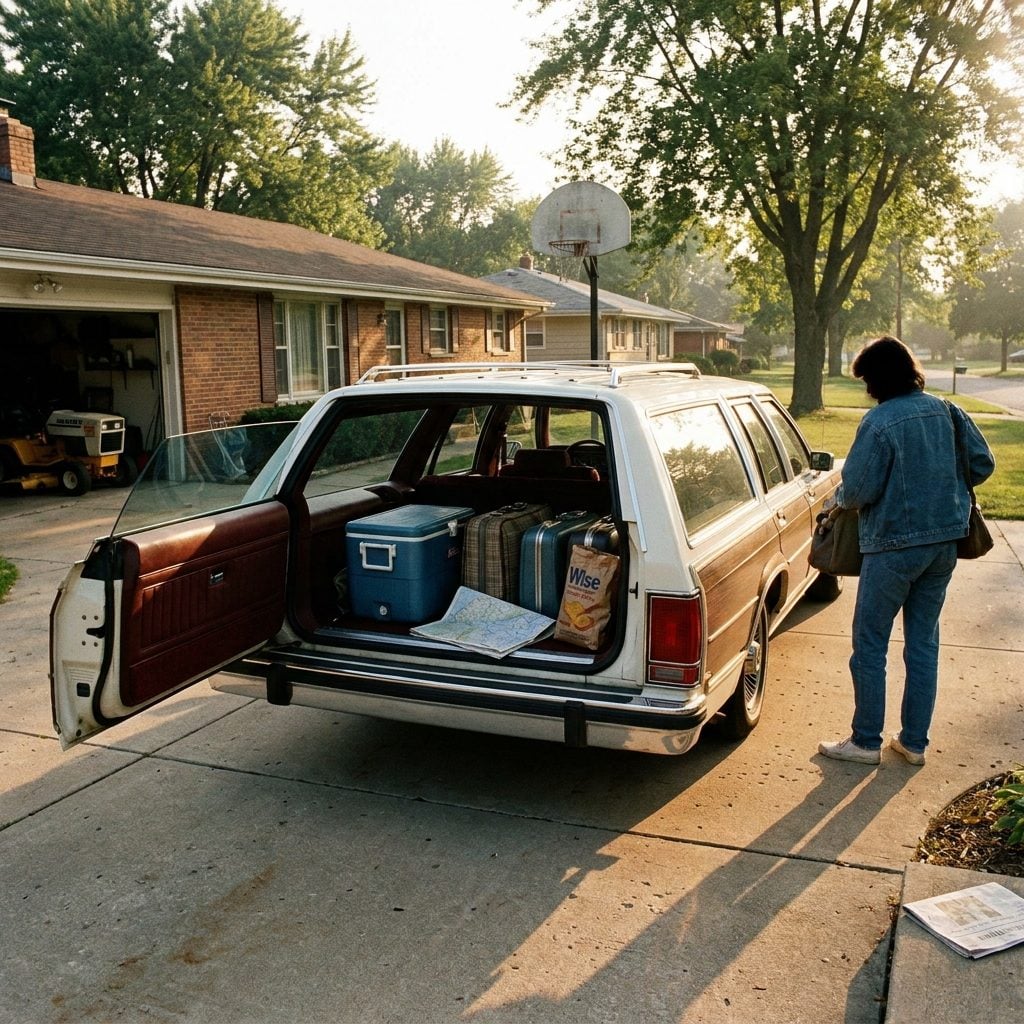
That fake woodgrain wasn’t fooling anyone, and nobody cared. The Di-Noc vinyl peeled at the corners by 1985 and bubbled in the August sun, but the Country Squire still pulled out of the driveway with the confidence of a ship leaving port. Every family road trip began in this car: the cooler jammed against the tailgate, the dog wedged between two kids, and at least one sibling getting carsick in the rear-facing third-row seat while watching the highway unspool behind them.
That backward seat was both a privilege and a punishment. Older kids fought for it. Younger kids regretted winning. The wagon came in shades with names like Colonial White and Midnight Blue Metallic, and if your family had one, you knew every inch of that rear cargo area the way other kids knew their bedrooms.
The Chevrolet Suburban That Made Every Dad Feel Like He Was Leading a Small Expedition
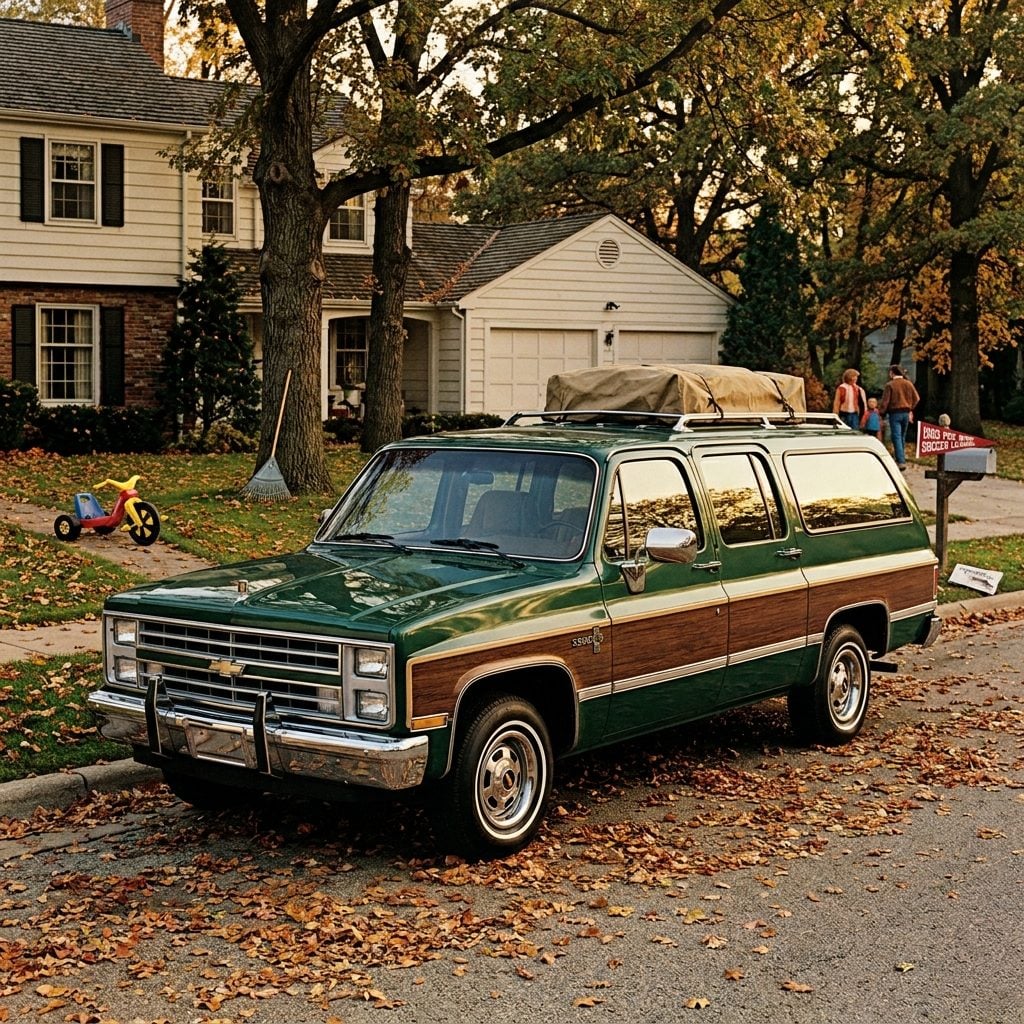
Before the SUV was a lifestyle category, the Suburban was just a truck with a roof over the back half. It weighed as much as a small building, got fuel economy that would make a 2024 engineer cry, and had absolutely no business being a family car. Families loved it anyway.
Ours had a bench seat up front that fit three adults and smelled like vinyl and old french fries. The thing about the Suburban was how seriously it made everyone take themselves. You weren’t going to soccer practice. You were deploying to soccer practice. A Suburban in the driveway said: we have gear, we have a plan, and we have room for six more people if needed. Nobody ever needed six more people. The Suburban didn’t care.
The Chrysler Town and Country Wagon That Announced You’d Made It to the Good Part of Town
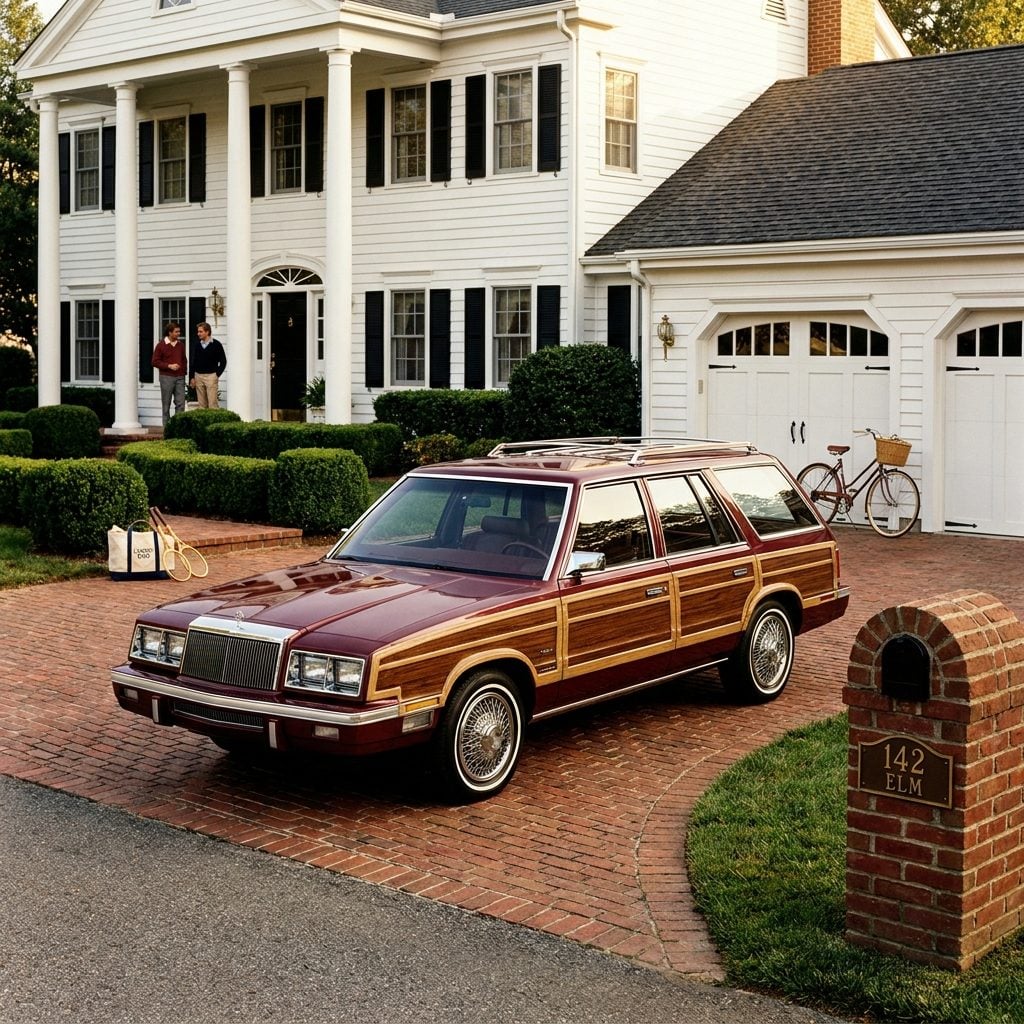
The Town and Country wasn’t just a station wagon. It was a station wagon with pretensions, and it earned them. While the Country Squire wore fake woodgrain vinyl, the 1980s Town and Country came with real wood trim accents on some trims, and the difference was the entire point. This was the wagon you parked at the club, not just the grocery store.
Burgundy was the color. Wire wheel covers were mandatory. The interior was cloth over velour in some configurations that felt distinctly hotel-lobbyish in the best possible way. Families who drove these also had monogrammed towels and a subscription to Architectural Digest, and everyone knew it without being told.
The Ford LTD Crown Victoria Sedan That Quietly Said ‘Dad Got the Promotion He Didn’t Tell Anyone About’
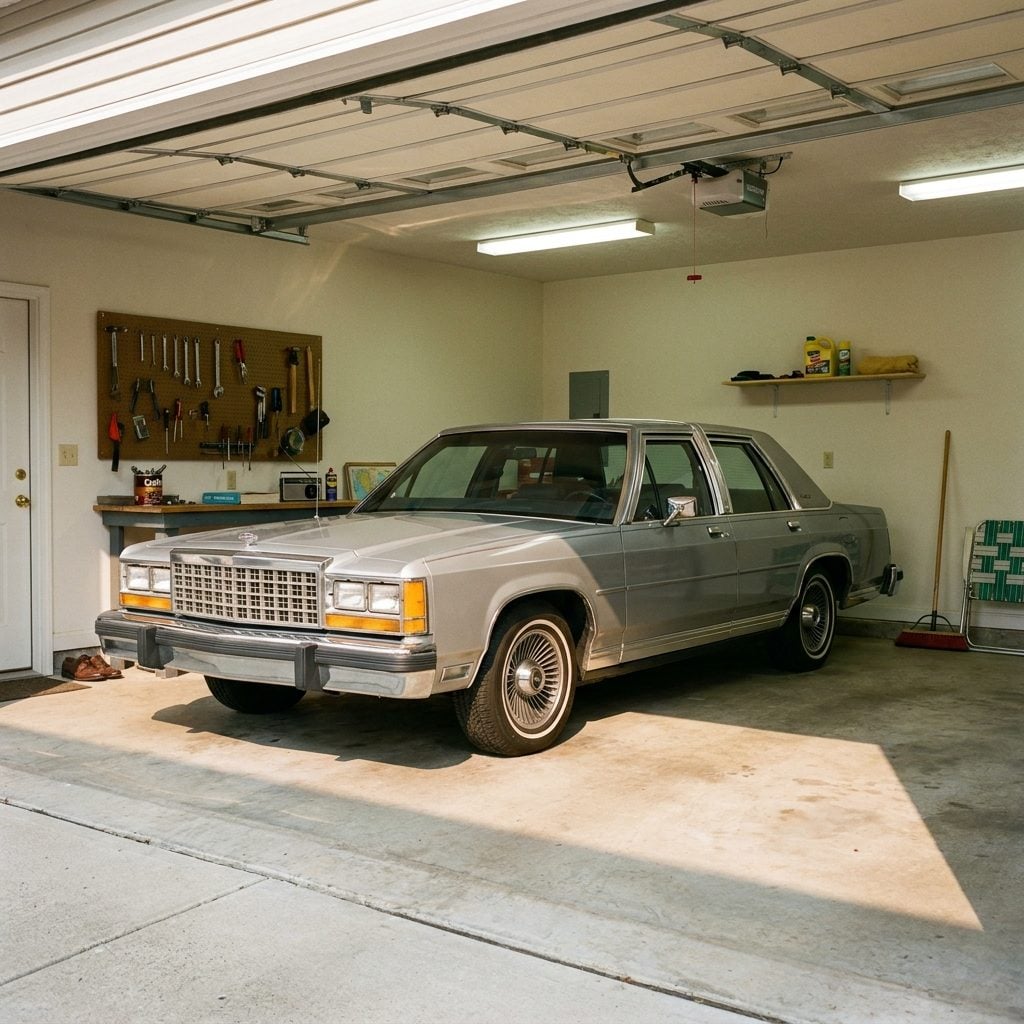
No one announced the Crown Victoria was coming. It just appeared one Saturday in the driveway, silver or champagne beige, with a vinyl roof and the kind of chrome trim that took a full afternoon to detail properly. Dad washed it with a chamois cloth, which was a new development.
The LTD Crown Victoria occupied a precise social frequency: above a plain LTD, below a Lincoln, exactly where a mid-level manager with two kids and a lake lot wanted to be. It had a 302 V-8, a split bench front seat, and rear legroom so generous it felt almost embarrassing. Riding in the back of one as a kid felt like a diplomatic motorcade to the orthodontist.
The Chevrolet Caprice Classic With Velour Seats So Soft You’d Fall Asleep Before You Left the Neighborhood
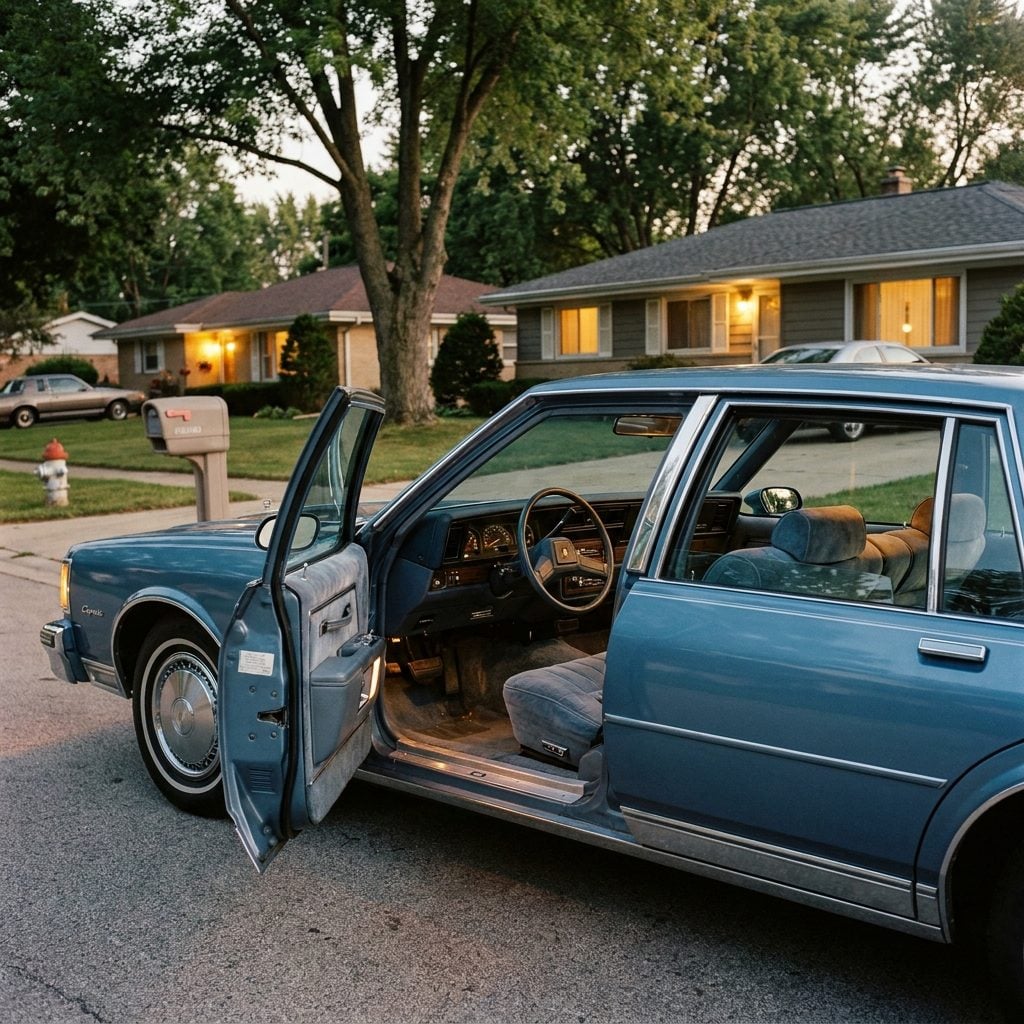
The velour. That’s the whole story, really. Chevrolet upholstered the Caprice Classic in a fabric that had no business being in an automobile. It was soft the way a hotel bedspread is soft, tufted in these little diamond patterns in shades like Medium Saddle and Slate Blue, and after about twenty minutes on the highway, every kid in the back seat was completely unconscious.
The Caprice Classic was America’s default full-size sedan for most of the 1980s, selling in numbers that seem impossible now. It was enormous, quiet, and almost aggressively comfortable. The ride was so floaty it felt less like driving and more like being transported on a very slow cloud. Grandparents swore by it. Rental car companies bought them by the fleet. And somehow it remains one of the most fondly remembered cars of the decade.
The Jeep Grand Wagoneer With Woodgrain Trim and Ski-Weekend Energy That Never Actually Required Skis
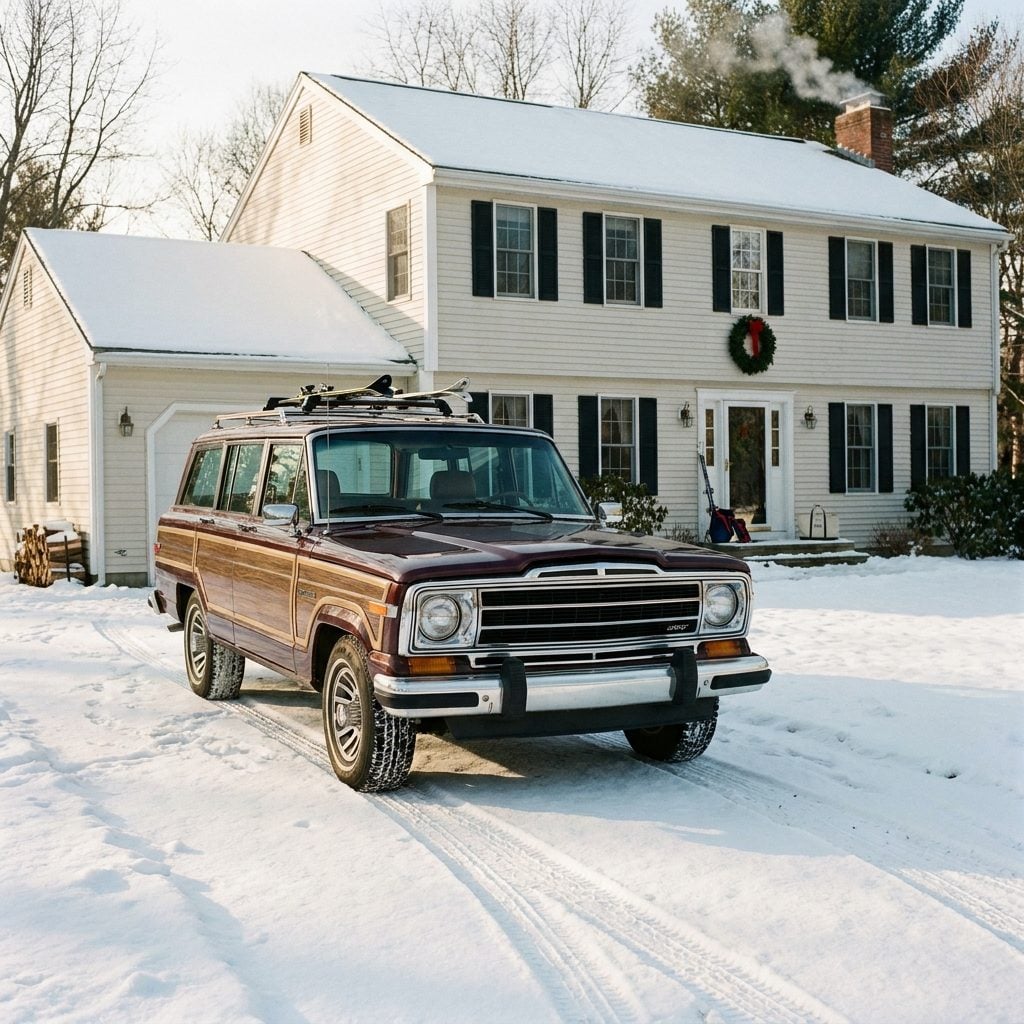
The Wagoneer existed in its own category: too nice for actual off-roading, too rugged for the country club, and exactly right for people who owned both a ski rack and a tennis bag and saw no contradiction there. That woodgrain trim was real wood, which distinguished it from every other faux-paneled wagon on the block and which nobody let you forget.
By the mid-1980s, a Grand Wagoneer in the driveway was a specific signal. It said: we ski, we have a place in Vermont we call ‘the cabin’ even though it has six bedrooms, and we subscribe to Ski magazine. The 360 cubic inch V-8 got approximately nine miles per gallon, and the people who bought these were fine with that in a way that felt almost principled.
The Oldsmobile Cutlass Supreme That Somehow Appeared in Every Single Suburban Cul-de-Sac in America
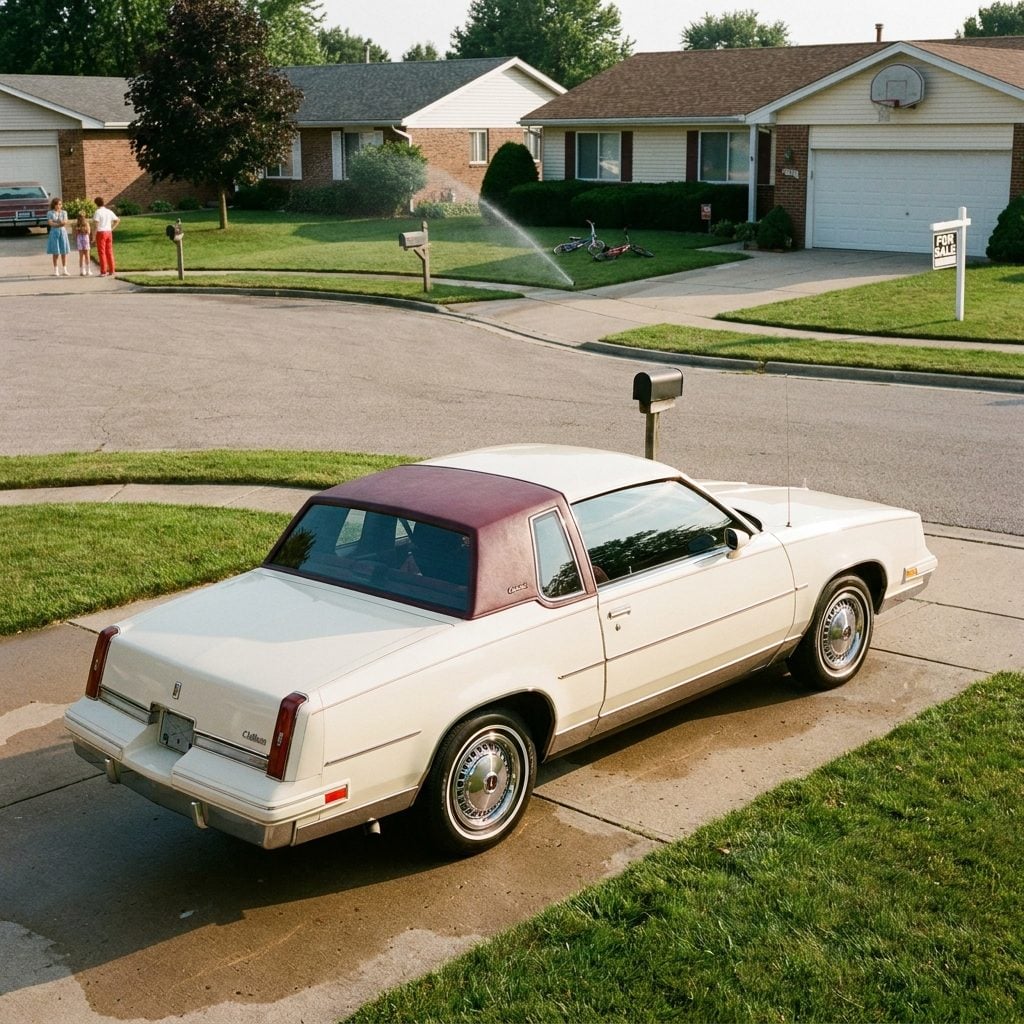
There is no rational explanation for how many Cutlass Supremes existed in suburban America in the 1980s. Oldsmobile sold over 400,000 of them in a single year at the peak, which means if you grew up in a subdivision between 1980 and 1988, one was parked within visual range of your front door at all times. White with a burgundy landau top was the configuration. It was always white with a burgundy landau top.
It wasn’t flashy and it wasn’t cheap. It was the perfect middle-class American coupe, with just enough opera window and chrome trim to feel like a small luxury. Moms drove them. Dads drove them. The high school vice principal drove one. The Cutlass Supreme was less a car than a demographic fact.
The Buick Electra Estate Wagon Stretching Nearly the Length of a Small Yacht
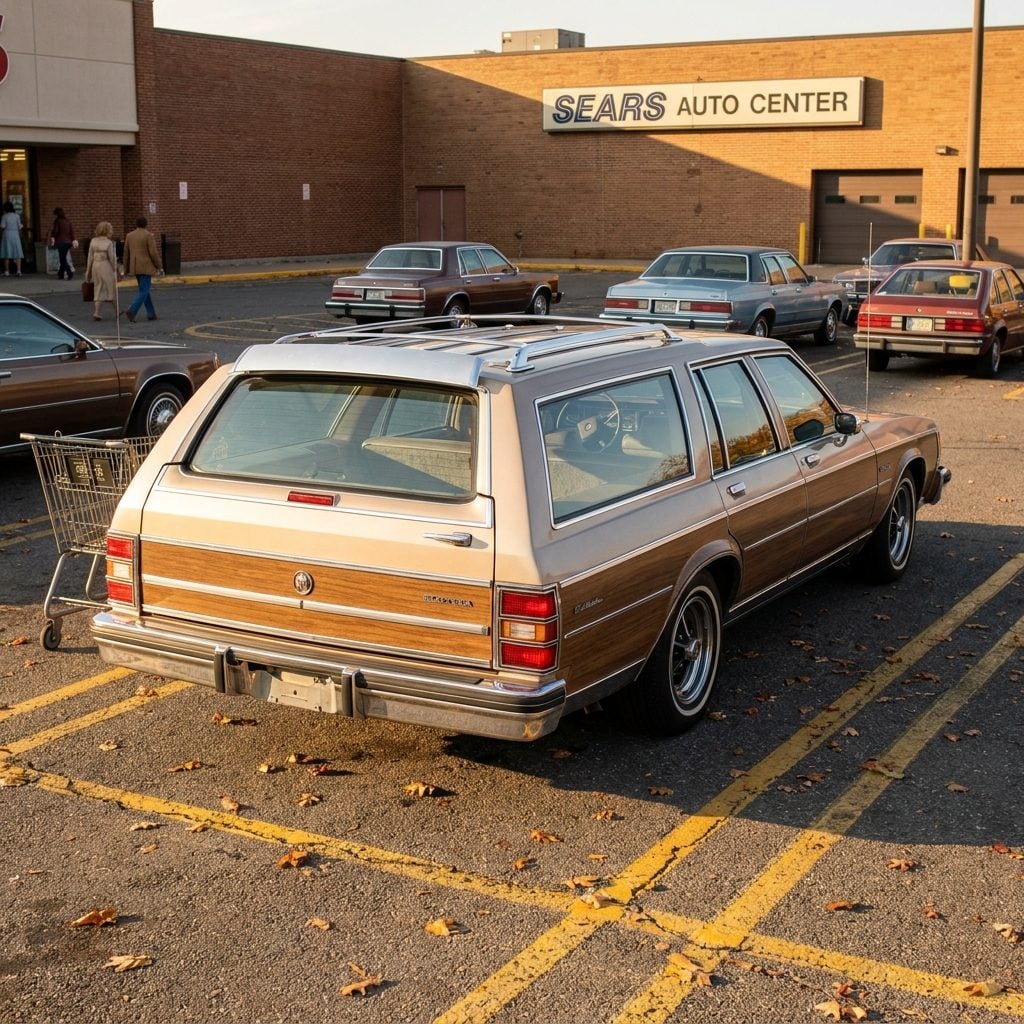
The Buick Electra Estate measured over 220 inches long, which is the kind of number that only makes sense when you watch someone try to parallel park one in real time. It was a Buick Electra 225 sedan that had been, somehow, made longer, then turned into a station wagon, then given simulated woodgrain paneling because the 1980s demanded it.
Owning one meant you bought groceries with real commitment. The rear cargo area could swallow two weeks of Costco haul before the Costco existed to fill it. Three rows of passengers. Four hundred cubic feet of GM soft-ride suspension. A 307 V-8 that idled with the low, satisfied rumble of something that had absolutely nothing left to prove.
This was the top of the GM wagon hierarchy, a full rung above the Caprice Estate and two rungs above the Malibu. Parking it was a skill. Drivers who mastered it earned a quiet, unspoken respect from the neighborhood.
The Pontiac Firebird Trans Am Every Suburban Dad Secretly Wanted After Watching Smokey and the Bandit
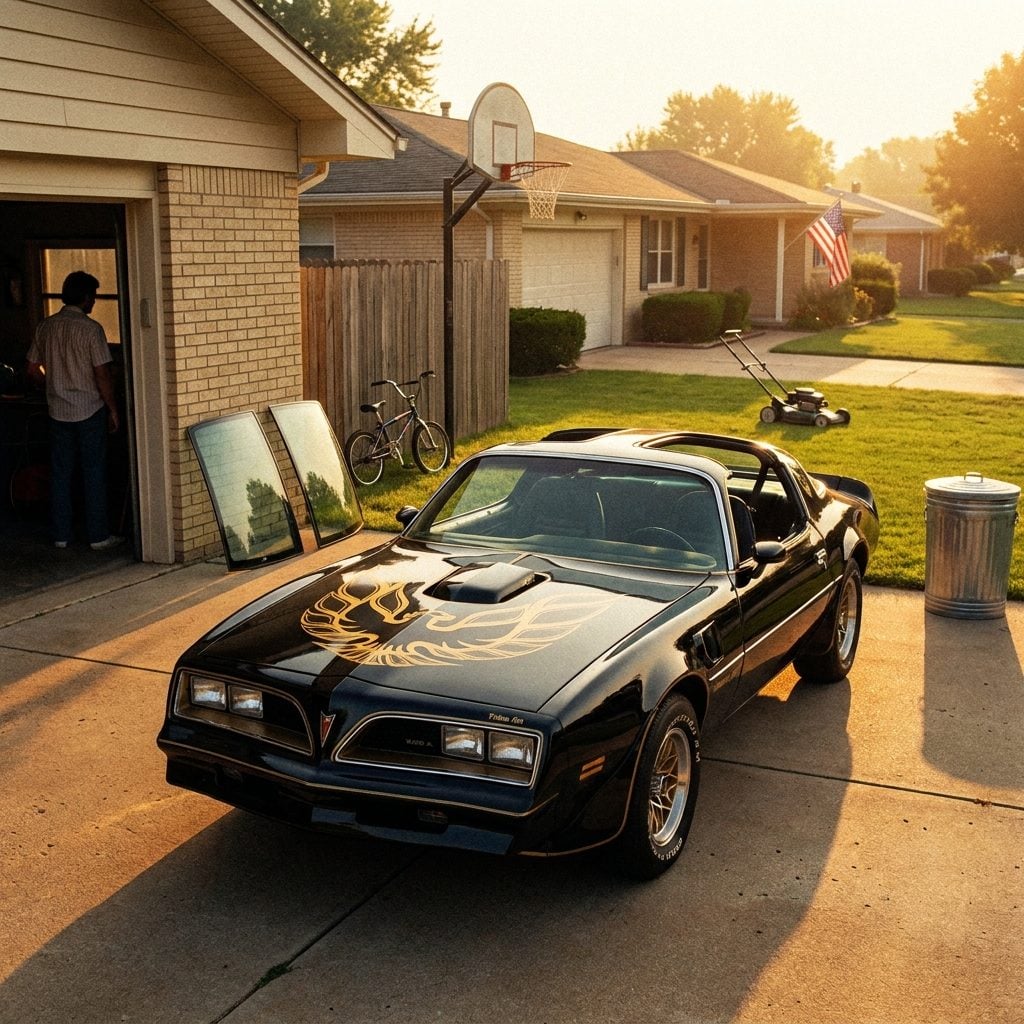
There it was, right in the opening credits. Burt Reynolds behind the wheel, that black hood with the gold bird stretched wide across it, and every suburban dad in America quietly doing the math on whether a Trans Am was a reasonable family car. (It was not. They knew this. They didn’t care.)
The 6.6-liter 400 under that shaker hood scoop wasn’t practical by any measure. But practicality wasn’t the point. The point was the T-tops coming off on a Saturday morning, the CB radio mounted under the dash, and the fantasy that your commute to work could feel, just briefly, like a car chase through Georgia.
The Chevrolet Camaro Z28 That Teenagers Taped to Their Bedroom Walls While Their Parents Quietly Approved
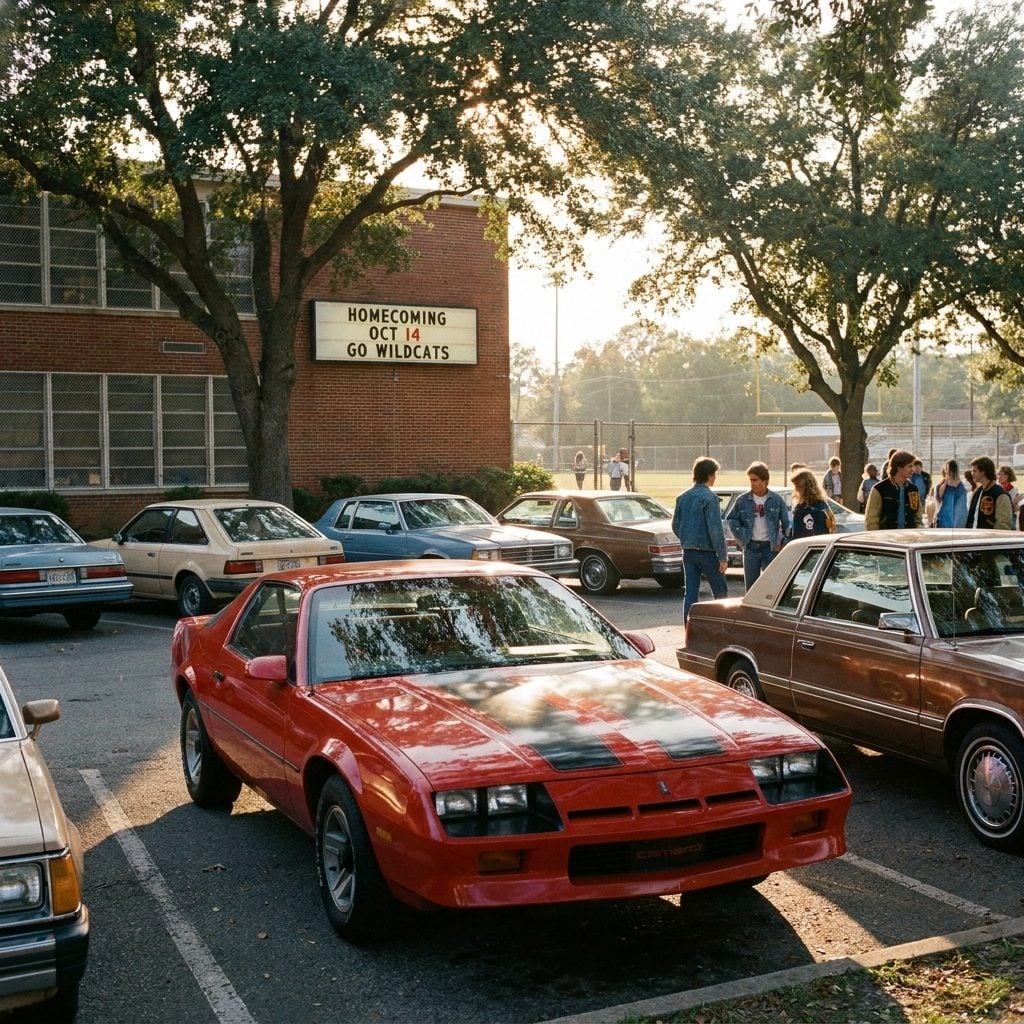
Every teenage bedroom in the suburbs had at least one. The poster came in two versions: Camaro Z28 over a mountain road at sunset, or Camaro Z28 in a studio shot on a black background with red gradient lighting. Either way, it was taped above the desk or over the bed, slightly crooked, two corners peeling.
What’s funny is that the parents who sighed about it were often the same ones sneaking a longer look in the driveway at the Sheffields’ house when their neighbor parked one. The Z28’s cross-fire fuel injection and that squared-off third-generation body were genuinely hard to argue with. It was loud, impractical, and got about 16 miles per gallon. The suburbs loved it anyway.
The Volvo 240 Wagon That Quietly Became the Status Symbol of Families Who Read the New Yorker
Would you like to save this?
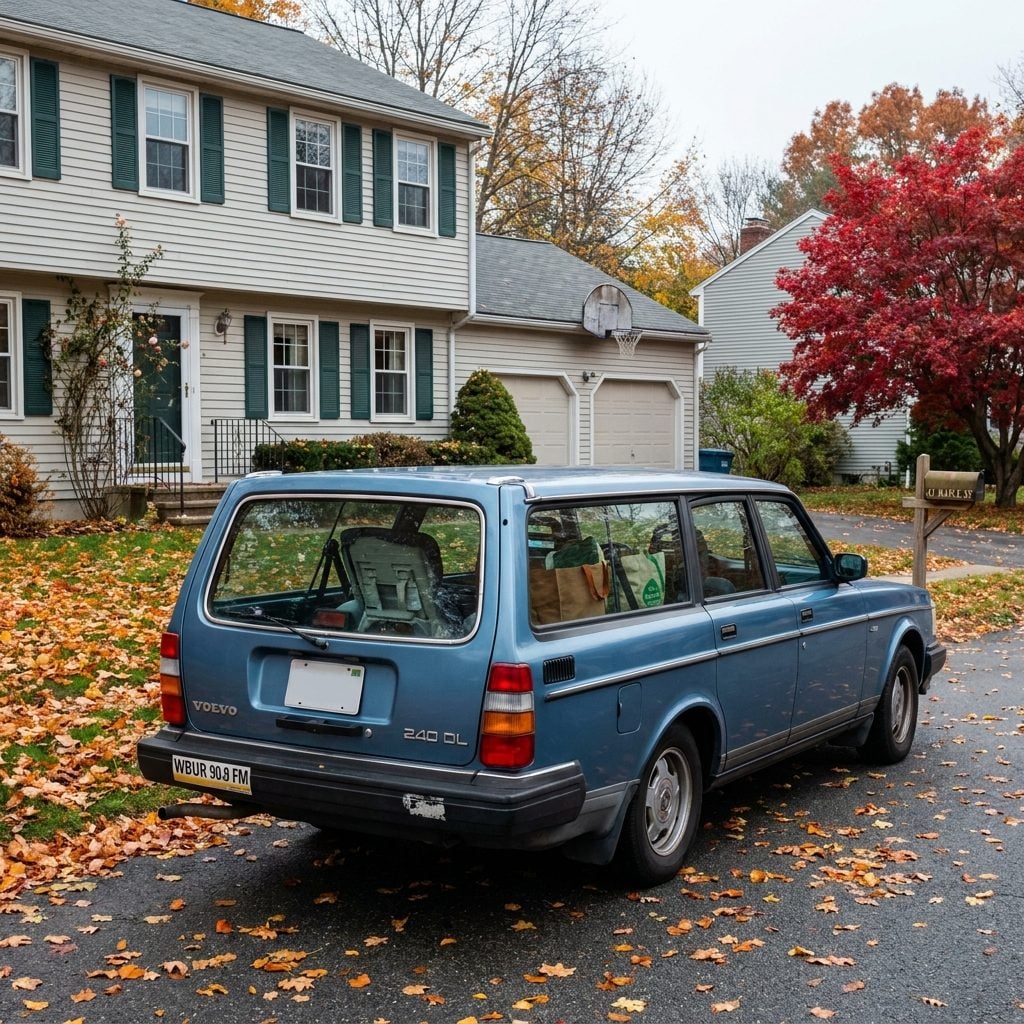
Nobody ever bought a Volvo 240 wagon to make a scene. That was exactly the point. The 240 was what you drove when you wanted people to know you’d thought carefully about your choices and found domestic flash a little beneath you.
These things were absolutely everywhere in certain ZIP codes. The kids who grew up in them remember the slightly diesel-ish smell of the interior, the rear-facing back seat that made every road trip into a game of watching cars fall behind you, and that particular Swedish instrument-cluster font that somehow communicated seriousness better than a spread of American chrome ever could.
Safe, boxy, and built as if the engineers had never heard of styling trends. One of the most quietly beloved cars of the entire decade.
The Honda Accord Hatchback That Introduced an Entire Generation to the Radical Concept of a Car That Actually Worked
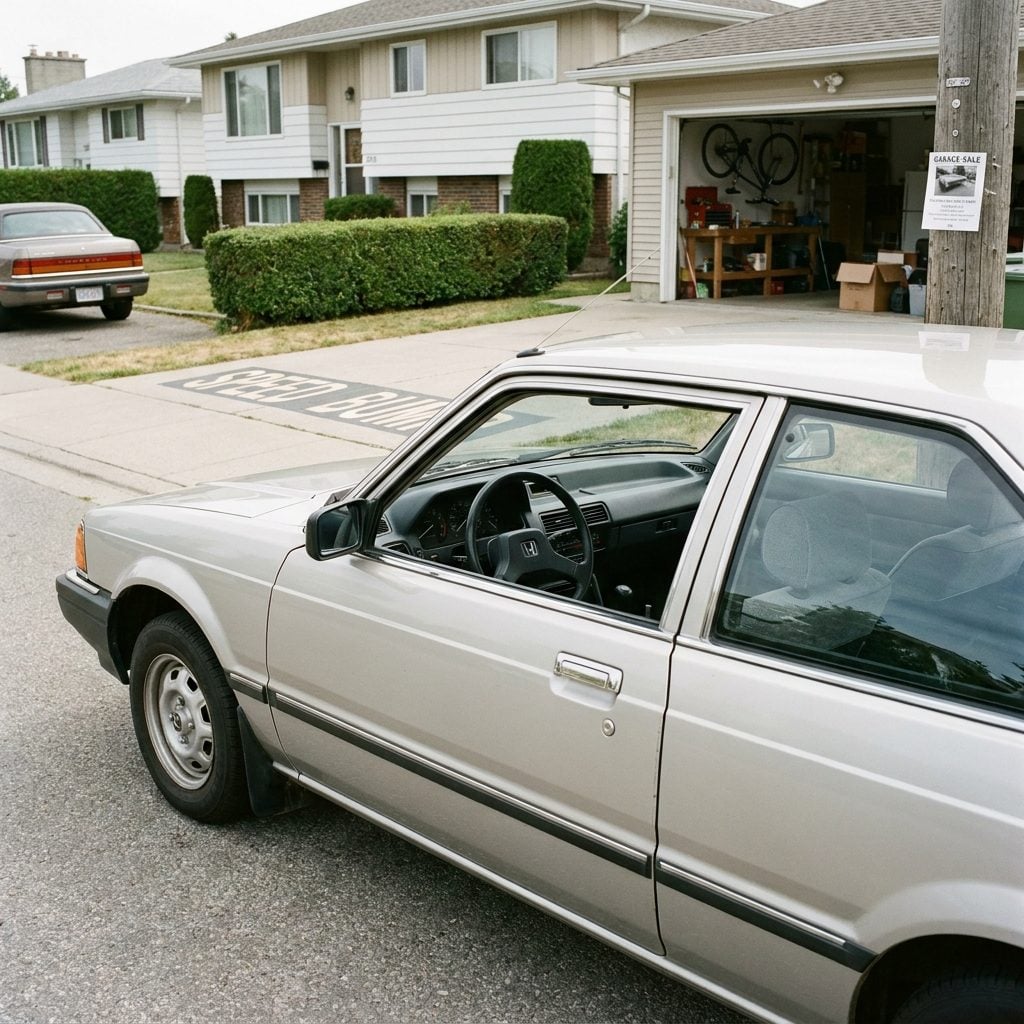
Before the Accord, most American suburban families had simply accepted that cars needed regular, expensive, slightly humiliating repair. The Honda Accord hatchback arrived and treated that as optional.
The 1980 to 1985 versions were nothing to look at. Gray or beige cloth, a dashboard that looked drawn by an engineer rather than a designer, and a 75-horsepower engine that wouldn’t impress anyone at a stoplight. But it started. Every time. In January. With 90,000 miles on it. That was genuinely shocking to people who’d owned Chryslers.
The Toyota Cressida That Made Japanese Luxury Feel Like Something Your Parents’ Friends Might Actually Buy
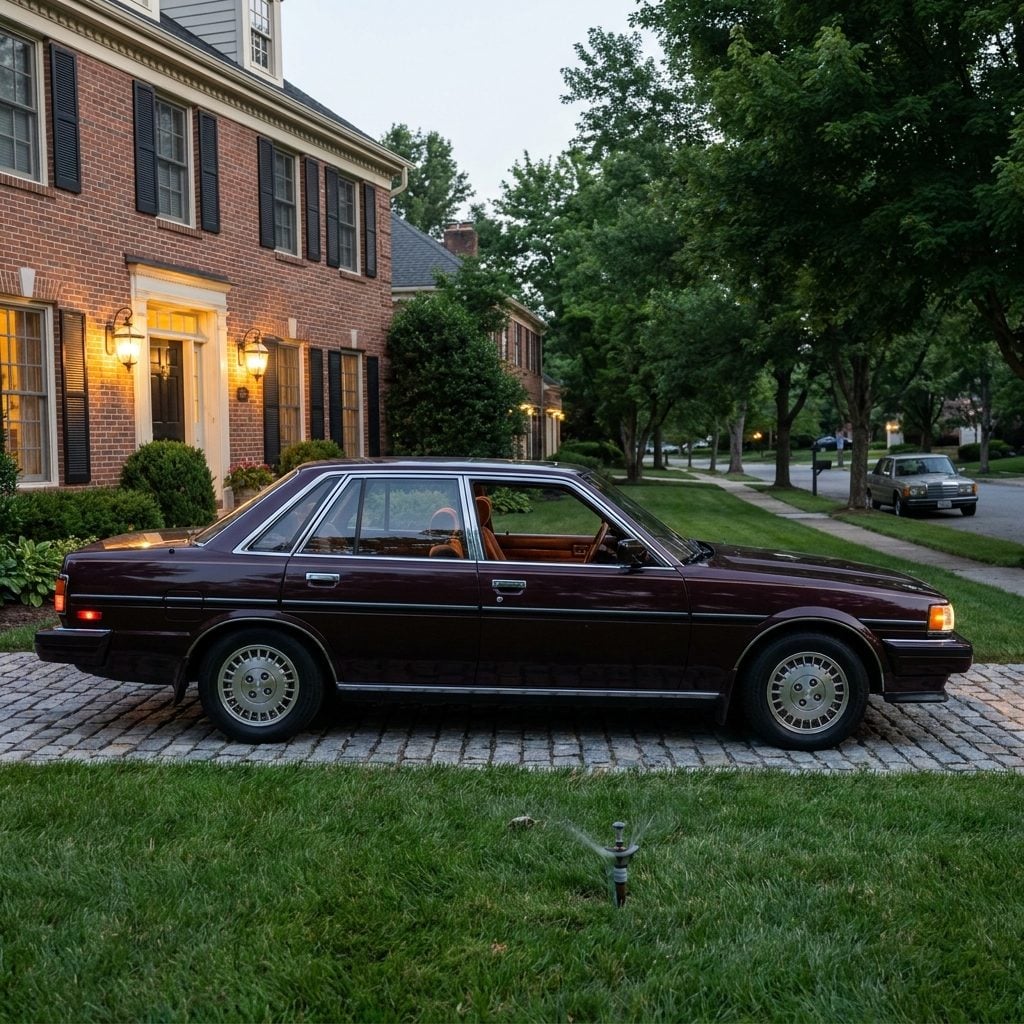
The Cressida was for the family on the block who had opinions about Scotch and owned a good set of luggage. It wasn’t sporty, it wasn’t flashy, and it certainly didn’t have a hood decal. What it had was wood-grain trim that looked genuinely like wood, a velour interior that swallowed you quietly, and a silky inline-six that made highway driving feel almost formal.
American luxury buyers were not quite ready to hand their loyalties to a Japanese brand in 1984. The Cressida didn’t argue the point. It just kept showing up in the driveways of dentists and accountants who’d done the research and decided the evidence was the evidence.
The Ford Bronco That Somehow Looked Right Parked Outside Both the Soccer Field and a Colorado Trailhead
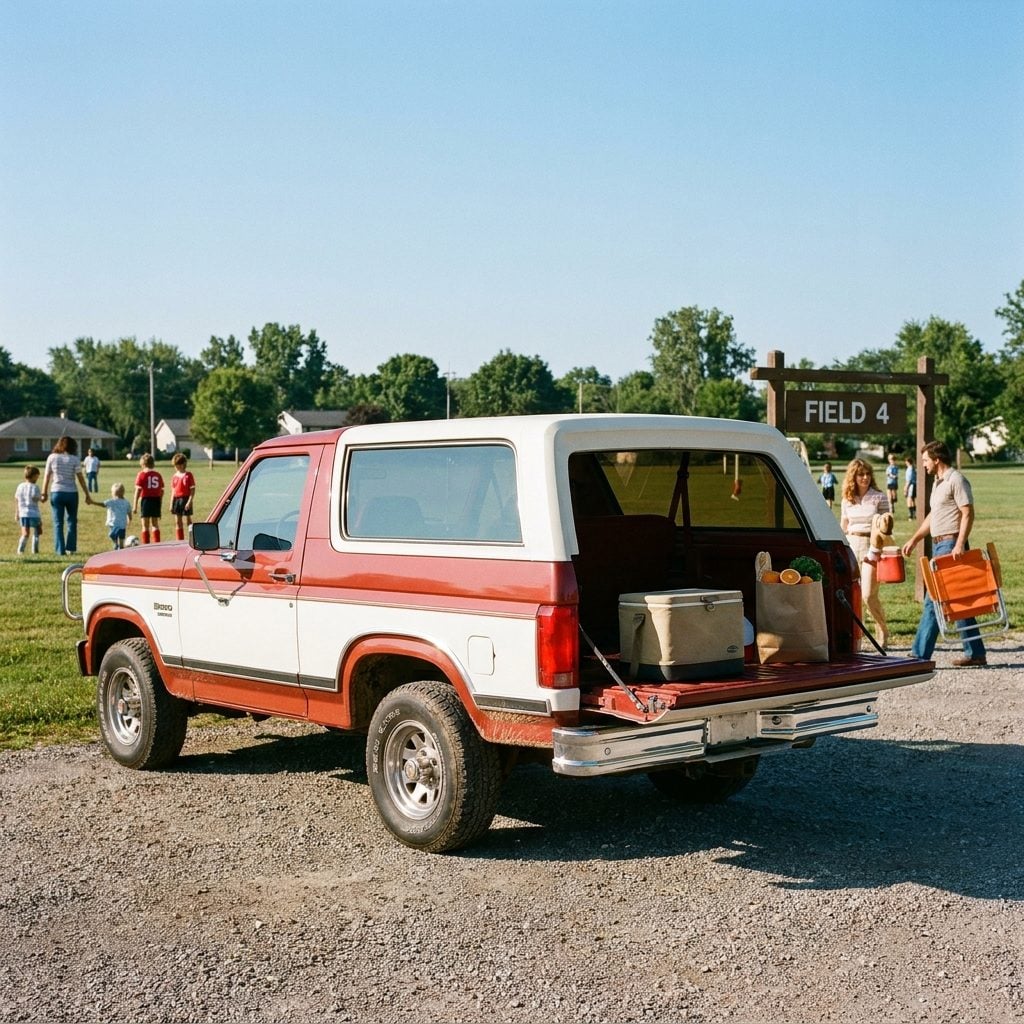
The full-size Bronco was absurd as a suburban school-run vehicle, and everyone who owned one understood this and was completely fine with it. It sat too high, it drank fuel without apology, and parking it in a standard space was a commitment.
None of that mattered, because it also had that removable rear top, a factory-standard sense of occasion, and the implicit promise that if the family ever decided to leave the subdivision and drive to Wyoming, the Bronco would handle it without breaking a sweat. Most families never did drive to Wyoming. The Bronco was ready, though. That counted for something.
Most families never drove to Wyoming. The Bronco was ready anyway. That counted for something.
The Cadillac Sedan DeVille Loaded With Enough Chrome to Cause Problems for Drivers Behind It in Direct Sunlight
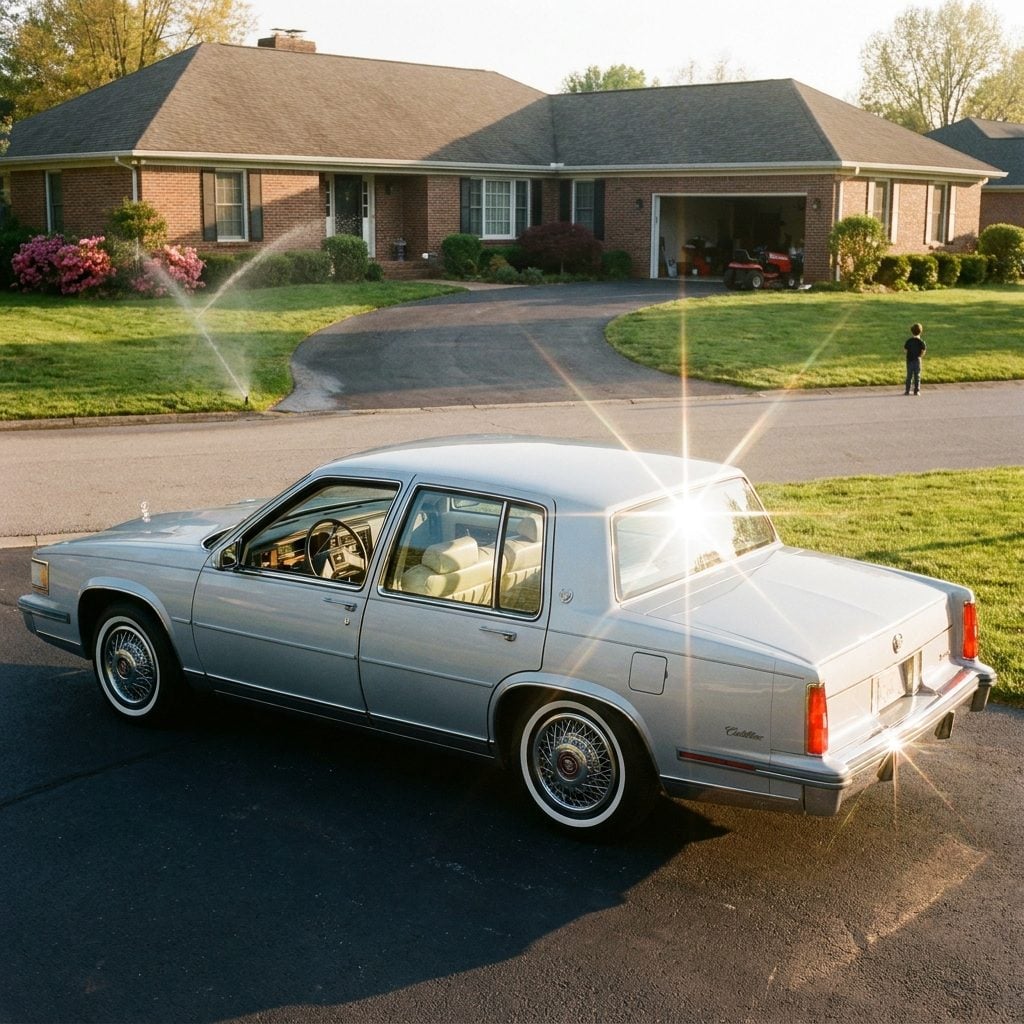
Every suburb had a neighbor with a DeVille, and that neighbor was always, always someone’s grandfather or a recently retired insurance regional manager named something like Gerald. The car announced itself before he turned onto the street. Chrome catches light from distances that seem statistically improbable.
Sitting in the front bench of a mid-80s DeVille was a different experience from any other car in the driveway. The seat cushions had that deep, pillowy compression that made you feel briefly like you were being processed for luxury. The ride quality was so smooth over broken pavement that it felt less like driving and more like being gently moved by a large, chrome-laden opinion.
The Lincoln Town Car That Made Suburban Dads Feel Professionally Obligated to Drive at Exactly the Speed Limit
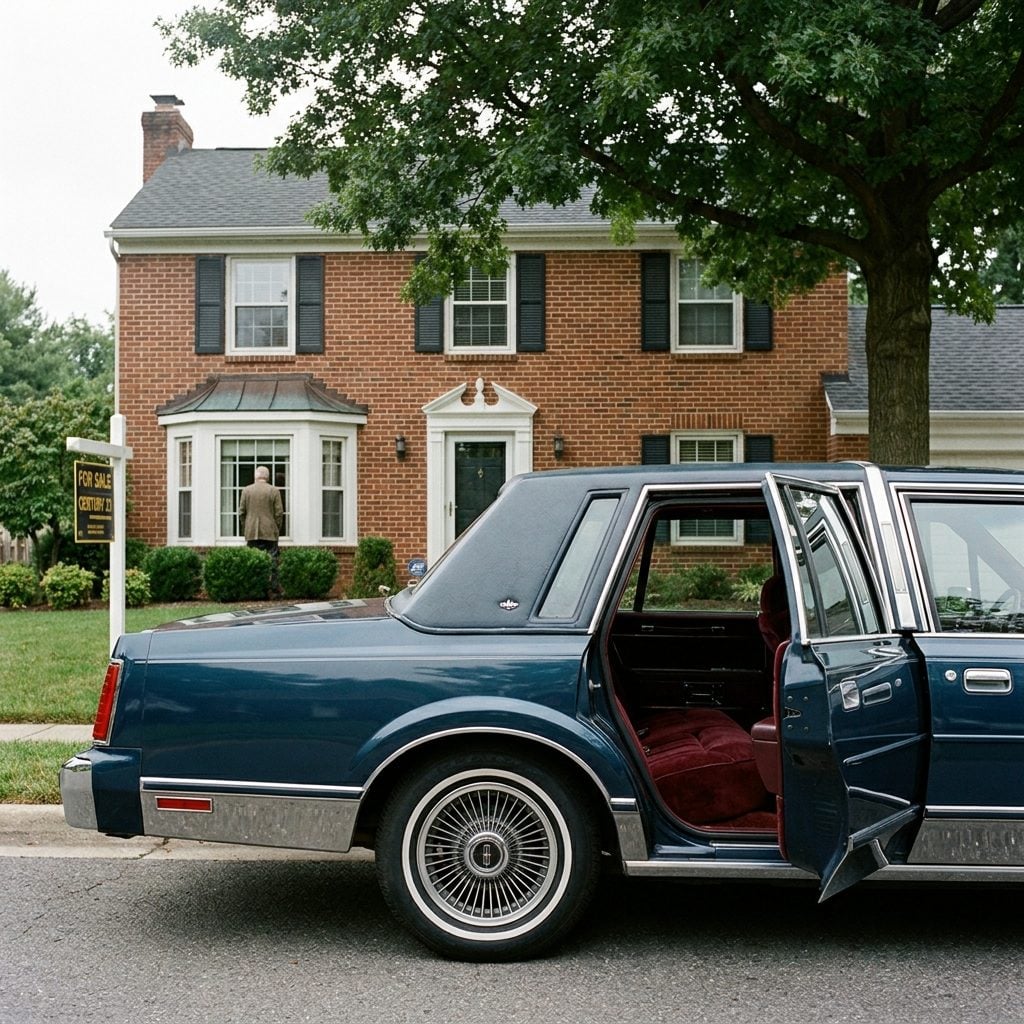
The Town Car was the DeVille’s more serious-minded competitor, and the distinction mattered to exactly the people who bought both. Lincoln emphasized formal luxury: opera windows, a padded vinyl roof, and a rear seat wide enough to sit three adults without negotiation.
What made the Town Car feel different from a Cadillac wasn’t the engineering. It was the attitude. DeVille owners seemed pleased with themselves. Town Car owners seemed simply correct. They sat straighter. They used turn signals ahead of time. They let you merge.
By 1987, the Town Car had become the default vehicle for a very specific suburban archetype: the man who had worked hard, arrived, and saw no reason to apologize for the fact that his car was the length of a small conference room.
The Chevrolet Blazer That Hinted SUVs Were About to Replace Station Wagons Forever
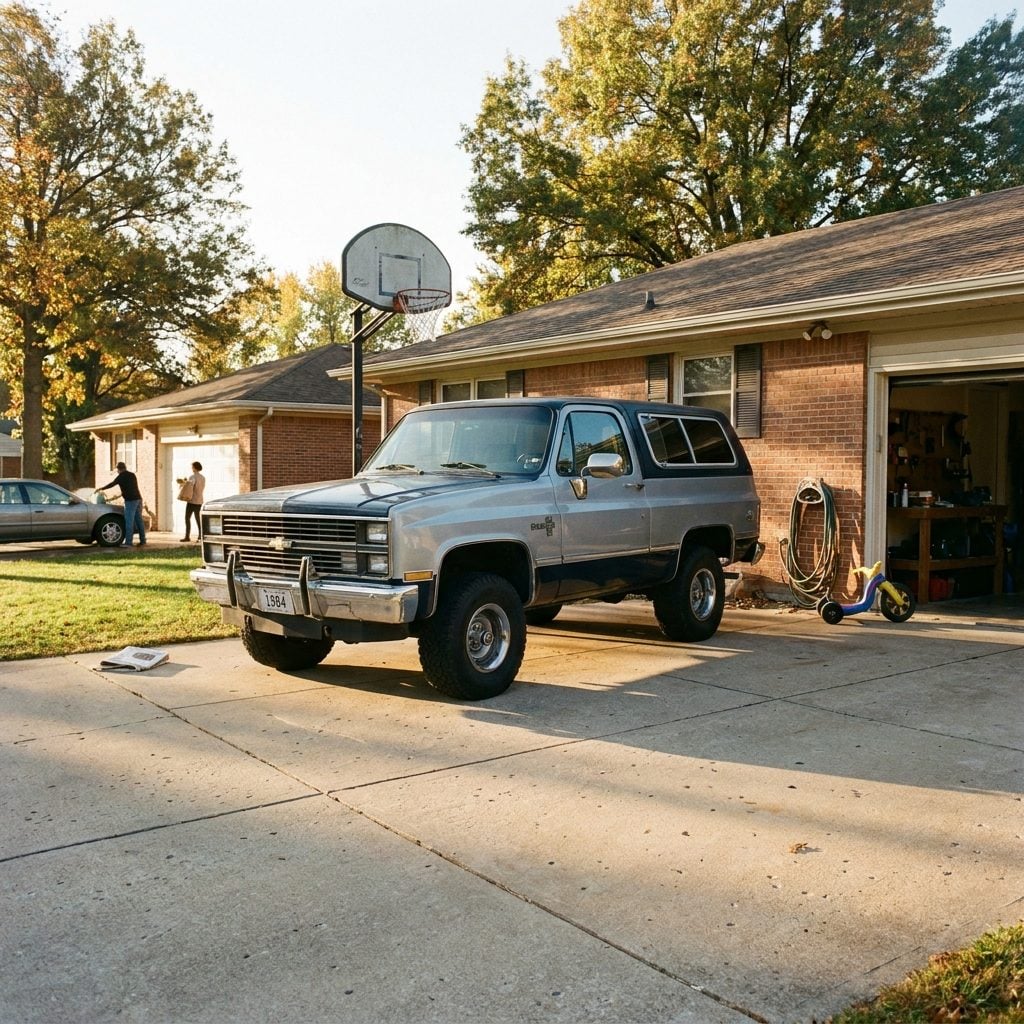
It sat higher than everything else on the block, and that was entirely the point. The mid-eighties Blazer wasn’t a truck people bought because they needed to haul things, it was a truck people bought because it looked like it could, and that was enough. Two-tone paint, chrome running boards, a spare tire mounted on the back like a badge of honor.
Nobody in the suburbs needed four-wheel drive. Nobody cared. The Blazer announced something the station wagon never could: that weekends had possibilities. It was the first crack in the dam, the earliest signal that American family transportation was about to go in a completely different direction. The minivans and crossovers that took over every school parking lot in the nineties owe a serious debt to this thing.
The Pontiac Bonneville with Plush Interiors and a Dashboard Full of Fake Woodgrain
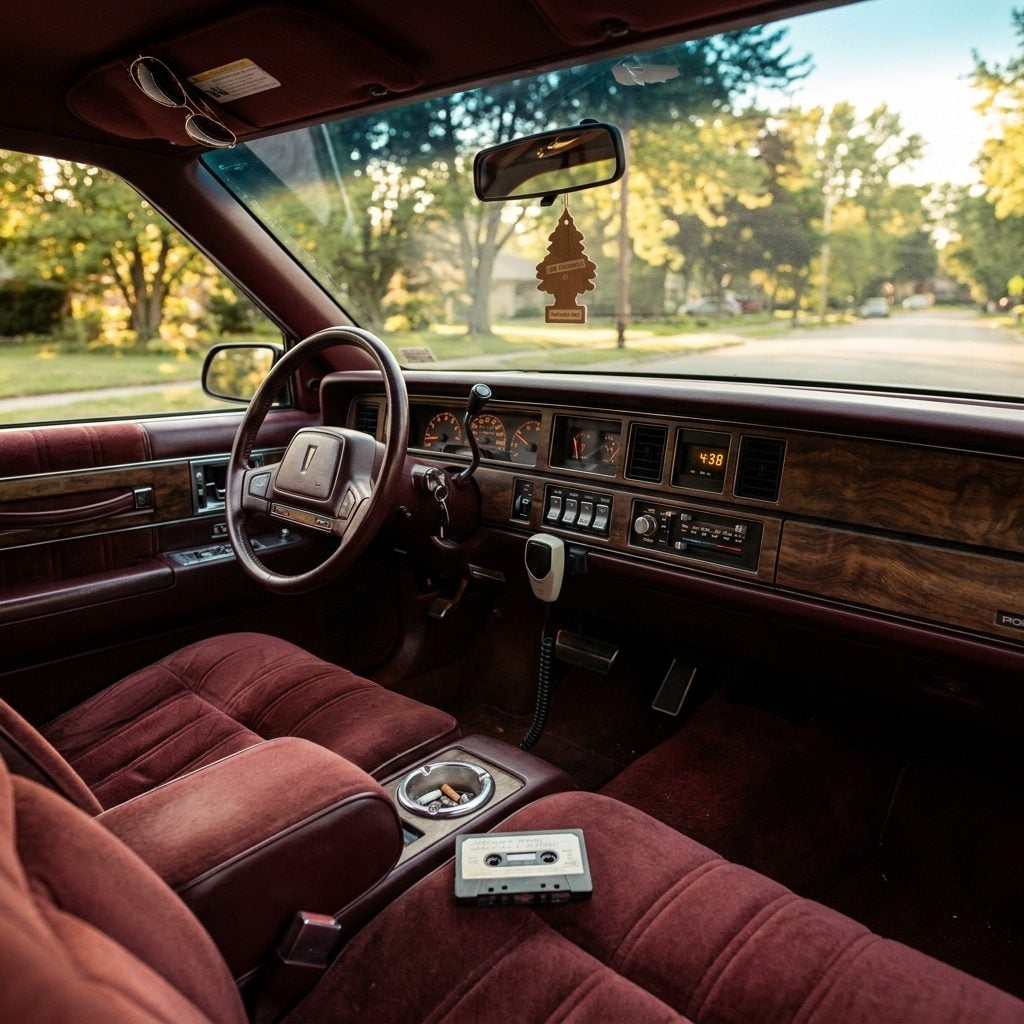
Burgundy velour. Let that sink in. The Bonneville’s interior felt less like a car cabin and more like a living room that had learned to drive, and the fake woodgrain running across the entire dashboard was the decorative equivalent of a shag rug. It was a lot, and it was absolutely glorious.
This was the car your uncle owned, the one who always had a mint in the center console and kept the floor mats so clean they looked like they’d never been walked on. The Bonneville was American luxury at its most confident and least ironic: big, soft, slightly absurd, and completely unapologetic about all of it.
The Dodge Caravan That Launched the Minivan Revolution Almost Overnight
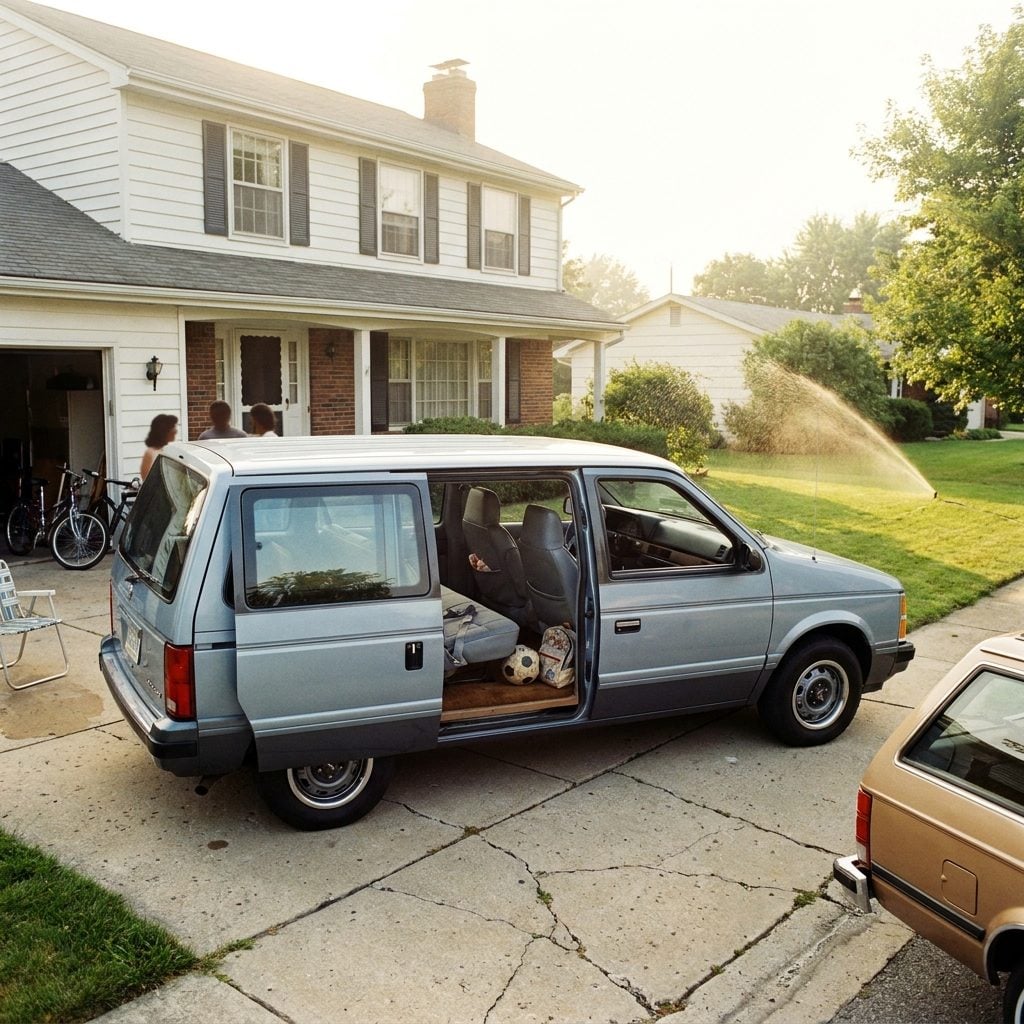
The Dodge Caravan arrived in 1984 and immediately made the station wagon look prehistoric. It had a sliding door. It had carpeting. It could fit five kids, a dog crate, a week’s worth of luggage, and still have room for the boogie boards. Chrysler had done something almost accidental: invented the vehicle that would define suburban parenthood for the next two decades.
Every family on the block either had one or was about to get one. The station wagon didn’t die gradually, it just looked out the window one morning, saw a Caravan in every driveway, and quietly gave up.
The Mercedes-Benz 300D Diesel Sedan That Symbolized Understated Suburban Success
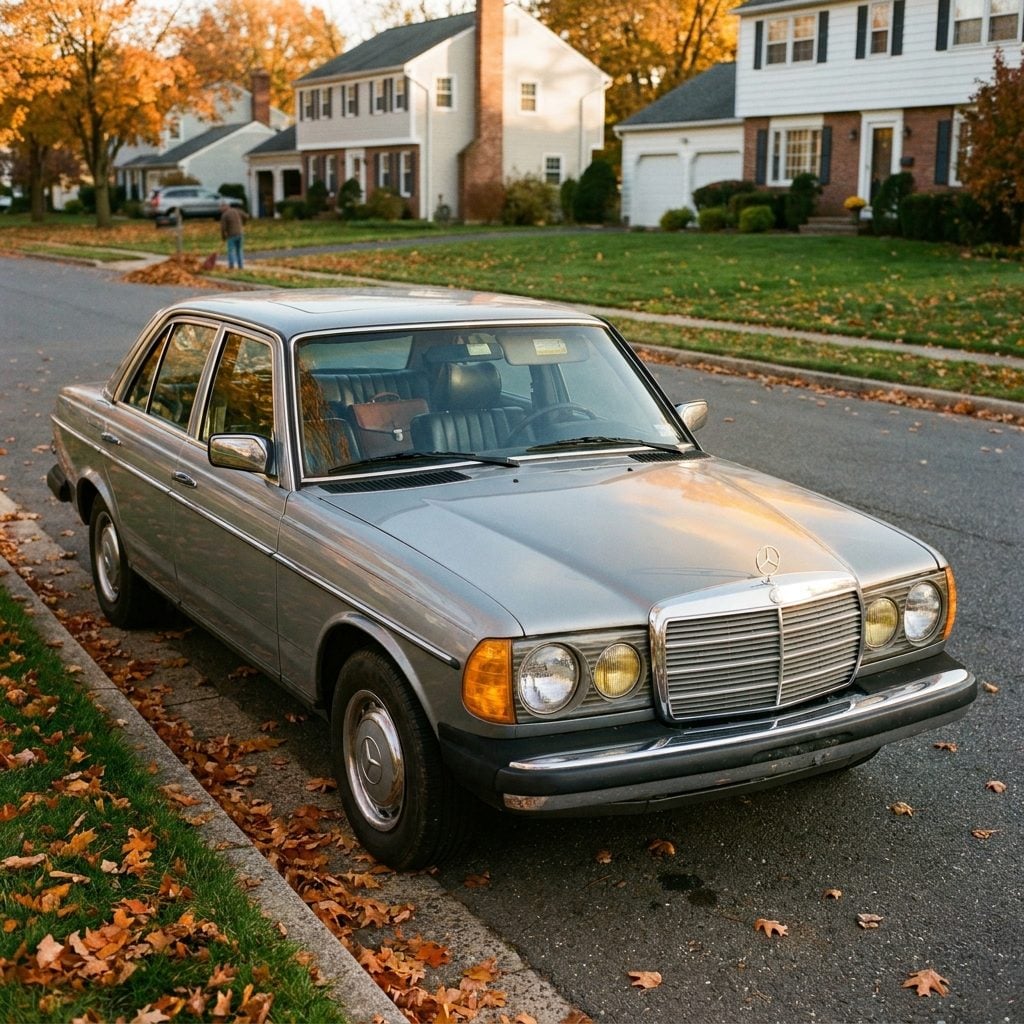
It made a sound unlike anything else on the block, a faint mechanical clatter at idle that sounded like a sewing machine with ambitions. The 300D didn’t roar or growl. It puttered, with tremendous dignity, and somehow that was more intimidating than any V8.
The family that had one never talked about it. That was the whole point. It was the car of the pediatric surgeon, the corporate attorney, the department chairman, people who had decided they didn’t need to impress anyone. Which, of course, was the most impressive position of all.
The BMW 3 Series That Made Ambitious Suburban Professionals Feel European and Sophisticated
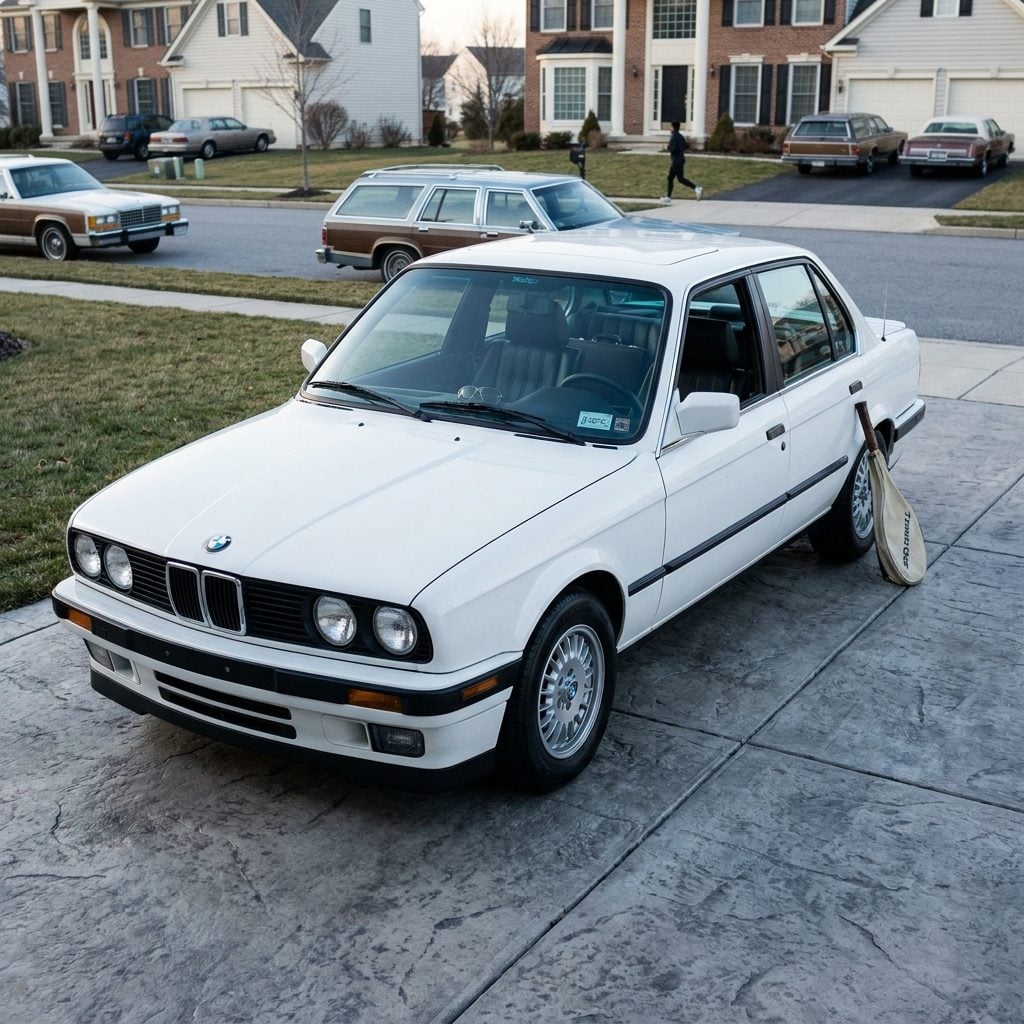
Owning a 3 Series in 1986 was a declaration. It said: I read the Wall Street Journal, I play squash on Thursdays, and I’ve been to Germany (or at least I’ve thought seriously about going). The proportions were just different from anything Detroit was selling, lower, tighter, like a suit that actually fit.
The whole mythology around it was completely real and also slightly ridiculous, which is true of most aspirational purchases. But when you drove one, the steering actually did feel different. Better. More direct. BMW had a point, and even the people who resented the smug bumper stickers had to admit it.
The 3 Series didn’t just move you from place to place. It reminded you, every single time, that you had made good choices.
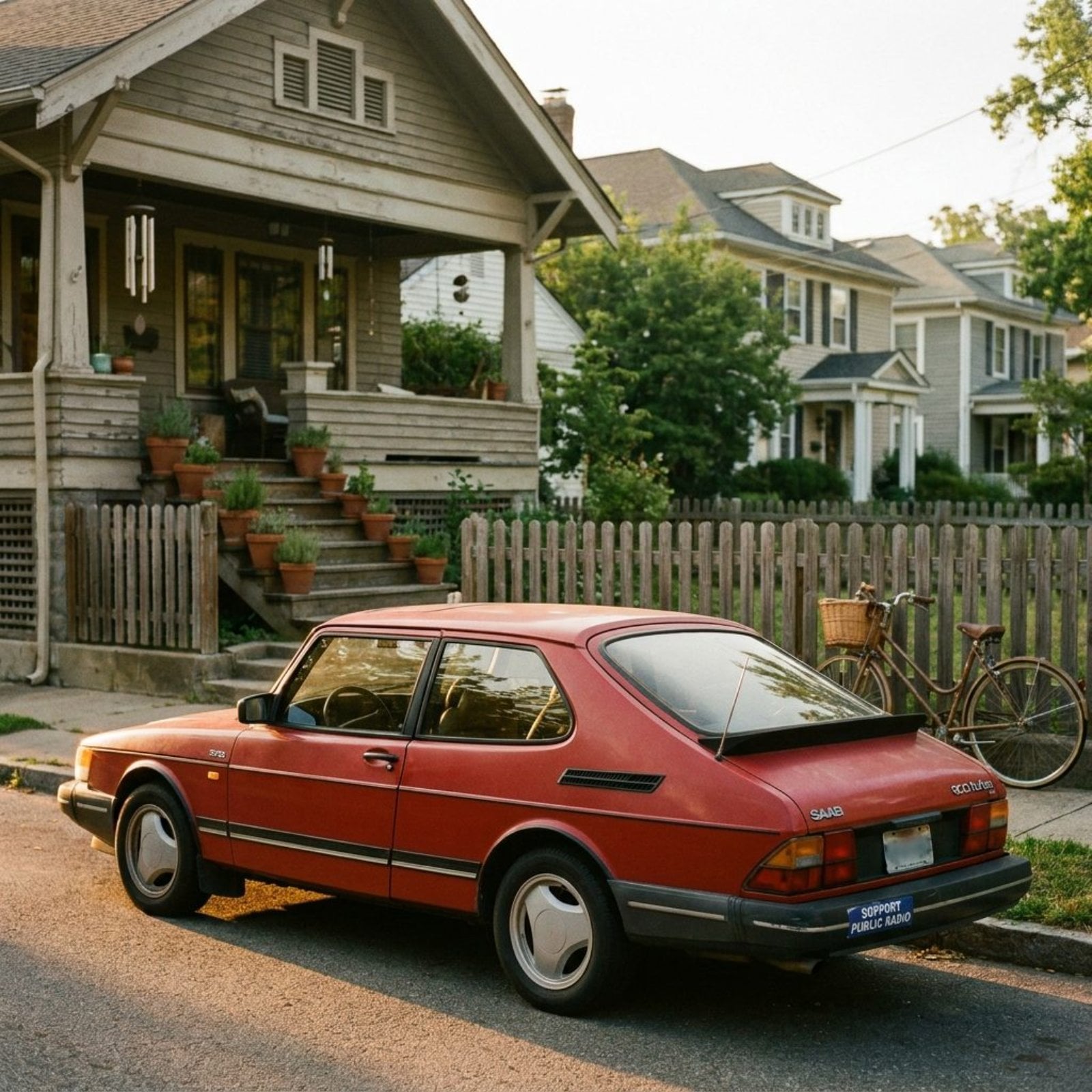
The Saab 900 Turbo Parked Outside the Homes of the ‘Interesting’ Neighbors
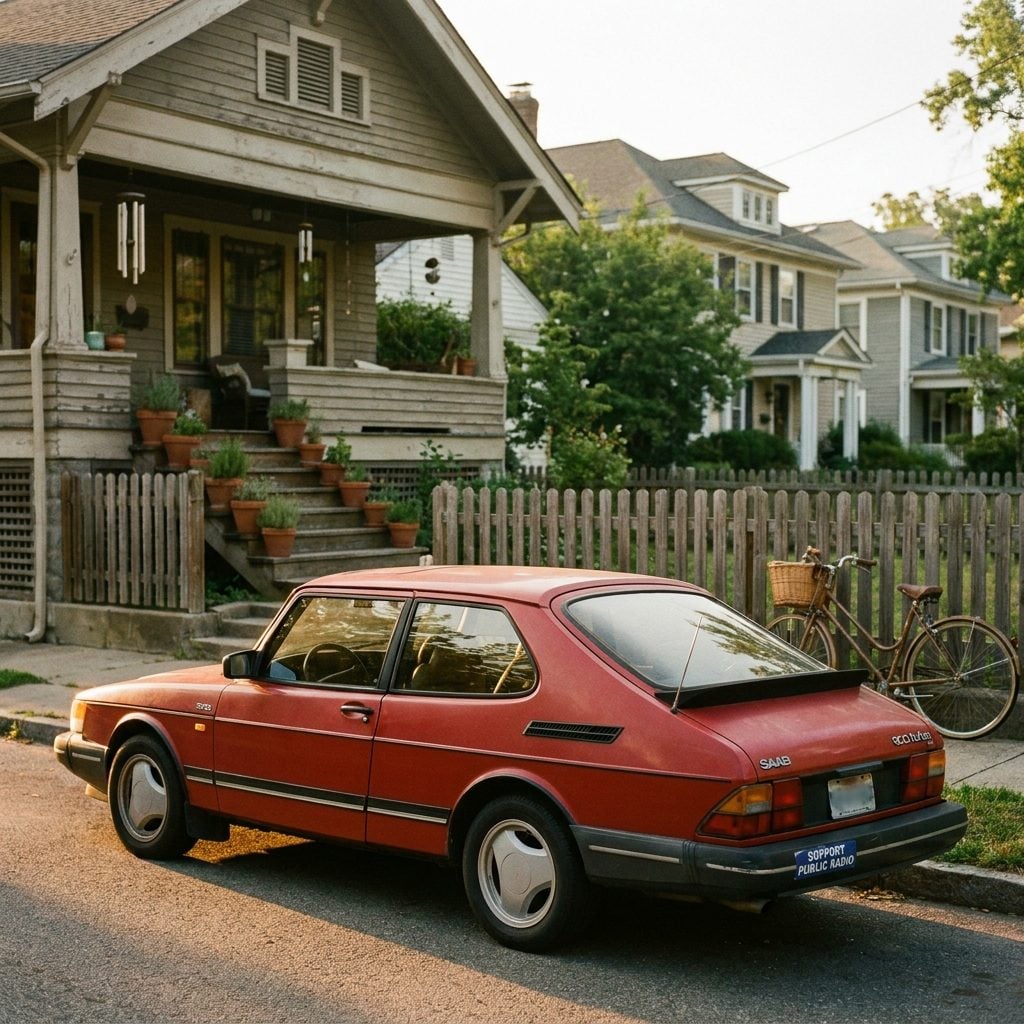
Every neighborhood had one house where the parents listened to public radio, kept a compost bin before that was a thing anyone did, and served their kids food that looked suspicious but turned out to be fine. Those parents drove a Saab 900 Turbo, and they drove it with an air of serene intellectual confidence that was either inspiring or maddening depending on your mood.
The ignition was between the seats. The turbo boost gauge was in the center console. The whole car was slightly, deliberately weird, built by a Swedish company that also made fighter jets, a fact Saab owners mentioned within the first ten minutes of any conversation.
It ran fine until it didn’t, at which point it required a specialist and significant money. The interesting neighbors paid without complaint.
The Nissan 300ZX Sports Car Every Suburban Teenager Dreamed About Owning Someday
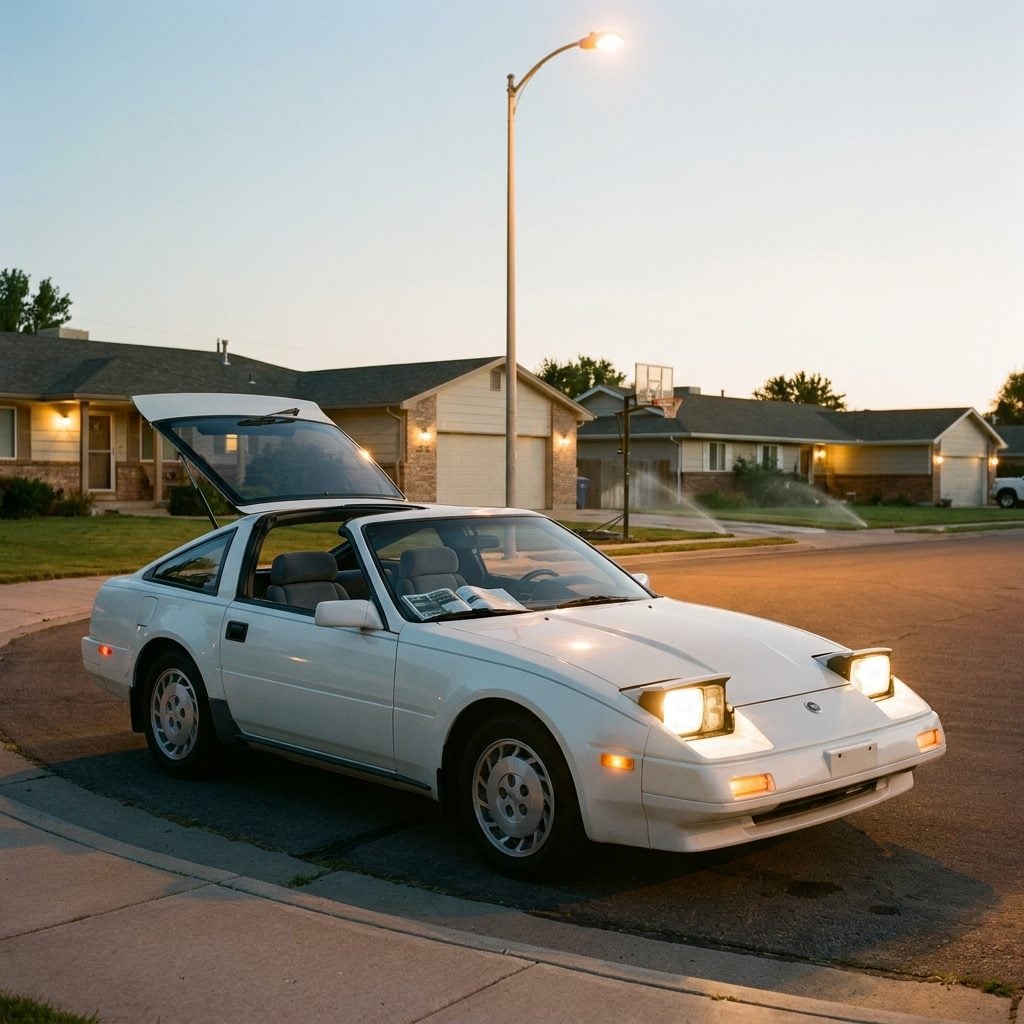
The poster was usually on the inside of the closet door or above the bed, cut from a Car and Driver or a Motor Trend, slightly crooked, one corner held up with extra tape. The 300ZX was the exact shape a fourteen-year-old’s idea of a sports car should be: wide hips, pop-up headlights, T-tops that came off in two pieces, a cockpit so packed with gauges it looked like something from a movie.
Nobody’s parents owned one. That was the point. It existed entirely in the future, in the version of your life where you were twenty-four and had a good job and a parking spot with your name on it. Most teenagers who dreamed about it ended up buying a Civic in 1995. Some of them are still not entirely over it.
The Chevrolet Monte Carlo SS with T-Top Roofs and Endless Driveway Polishing Sessions
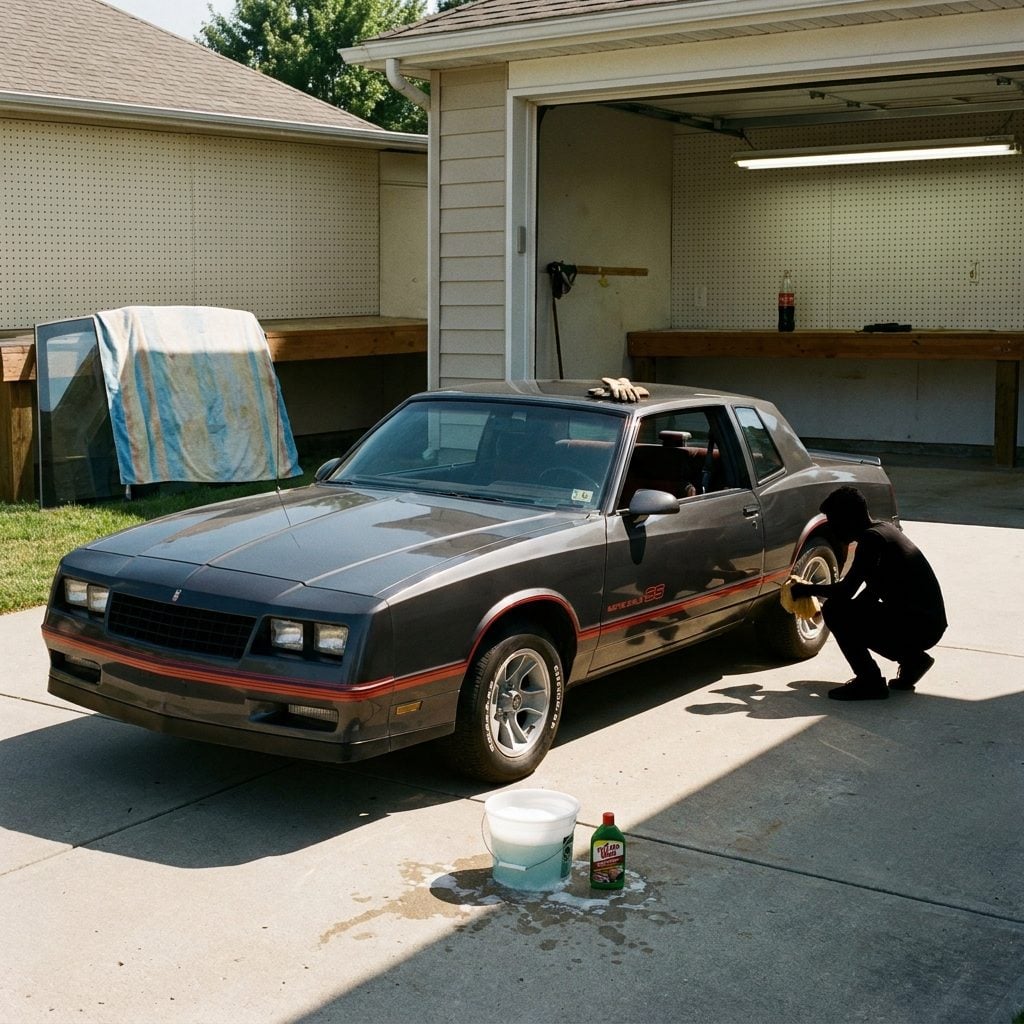
Sunday mornings had a sound in certain driveways: the squeak of chamois on clearcoat, the drag of a garden hose across concrete, the tinny rattle of Turtle Wax from a yellow and green can. The Monte Carlo SS owner did not wash this car. He detailed it, a distinction he would explain to you at length if you made the mistake of asking.
The T-tops came off for anything above sixty degrees. The SS stripes down the lower body were checked for swirl marks after every wash. The tape deck played something loud and specific, Foreigner, maybe, or early Def Leppard, and the whole ritual could run three hours on a good Sunday.
It wasn’t really about the car. It was about having a thing that was yours, that you maintained with your own hands, that looked sharp in a neighborhood full of station wagons and sensible sedans. That counted for something.
The Volkswagen Vanagon That Turned Camping Trips Into an Entire Family Identity
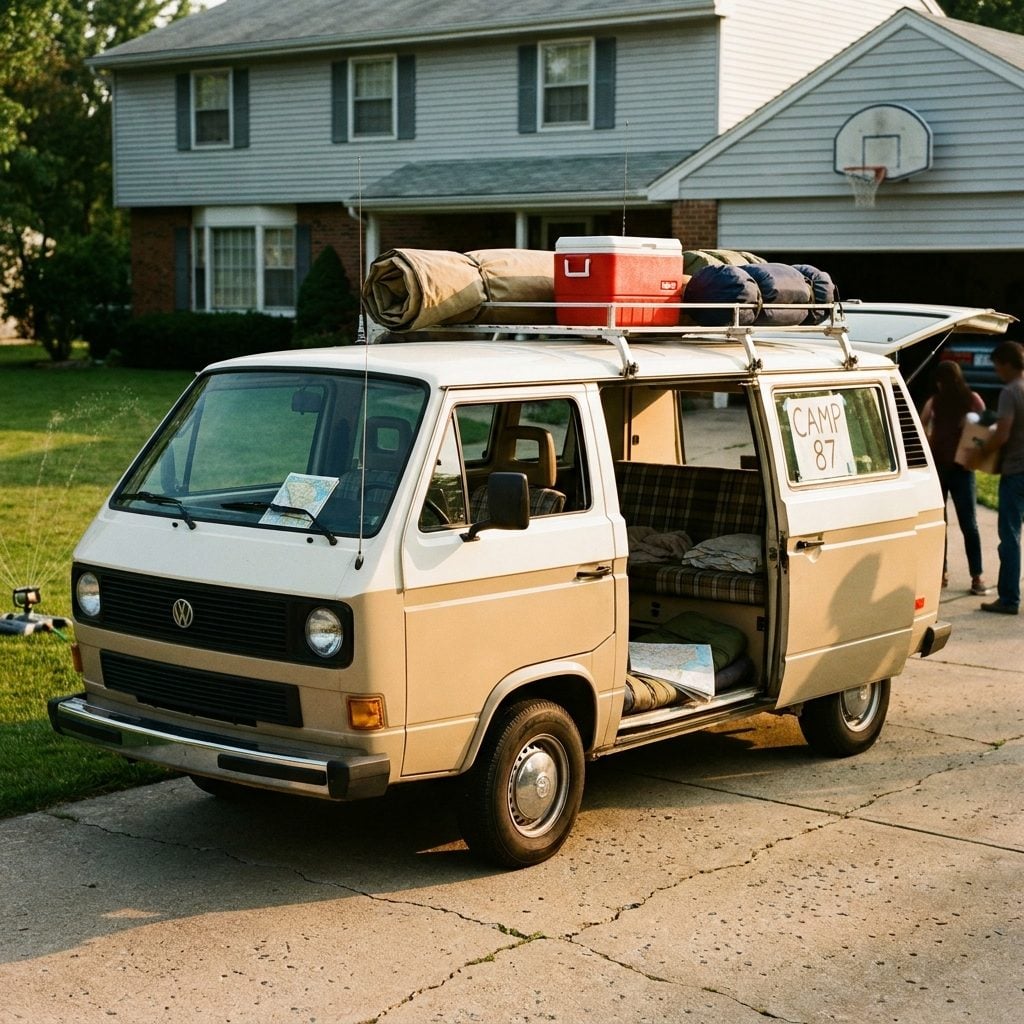
There was always one family on the block that had the Vanagon, and everyone else quietly envied them. That boxy, flat-faced, utterly unhurried vehicle was less a car than a portable philosophy, a declaration that this family had their priorities sorted in a way yours maybe didn’t. The two-tone paint. The roof rack loaded with gear that looked like it had been assembled over years of actual camping, not one frantic Target run.
Inside, the fold-down bed and the little curtains on the rear windows made it feel like a tiny apartment on wheels. It smelled like canvas and sunscreen and a little bit of something you couldn’t identify, and that smell meant adventure in a way no minivan ever would. Every kid who piled into the back of one thought the same thing: this is how life should work.
VW stopped selling the Vanagon in the U.S. after 1991, which means there’s a whole generation of people who watched that era close and never quite got over it. The ones still on the road today are pilgrimage objects. People stop and photograph them in parking lots like they’re spotting wildlife.
Would you like to save this?
Please note that some of the imagery in this article were created with the aid of AI image generators.