
🔥 Would you like to save this?
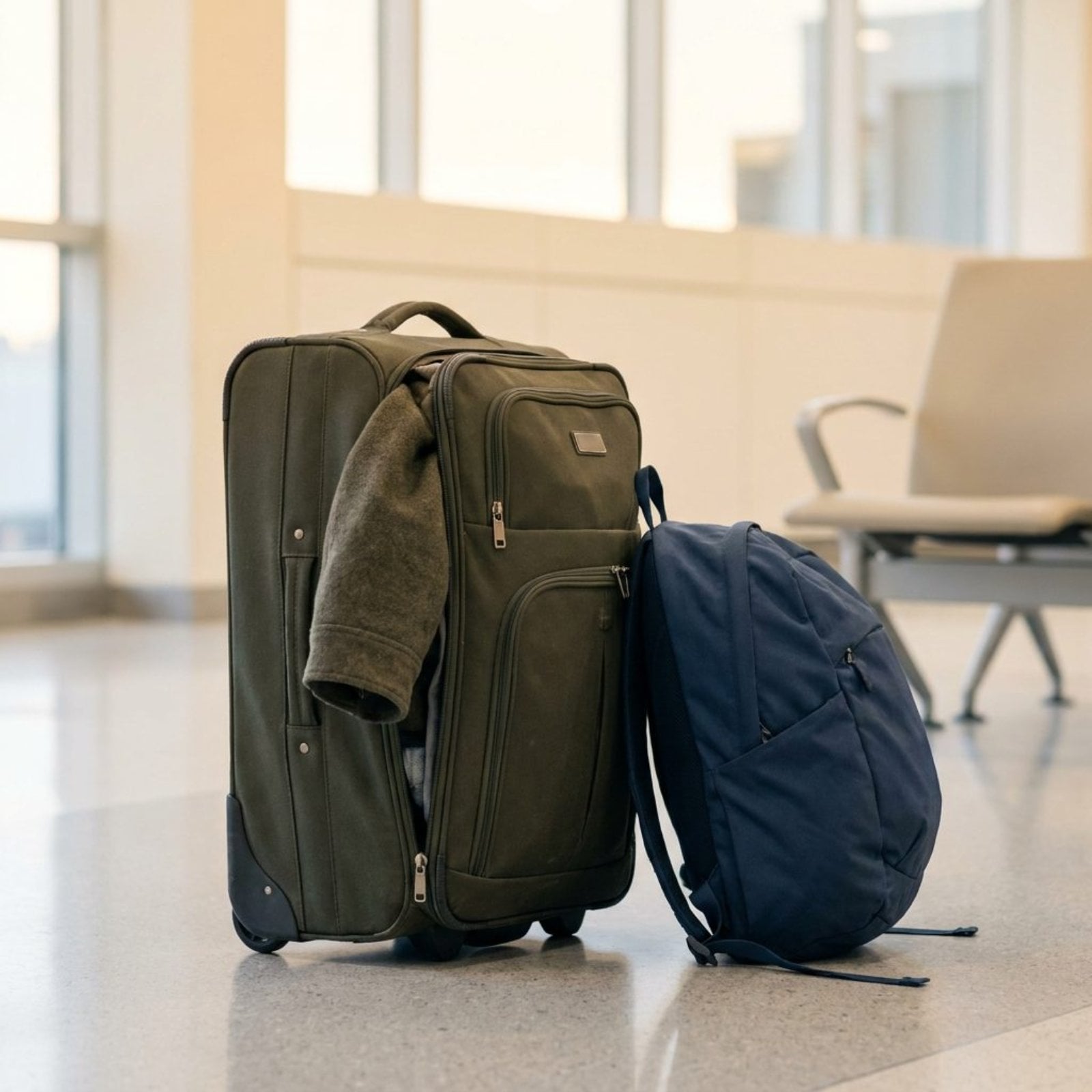
The line moves fine until it doesn’t. A bag turns sideways on the belt, a pocket still has coins in it, and suddenly the whole checkpoint gets to watch one person learn airport logic in real time. Carry-on packing has its own little code, and most travelers only figure it out while standing in their socks, moving bottles from one pouch to another on a folding table. The fixes below are small, specific, and built for the person who would rather glide through security than perform a full luggage confession before breakfast.
31. Treating the Weight Limit Like a Suggestion
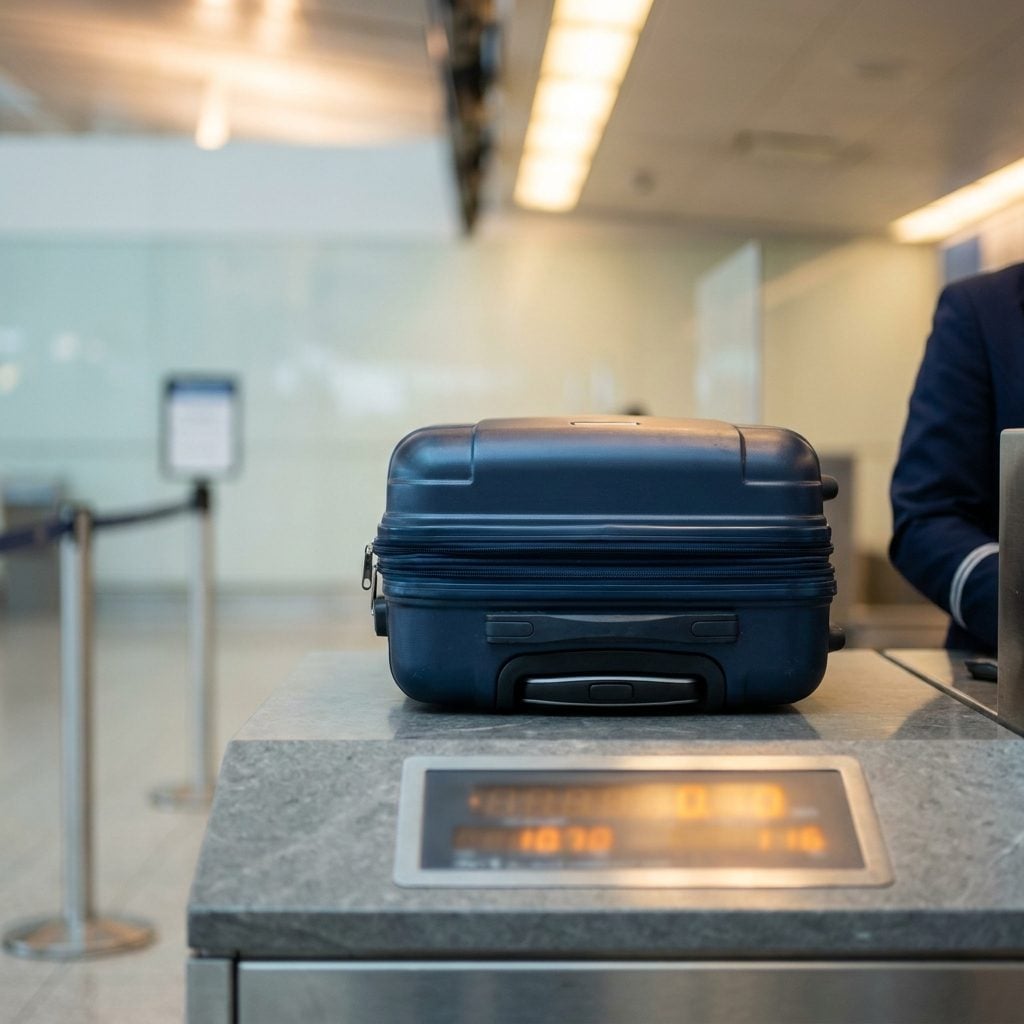
There is a weight limit for carry-ons, and it is not the same airline to airline. Most domestic carriers cap it somewhere between 15 and 25 pounds. Some enforce it loosely. Some do not, until the day they do, and that day tends to be the day you are running late for something important.
An overweight carry-on gets checked at the gate, often for a fee that costs more than a checked bag booked in advance. Weigh the bag at home on a bathroom scale before you leave. If it is over, pull something out. The fix takes two minutes and costs nothing.
30. Putting Snacks Through Security Without Thinking About Them First
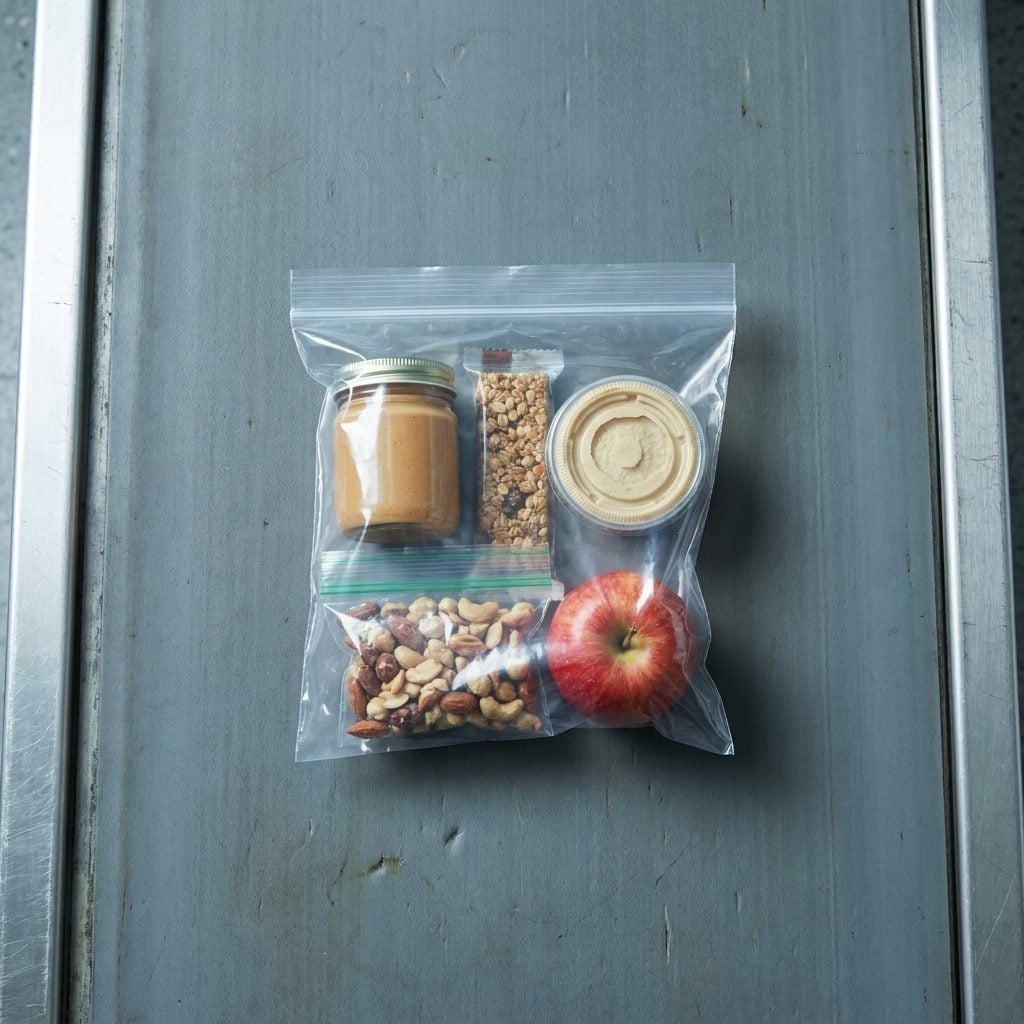
Peanut butter is a liquid. Hummus is a liquid. Greek yogurt, spreadable cheese, salsa, and that little jar of Nutella you threw in for the flight: all liquids, by TSA’s definition. They follow the 3-1-1 rule like everything else in your toiletry bag, and agents pull them constantly from people who genuinely did not know.
Solid snacks travel fine. Gels and spreads do not, in quantities over 3.4 ounces, unless they go in checked luggage. Check the TSA website before you pack the snack bag. It takes thirty seconds and saves a granola bar that cost four dollars.
29. Leaving a Water Bottle Full When You Walk Up to the Scanner
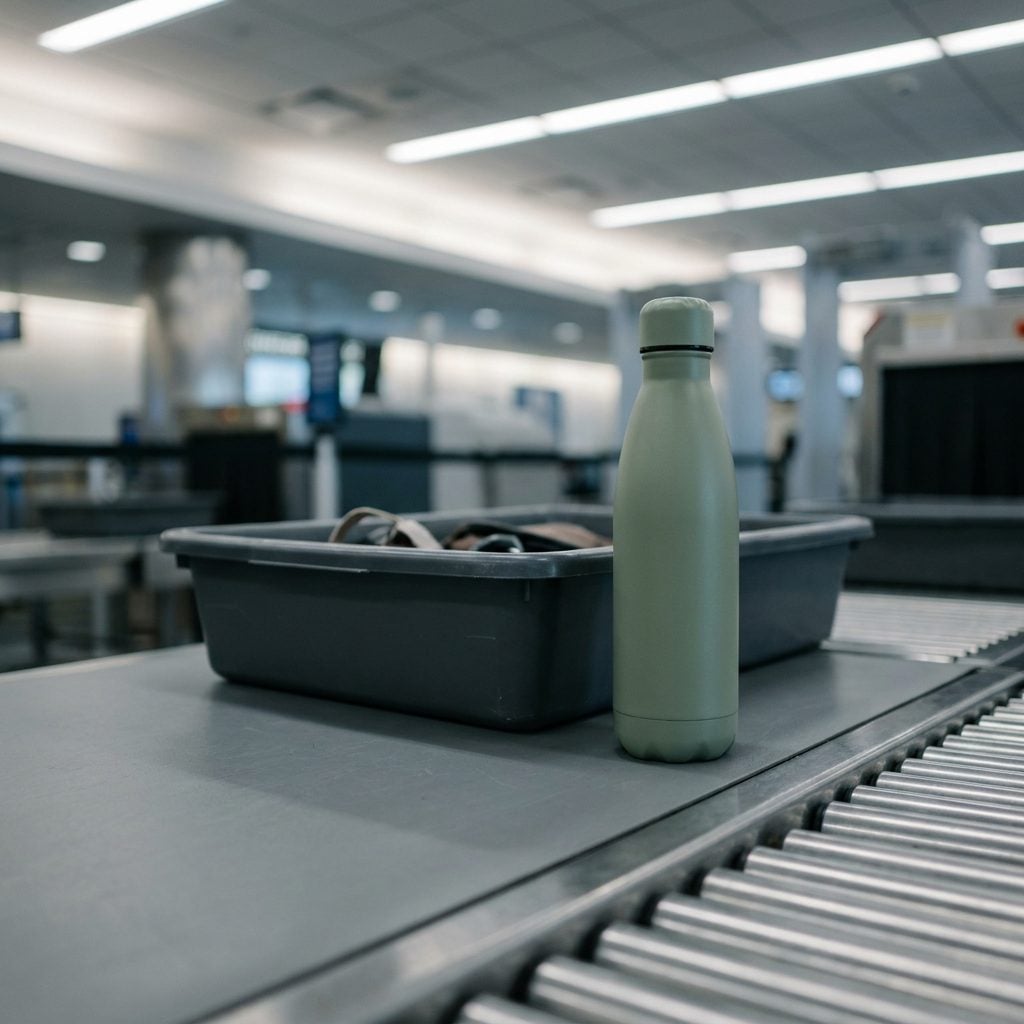
You know you can’t take liquids through security. You also know you love that insulated bottle. The part people keep forgetting is that they filled it at home, or at the hotel, or at the gas station, and now it is sitting full in the bin while an agent flags it and the line behind you reorganizes itself around your delay.
Empty it before you reach the checkpoint. Every airport has water fountains past security, and most now have bottle-filling stations. Fill it on the other side. The bottle is fine. The water was the problem.
28. Rolling Up Clothes So Tightly the Bag Reads as a Solid Block on X-Ray
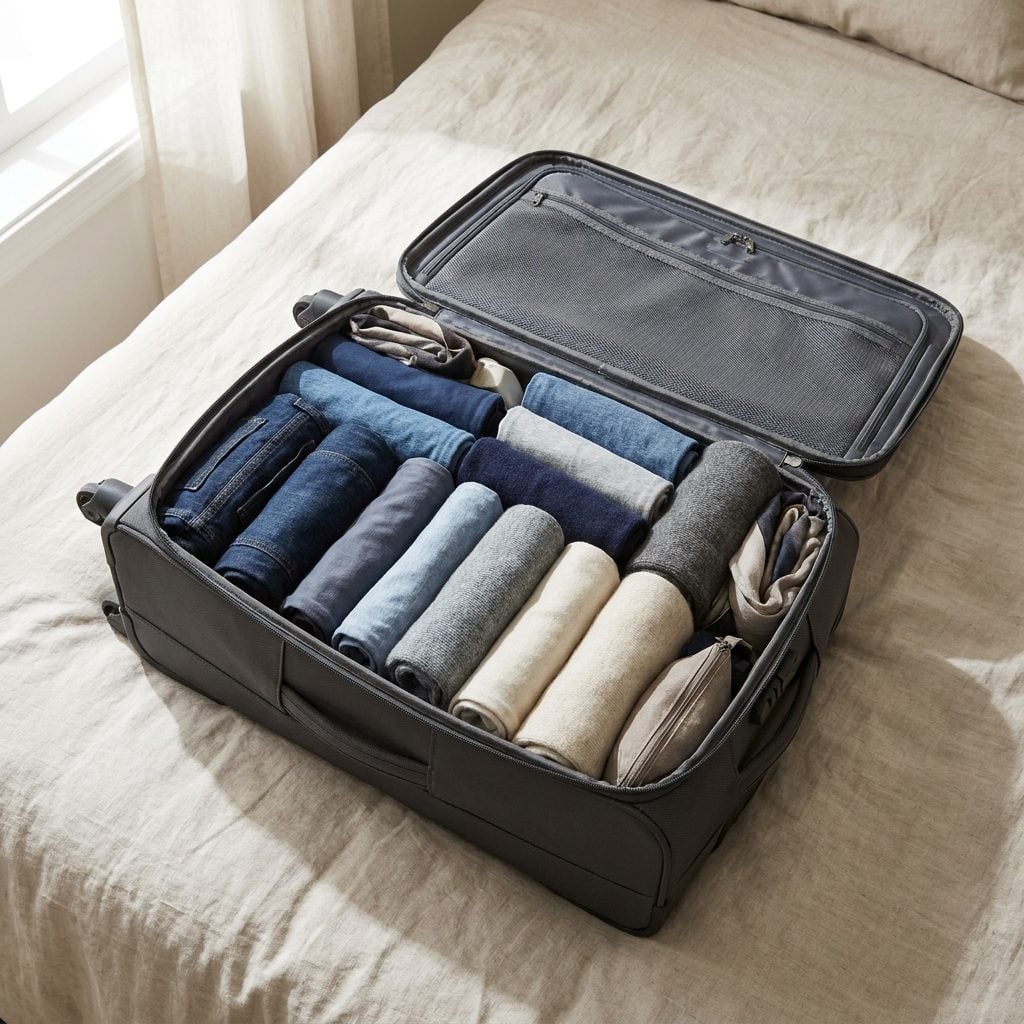
Rolling clothes saves space. It also, when done to perfection, creates a bag that looks like a single gray mass on the x-ray screen, with nothing readable inside it. Agents cannot see through a solid block of compressed denim any better than they can see through a brick. The bag gets flagged for a hand search.
The fix is not to roll less carefully. It is to leave some visual variation in the pack: a layer of flat items, a visible pouch or two, gaps the scanner can read through. A bag that makes the agent’s job easier moves faster. That is also your bag.
27. Assuming Your Global Entry Clears You on the Way Out
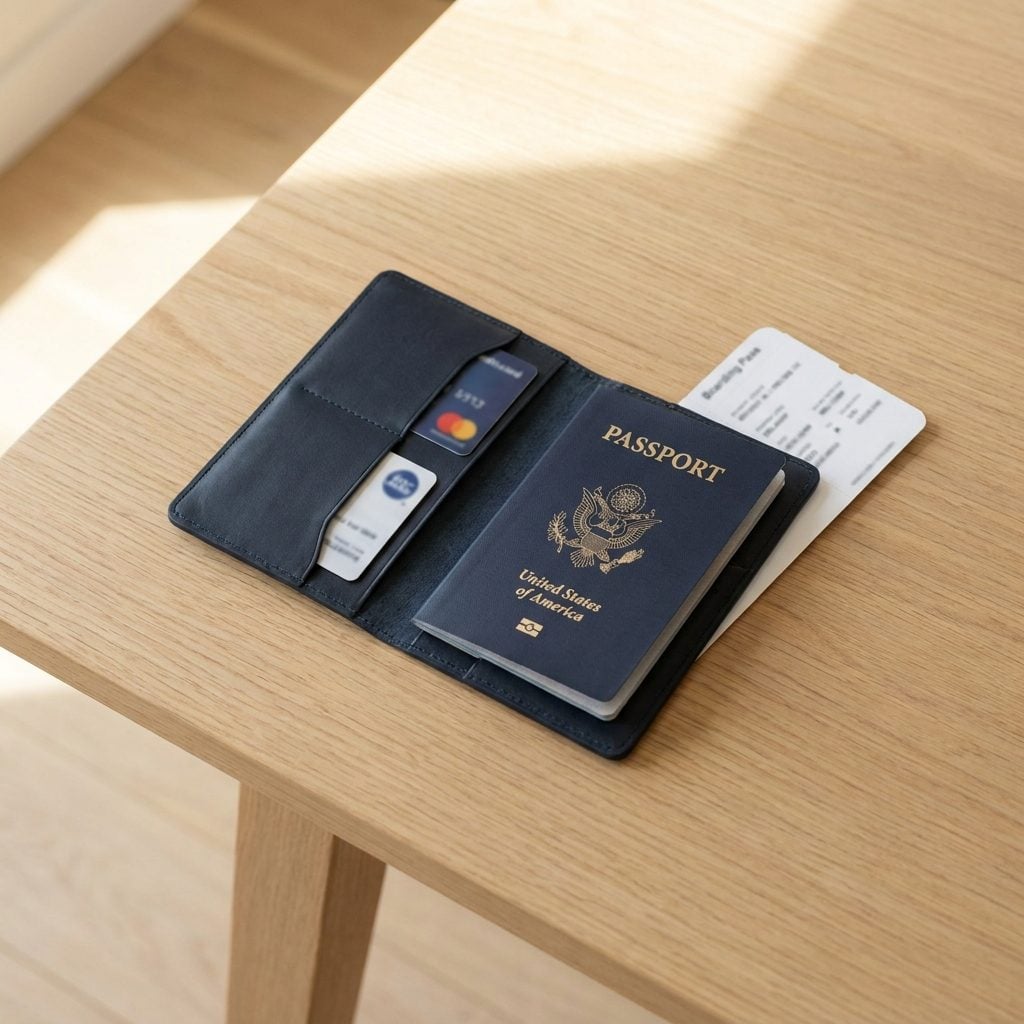
Global Entry is for re-entering the United States. It speeds up customs when you land back home. It does not speed up security on departure, with one exception: if your Global Entry is linked to your TSA PreCheck membership, you get the PreCheck lane. But if you signed up for Global Entry and never activated or linked PreCheck, you are in the standard line with everyone else.
Check your Known Traveler Number in your CBP account. Make sure it is loaded into every frequent flyer profile and travel booking you make. That nine-digit number is what unlocks the faster lane, and it only works if it is on your boarding pass.
26. Packing the One Thing You Actually Need First Into the Very Bottom
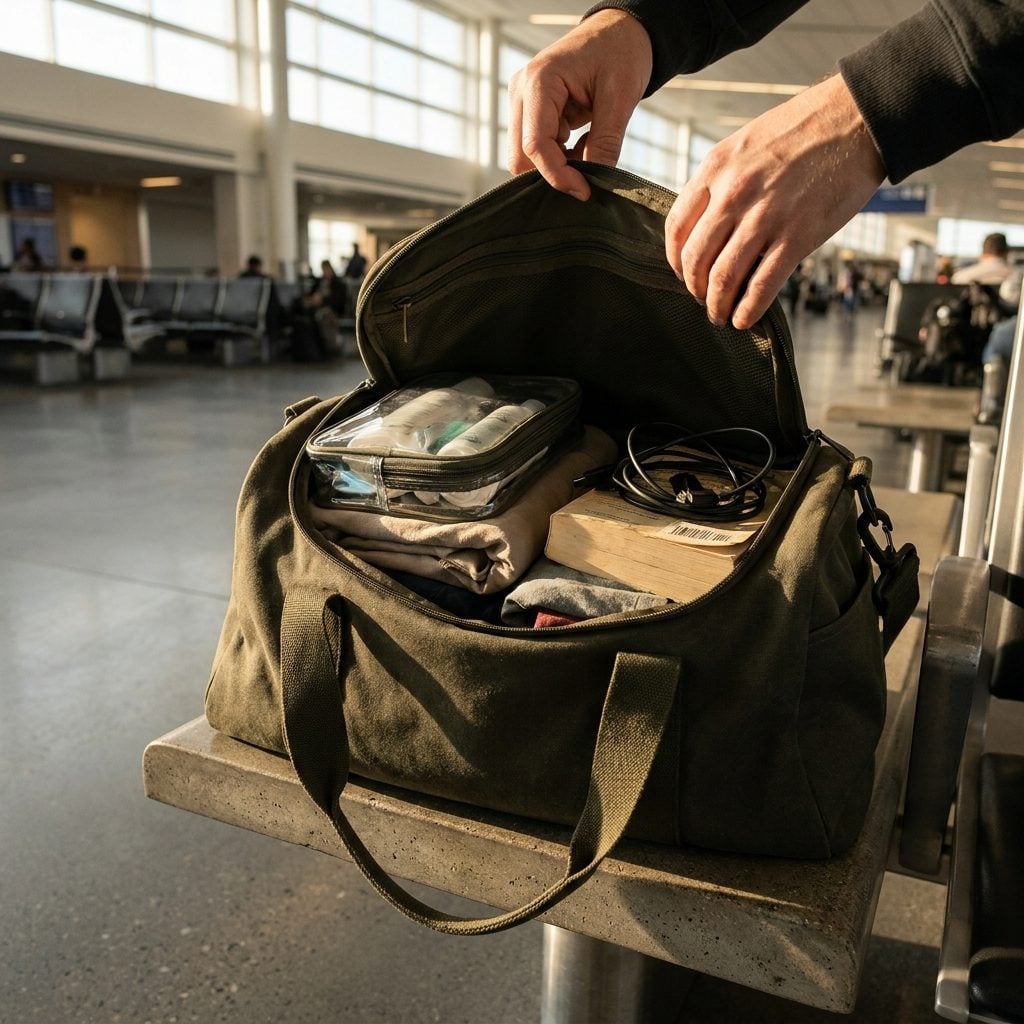
The laptop goes in last so it comes out first. Same with the tablet, the toiletry bag, and anything else that needs to be pulled and binned at the checkpoint. This is not a secret. It is also not what most people do when they are packing at 11pm the night before a 6am flight.
Pack in checkpoint order. The things security wants to see go on top or in the front pocket. Everything else goes underneath. One minute of thought while packing saves four minutes of public excavation at the scanner belt, with the line watching.
25. Bringing a Bag With So Many External Pockets the Agent Loses Count
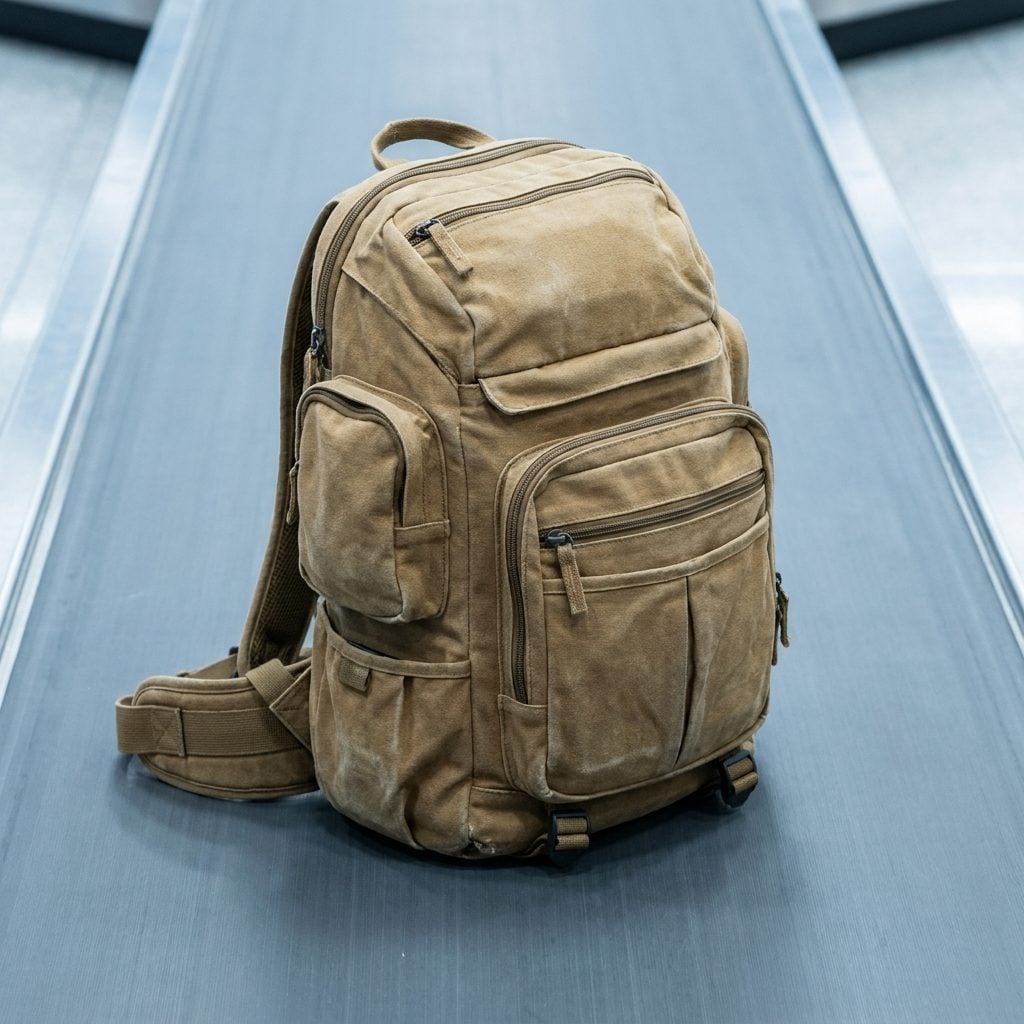
The more pockets a bag has, the more places an agent has to mentally account for on the x-ray screen and in a hand search. Bags with eight to twelve exterior compartments take longer to screen, because every pocket is a potential hiding spot the process requires someone to consider.
This does not mean you need a minimalist bag with one zipper. It means knowing what is in every pocket before you get to the checkpoint, and keeping those pockets as empty as possible. A bag with twelve pockets and eleven of them empty moves fast. A bag with twelve pockets and something in every one of them does not.
24. Forgetting That Your Destination’s Rules Are Not the Same as Your Departure City’s
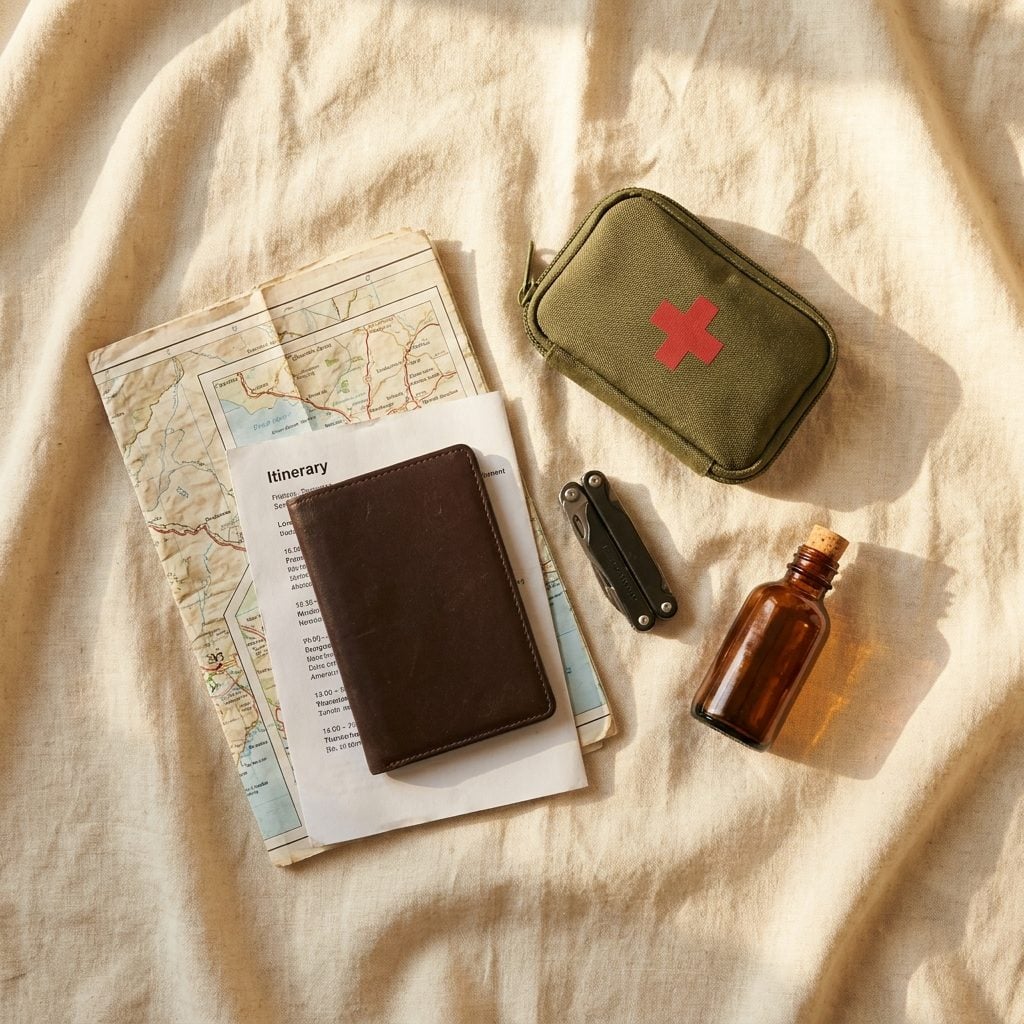
TSA governs U.S. departure checkpoints. But if you are flying internationally, the country you land in has its own customs rules, and the airport you connect through has its own security rules, and none of them are required to match. Items that clear a U.S. checkpoint without a second glance can be confiscated at a foreign connection or flagged at customs on arrival.
Certain knives allowed in checked baggage domestically are prohibited entirely in some countries. Some medications legal in the United States require documentation abroad. A quick search before you pack for an international trip is not paranoia. It is just the part of planning most people skip until it costs them something at a checkpoint six thousand miles from home.
23. Packing the Laptop in a Bag Where It Can’t Be Seen
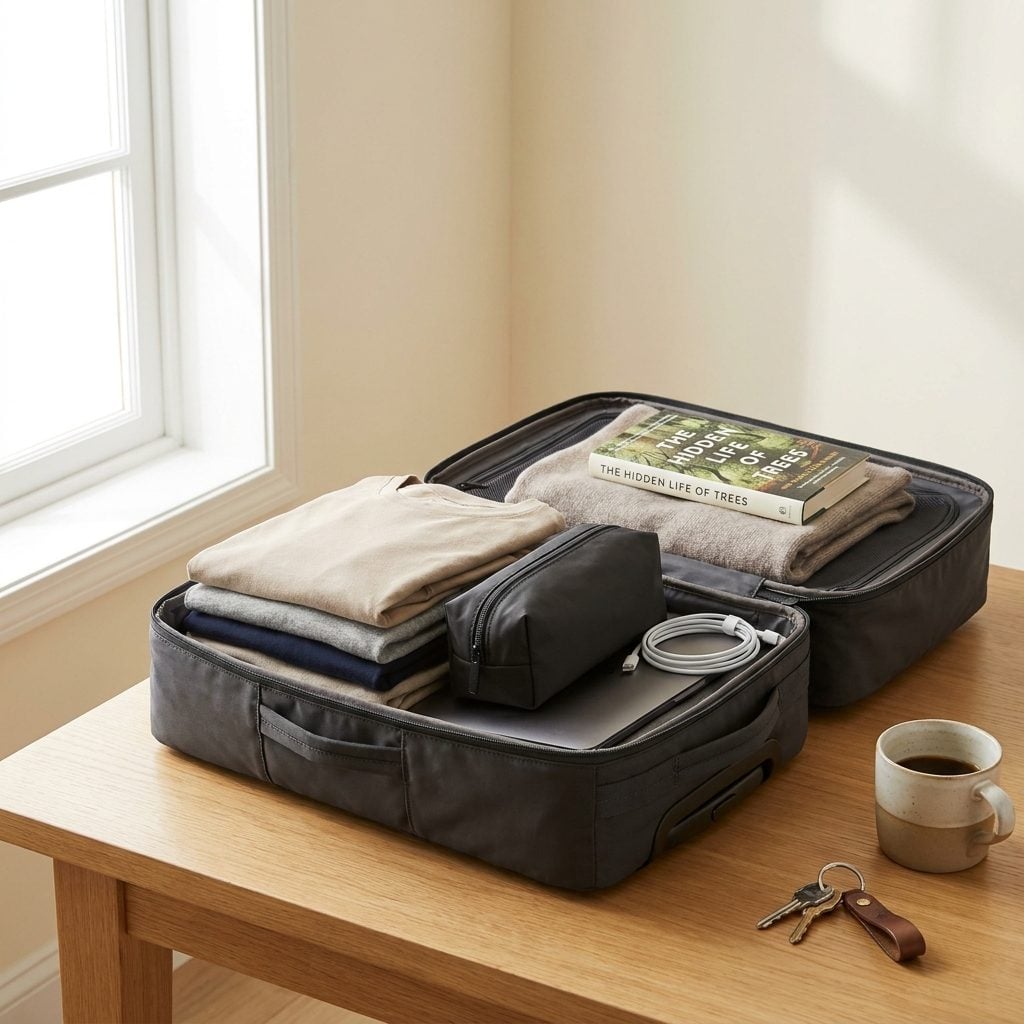
You packed carefully. Clothes on the bottom, laptop in the middle, toiletries on top. Logical. Efficient. Also the reason you’re now holding up twelve people while the bin gets pulled, the bag gets reopened, and a TSA agent digs past your sweater to find what the X-ray flagged as a rectangle-shaped mystery object.
Laptops have to come out and go through screening in their own bin. Always. Bury one and the whole bag goes back through. Keep your laptop in the outermost, easiest-to-access compartment, sleeve or top pocket, so removing it takes four seconds, not four minutes.
22. Forgetting That 3-1-1 Applies to More Than Shampoo
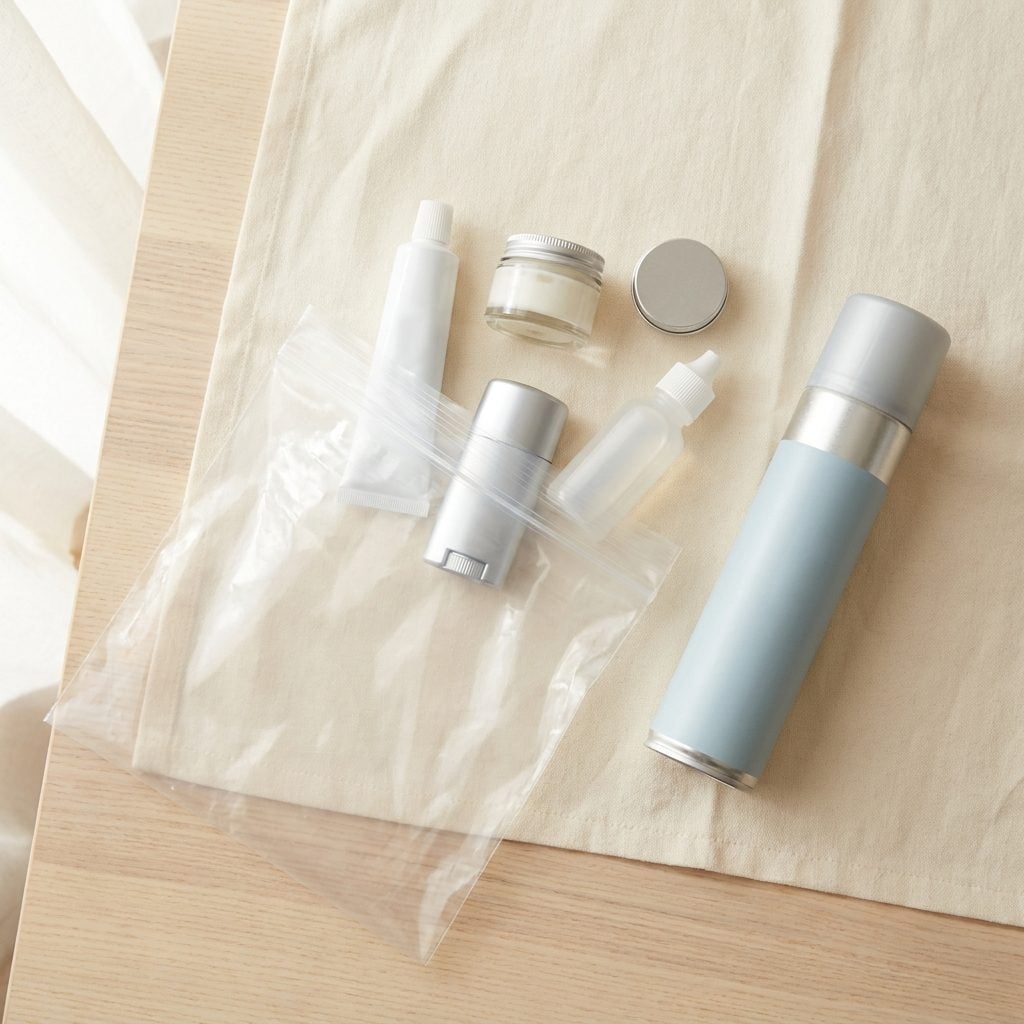
Most people know about the 3-1-1 rule for liquids. What trips them up is the definition of liquid. Gel deodorant. Creamy sunscreen. Mascara. Peanut butter. Yogurt cups in the personal item. Hair gel. Lip gloss. The TSA definition of liquid is broader than the kitchen-sink version, if it pours, spreads, pumps, or squeezes, it counts.
The mistake is assuming the rule is only for shampoo and contact solution, then being genuinely surprised when the officer flags a full-size concealer or a travel jar of coconut oil. Check everything that isn’t solid. If it flows, it goes in the quart bag.
21. Using a Lock TSA Can’t Open (and Can’t Not Open)
🔥 Would you like to save this?
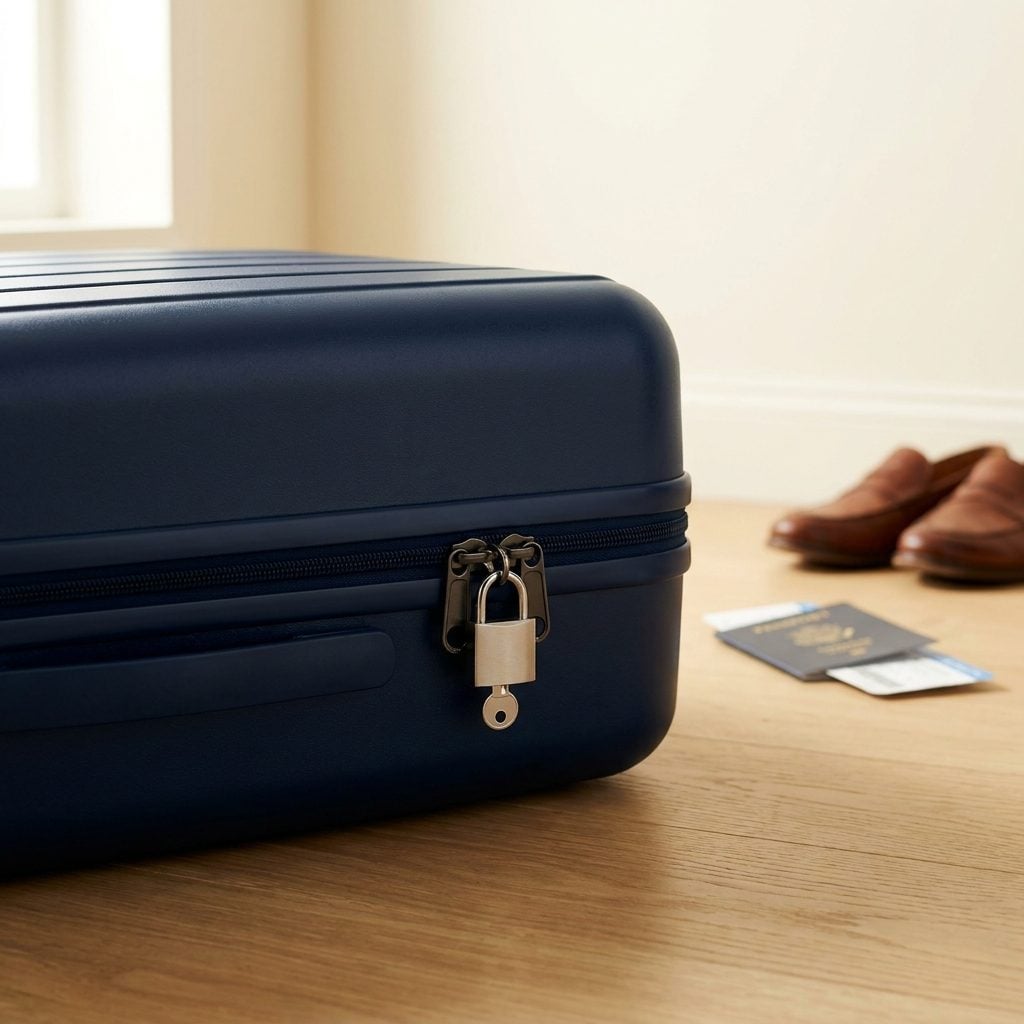
A non-TSA-approved lock is not a security measure. It is an invitation for an agent to cut it off. TSA has master keys for locks bearing the red diamond logo, they open it, check the bag, relock it, and you never know it happened. A standard keyed padlock gives them no option except the bolt cutters, and they will use them without hesitation or reimbursement.
Look for the red diamond on any lock you buy for checked or carry-on bags. Brands like Master Lock and Pacsafe make TSA-approved options for under fifteen dollars. The lock gets respected. Everything else gets removed.
20. Carrying On a Bag That’s Actually Two Bags Pretending to Be One
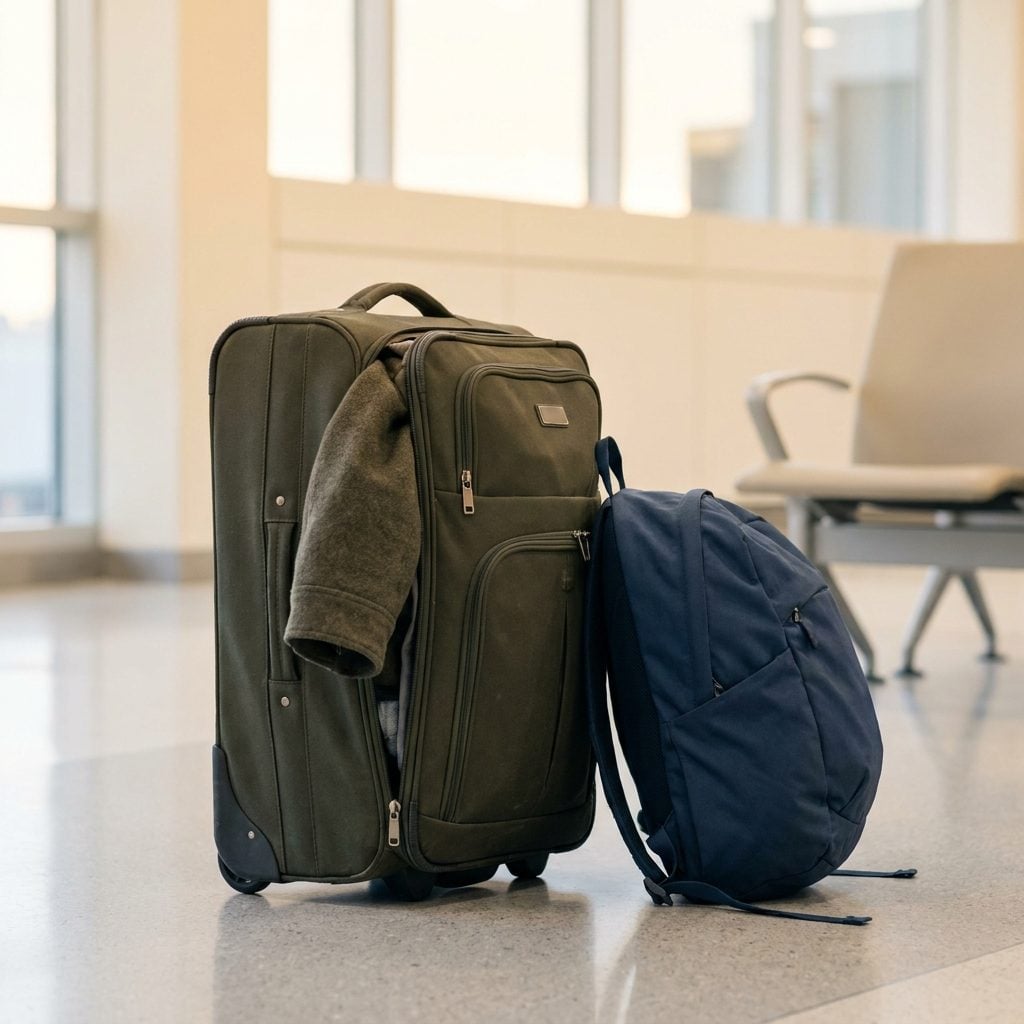
The carry-on size limit exists because the overhead bins are a fixed dimension, and airlines have started measuring bags at the gate with the kind of commitment they previously reserved only for charging fees. A bag that barely passed last year now fails when the agent pulls out the metal sizing template and your roller doesn’t drop in cleanly.
The actual mistake here is treating the listed dimensions as aspirational. Most carry-on bags are designed to the outer limit. Pack them full and they exceed it. Pack them hard enough that the sides bow out, and even a compliant bag fails the gate check. Leave room. The bag needs to fit the bin, not just the specs.
19. Wearing Boots With Laces That Take Three Minutes to Untie
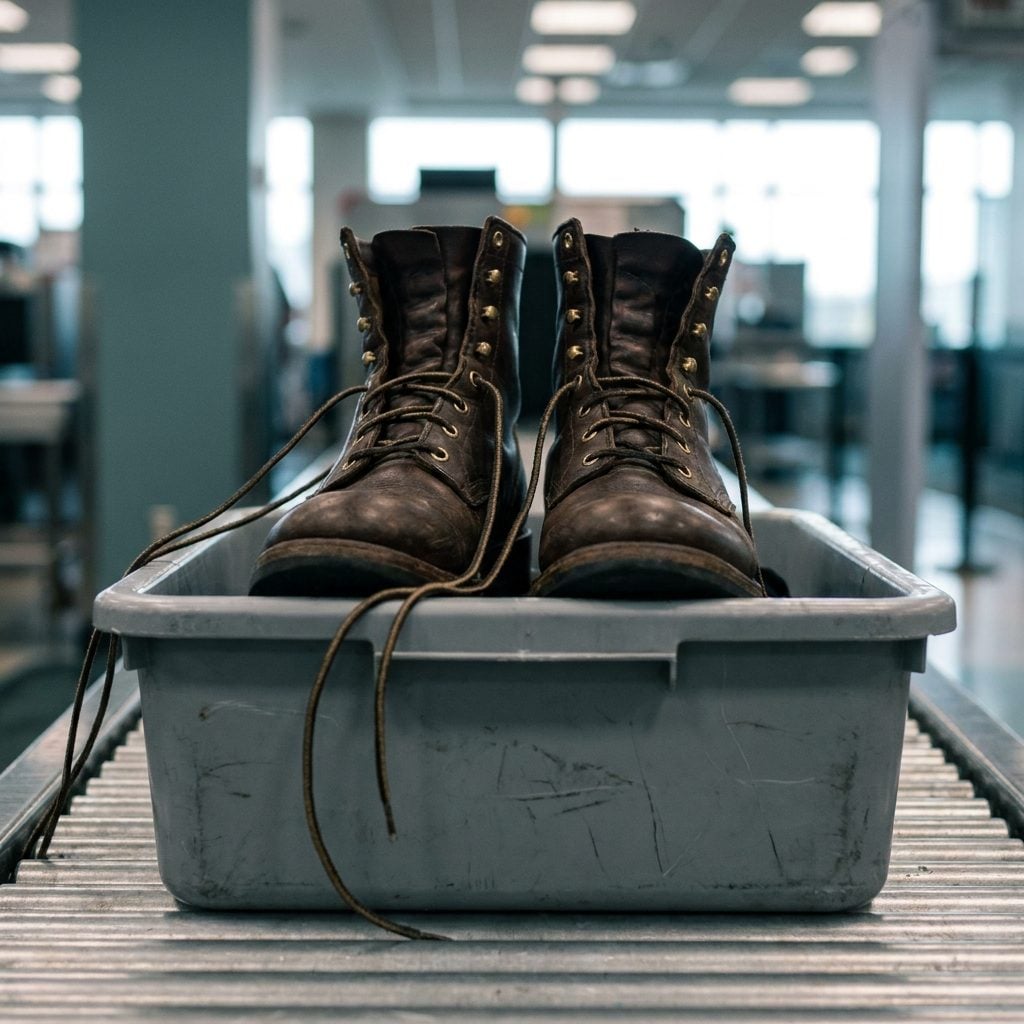
The lace-up boots. You know the ones — twelve eyelets per side, double-knotted, leather so stiff it fights you. There you are on one foot at the checkpoint, the line growing behind you, picking at a knot that’s been tightening inside a suitcase for two days straight.
TSA requires shoes off at standard screening, and every second you spend unlacing is a second forty people behind you spend boring holes into the back of your skull. Simple fix: wear slip-on shoes to the airport. Pack the leather lace-up boots in your bag if you need them at your destination, or switch to leather Chelsea boots, which give you the same look and slide off in two seconds flat.
18. Leaving Coins and Keys in Every Pocket You Own
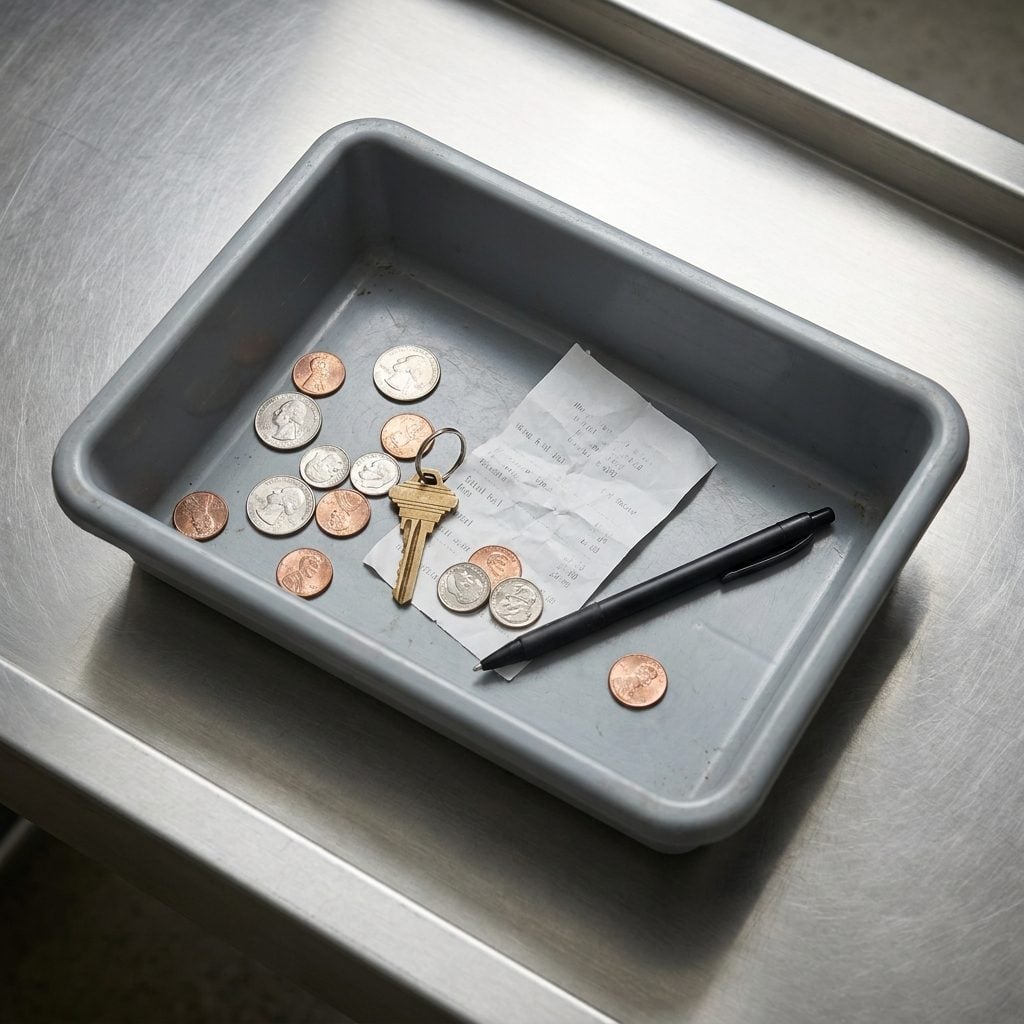
Loose change in a front pocket. A pen in the jacket. Keys you forgot were in there. Bobby pins. A foil gum wrapper. Each one trips the metal detector and sends you back through for a second pass — sometimes a third — while the agent stands there watching you pat yourself down like you’re searching for a lost contact lens.
Before you leave for the airport, empty every pocket into a single pouch or zip-top bag and drop it in your carry-on. Not your jacket. Not your pants. Your actual bag. The metal detector doesn’t distinguish between a house key and a hunting knife. It just knows metal passed through the arch.
17. Wearing a Belt With a Buckle the Size of a Dinner Plate
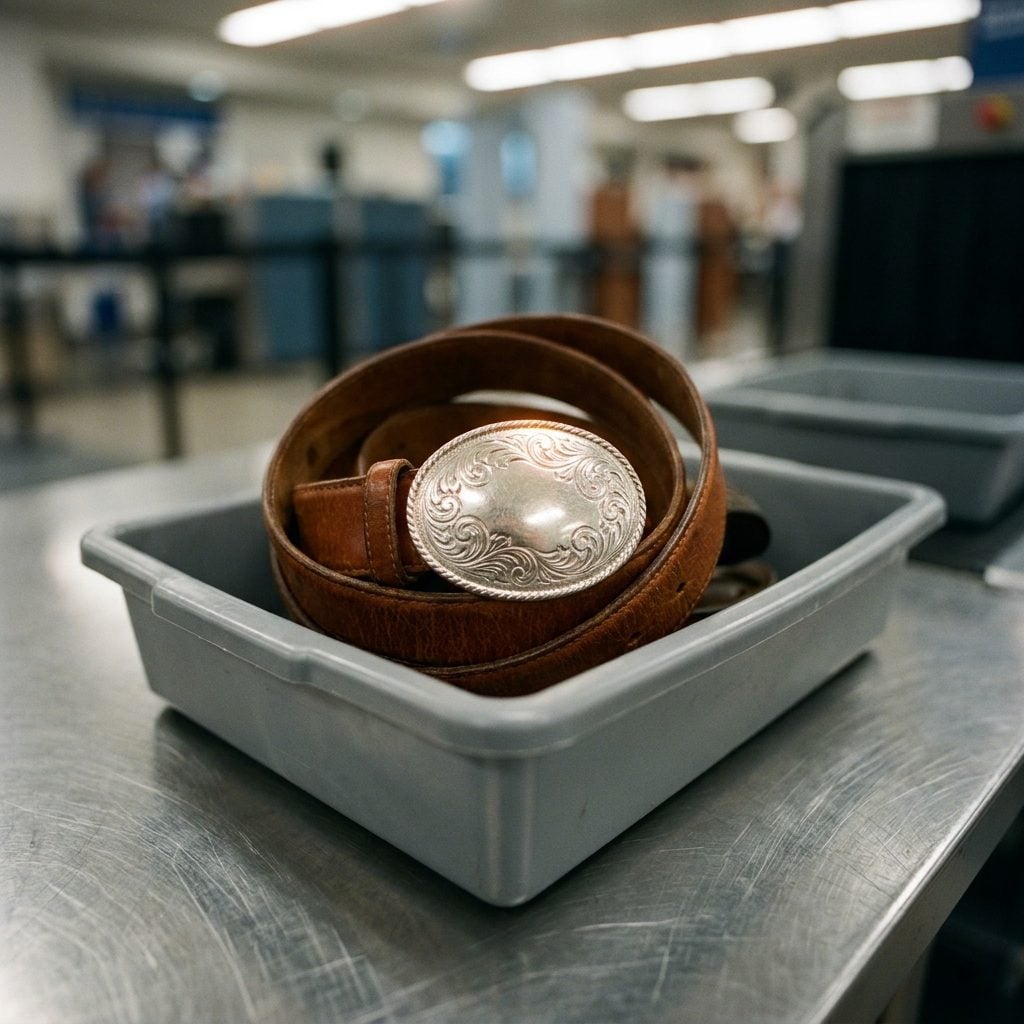
That silver buckle is going to light up the metal detector like a pinball machine. You know this, and yet.
Any belt with significant metal gets flagged, which means you take it off, feed it through the X-ray, then thread it back through six belt loops on the other side while juggling your bag, your shoes, and a crumpled boarding pass. Ninety seconds of your life, gone. Wear a fabric belt with a low-profile plastic or composite buckle on travel days — or skip the belt entirely and wear pants that actually fit. Nobody at Gate B17 is studying your waistband.
16. Burying Medications Under Everything Else in the Bag
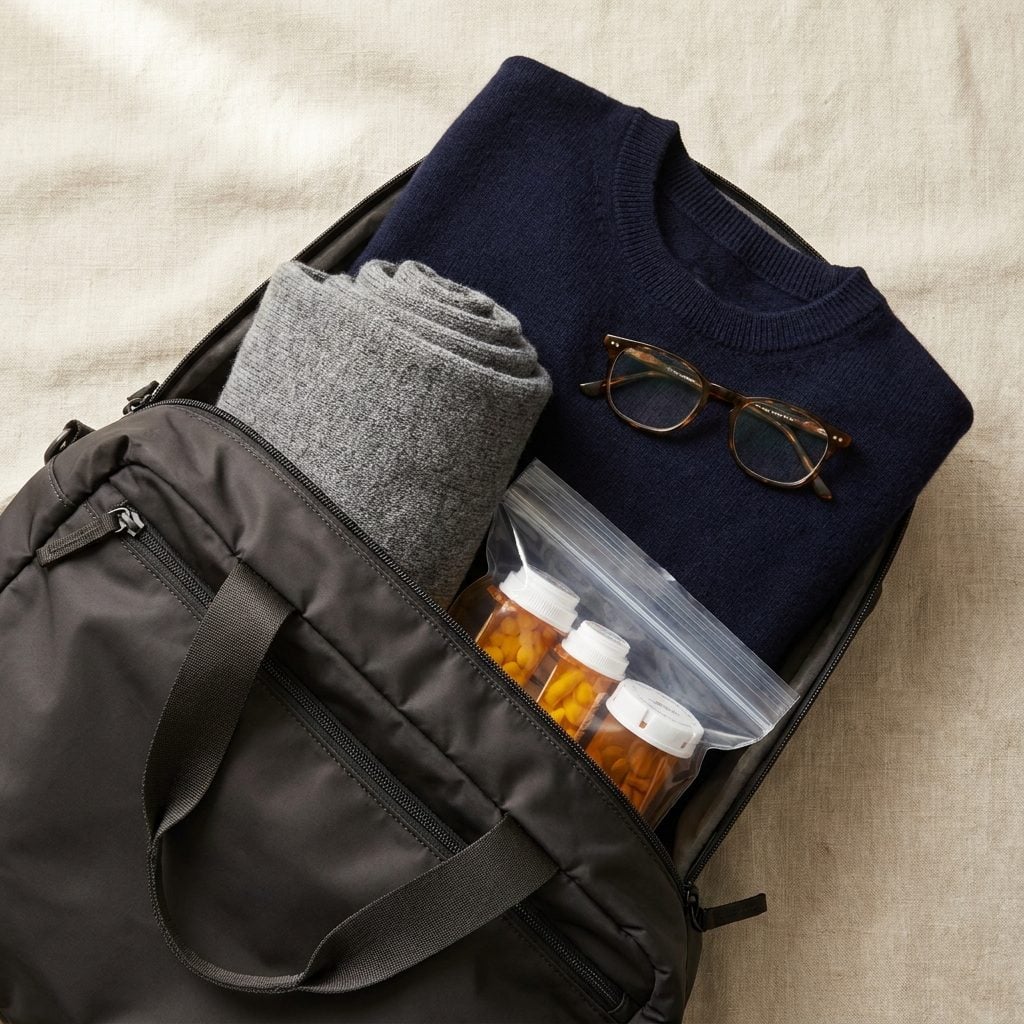
When an agent pulls your bag for a hand check and needs to verify your medication, you’re suddenly unpacking half your belongings in front of a line of strangers — digging under three shirts and a Dopp kit for a bottle wedged near the bottom. Beyond the embarrassment, it’s a genuine time problem, and potentially a medical one if you need those meds during the flight.
Pack prescriptions in a clear pouch near the top of your bag or in an outer pocket you can access without excavation. Keep them in original labeled bottles. Carrying syringes for insulin? A quick heads-up to the agent before your bag hits the conveyor saves everyone a conversation neither of you wanted to have.
15. Thinking PreCheck Means You Can Ignore Every Rule
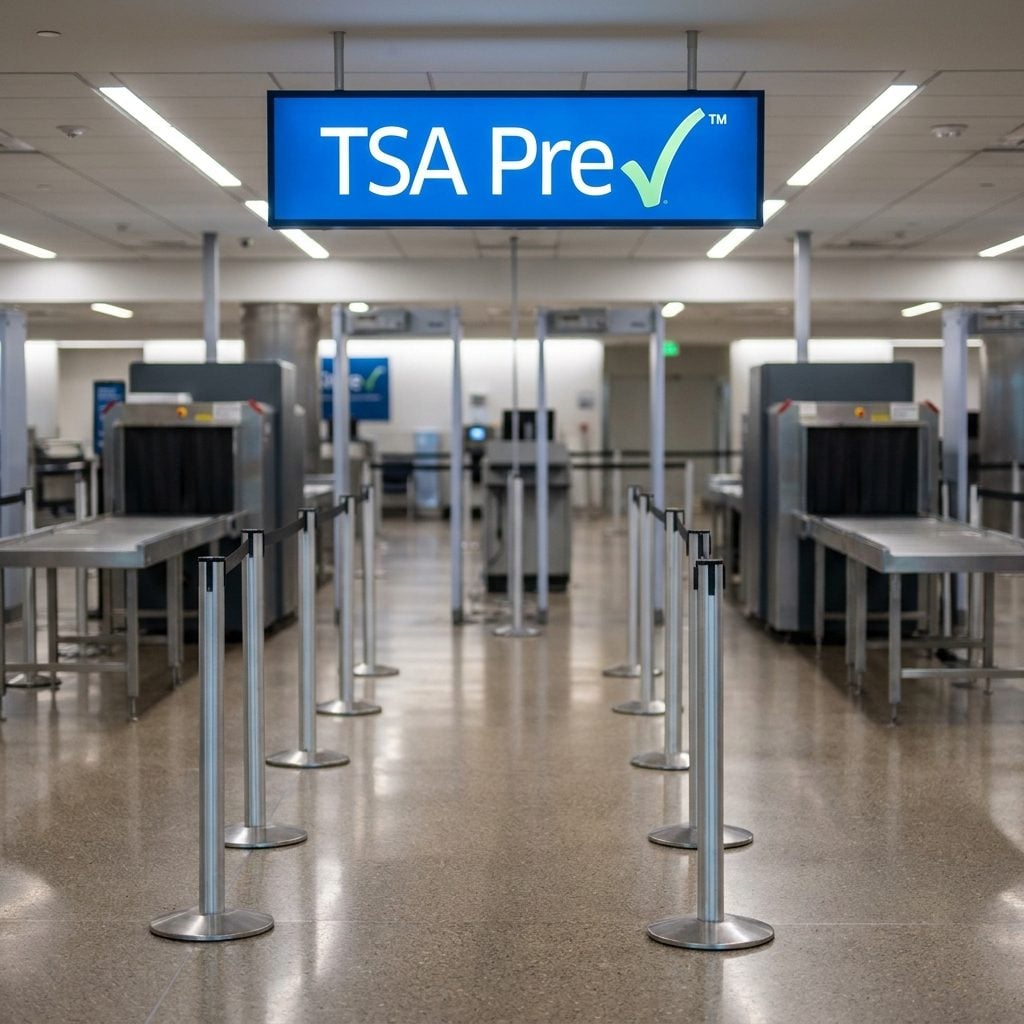
PreCheck is a shortcut, not a hall pass. You still can’t bring a full-size bottle of sunscreen or pack a knife. Liquids over 3.4 ounces still get pulled. What PreCheck actually lets you skip: shoes, belts, light jackets, taking laptops out, and the 3-1-1 bag separation. That’s the whole list. The prohibited items are identical to the standard lane.
I’ve watched people act genuinely blindsided when a PreCheck agent confiscates a water bottle or a jar of peanut butter. The rules didn’t change. The line got shorter. Know the difference.
14. Carrying a Souvenir Knife You Forgot Was in the Front Pocket
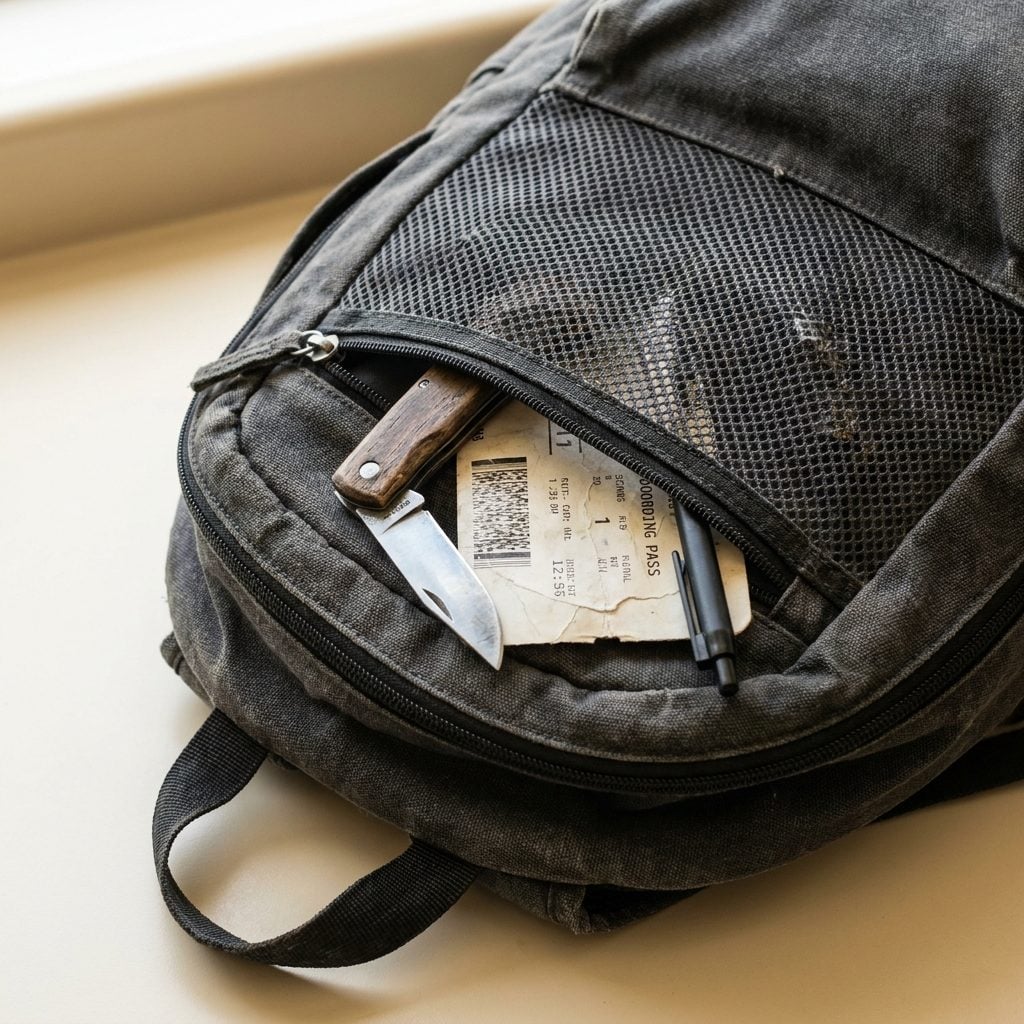
The sheer volume of knives TSA confiscates daily is staggering. Most aren’t weapons — they’re the little Swiss Army knife someone tossed in a bag pocket three trips ago, or a souvenir from a state park gift shop that’s been riding the front zipper since August.
Doesn’t matter. A blade is a blade. It gets taken, and you don’t get it back.
Before every trip, unzip every pocket of whatever bag you’re carrying and run your hand through it. Every single one. The small one you never use. The hidden one behind the laptop sleeve. That’s where the forgotten knife lives, every time.
13. Wrapping Gifts Before You Get to the Airport
🔥 Would you like to save this?
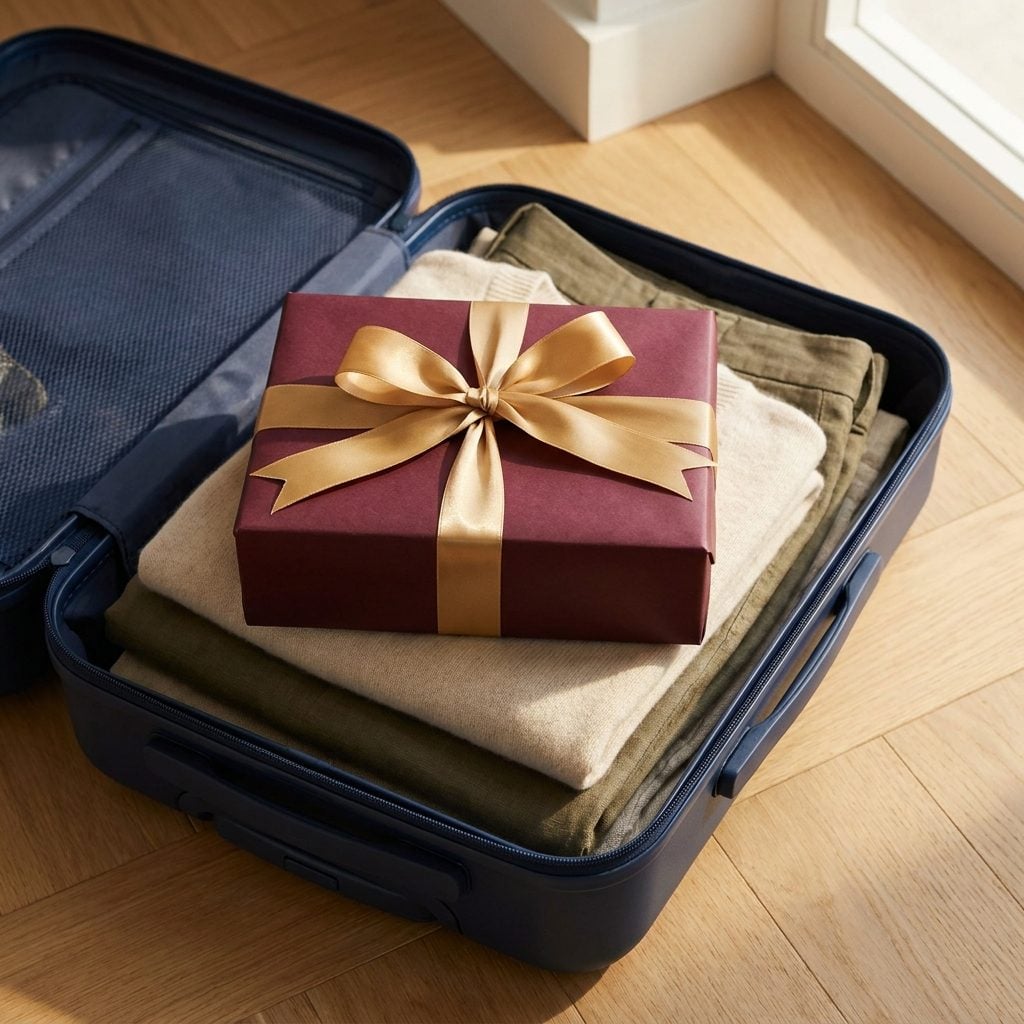
You spent twenty minutes getting that wrapping perfect — crisp paper, symmetrical bow, the works. Then the X-ray shows a dense, opaque shape the agent can’t identify, and your gift gets opened right there at the checkpoint. Not by you. By someone wearing blue gloves who doesn’t care about your ribbon technique.
Wait to wrap until you arrive. Or use a gift bag, which an agent can peek into without destroying anything. If it absolutely must travel wrapped, bring the paper and ribbon separately and do it at your hotel. The sentiment survives the delay. Your creased, torn wrapping paper will not survive the security table.
12. Stacking All Your Electronics in a Single Layer Like a Circuit Board
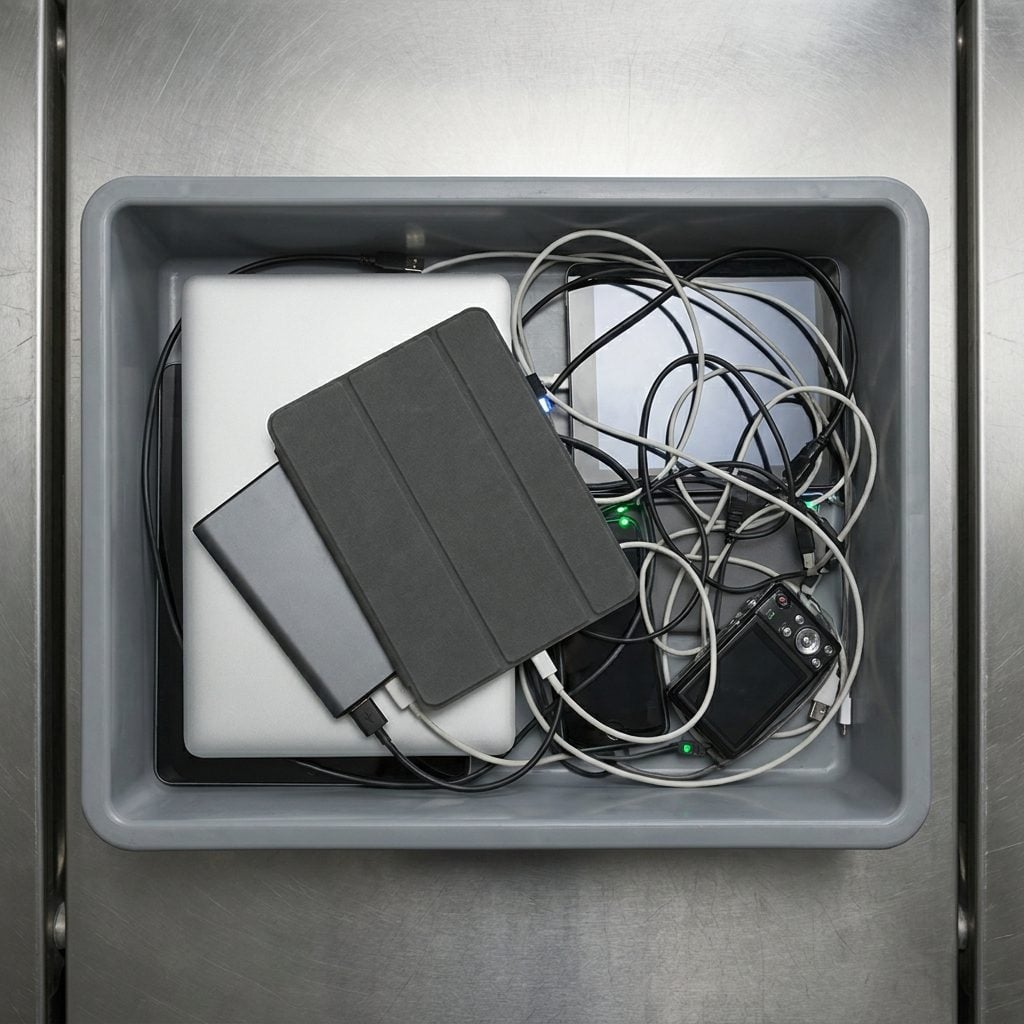
A laptop, a tablet, a Kindle, a portable charger, a camera, noise-canceling headphones, and a phone — all stacked on top of each other in the X-ray bin. The machine can’t see through that. It’s a wall of circuits, so the agent flags it, pulls the bin, and now every device gets individually inspected while you stand there watching.
Spread electronics across multiple bins. Laptop alone in one, flat. Everything else in a second bin, spaced out so the machine can distinguish each item. Yes, it means grabbing an extra bin. But it also means you keep walking instead of waiting for a hand inspection you caused.
11. Packing a Snow Globe You Bought at the Gift Shop
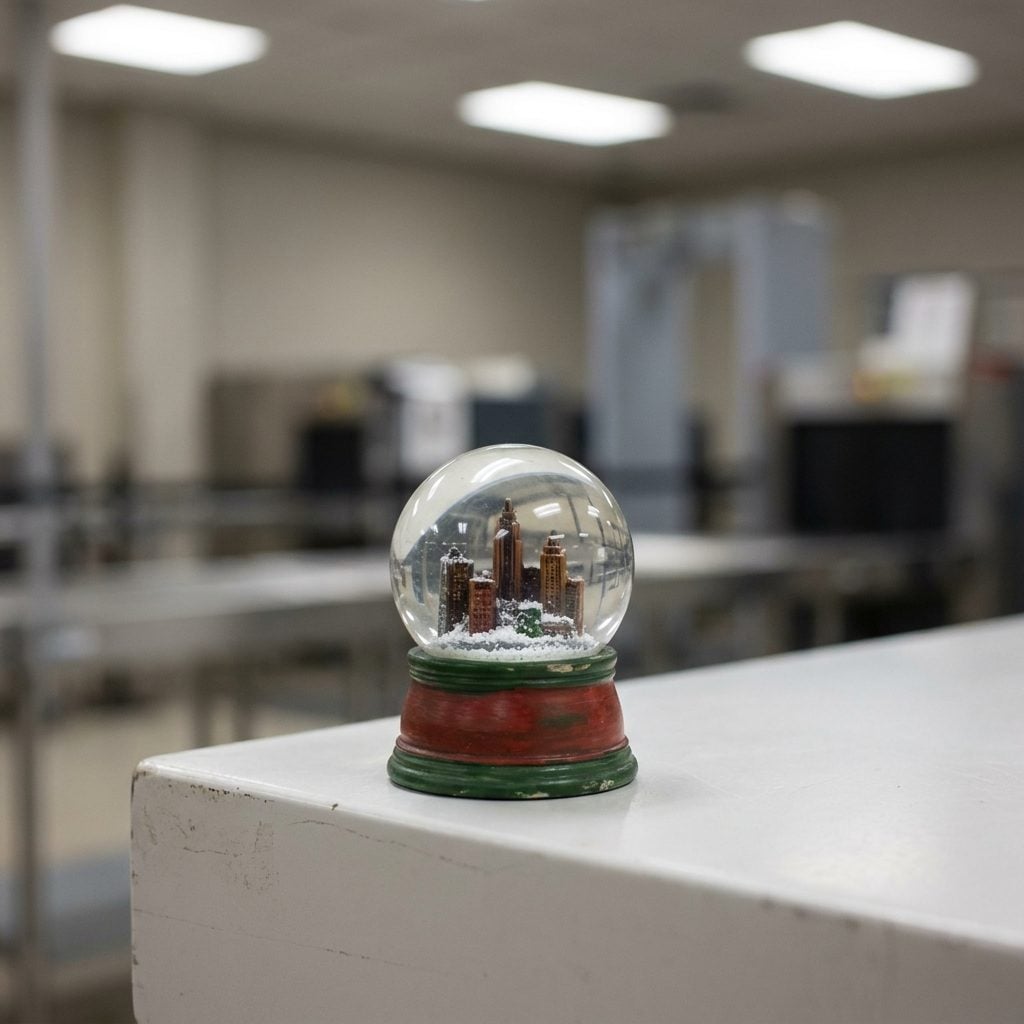
Snow globes are liquid. Sounds obvious once someone says it out loud, but people hand them to TSA every single day fully expecting them to sail through. They won’t. A snow globe contains well over 3.4 ounces of liquid, which makes it prohibited in carry-on luggage — regardless of size, sentimental value, or the fact that you just bought it in the terminal gift shop twenty minutes ago.
Want the snow globe? Pack it in checked luggage, wrapped in a sock and nestled between soft clothes. If you only have a carry-on, ship it home from the gift shop. Most airport shops will do this. Ask before you buy, not after you’ve been told to surrender it.
10. Arriving at the Checkpoint Still Holding a Full Coffee
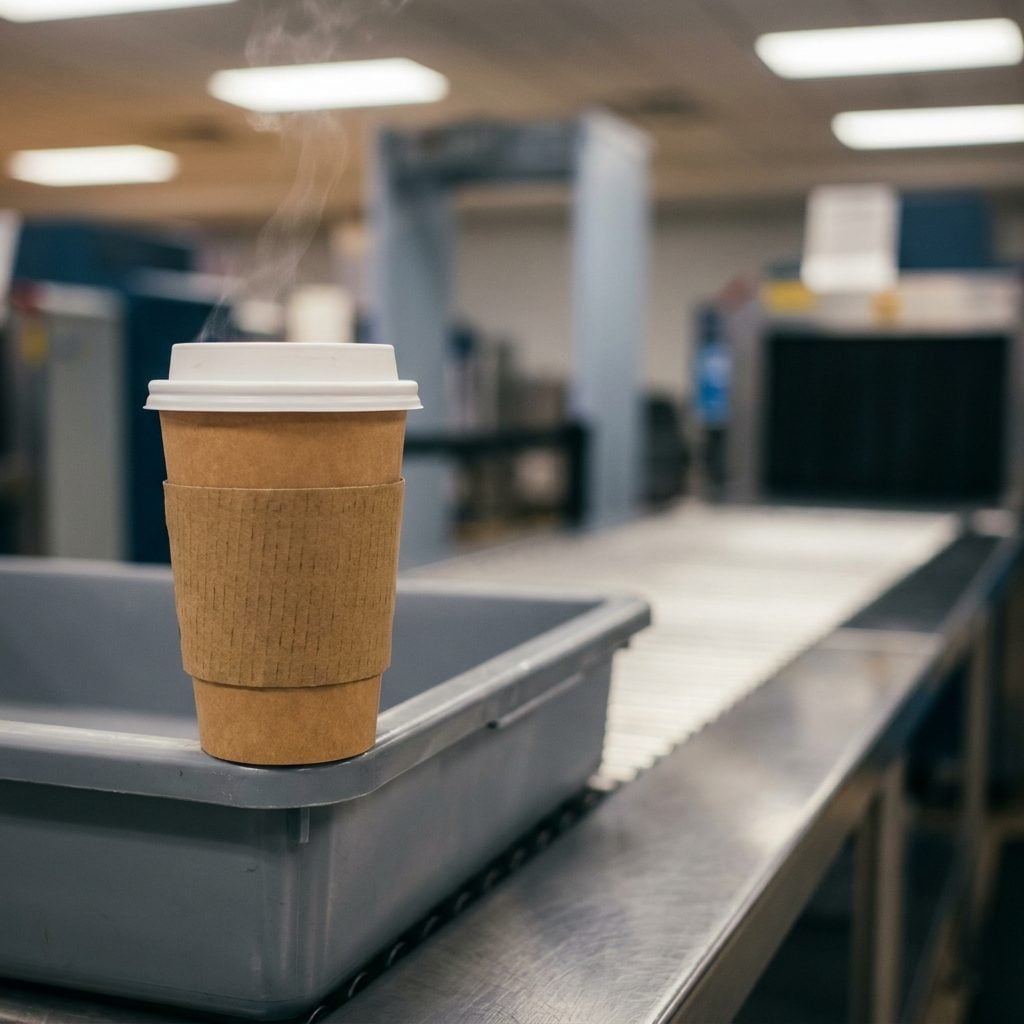
You paid six dollars for that latte. I get it. But it’s sixteen ounces of liquid, and TSA doesn’t care what the liquid is or what it cost. Coffee, water, smoothie, soup — anything over 3.4 ounces stays on this side of the checkpoint.
Your options: finish it before you reach the line, toss it, or just don’t buy it until you’re past security. Most airports have coffee on the other side. The ones that don’t have a water fountain and a grim determination to keep you hydrated anyway. The checkpoint is not the place to discover you’re clutching a banned item you could have finished five minutes earlier.
9. Leaving Your Boarding Pass Buried Somewhere You Can’t Reach It
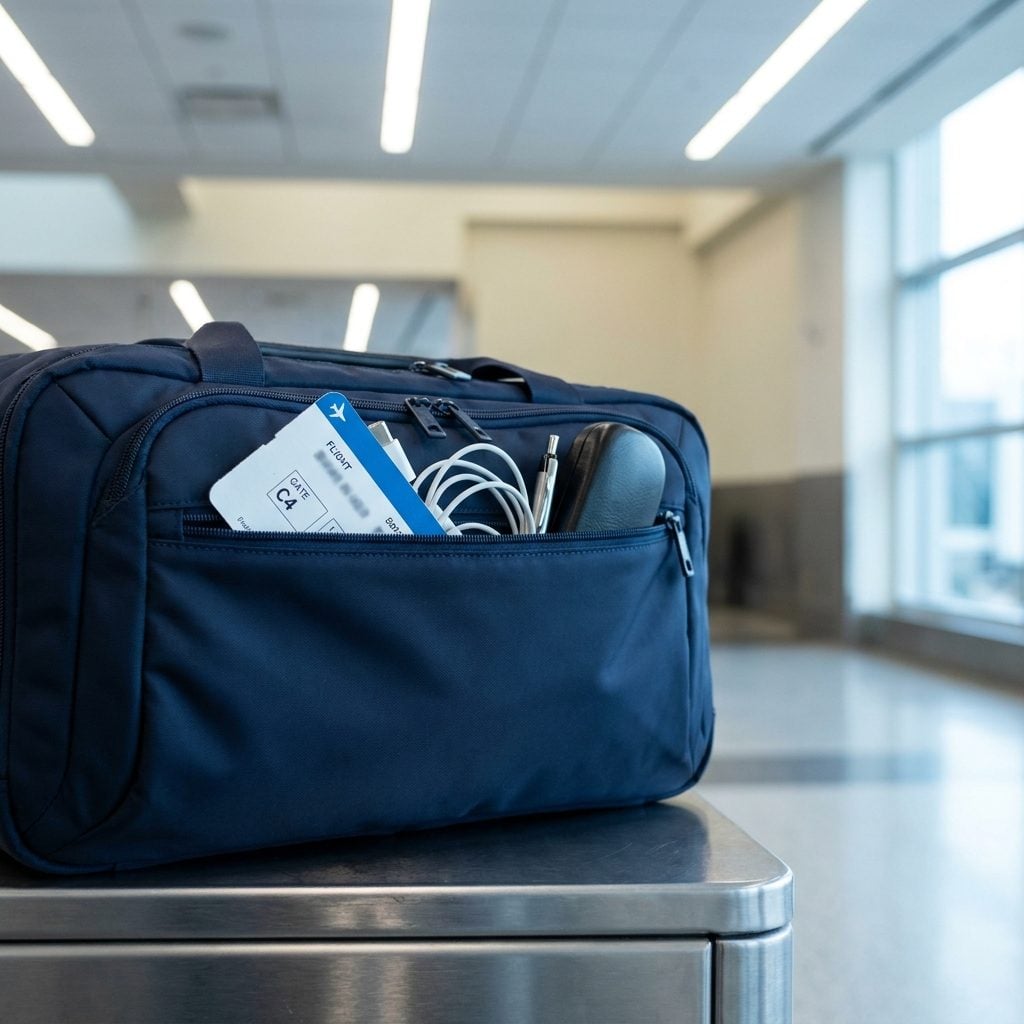
You’ve seen this person. Front of the line, bag on the belt, shoes in the bin — and now they’re patting every pocket like they’re hunting for car keys at midnight. The boarding pass is in the bag. The bag is on the belt. The belt is moving. Everyone behind them is standing very still and thinking very loud thoughts.
The fix is dull and it works: put the boarding pass in your hand or your phone’s front screen before you join the line. Not your back pocket. Not tucked inside the passport holder inside the bag you just sent through the X-ray. Your hand. The checkpoint is a sequence. Treat it like one.
8. Forgetting That Food Sets Off the Scanner Just Like Liquids Do
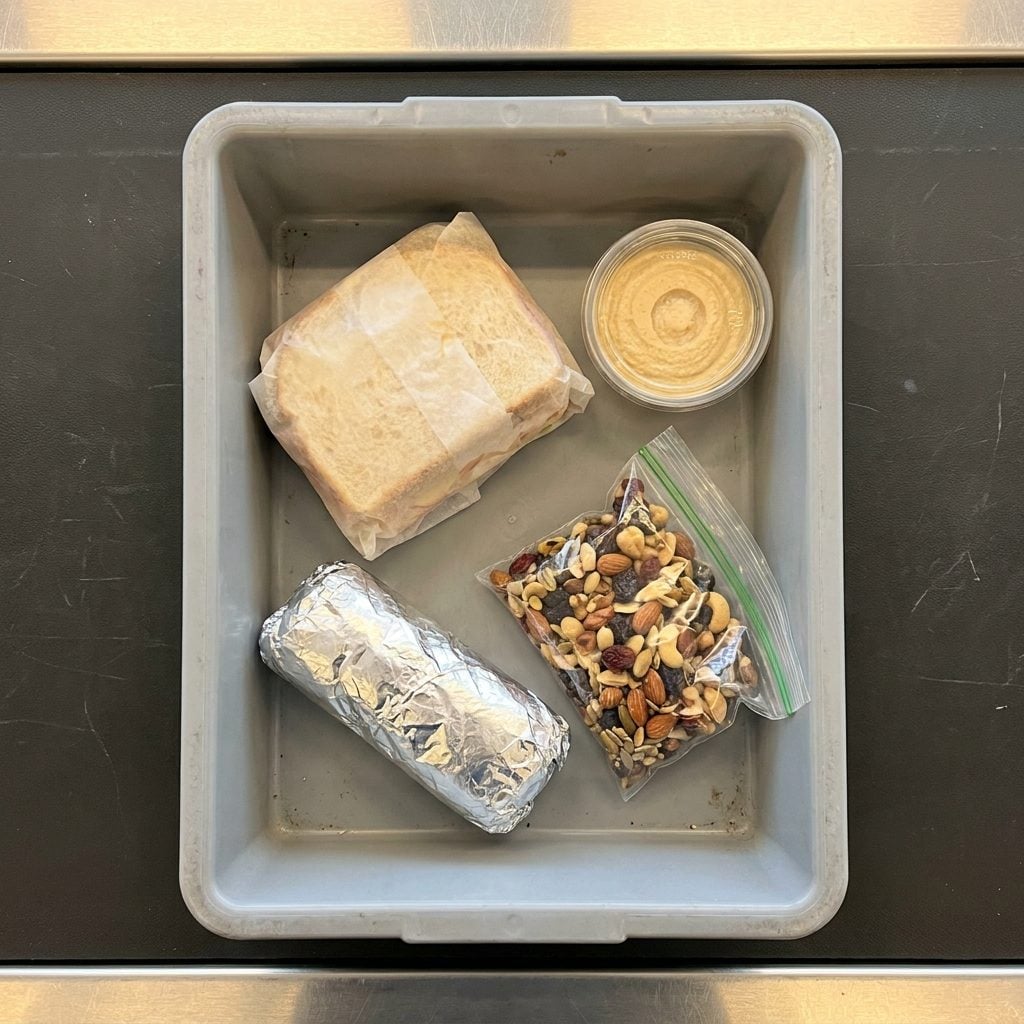
Dense food reads like a threat on an X-ray. A block of cheese mimics plastic explosive. A burrito shows up as an opaque cylinder the machine can’t penetrate. That container of hummus you packed because the airport charges a small fortune for a salad? Liquid, according to TSA. Same category as toothpaste.
Pull food out of the bag and place it in a separate bin, just like you would a laptop. Anything spread-like, paste-like, or dip-like falls under the 3-1-1 rule. Solid food is fine to bring — just don’t force the agent to guess what the dense rectangle buried in your bag actually is.
7. Putting Your Shoes in the Same Bin as Your Electronics
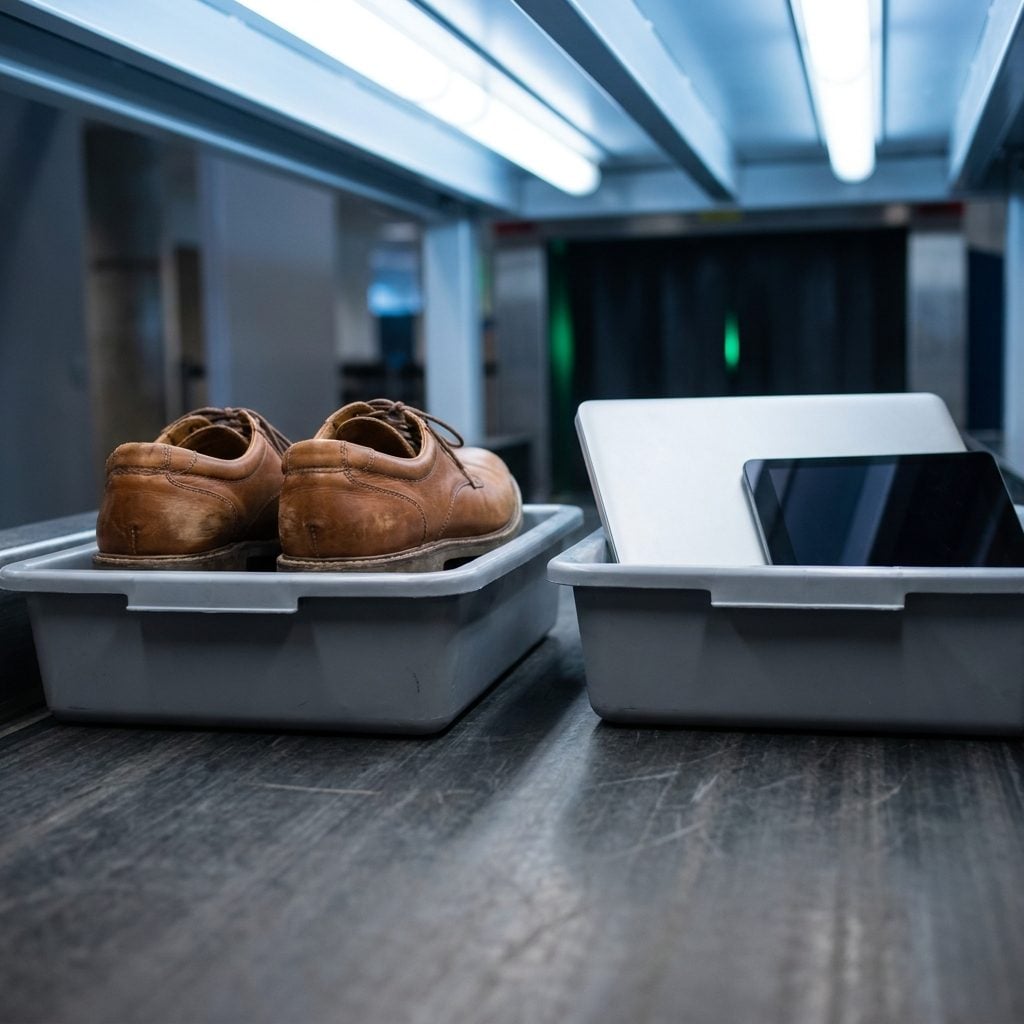
Shoes piled on top of a laptop. The X-ray operator sees a mess — one dense object obscuring another — and neither reads clearly. So your bag gets pulled for a hand check. You just manufactured a delay out of absolutely nothing.
Give shoes their own bin. Give electronics their own bin. This has nothing to do with neatness; it’s about letting the machine do its job without a human having to walk over and verify what you stacked together. Two bins, ten seconds of separation, and you walk straight through without getting waved to the side table.
6. Assuming Duty-Free Liquids From Your Connection Are Safe to Carry
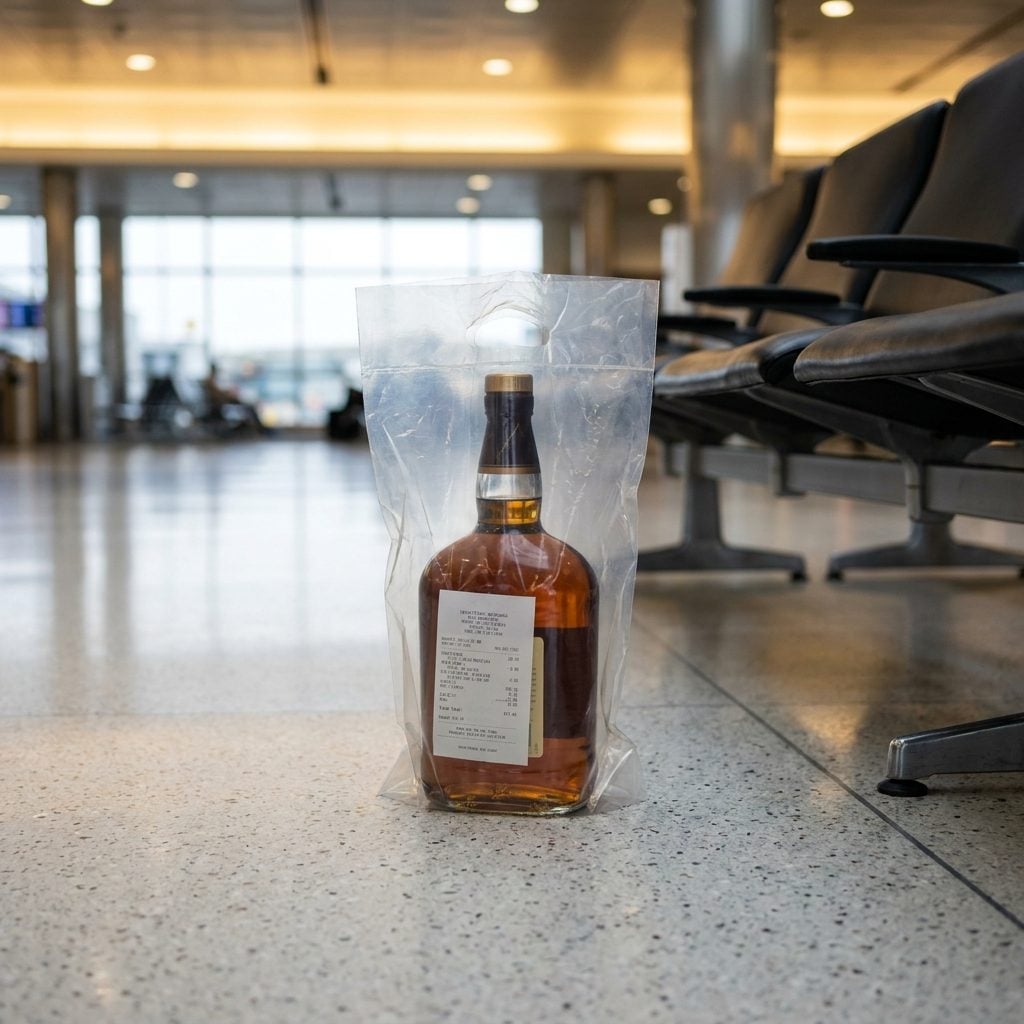
You bought a bottle of Scotch at the duty-free in London. Sealed. Receipted. In one of those tamper-proof bags. And if you have a connecting flight in the U.S. that requires you to re-clear security, that bottle is gone — poured out, confiscated, done.
International connections through U.S. airports require you to collect your luggage and re-enter the security checkpoint, which means your sealed duty-free bottle is now just an oversized liquid. The sealed bag means nothing to TSA at that point. Absolutely nothing.
The workaround: pack duty-free liquids in your checked bag during the layover, or skip the purchase entirely if you’re connecting domestically. Some airports have duty-free pickup points after security on the departing end — use those instead.
5. Wearing a Jacket With Sixteen Metal Snaps Instead of Buttons
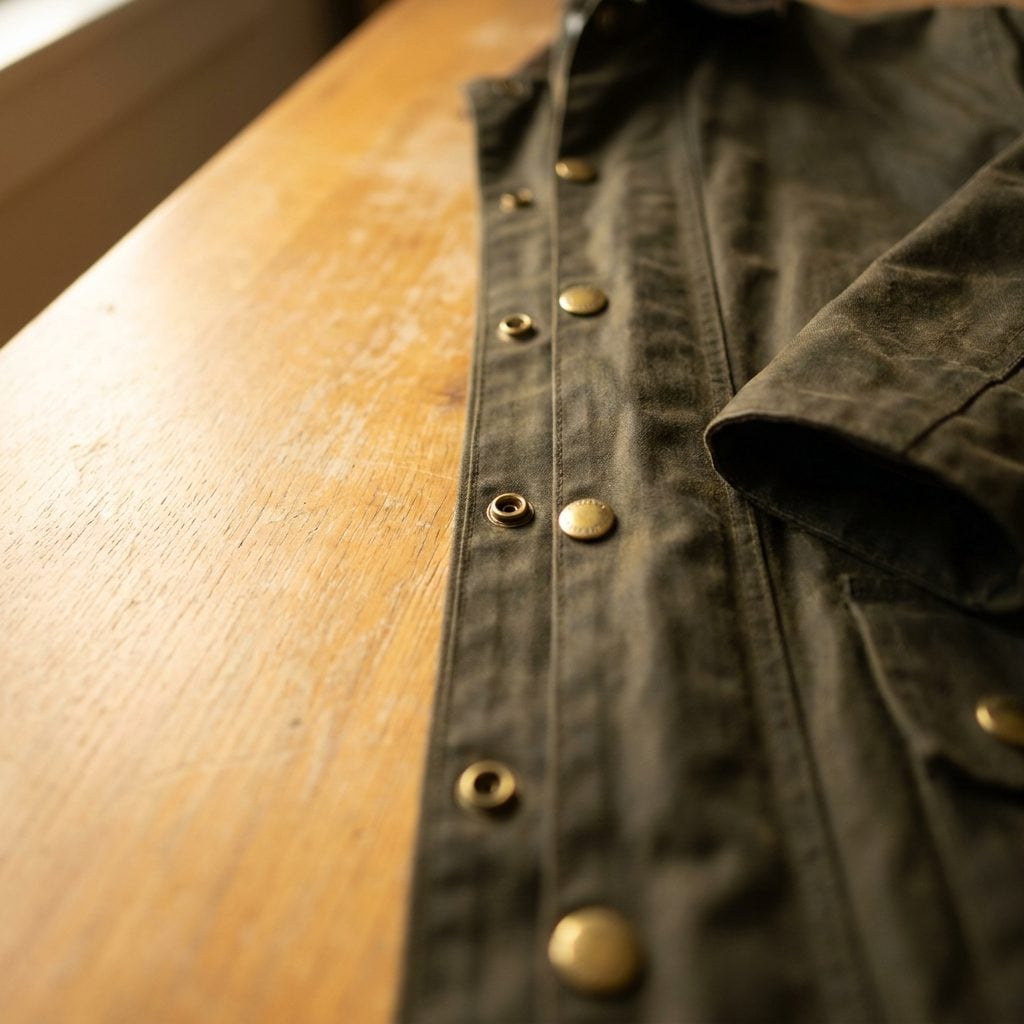
You walk through the body scanner. It lights up — not because of a weapon, but because every single decorative snap on your field jacket registered as a separate metal contact point and the machine flagged your entire torso.
Now you’re getting a pat-down while your bag sits unattended on the other side of the belt. Takes a minute and a half. Feels like a geological age.
Travel jackets should be boring at the checkpoint. Minimal metal, no decorative snaps, no heavy brass hardware, no chain details. Save the snap-front Carhartt for after you land. Wear something that won’t convince the scanner you’re wearing chainmail.
4. Carrying a Battery Pack Without Knowing the Watt-Hour Limit
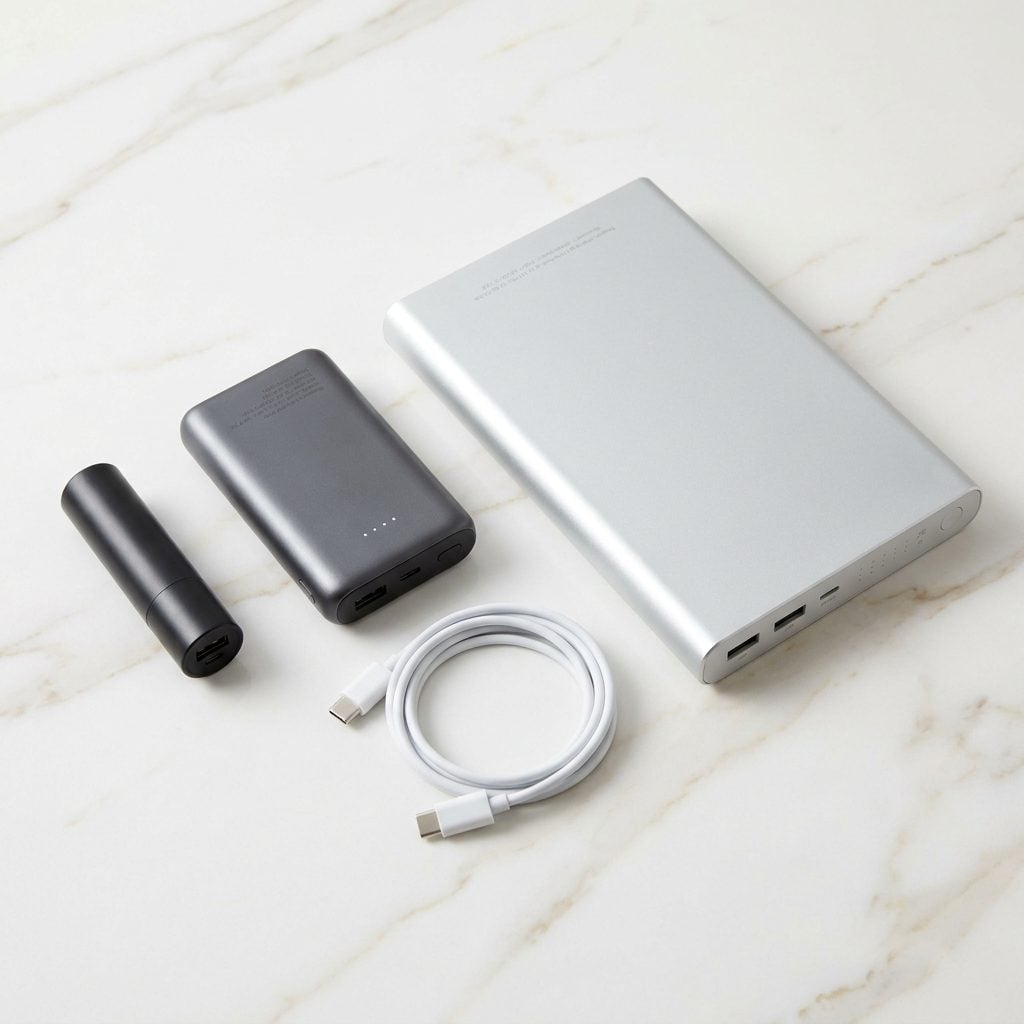
Lithium-ion batteries above 100 watt-hours need airline approval. Above 160 watt-hours, they can’t fly at all — period. Most travelers have no clue how many watt-hours their battery pack holds, and honestly, neither does the agent until they flip it over and squint at the label. If the label is worn off or missing, the answer defaults to no.
Check before you leave home. The rating is printed on every pack, usually in tiny text near the charging port. Your standard phone charger? Almost certainly under 100Wh. Fine. That beefy unit you bought for camping trips? Might not be. And here’s where people really trip up: it cannot go in checked luggage either. Lithium batteries ride in the cabin or they stay home.
3. Leaving a Vape or E-Cigarette in Your Checked Bag
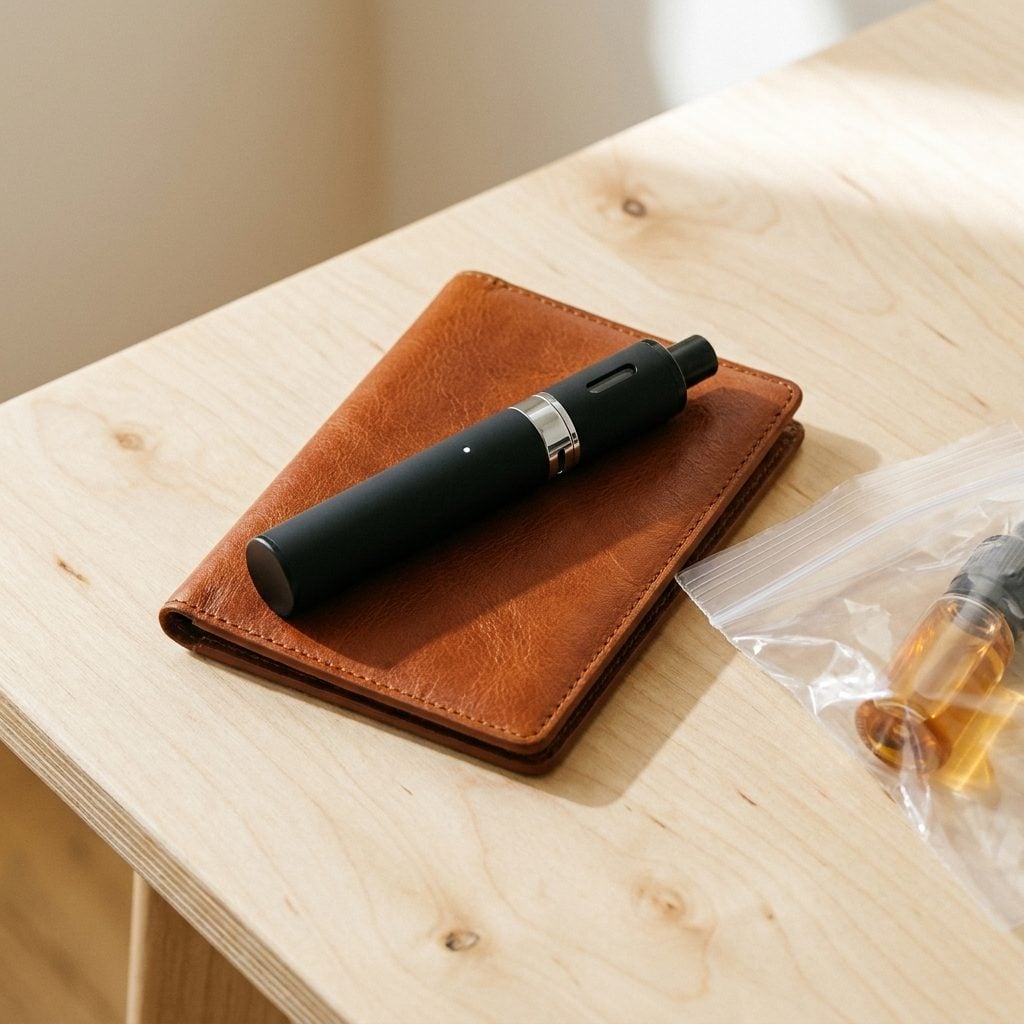
Not a preference. A rule. Vapes, e-cigarettes, and any device combining a lithium battery with a heating element are banned from checked luggage by the FAA. Not discouraged — banned. If the bag gets flagged after it’s checked, your flight gets delayed while they haul it back out.
Carry-on. Off during the flight. That’s the whole thing.
2. Showing Up With a Bag of Tools You Use Every Day and Forgot Were in There
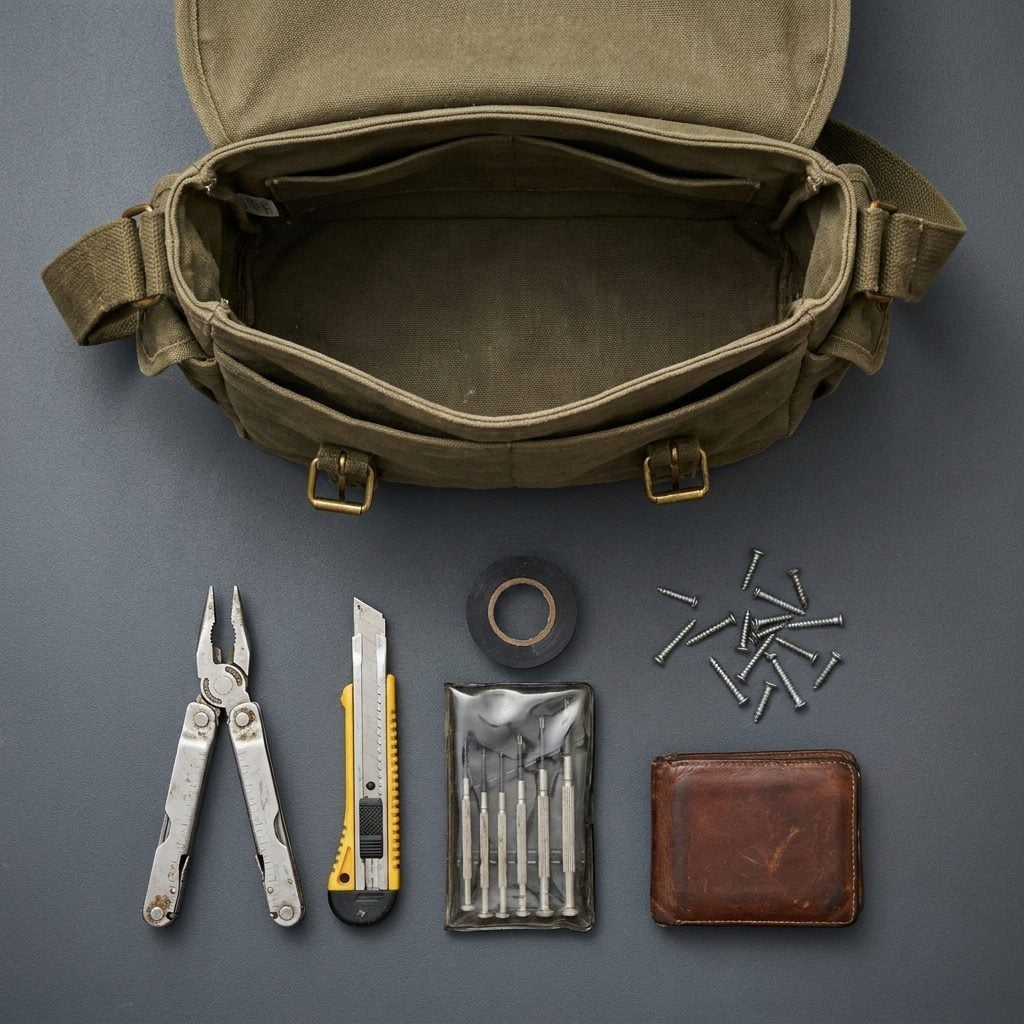
The multi-tool lives in your bag. Has for years. You use it to open boxes, tighten a loose screw on the porch railing, pry the battery cover off the remote. You forgot it was there because it’s always there.
TSA didn’t forget.
Any blade over 2.36 inches gets confiscated — multi-tools with locking blades, box cutters, utility knives, even those credit-card-sized novelty tools with the tiny hidden blade. I say this as someone who surrendered a perfectly good Leatherman to a bin at O’Hare because I hadn’t emptied my work bag in six months. Dump the bag out before you pack it. Every pocket. Especially the one you never open.
1. Standing in the Wrong Line Because You Didn’t Read What Was Printed on the Floor
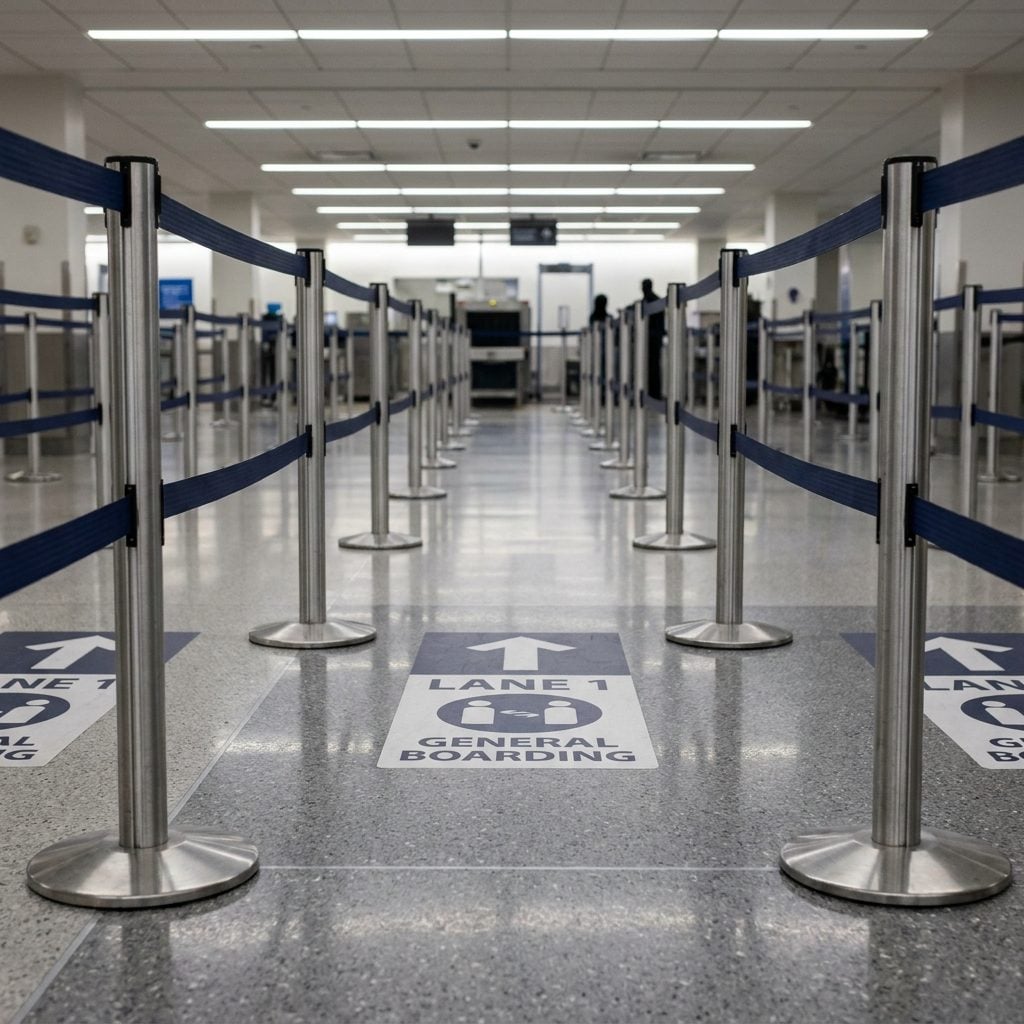
PreCheck lane. Standard lane. CLEAR lane. First Class. Known Traveler. They’re marked on the floor, on the stanchions, sometimes on overhead signs you’d have to crane your neck to notice. And every single day, someone with a standard boarding pass strolls confidently into the PreCheck lane and gets turned around at the podium — then walks against traffic, back to the end of the line they should have been in from the start. Brutal.
Look down before you commit. Lane designation is almost always printed on the floor within the first few steps. Not sure? Ask the agent directing traffic. They’d rather answer your question once than redirect you in front of forty annoyed strangers.
🔥 Would you like to save this?
Please note that some of the imagery in this article were created with the aid of AI image generators.