

🔥 Would you like to save this?
The pack felt fine in the gear store. By mile four, the same pack feels like a refrigerator with shoulder straps. First multi-day backpacking trips teach lessons no YouTube video quite covers: how fast “just in case” turns into ten extra pounds, how precious dry socks become, and how one badly placed rain cover can ruin a perfectly decent mood.
The problem is rarely one giant disaster. More often, the trip unravels through tiny decisions that seemed harmless at home: packing the wrong layers, trusting new boots, guessing on food, hiding the headlamp too deep, choosing a campsite after everyone is already cranky. These 29 mistakes are the ones new hikers make once, regret immediately, and never forget — along with the fixes that keep the trail fun after the first big hill.
29. Packing Your Entire Closet Because You Might Need It
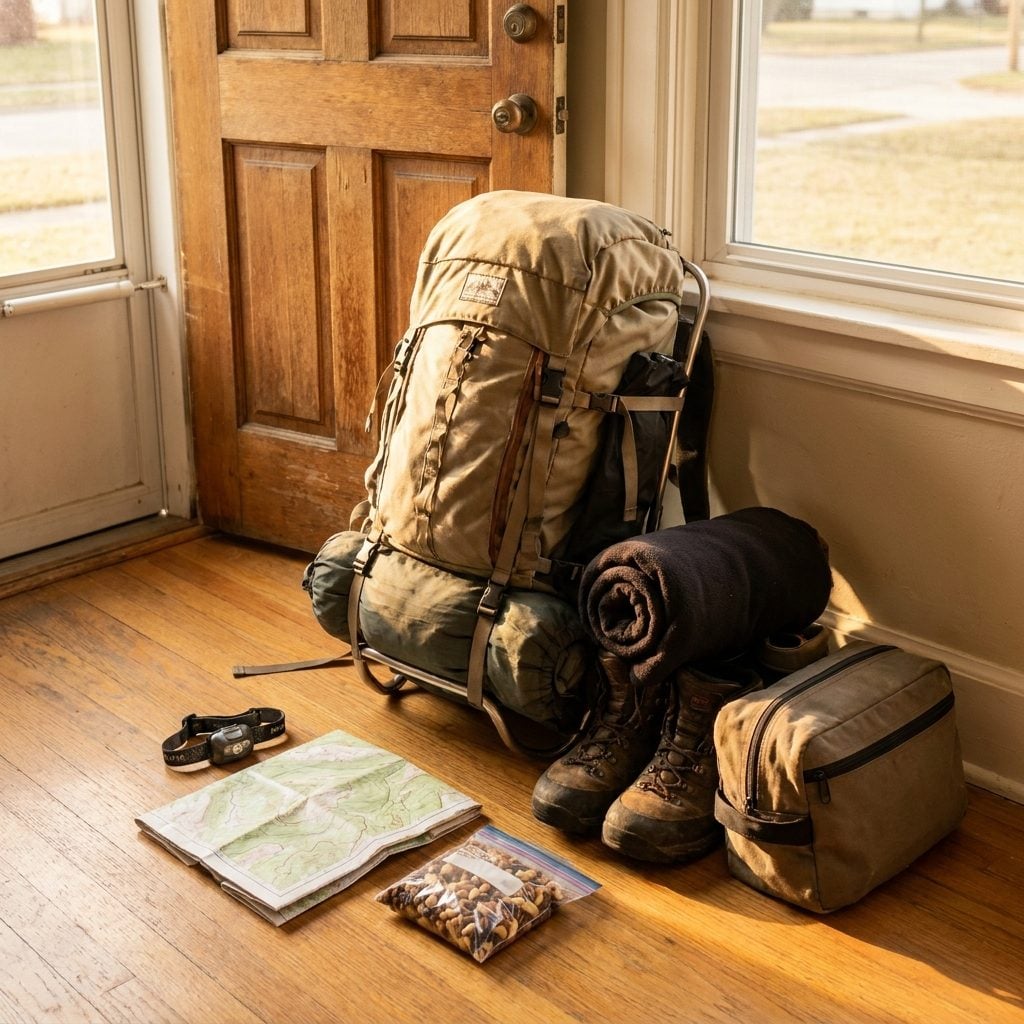
The internal conversation goes like this: But what if it rains? What if it gets cold? What if I want a change of clothes on day three? And so the pack fills up. Then overfills. A 48-liter bag carrying 52 pounds of anxious preparation.
Anything above 20 percent of your body weight will punish you by mile four and destroy you by mile eight. The fix is ruthless subtraction, not optimistic addition. Lay everything out. Then put half of it back. Merino wool base layers do the work of three cotton shirts. One puffy jacket handles most weather. Two pairs of socks is almost always enough. The tent stakes do not need a backup set of tent stakes.
28. Buying Brand-New Boots the Week Before You Leave
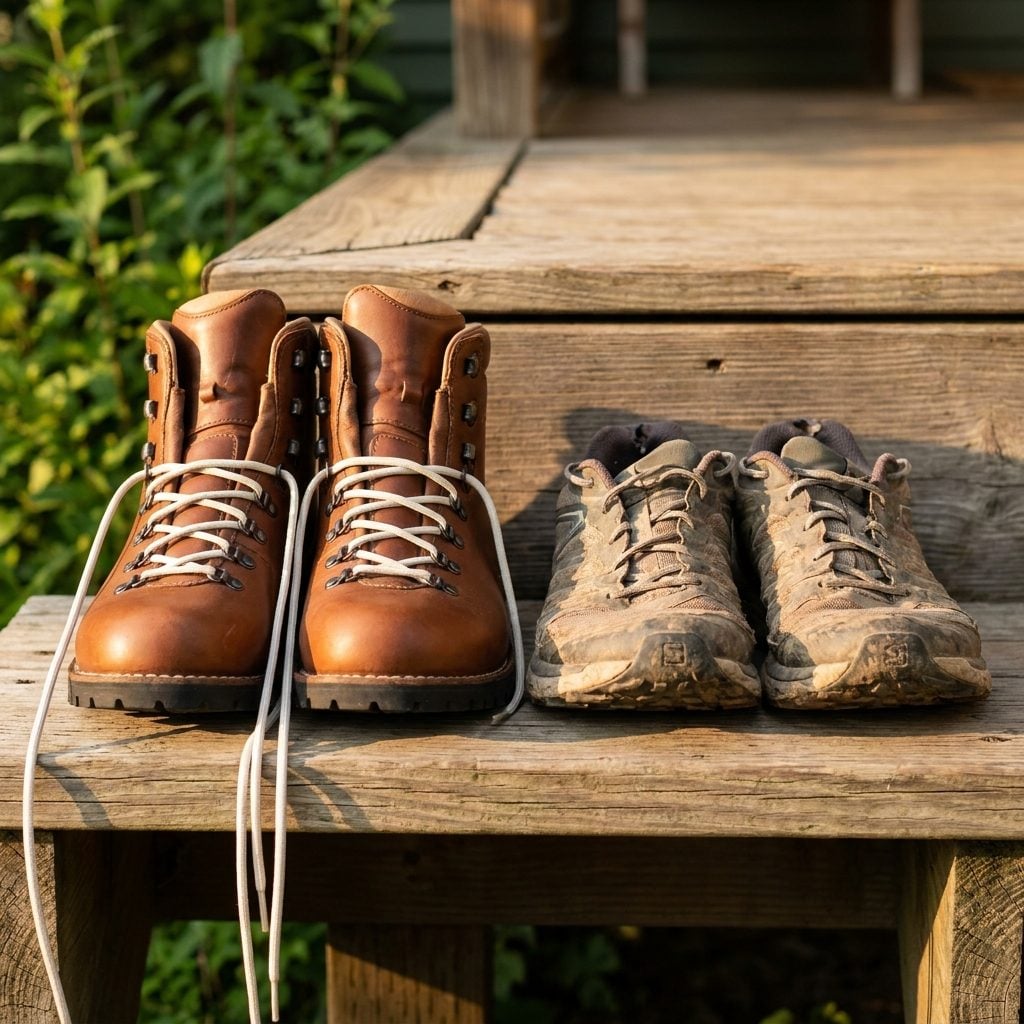
Fresh out of the box. Stiff as a cast iron skillet. Zero miles on them. And you think five days in the backcountry will break them in gently.
New boots that haven’t been worn will give you blisters in the exact spots you can least afford them: heels, little toes, the ball of the foot. Those spots turn into hot spots by noon on day one and open wounds by day two. Wear any new boots for at least 50 miles of mixed terrain before they ever see a trail. Better yet, start your first trip in a pair of trail runners you’ve already logged time in. Comfort beats the look of fresh gear every time.
27. Ignoring the Ten Essentials Because You’re Only Going for a Few Days
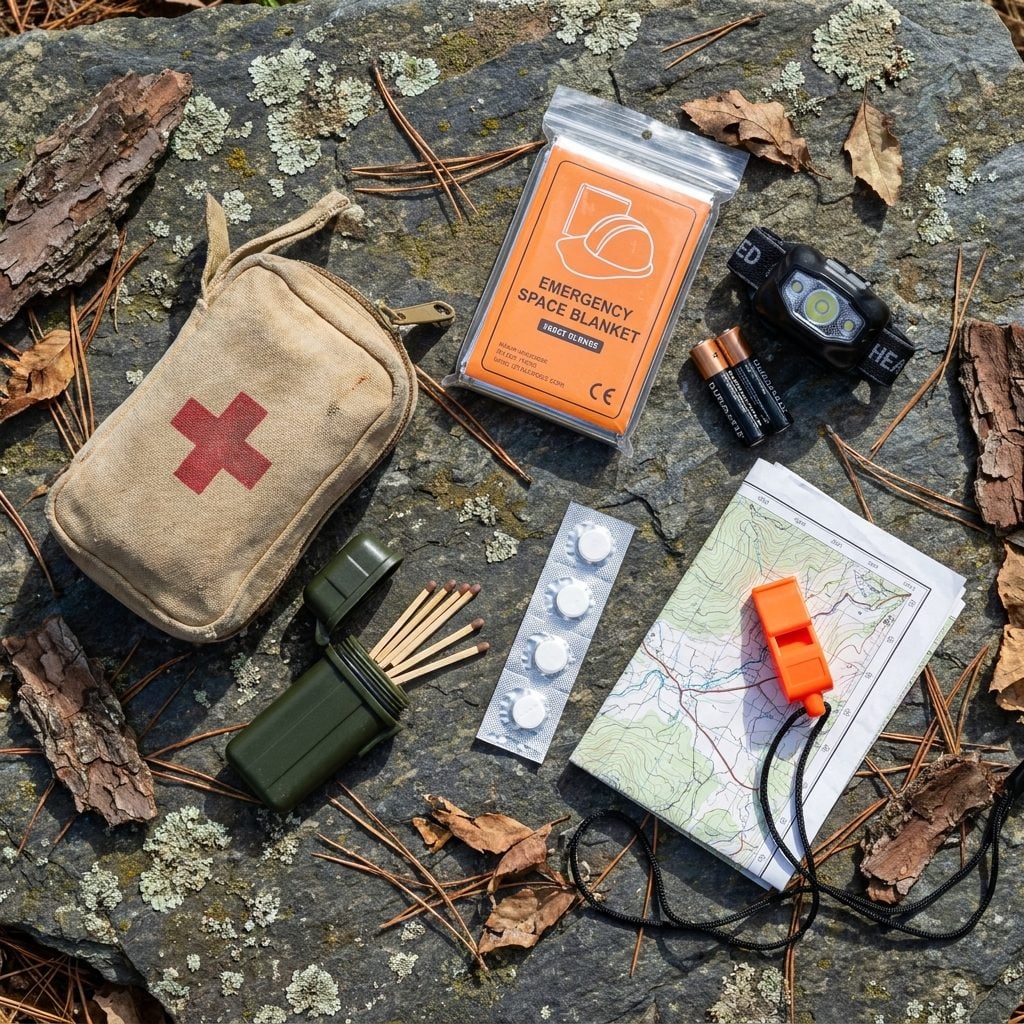
A weekend trip feels forgiving. Three days, marked trail, decent weather forecast. What could go wrong?
The answer, statistically, is ankle. Or weather that turned. Or a trail junction that wasn’t where the app said it was. Search and rescue teams respond to day hikers as often as through-hikers. The ten essentials exist not because disaster is likely, but because the weight penalty for carrying them is almost nothing and the upside is your life. A headlamp, a space blanket, a whistle, water purification tabs, and a basic first aid kit together weigh less than a full water bottle. Carry them every single time.
26. Treating Water Purification as Optional Because the Stream Looks Clean
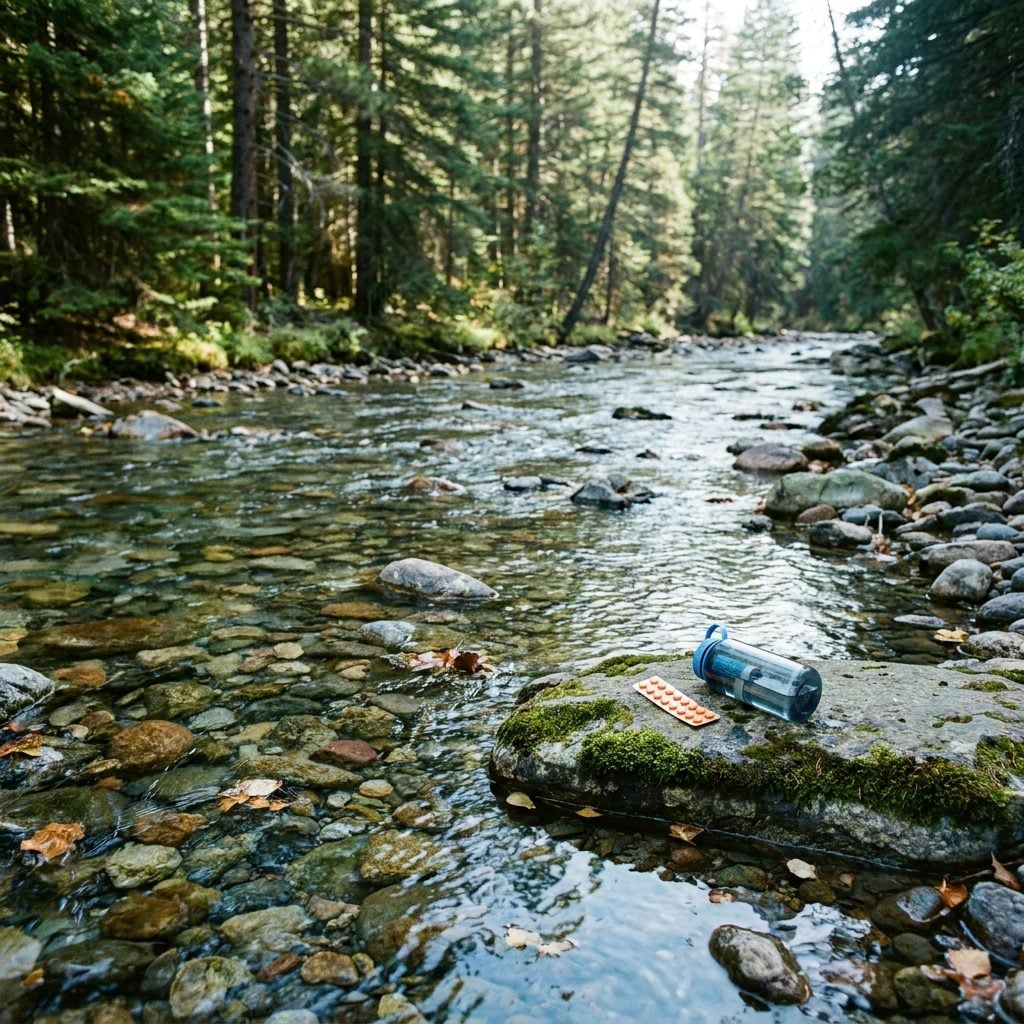
It’s running fast. It’s cold. It’s coming off a snowfield. It looks like the kind of water people bottle and sell. It is also carrying giardia, and you won’t know that for two weeks when you’re home and wondering why your stomach is staging a full revolt.
Giardia has no smell, no color, no warning. Livestock upstream. A dead animal you didn’t see. Another hiker who didn’t dig their cat hole far enough from the water. All invisible, all possible. Filter everything. Tablets as backup. A water filter bottle adds almost no pack weight and removes the guesswork entirely. The stream isn’t lying to you, it just doesn’t know what’s in it.
25. Starting Day One Like You’re Trying to Win Something
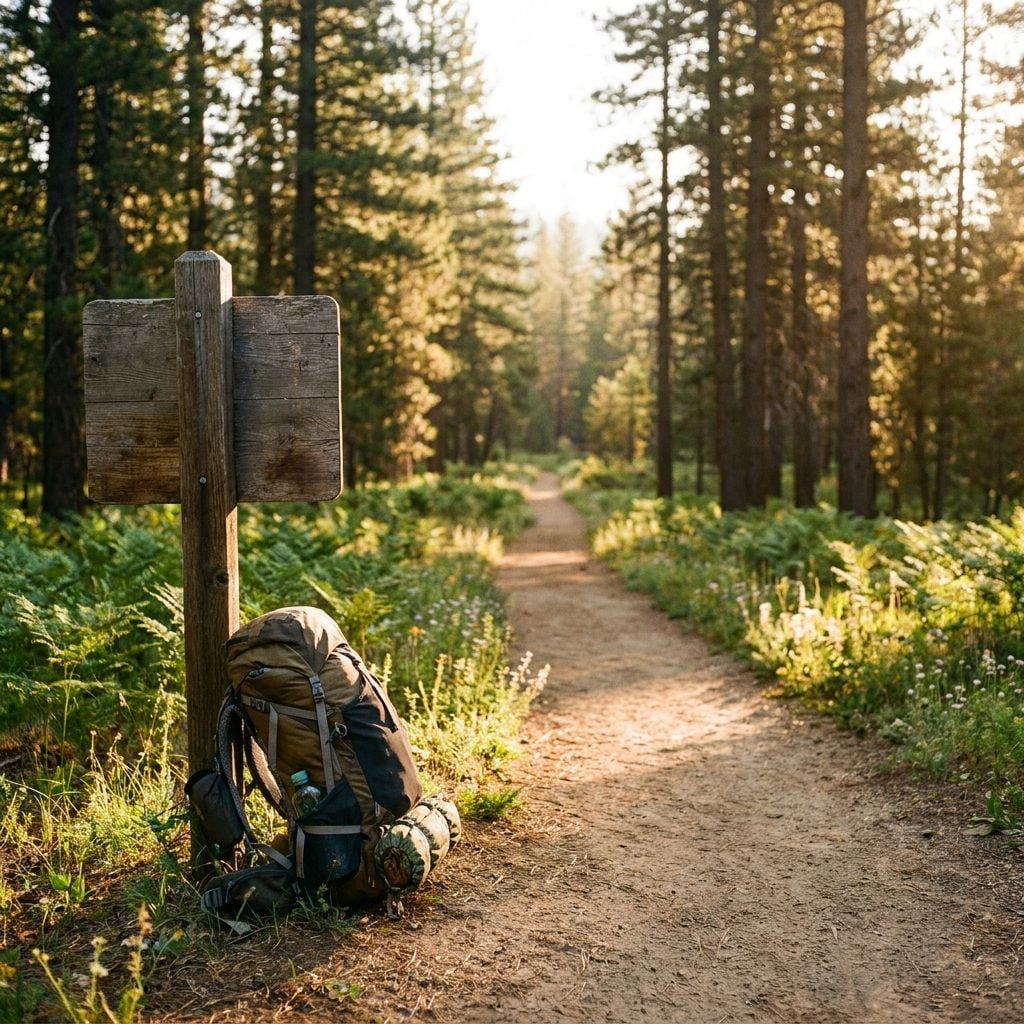
The energy on day one is real and it is dangerous. Fresh legs, excitement, beautiful weather, and eleven miles of trail in front of you. By noon you’ve done nine of them. By 3pm your knees are making sounds they’ve never made before.
Starting too fast depletes glycogen stores before your body has adapted to the load, which is why day two always feels worse than it should. The standard advice is to hike your own pace, the real advice is to start at 70 percent of what feels easy and let the miles accumulate. The people who finish multi-day trips comfortably aren’t the ones who crushed day one.
24. Skimping on Sleep System Weight and Suffering Through 40-Degree Nights
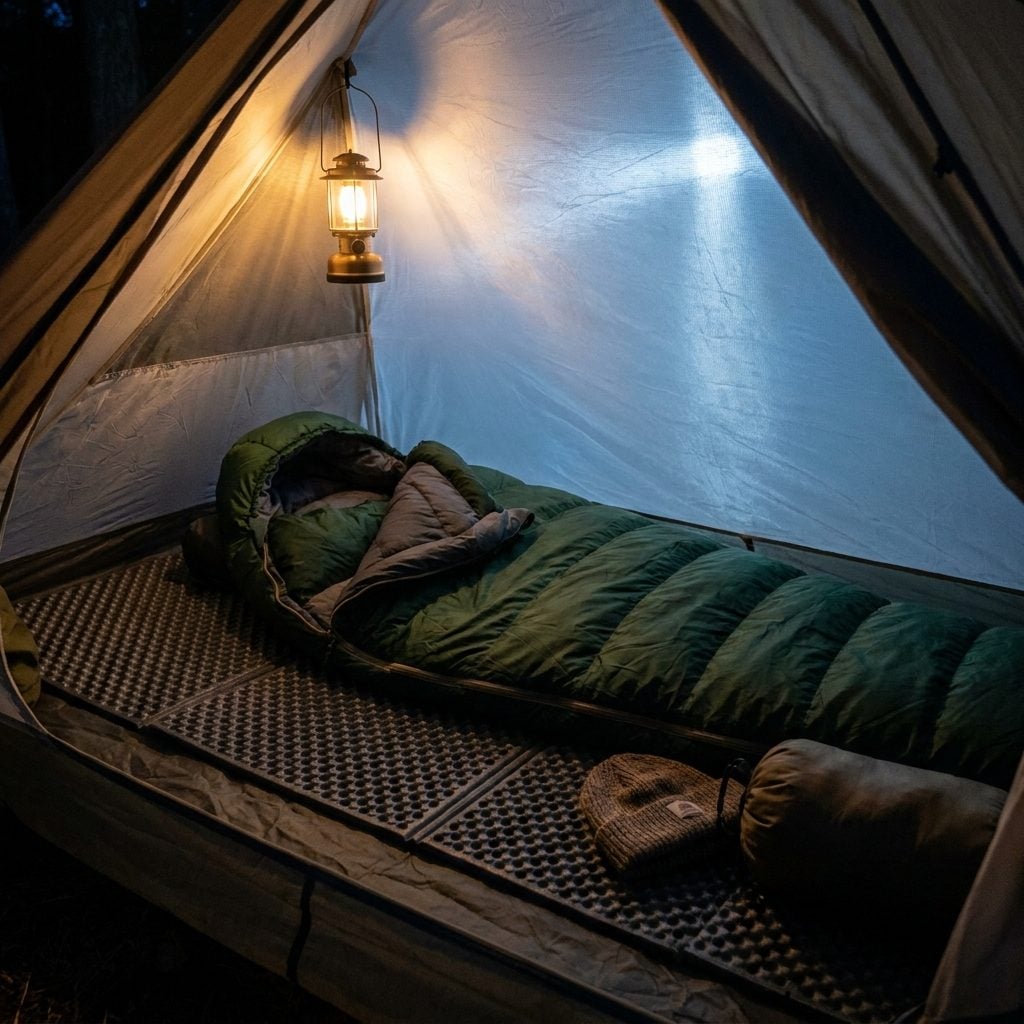
The cheap sleeping bag rated to 35 degrees is rated to 35 degrees in the sense that you will survive at 35 degrees. Not that you will sleep. Not that you will feel warm. Not that you won’t spend four hours watching the temperature readout on your watch drop another degree while your body runs out of useful heat to generate.
Cold nights don’t ruin trips. Cold nights with the wrong bag end trips. A mummy sleeping bag rated 10 to 15 degrees below your expected low, paired with an insulated sleeping pad (ground cold kills sleep faster than air cold), makes the difference between waking up functional and waking up depleted. Buy the right sleep system once.
23. Forgetting That Calories Are Navigation, Not Reward
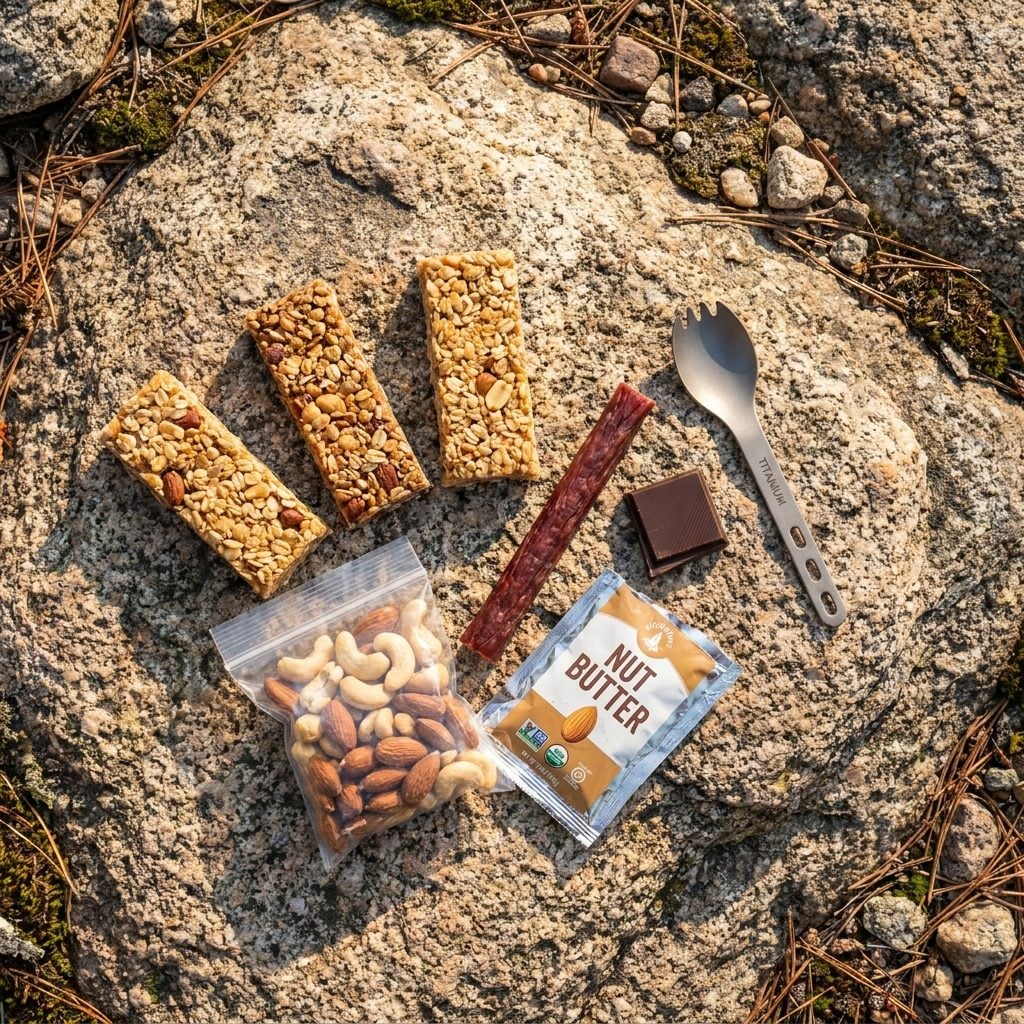
Hikers routinely undereat on the trail and call it a hard day when really it’s low blood sugar trying to run a body uphill at elevation with 30 pounds on its back. You need somewhere between 2,500 and 4,000 calories a day on the trail depending on your size and the terrain. Most people pack for 1,800 and then can’t figure out why their legs stopped working at 2pm.
High-calorie-to-weight-ratio foods are the answer: nut butters, salami, trail mix, dark chocolate, full-fat cheese for the first two days. Eat before you’re hungry. Stop before you feel full. The trail is not a place to run a caloric deficit.
22. Planning a Route That Looks Fine on Paper and Brutal on Terrain
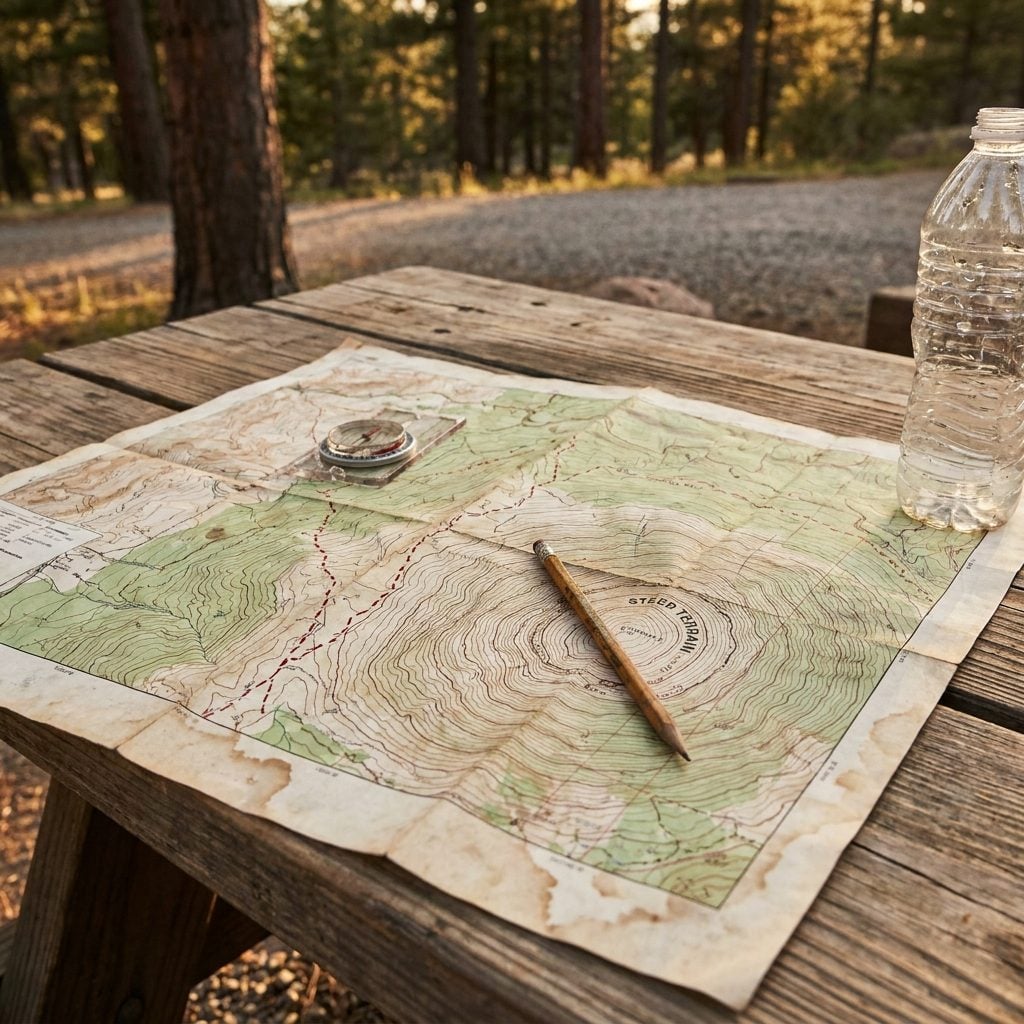
Eight miles a day sounds reasonable until three of those miles are a 2,200-foot climb with a loaded pack, on exposed scree, at elevation, after two days already on your legs.
Mileage on a map tells you distance. Elevation gain tells you effort. The standard formula most trip planners use: add one hour for every 1,000 feet of elevation gain on top of your flat mileage estimate. A topographic map read with actual attention to the contour line spacing will show you what the trail app’s difficulty rating glosses over. Plan your hardest elevation day for day two, after one day of warm-up, and never put a big climb on your last day when your reserves are lowest.
The trail doesn’t care what the app rated it. It cares about your legs, your pack weight, and how much water you’re carrying. Plan for the actual mountain, not the average one.
21. Wearing Brand-New Boots Out of the Trailhead Parking Lot
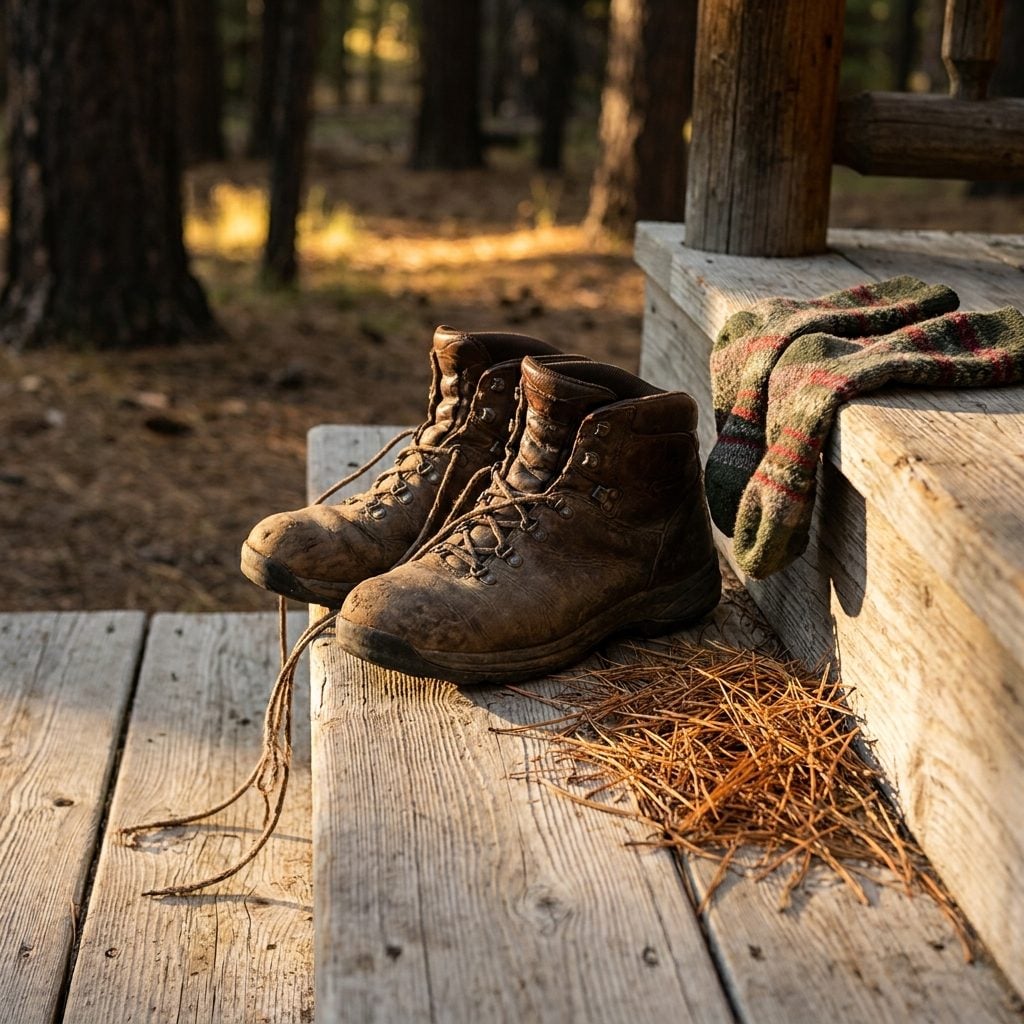
You bought the boots two weeks ago. They feel fine in the store, maybe even great. So you lace them up on day one of a four-day trip and head out. By mile six, you have blisters in places you didn’t know could blister.
New boots need breaking in on pavement and short day hikes first, not loaded packs on rough trail. The fix is boring and it works: wear them around the house, on errands, on a few two-hour walks before the big trip. Your feet will thank you somewhere around day three when everyone else is limping and you are not.
20. Eating the Same Two Bars for Three Days Straight
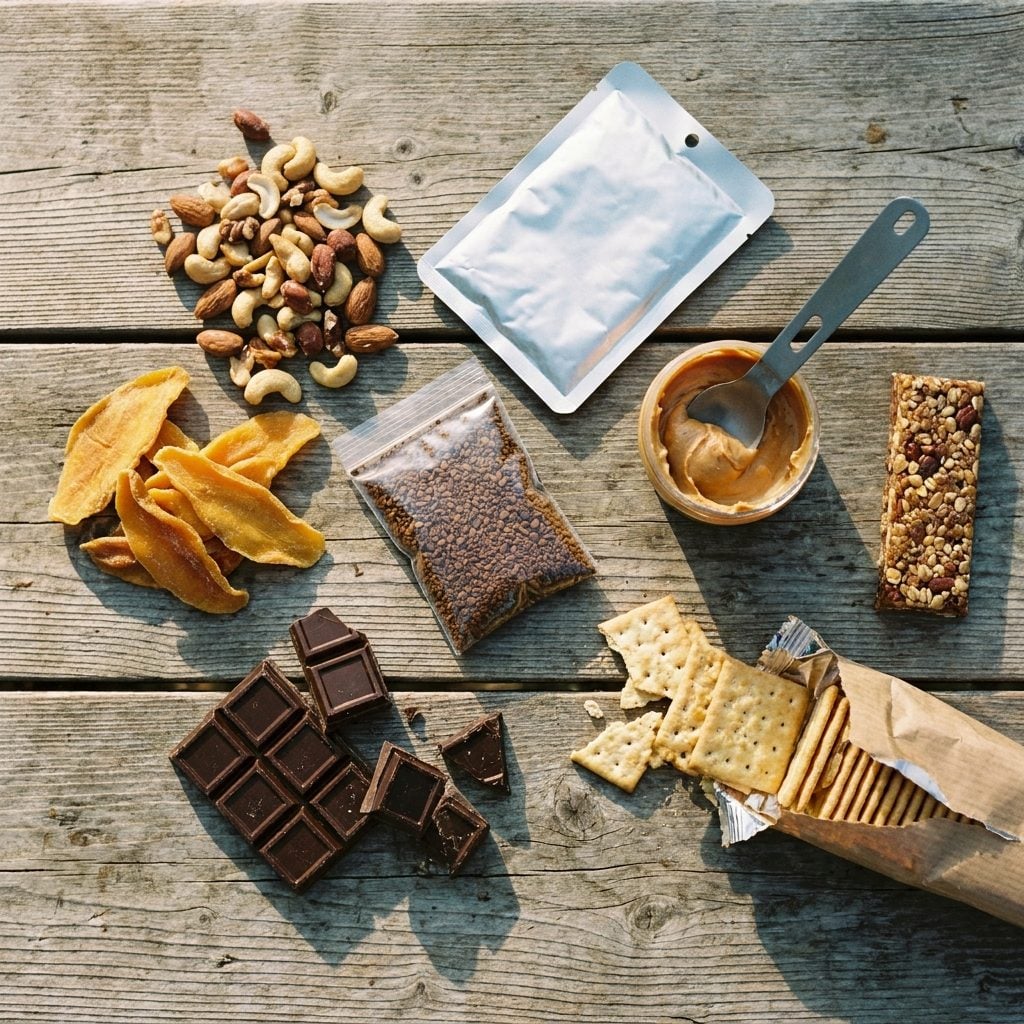
Nobody warns you how fast appetite fatigue sets in at altitude. Day one, the peanut butter bar is fine. Day two, it takes effort. Day three, you are eating it purely out of obligation and your mood has quietly followed it off a cliff.
Pack actual variety. Salty, sweet, chewy, crunchy. Something that feels like a meal at night, not just more snacks. Instant mashed potatoes, a foil pouch of salmon, a small bar of good chocolate saved for after dinner, these small things do more for morale than any piece of gear.
19. Trusting Your Phone’s Battery to Last the Whole Trip
🔥 Would you like to save this?
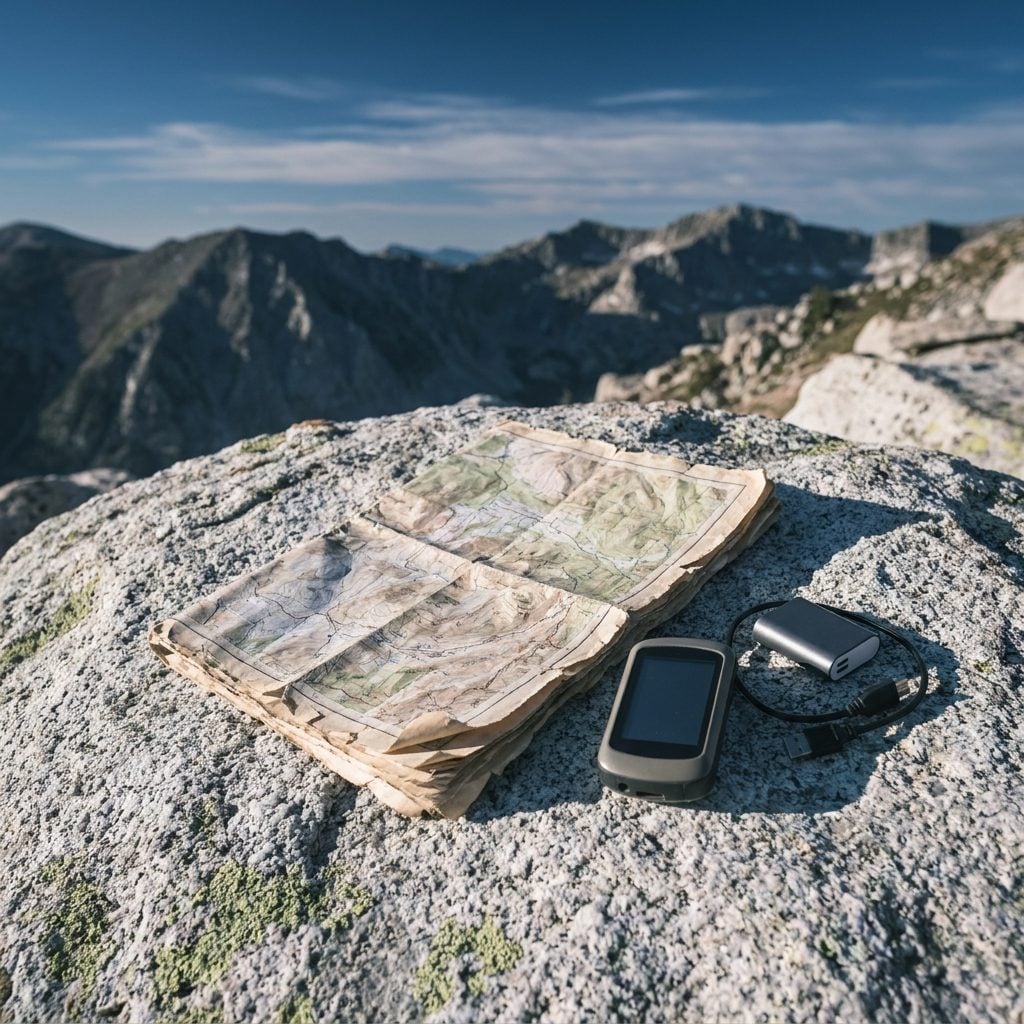
Cold air, elevation, and constant GPS use will drain a modern smartphone faster than any benchmark test suggests. A lot of first-time backpackers reach for their phone at the trailhead junction on day two and find twelve percent battery and no cell signal.
Bring a small external battery pack at minimum. Better: download offline maps to a dedicated app before you leave, and carry a paper topo map as backup. The paper map weighs almost nothing and will not need charging at the worst possible moment.
18. Setting Up Camp After Dark Because You Pushed Too Far
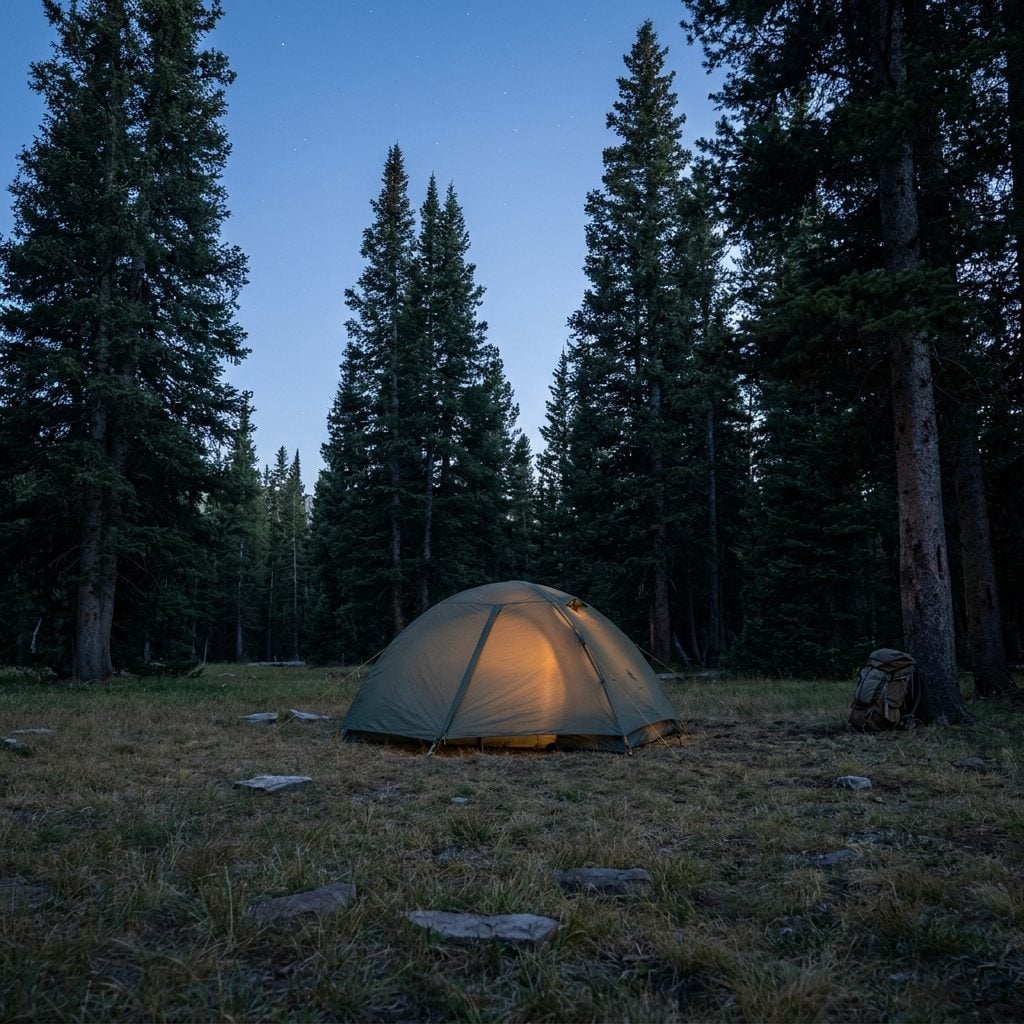
The trailhead map said eight miles to the campsite. What it didn’t say was that the last two miles gained 1,200 feet and crossed a boulder field. You arrive at dark, headlamp out, trying to stake tent poles into ground you cannot see.
Give yourself a hard stop time, say, two hours before sunset, and camp where you are if you have not reached your planned site. A slightly shorter day is nothing. Pitching a tent blind on uneven ground while tired and cold is how gear gets broken and sleep does not happen.
17. Overpacking the First Aid Kit and Underpacking the Knowledge
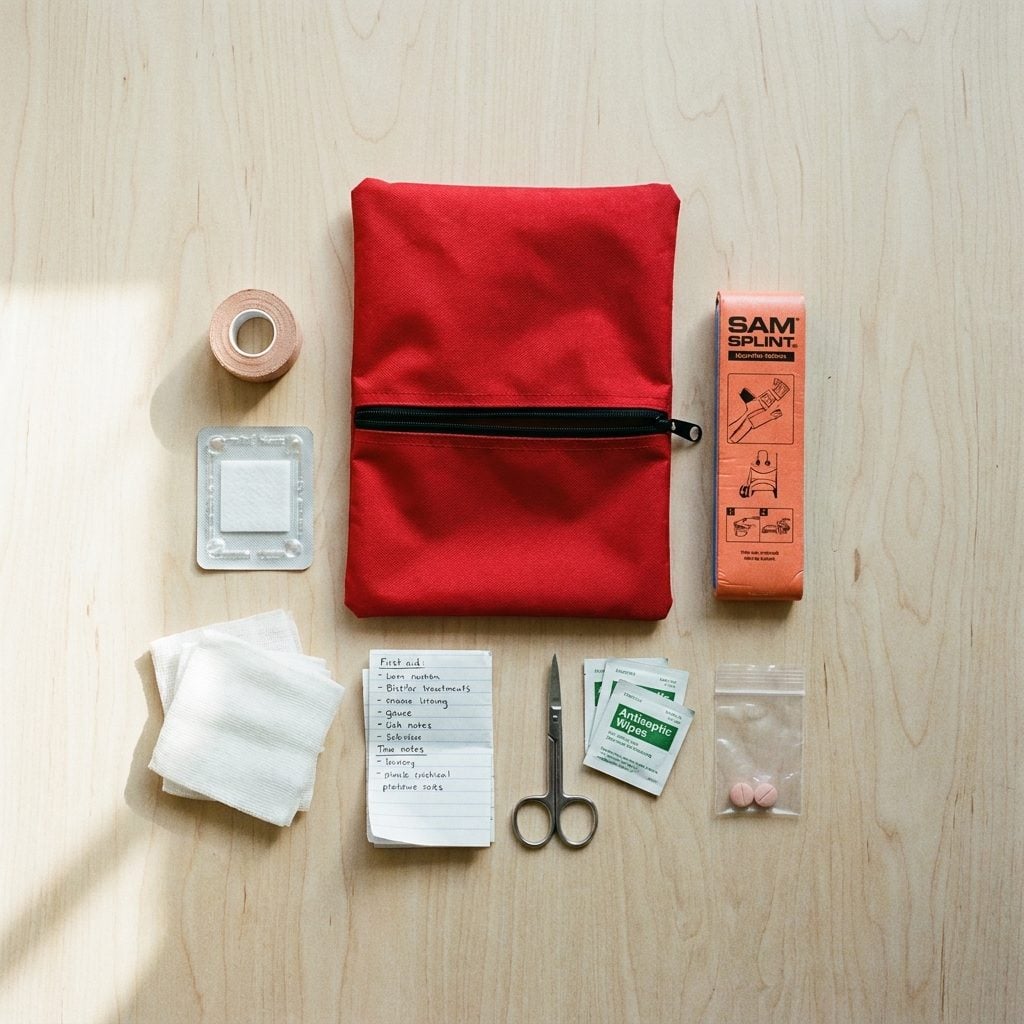
A lot of first-time backpackers carry a kit stuffed with every item on the REI checklist and have no idea how to use most of it. The moleskin sits in the bag while their heel blisters because they waited too long and did not know to cut it into a donut shape anyway.
Take a one-day wilderness first aid course before a serious multi-day trip. Failing that, watch the actual application videos, not the product pages. A small, well-understood kit beats a heavy kit full of good intentions.
16. Ignoring the Weather Window Because the Forecast Said ‘Partly Cloudy’
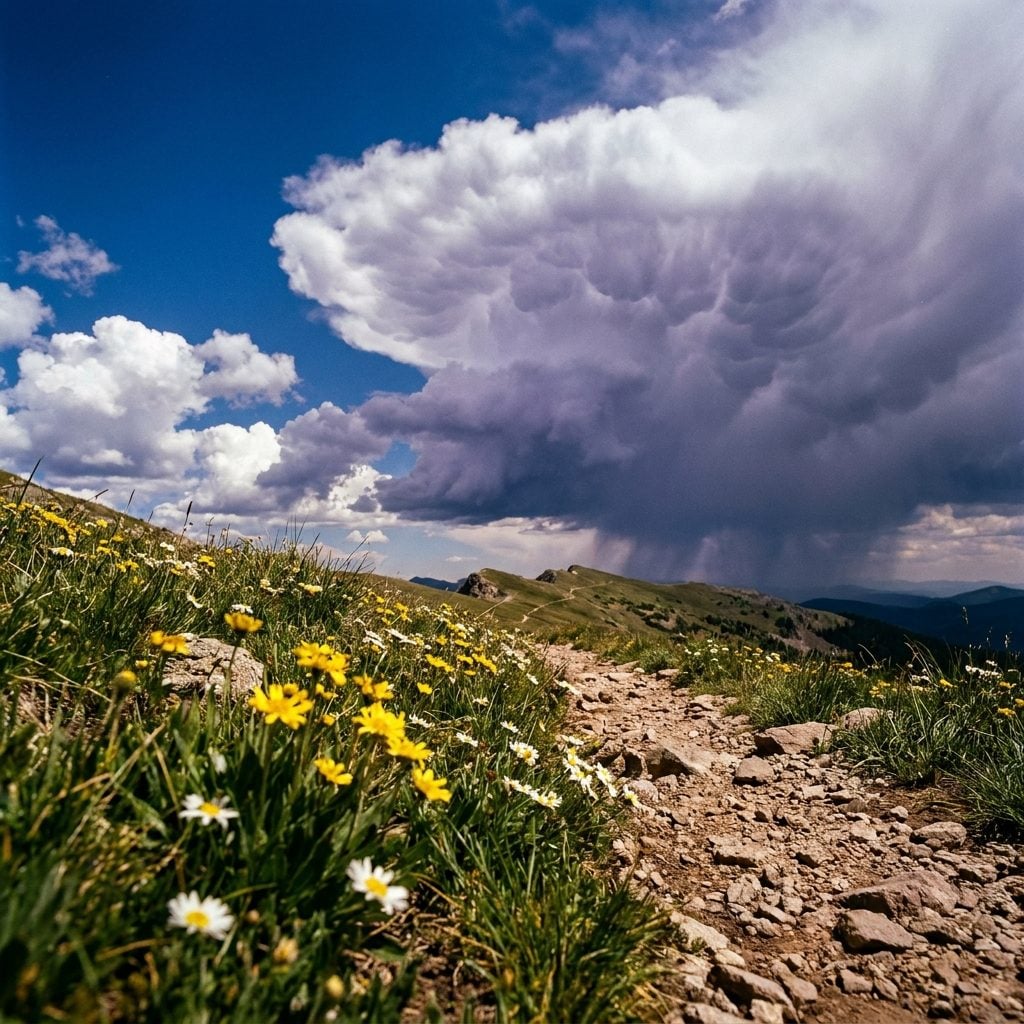
Mountain weather does not operate on the same schedule as the forecast app that was last updated at sea level the night before. Clear skies at 7am in the Rockies or the Cascades can become lightning and hail by 1pm on a summer afternoon, reliably, with almost no warning at altitude.
Start moving early. Plan to be below treeline or off exposed ridgelines by midday on any day with afternoon storm potential. Check a dedicated mountain weather service, not a general app, and build a turnaround time into every day’s plan before you leave camp.
The summit will still be there next time. Getting caught above treeline in a lightning storm is a mistake you only want to make once.
15. Carrying Three Liters of Water Up a Hill When a Stream Sits One Mile Ahead
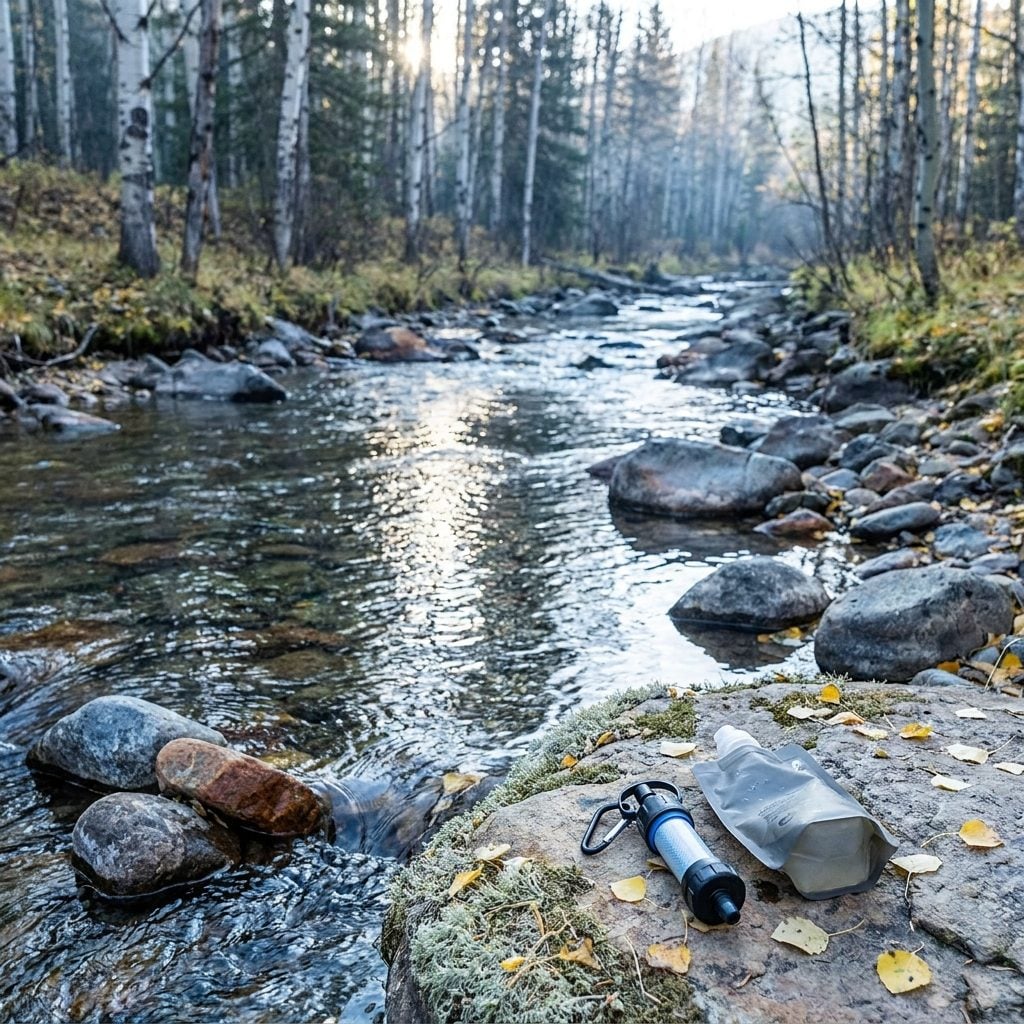
Water is the heaviest thing in a pack: about two pounds per liter. Carrying a full three-liter load over a mountain pass when the trail notes clearly show a reliable stream at mile four is a very common and very avoidable mistake.
Know your water sources before you leave camp each morning. Carry enough to reach the next one comfortably, with a small margin for error. A good filter or purification tablets weigh almost nothing and let the trail’s own water do the heavy lifting.
14. Sleeping in the Clothes You Hiked In and Wondering Why You’re Cold
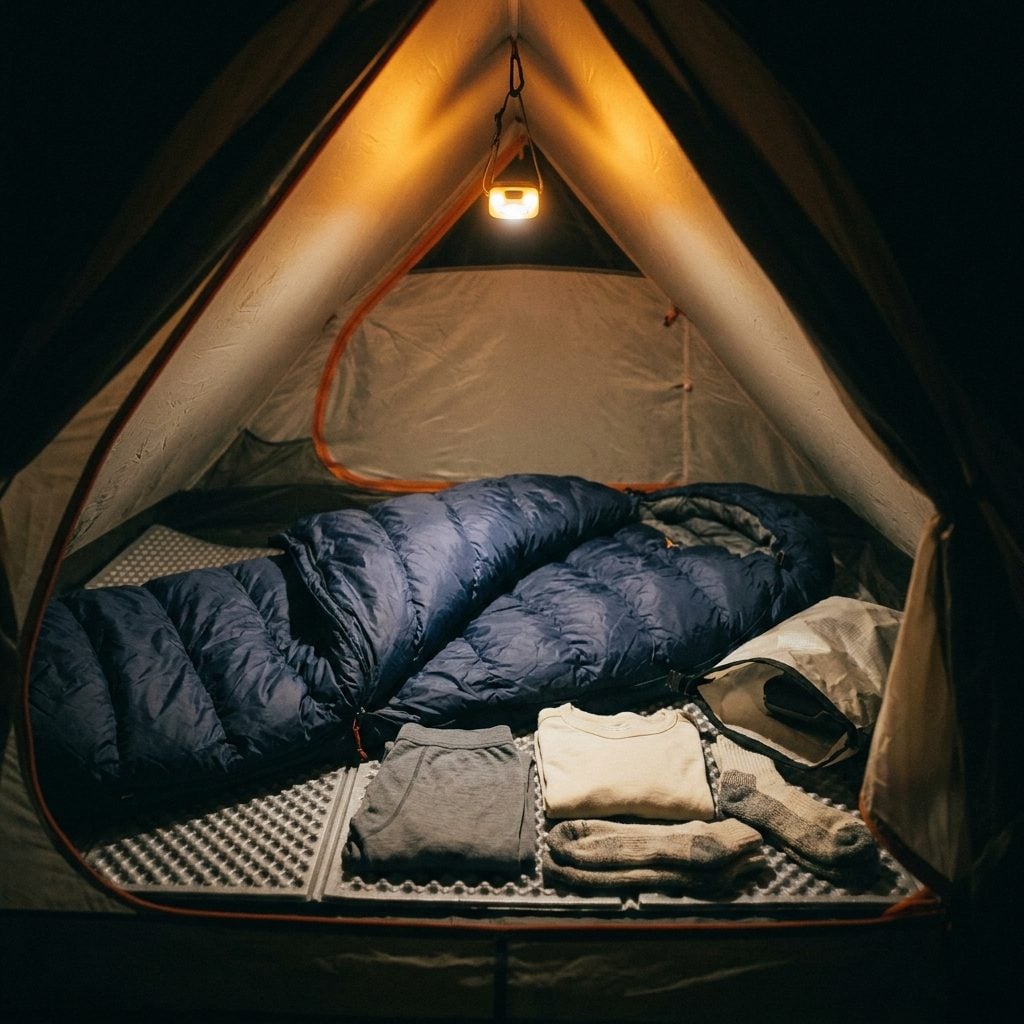
Hiking clothes collect sweat. Sweat is moisture. Moisture in a sleeping bag, especially a down bag, is a slow disaster, it collapses the insulation and drops your effective temperature rating, sometimes by a significant margin. You get in feeling fine and wake up at 3am genuinely cold, unable to figure out why.
Pack a dedicated sleep layer: clean base bottoms, a dry top, fresh socks. Change before you get in the bag every night without exception. It takes two minutes and it’s the single cheapest warmth upgrade available.
13. Packing Your Rain Gear at the Bottom of Your Pack
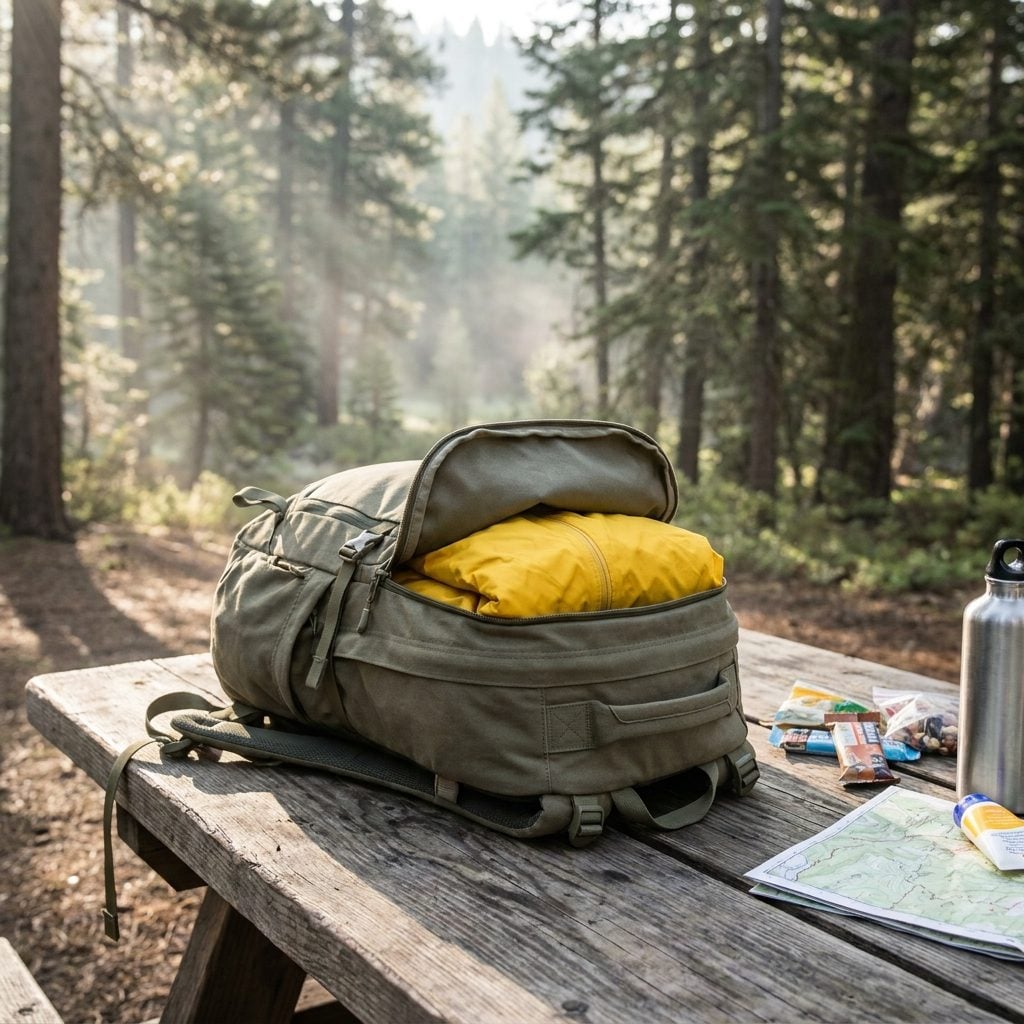
You spent forty-five minutes packing everything perfectly, and put the rain jacket at the very bottom because it looked like it might stay dry. Then the sky opened up six miles in, and you stood there unloading your entire pack on a muddy trail while the rain came sideways.
Rain in the mountains does not send a calendar invite. Pack your rain gear in the top lid pocket or the very top of the main compartment, every single morning, no exceptions. If it’s already on your body when the storm hits, even better.
12. Treating “Waterproof” Boots Like They’re Submarines
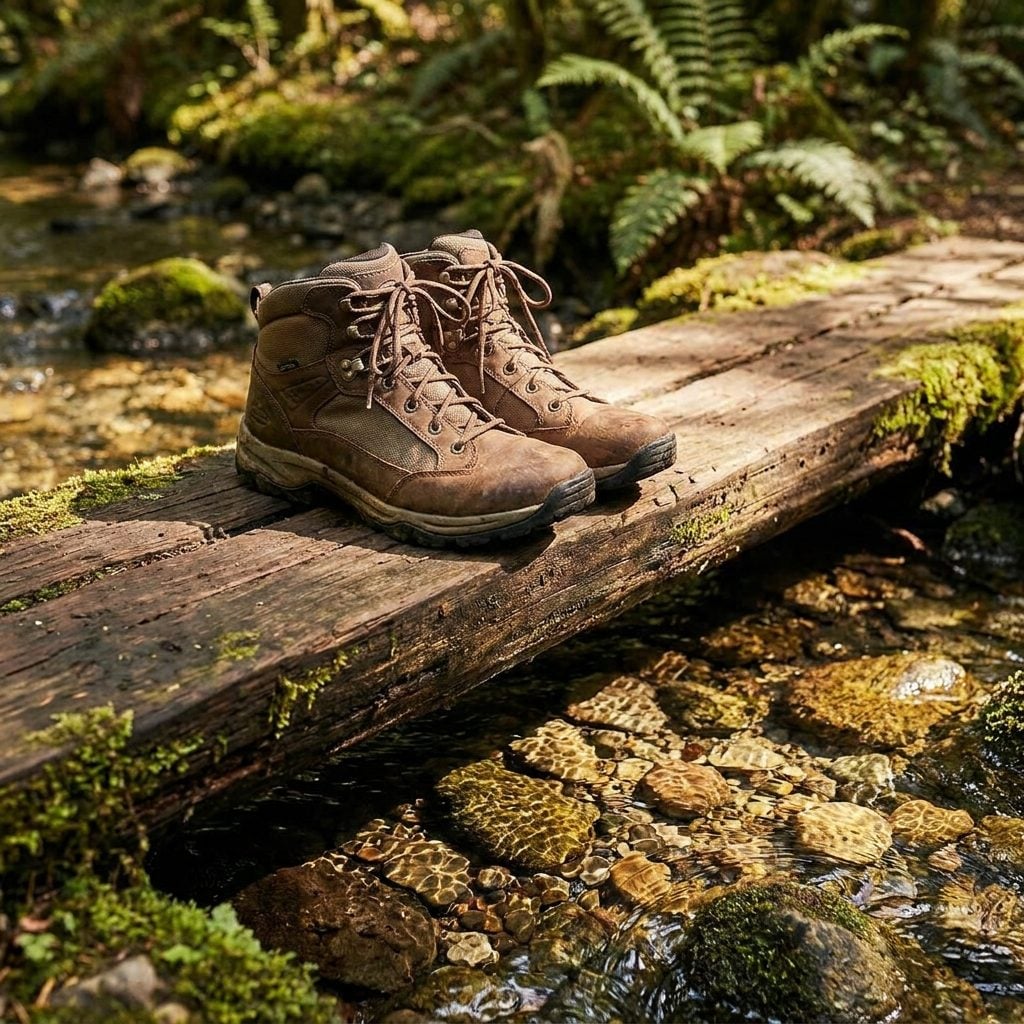
Waterproof membranes keep out splash and rain. They do not keep out a creek crossing that goes mid-shin. The distinction matters a lot when you have four more days of walking ahead of you.
Wet feet on day one of a five-day trip is not a minor inconvenience, it is a blister factory and a morale problem. Scout every water crossing before you commit. If it looks ankle-deep, assume it runs deeper. Either find a dry crossing, use trekking poles for stability on rocks, or accept the crossing and change into dry socks immediately on the other side. Carry two extra pairs of socks minimum.
11. Eating the Same 2,000-Calorie Day You Eat at Home
🔥 Would you like to save this?
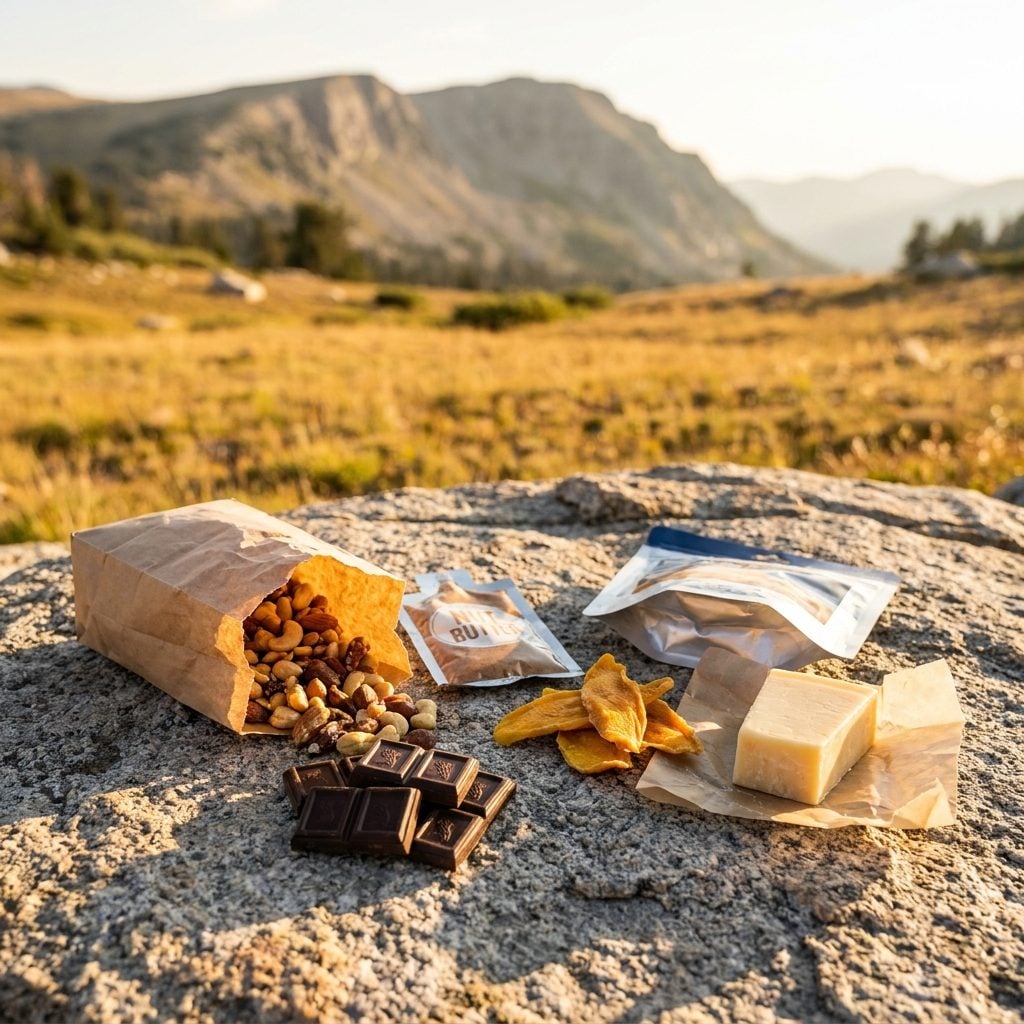
Your body burns somewhere between 400 and 600 calories an hour when you’re climbing with a loaded pack. Most first-timers pack like they’re having a normal Tuesday at the office and wonder why they’re bonking by 2pm.
Trail hunger is different from regular hunger, it hits fast and it hits mean. Aim for calorie-dense food that weighs almost nothing: nut butter packets, hard cheese, salami, dark chocolate, nuts, and dried fruit. Eat something every 90 minutes whether you feel like it or not. The meal you skip at noon is the bonk you suffer at three.
10. Setting Up Camp Right Before Sundown
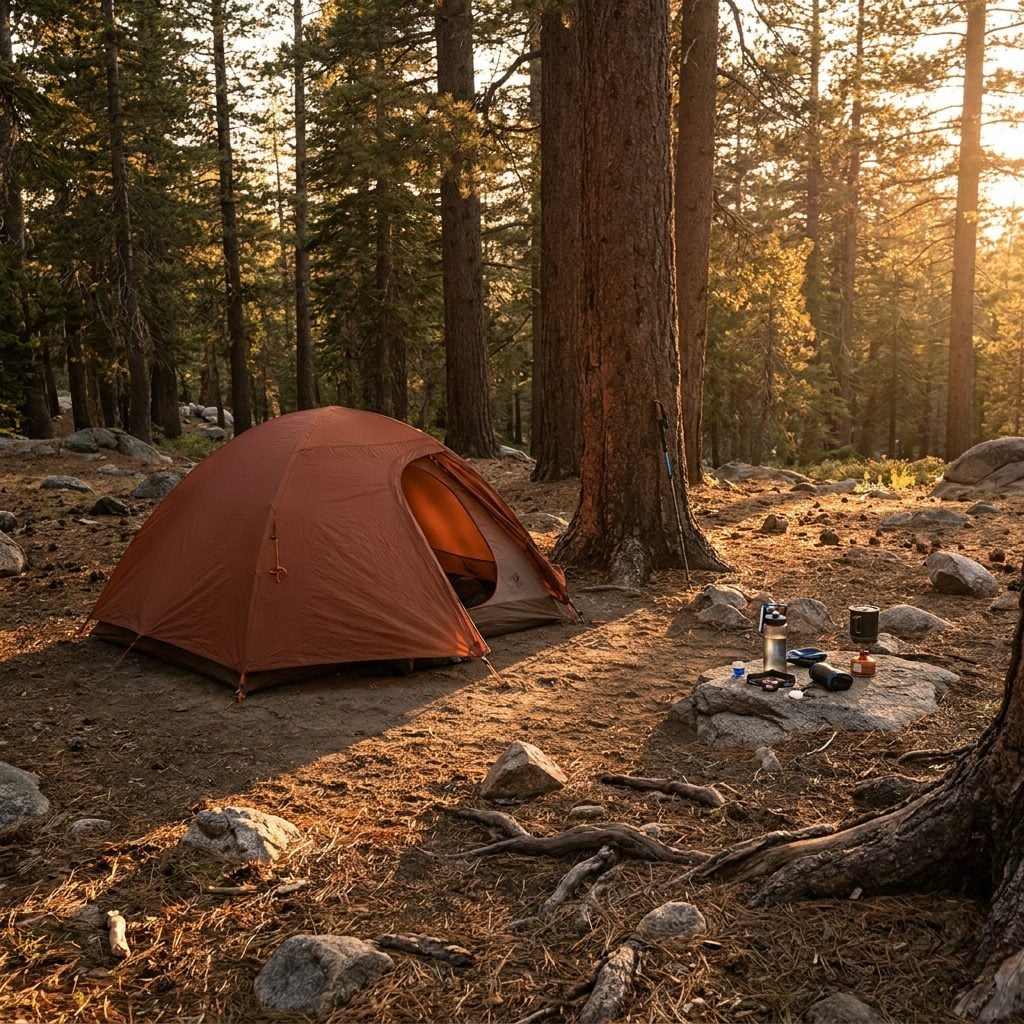
Pitching a tent in the last twenty minutes of daylight sounds romantic until you’re fumbling with stakes in the dark, can’t find the tent footprint, and realize the spot you chose has a root the size of a forearm running straight under where your hips will be.
Stop hiking at least an hour before sunset. That time buys you: a real look at your ground, a chance to filter water before dark, time to cook and eat while you can still see your stove, and a few minutes to just sit. Camp setup in good light takes fifteen minutes. In the dark, with tired hands, it takes forty and costs you sleep.
The hour before dark is not hiking time. It is camp time.
9. Skipping Trekking Poles Because They Look Unnecessary
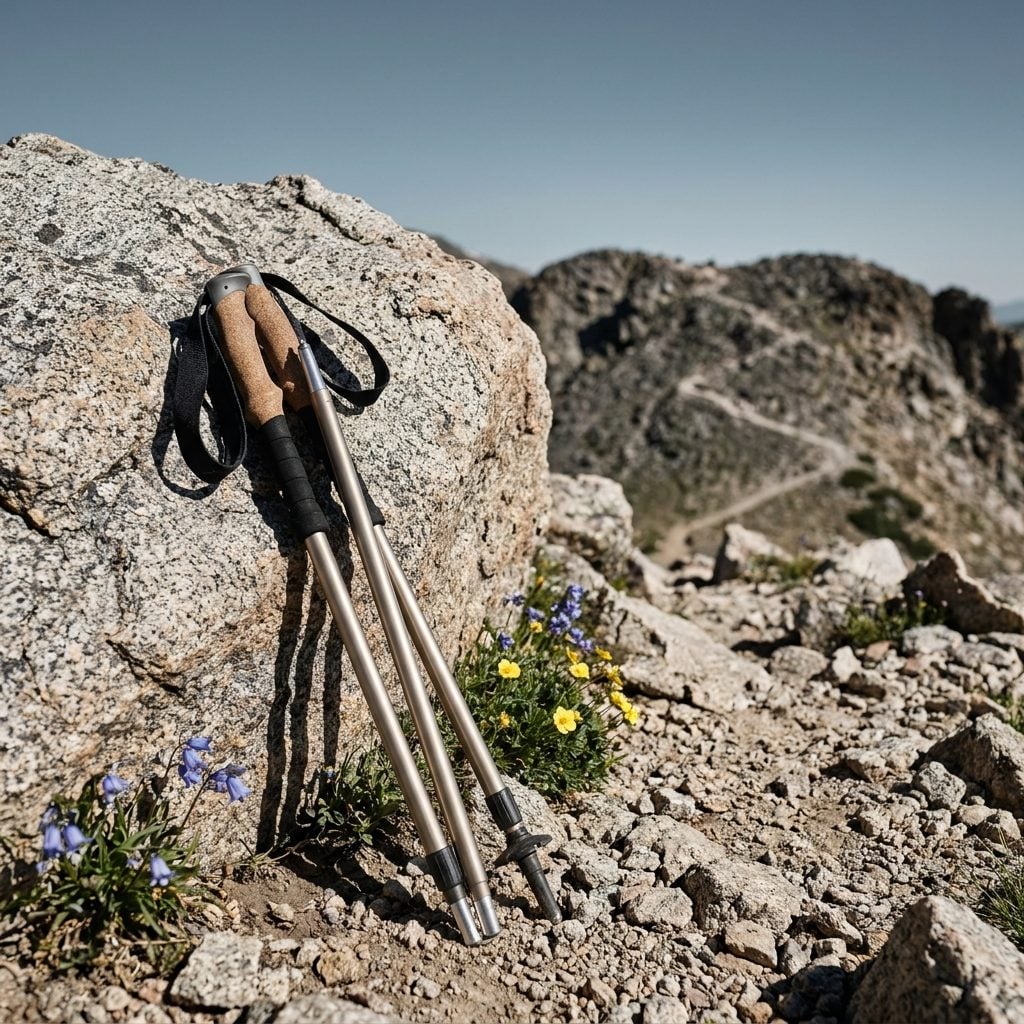
New hikers look at trekking poles and decide they are for people who can’t balance. Then they spend six miles of descent hammering straight down into their knees with a 35-pound pack on their back, and they change their minds immediately.
Poles reduce knee impact on descents by something close to 25 percent per step. Over a full day of hiking, that math adds up to a body that still works on day three. They also help enormously on stream crossings, loose scree, and any trail that’s wet. Buy a pair. Adjust them to the right height. Use them.
8. Filtering Water Only When You’re Already Thirsty
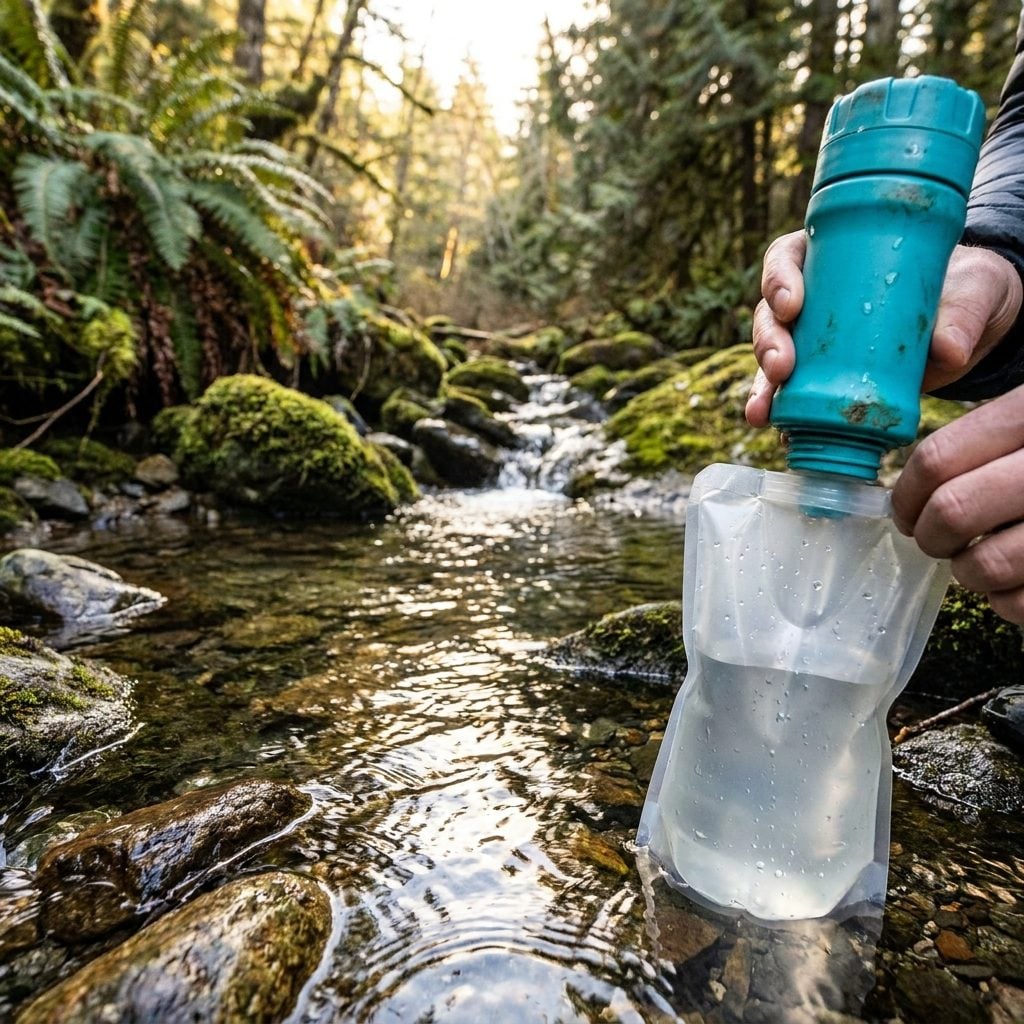
Thirst is your body telling you it is already behind. On the trail, with sun and wind and exertion, dehydration creeps up faster than you expect and hits harder than it should.
The fix is boring and it works: filter water proactively, every time you pass a reliable source, whether you feel like you need it or not. Your goal is to arrive at every rest break with a full bottle, not an empty one. If the next reliable water source on your map is two hours away, leave the last source full. Headaches and fatigue on day two are usually just a hydration problem dressed up as something worse.
7. Wearing Brand-New Boots on Day One of a Week-Long Trip
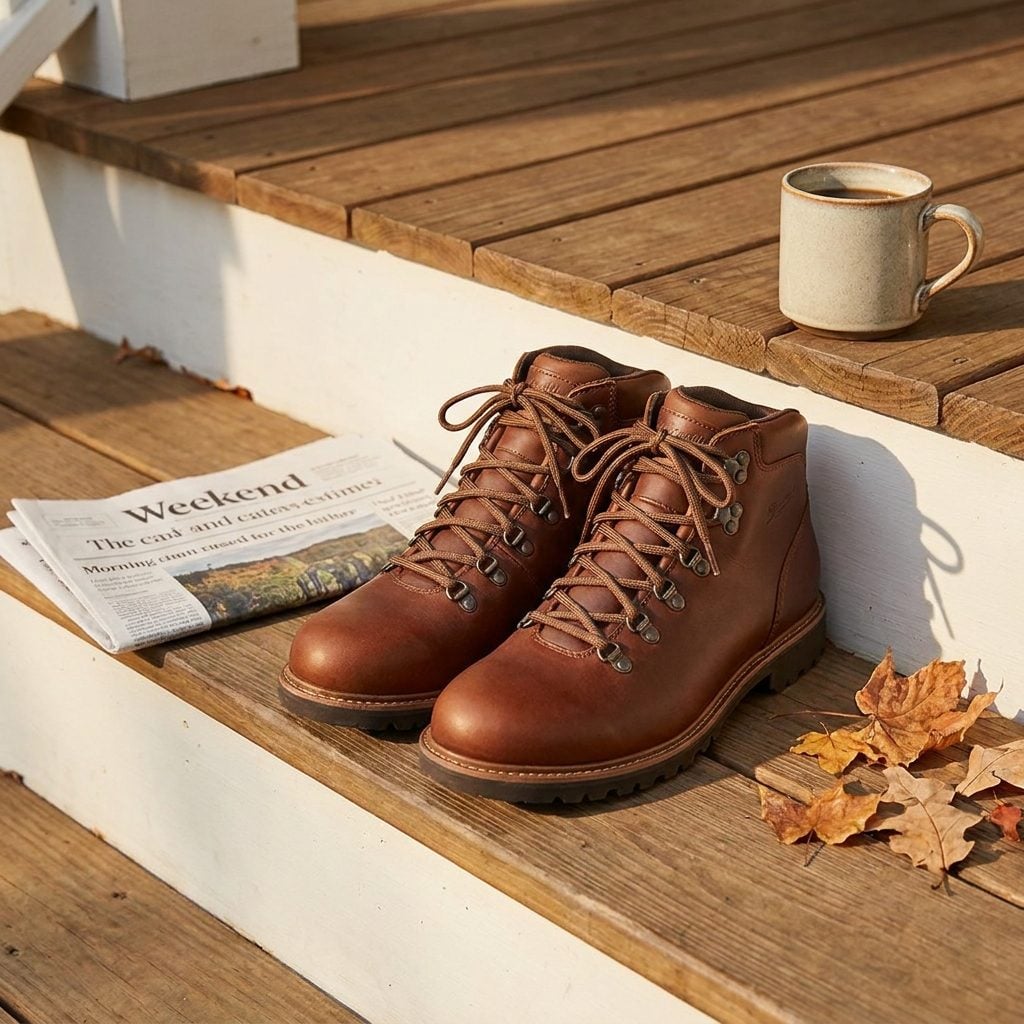
The boots felt great in the store. They will feel like instruments of punishment by mile eight, day one, if you have never put real miles on them before a multi-day trip.
New boots need time. The leather needs to flex, the footbed needs to compress to your foot, and your skin needs to learn where the pressure points are before blisters form. Wear them on neighborhood walks, grocery runs, short day hikes, at least 30-40 miles before you stake a week-long backcountry trip on them. This is not optional advice. It is the most predictable blister prevention available to you and it costs nothing but a few weeks of planning ahead.
6. Leaving Bear Bag Hanging Until You Need Something From It
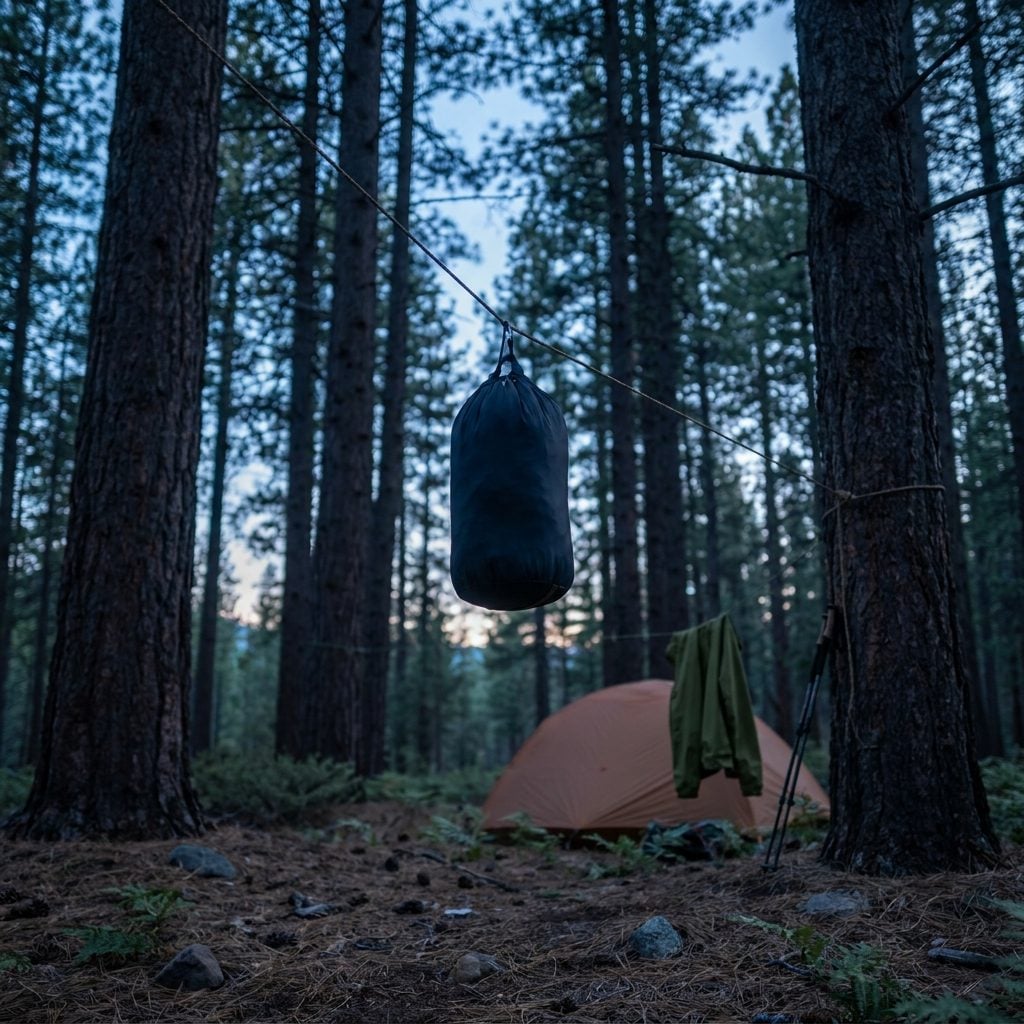
You hung the food bag perfectly, then left your sunscreen, lip balm, toothpaste, and a granola bar wrapper in your tent because “that stuff doesn’t really count.” Bears disagree. So do your fellow campers.
Everything scented goes in the bear hang or the bear canister. Everything. Chapstick, sunscreen, trash, empty food wrappers, dirty cook pots, the bandana you wiped bacon grease on. It is not about whether a bear will actually come. It is about not being the campsite that teaches one to associate tents with food. Hang it all, every night, before you go to sleep, not when you remember at midnight.
5. Packing Your Rain Gear at the Bottom of Your Pack
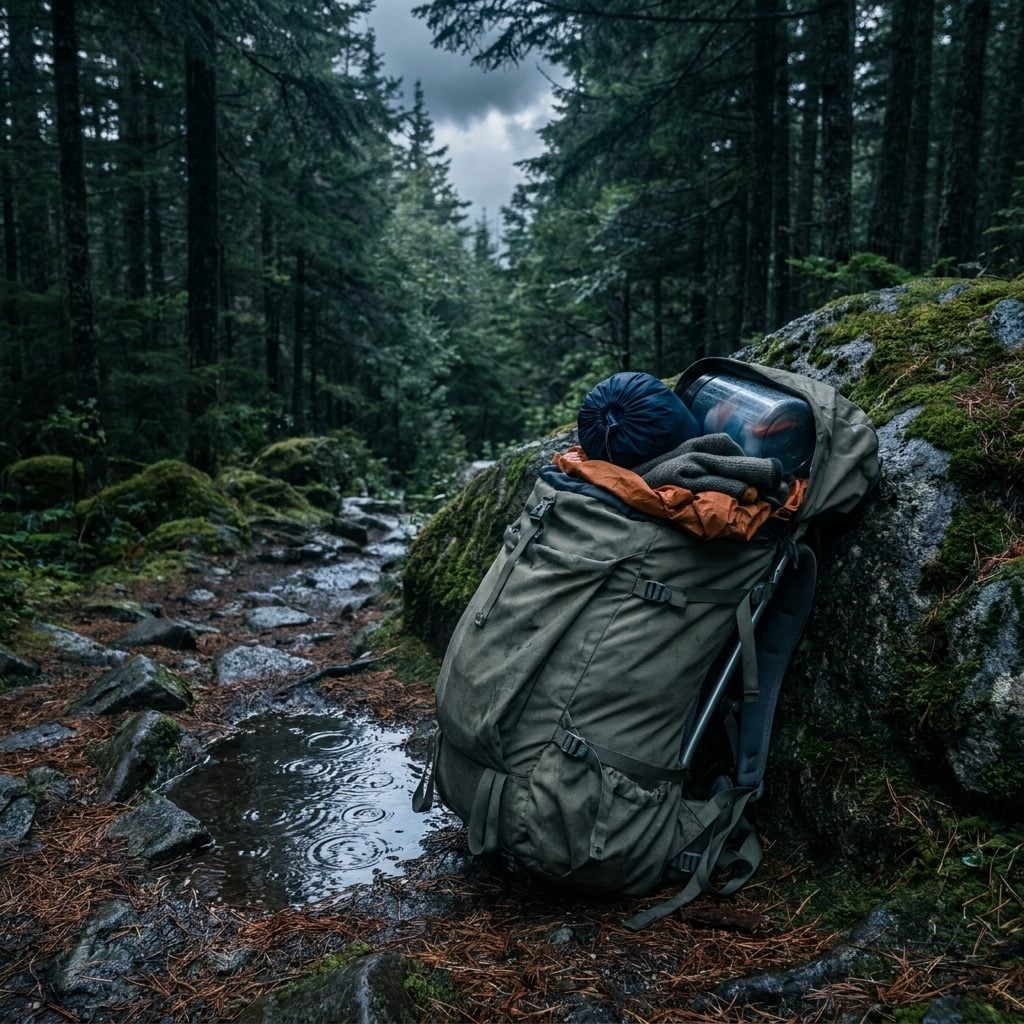
You feel the first drop at mile eight. The sky has been threatening since noon and now it’s delivering, and your rain jacket is at the very bottom of your pack, underneath the sleeping bag, underneath two days of food, underneath basically everything you own outdoors. You’ll be soaked through before you touch it.
Always pack your rain gear in the top lid pocket or the very top of your main compartment. Same goes for your pack cover. If weather is even a possibility, and in the mountains, it always is, those two things need to be accessible in under thirty seconds. The pack gets reorganized every morning. It takes four minutes. Do it.
4. Trusting Blister Prevention Entirely to Your Socks
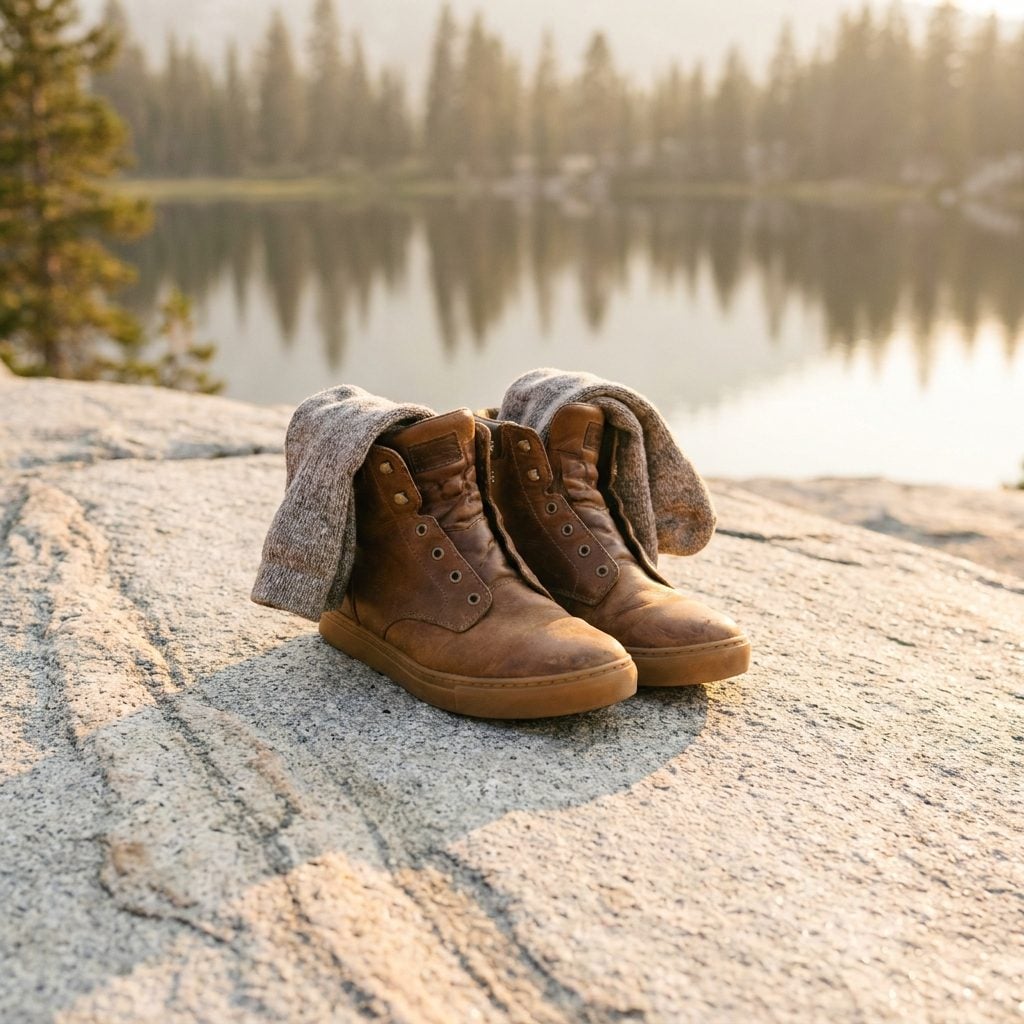
Merino wool socks are excellent. They are not magic. New hikers discover this somewhere around mile six of day two, when a hot spot on the heel becomes a real blister despite the expensive socks that were supposed to prevent exactly this.
Blister prevention is a system, not a product. Liner socks under your wool socks reduce friction between fabric layers instead of between fabric and skin. Moleskin applied at the first sign of heat, not after the blister forms, stops the problem before it starts. And your boots need to be fully broken in before the trailhead, not just worn around the block twice.
3. Filtering Water Only at Camp Instead of Carrying a Full Bottle
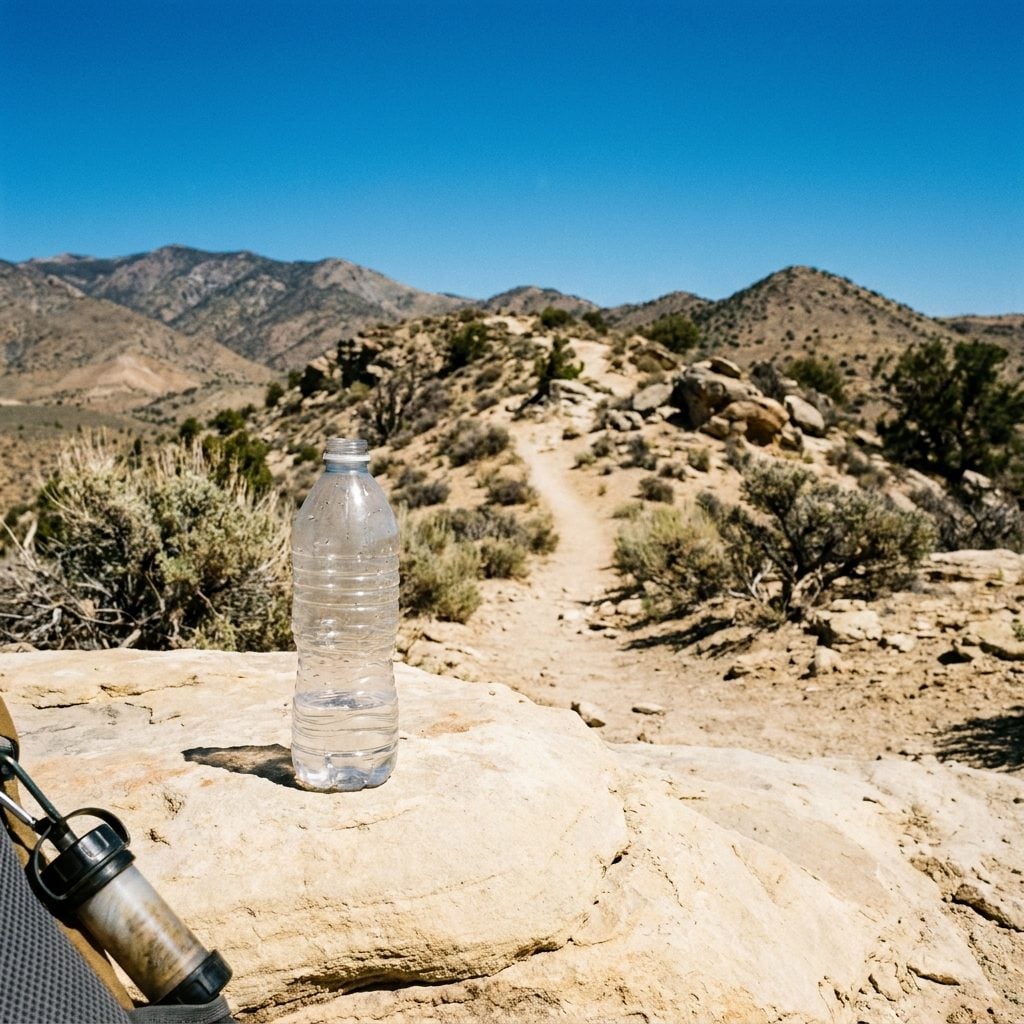
The mistake is thinking water is always close. You filter at camp, you drink your fill, you leave in the morning with a half-liter and assume the next source marked on your map will cooperate. Then the creek is dry, or the spring is a muddy seep, or you missed the turnoff and the next reliable water is four miles ahead in full sun.
Leave every water source with more than you think you need. In dry terrain, that means full bottles every time. Know your water sources for the entire day before you start walking, not just the next one.
2. Reading Elevation Gain as Just a Number on a Screen
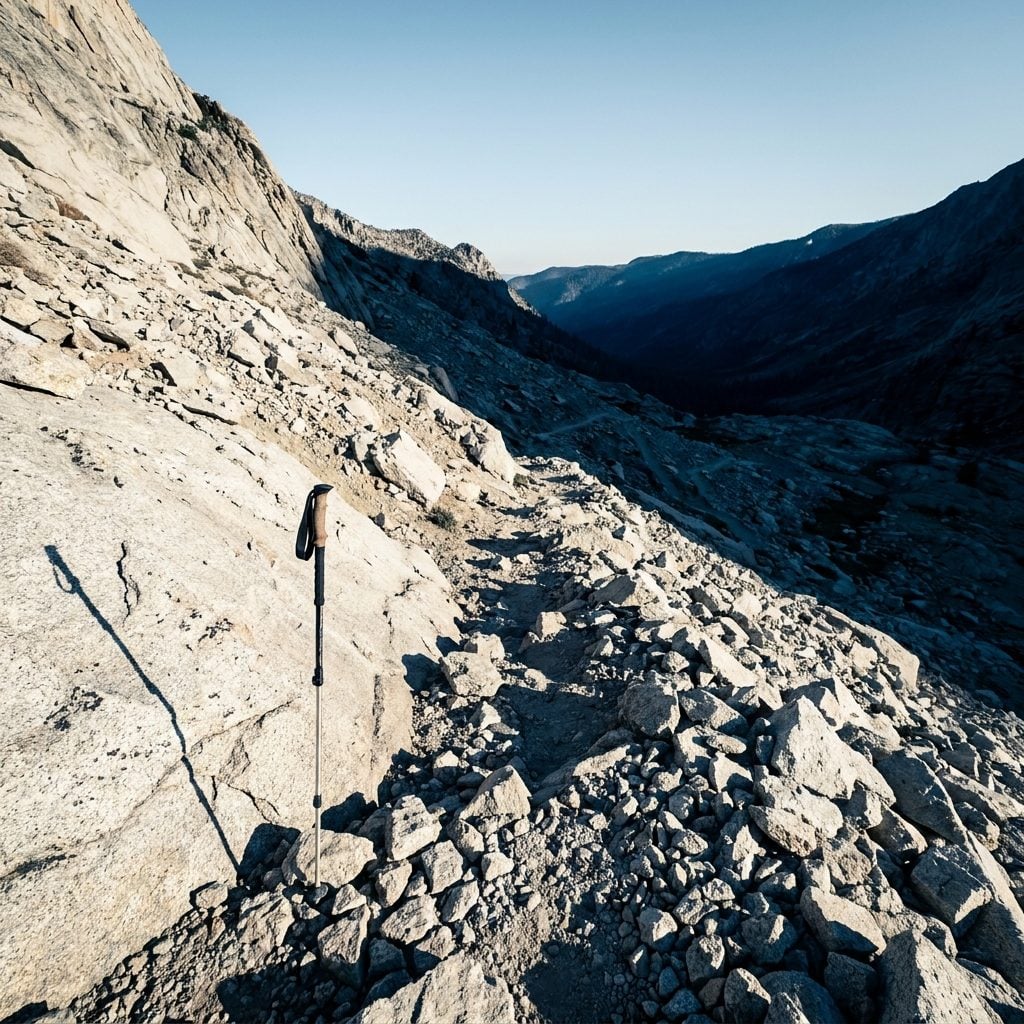
An app tells you the trail gains 3,200 feet over nine miles. You’ve done 3,200 feet before, you reason. What the number doesn’t say is whether that gain is spread across the whole day or stacked into the last three miles at a 35-degree pitch with no shade and no flat ground to rest on.
Before any new trail, look at the elevation profile, not just the total gain. A sawtooth profile, gain, drop, gain, drop, is a completely different physical experience than a steady climb. Factor in when the hard sections hit: late-day climbing on tired legs is twice as hard as the same climb fresh in the morning.
1. Skipping the Camp Shoes and Wrecking Your Rest Hours
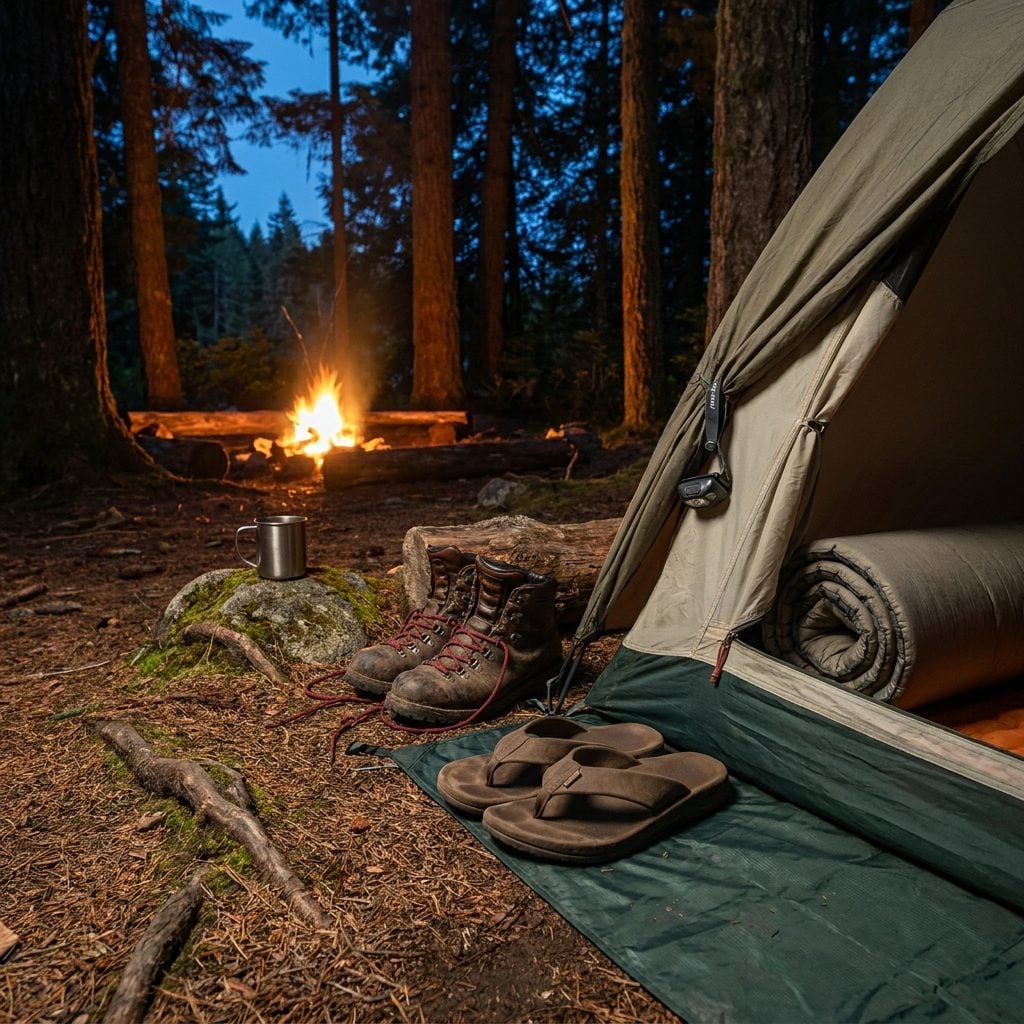
Your feet have been inside laced boots for nine hours. The moment you reach camp should be a physical relief. Instead, a lot of first-timers keep their boots on through dinner and only take them off to sleep, which means their feet stay compressed and hot for no reason, and their boots never fully dry out overnight.
A pair of lightweight camp sandals or packable Crocs weighs almost nothing and changes your evening completely. Feet breathe, boots air out, and the psychological shift of changing out of your hiking shoes signals your body that the work day is over. It sounds small. After two days of hard miles, it doesn’t feel small at all.
🔥 Would you like to save this?
Please note that some of the imagery in this article were created with the aid of AI image generators.