
🔥 Would you like to save this?
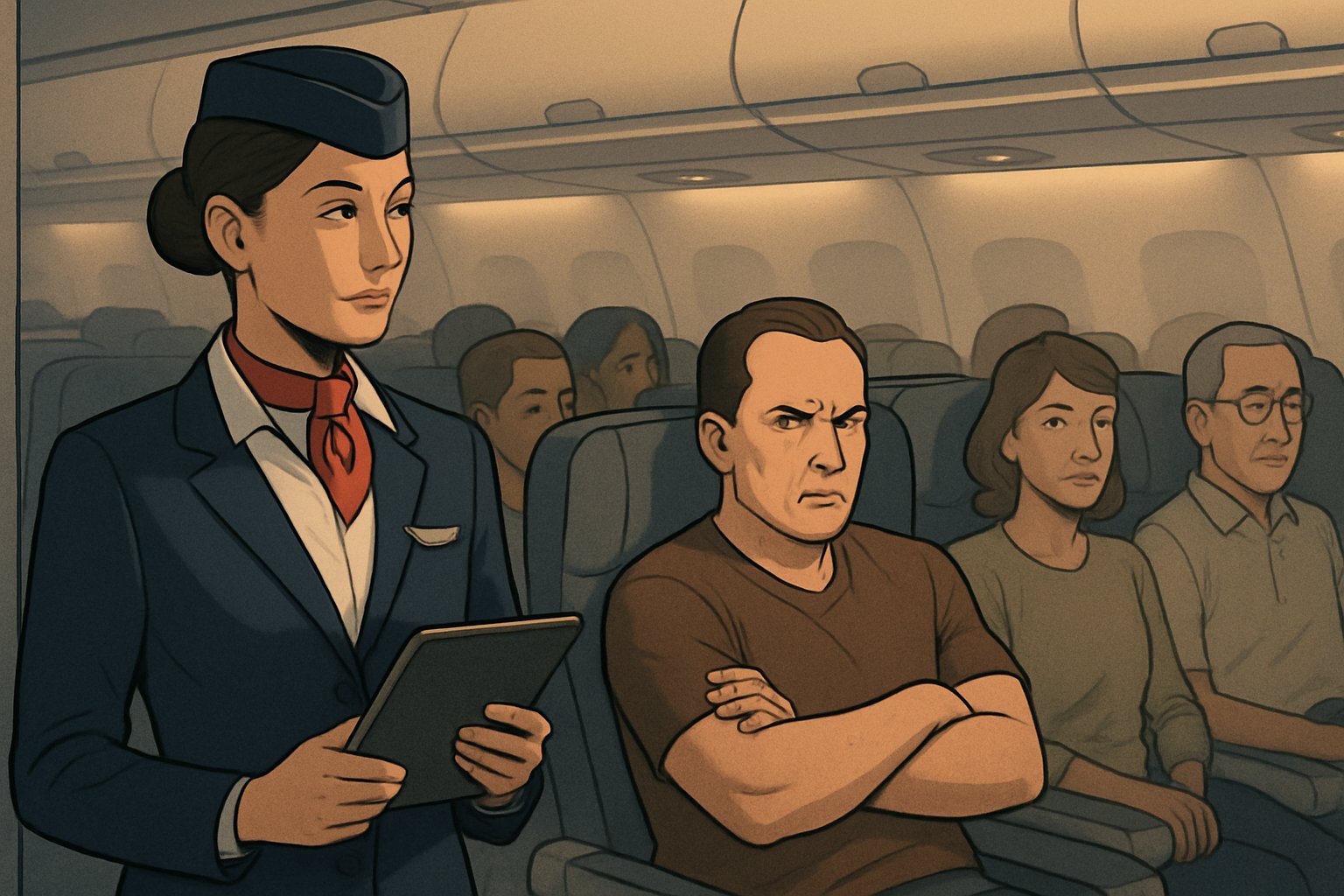
Ever snap at a flight attendant and wonder if you’ve just doomed your next vacation? Maybe you imagine your name flashing red on some secret list, haunting your future travels forever. Well, here’s the deal: flight attendants can’t personally blacklist you, but airlines do keep records of disruptive behavior—and those can come back to bite you.
It’s not as simple as a yes or no. Flight attendants use secret codes to identify difficult passengers mid-flight, but if you end up banned, it’s because of a whole mess of airline bureaucracy, legal reviews, and behind-the-scenes databases you’ll never see.
Your behavior at 30,000 feet doesn’t just vanish when you land. Airlines track incidents with more detail than you might guess, and understanding how this works might just save you from a headache down the line.
Understanding Passenger Blacklisting
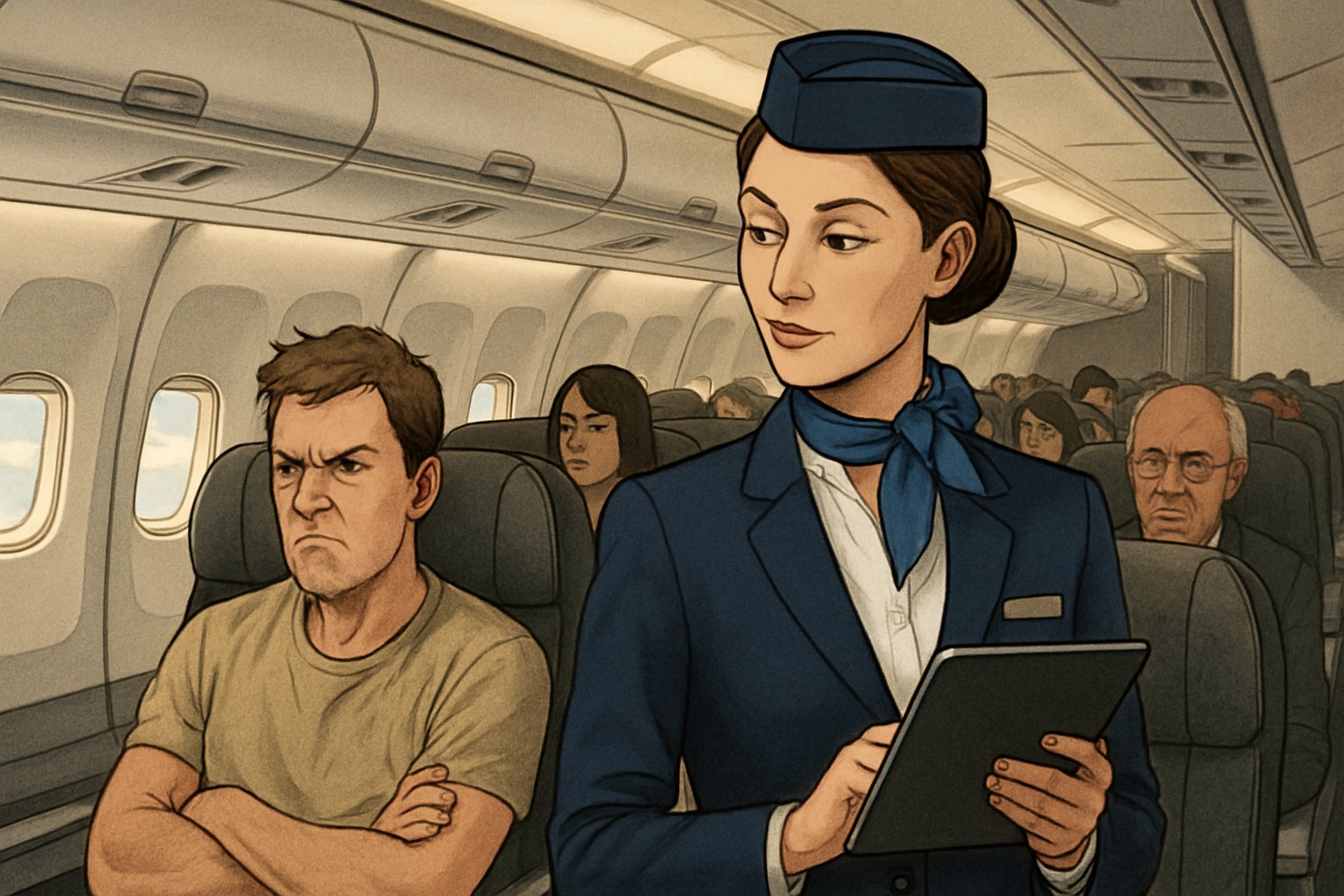
Airlines track passenger behavior using a mix of official no-fly lists and less formal crew notes. Depending on what you did, you could face anything from a slap on the wrist to a permanent ban.
What Does It Mean to Be Blacklisted on an Airline?
Getting blacklisted means an airline has officially banned you for being disruptive or dangerous. This isn’t just a “sorry for the inconvenience” email—this is the real deal, and it can last a few years or forever.
Once you’re blacklisted, your name and details get flagged in the airline’s system. The next time you try to book, you’ll probably hit a wall.
Types of blacklist restrictions:
- Temporary bans (usually 1-3 years)
- Lifetime bans
- Conditional reinstatement if you jump through their hoops
Airlines typically respond by immediately blacklisting individuals to protect everyone on board. It’s not just missing a trip—it can mess up business travel or family plans.
Official Airline Blacklist vs. Informal Lists
Airlines actually have two systems for tracking troublemakers. The official blacklist is all paperwork and legal stuff; the informal one is more about crew notes and internal messages.
Official blacklists involve:
- Crew incident reports
- Security department review
- Legal paperwork
- Notification to you (sometimes not as obvious as you’d expect)
Informal tracking is more about crew talking to each other and jotting down notes in your file. Flight attendants use secret codes to identify difficult passengers—sometimes you’ll never know.
Informal lists won’t legally keep you off a plane, but they can color how you’re treated next time.
Industry Standards and Practices for Blacklisting
Airlines don’t share their blacklists with each other, so getting banned on one doesn’t mean you’re grounded everywhere. Every airline has its own way of handling things.
The FAA keeps its own tally of unruly passengers, separate from airline lists. FAA reports showed 5,981 unruly passenger cases in 2021, and most of those were about mask rules.
Common triggers for blacklisting:
- Assaulting crew or passengers
- Ignoring safety instructions
- Drunken, disorderly conduct
- Threats or intimidation
- Messing with aircraft equipment
Airlines usually review cases once a year. If you want back in, you might have to appeal in writing or show proof you’ve changed.
Do Flight Attendants Have the Power to Blacklist Passengers?
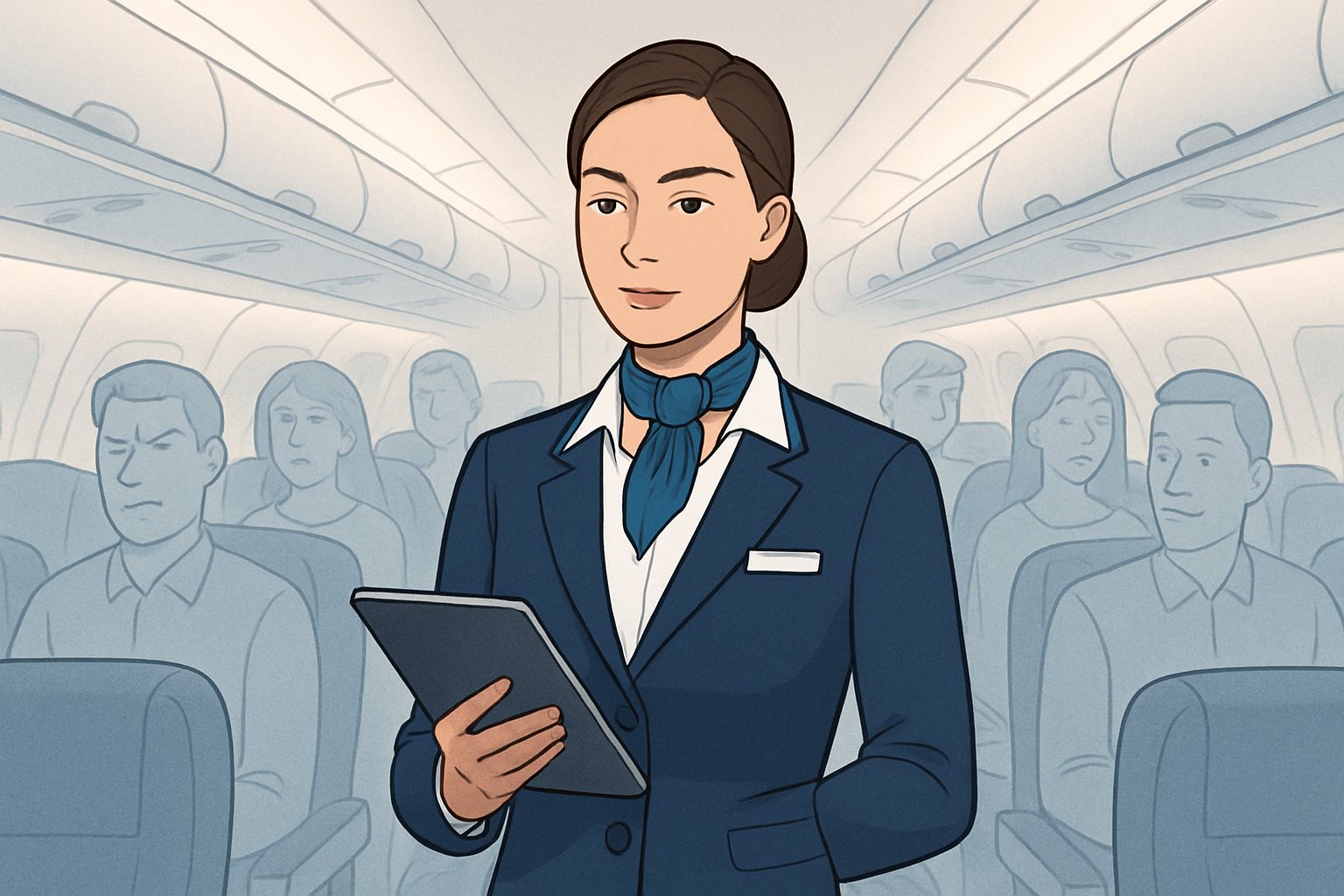
Flight attendants can’t personally ban you, but they do have a lot of pull when it comes to reporting and documenting bad behavior. Their reports can kick off airline investigations that lead to real consequences.
House Rules: Flight Attendant Authority During Flights
Once you’re on their plane, flight attendants have serious authority. They can remove passengers before takeoff if you’re acting up.
Mid-flight, their authority ramps up. Flight attendants can physically restrain unruly passengers with zip ties (not that they want to), and they’re not shy about calling for backup.
What they can do:
- Cut you off from alcohol
- Make you switch seats
- Call law enforcement to meet the plane
- Push for emergency landings if things get out of hand
The captain has the final say, but flight attendants are the ones watching everything unfold. Your behavior during safety briefings, meals, or emergencies? Yeah, they notice.
Protocols for Reporting Rude or Disruptive Behavior
If you cross the line, flight attendants follow strict steps to document what happened. They’re trained to write up detailed reports that airlines take seriously.
Over 85% of flight attendants dealt with unruly passengers in just the first half of 2021. They’ve gotten pretty sharp at spotting and recording bad behavior.
How it usually goes:
- Verbal warnings (with witnesses)
- Written incident reports (during or after the flight)
- Crew discussion with the captain
- Communication with the airline’s operations center
Airlines keep these reports in internal databases. If you rack up a few, even if each one seems minor, you could end up under investigation.
Flight attendants also work with air marshals and alert ground security if things really spiral.
How Formal Complaints Are Handled in Practice
Airlines review crew reports through their security teams, who run passenger watch lists. You probably won’t know you’ve been flagged until you hit a snag at check-in.
Most airlines have a tiered response:
- First-time, minor stuff? Maybe just a warning.
- Repeat or serious offenses? You might get rebooked, restricted, or banned outright.
Escalation levels:
- Level 1: Internal note, no real impact
- Level 2: Extra screening, possible booking hassles
- Level 3: Temporary ban (30-90 days)
- Level 4: Permanent ban
The Protection from Abusive Passengers Act lets airlines put violent offenders on TSA-managed no-fly lists. That’s bigger than just one airline—it’s industry-wide.
Airlines don’t usually publicize their ban lists, but they do share info about big safety threats. So, theoretically, your worst moment could follow you to their partner airlines.
Behind the Scenes: The Process of Passenger Blacklisting
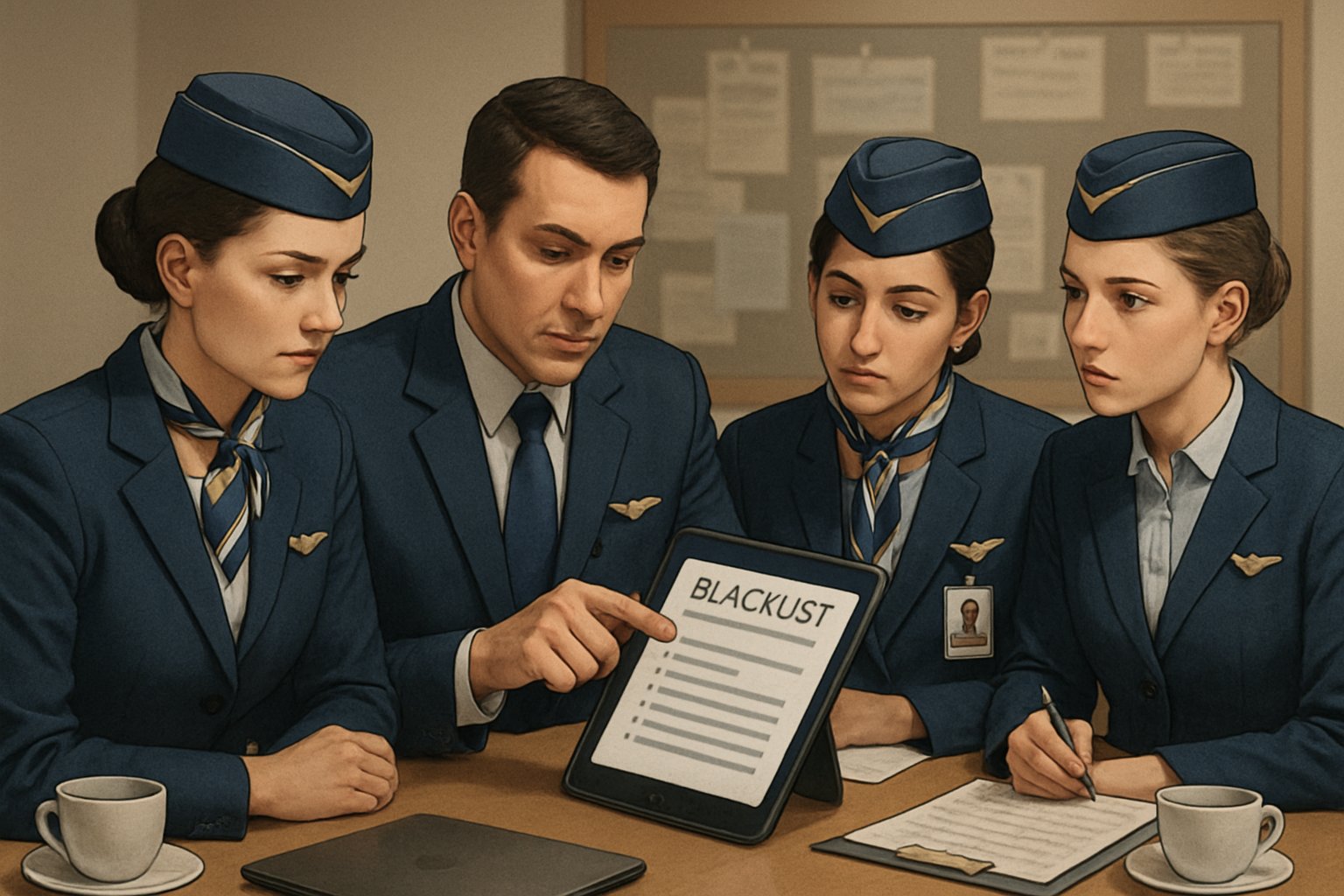
The process behind blacklisting is layered and not exactly transparent. Cabin crew reports play a big part in whether you end up with a temporary restriction or a permanent ban.
Airline Documentation of Incidents
If you act out on a flight, airlines keep digital records—even if it seems minor to you.
Flight attendants log everything: arguments, threats, physical altercations. Reports include your name, seat, flight number, witness statements, and a rundown of what went down.
They usually include:
- Your ID and contact info
- Specific behaviors
- What the crew did about it
- How it affected others or flight operations
- Photos or videos if available
All this goes into the airline’s passenger service system, tied to your frequent flyer account and booking history.
For the worst cases, airlines might share info with industry databases. Some violations—from warnings to blacklisting—can get flagged for other airlines, though this isn’t the norm.
Who Makes the Final Decision on Blacklisting?
The captain doesn’t get the final word. Airlines use committees to review reports and decide what happens next.
The usual chain:
- Crew reports: Flight attendants and pilots file reports
- Station managers: Review and suggest actions
- Corporate security: Investigate serious stuff
- Legal: Make sure everything’s by the book
Minor infractions might get you a warning or short-term restriction. If you’re a genuine threat or, say, hit a crew member, you’re probably looking at a permanent ban.
Final decisions usually need several departments to sign off. Airlines want to avoid lawsuits, so they’re careful with documentation.
Role of Cabin Crew Reports in Long-Term Consequences
Flight attendants’ reports can shape your future travel more than you’d expect. Their write-ups often tip the scales between a warning and a permanent ban.
Flight attendants are trained to spot security threats and document what they see. The way they phrase things can trigger different levels of discipline.
What matters in their reports:
- Direct quotes from you
- Threats or aggressive words
- Physical actions or gestures
- Signs of intoxication
- Whether you followed instructions
If a crew member feels threatened, their report carries a lot of weight. Even small incidents can escalate if the crew doesn’t feel safe.
Flight attendants can quietly alert ground staff about problem passengers before the plane even lands, so consequences can be waiting at the gate.
Secret Lists and Industry Myths
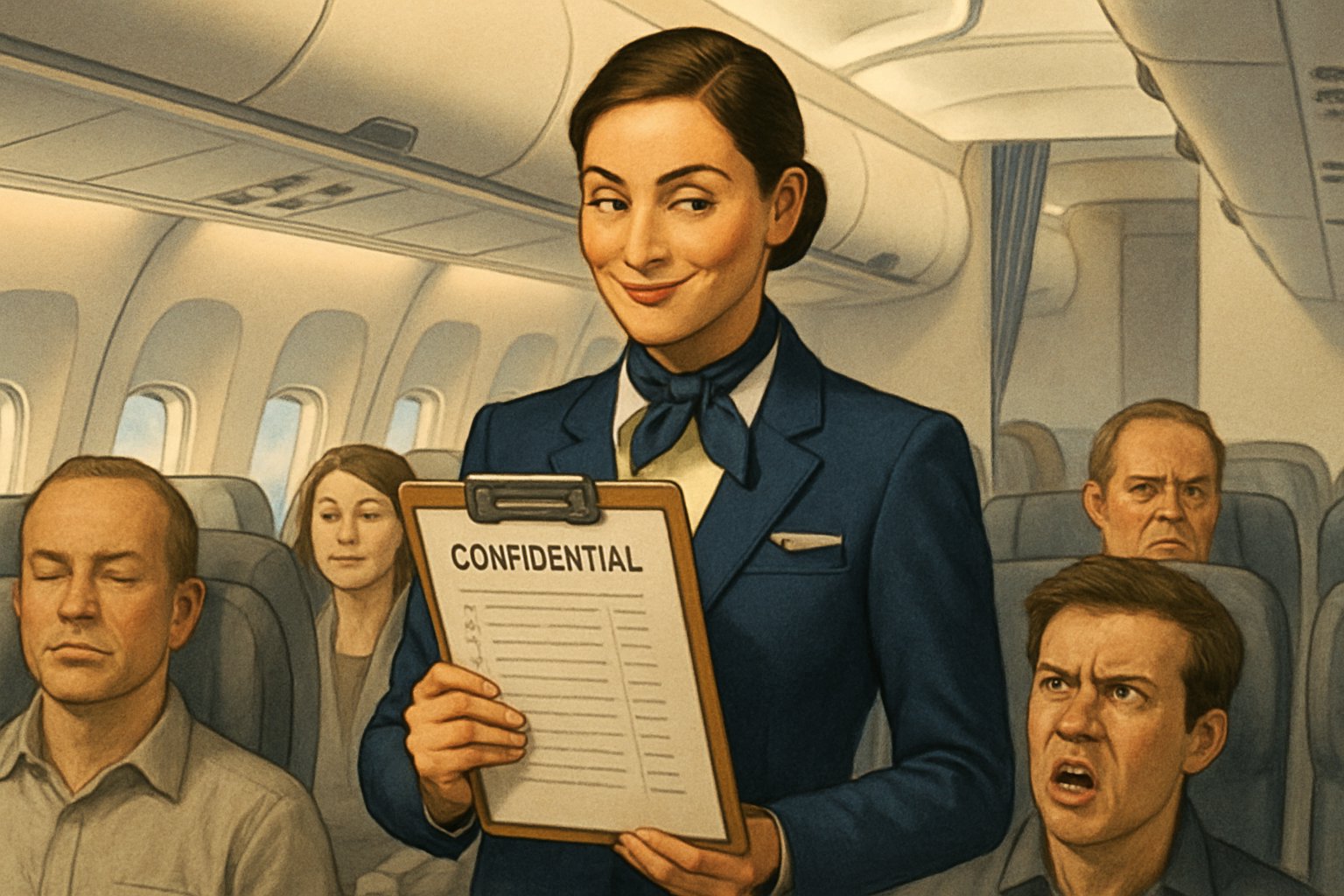
The airline industry is full of whispered codes and rumors about secret blacklists. Flight attendants do use internal codes to flag tough passengers, but the truth about permanent bans is a lot less dramatic than the urban legends.
Urban Legends of the ‘Naughty Passenger List’
You’ve probably heard the stories—airlines sharing a master list of problem passengers, making it impossible for them to fly anywhere. Sounds wild, right?
In reality, airlines do keep internal incident reports for serious stuff—think safety violations or crimes. But there’s no global “naughty list” that covers every airline.
Most bad behavior leads to temporary consequences, not a lifetime ban. Airlines save blacklisting for the worst cases:
- Physical assault on crew or passengers
- Interfering with flight operations
- Criminal acts in the air
- Repeated safety violations
The FAA tracks actual safety threats in a separate database. Complaints about bad meals or seat reclining? Those aren’t getting you banned anytime soon.
How Stories of Secret Blacklisting Spread
Social media loves a juicy airline blacklist story. Scroll through your feed and you’ll spot post after post about passengers supposedly banned for the smallest infractions—though, if you dig deeper, most of these stories leave out a ton of context.
Flight attendants do use secret codes to identify difficult passengers, and passengers sometimes overhear these and jump to conclusions. These codes are for quick, in-the-moment communication, not for adding someone to a permanent record.
A lot of the confusion comes from actual airline policies about disruptive passenger incidents. When someone breaks federal rules, airlines have to file reports, sure—but that doesn’t mean you’ll end up on some universal, industry-wide blacklist.
People often mix up getting kicked off a flight with being banned forever. Usually, it’s just a temporary restriction with that particular airline, not some doom-and-gloom scenario where you can’t fly anywhere ever again.
Confessions from Flight Attendants (and What They Really Mean)
Flight attendants spill a lot of industry secrets online, but their comments about tracking passengers get blown out of proportion. When they talk about “keeping tabs” on someone, they’re almost always referring to notes or chats within their current shift—not building a permanent file.
Flight attendants reveal insider secrets about how they handle tough situations, like using codes or quick notifications among the crew. It’s all about managing safety in the moment.
Those chimes you hear during flights? They’re secret signals between the flight deck and cabin crew. Different patterns mean different things, from routine stuff to a heads-up about a passenger acting out.
What flight attendants actually track:
- If you follow safety instructions
- How much alcohol you’ve had
- Any interactions that require crew help
- Medical or special assistance needs
Honestly, most of these so-called “confessions” are just about normal safety routines, not keeping a blacklist. Flight attendants want a smooth flight, not drama or paperwork.
Legal and Ethical Considerations
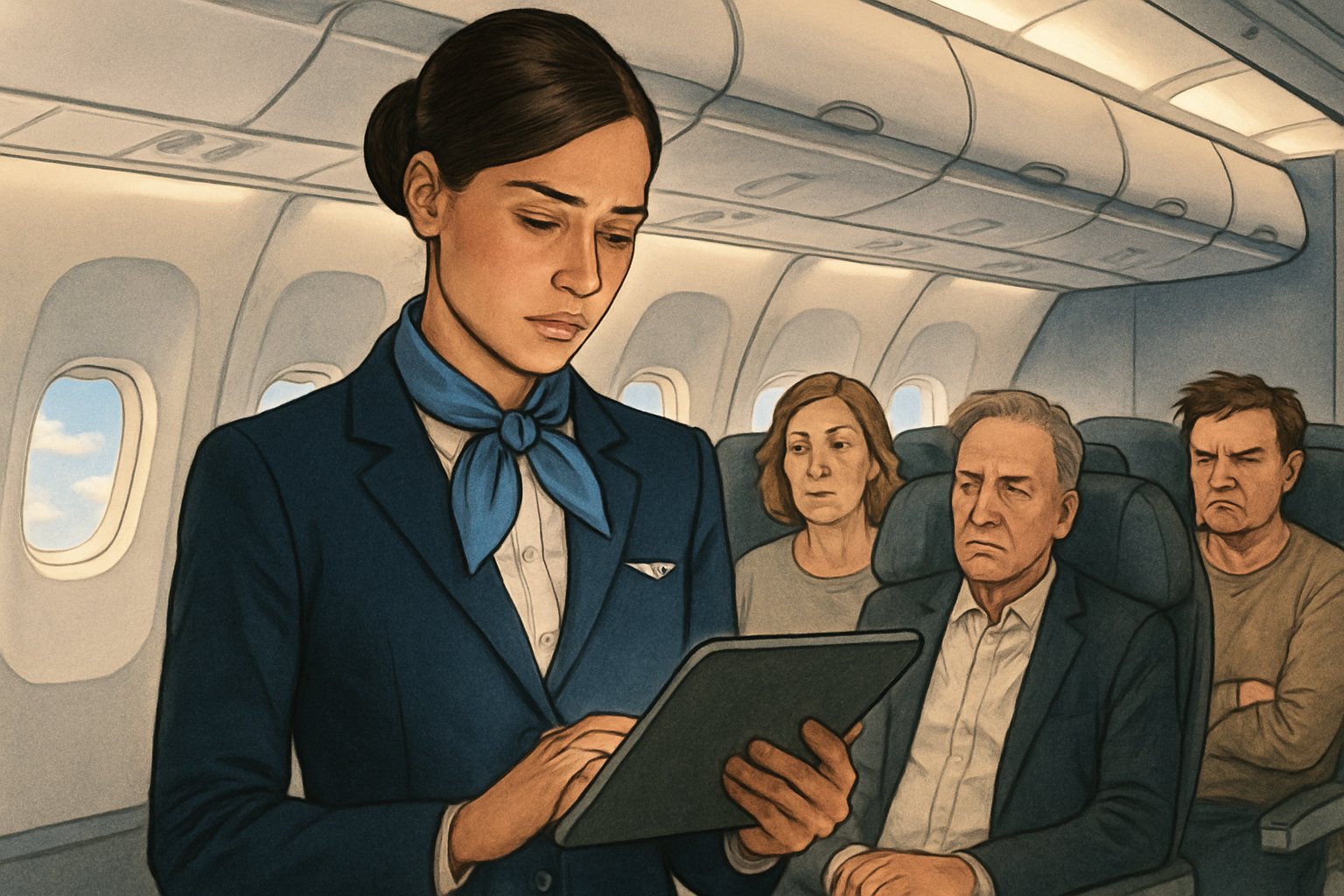
The rules around passenger behavior are a tangled mess of rights and responsibilities, and it gets especially tricky when you throw privacy laws into the mix. Airlines have to be careful about what they share, and with whom.
Passenger Rights When Accused of Misbehavior
Even if you find yourself accused of causing trouble at 30,000 feet, you still have rights. Airlines can’t just slap a “problem passenger” label on you without going through the proper steps.
Due Process Rights:
- You deserve to know exactly what you’re accused of
- You get a chance to share your side
- You can see the incident reports the crew files
- You have the right to dispute findings with customer service
The FAA can hand out some hefty fines—last year, they reached $8.4 million in total. But you can challenge these penalties in an administrative hearing.
Airlines have to document incidents in detail before taking action. Crew members need to write up what happened, with real examples, not just vague complaints.
Your Legal Protections:
- You can have a lawyer during investigations
- You’re protected from discrimination
- You can ask for witness statements if available
- You can request video evidence if it exists
The Influence of Privacy Laws
Privacy laws play a big role in what airlines can and can’t do with your info. The rules depend on where you are and which airline you’re flying.
Data Sharing Limitations:
- Airlines can’t just swap passenger behavior info at will
- International flights have even tighter privacy rules
- Data protection laws limit how long airlines can keep records
- Sharing with third parties needs a legal reason
If you’re flying with European airlines under GDPR, the restrictions get even stricter than in the U.S.
Airlines can’t use your behavioral records for marketing or sell them off. They have to show a real safety or security need before sharing anything.
Key Privacy Protections:
- You can find out what info airlines collect about you
- In some places, you can ask them to delete your data
- Your records are protected from unauthorized access
- There are limits on how long they can store your behavioral data
Consequences for Wrongful Blacklisting
If airlines wrongfully ban someone, the legal fallout can get expensive fast. They know this, so they’re usually pretty careful.
Legal Remedies Available to You:
- You can sue for discrimination under federal law
- You might have a breach of contract claim if denied travel
- You could get compensation for extra travel expenses
- Sometimes, punitive damages if the airline acted maliciously
The FAA oversees passenger compliance, and airlines have to stick to the rules. If they don’t, they’re open to lawsuits.
The Department of Transportation actually investigates complaints of unfair treatment. Airlines could lose government contracts or face penalties for systematic discrimination.
Financial Consequences for Airlines:
- They might have to refund your ticket
- They could owe you for alternative transportation
- They might cover hotel costs if you get stranded
- They can end up paying your legal fees if you win
If you ever find yourself in a dispute, your best move is to keep records: video, witness info, and written complaints can make all the difference if you need to fight back.
Real-World Case Studies
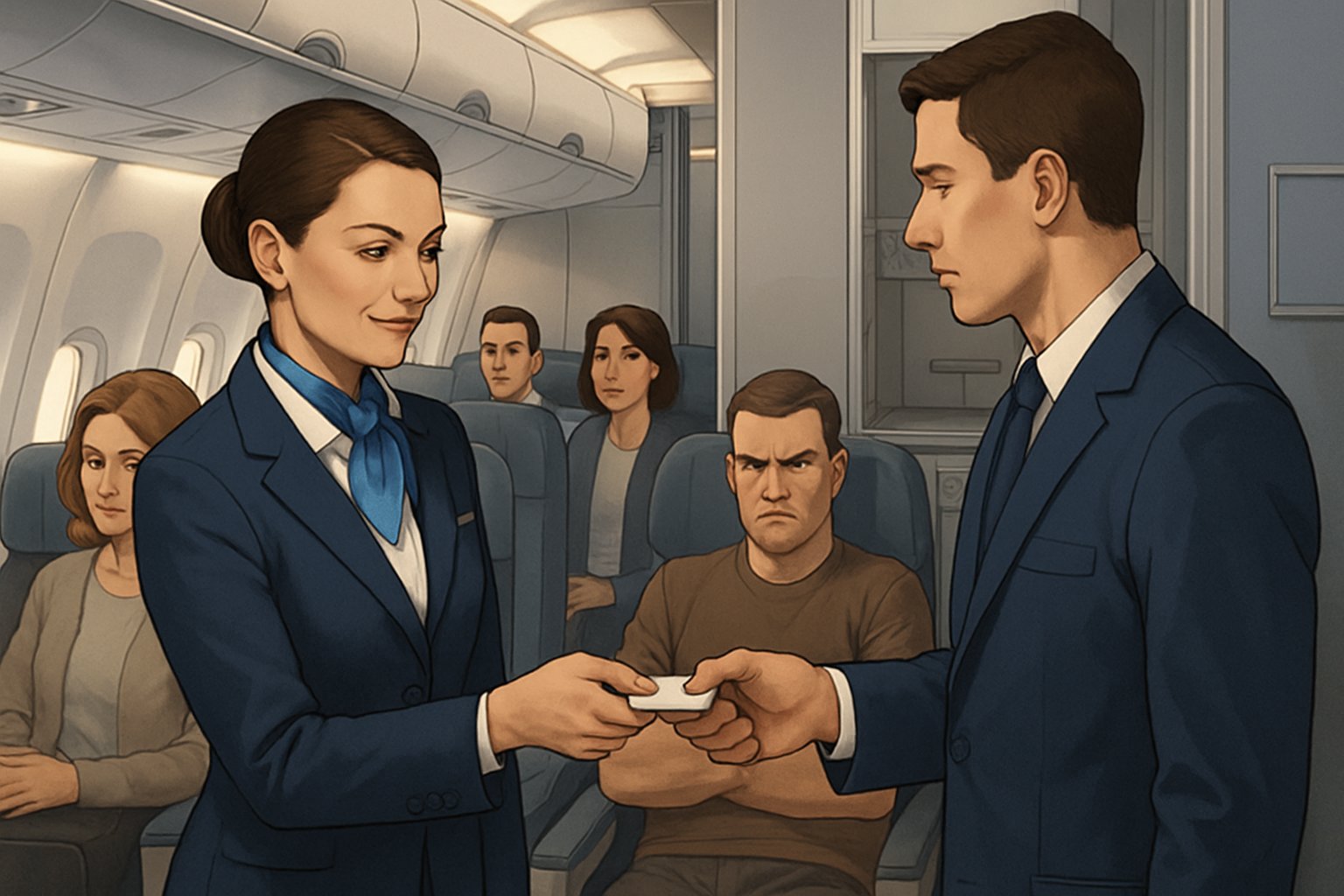
A handful of headline-grabbing incidents have shown how airlines really handle passenger restrictions, and policies vary a lot from one carrier to another.
Notorious Blacklisting Incidents
One of the wildest cases happened when a Southwest Airlines flight attendant lost two teeth in a passenger assault. The airline paused alcohol service after that. Physical attacks like that lead to instant, permanent travel bans.
Some passengers only find out they’re banned when they try to book a flight later. Airlines usually keep it quiet—you discover it at the ticket counter or through a customer service call.
American Airlines flight 2511 made headlines when the crew called out bad passenger behavior right on the plane. It didn’t end in a public ban, but it showed how crews document and report problem behavior.
Common blacklisting triggers:
- Physical violence against crew
- Multiple alcohol-related incidents
- Refusing to follow federal mask rules
- Trying to get into the cockpit
Airline Policies in Action: International Comparisons
European airlines tend to share info about banned passengers more openly than U.S. airlines. Ryanair and EasyJet will even make public statements sometimes, while American carriers usually keep things under wraps.
Your experience with bans can really depend on where you’re flying. Asian airlines like Singapore and Cathay Pacific often hand out longer bans—sometimes five years or more for serious stuff.
Regional differences:
| Region | Typical Ban Duration | Info Sharing |
|---|---|---|
| North America | 1-3 years | Limited between airlines |
| Europe | 6 months-2 years | Some cross-carrier sharing |
| Asia-Pacific | 2-5 years | Government databases |
Canadian airlines work with Transport Canada to keep centralized records. In Australia, airlines coordinate through industry groups to keep tabs on repeat offenders.
How to Stay on the Good Side of the Crew
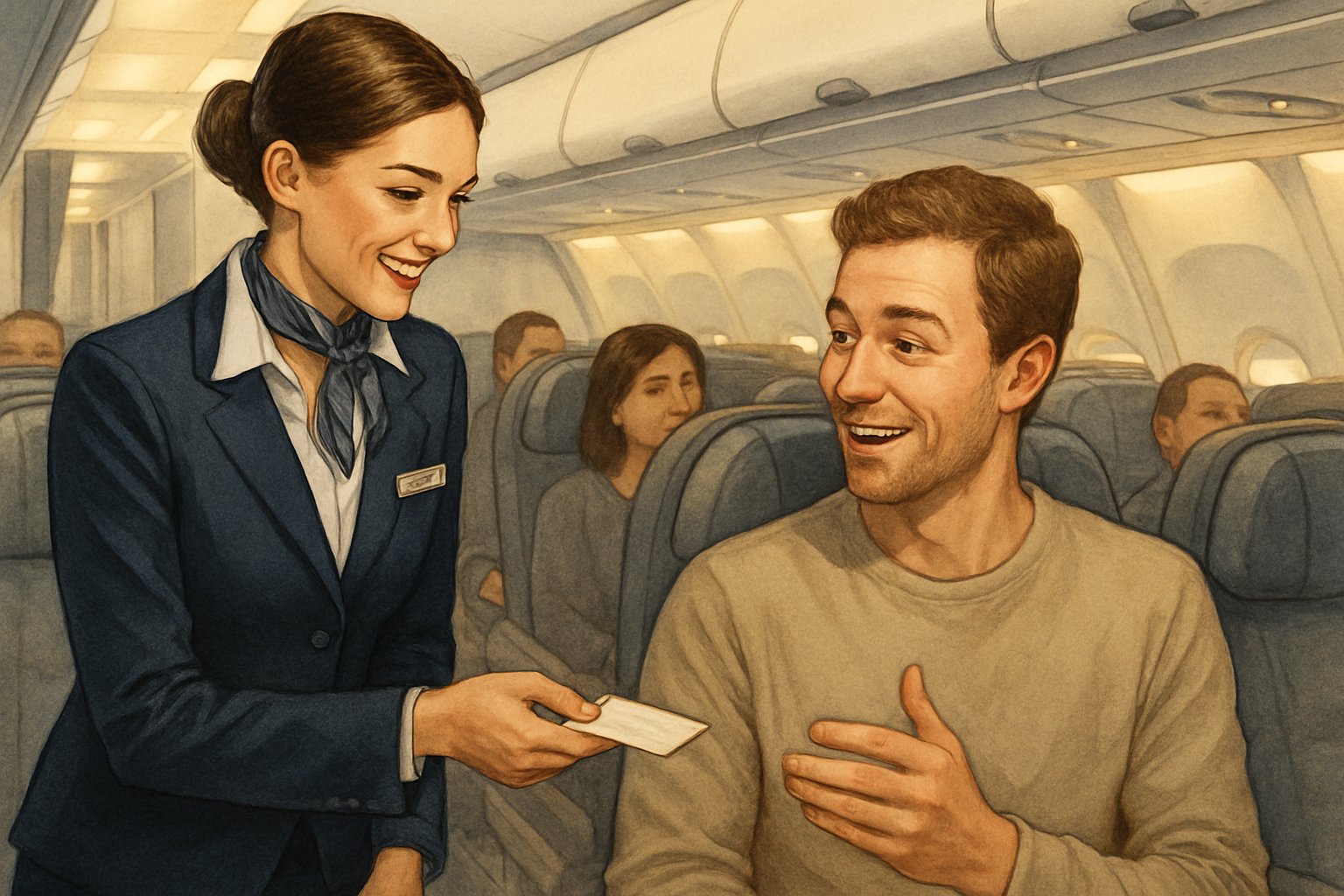
If you want a smoother flight, start with genuine kindness and respect for the crew’s professional boundaries. A little courtesy goes a long way, and flight attendants notice.
Best Practices for Passenger Behavior
Honestly, the golden rule for flying is simple: just be nice. Flight attendants appreciate real compliments and basic manners way more than pushy demands.
Small gestures stick with people. Some travelers bring coffee for the crew, since airplane coffee is, well, not great. Even a sincere thank you can brighten someone’s shift.
Timing is everything when you need something. Wait for a calm moment—don’t flag down a flight attendant during safety demos or meal service. They’re more likely to help when they’re not juggling a dozen things.
Try to be patient during delays. Crew members don’t control the weather or maintenance issues, and they’re usually as in the dark as you are. Taking it out on them just adds stress for everyone.
Dos and Don’ts When Interacting With Cabin Crew
DO speak up about medical issues, anxiety, or special needs. Flight attendants are trained to help nervous flyers, and they’d rather know in advance than deal with a surprise crisis.
DON’T assume all polite gestures are welcome. Some “nice” habits actually annoy flight attendants, like apologizing too much or hovering around the galley.
DO follow safety instructions without arguing. The crew enforces rules for everyone’s safety, not because they want to flex authority. Listening shows respect for their job.
DON’T treat flight attendants like personal butlers. They’re safety pros first, and their main focus is keeping everyone secure—not running errands or catering to every whim.
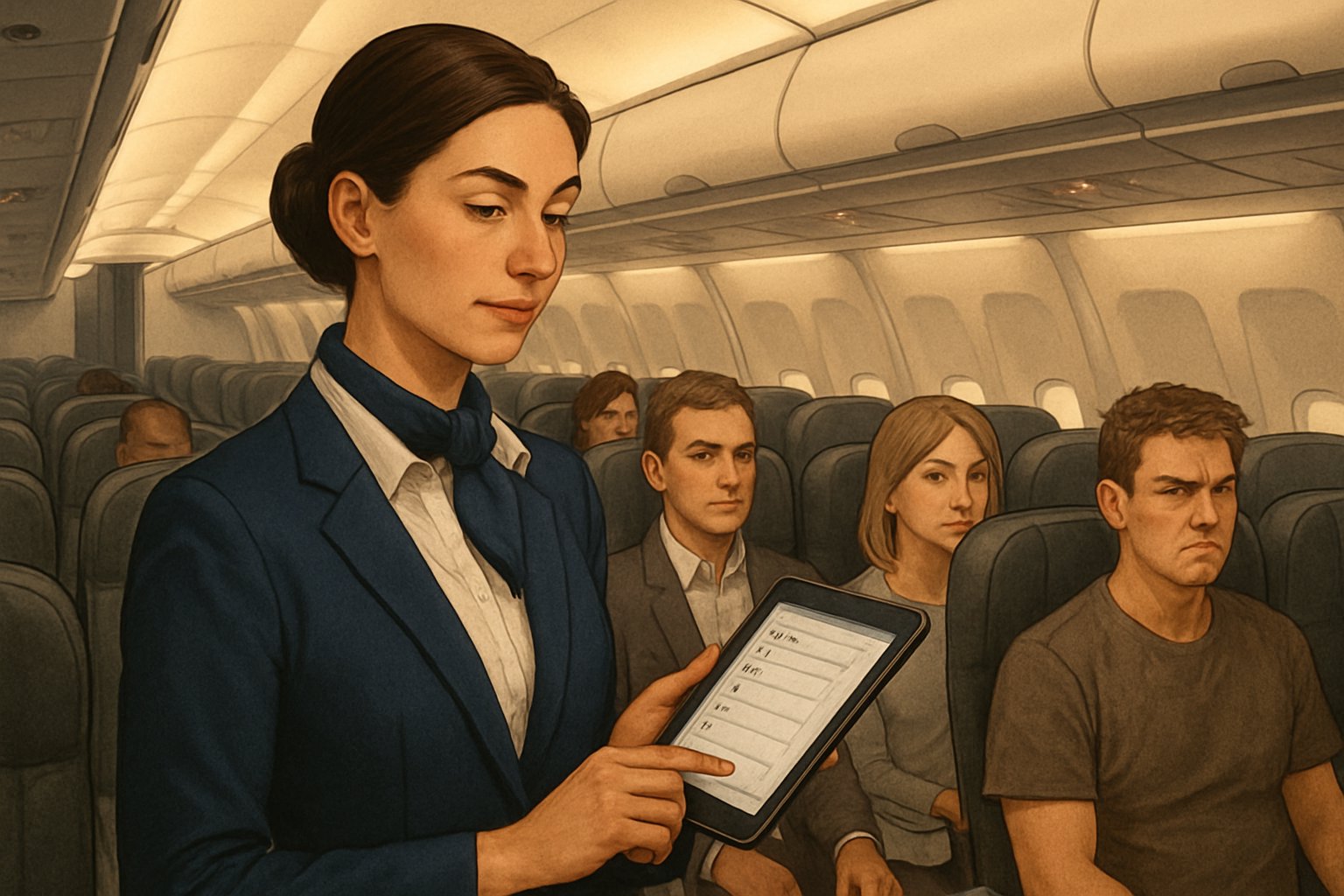
Let’s be real—flight attendants don’t have some secret power to blacklist you from every airline out there. That’s just not how it works. Individual crew members can’t make that call.
The real authority sits with the airlines themselves. If someone gets confrontational or ignores basic instructions, it’s up to corporate headquarters to decide on a ban, not the folks walking the aisle with the drink cart.
Flight attendants focus on what’s right in front of them: safety, order, and keeping things calm. They can remove a disruptive passenger before takeoff and try to de-escalate situations in the air. But after you land? That’s when the airline reviews everything—incident reports, statements, the whole nine yards. Legal teams and management step in, not cabin crew.
If you cause a problem, the crew will document it. Over 85% of flight attendants have dealt with unruly passengers, so they know how to write up a solid report.
Honestly, flight attendants shape your experience through those reports, but they’re not out there building secret blacklists. Just respect the crew and follow the rules—there’s really nothing to worry about.
A little courtesy goes a long way. The crew notices, and you’ll probably have a much smoother trip. Isn’t that what everyone wants?
🔥 Would you like to save this?
Please note that some of the imagery in this article were created with the aid of AI image generators.