
🔥 Would you like to save this?
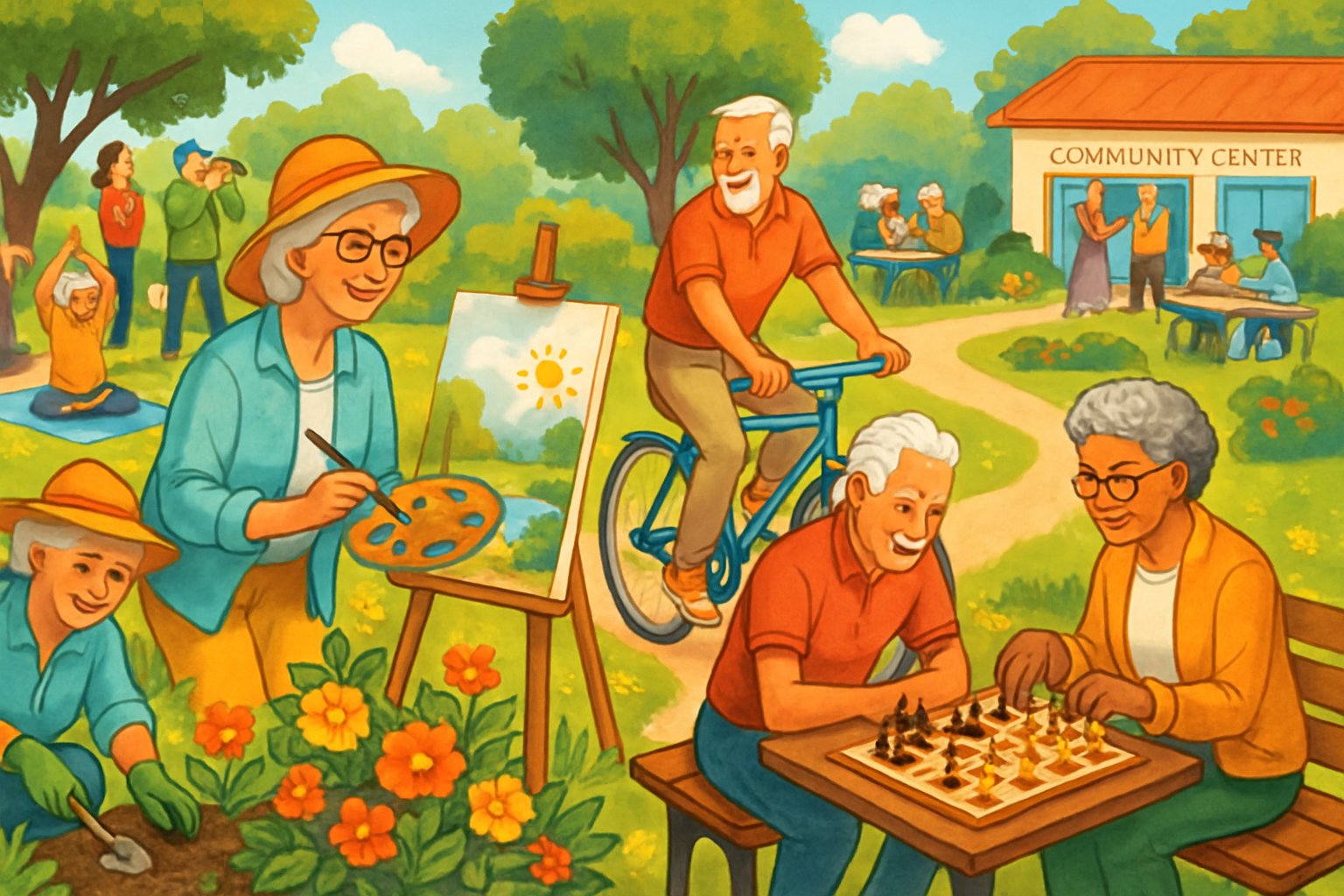
Retirement offers a unique opportunity to explore new activities and interests beyond the usual options like golf. As you transition into this new phase, finding ways to stay active, engaged, and fulfilled becomes important for your overall well-being.
This article presents 35 fun things to do in retirement that can help you make the most of your free time without relying on traditional pastimes. Whether you want to be social, creative, or adventurous, these ideas are designed to inspire you to enjoy your retirement years fully.
35. Join an improv comedy group
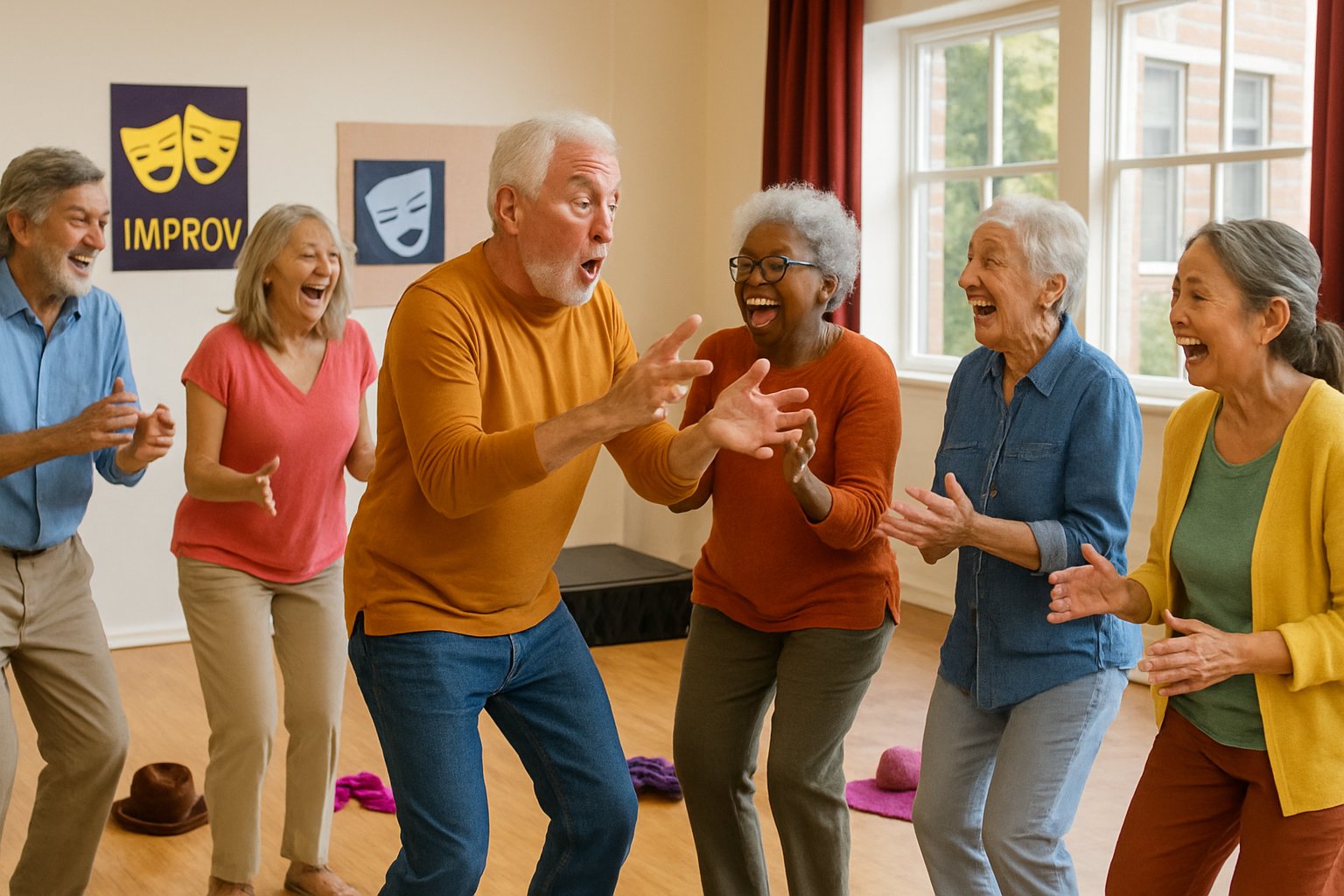
Joining an improv comedy group can be a fun and engaging way to stay active during retirement. It encourages creativity and quick thinking, which helps keep your mind sharp. You will also get a chance to meet new people and enjoy laughter in a social setting.
Improv groups often welcome beginners, so no prior experience is needed. The activities focus on teamwork and spontaneity, making it a low-pressure environment for learning. Many communities and senior centers offer classes or groups specifically for older adults.
Participating in improv can improve your communication skills and boost confidence. Some groups even perform shows at retirement homes or community events, offering meaningful opportunities to connect with others. This activity combines entertainment, socializing, and mental exercise without requiring physical strain.
34. Explore astronomy with a telescope

You can begin exploring the night sky with a simple telescope or even binoculars. Observing planets, star clusters, and the moon offers a clear, direct way to connect with the cosmos.
A basic alt-azimuth mount telescope is easy to operate, allowing you to move horizontally and vertically to find your target. This makes it ideal for beginners who want straightforward use without complex adjustments.
As you gain experience, you may appreciate seeing details on Jupiter’s bands or Saturn’s rings. These views reveal more than what’s visible to the naked eye and can hold your interest for years.
Joining local astronomy clubs or online forums can enhance your experience. You’ll find support, information about events, and advice on equipment or observing techniques.
Astronomy is flexible—you can do it quietly from your backyard or travel to darker skies for a richer view. It’s a hobby that fits well with retirement by offering both relaxation and continual learning.
33. Learn calligraphy and hand lettering
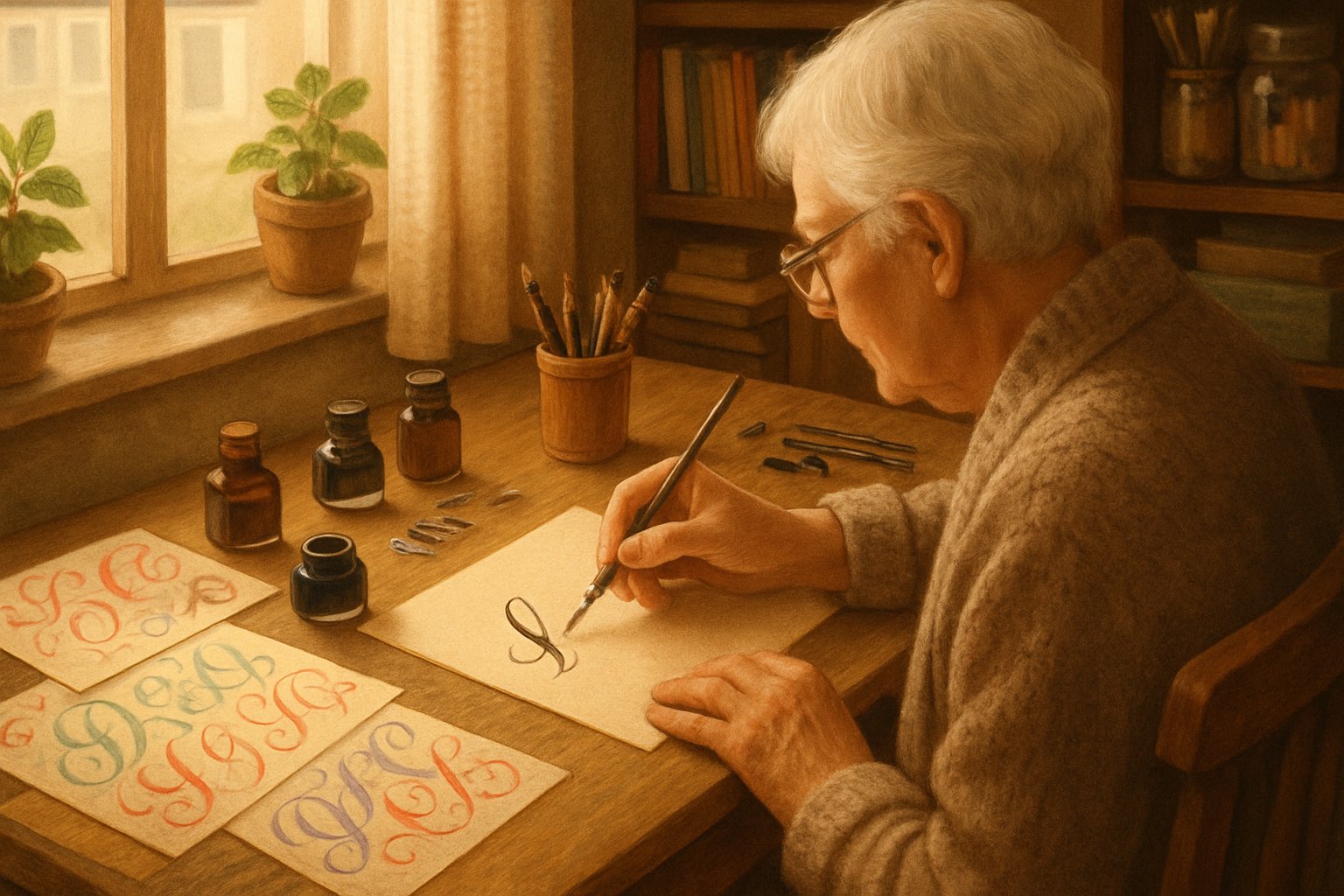
You can start learning calligraphy and hand lettering at any age. These skills improve your fine motor control and provide a creative outlet.
Practicing calligraphy doesn’t have to be repetitive or dull. There are many fun projects you can try, from creating personalized cards to decorating your space with hand-lettered quotes.
You’ll find plenty of online tutorials and beginner guides to help you select your tools and master basic strokes. Over time, your ability to design unique lettering styles will grow.
This hobby also connects you with a community of enthusiasts online, where you can share your work and get inspiration. It’s a relaxing, focused activity that you can do indoors with minimal supplies.
Exploring calligraphy could add a new dimension to your daily routine, combining creativity with skill-building. You’ll develop patience and attention to detail while producing art you can use personally or share with others.
32. Host themed dinner parties
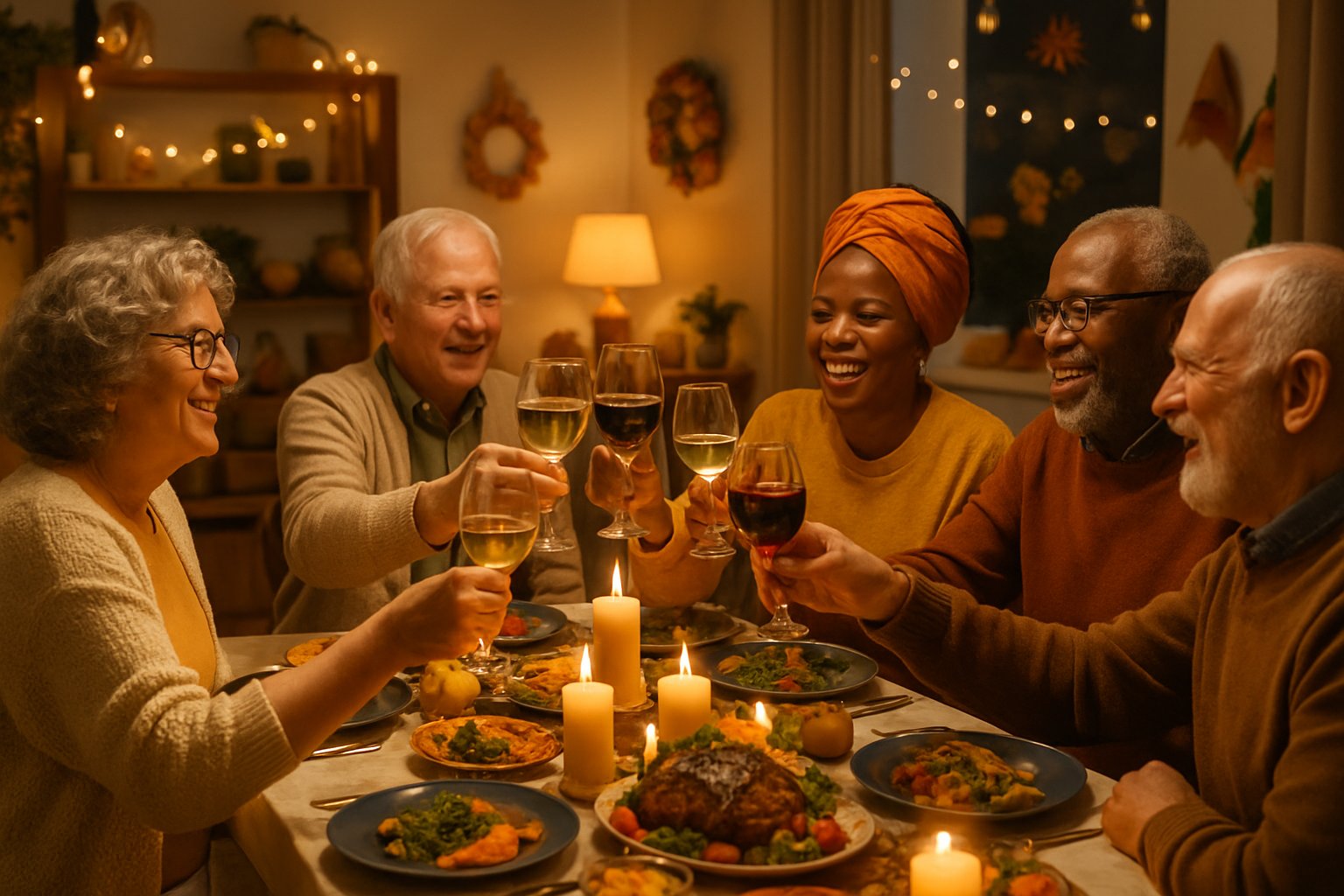
Hosting themed dinner parties lets you bring creativity and variety to your social life in retirement. You can choose a theme that reflects your interests, such as Italian cuisine, a 1920s speakeasy, or a tropical luau.
Themes help guide your menu, decorations, and even the dress code, making planning easier and the event more immersive. This type of gathering encourages meaningful conversations and shared experiences with friends and family.
You can rotate themes with each party to keep things fresh and exciting. Inviting guests to participate by dressing according to the theme adds an interactive element that enhances the fun.
These dinners offer a great way to build new memories and strengthen connections while enjoying delicious food and a lively atmosphere. Hosting regularly also gives you something to look forward to and plan for in your retirement schedule.
31. Try digital arts and graphic design

Digital arts and graphic design let you explore creativity using technology. You can work with software like Adobe Illustrator, Photoshop, or user-friendly tools such as Canva.
These platforms help you create anything from digital paintings to personalized greeting cards or photo books. You don’t need traditional art supplies or a studio space.
You can learn at your own pace through online tutorials and courses. Many programs offer beginner-friendly features, making it easier to develop new skills.
Graphic design also allows you to create projects for family or even start freelance work. It’s a flexible hobby that combines creativity with practical digital tools.
Engaging in digital art keeps your mind active and can provide a sense of accomplishment. Plus, you can share your work easily with friends, family, or online communities.
30. Join a bridge or Scrabble group

You can find bridge and Scrabble groups at community centers, clubs, or online platforms. Joining one gives you a chance to engage your mind with strategic thinking and vocabulary skills.
These games encourage social interaction, which is important for staying connected in retirement. Playing regularly can help maintain cognitive sharpness and memory.
Groups often meet weekly or biweekly, providing structure to your week and opportunities to meet new people. Whether you’re a beginner or experienced, there are groups that welcome all skill levels.
If you prefer, you can start your own group with friends or neighbors. This can be a simple way to build a local community around a shared interest.
Many communities also offer tournaments or casual play days for friendly competition. This adds an element of fun while keeping your skills tuned.
29. Start writing memoirs or a personal blog

Writing your memoirs is a way to capture your life experiences and share your story. You don’t need to write it all at once; small, frequent entries work well. Focus on meaningful moments or lessons you have learned.
Starting a personal blog lets you document your thoughts, ideas, and hobbies in real time. It can also help you develop writing and technical skills. You decide how public or private you want your blog to be.
Both memoirs and blogging offer a creative outlet and encourage reflection. They help keep your mind active and provide a way to connect with others if you choose to share online.
You don’t have to be a professional writer to start. Simply telling your story or sharing your passions can be rewarding and fulfilling during retirement.
28. Attend wine tasting events

Attending wine tasting events is a great way to expand your knowledge and appreciation of wine. These events often feature a variety of wines from different regions and grape varieties, allowing you to discover new favorites.
You can enjoy the experience in a relaxed social setting, which makes it easier to meet people with similar interests. Many wineries and wine bars host regular tastings, providing opportunities to learn about the winemaking process from experts.
Wine tasting also engages your senses actively, as you examine the color, aroma, and flavor of each wine. Pairing wines with cheeses or small bites often enhances the experience and deepens your understanding of how tastes complement each other.
Whether you join a wine club or attend local wine festivals, you will find that these events offer a pleasant way to stay socially active and cultivate a hobby that combines education and enjoyment.
27. Go kayaking or paddleboarding

Kayaking and paddleboarding are excellent ways to stay active while enjoying nature. Both activities offer low-impact exercise that can improve your balance, strength, and flexibility.
You don’t need to be an expert to start. Many places offer beginner-friendly tours and rentals, making it easy to try these sports safely.
Paddleboarding is especially good for strengthening your core and reducing stress. You can do it on lakes, rivers, or calm coastal areas near you.
Kayaking allows you to explore waterways at your own pace. It’s a peaceful way to connect with the outdoors and can be adapted to your skill level.
Both activities provide a chance to meet others or spend quiet time alone. They fit well into an active retirement lifestyle focused on health and enjoyment.
26. Explore birdhouse building workshops
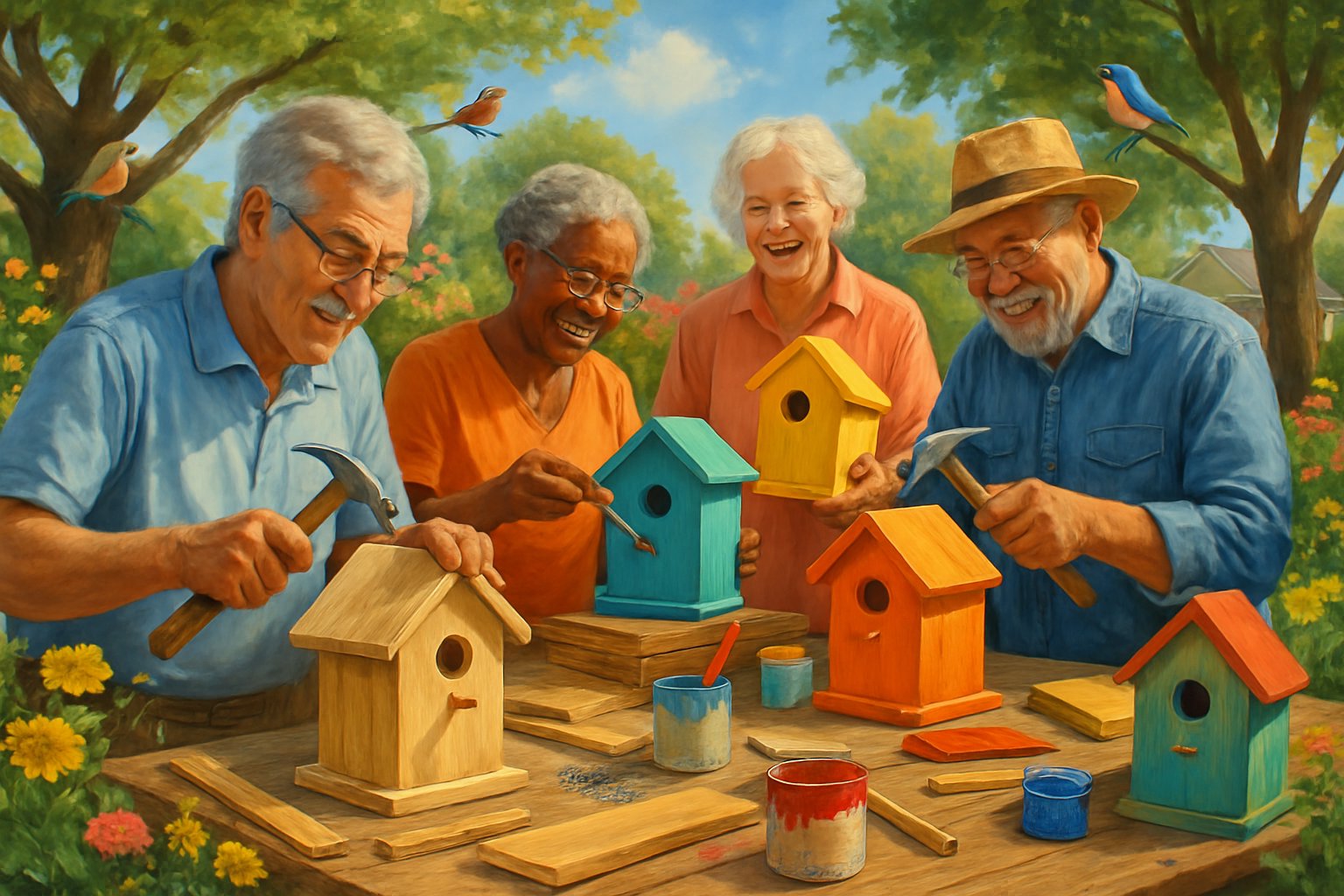
Building birdhouses can be a rewarding hands-on activity in retirement. Many communities and recreation centers offer workshops that teach basic woodworking skills while guiding you through constructing birdhouses.
These workshops provide a chance to learn new skills or refresh your DIY knowledge. You will also enjoy the satisfaction of creating something functional for local wildlife.
Participating in a group workshop encourages social interaction, which can be beneficial for your mental well-being. You can meet others with similar interests and share tips and experiences.
Completing a birdhouse project can also inspire you to explore other woodworking or gardening hobbies. It’s a practical way to stay active and engaged with nature.
25. Take ballroom dancing lessons
🔥 Would you like to save this?
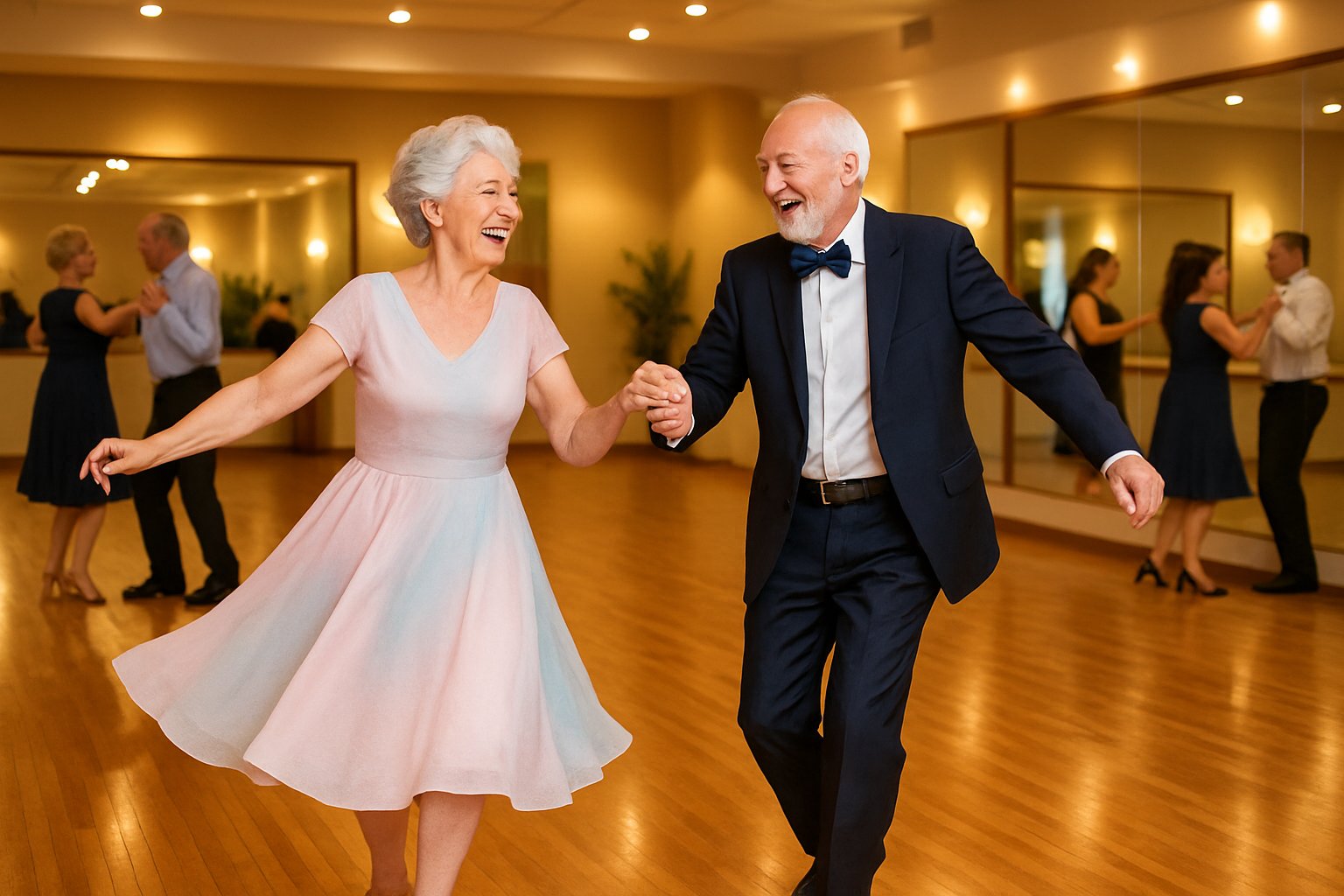
Taking ballroom dancing lessons is a great way to stay active and engaged during retirement. You can learn classic styles like the waltz, tango, foxtrot, or salsa, which are enjoyable and suitable for all skill levels.
Ballroom dancing helps improve your balance, coordination, and flexibility. It also offers a low-impact workout that is easier on your joints compared to more intense physical activities.
Joining a dance class can be a social experience, providing opportunities to meet new people and make friends. Many community centers and dance studios offer lessons specifically for seniors at affordable rates.
Even if you’ve never danced before, beginners’ classes focus on building confidence step by step. Dancing with a partner also encourages teamwork and communication.
You don’t need special equipment, just comfortable shoes and willingness to learn. Over time, ballroom dancing can become a fun hobby that keeps you moving and connected to others.
24. Volunteer to usher at the theater
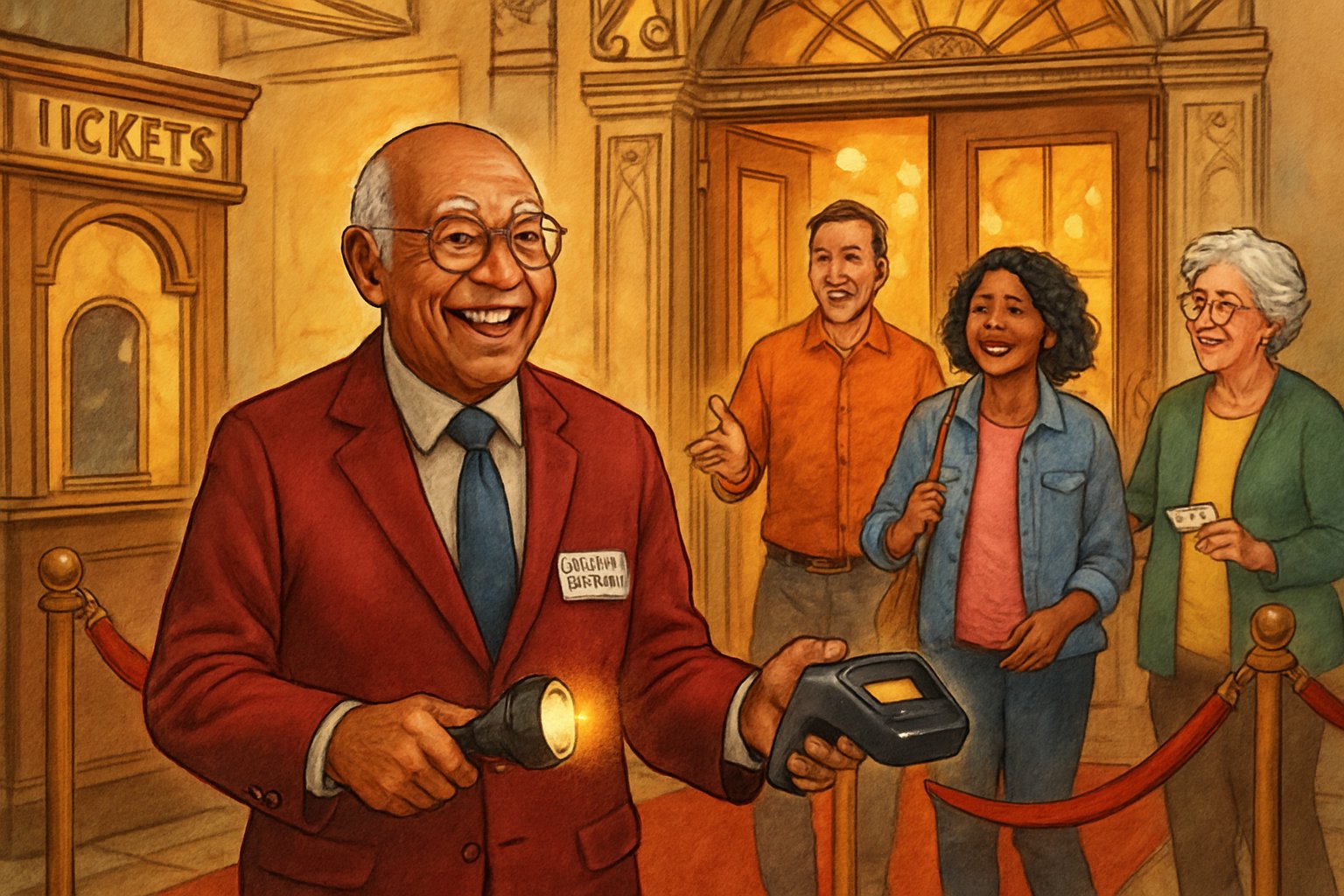
Volunteering as a theater usher is a simple way to stay active and engaged in your community. You help create a welcoming environment for audiences while enjoying live performances. Many theaters welcome volunteer ushers, especially community and local venues.
Your responsibilities typically include seating guests, providing programs, and assisting with any questions. You may also help ensure safety and compliance with theater policies. In some cases, volunteers get to watch the show for free when seats are available.
To get started, visit your local theater’s box office and inquire about usher opportunities. Most theaters offer training and flexible schedules. This role is ideal if you enjoy live art and want to give back without a significant time commitment.
Volunteering as an usher also offers a chance to meet new people who share your interests. It can provide structure to your week and a rewarding way to spend your time. This opportunity suits retirees looking for meaningful, low-pressure involvement in the arts.
23. Experiment with gardening exotic plants
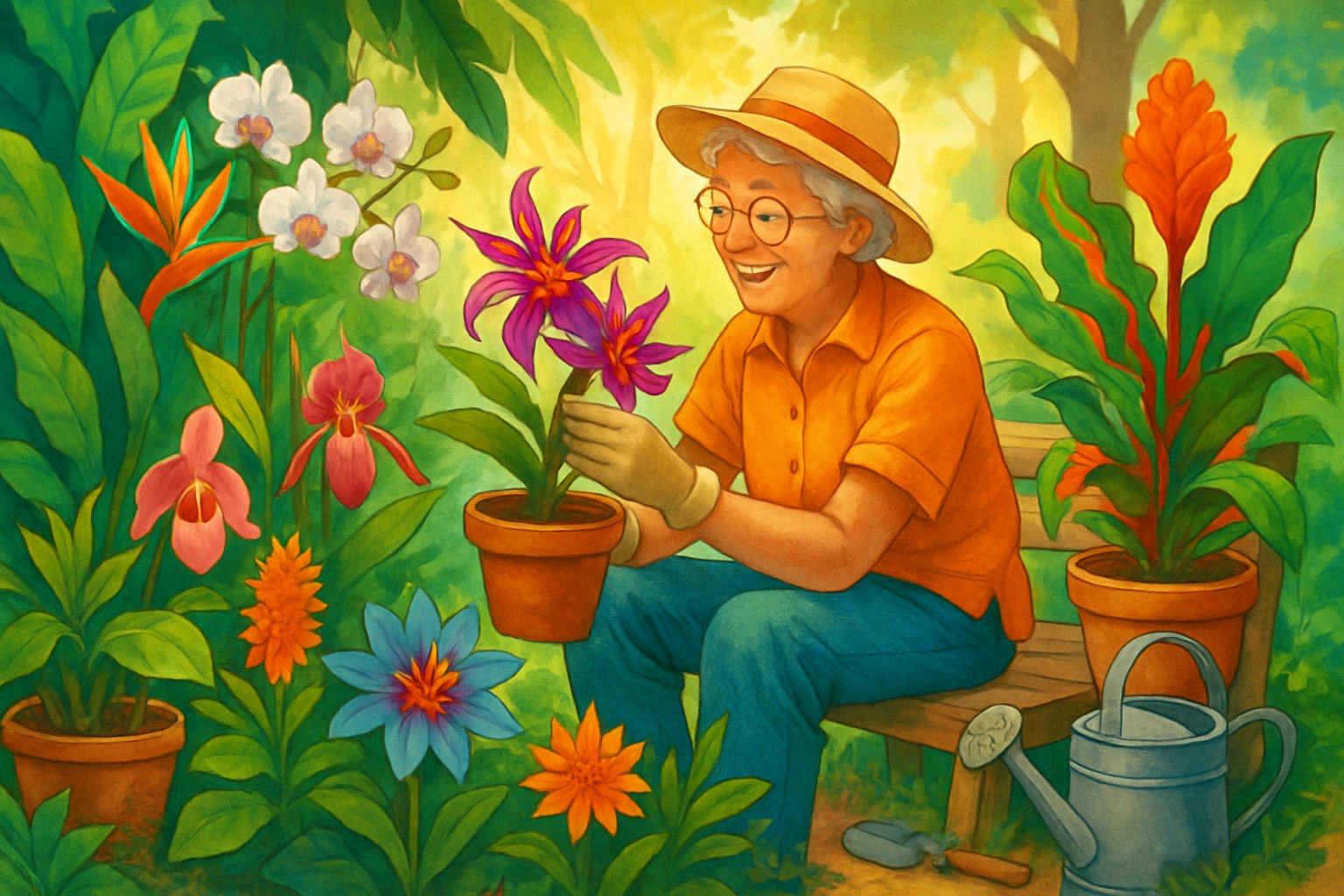
You can add variety and challenge to your gardening by trying exotic plants. These species often require different care methods, which can make the hobby more engaging.
Growing exotic plants allows you to learn about new climates and ecosystems. It also expands your knowledge of soil types, watering schedules, and pest control specific to these plants.
Start with easier exotic plants, such as orchids or succulents, before moving to more demanding varieties. This way, you build confidence and skills gradually.
Many exotic plants can thrive indoors, making them suitable even if you have limited outdoor space. You can create small indoor gardens with colorful or unusual foliage.
By experimenting with exotic gardening, you nurture patience and observation. This activity offers mental stimulation and a sense of accomplishment as you see your plants grow and flourish.
22. Join a local chess club

Joining a local chess club offers a great way to keep your mind sharp and meet new people. Chess is a strategic game that challenges your problem-solving skills and improves concentration.
Many communities have clubs specifically for older adults. These clubs provide a friendly environment where you can play regularly and connect with fellow enthusiasts.
You don’t have to be an expert to join. Beginners are welcome, and you can learn new strategies from experienced players. Playing chess regularly can help reduce stress and keep your brain active.
If you prefer, some clubs also offer online play options. This allows you to stay engaged even when you can’t attend in person. Look for clubs at community centers, libraries, or senior centers near you.
Joining a chess club can add a social and intellectual dimension to your retirement routine. It’s an enjoyable way to stay mentally active and build friendships.
21. Build and fly model airplanes

Building model airplanes is a rewarding hobby that combines creativity with technical skill. You get to assemble detailed miniature aircraft, which can range from simple kits to complex replicas. This activity helps improve your hand-eye coordination and patience.
Once your model is complete, you can take it to a flying field or park. Flying your model airplane adds an exciting, hands-on element that keeps you active and engaged outdoors.
This hobby offers a mix of quiet focus during the building phase and social interaction when flying with others. It can also connect you with local clubs or groups who share your interest.
You don’t need advanced skills to start. Kits are available for beginners and experienced builders alike, making it an accessible and enjoyable retirement pastime.
20. Take part in local charity runs or walks

Joining local charity runs or walks is a fulfilling way to stay active and support causes you care about. These events often welcome all fitness levels, making participation easy whether you prefer walking, jogging, or running.
Many charity events focus on community involvement, helping you connect with others who share your values. You can help raise funds and awareness without needing specialized skills or training.
Events range from casual walks to themed runs like color runs or fun jogs. This variety keeps things interesting and allows you to choose an event that suits your pace and interests.
Participating also offers a purposeful goal and a chance to enjoy the outdoors. It’s a social and healthy activity that benefits both your well-being and the community.
By taking part regularly, you contribute to meaningful causes and maintain an active lifestyle without the pressure of competition.
19. Join a choir or community band

Joining a choir or community band is a rewarding way to stay socially active in retirement. You engage with others who share musical interests while building new friendships.
Singing or playing an instrument can also benefit your mental sharpness. Learning songs and harmonies boosts memory and cognitive function.
Many communities offer groups open to all skill levels, so you don’t need to be an expert to participate. These activities provide a structured and enjoyable routine.
Additionally, performing with a group gives a sense of accomplishment and purpose. It’s an opportunity to enrich your retirement with creative expression and social connection.
18. Participate in local dance classes

Joining local dance classes offers a low-impact way to stay active and improve your balance. You can choose from various styles like ballroom, salsa, Zumba, or line dancing. Each style provides a different pace and level of intensity to suit your preferences.
Dance classes also foster social connections. Meeting others who share your interest can help you build friendships and reduce feelings of isolation.
Many community centers and retirement communities offer affordable classes tailored for seniors. These classes focus on enjoyable movement and encourage participation regardless of prior experience.
Whether you want to learn new steps or simply enjoy the music, dancing can add variety to your routine. It serves as both physical exercise and mental stimulation, helping you stay engaged in retirement.
17. Try pottery or ceramics studio sessions
🔥 Would you like to save this?
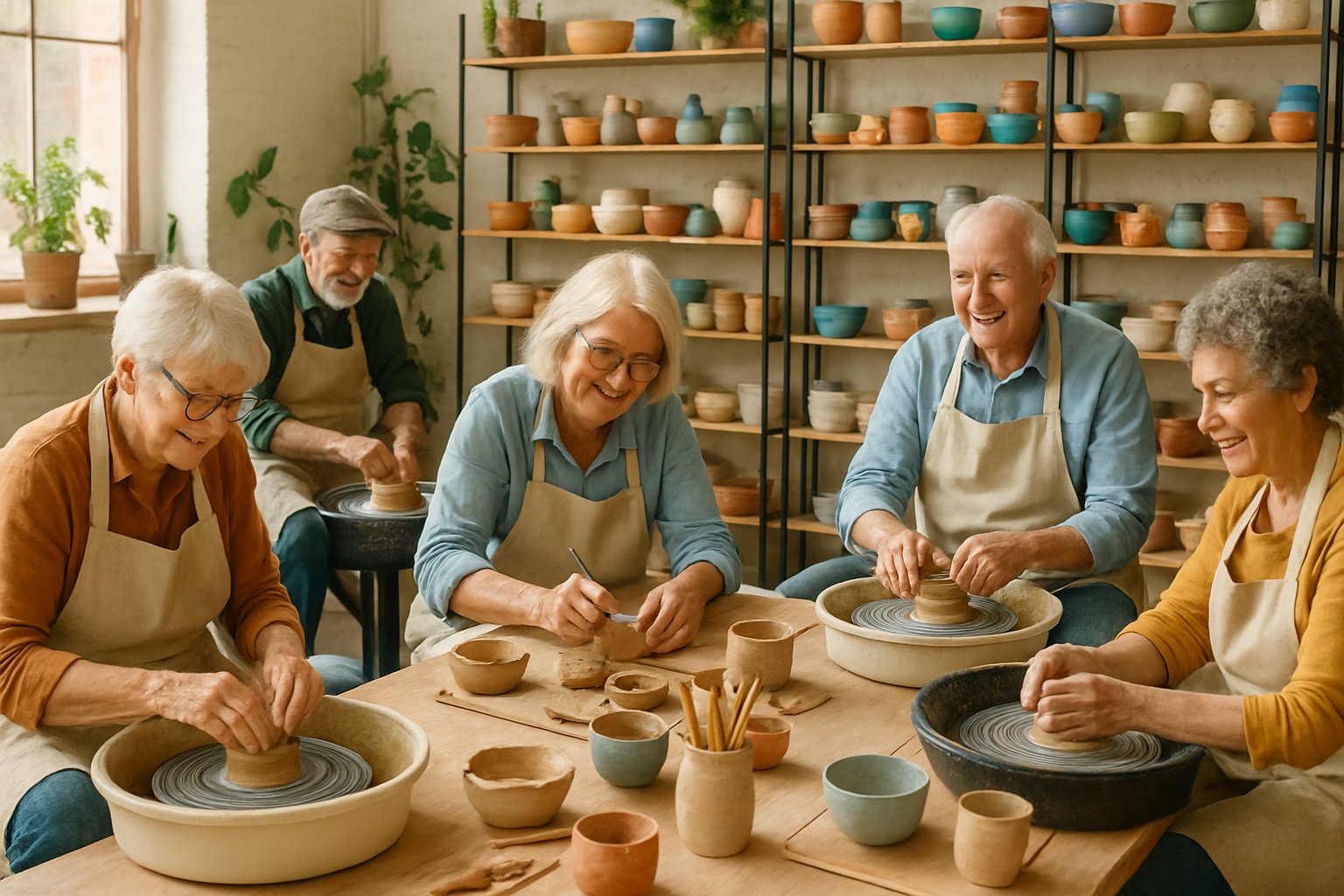
Taking pottery or ceramics classes can be a rewarding way to spend your retirement. You’ll engage both your hands and mind while shaping clay into functional or artistic objects.
Working at a pottery wheel offers a rhythmic, meditative experience. Many retirees find it calming and useful for reducing stress. It also helps improve focus and patience.
Ceramic studios often provide all the tools you need, making it accessible even if you have limited experience. You can create bowls, cups, or decorative pieces while exploring different glazes and textures.
Joining a local pottery studio also gives you a chance to meet new people and be part of a creative community. It’s a social activity that fosters both learning and relaxation.
If you prefer, some community centers or senior organizations offer pottery classes or sessions, sometimes even online. This hobby suits those looking for a mix of physical activity and artistic expression.
16. Learn a new language through community classes
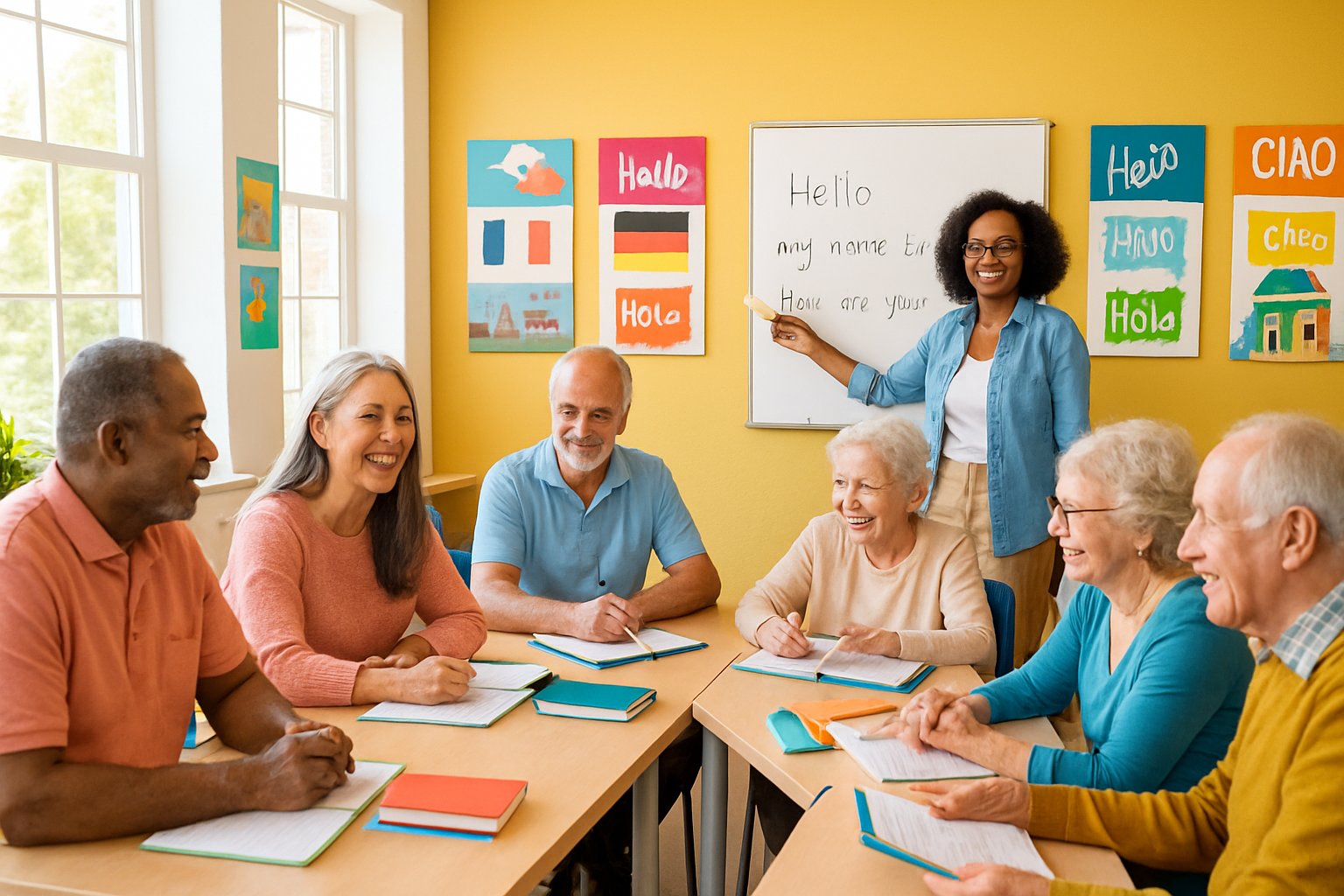
Joining community classes to learn a new language offers a structured and social way to challenge your mind. These classes are often designed to be beginner-friendly and paced for older learners.
You benefit from direct interaction with an instructor who can guide your progress and answer questions. Additionally, practicing with classmates helps reinforce your skills.
Learning a language can improve memory and delay cognitive decline. It also opens doors to new cultural experiences and enhances travel opportunities.
Community classes are usually affordable and accessible. They give you a routine and a chance to meet new people with similar interests.
If you prefer, many communities offer conversation groups or language exchanges as a supplement to formal classes. These provide more casual, practical practice.
Overall, enrolling in community language classes is a productive and enjoyable way to stay mentally active in retirement.
15. Attend poetry slams

You can attend poetry slams to experience a unique and lively form of storytelling. These events feature poets delivering their work aloud, often with passion and creativity. It’s a chance to hear diverse voices and perspectives.
Poetry slams are often social events with engaging atmospheres. Many cities, including Charlotte, host regular poetry nights where you can meet others who appreciate the art form. These gatherings often include performances from local and national poets.
Going to poetry slams keeps your mind active and connected to the community. It’s an enjoyable way to explore culture outside the usual retirement activities. Plus, it offers an opportunity to support local artists and participate in discussions around the themes presented.
14. Take photography courses
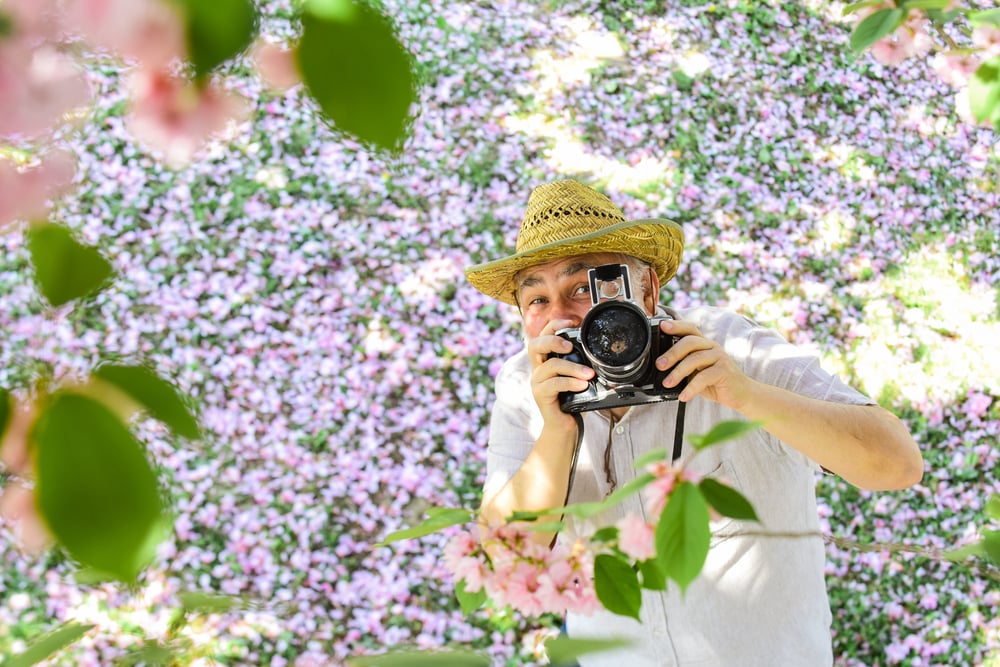
Taking photography courses is a great way to develop a new skill during retirement. You can learn how to use your camera more effectively, understand composition, and explore different techniques.
Many courses are available online, allowing you to learn at your own pace from home. If you prefer, local community centers and colleges often offer classes where you can meet others who share your interest.
Photography encourages you to get outside and explore. It also gives you a creative outlet to capture moments that matter to you.
Joining a photography course can introduce you to a network of enthusiasts. You might find opportunities to participate in exhibitions or local photo clubs.
Overall, photography courses offer intellectual challenge and social engagement combined. They can add meaning and enjoyment to your daily routine in retirement.
13. Join a hiking group for seniors

Joining a hiking group designed for seniors can help you stay active while exploring nature. These groups often cater to different fitness levels, making it easier for you to find trails that suit your pace.
Hiking with others provides social interaction, which is important for mental well-being. You can meet new people who share your interests and offer encouragement on your outdoor adventures.
Many senior hiking groups organize regular meetups and events, giving you a routine activity to look forward to. This can motivate you to maintain a healthy lifestyle and enjoy the benefits of fresh air and exercise.
Being part of a hiking club also offers safety in numbers. You’ll have support if you encounter any difficulties on the trail, and the group dynamic makes hiking more enjoyable and less isolating.
12. Practice Tai Chi in the park

Tai Chi is a gentle exercise that you can easily practice outdoors. It requires no equipment, so a local park is an ideal place to enjoy its benefits.
This practice improves your balance, flexibility, and posture. It also helps reduce stress and promotes mental calmness.
You can wear comfortable clothing and shoes, and start with simple warm-up stretches before moving into Tai Chi routines. Regular practice may lower your risk of falls by increasing stability.
Tai Chi can be done alone or in groups. Joining a class or club in the park adds a social aspect to the activity, making it more enjoyable.
Starting with basic exercises is enough to gain health benefits. Many resources like videos and apps are available if you want to learn at your own pace.
11. Explore genealogy and build your family tree

You can use your retirement time to dive into genealogy and create a family tree. This hobby helps you connect with your past by discovering names, dates, and stories about your ancestors.
Websites like FamilySearch.org, Ancestry.com, and Genealogy.com offer useful tools and records to start your research. You can also visit local archives or libraries to find documents not available online.
Genealogy is more than collecting data. It gives you a chance to uncover interesting details about your family’s history and understand what influenced previous generations.
As you gather information, you can organize it into charts or displays. This makes your research visible and provides a way to share your findings with other family members.
Joining genealogy groups or online forums can help you connect with others who share your interest. They can offer advice, resources, and support as you build your family tree.
10. Take cooking classes specializing in international cuisine
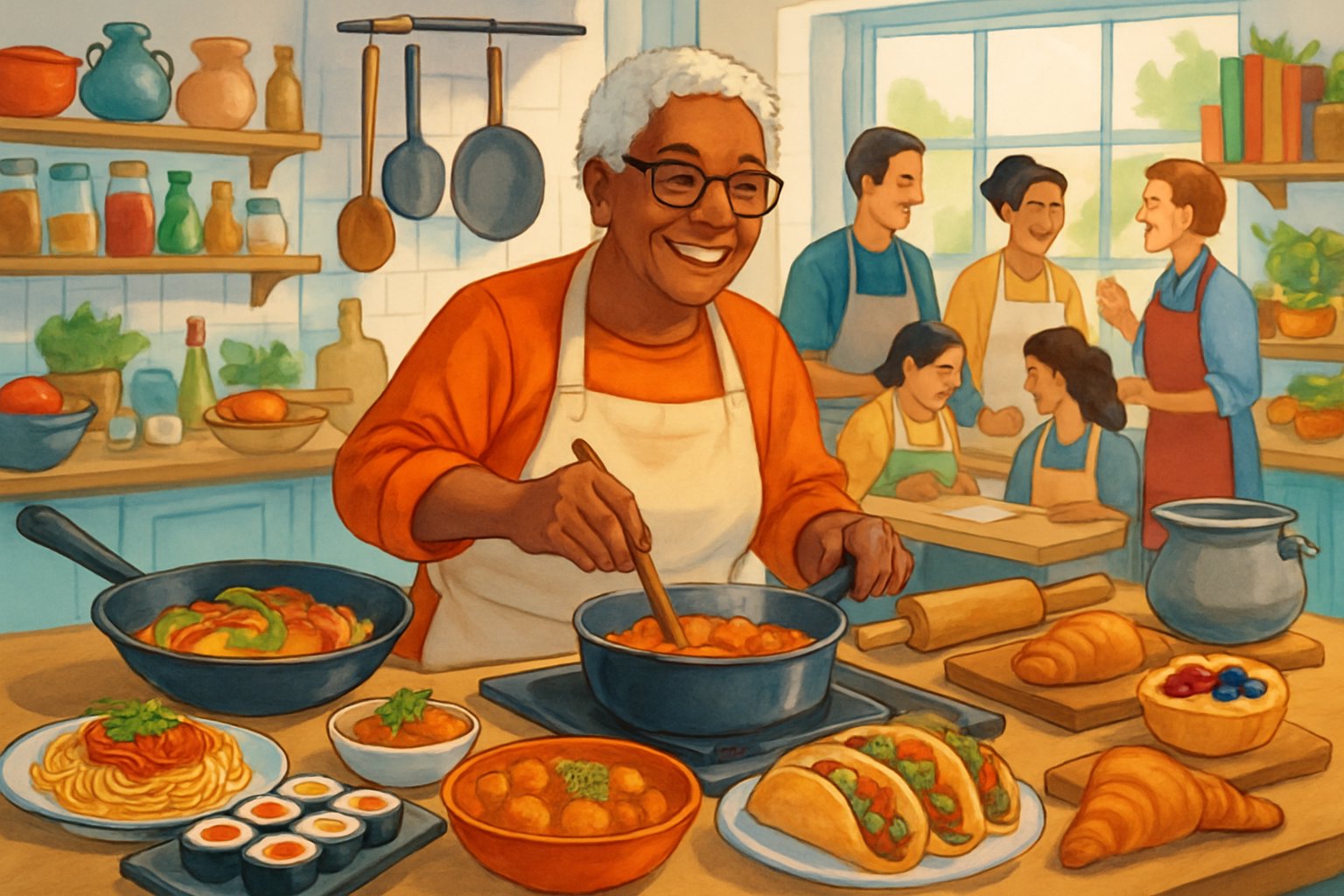
You can expand your culinary skills by taking cooking classes that focus on international cuisine. These classes help you learn new recipes and techniques from around the world.
Such courses often cater to all skill levels, whether you are a beginner or experienced cook. This allows you to explore diverse flavors while improving your cooking.
Besides acquiring new skills, you’ll enjoy socializing with other retirees who share your interests. These classes create opportunities to connect and engage in a meaningful activity.
Experiencing global cuisines also broadens your cultural knowledge. You gain insight into different traditions and ingredients, making cooking more enjoyable and educational.
Local community centers, culinary schools, and online platforms often offer these specialized classes. You can find options that fit your schedule and preferences easily.
Participating in cooking classes can enrich your retirement by combining learning, socializing, and cultural exploration all in one activity.
9. Join a book club

Joining a book club is a great way to stay socially active and mentally engaged in retirement. You get to read a variety of books and share your thoughts with others, adding depth to your reading experience.
Book clubs encourage regular reading, which can improve your cognitive health. They also provide a chance to meet new people who share your interests.
Many communities and libraries offer book clubs specifically for retirees. You can also find groups online if you prefer a virtual setting.
If you want more control, consider starting your own book club. You can tailor the reading list and meeting schedule to suit your preferences.
Being part of a book club adds routine to your retirement days without overwhelming your schedule. It’s a simple way to enrich your free time with meaningful conversation and new friendships.
8. Go on guided historical tours (or host them yourself)

Going on guided historical tours can give you a unique way to explore the past. These tours often include expert guides who provide detailed insights about important events and locations. You can visit battlefields, historic towns, or museums with added context that brings history to life.
Many tours are designed with seniors in mind, offering comfortable transportation and accessible routes. This makes it easier for you to enjoy without worrying about physical strain. Popular options include Civil War battlefields, presidential homes, or cultural heritage sites.
Participating in these tours also allows you to meet people with similar interests. It’s an opportunity to engage in meaningful conversations and discover new perspectives. Whether you want to deepen your knowledge or just enjoy a mindful outing, historical tours provide both education and leisure.
7. Enroll in creative writing workshops

Joining a creative writing workshop can be a rewarding way to spend your retirement. These workshops offer structured guidance to help you develop your writing skills and express your unique life experiences.
You will also find opportunities to connect with others who share your interest in storytelling. This social interaction can enhance your sense of community and support.
Writing creatively can improve your mental sharpness by engaging your imagination and critical thinking. It also provides a safe space to explore emotions and memories, which can contribute to emotional well-being.
Many workshops cater specifically to retirees, making the environment welcoming and tailored to your pace and goals. Whether online or in person, these sessions fit various schedules and levels of experience.
By enrolling, you create a lasting legacy through stories, poems, or memoirs. This creative outlet offers both personal fulfillment and a chance to leave something meaningful behind.
6. Attend jazz concerts
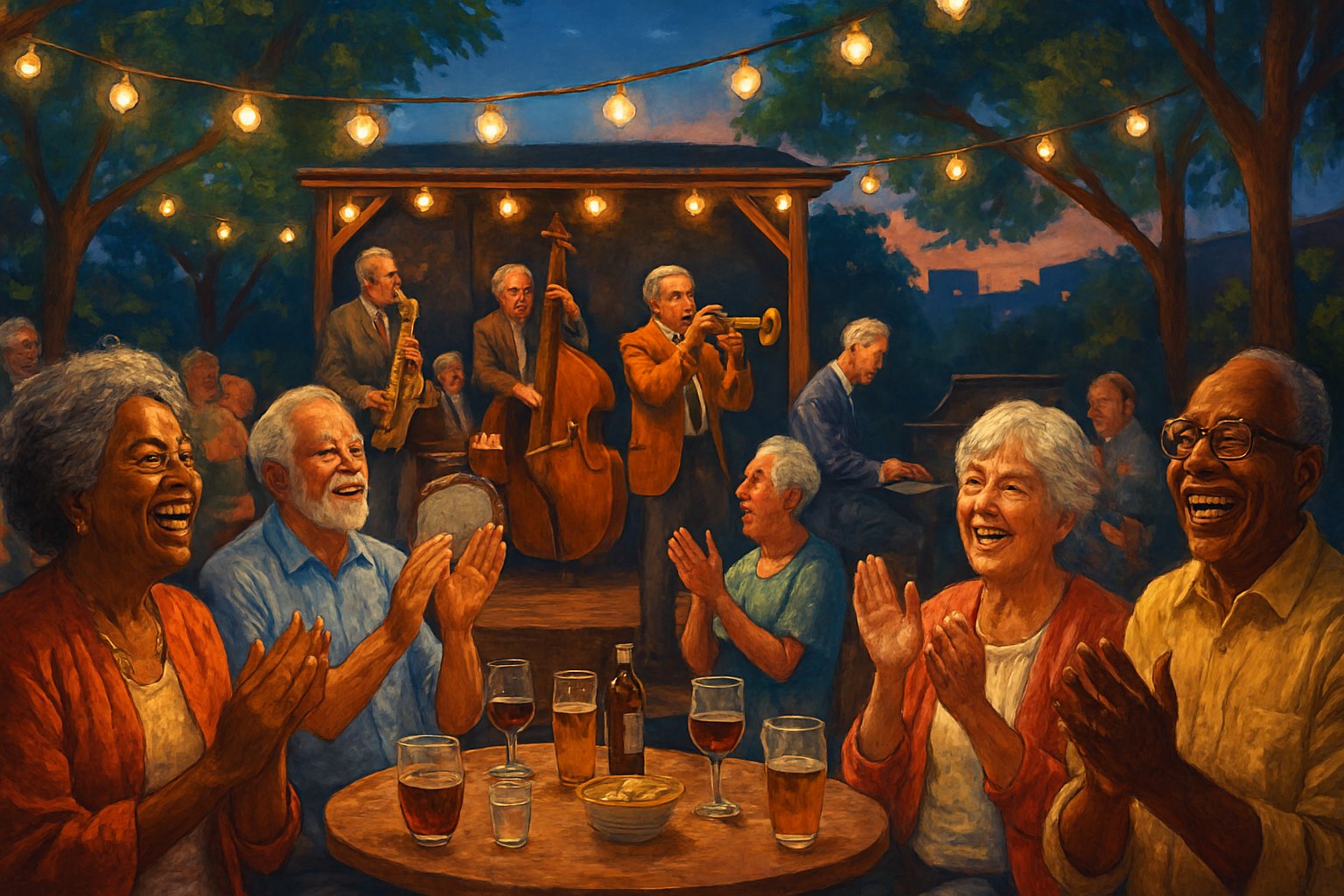
Attending jazz concerts offers a rich and engaging way to spend your retirement. You can experience live music that is both relaxing and stimulating. Jazz often blends complexity with emotion, making each performance unique.
Concerts provide an opportunity to connect with others who share your interests. Many cities have venues dedicated to jazz, from intimate clubs to larger concert halls. Checking local listings or jazz festivals can help you find events near you.
You don’t need to be an expert to enjoy these concerts. Listening to jazz can be both entertaining and a way to learn about different musical styles. It’s an activity that can bring variety and cultural enrichment to your routine.
If you prefer, you might also consider joining a jazz appreciation group or taking a class about jazz history and styles. This can deepen your understanding and increase your enjoyment when attending shows.
5. Start birdwatching in your neighborhood
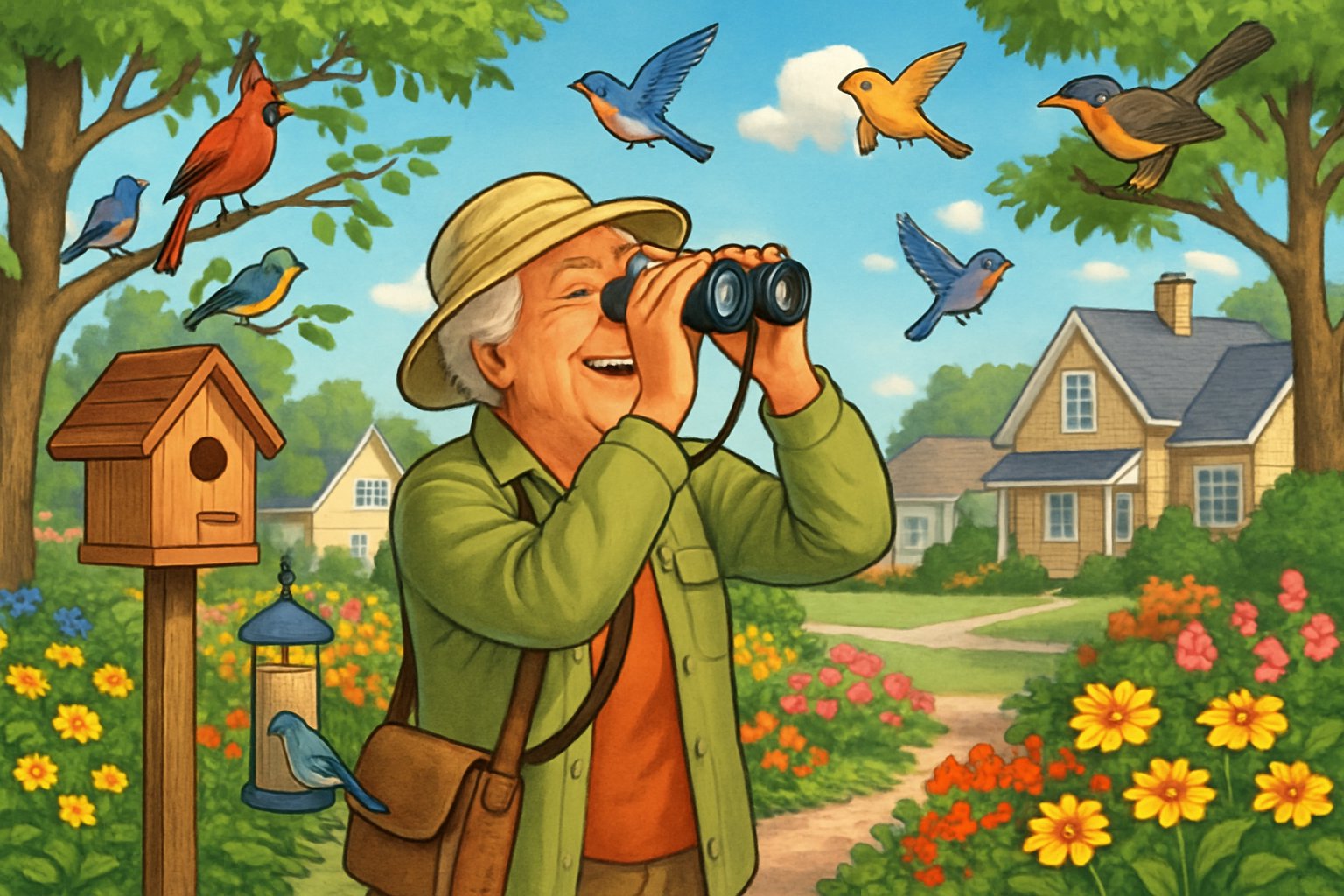
Birdwatching is a simple and accessible hobby you can begin right outside your door. You don’t need special training or travel far to observe birds. Just look around your yard, local park, or nearby green space.
Start by setting up a bird feeder or birdbath to attract different species. This allows you to watch birds comfortably from your window or porch. Over time, you’ll learn to identify common birds by their colors and calls.
You can enjoy birdwatching at your own pace, whether sitting quietly or taking slow walks nearby. It offers light physical activity and mental engagement without requiring intense effort.
If mobility is a concern, you and a caregiver can participate together by using accessible routes. Joining local birdwatching groups or clubs can enhance your experience and knowledge.
By respecting birds and their habitats, you ensure a sustainable way to connect with nature. Birdwatching helps you find calm moments and stay mentally active in retirement.
4. Volunteer at a local museum
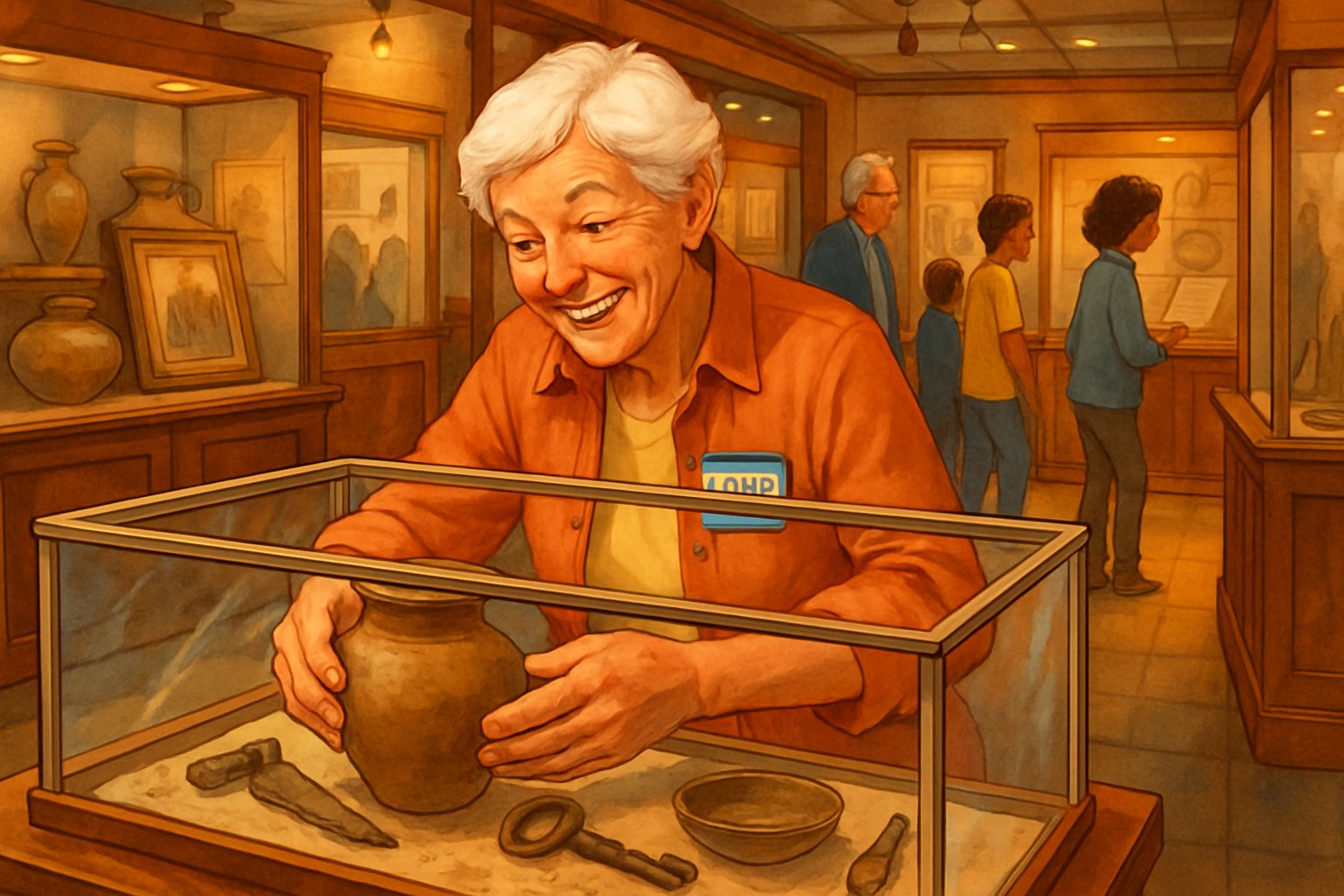
Volunteering at a local museum offers a chance to engage with your community while learning about art, history, or science. You can assist with tours, help organize events, or support educational programs.
This type of volunteer work often allows you to share your interests and knowledge with others. It also provides a structured yet flexible way to stay active and involved.
Museums usually welcome volunteers of all skill levels, so you can find a role that matches your background. It can be a meaningful way to spend your time without the pressure of a paid job.
3. Take watercolor painting classes
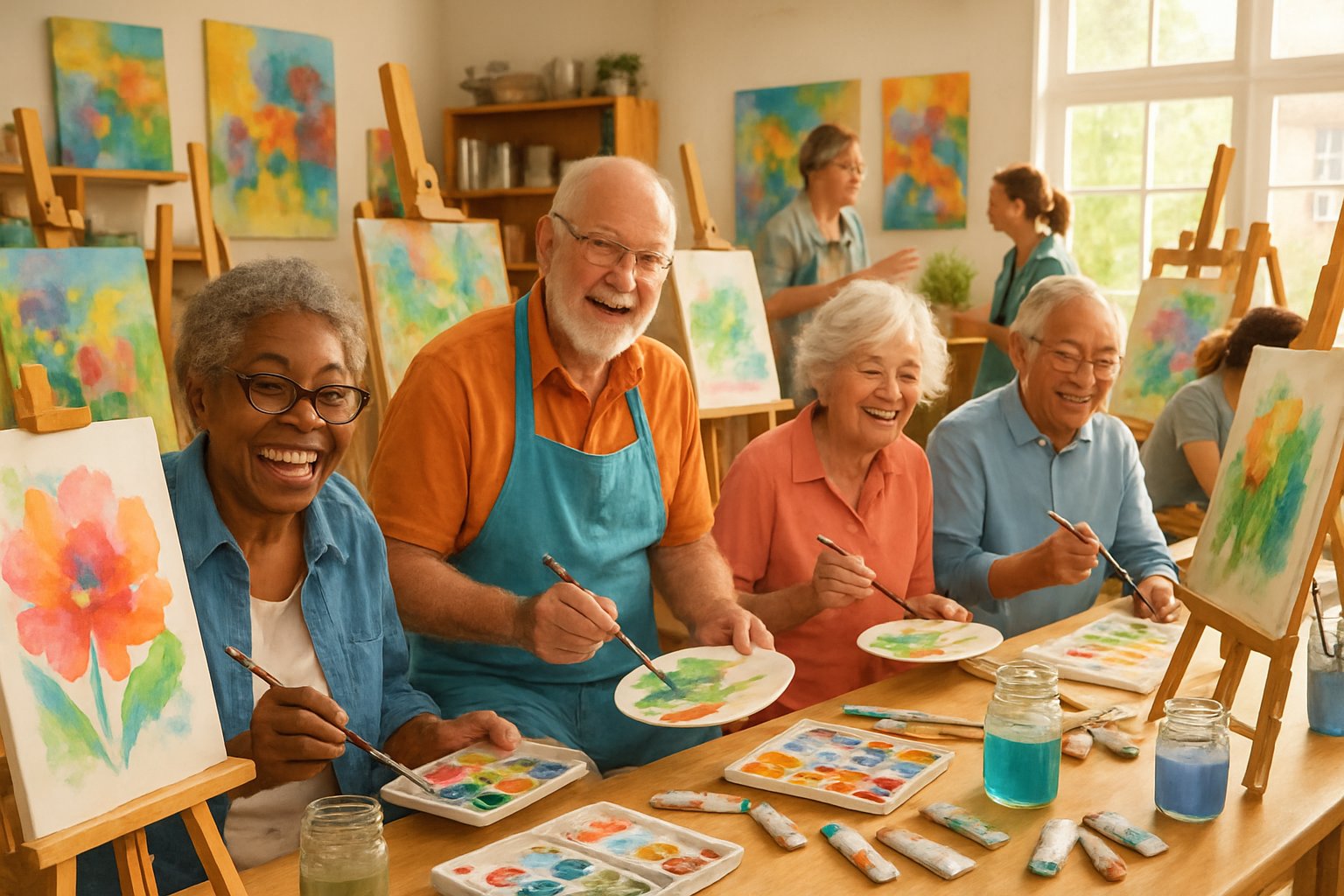
You can explore watercolor painting as a relaxing and creative activity in retirement. The medium is forgiving, allowing you to experiment without needing precise control.
Watercolor painting helps maintain hand dexterity and can be a meditative practice. It is suitable for beginners and experienced artists alike.
Joining local classes or workshops gives you a chance to meet others who share your interest. These social settings encourage new friendships and creative exchange.
You don’t need expensive supplies to start. Basic brushes, watercolor paints, and paper are enough to begin your artistic journey.
If attending in-person classes is difficult, you can find many tutorials and lessons online to follow at your own pace. This flexibility suits your lifestyle and learning preferences.
2. Join a community theater group

Joining a community theater group can add creativity and social connection to your retirement. You will have the chance to learn new skills such as acting, stage production, or improvisation.
Community theater offers an environment where you can express yourself without pressure. It is also a way to meet people who share your interests and to build friendships.
You don’t need prior experience to get involved. Many groups welcome beginners and provide workshops or classes to help you build confidence.
Look for local theater groups through community centers, churches, or online listings. Auditioning for a role or volunteering behind the scenes can both be fulfilling options.
Getting involved can also help you stay mentally active and engaged. The focus required in rehearsals and performances stimulates your brain and encourages teamwork.
1. Learn to play the piano

Learning to play the piano can be a rewarding way to spend your retirement. It offers mental stimulation and helps develop hand-eye coordination. The instrument welcomes beginners, making it accessible even if you have no previous experience.
You can start with simple lessons and progress at your own pace. Many resources, including books, online courses, and apps, are designed specifically for adults. These tools focus on basic skills and build gradually, helping you stay motivated without feeling overwhelmed.
Playing the piano also provides a creative outlet. You can learn to play your favorite songs, which adds enjoyment to practice sessions. Whether you own a piano or a keyboard, this hobby can easily fit into retirement life and bring a sense of accomplishment.
🔥 Would you like to save this?
Please note that some of the imagery in this article were created with the aid of AI image generators.