

🔥 Would you like to save this?
A folded bill left on a nightstand. A quick handshake at the valet stand. These small moments say more about us than we realize, and hotel staff notice every one of them. The good news: most tipping missteps aren’t about generosity or the lack of it. They’re about timing, placement, and not knowing the invisible choreography that happens behind the scenes. Here are 30 common mistakes that make even seasoned travelers look a little green, along with the simple fixes that set things right.
Assuming the Resort Fee Somehow Includes Tips for Staff
Resort fees cover the pool towels, the Wi-Fi, and the gym you walked past once. They do not cover tips. This is one of the most common misunderstandings in hotel travel, and it’s an honest one. The fee sounds all-inclusive. It isn’t. Not a single dollar of that $45-per-night surcharge reaches the housekeeper, the bellhop, or the person who brought you extra pillows at 11 p.m.
Think of the resort fee as an infrastructure charge. Tips are separate, always. If you’re unsure what a specific fee covers, ask the front desk directly. They’ll tell you, and they won’t judge the question.
Only Tipping Housekeeping on Checkout Day After Three Different People Cleaned the Room
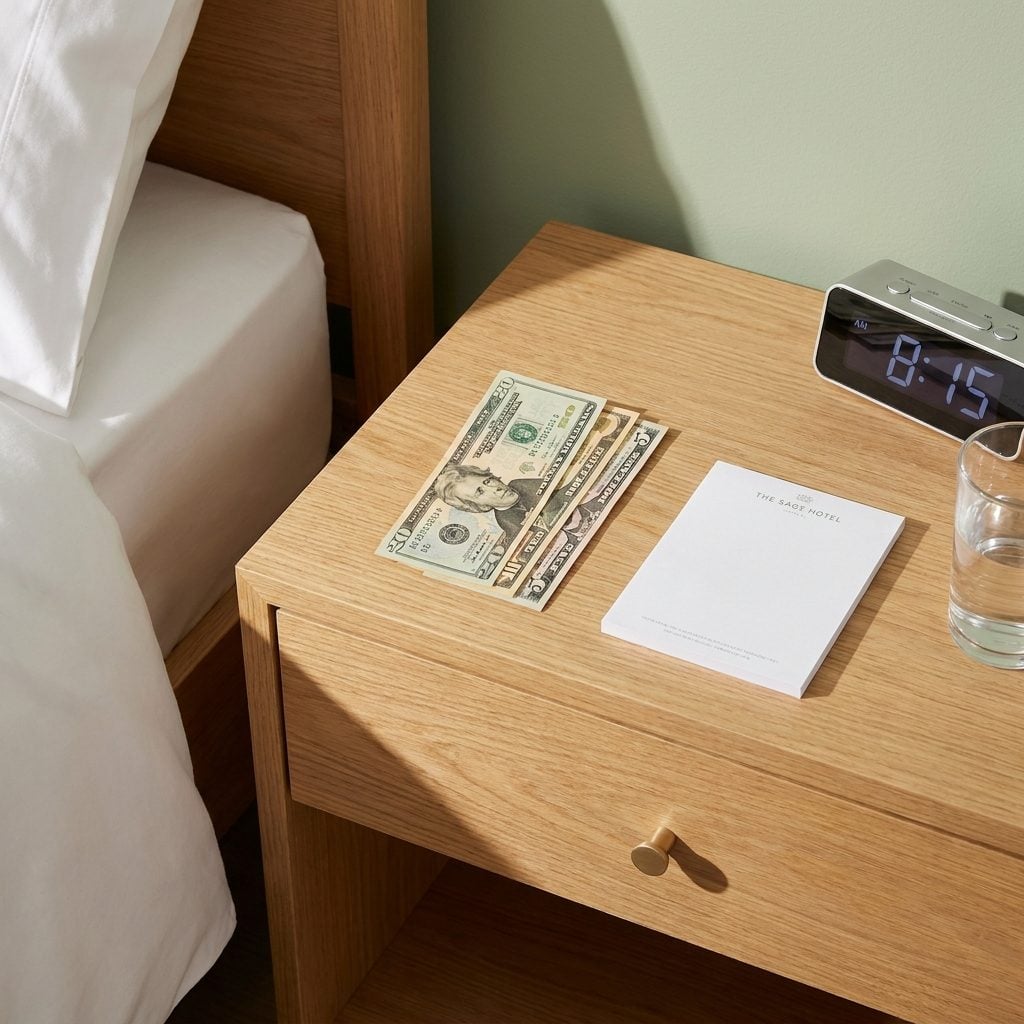
Hotels rotate housekeeping staff across floors and rooms. Your Monday housekeeper is often not your Wednesday housekeeper. That generous $20 you leave on the pillow at checkout? It goes to one person who cleaned once, while the other two or three people who handled your room during the week get nothing at all.
Daily tipping solves this completely. Leave a few dollars each morning with a note. I got this wrong for years, honestly. I’d leave a lump sum on the last day feeling good about myself, not realizing I was essentially stiffing half the people who’d taken care of my room.
Leaving Coins from Another Country on the Nightstand as a Tip
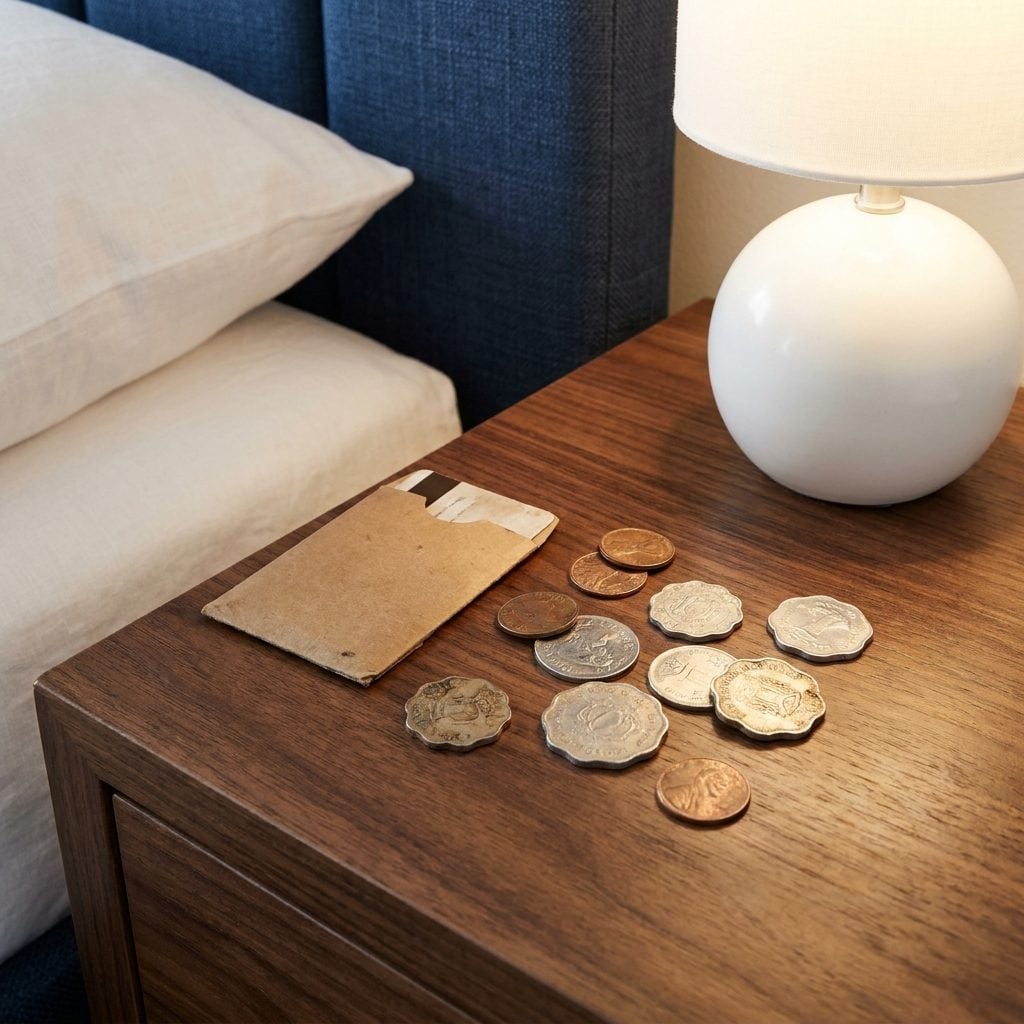
Those leftover euros or pesos rattling around your pocket after a trip abroad feel like found money. Leaving them on the nightstand feels like a generous gesture. It isn’t. Foreign coins are essentially decorative metal for a housekeeper in Tucson or Charleston. Banks won’t exchange foreign coins for US currency. Currency exchange kiosks at airports sometimes will, but only for bills, and even then the rates are punishing.
The fix is painfully simple: tip in local currency. If you’re stateside, that means US dollars. If you’re traveling internationally, withdraw local cash from an ATM on arrival. A few bills in the right currency are worth infinitely more than a handful of coins nobody can spend.
Forgetting That Bellhops Often Split Tips When Multiple Staff Handle the Luggage
The Two-Person Problem
Here’s how it often works: one bellhop loads your bags onto the cart downstairs. A different bellhop delivers them to your room. You tip the person at your door, and that money gets split, or worse, doesn’t get shared at all because there’s no formal system. That $5 you handed over just became $2.50 for each person who physically carried your stuff.
Tip $2 to $3 per bag, not per interaction. And if you see two people handling your luggage at different points, tip each one directly. It takes ten extra seconds. The person loading the cart at the curb deserves just as much as the person who knocks on your room door.
Tipping the Concierge Only for Impossible Reservations, Not for the Effort and Connections Used
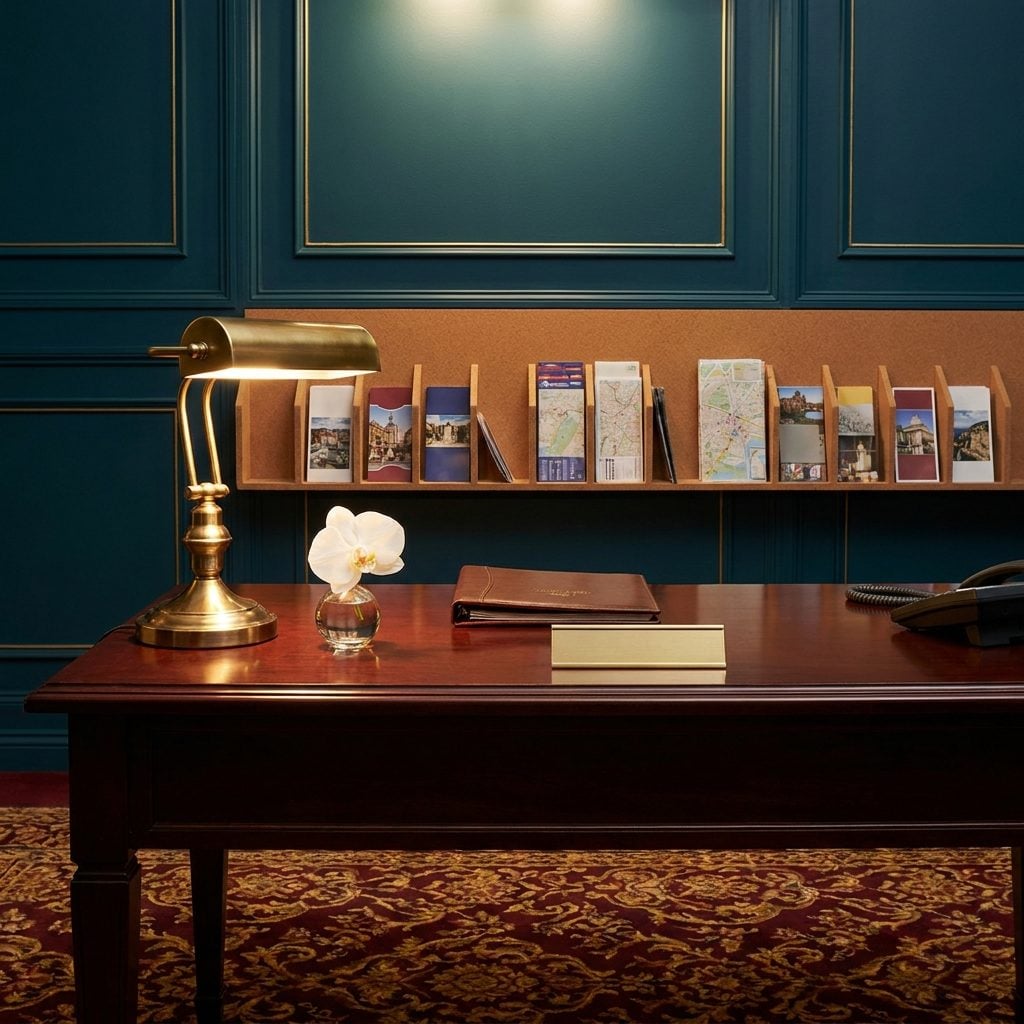
We tend to tip concierges on results. Got the impossible dinner reservation? Here’s $20. Couldn’t get it? Nothing. But the concierge who spent forty-five minutes calling contacts and pulling strings for a table that simply didn’t exist put in the same effort, sometimes more. Tipping only on outcome turns a service professional into a slot machine.
Tip for the work, not just the win. $5 to $10 for a standard restaurant recommendation or directions is reasonable. $10 to $20 for something that required real phone calls and favors. And yes, that applies even when the answer comes back as “I’m sorry, they’re fully booked.” The effort happened regardless.
Handing Cash to the Front Desk Agent in Full View of a Lobby Full of Guests

I will die on this hill: the big, visible cash handoff at the front desk is awkward for everyone involved. The guest feels magnanimous. The desk agent feels put on the spot. The twelve people in line behind you are either judging the amount or wondering if they’re now expected to do the same thing. It’s a tipping interaction that somehow became a performance.
If you want to tip a front desk agent for going out of their way, fold the bill small, pass it during a handshake, or tuck it into a thank-you card and hand it over quietly. Some hotels actually prohibit front desk staff from accepting cash tips, so a discreet approach also protects the employee from an uncomfortable moment with their manager watching on camera. Read the room. Literally.
Leaving the Housekeeping Tip Buried Under Receipts So Staff Can’t Tell It’s for Them
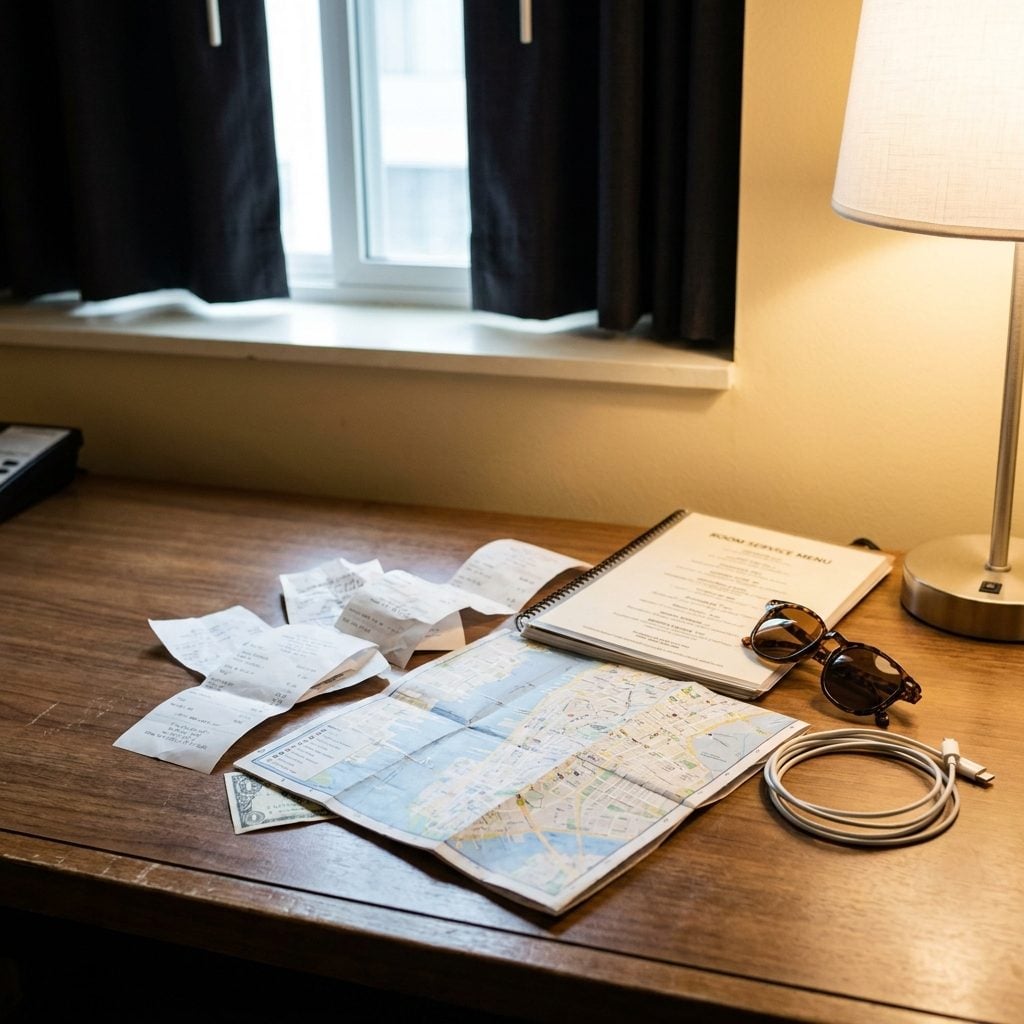
Housekeepers are trained not to touch personal belongings. That $10 bill sitting under your pharmacy receipt and a crumpled boarding pass? It looks like your money, not their tip. They’ll leave it exactly where it is, and you’ll check out thinking you tipped when you actually didn’t.
Place the tip in plain sight on the pillow or nightstand, with a note. Even “Thank you” on a scrap of hotel stationery does the job. The goal is removing any doubt. A housekeeper who pockets cash that turns out to be a guest’s forgotten money risks their job. Make it unmistakable.
Never Tipping Shuttle Drivers Because the Ride Was “Free”

The ride is free. The driver’s time isn’t.
Hotel airport shuttles, theme park shuttles, ski resort shuttles: they all feel like complimentary amenities, like the lobby coffee or the pool. But there’s a human being behind the wheel who loaded your bags, navigated traffic, and got you where you needed to be. “Free” describes the fare structure. It doesn’t describe the labor.
$2 to $5 per person is standard for a hotel shuttle. If the driver helped with heavy luggage, tip on the higher end. If you’re traveling with a family of four and the driver loaded six bags, $5 to $10 total is appropriate and appreciated. Hand it directly to the driver as you exit, not through some vague “I’ll get you next time” that evaporates the moment you walk into the terminal.
Overtipping Aggressively in Luxury Hotels in a Way That Feels Performative Rather Than Appreciative
There’s a version of generosity that stops being about the other person. Peeling off a $100 bill with a flourish for someone who carried one bag to the elevator isn’t generosity. It’s a display. And experienced hotel staff can tell the difference instantly. The psychology here is worth noting: performative tipping often creates discomfort rather than gratitude, because it shifts the dynamic from service to obligation. The staff member now feels they owe you something beyond their job, and that’s a weight, not a gift.
Tip well, but tip proportionally. At a luxury property, $5 per bag for the bellhop, $5 to $10 per night for housekeeping, and $20 to $50 for a concierge who performed real magic. These amounts are generous by any standard. Consistency and warmth matter far more than flash. A genuine “thank you” paired with a fair tip lands better than a hundred-dollar bill paired with a look that says “aren’t I something.”
Treating All-Inclusive Resorts as Tip-Free Zones When Staff Depend on Gratuities

The “all-inclusive” label creates a powerful mental shortcut: everything’s paid for, so tips aren’t expected. Wrong. Base wages for bartenders, pool attendants, and housekeepers at many Caribbean and Mexican properties are shockingly low — tips make up a real chunk of take-home pay. The resort’s pricing covers your daiquiris and your buffet, not a living wage for every person handing them to you.
Before you arrive, check the resort’s tipping policy on their website or call the front desk. Many openly encourage it. Bring small bills for a couple bucks per drink, a few more per sit-down meal, and a daily amount for housekeeping. You’ll notice the service difference fast. And you won’t be the guest the staff quietly dreads.
Forgetting to Carry Small Bills and Asking Staff to Break Large Notes for Tips
🔥 Would you like to save this?
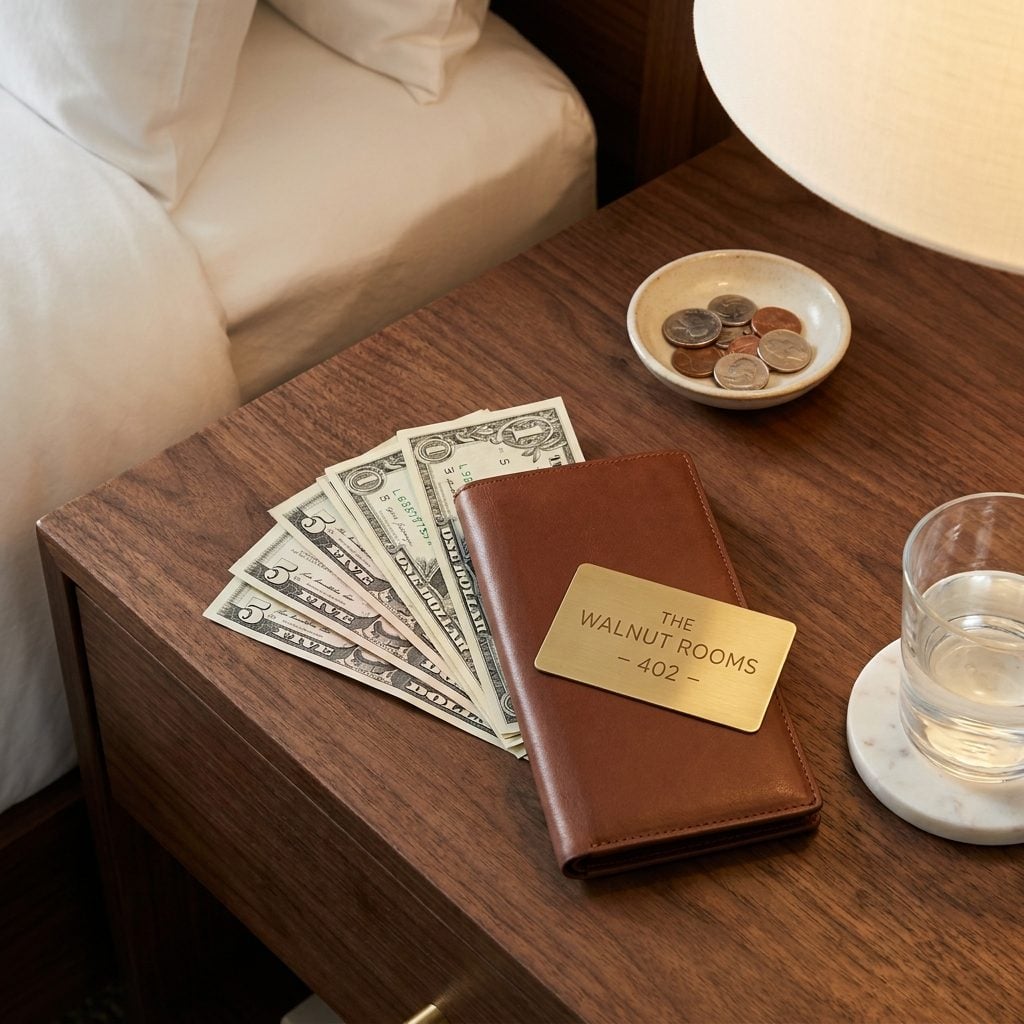
Handing a bellhop a $50 bill and saying “Can you break this?” puts them in an awkward spot. They’re not a cashier. They often can’t make change, and now they’re standing there while you fumble through an exchange that benefits nobody.
Hit an ATM or bank before your trip and stock up on ones and fives. Keep them in a dedicated pocket or envelope in your bag so they’re always accessible — not buried under your kid’s snack stash at the bottom of a backpack. I spent years being the person patting down every pocket in the hotel lobby, and I can confirm: not a good look.
Tipping Only One Bartender All Week While Expecting Fast Service Everywhere Else

Resort bars rotate staff constantly. Generous pool bar tips every afternoon don’t buy you anything at the lobby lounge or beachfront station, because those are entirely different people on different shifts. You’re a stranger to a bartender you’ve never tipped, regardless of how well you treated their colleague two buildings over.
Spread it around. A buck or two per drink, every time, at every station — small cost that compounds into noticeably better service across the whole property. Less about rewarding one person, more about being a familiar, welcome face to everyone pouring your drinks that week.
Leaving a Tip Only After a Complaint Gets Fixed Instead of for Consistently Good Service
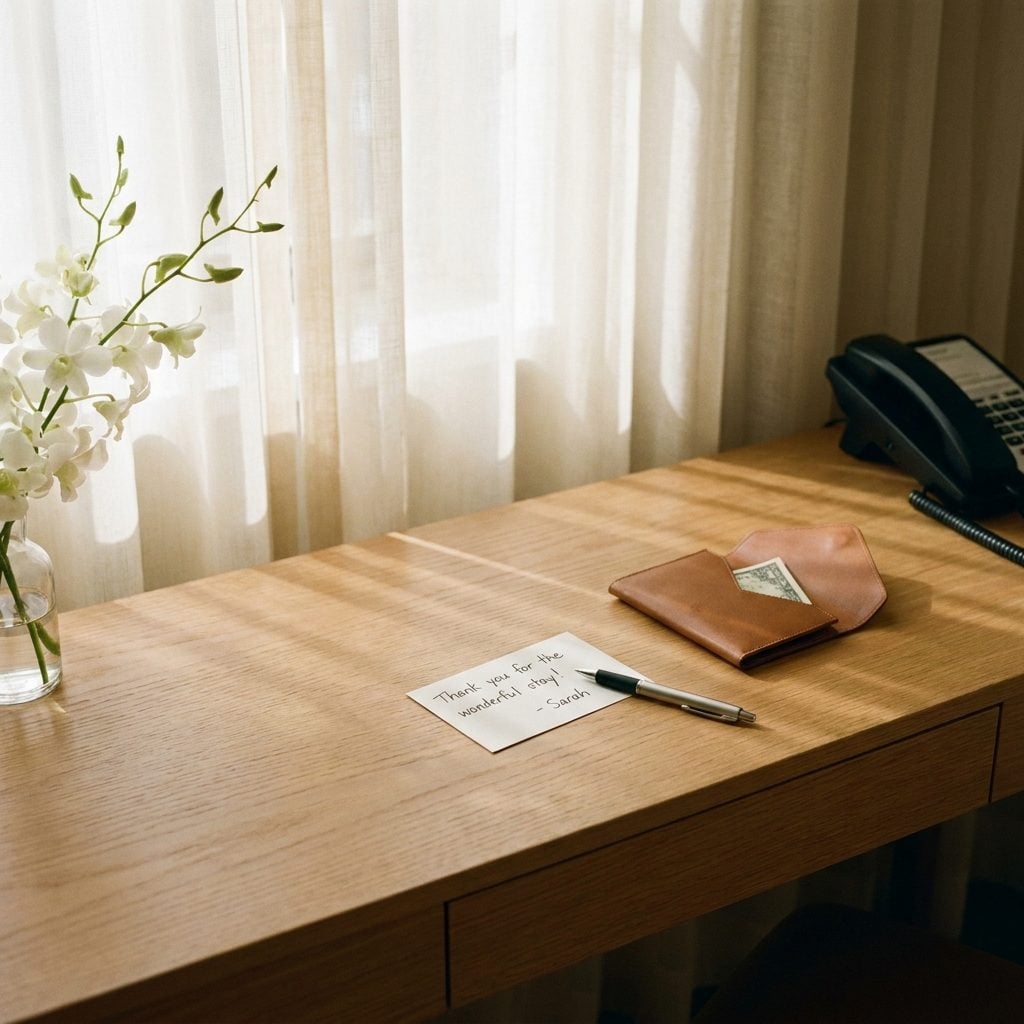
A pattern that plays out constantly: everything runs smoothly for three days. No tips. Then the shower goes cold, someone from maintenance fixes it in twenty minutes, and suddenly there’s a $10 bill on the nightstand. Even unintentionally, the message is that good service is invisible and only problems deserve money.
Flip it. Tip the housekeeper who’s been quietly making your room perfect every single day. Tip the concierge who booked that restaurant without being asked twice. Consistent, small tips throughout your stay shape your entire experience in ways one guilty payout at checkout never will.
Skipping Tips Because Room Service Added a Service Charge (Staff Often Only See Part of It)
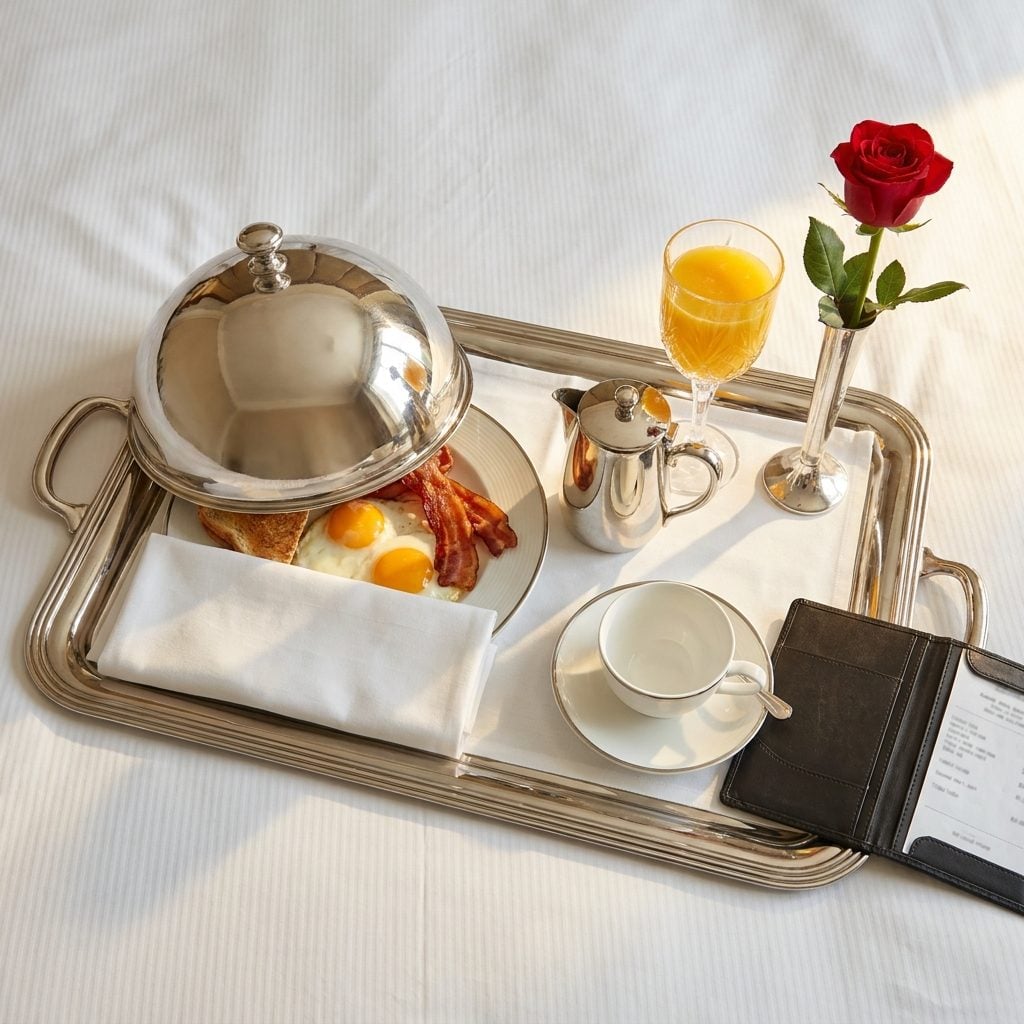
That service charge on your room service bill? It rarely goes straight into the pocket of the person who brought it to your door. At many hotels, those charges get carved up between the house, management, and sometimes a general pool. The staffer who hauled that tray up four floors might see a sliver of it. Or nothing at all.
Add cash on top. Even a few bucks for a standard delivery makes a genuine difference. If the bill folder has a “gratuity” line separate from the service charge, use it. And if you’re not sure where that charge actually goes — ask. Nobody will judge you for caring enough to find out. If anything, the delivery person will probably be relieved someone finally bothered.
Leaving a Thank-You Note With No Tip After a Room Was Trashed by Kids or a Group
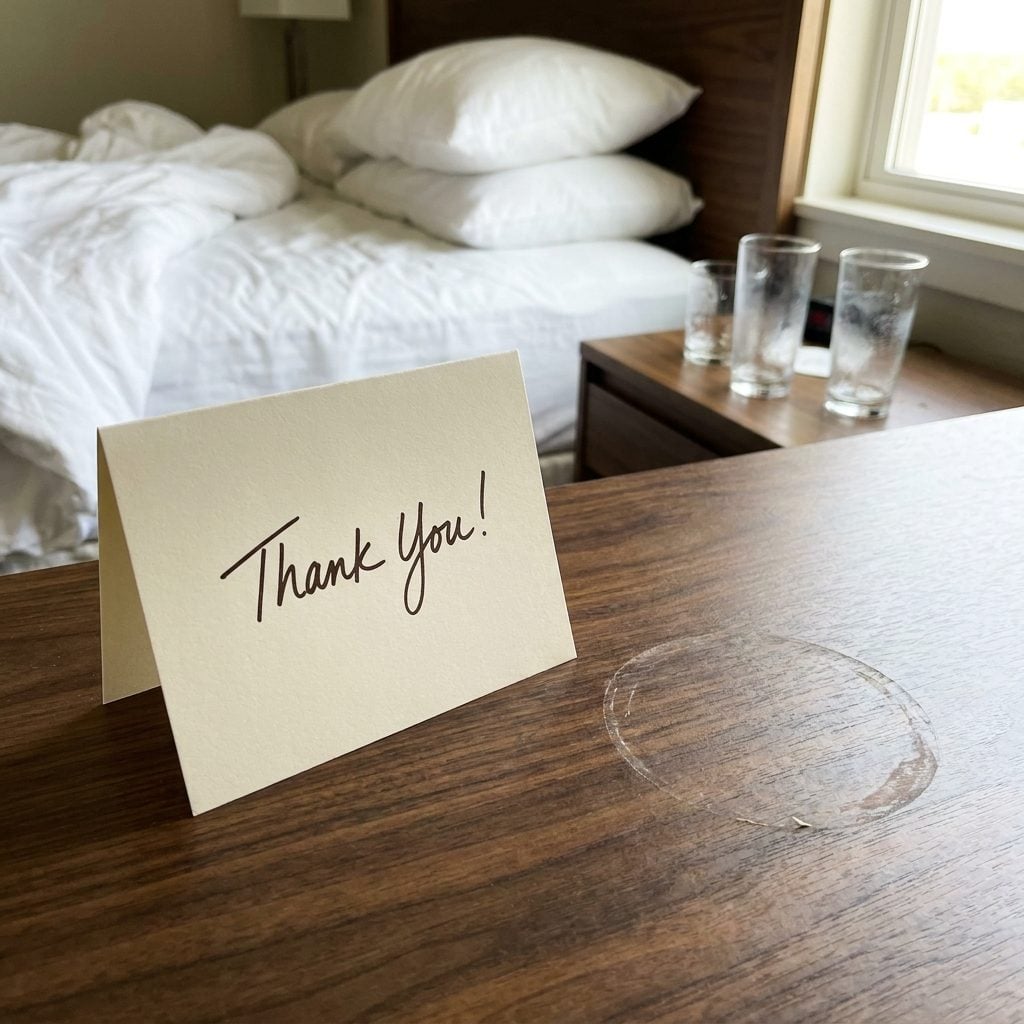
A handwritten note is a kind gesture. Genuinely. But when the housekeeper walks into a room with wet towels on every surface, snack wrappers wedged under the bed, sand ground into the carpet, and toothpaste smeared across the bathroom mirror — a “Thank you, we had a wonderful stay!” card sitting alone on the desk lands differently than you’d imagine.
Keep writing the note. But pair it with cash that reflects what that room actually looked like. If your family of five turned the suite into a minor catastrophe for three nights, an extra ten or twenty on the final day isn’t extravagant. It’s just honest. The words are appreciated. The acknowledgment that someone else has to undo the chaos? That’s what people remember.
Not Tipping Housekeeping Extra After Requesting Repeated Cleanups, Extra Towels, or Robes

Every extra towel request, every mid-afternoon room refresh, every replacement bathrobe — that’s time added to someone’s already packed shift. Housekeeping staff at most hotels are assigned a fixed number of rooms per day with tight windows. Your extras eat into their margin, not some bottomless labor pool that magically absorbs it.
The math doesn’t need to be complicated. Standard stay, no extras? Baseline tip works fine. But if you called down for fresh towels twice, asked for a late-afternoon tidy-up, and burned through three sets of robes, add a few dollars per extra service. You asked for more. Give more.
Assuming Tipping Customs Are Identical in Every Country and Accidentally Insulting Staff

Tipping 20% in Tokyo will confuse your server. Leaving nothing in Cairo will offend yours. The real mistake isn’t being generous or frugal — it’s exporting one country’s norms everywhere you go, which reads as either oblivious or rude depending on where you land.
A Few That Trip People Up
- Japan: tipping is generally not practiced and can cause genuine discomfort. A polite bow goes further than cash ever could.
- Much of Europe: service is often folded into the bill, but rounding up or leaving small change — a euro or two — is welcome.
- Egypt, Morocco, Mexico: tipping is deeply embedded in service culture and expected at nearly every interaction.
Ten minutes of research before each international trip prevents a genuinely awkward moment. The U.S. State Department’s country pages cover this, and most guidebooks have a tipping section buried somewhere near the back. Small effort. Big payoff in not accidentally insulting someone who just served you a beautiful meal.
Waiting Until Checkout to Tip Valet Staff Who Rotated Shifts All Weekend

You hand a $20 to the valet on Sunday morning feeling magnanimous. Problem: the person who parked your car Friday night, the one who retrieved it Saturday for dinner, and the one who rearranged it at 2 AM when the lot filled up are three different people. Your generous checkout gesture reached exactly one of them. The other two? Nothing.
Tip each interaction separately — a few bucks every time someone retrieves or parks your car. Only way to make sure the person doing the work actually gets paid for it. I learned this the hard way after a weekend in Nashville where I’m fairly certain the Sunday morning valet had never laid eyes on my car before in his life. He was gracious about the twenty, though. I’ll give him that.
Tipping Spa Staff Based on Discounted Package Prices Instead of the Actual Service Value
🔥 Would you like to save this?
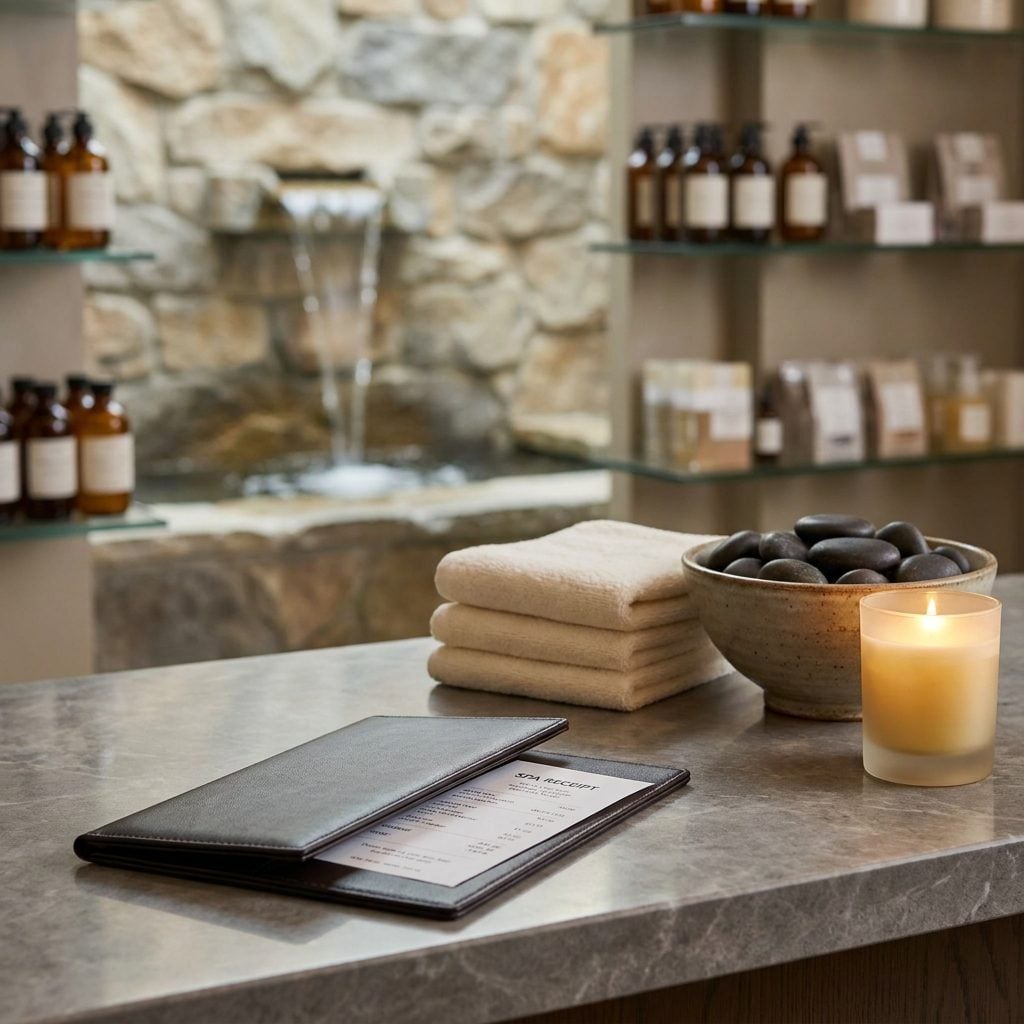
A 90-minute deep tissue massage normally costs $200. You booked a spa package and paid $120. Tipping on $120 shortchanges the therapist by a meaningful amount compared to tipping on the actual value — and they performed the exact same work either way. Your discount came from a business promotion, not from their labor.
Always tip on the full, pre-discount price. Groupon deals, loyalty rewards, comp vouchers, resort credits — doesn’t matter how you got the markdown. The therapist still spent an hour and a half working on your shoulders with real physical effort, and their body doesn’t care what promotional code you used.
Leaving Tips Electronically When Staff Strongly Prefer Cash
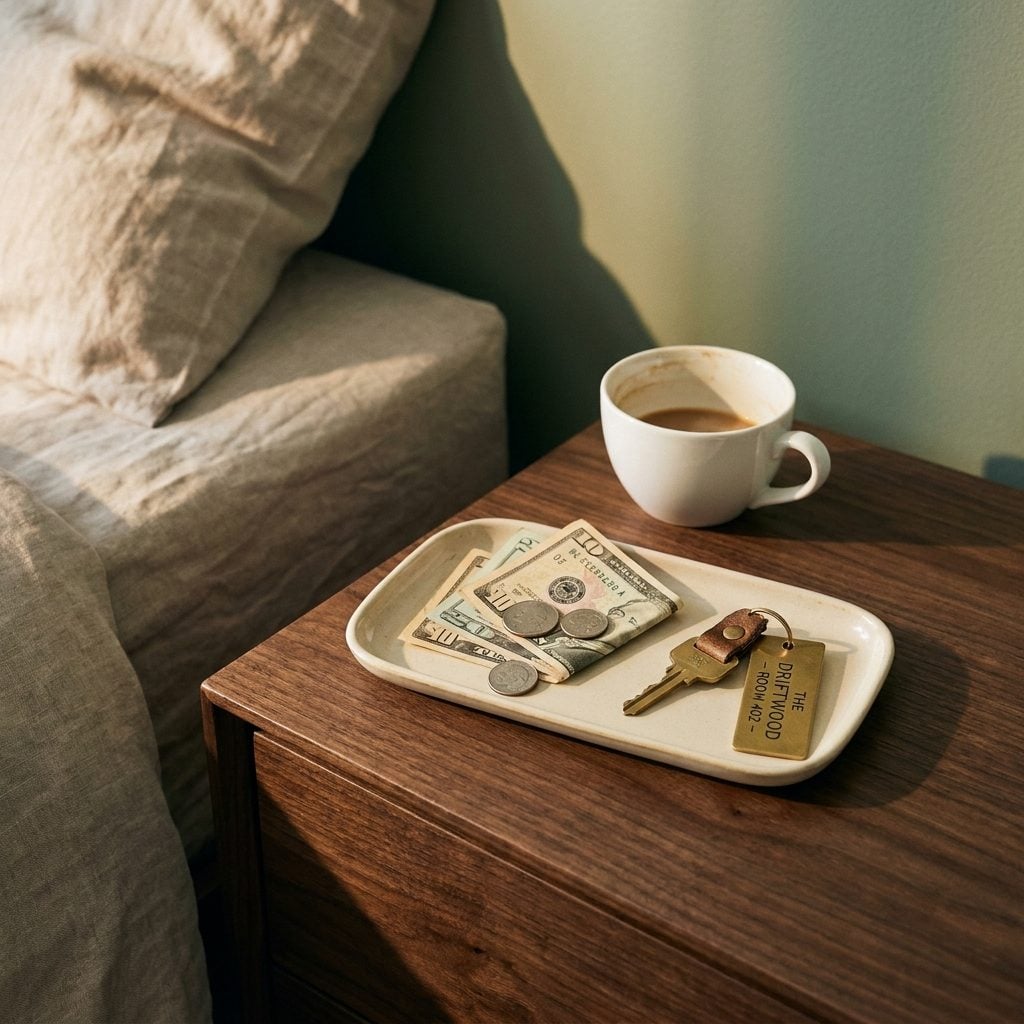
That Venmo tip or charge added to the room bill feels modern and convenient. The problem: in many hotels, electronic tips get pooled, taxed immediately, or delayed by weeks before reaching the person who actually helped. At smaller or independent properties, some staff members never see them at all.
Cash, handed directly, lands in the right pocket at the right moment. Staying at a boutique hotel, a family-run property, or traveling somewhere the digital payment infrastructure is inconsistent? Paper currency is the only tip that truly arrives. Keep a small stash of clean, small-denomination bills in your luggage. I started doing this after a housekeeper in Savannah told me she’d never once received a digital tip supposedly left for her. That one conversation changed how I travel.
Ignoring the Staff Member Quietly Making the Biggest Difference
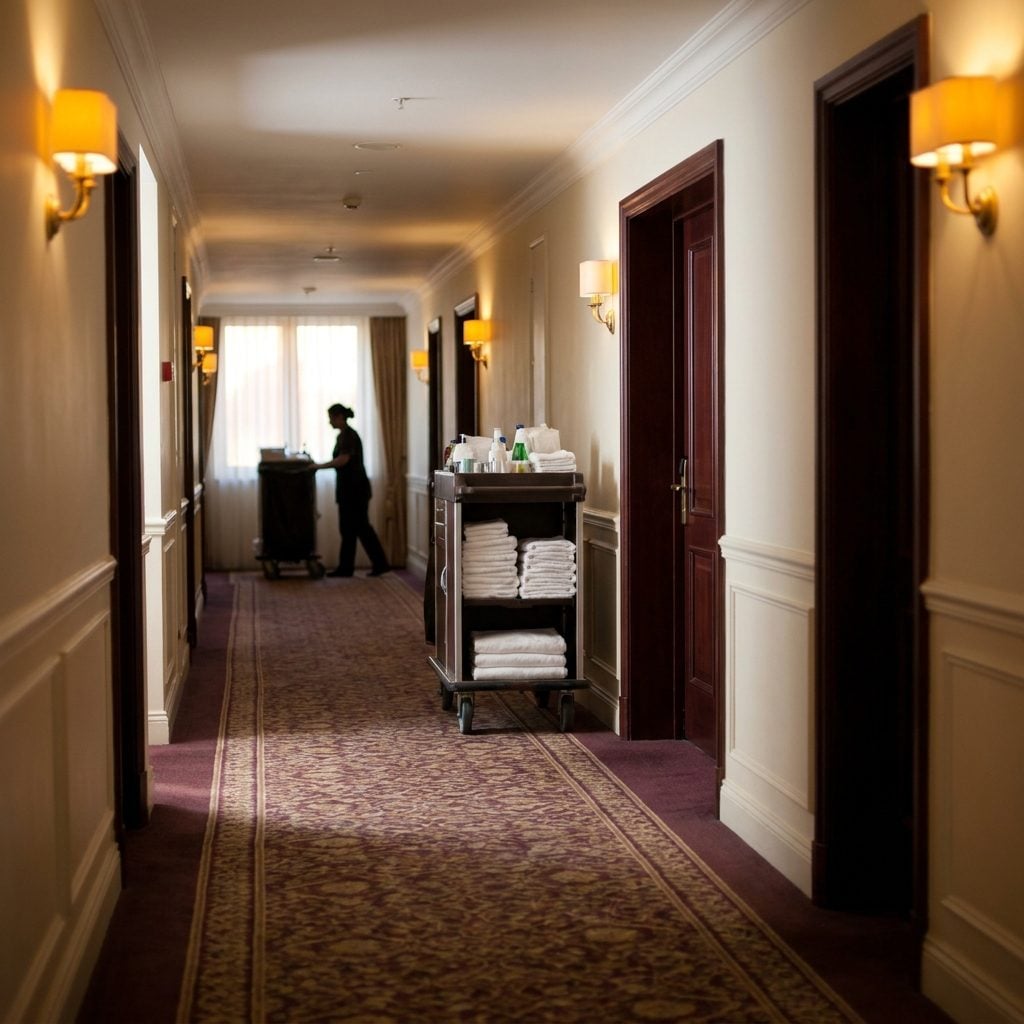
Guests tip the bellhop, the concierge, the bartender. Meanwhile, the person who noticed your coffee preference and swapped in decaf, or the overnight cleaner who made the lobby smell like cedar at 5 a.m.? Nothing. These are often the lowest-paid team members doing the most physically demanding work on the worst shifts.
Pay attention to who’s actually improving your stay. The breakfast attendant who keeps your table cleared without hovering. The laundry runner who got your shirt back pressed before dawn. Not sure who did what? Ask the front desk for names. Then leave a specific tip with a note mentioning what they did. Takes thirty seconds. Most of them will remember it for months.
Requesting Extra Pillows, Blankets, and Late-Night Deliveries Without Tipping

One extra pillow? Nobody’s keeping score. But four pillows, two extra blankets, a toothbrush kit, shampoo refills, and a club sandwich at 11:45 p.m. across three nights — that’s a person walking to your room every single time, often from several floors away, often dropping other tasks to do it. Hotel staff won’t tell you this, but frequent no-tip request guests get discussed.
A couple of dollars per delivery is fine. Three to five for anything after 10 p.m., because that person is working while you’re winding down. You don’t need to answer the door waving cash around like a game show host — just have a bill ready, hand it over with a thank you. Quick, painless, and it completely changes how staff feel about knocking on your door again.
Stiffing the Doorman Who Flagged Your Cab in Terrible Weather
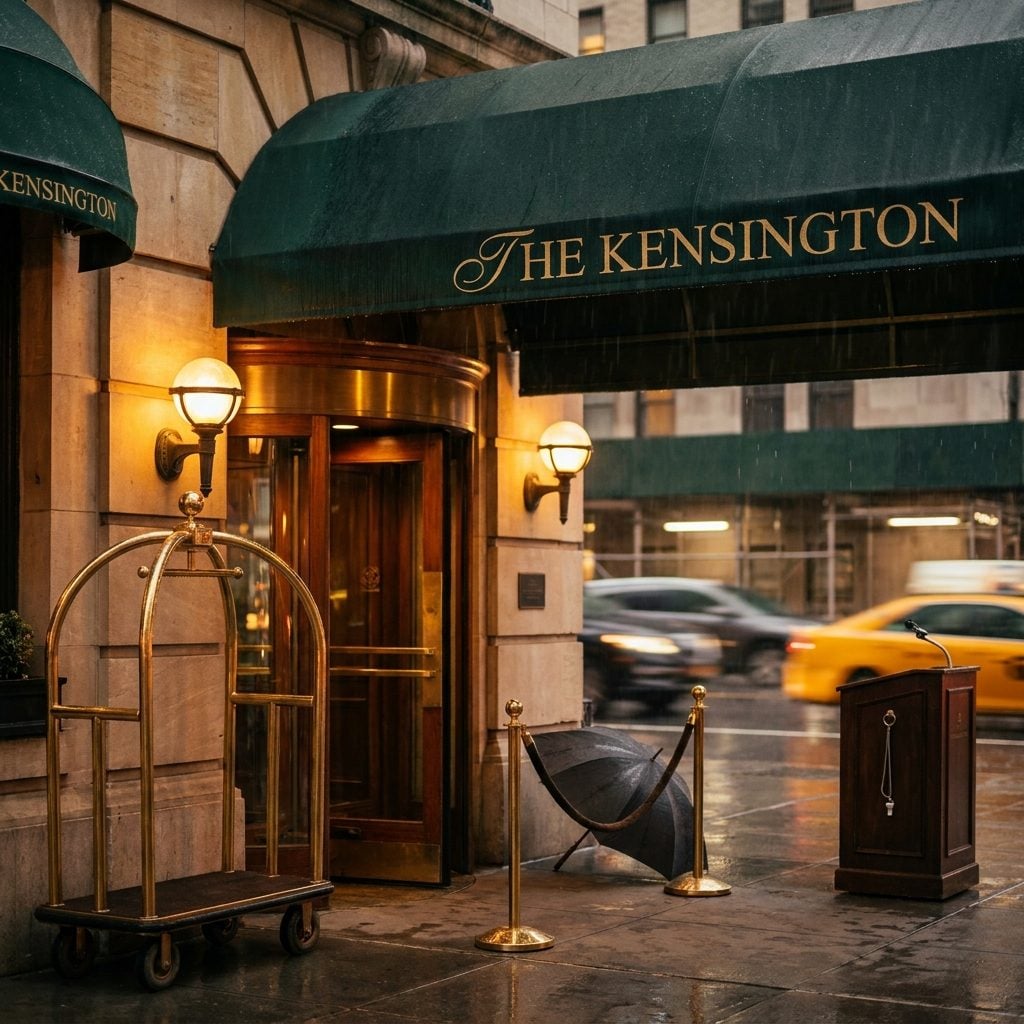
This one genuinely baffles me. Someone stands in freezing rain or blistering heat, steps into traffic, whistles and waves, holds an umbrella over your head, loads your bags into the trunk — and you nod and slide into the back seat? That doorman just did something you could not or would not do yourself, with real physical effort in genuinely miserable conditions.
Five dollars is the floor for a cab hail in bad weather. Ten if it took a while or they went further — calling a car service when no cabs were available, for instance. If they also handled luggage, add a couple more. This isn’t charity. You’re paying for a service rendered outdoors, in weather you specifically wanted to avoid.
Leaving “Exposure Tips” Like Glowing Reviews While Skipping Cash for Low-Wage Staff
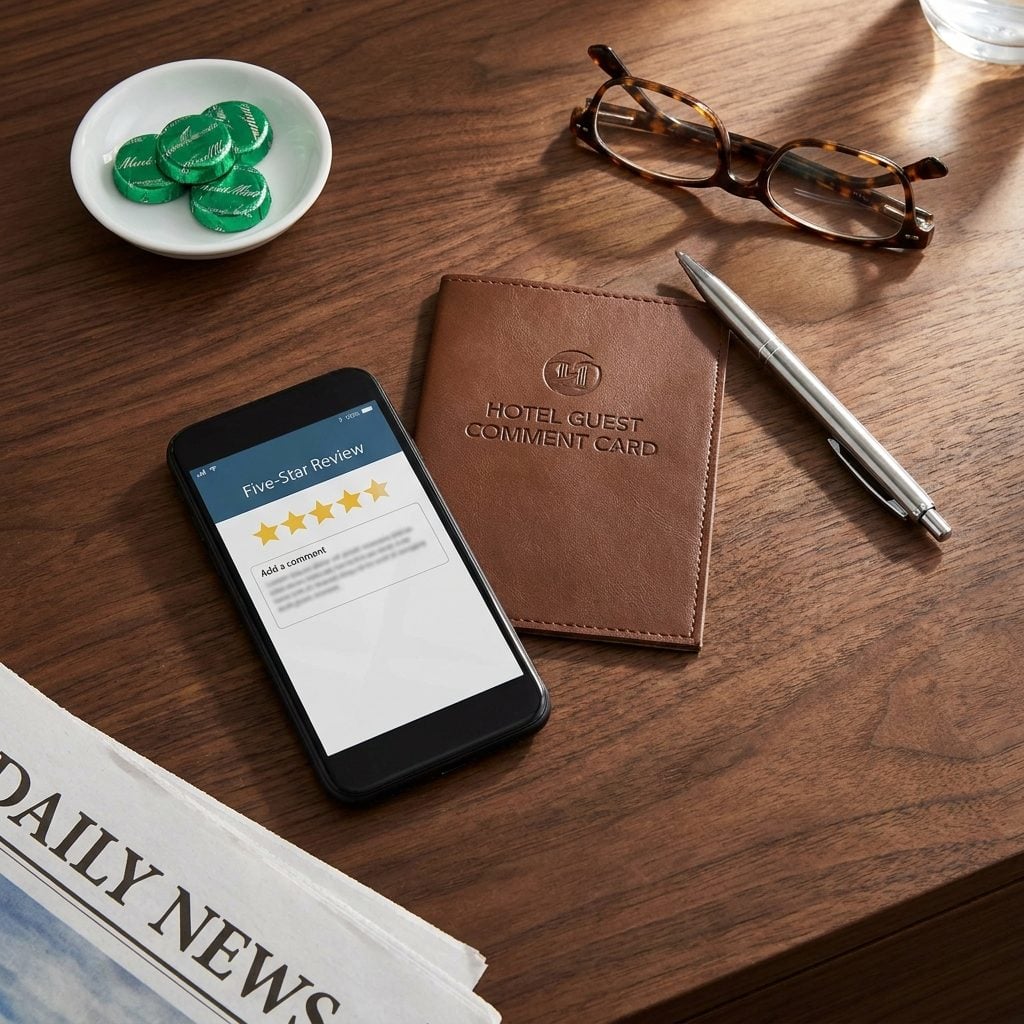
A five-star TripAdvisor review mentioning Maria by name is a kind thing to do. Maria can’t buy groceries with it.
Online reviews help hotels. They help managers. They sometimes help specific employees get recognized internally. What they never do is replace the cash Maria needed for her bus fare home. The uncomfortable truth about “exposure” as compensation: it benefits the person giving it far more than the person receiving it. You’ve probably felt this dynamic in your own career at some point.
Write the review, absolutely. Mention names, mention specifics. But pair it with actual cash for the actual human. One builds a reputation. The other pays rent.
Confusing Mandatory Gratuities With Discretionary Tips
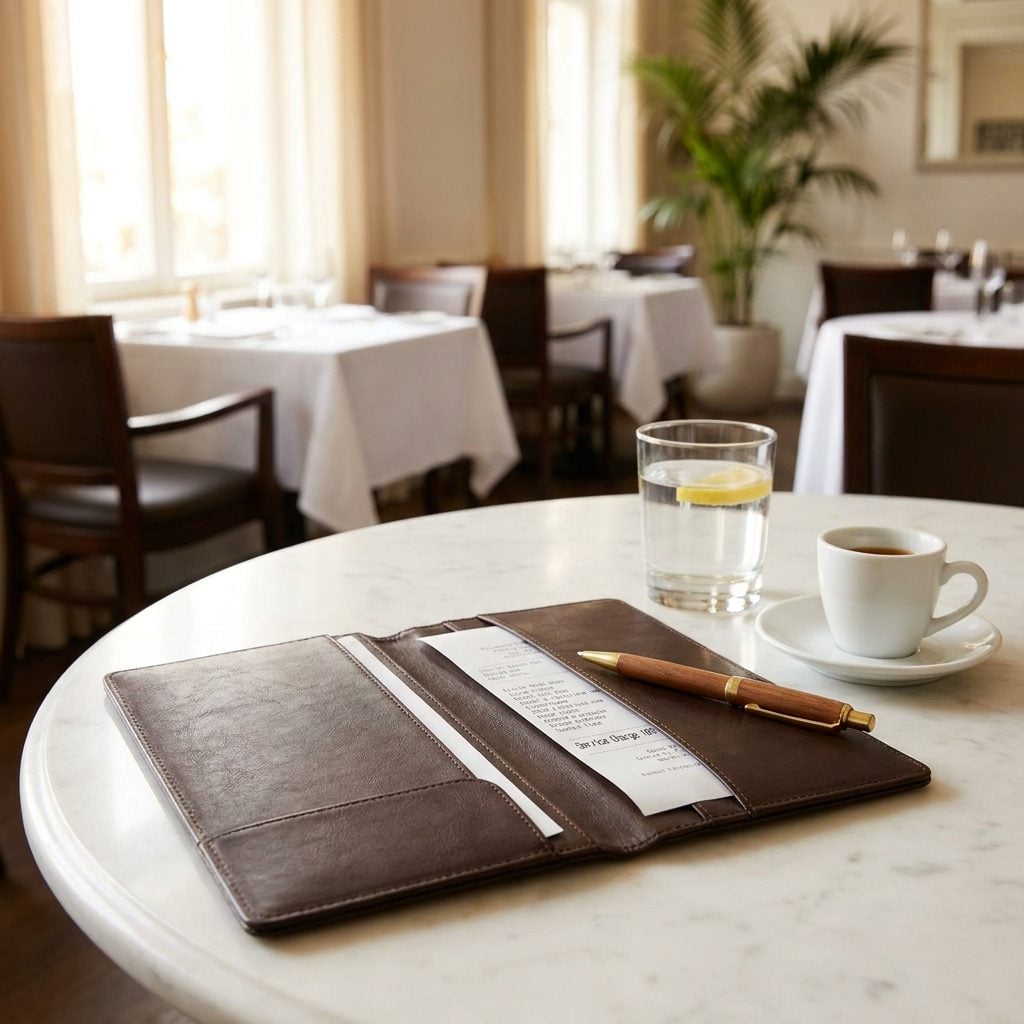
The Two Scenarios That Trip People Up
First: you see “18% service charge” on your restaurant bill, assume it’s a tip, and add another 20% on top. You just tipped 38%. Second: you see that same charge, assume everything’s covered, and leave nothing additional for a server who went well beyond the baseline. Both feel wrong because both are a little wrong.
- Read the bill. “Service charge” and “gratuity” are not always the same thing — a service charge sometimes goes to the house, not the server.
- Ask. “Does the service charge go directly to our server?” Nobody will judge you for it. They’ll respect you for caring.
- When in doubt, leave a small additional cash tip directly with the person who served you. Even a few extra dollars on top of a mandatory charge tells them you noticed.
Leaving a Giant Tip for the Valet but Nothing for Housekeeping After a Five-Night Stay

The valet interaction is face-to-face, which makes it easy. You see the person, they hand you the keys, the social contract feels obvious. Housekeeping is invisible by design. Staff clean your room while you’re out, and that invisibility is exactly why they get overlooked. After five nights, that’s roughly five hours of someone scrubbing your bathroom, changing your sheets, and restocking the things you used without thinking.
Skip the guilt spiral. Just leave $3 to $5 per night on the desk or nightstand each morning before you head out. Daily is the move, not a lump sum at checkout, because the person cleaning on Tuesday might not be the same person cleaning on Thursday. A small sticky note saying “thank you” removes any ambiguity about whether the cash is intentional.
Requesting Extensive Concierge Planning and Disappearing Without Acknowledgment
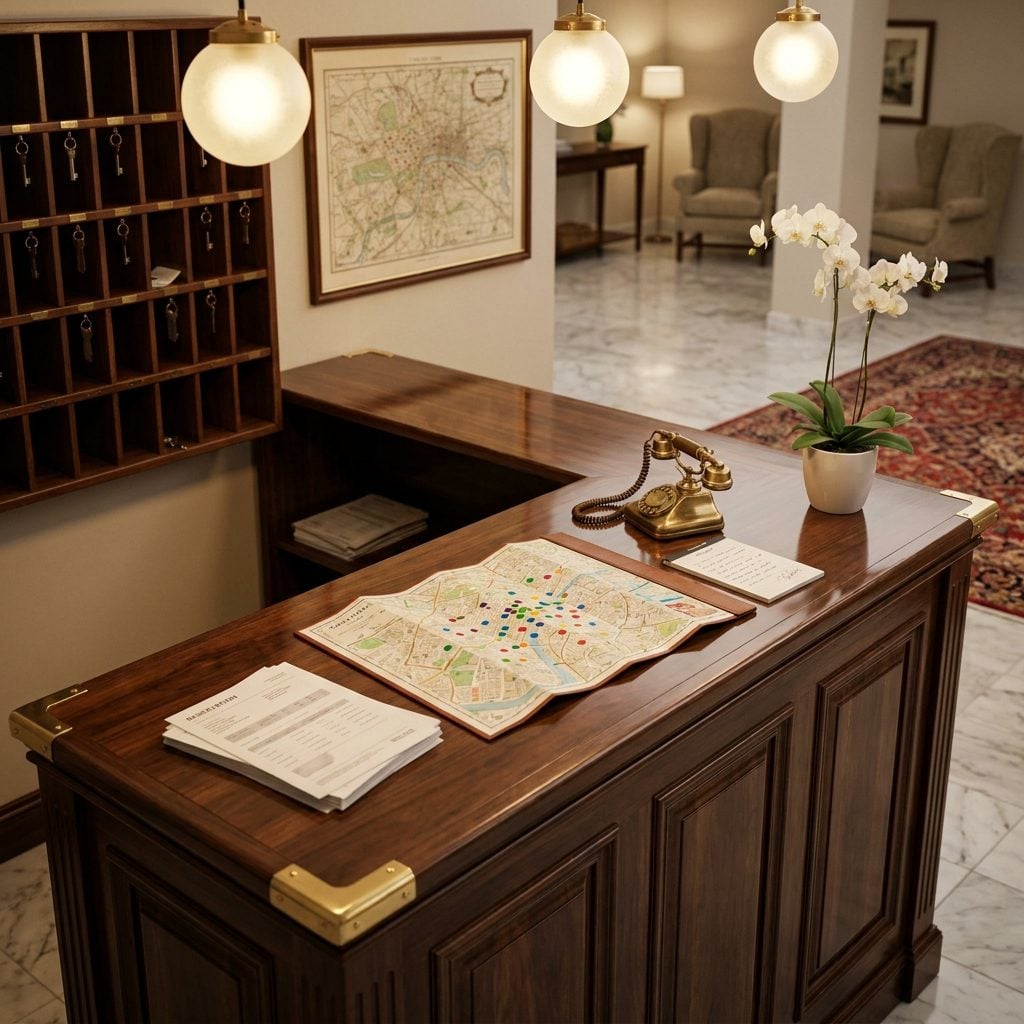
You asked for dinner reservations at three restaurants. A custom walking tour itinerary for two neighborhoods. Train tickets compared and booked. A birthday cake arranged at a specific bakery, picked up and delivered to your room. That concierge spent the better part of an afternoon on your stay — making calls, pulling favors, researching options they could have lazily Googled for you but chose not to.
Then checkout came and you waved goodbye from the elevator.
Look, I’ve been guilty of this myself, years ago, before I grasped how much concierge work happens out of sight. A decent rule of thumb: tip generously for a single complex request, and significantly more for multi-day itinerary planning. Hand it to them directly with a specific thank-you for what they arranged. The ones who are great at this job remember every guest who acknowledged their effort, because startlingly few do.
Tipping Based on How Fancy the Hotel Looks Instead of How Hard Staff Worked

Marble lobby, $20 tip. Laminate counter, $2 tip. Most people unconsciously calculate this way, and it gets the equation exactly backward.
The housekeeper at a three-star airport hotel is often cleaning more rooms per shift, with fewer supplies, less backup, and lower base pay than her counterpart at the Four Seasons. The physical work is identical or harder. The recognition is almost nonexistent. I find that maddening, frankly. Tip on effort, not décor. Did someone haul your bags up three flights because the elevator was broken? That’s worth more than a bellhop gliding a cart across polished stone. Did housekeeping turn around a rough room in record time so you could check in early? That matters more than a foil-wrapped chocolate on a resort pillow.
Assuming Luxury Hotels Pay Staff Well Enough That Tipping Matters Less

That chandelier probably cost more than that housekeeper’s annual salary. Not hyperbole — just arithmetic.
Luxury hotels invest in the guest experience through design, amenities, and branding. What they pay the staff making that experience happen is a completely separate line item, and it’s often shockingly modest. Many housekeepers, valets, and attendants at high-end properties earn wages comparable to their counterparts at mid-range chains. The prestige of the name on the building doesn’t flow into paychecks.
Staff at luxury properties face higher expectations, more demanding guests, longer hours during peak seasons, and stricter performance standards. Tip them at least as well as you’d tip anywhere else — more if the service was personalized. The building is fancy. Their rent isn’t any cheaper.
Expecting Personalized Service While Never Acknowledging the Effort Behind It
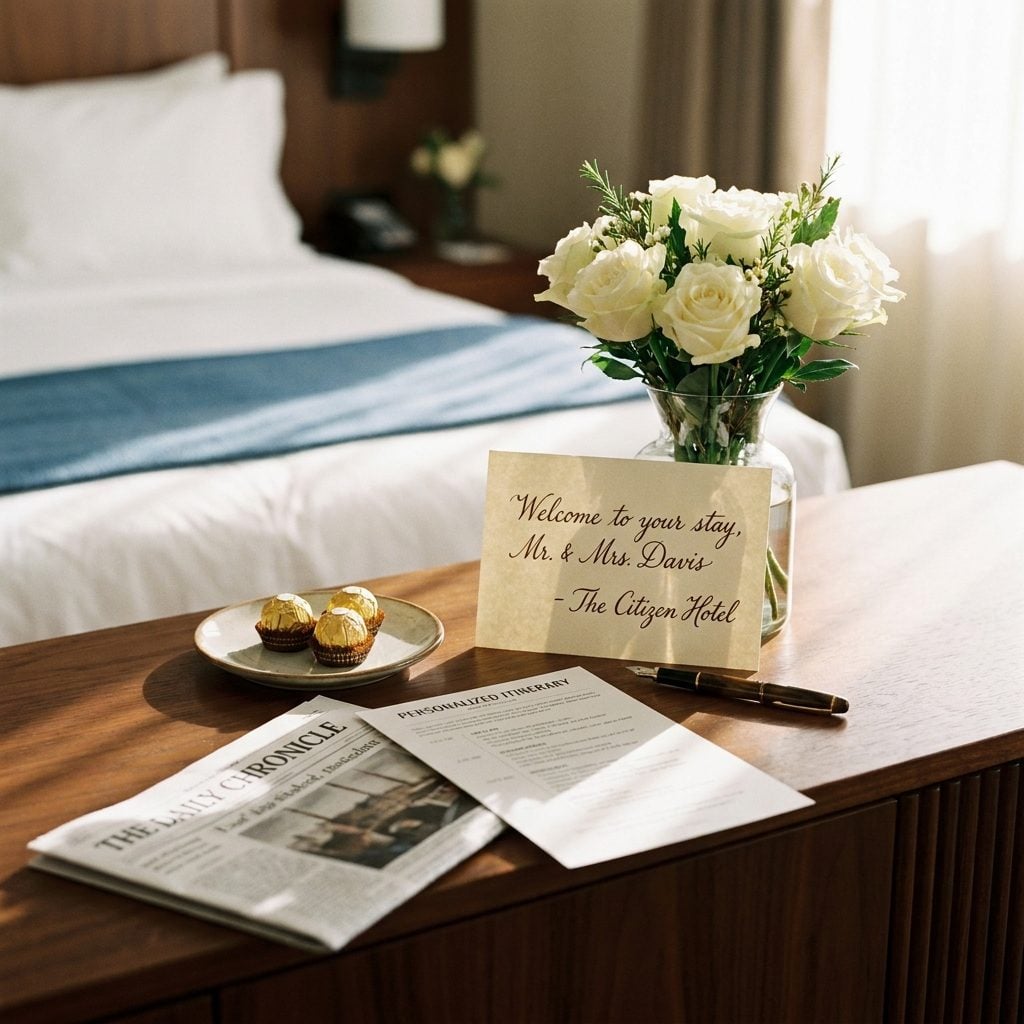
“They remembered I like room 714 with extra firm pillows and sparkling water, not still. They had a birthday card waiting when I checked in.” That isn’t magic. That’s a person reading a guest profile, flagging your reservation, coordinating with housekeeping, and briefing the front desk. Somebody typed notes into a system, somebody else read them and acted, and a third person probably double-checked the whole arrangement.
When a hotel delivers that kind of personal attention, the appropriate response isn’t just basking in it. Recognize it. A tip, sure — but also a direct, specific compliment: “Thank you for remembering the pillows. That made my night.” Those words cost nothing and they land completely differently than a generic “great stay” at checkout. People who feel seen keep performing at a high level. People who feel invisible eventually stop trying. And honestly? Being the guest who notices — actually notices — is just a better way to move through the world.
🔥 Would you like to save this?
Please note that some of the imagery in this article were created with the aid of AI image generators.