

🔥 Would you like to save this?
The rental car counter is where travel budgets go to quietly bleed out. Not in dramatic ways, no single moment you’d catch and fix. Just a series of small, reasonable-sounding decisions that add forty, sixty, a hundred dollars to a bill you never expected. The mistakes below aren’t rookie errors. They’re the ones seasoned travelers make too, because the rental industry is specifically designed to make them easy to make. Here’s what to watch for.
25. Signing Up for the Rental Company’s Loyalty Program at the Counter Instead of Before You Go

You’re standing at the counter, keys practically in hand, and the agent mentions the loyalty program, free to join, skip the line next time, points on every rental. Sounds reasonable. So you sign up right there.
The problem is that many rental companies require the loyalty number to be attached to the reservation before arrival for the benefits to apply to that booking. Signing up at the counter often means the points from the very rental you’re standing at don’t count. Two minutes on the company’s website before your trip locks in every dollar you spend. Do it the night before you fly.
24. Paying the Daily Rate on a Weekly Trip Because You Didn’t Do the Weekly Math

Here’s one that costs real money without ever feeling dramatic. You’re renting for six days. The daily rate looks fine, so you book six days at the daily rate. Nobody mentions that the weekly rate, which kicks in at seven days, would run less than what you’re paying for six.
Rental pricing is genuinely counterintuitive. Adding a seventh day to a six-day booking can lower the total bill. Always check the weekly rate against your actual daily math before confirming. If extending by one day saves forty dollars and you can return the car a day later, the seventh day pays for itself.
23. Booking the Smallest Car Available and Not Asking About Luggage Fit
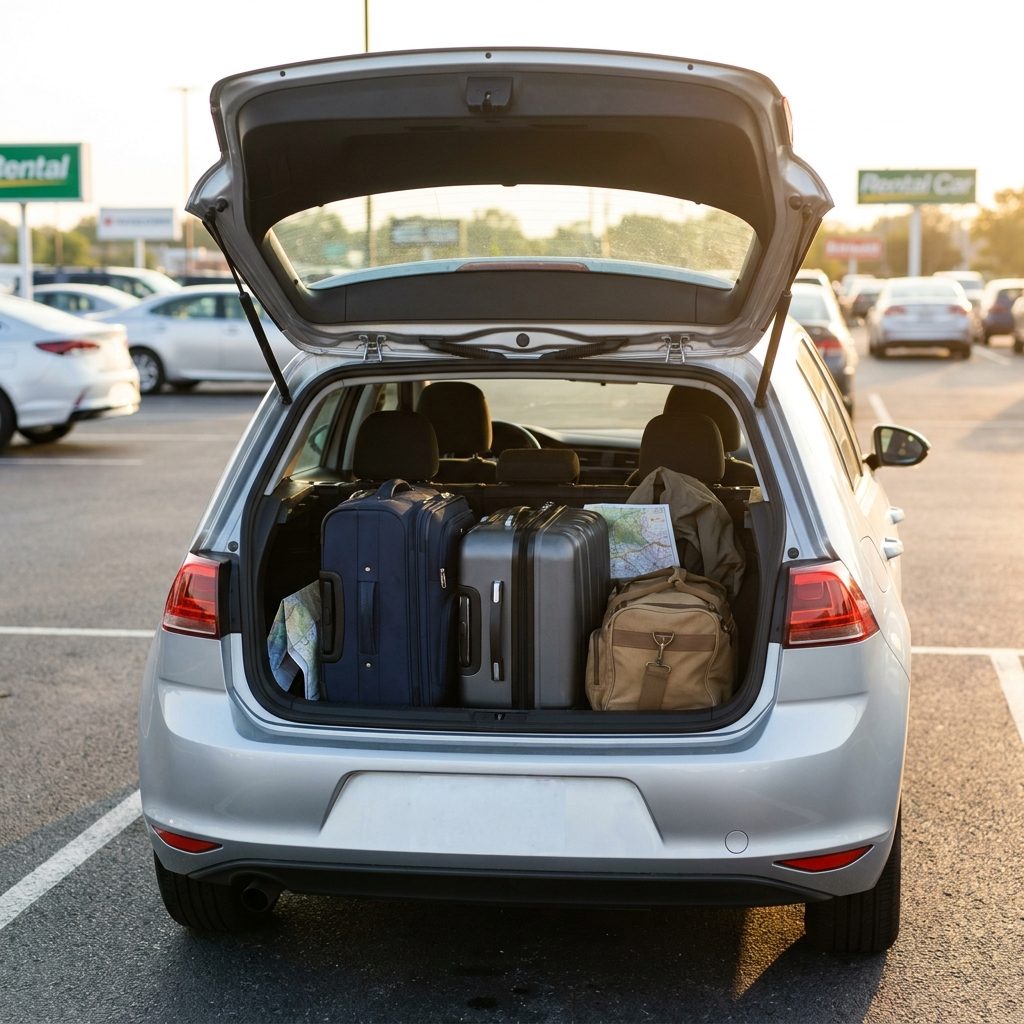
Economy cars are priced to move. They’re also sized for one bag and optimism. Booking the cheapest category for a family of four with a week’s worth of luggage works fine on paper and falls apart in the parking lot when the trunk won’t close.
Before you book, look up the specific model in that category, most rental sites list the actual car or a comparable, and check its cargo capacity against what you’re bringing. A compact SUV might run twenty dollars more per day and eliminate a genuine logistical problem. That math is usually easy.
22. Not Asking About One-Way Drop Fees Until You’re Already at the Counter

Point-to-point trips feel liberating, fly into one city, drive to another, fly home. What nobody mentions upfront is that one-way drop fees can run anywhere from fifty dollars to several hundred, depending on the company, the locations, and how badly they need inventory moved.
This fee rarely appears prominently during the booking flow. It shows up as a line item when you’re already committed. Ask specifically before you confirm any one-way rental, and compare rates across companies, the same route can vary dramatically. Some companies actually reduce or waive the fee on routes where they need cars repositioned. You won’t know unless you ask.
21. Using the Rental Company’s Toll Pass Without Understanding How the Daily Fee Stacks Up
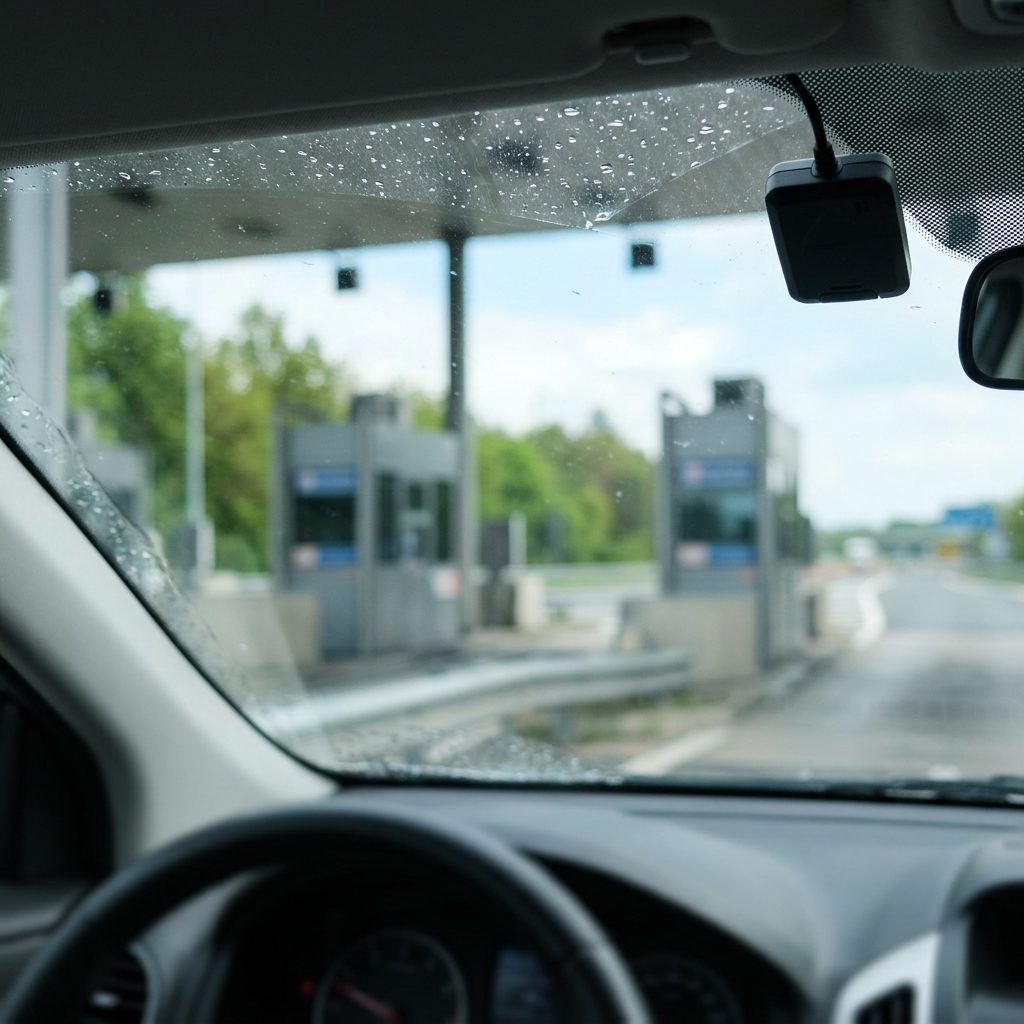
The rental agent offers the toll convenience pass and it sounds sensible, drive through without stopping, no fumbling for change. What doesn’t get said clearly is that the pass typically carries a flat daily fee for every day of your rental, whether you use a single toll road or not.
Three tolls on a seven-day rental could cost you twenty dollars in actual tolls and forty-two dollars in daily pass fees. Bring your own transponder if your home state’s device works in your destination. If not, calculate your actual toll exposure before agreeing to anything at the counter.
20. Declining to Read the Fuel Policy and Discovering It’s Not What You Expected
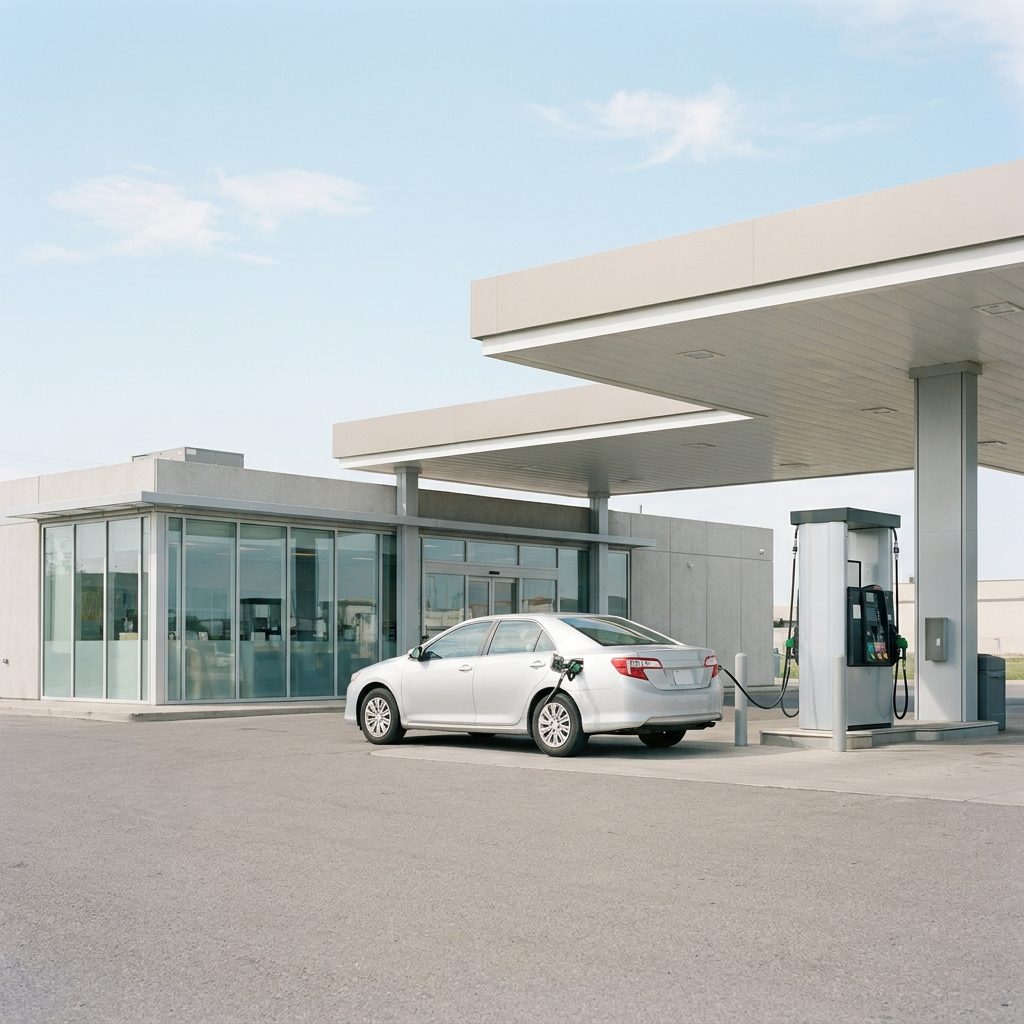
Most rentals are rented full and returned full. Simple. But some companies have quietly moved to different models: full-to-empty (they charge you for a full tank upfront at a set rate and you return it empty), or partial-to-partial (return it at the same level you got it). Getting these mixed up turns a routine fuel stop into a dispute.
Read the fuel policy line on your contract before you pull out of the lot. It takes fifteen seconds. Returning a full-tank car half-full under a full-to-empty contract means you paid for fuel you donated back to the company.
19. Forgetting That Weekend Rates and Weekday Rates Are Completely Different Calculations

Rental rates aren’t priced the way hotel rooms are, and the logic surprises people the first time they run into it. At many locations, picking up Thursday and returning Monday may be cheaper than picking up Friday and returning Monday, even though that’s one fewer day.
Weekend rates vary by market and by company, and the pickup day is often the variable that matters most. If your trip timing has any flexibility at all, check rates with two or three different pickup days before booking. A shift of twenty-four hours in either direction sometimes saves more than any coupon code will.
18. Assuming the Car’s Condition Is Documented Without Checking the Company’s System
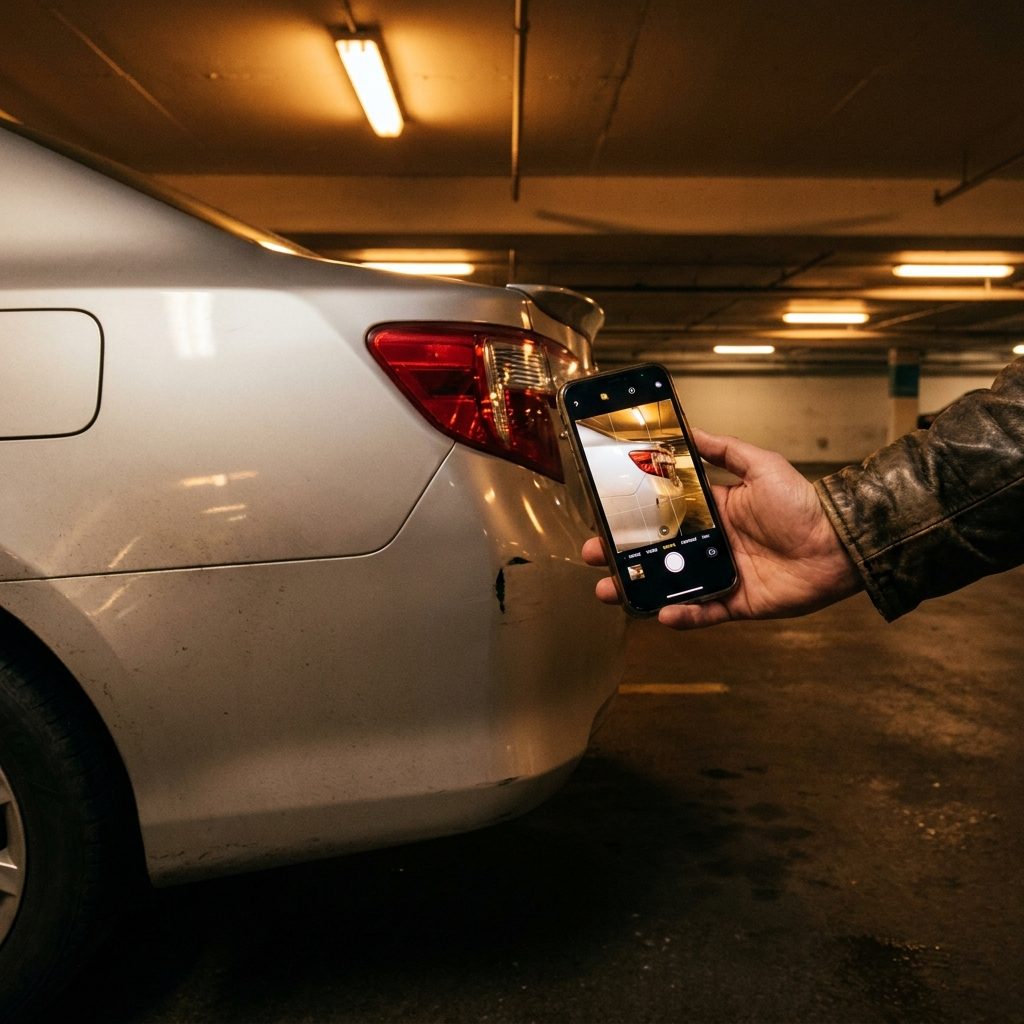
You took the photos. You have the timestamps. But if the rental company’s own condition report, the one in their system, sometimes a tablet-based walkthrough, sometimes a printed sheet the agent fills out, doesn’t note the damage you photographed, you may still get the call when the next renter finds it.
Before you leave the lot, confirm that any pre-existing damage you documented is also marked in their system. Ask the agent to note it, or ask for a copy of the condition report. Your photos protect you. Their documentation protects you faster, because it never becomes a dispute in the first place.
17. Returning the Car on Empty Because You’re Running Late
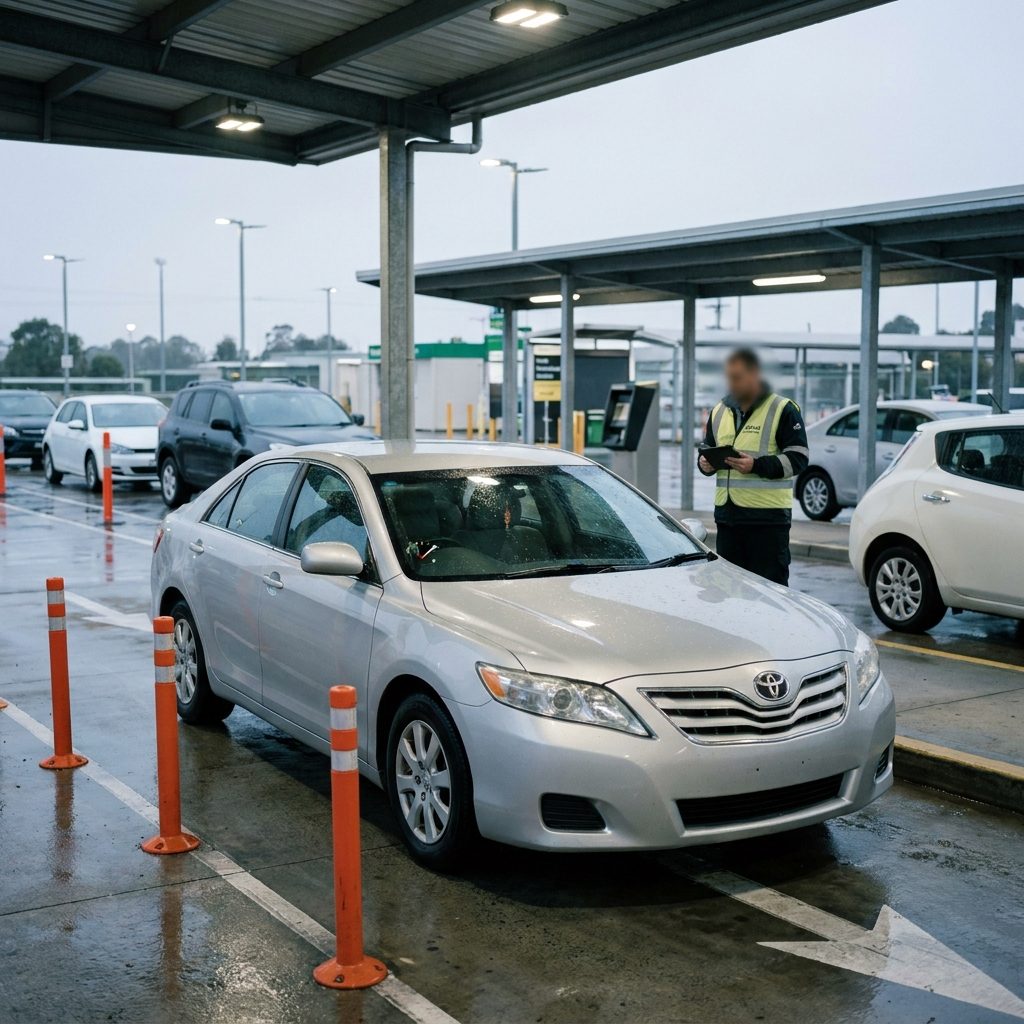
You’re cutting it close to the shuttle, the fuel gauge is a yellow warning light, and you figure the refueling fee can’t be that bad. It can. Rental companies charge their own per-gallon rate for refueling, and it typically runs two to three times what you’d pay at a pump down the street. Return a compact with a quarter tank short and you might hand them an extra forty or fifty dollars for the privilege.
Find a gas station within a mile of the return facility before you leave for the airport. Almost every major rental location has one nearby, search it the night before, not while you’re already late.
16. Ignoring the Pre-Paid Fuel Option Until It’s Actually the Right Move

The pre-paid fuel option gets dismissed automatically because it sounds like a trap. Sometimes it is. But if you’re driving several hundred miles and won’t have time to refuel before returning, a packed conference schedule, an early morning drop-off, a tight connection, prepaying at a reasonable per-gallon rate actually saves money. The mistake isn’t always saying yes. It’s saying no on autopilot without running the numbers for your specific trip.
15. Not Checking Whether Your Credit Card Rental Coverage Has Conditions

🔥 Would you like to save this?
The assumption: your credit card covers rental car damage, so you can decline the counter insurance and walk out. The reality is messier. Many cards only cover collision, not liability. Some require you to decline the rental company’s CDW in writing. A few won’t cover certain vehicle categories, trucks, luxury cars, vans. And nearly all require you to have charged the full rental to that card.
Spend fifteen minutes on the phone with your card’s benefits line before the trip, not at the counter while someone is waiting behind you. Get the coverage terms in writing if you can.
14. Accepting the Counter Upgrade Without Asking What It Costs
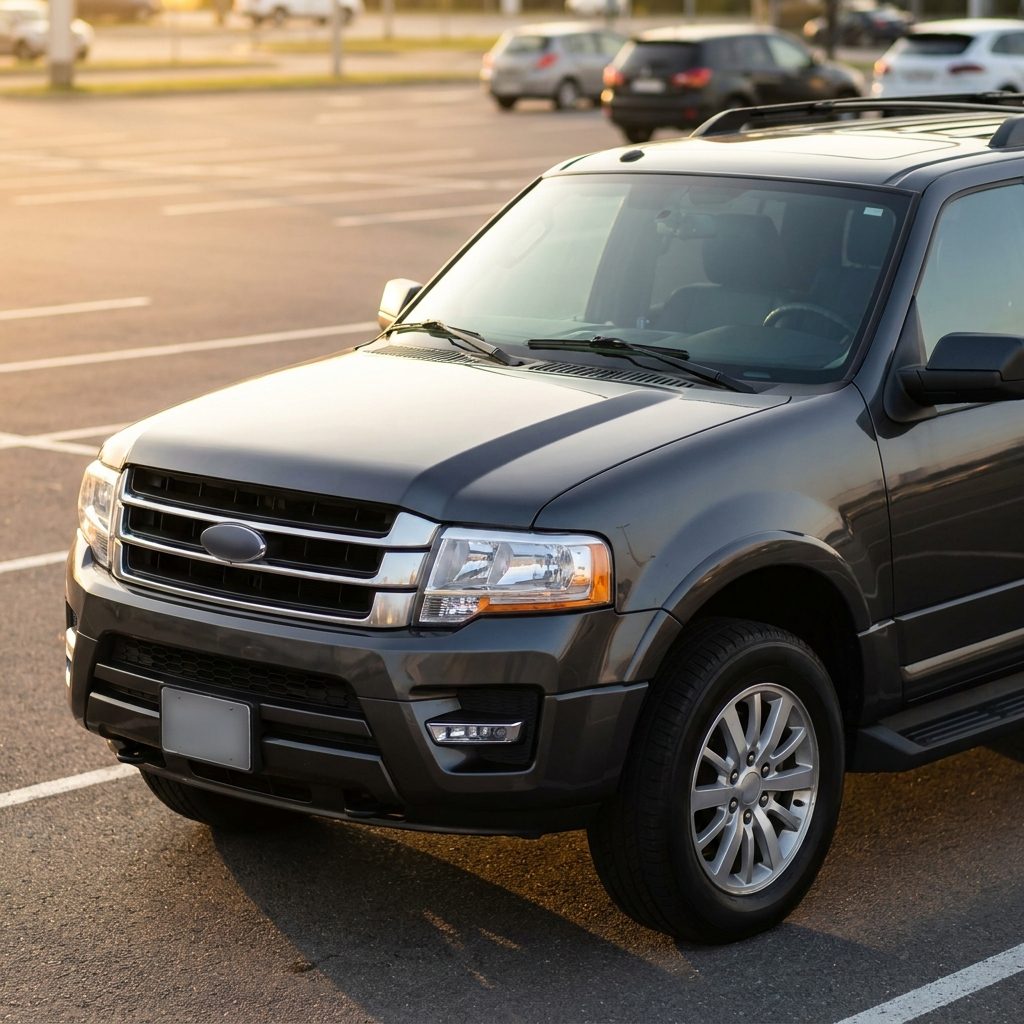
The agent says they’ve upgraded you to a larger vehicle at no charge, and it sounds like a small win. What they sometimes omit: the upgrade bumps you into a higher fuel cost category. An SUV that gets eighteen miles per gallon versus the compact’s thirty-two can quietly add sixty or eighty dollars to a three-day road trip. If you’re not putting on serious miles, politely confirm the fuel economy difference before you accept the keys.
13. Booking Through a Third-Party Site and Assuming Changes Are Free

Third-party booking platforms often show lower headline rates because their cancellation and modification policies are stricter than booking direct. Change your travel dates after booking through an aggregator and you may forfeit the reservation entirely or pay a fee that wipes out whatever you saved. Book direct with the rental company when your plans have any chance of shifting. The price difference is usually smaller than it looks, and the flexibility is worth more than the few dollars you saved upfront.
12. Skipping the Walk-Around Video Before You Drive Off

You signed the damage agreement, you noted the scratches on the paper diagram, and you drove away. If that paper record and the agent’s copy disagree later, you’re working from memory against a company with a form. A sixty-second walk-around video with your phone, timestamped, showing all four panels, the bumpers, the roof, and the interior, is the kind of documentation that ends disputes before they start. Email it to yourself so the timestamp is server-verified, not just on your camera roll.
11. Renting at the Airport When an Off-Airport Location Is a Five-Dollar Ride Away
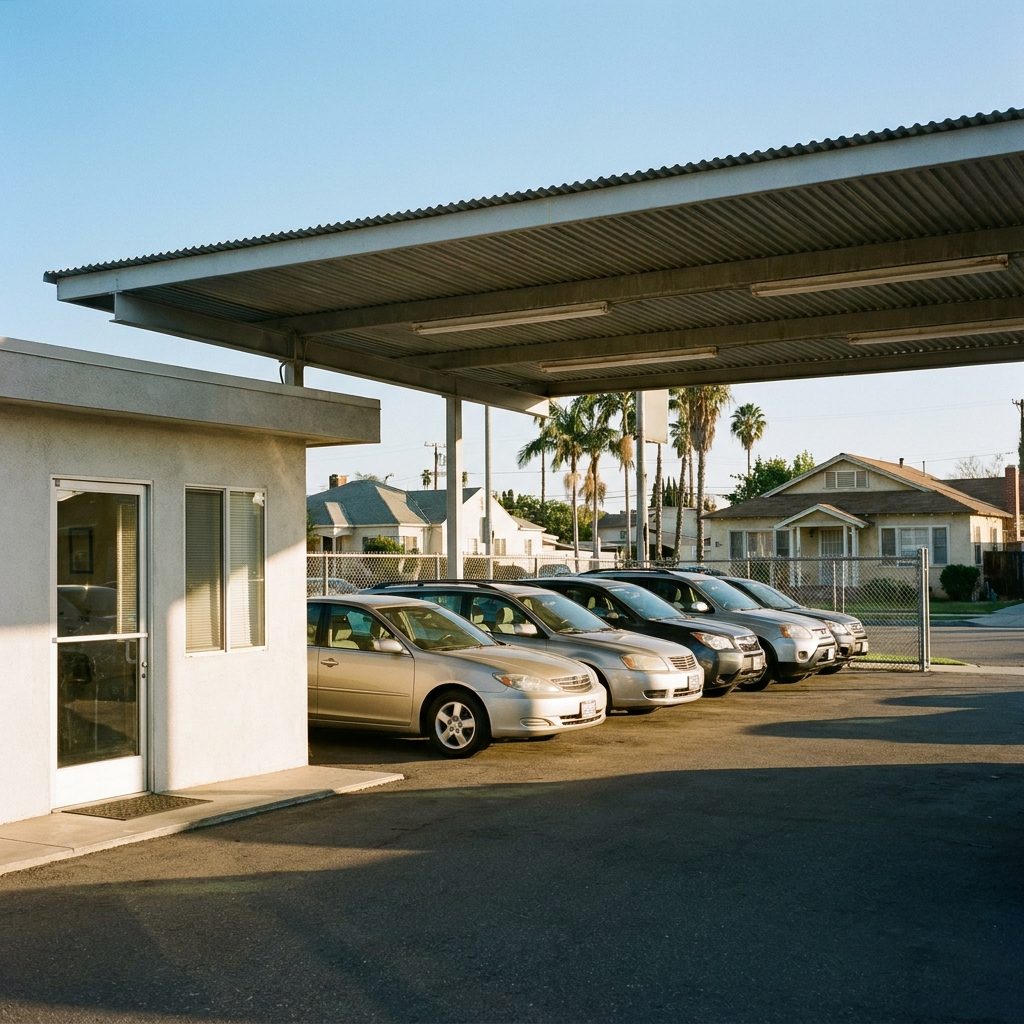
Airport rental desks carry a premium baked into the price before you’ve chosen a single add-on. The airport concession fee alone can add ten to fifteen percent to the daily rate, and that’s before taxes specific to the terminal facility. Many cities have off-airport rental locations within two or three miles, reachable in minutes by rideshare.
Search both options when you price out your rental. If the savings are forty dollars or more for a multi-day rental, a five-dollar rideshare from the terminal pays for itself twenty times over. The cars are the same fleet. The price is not.
10. Relying on the Rental Company’s GPS Instead of Your Own Phone
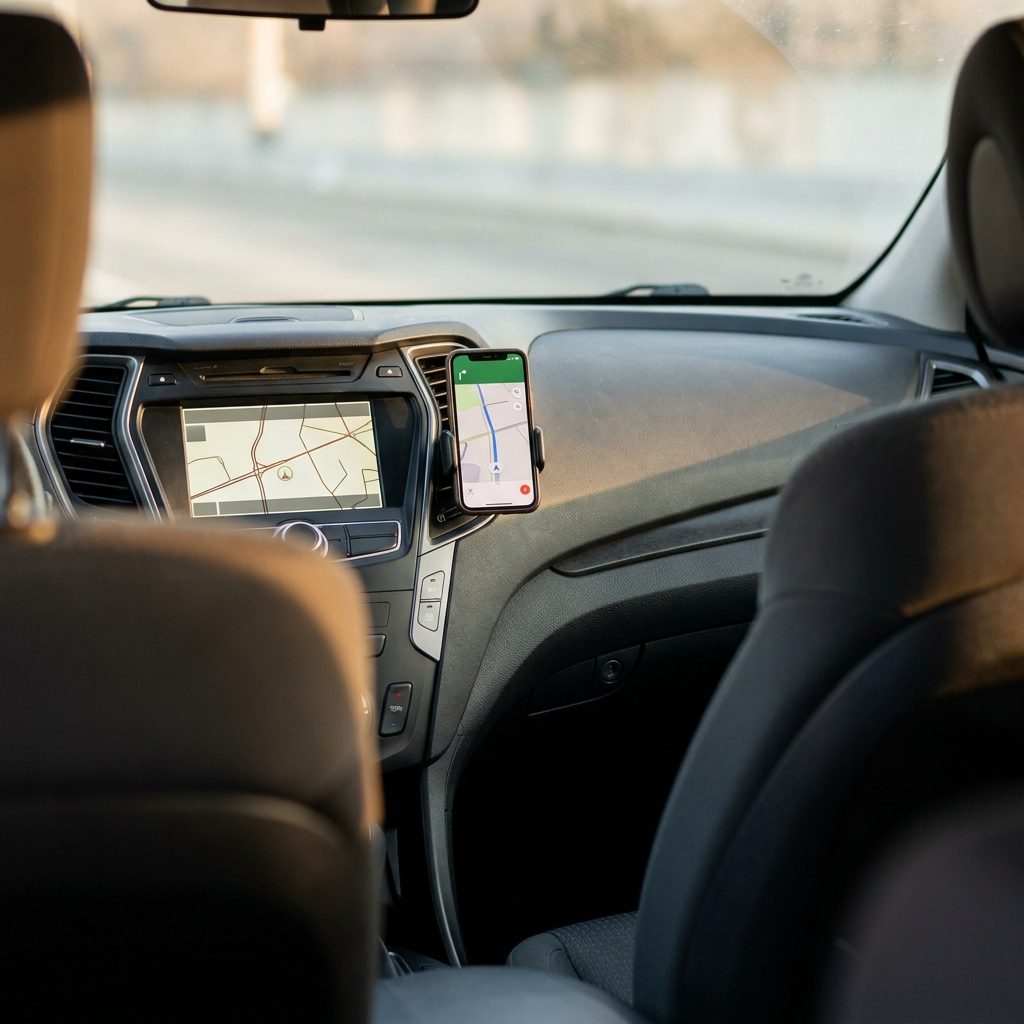
The rental company’s GPS unit or built-in navigation comes with a daily fee that, over a week-long trip, runs anywhere from thirty to seventy dollars depending on the company and market. Your phone does the same job for free, often better, with live traffic data and current maps.
Download your route offline the night before in case data is spotty, grab a vent mount for under ten dollars, and decline the navigation add-on at the counter without a second thought.
9. Skipping the Pre-Return Fuel Fill Because the Station Looks Far on the Map
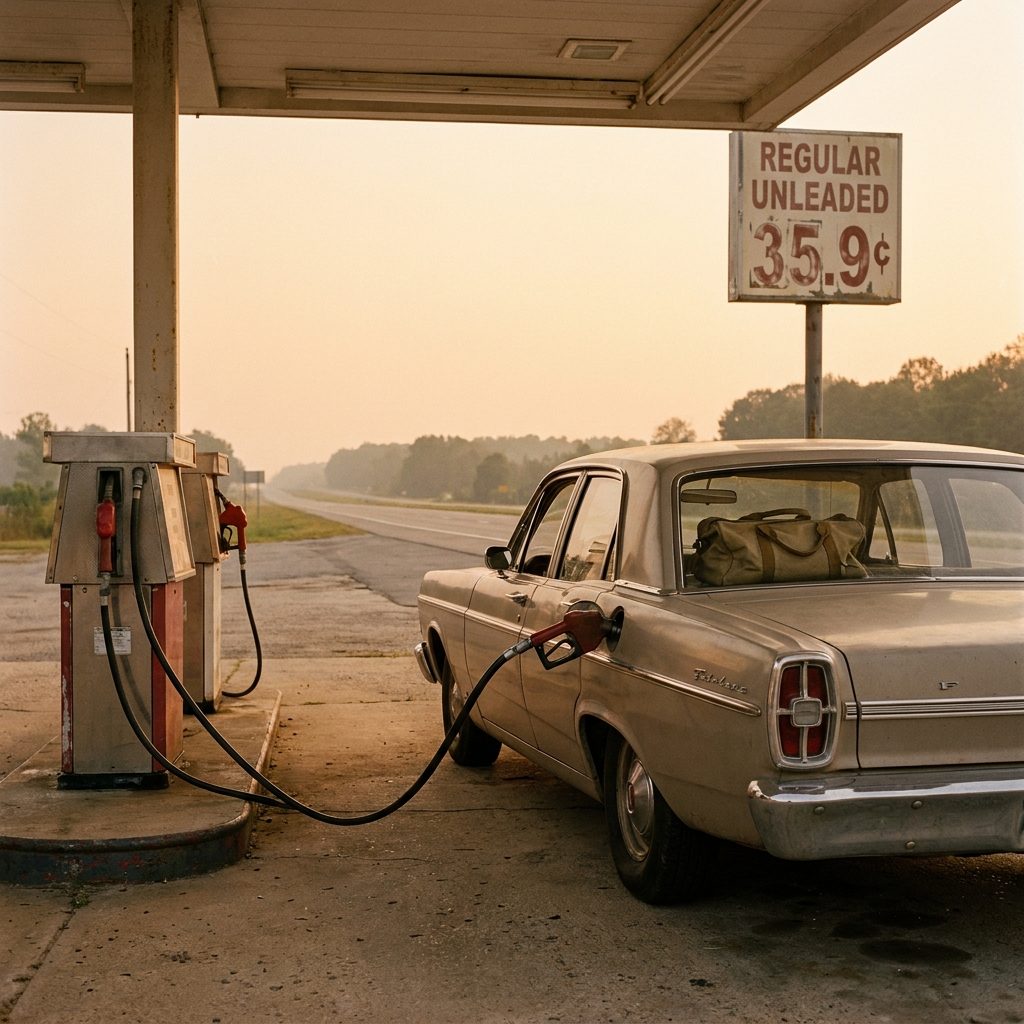
The rental return map shows the fuel station a mile and a half from the airport and the brain immediately calculates “close enough.” The counter agent then charges the prepaid fuel option or the station’s convenience rate, sometimes three times the street price per gallon, for whatever fraction of a tank the gauge shows short of full.
Fill it. The rule is simple: a gas station that close to an airport exists precisely because this moment happens a thousand times a day. Budget an extra ten minutes before return. The math never lies in the rental company’s favor.
8. Not Photographing Every Scratch Before Pulling Out of the Lot
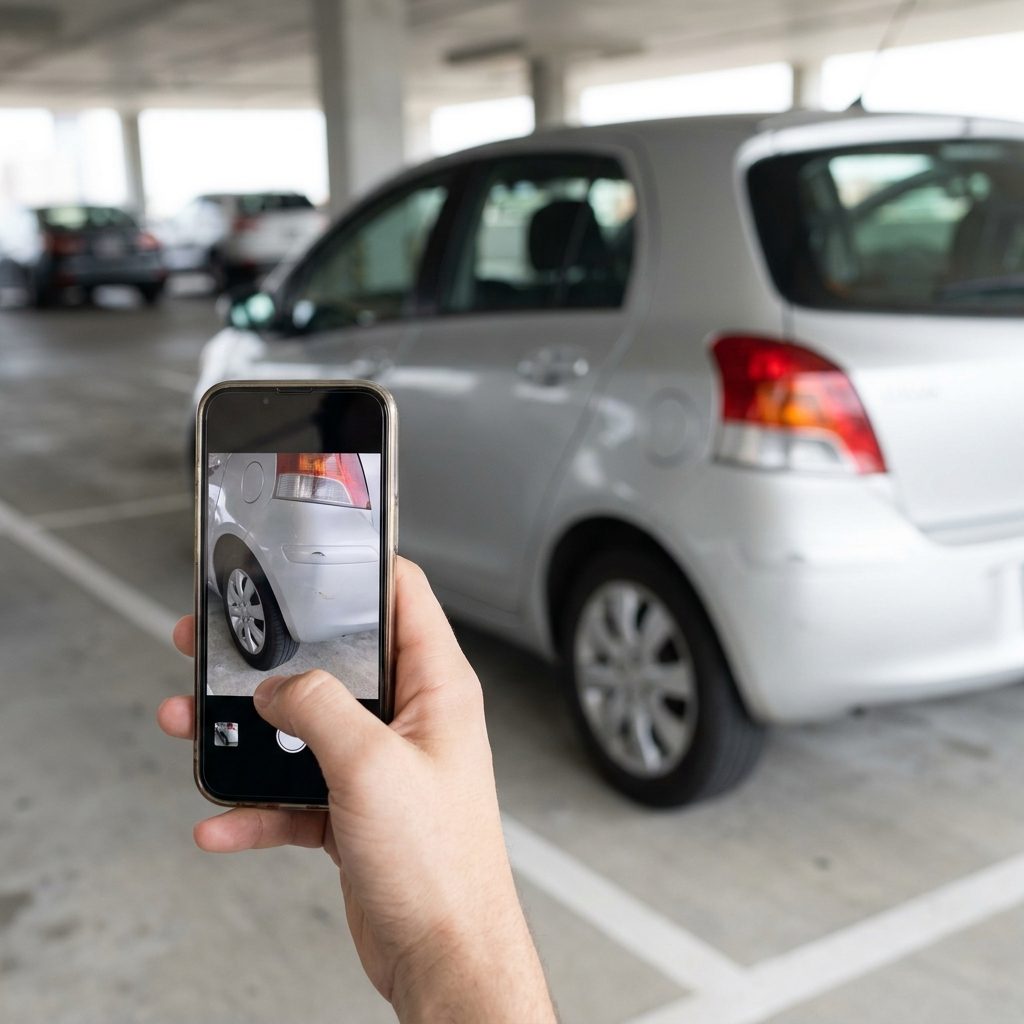
You pick up the car at 6am, the lot agent waves you through with a glance, and you drive off thinking the walk-around is a formality. Three days later you return the car and someone finds a door ding that was there before you touched it.
Walk the entire car before leaving the lot. Photograph every panel, every bumper corner, both mirrors, the roof if you can reach it. Timestamp matters. Send the photos to your own email immediately so the metadata is locked. This two-minute habit has saved people hundreds of dollars in disputed damage claims.
7. Assuming Your Credit Card Coverage Works the Same as Full Insurance

🔥 Would you like to save this?
Credit card rental coverage sounds comprehensive until you read the fine print, which almost nobody does at the counter with a line forming behind them. Most cards offer secondary coverage, meaning your personal auto insurance pays first and the card covers what’s left over. Some exclude trucks, exotic vehicles, and rentals over a certain number of days. A few require you to decline the rental company’s collision waiver entirely, or the benefit evaporates.
Call your card’s benefits line before your trip, not in the parking garage. Ask specifically: primary or secondary? What vehicle types are excluded? What’s the maximum rental period? Five minutes on the phone can clarify what you’re actually covered for.
6. Returning the Car Early and Expecting a Prorated Refund
The trip wraps up a day early. The logical move seems like returning the car and getting credit for the unused day. Rental agreements almost never work that way. Most companies charge the original quoted rate regardless, and some rebook the return under a walk-up daily rate that runs higher than the original reservation.
Before returning early, call the company or check the app. Ask whether your rate changes. If it does, you may be better off keeping the car the full reservation period. If an early return does make sense, get the adjusted total in writing at the counter before you hand over the keys.
5. Adding a Driver at the Counter Instead of Online Before Arrival

Adding an additional driver at the rental counter adds a daily fee. At many major companies that fee runs eight to fifteen dollars per day per added driver. On a ten-day road trip that becomes a line item nobody planned for.
Many companies waive the additional driver fee entirely when the booking is made through certain credit cards or loyalty programs, or when the added driver is a spouse or domestic partner under stated policy. Check both before arrival. If the fee applies regardless, pre-adding online occasionally triggers a discount versus the walk-up counter rate.
4. Ignoring the Difference Between Airport and Off-Airport Pickup Locations
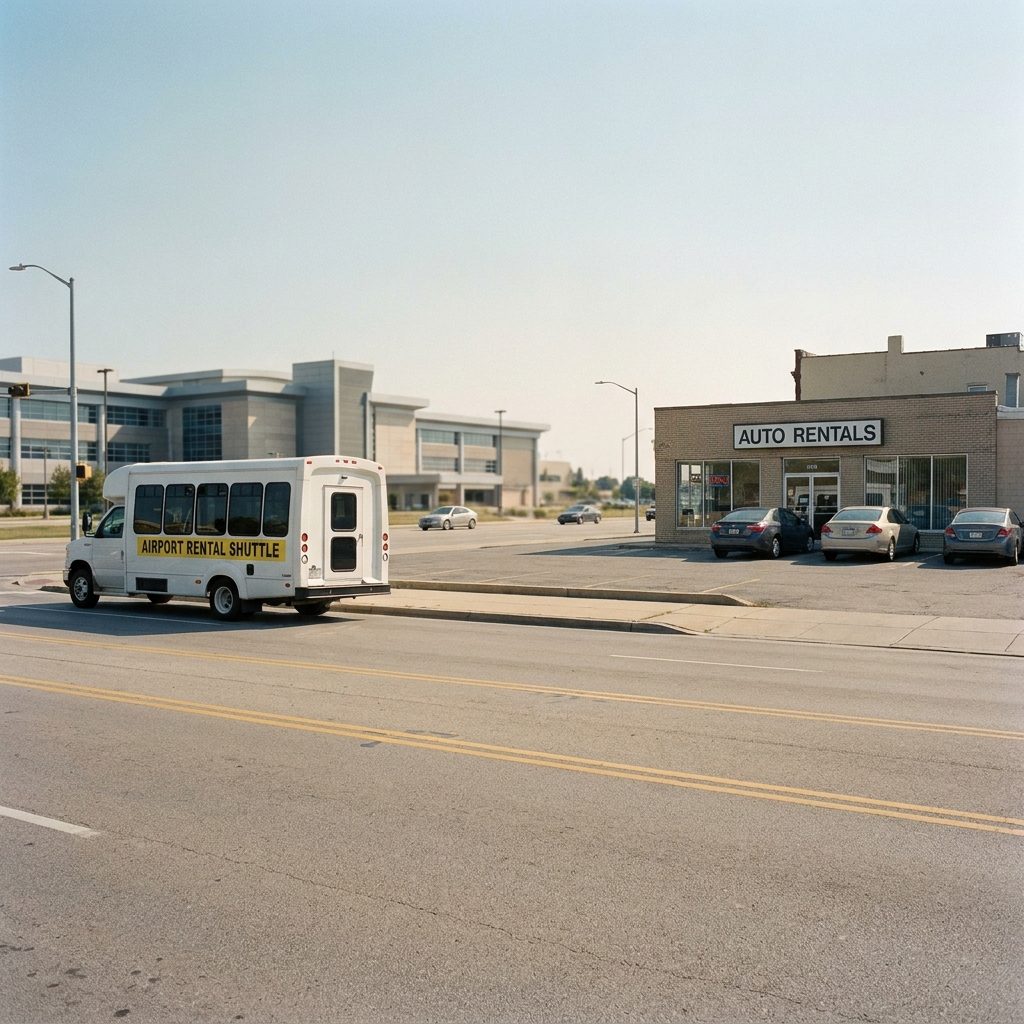
The airport surcharge on rental cars is real and it is baked into every transaction at on-airport locations: taxes, facility fees, and concession recovery charges that can add twenty to thirty percent onto the base rate. An off-airport location two miles away from the terminal rents the same car at the base price with fewer fees attached.
The tradeoff is a shuttle ride or a short taxi. On a week-long rental the math usually favors the off-airport pickup by a meaningful margin. Search both when booking and compare total cost at checkout, not the advertised daily rate, which never includes the fees.
3. Paying for GPS Navigation When Your Phone Does the Job for Free
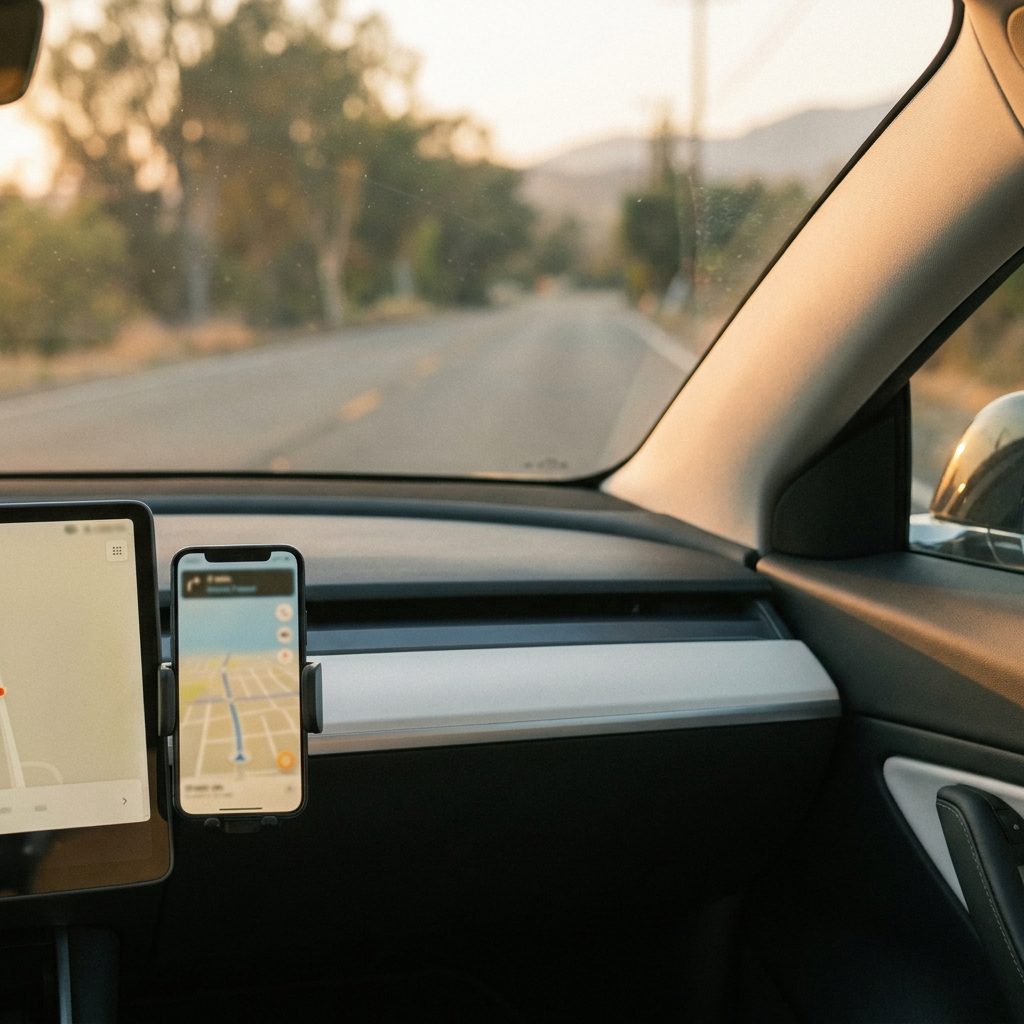
The GPS add-on at the rental counter is typically ten to thirteen dollars per day. On a week-long trip that is close to a hundred dollars for navigation your phone has handled reliably for years. Offline maps through any major navigation app eliminate the data concern entirely for international trips.
Download offline maps for your destination region before departure. A vent mount phone holder costs under fifteen dollars and travels with you trip after trip. The rental company’s GPS rarely has recent map updates anyway.
2. Booking Through a Third-Party Site and Missing Direct-Booking Perks

Third-party booking sites surface low rates that look competitive until the reservation is actually used. Loyalty points don’t accrue. Status benefits don’t apply. Counter upgrades go to direct members first. Complaints route through the booking platform, not the rental company, which extends every resolution.
Compare the third-party rate against the rental company’s direct site after applying any loyalty member discount or credit card rate. They are often close, and the direct booking adds benefits the aggregator can’t touch. Free cancellation policies also tend to be more flexible on direct bookings.
1. Skipping the Pre-Return Fuel Stop and Paying the Counter’s Inflated Price Instead
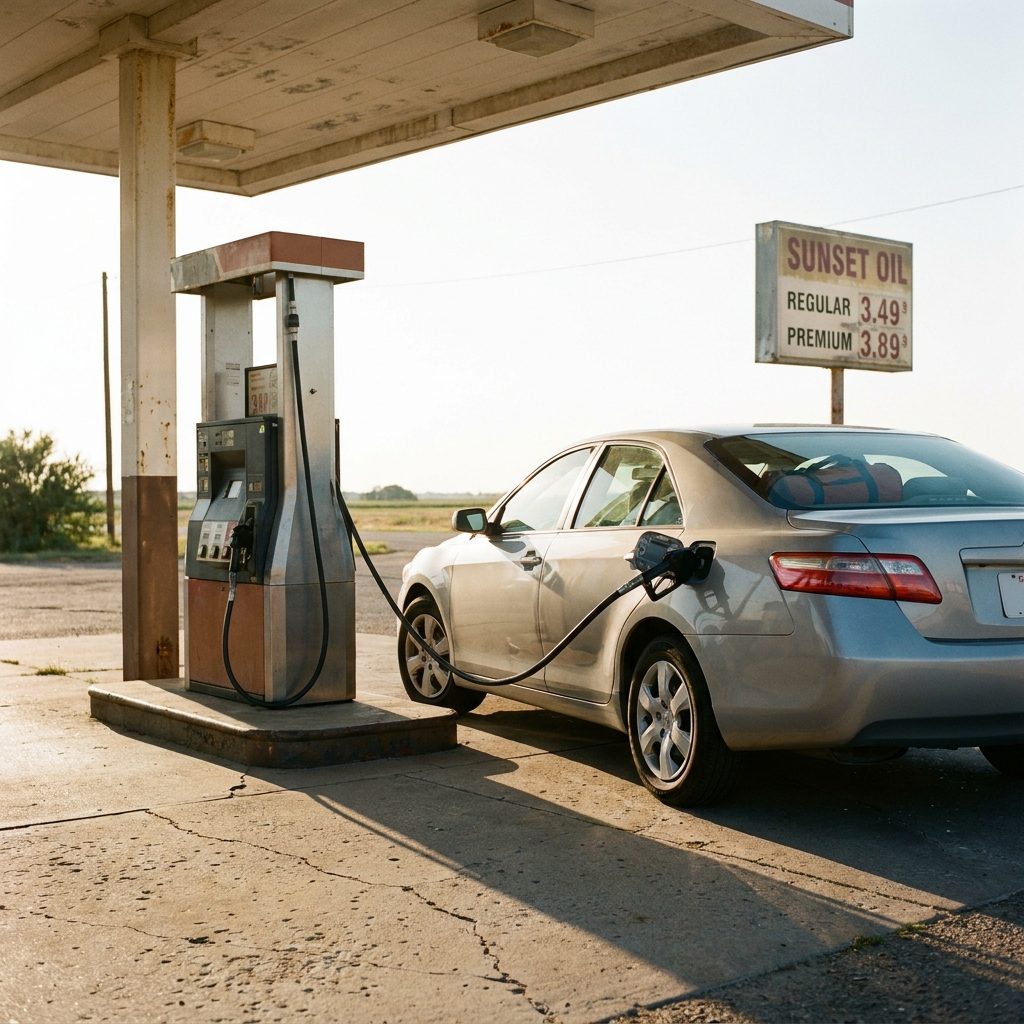
The return-fuel trap is one of the oldest plays in the rental car business, and it still works every day. You run late, skip the gas station, hand the car back on a quarter tank, and the agency refuels it at their own rate, which can run two to three times what the pump down the street was charging. On a full tank, that difference is not a rounding error.
Build the fuel stop in as a hard step, not an optional one. Find a station within two miles of the return location before you ever pick up the car. Most rental return desks are near airports, and airports are ringed with stations. The stop takes six minutes. The savings can easily top forty dollars on a single rental.
🔥 Would you like to save this?
Please note that some of the imagery in this article were created with the aid of AI image generators.