

🔥 Would you like to save this?
That folder of vacation photos from last summer? At least a third of them share the same fixable problems — not because you lack talent or a decent eye, but because nobody sat you down and pointed out the quiet habits that wreck otherwise great shots. The fixes are small. Some are laughably simple. They’ll change the way your travel photos look starting with your very next trip.
These are the ones that matter most.
Only Taking Photos and Never Appearing in Any of Them
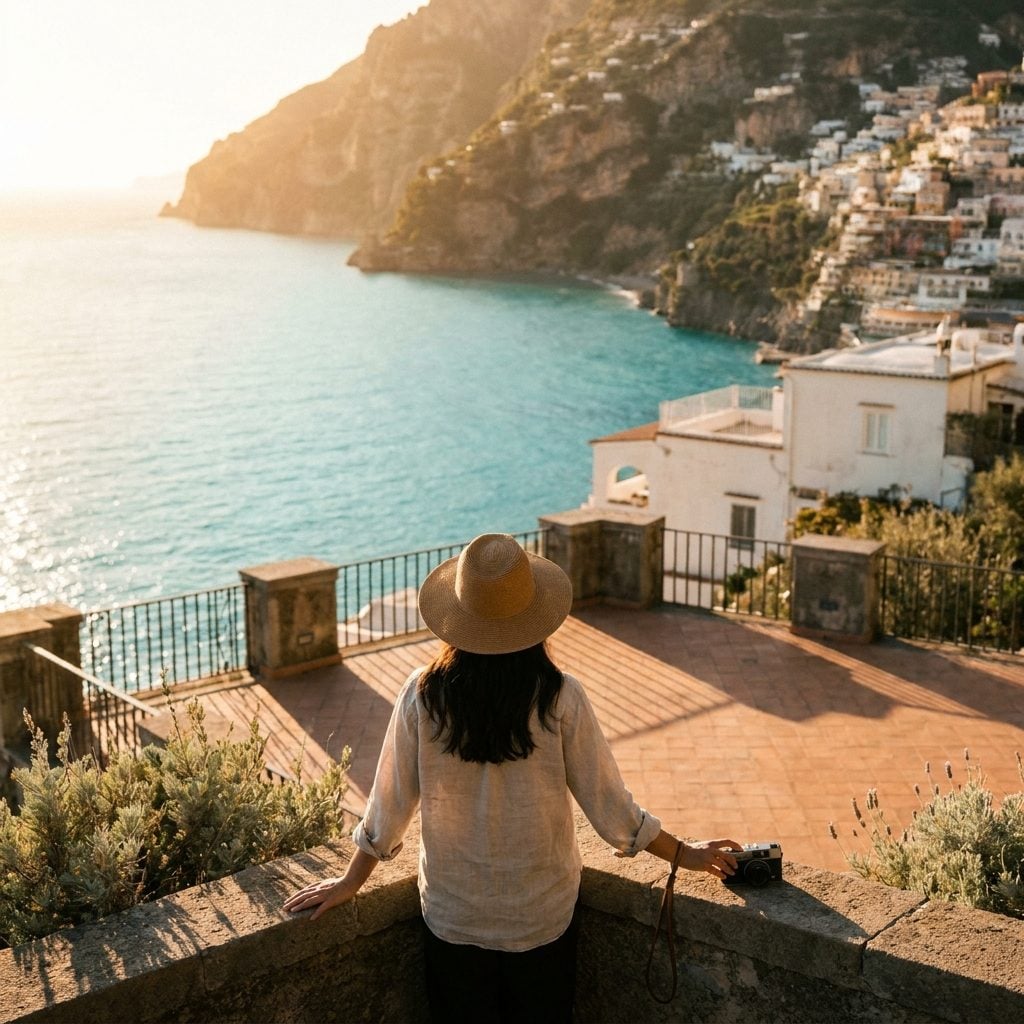
You come home with 400 photos and you’re not in a single one. I get it — you’re the one with the camera, you’re the one who noticed the light, and asking a stranger to hold your phone feels like a small social ordeal. But ten years from now, you won’t care about another cathedral shot. You’ll want proof that you were there, standing in that specific light, wearing that specific expression.
Set a timer. Hand the phone to someone. Ask your travel companion to snap a candid while you’re squinting at a menu or walking ahead on a cobblestone street. You don’t need to pose. Just exist in the frame.
Standing With the Sun Directly Behind You and Turning Yourself Into a Silhouette

Your face is the whole point of the photo, and you’ve turned it into a dark blob. When the sun sits directly behind your subject, the camera’s meter reads all that brightness and dials down the exposure, so everything facing you goes dark. Basic physics, not a camera flaw.
The fix takes five seconds: swap positions. Put the sun behind the photographer, or at least off to the side at a rough 45-degree angle. If moving isn’t an option because the view only works from one direction, tap your phone screen on the dark face to force the exposure brighter. On an iPhone, tap and hold to lock that exposure. The background might blow out a bit — but at least you’ll have a face.
Taking Every Single Photo From Standing Eye Level
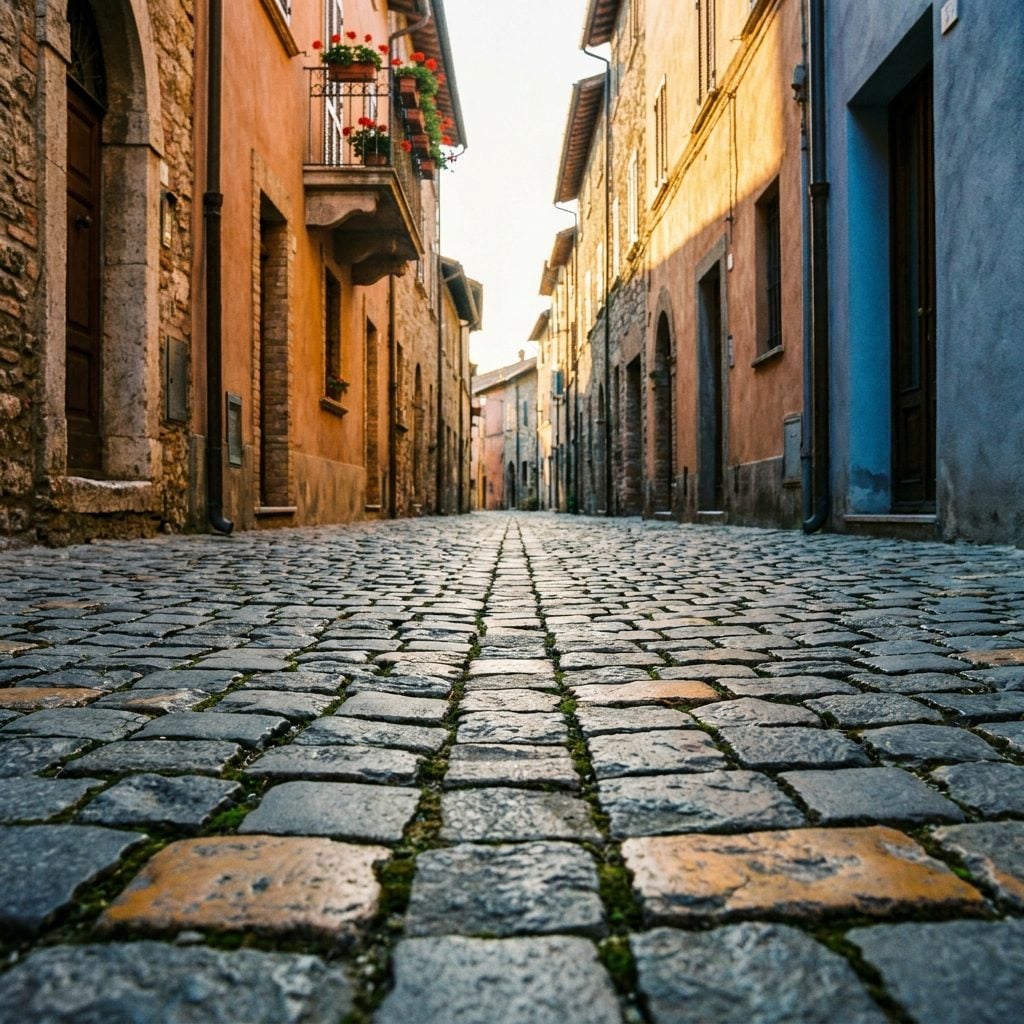
Five foot six. That’s the altitude every shot gets taken from, and after a hundred frames from the exact same vantage point, the whole batch blends together into visual oatmeal.
Crouch. Get your phone near your knee — or the ground itself. Shoot up at a building facade, hold the phone overhead and angle it down at a market stall, sit on the pavement and photograph cobblestones stretching away from you. Each shift in height produces a completely different photograph of the same subject. Professional travel photographers move their bodies constantly, not because they own special gear, but because where you stand is the single biggest creative decision available to you.
Not Checking for Photobombers Before Taking the Shot

Different problem from background strangers. Photobombers are the ones you genuinely didn’t see: the kid making bunny ears, somebody mid-sneeze walking right through your frame, a tour guide’s elbow jutting in from the edge. They only reveal themselves when you review the photo later, and by then you’re on a different island.
Check the shot immediately. Pinch to zoom into the corners and edges. If something’s off, reshoot right then while you’re still standing there. Three seconds of review is the difference between a keeper and a photo you’ll crop into oblivion trying to salvage.
Forgetting to Clean the Fingerprints Off Your Phone Camera Lens
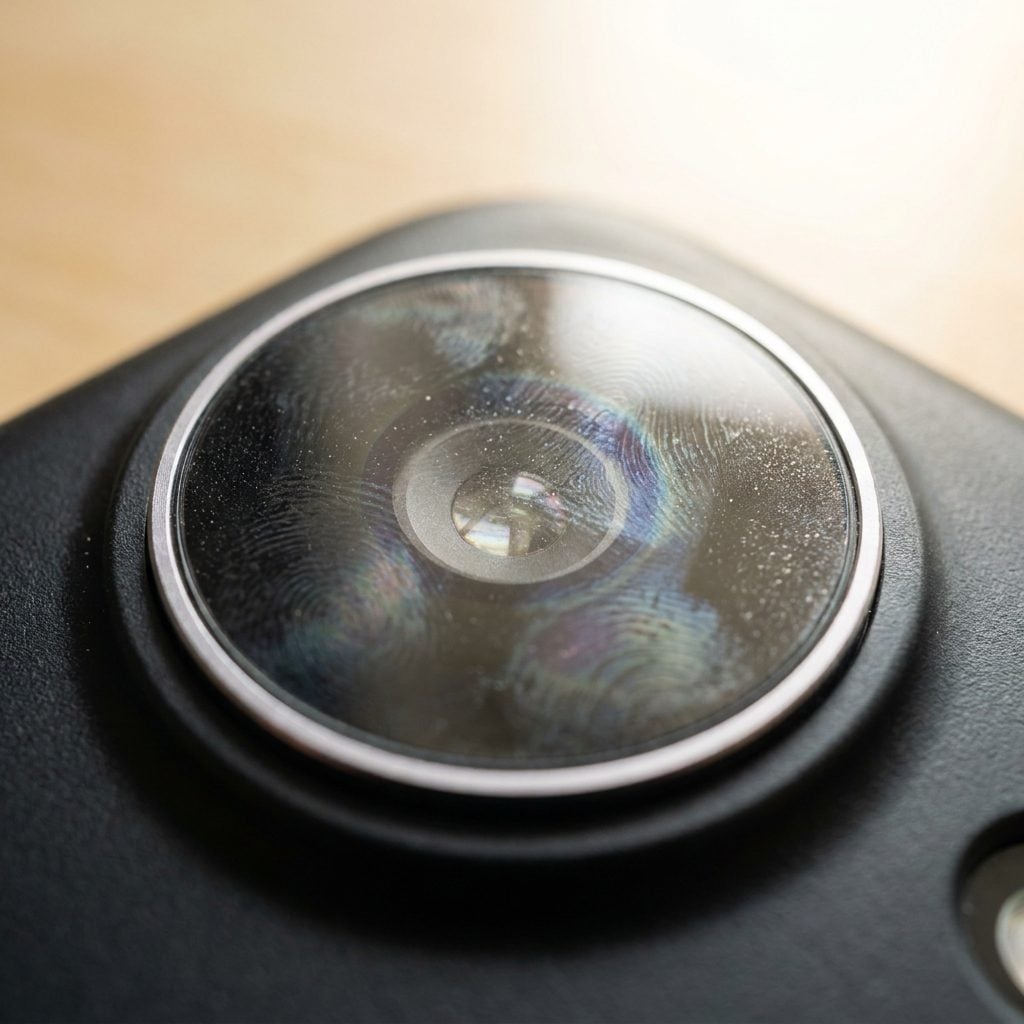
Every hazy, glowy, soft-focus vacation photo you’ve taken in the last year might not be an artistic choice. It might just be sunscreen.
Your phone lives in your pocket, where it picks up lint, skin oil, sunscreen residue, and whatever else your hands have been touching. All of that gunk sits on a tiny lens and diffuses light into something that looks like a 1980s soap opera dream sequence — worst in bright sunlight or when shooting toward any light source, which describes roughly every outdoor vacation photo ever.
Wipe the lens with a soft cloth before you shoot. Your shirt hem works in a pinch. I’m slightly embarrassed how long it took me to make this a habit, because it is, without exaggeration, the single easiest improvement you can make to phone photography.
Using Digital Zoom Instead of Walking Closer to Your Subject
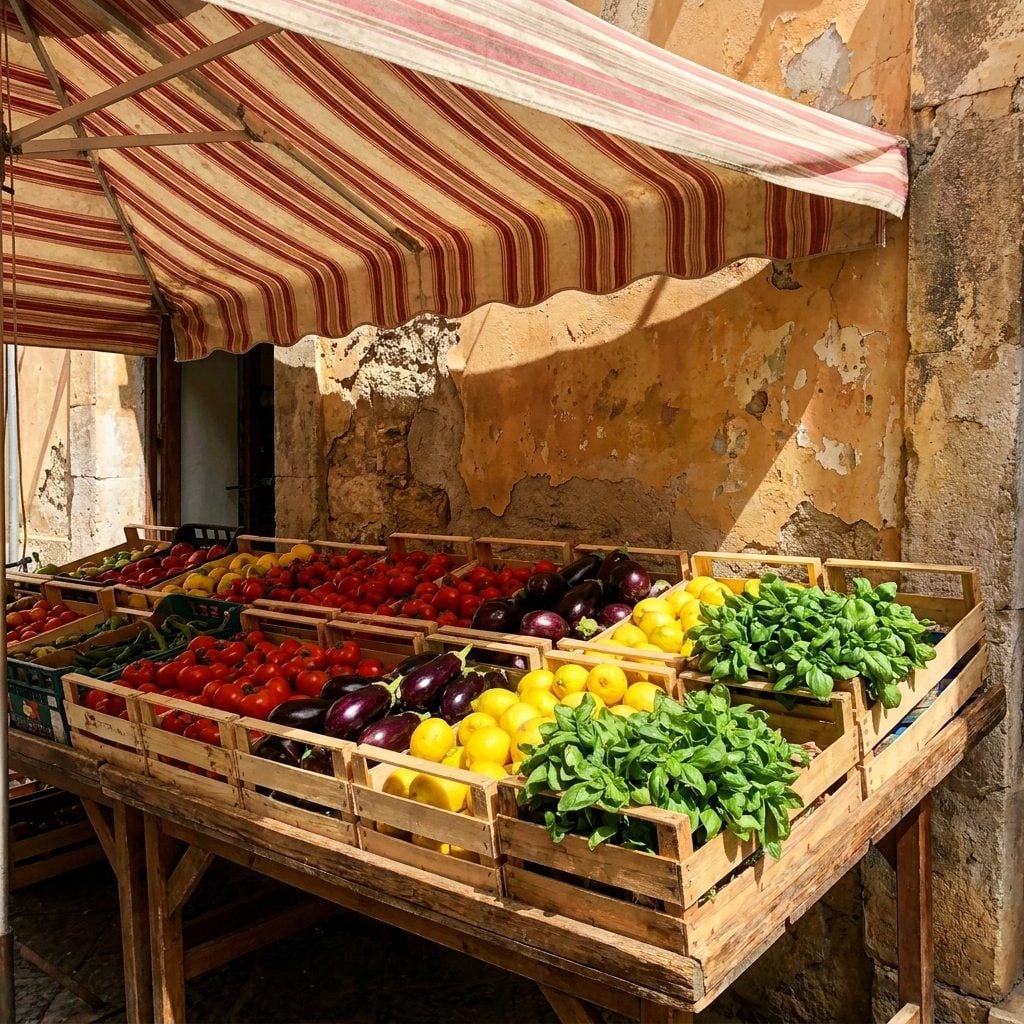
Pinching to zoom on your phone doesn’t work the way a telephoto lens on a real camera does. A real zoom lens uses glass to magnify the scene; your phone just crops the existing image and stretches what remains, which shreds detail and introduces noise. That charming doorway you zoomed into from across the plaza? It looks like it was photographed through a window screen.
Walk closer. Seriously — use your feet. If a physical barrier keeps you from getting closer (a canyon rim, a railing on a boat), take the photo at 1x and crop afterward on your computer. Same framing, better quality, because you’re starting from the full-resolution file instead of a pre-degraded one.
Taking Photos Too Quickly Without Checking if Anything Is Actually in Focus
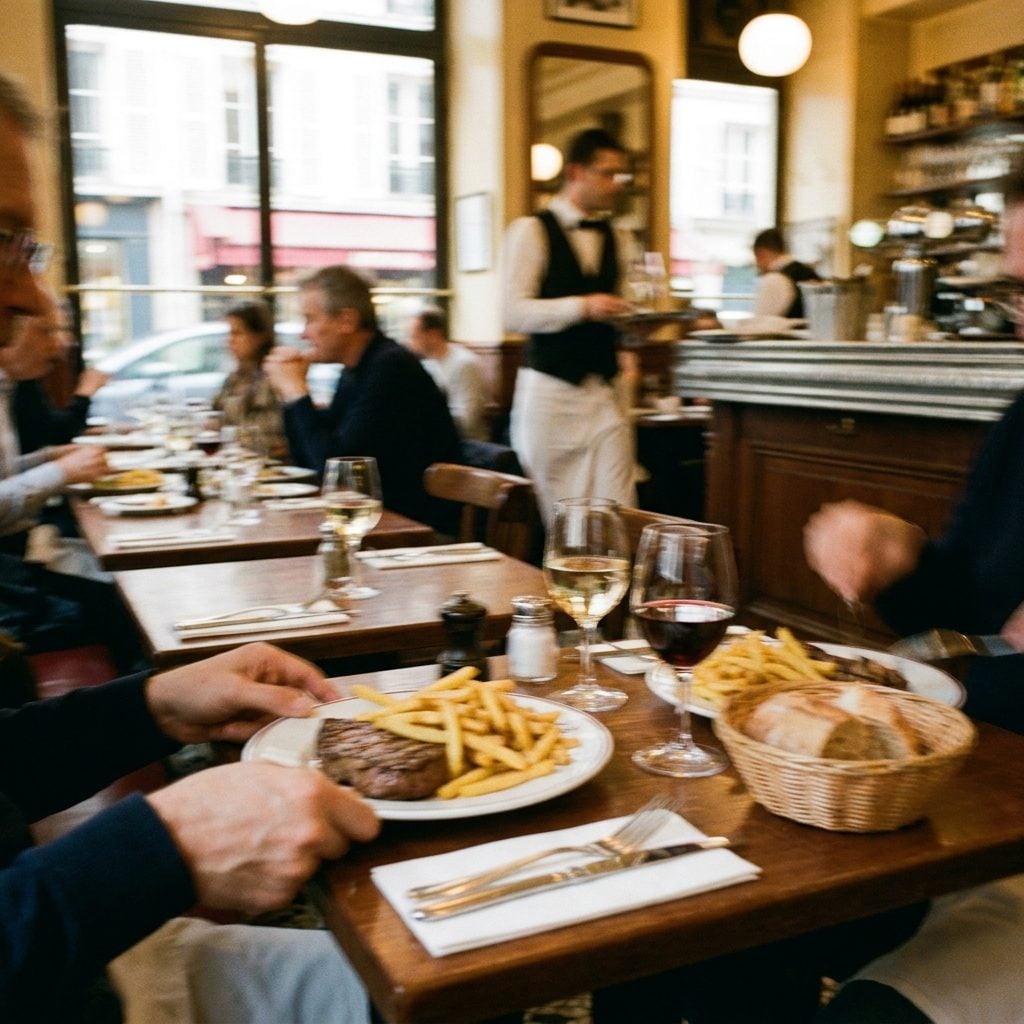
Tap, tap, tap, done, pocket. Then on the plane home you discover the gorgeous meal, the perfect sunset, the once-in-a-lifetime street scene — all just soft enough to be ruined. Not blurry in an obvious way. The kind of soft where you squint and think, “Is that focused?” It isn’t.
Your phone’s autofocus needs a target. Tap the screen on whatever you actually want sharp, then hold still for a beat — one full second — and let the phone lock focus before your hand is already in motion toward your pocket. I will die on this hill: the single biggest quality jump in phone photography is slowing down by one second per shot. That’s it. One Mississippi.
Standing Too Far From Your Subject So It Gets Lost in the Scene
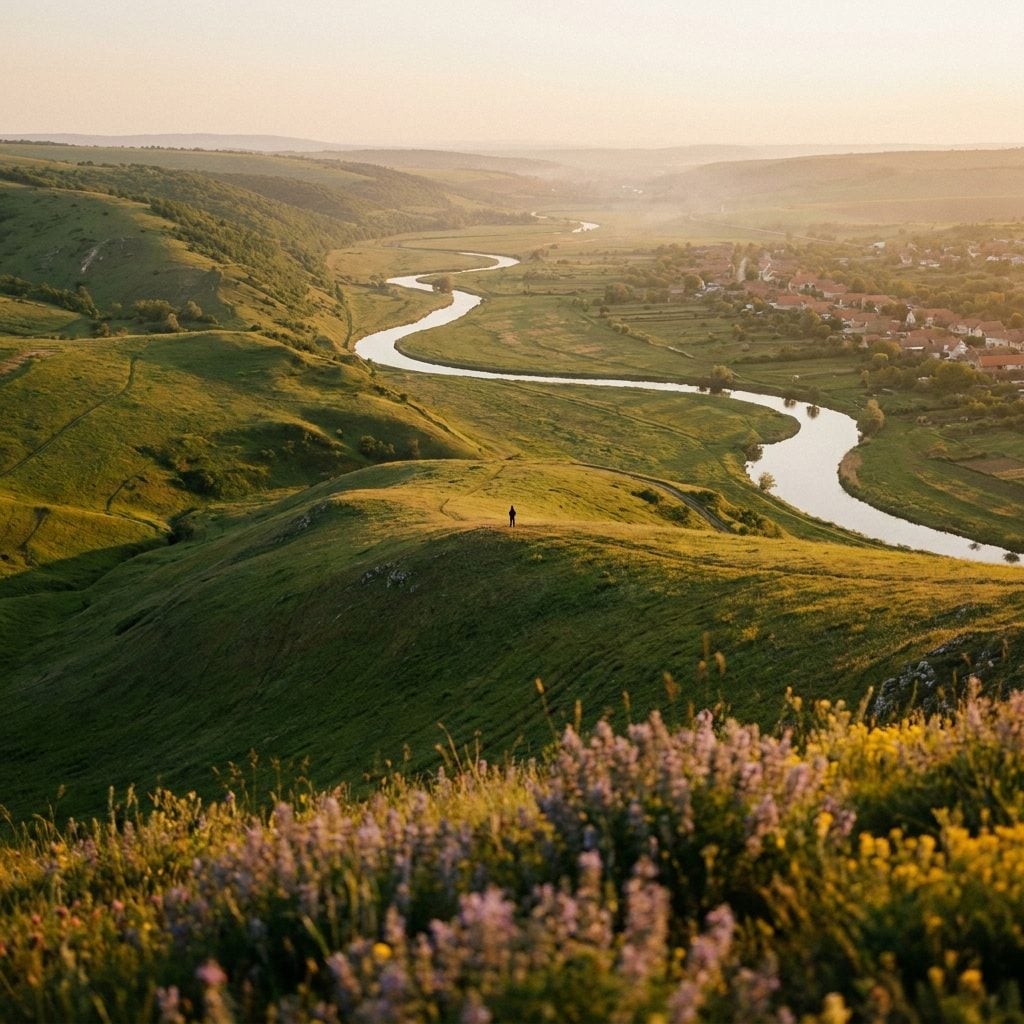
You found the perfect overlook in Tuscany, tapped the shutter, felt great about it — then got home, zoomed in, and discovered your travel companion is a speck the size of a grain of rice. Your eye compensates for distance in ways a phone camera can’t. What felt intimate and close reads as empty on screen.
Walk closer. Physically. Even a modest change in distance makes a radical difference on a phone sensor. If you can’t close the gap, use a 2x zoom and reframe. The landscape will still be there behind them, but now you’ll actually see the expression on their face — which is the part you’ll care about in twenty years.
Cropping Feet, Hands, or Heads Awkwardly at the Frame’s Edge
Slicing someone off at the ankles turns a keepsake into a crime scene photo. We do it constantly because we’re focused on the background and forget to check the edges. Cutting off feet, the top of a head, or half a hand jammed against the border creates a visual tension that makes the whole image feel unfinished — your brain reads it as wrong before you can even say why.
The fix takes one second. Before you tap the shutter, scan the four edges of your screen like reading a clock: top, right, bottom, left. Body part getting clipped? Step back one pace or tilt the phone. You don’t need to center anyone, just make sure nothing important is half-in, half-out. Deliberate cropping at the waist or chest can look great. Accidental cropping at the shin never does.
Ignoring Foreground Elements That Would Add Real Depth to Your Shot

Most people walk up to a scenic viewpoint, aim at the horizon, and fire. Flat rectangle. Could be a postcard from a gift shop. What’s missing is a foreground — something in the near field that gives the viewer’s eye a place to land before it travels into the distance.
Three Foreground Elements That Work Almost Anywhere
- A stone wall, railing, or archway to frame the scene
- Flowers, tall grass, or fallen leaves at ground level
- A table with a coffee cup, a map, or whatever you’re actually holding
Drop your phone lower — knee height, even — and let that foreground object fill the bottom third. The background doesn’t shrink. It just suddenly has context and scale, a sense of being somewhere specific rather than anywhere scenic.
Shooting at Midday When Harsh Sunlight Creates Unflattering Shadows
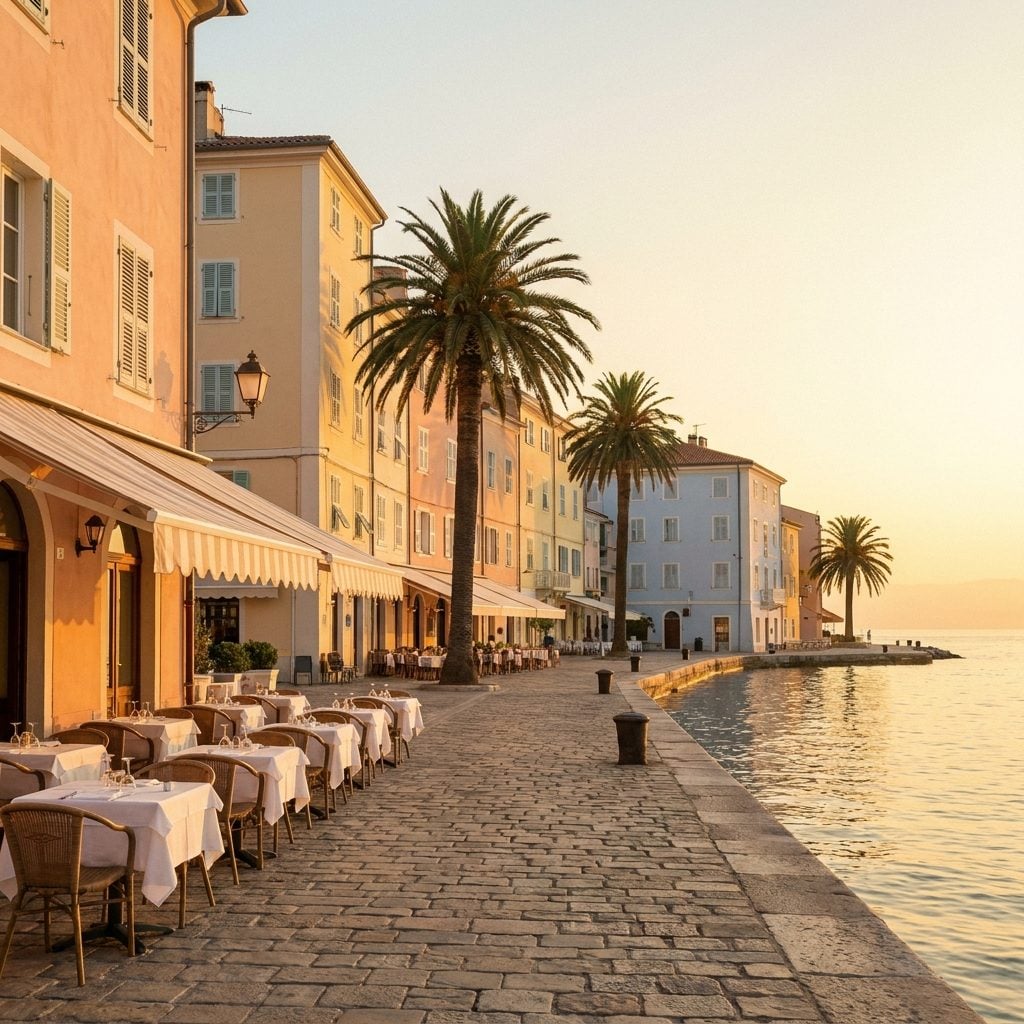
Noon sun directly overhead is the enemy of a good photograph. I spent years blaming my camera before figuring this out. That brutal top-down light carves dark shadows under every eyebrow, nose, and chin, makes everyone squint, and bleaches color out of everything in sight. Cinematographers call it “the ugly hour” for a reason.
Two options, both solid. First: shoot in shade — step under a tree, an archway, a building overhang. Open shade produces even, soft light that’s genuinely flattering. Second: wait. The hour after sunrise and the hour before sunset deliver warm, angled light that makes everything look the way you remember it feeling. If you’re only going to change one habit from this entire list? This one.
Using Your Phone’s Flash at Night and Washing Out Everything Close to You
🔥 Would you like to save this?
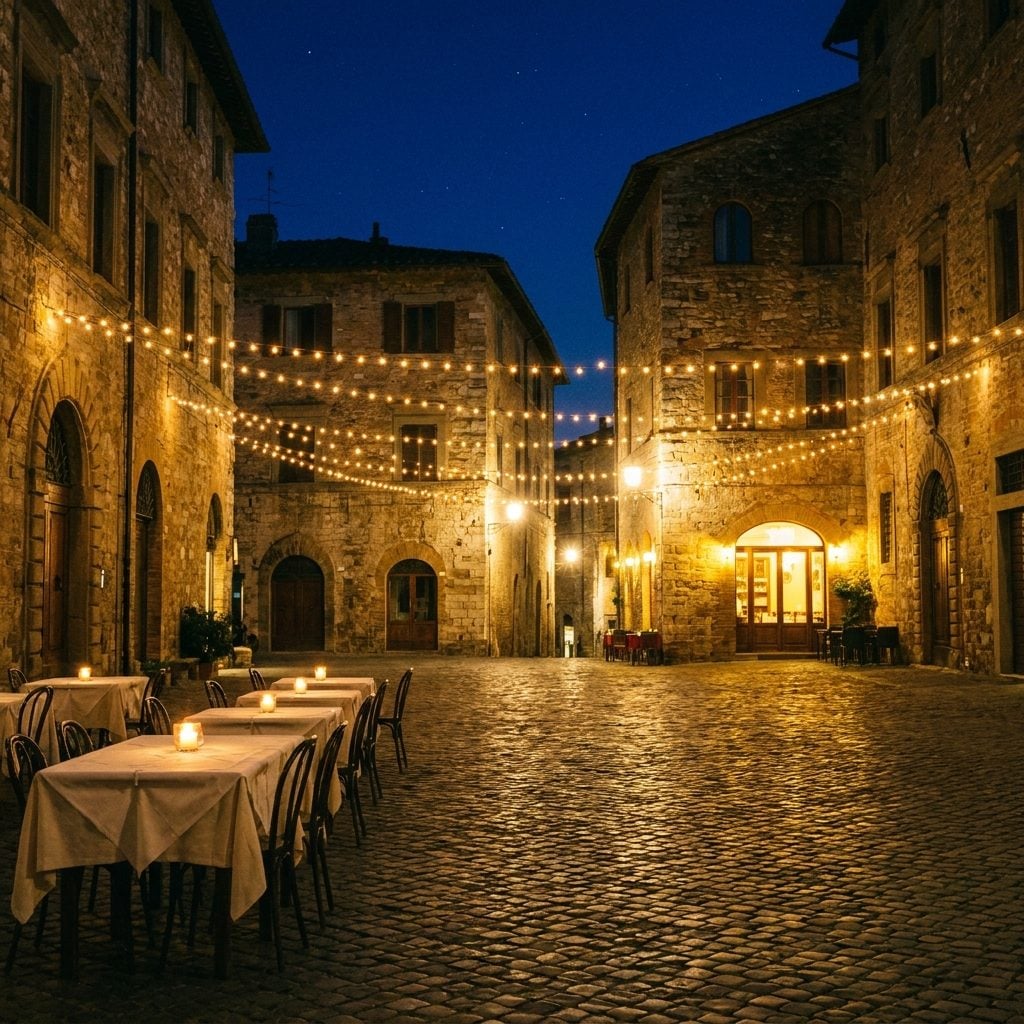
That little LED flash has a reach of maybe eight feet. Beyond that? Total darkness. So you get a blinding white foreground and a black void where that beautiful piazza was supposed to be. Worse, the flash murders every bit of atmosphere — the candlelight, the string lights, the warm glow spilling from a trattoria window. All gone.
Turn the flash off permanently. Night mode (every phone made recently has one) is dramatically better. Brace the phone against a railing, a table, your chest — anything stable — and let the camera do a longer exposure. The image will pick up the ambient light that actually made the scene worth photographing. It won’t be razor-sharp. That’s fine. A slightly soft photo with real warmth and mood beats a flash-blasted mugshot every single time.
Skipping Photos of Local Food and the Restaurants Where You Ate

My own travel photos from the 1990s and early 2000s: hundreds of monuments, zero meals. Not one. And the meals are what I actually talk about when I describe those trips. The clam shack outside Portland. That bakery in a Provence village where nobody spoke English and we just pointed at things behind the glass.
Food anchors place. The way a dish is plated, the table it sits on, the view from your seat — all of it locks a memory in harder than another cathedral shot. Snap the plate before you pick up your fork. Get the restaurant exterior, the hand-lettered menu board, the wine label. These photos trigger more vivid recall than you’d expect, because taste and smell and location are deeply tangled in how we store experiences.
Photographing Famous Landmarks Without Any Surrounding Local Context
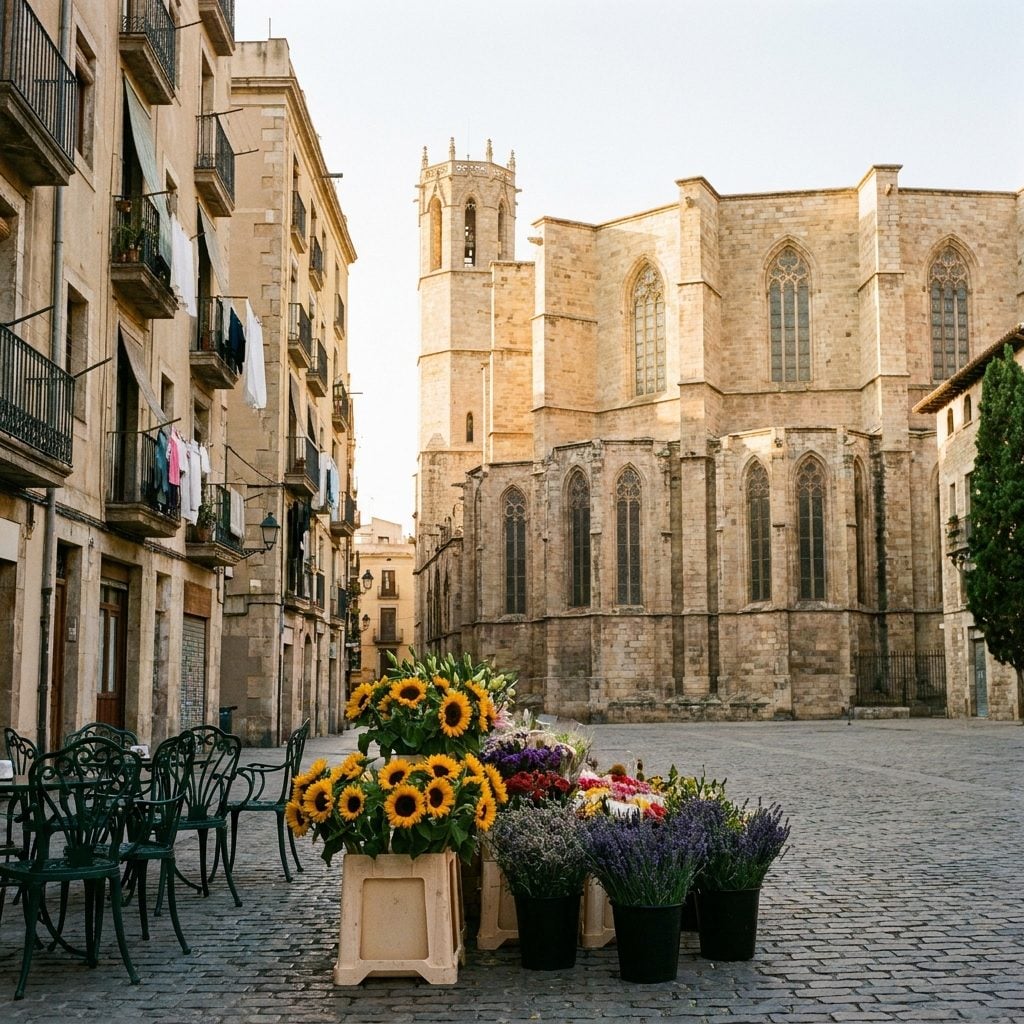
Everybody who visits the Colosseum takes the same photo of the Colosseum. You can Google it right now — ten thousand versions of your exact shot. So what makes yours different? The neighborhood around it. The flower vendor on the corner. The crooked little street that led you there.
Pull back. Let the mundane surroundings in — the style of street lamps, the color of apartment shutters, the taxi idling at the curb. Those details make YOUR photo yours. They’re also what will age into the most interesting parts of the image, because cities change and those background elements vanish long before the monument does.
Taking Dozens of Nearly Identical Shots Instead of Moving Your Feet for New Angles

Thirty-seven photos of the same view, taken two seconds apart, feet planted in the exact same spot. I’ve done it. You’ve done it. Rapid-fire tapping feels productive — thorough, even. But you’re collecting thirty-seven copies of one photograph.
Move. Physically relocate. Walk twenty feet left. Crouch down. Look behind you. Step inside a doorway and shoot back out through the frame it creates. Five photos from five positions will give you more genuine variety than fifty from one. And the best angle is almost never the obvious one where everyone else is standing — it’s around the corner, or lower, or further back than instinct suggests.
Forgetting to Photograph the Hotel, Cabin, Campsite, or Place You Stayed

This one stings, because you don’t realize what you’ve lost until years later.
That quirky B&B with the creaky porch. The campsite where you could hear the river at night. The hotel room with the balcony where you drank coffee every morning and watched fishing boats come in. You remember the feeling but can’t picture the room anymore — and there’s no photo to bring it back.
Snap the room when you first walk in, before you unpack and scatter your stuff everywhere. Get the exterior, the view from the window, the hallway, the breakfast nook. These spaces held your trip together — where you planned each day, collapsed each evening, had some of your best conversations. Five seconds of effort. You’ll have those places forever.
Not Recording the Everyday Moments That Become the Most Nostalgic Later
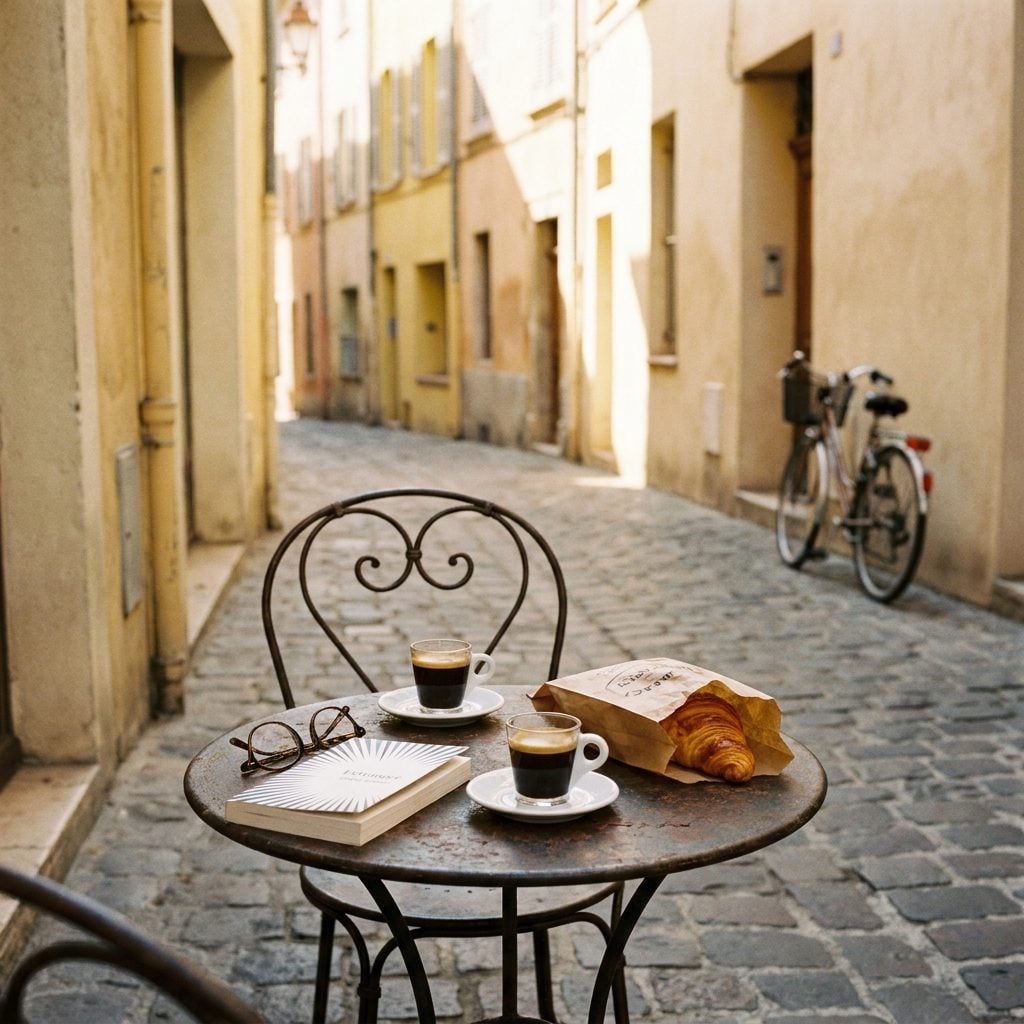
The taxi to the airport at 5 a.m. Your partner reading a map upside down at a roundabout. The pharmacy where you bought sunscreen. That weird little grocery store where you couldn’t read a single label but somehow came home with the best crackers you’ve ever tasted. None of these feel like “photo ops” in the moment. They feel like the boring parts.
They’re not. They’re the trip.
Grand vistas fade into generic beauty over time, but the texture of daily life in a place that wasn’t home? That stays vivid. The steering wheel on the wrong side. Coins you couldn’t figure out. The morning walk to buy bread. Photograph the ordinary, and ten or fifteen years later you’ll discover you accidentally preserved the parts that matter most. I’d bet on it.
Leaving Your Date and Time Settings Wrong After Crossing Time Zones
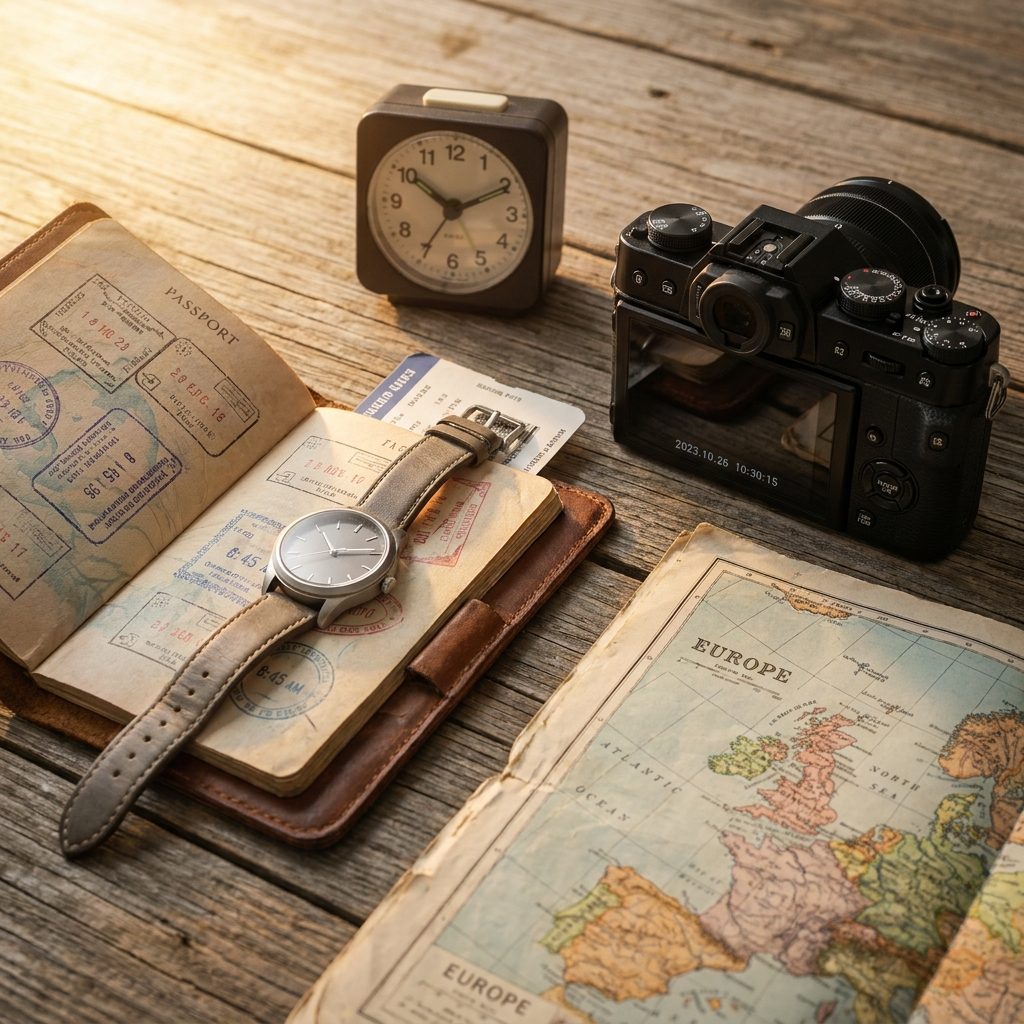
Your camera’s metadata is its memory, and when the clock is wrong, every photo you took in Rome gets sorted into the wrong afternoon. The real cost hits months later. You’re trying to arrange a trip album chronologically and the timeline is scrambled beyond repair—sunrise photos showing up after dinner shots, that first morning at the Colosseum landing somewhere between your layover selfies and a blurry gate sign from JFK.
Before you leave the airport in a new time zone, go to your camera’s settings menu and update the date and time. On your phone, make sure automatic time zone is toggled on. Fifteen seconds. That’s all it takes. Your future self, the one staring down a mountain of unsorted photos on a rainy Sunday, will be grateful.
Failing to Back Up Your Photos During a Long Trip

A stolen phone in Barcelona. A camera dropped into a canal in Bruges. A corrupted memory card somewhere over the Atlantic. Not dramatic hypotheticals. Tuesday. And when it happens on day nine of a fourteen-day trip, you don’t just lose today’s photos—you lose everything.
The Fix Is Boring, and That’s Why It Works
Every two or three nights, back up your photos. Upload to cloud storage over hotel Wi-Fi, copy to a portable travel hard drive, or even email the best ones to yourself. A small USB-C card reader and a basic external drive weigh almost nothing. I lost a full week of Iceland photos in 2016 because I kept saying I’d do it tomorrow. Tomorrow came, and so did a puddle.
Not Checking Camera Settings After Someone Else Uses Your Device
🔥 Would you like to save this?
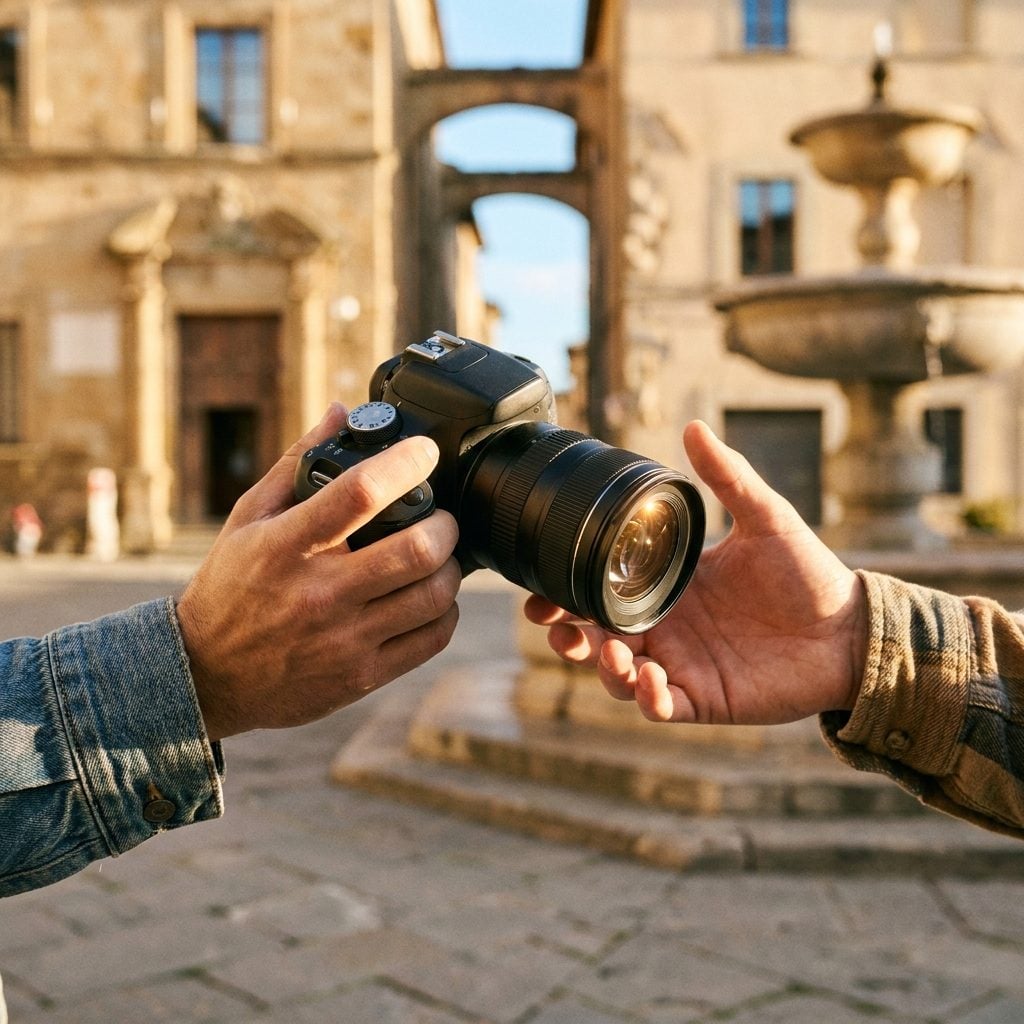
You hand your phone to a kind stranger for a group shot. They zoom in weird, switch to video mode, or accidentally toggle portrait. You say thanks, slip the phone back in your pocket, walk away—and then spend the next forty-five minutes unknowingly shooting in a mode you didn’t choose.
Quick rule: every time your camera or phone comes back from someone else’s hands, glance at the screen. Two seconds. Check the mode, check the zoom. Two seconds versus forty-five minutes of regret is not a difficult trade.
Ignoring Reflections in Sunglasses, Windows, Mirrors, and Water

Reflections are uninvited guests. Your mirrored sunglasses broadcast your phone and your outstretched arm. A hotel window captures a parking lot behind you instead of the view. A gorgeous canal shot features a ghostly version of your shins. Annoying? Absolutely.
And yet—reflections aren’t always the enemy. A puddle after rain can double a cathedral. A shop window can layer a street scene with architectural detail you’d have missed otherwise. The mistake isn’t that reflections exist; it’s failing to notice them before pressing the shutter. Train yourself to scan for reflective surfaces in the frame. Kill the ones that sabotage the image, and lean into the ones that add something you couldn’t have staged.
Photographing Every Place but Not the People You Traveled With

Five hundred photos of the Amalfi Coast and not a single one of your sister laughing so hard she nearly dropped her gelato into the harbor. I’ve made this mistake. You probably have too. A decade from now, you won’t need a photograph to remember what the Duomo looked like—Google has that covered. What you’ll desperately want is the candid of your travel companion squinting at a map, or your spouse half-asleep on a train with their head against the window.
Buildings don’t change. People do. Shoot the people.
Never Photographing the Rental Car, Train Compartment, Cruise Cabin, or Airplane Seat That Was Part of the Story
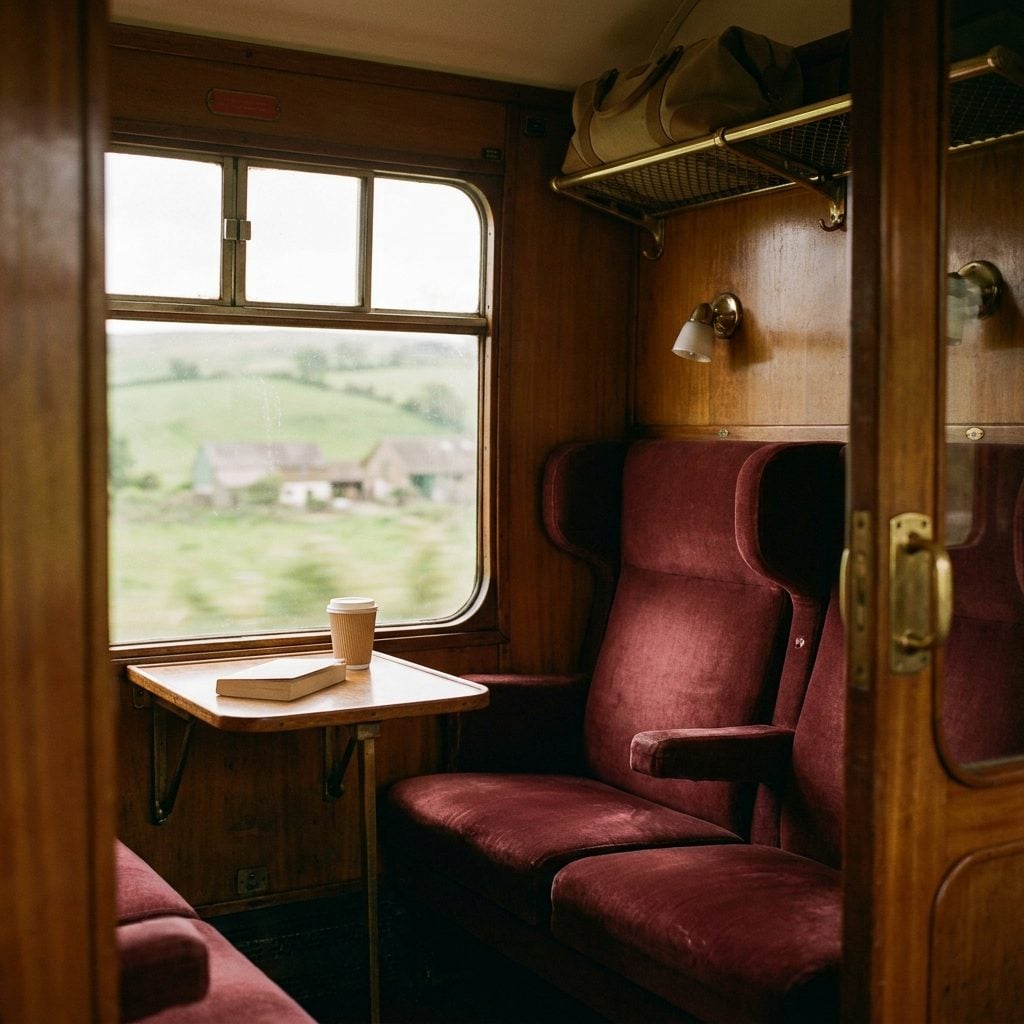
Nobody tells you to photograph the rental car. It’s a beige Fiat Punto with a scratch on the bumper, it smells faintly of someone else’s cigarettes, and it carried you through Tuscany for a week. That car is the trip. So is the overnight train compartment with the fold-down bunks, the cruise cabin the size of a generous closet, and the economy seat where you watched three movies and ate a suspicious sandwich.
These in-between spaces hold a surprising amount of memory—conversations happened here, plans got made, you were bored or excited or running on fumes. Snap one quick photo when you first settle in. Years later, you’ll be startled by how much it drags back to the surface.
Avoiding Photos Because You “Don’t Look Your Best”

Your hair is a disaster. You’re sunburned. The humidity has done something unforgivable to your outfit. So you step out of the frame—again—and let someone else take the group photo without you.
I will die on this hill: the vacation version of you, a little rumpled and sun-flushed and wearing that wrinkled linen shirt, is the version your family will want to see in twenty years. Not the polished version. The real, slightly sweaty one who was actually there.
Nobody ever looked at an old family photo and wished their mother hadn’t been in it because her hair was flat. Nobody. Ever. They looked at it and felt grateful she’d stepped into the frame. So get in the photo. You look like someone on vacation, which is exactly right.
Only Photographing the Attractions and Skipping the Ordinary Streets and Neighborhoods
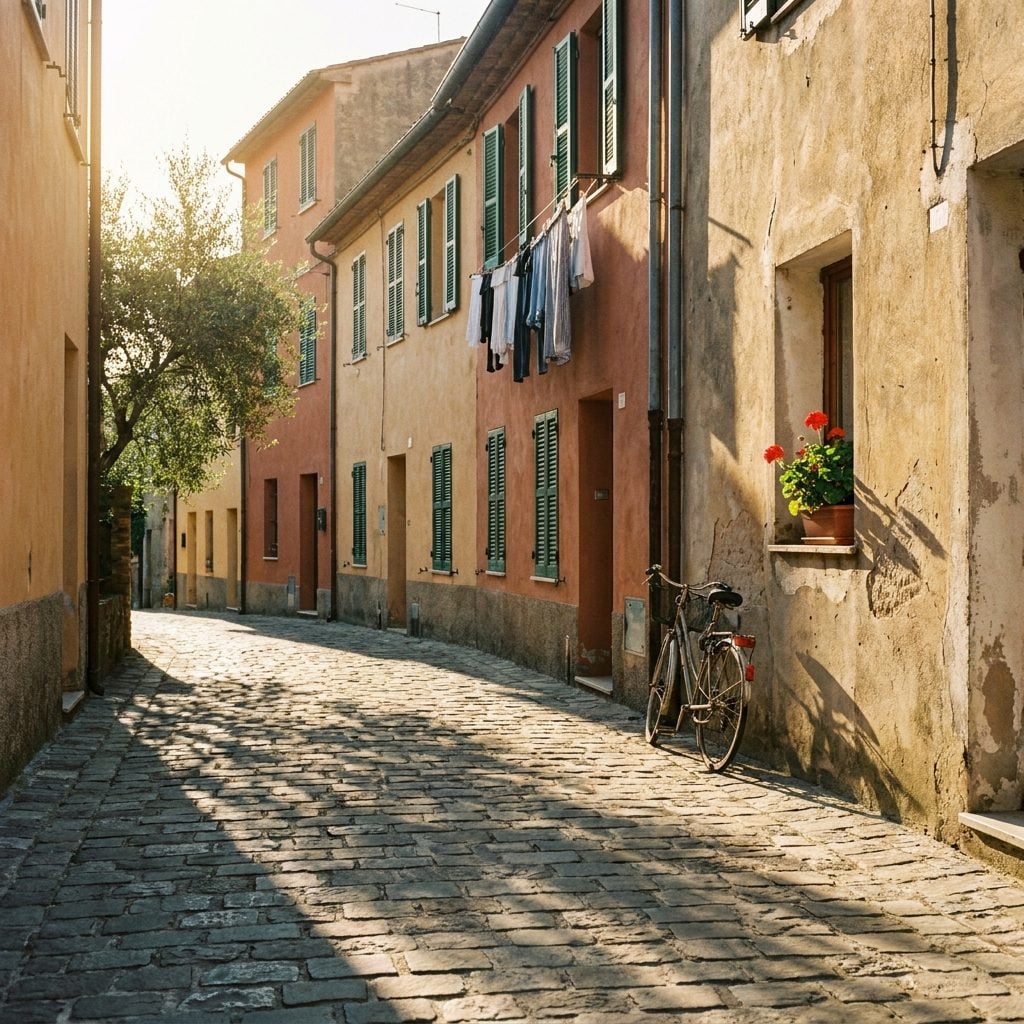
The Eiffel Tower is going to look like everyone else’s Eiffel Tower. Fine, take the shot. But the photo that will actually transport you back to Paris a decade later? It’s the bakery on the corner two blocks from your hotel, the one with the handwritten chalkboard and the cat in the window. Or the narrow street you wandered down after getting lost on the way to dinner.
Ordinary streets tell you what a place felt like to live in, which is a completely different thing than what it looked like to visit. Shoot the laundry lines, the corner shops, the peeling paint, the old bench where two locals sat with their morning coffee. These are the photos that age well—they caught something real rather than something famous.
Not Taking a Single Photo in Bad Weather, Even Though It Became Part of the Trip Story
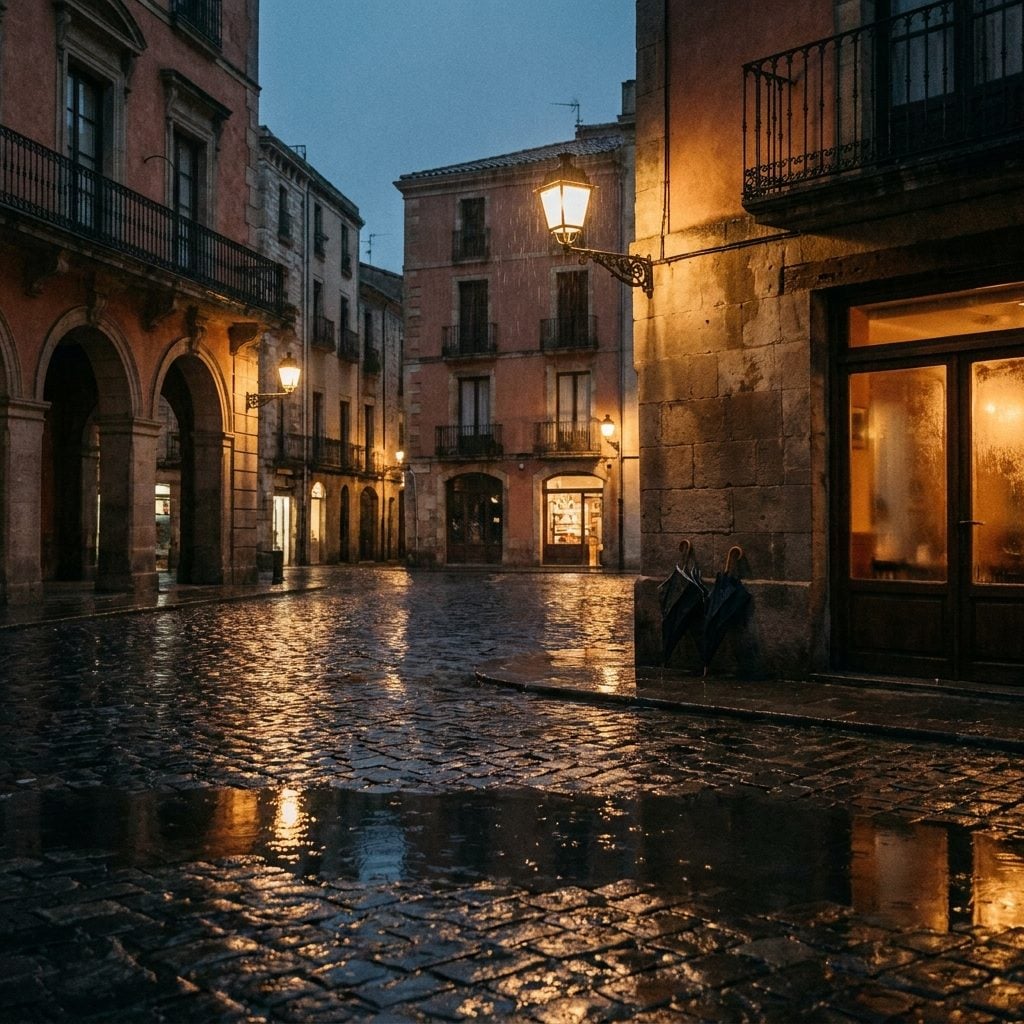
“The best trip stories always involve the weather going sideways.”
You remember the rainstorm in Lisbon. You tell the story every Thanksgiving—how you ducked under that awning and shared it with a family from Brazil and everyone was laughing. Not a single photo exists. The camera stayed in the bag.
Rain, fog, wind, grey skies—these conditions produce some of the moodiest, most genuinely memorable photographs you’ll ever take. Wet streets reflect light in ways dry pavement simply cannot. Fog strips a cluttered cityscape down to something almost painterly. And overcast light? Actually kinder to faces than harsh midday sun, which is one of those backwards truths nobody warns you about. Next time the weather turns, that’s your cue to pull the camera out, not bury it deeper.
Forgetting to Photograph Menus, Tickets, Maps, and Other Little Paper Artifacts
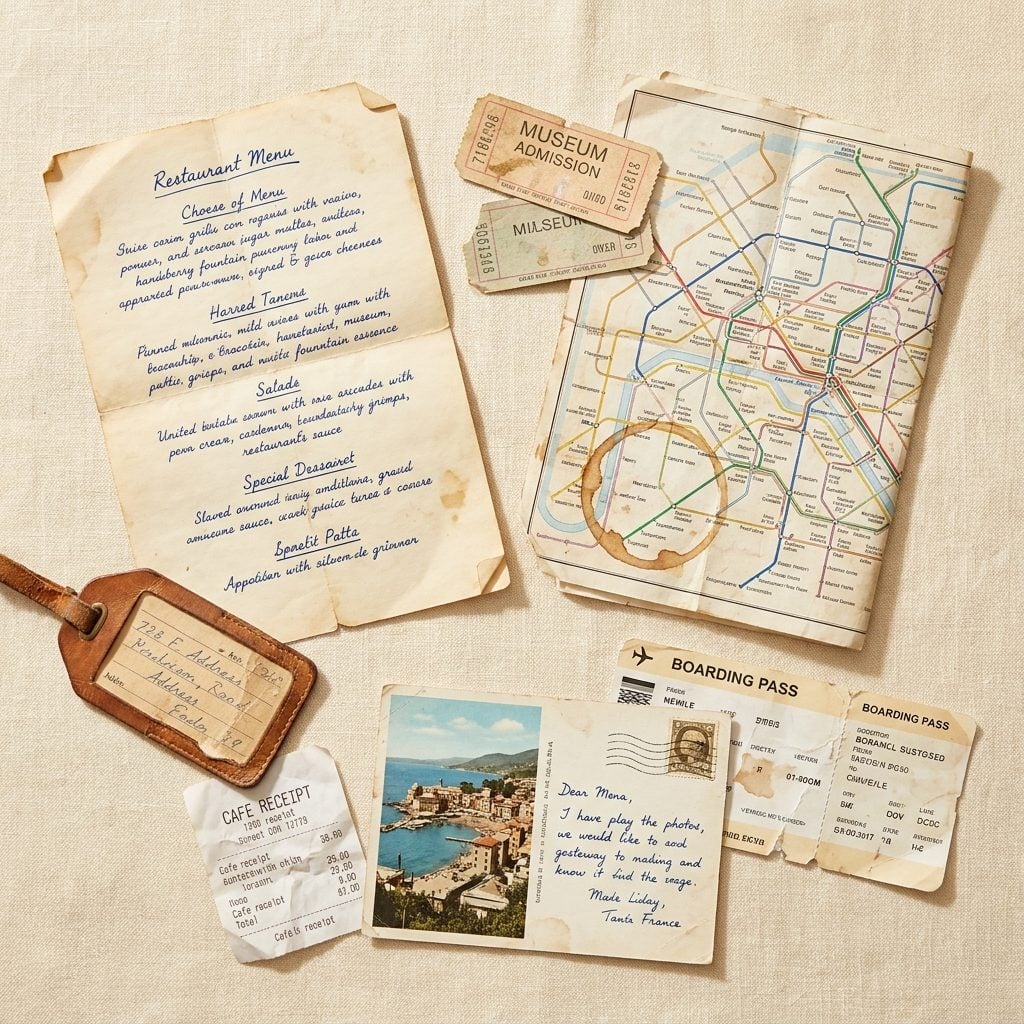
That handwritten specials board at the tiny restaurant in Seville. The paper ferry ticket with the departure time scrawled in pen. The map you carried for a week until it was soft as cloth along the creases. These things vanish—thrown away at the hotel, crumpled in a pocket, lost in an airport bin. And they were the texture of the trip.
A quick snapshot of a menu tells you exactly what you ate and what it cost, details your brain will blur within months. A photo of your marked-up guidebook page reveals what you planned versus what actually happened. Tickets, receipts, hand-drawn directions from a helpful stranger—these scraps turn a photo collection into a real narrative. Photograph them as you go. Three seconds, zero cost, disproportionate payoff years later when you’re flipping through the album and suddenly remember that ferry ride you’d completely forgotten.
Taking Every Group Photo in Front of Landmarks and Nowhere Else
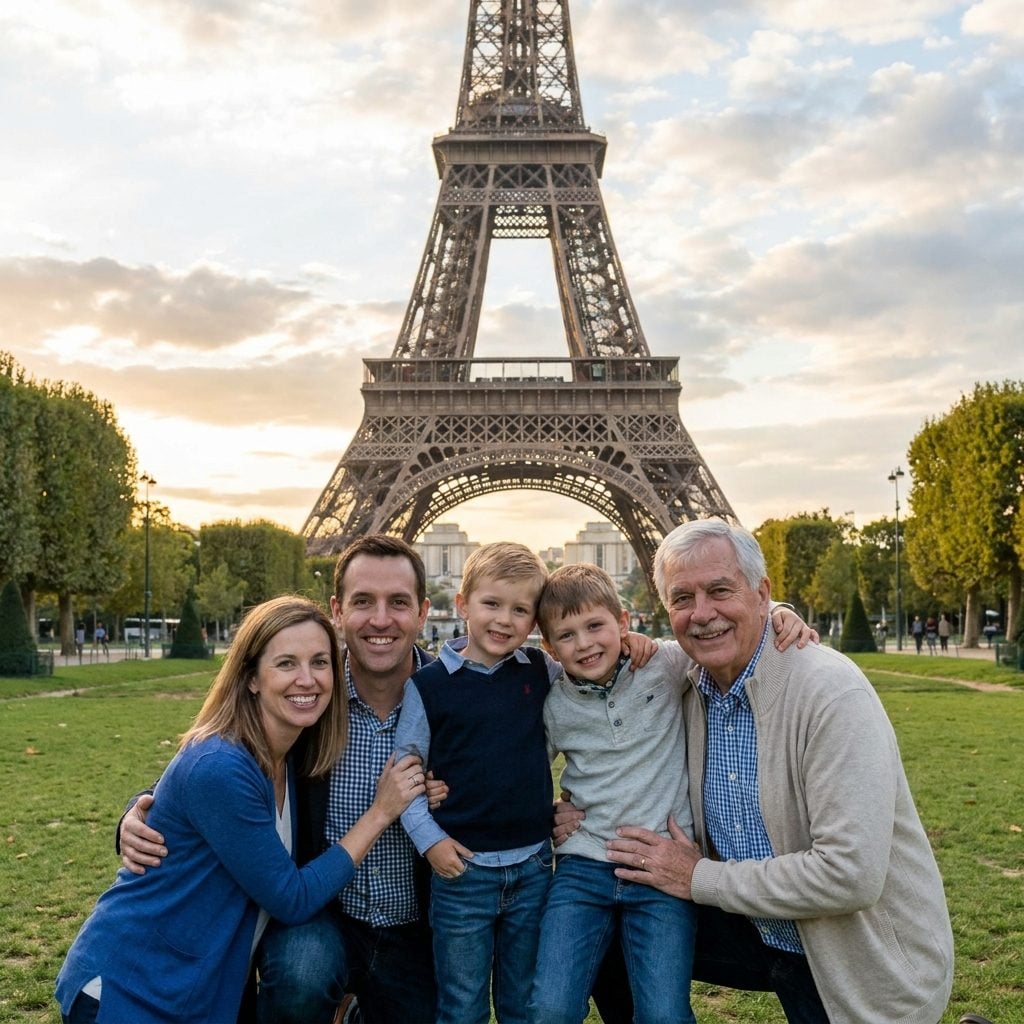
You know the drill. Everyone lines up shoulder-to-shoulder, the Eiffel Tower or Colosseum sits dead center behind them, somebody counts to three, and the result is indistinguishable from every other tourist’s photo taken from that exact spot. The landmark dominates. The people become interchangeable. You end up with forty versions of the same composition spanning your entire trip.
The fix is laughably simple: shoot group photos in ordinary, unplanned spots too. A restaurant table mid-laugh. The hotel lobby before you head out. A random bench where someone told a great story. These are the photos you’ll actually frame, because they capture who you were together in that place — not just proof you stood near something famous.
Not Capturing Any Candid Moments Between the Posed Shots

The best vacation photos are almost always accidents. Your partner reading the map upside down. Your friend passed out on a ferry with their mouth hanging open. Your mother pointing at something with absolute wonder on her face. These carry real emotional weight, and most people never capture them because the camera only surfaces for posed, everyone-smile-now situations.
A few years ago I started keeping my phone camera open during transition moments — walking between sites, waiting for food, settling into a train seat. I snap without announcing it. Don’t review. Don’t delete. Just let those in-between frames pile up. When you get home and scroll through, the unguarded shots will stop you cold. They’ll hit harder than any grinning lineup ever could.
Photographing Everything Horizontally (or Everything Vertically)
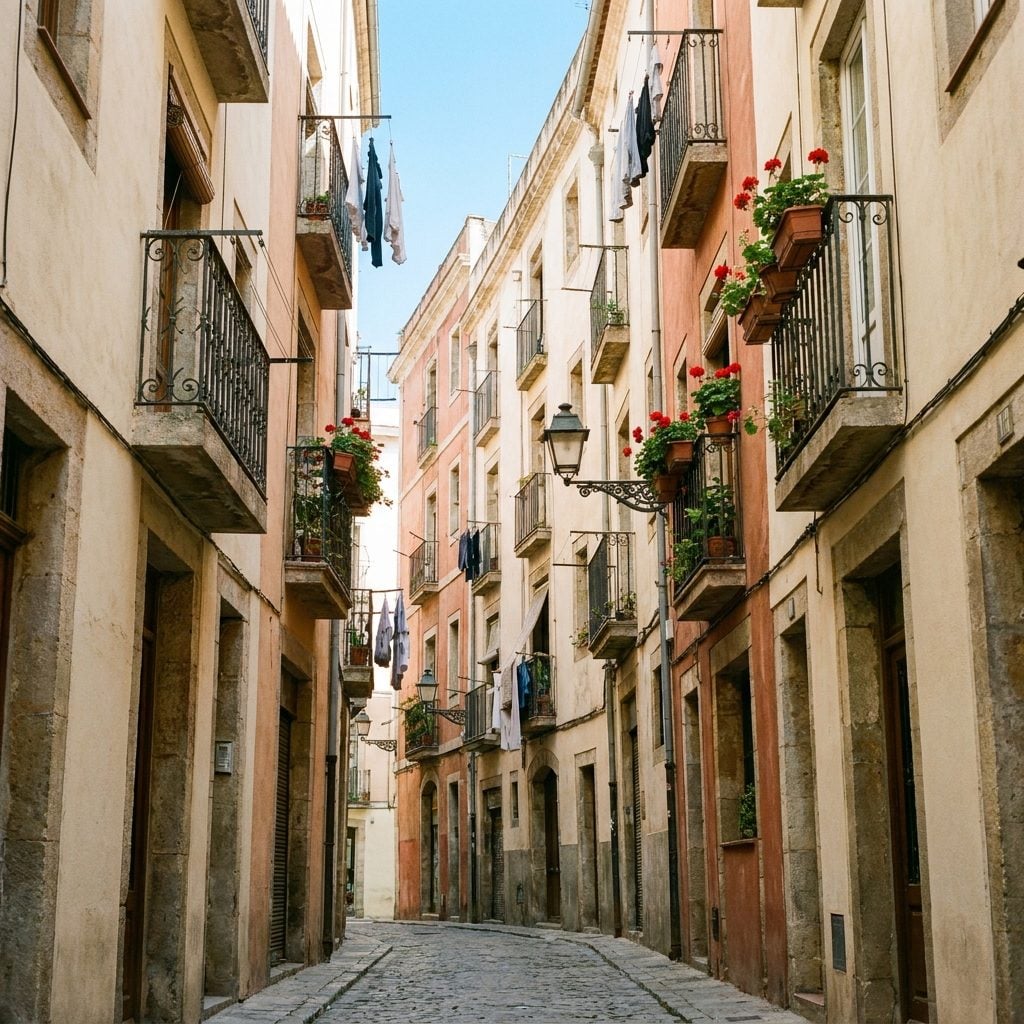
Most people lock into one orientation and never switch, holding their phone horizontally for everything or vertically for everything, and the result is a monotonous visual record that doesn’t match how each scene actually felt.
A narrow Italian alley begs for vertical. A wide Southwestern desert horizon demands horizontal. A close-up of hand-painted tiles? Could go either way. Let the subject dictate the frame, not your grip habit. Before you tap the shutter, take half a second: what’s the shape of this scene? Where does the eye want to travel? Then rotate. Your photo library will feel more varied and more true to the places you visited — because it is.
Ignoring the Sunrise and Sunset Hours That Make Ordinary Scenes Extraordinary
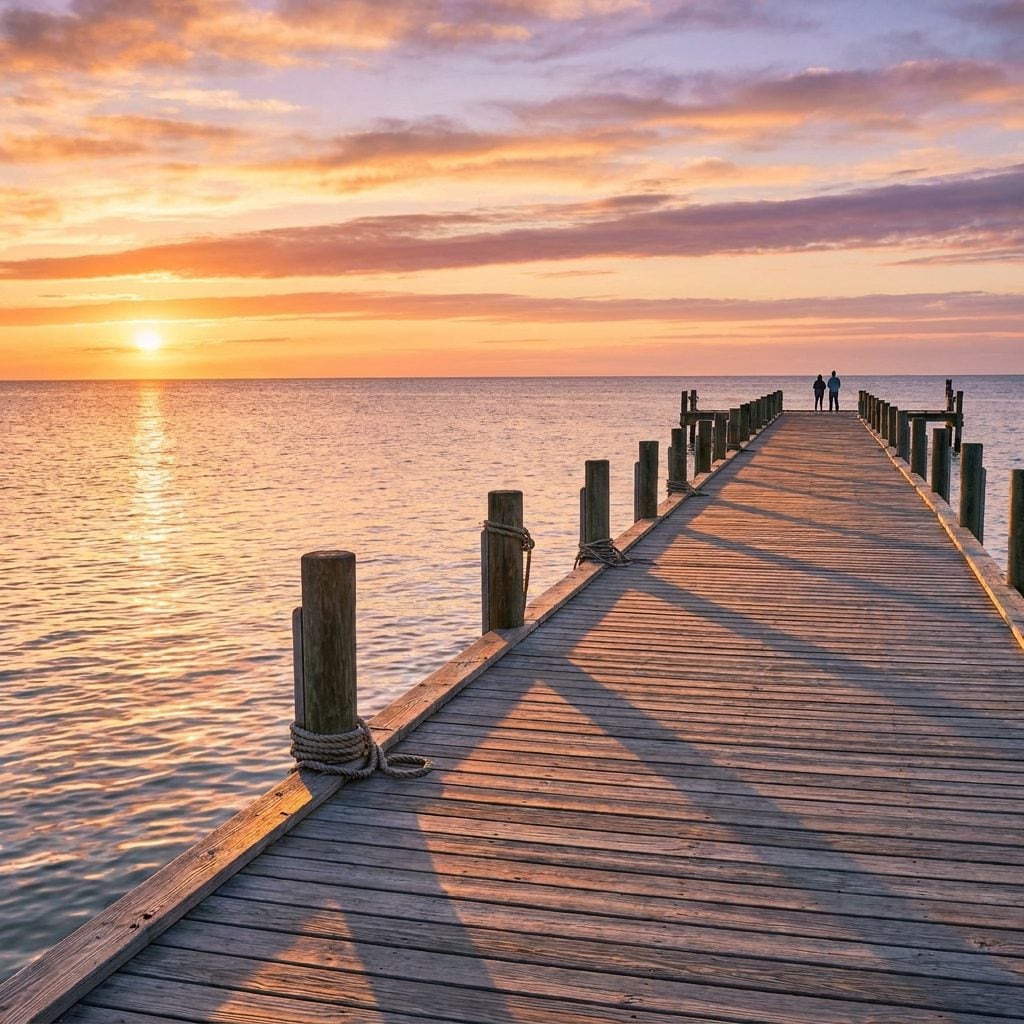
Harsh midday sun is the enemy of a good vacation photo — it flattens everything, carves dark shadows under eyes, and turns water into a featureless white glare. Yet that’s exactly when most people shoot the bulk of their pictures, because that’s when they’re out sightseeing.
The Golden Hour Advantage
Photographers call the first and last hour of sunlight “golden hour” for good reason. Light comes in low and warm. Textures pop. Colors deepen. Even a parking lot can look cinematic. You don’t need to wake at dawn every day — but pick one or two mornings to set an alarm, grab coffee, and just walk with your camera during that opening hour of light. The difference is so dramatic it almost feels unfair.
Standing in the Exact Same Pose in Every Single Photo
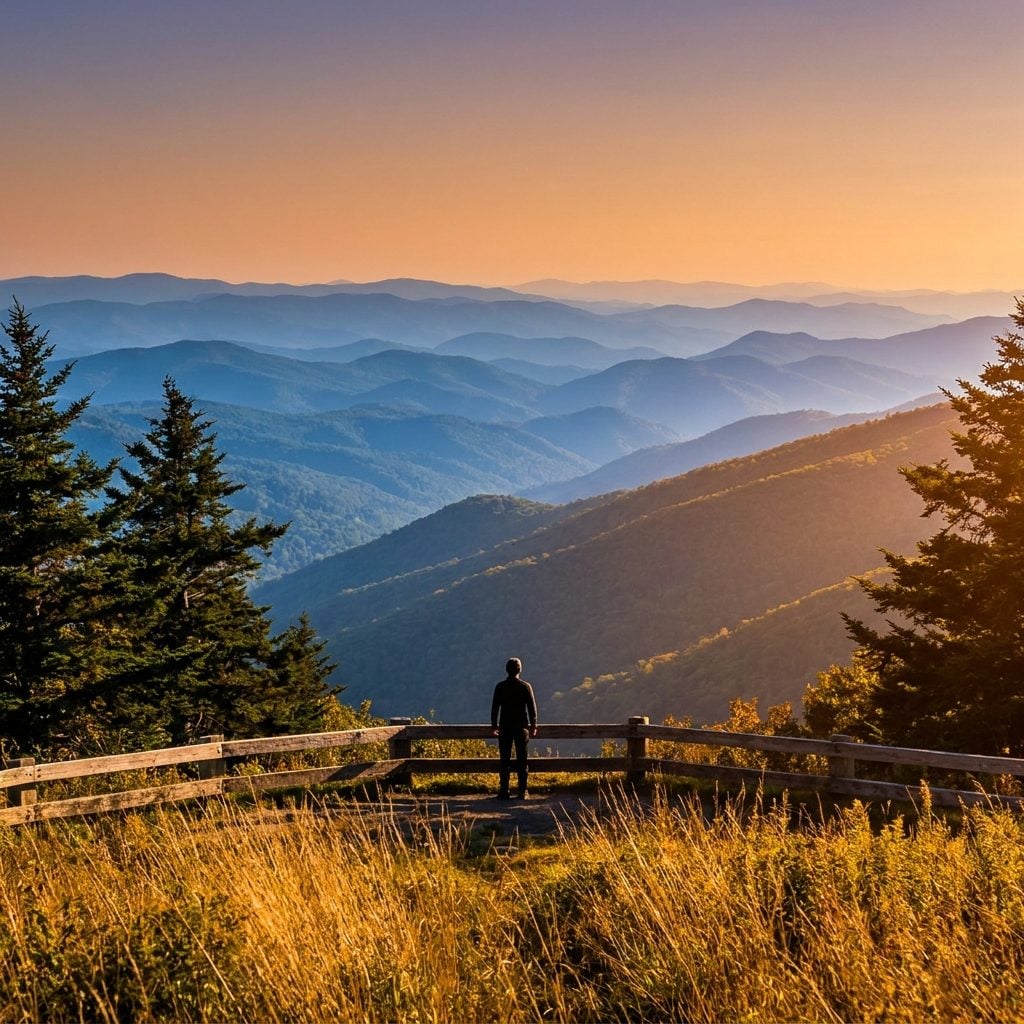
Feet together, hands at sides, face the camera, smile. Next location: same thing. I did this for an embarrassing number of years before someone finally pointed it out, and now I can’t unsee it in my old albums. Fifty different destinations, one identical human shape pasted onto each.
Try this instead. Lean on a railing. Sit on steps. Walk toward the camera — have someone shoot a burst of frames while you do. Look away from the lens at something that genuinely caught your eye. Crouch down. Point at a menu. You’re not modeling. You’re trying to look like someone who was actually living in that moment rather than standing for inspection.
Failing to Photograph Your Travel Companions Individually

Group shots are great. But scan your camera roll from your last trip and count how many solo portraits you took of each person you traveled with. For most people, that number is embarrassingly close to zero.
Individual photos hit differently than group shots. They say: I saw you. I noticed you in this place. Your daughter studying a menu in Barcelona. Your husband cracking up at something on the ferry. Your best friend dozing off with a guidebook draped over her face. Take one deliberate solo portrait of each companion per day — not posed, not announced. Just a quiet frame that says you were paying attention to them, not only the scenery.
Only Taking Wide Shots When the Close-Up Details Tell the Real Story

A wide shot of a Tuscan hillside village tells you where you were. A close-up of the hand-painted ceramic house number on the door of your rental tells you what it felt like to be there. Both matter. Most travelers only bother with the first.
Details separate your trip from everyone else’s trip to the same place:
- The pattern on the tile floor of that restaurant where you had the best meal
- The brass latch on the garden gate at your hotel
- The handwritten chalkboard menu at the cafe you returned to three mornings running
Get close. Fill the frame with texture, color, and specificity. Those detail shots become the connective tissue between your wider scenes — the glue that turns a collection of images into an actual story.
Skipping the Local Signs, Storefronts, and Street Scenes That Root Your Photos in Place
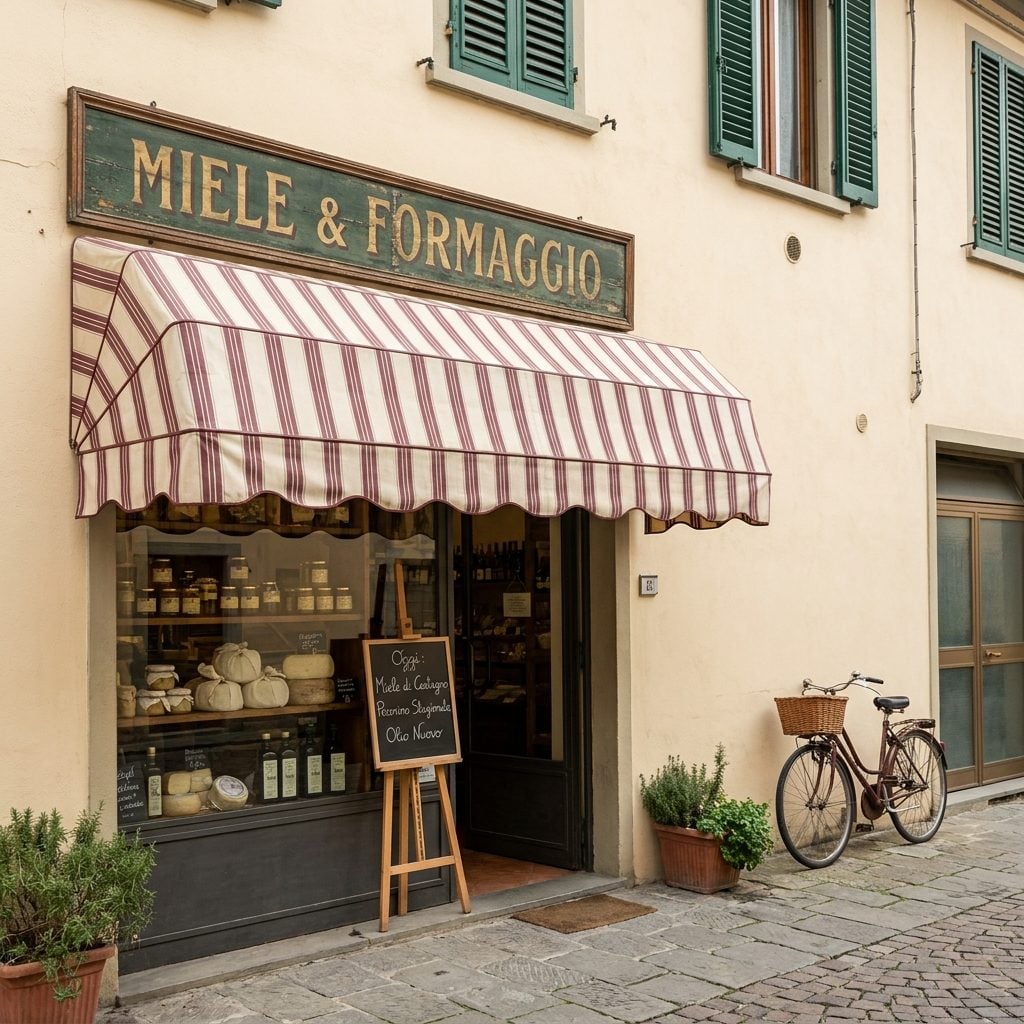
Street-level details are the first things to fade from memory. Six months out, you’ll struggle to recall the name of that bakery you loved, what the street looked like at dusk, or the hand-lettered sign above the wine shop where the owner poured you free samples for twenty minutes. And yet these atmospheric shots are exactly the ones that rebuild a place in your mind when you revisit them years later.
Make it a habit. Every time you turn onto a new street that catches your eye, stop and take one frame of the scene before you walk into it. Storefronts, neon signs, market stalls, alley cats posted up on stone walls, laundry on lines. This is the texture of travel. It costs you nothing but a second of attention.
Deleting “Imperfect” Photos on the Spot That Would’ve Become Your Favorites

I once deleted a photo of my wife on a beach in Portugal because her hair was blowing across her face and half the frame was washed out. By every technical measure, a bad photograph. I think about it more than any of the “good” ones I kept from that trip. The wind, her squinting laugh, the chaos of it — gone, because I was editing on a three-inch screen in harsh sunlight and thought I was being efficient.
Stop deleting photos during the trip. Storage is cheap. Your judgment of what matters will shift completely once you’re home, once the trip has settled into memory and the little imperfections start radiating warmth instead of annoyance. The blurry, off-center, accidentally-triggered shots often carry more life than the composed ones. Let them all survive. Edit later, on a real screen, with some distance between you and the tan lines.
Taking Photos Through Grimy Bus, Train, or Airplane Windows
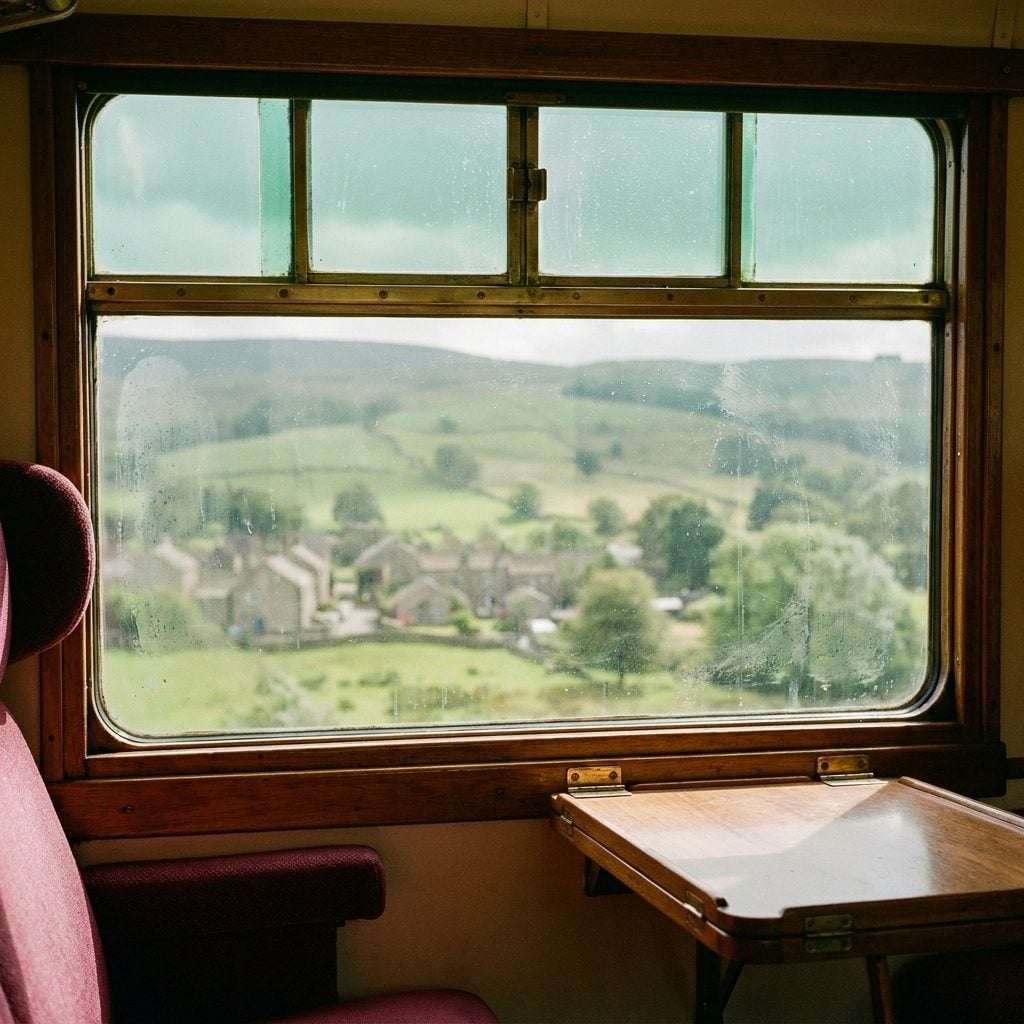
That mountain range from the airplane window looked incredible. Then you tapped the shutter through two layers of scratched, UV-coated plastic and got a greenish, hazy mess with a ghostly reflection of your own forehead floating over the Alps. Trains and buses are often worse — fingerprints, rain streaks, tinted coatings all conspiring against you.
Two options. First, if the window opens or you can get close enough to eliminate the gap, press your phone directly against the glass and cup your free hand around the lens to block reflections. That alone fixes most of the problem. Second — and this is the harder truth — sometimes the view is just for you. Not every spectacular sight needs to become a photograph. Some are better left as the memory of pressing your face to cold glass, watching it all slide by, keeping none of it and somehow having all of it.
Not Checking Whether Live Photos or Burst Mode Accidentally Captured a Better Shot
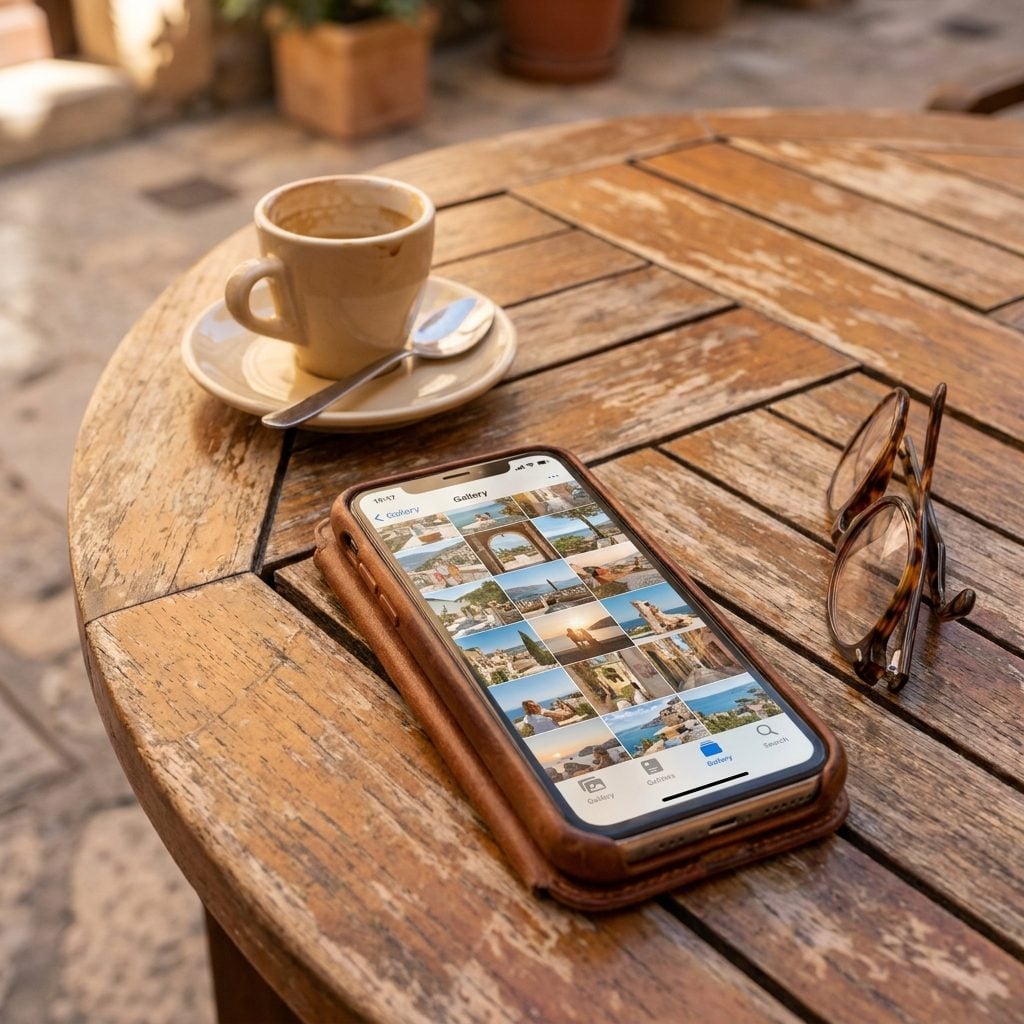
Your phone is doing more work than you realize. Live Photos on iPhone and Motion Photos on most Android devices grab a few seconds of footage around every still shot — and somewhere in those extra frames is the version where nobody’s blinking, the wind caught your hair at just the right angle, or a pelican photobombed in the most spectacular way.
On iPhone, open the photo, tap “Live” in the upper left, scrub through the frames, and tap “Make Key Photo” when you land on the winner. Pixel and Samsung devices offer a similar frame-selection tool. Do this on the flight home while the trip is still vivid. You’ll rescue shots you assumed were garbage, and the whole process takes seconds per photo.
Missing the First and Last Day of the Trip Because You’re Focused on Logistics

Arrival day and departure day are real days. They have light and views and streets you’ll walk through exactly once — but most of us waste those hours staring at luggage carousels and checkout folios, ending up with zero photos from either end of the trip.
I did this for years. Every album started on day two and ended the night before we left. The fix is almost embarrassingly simple: treat the taxi ride from the airport as a photo opportunity. Shoot through the car window. Get the hotel lobby, the view from your room before you’ve set your bags down, the restaurant where you ate that first exhausted dinner. On departure day? Wake up half an hour early and walk around the block with your phone. Those bookend shots give your album a narrative arc — a beginning and an end — instead of a collection that starts mid-sentence and just stops.
Never Turning Around to Photograph the View Behind the Famous Landmark
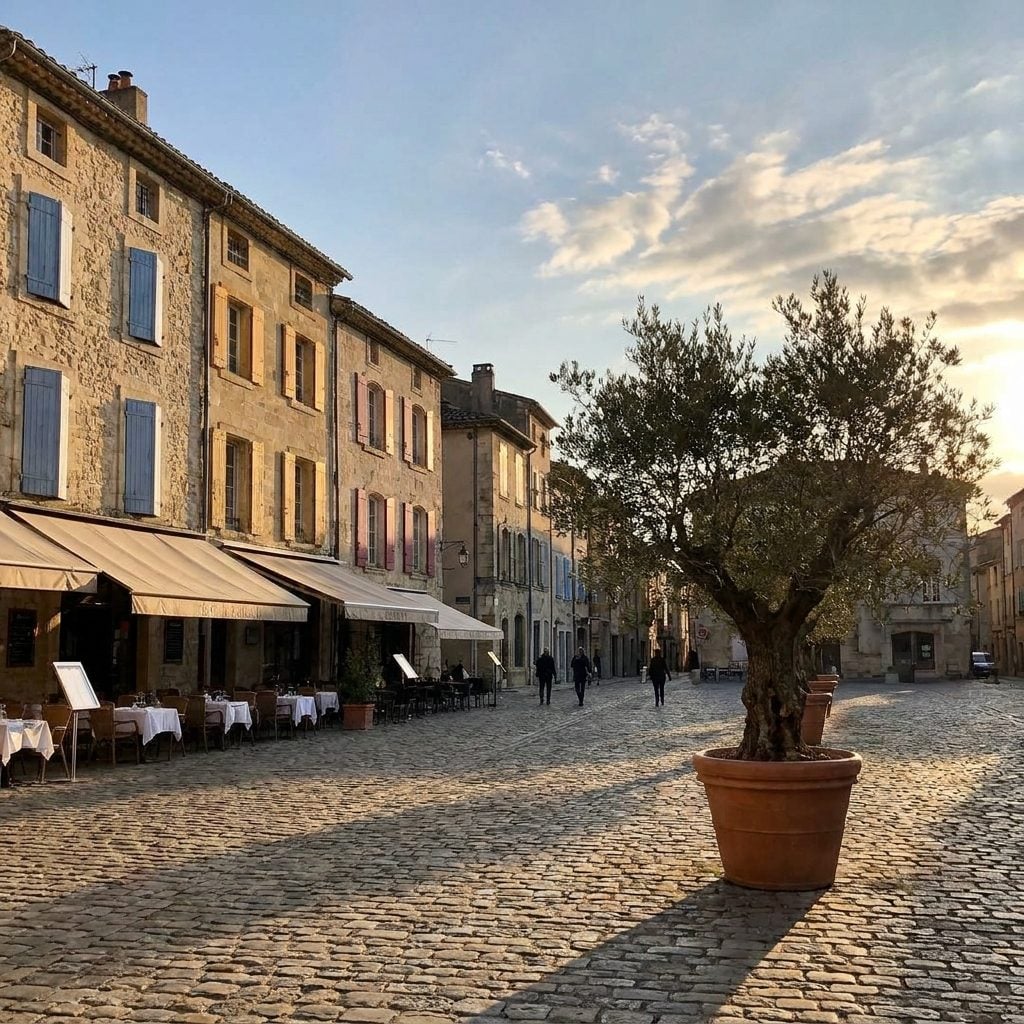
Everyone photographs the Colosseum. Almost nobody turns around to photograph what the Colosseum is looking at.
That view behind you — the one you’re standing with your back to while 40 other tourists jostle for the same angle — is frequently more compelling than the landmark itself. The narrow street that led you there. The row of umbrella pines against the sky. An old man selling chestnuts from a cart. These are the images that will gut-punch you a decade from now, because they preserve what it felt like to stand in that place, not just what occupied that place. Make it a reflex: take the famous shot, do a literal 180, take one more. Three seconds. That second frame is the one you’ll print.
Only Photographing Expensive or Impressive Moments and Missing the Funny Ones

The $200 dinner gets photographed. The moment your spouse’s sandal broke crossing a cobblestone bridge does not. Five years later, which one makes everyone at the table cry laughing?
We self-edit toward the impressive and away from the ridiculous, and it turns our photo collections into brochures. The wrong bus. The absurd portion size. The hotel room that bore zero resemblance to what the website showed. The handwritten sign with an unfortunate translation — photograph all of it. These aren’t lesser moments. If anything, they’re the only moments that are uniquely yours, the ones no other traveler will ever replicate, the ones that separate your trip from a stock photo set. Let yourself document the mess. The mess is the story.
Skipping Night Photos Entirely
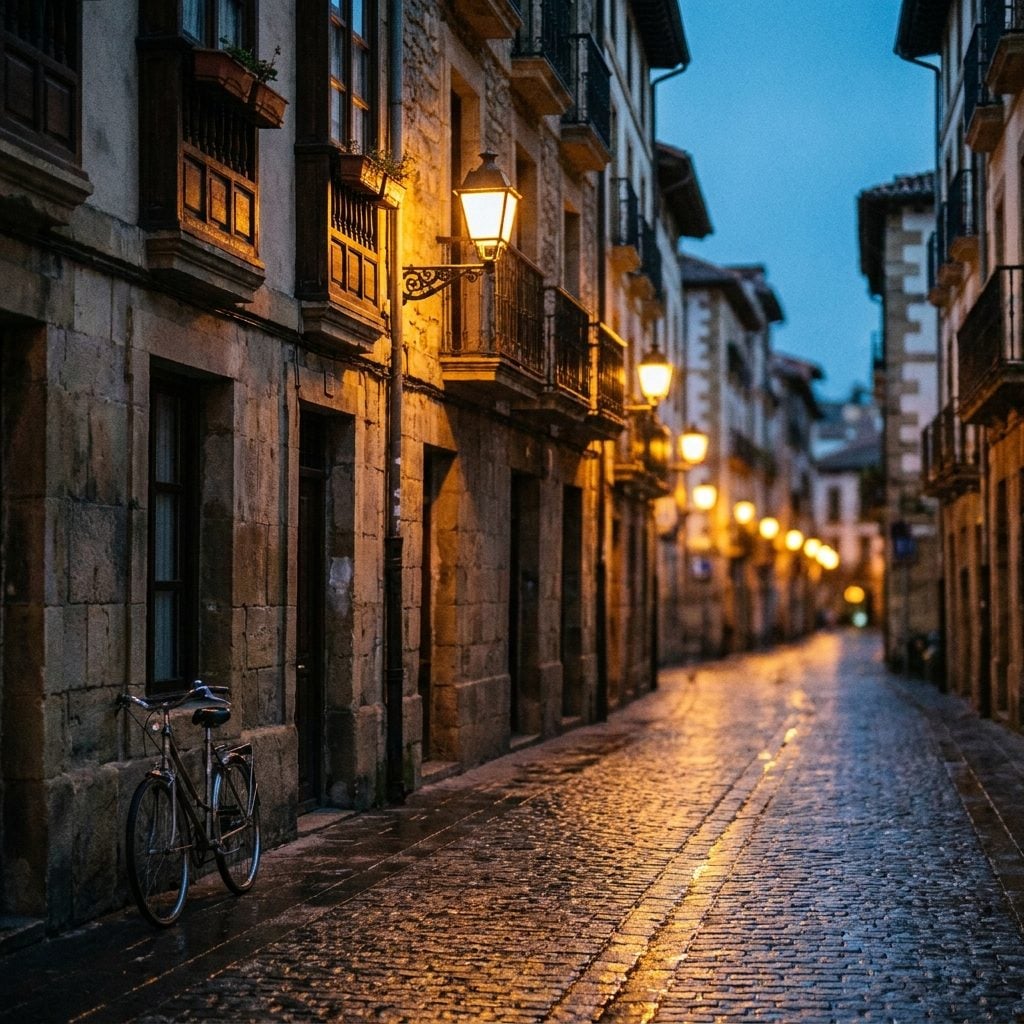
Night is half the trip. If you only shoot in daylight, you’re throwing away half of where you went.
Most people avoid night photos because they assume phone cameras can’t handle low light. That was true a decade ago. It is flatly not true anymore — night mode on any recent phone is shockingly capable. The trick is holding still for a couple of seconds while the phone processes, and bracing yourself against a wall or railing helps enormously.
Three Night Shots Worth Taking Every Trip
- The street you walked to dinner, lit by whatever lamps or signs happened to be on
- The view from your hotel window after dark
- Any body of water reflecting city lights
Night photos carry a mood that daylight simply doesn’t. You’ll be startled how well they turn out.
Not Taking Photos from Your Hotel Balcony, Cruise Ship Deck, or Room Window

That view from your temporary home base belongs to nobody else. No guidebook recommended it; no tour group ever gets herded toward it. It’s the specific slice of the world that existed only from your room, on your trip, and you will forget it within weeks if you don’t grab it.
Shoot it at different times of day when you can — morning light and evening light from the same window will look like two different cities. And don’t crop out the railing or the curtain edge. Those elements are exactly what separates a memory from a stock image. They say: I stood right here, in this precise spot, and looked at this.
Forgetting to Record a Few Short Videos Along with Still Photos
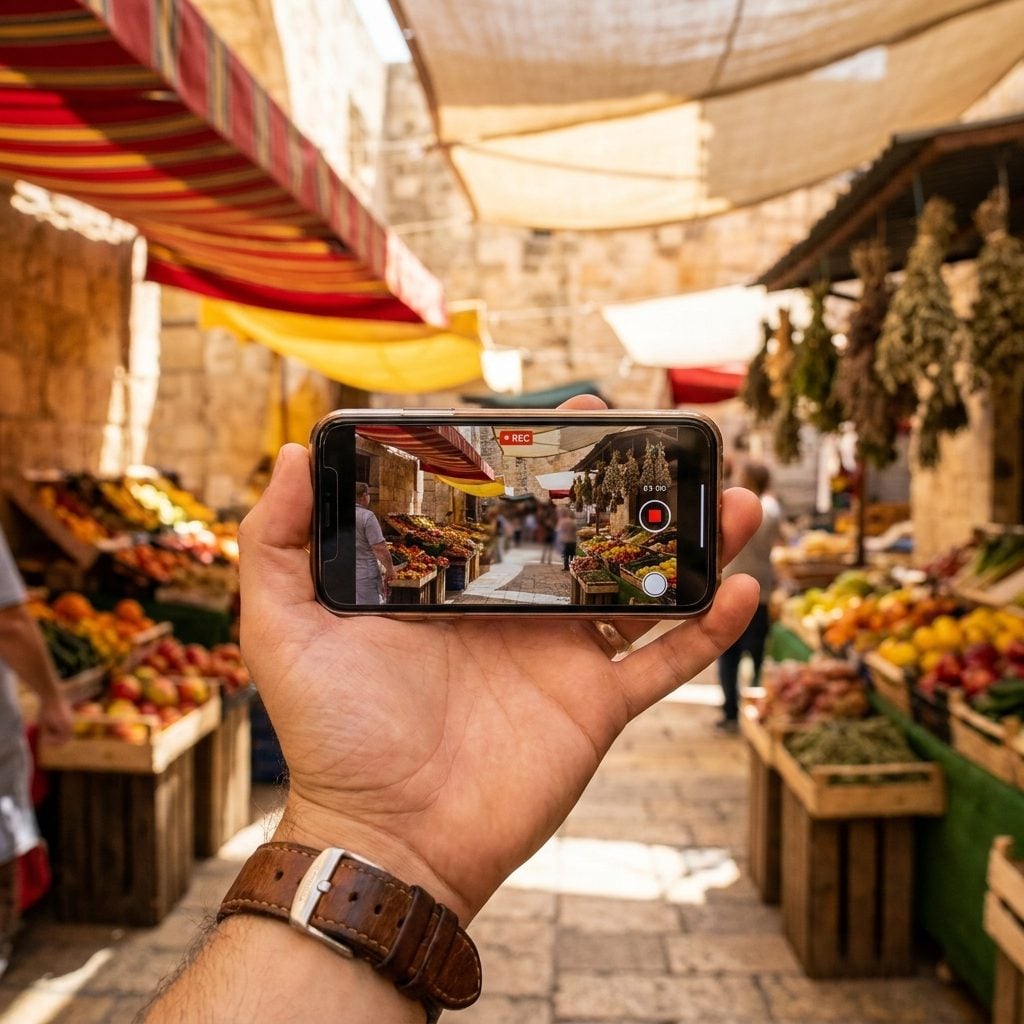
A photo of waves crashing is nice. A ten-second video of waves crashing — with the roar of the water, the wind, and your kid muttering something absurd off-camera — is a time machine.
You don’t need to become a videographer. A handful of clips per day, each under fifteen seconds, is plenty. The ambient sound of a street market. A gondola sliding under a bridge. A slow pan from your table to the sunset. Keep them short, and whatever you do, don’t narrate over them. The ambient audio is the entire reason these clips work. When you watch them years later, the sound will hit you before the image does — the clatter of a tram, the muezzin’s call, the clinking of glasses at the table next to yours — and you’ll recover things no photograph could have held onto.
Never Taking a Photo That Shows the Actual Scale of a Place
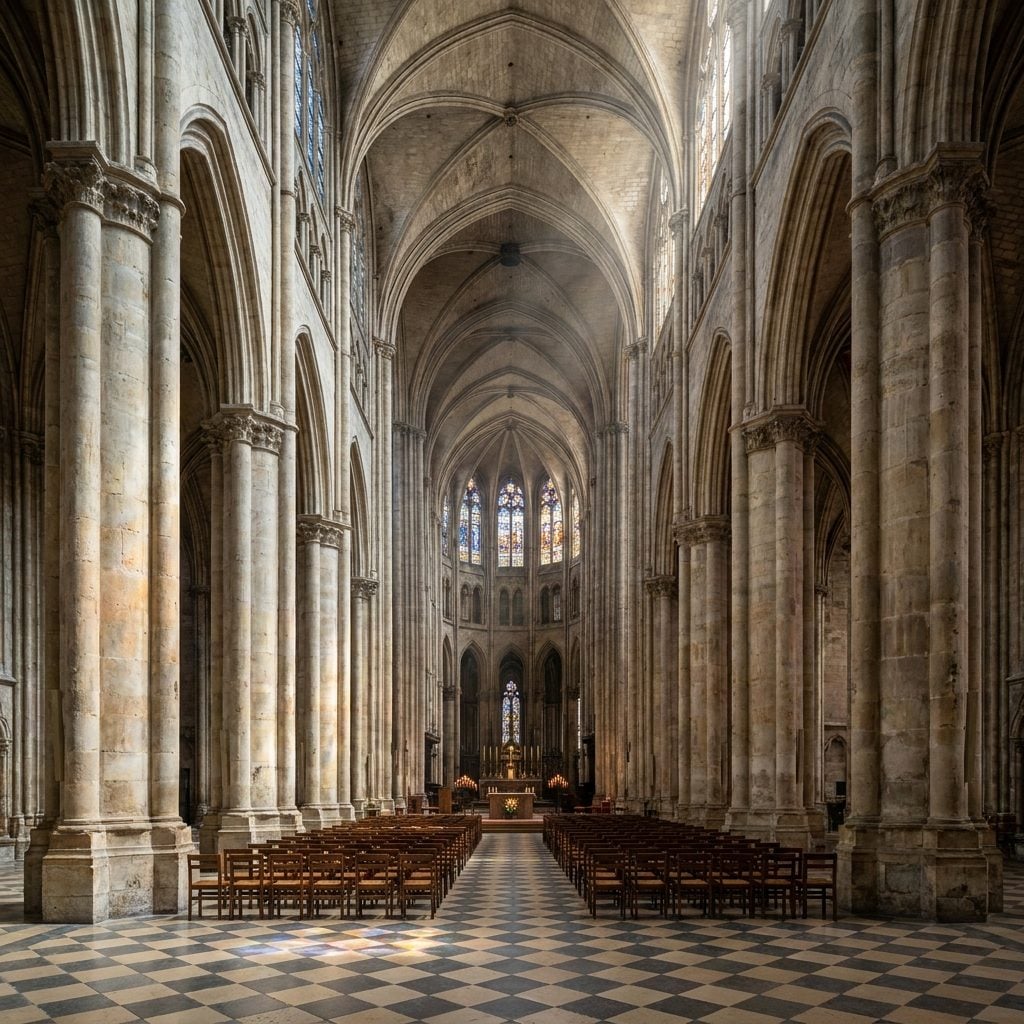
The Grand Canyon looks like a ditch in most vacation photos. Notre-Dame looks like a parish church. Your camera isn’t the problem — you’re just not giving the viewer anything to measure against.
Scale demands a reference point. A person at the base of a redwood. A single chair on a vast hotel terrace. Your rental car dwarfed by a cliff face. Without that anchor, the brain compresses everything to fit the frame, and a cathedral and a closet become the same size on a phone screen. Maddening, honestly. Next time you’re somewhere enormous, look for the smallest thing you can put in the foreground. That contrast is what makes a photo feel immersive rather than flat.
Only Photographing the Attraction and Not the Walk to Get There

I learned this one the hard way — repeatedly. I have a hundred photos of famous places and almost none of the twenty-minute walks that led me to them. Guess which part of the day was usually better?
The crooked alley with laundry strung between buildings. Stone steps where a cat was sprawled in a patch of sun. A hand-lettered bakery sign you almost stopped at but didn’t. These connecting moments are the connective tissue of travel, what made the experience feel like wandering through a living place rather than ticking items off a checklist. So start pulling your phone out halfway there, not just when you arrive. The path is usually more photogenic than the destination — and it’s certainly more personal, because nobody else walked the exact same route you did, noticing the exact same cat on the exact same step.
🔥 Would you like to save this?
Please note that some of the imagery in this article were created with the aid of AI image generators.