
The dial-up screech never happened. No blinking cursor on a Netscape browser, no “You’ve Got Mail” chime cutting through a quiet den at 11 p.m. The world just kept spinning on rotary phones, carbon-copy forms, and the 6 o’clock news. It sounds like a thought experiment, but for most of us over 40, it’s just called “growing up.” The strange part isn’t imagining life without the internet. It’s realizing how quickly we forgot what that life actually felt like.
🔥 Would you like to save this?
Travel Agents Would Still Handle Most Family Vacations (And You’d Actually Trust Them)
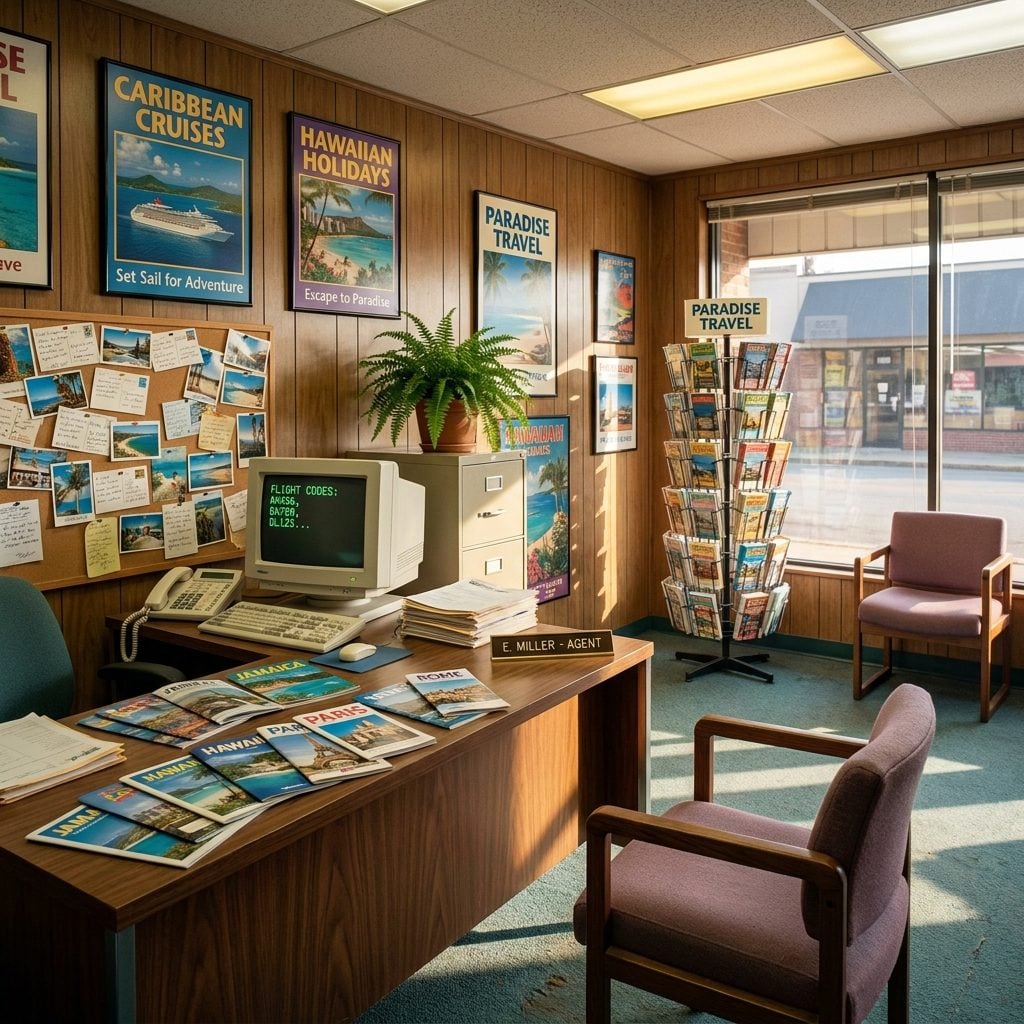
Here’s something I genuinely miss: sitting across from a person whose entire career revolved around knowing which resort had the better pool. Travel agents weren’t just booking flights. They were curating your two weeks of freedom with the authority of someone who’d personally walked the hotel hallways and tasted the breakfast buffet.
Without the internet, there’d be no Kayak, no Expedia, no rabbit hole of 47 browser tabs comparing room rates at 1 a.m. You’d walk into a storefront office on Main Street, describe your budget and your kids’ ages, and a woman named Diane would hand you a glossy brochure and say, “Trust me on this one.” And you would. Because Diane had been there.
The loss of the travel agent isn’t just about convenience changing hands. It’s about surrendering expertise to algorithms. Diane knew that the ocean-view upgrade was worth it at that specific property and that the poolside rooms were loud on weekends. Google doesn’t know that. Google gives you 14,000 results and a panic attack.
Paper Road Atlases Would Still Be a Glovebox Essential You Fought Over
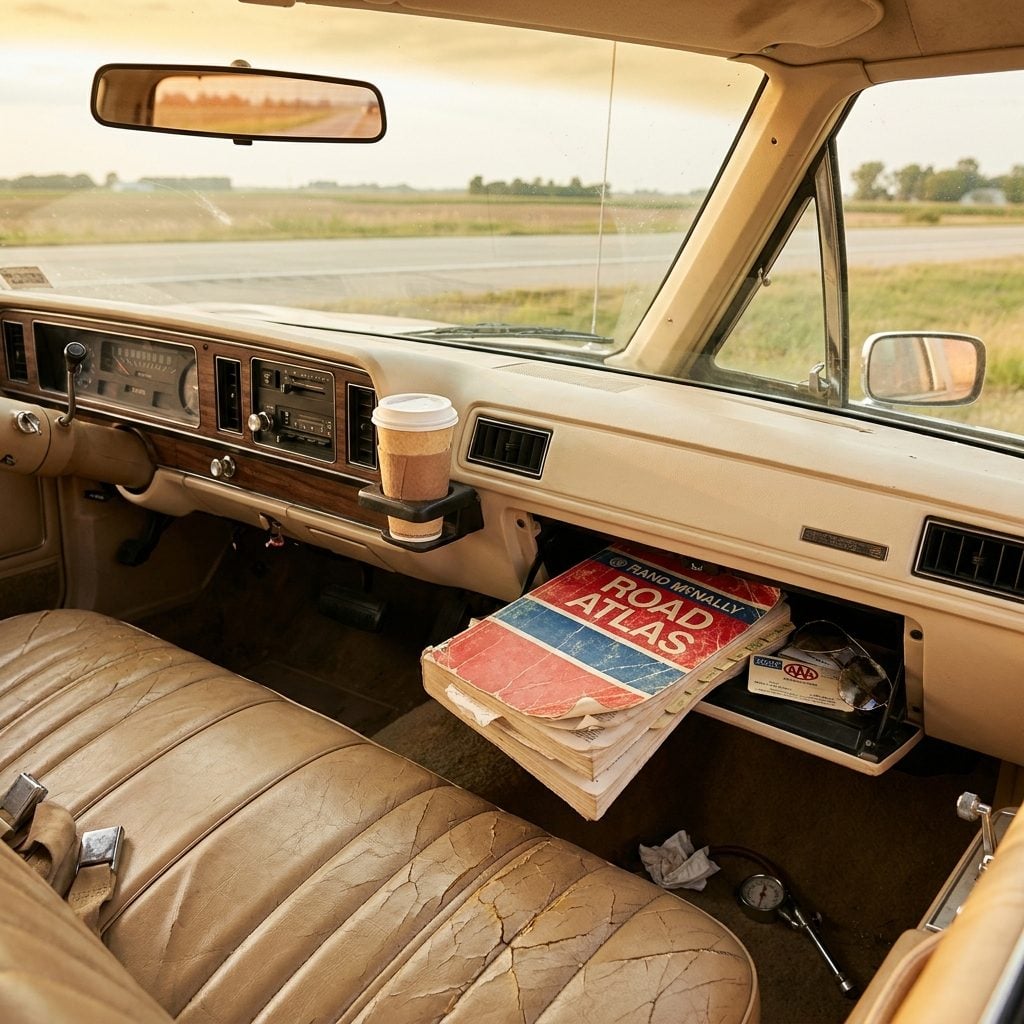
Nobody ever refolded it correctly. Not once. Not in the entire history of the Rand McNally road atlas. You’d pull it from the glovebox in a mild panic somewhere outside of Tulsa, wrestle it open across the dashboard, and spend the next forty minutes with your passenger navigator squinting at a crease that ran directly through the one interchange you needed.
But here’s what gets lost in the GPS era: reading a paper map gave you a relationship with geography that a blue dot on a screen never will. You understood where you were relative to rivers, mountain ranges, state lines. You knew you were heading southwest because you could see it on the page, not because a voice told you to bear right in 400 feet.
People Would Still Visit Libraries for Research (And Librarians Would Still Be the Real Search Engine)
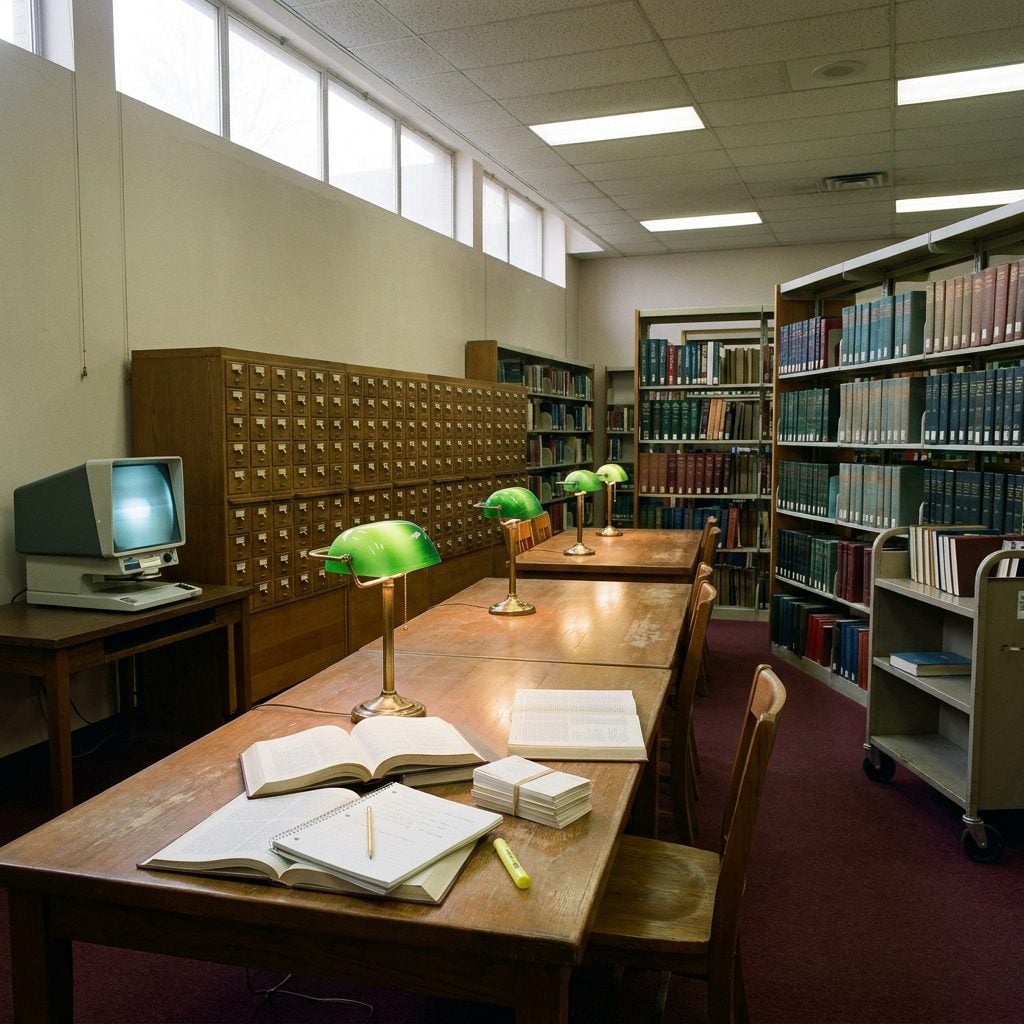
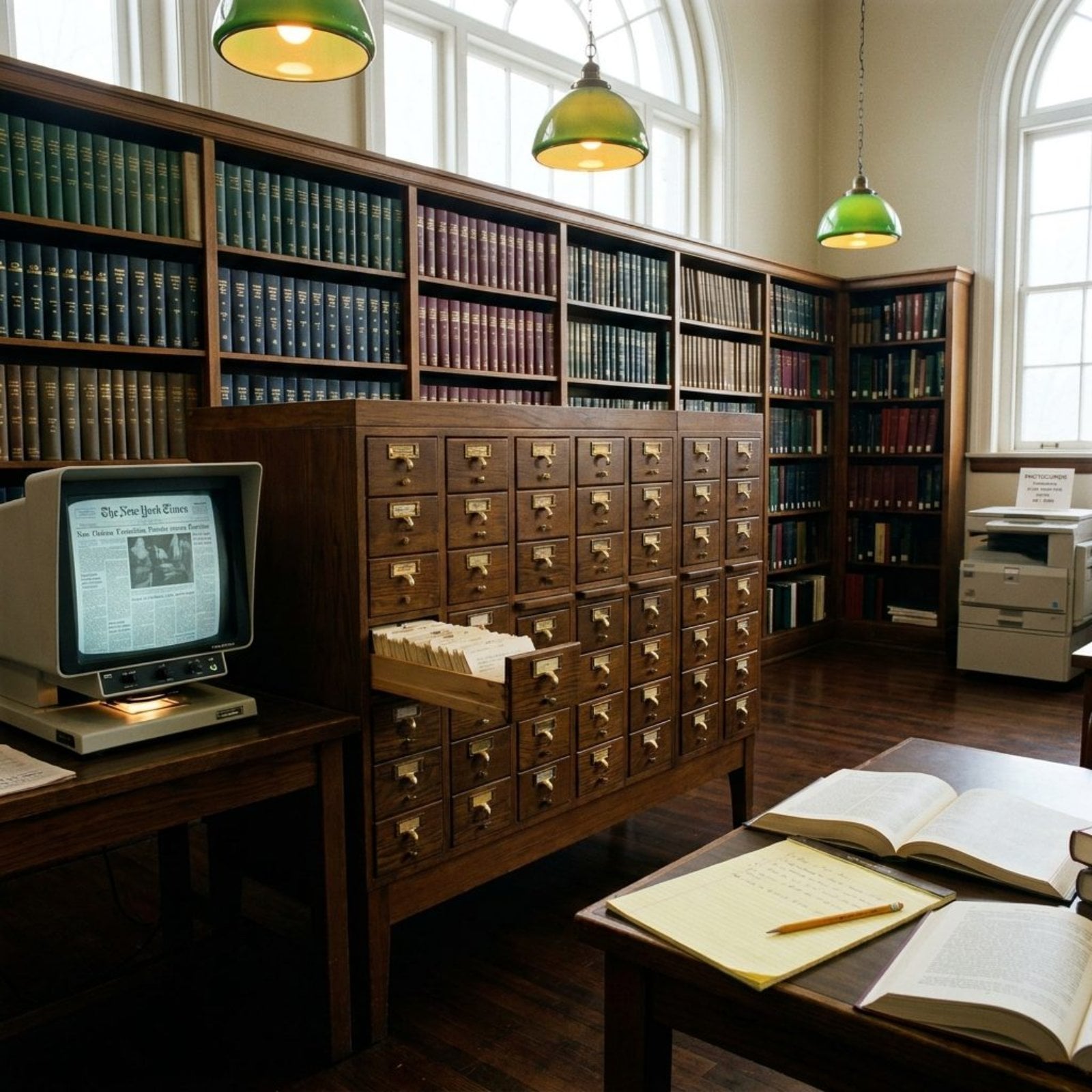
Google killed the reference librarian the way the automobile killed the blacksmith, which is to say slowly and then all at once. Without the internet, every research question would still begin with a human being behind a desk who somehow knew exactly which shelf, which volume, which page held the answer to your weird 11th-grade history paper question.
And the card catalog. Lord, the card catalog. Drawers the size of bread loaves, each one stuffed with index cards typed on actual typewriters. Finding a book was a physical act. You pulled, you flipped, you scribbled a Dewey Decimal number on a scrap of paper and went hunting through the stacks like it was a treasure map. Sometimes you found the book. Sometimes you found a better one next to it. That kind of accidental discovery is nearly extinct now.
Movie Rental Stores Would Still Own Friday Night (And the Late Fee Would Still Sting)
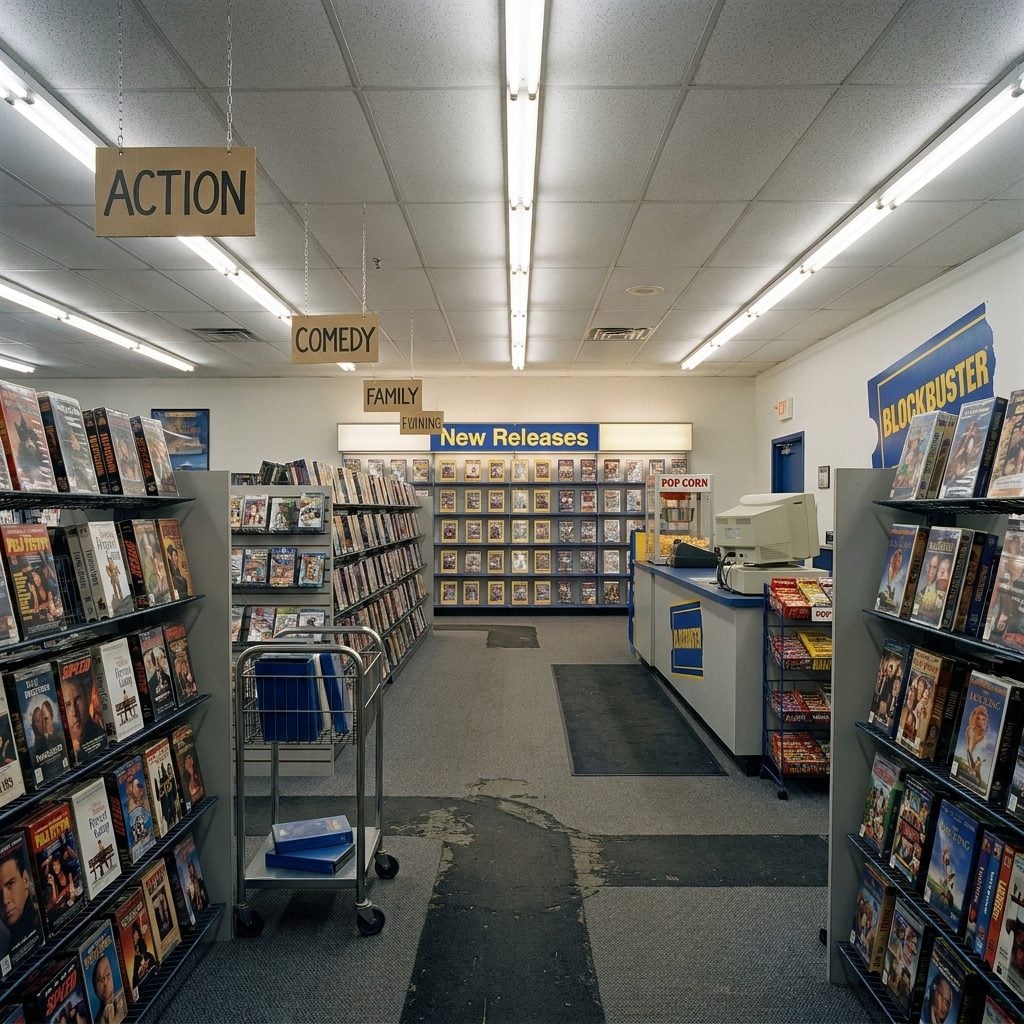
Friday at 6 p.m. The whole family piles into the car for a trip that felt as ritualistic as Sunday church. You had maybe forty minutes before the good copies of the new releases were gone, and the pressure was real.
Blockbuster in its prime was a sensory experience that streaming can never replicate. The carpet smelled faintly of popcorn and cleaning solution. The fluorescent lights hummed. You’d wander the aisles running your fingers along VHS spines, pulling one out to read the back, putting it back, pulling out another. The negotiation between family members over what to rent was its own kind of diplomacy. Dad wanted an action movie. Mom wanted a comedy. The kids wanted something rated PG-13 that was really PG-13. Everyone compromised. Nobody was entirely happy. That was the whole point.
And the late fees. Three dollars and seventeen cents, charged with the moral weight of a federal fine. I’m still convinced Blockbuster made more money on late returns than on rentals.
Classified Ads in Newspapers Would Still Be How You Found a Job, an Apartment, and a Used Couch
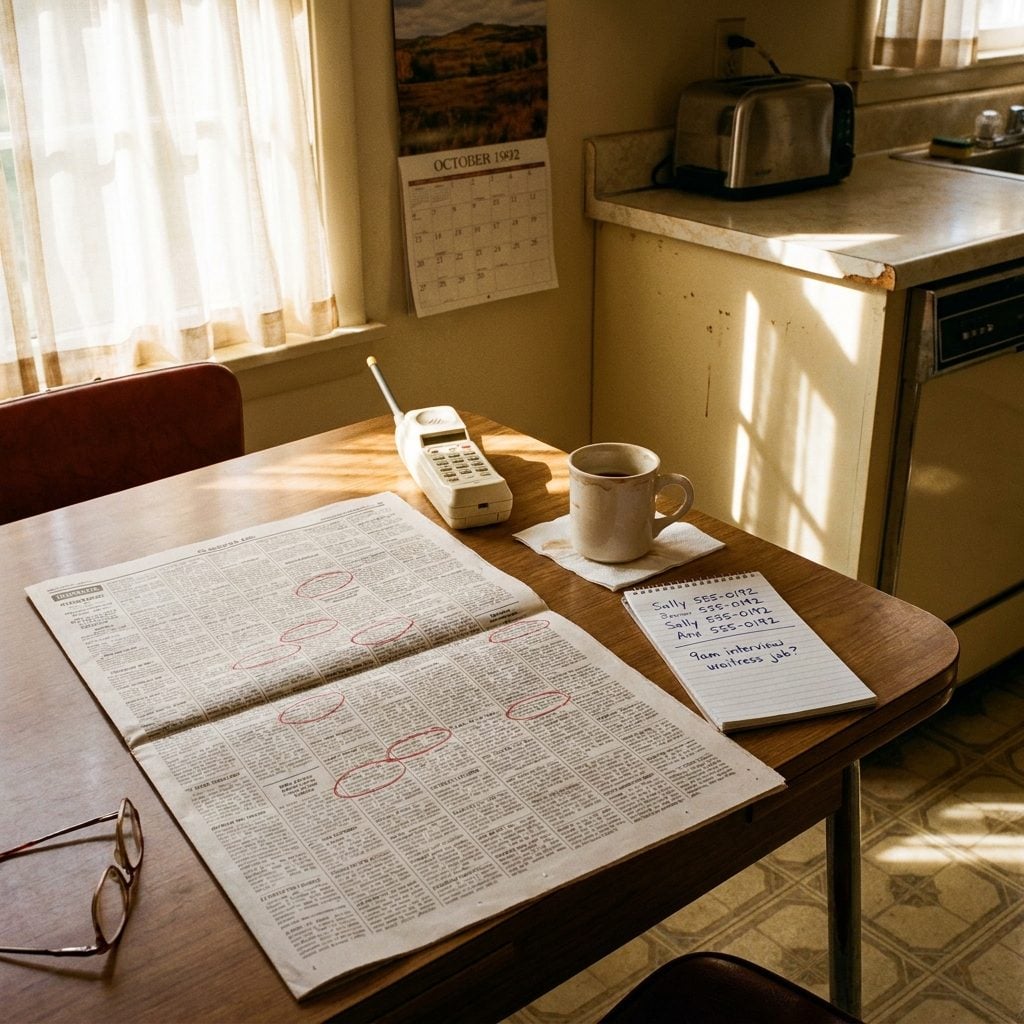
Three inches of tiny type, six days a week, and your entire professional future buried somewhere between “Administrative Assistant” and “Warehouse Help Wanted.” The classified section was the original job board, and it operated on pure faith. You circled a listing, called the number, and hoped the voice on the other end didn’t sound unhinged.
What strikes me now is how local everything was. Your job search radius was basically defined by your newspaper’s circulation area. A listing in the Des Moines Register meant a job in Des Moines. There was no Indeed algorithm suggesting you relocate to Phoenix for a 12% salary bump. You found work where you lived, or you didn’t.
Most Bills Would Still Be Paid by Mail or in Person (And Your Checkbook Would Actually Matter)
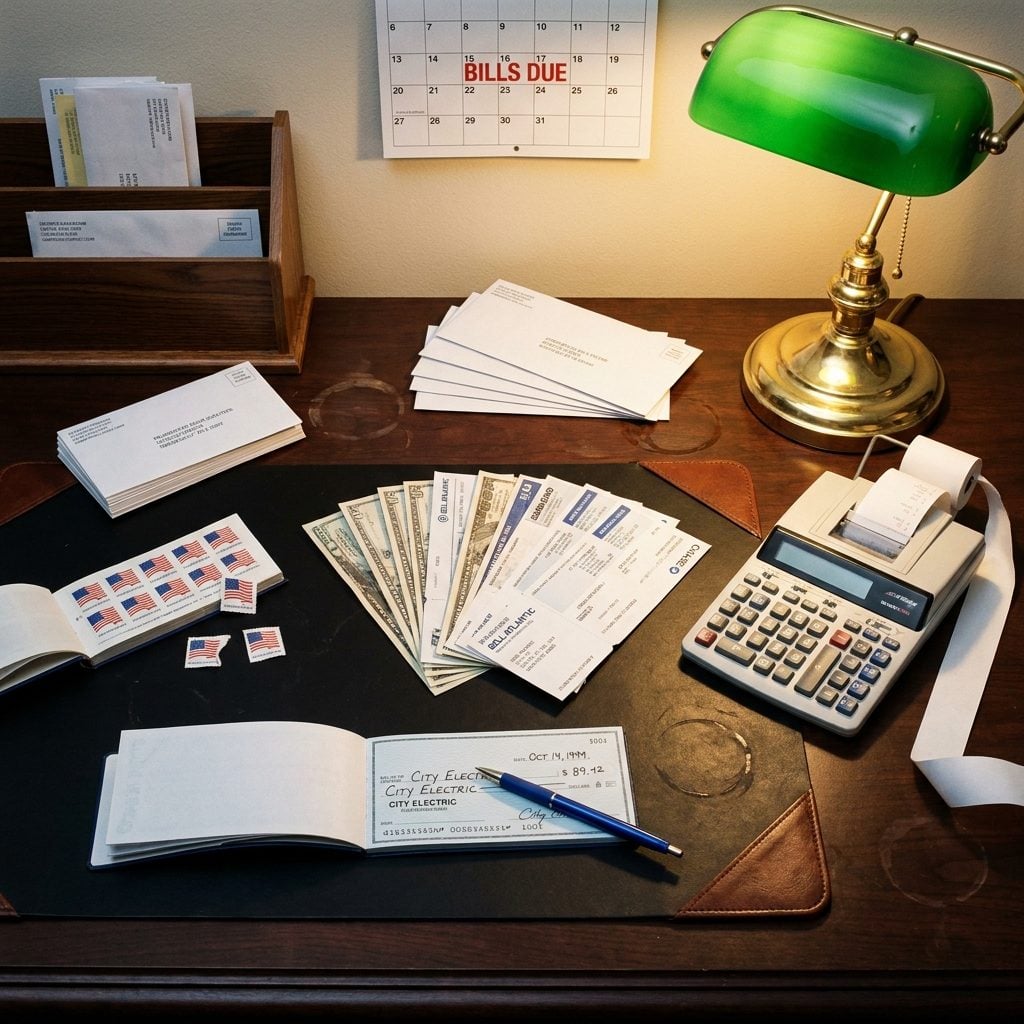
Once a month, someone in every household sat down at the kitchen table or a small desk and performed an act of concentrated financial discipline that has completely vanished. They opened each bill. They wrote each check by hand. They tore the payment stub along the perforation, tucked it into the return envelope with the check, licked the envelope, affixed a stamp, and placed it in the mailbox with the little red flag up.
The whole process took an hour. Maybe longer if the math got away from you and the checkbook register needed balancing. But there was something clarifying about it. You physically felt every dollar leave. Every stamp was a tiny toll. Autopay is convenient, sure. But convenience has a cost: most people today couldn’t tell you within $200 what they paid in utilities last month.
Long-Distance Phone Calls Would Still Feel Expensive and Deliberate (Because They Were)
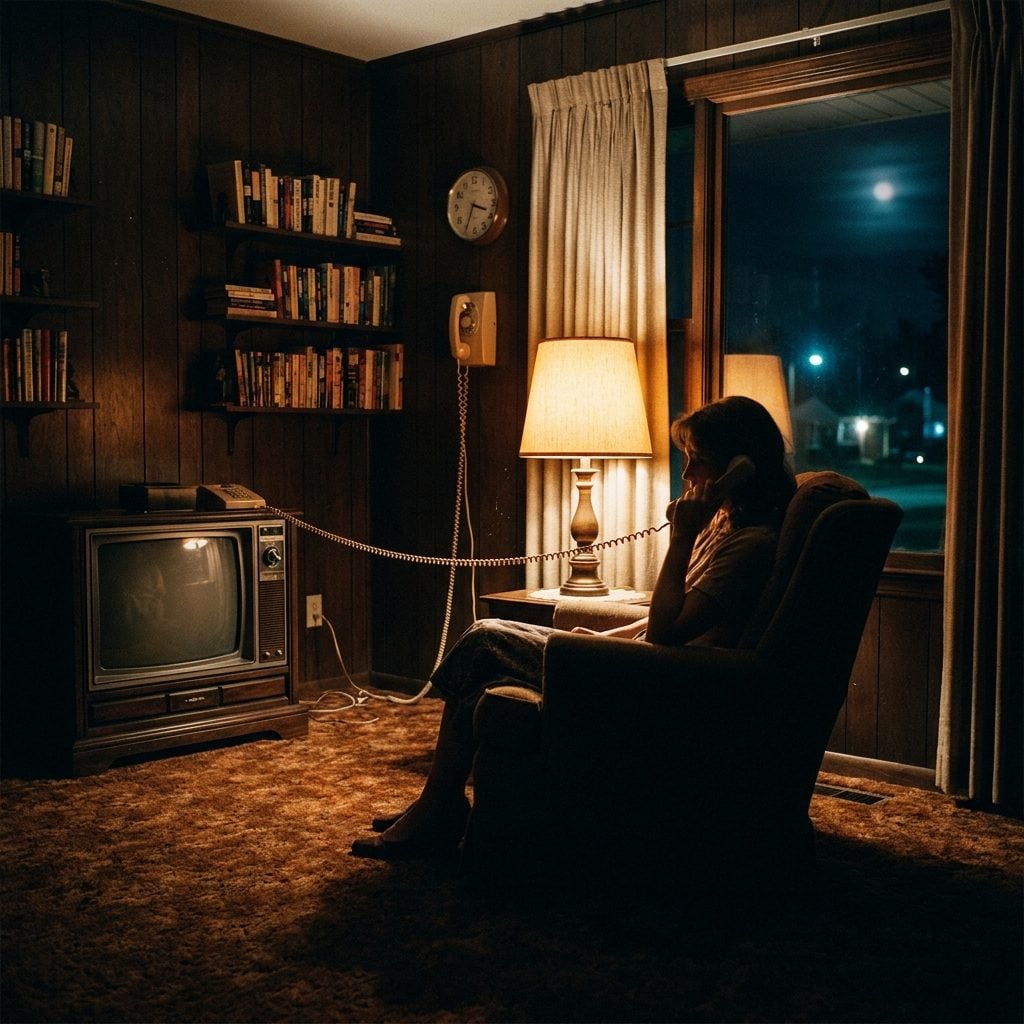
You waited until after 9 p.m. Everyone did. That’s when the rates dropped.
Long-distance calling in the pre-internet world was a budgeted event. You didn’t just pick up the phone and call your sister in California on a Tuesday afternoon. You planned it. You saved up things to tell her. And when the call connected, you talked with a focus and intention that would seem bizarre today, because every minute cost real money and you could practically hear the meter running.
The phone bill itself was a document of emotional archaeology. A long call to a distant area code told a story: someone was sick, someone got engaged, someone needed to hear a familiar voice. Short calls meant quick check-ins or bad news delivered fast. My parents used to review the long-distance charges the way you’d review a bank statement, questioning each entry, remembering each conversation.
Families Would Gather Around TV Schedules Instead of Streaming on Demand
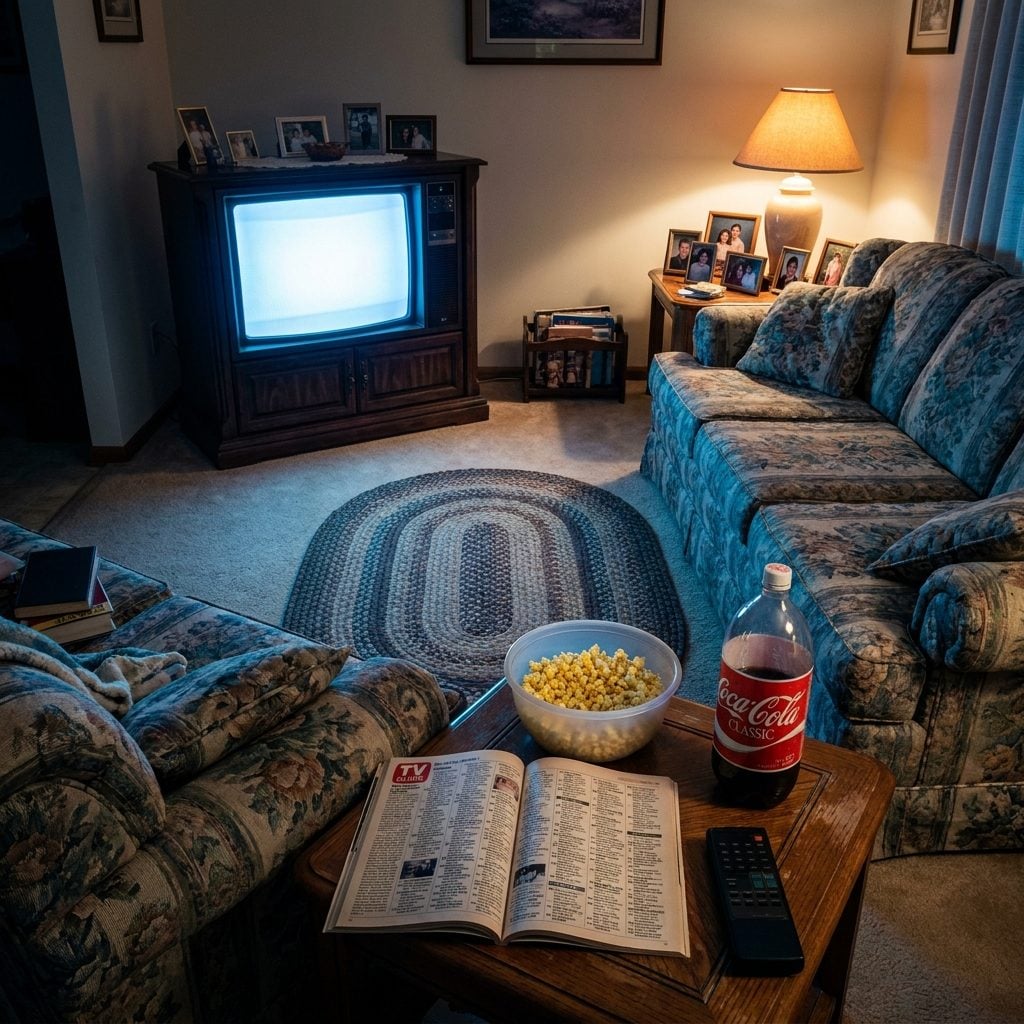
Thursday at 8 p.m. was non-negotiable. That was Seinfeld. Or Cheers. Or The Cosby Show before we knew better. Whatever your household’s anchor program was, you were on that couch at that time or you missed it. Period. No pause button. No “I’ll catch it later.” The show aired once, and if the phone rang during the good part, somebody was in trouble.
TV Guide was the sacred text. It arrived weekly, and someone in every family actually sat down and circled the shows worth watching. The grid format forced you to make choices. You couldn’t watch everything. You had to pick. And because everyone in the house shared one television (maybe two if you were lucky), those picks involved negotiation, compromise, and occasionally genuine conflict.
Music Discovery Would Rely on Radio DJs and MTV VJs Who Actually Had Taste
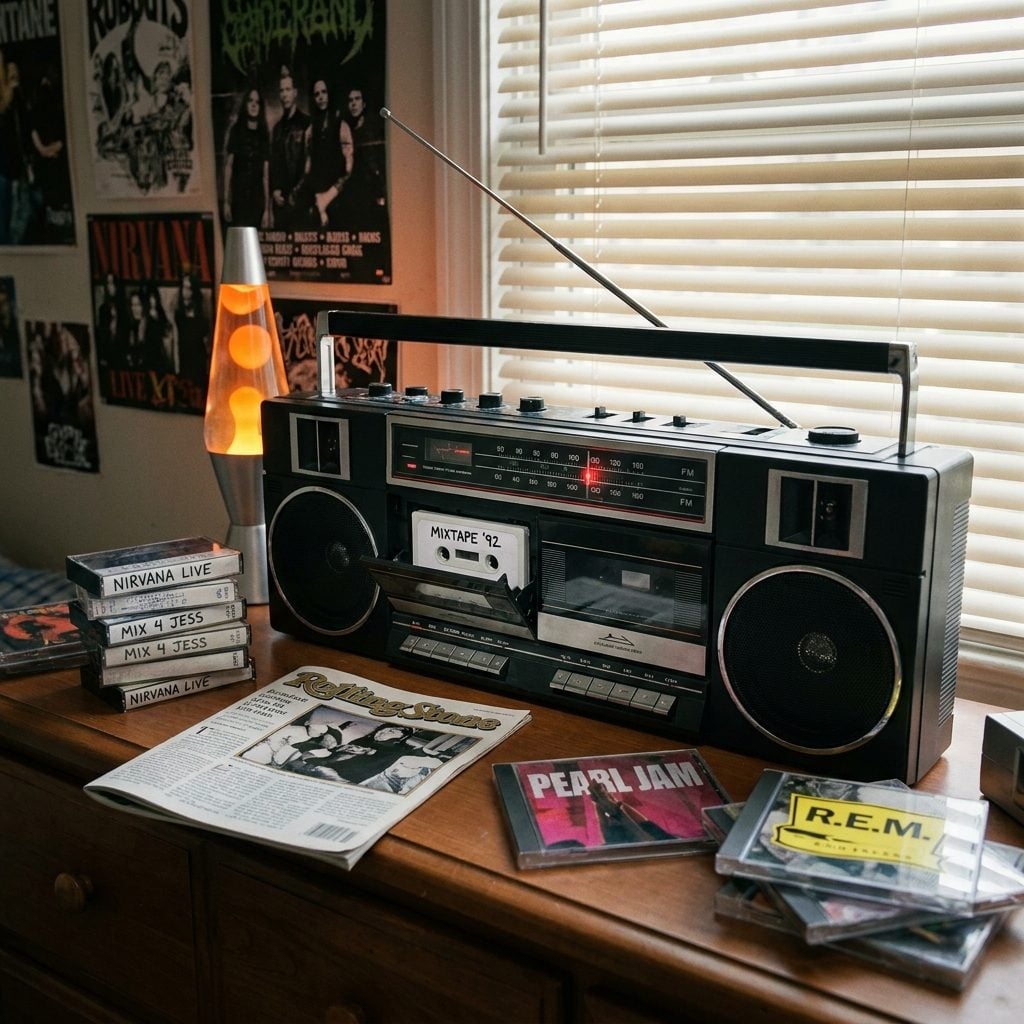
You’d be sitting in your car, scanning the dial, and a song would come on that you’d never heard before. Something in the first four bars told you to leave it. By the chorus, you were reaching for the volume knob. By the time the DJ back-announced it, you were already memorizing the artist name so you could find it at Sam Goody on Saturday.
That was music discovery. It was slow, accidental, and completely dependent on some stranger at a radio station deciding this track deserved airtime. MTV was the visual wing of the same operation: a VJ would introduce a video, and three minutes later your entire musical identity could shift. There was no Spotify algorithm feeding you more of what you already liked. The radio played what it played, and you either caught it or you didn’t. Missing a song meant waiting, sometimes days, for it to rotate back.
I genuinely believe people listened more carefully then. When you couldn’t replay something instantly, you paid attention the first time.
Dating Would Happen Through Friends, Work, School, or Actual Chance Encounters
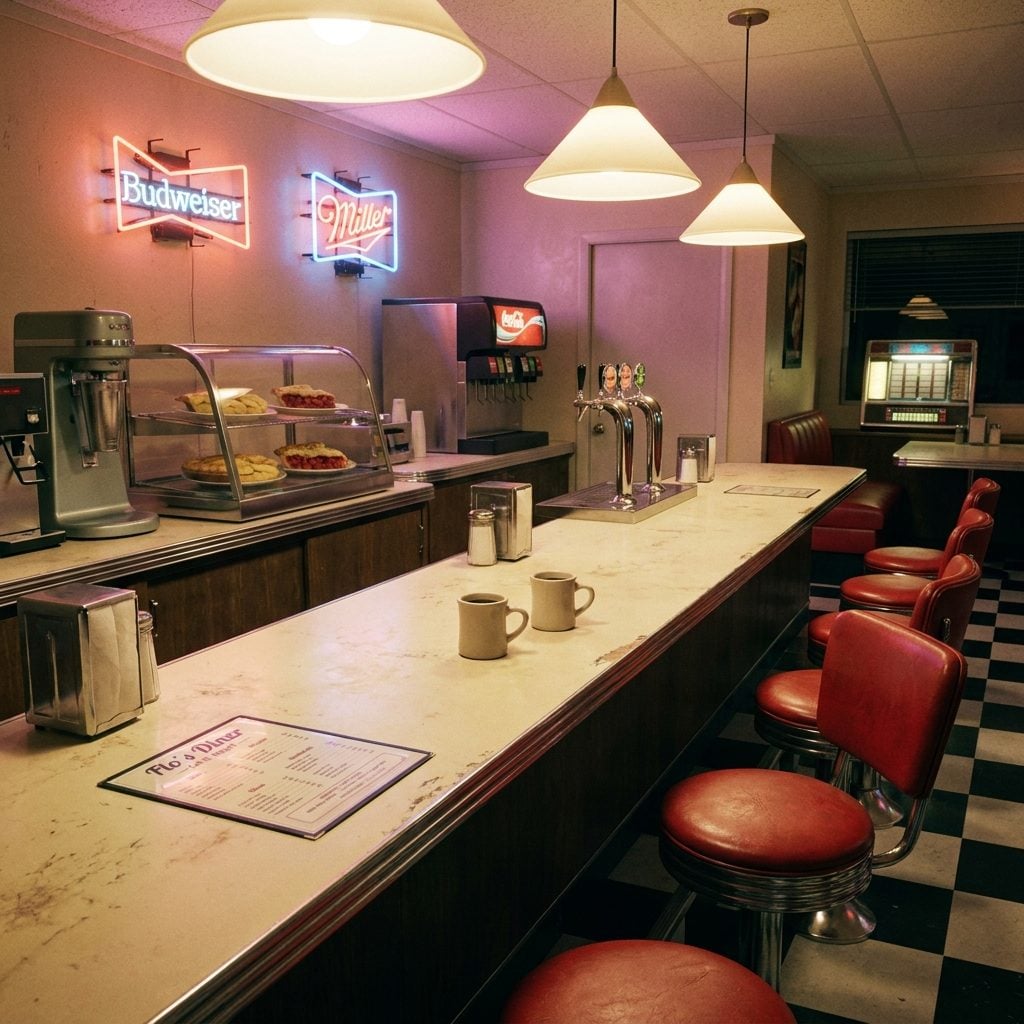
Someone introduced you at a party. Or you sat next to each other in Econ 201. Or you both reached for the last copy of the same VHS at Blockbuster and made eye contact and one of you said something marginally clever. That was it. That was the whole system.
Without dating apps, romance operated on proximity, courage, and dumb luck. You met people in physical spaces: bars, churches, bowling leagues, the break room at work, your cousin’s wedding. The filtering happened in real time, face to face, with actual body language and vocal tone doing the work that a bio and five photos try to do now.
The internet didn’t invent loneliness. But it did invent the specific loneliness of scrolling through 200 faces and feeling nothing.
And here’s something the apps will never replicate: the story. “We met on Hinge” will never carry the same weight at a dinner party as “He spilled coffee on my shoe at a laundromat in 1987 and offered to buy me new ones and I said no but gave him my number anyway.” The chaos was the point. The randomness was what made it romantic.
Photo Albums Would Still Live on Bookshelves Instead of Disappearing Into Phones
🔥 Would you like to save this?
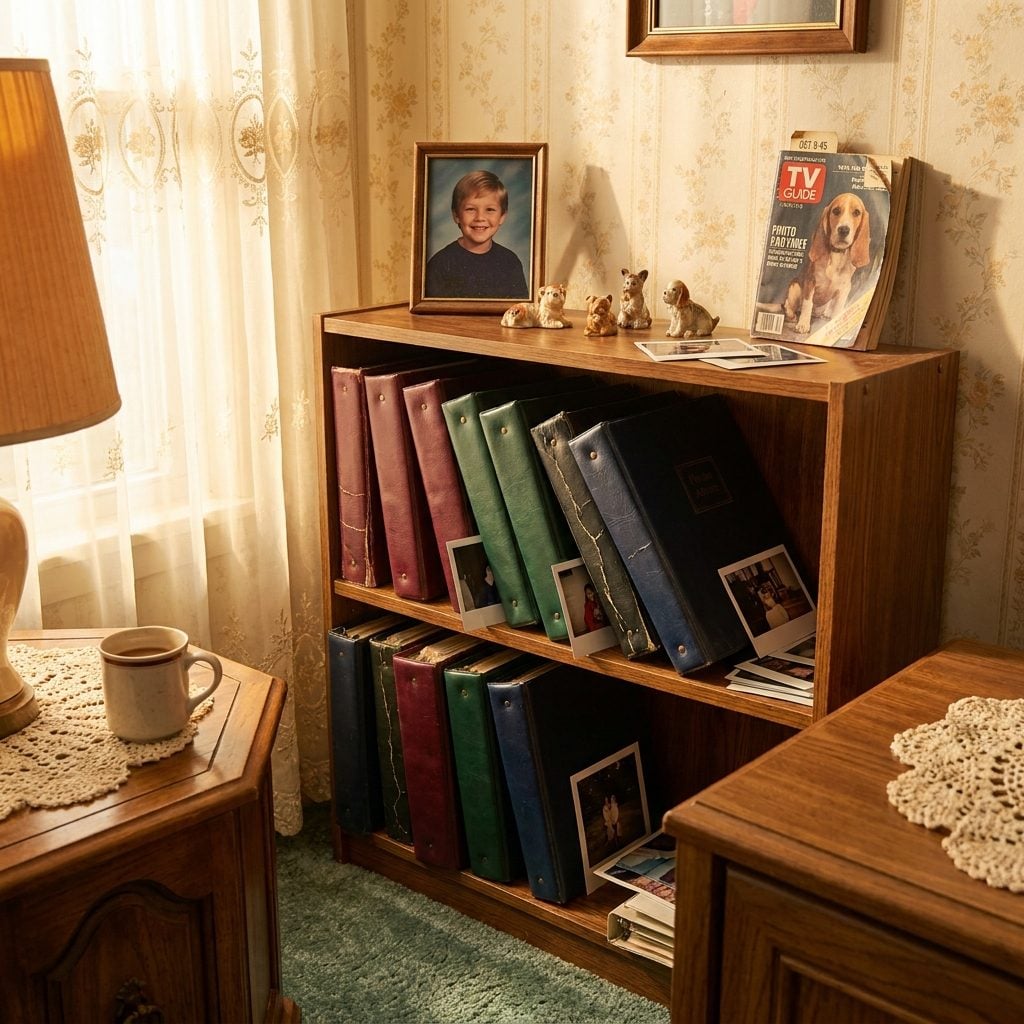
The weight of them was part of it. Actual physical heft in your lap, the sticky pages pulling apart with that particular sound, the faint chemical smell of developing fluid still clinging to prints from five summers ago. Nobody scrolled. You sat down, usually on the couch, usually with someone else, and you turned pages. You narrated. “That’s your aunt before she cut her hair.” “That’s the cabin we rented in ’84.”
Without the internet, those leather photo albums would still be the primary archive of a family’s visual history. Not backed up on a cloud, not scattered across three platforms nobody checks anymore. Just there, on the shelf, between the World Book set and your mom’s Reader’s Digest Condensed Books, waiting for someone to pull one down on a rainy Sunday.
Encyclopedia Sets Would Still Command an Entire Shelf in Every Middle-Class Home

A door-to-door salesman sold these to your parents, and they paid for them on a monthly installment plan like a car. That’s how seriously families took having a set of encyclopedias in the house. The World Book, the Britannica, the Funk & Wagnalls your grandmother picked up one volume at a time from the grocery store checkout. These weren’t decorative. They were infrastructure.
Without Wikipedia, without Google, that shelf of gold-lettered spines was how a kid wrote a report on Ecuador at 9 PM on a school night. You learned to use the index volume. You learned that “See also” was the original hyperlink. And you learned, pretty quickly, that the entry on your topic was either three pages long or two paragraphs, and there was nothing you could do about it.
The encyclopedia salesman is one of those vanished American figures that sounds fictional now. He wasn’t. He sat in your living room. He demonstrated the cross-referencing system. Your father signed something.
Department Stores and Shopping Malls Would Still Be the Center of American Social Life
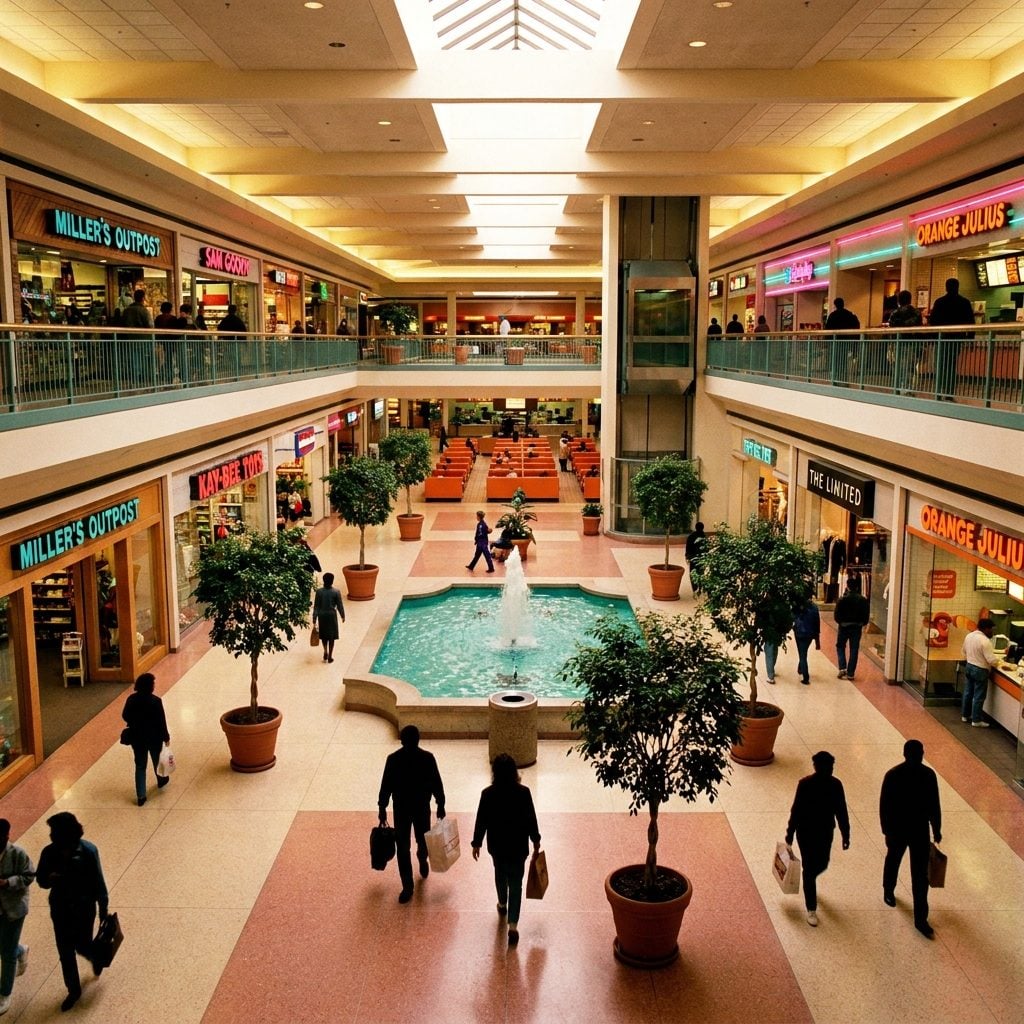
The mall wasn’t a shopping destination. It was a town square with a Cinnabon. Teenagers congregated there because there was literally nowhere else to go that was climate-controlled and had a food court. Adults went because that’s where the things were. All the things. You couldn’t comparison-shop from your couch. You drove to the mall, parked in a lot the size of a wheat field, and walked.
Without e-commerce, department stores like Sears, JCPenney, and Montgomery Ward would still anchor those malls. The Sears catalog alone was a 600-page document that families studied like scripture every fall. I genuinely believe the decline of the American mall had less to do with changing taste and more to do with the fact that Amazon made it unnecessary to put on pants to buy a toaster.
Small-Town Newspapers Would Still Have Enormous Power Over Local Politics and Culture
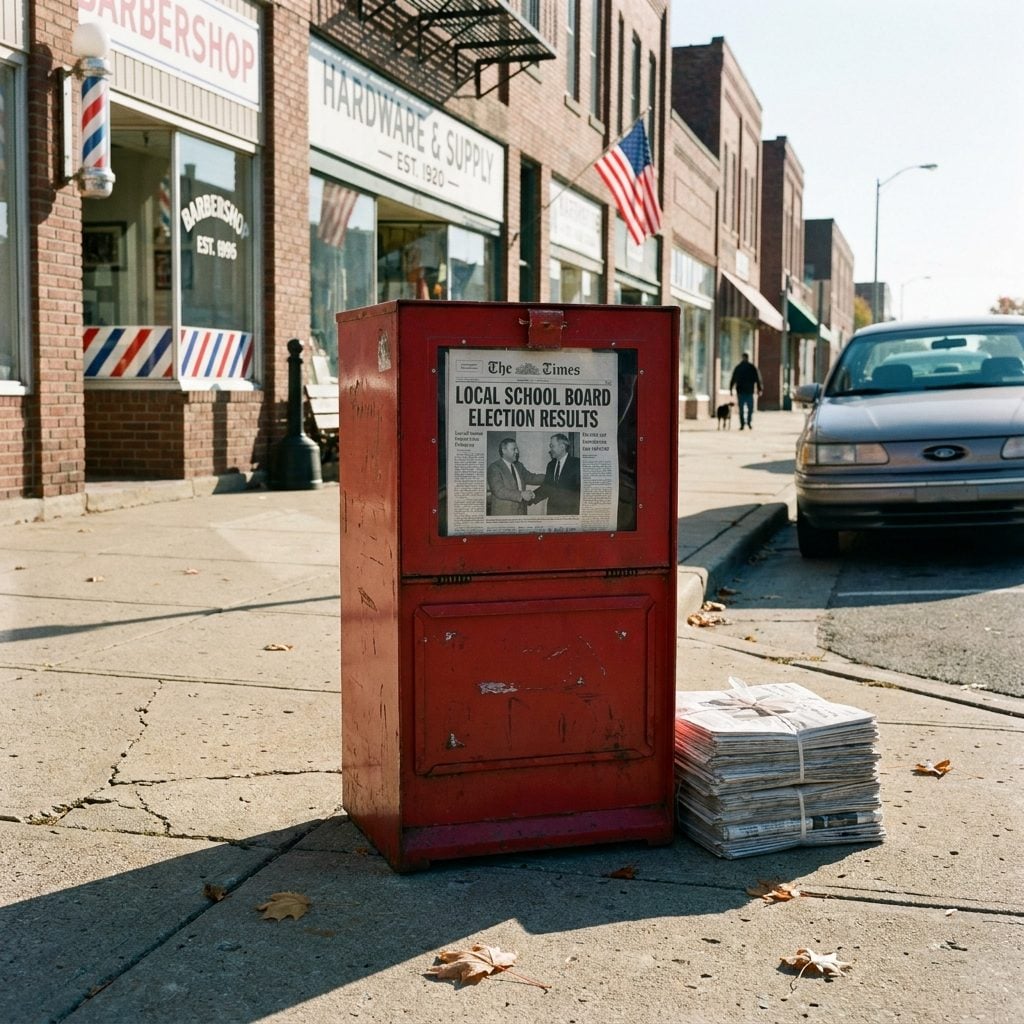
The editor of the local paper knew every city council member by first name and had opinions about all of them. That paper landed on doorsteps six days a week, and people read it over coffee the way we now scroll Twitter, except with better grammar and actual accountability.
Without the internet fracturing local media into a thousand digital fragments, the Topeka Capital-Journal and the Bozeman Daily Chronicle and every other mid-sized daily would still employ actual reporters who covered the school board meeting in person. The obituary section alone was a community institution. People saved clippings. They wrote letters to the editor in longhand and mailed them.
The psychological weight of being written about in the local paper, positively or negatively, was enormous. It was public record that your neighbors would actually see. There was no algorithm deciding who encountered it. Everyone got the same paper.
Businesses Would Still Spend Serious Money on Yellow Pages Advertising
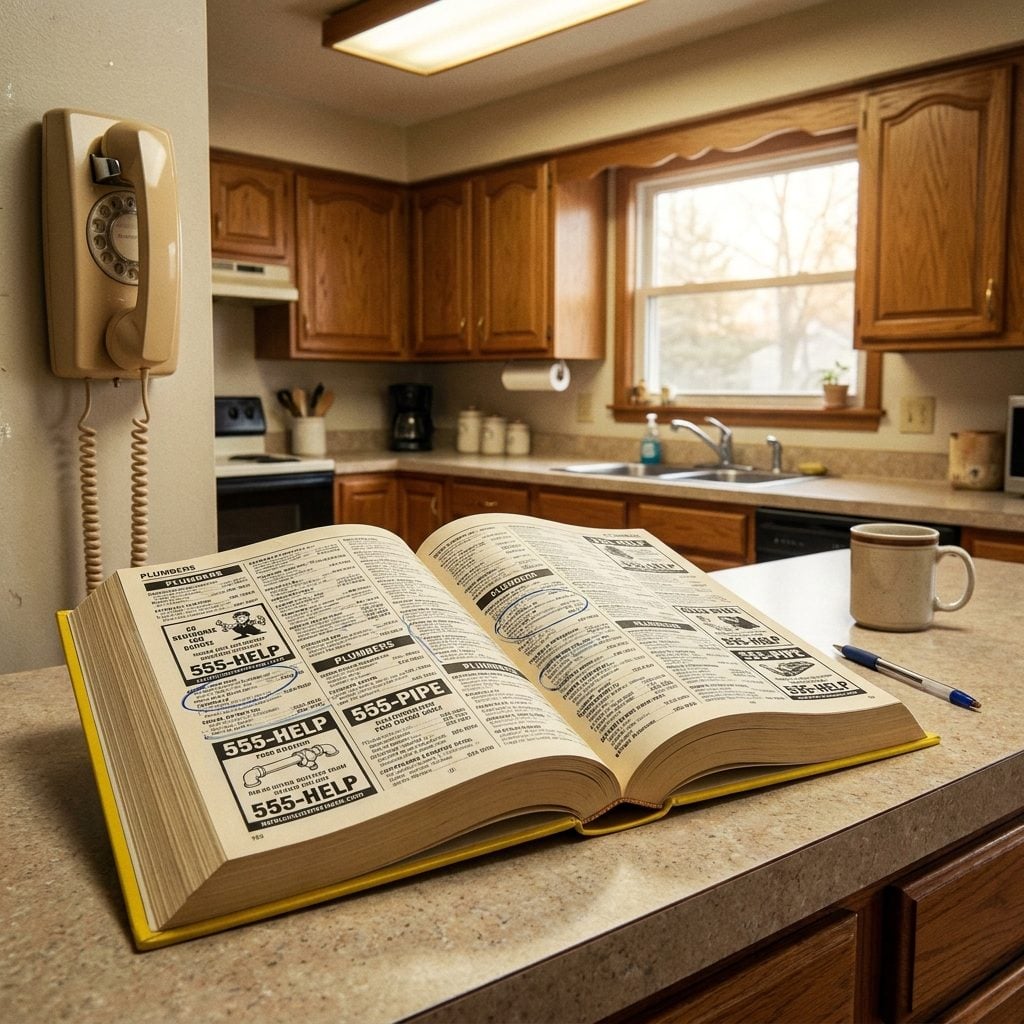
Let your fingers do the walking. That was the slogan, and it wasn’t ironic. The Yellow Pages was the internet before the internet. Every plumber, every pizza place, every divorce attorney in your area code, all listed alphabetically, and the ones who paid more got bigger ads with bolder borders and little clip-art icons of wrenches or pizza slices.
Businesses named themselves “AAAA Plumbing” or “AAA-1 Auto Body” specifically to appear first in the listings. That’s how much it mattered. A full-page Yellow Pages ad was a significant annual expense, and the sales rep who handled your account was someone you actually had a relationship with, because your livelihood depended on which page your ad landed on.
You Would Still Have a Dozen Phone Numbers Memorized by Heart
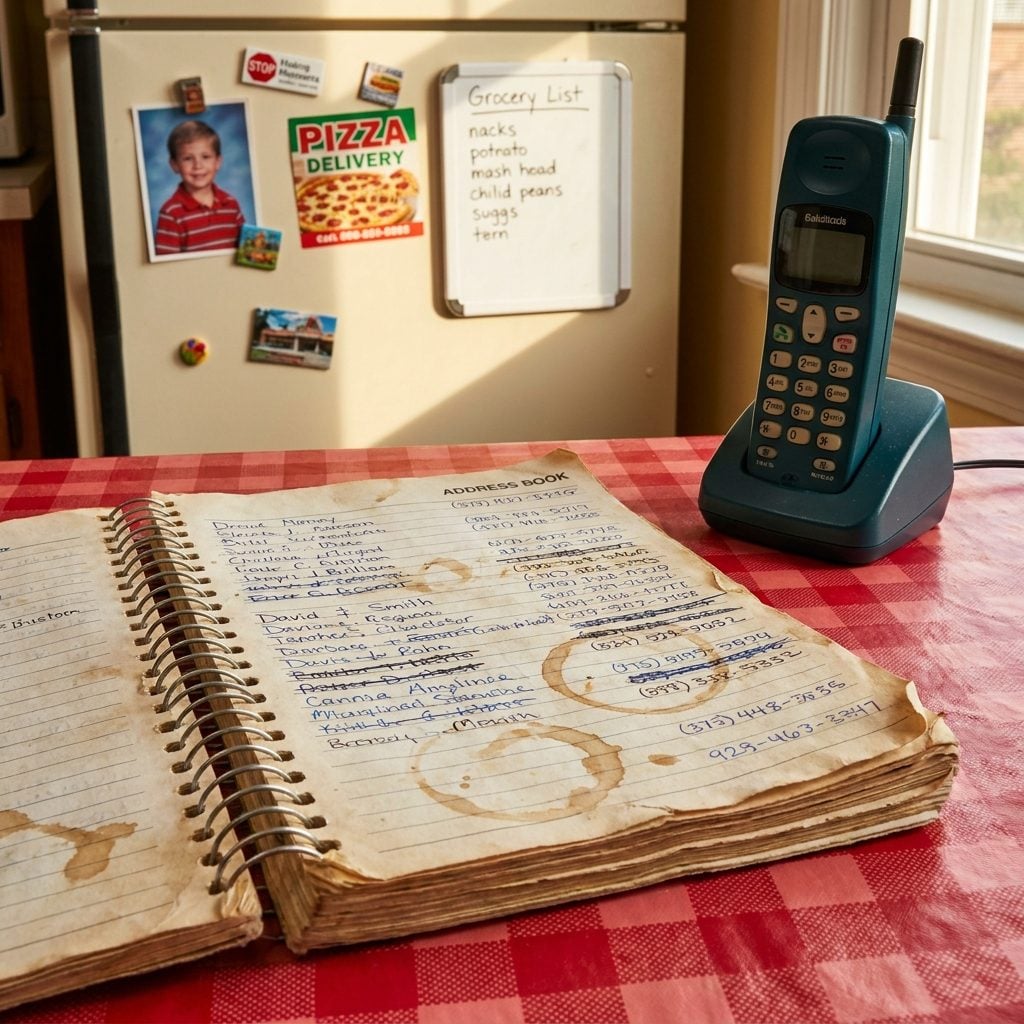
Your home number. Your best friend’s number. Your grandparents’ number. The pizza place. Your office. Your girlfriend’s dorm room. You knew them the way you knew your own middle name, automatically, without thinking. The digits were just in there, stored in actual brain tissue instead of a contacts app.
I couldn’t tell you my wife’s cell phone number right now if you held a gun to my head. I’ve called it a thousand times. But my childhood best friend’s landline from 1989? 555-2847. Still there. Burned in permanently, apparently, because I dialed it three hundred times from a wall phone in the kitchen while my sister yelled at me to get off the line.
Kids Would Still Spend Most of Their Afternoons Outside, Not Online
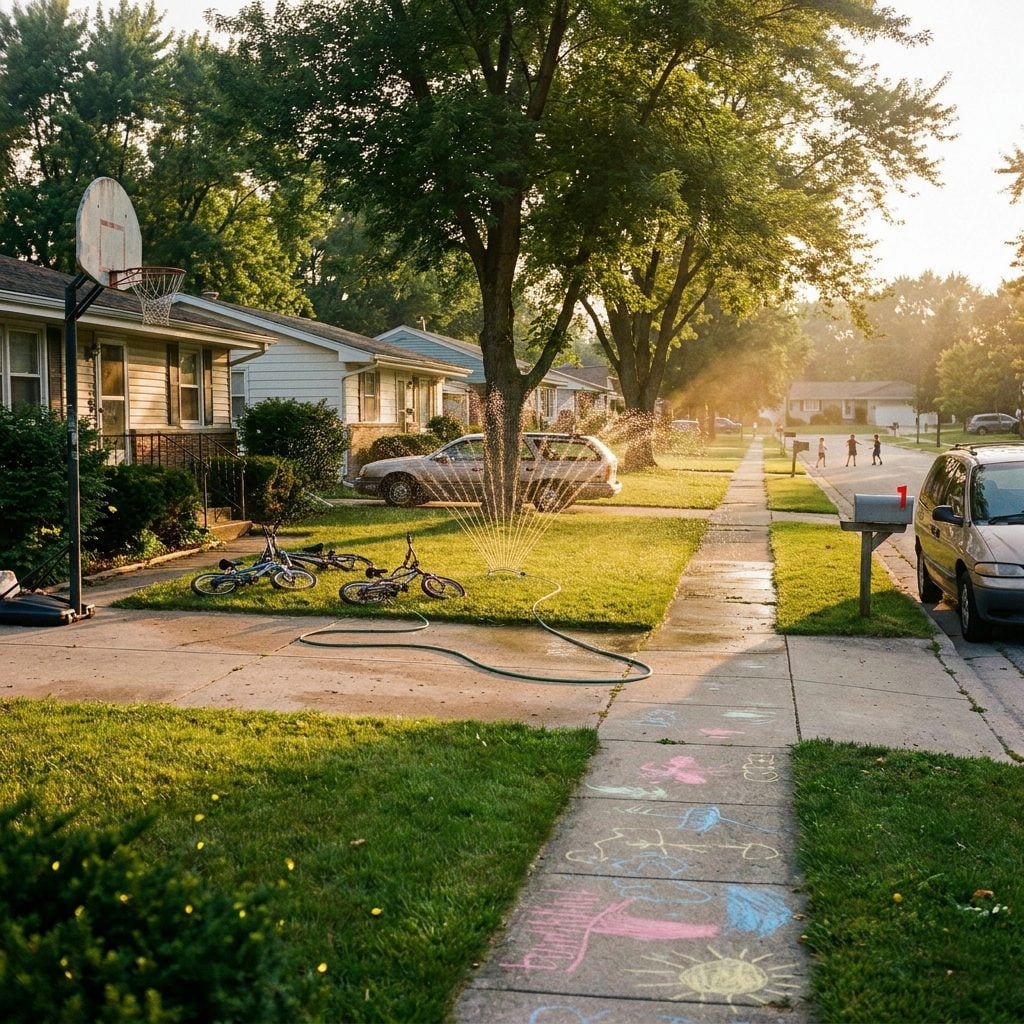
The rule was simple: be home when the streetlights come on.
That was it. That was the entire parenting framework for outdoor time. Between the end of school and that moment when the sodium-vapor lamps buzzed to life and turned everything orange, you were somewhere in the neighborhood. Your parents didn’t know exactly where. They didn’t need to. You were on a bike, or in a creek, or in somebody’s backyard building something structurally unsound out of scrap wood.
Without screens pulling kids indoors, the default activity for anyone under fourteen was just being outside. Not organized sports, not supervised play dates. Unstructured, unsupervised, occasionally dangerous time spent figuring out the world by running around in it. Skinned knees were so common nobody mentioned them.
Waiting Three to Five Days for Film Photos to Come Back Would Still Be Completely Normal
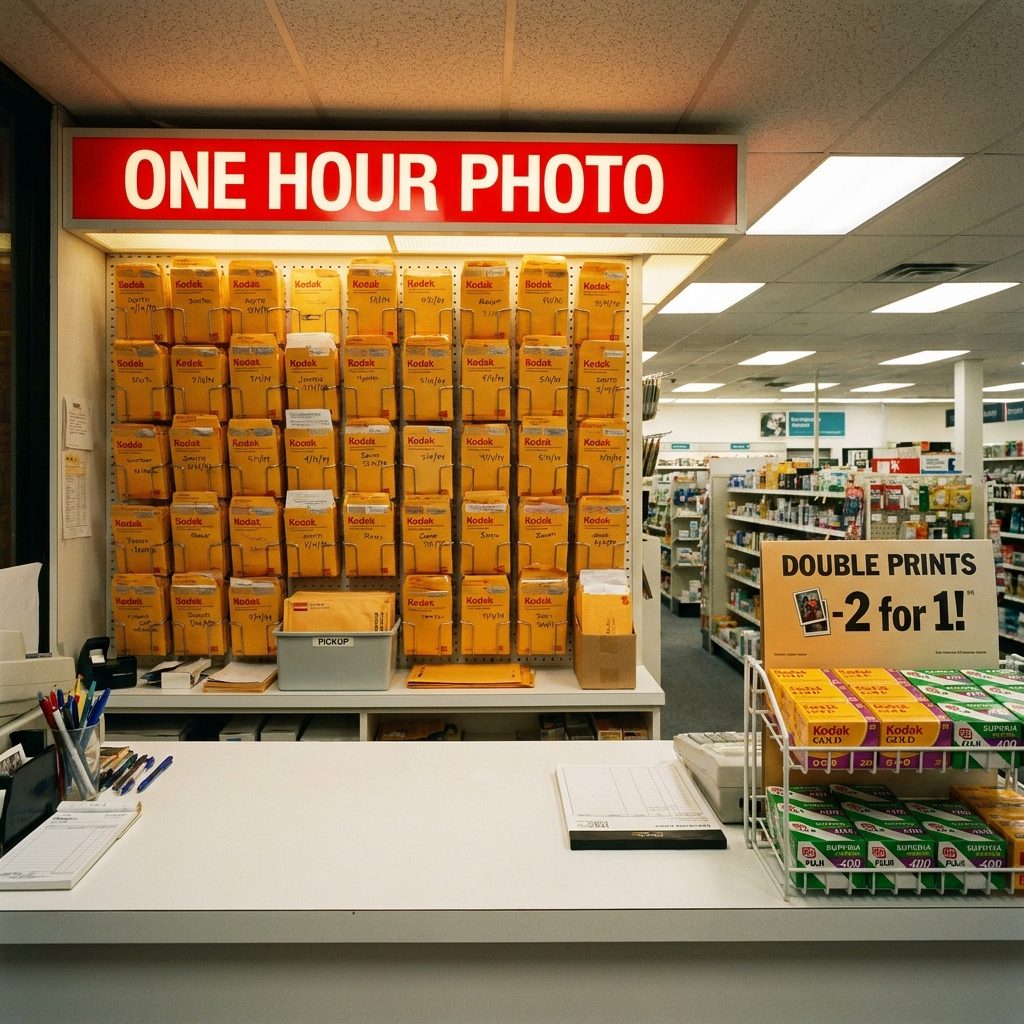
You dropped off the roll. You got a claim ticket. And then you waited. Three days, five days, sometimes a week, living in a state of not knowing whether your vacation photos were beautiful or whether you’d had your thumb over the lens for half of them. The anticipation was a real thing. Picking up that envelope of prints was a small event.
Then you opened them in the car, in the parking lot, right there, because you couldn’t wait. And half of them were terrible. Blurry, overexposed, red-eyed, or featuring a composition so baffling you couldn’t remember what you’d been trying to capture. But the good ones. The three or four genuinely good ones out of twenty-four exposures. Those felt earned.
One-hour photo processing felt like a miracle when it arrived. An hour! We thought that was instantaneous.
Handwritten Letters and Postcards Would Still Be a Regular Part of Staying Connected
🔥 Would you like to save this?
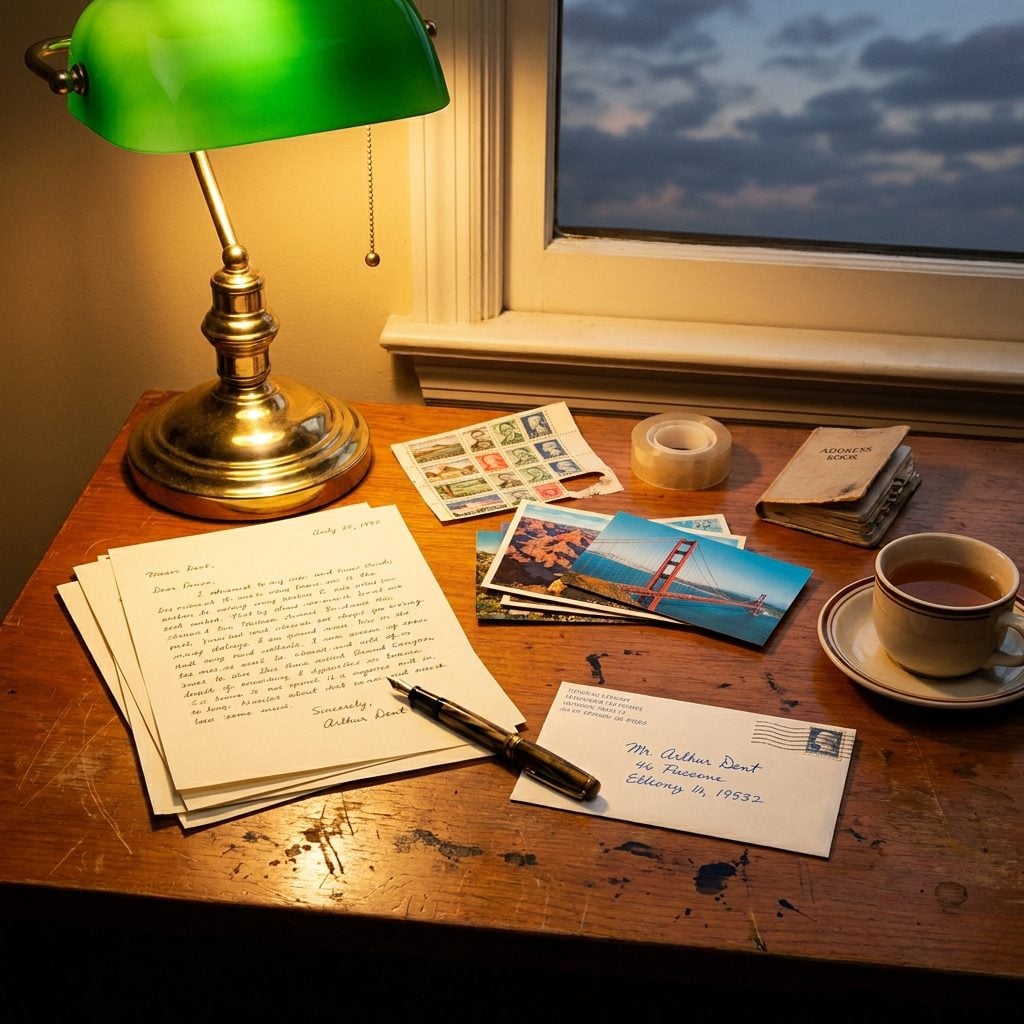
You sat down with a pen and a piece of paper, and you wrote to someone. Not a text, not a DM, not a comment under their photo. A letter. With a salutation and a closing and a stamp that you licked, because the self-adhesive ones hadn’t taken over yet. And then you put it in a mailbox and waited days for a response, and that wait was part of the relationship.
Postcards were their own genre. The writing space was absurdly small, which forced a kind of haiku-like economy. “Grand Canyon is huge. Food is bad. Sunburned. Miss you.” That was a complete communication, and it arrived with a picture of a sunset on the front, and people kept them. Stuck them on refrigerators with magnets. Saved them in shoeboxes for decades.
A letter took effort, and both the writer and the recipient understood that. The effort was the message.
Office Workers Would Still Be Feeding Fax Machines and Handing Envelopes to Bike Couriers
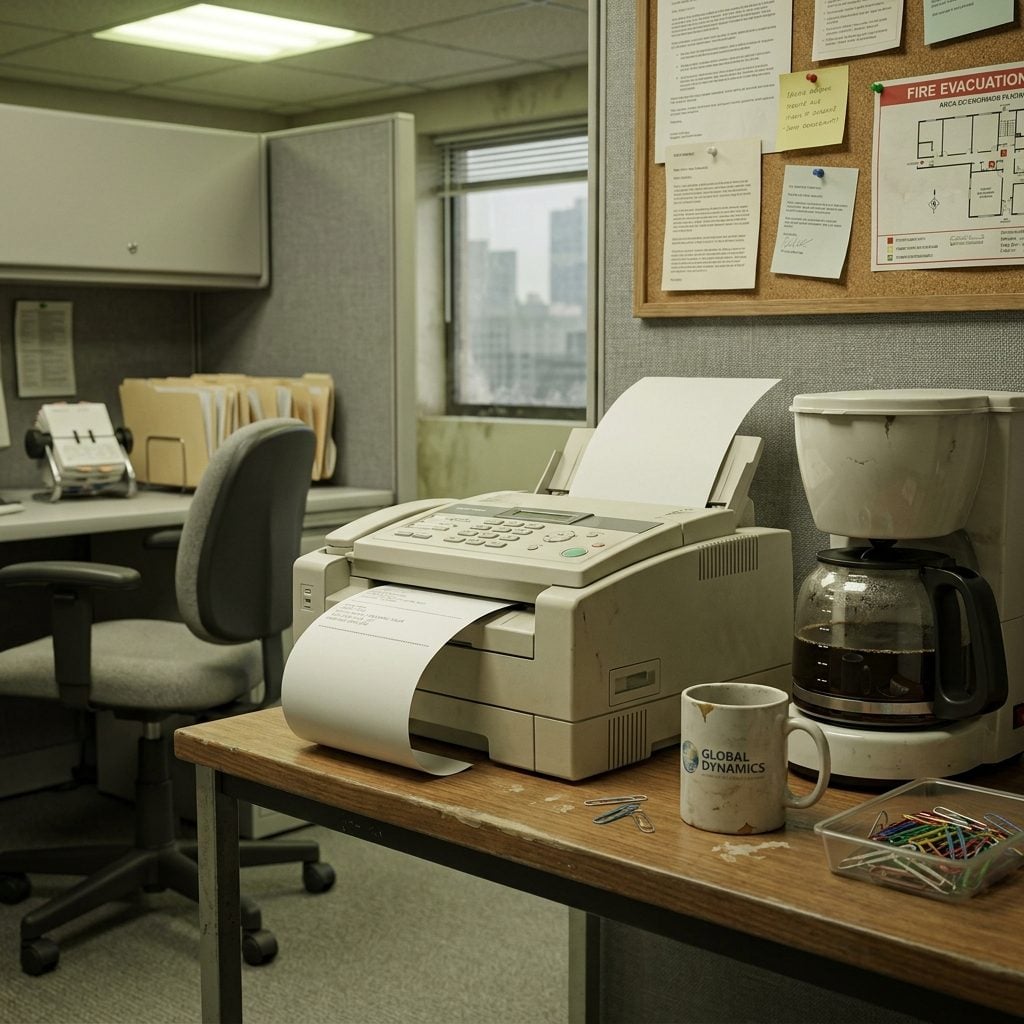
The fax machine’s thermal paper had a smell. Warm, vaguely chemical, like a copier mated with a hair dryer. Every office had one stationed near the coffee pot, perpetually jammed, its incoming tray curling into a scroll nobody wanted to touch. Without the internet, that machine would still be the backbone of every law office, insurance agency, and mid-level corporate department in America.
Couriers, too. Not just FedEx and UPS, but the bike messengers weaving through downtown traffic with manila envelopes strapped to their backs. In cities like New York and Chicago, entire fleets of twenty-somethings made a living shuttling contracts between buildings. The turnaround on a signed document wasn’t hours. It was days, sometimes a full week if the other party was in another state.
Think about what that means for pace. No instant email chains. No Slack pings at 11 p.m. A reply took as long as it took, and nobody expected otherwise. The fax confirmation page, that little strip with “OK” printed on it, was your proof of delivery. That was the read receipt of its era.
People Would Have Exactly Three Passwords, All of Them ‘Password123’
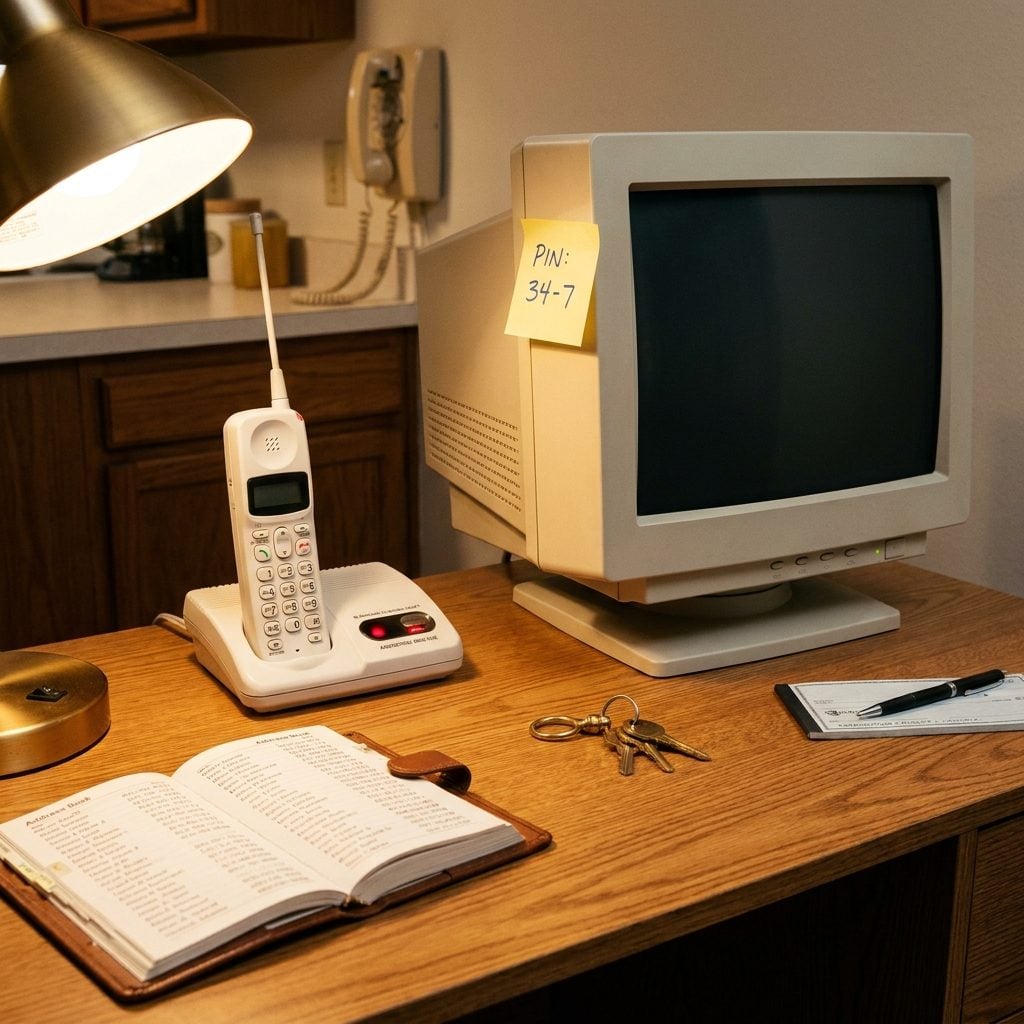
Your ATM PIN. Maybe a voicemail code. The combination to the lockbox at work where they kept the petty cash. That was it. That was your entire security portfolio.
No password managers. No two-factor authentication. No frantic texts from your bank because someone in Moldova tried to buy sneakers with your credit card number. The mental real estate we now dedicate to remembering, resetting, and agonizing over 87 different logins simply didn’t exist. Your brain could hold other things instead. Song lyrics, mostly. Phone numbers of people you actually liked.
Without the internet, identity theft would still exist, sure, but it required physical effort. Someone had to steal your mail, forge your signature, open an account in person. The barrier to entry kept most criminals lazy enough to skip it.
News Would Break Like a Slow Wave Instead of a Firehose
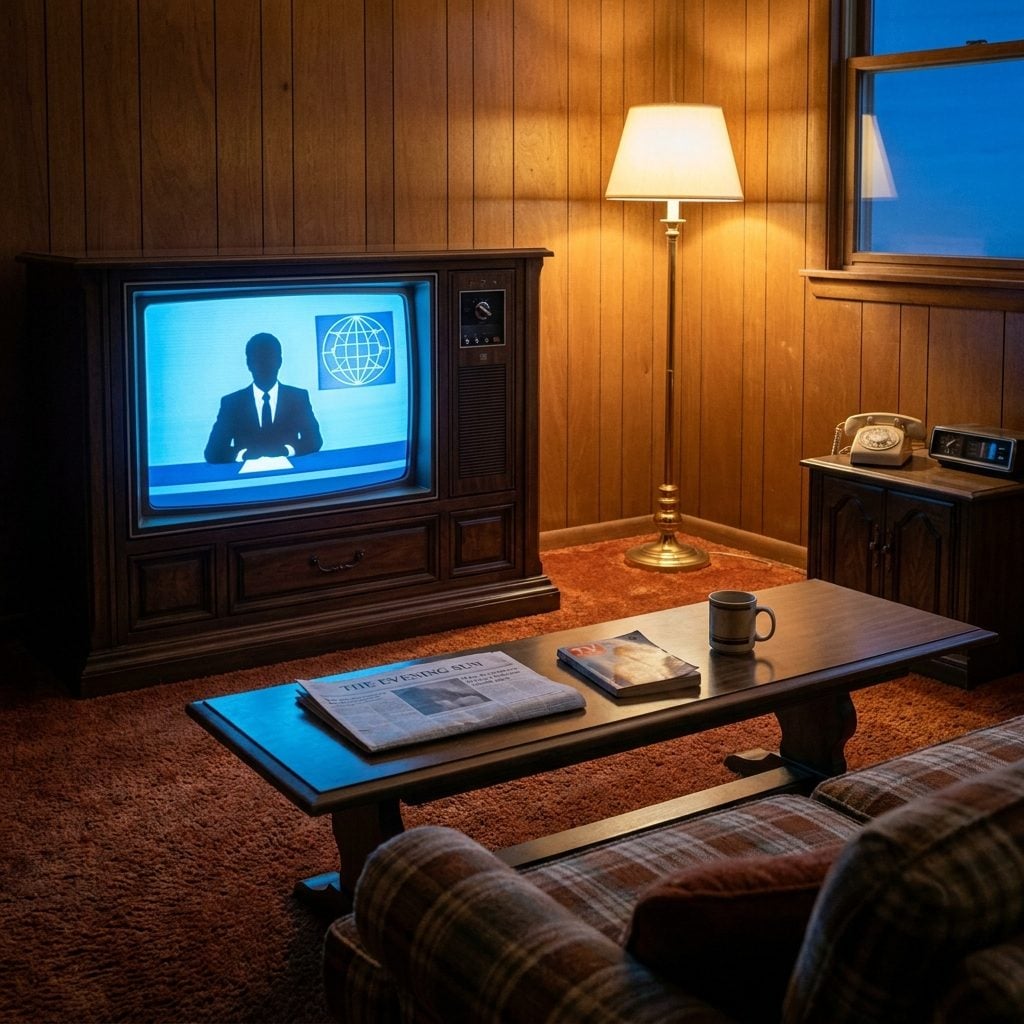
The Six O’Clock Anchor Was Your Only Window
When Pan Am Flight 103 went down over Lockerbie in 1988, most Americans didn’t learn about it until dinner. Tom Brokaw told them. Or Peter Jennings. Or Dan Rather. One of three men, sitting behind one of three desks, in one of three studios, at roughly the same hour. That was the pipeline, and it held.
Without the internet, that pipeline never cracks. No Twitter threads in real time. No live-streamed footage from bystanders’ phones. No Reddit megathreads parsing every detail before the authorities have even held a press conference. The cycle between an event happening and the public knowing about it would remain measured in hours, not seconds.
Newspapers would still matter. I mean really matter, not as quaint artifacts but as the primary next-day source for depth and detail. The morning edition would land on your doorstep with information you genuinely hadn’t encountered yet. Imagine that. Reading something in print and it being actually new to you.
And here’s the strange part nobody talks about: the emotional experience of collective shock would feel different. Slower. More shared in physical spaces, living rooms and break rooms, rather than in isolated scrolling. Grief would metabolize differently when you couldn’t refresh a feed every thirty seconds looking for updates that changed nothing.
Niche Hobbies Would Stay Wonderfully Local and Almost Impossible to Find
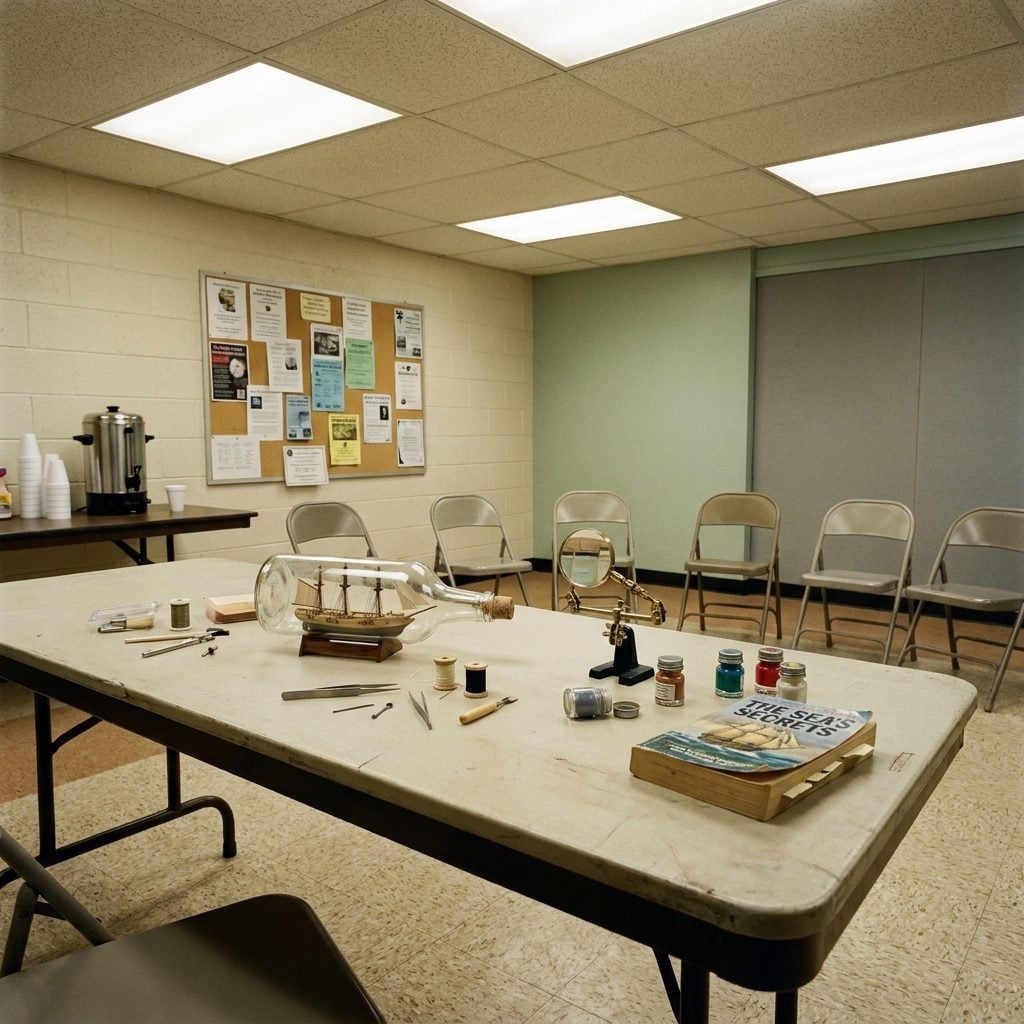
If you were into, say, building ship models inside bottles in 1987, your social circle for that hobby was whoever showed up to the community center on the third Tuesday of the month. Maybe four people. Maybe twelve. That was the entire known universe of bottle-ship builders in your area, and you treasured every one of them.
Without the internet, there’s no subreddit, no Facebook group, no YouTube tutorial with a soft-spoken Finnish man explaining rigging techniques to 400,000 subscribers. You learned from a dog-eared library book or from Earl, the retired merchant marine who’d been doing it since Korea. Earl’s technique might have been completely wrong, but nobody could fact-check him, and honestly his ships looked fine.
The isolation had a strange upside. Regional styles developed. The way people in Portland built fly-fishing lures was different from the way people in Asheville did it, because they’d never seen each other’s work. Folk knowledge stayed folk knowledge, passed hand to hand, shaped by local materials and local personalities. Homogenization requires connectivity, and without the internet, hobbies remained beautifully, stubbornly particular.
Celebrity Culture Would Feel More Like a Rumor and Less Like a Surveillance Feed
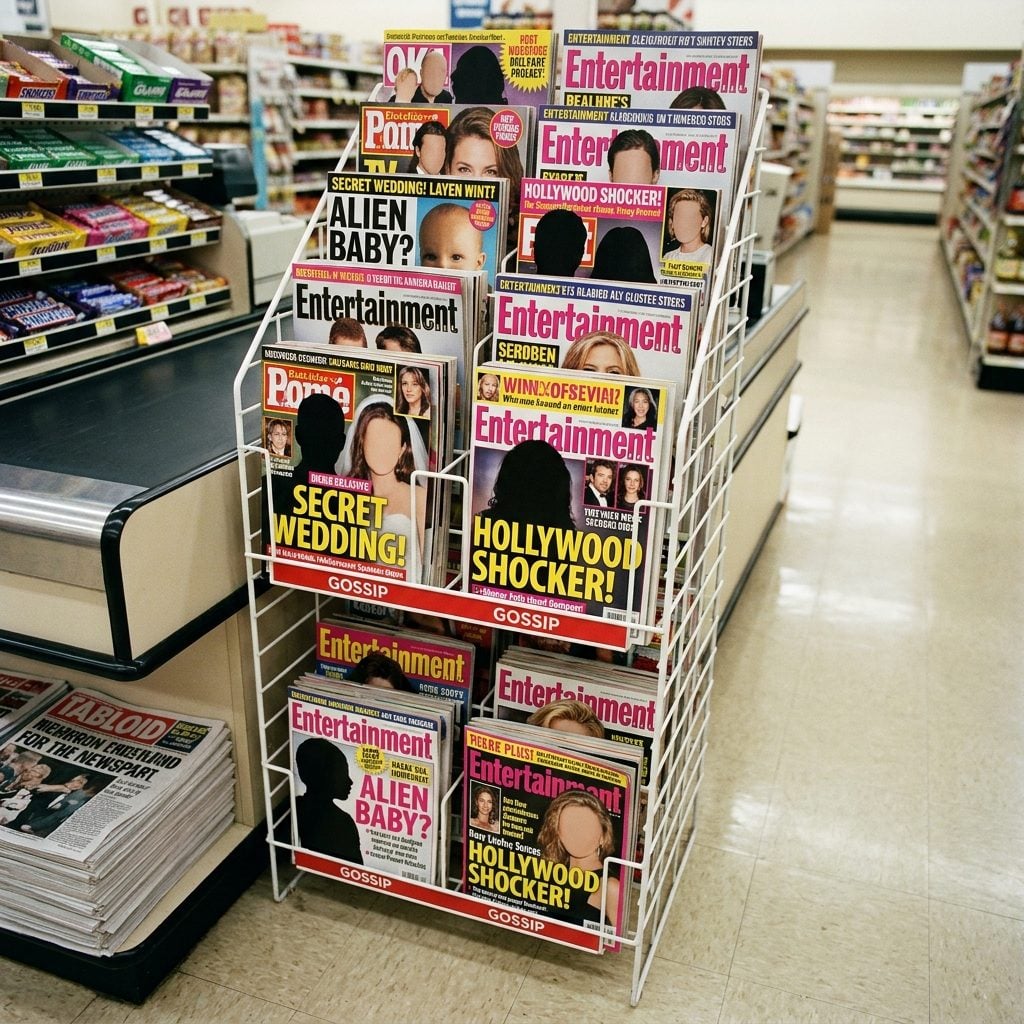
Magazines controlled the aperture. That’s the part people forget. Without the internet, everything you knew about a famous person was filtered through a publicist, a photographer, an editor, and a printing press. By the time a photo of a movie star reached your grocery store checkout line, it had been selected, retouched, captioned, and approved. The star had final cut on their own mythology.
No paparazzi iPhone shots. No accidental Instagram stories. No leaked group chats. The distance between celebrity and public would remain vast and deliberate, which made fame feel genuinely different. More like weather you could observe from a distance. Less like a neighbor’s living room you could peer into whenever you wanted.
Home Shopping Channels and Dog-Eared Mail-Order Catalogs Would Still Be a Multi-Billion Dollar Empire
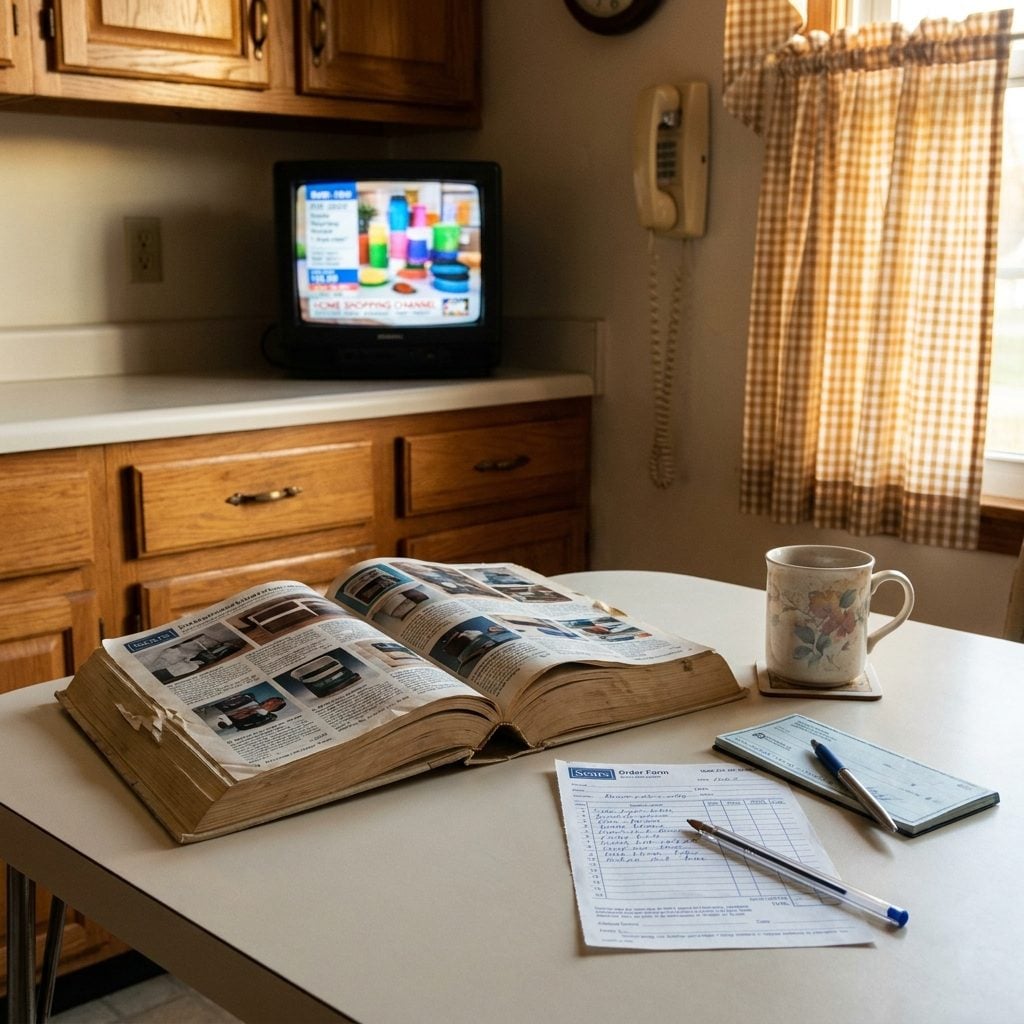
QVC wasn’t a punchline. It was a lifeline. For millions of people, especially in rural areas and small towns without big retail options, the home shopping channel was the department store that came to you. And without the internet, Amazon never arrives to kill it.
The Sears catalog alone was 1,500 pages in its heyday. Families passed it around like scripture. Kids circled Christmas wishes in crayon. Adults comparison-shopped between the Sears Wish Book and the JCPenney catalog with the seriousness of Wall Street analysts. The ritual had weight: filling out the order form by hand, writing a check, mailing it, then waiting four to six weeks for a box to appear on your porch. That waiting was part of the experience. Anticipation had a longer arc.
Without e-commerce, catalog companies would still employ armies of graphic designers, copywriters, photographers, and warehouse workers. Entire small-town economies depended on those distribution centers. The catalog industry wasn’t quaint. It was infrastructure.
Remote Work Would Be an Exotic Privilege Reserved for Novelists and Cattle Ranchers
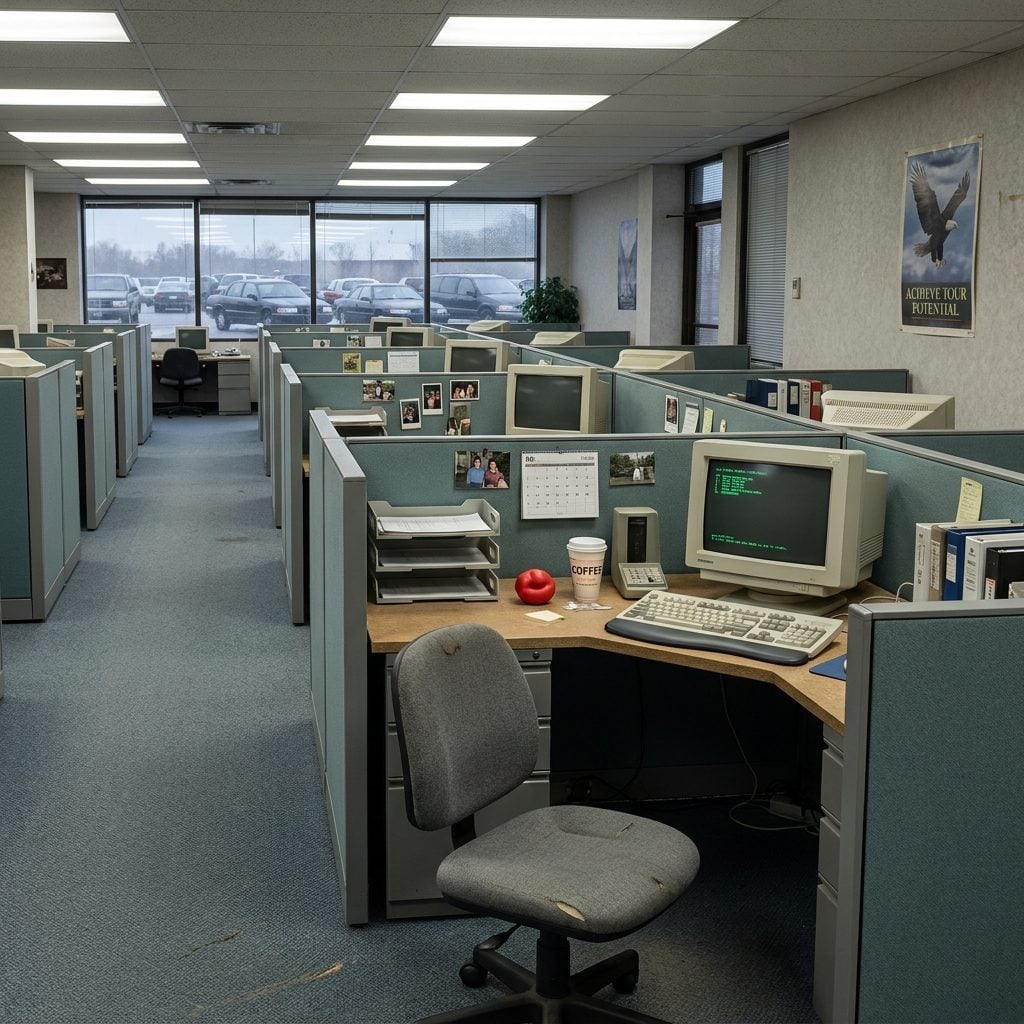
Working from home meant one of two things: you were self-employed, or you were unemployed and calling it something nicer. The infrastructure simply didn’t exist without the internet. No Zoom. No Slack. No shared Google docs. If your job required collaboration with other humans, your body needed to be in the same building as those humans. That was the deal.
The commute, then, would remain the unchallenged centerpiece of adult working life. Five days a week, twice a day, every week until retirement. Rush hour traffic wouldn’t have thinned. Suburban sprawl wouldn’t have slowed. The entire geography of American housing, still organized around proximity to offices, would look exactly the same as it did in 1994.
And the psychological shift never happens. That pandemic-era revelation, the one where millions of people simultaneously realized they’d been commuting ninety minutes each way to do work they could do in pajamas, never arrives. The question “Why do I need to be here?” never gets asked on a mass scale. The office remains the unquestioned default, and the sweatpants stay in the drawer where they belong: weekends only.
Restaurants Would Live and Die by Word of Mouth, Not Star Ratings From Strangers
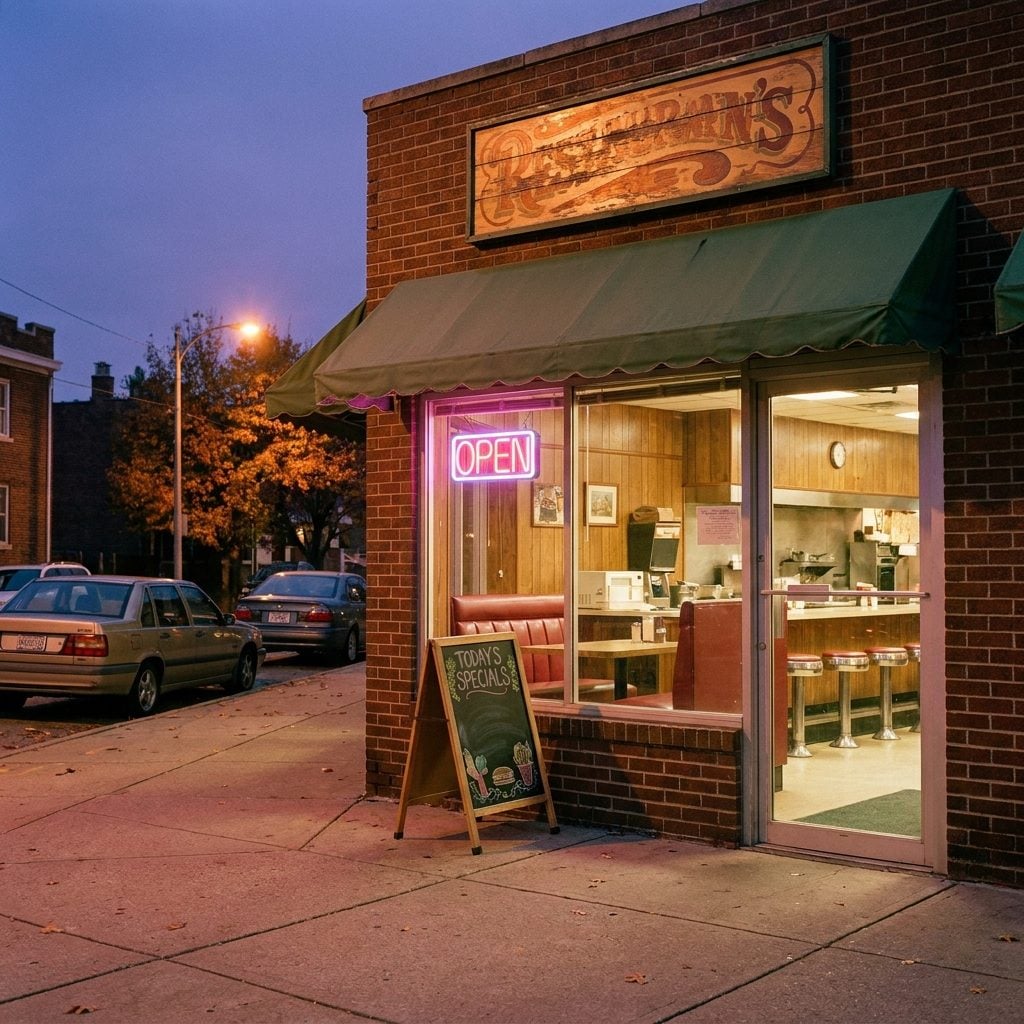
Your aunt told you about it. Or your barber. Or the guy at the hardware store who always had strong opinions about brisket. That was Yelp. That was the algorithm. One human telling another human, face to face, “You gotta try the place on Fifth Street.”
Without online reviews, restaurants would succeed or fail based on reputation built over years of actual meals served to actual neighbors. No overnight viral fame from a TikTok video. No catastrophic one-star bombing from a single angry customer with a WiFi connection and a grudge. The feedback loop was slower, gentler, and more forgiving. A bad Tuesday didn’t define you. Consistency over time did.
Local food critics at newspapers would still hold real power. A single review in the city paper could make or break a new place. Those critics ate anonymously, visited multiple times, and wrote with genuine expertise. I’ll be honest: I miss that system. It was imperfect, sure, but it rewarded competence over content creation. The best restaurants didn’t need to be photogenic. They just needed to be good.
Friendships With Distant Family Would Slowly, Quietly Fade Into Holiday Cards and Nothing More
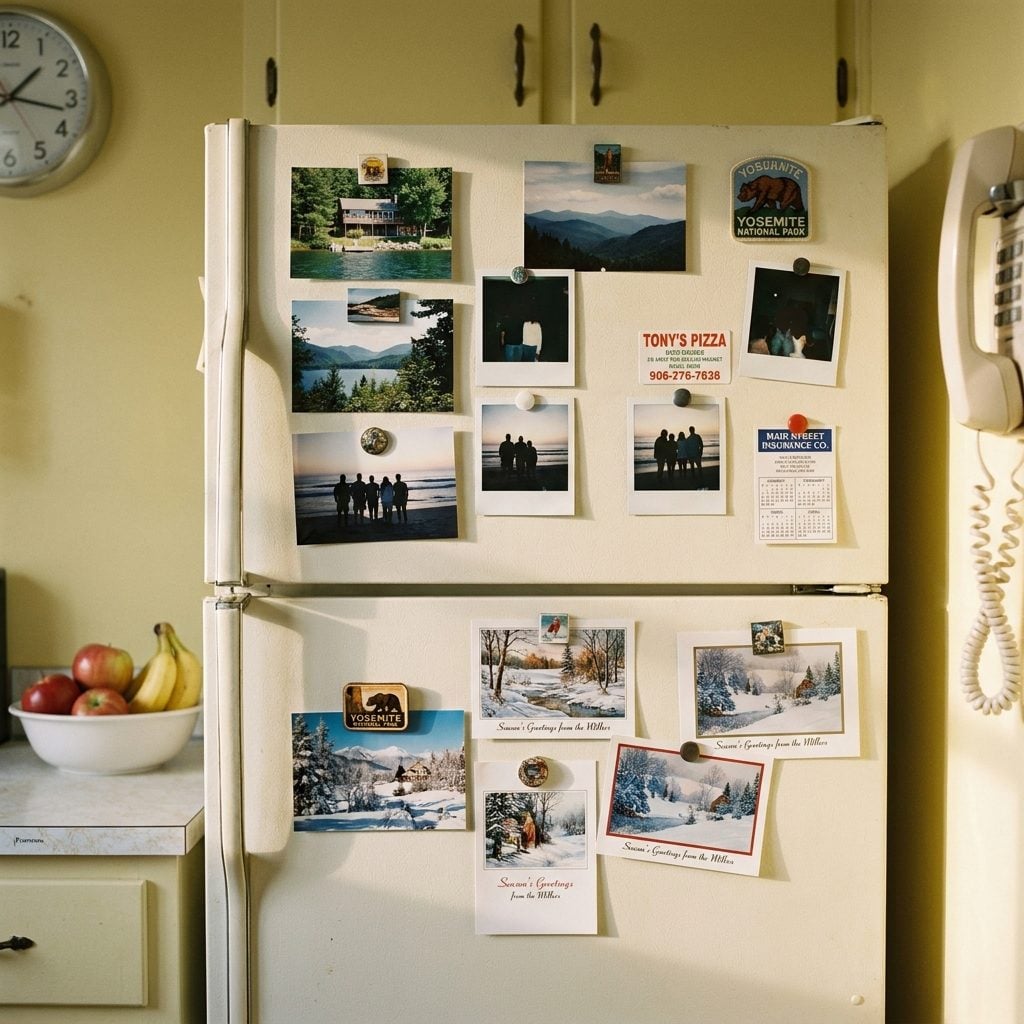
You’d get the card every December. The family photo, everyone in matching sweaters, the kids taller than you remembered. A one-paragraph update printed on the back in a font that tried too hard to look handwritten. “Tyler made varsity! We remodeled the kitchen!” And that was your entire annual data transfer from the cousins in Minnesota.
Without the internet, this was the natural lifecycle of extended family bonds. Geography won. The cousin you were close to at age nine, the one you caught fireflies with at Grandma’s lake house, gradually became a stranger with a familiar last name. Not through any falling-out or disagreement, just through the slow, unremarkable friction of distance and time. Phone calls cost money. Letters required effort. Visits required vacation days and plane tickets. Most relationships couldn’t sustain that overhead.
The cruelest thing about distance before the internet wasn’t losing people. It was losing them so gradually you never noticed it happening.
Facebook, for all its sins, accidentally solved this. It kept those low-bandwidth connections alive through birthday notifications and photo albums nobody asked to see. Without it, entire branches of family trees would go effectively silent between funerals and weddings.
Students Would Still Know the Dewey Decimal System Like the Back of Their Hands
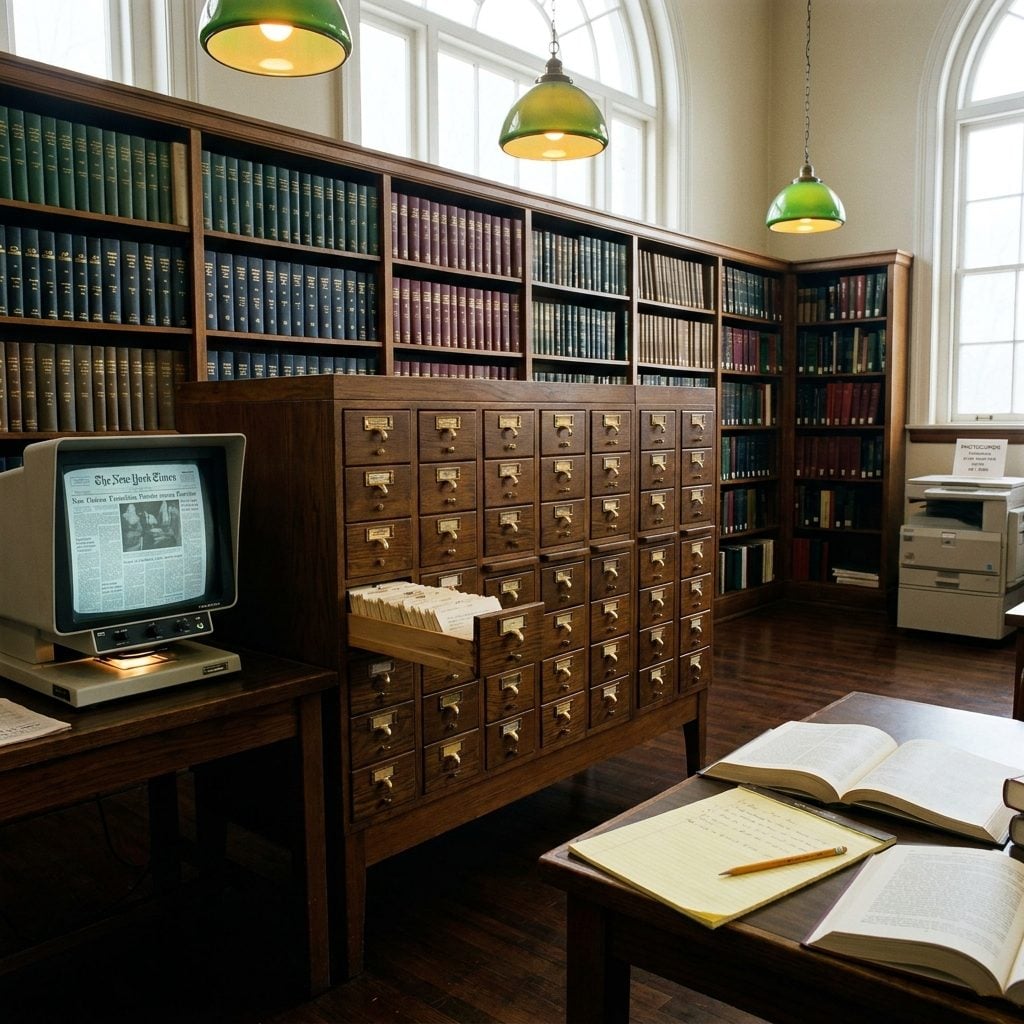
Card catalogs had a sound. The wooden drawers slid open with a low rumble, and you flipped through hundreds of index cards with your thumb, each one typed on what felt like the stiffest paper ever manufactured. The brass pulls were always cold. The whole cabinet smelled like oak and old paper and institutional responsibility.
Without the internet, the research paper remains a physical odyssey. You’re in the library. Not at the library’s website, not searching a database from your dorm room. You are bodily present among the stacks, pulling books off shelves, checking the index in the back (because there’s no Ctrl+F for a printed book), and photocopying relevant pages at ten cents a sheet. The copy machine jams. It always jams.
Encyclopedias would still be a household purchase. Britannica salesmen would still knock on doors. And microfiche, that peculiar technology where you squinted at a backlit screen scrolling through tiny newspaper images, would still be a required skill for any student writing a history paper.
I’ll say this for the old system: it taught you to be selective. When finding information costs physical effort, you don’t chase every tangent. You learn to assess a source quickly, because you only have two hours before the library closes and you still need to find four more books on the second floor. That discipline, the ability to decide what’s worth reading before you read it, was a skill the internet made almost obsolete overnight.
The Waiting Room Would Be a Place You Actually Had to Sit With Your Own Thoughts

There was a specific kind of fidgeting that happened in a dentist’s waiting room circa 1987. You’d already flipped through every copy of Highlights and the three-month-old Reader’s Digest with the missing cover. The fish tank had been studied. The receptionist’s sliding glass window had been opened and closed in your mind forty times. And then you just… sat there.
Boredom was constant back then, and nobody treated it like a crisis. You stared at acoustic ceiling tiles. Counted floor squares. Eavesdropped on two strangers debating whether it was going to rain — a conversation that somehow lasted fifteen minutes because neither of them had anywhere better to direct their attention. Airports were worse, or maybe better, depending on your tolerance for studying other people’s luggage tags and bad posture. Gate B7 at O’Hare with a three-hour delay and nothing but a paperback you’d already finished? A full psychological event.
Kids in backseats drew on fogged windows. Adults read pamphlets about gum disease with genuine focus — the kind of deep reading usually reserved for contracts or love letters, except it was about plaque. Your mind wandered in directions it simply doesn’t anymore, because now every idle second gets swallowed by a screen. I’ve read claims that unstructured mental downtime was where creativity actually lived. Maybe. But I came up with my best imaginary inventions while waiting for my mom’s oil change to finish at the Goodyear on Route 9, so I’m at least partly convinced.
Phone Booths Would Still Line Every Downtown Block Like Glass-Walled Sentry Posts
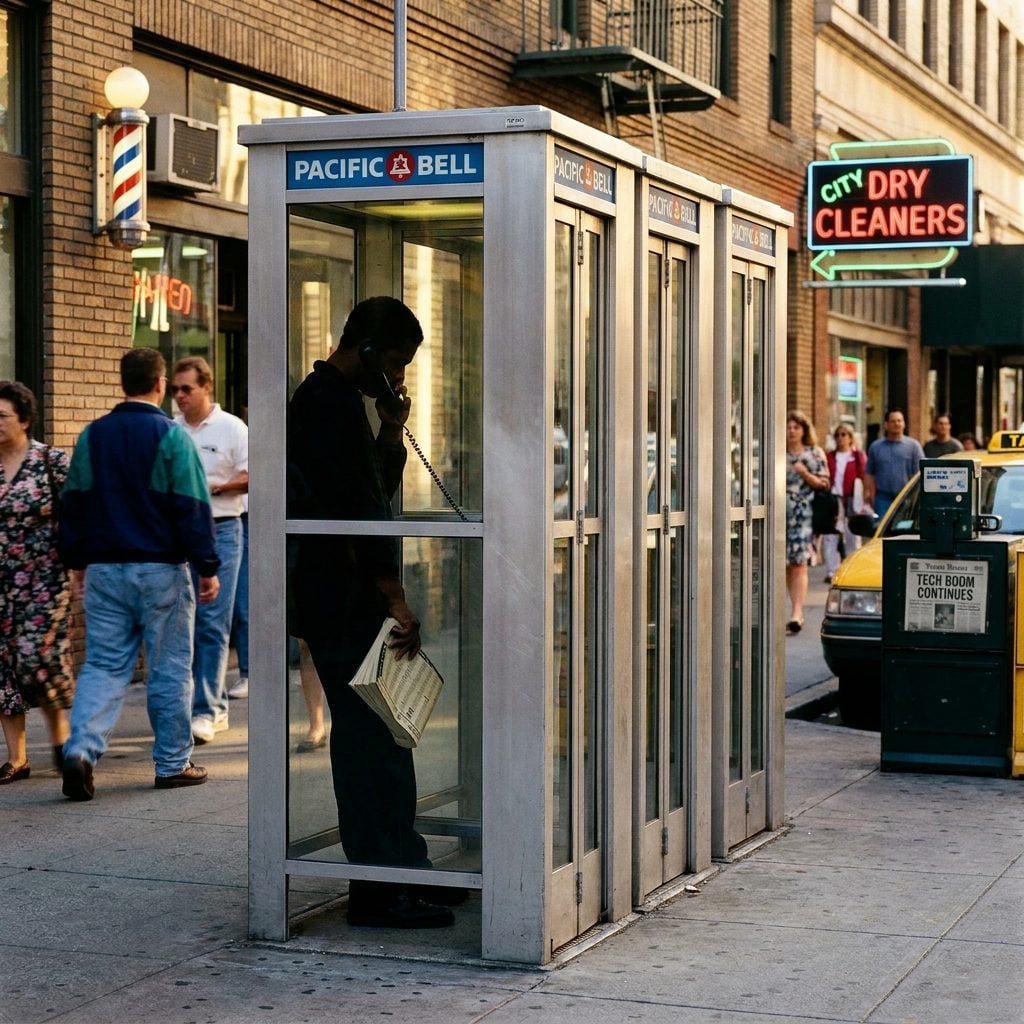
Quarter in your palm, receiver still warm from whoever used it last, the accordion door folding shut against the street noise. That was a phone booth — not a quaint relic, but a genuine piece of daily infrastructure. You didn’t reserve them for emergencies. You called to say you were running late. You confirmed dinner plans. You checked in with your mother on a Tuesday because what else were you going to do, send a telepathic message?
Without the internet (and without the smartphone it eventually spawned), those booths would still be everywhere: outside pharmacies, in hotel lobbies, at gas stations, clustered near bus stops. Cities would still budget for their upkeep. The Yellow Pages chained inside would still matter. And we’d all still know the particular awkwardness of making eye contact with the stranger waiting outside while you fumbled for another quarter.
Independent Bookstores Would Probably Still Anchor Every Decent Shopping Street
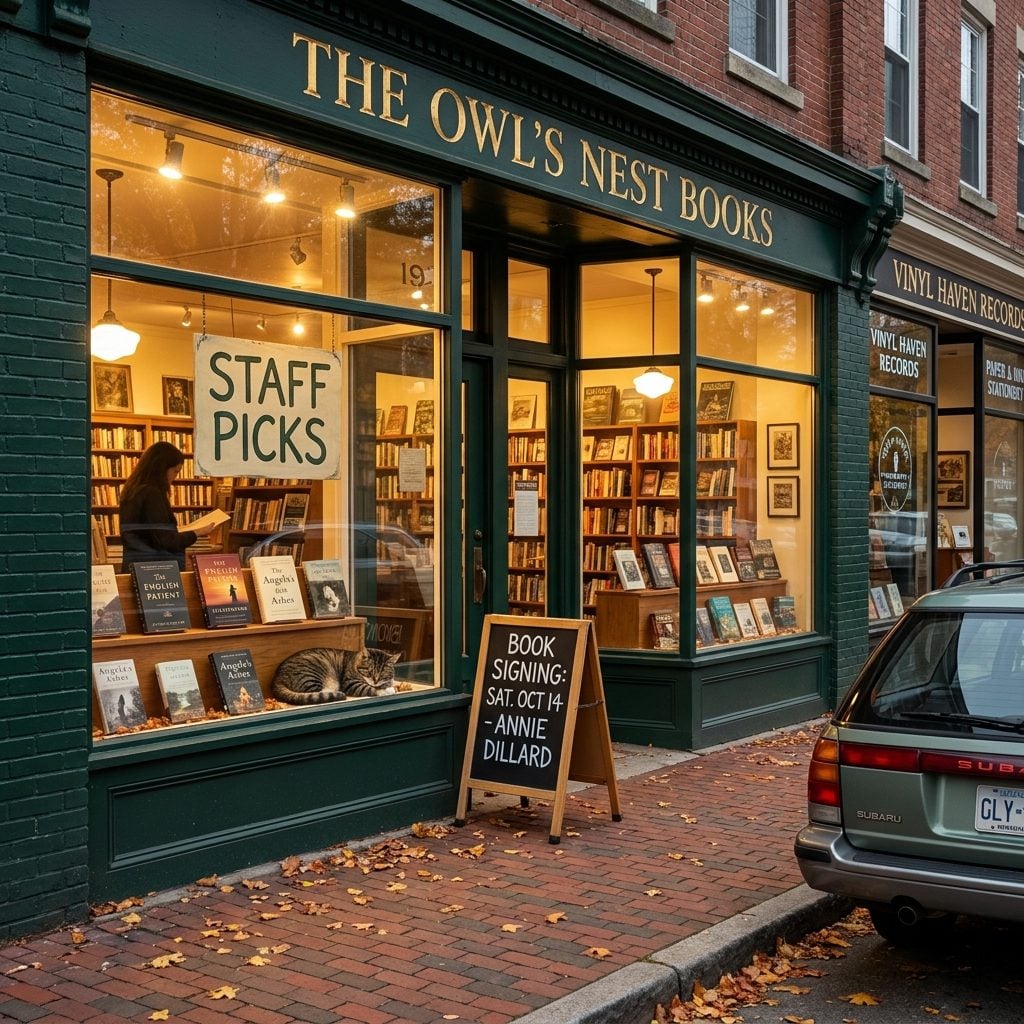
Amazon didn’t kill independent bookstores with better books. It killed them with convenience, price comparison, and an infinite shelf. Remove the internet, and that weapon vanishes.
Your local bookstore stays the place where you discover new authors — not confirm what an algorithm already decided you’d like. The person behind the counter who’s read more books this year than you’ll read in five and who knows your taste by name? Not a charming anachronism. A recommendation engine with actual judgment. These stores would still hold prime real estate on main streets because they’d still draw real foot traffic. The economics hold up when no digital competitor can undercut the same ISBN with steep discounts and fast shipping.
And the browsing itself. The slow wander through shelves you didn’t plan to visit, picking up a cover that caught your eye, reading the first paragraph standing up. That’s discovery in a form no screen has replicated well, and I’m not sure any screen ever will.
Car Dealerships Would Still Hold All the Cards (And the Sticker Price Would Actually Stick)
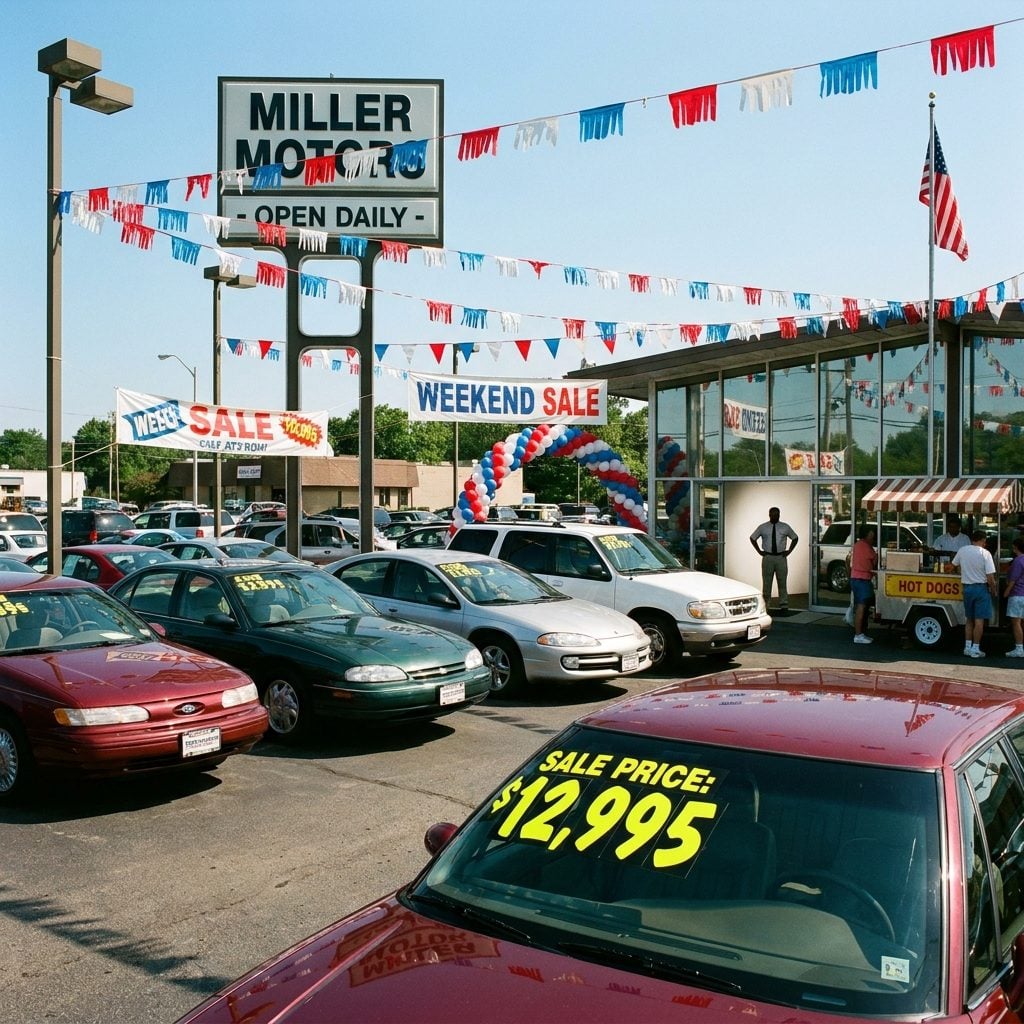
The salesman knew the invoice price. You didn’t. That asymmetry was the entire business model, and without the internet, it would still be fully intact.
No Kelley Blue Book online. No TrueCar. No forum thread where some guy in Topeka posted the exact dealer holdback percentage for your trim level. You walked onto that lot with a vague sense of what fair might look like, and the salesman across the desk had spent fifteen years learning exactly how much uncertainty he could exploit. The four-square worksheet, the manager’s office visit, the “let me see what I can do” routine — all of it still works beautifully when the buyer can’t cross-reference three competing quotes on a phone screen. The whole dance depended on information scarcity, and scarcity was the dealership’s home turf.
Handwritten Address Books Would Still Sit by Every Kitchen Phone in America
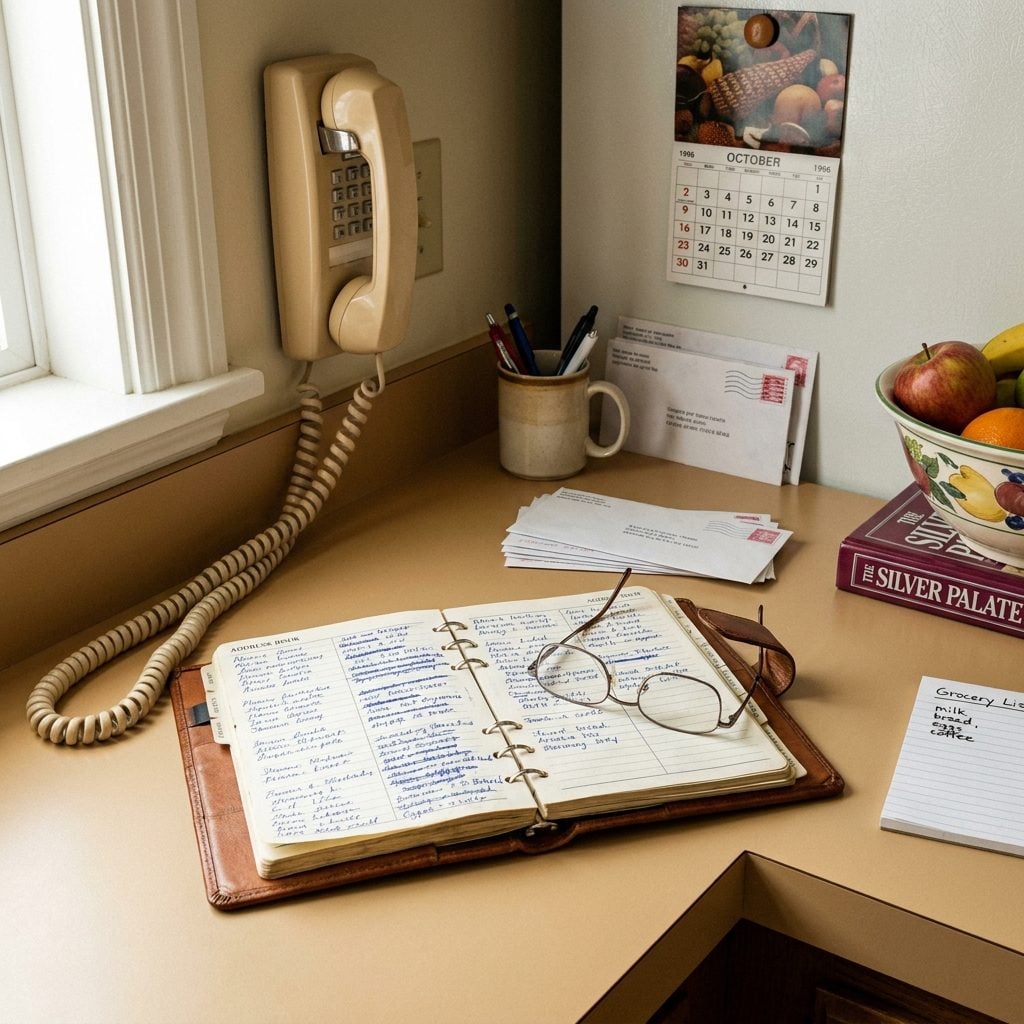
Somewhere in a kitchen drawer or next to the phone on the wall, every household had one. A leather address book with alphabetical tabs, half the entries in pen, the other half in pencil because people moved and you needed to erase.
A physical address book made you painfully aware of how often people drift out of your life. Not dramatically — just gradually. You’d flip to the D’s looking for someone’s number and see three crossed-out addresses for your college roommate, each one a little farther away. The book was a record of distance accumulating.
Without digital contacts that sync and update automatically, losing that book meant genuine panic. It held numbers you couldn’t recover, addresses you’d never memorized, the only remaining proof that certain people existed in your daily orbit. I know someone who kept a photocopy of hers in a fireproof box. Sounds extreme? It wasn’t. There was no cloud backup for a spiral-bound book, and she knew it.
Apartment Hunting Would Mean Driving Slowly Past Buildings and Looking for Vacancy Signs
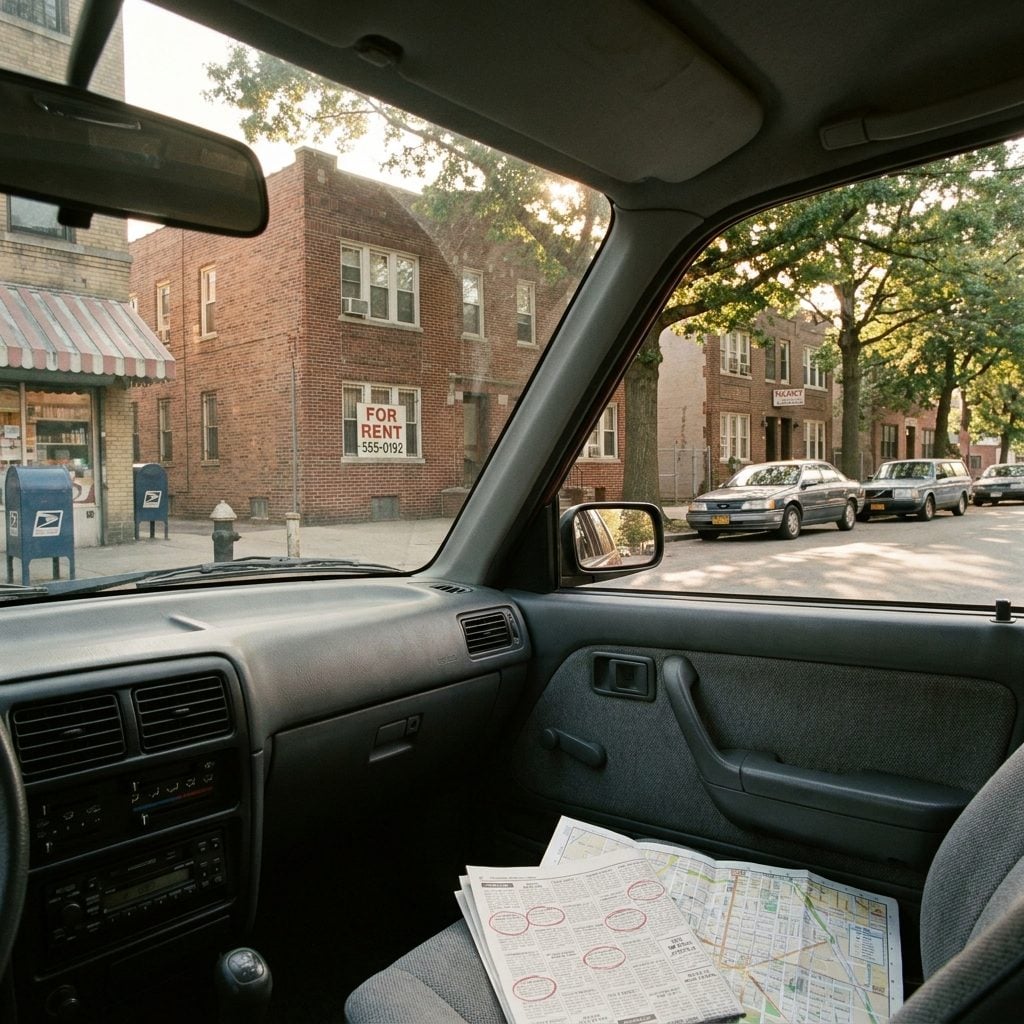
You circled listings in the classifieds. You called a phone number and got a busy signal. You called again. Then you got in the car.
Apartment hunting without the internet was a physical activity. You drove through neighborhoods you liked, scanning for little signs in windows or on front lawns. VACANCY. FOR RENT. 1BR AVAIL OCT 1. You scribbled phone numbers on the back of your hand and hoped the ink survived the drive home. Sometimes you just walked into a building lobby and asked the super if anything was opening up. The whole process rewarded persistence, shoe leather, and a willingness to talk to strangers — plus a kind of dumb luck that felt honest rather than algorithmic.
Missing a TV Episode Would Mean Genuinely Missing It, Maybe Forever
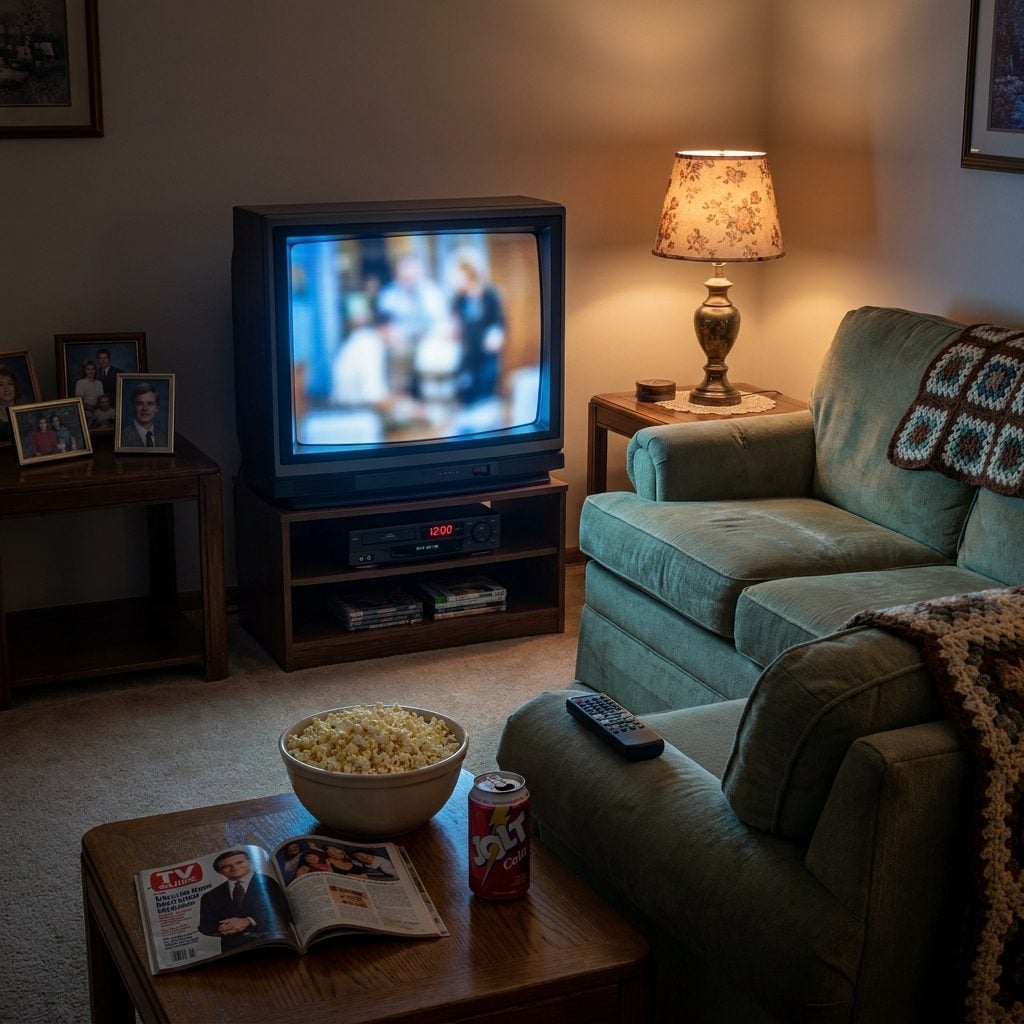
Thursday night, 9 PM, NBC. You were either there or you weren’t.
No DVR. No streaming. No “I’ll catch it tomorrow.” Miss the episode, and your options were grim: hope for a summer rerun, pray the syndication gods smiled in three years, or just accept that everyone at work on Friday would be discussing a plot twist you’d never witness firsthand. The VCR helped in theory, but programming that blinking clock was its own ordeal — and half the time you’d come home to two hours of static because someone bumped the input channel.
But here’s what that scarcity created. Appointment television. Millions of people watching the same thing at the same moment, and knowing it. Shows carried a cultural weight that no binge-watched series can touch, because every episode felt like an event rather than another unit of content in a queue. You didn’t consume a show. You showed up for it.
People Would Routinely Be Unreachable for Hours and Nobody Would Panic About It
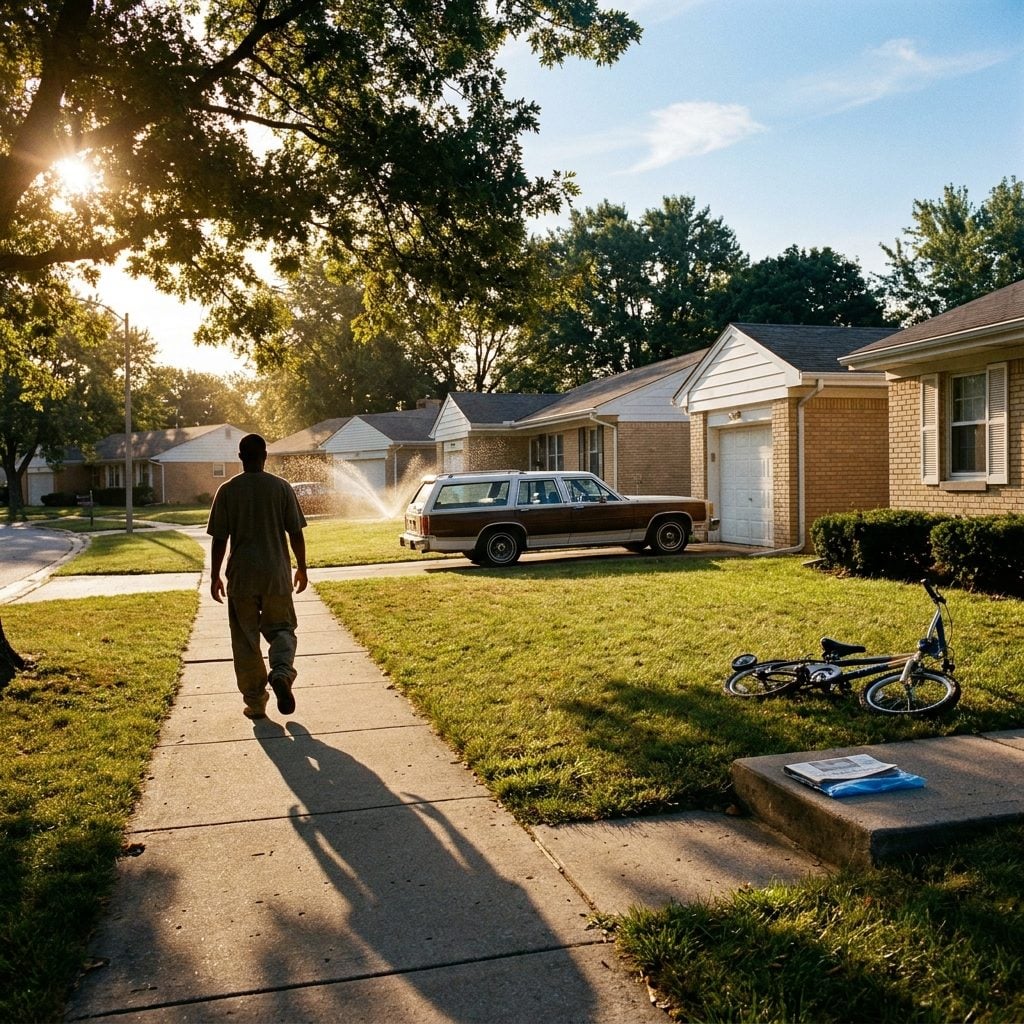
You left the house. That was it. Gone.
No one could reach you at the grocery store. Nobody texted you at the movies. Your boss couldn’t fire off a “quick question” while you were mowing the lawn on a Saturday. If someone needed you, they called your house, got the answering machine, and waited. The remarkable thing is that everyone understood this arrangement without negotiation. Being unreachable wasn’t rude or suspicious. It was just how Saturday worked.
The default state of a human being used to be unavailable. Now the default is available, and you have to actively opt out. That inversion changed everything about how we rest.
Without the internet and the always-connected devices it spawned, that old default would still hold. The low hum of obligation that never quite switches off — the phantom buzz in your pocket, the creeping guilt when you haven’t checked your email in two hours — none of it would exist. Solitude wouldn’t require airplane mode. It would just be what happened when you walked out the front door.
Daily Life Would Carry a Kind of Privacy We Can Barely Remember Anymore
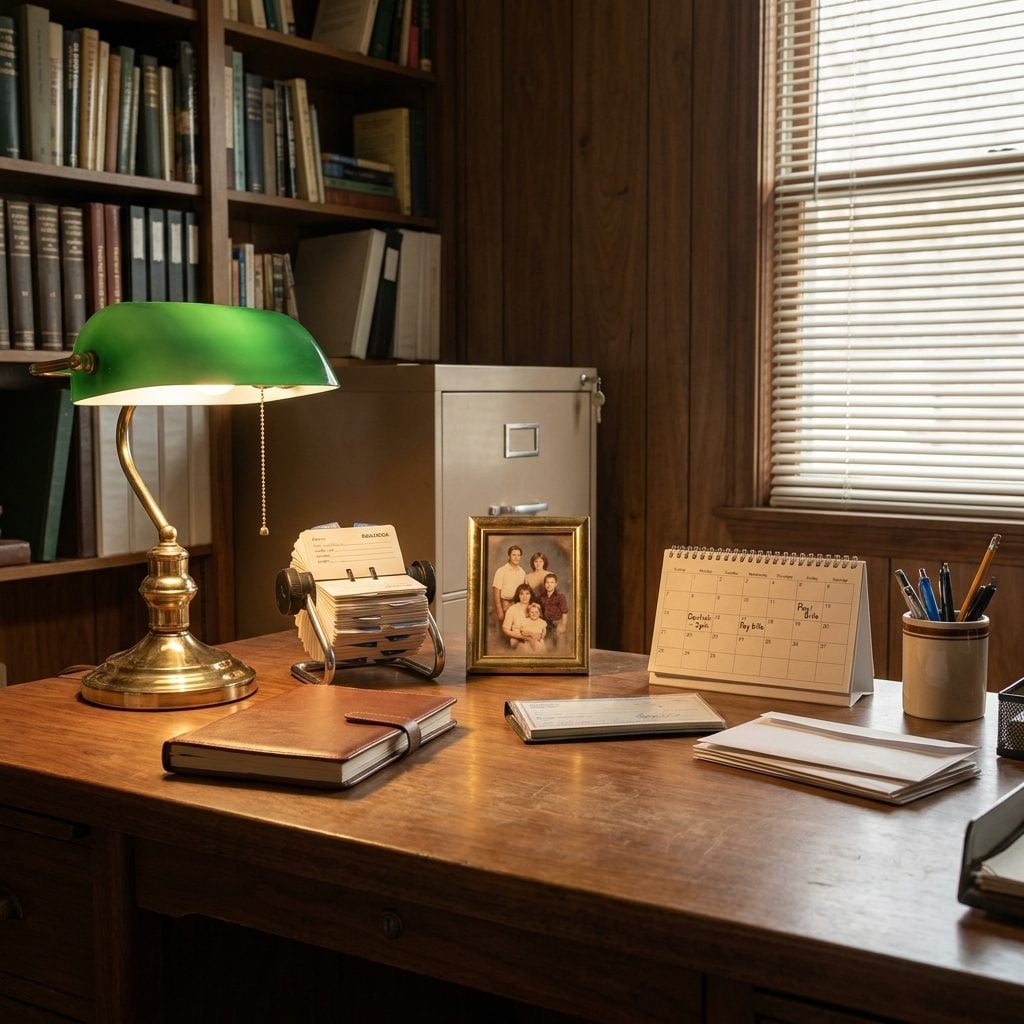
Your daily movements weren’t tracked. Your purchasing habits weren’t profiled. Your face wasn’t scanned walking into a store. The concept of a “digital footprint” didn’t exist because there was nothing digital to leave a footprint in.
Consider what that actually meant. No one could search your name and pull up your address, your court records, your old yearbook photo, your political donations. A background check meant someone picking up a phone and calling your references — an actual human effort, not a database query. Your past stayed where you left it unless somebody went to real trouble to dig it up. People reinvented themselves after moving to new cities, and it worked, because no persistent public record trailed behind them like a shadow they couldn’t shake.
Without the internet, that privacy would still be the baseline rather than a luxury you pay for or a setting you toggle deep in a menu nobody reads. Your life would belong to the people you chose to share it with, and only them. I’d argue that’s the single biggest difference on this entire list — bigger than the phone booths, bigger than the bookstores, bigger than anything else here by a wide margin.
🔥 Would you like to save this?
Please note that some of the imagery in this article were created with the aid of AI image generators.