
🔥 Would you like to save this?
The calmest person at the gate didn’t get lucky. They were in the parking garage while you were still looking for your other shoe. Punctual travelers aren’t faster or braver, and no airline god smiles on them. They just made a dozen small decisions before leaving the house, and every one bought a little breathing room. Add it up and you get the person reading a book forty minutes early, not the one sprinting past the pretzel stand with a boarding pass clenched in their teeth. Here are the habits. None are hard. All of them work.
26. They Set a Firm Leave-Home Time and Treat It Like a Flight
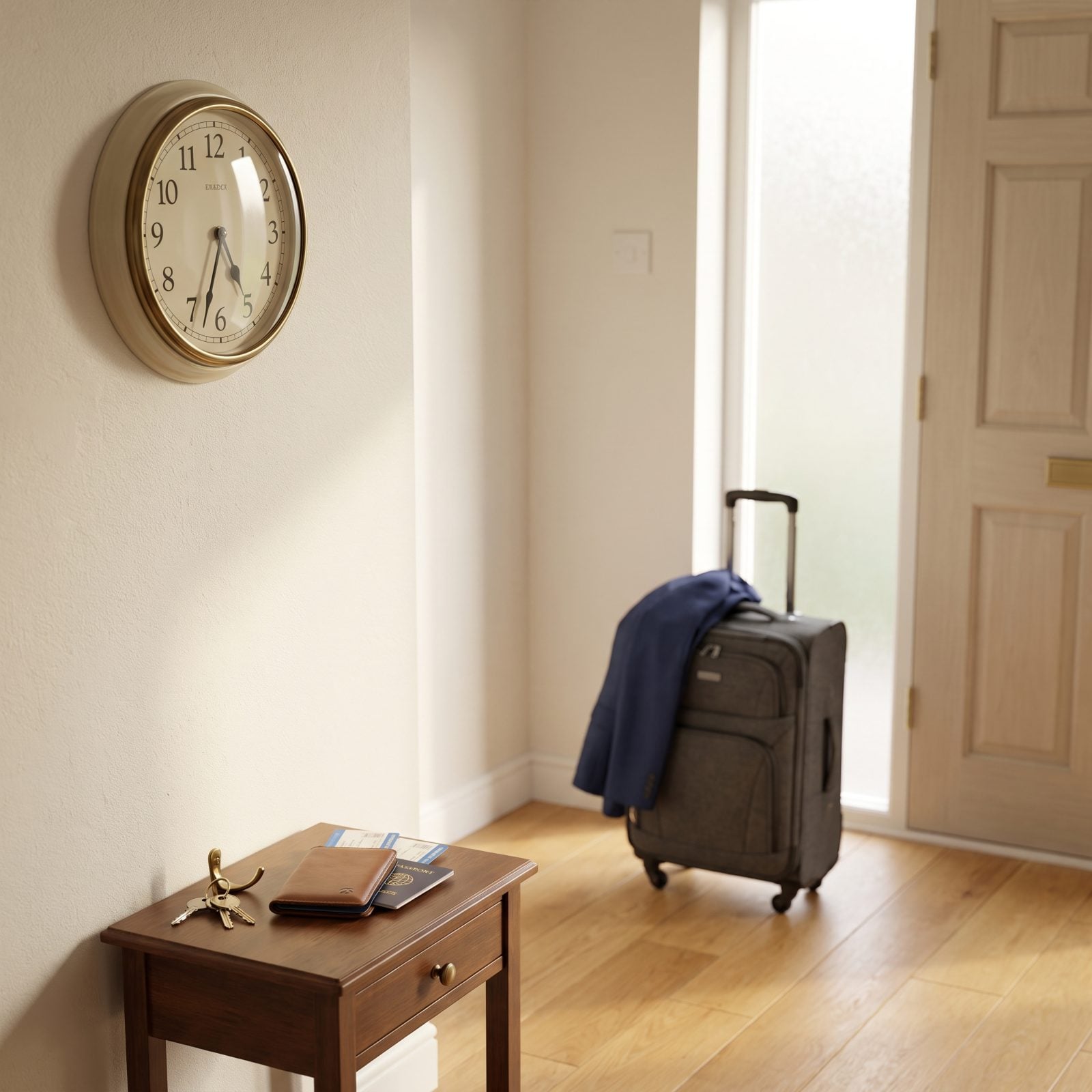
The leave-home time is the whole game. Not the flight time, not the check-in deadline — the moment your shoes cross the threshold.
Here’s the trick people miss: pick the time, then subtract fifteen minutes for the thing that always happens. The forgotten charger, the last bathroom trip, the bag that needs re-zipping because you sat on it. Something always comes up, and punctual travelers don’t believe they’re the exception. They build the exception into the number.
It’s tempting to treat the leave time as aspirational, a gentle suggestion to beat if the universe cooperates. The universe does not cooperate. Set a hard number, say it out loud, then act like the car leaves without you.
25. They Confirm the Exact Airport and Terminal Before They Pack
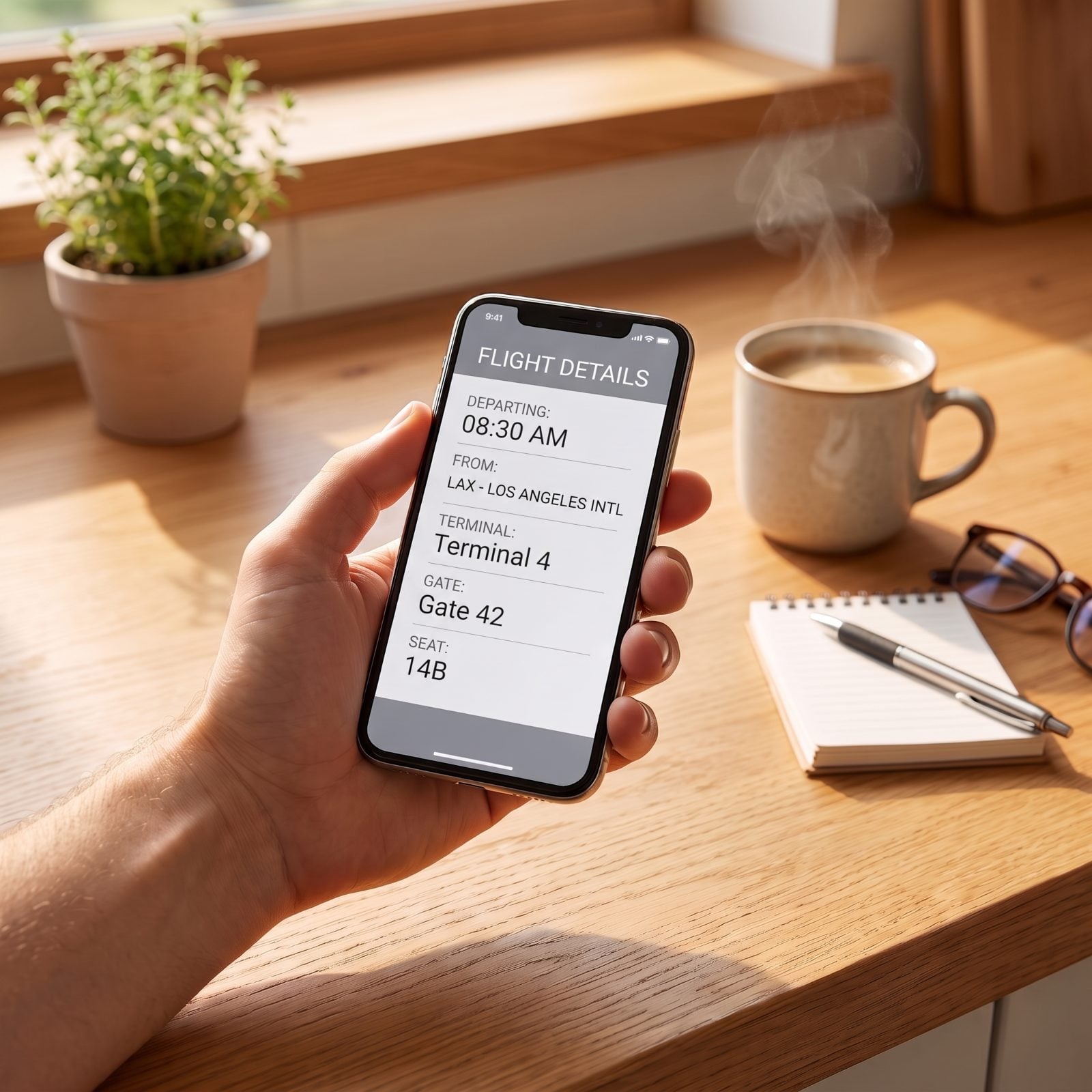
Big metro areas have more than one airport, and they are nowhere near each other. Showing up at the wrong one is a mistake you only make once. Once is plenty.
Confirm two things the night before: the airport code and the terminal. International and domestic terminals can sit a shuttle ride apart, and that shuttle keeps its own schedule and its own ideas about your timeline.
24. They Pick Flight Times That Account for Real Ground Transport
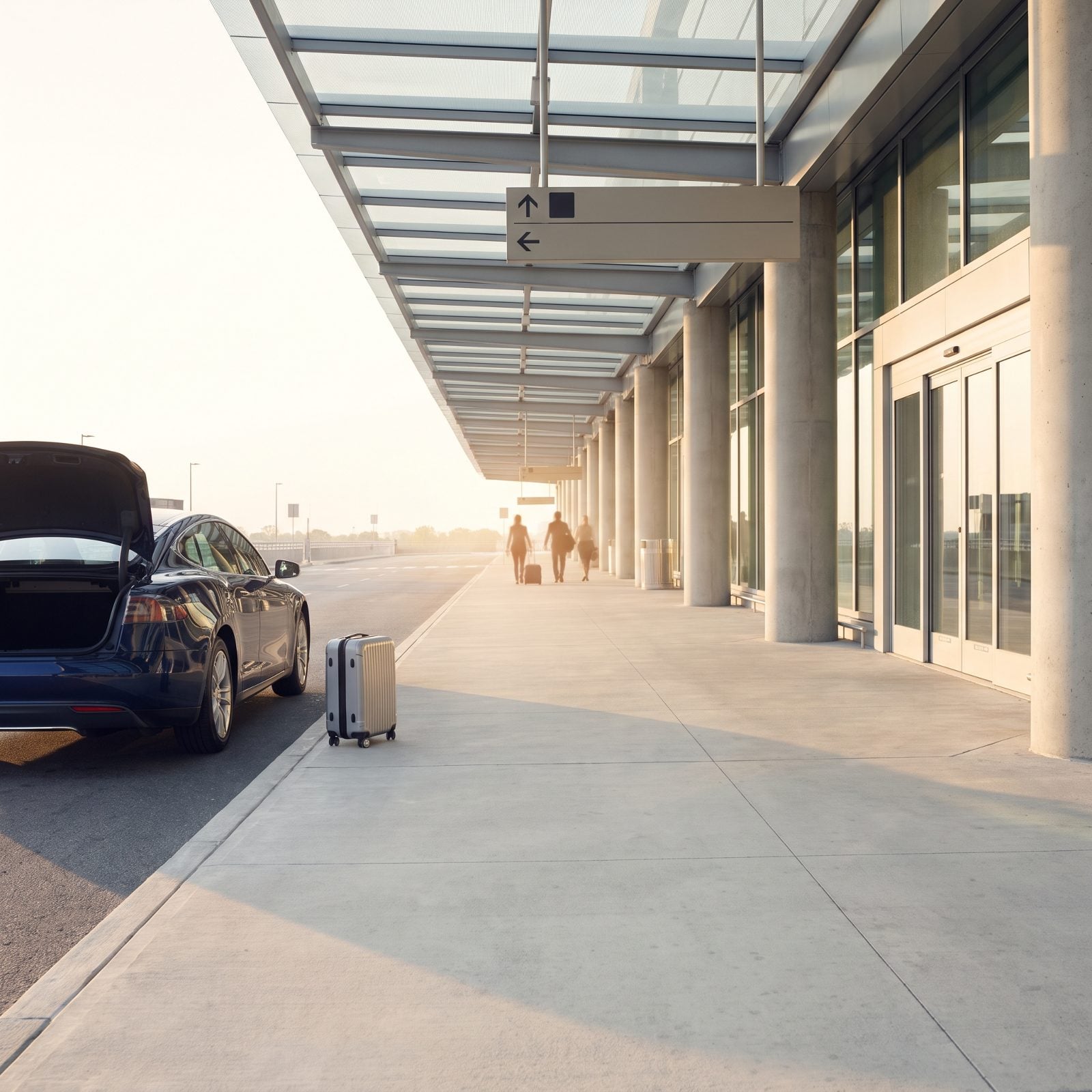
The flight leaves on time. Your ride does not. That gap is where missed flights live.
Say you book the 6am departure because it’s cheap and you figure traffic will be empty. Fine. But the first train isn’t running, the rideshare at 4am costs triple, and the airport shuttle hasn’t started its day. You saved forty dollars on the fare and now you’re paying a small fortune for a car that may or may not show. The cheap flight was never cheap.
Punctual travelers reverse the math. They start with how they’re actually getting to the airport, then pick a flight the ground transport can honor. Rush hour, weekend track work, the specific chaos of a snow morning — all of it goes into the decision before the fare does.
23. They Refuse the Connection That Looks Good Only on Paper

A forty-minute connection in a terminal you’ve never seen is a bet, not a plan.
The booking site calls it “valid” because the clock technically works. But the clock doesn’t know about the bus between terminals, the second security screening, the passport queue, or the gate parked at the far end of a concourse the length of a small town.
People who make their flights add padding where the airline won’t. An hour is comfortable for domestic. Make it ninety minutes or more when terminals change or customs enters the picture. Yes, you sit around longer. You also don’t spend that time watching your connecting plane push back without you.
22. They Check In the Minute the Window Opens
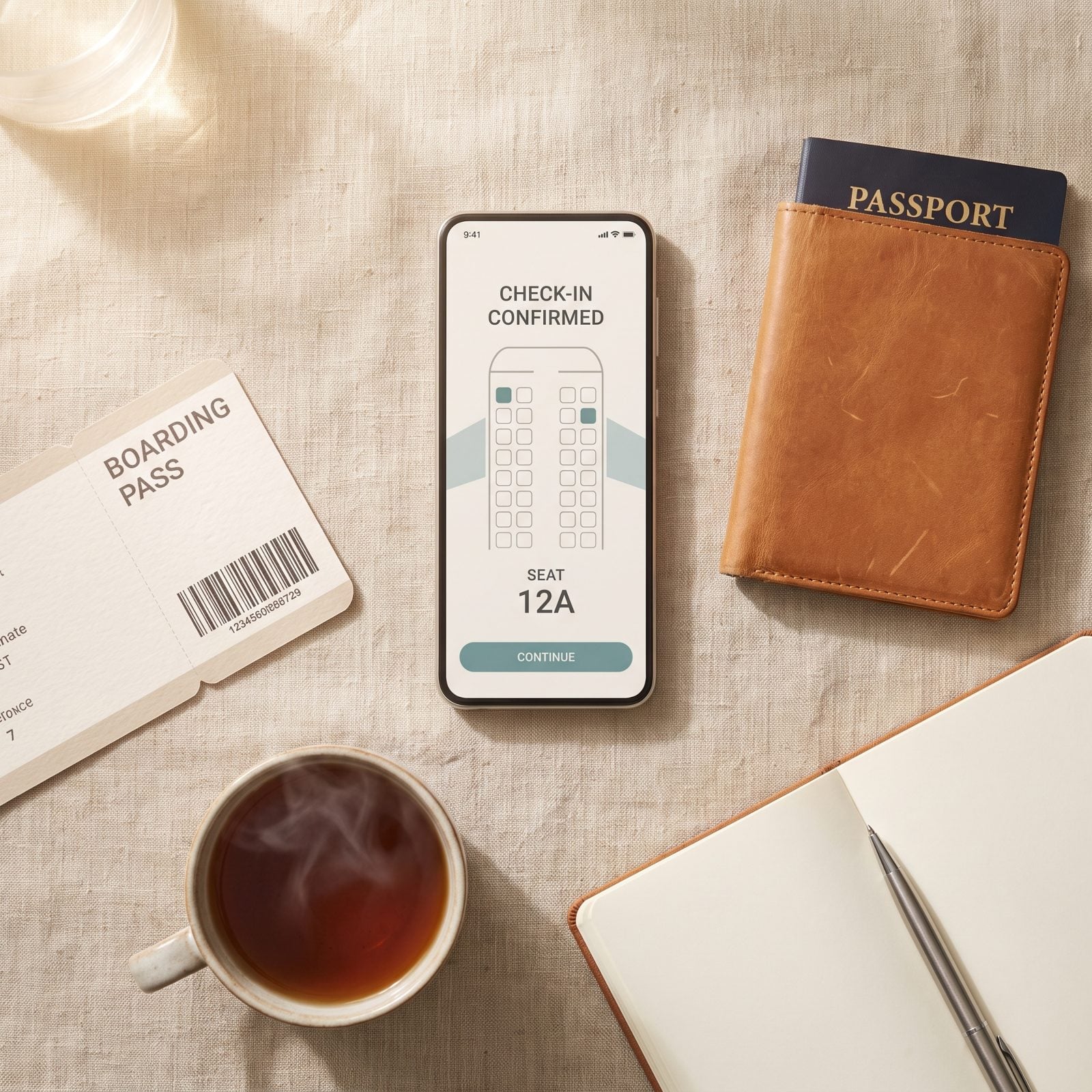
Online check-in usually opens around twenty-four hours before departure. Punctual travelers treat that window like a sale on good seats, because that’s exactly what it is.
Early check-in locks in your spot and flags any document trouble while there’s still time to fix it. On crowded flights it matters even more — oversold flights bump the people who checked in last. Be the one who checked in first and you’re rarely standing at the desk hearing the bad news.
Set a reminder for the exact hour. Ninety seconds, and you’ll sleep better knowing it’s done.
21. They Switch On Every Alert the Airline Offers
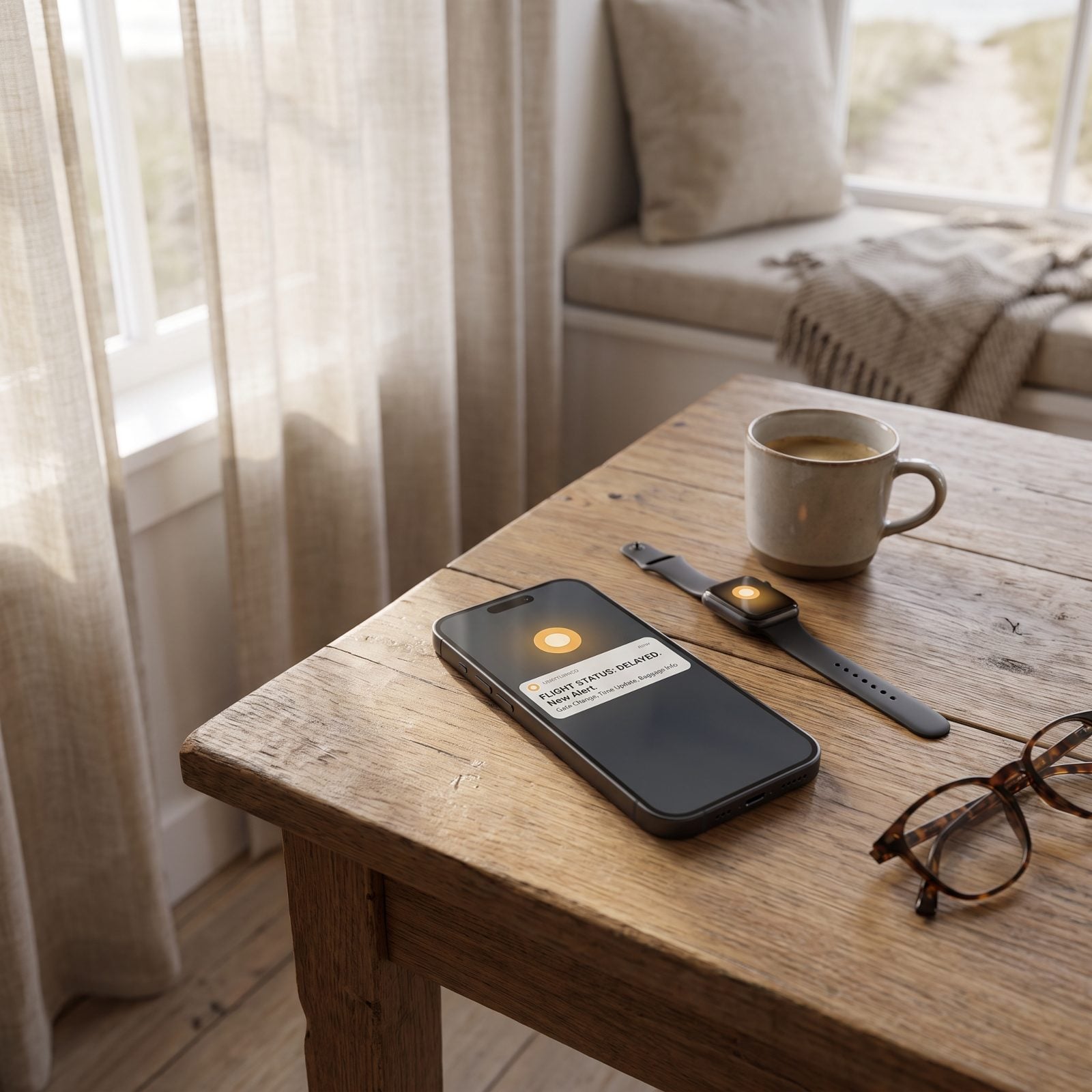
Gate changes don’t announce themselves politely. They flash on a screen you weren’t looking at and whisper over a speaker you couldn’t hear.
So turn everything on at once — the app notifications, the text alerts, the push warnings. Redundancy is the point. If the app is slow, the text catches you. If your phone’s on silent, the watch buzzes your wrist.
20. They Save the Boarding Pass Where No Signal Can Lose It
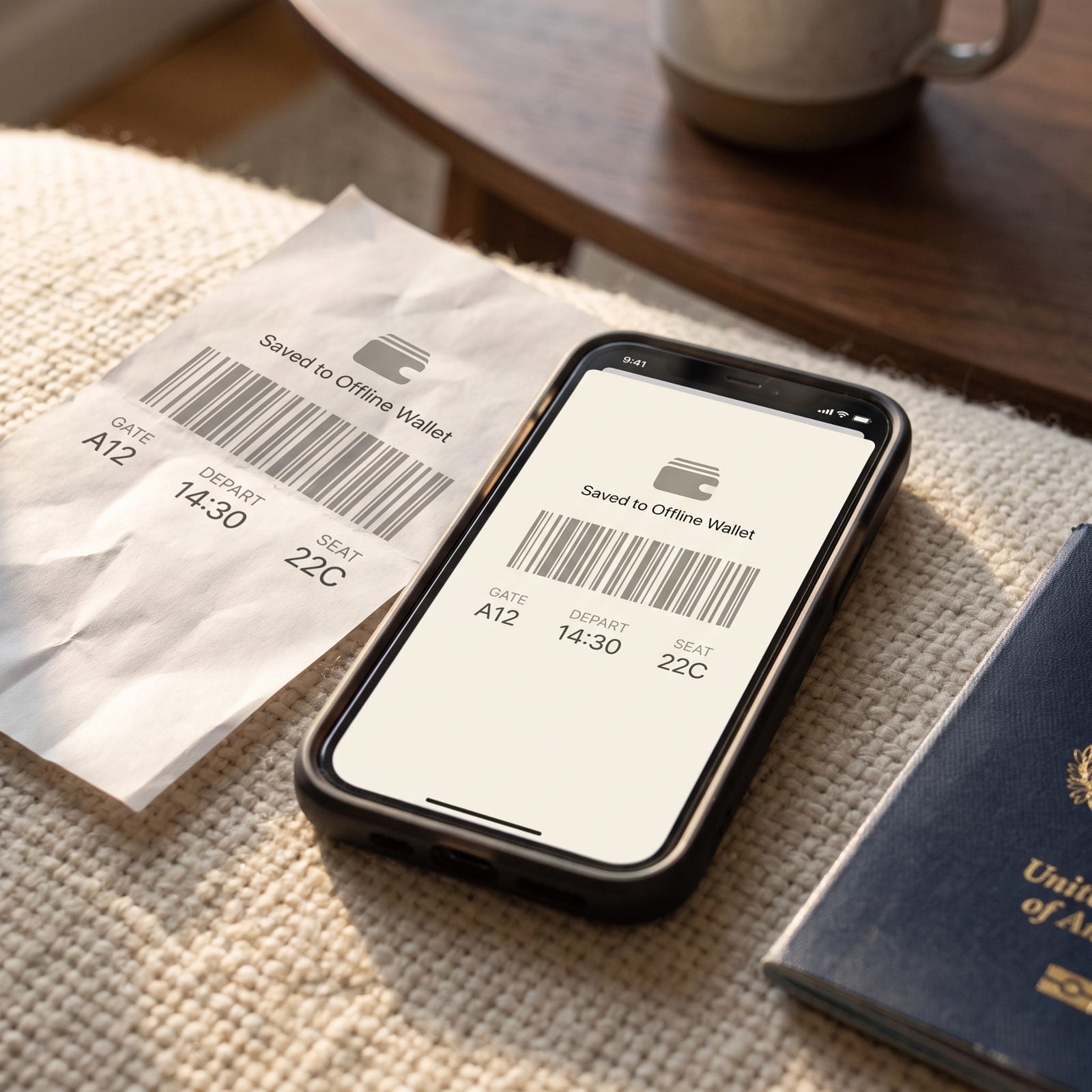
Airport wifi fails at the worst possible moment, usually in the security line with twelve people behind you and a spinning wheel on your screen.
Download the pass to your phone’s wallet so it opens without a signal. Then do the thing that feels old-fashioned and print a paper copy anyway. Paper doesn’t run out of battery. Paper doesn’t crash. And paper never has to reconnect to a network that’s clearly having a day.
19. They Check Road and Rail Disruptions Before They Touch the Door
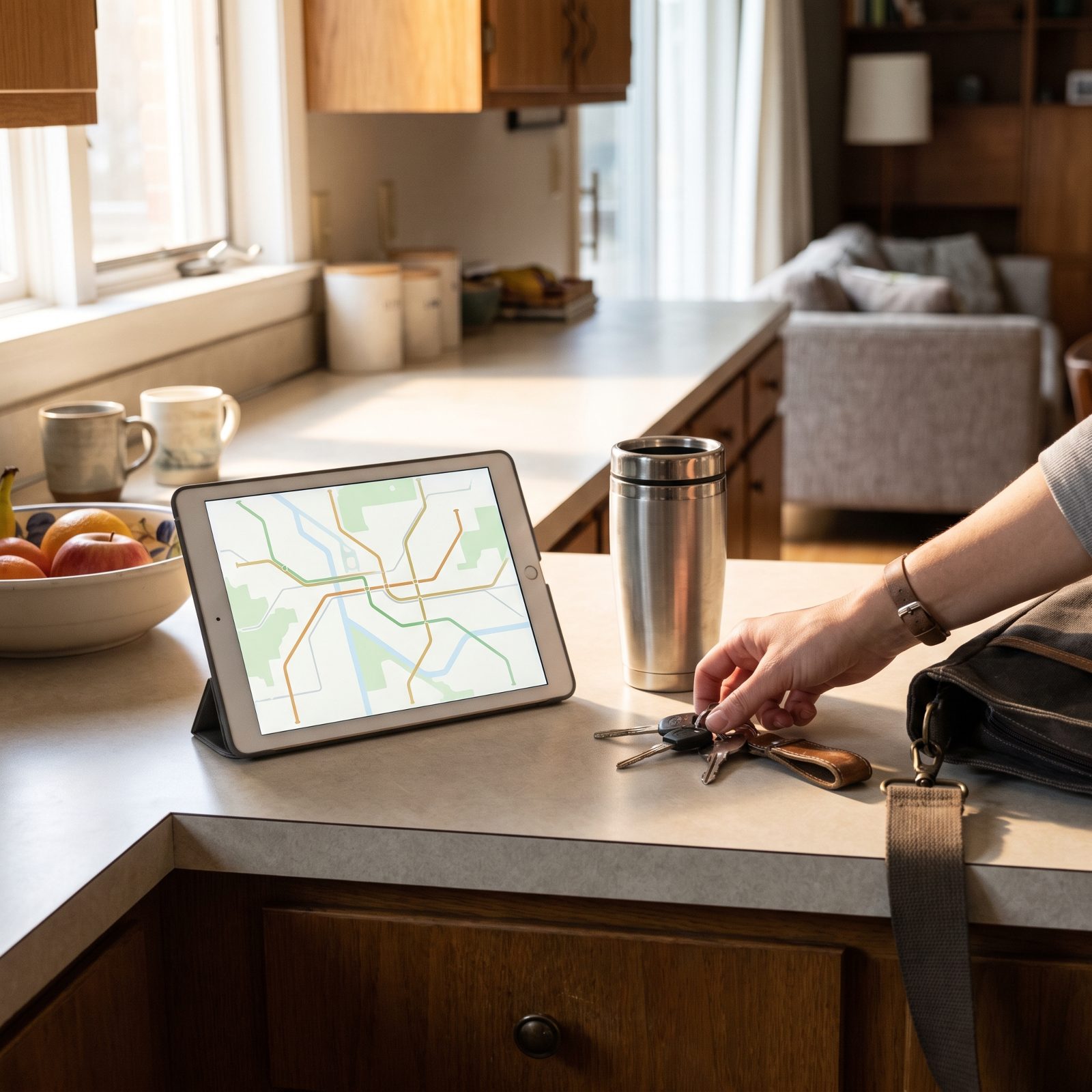
A closed lane adds twenty minutes. A signal failure on the line can add an hour. Neither tells you in advance unless you ask.
Half a minute on a traffic or transit app before you leave reveals the accident, the weekend works, the suspended service. That’s time to reroute while you’re still standing in your own kitchen, calm and caffeinated — instead of discovering it from the back seat with your heart climbing into your throat.
18. They Lock In Airport Parking Before It’s a Problem
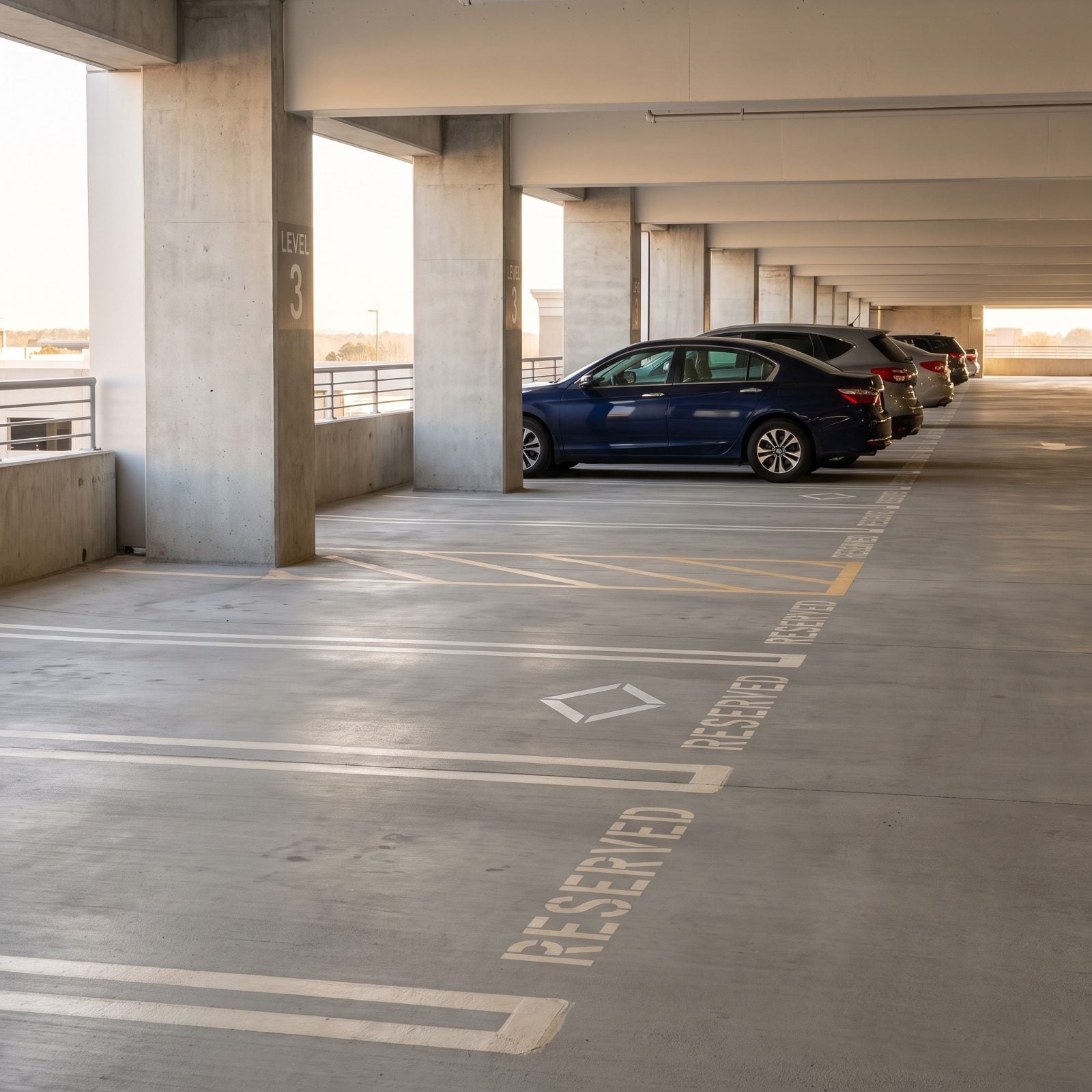
Circling a full parking deck while your departure clock ticks is a special kind of panic. Avoidable, too.
Reserving a spot ahead does two things at once. It guarantees you a place during busy stretches when lots genuinely fill, and it usually costs less than rolling up and paying the gate rate. You also skip the slow crawl through level after level reading “FULL” signs, which is the last thing frayed nerves need before a flight.
Book the garage closest to your terminal, note the level and row, and snap a photo of the sign when you park. Future you, dragging a bag at midnight on the return, will be grateful.
17. They Keep a Second Way to the Airport in Their Back Pocket
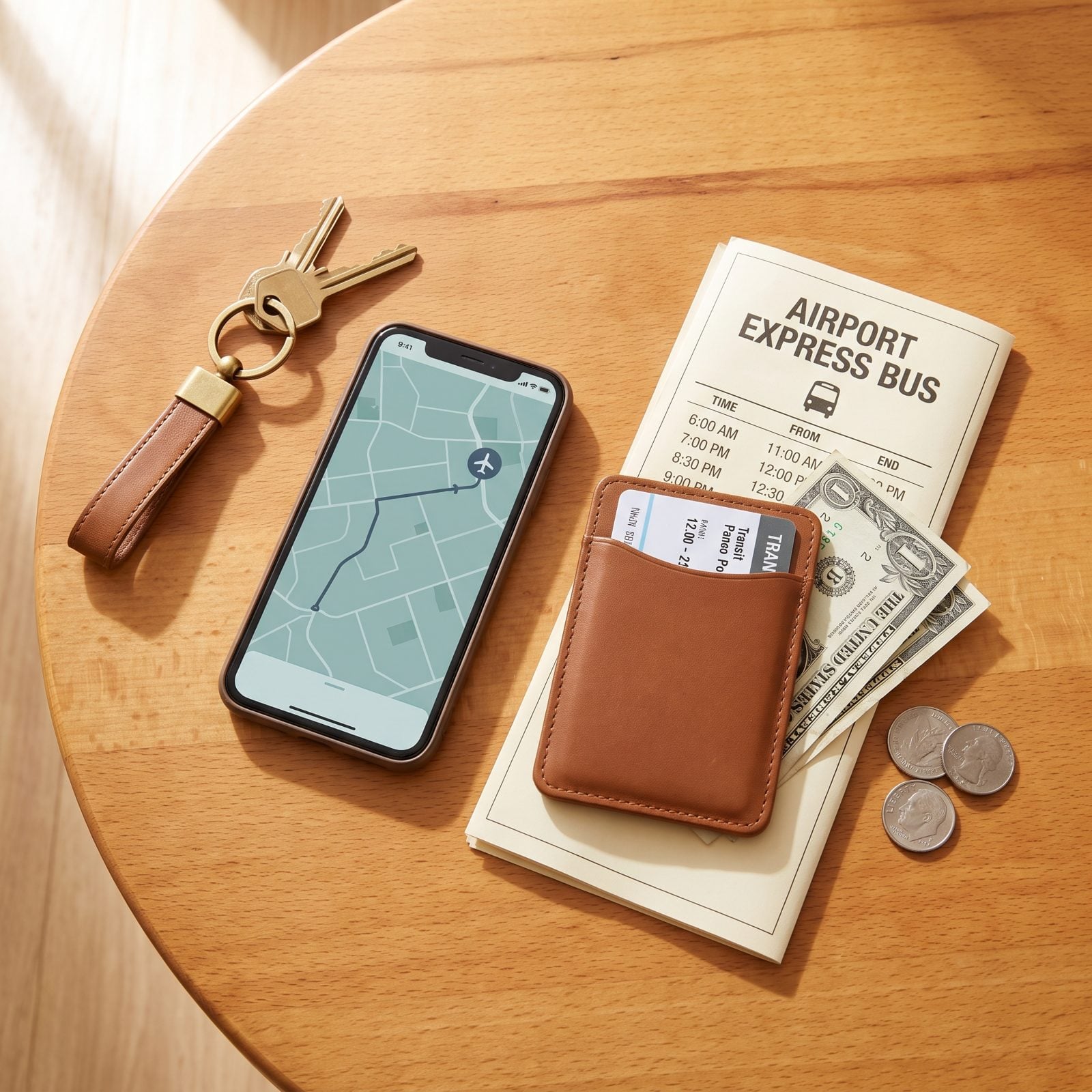
Plan A is the ride you expect. Plan B is the one that saves the trip.
Punctual travelers always know the alternative. If the rideshare cancels, there’s a cab number saved. If the train line dies, there’s a bus route or a driving option already half-thought-through. This isn’t about paranoia — it’s about refusing to let one broken link decide whether you make the flight.
One way to the airport is a plan. Two ways is insurance.
Most mornings you won’t need the backup. The one morning you do, it stops being the morning you tell people about for years. Keep a number, keep cash, keep a second route in your head. Then go read your book at the gate.
16. They Pack the Night Before Departure, Not the Morning Of
🔥 Would you like to save this?
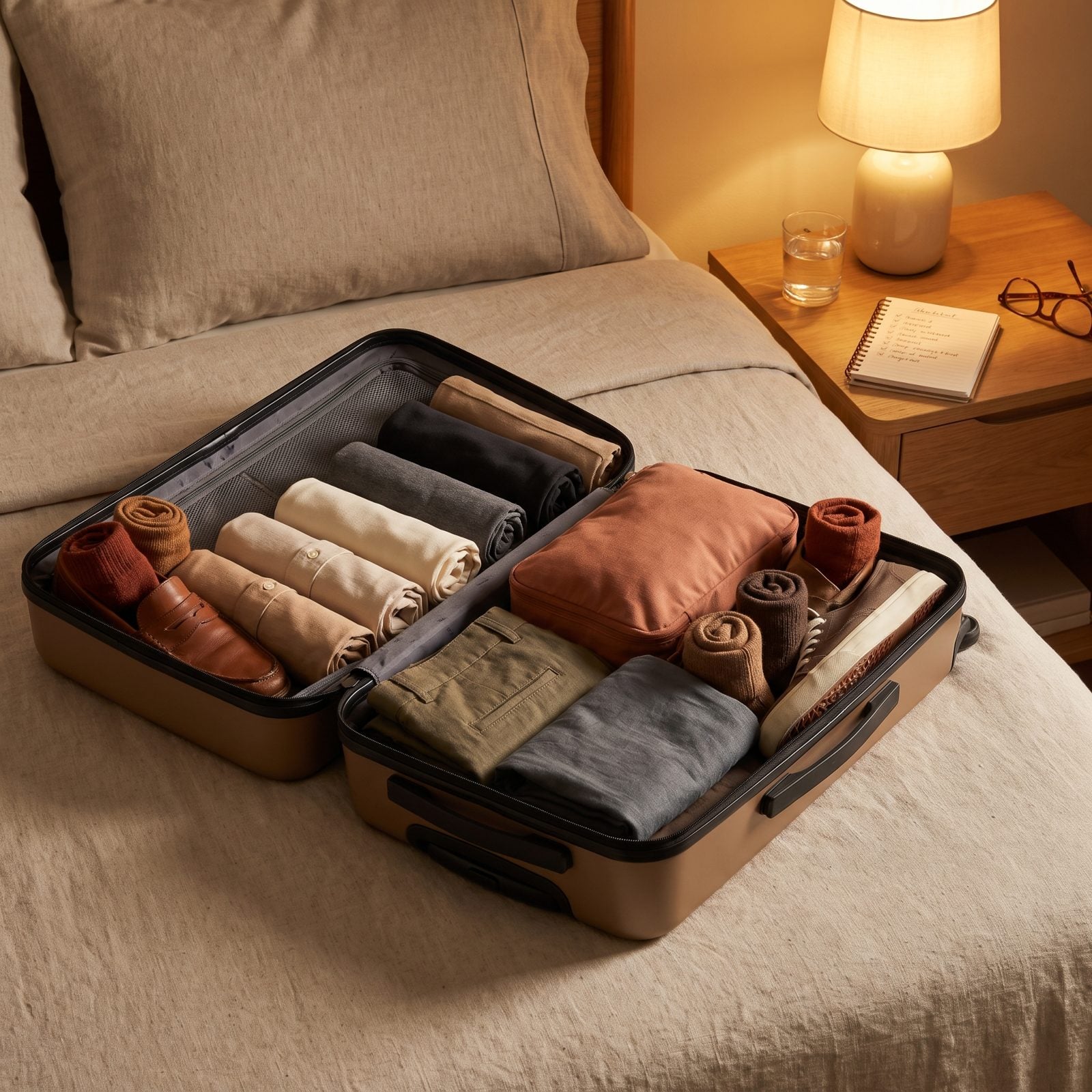
Morning-of packing is how you leave your charger in the wall and your passport sitting on the kitchen counter. The punctual traveler closes the bag the night before, when the house is quiet and nobody’s hustling them toward a waiting cab.
There’s a second payoff nobody talks about. A packed bag by the door overnight quietly tells your brain the trip has already begun, so you sleep better and wake slower. You walk out the door instead of tearing through it.
15. They Weigh the Checked Bag at Home Before It Ever Sees a Scale
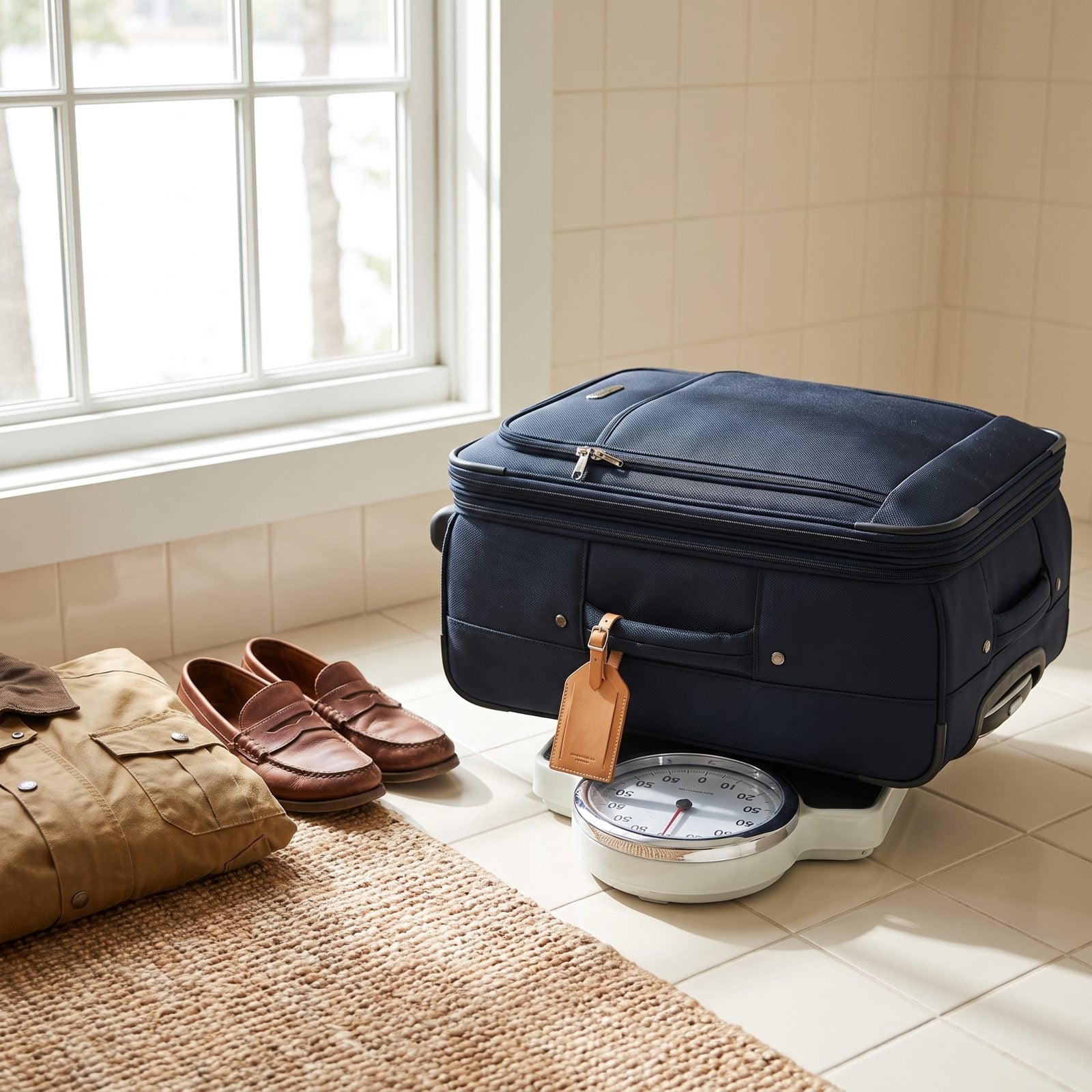
Nothing drains the morning calm like repacking a bag on the terminal floor while a line coils up behind you. The fix lives in your bathroom.
Step on the scale holding the bag, step on it alone, subtract. Most airlines draw the line at fifty pounds for a checked bag, and the overweight fee can be brutal. Knowing the number at home means you adjust in private, coffee in hand, instead of staging a public yard sale by the drop counter while strangers judge your folding technique.
14. They Keep Every Document in One Dedicated Pocket
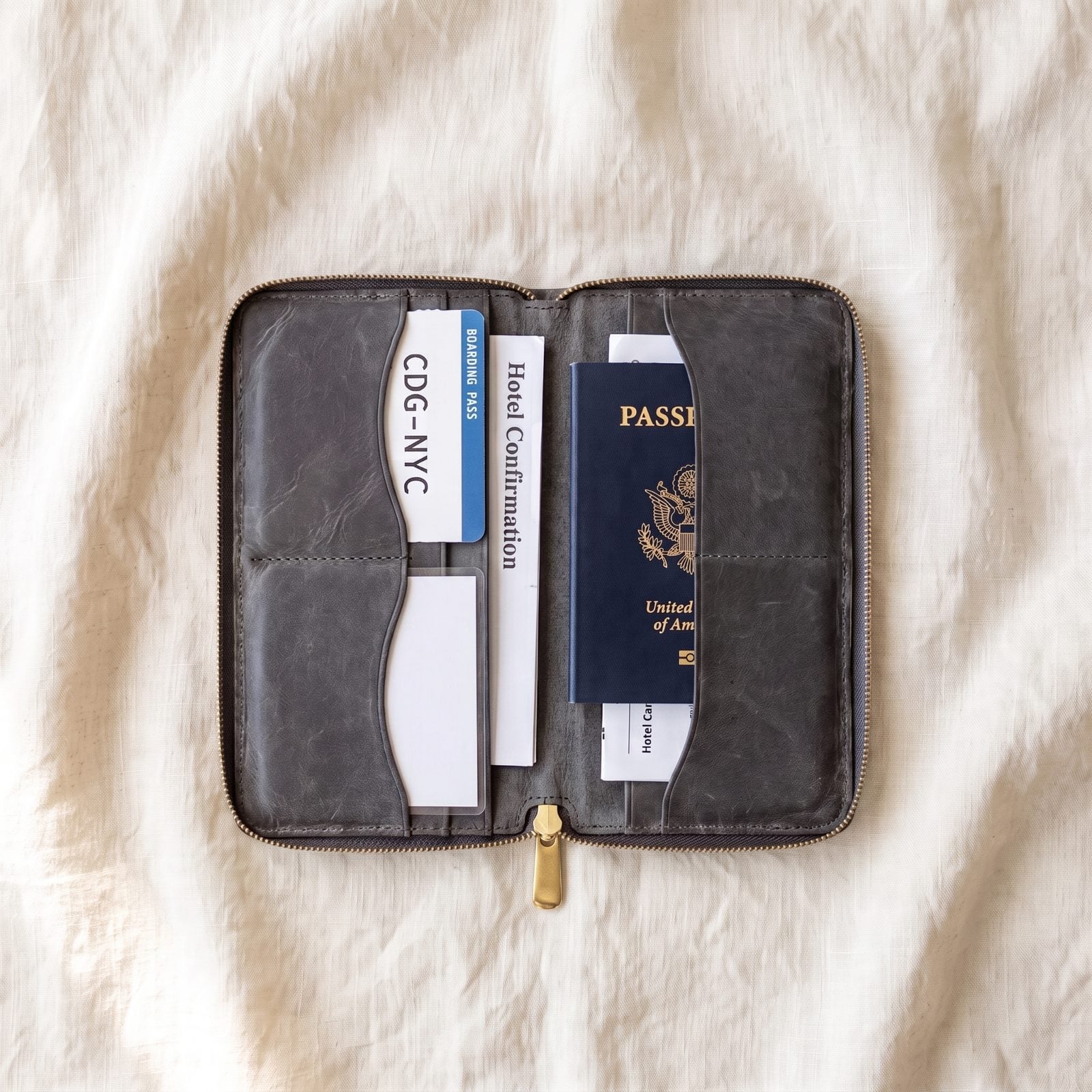
The scramble at the podium, phone in one hand, passport sliding out of a seatback pocket, boarding pass who knows where, is a self-inflicted wound. Punctual travelers give one home to everything that proves who they are and where they’re headed.
A slim charcoal leather travel wallet holds the passport, the boarding pass, and the ID in a single spot you reach for on instinct. One rule governs the whole thing: documents go back in the same pocket every single time, never wherever your hand happens to land.
13. They Put Medication and Essentials in the Personal Item, Not the Overhead
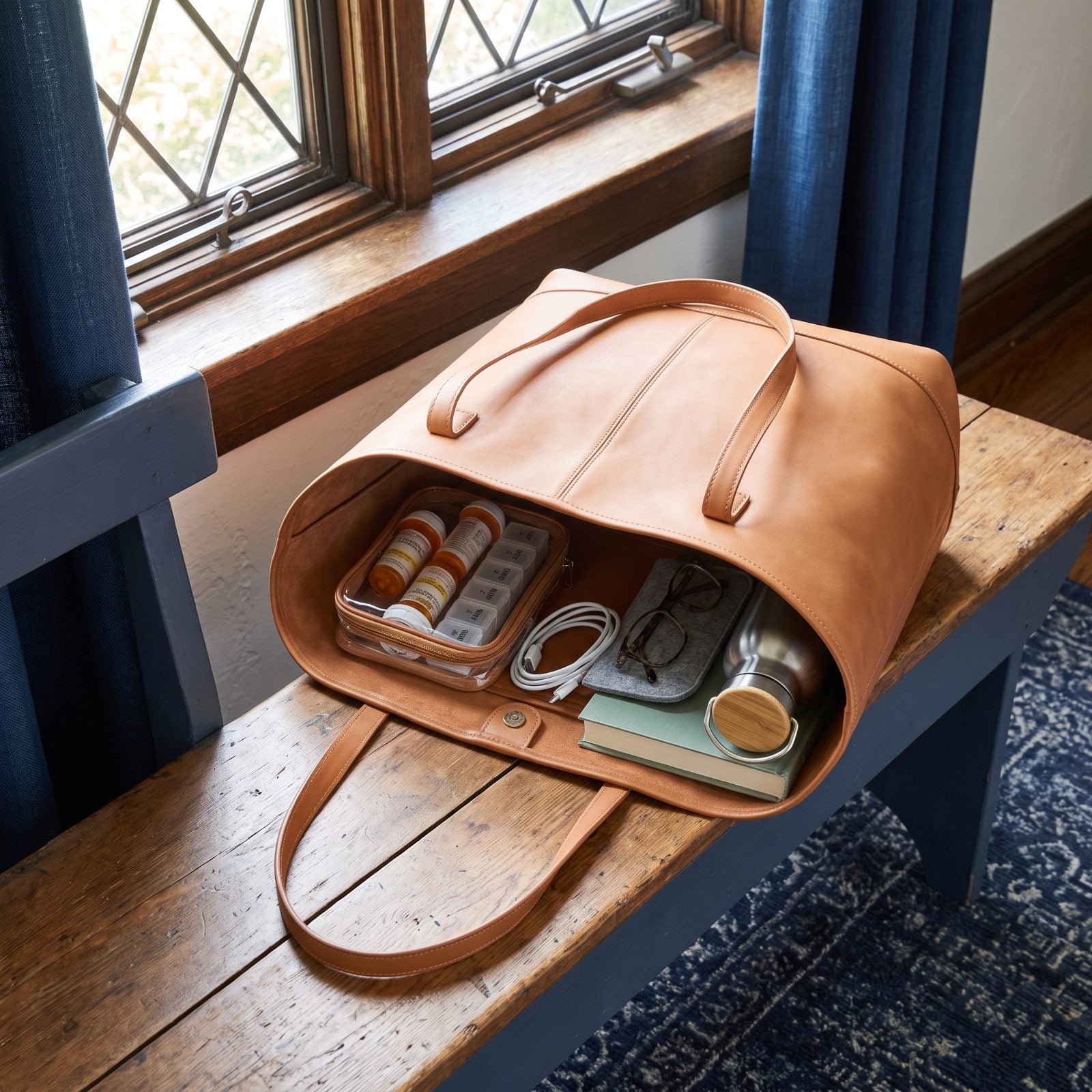
Overhead bins fill up. When yours gets gate-checked, anything inside it vanishes into the belly of the plane for the whole flight. Fine for a sweater, a real problem for your heart medication.
So the careful traveler keeps pills, a day’s worth of essentials, a charger, and documents in the caramel leather tote that slides under the seat in front of them. That bag never leaves arm’s reach. Everything in it is the stuff they’d need to survive a day if the rest of the luggage went sightseeing in another time zone.
12. They Clear Out Prohibited Items Before Leaving the Driveway
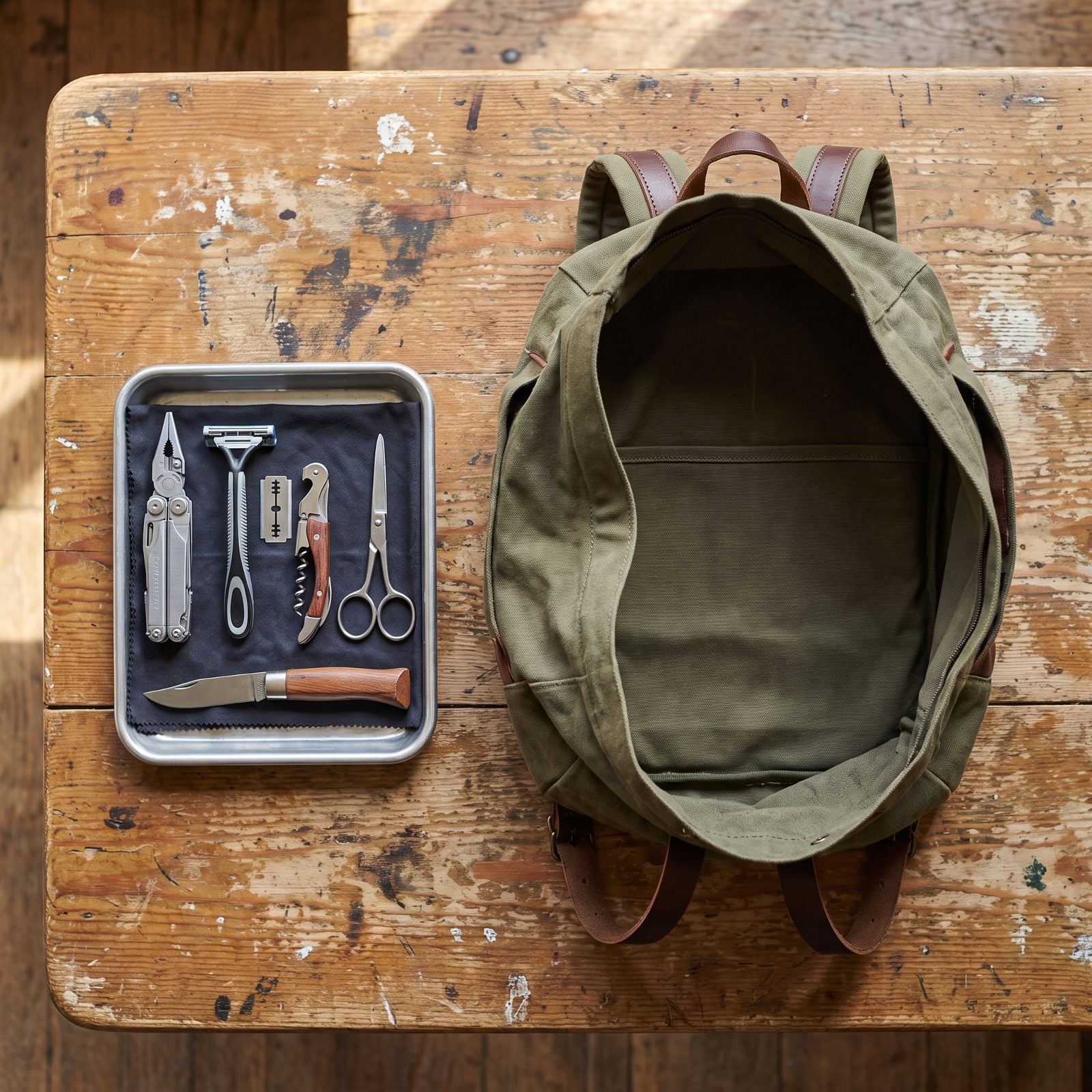
You’ve watched it happen. The line stops cold because someone forgot the Swiss Army knife that’s been clipped inside their day bag since a camping trip two summers ago. Now there’s a conversation, a form, a surrendered pocketknife, and forty people stewing behind them.
Before the bag goes anywhere near the car, the punctual traveler sweeps for the usual offenders, full-size scissors, multi-tools, that souvenir corkscrew, the lighter fluid someone always forgets. Two minutes at home saves the whole line a headache.
11. They Follow the Liquids Rule as It Actually Stands Today

The old standard most people half-remember: liquids in small containers, all tucked into one clear quart pouch, out of the bag and into its own bin at the scanner. Simple enough, once it’s packed right.
Now the honest part. Some airports have newer scanners that let liquids stay in the bag, some don’t, and the rollout is a patchwork. Anybody promising you one universal rule is just guessing. Pack to the strictest version. If a lane waves your pouch through, you’ve lost nothing by being ready.
10. They Dress Like They’re Going Through a Checkpoint, Because They Are

The slowest person at the scanner is almost always the best-dressed one: heavy belt buckle, lace-up boots, a stack of bracelets, and a jacket with a dozen zippered pockets. Every piece becomes its own little task in the bin.
The fast movers wear off-white slip-on canvas shoes, skip the metal, keep jackets plain. Less to peel off, less to leave behind, less to fumble back on while the next traveler’s bins stack up behind yours.
9. They Enroll in Trusted Traveler Programs the Moment They Qualify
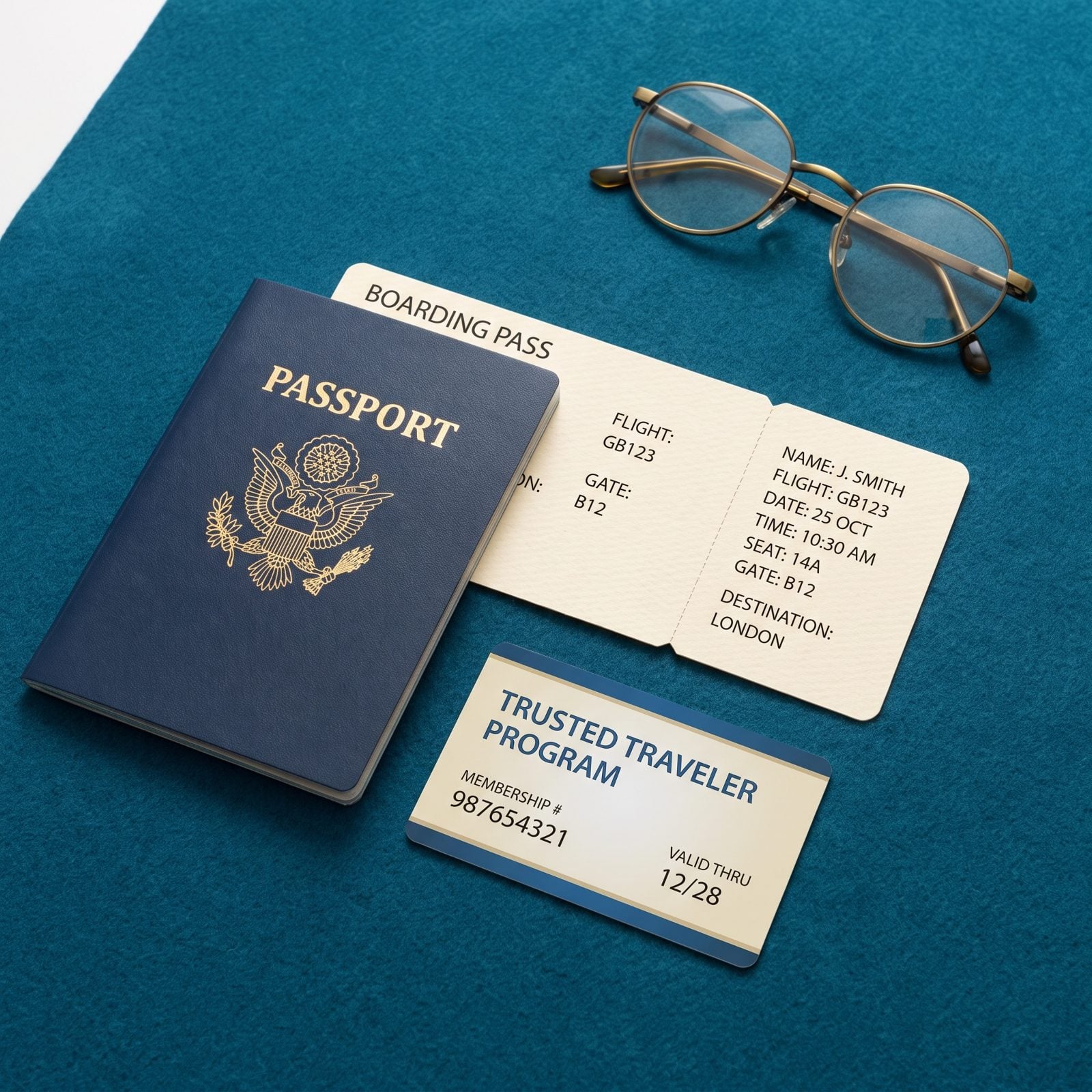
Trusted traveler programs trade an upfront fee and a background check for a shorter, calmer security lane where shoes and laptops often stay put. Fly more than a couple of times a year and the thing pays for itself in saved mornings alone.
One catch is worth knowing. Interview appointment slots fill up, and wait times stretch long in the busy months. The organized crowd applies well ahead of a big trip, not the week of. Eligibility depends on your citizenship and the program, so check which one actually fits your travel before you hand over a dime.
8. They Walk to the Right Checkpoint Instead of the Nearest One
🔥 Would you like to save this?
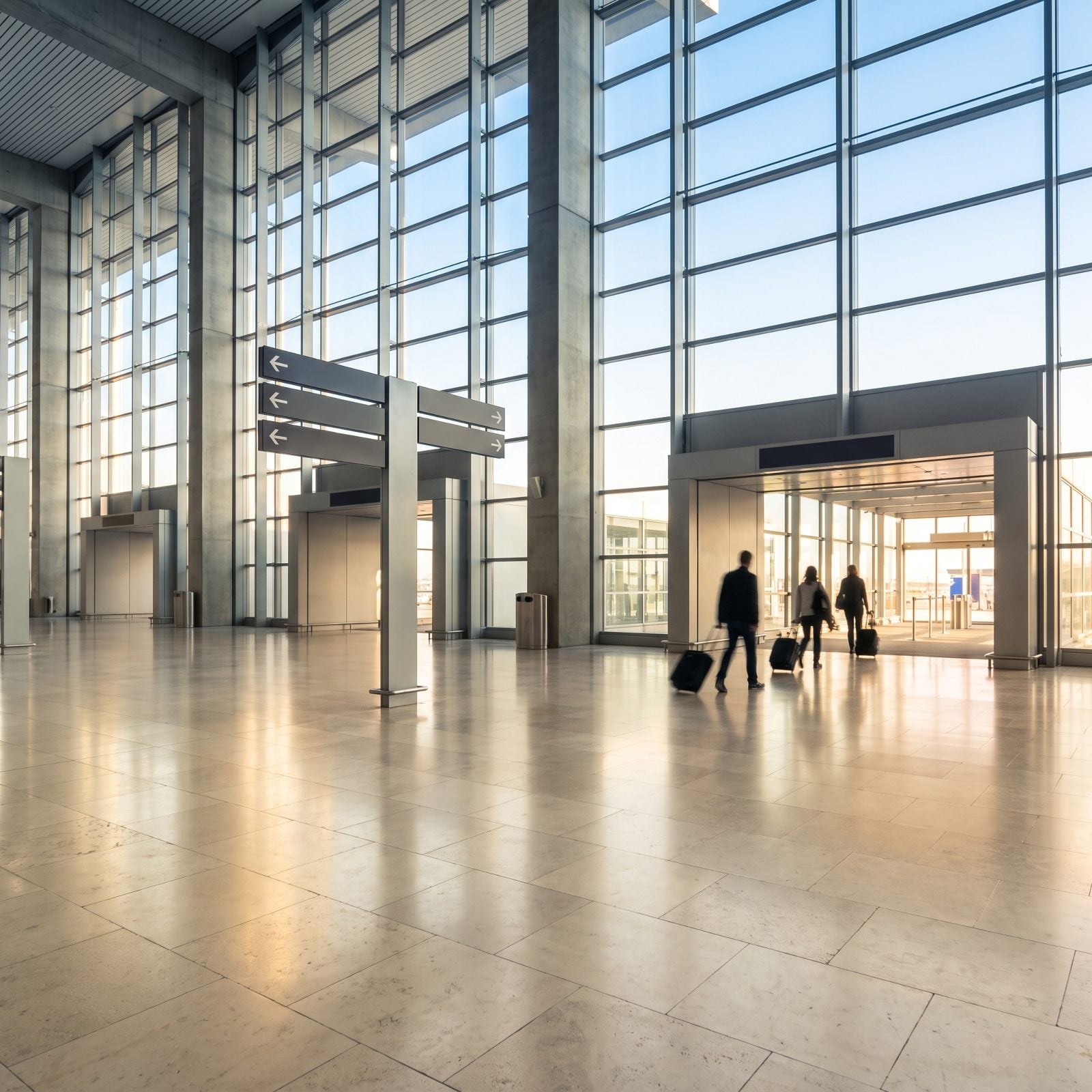
Big terminals have more than one checkpoint, and they are nowhere near equal. The one right by the main entrance is often the longest, simply because it’s the first one everybody lays eyes on.
Travelers who know an airport stroll past the obvious crush to a quieter checkpoint deeper in, or one assigned to their terminal that feeds the same concourse anyway. A glance at the airport map or app before you arrive tells you which lane reaches your gate. Sometimes the shortest wait in the building is a two-minute walk away.
7. They Keep Laptops and Tablets Where They Can Grab Them in One Move
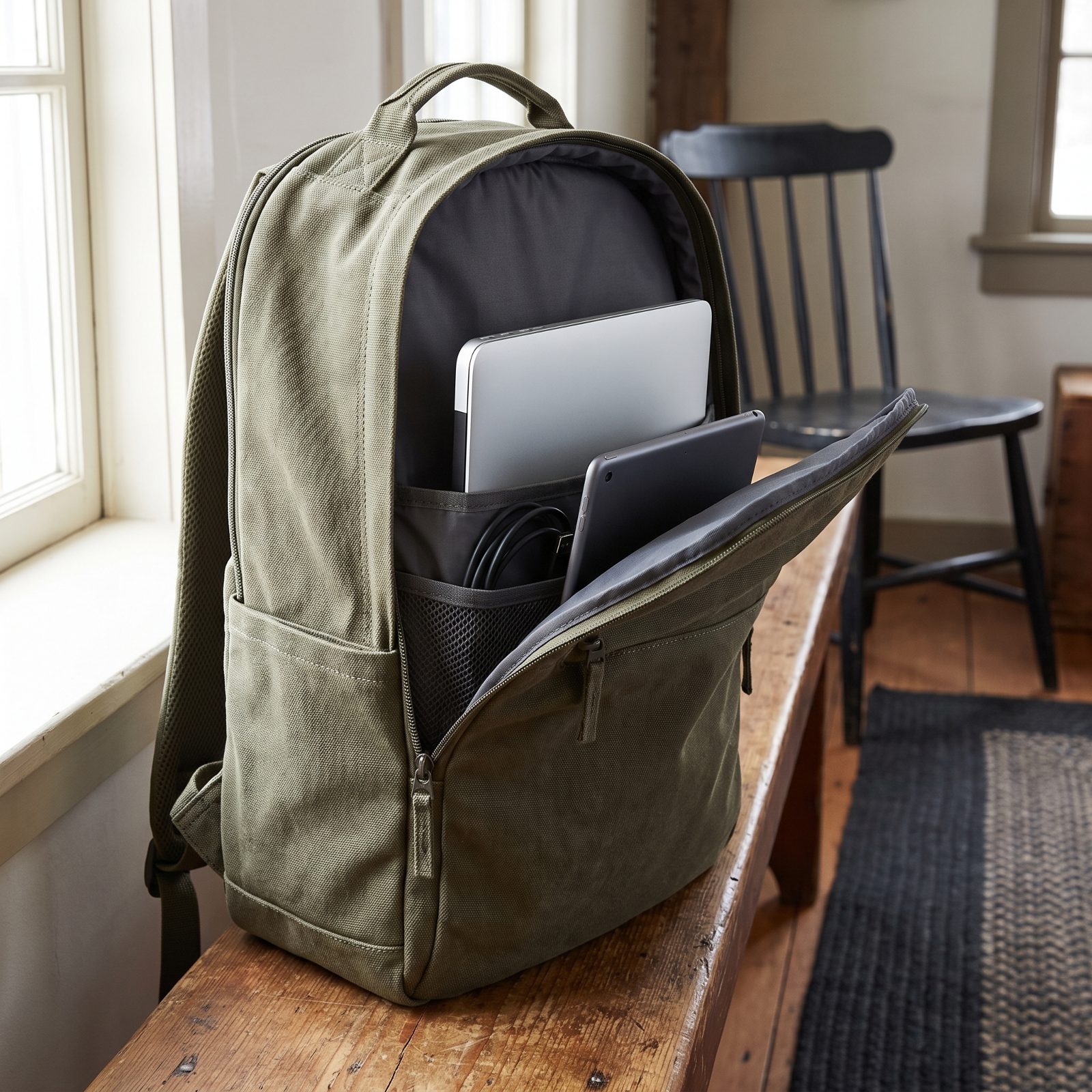
Plenty of lanes still ask for laptops in their own bin, so burying your electronics under three layers of packing guarantees a holdup. You end up excavating the whole bag on the belt while the line watches, which is nobody’s idea of a good time.
Smart packers slide the laptop and tablet into the outermost sleeve of an olive canvas backpack, nothing on top, zipper facing out. One pull, into the bin, done. When the scanner’s finished with them, one motion back in.
6. They Have Their ID Ready Before the Officer Asks
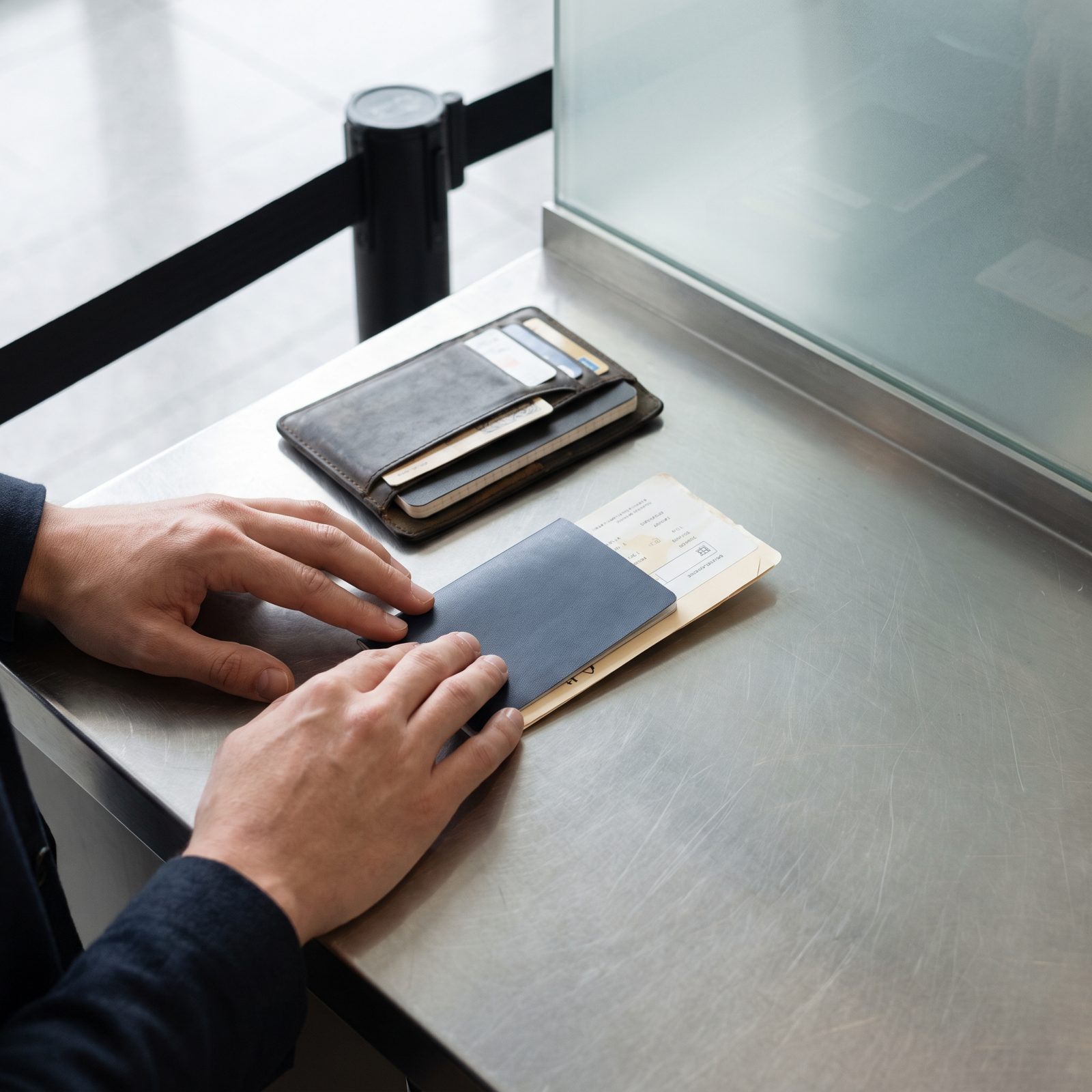
Watch the line that moves and the line that stalls. The difference is almost never the officer — it’s the person at the front digging through a tote bag for a passport they packed somewhere sensible twelve hours ago.
Punctual travelers settle this before they reach the podium. ID out, boarding pass tucked behind it, both in the same hand. No fumbling, no apology, nobody holding up the forty people behind them.
5. They Check the Departure Board After Security
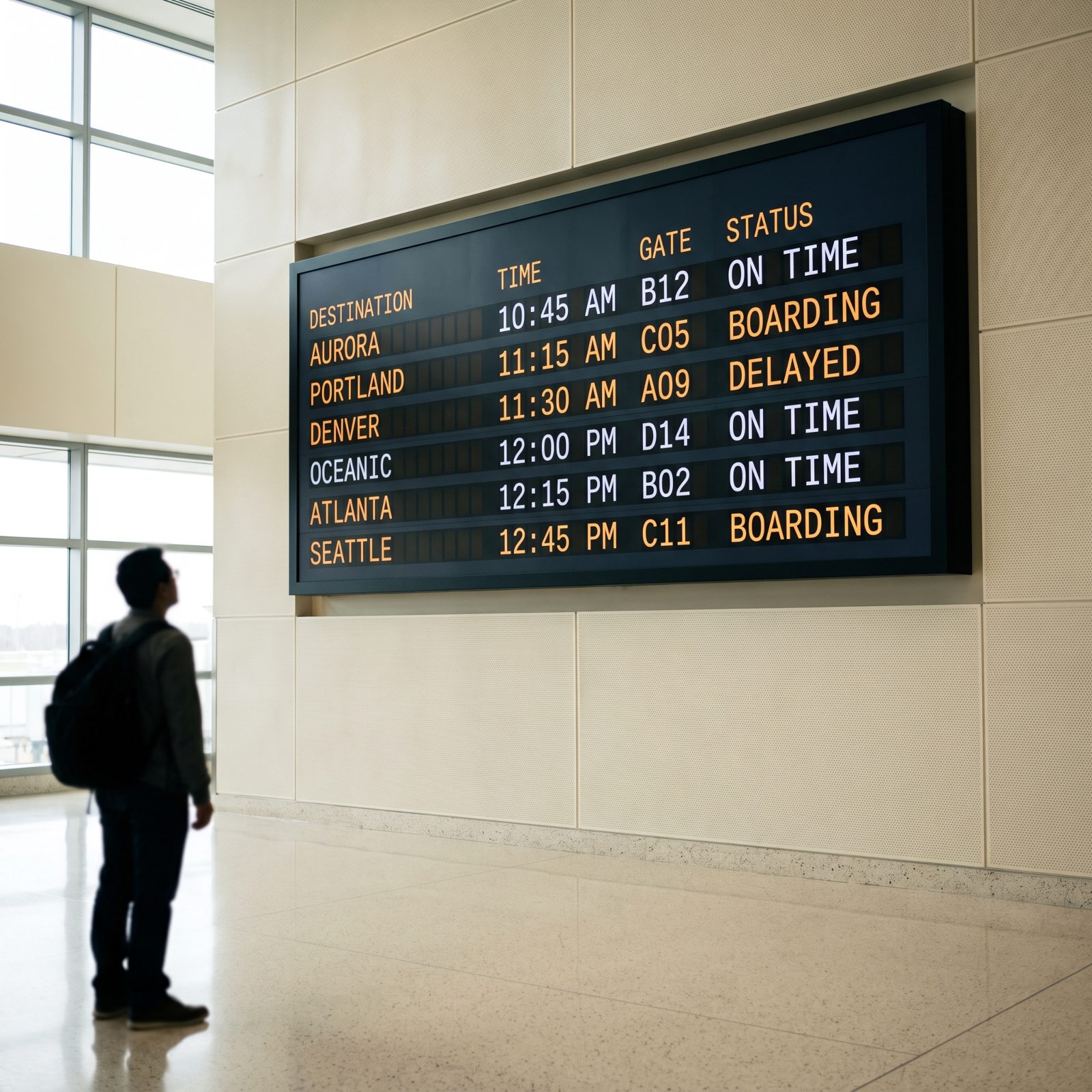
Gates change. They change more often than the airline wants you to think about.
Clearing security feels like the finish line, so most people exhale and wander off toward coffee. The careful ones glance up at the board first — same screen everyone else ignores. A gate that read B12 at the curb can read B34 by the time you’re through the scanner, and B34 might be a ten-minute walk and a train ride away.
Thirty seconds of looking up saves the sprint later.
4. They Walk to the Gate Before Shopping
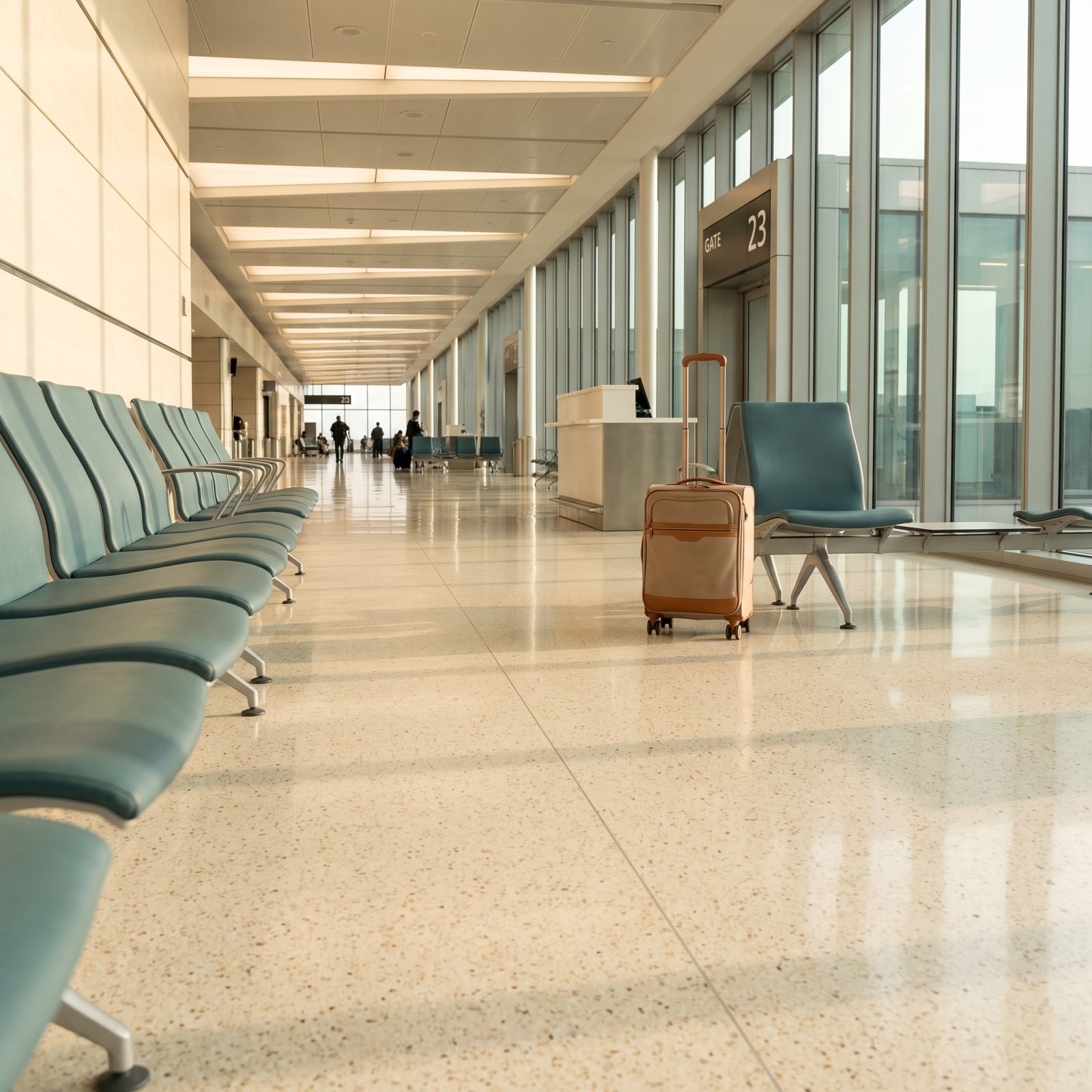
Shopping first is how people miss flights while clutching a magazine they’ll never read.
The move is simple, and almost nobody does it. Walk to your actual gate. Lay eyes on it. Note the seat you’d want, how far the restroom is. Then — and only then — double back for the coffee or the paperback.
Now the wandering costs you nothing. You know exactly how long the walk back takes, and you’re never stuck at the far end of a terminal wondering whether that boarding call had your name in it.
3. They Set an Alarm Before Entering a Lounge
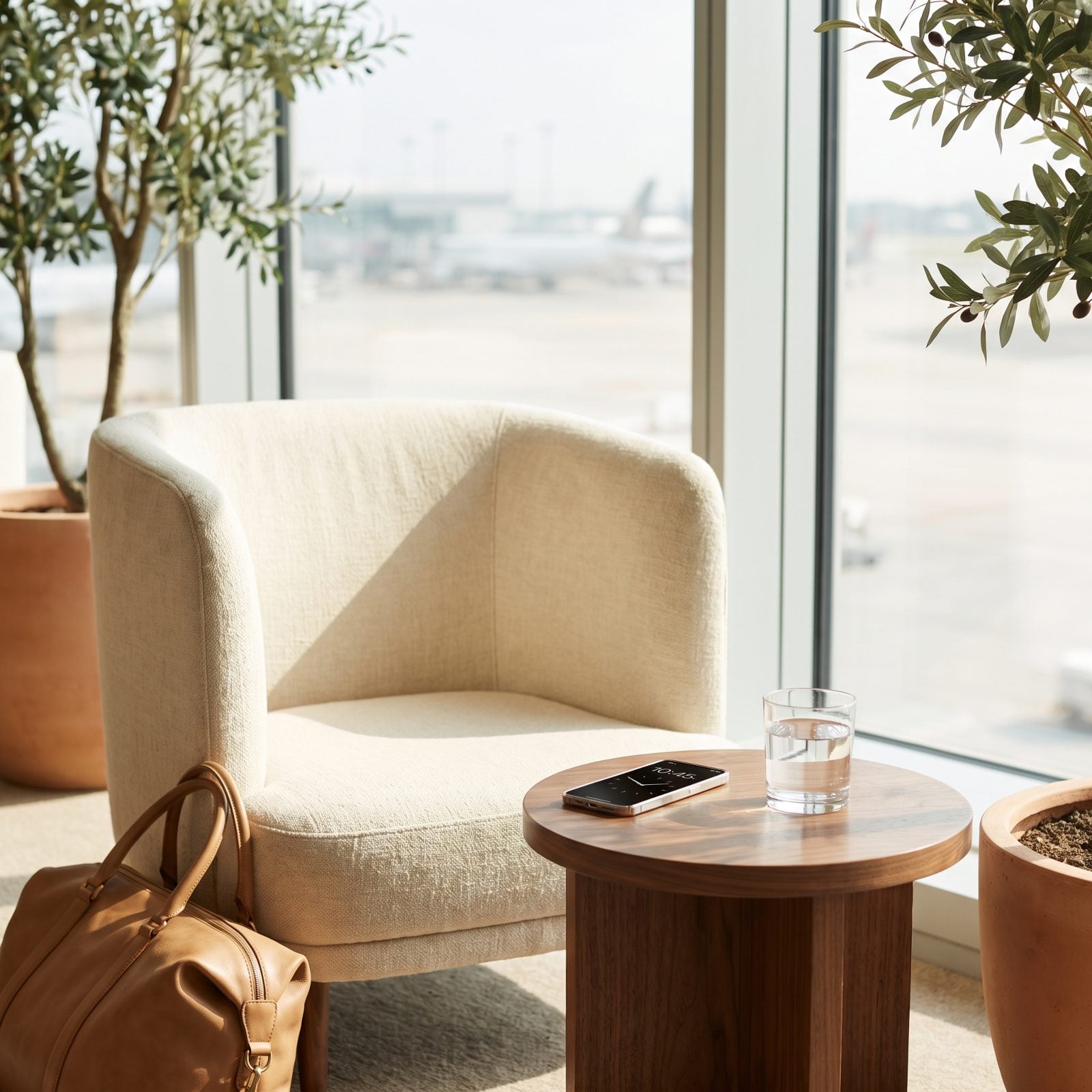
Lounges are time machines, and not the good kind. The chairs are soft, the clock sits on the wall behind you, and the quiet does something sneaky to your sense of how long you’ve been parked there.
People who use lounges and still make their flight set an alarm the second they sit down. Not for departure — for boarding, with a buffer built in. The comfort is the trap, and a thirty-second alarm is the only thing that reliably beats it.
2. They Keep Headphones Low Enough to Hear Announcements
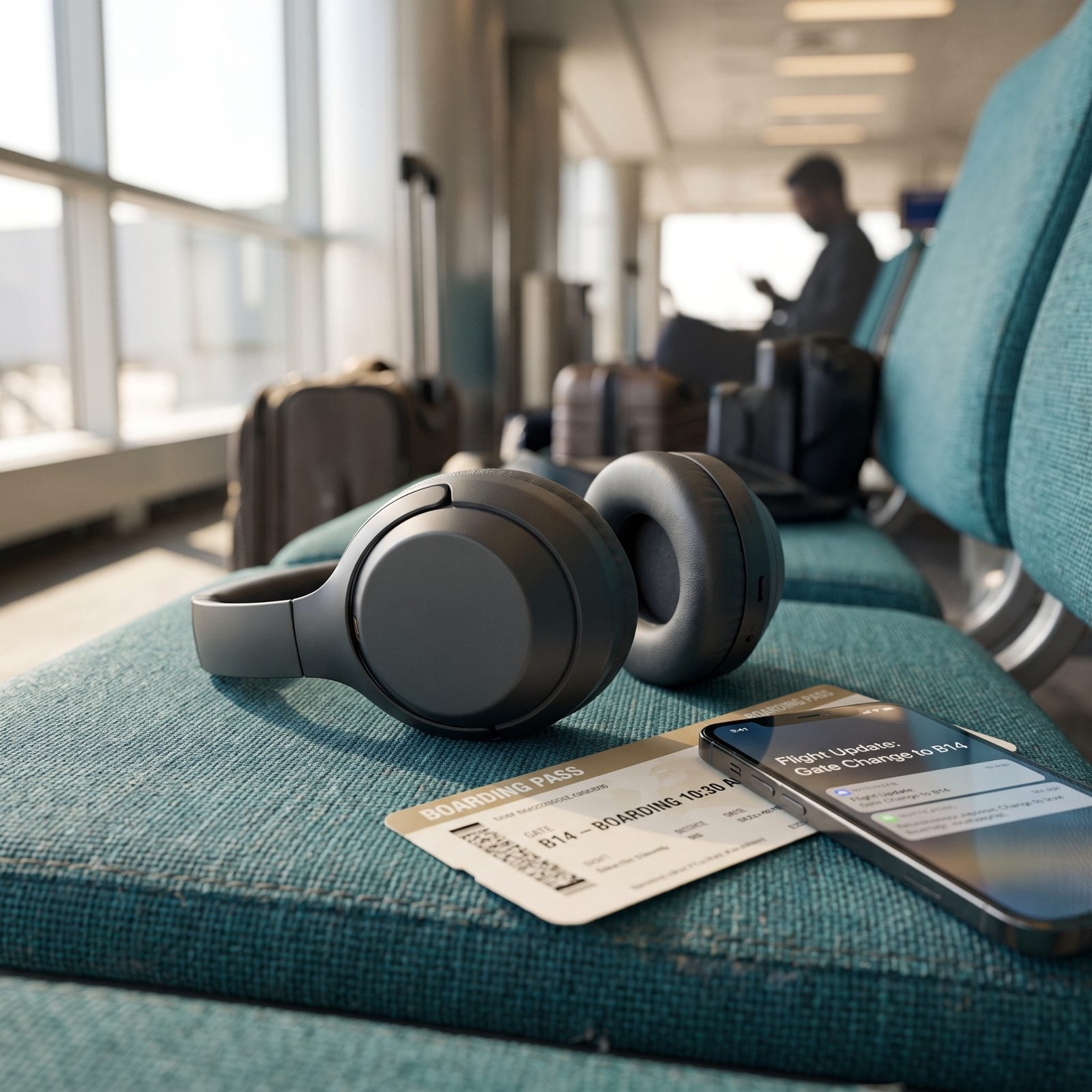
Noise-canceling headphones are a gift right up until they swallow the one sentence that mattered.
Gate changes, boarding-order shuffles, a final call for passengers by name. Terminals are loud and the PA system is usually worse, so the volume you’d want to drown it all out is exactly the volume that costs you the flight.
Punctual flyers keep one ear honest — volume low, transparency mode on, or a single earbud out as boarding nears. Disappear into a podcast at cruising altitude all you like. At the gate, stay reachable.
1. They Treat Boarding Time, Not Departure Time, as the Deadline
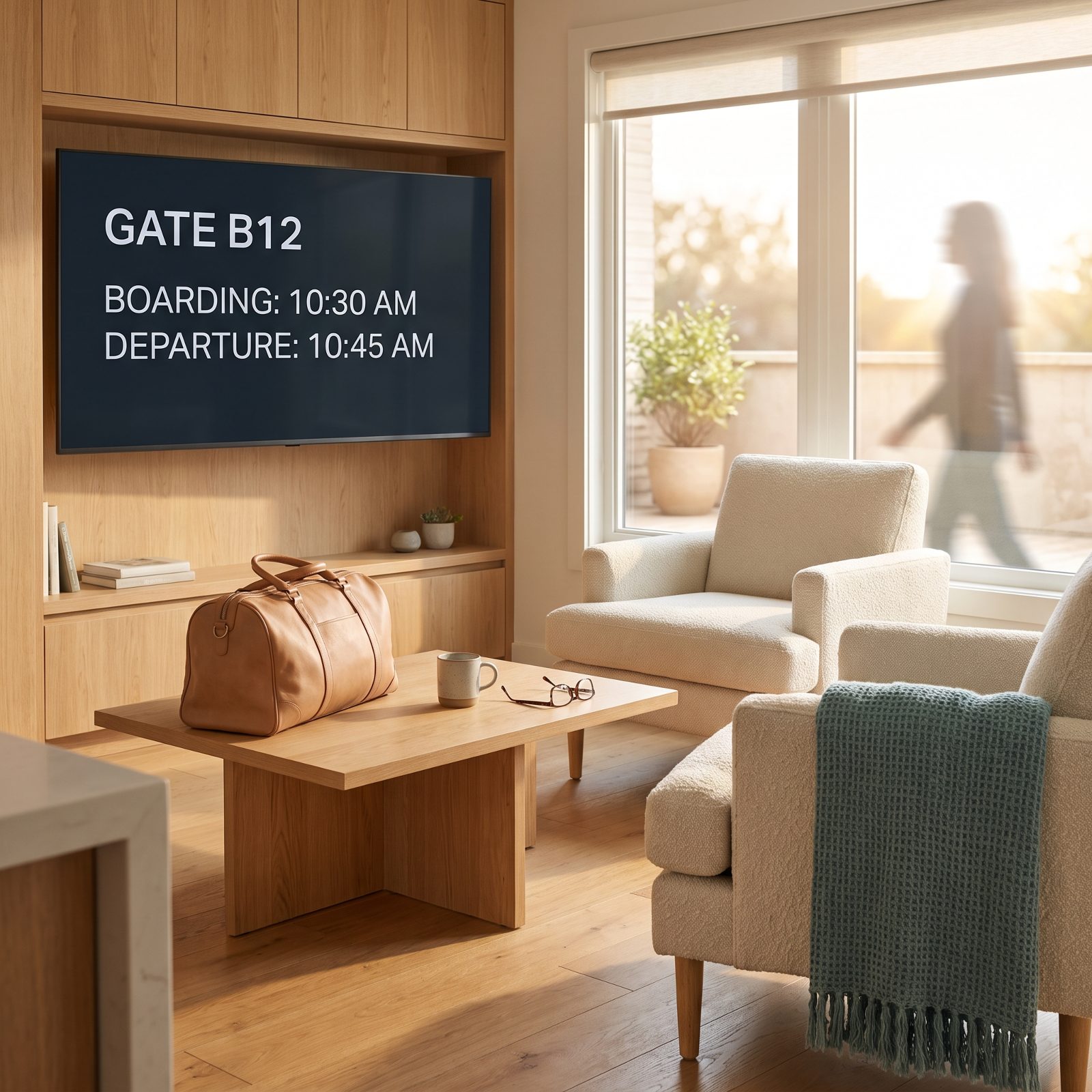
Now for the quiet math that separates the calm from the sprinting: departure time is a lie you tell yourself.
Doors close before the plane moves, and boarding starts well before that. By the time a flight shows as departing, the jet bridge is long gone — and so is your seat.
So the reliable ones rewrite the deadline. Boarding time becomes the hard number. Everything before it is margin. Everything after it is somebody else’s problem at the rebooking desk.
🔥 Would you like to save this?
Please note that some of the imagery in this article were created with the aid of AI image generators.