
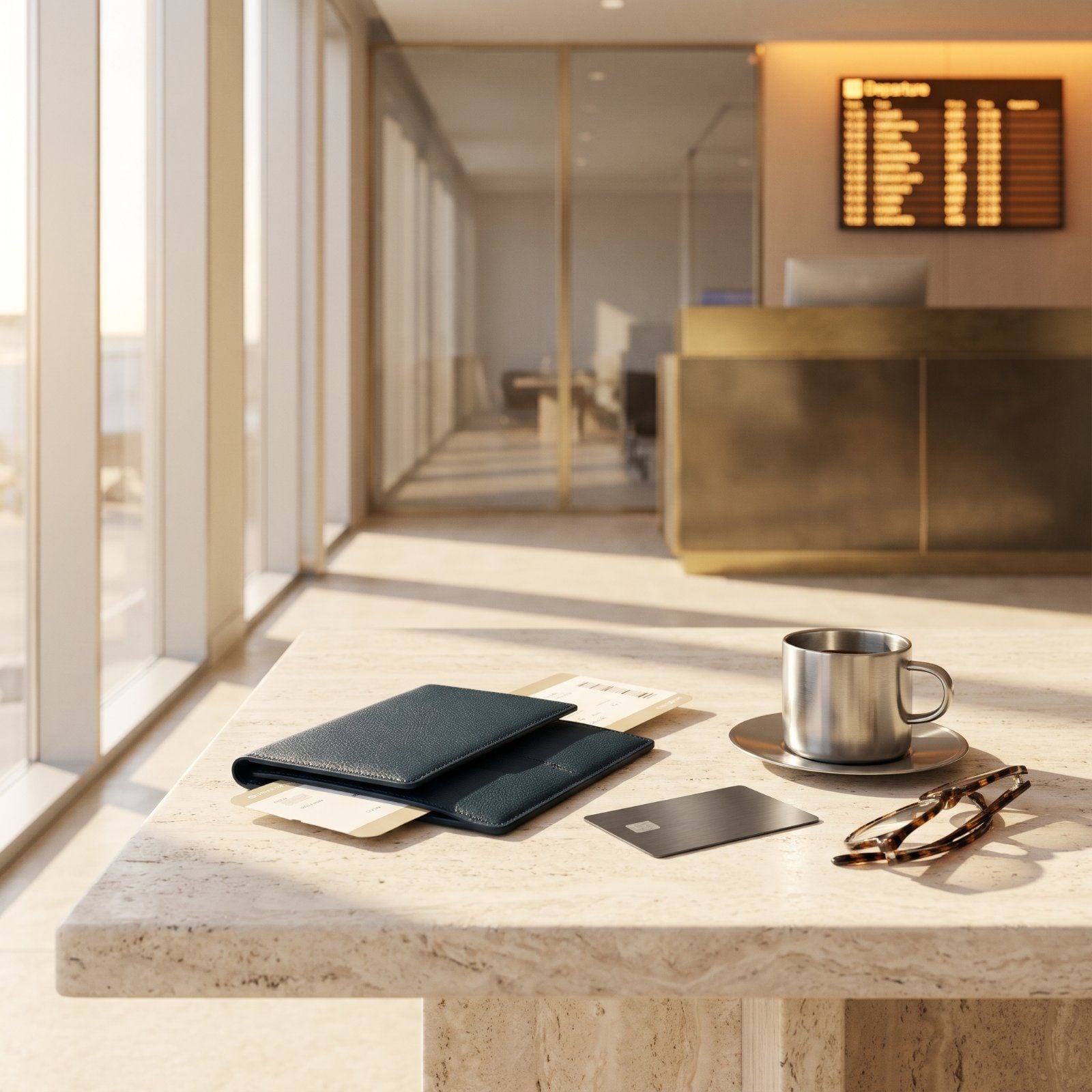
The frosted glass doors slide open, the coffee is free, and someone just got turned away in front of you for a reason they never saw coming. Lounges run on rules nobody emails you. Most of the mistakes below happen to smart, seasoned travelers who assumed the logic worked one way when it works another. The fixes are small. Learn them once and the receptionist waves you through while the person behind you is still arguing. Here’s what trips people up at the door, and what the regulars do instead.
42. Assuming a Premium Credit Card Guarantees Entry
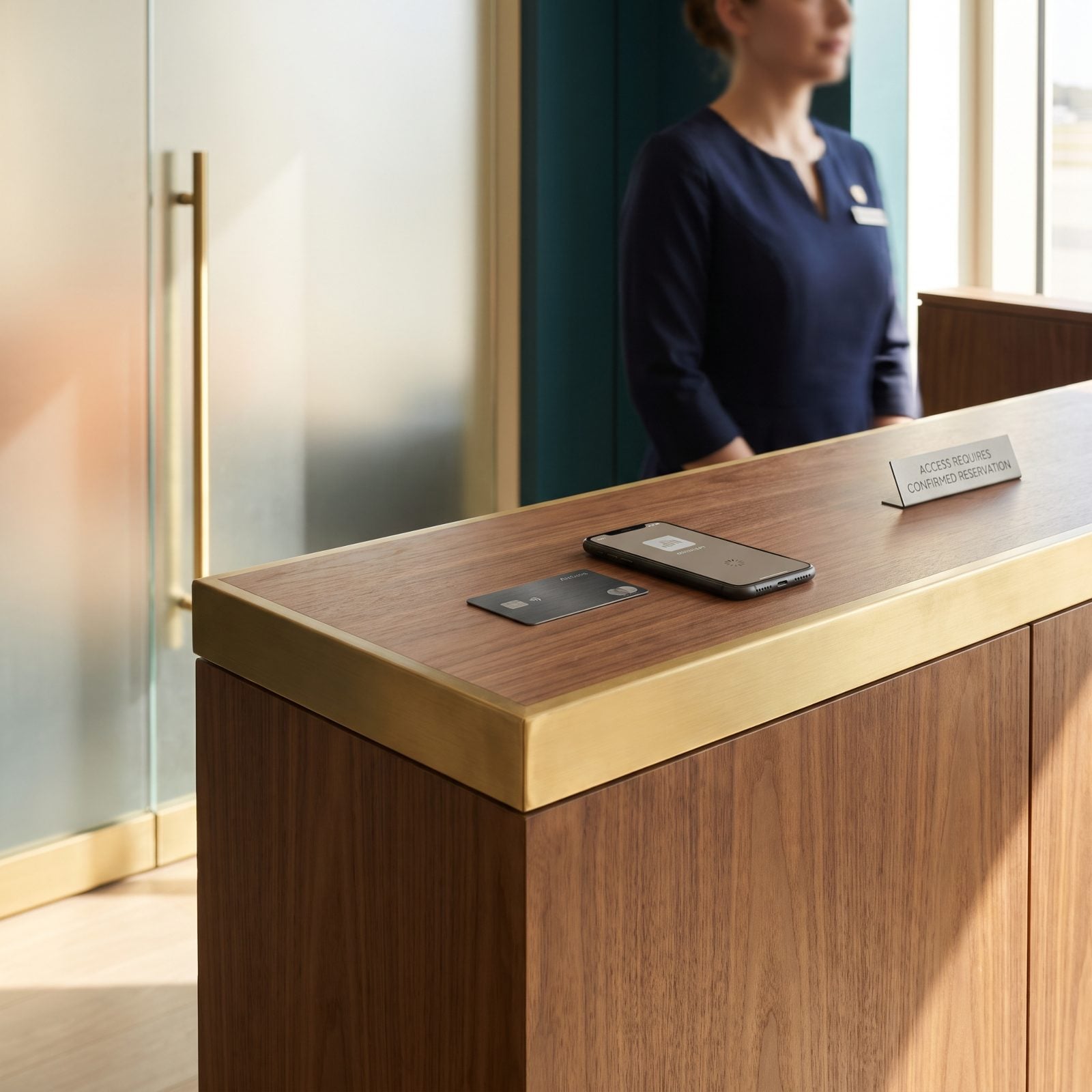
You flash the heavy metal card like a passkey. The attendant gives it a look you don’t like, then explains that this particular lounge isn’t on your network, or that your card’s benefit already burned through its visits, or that your issuer quietly dropped the partner last spring.
Card lounge access changes constantly, and the terms live in fine print nobody rereads. A card that opened every door two years ago might open half of them now.
Check your specific card’s current lounge program before you fly, not from memory. Open the issuer’s app, find the airport, confirm the lounge is still eligible and you have visits left. Thirty seconds at the gate saves the slow turn-around walk.
41. Reaching Reception Without Your Boarding Pass Ready
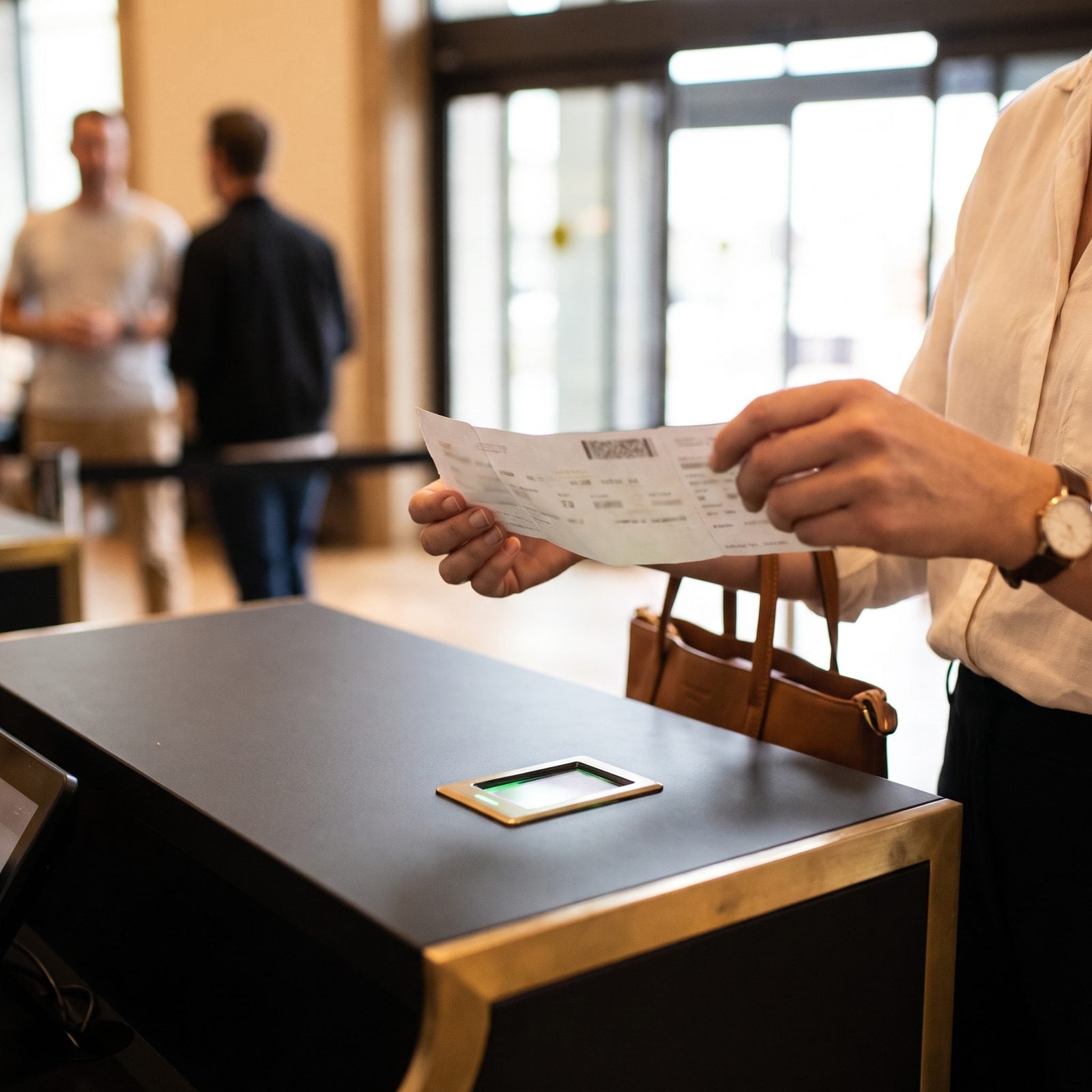
You arrive at the scanner and start the hunt through your tote bag. Which pocket. Which app. The phone wants to unlock, the email won’t load, and the paper pass is folded inside the novel you bought at Hudson News.
Meanwhile your companion waits behind you with the suitcase, and scanners need a scannable pass — not a screenshot of a screenshot too dark to read.
Have it out and bright before you reach the scanner pad. Crank your screen to full brightness, or keep the paper pass loose in your jacket pocket. The regulars approach with the barcode already facing the scanner. One beep and they’re inside.
40. Choosing a Lounge in the Wrong Terminal
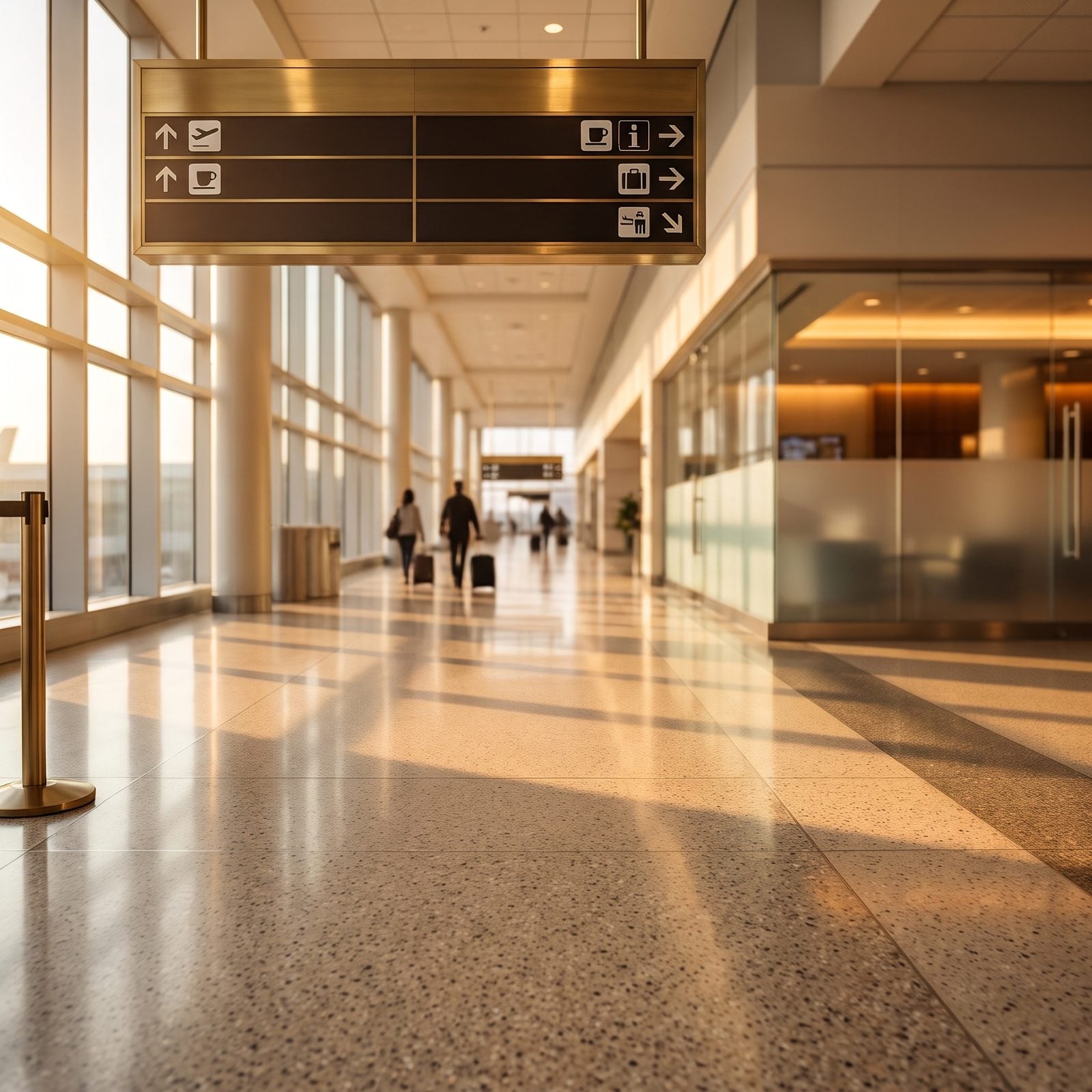
The lounge name pops up in the app, you note the airport code, you feel set. Then you land airside and discover your lounge sits in Terminal 2 behind a passport-control line, while your gate is a twenty-minute walk and a shuttle away in Terminal 5.
Big airports scatter lounges across terminals that don’t connect after security. Guess wrong and you get no lounge at all, or a sprint that ruins the whole point of relaxing.
Before you commit, check the lounge’s exact terminal and whether it’s inside your security zone. Match it to your departure gate, not just the airport. Seasoned travelers pick the lounge nearest the gate, even when a nicer one sits unreachable across the field.
39. Arriving Outside the Permitted Entry Window
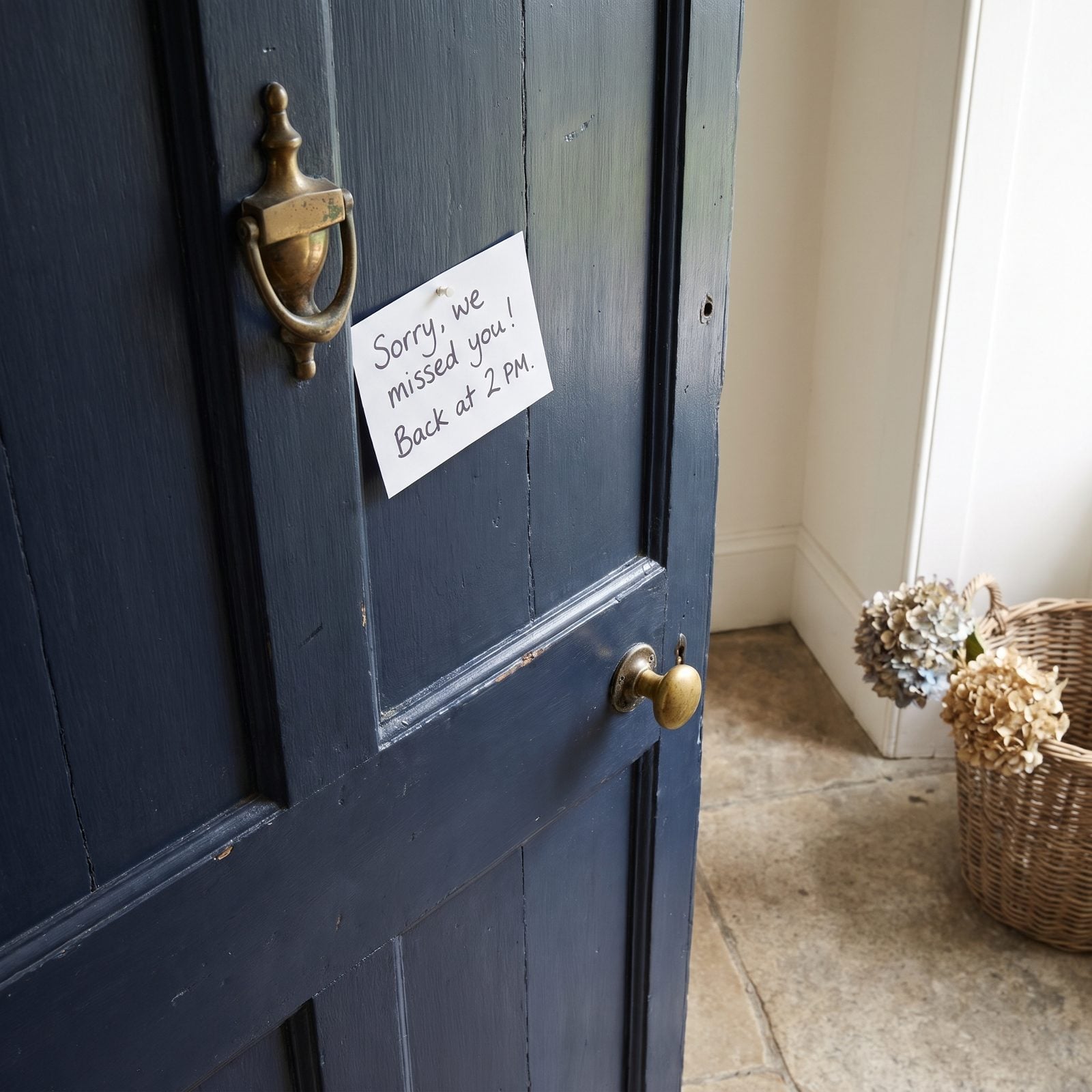
You roll up to the desk six hours before departure, ready to settle in for the long haul, and the attendant explains — kindly — that entry opens three hours before your flight. You’ve got the time but not the window.
Many lounges cap how early you can enter to manage crowds, and some won’t admit you at all until your flight shows on the board.
Know your lounge’s entry window before you plan your day. If it’s three hours and you’ve got six, grab a coffee elsewhere first, or confirm the policy by phone. Old hands time their arrival to the window, not their patience.
38. Expecting Arrival Access at a Departure-Only Lounge
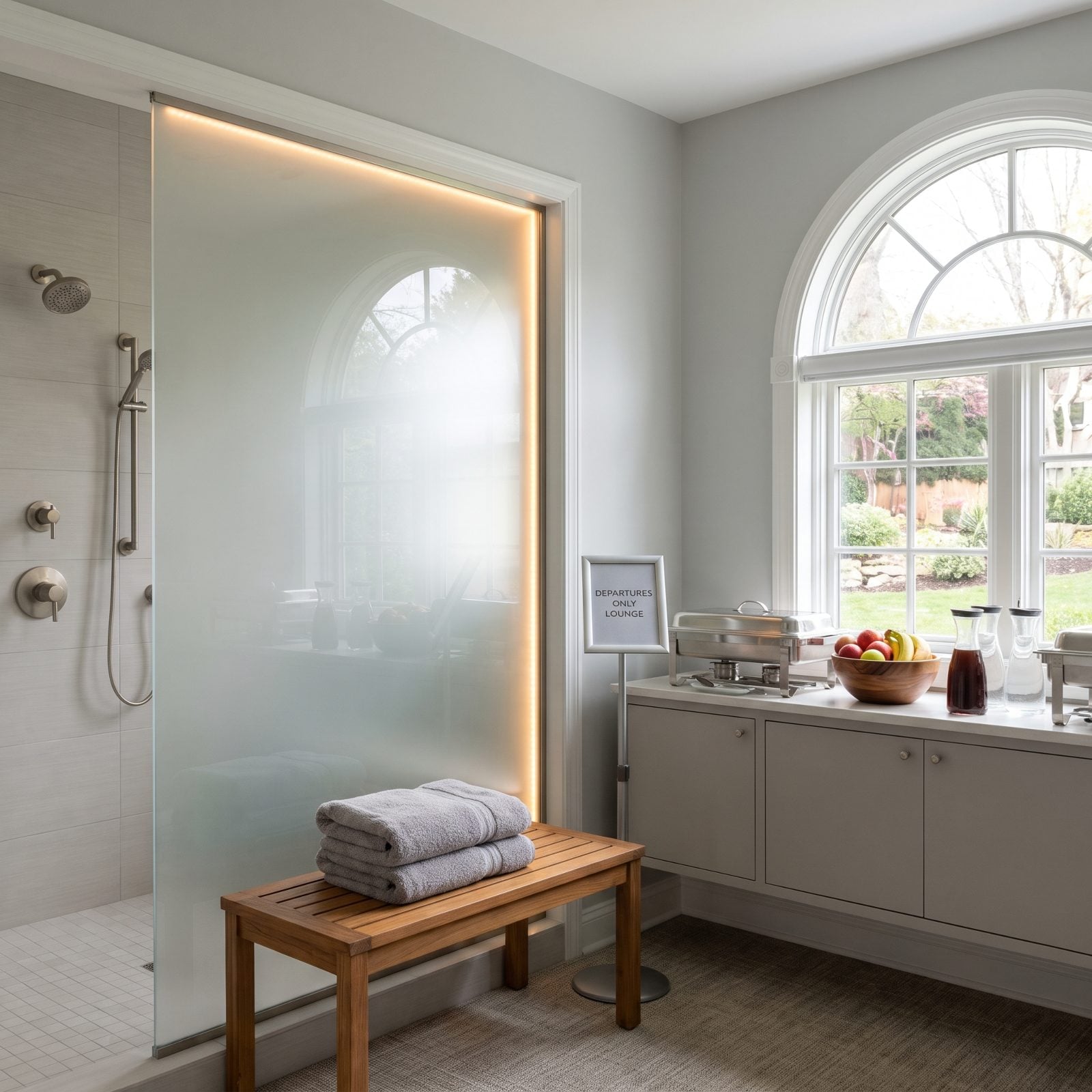
You land after a red-eye, dreaming of a shower and a proper breakfast, and head for the lounge you used on the way out. The door won’t open. That one serves departures only.
Arrival lounges are a separate animal, often in a different spot, sometimes requiring a separate pass. Not every airport even has one, and your departure benefit rarely covers it.
Want to freshen up after a long flight? Confirm the airport has an arrivals lounge and that your ticket or card covers it, before you land. Experienced long-haul flyers book the arrivals lounge in advance, towel and all.
37. Assuming a Day Pass Overrides Capacity Limits
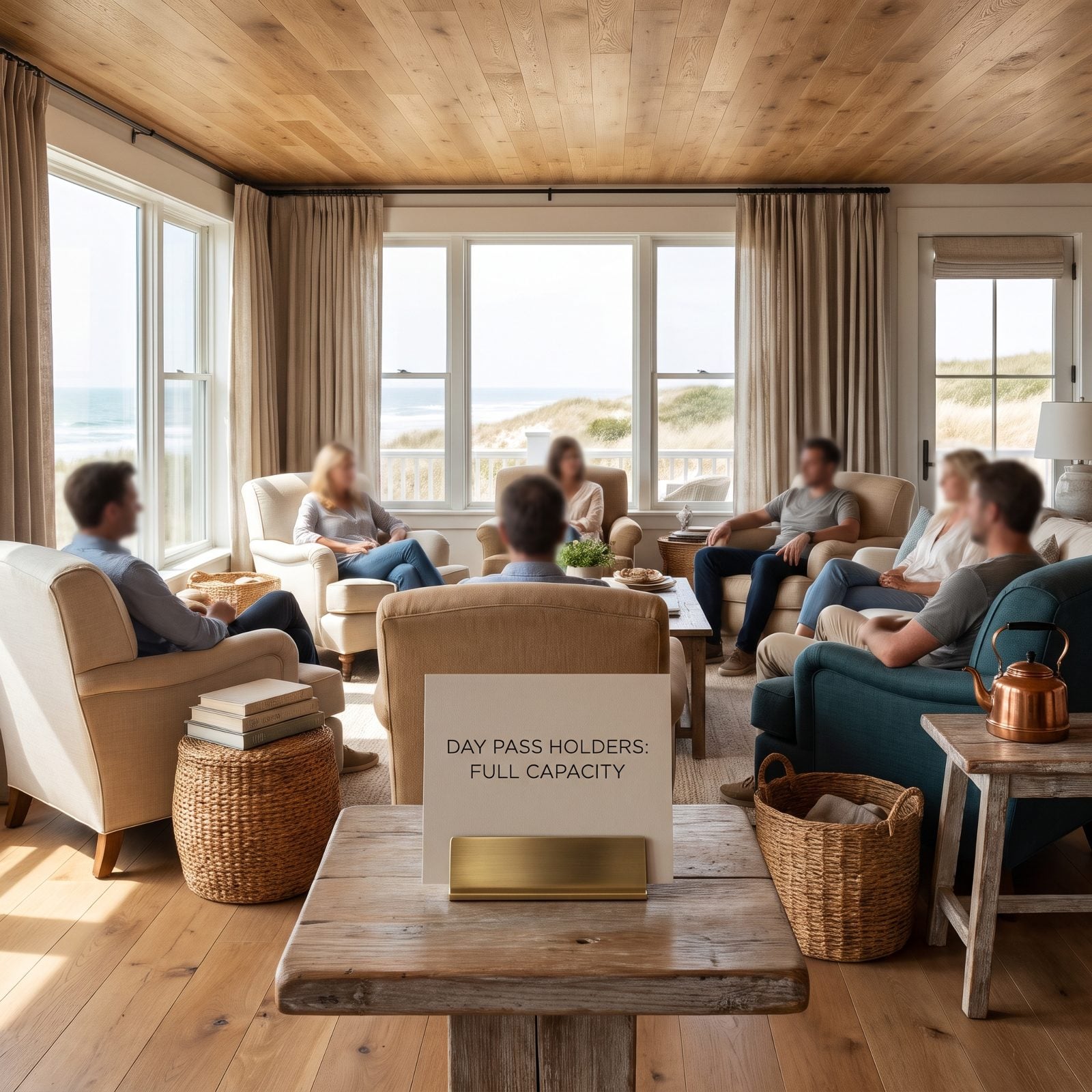
You paid for the day pass fair and square, so of course they’ll let you in. Then you hit a full lounge and a polite “we’re at capacity, please check back in forty minutes.” Your payment bought eligibility, not a seat.
Lounges have fire-code limits, and during holiday peaks or weather delays they fill fast. A paid pass puts you in line, not past it.
Reserve a slot ahead where the lounge offers timed booking, especially on busy travel days. Many now take reservations through their app. The traveler who booked an afternoon slot strolls past the crowd of walk-ups still hoping for space.
What Our Readers Say
- Journey Junket readers gave photos of places with some people in them more hearts than the other images in the same articles, 82% versus 75%.
From Journey Junket reader polls and votes.
36. Bringing More Guests Than Your Access Allows
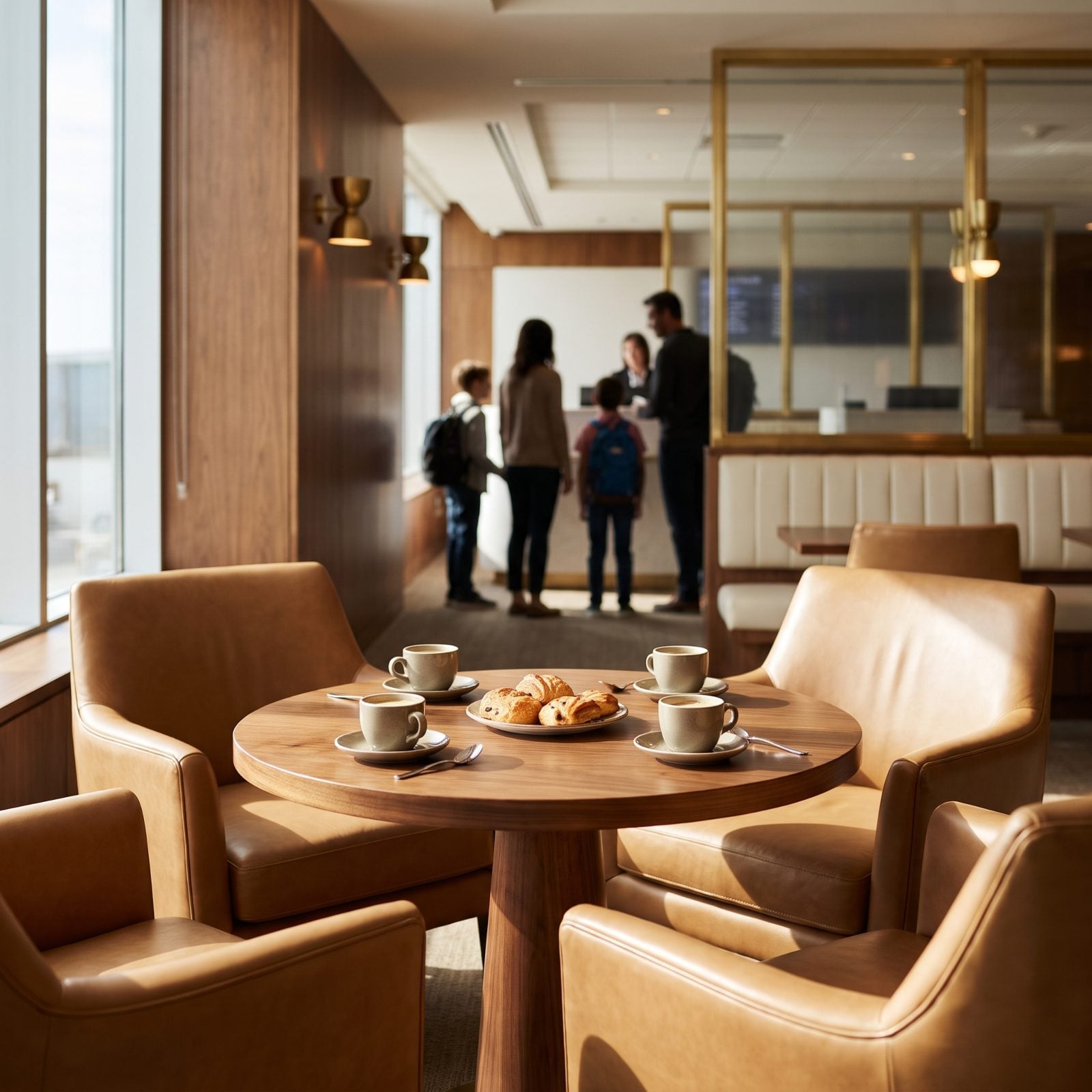
You’ve got your access sorted, and naturally your travel companions file in behind you. At the desk the attendant counts heads and explains that your membership covers one guest, not the four standing there with you.
Guest allowances vary wildly. Extra guests often cost a per-person fee you didn’t budget for, if they’re allowed at all, and some entry tiers admit nobody but you.
Check your guest allowance before you travel with company. Know the number, the fee for extras, and whether children count against it. The practiced traveler either confirms everyone fits or pays the guest fee without making a scene at the podium.
35. Expecting Lounge Staff to Handle Airline Rebooking
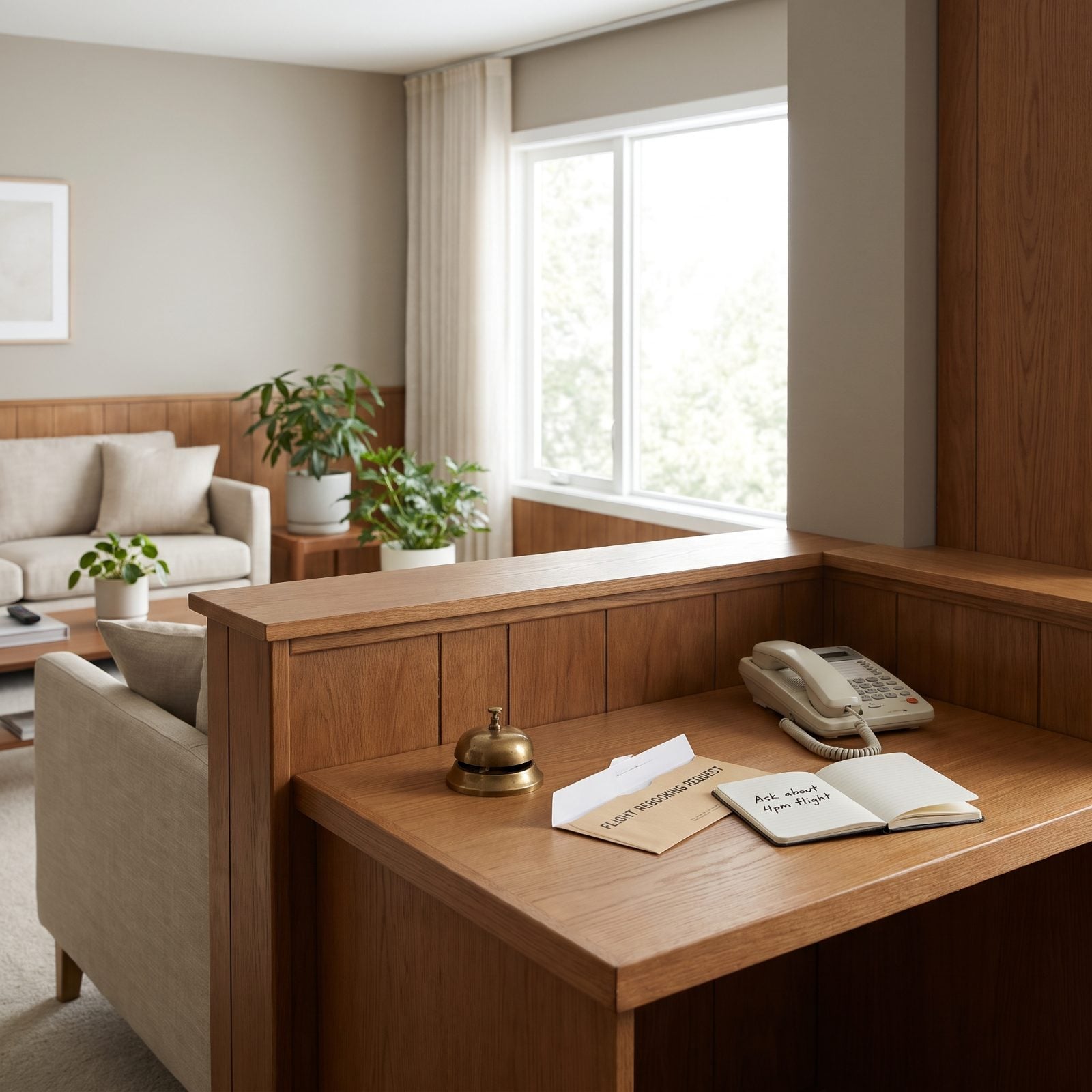
Your connection just got canceled, so you march to the lounge desk expecting them to rebook you onto the next flight. Most lounge staff can’t. They pour coffee and manage the room, not the airline’s reservation system.
Treat the lounge desk as a rebooking counter and you’ll burn time while the real options fill up on other planes.
Go straight to the airline’s own help desk, app, or phone line the moment a disruption hits, and let the lounge be where you wait — not where you fix it. The veterans work two channels at once: on hold with the airline while refilling a drink.
The lounge is where you ride out the storm. The airline is who steers the boat.
34. Assuming Lounge Access Includes Fast-Track Security
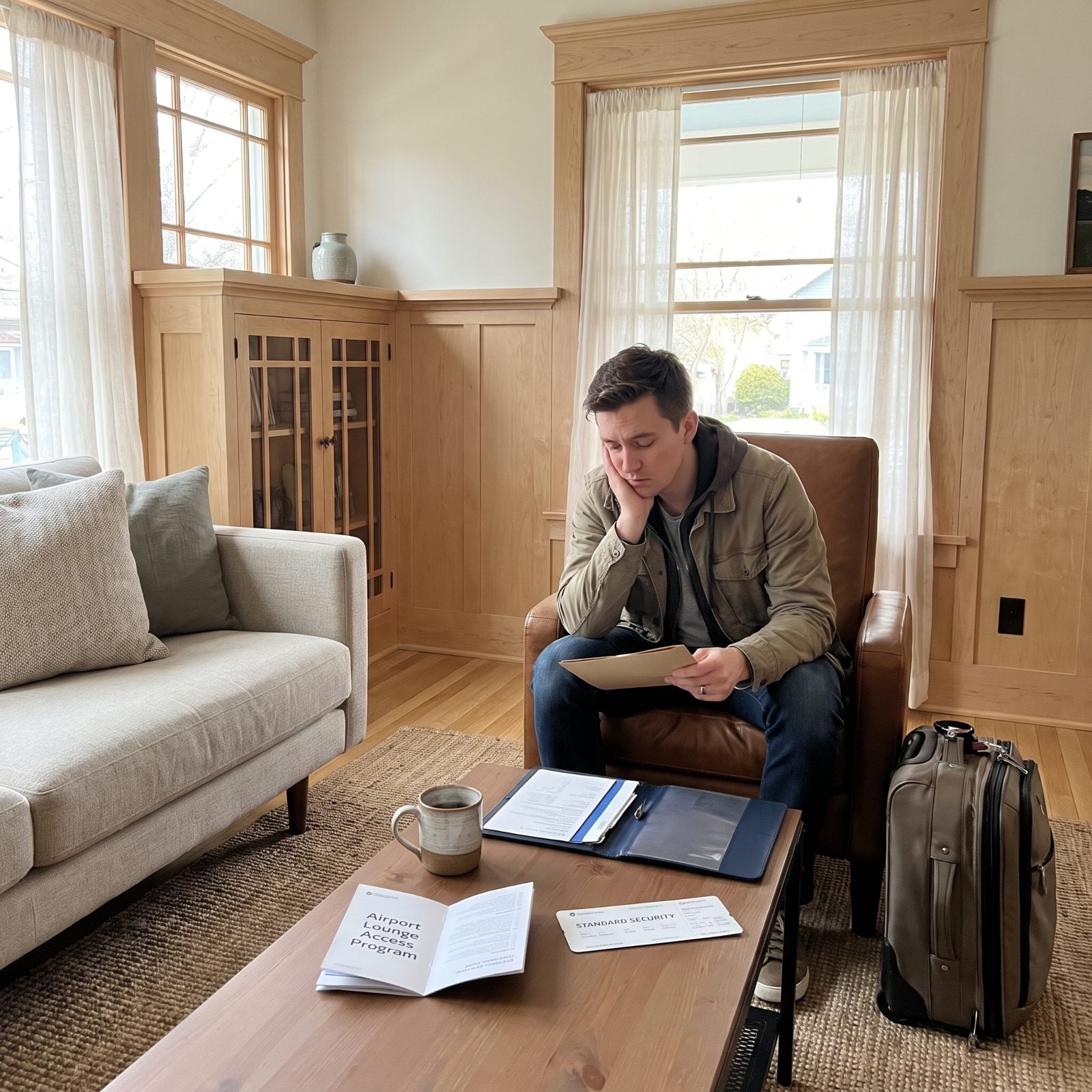
Lounge access feels like a VIP stamp, so you drift toward security assuming you’ll glide through a priority lane. You won’t, not automatically. Lounge entry and fast-track screening are two separate benefits that only sometimes travel together.
Bank on a priority lane that isn’t yours and you’ll stand in the regular queue with everyone else, suddenly short on time.
Check whether your ticket, status, or card actually includes fast-track at your departure airport — it’s a cabin-class or elite perk far more often than a lounge one. If it’s not included, budget the standard security wait and reach the lounge with time to enjoy it, rather than scraping in sweaty and late.
33. Assuming Every Lounge Announces Boarding
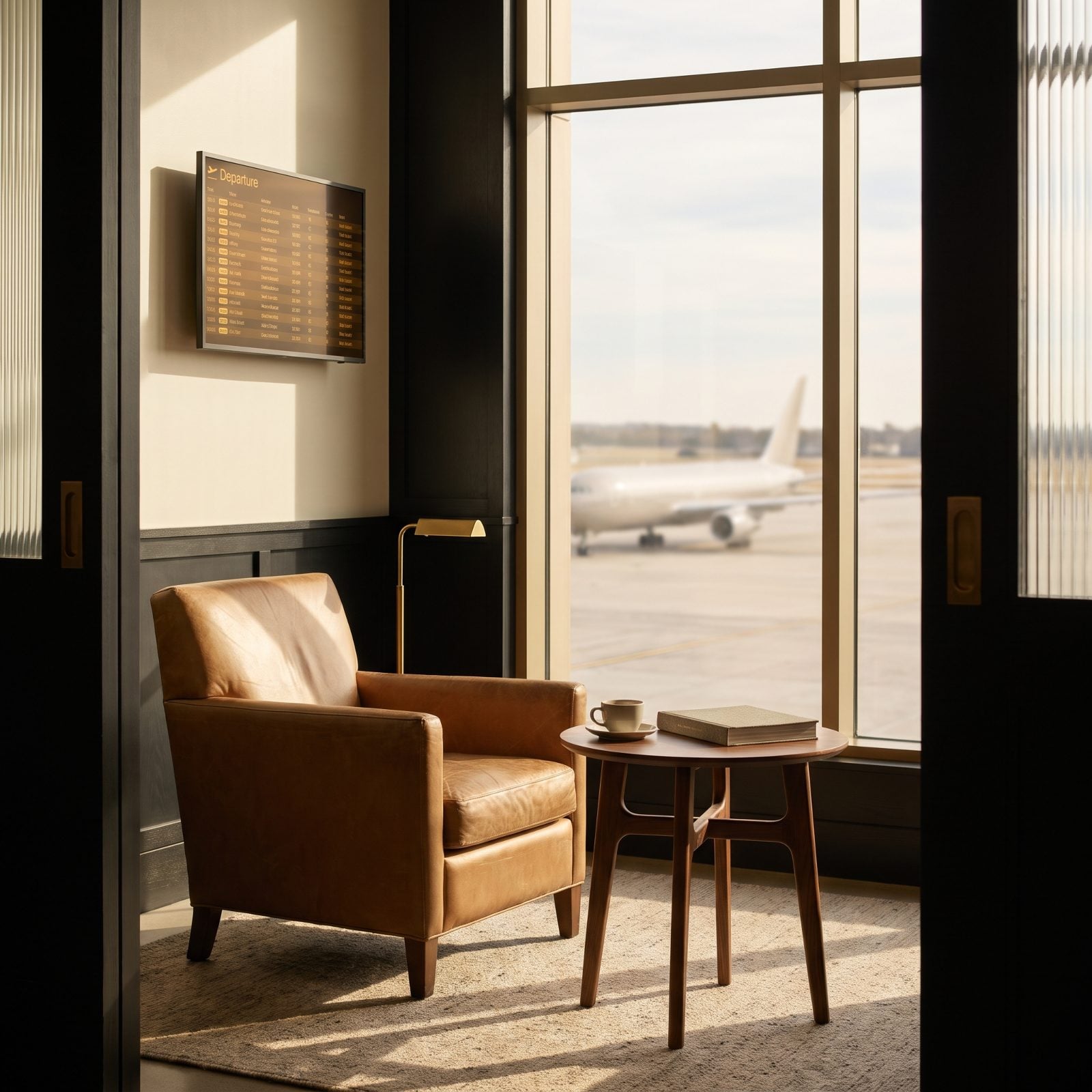
You sink into the armchair, the coffee’s good, the Wi-Fi works, and you assume a cheerful voice will call your flight when it’s time. Many lounges stay deliberately quiet. No boarding announcements at all.
The comfort is a trap. People miss flights from lounges every single day, lulled by soft chairs and silence.
Check your flight’s status in the airline app yourself (lounge screens aren’t always easy to read from your chair) and set a phone alarm for twenty minutes before boarding, longer if your gate is far. The regulars never trust the room to interrupt them — they treat the lounge like a quiet car on a train. Lovely, and entirely your own job to leave on time.
32. Walking Out the Door Without Knowing If They’ll Let You Back In
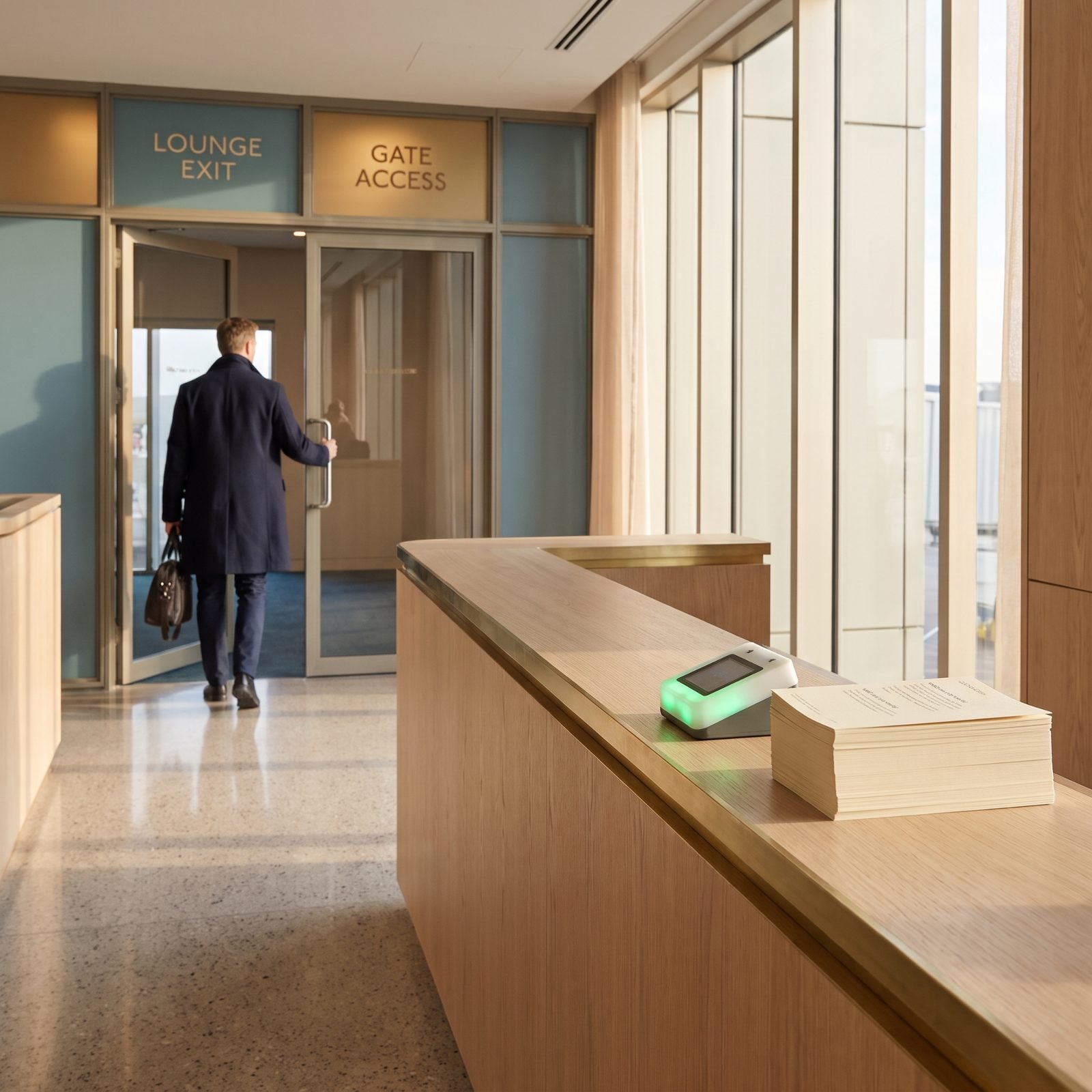
You step out for a magazine and a stretch of legs, figuring you’ll duck back in before boarding. Then the agent tells you this lounge is one-entry-only and your card won’t scan a second time.
Plenty of lounges, especially Priority Pass spots and some single-use day passes, count your visit the moment you leave. That hot shower and the free breakfast you planned to come back for? Gone. You’re standing in the terminal holding your receipt.
So ask at check-in. One sentence does it: “Can I step out and come back on this pass?” Lounges with reentry will say yes without blinking. If the answer is no, grab everything you need before you walk, and time your exit for when you actually mean to head to the gate.
31. Cutting It Close on the Long March to the Gate
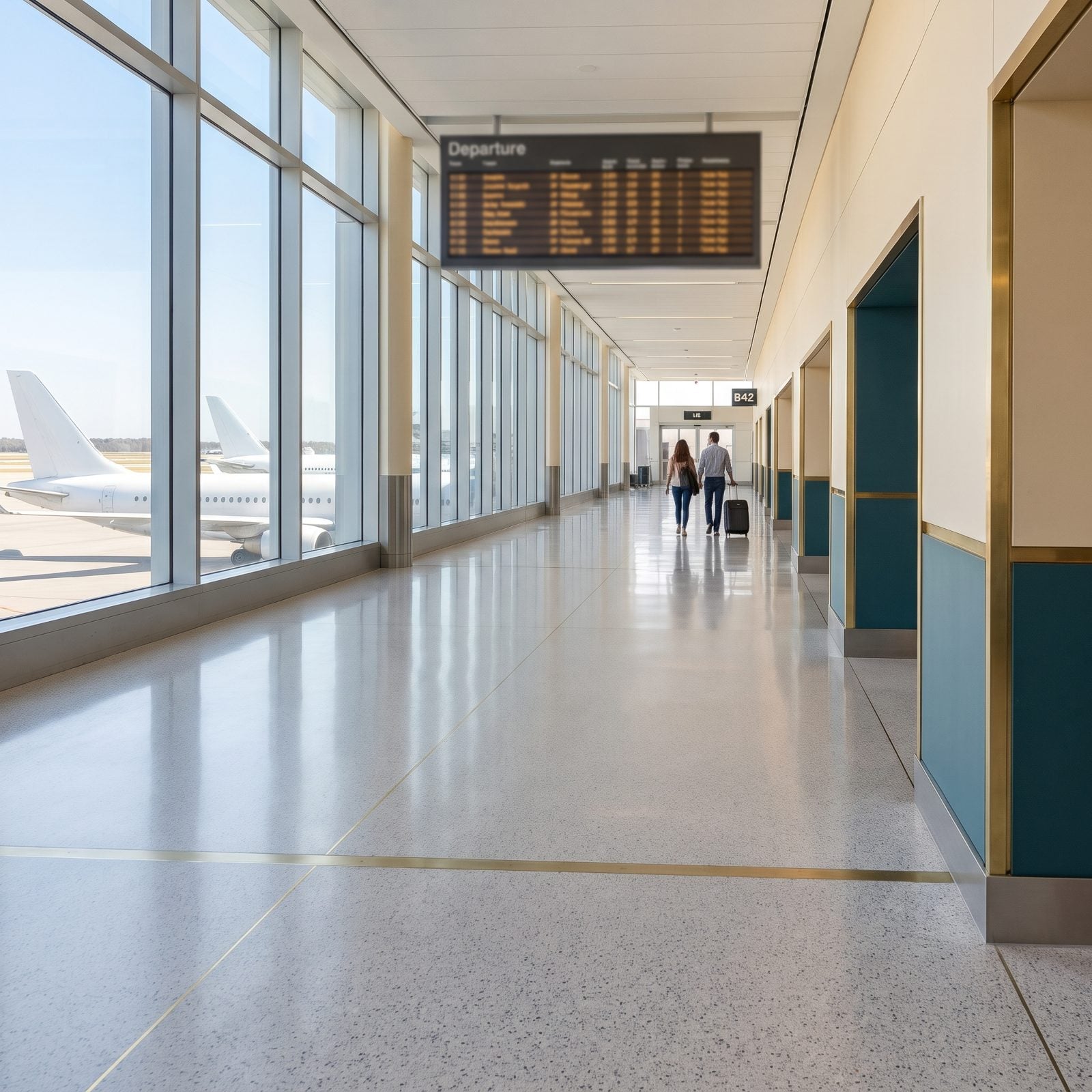
Here’s the trap. The lounge feels like the destination, so you relax into it, and the departure board quietly ticks over to “Boarding” while you’re mid-croissant. You glance up, read the gate number, and realize it’s a B-gate at the far end of a terminal that takes twelve minutes to cross at a jog.
Big hubs punish this. Lounges often sit near the center, and your gate can be a genuine hike through moving walkways, security re-checks, or an airside train.
Treat boarding time minus twenty as your hard exit, not your “start thinking about it” cue. Pull up the gate the moment you sit down, not the moment you panic. If the walk looks long, leave on the earlier number and read your book at the gate instead.
30. Parking Your Luggage Right in the Mouth of the Entrance
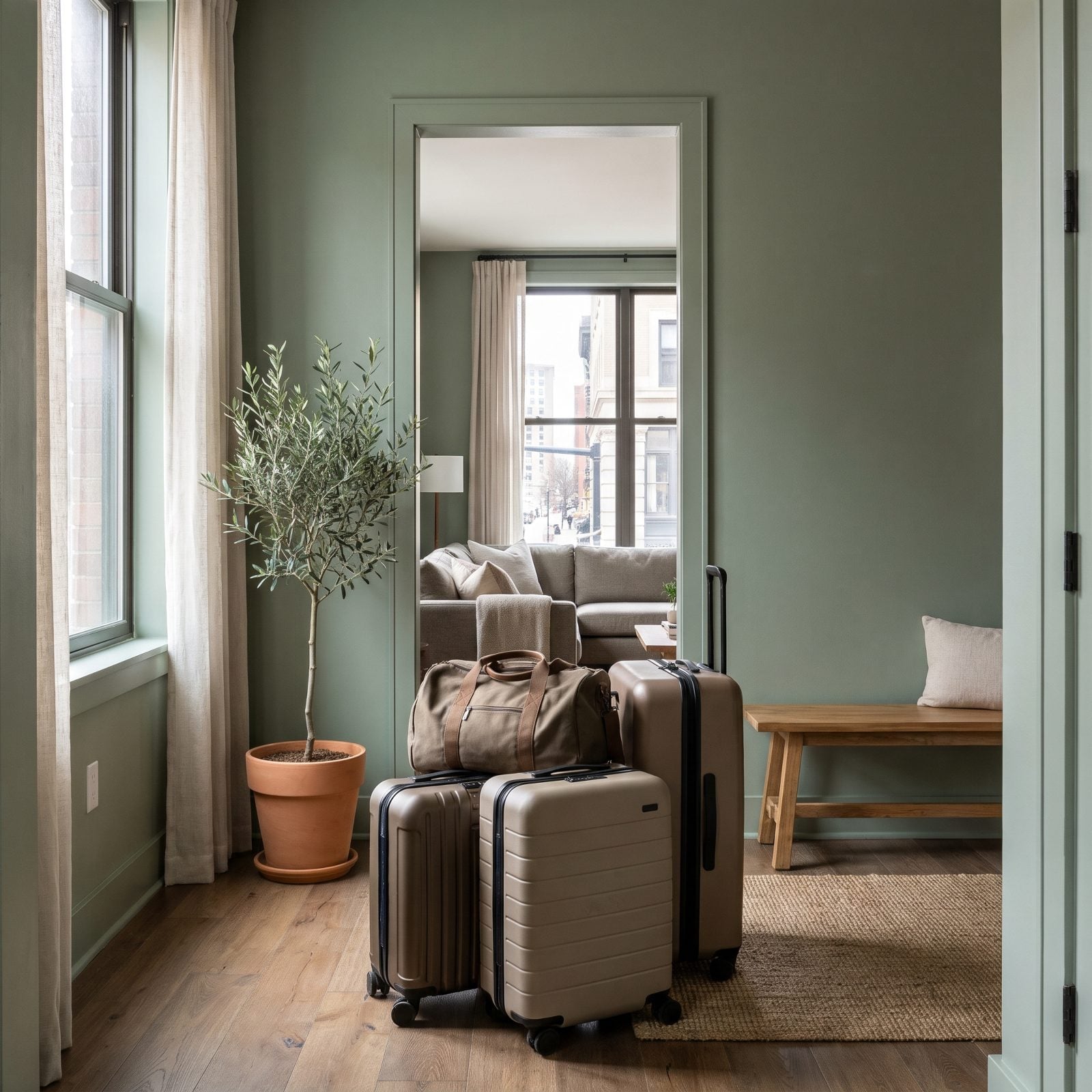
You come through the door, spot the sofa in the next room, and park three suitcases and a duffel bag dead in front of the doorway to shrug off your coat and dig for your phone. Now anyone heading into the lounge has to squeeze around a wall of roller bags, going nowhere fast.
A doorway is the one spot where a pile of bags creates a bottleneck instantly. Narrow by design, and the path everyone in the lounge has to take.
Keep moving. Roll the bags a few feet over to a wall or an open corner, then sort yourself out — coats, unpacking, snack decisions, all of it happens once you’re clear of the pinch point. Your future self, the one who hates tripping over suitcases in the doorway, will thank you.
29. Building a Nest Out of Four Seats Meant for Four People
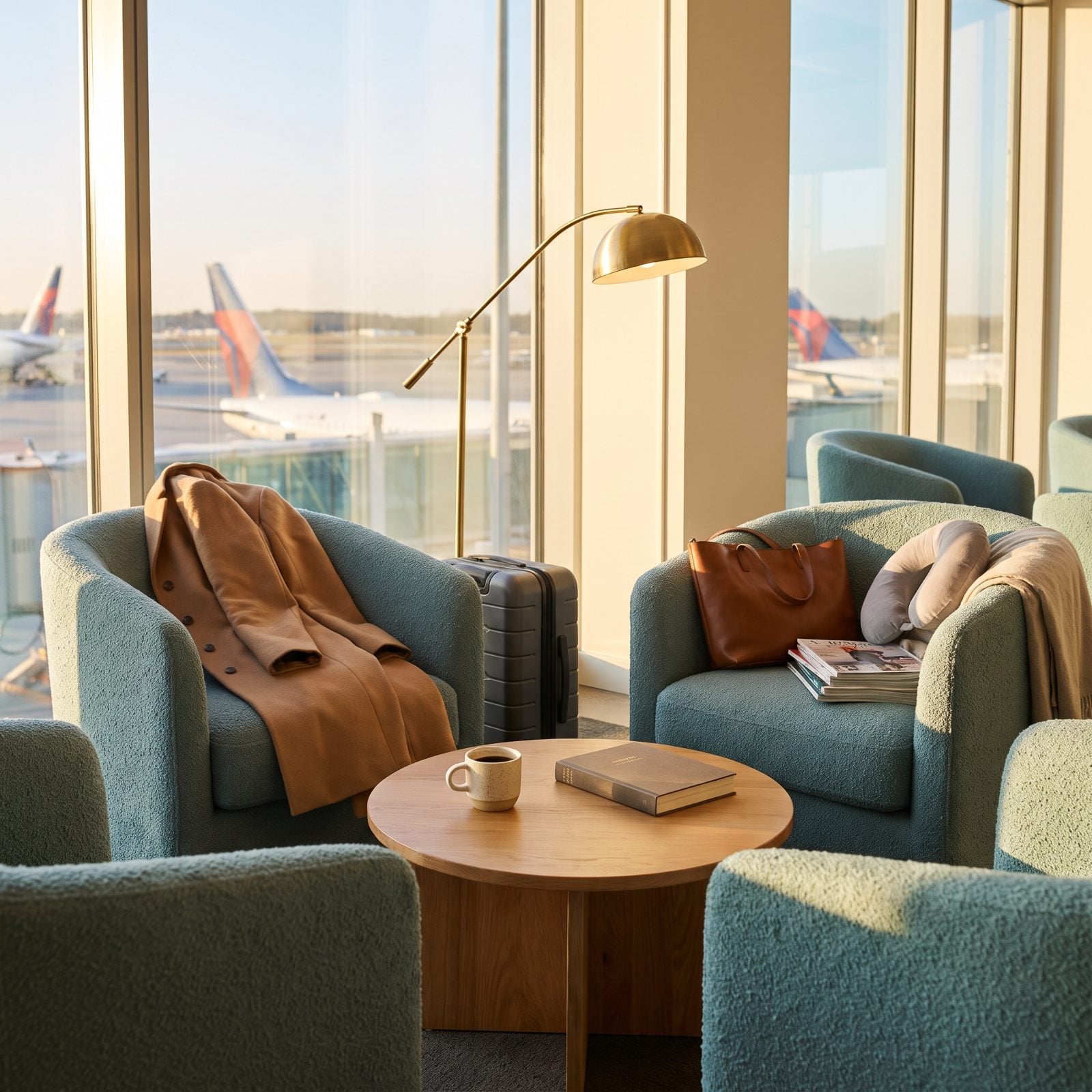
One person, four seats. The bag gets a chair, the coat gets a chair, the laptop bag claims a third, and you’re in the fourth, radiating “this whole corner is taken.” During a delay, that corner is prime real estate, and people circle it looking tired and a little resentful.
Seasoned travelers keep their footprint to one seat. Bag on the floor or under the chair, coat over the back, done. If you genuinely need a spot for a device while you work, a single adjacent seat during a quiet hour is fine — just read the room when it fills.
A full lounge sorts out its own seating if everyone takes what they’re using and nothing more.
28. Settling Into the Family and Accessible Seating by Accident
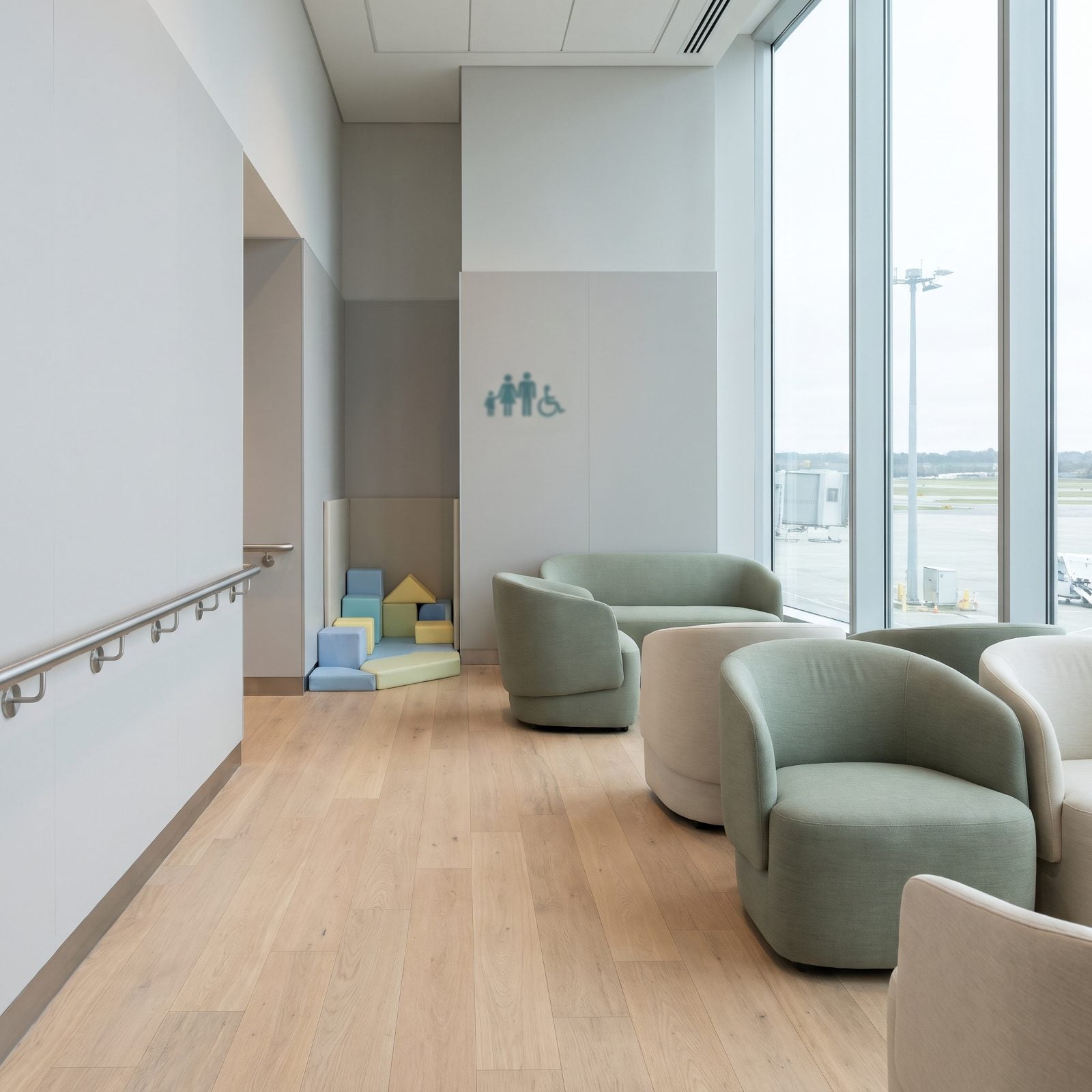
Some of the comfiest-looking corners in a newer lounge are set aside for a reason. The quiet nook with the soft chairs and the extra floor space, the low seating near the play area, the spot with the wide clearance beside it — they exist for families with small kids and for travelers who need the room.
Take one of those while others wait, and someone who genuinely needs it ends up perched on a stool by the window.
Watch for the small signs or the obvious design cues: extra space around a chair, a support rail, pastel play items nearby. Plenty of open seating exists elsewhere. Leave the purpose-built spots for the people they were built for, and grab a normal chair with a clear conscience.
27. Claiming the Big Dining Table for a Party of One
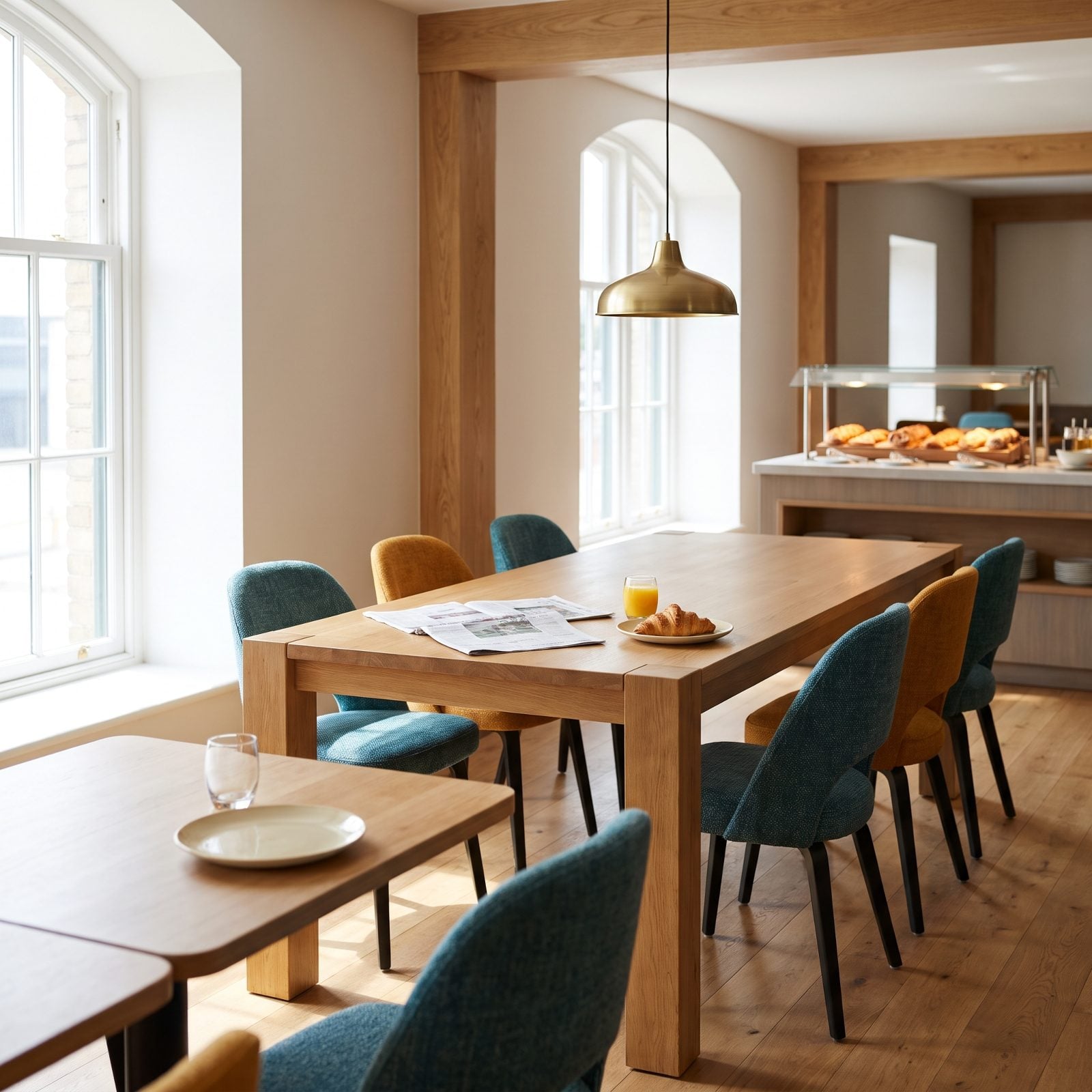
You load up a plate, spot the eight-seater in the middle of the room near the buffet, under the brass pendant, and settle in at the head of it. It feels great right up until a couple with trays stands there holding their breakfast, looking at seven empty chairs and one occupied one.
Big tables are for groups. A solo traveler at a communal eight-top turns a shared resource into a private booth.
Go for the two-top, the bar seating, or the counter along the window. If every small table is full, sit at one end of the big one and leave the rest genuinely open, trays and all. A small read of the room that keeps the whole dining area moving.
26. Turning the Breakfast Table Into Your Office for Three Hours
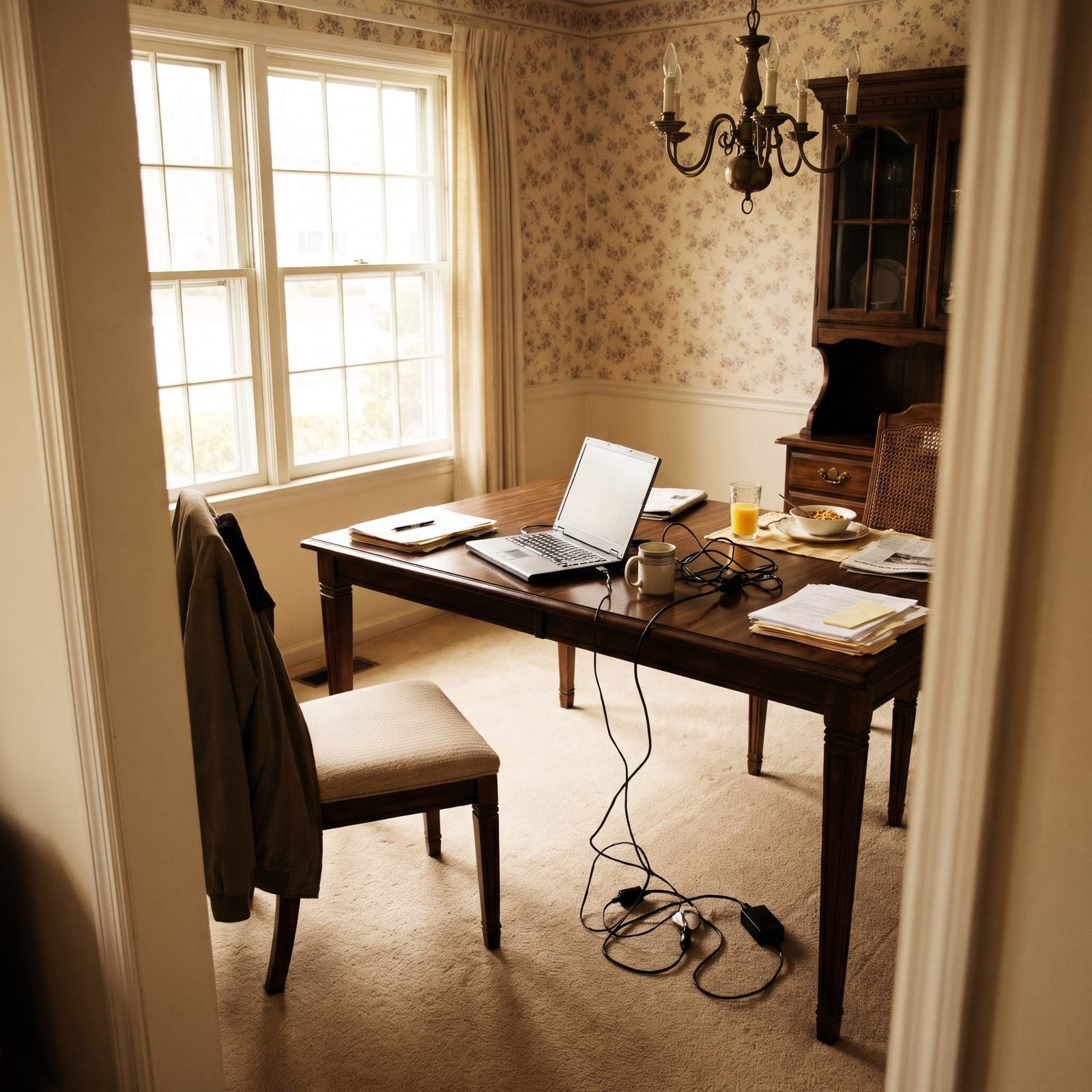
The dining table has power, good light, and a clean surface, so it becomes mission control: laptop open, spreadsheet glowing, a cold coffee you finished ninety minutes ago still sitting there as a territorial marker. Meanwhile the lunch crowd arrives with nowhere to eat.
Dining seating turns over fast when people eat and leave. Camp on it with work and you choke a space built to keep moving.
Most modern lounges have a work bar or a bank of desks with outlets, meant for exactly this. Eat at the dining table, then move your laptop to the work zone. No dedicated workspace? A side chair with a small table does the job without blocking anyone’s meal.
25. Taking the Call in the One Room Meant for Silence
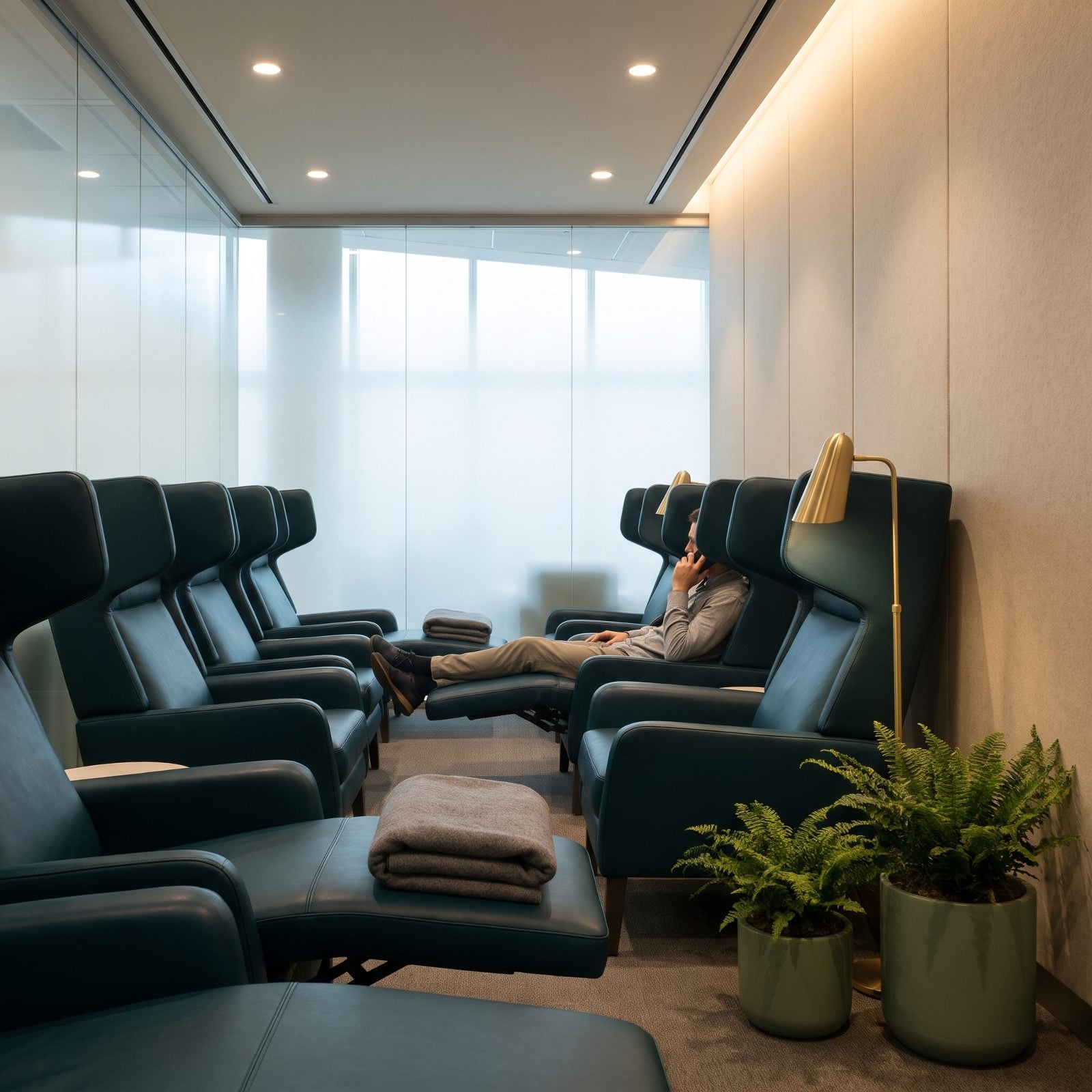
The quiet zone is where people go to close their eyes before a red-eye. Dim light, reclining chairs, the kind of hush that feels rare in an airport. Then a phone buzzes and someone answers it right there, and a routine “yeah, I landed fine, how’s the dog” call fills the whole room.
A ringing phone in a silent space wakes a dozen tired strangers who came specifically for the silence.
Step out. Take the call in the main lounge, by the windows, or in the corridor. If you truly can’t move, text instead and promise yourself you’ll call once you’re clear. The quiet zone only works if everyone treats the quiet as the point.
24. Running the Highlight Reel at Full Volume, No Headphones
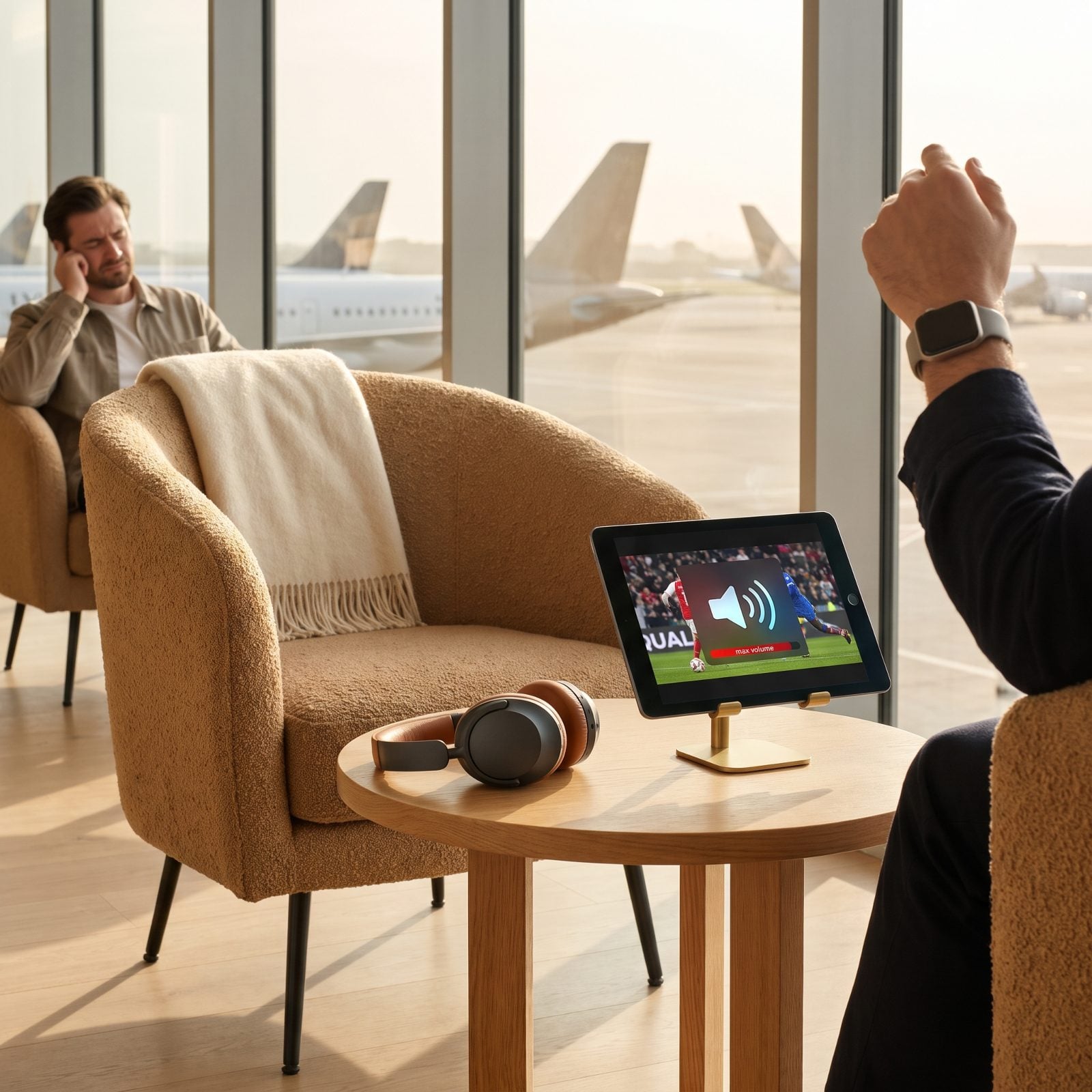
You find a clip you love, prop the tablet up on the table, and let it play out loud because digging out the earbuds feels like a chore. Tinny audio fills the room, and if anyone else is around, they now hear every word.
Nobody sharing a space wants the soundtrack to someone else’s scrolling. It’s the fastest way to turn a calm room tense.
Pack headphones and keep them in an outside pocket, not buried at the bottom of your bag. A simple pair of charcoal over-ear headphones covers you for flights too. No headphones on hand? Mute the video and read the captions. Anyone sharing the room will never know you were there, which is exactly how it should go.
23. Hosting a Video Meeting in the Middle of the Open Lounge
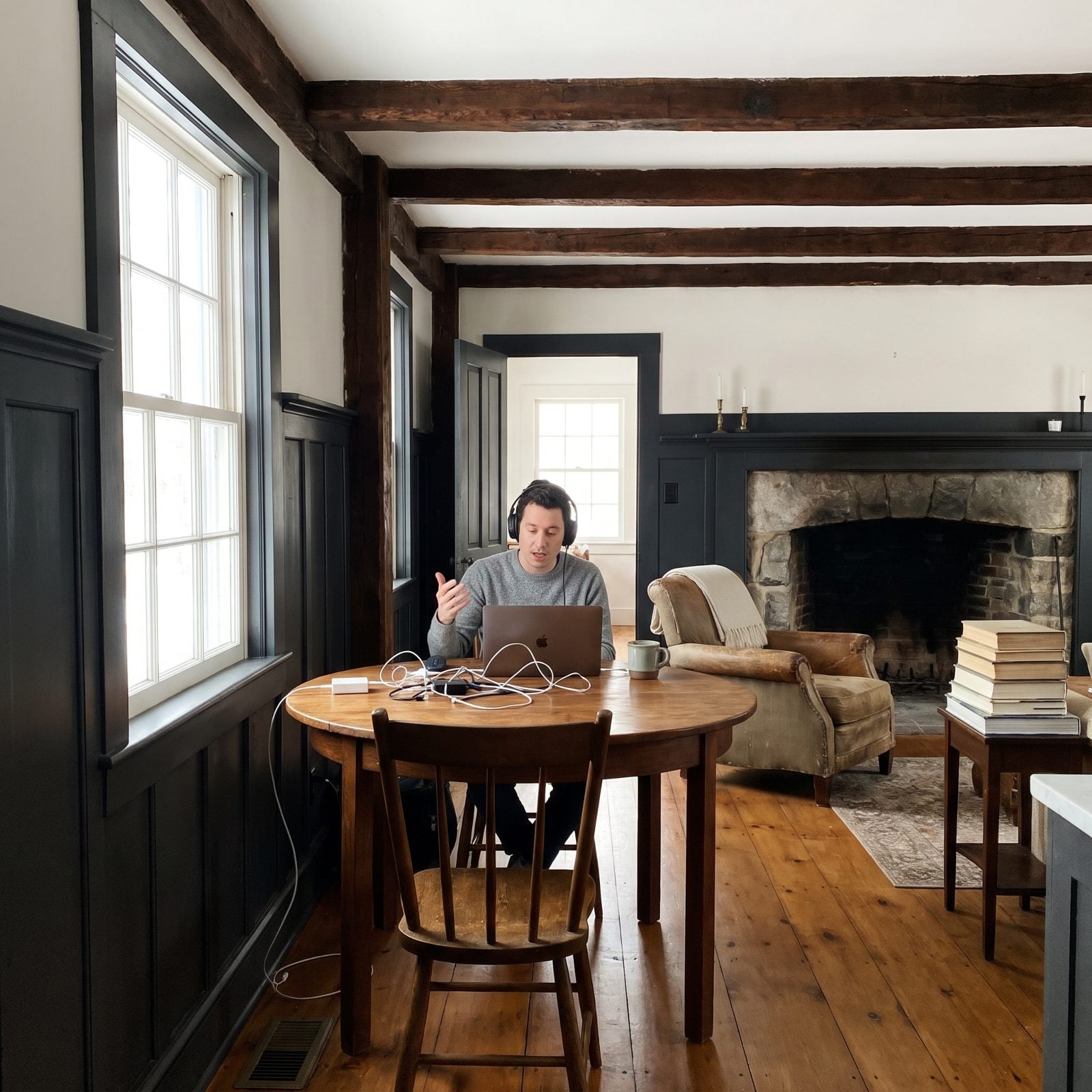
This is the big one. Laptop open on the table, camera on, and suddenly you’re narrating a quarterly update to a grid of colleagues. At home, nobody else hears it. In a lounge, though, twenty strangers become your unwilling studio audience. Your voice carries. Their replies carry. The whole room is now sitting in your meeting.
A speakerphone video call is the loudest, most inescapable noise a lounge can produce, and it reliably turns a relaxed space sour.
Find the phone booth or work pod. Most newer lounges have them — glass-walled, sound-contained, built for this. No booth? Take the call to the terminal, find an empty gate area, and run the meeting there. If it truly can’t wait and there’s nowhere private, keep it to audio, keep it short, and keep your voice down.
22. Stretching a Charging Cable Across a Walkway
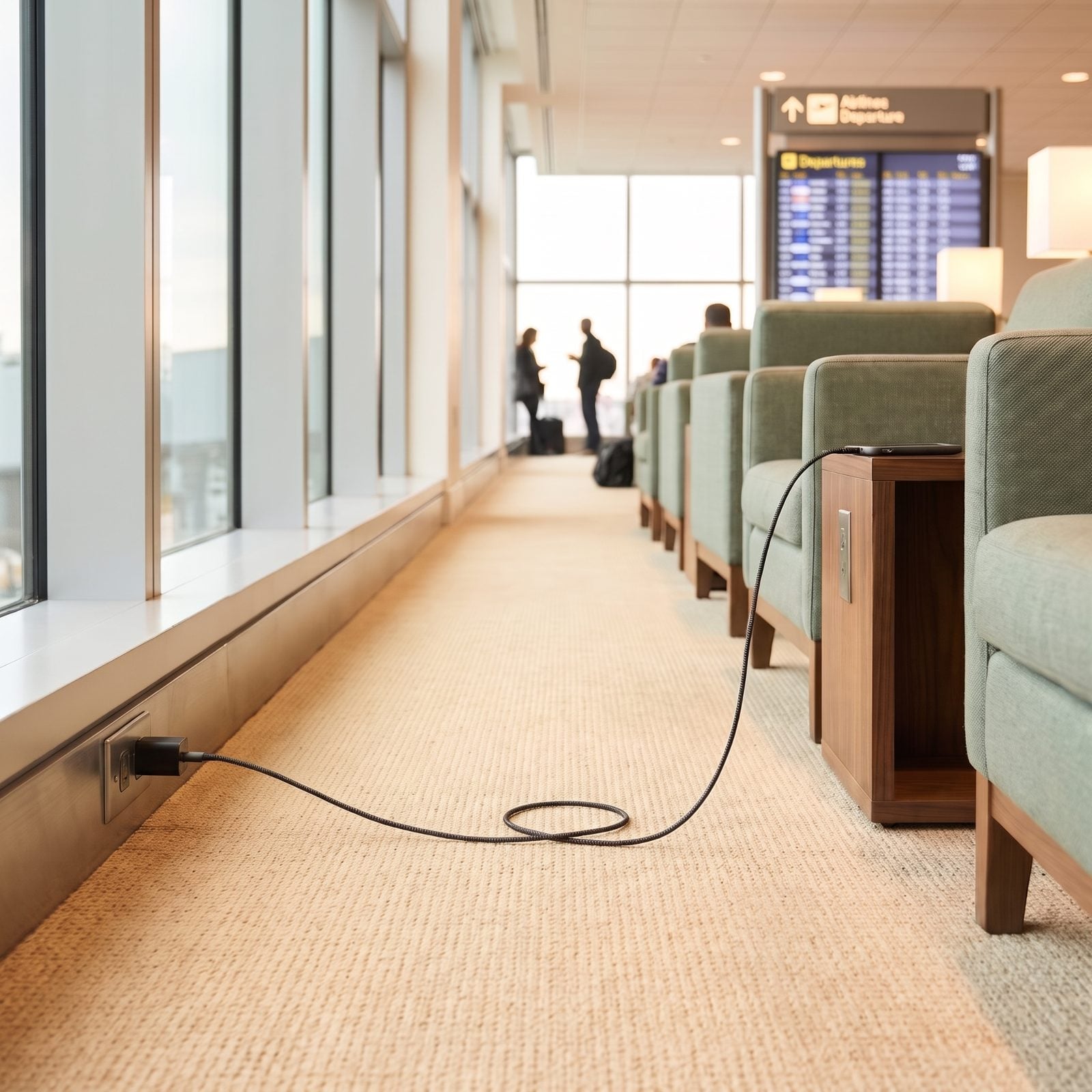
The cable stretched right across the walkway, a snag waiting to happen. You’ve seen it — a phone plugged into a wall outlet eight feet from its owner, the cord looped on the floor right across where everyone walks.
Someone catches a toe and your phone goes flying. Best case, a scuff. Worst case, a cracked screen and an apology from a stranger you didn’t want in the first place.
So sit near the outlet instead of dragging the outlet to you. Lounges keep power at the seats for a reason, and if the nearest plug is across a walkway, just move to a different chair — most lounges have a dozen of them. A short cable that reaches your seat beats a long one snaking across half the terminal.
21. Unplugging Someone Else’s Device to Claim the Outlet
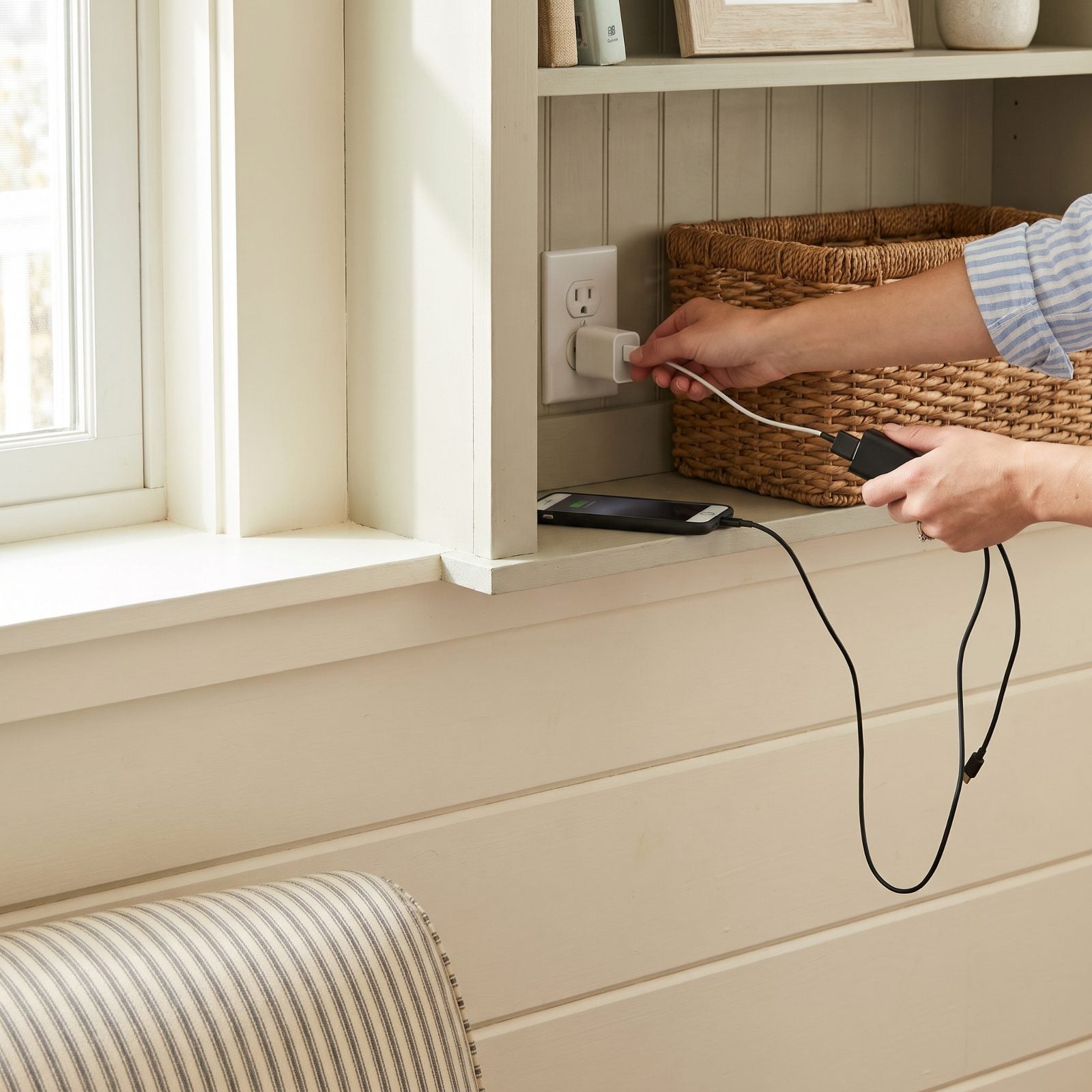
You spot an occupied outlet, the owner nowhere in sight, your battery at nine percent. The temptation is real. Pull their plug, slide yours in, problem solved.
Except now a stranger comes back to a dead phone and a boarding call they almost missed. In a terminal, that’s not a small thing — that’s someone’s connecting flight.
Leave it be. Ask lounge staff where the nearest free power is, or use that power bank you packed. And if every socket is taken, a quick word with the person nearby often frees one up faster than you’d guess, because people share when asked. They resent being overruled.
20. Walking Away From a Passport or Open Laptop
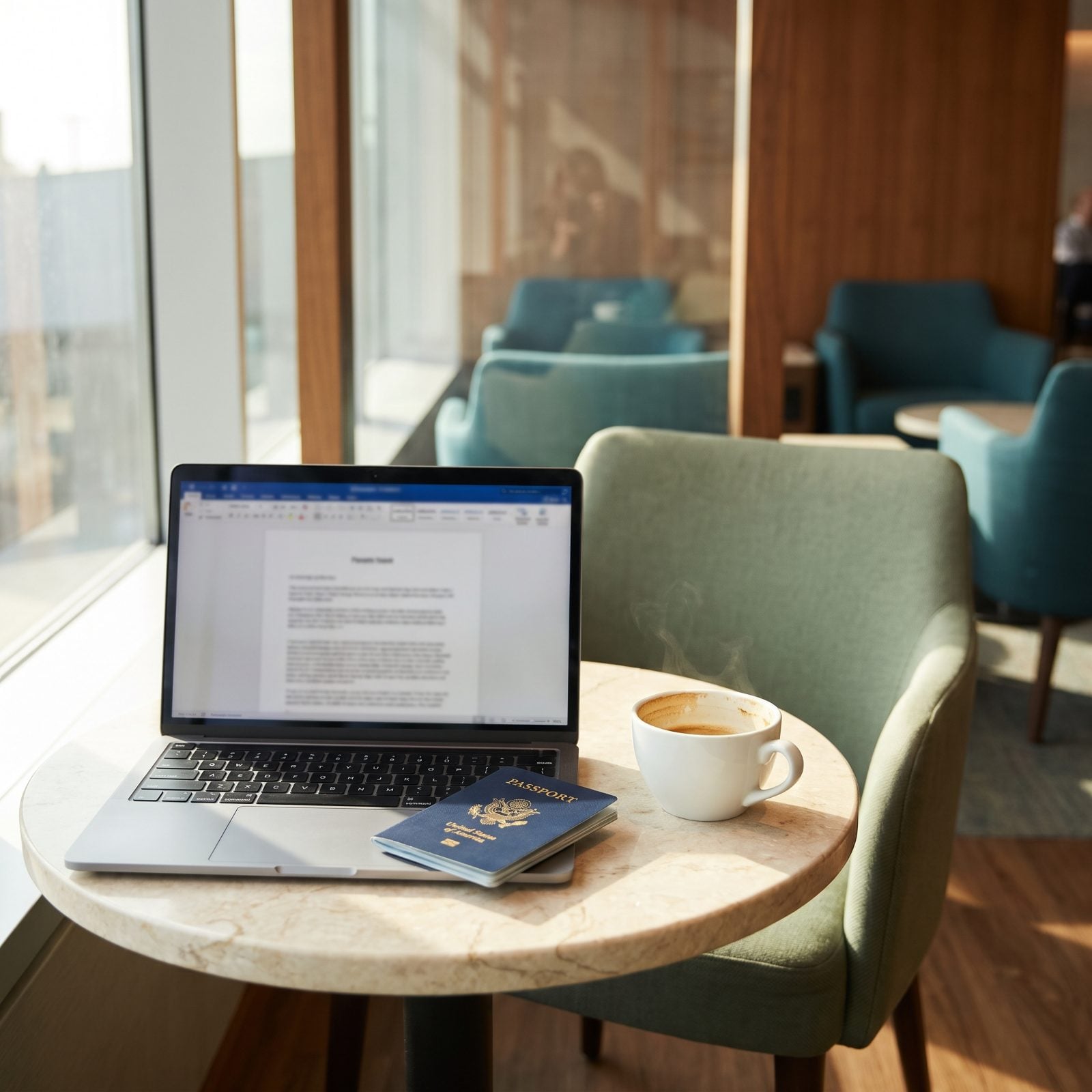
A lounge feels safe. That’s exactly the problem. The soft chairs, the free coffee, the quiet hum — all of it lowers your guard, and next thing you know you’ve drifted off to the buffet leaving your passport sitting on the table like it owns the place.
Lounges have guests, guests have hands, and most of them are honest. It only takes one who isn’t, and replacing a passport abroad eats days you never budgeted for.
Take your valuables with you, or ask a neighbor to watch your seat for sixty seconds. A small crossbody or a packable bag means your passport, phone, and laptop travel with you without any fuss. The buffet will still be there.
19. Using the Lounge as Free Luggage Storage While You Shop
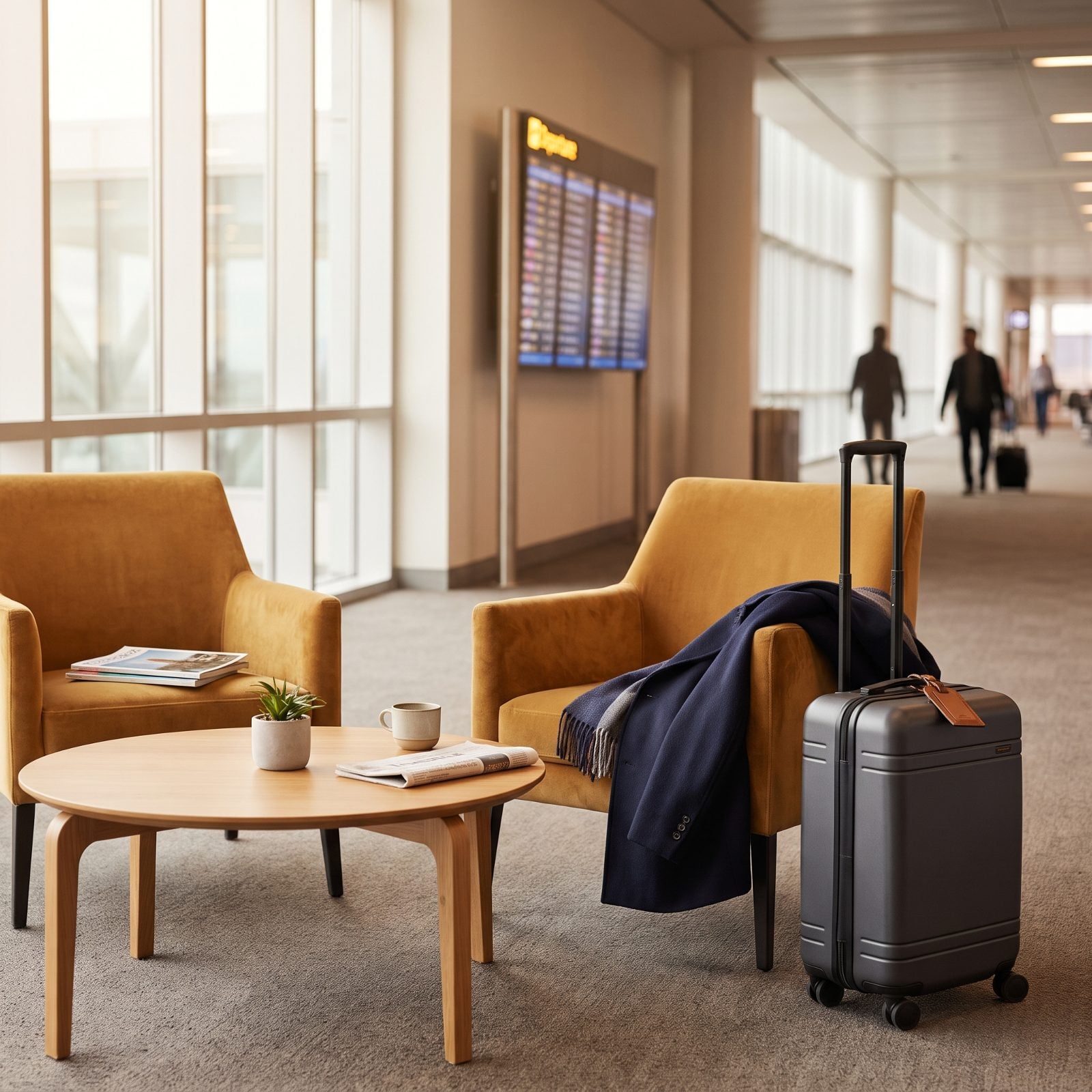
The plan seems clever. Drop your bags on a prime seat, pile a coat on top, then wander the duty-free for an hour while your spot waits like a loyal dog.
Meanwhile the lounge fills up, and a dozen travelers circle a chair holding nothing but your overflow. When things get busy, that one seat matters to somebody who actually wants to sit in it.
Shop before you settle, or just take your bags with you. If you genuinely need to step out, keep it brief and leave the seat clear — plenty of lounges have a bag check or a coat area built for exactly this. Hogging a sofa so you can browse perfume is the kind of thing nobody says out loud but everybody notices.
18. Sleeping Stretched Across an Entire Sofa

Red-eye exhaustion hits hard, and a three-seat sofa suddenly looks like a bed with your name stitched on it. So you stretch out full length, shoes off, and claim every inch.
Now three people’s worth of seating serves exactly one. In a packed lounge before a dawn wave of departures, that’s three travelers standing around with coffee and nowhere to land.
If you need real rest, hunt down the lounge’s nap pods or recliner section — plenty of the bigger lounges now offer them. Short of that, a single chair with your head on a travel pillow does the job without turning a shared couch into a private cabin. Rest is fair. Taking the whole sofa isn’t.
17. Resting Shoes or Feet on the Upholstery
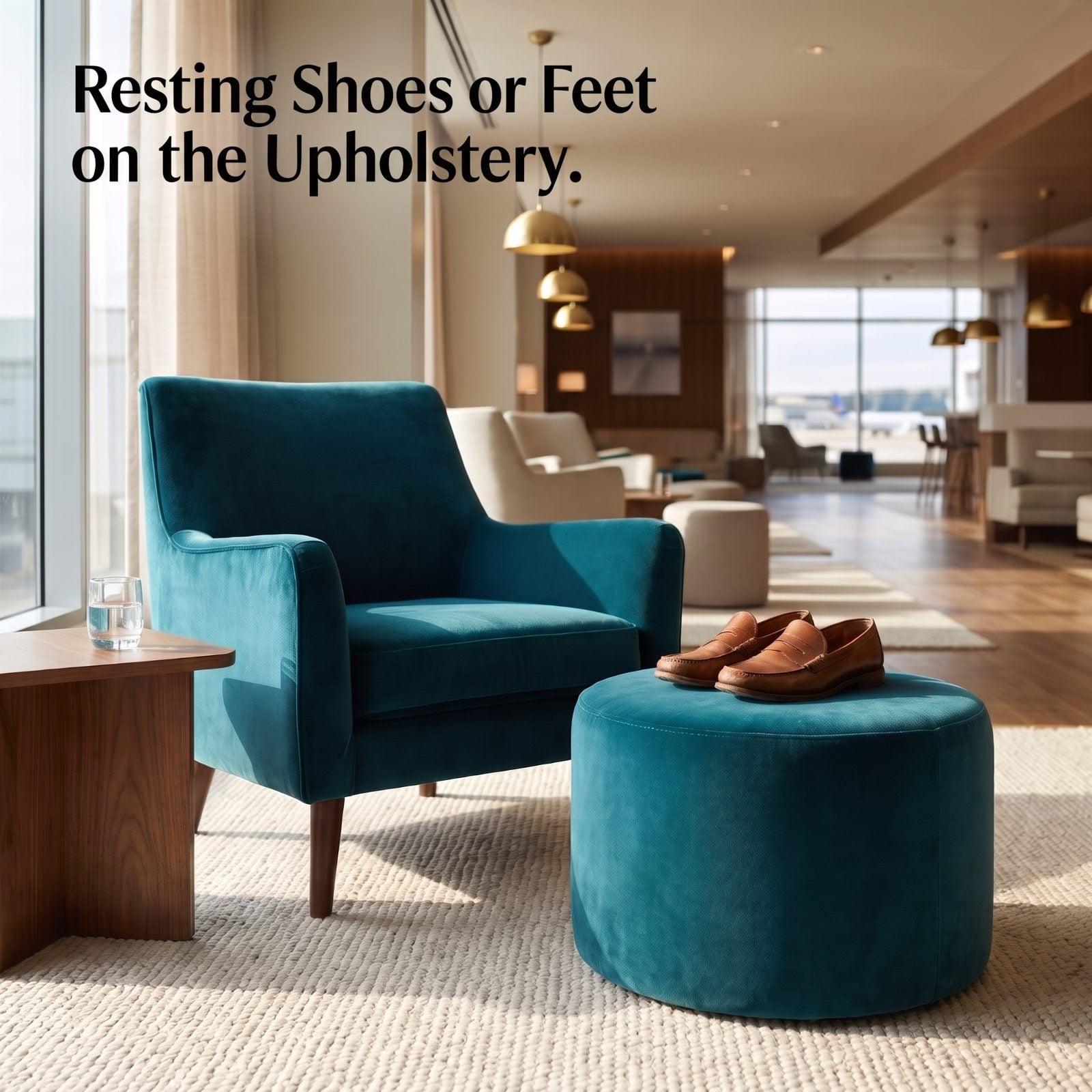
You kick your feet up onto the ottoman, or worse, onto the velvet seat across from you, soles planted right on the fabric.
Shoe soles carry whatever the terminal floor, the taxi, and the airplane carpet had on them, and all of it transfers straight to upholstery the next guest sits on.
Use the ottoman for its job, shoes off. Keep soles on the floor where they belong. And if you want your feet up on a long layover, slip out of your shoes first and tuck them under you, or prop them on your own bag. The fabric stays clean, and so does the chair for whoever settles into it after you.
16. Padding Around the Lounge Barefoot
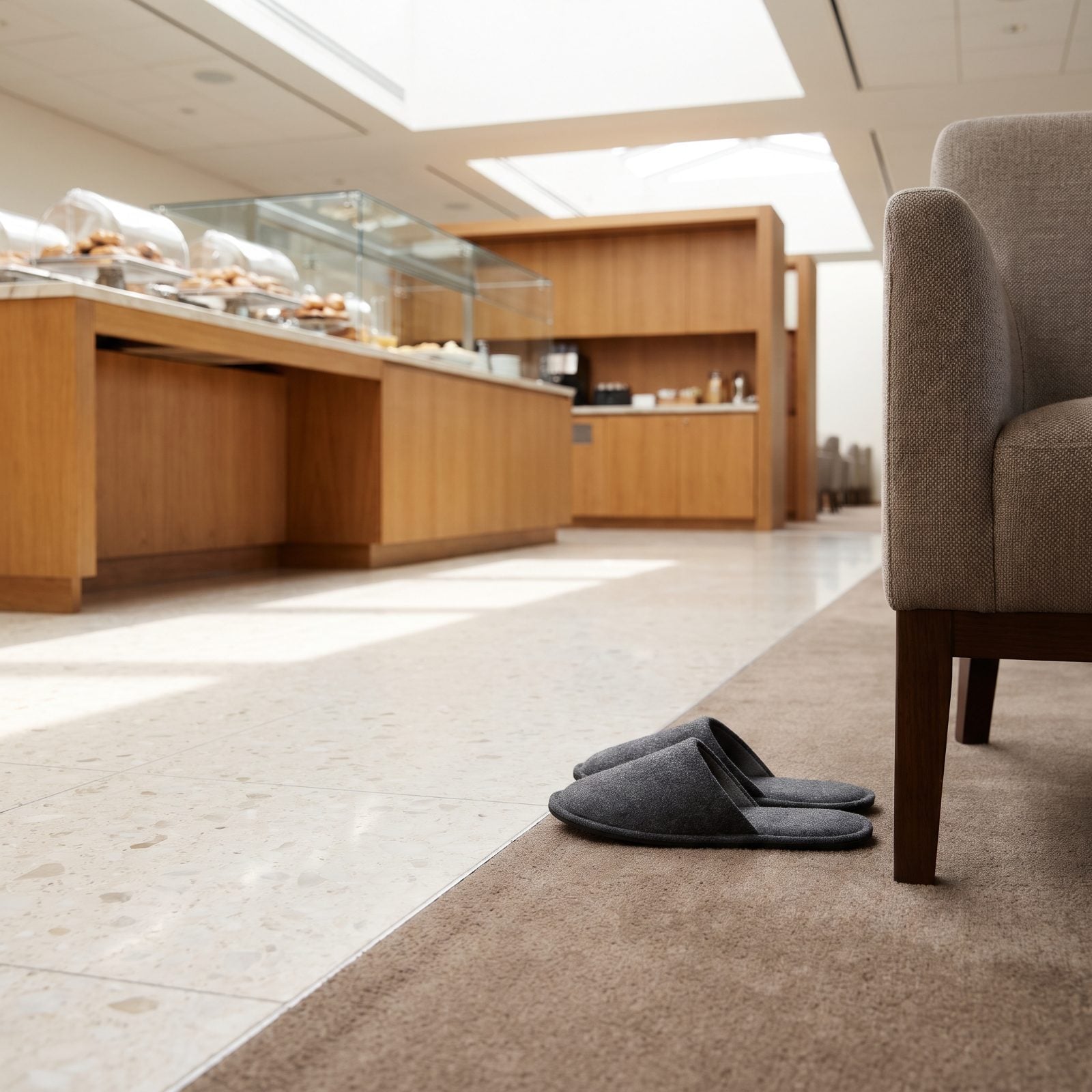
Shoes come off, socks too, and before long you’re walking the buffet line and the restroom route barefoot.
It reads as very at-home in a space that is decidedly not your home. And beyond the look of it, bare feet near food stations and shared floors is something lounges quietly discourage for reasons you’d rather not picture over a pastry.
Pack a pair of soft travel slippers, or just keep your socks on. Many business and first lounges hand out slippers at the door for this very reason. Comfort on a long layover is the whole point of being there — and you can have it without padding barefoot through a room where everyone else is eating.
15. Clipping Nails or Grooming at Your Seat
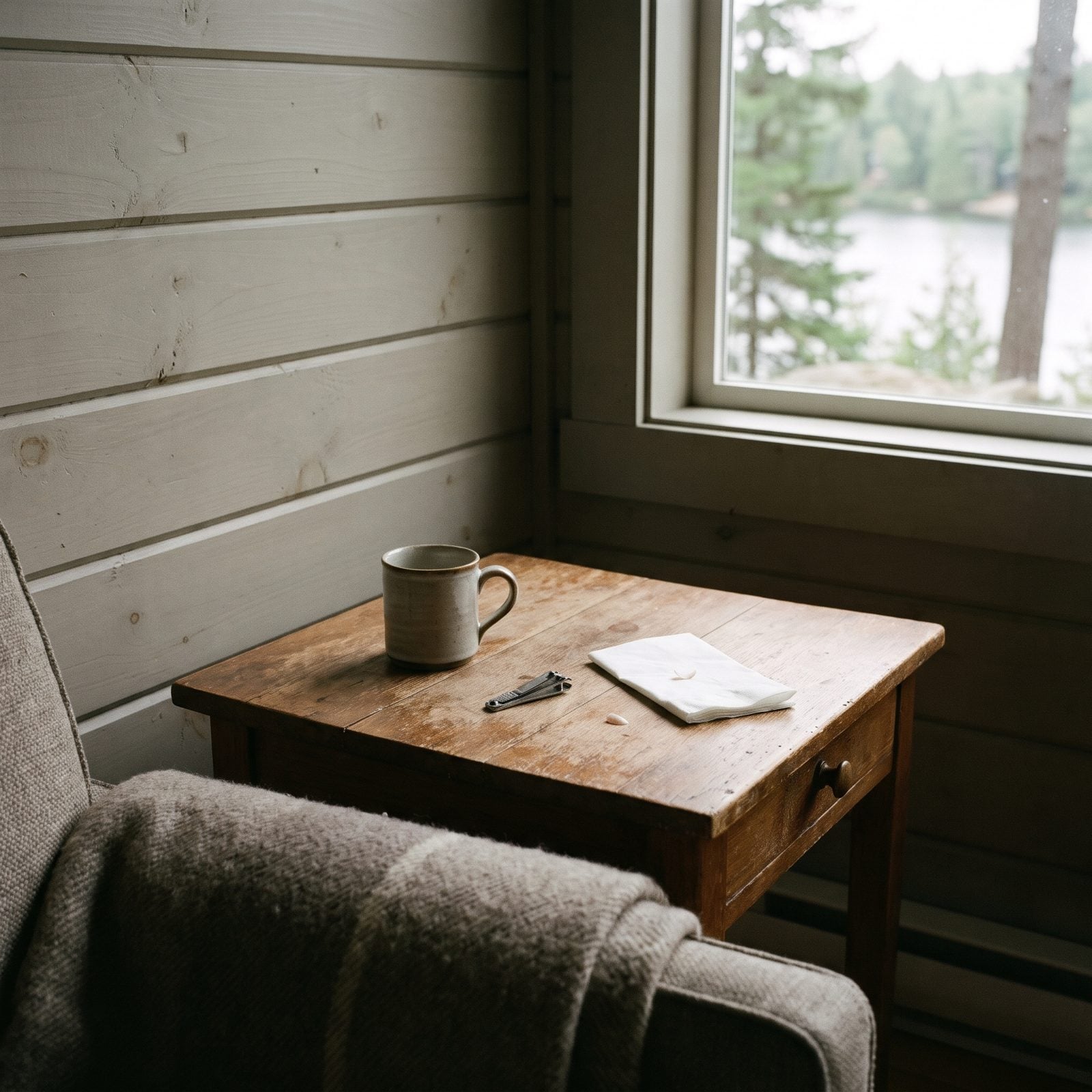
That faint clipping sound carries further than you’d think. You’ve heard it — someone trimming nails right there in the seating area, or filing, or dragging a comb through their hair like the lounge came with a sink.
Grooming in a shared seating space lands wrong with everyone within earshot, and the debris doesn’t just vanish. It stays on the chair and the carpet.
Take grooming to the restroom or the shower suite, which most decent lounges provide. A small zip kit in your carry-on handles every touch-up. Freshen up behind a door, then come back to your seat put together. Treat the seating like a living room and the restroom like a bathroom — because that’s exactly what they are.
14. Building a Teetering, Overloaded Buffet Plate
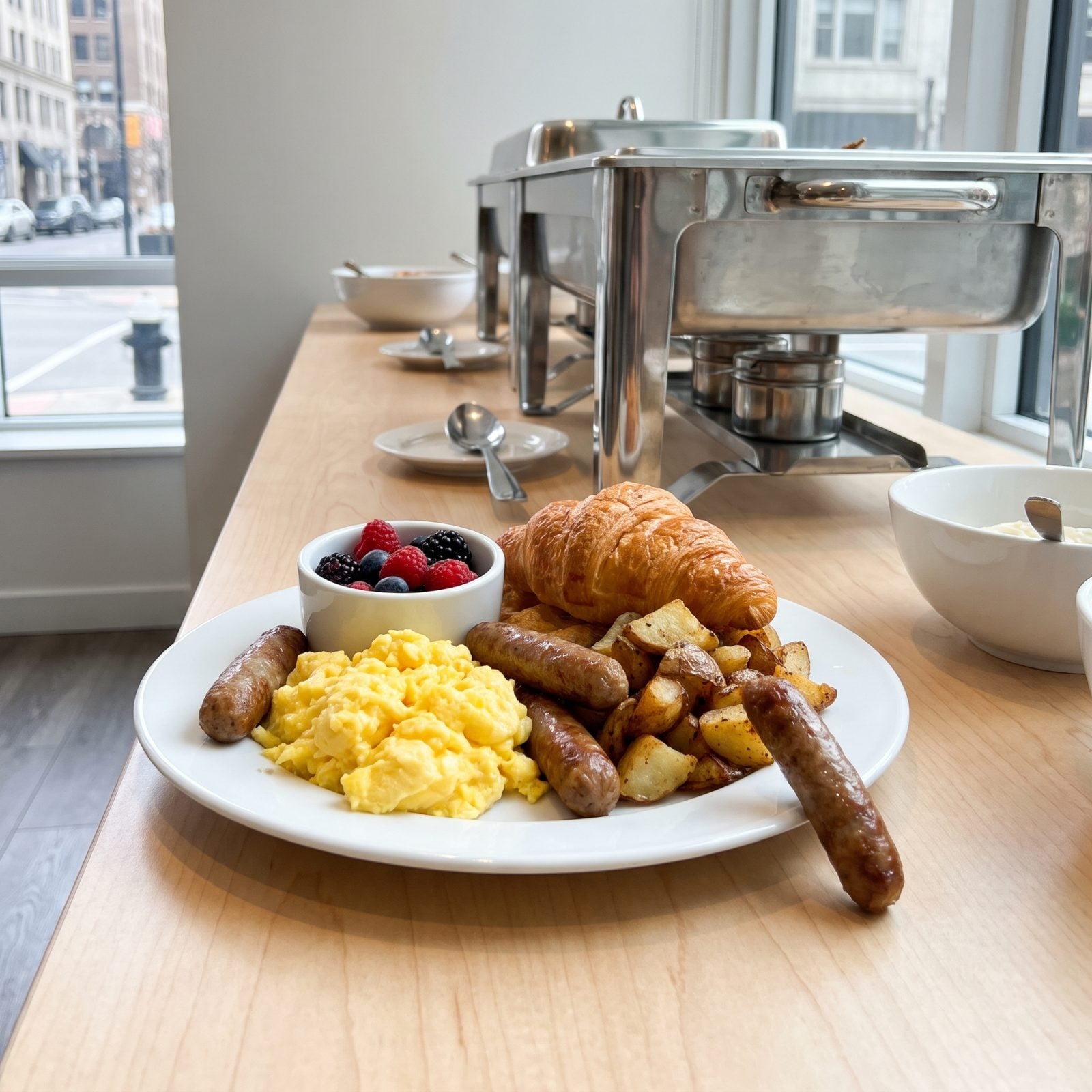
The free spread triggers something primal. You load the plate past its edges, stacking food you won’t finish, because it’s included and the brain reads included as bounty.
Two things happen. Half of it ends up uneaten, and the buffet runs low for the people still in line behind you. A towering plate also just looks a little frantic in a room meant to feel calm.
Take a modest plate and go back if you’re still hungry — that’s the whole design of a buffet, unlimited trips rather than one heroic haul. Smaller portions mean fresher food each round and nothing wasted.
13. Grabbing Buffet Food With Bare Hands
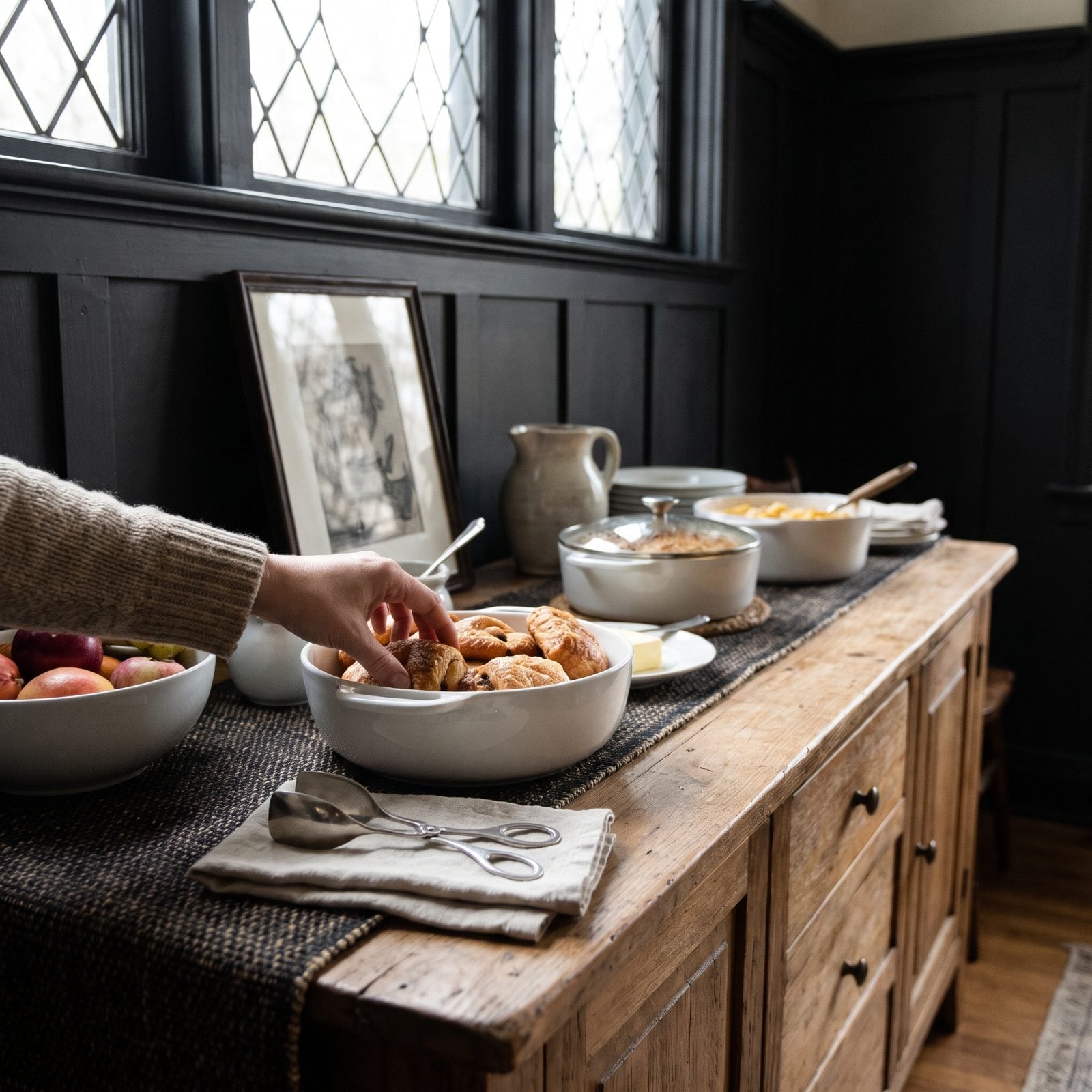
You reach past the tongs and grab the croissant with your fingers. One pastry, no harm, right?
Except the hand that just touched the terminal rails and your phone is now touching food other travelers are about to take. Of all the lounge habits, this is the one that genuinely bothers people — and fairly so.
Use the serving implement every single time, even for the thing that seems hand-friendly. The tongs are right there. If a tray is missing its spoon or fork, flag staff rather than improvising with your fingers. Clean service is the quiet contract of a shared buffet, and keeping it is the easiest courtesy in the whole room.
12. Returning to the Buffet With a Used Plate
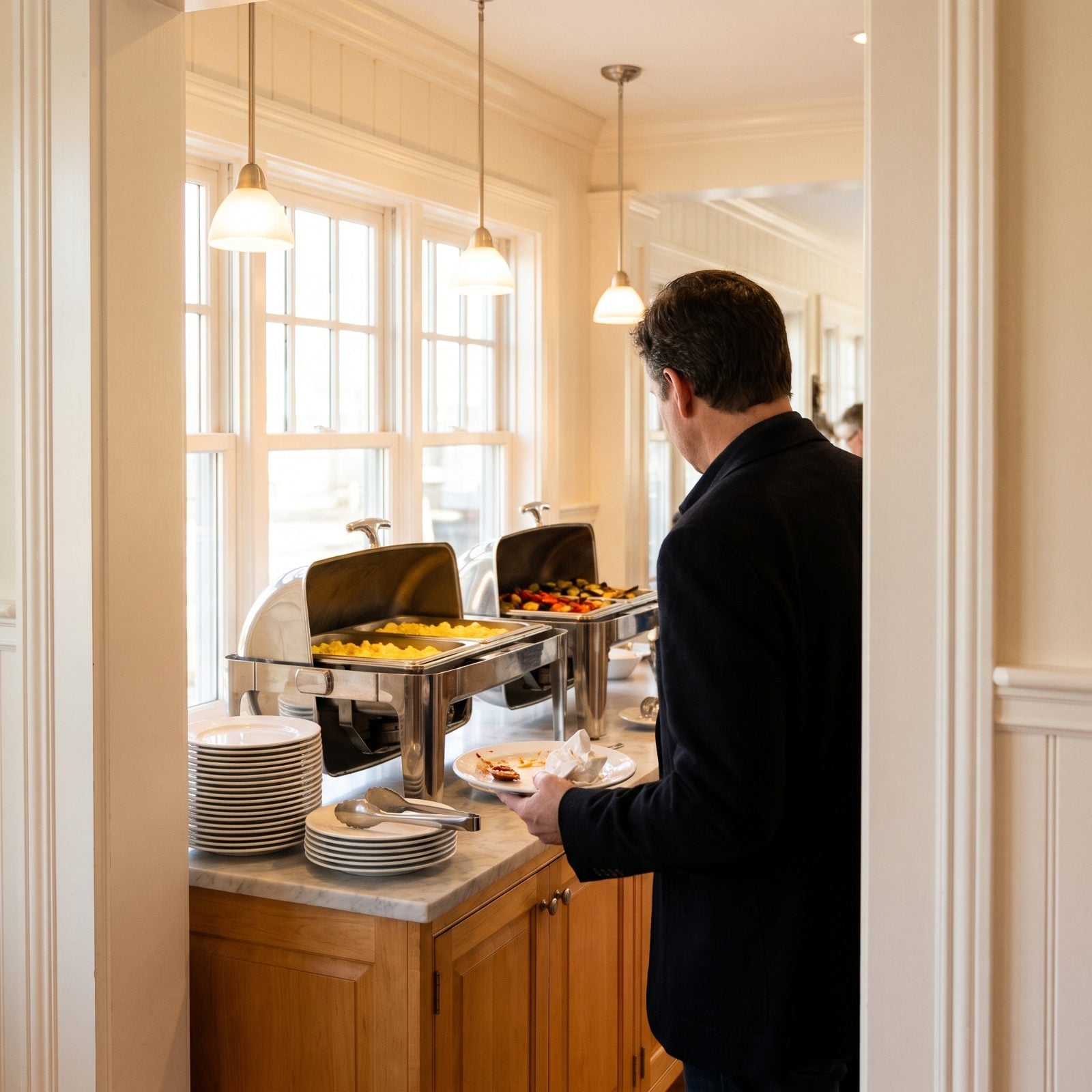
You fill a plate, finish it, then carry that same plate back for round two. We’ve all watched it happen at the carving station — the used fork hovering over the shared tongs.
Here’s the problem. A plate you’ve eaten off has touched your mouth, your hands, the table, and dragging it back into a communal buffet is how a shared spread turns into a petri dish. Lounges have tossed out whole trays over less.
Grab a fresh plate every single trip. They’re stacked right there at the start of the line for exactly this reason. Leave the dirty one at your seat for staff to clear, or set it on the designated return trolley. Clean hands, clean plate, clean conscience.
11. Cutting the Line for Coffee
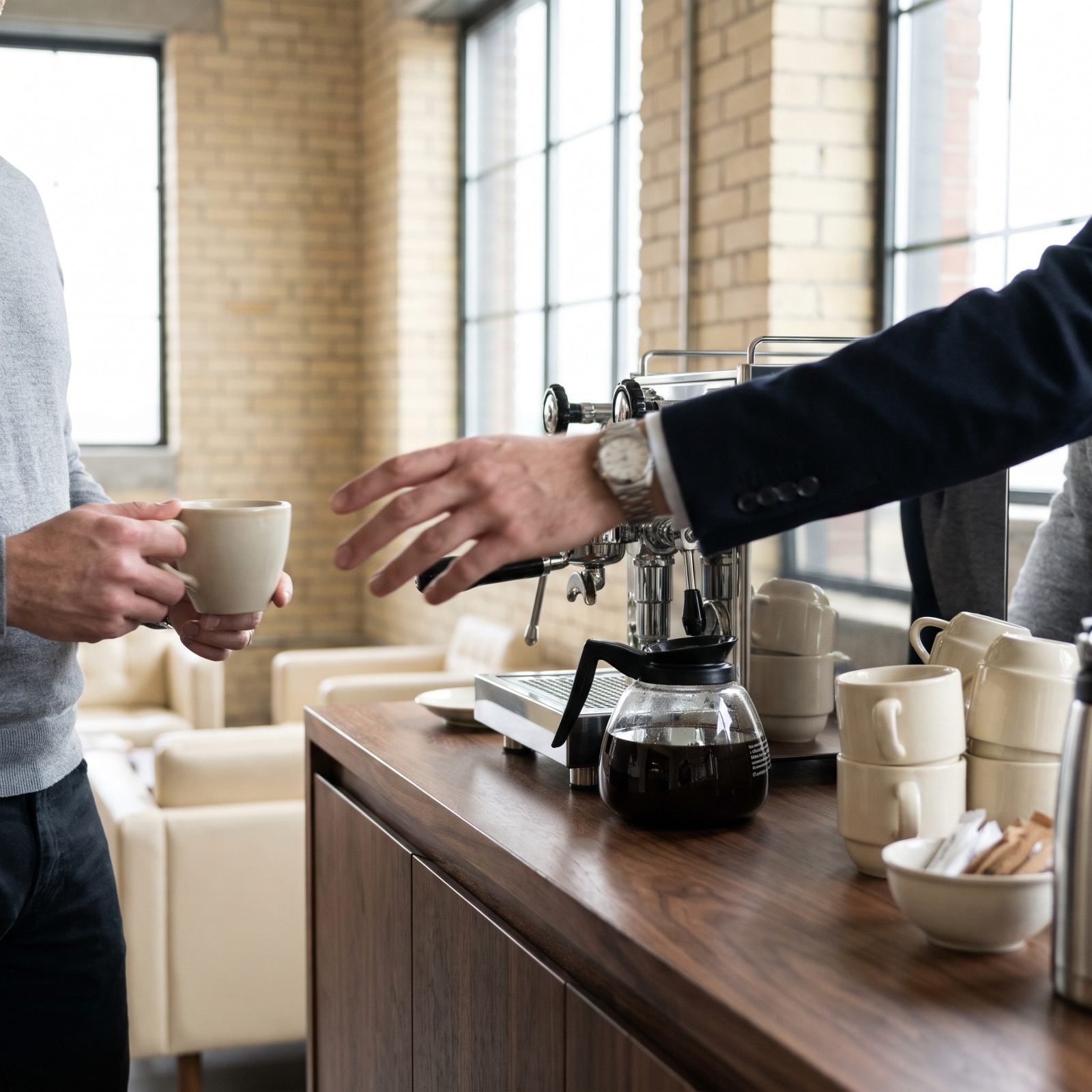
The coffee line is six people deep and you decide your flight boards sooner than theirs. So you slide up to the front with a quick apologetic nod. Nobody buys the nod.
Cutting reads as entitlement even when you’re genuinely pressed, and it sours the room for everyone behind you. People remember the queue-jumper longer than they remember the delay.
If you’re truly tight on time, ask. A simple “my flight is final-calling, would you mind?” works nine times out of ten because you gave people the choice. No real emergency? Just wait. The espresso is worth the ninety seconds.
10. Learning the Espresso Machine While a Queue Builds
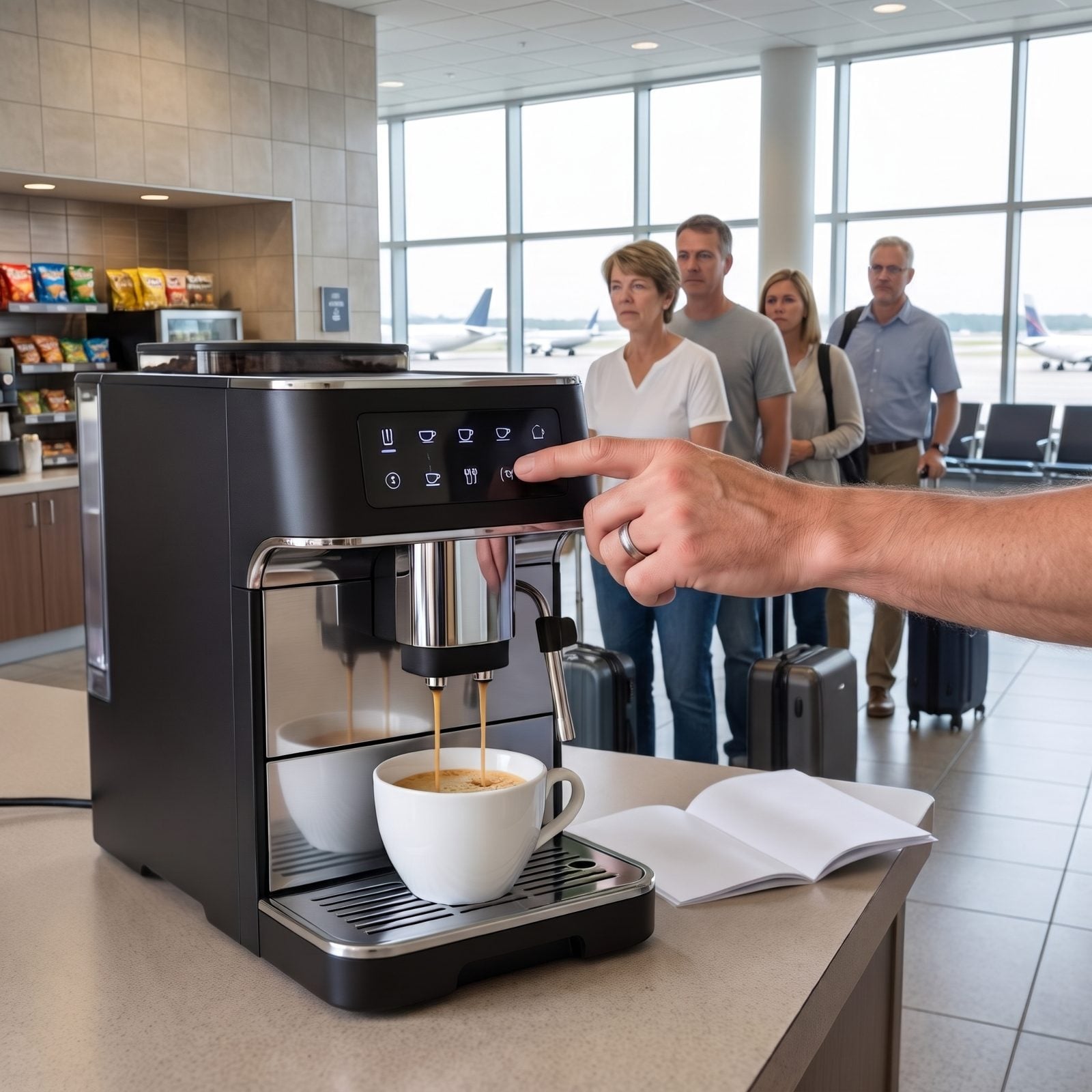
The machine has only a few buttons and you’ve decided to understand all of them. Meanwhile the line lengthens behind you, each person watching you jab at the glowing touch panel like it’s a safe you’re trying to crack.
Fumbling at the controls while a queue stacks up turns a thirty-second task into a four-minute standstill, and everyone waiting is now mentally rehearsing their boarding call.
Know what you want before you step up. If the machine baffles you, pull aside and let the next person go, or ask the attendant, who has used that machine a thousand times. There’s no shame in “a flat white, please, I’m hopeless with these.”
9. Stuffing Packaged Lounge Snacks Into a Bag
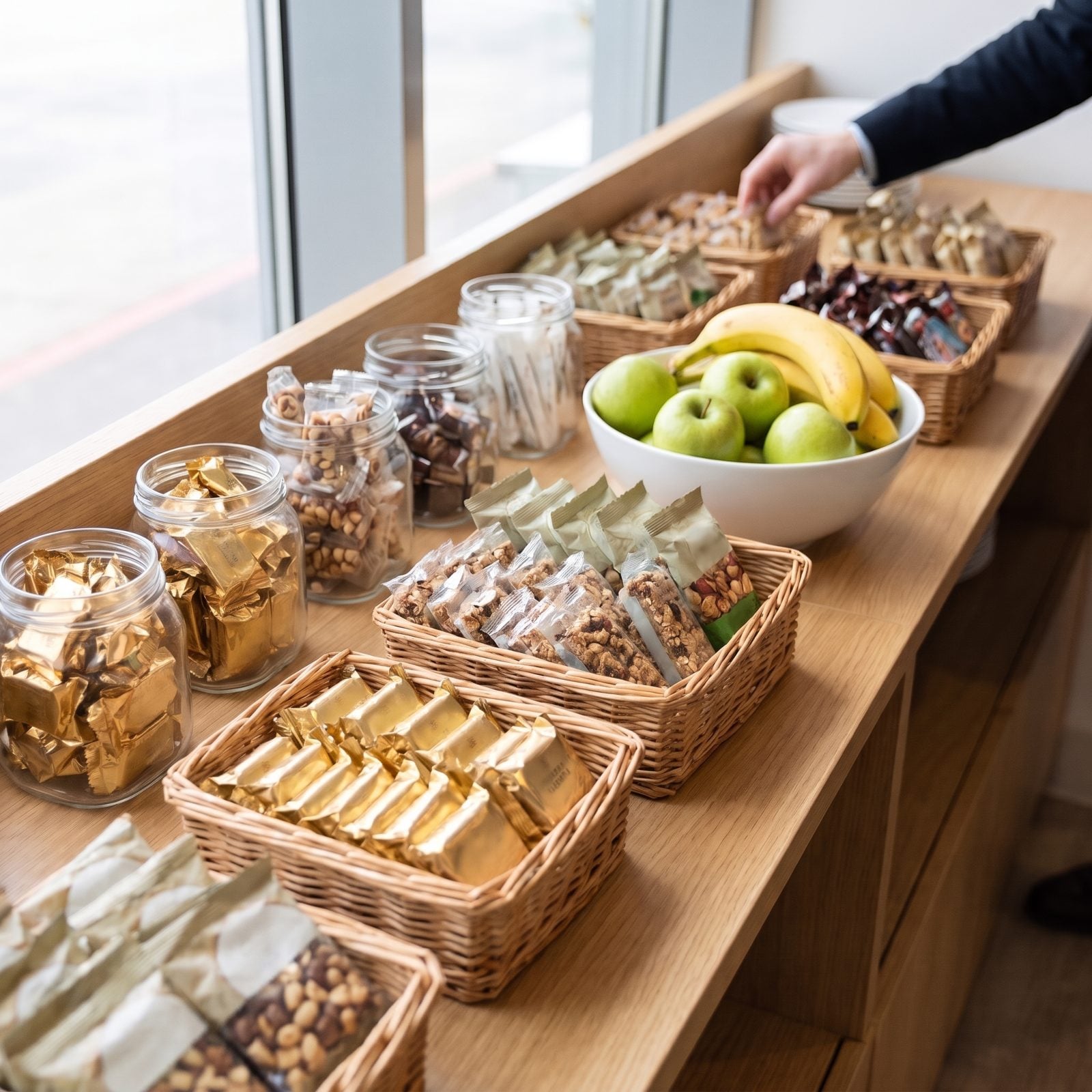
You spot the basket of wrapped biscuits and a little voice says: these would be great on the plane. So a handful disappears into the carry-on. Then another handful.
Lounge snacks are for lounge guests, there and then — not for restocking your pantry. Staff notice, other travelers notice, and some lounges have started portioning or monitoring stations because of exactly this.
Eat what you like while you’re there. If you want something for the flight, grab one bar for the road and leave the stockpile. Genuinely hungry later? Buy a snack at the gate. The goodwill is worth more than three free granola bars.
8. Walking Away From a Spill Without Alerting Staff
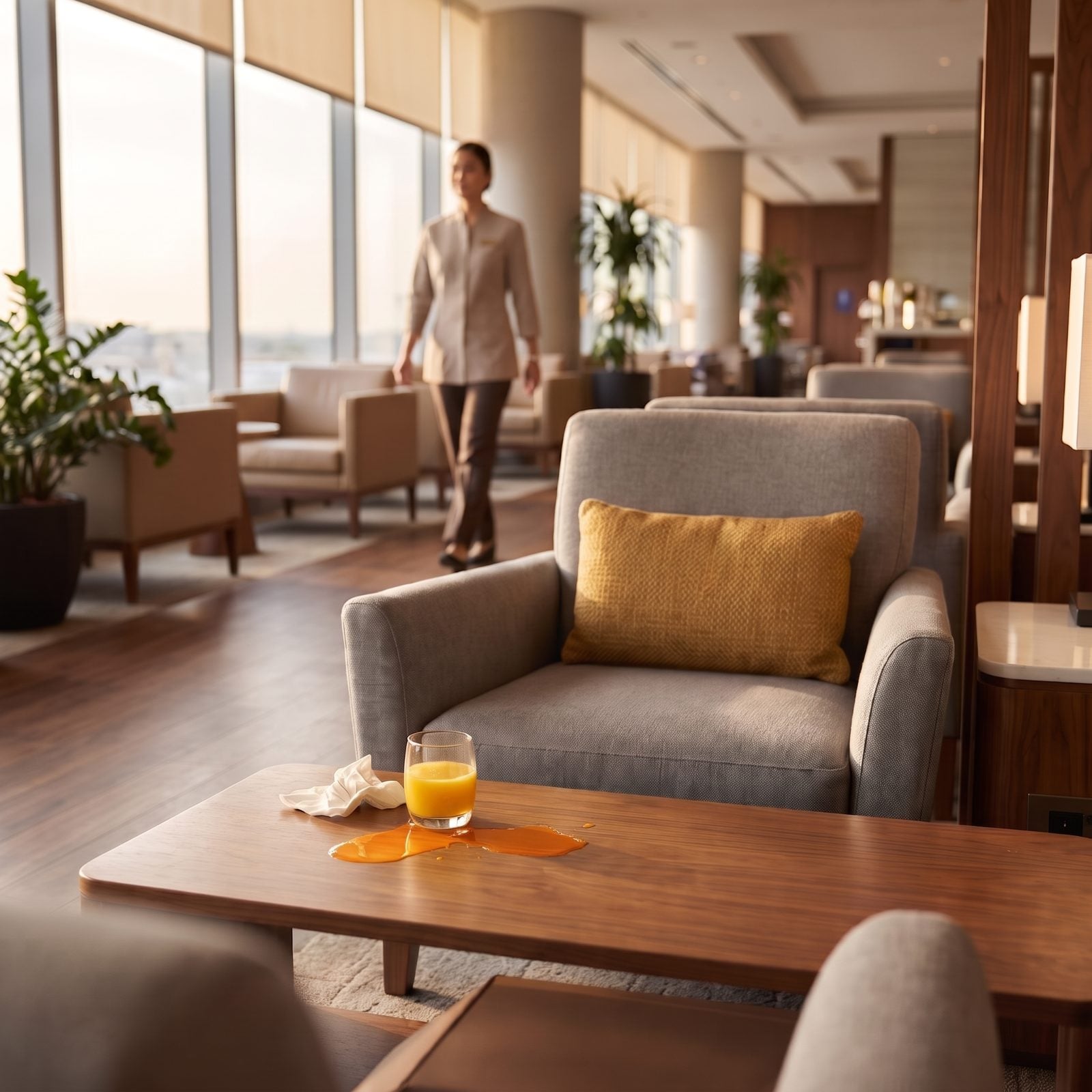
A glass tips. Orange juice pools across the coffee table, you dab it once with a napkin, leave the crumpled napkin beside your glass, decide it’s handled, and drift off to your gate.
Half-cleaned spills become sticky floors, stained upholstery, and a slip hazard for the next person through. The attendant who finds it an hour later now has a real job on their hands instead of a quick wipe.
Tell someone immediately. One sentence: “I’ve had a spill at table twelve, so sorry.” That’s it. Lounge staff deal with this constantly and would always rather hear about it fresh than discover it dried and set. Reporting it is the courteous move, not an admission of guilt.
7. Occupying a Nap Pod Beyond Its Time Limit
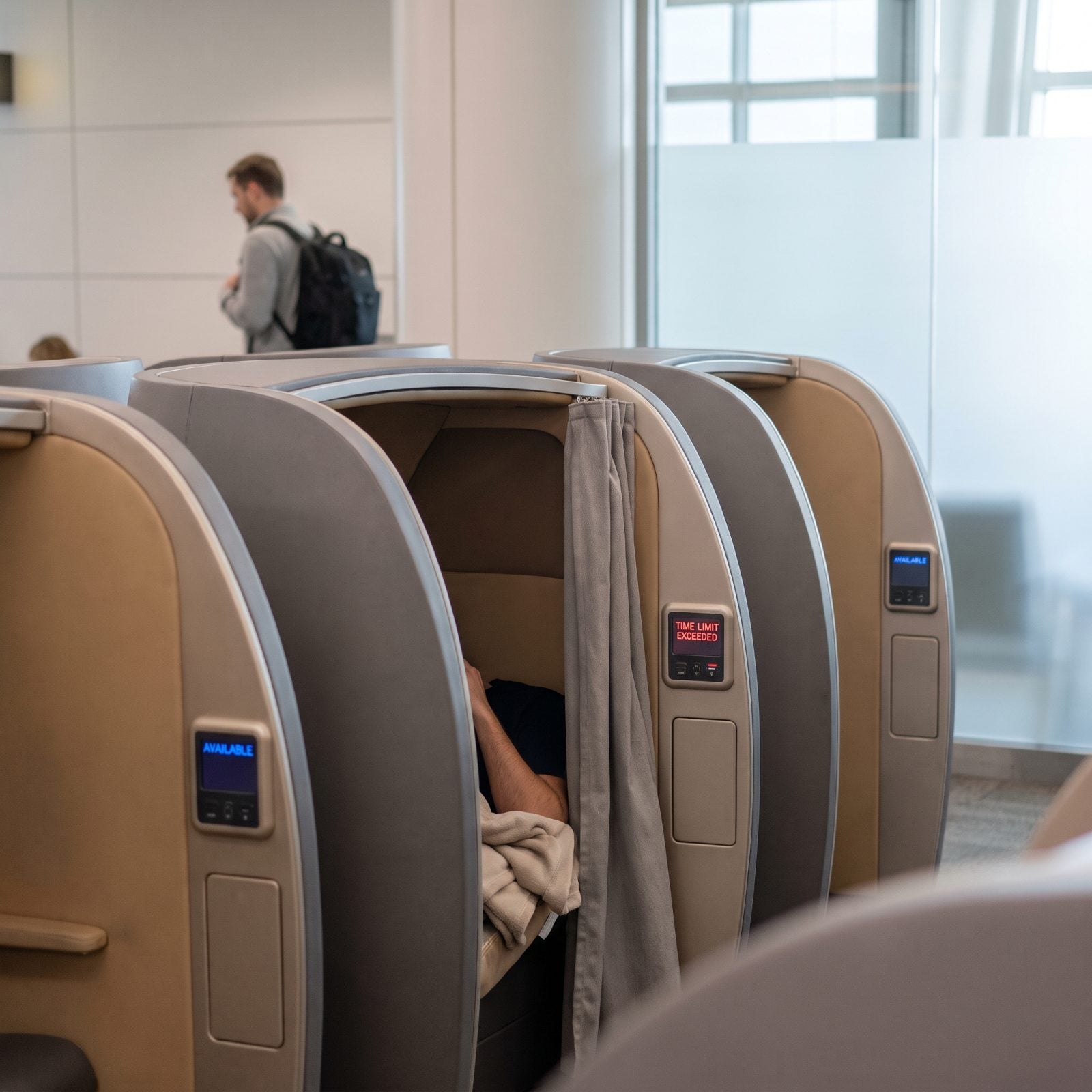
The nap pod is a gift — forty blissful minutes of horizontal in a vertical world. Your slot ends, the alarm chimes, and you hit snooze on the whole arrangement because you were finally comfortable.
Those pods run on tight rotations, often booked back-to-back. Overstaying means someone who reserved the next slot is standing outside, watching the clock, with nowhere to go.
Set your own phone alarm five minutes before your slot ends. Wake, gather your things, clear out on time. Need more rest? Rebook a fresh slot if one’s open rather than squatting on your current one. The next tired traveler is you on a different day.
6. Letting Children Run Unsupervised
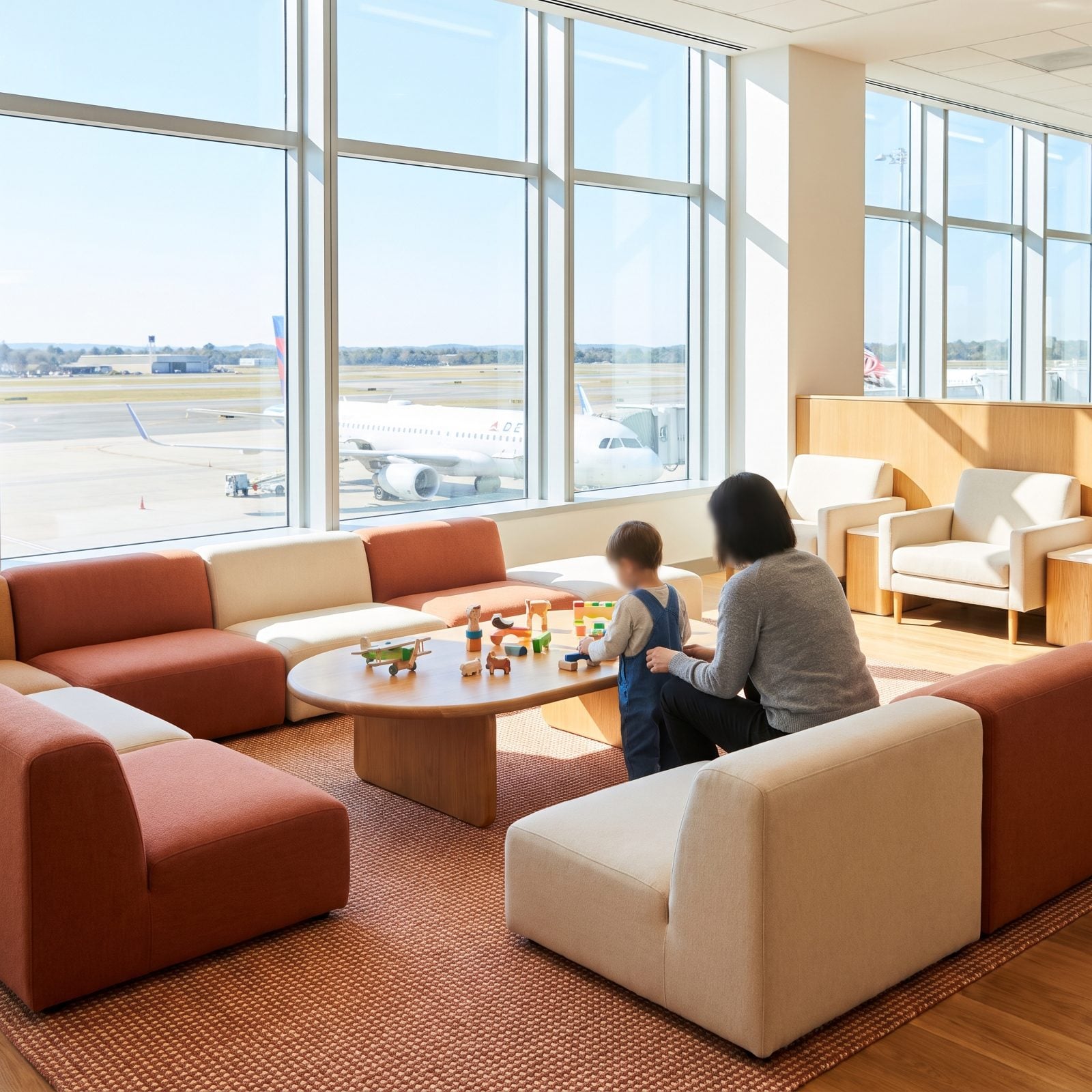
Lounges are tempting for kids. Open space, buffet tables at grabbing height, long corridors begging to be sprinted down — so the little ones get the run of the place while the adults finally exhale into a chair.
Unsupervised children near hot drink stations, glass partitions, and other travelers trying to work quietly is a problem waiting to happen, for them and for everyone around them.
Keep kids within arm’s reach, especially near the food and beverage areas. Many lounges have a dedicated family or play zone, and that’s where the energy belongs. A pack of quiet entertainment in your bag buys you more calm than any apology to a startled neighbor ever will.
5. Changing a Diaper on Lounge Seating or Tables
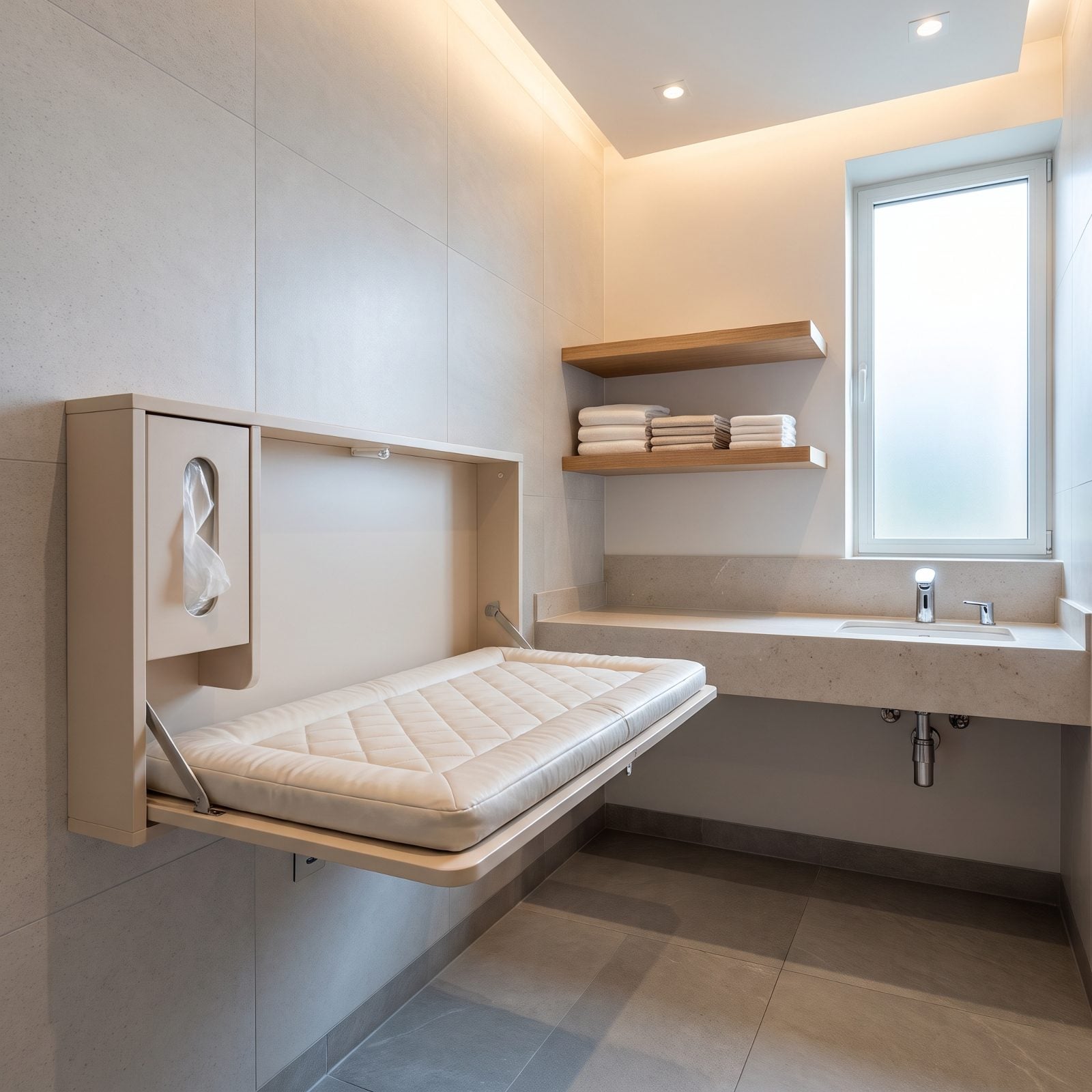
The baby needs changing and the nearest restroom feels miles away, so the lounge sofa or a dining table becomes the improvised changing mat. It feels practical in the moment. It lands badly for everyone nearby.
Shared seating and eating surfaces are exactly that — shared, and used for eating. A diaper change there is a hygiene issue nobody wants to be downwind of.
Find the dedicated baby-change facility. Almost every modern lounge has one, or the restroom just outside does. Ask reception on the way in: “Where’s your baby-change?” Thirty seconds of planning spares the whole room and gives you a proper surface with a bin right there.
4. Filming Other Guests Without Permission
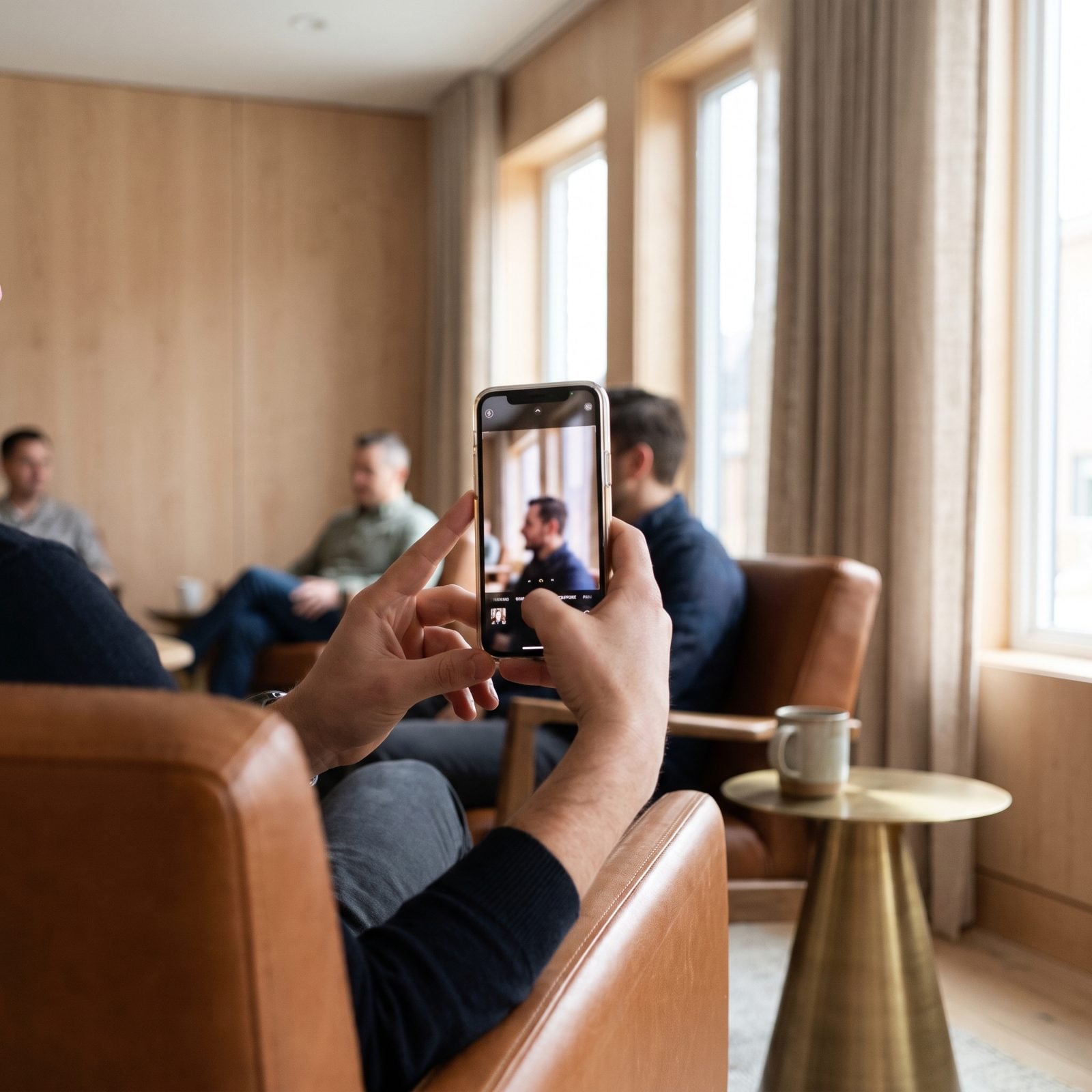
The lounge looks fantastic and your camera comes out for a sweeping video for the feed. The trouble is that other people — mid-meal, mid-nap, mid-work call — are now unwilling co-stars in your content.
Plenty of travelers are in lounges precisely to decompress in private, and some are there for reasons they’d rather not broadcast. A stranger’s lens pointed their way reads as a genuine intrusion.
Frame your shots at the space, not the people. Wide on the empty window, the coffee station, your own table. If someone would be clearly recognizable, wait until they’ve moved or ask first. Most folks are happy to oblige when you ask. Almost nobody is happy to be caught.
3. Wandering Into a Restricted Premium Section
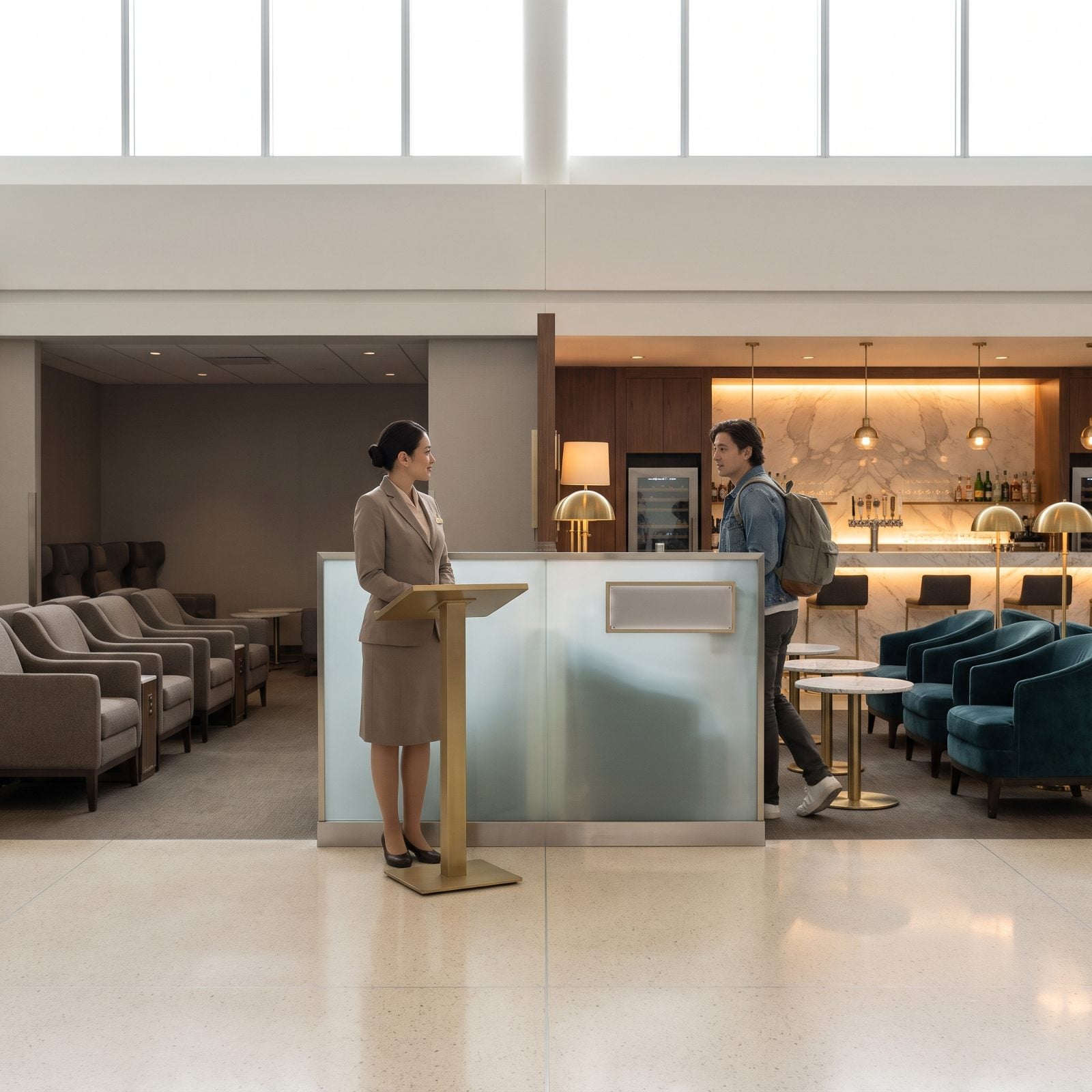
You spot the marble bar behind the reception desk, the teal velvet chairs, the brass lamps. It looks nicer, so you stroll straight past the desk onto the lounge floor and settle in as though you belong.
Premium sections run on separate access tiers — first-class tickets, top-status cards, paid upgrades. Wandering in past your entitlement puts a host in the awkward position of walking over to ask you to leave, in full view of the room.
Check your access when you arrive. Ask reception plainly: “Which areas can I use with this card?” They’ll tell you exactly where the line sits, and you get to enjoy everything you’re entitled to without the quiet dread of a tap on the shoulder. Want the velvet section? There’s usually a day-pass upgrade at the desk.
2. Drinking Too Much Because the Alcohol Is Complimentary
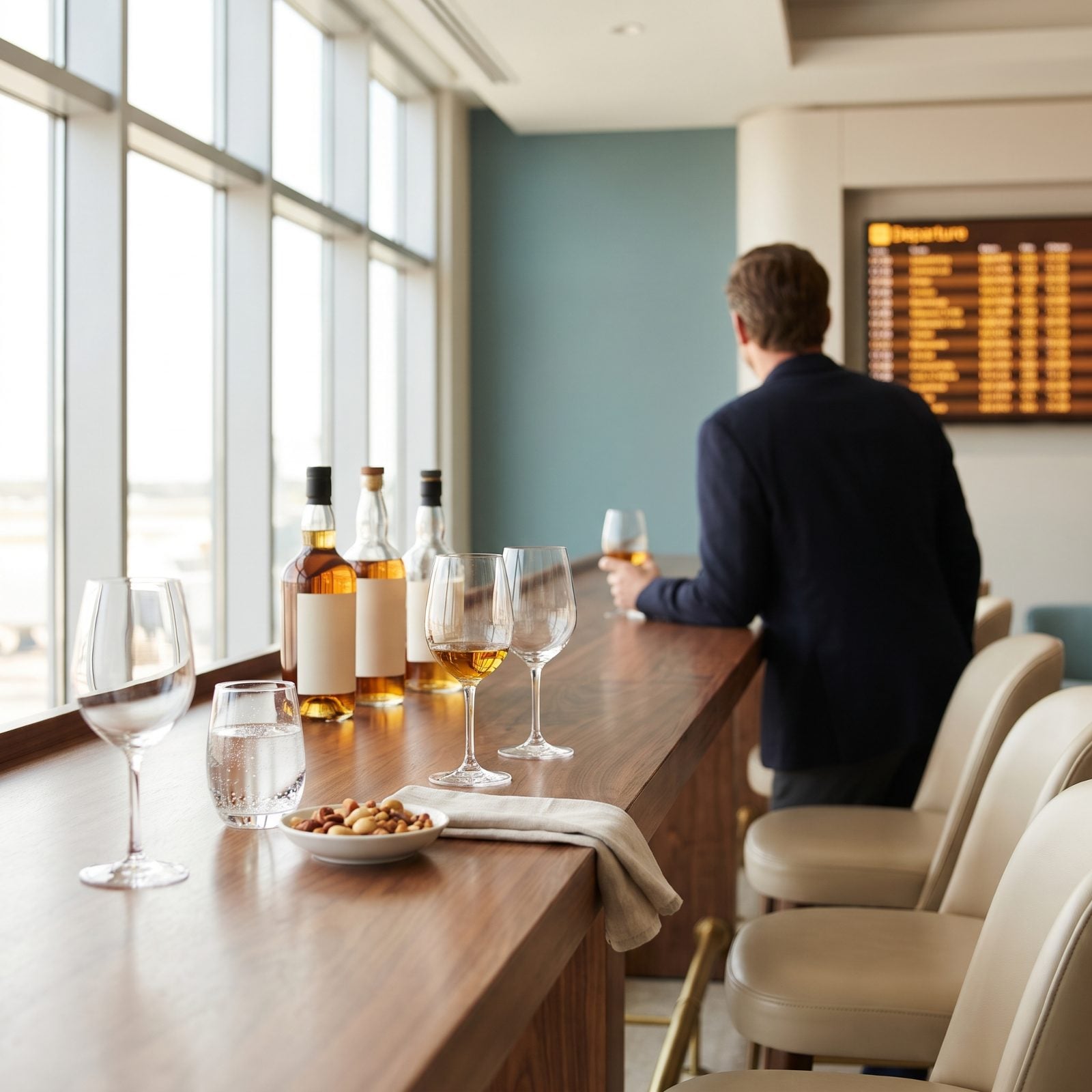
The bar cart is stocked, nobody is ringing anything up, and the bottles beside your armchair keep asking if you’d like another. Three glasses of whiskey before a morning flight start to feel like a perk you’d be foolish to skip. Then the lounge gets quieter, your pours get bigger, and the walk to the gate takes on a slight curve.
Free drinks still count. Nobody is ringing up your pours, so the only limit is the one you set. The bigger risk waits at the gate: airlines can refuse to board a passenger who appears intoxicated, and no well-stocked bar cart gets you back on that plane. Dry cabin air and lower cabin pressure tend to make a few drinks feel stronger and the next morning rougher.
Seasoned travelers treat the bar cart like a nice restaurant, not a challenge. One drink with a proper plate of food, a glass of water alongside it, and they stop well before the boarding call. You arrive at your destination feeling like you traveled well, not like the bar cart got the better of you.
1. Wheeling a Suitcase Through the Buffet Line
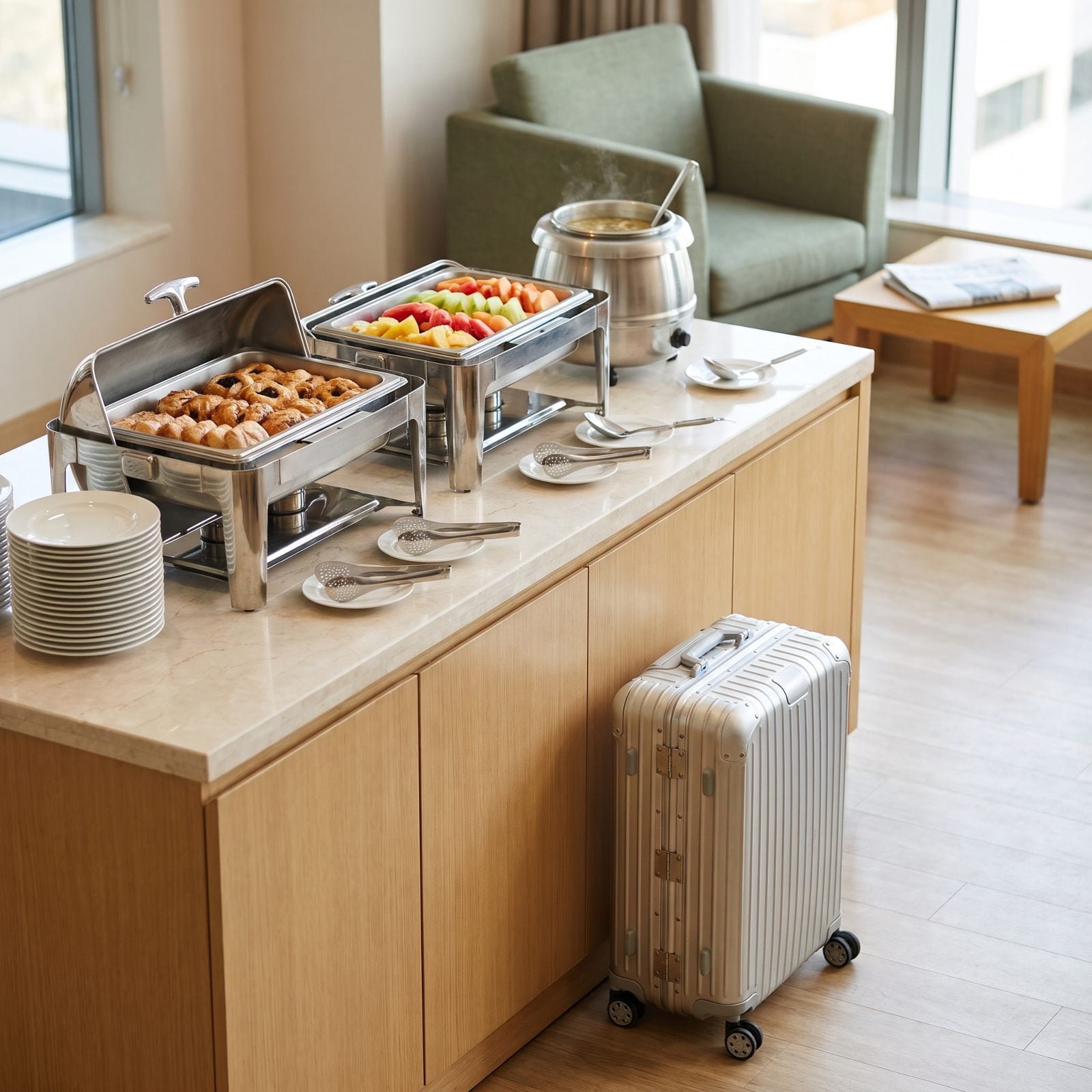
You’ve seen it. Somebody steams into the buffet dragging a hardshell roller, then parks it broadside across the tongs while they agonize over fruit versus croissants. The line backs up. Nobody can reach the plates, and the soup ladle is now a hostage.
Why does it backfire? A lounge buffet is a narrow channel, and a wheeled bag turns one traveler into a roadblock that everyone behind has to shuffle around. You can’t serve yourself properly with one hand clamped on a suitcase handle either, so you rush, you spill, and you walk off without the thing you actually came for.
The regulars know better. Park the bag first. Tuck your roller beside a chair or against a wall near your seat, then walk to the buffet with empty hands. Plate your food at a human pace and carry it back. Your bag isn’t going anywhere, and you’ll taste the meal instead of inhaling it while a dozen people glare at your spine.
Please note that some of the imagery in this article were created with the aid of AI image generators.