

🔥 Would you like to save this?
In 1974, a passenger could arrive at LaGuardia shortly before an Eastern Air Shuttle flight to Boston, buy a ticket at the airport, and catch the next departure if the first one was missed. Security, identification, ticketing, and boarding all worked differently.
That world is gone, and parts of it deserved to disappear. But travel advice has a habit of surviving long after the conditions that created it. A useful rule becomes a slogan, the slogan becomes family wisdom, and thirty years later someone is still clearing browser cookies before checking a fare.
Many familiar travel rules are not completely wrong. They are simply too broad for the way people travel now. These 20 examples show where the old advice still helps, where it fails, and what matters more today.
21. “Always Book Flights on Tuesday” Was Once Useful Advice

The rule has a real history, which is why it has lasted. Airline sales once followed more predictable filing and matching cycles, and Tuesday sometimes provided a useful window for comparing recently adjusted fares.
That system has largely given way to dynamic pricing. Airlines can now reprice seats repeatedly as demand, inventory, competition, route performance, and departure dates change. The difference between booking on one weekday and another is often smaller than the difference between flying on a busy day and flying during a quieter period.
The better strategy is to track the route, set a fare alert, compare nearby dates, and pay attention to the day you travel. A Tuesday booking is not magic. Flexibility is.
20. Why “Never Check a Bag” Is Not a Universal Travel Hack
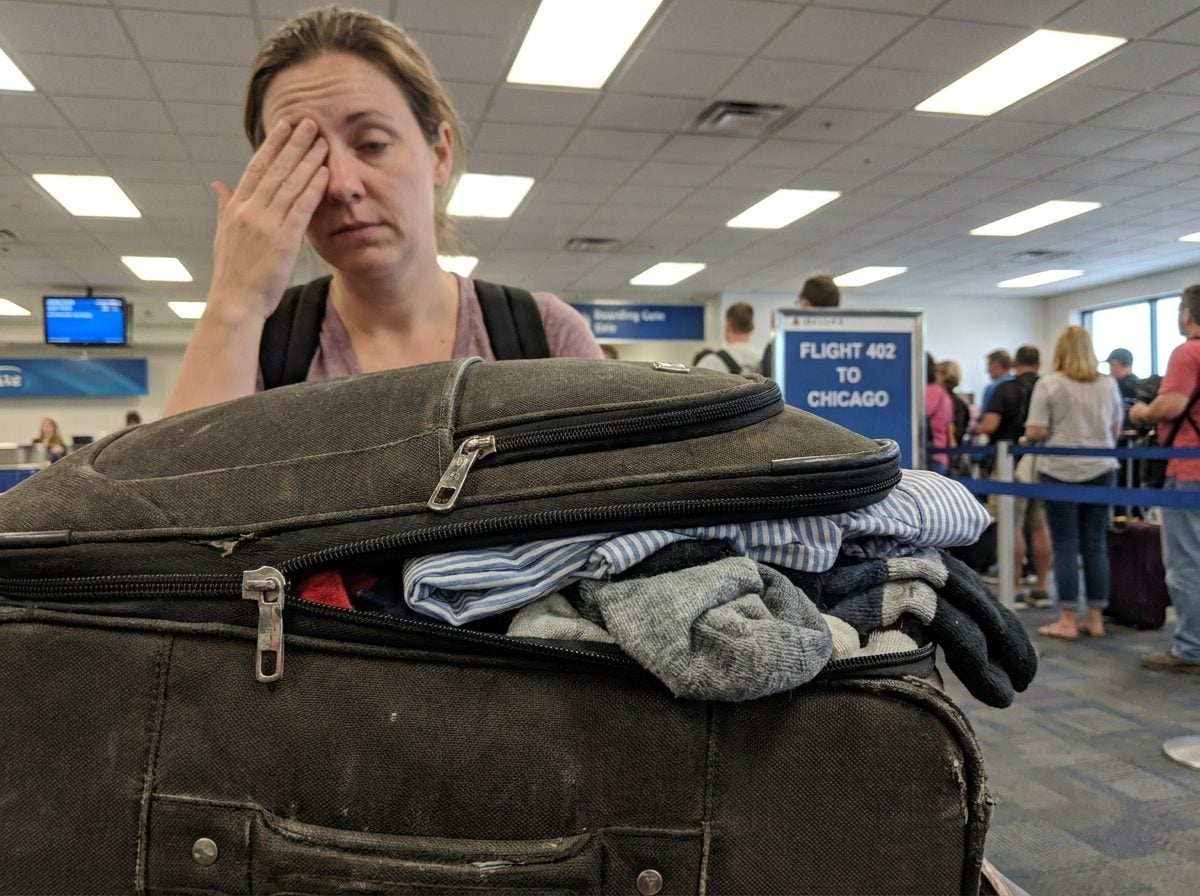
The advice became popular when major U.S. airlines began charging for checked luggage and travelers discovered how much time could be saved by walking past baggage claim.
Carry-on-only travel still makes sense for short trips, simple itineraries, and travelers who pack lightly. It becomes less appealing when a bag must hold two weeks of clothing, multiple climates, formal events, medical supplies, or anything that cannot pass through the cabin liquids rules.
Mishandled baggage is real, but the category includes delayed, damaged, lost, and pilfered bags. A low reported mishandling rate does not guarantee that every other bag arrived on the correct carousel at exactly the promised time.
Check a bag when the packing compromises cost more than the fee. Carry on when mobility and speed matter more. The smart choice belongs to the trip, not to an identity built around a 22-inch roller.
19. Clearing Browser Cookies Before Booking Has Little Evidence Behind It

The modern cookie theory grew partly from a 2012 report that Orbitz showed Mac users pricier hotel options more prominently. Orbitz was not charging two users different prices for the same room. It was changing the order in which results appeared.
Controlled studies have found limited evidence that major airline sites raise fares simply because one traveler searched repeatedly from the same browser. Prices do move during a search, but the more common explanation is that lower fare inventory disappeared, the market changed, or the site refreshed with a different combination of flights and conditions.
Personalized pricing technology exists in other industries, and regulators continue to examine how companies use browsing, location, and behavioral data. That is different from proving that an airline increased one specific fare because a traveler checked it three times.
Use a private window if it makes comparison easier. Do not treat it as a substitute for fare alerts, date flexibility, or checking multiple sellers.
18. “Always Take the First Flight of the Day” Comes With Trade-Offs

Early flights often have an operational advantage. The aircraft and crew may already be in place, and the delays that build across a day have not yet accumulated.
That does not make the earliest departure the right call for every traveler. A 6 a.m. flight may require a middle-of-the-night alarm, an airport hotel, a costly pre-dawn ride, or a first vacation day spent recovering from broken sleep.
Take the earliest flight when the schedule matters, a connection is tight, or the route is vulnerable to afternoon weather. Take a later one when sleep, ground transportation, and the condition in which you arrive matter more.
17. Avoiding Every Layover Is Not Always Faster or Less Stressful
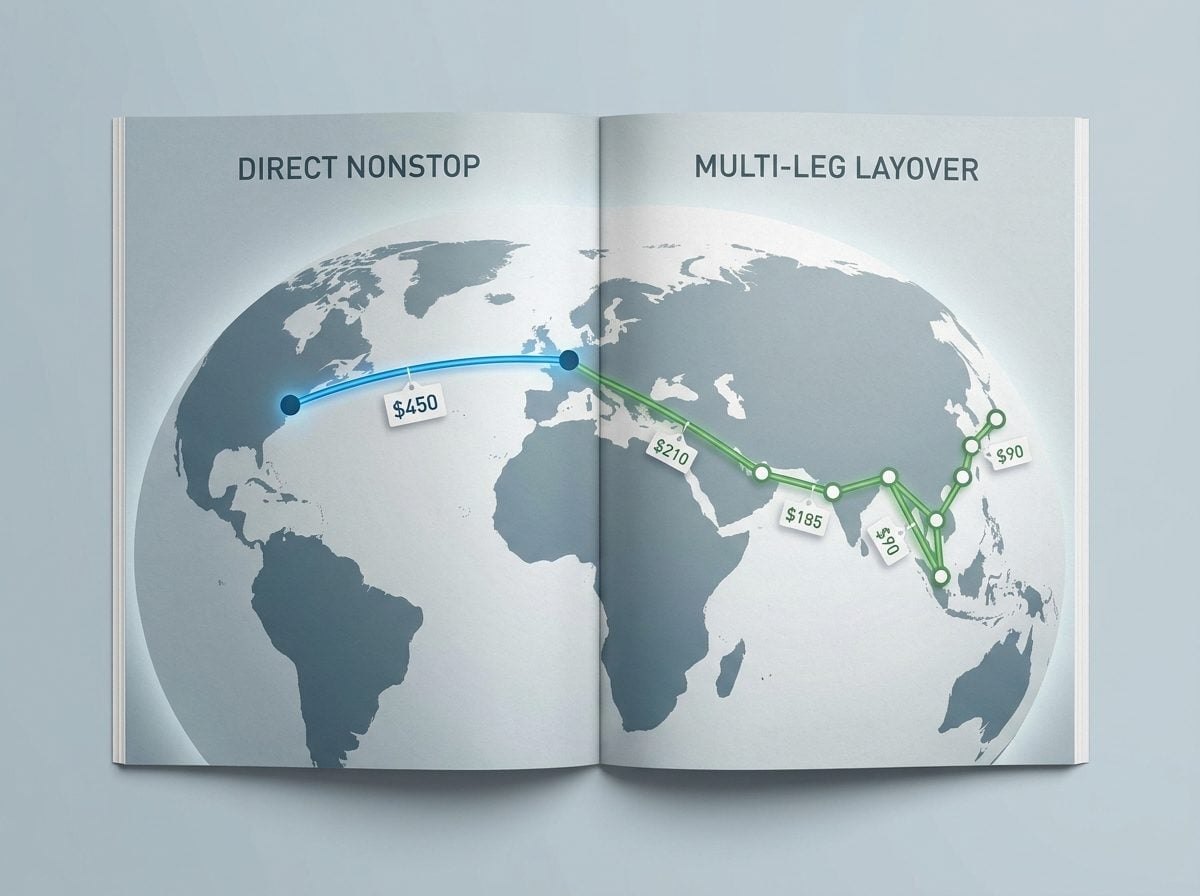
A nonstop flight is usually simpler. It removes a connection, lowers the chance of a missed onward flight, and gets the traveler to the destination with fewer moving parts.
It can also cost considerably more. Some airlines turn a connection into a stopover, allowing travelers to spend a few days in a hub city without buying a separate long-haul ticket. Icelandair has long promoted stopovers in Iceland, while other carriers have offered similar programs in cities such as Istanbul, Dubai, and Singapore.
The important distinction is between a useful stopover and a fragile connection. A planned stay in Reykjavík is not the same as forty-five minutes at O’Hare during a winter storm.
Stop treating every connection as a failure. Judge the airport, schedule, minimum connection time, weather risk, and whether the stop adds something worthwhile.
16. Printing Every Boarding Pass Is Mostly a Pre-Smartphone Habit
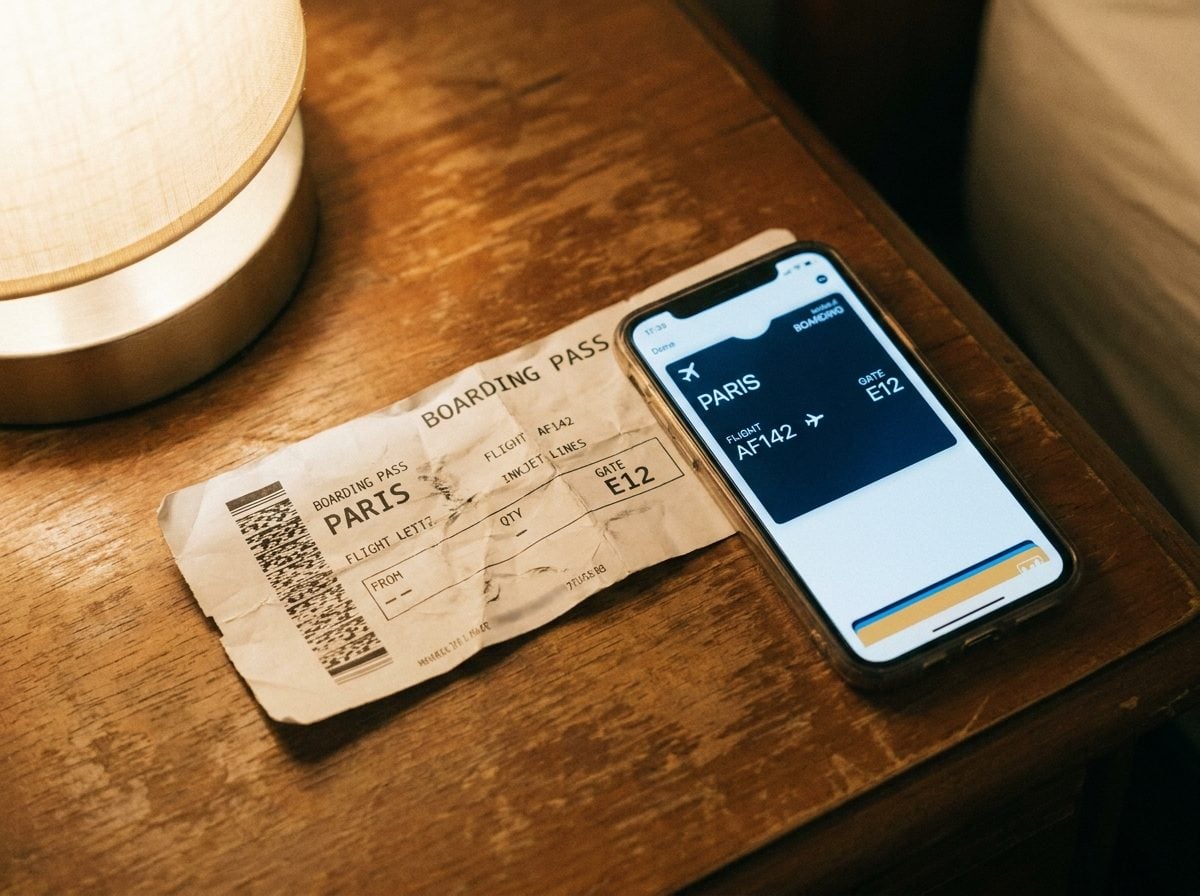
Print-at-home boarding passes were a genuine improvement when they became common. They reduced time at the airport and allowed passengers to arrive with a usable document already in hand.
Mobile boarding passes now perform the same job for most trips. The practical move is to save the pass to a digital wallet or download the PDF before leaving home. A screenshot can provide another backup when the airline app or airport connection refuses to cooperate.
Paper still has a place. Some airports, immigration procedures, charter operations, and document-check systems continue to require or strongly favor a physical pass. A printed copy may also be useful for a complicated international itinerary.
Print when the route has a known paper requirement or when a backup would reduce stress. A domestic flight with a phone in hand rarely needs the office printer anymore.
15. You Usually Do Not Need to Exchange Currency Before Leaving Home

Travelers once bought foreign currency and travelers checks before departure because international card acceptance and ATM access were limited.
That infrastructure changed. Bank ATMs, credit cards, and mobile payments are now widely available in many destinations. For travelers with a low-fee debit card, withdrawing a modest amount from a bank-owned ATM after arrival can be cheaper than buying a large bundle of cash at home.
The details matter. Home banks use different exchange rates and fees. Foreign ATMs may add local charges. Some debit cards impose international transaction fees, while others reimburse ATM costs.
One rule remains useful: when an ATM or card terminal offers to convert the transaction into dollars, decline that conversion and choose the local currency. Dynamic currency conversion usually produces a worse rate.
Carry a small backup amount when arrival is late, the destination is cash-heavy, or the first ATM may not be reliable. There is no need to turn the kitchen table into a currency desk two weeks before every trip.
14. “Never Eat at the Airport” Is Too Broad for Modern Terminals
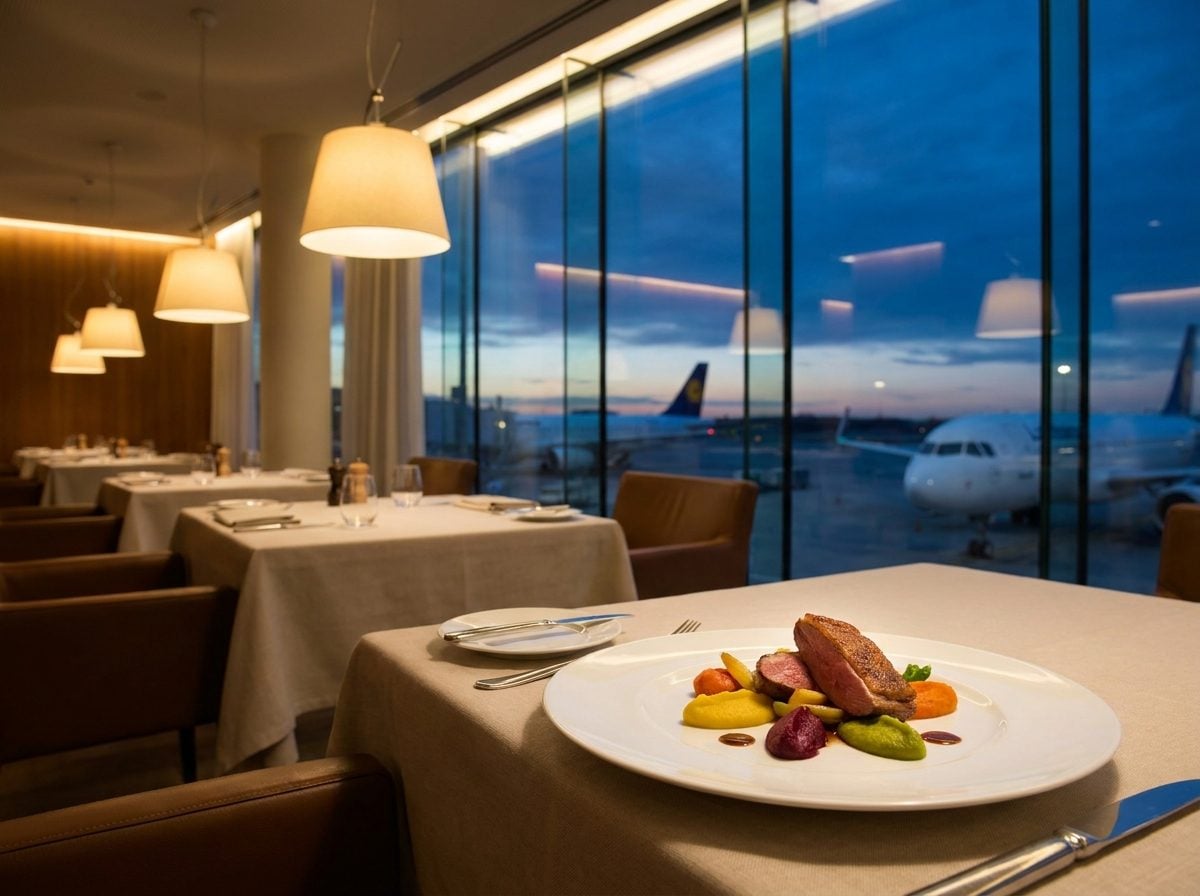
Airport food once meant a tired sandwich, scorched coffee, and a price that felt like punishment.
Some terminals still deserve that reputation. Others have recruited respected local operators and chefs, turning concessions into a recognizable part of the city. Good airport restaurants now exist beside the generic chains, and several airports regulate how far concession prices can exceed comparable street prices.
The useful question is not whether the restaurant sits beyond security. It is whether the food, price, timing, and terminal are worth it.
Check the current airport directory before traveling because concessions change. Eat before leaving home when the terminal is weak. Build in a meal when the airport has something genuinely good and the schedule allows it.
13. Packing for Every Possible Emergency Makes the Suitcase Miserable

The old instinct is to pack for every trip that might occur instead of the one actually booked. A second pair of formal shoes. A heavy sweater for Rome in June. A travel iron. Two umbrellas. A cardigan to back up the wrap that already backs up the jacket.
Then the suitcase weighs nearly fifty pounds and the same three outfits carry the trip.
Uncertainty encourages overpacking because unusual problems are easier to imagine than ordinary weather and repeat outfits. That does not require a specialized behavioral-economics label. It is simply the mind giving too much weight to vivid possibilities.
Pack for the forecast, the itinerary, and one reasonable surprise. Confirm whether laundry is practical rather than assuming it will be. Buy common toiletries locally when that is easier than carrying them.
A second blazer will not fix a lost wallet or a delayed flight. It will make the stairs at the train station harder.
12. The Window Seat Is Not Automatically Best on Every Flight
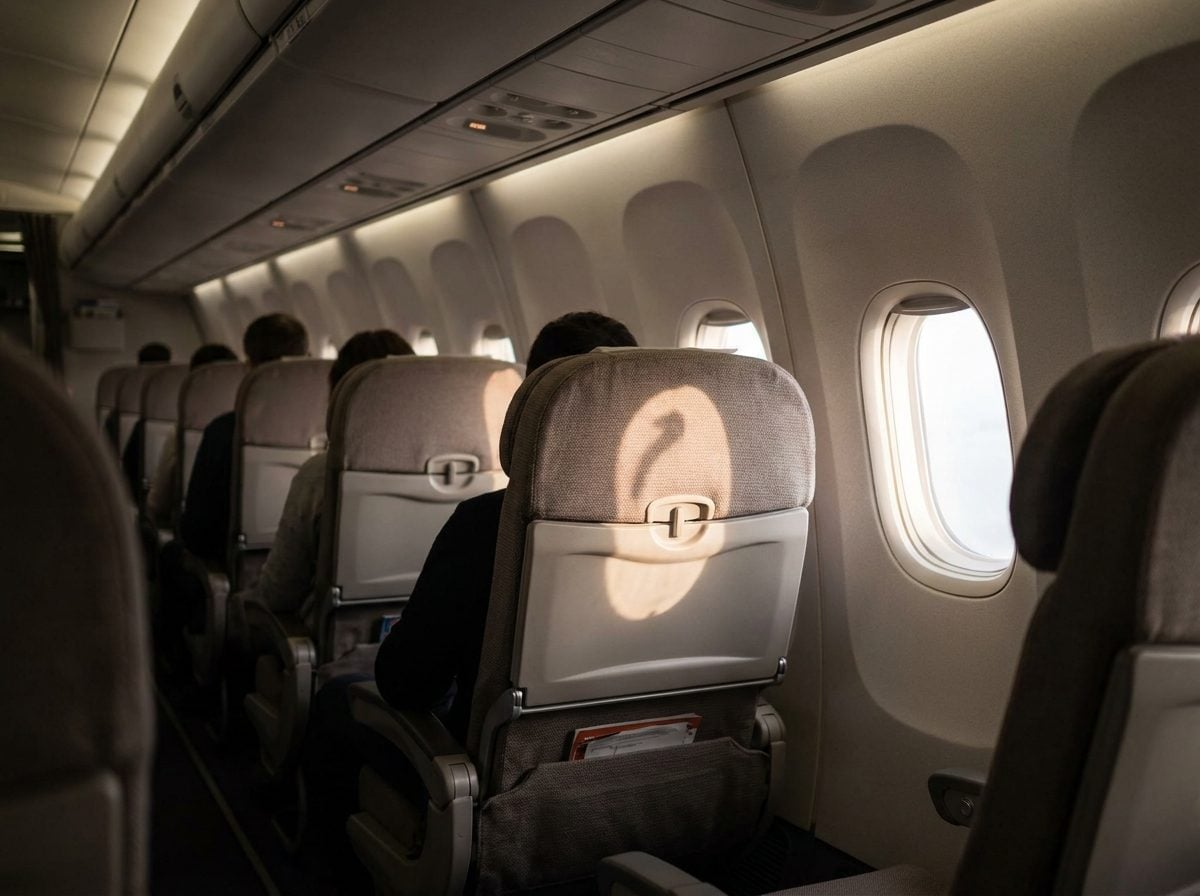
The window seat often begins as a childhood loyalty. The clouds looked like continents, the wing moved, and the decision was never revisited.
On a short daytime flight, the view may still earn the inconvenience. On a long overnight trip, an aisle seat can make it easier to stand, stretch, and reach the restroom without negotiating with two sleeping strangers.
Aircraft configuration matters more than a universal row number. Window alignment, exit-door equipment, missing windows, and legroom vary by airline, aircraft subtype, and cabin layout. Check the airline’s current seat map and recent aircraft-specific information rather than relying on a generic Boeing 737 rule.
The window is not wrong. It is one option among several, and the right one changes with the flight.
11. Loyalty to One Airline Does Not Always Produce the Best Value

🔥 Would you like to save this?
Frequent-flyer programs once made a simple promise: fly often enough and the airline would provide a predictable reward.
Many programs now tie earning and status more closely to spending. Dynamic award pricing has also made the number of miles needed for a flight less predictable.
None of that erases the benefit status can still provide: checked bags, better seats, lounge access, upgrade opportunities, and help during irregular operations. Partner awards can also remain valuable.
The mistake is paying a large premium merely to protect a points balance or maintain a habit. Compare the cash fare, award price, baggage rules, schedule, and benefits on the trip in front of you. Loyalty should reward useful behavior, not require expensive obedience.
10. Travel Insurance Depends on the Financial Risk of the Trip
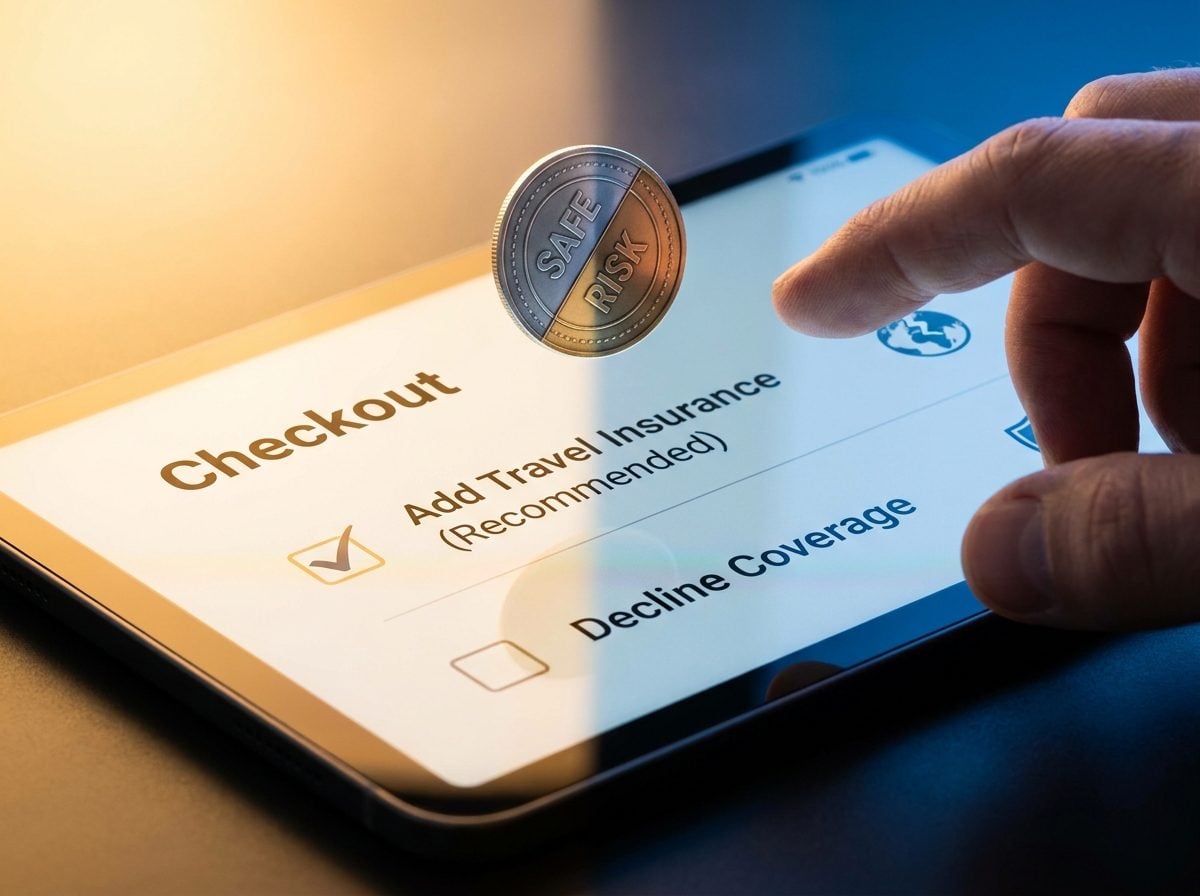
The small insurance box at checkout encourages travelers to treat coverage as either mandatory or pure upsell. Neither approach is useful.
A short domestic trip with refundable reservations may expose the traveler to little unrecoverable cost. A cruise, remote hiking trip, expensive international itinerary, or vacation with large nonrefundable deposits creates a different level of risk.
Medical coverage deserves particular attention. Original Medicare generally offers only limited coverage outside the United States, with narrow exceptions. Medigap, Medicare Advantage, employer, provincial, and private health plans vary, so travelers should confirm their actual benefits rather than assume they are covered or uncovered.
Emergency evacuation can be extremely expensive, especially from ships and remote regions. The appropriate limit depends on the destination and activity. Read the exclusions, existing-condition rules, evacuation terms, and coverage limits instead of buying the airline’s default policy without comparison.
9. “Avoid Tourist Restaurants” Can Make You Miss Good Meals
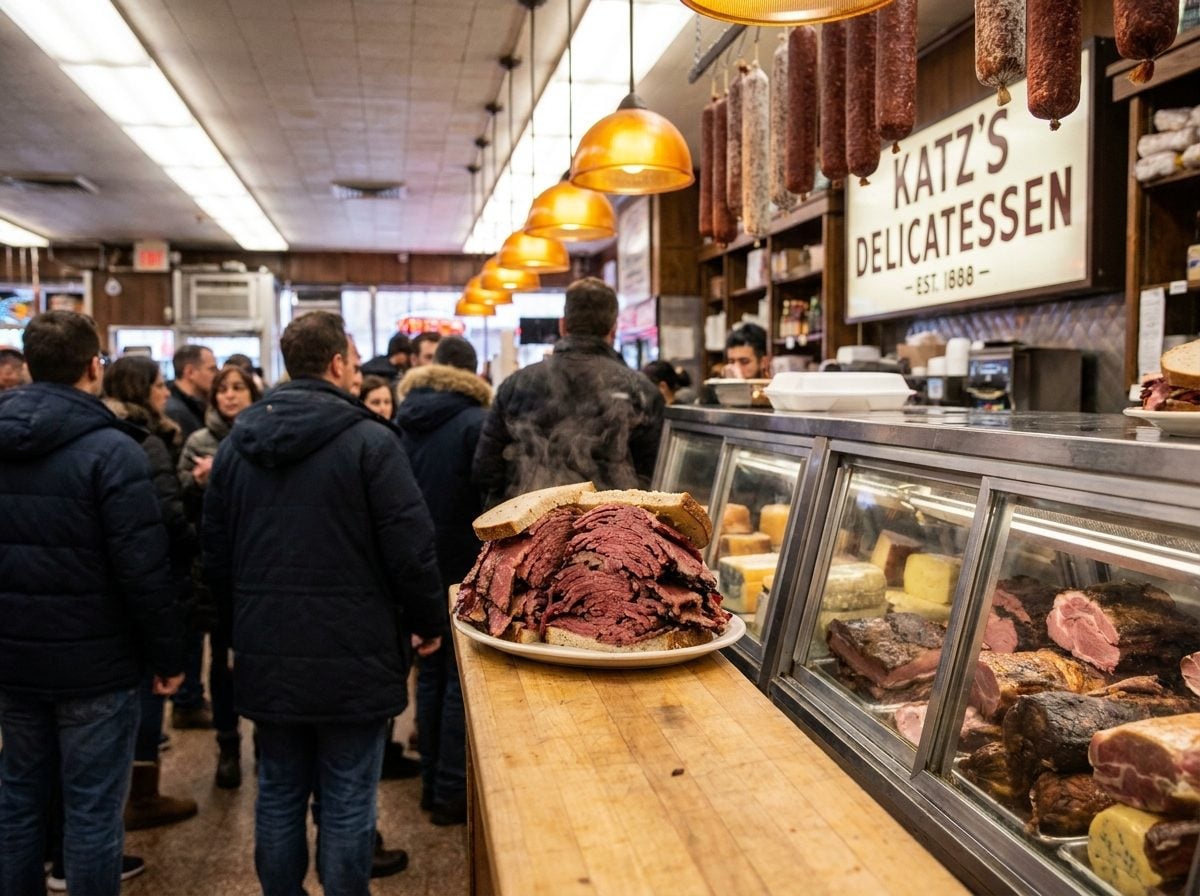
Katz’s Delicatessen in Manhattan attracts tourists because generations of visitors have heard about it. That does not automatically make the pastrami bad.
The warning against tourist restaurants began with a real problem: businesses in high-traffic locations serving mediocre food to customers unlikely to return. Applied too broadly, that warning turned into suspicion of every famous restaurant, tourist trade and all.
Some places are crowded because they are historic, distinctive, or very good. Others survive because of location and marketing. Longevity and a line can provide clues, but neither proves quality.
Look for the actual warning signs: aggressive hosts on the sidewalk, enormous menus in several unrelated cuisines, photographs of every plate, and a location with no repeat local trade. A restaurant can be famous and excellent. It can also be famous and disappointing. Tourist presence alone settles nothing.
8. Cash Is Not King Everywhere, but Cards Have Their Limits Too
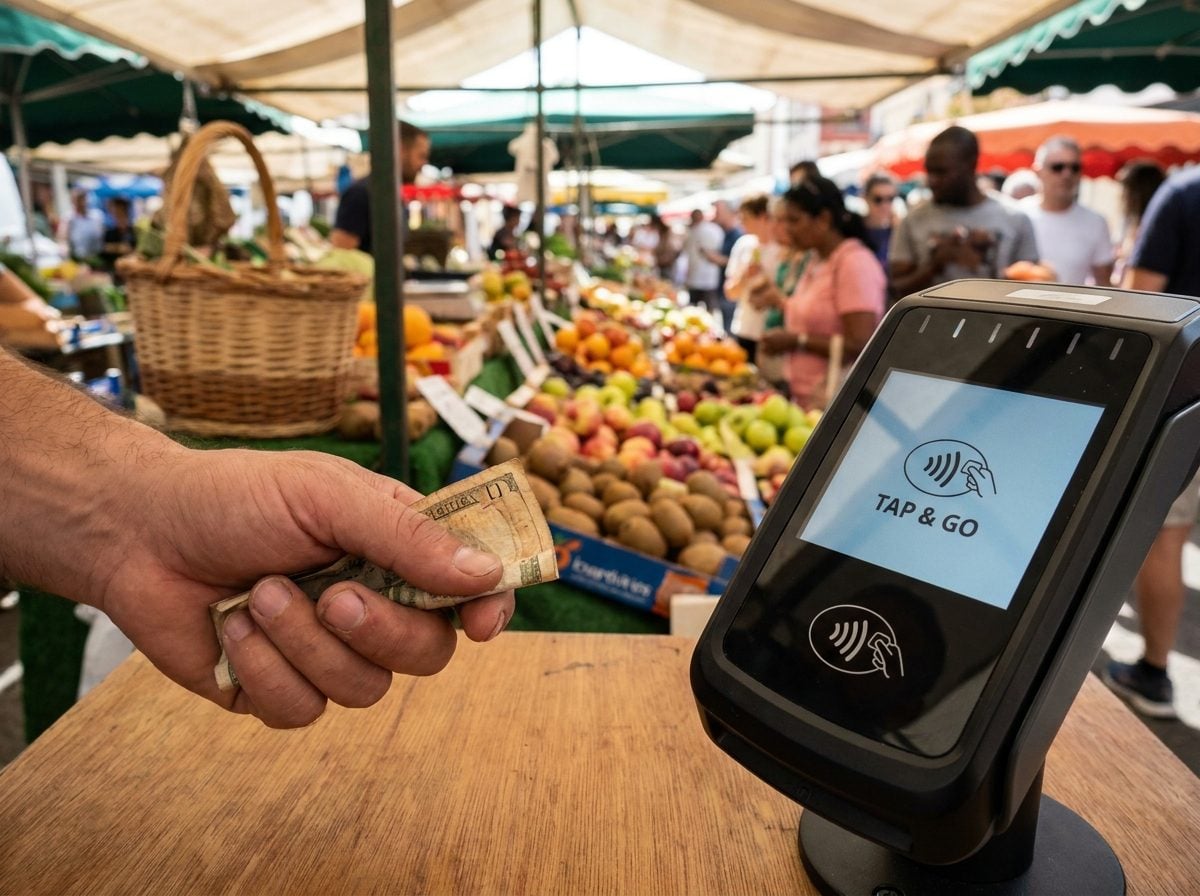
A traveler can spend days in parts of Scandinavia without using cash. Some businesses prefer cards or mobile payments, and a few no longer accept banknotes at all.
Other destinations remain far more cash-friendly. Germany and Austria continue to use cash extensively, while smaller businesses in parts of Japan, Italy, France, and elsewhere may prefer it or impose card minimums.
Comparisons require care because published figures may measure different things: transaction count, transaction value, point-of-sale use, or stated consumer preference. They should not be treated as identical statistics.
The modern rule is simple: check the destination rather than assuming. Carry enough cash to handle small purchases, transportation problems, and a broken card terminal. A thick emergency stack was standard advice in 1997, not now.
7. The Lowest Fare Is Not Always the Cheapest Trip
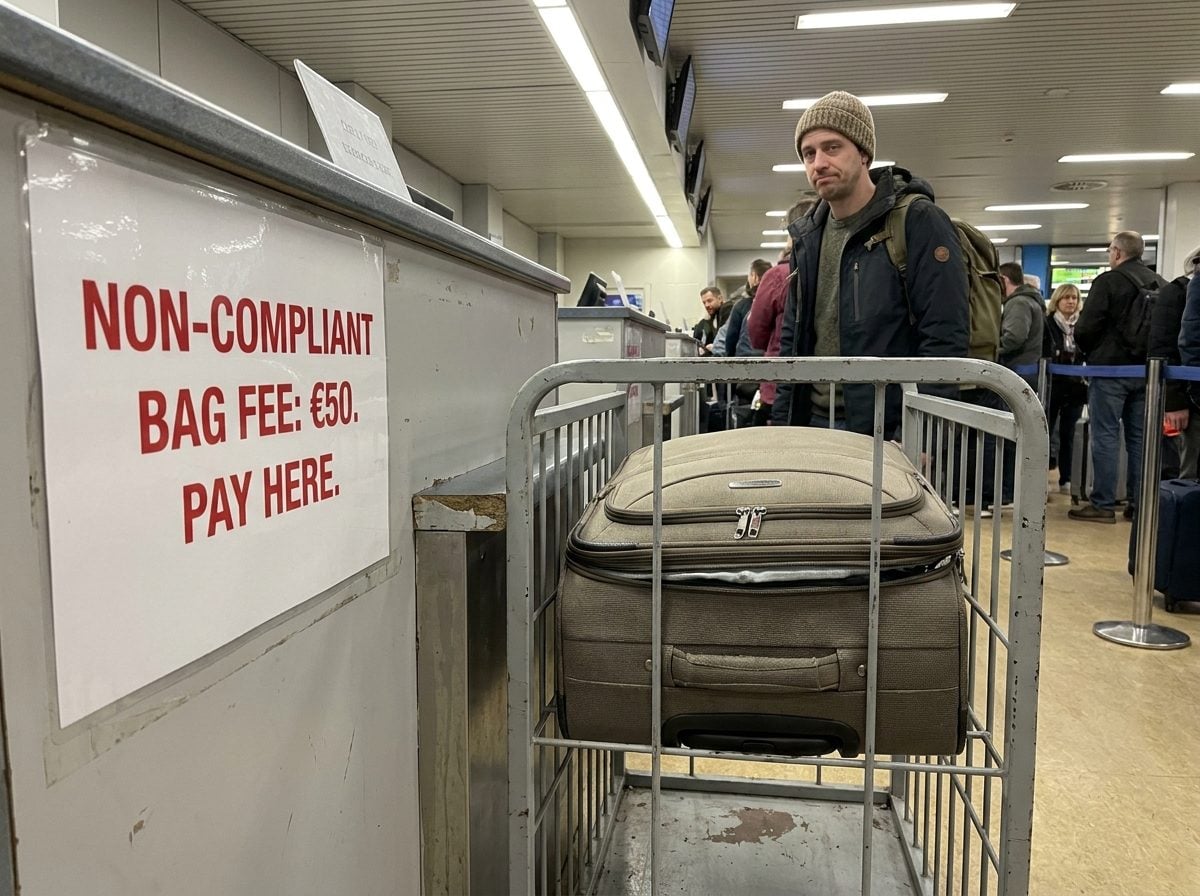
A very low fare can remain a bargain. It can also collect baggage charges, seat fees, airport-transfer costs, and strict change rules until the final trip costs more than the standard ticket listed one line below it.
The geography matters too. Frankfurt-Hahn is far from central Frankfurt, and Paris-Beauvais sits well outside Paris. A cheap flight to a secondary airport may require a paid shuttle and several extra hours. Others are much closer than their low-cost reputation suggests. Pisa International Airport, for example, sits near the city and connects quickly with the center.
Compare the full journey: baggage, seat selection, payment fees, airport transportation, schedule, cancellation terms, and the value of the time lost. The headline fare is one line in the calculation, not the answer.
6. Not Every Vacation Needs an Hour-by-Hour Itinerary

The color-coded spreadsheet can make a trip feel controlled before it begins. Nine days in Italy become a sequence of timed entries, meals, transfers, and reminders not to be late.
Some structure is essential. Popular museums require reservations. Good restaurants fill. Trains leave when they leave.
The problem begins when every open hour becomes a failure of planning. A rigid schedule can make leisure feel like another workday, especially when one delayed train destroys the afternoon.
A useful compromise is two anchors a day: one important activity and one meal or evening plan. Leave enough space between them to walk, sit, change direction, or follow a recommendation that did not exist when the spreadsheet was made.
5. The Three-Hour Rule Was Built for a Different Airport Era
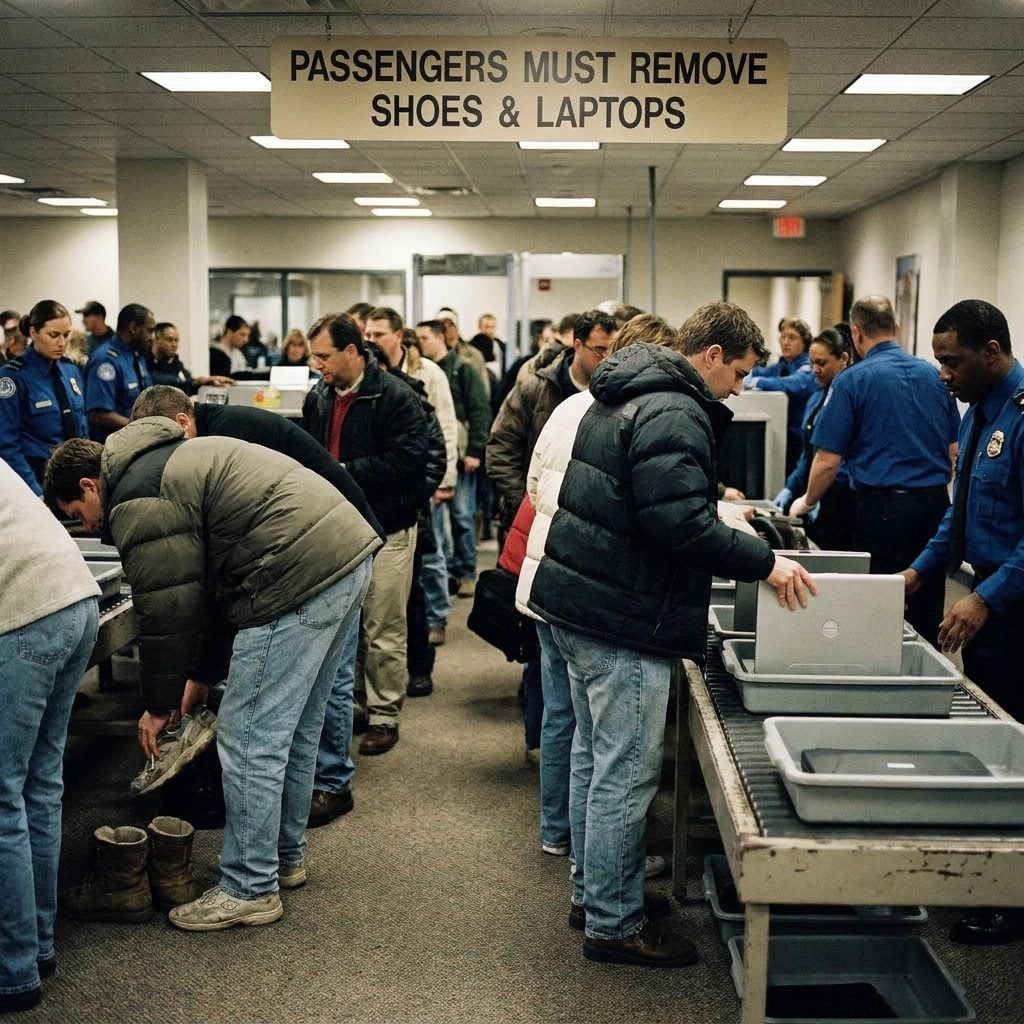
Airport screening changed rapidly after the Aviation and Transportation Security Act created the TSA in 2001. Procedures evolved, terminals struggled with new requirements, and travelers had far less information about checkpoint conditions than they do now.
Mobile check-in, electronic boarding passes, TSA PreCheck, redesigned checkpoints, and live airport information have shortened parts of the process for many travelers. That does not mean every airport is fast or that three hours is always excessive.
Official recommendations remain broad because airlines and agencies cannot calculate each passenger’s traffic, baggage, terminal, mobility, documentation, or security conditions.
Treat three hours as a conservative guideline for some international trips, not a scientific constant. The relevant question is how much time this airport and this itinerary require.
4. What Arriving Too Early Can Cost
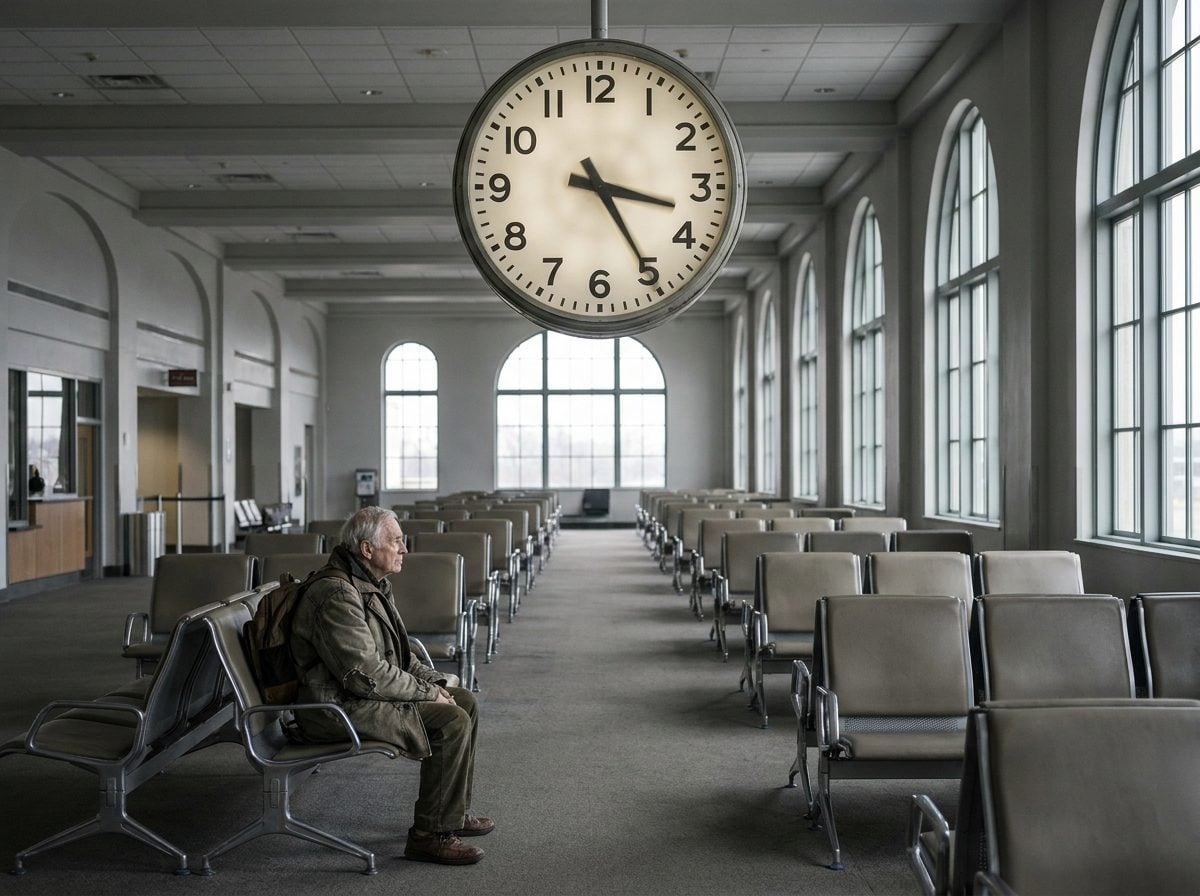
An oversized airport buffer can consume sleep, money, and a large part of the day. The cost is not always three full wasted hours because check-in, bag drop, security, walking, and boarding use some of that time.
The unnecessary portion still adds up. It may mean leaving home before dawn, paying for an airport hotel, buying a terminal meal, or sacrificing a calmer start to the trip.
Airport prices vary. Some cities require concessions to stay near comparable street prices, while other terminals charge much more. A blanket claim that every airport sandwich costs three or four times the outside price is no more reliable than the blanket travel rules this article challenges.
The goal is not to arrive late. It is to avoid paying for a buffer larger than the realistic risks justify.
3. How TSA and PreCheck Changed Airport Timing
🔥 Would you like to save this?
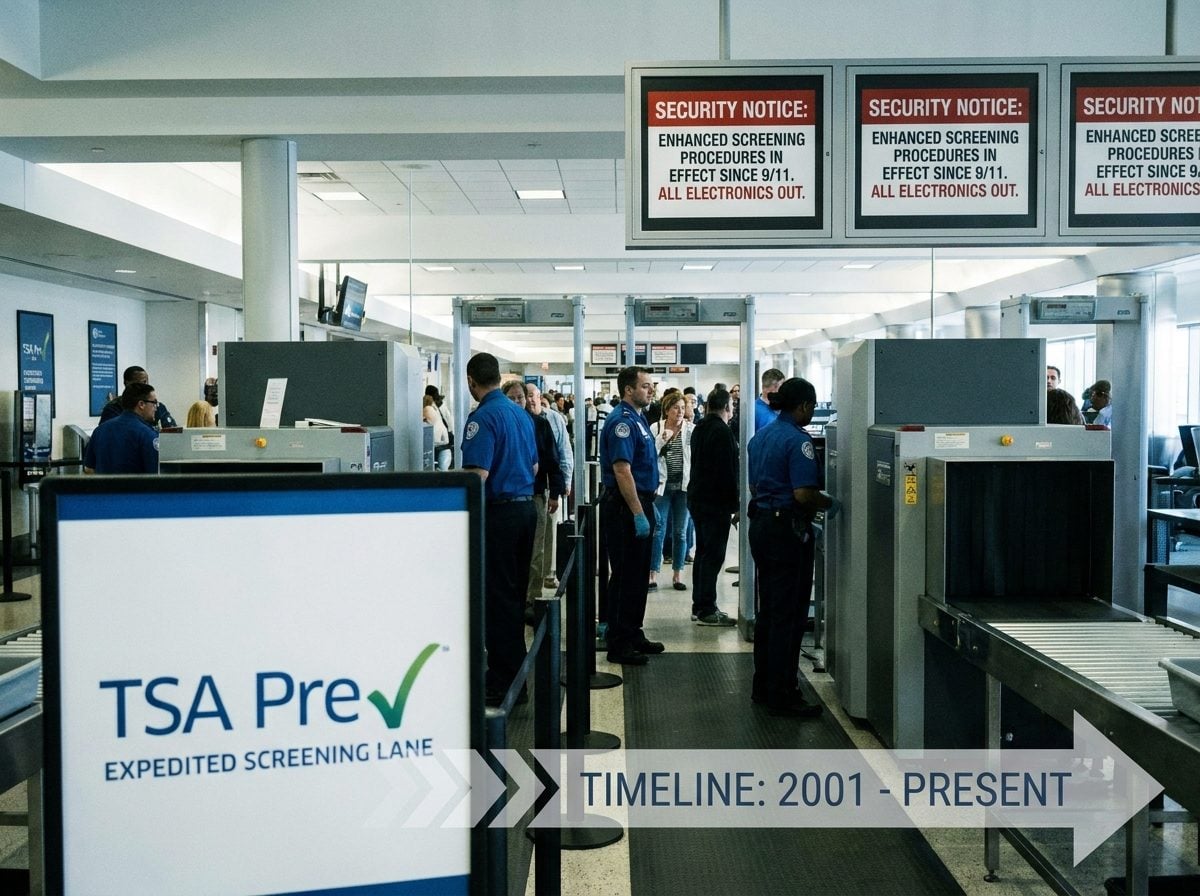
The Aviation and Transportation Security Act was signed on November 19, 2001, creating the TSA and federalizing passenger screening.
Security procedures continued to change in the years that followed. Shoe removal expanded after the Richard Reid case. Restrictions on liquids followed the disrupted 2006 transatlantic aircraft plot. Laptop, belt, and bag rules evolved as equipment and threats changed.
TSA PreCheck began as a pilot program in October 2011 and later expanded. Enrolled passengers using an operating PreCheck lane usually face fewer screening steps, although waits and lane availability vary.
The old guidance was not entirely wrong so much as unsorted. Travelers now fall into more distinct categories: a PreCheck passenger with a mobile pass and no checked bag is not moving through the same process as a traveler who needs an international document check and baggage assistance.
2. How to Time an Airport Arrival for the Trip You Are Taking

Work backward from the airline’s boarding and check-in deadlines, not merely from the scheduled departure time.
Start with the carrier’s cutoff for checking in and dropping bags. Add a realistic security estimate for that airport, terminal, weekday, and hour. Add walking time to the gate, plus a margin for parking, trains, restroom stops, mobility needs, or a checkpoint that performs worse than average.
A domestic traveler with PreCheck, no checked bag, and a familiar midsize airport may be comfortable arriving well under two hours before departure. A traveler checking bags for an international flight from a large airport during a holiday period may still need three hours or more.
Averages are useful for planning but poor guarantees. Peak-hour conditions, lane closures, traffic, and random screening can turn a normal day into an outlier.
1. The Best Travel Rule Is to Match the Strategy to the Trip
The Tuesday rule, the carry-on rule, the three-hour rule, and every other travel commandment share one weakness: they treat unlike trips as though they require the same behavior.
A domestic nonstop from a familiar airport is not the same trip as an international connection during a holiday weekend. A four-day city break is not a two-week cruise. A destination where cards dominate is not one where small restaurants expect cash.
The useful variables are often boring and specific: airport, terminal, carrier, baggage, weather, health coverage, destination infrastructure, schedule, and the cost of being wrong.
None of that fits neatly on a bumper sticker. It does produce better decisions.
Use rules as starting points. Then look at the trip actually booked and adjust.
🔥 Would you like to save this?
Please note that some of the imagery in this article were created with the aid of AI image generators.