

🔥 Would you like to save this?
The pool chair is reserved. The buffet is open. Everything is technically paid for. And somehow, people still manage to get less than half of what they came for. All-inclusive resorts are genuinely great, and they reward the people who understand how they actually work. The ones below are the moves that look fine on the surface and cost you quietly. Fix any one of them and the trip gets noticeably better. Fix several and you’ll wonder why you ever did it any other way.
31. Assuming Every Pool Is the Same Pool

The resort map shows five pools. Most guests pick the biggest one, walk past the rest all week, and never know what they missed. The adults-only lap pool near the spa tends to be half-empty by 9am. The swim-up bar pool gets loud by noon. The quiet garden pool two buildings over stays cool and shaded all afternoon.
On day one, walk every pool on the property before you claim a chair anywhere. Ten minutes of reconnaissance pays dividends all week. The best one is almost never the obvious one.
30. Never Checking Whether Your Room Category Includes Resort-Fee Perks

All-inclusive pricing is rarely as flat as it sounds. Room categories at most large resorts carry different entitlements: butler service, premium spirits, private beach sections, spa credits, a-la-carte dining access. Guests who book a base category sometimes watch the couple next door get amenities they didn’t know to ask about.
Before you arrive, read the full breakdown of what your specific room tier includes. Then, at check-in, ask one direct question: what is included at my level that I need to request to activate? The front desk will tell you. Most guests never ask.
29. Letting Jet Lag Set the Rhythm for the Whole Trip

You fly in, you’re exhausted, you sleep until 10. Then 10 becomes your new normal, and you’ve quietly handed the best part of the day to your pillow. Tropical resort mornings before 8am are a different place entirely. The beach is empty. The breakfast crowd hasn’t formed. The light is doing things it stops doing by 9.
Force one early morning, even if it costs you. Set the alarm for 6:30 on day two. Walk to the beach before the chairs fill. It resets everything, including the rest of the trip.
28. Dismissing the Spa Menu as Too Expensive Without Reading What’s Actually Included

The spa menu price list is real. But buried inside most all-inclusive packages is a credit, a comp, or a bundled treatment that guests never redeem because they assume the whole building is out of reach. Some resorts include a 30-minute treatment per stay with certain room categories. Others have a rotating daily special that runs half-price before noon.
Pick up the actual spa menu on day one. Read it. Ask the front desk what, if anything, is included in your package before you decide it’s not for you.
27. Treating Every Bartender Like a Drink Dispenser Instead of a Person

The bartender at the pool bar has made the same six frozen drinks four hundred times this week. Ask them what they’d actually make if someone gave them a free hand. The answer is almost always something better than what’s on the laminated card.
Learn one name. Say hello before you order. At an all-inclusive where most guests treat staff as furniture, basic human acknowledgment lands differently. It also tends to result in better drinks, faster service, and a trip that feels less like a transaction.
26. Only Booking One Specialty Restaurant for the Whole Stay
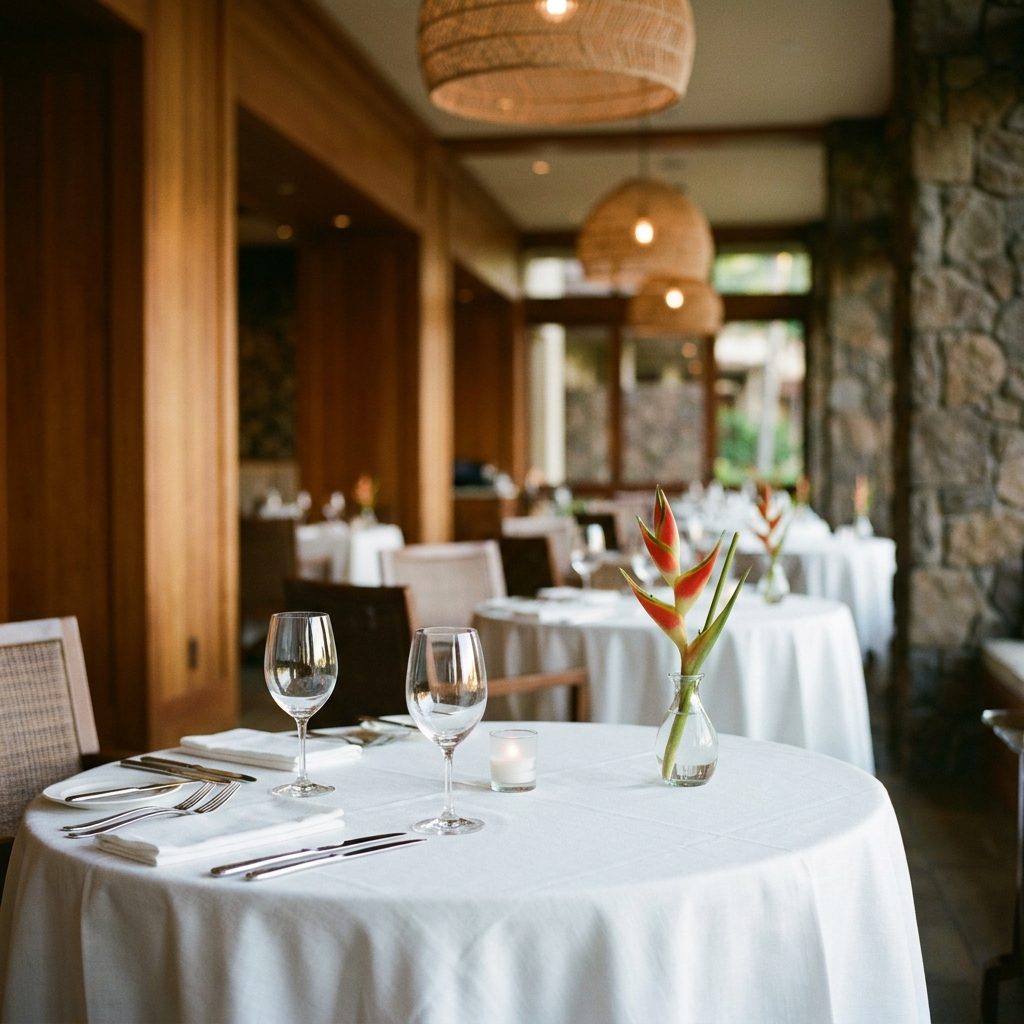
Most all-inclusives include specialty restaurant access but cap reservations at one or two per stay unless you ask otherwise. The cap exists because most guests don’t push back on it. The restaurants themselves, especially the smaller ones that seat thirty people, are where the kitchen actually tries.
At check-in or at the concierge desk on day one, ask how many specialty restaurant reservations your package allows and whether additional nights are available. At many properties, if occupancy is under capacity, the answer is yes and nobody volunteers it.
25. Skipping the Morning Beach Walk Because There’s Always Tomorrow

There’s always tomorrow. Until the last morning, when the bags are packed and the shuttle comes at 10 and you realize you never once walked the beach before breakfast when the water was glass and the sand was empty and the place was actually, briefly, yours.
The beach at 7am and the beach at 11am are not the same place. One of them is worth getting up for.
24. Assuming the Included Wine Is the Best the Resort Stocks
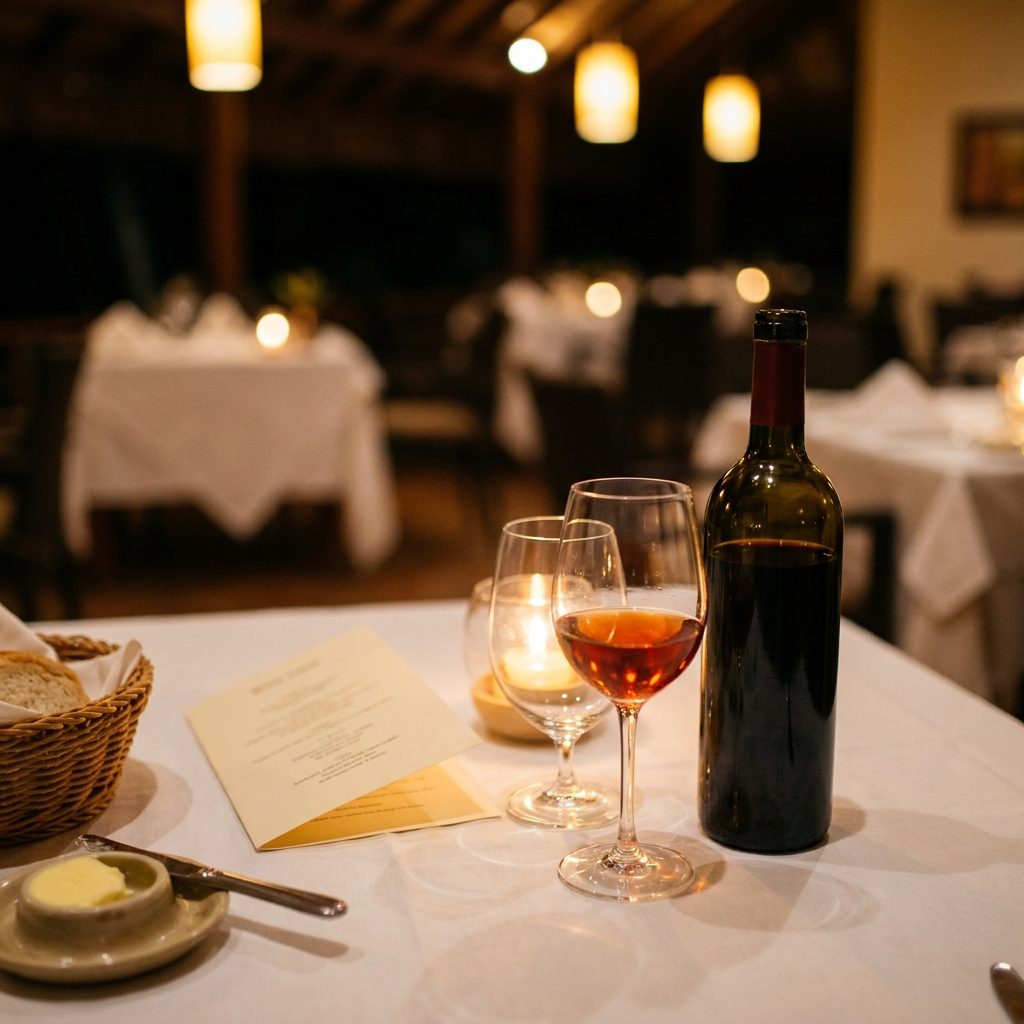
The carafes that appear automatically at your table are included. They are also, at most resorts, the bottom of the wine list. Almost every all-inclusive property carries a premium wine selection available by the bottle, sometimes at cost, sometimes at a modest upcharge, sometimes free with certain room categories that nobody told you about.
Ask the sommelier or the dining room manager what the actual wine list looks like. At smaller resort restaurants especially, there are often bottles that never make it onto the standard rotation but are available if you ask. The worst answer is no. That is rarely the answer.
23. Skipping the Resort Map on Day One and Paying for It All Week

Most people pocket the map at check-in and never look at it again. By day three they’ve eaten at the same two restaurants because they’re the easiest ones to find, missed the adults-only pool tucked behind the spa, and wondered why the beach chairs were always full. The resort you paid for is bigger than the corner of it you’re using.
Pick up the map the first morning, before coffee if necessary, and walk the entire property once. Find the hidden bars, the quiet pool, the restaurant that requires a reservation. That single hour shapes the whole week.
22. Treating the Included Drinks as an Excuse to Never Try a Local Spirit

The all-inclusive bar is a reliable machine: the same rail rum, the same blended margaritas, the same watery beer on a loop. Convenient, yes. But if you’re in Barbados and you’ve spent a week drinking the same vodka soda you make at home, something went wrong.
Ask the bartender, actually ask, not just order, what they’d recommend from the region. Most resorts stock at least a few local bottles they rarely push. One honest conversation at the bar can produce the best drink of the trip, and it doesn’t cost extra.
21. Booking the Free Watersports Slot Without Checking Wind and Tide

🔥 Would you like to save this?
The kayak lesson is free. The paddleboard rental is included. You book the 2pm slot because it fits the schedule, then spend forty-five minutes fighting a headwind that turned up right on cue, the way it does every afternoon on that coast.
Ask the watersports desk, not the concierge, when conditions are calmest. On most tropical coastlines the answer is before 11am, before the trade winds build. That same kayak trip at 8:30am is genuinely peaceful. At 2pm it’s a workout nobody signed up for.
20. Eating Every Meal at the Main Buffet and Calling It Convenience

The buffet isn’t bad. It’s just the same. By night four, scrambled eggs at dinner feel like a personal defeat. The specialty restaurants at most mid-to-upper-tier resorts are included, require a reservation, and are genuinely different experiences. They’re also frequently half-empty because nobody thought to book them.
On the first day, walk to the reservation desk in person rather than calling, and book two or three specialty dinners for the week. The better ones fill up fast, and the front desk phone number is often on perpetual hold anyway.
“The buffet is the path of least resistance. Specialty restaurants are what you actually paid for.”
19. Ignoring the Daily Activity Sheet Until Everything Good Is Already Full

The cooking class, the mixology demo, the guided snorkel, the sunrise yoga on the beach: these are the parts of a resort vacation that stay with you. They also fill up. The sheet slipped under the door at 7am lists what’s happening today. Most guests ignore it until noon, then find the good stuff is gone.
Read it at breakfast. Decide by 9am. The guests who actually participate in resort programming leave with better stories than anyone who spent the same hours horizontal at the pool.
18. Assuming the Beach Chairs at the Good Spot Are First-Come, First-Served

The prime beach chairs, the ones under the palms with the good shade and the clear water view, aren’t claimed at sunrise by people who love nature. They’re claimed by people who got there first with a towel. By 8am the best spots are gone, held by towels belonging to guests still eating breakfast.
If the resort enforces a towel-removal policy (many do, after 30 minutes unoccupied), ask the beach attendant exactly when they enforce it and show up just before. If they don’t enforce it, accept the math and get there early on the days that matter to you.
17. Never Asking What’s Actually Off the Menu

Resort restaurants print menus for the average preference. The kitchen is usually capable of more. Dietary restrictions aside, most resort chefs will accommodate a simple off-menu request if asked politely and not at the height of the dinner rush. Grilled fish with no sauce, local vegetables prepared simply, something not smothered in the house cream: these are easy asks that get a yes far more often than guests expect.
The mistake is treating the laminated menu like a legal document. Ask once, quietly, and see what happens.
16. Cashing Out Every Resort Credit in the Gift Shop on the Last Morning

Resort credits have a way of sitting in the back of the mind all week, a vague figure attached to vague plans. Then it’s 10am on departure day and the number is still unspent, which is how a panicked sweep through the gift shop produces three overpriced branded mugs and a bottle of hot sauce.
Check the credit balance on day two, not day seven. Spa services, specialty dining, excursion upgrades, even premium water activities: these are the better uses, and they require time to book. The gift shop will always be open at checkout. The massage appointment won’t.
15. Skipping the Resort App Because You’re on Vacation From Your Phone

The instinct is understandable. You came here to unplug. But the resort app isn’t your boss, it’s the reservation system for the paddleboard, the couples massage, the specialty restaurant that books out before noon on day one. Ignore it and you spend Tuesday morning at the activity desk being told everything good is gone.
Download it before you land. Spend fifteen minutes the first evening booking the two or three things you actually care about. Then put the phone away. The rest of the week takes care of itself.
14. Treating the Buffet Like It’s the Only Place to Eat

Buffets at all-inclusives are engineered for volume, not memory. You can eat well there. You will not eat anything you remember in a year.
Most resorts include at least two or three specialty restaurants in the base rate, an Italian place, a teppanyaki counter, a seafood spot that requires reservations. Half the guests never set foot in them because the buffet is open and easy and right there. That’s exactly why the specialty restaurants are quieter, slower, and worth every minute of the reservation hassle.
13. Accepting the First Room They Give You Without a Word

🔥 Would you like to save this?
The room you are handed at check-in is not necessarily the room available to you. Front desk agents assign from a queue. They are not sorting by view, floor, or noise level on your behalf, they’re clearing the list.
A polite thirty-second conversation changes the outcome more often than you’d think. Ask whether anything higher up is ready. Mention the anniversary or the milestone birthday if there is one. Worst answer is no. Best answer is a balcony over the water instead of a parking lot view for the same price you already paid.
12. Paying Resort Prices for Excursions You Could Book for Half the Cost in Town

The catamaran tour leaving from the resort beach and the identical catamaran tour leaving from the town dock three miles away are, in many cases, run by the same operator. The resort charges a 40 to 60 percent markup for the convenience of booking at the activity hut.
This is not a complaint, it’s just arithmetic. If an excursion matters to you, spend ten minutes the night before looking it up directly. Most reputable local operators have phones and take reservations. The boat is the same boat.
11. Spending the Last Full Day Completely Unprepared for the Trip Home

The last full day at an all-inclusive has a way of disappearing. You meant to squeeze in one more beach morning, one more lunch at the good spot, one final swim. Then it’s 4 p.m., you haven’t packed, your flight is at 7 a.m., and you’re sorting damp swimsuits into a suitcase at midnight while everyone else is at the farewell bonfire.
Pack the non-essentials the night before the last day. Lay out travel clothes. Confirm the airport transfer. That’s maybe thirty minutes of work that buys back your entire last day.
10. Drinking Constantly Just Because It’s Included

Open bar logic goes: it’s already paid for, so every drink not consumed is money left on the table. This math makes sense for about a day and a half. After that it just makes you tired, dehydrated, and prone to skipping the morning snorkel because getting vertical feels ambitious.
The guests who enjoy all-inclusives most are almost never the ones drinking hardest. They’re the ones who had one good cocktail at the pool bar at noon, drank water the rest of the afternoon, and actually felt like doing something at 6 p.m.
9. Never Leaving the Resort Property, Not Even Once

Nobody is obligated to leave the resort. That’s not the argument. The argument is that a town, a market, a local bakery, or a ten-minute cab ride to the fishing pier exists within two miles of nearly every major all-inclusive, and half the guests never discover it exists at all.
One morning off-property, even just two or three hours, tends to make the rest of the resort stay feel more deliberate and less like expensive house arrest. You appreciate the pool more after you’ve seen what’s past the front gate.
8. Ignoring the Concierge and Then Complaining That Nothing Worked Out

The concierge at a decent all-inclusive knows things the app doesn’t. Which specialty restaurant has a cancelation on Friday. Which beach is calmer this week because of where the wind is. Which local tour guide is worth requesting by name. That information lives with a person, not a booking portal.
Two minutes at the concierge desk on arrival, with a short list of what you’re hoping to do, is one of the highest-return moves in resort travel. They want the week to go well. Let them help it go well.
7. Skipping the Welcome Briefing Because You’ve Done This Before

You’ve been to an all-inclusive before, so you wave off the orientation and head straight to the pool bar. That’s the moment the resort quietly wins. Every property has its own logic, which restaurants require reservations and how far in advance, which beach sections are actually quiet, where the free water sports pickup happens, whether the à la carte spots are included or cost extra. That briefing covers all of it in twelve minutes.
Miss it and you spend two days figuring out by accident what a staff member would have told you upfront. Sit through it. Ask two or three targeted questions. You’ll recoup that time before lunch.
6. Treating All the Restaurants as Interchangeable When They’re Not

The buffet is always open and almost never the reason you’ll remember the food. Most all-inclusives include two or three proper à la carte restaurants, a steakhouse, a seafood spot, sometimes a teppanyaki table, and the gap in quality between those and the main buffet is not subtle.
Book those reservations the first morning, or on the app the night you arrive. Some resorts limit how many times you can dine at specialty restaurants per stay. Ignore that and you end up at the buffet every night by default, which is fine, but it’s not what the resort actually has to offer.
5. Booking Excursions Through the Resort Desk Without Comparing Prices First
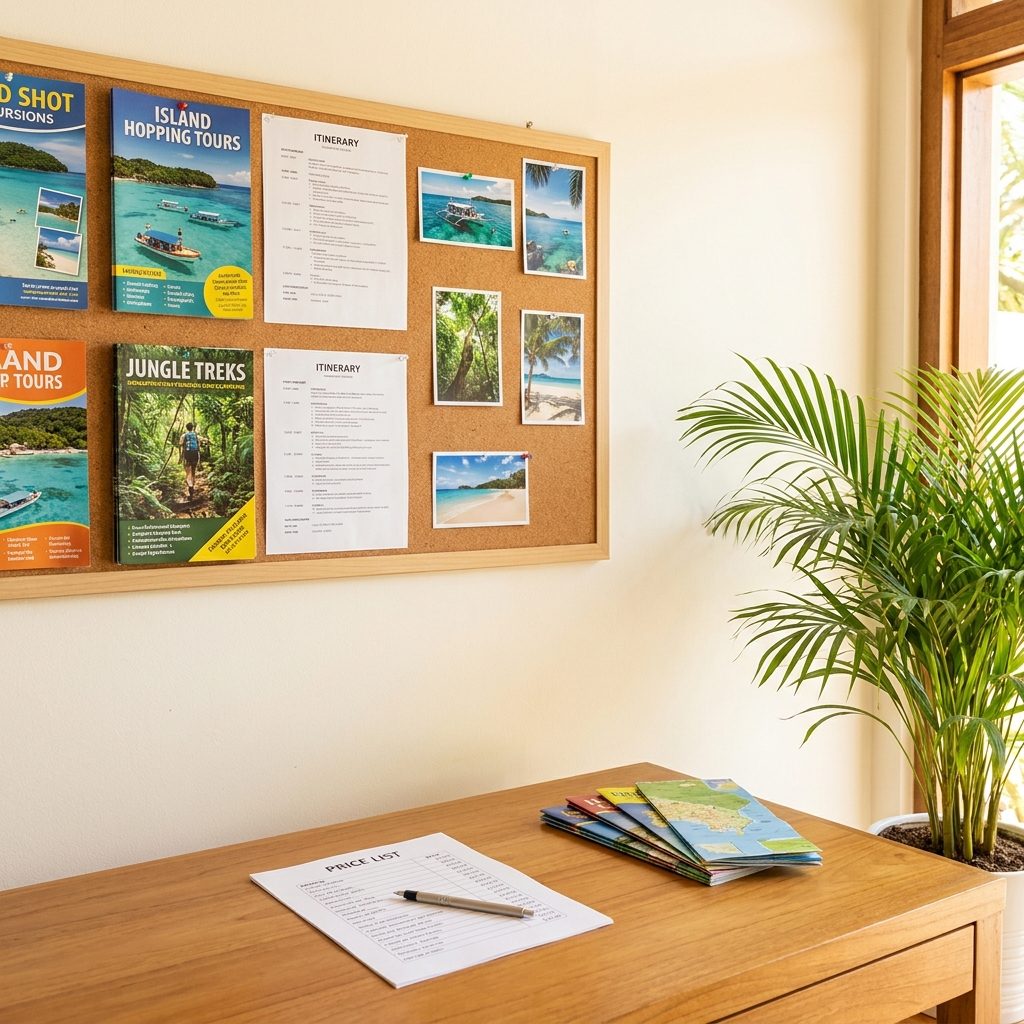
The resort excursion desk is convenient, and convenience is what it charges you for. The same catamaran snorkel trip available at the resort desk for $95 per person is often listed by the same operator on their own site for $60, sometimes less. Resorts add a markup as a booking fee, and it’s not a small one.
Spend twenty minutes the night before you want to go out: find the operator name from the brochure, search them directly, and book there. Not every excursion has a cheaper version, but enough do that it’s worth the check.
4. Drinking Only What’s Poured at the Pool Bar
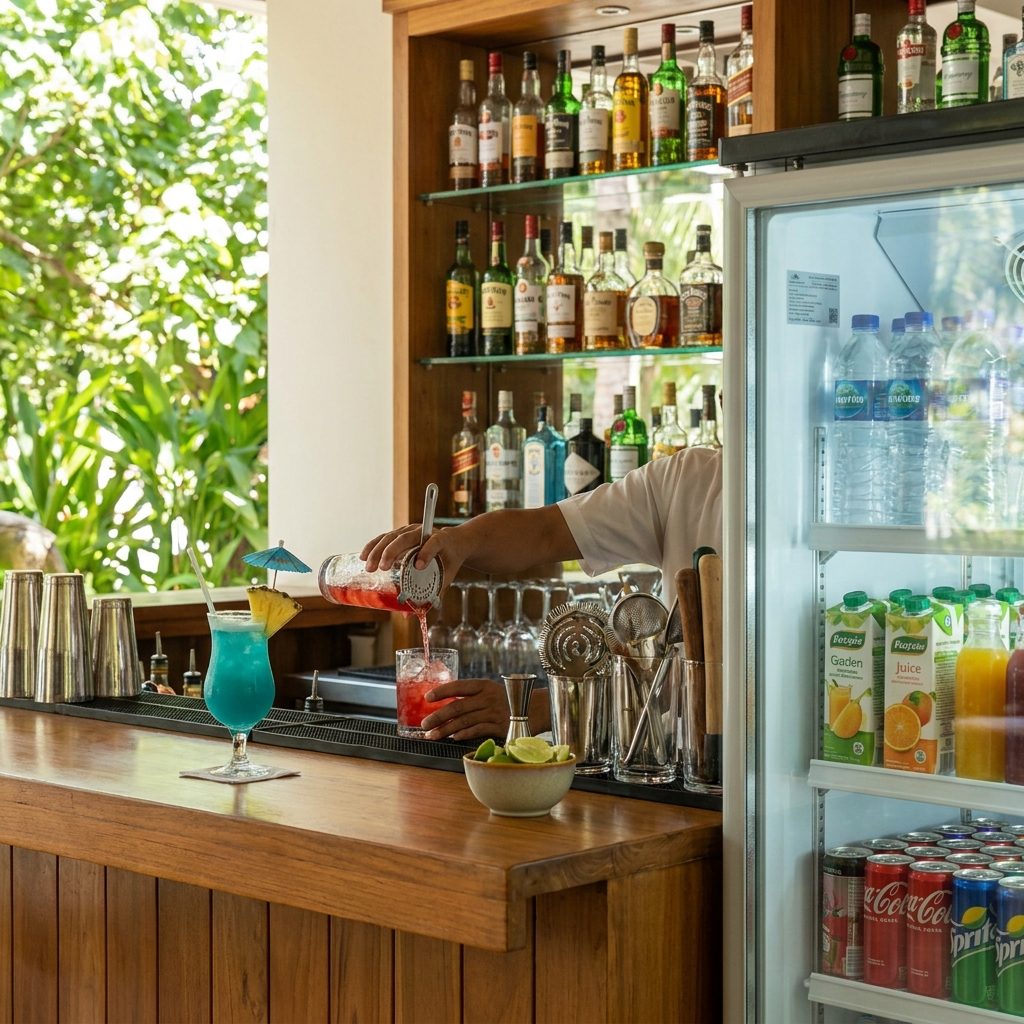
Most guests walk up, order a rum punch or a beer, and call it done. The all-inclusive bar is actually more interesting than that. A large percentage of resorts stock decent mid-shelf spirits, sometimes a good añejo tequila, a proper single malt, or a mezcal that doesn’t show up at the buffet station. They don’t volunteer this information.
Ask what’s back there. Ask what the good rum is, not the house pour. The honest answer from a good bartender will save you from three drinks that taste like fruit punch and not much else.
3. Letting the Swim-Up Bar Become the Only Water You See All Week

The resort pool is designed to keep you inside the resort perimeter, and it does a remarkable job of it. Meanwhile, the actual coastline, the snorkeling reef a ten-minute walk north, the quiet cove mentioned exactly once in the check-in paperwork, goes unvisited by most guests from Tuesday through Saturday.
Pull up satellite view of your resort the first evening. Look at what’s within a half mile in each direction. Then go there once, even briefly. The pool will be exactly where you left it.
2. Packing Heavy for the Resort and Arriving Without the One Thing That Matters

Guests routinely show up with four evening outfits, two pairs of sandals more than necessary, and no waterproof bag for the kayak tour. The snorkel mask rented at the activities desk fits one person in twelve. The sunscreen at the resort shop costs three times what it costs at home and they’re often out of SPF 50 by day two.
The short list of things actually worth packing: reef-safe sunscreen in real quantity, a teal waterproof dry bag for boat days, a packable straw sun hat that survives a carry-on, and any prescription or OTC medication you rely on. The resort will happily sell you everything else at a premium.
1. Waiting Until the Last Night to Use the Resort Credits You Paid For

Resort packages frequently include spa credits, dining credits, or activity credits that look generous on the booking page and then evaporate unused by Thursday. It’s not carelessness exactly, it’s the assumption that there’s time, and then suddenly there isn’t.
Check what’s included in your package before you leave home, not at check-in. Write the dollar amounts down. On day one, book the spa appointment you’ll actually use and note the credit expiration. Credits that don’t roll over and can’t be refunded disappear quietly and the resort is not going to remind you.
🔥 Would you like to save this?
Please note that some of the imagery in this article were created with the aid of AI image generators.