
Nobody puts these on a bucket list. That’s the point. The famous towns get the Instagram crowds and the two-hour wait for a table, and somewhere out past the interstate exit everyone ignores, there’s a street where the hardware store still sells penny nails and the hotel clerk remembers your name by Tuesday. These are the ones worth the detour. Old opera houses, art galleries in abandoned mines, riverfront main streets that haven’t changed since Eisenhower was in office. Pack light, drive slow, and leave your assumptions at the county line.
29. Marfa, Texas: Minimalist Art in the Middle of Nowhere
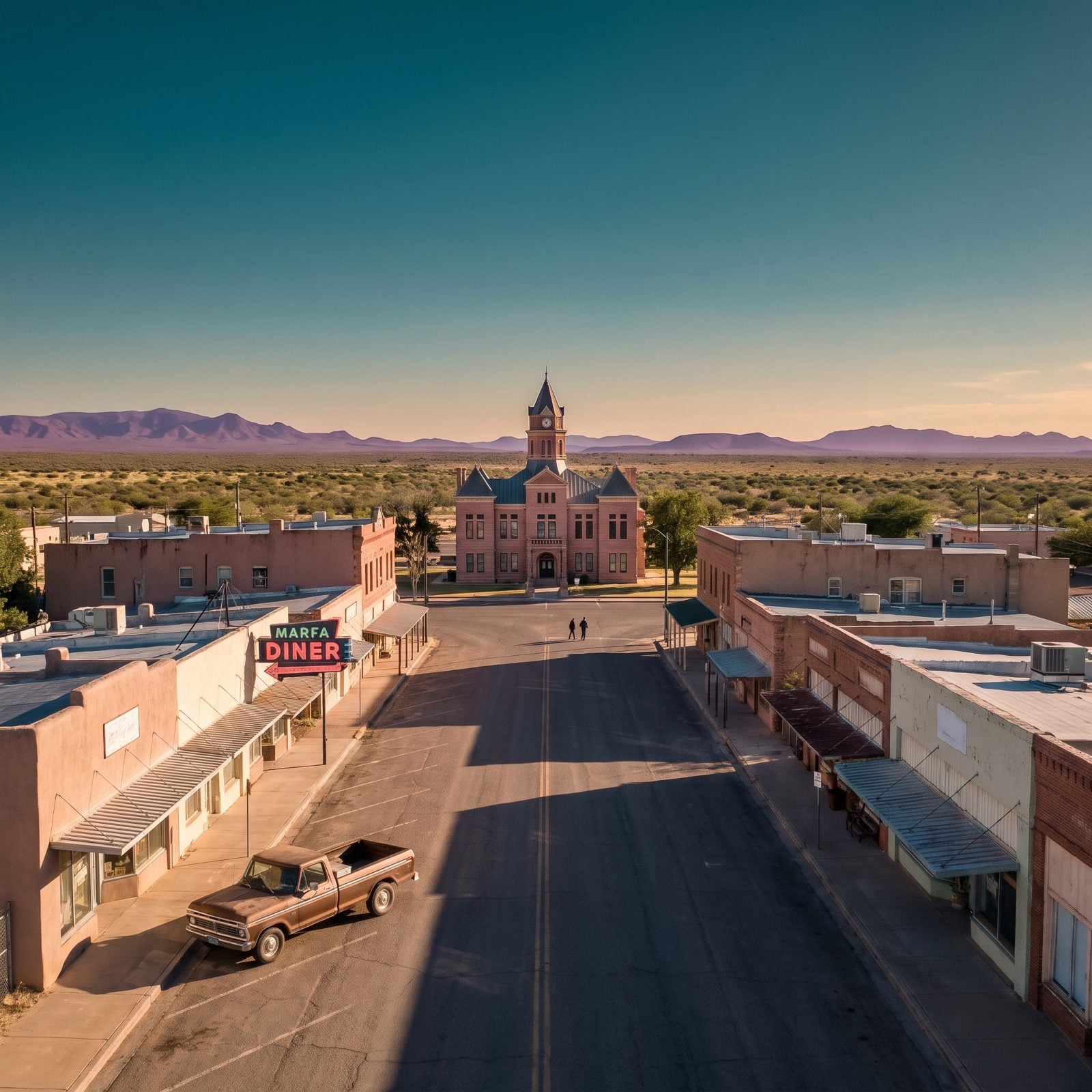
Three hours from the nearest airport and worth every mile of nothing in between. Marfa is where a famous minimalist artist dragged a small Texas railroad town into the orbit of the international art world, and somehow it kept its grit. You’ll find giant concrete sculptures sitting in the grass, a bookstore that doubles as a bar, and the Hotel Paisano, where the cast of Giant stayed in 1955.
Go for the sky. The high desert light does something to color you won’t believe until you’re standing in it at dusk.
28. Galena, Illinois: A Main Street Frozen in the 1800s
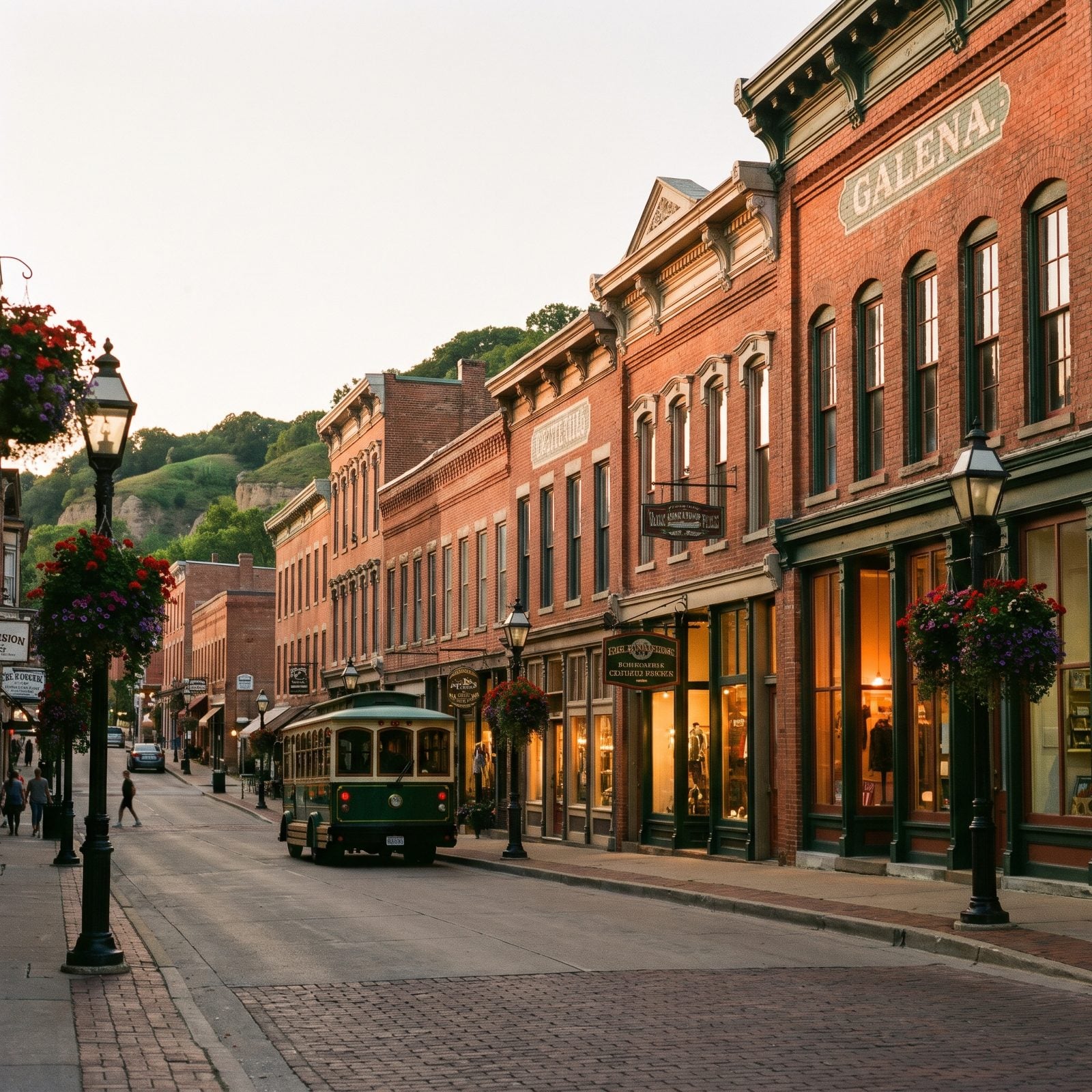
Most of Galena sits on the National Register of Historic Places. That’s not a marketing line, that’s the actual town. The whole place looks like somebody pressed pause around 1870 and forgot to press play.
Ulysses S. Grant lived here before the Civil War made him famous, and his house still stands, furnished with the family’s own things. The lead mining money that built those brick storefronts eventually dried up. The poverty that followed is exactly why nobody tore anything down — sometimes the best preservation is just benign neglect.
27. Astoria, Oregon: Where the Columbia Meets the Pacific
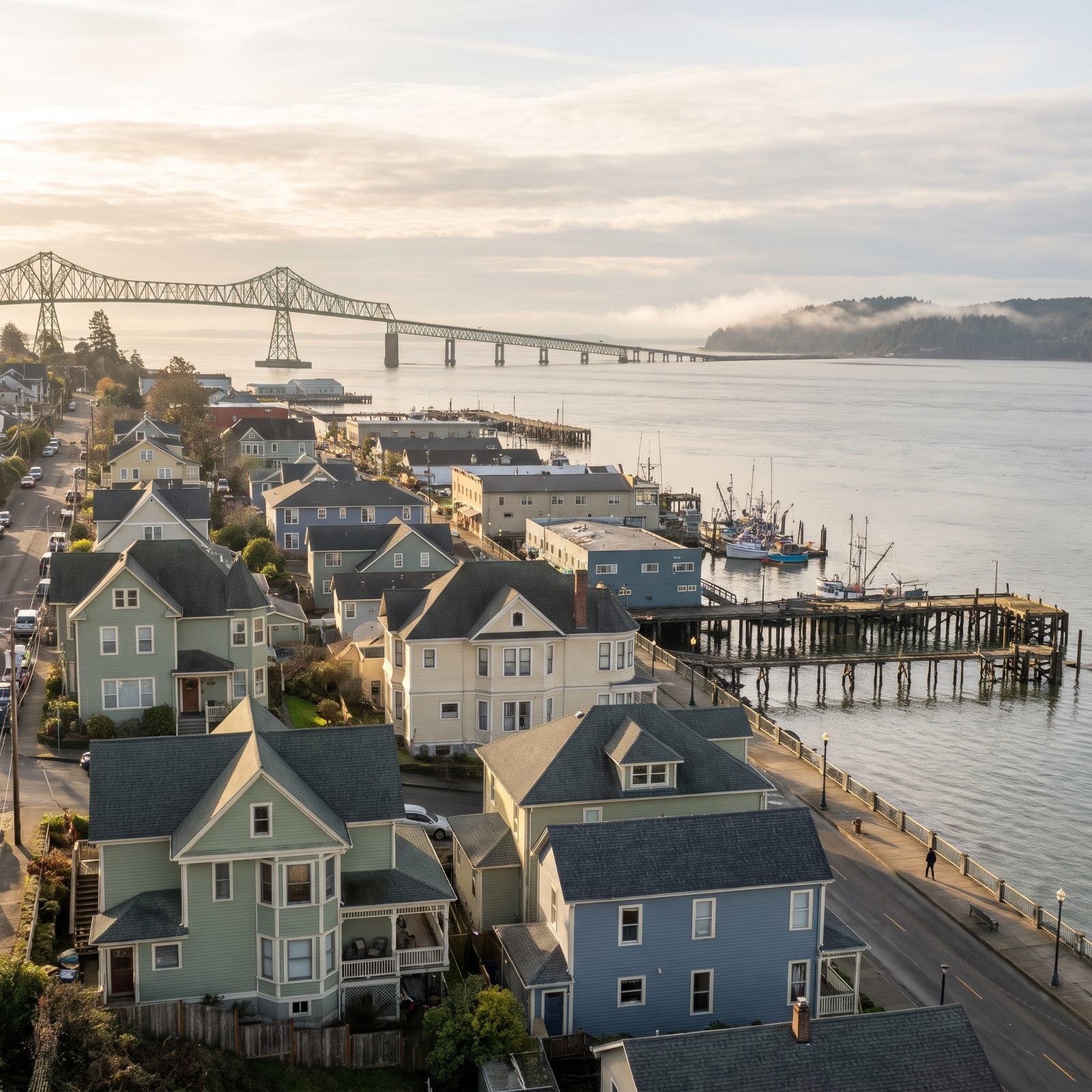
Oldest American settlement west of the Rockies, and it smells like salt, rain, and fish canneries that mostly closed decades ago. Astoria sits where the Columbia River dumps into the Pacific, and the water is so vast and moody it feels like the edge of the world.
You’ve seen this town without knowing it. The Goonies was filmed here. So was Kindergarten Cop. Climb the 125-foot Astoria Column for a view that stretches into Washington, then eat at a brewery built inside an old cannery.
26. Paducah, Kentucky: A Quilting Capital on the Ohio River
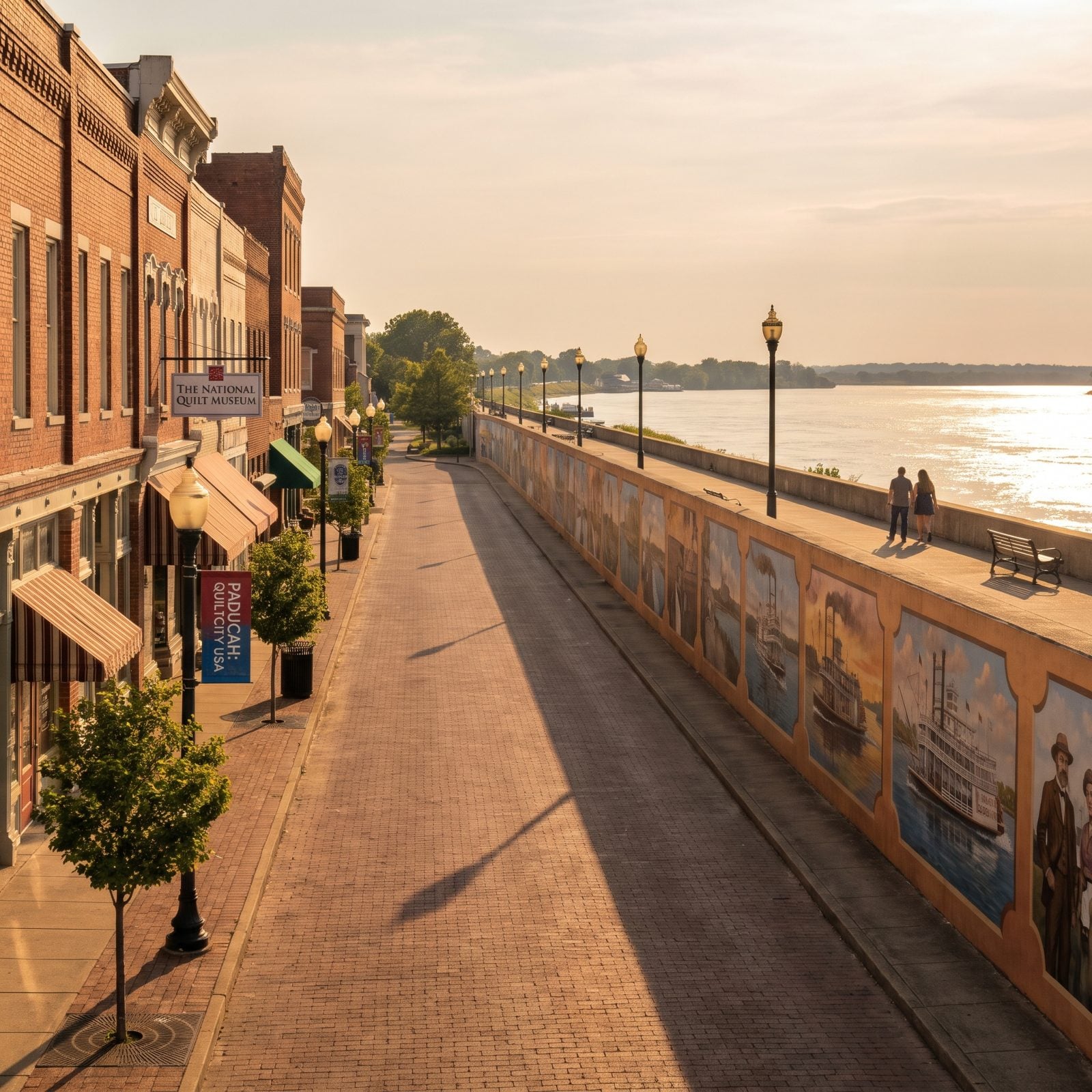
UNESCO named Paducah a Creative City, which sounds grand until you realize it earned the title on the back of quilts. The National Quilt Museum here is the largest in the world, and before you roll your eyes, go look at what people do with fabric and thread. It’ll reset your whole idea of what a quilt even is.
The real draw is the LowerTown Arts District, where the town gave away run-down old houses to artists willing to fix them up. Smart move. Now it’s full of galleries and the kind of street where every porch has a story.
25. Bisbee, Arizona: A Copper Town Gone Bohemian
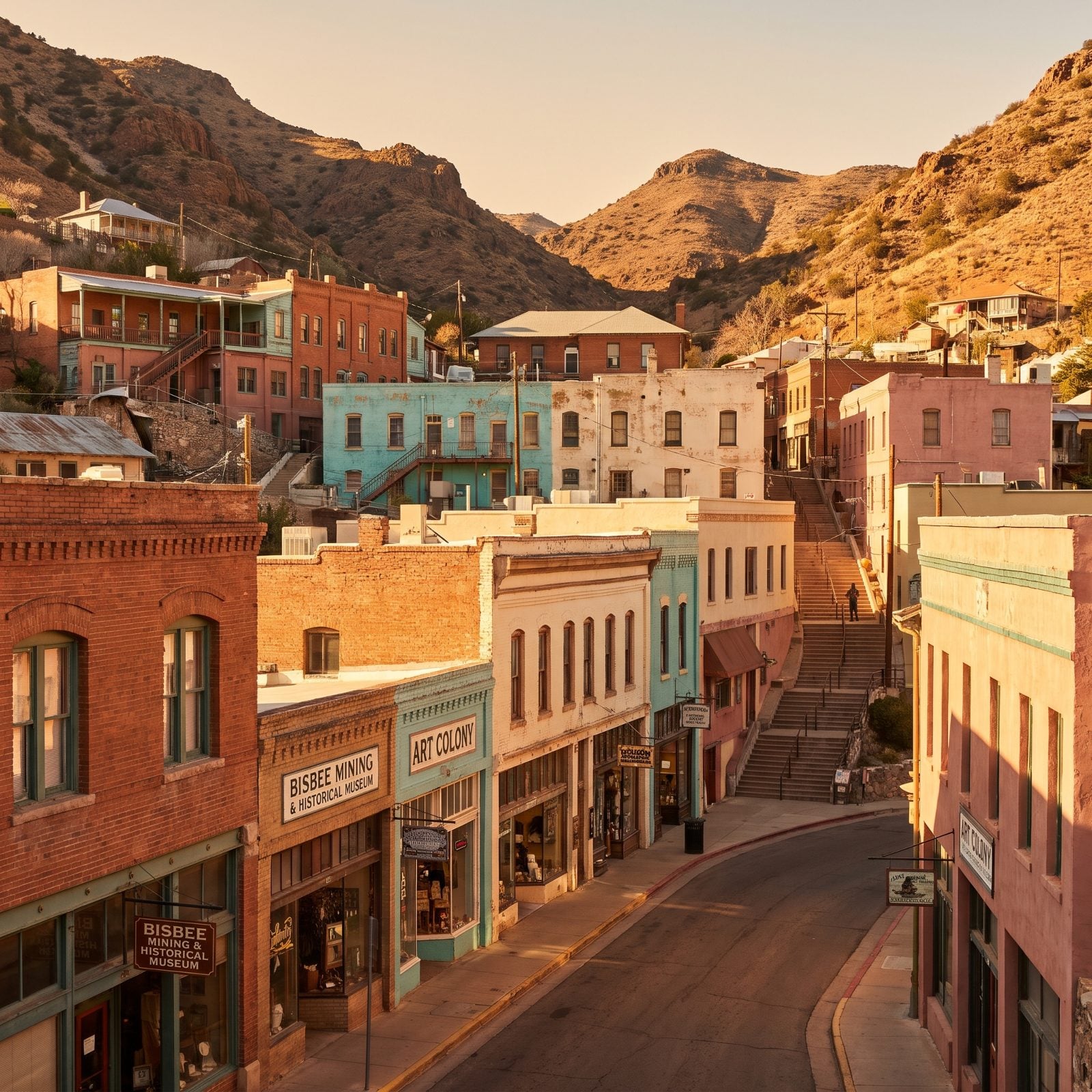
The copper ran out in the 1970s, and the hippies moved into the cheap houses nobody wanted. That’s Bisbee in one sentence. A mile-high mining town wedged into a canyon, with staircases instead of streets and more working artists than you’d ever expect to find tucked into an Arizona hillside.
The Copper Queen Hotel has been operating since 1902 and claims a few ghosts. Tour the old mine if you want. The real pleasure is just walking, and the town climbs so steeply there’s an annual race up its 1,000-plus public stairs.
24. Lanesboro, Minnesota: Bluff Country’s Best-Kept Secret
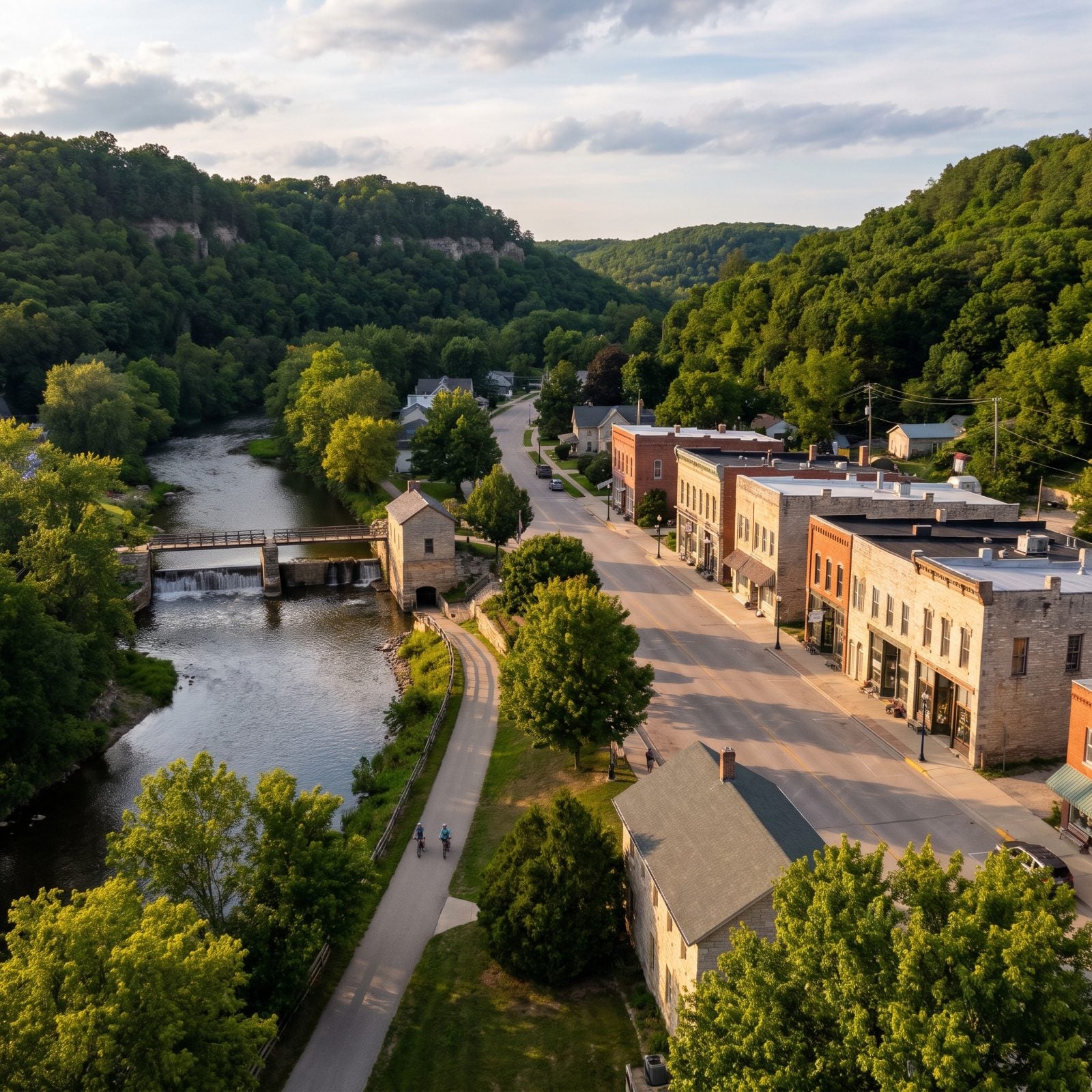
Population somewhere around 750, tucked into the bottom of a wooded river valley in Minnesota’s driftless region — the corner of the state the glaciers somehow missed. The result is bluffs and trout streams and a landscape that looks nothing like the flat Minnesota in your head.
The Root River State Trail runs right through town, so the main business here is renting bikes and canoes. But there’s also a real theater, the Commonweal, putting on serious plays in a place smaller than most high schools. Go in fall when the bluffs turn.
23. Eureka Springs, Arkansas: A Victorian Spa Town in the Ozarks
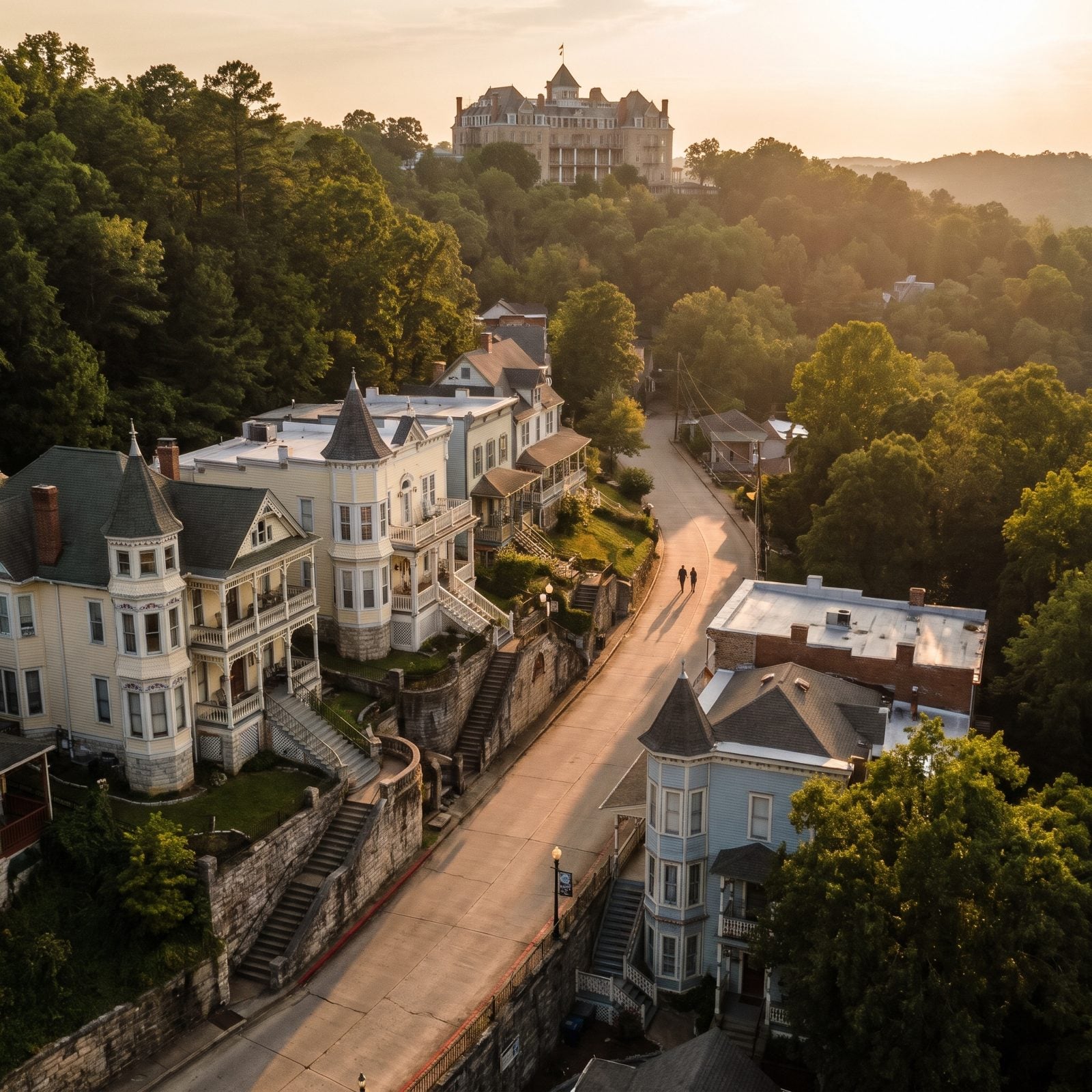
Not a single traffic light in the whole town, and no two streets intersect at a right angle. Eureka Springs was built around natural mineral springs in the 1880s, when people believed the water could cure anything, and the entire downtown is on the National Register.
The 1886 Crescent Hotel sits up on a hill, billing itself as America’s most haunted hotel. Believe it or don’t. The building is worth the climb either way. Everything here is uphill, downhill, or wrapped around a curve, and that’s exactly what makes the place.
22. Bardstown, Kentucky: The Bourbon Capital with a Courthouse Square
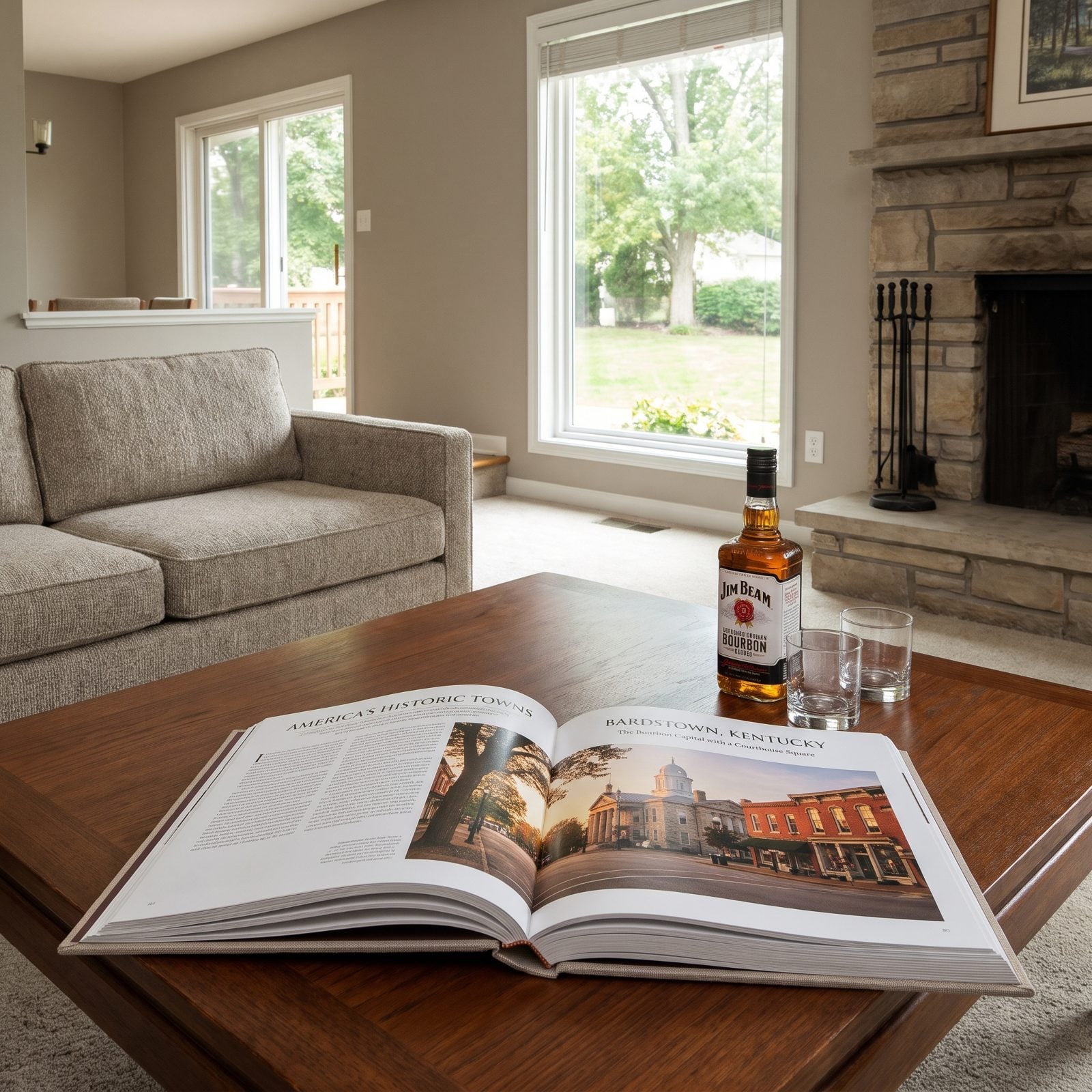
They call it the Bourbon Capital of the World, and the distilleries around here are not messing around — Heaven Hill, Barton, Willett, and more within a short drive. But a town can’t survive on whiskey tourism alone, and Bardstown earns its keep another way.
The Old Talbott Tavern has been pouring drinks since 1779. That’s not a typo. It served Abraham Lincoln’s family and, legend says, an exiled French king, and the courthouse square at the center of town is one of the prettiest in the South.
The oldest bourbon-era stagecoach stop still operating west of the Alleghenies, and the drinks are still cold.
21. Mackinac Island, Michigan: Where Cars Were Banned in 1898
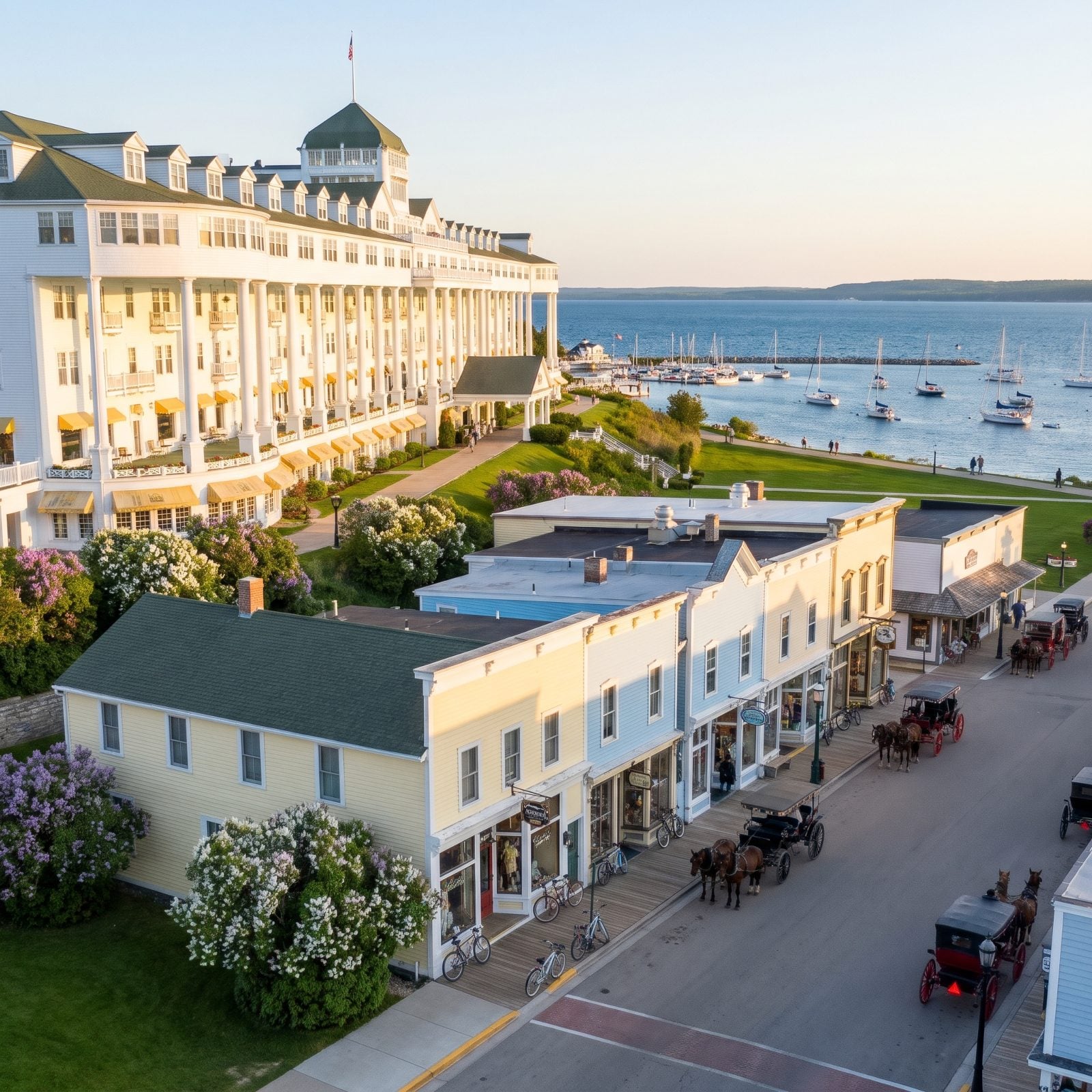
No cars. None. The island banned them in 1898 and never looked back, which means you get around by bicycle, horse-drawn carriage, or your own two feet. The quiet hits you the second you step off the ferry — no engines, just hooves on pavement and the lake slapping the dock.
The Grand Hotel has the longest front porch in the world at 660 feet. Victorian cottages and lilacs cover the whole island, and yes, the fudge is a real industry here, not a gimmick.
20. Taos, New Mexico: Adobe, Mountains, and 1,000 Years of History
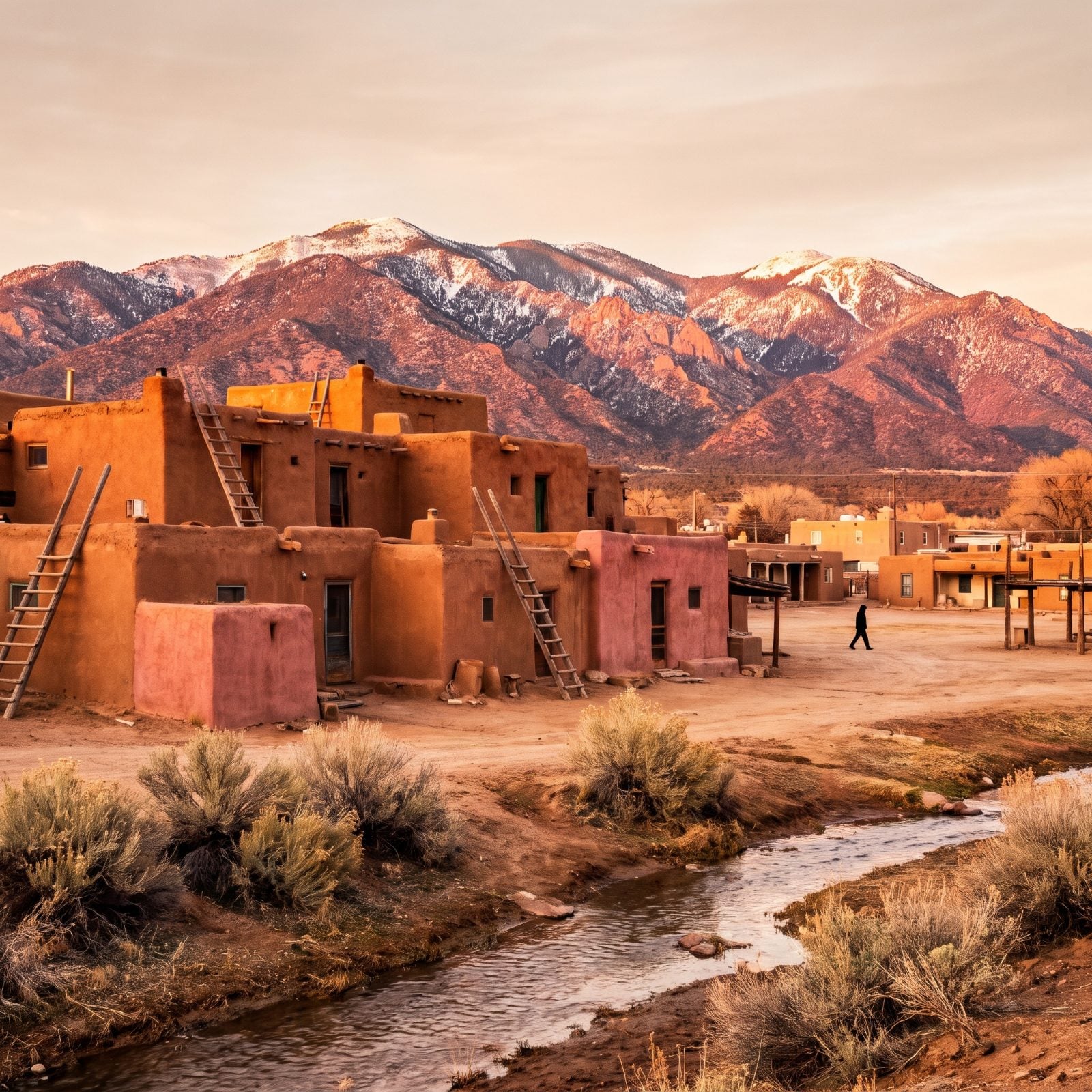
Taos Pueblo has been continuously inhabited for over 1,000 years, which makes most of what Americans call “historic” look like it opened last Tuesday. The multi-story adobe dwellings here predate Columbus and are still home to Taos people today. It’s a UNESCO World Heritage Site and a living community, not a museum.
The light is why artists have flocked here for a century. Georgia O’Keeffe worked nearby. The town itself is all low adobe, turquoise, and galleries, with the Sangre de Cristo Mountains looming over everything.
19. Beaufort, South Carolina: Spanish Moss and Antebellum Porches
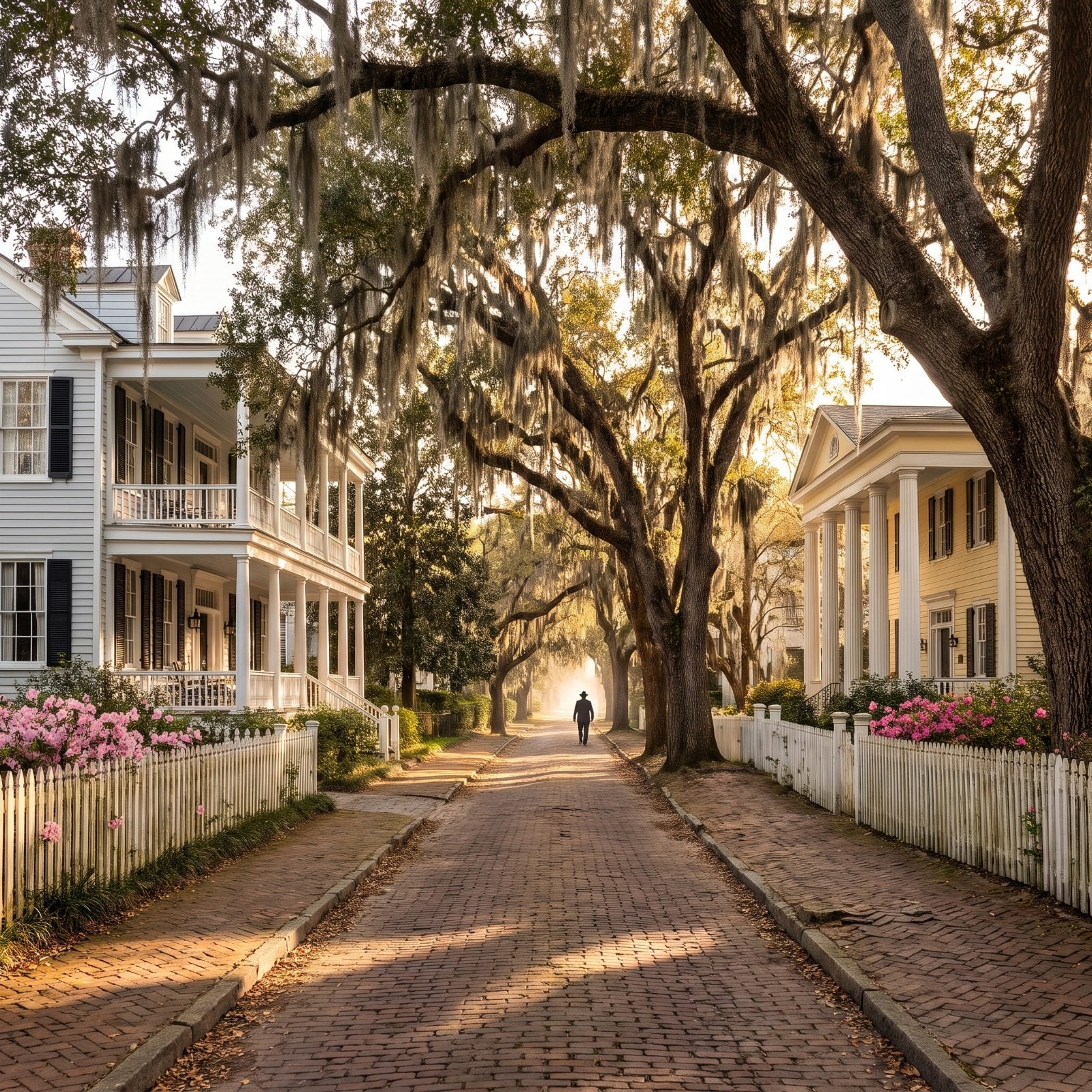
Skip Charleston for a weekend. An hour down the coast, Beaufort hands you the same antebellum architecture and tidal-marsh light with a sliver of the crowd and none of the attitude. The historic district is small enough to walk end to end, so you spend your time looking up at the oaks instead of circling for parking.
The water is what you’re really here for. The Beaufort River bends right up against downtown, and the evening glow off the marsh grass turns everything the color of honey. Pat Conroy set his books here, and once you’ve stood on that riverbank at dusk you understand why.
18. Port Townsend, Washington: A Victorian Seaport Frozen in 1890
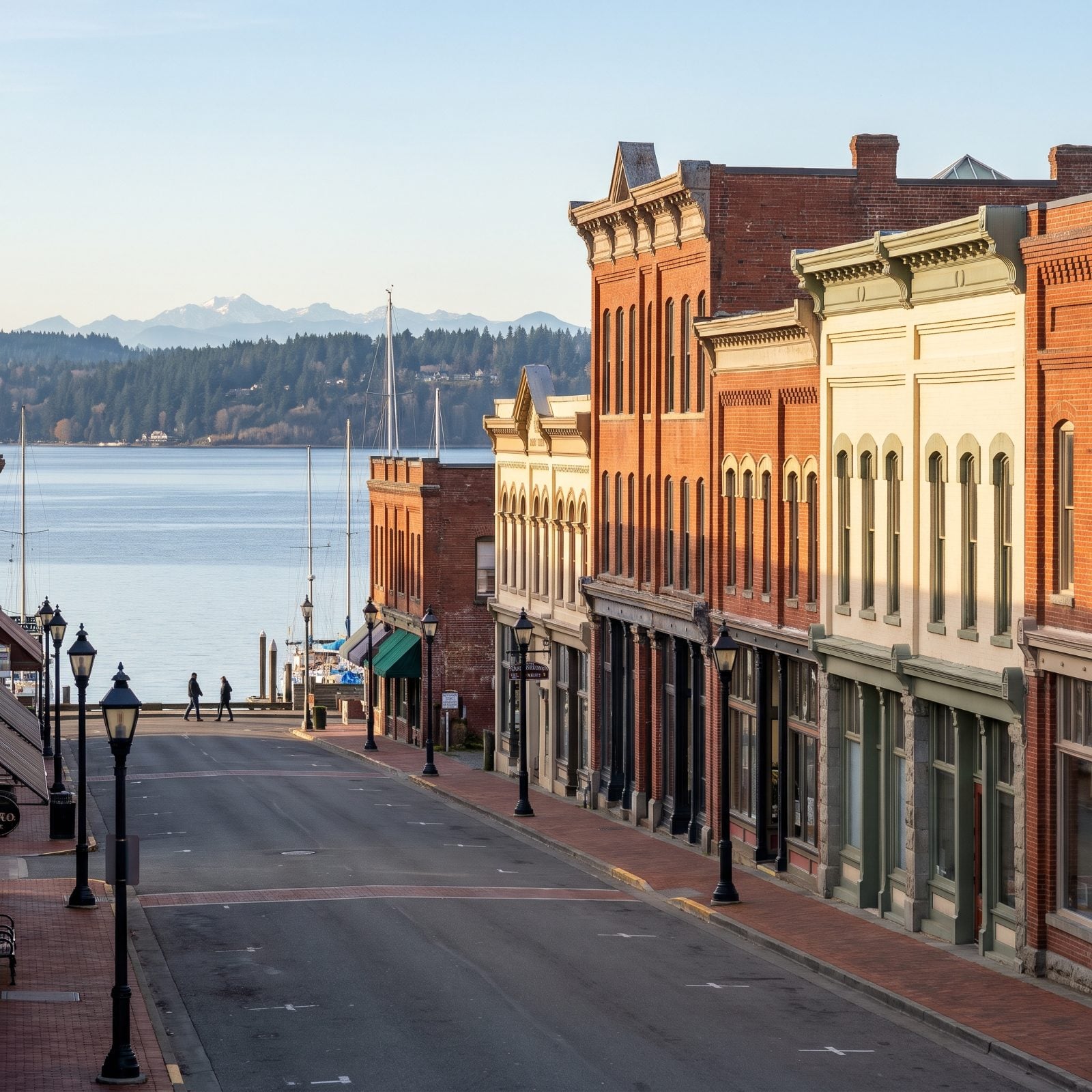
Here’s what happened. Port Townsend was supposed to become the biggest harbor on the West Coast, so everyone built accordingly — grand brick commercial blocks, gingerbread mansions on the bluff, the works. Then the railroad went to Seattle instead. The boom collapsed and the whole place got stuck in amber.
What’s left is one of the best-preserved Victorian seaports in the country. Walk downtown and it genuinely looks like 1890, right down to the cast-iron storefronts. Catch the ferry across Puget Sound, climb to the bluff homes, watch the Olympics do their thing across the water. Three slow days here will leave you feeling cheated of a fourth.
17. Stillwater, Minnesota: River Town Charm on the St. Croix
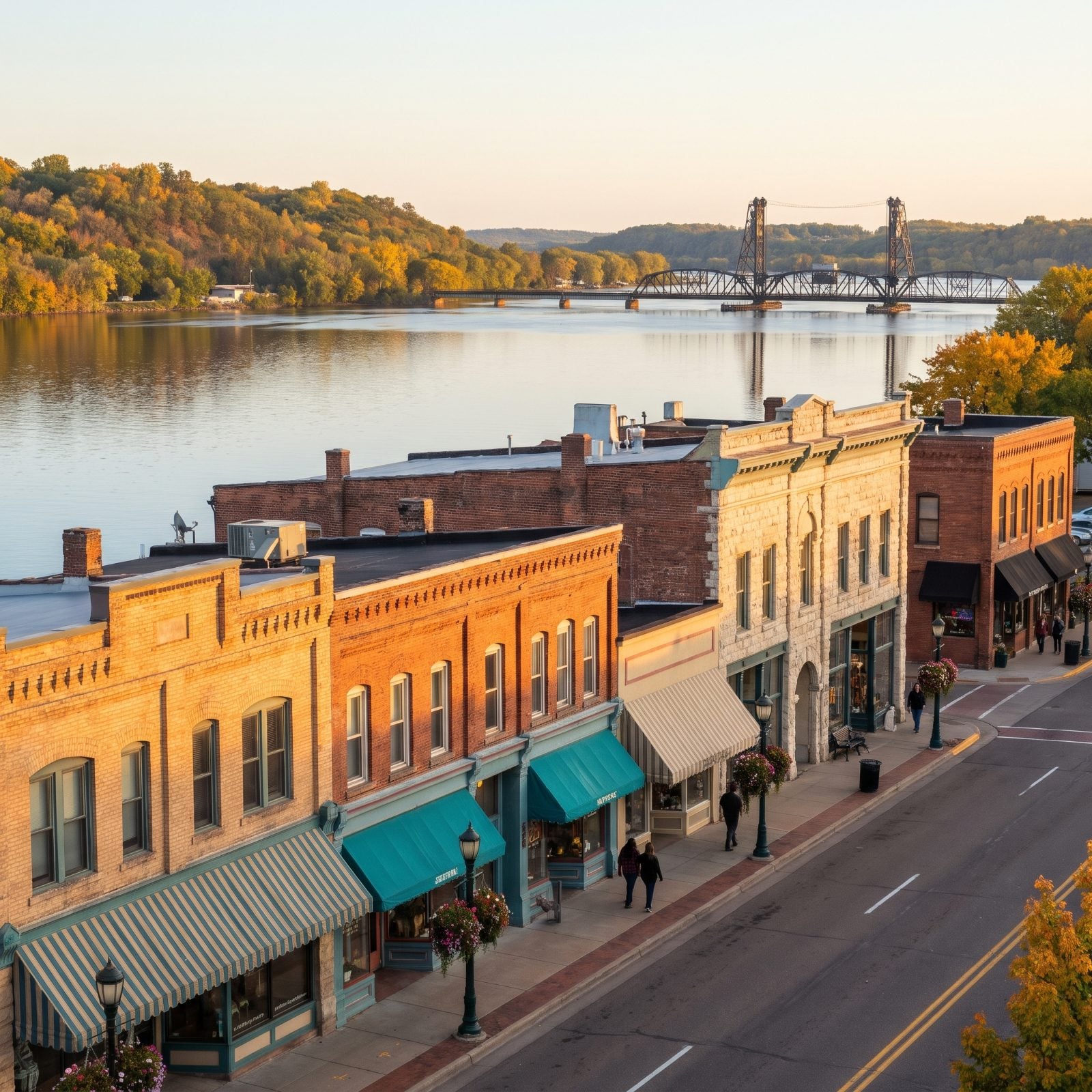
Minnesota’s oldest town sits in a river valley so pretty it feels staged. Stillwater runs along the St. Croix, brick and limestone buildings climbing the bluffs behind main street, a steel lift bridge reaching across the water to Wisconsin.
Lumber money built this place in the 1800s. Those sturdy old commercial buildings are now bookstores, antique shops, and a frankly excessive number of good restaurants for a town this size. Come in October when the bluffs turn and the whole valley goes gold.
16. Ouray, Colorado: The Switzerland of America in a Box Canyon
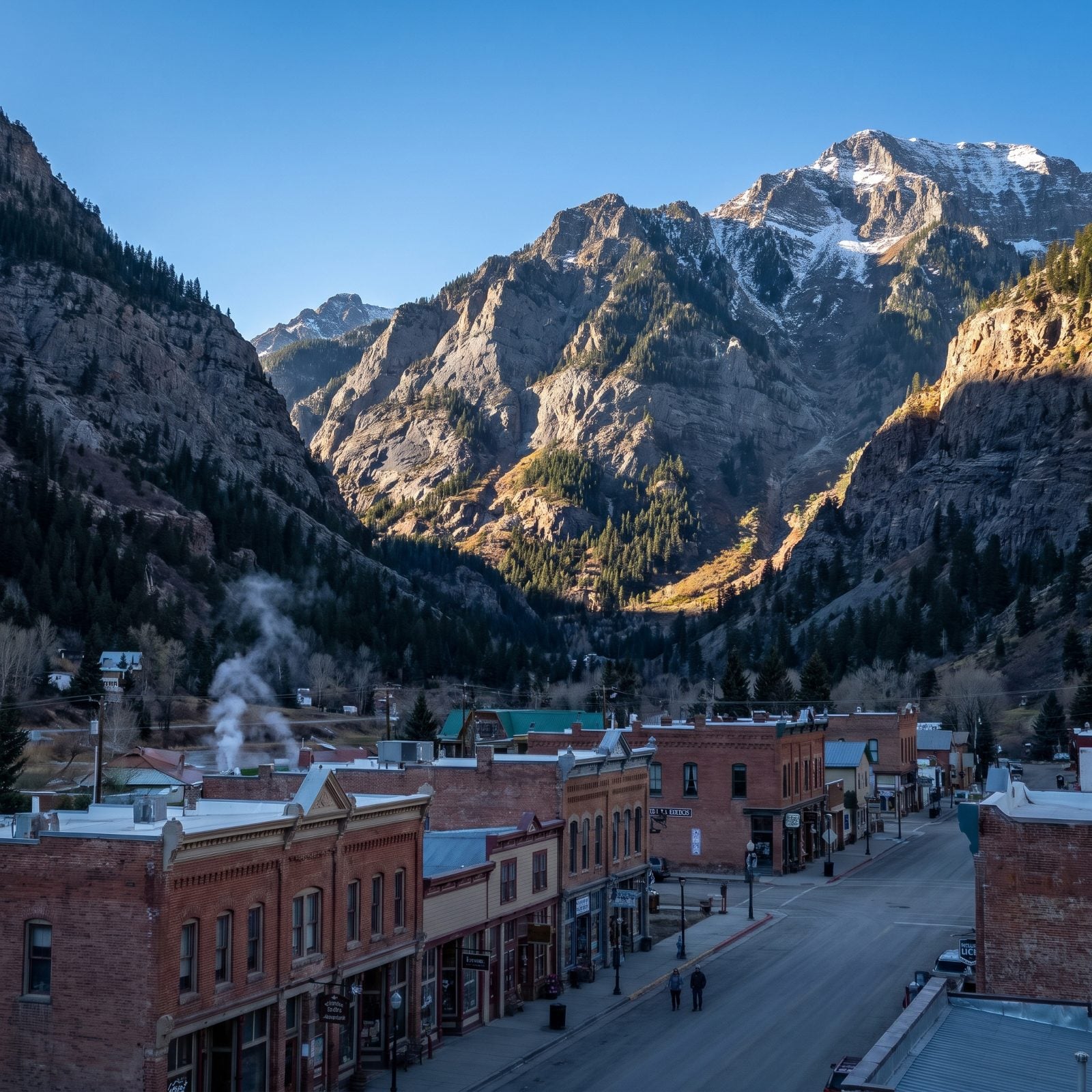
They call it the Switzerland of America, and for once the nickname undersells the place. Ouray wedges into a box canyon in the San Juans, hemmed in on three sides by peaks that shoot straight up from the main street. Stand on the sidewalk and the mountains are right there, close enough to feel the cold coming off them.
Downtown is a well-preserved 1880s mining settlement, a row of brick storefronts. But the real draw runs underground — natural hot springs feed a public pool where you soak with those canyon walls towering overhead.
15. Jim Thorpe, Pennsylvania: A Mountain Town Built on Coal and Mansions
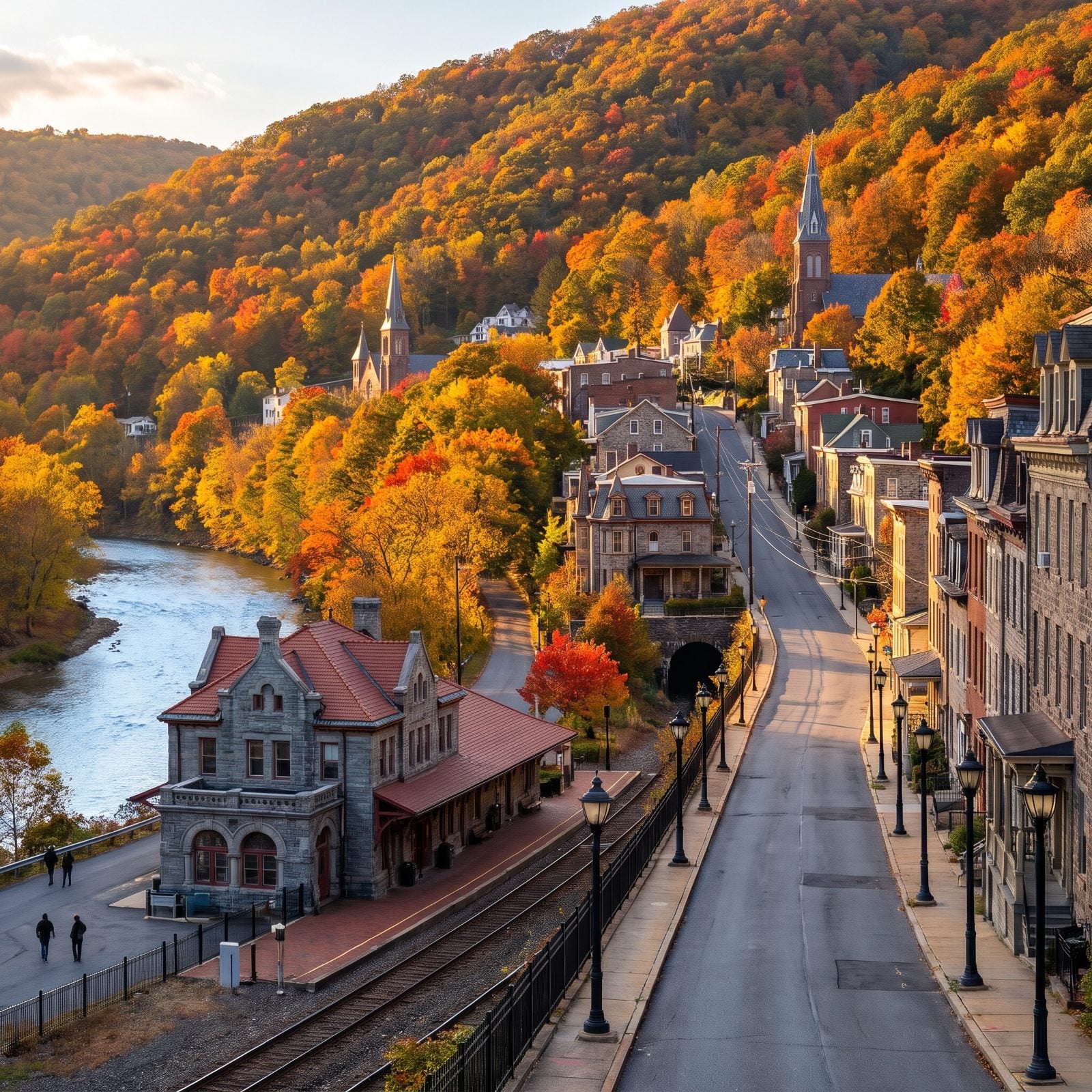
The town changed its name in 1954 to win the burial rights of a famous Olympian — a strange origin story even by small-town standards. What you actually come for is the setting: a Victorian coal town stacked up the walls of a mountain gorge in the Poconos.
Narrow streets climb past millionaires’ mansions and a stone train depot that still runs scenic rides along the Lehigh River. Come fall, the surrounding ridges catch fire with color and the whole place looks like a model railroad somebody built with too much money and far too much taste.
14. Fredericksburg, Texas: German Hill Country With Peach Stands
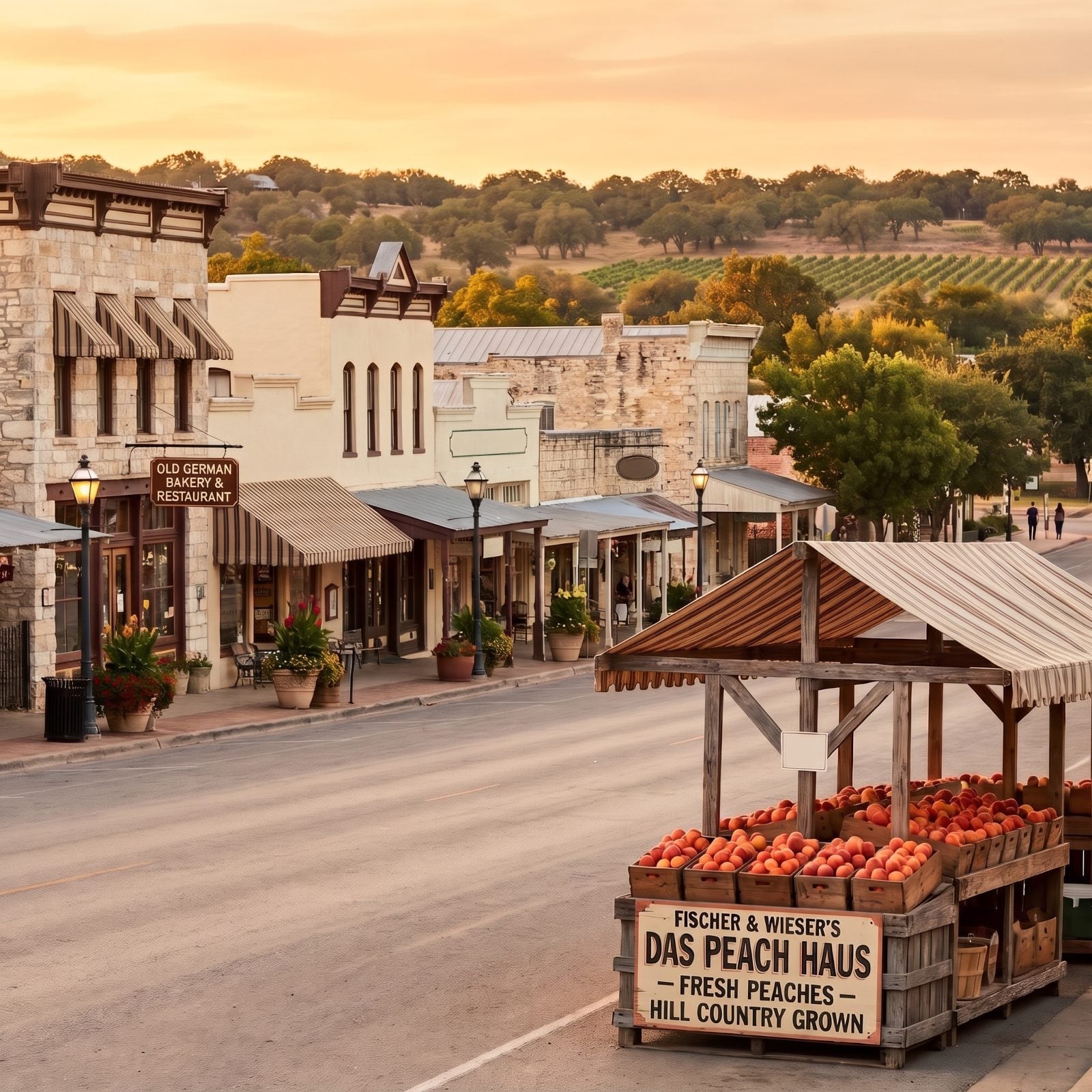
German settlers founded this place in 1846, and they never fully left. You still hear a little of the old Texas-German dialect, you still eat schnitzel, and the limestone buildings on Main Street were laid by hands that knew the trade cold.
Texas wine country grew up around that old core. The Hill Country here has become one of the state’s most serious wine regions, tasting rooms scattered among the peach orchards. Buy the peaches in summer. Stay for the limestone and the long gold light over the hills.
13. Natchez, Mississippi: Grand Mansions Above the Big River
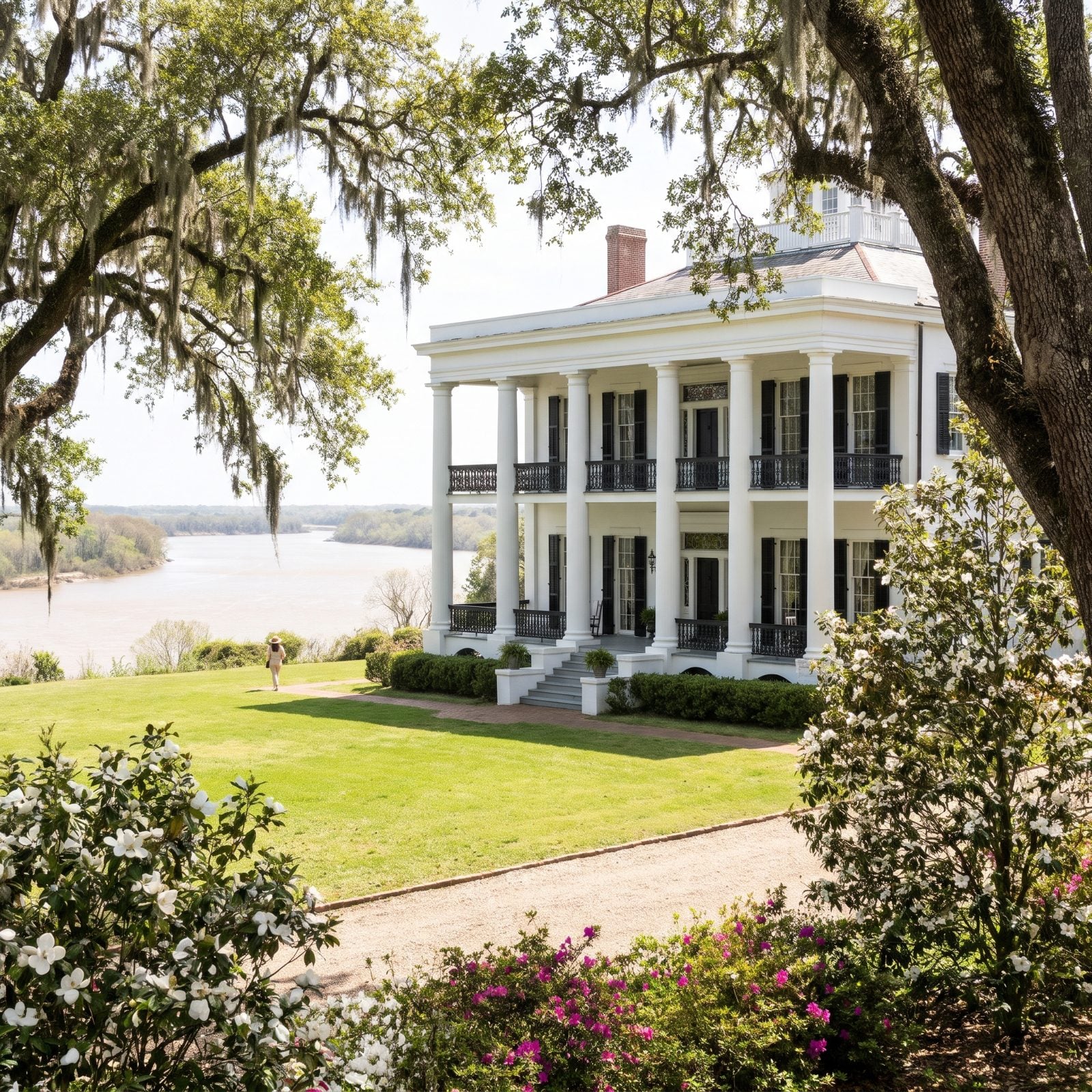
Natchez holds more surviving antebellum homes than any town in America, and they sit right where the money once was — on the bluffs above the Mississippi. The river made this one of the richest towns in the pre-war South, and that wealth bought the columns and verandas you still walk past today.
The history here is heavy, and the town doesn’t dodge it. The same cotton economy that raised those mansions ran on enslaved labor, and the better tours tell both sides now. Come for the architecture, the river views, and a slower, more honest version of the Old South.
12. Decorah, Iowa: Norwegian Roots in a Hidden Driftless Valley
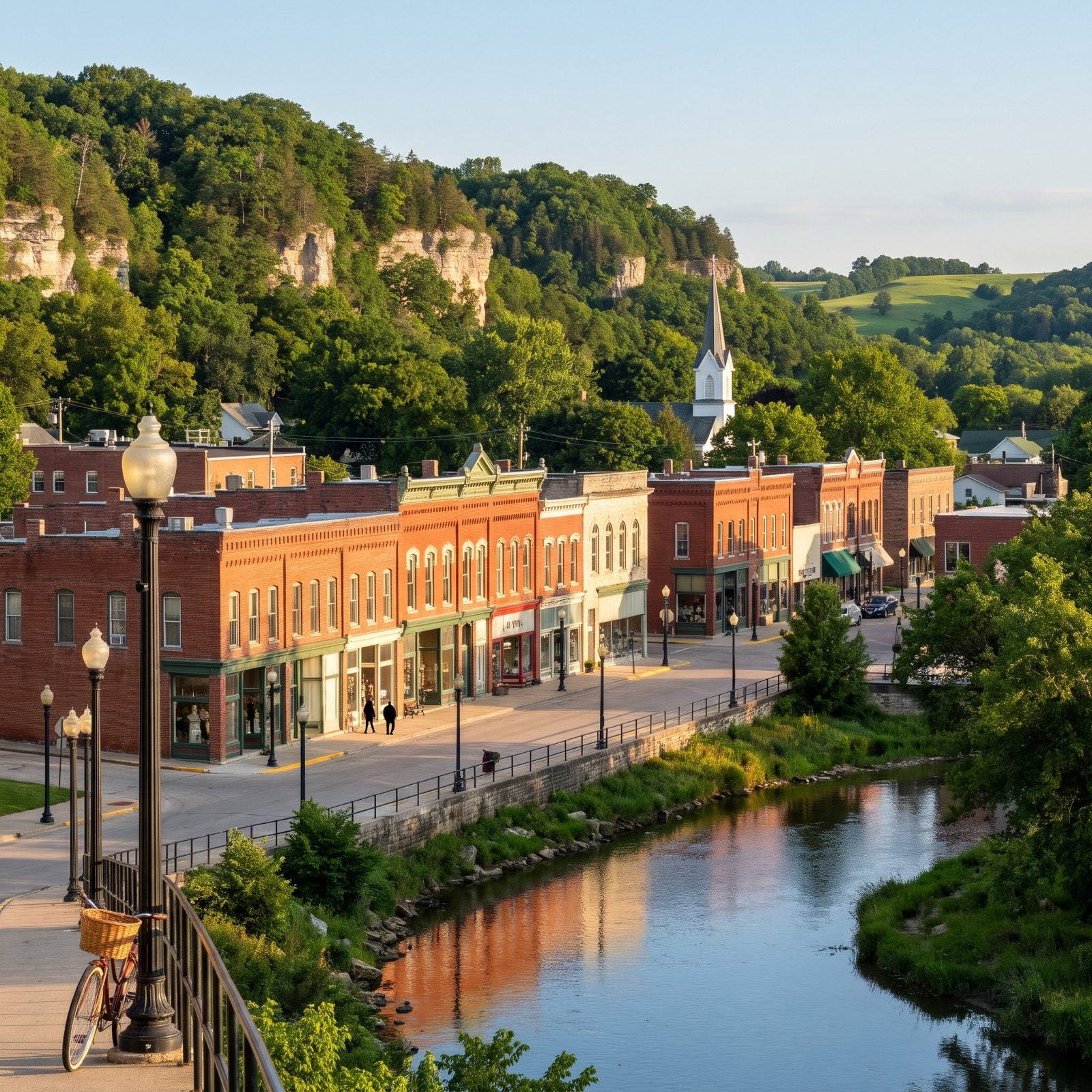
Nobody expects Iowa to have bluffs. But Decorah sits in the Driftless Area — a pocket of the upper Midwest the glaciers somehow skipped — which left behind steep wooded hills, limestone cliffs, and cold spring-fed trout streams. Forget the corn-and-flat-horizon version of Iowa in your head. This looks nothing like it.
The town itself runs deeply Norwegian, with a serious immigration museum and a summer festival that takes its lefse and rosemaling very seriously indeed. Good coffee, good trails, a river running right through the middle of town.
11. Sitka, Alaska: Russian Onion Domes Against Snowy Peaks
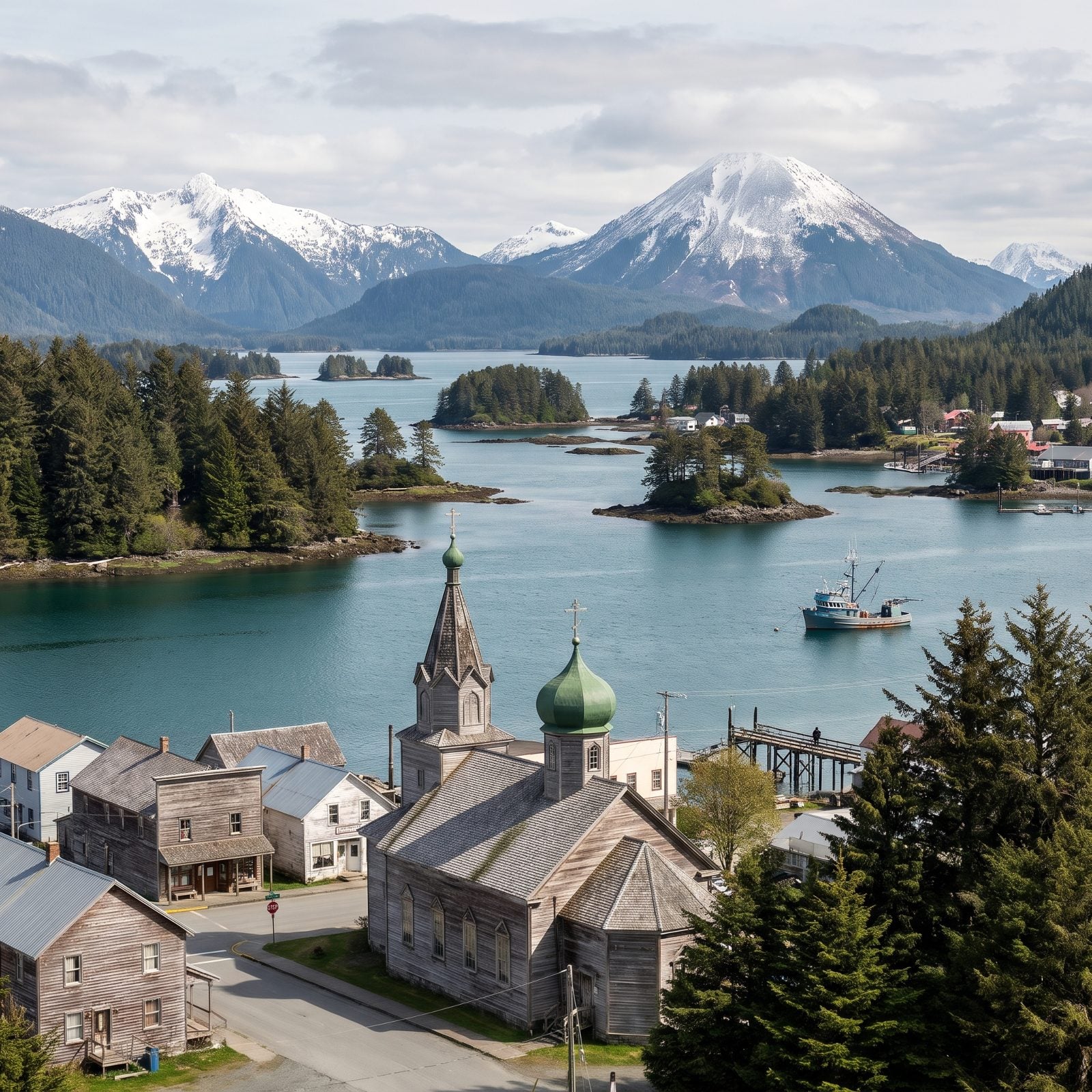
Sitka looks like nowhere else in America, because for a stretch of its life it wasn’t America. This was the capital of Russian Alaska, and the green onion dome of St. Michael’s Cathedral still anchors the center of town — a scrap of old Russia dropped onto a wild Pacific coast.
The setting is the stunner. The town faces a sound scattered with islands, snowy peaks and a near-perfect volcanic cone rising across the water. No road reaches Sitka. You come by ferry or plane, and that isolation keeps it feeling wonderfully remote. Tlingit culture, Russian history, rainforest coastline — all in one small town.
10. Lewisburg, West Virginia: An Arts Town Tucked in the Greenbrier Valley
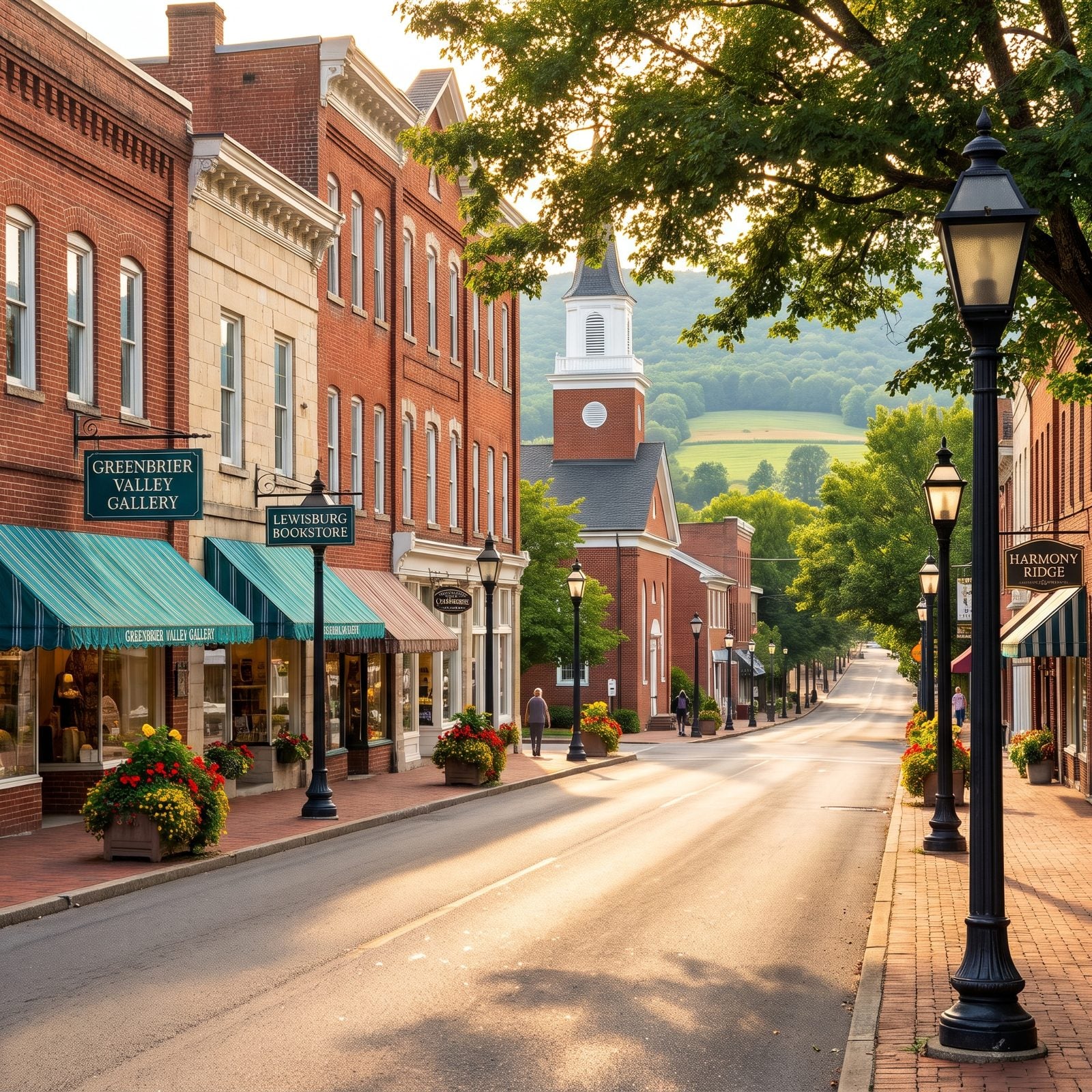
A town this small has no business with an arts scene this good. Lewisburg sits in the Greenbrier Valley, a main street of 18th-century brick buildings, and somewhere along the way it filled those buildings with galleries, a serious theater, independent bookshops, and restaurants that would hold their own in a city ten times the size.
Much of that 1700s architecture survived the Civil War intact, which is rare for West Virginia. Add the surrounding farmland and the nearby caverns and you’ve got a weekend that punches way above the town’s weight. It’s the kind of place you keep meaning to get back to.
9. Marietta, Ohio: Where Two Rivers Meet and Nobody’s in a Hurry
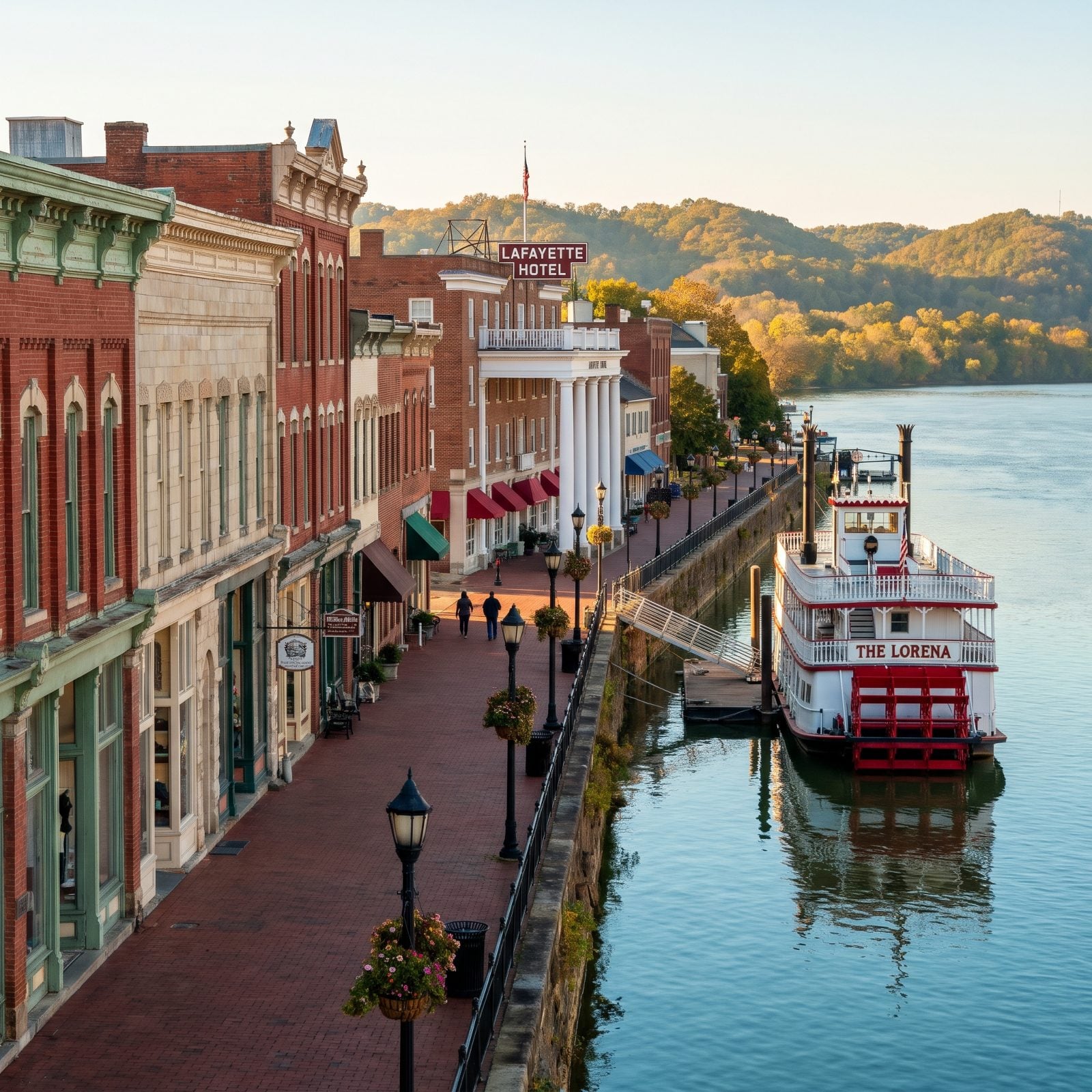
Ohio’s oldest town, settled in 1788, and it wears every one of those years well. Marietta sits where the Muskingum pours into the Ohio, so the whole place is organized around water the way older towns always were — brick riverfront, Italianate buildings, sternwheelers still tying up at the levee.
Go for the mound. The Adena people built a burial mound here centuries before the town existed, and the pioneers had the good sense to leave it standing in the middle of a cemetery. Climb the steps and you’re standing on something that predates the whole idea of the United States.
8. Hood River, Oregon: Orchards, Wind, and a Mountain That Owns the Skyline
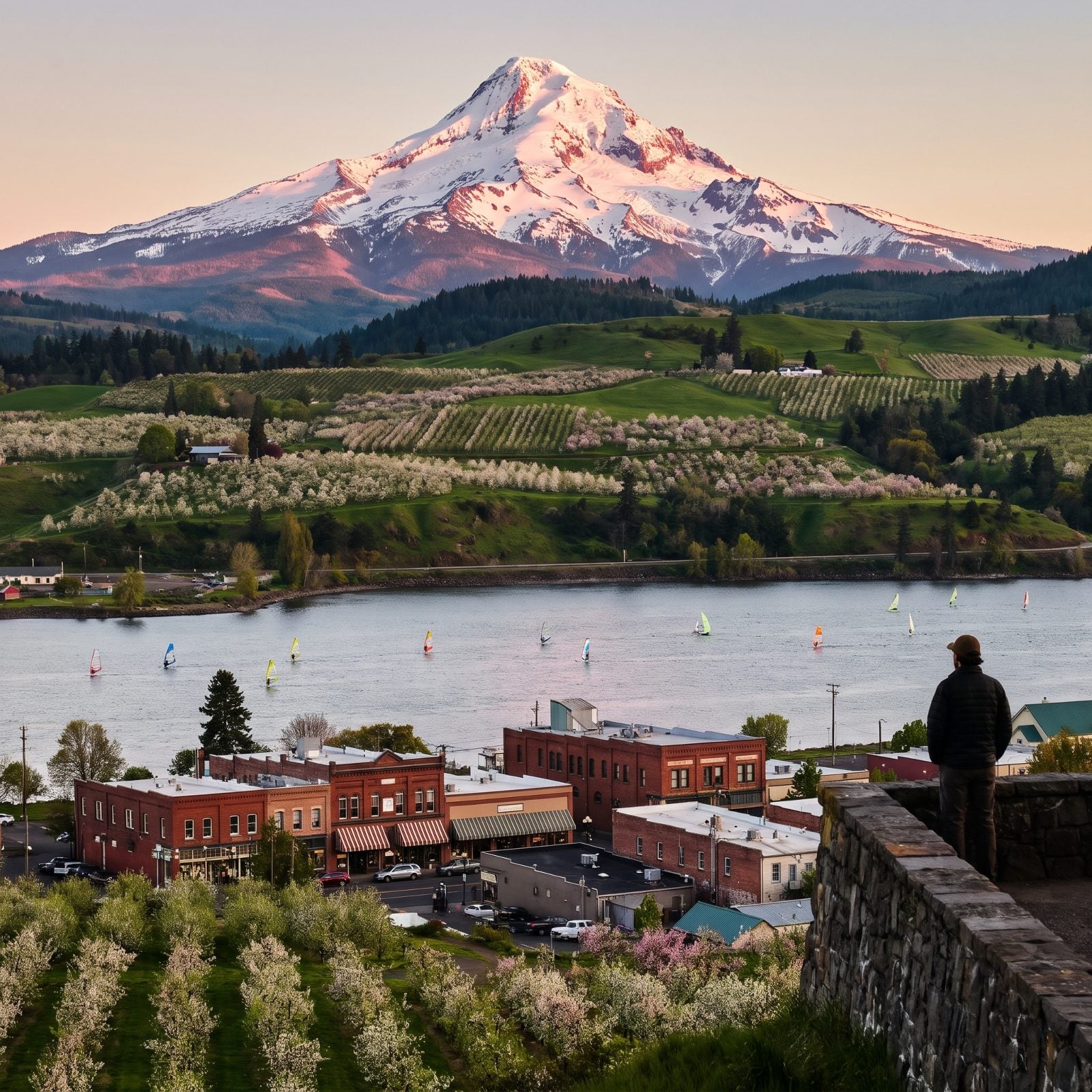
The wind made this town famous and the fruit kept it alive. Hood River sits where the Columbia River Gorge funnels the wind into something windsurfers chase from around the world. But the real reason to come is the orchards and the mountain standing guard over them.
Drive the Fruit Loop in fall. Pears, apples, cider, lavender — every farm stand within sight of Mount Hood looking close enough to touch. The downtown is brick and compact, full of breweries that take themselves exactly as seriously as they should.
It’s easy to write it off as a kite-and-board town. Don’t. It’s a working agricultural place with one of the great mountain views in the lower 48.
7. Abingdon, Virginia: A Theater, a Trail, and a Brick Main Street That Time Forgot
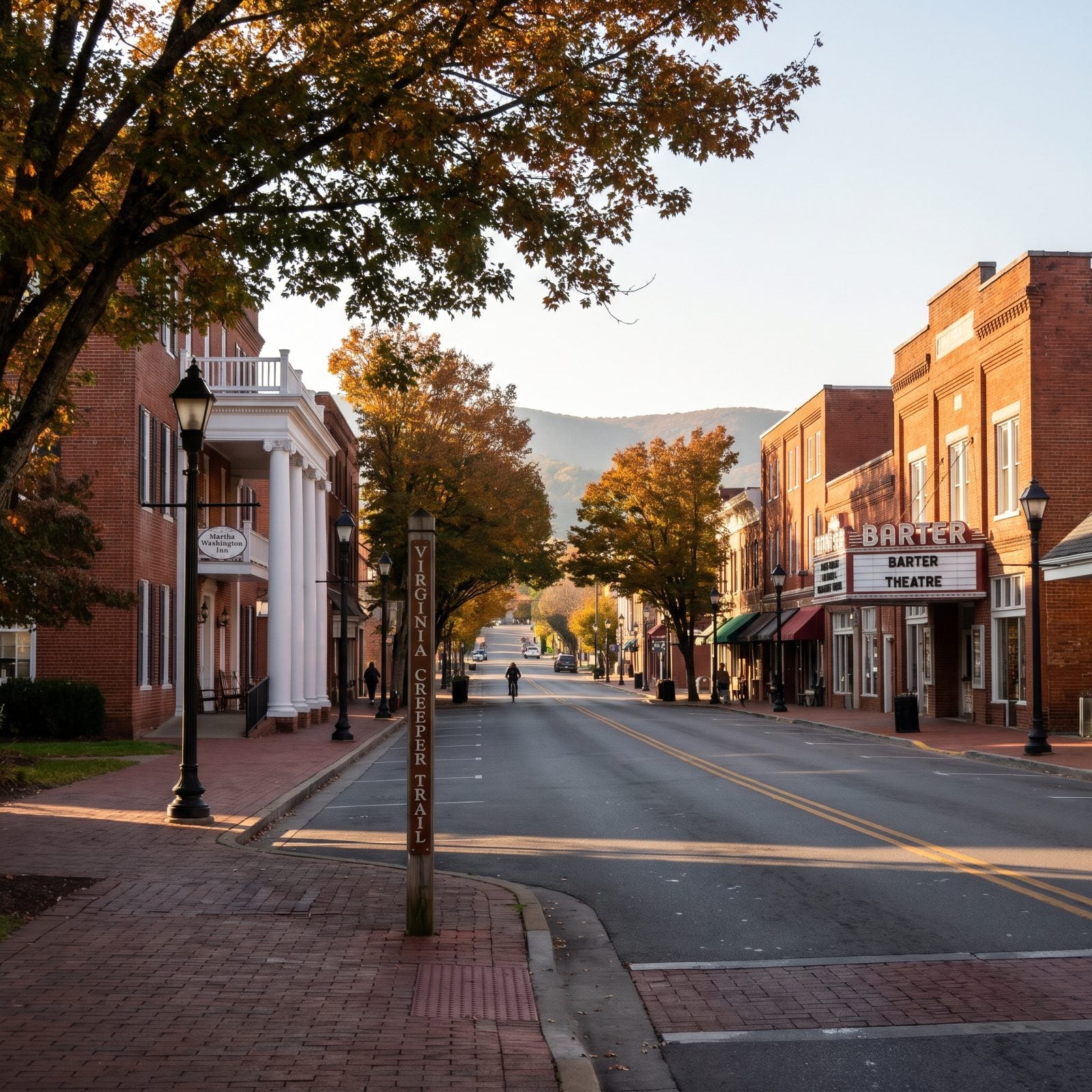
You come for the Barter Theatre and stay because the whole town turned out better than it had any right to. The Barter opened in 1933, Depression-deep, and let people pay for tickets with eggs and ham. It’s still running — one of the oldest professional theaters in the country — and the ghosts of a hundred famous actors who started here are part of the pitch.
Outside the theater, Abingdon is a brick-sidewalk town at the foot of the Blue Ridge. The Virginia Creeper Trail starts here: 34 miles of old rail bed you can coast down on a bike while the Appalachian scenery does all the work.
6. Red Lodge, Montana: The Front Door to the Most Terrifying Road in America
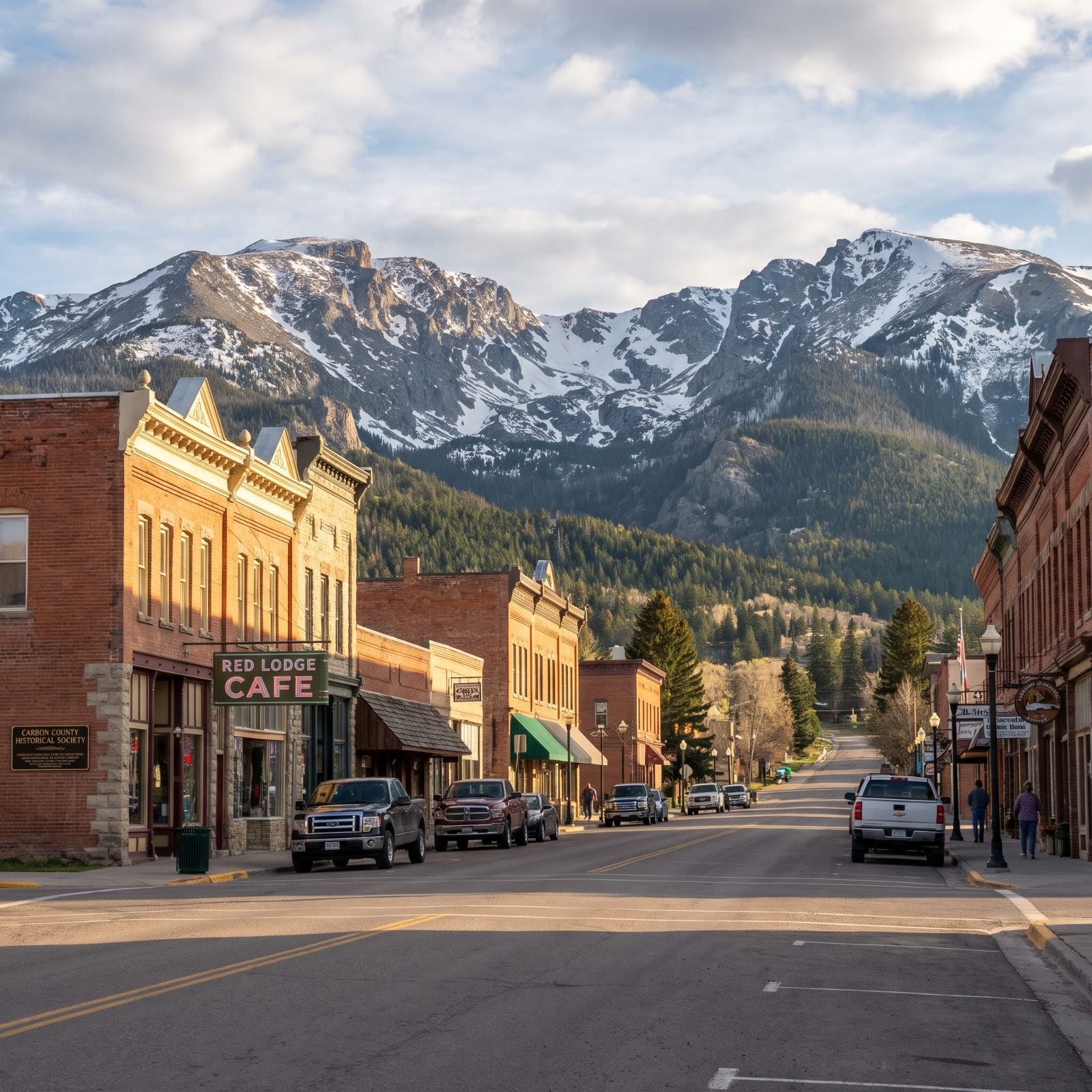
Most people blow through Red Lodge on their way to the Beartooth Highway, which is a mistake, because the town is the best part they’re skipping.
The Beartooth climbs to nearly 11,000 feet, a ribbon of switchbacks Charles Kuralt called the most beautiful drive in America. It’s only open a few months a year — the snow buries it the rest. Red Lodge is where you gas up, sleep, and work up the nerve.
Old brick, old western, the kind of main street where the mountains stand right at the end of the road. Come in summer for the drive. Come in winter for the ski hill and a town that keeps its doors open for itself.
5. Fayetteville, West Virginia: A Bridge, a Gorge, and a Town Built for the Reckless
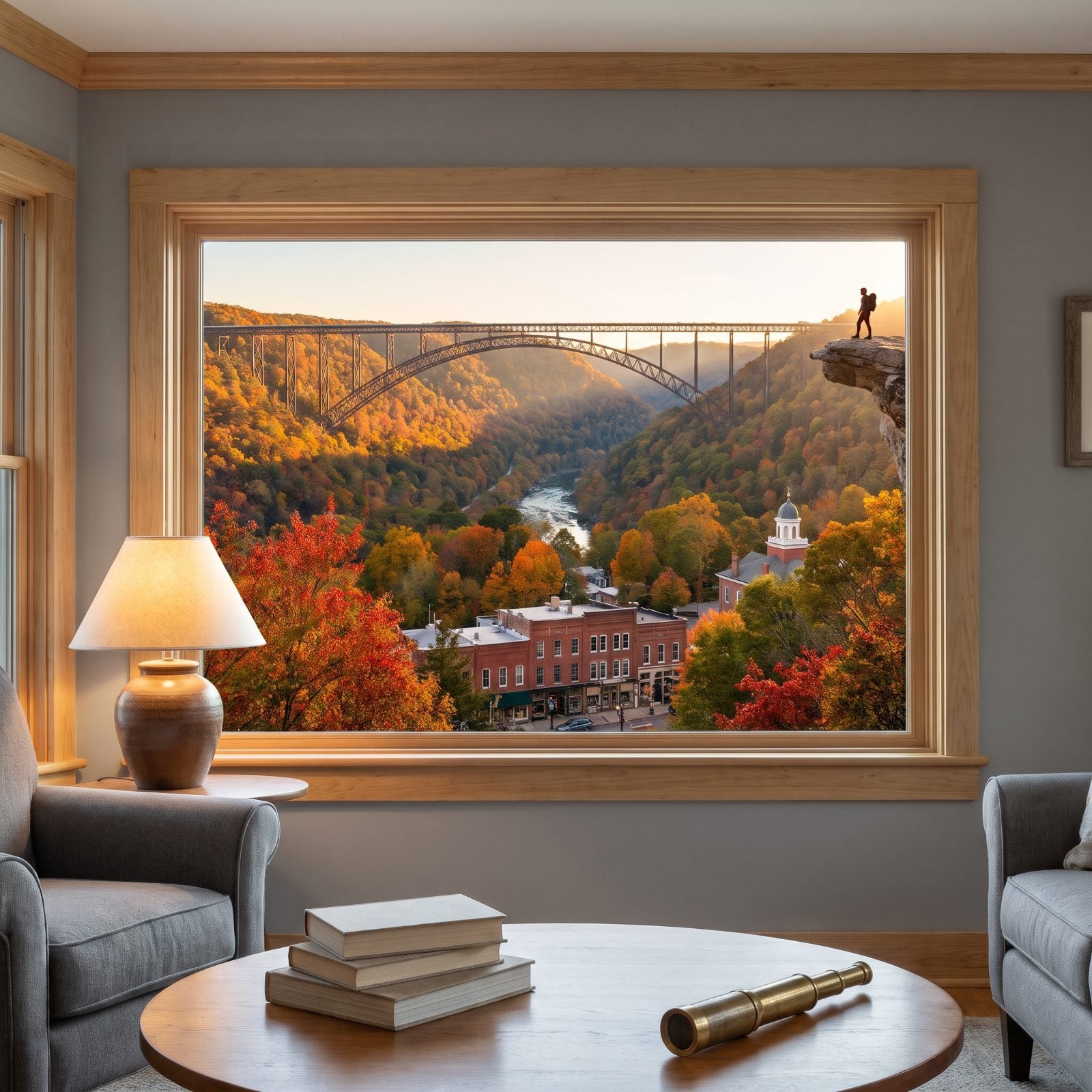
The New River Gorge Bridge is the kind of thing you have to see in person to believe a town that small built it. Once the longest single-span steel arch in the world, it hangs 876 feet above the river, and one day each October they let people walk across it and jump off it on ropes.
Fayetteville grew up around whitewater. The New and Gauley rivers made it a rafting capital, and the town fills with the kind of sunburned, happy people who do dangerous things for fun. The country’s newest national park wraps around all of it.
4. Dahlonega, Georgia: America’s First Gold Rush Had a Town Square to Prove It
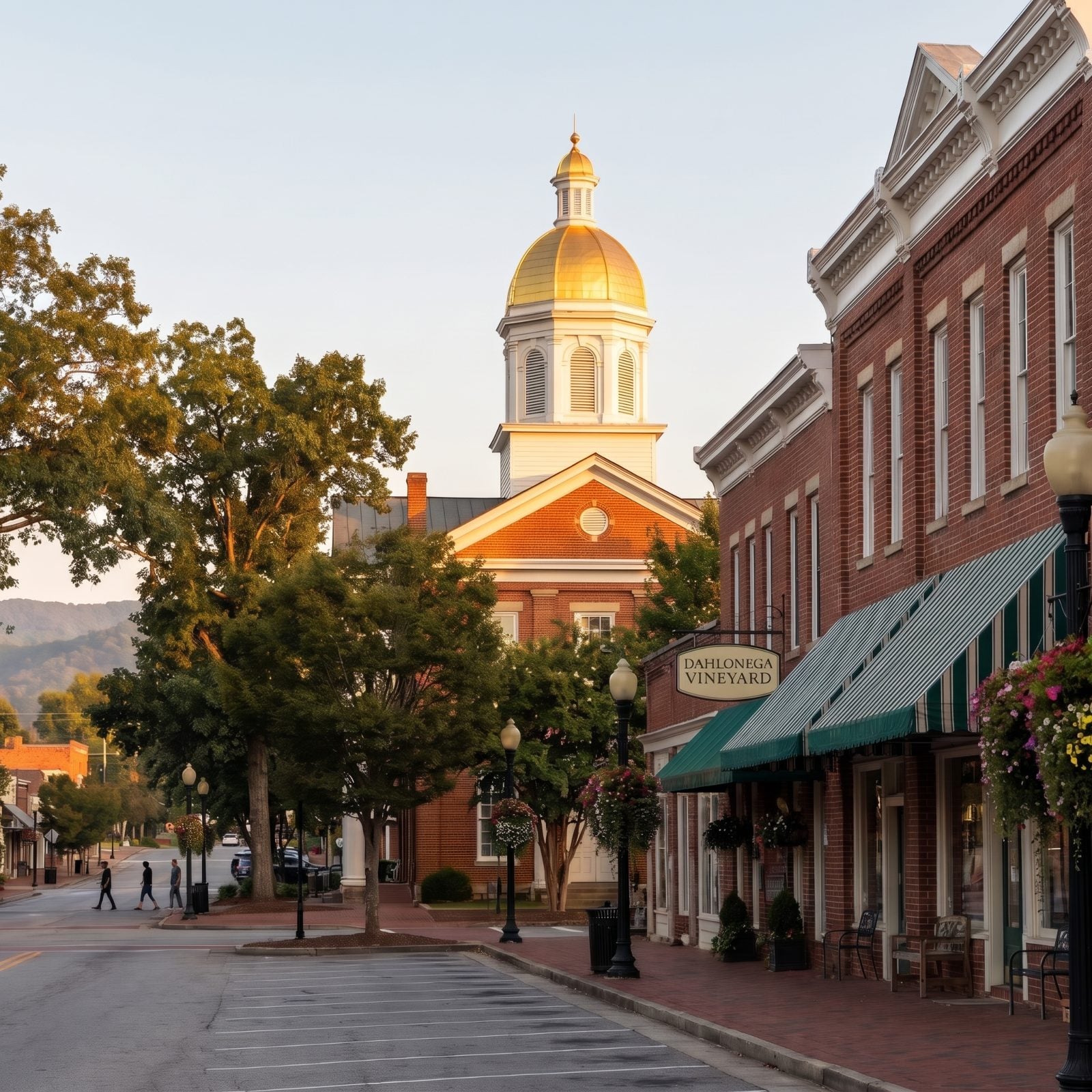
The first major American gold rush happened right here in 1828, twenty years before anyone yelled anything about California. The courthouse in the middle of the square went up with gold-flecked bricks, and the steeple of Price Memorial Hall up the road is gilded with the real thing, mined a stone’s throw away.
The gold mostly played out. What stayed is a town square at the foot of the Blue Ridge, now ringed with tasting rooms because north Georgia turned into wine country when nobody was looking. Pan for gold in the morning, sip a dry red by afternoon — a stranger sentence than it ought to be.
3. Stanley, Idaho: Sixty-Some Residents and the Sawtooths Standing Guard
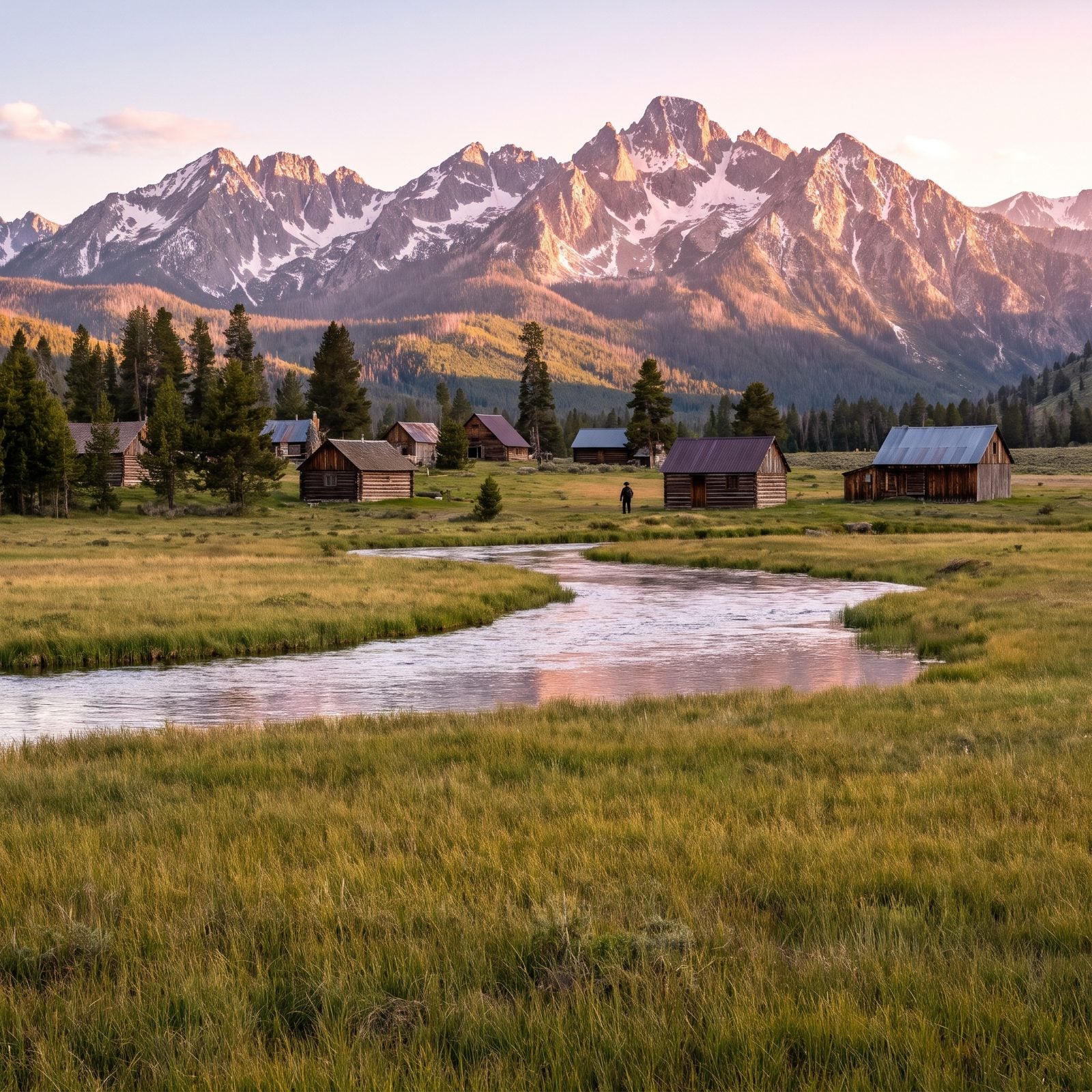
Fewer people live in Stanley than you’d find in line at a decent coffee shop, and that’s exactly why you go. A couple hundred in summer, a few dozen who tough out the winter, and behind them one of the most dramatic mountain ranges in the country.
The Sawtooths are not subtle. They go straight up — granite and snow — and the Salmon River runs cold and clear through the valley floor below. There are hot springs you soak in for free while the peaks turn pink overhead.
Stanley regularly posts the coldest temperature in the lower 48 on winter nights. That’s the price of a sky that dark and that full of stars.
2. Mount Dora, Florida: The Lakeside Antique Town Florida Forgot to Pave Over
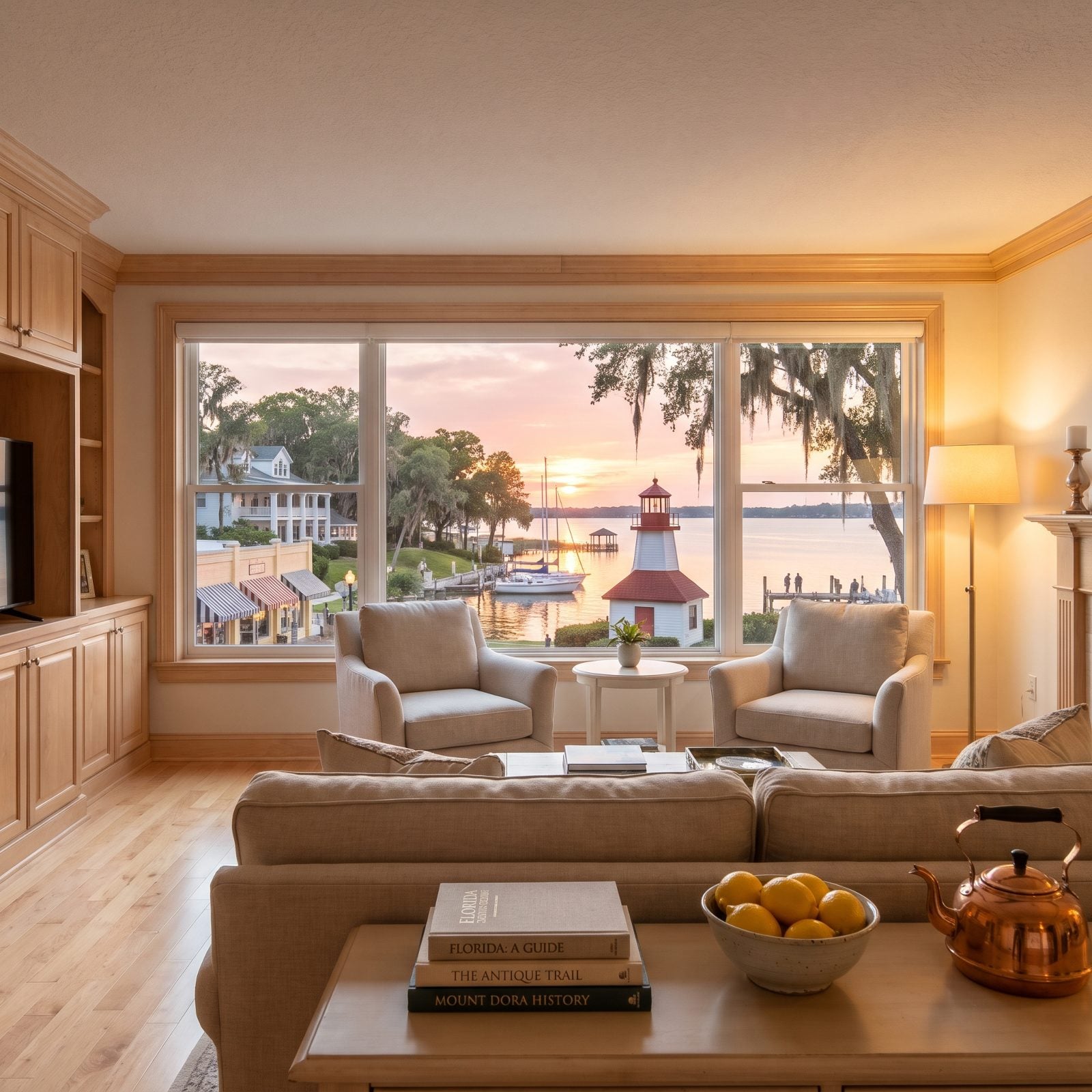
Florida has one real hill town and this is close to it. Mount Dora sits on bluffs above Lake Dora, which hands it something almost no other Florida town can claim: elevation, a breeze, and an excuse to call itself the New England of the South with a straight face.
It’s an antique town. Dozens of shops, the kind you dig through for hours, plus a lakefront lighthouse that’s purely for charm and the Lakeside Inn, running without a break since 1883. The oaks hang heavy with Spanish moss and the pace is Sunday-afternoon slow.
Skip it in July. The whole place is built for the cool months, which in Florida is the only secret worth knowing.
1. Grand Marais, Minnesota: The End of the Road on the Edge of a Great Lake
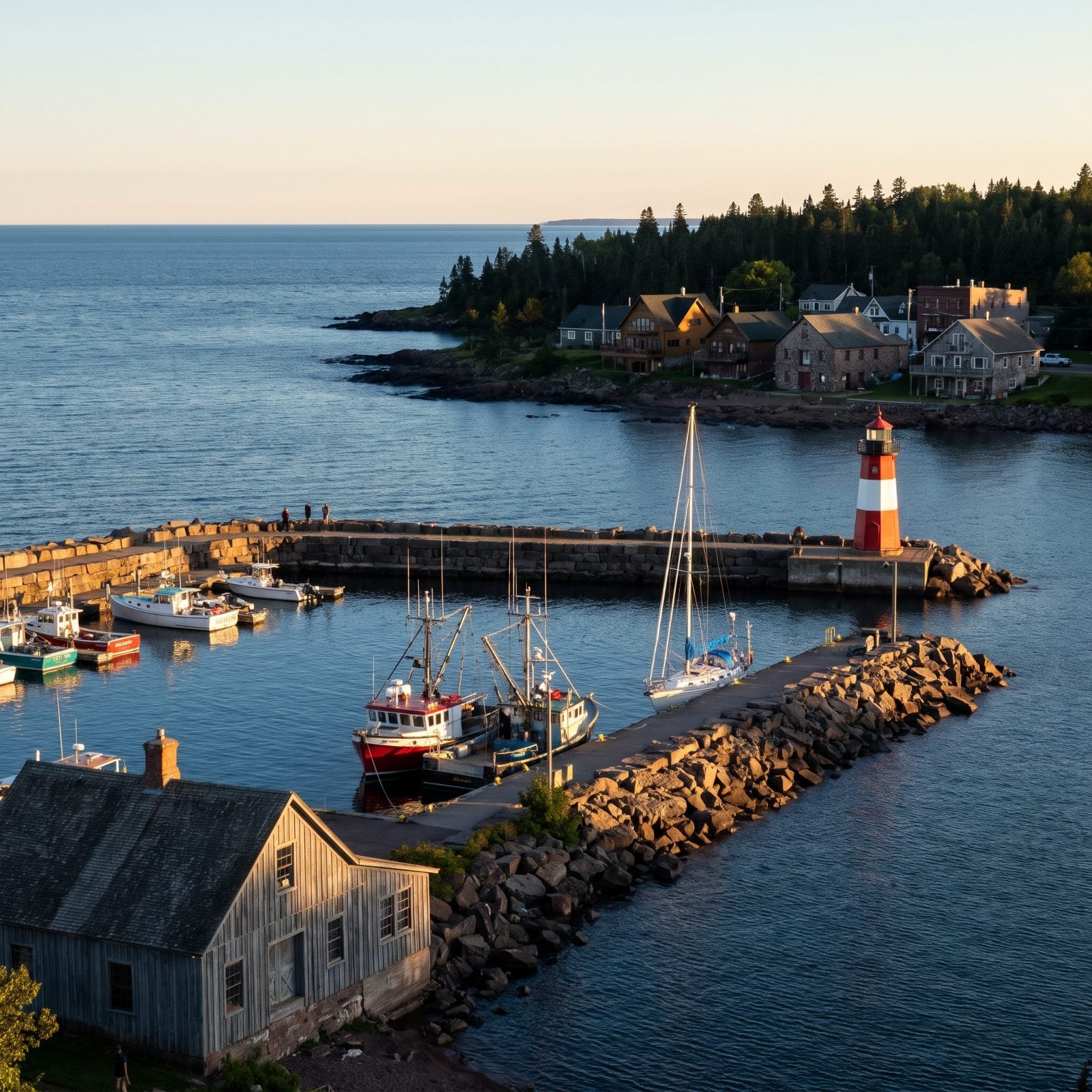
Drive the North Shore until the road nearly runs out and you hit Grand Marais, a harbor town wedged between Lake Superior and the Boundary Waters wilderness. The lake out front is so big it makes its own weather, and the woods out back run without a single road across a million-plus acres.
It’s an arts town that happens to sit at the edge of everything. The folk school teaches people to build canoes and forge knives by hand. The harbor has a lighthouse on a stone pier you walk out to while the biggest lake in the country does whatever it wants.
Superior doesn’t care that you drove six hours to see it. That indifference is exactly why you came.
Bring a warm layer even in July. The lake runs cold enough to drop the air temperature twenty degrees the moment the wind turns.
Please note that some of the imagery in this article were created with the aid of AI image generators.