
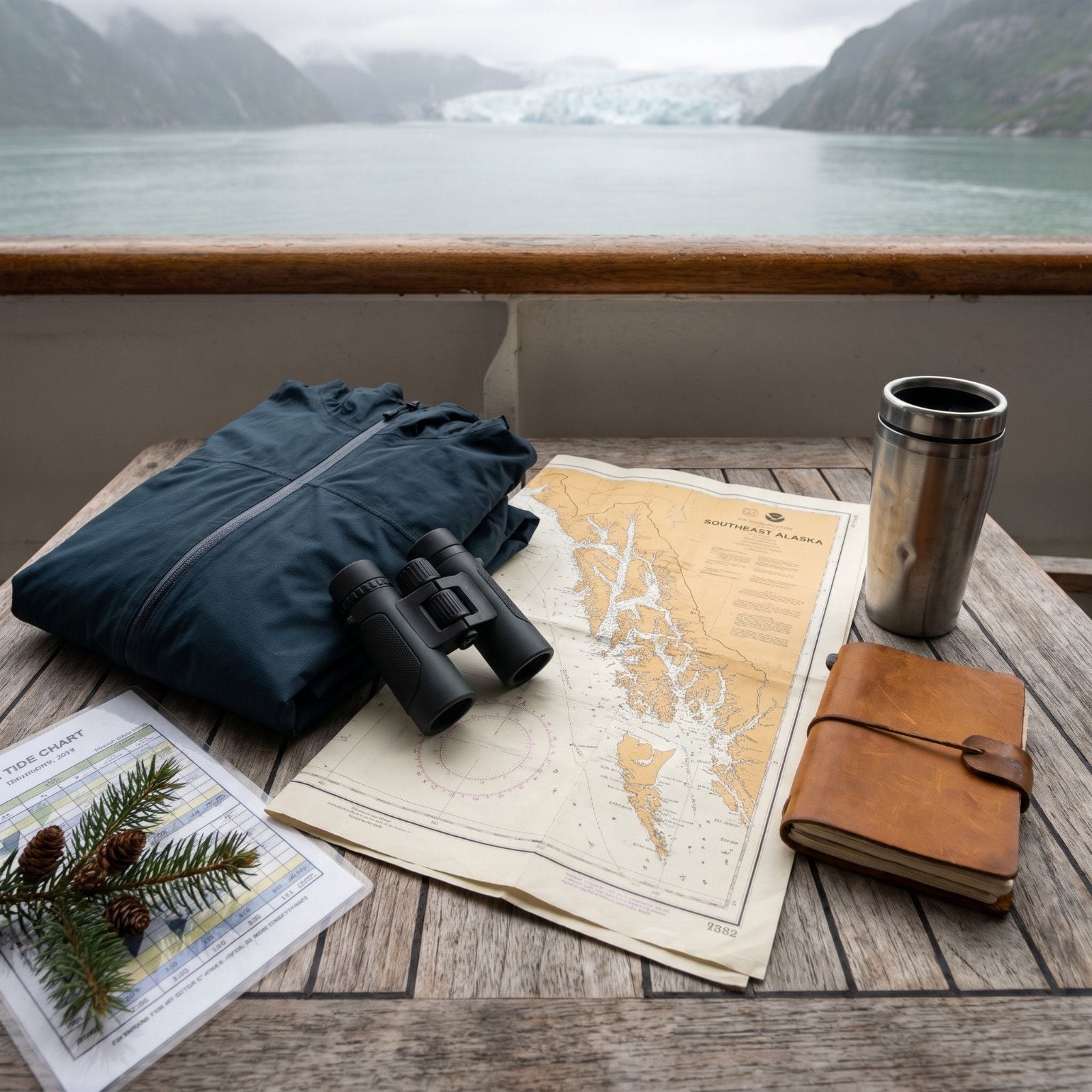
The brochure photo is always the same: a glacier the color of old denim, a railing, a cup of coffee going cold in someone’s hand. What it skips is everything that decides whether you actually get that view or spend the day squinting at open water.
Most of these mistakes happen at the booking screen, months before anyone packs a rain shell. They cost money and time, and sometimes the one wildlife sighting you flew all that way to see. Fixing them is mostly a matter of knowing where to look. So here they are.
36. Booking an Inside Cabin Without Considering the Scenery
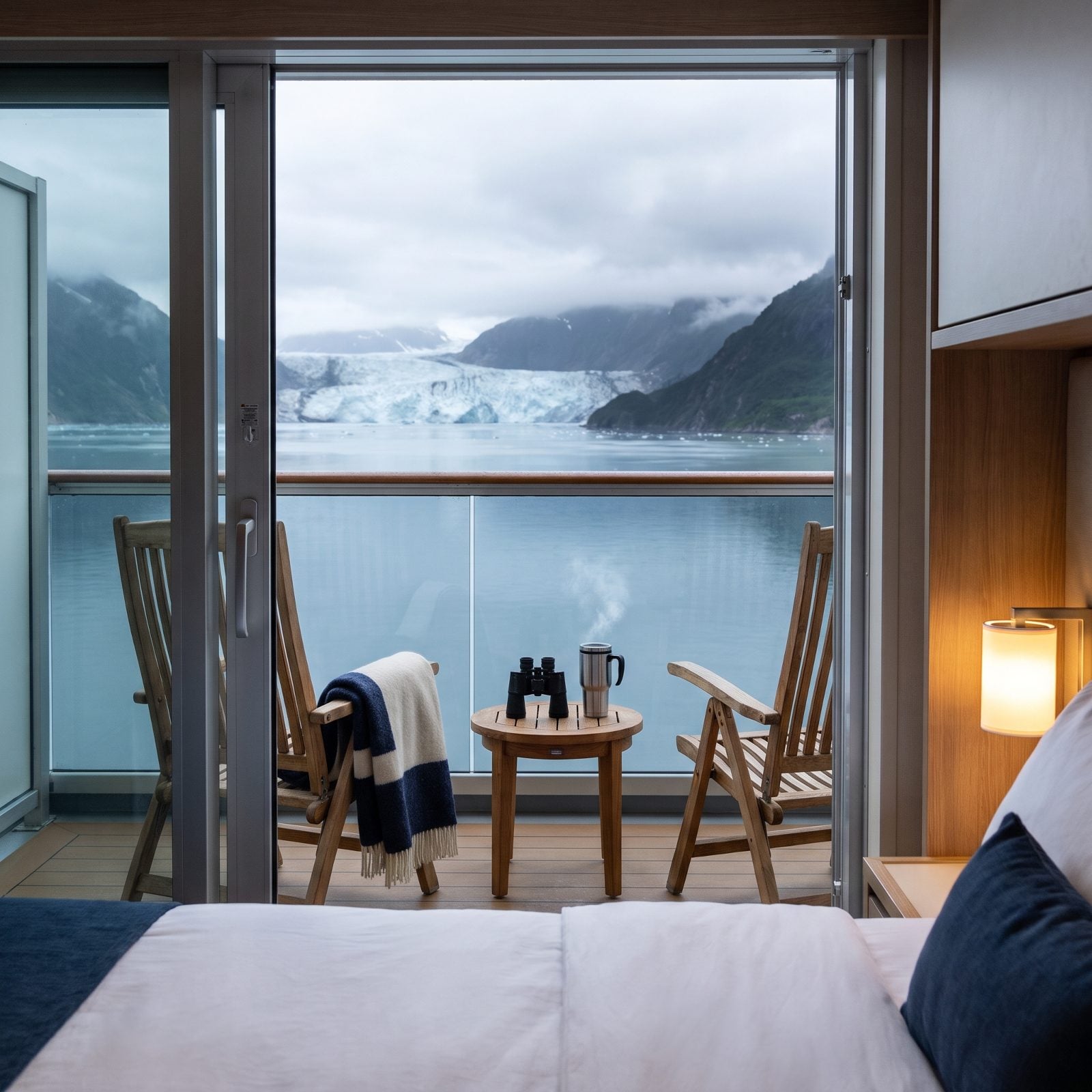
You board, drop your bags, and then realize the mountains are happening without you. An inside cabin on a Caribbean run makes perfect sense. But on Alaska, where the whole draw is what’s outside the window, it leaves you elbowing for space on a crowded public deck every time a pod of orcas surfaces.
The scenery here is the whole event. Glaciers calve on their own schedule — often while you’re brushing your teeth — and a balcony or an ocean-view cabin means you catch it in a bathrobe with coffee in hand instead of sprinting to deck seven.
Book at least an ocean view. And if the budget stretches to a balcony, it earns its cost back in quiet mornings when you’ve got the water all to yourself.
35. Forgetting to Compare Cruise-Only and Cruisetour Options
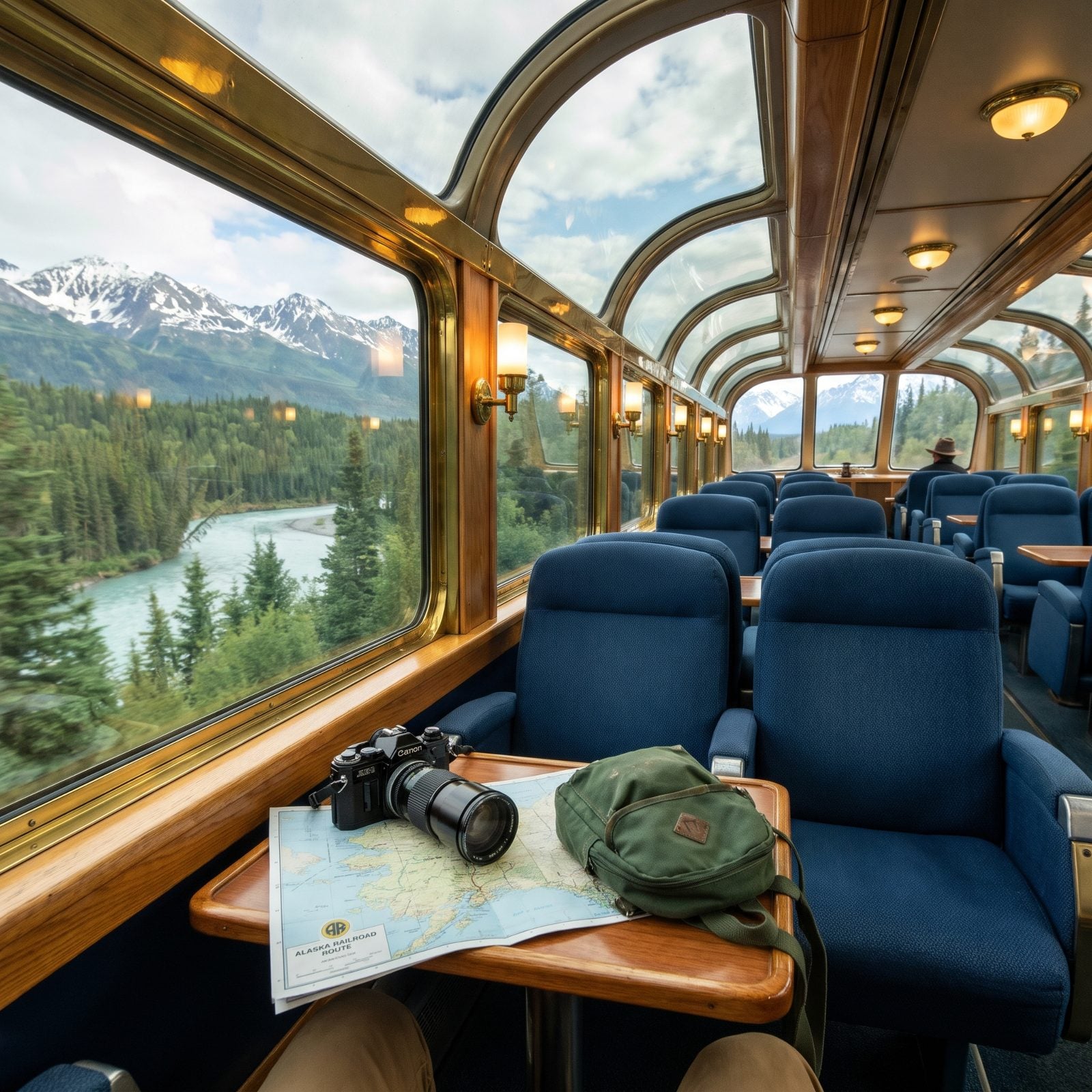
Most people price the cruise, like the number, and stop there. Then they get home, hear a neighbor rave about standing at the base of Denali, and realize they sailed right past the land half of Alaska.
A cruisetour bolts a rail-and-lodge package onto the sailing — a few days through the interior, Denali and Fairbanks and the Talkeetna area. A cruise-only ticket skips all of it. Neither choice is wrong. But if you fly all the way up here and never leave the water, you’ve read one chapter of a much longer book.
Pull both quotes side by side before you commit. Decide whether the interior matters to you now, because adding it later — after flights are already booked — costs more and fits worse.
34. Adding a Cruisetour Without Checking Its Daily Pace
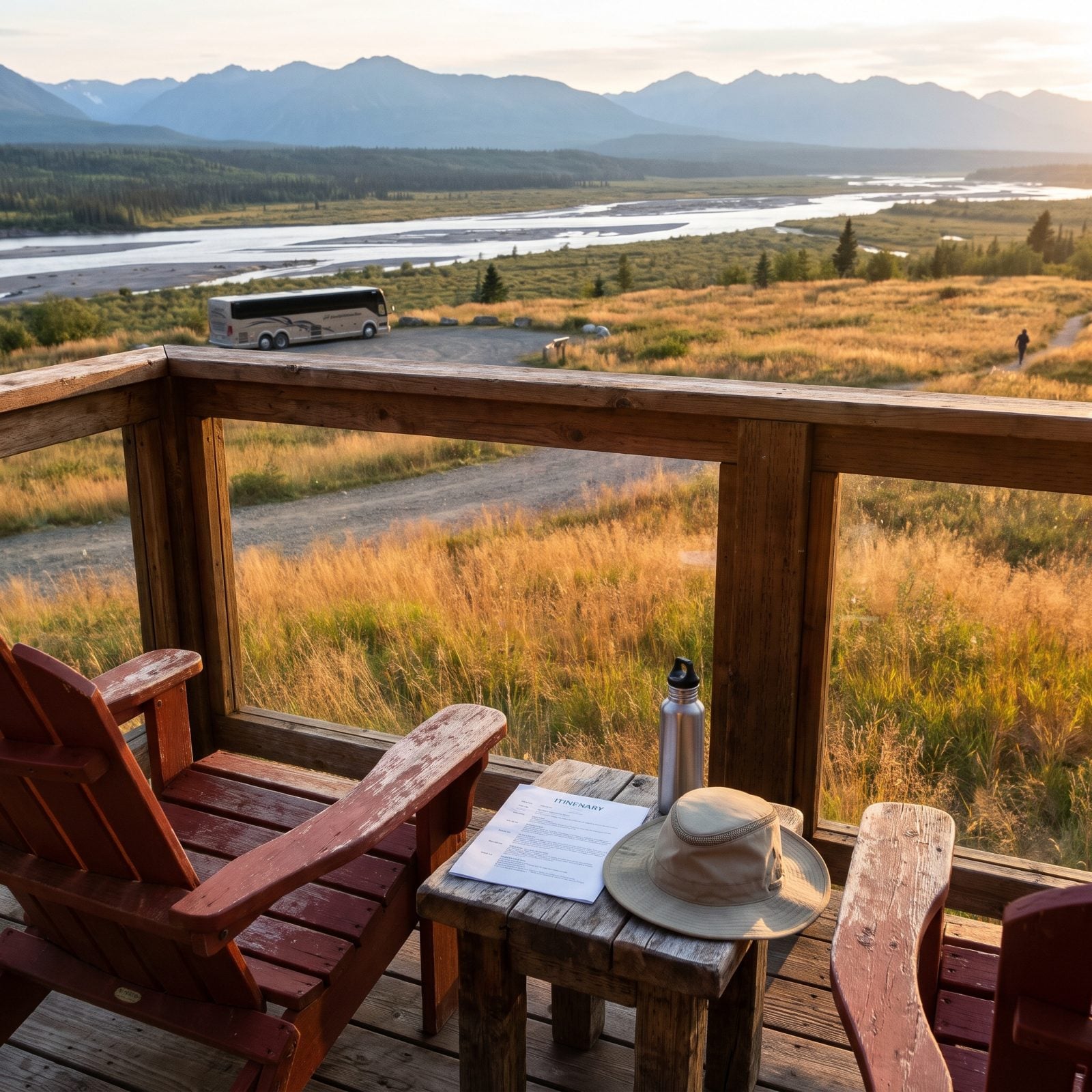
The brochure shows a lodge, a mountain, a mug of coffee. What it leaves out is the pre-dawn motorcoach transfer, the long rail segment, and three one-night stays in a row where you’re repacking the suitcase before the kettle’s even cool.
Some cruisetours move fast. Fine, if you want to cover ground. Brutal, if you pictured slow mornings and long views.
So read the day-by-day, not the summary. Count the hotel changes and the departure times. A tour with two-night stops and an afternoon transfer is a completely different animal from one that has you on a bus at sunrise for five straight days — and you’ll feel the difference in your bones by day three.
33. Underestimating Travel Time to the Embarkation Port
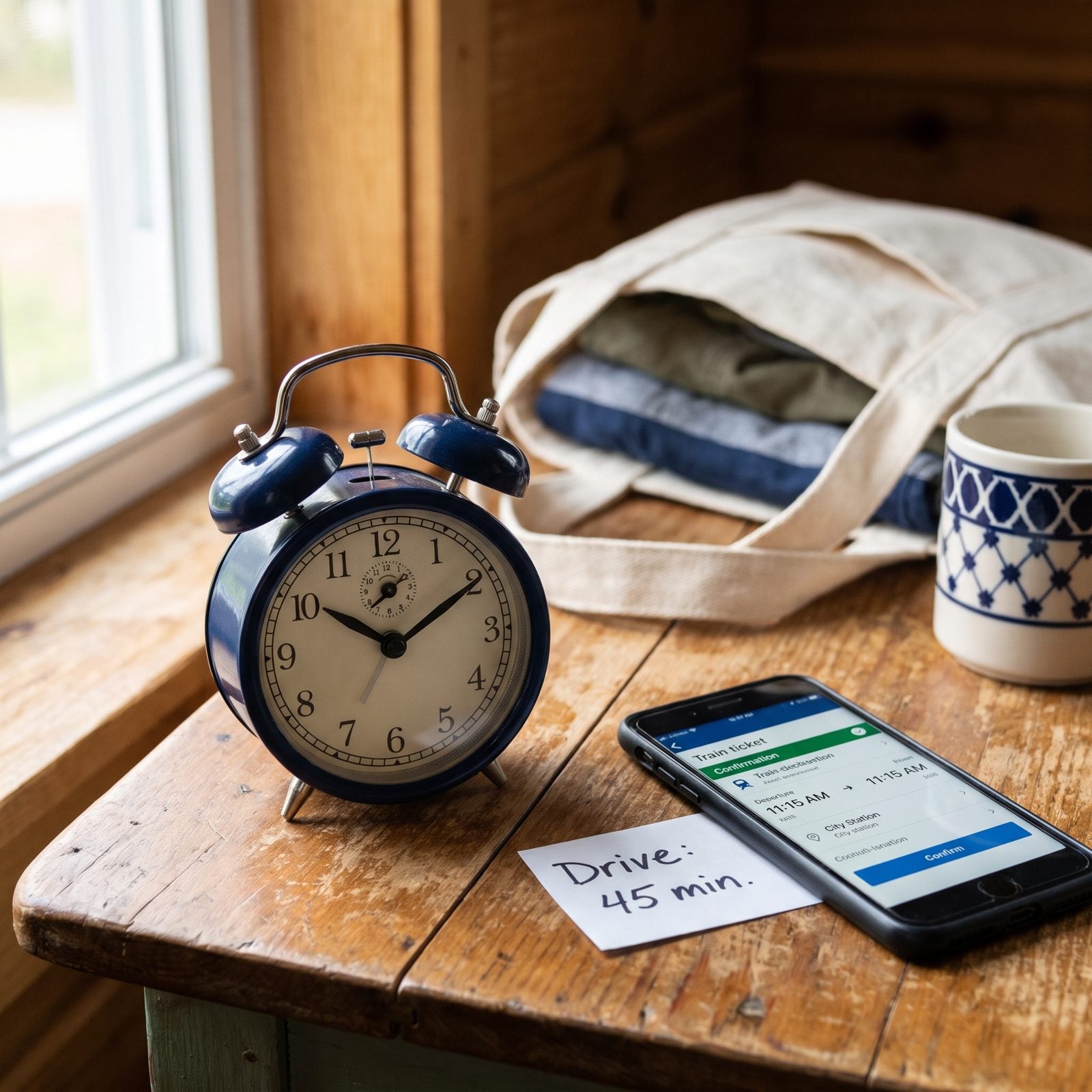
Seattle and Vancouver sit about three hours apart, with an international border crossing stuffed in the middle. People book a ship out of Vancouver but fly into Seattle because the fare was cheaper, then discover that gap at the worst possible moment.
Alaska sailings don’t wait. Miss the all-aboard and you’re chasing the ship to the next port on your own dime — assuming you can get there at all.
Confirm which city your ship actually leaves from, then build in real buffer. Fly in the day before. And if there’s a land-border crossing, a ferry, or a long drive between your airport and the pier, treat it as its own leg of the trip with its own padding.
32. Overlooking Passport Rules on Closed-Loop Cruises
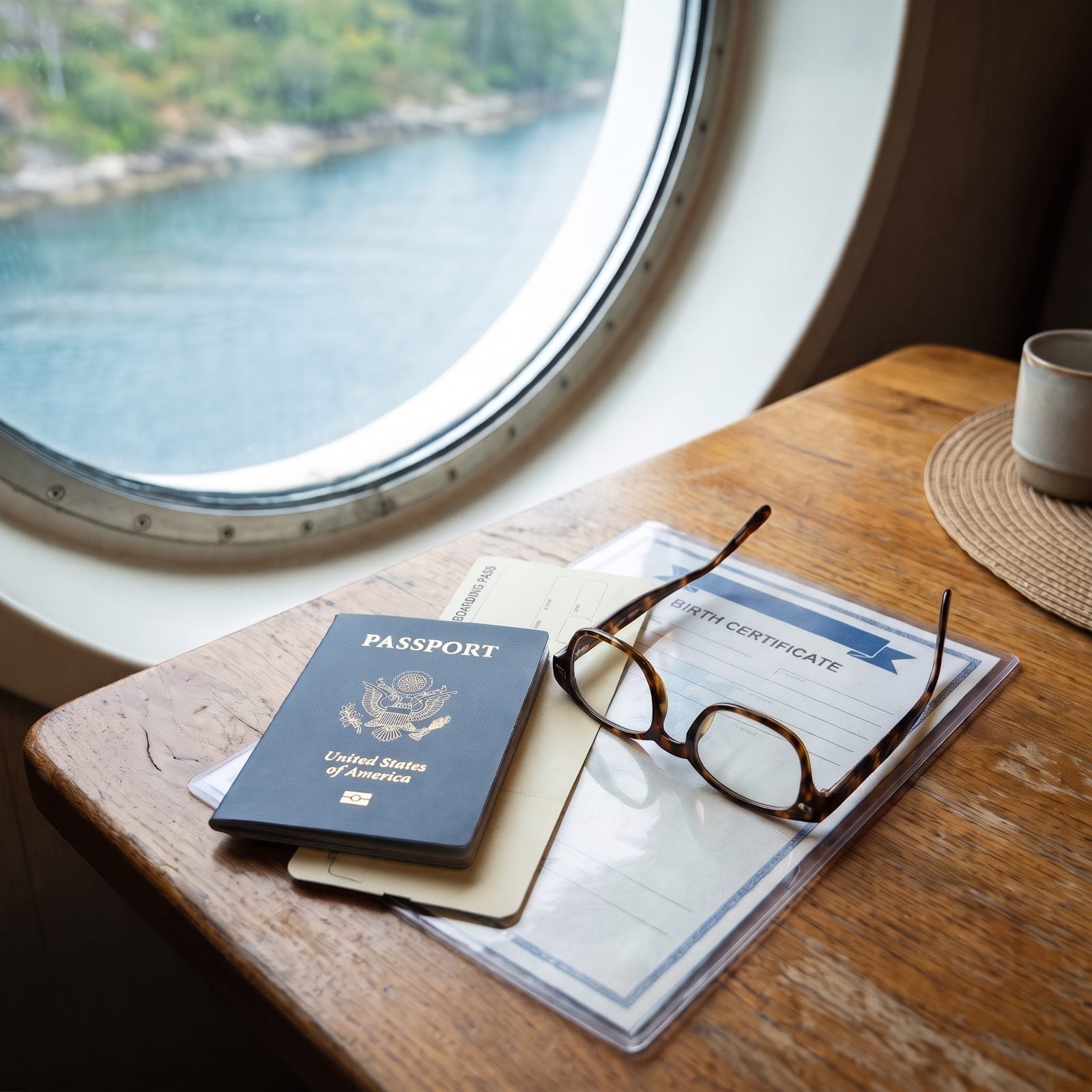
A closed-loop cruise — one that starts and ends in the same U.S. port — technically lets some travelers board with a birth certificate and photo ID instead of a passport. True on paper. A quiet trap in practice.
Picture the ways it bites. A medical emergency in a Canadian port. A missed ship. A flight home out of Vancouver. Without a passport, you can be stranded on the wrong side of a border with no fast way back.
Bring a passport. Full stop. Even when the rules say you don’t technically need one, the single scenario where you suddenly do is exactly the one you least want to be caught in. Check the expiration date while you’re at it — many countries quietly enforce a six-month validity window.
31. Booking an Early Flight Home After Disembarkation
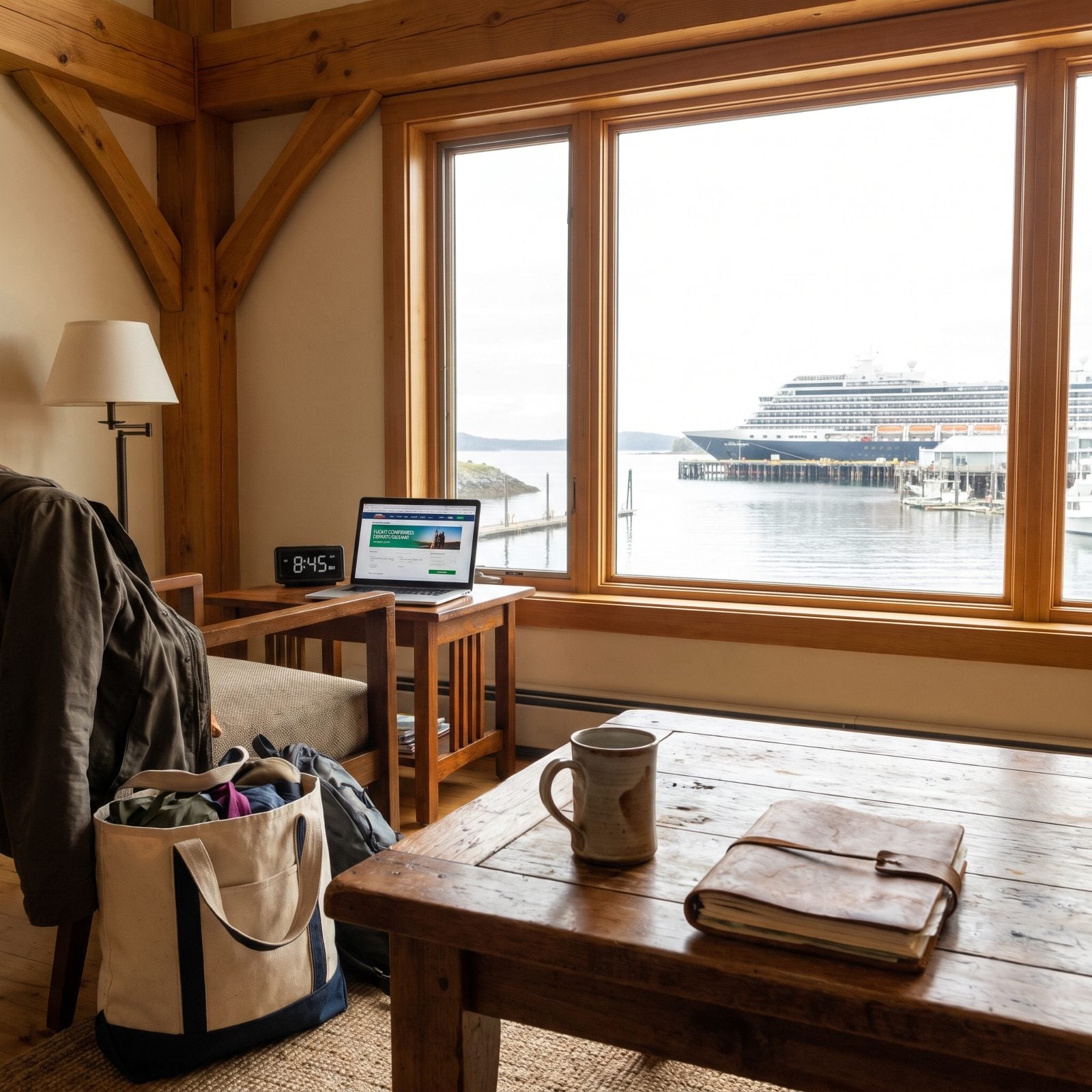
Disembarkation morning sounds easy. Grab bags, walk off, catch your flight. Then the reality lands: thousands of people clearing the ship and customs at the same time, the whole thing crawling toward noon.
Book a flight before early afternoon and you’ll spend the last hours of your trip white-knuckling a customs line and watching the clock. Nobody pays for that kind of ending.
Aim for a departure no earlier than early afternoon out of Seattle or Vancouver, and later if you can swing it. Better still, spend one more night in the port city. You’ve come a long way. A quiet last afternoon beats a dead sprint through the terminal.
30. Ignoring Port Times When Comparing Itineraries
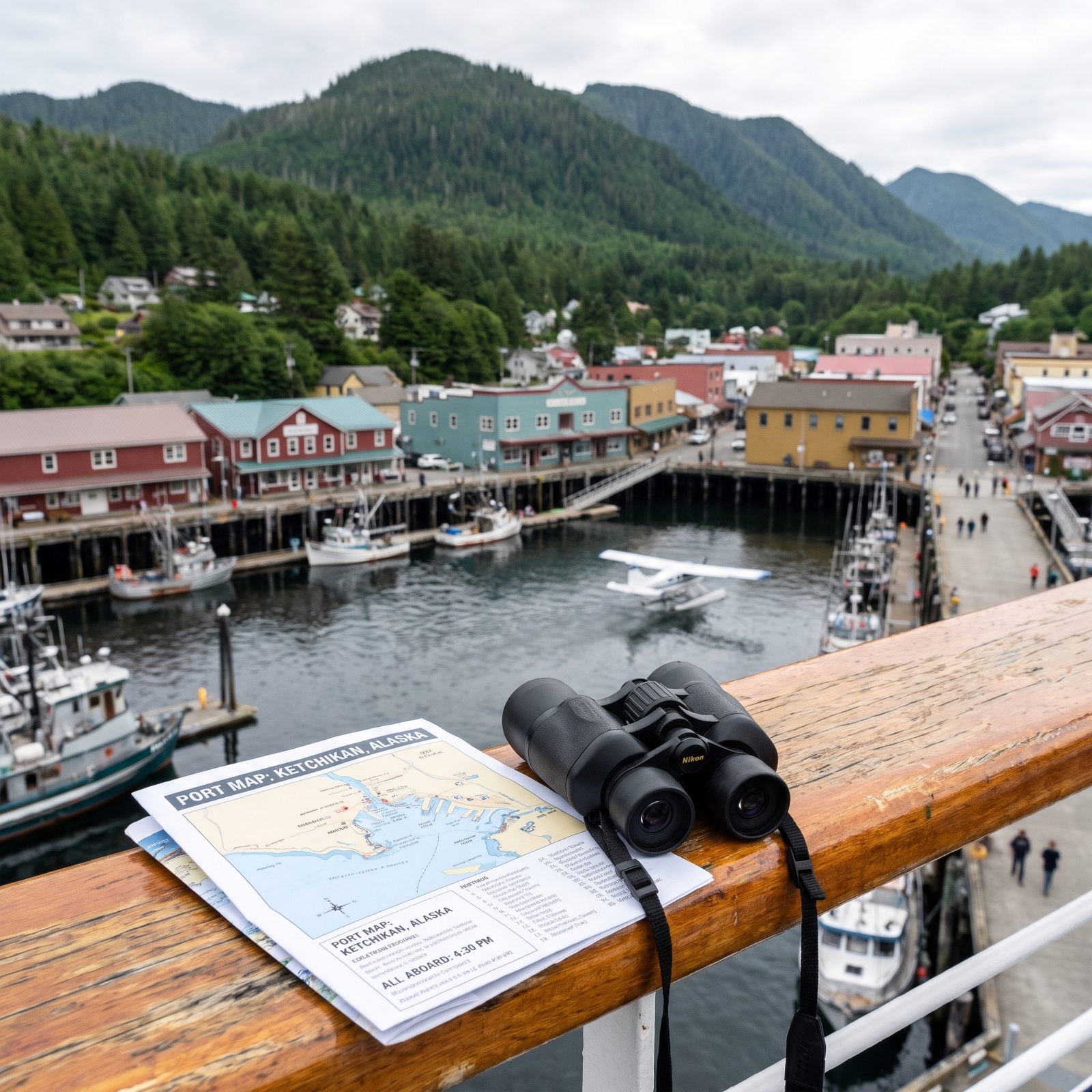
Two itineraries list the same four ports and look identical on the page. They’re not. One gives you Skagway from 7 a.m. to 8:30 p.m. The other docks at 11 and pulls away by 5.
That gap decides whether you can do the full-day rail excursion or just drift down the main street for a couple of hours before the horn.
So read the actual arrival and departure times for each port, not just the port names. A longer day in Juneau beats an extra stop you barely touch. Fewer ports with more hours in each is often the richer trip.
29. Waiting Too Long to Reserve Popular Excursions
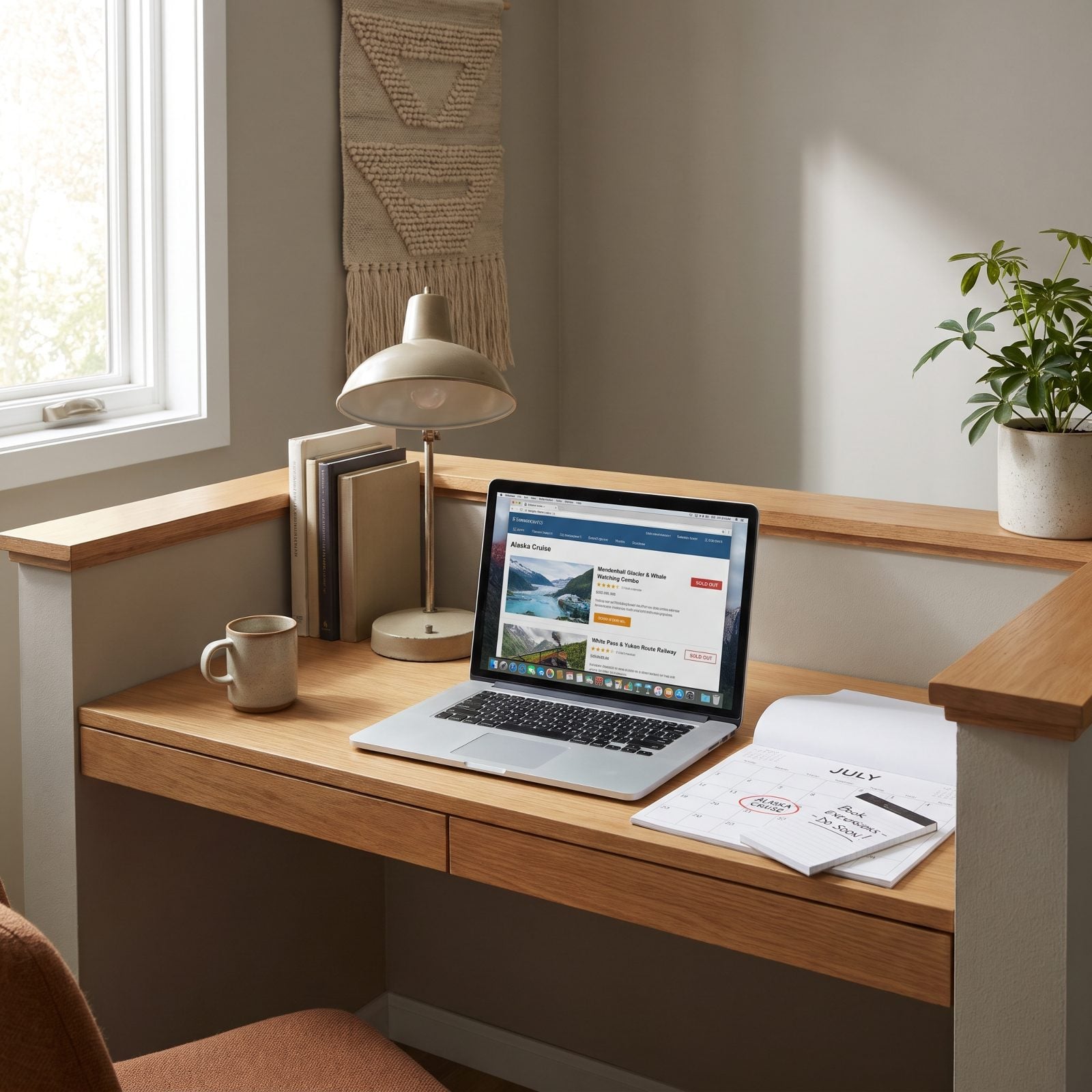
Dog-sledding on a glacier. The float trip. The small-group whale boat that holds twenty people. These sell out, sometimes months before you sail, and a waitlist isn’t a plan.
Wait until you board and the marquee excursions are already gone — leaving you with the big bus tour nobody else fought over.
Once your sailing is paid off and the excursion desk opens online, grab the one or two experiences you’d be genuinely sad to miss. Most cancel free up to a day or two before the port anyway. Lock in the thing that made you want this trip, then fill the rest around it.
28. Booking Every Excursion Through the Cruise Line
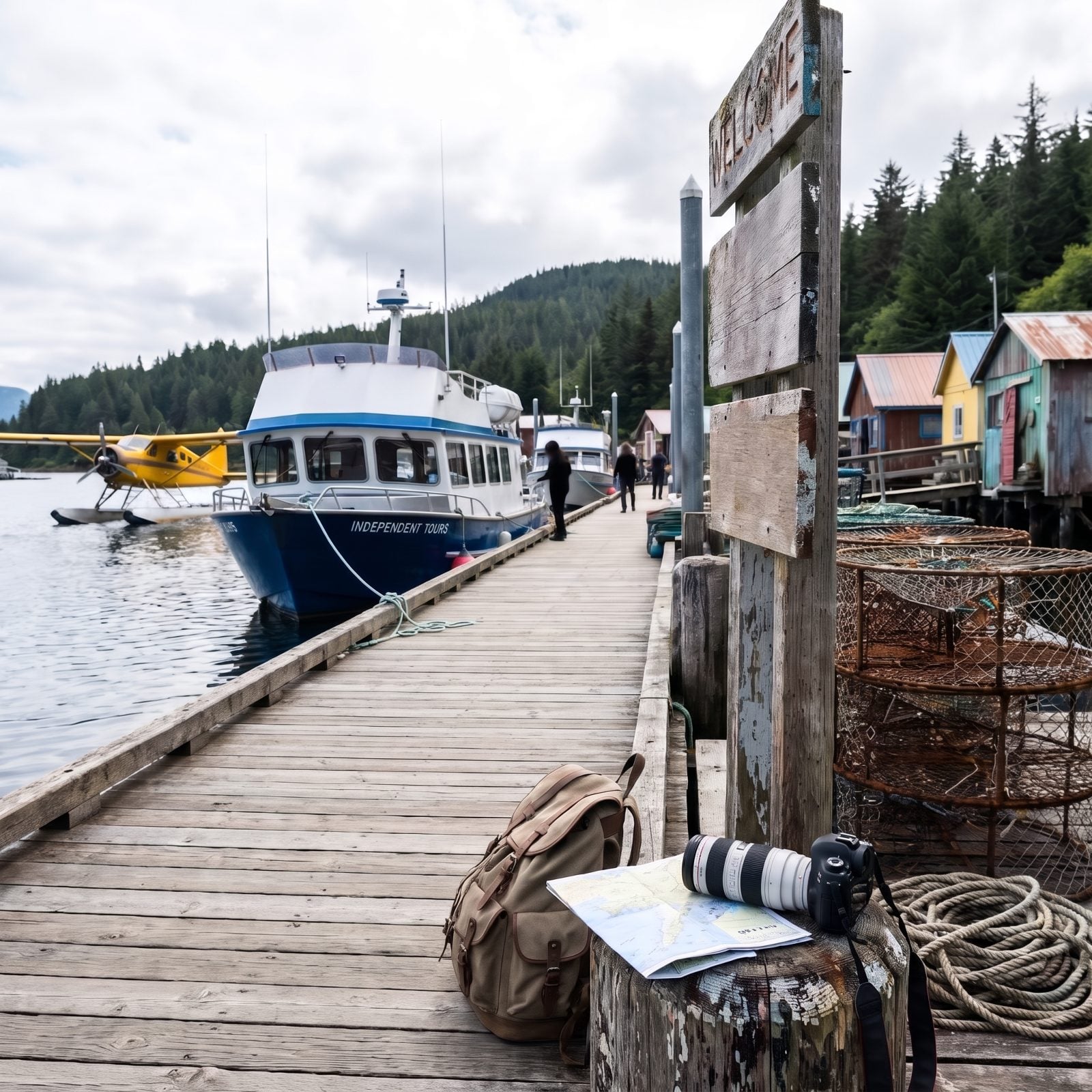
The ship’s excursion desk is convenient. It’s also a markup. Book everything through it and you’re often paying a premium for a bigger group and a less personal version of the exact same outing.
Independent operators in Juneau, Ketchikan, and Skagway often run smaller boats, longer trips, and lower prices. A local whale-watching outfit might hand you three hours and twelve people for less than the ship charges for ninety minutes and forty.
The catch? Go independent and you own the clock — getting back before the ship leaves is on you. So reserve ship excursions for the far-flung, tight-timing stuff, and lean on trusted local operators for anything close to the dock. Just pick ones with a guaranteed-return-to-ship policy and leave yourself real margin.
27. Choosing Excursions Without Checking Mobility Demands
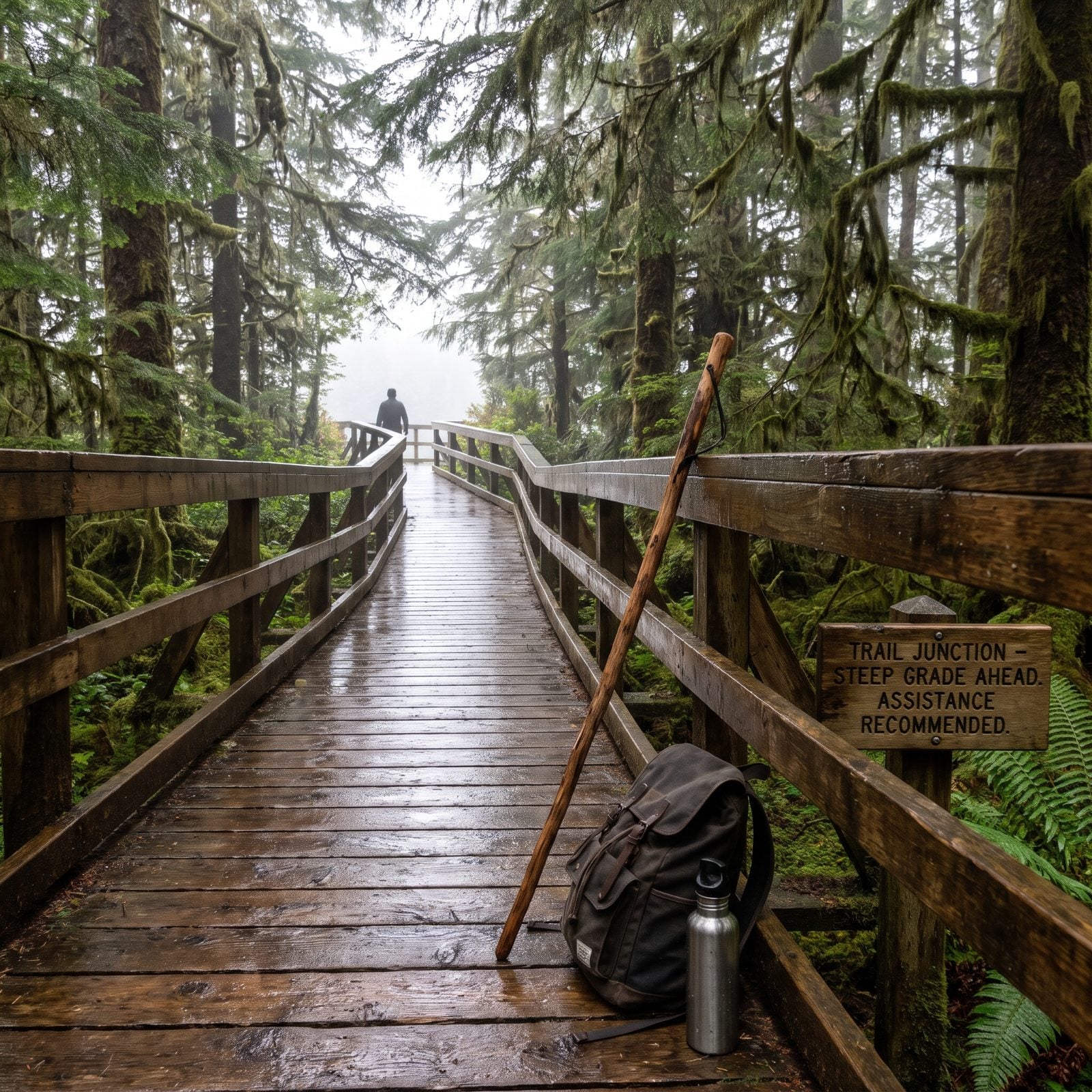
An excursion labeled “moderate” might mean a gravel path. Or it might mean a mile of wet, uneven trail with a steep return that nobody warned you about. The listing rarely spells it out, and you really don’t want to learn the difference halfway up a glacier moraine.
Pick one that outpaces you and you’re stuck toughing out a miserable afternoon or catching your breath while the good part slips by.
Read the activity level and the fine print on steps, standing time, and terrain before you commit. Ask the excursion desk straight out how much walking is involved and on what surface. Alaska runs outings for every pace, from a level boardwalk wildlife loop to a seated ride in a dome car. Pick the one that fits the body you’re traveling in today — not the one you had at forty.
26. Scheduling Back-to-Back Excursions With No Buffer
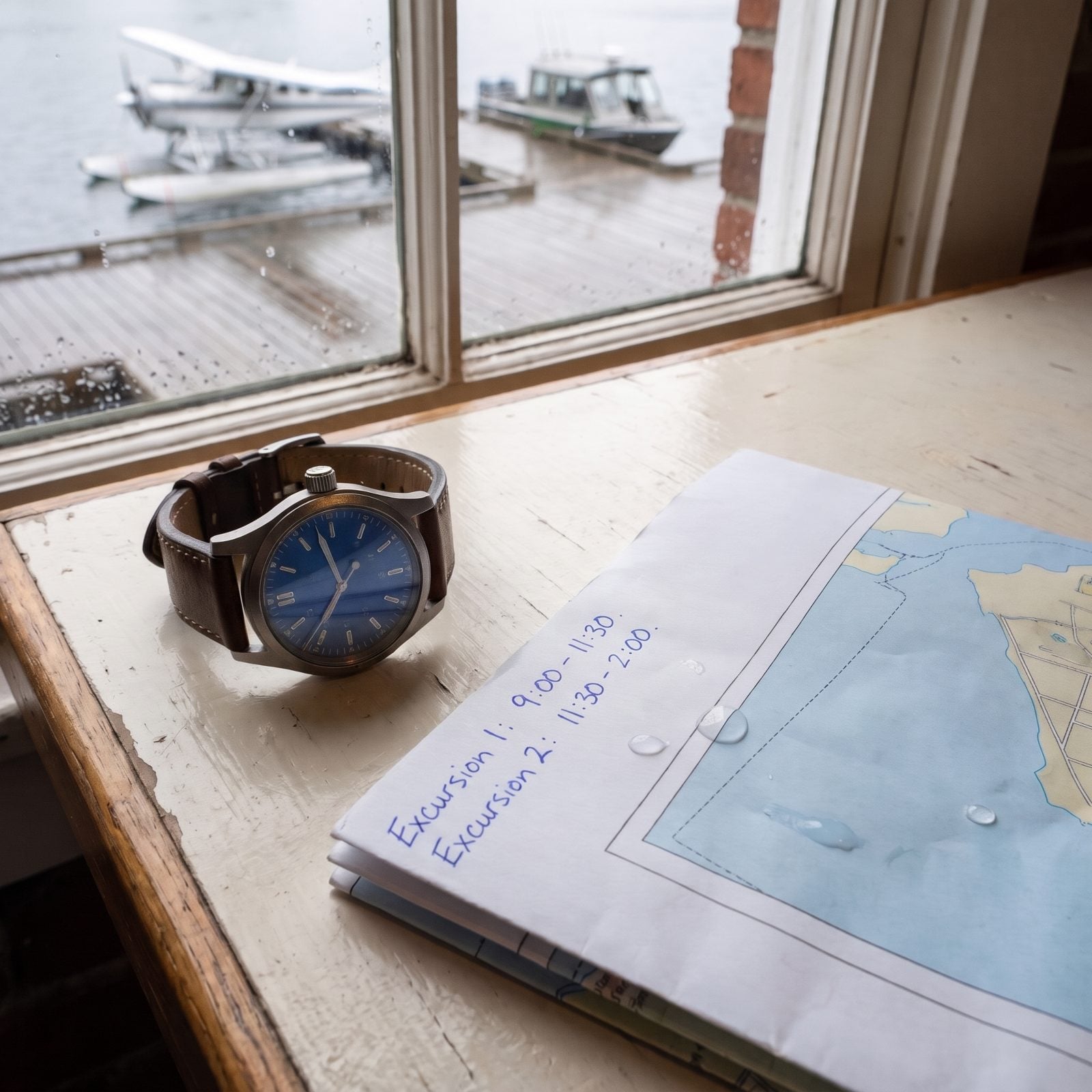
You book the 9am glacier helicopter, then the 11:30 whale boat, then the salmon bake at 2, and it all looks gorgeously efficient on paper. Then the helicopter runs late, the shuttle crawls behind a tour bus, and you spend the whole whale trip checking your watch instead of the water.
Alaska ports run on weather and tides, not your spreadsheet. One delay topples the whole domino line, and those missed excursions? Rarely refunded.
Leave at least 90 minutes of cushion between activities, and never book anything that cuts it close to all-aboard. One experience you actually absorbed beats three you rushed past.
25. Picking a Glacier Flight Without a Weather Backup
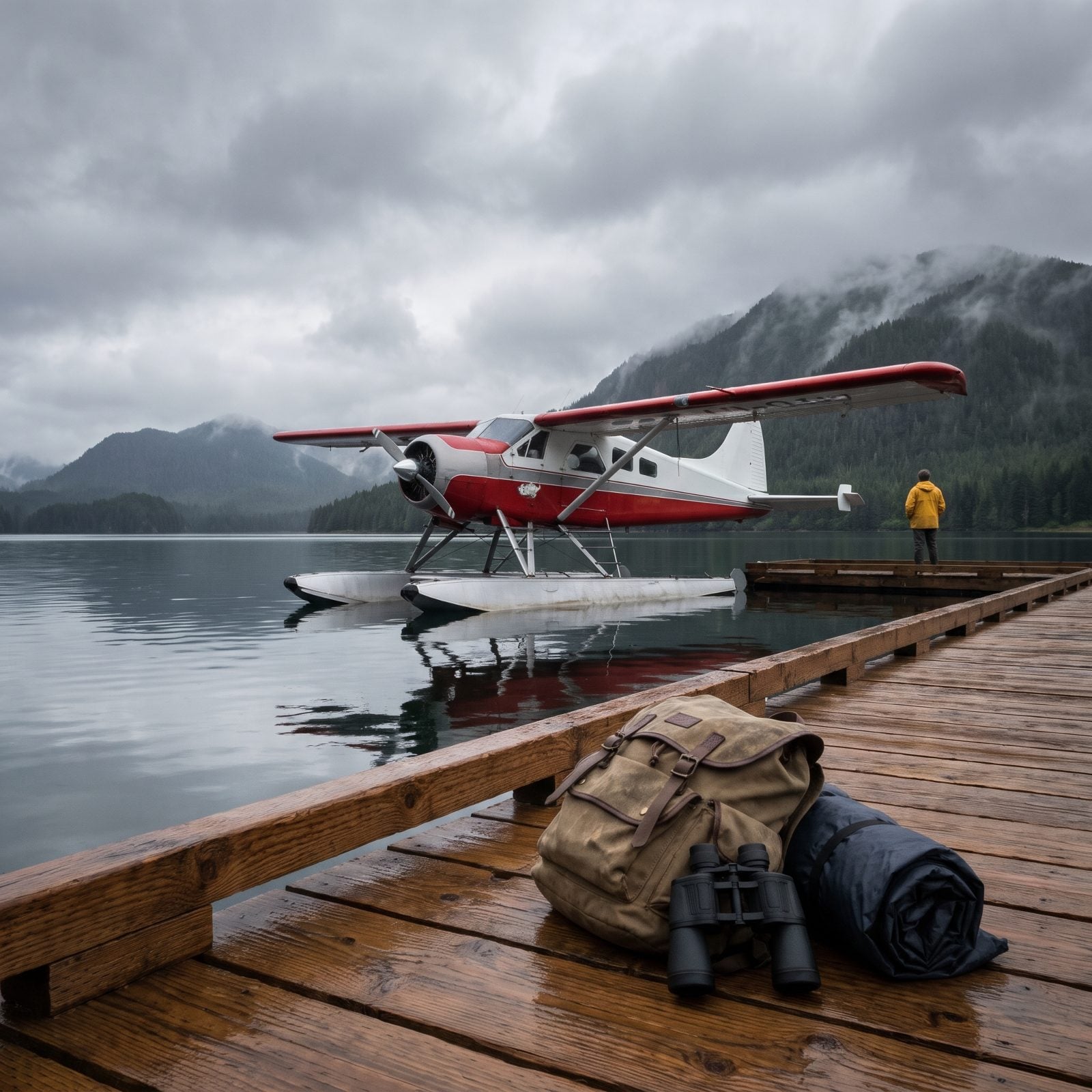
Flightseeing over a glacier is the splurge people remember for years. It’s also the first thing canceled when the clouds drop, which up here happens constantly.
Book a flight with nothing to fall back on and a scrubbed trip becomes a wasted port day plus a long sulk. Operators cancel for safety, as they should, and you’re left scrambling.
So reserve your flight for a sailing date early in the itinerary, where there’s a second port to try again. Ask about the cancellation and rebooking policy before you pay. And keep a ground-level plan in your back pocket, a tram, a glacier hike, a town walk, anything that doesn’t care about the ceiling.
24. Skipping Travel Insurance With Strong Weather Coverage
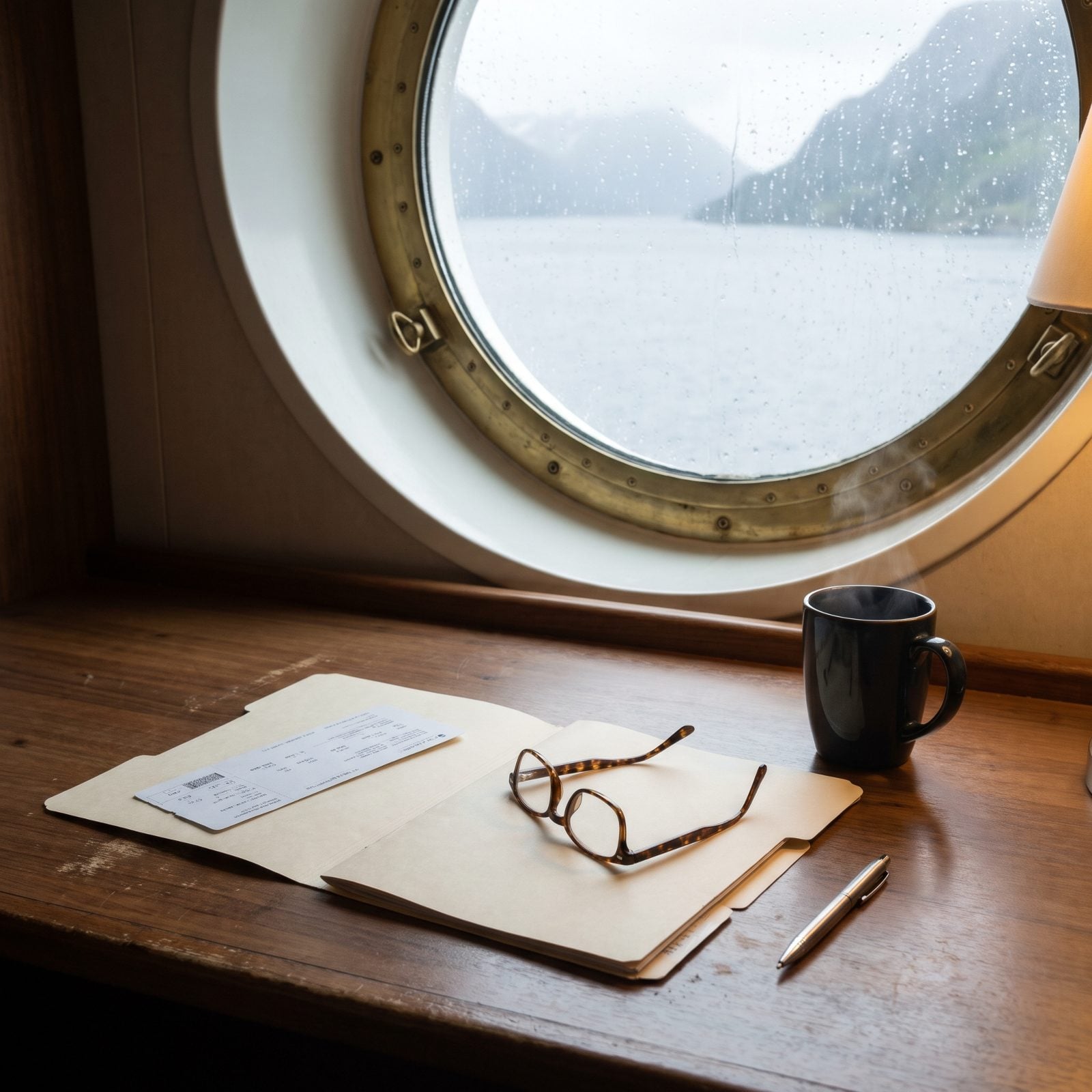
The thinking goes: I’m healthy, the ship is reliable, why pay extra. Then a storm closes a port, a connecting flight gets grounded in Seattle, or luggage with your rain gear ends up in Juneau while you’re standing in Ketchikan.
Alaska is one of the few cruise regions where weather alone can cost you real money, and basic policies tend to bury the weather and missed-connection clauses deep in the fine print.
Read for trip-interruption, missed-port, and weather-delay coverage specifically, not just medical. Buy it within the window that includes pre-existing condition waivers if that matters to you.
23. Assuming the Cheapest Whale-Watching Tour Is the Best Value
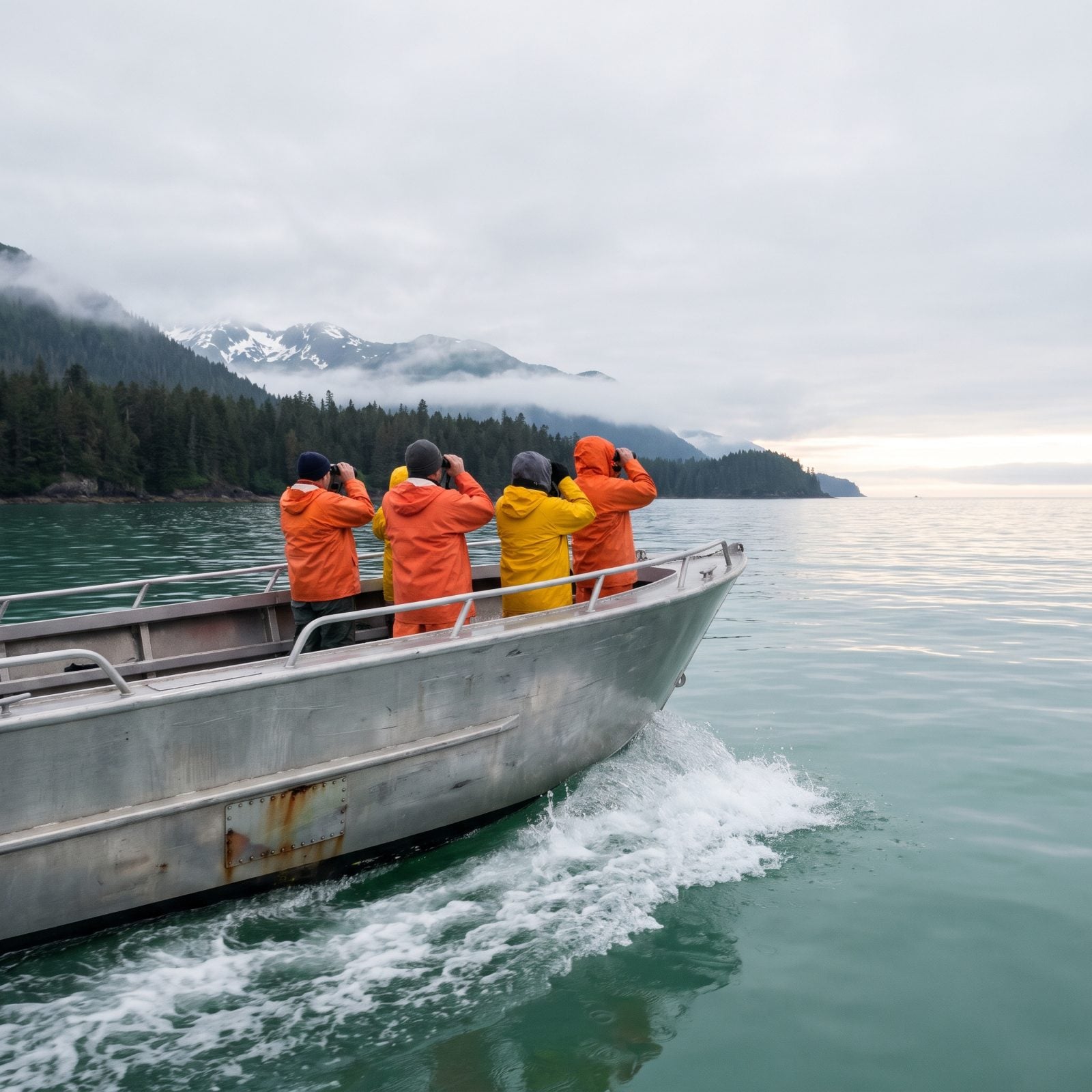
Two tours leave the same dock. One costs forty dollars less. Easy call, right?
Then you learn the cheaper one is a bare aluminum skiff with a few worn seats, no naturalist, no sighting guarantee, and a captain racing through a fixed loop. The pricier one runs a well-equipped vessel with a trained naturalist on the hydrophone and a money-back pledge if nobody spots a whale.
Cheap up here often means bare-bones, rushed, and blind. You paid less to see less.
Compare boat size, guide credentials, trip length, and whether there’s a sighting guarantee. The best value is the trip that actually puts you near the animals, not the one with the smallest number on the receipt.
22. Expecting Guaranteed Wildlife Sightings
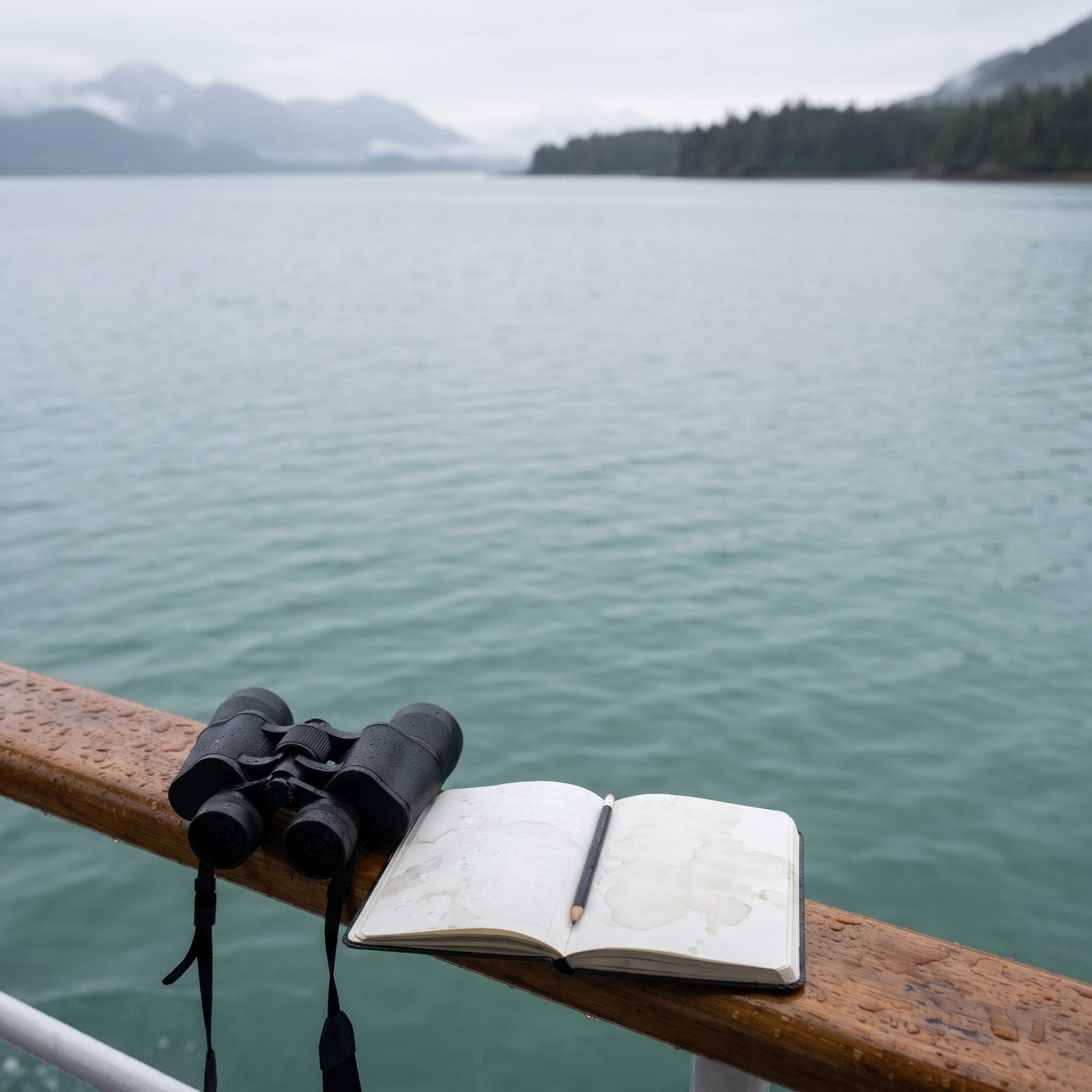
Brochures stack the deck with breaching whales and bears mid-salmon-leap, and you start half-expecting a scheduled parade. Then you glass an empty cove for two hours and feel cheated.
Wildlife doesn’t read the itinerary. Pin your whole trip’s success on one specific sighting and you’ve set yourself up for disappointment in the one place where disappointment is least deserved.
Treat every sighting as a gift, never a deliverable. Keep your eyes moving and your binoculars handy. The eagle on the piling, the sea otter rafting in kelp, the humpback spout a mile off, they all count. And they tend to show up right when you stop demanding them.
21. Getting Too Close to Wildlife for a Photograph

You see the shot. A few steps closer to that sea lion haul-out and you’d fill the frame, so you take the steps.
Terrible idea on every level. You stress the animal, you risk a dangerous reaction, you break federal distance rules in many cases, and you wreck the moment for everyone else watching. A spooked bear or an agitated moose isn’t a photo op, it’s a hazard.
Let the lens close the distance, not your feet. Learn the guidelines before you go: 100 yards from bears, 100 yards from most marine mammals as a rule of thumb. Stay behind the glass, the blind or the platform, keep quiet, and let the animal decide how near it wants to be.
20. Leaving Binoculars at Home
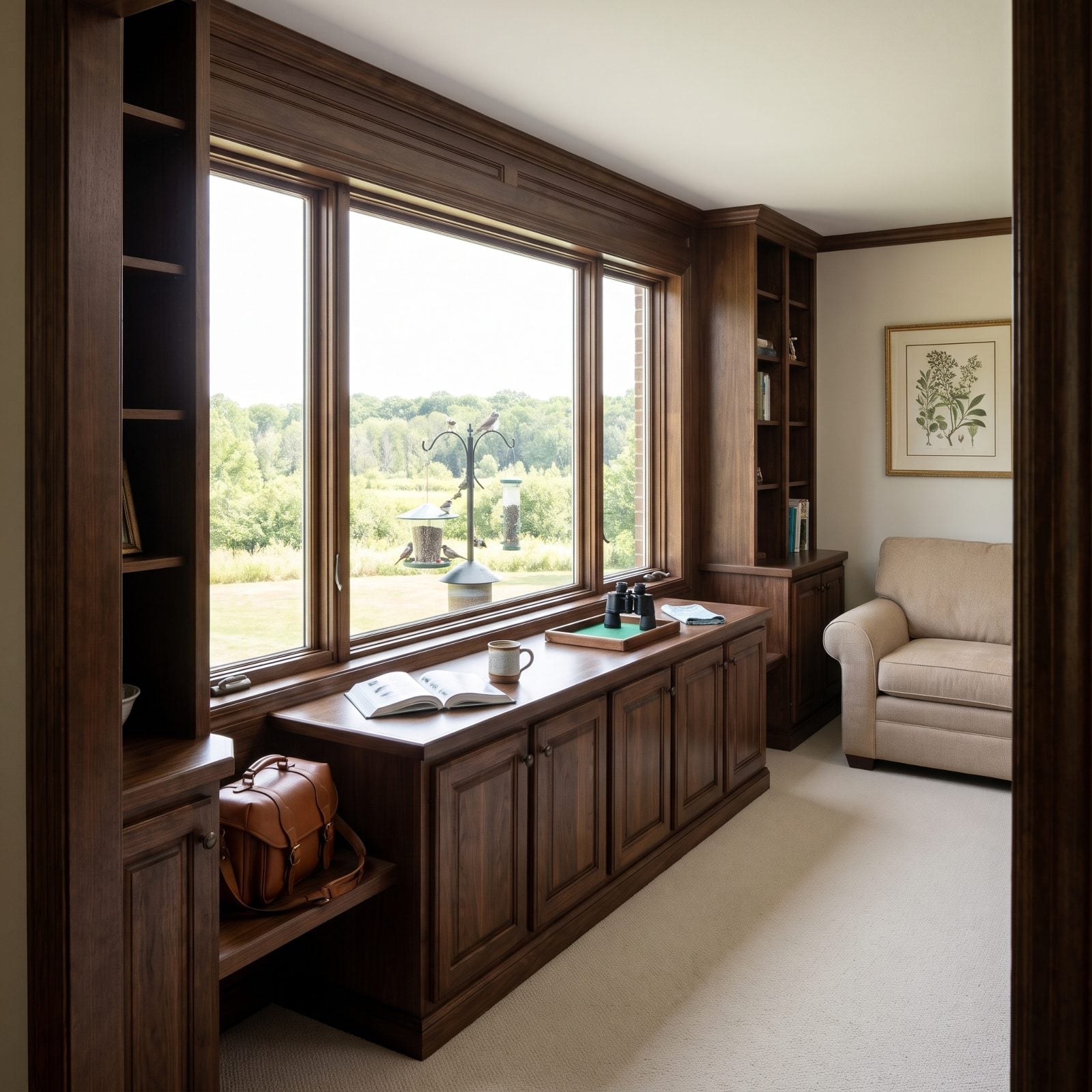
The ship’s deck is glorious, and the wildlife is usually half a mile away. Without binoculars, that distant spout is just a smudge and that bald eagle is a dark lump in a tree.
People assume their phone will handle it. It won’t, and squinting isn’t a plan.
Pack a pair of 8×42 binoculars. That combination of magnification and lens size gives you a steady, bright image in Alaska’s dim overcast light without the shake you get from higher power. One pair per person if you can swing it, because passing a single set around means someone always misses the breach.
19. Relying on a Phone for Distant Wildlife Photography
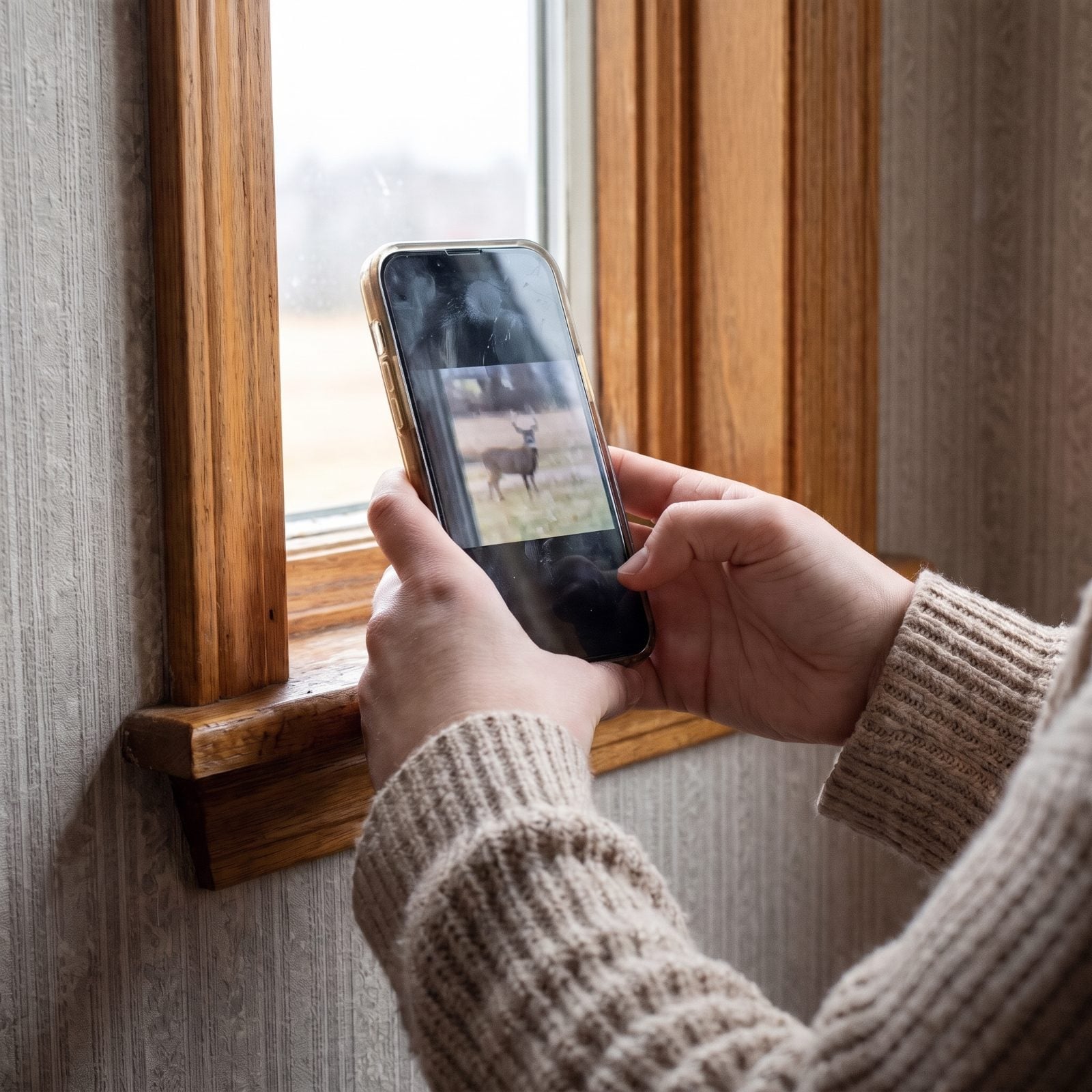
That buck is across the field, and your phone’s digital zoom renders it as a soft, grainy smudge. You can tell it’s a deer, but the antlers and coat lose their detail.
Phones are brilliant for landscapes and hopeless for distant animals. Digital zoom is just cropping, and cropping a tiny subject leaves you with mush.
Bring a camera with real optical reach. A superzoom bridge camera, or a mirrorless body with a 100-400mm lens, pulls a far-off deer into actual detail. Committed to the phone? Add a clip-on telephoto lens and make peace with its limits. Out here, optical zoom is the only kind that counts.
18. Forgetting Waterproof Protection for Camera Gear
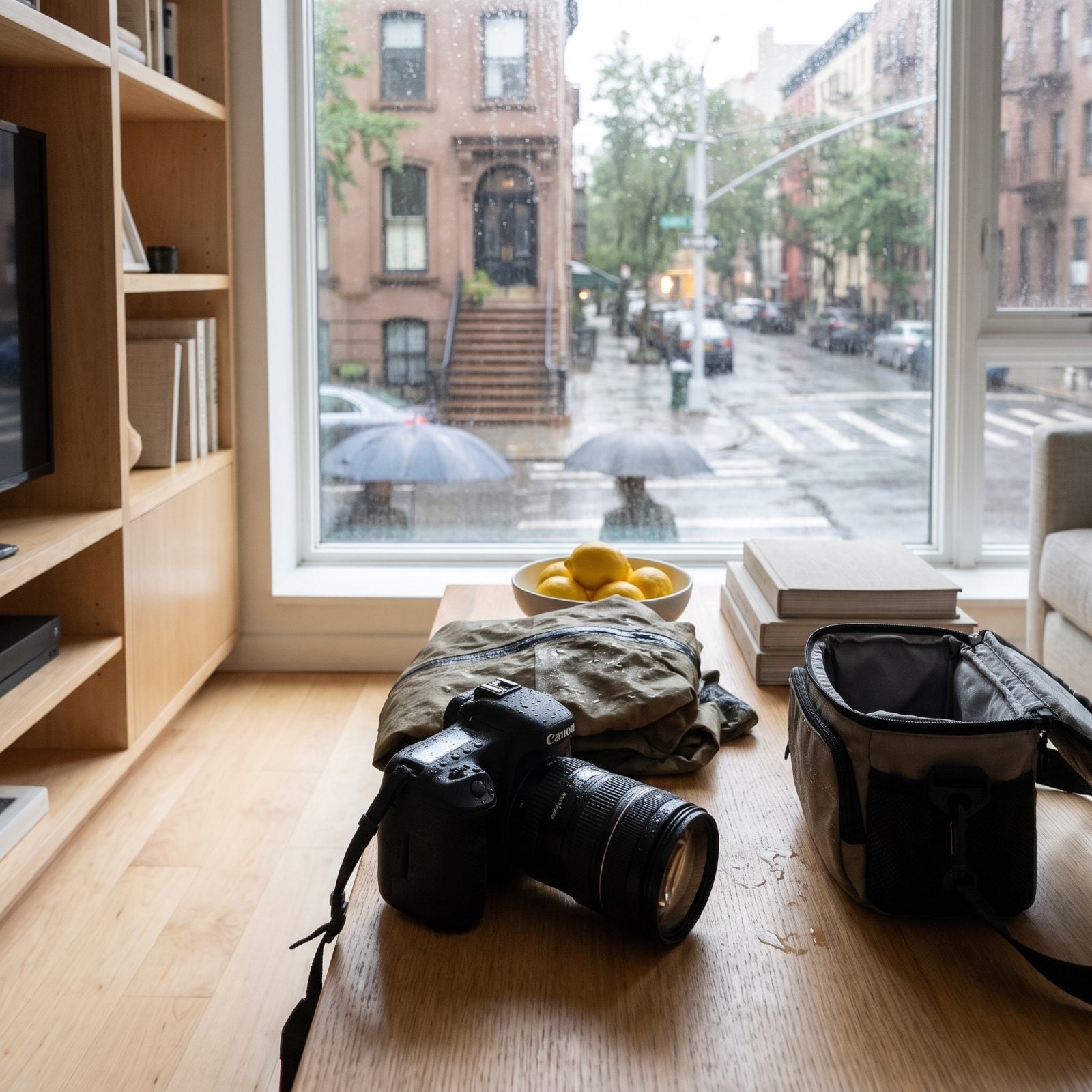
Southeast Alaska is a rainforest. Ketchikan alone soaks up well over a hundred inches a year, and that mist drifting across the deck is working its way into your camera whether you notice or not.
Water and electronics have a short, sad relationship. One soaked session can kill a lens or short out a body you’ve babied for a decade.
Carry a simple rain sleeve for your camera, a handful of zip-top bags, and a dry bag or waterproof daypack for everything else. Stash a microfiber cloth in a pocket to wipe the front element between shots. Cheap insurance for gear that cost real money.
17. Packing for the Forecast Instead of Alaska’s Changing Conditions
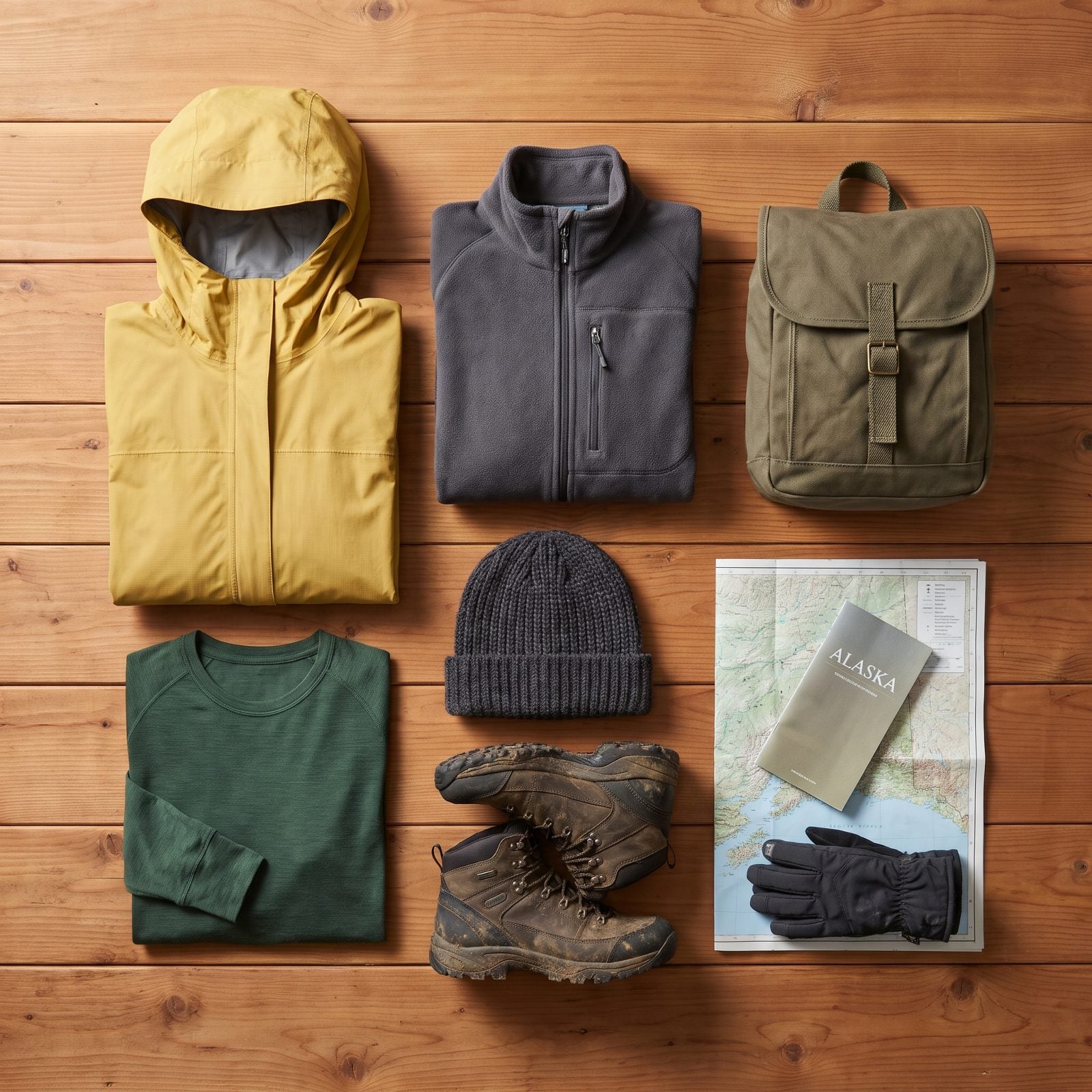
The app says 58 and cloudy, so you pack for 58 and cloudy. Then morning on deck is 42 and biting, afternoon ashore spikes to 70 in the sun, and a squall rolls through while you’re on a boat with nowhere to hide.
Alaska doesn’t do one weather. It does all of them, sometimes inside an hour. Dress for a single number and you’ll be freezing or sweating, often both before lunch.
Layer it. A merino or synthetic base, a fleece in the middle, and a genuine waterproof shell you can add and shed as the day shifts. Toss in a warm hat, gloves, and waterproof shoes no matter what the forecast promises. The three-layer system is the whole secret, and it packs smaller than you’d guess.
16. Packing Water-Resistant Gear Instead of Waterproof Gear
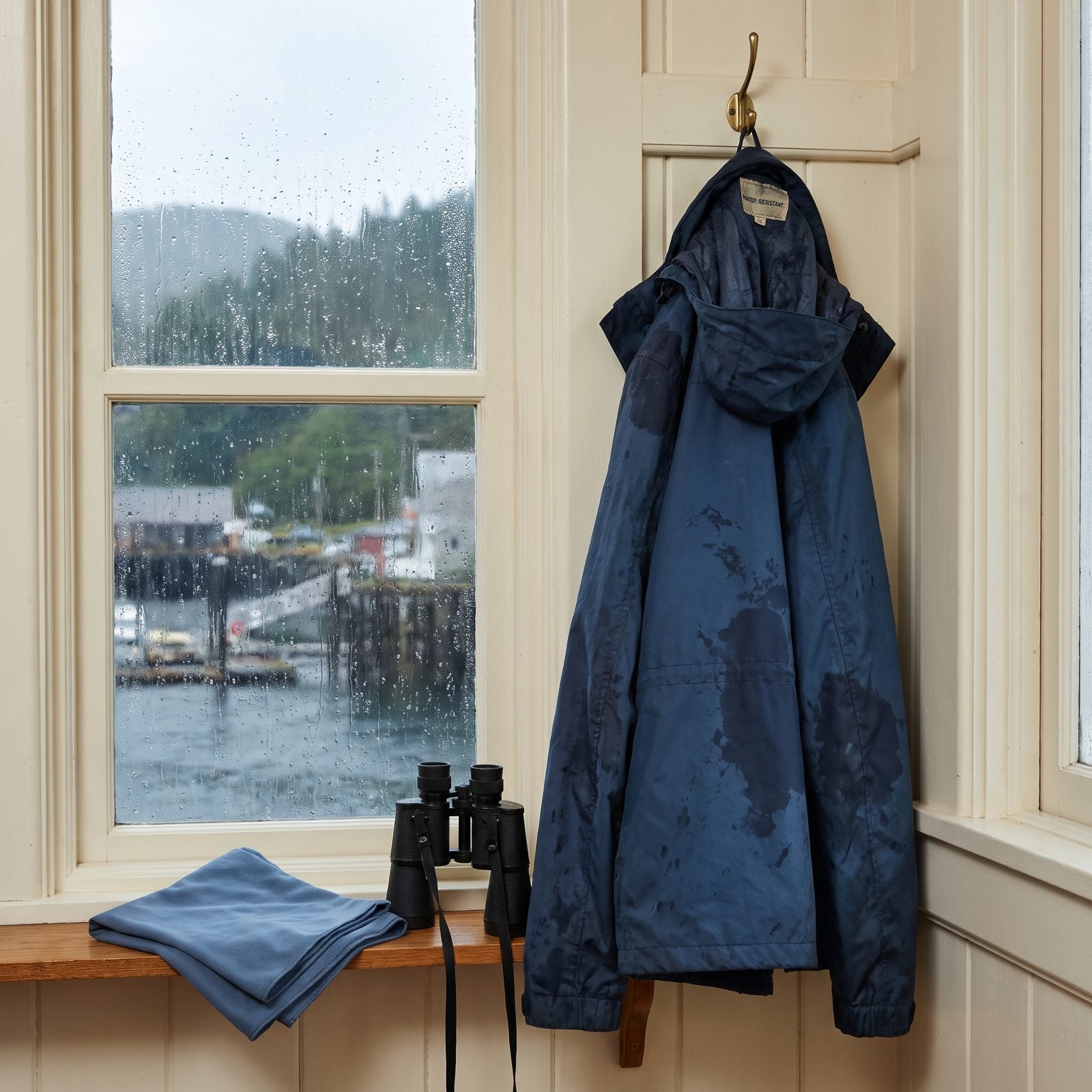
Water-resistant and waterproof sound like cousins. They’re not even in the same family. Water-resistant means the jacket shrugs off a drizzle for about ten minutes before it waves the white flag.
Southeast Alaska gets rain the way other places get Tuesdays, and Ketchikan is one of the soggiest ports on the whole coast. A water-resistant shell leaves you soaked to the undershirt during a two-hour port walk, cold, and done for the day.
Read the tag before you pack. You want fully waterproof with sealed or taped seams, not “water-repellent finish.” A real cobalt rain shell with taped seams keeps you dry through the kind of steady downpour that defines this coast.
15. Forgetting Waterproof Walking Shoes
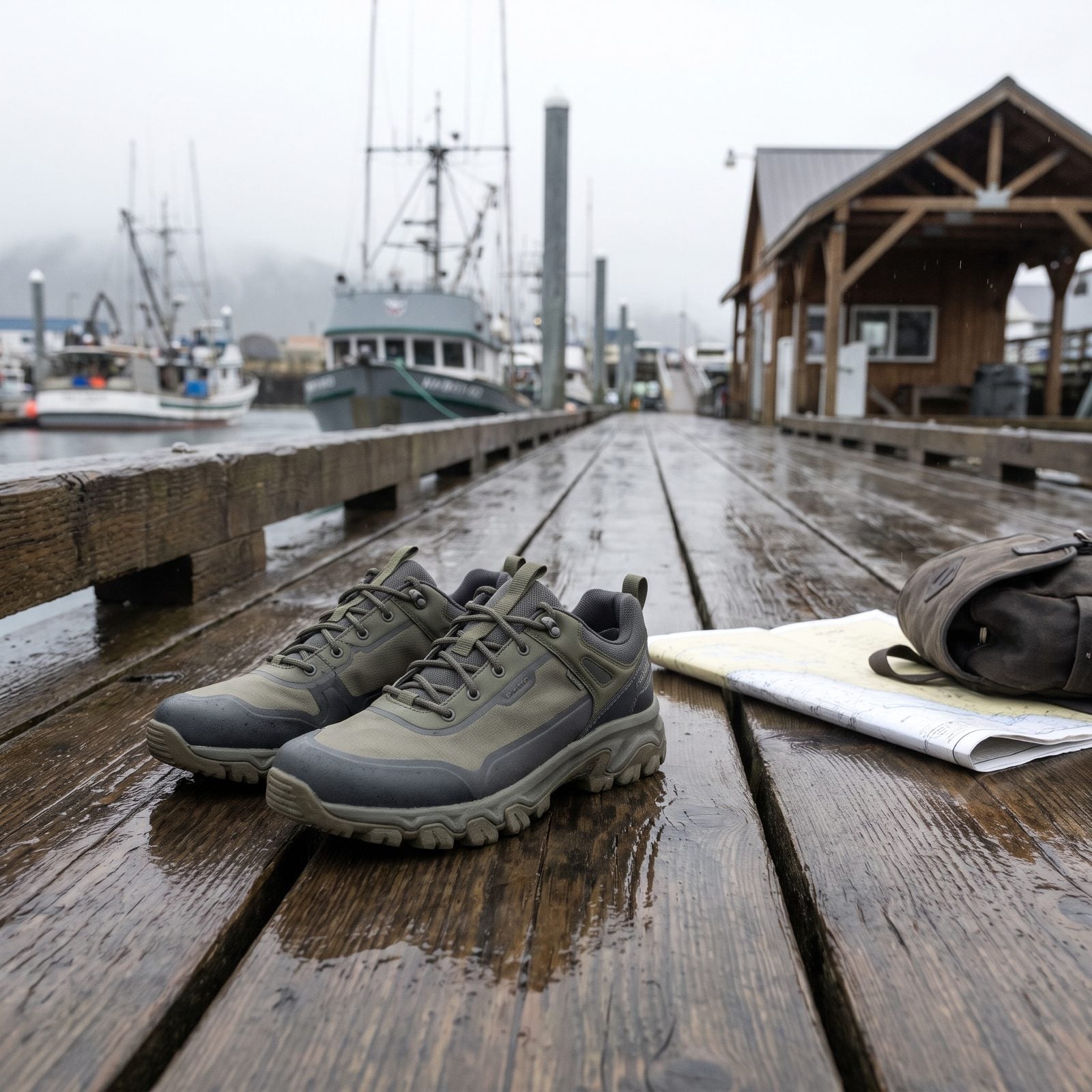
Here’s the mistake I see more than any other at the gangway: good rain jacket, decent pants, and canvas sneakers soaking through by the first tide pool.
Wet feet end excursions early. Once your socks are saturated you’re cold from the ground up, and no amount of layering upstairs fixes it. You cut the whale tour short, skip the rainforest trail, and head back to the ship miserable.
Bring olive waterproof walking shoes with a lugged sole for grip on slick docks and trails. Break them in before you leave. New shoes and a rainforest hike is a blister waiting to happen.
14. Leaving Gloves and a Warm Hat at Home
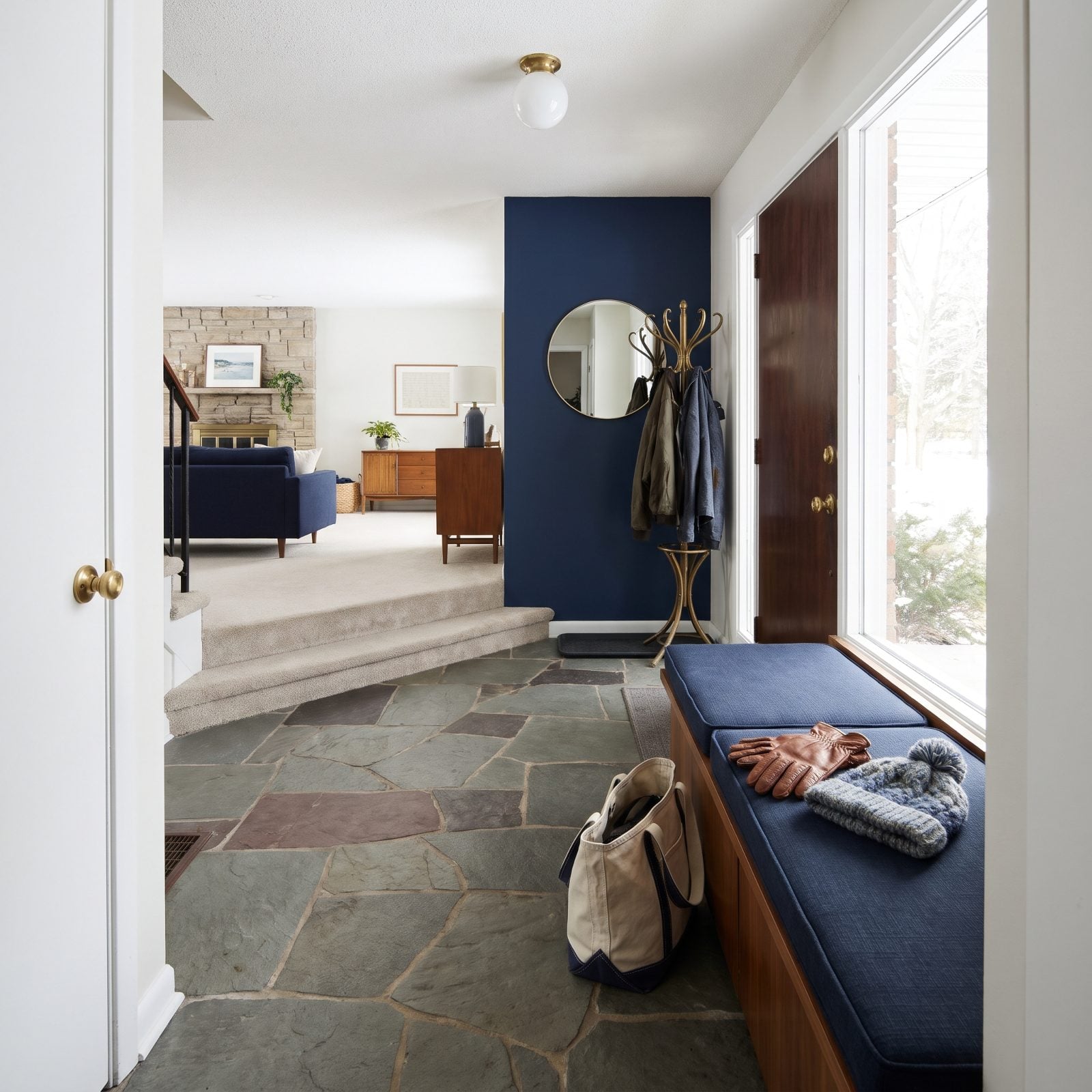
People remember the coat and forget the extremities. Big mistake on glacier days.
A lot of warmth walks right out through a bare head and uncovered hands. When the ship noses up to a tidewater glacier and the wind comes off the ice, your fingers go numb holding the camera — and the day’s best photo comes out blurry because you were shaking.
Toss a blue and gray knit beanie and a pair of touchscreen gloves in your daypack. They weigh nothing. Touchscreen-compatible means you keep shooting without the strip-and-freeze routine every time a whale breaches.
13. Underestimating the Wind on Glacier-Viewing Days
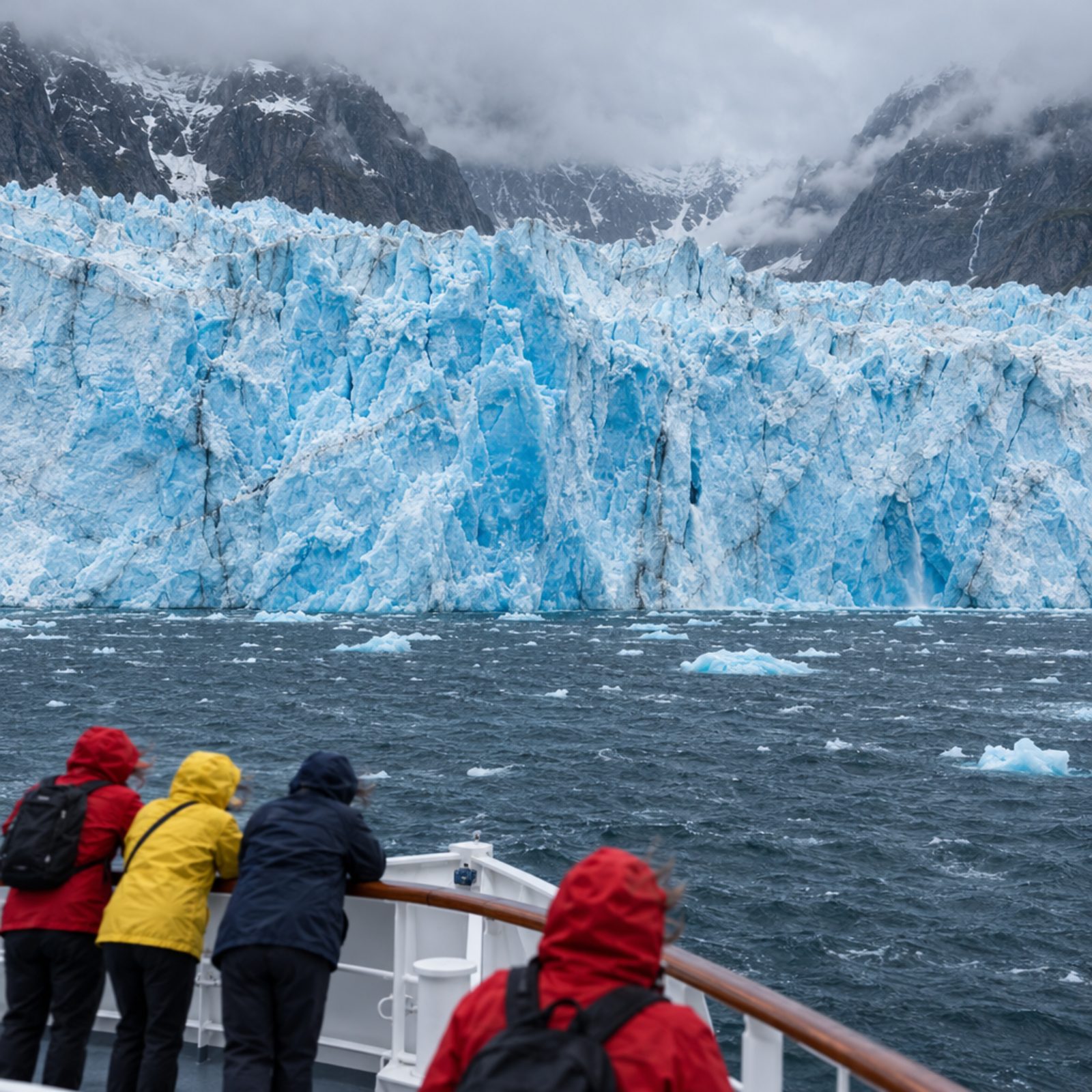
The thermometer says 50. Outside feels like 35. That gap is the wind, and glacier days are where it ambushes you.
Out on deck, with nothing to break it, the wind strips the warmth off an outfit that felt perfectly fine indoors an hour earlier, which is exactly how people get caught out.
Dress for the windchill, not the forecast. Your waterproof shell doubles as a windbreak over your fleece. Pull the hood up, zip to the chin, and stay out there. The folks who duck back inside cold are the ones who miss the calving.
12. Forgetting Insect Repellent for Inland Excursions
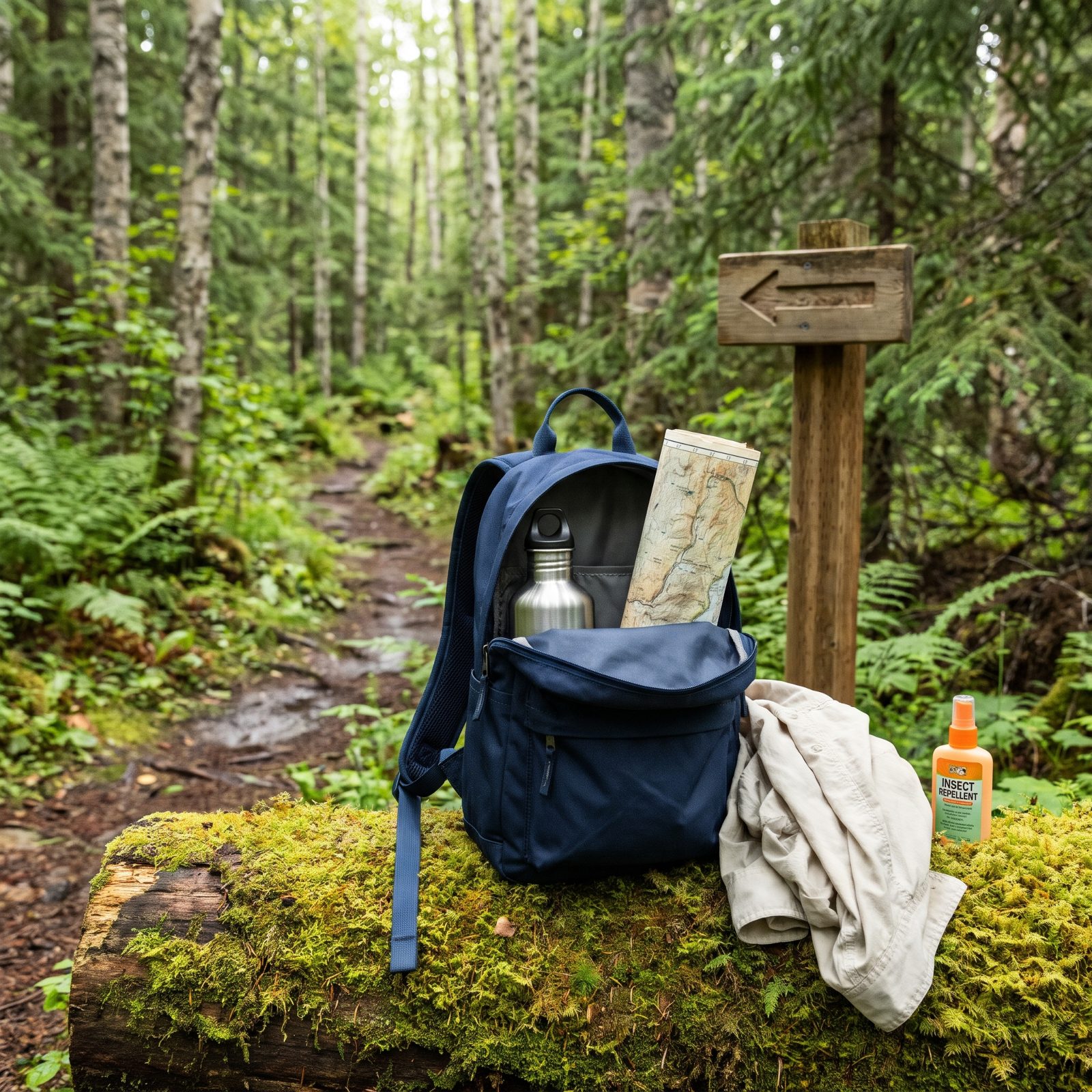
Cruisers prep for cold and rain and completely blank on bugs. Then the floatplane drops you at a wilderness lodge and the mosquitoes greet you like you booked the trip for them.
Inland Alaska in summer is prime mosquito and no-see-um territory — near water, in the forest, anywhere still. A swarm turns a bear-viewing stop into a swatting contest where nobody enjoys the bears.
Pack a small bottle of repellent and a long-sleeve layer you can throw on. The ones with DEET or picaridin actually work. Backcountry Alaska is one place the folksy natural stuff mostly just seasons you for the bugs.
11. Waiting Until Rough Water to Take Motion-Sickness Medicine
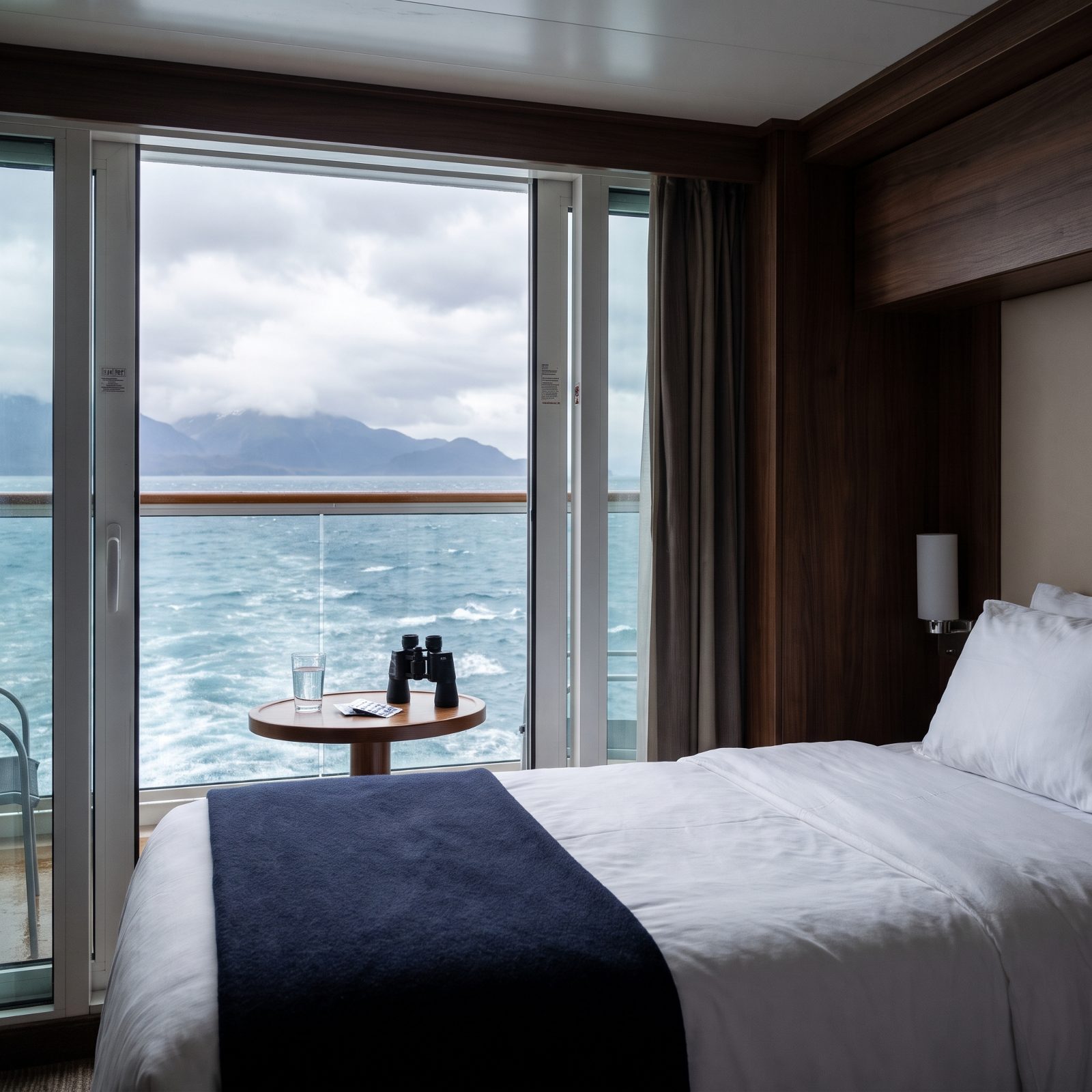
Motion-sickness medicine is not a fire extinguisher. You can’t grab it once the room’s already spinning.
Most of it works by prevention, not rescue. By the time you’re green and gripping the rail across an open crossing like the Gulf of Alaska, swallowing a pill is too late — the queasiness owns your afternoon, and you wave off the excursion you paid for.
Take it ahead of time. Most tablets want an hour or more before you hit rough water, so dose up the night before or at breakfast on crossing days. The patch behind the ear works for longer legs. And if your cabin’s your worry, book midship and lower, where the ship pitches and rolls the least.
10. Ignoring Alaska’s Long Summer Daylight
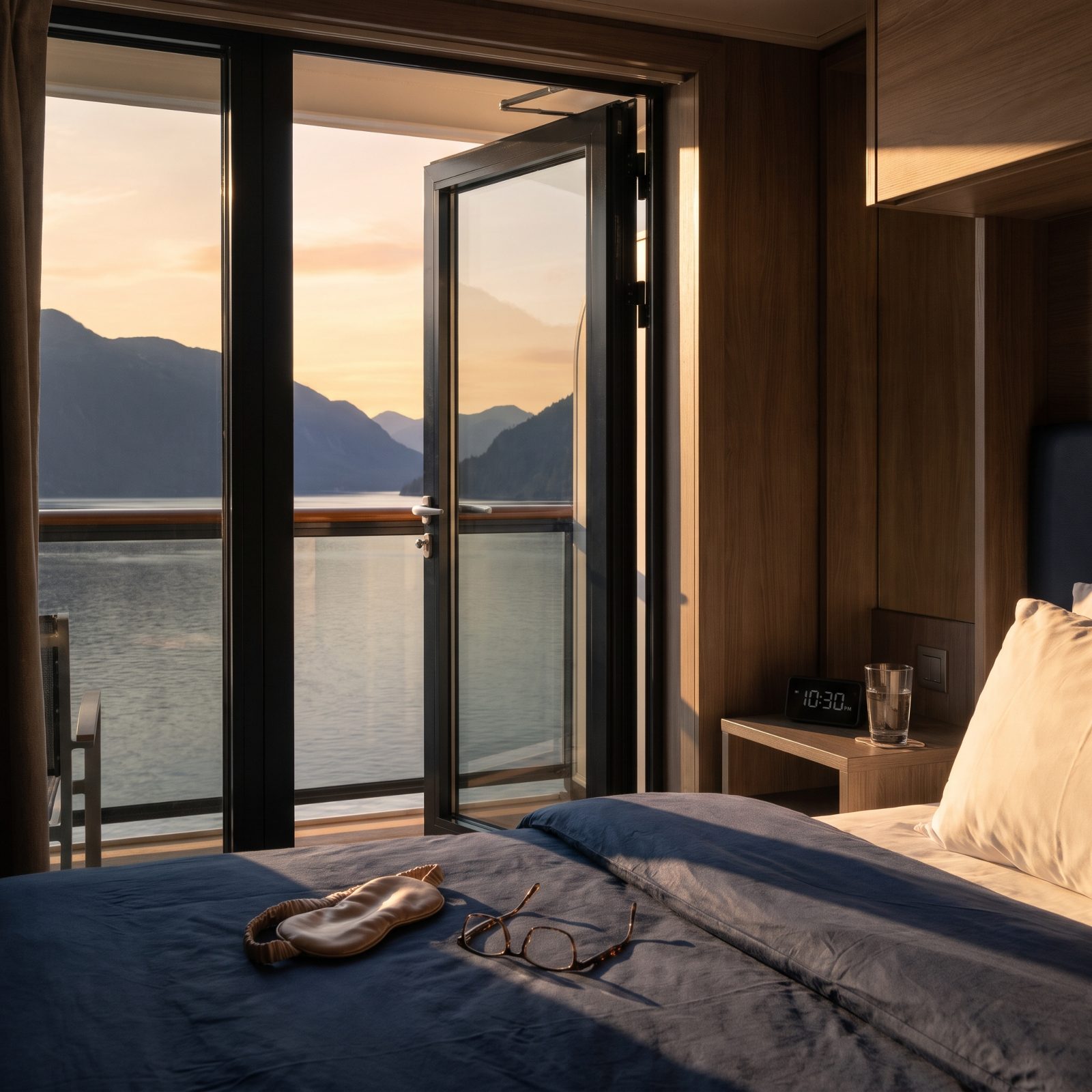
You crawl into bed, glance at the window, and the sky looks like 6 p.m. It’s actually 11. Welcome to an Alaska summer.
In June and July, daylight stretches well past 10 p.m. across much of the state. Bright, not dark. Your body refuses to wind down, you stay up far too late because it doesn’t feel like bedtime, and you drag through the morning scenery exhausted.
Bring a sleep mask and actually use it. Close the blackout curtains all the way. Treat the clock as the authority, not the sky. The light is a gift during the day and a thief at night if you let it run your schedule.
All that summer light pays off in photos too: Journey Junket readers gave summer scenes hearts 83% of the time, compared with 76% for the other images in the same articles.
9. Missing the Best Scenery by Sleeping Late
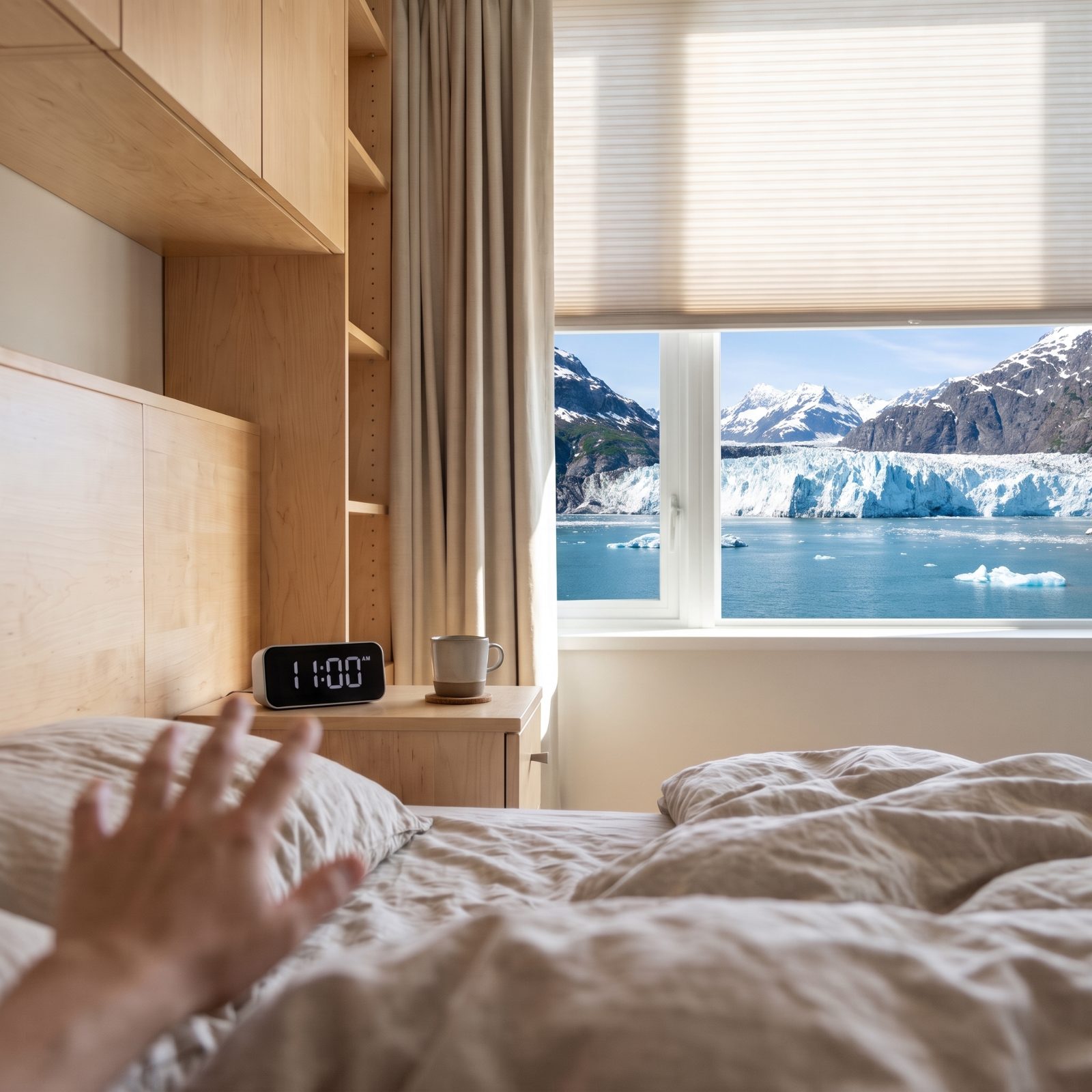
The best scenery often slides by before the breakfast buffet even opens. Narrow passages, early wildlife, mirror-still water with mist lifting off the mountains — all of it happens while half the ship is still asleep.
Sleep through it and you’re looking at photos other passengers took, wondering how you missed the whole thing. The ship doesn’t circle back.
Check the next day’s cruising schedule posted in the daily program. If the captain’s threading a scenic passage at 7 a.m., set an alarm, grab coffee, and get to the deck. Early mornings on a quiet observation deck with a warm mug are some of the best hours of the whole trip. You can nap at 2.
The deck at dawn belongs to the people who showed up. The buffet will still be there at nine.
8. Watching Glacier Day Only From the Balcony
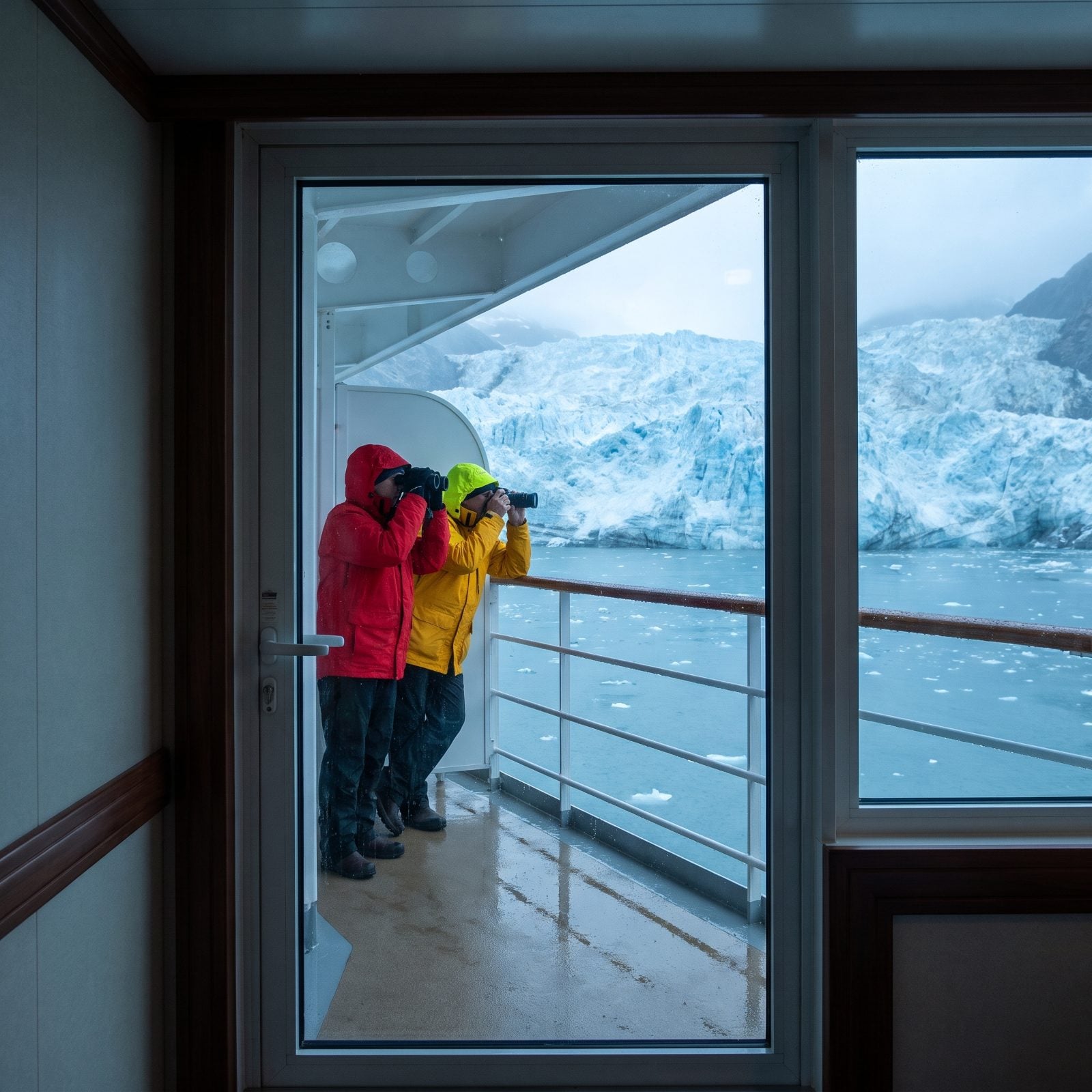
Your balcony is a trap on glacier day. It’s comfortable, it’s yours, and it faces exactly one direction.
A glacier sits at the head of a fjord, and the ship slowly rotates so everyone gets a look. Plant yourself on a balcony that happens to face the wrong way, and you spend the big moment staring at a rock wall while the calving happens on the other side.
Get to an open deck. The forward observation areas and the top decks give you the full circle, better sound when the ice cracks like a rifle shot, and the true scale of the thing. Head out early, claim a rail spot, and hold it.
7. Leaving the Viewing Deck Before the Ship Turns Around
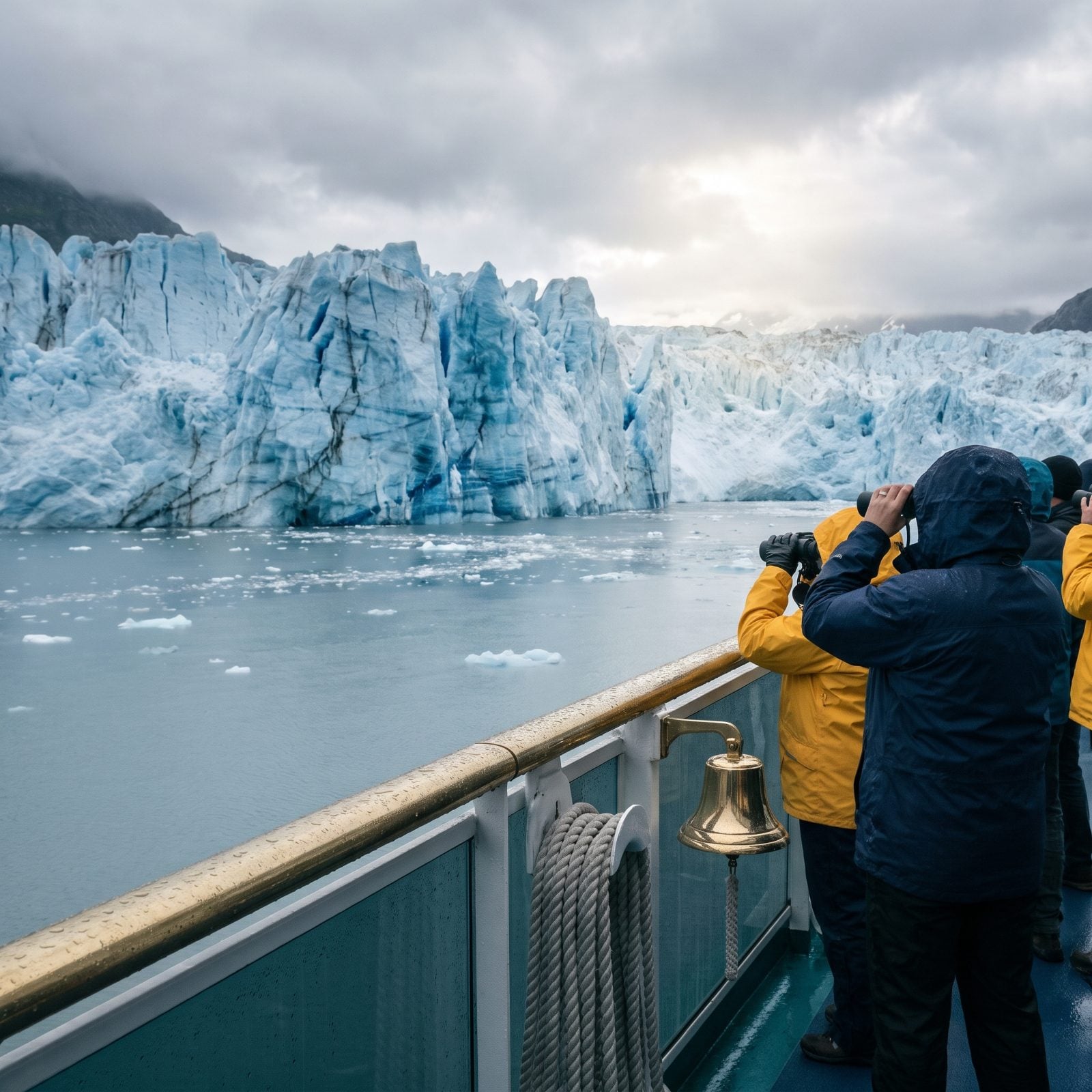
Picture how it usually goes: the ship noses up to the glacier, everyone shoots their photos, and half the deck wanders back inside for lunch. Then the captain spins the vessel one slow half-turn so the port-side cabins get their view too, and that’s exactly when the ice decides to let go.
Calving happens on no schedule. Leave early and you miss the crack that sounds like a rifle shot, the slab the size of a house sliding into the sea, the wave that rocks the whole ship.
So stay put through the entire rotation. A ship holds at a glacier for an hour or more, and it almost always comes around a full 180 degrees before pulling out. The back half of that stop is when the water goes quiet and the glacier gets loud.
6. Ignoring Announcements From the Bridge
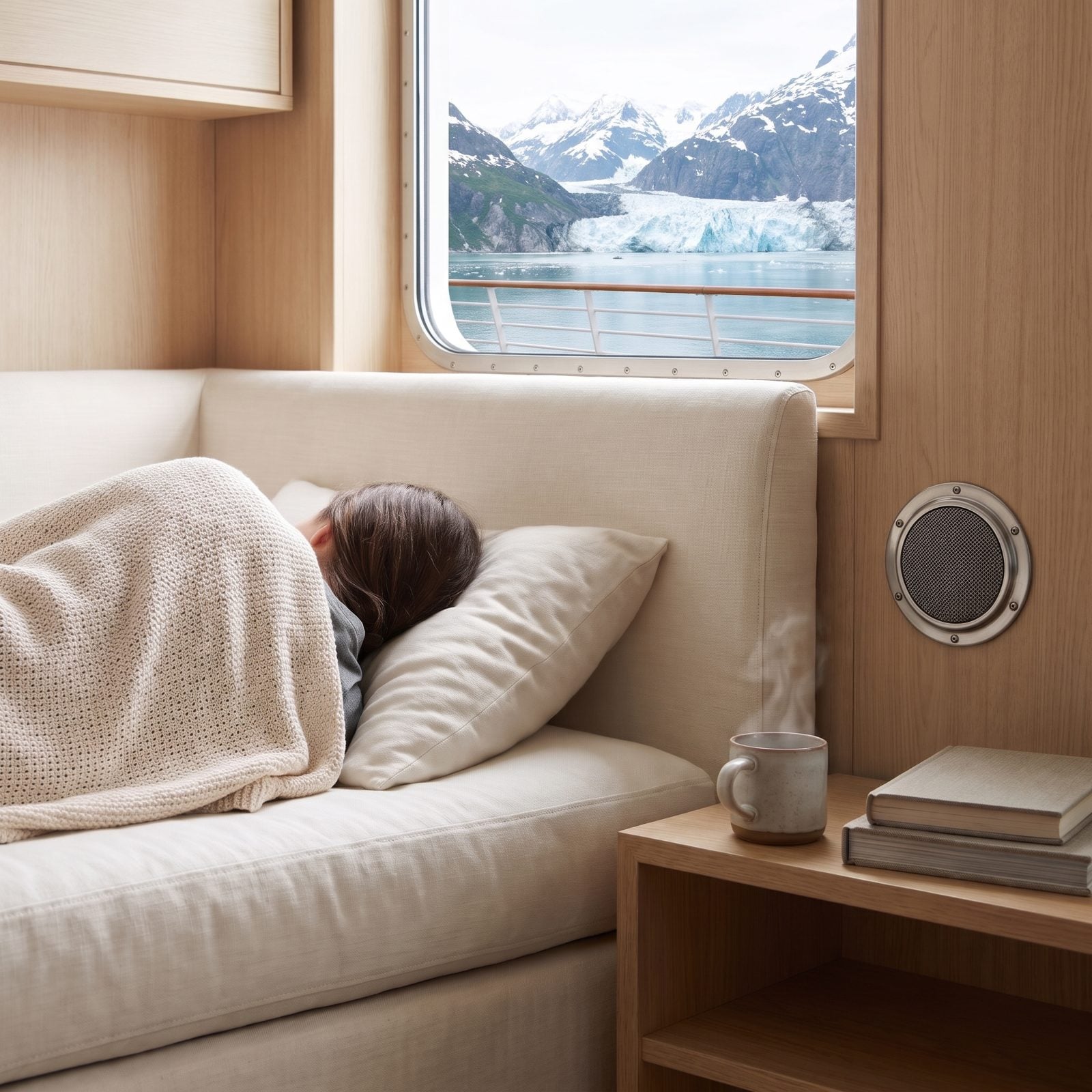
The crackle comes over the speakers and most people tune it out like elevator music. Big mistake on this route. The officer up on the bridge spots the orca pod off the starboard bow, the bears working the shoreline, the eagles on the dead spruce, long before you ever will.
Miss the announcement, miss the sighting. These things surface for ninety seconds and vanish.
Keep one ear open whenever the ship is threading a strait or hugging a coast. When the bridge calls out a position, they use clock directions, so twelve is the bow and six is the stern. Learn that much and you’ll be at the rail while everyone else is still asking what the fuss is about.
5. Spending Port Mornings in the Buffet Line
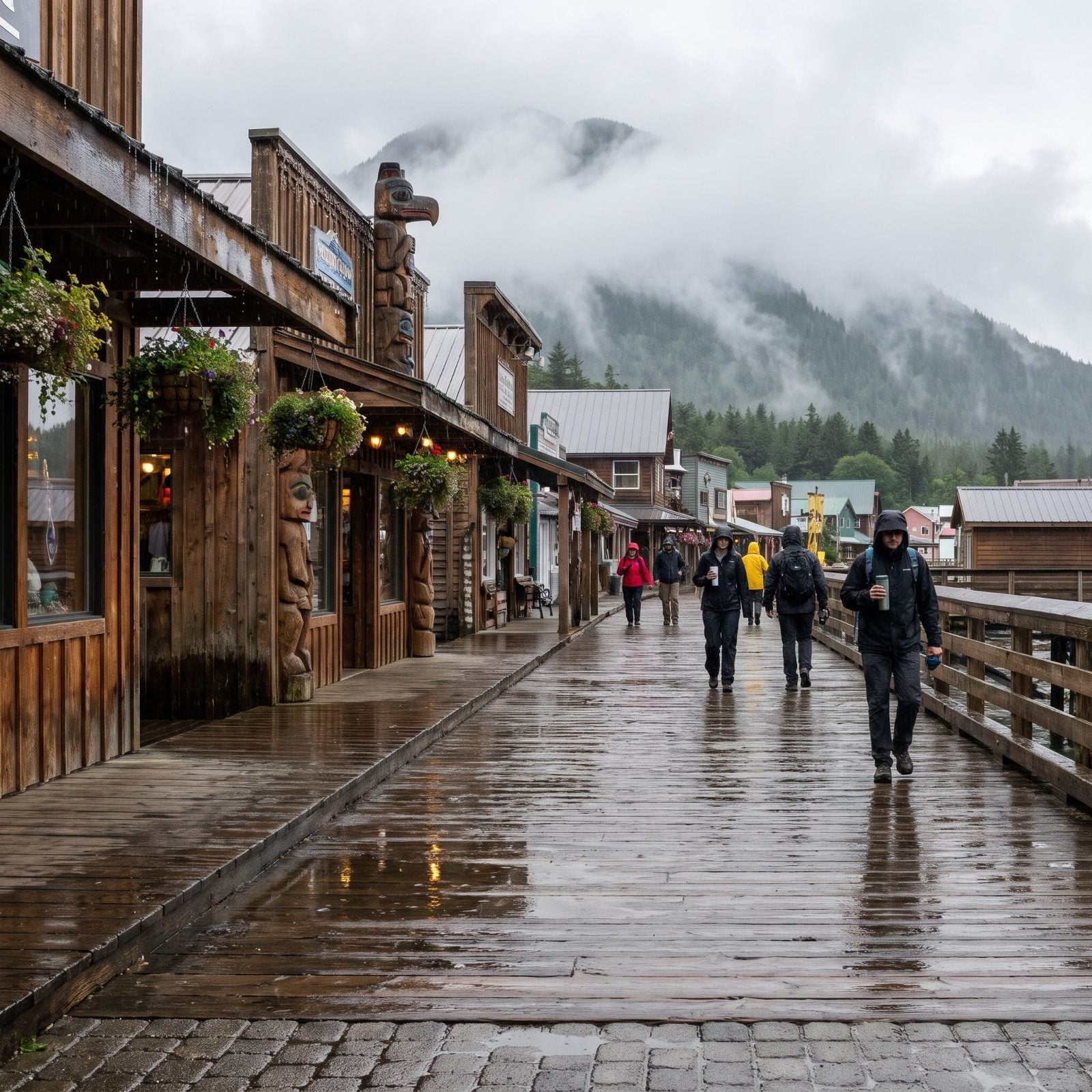
You’ve got maybe eight hours in port. Nursing eggs and a third coffee for the first ninety minutes because the omelet station has a line is a trade nobody should make.
The best light, the emptiest trails, the first floatplane departures — all of it happens before the second ship even docks. Burn the morning on the buffet and you join the crush instead of beating it.
Eat light and early, or grab a pastry to go, and get down the gangway the moment it opens. Book the earliest excursion slot you can. Whales tend to be busiest in the morning calm, and the town belongs to you before the afternoon crowds roll in.
4. Missing Locally Owned Shops Beyond the Cruise-Pier District
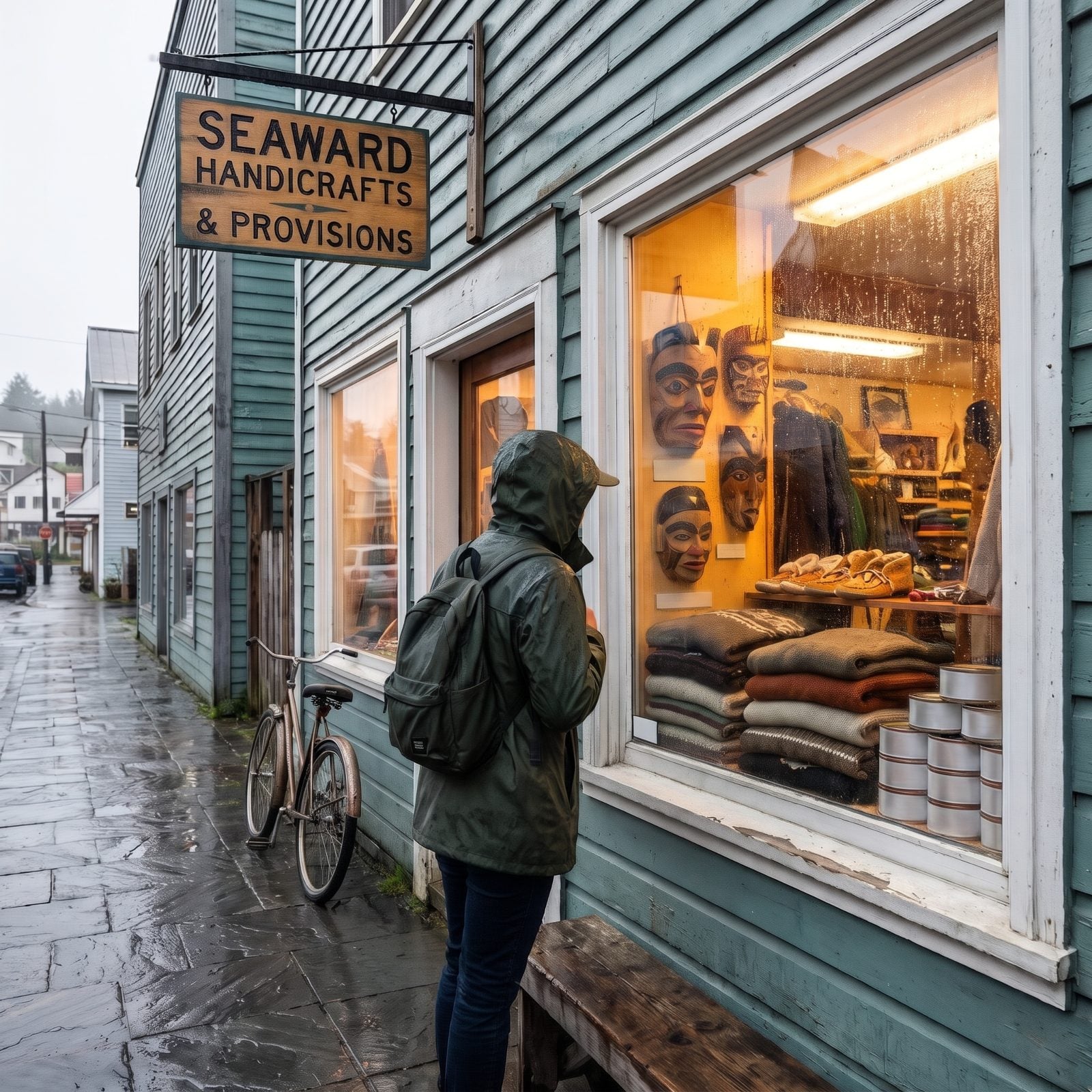
The storefronts clustered right at the pier look charming. Trouble is, a lot of them are the same jewelry and watch chains you’ll find in every cruise port from the Caribbean to Mexico. They rent those slots for the season and pack up the minute the ships leave.
Shop only there and you fly home with a souvenir that was never made within a thousand miles of Alaska.
Walk three or four blocks past the pier zone. That’s where the family-run galleries sit, where fishermen sell smoked salmon, where the Tlingit and Haida artists and the local bookshops actually are. Ask a shuttle driver or a barista where locals buy gifts — the answer is almost never the first block off the gangway.
3. Treating Juneau, Ketchikan, and Skagway as Equivalent Stops
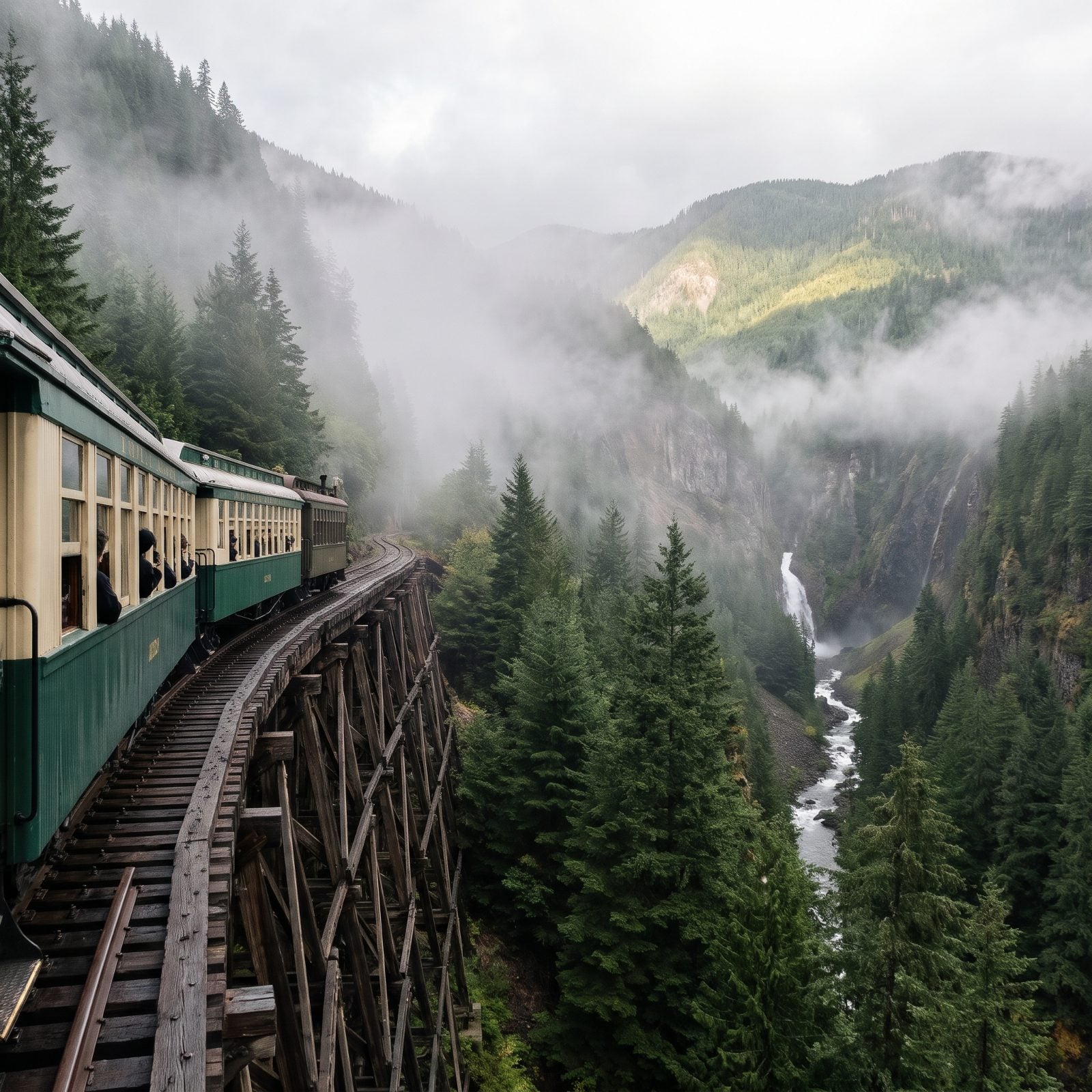
Lump them together and you’ll waste your best port on the wrong activity. These three towns do completely different things well, and booking the same whale watch in all of them wastes two of your days.
- Juneau is your glacier and whale stop. Mendenhall Glacier, Tracy Arm, and some of the most reliable humpback bubble-net feeding in the state.
- Ketchikan is totem country and rainforest. A huge collection of standing totems, plus Misty Fjords by floatplane.
- Skagway is gold-rush history. The White Pass railway and a preserved frontier town that still looks like 1898.
So match the excursion to the town. Rail in Skagway, floatplane in Ketchikan, whales and ice in Juneau. One cruise, three genuinely different days.
2. Assuming You Can Walk Directly Into Every Port
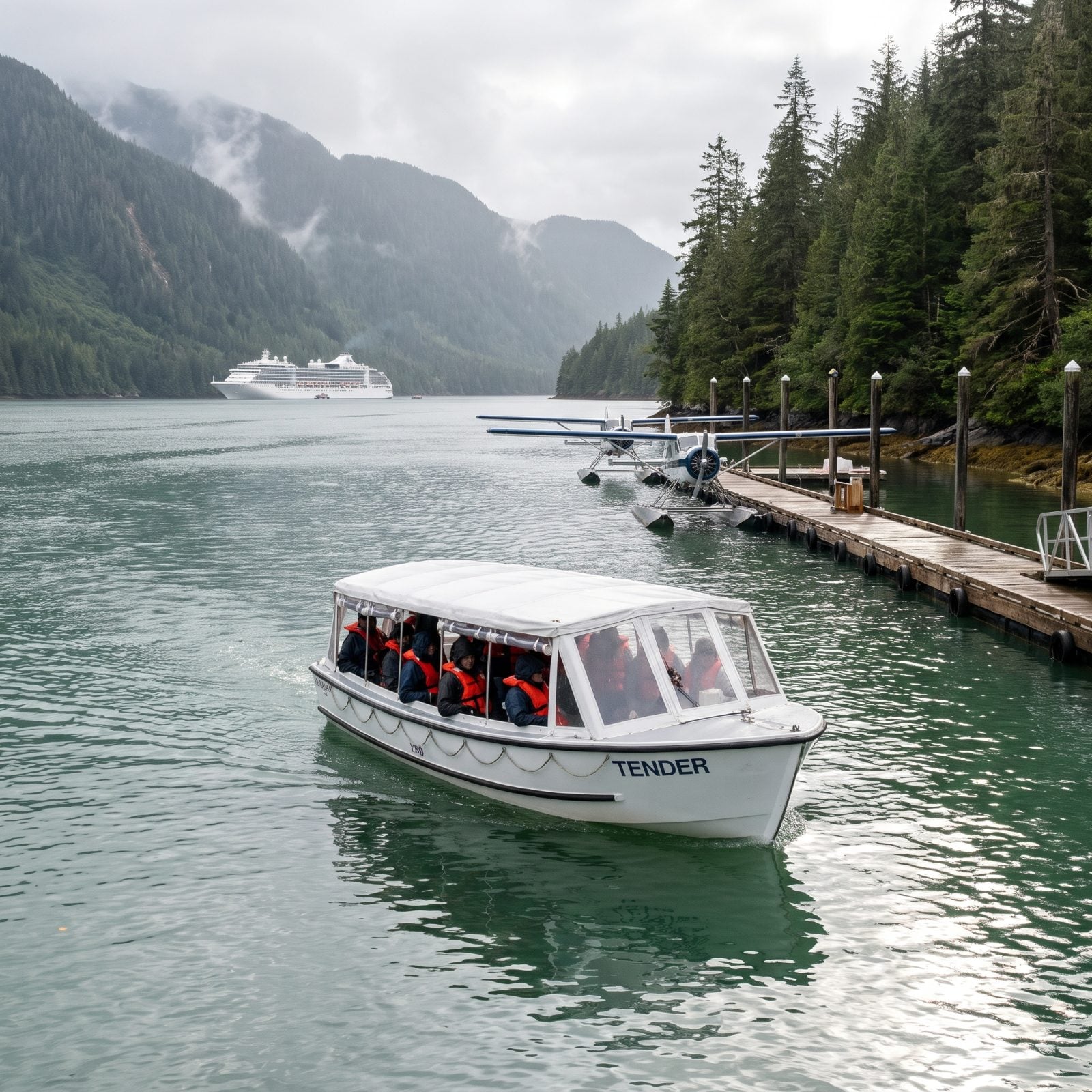
In Juneau and Skagway you step off and you’re basically downtown. Not every stop plays that way, though. Some ports anchor offshore and tender you in by small boat, and a few drop you miles from the center of town.
Show up expecting a quick stroll off the gangway and you’ll lose an hour you never planned for — or miss a tender window entirely.
Check your daily program the night before. If it says tender port, pad in time for the shuttle boats, which fill up and run on their own schedule. Ticketed tenders go to booked excursions first. Know before you go whether the town is at your feet or a ride away.
1. Failing to Budget for Gratuities, Tours, and Transfers
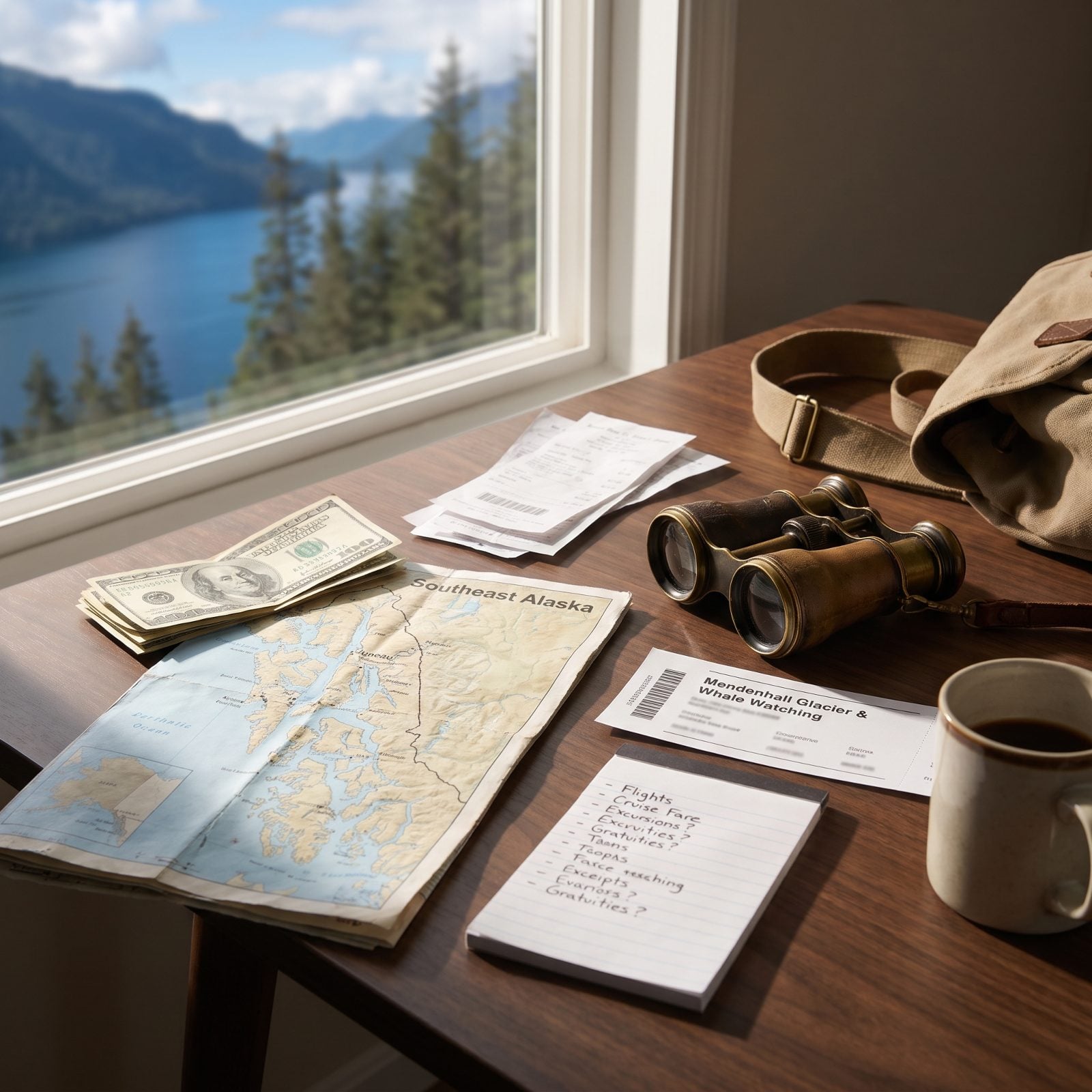
The cruise fare lures you in looking like a bargain. Then the extras start arriving in a steady drip, and by week’s end your onboard account reads like a second mortgage.
Daily gratuities get added automatically, per person per day. Shore excursions can cost more than a night of lodging. Then pile on airport transfers, specialty dining, drink packages, and that floatplane you couldn’t resist.
Price the whole trip, not the headline fare. Budget gratuities for every guest and every day, pick your two or three must-do excursions ahead of time, and sort transfers before you sail. Decide what you’ll splurge on and what you’ll skip while you’re still calm at home — not sweating it at the shore desk.
Please note that some of the imagery in this article were created with the aid of AI image generators.