

🔥 Would you like to save this?
The brochure photo is always a gleaming coach parked on a cliff at sunset. The reality is sometimes a twelve-year-old vehicle with steps built for mountain goats and seats packed in like a cannery. That gap between the two pictures is where comfort goes to die. The good news: a handful of plain questions, asked before you hand over a deposit, close that gap almost entirely. What follows are the ones that actually change your trip.
29. Can I See Photos of the Actual Bus We Will Use?

The brochure never shows the bus you actually ride. It shows a stock photo of some pristine coach that may have nothing to do with the vehicle idling outside your hotel on day one. Fleets vary wildly. One company’s “deluxe touring coach” is a current-year model with panoramic glass, while another’s is a tired workhorse with a cracked dashboard and a suspension that quit years ago.
And the consequence is simple: you find out on the tarmac, suitcase in hand, with no way to change it.
Ask the operator to email photos of the exact coach model used on your departure, inside and out, plus the average fleet age. A company proud of its buses sends them within the hour. One that dodges the question has told you everything.
28. How Many Hours Will We Spend on the Bus Each Day?
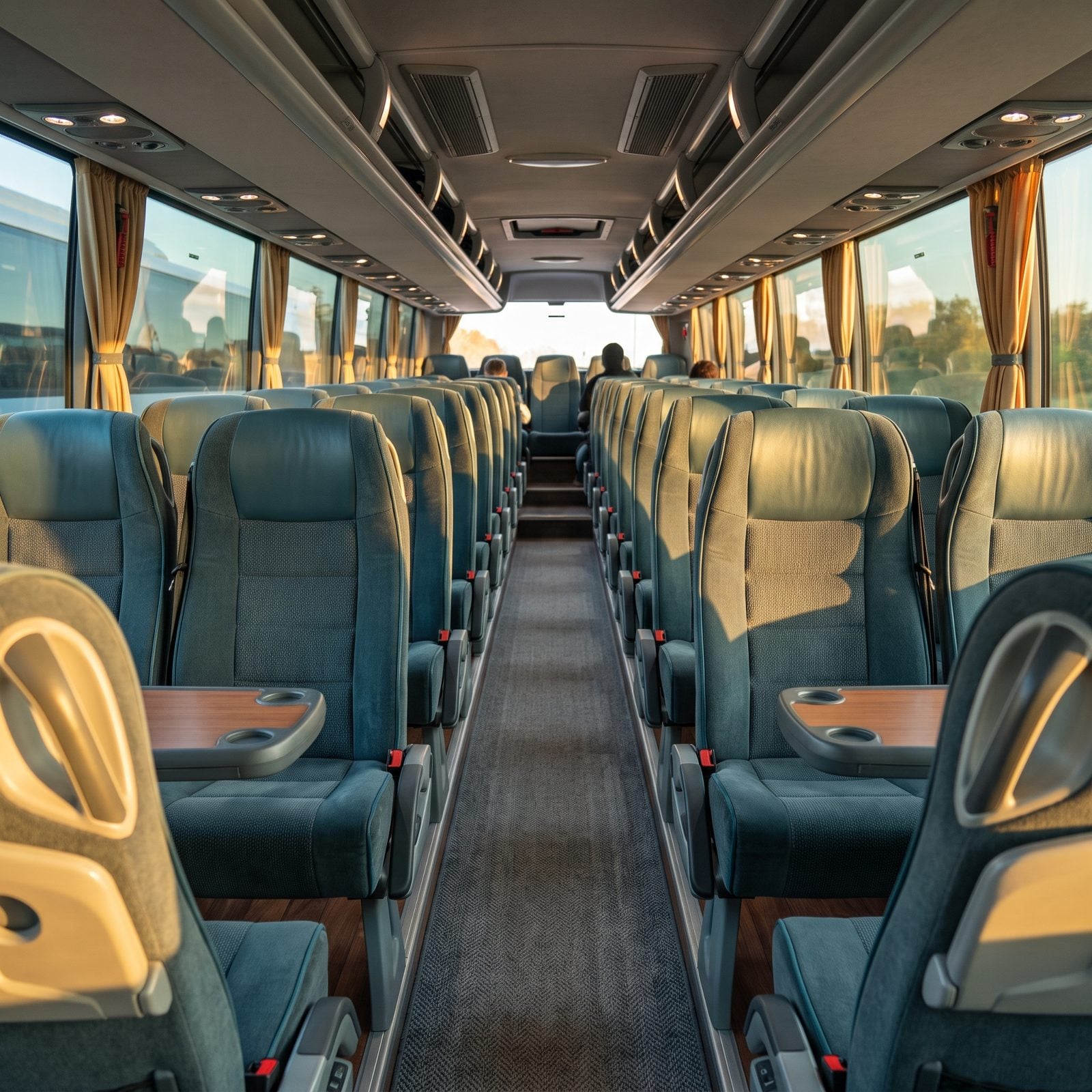
Say the itinerary promises a “scenic drive through the Highlands.” Sounds lovely. What it means is seven hours in a seat with two photo stops and a sandwich — the word scenic doing a lot of heavy lifting there.
Long driving days turn a vacation into endurance work. Stiff hips, swollen ankles, the dull ache of sitting still past the point of comfort. A tour that averages six or more hours of daily driving is a very different animal from one that caps it at three.
Ask for the daily driving hours spelled out, not the mileage, and then total them for the week. Anything that reads like a cross-country haul deserves a second look before you commit.
27. How Often Will the Bus Stop for Restroom and Stretch Breaks?

Your body cares about this more than any castle on the schedule: how often the wheels stop so you can get off and move.
Some tours roll for three or four hours between breaks. For a lot of us, that math doesn’t work. You either white-knuckle it or you dehydrate on purpose to avoid needing the restroom, which is a miserable way to see a country.
Ask for the typical break frequency. A well-run tour stops roughly every two hours, long enough to walk a lap and loosen your legs. And if the guide controls the timing, ask whether they’ll add stops when the group asks. That answer tells you who runs the day — the clock or the people.
26. Is There a Working Restroom on the Bus?
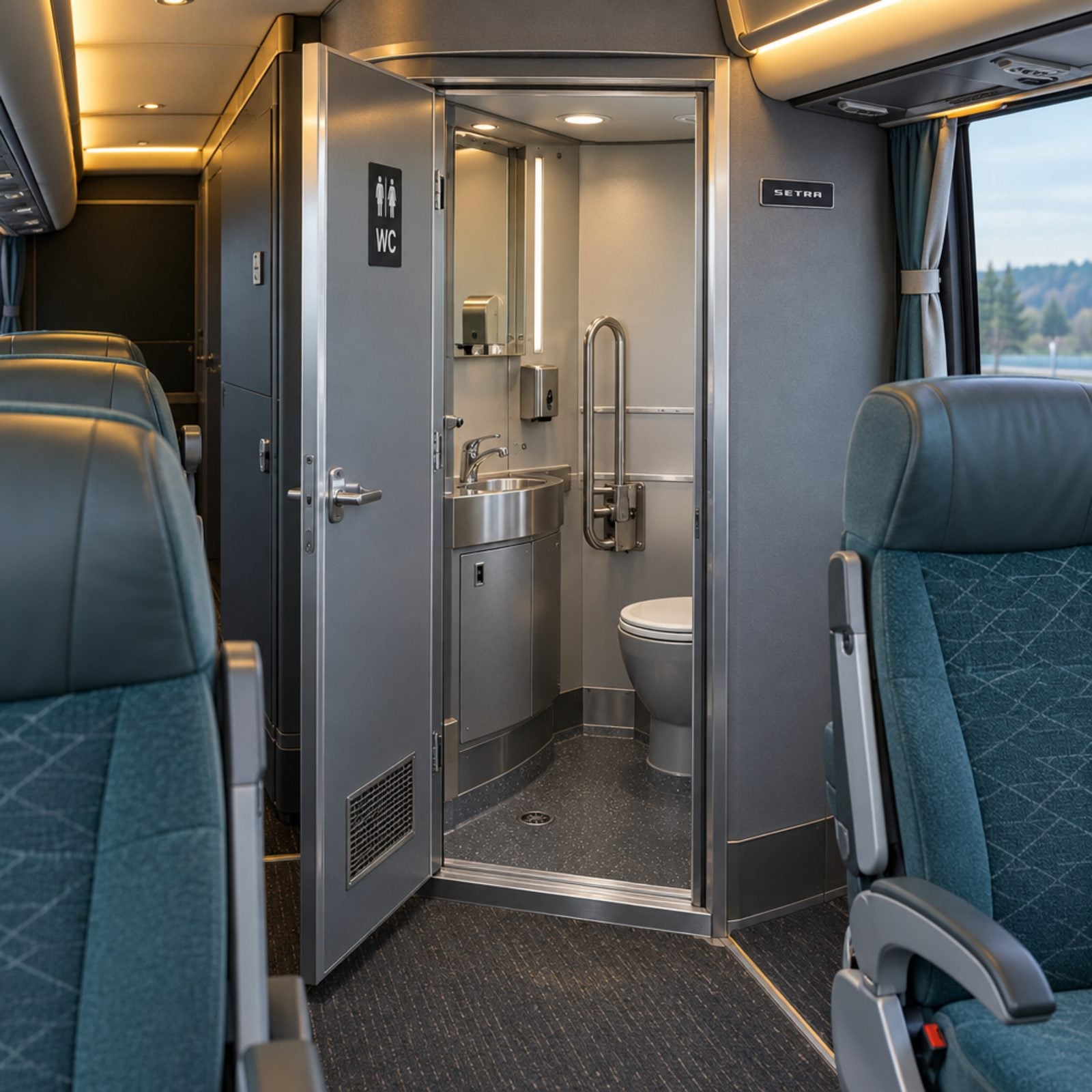
An onboard restroom sounds like a guarantee. Often it’s a technicality.
Plenty of coaches have one, but it’s locked “for emergencies only,” or it’s the last five feet of an eight-hour day and best not thought about too hard. Meanwhile some older vehicles don’t have one at all, and nobody mentions that until you’re already moving on the motorway.
So don’t assume — ask two things. Is there a restroom onboard, and is it available during the drive or reserved for genuine emergencies? If the answer is emergencies only, the break-frequency question above becomes the one that matters. A locked toilet is the same as no toilet when you actually need it.
25. How High Are the Steps Into the Bus?
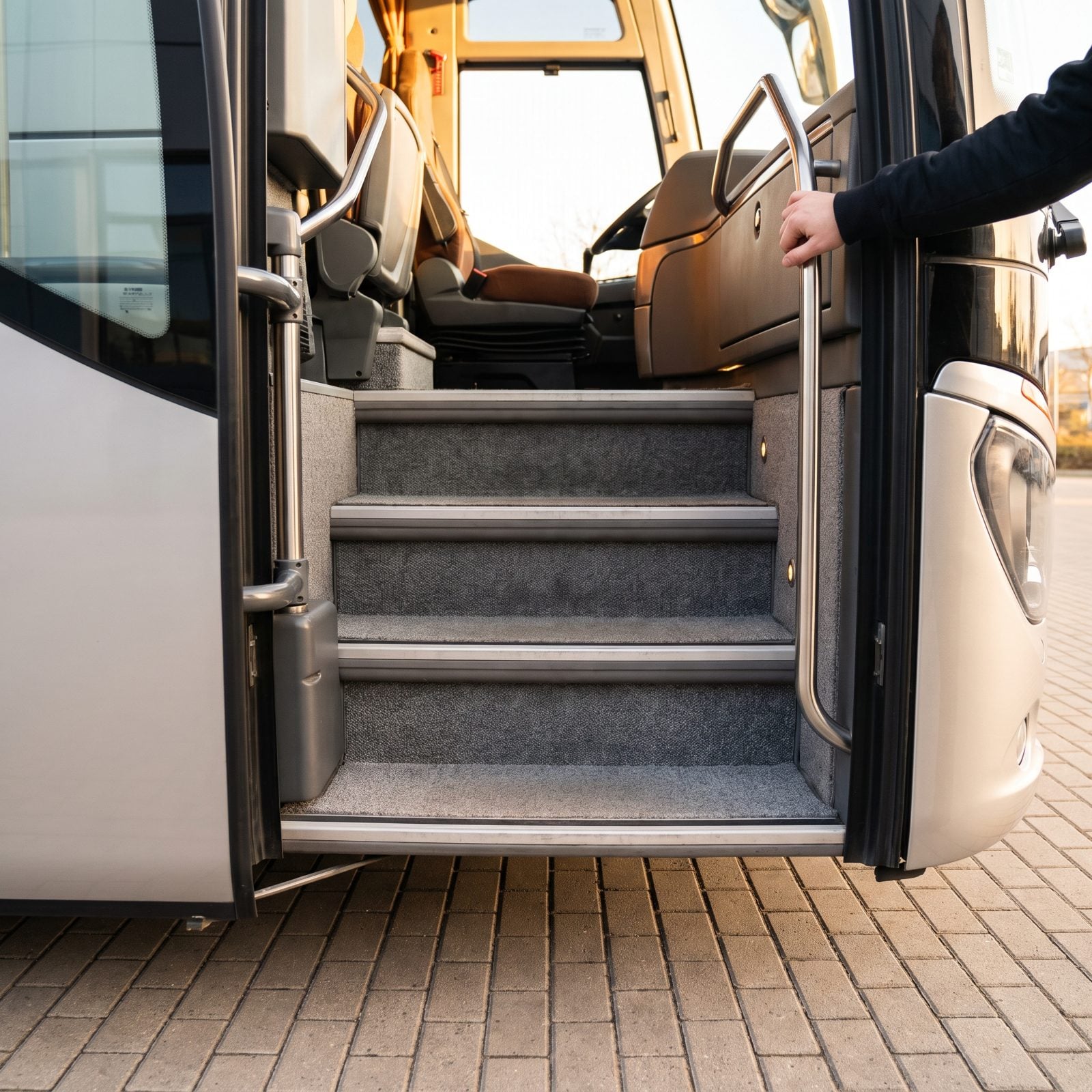
The steps are the thing nobody photographs and everybody remembers. A full-size touring coach sits high off the ground, and the climb in can be three or four steep steps with a single grab rail. Do that twice at every stop, five or six stops a day, for ten days, and your knees will file a formal complaint.
Ignore this and here’s what happens: you start dreading getting on and off, which quietly shrinks how much you do.
Ask whether the coach has a kneeling feature that lowers the front, how many entry steps there are, and whether handrails run both sides. Some newer coaches have a mid-coach door with fewer steps. If the climb worries you, ask for that one specifically.
24. How Much Legroom Is There Between Seats?

Legroom is where a coach seat quietly succeeds or fails. Pack the rows too tight and you’ve lost the space to stretch. Your knees pay for it.
The difference between a comfortable seat and a cramped one is only a few inches of clearance, but you feel every one of them by hour three. Tight spacing on a long afternoon means you can’t shift, can’t cross your legs, can’t reach the bag tucked under the seat in front without performing a small circus act.
Ask for the seat pitch in inches, or ask plainly whether the layout leaves room to stretch. Some operators deliberately remove a row or two for more space. On a coach you’ll sit in every day? Space well spent.
23. Can I Reserve a Front Seat for Medical Reasons?
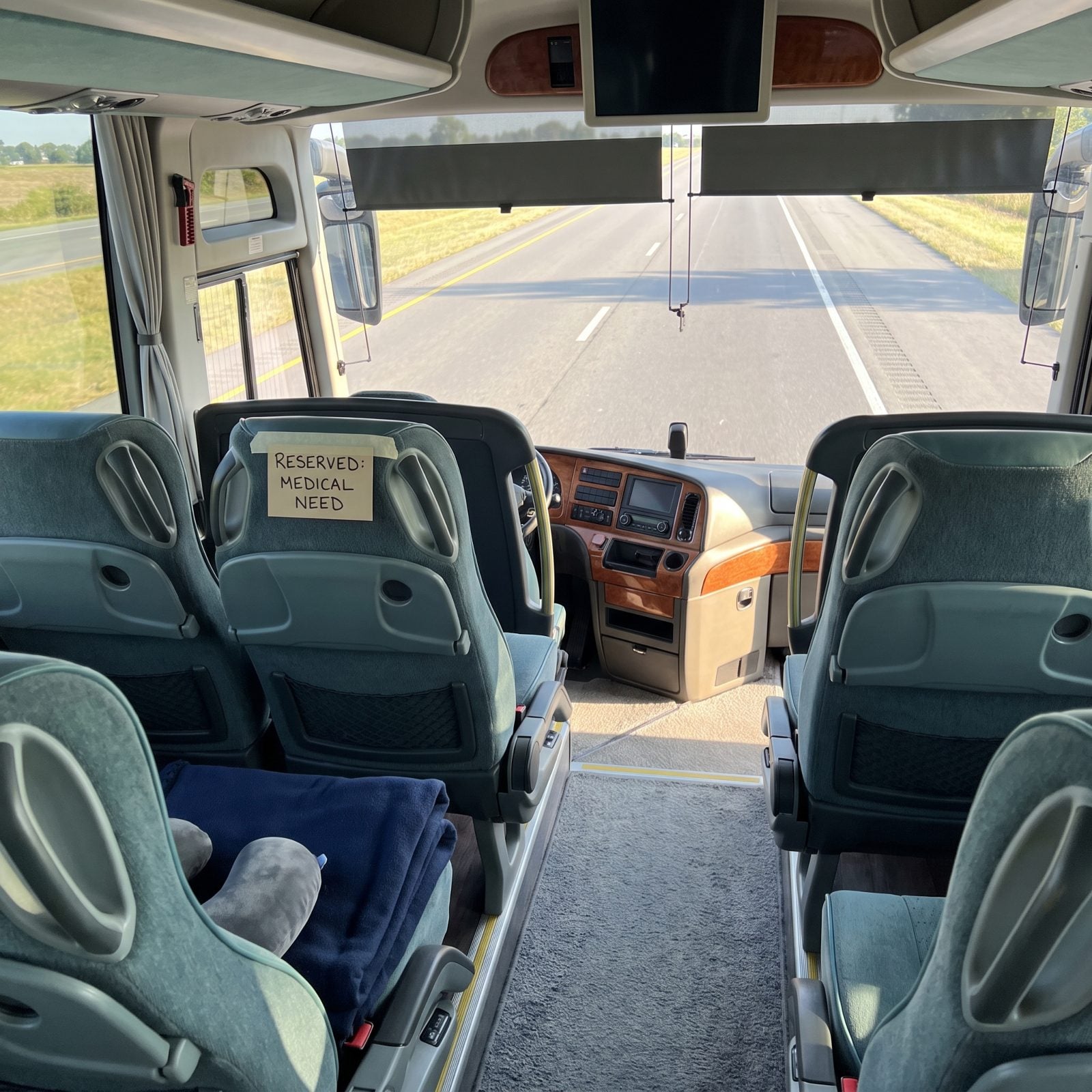
The front seats are prime real estate. Best view, least motion, quickest exit, closest to the guide. Which is exactly why many tours rotate seating daily so everyone gets a turn.
Fair in principle. A problem if you get motion sick in the back, or you need to be first off for mobility reasons, or your hearing works best up front near the microphone.
Ask whether you can reserve a fixed front seat for a medical or mobility reason, and get the answer in writing before you pay. Most reputable operators accommodate this without fuss. Do it at booking — not on day one, when the seats are already claimed and sympathy runs thin.
22. Does the Bus Have Reliable Air Conditioning and Heating?
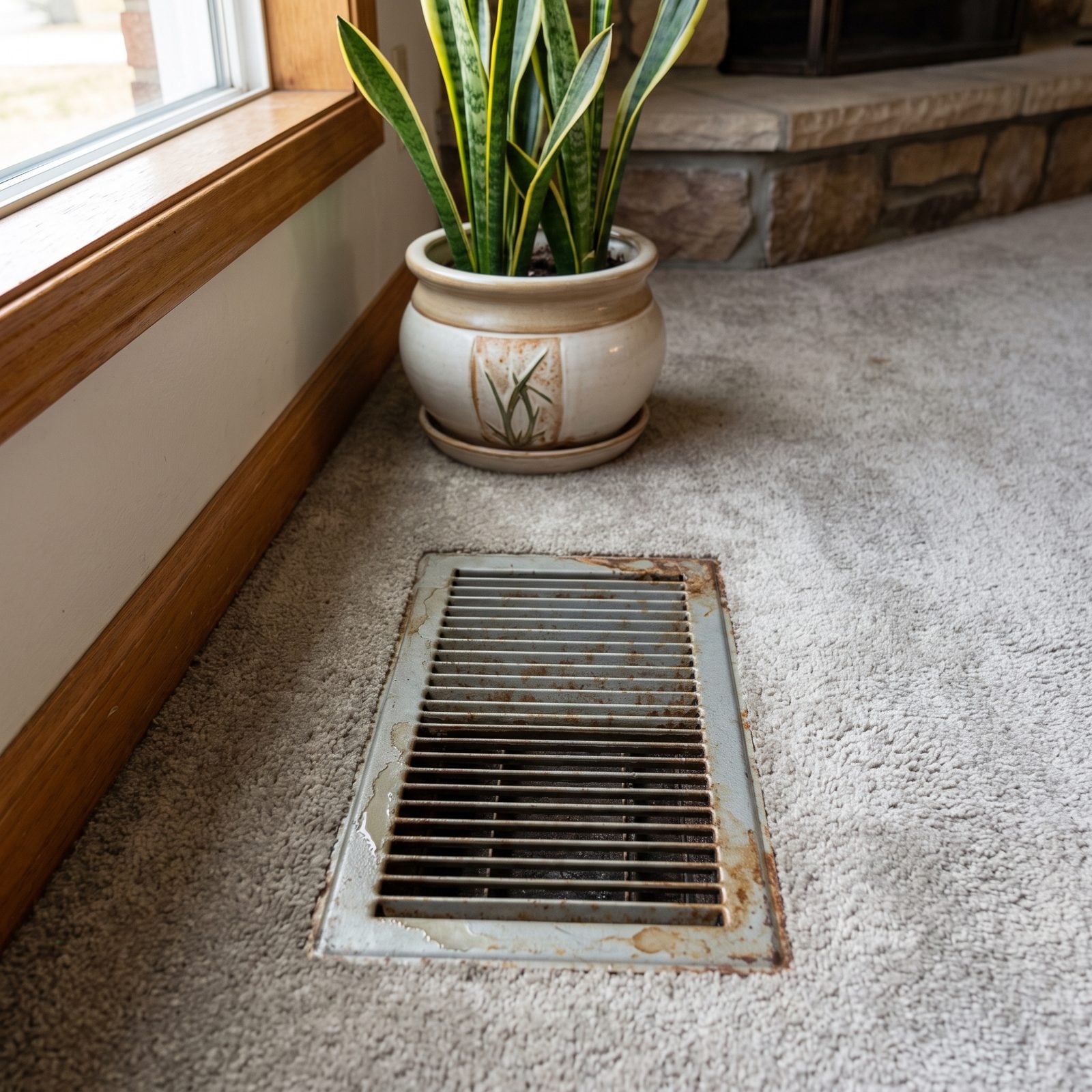
Climate control is invisible until it fails, and then it’s the only thing anyone can think about.
A coach crossing Andalusia in July with weak air conditioning becomes a slow-cooker on wheels. The same coach in the Scottish Highlands in October with a dead heater is a different kind of misery. Either way, you’re trapped in it for hours with nowhere to go.
Ask whether the coach’s climate system is well maintained, and whether the fleet is serviced for both heating and cooling. Then ask what happens if the system fails mid-trip. The honest answer is they swap the coach or get it fixed fast. Vague reassurance means they haven’t thought about it — and you will.
21. Are Seat Belts Available at Every Seat?
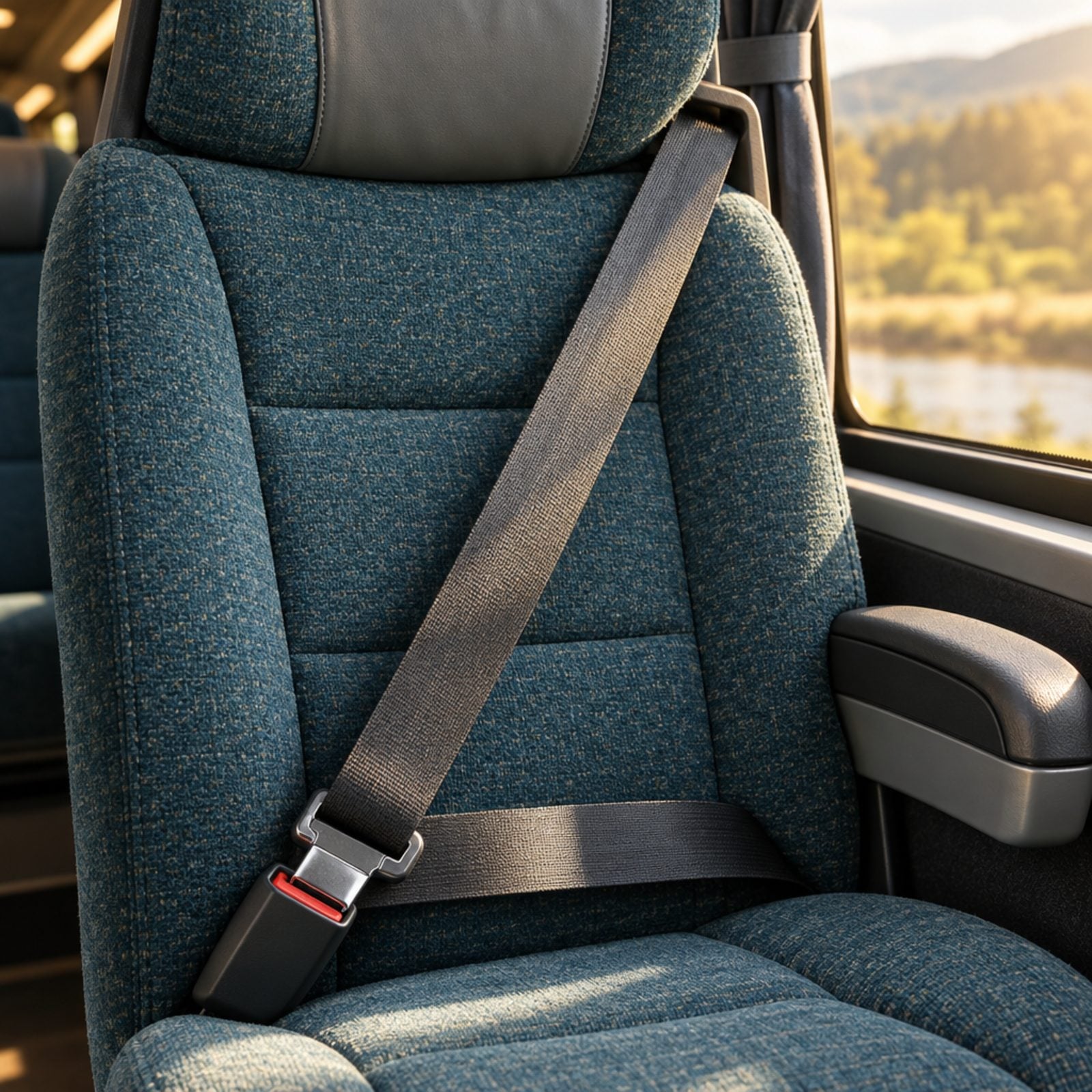
Not every coach has belts at every seat, and plenty of travelers assume they all do.
Older vehicles and some regional operators run without them, or with belts only on certain rows. On a long highway route, that’s not a detail you want to discover from the aisle seat with nothing to click into.
Ask flatly whether every passenger seat has a working seat belt, and whether it’s a lap belt or a three-point. One sentence, one-word answer. A company that hesitates is a company you can cross off the list.
20. How Many Travelers Will Be in the Group?

Group size sets the entire tempo of your trip, and it’s the question people forget to ask.
A full coach of fifty means long waits — fifty people filing off, fifty finding restrooms, fifty boarding again. Every stop stretches, and the quiet corner of a museum you’d hoped for is now a crowd with a raised umbrella out front. A smaller group of twenty or thirty moves faster, fits into more intimate places, and actually lets the guide learn your name.
Ask the maximum group size, not the average, since operators love to quote the flattering number. Then ask the single-traveler ratio if you’re going solo. The size of the group is the size of the line you’ll stand in for ten days straight.
19. How Much Walking Is Required, Including Stairs, Slopes, and Cobblestones?
🔥 Would you like to save this?
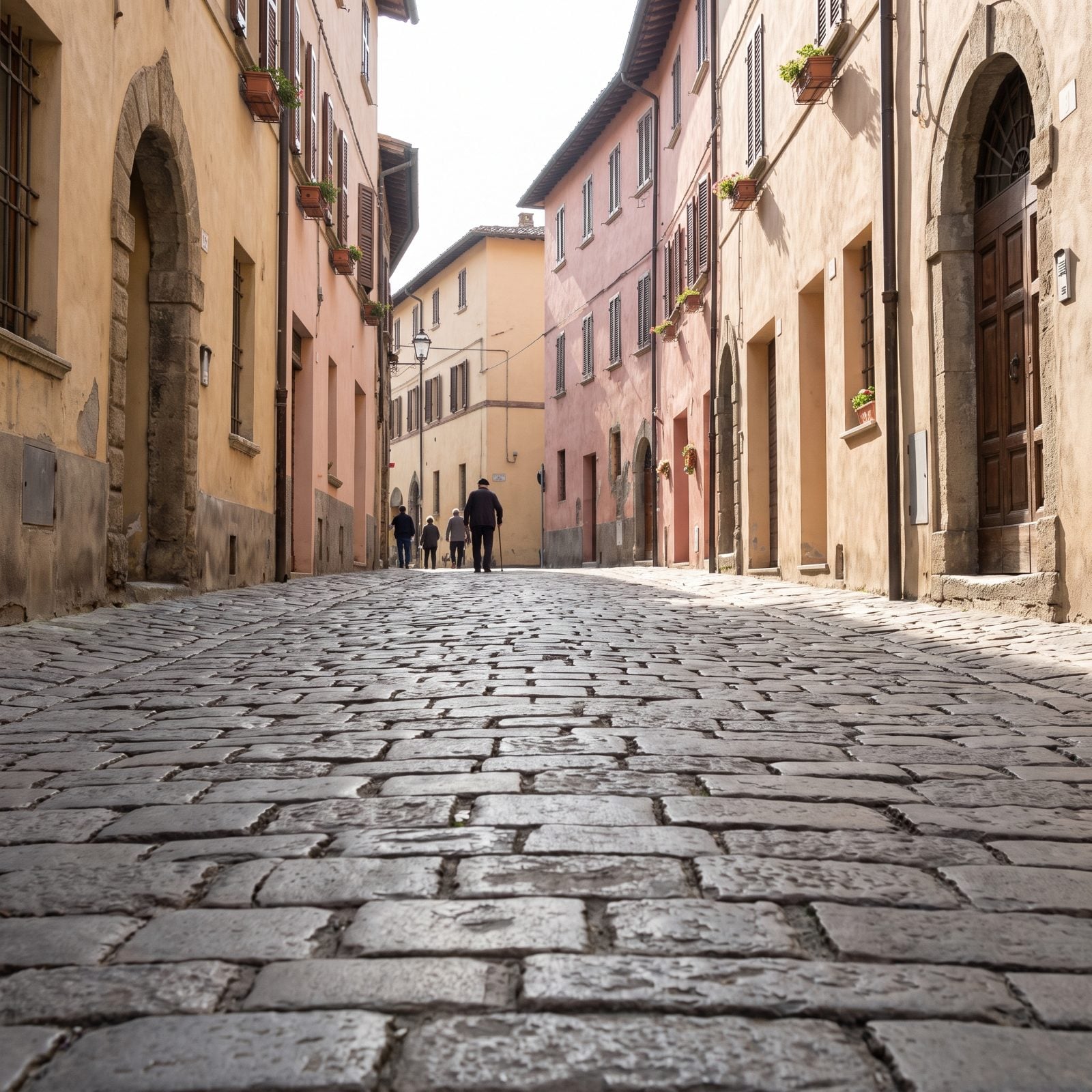
“Moderate activity” is the vaguest phrase in the travel business. It can mean a flat stroll to a cafe, or it can mean a long climb up medieval steps worn slick by centuries of feet. The brochure photo never shows the cobblestones, and cobblestones are where ankles go to regret things.
Ask for specifics in numbers. How many steps at the hilltop village? How steep is the walk from the coach drop-off to the ruins? Is the ground paved, graveled, or ancient and uneven? A reputable operator answers plainly. A vague one deflects, and that deflection is your answer.
18. Can I Skip an Activity and Rejoin the Group Later?

Here’s the trap. You’ve paid for the full itinerary, so you feel obligated to do all of it — right up until your feet give out on day two and you spend day three in misery because you overdid it.
The best tours let you opt out of a single activity without guilt or penalty, then collect you at a set point. The restrictive ones treat the group like a chain gang that moves as one. Ask exactly how a skip works. Where do you wait, how do you get back to the hotel, and is there a safe place to rest in the meantime? Permission to bow out gracefully is worth more than any included extra.
17. Is There Enough Free Time to Rest Between Scheduled Activities?

Some itineraries are packed so tight they read like a military operation. Breakfast at seven, coach at eight, three sights, lunch, two more sights, dinner, repeat. By day four you’re sightseeing on fumes and remembering none of it.
Look for genuine gaps in the daily schedule. Not “free time” that’s really a shopping stop, but actual unstructured hours where you can nap, sit in a square, or do nothing at all. Do the afternoons ever stay open? A pace that builds in rest isn’t lazy. It’s the difference between finishing the trip and surviving it.
16. Are Any Predawn Departures or Late-Night Arrivals Scheduled?

Early departures are the silent fatigue-killer of escorted tours. A 5:30 a.m. bags-out call to catch a ferry or beat traffic sounds fine on paper. Do it three mornings in one week and your sleep debt turns the whole trip gray.
Ask flatly how many predawn starts and late arrivals the itinerary contains. One or two is normal. A string of them means the route was built for efficiency, not comfort. If the answer is “a few,” ask which days, so you can plan an easy evening before each one. Sleep is not a luxury on a long tour. It’s the fuel.
15. How Many One-Night Hotel Stays Are on the Itinerary?

Nothing wears you down like living out of a suitcase you never fully unpack. The grand “ten cities in twelve days” itinerary looks thrilling until you realize what it really means: packing, loading, driving, and unpacking nearly every single night.
Count the one-night stays before you book. A tour with several two- and three-night bases lets you breathe, settle, and actually rest. The constant single-nighters turn you into baggage that happens to breathe. Ask for the hotel list with dates, add up the overnights per property, and judge the real rhythm of the trip for yourself.
Two nights in one bed is worth three sights you’d have been too tired to enjoy.
14. Are Wheelchairs, Walkers, and Folding Scooters Accepted, and Who Loads Them?

A folding scooter is only useful if the coach will carry it and someone will lift it. Those are two separate questions, and operators love to answer only the first.
Confirm in writing that your mobility aid is accepted, that it fits the luggage bay, and — this is the part that trips people up — that the driver or guide will load and unload it at every stop. Some companies accept the device but expect you to manage it alone, which defeats the whole point. Ask about weight limits too. Many coaches cap what staff will lift. Get the yes from the company, not a hopeful shrug at the curb.
13. Are Accessible Hotel Rooms Guaranteed or Merely Requested?

“Requested” and “guaranteed” are miles apart, and the gap always widens at check-in. A requested accessible room means the hotel will try. A guaranteed one means it’s reserved and confirmed. Guess which one you want at nine at night after a long drive.
Push for the word “guaranteed” in writing, and ask what happens if the room isn’t available on arrival. Does the operator move you to another hotel, or do you cope? The honest ones admit accessible stock is limited and tell you exactly how they handle a shortfall. The rest hope the problem lands on the hotel, not them.
12. Will Every Hotel Have a Working Elevator?
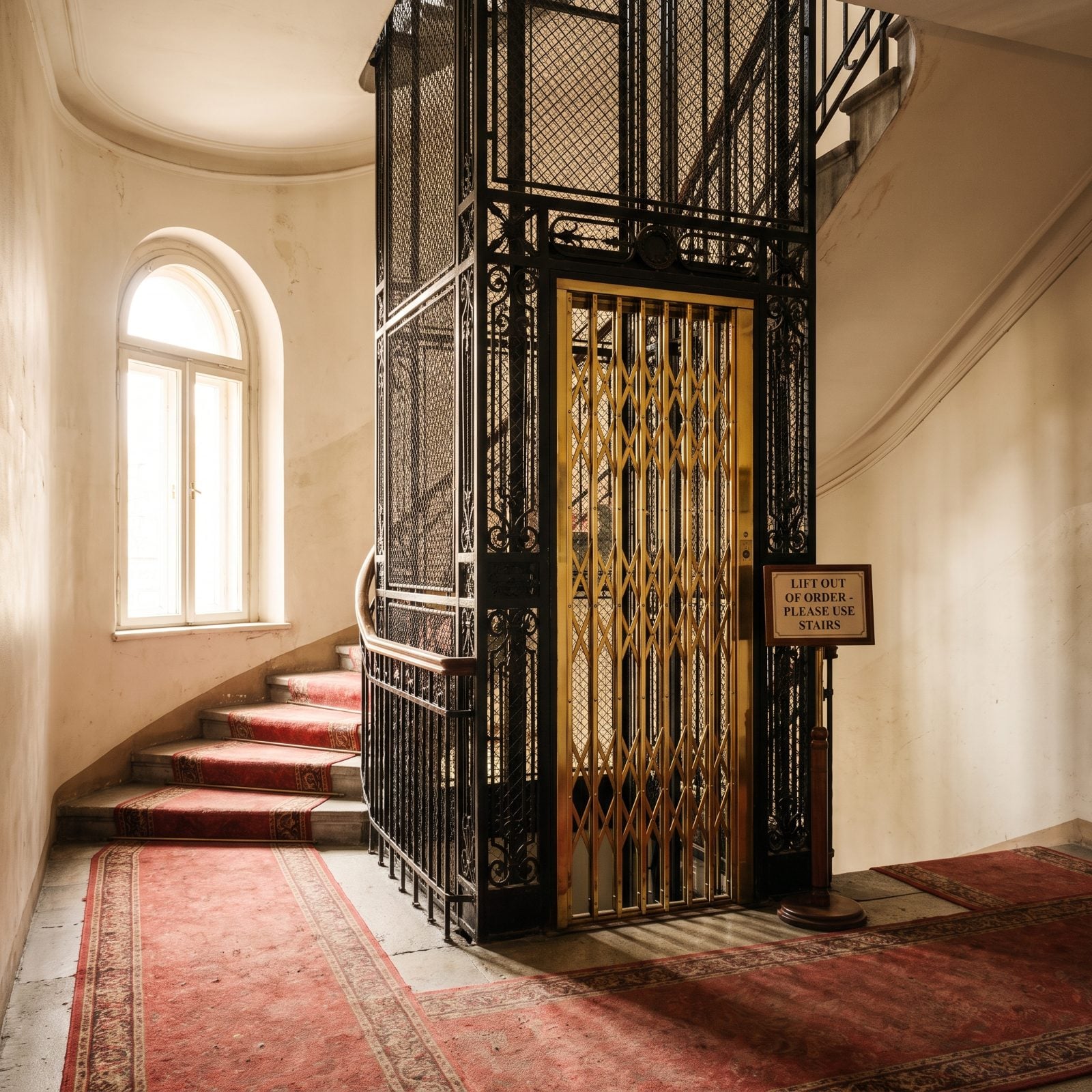
That atmospheric countryside inn has a lot of charm and, quite possibly, no elevator at all. Historic properties and “boutique” hotels frequently run three floors on a single narrow staircase, and your room may be at the top of it.
Ask whether every hotel on the route has a working elevator, and whether you can be guaranteed a lower floor if one doesn’t. “Working” matters, because old elevators break and stay broken for weeks. If the company can’t promise ground-floor access everywhere an elevator is absent, you deserve to know that before you’re staring up a spiral staircase with your suitcase.
11. Can I Request a Walk-In Shower Instead of a Bathtub?

🔥 Would you like to save this?
Stepping over the high edge of a European bathtub into a slick basin, half-asleep at dawn, is one of those quiet hazards of travel nobody warns you about. A walk-in shower removes that risk entirely. So ask for one ahead of time.
Request a step-free or low-entry shower, and a shower seat if you’d use one, at the booking stage. Can it be confirmed per hotel, or only logged as a general note? The difference between a reserved walk-in room and a scribbled preference is the difference between a safe shower and a careful one every single morning for two weeks.
10. Will I Need to Carry My Own Bag at Any Point?

Porterage is the detail that makes or breaks a tour for anyone with a wonky back or a bad shoulder. Many brochures promise it, then bury a line about “airport transfers, train stations, and ferry terminals excluded” — which are exactly the moments you’d want help most.
Ask precisely where luggage is handled and where it isn’t. Is your bag taken from your hotel room to the coach, or just from the lobby? What about ferries, train platforms, and the final morning? Anywhere you’re left alone with a heavy case, you’ll want a bag you can actually manage. Better to pack for the gaps than to discover them on a railway platform at dawn.
9. Can the Tour Accommodate Medical or Religious Dietary Needs?
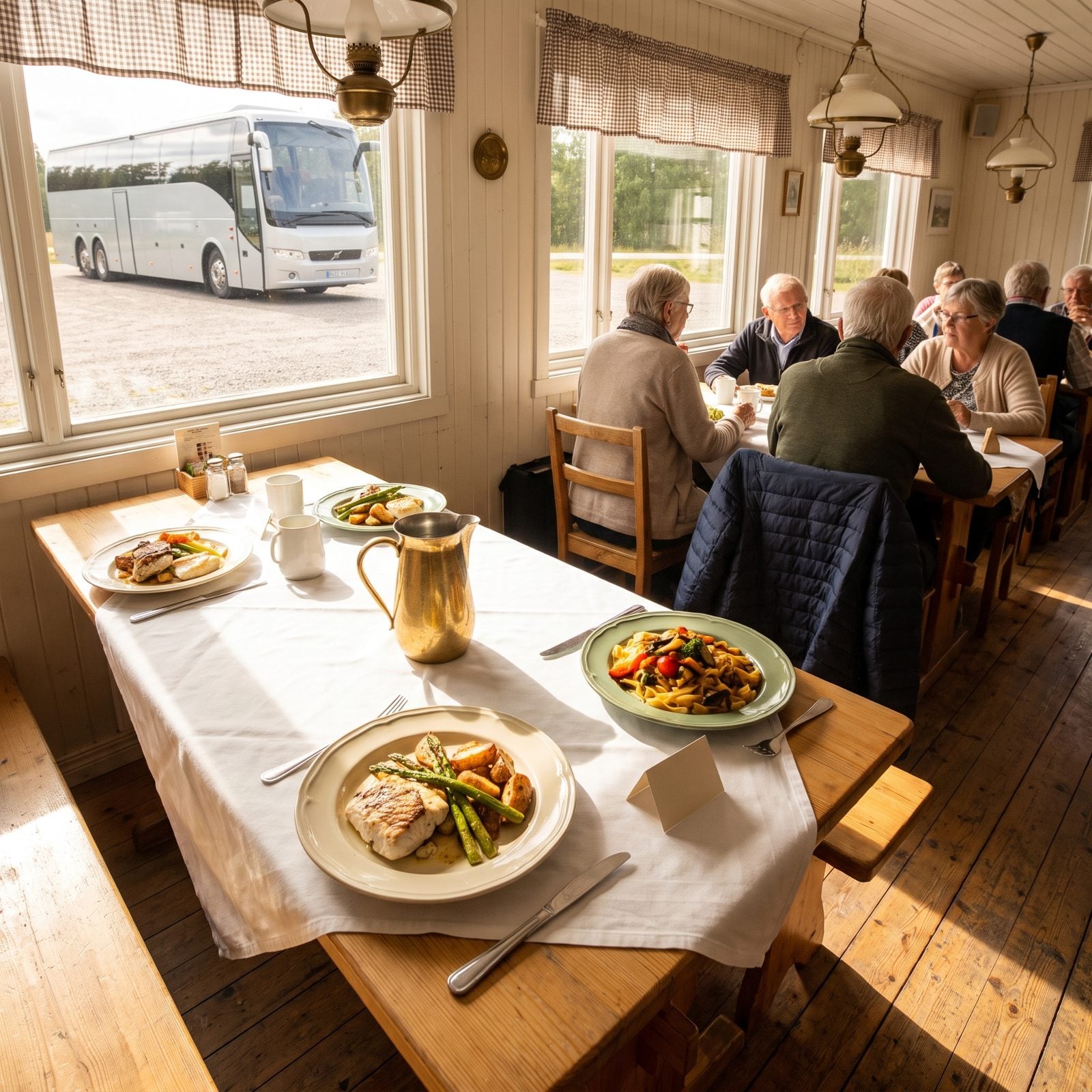
Most tour brochures promise regional cuisine and leave it at that. Fine, until you’re the one at a prix-fixe dinner staring at a plate you can’t eat because nobody flagged your kosher, halal, gluten-free, or low-sodium requirement to the kitchen three countries ago.
Group meals get pre-ordered in bulk weeks ahead, so if your need didn’t make it onto the operator’s manifest, there’s rarely a substitute waiting. You get bread and a side salad while everyone else eats.
Ask the booking agent to confirm your dietary need in writing on the reservation, then follow up two weeks before departure to make sure it reached the catering partners, not just the home office. Carry a laminated card stating your restriction in the local language. It does the explaining when you’re tired and the server doesn’t speak English.
8. Can Medication Be Refrigerated Safely Along the Route?

Insulin, certain biologics, some eye drops: plenty of common medications lose potency if they ride warm for hours. A touring coach is not a pharmacy. The onboard fridge, if one exists at all, might be stocked with drinks, and nobody’s checking its temperature.
Guess wrong and you’re hunting for a chemist in a hill town on a Sunday, trying to replace a prescription written in a language you don’t read.
Before you book, ask two things: is there a reliable refrigeration option on the coach, and do the hotels have in-room fridges or front-desk storage. Then bring your own medical travel cooler with reusable gel packs so you’re never dependent on anyone’s goodwill. Carry a doctor’s letter listing your medications and dosages, and split your supply between your day bag and your checked luggage. Lose one, keep the other.
7. How Far Will the Group Be From Medical Care in Remote Areas?
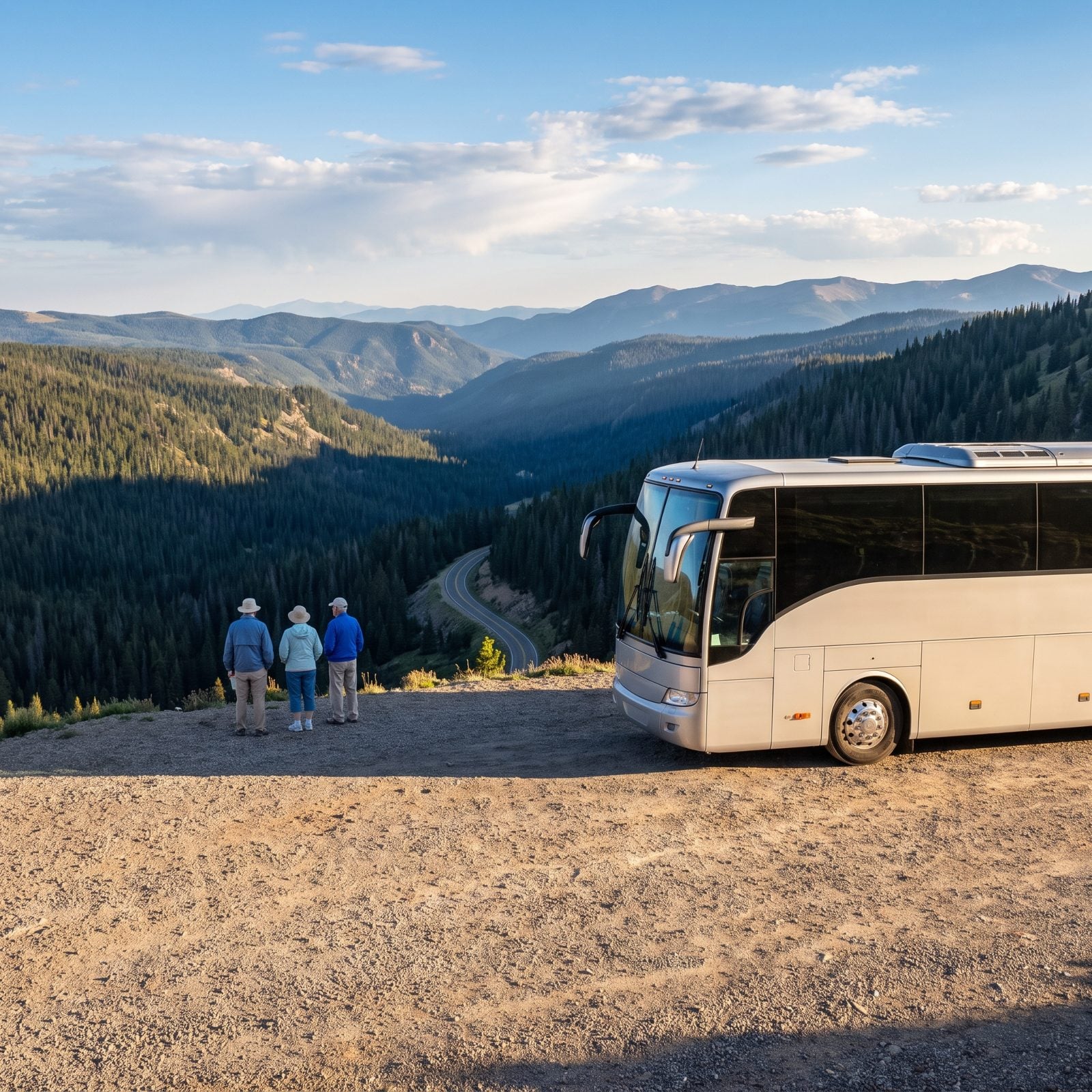
The most photogenic stops tend to be the most isolated. A fjord village, a desert canyon, a mountain pass hours from the nearest hospital. Beautiful on the itinerary. Sobering if your chest tightens at the overlook.
Now for the honest part. No tour can put a trauma center behind every bend, but a well-run operator knows exactly how far the nearest care is at each remote stop and has a plan for reaching it.
Ask the company directly: on the days furthest from a city, what’s the response plan, and how long until professional help arrives? A vague answer is itself an answer. If you have a condition that can turn urgent fast, weigh the remote legs honestly and pick itineraries that stay closer to towns.
6. Does the Tour Director Have Emergency Training, With Help Available Around the Clock?
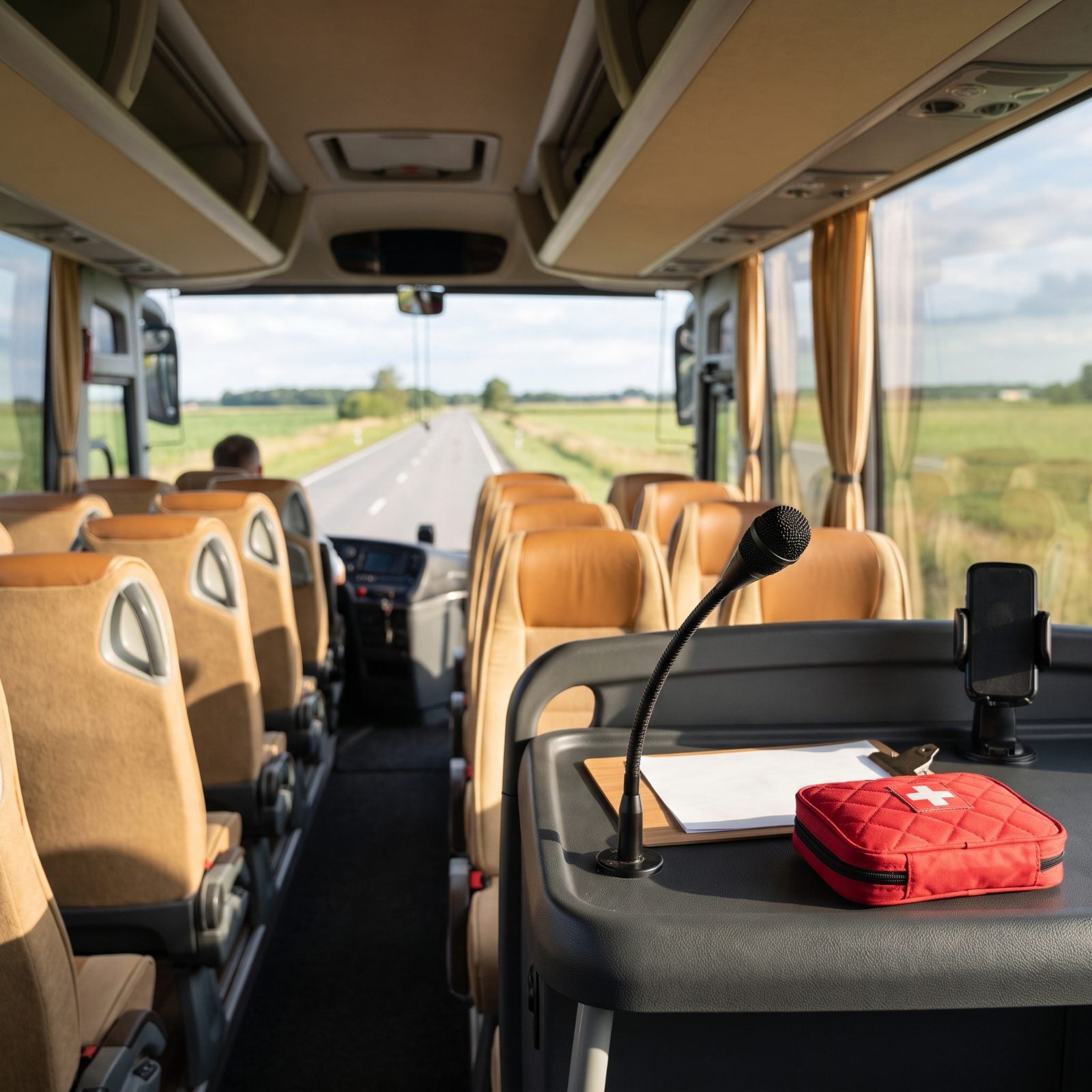
A tour director wears a dozen hats, and one of them matters more than the rest when something goes wrong. Many are trained in basic first aid and CPR. Some aren’t, and the brochure rarely tells you which.
You don’t want to discover the gap in a hotel corridor at 2 a.m. while someone fumbles for a number nobody answers.
Ask three plain questions before booking:
- Is the tour director certified in first aid and CPR?
- Is there a 24-hour emergency line staffed by a real person, not a voicemail box?
- Who takes over logistics if a traveler needs to leave the tour for care?
A company that answers all three without pausing has thought this through. That confidence is what you’re actually paying for.
5. What Is the Cancellation Policy if a Doctor Says I Cannot Travel?
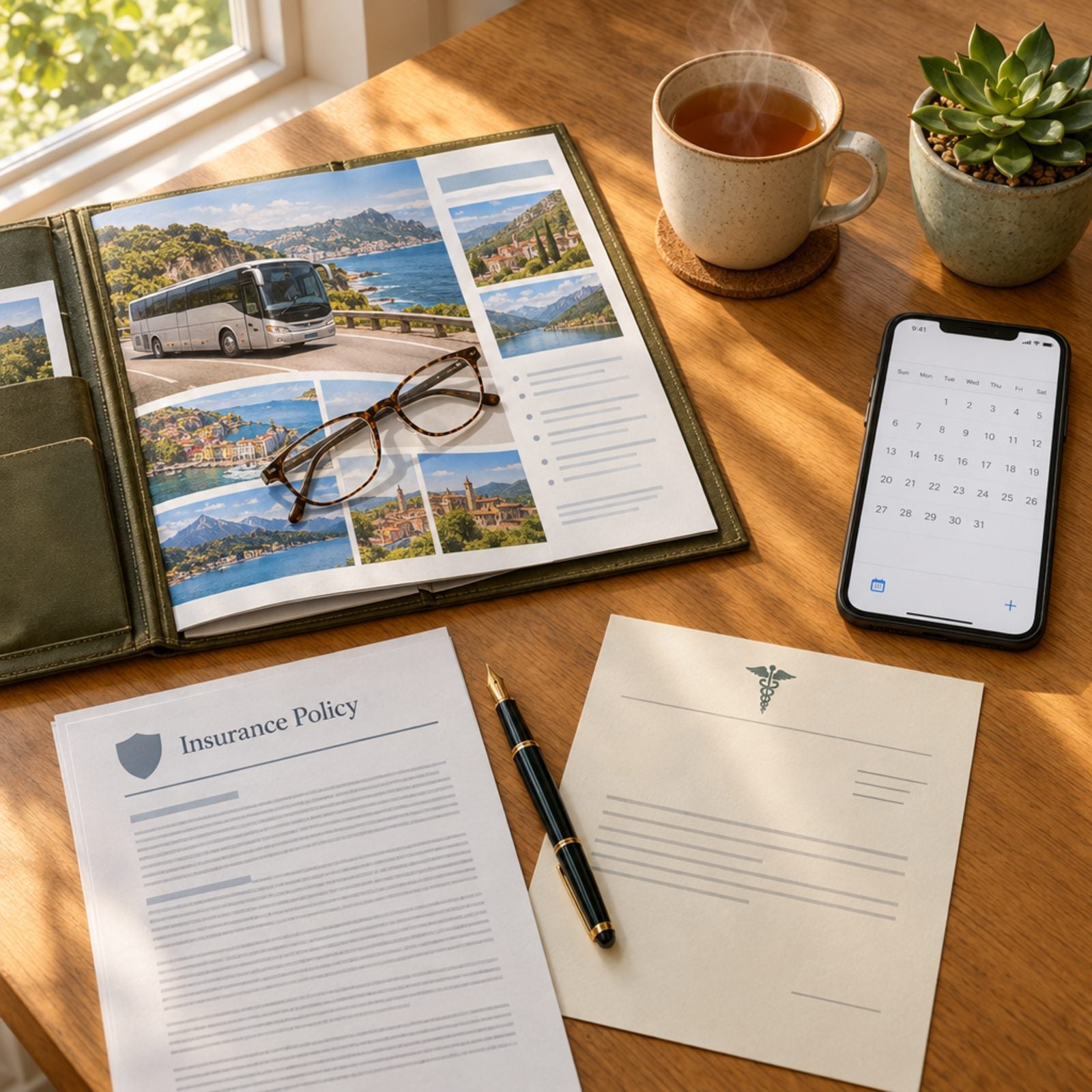
Life happens between the deposit and the departure. A fall, a new diagnosis, a doctor who looks you in the eye and says not this trip. The question is whether that costs you a few forms or a few thousand dollars.
Standard cancellation policies are built around dates, not doctors. Cancel too close to departure and you forfeit most of the fare, medical reason or not, unless you’ve arranged otherwise.
Read the refund schedule before you pay, and ask specifically how a physician-ordered cancellation gets treated. Then buy travel insurance with a genuine medical-cancellation clause, and check that your existing conditions are covered rather than excluded as pre-existing. The fine print on that distinction is where people get burned.
4. What Exactly Is Included in the Advertised Price?

The headline price buys you a seat. It doesn’t always buy you dinner, tips, bottled water, or the optional excursion that’s splashed across the cover photo.
The gap between the advertised number and what you actually spend can run high once gratuities, meals not covered, airport transfers, and entrance fees pile on. People come home surprised, then annoyed.
Get the operator to spell out, in writing, exactly what’s included: how many meals, which transfers, which attractions, and whether tips for the driver and director are built in or expected separately. Then budget realistically for the extras so the final tally doesn’t ambush you.
3. Is the Departure Guaranteed, and What Happens if the Company Cancels?
You’ve planned the leave from work, booked the flights, told the neighbors. Then an email lands six weeks out: your departure didn’t hit minimum numbers and it’s been cancelled.
Some tours only run if enough people sign up. A non-guaranteed departure can evaporate, leaving you scrambling to rebook flights you already paid for at prices that have since doubled.
Ask one word before you commit: guaranteed? A guaranteed departure runs regardless of headcount. If the date isn’t locked in, ask what the company offers when it pulls the plug, a full refund, an alternate date, or help covering non-refundable flights. And book your airfare with that risk in mind, refundable fares or travel insurance that covers operator cancellation.
2. Who Operates the Bus, and Is Transportation Subcontracted?

The brand on the brochure and the company behind the wheel aren’t always the same outfit. Big tour operators often subcontract the actual coaches and drivers to local firms, and quality varies wildly from region to region.
Why does it matter? Because the age of the coach, the condition of the brakes, the driver’s hours and rest rules, and the accessibility of the entry steps all ride on whoever that subcontractor turns out to be. A gleaming marketing photo tells you nothing about the vehicle that actually shows up.
Ask whether transport is operated in-house or subcontracted, roughly how old the coaches are, and whether they have working climate control, restrooms, and manageable boarding steps or a lift. Reputable operators answer plainly. Evasiveness is a red flag worth heeding.
1. What Happens If I Become Ill During the Tour?

Everyone pictures the itinerary. Almost nobody pictures the morning they wake up with a fever while the coach is loading for the next city. What then?
On a moving tour, the group keeps its schedule. If you’re too unwell to travel, you may be left to recover at the current hotel while everyone rolls on, and how the company supports you in that moment separates the good operators from the rest.
Ask exactly what happens if you need to drop out for a day or two. Does someone stay to help arrange a doctor? Will they coordinate a later rejoin point? Who covers the extra hotel night, and how do you catch up to the group? Get those answers before you need them.
And carry good travel medical insurance that includes repatriation. If illness ends your trip entirely, you want a policy that gets you home safely, not a bill that follows you there.
🔥 Would you like to save this?
Please note that some of the imagery in this article were created with the aid of AI image generators.