

The brochure photo shows a glass of wine on a balcony, a castle sliding past, nobody else in frame. The reality can be a window that opens eight inches onto the hull of the ship rafted right beside yours. River cruising is one of the best ways to see Europe slowly — it’s also full of small print that quietly drains your wallet and steals your views.
Here are the booking traps that catch almost everyone the first time, and how to spot them coming.
48. Mistaking a French Balcony for a Walk-Out Balcony
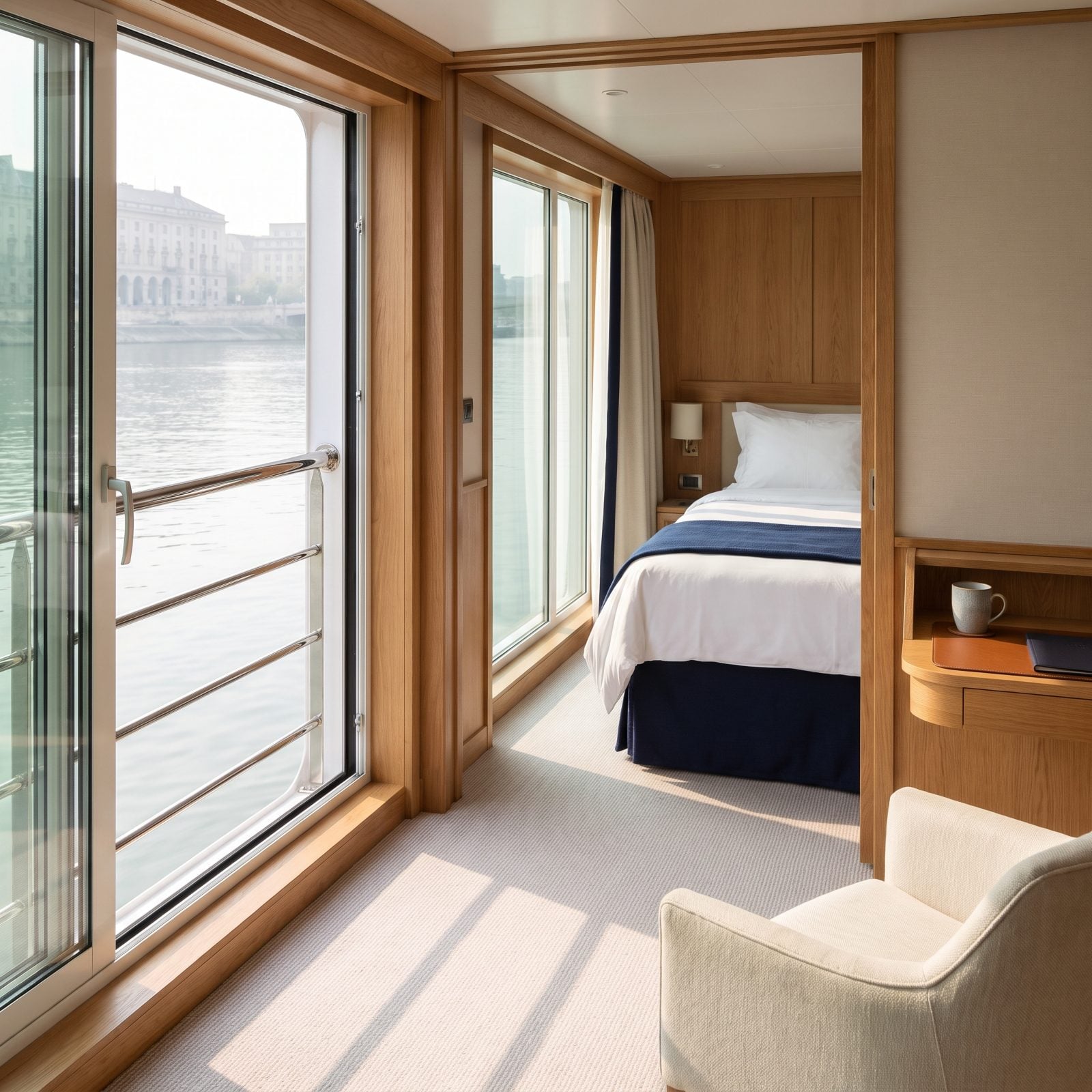
The listing says balcony. You picture a chair, a railing, a morning coffee outdoors. What arrives is a pane of glass that slides open to a railing bolted right at the floor line — a French balcony. You lean, you don’t step out, and no chair is going out there.
Not a scam. Just vocabulary. But if your heart was set on sitting outside with the river drifting by, you’ll feel shorted that first morning. A true walk-out balcony, with an actual floor and furniture, costs more and sits higher on the ship.
47. Booking Based on the Headline Fare Alone
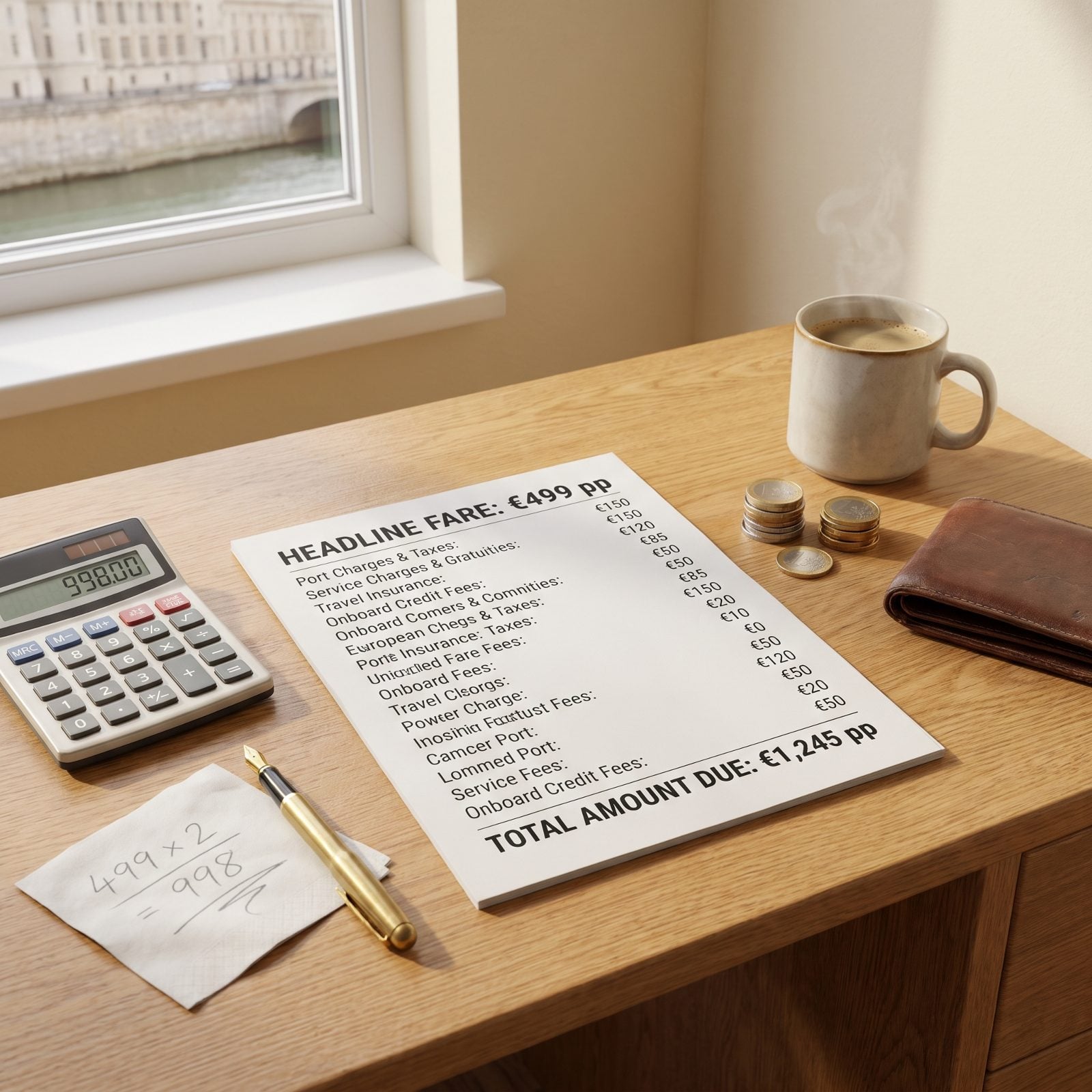
The number in the big font is almost never the number you pay. That headline fare gets you a windowless lower-deck cabin on a shoulder-season sailing, before port charges, gratuities, airfare, transfers, and the drinks that aren’t included on that particular line.
Say you book a 1,299 fare and feel clever. Then come the 400 in gratuities, 300 in port fees, your own flights, and a cabin upgrade because the base one looked grim. Suddenly you’re at double, and nobody lied to you.
Build the real total before you compare lines. Gratuities, fees, flights, transfers, the cabin you actually want — add it all. The cheapest headline is often the most expensive trip.
46. Choosing a Cruise Line Without Checking Its Personality
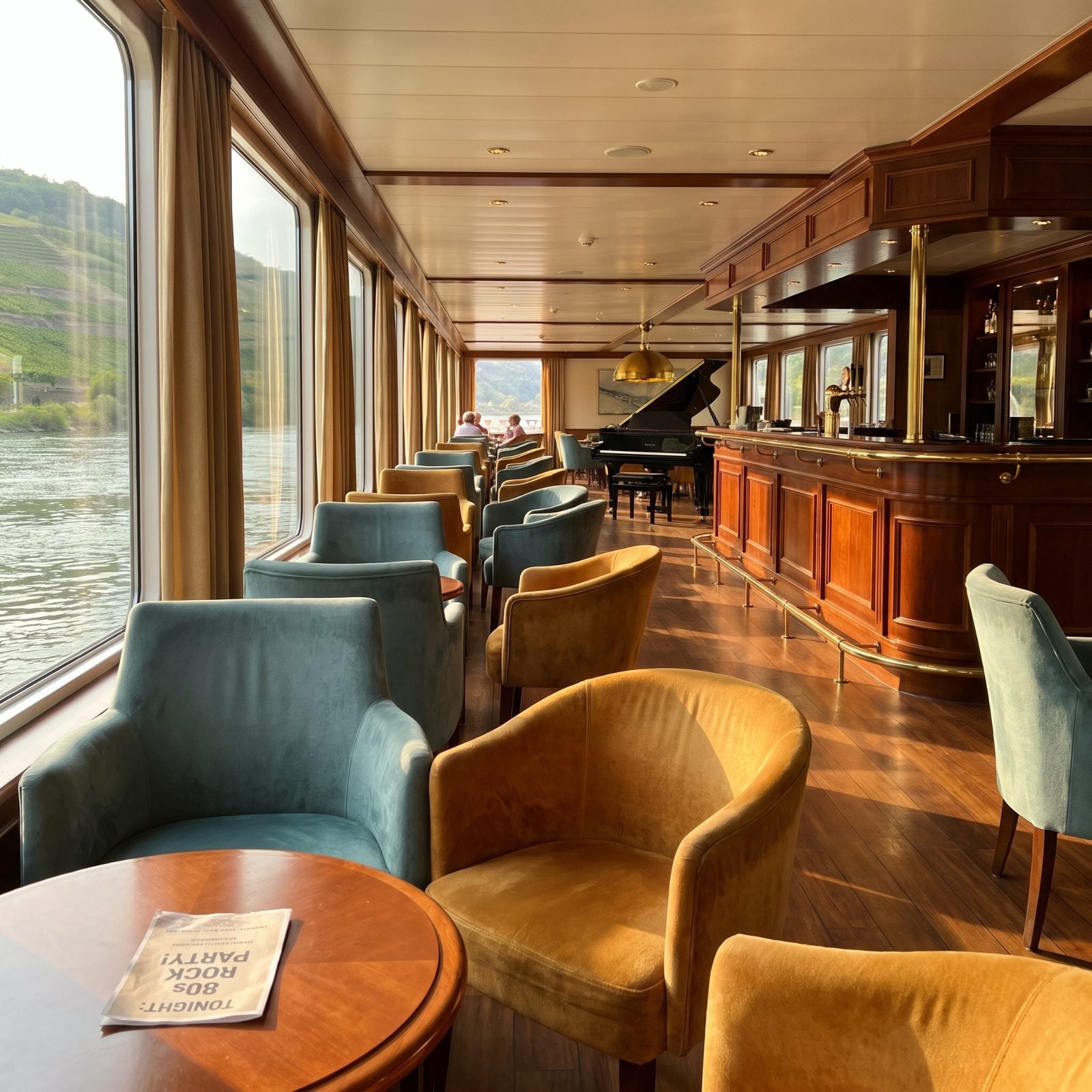
Two ships can sail the exact same stretch of the Danube and feel like different planets. One runs quiet and bookish — history lectures, early nights, wine with dinner. The other has a lively lounge, theme evenings, a crowd that stays up past midnight. Same river, completely different week.
Book the wrong fit and you’ll spend seven days feeling slightly out of step with everyone aboard. That’s a long time to be the only one who wanted the quiet.
45. Picking an Itinerary Without Mapping the Actual Route
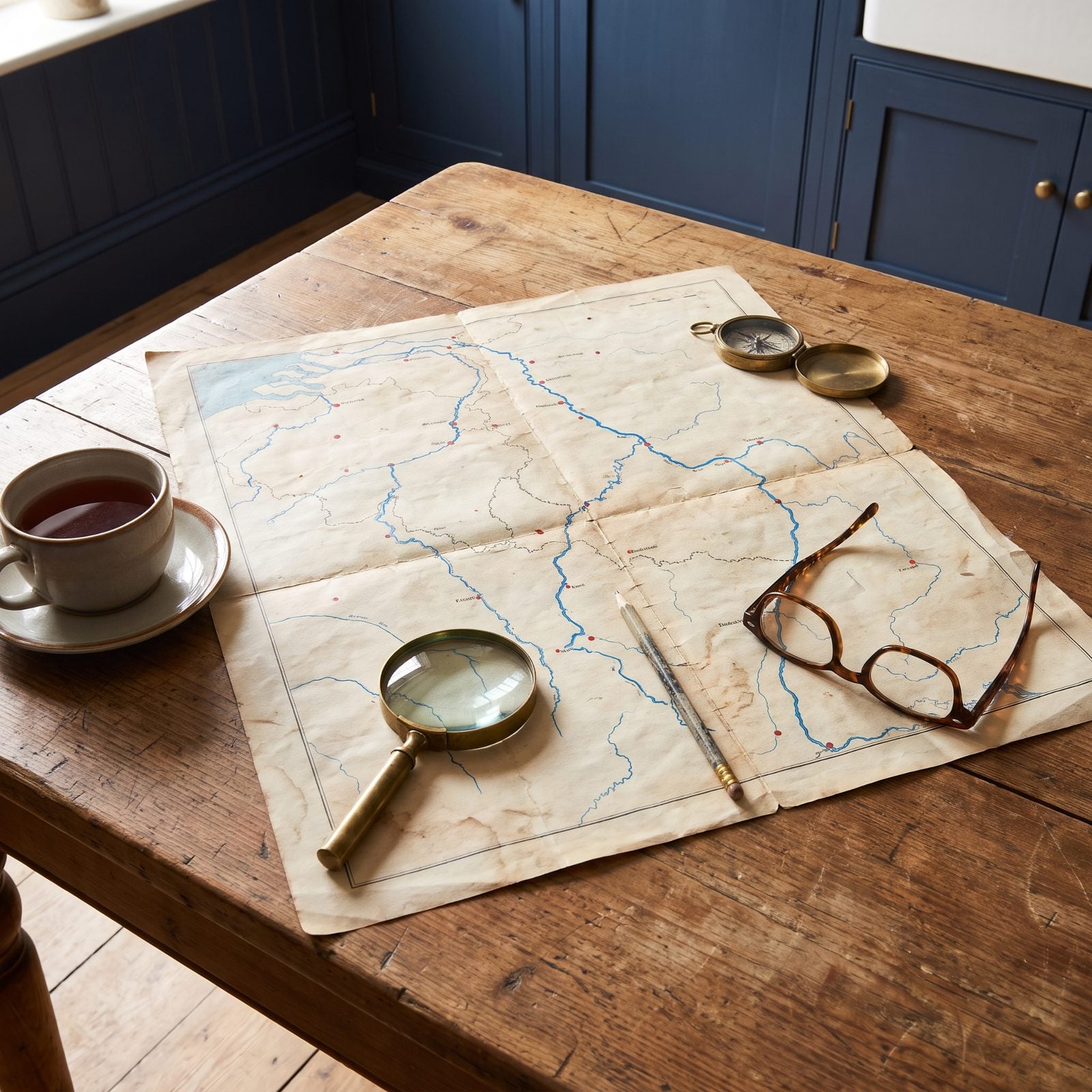
Itineraries love a good-sounding name. “Rhine Highlights” reads like a greatest-hits reel. Then you read the day-by-day and find two of those nights are cruising stretches with little ashore, or a long motorcoach day to a city that isn’t even on the river.
So open a real map. Plot every overnight and every port the itinerary names. You’ll see instantly which days are rich with stops and which are pure transit — which is how you tell a route that delivers from one padded with filler.
What Our Readers Say
- When Journey Junket readers loved a travel photo and told us why, the top reason was that it felt nostalgic, followed by having been there themselves.
From Journey Junket reader polls and votes.
44. Choosing a Season Without Checking Its Trade-Offs
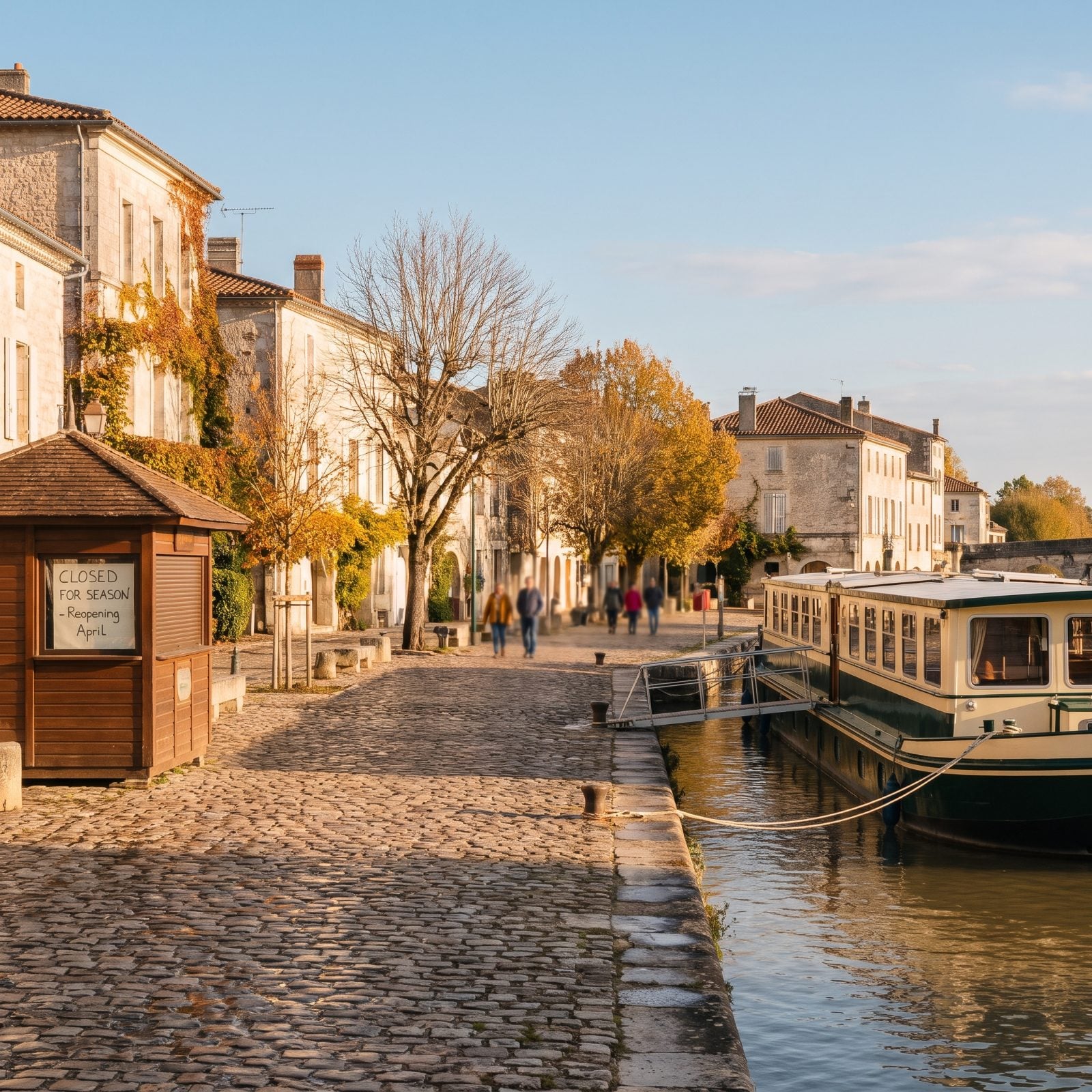
Everyone wants summer. Summer means long daylight and warm evenings — and also peak crowds, peak prices, and rivers that can run low in a dry spell. Spring brings tulips and high water. Late autumn brings Christmas markets and short, cold days. By December those markets are in full swing, and so is the real chance of a cold snap.
Each season gives something and takes something. Pick for what you actually want to do, not the weather you’re hoping for.
43. Assuming the Best Scenery Will Pass During Daylight
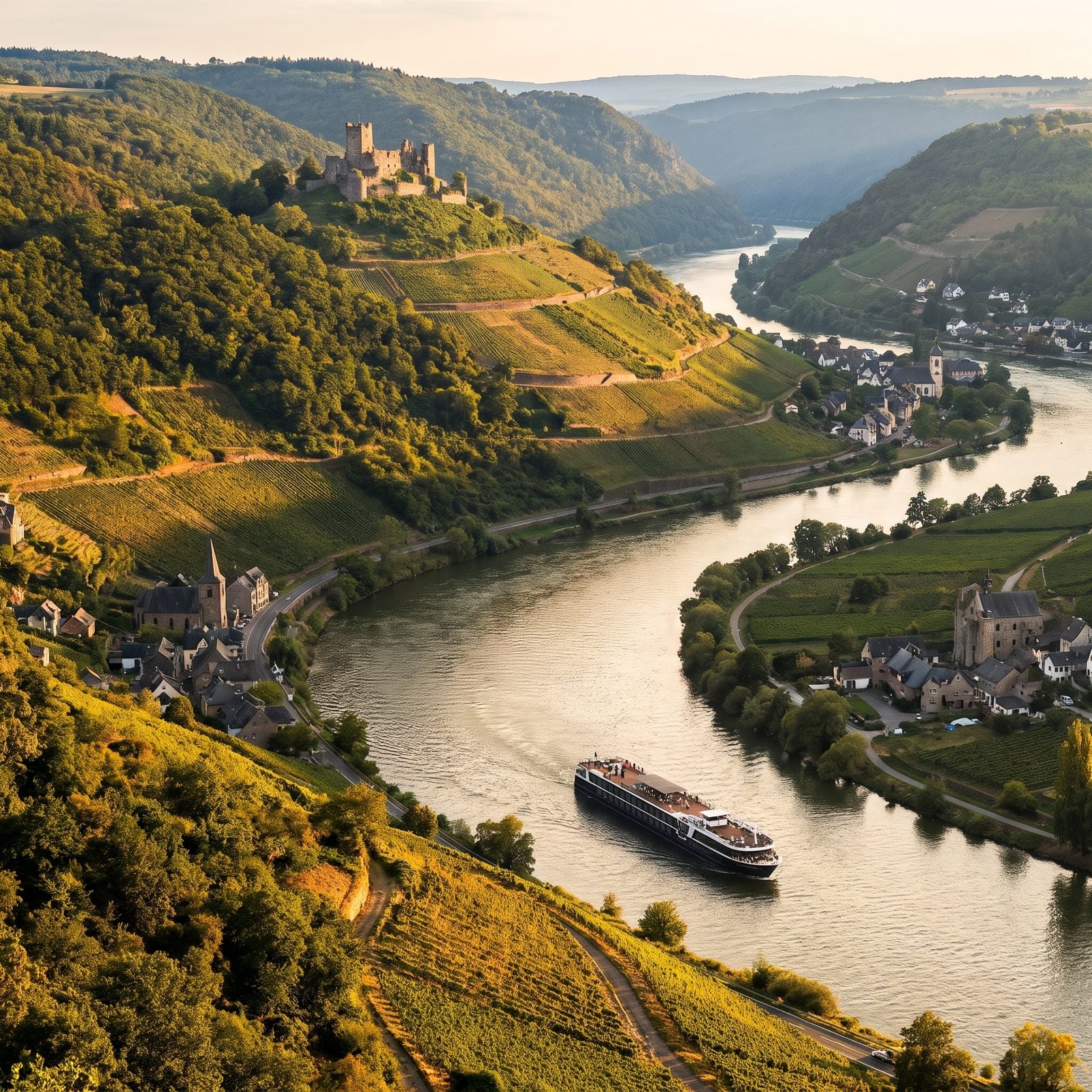
The famous scenic stretches — a castle-studded gorge, a terraced valley — are the whole reason some people book. And the sailing schedule doesn’t always put them in your daylight. A ship pushing to make the next port can run the prettiest leg after dark, or at dawn while you’re still asleep.
Ask, before you book, when the headline scenery actually gets sailed. If the valley you came for passes at 11pm, you came for a view you won’t see.
A good agent, or the line’s own cruise notes, will tell you the timing. Two-minute question. It protects the one view you cared most about.
42. Ignoring the Ship’s Size and Passenger Count
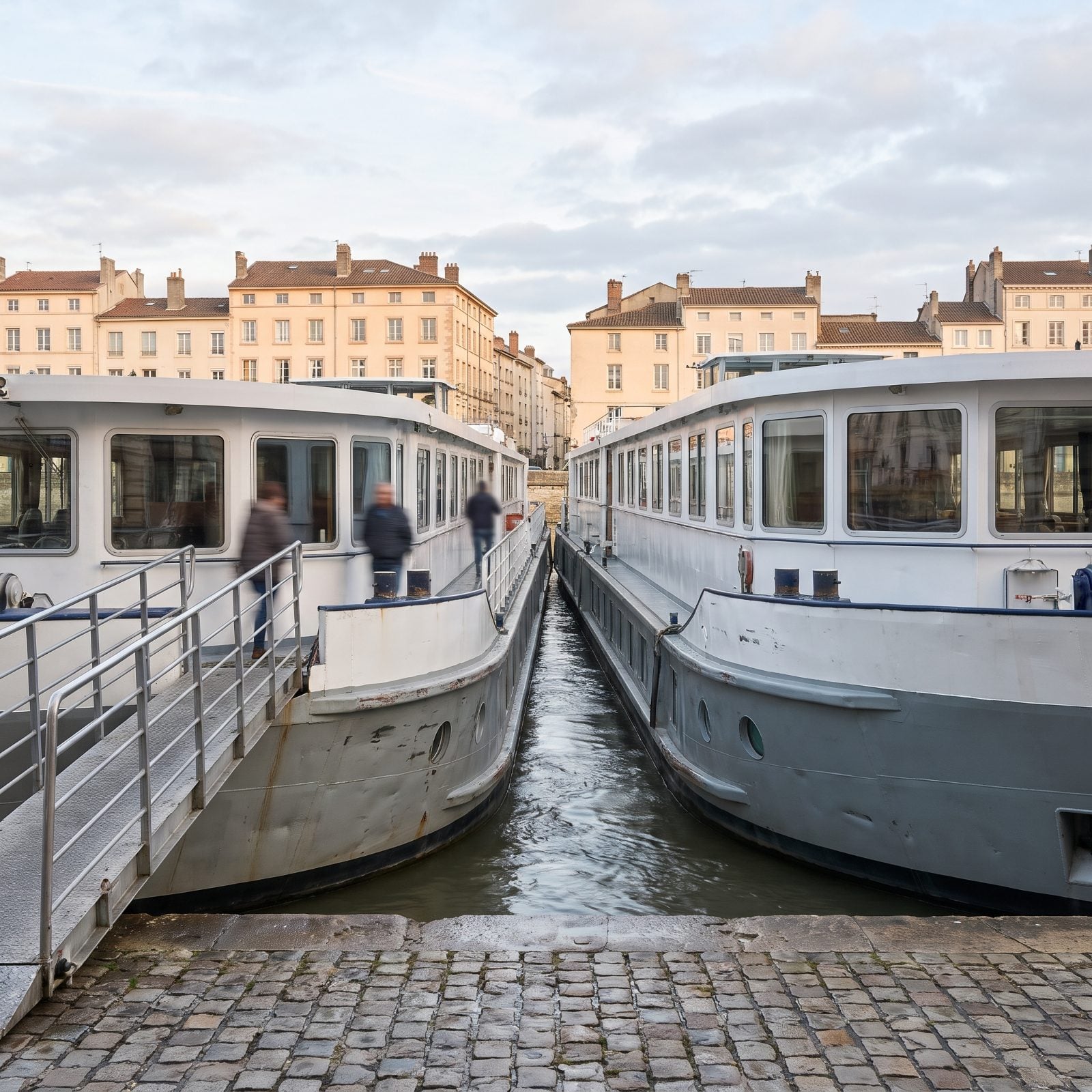
A ship carrying 190 passengers and one carrying 100 both look small on a brochure. On board, they feel nothing alike. More passengers mean longer buffet lines, bigger excursion groups, more waiting to disembark, and ports where ships raft two or three deep and your window looks straight into someone else’s cabin.
Smaller usually means quieter and more personal, often at a higher fare. Bigger often means more choice of restaurants and lounges. Trade-offs either way.
Check the passenger count, not just the deck plan. It shapes how every single day on board feels.
41. Booking a Waterline Cabin Without Seeing Its Window
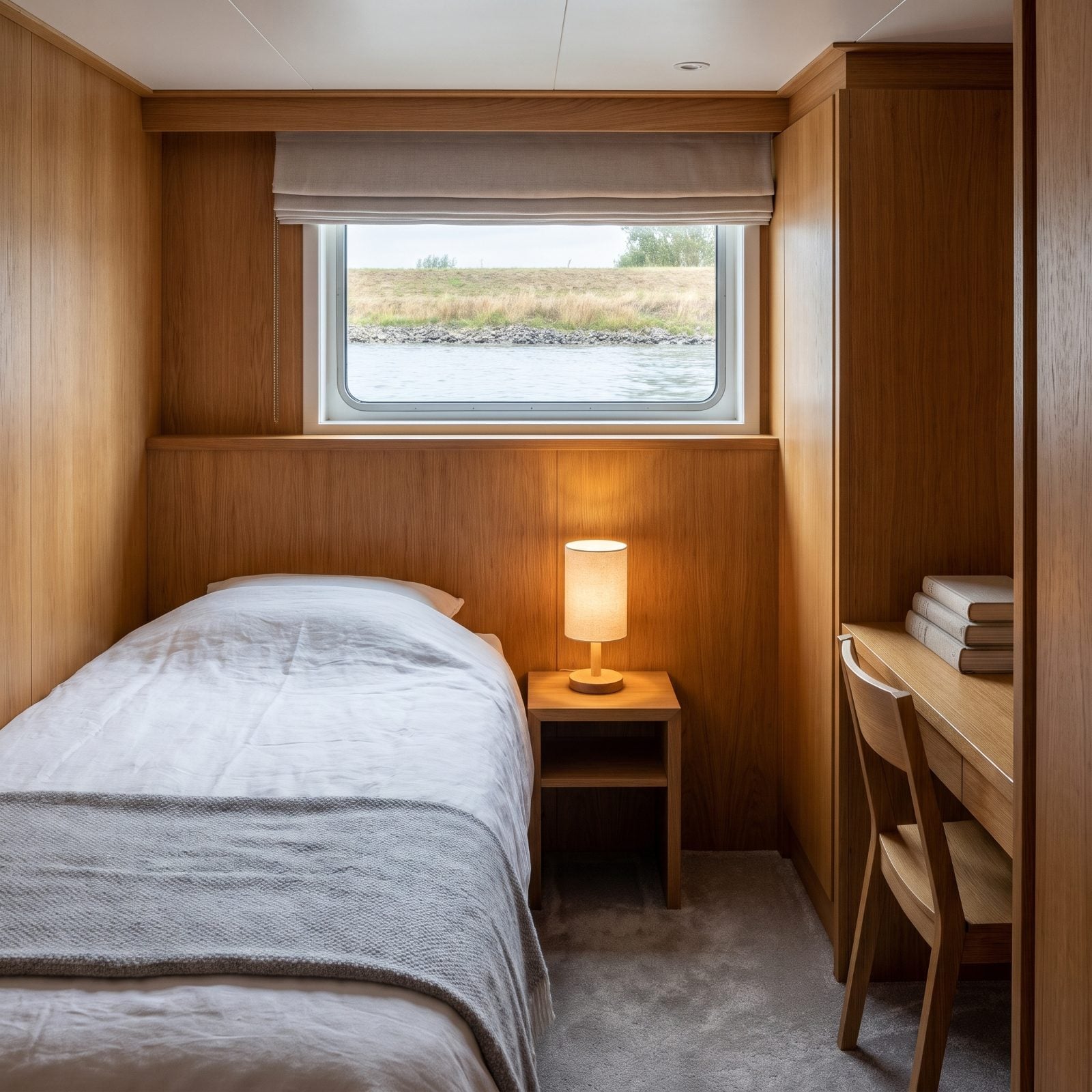
The cheaper lower-deck cabins save real money, and some come with a small fixed window set high on the wall, right at the waterline. The view can be a slot of sky, the top of a riverbank, or the stone side of a lock. When the ship rafts up, it can be the hull of the boat beside you.
That’s fine if you only sleep there. It’s a letdown if you pictured watching the river roll past from your pillow.
40. Comparing Cabins Without Checking Square Footage
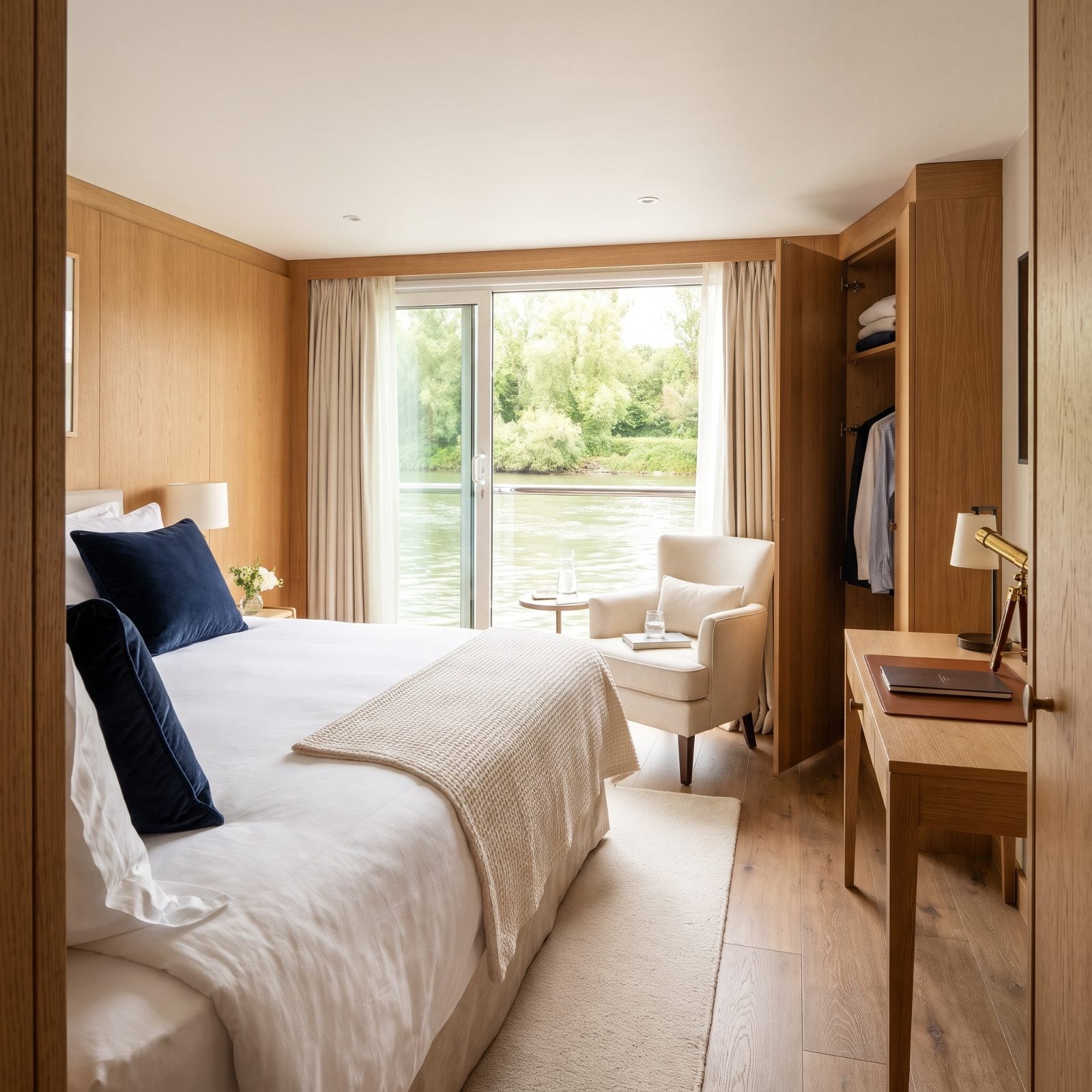
Cabin names run from “standard” to “suite” and tell you almost nothing. The number that matters is square footage. A step up in category sometimes buys you a better window and almost no extra floor, while an upgrade on a different ship adds real room to move.
River cabins are tight by design. A hundred and fifty square feet versus two hundred is the difference between shuffling past the bed and actually having space to open your suitcase flat.
Compare the measurements side by side, and look at where the storage lives. On a long trip, room to unpack beats a fancier category label every time.
39. Accepting a Guaranteed Cabin Without Understanding It
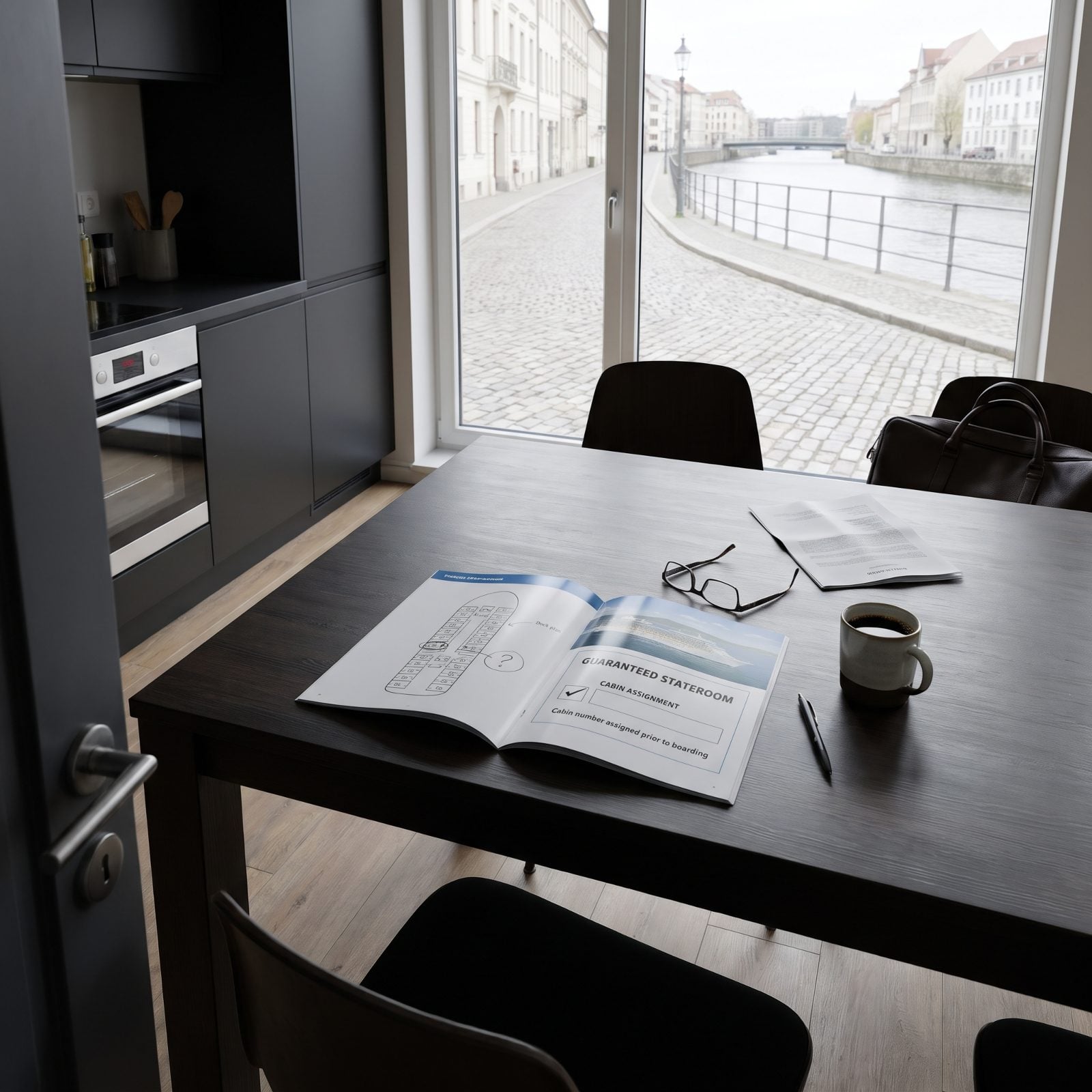
A guaranteed cabin is a gamble the line offers at a discount. You’re promised at least a certain category, but you don’t pick the actual room. You might get lucky with an upgrade. You might also land next to the engine, under the busy lounge, or at the far end of a long walk.
Worth it if the savings matter more than location and you sleep through anything. Risky if you’re a light sleeper, or you had a specific deck in mind.
38. Assuming the Elevator Reaches Every Deck
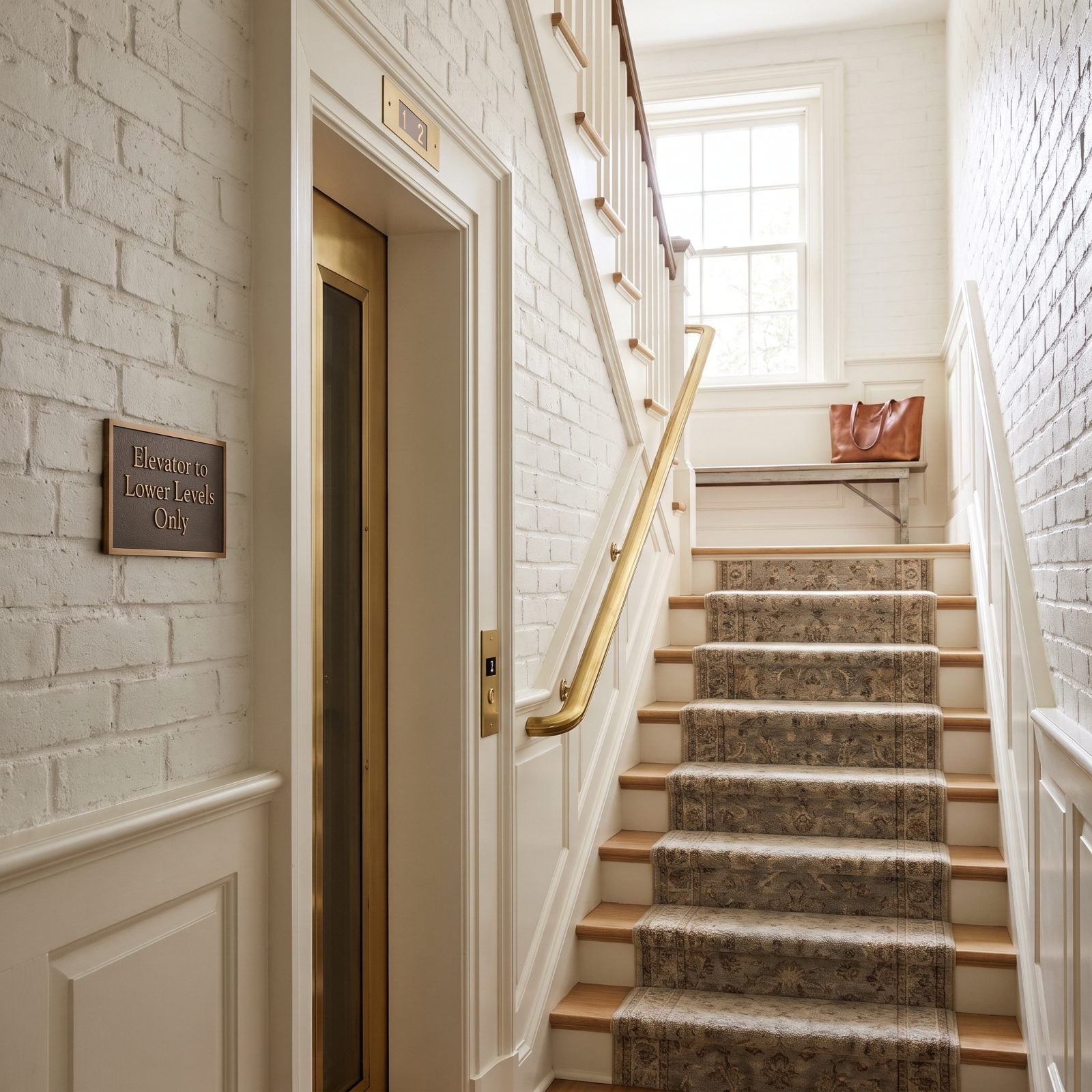
The brochure photo shows a gleaming elevator and your mind files it under solved. Then you check in and find a sign saying it serves the lower levels only, and the upper floor you booked is reachable only by a full flight of stairs.
Older buildings are tight. There’s often no room for a shaft that runs the full height, so the top floor usually sits above the elevator’s reach by design. If stairs are a genuine problem for you, that gap can quietly cut you off from the best part of the building.
So ask before you book. Get the floor plan, find where the elevator actually opens, and confirm your room’s floor connects to dining and the lounge without steps. Many hotels will flag rooms that skip stairs entirely, but only if you ask the right person.
37. Underestimating the Distance Between Airport and Ship
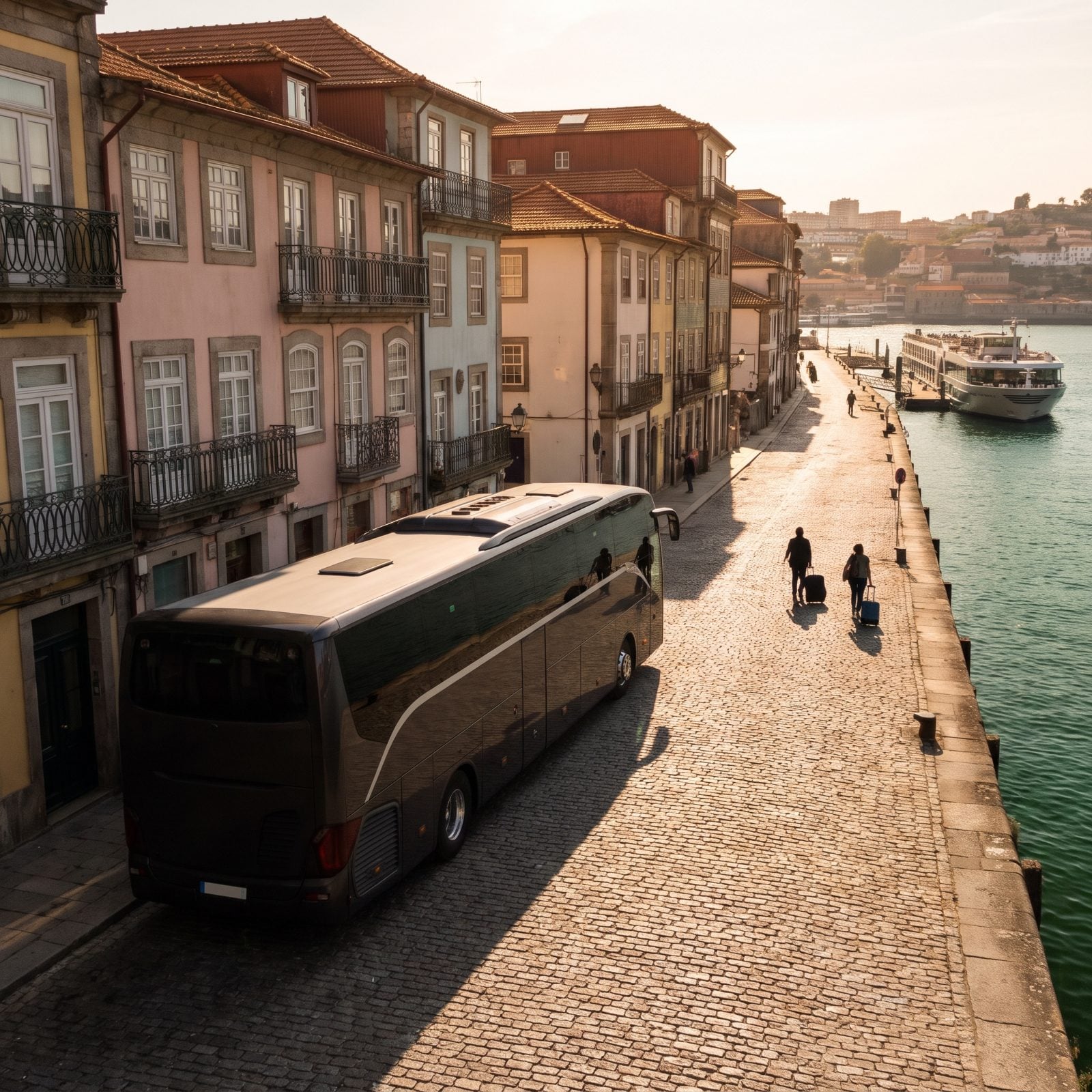
You picture stepping off the plane and onto the ship. The reality is often a long coach ride, because the airport sits well outside the city and the ship is docked somewhere a budget carrier never flies.
Say you book a Danube sailing out of Budapest and the only cheap fare lands you in Vienna. That’s not a transfer. That’s an afternoon. Factor it into your energy, your arrival time, and your patience.
Before you commit, find out which airport the cruise line’s included transfer actually serves. Arranging your own flights? Map the real driving distance to the embarkation port, not the city name printed on the itinerary. The two are rarely the same.
36. Flying In on Embarkation Day
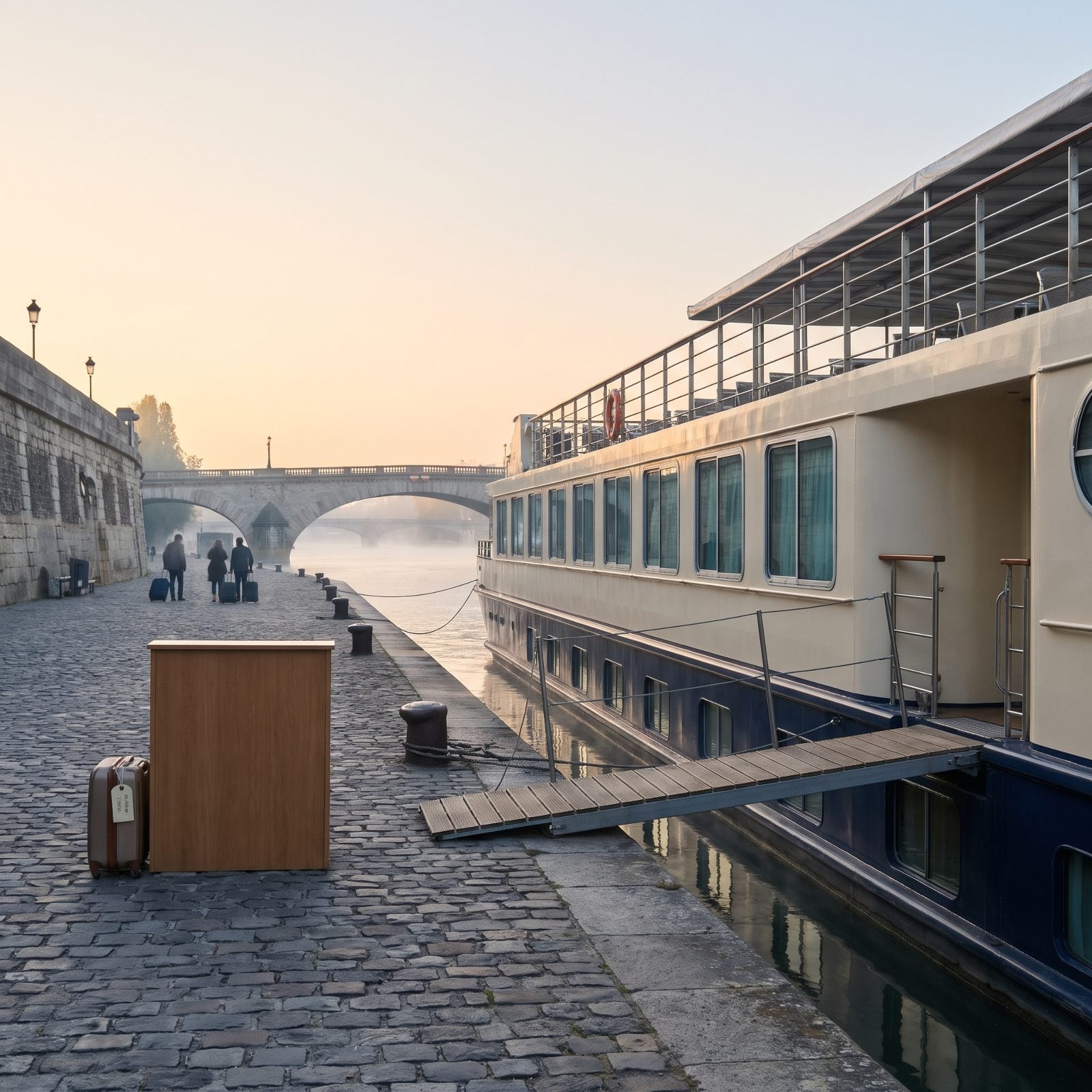
One delayed flight and the ship leaves without you. River vessels keep tight schedules because they have lock times to meet and a current that doesn’t negotiate. Miss embarkation and you may be chasing the ship to the next town by taxi, at your own cost.
Flying in the same day leaves zero cushion for a cancelled connection, lost luggage, or weather. And after an overnight flight, you’d be boarding exhausted anyway, missing the welcome dinner you paid for.
Arrive a day early. Book a hotel near the embarkation port, sleep off the jet lag, and walk aboard rested with your bags intact. One extra night is cheap insurance against the single scenario that can wreck the whole trip.
35. Taking Bundled Airfare Without Reading the Conditions

The cruise line offers to handle your flights, the price looks tidy, and you say yes without opening the conditions. Then you learn the routing has two stops, the times are brutal, and changing anything costs a fee that erases the savings.
Bundled air is convenient and sometimes genuinely good value. But the line picks the cheapest contract that gets you there, which can mean odd layovers, no seat selection, and little flexibility if plans shift.
Read the full terms first. Check the actual flight numbers, the connection times, the change and cancellation rules, and whether you can request a specific routing for a modest upcharge. If the bundle locks you into a 5am departure with a six-hour layover, book your own flights and let the line handle only the transfer.
34. Bringing the Wrong Plugs or Voltage Equipment
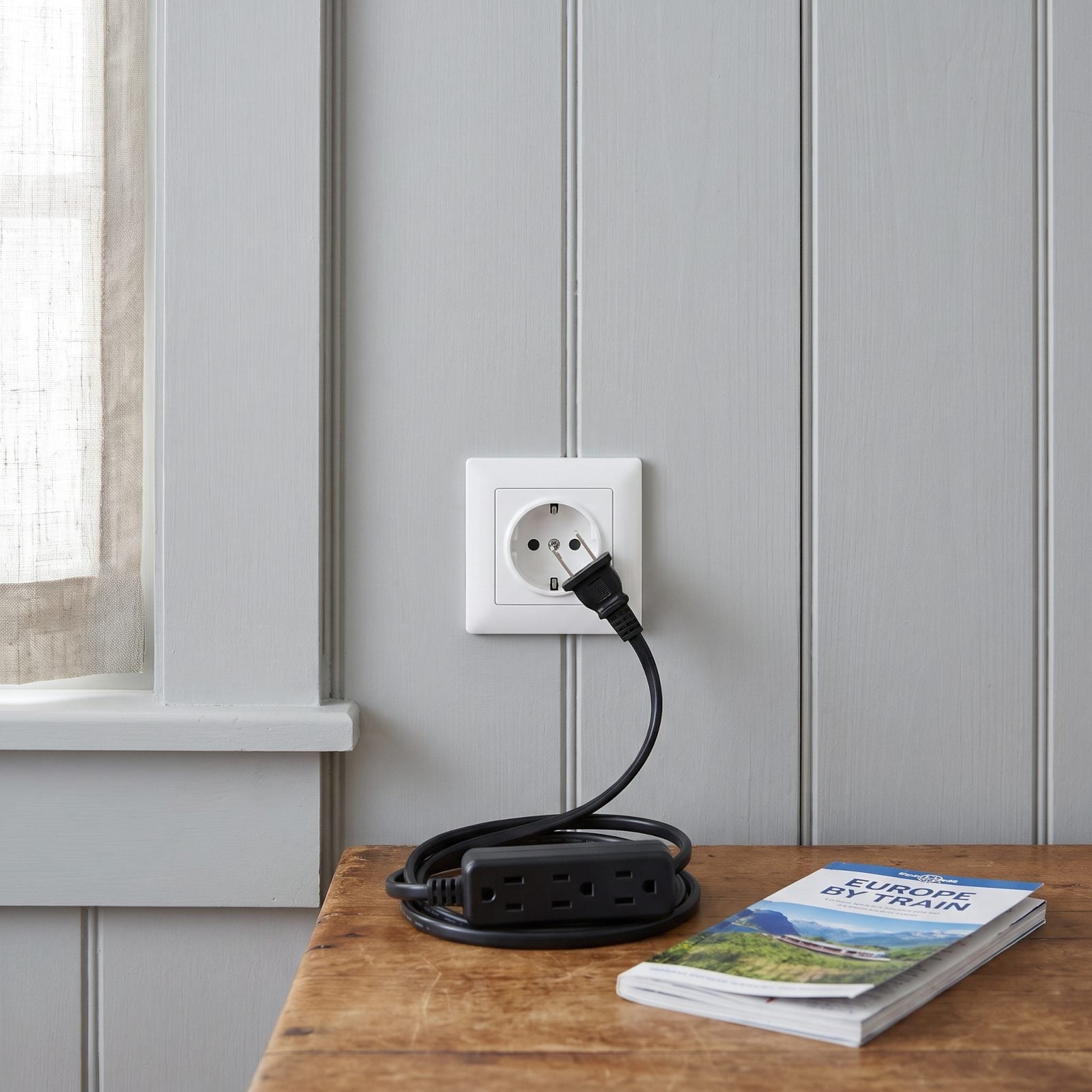
You arrive with a drawer full of chargers and a single American adapter, and half your devices sit dead by day two. European river ships run on 220 volts with round-pin sockets, and cabins have fewer outlets than your bathroom back home.
A hair dryer or curling iron built for 110 volts will either refuse to work or burn out, sometimes with a small spark you won’t forget. And one adapter won’t cover a phone, a tablet, a camera, and a watch all needing a charge overnight.
Pack a couple of compatible adapters and check that your electronics are dual-voltage, which most phone and laptop chargers already are. For anything with a heating element, leave it home and use the ship’s dryer, or bring a travel model that switches to 220.
33. Packing an Iron the Ship Will Confiscate
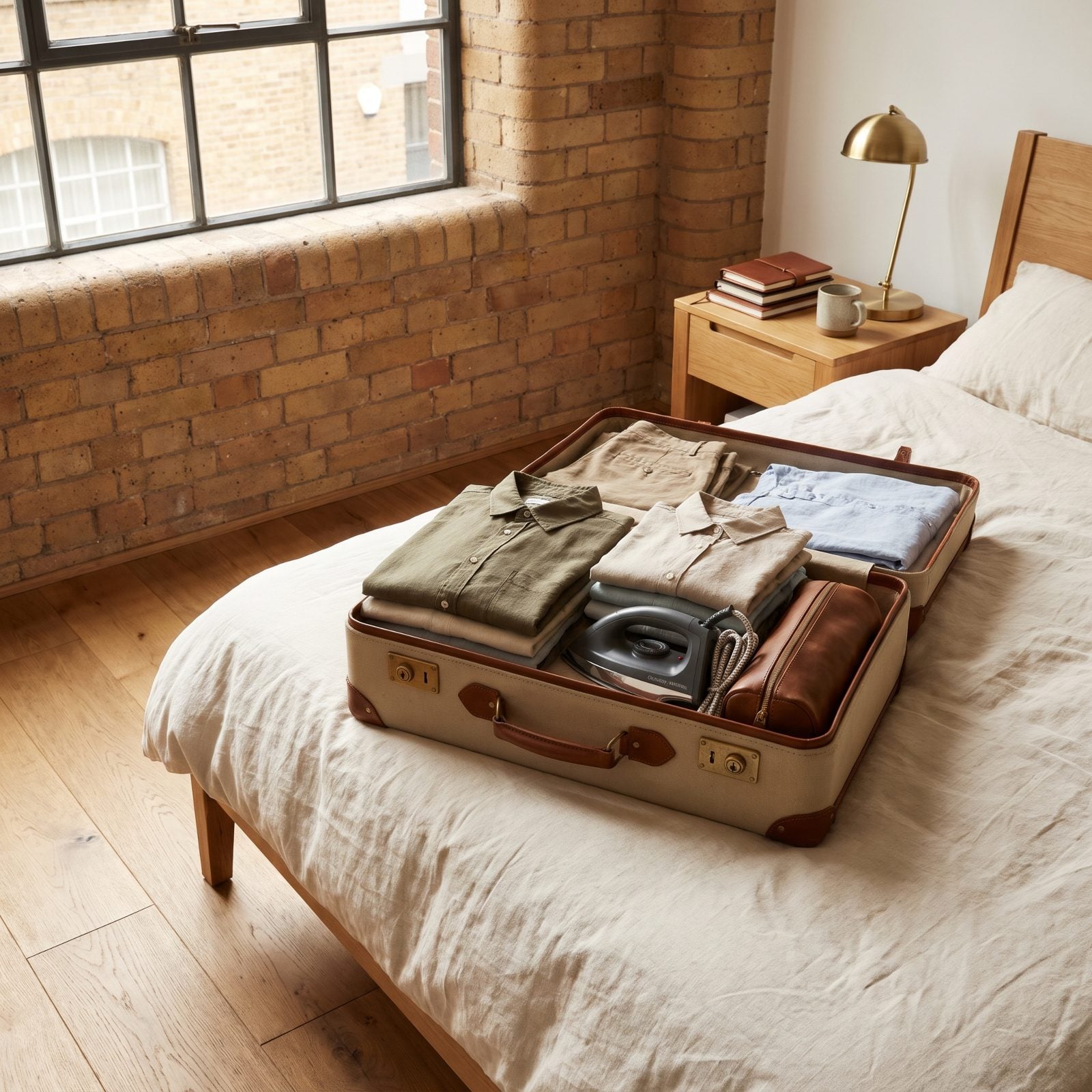
That travel iron tucked in your case is a fire risk on a vessel this size, and most river lines simply ban them. Security may hold it at embarkation, and you’ll be handed a claim ticket instead of pressed trousers.
The reason is plain. A compact ship with a full dining room and a lounge can’t gamble on a forgotten iron left face-down in a cabin. It’s one of the few hard rules that rarely gets a wink.
So leave the iron home. Pack wrinkle-resistant fabrics, hang your clothes the moment you board, and bring a small handheld steamer if you need one, which many lines do allow. Some ships also offer a pressing service or a laundry room with a shared ironing station you can use under supervision.
32. Assuming Self-Service Laundry Will Be Available
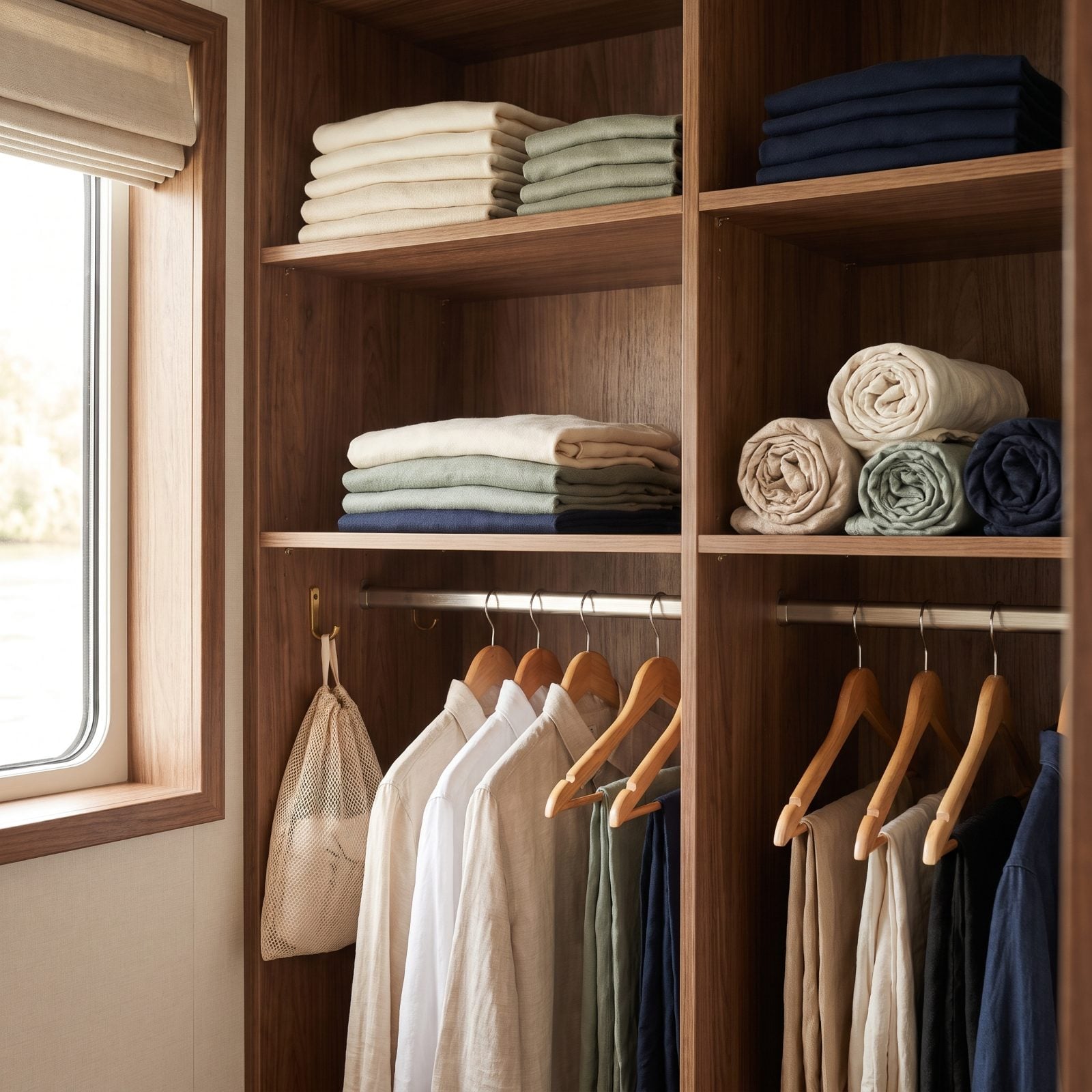
You pack light, planning to wash a few things midway, then discover there’s no coin laundry anywhere aboard. Most river ships don’t have self-service machines at all. Space is too tight, and the whole model simply isn’t built for it.
What they often do have is a paid laundry and pressing service with a turnaround of a day or two, priced per item. On a weeklong sailing that can add up fast if you were counting on it to stretch a thin wardrobe.
Check the ship’s laundry situation before you pack. No self-service and the paid rate feels steep? Bring enough for the full trip, lean on quick-dry fabrics, and pack a small packet of travel wash for rinsing socks and underthings in the sink. A travel clothesline helps too.
31. Expecting Fast Wi-Fi Throughout the Route
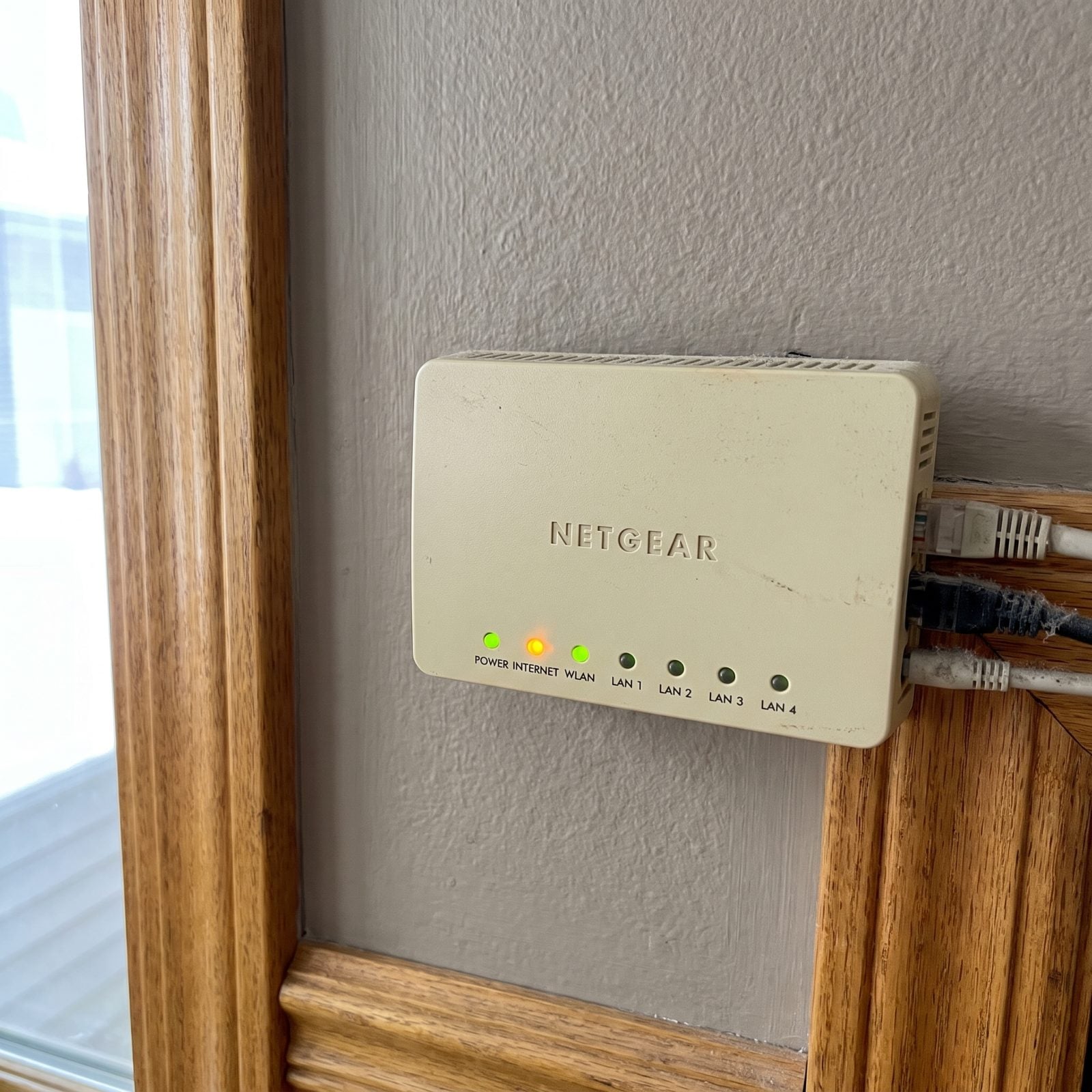
The router is there. The signal often isn’t. Ship Wi-Fi leans on cell towers along the riverbank, and when you’re winding through a gorge or passing through a lock at night, the connection thins to nothing.
Everyone aboard shares that same pipe, so even in a town the speed can crawl at peak hours. Plan on streaming a film or joining a video call and you’ll be disappointed somewhere around the second bend in the river.
Plan for patchy. Download your shows, maps, and books before you leave, handle anything urgent when you’re docked in a town, and treat the dead stretches as part of the point. If you truly need to stay connected for work, a local eSIM data plan is faster and cheaper than you’d guess.
The stretches with no signal are usually the stretches worth looking up for.
30. Buying Insurance That Excludes River Disruptions
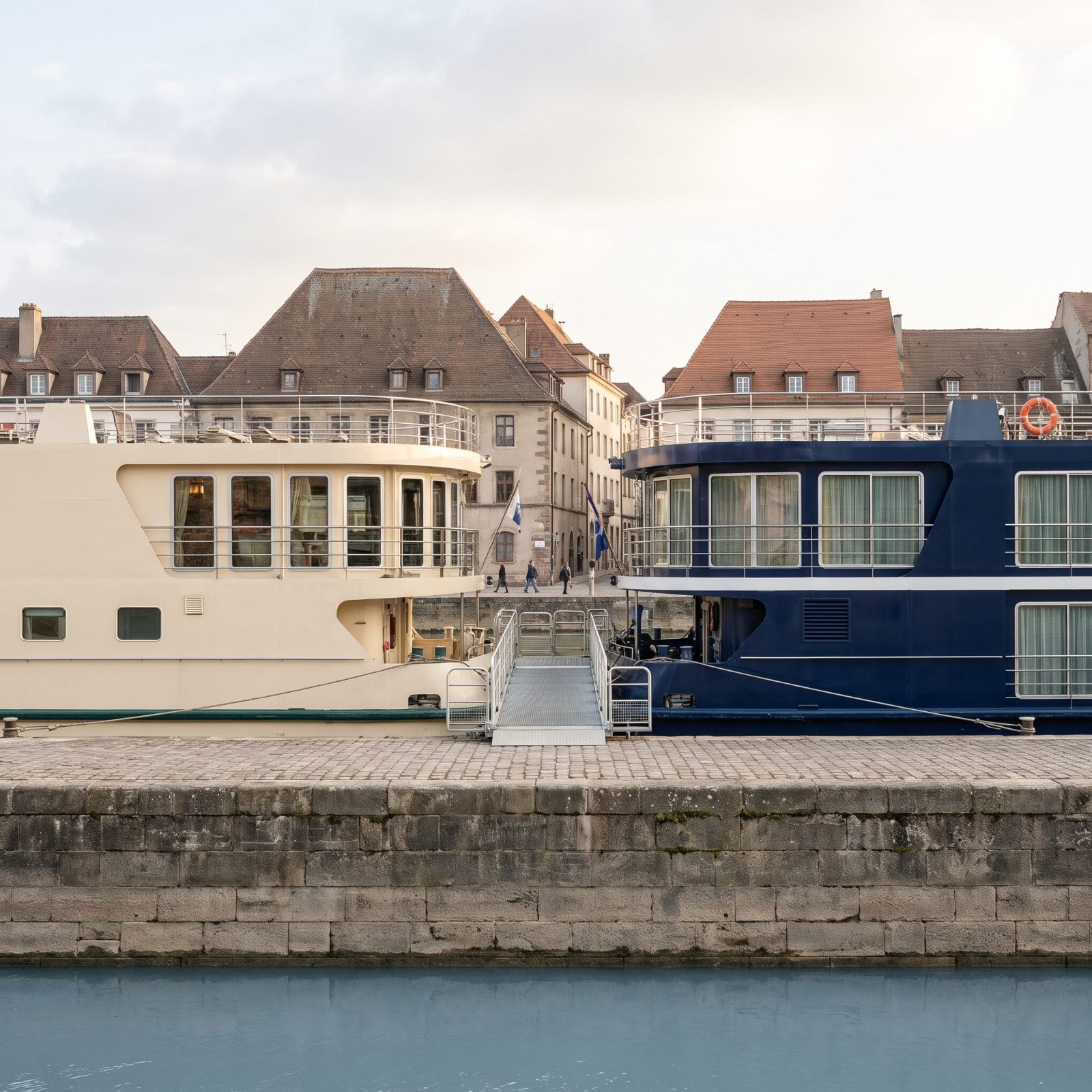
Low water, high water, locks closed for repair. These are routine facts of river travel, not rare events. A standard travel policy may not cover the itinerary changes or coach substitutions that follow, which leaves you to absorb the hassle and sometimes the cost yourself.
When the river runs too low, the ship can’t pass, and lines may move you to buses or a sister vessel downstream. That’s an inconvenience the cruise line usually manages. Anything beyond their control, though, is on your policy to cover.
Read the policy for water-level and weather-disruption clauses before you buy. Look for trip interruption and missed-connection coverage, and confirm it treats river conditions as a covered reason, not an excluded act of nature. Vague wording? Call and get the answer in writing.
29. Failing to Check Entry Rules for Every Country

A single river sailing can touch four or five countries in a week, and not all of them share the same entry rules. You check the first one, assume the rest match, and miss a requirement that applies only to a port halfway down the route.
Passport validity rules, new electronic travel authorizations, and the odd country still outside the common travel zone can each trip you up. The ship won’t carry you past an entry refusal, and a document gap discovered at the border is a bad place to learn this.
List every country on your itinerary and check each one’s current entry requirements. Confirm your passport has enough blank pages and at least six months of validity beyond your return date, then sign up for any required travel authorization well ahead, since some take days to process.
Do this the week you book, not the week you leave. The rules shift, and the one you skip is always the one that matters.
28. Overlooking Credit-Card Holds and Foreign Transaction Fees
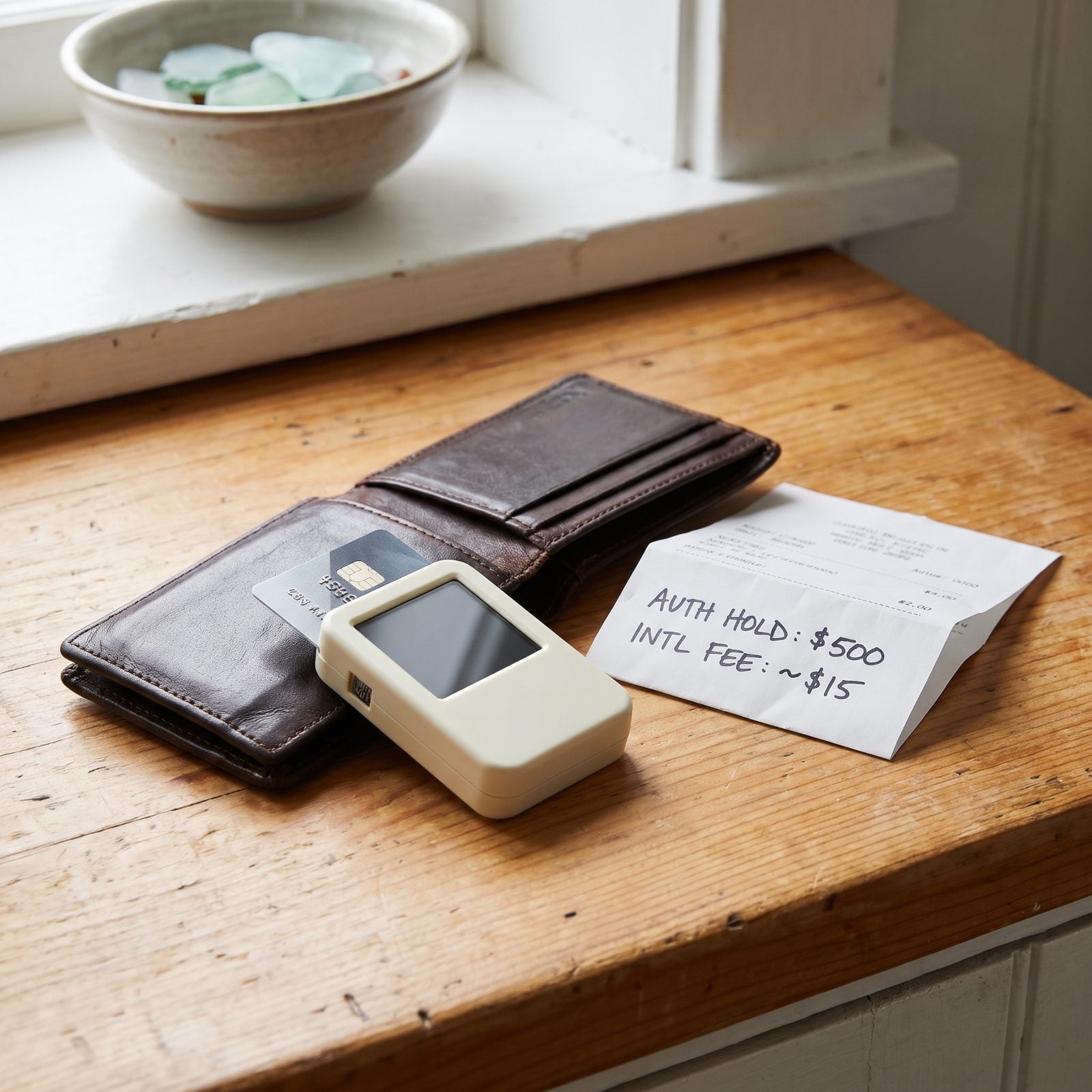
Hand over a card at check-in to open your onboard account and the ship places a hold on it. That hold can run several hundred dollars, and it sits on your available credit for the length of the sailing, sometimes days after you’ve stepped off.
Now pair that with foreign transaction fees of roughly 3 percent on every ashore purchase, and a frugal cruiser quietly bleeds money on coffees, souvenirs, and taxi fares.
Carry a no-foreign-fee card for the trip. The Capital One Venture and plenty of travel-rewards cards charge nothing extra abroad. And give the hold some room. Don’t put your emergency card on file and expect to spend freely in port the same week.
27. Treating “All-Inclusive” as a Universal Promise
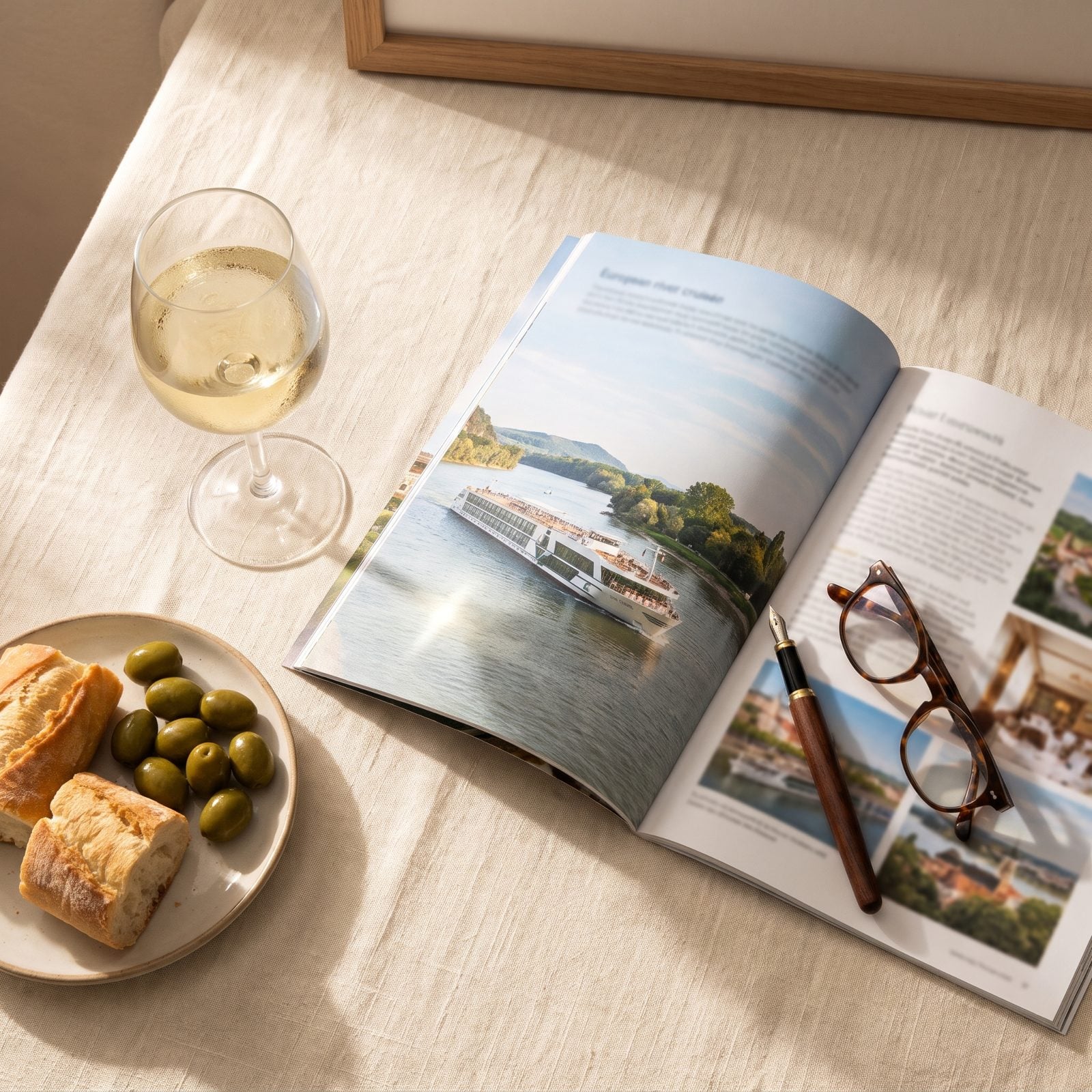
“All-inclusive” means different things on different ships, and the gap between lines is wider than most first-timers expect.
One line pours wine with lunch and dinner and tosses in every excursion. Another serves house wine at dinner only, charges for premium spirits, and bundles a single tour per port. Assume they’re identical and you’ll feel nickel-and-dimed by a bar tab you thought was covered.
So read exactly what the word buys. Jot a short list. Are all excursions in, or just one a day? Is the drinks package all day or dinner only? Specialty coffees and bottled water, extra? Get those answers before you compare prices, because the cheaper fare is sometimes the dearer trip.
26. Forgetting to Budget for Optional Excursions

Even on a generous itinerary, the best stuff is often optional. A truffle hunt in Burgundy. A private vineyard tasting. A hot-air balloon drifting over the Wachau. These sit outside the included program and carry their own price tags, usually a hundred euros or so each.
Budget nothing for them and you’ll either skip the moments you’ll actually remember or blow your spending money by day three.
Set an excursion fund before you sail. Scan the optional list ahead of time, pick the two or three that matter most, and reserve those early. They sell out. The small-group gems go first, and you don’t want to be on the waitlist watching the coach pull away.
25. Choosing Excursions That Depart at the Same Time
Nobody warns you about the scheduling trap. You excitedly book the castle tour and the river walk and the wine tasting, then realize two of them leave within the same hour and you can be in exactly one place at a time.
River itineraries often run several excursions per port, and the timings overlap more than the brochure lets on.
Lay the day out like an old-fashioned dance card. Note the departure and return time for each option, then build a realistic sequence with buffer between them. If two things you love collide, pick one and let the other go. A rushed double-booking usually means doing both badly, and that’s the fastest way to sour a morning.
24. Assuming Included Walking Tours Suit Every Fitness Level

The word “walking” does a lot of heavy lifting in a river cruise program. An included tour can mean a flat riverside amble, or it can mean 90 minutes on cobbles, up a cathedral hill, with few places to sit.
Overestimate what you’re up for and a lovely morning turns into a sore, stranded afternoon back on the ship.
Most lines grade their tours now: gentle, standard, active. Read the grading and be honest about your knees, not your pride. If the standard tour looks like a lot, ask reception whether a “gentle walkers” version runs that day. Many ports have one, and the pace is a world apart.
23. Underestimating Steep or Unstable Gangways
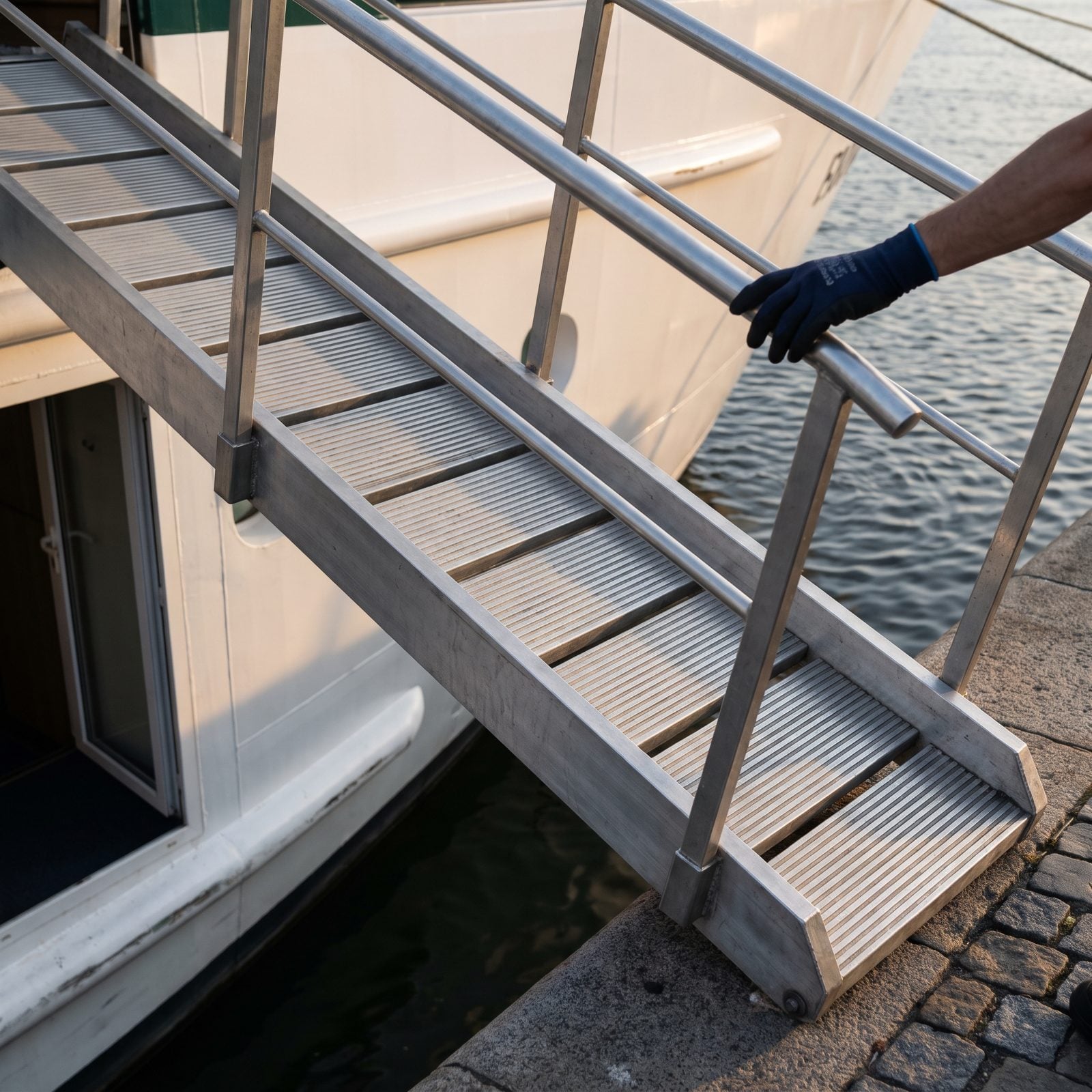
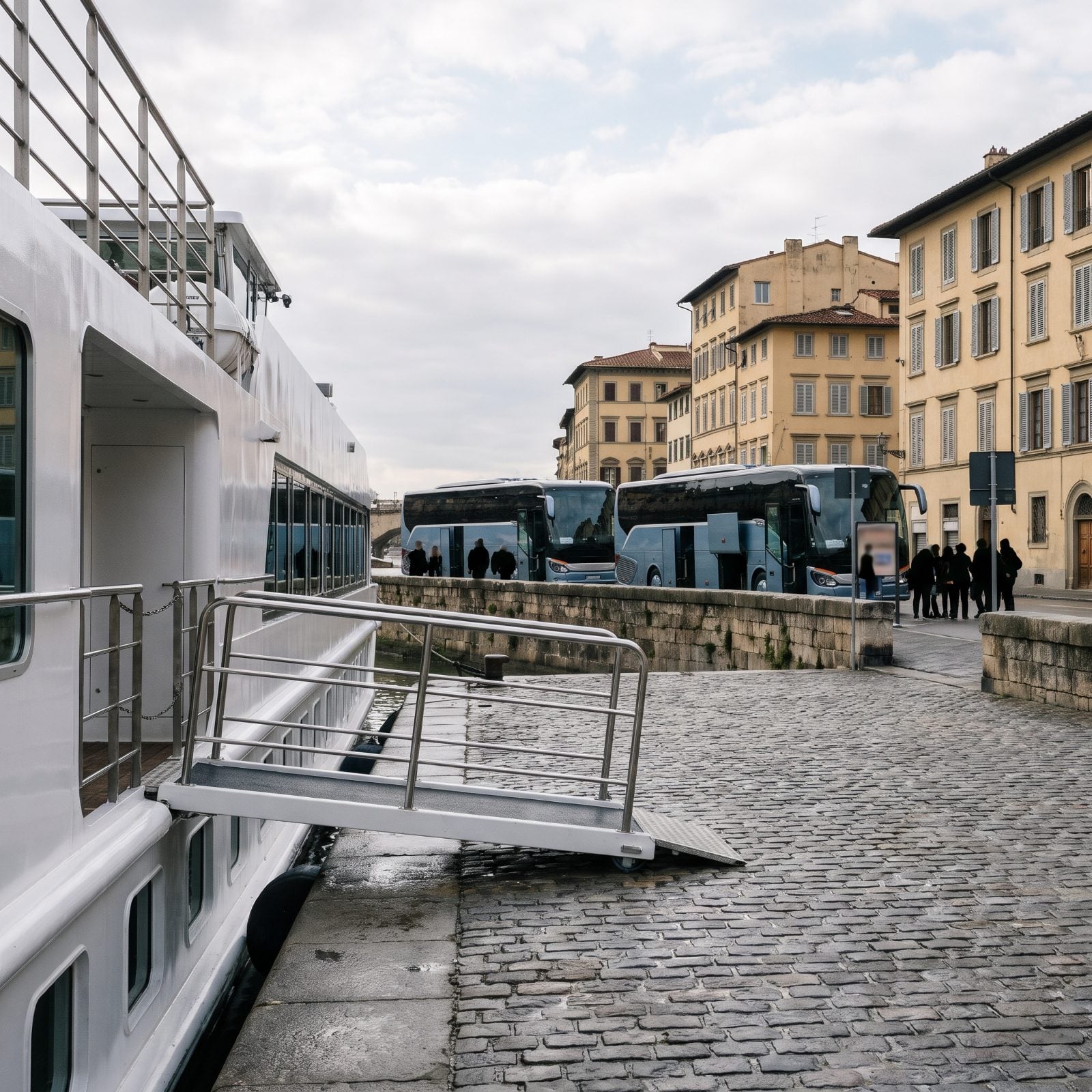
River levels rise and fall, so the gangway that was nearly flat this morning can tilt sharply by evening. On busy quays, ships also raft together, and you may have to cross a neighboring vessel’s lounge just to reach dry land.
Treat that gangway casually with your hands full and you risk a fall where a fall really hurts.
Keep one hand free for the rail. Always. Let the crew carry your bags and take the elbow they offer. Soft-soled shoes with real grip matter here more than anywhere. And if the river’s been running high, check the day’s boarding notes rather than assuming the slope hasn’t budged since breakfast.
22. Packing Shoes That Cannot Handle Cobblestones

Europe’s river towns are paved in beautiful, ankle-twisting cobblestones. Rounded, uneven, often slick after rain. The strappy sandals or slick-soled loafers that looked fine in the suitcase turn into a hazard on a medieval lane.
Wear the wrong pair and you spend the whole walking tour staring at your feet instead of the cathedral.
Pack cushioned shoes with a grippy, flexible rubber sole and real toe protection. Ecco, Clarks, or a broken-in walking sneaker handle the job without looking like hiking boots. Break them in at home first. A cruise is no place to learn that your “comfortable” shoes raise a blister by lunch.
21. Ignoring How Much Excursion Time Is Spent on a Coach
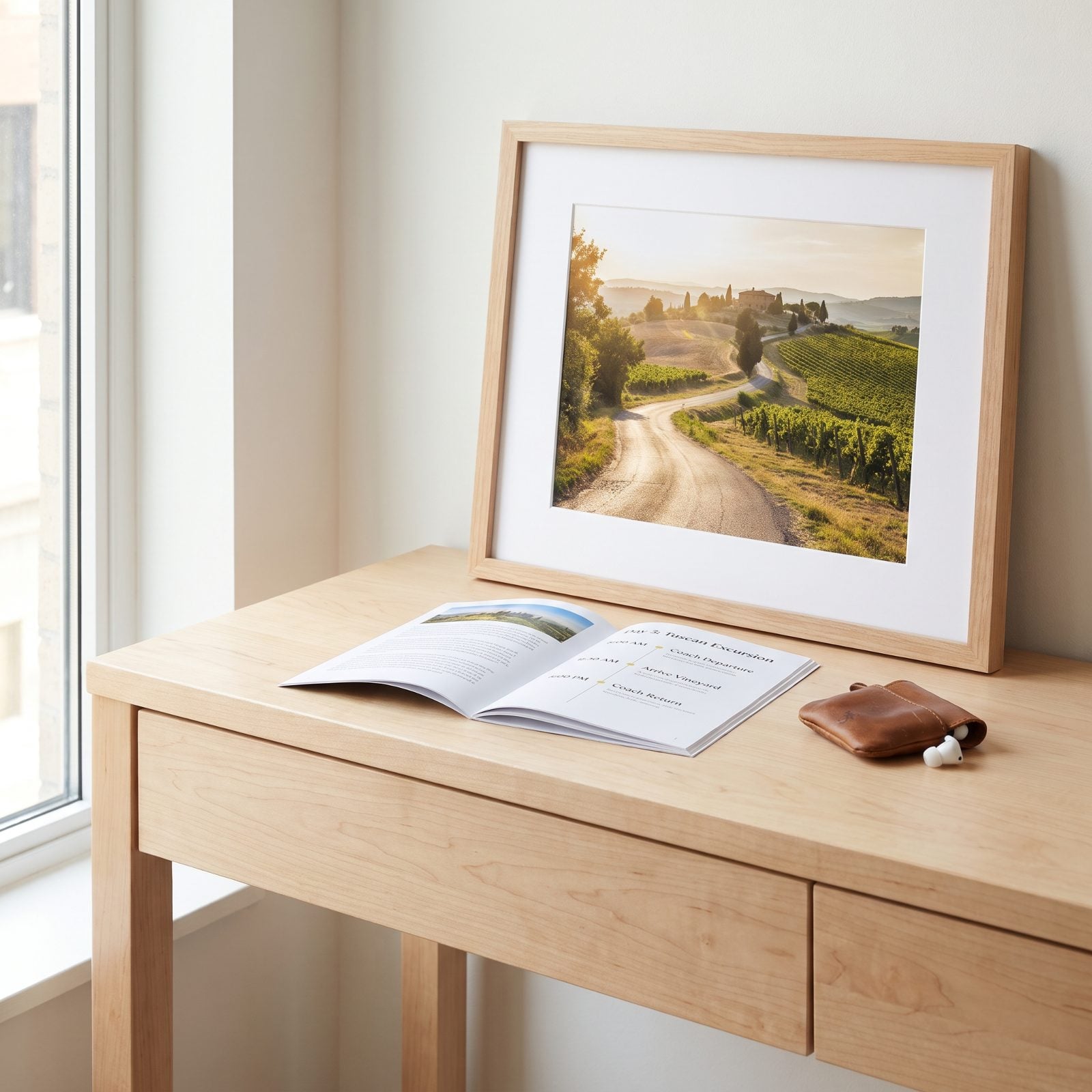
Some excursions sound like a half day in a storybook village. Read the detail and two of those hours get eaten by a coach ride there and back.
The headline destination gets you excited while the fine print quietly tacks on a long round trip, and you come home more tired than enriched.
Before booking, hunt down the drive time, not just the total tour length. A six-hour excursion with a 90-minute transfer each way leaves you three hours on the ground. That might still be worth it for Rothenburg or Salzburg. But you deserve to know you’re trading motion for the moment, and to pack a bottle of water and something to do on the ride.
20. Assuming the Ship Always Docks in the Historic Center
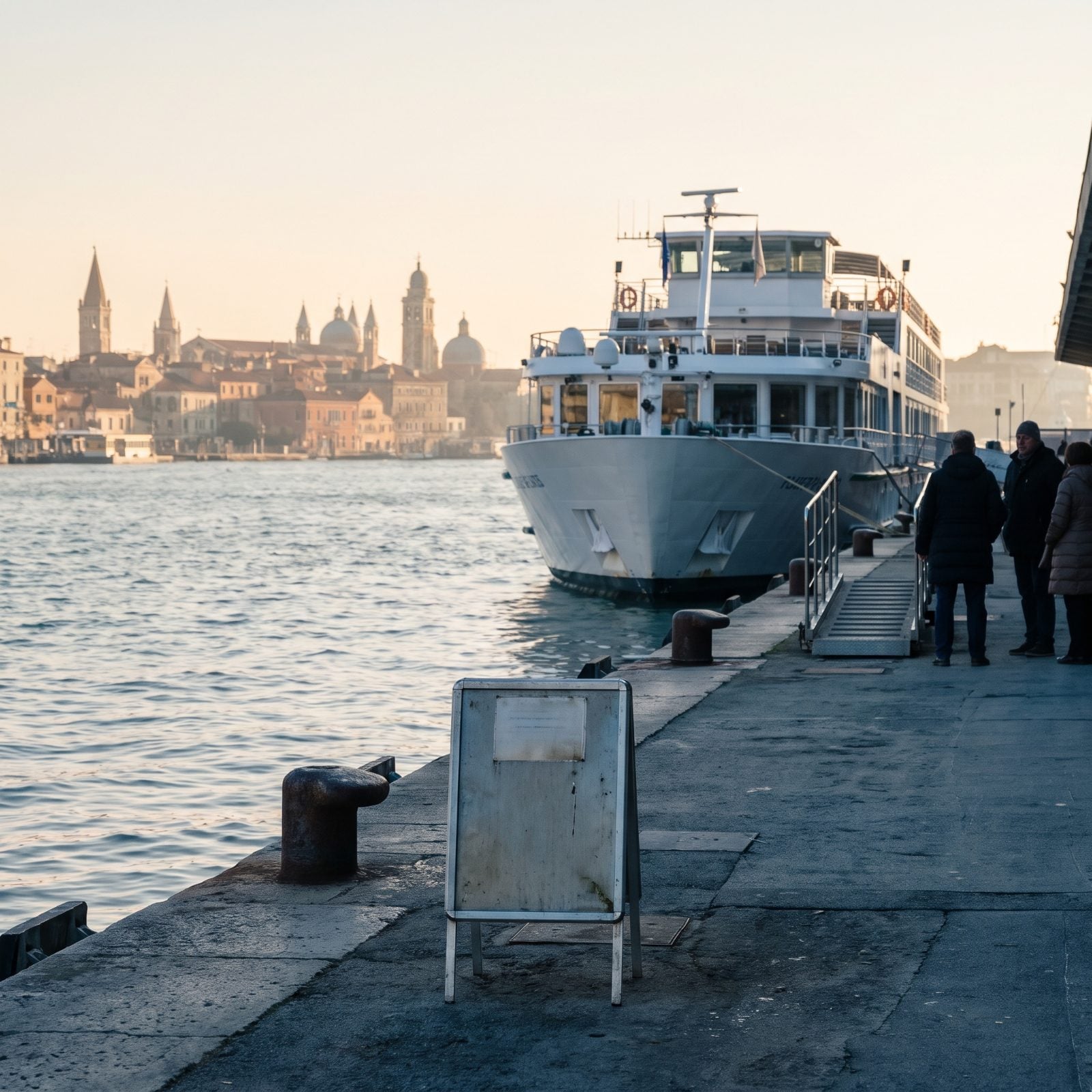
The glossy photos show the ship tied up a cobblestone’s throw from the cathedral. Reality is sometimes a commercial quay a few kilometers out, with a shuttle or a long walk between you and the postcard.
Big ports fill up, river levels dictate mooring, and ships raft three deep in high season. Assume you can stroll ashore and nip back whenever you please, and a misjudged afternoon leaves you stranded on the wrong side of town at sailing time.
Check the daily program for the mooring location and the shuttle schedule, every single port. Note the last shuttle back and the all-aboard time, then subtract a buffer. The ship does not wait, and talking your way back from a dock across the river is not the souvenir you want.
19. Forgetting That Ships Dock Side by Side, and Leaving the Curtains Open
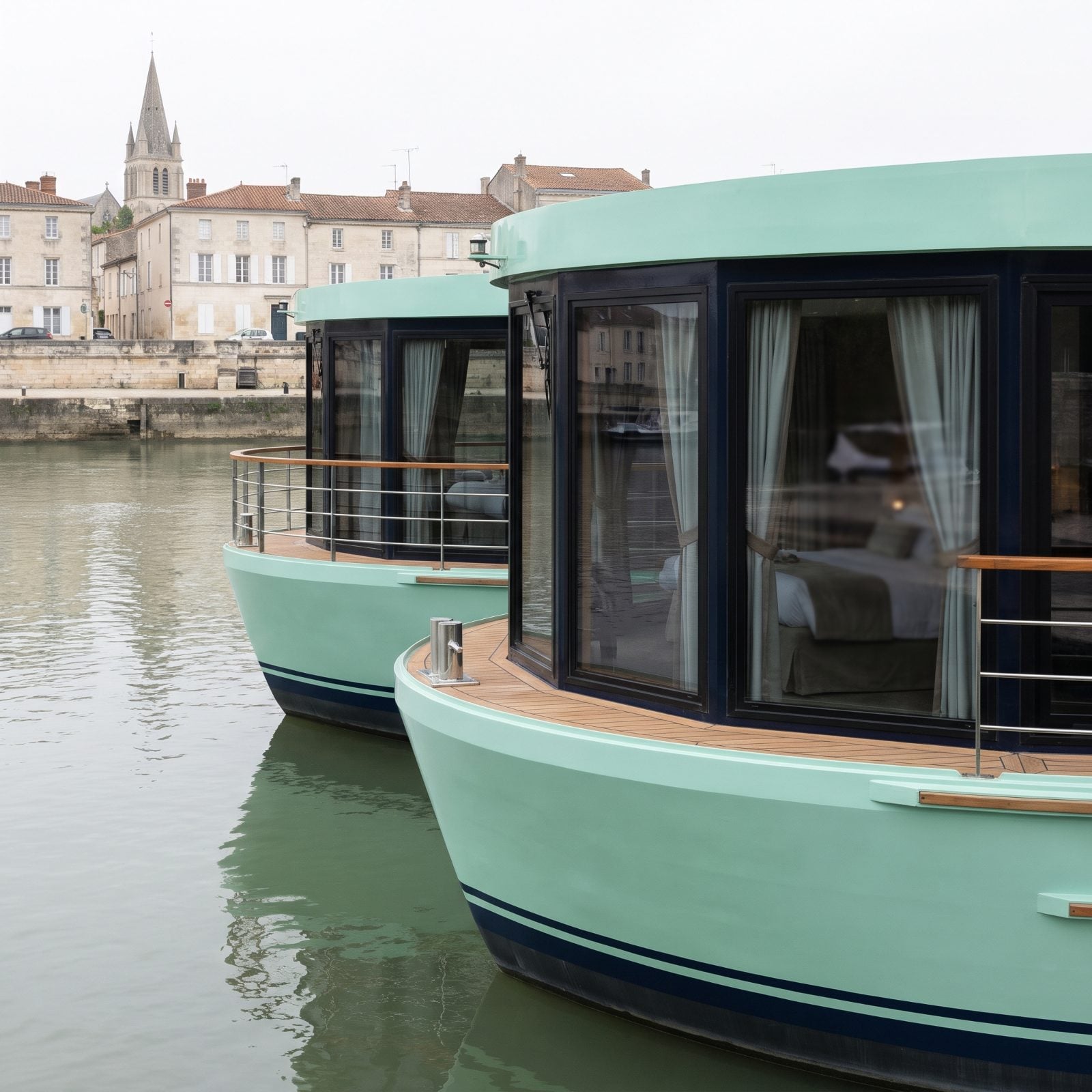
You picture a river view. A slow current, a castle on the hill, maybe a swan. What you get on a busy day in Rüdesheim or Vienna is another ship’s cabin window four feet from yours, with a stranger on the other side of the glass doing exactly what you’re doing: looking out and seeing you.
Ships raft together when the dock runs out of room, two deep and sometimes three, so your window becomes their window and the romance evaporates.
The fix costs nothing. Close your sheers when you’re changing or lounging, and check which side the ship ties up before you settle in. Privacy a dealbreaker? Book the top deck, where the windows sit higher and the whole facing-cabin problem eases.
18. Choosing a Cabin Without Considering Lock Noise
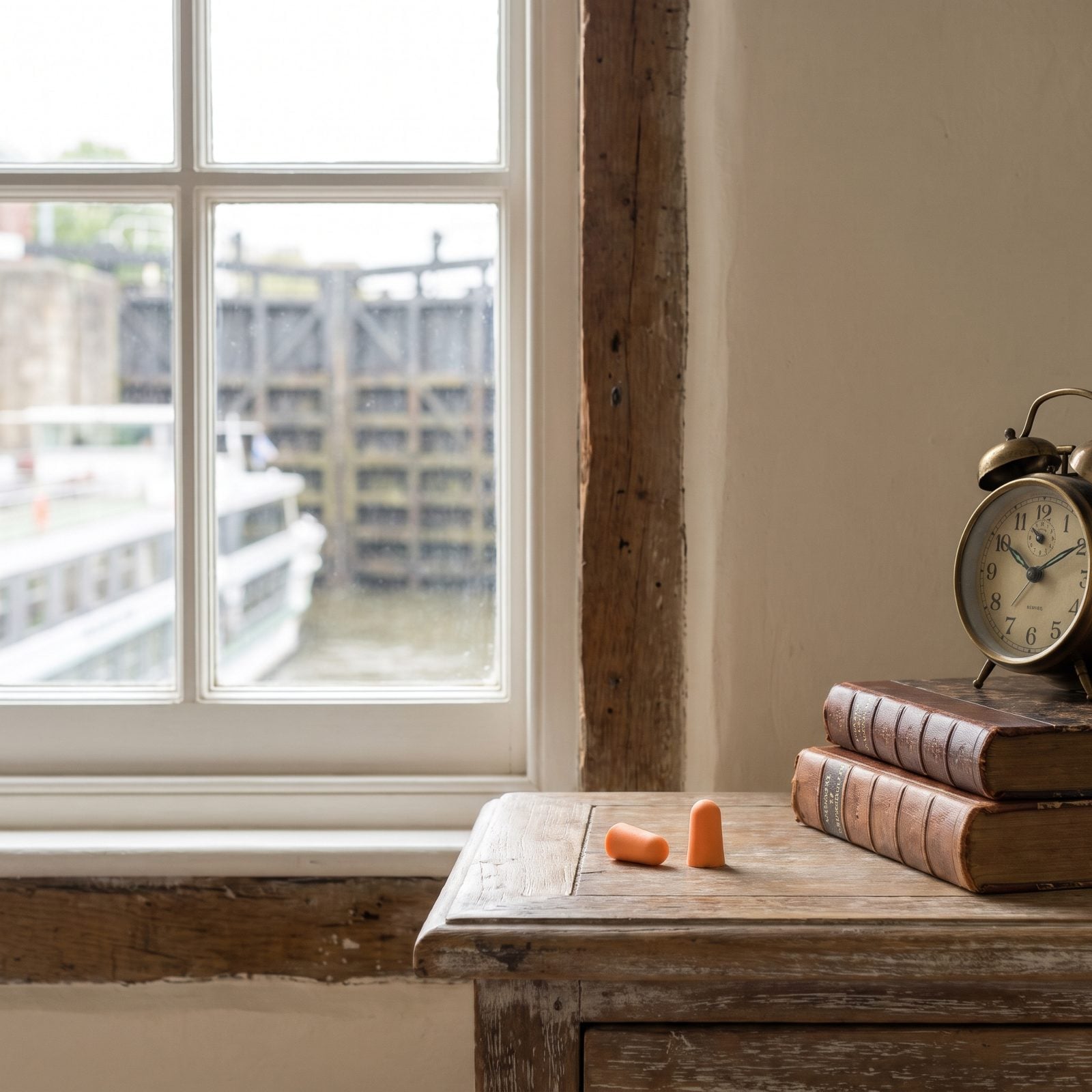
Locks are part of the magic. A European river rises and falls, and the ship steps up and down concrete chambers like a toy in a bathtub. By day it’s a show. At two in the morning it’s a clang, a scrape of steel on concrete, engines holding position, and water thundering into the chamber six feet from your pillow.
Lower-deck cabins near the waterline hear every bit of it, so the bargain booking buys you a broken night.
Light sleeper? Spend the extra for a middle or upper deck, because the higher you are, the farther your ear sits from the lock walls and the engine note. Pack foam earplugs regardless. Even a good night on the top deck has its moments.
17. Expecting Relaxed Mornings Instead of Early Departures

The brochure sold you leisurely. Coffee on the sun deck, nowhere to be. Then the itinerary lands, the gangway opens at 7:15 to make a docking window, and the town you wanted to wander happens between eight and eleven because that’s the stretch the ship is there.
Cruise schedules bend to lock times, river levels, and tight docking slots, not to your sense of a vacation pace. Miss the rhythm and you’re sprinting back to the meeting point at 10:50.
Read the daily schedule they leave in your cabin each night, and circle the departure times. Those slow mornings exist only on the days the ship is sailing, so figure out which days those are and guard them for sleeping in.
16. Planning a Late Breakfast on Disembarkation Day
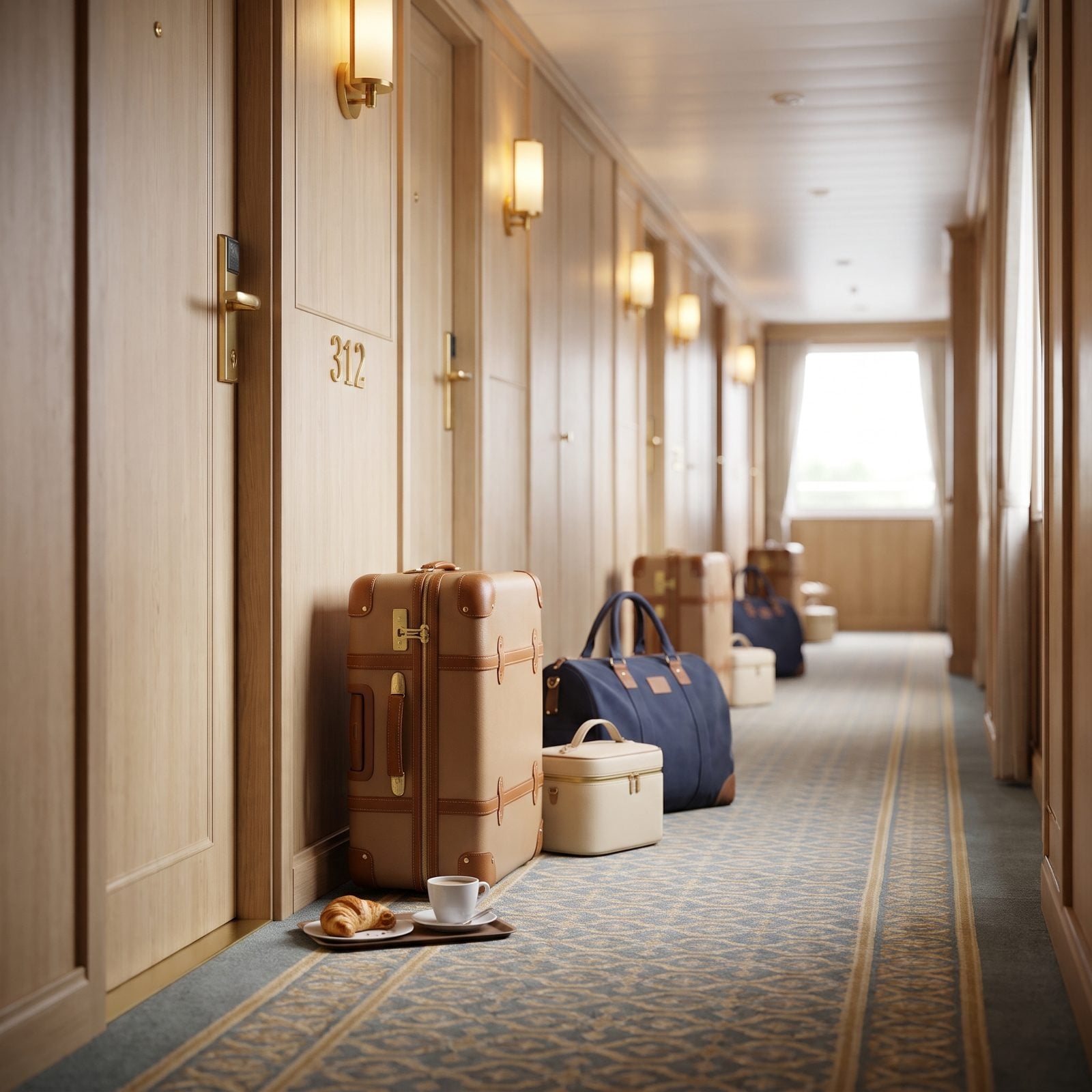
The last morning feels like any other, so you plan a slow breakfast and a last stroll. Then an announcement: cabins vacated by eight, luggage out by seven, and the ship needs you gone because another group boards by noon.
Disembarkation runs on a tight turnaround. River ships flip fast, and a leisurely final morning simply isn’t on the menu.
Eat early, pack the night before, and keep a small bag with your travel clothes and documents separate from the luggage you set outside your door. Late flight? Ask the front desk about a luggage hold and a day room ashore. They’ve heard the question a hundred times and usually have an answer.
15. Packing Valuables in Luggage Handed to the Crew
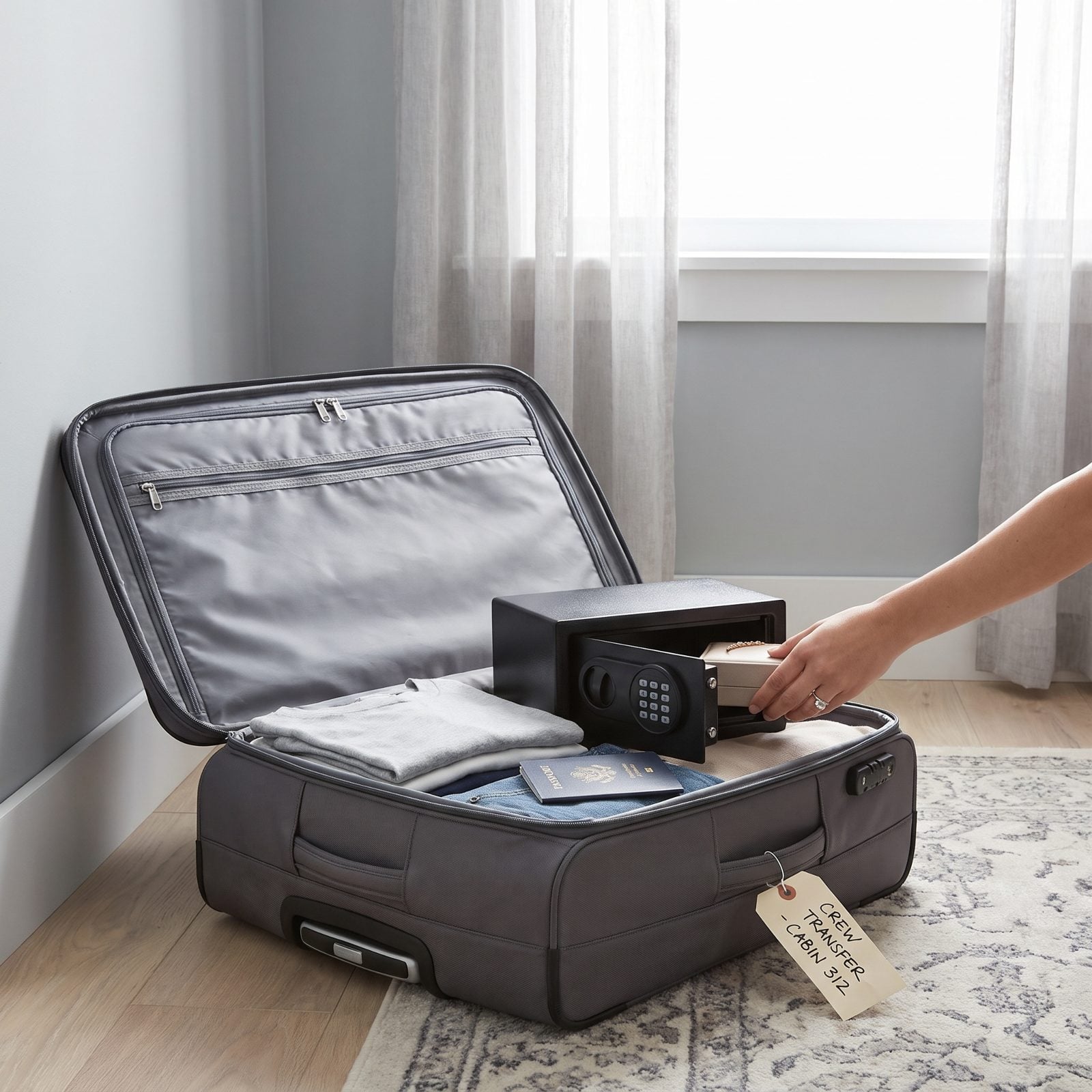
Crews on European river ships are careful people who move thousands of bags a season without drama. Still, luggage handed over at a transfer gets loaded onto coaches, trolleys, and gangways, out of your sight for an hour or two. That’s the stretch where a passport, a camera, or your heart medication goes missing, not through theft but through the ordinary scramble of moving fifty people and their bags at once.
Keep passports, prescriptions, jewelry, cash, chargers, and anything you can’t easily replace in a bag that never leaves your shoulder. Let the checked suitcase hold your shoes and sweaters, nothing more. If it wanders off for a day, you want to be mildly annoyed, not stranded without your pills in Bratislava.
14. Forgetting That Low Bridges Can Close the Sun Deck
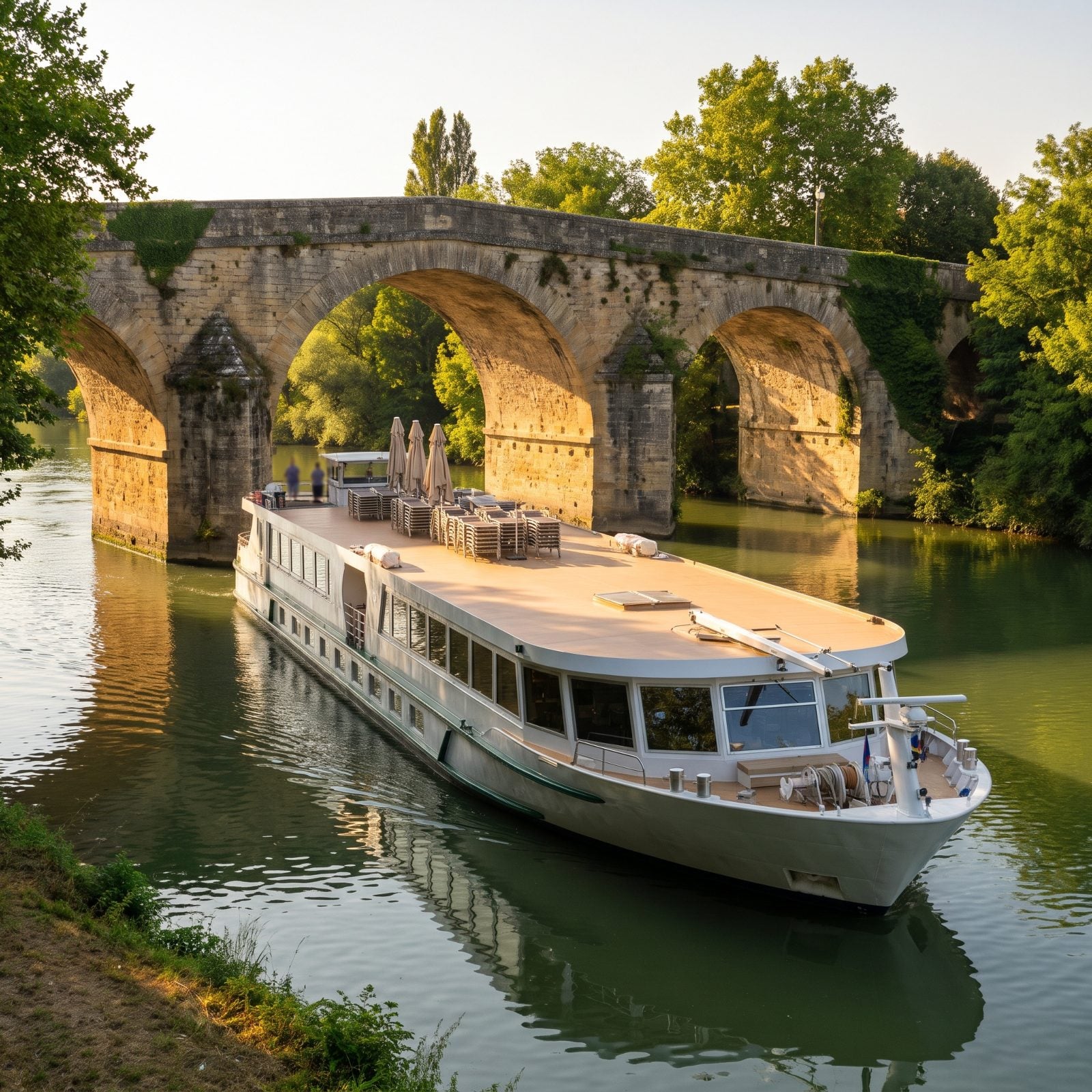
You climb to the sun deck for the castle-lined stretch everyone promised you, and a crew member politely warns that it may have to close. When a bridge sits especially low, the crew lowers the wheelhouse, folds the awnings and loungers, and passengers aren’t allowed up top for the passage.
River ships are built flat for exactly this reason, and on some stretches the best scenery arrives during the very passages where the sun deck has to close.
Don’t bank on the top deck for the marquee cruising hours. Check the daily program for scenic sailing times, then watch from the lounge’s big windows or your own cabin balcony. The view through glass is still the view, and you won’t be standing up there when the crew calls everyone down.
13. Expecting to Reboard Where You Got Off
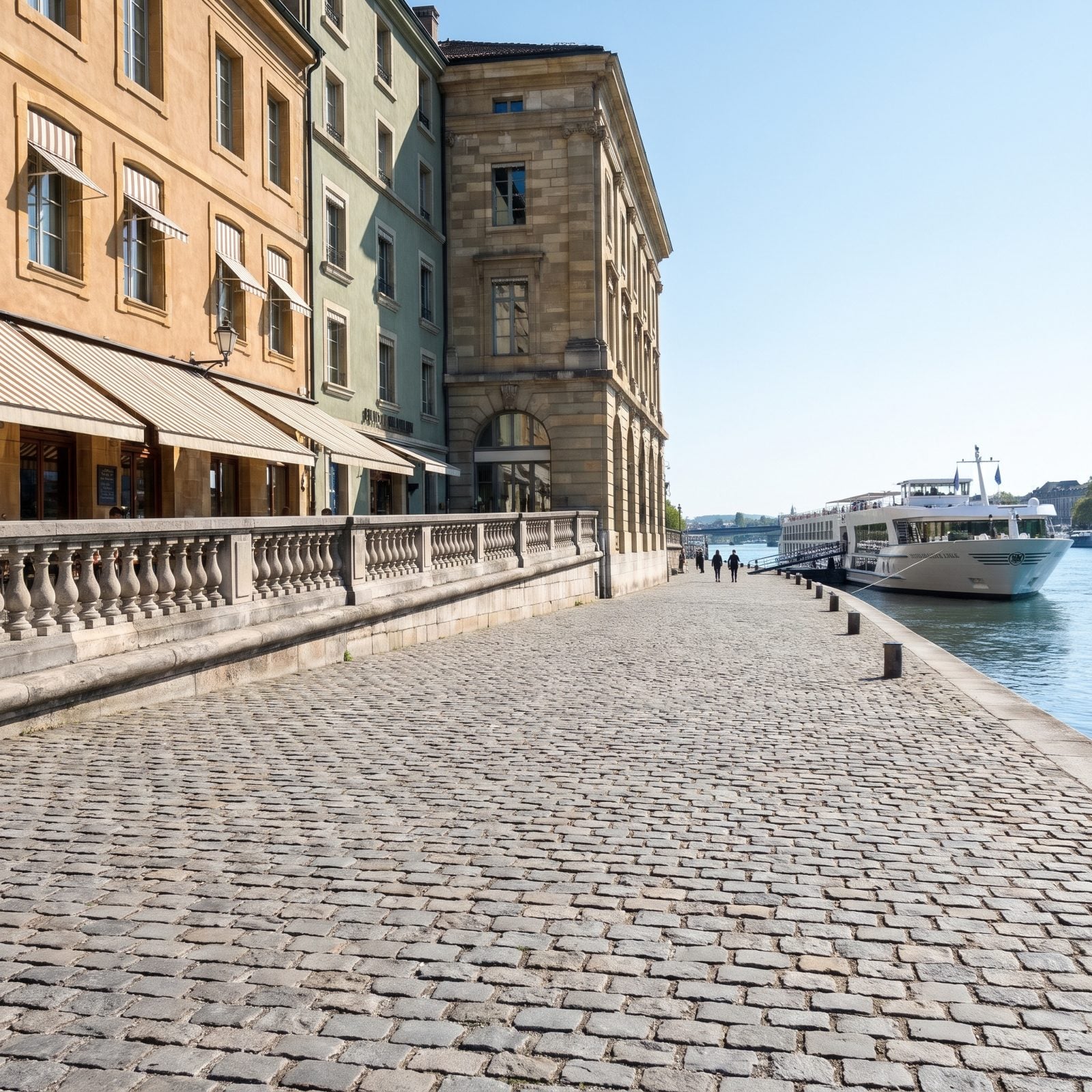
Classic trap. You stroll off into town in the morning, make a mental note of the spot, and head back at the agreed hour to find bare quay and a confused look on your own face. The ship moved. It dropped you at one dock, repositioned downstream through the day, and now expects you at a different mooring entirely.
This happens constantly with afternoon sailings and two-town days, and nobody is coming to find you.
Before you walk off, read exactly where and when reboarding happens. Write down the ship’s name, the mooring location, and a phone number on something in your pocket, then take a photo of the daily program for good measure. The quay you left is not a promise the ship will keep.
12. Assuming Dinner Seating Will Always Be Flexible
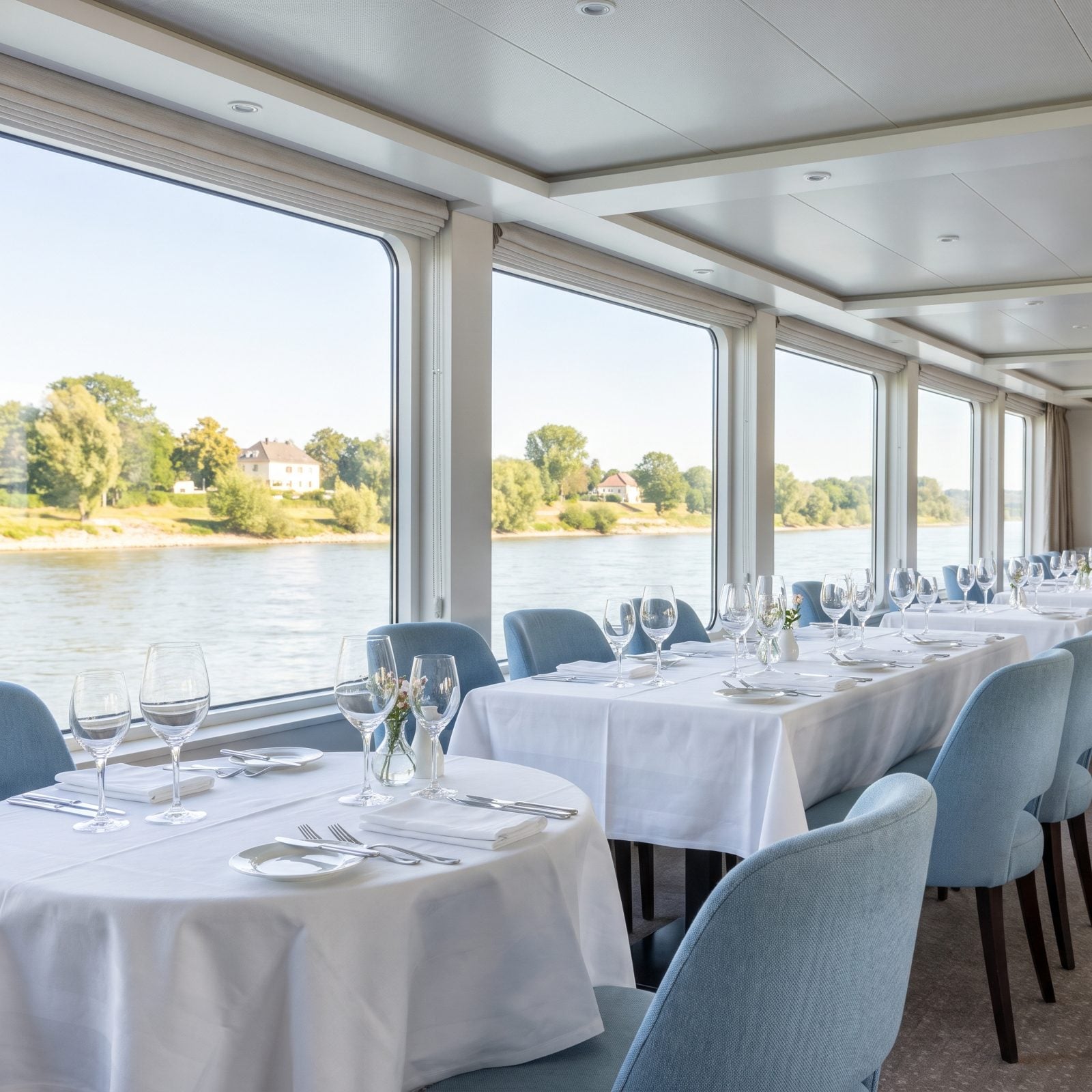
Open seating sounds freeing. Sit where you like, arrive when you like. On a fuller sailing, that freedom thins out fast. The window tables go to early birds, the two-tops vanish, and suddenly you’re parked at a communal eight when you wanted a quiet dinner for two, or standing at the door at 7:30 wondering where everyone came from.
River dining rooms are small. One room, and it seats everyone at roughly the same time.
Got a preference? Say so at the restaurant desk on day one. Ask about reserving a table size, a seating time, or the specialty venue some ships run. A quiet word early beats a hopeful appearance at the door every time.
11. Waiting Until Boarding to Mention Dietary Needs
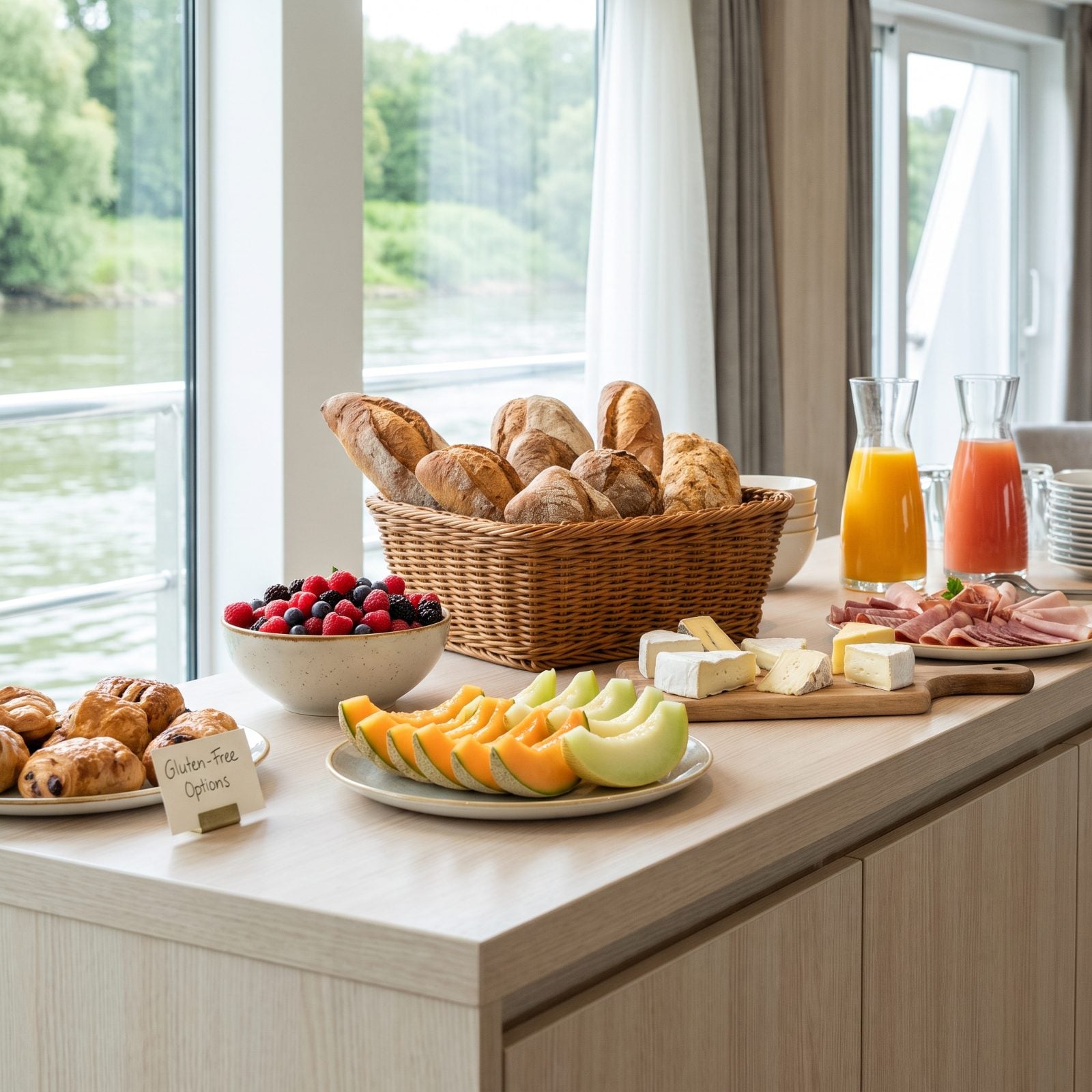
You assume the kitchen will sort it out when you arrive. Gluten-free, vegetarian, a serious nut allergy, kosher, low-sodium for a heart condition. River ships provision in European ports for a set passenger list, and the chef stocks what he’s been told to stock, days before you board.
Spring your needs on them at the first dinner and you may spend the week on the plain-salad-and-apologies plan.
Tell your cruise line in writing when you book, then again a few weeks out. Introduce yourself to the maître d’ on day one and confirm he has the note. A good galley will happily plan around a real allergy. What it can’t do is conjure specialty ingredients mid-Danube.
10. Packing for Formal Nights That Do Not Exist
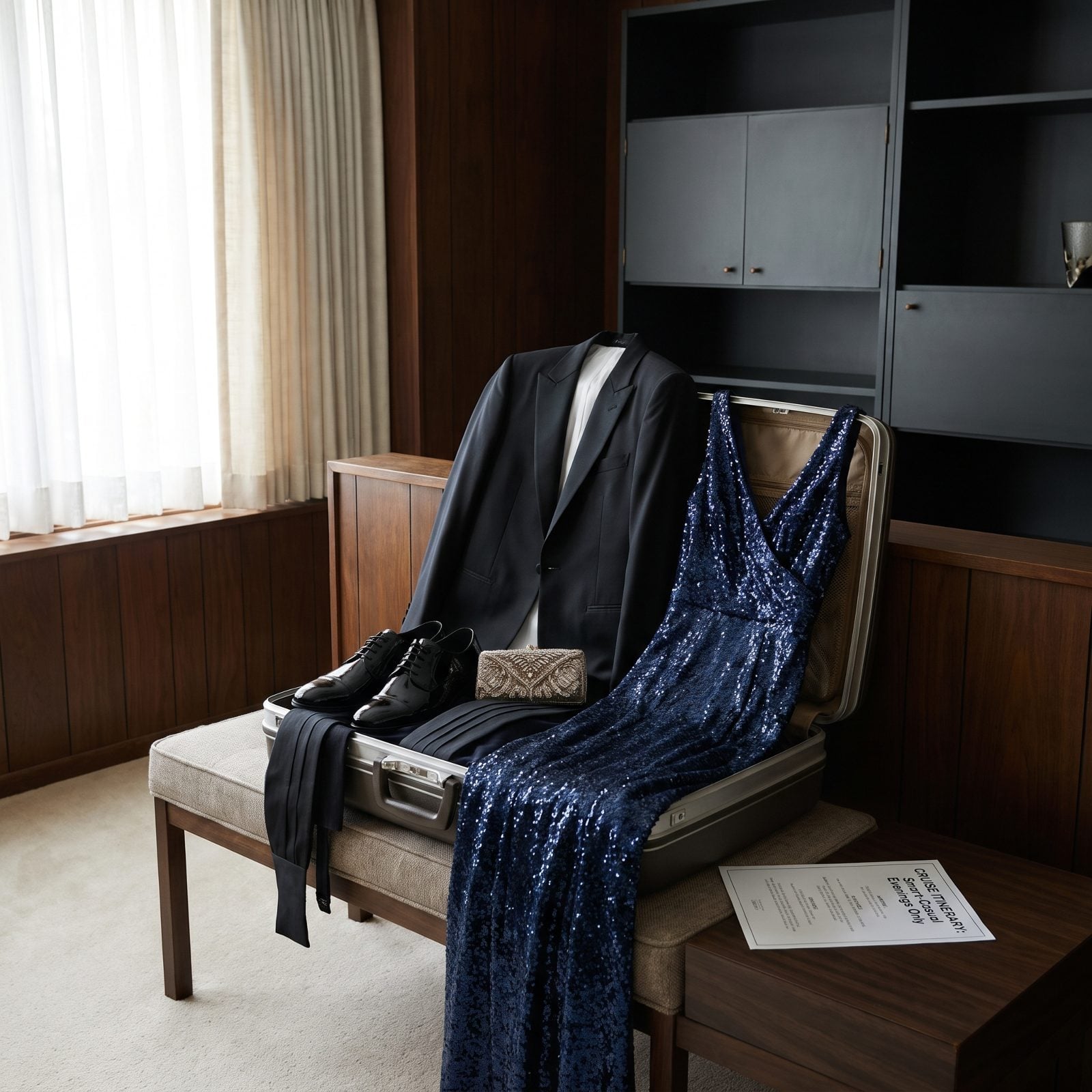
Somewhere in your head there’s a gala. So you haul the tuxedo, the floor-length gown, the heels you haven’t worn since a wedding in 2019. Then you board and discover European river cruising runs smart-casual all week, and the dressiest night tops out at a nice shirt and a blazer, no black tie in sight.
The gown rides in the closet for seven nights and comes home unworn, having eaten the space you wanted for a second pair of walking shoes.
Pack layers and comfortable shoes for cobblestones and steep gangways, with one or two smart-casual outfits for the captain’s dinner. That’s the ceiling. River ships prize ease over formality, and the person who packed light is the happiest one dragging a bag up a gangway in Passau.
9. Expecting Ocean-Cruise-Style Shows and Nightlife
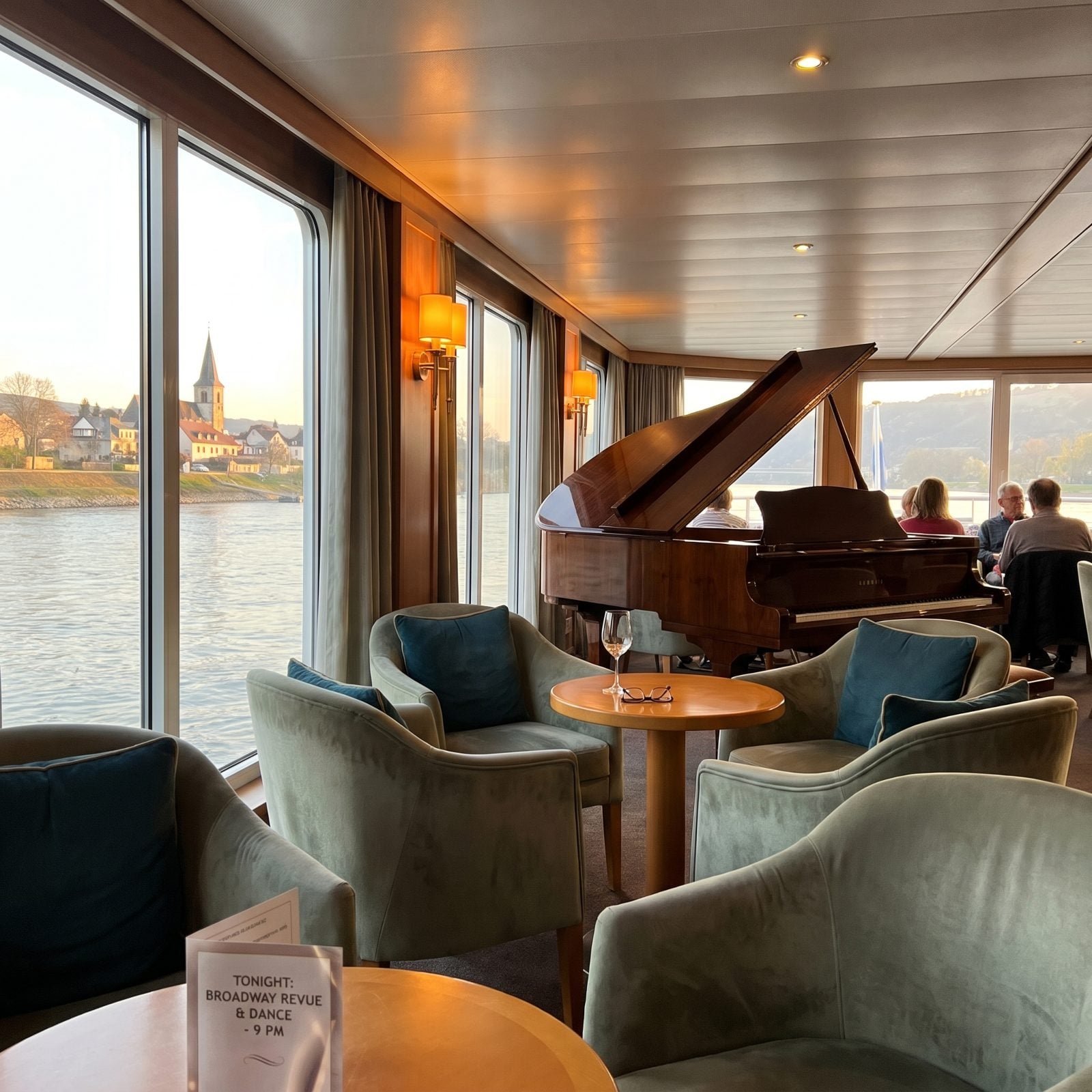
You board picturing a two-story theater, a magician, a show band, maybe a midnight buffet crowned with an ice sculpture. River ships haven’t got the room. The lounge seats about a hundred, the entertainment is usually one pianist or a local folk group who came aboard for the night, and by ten the whole ship has gone quiet.
Treating that as a letdown is the real mistake. Spend the week measuring it against a Caribbean mega-ship and you’ll resent a thing it never pretended to be. Come instead for what the format does well: long dinners, conversation that isn’t fighting a 1,500-watt sound system, a nightcap on deck as the town lights slide past. Want more buzz? Book an evening walking tour in port. The ship is your hotel, not your Vegas.
8. Expecting Large Pools, Casinos, and Full-Size Gyms

On a river ship the pool is often a plunge the size of a generous bathtub, the gym is three machines wedged in a glassed-in corner, and there’s no casino at all. Nobody spells this out before you book. So the first morning you go hunting for the lap pool and find a hot tub with ambitions.
Deck-time water lounging and a proper cardio room your deal-breakers? You’ll be disappointed every single day. Check the deck plan before you pay a deposit, not after. Most lines publish them. And if you need your morning run, the fix is free and honestly better: nearly every port is a short walk into a walkable old town, so lace up and run the riverside path instead. You’ll see more at six a.m. than any treadmill ever showed you.
7. Booking a Cabin Near the Designated Smoking Area
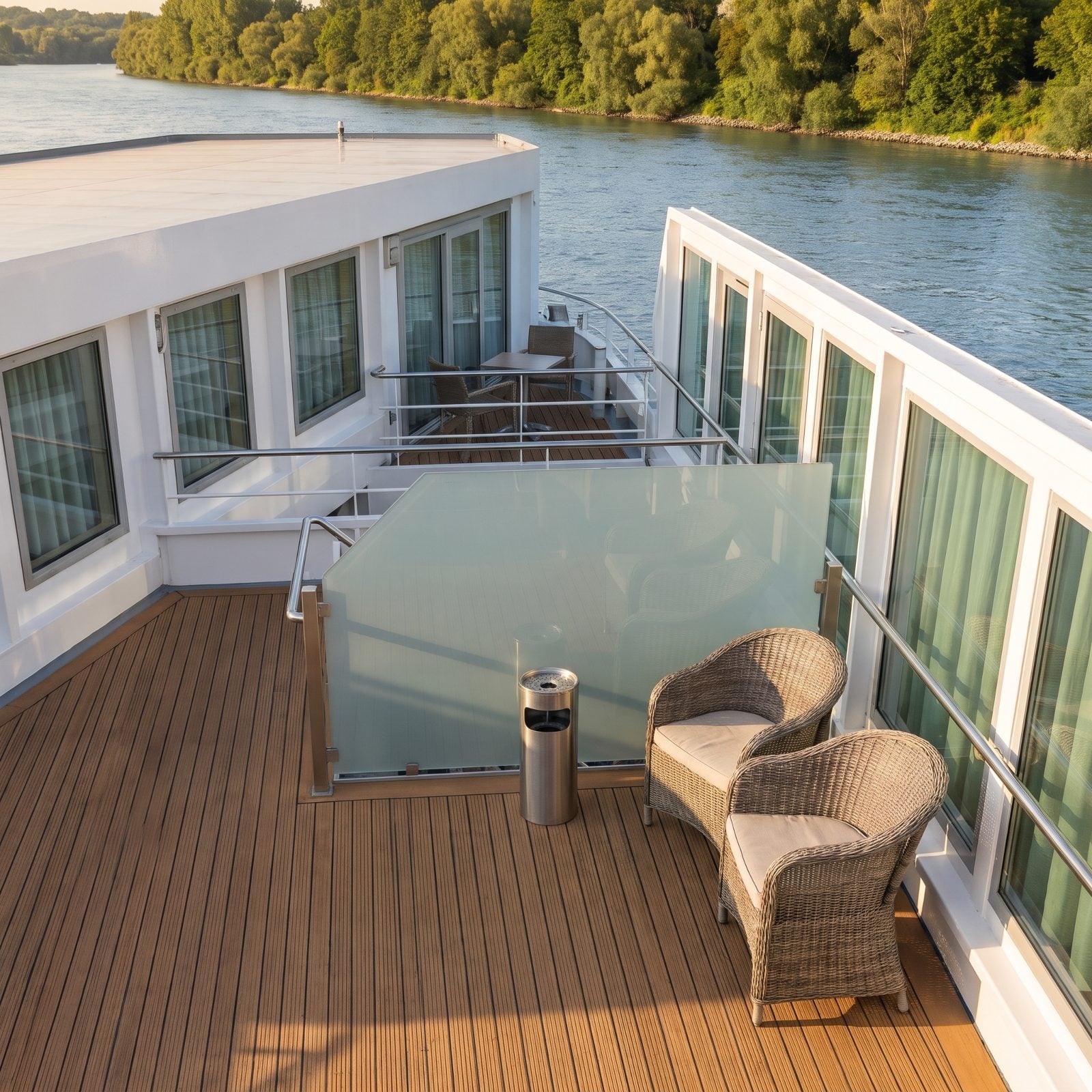
Cabin maps look innocent until you learn that the little symbol near the aft deck is the smoking zone, and your lovely window or balcony opens right onto it. Smoke rises and drifts. On a still evening it’ll find your open door, you’ll shut it, and there goes the whole reason you paid extra for a balcony.
When you book, ask the agent flat out where smoking is permitted and which cabins sit above, below, or beside it. The brochure diagram won’t tell you. A cabin a floor up and a few rooms forward usually costs the same and keeps the air clean. Thirty seconds of asking saves you a week of closed windows.
6. Packing for the Forecast Instead of Changeable Weather
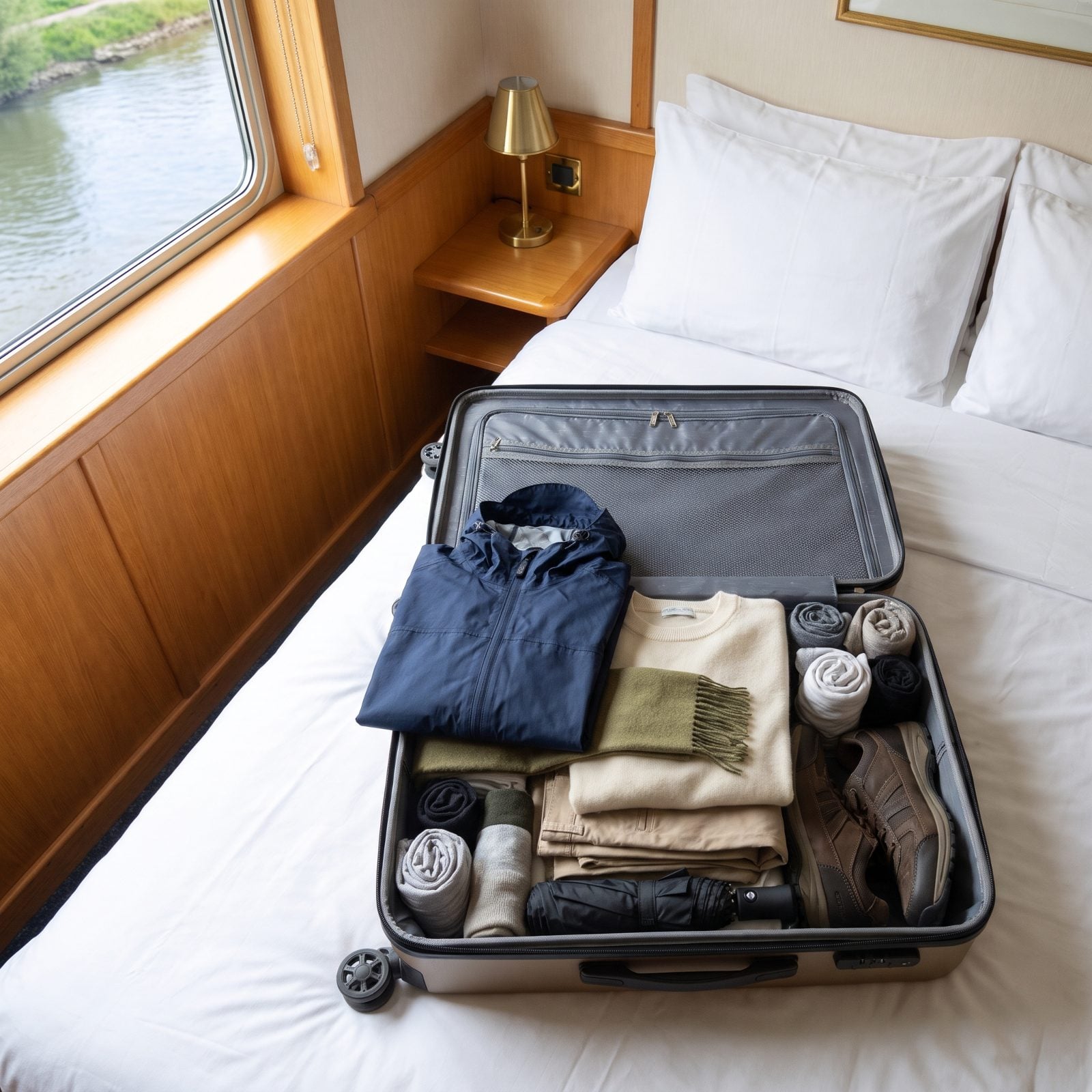
You check the forecast, see sunshine, and pack like it’s a promise. But European river routes thread through valleys and little microclimates where a warm afternoon in Vienna turns into a cold, blowing drizzle by the time you’re walking the ramparts in Passau. The forecast you saw at booking means almost nothing once you’re standing in a lock at dawn.
Pack for range, not prediction. A navy packable rain jacket, one warm layer, a olive travel scarf, and a small folding umbrella carry you from a sunny promenade to a damp cathedral square without fuss. Waterproof walking shoes matter more than any single outfit. Cobblestones plus rain is exactly how good vacations turn into sprained ankles.
5. Assuming Rivers Can Never Cause Motion Sickness

Everyone swears river cruising is glassy-smooth, so queasy travelers leave the remedies at home. Most of the time, true. But a windy stretch of open water on the lower Danube, the churn inside a big lock, or a day of brisk current can stir up enough gentle motion to unsettle a sensitive stomach.
That’s no reason to skip river cruising. It’s a reason to tuck ginger chews, a few tablets, or acupressure bands into your day bag rather than just hoping for calm. Prone to it? Pick a cabin on a lower deck toward the middle of the ship, where motion is least felt. Being prepared costs nothing and beats finding the ship’s shop sold out on the one afternoon it matters.
4. Failing to Ask What Happens During a Ship Swap
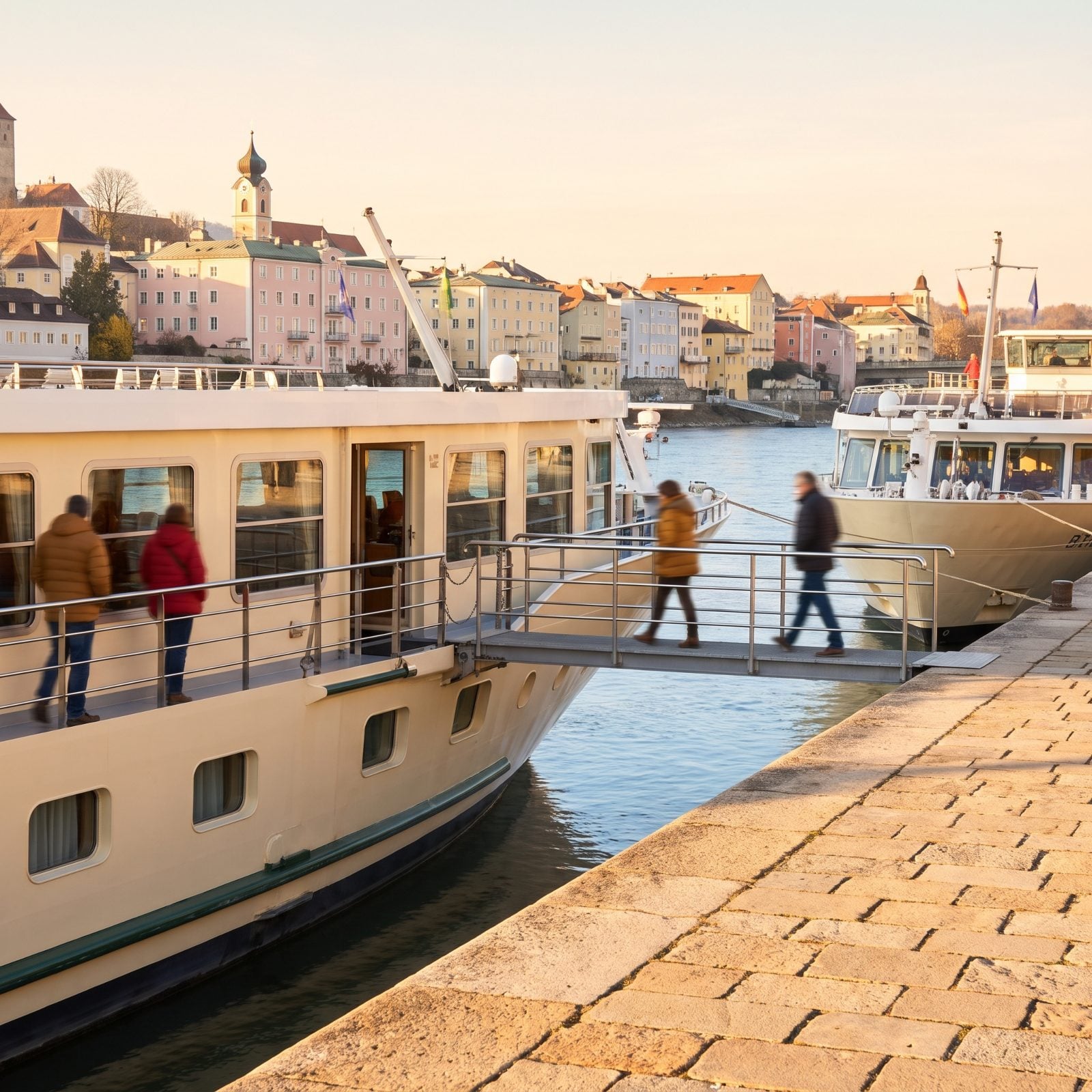
Water levels and scheduling sometimes mean you change ships partway through a sailing, or your ship ties up lengthwise along the quay just behind another, nose to tail, sharing the same stretch of dock. First-timers never ask about this and then feel blindsided when their week gets reshuffled.
So ask before booking. What’s the line’s exact policy on ship swaps and shared berths? Do they move your luggage, do you keep an equivalent cabin, what compensation applies, and how often does it actually happen on your route and season? Sharing a berth is normal and harmless once you expect it. The surprise is the part that stings.
3. Relying on the Cruise App Without Offline Copies
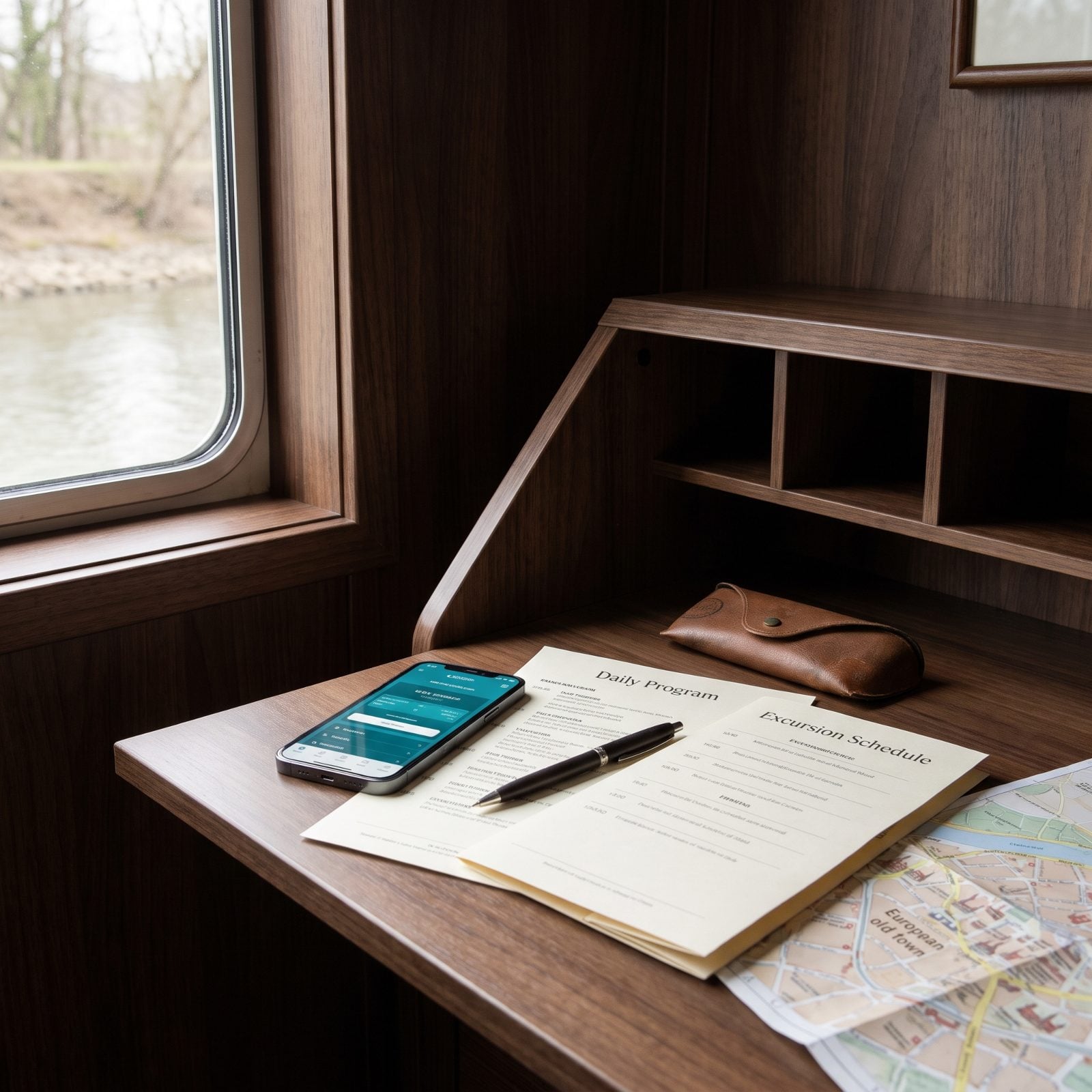
The onboard app is genuinely handy. Daily schedule, excursion sign-ups, meeting times, deck maps, all in your pocket. Then the Wi-Fi hiccups in a river gorge, or your phone dies halfway through a long excursion, and your whole itinerary becomes a glowing brick.
Grab the printed daily program from reception each evening and keep it in your bag. Jot tomorrow’s all-aboard time and port on paper. Screenshot your excursion confirmations so they load without signal. Technology’s a convenience out here, not a lifeline, and a folded sheet of paper never asks you to log in again.
2. Wandering Independently Without Confirming All-Aboard Time

Skipping the group tour to explore on your own is one of the quiet pleasures of river cruising, and I’d push you toward it. The mistake is drifting off without nailing down the all-aboard time, which is firm. The ship leaves on schedule to make its next lock window, and it will not wait for the couple still haggling over marzipan.
Before you walk off, confirm the exact all-aboard time (not departure, all-aboard, which comes earlier), note where the ship is moored, and set a phone alarm for thirty minutes prior. Carry the port agent’s number and the ship’s details. Miss the boat and you’re chasing it to the next town by taxi on your own dime, which is a souvenir nobody wants.
1. Assuming a Water-Level Disruption Cannot Turn the Cruise Into a Bus Tour
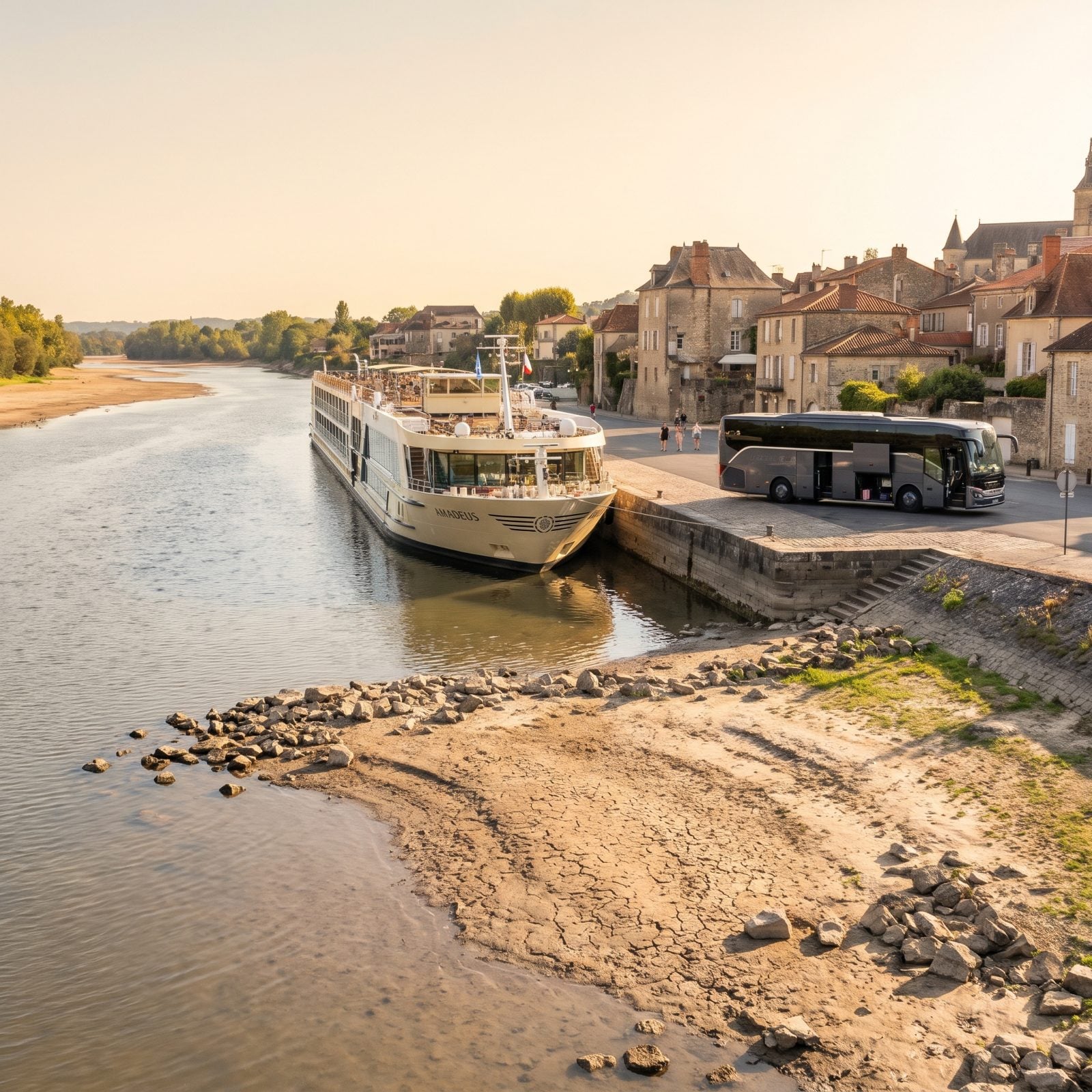
A low- or high-water season can leave stretches of the Danube, Rhine, or Elbe unnavigable. When that happens, lines keep the itinerary rolling by busing you between towns and ships. You still see the sights. You just see some of them from a coach seat instead of a sun deck, which isn’t quite the postcard you bought.
Travelers who assume this can never happen book the riskiest months with no protection and feel cheated when the river turns against them. You can’t control a river. You can plan around it.
- Favor shoulder months like early autumn over spring’s high water and late summer’s low water, when you have the choice.
- Buy travel insurance that covers itinerary changes, not just cancellation.
- Ask the line exactly how they handle water-level disruptions and what they refund.
Please note that some of the imagery in this article were created with the aid of AI image generators.