
🔥 Would you like to save this?
Nobody tells you the hardest part of a cruise happens on dry land, weeks before you ever smell the salt air. A wrong name on a boarding pass. A flight that lands two hours before the gangway closes. A passport sitting in a suitcase somewhere below deck. The water? That’s the easy part. What makes or breaks the whole thing are the decisions you make at your kitchen table, and here are the ones that trip up first-timers most, plus exactly how to sidestep each.
48. Flying In the Morning the Ship Sails
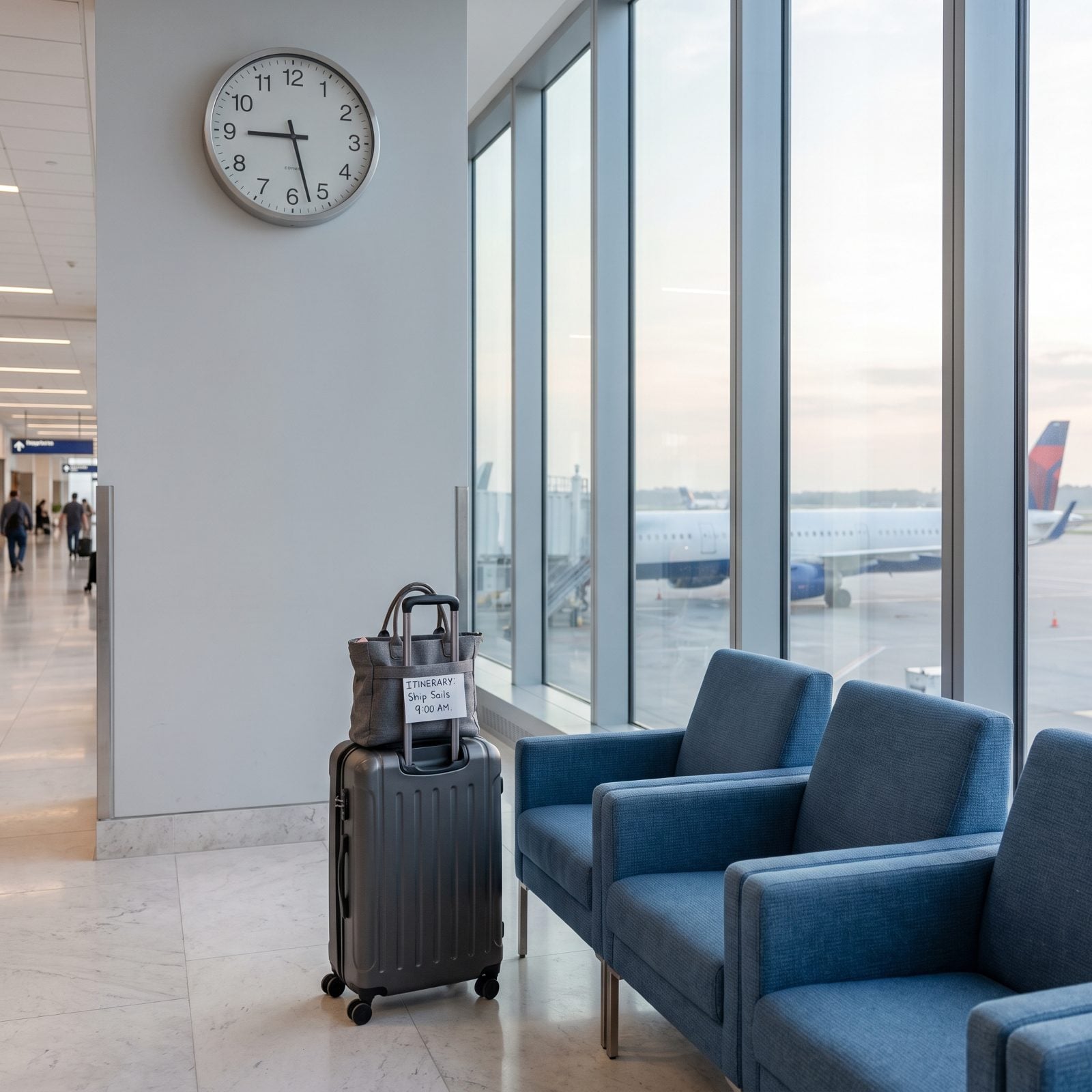
You book the flight for the same day the ship leaves because it saves a hotel night. Then a storm in Chicago cancels your connection, and the ship sails at four whether you’re on it or not. Cruise lines don’t wait. They physically can’t.
Fly in the day before. Always. A missed flight the night before is an inconvenience, while a missed flight the morning of departure means you’re chasing your own ship to the next port on your own dime, assuming you can even reach it. One hotel night is the cheapest insurance you’ll ever buy.
47. Picking a Ship by Price Instead of Its Personality
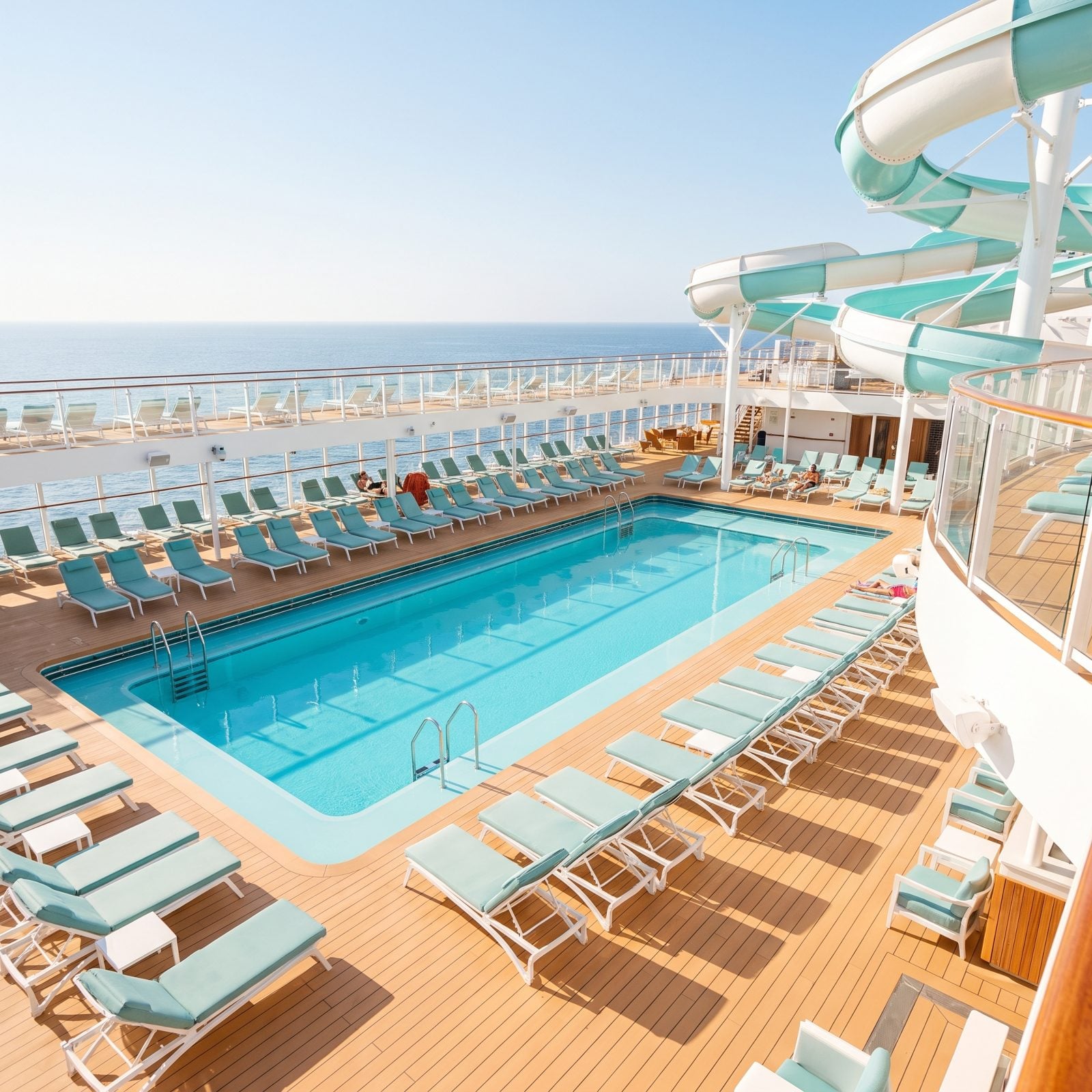
A fare catches your eye, you book it, and you spend seven days on a floating waterpark when what you wanted was quiet verandas and a wine list. The price was right. The ship was wrong.
Big party ships, small luxury lines, family mega-ships, destination-focused expedition vessels — completely different animals. Read what the ship is built for before you read the price. A rowdy family ship and a hushed adults-only one can cost nearly the same and ruin or make your week depending entirely on who you happen to be.
46. Shopping the Base Fare Instead of the Real Total

The headline fare looks like a steal. Then come gratuities, drink packages, Wi-Fi, specialty dining, shore excursions, and the port taxes nobody mentioned. By sailing day the trip costs nearly double the number that hooked you.
Build the true total before you book. Add daily gratuities, a realistic drinks estimate, internet if you need it, and at least a couple of excursions, then compare lines on that number. Sometimes the “expensive” all-inclusive line comes out cheaper than the bargain fare once you load everything on.
45. Trusting a Birth Certificate to Get You Everywhere

You hear closed-loop cruises let you board with a birth certificate, so you leave the passport at home. Then the ship diverts, or a medical issue forces you to fly home from a foreign port, and suddenly a birth certificate gets you exactly nowhere.
Get a passport. Even for a cruise that technically allows the paper route, the passport is what saves you when things go sideways. Check visa and entry rules for every country on the itinerary too — some ports want advance paperwork no matter how you arrived.
44. Booking Under a Name That Does Not Match Your ID

You book as “Liz” because that’s what everyone calls you, but your passport says “Elizabeth.” A nickname, a maiden name, a dropped middle name, a typo — any mismatch between the booking and the travel document can stop you dead at the pier.
Enter your name exactly as it appears on your passport, character for character, and do the same for everyone in your cabin. Spot a mistake after booking? Call the cruise line immediately. Name corrections are usually free and easy early on, then expensive or flat-out impossible the week before you sail.
43. Skipping Travel Insurance Without Running the Math

Insurance feels like an upsell, so you wave it off. Then a hip replacement gets scheduled, or a parent lands in the hospital, or you twist an ankle in a port with no decent clinic. A single medical evacuation at sea can run into serious money, and your home health plan often covers nothing abroad.
Price the policy against what you could actually lose. For an older traveler, or anyone carrying a health condition, the medical and evacuation coverage alone justifies it. Read what it covers, not just the premium. Cancel-for-any-reason policies cost more but buy real peace of mind.
42. Booking Ports Without Checking How Long You Actually Get
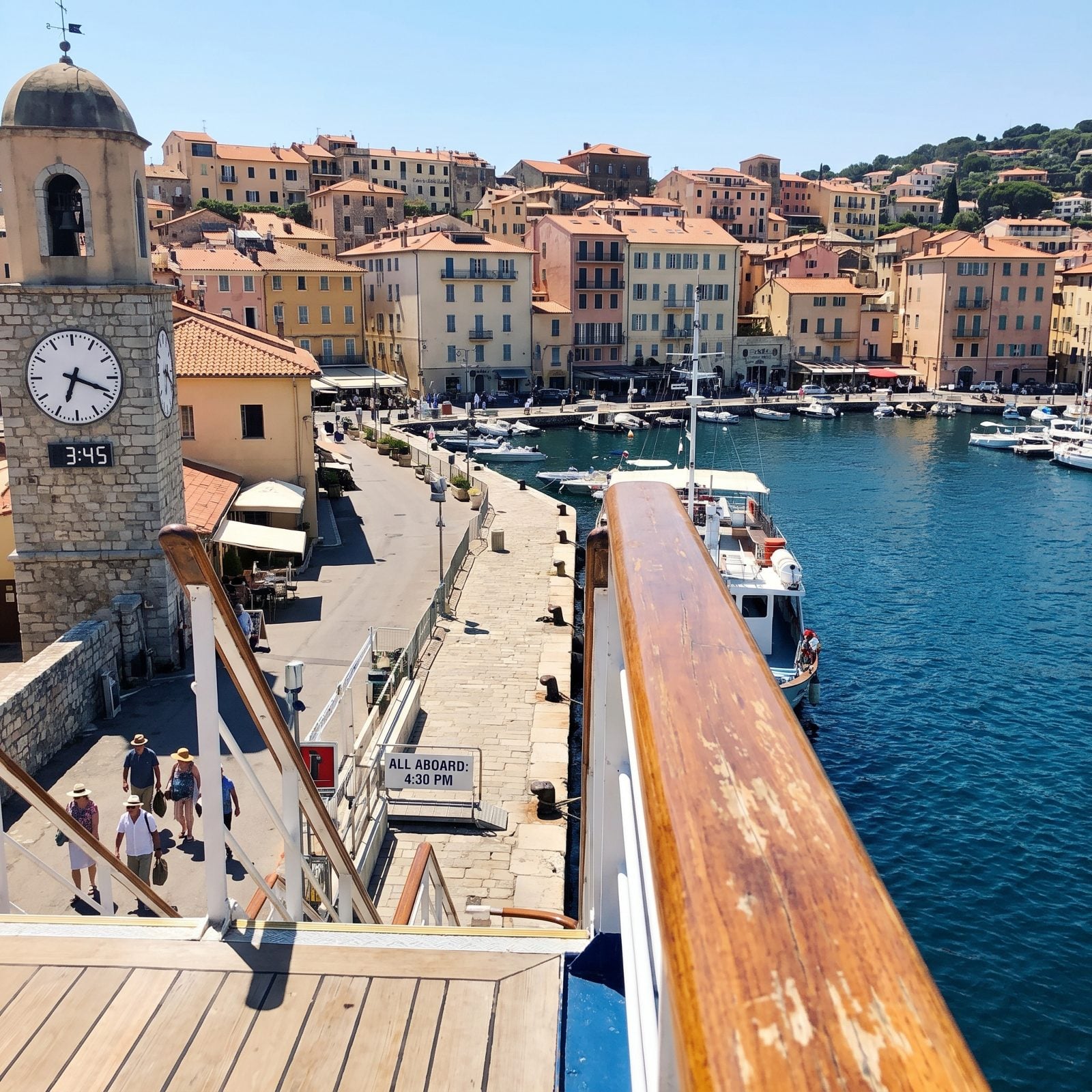
The itinerary lists a dream port, so you build your hopes around it. What it doesn’t shout is that the ship docks at noon and leaves at five. Five hours, minus the shuttle into town, minus the walk back, leaves you barely enough time to buy a postcard.
Read the arrival and departure times for every port before you book. A short window or a late docking changes what’s even possible there. If a specific city is the whole reason you’re cruising, make sure you actually get a real day in it, not a tease.
41. Booking the Flight Home Too Close to Disembarkation
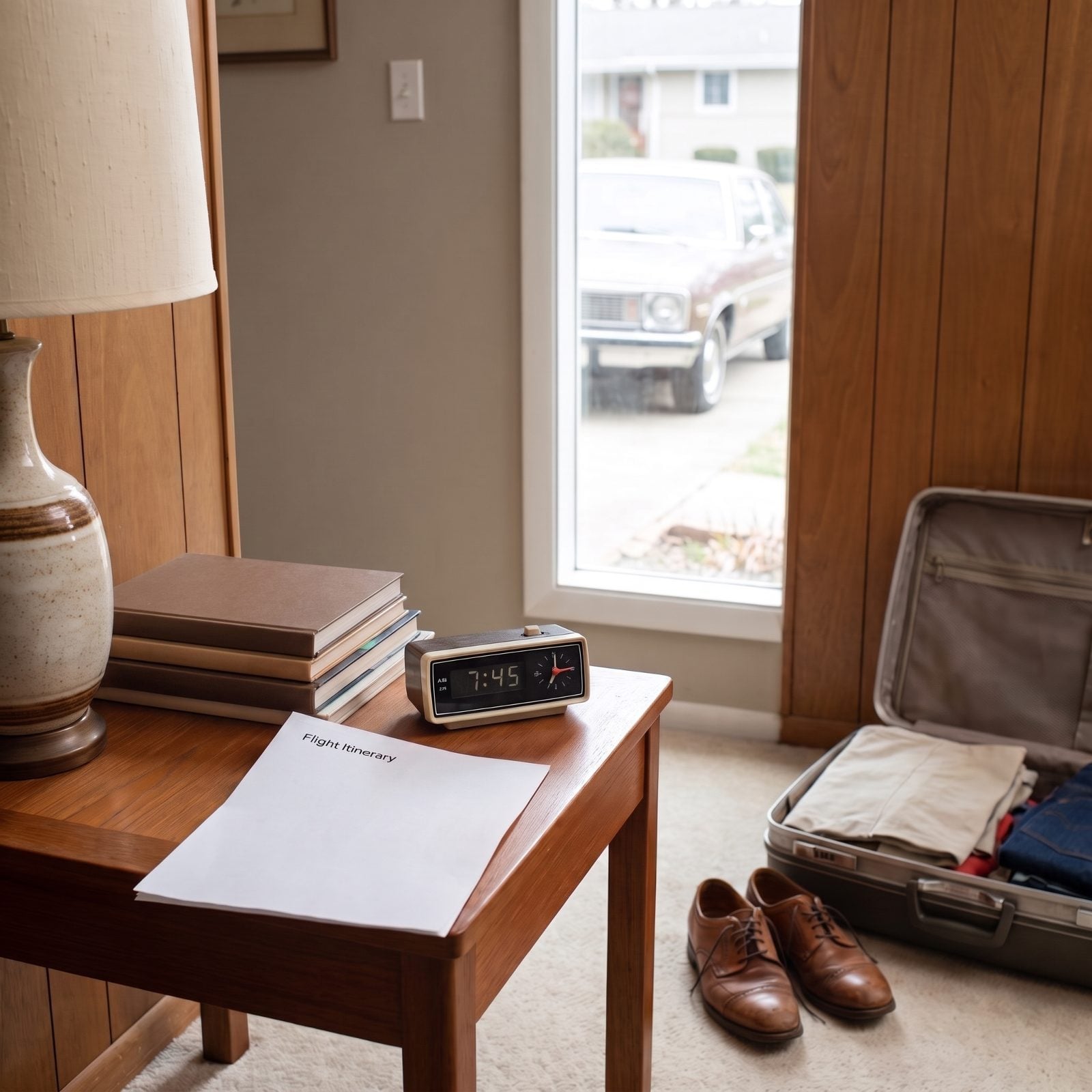
You figure the ship docks at seven, so a nine-thirty flight gives plenty of room. It does not. Customs lines, luggage collection, terminal traffic, and the drive to the airport eat hours, and thousands of people are all leaving at once — you included.
Book your return flight no earlier than noon, later still if the airport sits far from the port. If the cruise line offers a guaranteed transfer tied to your flight, that’s often the safest bet. Miss that flight home and a lovely vacation collapses into a long, expensive afternoon in a terminal.
40. Dragging Your Feet on Online Check-In

Online check-in opens, you tell yourself you’ll do it later, and later becomes the night before with a form that won’t load. The real cost is boarding time. Lines often release in waves tied to when you checked in, so the procrastinators get the latest, longest-wait arrival slots.
Complete check-in the day the window opens, usually a few weeks out. Upload your photo, enter your document details, grab an early arrival window, and print or save your boarding pass. The travelers who do this stroll aboard while everyone else sweats in a slow-moving line at the terminal.
39. Burying Passports, Pills, and Valuables in Checked Luggage
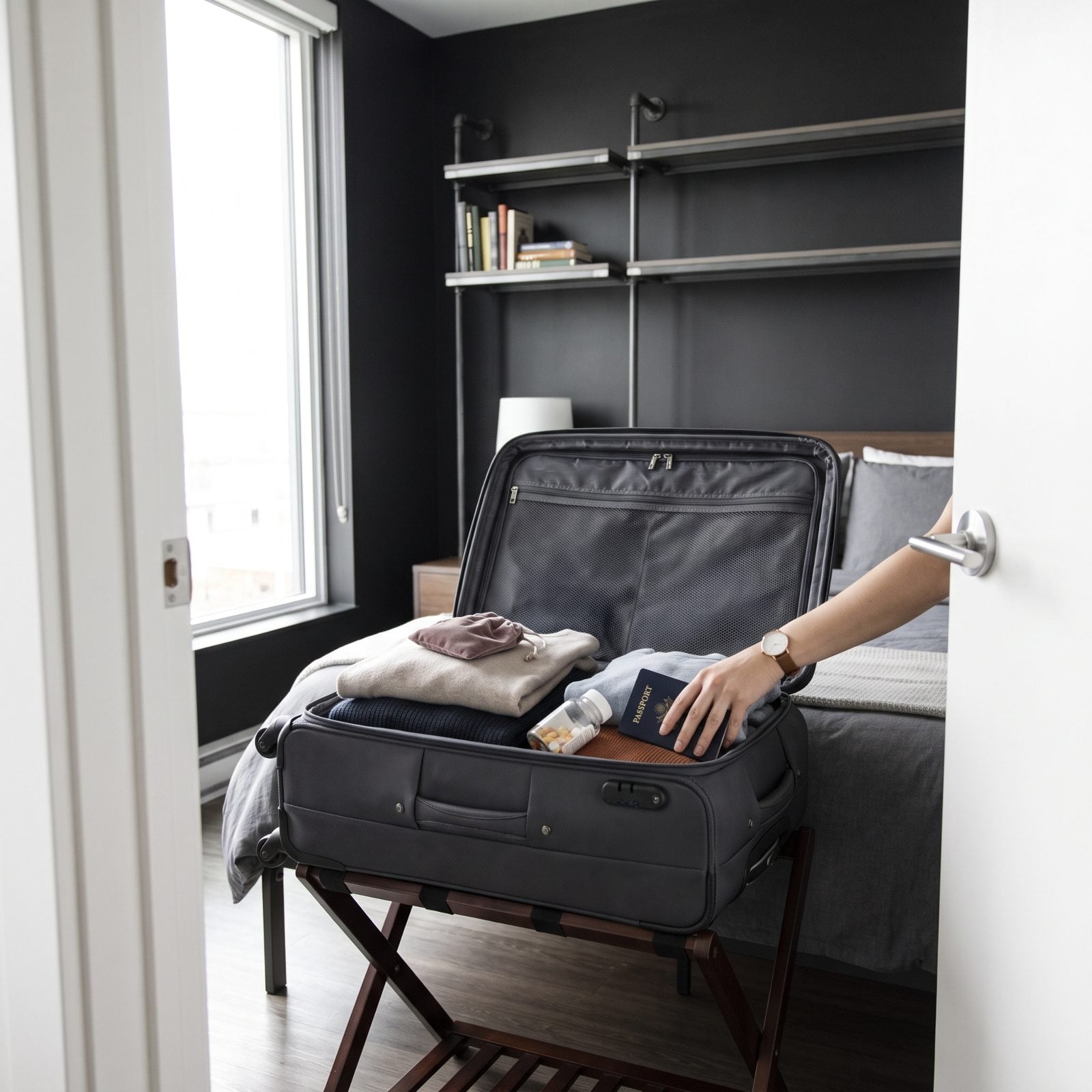
This is the one that stings most. You hand your bags to the porter at the pier, and that luggage can take hours to reach your cabin. Your passport, your heart medication, your reading glasses, your swimsuit for the first afternoon — all of it vanishing until dinnertime or later.
Pack a carry-on that never leaves your hand. Passports, every prescription in its original bottle, phone and charger, valuables, and a change of clothes with a swimsuit for day one. If a bag goes missing or arrives late, you’ve still got everything that actually matters right there on your shoulder.
38. Packing Multiple Large Suitcases for a Small Cabin
🔥 Would you like to save this?
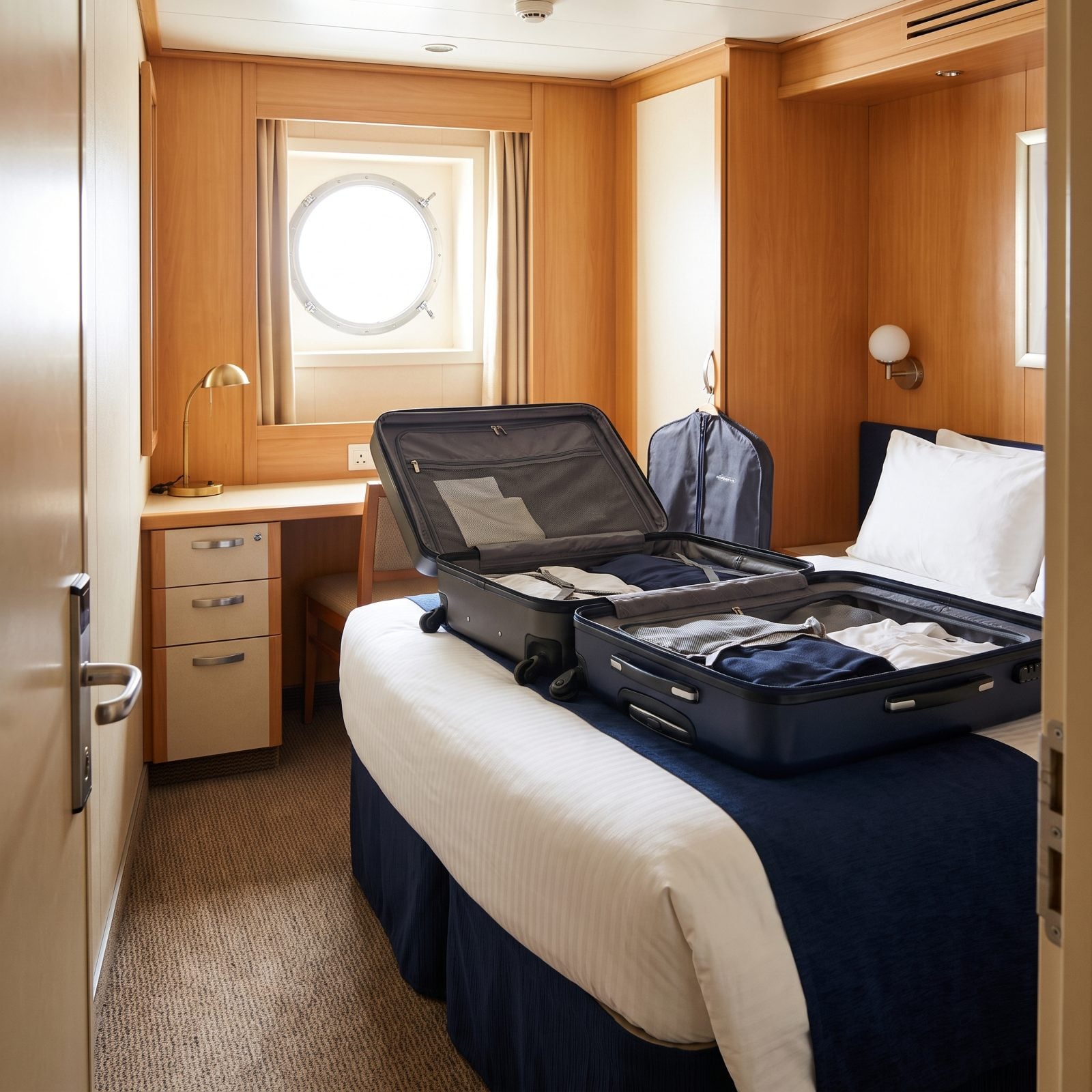
Two oversized checked bags plus a carry-on sounds reasonable until you wheel it into a cabin that measures about 160 square feet. The suitcases have nowhere to go, so they end up open on the floor because the closet swallows one and the bed eats the other, and now you’re stepping over them for a week.
The fix is simple and a little humbling. Pack one medium bag that slides flat under the bed, around seven inches of clearance on most ships. Roll your clothes, use packing cubes, and plan to re-wear. Nobody at dinner is tracking your outfit rotation. I promise.
37. Packing Prohibited Irons, Steamers, or Surge-Protected Power Strips
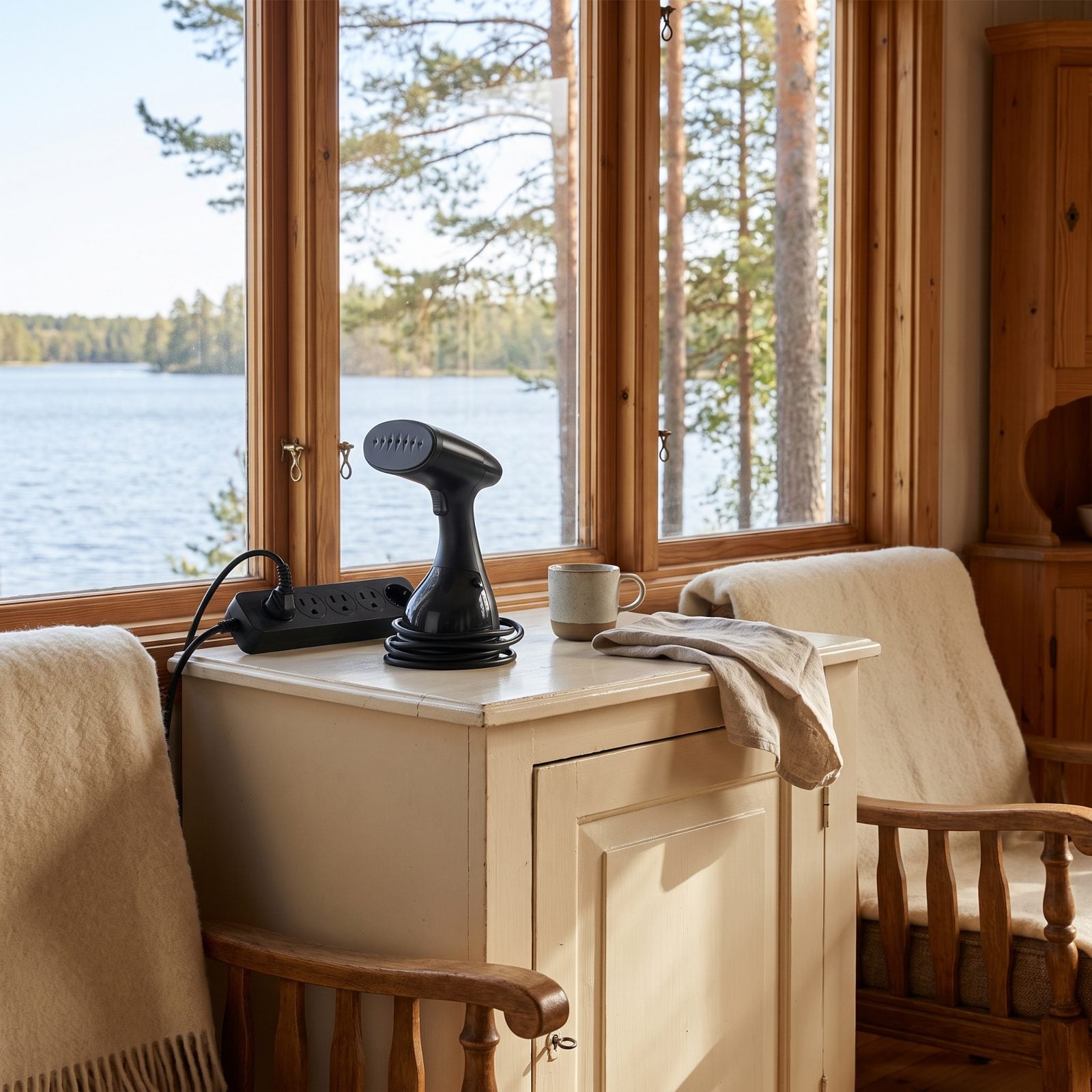
You toss an iron or a surge-protected power strip into your bag to stay wrinkle-free and keep every device charged. Security pulls both. Irons are a fire risk at sea, and surge protectors can mess with the ship’s electrical system, so they get confiscated and held until the voyage ends.
Bring a handheld travel steamer only if your line allows it (many do), and swap the surge strip for a simple non-surge USB charging hub. Check the prohibited-items list on your line’s site before you pack. Four minutes, tops.
36. Bringing Too Little Prescription Medication for Possible Delays
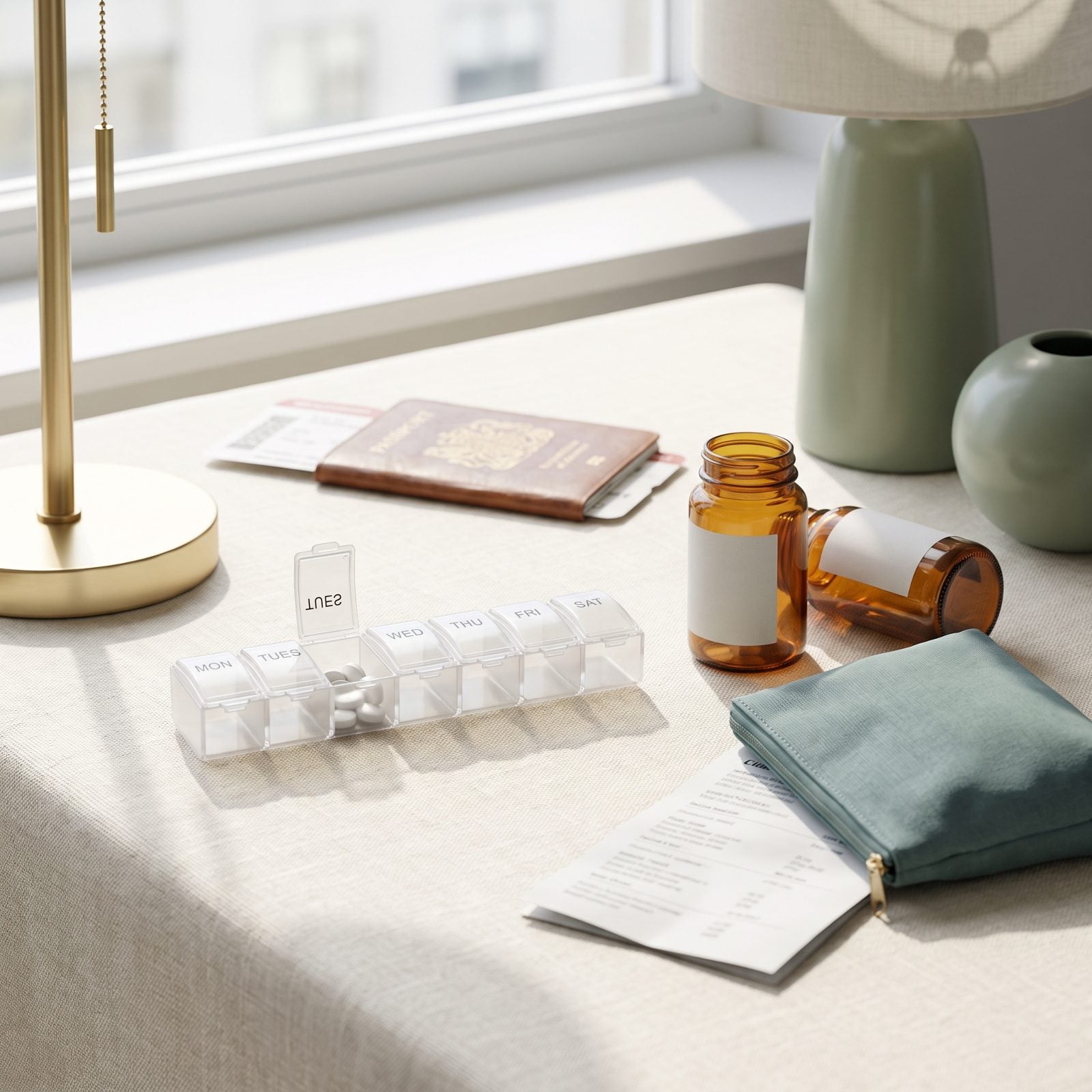
You count out exactly enough pills for the sailing days and feel organized. Then weather closes a port, a flight home gets delayed, or you simply lose a day to a storm. Suddenly you’re rationing a blood pressure medication at sea with no pharmacy in sight.
Pack at least a week more than you think you need, keep it all in carry-on, and leave it in the original labeled bottles. Bring a printed list of your medications with dosages. Ship infirmaries aren’t drugstores, and restocking in a foreign port is a headache you do not want on vacation.
35. Ignoring Formal Nights and Venue-Specific Dress Codes
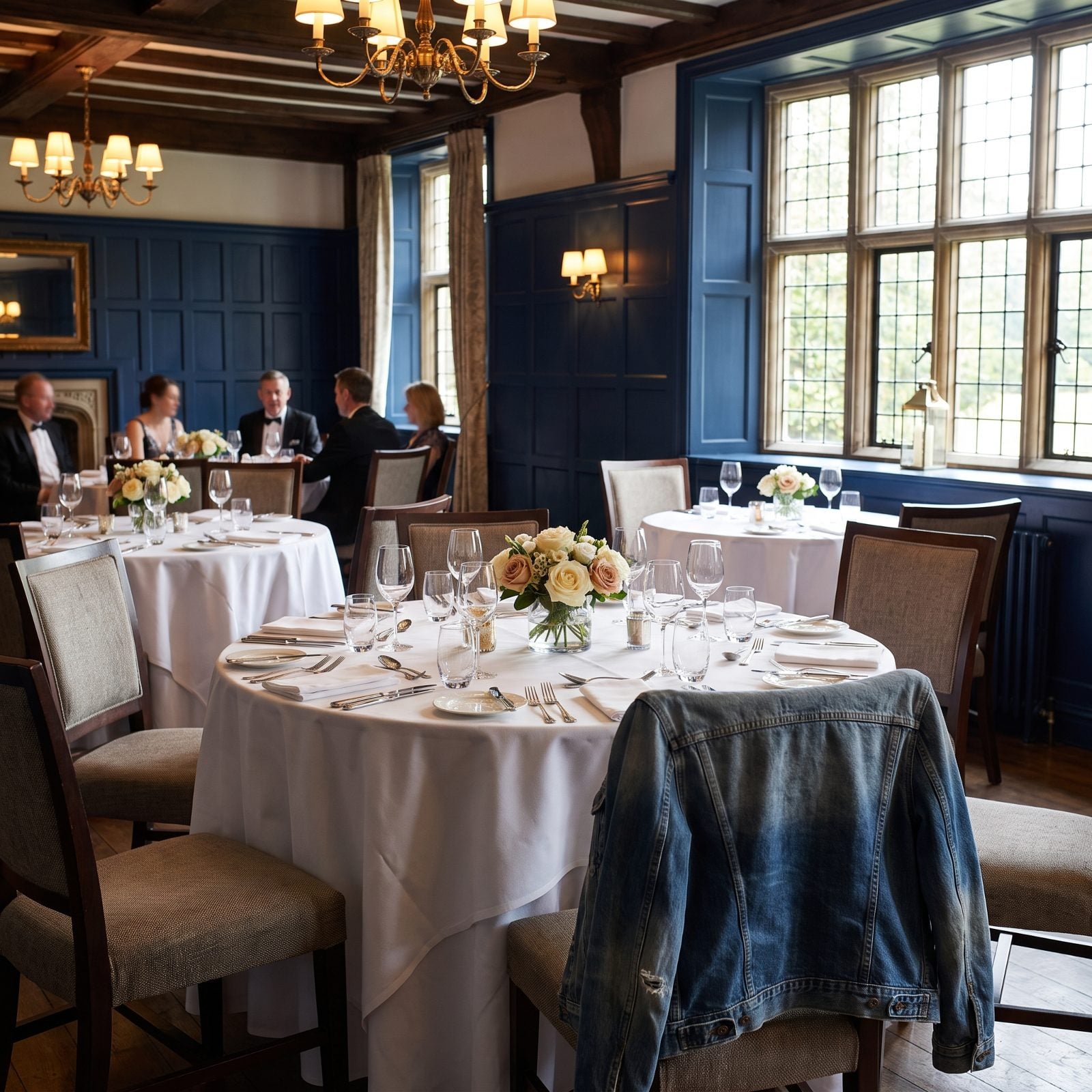
Formal night arrives and you’re in shorts and a polo, watching everyone else glide past in blazers and dresses. Some ships turn away under-dressed guests from the main dining room, and even when they don’t, you feel it. Nobody wants to spend the fanciest dinner of the trip feeling like they wandered in from the pool.
Look up your line’s dress code before you pack. One navy travel blazer and a collared shirt covers almost every formal night for men. A wrinkle-resistant wrap dress handles it for women. Prefer to skip the whole production? The buffet stays casual.
34. Waiting Until Seasickness Starts to Take Preventive Measures
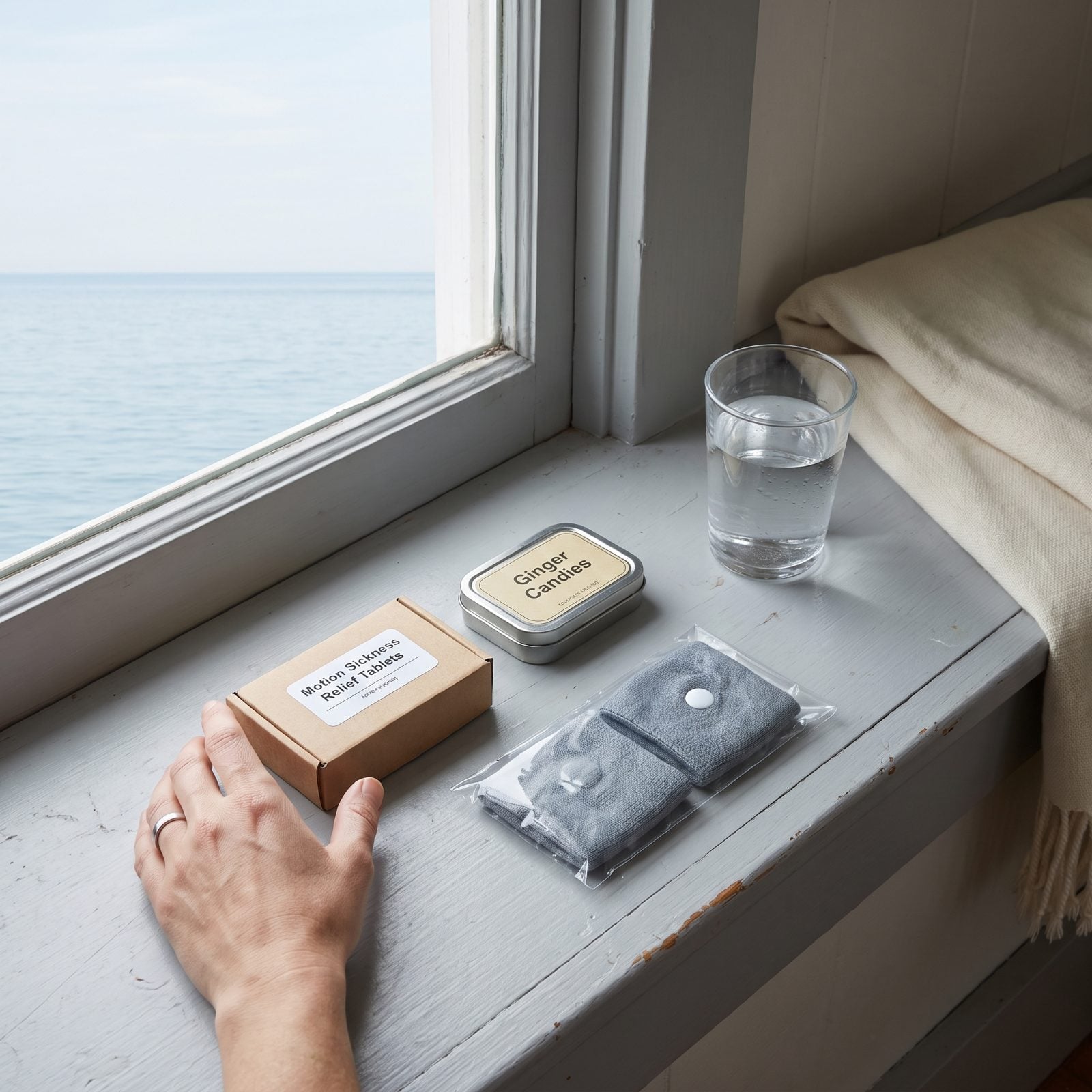
Here’s the trap. You feel fine at embarkation, so you figure you don’t need anything, and then the ship hits open water, your stomach turns, and now you’re trying to swallow a tablet that works best taken before symptoms start. Once seasickness sets in, it is much harder to pull back from.
Take your remedy the night before or the morning of departure, not after the horizon starts tilting. Keep acupressure wristbands and ginger chews in your day bag as backup. Fresh air and a fixed point on the horizon beat lying in a dark windowless cabin, which somehow always makes it worse.
33. Choosing a Cabin Location Without Considering Motion Sensitivity
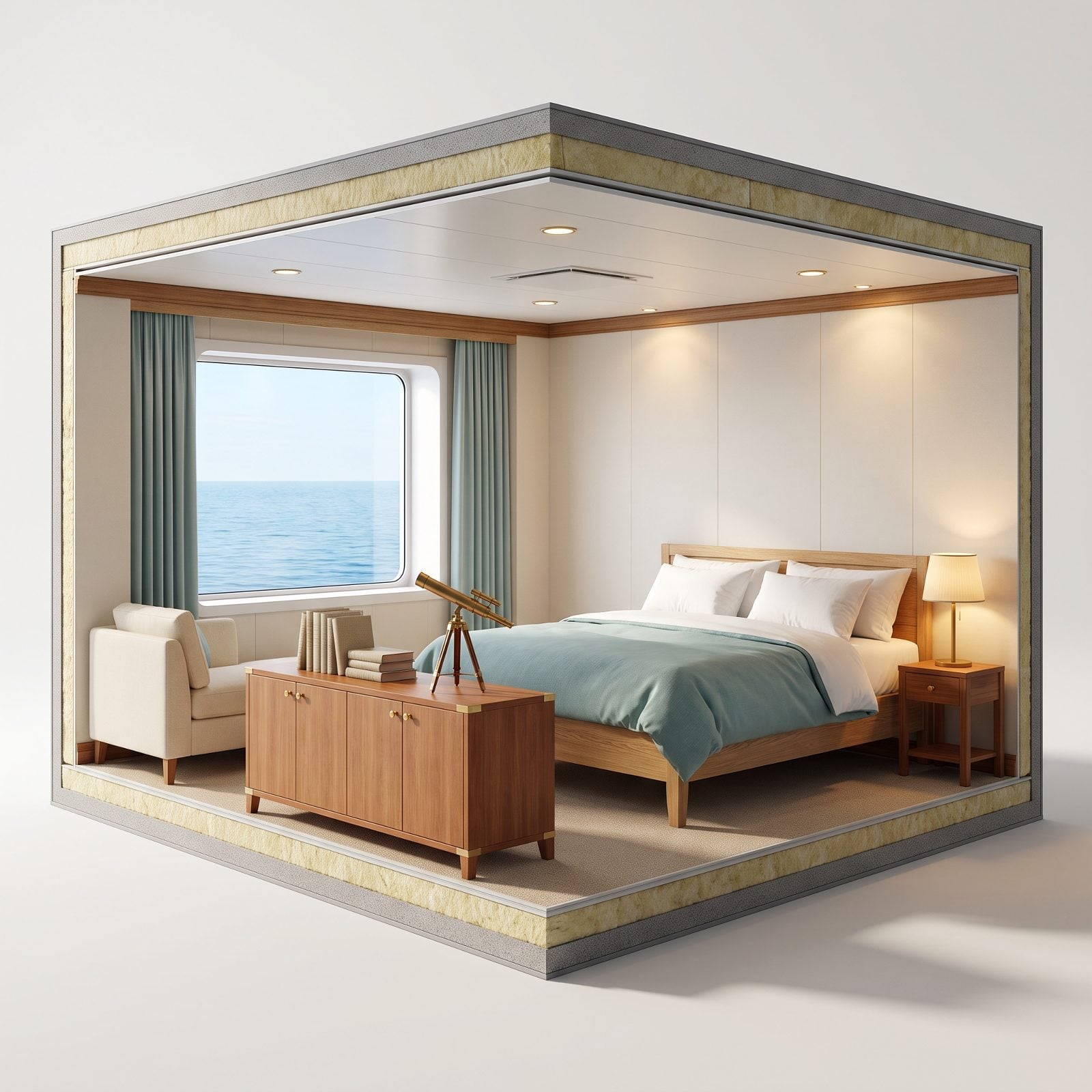
You grab the cabin at the front of the ship because it was a little cheaper, or up high because the view sounded nice. Both are the spots where motion feels strongest. The bow pitches and the top decks sway, and if you’re prone to queasiness, you’ve quietly booked yourself the worst seat on the ride.
Book midship and low. The middle of the ship, on a lower deck, is the natural pivot point where motion is least noticeable. Picture the center of a seesaw: the ends swing, the middle barely budges.
32. Booking Beneath the Pool Deck, Gym, Theater, or Nightclub

The cabin looked perfect on the deck plan. What the deck plan didn’t shout was that it sits directly under the pool deck, where lounge chairs scrape across the floor above you at 6 a.m., or below the nightclub, where the bass thumps until two. You booked a bedroom under a dance floor.
Before you commit, pull up the deck plan and look at what’s directly above and below your cabin. You want quiet cabins stacked between other cabins. Avoid anything under the pool, gym, theater, galley, or a late-night venue. A little detective work buys you a week of real sleep.
31. Accepting a Guarantee or Discounted Cabin Without Checking Location and Obstructed Views
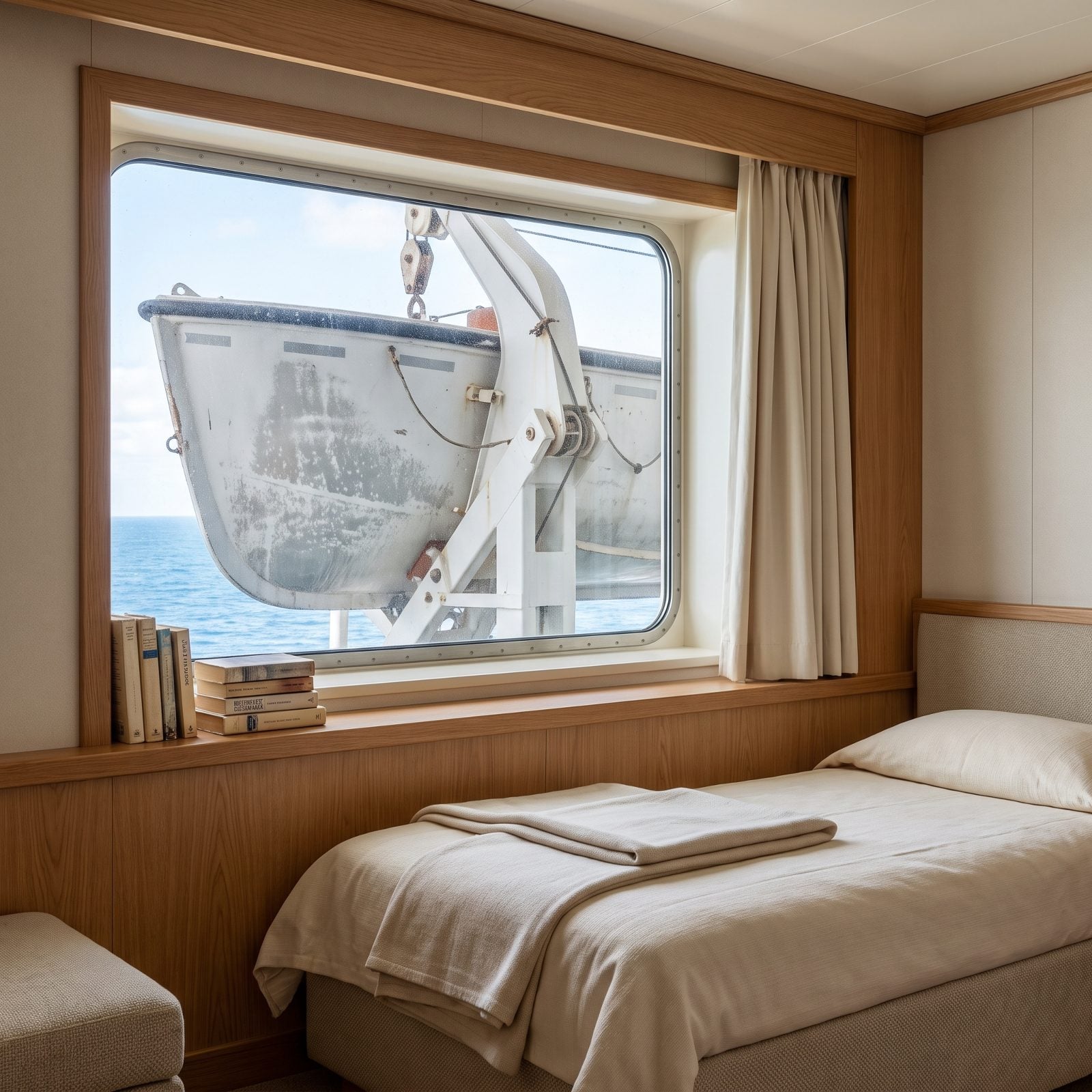
A guarantee cabin is a gamble dressed up as a deal. You pay a lower rate in exchange for letting the line assign your exact room later, which means you might land next to the elevator, over the nightclub, or in an ocean-view cabin where the ocean is a lifeboat.
If you’re particular about sleep, motion, or actually seeing water, pay the small premium to pick your cabin. If you do take the guarantee, read the deck plan for every room in that category first, so you know the worst case before you say yes. Surprises are fun at ports, not when you open the curtain.
30. Forgetting to Download and Set Up the Cruise App Before Departure
🔥 Would you like to save this?
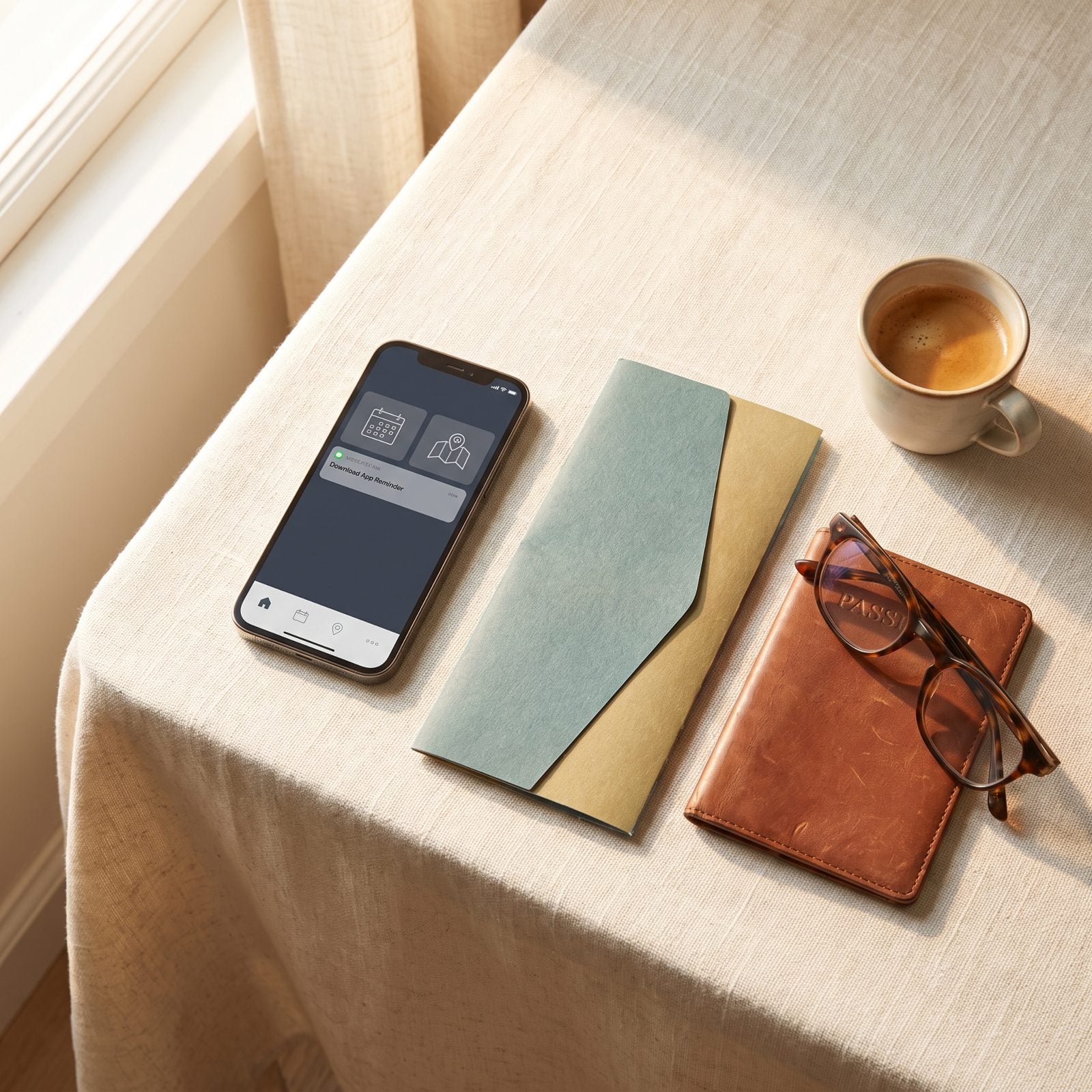
You plan to download the cruise app once you board. Then the ship’s Wi-Fi is crawling, the app needs a big update, and you’re standing in the embarkation chaos unable to find your dinner time, your muster station, or the day’s schedule.
Download the app and log in with your booking number while you’re still on home Wi-Fi. Most apps now hold your boarding pass, deck maps, daily planner, and even cabin-to-cabin messaging so your group can find each other without roaming charges. Set it up the week before you leave, and you step aboard already knowing where to go.
29. Waiting Until Embarkation Day to Reserve Specialty Dining

The steakhouse and the Italian spot are the dinners people rave about, so naturally they book up. Wait until you’re aboard and the only tables left are 9 p.m. on a port night when you’ll be wiped out, or nothing at all on the sailing you circled on the calendar.
Reserve specialty dining online the moment your reservation opens, often weeks before you sail. Lock in the times you actually want, especially for the first sea day and any night you’re not planning a late excursion.
And if a restaurant is fully booked? Show up at opening and ask. Cancellations happen, and a friendly face at the podium goes a long way.
28. Delaying Shore Excursion Reservations Until the Best Options Sell Out
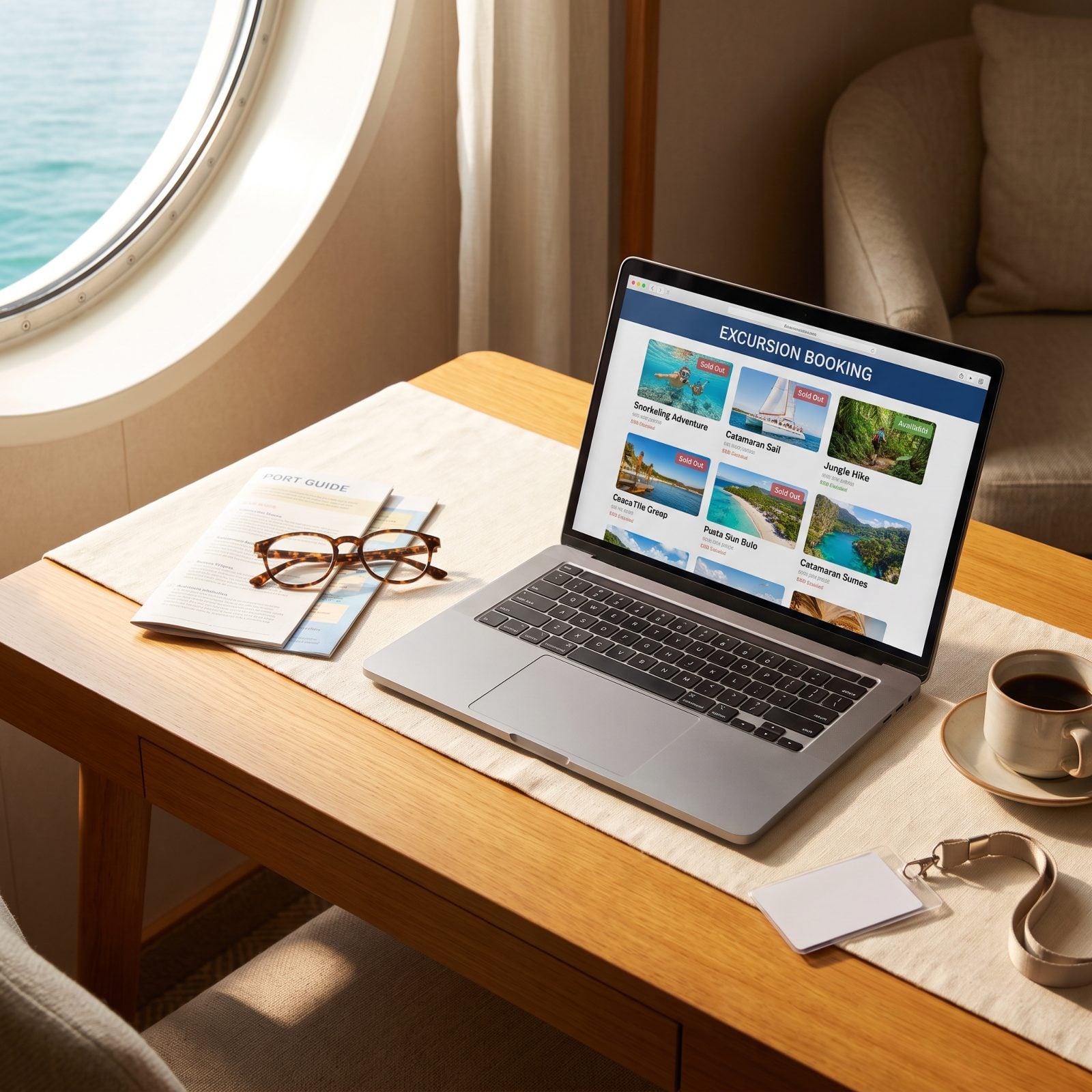
You board, you settle in, you figure there’s plenty of time to sort out the ports. Then you open the excursion page three days later and the small-group reef snorkel is gone, the sunrise ruins tour too, and what’s left is the bus that stops at a souvenir warehouse.
The best excursions cap at a couple dozen seats and fill before the ship even leaves home port. Wait, and you either scramble for a local operator ashore or settle for the leftovers.
So book the moment your reservation window opens, usually weeks out. Most lines let you cancel up to 48 hours before the port with no penalty — grab the one you want early and decide later.
27. Waiting Too Long to Reserve Popular Shows and Entertainment
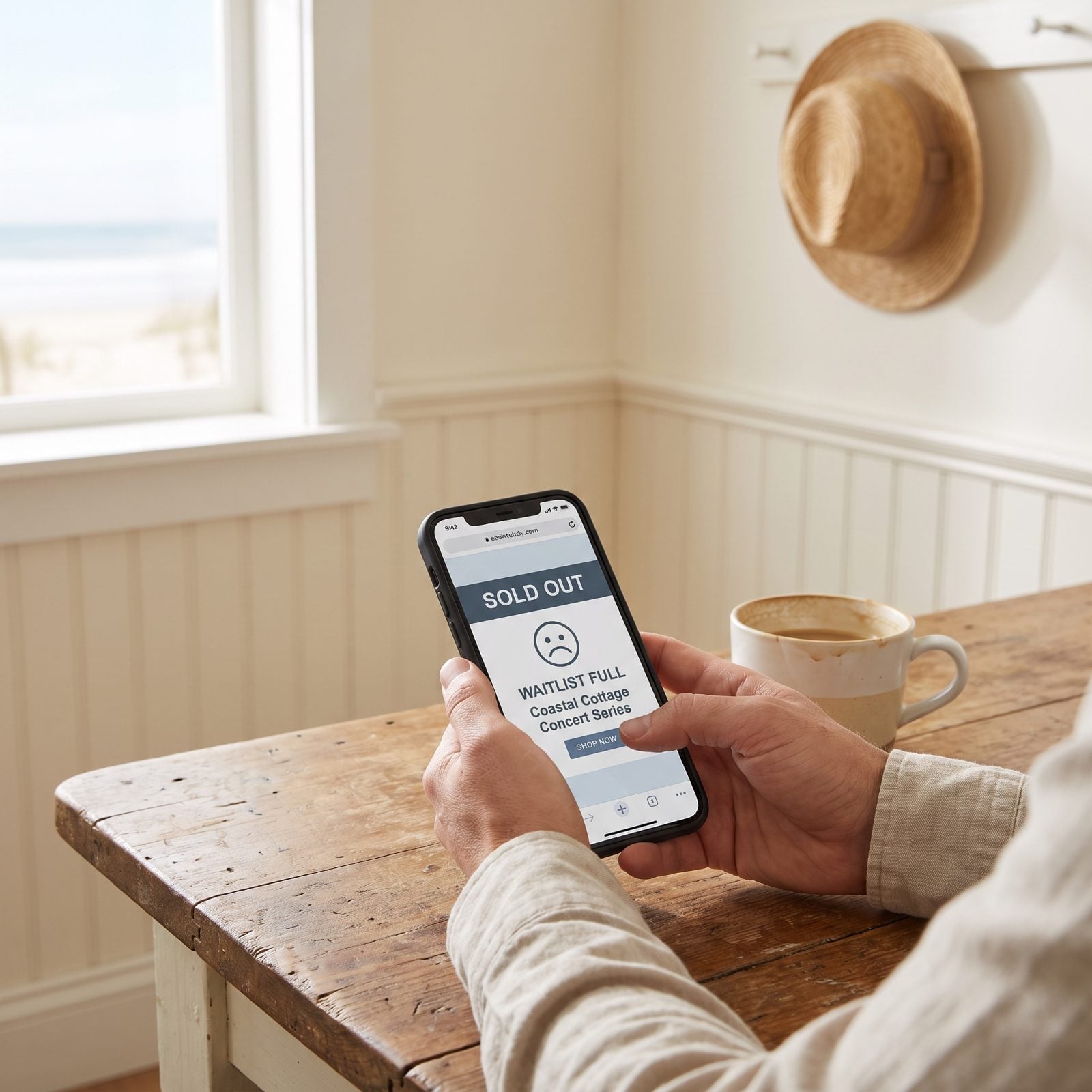
The marquee shows have assigned seating now, and the good seats run out. On the big ships, both the aerial acrobatics production and the Broadway-style musical take reservations — drift down to the theater ten minutes before curtain on sea night and you’re pinned against the back wall, watching dancers the size of ants.
Reserve your show times the same day you board, through the app or at the guest services kiosk. Lock in the early-dining-friendly slots first. Those vanish fastest.
26. Forgetting to Register Children for the Kids’ Club on the First Day

Everyone pictures the kids bolting for the club the second they board. Reality is a paperwork process, and on day one there’s a line out the door because every other family had the same idea.
Miss the first-day open house and you lose the walkthrough where staff explain sign-in and sign-out, the allergy flags, and the pager setup. Kids also warm up faster when they meet the counselors before the chaos of sea day hits.
Head straight to the club during the embarkation-day open house, usually mid-afternoon. Bring the children, fill out the forms together, sort the wristbands while the ship is still quiet.
25. Failing to Notify the Cruise Line About Dietary Needs in Advance
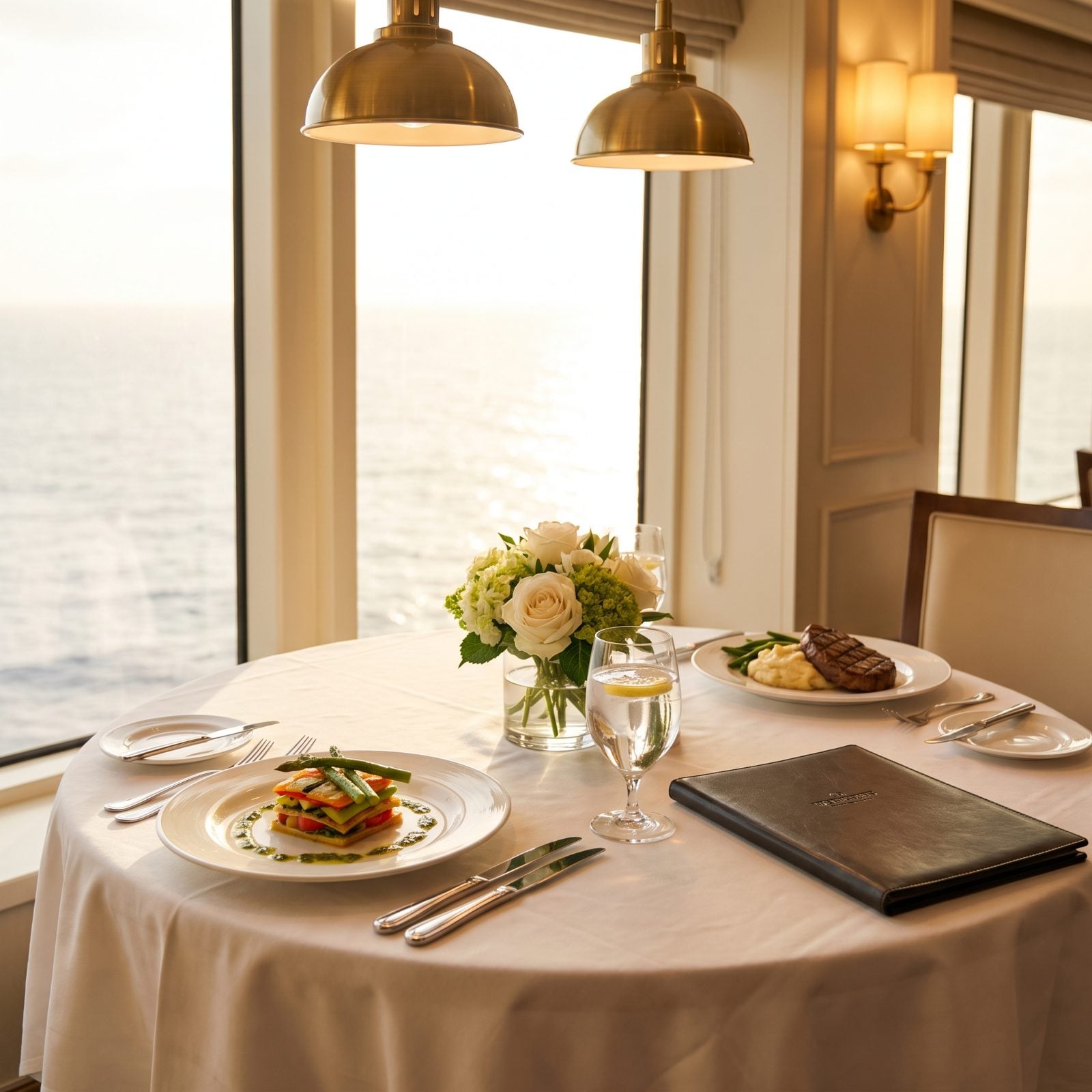
You assume the kitchen will just handle it when you turn up. But on a ship feeding thousands from a tightly provisioned galley, the special flour, the dairy-free options, and the kosher meals all have to be ordered before sailing.
Tell them at the last minute and you might get a plain grilled chicken breast for seven nights while everyone else orders off the real menu. Worse, a serious allergy slips past the waitstaff entirely.
Submit your dietary needs through the line’s special requests form when you book, then confirm again a few weeks out. Introduce yourself to your head waiter the first night so your table has the file in hand.
24. Waiting Until Boarding to Request Accessibility Assistance
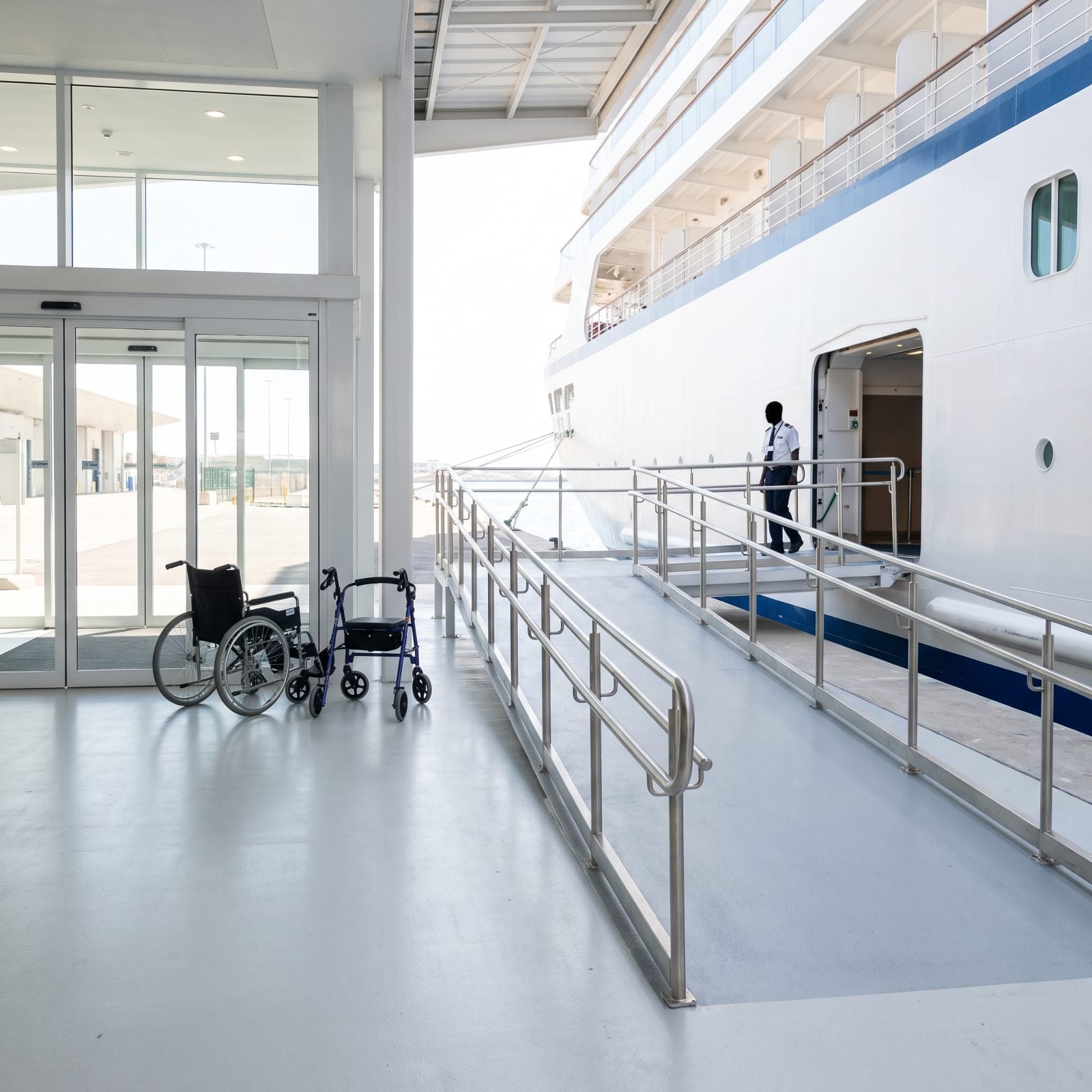
The brochure photos make every deck look wide open, so it’s easy to figure you’ll sort out assistance once you’re aboard. Trouble is, accessible cabins are limited, wheelchair gangway help has to be scheduled, and tender ports often can’t accommodate mobility devices at all without advance arrangement.
Wait until the pier and you may find the accessible stateroom gone, the shore tenders off-limits, or no wheelchair waiting where you need one.
Call the special needs department when you book. Request the accessible cabin, confirm which ports use tenders, arrange embarkation assistance, and ask whether oxygen or medical equipment needs pre-clearance. And get it in writing.
23. Leaving Cellular Roaming Active Instead of Using Airplane Mode After Sailing
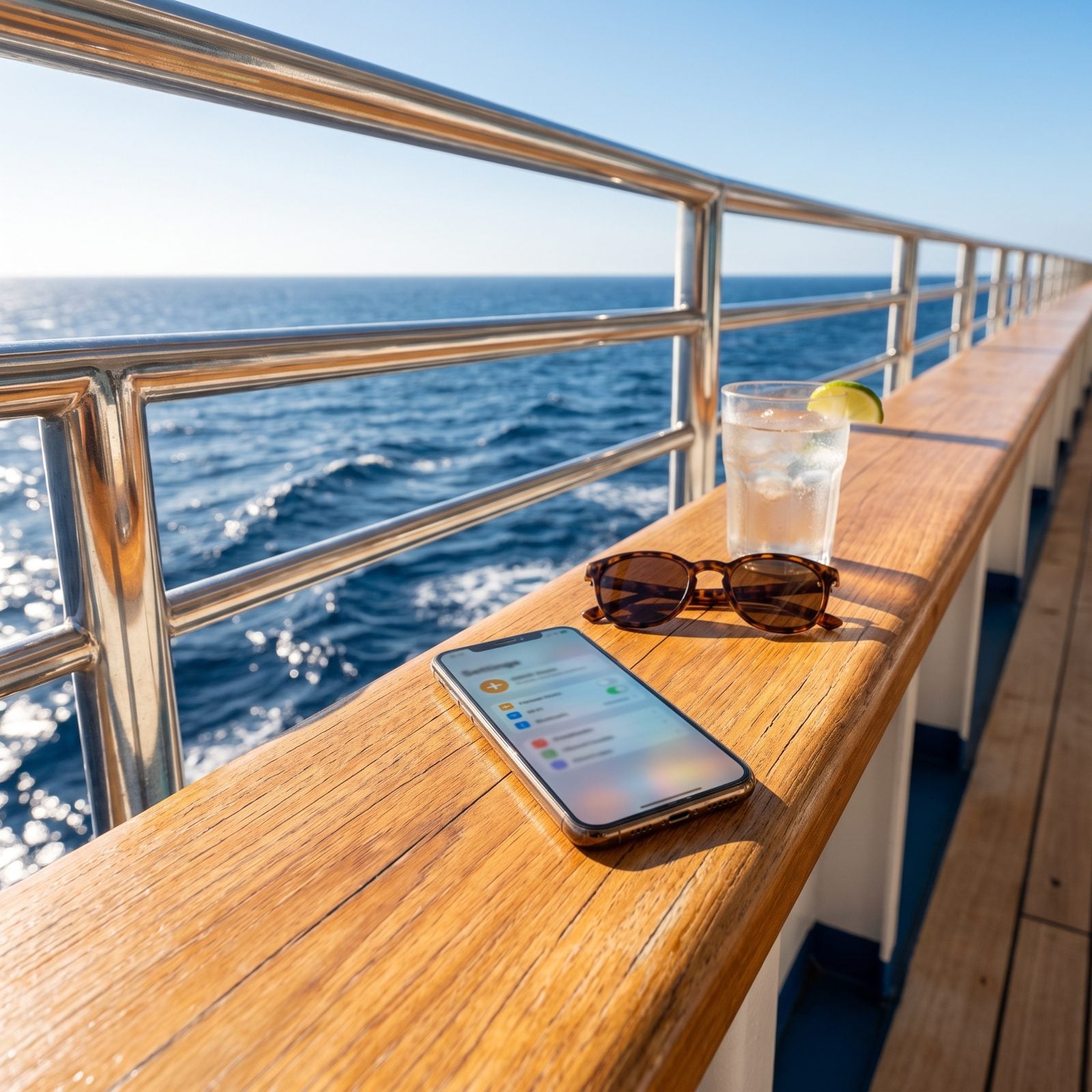
This is the one that mugs people quietly. The second the ship leaves coastal range, your phone stops finding the land tower and latches onto the ship’s maritime cellular network, which bills at satellite rates — and it’ll happily sip data in the background for weather, email, and app refreshes without you ever touching it.
Then you step off a week later to a voicemail from your carrier about a bill that looks like a car payment.
Flip on airplane mode the moment you board, then switch Wi-Fi back on by itself to use the ship’s network or an onboard package. Genuinely need maritime cellular? Buy a cruise phone plan from your carrier first and learn the per-megabyte rate before you lean on it.
Airplane mode on, Wi-Fi back on. That’s the whole trick, and it’s the difference between a trip and a bill you’ll remember longer than the trip.
22. Buying Wi-Fi Without Checking Device and Streaming Restrictions
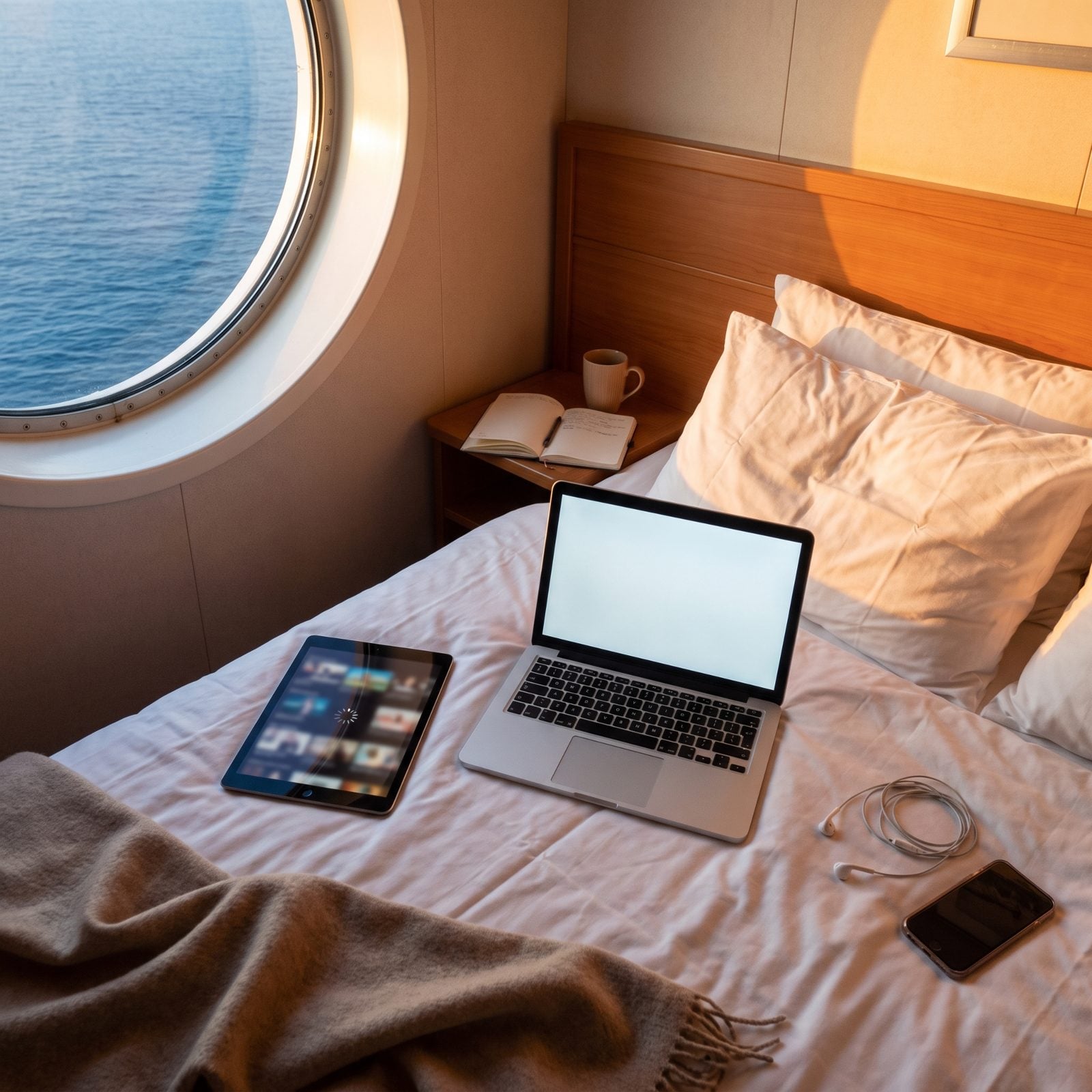
The basic Wi-Fi package sounds like a deal until you learn it covers one device, blocks streaming, and chokes video calls. Satellite internet at sea is a thin pipe shared by thousands of guests, and the cheap tier gets tuned for email and messaging — not Netflix on the balcony.
Pay for the entry plan expecting to stream and you’ll stare at a buffering wheel on a connection you already bought.
Before you commit, check how many devices the plan covers and whether streaming is included. If two of you want to be online, weigh whether a single premium plan with device-switching beats two basic ones. And download your shows and playlists at home — offline beats satellite every time.
21. Using a Debit Card Without Planning for Onboard Holds and Frozen Funds
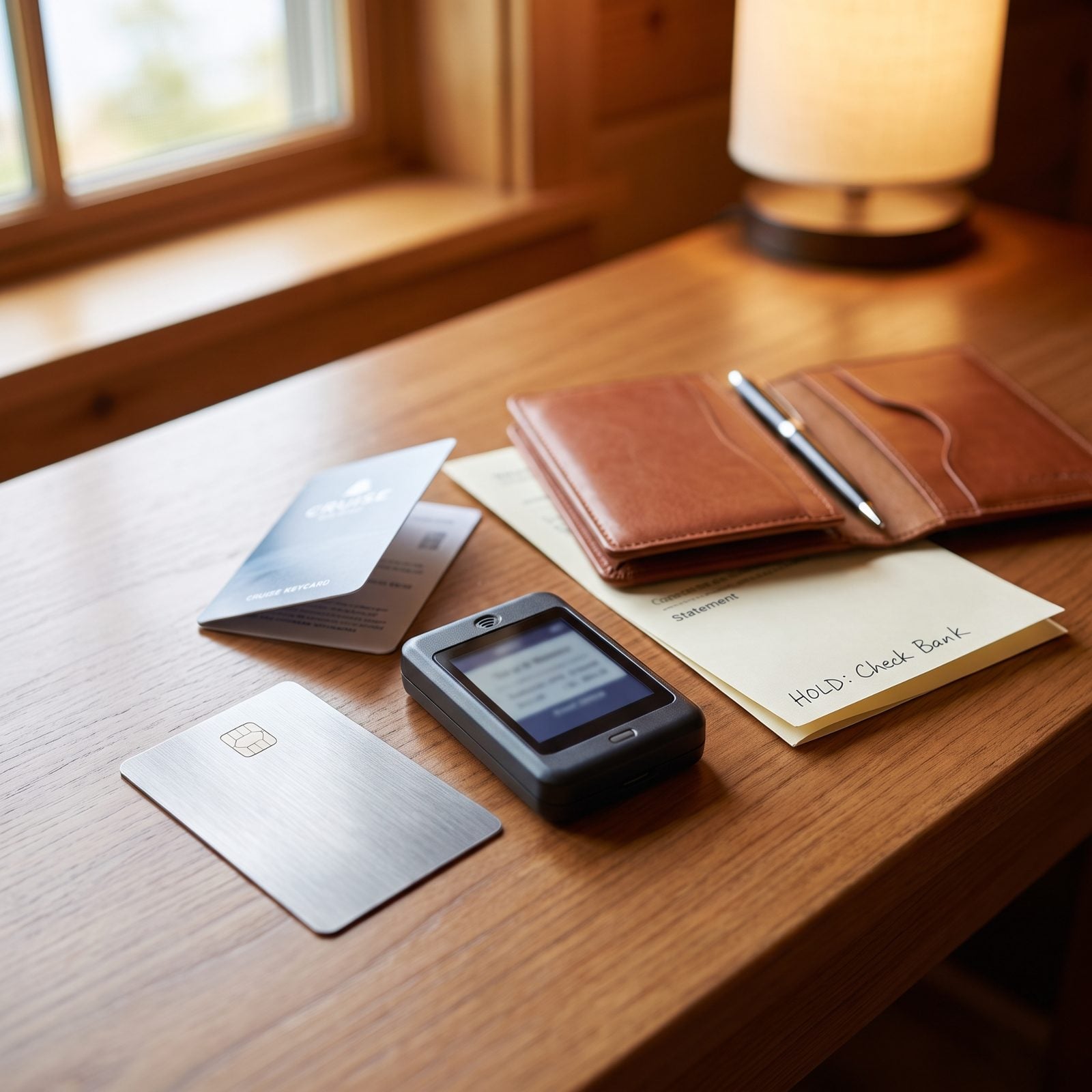
Linking a debit card to your onboard account feels responsible. It can also lock up your money. Ships place rolling authorization holds against your card as your spending climbs, often running well ahead of what you’ve actually charged, and with a debit card those holds come straight out of your available balance.
Picture it: you’re three days in, the ship is sitting on several hundred dollars in pending holds, and your card gets declined at a port shop because your real account is frozen behind phantom authorizations that take days to clear after you disembark.
Use a credit card for the onboard folio, where a hold just trims available credit instead of freezing cash. If you must use debit, keep a healthy cushion in the account and expect holds to linger up to a week after the cruise.
20. Treating Automatic Gratuities as an Unexpected Hidden Charge
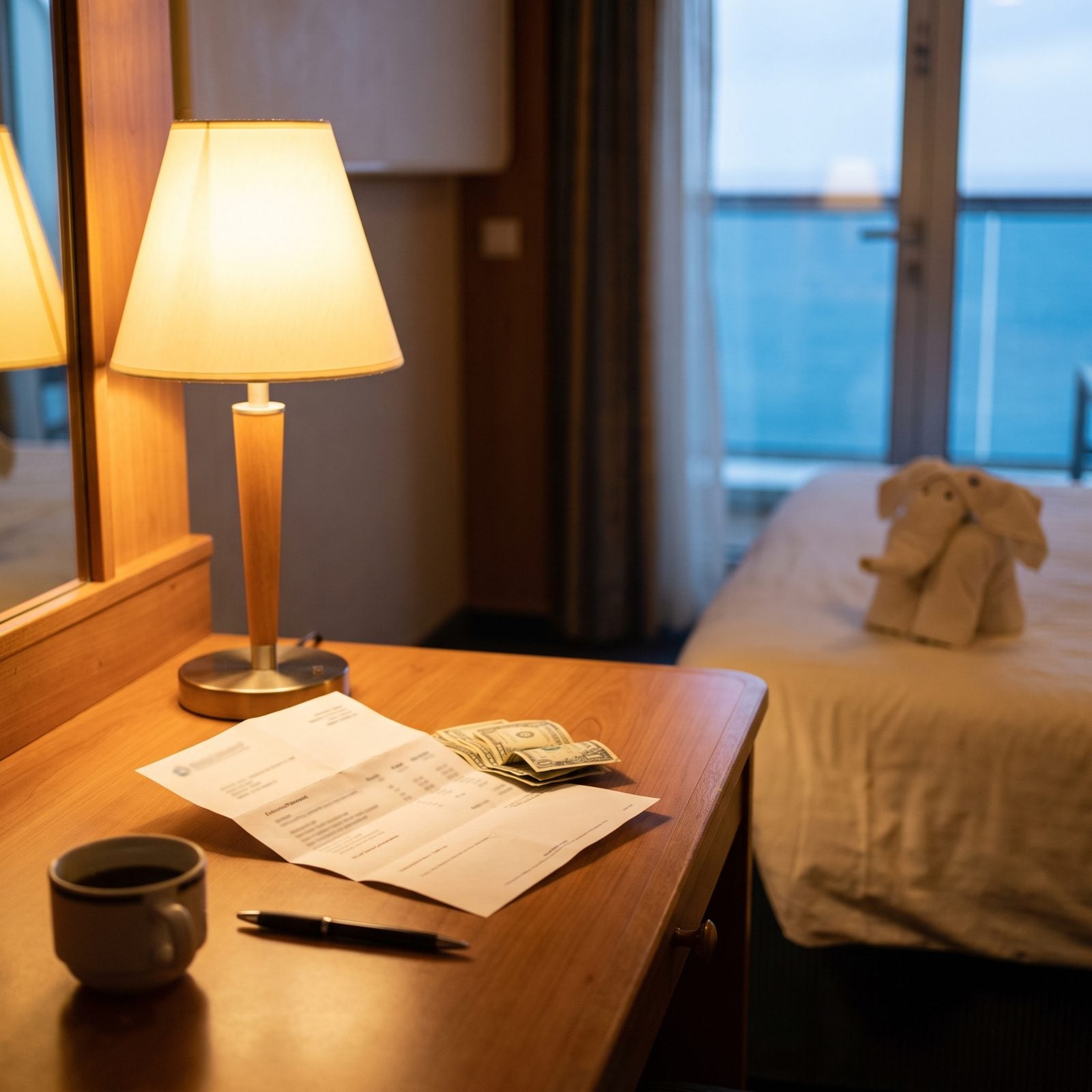
The automatic daily gratuity isn’t a surprise fee. It’s the wage structure for the people cleaning your cabin twice a day and remembering how you take your coffee. Lines post it clearly before you book, usually somewhere in the range of fifteen to twenty dollars per person per day.
Treat it as a sneaky add-on to be stripped off at the desk, and you leave the exact staff who looked after you all week short on their actual pay.
Build the gratuity into your budget from day one as a known line item. Many lines let you prepay it at booking, which smooths the final bill. And if someone went above and beyond, slip them a little extra in cash on top — that part’s genuinely optional.
19. Buying a Drinks Package Without Calculating the Break-Even Point

Do the math before you buy the bracelet. The all-you-can-drink package sounds like a steal until you realize it only pays off above a real threshold — often somewhere around five to seven drinks a day, every single day, counted at full onboard price.
Say the package runs about seventy dollars a day per person and cocktails are fifteen. You need five a day to break even, and many lines make every adult in the cabin buy in. If one of you nurses two glasses of wine and calls it a night, that person is lighting money on fire.
Tally an honest daily count. Coffees, sodas, bottled water, and cocktails all stack toward break-even, so a serious coffee habit shifts the math. Land just under the line? Pay as you go and keep the cash.
18. Assuming Specialty Restaurants Are Included in the Fare
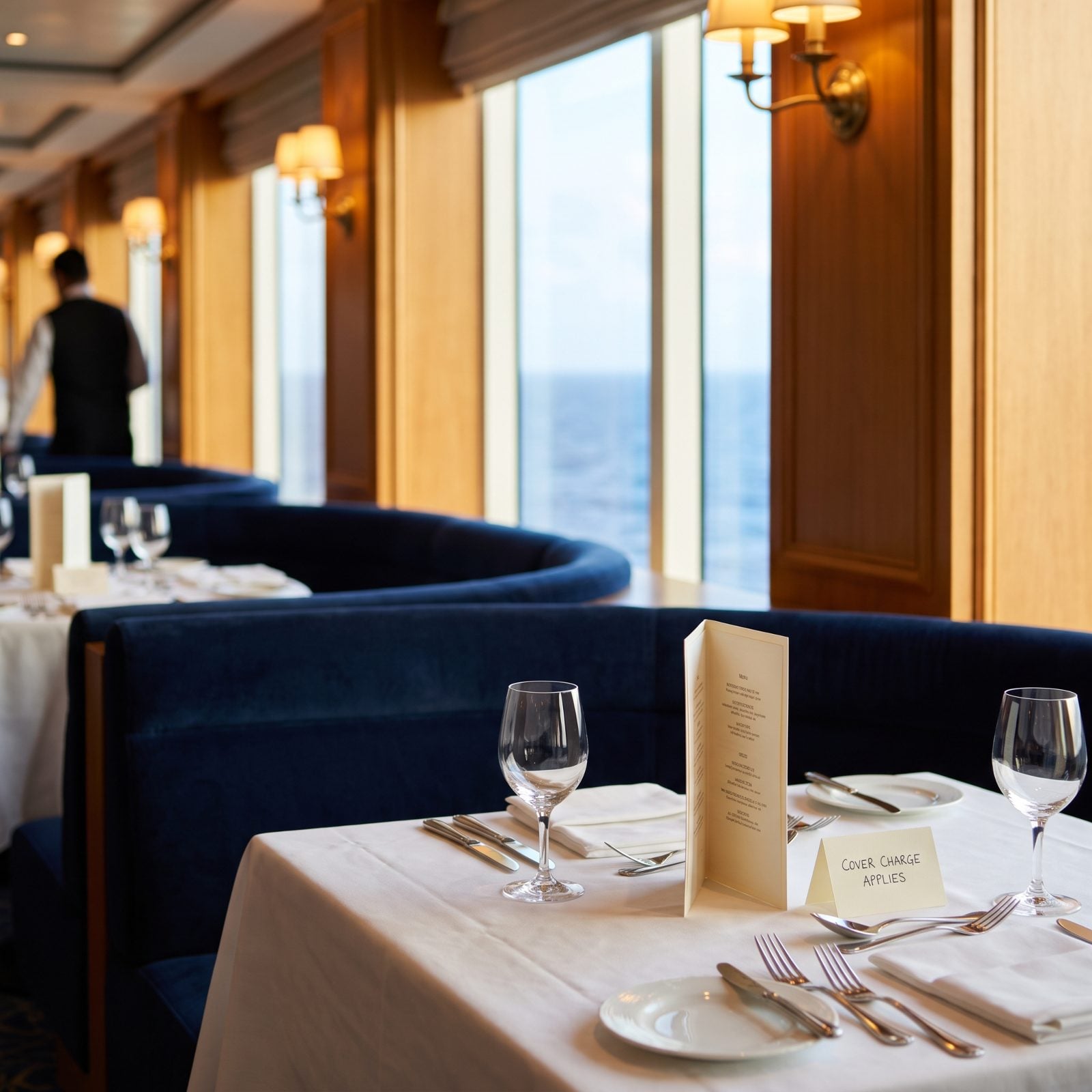
You board, wander past a steakhouse with white tablecloths and a reservation podium, and assume it’s all part of what you already paid. It isn’t. Those specialty venues carry a cover charge, usually somewhere between twenty and sixty dollars a head, and the bill lands quietly on your folio.
Nobody’s trying to trick you — the ship just doesn’t shout about it. Before you sail, pull up the dining list on the cruise app and sort the included venues from the paid ones. Book your one or two splurge nights early. The good tables on formal nights go fast.
17. Postponing the Mandatory Muster Drill
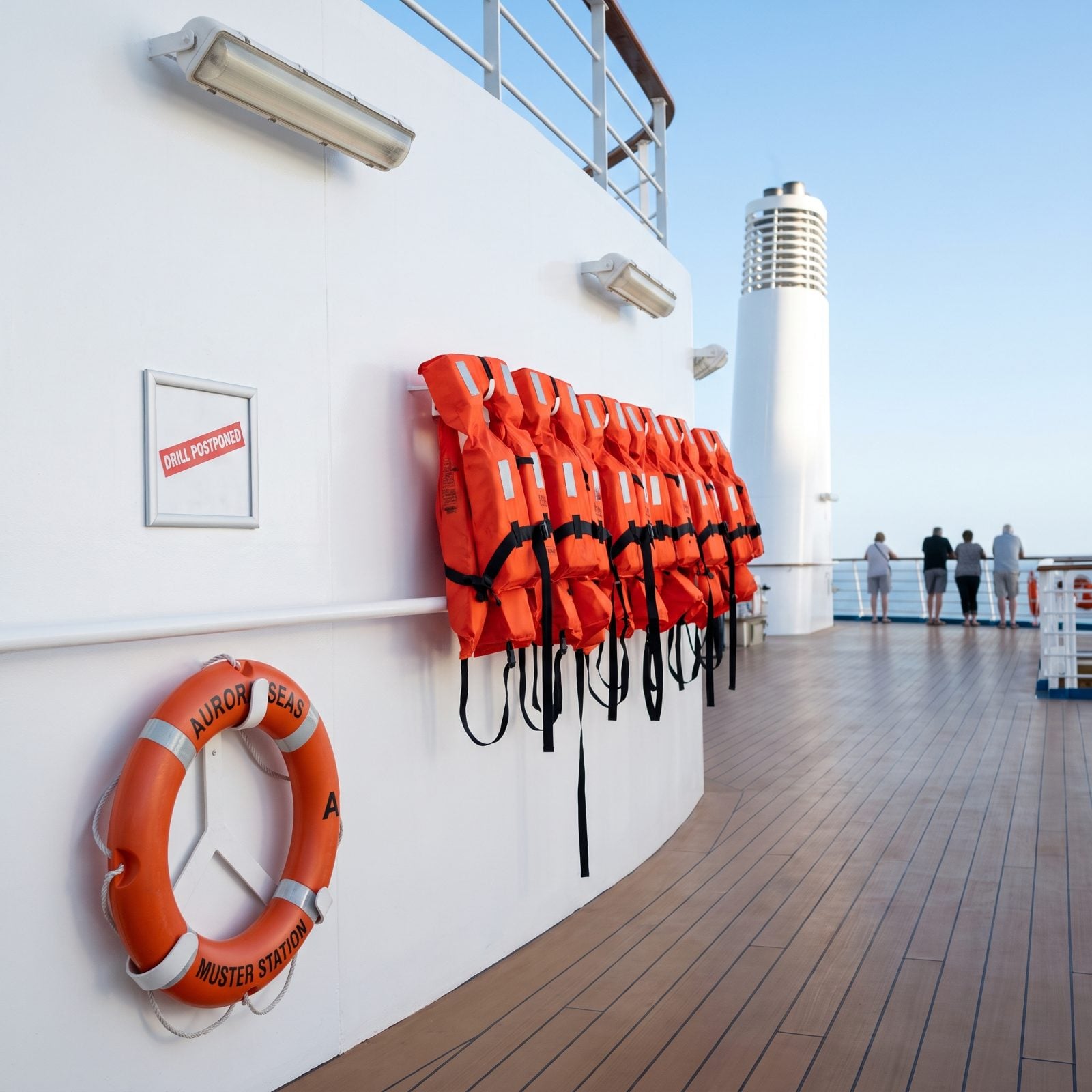
The drill feels like a chore on a day you’d rather spend finding the pool, so people dawdle, skip the app check-in, or figure they’ll catch the next call. But the ship cannot legally leave port until every passenger completes muster. Drag your feet and you’re the reason the whole sailing waits.
Most lines now run an e-muster: watch a short safety video on the app, then tap in at your assigned station for a few minutes. Do it the moment you board, bags or no bags. Then it’s done, and the rest of embarkation day is yours.
16. Following the Crowd to the Buffet Without Checking Other Open Venues
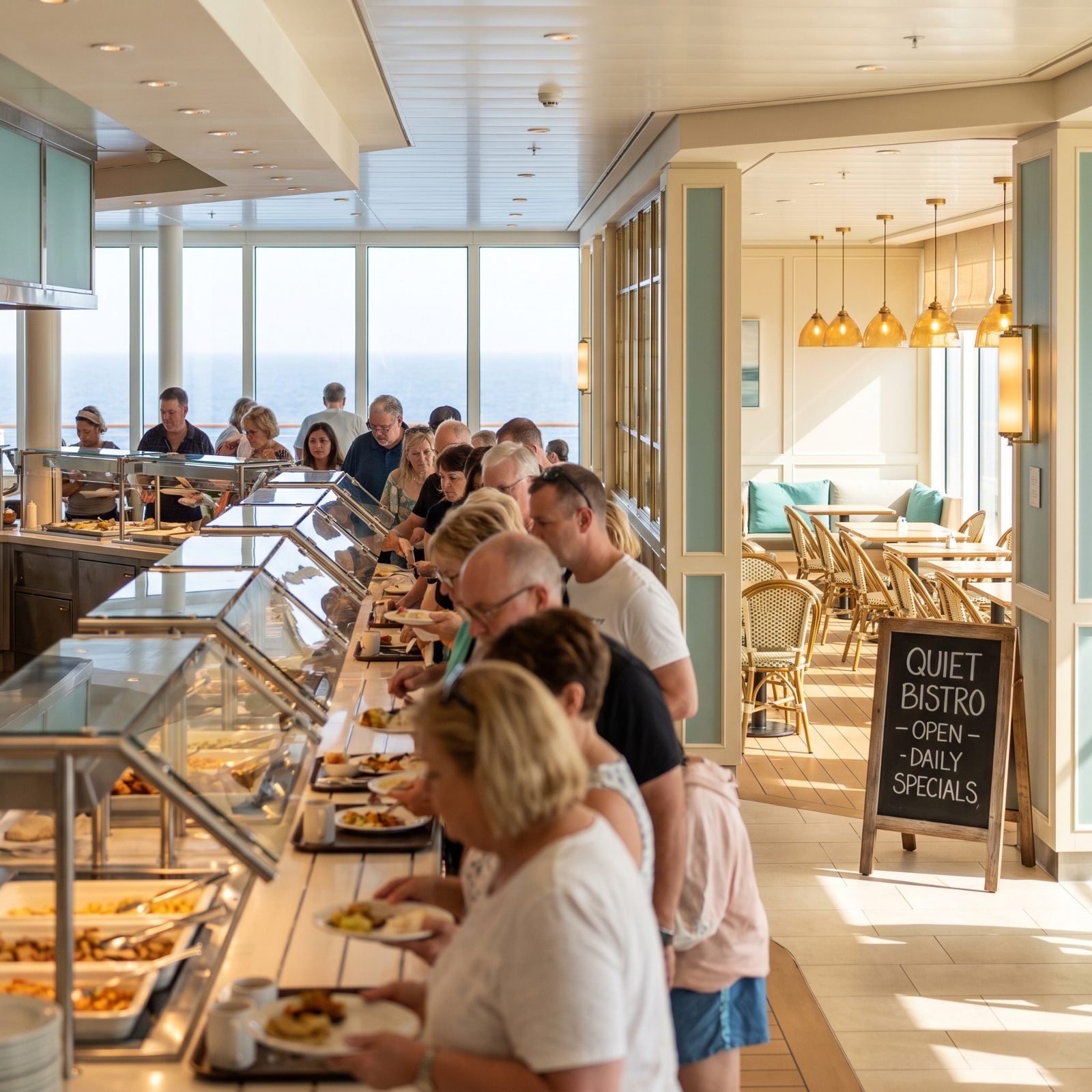
Lunchtime hits and a herd forms at the main buffet. You join it, tray in hand, elbow to elbow, hunting for a table that doesn’t exist. Meanwhile three other venues sit nearly empty.
The buffet is the default, which is exactly why it’s the worst spot at peak hours. Most ships keep a poolside grill, a taco or pasta station, a sit-down café, and sometimes the main dining room open for lunch too. Check the daily program for what’s serving and when, then walk past the crowd and eat somewhere with a view and a seat.
15. Assuming the Main Dining Room Only Serves Dinner
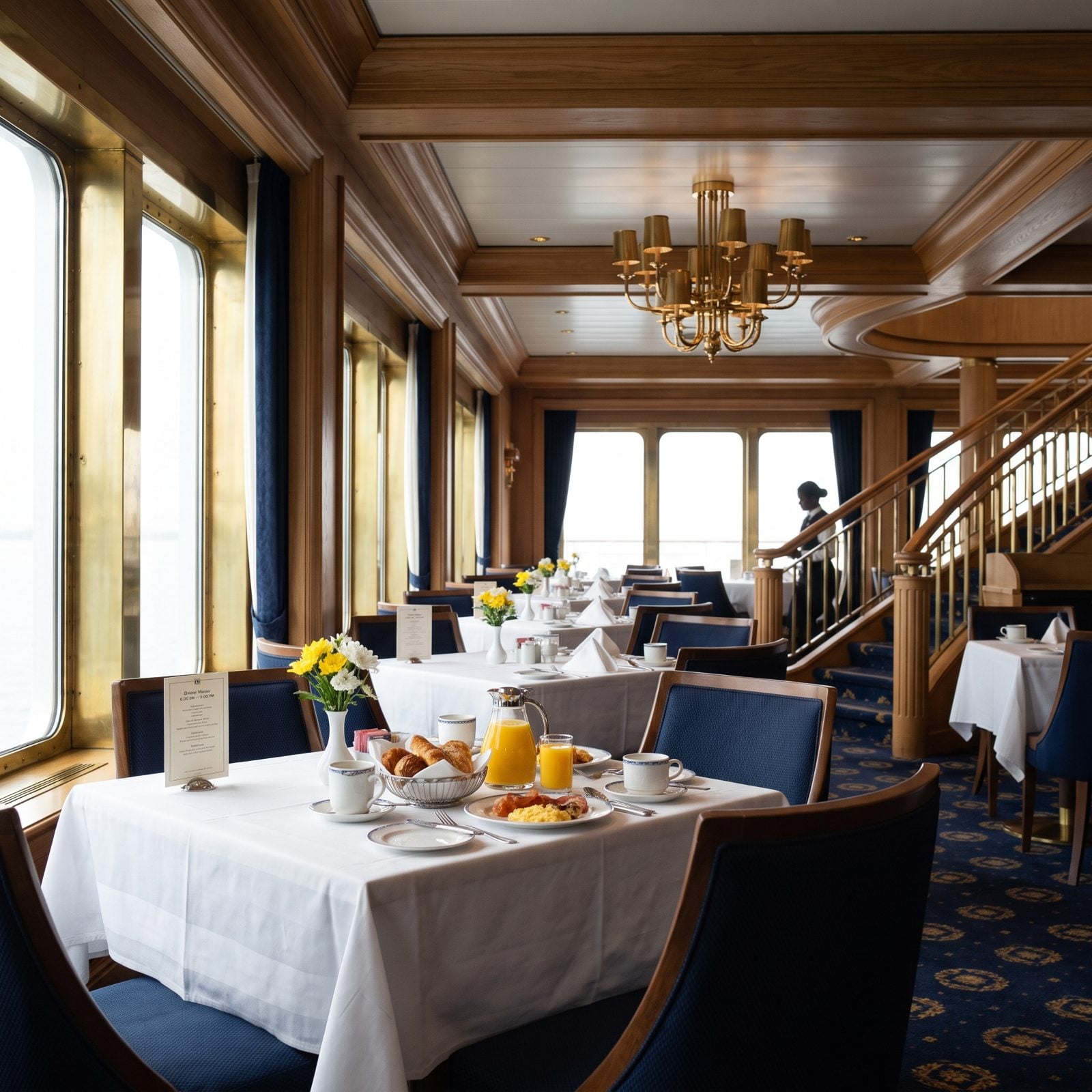
Everyone knows the main dining room does dinner. Fewer passengers realize it often does a sit-down breakfast and lunch too, with table service, a printed menu, and about a tenth of the buffet’s chaos.
Skip it and you’re eating every breakfast standing in line for lukewarm eggs. On sea days especially, the dining room serves a relaxed brunch or lunch with someone bringing your coffee and clearing your plate. Check the daily schedule for the hours. A quiet morning meal by the window — no tray, no jostling — sets a completely different tone for the day.
14. Never Learning the Ship’s Layout Until Something Is About to Start
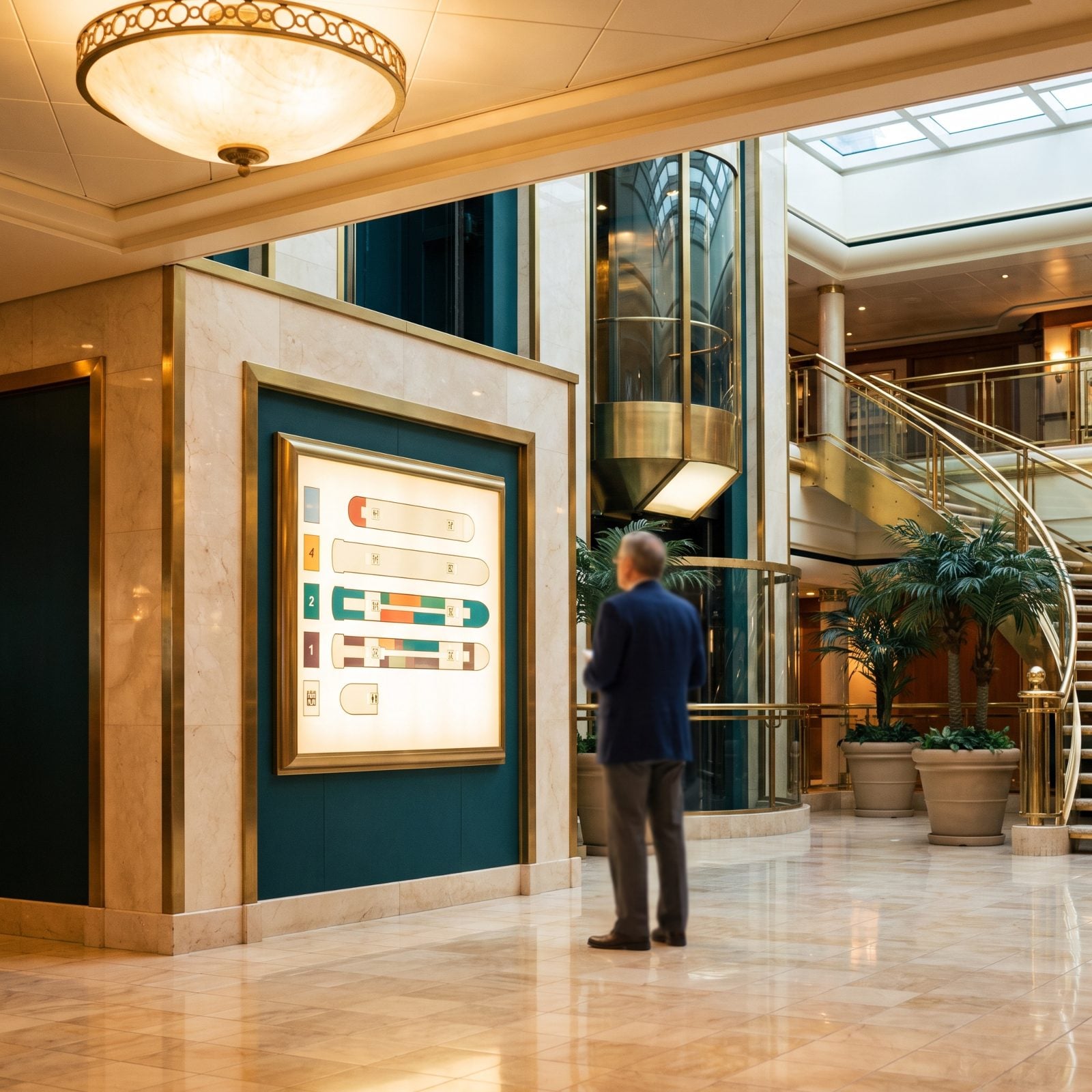
Big ships are small cities. Fourteen decks, two sets of elevators that don’t connect at every floor, a theater at one end and your cabin at the other. Most people learn none of it until they’re late for a show and suddenly can’t find the stairs.
Spend your first hour aboard doing a slow lap. Find your muster station, the main dining room, the theater, the nearest coffee, and which elevator bank actually reaches your deck. Snap a photo of the deck plan on your phone. Fifteen minutes of wandering on day one saves you a dozen wrong turns all week.
13. Ignoring the Daily Program and Captain’s Schedule-Change Announcements
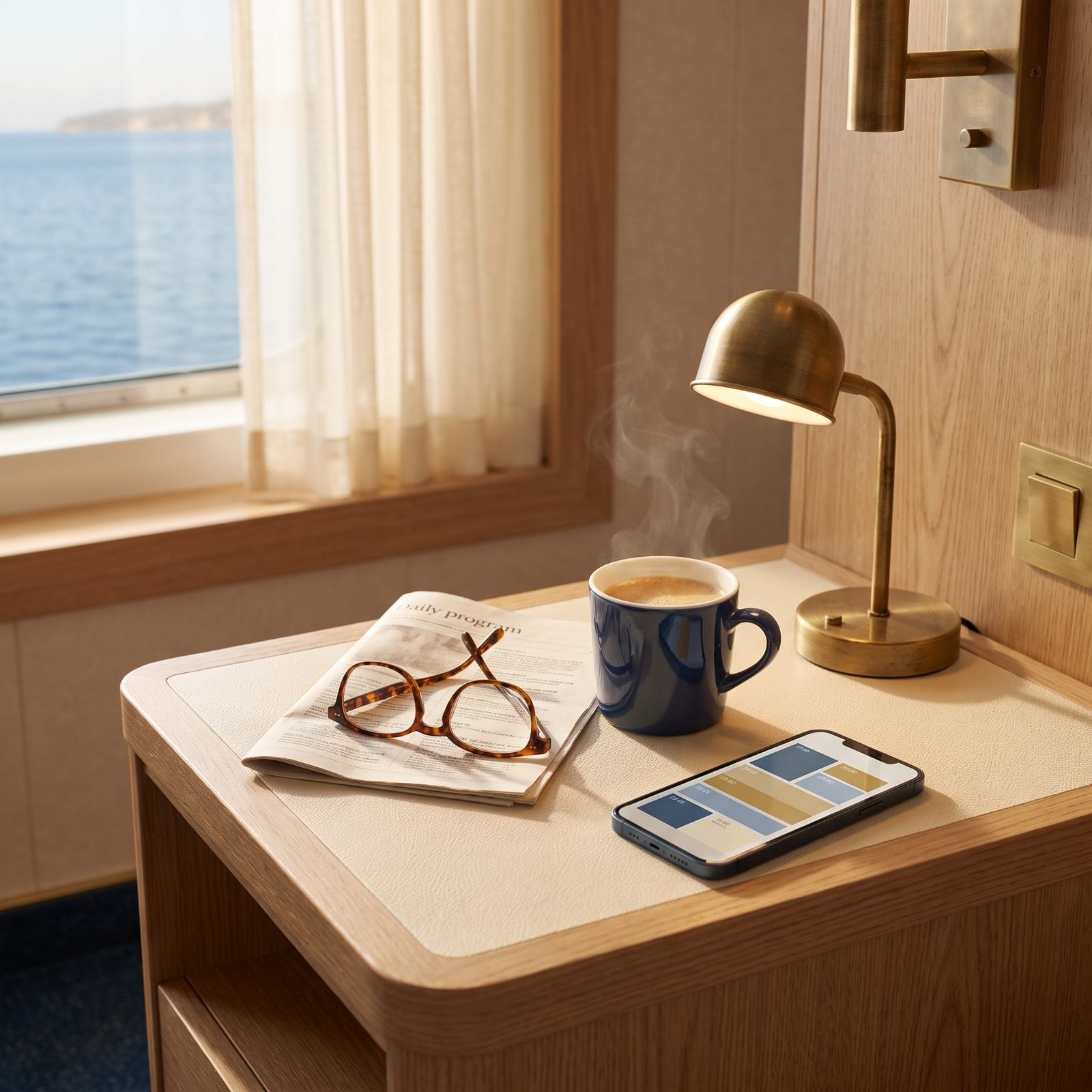
That folded sheet in your cabin — or its app version — is the whole day laid out: show times, trivia, when the pool deck gets loud, when a port’s all-aboard call actually is. Toss it aside and you’re guessing.
Worse is tuning out the captain. Weather shifts, ports get swapped, arrival times move, and all of it comes over the ship’s PA. With your earbuds in, you miss every word. So read the program each morning with your coffee and keep half an ear open for announcements. The passengers who look unbothered all week? They’re just the ones who read the schedule.
12. Scheduling Every Hour and Leaving No Time to Explore the Ship

Enthusiasm runs high the first day, so you book a show, a tasting, trivia, a cooking demo, and a late dinner, all in a row. By Wednesday you’re wiped out and you’ve never once just sat on deck watching the water.
A cruise ship rewards wandering. The best moments happen in the gaps — a hidden stern deck at sunset, a card game that materializes out of nowhere, a bartender who tells a good story. Pick one or two anchor events a day and leave the rest loose. The ship is the destination as much as any port. Give yourself room to actually be on it.
11. Underestimating Sun Exposure and Hydration Needs on Deck and in Port
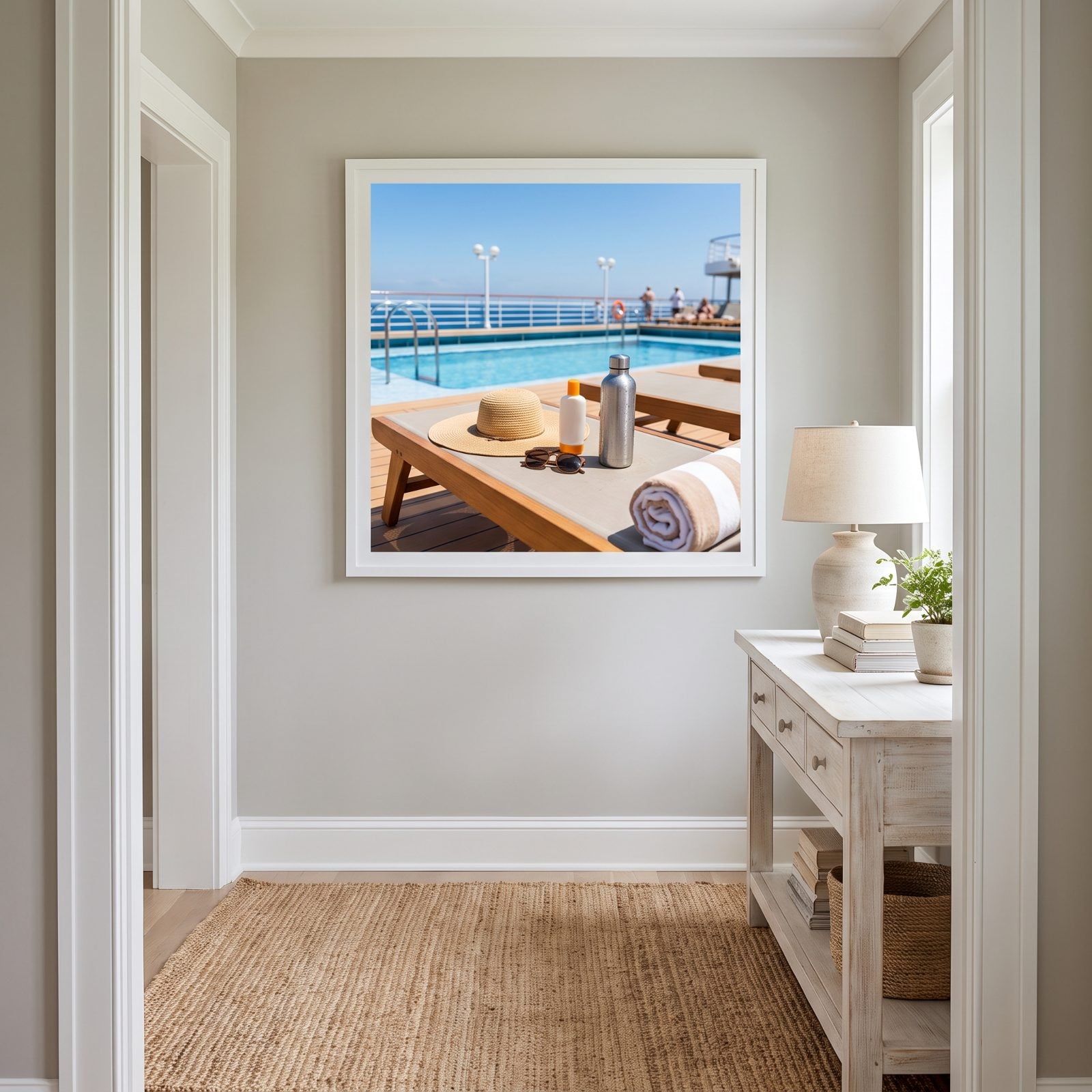
The sea breeze lies to you. It feels cool and mild, so you don’t notice the sun cooking you until you’re lobster-pink by mid-afternoon. Add dehydration from sun, salt air, and a couple of poolside drinks, and your evening turns into a headache instead of a dinner.
Treat the deck like a beach, because it is one. Sunscreen in the morning, reapplied after the pool. A wide-brim straw sun hat and real sunglasses. Carry a refillable insulated water bottle and drink from it all day, not just when you’re thirsty. Port days off the ship burn you twice as fast.
10. Drinking Too Much on Embarkation Day and Losing the First Evening
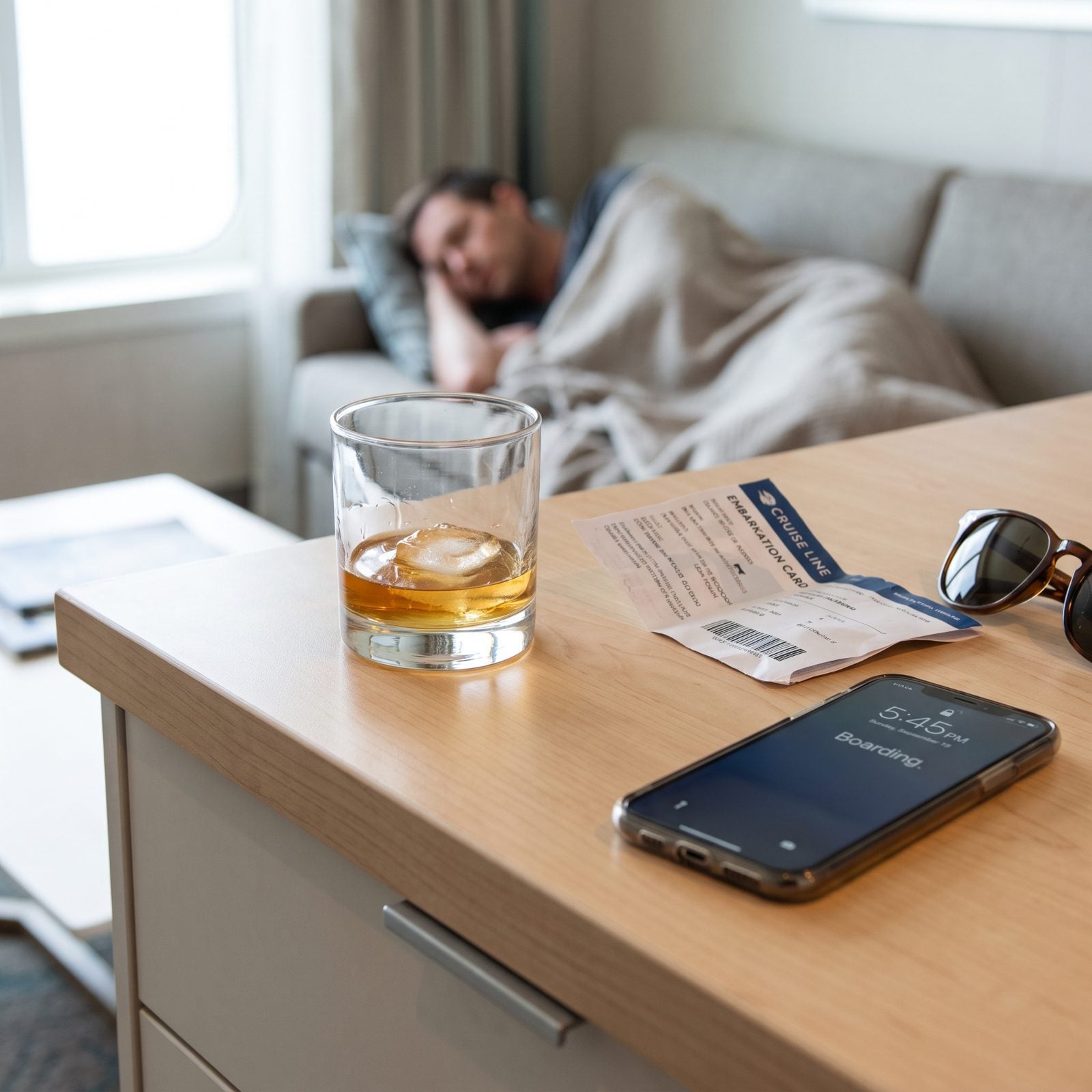
You bought the drinks package, the ship just left port, and the celebration is real. So you pace it like a free-for-all, and by eight you’re asleep in your cabin having missed the sail-away, the welcome dinner, and the first night’s show.
Embarkation day is a marathon starter, not a sprint. The drinks are there all week. Alternate every cocktail with a glass of water, eat a proper meal before the real drinking, and save some gas for the evening. The first night sets the mood. Trading it for a two-hour nap and a sour stomach is a lousy deal.
9. Assuming Cruise-Line Excursions Are the Only Safe Port-Day Choice

The cruise line sells its excursions as the only sensible way off the ship, and for first-timers that pitch lands hard. Book only those and you’ll pay a premium for crowded buses doing the exact tour you could arrange yourself for half the price.
Ship excursions have one real advantage: if the tour runs late, the ship waits for you. That’s worth plenty on a tight schedule or a far-flung sight. But in walkable port towns, or with a reputable independent operator, you’ll see more for less and skip the forty-person group. Research your ports before you sail and match the risk to the distance.
Book the ship’s tour when being late means being left. Go independent when the harbor is a short walk and the schedule is loose.
One rule doesn’t bend: know the all-aboard time, set an alarm, and build in a cushion. The ship leaves on time. It does not take a headcount at the dock.
8. Failing to Confirm the Exact Pier and Independent Tour Meeting Point
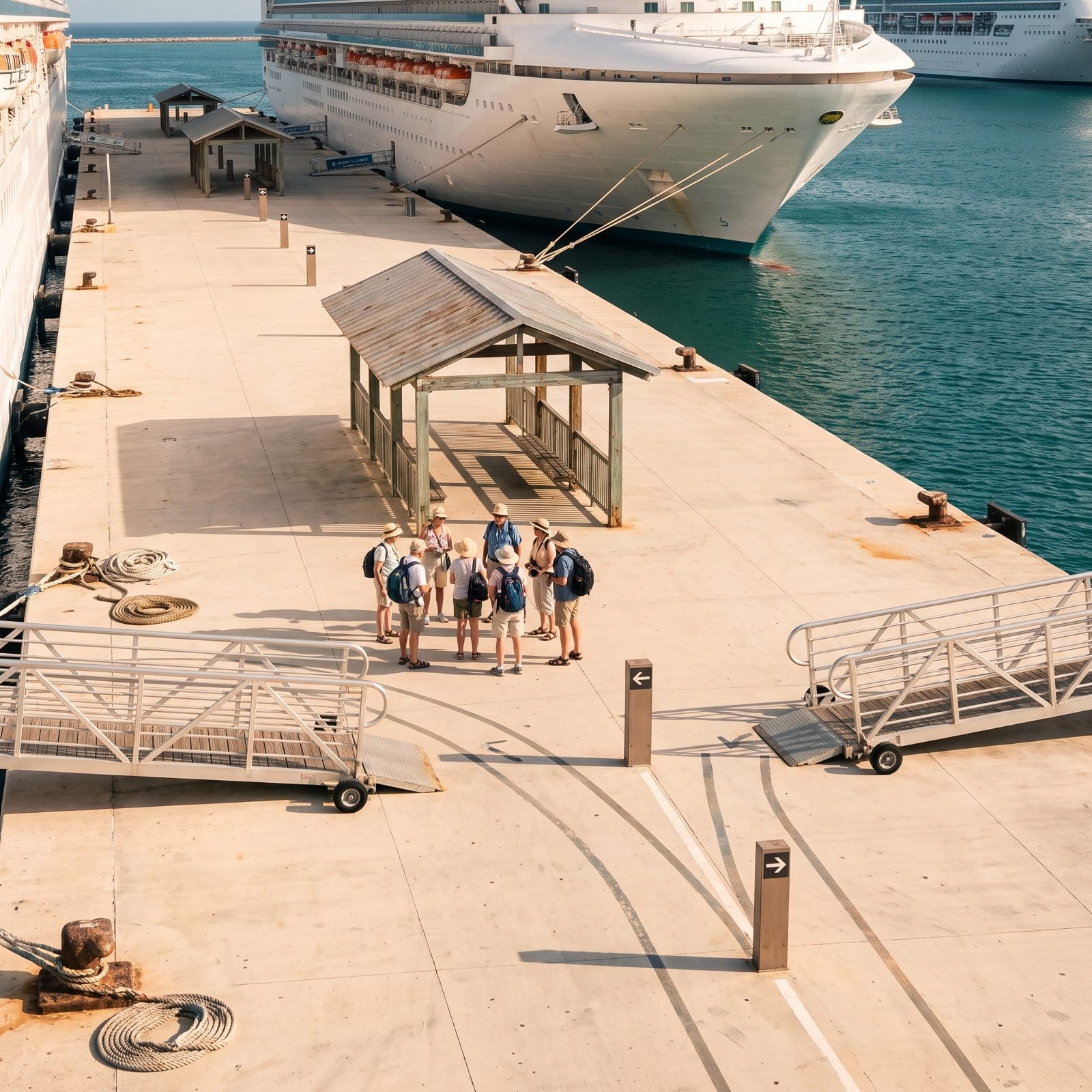
You booked the independent snorkel tour weeks ago, and the confirmation says “meet at the cruise pier.” Morning comes, and here’s the surprise: your ship is at Pier 2, the tour operator is at Pier 1, and between the two sits a fifteen-minute walk and a security checkpoint.
Big ports have multiple berths. “The cruise terminal” can mean three different buildings a mile apart, and a guide who waited ten minutes has already moved on to the next group. You miss the tour, lose the deposit, and spend the morning sulking in a taxi line.
So email the operator the night before. Ask for the precise GPS pin, the landmark, a phone number, and screenshot all of it. Then check with guest services about which pier your ship is actually using, because that itinerary PDF usually lists the port, not the berth.
7. Stepping Ashore Without Researching Transportation or Common Scams
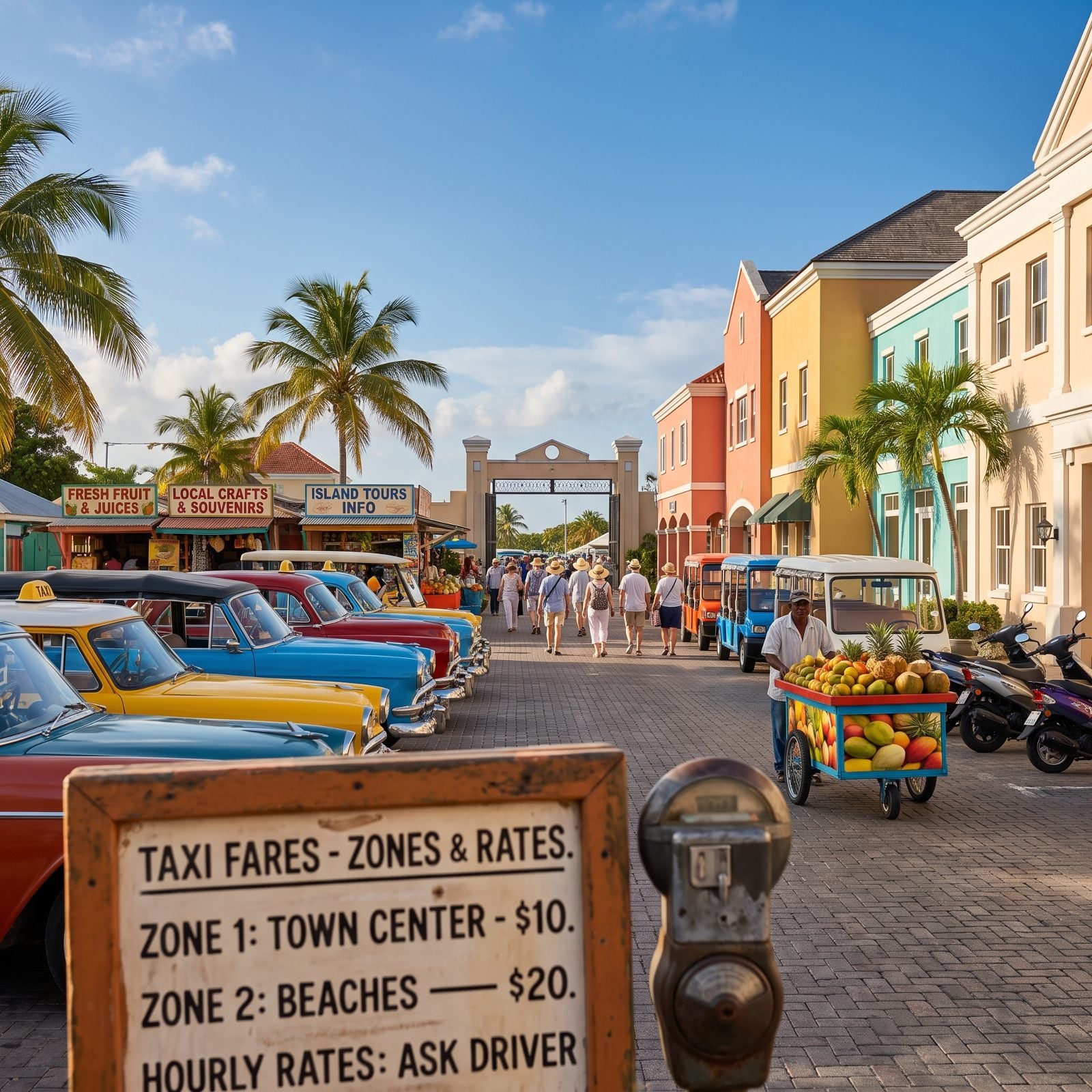
You walk off the gangway into a wall of friendly men who all want to help. One offers a taxi “for ten dollars.” At the end of the ride it’s ten dollars per person, plus a surcharge, plus a tip he swears is mandatory.
Ports near cruise terminals run on confused first-timers. The classic moves repeat everywhere: the unmetered taxi that triples, the “free” bracelet that isn’t, the gem shop with a very persuasive cousin. None of it is dangerous. All of it costs you.
Spend fifteen minutes before you dock reading a recent forum thread for that exact port. Learn the real taxi rate, the official taxi color, and the one scam locals keep warning about. Agree on the full price before the car moves, and carry small bills so nobody can “not have change.”
6. Ignoring Tender Procedures at Ports Without a Dock
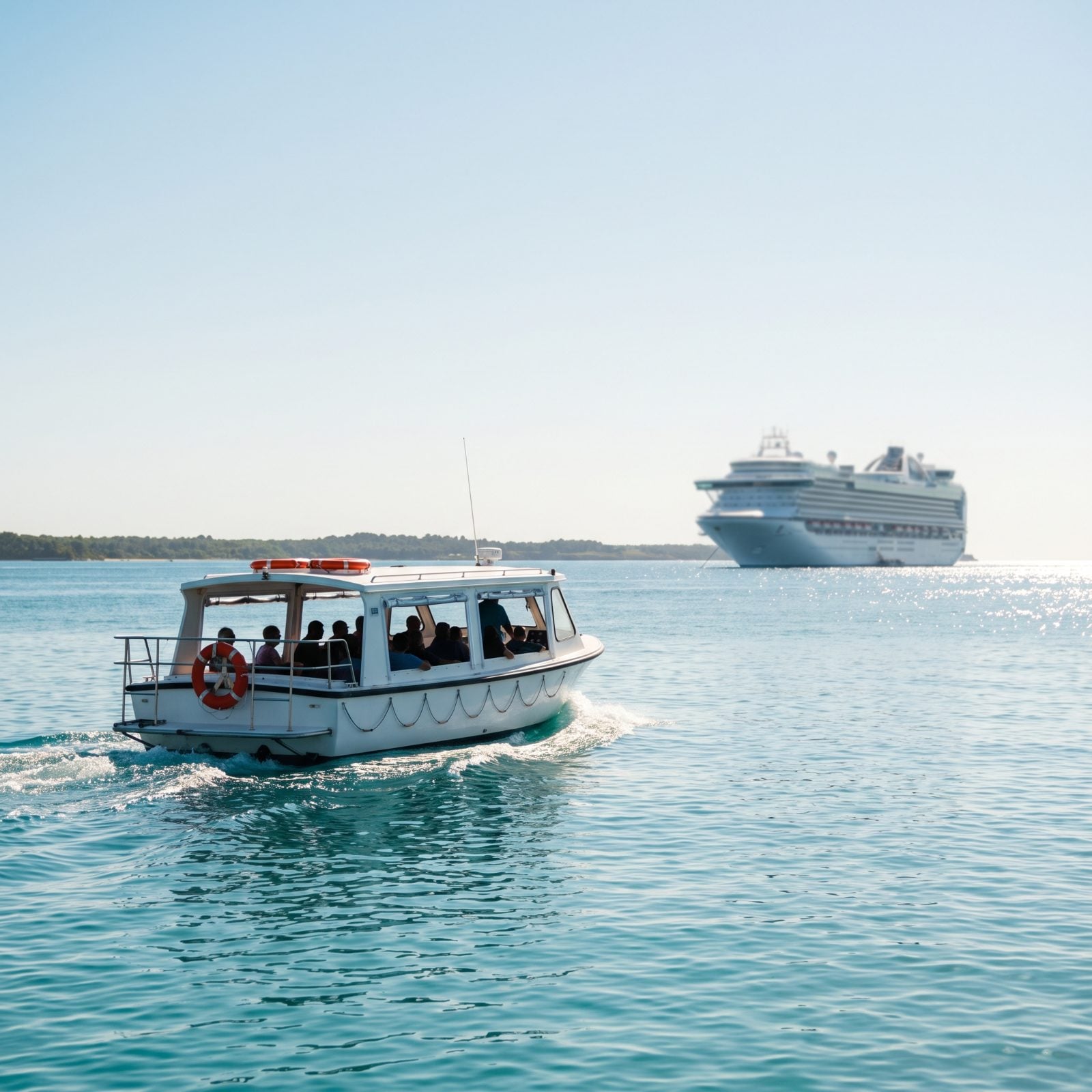
Some gorgeous ports have no pier deep enough for the ship, so you anchor offshore and ride a small tender boat to land. Nobody tells you this clearly. You show up at the gangway expecting to stroll off and instead find a numbered ticket system and a two-hour wait.
Tendering is first-come on many ships, and the independent tour you booked for 9 a.m. will not wait while you’re still clutching ticket number 47. Passengers with ship excursions get priority, which can shove independent travelers to the back.
Read the port notes in your daily program the night before. If it says “tender port,” plan to be in the lounge early for a low number, and never book a tight independent tour on a tender day without building in serious slack.
5. Going Ashore Without Identification and the Ship’s Port Contact Details
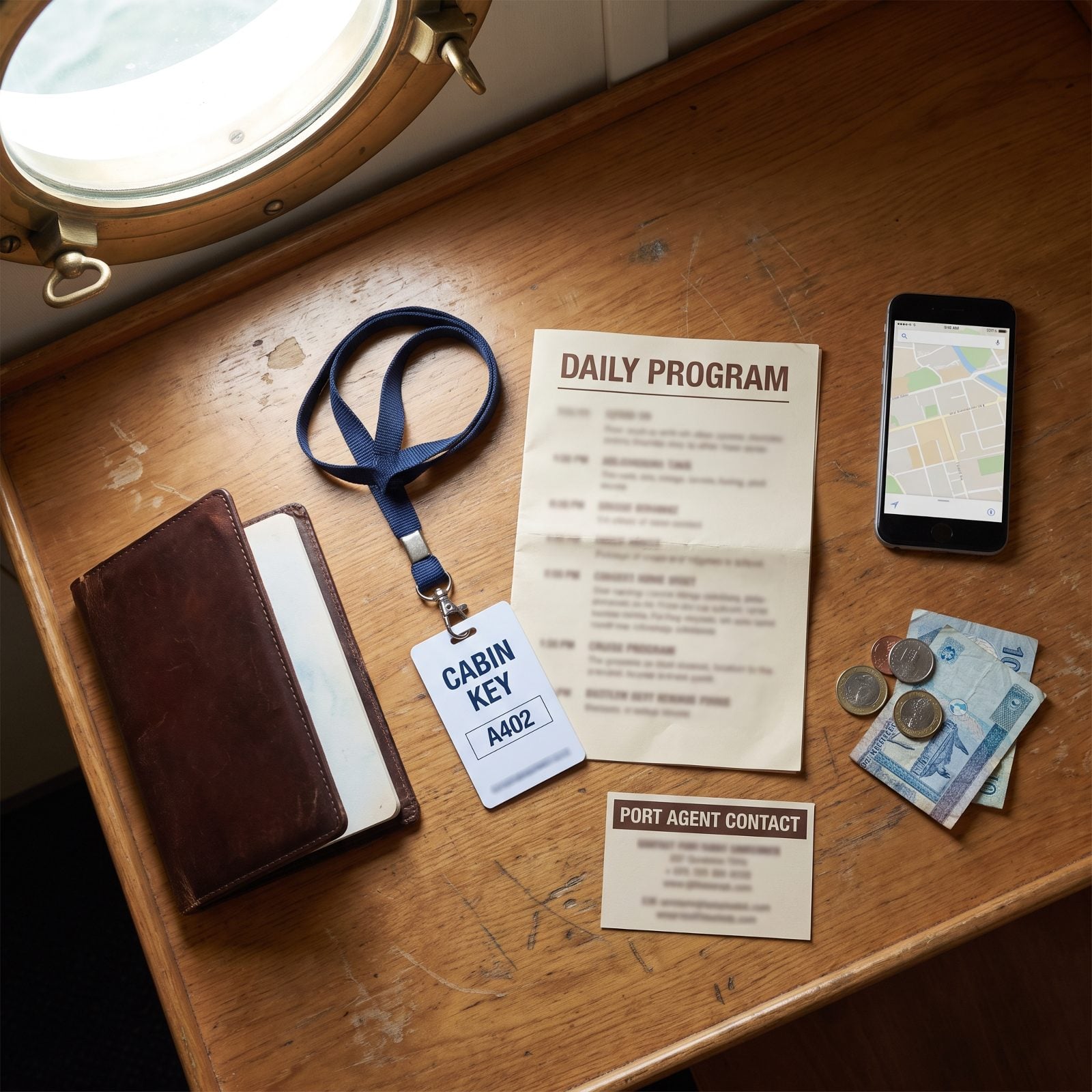
You head ashore with your room key and your sunglasses, figuring that’s all you need. It usually is. Right up until you miss the ship.
Here’s what most first-timers never learn until it’s too late: your key card gets you back on board, but it won’t get you through a foreign border or help you reach the vessel when you’re stranded on the pier. If the ship sails without you, you’re a tourist in a country you can’t officially enter, with no way to contact the crew.
Carry a photo ID (a passport copy, or the original if your ship advises it) and the port agent’s phone number, printed every day in your program. Snap a photo of that number. It’s the one call that turns a nightmare into a merely expensive inconvenience.
I’ll be blunt about this one. The port agent exists precisely because people miss ships. Have the number. Hope you never dial it.
4. Packing Next Morning’s Clothes in Luggage Collected Before Disembarkation
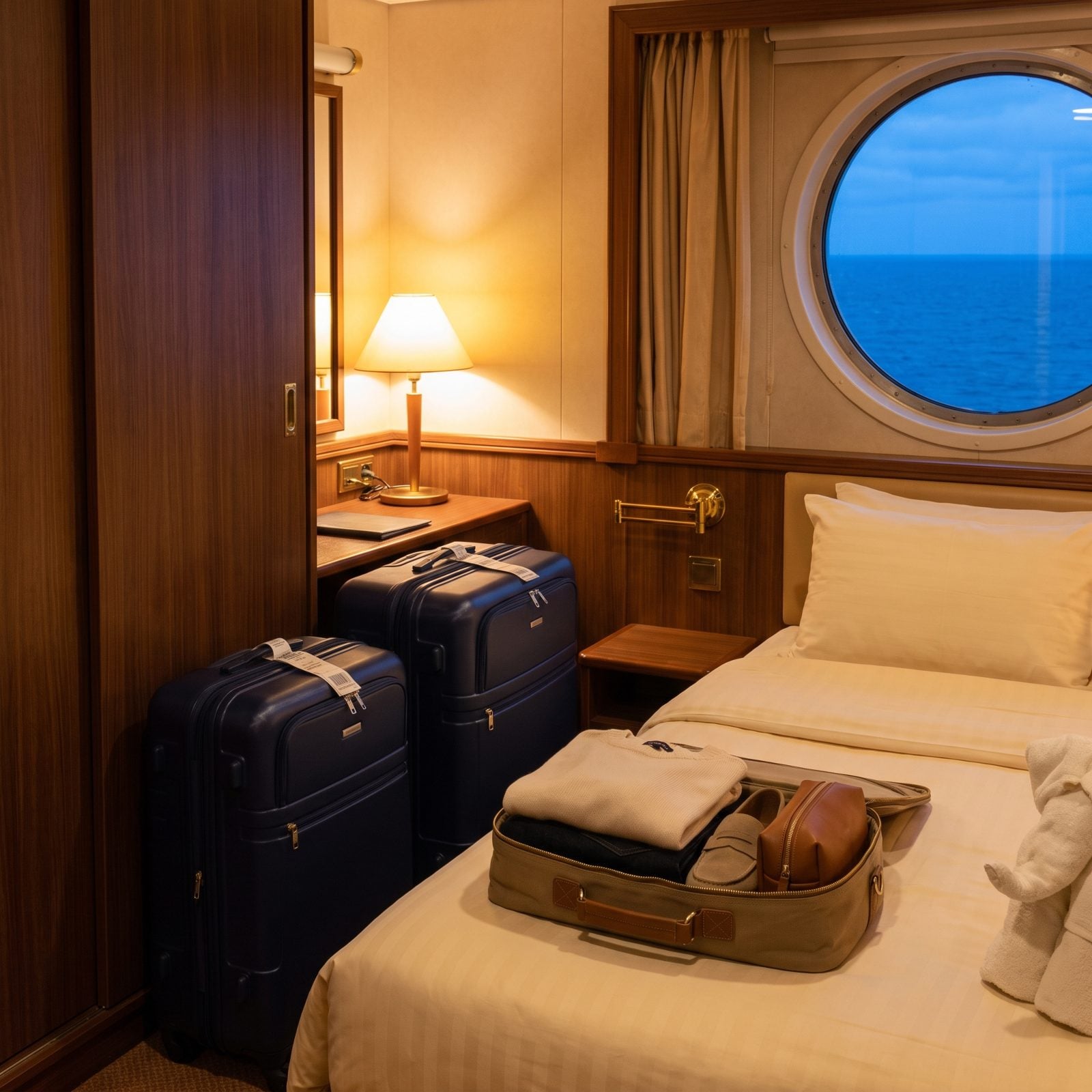
On many ships you set your suitcases outside the cabin door the night before you leave, and the crew whisks them away to speed up disembarkation. Convenient. Also a trap if you packed everything you own.
Next morning you wake up and your clean clothes, your shoes, your shaving kit, and your medication are all in a bag you won’t see again until you’re standing in a terminal hall. So you disembark in yesterday’s wrinkled dinner wear, feeling like a raccoon that fell asleep in a tux.
Keep a carry-on with you overnight. In it: tomorrow’s full outfit, comfortable walking shoes, meds, travel documents, phone charger, and anything you’d hate to lose in a luggage pile. Set those items aside before you zip the big bags shut, not after.
3. Ignoring Customs Declarations, Duty-Free Limits, and Restricted Souvenirs
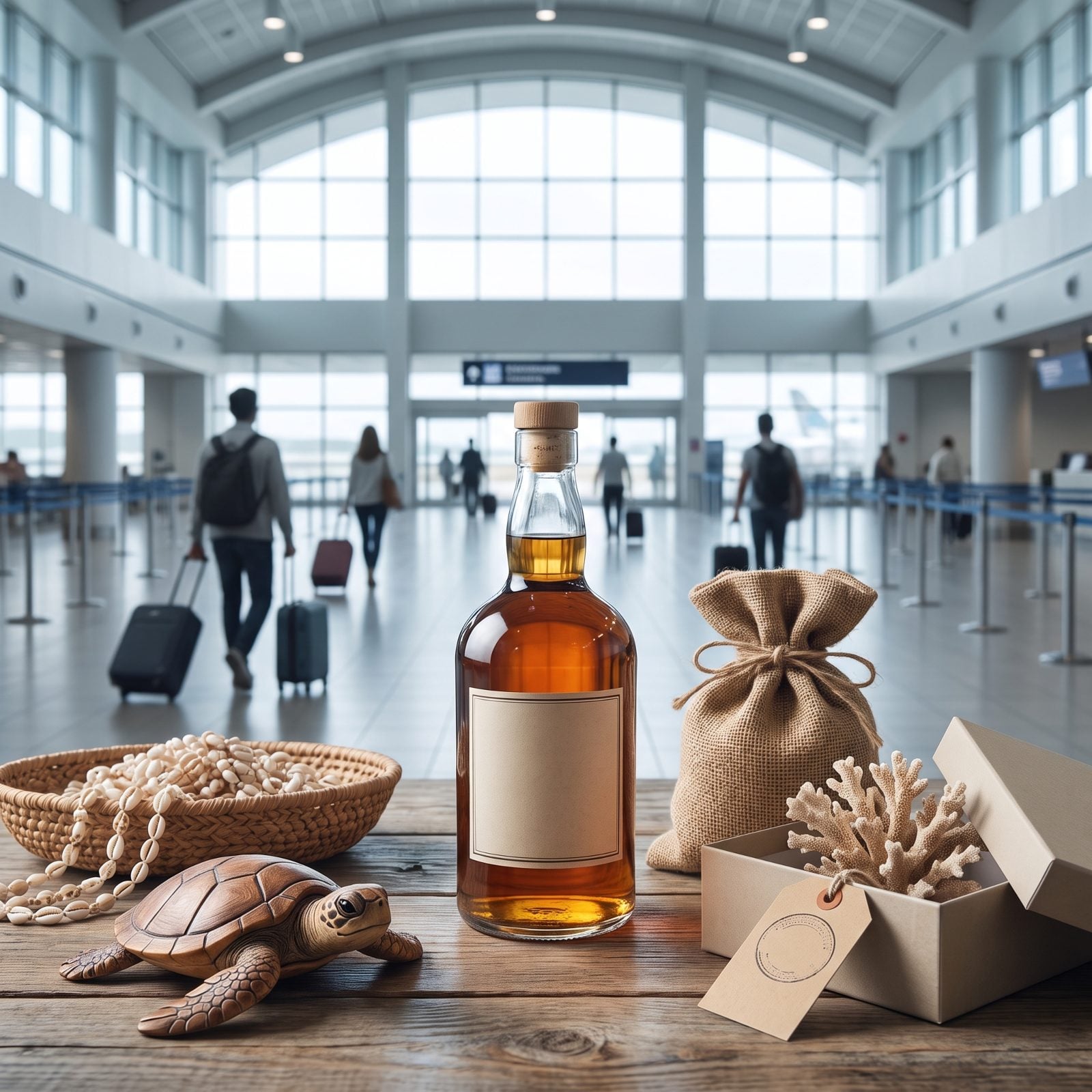
That shell necklace and the burlap sack from the market stall feel like harmless keepsakes. Then you reach customs back home and learn that coral, certain plants, meats, and seeds can be seized, fined, or worse.
Every country sets its own rules on duty-free alcohol, agricultural goods, and protected wildlife products. Pleading ignorance at the border rarely works. A confiscated bottle is annoying. A fine for undeclared produce can sour the last hour of an otherwise lovely trip.
Check your home country’s customs site before you buy, for both duty-free allowances and prohibited items. When in doubt, declare it. Honest declaration almost never gets you in trouble. Hiding something does.
2. Booking an Independent Excursion Without a Return-to-Ship Buffer
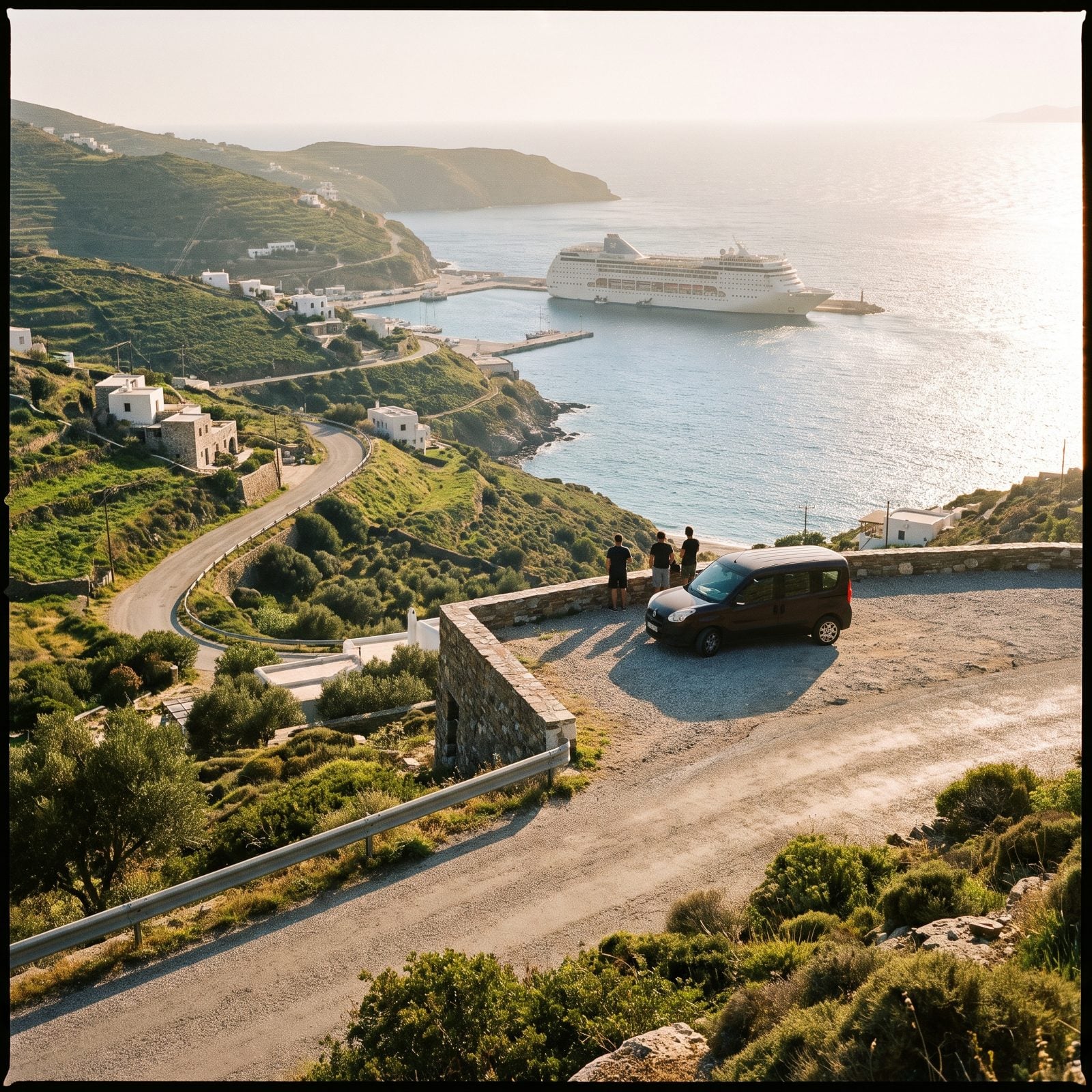
The independent tour promised you’d be back at the pier by 3:30, and all-aboard is 4:00. Thirty minutes of cushion. Then a flat tire, a traffic jam, or a guide who really wanted you to see one more viewpoint eats every one of those minutes.
This is the big one, and it has real teeth. Ship-sponsored excursions guarantee the ship waits for them. Independent tours do not. If your taxi is late, the ship leaves, and you’re chasing it to the next port on your own dime.
So build a buffer no sane person would ever need. Back at the pier two hours before all-aboard, not thirty minutes. Pick operators who advertise a “we get you back on time or we cover the cost” policy, and never book the last tour slot of the day.
The ship’s horn is not a suggestion. It is the sound of your vacation leaving without you.
1. Confusing Ship Time With Local Time and Missing the All-Aboard Deadline
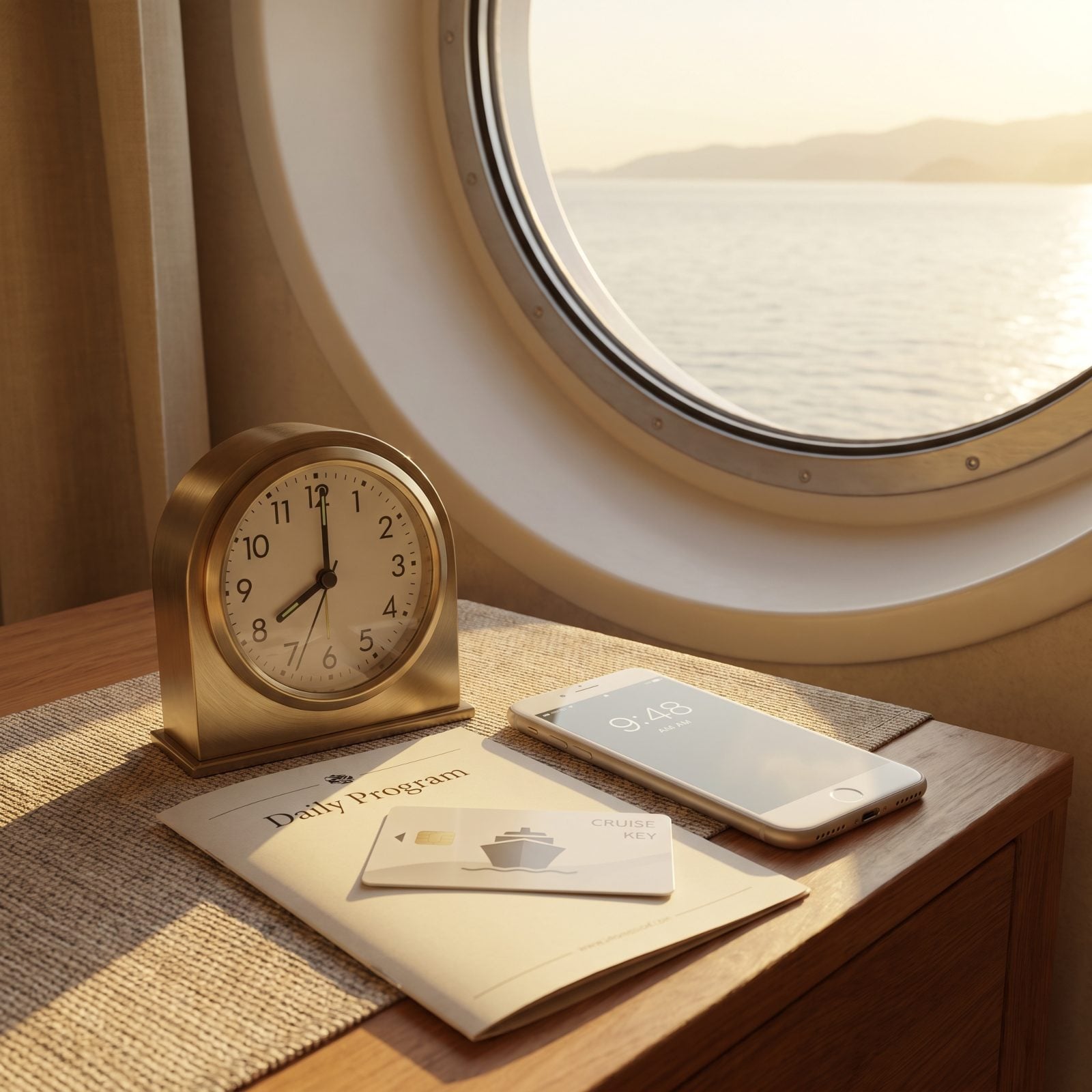
Your phone grabbed the local cell signal the moment you hit port and quietly reset itself to local time. The ship, meanwhile, runs on “ship time,” which may be an hour different. You stroll back at what your phone says is 3:45, relaxed and sunburned, only to find the gangway already up.
Ships sometimes keep their own clock regardless of where they dock, especially when they cross time zones overnight. All-aboard is on ship time, always, and the crew is under no obligation to wait for a passenger whose phone said otherwise.
On port mornings, check the daily program for which time governs all-aboard, then set a watch or wear an analog clock you don’t let auto-update. In your head, pick the earlier of the two times and treat that as your hard deadline.
🔥 Would you like to save this?
Please note that some of the imagery in this article were created with the aid of AI image generators.