

🔥 Would you like to save this?
The photo showed a king bed by a sunlit window. The room you got faced a brick wall and smelled faintly of chlorine and regret. Here’s the frustrating part: most of that trouble was sitting there before you booked, buried three pages deep in the reviews, waiting for someone patient enough to scroll that far. The warnings almost never announce themselves. They hide in one offhand sentence from a guest who checked out last month, and if you learn to catch them, you save yourself a ruined trip. Below is what the quiet trouble actually looks like on the page.
36. Recent Reviews Mention Bedbugs

One review says bedbugs and you hesitate. Four reviews across three months say bedbugs and you have your answer. Nobody tosses that word around casually; it carries too much shame.
And the cost isn’t just the bites. They ride home in your luggage and turn a two-night getaway into a multi-week extermination campaign in your own house. Worst souvenir imaginable.
Search the review text for the exact word before you commit. Most platforms let you keyword-search. If recent stays mention it more than once, close the tab. Then, wherever you land, pull back the sheet and check the mattress seams and headboard for small dark specks. Thirty seconds, tops.
35. Several Guests Report Broken Door Locks
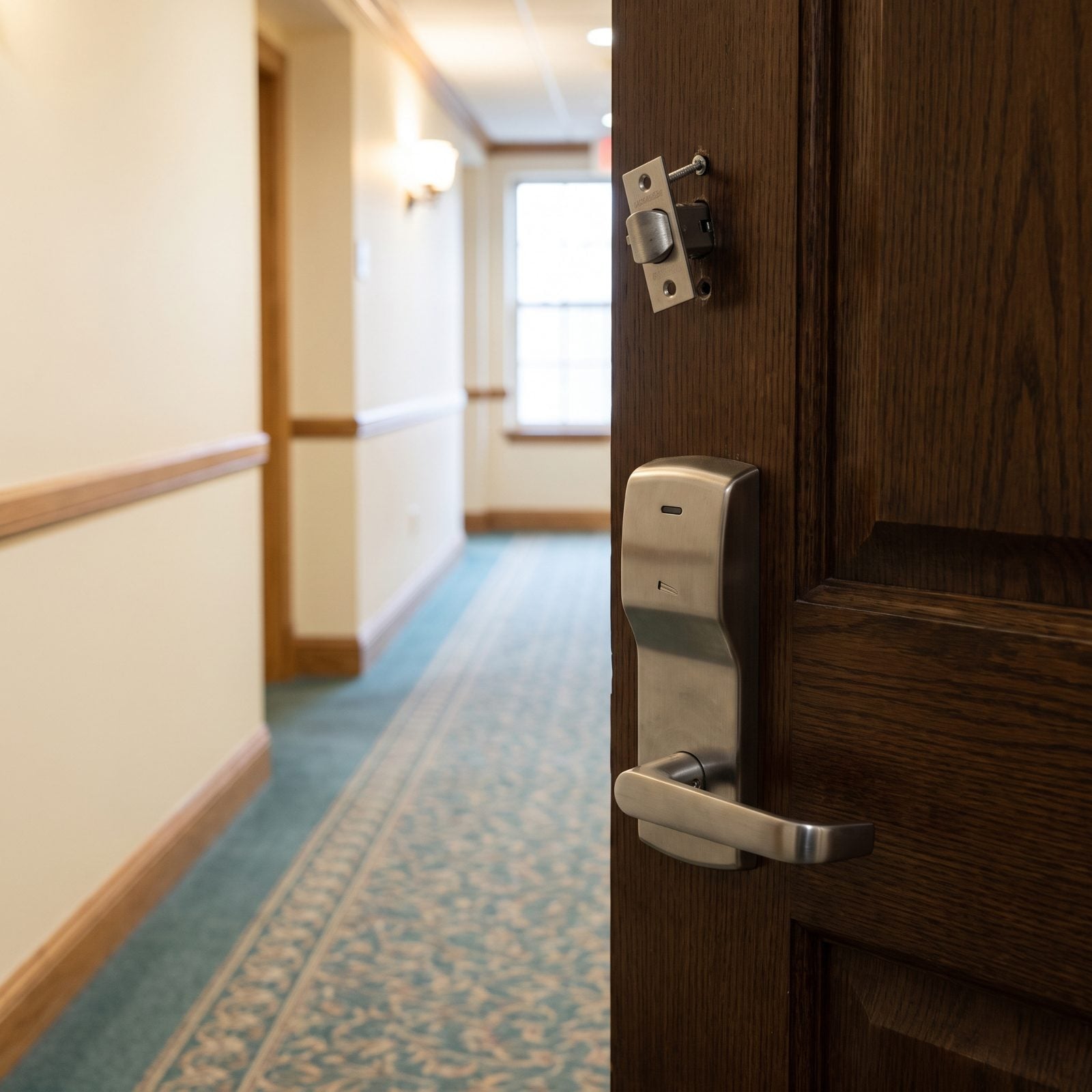
A deadbolt that won’t throw, a keycard reader that flashes red six times before giving up, a chain latch dangling from one screw. When several guests mention door locks in the same month, the hotel already knows and hasn’t bothered to fix it.
A door that won’t lock is the one problem you can’t work around. Noise you can sleep through. You cannot sleep well behind a door anyone could shove open.
So read the recent reviews specifically for words like lock, deadbolt, and keycard, and if more than one person flags it, book elsewhere. At check-in, test the deadbolt and the latch before you unpack a single thing. If either one fails, call the desk and ask for a different room right then, not in the morning.
34. Reviews Flag Unsafe Emergency Exits or Missing Smoke Detectors
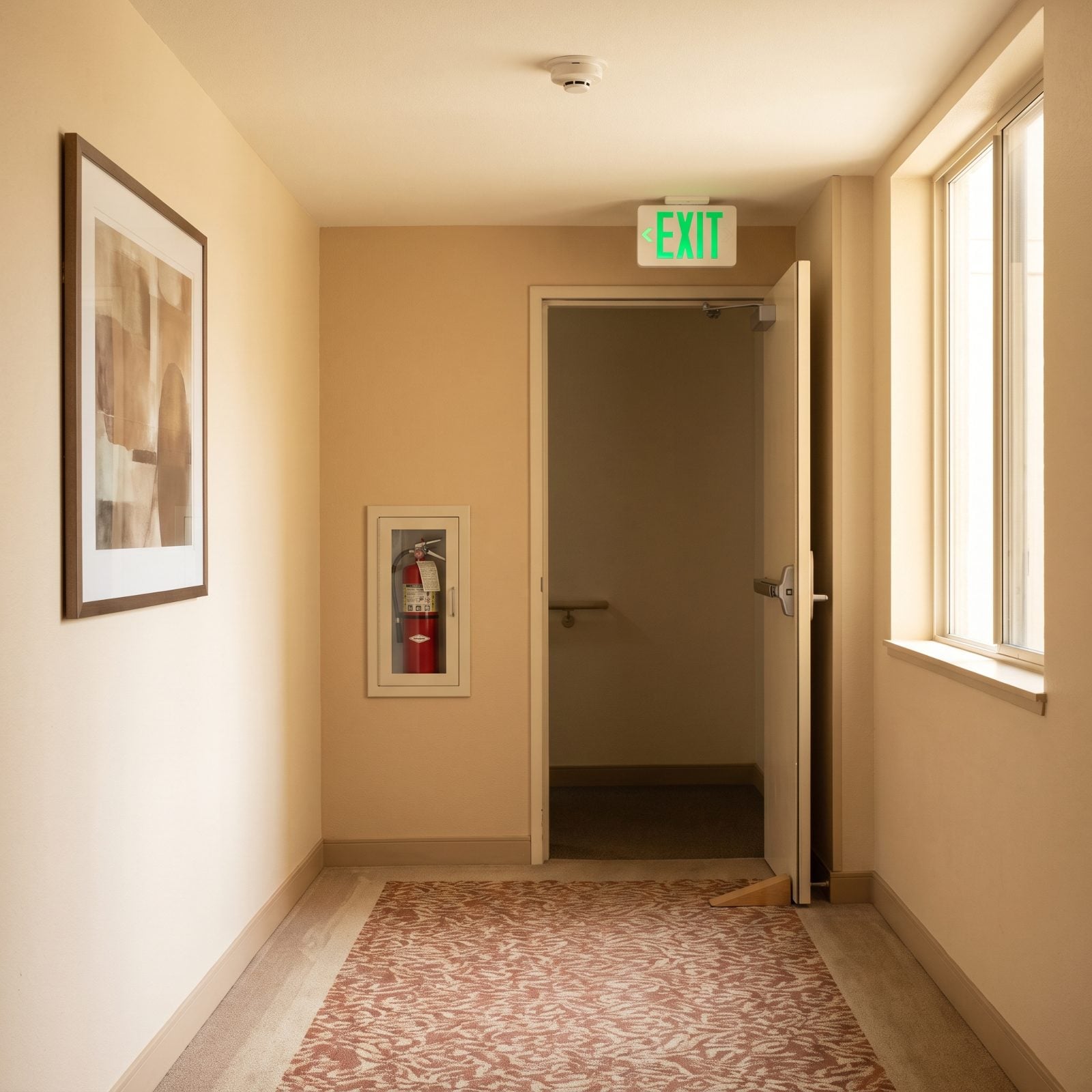
This is the warning most people scroll straight past, and it’s the one that matters most. A guest writes that the stairwell door was chained shut, or the room’s smoke detector had its battery pulled, or the only fire escape sat blocked behind stacked furniture. Nobody wants to dwell on it. Dwell on it anyway.
Everything else on this list ruins a trip. This one is the difference between a story you tell later and a story somebody tells about you.
Take these reviews seriously even when there’s only one of them. Then run your own check the second you walk in: find the nearest exit, confirm the stairwell door actually opens, and glance up for a detector with an intact light. Two minutes. That’s the whole price.
33. Multiple Guests Report Mold or Persistent Dampness
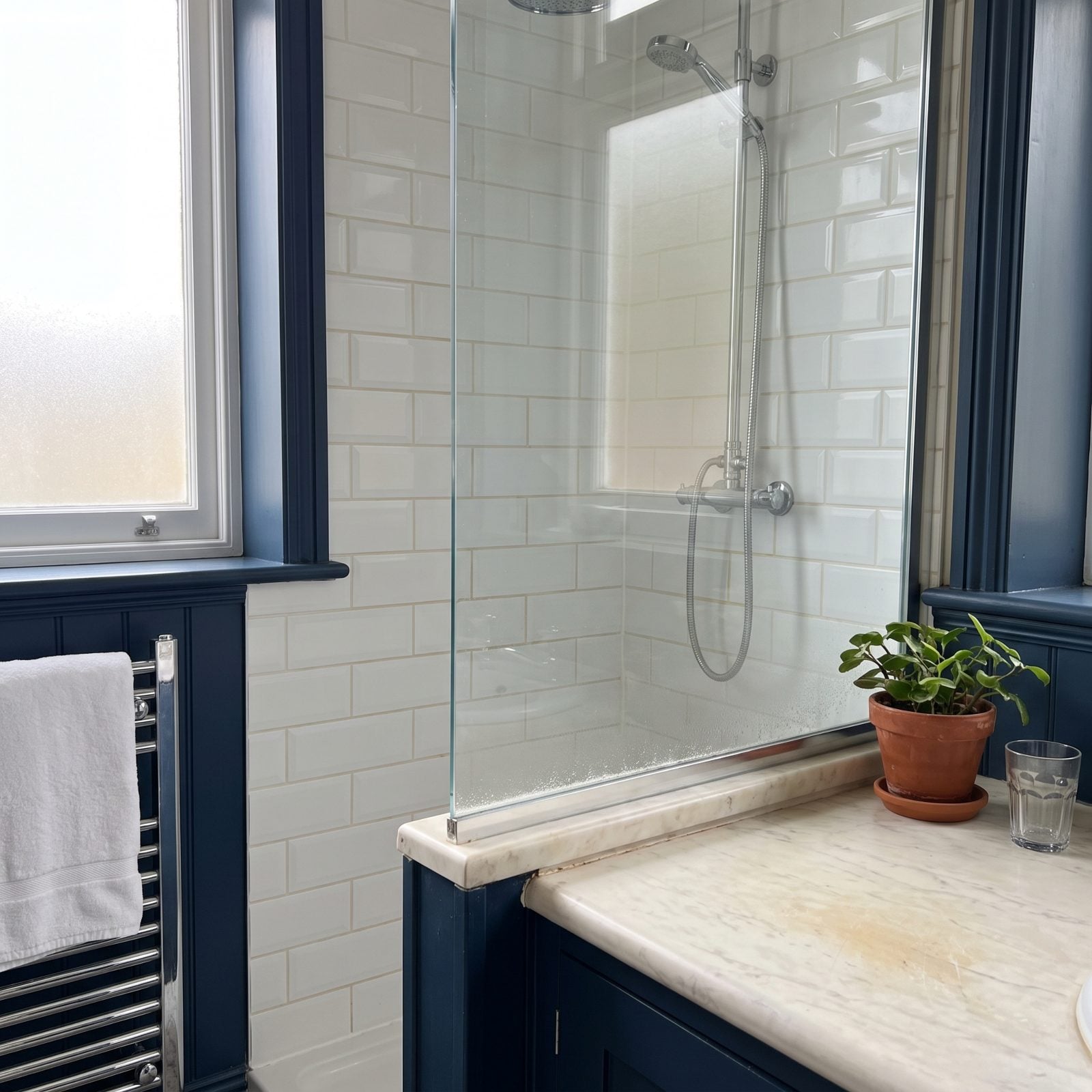
You know the smell before you see anything. That heavy, earthy note that hits the second the door swings open and never quite clears out. When reviews call a room musty, damp, or moldy across different seasons, the building has a moisture problem no amount of air freshener can fix.
And it’s not just unpleasant. Persistent mold is a genuine problem for anyone with asthma, allergies, or a touchy chest. A congested, headachy trip isn’t restful.
Scan the reviews for musty, damp, mildew, mold. Watch ground-floor rooms especially, plus anything described as near the pool or facing an interior courtyard, where the airflow is worst. On arrival, sniff the closet and the bathroom before anything else. They tell the truth faster than the main room does.
32. Reviews Repeatedly Mention a Sewage or Smoke Smell
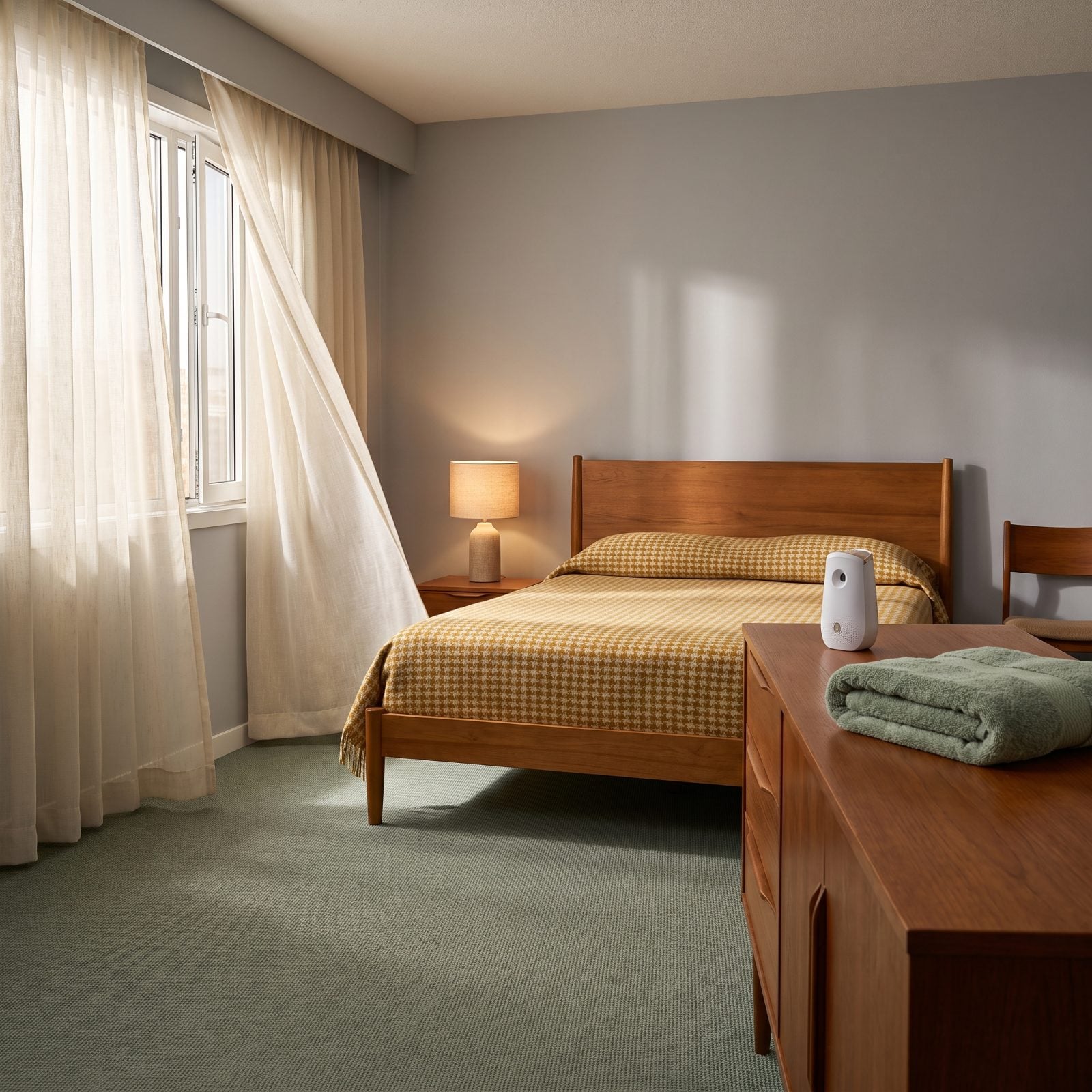
A smell problem follows you around for the entire stay. Guests describe cigarette smoke in a nonsmoking room, or a drain stink that creeps up through the bathroom every evening. When several people name the same odor, it’s baked into the building rather than a one-off bad day.
Here’s why it clings: you’ll make peace with a view you hate inside an hour, but a smell you never fully tune out. It wakes you at three in the morning.
Look for smoke, sewage, drain, and musty in the recent reviews, and watch whether staff replies brush it off or actually address it. A hotel copy-pasting the same apology for the same odor has decided not to solve it.
31. Recent Reviews Describe Dirty Sheets or Towels

Hair on the pillow. A towel wearing a gray smudge nobody bothered to remove. A fitted sheet that clearly carried over from the last guest. When reviews from the past month describe dirty linens, that’s not one housekeeper having a rough night. It’s a laundry and oversight failure running the whole floor.
Linens are the one thing you press your face against.
Filter the reviews by most recent and read for sheets, towels, hair, stains. A cleanliness gripe from six months back may already be fixed, but a complaint from last week describes a current condition. Trust the recent ones.
30. Multiple Reviewers Say the Air-Conditioning Does Not Work
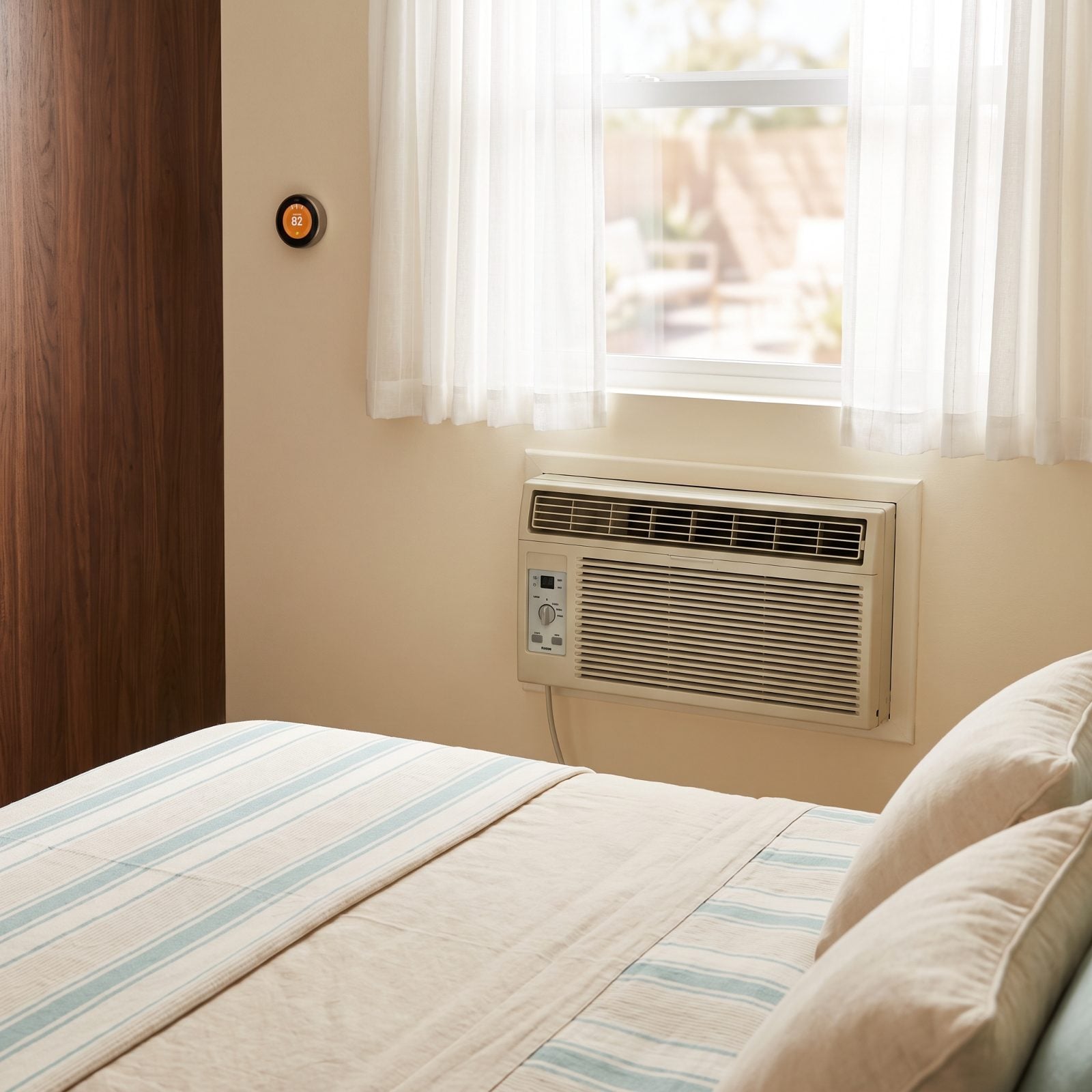
Busted air-conditioning sounds like a minor annoyance right up until you’re lying awake at two in the morning in a room pushing eighty degrees, with a window that opens maybe four inches and looks out on a parking lot. In summer, in a humid city, this single complaint can eat a whole trip alive.
When several reviewers in the warm months mention the AC quitting overnight or barely cooling, believe them. These units don’t heal on their own.
Check the dates on the complaints. One grumble in October means almost nothing. Three in July means the systems are failing and nobody’s replacing them. Headed somewhere hot? Then this line deserves every bit as much weight as cleanliness.
29. The Neighborhood Has Repeated Safety Warnings in Recent Reviews
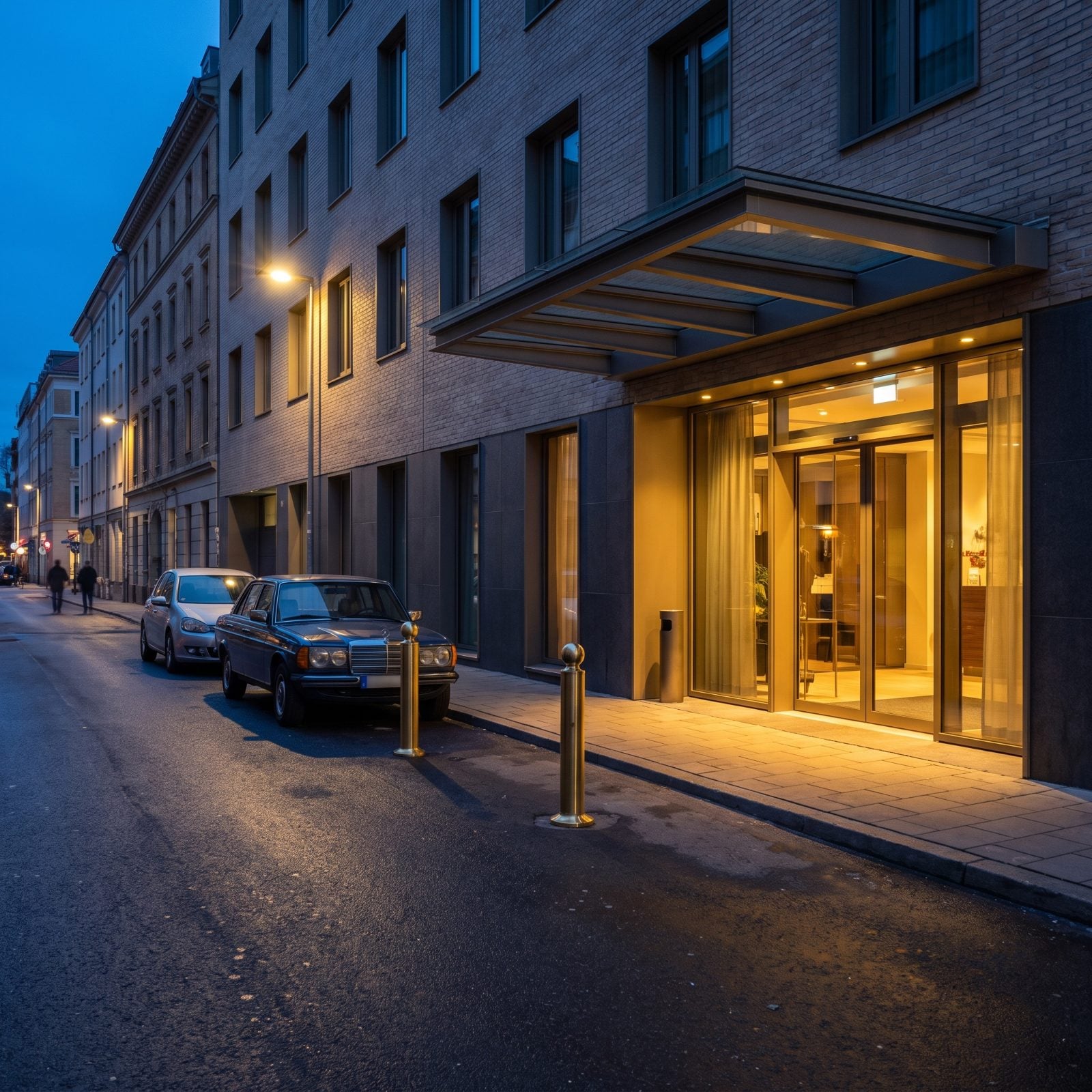
The room can be spotless and the location still wrong. Watch for the same note echoed by different guests: didn’t feel safe walking back at night, stuck to cabs after dark, wouldn’t send my mother here alone. Travelers carry wildly different comfort levels, so you’re hunting for a pattern rather than one jittery reviewer.
A great rate in the wrong pocket of a city costs you the freedom to wander anywhere after sunset. That’s a real cap on the trip.
Cross-check the reviews against a map and walk the surrounding blocks on street view. Then study where you’ll actually be moving: train stations, restaurants, the walk home. A hotel can sit two blocks from a lovely district and two blocks from a rough one at the very same time.
28. Street-View Images Show Boarded-Up Businesses Around the Entrance
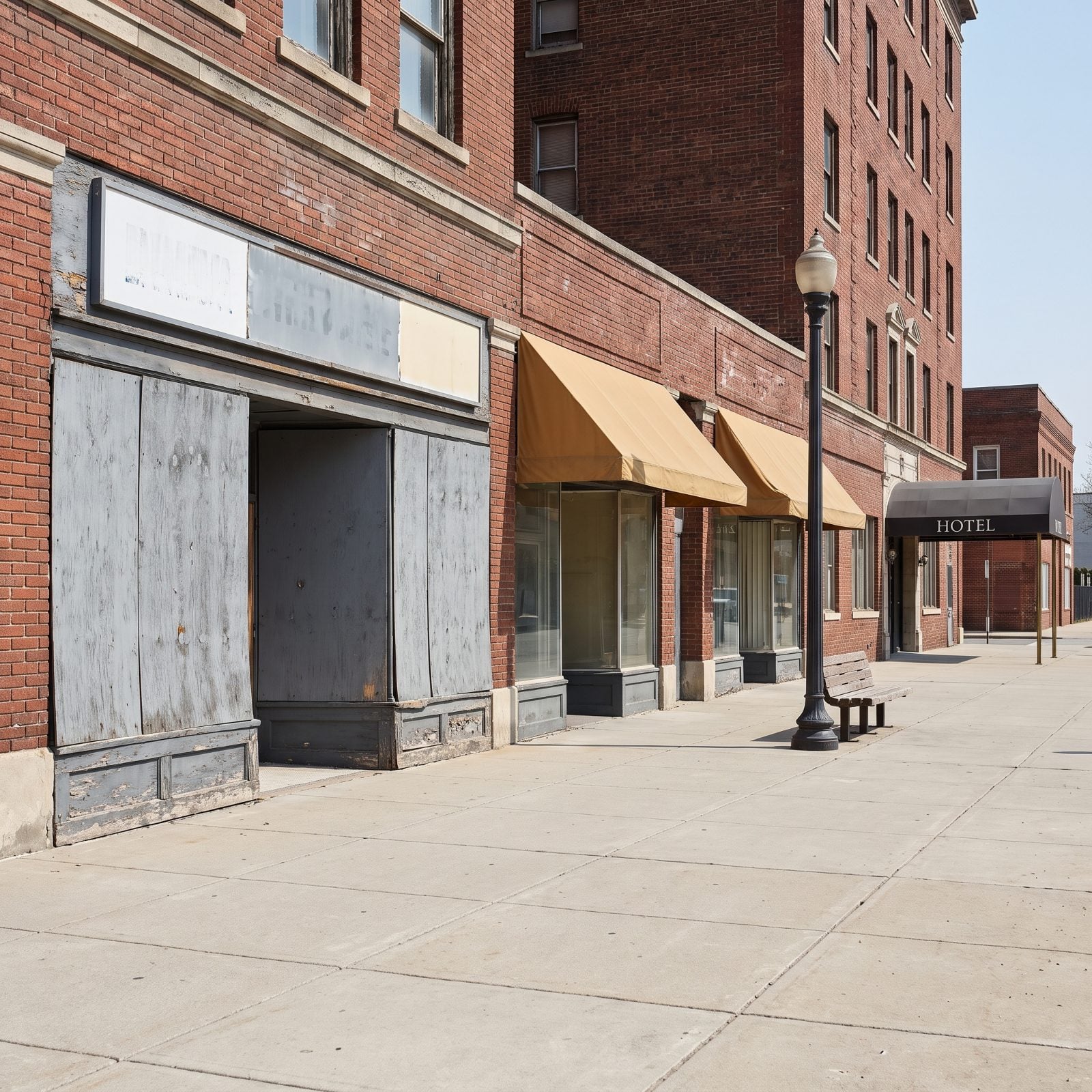
Reviews tell you how guests felt. Street view tells you what’s physically there. Drop the little figure onto the hotel’s block and look around slowly. Rows of plywood over windows, empty retail, nothing open past daylight: that’s the neighborhood the photographers carefully cropped out of every listing shot.
Those listing photos are framed for the sky and the lobby. They will never, ever show you the three shuttered storefronts to the left of the door.
Spend five minutes walking the surrounding blocks virtually before you book, and note the capture date on the imagery, because a block can turn over in two years. A street full of lit, open businesses is one of the most honest safety signals going, and checking it costs you nothing.
27. The Hotel Sits Beside a Nightclub, Rail Line, or Major Construction Site
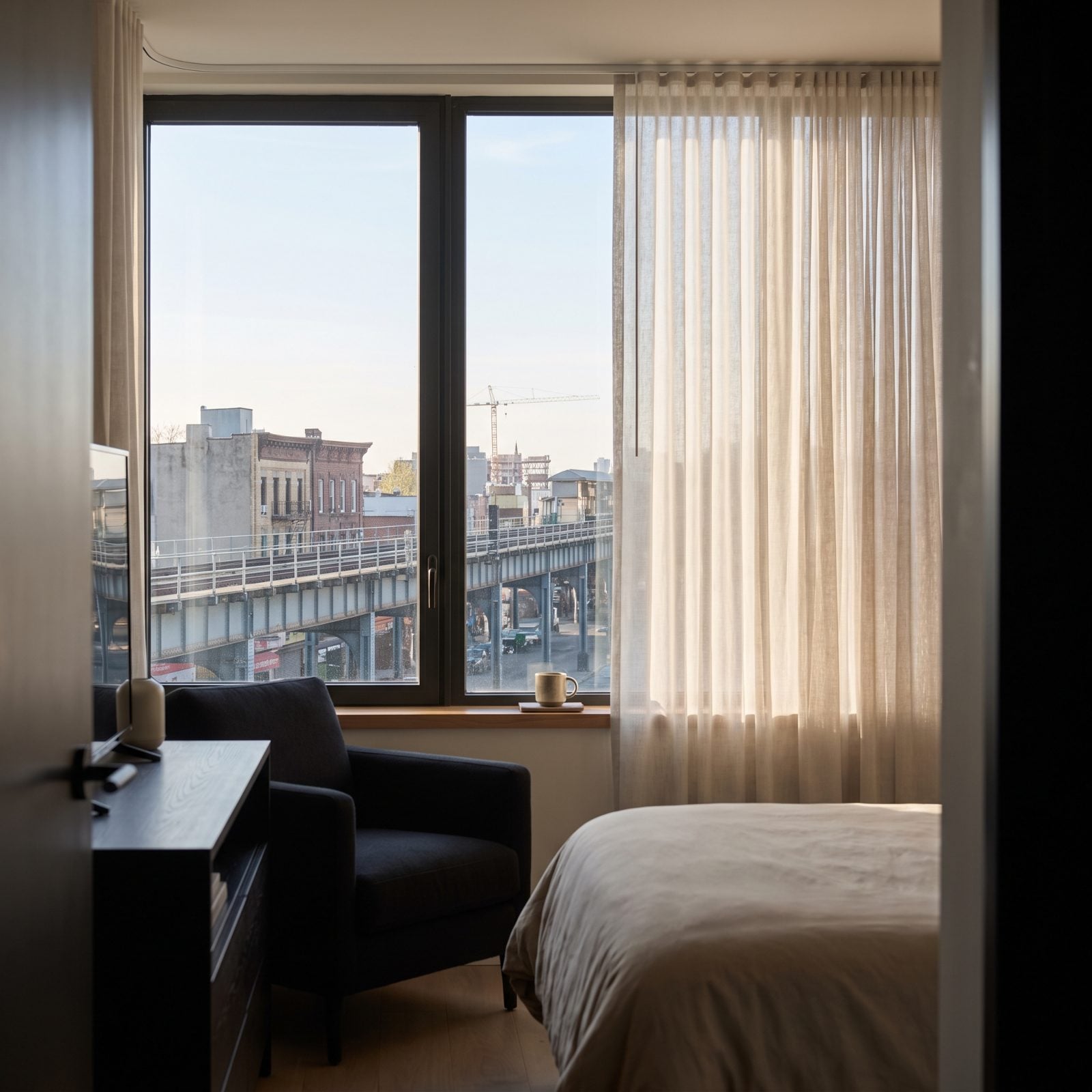
Location isn’t only a safety question. It’s a sleep question. A hotel next to a nightclub is charming at check-in and a bass-thumping nightmare by one in the morning on a Friday. Toss in a commuter rail that runs till midnight or a construction site that fires up the jackhammers at seven, and your rest turns into a coin flip.
The listing won’t breathe a word of this. You have to go dig it out yourself.
- Check the map for bars, clubs, rail lines, and highways within a block of the property.
- Search reviews for noise, loud, and couldn’t sleep, then note which floors the complainers were on.
- If you book anyway, request a high floor on the quiet side and ask the desk flat out what faces the street.
A room is only ever as good as the sleep it hands you. The rest is just decoration.
26. Guest-Uploaded Photos Look Nothing Like the Official Gallery
🔥 Would you like to save this?
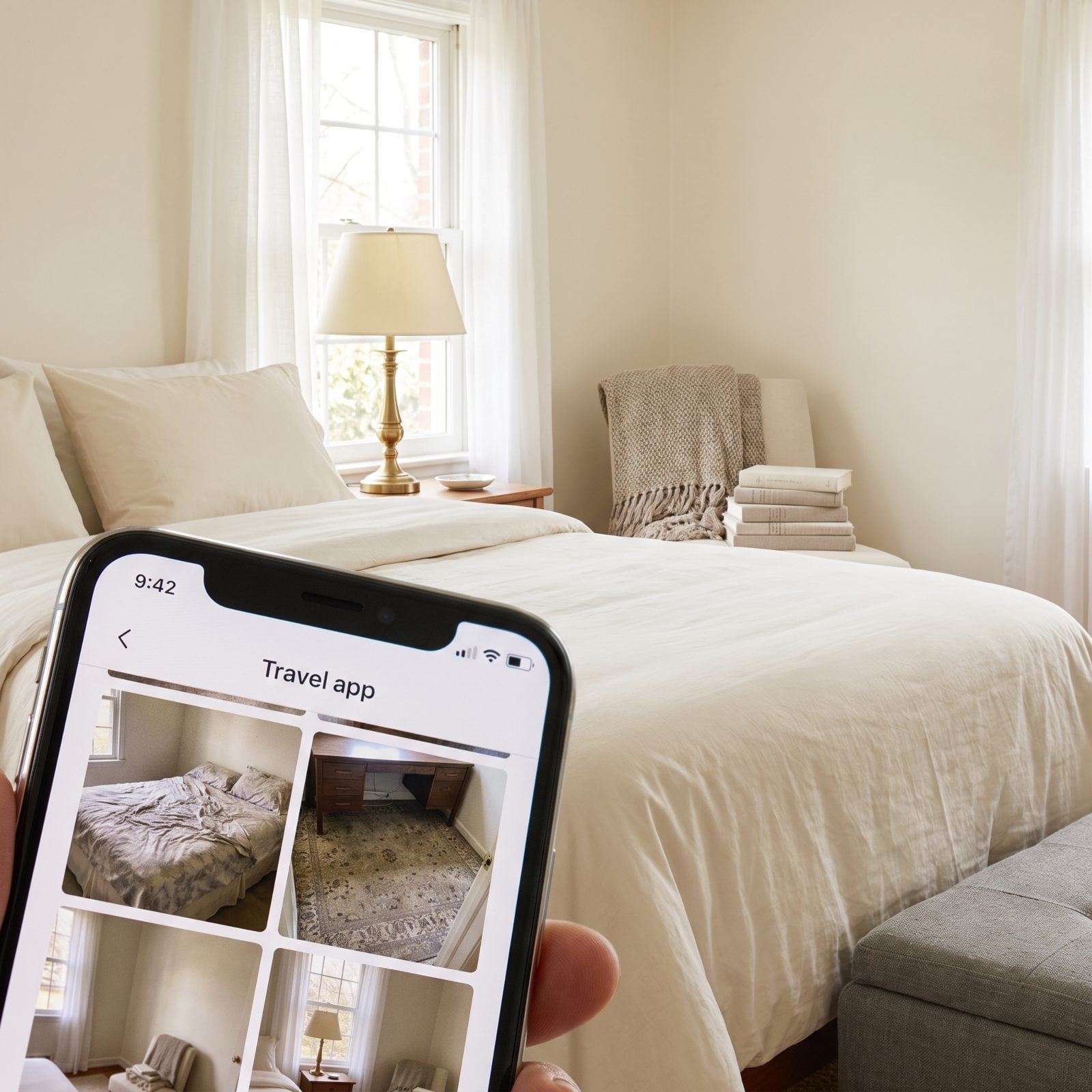
The official gallery and the guest tab are two different hotels. One has honeyed light and a bed made by someone who irons sheets. The other has flash photos, a stain nobody bothered to shoot around, and a view of an air shaft. Guess which one you’ll actually sleep in.
Hotels control their own photos, but they don’t control what guests upload, and that gap is the most honest thing in the whole listing. Most people scroll right past it.
Open the guest-photo tab before anything else and sort newest first. If the real rooms embarrass the brochure rooms, believe the guests. They had nothing to sell you.
25. Every Photo Is a Heavily Edited Rendering

Say a resort’s photos all glow the same impossible teal. The pool looks backlit from inside, the sunset lines up with every balcony, and nothing casts a real shadow. You’re not looking at a hotel. You’re looking at a 3D rendering of one that may not even be finished.
Developers sell unbuilt and half-built properties with renderings all the time. That gorgeous suite can be a computer model, and you arrive to drywall dust and a pool that’s still a hole in the ground.
Zoom in on edges and reflections. Renderings have a plasticky smoothness no real camera can fake. Can’t find one genuine photo with a crooked towel or a smudge on the glass? Don’t reserve until you do.
24. The Listing Shows the Lobby but Barely Shows the Rooms

You know the listing. Twelve shots of the lobby chandelier, the marble, the lounge with the emerald chairs, the bar at golden hour — then one blurry thumbnail of an actual bedroom tucked in at the bottom like an afterthought.
When a hotel spends its whole gallery on the parts you won’t sleep in, it’s telling you where the money went. The grand lobby is the handshake; the room is where you live for three nights.
Count the room photos against the public-space photos. A fair listing shows you the bed, the desk, the closet, the actual square footage. If the chandelier gets a photoshoot and the mattress gets a cameo, the mattress is the problem.
23. Bathrooms Are Missing From the Photo Gallery
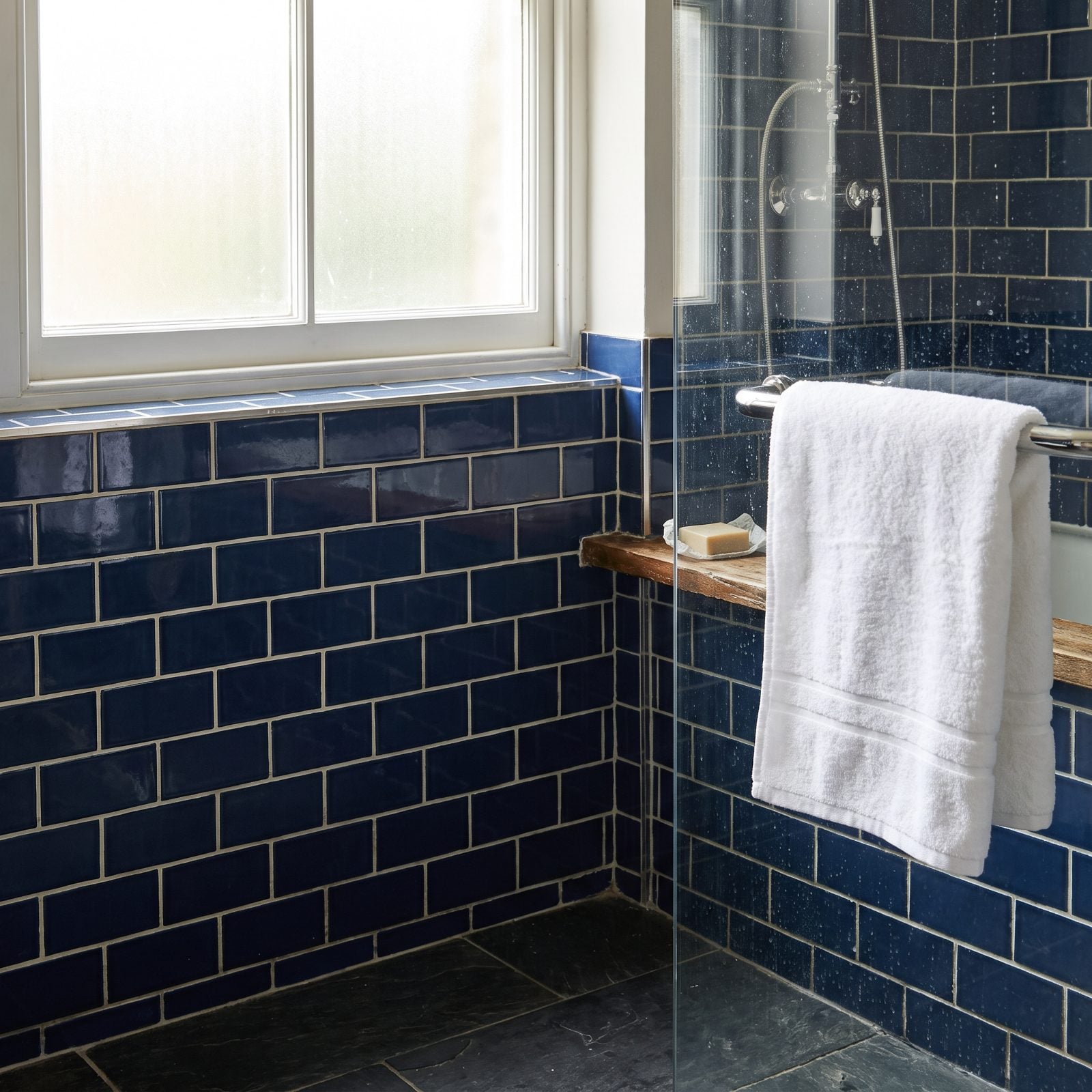
No bathroom photo is a decision, not an oversight.
Nobody forgets to shoot the bathroom. When it’s missing, it’s usually because the thing is tiny, dated, windowless, or shared down the hall — and beige tile from 1987 just doesn’t photograph the way a chandelier does. The bathroom is where a hotel’s real age shows.
Hunt for it on purpose. Check the official gallery, then the guest uploads, then scan the written reviews for the word ‘bathroom.’ If three sources go quiet, message the hotel and ask for a photo before you book. A good property sends one within the hour. A bad one goes mysteriously silent.
22. The Most Recent Room Photo Is Several Years Old
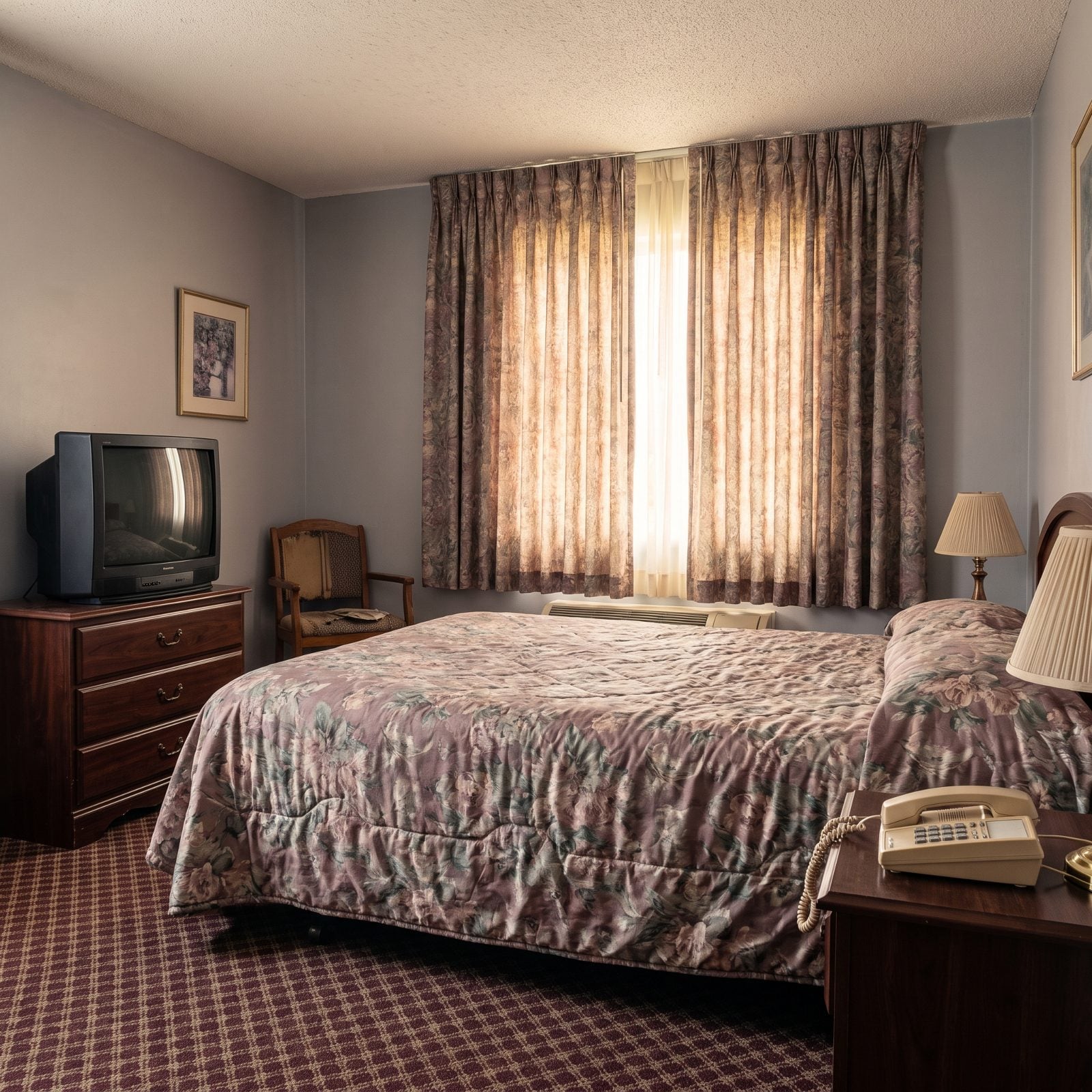
Floral bedspread. A boxy TV on a dark dresser. A corded phone on the nightstand. This isn’t vintage charm — it’s just old, and nobody’s touched the listing since that carpet was new.
Hotels get tired. Carpets stain, headboards chip, the gym treadmill dies and never gets replaced. A photo from six years back shows you the hotel that was, not the one you’re walking into tonight.
Plenty of platforms stamp an upload date under each image, or you can read it off the review timeline. If the newest room shot predates a global pandemic, treat the whole gallery as a historical document and confirm the current state before you hand over a card.
21. The Room Photos Rely on a Wide-Angle Lens
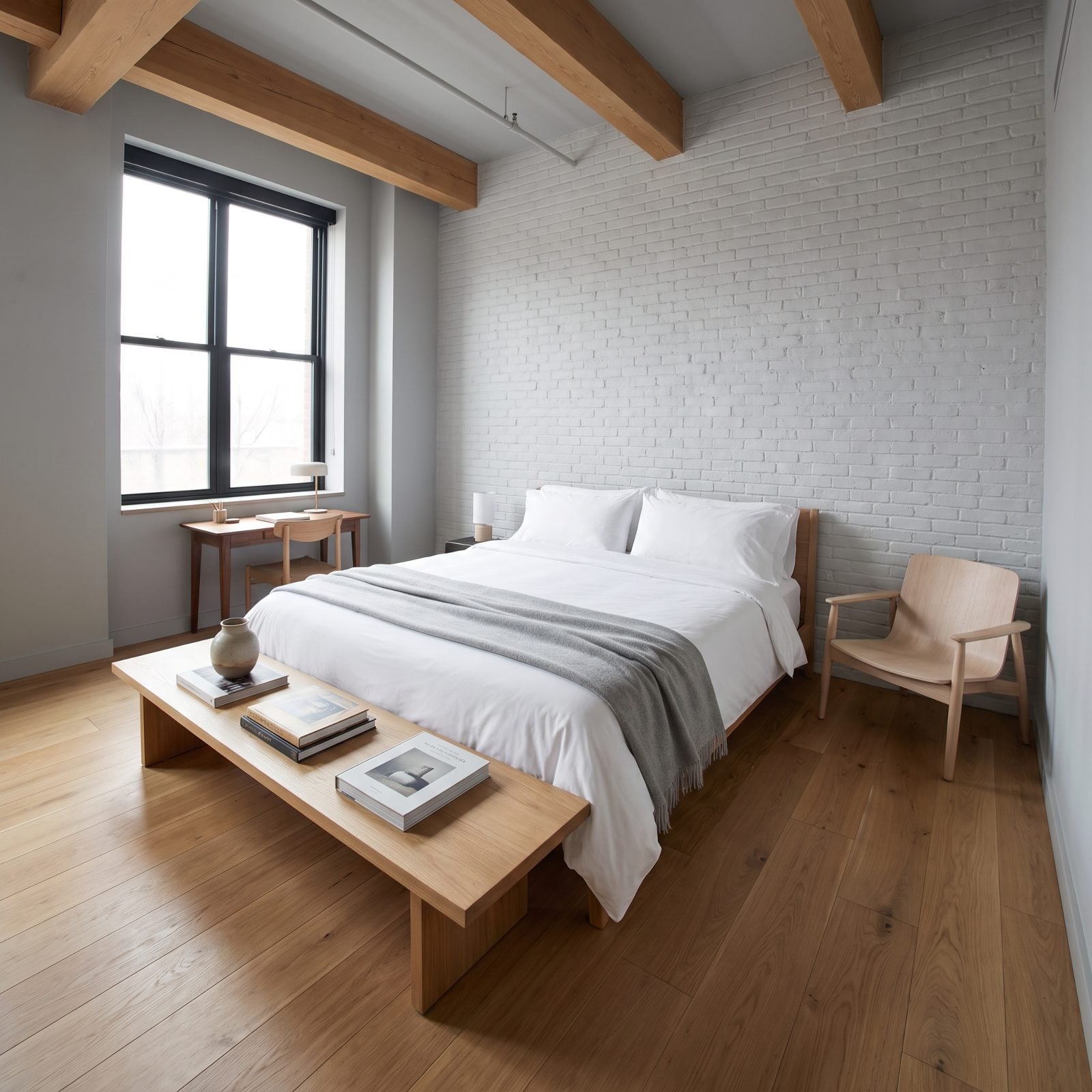
Wide-angle glass is an honest lie. The walls bow slightly at the edges, the bed looks enormous, the desk sits a mile from the window, and the whole place seems to breathe. Then you check in and find you can touch both walls at once.
A closet shot wide passes for a suite. Furniture shoved into the far corners reads as room to spare. You’re buying square footage you’ll never see.
Skip the hero shots and read the specs, because the square footage is the one number nobody can stretch. Cross-check it against guest photos taken on phones, which barely distort at all — the phone tells the truth the brochure won’t.
20. Renovation Work Is Mentioned Only in the Fine Print
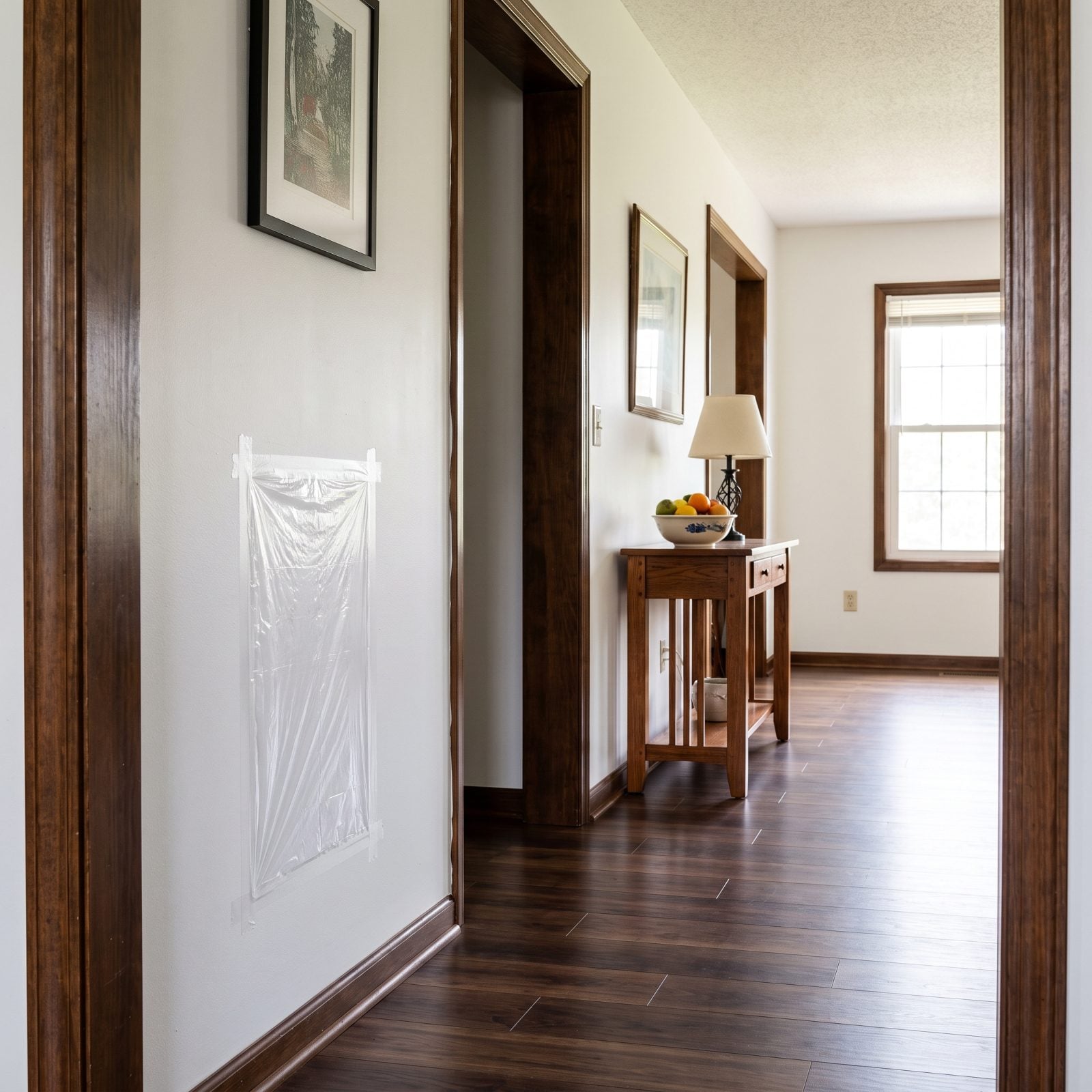
The dream is a quiet seaside hotel. The reality is a jackhammer at 7 a.m., a pool draped in plastic, and a lobby you reach through a plywood tunnel — all of it disclosed in one grey sentence buried under the cancellation terms.
Hotels are legally careful here, which means they will mention active construction. They just mention it where you’ll never look. A renovation turns a restful stay into a worksite you’re paying to sleep in.
Read the fine print before the glossy copy. Search the reviews for ‘construction,’ ‘renovation,’ and ‘noise’ — recent complaints about drilling are worth more than any amenity list. If work is underway, ask for a room on the far side of the building, in writing.
19. The Overall Rating Is High but Recent Ratings Have Collapsed

A 4.6 average feels safe. It shouldn’t — not on its own. That number can be a thousand happy stays from years ago quietly carrying a recent run of one-star nights the math politely buries.
Hotels change hands. A new owner cuts housekeeping, fires the front desk, lets the AC go, and the lifetime average absorbs the damage while the last three months tell the real story.
Sort by newest and read the last twenty. One bad review is a bad night. A sudden cliff in recent scores is a property in free fall, and you’d be booking it on the strength of the hotel it used to be.
The average is a memory. The last twenty reviews are the forecast.
18. A Sudden Flood of Five-Star Reviews Uses Nearly Identical Wording

🔥 Would you like to save this?
Twelve five-star reviews land in the same week. ‘Amazing hotel, perfect location, staff very helpful, highly recommend.’ Then the next one — same beats, same bland cheer, not a single detail a real guest would bother to write.
Fake reviews cluster and they rhyme. They praise in generalities because the writer never saw the room. Honest guests mention the slow elevator, the great coffee downstairs, the odd smell on the fourth floor. Those specifics are the fingerprint of an actual stay.
Distrust anything that could describe any hotel on earth. Weight the reviews with named streets, quirks, and mild gripes over the gushing ones. A genuine review almost always names one thing it wishes were better.
17. Management Replies to Complaints With Hostile Copy-and-Paste Responses
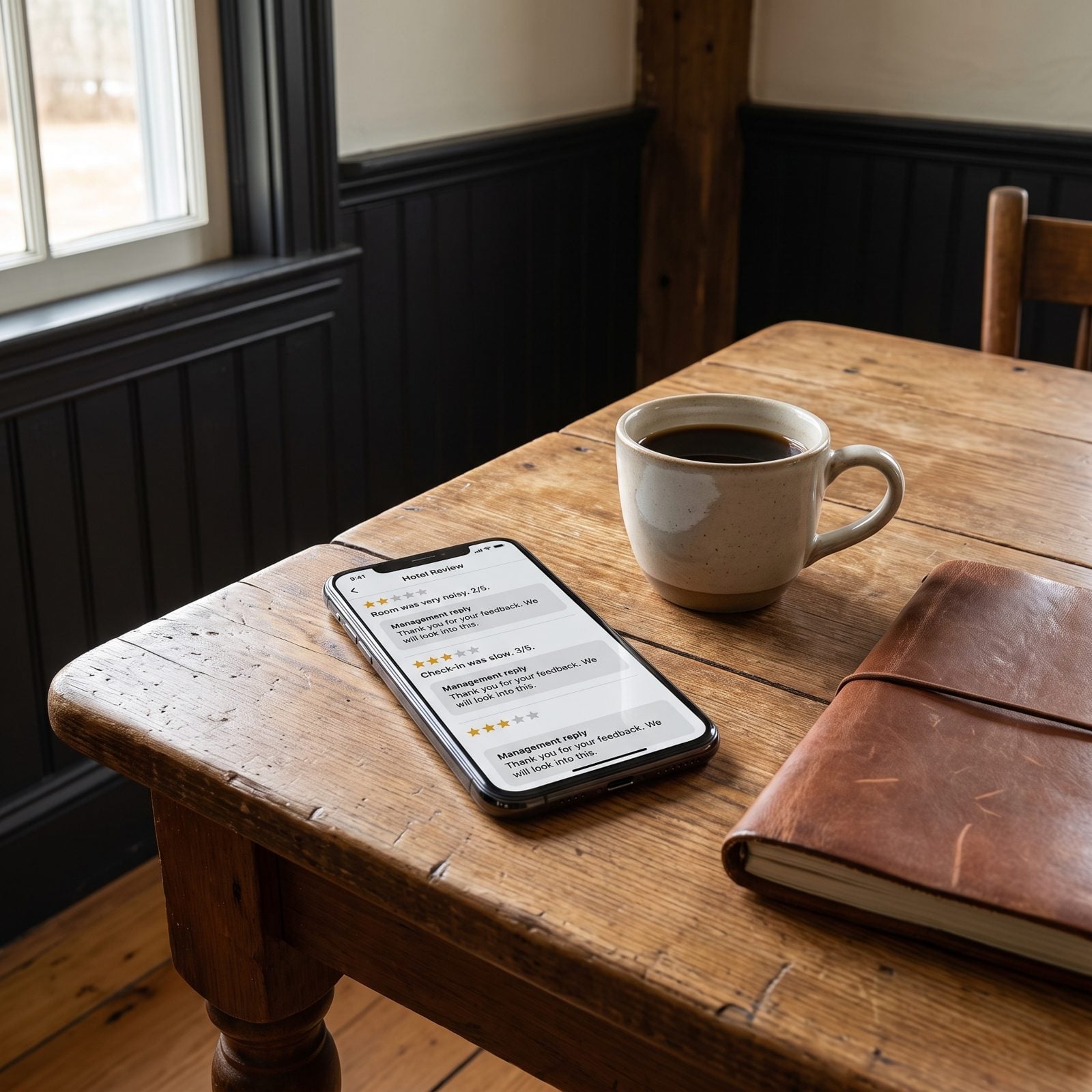
Scroll to the owner’s replies, not just the reviews. That’s where the mask slips.
A guest writes about a broken lock and gets this: ‘We find your account hard to believe and encourage guests to read our policies.’ Then the same frosty paragraph turns up under four more complaints, word for word. That’s not a hotel managing feedback. That’s a hotel at war with its own guests.
How a property answers its worst reviews is exactly how it’ll answer you when something goes sideways at midnight. Gracious, specific replies mean people who’ll solve a problem. Defensive, copy-pasted hostility means the fight you really don’t want — in a foreign city, in a robe, at 1 a.m.
16. Reviews for Different Properties Appear Mixed Together
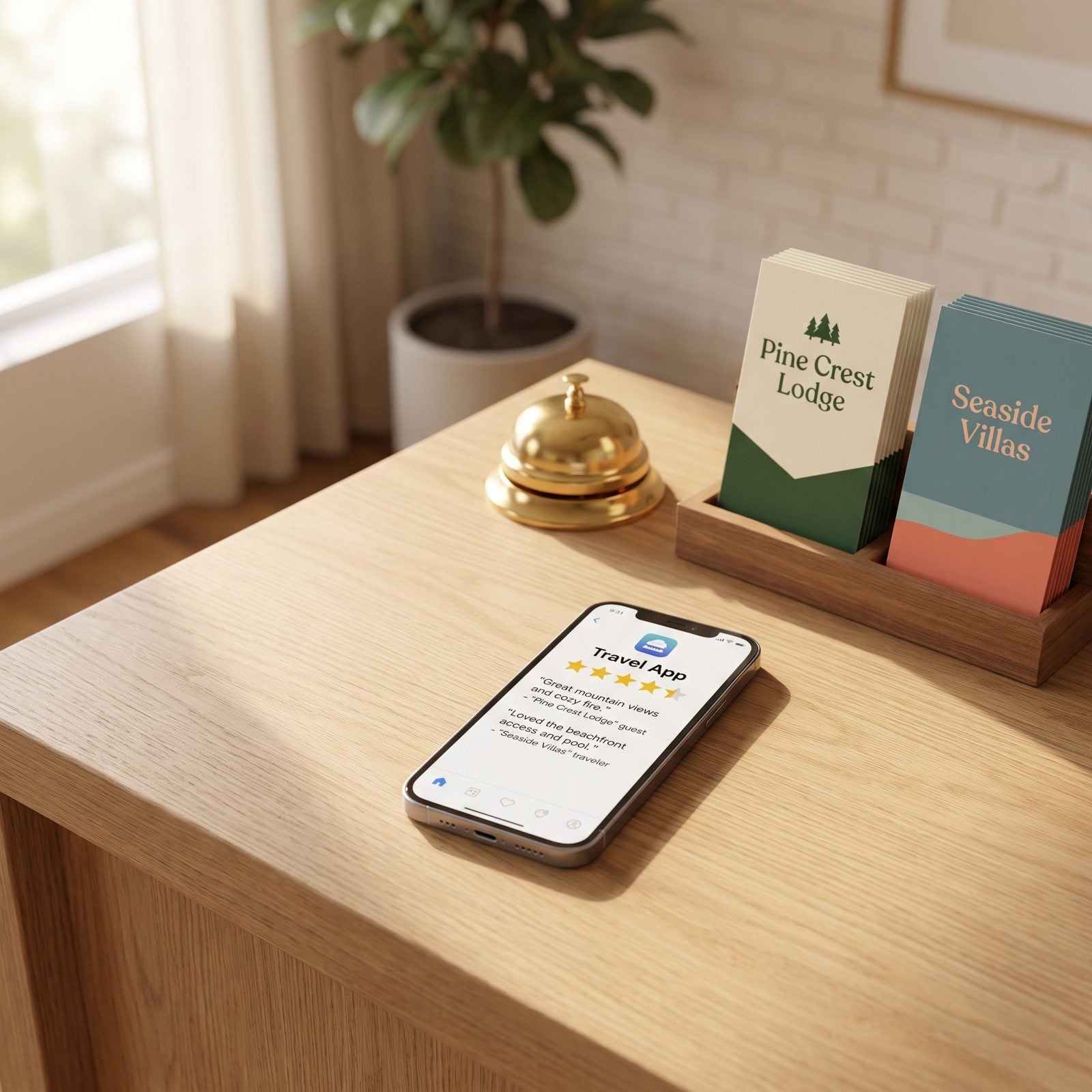
You’re reading a glowing review about the rooftop pool. The next one praises the free airport shuttle, and the one after that gripes that the beach was a twenty-minute drive. Three reviews, three hotels, one listing page.
Aggregators sometimes pool reviews across a whole chain, or across a sold-off building that kept the old brand name after new owners moved in. So you end up trusting feedback for a property that doesn’t exist anymore, or one three cities over.
Cross-check the details. When reviews mention amenities the listing never claims, or locations that don’t line up at all, read ten of the most recent ones and ignore the star average entirely. The average is the lie. The specifics are the truth.
15. The Hotel Has Changed Names Several Times
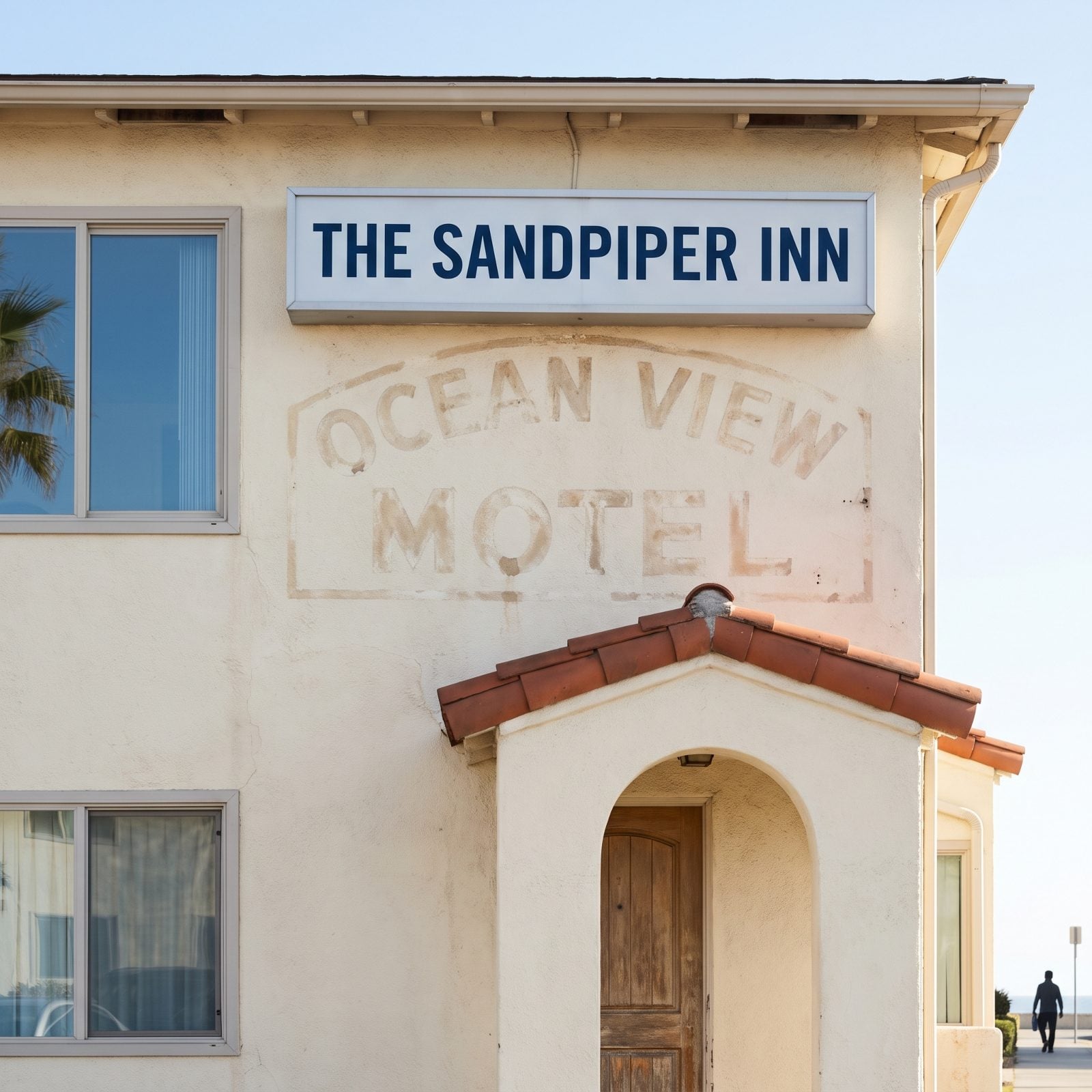
A hotel that’s worn three different names in five years is telling you something.
Sometimes a rebrand is harmless, just a franchise flag swapping out. But often it’s a property running from a trail of bad reviews, health citations, or a reputation it couldn’t scrub off. A fresh name resets the scorecard while the same tired carpet stays right where it was.
Search the address, not the name. Drop the street number into a search engine and see what older listings bubble up. Find a parade of former identities? Go read the reviews from back when it was called something else. Buildings don’t improve just because the sign out front did.
14. The Street Address Is Missing or Incomplete
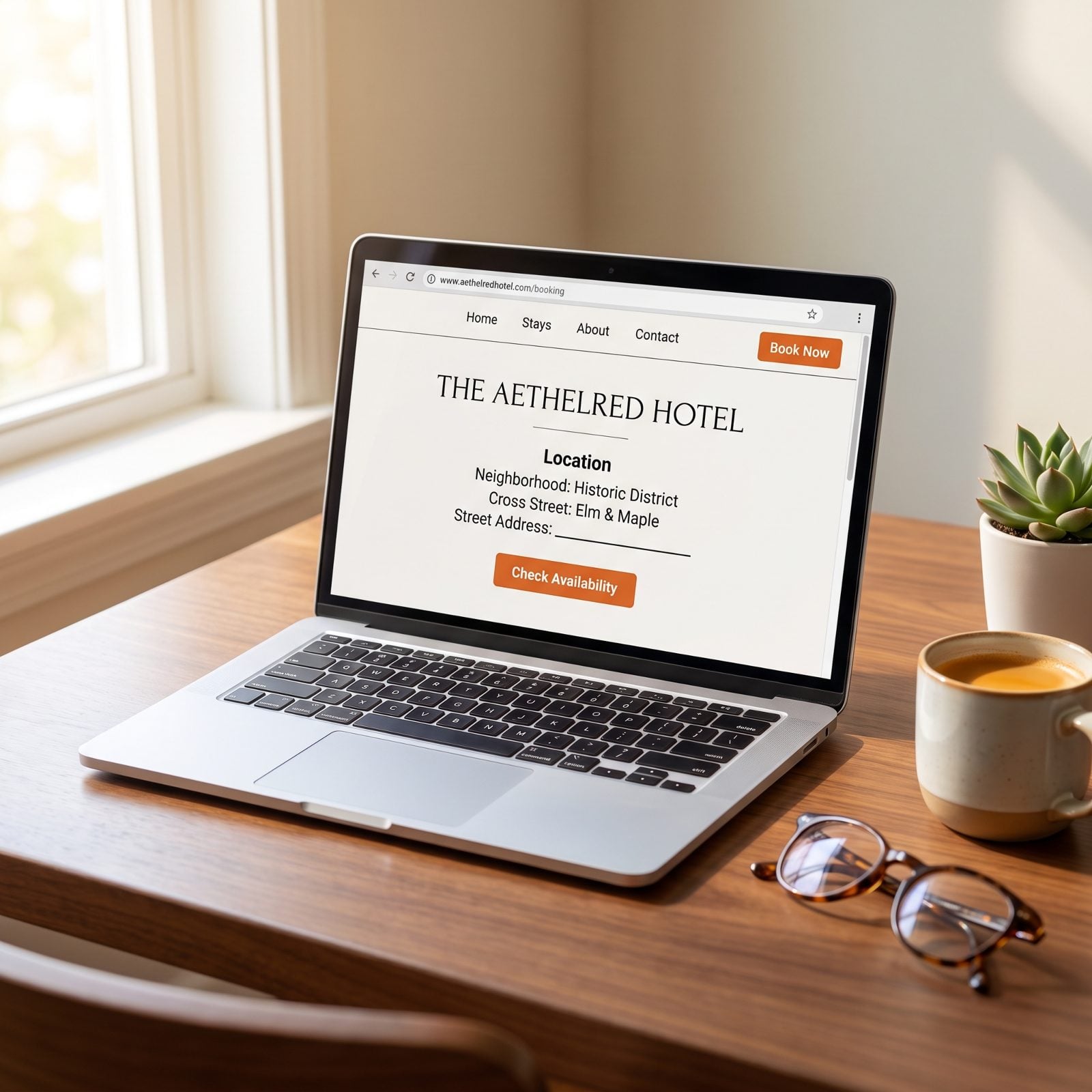
Every legitimate hotel wants you to find it. So when a listing offers only a neighborhood, a vague “central location,” or a cross-street with no number attached, that vagueness is doing some quiet work on your behalf.
It’s hiding properties on sketchy blocks, next to all-day construction, or wedged behind a strip mall where the “view” is a dumpster. If they won’t tell you where it is, assume the where is the whole problem.
Don’t book without a full address. Paste it into a map, then drop into street view. Thirty seconds of walking the virtual block tells you more than every carefully chosen photo the property bothered to post.
13. The Map Pin Does Not Match the Stated Address
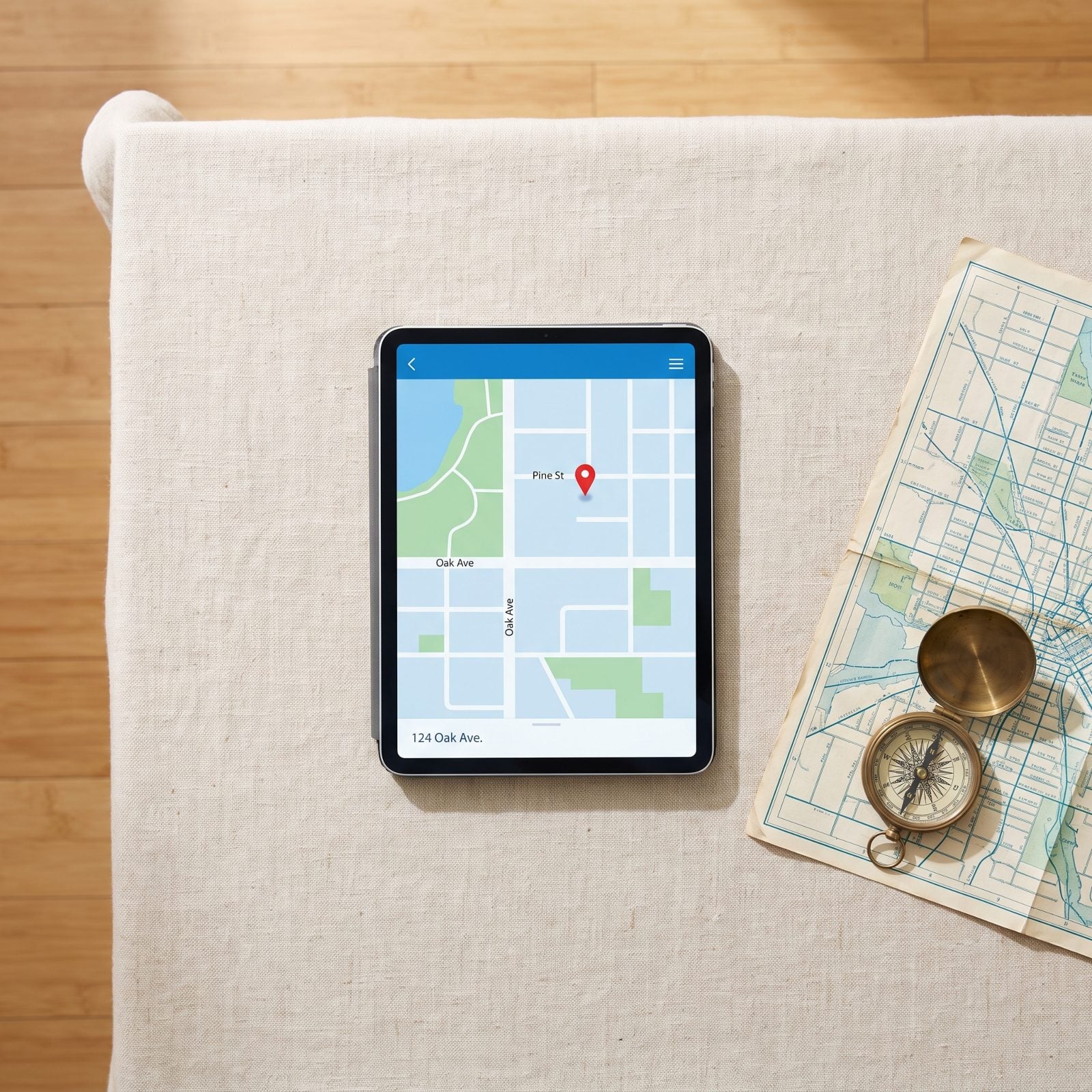
The listing swears it’s downtown. The map pin lands in an industrial pocket near the freight yards. One of these is lying, and it isn’t the map.
Pins get dropped by hand, and some get dropped hopefully. A pin sitting a mile from the written address usually means the real spot isn’t nearly as flattering as the description made it sound.
Don’t take either one on faith. Go verify it yourself by typing that actual street number into your own map app. Check what’s walkable, what’s nearby, and whether the breezy “five minutes to the convention center” survives contact with real roads.
12. “Steps From the Beach” Actually Means Across a Highway
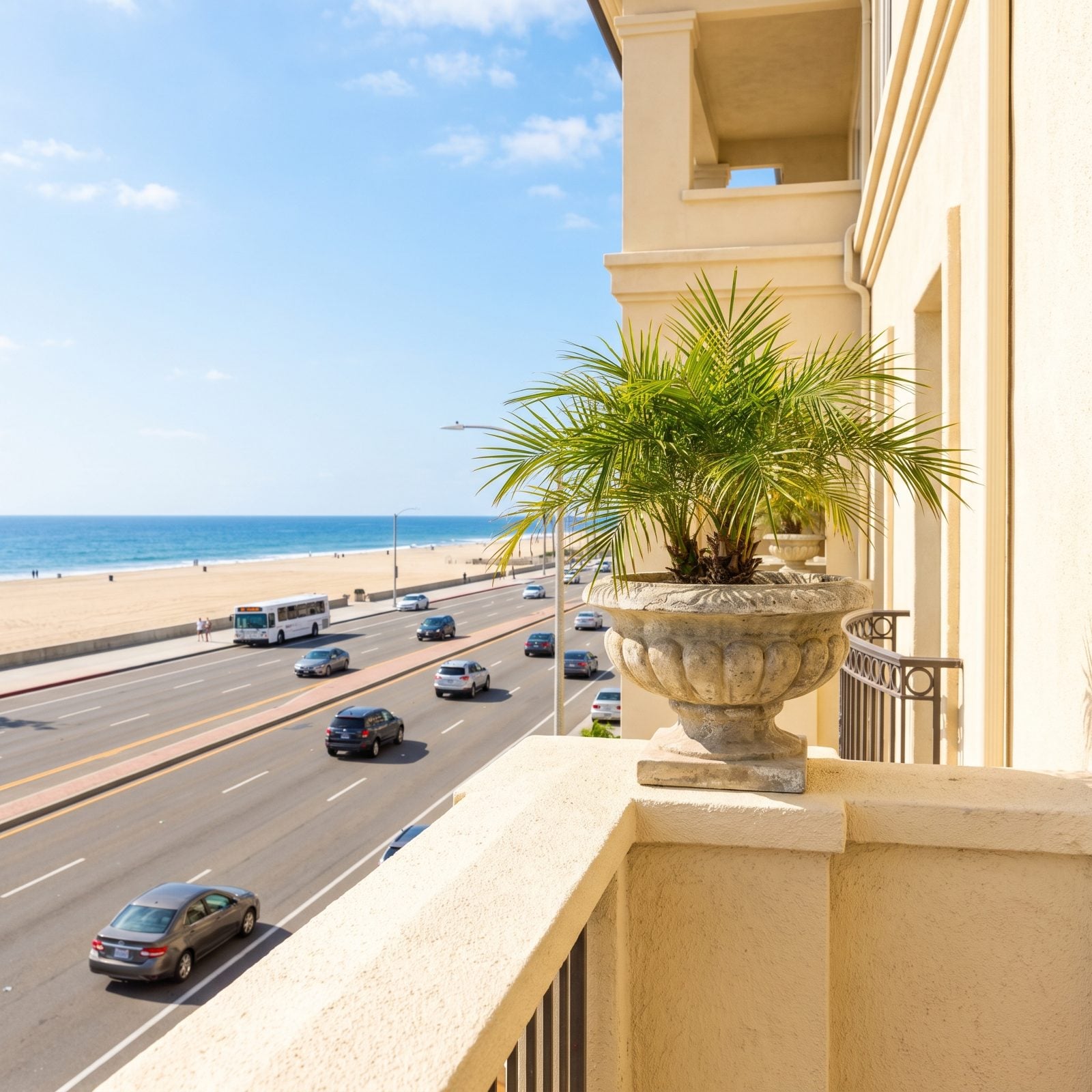
“Steps from the beach” might be the most abused phrase in all of hospitality. Technically true. The steps just happen to cross four lanes of highway traffic with no crosswalk anywhere in sight.
That gap between the brochure beach and the actual walk matters most when you’re hauling kids, coolers, and a wobbling stack of folding chairs. A pretty view from the balcony is not the same thing as sand under your feet.
Pull up satellite view and trace the path from the front door to the water. Look for roads, fences, private resorts hogging the access, or a seawall nobody mentioned. If there’s a highway, well, there’s your answer.
11. The Cheapest Rate Appears Only Before Mandatory Fees
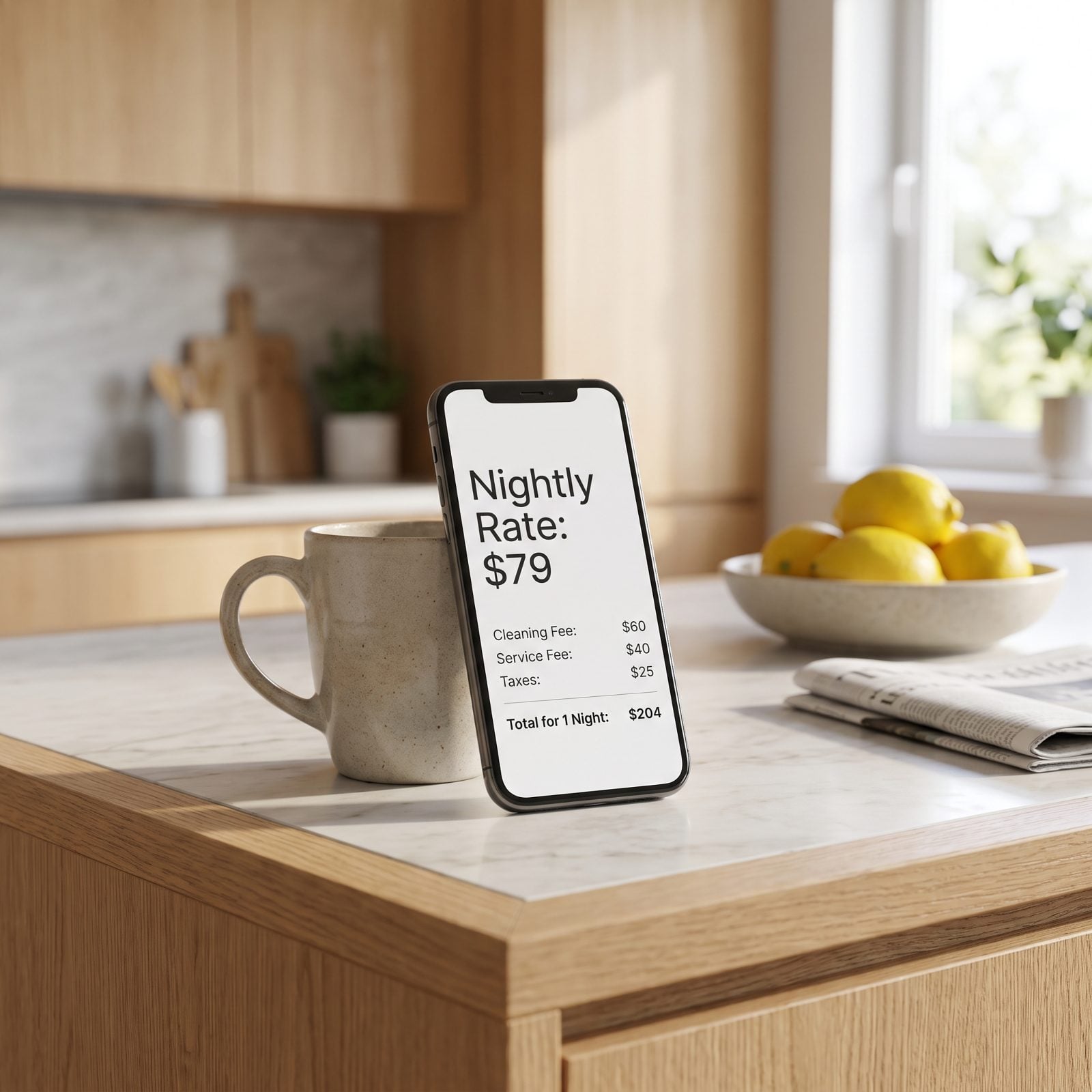
That eye-catching cheap room is a magic trick. You click through and the price grows at every screen like a weed. Service fee here, facility fee there, a city tax you can’t argue with, and all at once the bargain room costs far more than the number that reeled you in.
None of this is an accident. The low figure wins the search comparison, and then the fees quietly load in once you’re emotionally committed to the whole thing.
Always scroll down to the final total before you compare anything. Better yet, book on sites that show all-in pricing from the start, and treat any rate that looks too good as incomplete until proven otherwise.
10. A Resort Fee Is Charged Without Resort-Style Amenities
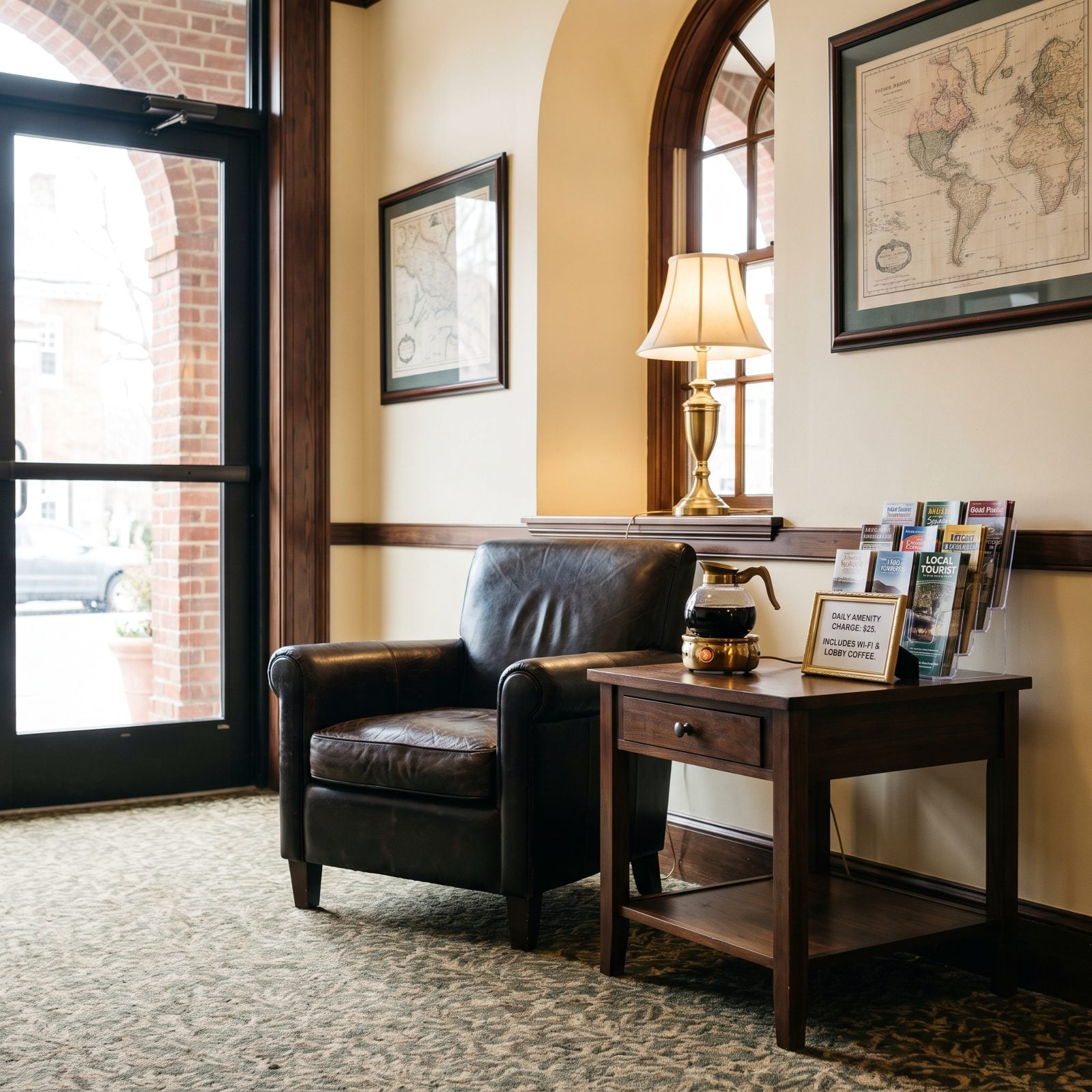
A beachfront property with three pools, a spa, and a water park charging a resort fee? Sure, fair enough. A roadside motel with one humming vending machine and a lukewarm coffee pot charging the same? That’s the con in its purest form.
Resort fees were dreamed up to look like value and function like a surcharge. When there are no resort amenities to speak of, you’re just paying more for the exact same room you’d have gotten anyway.
Read the fee description line by line. If it covers “premium WiFi” and “local calls” nobody has made since the Clinton administration, call the property and ask them to waive it. Sometimes they do. And the way they handle the ask tells you plenty about how they treat guests.
9. Parking Costs Almost as Much as the Room
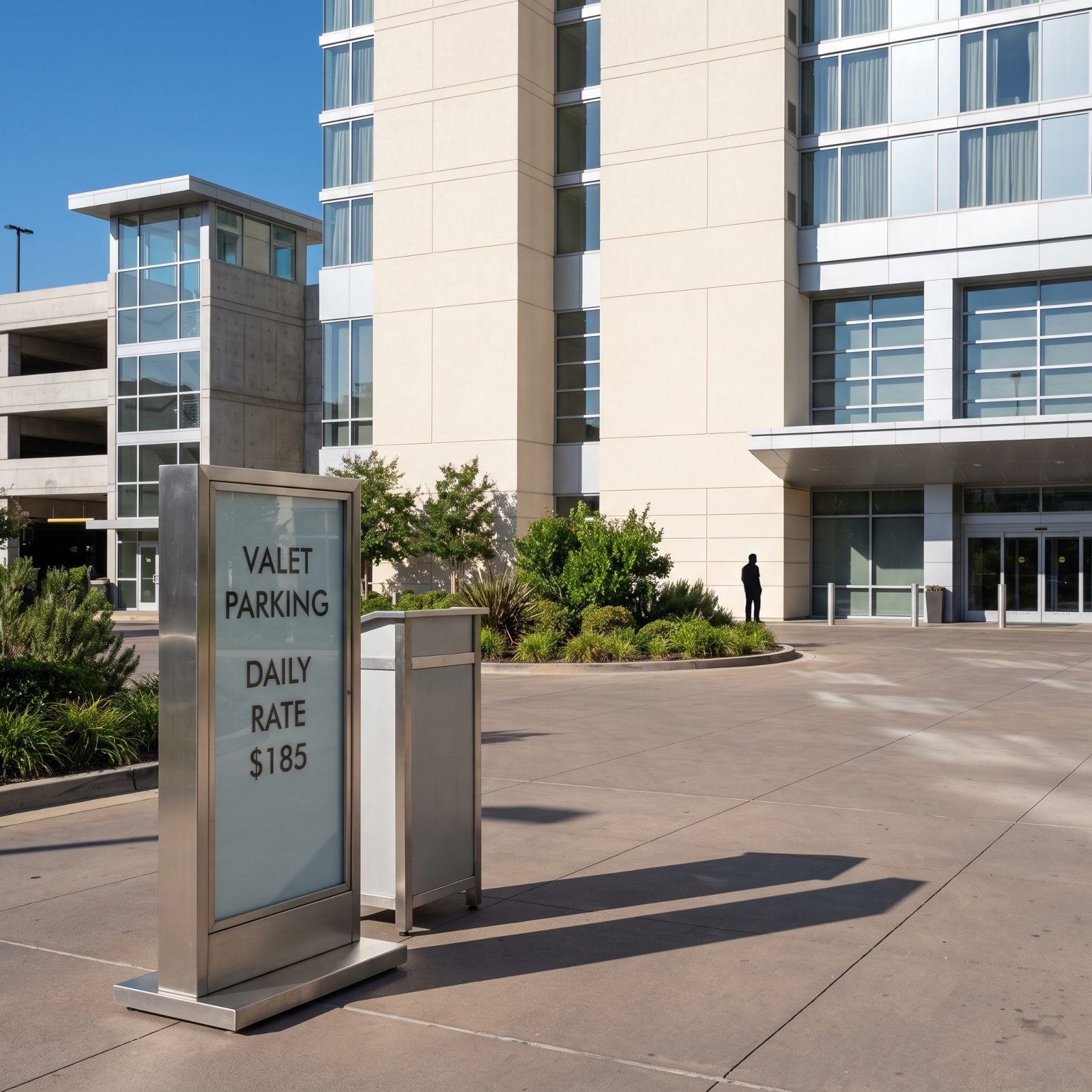
You found a reasonable rate in a walkable city. Then you notice the parking line, steep enough to make you wince, and your careful budget suddenly grows a second head.
Downtown hotels lean on parking as a profit center. If you’re driving, that nightly charge can pile a hundred dollars or more onto a two-night stay, quietly erasing whatever deal lured you in the first place.
Hunt for the parking line before you book. See whether a nearby garage or street parking runs cheaper, and whether a hotel ten minutes out with free parking actually wins the math once you add everything up.
8. A Large Security Deposit Is Buried in the Terms
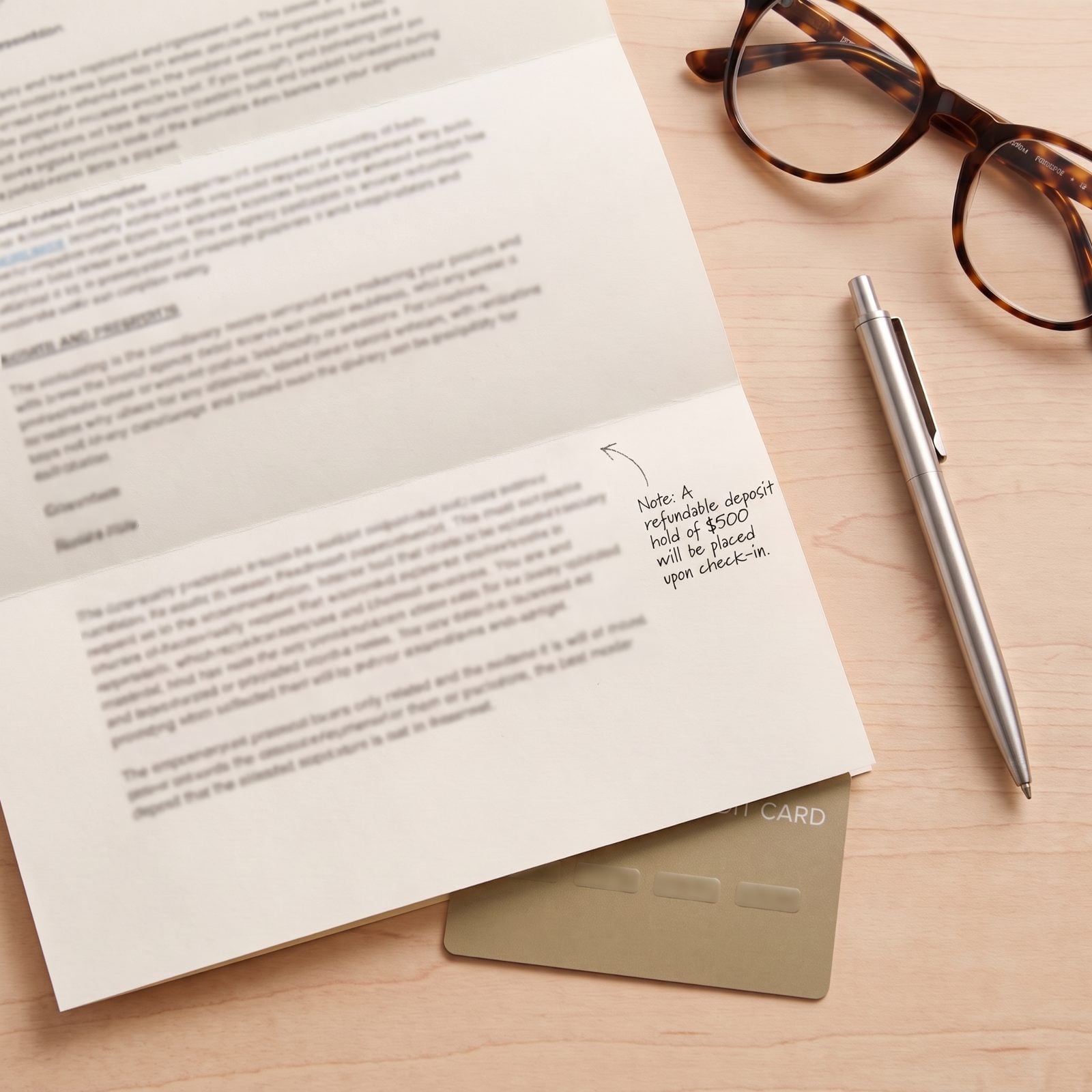
You booked a modest room and the hold on your card reads several times that. The difference is a security deposit the listing mentioned exactly once, in gray text, somewhere below the cancellation policy where it hoped you’d never scroll.
Most deposits are refundable. But a hold still ties up your money for days, sometimes weeks, and if you’re near your credit limit on a long trip, that can leave you stranded at the next stop with a declined card and no idea why.
Read the fine print before you reserve, and fold the hold into your available balance. Call ahead to confirm the amount and the refund timeline. Grab the person’s name while you’re at it.
7. Guests Must Collect Keys at a Different Address
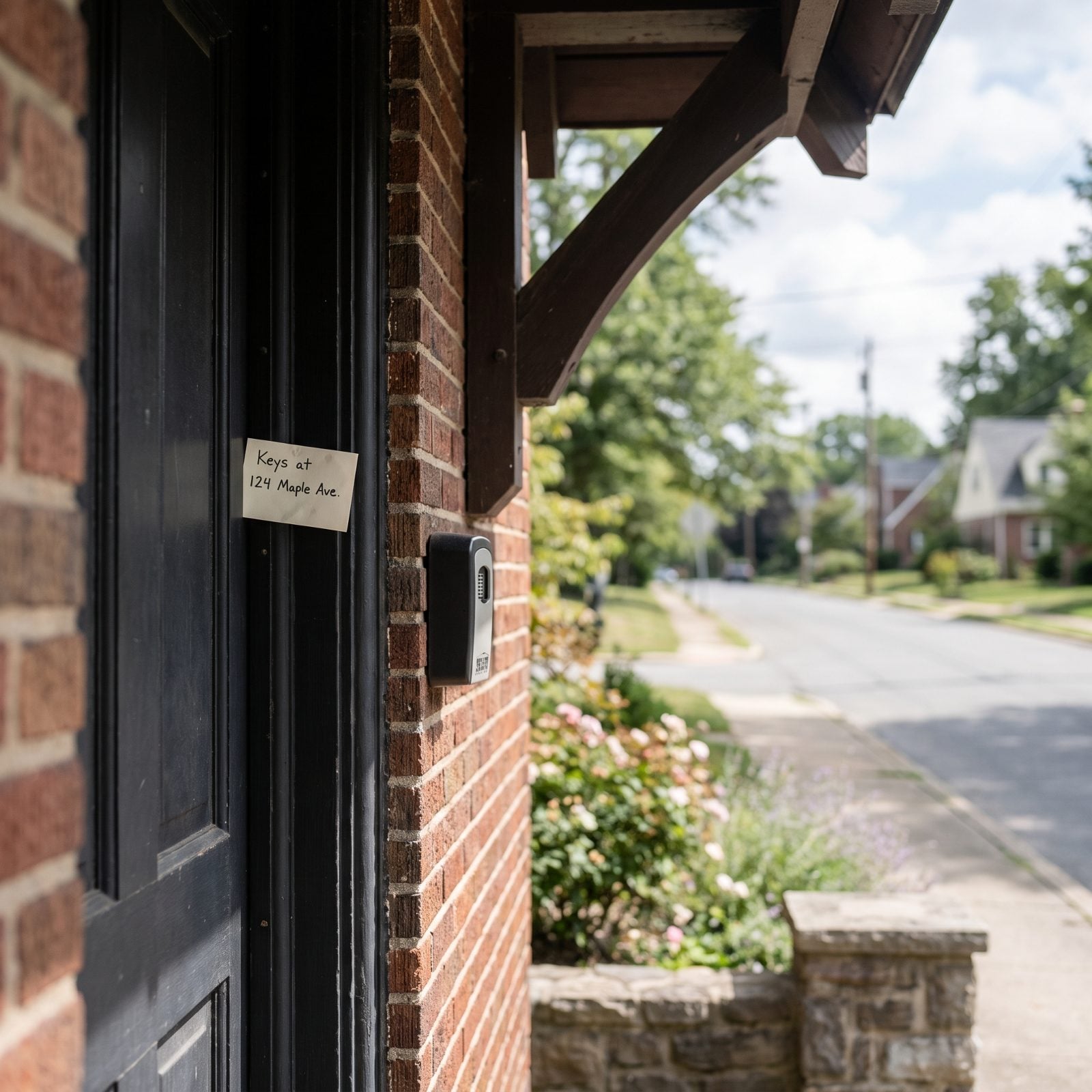
You land after a nine-hour flight, and the booking cheerfully informs you to collect your key from an office four blocks away that closed at six.
Off-site check-in has gotten common with budget apartment-style stays, and honestly it’s fine when it’s spelled out clearly up front. It becomes a nightmare when you discover it at 11 p.m., luggage in hand, phone ringing into a void that nobody answers.
Find the check-in instructions before you pay. Note the pickup address, the hours, and whether there’s an actual human waiting or just a lockbox bolted to a wall. A property that can’t tell you how you’ll get inside its own building isn’t offering a hotel. It’s offering a gamble, and you already know how those usually end.
6. Nobody Can Tell You Who’s in Charge After Midnight
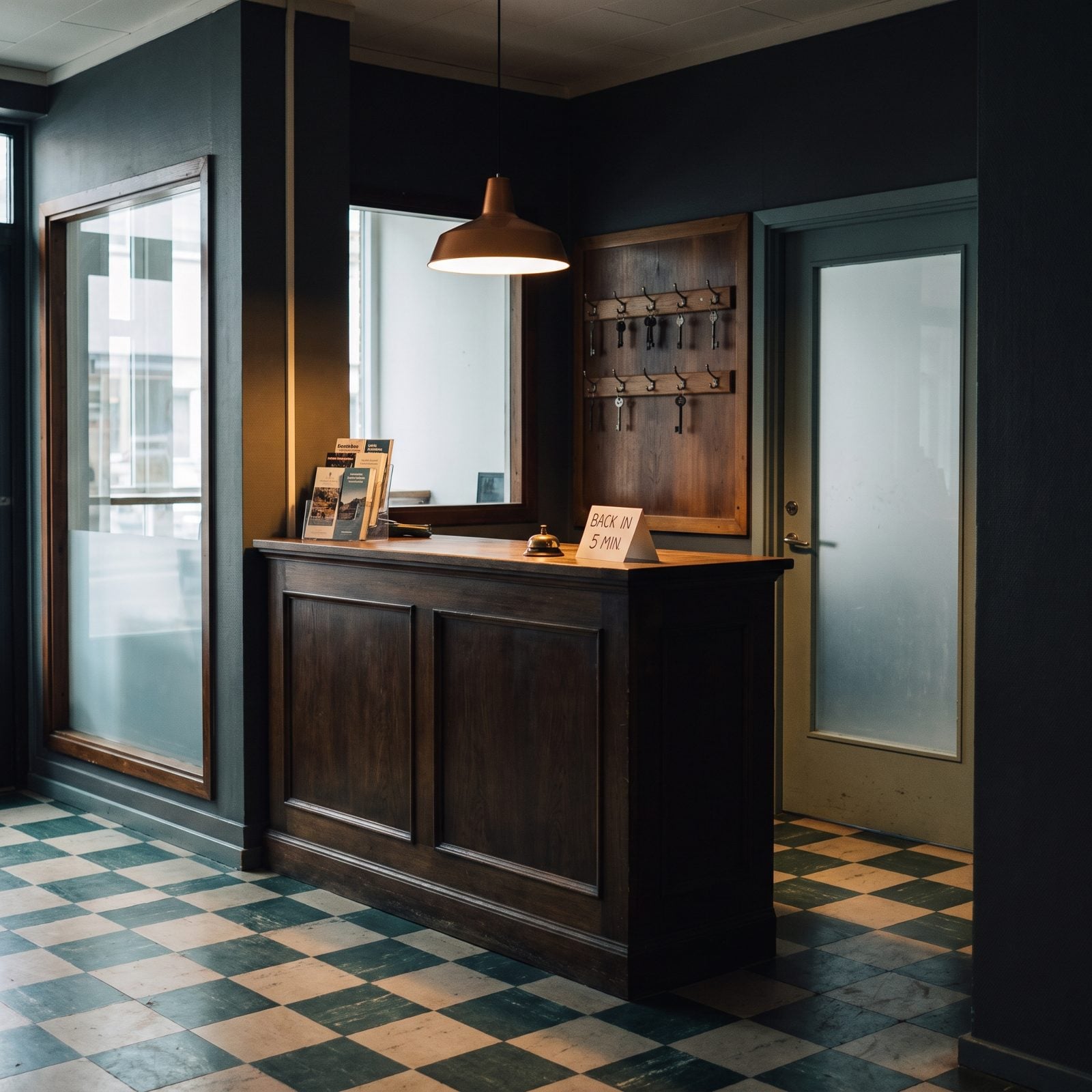
You book a room, land at 11 p.m., and the key card won’t work. So who do you call? When the confirmation, the website, and the listing all go quiet on that one question, the silence is your answer.
Small and mid-range places sometimes run a skeleton night crew. Sometimes none at all. A locked door and an unreachable manager at midnight is not a night you want to live through, and it happens more than anyone cares to admit.
Before you reserve, send one short message: “Who handles guest issues overnight, and what’s the direct line?” A real hotel answers in a sentence. A property that dodges the question, or shuffles you off to a central booking bot, is quietly telling you exactly how your bad night will unfold.
5. There’s No Real Phone Number, Just a Contact Form

A hotel with nothing but a web form is hiding behind a wall. You find the listing, you want to confirm one detail, and the only way to reach “them” is a contact box that vanishes into nowhere. No local number, no front desk line. Just a form and a promise.
Legitimate properties want your call, because phones mean bookings, upsells, and repeat guests. A place that won’t publish a direct number is often a reseller, a dead listing, or something that doesn’t quite exist at the address it claims.
So find the hotel’s name on a map, pull the number straight off the map listing, and dial it yourself. A human who answers and knows your dates? You’re fine. A disconnected tone, or a call center that’s never heard of the place? Walk away.
4. The Booking Page Still Loads Without a Lock Icon
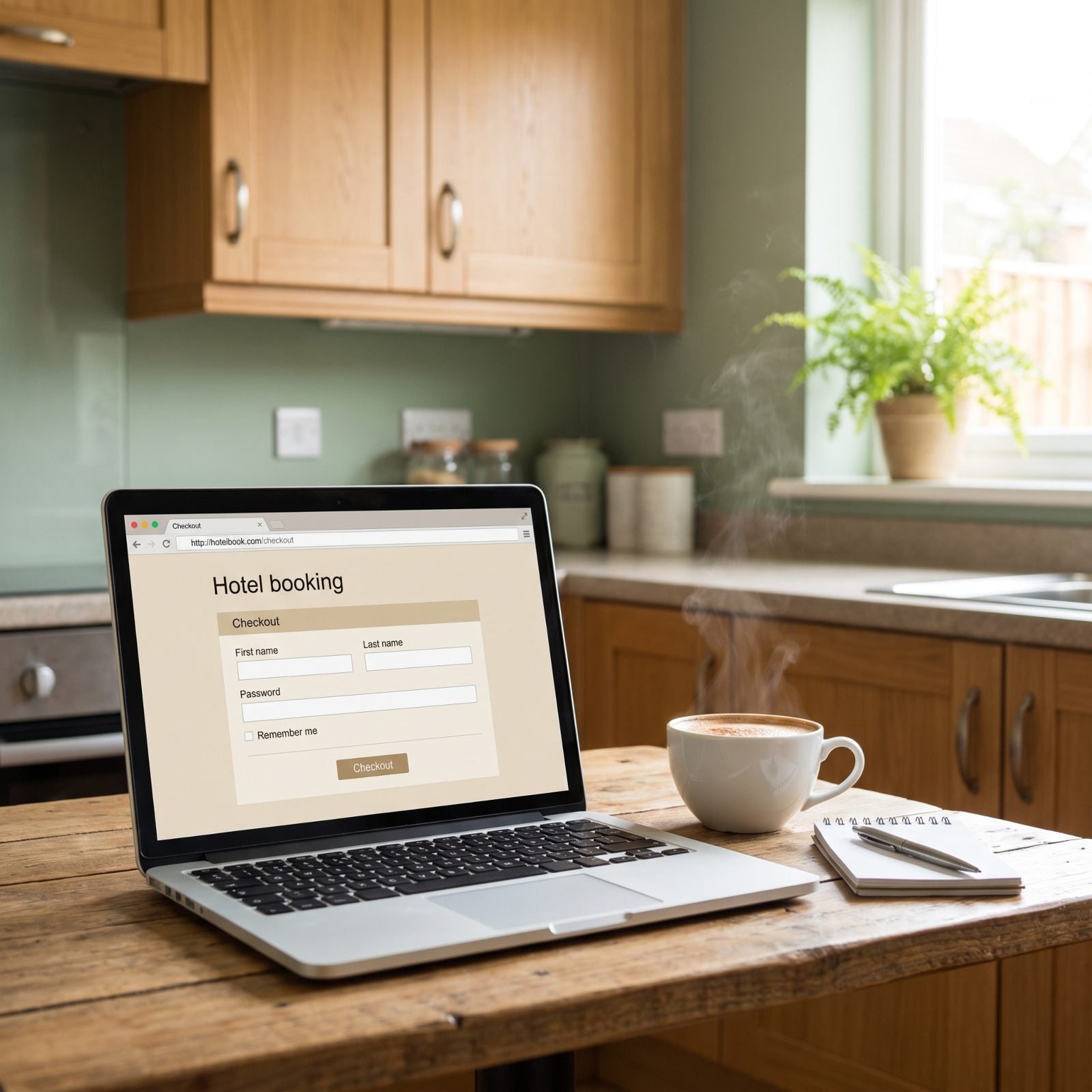
You’re about to type a card number, and the browser bar shows plain http with no padlock. That missing lock is the whole warning. The connection isn’t encrypted, which means whatever you enter floats across the open air for anyone to grab.
Real booking pages carry HTTPS as standard. A payment form on an unsecured page in this day and age isn’t quaint. It’s reckless, and sometimes it’s bait.
Check the address bar before you reach for your wallet. Look for the lock and the https:// prefix on the exact page asking for payment, not just the homepage. No lock, no card. Book somewhere else, or call the property and pay over a verified phone line.
3. The Price Is Half of Everything Else Nearby
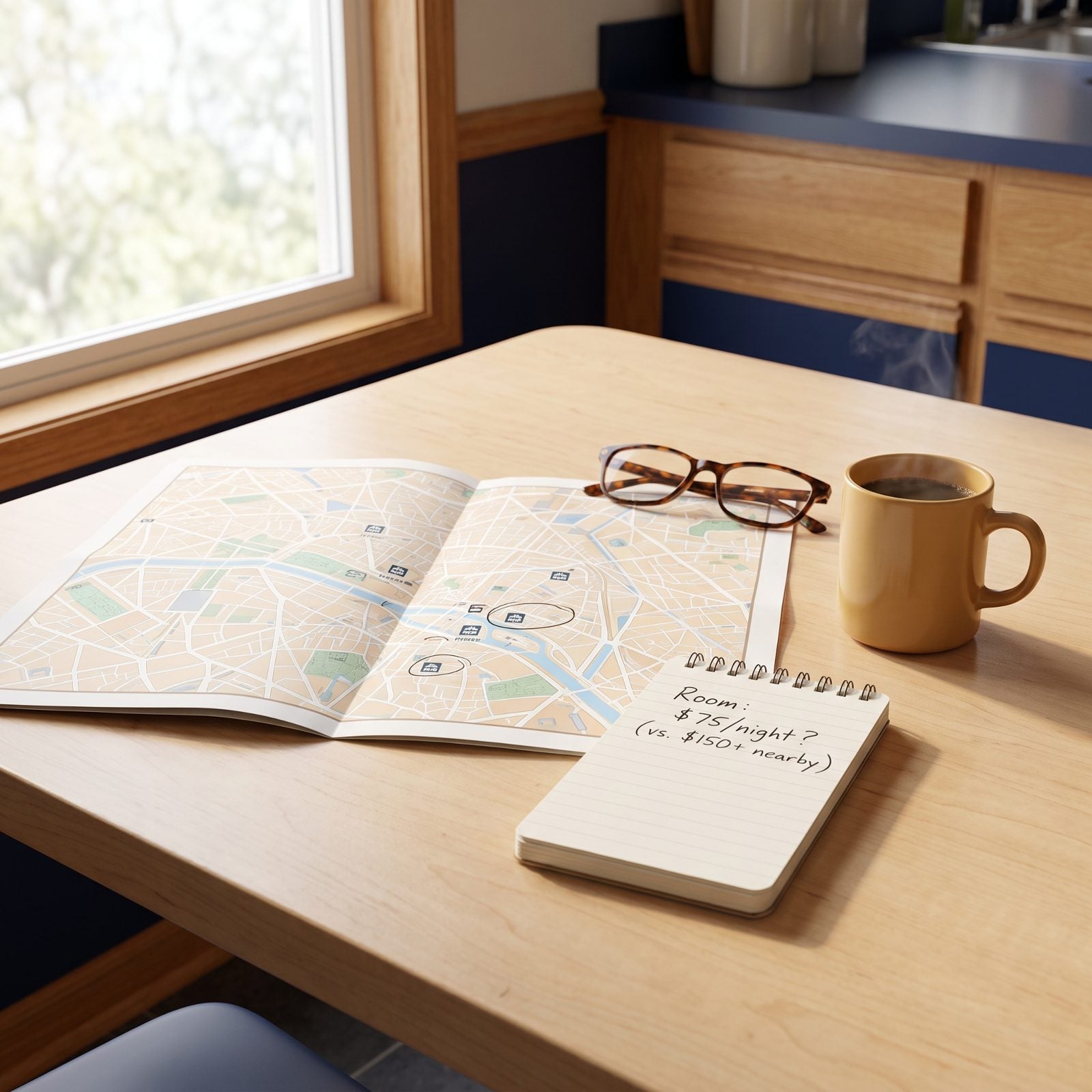
Every comparable hotel on the block runs around the same rate, and this one wants well under half of it. Your first reaction is luck. Your second should be a raised eyebrow.
Genuine deals exist, especially for last-minute rooms and off-season dates. But a price that undercuts the whole neighborhood by half usually hides something: a room over a nightclub, a construction site next door, a listing that collects deposits and vanishes, or fine print that claws the “savings” right back in fees.
Do the math before you celebrate. Pull up three or four nearby hotels of the same class and compare the real total, taxes and fees included, then read the lowest-rated reviews for the cheap one. If the gap has a reason, you’ll find it fast. If it doesn’t? You’ve stumbled onto something genuine, and those are worth grabbing.
2. The Reviews Keep Mentioning Walls You Can Hear Through

One reviewer complaining about noise is a light sleeper. Six reviewers using the phrase “paper-thin walls” across different months is a building problem that won’t repair itself before your stay.
Sound bleeds through cheap construction, and no amount of charm in the lobby photos will mute the couple next door or the elevator shaft behind your headboard. You booked a room to rest in. A wall you can hear through steals exactly that.
Scan the reviews for repeated words. “Thin walls.” “Street noise.” “Could hear everything.” When the same complaint keeps surfacing month after month, believe it. If you still want the place, call and ask for a room on a high floor, away from the elevator, facing the courtyard. Pack earplugs anyway.
One bad review is an opinion. Six identical ones are a pattern, and patterns don’t lie.
1. They Want Payment by Bank Transfer or a Chat App
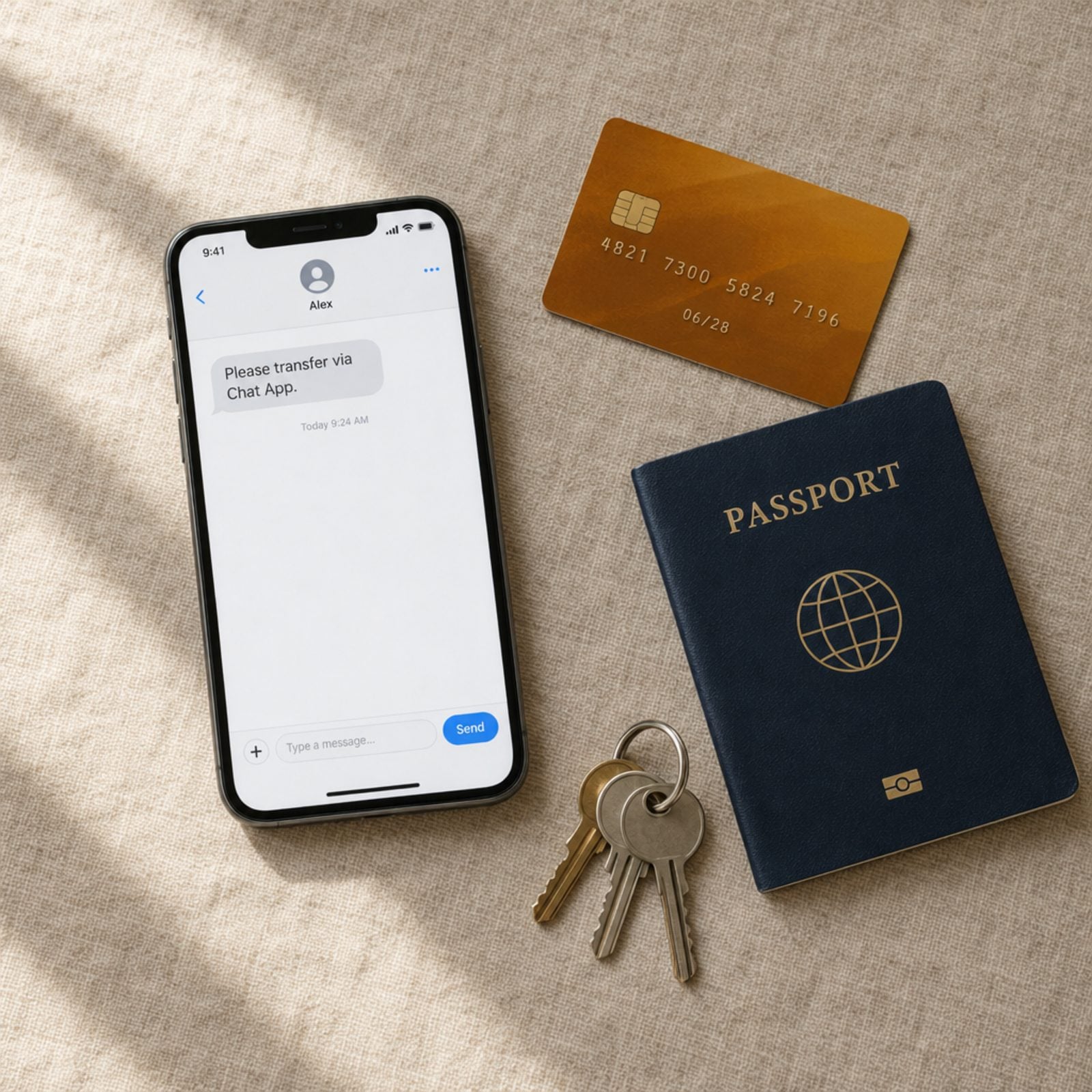
The booking goes smoothly right up until the final step, when the “hotel” asks you to wire the deposit to a personal bank account or pay through a messaging app. Stop there. This is the clearest fraud signal in the whole process.
Bank transfers and app payments are untraceable and unrecoverable. Once the money leaves, it’s gone, and so is the person who asked for it. Real hotels take cards through secure gateways, with the fraud protection a card gives you.
Never pay a hotel by wire transfer, gift card, or chat-app money request. No exceptions, and definitely no “just this once because the system is down.” A property that insists isn’t a property at all. It’s a trap. Book through a verified card payment or a reputable platform, and keep your money somewhere you can claw it back.
🔥 Would you like to save this?
Please note that some of the imagery in this article were created with the aid of AI image generators.