

🔥 Would you like to save this?
Most retirement lists point you to the same handful of countries, and they keep pointing until the bargains there dry up. The real value sits in the places nobody brings up at the dinner party. Lakeside towns where a two-bedroom costs less than a parking space back home. Cities where lunch runs a few dollars and the doctor fits you in the same week. These are the spots where a fixed income buys a bigger life instead of a smaller one. Some you can pronounce. A few you’ve never once considered, and all of them are worth a serious look before everyone else figures it out.
29. Paraguay, Asunción, Where Housing Stays Cheap and Residency Stays Simple
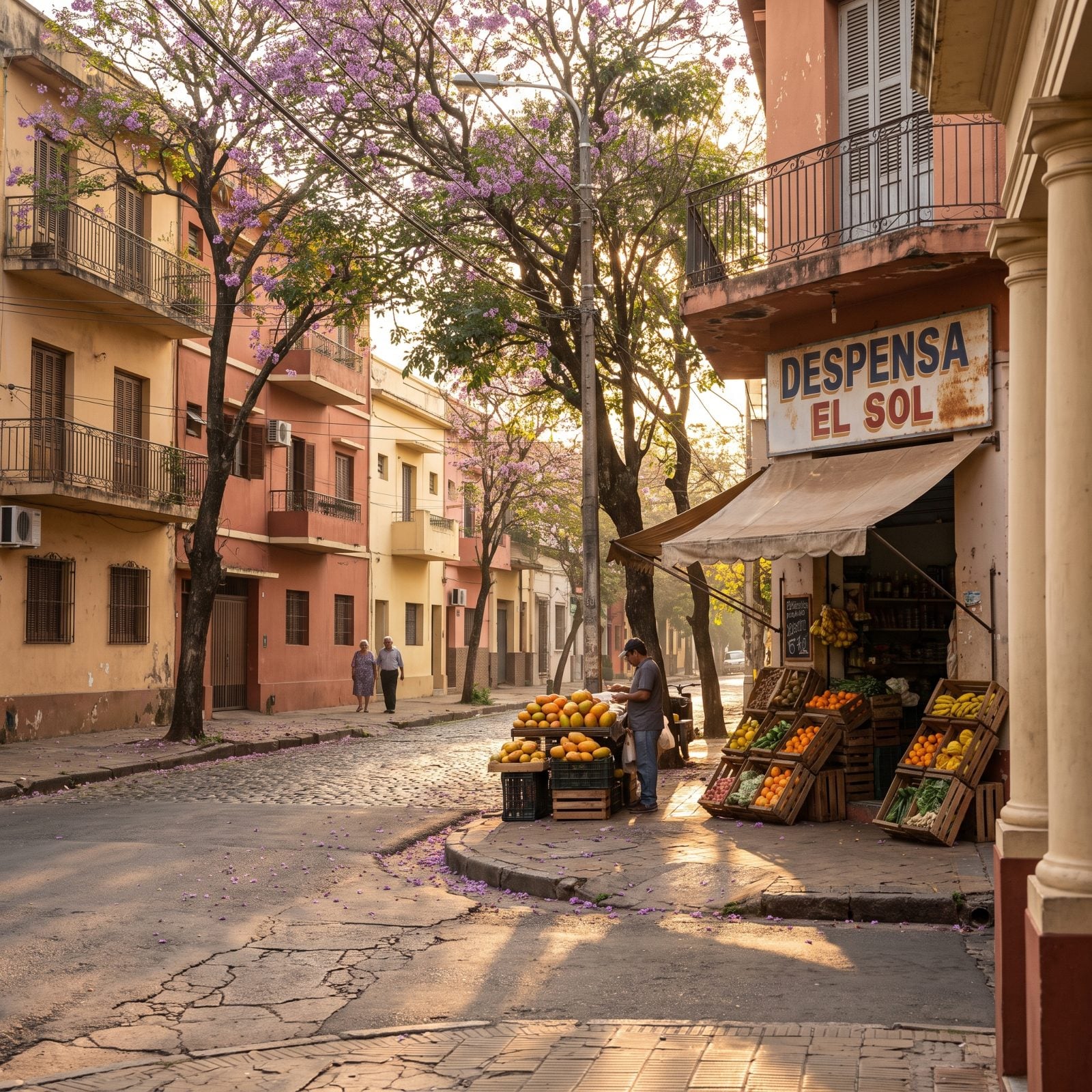
Paraguay built its reputation among budget-minded expats on one thing: residency that doesn’t treat you like a suspect. For years the permanent route asked for a modest bank deposit and a short stack of documents. The specifics have tightened lately, but the overall bar stays lower than almost anywhere in the Americas. Check current requirements before you pack a single box.
Asunción itself is the payoff. Apartments in walkable central neighborhoods rent for a sliver of what comparable U.S. cities charge, and the day-to-day stuff, groceries, help around the house, a decent meal out, runs refreshingly flat. This is no postcard town. It’s a working capital, and for retirees who want their money to behave, that’s exactly the appeal.
28. North Macedonia, Ohrid, Lakeside Living Minus the Lakeside Markup
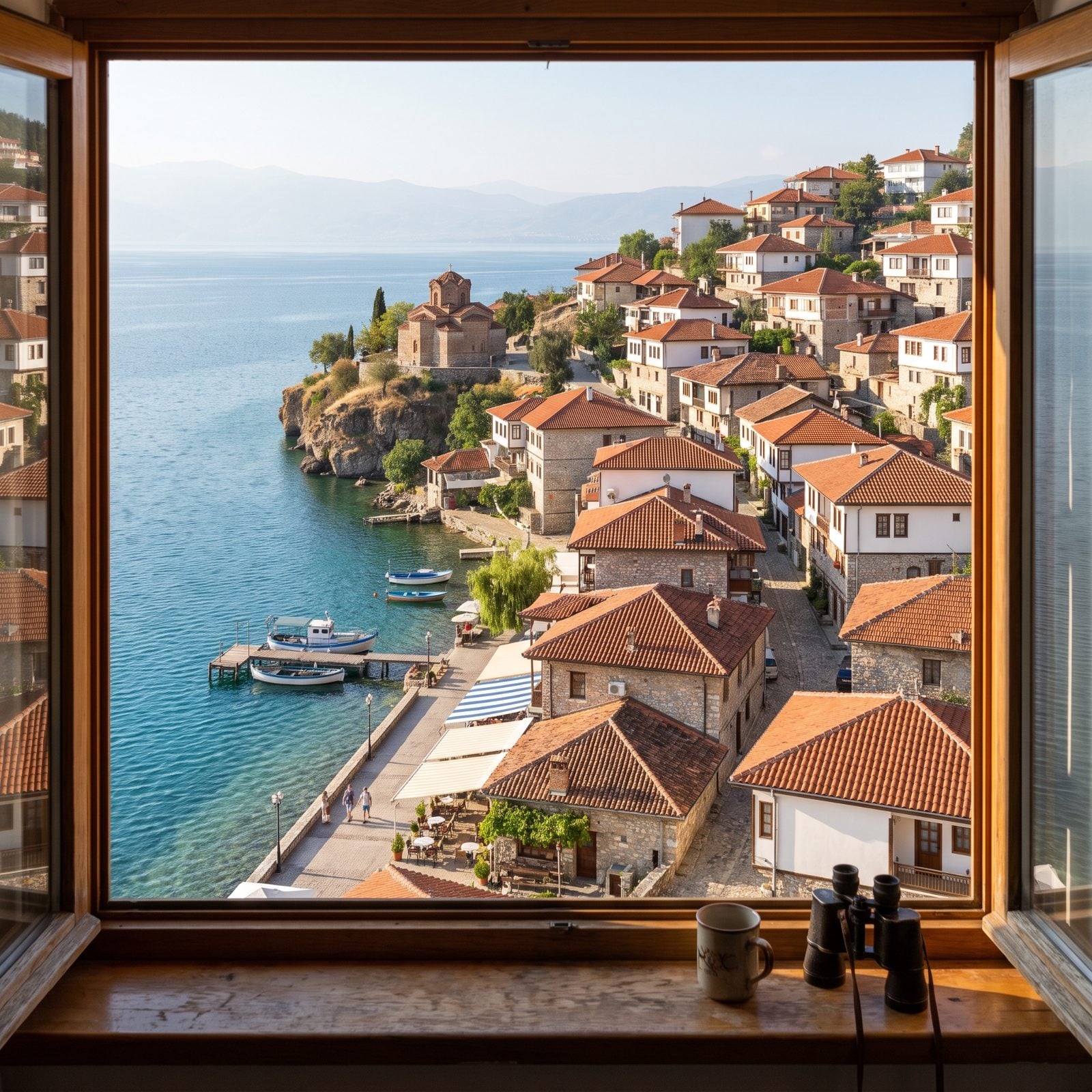
Lakefront usually means a premium. Ohrid didn’t get the memo. This UNESCO-listed town sits on one of Europe’s oldest and deepest lakes, and it hands you water-view living that would cost a fortune in Italy or Switzerland for a tiny slice of the price.
Everyday costs stay low straight across the board. A sit-down meal of fresh lake fish, coffee on the promenade, produce from the market, all of it lands well under Western European levels. The town is small and walkable, the pace is slow in the best possible way, and by October the summer crowds have thinned to almost nobody. One catch: North Macedonia has no dedicated retirement visa, so the residency path takes real legwork. The lake makes the paperwork worth it.
27. Bosnia and Herzegovina, Trebinje, Café Culture on an Apartment Budget
Trebinje runs on coffee and shade. The plane trees in the old town square have been dropping their canopy over café tables for generations, and sitting an hour over a single strong cup is treated as a civic right rather than a luxury.
What makes it work for retirees is the math. Apartments here cost a fraction of coastal Croatia an hour’s drive away, yet the climate, the food, and that unhurried Mediterranean rhythm feel of a piece with the coast. Rent stays modest. Wine from the surrounding Herzegovina hills is excellent and cheap, and the town is small enough to cross on foot in the time it takes your coffee to cool.
26. Armenia, Yerevan, Walkable City Living at Local Prices
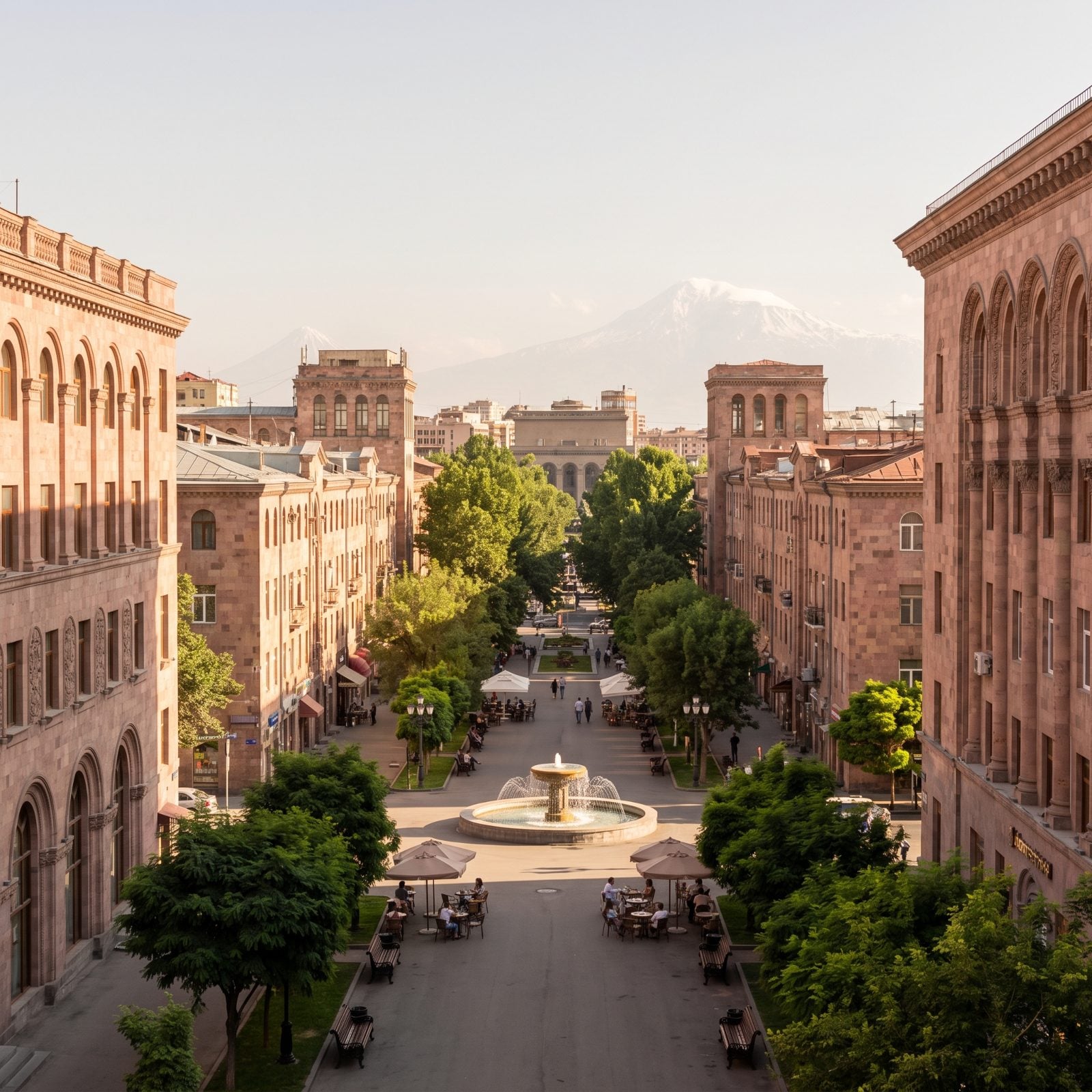
People call Yerevan the pink city because so much of it is built from local rose-colored volcanic stone, and lit at sunset, that stone is reason enough to visit. The cost of staying is reason enough to think about more.
This is a real walking city, and it knows it. Wide boulevards, café-lined squares, an easy metro, and a culture that treats the evening stroll as the main event. Apartment rents in central districts stay modest, dining out is cheap, and the fresh fruit from the markets, apricots especially, is the stuff of legend. Americans get a generous visa-free window, often months at a stretch, so a long trial run is simple before you commit to anything. For a capital carrying this much history, the value borders on absurd.
25. Albania, Sarandë, Adriatic Views Without the Greek Price Tag
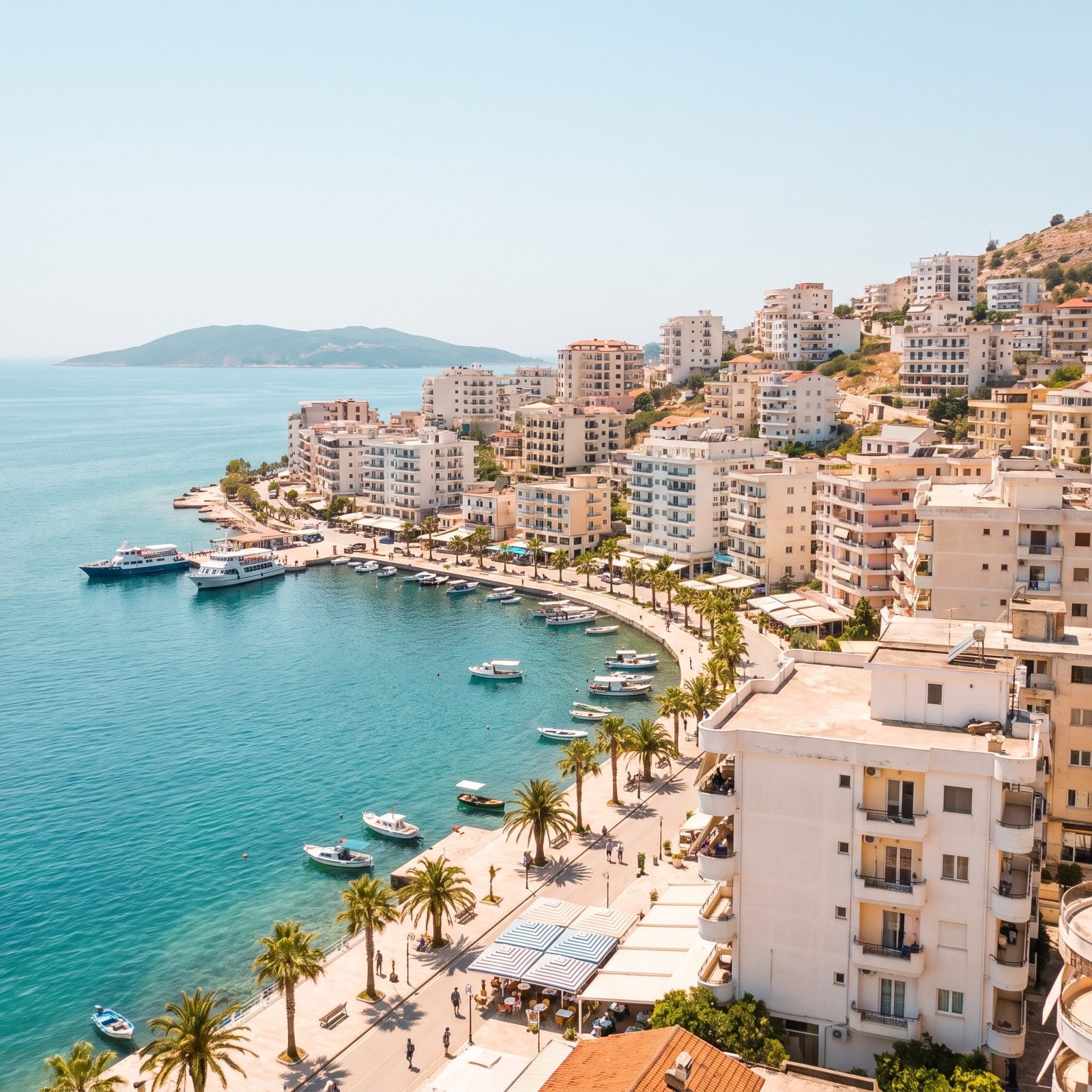
Stand on the Sarandë waterfront and you can see Corfu across the water. The view is Greek. The prices are not.
Albania’s southern coast gives you the same turquoise Ionian water and sun that drives up costs across the border, just at a dramatic discount. Seafront apartments here rent and sell for a fraction of comparable Greek or Italian property, and a plate of fresh seafood with a glass of local wine stays genuinely cheap. Albania also hands Americans a long visa-free stay, up to a full year, which is rare enough to matter and makes extended living almost frictionless. The tradeoff? Infrastructure that’s still catching up, plus hectic summers. Come in spring or fall and the coast is yours.
24. Bulgaria, Plovdiv, Ancient Streets, Working Trams and Low Rent
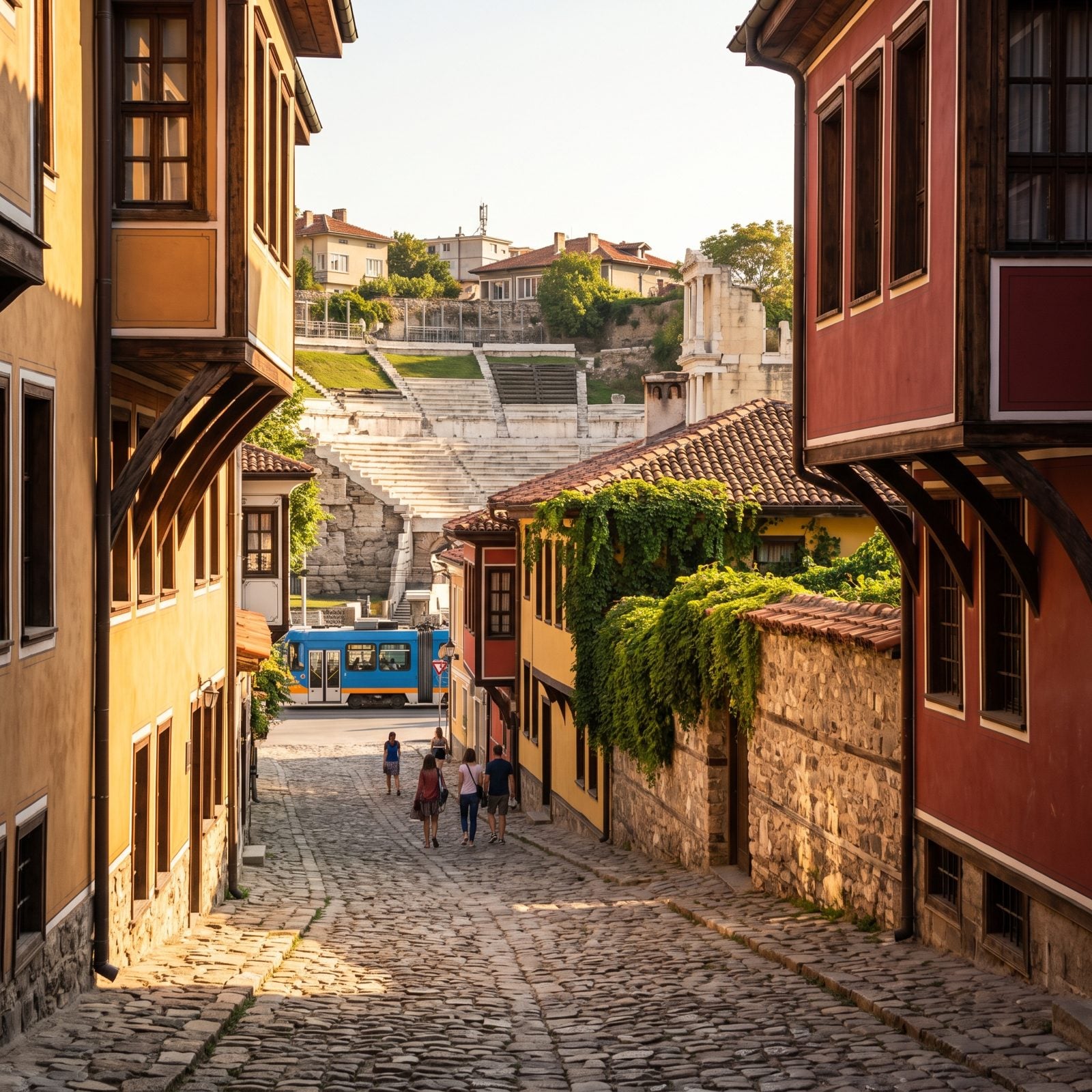
Plovdiv claims to be one of the oldest continuously inhabited cities in Europe, and it wears the title casually. A working Roman amphitheater sits right in the middle of town, still hosting concerts. You walk past six thousand years of history on your way to the grocery store.
For retirees, the appeal is practical. Bulgaria ranks among the least expensive countries in the European Union, Plovdiv more so than the capital, and old-town apartments and the surrounding neighborhoods rent for strikingly little. Public transit covers the city on pocket change. The dining is hearty and inexpensive, the pace suits a slower chapter of life, and because Bulgaria is in the EU, the medical and administrative framework feels more familiar than in some of its neighbors.
23. Serbia, Novi Sad, Riverside Dining and Apartments That Add Up
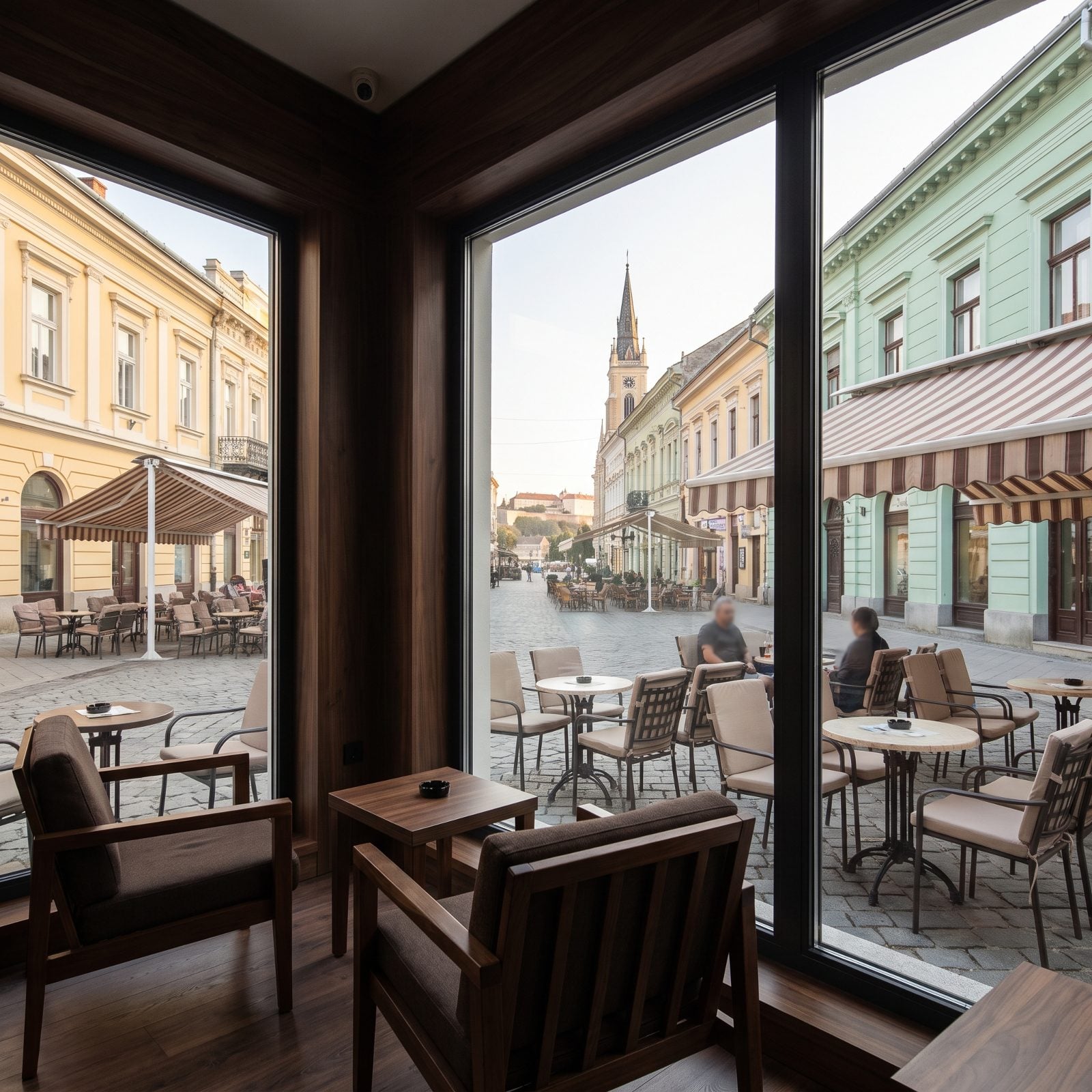
Novi Sad feels like Central Europe at a Balkan price. The Austro-Hungarian facades, the café culture spilling across the pedestrian streets, the Danube rolling past the old fortress, it all reads like a city that ought to cost far more than it does.
Dining out is where the value really lands. A proper restaurant meal with wine runs a fraction of what you’d pay in Vienna a few hours north, and apartment rents in the center stay within reach on a fixed income. The city is flat, walkable and manageable in size. Serbia isn’t in the EU, so residency takes patience, but once you’re settled the cost of actually living there ranks among the best on the continent.
22. Romania, Brașov, Transylvanian Scenery at a Fraction of Western Cost
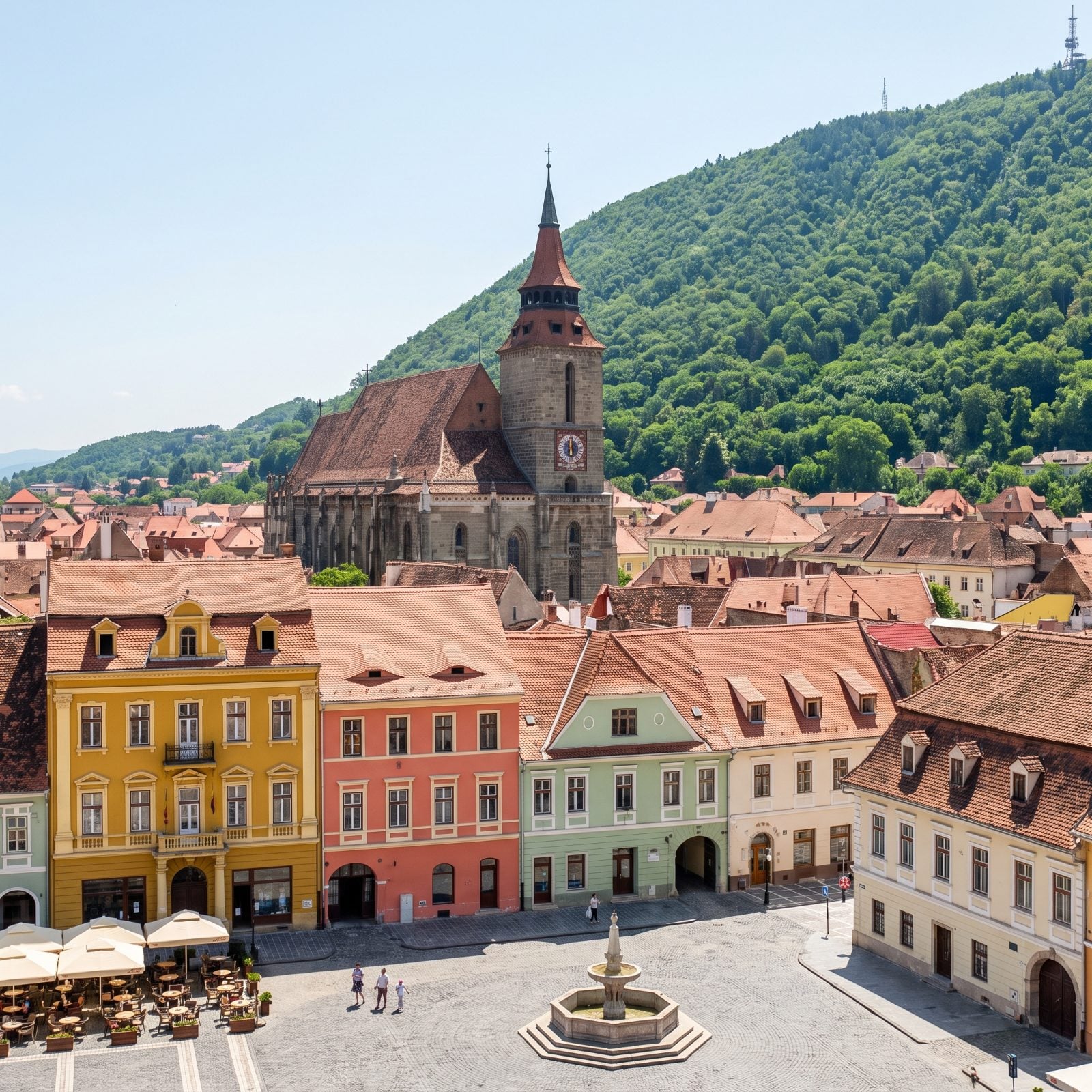
Brașov sits in a bowl of the Carpathian Mountains, its baroque old town backed by forested peaks and medieval towers. It looks expensive. It isn’t.
Romania remains one of the more affordable corners of the European Union, and Brașov pairs that affordability with mountain air, hiking on your doorstep, and a compact walkable center packed with cafés and restaurants. Apartments cost well below Western European levels, and the everyday services, a haircut, a doctor’s visit, come cheap. The four seasons are real here. Winters are cold and snowy, which suits some retirees and sends others fleeing south. But if you want scenery, history and EU stability without the Western price, good luck beating it.
21. Georgia, Tbilisi, Cheap Feasts and a Year-Long Welcome for Americans
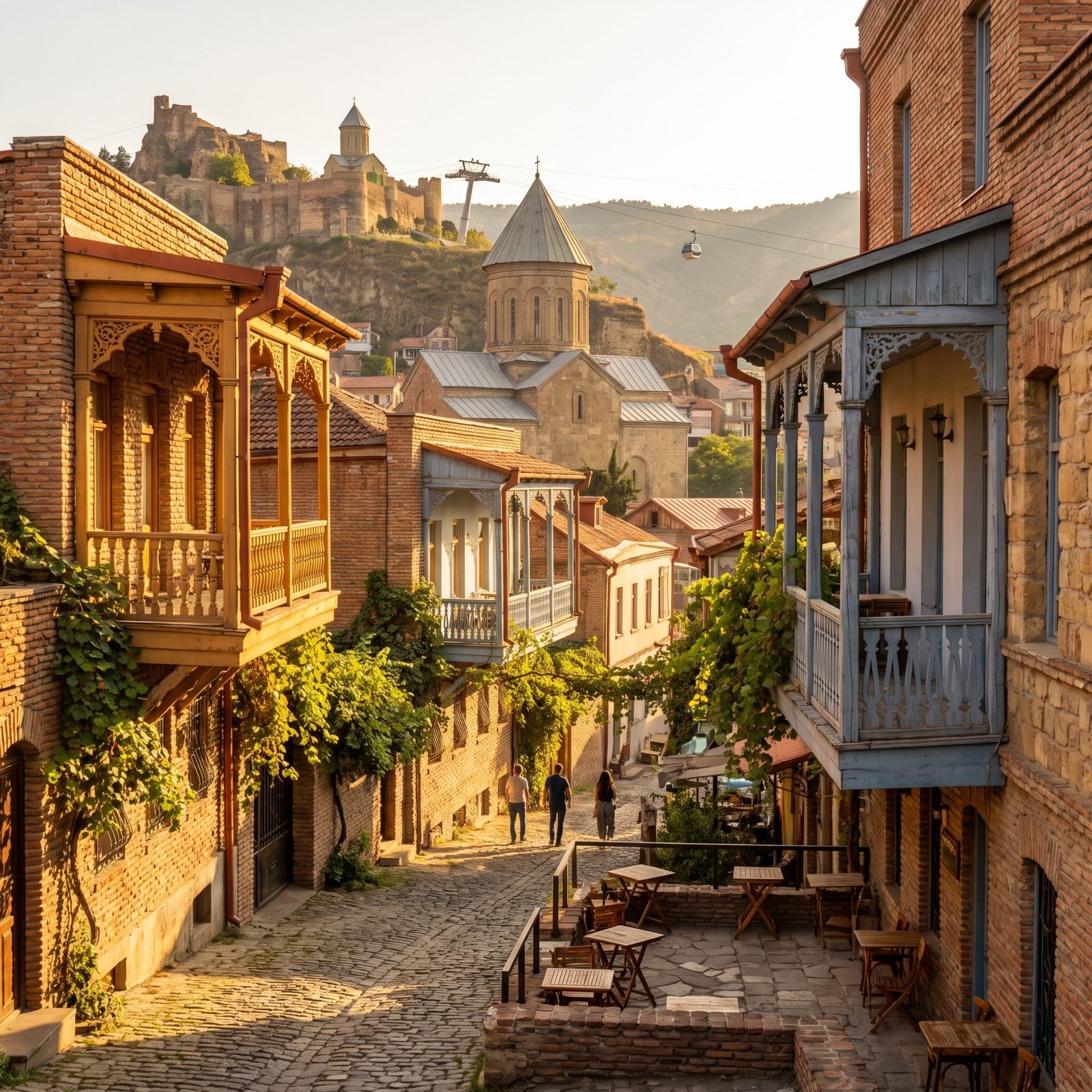
The policy alone earns Georgia a spot on the shortlist. Americans can stay in the country visa-free for a full year, a near-unheard-of arrangement that lets you test retirement living with zero paperwork before you decide anything at all.
Then there’s the food, and the cost of it. A Georgian feast, fresh bread, slow-cooked stews, wine from vines cultivated here for thousands of years, lands for a few dollars a head. The old town is a maze of carved wooden balconies and sulphur bathhouses, walkable and dripping with character. Rents stay low. The climate is mild. And the hospitality isn’t a tourism-brochure cliché, it’s treated as a genuine cultural obligation.
A year of living somewhere before you commit to it is the single best due diligence a retiree can do. Georgia hands it to Americans for free.
20. Bolivia, Cochabamba, Mild Weather and Markets That Barely Dent the Wallet
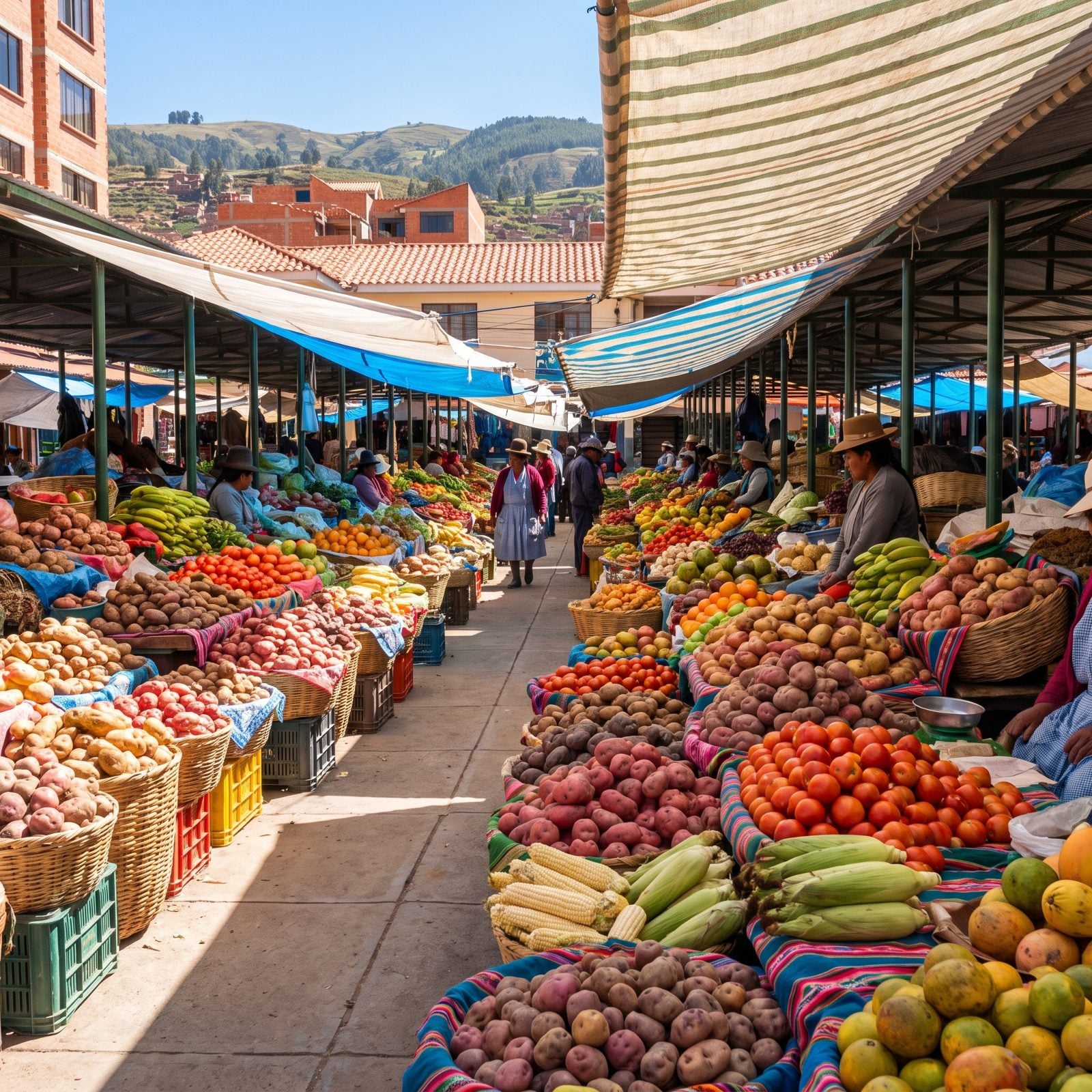
Cochabamba calls itself the city of eternal spring, and for once the tourism slogan is honest. Set in a valley at altitude, it skips the extremes: mild days, cool nights, year round. No air conditioning bills, no heating bills, which does nice things to a fixed budget.
The city is famous across Bolivia for its food, and the markets prove it. La Cancha, one of South America’s largest open-air markets, is where locals actually shop, and the prices there are what keep the whole cost of living remarkably low. Produce, meals, household help, all cheap. Bolivia is less polished than some options on this list and Spanish is close to essential, no sugarcoating that. But for a retiree chasing warmth, abundance and real value far off the beaten path, Cochabamba delivers.
19. Tunisia, Hammamet Delivers Mediterranean Living at North African Prices
🔥 Would you like to save this?
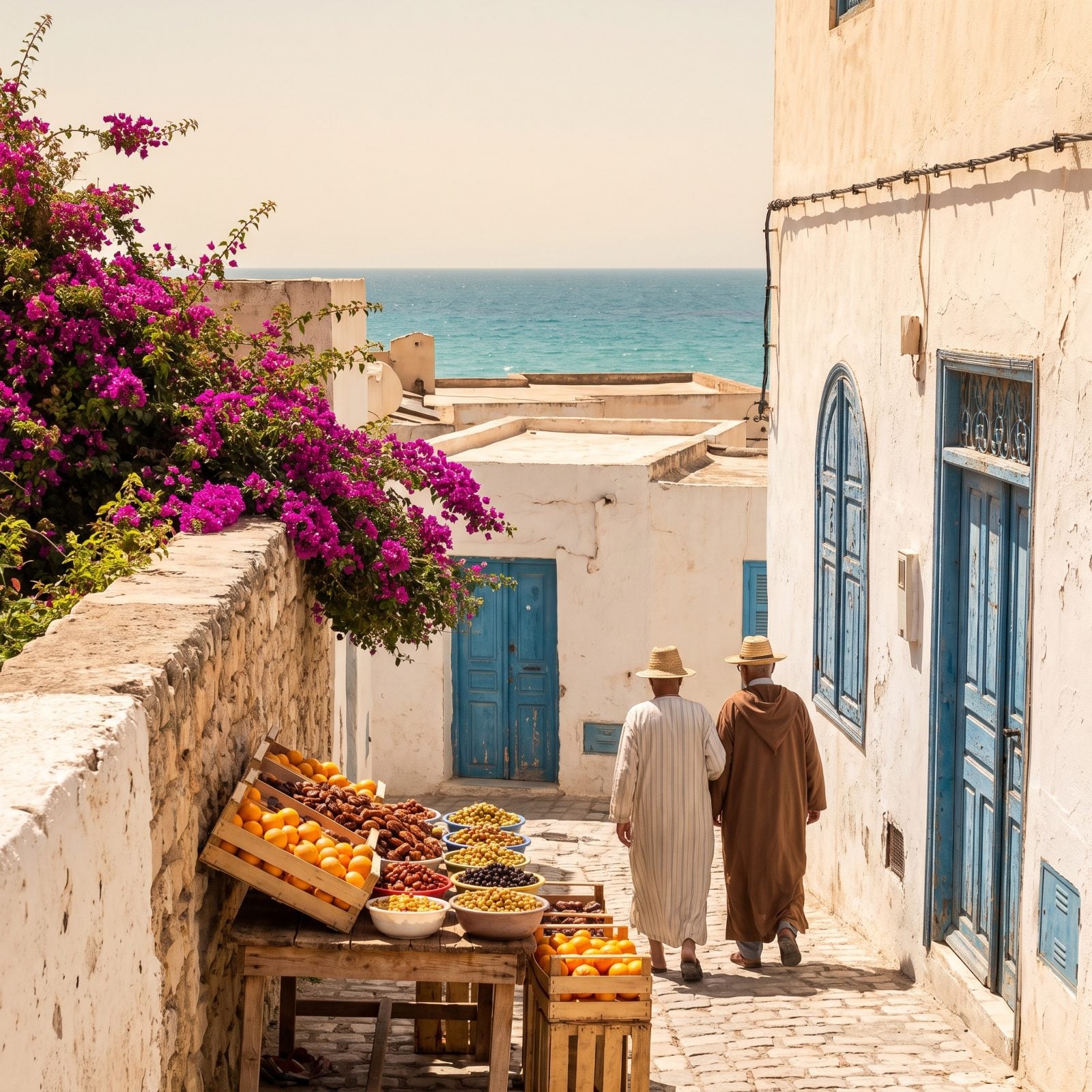
Most people skip Tunisia entirely, which is exactly why it still works. Hammamet sits on the Cap Bon peninsula, an hour from Tunis, and its medina was here centuries before the first beach resort broke ground.
A furnished apartment near the water rents for a sliver of what southern Europe charges for the same sea view. Fresh fish, olives, citrus, and bread come off market stalls instead of supermarket shelves, and the dinar doesn’t so much stretch as sprint. French and Arabic rule the streets. Dust off whatever schoolroom French you still have before you land — you’ll want it.
18. Morocco, Agadir Offers Atlantic Beaches and Affordable Household Services
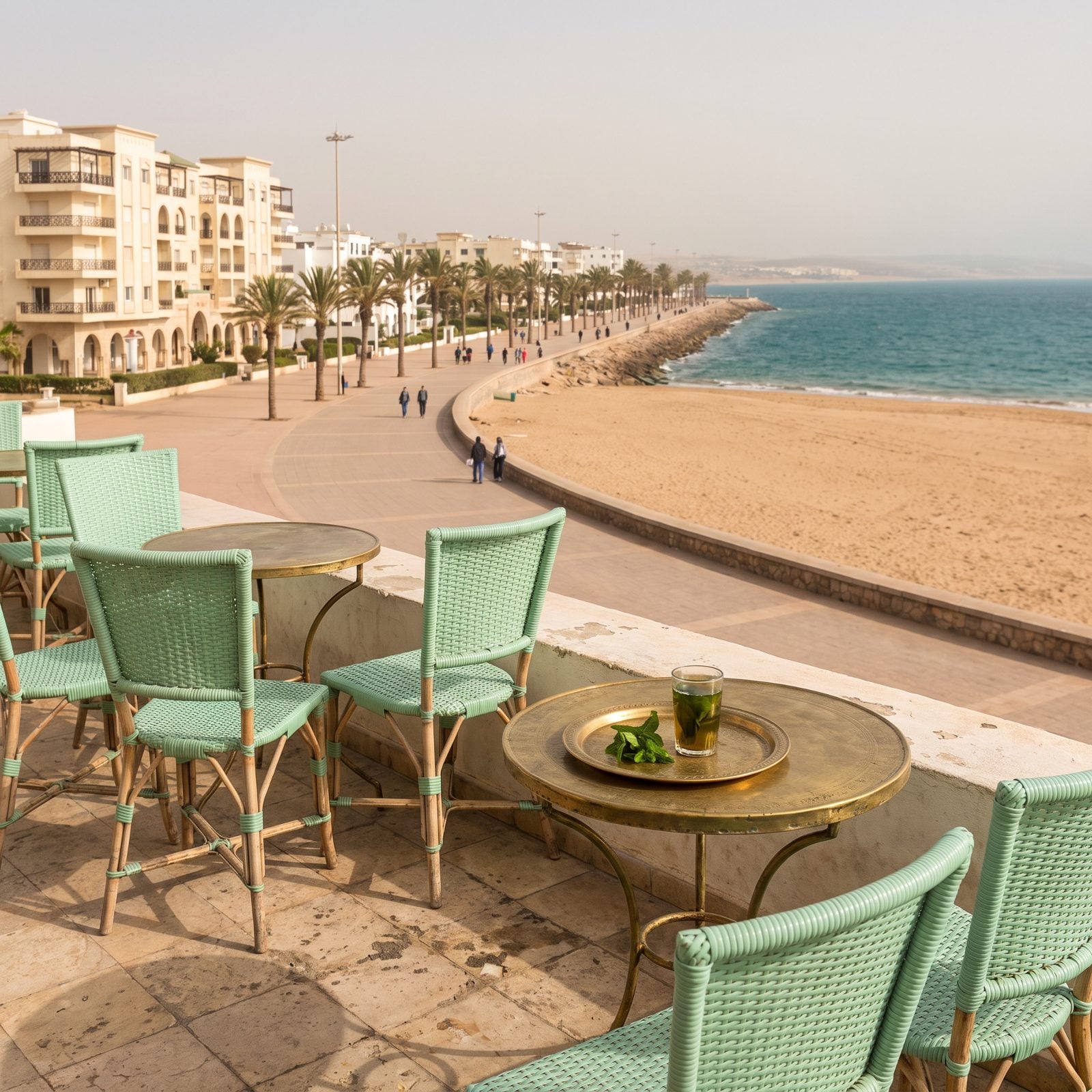
Agadir got rebuilt from the ground up after the 1960 earthquake, which means wide boulevards and a modern grid instead of a tangle of ancient lanes. The Atlantic keeps it cooler than inland Marrakech, and the beach runs for miles.
Now for the part that tips the budget your way. Household help — cleaners, drivers, handymen — costs little enough that plenty of retirees keep people on by the week. Souk produce is cheap and genuinely good. The trade-off? A pokey bureaucracy, and a city that quietly empties of European tourists once the heat settles in.
17. South Africa, Gqeberha Combines Coastal Scenery With Favorable Dollar Purchasing Power
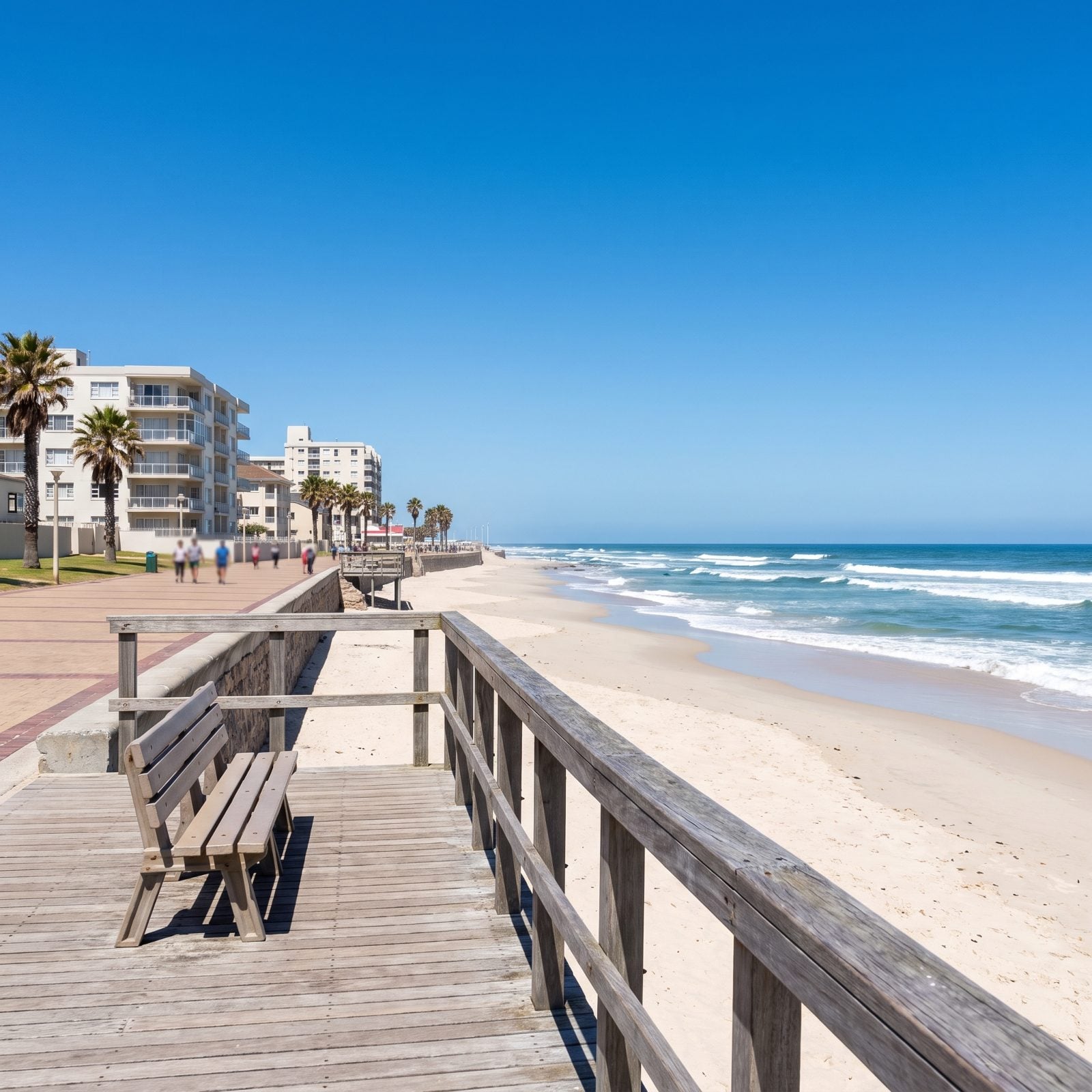
The rand does the heavy lifting here. For dollar earners, South Africa delivers first-world infrastructure at prices that read like a clerical error in your favor.
Gqeberha, which most people still call Port Elizabeth, sits on the warm Indian Ocean coast — beaches, mild weather, English spoken everywhere. Restaurant bills, wine, and groceries all run cheap by American standards, and the private healthcare is genuinely good. Research the neighborhoods carefully and budget for security. That’s the honest part nobody puts in the brochure.
16. Turkey, Antalya Combines Mediterranean Living With Affordable Local Food and Transit
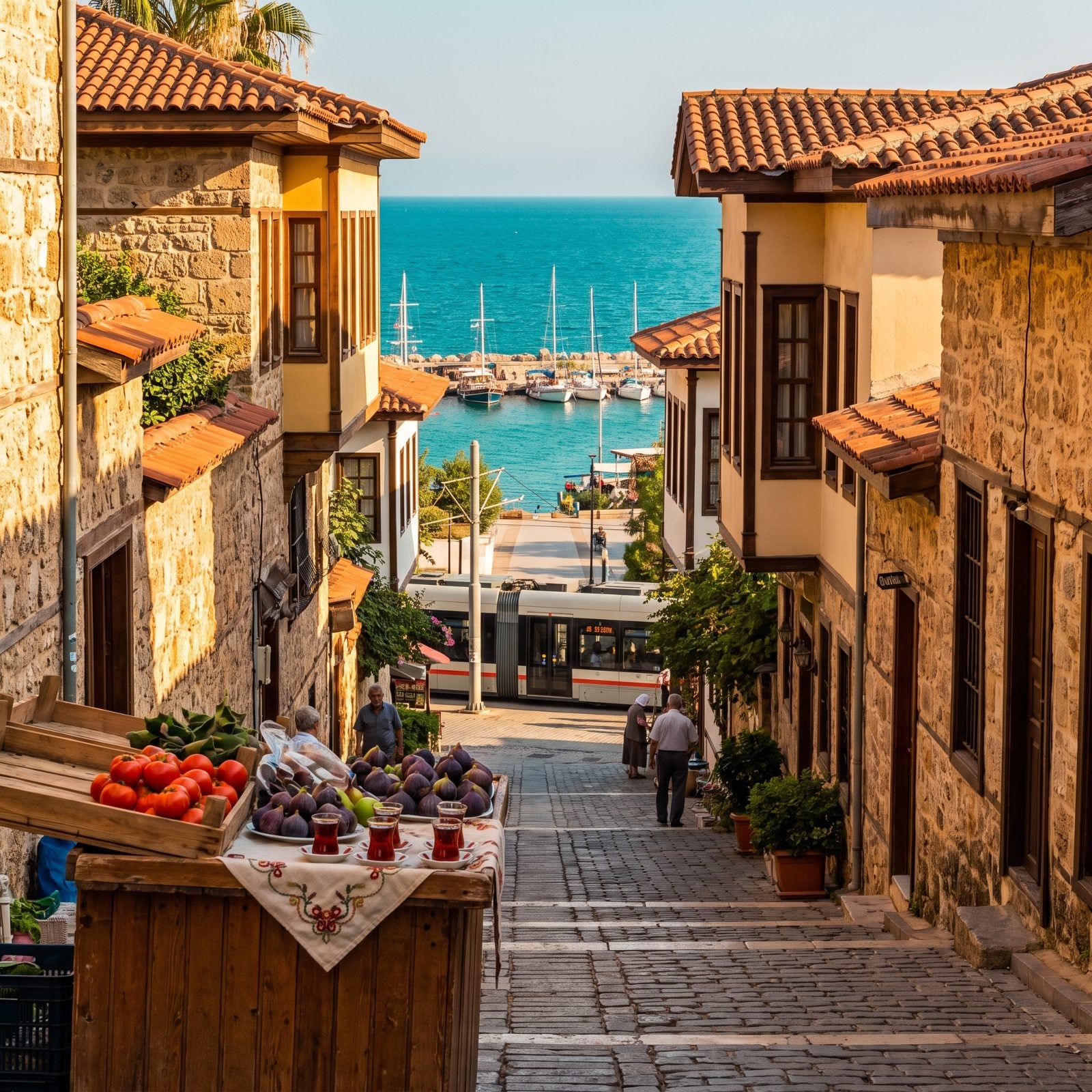
Antalya spreads along the Turkish Riviera with a palm-fringed coast, a walkable old town inside Roman walls, and a modern tram that costs pocket change to ride. Warm most of the year, the sea stays swimmable deep into autumn.
The markets overflow with produce priced for locals, not tourists, and a sit-down meal rarely dents the wallet. Turkey’s residency rules have tightened lately and shift from district to district, so verify the current requirements before you commit. The lira’s long slide has been brutal on Turks but kind to anyone paid in dollars.
15. Cambodia, Siem Reap Stretches Budgets With Affordable Services and Dining
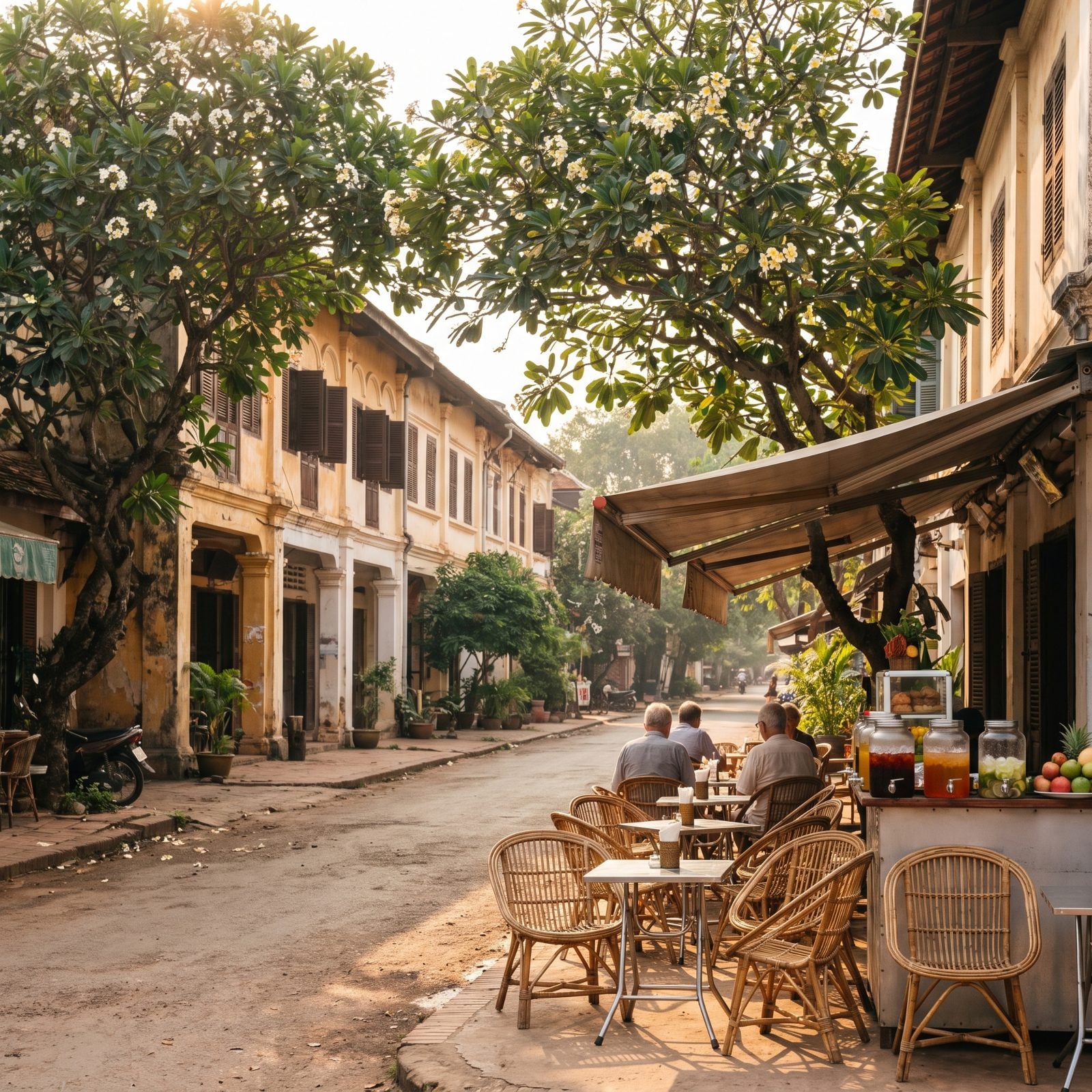
Everyone comes for Angkor Wat. The retirees who stay come for everything around it.
Siem Reap runs on remarkably low daily costs. A full meal, a massage, a tuk-tuk across town — the whole lot adds up to less than a single lunch back home. Rent for a comfortable apartment stays modest, and the expat community is small but established.
What you give up is medical infrastructure. Serious care means a flight to Bangkok, so this suits healthy, mobile retirees rather than anyone needing regular specialist attention. Go in clear-eyed about that one.
14. Vietnam, Da Nang Offers Beachfront City Life and Low Everyday Expenses
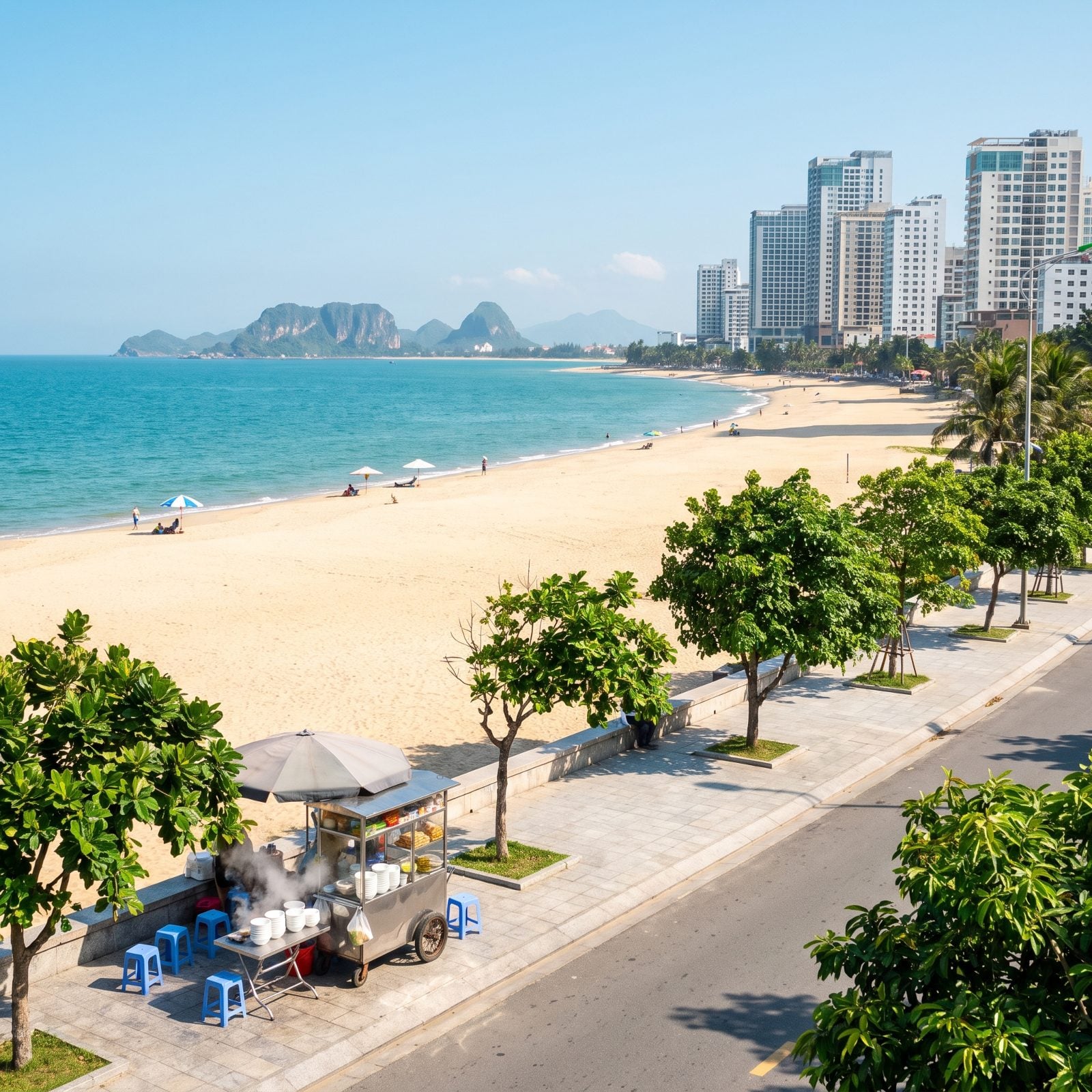
Da Nang gives you a real city and a proper beach at the same address, which is rarer than it sounds. The riverfront is modern, the sand is clean, and a bowl of pho from a sidewalk stall costs almost nothing.
Rent for a sea-view apartment stays well under what any comparable American city would charge. Fast internet, extraordinary food, and a pace that suits people who want activity without chaos. One wrinkle: Vietnam has no dedicated retirement visa, so most long-stayers juggle business or tourist arrangements. Plan around that.
13. The Philippines, Dumaguete Offers English-Friendly Living and a Dedicated Retirement Visa Program
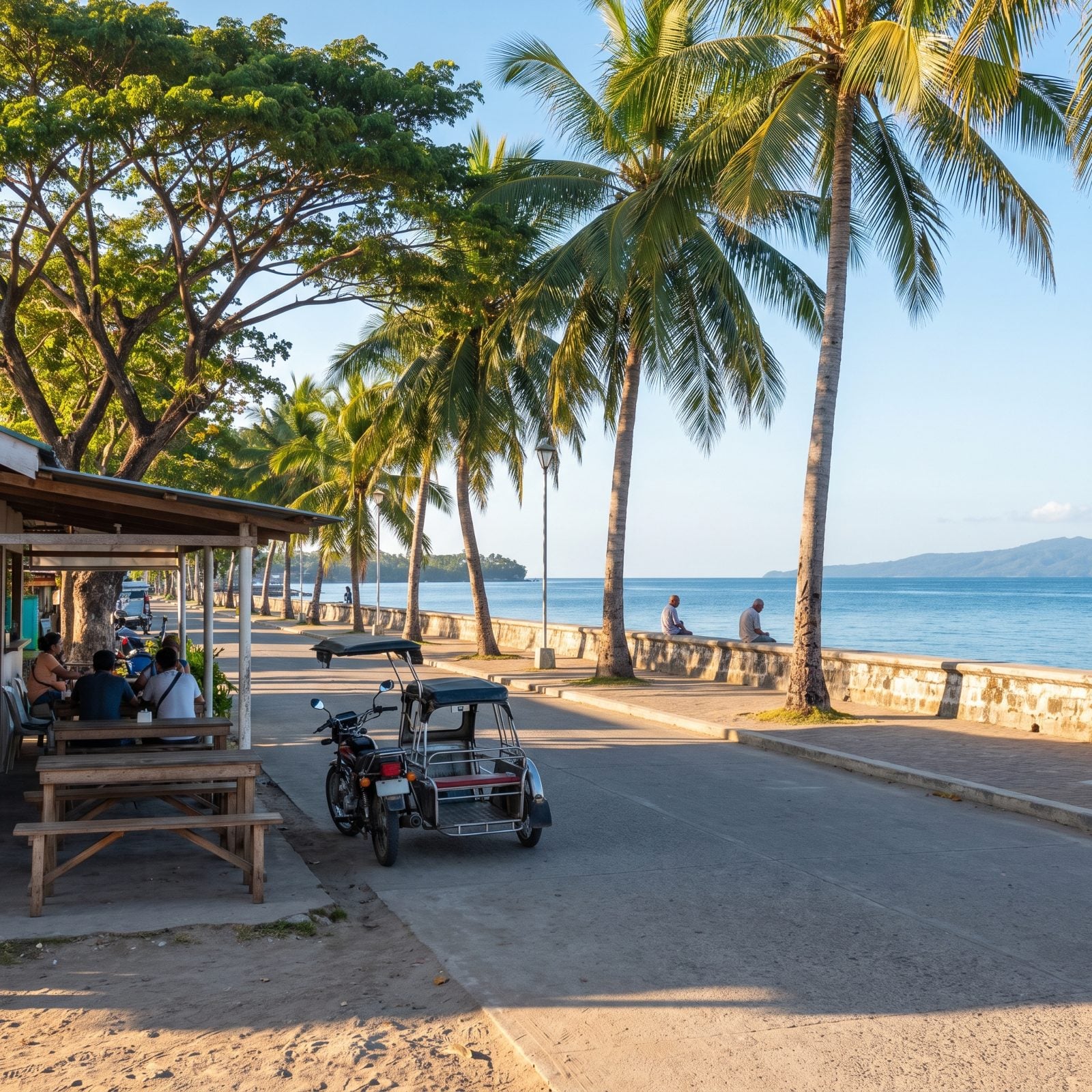
English is the quiet advantage here. Across the Philippines it’s an official language, so banking, doctor visits, and lease signings happen without a translation app in your hand.
Dumaguete is a university town on Negros that has drawn retirees for years — calm seafront, low cost of living, a scale that never overwhelms. The country also runs the SRRV, a retirement visa with a deposit requirement that grants long-term residency rights, and that’s a real structural edge most places on this list can’t offer. Healthcare is decent in town and excellent if you can reach Cebu. The heat, though, is relentless. Budget for air conditioning and don’t argue with it.
12. Malaysia, Penang Pairs Modern Healthcare With Affordable Food and Housing
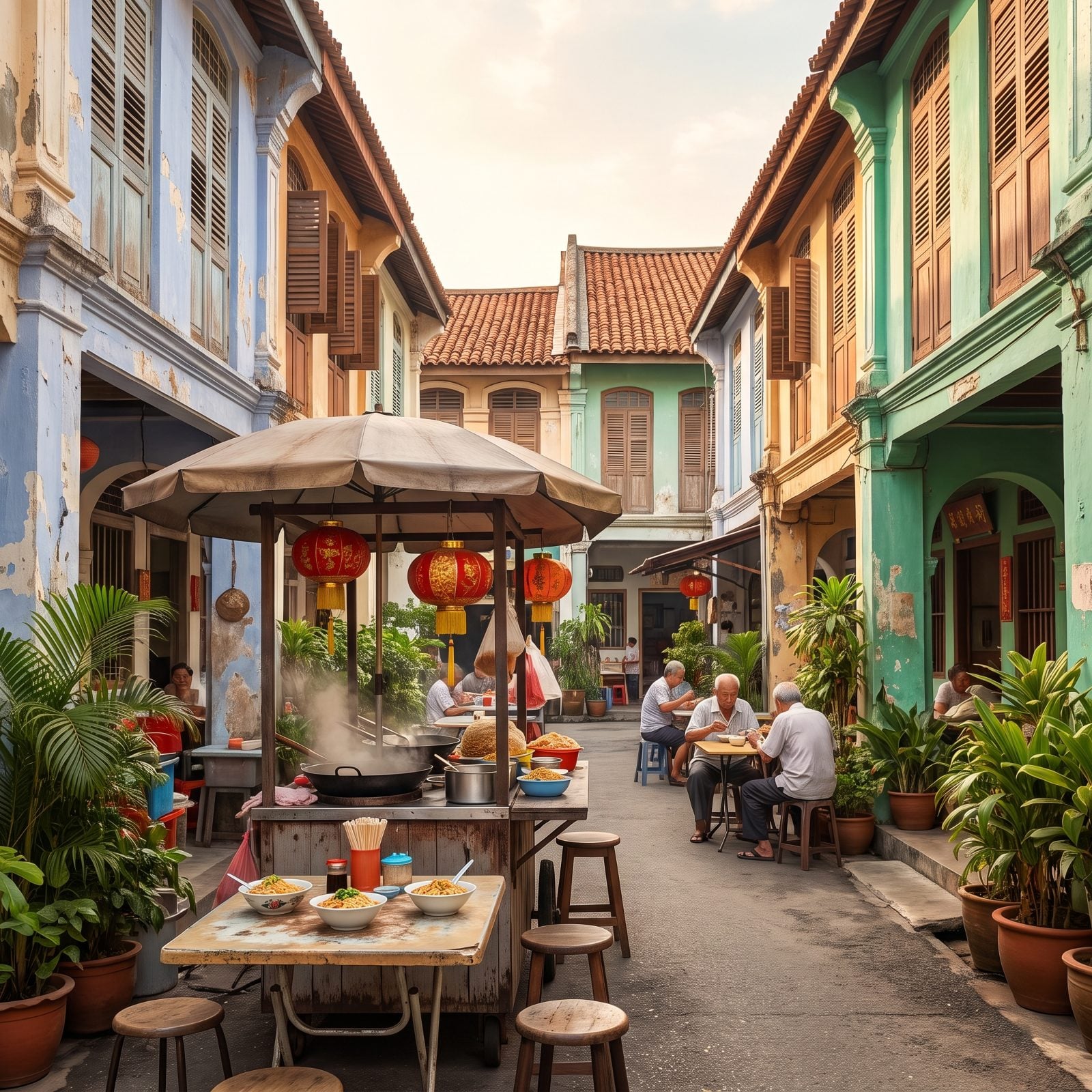
Penang hits the sweet spot most of this list keeps chasing: real healthcare and real cheapness, together. George Town’s private hospitals pull medical tourists from across Asia, and the care is modern without being expensive.
Then the food. Arguably the best street eating anywhere, where a hawker-stall feast runs a couple of dollars. English is widely spoken, housing is reasonable, and the colonial shophouses give the place a texture the newer cities simply don’t have.
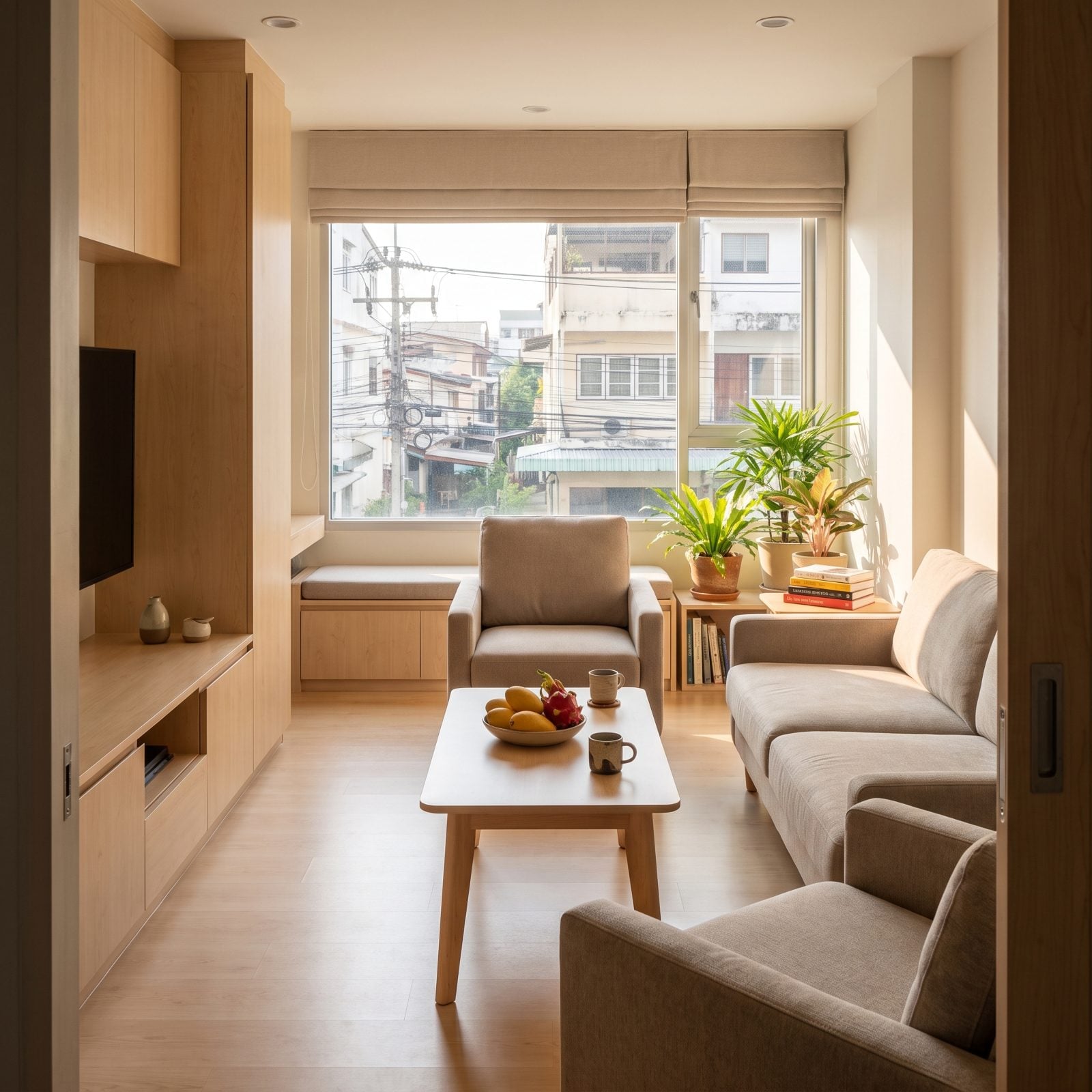
11. Thailand, Chiang Mai Combines Strong Medical Care With Affordable Local Living
🔥 Would you like to save this?
Chiang Mai has been the default answer to “where can I retire cheaply in Asia” for so long that the expat scene practically staffs itself. There’s a reason it keeps winning.
The north runs cooler than Bangkok, the old city is walkable and ringed by a centuries-old moat, and daily costs stay low without costing you comfort. Private hospitals here are first-rate and internationally accredited. Thailand’s retirement visa asks for either a lump-sum bank deposit or a monthly income threshold, renewable each year. And the burning season, roughly February through April, wrecks the air quality — the downside nobody mentions in the glossy write-ups.
10. Ecuador, Cuenca Combines Dollar-Based Spending With Retiree-Friendly Amenities
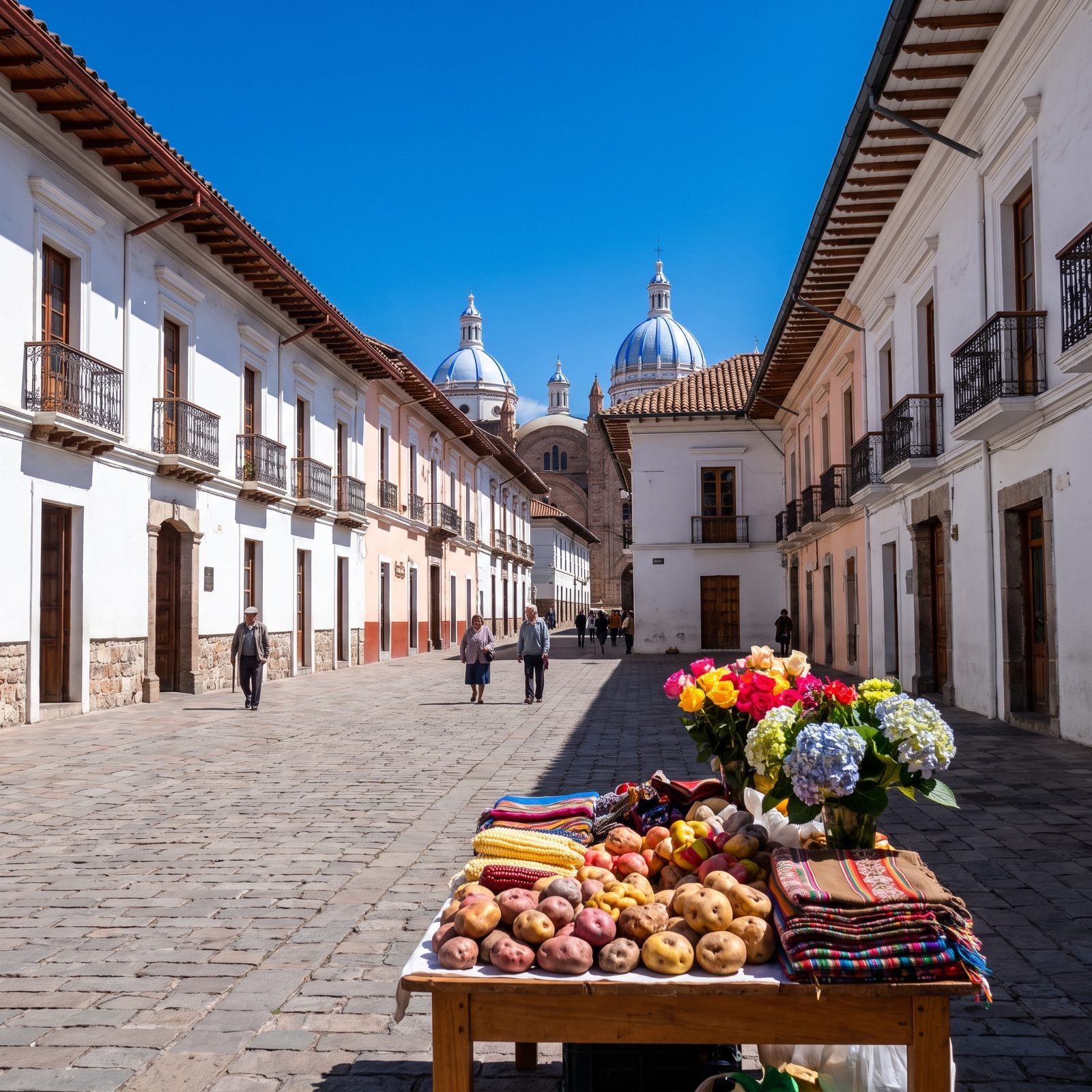
Cuenca removes the one thing that rattles American retirees most: currency risk. Ecuador uses the U.S. dollar, so your pension buys exactly what it says it buys. No exchange-rate roulette, no morning math.
Perched in the Andes at around 8,000 feet, Cuenca stays mild all year, skipping the tropical heat that defines nearly everywhere else here. The colonial center is a UNESCO site, the markets are cheap, and a sizable expat community means help is never far off. Ecuador’s pensioner visa is one of the more straightforward you’ll find, asking only modest proof of income.
Dollar in, dollar out. For a retiree watching every exchange rate, that single fact is worth more than a beach.
9. Peru, Arequipa’s Colonial Streets and Market Stalls That Stretch a Dollar
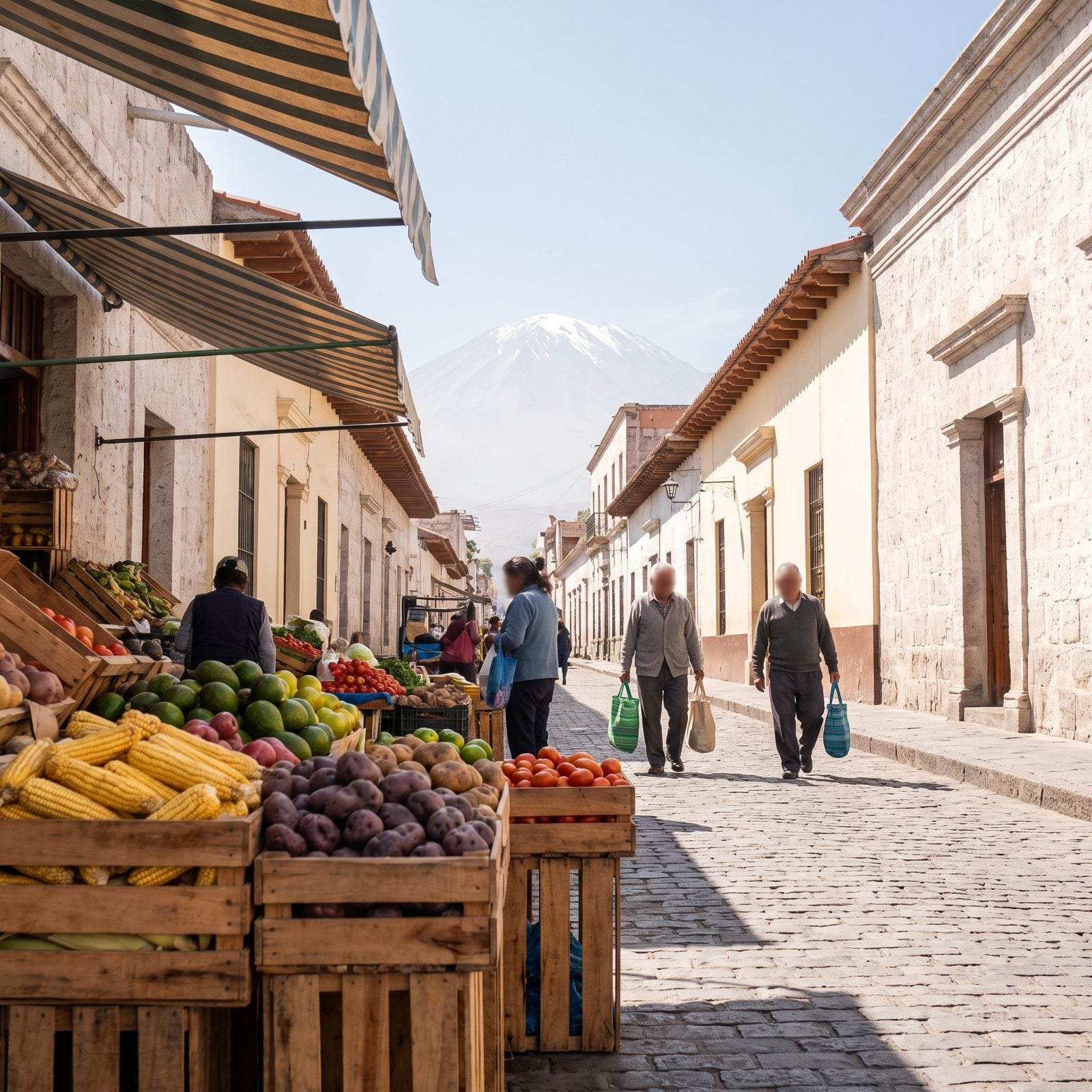
Arequipa sits a mile and a half above sea level, so the air is thin and the rent is thinner still. Those white sillar stone buildings have stood for roughly four centuries, and a one-bedroom in a walkable neighborhood costs a fraction of what the same square footage runs in Lima.
But the real budget win? The market. San Camilo and the smaller neighborhood mercados sell produce by the kilo at prices that make a U.S. grocery receipt feel like a mugging. A week of vegetables, a whole chicken, fresh cheese, bread still warm from the oven — you walk out having spent what one American deli sandwich would cost you back home.
8. Argentina, Córdoba Gives You City Life Without the Buenos Aires Tab
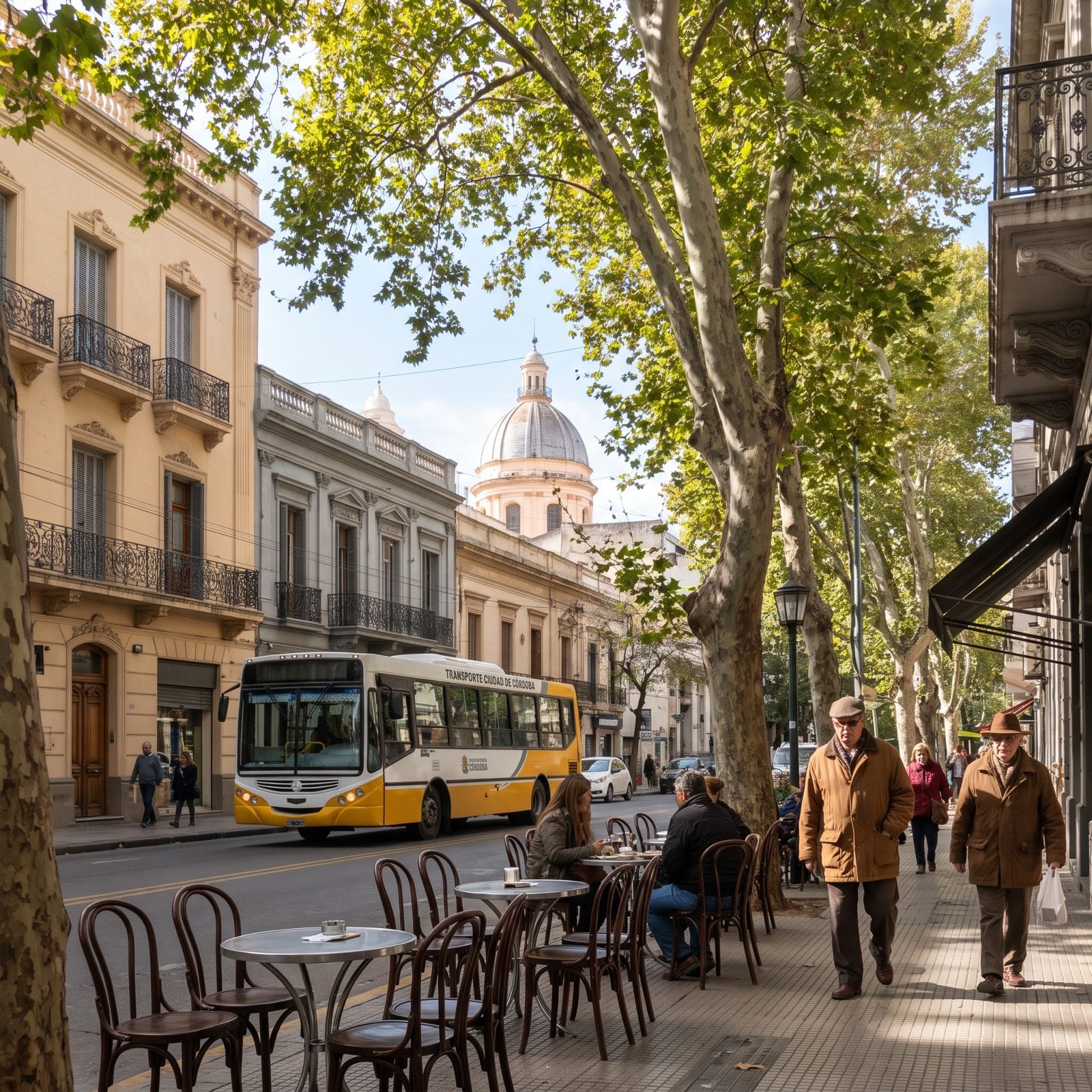
Everyone fixates on Buenos Aires. Argentina’s second city quietly does the same job for less.
Córdoba has universities, hospitals, theaters and a café culture that never quits, minus the capital’s price creep. It’s been a student town for centuries, which keeps rents reasonable and the streets stuffed with cheap, good food. And the currency situation rewards anyone spending dollars — though it swings, and whoever quotes you a precise exchange rate for next year is just guessing.
What a visitor remembers is the pace. Long lunches, afternoon walks under the plane trees, dinner that doesn’t start until ten. This is retirement that feels like a city rather than a waiting room.
7. Brazil, João Pessoa Is Beach Living Without Rio Prices
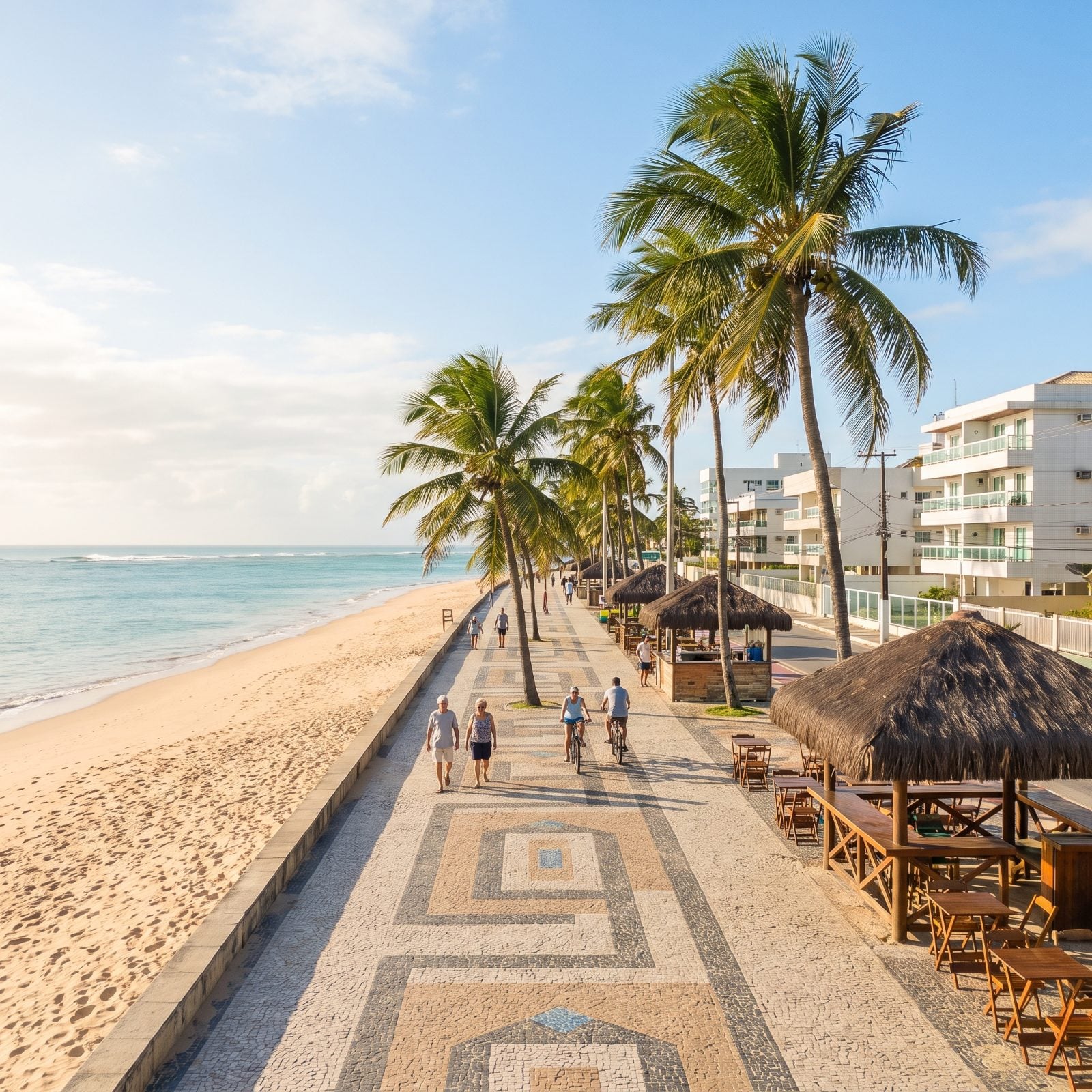
João Pessoa is the easternmost city in the Americas, the first spot on the whole continent to catch the morning sun. It’s also one of the greenest cities in Brazil, which almost nobody outside the country has ever heard.
Here’s the pitch: real Atlantic beach, a palm-lined promenade, a walkable low-rise downtown, and apartments steps from the water for what would get you a broom closet in Rio or São Paulo. The city stays calm. The tap water situation is manageable, and the daily rhythm runs on fresh fish, tropical fruit and warm, humid evenings — the kind that make you forget what February used to feel like.
6. Colombia, Manizales and Its Eternal Spring in the Coffee Mountains
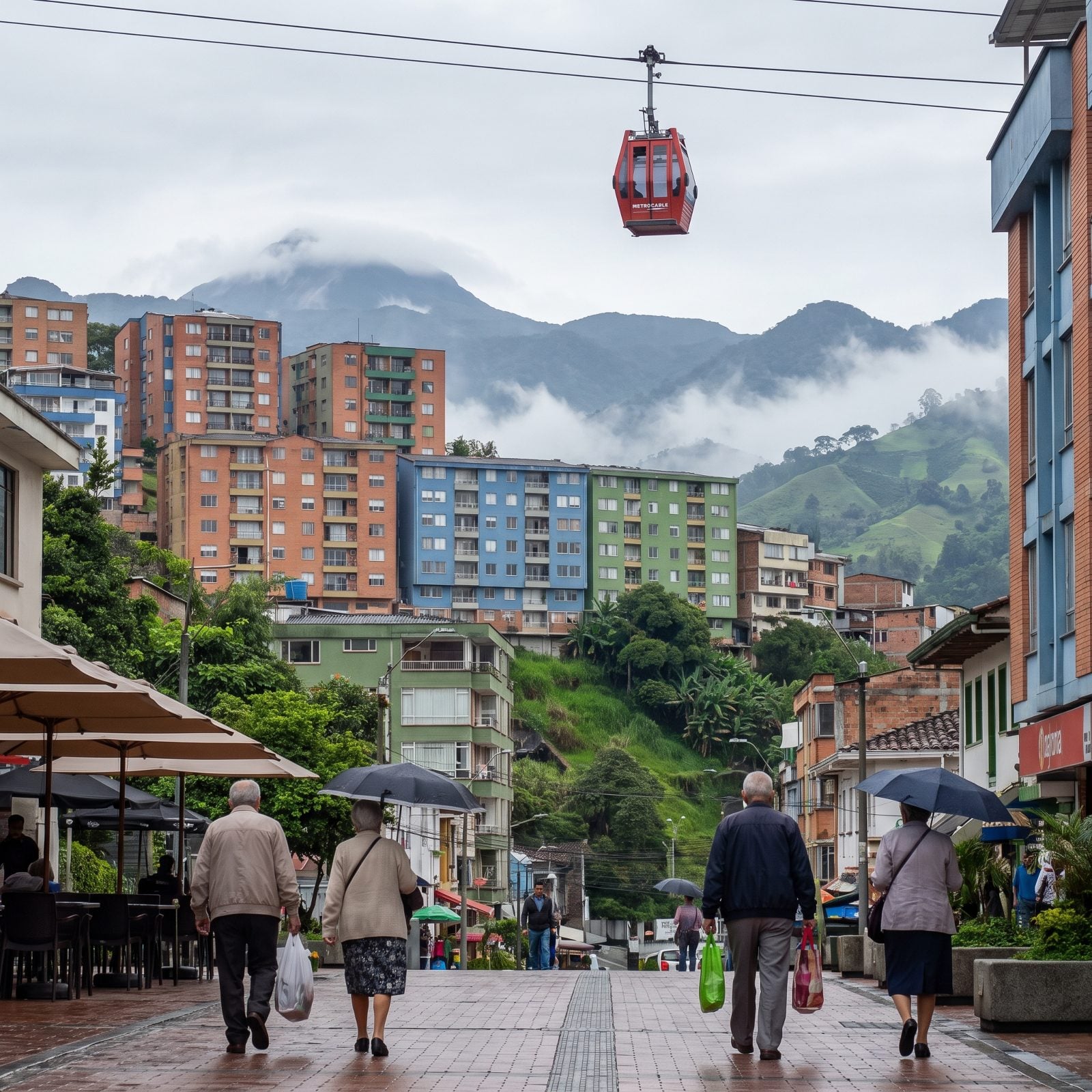
Medellín gets all the press and all the price hikes. Manizales sits a few hours away in the coffee region — higher up, cooler, and far easier on a fixed income.
The climate is the headline here. No heat waves, no cold snaps, just mild mountain days all year, which means no heating bill and no air-conditioning bill either. Housing runs below Medellín’s expat neighborhoods, and the city still manages a Metrocable, decent clinics and a university crowd that keeps the evenings lively.
The catch? The mist. Clouds roll through constantly, day after day. If you need daily sunshine to feel like yourself, look elsewhere. But if you like a sweater and a cup of coffee grown down the road, you’ve found paradise.
5. Guatemala, Lake Atitlán’s Villages Where Food and Rent Cost Almost Nothing
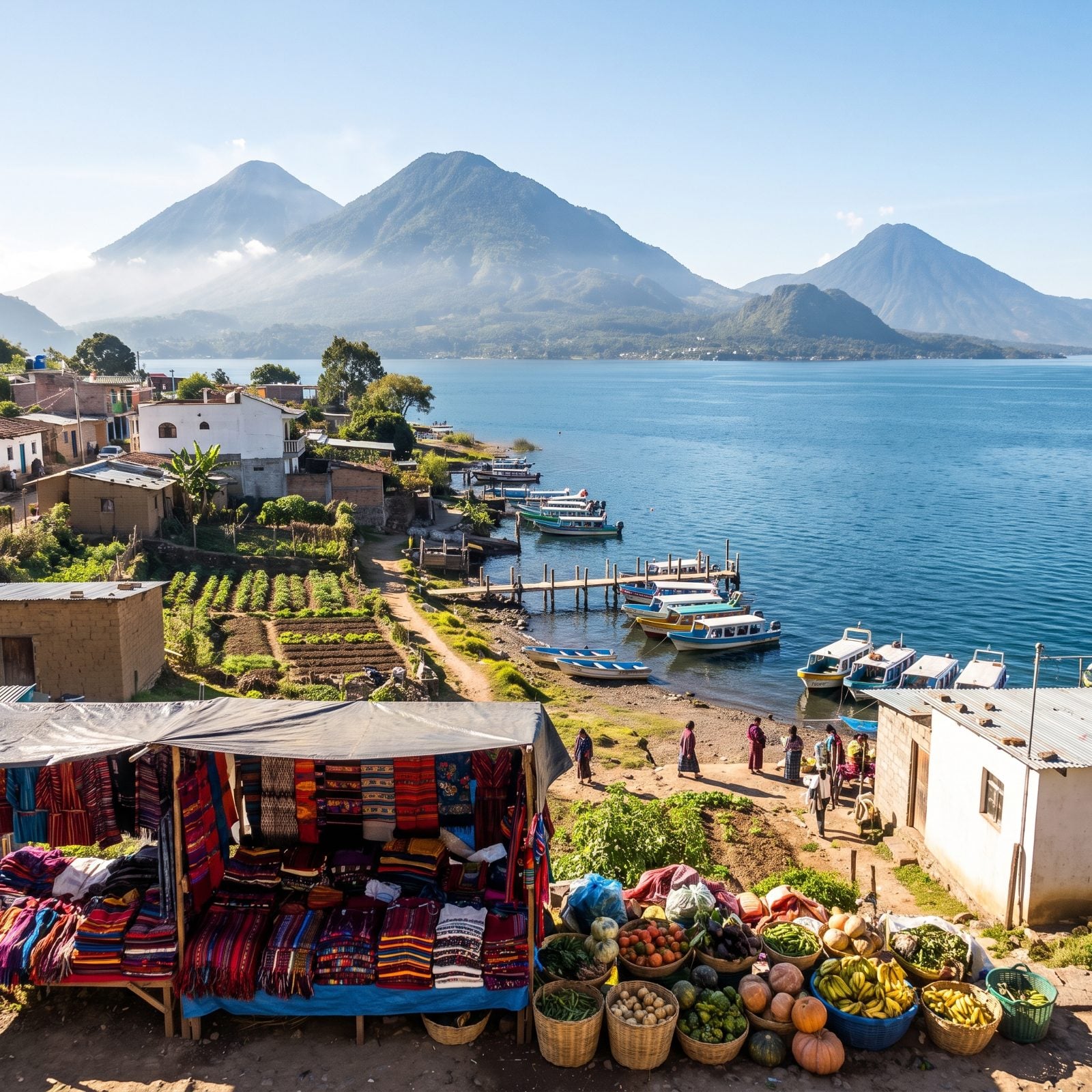
Three volcanoes, one impossibly blue lake, and a ring of villages where a modest pension stretches a very long way.
The lakeside communities around Panajachel and San Pedro have drawn budget-minded newcomers for decades, and the math still holds up. Markets overflow with produce grown in that volcanic soil, rents stay low outside the tourist strip, and domestic help or a simple home-cooked meal costs a sliver of U.S. rates.
Be honest with yourself about infrastructure, though. Roads are rough, serious medical care means a trip to Guatemala City, and “affordable” here comes bolted to “remote.” For the right temperament, that trade is exactly why people stay.
4. Nicaragua, Granada’s Colonial Grid and the Low Cost of a Little Help
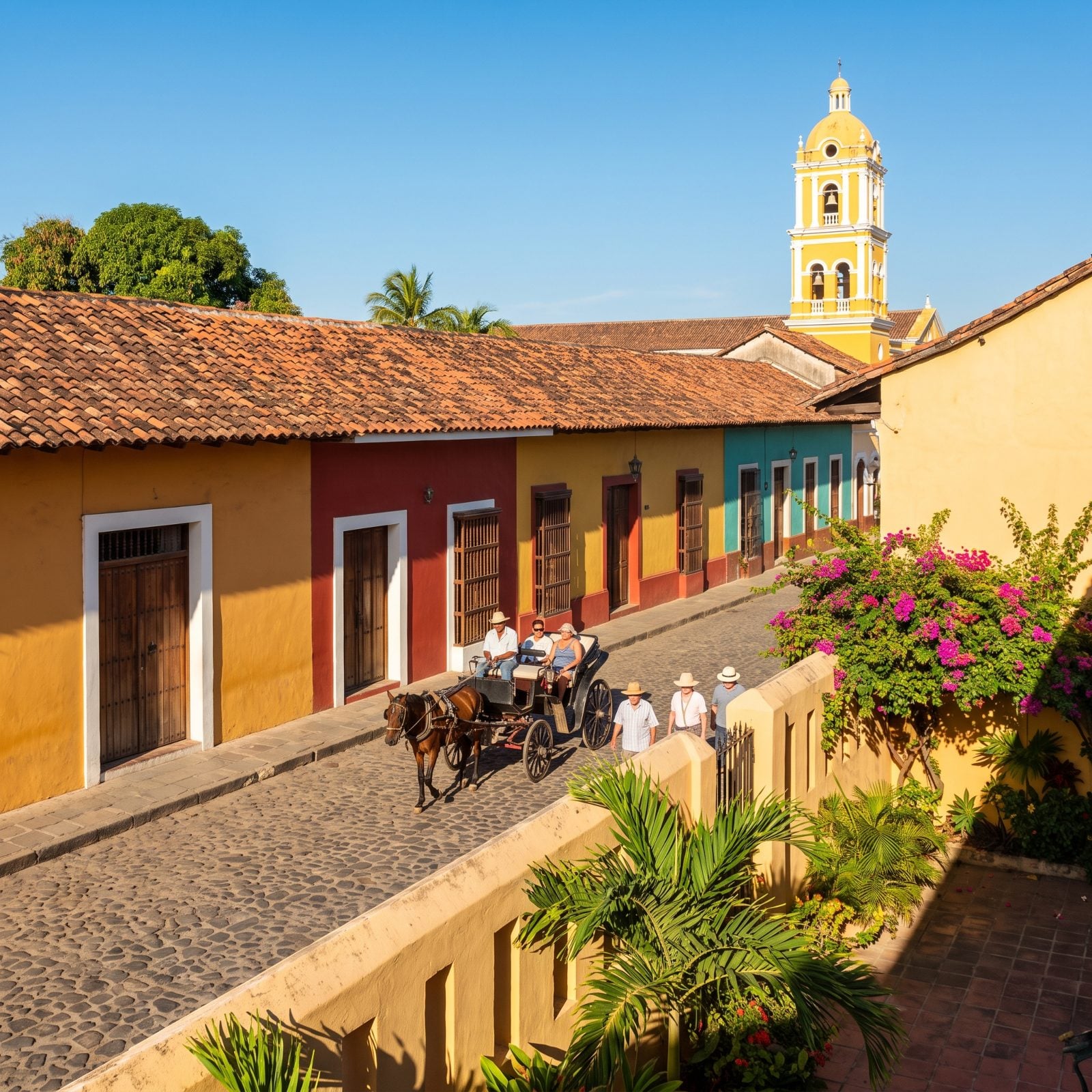
Granada ranks among the oldest colonial cities in the Americas — a postcard grid of candy-colored houses, hidden courtyards and a cathedral you can spot from most streets. It also happens to be cheap in a way that stops first-time visitors cold.
What’s the quiet draw? The cost of local services. Help around the house, the grounds, the simple daily chores — all of it runs far below U.S. rates, which rewrites what a modest budget can cover. A colonial house with a shaded interior courtyard, the sort of project that would bankrupt a millionaire back home, sits well within reach here. Just weigh the political climate and read the current advisories before you commit, because that picture shifts.
3. Dominican Republic, Puerto Plata Beyond the All-Inclusive Gates
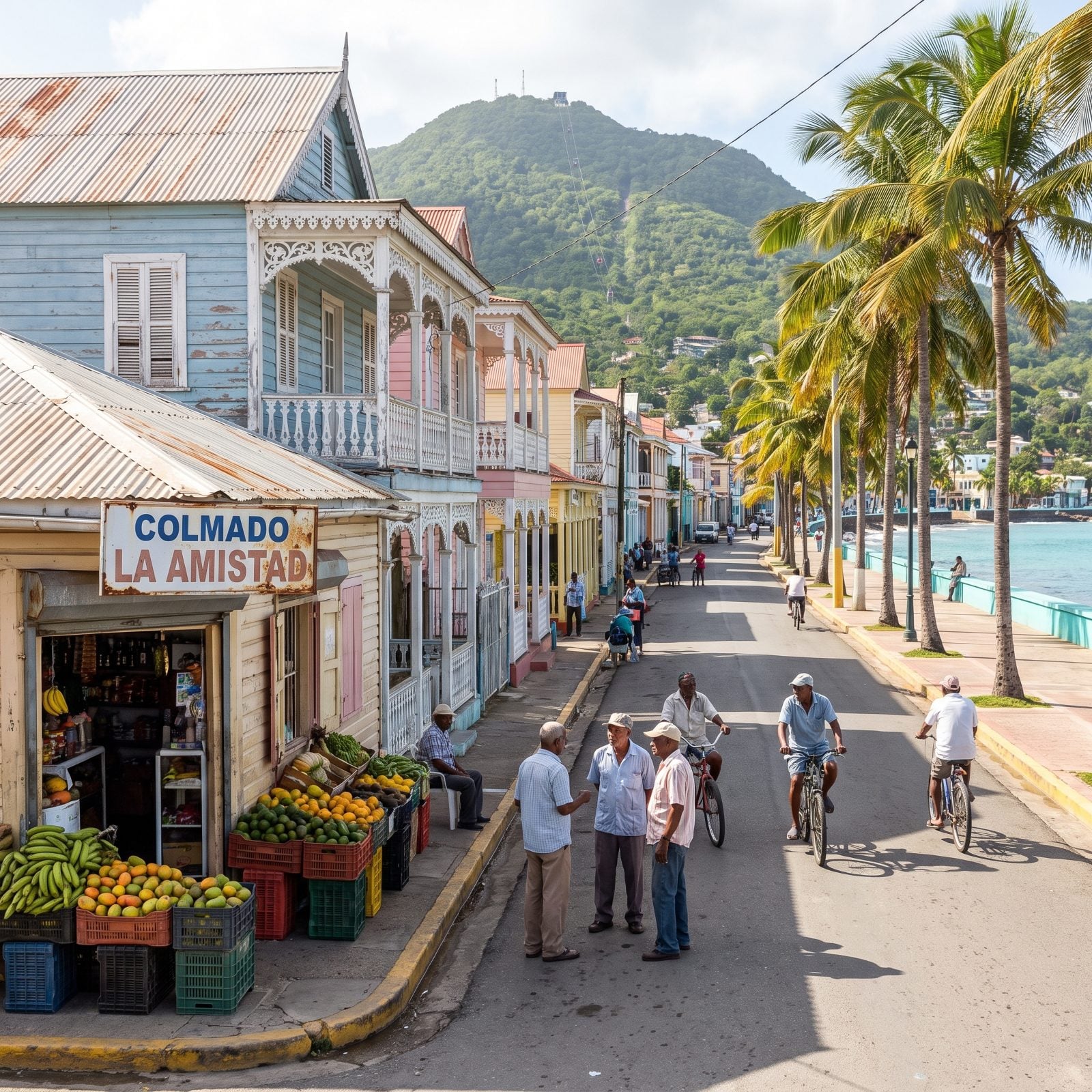
Most people know Puerto Plata only as a name printed on a plane ticket into a walled resort. The actual town — gingerbread Victorian houses, a long seafront malecón, life happening on the sidewalks — is a different and far cheaper proposition.
Live a few blocks off the tourist strip and the costs tumble. Neighborhood colmados, fresh fish straight off the boats, local restaurants that never heard of a gringo markup. The north coast has a real expat community too, which means English-speaking doctors and a soft landing without the premium you’d pay in the glossier enclaves.
The gate keeps the prices in. Step outside it and the island gets affordable in a hurry.
2. Panama, David Delivers Pensionado Perks at a Fraction of Panama City Rents
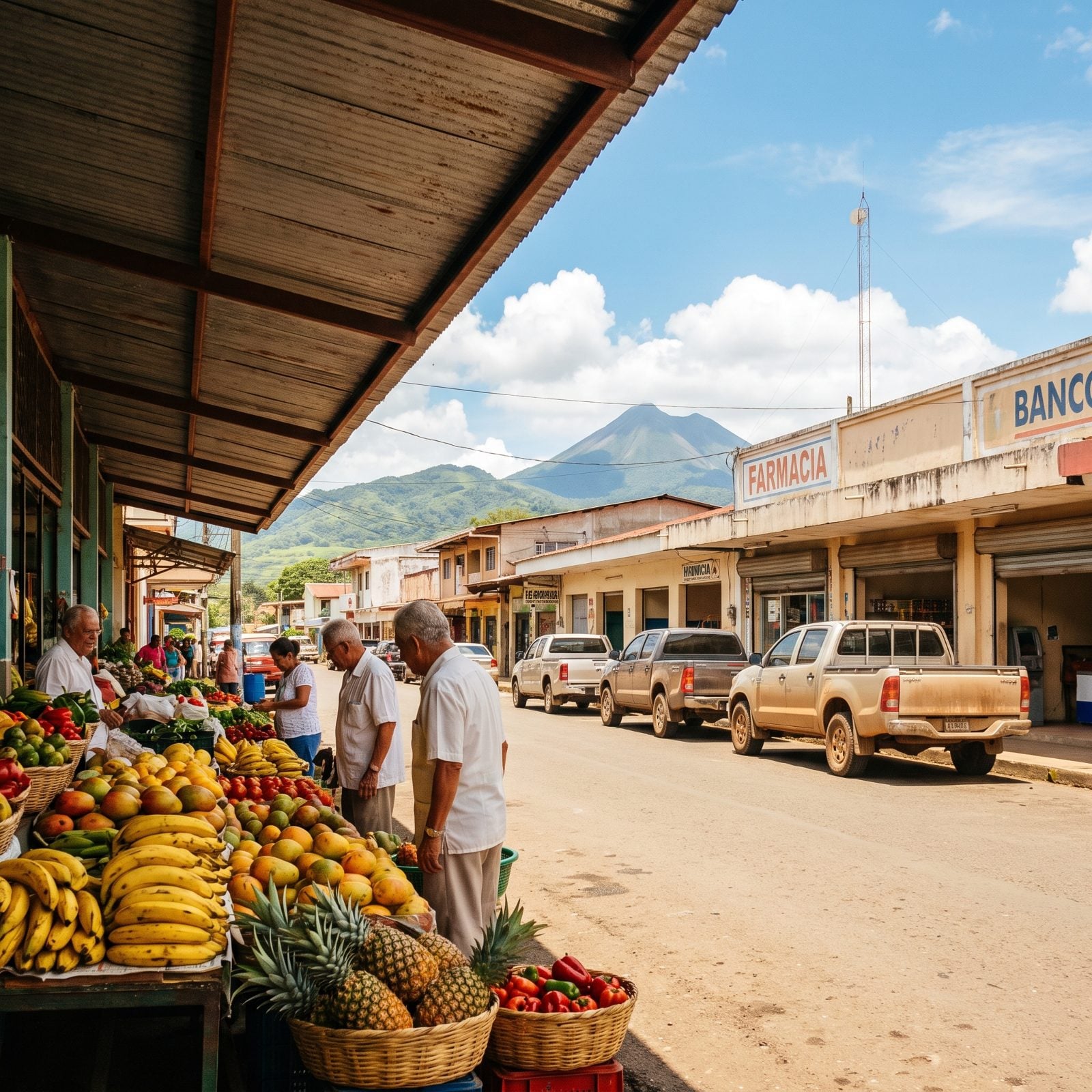
Panama’s pensionado program is one of the most generous residency setups in the hemisphere — discounts on medical bills, flights, utilities, restaurants, the lot, available to anyone with a qualifying lifetime pension. Most people cash in those perks right in Panama City and pay capital prices for the honor.
David is the smarter address. Panama’s third-largest city, hot and flat in the shadow of the western highlands, it has full services, hospitals and a real airport — all at a sliver of the capital’s housing cost. And when you want cooler air, the mountain town of Boquete sits forty minutes up the road for weekend escapes.
1. Mexico, Mérida Pairs Serious Private Healthcare With Gentle Daily Costs
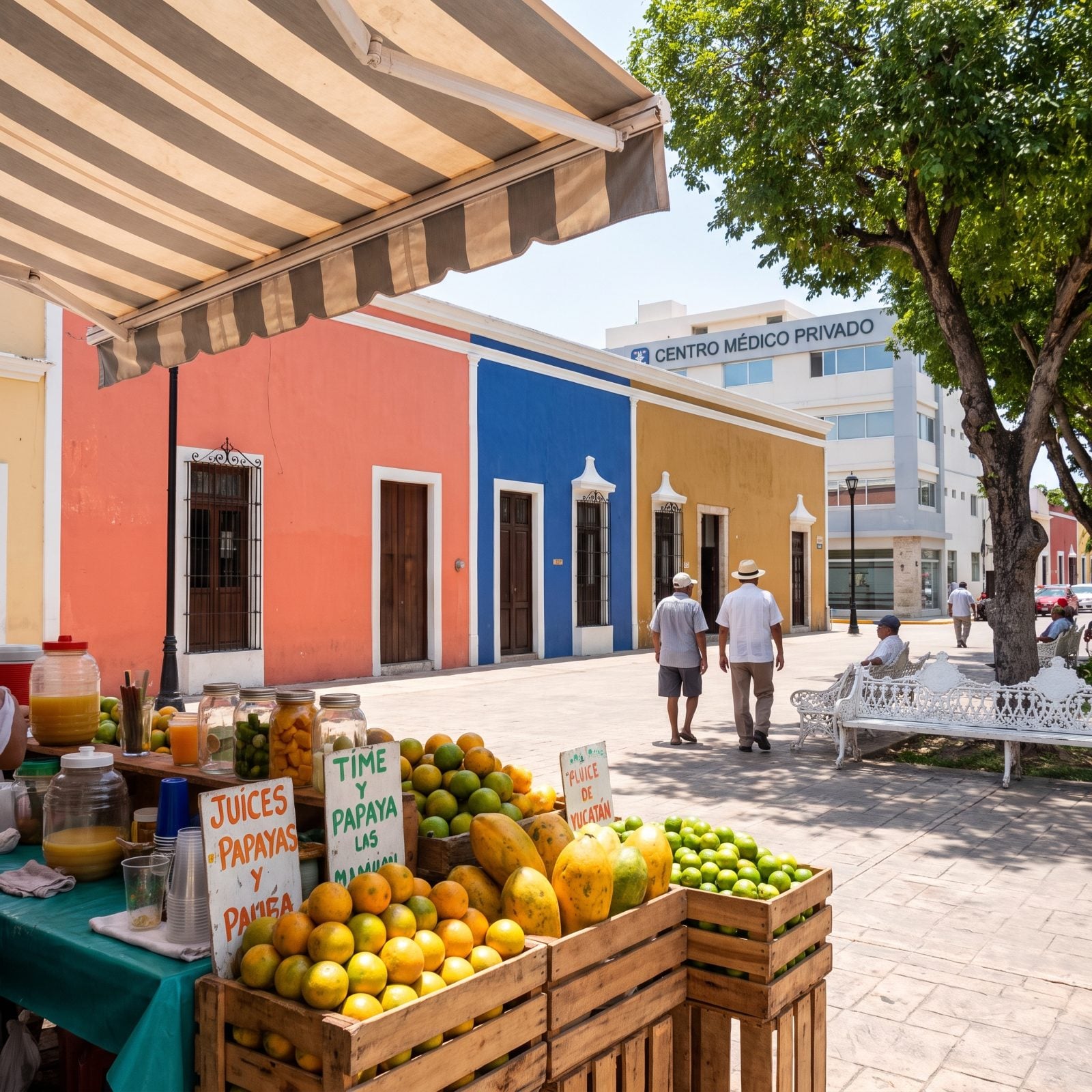
Mérida ranks among the safest cities in Mexico, and for retirees that one fact rewrites the whole calculation.
What seals the deal is healthcare. The Yucatán capital runs serious private hospitals with English-speaking specialists, often at a tenth of U.S. prices and without the insurance circus. Pair that with a historic center full of colonial townhouses, a deep cultural calendar of music and markets, and grocery bills that shrink the moment you shop where locals shop.
The heat is the one honest drawback. Yucatán summers are brutal — you will run the air-conditioning, no way around it. Factor that in, then enjoy everything else, because for the money you’d be hard pressed to find a better landing than this.
🔥 Would you like to save this?
Please note that some of the imagery in this article were created with the aid of AI image generators.