
🔥 Would you like to save this?
Watch the buffet line for five minutes and the whole ship sorts itself. Veterans glide. First-timers grab. One group eats better, wastes less, and never regrets a meal; the other wonders why lunch was disappointing on a ship with eleven food stations. The difference isn’t luck or taste — it’s 39 lessons learned the hard way, one overloaded plate at a time. Consider this the shortcut.
39. Loading Your Plate Before You’ve Seen the Whole Buffet
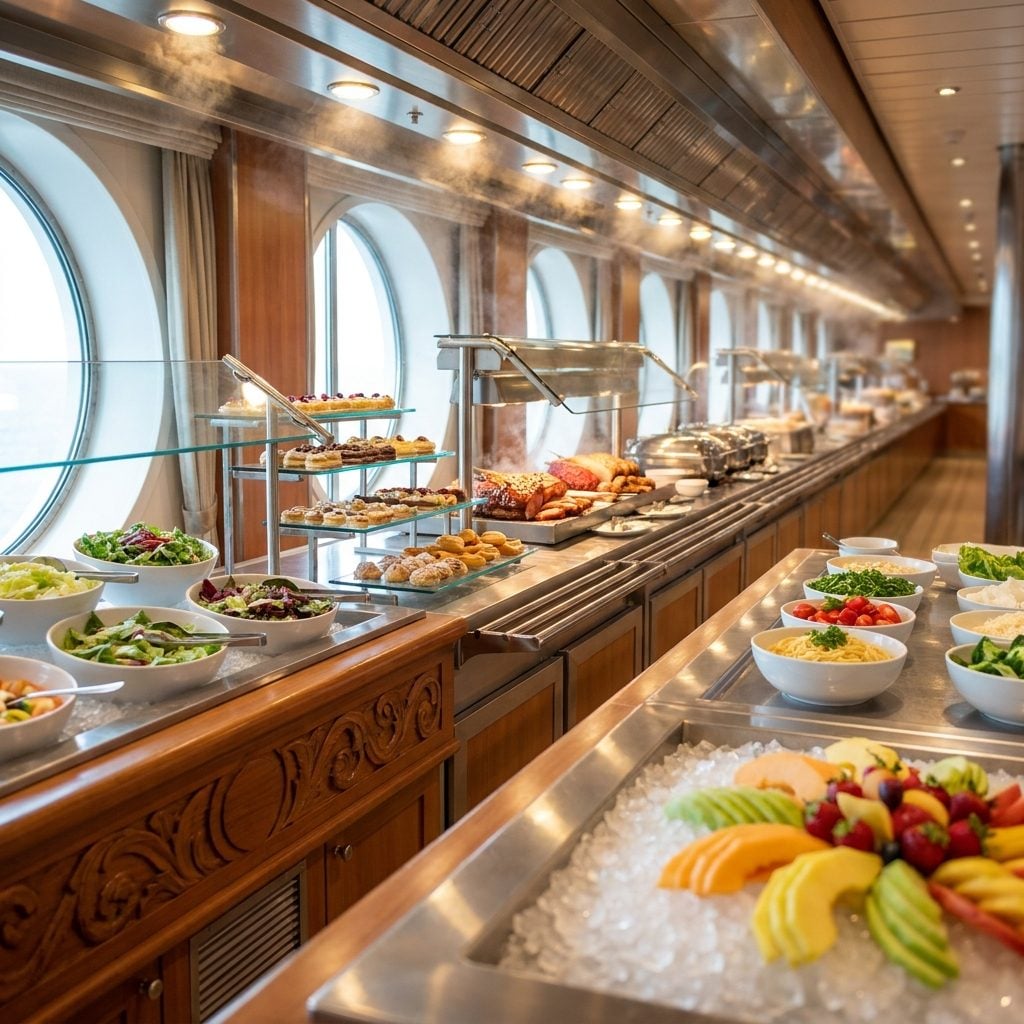
The mistake happens in the first ninety seconds. You pick up a plate, see the pasta primavera, and start filling before you’ve taken ten steps into a buffet that stretches for forty feet. By the time you pass the carving station, the fresh crab claws, and the made-to-order stir fry, your plate is already full of things you’d trade in an instant.
Walk the entire line first. Both sides if there are two. Takes maybe three minutes. Then go back and take exactly what you actually want. It sounds obvious. Almost nobody does it the first day.
38. Treating the Dessert Station Like It’s Going Somewhere
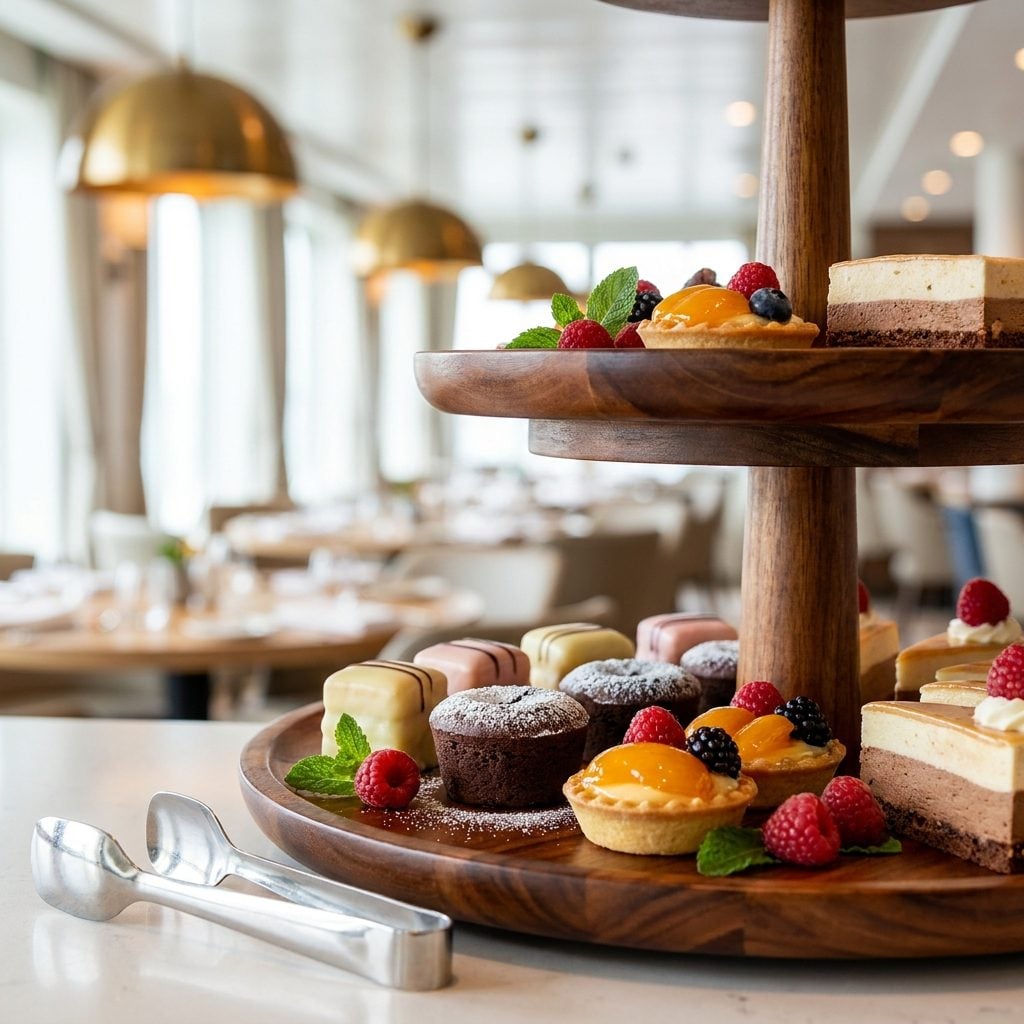
It restocks every hour. The chocolate lava cakes at 11 a.m. will be there at noon, and again at 2 p.m., and almost certainly tomorrow. The anxiety that makes people take four desserts at once is not based in reality aboard a ship that carries twenty-four thousand pounds of provisions.
Take one. Eat it slowly. Go back for a second if you want one. The dessert station on a cruise buffet is not a scarcity situation, and your plate will thank you.
37. Skipping the Omelet Station Because the Line Looks Long
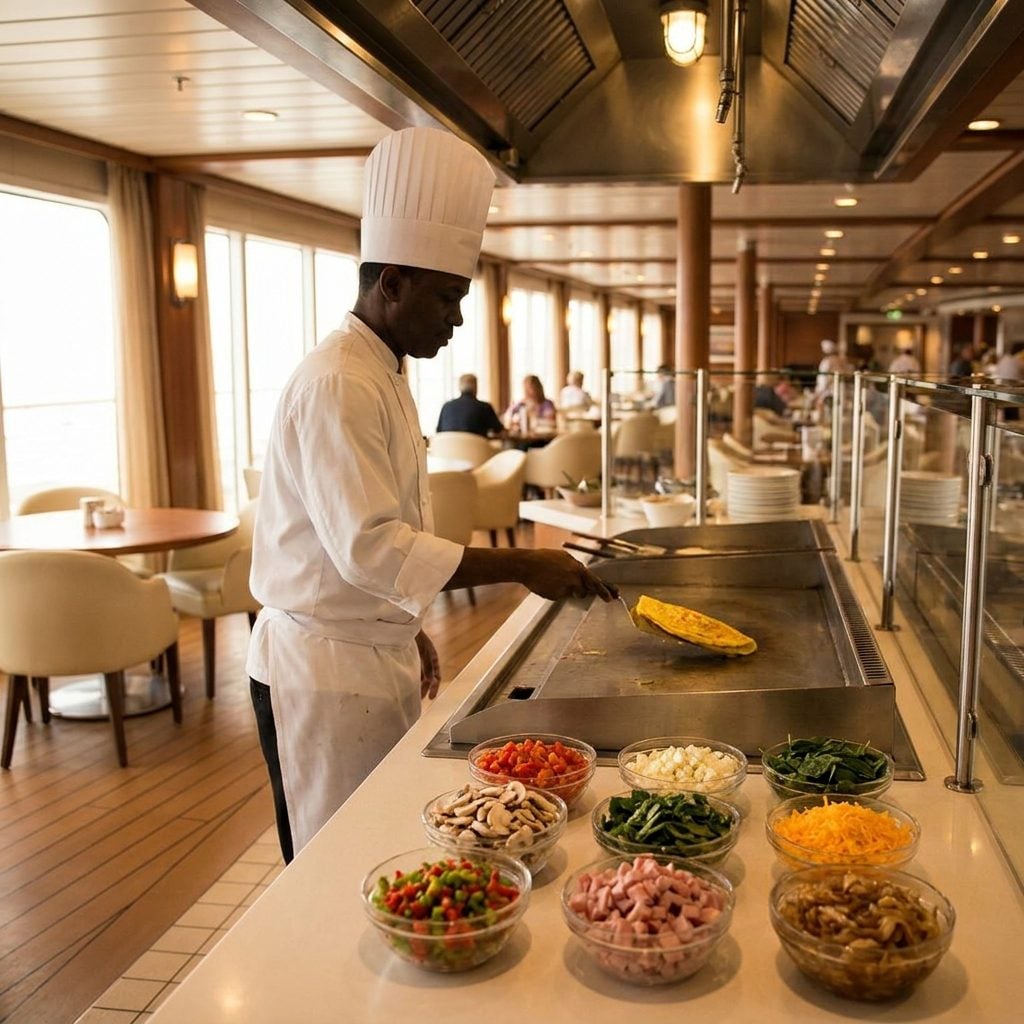
Three people waiting for made-to-order omelets is not a long line. It is a four-minute wait for something a professional cook makes specifically for you, with whatever combination of vegetables, cheese, and protein you name. Compare that to the steam tray eggs that have been sitting since 7 a.m.
The omelet station, and the waffle iron, and the carving station at lunch, exists because the cruise line knows these are the things worth waiting for. Experienced travelers head there first.
36. Pouring Coffee Before Checking What Else Is at the Drink Station
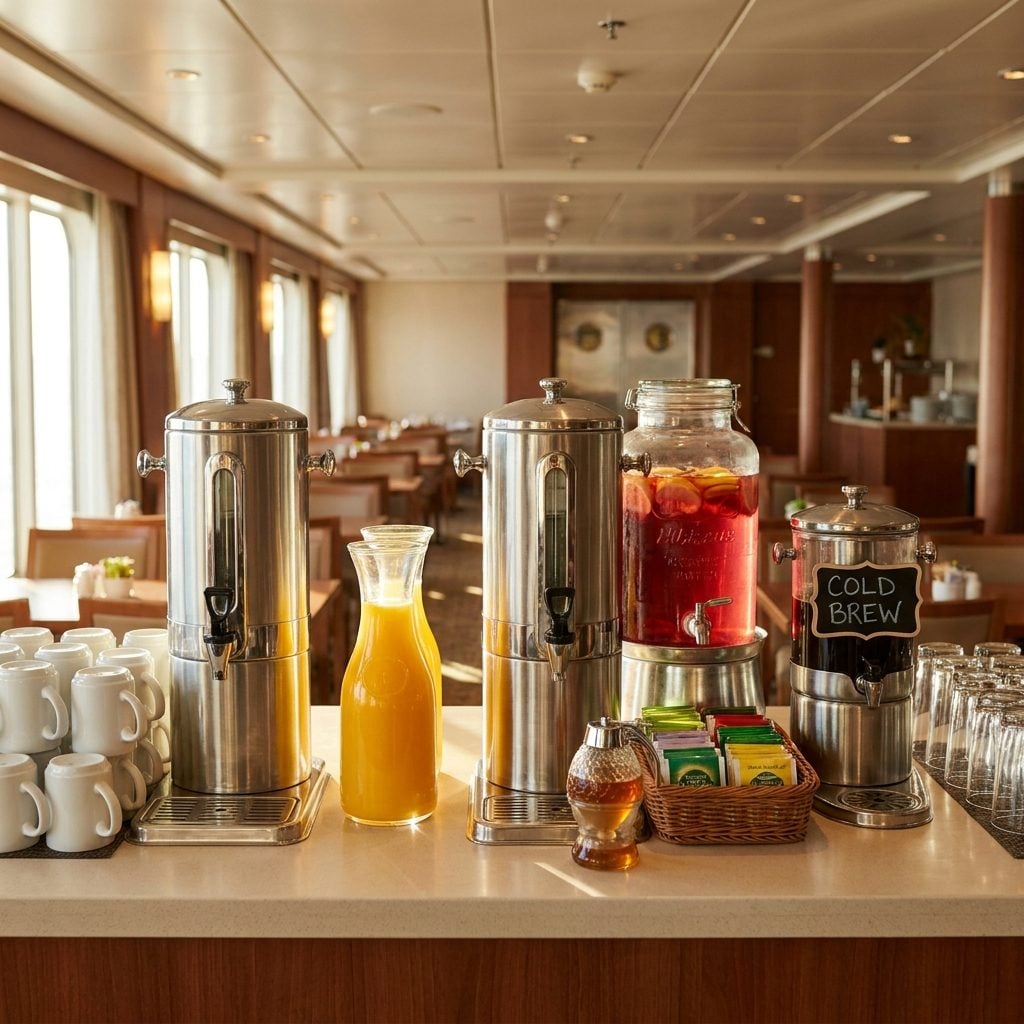
You grab the first coffee carafe you see and walk away. Then you notice, from three tables over, that there was a cold brew station, a fresh-juice dispenser, and what appears to be an iced hibiscus agua fresca that you would have genuinely preferred. Same principle as the food line: take the eight-second look before you commit.
35. Sitting Down With a Full Plate Next to Someone You’ve Never Met, Then Feeling Trapped
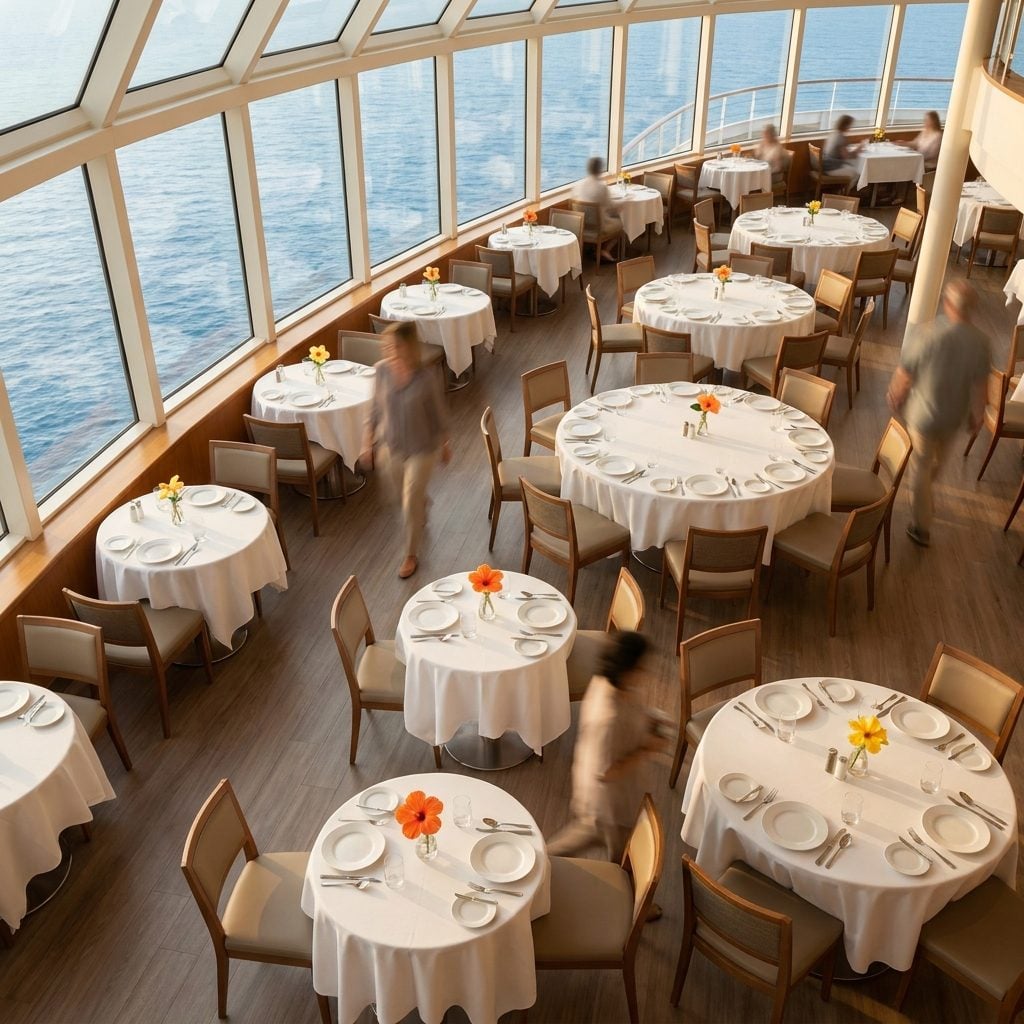
The buffet dining room has small tables and large ones. Window seats and center seats. Quick-turn spots near the entry and comfortable chairs by the far wall with an actual ocean view. None of this is apparent when you’re carrying a full plate and scanning for somewhere, anywhere, to sit.
Pick your table before you build your plate. Scope the room on your way in. Decide where you want to eat, then go get the food. The difference between a good meal and an awkward one is sometimes just the order of operations.
34. Assuming the Buffet Is the Only Casual Dining Option
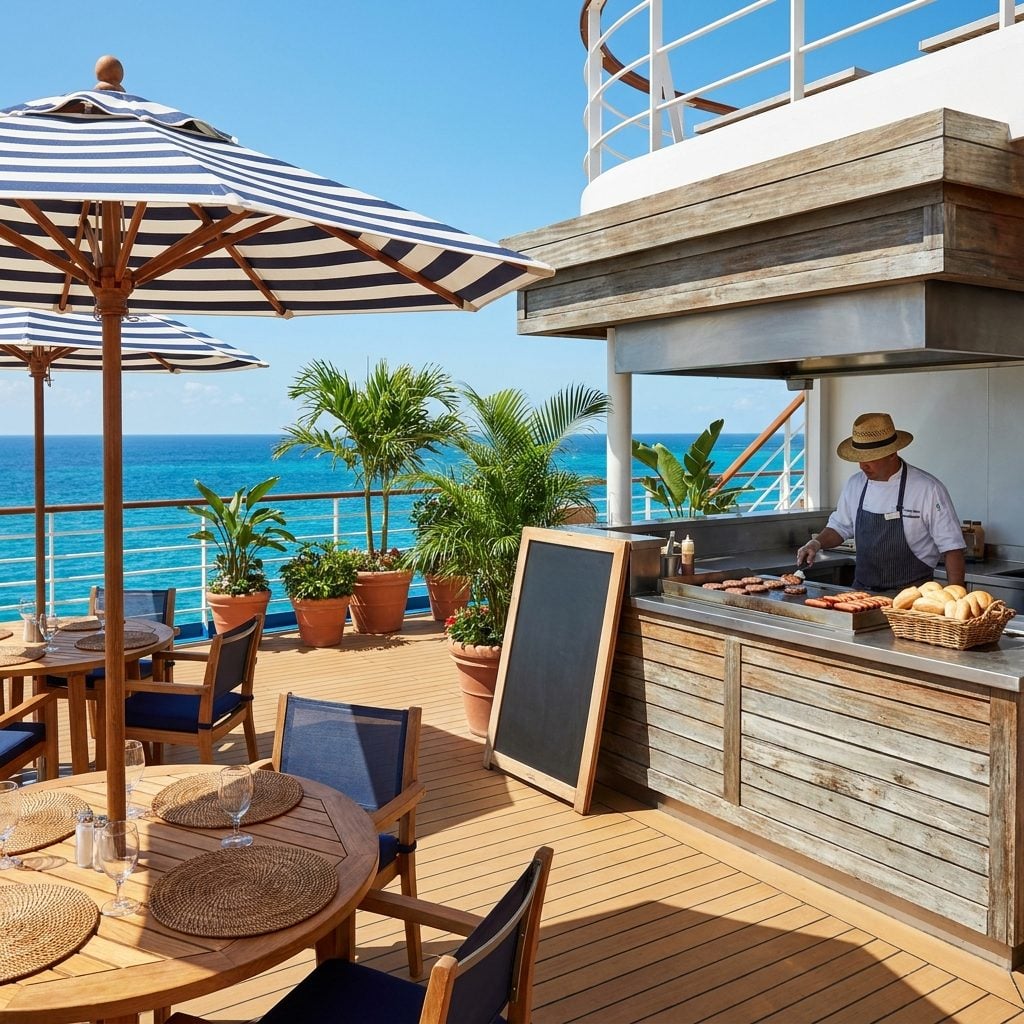
Most ships have a poolside grill, a pizza counter, a deli window, a taco station, or some combination of all four running simultaneously with the main buffet. They’re usually less crowded, more specific, and sometimes just better for what they are. A fresh-grilled burger on the pool deck at noon is a different experience than the same burger under a heat lamp inside.
On your first sea day, walk the ship. Find every food outlet, not just the main buffet. The ones you almost miss are often the ones worth going back to.
The ones you almost miss are often the ones worth going back to.
33. Wasting the First Plate on Food You Could Eat Anywhere
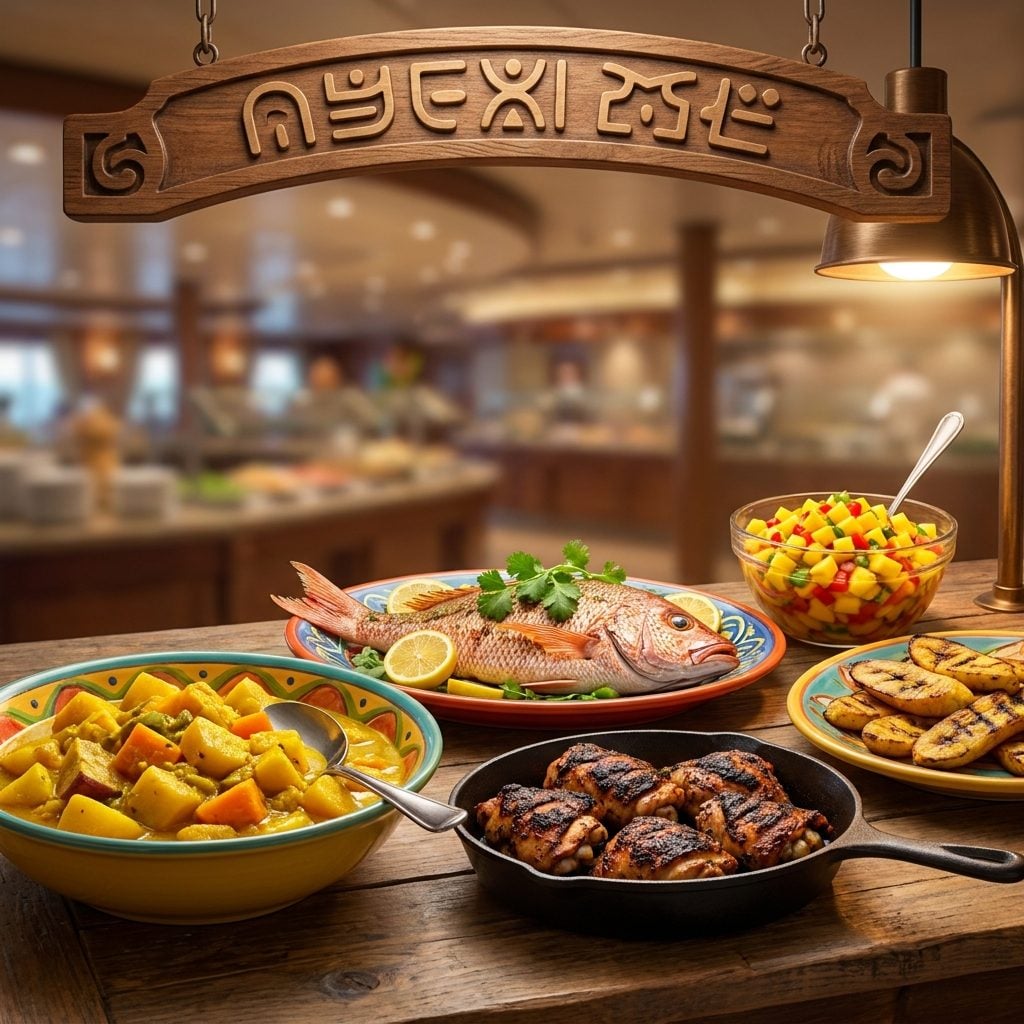
French fries and a dinner roll are available at every buffet on earth. The jerk chicken, the whole roasted snapper, the curried chickpea stew made from a recipe specific to this ship’s Caribbean rotation, that’s what you can’t get at the airport Chili’s on the way home.
Prioritize the unfamiliar on the first pass. The fries will still be there. The dishes that rotate out by tomorrow deserve the front of the plate today.
32. Ignoring the Timing Windows When Everything Is Actually Fresh
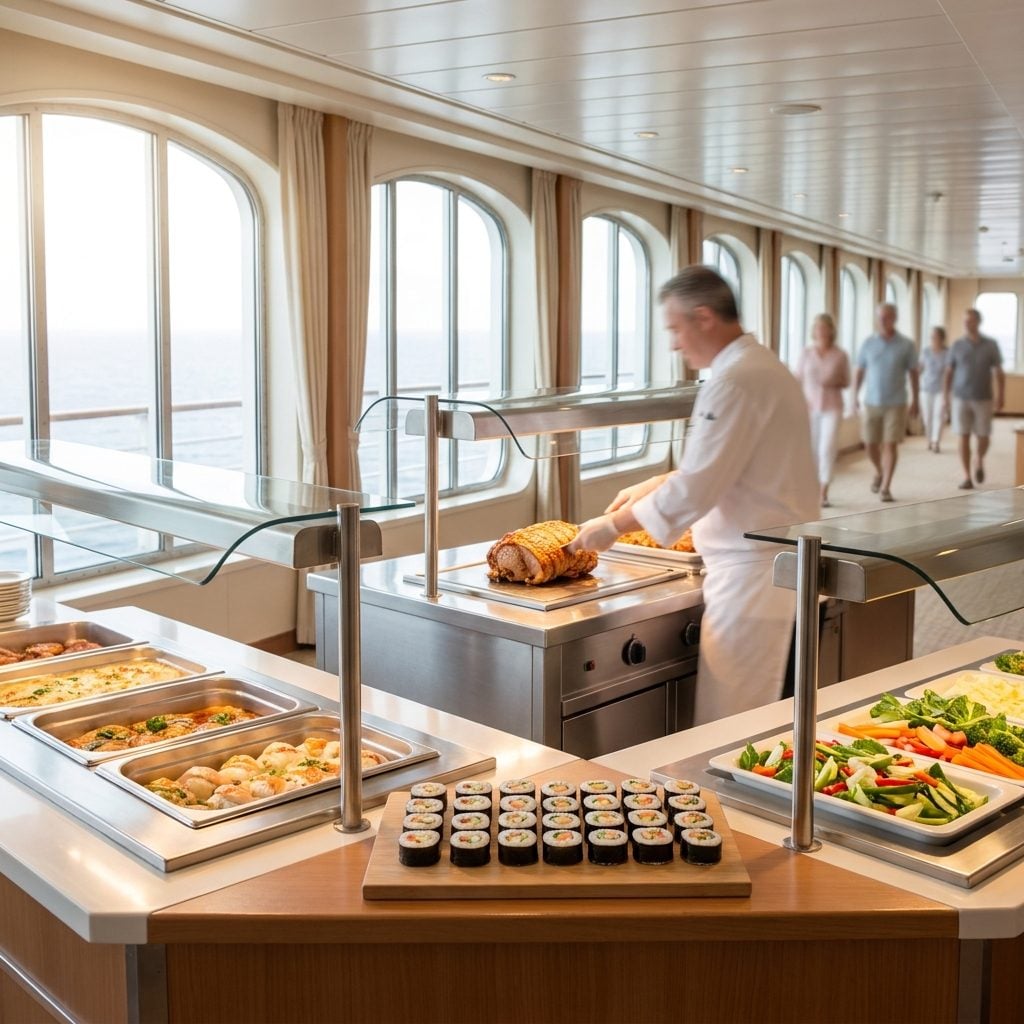
The buffet at 11:45 a.m. and the buffet at 1:15 p.m. are two different experiences. The first is freshly stocked, lightly attended, and staffed by people who haven’t been moving at full speed for two hours. The second is picked over, restocked in patches, and operating at peak chaos.
The same logic applies at dinner: 5:30 p.m. gets the fresh setup, and most people are still getting ready. Learn the ship’s restock schedule by the second day. Show up ten minutes before the rush and the buffet is practically yours.
31. Loading Your Plate Before You’ve Seen the Whole Spread
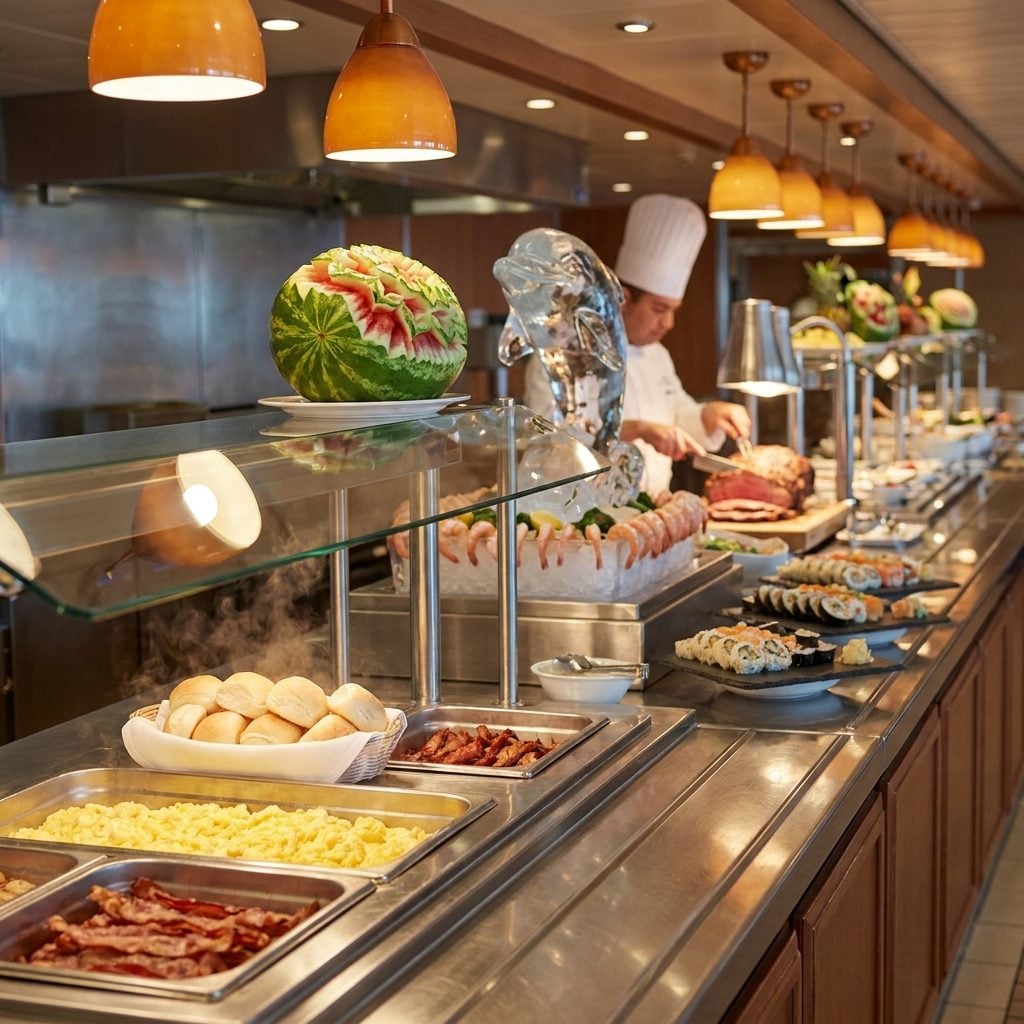
The scrambled eggs are right there at the entrance and the plate is already in your hand. That is the trap. Cruise buffets are designed like department stores, the everyday stuff up front, the extraordinary things deeper in. The chilled lobster claws, the hand-rolled sushi, the carving station with the slow-roasted prime rib are all thirty feet away from where most people stop walking.
Do one full lap before you pick up a plate. The whole line, both sides, every station. Takes three minutes. Changes everything about what you choose to eat.
30. Treating the Soft-Serve Machine Like It’s a Destination
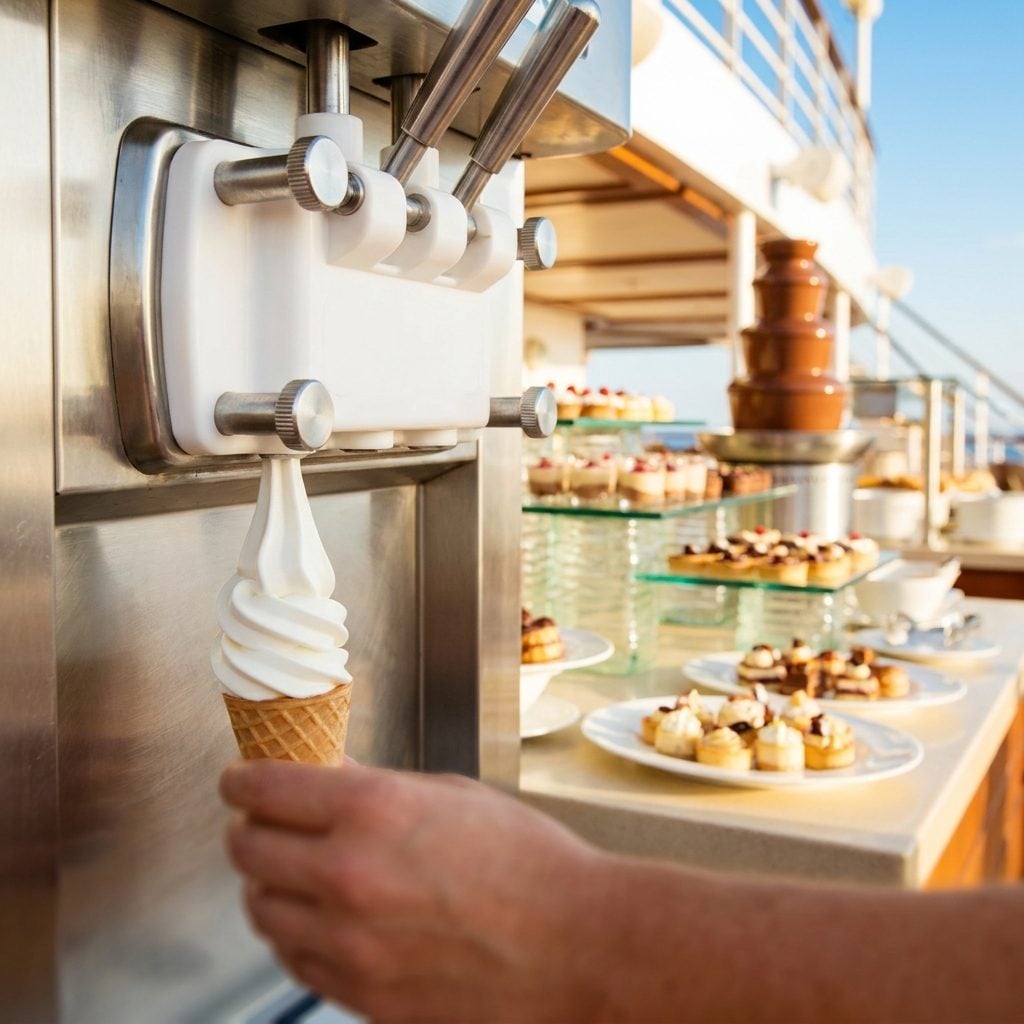
Soft-serve on a cruise ship is free, always available, and profoundly mediocre. It is there for the kids and for the moments between meals when nothing else is open. The people who queue for it three times a day are missing the actual pastry kitchen two decks down, where a trained pastry chef is turning out fresh tarts, chocolate mousse, and crème brûlée that disappear fast and don’t get replenished after 9 p.m.
Ask a crew member where the made-from-scratch desserts are. On most major lines, they exist. They’re just not announced over the PA.
29. Pouring Coffee From the Pump Thermos Without Checking the Time
🔥 Would you like to save this?
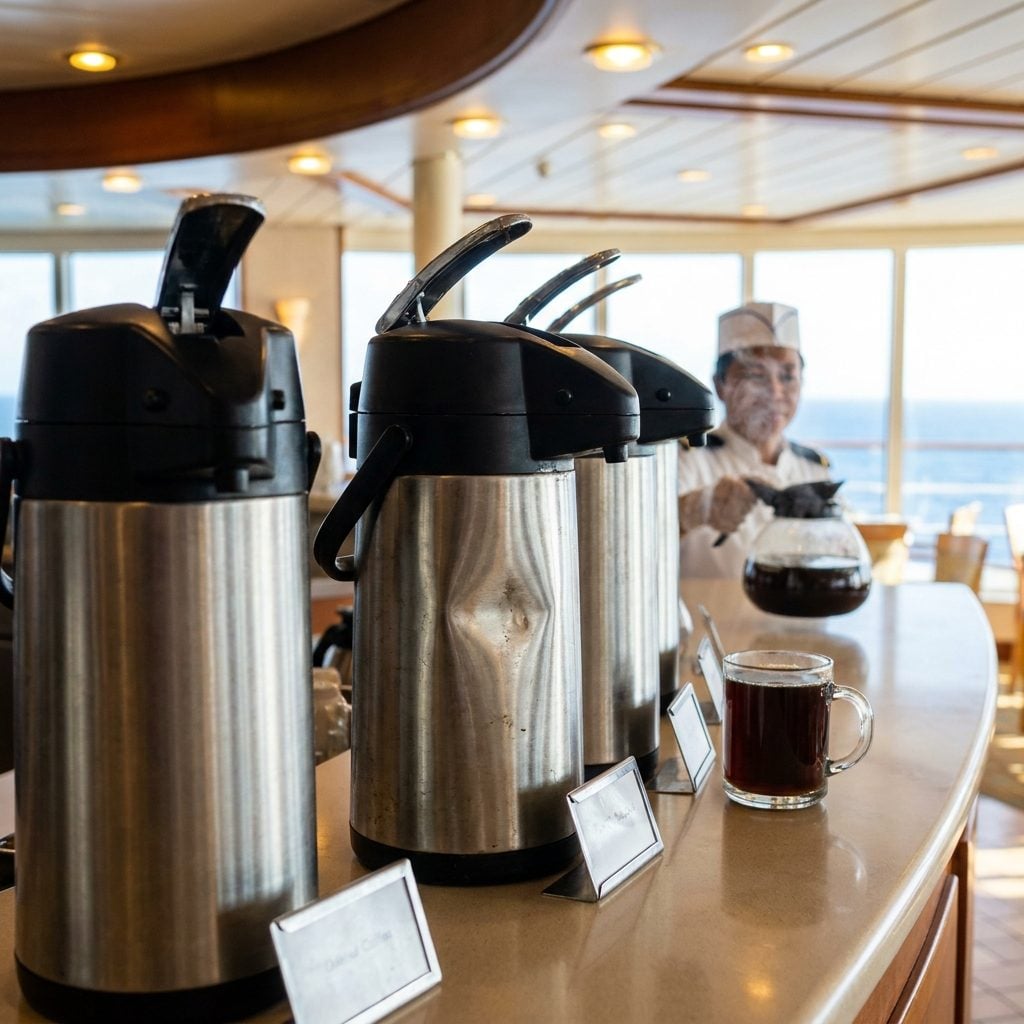
Buffet coffee that has been sitting in a pump thermos for two hours does not improve with time. It turns bitter, flattens out, and by mid-morning it tastes like the memory of coffee rather than the thing itself. The problem is that it looks exactly the same as fresh coffee from the outside.
The fix is almost embarrassingly simple: go to the buffet right when a meal period opens, or ask the nearest crew member when the next fresh batch is coming. Most are refilled on a schedule and the staff know it.
28. Skipping the Hot Station Because There’s No Sign Explaining What It Is
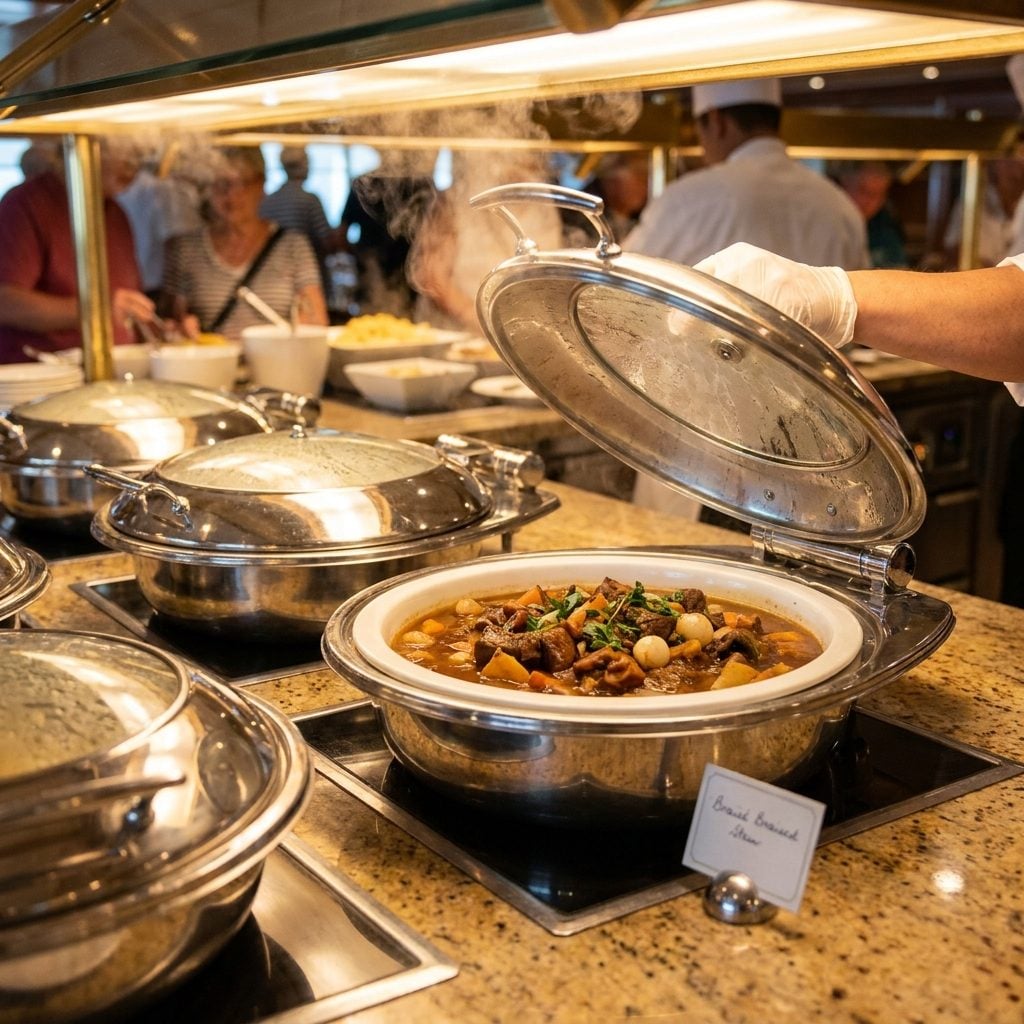
There is always one station that nobody is queuing at, usually because the signage is minimal, the dish is unfamiliar, or it looks like it might be a staff meal that wandered out by accident. It is frequently the best thing on the entire buffet.
Cruise ship culinary teams rotate regional and specialty dishes through those unmarked stations precisely because not everyone will want them, which means the people who do want them get them fresh and plentiful. The braised lamb shank, the jerk chicken, the congee with toppings: lift the lid and ask what it is. The answer is almost always good.
27. Eating at the Buffet Every Sea Day Instead of Timing the MDR for Lunch
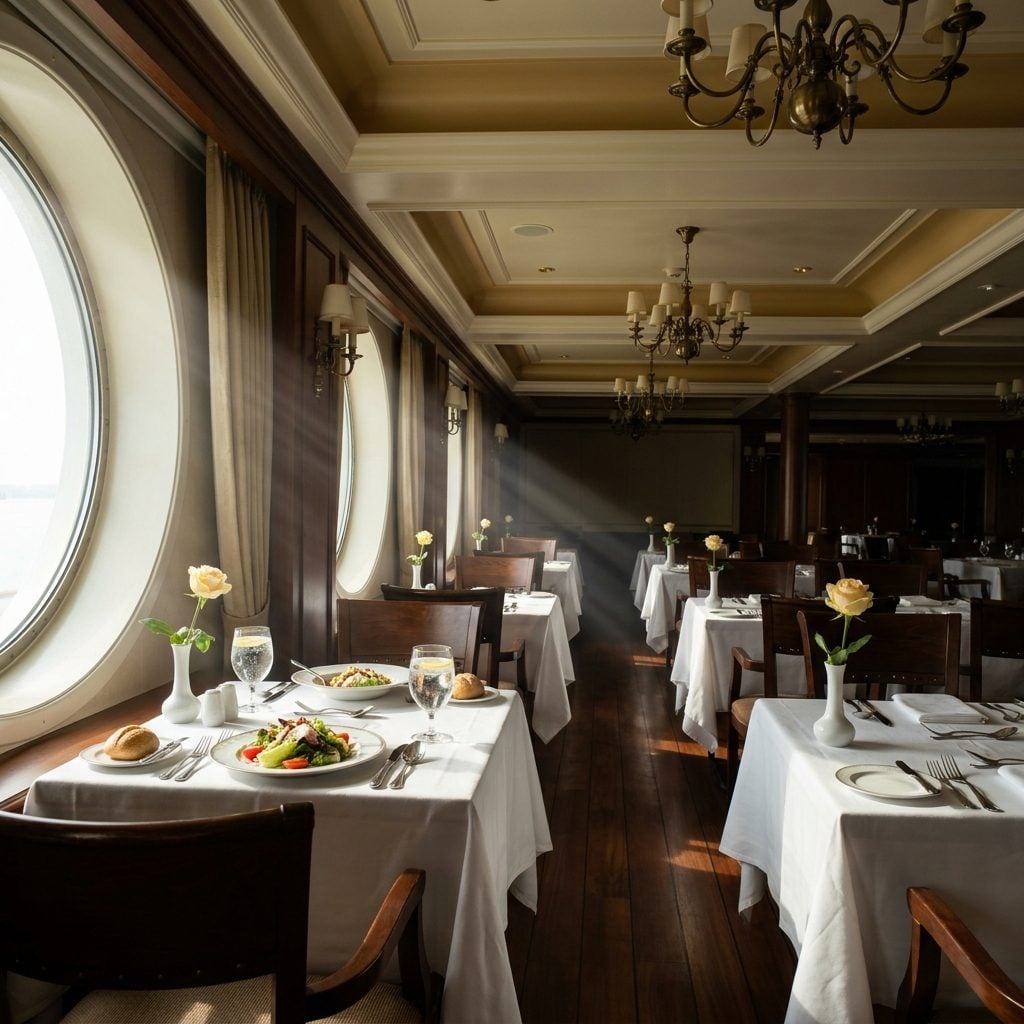
Sea days at the buffet mean crowds, competition for window seats, and a plate assembled in a rush. What most passengers don’t realize: the main dining room is open for lunch on sea days on virtually every major cruise line, it is significantly less crowded than the buffet, and the food is plated and brought to the table by someone whose job is to make sure it arrives properly.
The MDR lunch menu on a sea day is often shorter than dinner but the experience is incomparably calmer. Show up at 12:30, ask to be seated by the window, and take your time. The buffet will still be there. The quiet dining room won’t last long once word gets around.
26. Grabbing a Table Before Getting Food, and Then Abandoning It
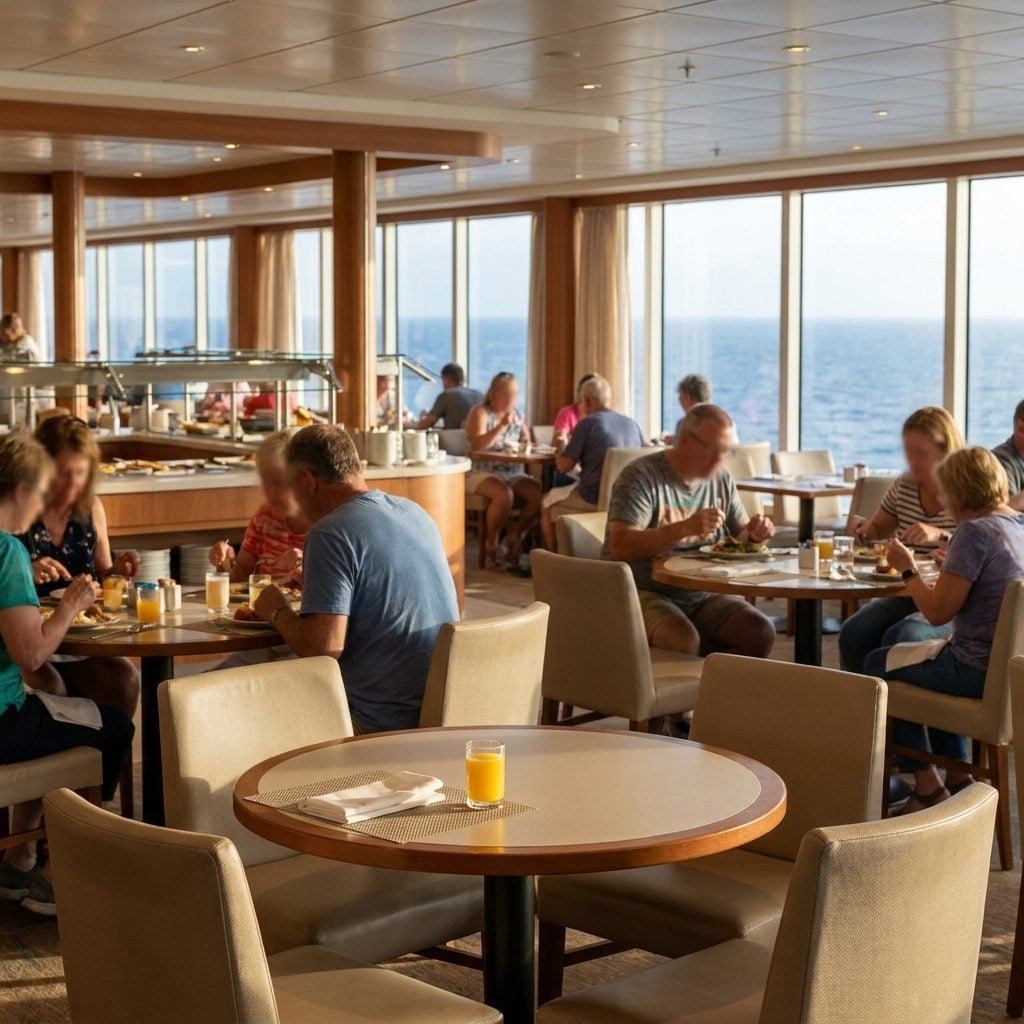
A glass of juice and a folded napkin do not hold a table. In a busy buffet room at peak hours, that arrangement lasts about ninety seconds before someone sits down anyway, and they are not wrong to do so. The real cost is not the lost seat. It is the five minutes spent negotiating, apologizing, and relocating while the food gets cold.
Get the food first, then find a table together. If the group is large, one person scouts a table while everyone else plates up simultaneously and heads straight there.
25. Overlooking the Made-to-Order Station Buried at the Far End
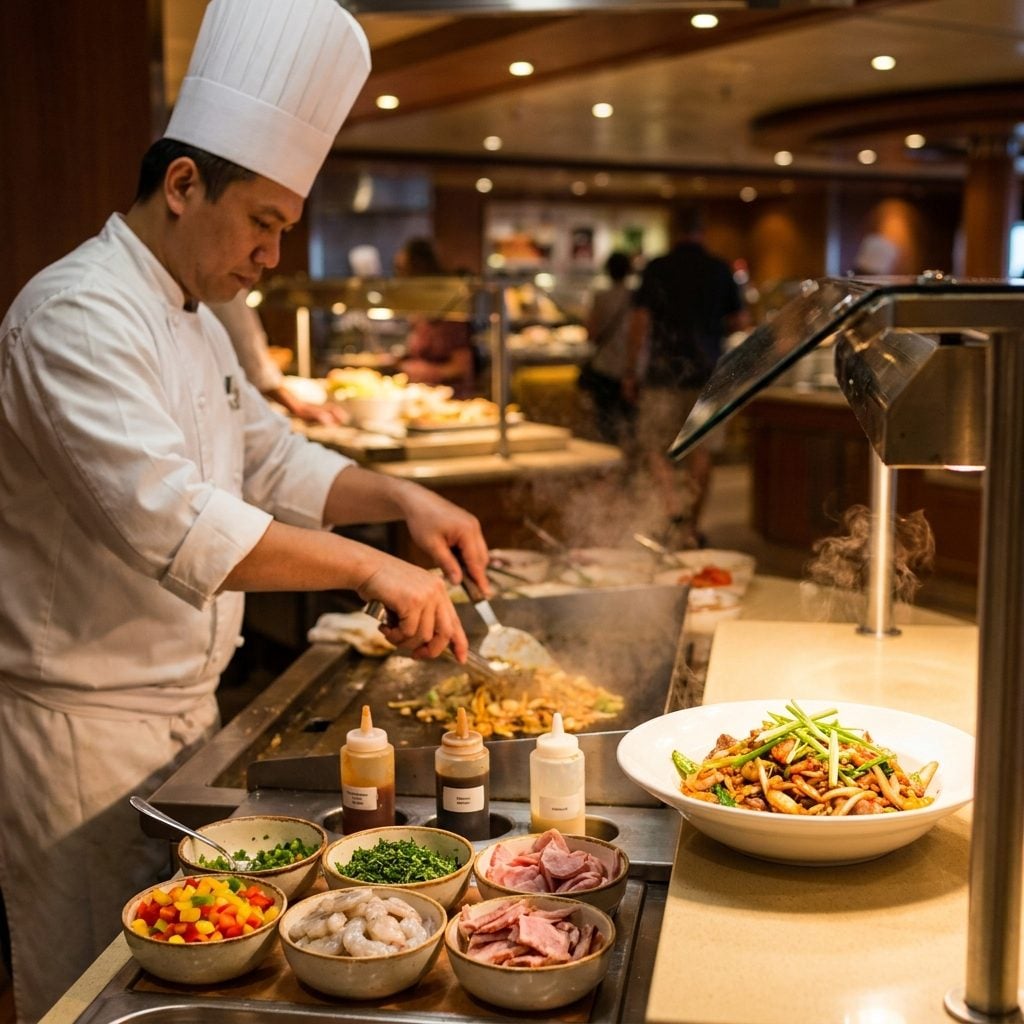
Almost every major cruise buffet has at least one made-to-order station, a flat-top, a wok setup, a fresh pasta or egg station, where a crew member will cook something specifically for you while you wait ninety seconds. These stations exist to handle dietary needs and preferences, but they are open to everyone and the quality is categorically different from a chafing dish that has been sitting since 7 a.m.
The reason most passengers miss them: they are almost always at the far end of the buffet, past the point where most people have already turned around with a full plate.
24. Drinking Four Glasses of Juice Before the Real Meal Even Starts
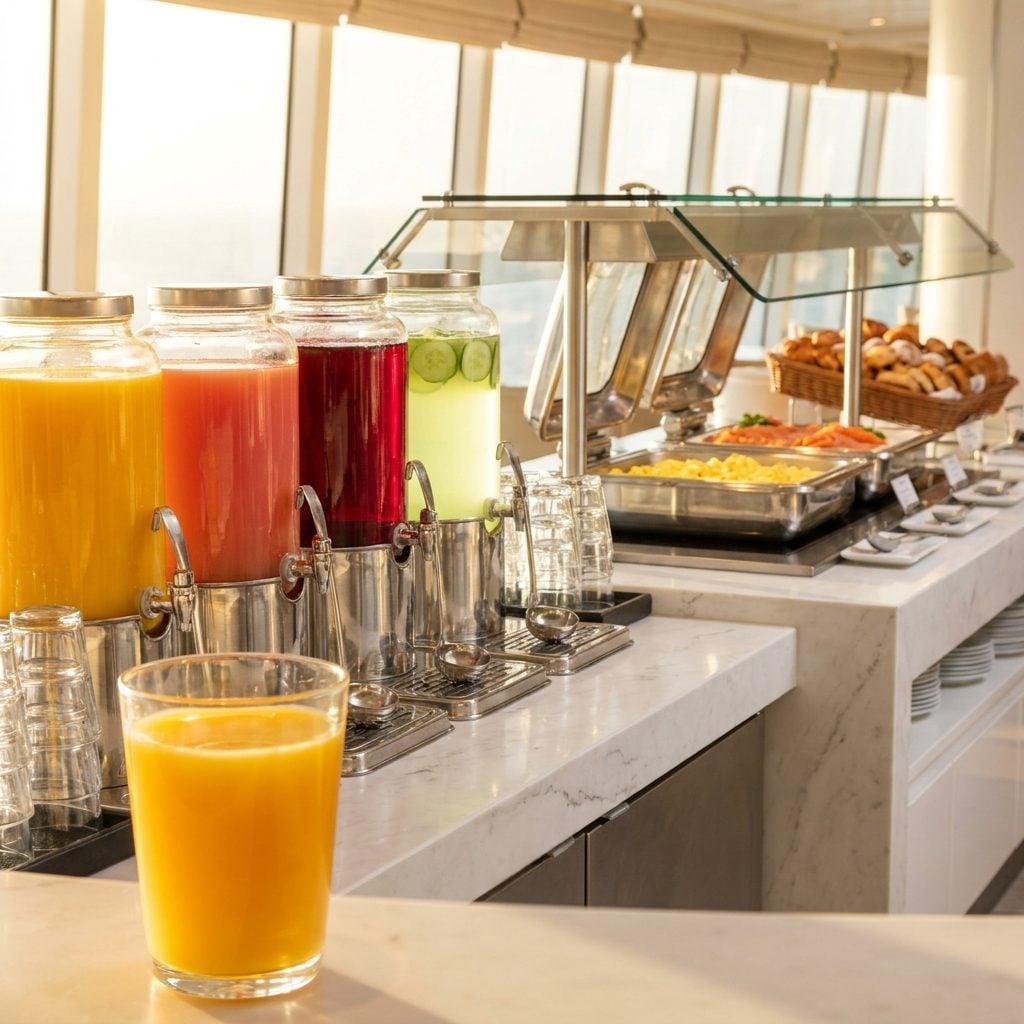
Cruise ship buffet juices are not fresh-squeezed, regardless of what the dispenser implies. They are sweet, they are calorie-dense, and they arrive before the food, which means most people have consumed a significant portion of their appetite before the eggs and smoked salmon even make it onto a plate. Four glasses of juice at breakfast is not an unusual thing to watch happen at a cruise buffet, and it is the reason so many passengers feel oddly full and oddly unsatisfied at the same time.
Pour one small glass, drink it, and then get the food. Save the second glass for after the plate is built.
23. Loading Your Plate Before the Ship Has Even Left Port
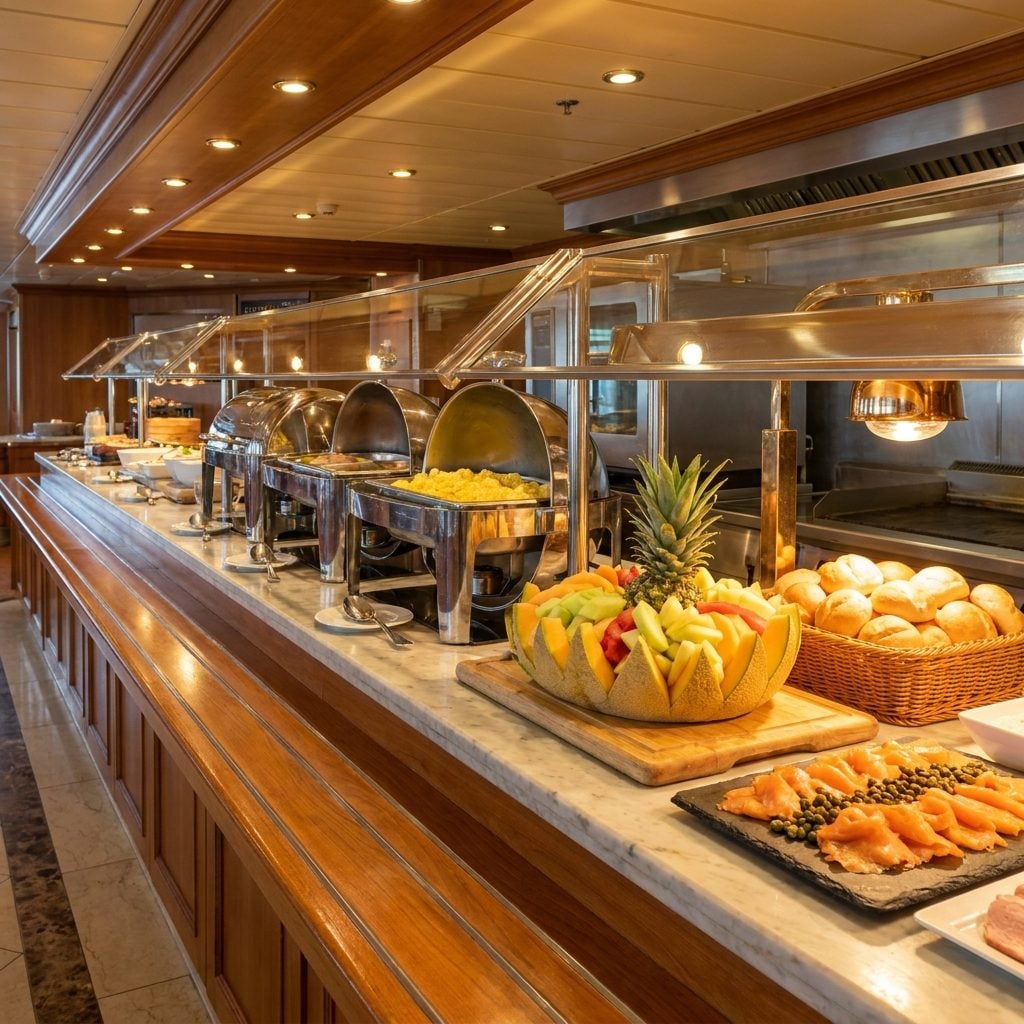
The buffet on embarkation day is a known trap. The ship is still docked, half the food stations haven’t reached proper temperature, and the kitchen crew is still running the pre-departure checklist. You pile a plate, sit down, and wonder why nothing tastes right. It doesn’t taste right because it isn’t ready.
Wait until the ship clears the dock and the crew finishes setup. An hour makes a genuine difference. The eggs are fresh, the stations are fully staffed, and you’re not eating pre-departure leftovers. First impressions at a buffet are set on day one. Don’t waste yours on lukewarm scrambled eggs before the horn has blown.
22. Skipping the Far End of the Buffet Because the First Station Looked Good Enough
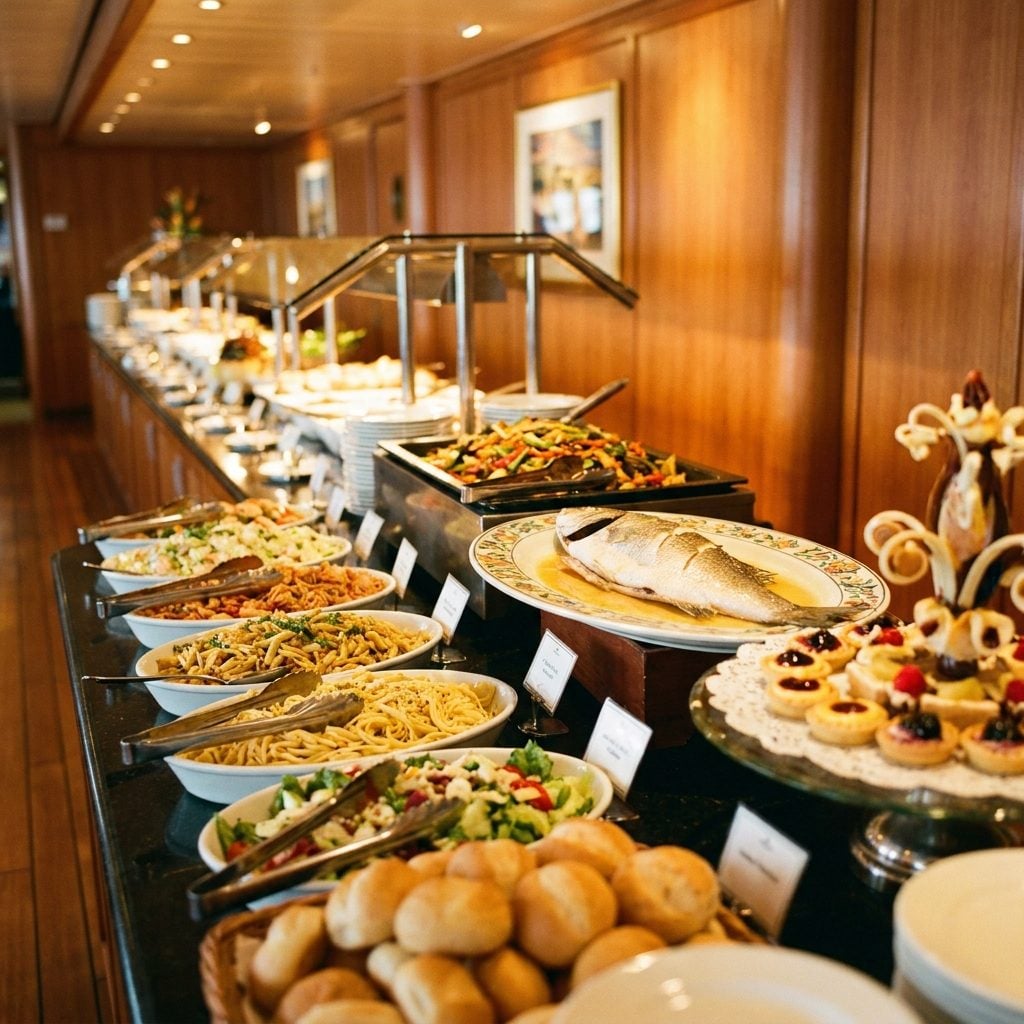
Most people stop at the first hot station and call it lunch. The logic is unconscious but consistent: food is visible, a plate is in hand, the instinct is to fill it. What they never see is the carving station at the far end, or the chef-attended wok station, or the regional specialty that rotates every other day. Cruise buffets are designed like department stores, the everyday essentials up front, the interesting things deeper in.
Walk the full length before you touch a serving spoon. Every time. The whole picture takes ninety seconds to survey and routinely changes what ends up on the plate.
21. Treating the Dessert Station Like a Final Stop Instead of a Starting Point
🔥 Would you like to save this?
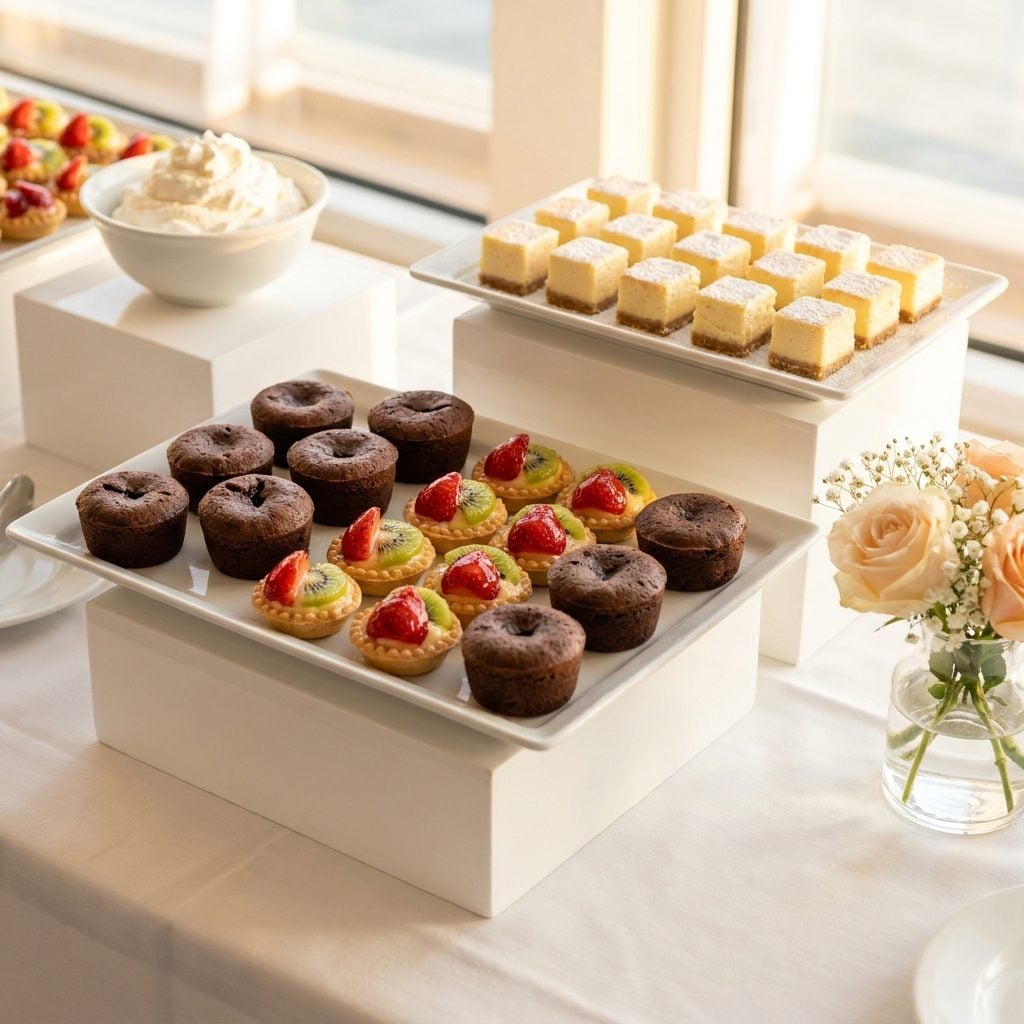
The mistake isn’t visiting the dessert station. The mistake is treating it as a reward that gets whatever plate space is left over after everything else. By the time most people arrive, their appetite is gone and they take two bites of something they barely chose.
Scout the dessert display first. Not to eat from it first, to decide what’s worth saving room for. The individual chocolate tart that looked forgettable at a glance sometimes turns out to be the best thing on the ship that day. Know what you’re working toward before the plate fills up.
20. Pouring Coffee From the Self-Serve Station When the Fresh Pot Is Thirty Feet Away
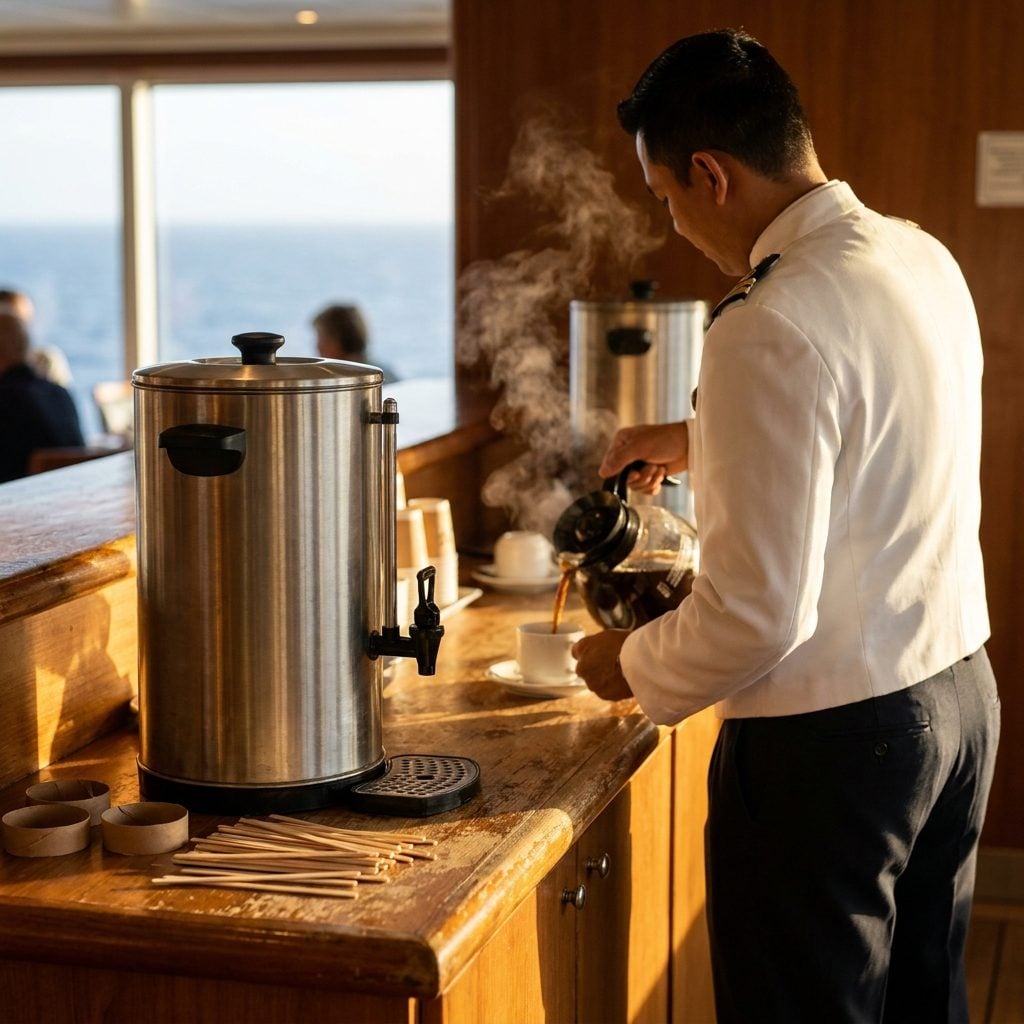
The self-serve coffee urn has been sitting there since 6 a.m. It tastes like it. The crew member with the carafe walking the dining room floor has coffee that was brewed eight minutes ago.
Make eye contact and hold up your cup. That’s the entire strategy. On most ships, the roving coffee service is right there, people just don’t flag it down because the urn requires no social interaction. The fresh coffee wins every time, and nobody is going to make you feel bad for asking.
19. Filling a Plate With Everything That Looks Good, Then Eating Only Half
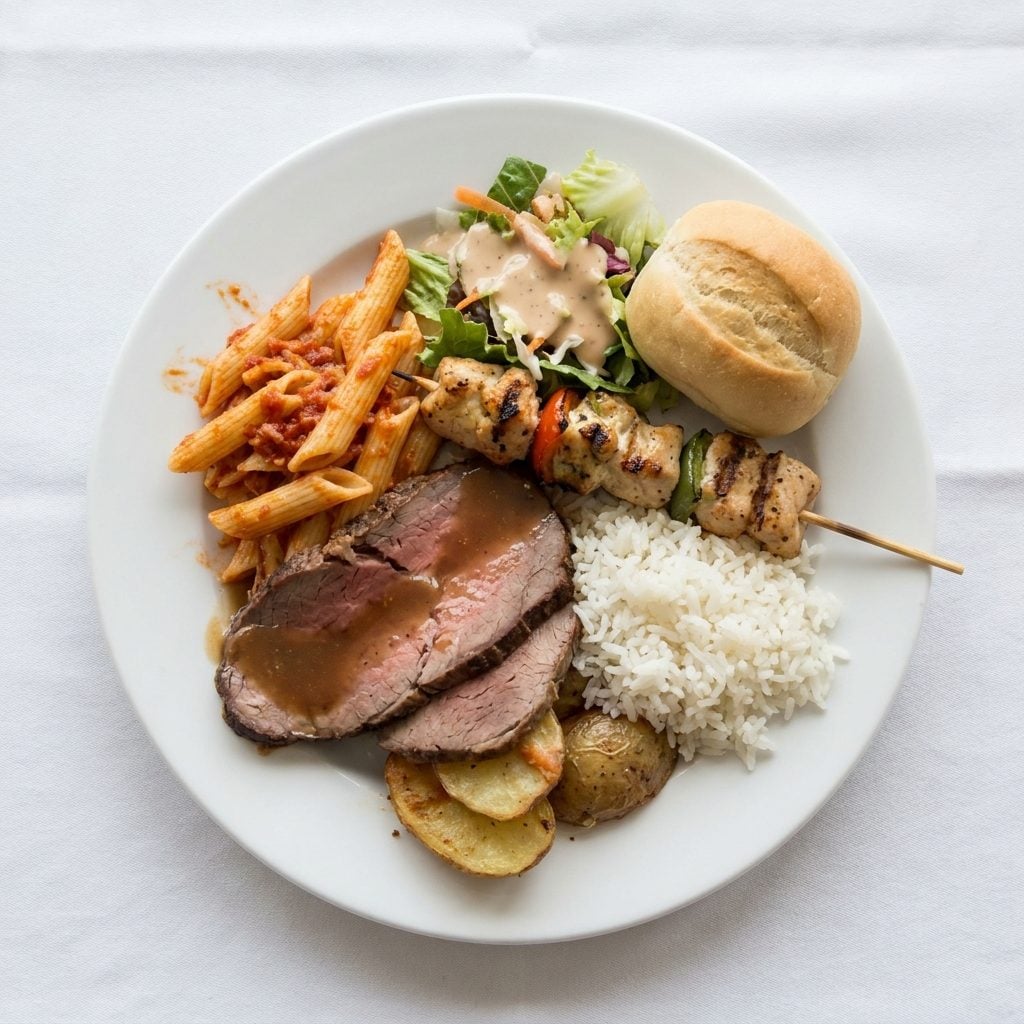
The buffet’s abundance creates a specific cognitive illusion: everything looks equally good when you’re standing at the serving station. A full plate feels like a good decision until you’re seated and realize you built a plate for someone else’s appetite.
Take half what you think you want. You can go back in four minutes. The walk back is not a penalty, it’s the mechanism that gets you the things you actually wanted. Anyone who has cruised more than twice has learned this the hard way, usually sometime around day three when the novelty wears off and the actual hunger patterns become clear.
18. Assuming the Buffet and the Dining Room Are Serving the Same Food
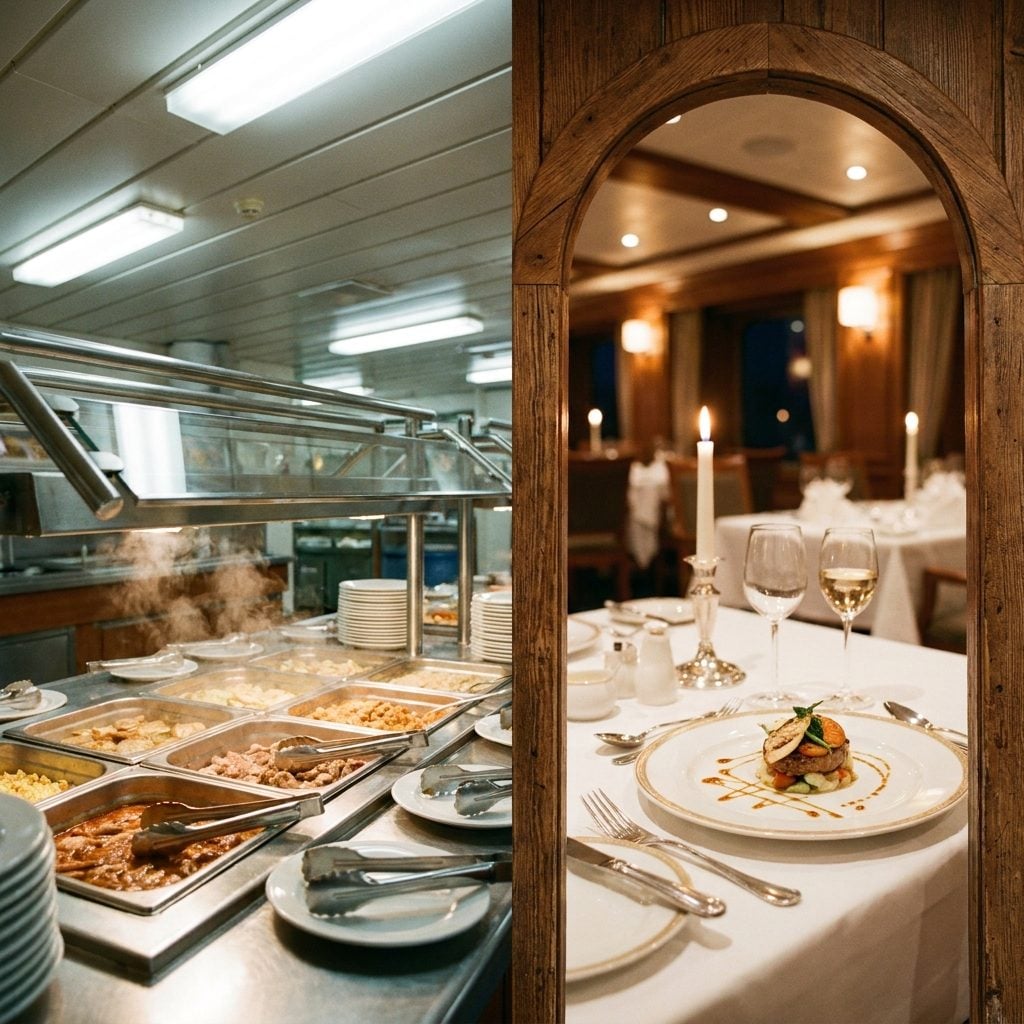
The buffet is convenience. The main dining room is the kitchen showing what it can actually do. These are not interchangeable, and the menus are not the same.
On most ships, the formal dining room runs a rotating menu of plated dishes prepared to order, food that simply cannot be replicated in a chafing dish format. The buffet excels at variety, flexibility, and speed. The dining room excels at everything else. Experienced cruisers use both deliberately rather than defaulting to the buffet for every meal because the line is shorter.
The buffet is where you go when you want options. The dining room is where you go when you want a meal.
17. Arriving at Peak Hour and Then Complaining the Buffet Feels Chaotic
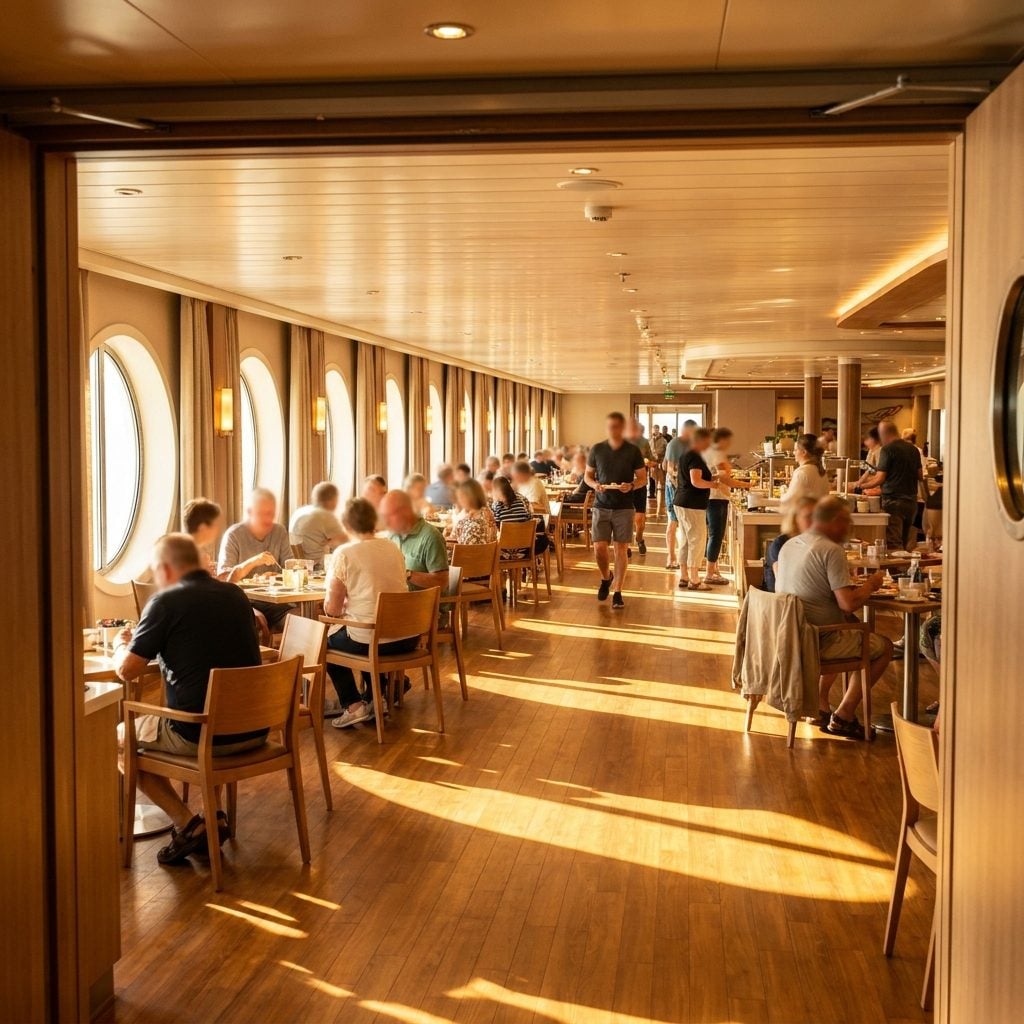
Noon and 7 p.m. are the same on every ship on every ocean. The buffet at those hours is a tide of people who all had the same idea at the same time. Stations run low, seating is contested, and the experience validates every negative thing anyone has ever said about cruise buffets.
Shift by forty-five minutes in either direction and the room feels like a different place entirely. 11:15 a.m. and 6:15 p.m. are the same food, the same quality, and a fraction of the crowd. The ship isn’t going anywhere. The buffet will still be there.
16. Never Asking the Crew What Just Came Out of the Kitchen
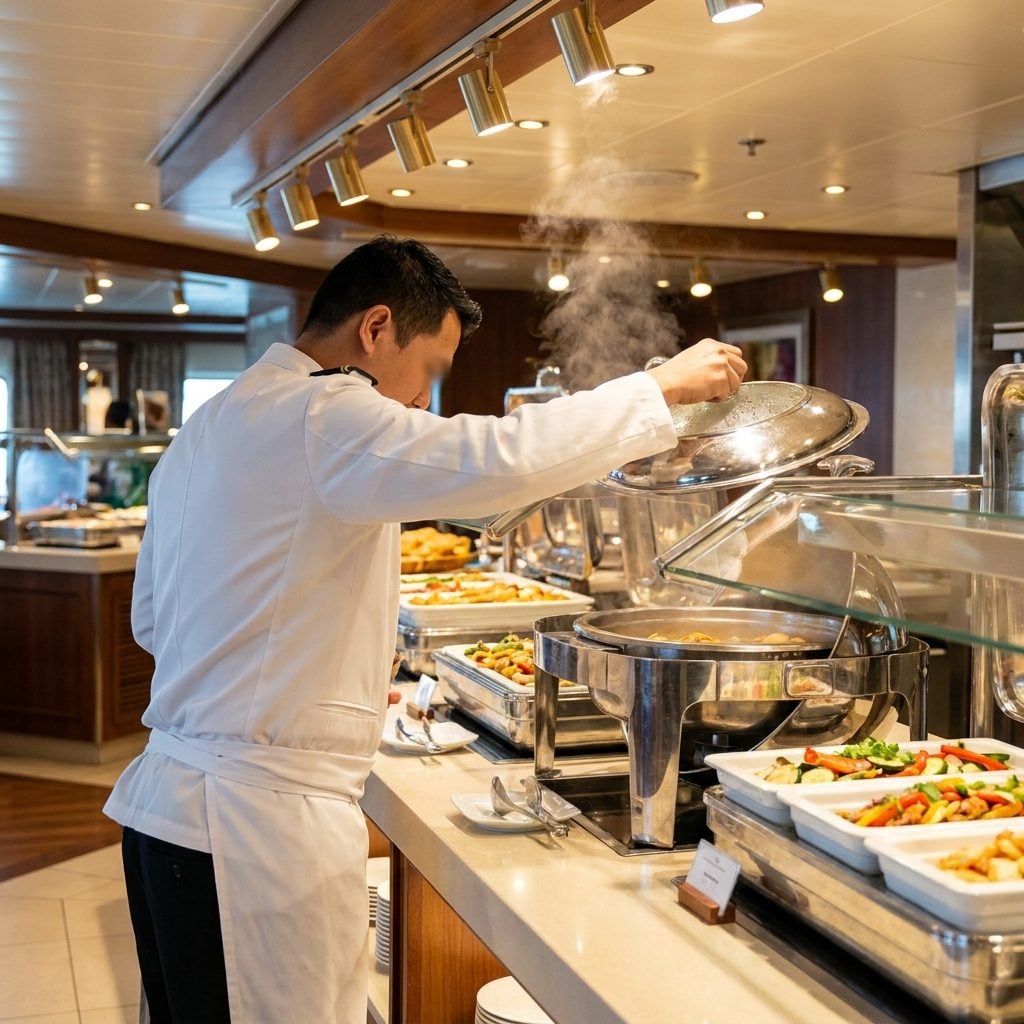
The crew member standing behind the buffet station knows things the label placard does not. They know the salmon was just refreshed ten minutes ago. They know the lamb is due out in fifteen. They know which station the chef put the most work into today because they watched it get plated.
A single question unlocks all of it. ‘What just came out?’ or ‘What’s freshest right now?’ takes four seconds to ask and routinely changes the meal. The crew almost always answers with genuine enthusiasm. They’ve been watching people walk past the good stuff all morning.
15. Hitting the Omelet Station Right When It Opens
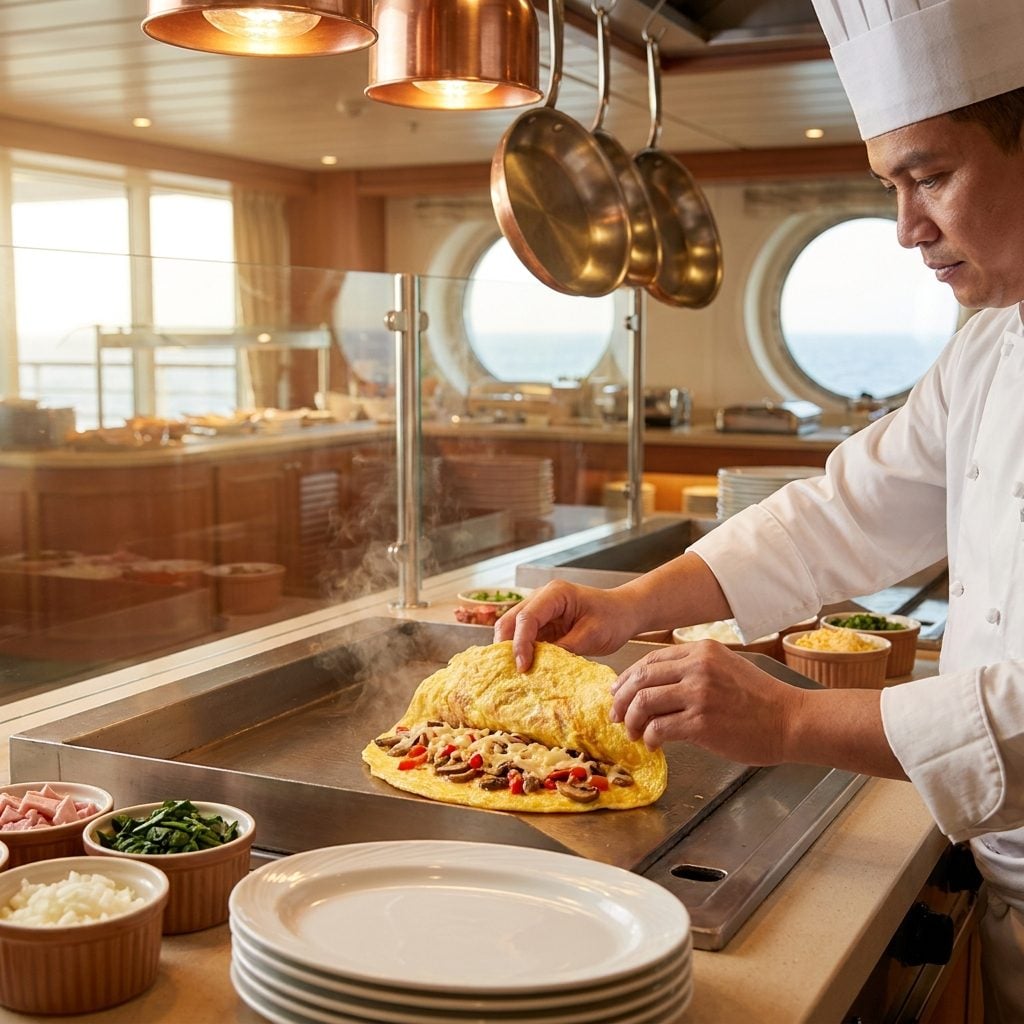
The omelet station draws a crowd by 9am. The line wraps, the chef is juggling four orders at once, and the toppings have been picked over. Show up when the station first opens and you get the opposite: a patient chef, fully stocked ramekins, and an omelet made exactly the way you asked. Most experienced cruisers know this. They’re the ones eating while everyone else is still waiting.
14. Skipping the Small Plates and Loading Up on One Thing
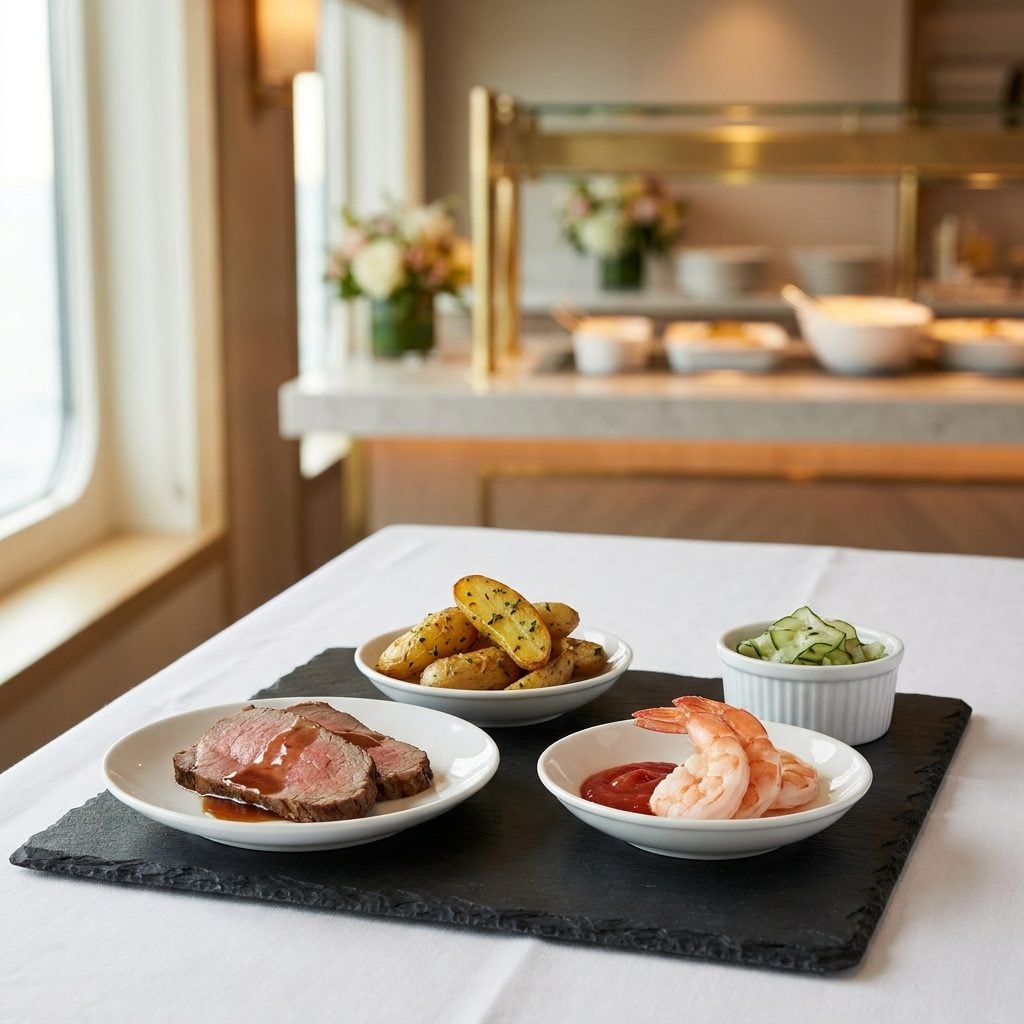
The instinct at a buffet is to commit early. You find something good, pile your plate high, and sit down, only to walk past the carving station five minutes later and realize you missed the prime rib entirely.
Take small portions of four or five things on a first pass. Walk the whole line first if you can manage it. The buffet is not going anywhere. Neither are you. The experienced approach treats it less like a cafeteria and more like a tasting menu, and the eating is genuinely better for it.
13. Treating the Dessert Section as an Afterthought
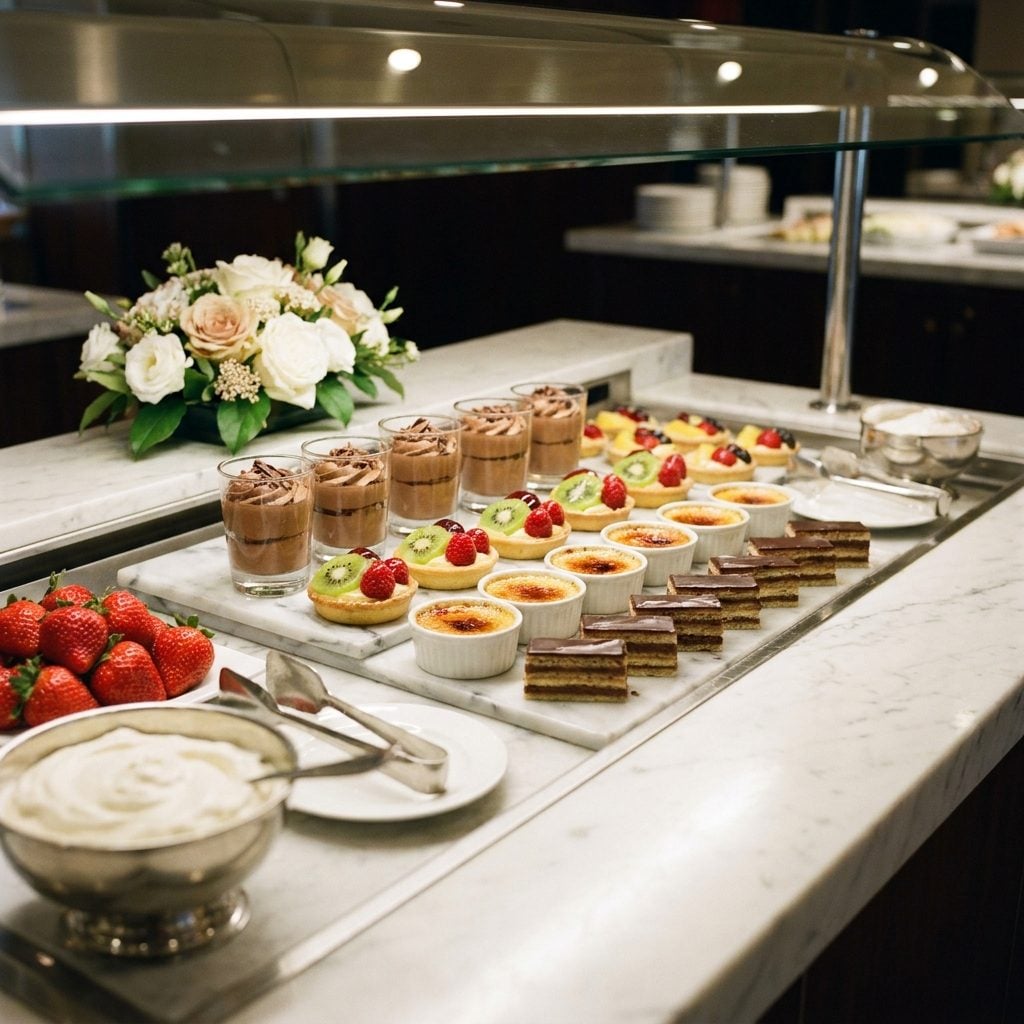
The dessert end of the buffet gets the least strategic attention and often the most regret. People load up on mains, realize they’re full, and then take one of everything at the dessert station anyway, which means nothing gets the attention it deserves.
If the chocolate mousse or the crème brûlée looks serious, build your meal around leaving room for it. The pastry team on most major lines puts real effort into these individual desserts. One good one, eaten properly, beats six mediocre ones eaten standing up with a plastic spoon.
12. Pouring Coffee Before Checking the Specialty Station
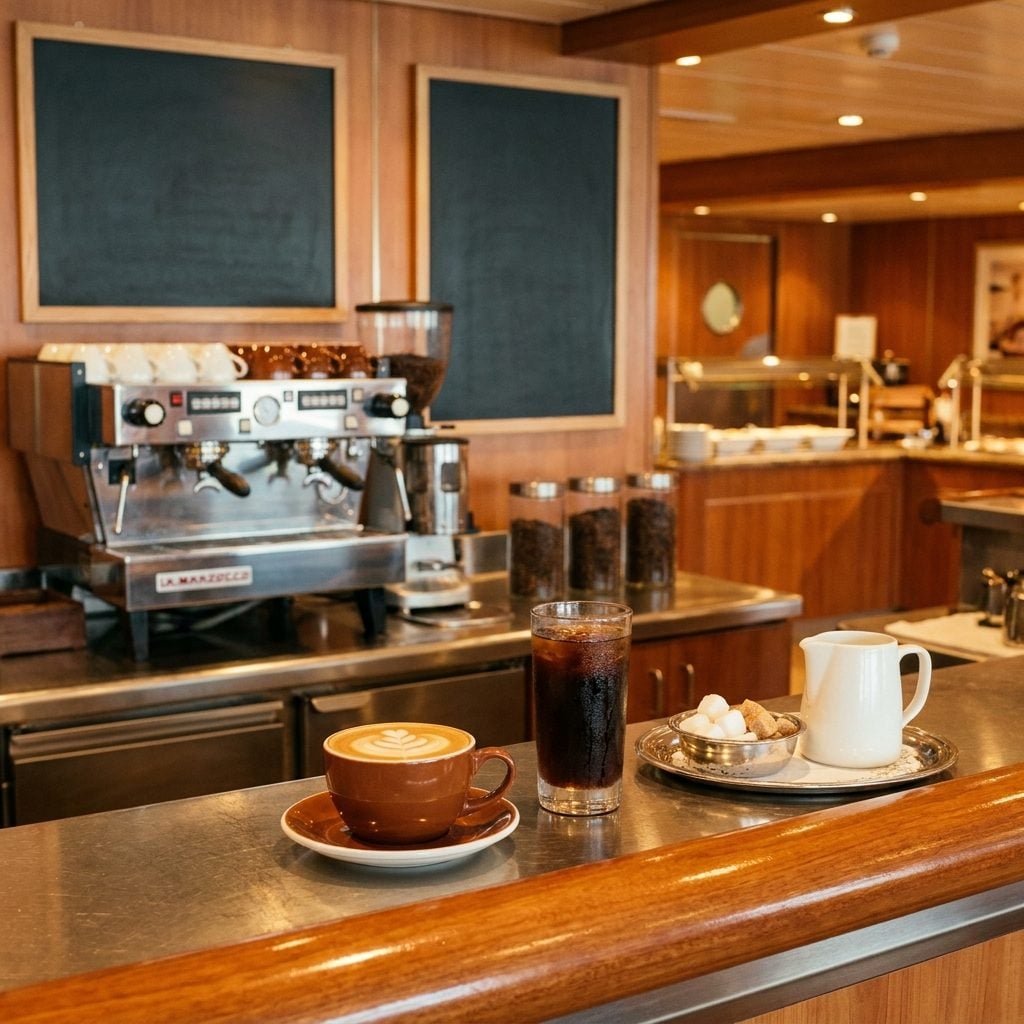
The drip coffee urn is right there at the entrance and it’s always full. It’s also, on most ships, genuinely mediocre. The specialty coffee bar, espresso, Americanos, cappuccino made to order, is usually tucked further in, and easy to miss if you’re running on autopilot.
Worth the thirty-second detour, especially at breakfast. Some lines charge extra at the dedicated coffee venues but offer the same machine at the buffet for free. Find that machine on day one and you’ve quietly upgraded every morning of the trip.
11. Ignoring What the Carving Station Actually Has That Day
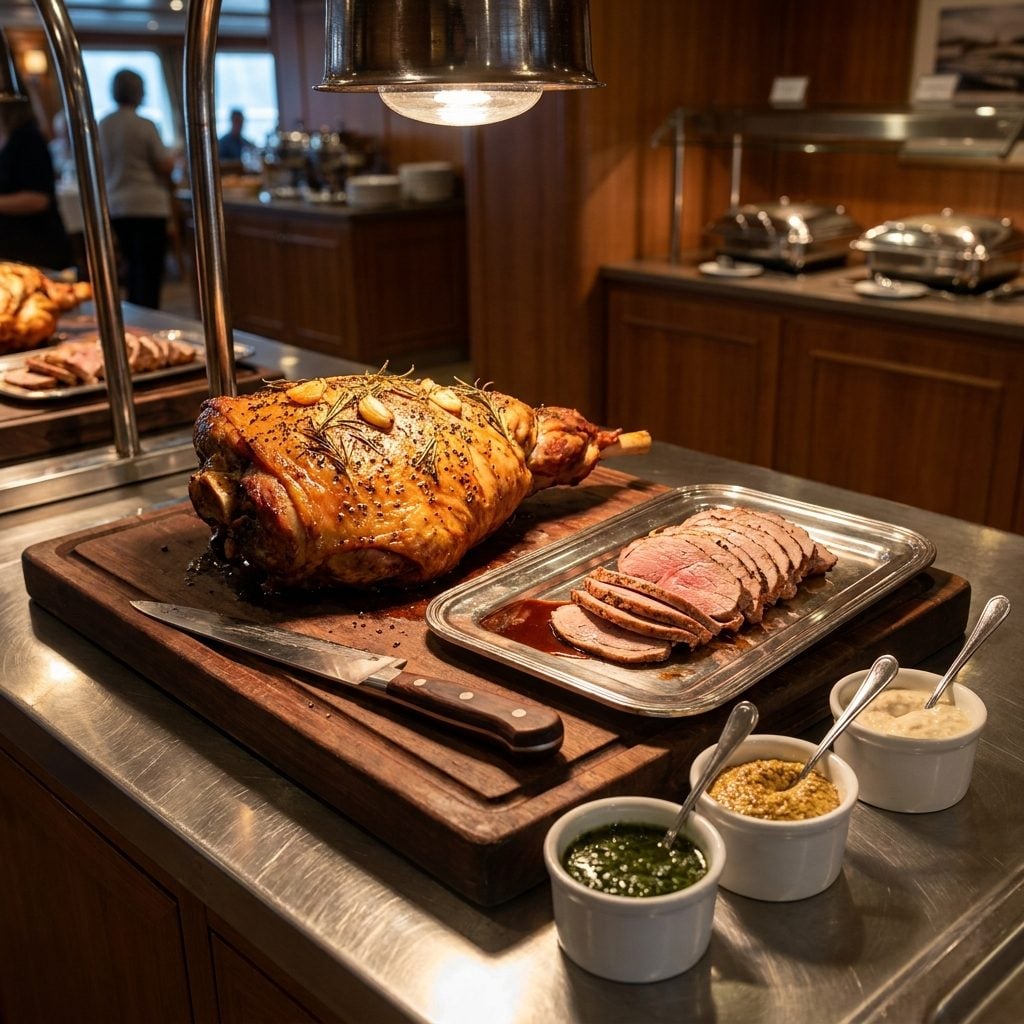
Most people walk past the carving station without reading the sign. They assume it’s the same roast beef it was yesterday, grab something from the hot line, and miss the rack of lamb or the slow-roasted pork shoulder that showed up unannounced.
The carving station rotates. Check it every time, even if you checked it an hour ago. On sea days especially, the kitchen tends to put out its more ambitious cuts midday when foot traffic is highest. The sign, if there is one, tells you what it is. The knife tells you how fresh it is.
10. Loading a Hot Plate and Then Walking to the Cold Salad Bar
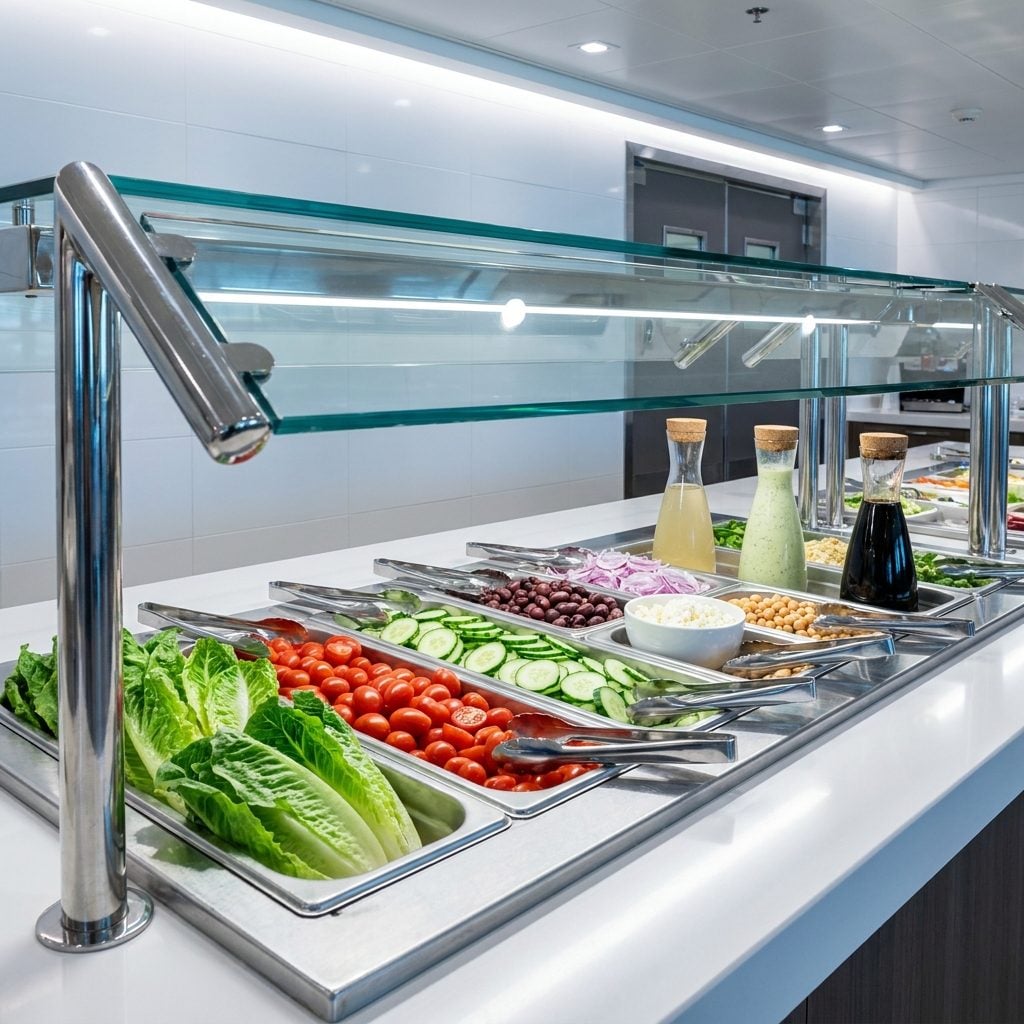
Hot food cools fast on a buffet plate. Cold food warms just as fast when it’s sitting next to something hot. The experienced move is to use two plates: one for hot items, one kept separate for cold salad, chilled seafood, or anything that’s supposed to stay crisp. Most buffets have the plates stacked everywhere, there’s no rule against using two. The people who’ve done a few cruises figured this out by the second sailing and never went back.
9. Arriving at Peak Hour Because That’s When Everyone Eats
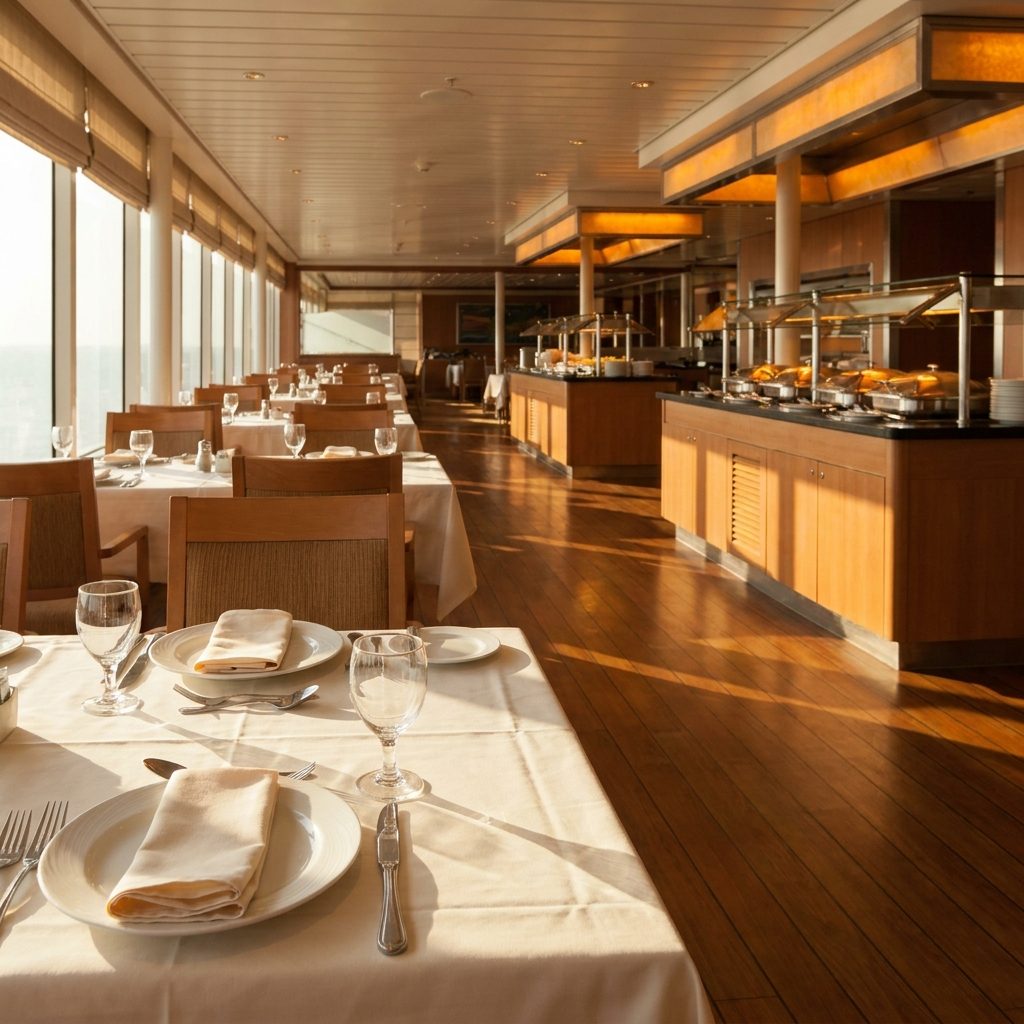
Noon to 1pm. That’s when the buffet becomes a contact sport. The food isn’t better then, it’s just when the ship’s schedule funnels everyone off the pool deck at the same moment.
Eat at 11:15 or at 1:45 and the room is a different place. The stations are restocked, not picked over. The tables are clear. You can actually think about what you want instead of just grabbing what’s nearest. Sea days make this especially easy, there’s genuinely no reason to eat when everyone else does.
The buffet at 11:15 on a sea day is one of the better-kept secrets on any ship.
8. Never Asking the Staff What Just Came Out of the Kitchen
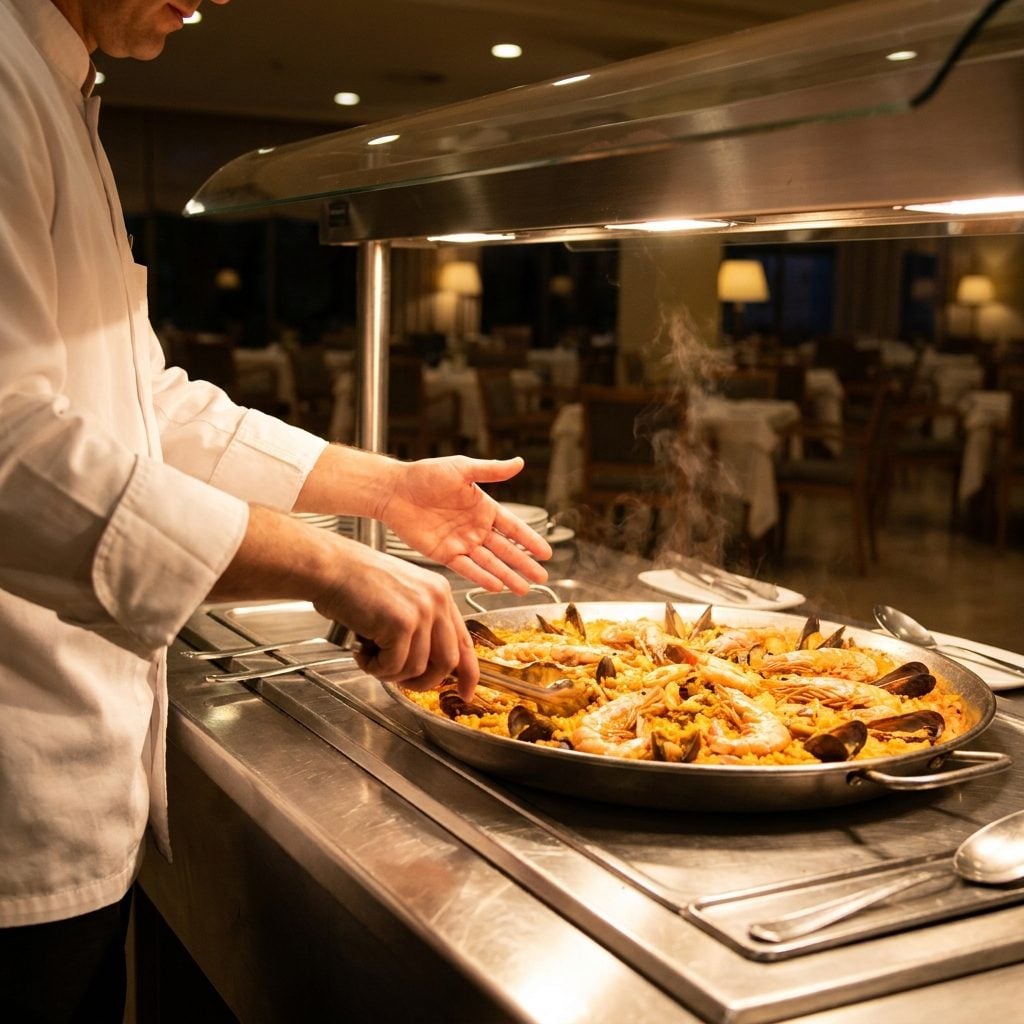
The buffet staff know things the signs don’t say. They know what just came up from the galley five minutes ago, what’s coming out next, and which station has the item that tends to disappear in twenty minutes. Most passengers walk past them without making eye contact.
A simple question, “what just came out fresh?”, tends to get a genuinely useful answer. Staff who work the same station all week know the rotation. They’ll often point you toward something you’d have walked right past. It takes four seconds and it works almost every time.
7. Ignoring the Carving Station in Favor of Pre-Sliced Meat
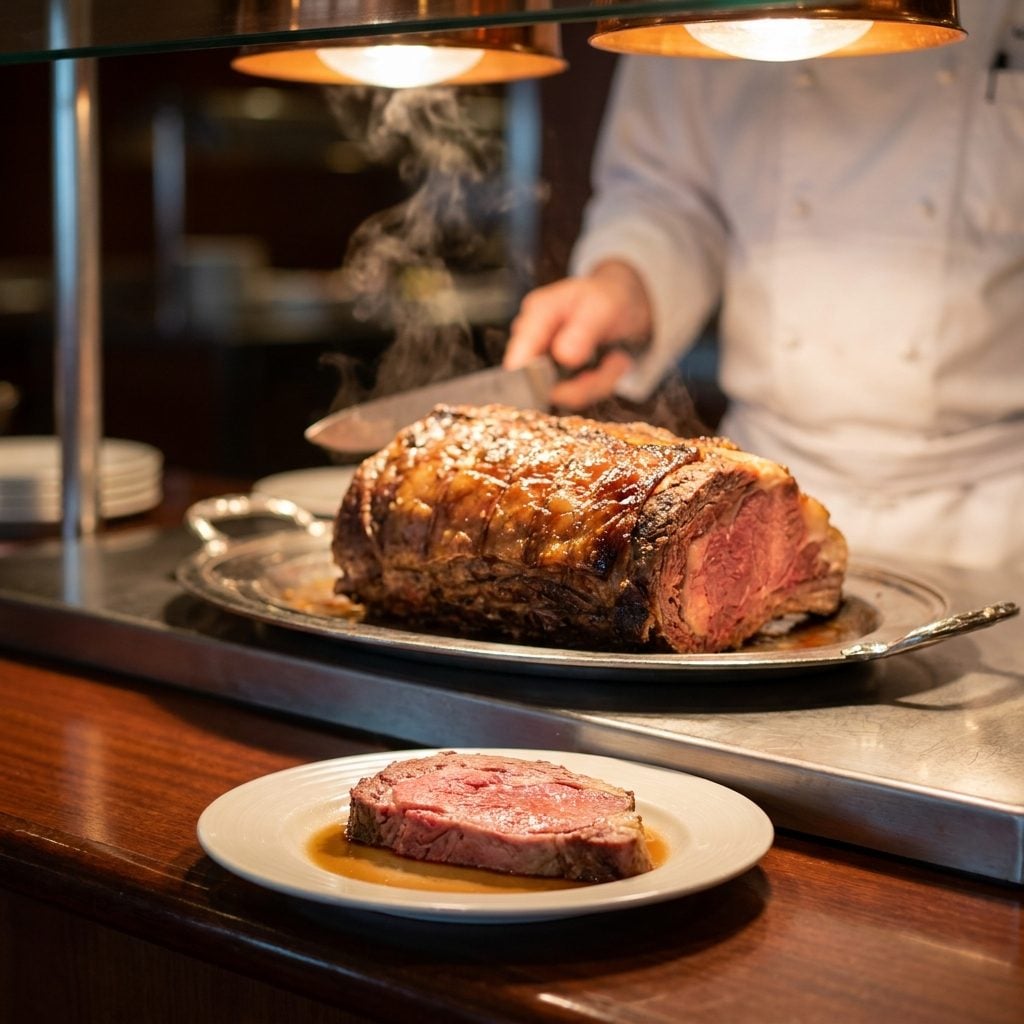
The pre-sliced tray of roast beef sitting under a heat lamp has been there since the buffet opened. It’s gray at the edges, dry in the middle, and nobody is going to tell you that. Meanwhile, thirty feet away, there’s a carving station with a cook whose entire job is to slice meat to order, hot and fresh, right in front of you.
First-timers walk past the carving station because there’s a short wait. Regulars walk straight to it. The difference on the plate is not subtle.
6. Loading Up at the First Station Without Scouting the Full Buffet First
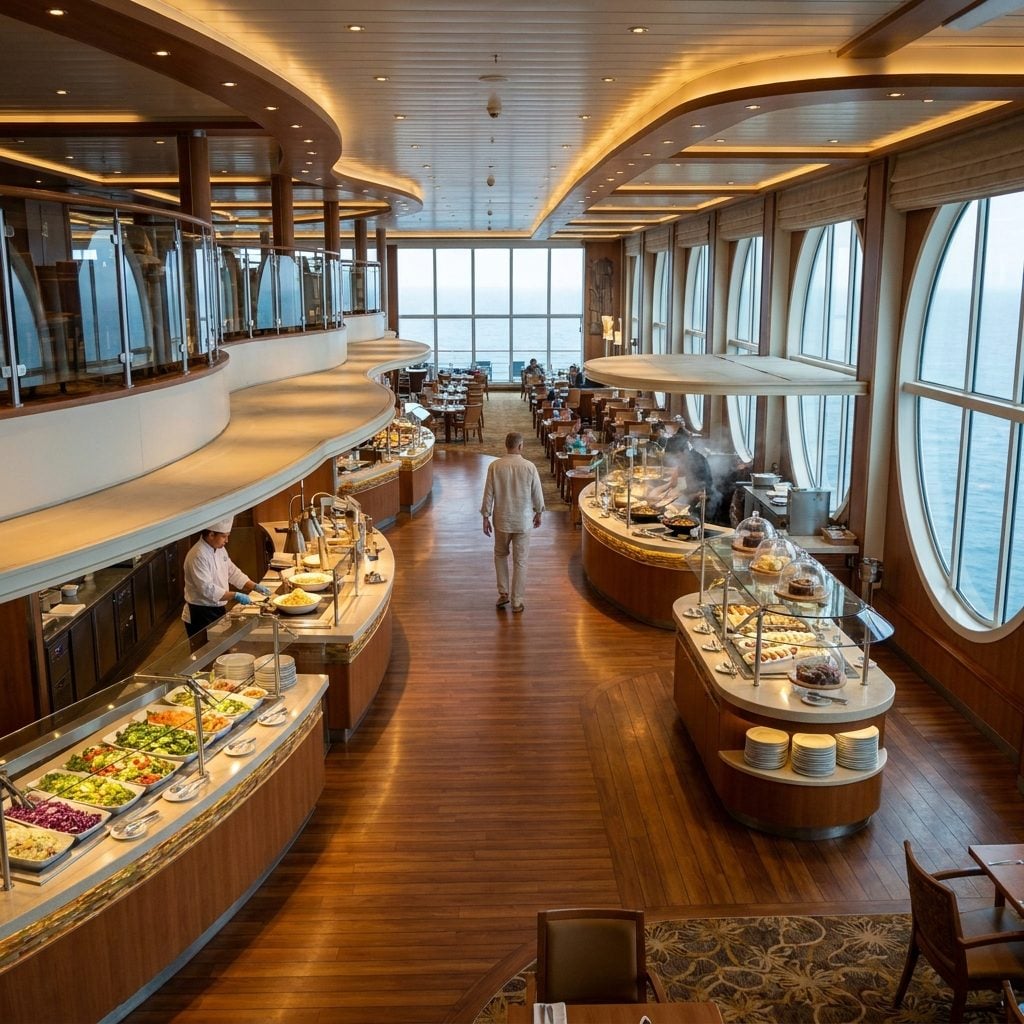
You pick up a tray, take four steps, and start loading pasta onto your plate because it’s right there and it smells good. By the time you round the corner and find the made-to-order omelets, the wood-fired flatbreads, and the fresh fruit carving station, your plate is already full.
Walk the whole buffet before you touch a single serving spoon. Takes three minutes. Costs nothing. Changes everything about how the meal goes.
5. Skipping the Buffet Entirely on Port Days Because ‘Everyone Else Does’
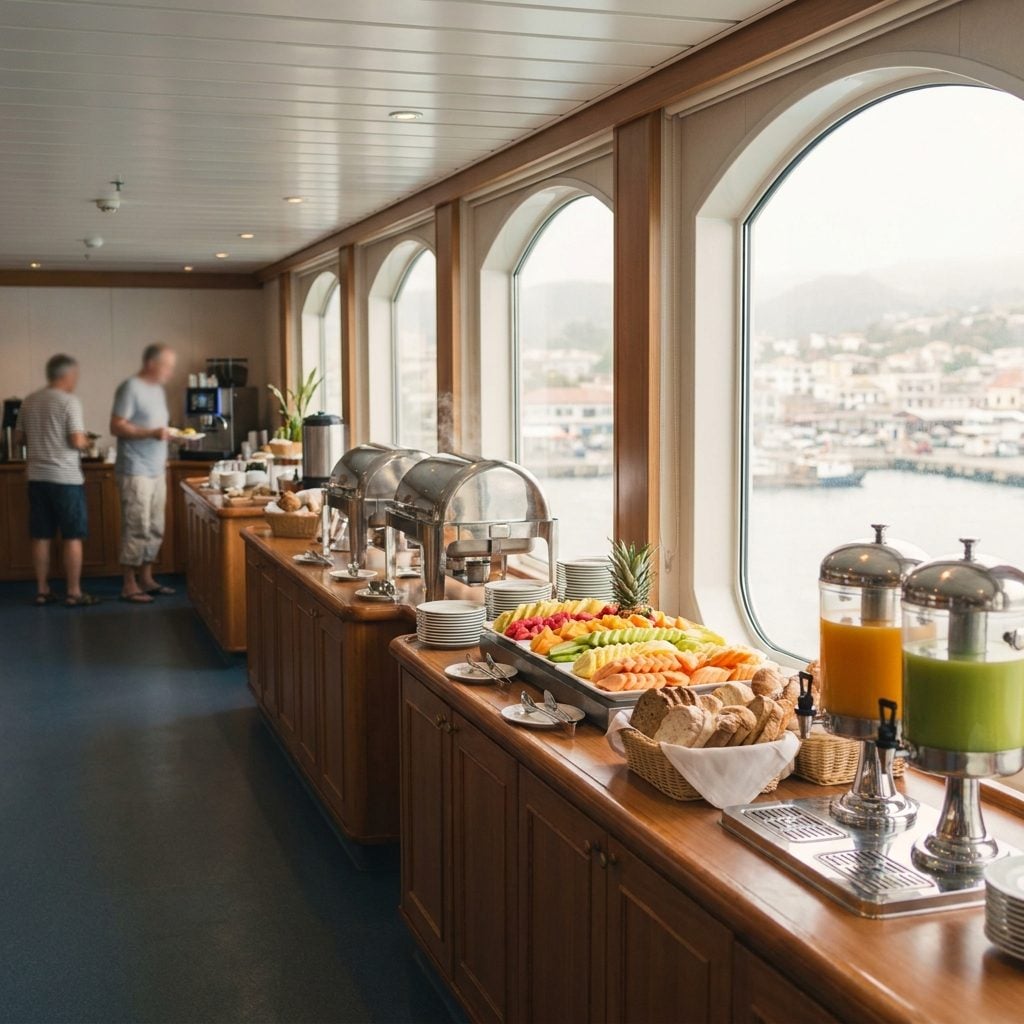
Port mornings are when the ship empties out. Every guided excursion bus leaves at once, the gangway lines thin out by nine, and the buffet goes from shoulder-to-shoulder to almost silent in about forty minutes.
The passengers who stay behind, whether by choice or late wake-up, often describe it as one of the best meals of the cruise. The staff has time to talk. The food is freshly restocked. You can actually sit by a window.
Missing a port isn’t always a loss. Sometimes it’s the accidental find of the whole trip.
4. Treating the Dessert Display as a Reward Instead of a Strategy
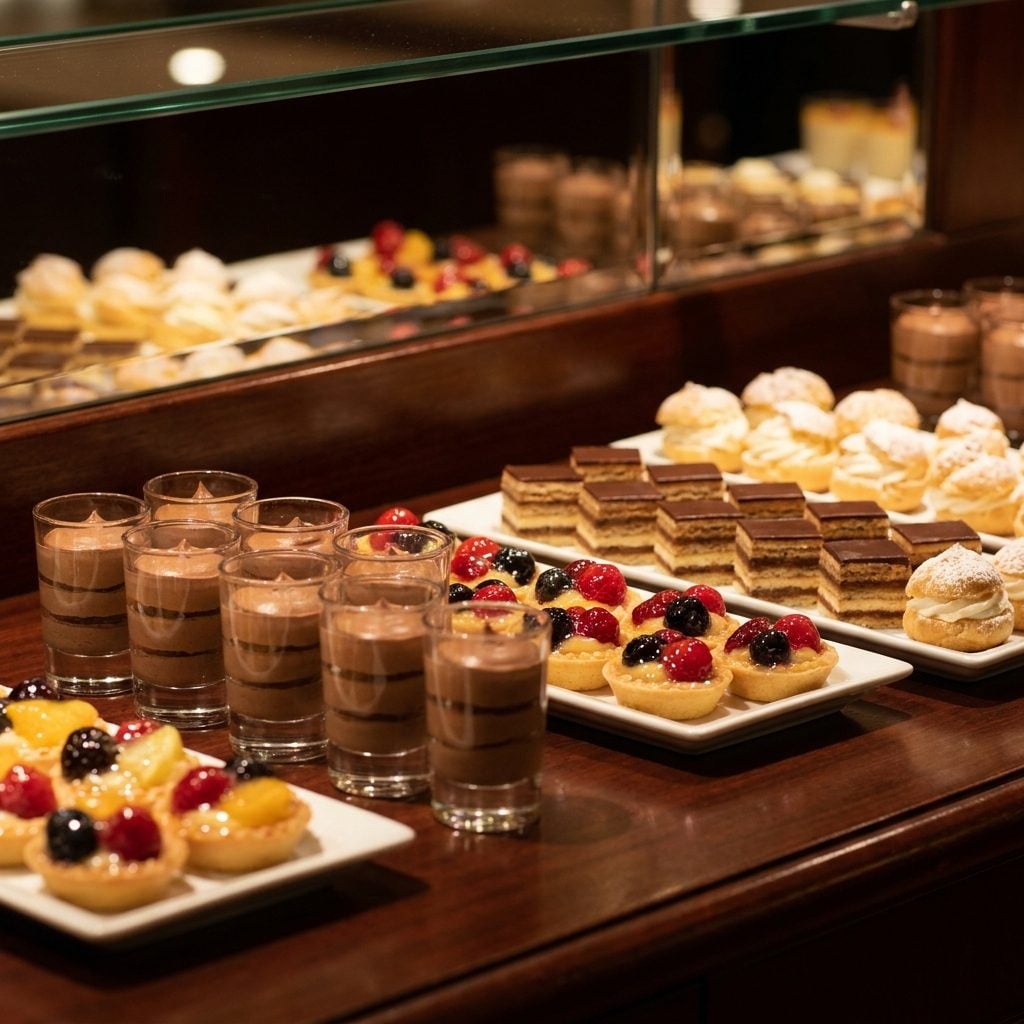
Saving dessert for the end sounds logical until you’ve eaten a full plate of pasta, a bowl of soup, and four bread rolls and your stomach has exactly one gear left: regret.
Experienced buffet regulars treat the dessert station the way a good restaurant treats the tasting menu. You account for it up front. You leave room on purpose. If the chocolate mousse cups look worth it at the start of the meal, they’re worth planning around, not squeezing in after the fact.
3. Assuming the Buffet and the Dining Room Are Serving the Same Food
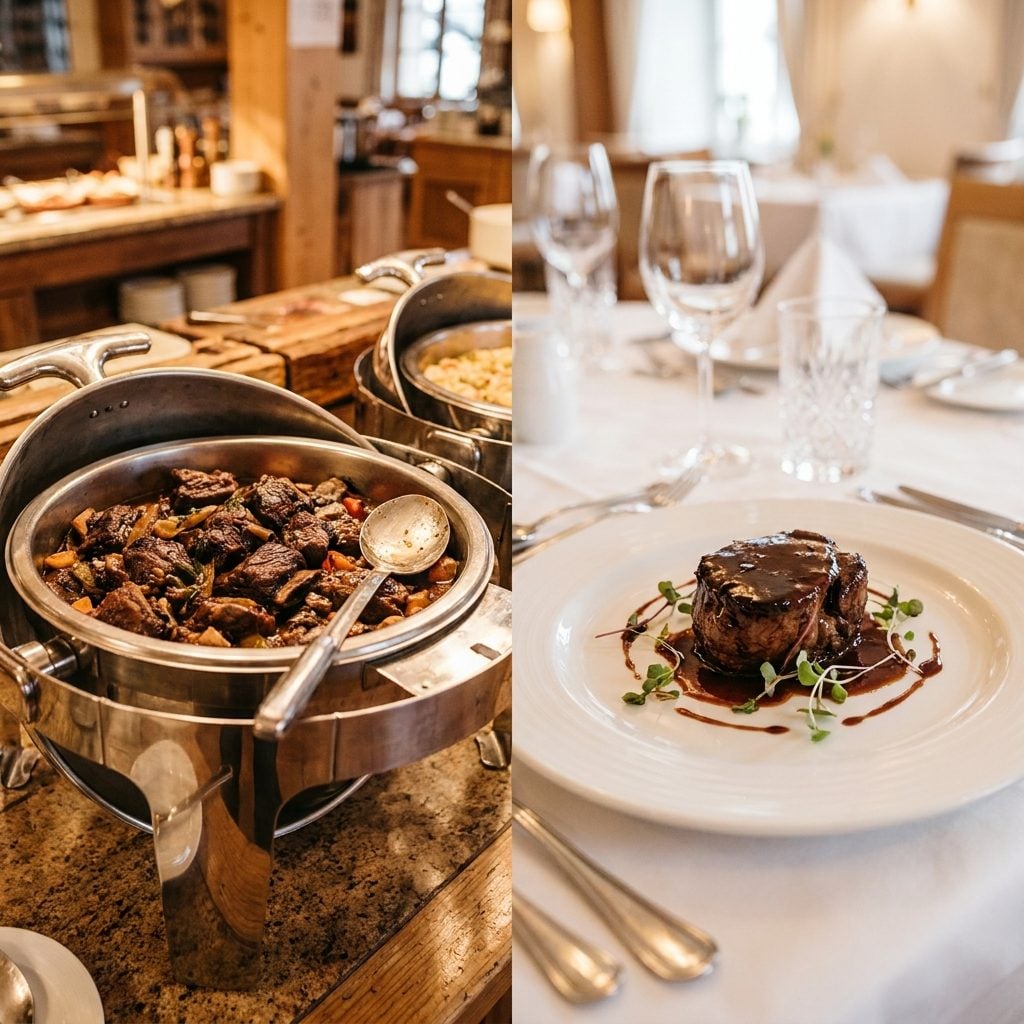
The braised short rib on the buffet and the braised short rib on the formal dining room menu are not the same preparation. The buffet version is built for volume and hold time. The dining room version is finished to order, plated with intention, and served by someone who will ask how it was.
Knowing this doesn’t mean the buffet is worse. It means you use each one for what it does best. Buffet for breakfast and casual lunch. Dining room for the dishes you actually want to remember.
2. Pouring Coffee from the Buffet Urn When the Barista Bar Is Three Feet Away
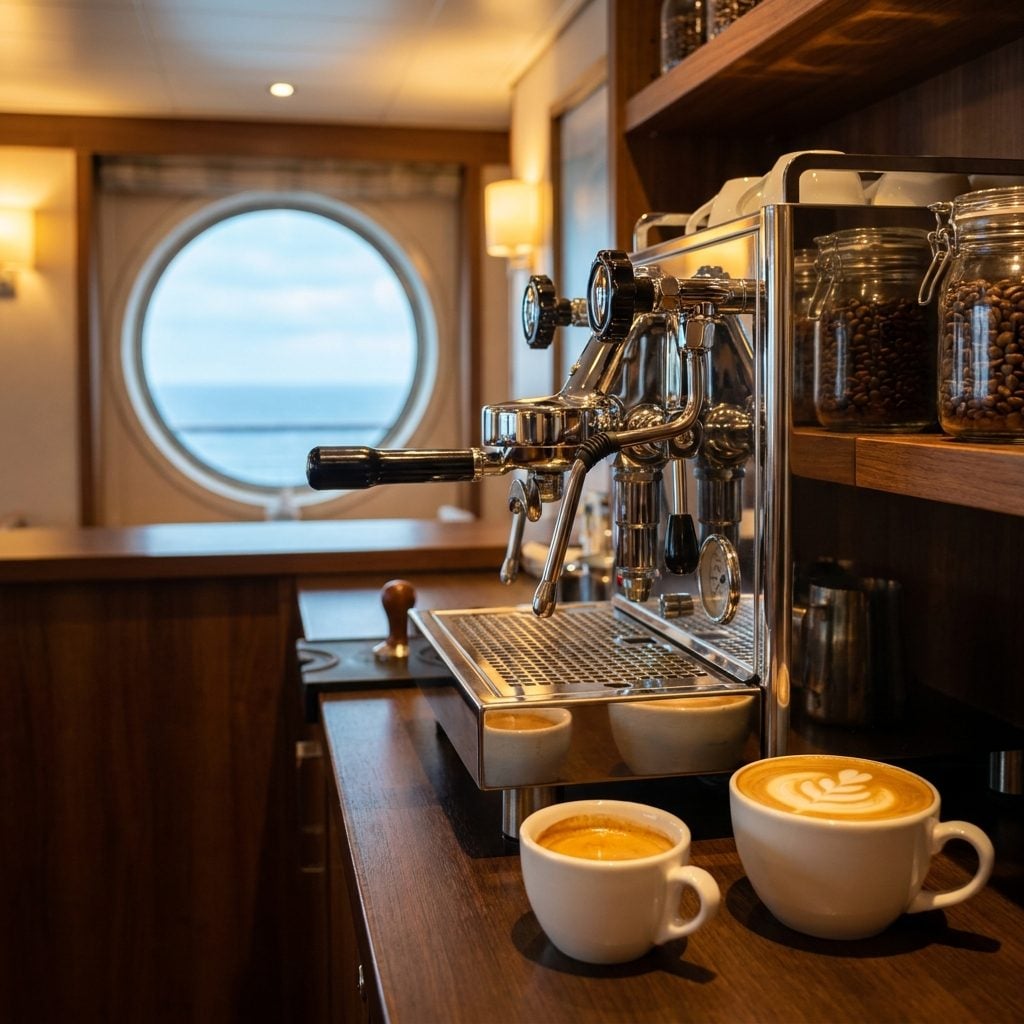
The big silver urn at the end of the buffet line has been keeping that coffee at a rolling simmer since six in the morning. It will taste exactly like that when you pour it.
Most ships have a specialty coffee bar within sight of the main buffet. Depending on the cruise line, the barista-made espresso drinks are either included or cost a few dollars. Either way, the difference between that cup and the urn is not close. This is a three-foot walk worth taking.
1. Sitting Down with a Full Plate Before Getting a Drink
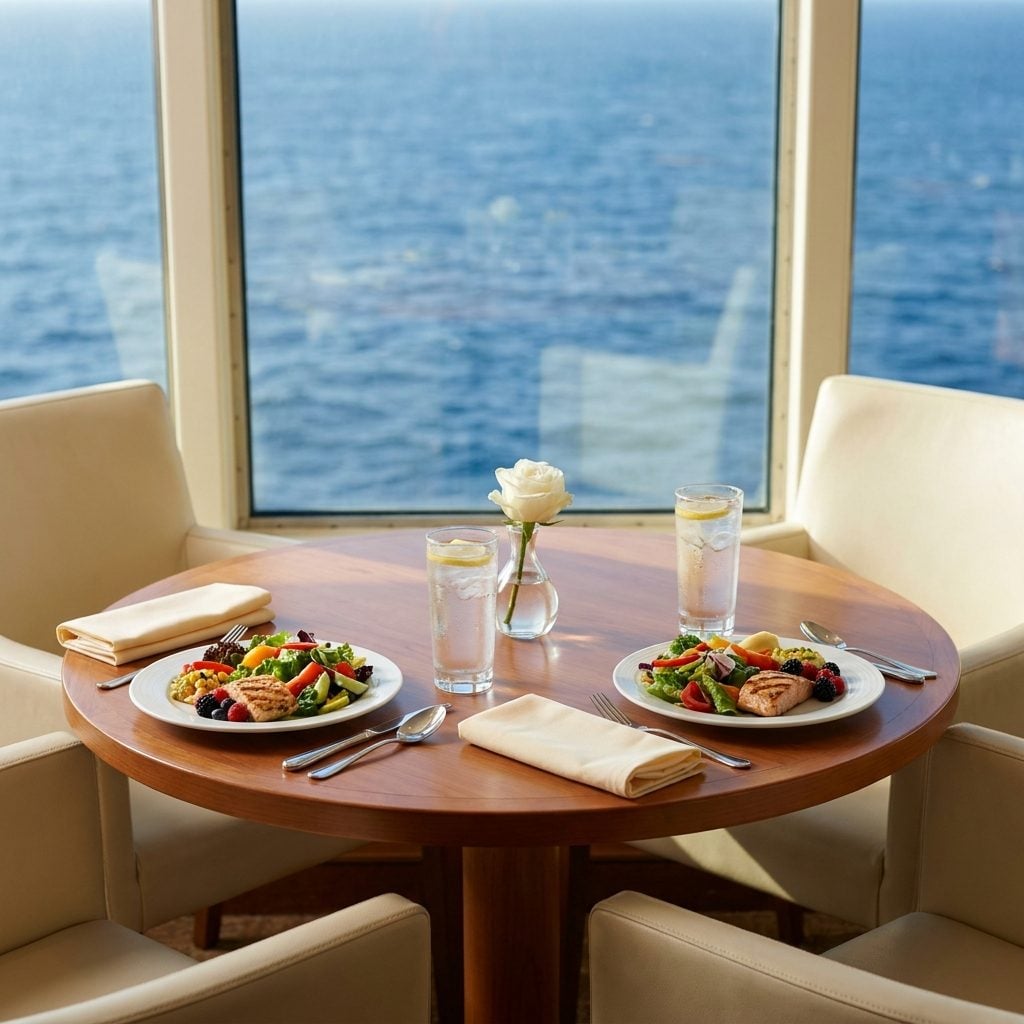
You sit down with a hot plate and realize your hands are full, your drink is back at the beverage station, and getting up means leaving your food unattended at a communal table. It’s a small thing, and it happens to almost everyone at least once.
Get your drink first. Every time. It sounds obvious until the buffet rush hits and you’re moving on instinct.
🔥 Would you like to save this?
Please note that some of the imagery in this article were created with the aid of AI image generators.