
🔥 Would you like to save this?
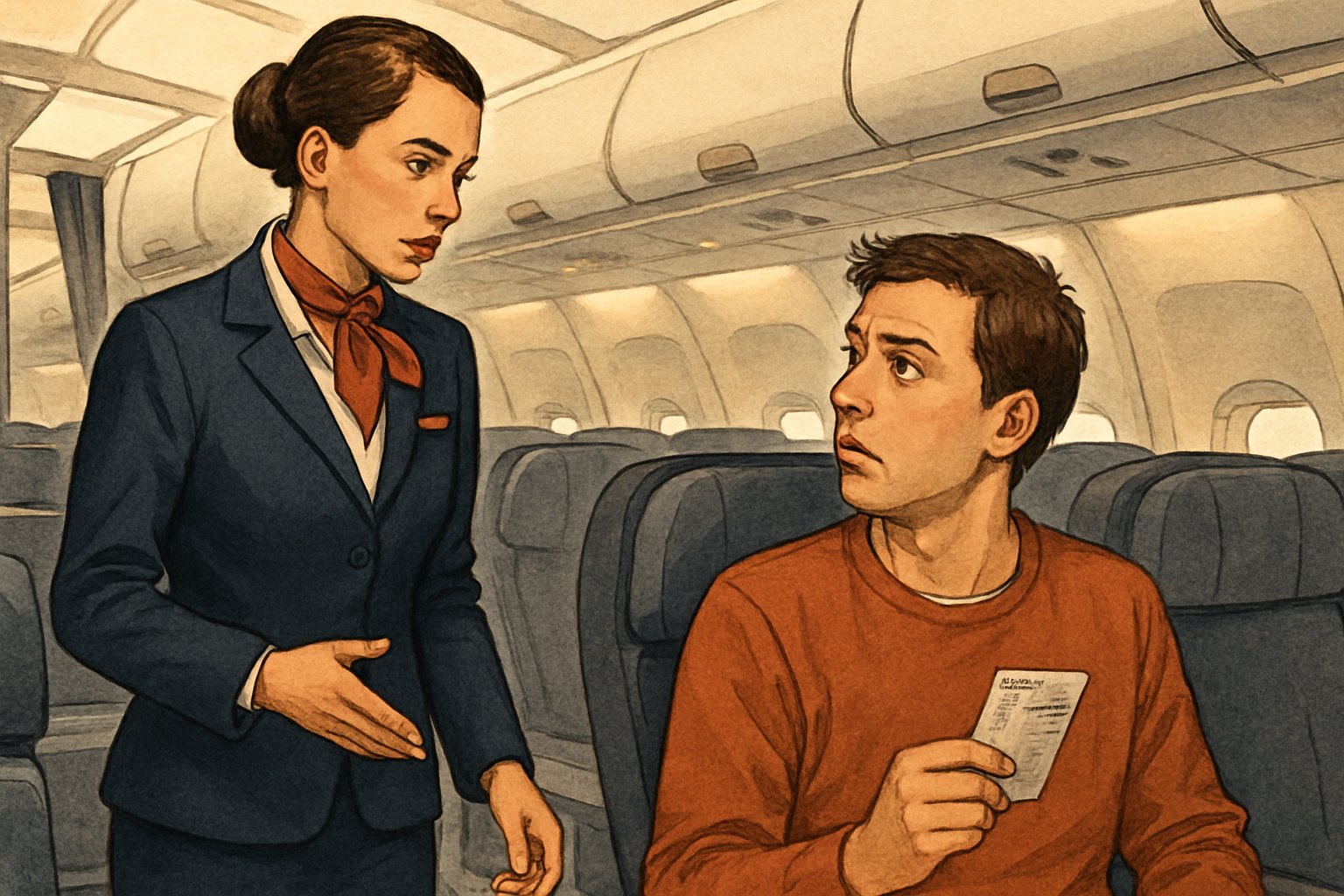
Picture this: you’re finally settling into your premium economy seat, maybe even getting comfy, when a flight attendant walks over with an apologetic smile. Suddenly, you’re asked to grab your things. You’ve just been downgraded, and now you’re left wondering—wait, is this even allowed?
Flight attendants aren’t actually the ones making the call to downgrade passengers. That decision usually comes from gate agents, airline operations folks, or sometimes an automated system—often before boarding even starts. But since flight attendants are usually the ones who break the news, it’s easy to get confused about who’s really in charge of these annoying last-minute seat changes.
Airline downgrades aren’t as straightforward as people think. There’s a mess of reasons behind them—overbooking, aircraft swaps, random operational chaos. If you want to avoid getting caught off guard, it helps to know when airlines can legally bump you to a lower class, what kind of compensation you should expect, and how all those airline policies play out in the real world. Plus, airlines have their own subtle ways of deciding who gets downgraded more often than others. It’s a strange game, honestly. Some passengers seem to get the short end way more than others.
Understanding Airline Cabin Downgrades
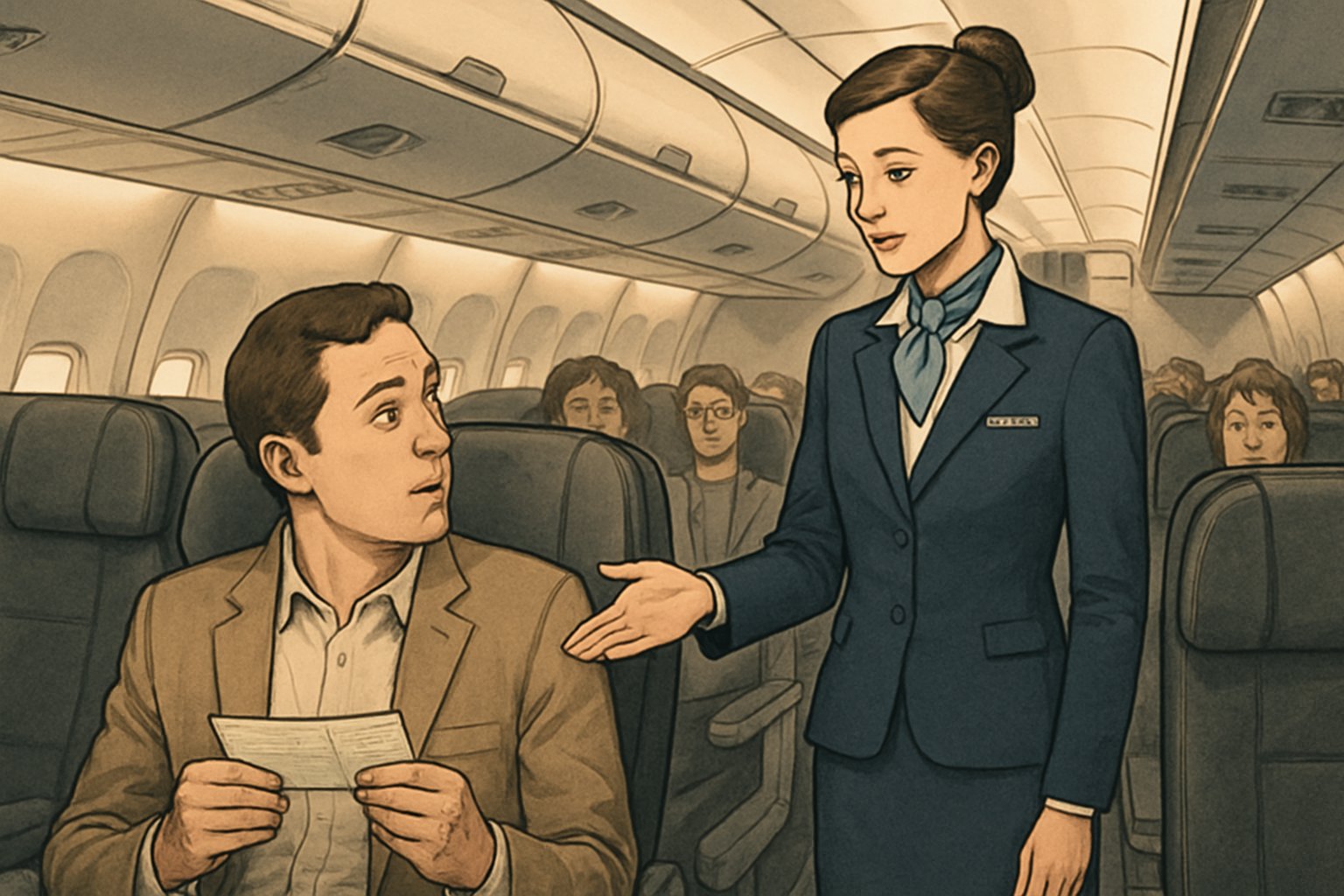
Airlines can bump you from your ticketed cabin to a lower one, and they’re supposed to compensate you when they do. These downgrades usually happen because of aircraft changes, overbooking, or random mechanical problems that force last-minute seat swaps.
What Is an Airline Downgrade?
An airline downgrade means you’re moved from your original, paid-for cabin class to a lower class—without your say-so. Maybe you bought a business class ticket but end up in economy. That’s a downgrade.
There are two flavors: voluntary and involuntary. Voluntary downgrades happen when you agree to take a lower seat, usually because the airline offers you something in return. Involuntary downgrades? That’s when the airline just moves you—no choice, no warning.
You can say no to a voluntary downgrade. But with involuntary ones, you’re basically along for the ride—though you do have rights to compensation.
Most downgrades shove premium passengers back to economy, but sometimes it’s just a step down—first to business, or premium economy to regular economy. No one’s immune.
Types of Cabin Downgrades
Here’s where airlines usually shuffle people around:
Premium to Economy
- Business class to economy (happens a lot)
- First class to economy
- Premium economy to regular economy
Within Premium Cabins
- First class to business
- Business to premium economy
The bigger the drop, the more you’re supposed to get back. First class to economy? Ouch. Business to premium economy? Still a downgrade, but less dramatic.
Sometimes, downgrades happen even within the same cabin class. Maybe you lose your lie-flat seat and get stuck with an old angled one, or you’re moved from extra-legroom economy to a regular row. Not fun, and yes, it still counts.
Other seat downgrades:
- Bulkhead to middle seat
- Window to aisle (not as common)
- Exit row to standard
How Downgrades Typically Happen
Downgrades usually pop up for a few reasons. Equipment changes are probably the biggest culprit. Your plane gets swapped for a smaller one, and suddenly there aren’t enough fancy seats to go around.
Overbooking happens in premium cabins too. Airlines sell more seats than they have, hoping some people won’t show. If everyone does show up, someone gets bumped.
Mechanical issues can knock out specific seats. If a business class seat breaks, you might get shuffled to economy—because the flight’s leaving, with or without your preferred seat.
Airlines have their own logic for picking who gets downgraded:
- Check-in time: Late check-ins are more at risk.
- Fare class: Discounted tickets go first.
- Loyalty status: Top-tier members are usually safe.
- Booking date: Last-minute bookings are more vulnerable.
Most downgrades happen right at the gate. Occasionally, you’ll find out during online check-in. Airlines almost never warn you in advance—they’d rather deal with the fallout at the last second.
If you get hit with a last-minute change, good luck finding another flight with premium seats. It’s a scramble.
The Role and Authority of Flight Attendants
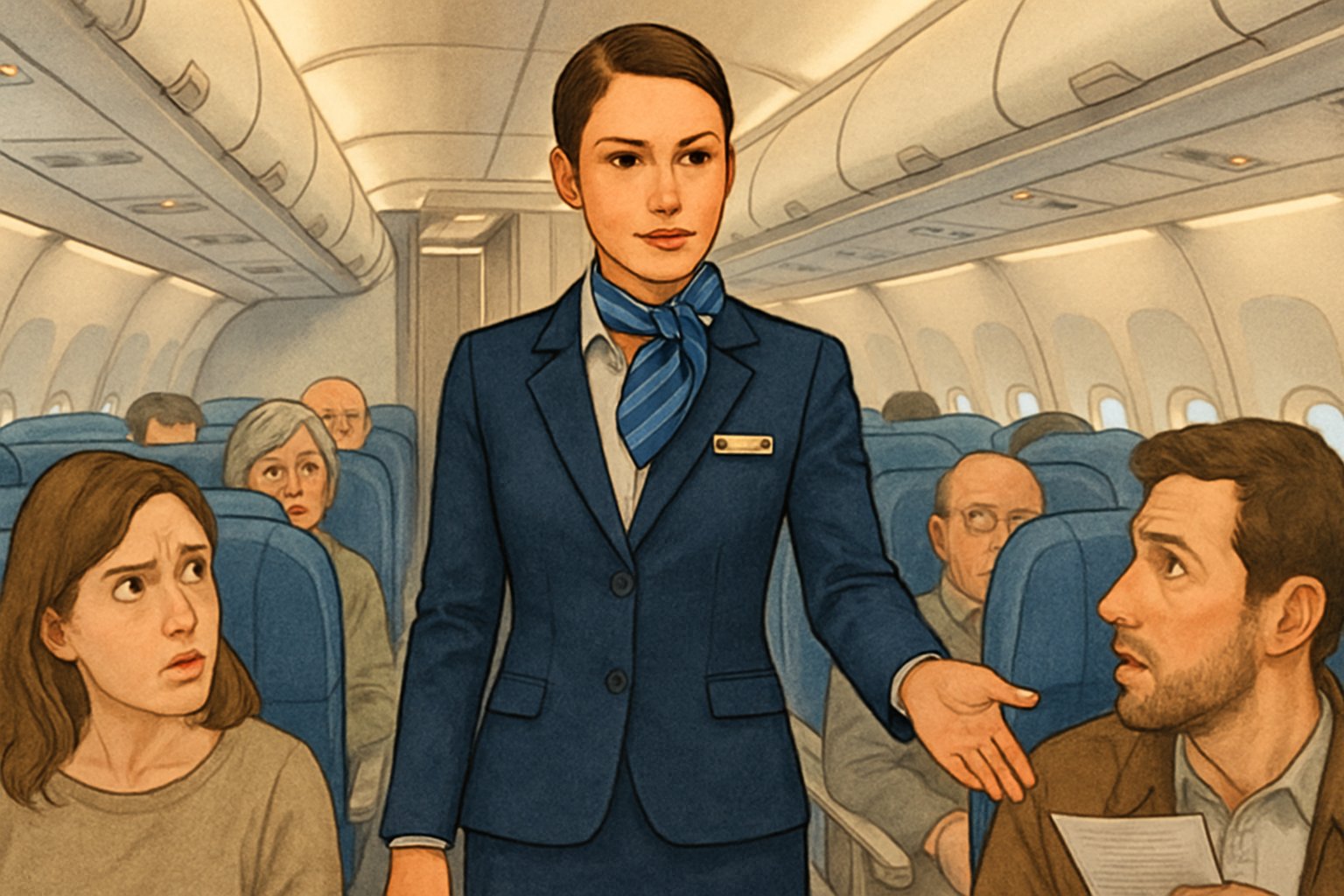
Flight attendants have a pretty specific job description, and it’s not about shuffling you around for commercial reasons. Their main focus is safety and security—not deciding who sits where.
What Flight Attendants Can and Cannot Do
Flight attendants hold real authority when it comes to safety. They’re empowered to do what’s needed to keep order and enforce safety rules. If there’s a safety issue, they can move people around—no questions asked.
But when it comes to seat assignments for commercial reasons? That’s not their turf. They can’t just kick someone off a plane or move you to a lower class because they feel like it.
Airlines have tightened up these rules even more lately. For example, American Airlines flight attendants can’t remove passengers just for things like odor or attire anymore—only for real safety concerns.
What they can do:
- Enforce safety rules
- Ask you to move for safety reasons
- Manage the cabin during flight
- Flag security concerns to the pilots
What they can’t do:
- Make commercial seat assignment decisions
- Downgrade you just because
- Promise compensation or upgrades
Who Actually Decides Seating Changes
Seat changes involve a whole cast of characters. Flight attendants rarely act alone. Gate agents handle most seat swaps before boarding.
The captain (flight deck crew) has the final say on anything major, especially if it’s about safety. Flight attendants escalate big seating issues up the chain.
Ground ops staff manage equipment swaps that can mess up seat maps. When a plane gets substituted, customer service steps in to reassign seats and figure out compensation.
Who’s in charge?
- Gate agents – Assign seats before you get on
- Flight deck crew – Handle safety-related moves
- Ground ops – Deal with aircraft swaps
- Customer service – Handle compensation
Procedures for Managing Cabin Seating
Flight attendants follow a set routine when seat problems pop up. They have to document all moves and let ground staff know what’s happening.
If it’s a safety thing, they act fast—maybe for weight balance or emergency exit rules.
But for regular seat moves, they call gate agents or customer service. They can’t hand out compensation or make promises about future flights.
Flight attendants are trained for safety first, not just to serve drinks.
Usual steps:
- Document seat changes
- Communicate with ground staff
- Get captain’s okay for safety moves
- Stick to airline protocols
Do Flight Attendants Downgrade Passengers Without Telling Them?
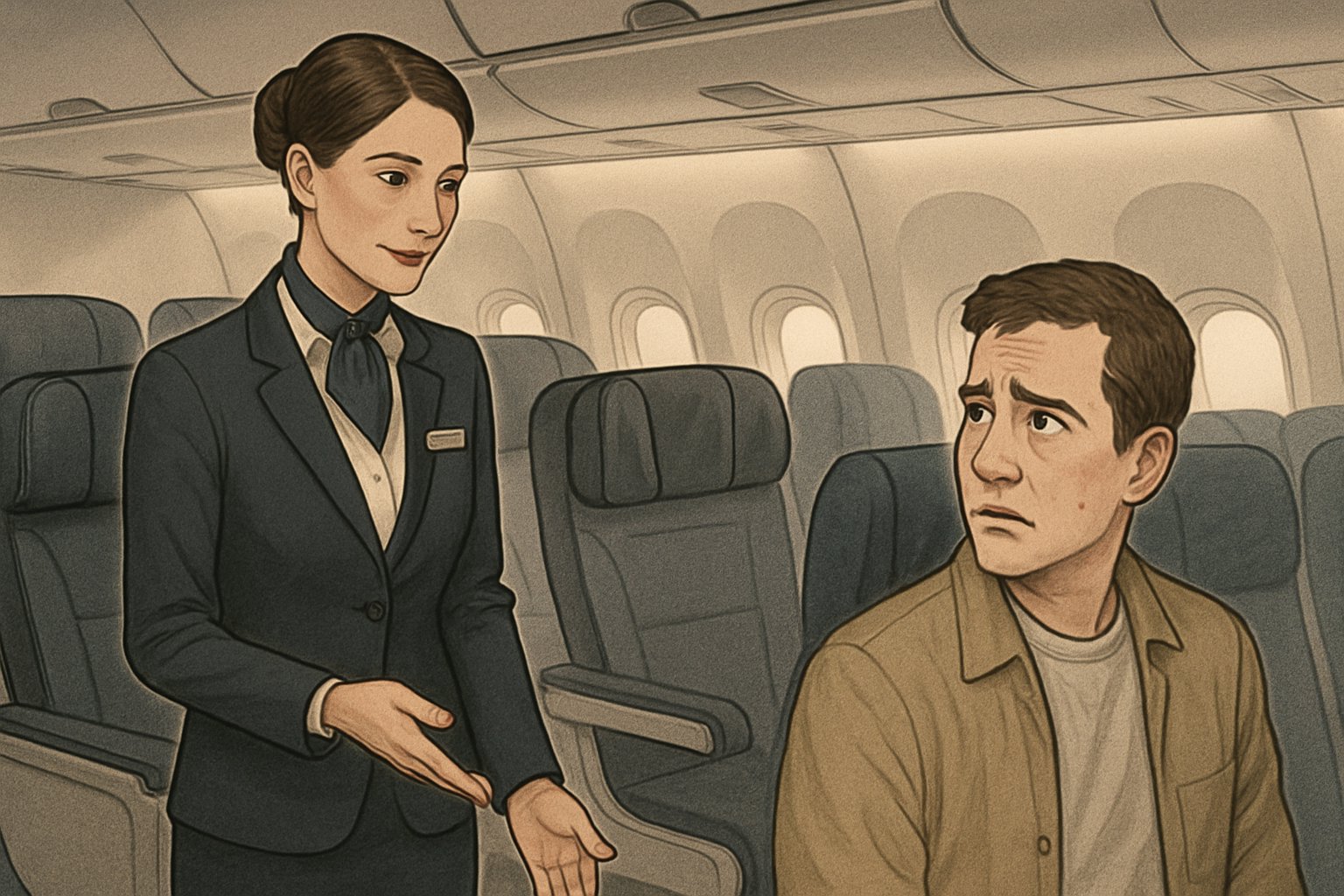
Airlines have rules about letting you know if you get downgraded, but how and when they tell you is all over the map. Most involuntary downgrades happen at the last minute, leaving you with little time to react.
Industry Policies on Notifying Passengers
Big airlines say they’ll notify you in advance if you’re downgraded, but in reality, it’s hit or miss. Sometimes you get an app alert, an email, or a heads-up at the counter. Other times, you find out at the gate—or not until you’re already on the plane.
How you might find out:
- App notifications
- Emails
- Counter announcements
- Gate agents telling you
Some airlines give you a heads-up days in advance, especially if there’s an obvious aircraft swap. Others wait until the last possible second.
You could be notified any time before departure, which is honestly nerve-wracking if you’ve paid big bucks for a nicer seat. The worst is when you find out right before boarding.
Flight attendants themselves aren’t making these decisions. Ground staff, gate agents, or the operations center call the shots—usually because of equipment changes or overbooking.
Common Reasons for Unannounced Downgrades
Last-minute aircraft swaps are the main reason people get downgraded without warning. If the airline swaps in a smaller plane, premium cabin seats just disappear.
Why do equipment changes happen?
- Mechanical problems
- Weather delays
- Crew scheduling issues
- Maintenance
Most often, downgrades happen when you go from a bigger plane with more premium seats to a smaller one with less. Airlines then have to decide who loses out.
Sometimes, revenue management systems bump people last minute to make room for high-status flyers or corporate contracts. These automated moves can skip normal notifications.
Premium cabin overbooking is less common, but it does happen. Airlines gamble on no-shows, and when everyone shows up, someone gets the boot.
Notable Real-Life Incidents
On Reddit, a traveler shared how they got bumped from first class to economy—even after paying full price. They had a disability and got no warning. Pretty rough.
That story shows how passengers with special needs can get hit even harder by surprise downgrades. The traveler said they now always disclose their disability before flying, hoping it’ll help avoid future problems.
Some airlines have faced lawsuits for not warning people about downgrades. European carriers have stricter rules than US airlines about notification.
Class-action suits have popped up when airlines downgrade people without proper notice or fair compensation—especially after aircraft swaps that catch everyone off guard.
Thanks to social media, more passengers are airing their grievances. Airlines have been forced to tighten up notifications and improve compensation to avoid getting roasted online.
Airline Policy vs. Practice: Transparency in Downgrades
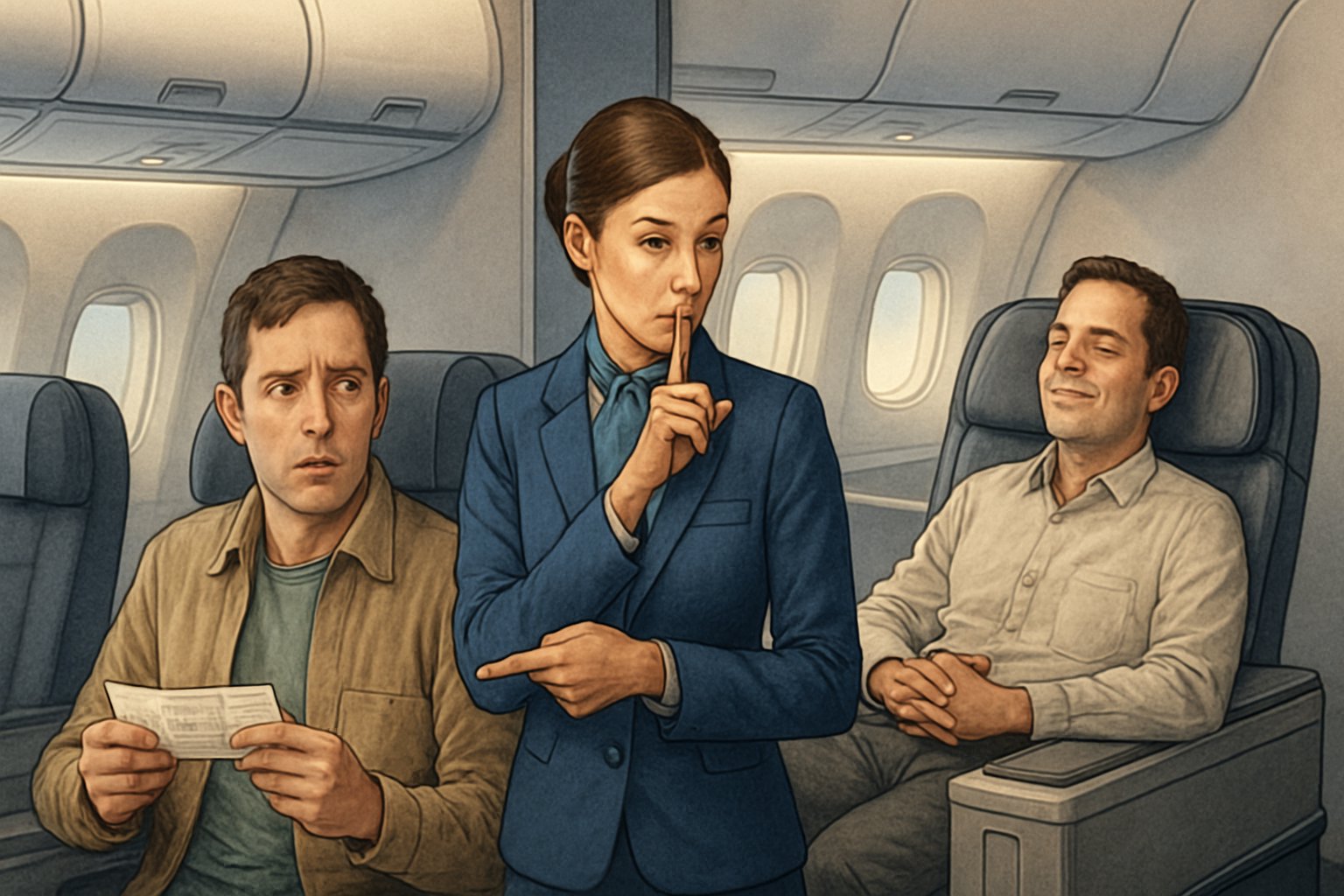
Airlines have all sorts of official policies about downgrades, but what actually happens can be a totally different story. Poor communication and operational chaos often leave passengers confused and frustrated.
Official Airline Procedures
Most airlines say they’ll give you advance notice if you’re downgraded. Their rules usually call for written confirmation and a clear explanation of what you’ll get back.
The basics:
- Notice at check-in or gate
- Written refund documentation
- Details on any extra compensation
You’re supposed to get a refund for the fare difference. Sometimes airlines toss in a voucher, anywhere from $200 to $500, depending on the route and situation.
These rules mostly exist to keep regulators happy. But real life? Things can get messy—especially when there’s a last-minute aircraft swap or some other curveball.
Variations by Airline and Region
Compensation for downgrades is all over the place depending on the airline and where you’re flying. European carriers have to follow stricter rules than US airlines.
Regional quirks:
- EU flights: You can get up to €1,200 for an involuntary downgrade.
- US domestic: Usually just a fare difference refund and maybe a small voucher.
- International: Depends on the countries involved.
Big, established airlines tend to have more organized downgrade procedures. Premium carriers might rebook you right away or offer better compensation.
Some, like Delta, have set voucher amounts. Others negotiate on a case-by-case basis, which leaves passengers guessing what they’ll actually get.
Communication Failures and Gray Areas
Airlines often drop the ball when it comes to telling passengers about downgrades, especially when things go sideways operationally. Gate agents usually don’t have the authority to offer real answers or compensation, so you’re left guessing about your rights.
Where communication falls apart:
- Last-minute notifications with no real explanation
- Vague “we’ll follow up” promises
- Conflicting info from different airline staff
Aircraft changes and overbooking just muddy the waters further. Policies blur when airlines blame “operational necessities” instead of admitting it’s a numbers game.
Sometimes airlines don’t even call it a downgrade. Instead, they’ll say it’s an “aircraft substitution” or some “operational adjustment.” That way, they can sidestep the official compensation process.
Flight attendants are usually just as lost—most haven’t been trained on downgrade policies, so you might get blank stares or shrugs if you ask for details while boarding.
Why Would a Passenger Be Downgraded?
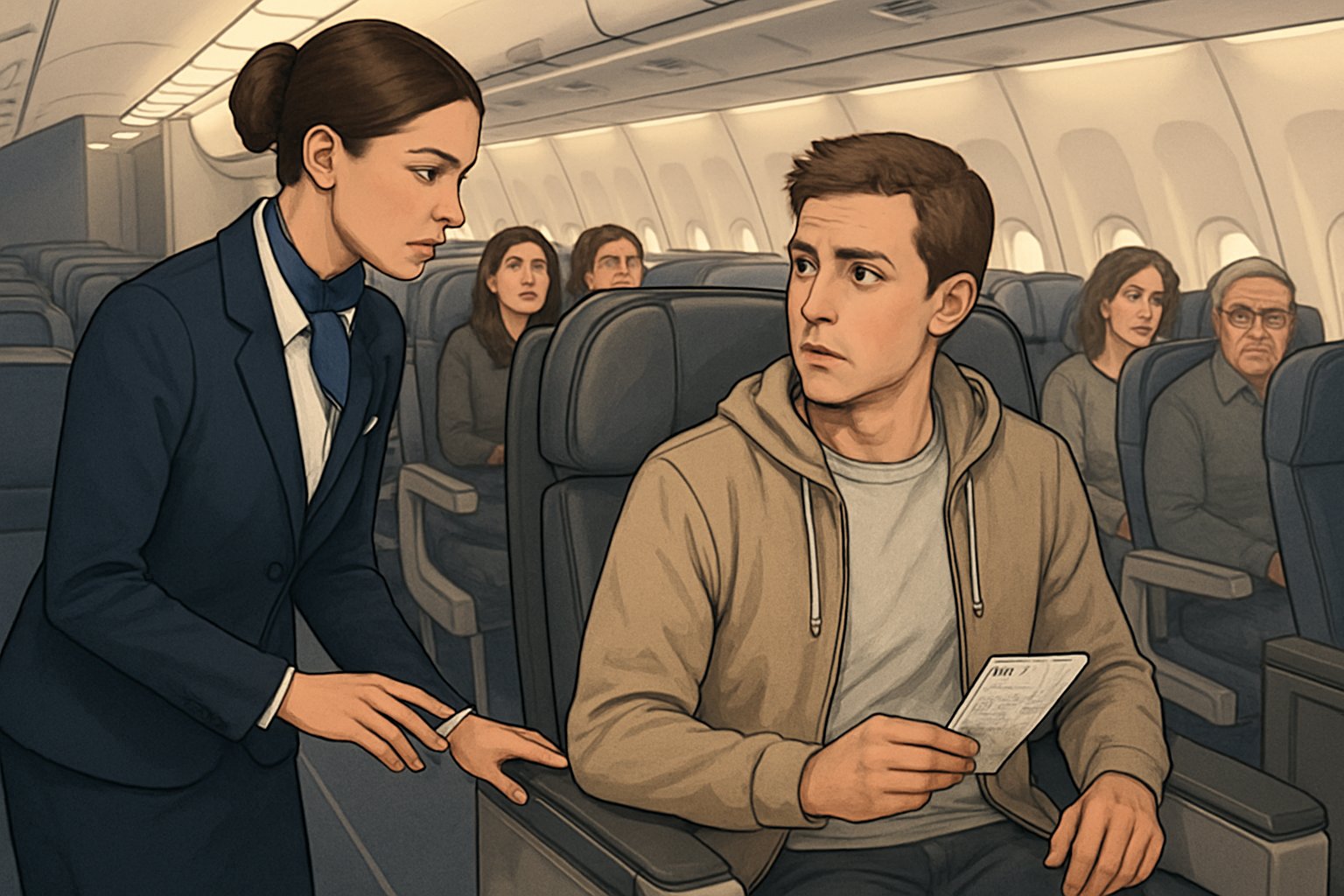
Airlines downgrade people for a handful of reasons: operational chaos like overbooking and last-minute aircraft changes, passenger behavior that raises safety flags, and equipment swaps that shrink premium cabins. Knowing these scenarios helps you spot when a downgrade is just bad luck—or when you should push back.
Overbooking and Operational Needs
Airlines overbook flights all the time, betting that some folks won’t show up. But when everyone actually does, someone’s getting bumped—even in business class.
Most common overbooking messes:
- Too many business class tickets sold, but economy still has seats
- Delayed connecting passengers need a spot
- Crew members need to be moved for work reasons
- VIPs and frequent flyers get priority
Overbooking, aircraft changes, and “operational issues” all lead to downgrades. Usually, the airline starts downgrading from the bottom of the loyalty ladder—people with the least status get the short straw.
Operational needs go beyond overbooking. Weather delays can snowball, forcing people onto other flights with fewer premium seats. Sometimes crew scheduling trumps your reservation.
Behavior and Safety Concerns
Flight attendants can downgrade passengers who seem like a safety risk or cause a ruckus. Your behavior at the gate, during boarding, or even on past flights can land you in a different seat, fast.
Behaviors that get you moved:
- Being drunk or disruptive
- Ignoring crew instructions
- Harassing staff or other passengers
- Breaking dress codes on some airlines
- Medical issues that need closer watch
Airlines track passenger behavior. If you’ve had incidents before, you might get quietly downgraded on future trips as a precaution.
It’s not always about big disruptions, either. If you look like you couldn’t help in an emergency, crew might move you out of exit rows or premium seats where access is tight.
Equipment Changes and Aircraft Swaps
Aircraft swaps are one of the top reasons for involuntary downgrades. Planes get switched out for all sorts of reasons—mechanical problems, weather, or just efficiency.
Usual aircraft swap situations:
- A wide-body jet gets replaced with a smaller plane
- Newer planes with fewer premium seats get swapped in
- Maintenance forces a last-minute change
- Route changes require a different type of aircraft
Technical hiccups can mean a big plane gets swapped for a tiny one. Imagine booking a Boeing 777 with 42 business seats, only to find yourself on a 737 with 16.
These swaps usually come with little or no warning. You might show up and find your first-class seat simply doesn’t exist anymore. Airlines tend to rebook people based on check-in time or elite status when the premium cabin shrinks.
How to Respond If You Are Downgraded
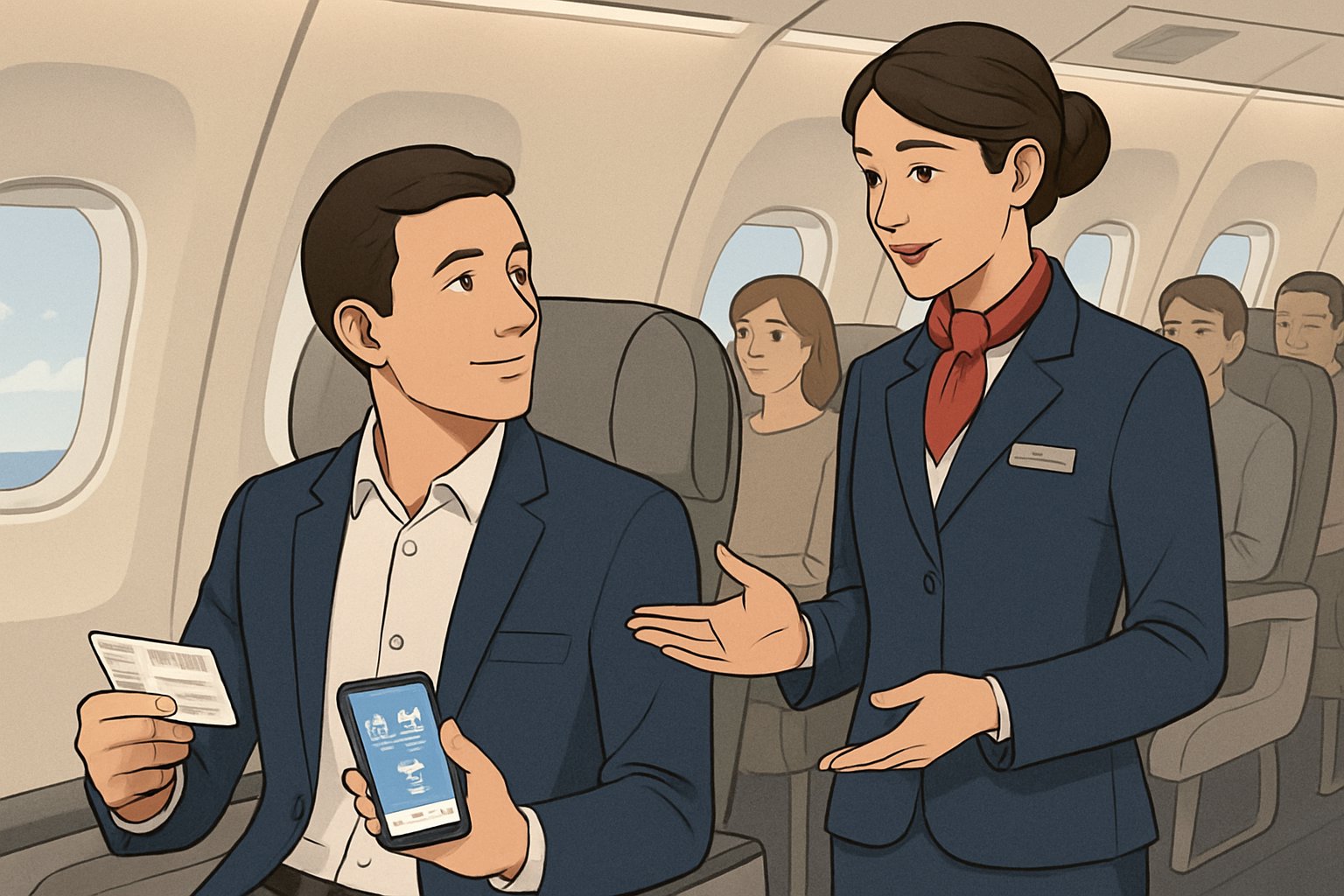
If the airline pulls a last-minute switch on your seat, you’ve got rights—and a few ways to fight back. The trick is knowing what you’re owed and how to push when the airline tries to brush you off.
Knowing Your Rights as a Passenger
Your rights depend a lot on where you’re flying, but don’t let the airline convince you downgrades are just “part of flying.”
US Domestic Flights: Airlines have to refund you the fare difference between your original and downgraded seat. That’s it legally, but some will toss in a goodwill gesture if you ask.
International Flights: The rules are actually better for you. EU law says you get 25% of your ticket price back for downgrades on flights under 1,500 km, and 50% for longer trips. Canada has similar rules.
You only get paid if the downgrade was involuntary and they can’t get you back in your original cabin. Brush up on your downgrade rights before you let a gate agent talk you out of it.
Save everything. Snap photos of your original boarding pass, new seat, and any gate announcements. Airlines have a funny way of forgetting the details when it’s time to pay up.
Seeking Compensation
Don’t just take “sorry, nothing we can do” as the final word. Airlines train front-line staff to keep payouts low, but being persistent helps.
Start at the gate: Staying calm actually works. Ask about rebooking before you accept the downgrade.
Do the math: Figure out the fare difference. If you bought business and get stuck in economy, you could be owed hundreds or even thousands, depending on the route.
File a claim in writing: Airlines like to handle these things quietly—submit your complaint within 24-48 hours while it’s still fresh.
Ask for cash, not vouchers: Some airlines try to hand out vouchers with all sorts of restrictions. Always ask for cash first; vouchers usually just help the airline, not you.
Escalating the Issue
If the airline keeps stonewalling, outside pressure can get things moving. There are groups and agencies built to help passengers with this stuff.
Department of Transportation: File a complaint with the DOT for US flights. It takes a while, but it puts pressure on the airline and creates a paper trail.
Third-party advocates: AirAdvisor and similar companies know the rules and will fight for you (for a cut, usually 25–35%).
Social media: Airlines hate bad PR. Post your story and photos on Twitter or Facebook and tag their official accounts—you’ll often get a faster response.
Credit card chargebacks: Paid with plastic? Dispute the charge for services not delivered. Credit card companies often side with you if you have proof.
Small claims court: If you’re out a lot of money, small claims court is an option. Airlines usually settle rather than send lawyers for small cases.
Tips to Avoid Being Downgraded
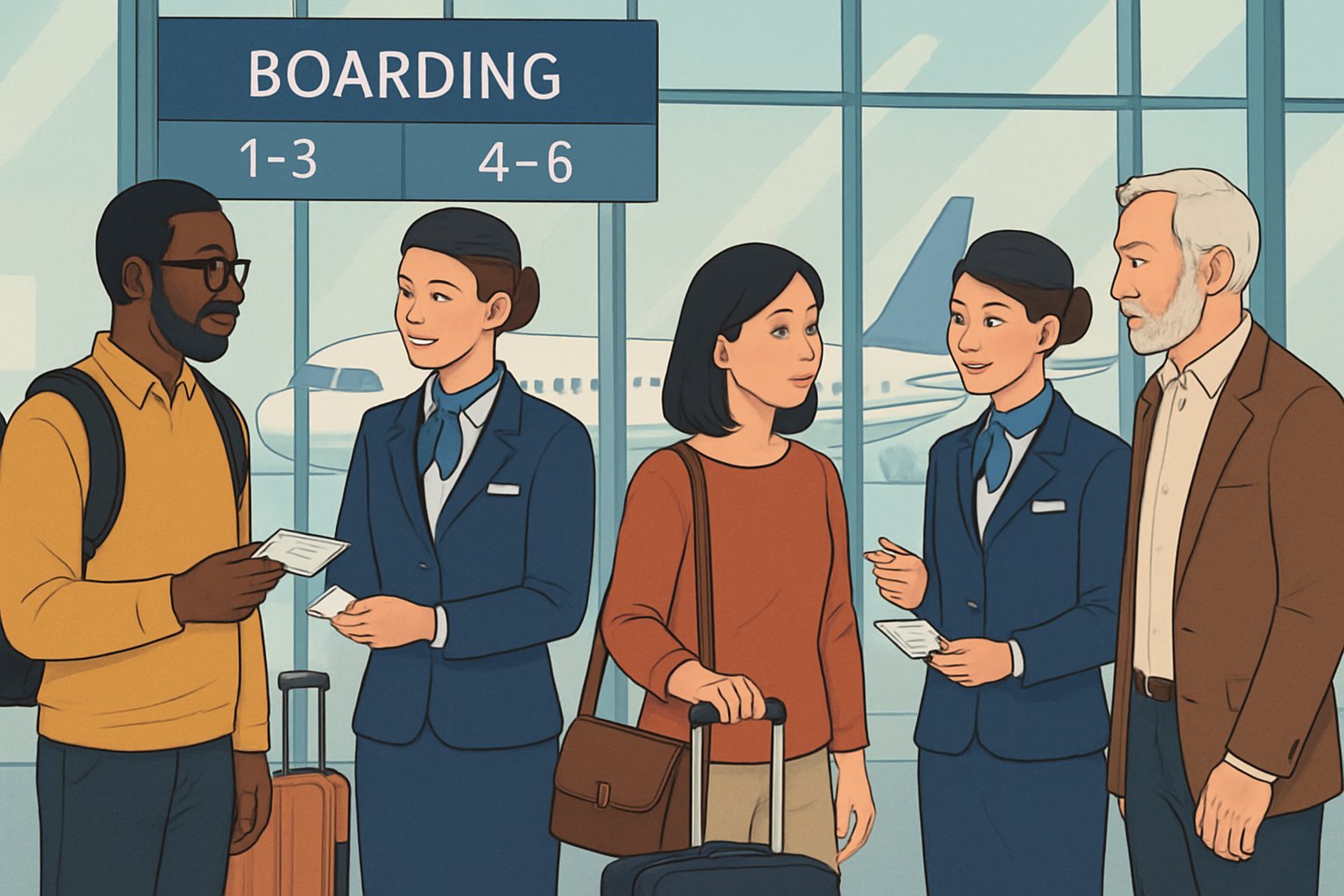
You can’t totally dodge the risk of downgrades, but smart booking and sticking with one airline help a lot. Building elite status is still your best defense.
Choosing the Right Flight and Fare
What kind of ticket you buy matters—a lot. Basic economy tickets are the first to get bumped if seats get tight.
Book flexible fares if you can. Full-fare economy and premium tickets are less likely to be downgraded. Airlines protect the higher spenders when things go wrong.
Avoid packed flights. Holidays and summer weekends are the worst. Tuesdays and Wednesdays are usually less crowded.
Pick bigger planes. Wide-bodies have more premium seats. If you can, go for routes with Boeing 777s or Airbus A330s instead of smaller jets.
Early flights are safer. Morning departures have fewer delays and swaps. Late flights get hit harder by the day’s disruptions.
Building Elite Status
Elite status is really your best shield. Airlines almost never downgrade their loyal customers—they’ll bump a non-status traveler first.
Aim for mid-tier status. Gold or Platinum levels offer solid protection without crazy mileage requirements—usually 50,000–75,000 miles a year.
Stick to one airline. Spreading your flights around slows your progress. Focus on the carrier that dominates your home airport.
Use co-branded credit cards. These help you rack up miles and sometimes give you automatic perks.
Book direct. Third-party sites sometimes mess up your status recognition. Booking straight through the airline keeps your benefits intact.
Pre-Flight Strategies
A little vigilance goes a long way. Most downgrades happen within a day of departure, when the airline finalizes who’s sitting where.
Check in right at 24 hours. This locks in your seat and alerts you to any changes. Airlines often start downgrading during check-in.
Watch your reservation. Aircraft swaps are common, especially with bad weather. If the seat map changes, pay attention.
Get to the airport early. Agents have more flexibility before boarding starts. If you show up last minute, your options shrink.
Pick your seat carefully. Avoid the last rows in premium cabins—they’re the first to go in a swap. Sit as far forward as you can.
The Psychology Behind Downgrades and Passenger Reactions
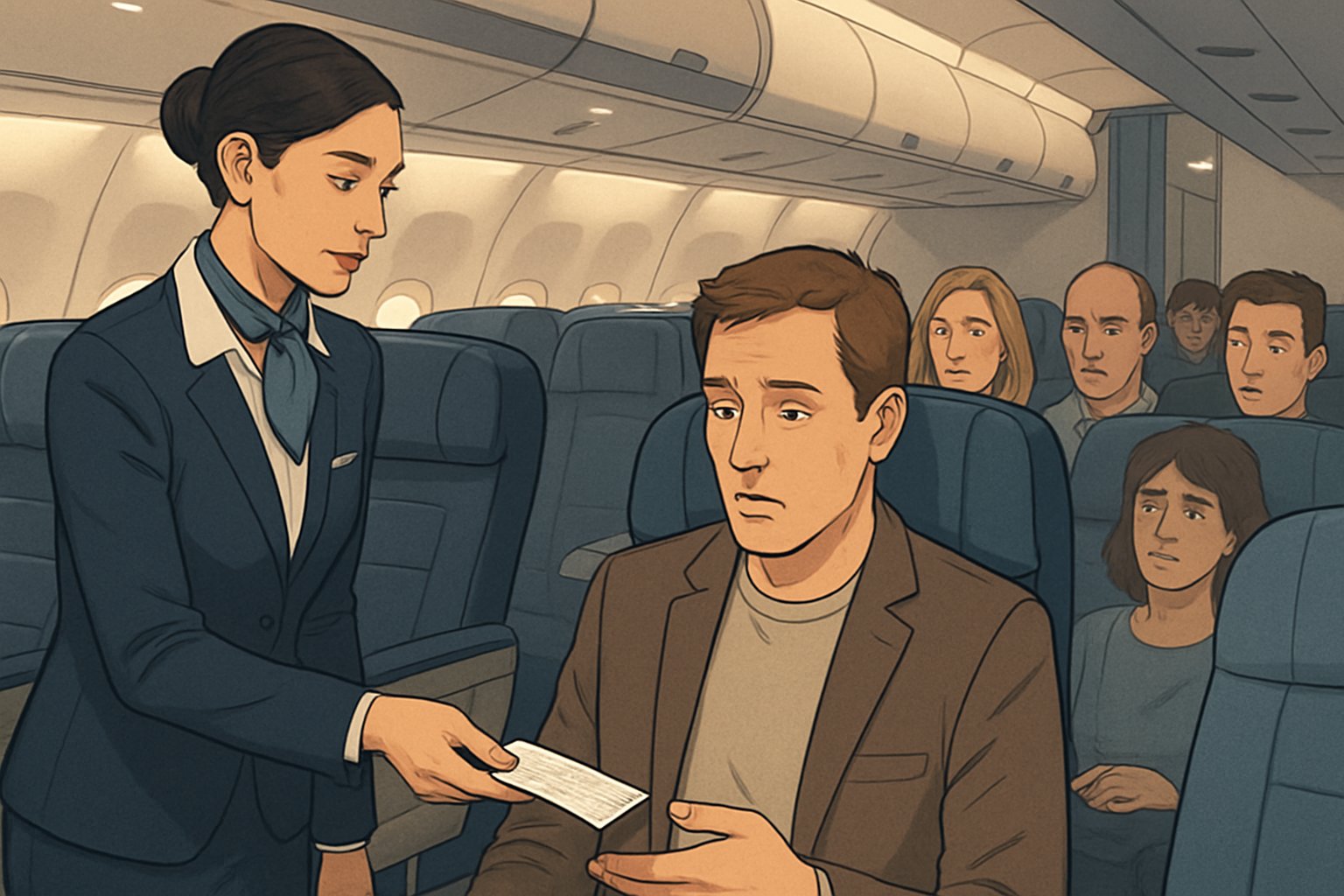
Getting downgraded stings in ways airlines rarely acknowledge. It’s not just about the seat—it feels like something was taken from you.
Loss aversion is a big part of this. Once you’ve pictured yourself in that premium seat, losing it feels worse than never having it at all.
The timing’s brutal, too. Downgrades happen all the time, usually with zero warning.
Here’s how it usually goes:
- Shock – Wait, is this really happening?
- Anger – Feeling tricked or cheated by the airline
- Bargaining – Trying to negotiate or find a workaround
- Resignation – Giving up, but still annoyed
The endowment effect kicks in hard. Once you’ve paid for business class, you value it more than it’s probably worth.
Flight attendants get caught in the crossfire. They have to deal with upset passengers who feel let down by the airline.
Social comparison just adds salt to the wound. Watching others enjoy the premium experience you paid for? Not fun.
Airlines that ignore the emotional side of downgrades usually make things worse. The smart ones recognize the psychological impact and offer compensation that covers both the financial loss and the emotional hit.
In the end, it’s not just about the seat—it’s about trust, fairness, and feeling like you matter as a customer.
Final Thoughts on Airline Downgrades and Transparency
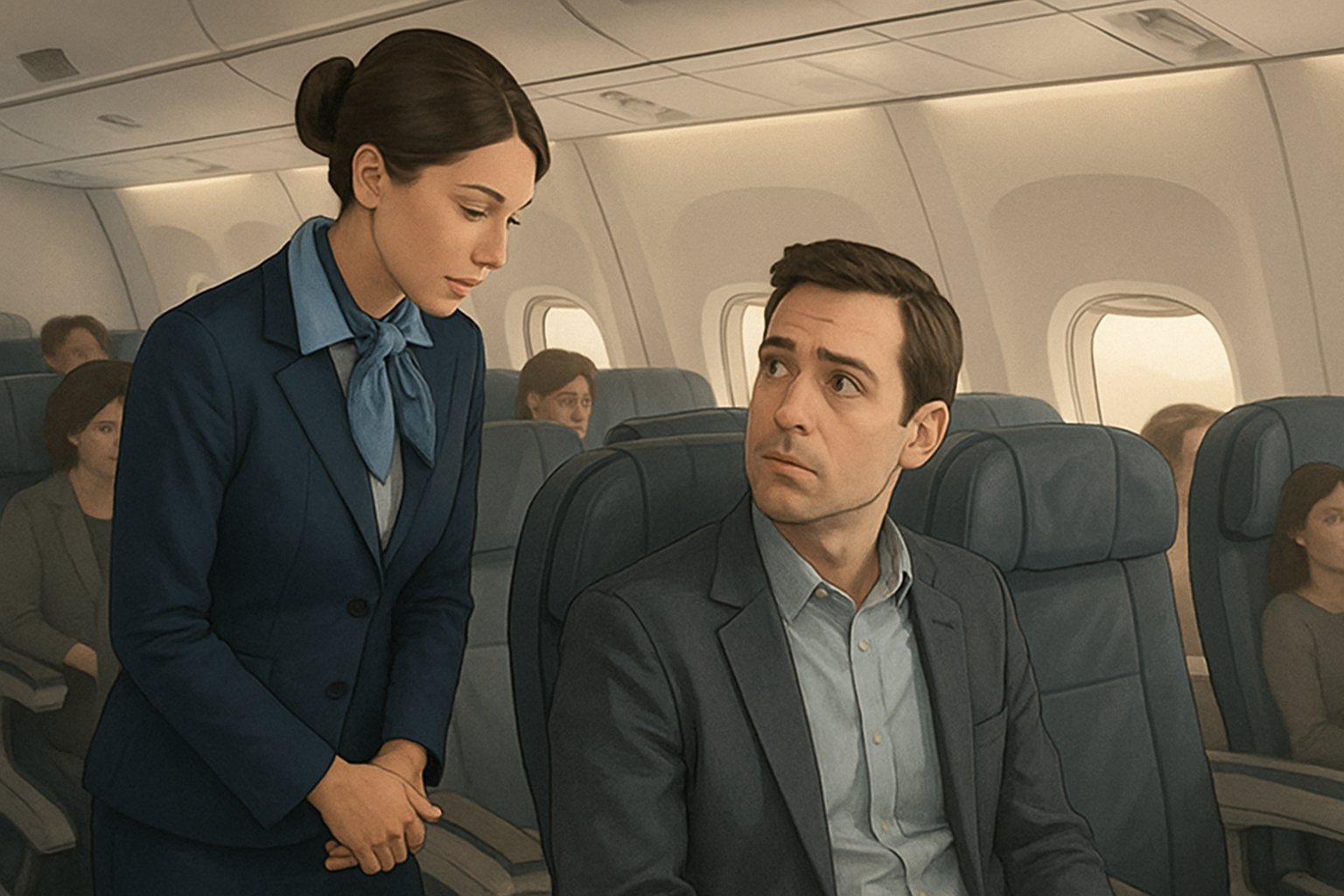
Flight attendants can’t just downgrade you on a whim—it’s really up to the gate agents or airline management, not the folks working the cabin.
Airlines have to tell you about downgrades before boarding, at least legally speaking. Still, how and when they break the news? That can swing wildly from one airline to another.
Your rights? Well, they hinge a lot on where you are and who you’re flying with:
| Region | Notification Required | Compensation |
|---|---|---|
| EU | Yes, advance notice | Up to 75% refund |
| US | Varies by airline | Fare difference |
| UK | Yes, before boarding | Percentage refund |
Seriously, keep documentation. Snap a photo of your original boarding pass and whatever new seat they stick you in. It might feel a bit much, but it can really help if you need to argue your case.
Most downgrades actually go down at the gate, not after you’ve plopped into your seat. Airlines usually want to sort these things out before anyone boards.
There’s a real transparency problem with how airlines explain their policies. Too many folks have no clue what their rights are until it’s too late.
If you’re the type who likes to be prepared, brush up on downgrade compensation rules before you fly. Knowing the basics can give you some bargaining power if things go sideways.
Airlines, honestly, would rather sidestep downgrades altogether. They’re more trouble than they’re worth, especially once passengers start quoting their rights.
And hey, don’t skip the fine print on your ticket. The contract of carriage spells out when and how they can move you around—sometimes in ways that might surprise you.
🔥 Would you like to save this?
Please note that some of the imagery in this article were created with the aid of AI image generators.