
🔥 Would you like to save this?
The station wagon had fake wood paneling and air conditioning that gave up somewhere past Amarillo. Gas was inexpensive enough that an extra stop did not threaten the entire vacation budget, but a family still had to plan carefully, pack a cooler, and watch every motel bill. A cross-country trip cost hundreds rather than thousands of dollars, and every postcard, roll of film, and roadside meal had to fit somewhere in the budget. Here are 22 price tags from the family trip of 1975.
22. A Disneyland Ticket Book for a Child or Junior: Roughly $4.50 to $6
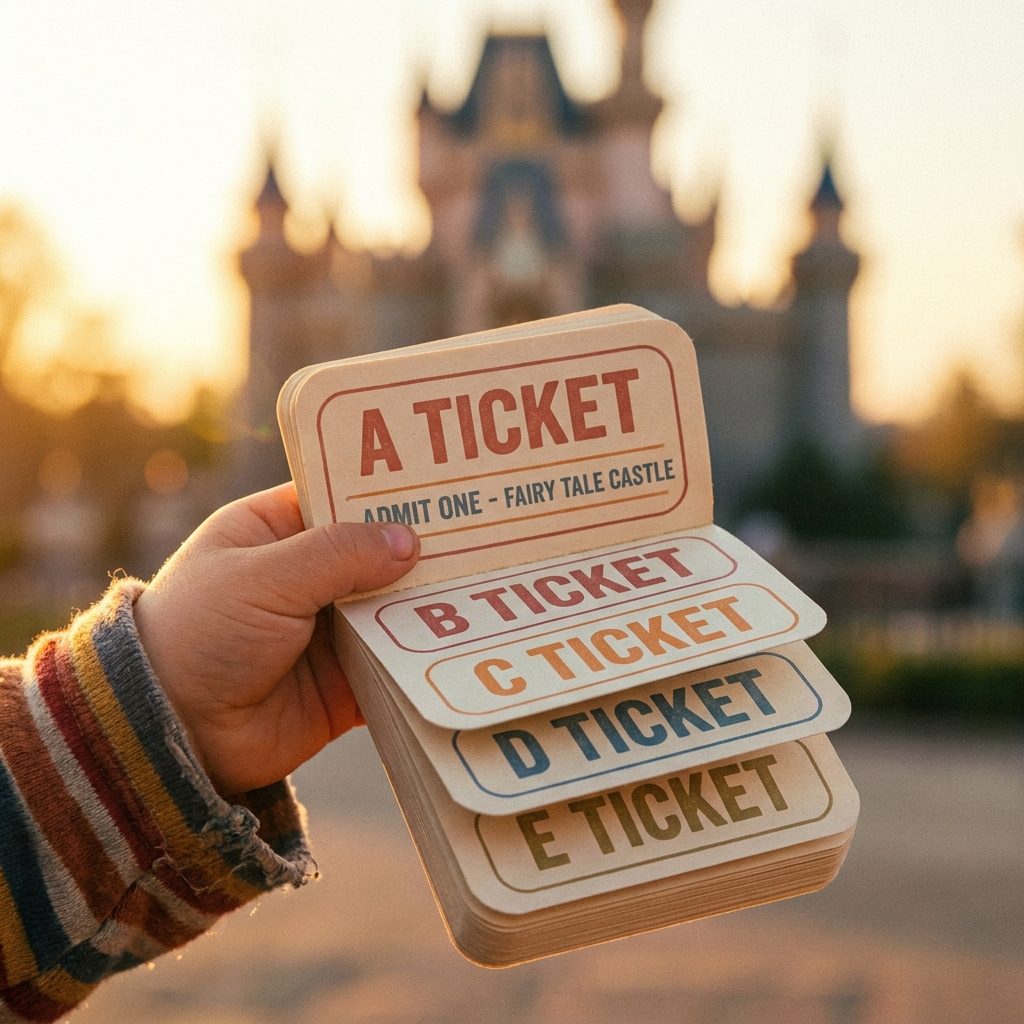
Disneyland still used its A-through-E coupon-book system in 1975, with the most popular attractions requiring the coveted E-tickets. Prices varied by age category and by the number of ride coupons included, but a child’s or junior ticket book cost roughly $4.50 to $6.
Admission did not mean unlimited rides. Once the best coupons were gone, families either bought more or started negotiating over who really needed one more trip through the Haunted Mansion.
21. A Kodak Instamatic Cartridge: About $2.50 for 12 Exposures
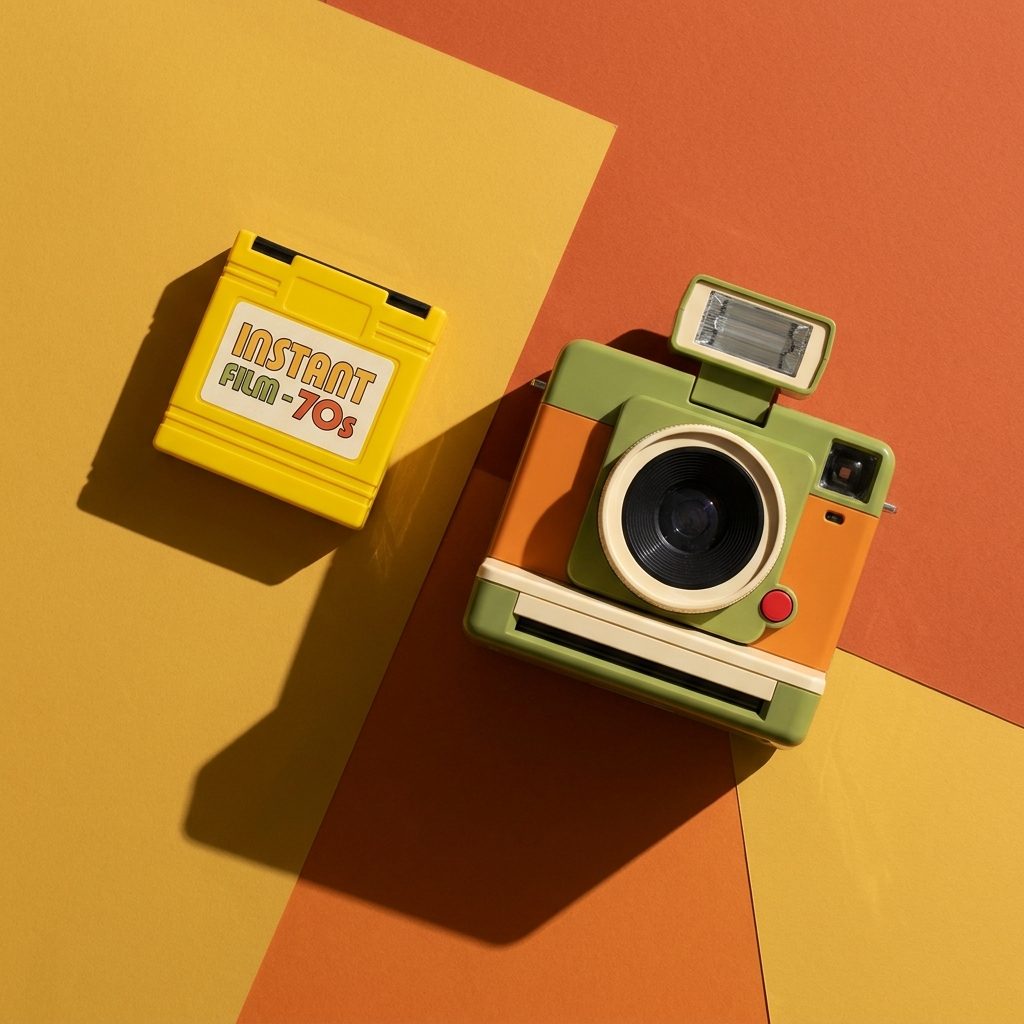
A Kodak Instamatic 126 cartridge cost about $2.50 for 12 exposures, with larger cartridges costing more. Families bought replacements at drugstores along the route and paid again for processing after they returned home.
A two-week trip could easily consume five or six cartridges. Film and developing together might claim $25 to $40 of the budget for pictures nobody could inspect, retake, or delete until long after the scenery had disappeared behind the station wagon.
20. A Postcard and Postage From the Grand Canyon: Under 25 Cents
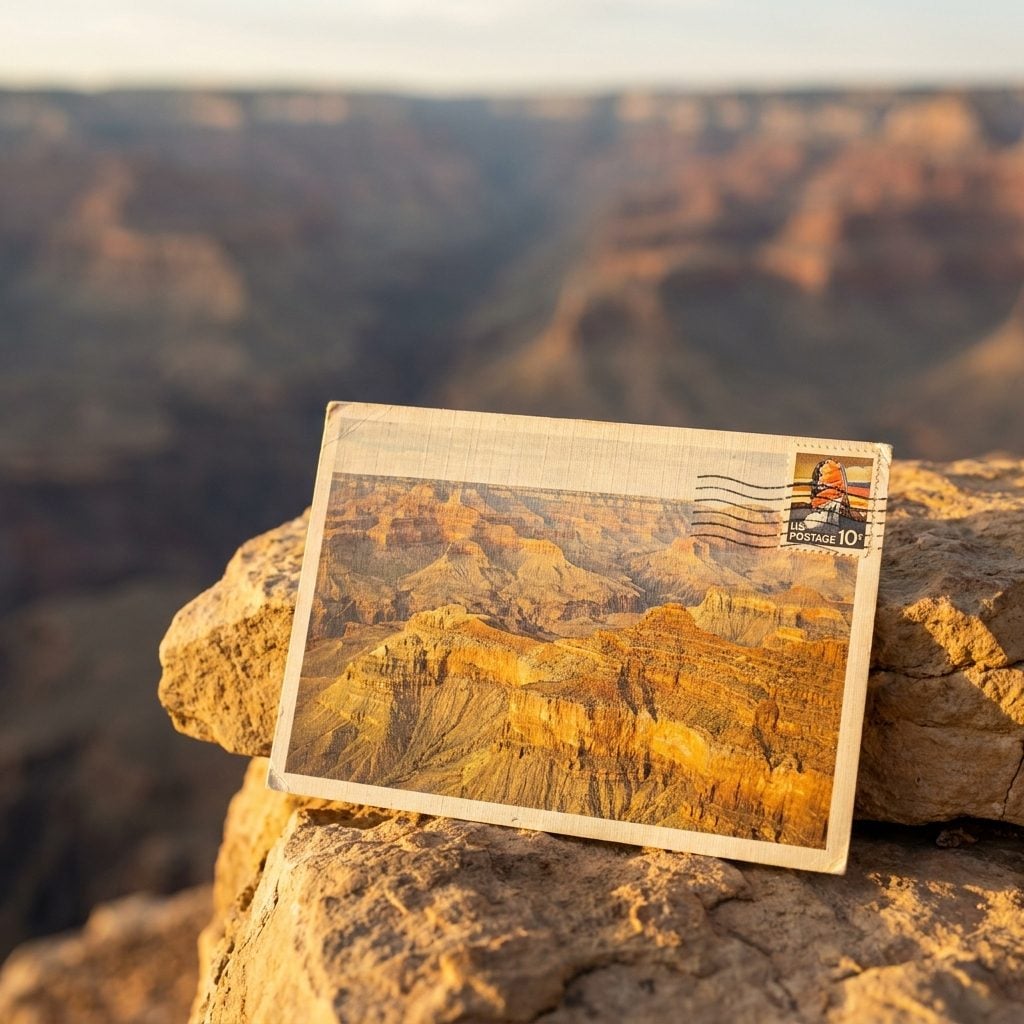
A postcard from a park gift shop cost roughly a dime. Postcard postage remained below 10 cents through most of 1975, keeping the whole ritual comfortably under a quarter.
Kids wrote the message. Parents supplied the address. Half the cards arrived after the family got home. Nobody minded. The point was proving that someone had stood at the rim, bought the card, and remembered the people back home.
19. A Route 66 Trading-Post Souvenir: About $1 to $3

A turquoise-colored pendant might cost a dollar. A painted ceramic roadrunner, miniature license plate, pennant, or stamped leather coin purse could run $2 or $3. Roadside stands turned small change into proof that the family had crossed Arizona, New Mexico, or some other state the children had only seen on classroom maps.
A family of four could spend $10 to $20 without much resistance: a pennant, two postcards, a polished rock, and one object nobody could explain by the time it emerged from a drawer thirty years later.
18. A McDonald’s Lunch for One Child: About 80 to 85 Cents

A hamburger, small fries, and a small drink came to roughly 80 to 85 cents. Feeding a family of four could cost $3 to $4, which made the highway McDonald’s less a treat than a transportation strategy: no tipping, no waiting for a check, and everyone back in the car before the vinyl seats cooled.
Parents who promised they would not eat fast food three days in a row usually discovered that convenience won by the third day.
17. A Family Cabin at Yellowstone: About $18 to $24 per Night
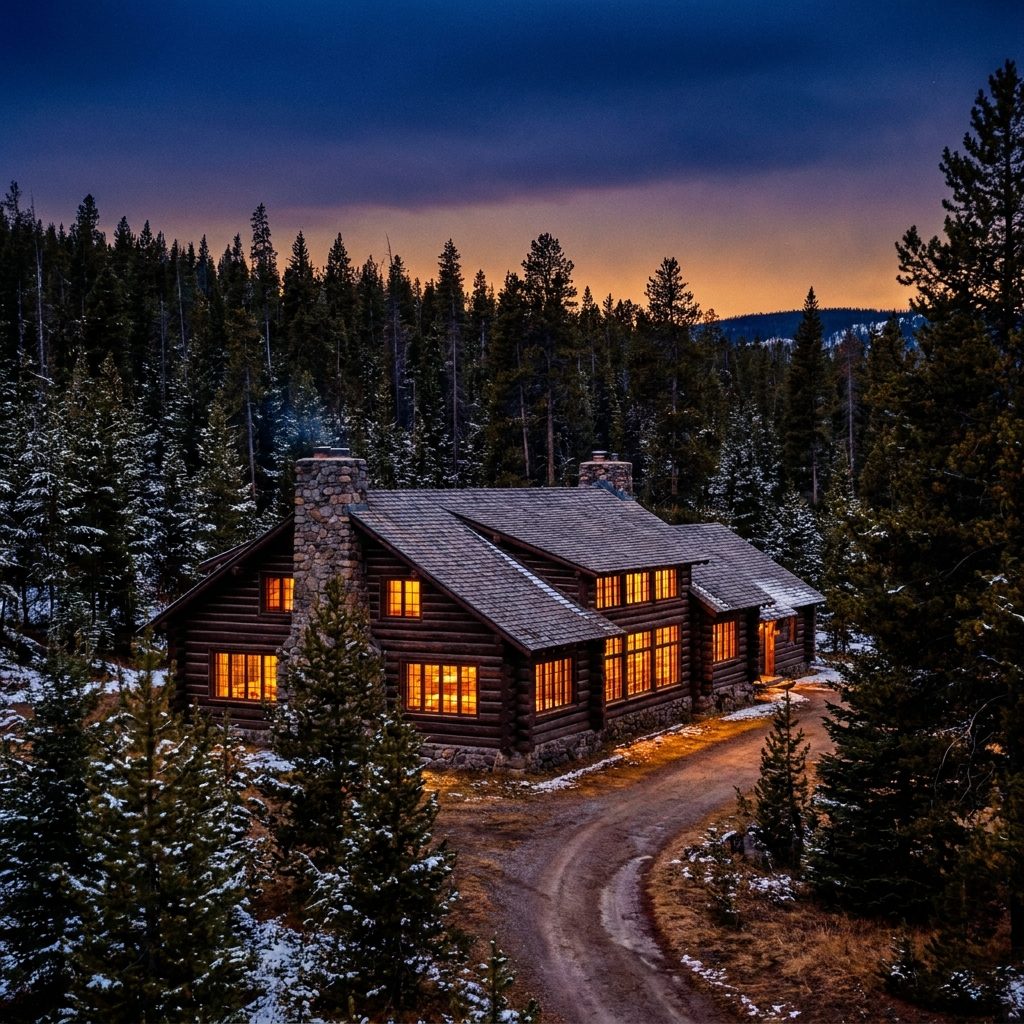
A basic cabin at one of Yellowstone’s lodge areas could cost roughly $18 to $24 per night for a family-sized unit. These were not luxury rooms. Expect wood walls, two beds, basic furnishings, and a private bathroom only in some units.
At around $20 a night, three nights near Yellowstone cost roughly $60. The geothermal smell, crowded boardwalks, and possibility of a bear near the road were included.
16. A Half-Fare Greyhound Ticket for a Child: Roughly $40 Coast to Coast
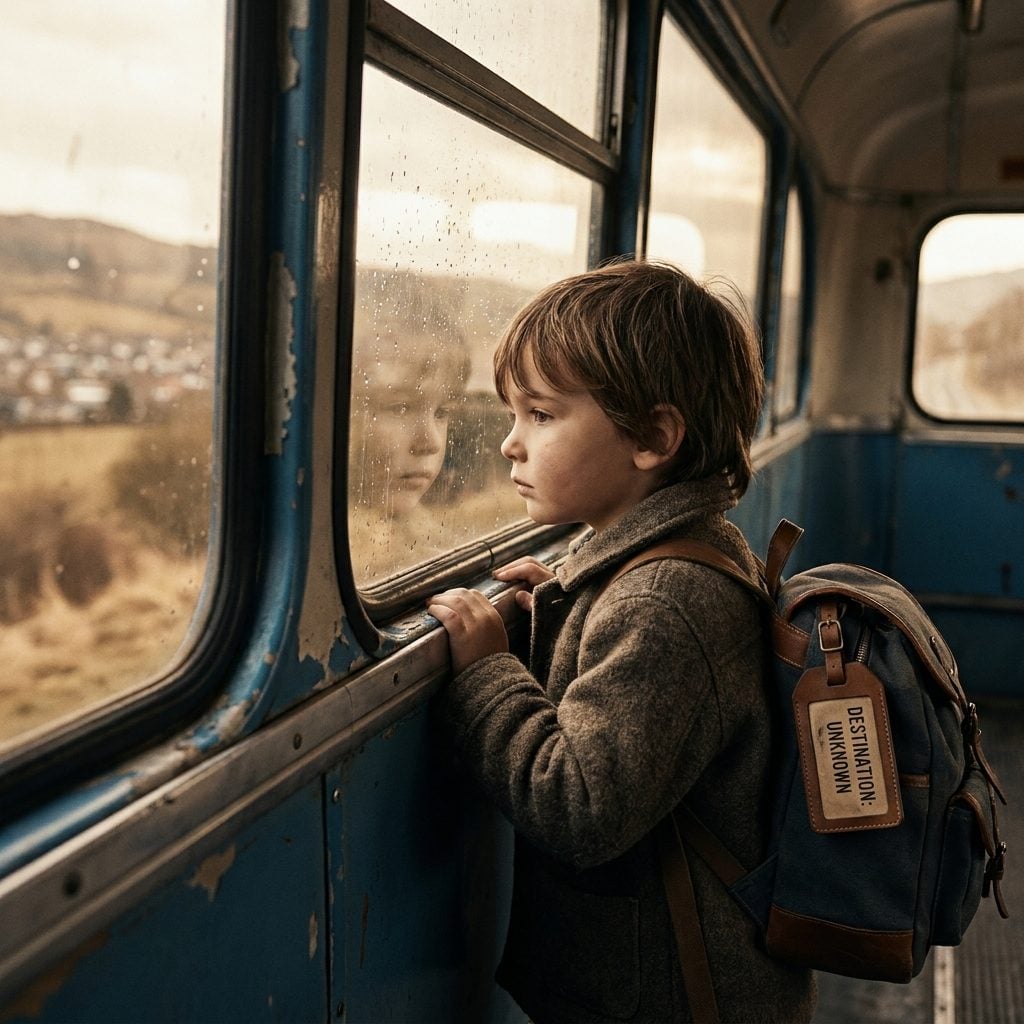
Greyhound offered reduced fares for younger children. If a full New York-to-Los Angeles fare ran roughly $80, a qualifying child’s ticket could land near $40.
The bus was not the easiest way to move a family across the country, but it could make a long trip possible for one parent traveling with children or for a child traveling to visit relatives with the proper supervision.
15. A Cross-Country Round-Trip Flight for Four: Roughly $600 to $750
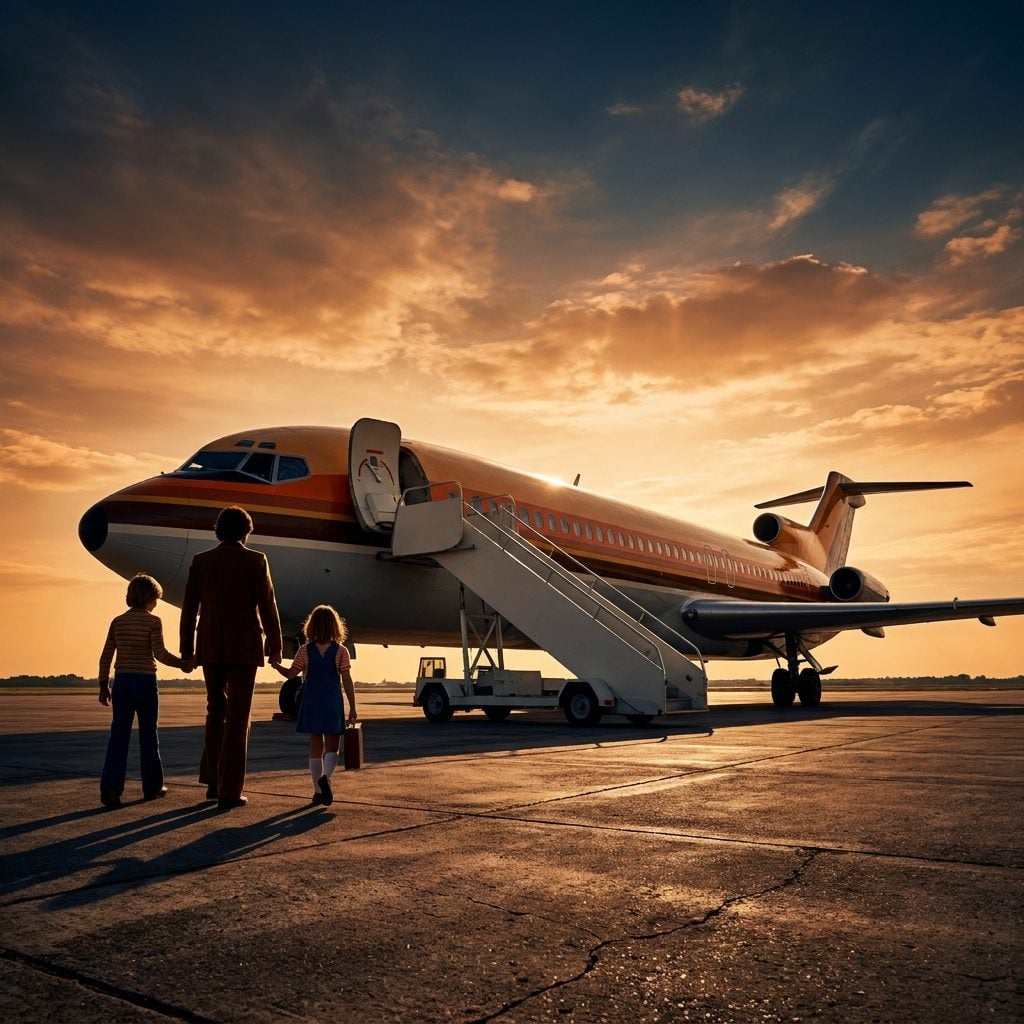
A round-trip coach ticket could cost roughly $200 to $250 per adult, with qualifying children sometimes flying for about half the adult fare. Two adult tickets plus two half-fare child tickets produced a family total of roughly $600 to $750.
That was serious money against a median family income of about $13,700. The airfare alone could consume roughly 4 to 5.5 percent of a family’s annual income before anyone rented a car, booked a motel, or bought a hamburger.
14. A Station-Wagon Fill-Up: About $7 to $9 for a Typical Stop
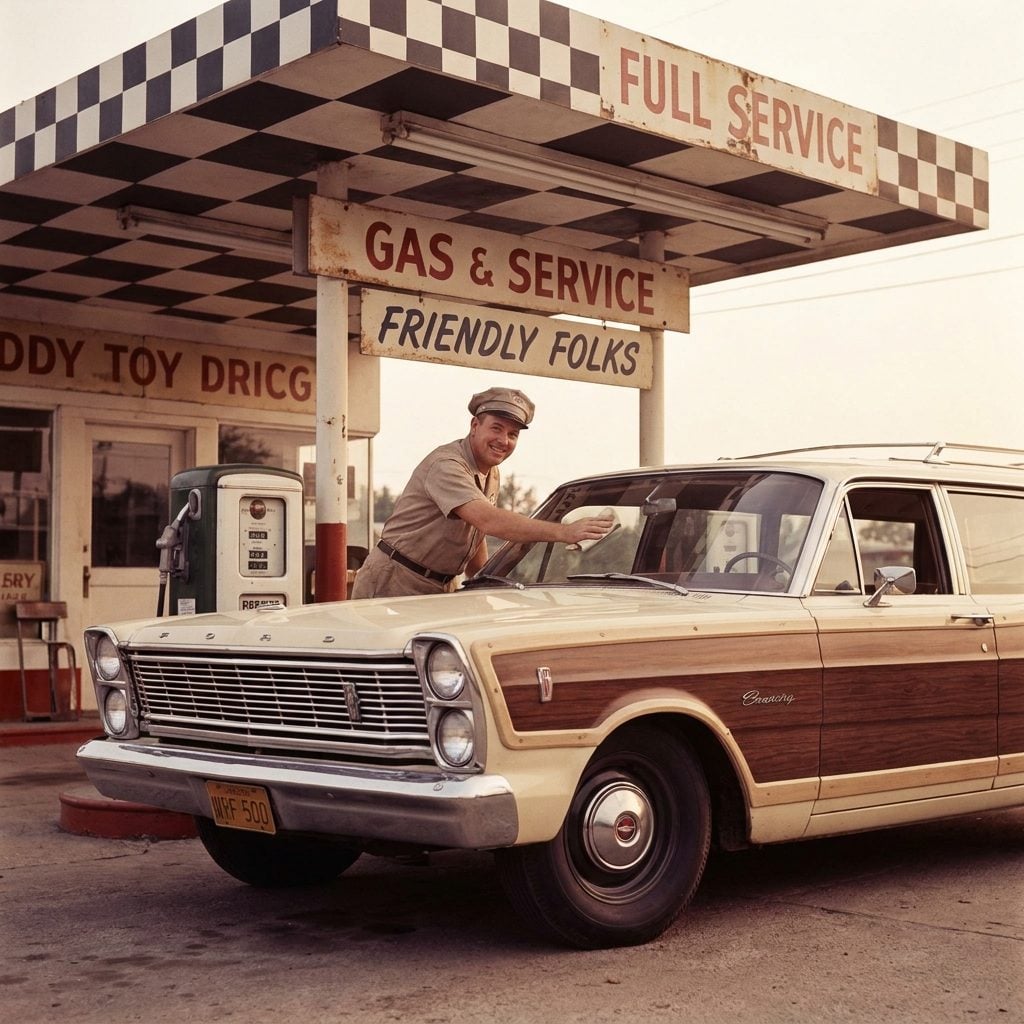
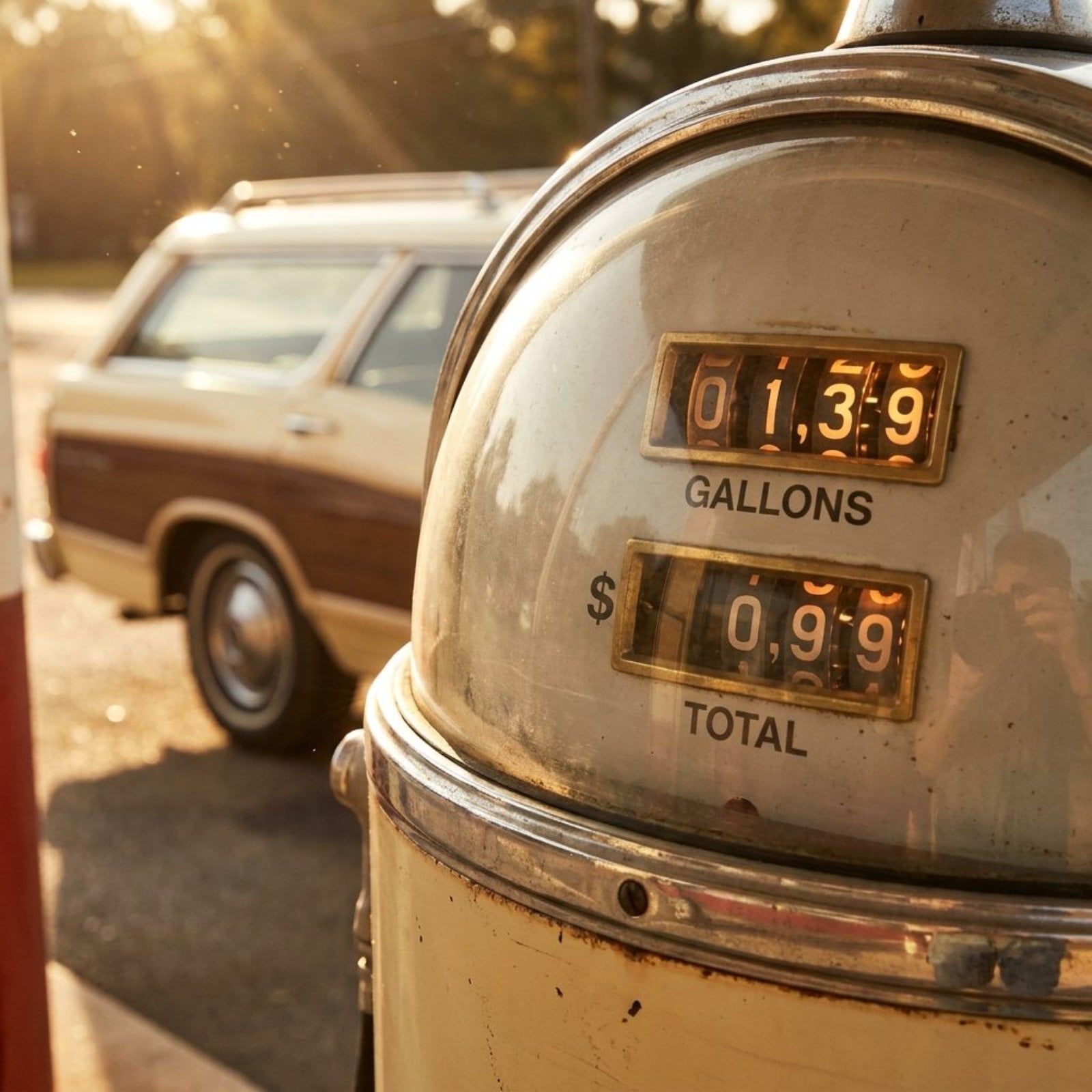
Regular gasoline averaged roughly 55 to 60 cents per gallon. Filling a 20-gallon tank from empty cost around $11 to $12, but most families stopped before the needle reached the bottom, making $7 to $9 a plausible roadside charge.
A large wagon returning 12 to 14 miles per gallon could burn more than 200 gallons over a 3,000-mile drive. Gas for the full route might therefore cost roughly $120 to $150.
At many stations, the price still included an attendant who pumped the fuel, checked the oil, wiped the windshield, and glanced at the tires. The family did not have to leave the car until somebody announced a bathroom emergency.
13. A Roadside Motel Room: About $14 to $22 per Night
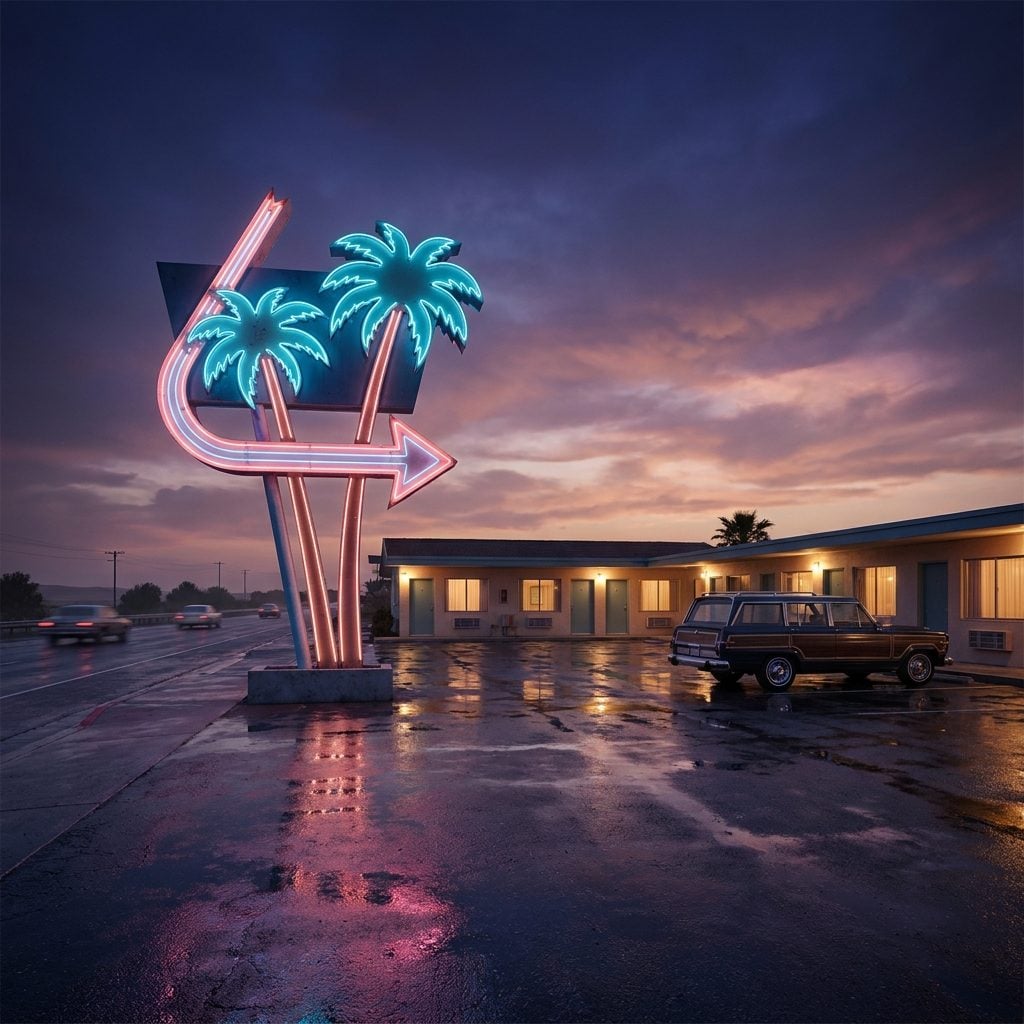
A budget independent might charge $14 to $18 for a double room. A Holiday Inn or Howard Johnson’s could run closer to $20 to $22, with a rollaway bed for the children included or added for a few dollars.
The room generally promised air conditioning, a color television bolted to the dresser, two small soaps, and access to a pool that looked much larger in the brochure. Ten nights at $16 each came to $160, making lodging one of the largest but most predictable lines in the driving-trip budget.
12. A Roadside Diner Breakfast for Four: About $6 to $8
🔥 Would you like to save this?
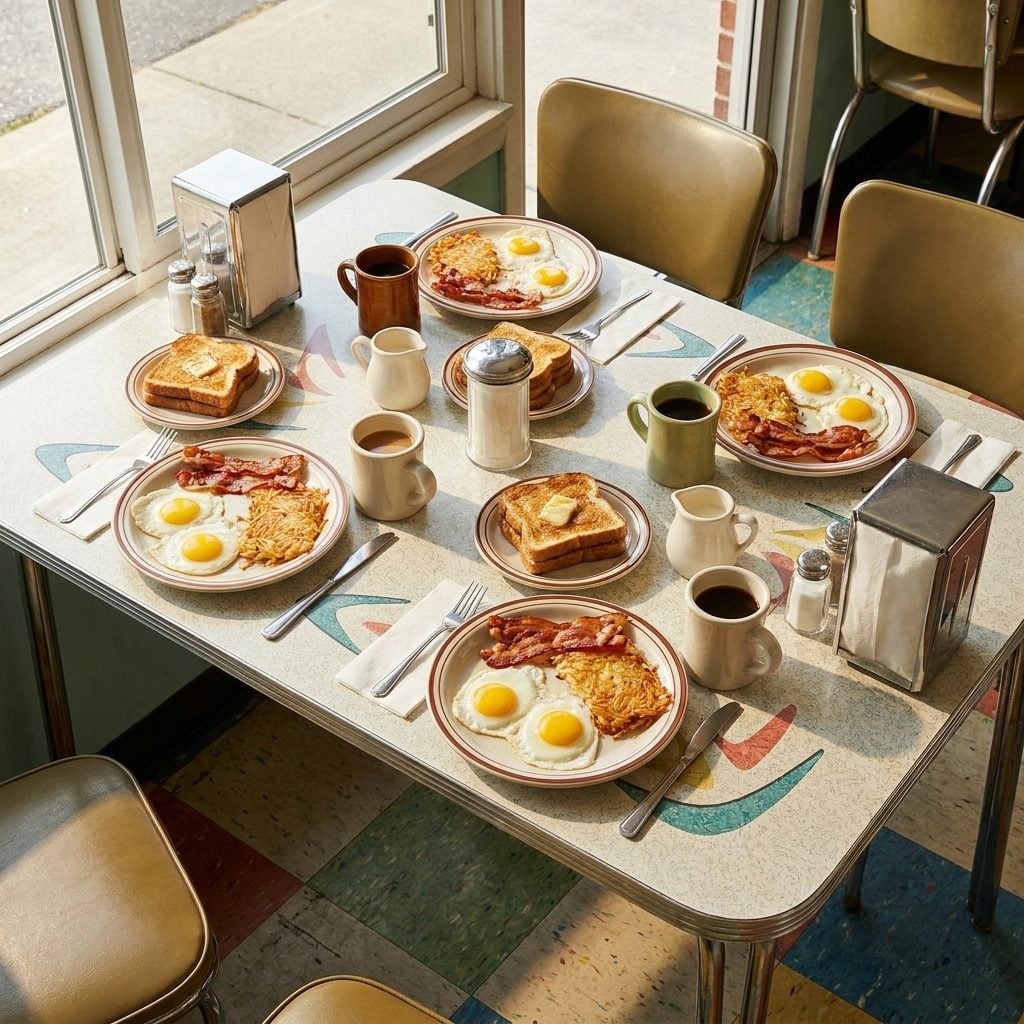
Two eggs, toast, and coffee cost roughly $1.25 to $1.75. Children could order pancakes, cereal, or a short stack for less than a dollar. Depending on the orders and tip, breakfast for four landed around $6 to $8.
The coffee refills arrived automatically. Nobody photographed the plate. The family ate, found the restrooms, and returned to the highway before the youngest child had finished explaining a dream.
11. A National Park Entrance Fee: About $1 to $3 per Vehicle
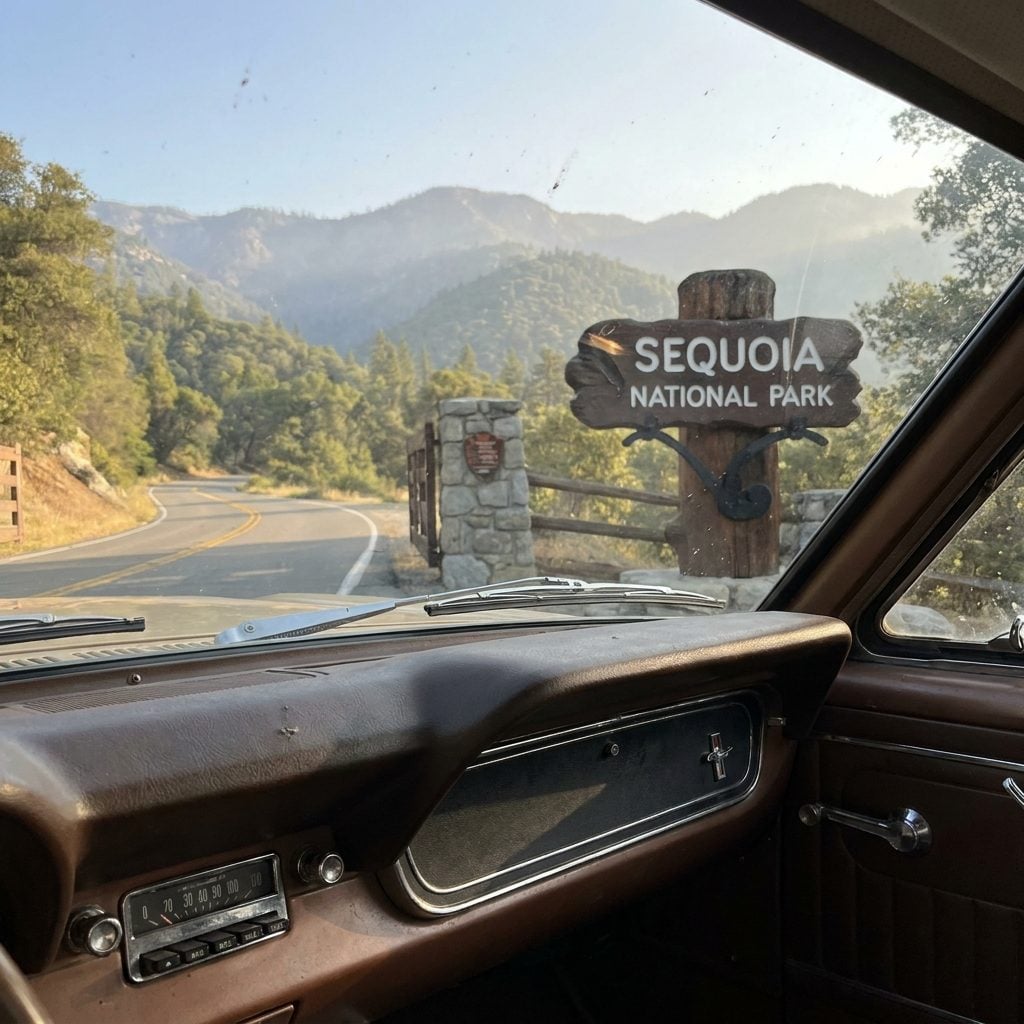
Many national parks charged by the vehicle rather than by the visitor. A family could enter for roughly $1 to $3, while some smaller sites charged nothing.
The Golden Eagle Passport covered federal recreation entrance fees for a year and cost about $10. Families planning several major parks could buy one early in the trip and stop calculating admission at every gate.
10. A Week of Cooler Groceries: Roughly $18 to $25
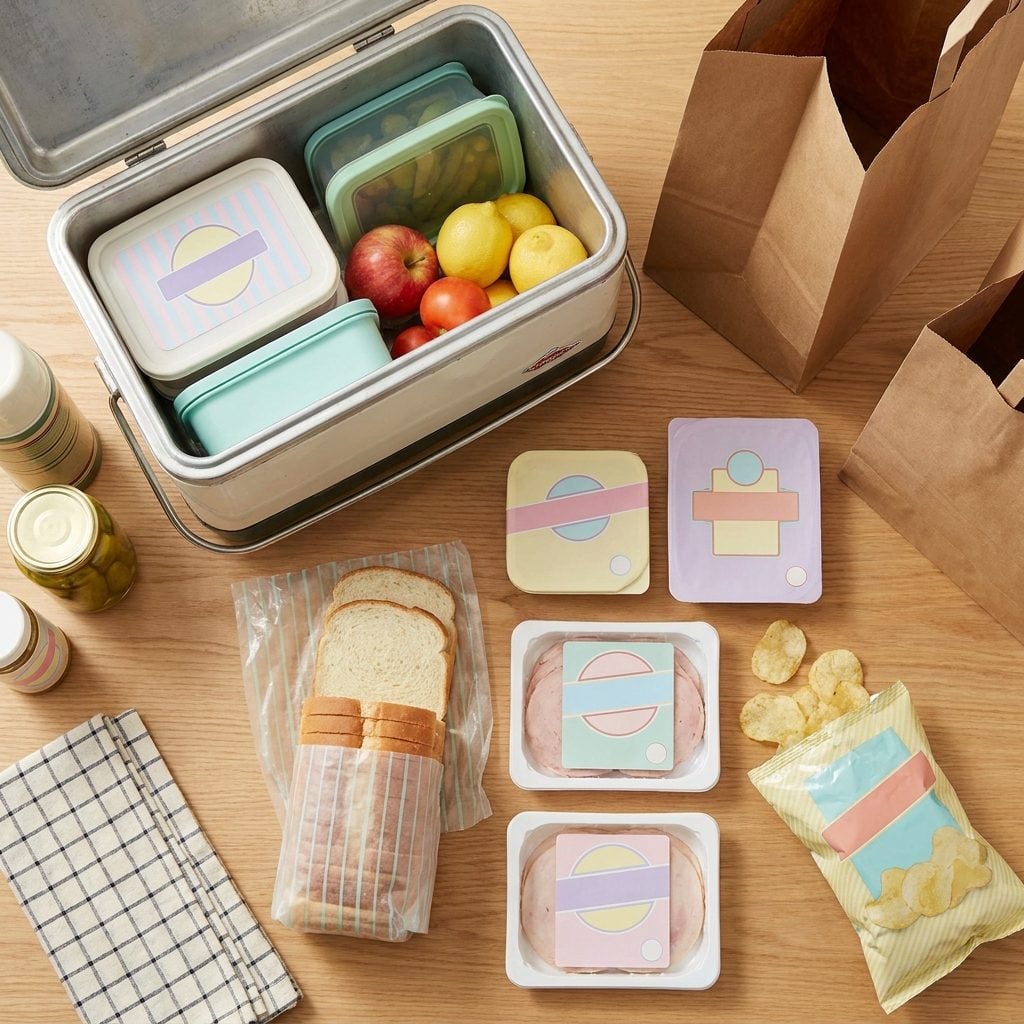
Bread, lunch meat, fruit, chips, drink mix, cookies, and sandwich supplies could stock a family cooler for roughly $18 to $25, depending on brands and how much was bought before departure.
The cooler sat between the suitcases and sleeping bags, slowly becoming a damp archive of melted ice and bruised fruit. Every gas stop brought another bag of ice. It was inconvenient, but it prevented four diner checks from appearing every day.
9. A Rental Car for a Week: Roughly $100 to $200 With Moderate Mileage
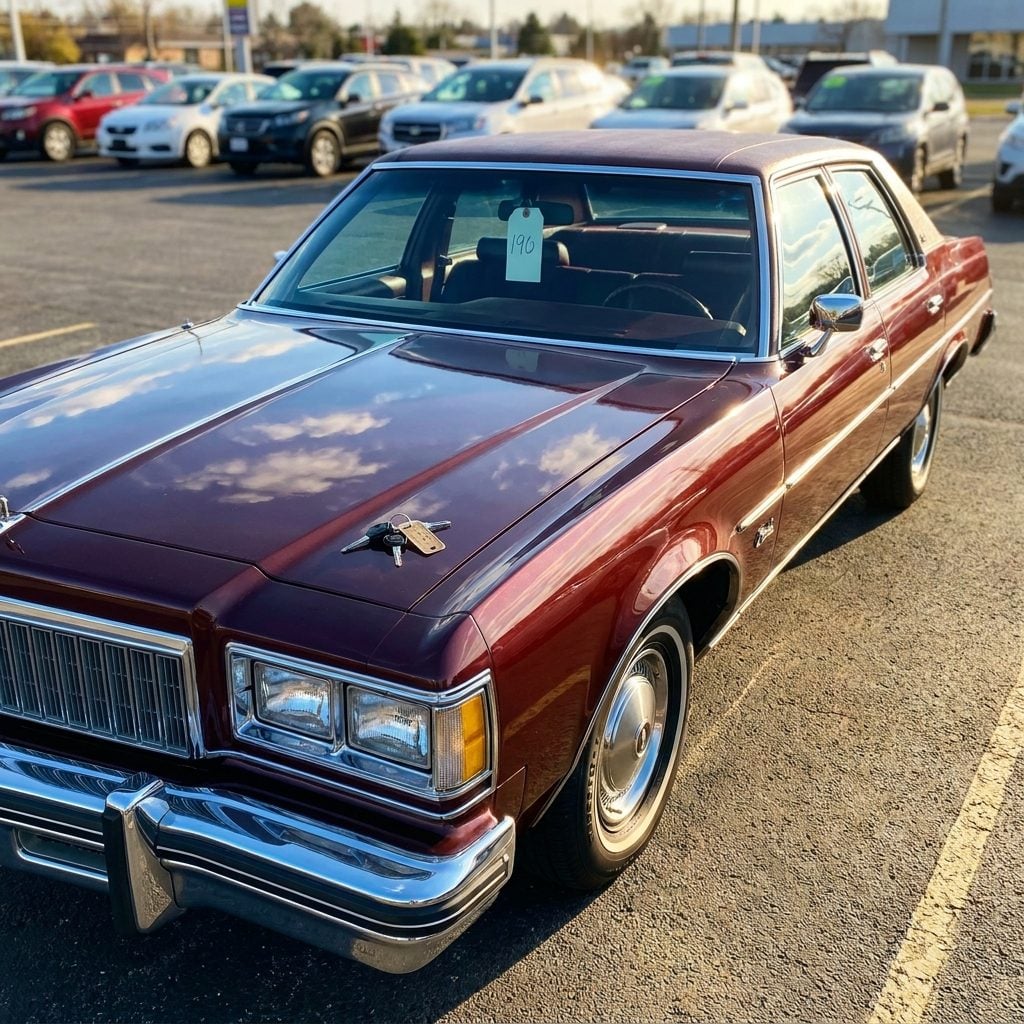
A midsize or full-size American car could rent for roughly $12 to $18 per day, with weekly base rates around $60 to $90. Insurance, taxes, and mileage charges raised the final bill.
Mileage was the dangerous part. At 10 to 15 cents per chargeable mile, a renter who drove thousands of miles could add several hundred dollars. A week of local or regional vacation driving might finish near $100 to $200; using the rental for a 3,000-mile crossing could push the total far higher.
8. A $200 Roll of Traveler’s Checks: About $2 in Fees
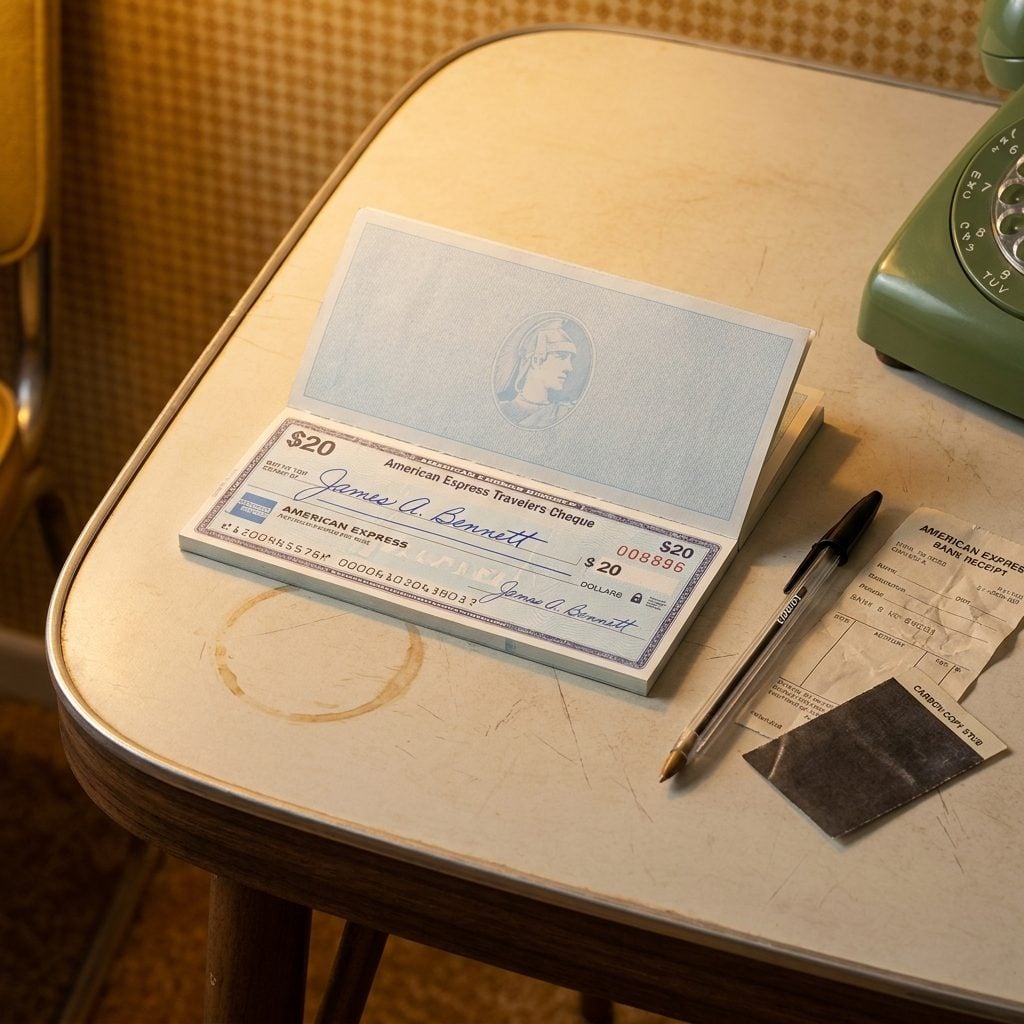
A family could buy $200 in traveler’s checks for a fee of roughly 1 percent, or about $2. Each check was signed once at purchase and again in front of the clerk who accepted it.
They were slower than cash but safer to carry. If the checks disappeared with a wallet or suitcase, the issuer could replace them using the receipt numbers Dad had written down and stored somewhere he considered impossible to lose.
7. A AAA TripTik: Included With Membership of Roughly $18 a Year
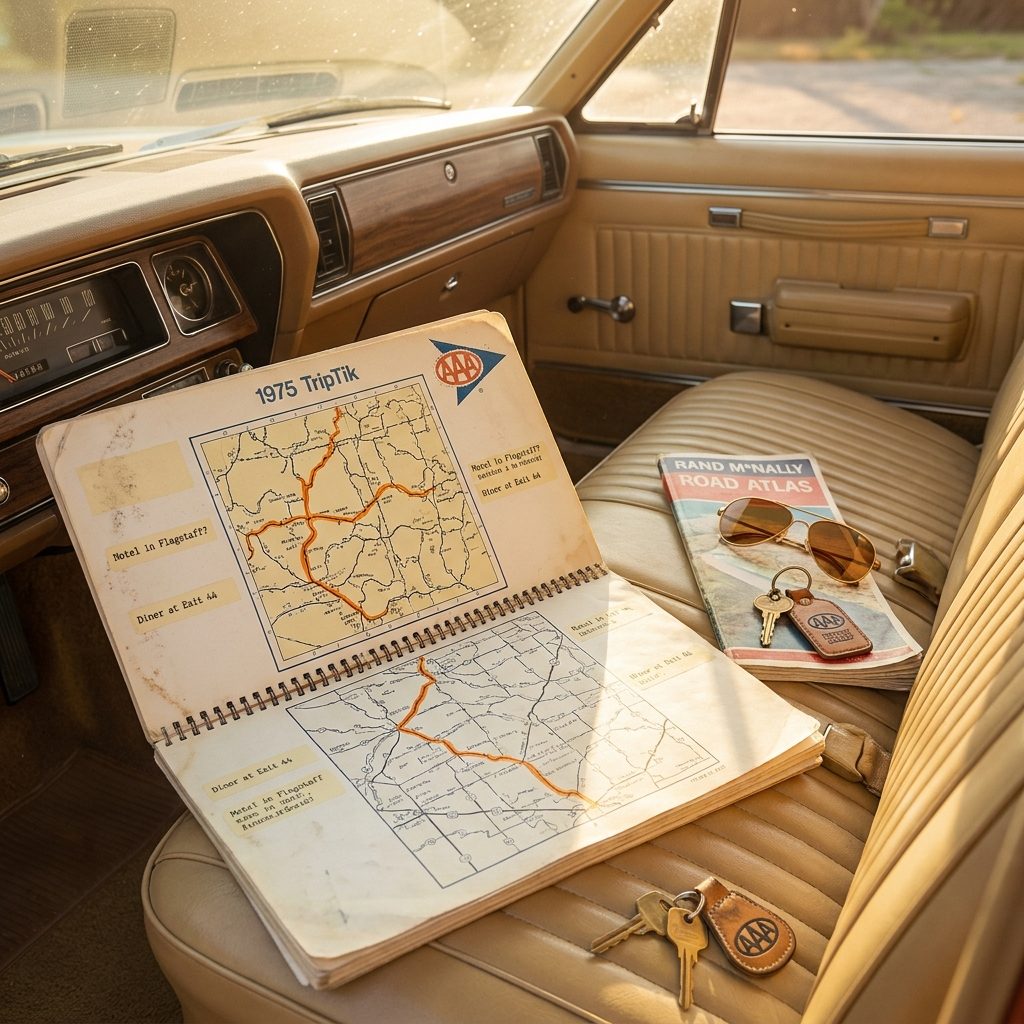
The TripTik itself came with AAA membership, which cost roughly $18 a year in many areas. The family received a custom route booklet, tour books, maps, and the promise that somebody would come help if the wagon stopped cooperating somewhere outside Flagstaff.
The whole point was the flip. Each page carried the family another stretch down the highway. Dad drove, Mom navigated, and the children fought over who got to hold the booklet without bending the cover.
6. A Family Swim at the Motel Pool: Included With the Room
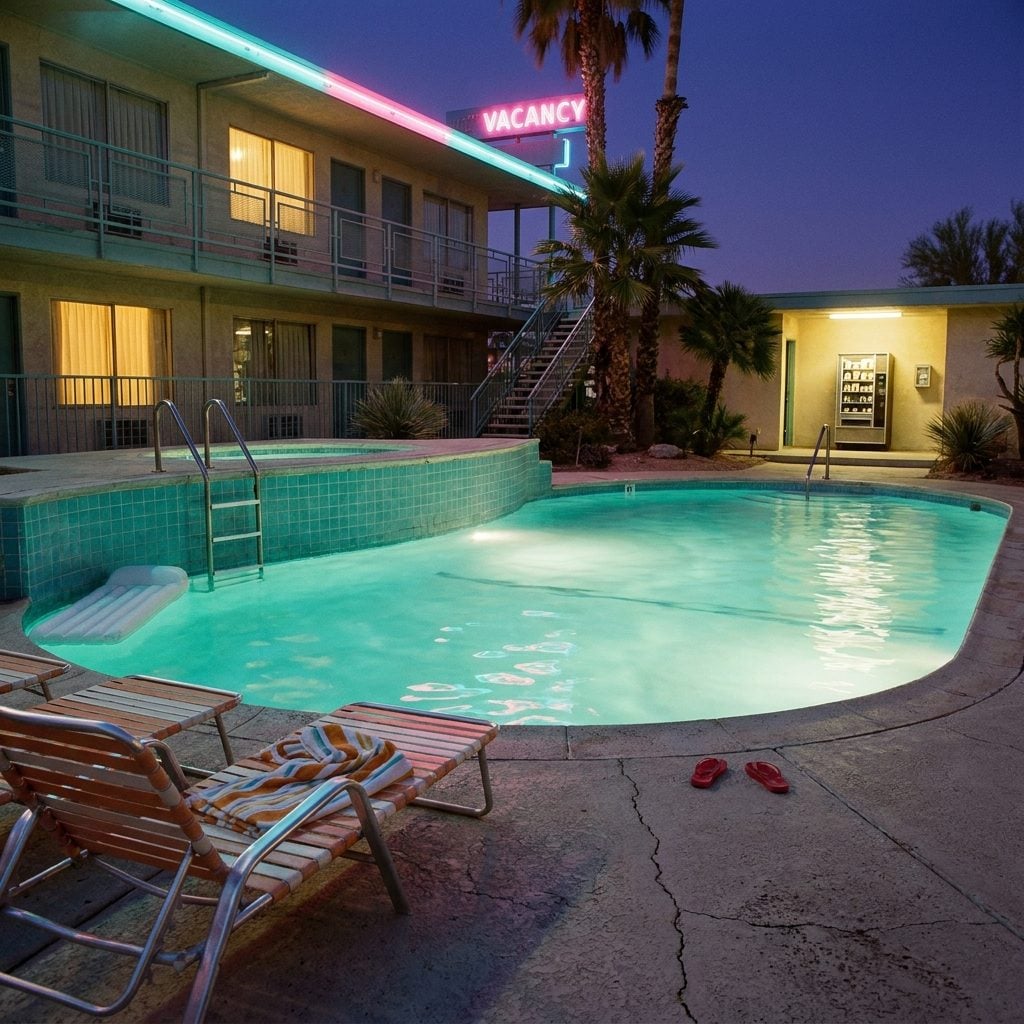
The pool came free with the room. Every child knew the real prize was the aqua-tiled kidney-shaped pool out back—open until ten, lightly supervised, and surrounded by a concrete deck hot enough to punish bare feet.
Parents paid for a place to sleep. The children behaved as though the family had rented a resort.
5. A Coin-Operated Vibrating Bed: 25 Cents for About 15 Minutes
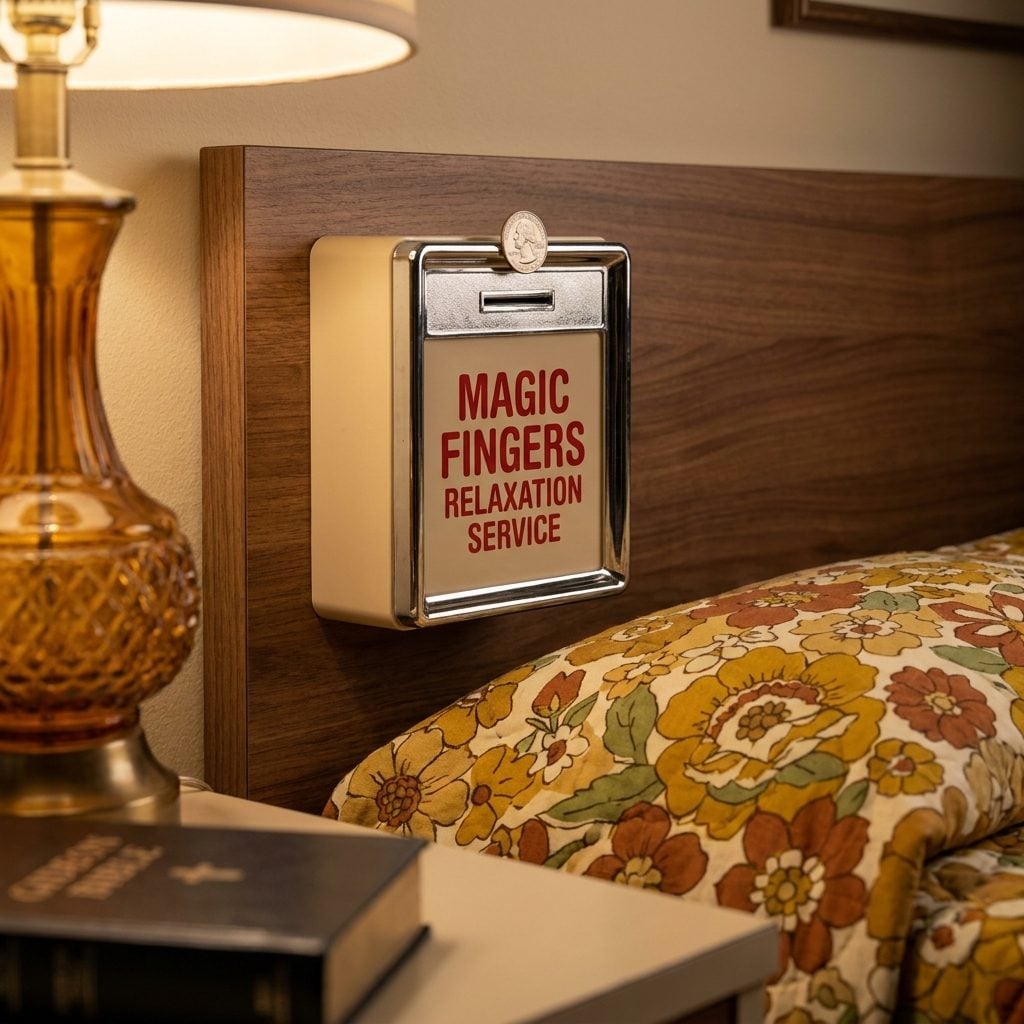
A quarter bought roughly fifteen minutes of Magic Fingers, and the coin box bolted to the bed hummed with the confidence of a machine that had no idea it would someday become a punchline.
Children fed it repeatedly. Parents called it ridiculous and then, once the room was quiet, considered whether another quarter might improve the mattress.
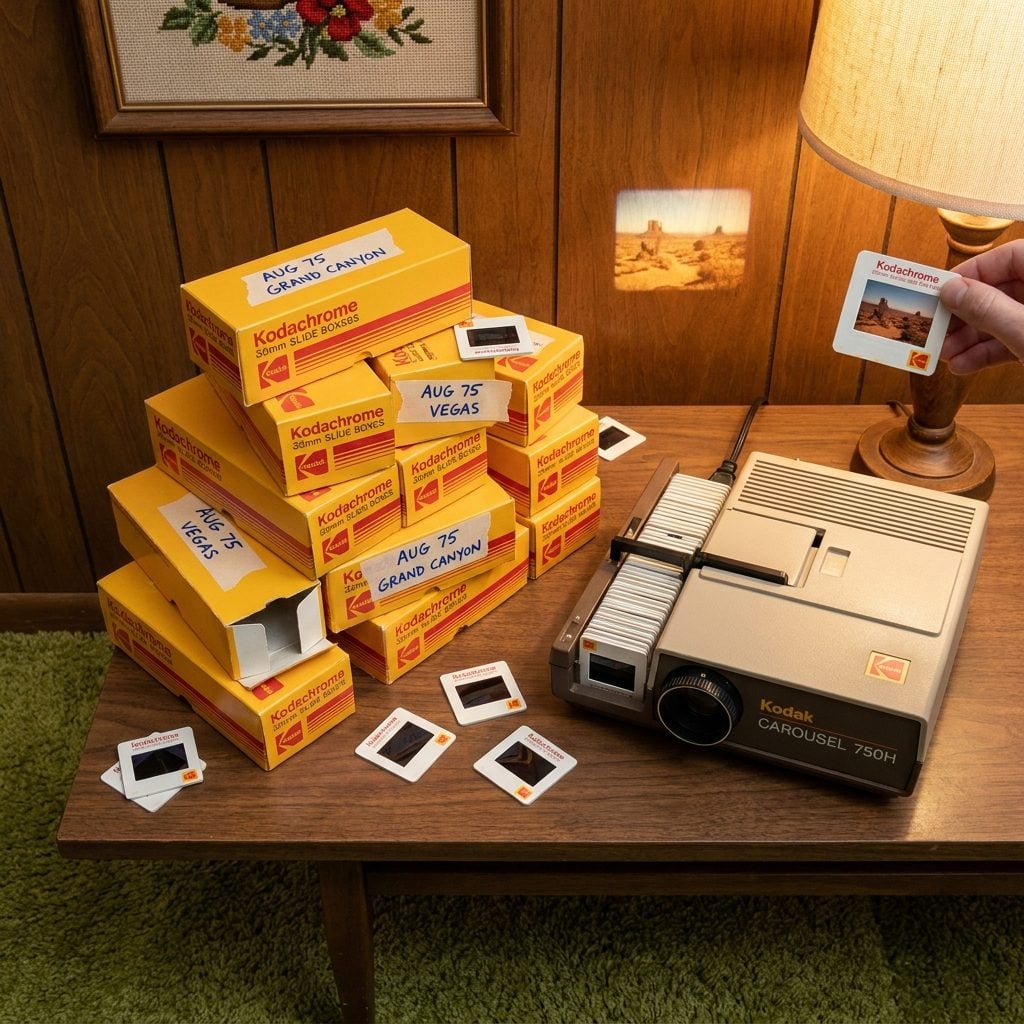
4. A Roll of Kodachrome: About $2, Plus Roughly $3.50 for Processing
🔥 Would you like to save this?
Kodachrome slide film cost roughly $2 for the roll, with processing adding about $3.50. The exposed film went into a mailer and returned as mounted slides after the family was already home.
Then the trip happened again: projector balanced on the coffee table, screen unfolded in the living room, neighbors invited over, and one relative given control of the carousel. Every vacation ended twice—once in the driveway and once when the slides came back.
3. A Howard Johnson’s Fried Clam Strip Platter: About $2.95
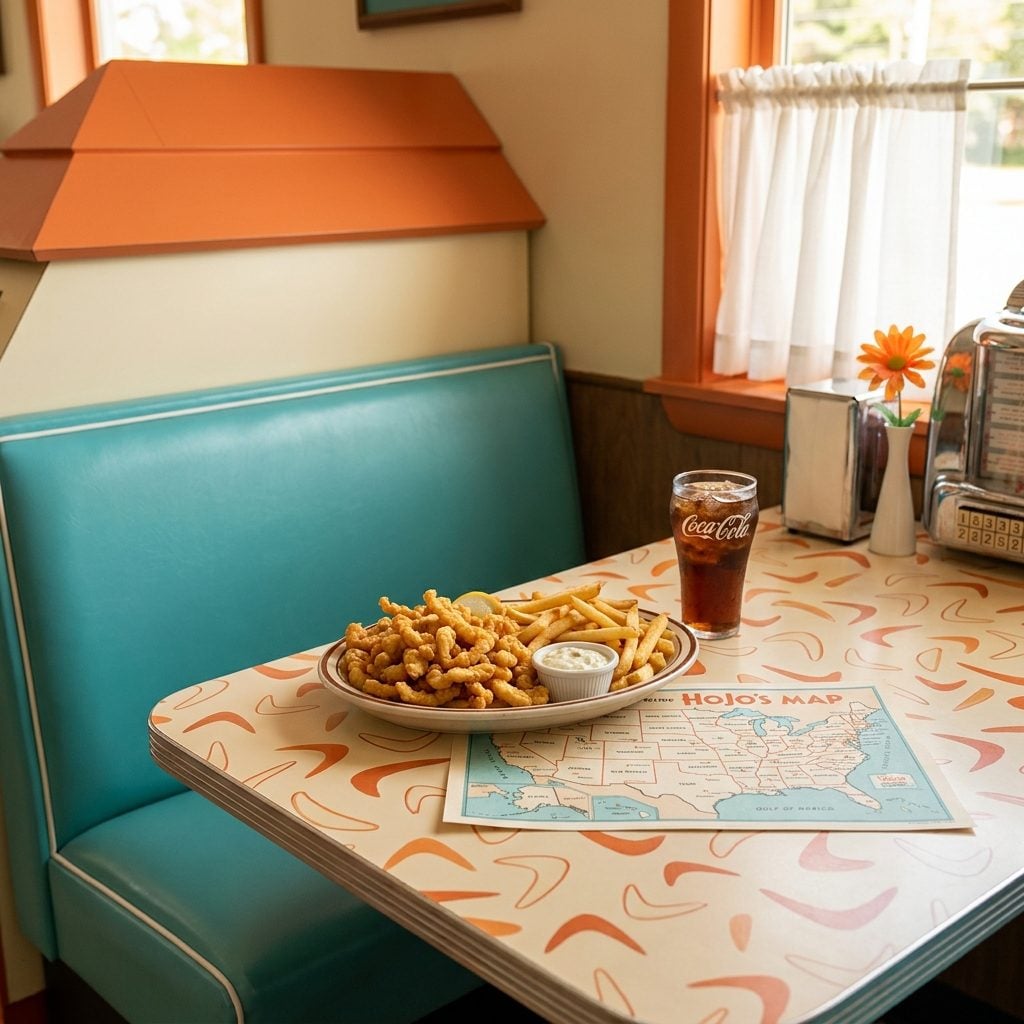
Howard Johnson’s sold a fried clam strip platter for roughly $2.95, complete with French fries, coleslaw, tartar sauce, and the orange roof visible from half a mile up the highway.
The family slid into a turquoise booth, the waitress called the children honey, and somebody chose a Glen Campbell song from the tabletop jukebox. A HoJo’s stop was still a chain restaurant stop, but it felt like part of the route rather than an interruption from it.
2. A Coin-Operated Binocular Viewer: About 10 Cents
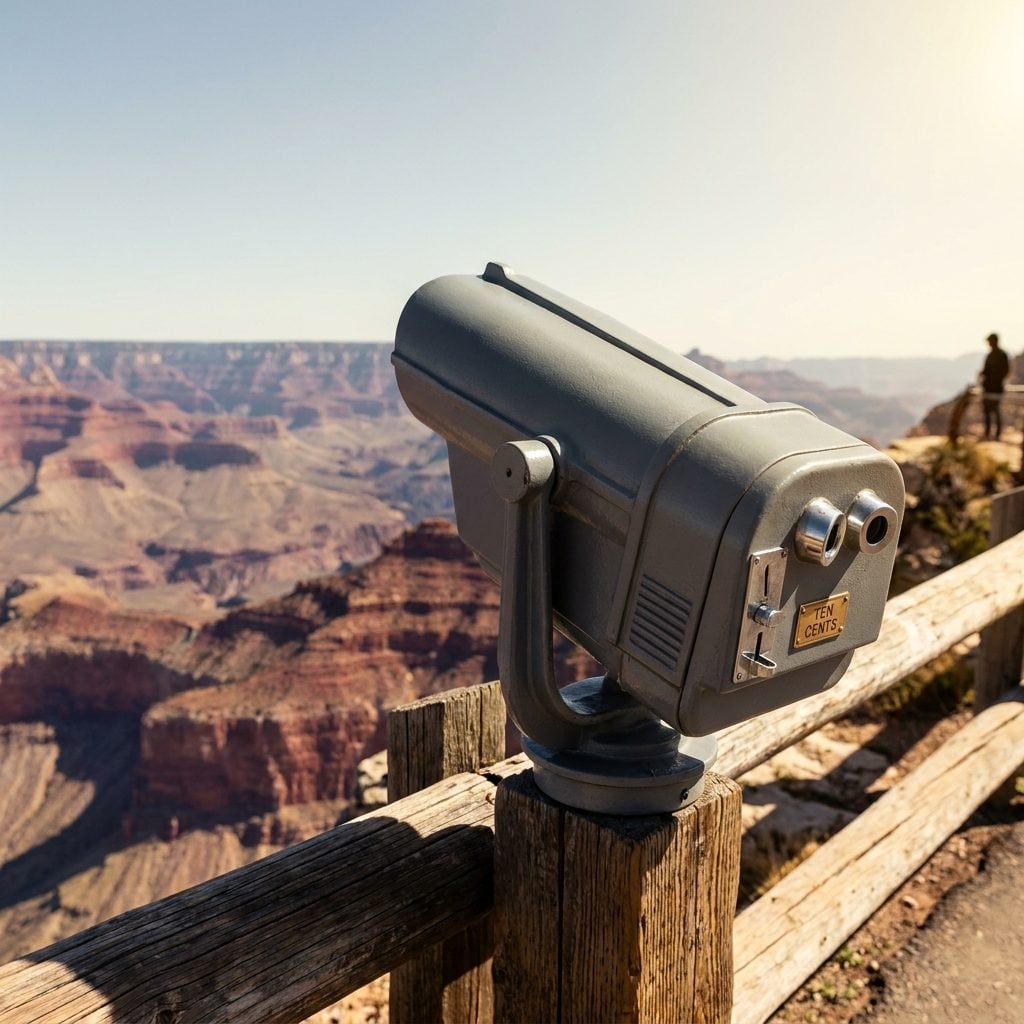
A dime bought roughly ninety seconds of magnified canyon. The cast-metal viewers were bolted to railings at scenic overlooks across the West, painted gray, warmed by the sun, and never quite willing to swivel as smoothly as expected.
Children stood on tiptoe. A parent lifted the smallest one. Then the shutter clicked closed, and another dime became the most urgent financial question of the afternoon.
1. The Grand Total: Roughly $600 to $950 by Car, or $1,200 to $1,800 With Flights and a Rental
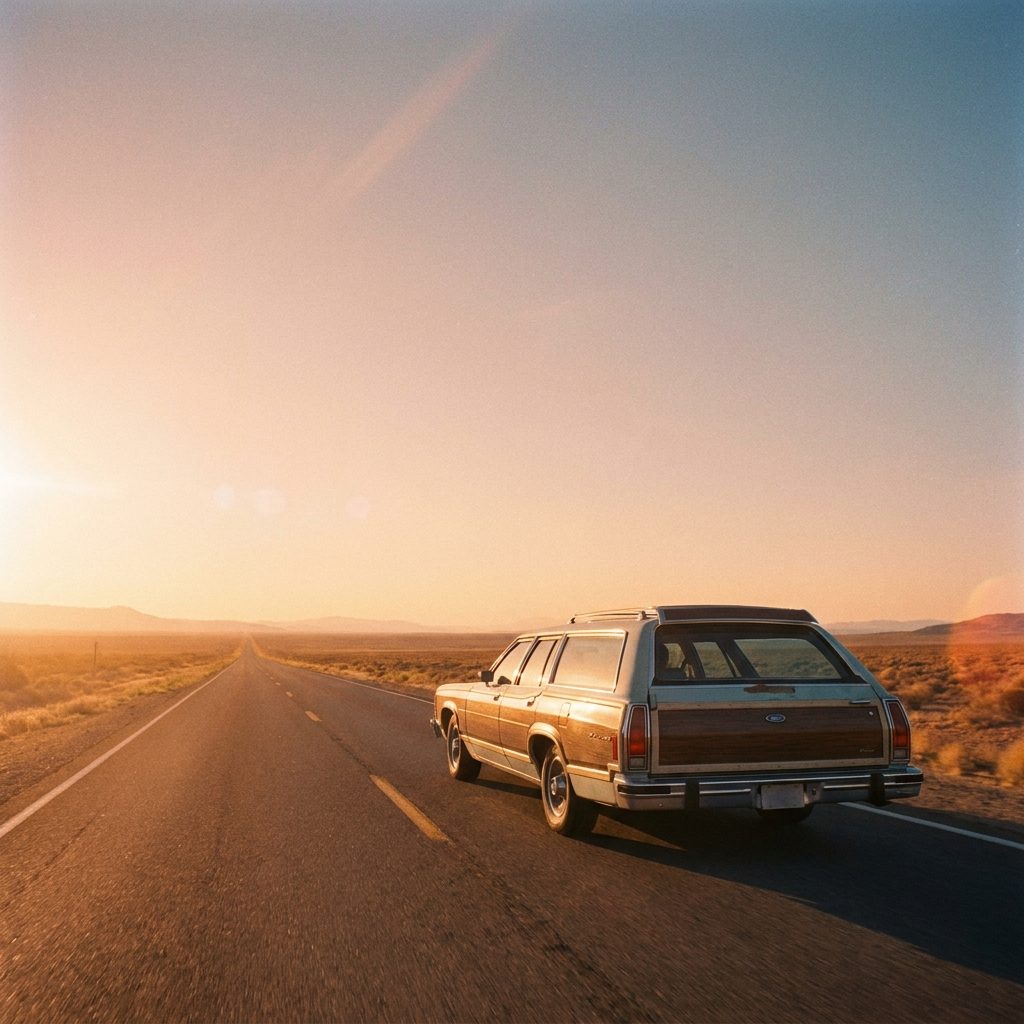
The family driving its own station wagon could plausibly spend roughly $600 to $950 on a two-week cross-country trip, depending on the number of motel nights, restaurant meals, park stops, and paid attractions. Gas might claim $120 to $150. Ten to fourteen motel nights could add roughly $160 to $300. Food, admissions, film, and souvenirs filled in the rest.
Flying changed the arithmetic. Airfare for four could consume $600 to $750 before the family rented a car. A regional rental with moderate mileage, two weeks of lodging, meals, and attractions could push the full vacation toward roughly $1,200 to $1,800. A rental driven thousands of miles could cost more.
Against a median family income of about $13,700, even the driving trip represented a meaningful share of annual earnings. The vacation was cheaper in nominal dollars, but it was not casual money. Families saved for it, argued over the souvenir budget, packed food, and remembered the trip precisely because it had required a plan.
🔥 Would you like to save this?
Please note that some of the imagery in this article were created with the aid of AI image generators.