
🔥 Would you like to save this?
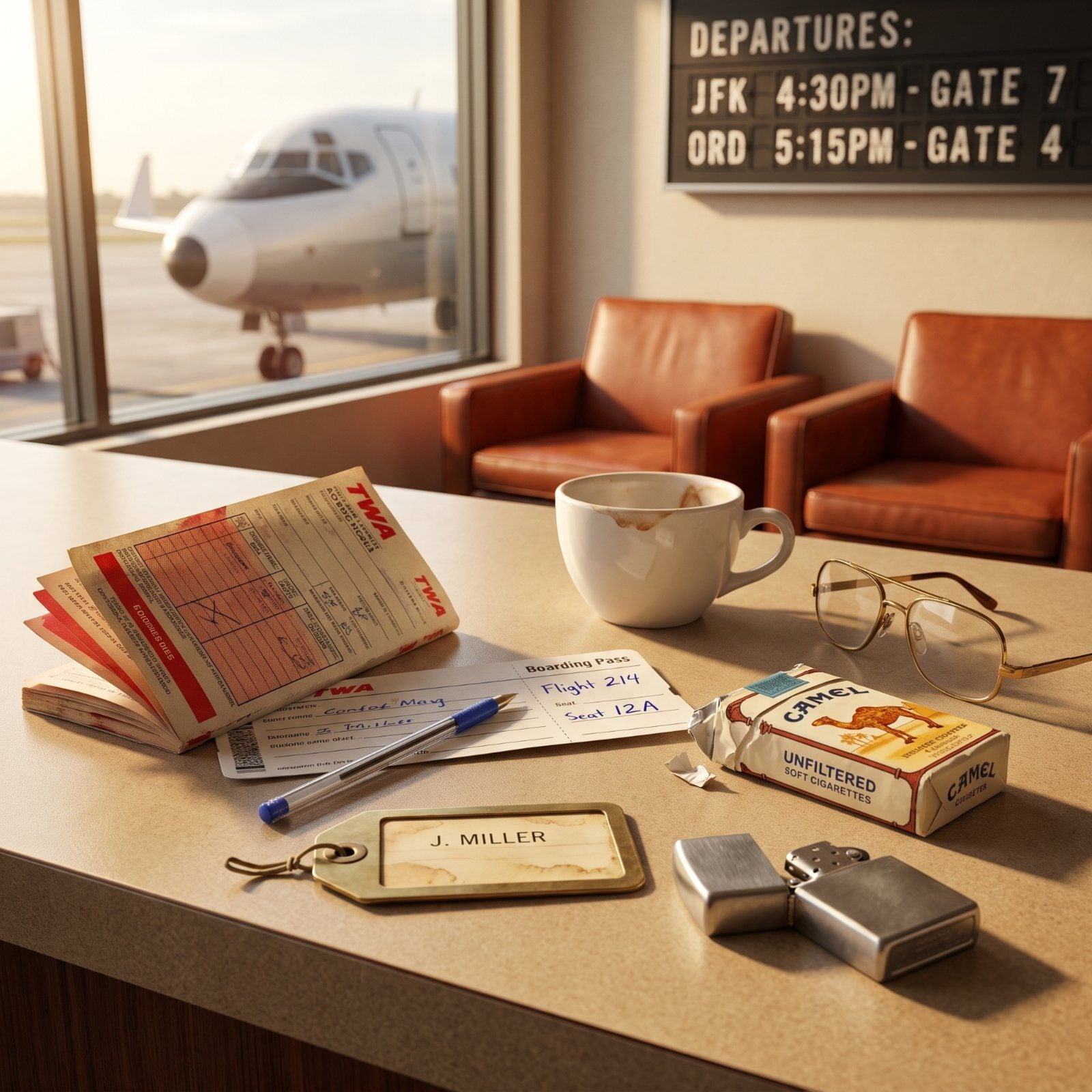
The terminal in 1982 smelled like jet fuel, cigarette smoke, and the bad coffee in the paper cup your mother bought you at the gate. You walked right up to the window and watched the planes, and nobody asked for your ID while your grandmother stood at the glass until the wheels left the ground.
Flying felt less like a procedure and more like catching a bus with wings. What follows is the airport we handed over one small concession at a time, until the old one was gone.
27. Loved Ones Waiting Right at the Arrival Gate
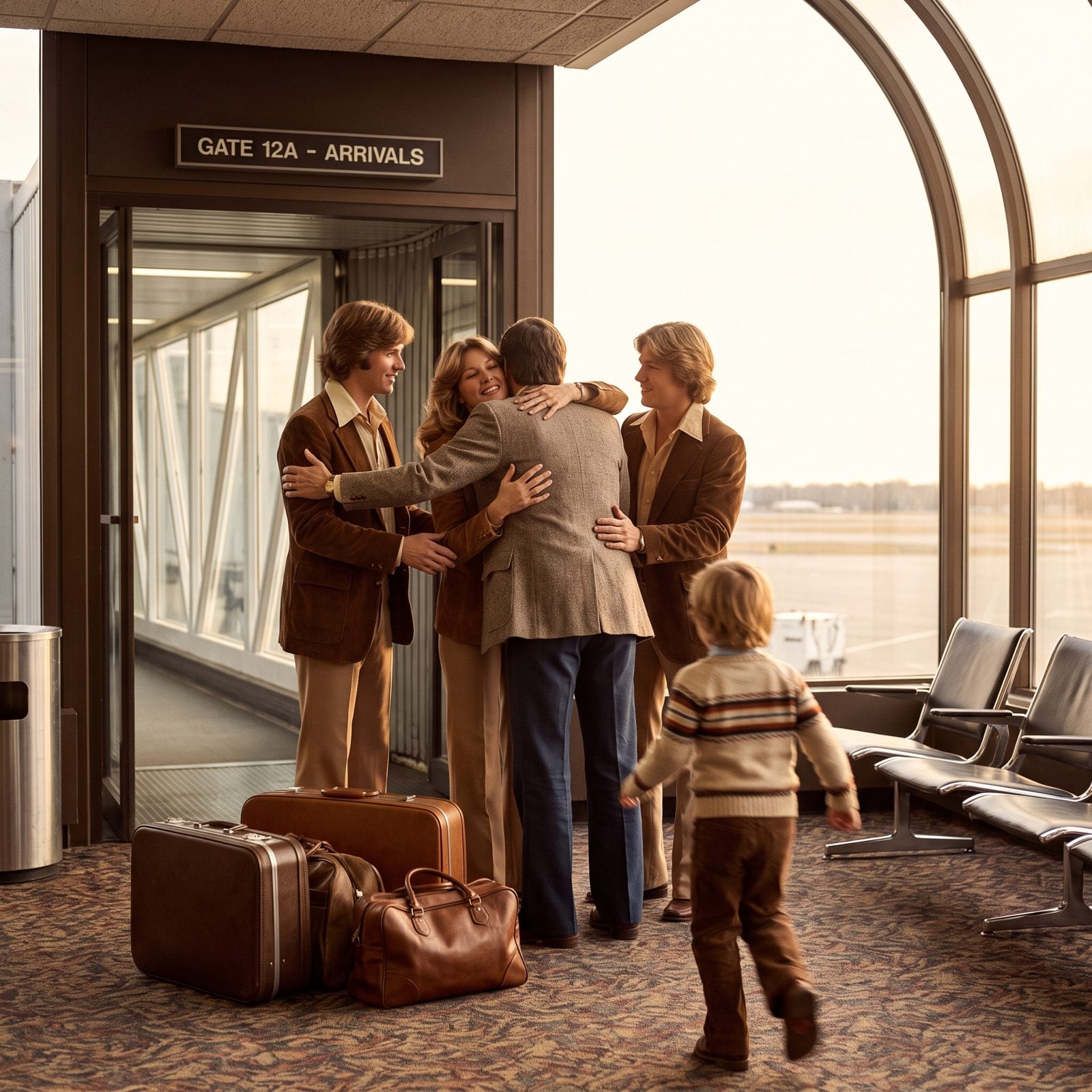
You remember the sprint. The jetway door opened, and your kid or your husband or your mother was standing right there, close enough to grab before the first bag hit the carousel. No baggage-claim reunion, no waiting past a glass wall. The hug happened at the gate.
Departures worked the same way in reverse: you walked them right to the gate, carried the overnight bag, and then stood at the window and watched the plane push back.
26. Showing Up Twenty Minutes Before Departure
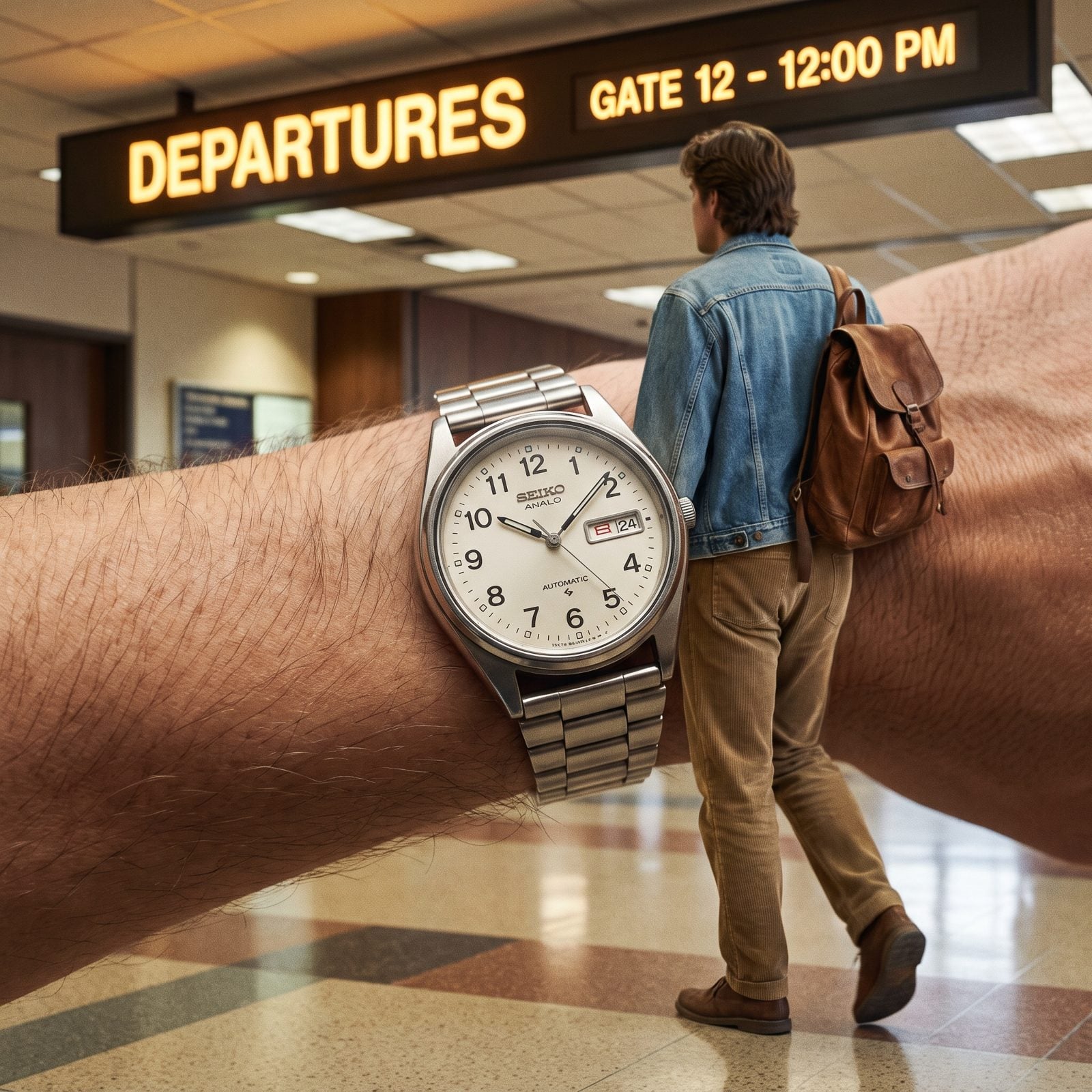
Thirty minutes was generous. You could roll up to the counter, get your seat, and be strolling to the gate with time to buy a magazine — no serpentine queue folding back on itself under nylon ropes, no hour-long buffer baked into your morning.
The whole airport ran on the assumption that you were a competent adult who could judge your own timing. Imagine telling that to anyone standing in a security line today. They wouldn’t believe you.
25. The Paper Ticket Tucked Into a Long Airline Wallet
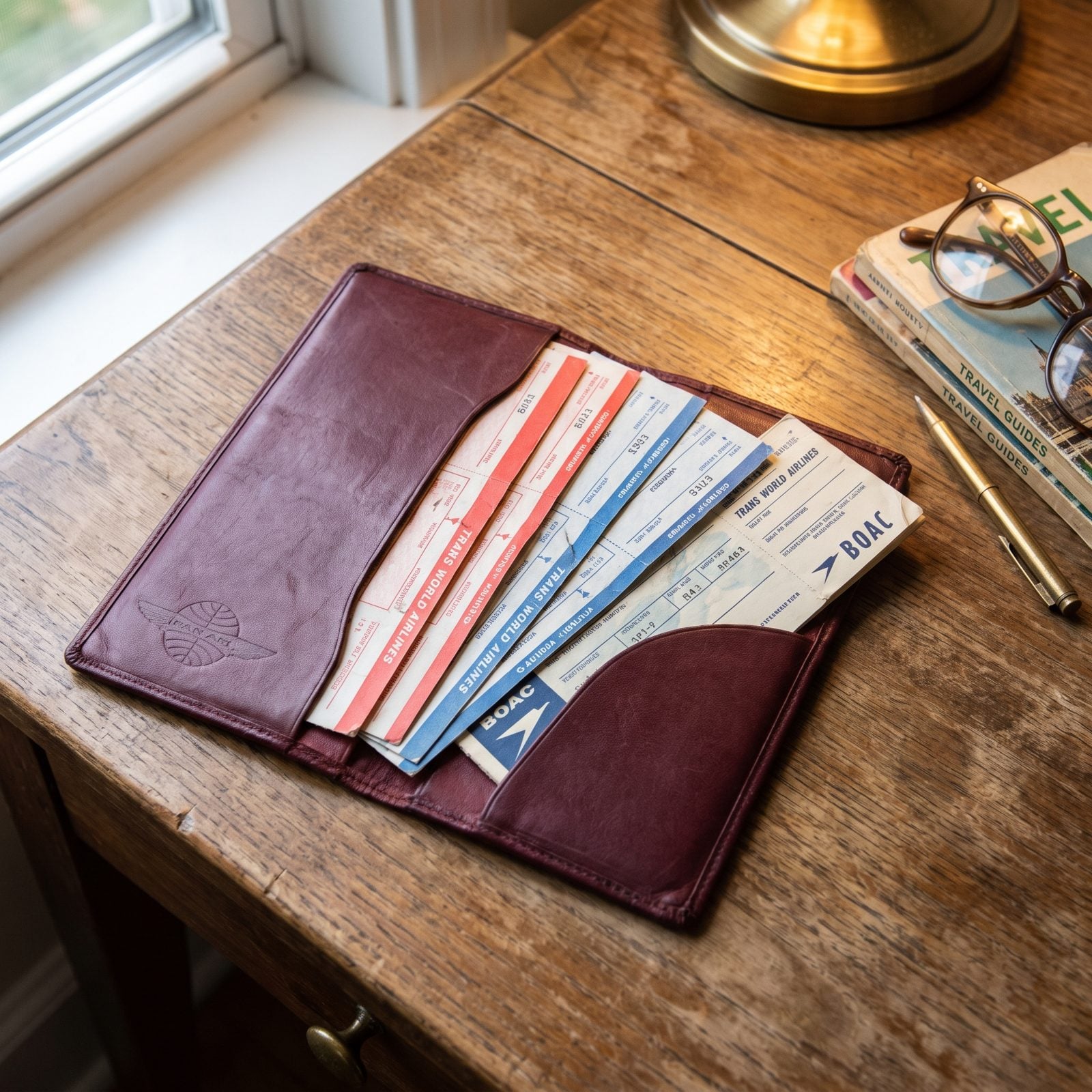
The ticket came as a little booklet, flight coupons printed on carbon stock, each one in that long envelope with the airline’s name curving across the front. You kept it in your breast pocket or your purse and you did not lose it, because losing it meant a genuine problem.
Those coupons were basically cash. Each leg tore off at the perforation, stamped by an agent at the gate, and you could feel the whole itinerary sitting in your hand.
24. Boarding Passes Written Out by Hand at the Gate
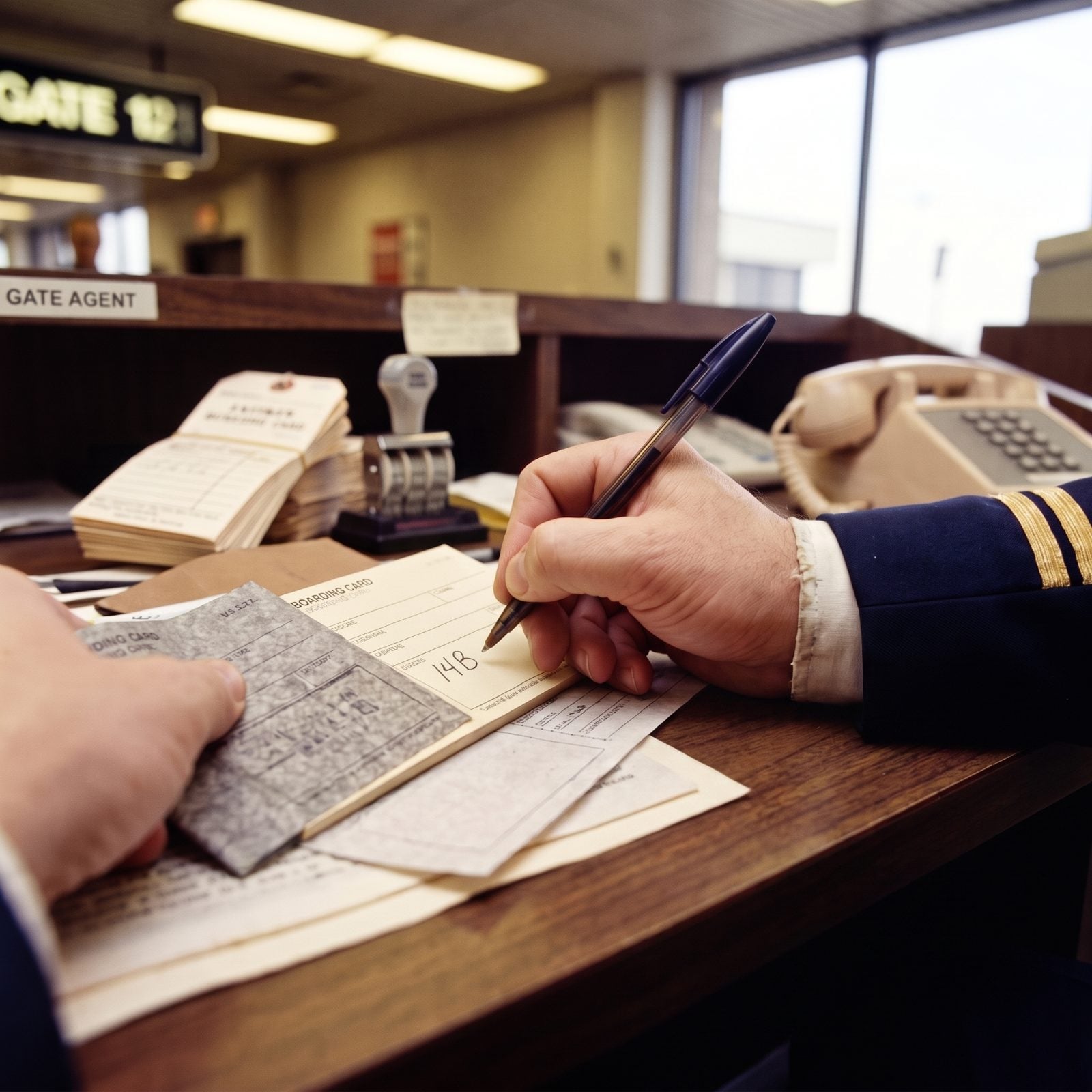
Someone wrote your seat number by hand.
At smaller gates and on busy days, the agent pulled a blank pass, scribbled your flight and seat in ballpoint, and slid it across the podium. No thermal printer humming, no barcode — just a person doing the thing a machine does now, with handwriting you could usually read.
23. Walking Onto the Plane Without an ID Check
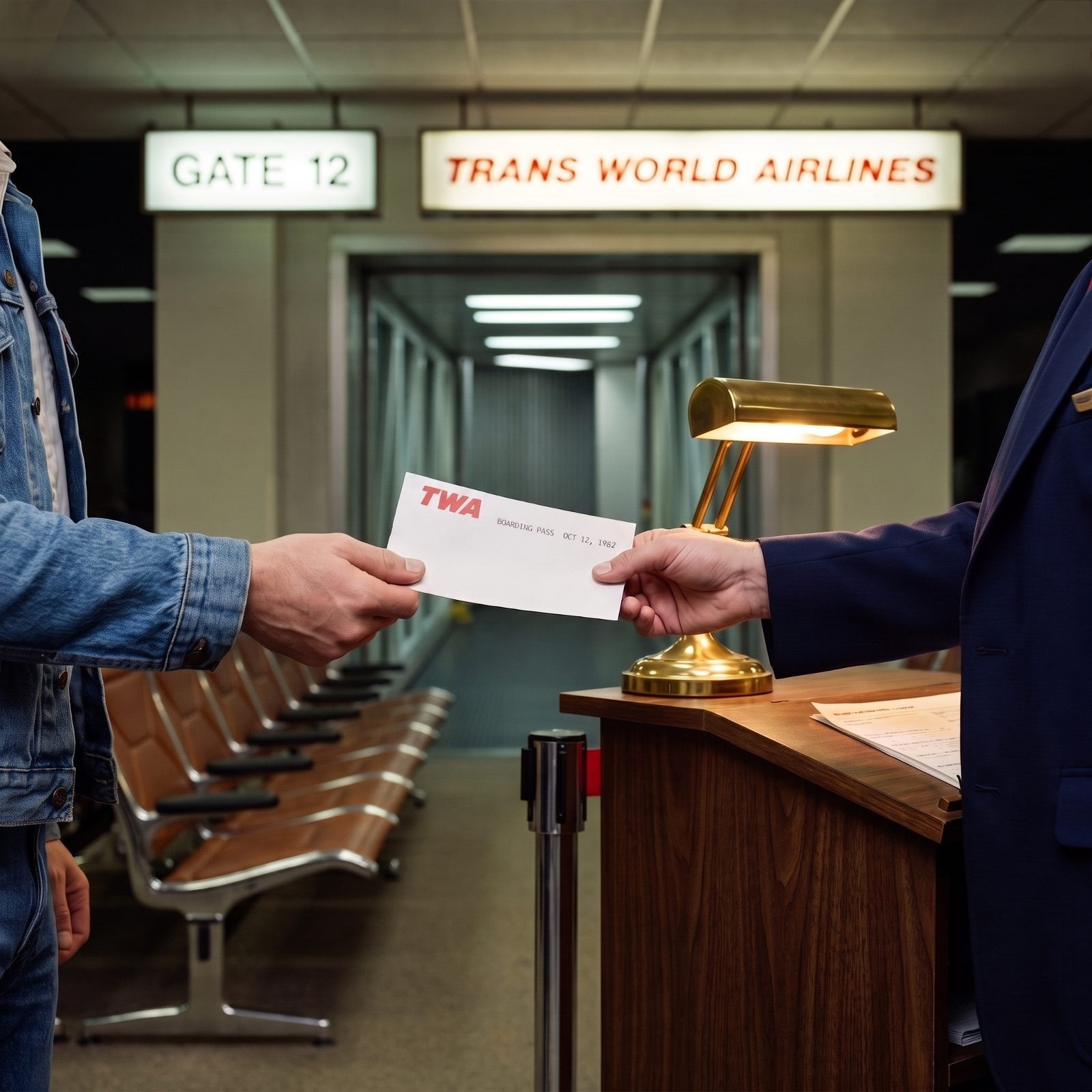
You handed over your boarding card and walked on. Nobody held your driver’s license up to the light, nobody matched a name to a face. The ticket had whatever name was printed on it, and that was the end of the conversation.
The whole system trusted that the person holding the ticket was the person meant to fly. That trust feels almost foreign now, but for most of the century it was simply how things worked.
22. Handing Your Ticket to Someone Else
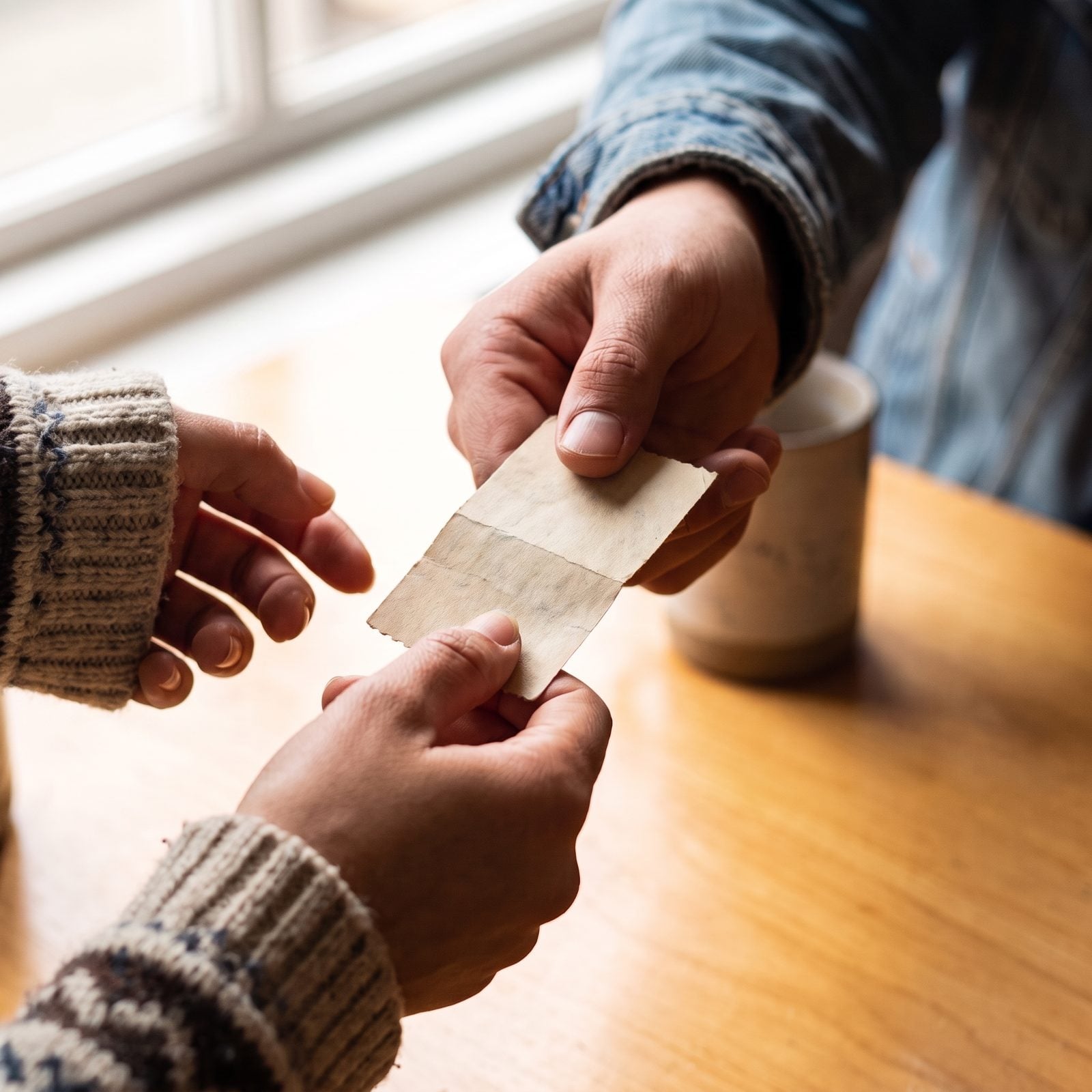
Couldn’t use your ticket? You gave it to a friend. Since nobody checked an ID or verified a name at the gate, a ticket to Chicago was a ticket to Chicago, no matter whose hand carried it.
People traded, sold, and gifted tickets with a shrug. A business trip fell through, so your brother-in-law flew to the trade show instead, and nobody blinked. Whoever held the paper, that’s who flew.
21. Buying a Last-Minute Ticket With Cash
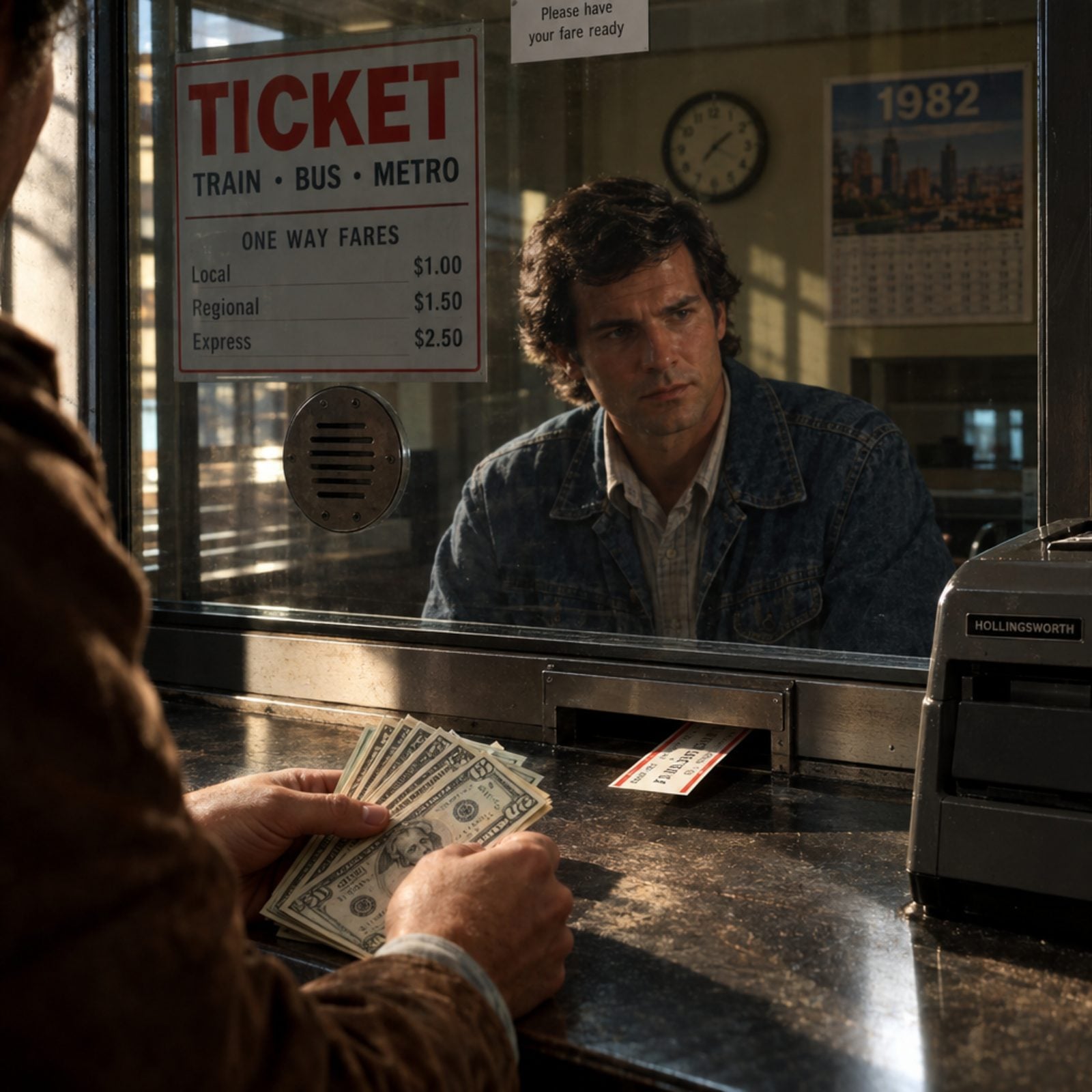
Show up, slap down cash, fly.
You could walk to the counter, name a city, count out bills, and be holding a ticket for the next departure — no account, no ID, no advance booking, no questions about why you suddenly needed to be in Denver by dinner.
Spontaneous travel never got better than this. A last-minute cash fare was the whole difference between an idea and a trip, and the clerk behind the glass took your money without a second look.
20. The Curbside Skycap Who Took Your Bags for a Tip
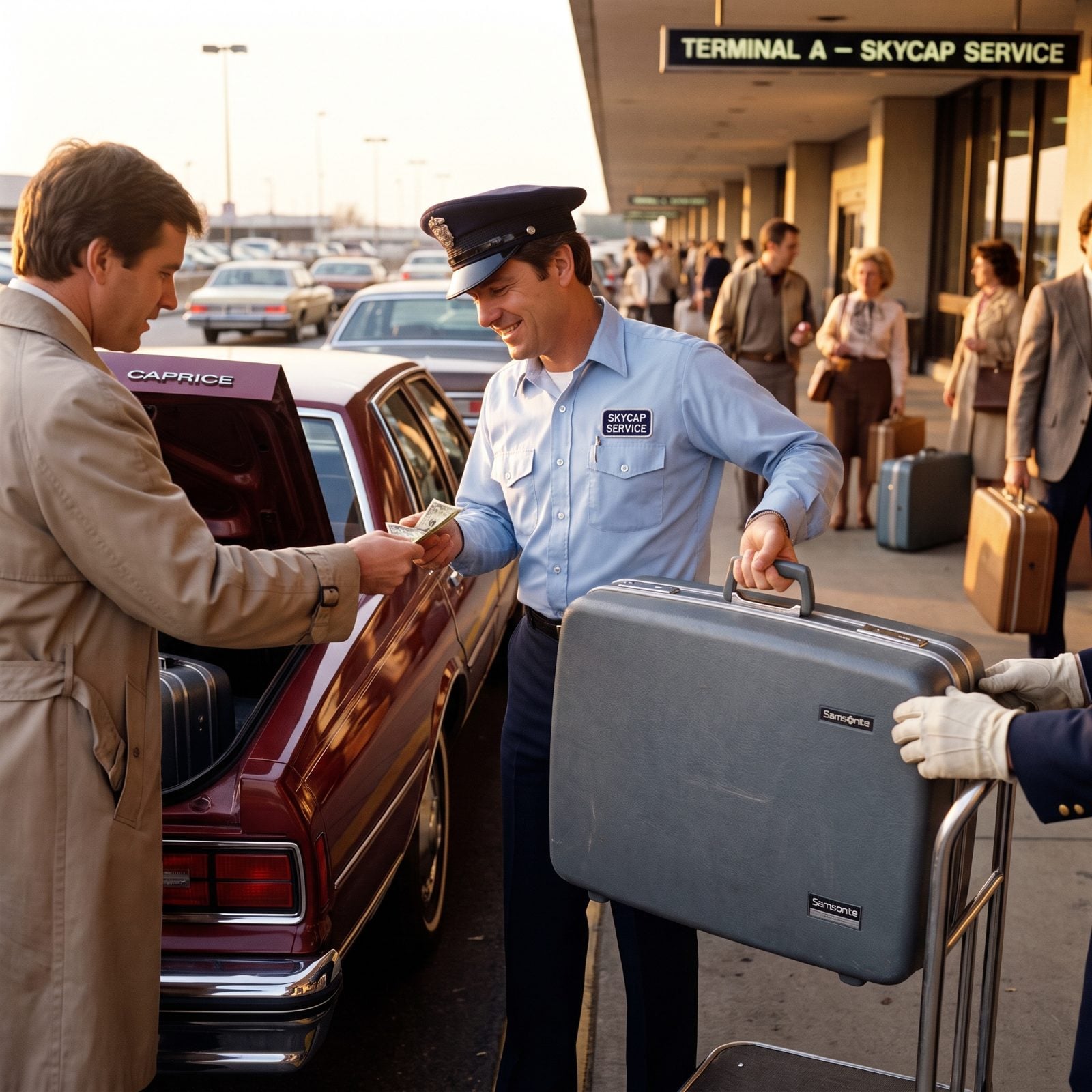
You pulled up to the curb, a skycap appeared, and your suitcase vanished into the belly of the airport before you’d even parked. A couple of dollars folded into his palm and you walked inside empty-handed, never once laying eyes on the ticket counter.
These men knew everyone’s routes, half the flight crews, and exactly which gate your bag needed to reach. Tip well and your luggage arrived like magic. Tip poorly and, well, you took your chances.
19. Bag Tags Scribbled by Hand and Looped On
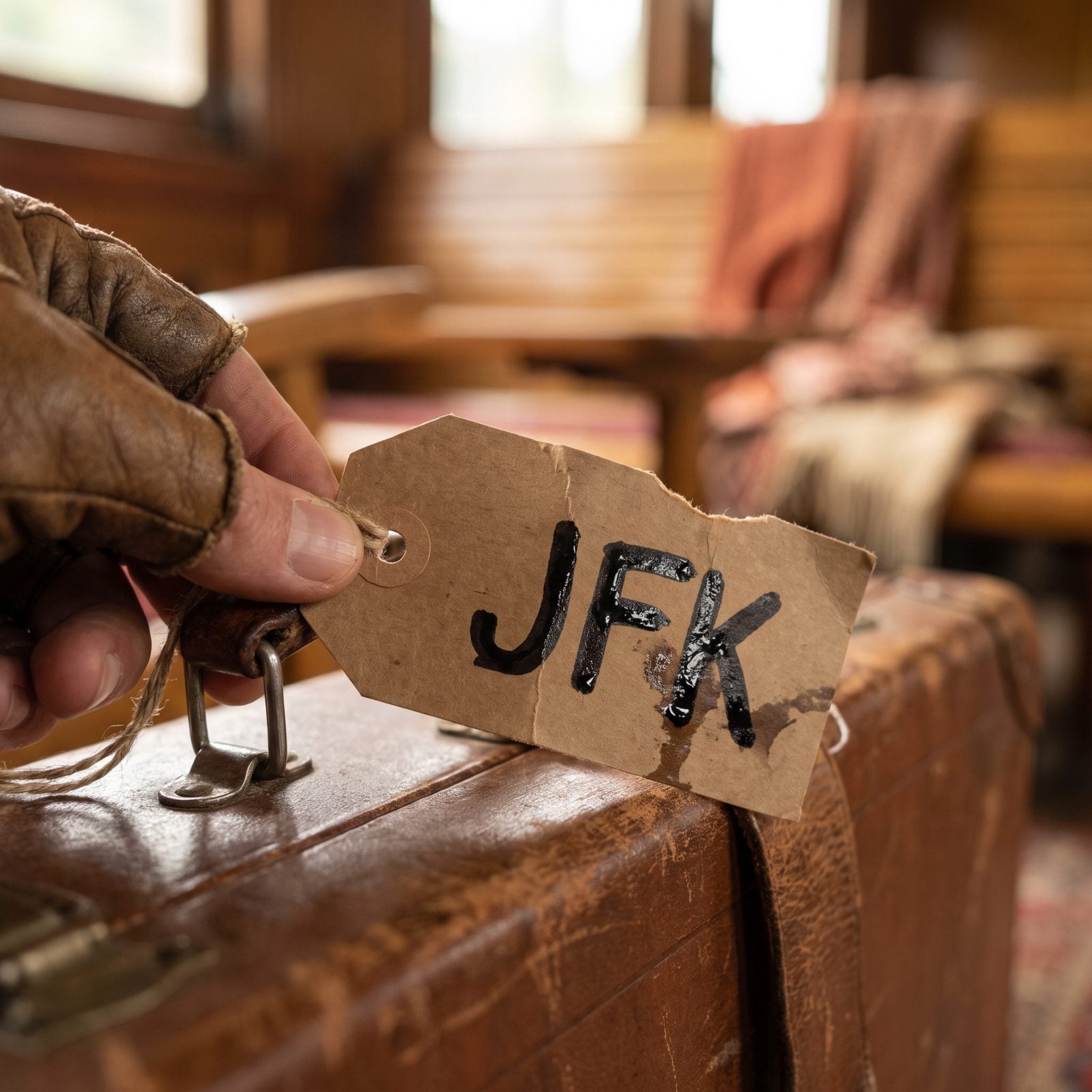
The agent tore off a paper tag, scrawled your destination code in marker, and looped it through the handle. Your bag’s entire future rode on three hand-printed letters and a knot.
Worked more often than you’d expect. It also meant the occasional suitcase took a surprise vacation to a city you’d never visit, chasing a smudged ORD that looked an awful lot like ODR.
18. Metal Detectors That Were Just a Doorway You Walked Through
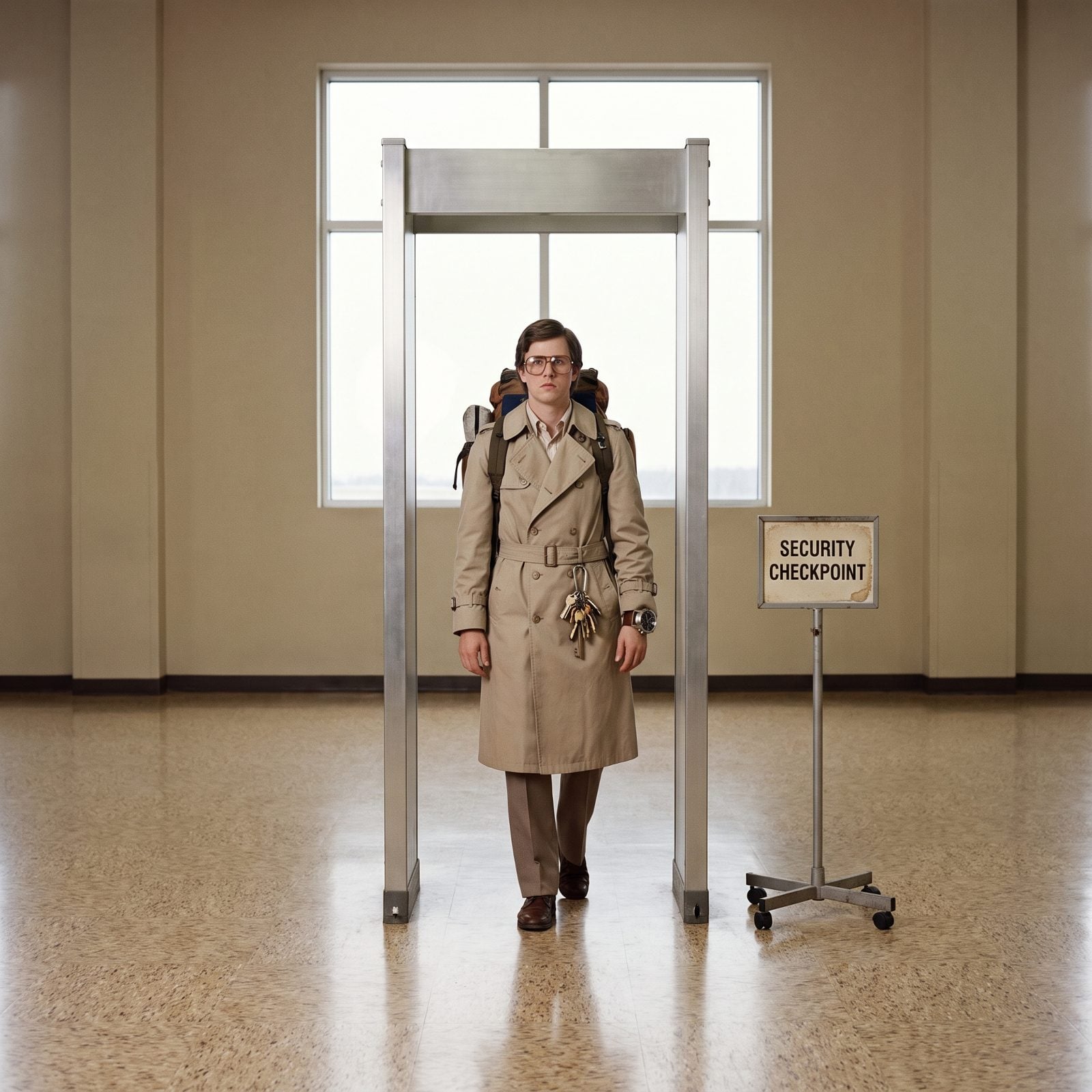
The security checkpoint was a plain metal frame you walked through, keys and watch still on you, shoes still on your feet. No beep, you kept walking. A beep, and you emptied a pocket and tried again.
Your carry-on rode a little conveyor past a bored operator, and that was the whole ceremony. No bins. No belt removal, no liquids rule, no line that ate an hour of your life.
It was the last piece of informal flying still standing, and even it was already on borrowed time.
17. Security Officers Inspecting Bags by Hand
🔥 Would you like to save this?
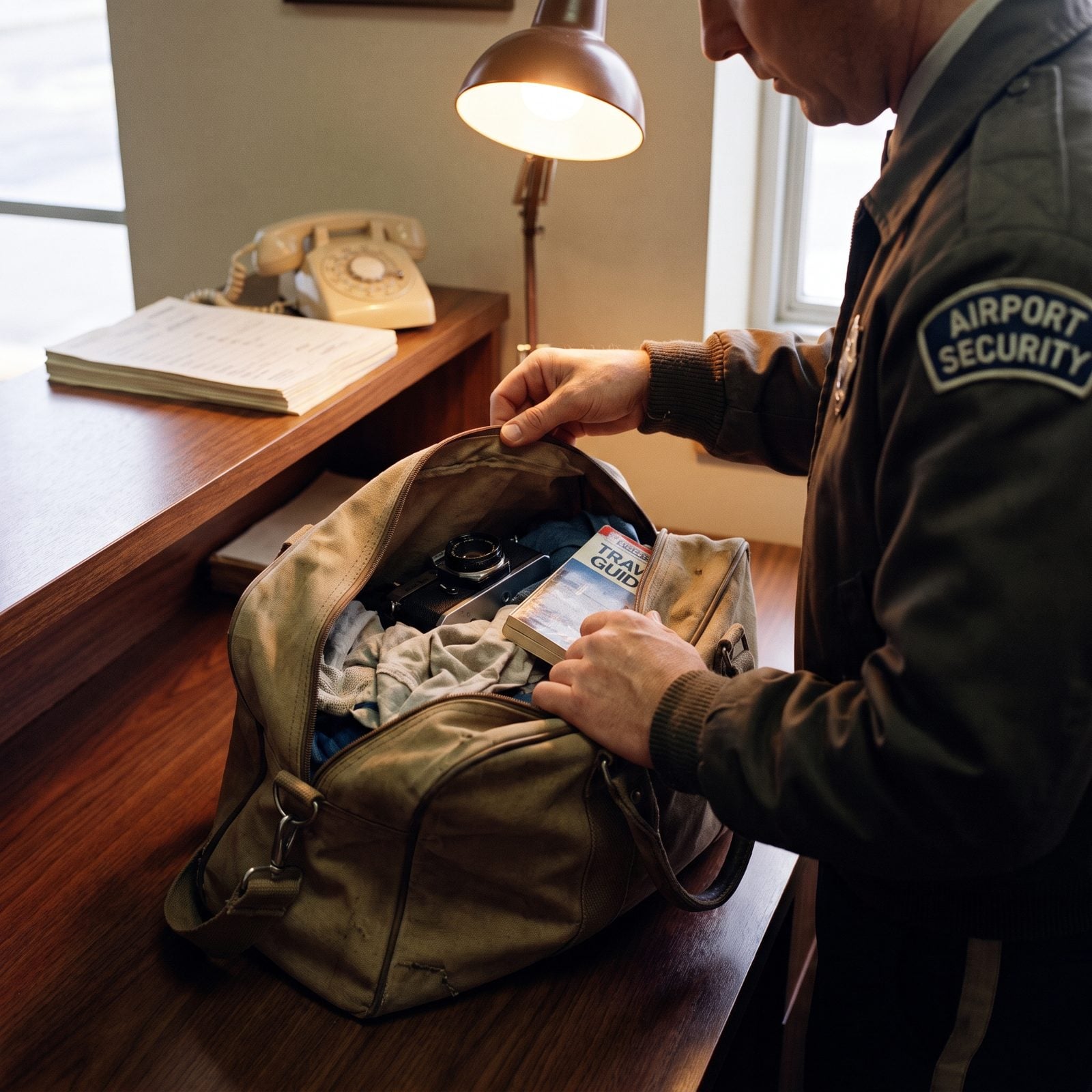
At some checkpoints, an officer simply unzipped the bag, peered in, and poked around with two fingers if something looked odd — and most of the time nothing looked odd. They were watching for guns and obvious trouble, not a four-ounce bottle of shampoo.
The whole exchange took maybe fifteen seconds. You zipped it back up yourself and kept walking.
16. Small X-Ray Monitors With Grainy Green Images
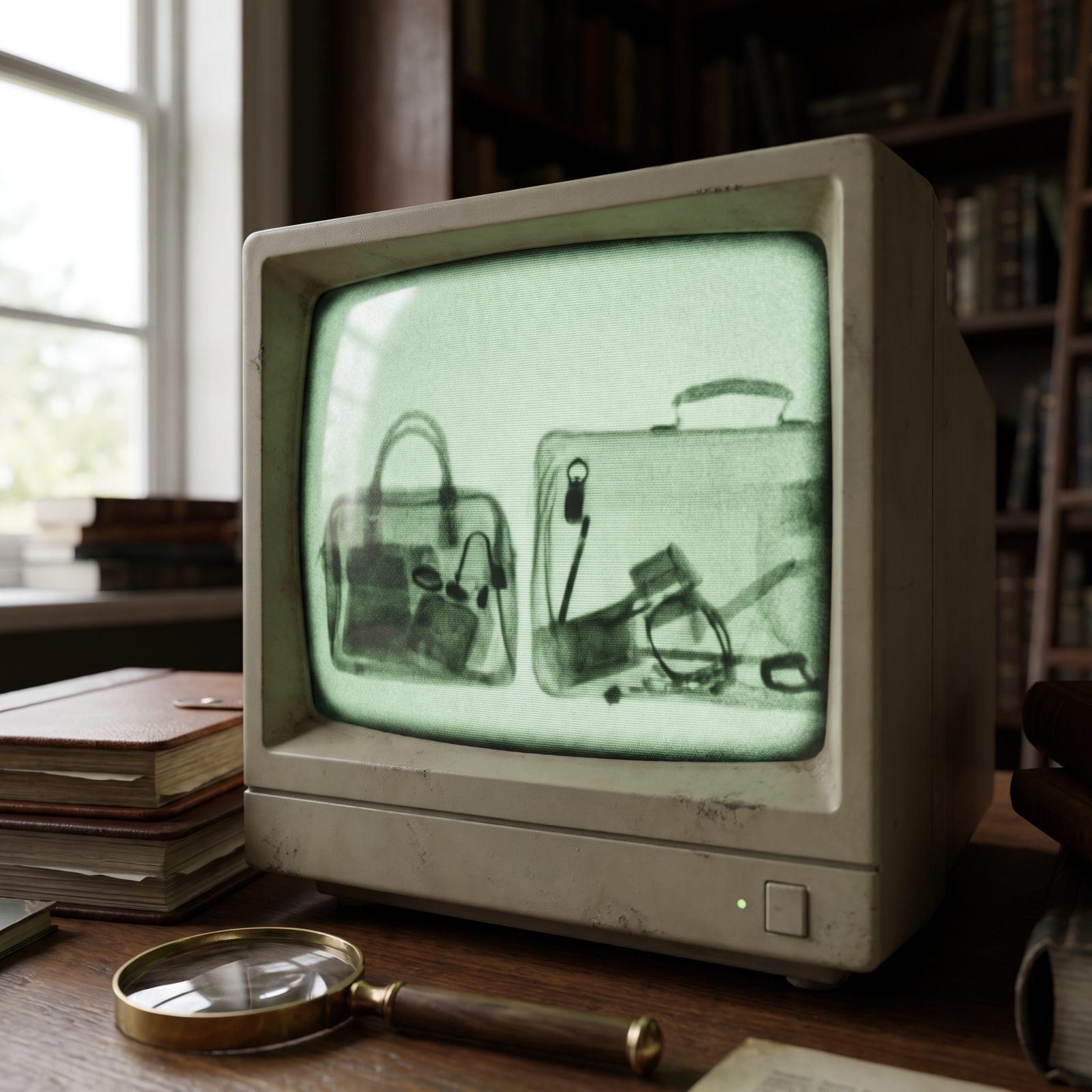
The screen was the size of a small TV and glowed a swampy green. Bags showed up as fuzzy ghosts, shadows inside shadows, and the operator leaned in close and squinted because the resolution was barely better than a radar blip.
You could watch your own bag slide through and see the murky outline of your packed life scroll by. Nobody flinched at a pair of scissors.
15. Full-Size Toiletries and Drinks Carried Through Security
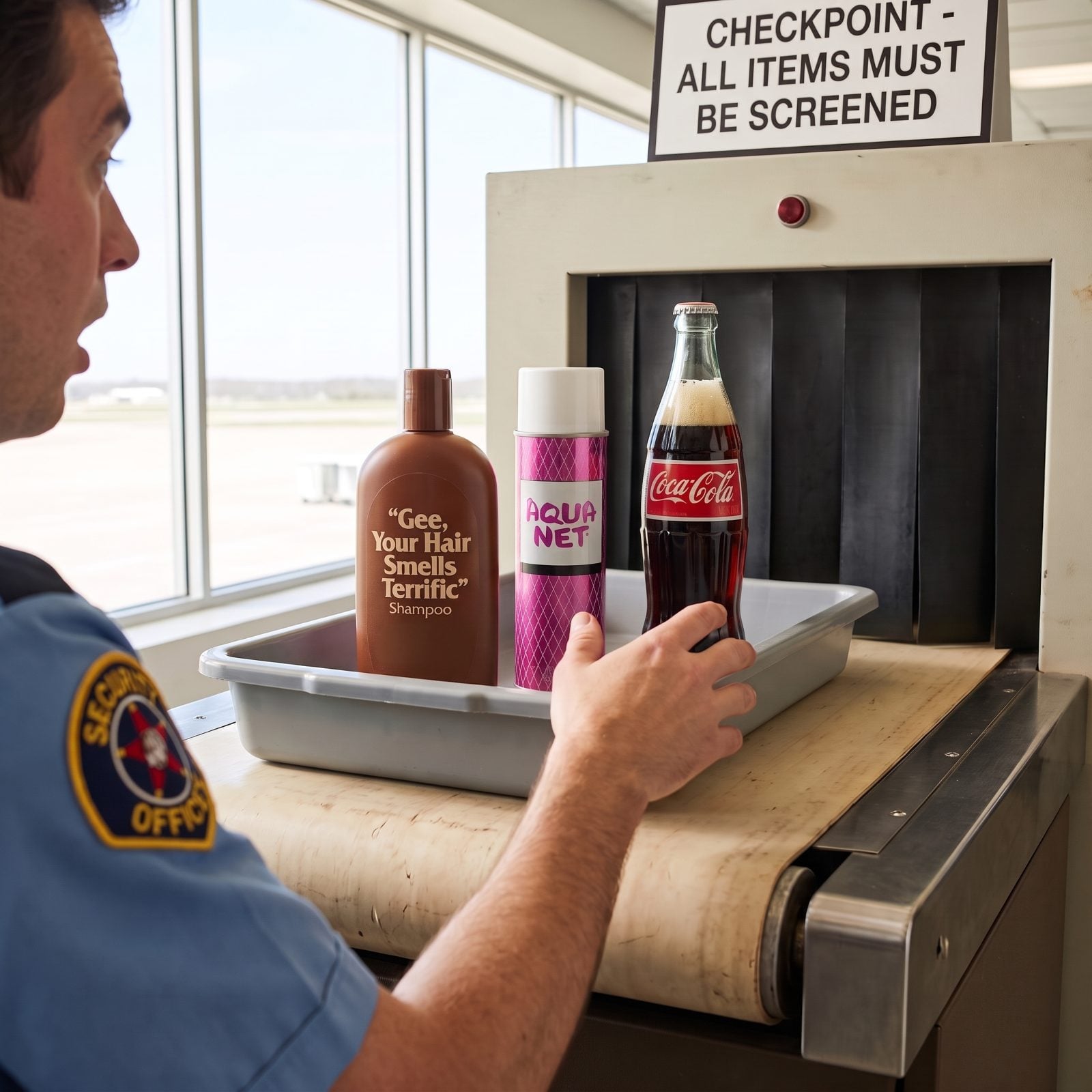
A full bottle of shampoo. A can of hairspray. A glass bottle of Coke to drink once you were through. All of it went straight into the carry-on and onto the plane — no questions, no clear plastic baggie, no toss bin by the arch.
Suggest a bottle of water might be a problem and you’d have gotten a confused look. You brought what you needed. The whole liquid rule is a memory from another world entirely.
14. Pocketknives Commonly Left in Carry-On Bags
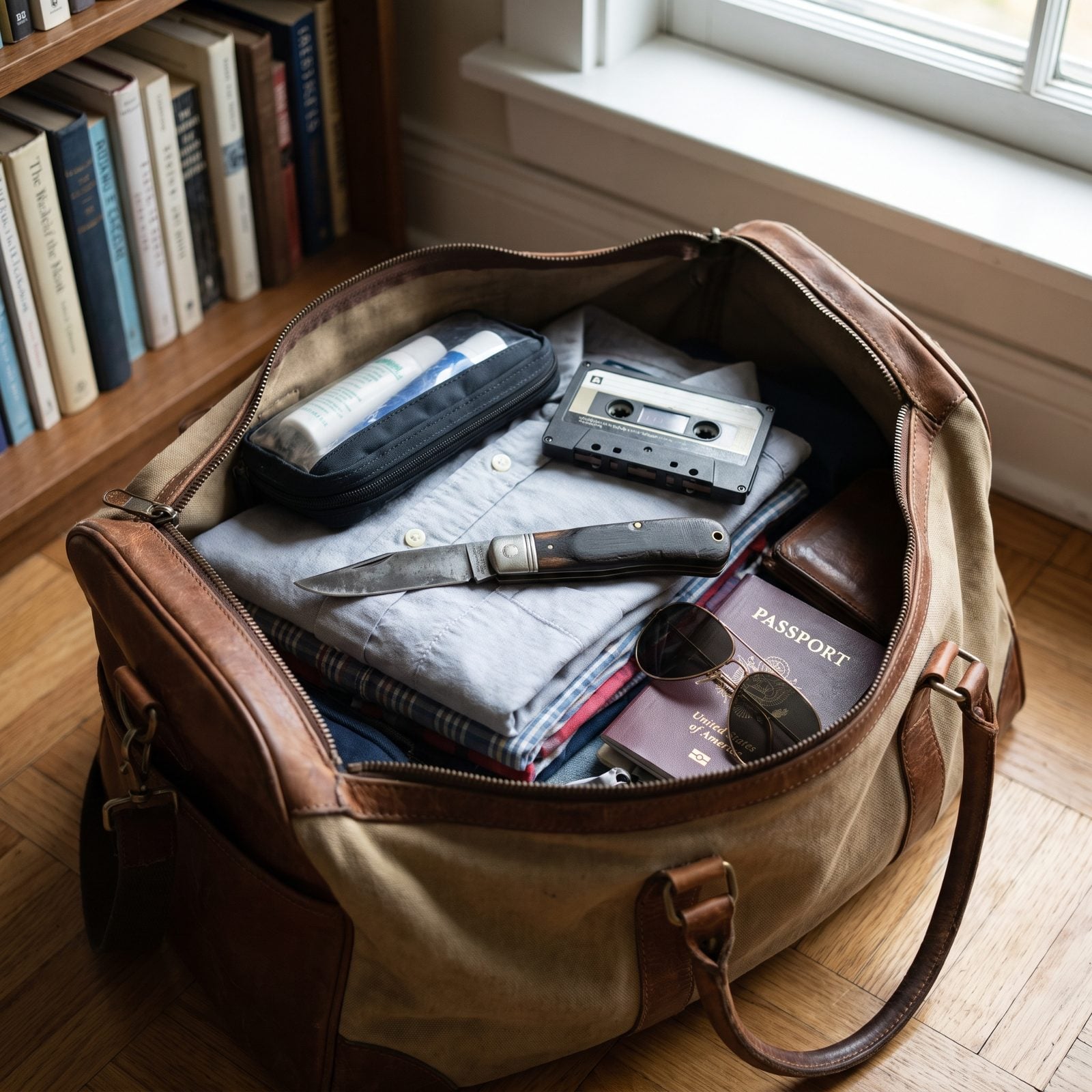
Half the men in line had a pocketknife on them and nobody thought twice. A little folding blade for opening boxes, a Swiss Army knife clipped to the keys, a nail file in the toiletry kit — they rode through security and into the overhead bin without a single raised eyebrow.
A knife was a tool, not a threat. You used it to peel an apple at your window seat.
13. No Shoe Removal at the Checkpoint
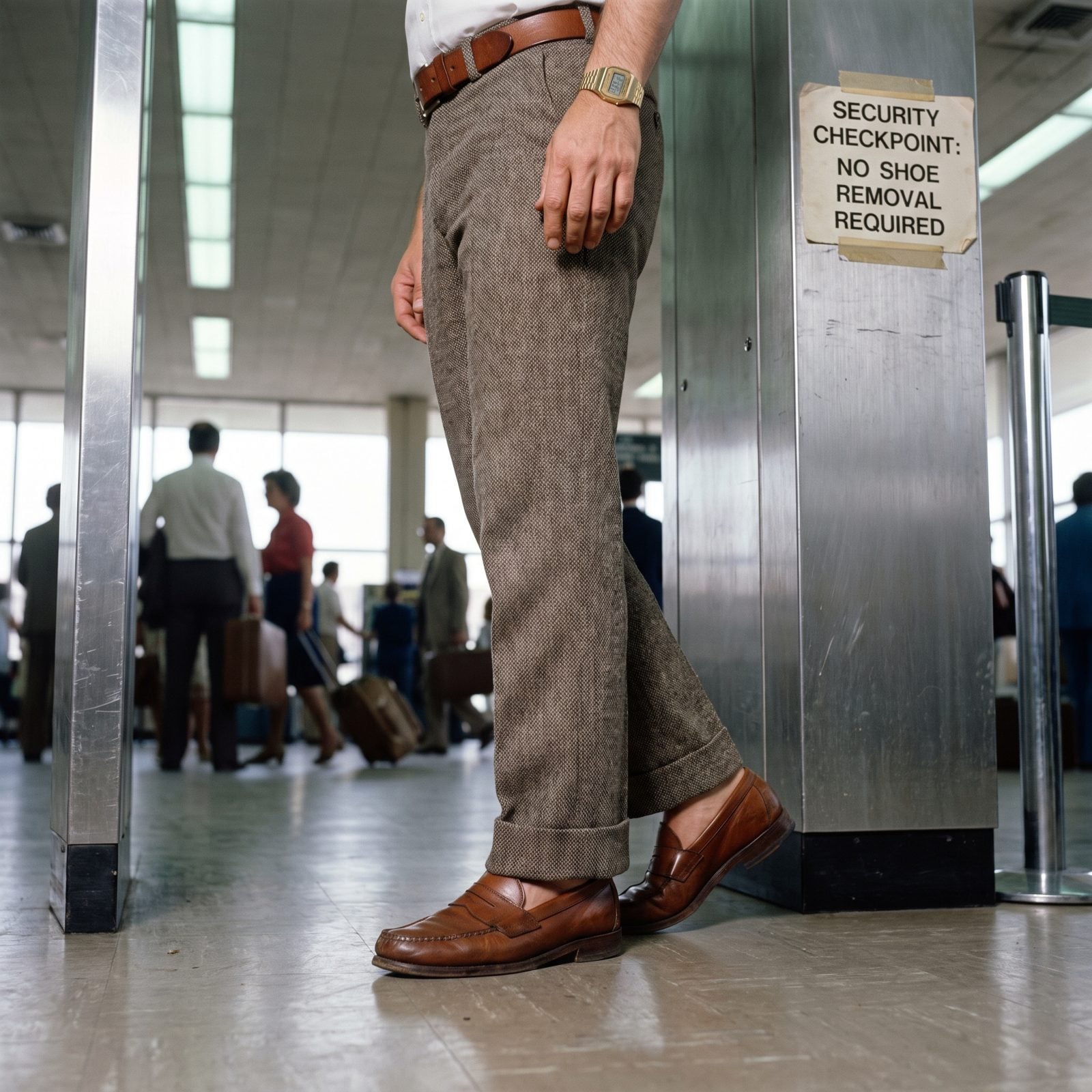
You kept your shoes on. All of it, really — belt, jacket, watch, loafers. You walked through the metal detector dressed exactly as you’d arrived, and if it beeped, someone waved a wand near your pockets and that was that.
The slow shuffle in socks across a cold floor, holding your belt in one hand and your laptop in the other, was years away. Nobody could have pictured it.
12. Smoking Areas Inside Airport Concourses
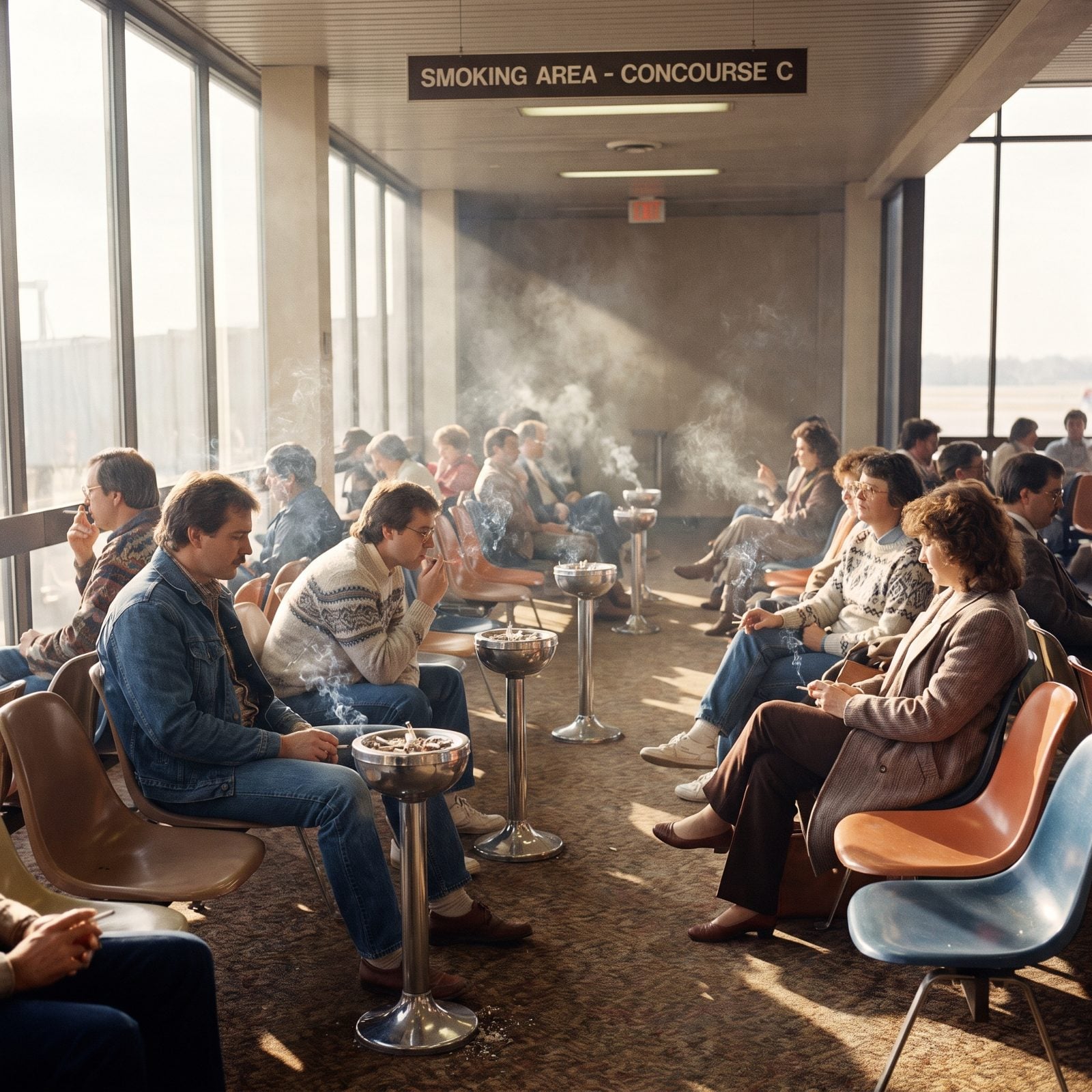
The gate area had ashtrays built into the armrests and tall chrome stands between the seats. People lit up while they waited, a blue haze drifting up into the light from the windows, and you could smell it the moment you walked off the jetway.
Nonsmokers just dealt with it. The whole terminal carried a faint tang of tobacco baked into the carpet, and that was simply what an airport smelled like.
11. Smoking and Nonsmoking Sections on Aircraft
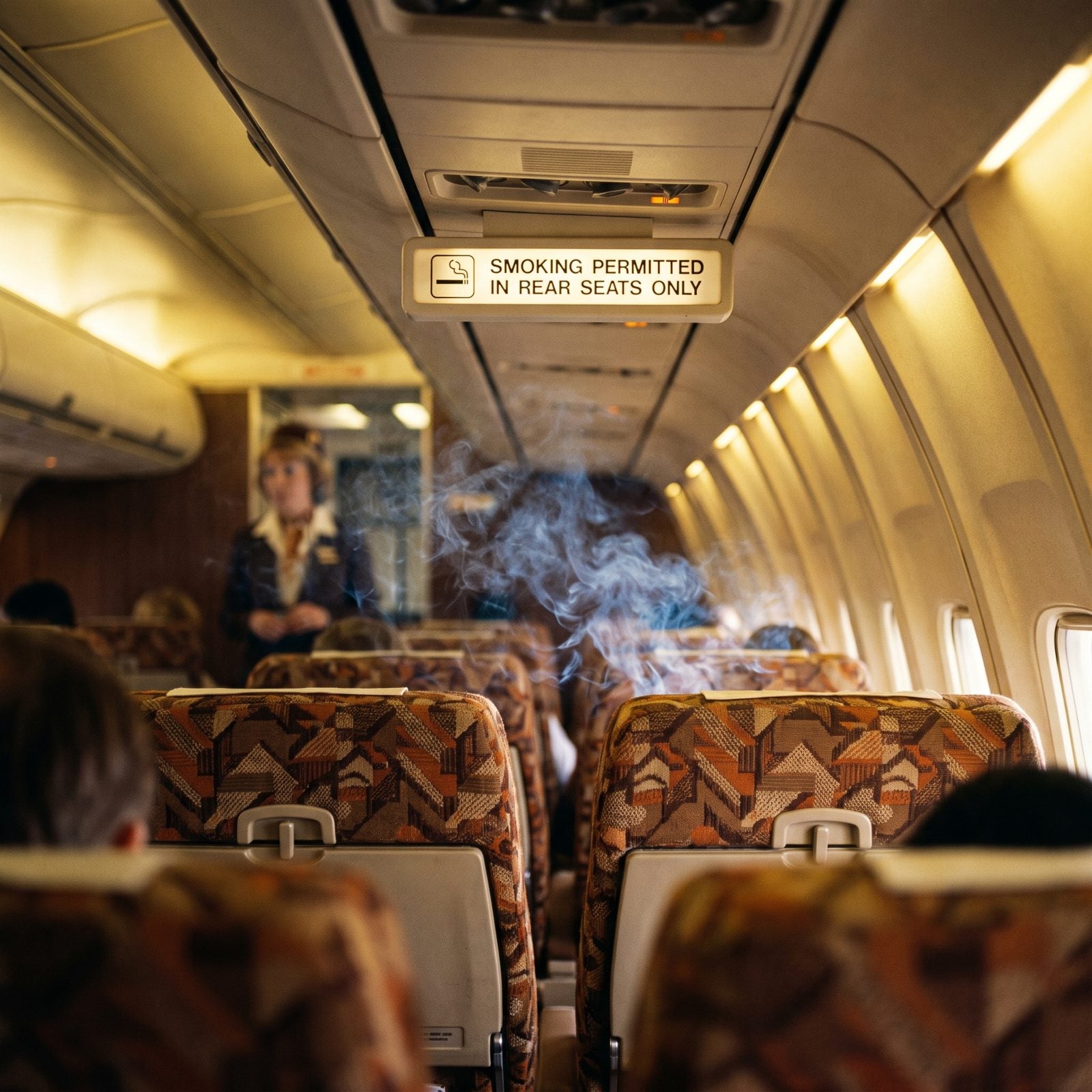
You asked for smoking or nonsmoking at the counter, as if a few rows of fabric could hold the smoke back. It couldn’t. The haze rolled forward through the whole cabin, and the ashtray in your armrest was standard equipment whether you used it or not.
The last cigarette rows vanished from US flights before most people were ready. For a while, a whole tin can at 35,000 feet was somebody’s smoking lounge.
10. Printed Timetables Used to Plan Flights
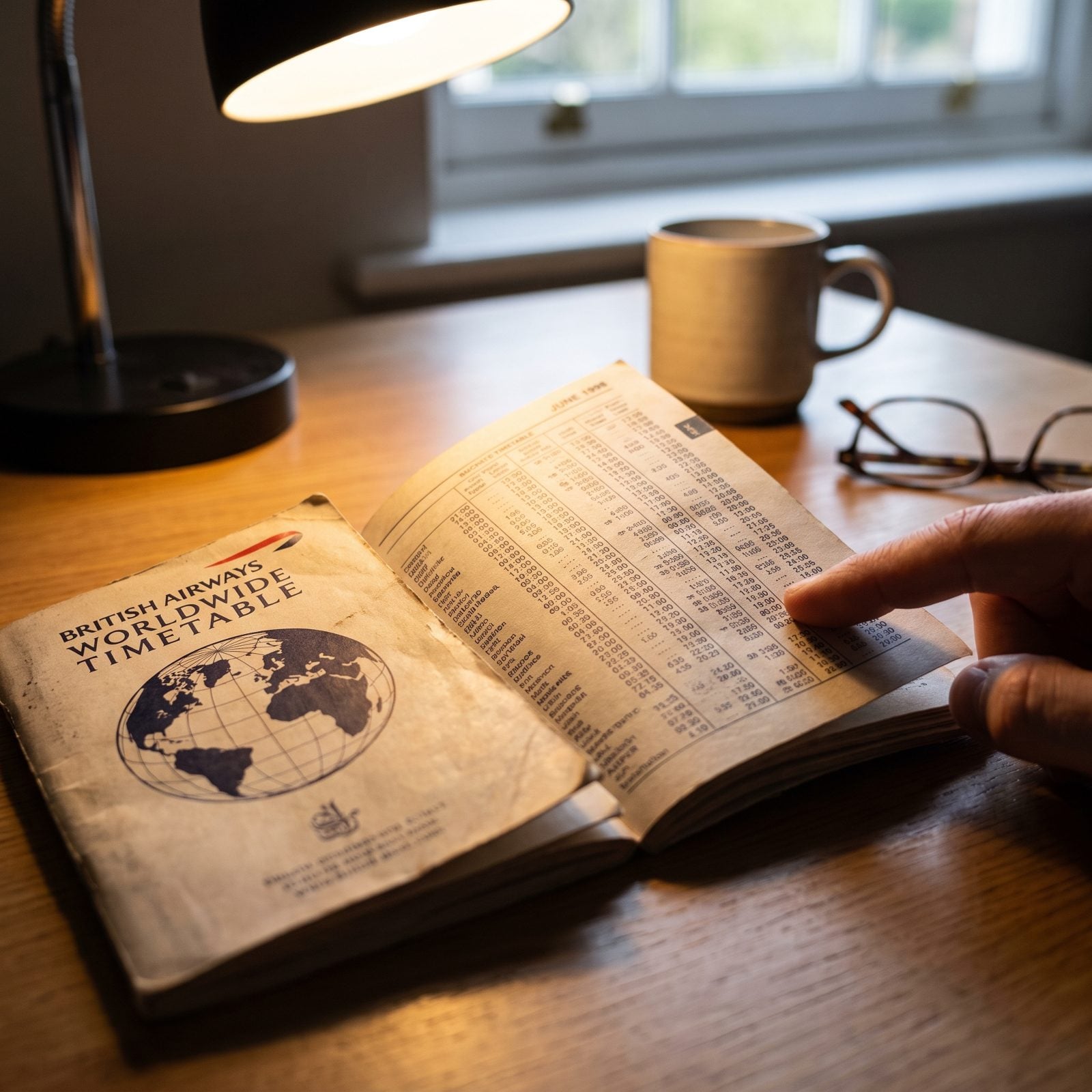
Before you flew, you got the booklet — a pocket-size timetable you picked up at the counter or got mailed to you, packed with tiny columns of departure times and city codes. You traced your finger down the page to find a connection that worked.
Planning a trip meant spreading these out on the kitchen table with a pencil and a cup of coffee, then calling the airline on the rotary phone to confirm. A quiet little ritual, and honestly a nicer one than tapping an app at a red light.
9. Large Mechanical Departure Boards Clattering Overhead
🔥 Would you like to save this?
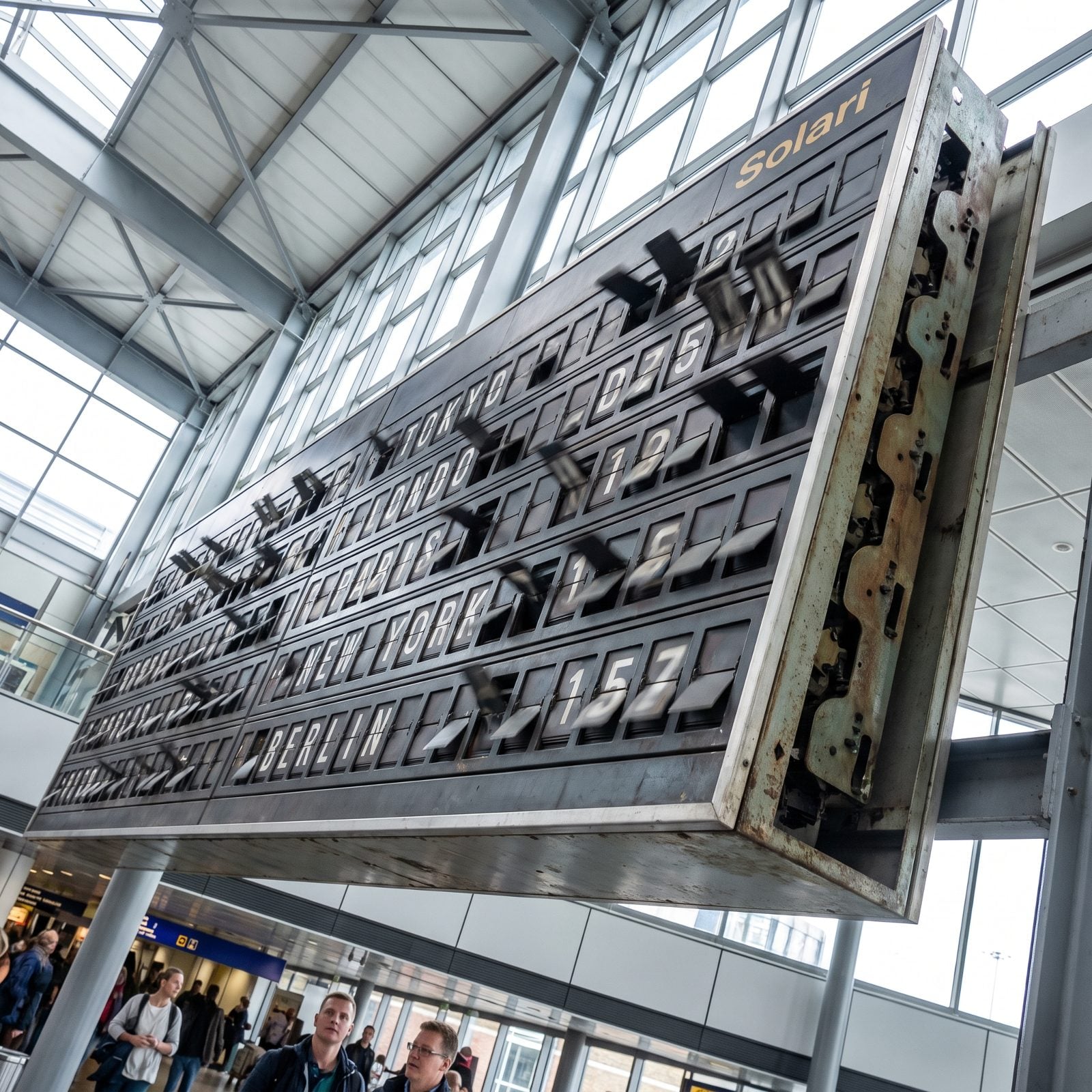
You heard it before you saw it. That rolling, machine-gun clatter of a thousand little tiles flipping at once as the board updated, and the whole hall would hush for a second and look up.
Best sound in travel, bar none. Mechanical, physical, honest. You watched your flight tick from DELAYED to a gate number and felt the trip actually begin. The silent glow of a flat screen has never once made anyone look up.
8. Open Observation Decks Overlooking the Runways
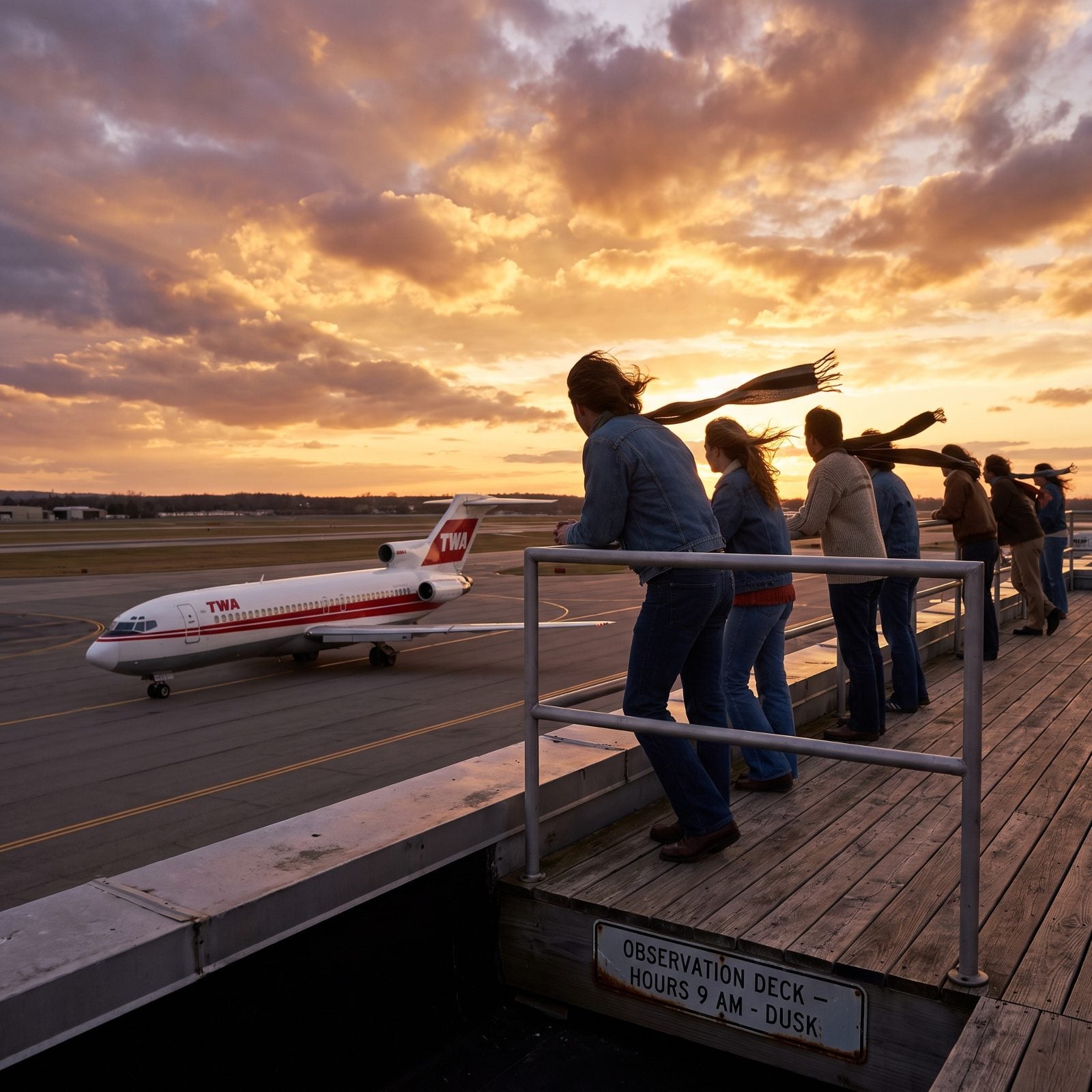
Up a flight of stairs and out onto the open deck, where the wind carried the roar of engines and the smell of jet fuel straight to your face. You stood at a low railing with nothing between you and the runway, and you could watch planes taxi past and line up for takeoff.
Families came out just to watch the planes. No ticket required. Kids pressed against the rail and shrieked when the big ones rotated off the ground.
These decks closed one by one, and the open-air window onto the whole spectacle closed with them. You cannot stand that close to a runway anymore, not for love nor money. That one we really did lose.
7. Hot Meals on a 90-Minute Flight, Served With a Real Fork
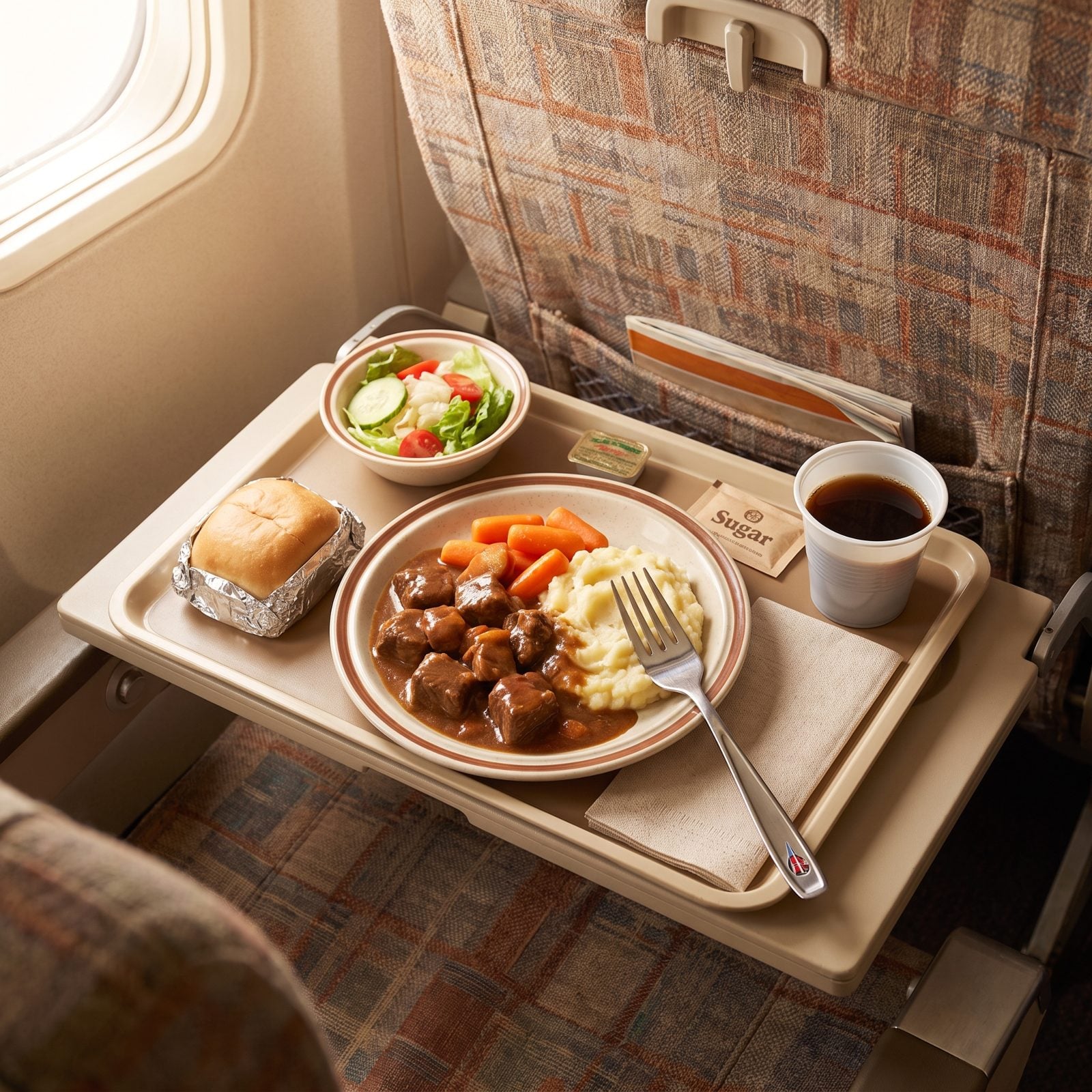
A flight from Chicago to Detroit came with lunch. Not a bag of pretzels — lunch. Beef in gravy, a roll, a little square of cake, and a stainless fork heavy enough to feel like something.
You ate off melamine, and the coffee came in a ceramic cup on a saucer. Flight attendants pushed the cart down the aisle and asked chicken or beef like they meant it, and then you had maybe forty minutes to finish before they came back for the trays.
6. The Garment Bag You Carried On and Hung by the Door
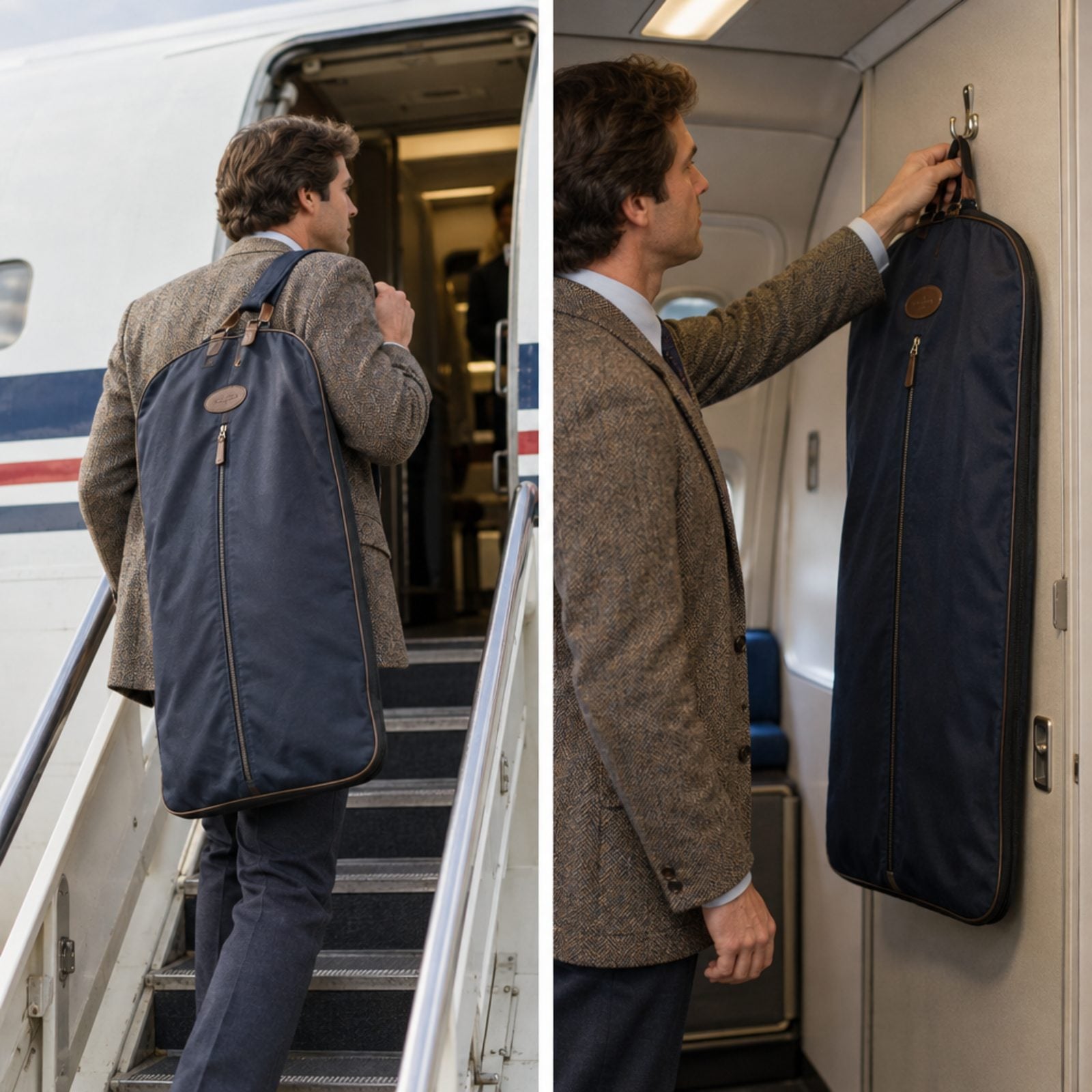
You didn’t check your suit. You wore the hanger onto the plane.
Garment bags were standard carry-on. You slung one over your shoulder climbing the boarding stairs, and up front there was a little closet, or just a row of hooks, where you hung it so your jacket wouldn’t crease. If the closet was already full, the flight attendant found a spot for it.
Nobody measured it, nobody made you gate-check it. The idea that your clothes would arrive pressed and ready was simply part of the deal, and it mostly worked.
5. Everybody Dressed Like the Flight Was an Occasion
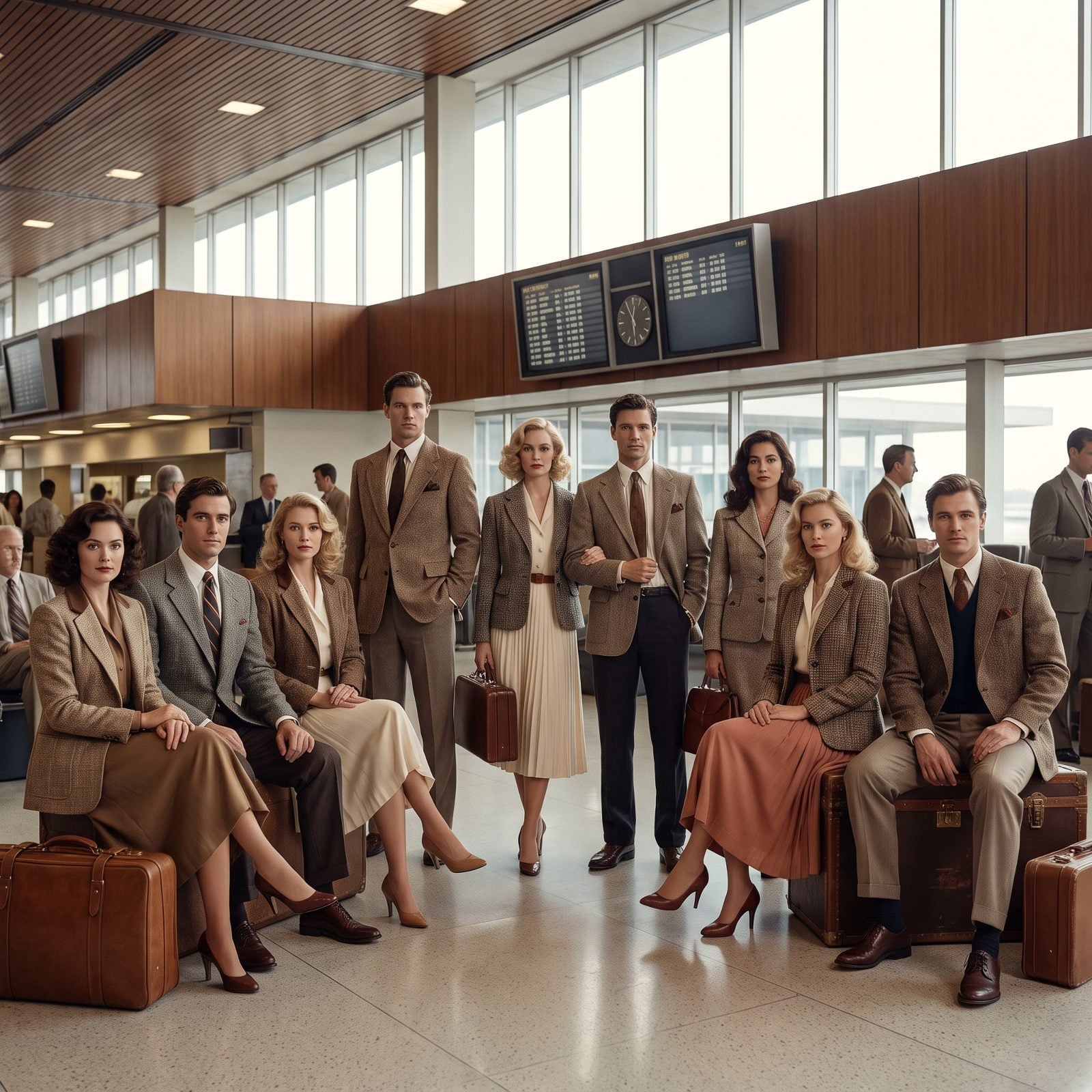
Look at any photo from an airport in 1982 and the first thing you notice is the clothes. Men in sport coats, women in wool coats and good scarves, kids in their church outfits and absolutely miserable about it.
Flying cost real money and felt like an event, so you dressed for it. You’d no sooner show up to a flight in sweatpants than you’d show up to a wedding that way.
4. Open Seating, Where the Line at the Gate Was the Real Competition
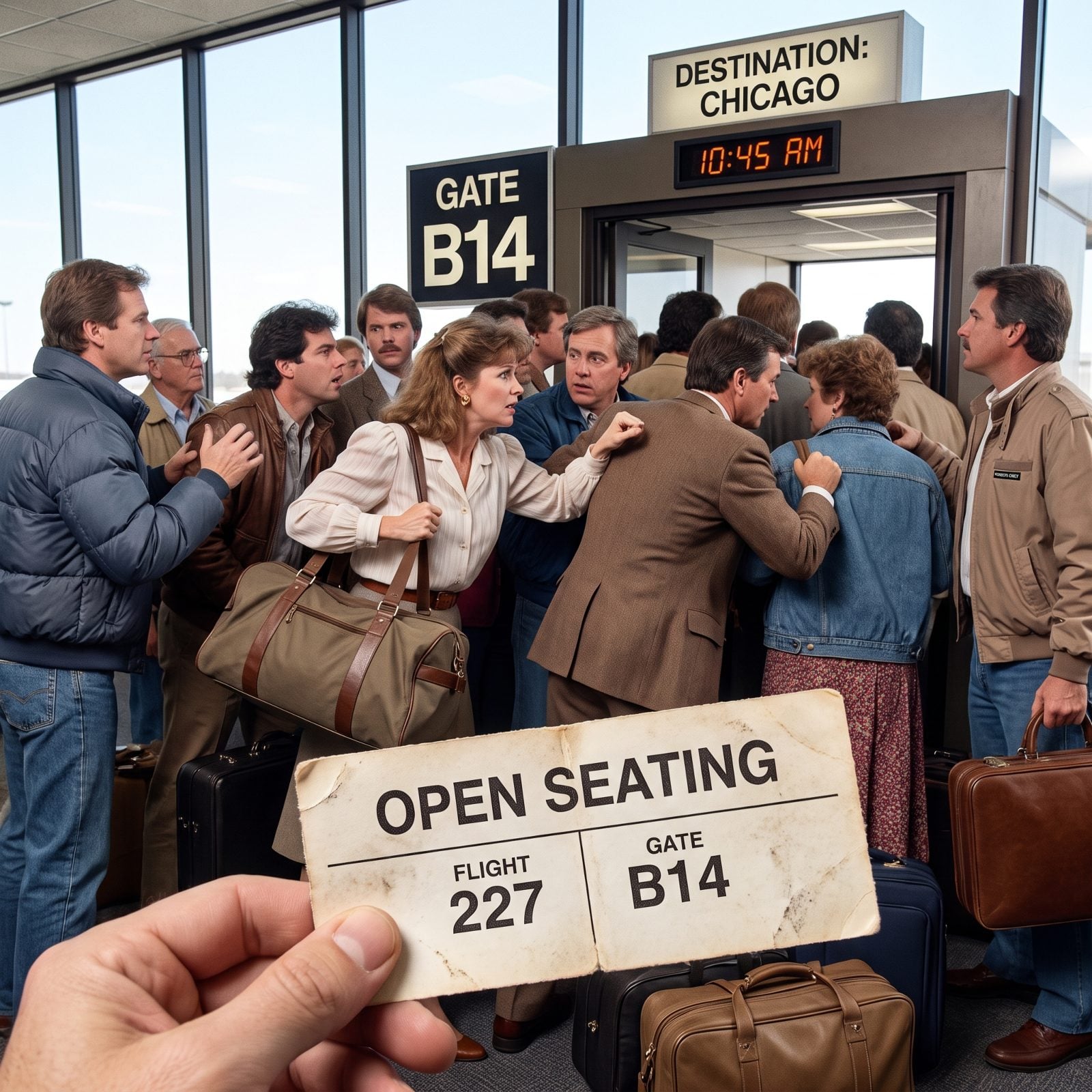
On some flights your boarding pass didn’t say a seat. It said get on and find one. First come, best spot.
So the smart travelers hovered near the gate early, coats on, bags in hand, ready to move the second they called the row. There was a quiet strategy to the whole thing — window or aisle, front or back, you earned your seat with your feet.
Families learned to send one person ahead to claim a row. Mildly chaotic, and nobody minded.
3. Coin-Operated Lockers Big Enough to Swallow a Suitcase
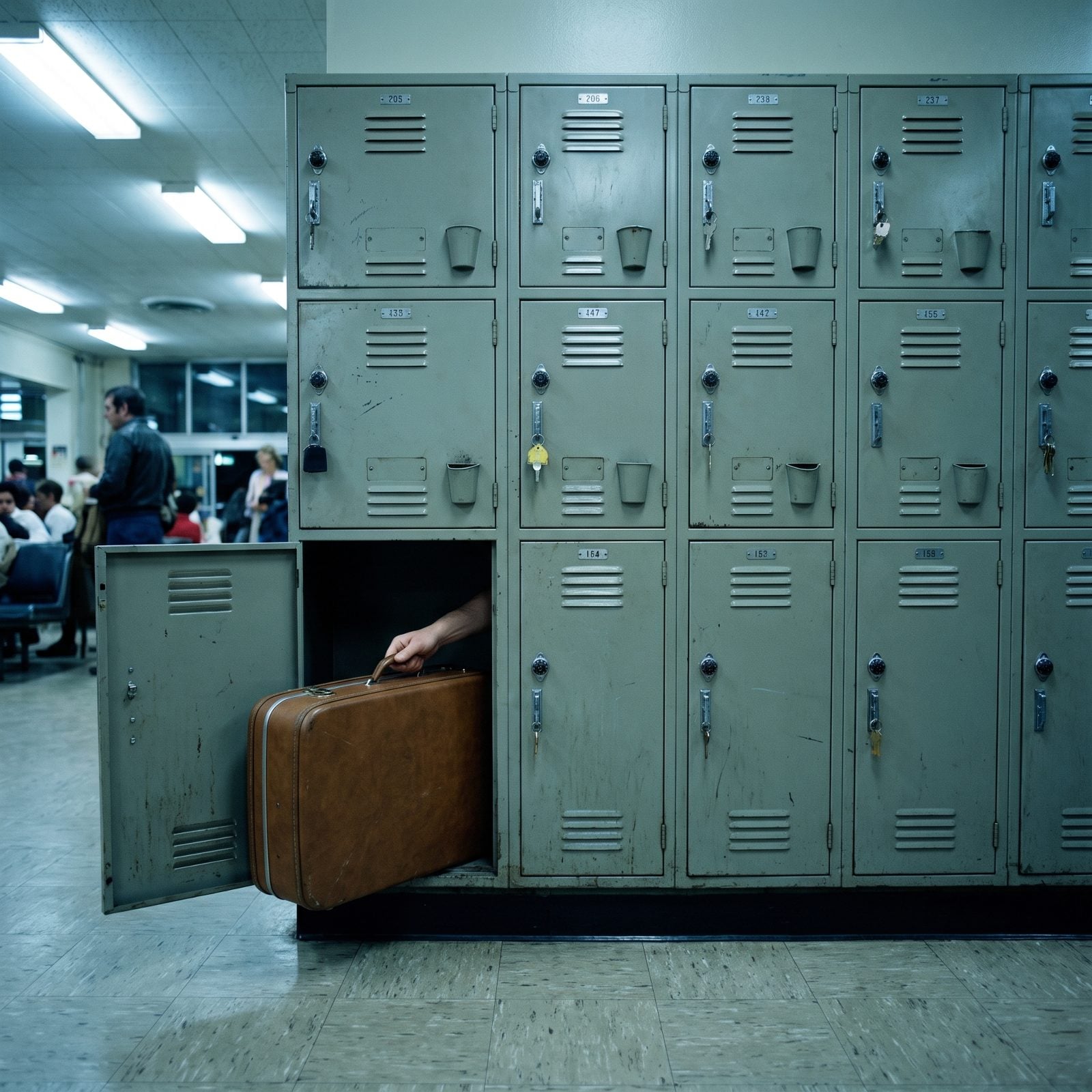
There was a wall of them in nearly every terminal. Metal lockers in rows, the big ones at the bottom sized for an actual suitcase, each with a coin slot and a little silver key you pocketed.
Drop in your quarters, stash your bag, and go kill a few hours in town or grab dinner before a late connection. You came back, turned the key, and there it was — no ID, no claim ticket, no questions.
They vanished from most airports after 2001. For a long stretch, though, they were just there, waiting, holding whatever you handed them.
2. The Thick Paper Itinerary Folder From the Travel Agent
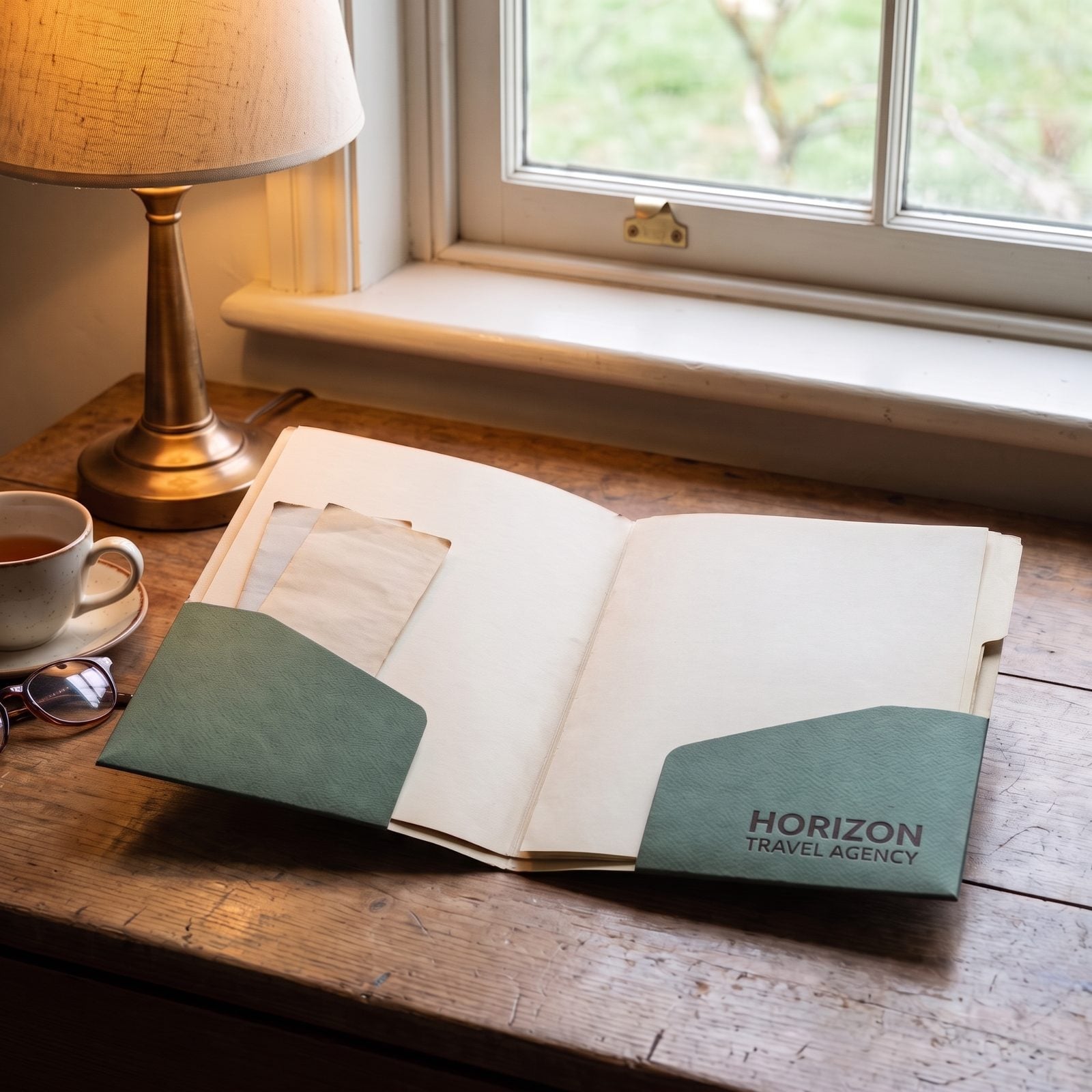
Your whole trip came in a folder you could hold.
The travel agent typed it all up, slid the carbon-paper tickets inside, tucked in the itinerary and the baggage tags, and handed you a cardstock folder with the agency’s name stamped on the pocket. That folder was the trip. You guarded it like a passport.
And there was a small ceremony to it. You sat across the desk, the agent made the calls, the terminal clicked and whirred, and at the end you walked out holding proof that you were going somewhere.
1. When Kids Got to Visit the Pilots and Peek Into the Cockpit
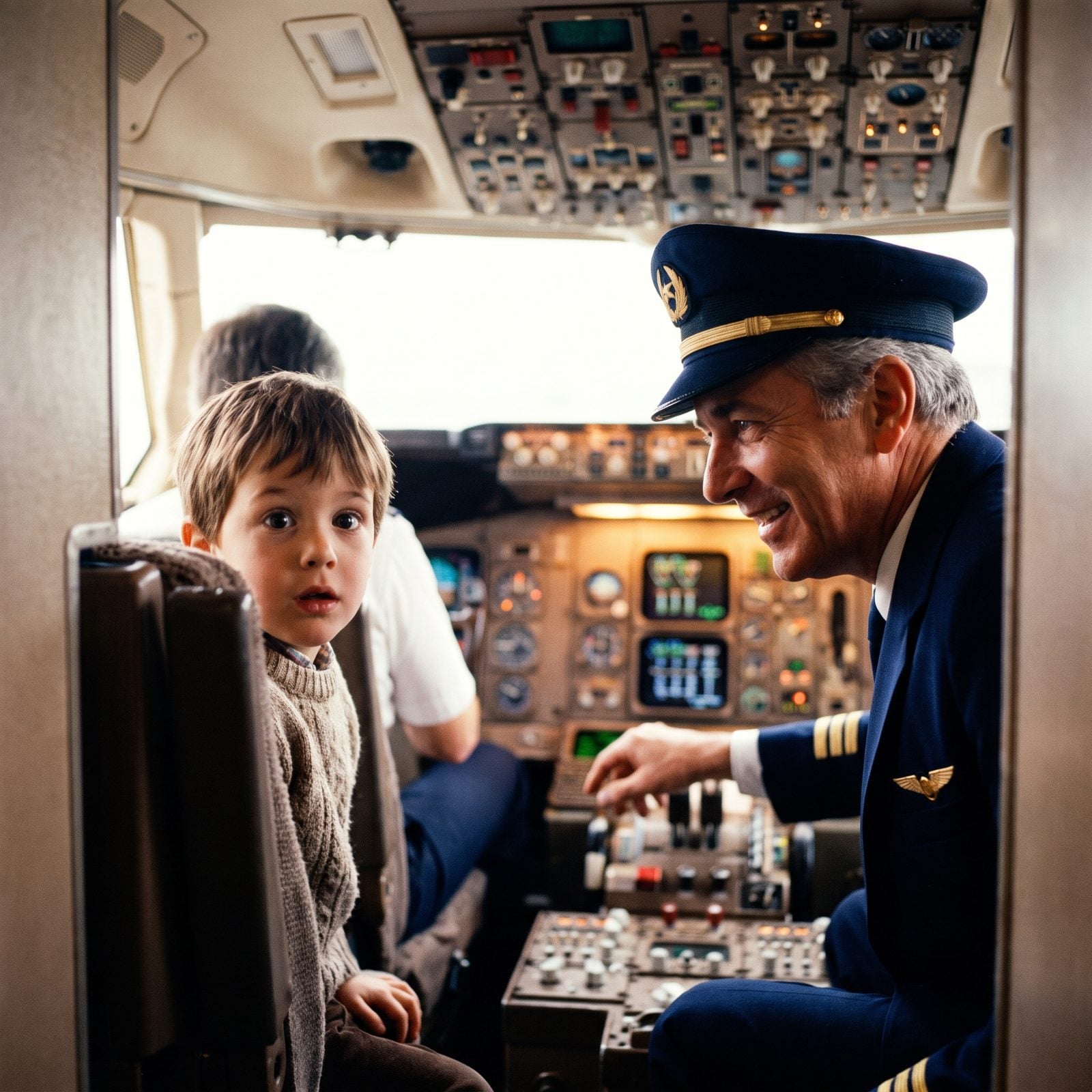
The cockpit door stayed open a lot of the time, and if a kid wandered up and asked, odds were good the pilots would wave them in to look at all the dials.
You’d stand in the doorway staring at a wall of switches and round gauges, the sky huge through the windscreen, and if you were lucky they’d hand you a plastic set of wings to pin on your shirt.
That door closed for good after 2001, and it never opened again. For the kids who got to stand there, it’s one of those memories that still feels like a small gift.
🔥 Would you like to save this?
Please note that some of the imagery in this article were created with the aid of AI image generators.