
The smell of coal smoke and funnel cake hits first. Then the whistle. You’re eight years old again, pressed against a train window on a mountain in Blowing Rock, waiting for the fake outlaws to rob the fake train.
North Carolina raised a lot of us on day trips like that — gem mines and swinging bridges, a battleship on a river, water that slides you down a rock and dumps you in a cold pool. Most of these places are still standing, still open, still charging admission. So we went back to see how they’re holding up.
15. Tweetsie Railroad, Blowing Rock
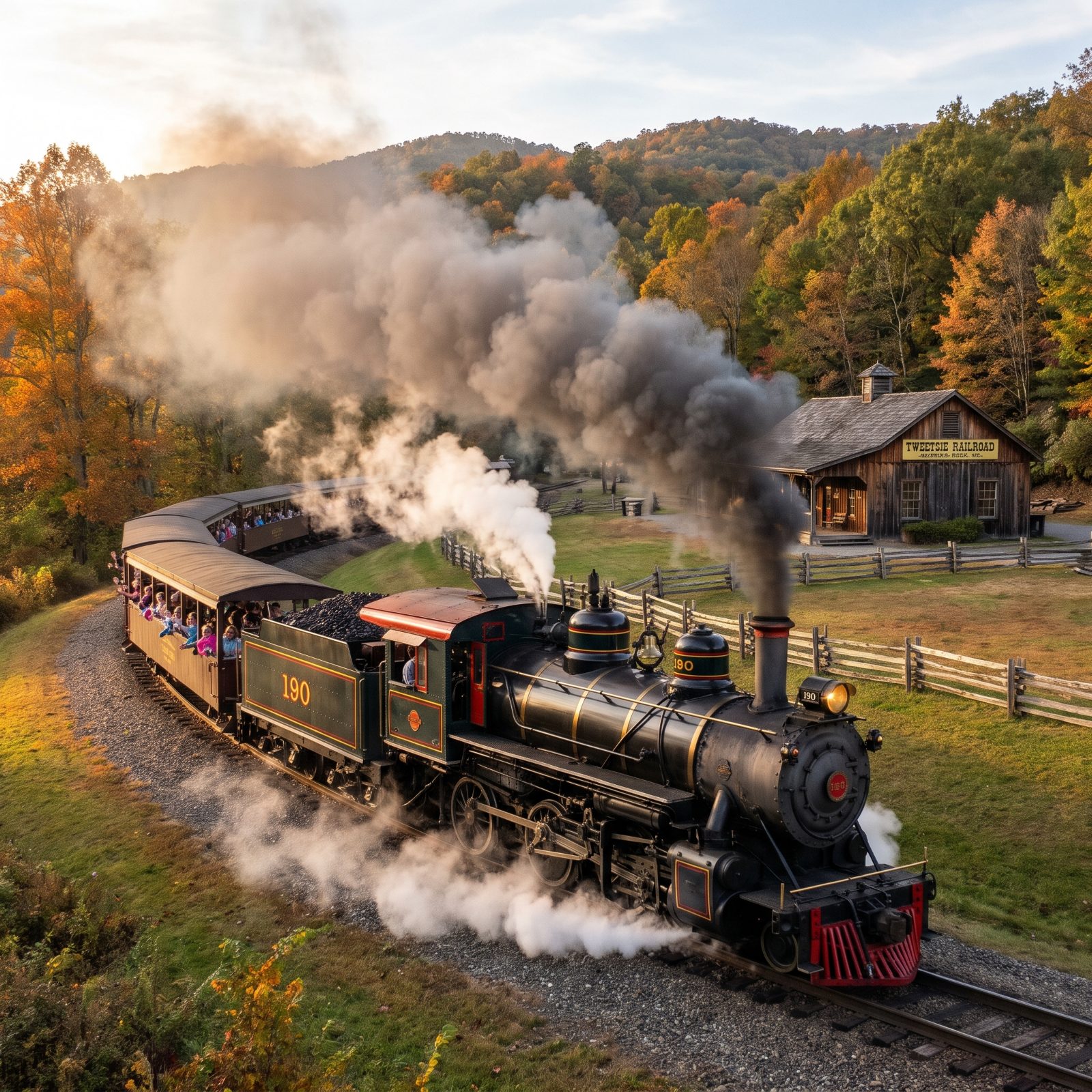
The whistle is the whole thing. You hear it before you see the train, and some part of your brain that’s been asleep since fourth grade wakes right up. Tweetsie calls itself North Carolina’s family-owned Wild West theme park, and the pitch hasn’t changed in generations — a real narrow-gauge steam locomotive hauls you around the mountain while costumed outlaws stage a holdup.
Beyond the train there’s the Deer Park petting zoo, gem mining at Miners Mountain, and the kind of spinning rides that felt enormous when you were small. It’s seasonal, so the calendar matters. The 2026 season opened April 4 on Easter weekend, the Ghost Train runs Friday and Saturday nights in fall, and Tweetsie Christmas lights up select evenings after Thanksgiving.
14. Mystery Hill, Blowing Rock
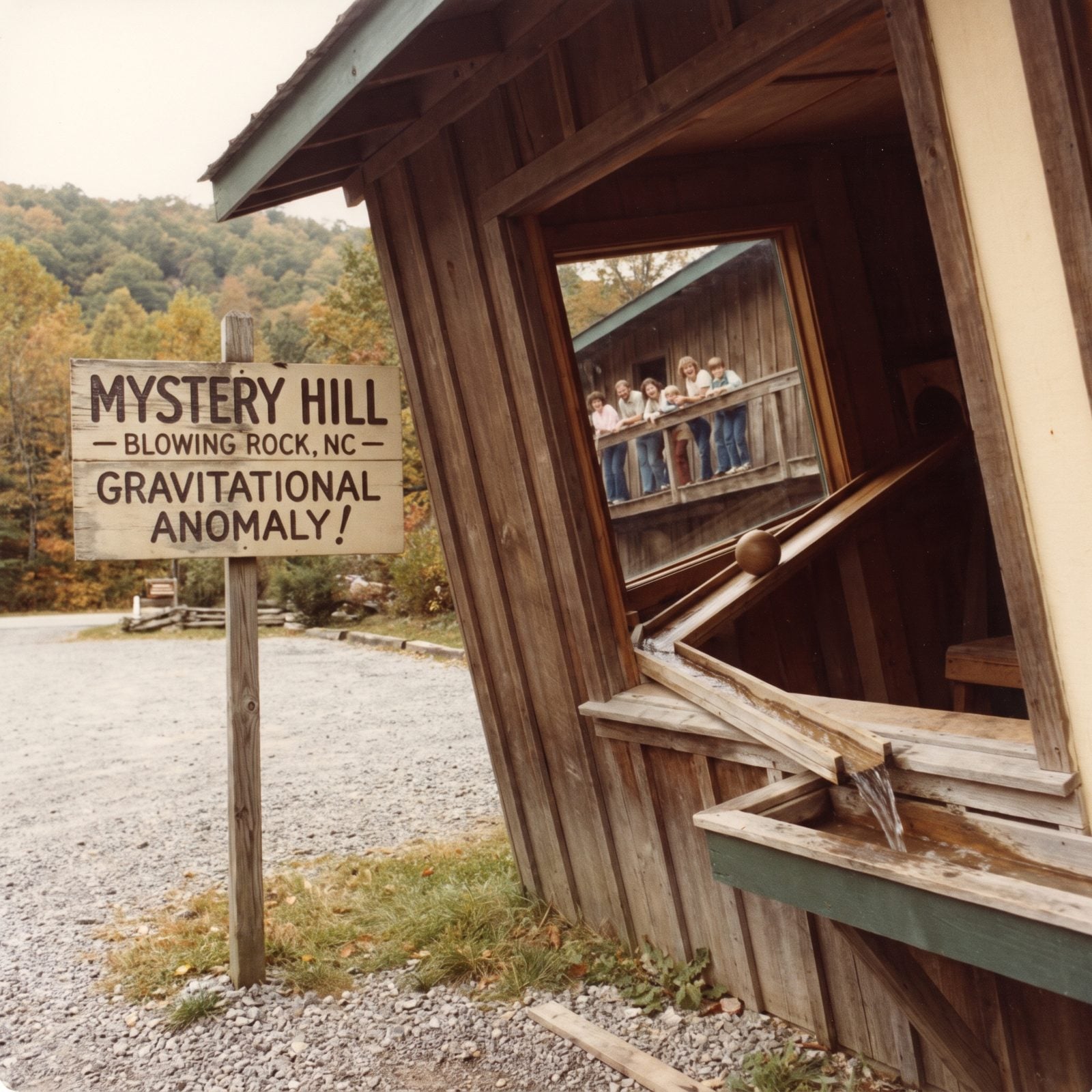
Water running uphill. You standing at a thirty-degree lean and swearing you’re perfectly straight. According to its own Tripadvisor listing, Mystery Hill has been pulling this trick on North Carolina families for over 70 years, and it still works on kids who’ve never seen it.
The anomaly is the headliner, but there’s more packed onto the property than you remember: the Hall of Mystery puzzles, the Bubblerama giant-bubble room, gem mining at Prospector Hill, the 1903 Dougherty House, and a Native American artifacts museum. It sits at 129 Mystery Hill Lane, open seven days a week, year-round. Leashed dogs welcome everywhere. And here’s the quirk I love — your tickets don’t expire. Buy them, lose them in a drawer for three years, come back. Still good.
13. The Mile High Swinging Bridge at Grandfather Mountain, Linville
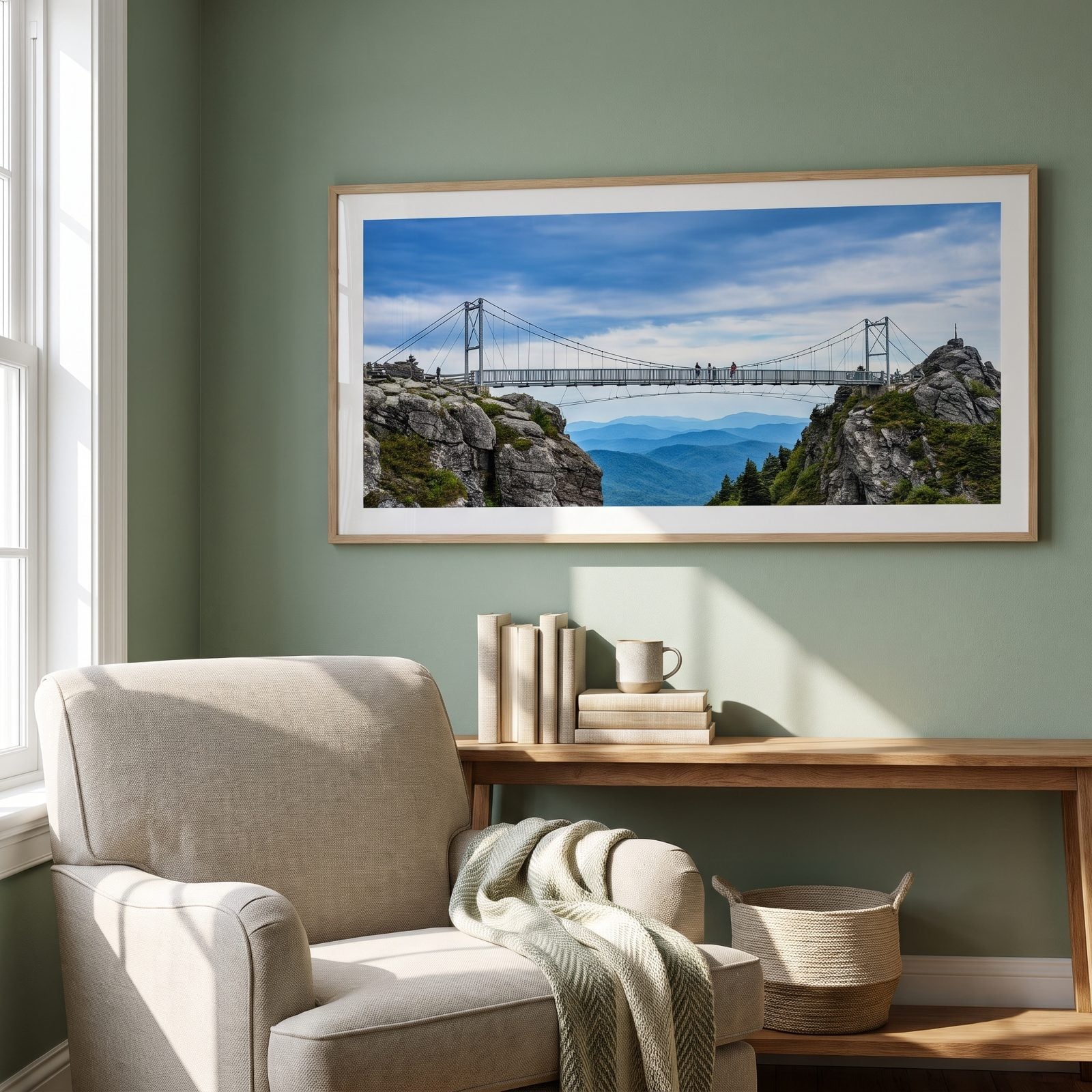
It sways. That’s the point, and it’s also the thing your stomach never forgets. The Mile High Swinging Bridge hangs 228 feet across a chasm near the summit of Grandfather Mountain, and crossing it as a kid was equal parts dare and triumph.
The backstory is better than most tourist attractions get. Then-gubernatorial candidate William B. Umstead dedicated it on September 2, 1952, and his daughter Merle crossed first. The original wooden bridge cost $15,000 and was Hugh Morton’s idea; in 1999 it was rebuilt in galvanized steel for $300,000. As for the name? That came from former state tourism director Charles J. Parker — maybe the best piece of marketing North Carolina ever produced.
12. Linville Caverns, Marion
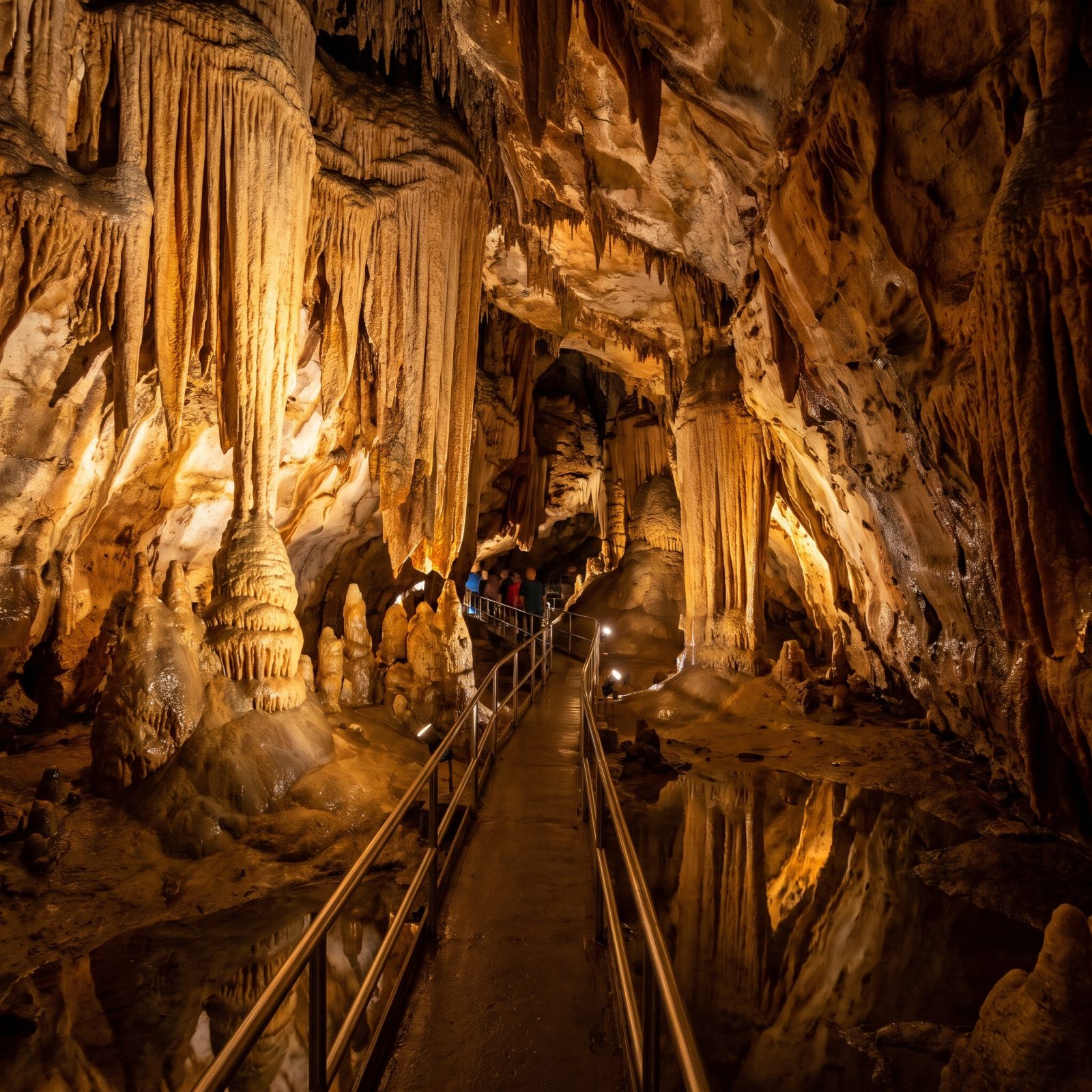
It’s 52 degrees down there no matter what the thermometer says outside, and that cool, mineral-damp air hits you the second you step in. Linville Caverns near Marion runs you back into a mountain on a guided walk, past stalactites that took longer to grow than the whole state has existed.
From March through November the caverns open Thursday through Monday, 9 am to 5 pm, with shorter Sunday hours of 1 to 5. Closed Tuesdays and Wednesdays. December through February it’s weekends only. Admission is $15 for adults, $14 for seniors 62 and up, $13 for ages 4 to 12, and free for the little ones under 4.
Helene closed the place for a stretch. It reopened January 30, 2025 — a small victory for everybody who grew up making this stop.
11. Sliding Rock, Pisgah Forest
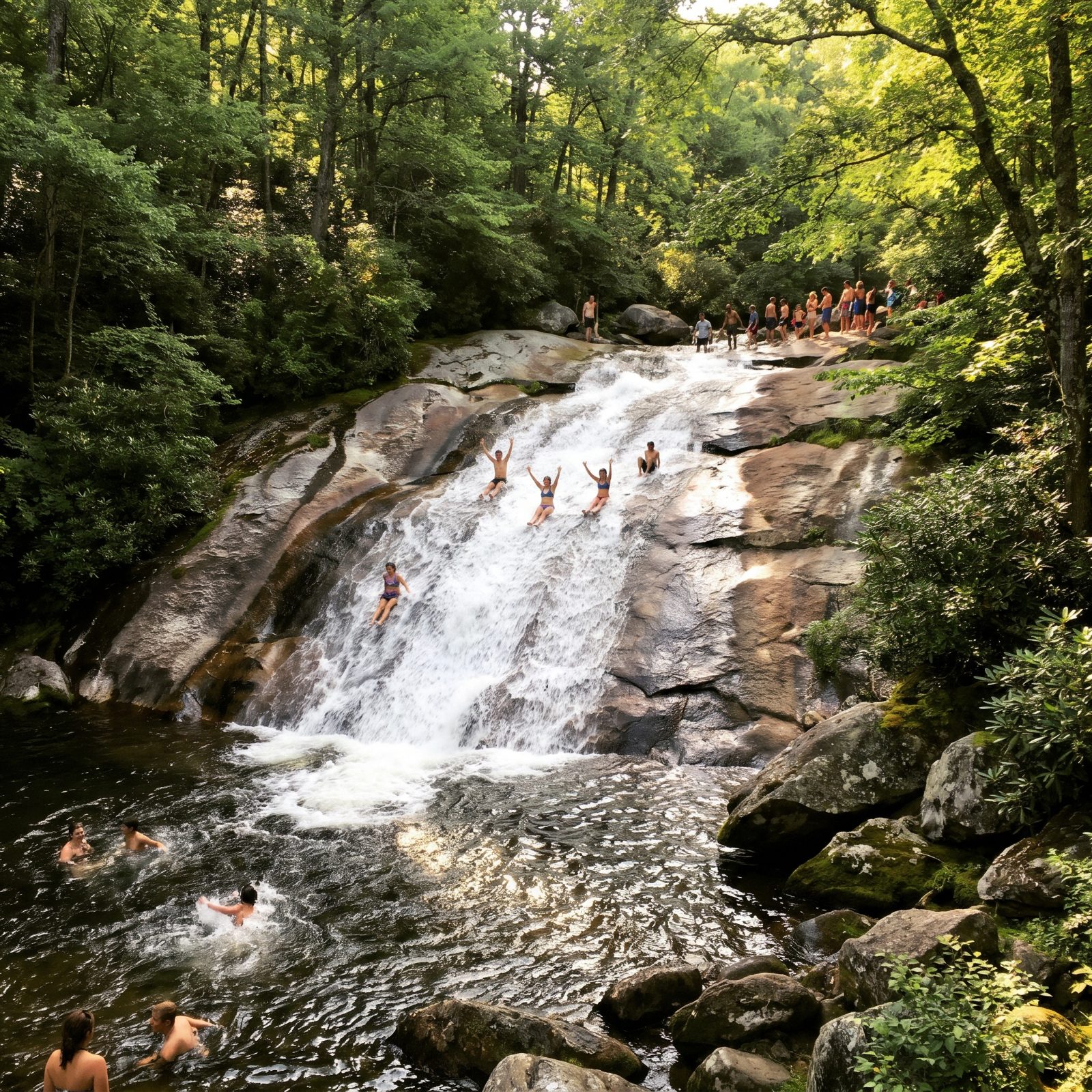
The water is cold enough to make you yelp, and you do it again anyway. Sliding Rock is a natural 60-foot granite slide in Pisgah National Forest that drops you into a pool 6 to 8 feet deep, and it’s been initiating North Carolina kids into the shock of mountain water for about as long as anyone can remember.
You’ll find it right off US-276, the Forest Heritage Scenic Byway, at 7851 Pisgah Highway. Lifeguards work the summer, and there’s a small per-person fee when staff are on duty. A 2026 guide listed it at $4; a September 2026 visitor reported $5. Kids under 7 slide with an adult.
10. Chimney Rock State Park, Chimney Rock
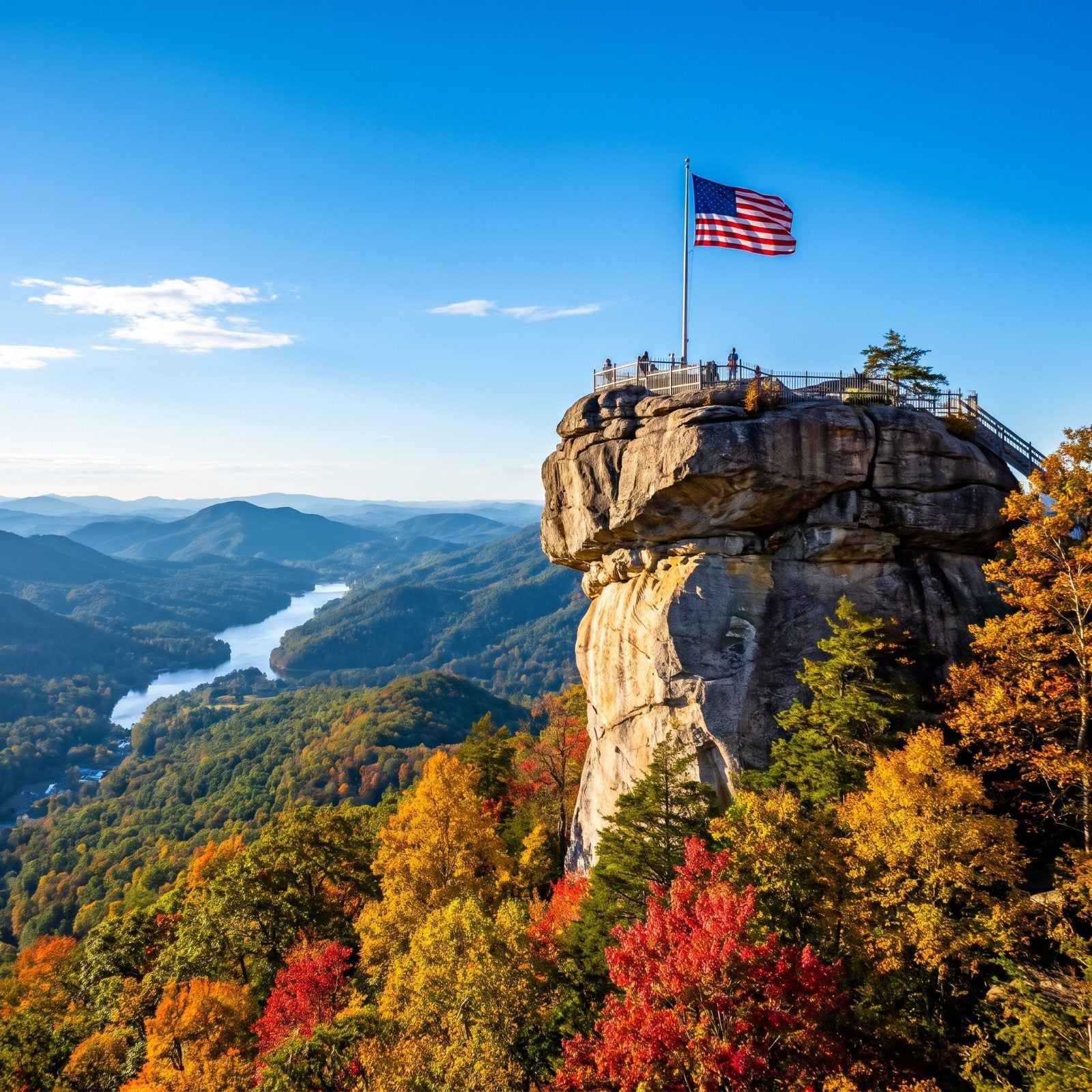
The flag at the top is the image everyone carries home. Chimney Rock stands over Hickory Nut Gorge with an American flag snapping at its summit, and WRAL calls it one of North Carolina’s biggest tourist attractions. The climb, the elevator, the view of Lake Lure spread out below — it’s a rite of passage for a certain kind of mountain Saturday.
Hurricane Helene hit this area hard. The park reopened June 27, 2025, nine months to the day after the storm. Rebuilding was still underway when it came back, so entry opened by reservation only with limited capacity. Check what’s required right now before you go, because the situation is still shifting.
9. Land of Oz, Beech Mountain
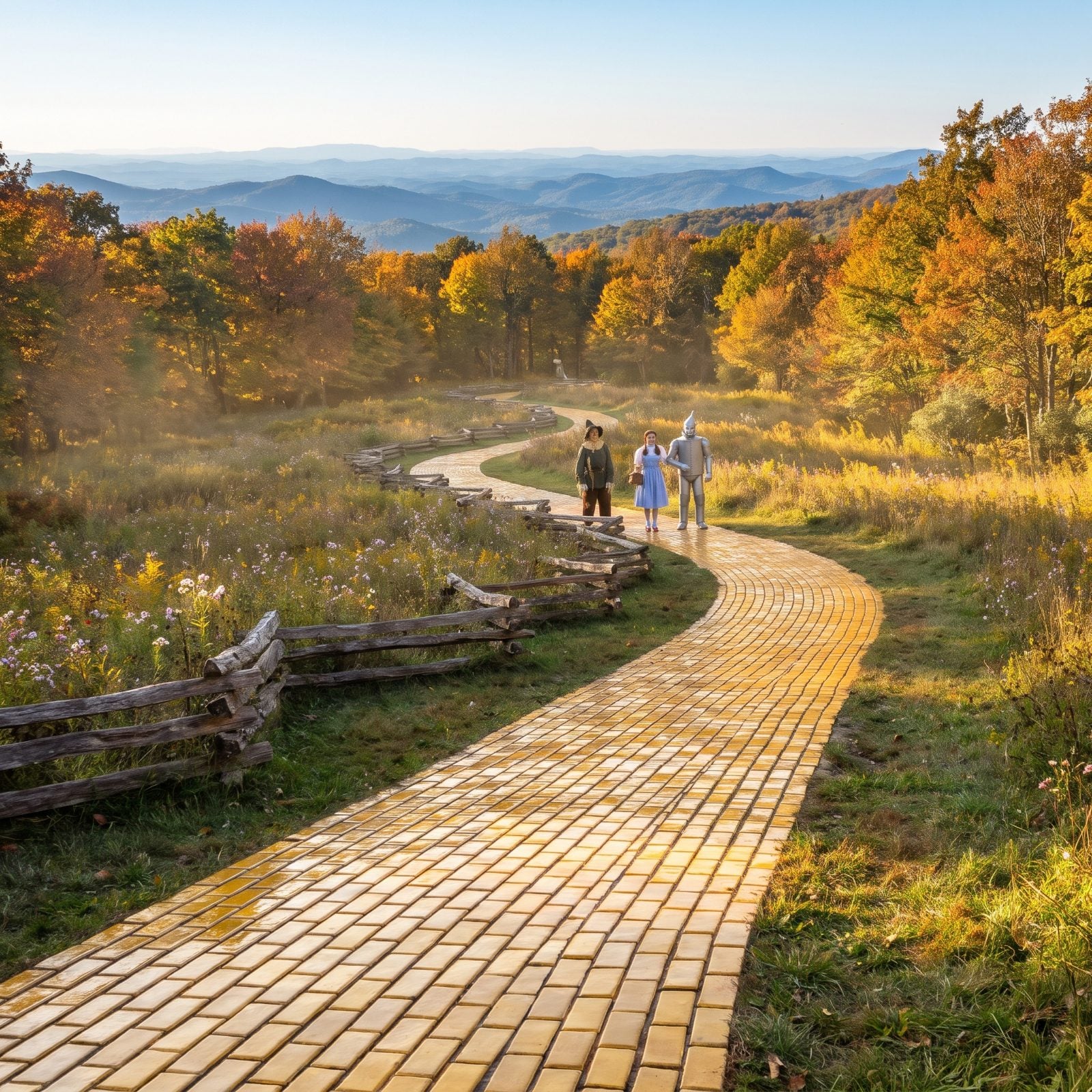
44,000 gold-glazed bricks. That’s the Yellow Brick Road at Land of Oz, a 1970s Wizard of Oz park perched on top of Beech Mountain, running about three-quarters of a mile with Dorothy and the Scarecrow and the Tin Woodman waiting along the way. For anyone who followed that road as a kid, it’s pure sense-memory.
Here’s the catch, and it’s a real one: the place opens on limited event dates only, not whenever you feel like driving up. It skipped 2025 for an assessment and returned with a 2026 ‘Homecoming Season.’ Autumn at Oz ran three September weekends, and a new ‘Tea with Dorothy and Aunt Em’ arrived for summer 2026 with an Over the Rainbow Observation Deck.
The 2026 dates have already passed. Watch for 2027 announcements, and don’t show up unannounced expecting an open gate.
8. Morehead Planetarium and Science Center, Chapel Hill

Lean the seat back, the lights drop, and the ceiling fills with more stars than you ever saw from the backyard. School trips to Morehead Planetarium are burned into a lot of North Carolina childhoods, and the backstory outshines its star shows.
When it opened in 1949 at UNC-Chapel Hill, it was the first planetarium in the South and only the eighth in the country. For more than ten years it served as NASA’s center for celestial navigation training. Sixty-two astronauts from the Mercury, Gemini, Apollo, and Skylab programs learned there to steer by the stars in case their instruments failed.
7. Reed Gold Mine State Historic Site, Midland
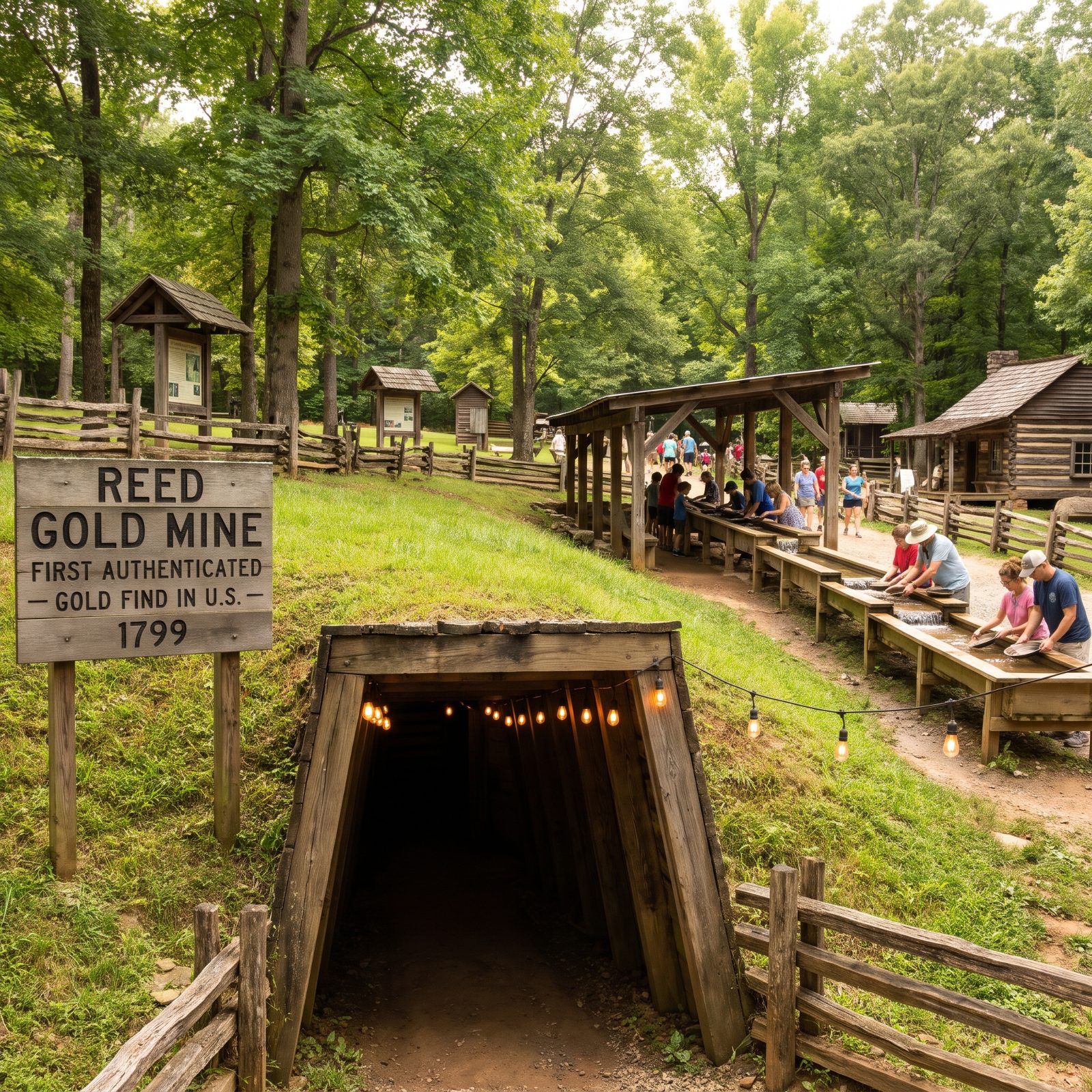
You swirl the pan, let the water carry off the light stuff, and squint at what’s left for a glint. Reed Gold Mine in Midland is where the first documented gold find in the United States happened, which makes it more than a field trip — it’s the start of American gold mining, sitting less than an hour from Charlotte at 9621 Reed Mine Road.
The panning is the part kids remember. Season runs April 1 through October 31, visitors 8 and older can buy up to two panning tickets each, and whatever gold you find, you keep. That last part is the hook, and it’s a good one.
Worth noting if you’re reading this in late fall: panning ends October 31. The historic site and mine tour stay open past that, but the pans get put away for winter.
6. Battleship North Carolina, Wilmington

She looms. There’s no other word for the first sight of the Battleship North Carolina rising off the Cape Fear River, all grey steel and sixteen-inch guns, directly across from downtown Wilmington. Walking those steep interior ladders and ducking through hatches is a memory that doesn’t fade — and it’s one of the few stops here that works just as well on a rainy day.
The ship is open every day, holidays included, 8 am to 5 pm, with a noon opening on Christmas. A self-guided tour covers 9 levels, most of it indoors, so weather isn’t a dealbreaker. Give it at least two hours; there’s more ship than you expect.
Admission runs $14 for ages 12 and up, $10 for seniors 65 and up, $6 for ages 6 to 11, and free for kids 5 and under. You’ll find her at 1 Battleship Road, off US-421 North. Of everything on this list, she’s the one that still gives grown adults a lump in the throat.
5. Jockey’s Ridge State Park: The Dune Climb That Baked Your Bare Feet
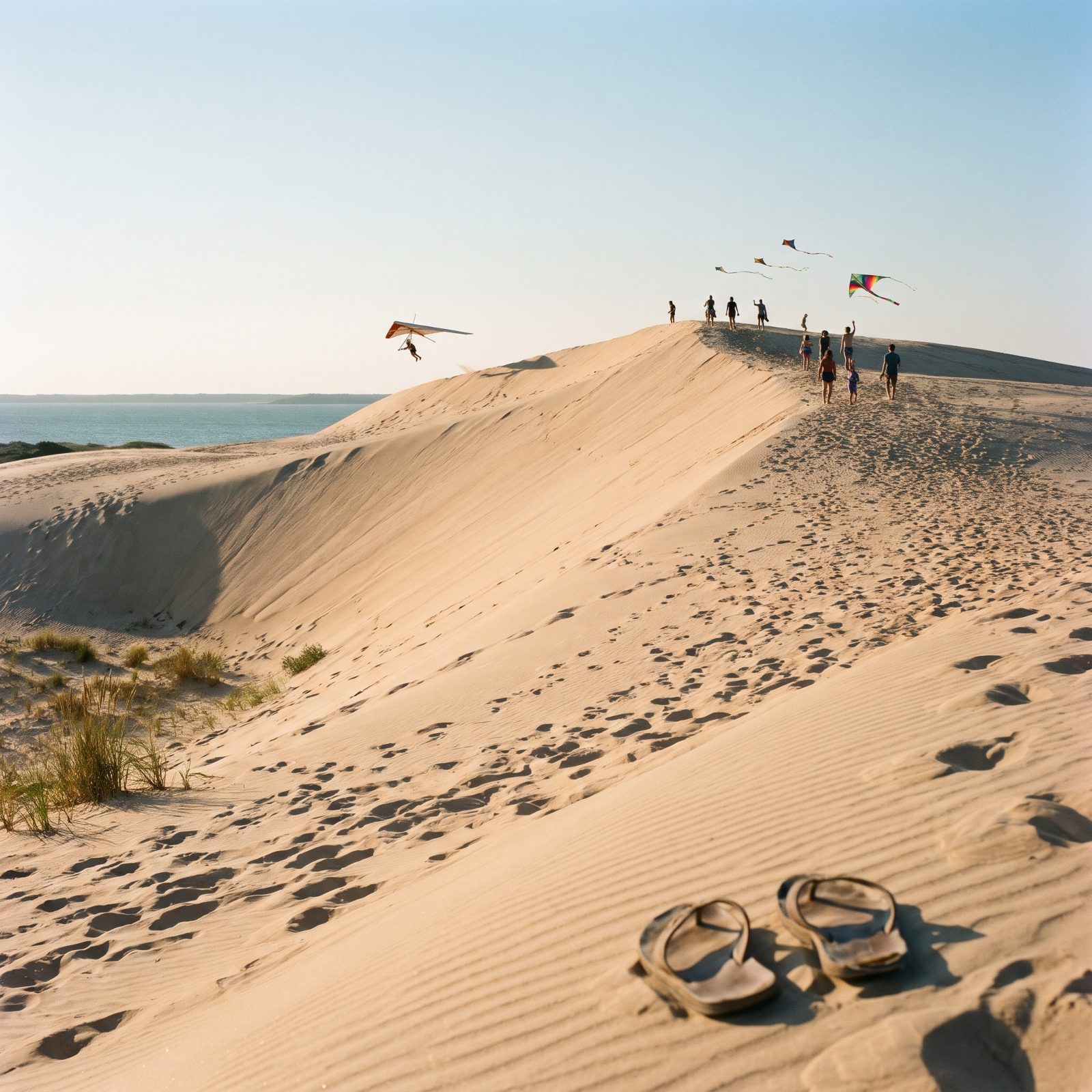
You remember the burn before you remember the view. Somebody kicked off their flip-flops at the bottom, and halfway up Jockey’s Ridge in July they were hopping from foot to foot and regretting every life choice. Then you crested the top, the wind tried to steal your hat, and the whole Outer Banks spread out with the ocean on one side and Roanoke Sound on the other.
The state park in Nags Head protects the tallest living sand dune system on the Atlantic coast, and it really is alive. The wind keeps reshaping the dunes, so the ridge you climbed as a kid isn’t quite the one standing there now. Kites still dot the sky, hang-gliding students still launch and land in the soft sand, and sunset still draws a crowd that sits facing west like it’s a ballgame. Admission is free.
4. “The Lost Colony” at Manteo: The Summer Night Play That Won’t Quit
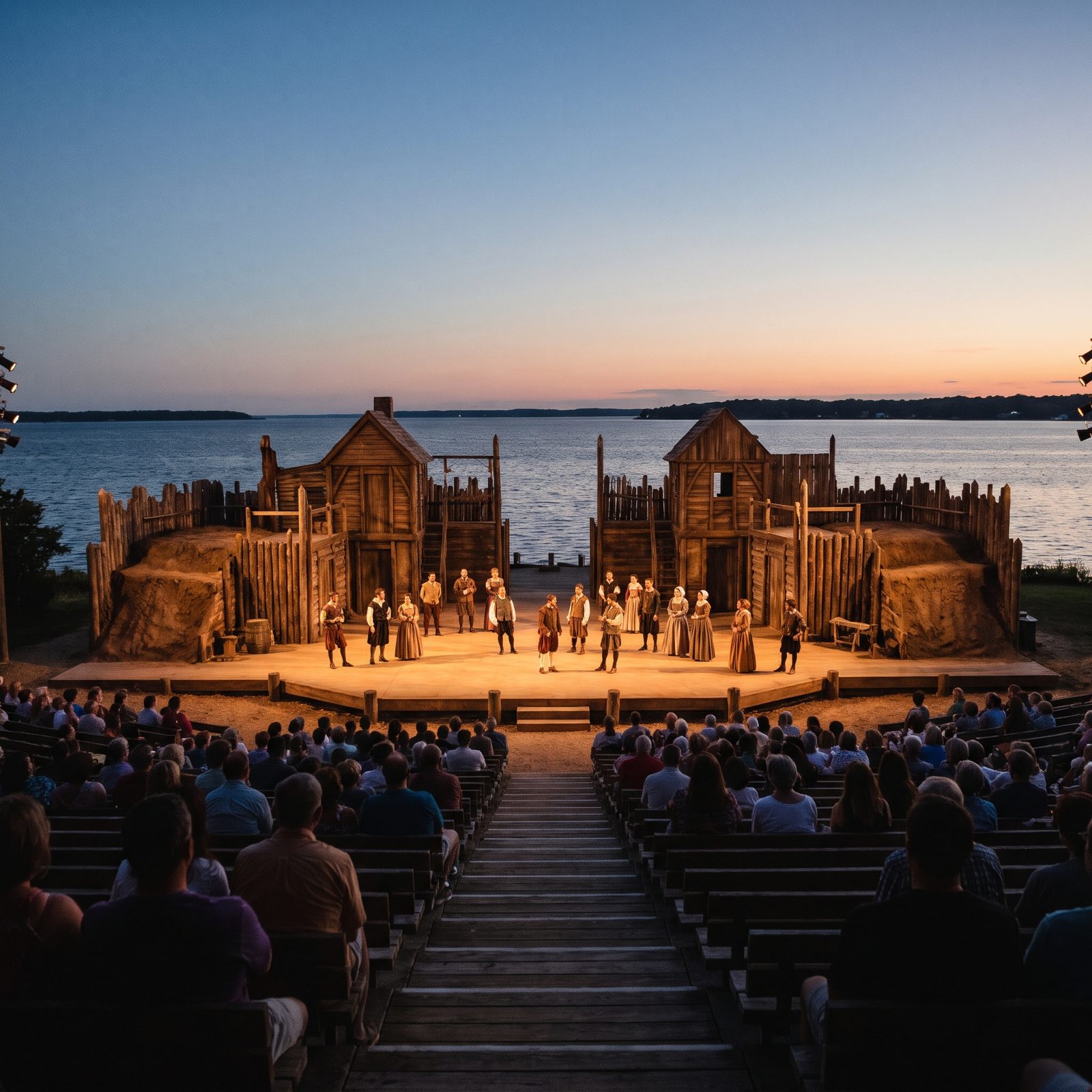
Bug spray, a damp wooden bench, and the sound of Roanoke Sound lapping just behind the stage. If your family vacationed on the Outer Banks, there’s a good chance you spent one summer night at the Waterside Theatre in Manteo watching the English colonists of 1587 arrive, struggle, and vanish without a trace.
Playwright Paul Green’s outdoor drama premiered in 1937, and President Franklin Roosevelt came to see it that first summer. Apart from seasons lost to World War II and the pandemic, it has kept going ever since, which makes it the longest-running outdoor symphonic drama in the country. Andy Griffith spent years in the cast before Mayberry made him famous. The story centers on Virginia Dare, the first English child born in the Americas, and a colony whose fate is still argued over today.
The show plays summer evenings on the grounds of Fort Raleigh National Historic Site. Watching it as an adult hits differently. The mystery still lands, and so do the mosquitoes.
3. The Schiele Museum of Natural History: Gastonia’s Dinosaur Rabbit Hole
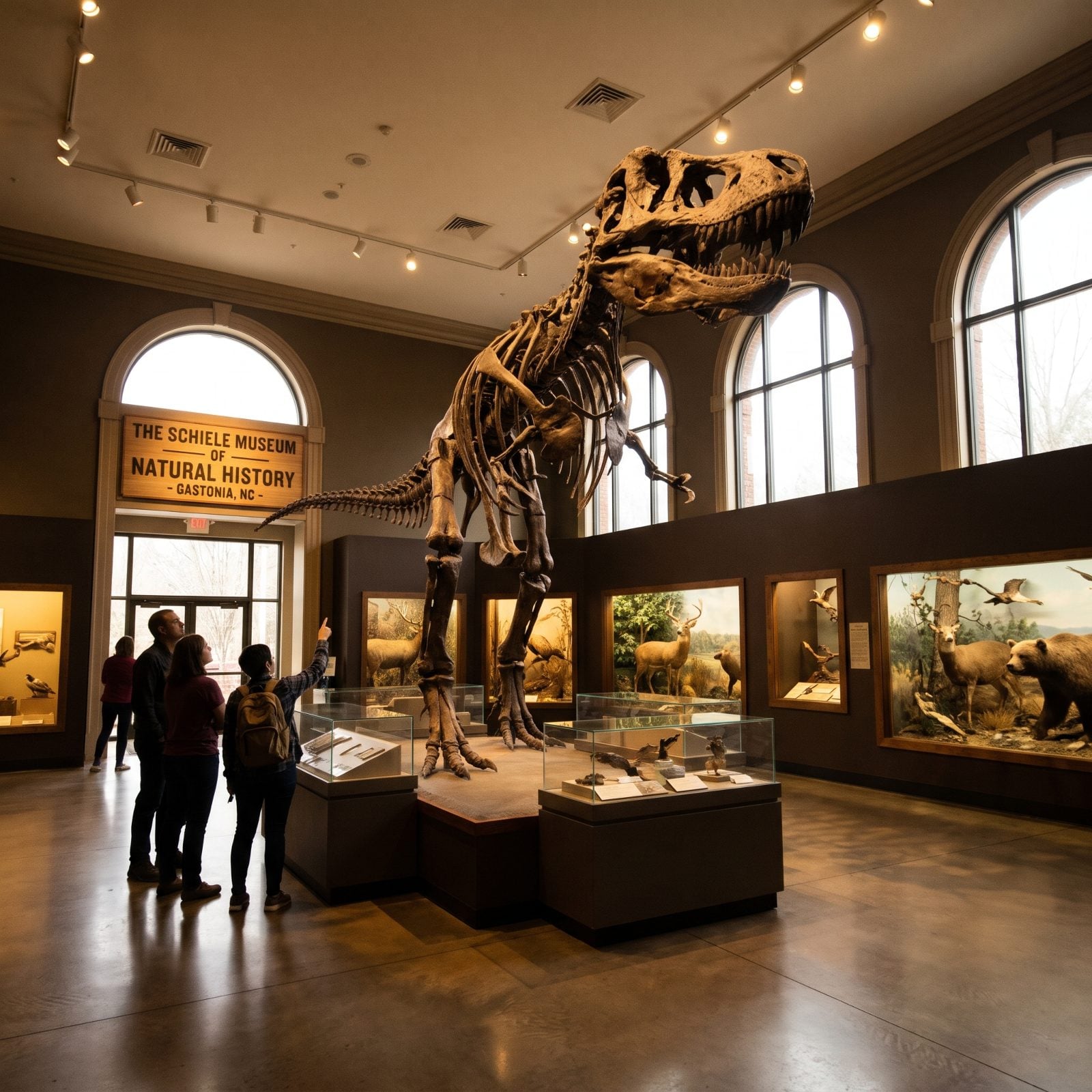
Some kids went in for a field trip and came out wanting to be paleontologists. The Schiele Museum of Natural History in Gastonia has that effect. It’s the kind of place where you wander from fossils and dinosaurs to towering wildlife dioramas to a planetarium dome, and somehow lose an entire afternoon without noticing.
The museum grew out of a local Scout leader’s collection of animal specimens and opened in the early 1960s. It has kept expanding ever since. Beyond the halls of mounted animals and natural history exhibits, the grounds hold a nature trail, a re-created Catawba Indian village, and a backcountry farm site that shows how settlers lived in the Carolina Piedmont in the 1700s.
What surprises grown-ups on a return visit is how much there is. You remember the dinosaurs. You probably forgot the trail, the farm, and the planetarium show, and that’s the rabbit hole. Go for one exhibit, stay for all of them.
2. Pullen Park in Raleigh: The Carousel Older Than Your Grandparents
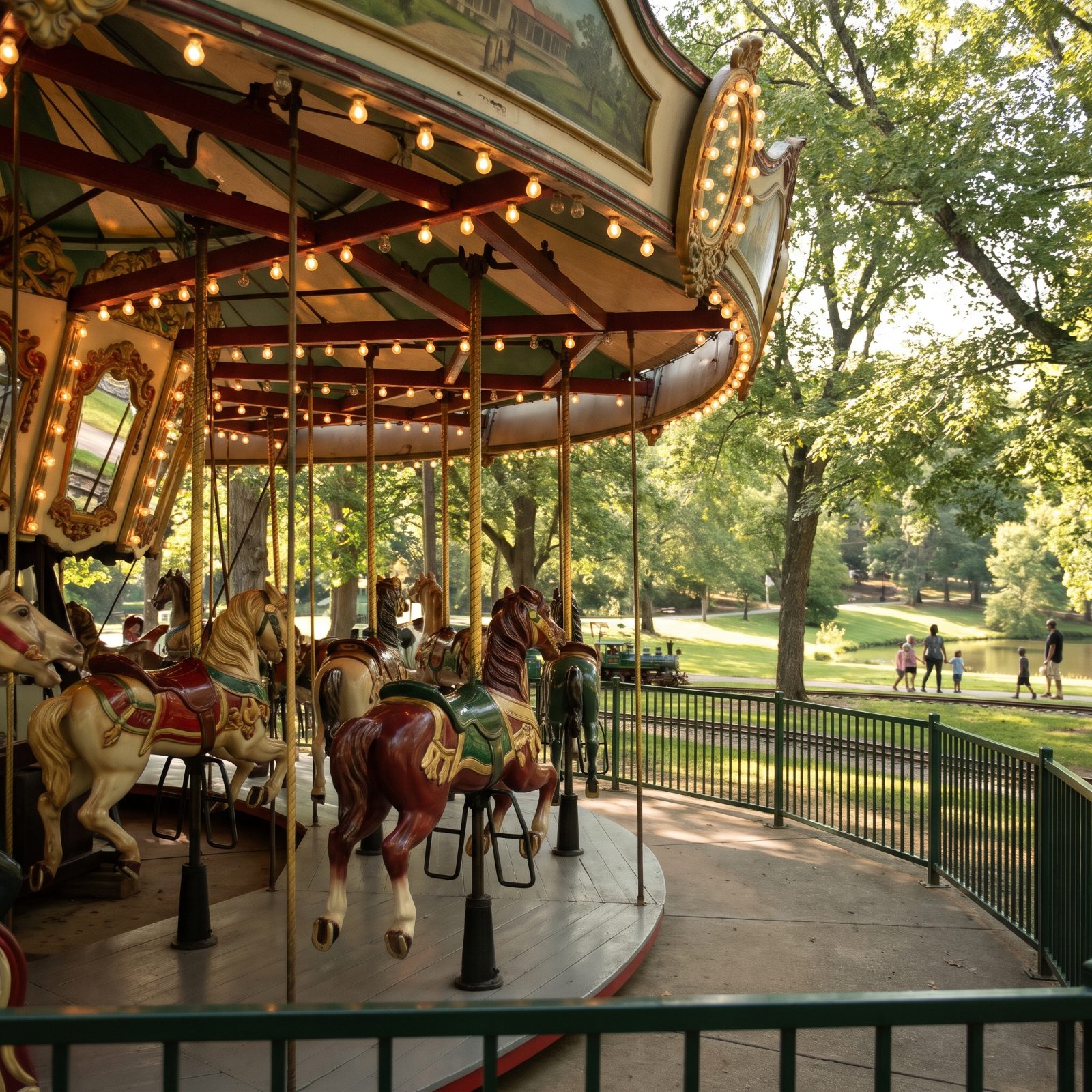
The organ music starts, the horses begin to rise and fall, and you’re grabbing the brass pole all over again. Pullen Park’s carousel is a hand-carved Dentzel, built around 1911 and running in Raleigh since the early 1920s. It’s on the National Register of Historic Places, and it still takes riders every season the park is open.
The park itself goes back even further. Pullen opened in 1887 on donated land near what’s now NC State’s campus, making it the first public park in North Carolina and one of the oldest operating amusement parks in the country. The rest of the childhood lineup is still here too: the miniature train chugging around the grounds, pedal boats on Lake Howell, and a playground full of kids who have no idea how old this place is.
Entry to the park is free, with small fees for the rides. Bring cash or a card, grab a spot on a carved horse, and let the carousel remind you that some things really do outlast us.
1. Emerald Village Near Little Switzerland: Digging for Treasure Off the Parkway
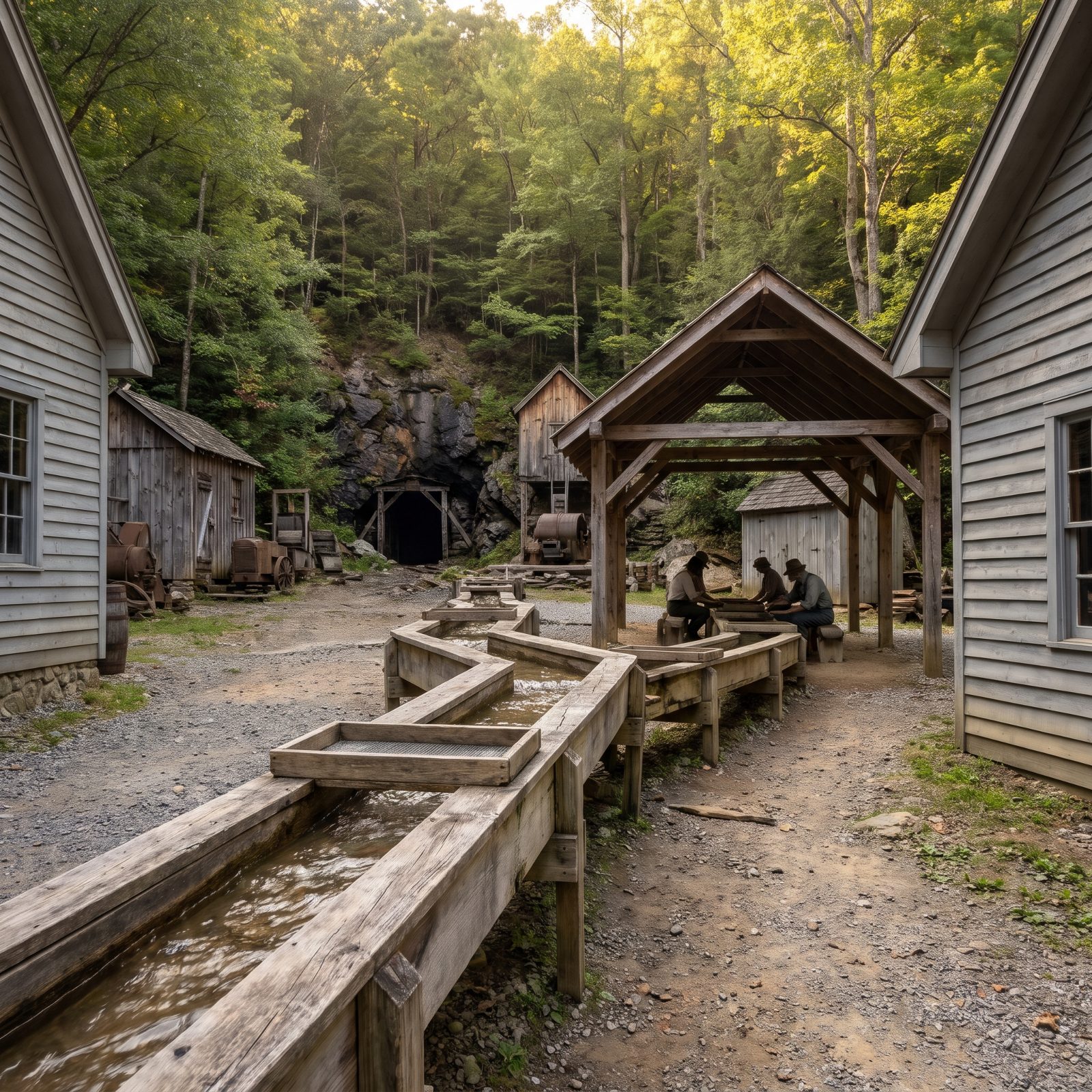
You can still feel it. Cold water running over your hands, grit under your fingernails, and that one flash of something shiny in the tray that made the whole family lean in at once. Emerald Village sits just off the Blue Ridge Parkway, about an hour from Asheville, and it’s been luring kids off the road with the promise of buried treasure for a good long while now.
This place goes deeper than your average roadside sluice, and I mean that literally. You can walk down into a real underground mine, then climb back up to dig or wash stones you actually get to take home. Last I checked, a recent review confirms the whole operation is still running, which is more than you can say for half the places we loved growing up.
Bring a jacket even in July. Mountain mines stay cool year-round, and the Parkway air goes crisp the second the sun ducks behind a ridge. Now go dig something up.
Please note that some of the imagery in this article were created with the aid of AI image generators.