
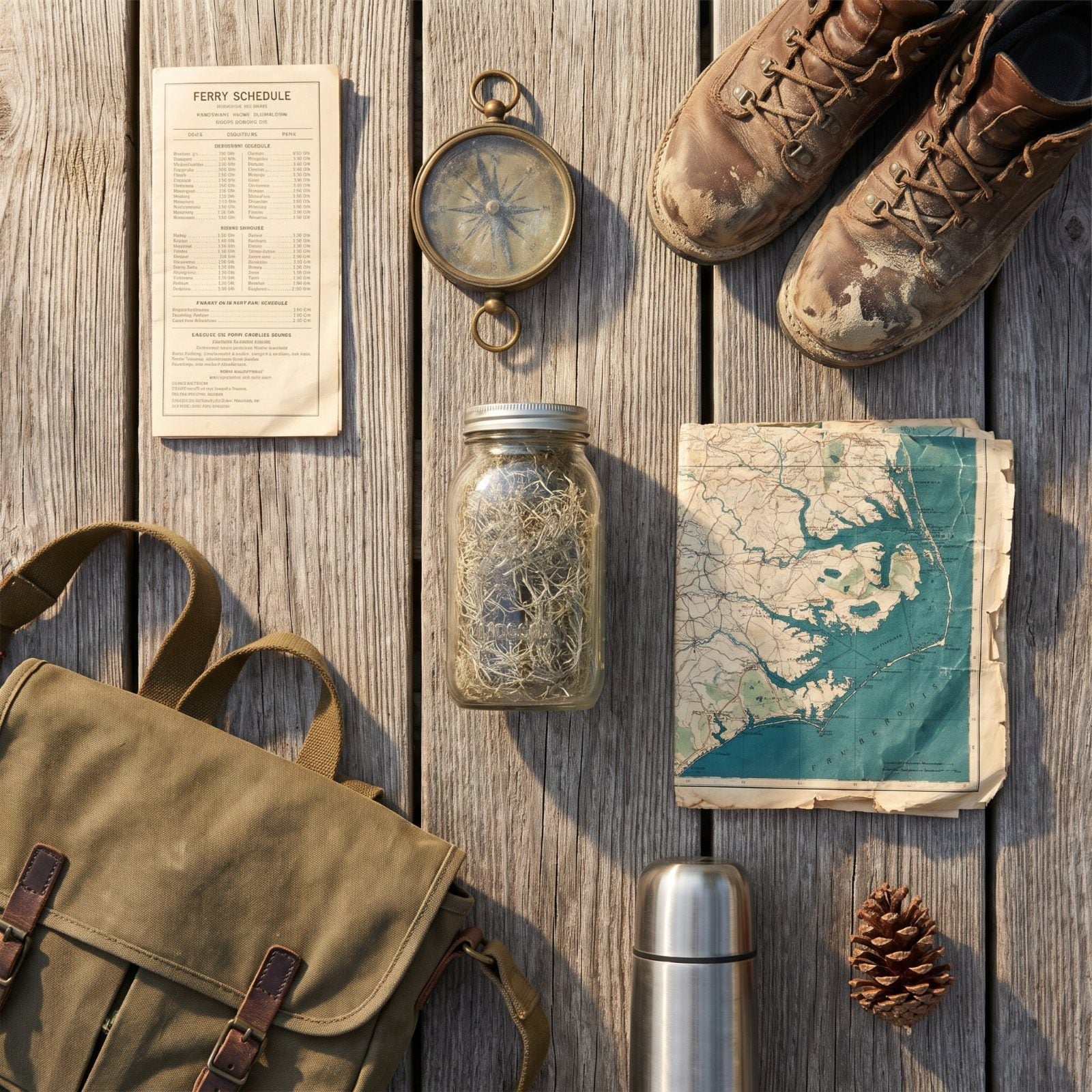
The ferry ramp clangs down and your car rolls onto steel plates with saltwater sheeting across them. No Wi-Fi bars, no chain hotels, just a line of gulls and a village you have to earn by boat. North Carolina hides its best weekends behind water, gravel roads and county lines nobody drives for fun. We went looking for the places the summer mobs skip. Old-growth cathedrals, ghost villages, lakes older than the state itself. These are the trips where solitude is the whole point, and getting there is already half the story.
15. Ocracoke Island: The Village You Can Only Reach by Boat
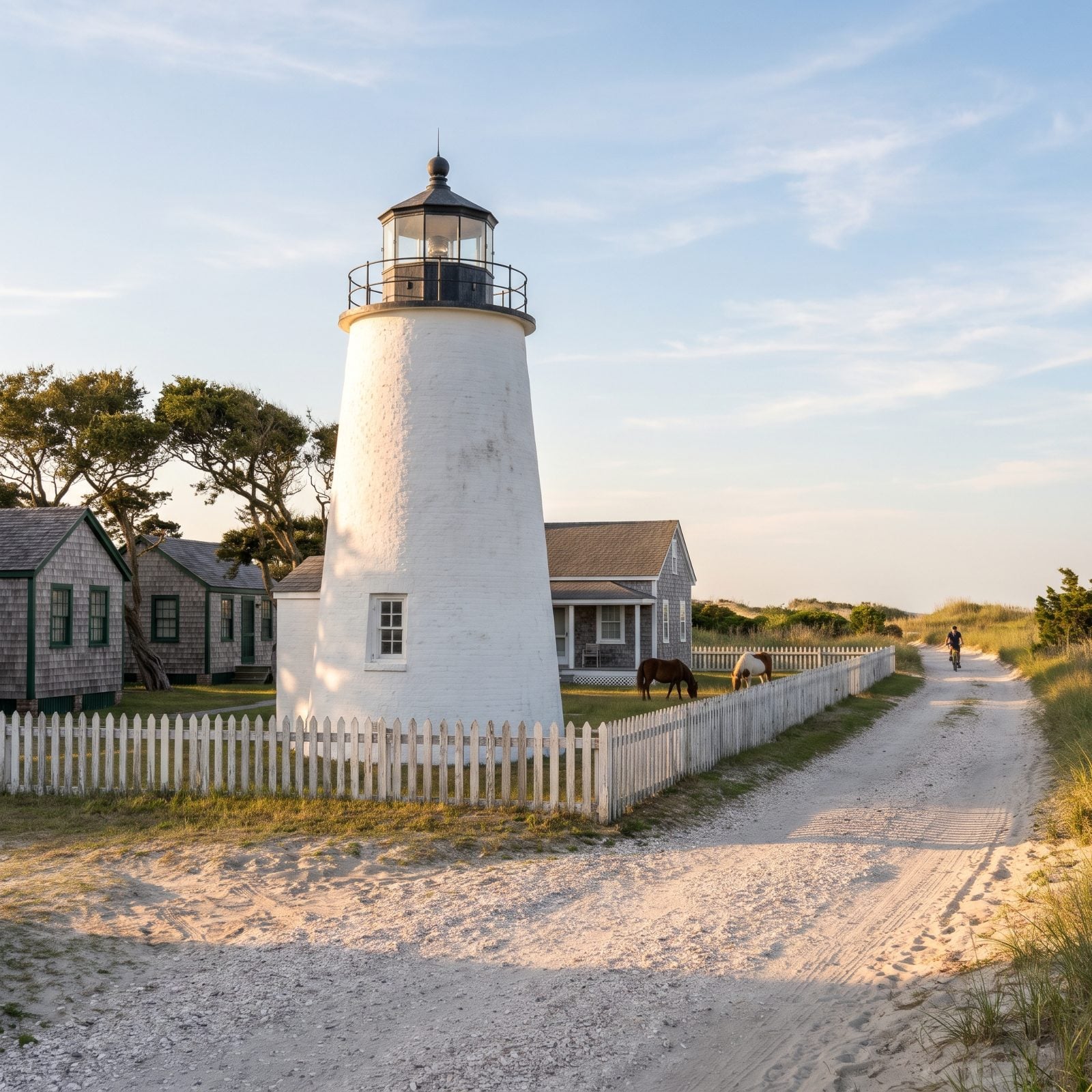
You can’t drive here, and that’s the whole draw. Ocracoke sits at the tail end of the Outer Banks, reachable only by ferry from Hatteras, Cedar Island or Swan Quarter, or by small plane if you’re feeling fancy. The Hatteras run is free and takes about an hour across Hatteras Inlet, which means the island quietly self-selects for people willing to slow down.
Once you’re on, the village wraps around Silver Lake harbor like a place that simply forgot to modernize. A whitewashed, conical lighthouse tapering up from the grass. The British Cemetery, where sailors from a torpedoed WWII trawler lie buried on a patch of forever-England. Ponies grazing on a picket-fenced lawn beside a sandy shell road. Come summer, a walk-on passenger ferry drops you straight into the village with no car needed at all.
14. Portsmouth Village: The Ghost Town at the End of the Ferry Line
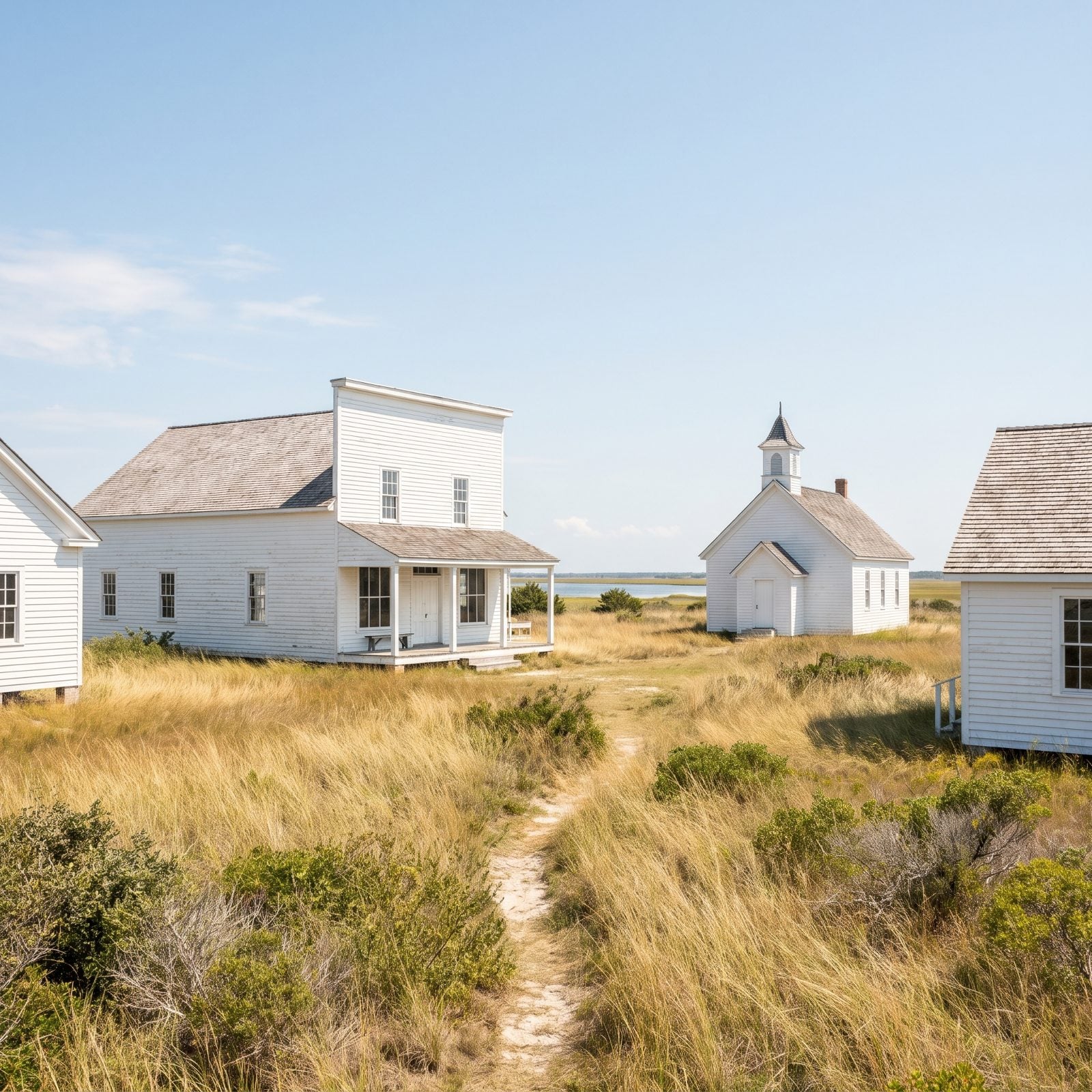
Portsmouth was a thriving port town once. Now it’s nobody’s. The village sits abandoned inside Cape Lookout National Seashore, every building standing empty, tall dune grass and scrub between them, doors that open on rooms where the last residents walked out in the 1970s and never came back.
You get there by boat only. The passenger ferry from Ocracoke covers roughly 5 miles in about 20 minutes, runs seasonally, and its schedule shifts through the year, so call ahead to book. A National Parks Traveler writer once had the whole village to himself on a sunny Sunday afternoon, which tells you everything you need to know. Every other year, usually in April of even-numbered years, the Friends of Portsmouth Island hold a homecoming and the ghost town briefly fills up again.
What Our Readers Say
- When Journey Junket readers loved a travel photo and tapped a reason, “nostalgic” came out on top at 39%, well ahead of “been there” at 19% and “adventure” at 11%.
From Journey Junket reader polls and votes.
13. Bald Head Island: Leave the Car in Southport
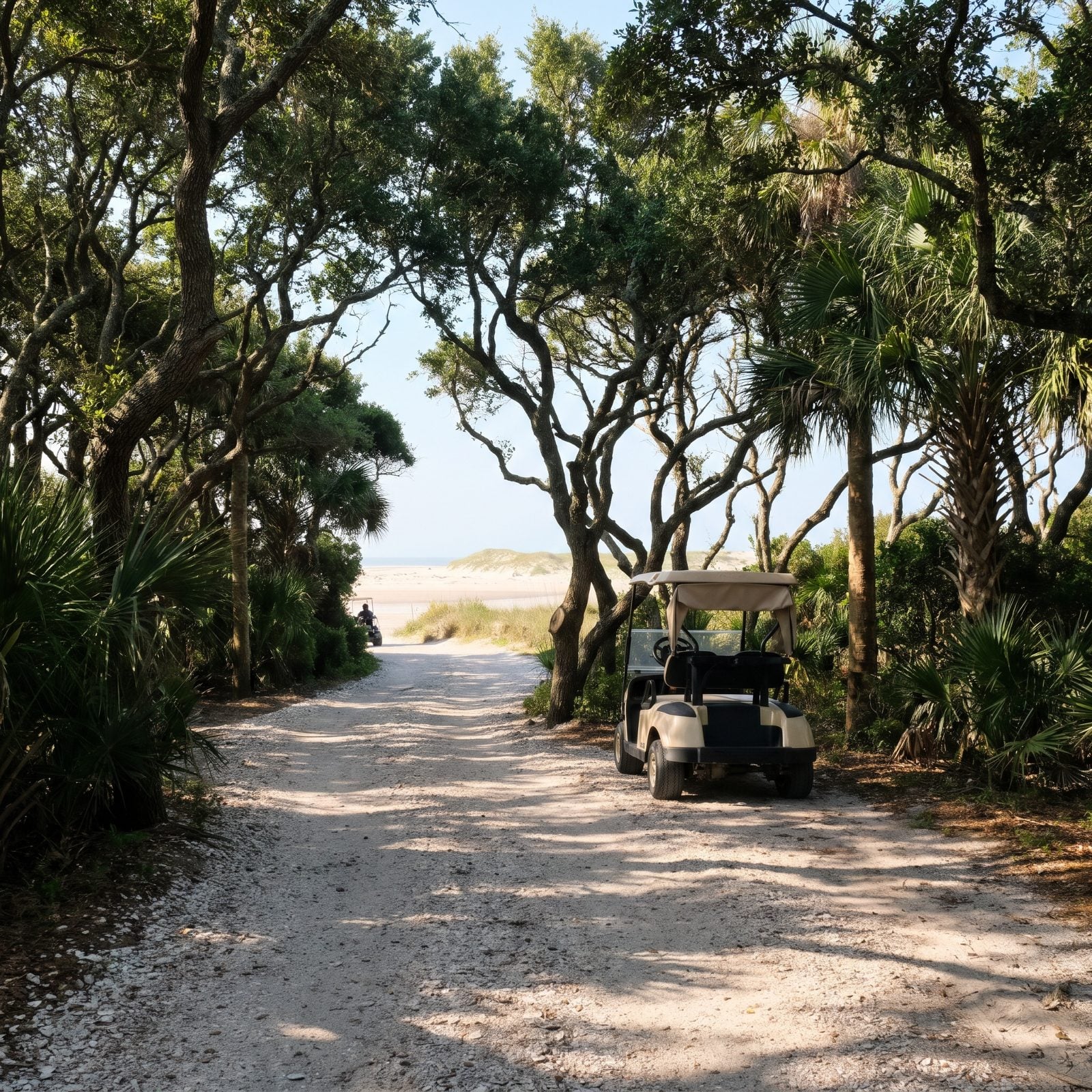
No cars. None. Bald Head Island bans them outright, and the whole place runs on golf carts humming down shell paths. You reach it on a 20-minute passenger ferry from Deep Point Marina at 1301 Ferry Road SE in Southport, park on the mainland, and leave the engine noise behind for the weekend.
Subtract the traffic and here’s what’s left: maritime forest, uncrowded beach, a handful of shops and restaurants, and dogs welcome nearly everywhere. VisitNC pitches it as a dog-friendly, car-free beach getaway, and honestly, that’s the correct pitch. Silence is the luxury item here.
12. Edenton: North Carolina’s First Capital, Still Standing
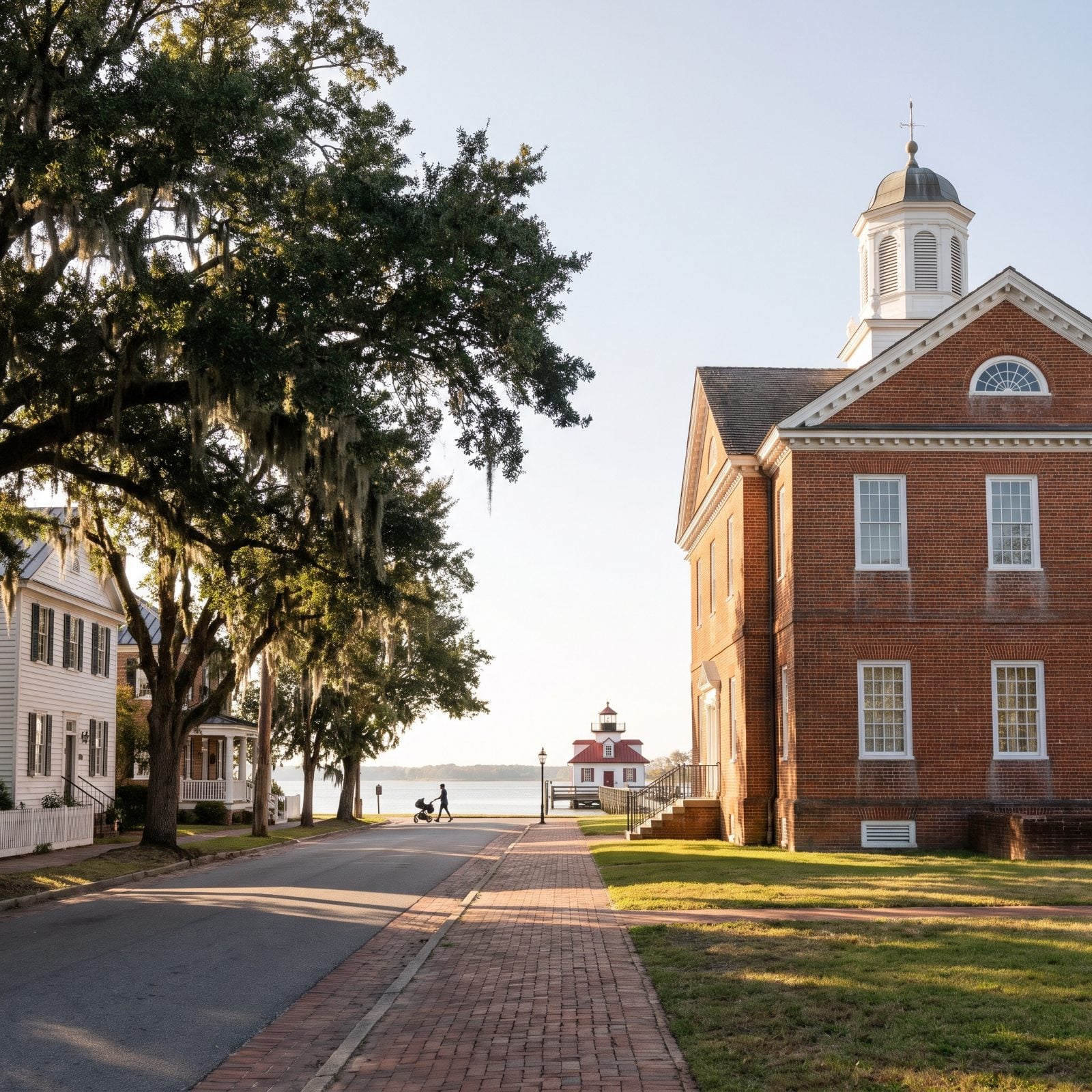
Edenton was the colonial capital before anyone thought to build Raleigh. It sits up in the northeastern corner on Edenton Bay, and somehow it kept its old bones intact. VisitNC calls the 1767 courthouse the most intact colonial example in America, and you can tour the historic district, ride a trolley, or take a bay cruise instead of fighting a crowd.
There’s a screwball-charming detail that locks it in for me: boaters get free slips. Pull up, tie off, walk into 300 years of brick streets and the 1886 Roanoke River Lighthouse, pay nothing to dock for your first two nights. Paddlers can take Edenton Bay the quiet way.
Old town scenes like Edenton’s go over well with our readers: photos showing a landmark or town got hearts 81% of the time, compared with 75% for the other images in the same articles.
11. Bath: The Oldest Town in the State, and It Knows It
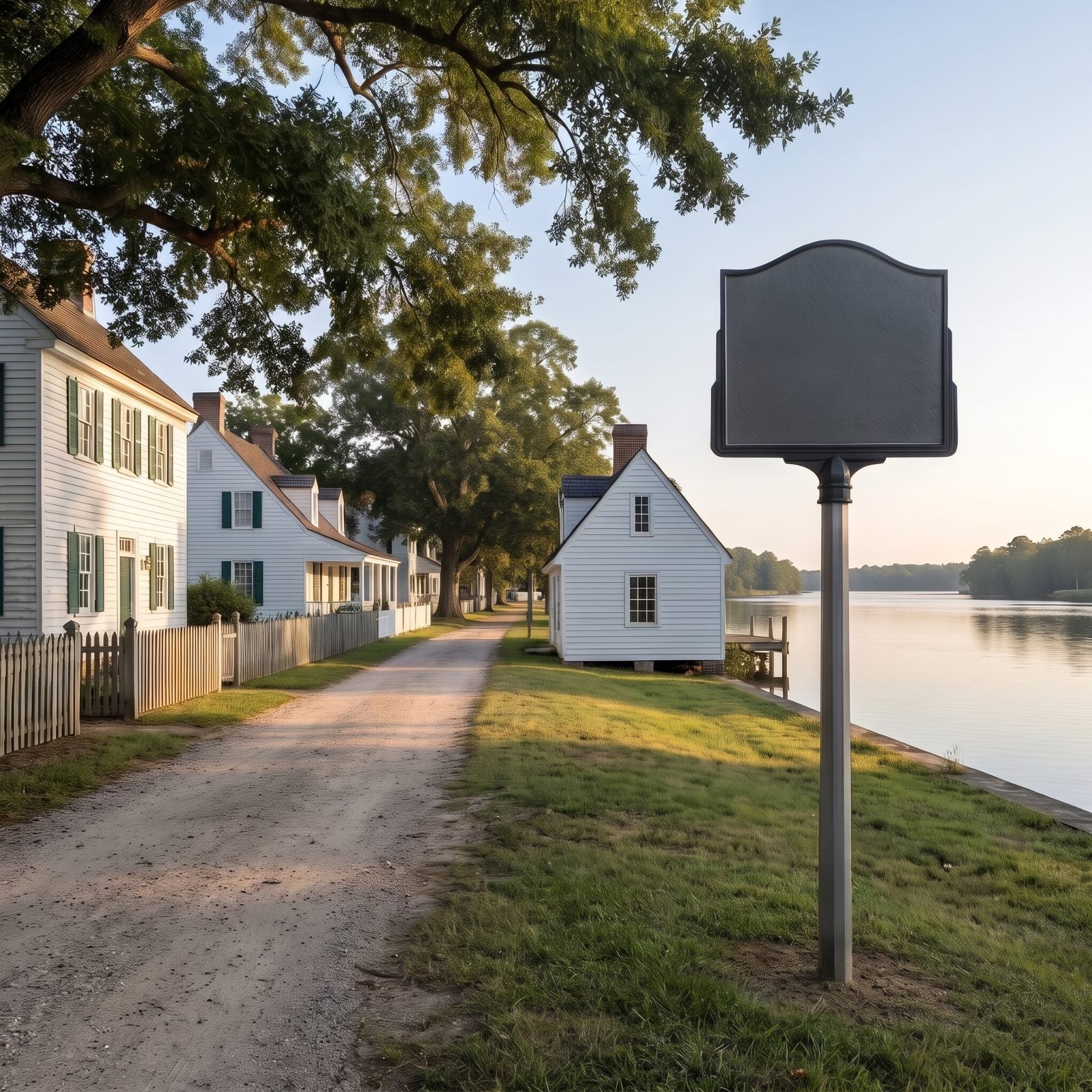
A historic marker stands by the water. Bath is older than any other incorporated town in North Carolina, and it wears the title lightly. It’s a small walkable riverfront place in Beaufort County, historic homes lined up along the water, with a State Historic Site visitor center to anchor your wandering.
You can see most of it on foot in an afternoon, which is exactly why it works as a quiet weekend stop. No ticket booths, no lines, no theme-parked history. Just a very old town minding its own business on a tidal creek.
10. Merchants Millpond State Park: Paddling Through an Enchanted Swamp
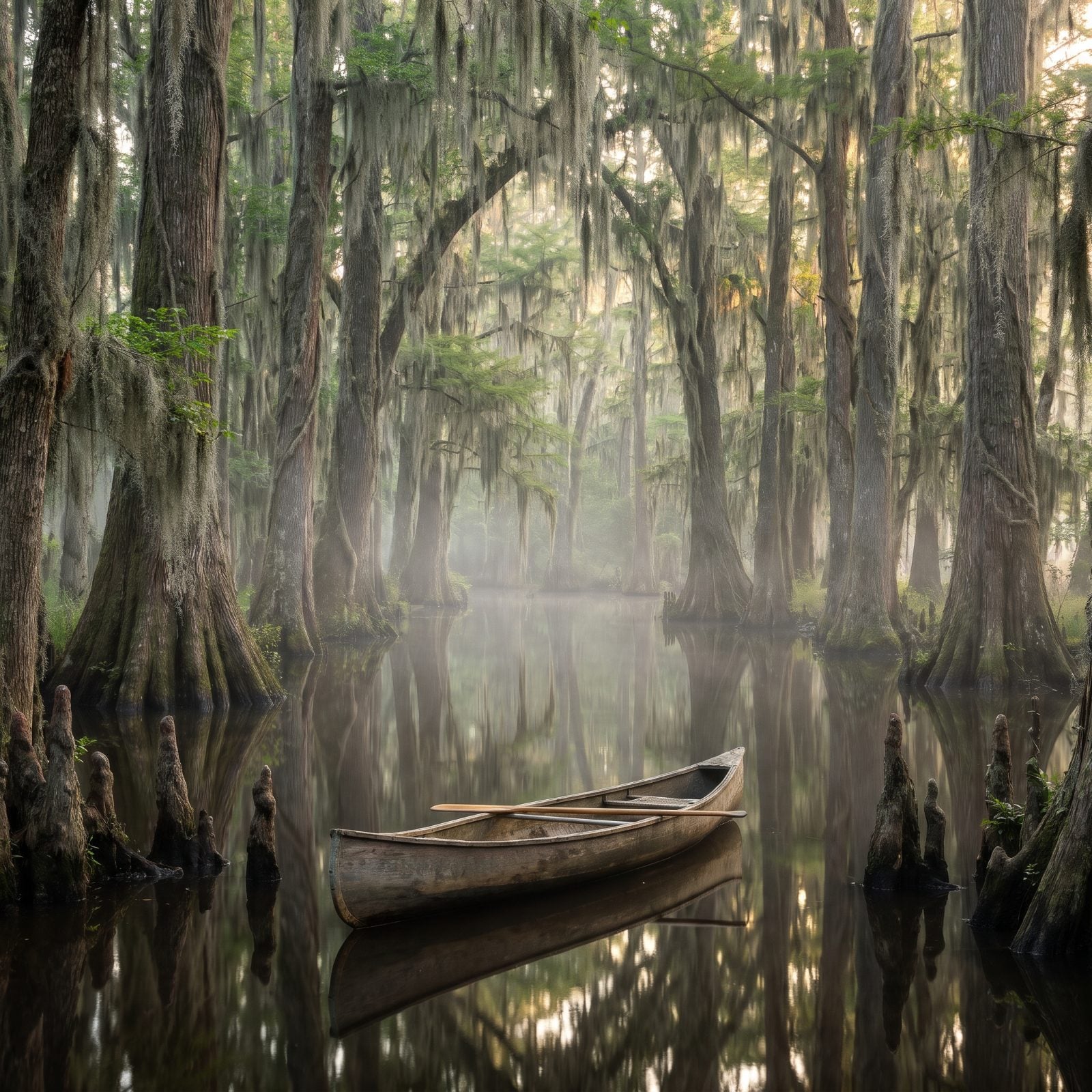
Lassiter Swamp feels like a set from a story someone made up. Old-growth cypress hung with Spanish moss, water the color of strong tea, and a stillness that swallows sound. The park centers on a 760-acre millpond more than 190 years old, up in Gates County about 10 miles below the Virginia line.
Rent a boat here, because the pond is the whole experience. People have spotted American alligators at the northern edge of their range, which is a genuinely strange creature to meet this far up the map. Camp paddle-in or at the backpack sites (the tent-and-trailer campground is closed for construction until further notice). Day use is free, the address is 176 Millpond Rd, and the quiet is the reason you drove this far.
Paddle in at dawn and the moss hangs so low it brushes the water. You’ll understand why they call it enchanted.
9. Mattamuskeet National Wildlife Refuge: Where the Swans Winter
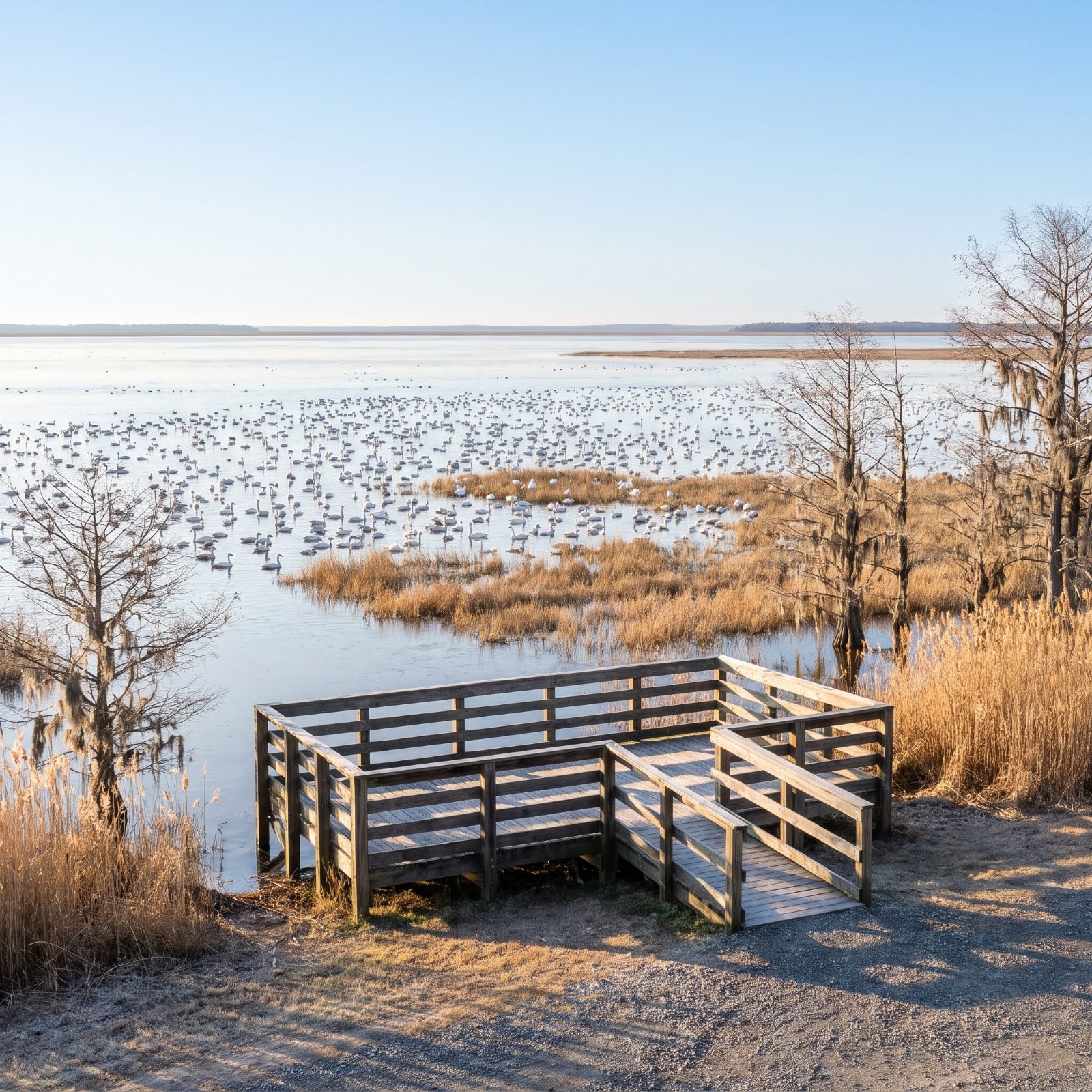
Come in winter or don’t bother. Mattamuskeet protects Lake Mattamuskeet, the largest natural freshwater lake in the state, and tens of thousands of the tundra swans that winter in North Carolina gather here when the cold rolls in. In summer it’s just a lake. In January it’s a spectacle.
A 3-mile Wildlife Drive runs along observation platforms, and the NC Hwy 94 causeway straight across the water gives you a front-row seat of its own. Bring a thermos, bring patience, show up early when the light is low and the birds are loud.
8. Pettigrew State Park: Ancient Canoes and a Lake Full of Swans
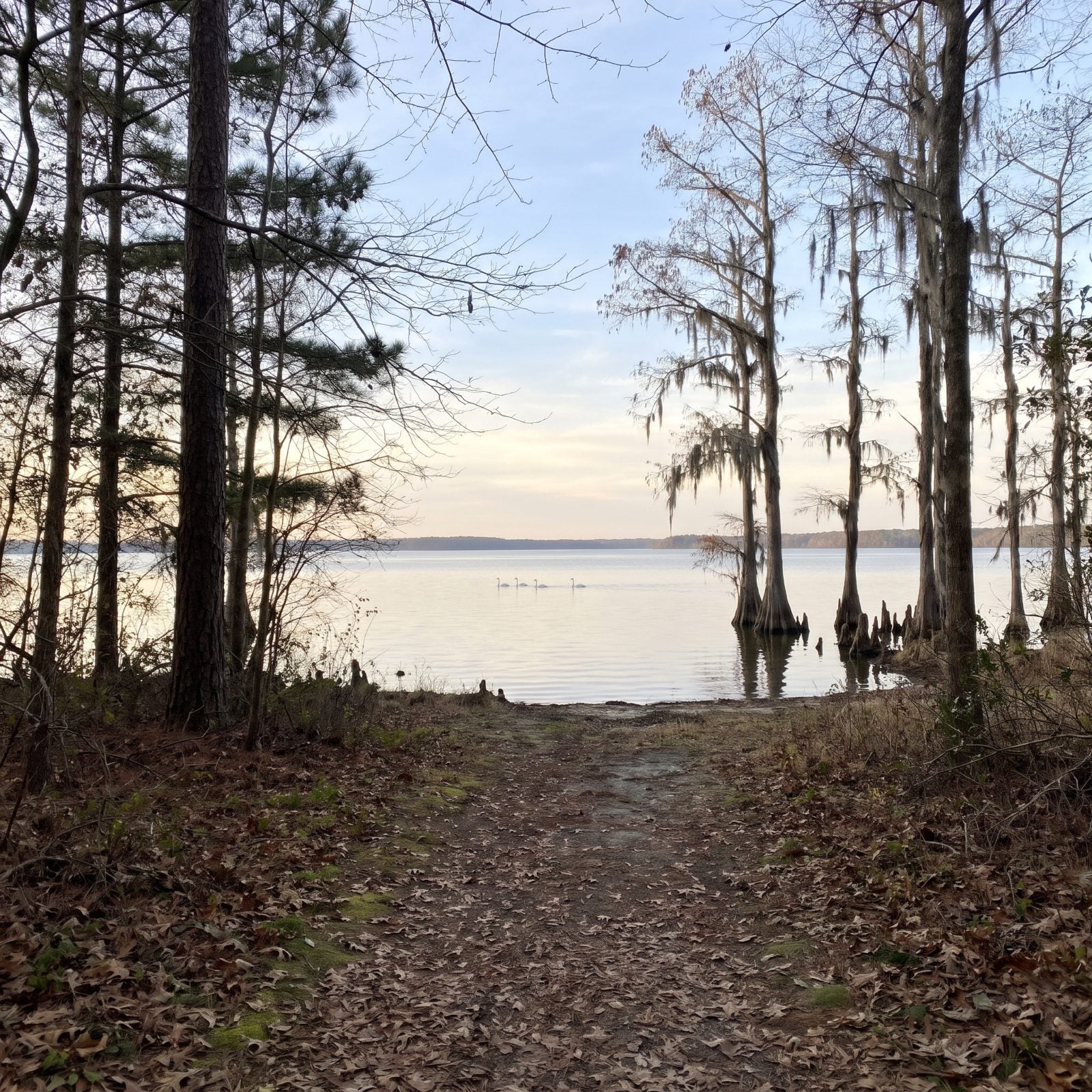
Lake Phelps has given up dugout canoes thousands of years old, pulled from the water like messages from people who paddled here before anything had a name. The park straddles Washington and Tyrrell counties, about 75 miles northeast of Greenville, and protects both the lake and the Scuppernong River, where tundra swans winter among the cypress.
A heads-up before you load the car. The campgrounds and park office are closed for renovations through 2026, and low water has made the boat ramp unusable. But the park stays open for day use, the trails are open, and Somerset Place State Historic Site sits right nearby. Come for the walk and the history, not the boat ramp.
7. Lake Waccamaw State Park: The Rare Carolina Bay That Holds Water
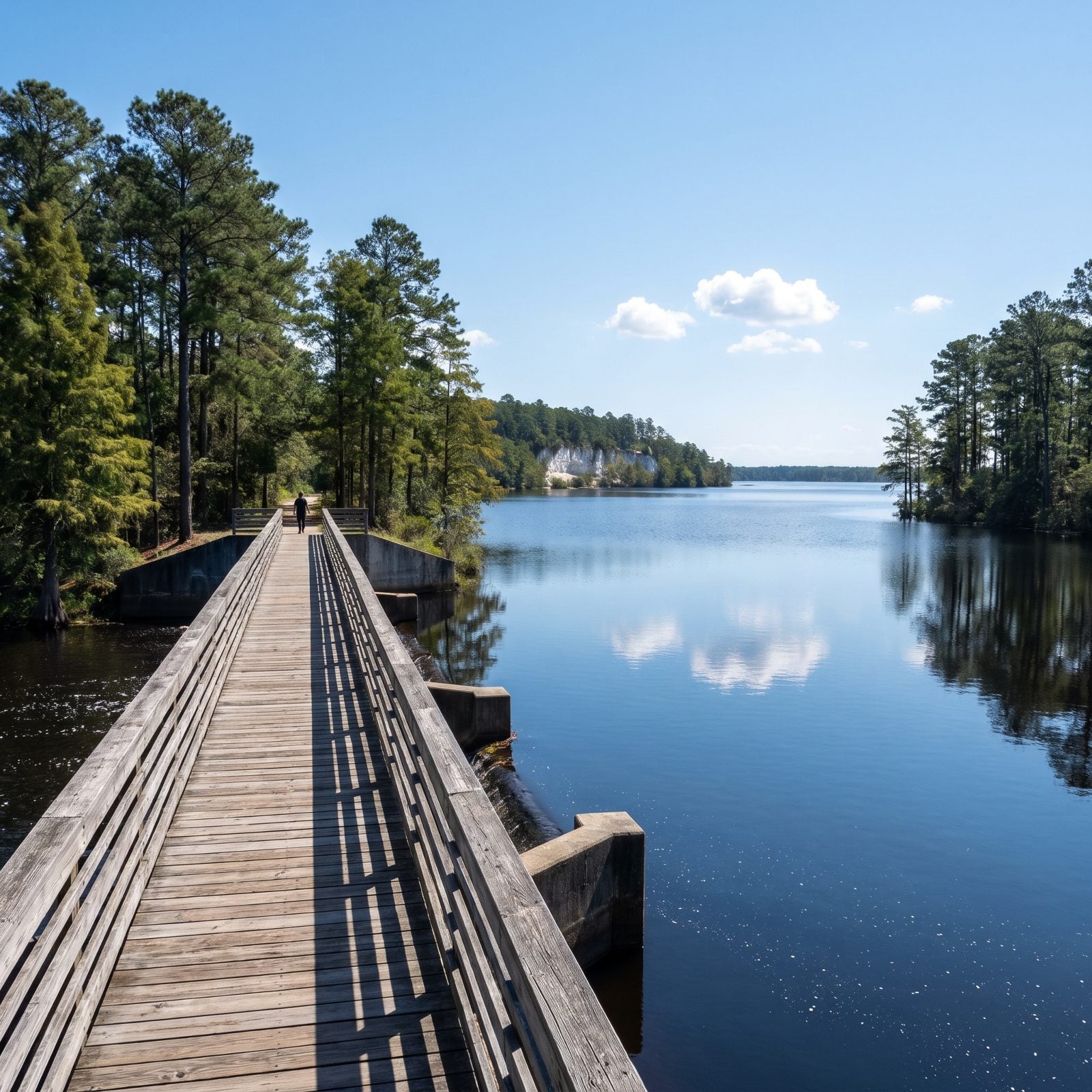
Most Carolina bays are dry depressions in the ground. This one holds open water, which already makes it an oddball. Lake Waccamaw sits in Columbus County about 40 miles west of Wilmington, and it’s the largest Carolina bay of them all.
Here’s the part that surprised me. A limestone bluff lowers the lake’s acidity just enough that several aquatic species found nowhere else in the world live in it. Nowhere else on Earth. Walk the pedestrian bridge over the Waccamaw Dam and you can reach the full 14-mile shoreline on the trails. Quiet, strange, and scientifically one of a kind.
6. Bear Island, Hammocks Beach State Park: An Empty Barrier Island by Ferry
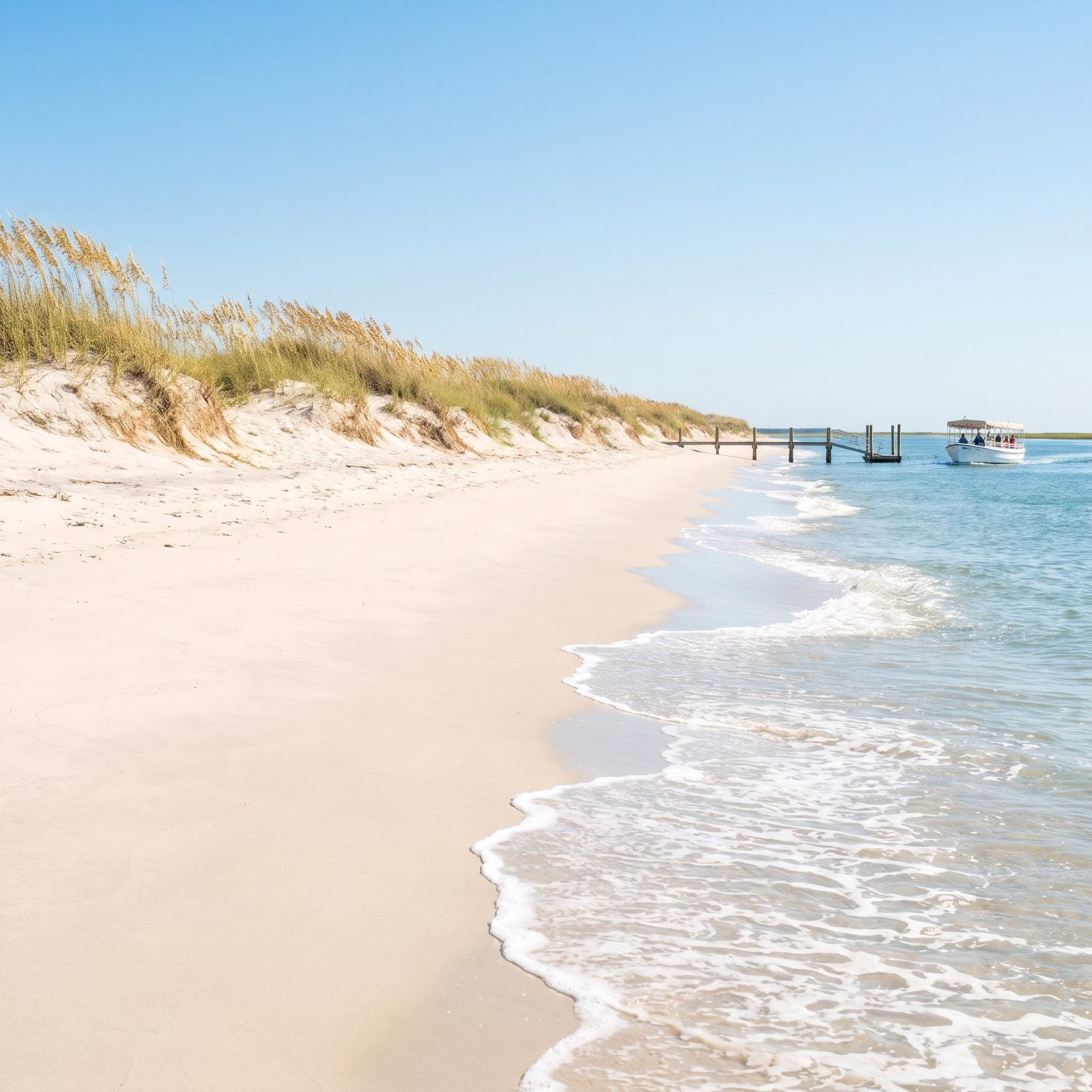
Bear Island is what the coast looked like before anyone built on it. Undeveloped barrier island, no roads, no houses, just sand and sea oats and surf. Local press calls it one of the state’s most pristine islands, and the only ways on are the park ferry, a private boat, or your own paddle from Swansboro.
The ferry is strictly seasonal, so timing matters. The 2026 season opened Friday, April 3, with boats running Friday through Sunday in April, hourly from the visitor center starting at 9:30 a.m. From Memorial Day to Labor Day it runs daily. Check the off-season schedule before you go, because a locked ferry dock and an empty parking lot make for a long, disappointing drive home.
5. Elk Knob State Park: A 5,520-Foot Summit Eleven Miles North of Boone
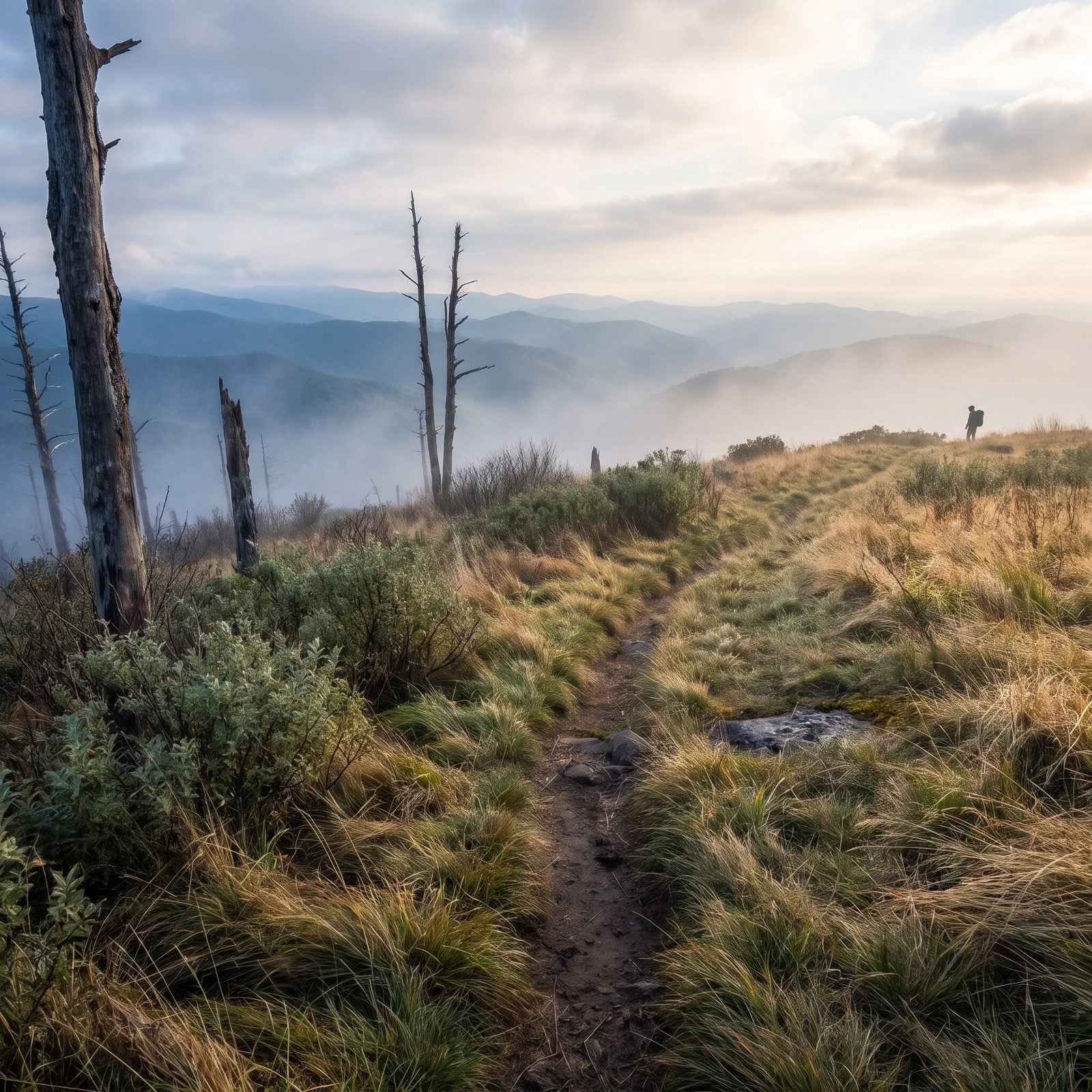
This one opened in 2003, which makes it a baby by park standards, and that youth is exactly why it stays so quiet. People drive straight to Grandfather Mountain and never think to turn north from Boone. Their loss.
The summit sits at 5,520 feet, and the view up top takes in most of the High Country in one slow turn. The climb earns it. Six primitive backcountry sites wait a mile or two in, and you have to reserve them ahead, so nobody wanders up expecting a free tent spot.
Winter changes the whole thing. About a mile of trail opens for cross-country skiing and snowshoeing, which is a strange and quiet pleasure this far south.
4. Hot Springs: Where the Appalachian Trail Walks Down Main Street
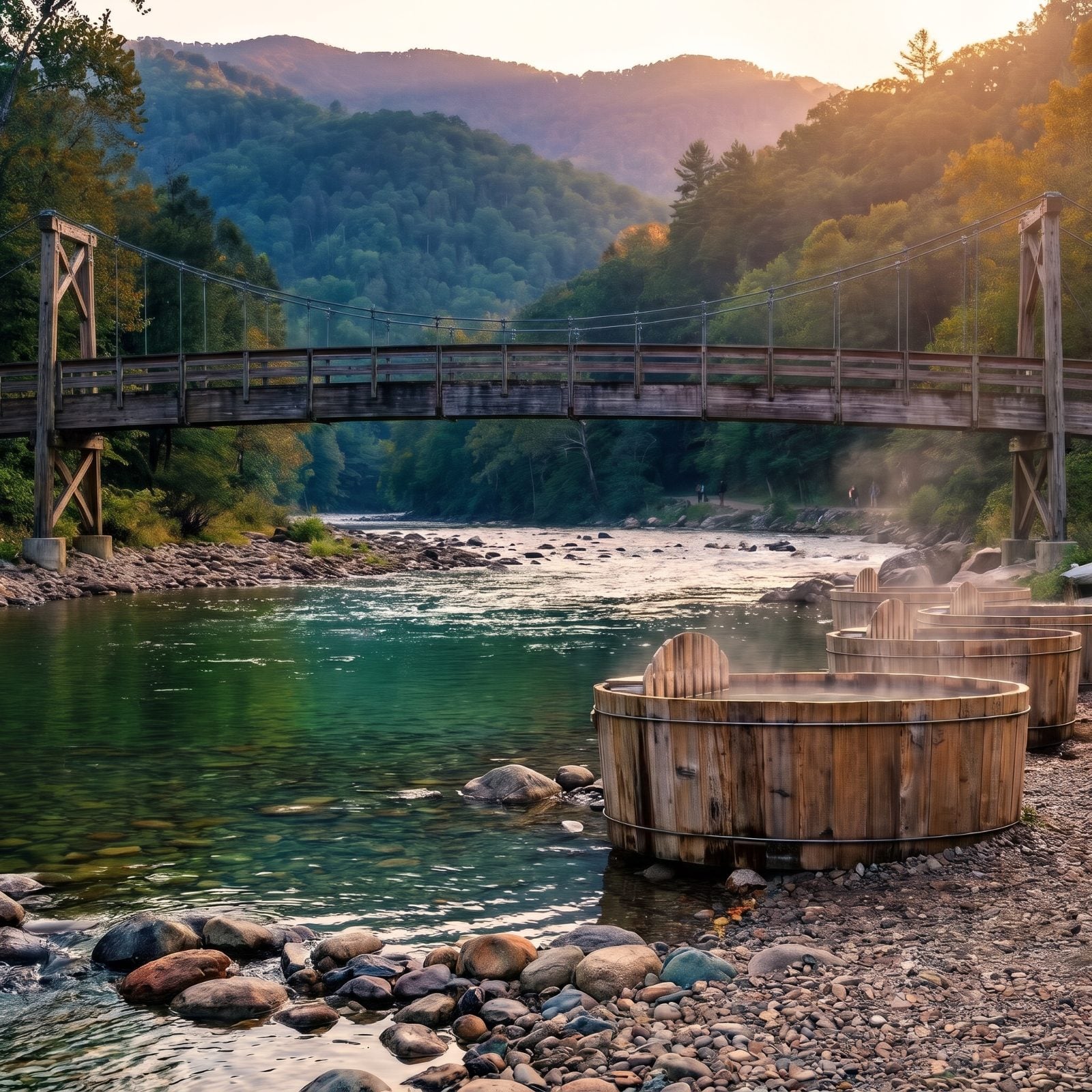
It’s the only North Carolina town the Appalachian Trail actually passes through. The white blazes run right down the street, which means on any given afternoon you’ll spot a through-hiker in Madison County hauling a forty-pound pack, ordering real food, looking slightly dazed by the novelty of indoor seating.
After the trail, the riverbank is the reward: steaming wooden soaking tubs lined up on the gravel shore, a weathered wooden footbridge arching over the water, and hikers strolling the riverside path beyond. Sinking into hot water while a clear green river rushes over the rocks and wooded mountains glow at sunset? That’s the kind of thing you plan a whole weekend around.
Helene flooded the town hard. It started welcoming visitors back in spring 2025. The tubs run seven days a week by appointment, so call first. The resort’s campground was closed for a while after the storm but is now listed as open again, so check current availability before you load the car.
3. Cataloochee Valley: Elk Grazing in the Quiet Corner of the Smokies
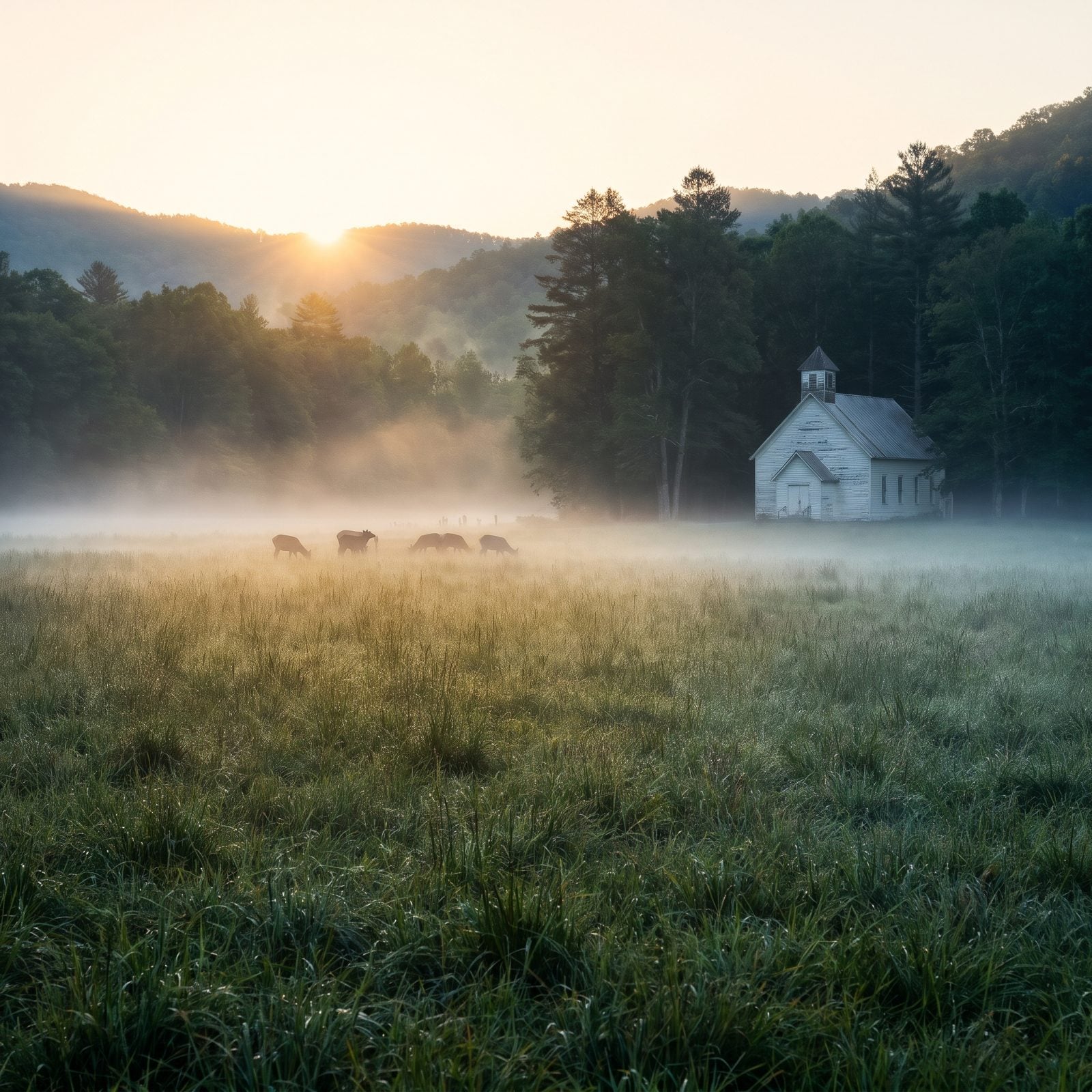
Elk the size of small cars, grazing in open fields, and almost nobody watching. That’s Cataloochee, a remote valley on the North Carolina side of Great Smoky Mountains National Park.
Elk came back here in 2001 after being gone from the region for generations. They’re most active at first and last light, and on a good morning you’ll see dozens out in the fields at once. So go early. The valley holds its mist until the sun burns it off, and the whole scene feels like something you shouldn’t be allowed to see for free.
Getting there is half the point. Take US 276 north from Waynesville about ten miles to Cove Creek Road, which turns to gravel and winds and keeps the casual crowd away. Check road conditions on the NPS site first.
2. Joyce Kilmer Memorial Forest: 400-Year-Old Trees in Remote Graham County
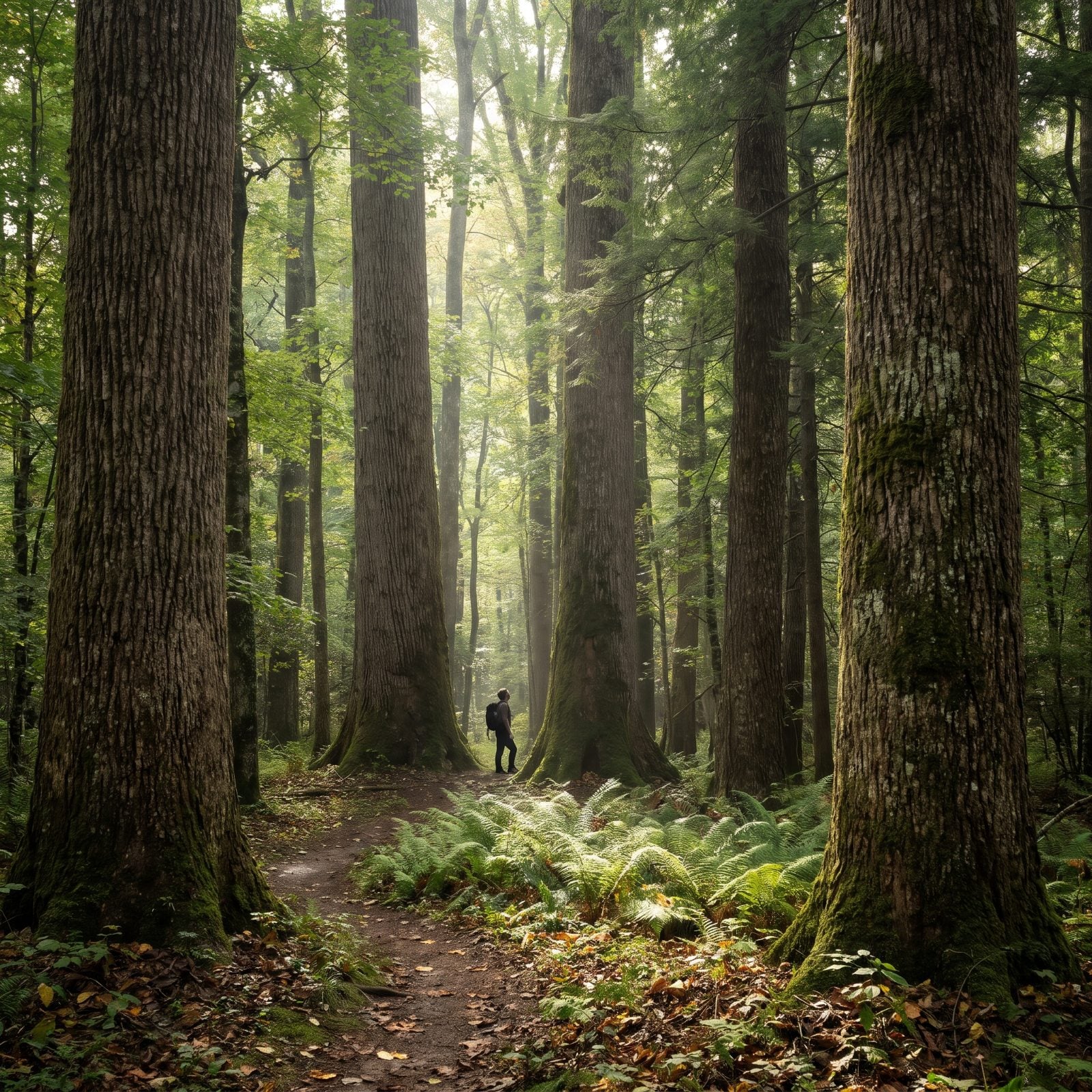
Set aside in 1936 to honor the man who wrote the poem “Trees,” which is either poetic justice or a little on the nose, depending on your mood. Either way, the forest earns it.
This is 3,800 acres of old-growth in remote Graham County, home to more than 100 tree species. Many are over 400 years old. Some rise more than twenty feet around and a hundred feet tall, and standing under one does something unflattering to your sense of your own importance. The two-mile Memorial Loop Trail is easy, so you don’t need to be a serious hiker to feel small.
From Robbinsville, take NC 143 West about twelve miles, then follow Joyce Kilmer Road.
1. Uwharrie National Forest: 33 Miles of Trail in the Ancient Piedmont Hills
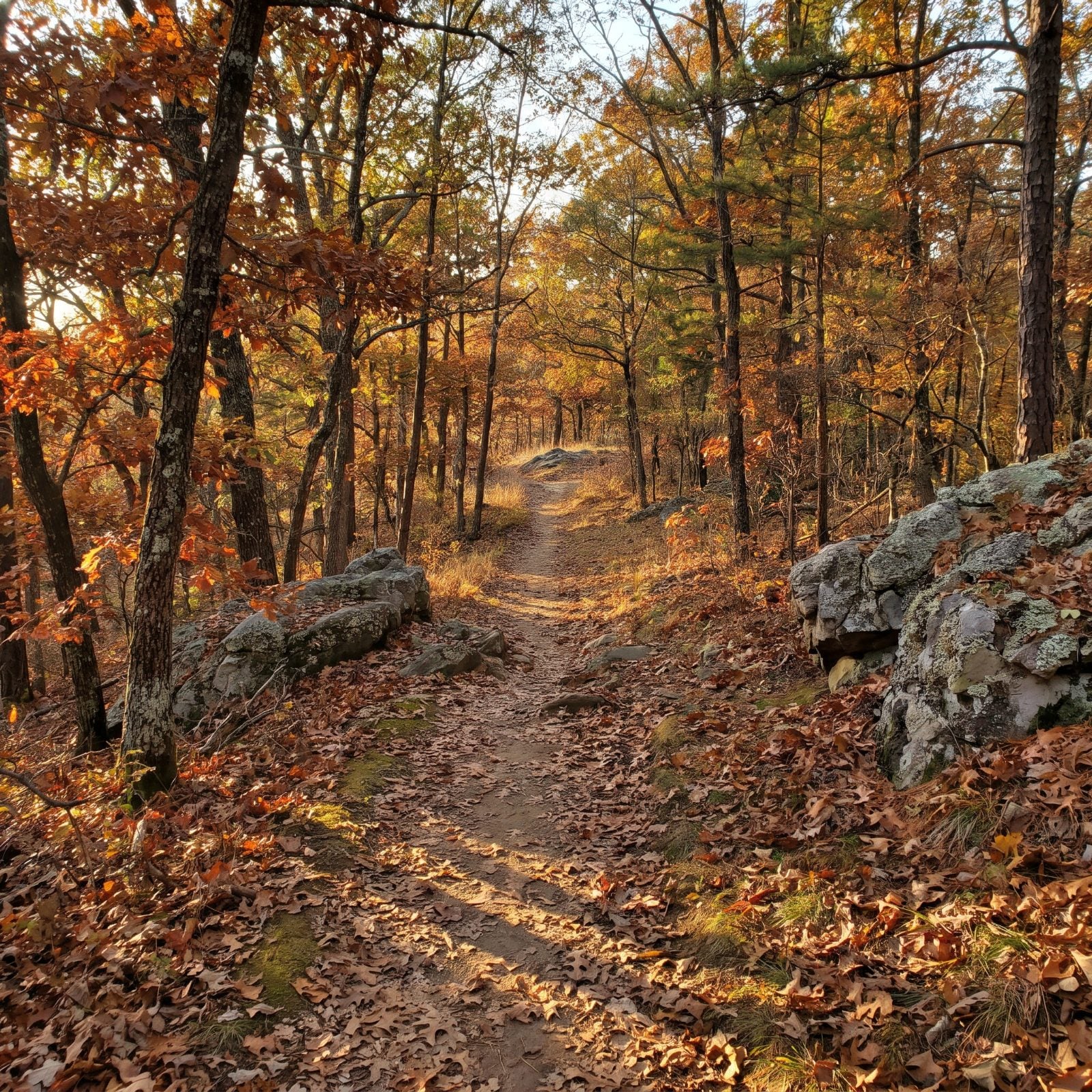
These are some of the oldest mountains on the planet, worn down over hundreds of millions of years to the low rolling hills you see now. They don’t look like much from the highway. That’s rather the point.
The forest spreads across parts of Montgomery, Davidson and Randolph counties in the central Piedmont. It became public land in 1931 and was later named by President Kennedy. The Uwharrie National Recreation Trail (29 miles, per the Forest Service) and the Dutchman’s Creek Trail, a loop built off it, both start at the trailhead on NC 24/27, about 10 miles west of Troy. And here’s the part people miss: camping is allowed in undeveloped areas unless a sign tells you otherwise, a freedom you won’t find at most state parks.
It’s an easy drive from the center of the state, and far fewer people make it than should.
Please note that some of the imagery in this article were created with the aid of AI image generators.