

Some places never got the memo. The world sped up, went digital, paved everything over, and these corners just kept doing what they’d always done. A horse cart clops past a window where it clopped a hundred years ago. A diner still serves pie on the same counter. You don’t visit these places so much as fall into them, the way you fall into a cold lake, all at once. The ones below aren’t museums behind glass. People live here, cook here, argue over fences here. The past is still the present. You just have to show up.
30. Havana, Cuba: Where 1950s American Cars Never Stopped Running
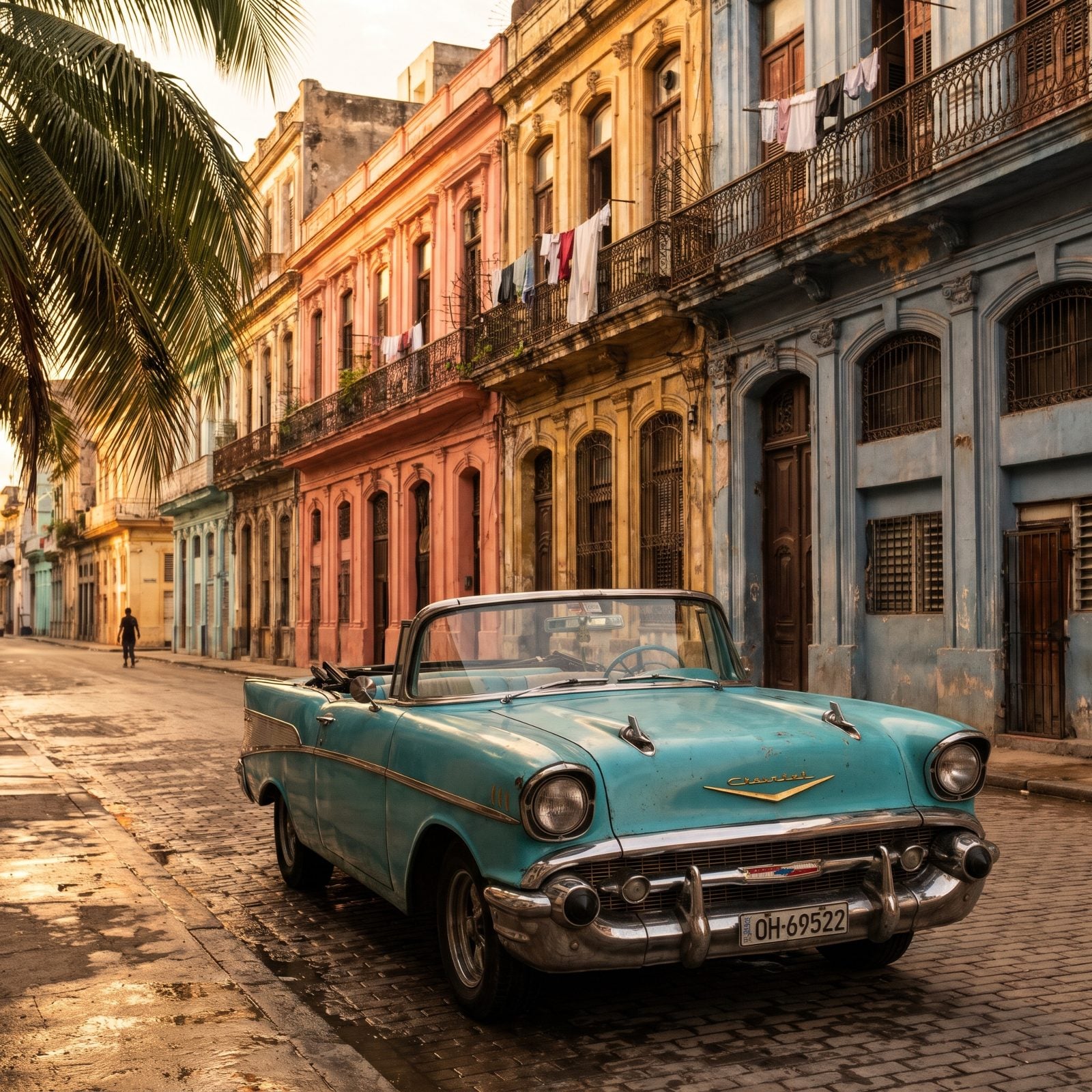
The cars are the first thing everyone mentions, and for once the cliché earns it. These aren’t restored showpieces. They’re daily drivers, held together with Russian engine parts, hand-fabricated gaskets, and the kind of mechanical cussedness you only develop when buying new isn’t an option. A 1955 Oldsmobile running on a Toyota diesel heart, a Bel Air repainted with house paint and a roller — that’s the norm, not the exception.
Havana is more than its fleet, though. What gets you is the pace, because nobody is hurrying anywhere. Dominoes slap on folding tables. Music leaks out of open doorways. The internet is slow and spotty, which means people still talk to each other on stoops like it’s 1961.
29. Colonial Williamsburg: The 18th Century Still Clocks In Every Morning
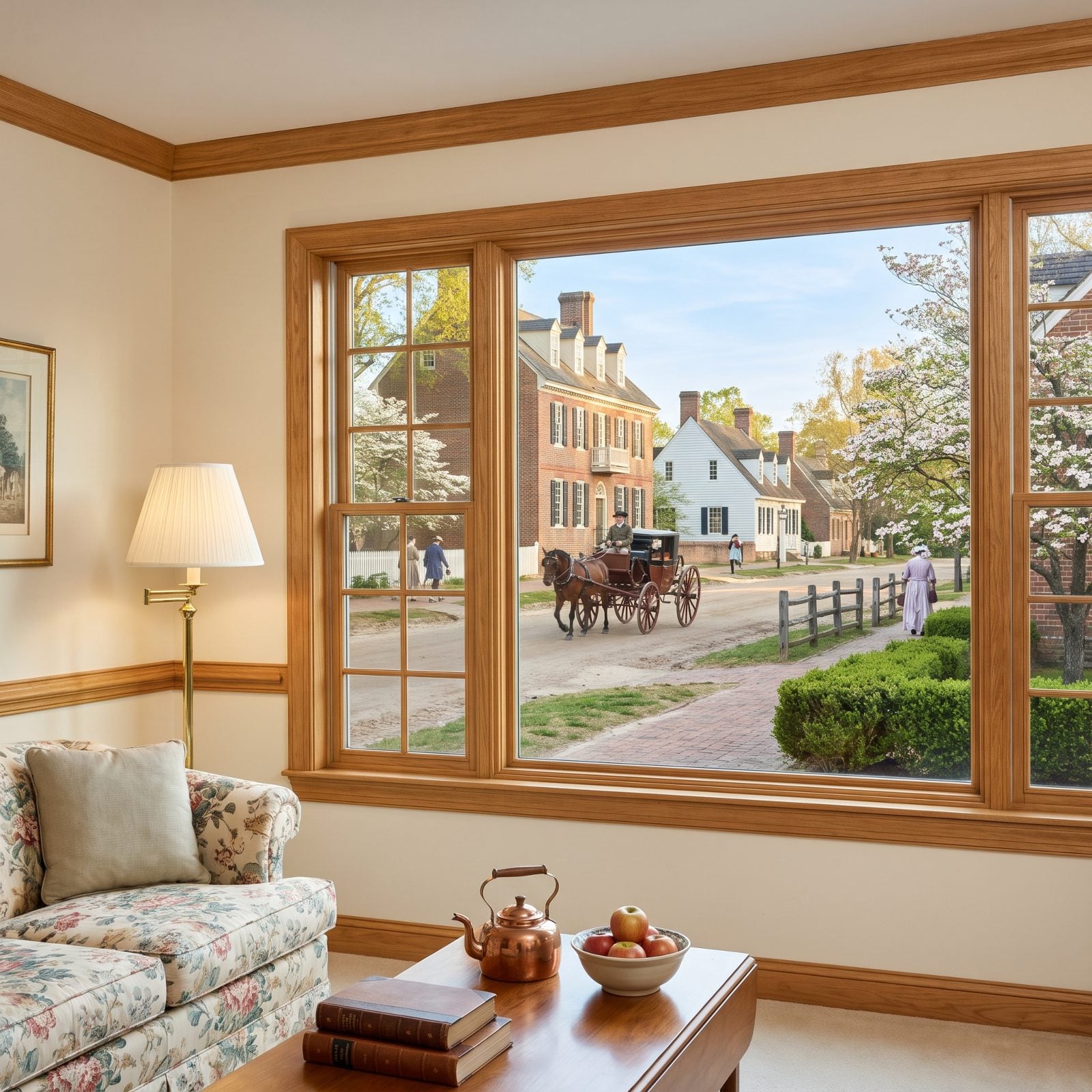
You walk in expecting a theme park and get something closer to a working village. Blacksmiths actually forge, the printer actually sets type by hand, and the tavern cooks over real fire while the costumed interpreters refuse to break character to tell you about their weekend.
The detail that gets me every time is the smell. Woodsmoke, horse, tallow candles, fresh bread. You can read about 1770 all you want — smelling it is a different animal.
Williamsburg had the money to do this right, thanks to a Rockefeller restoration that started in 1926. Hundreds of acres, dozens of original buildings, and nobody blaring pop music in your ear while you try to imagine the Revolution.
28. Lancaster County, Pennsylvania: Amish Life at Horse-and-Buggy Speed
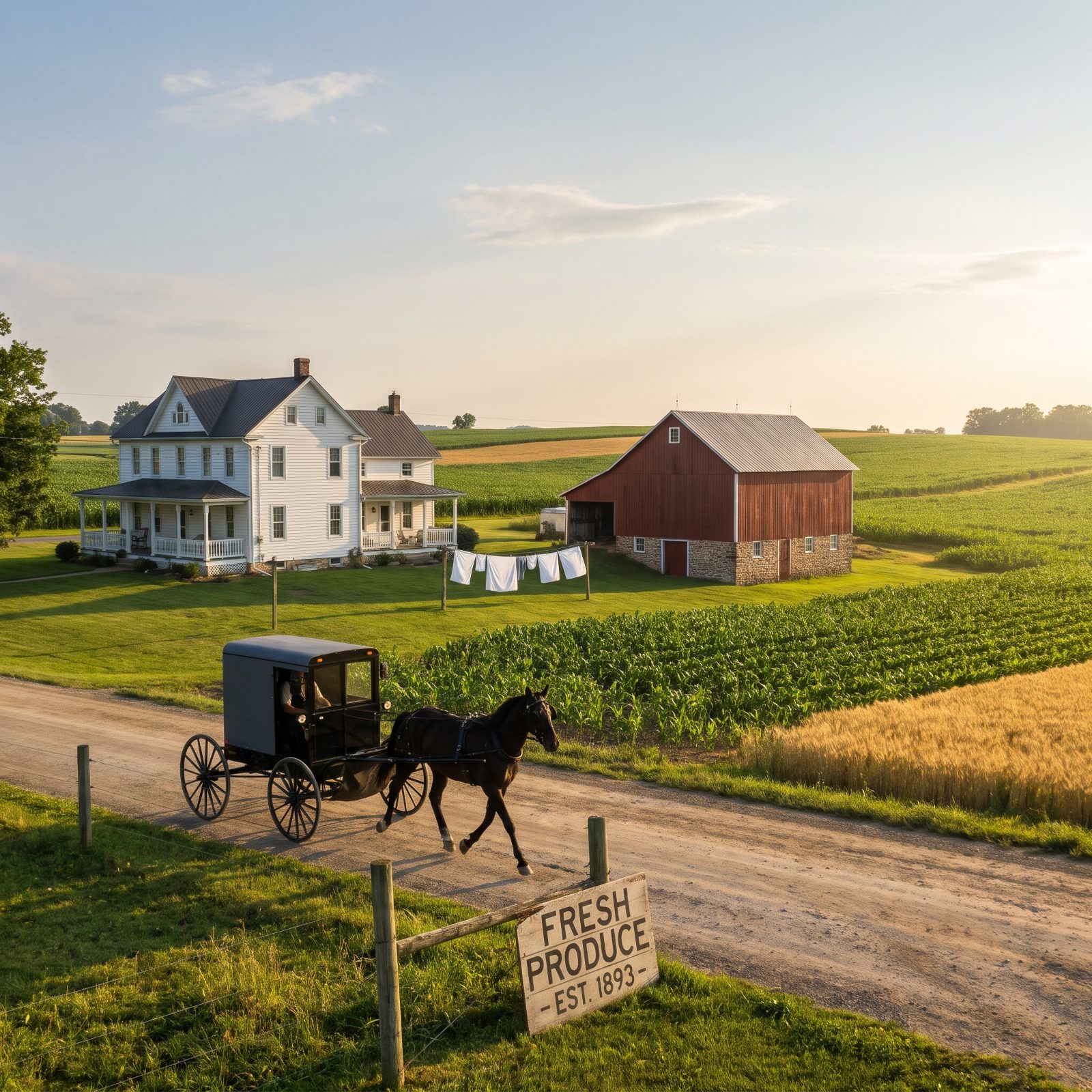
No power lines running to the farmhouses. That’s what stops you first. Fields plowed by horse, clothes drying on the line because there’s no dryer and never will be. The Amish of Lancaster County didn’t preserve the 1800s on purpose — they just decided, faith by faith and family by family, that some of what came after wasn’t worth having.
Go for the farm stands and the whoopie pies. Stay for the quiet. You’ve never heard a landscape this quiet until the only engine for miles is a horse clopping over the next rise.
27. Route 66’s Neon Diners and Motor Courts That Refused to Close
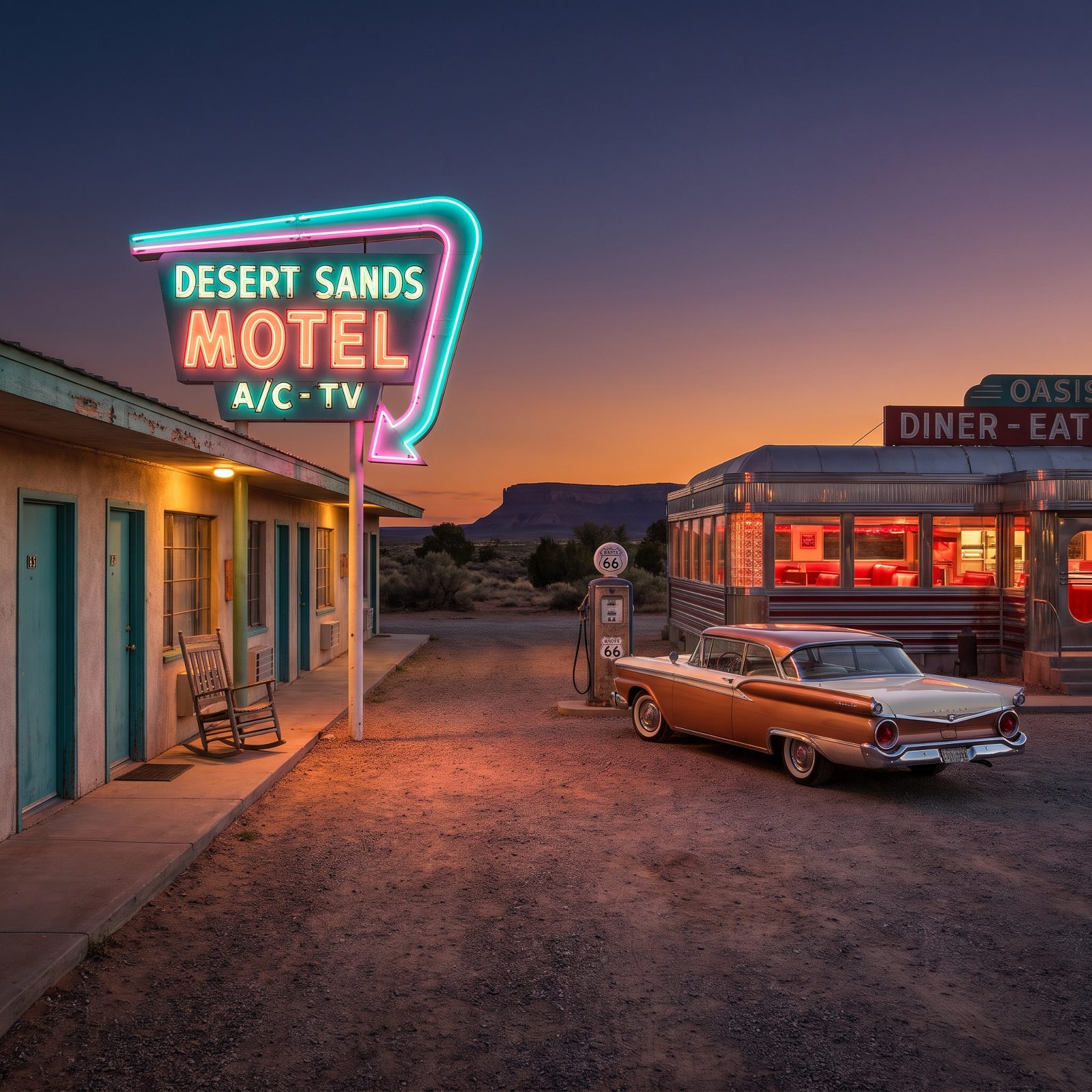
The interstate killed Route 66 in slow motion, bypass by bypass, until the towns that lived off it just dried up. Some holdouts dug in, though. The Blue Swallow Motel in Tucumcari still glows, the Midpoint Café in Adrian, Texas still marks the exact middle of the road, and the U-Drop Inn in Shamrock still catches the light like it did in 1936.
It is 4:47 in the morning at a diner outside Tucumcari. The coffee is bad on purpose. The waitress calls you honey and means it. The jukebox has songs older than the building codes.
These places didn’t survive by changing with the times. They survived by refusing to.
Drive it slow. The whole appeal of Route 66 was always the going, never the getting there.
26. Bhutan’s Mountain Villages, Where the Modern World Knocks Politely and Waits
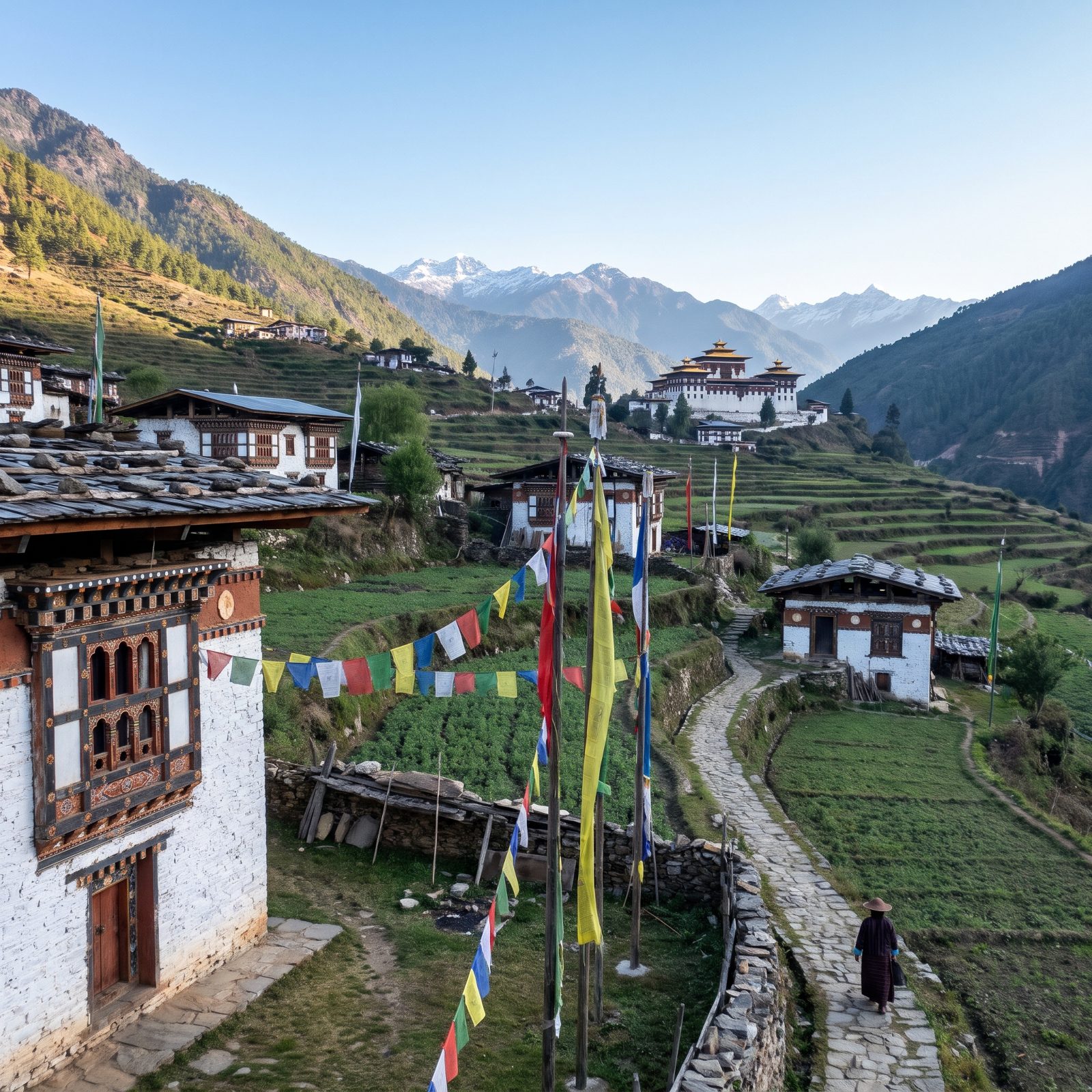
Bhutan measures its success in Gross National Happiness, which sounds like a tourism slogan until you realize they actually built policy around it. Television only arrived in 1999. The capital has no traffic lights. Out in the villages beyond the few paved roads, the rhythm is set by harvest, prayer, and weather, in that order.
The farmhouses are the real time capsule — rammed-earth walls, painted window frames, a prayer room up top, livestock on the ground floor. Built the same way for centuries because the old way works at 8,000 feet.
25. Shirakawa-go’s Thatched Farmhouses, Built to Outlast Everyone Who Built Them
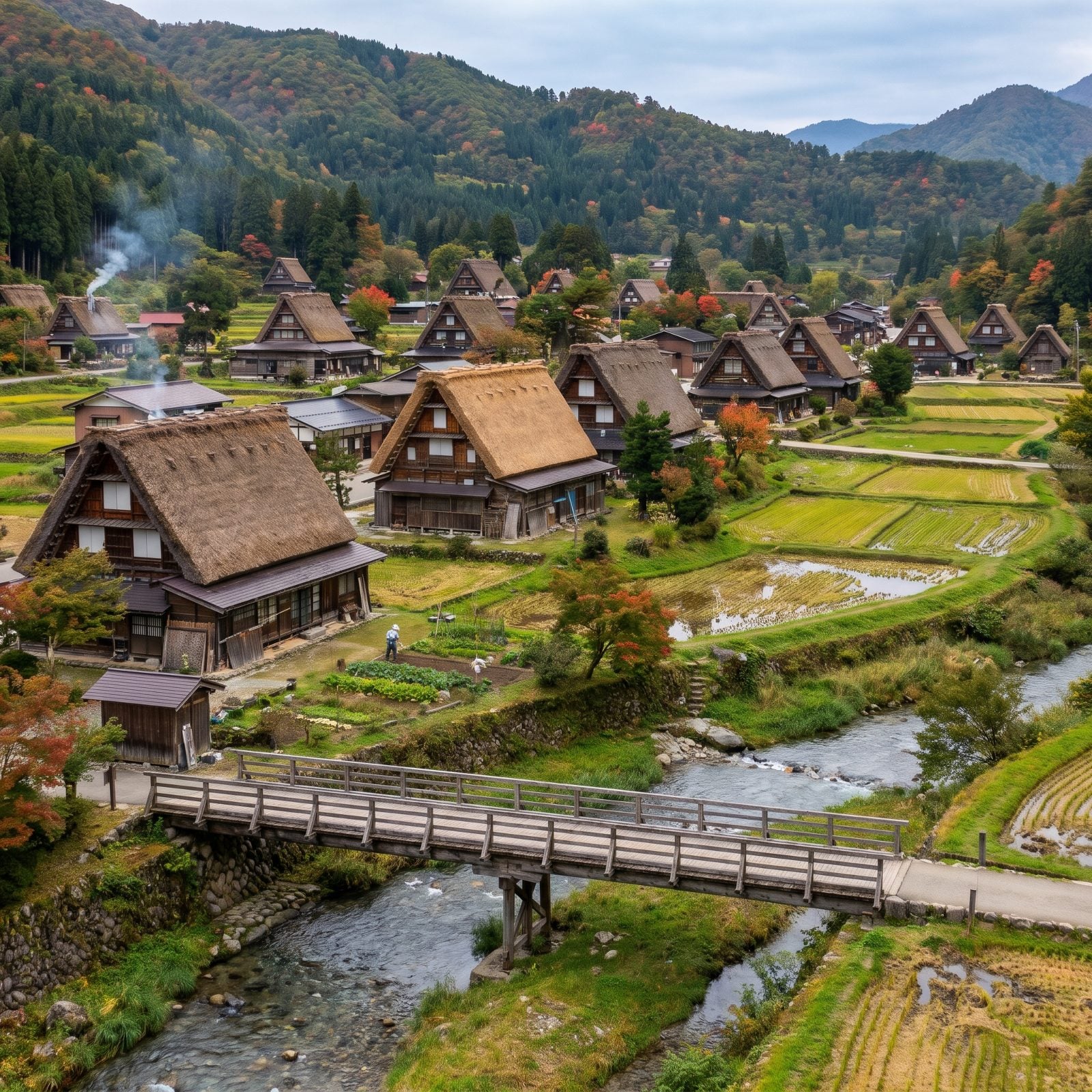
The roofs are the whole story. Steep, thatched, shaped like hands pressed together in prayer, which is literally what gassho-zukuri means. They’re built that way to shed the heavy snow that buries this valley every winter. No nails in the frame — just rope, wood, and joinery that flexes instead of snapping.
Re-thatching a single roof takes the whole village. Hundreds of neighbors, one weekend, a tradition called yui that’s older than anyone can date. You can’t buy that. You have to belong to it.
A UNESCO site since 1995, Shirakawa-go draws crowds now, especially when it snows. Go in autumn instead. The rice turns gold, the maples start to burn, and the farmhouses sit there looking exactly as they did a couple of centuries back.
24. Old Town Dubrovnik: A Walled City the Centuries Forgot to Modernize
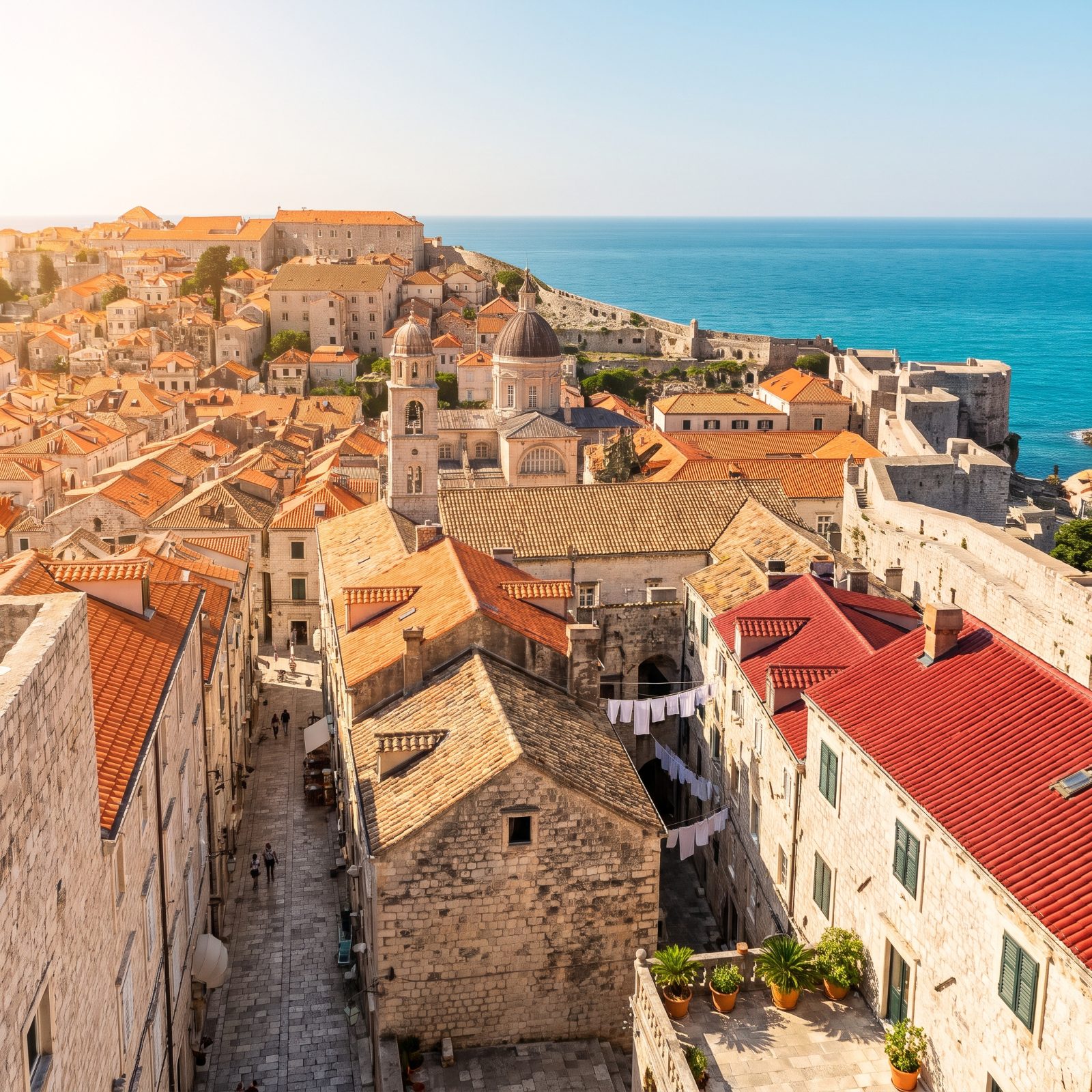
No cars allowed inside the walls. Can’t fit, wouldn’t be let in if they could. Dubrovnik’s Old Town is a pedestrian world of polished limestone, worn so smooth by centuries of feet that the streets shine like glass after rain. The main drag, the Stradun, has been the city’s spine since the 1400s.
The walls themselves wrap almost two kilometers around the whole town, rising high enough in spots to make you grip the parapet. Walk them at opening time, before the cruise crowds spill off the gangways, and the rooftops are yours alone.
23. The Medina of Fez: The Largest Car-Free Old City on Earth
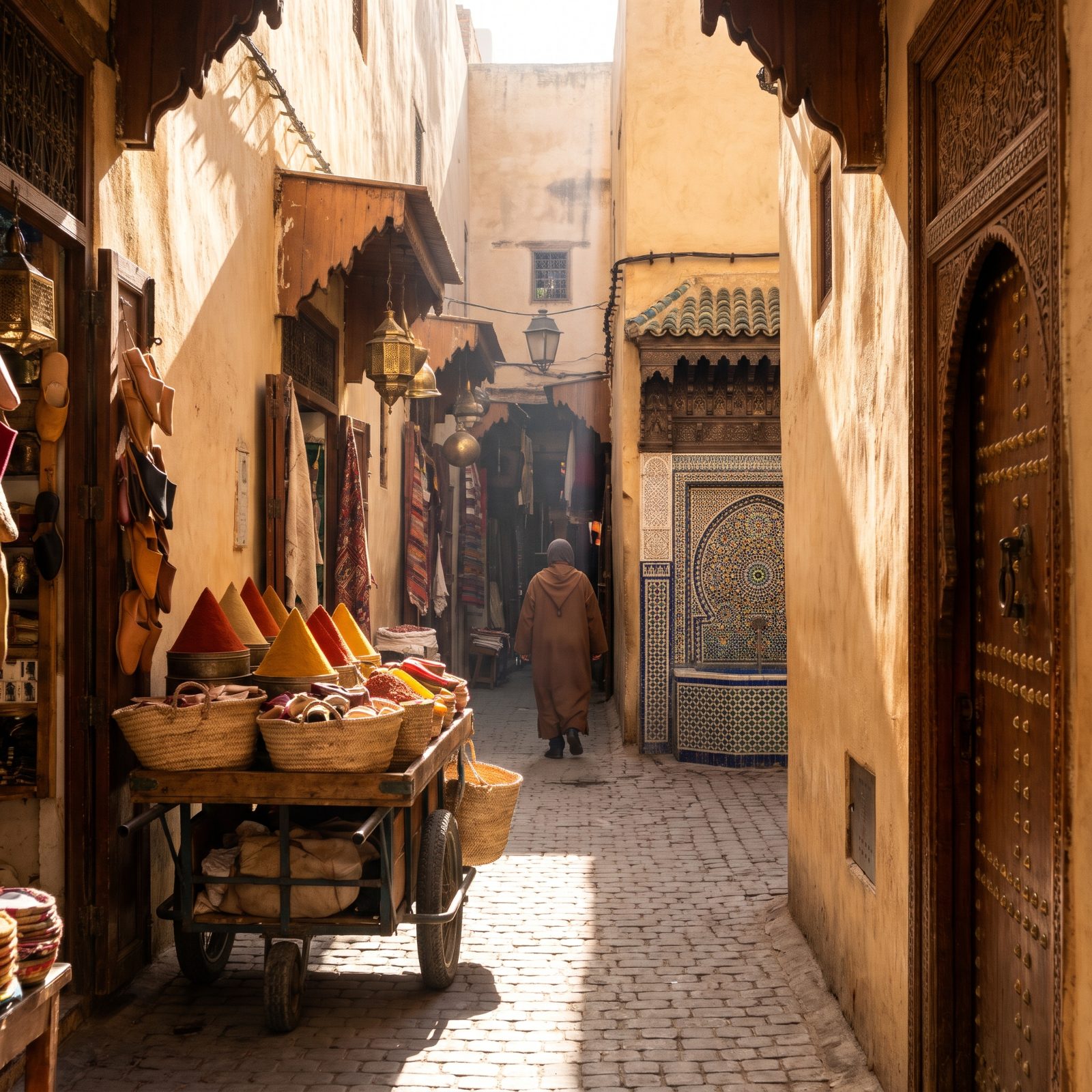
Fez el-Bali has thousands of alleys, and no, you will not navigate them. You will get lost. Everyone gets lost. The map in your hand is a suggestion the city refuses to honor. Donkeys and handcarts still haul goods because nothing with an engine fits down lanes built for the ninth century.
The tanneries are the sensory gut-punch. Stone vats of dye in sunset colors, the smell so sharp vendors hand you a sprig of mint to hold under your nose. Leather worked the exact same way it was a thousand years ago, by men standing waist-deep in pigeon droppings and lime.
22. Tombstone, Arizona: The Town Too Tough to Modernize
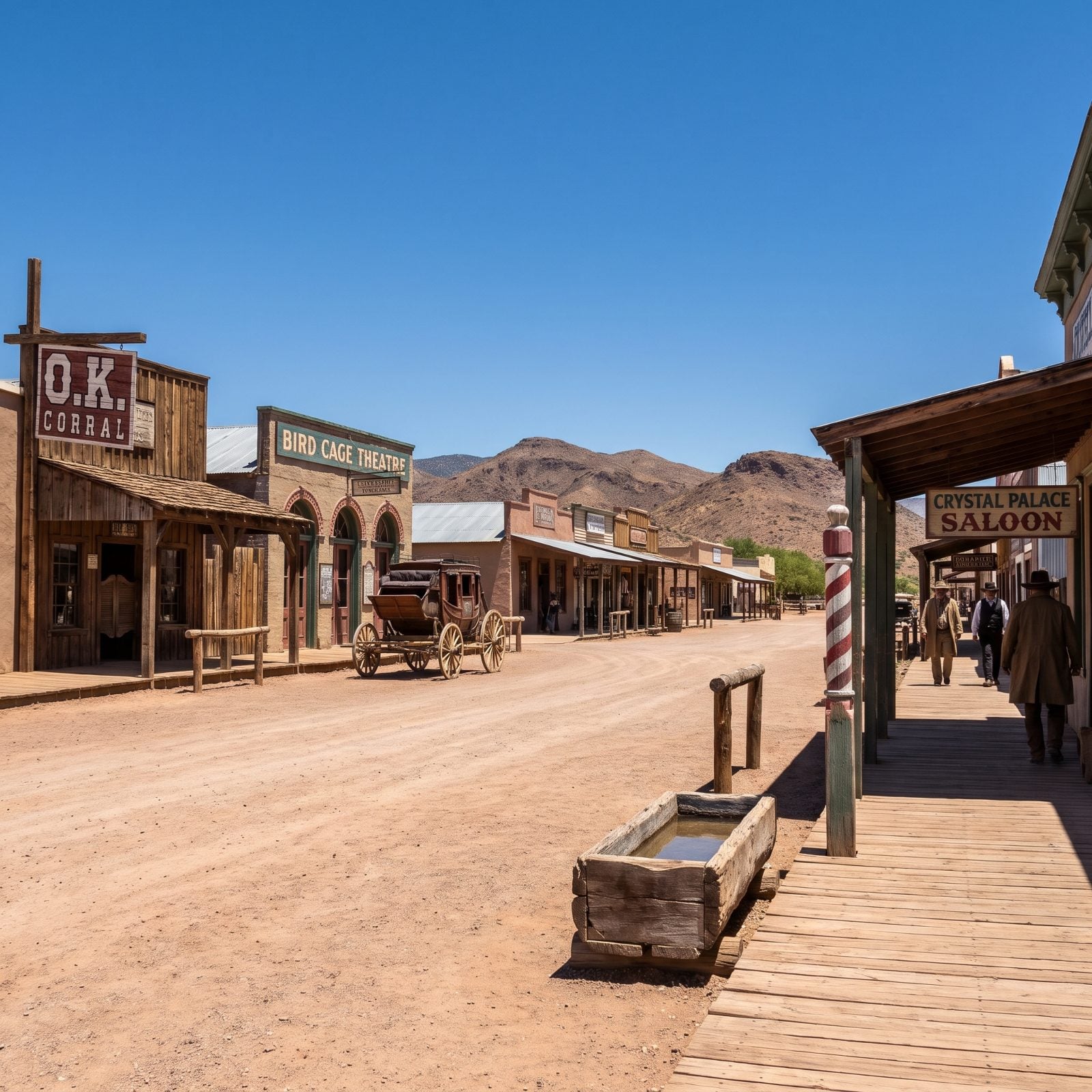
The gunfight at the O.K. Corral lasted about 30 seconds in October 1881. Tombstone has been living off those 30 seconds ever since, and honestly, good for them. Silver built this town, the mines dried up, and instead of dying it became a monument to its own wildest afternoon.
Wooden boardwalks. Swinging saloon doors at the Crystal Palace and Big Nose Kate’s. Reenactors who stage the shootout daily and ham it up shamelessly. It leans touristy — no point pretending otherwise.
But Boothill Graveyard cuts through the kitsch. Rows of weathered markers, some for men who died exactly how you’d guess. One famously reads: here lies Lester Moore, four slugs from a .44, no Les no more. Gallows humor, carved in stone, still funny all these years later.
21. Varanasi’s Ghats, Where the River Has Kept the Same Hours for 3,000 Years
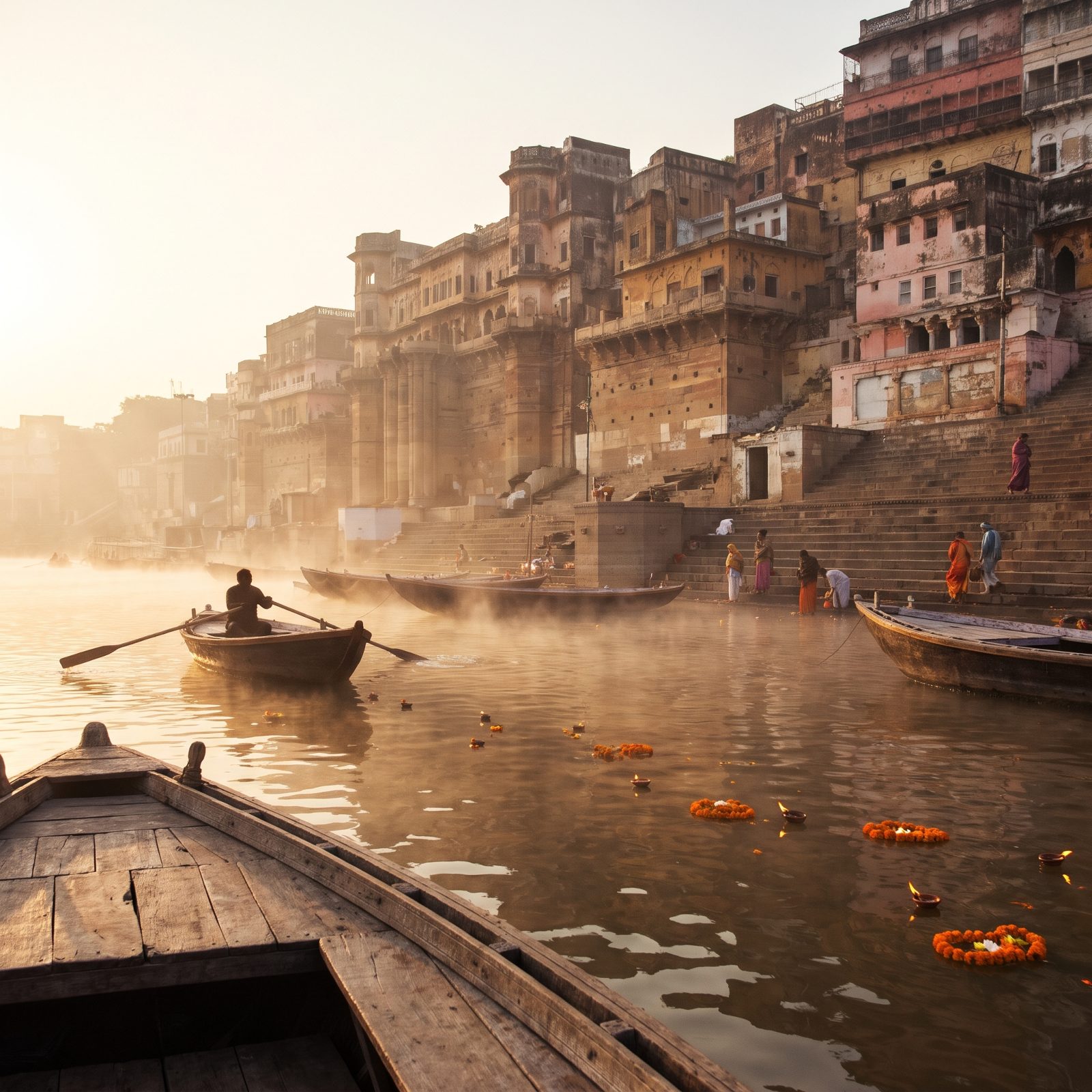
Mark Twain called Varanasi older than history, older than tradition, older even than legend. He wasn’t exaggerating much. People have been coming to these ghats to pray, bathe, and be cremated for thousands of years, and they’re still doing it this morning, exactly like yesterday.
Dawn is the hour. Climb into a rowboat as the mist lifts off the Ganges. Pilgrims wade waist-deep into the brown water, bells ring from temple after temple, and marigold petals and tiny oil lamps drift past on the current.
It is not pretty in the postcard sense. It’s something older and heavier than pretty. The cremation ghats burn around the clock, and nobody hides it. Life and death share the same stone steps here, and the river has never once looked away.
20. The Isle of Sark, Channel Islands, Where Cars Were Never Allowed In
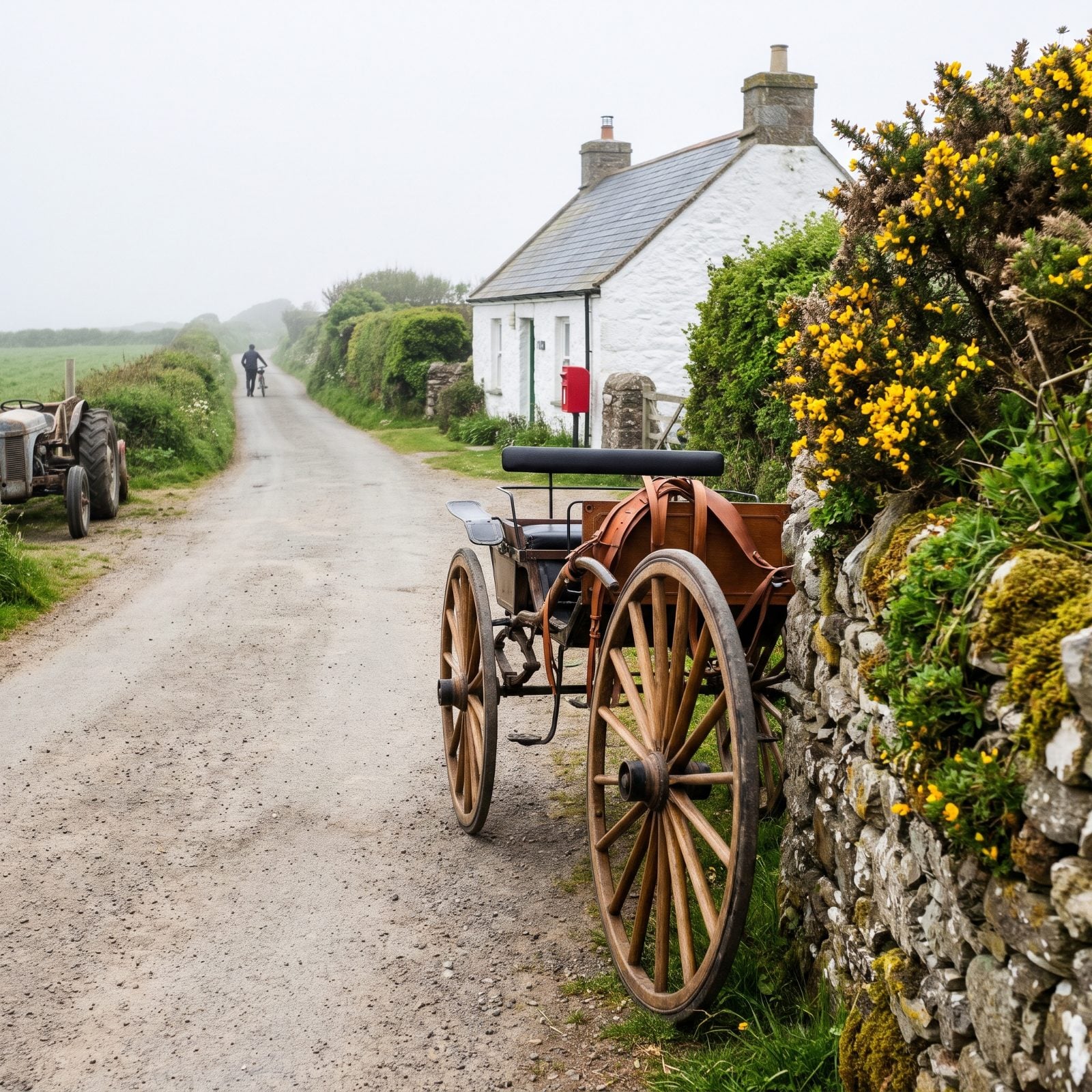
Two square miles. No cars, not by accident but by law. Sark banned motor vehicles over a century ago and never once reconsidered. You get around on foot, by bicycle, or behind a horse that has somewhere better to be than you do.
It stayed Europe’s last feudal state until 2008, run by a Seigneur who technically answered to the Crown and nobody else. That arrangement ended, but the tractors and the carriages stayed. At night there are no streetlights, which is how Sark became the world’s first designated Dark Sky Island. You can read a book by the stars here — which sounds like a line until you actually try it.
19. Mackinac Island, Michigan, Running on Hooves Since 1898
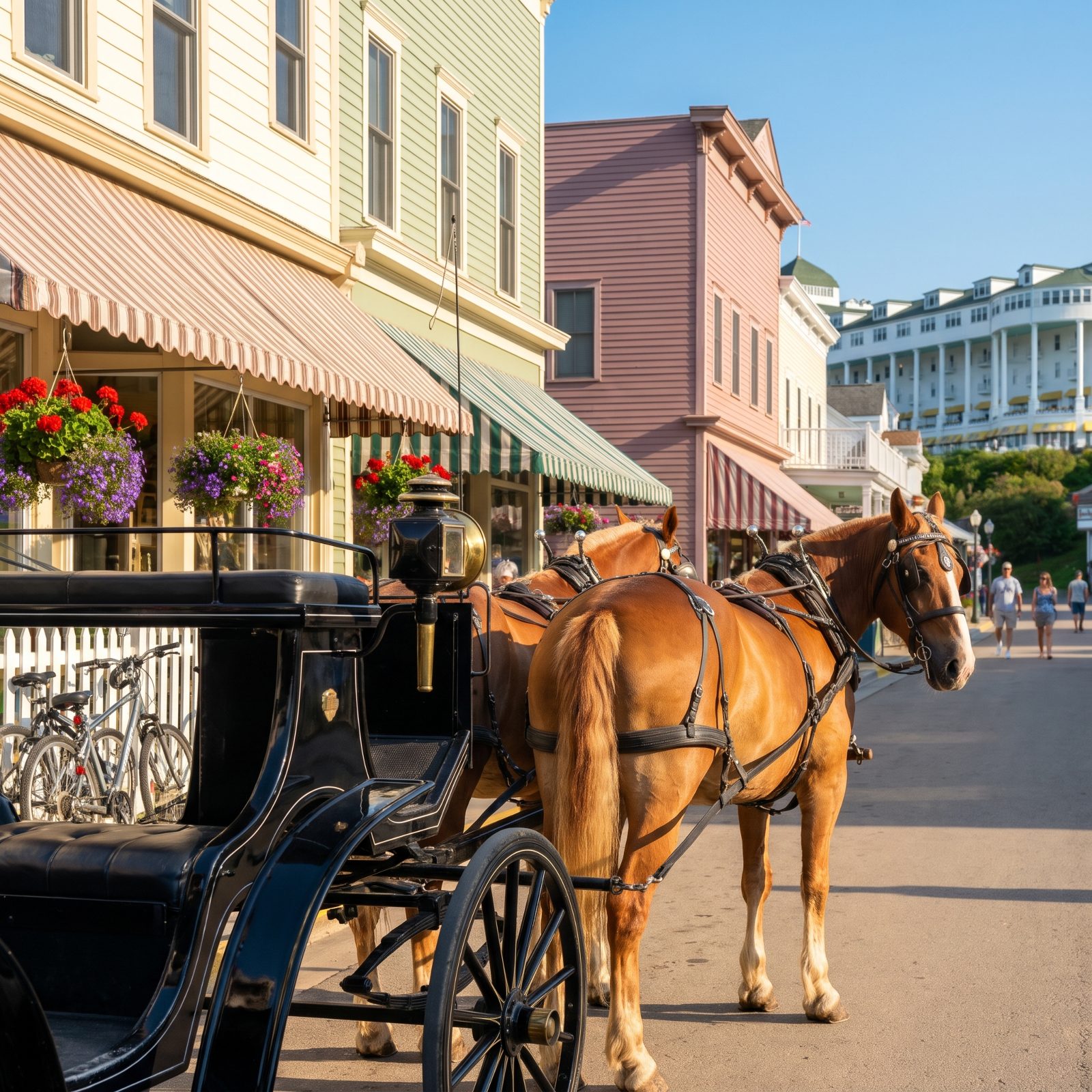
Cars were banned on Mackinac in 1898. A few early automobiles spooked the horses, the locals had seen enough, and the ban has held ever since. Over a century later, the fastest thing on the island is still a bicycle.
Everything moves by horse. Your luggage arrives by dray, the UPS deliveries ride a wagon, and in winter — when the ferries stop and the straits freeze over — residents mark a path across the ice with discarded Christmas trees so nobody drives a snowmobile into open water. The Grand Hotel’s front porch runs 660 feet, longest in the world, and it’s best appreciated with a glass of something and no particular plan.
18. Luang Prabang, Laos, Where the Monks Still Walk at Dawn
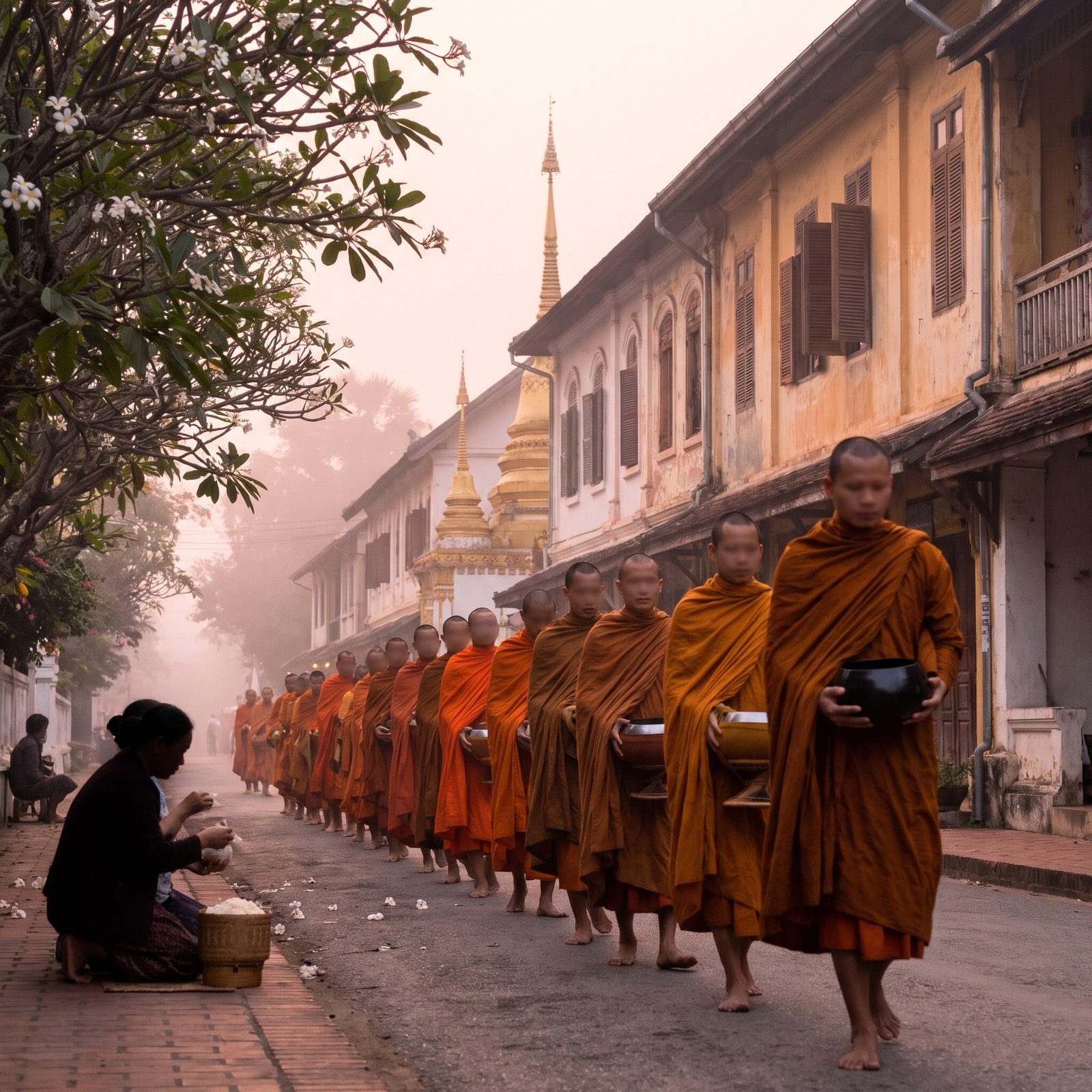
Before the sun is fully up, the monks come. Hundreds of them, barefoot, saffron robes, a slow silent line moving through the old town while townspeople kneel at the curb and place sticky rice into their bowls. This has happened every single morning for centuries.
The whole town is a UNESCO World Heritage Site, which is a dry way of saying the French colonial shophouses and the gilded temples weren’t allowed to be bulldozed. Mekong on one side, Nam Khan river on the other, no high-rises, no rush. About the alms ceremony, though — tour buses have started treating it like a photo op, and locals are rightly tired of flashbulbs in the monks’ faces. Watch from a distance. Or don’t watch at all and just buy a coffee.
17. The Turf-Roofed Hamlets of the Faroe Islands
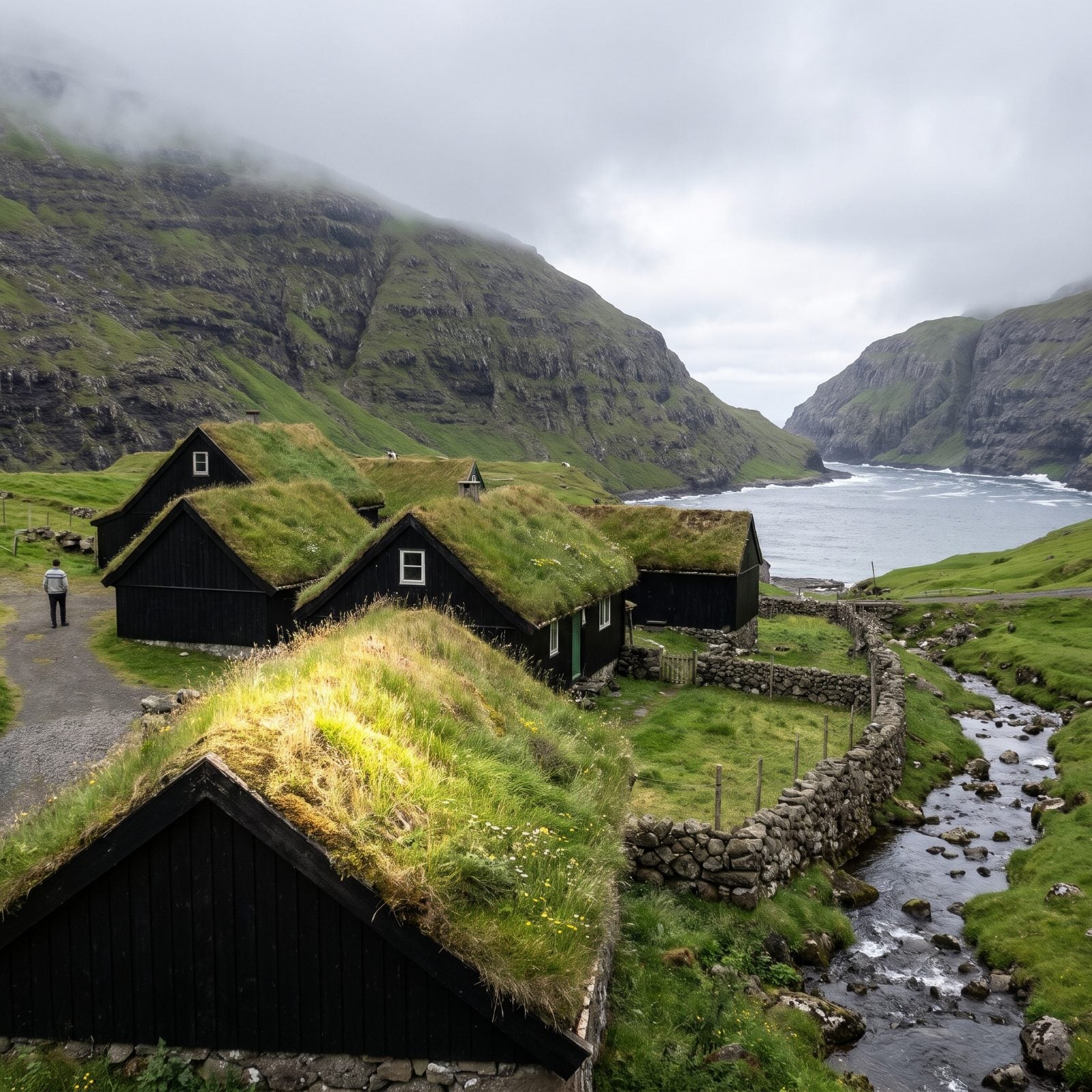
The roofs are made of grass. Not decoration — insulation. The Faroese have been growing their homes a green hat for a thousand years because turf holds the heat in and the wind out, and the wind out here will take the fillings out of your teeth.
Villages like Saksun and Gjógv sit at the end of roads that barely qualify as roads, tucked into fjords where the sheep outnumber the people by a comfortable margin. Black timber walls, grass roofs, a stone church, and not much else. The whole archipelago has roughly 50,000 people and twice as many sheep. It rains most days. But the light, when it breaks through, is the kind you remember for years.
16. Hoi An’s Old Quarter, Vietnam, Lit by Thousands of Silk Lanterns
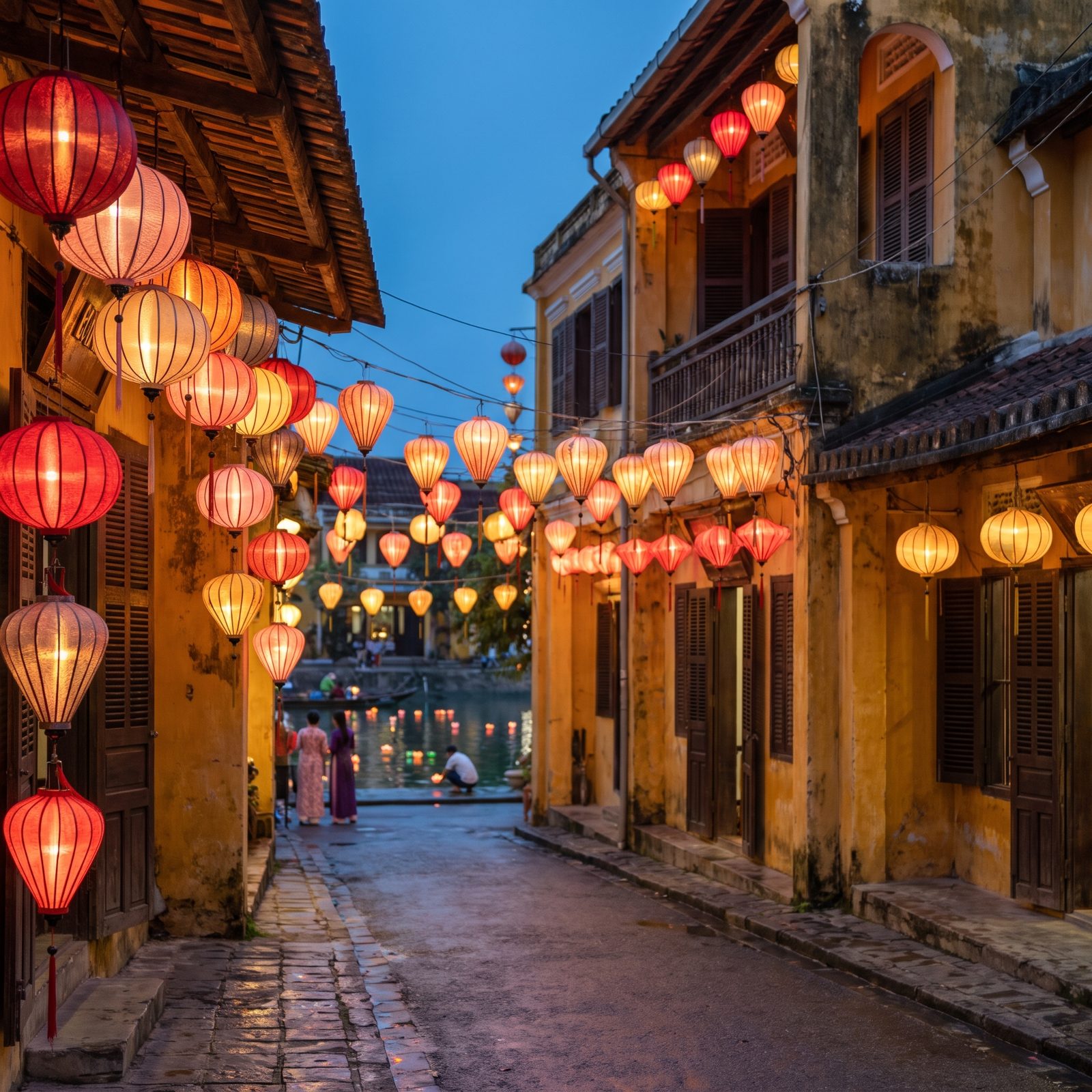
Once a month, on the full moon, Hoi An turns off the electric lights. The Old Quarter goes dark except for silk lanterns — thousands of them, glowing red and gold and orange over the streets and down along the river, where people set little paper candles afloat on the water.
This was a major trading port 400 years ago. Japanese, Chinese, Dutch, and Portuguese merchants all left their mark, and the mustard-colored shophouses they built never got torn down. No cars in the old center. Just bicycles, foot traffic, the smell of cooking, and that lantern light turning everything the color of old photographs. It’s almost absurdly pretty, and it knows it, but the charm holds anyway.
15. Transylvania’s Saxon Villages, Romania, Unchanged Since the Middle Ages
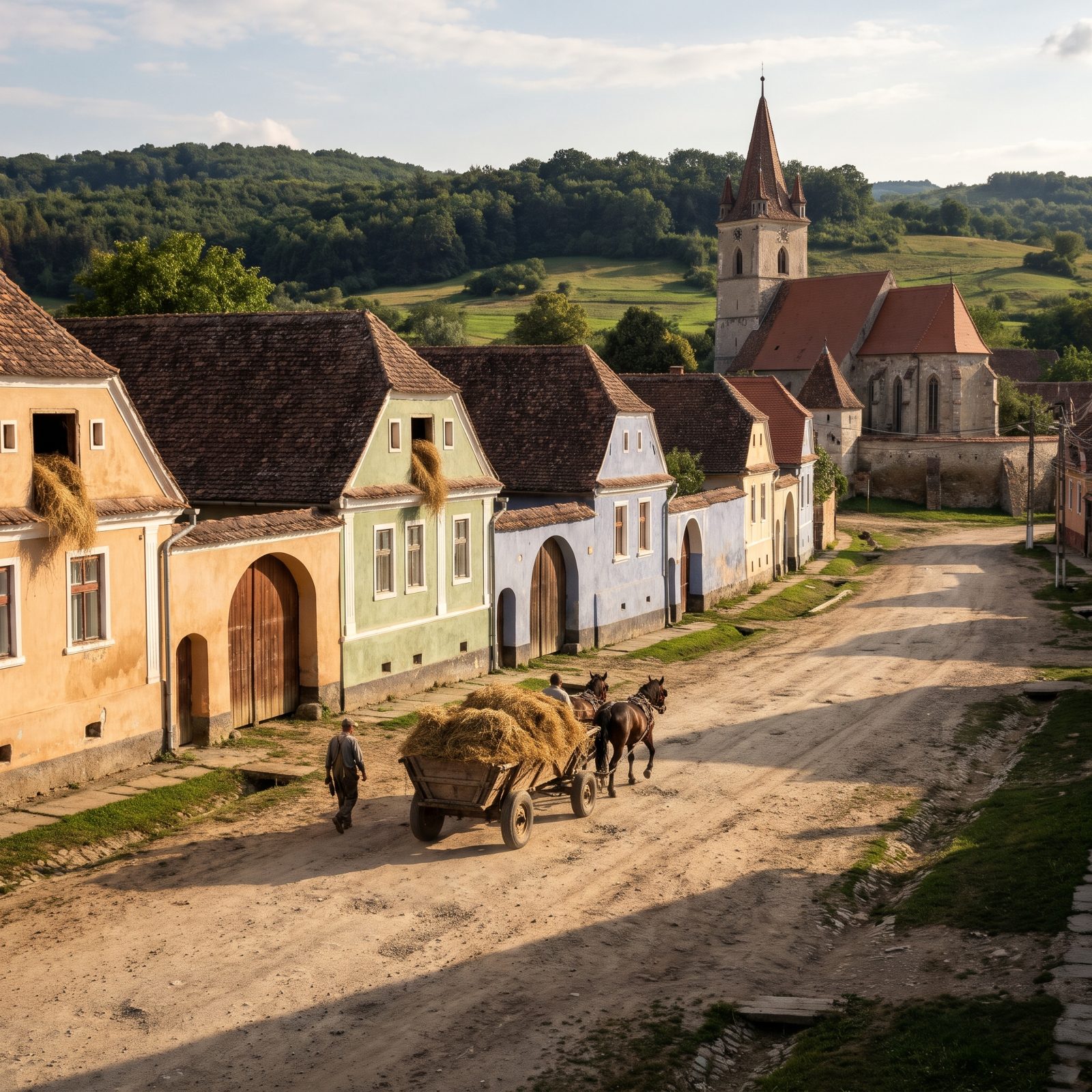
Horse carts outnumber tractors here. German-speaking Saxon settlers arrived in the 1100s and built fortified villages with churches you could hide inside when raiders came, and much of it still stands exactly as it was.
Viscri, Biertan, Mălâncrav. Pastel farmhouses line dirt streets, and the cows walk themselves home at dusk, each one peeling off at its own gate without being told. There’s no landscaping budget, no tourist polish, just subsistence farming the old way because that’s what works. Prince Charles, now King, loved it so much he bought and restored houses in Viscri and visits regularly. If you want to see rural Europe the way your great-great-grandparents might have, this is about as close as the twenty-first century allows.
14. Rothenburg ob der Tauber, Germany, A Medieval Town That Never Grew Up
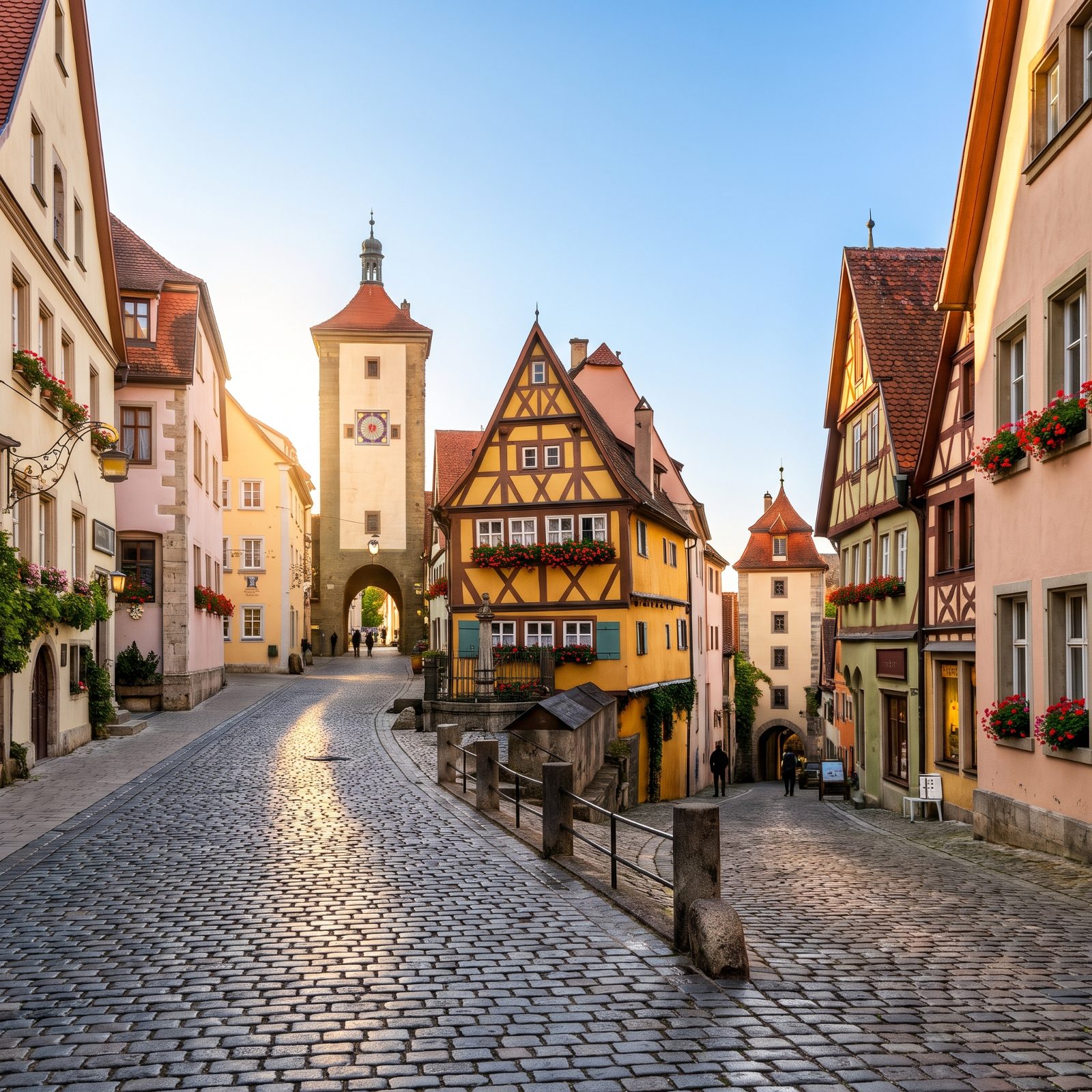
Walk the full circuit of the medieval wall. You can — all the way around, on the same covered rampart guards paced 700 years ago. Rothenburg is one of the only towns in Germany with its fortifications still fully intact.
It stopped growing in the 1600s. The Thirty Years’ War and a plague left it too poor to modernize, so it simply stayed medieval: cobbled lanes, half-timbered houses, a market square that looks like a woodcut come to life. Allied bombs hit it in 1945, but an American general who’d heard how beautiful it was held off the heavy shelling, and townspeople surrendered to save the rest. Afterward the damaged sections were rebuilt stone by stone. People donated money from around the world to put individual segments of the wall back up, and you’ll find their names carved right into it.
13. The Trulli of Alberobello, Italy, Conical Stone Cottages From Another Age
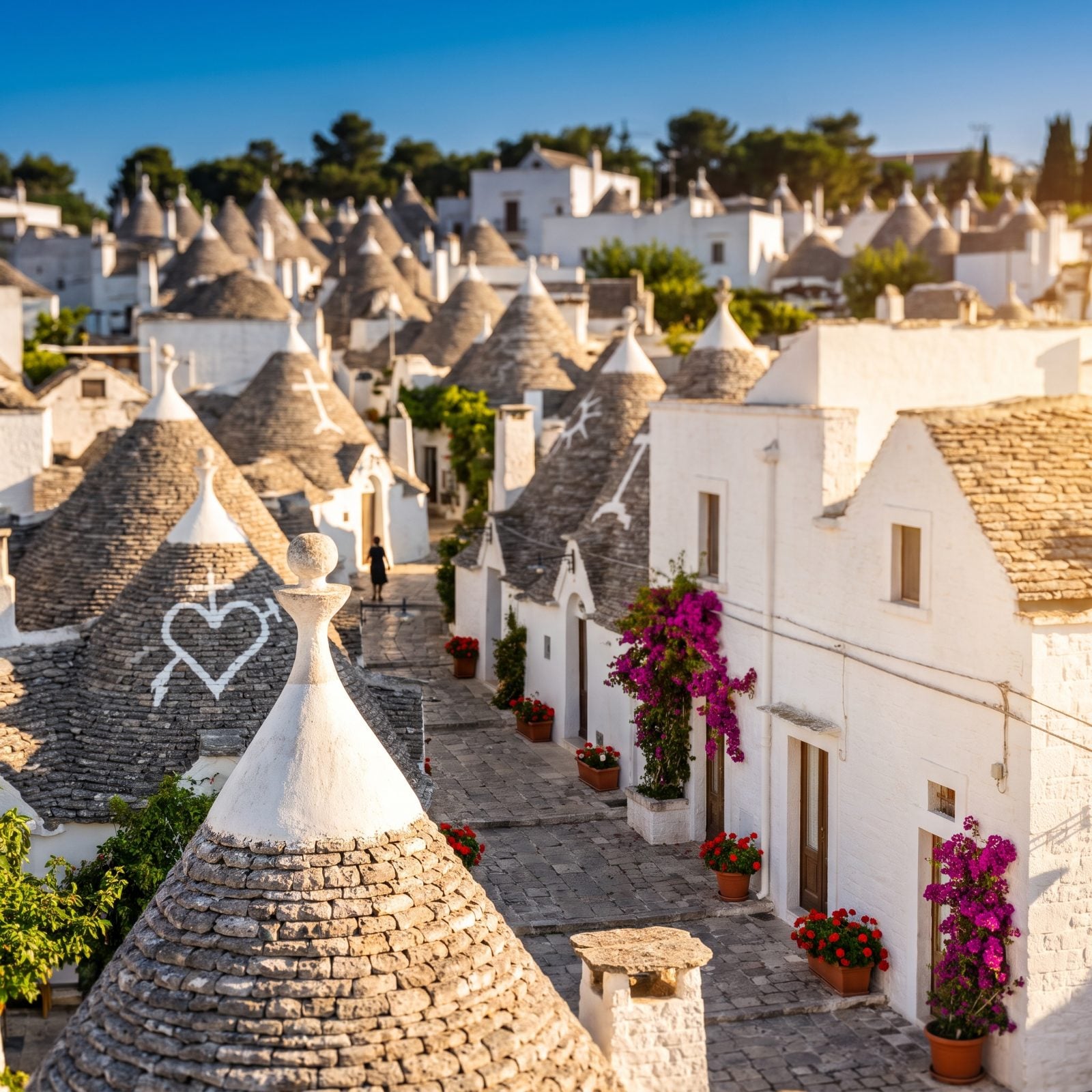
Little white houses with grey cones for roofs, stacked up a hill like something out of a storybook. The trulli were built dry, no mortar — and that was no accident. When the tax collector came, you could pull the roof down overnight and claim the house was unfinished. Clever peasants, bad taxes.
The technique goes back to prehistory in this part of Puglia. Alberobello has over 1,500 of them clustered together, the largest concentration anywhere, now a UNESCO site. Some roofs carry whitewashed symbols — crosses, stars, pagan marks — whose exact meanings are half-remembered and half-invented. And you can stay the night in one. The walls are thick, the rooms stay cool in the brutal summer heat, and the whole quarter feels like it forgot which century it was in.
12. The Mennonite Colonies of Belize, The 1800s in the Tropics
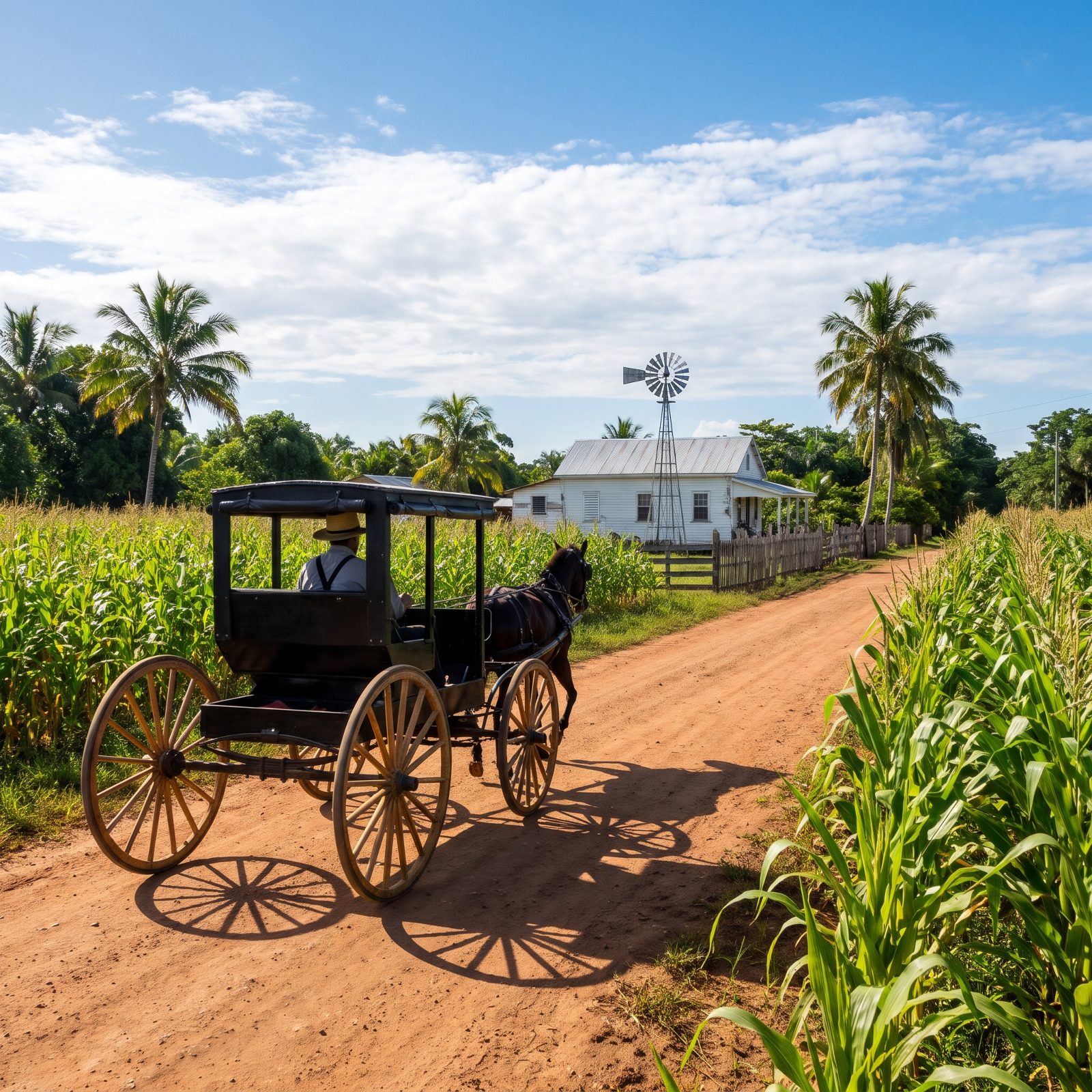
Horse buggies, suspenders, straw hats, an old Low German dialect — and all of it parked squarely in the Central American jungle. The old-order Mennonite colonies of Belize chose to live by nineteenth-century rules, and they mean it.
They arrived in the 1950s looking for land and freedom from military service, and communities like Upper Barton Creek still refuse electricity, cars, and modern machinery. The men farm with horses. The women can preserves. It’s deliberate, not accidental — a whole society that looked at the modern world and said no thank you. And here’s the quiet irony: Belize’s dairy, poultry, and furniture largely come from the country’s Mennonite colonies. Visit respectfully. These are people living their faith, not an exhibit.
11. Svaneti’s Stone Towers, Georgia, Fortresses That Have Stood a Thousand Years
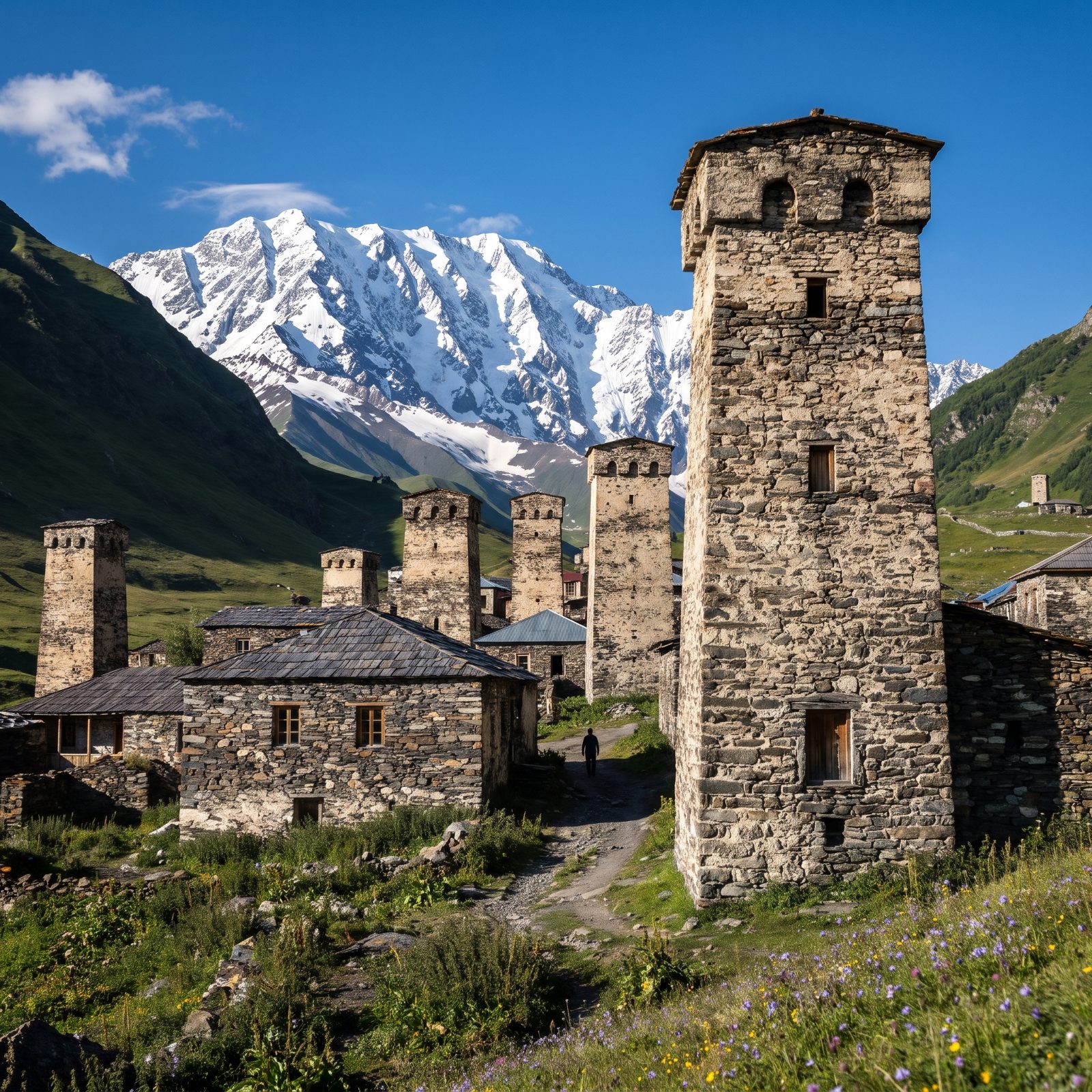
Imagine a village where nearly every family has its own stone watchtower, built to survive blood feuds, avalanches, and invaders — and most of them are still standing after 800 to a thousand years. That’s Svaneti, tucked so high in the Caucasus that for centuries nobody could reach it in winter.
Ushguli, the main cluster of villages, sits around 2,200 meters and is often called the highest continuously inhabited settlement in Europe. The isolation kept it whole. The Soviets couldn’t fully modernize it, invaders couldn’t take it, and so the medieval koshki towers still ring the valley beneath Mount Shkhara. The road in is rough, the weather does whatever it pleases, and that is precisely why the place still feels like it belongs to another age entirely. Go while the road is still bad.
10. Oatman, Arizona and Its Wild Burros
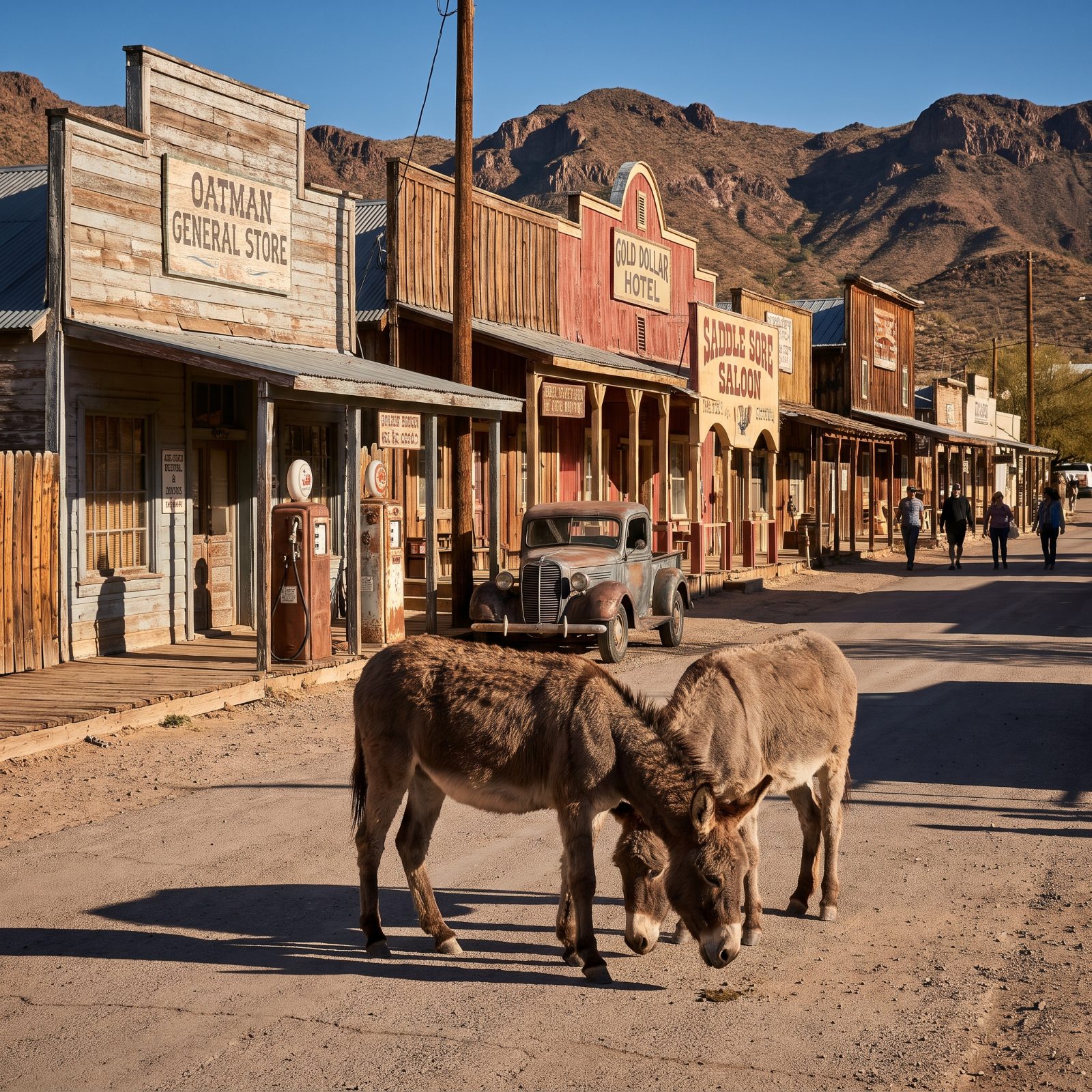
The burros own the street, not the people. They came down from the hills when the gold ran out in the 1920s, descendants of the miners’ pack animals, and they never left. Now they amble between the boardwalks begging carrots while you try to photograph a storefront that hasn’t changed its paint since Clark Gable and Carole Lombard honeymooned here.
Oatman sits on a stretch of old Route 66 that the interstate bypassed in 1952, and that abandonment is exactly why it survived. Two blocks, maybe. A handful of gift shops, a saloon with dollar bills stapled to the ceiling, and a daily staged gunfight so cheesy it loops back around to wonderful.
9. Matera’s Ancient Cave Dwellings, Italy
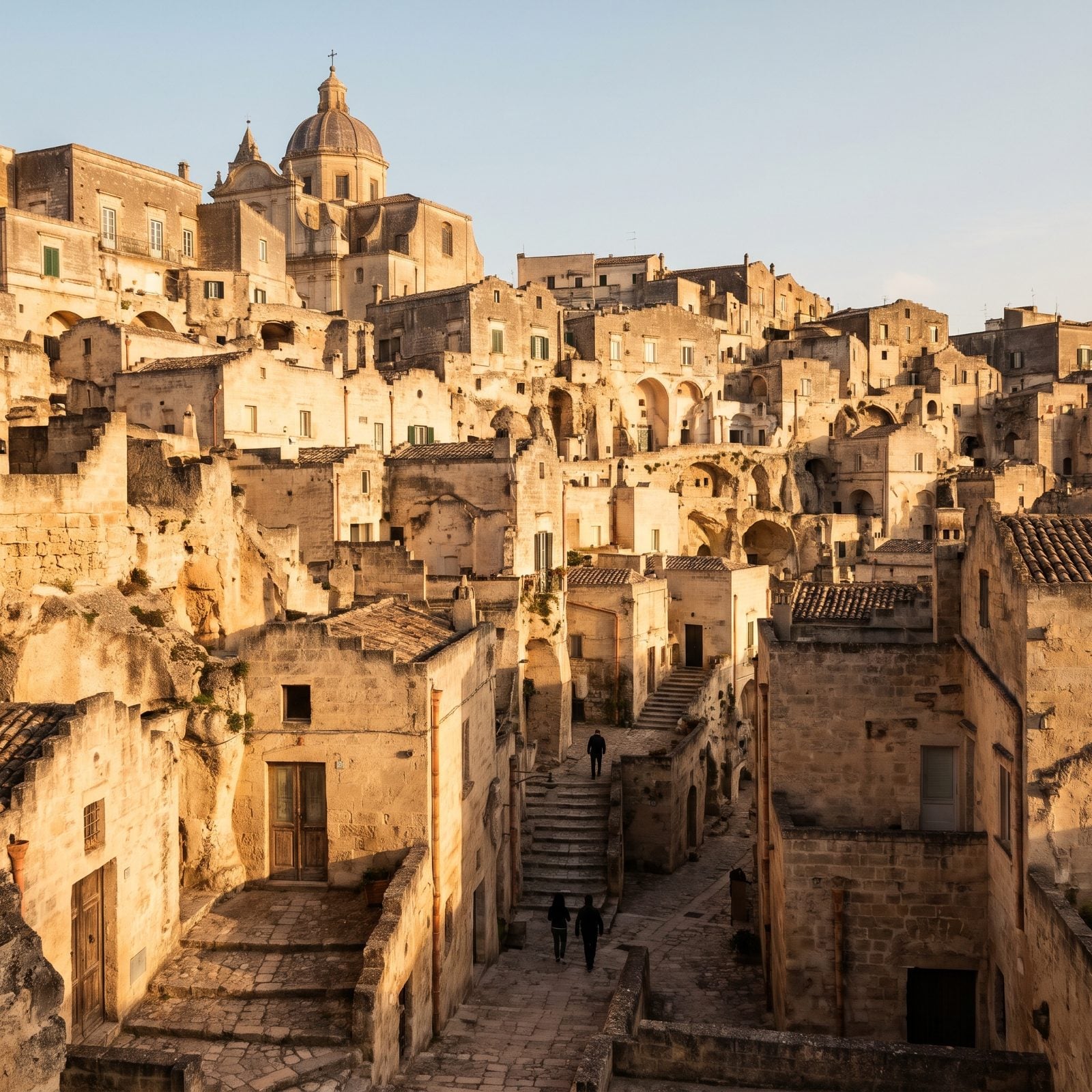
People lived in these caves for nine thousand years. Continuously. Matera is one of the oldest inhabited places on earth, and for most of that long run it was something to be ashamed of.
By the 1950s whole families crammed into the Sassi with their mules, no running water, child mortality that scandalized the country. The government evacuated the caves in 1952 and called them the shame of Italy. Then, decades later, artists and hoteliers moved back in, scrubbed the stone, and turned the caves into boutique hotels where you sleep inside a hollowed-out hillside.
Nine thousand years of people lighting fires in the same rooms. You can smell it in the stone.
Walk the Sassi at dawn, before the tour groups. The light comes up over the ravine and the whole town glows like it’s lit from inside.
8. The Markets of Chichicastenango, Guatemala
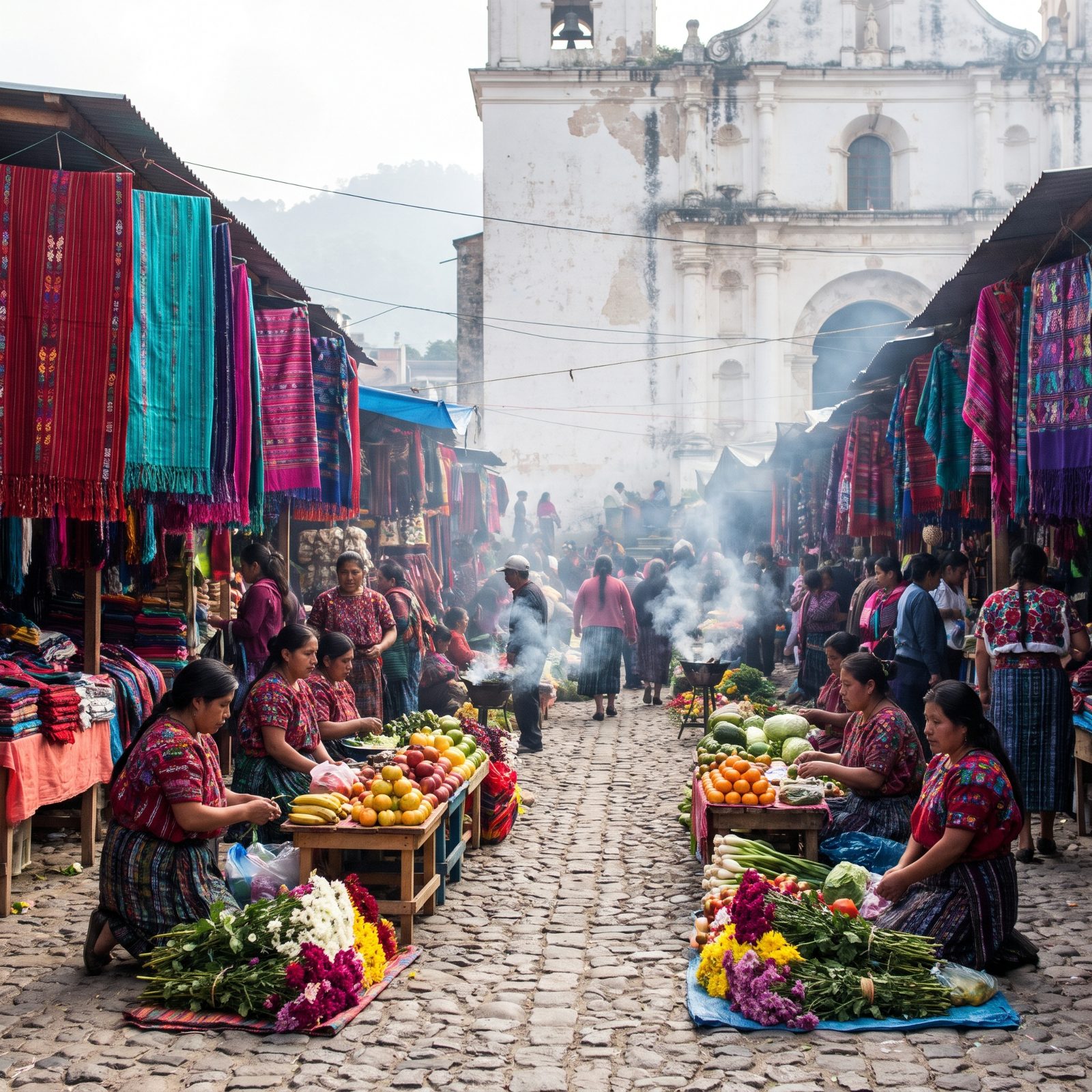
Twice a week the whole highlands come down the mountain to trade, same as they have since long before the Spanish showed up. Chichicastenango’s Thursday and Sunday markets aren’t performances for tourists. This is where the K’iche’ Maya actually buy their chickens, their machetes, their funeral flowers.
The incense is the part that stops you cold. On the steps of the Santo Tomás church, shamans burn copal in metal censers, swinging them in slow arcs while they pray in a language that predates every European word around them. Catholic saint above, Mayan ritual below, and nobody present sees a contradiction worth mentioning.
7. Vigan’s Spanish-Colonial Streets, Philippines
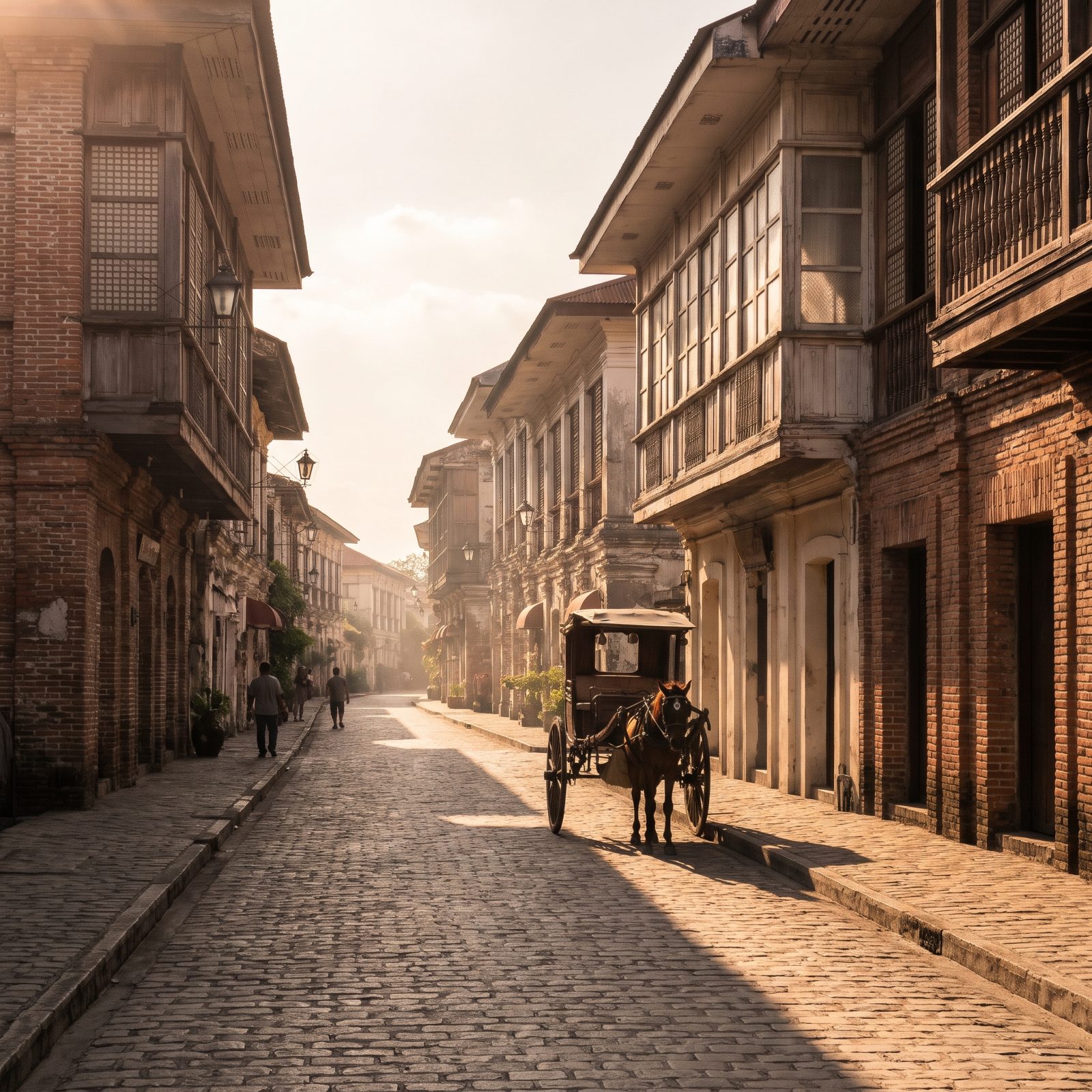
World War II flattened most of the Philippines’ old Spanish architecture. Vigan got missed. That accident of geography left one of the best-preserved colonial towns in all of Asia, and walking Calle Crisologo at dusk feels like stepping into the 1700s with the gas lamps lit.
The houses are a strange hybrid — Spanish stone below, Chinese-Filipino woodwork above, windows paneled in translucent capiz shell instead of glass. A horse-drawn kalesa still clops down the cobblestones, and that clack of hooves on stone is the only traffic sound, the exact noise this street made two centuries ago.
6. The Outer Hebrides’ Crofting Villages, Scotland
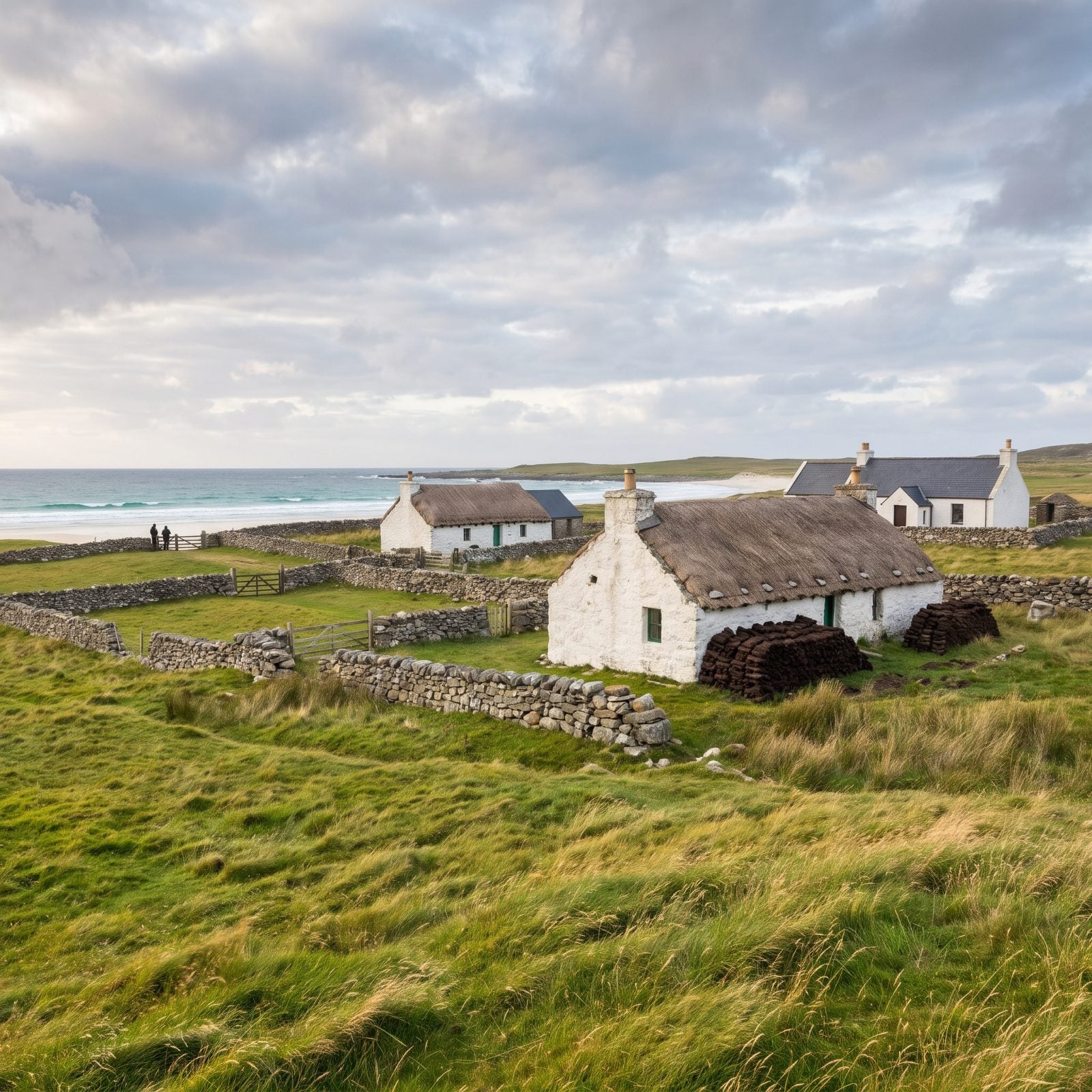
Out here the rhythm is still set by the weather and the tide, not the calendar. The crofting villages of Lewis, Harris, and the Uists hold onto a way of life most of Europe gave up a century ago: small family land holdings, peat cut by hand for the fire, Gaelic spoken over the kitchen table.
The famous Harris Tweed is still woven here on foot-pedal looms in people’s own homes, by law — no factory can touch it. Knock on a weaver’s door and you’ll hear the loom clacking before you’re even inside.
5. Burano’s Painted Fishing Houses, Italy
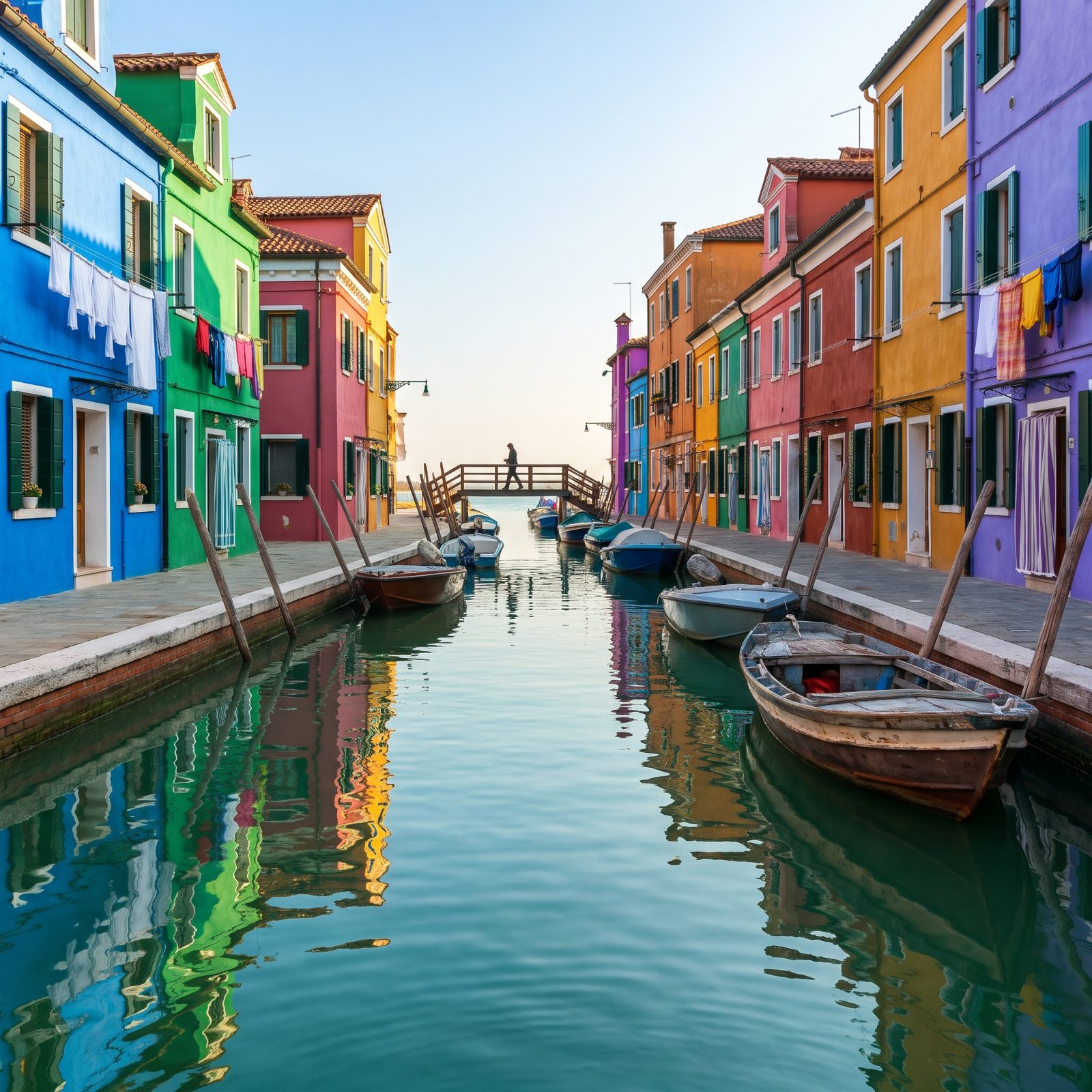
The story goes that the fishermen painted their houses in wild colors so they could spot home through the lagoon fog. True or not, nobody’s stopped. Every house on Burano wears a different saturated shade, and if you want to repaint yours you have to ask the government which color you’re allowed.
It’s a working fishing island first and a tourist trap a distant second, which is backwards from most of Venice. The women still make lace by hand, a craft that’s been dying here for a hundred years and somehow keeps refusing to actually die. Go for lunch. The seafood came off a boat you probably saw moored out front.
4. Ladakh’s Himalayan Buddhist Monasteries
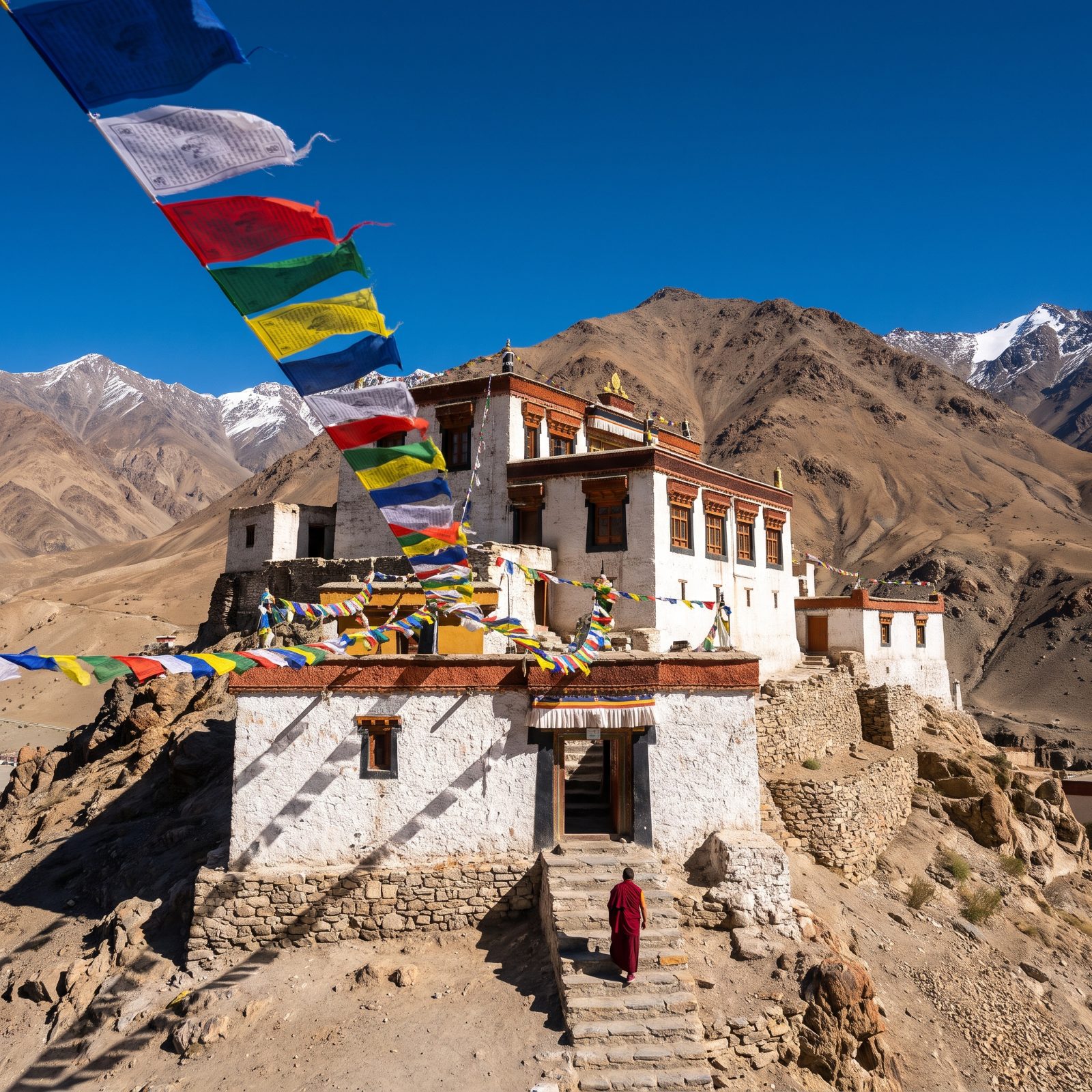
Cut off by snow for half the year, Ladakh kept a Tibetan Buddhist culture alive that was nearly erased across the border. The monasteries — Thiksey, Hemis, Lamayuru, some of them a thousand years old — cling to ridgelines at twelve and thirteen thousand feet.
Dawn is when to be there. The monks file into the prayer hall in maroon robes, the long horns groan, and the chanting fills a room gone black with centuries of butter-lamp smoke. No microphones. No gift shop open yet. Just the same sound this valley has made at sunrise for longer than most countries have existed.
3. The Ghost Mining Towns of Bolivia’s Altiplano
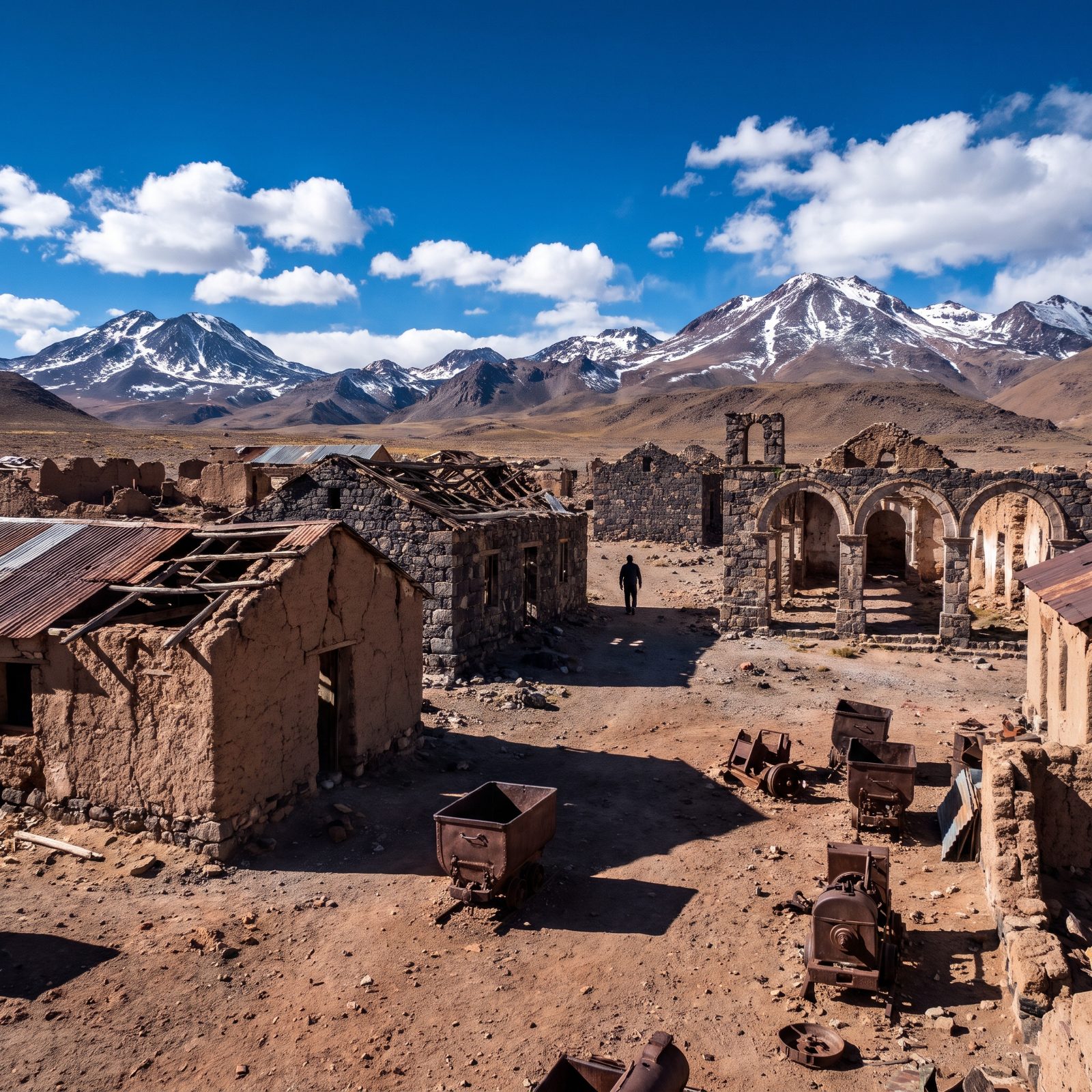
Silver built these towns, then left them to die at fourteen thousand feet. Pulacayo and the ruins scattered across the Altiplano were once among the richest mining settlements on the continent, pulling ore out of mountains that killed men by the thousand.
When the veins ran dry, everyone walked away, and the dry thin air mummified what they left behind. Rusted locomotives still sit on their tracks. Company offices still have ledgers open on the desks. Nothing here is roped off behind museum glass — there’s just wind, altitude, and the eeriest silence you’ll ever stand in.
The air is too thin for things to rot. So nothing does. It just waits.
2. Cappadocia’s Cave Villages, Turkey
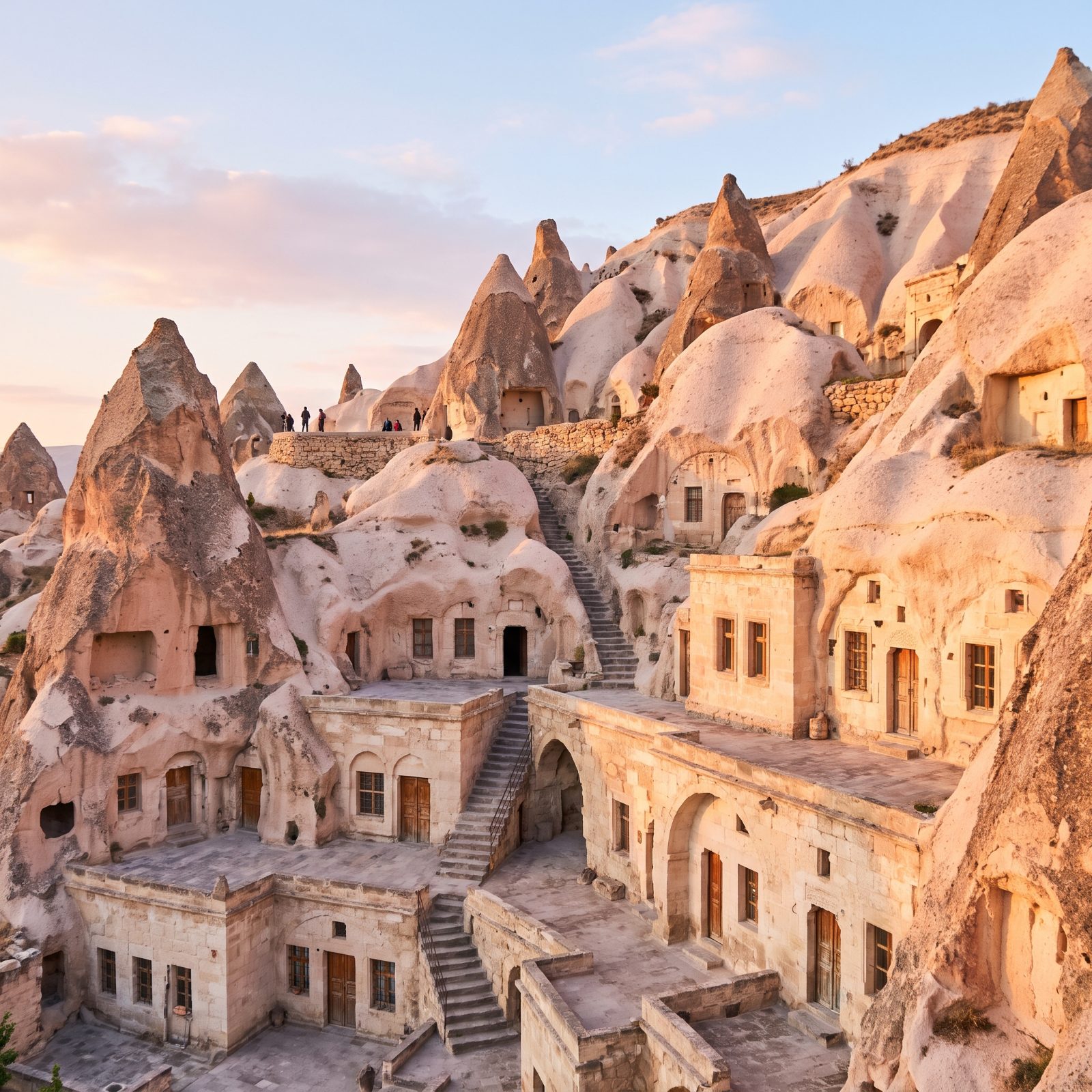
People carved homes straight into the rock here two thousand years ago because the stone was soft enough to dig with hand tools and it held onto a cool breath in summer and a warm one in winter. They never stopped. Villages like Göreme and Uçhisar are still half cave, people living inside the same tufa their ancestors hollowed out.
Go underground and it gets stranger still. Whole subterranean cities, eight stories deep, where early Christians hid from invaders behind ventilation shafts and rolling stone doors. You walk through them bent double in the dark. The balloons at sunrise get all the Instagram glory — but the real time machine is down in the rock.
1. Ouro Preto’s Baroque Colonial Streets, Brazil
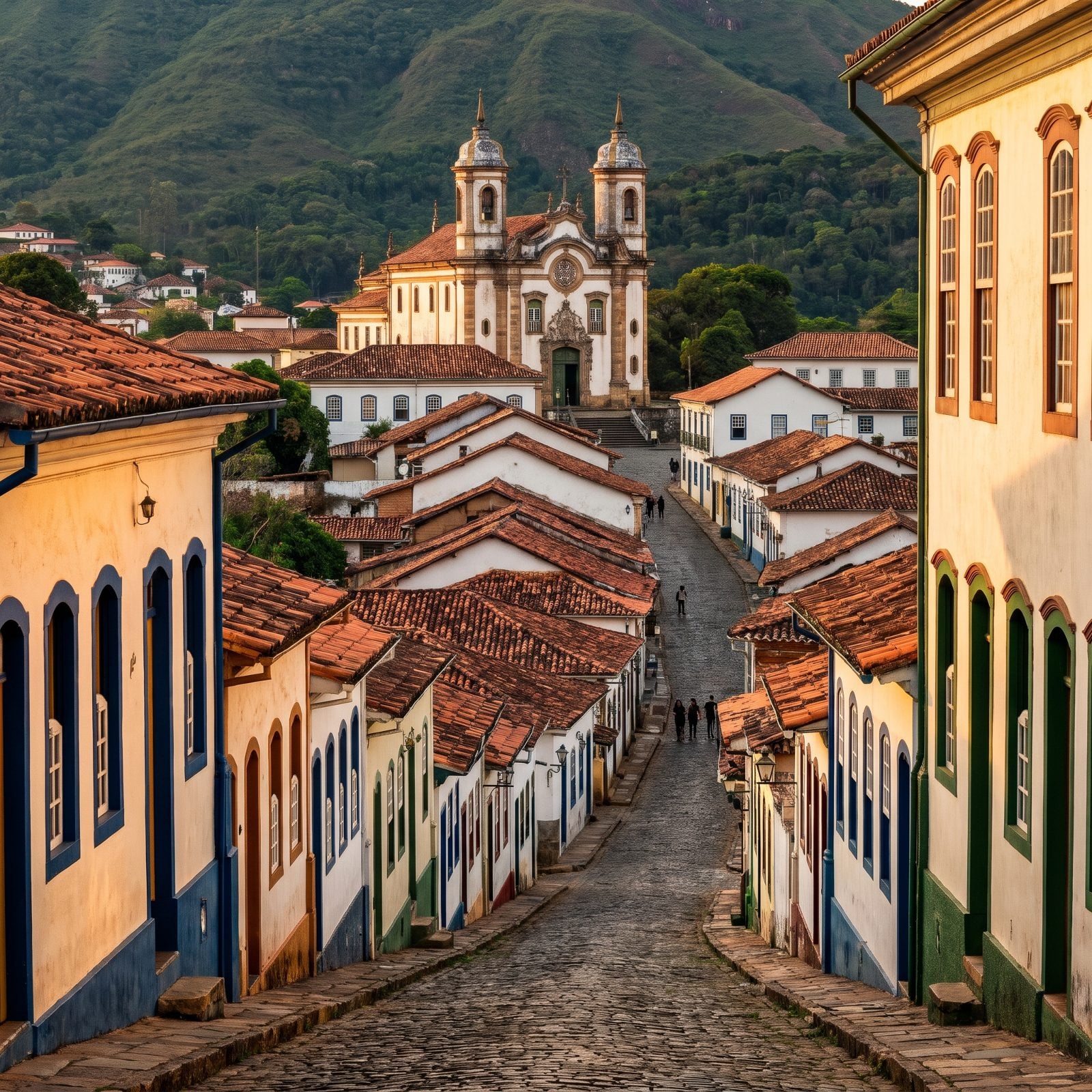
Brazil’s gold rush of the 1700s poured so much wealth into these hills that the town built Baroque churches dripping in gold leaf and hired a sculptor, Aleijadinho, to carve some of the finest colonial art in the Americas while disease was literally eating his hands.
Then the gold ran out and the money moved on, which is the only reason Ouro Preto still looks like this. No boom ever came to tear it down. The streets are so steep and so stubbornly cobbled that cars struggle, keeping the whole place at walking pace, same as always.
Please note that some of the imagery in this article were created with the aid of AI image generators.