

Some places you visit. Others move in and never leave. You’ll be stuck in traffic twenty years later and suddenly you’re back on a ridge in the thin Andean air, watching a sky catch fire over a caldera. These are the ones that do that — not because a brochure said so, but because they changed the altitude of your imagination. The places below aren’t bucket-list checkboxes. They’re the ones that keep showing up in your head, uninvited, for the rest of your life.
32. Machu Picchu, Peru: The City That Hid in the Clouds
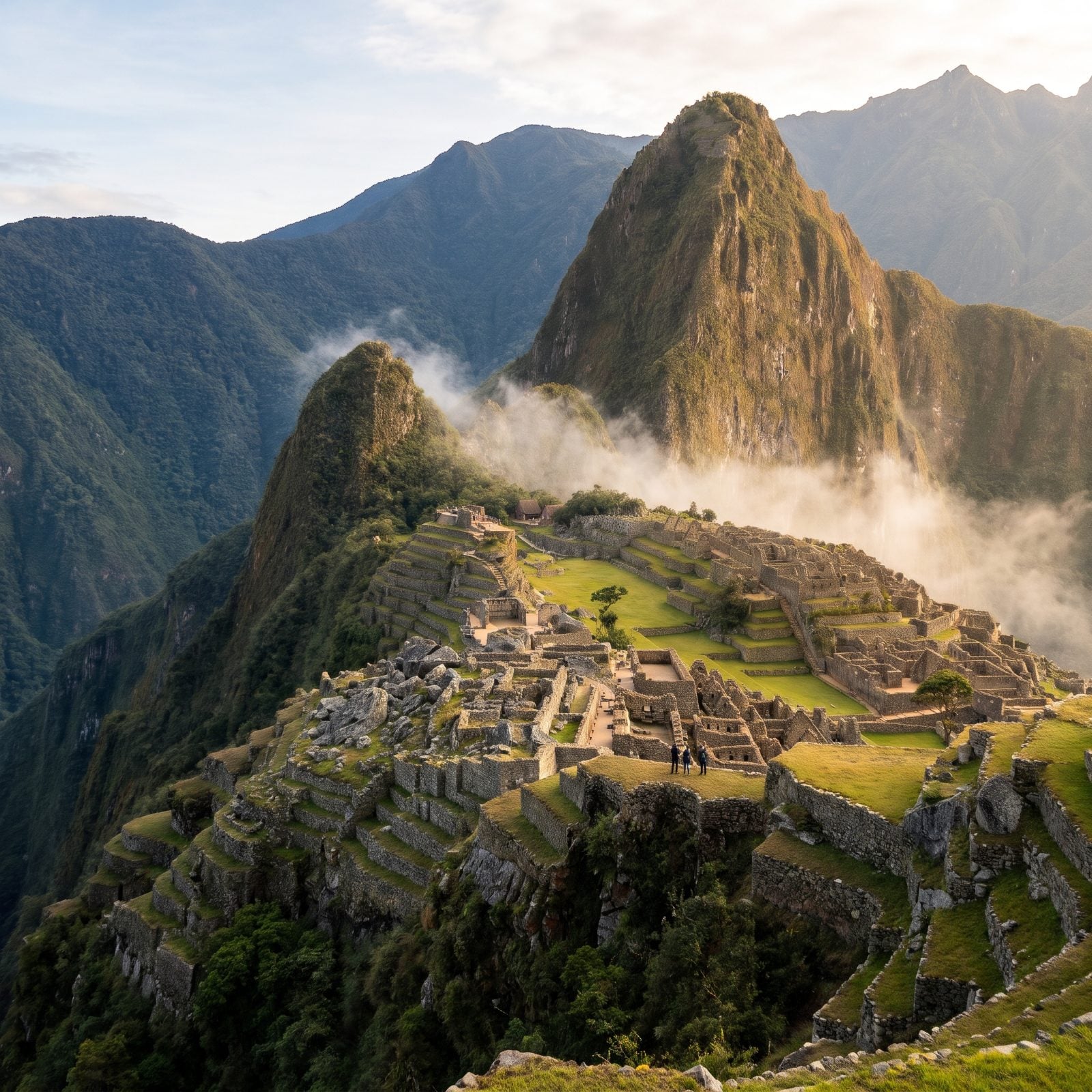
Nobody believes the altitude until they’re there. You climb a few steps and your lungs file a complaint. Then the mist lifts off Huayna Picchu, the stone terraces stack up in front of you like a staircase built for giants, and you forget you were ever winded.
Here’s what the photos never tell you: Machu Picchu is quiet. Not silent — hushed, the way a cathedral is hushed. The Inca cut these granite blocks so precisely you can’t slip a knife between them, left them unmortared, and walked away around 1572. For almost 350 years the jungle kept the secret.
31. Petra, Jordan: The Rose City Carved from a Canyon Wall
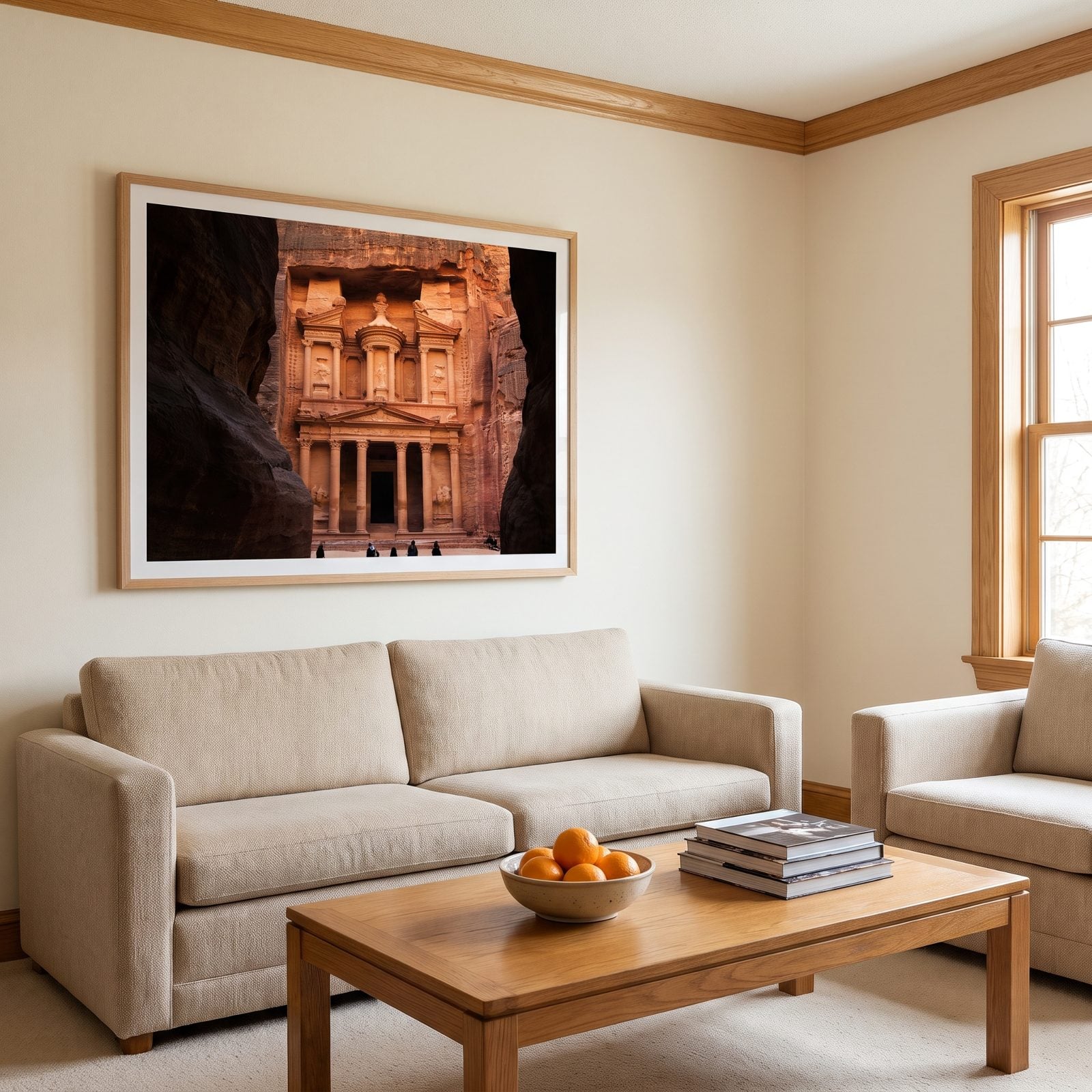
You walk in through the Siq, the slot canyon’s dark walls squeezing in from both sides, pulling your eye toward the gap. Then the walls part. And there it is — a 40-meter facade carved straight into rose sandstone, glowing like someone lit it from inside, with a few tiny figures at its base for scale.
The Nabateans pulled this off more than 2,000 years ago with hand tools and a grasp of water engineering that put Rome to shame. Go early. By mid-morning the tour groups thicken and the magic has to work harder.
30. The Serengeti, Tanzania: Where the Horizon Has No End
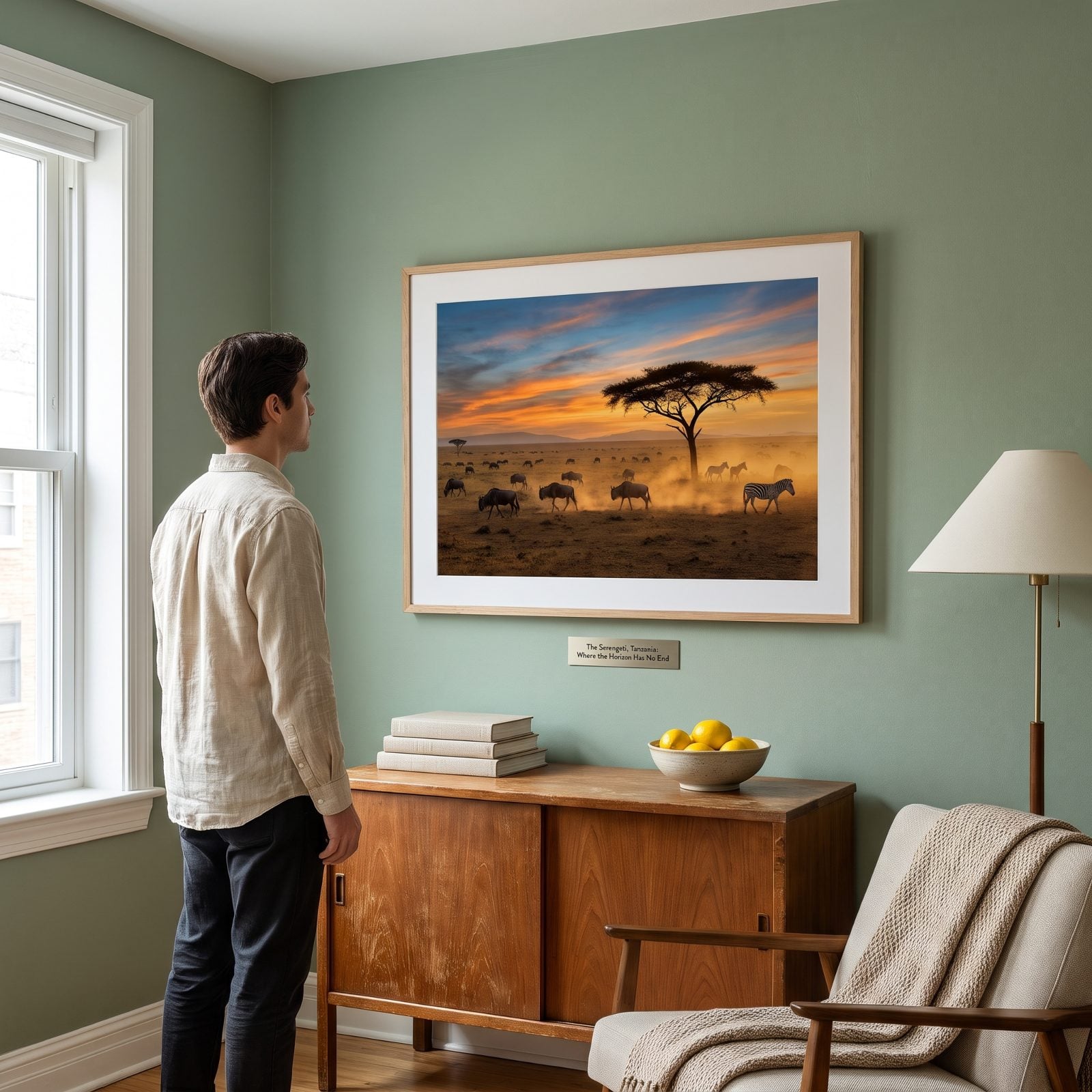
Scale resets you here. The grass runs flat to a horizon that actually bends, and you understand, maybe for the first time, that the earth is round and you are very small on it. Then the migration crosses your view — over a million wildebeest moving as one animal across the plain.
Serengeti comes from the Maasai “siringet,” the place where the land runs on forever. They weren’t exaggerating.
29. Antarctica: The Continent That Belongs to No One
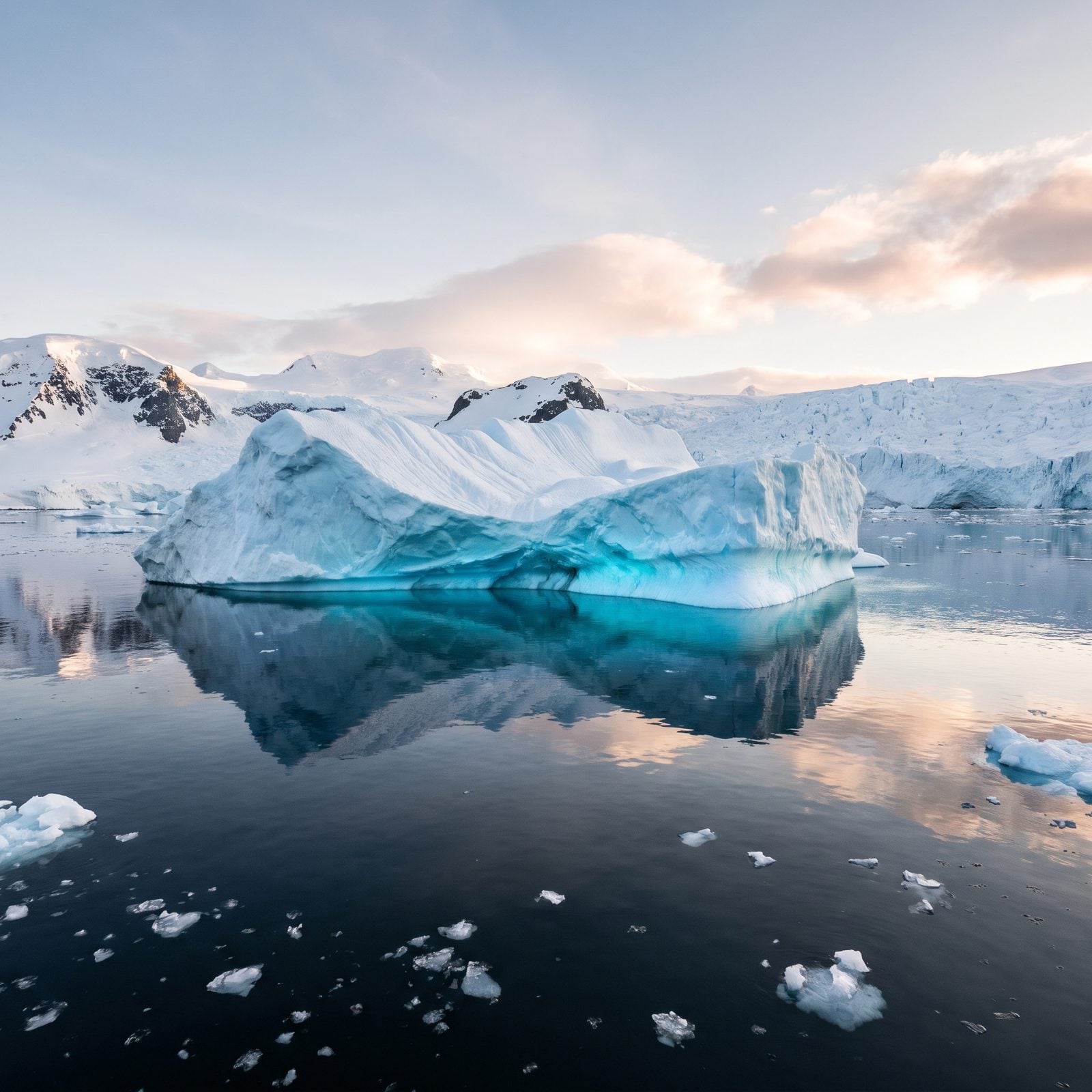
The silence is the thing nobody warns you about. A quiet so total it has weight, broken only by an iceberg cracking somewhere, a sound like distant thunder that goes straight through your chest.
No country owns Antarctica. A treaty signed in 1959 keeps it that way, and standing on that ice you feel the rightness of it. The blues here don’t exist on any paint chart. Compressed glacial ice swallows every color except blue and throws that one back at you, a cyan so deep it looks lit from within.
You come home and your regular sky looks washed out for a week.
28. The Northern Lights of Tromsø, Norway: The Sky Caught Dancing
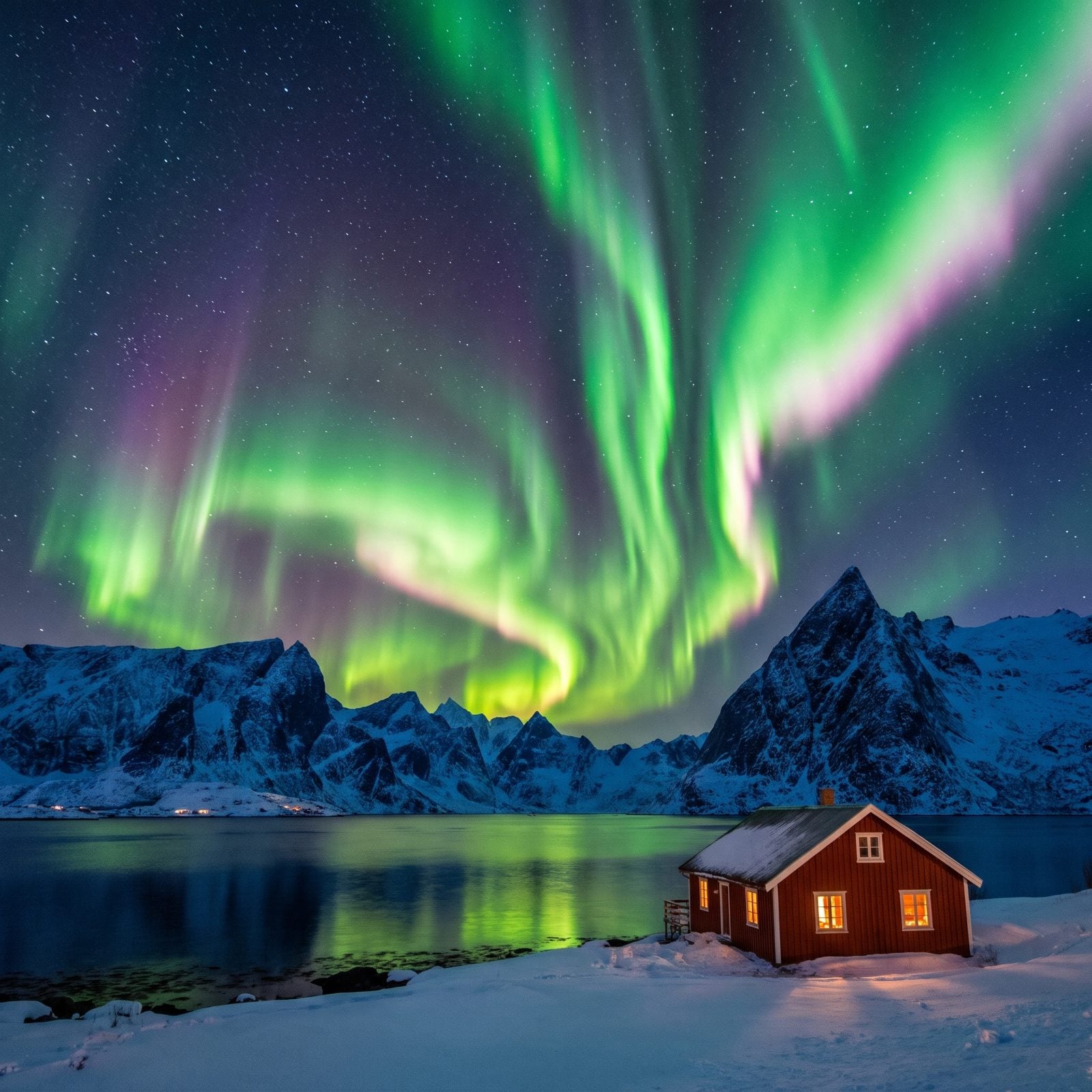
The lights don’t look like the photos. They move. One minute there’s a faint green smudge you half-convince yourself you’re imagining, and then the whole sky folds and ripples and pours across itself like water running uphill. People go silent. Then they gasp. Then someone always, always laughs.
Tromsø sits dead center under the auroral oval, which is why the guides park there. Clear skies and solar activity are the price of admission, and neither is guaranteed. You can do everything right and see nothing. That’s part of why the night it finally happens never leaves you.
27. Cappadocia, Turkey at Dawn: A Valley Full of Floating Color
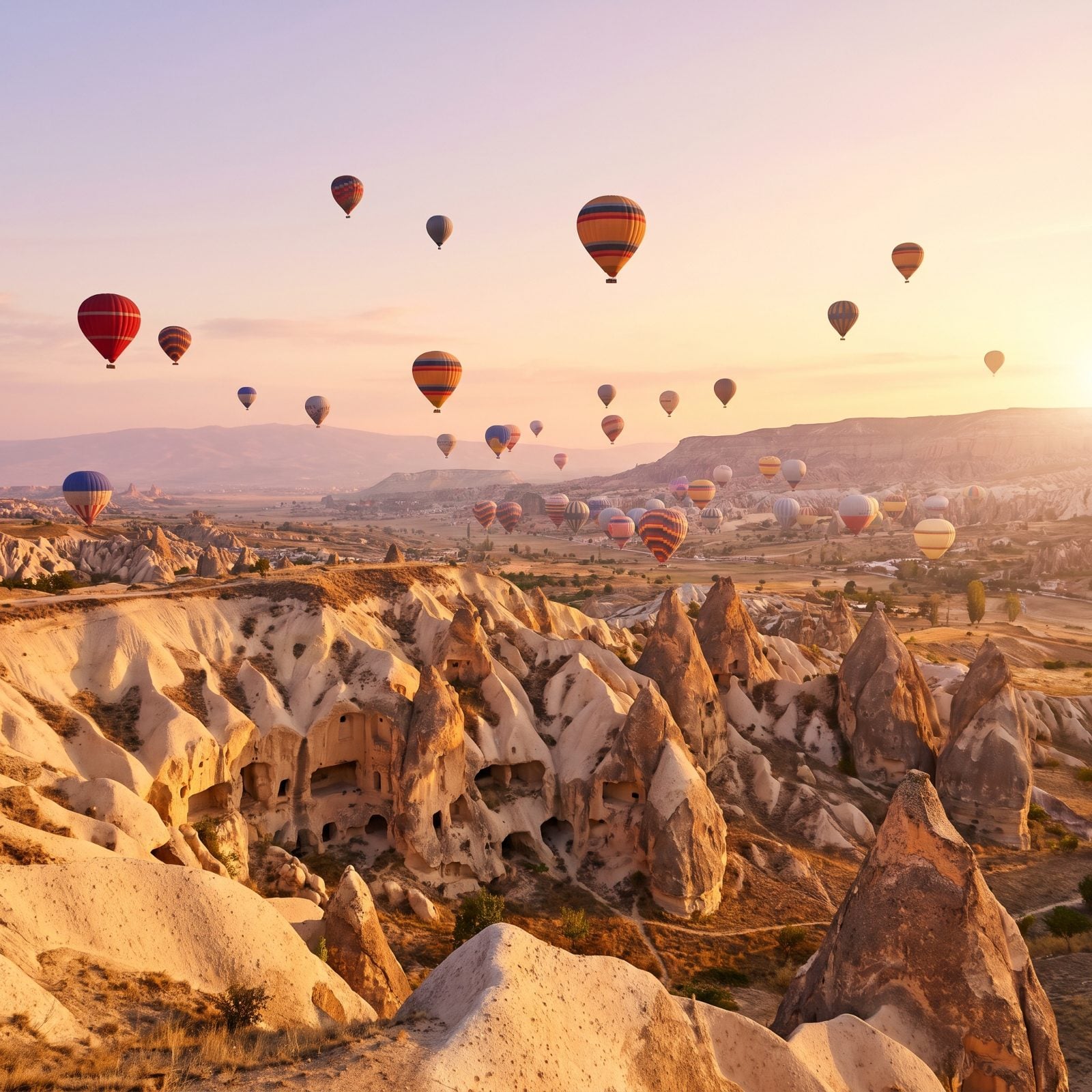
Set the alarm for 4am. You’ll want to argue with it. Don’t.
Because as the sun comes up over the valley, the balloons launch, and within twenty minutes there are a hundred of them hanging in the pink air above fairy chimneys that erosion spent millions of years sculpting. The whole thing looks painted. It isn’t.
People have been carving homes, churches, and whole underground cities into this soft volcanic rock since Byzantine times. You can sleep in a cave hotel tonight. The stone keeps you cool without trying.
26. Santorini, Greece at Sunset: The Caldera Turned to Gold
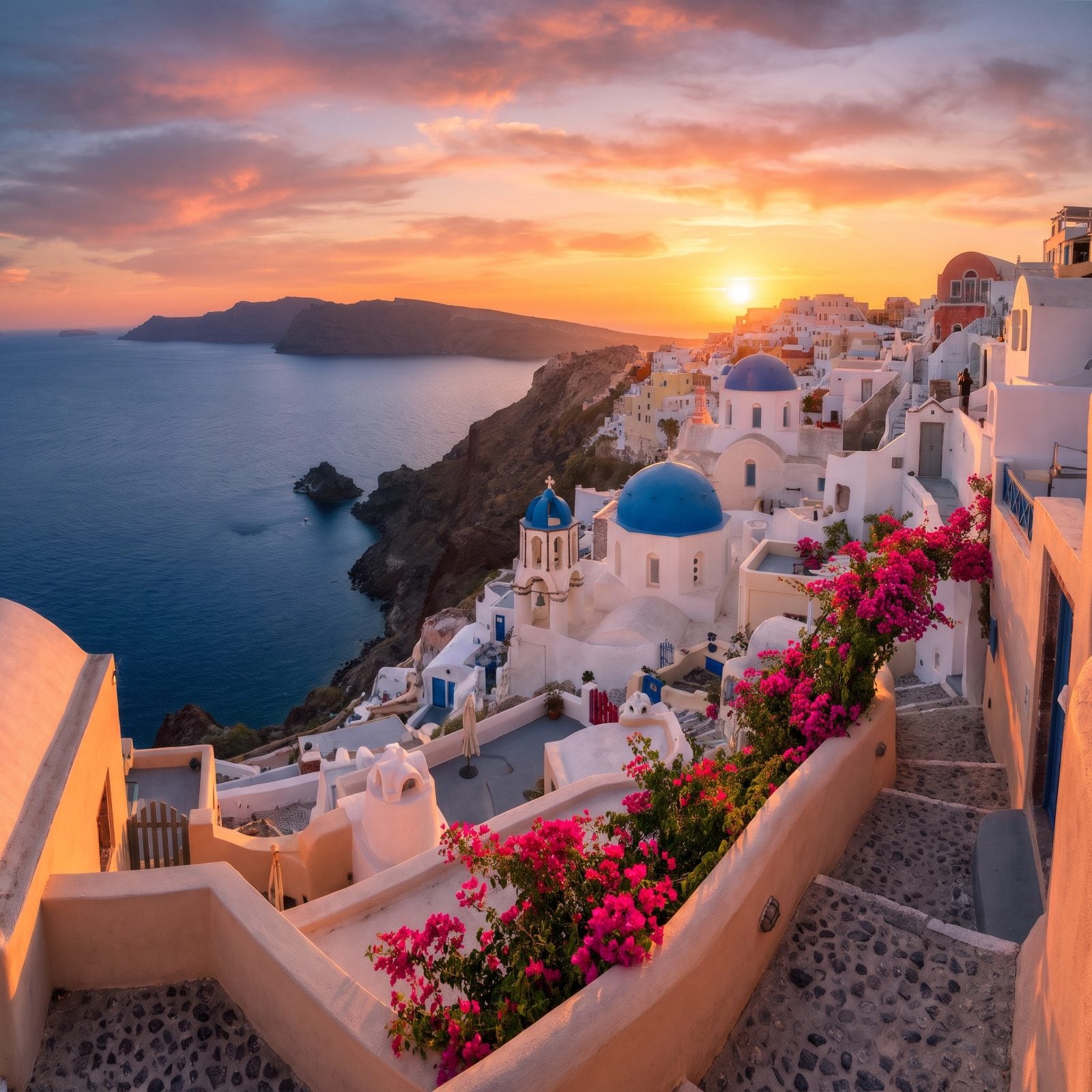
Everyone crowds Oia for the sunset, and there’s a reason the cliché exists. The caldera is a drowned volcano, the village clings to its rim in whitewash and blue domes, and when the sun drops the whole place turns the color of warm honey before cooling to lavender.
Skip the restaurant with the famous view and its famous markup. Find a quiet wall. The sunset doesn’t charge extra from there.
25. Angkor Wat, Cambodia: Sunrise Over a Vanished Empire
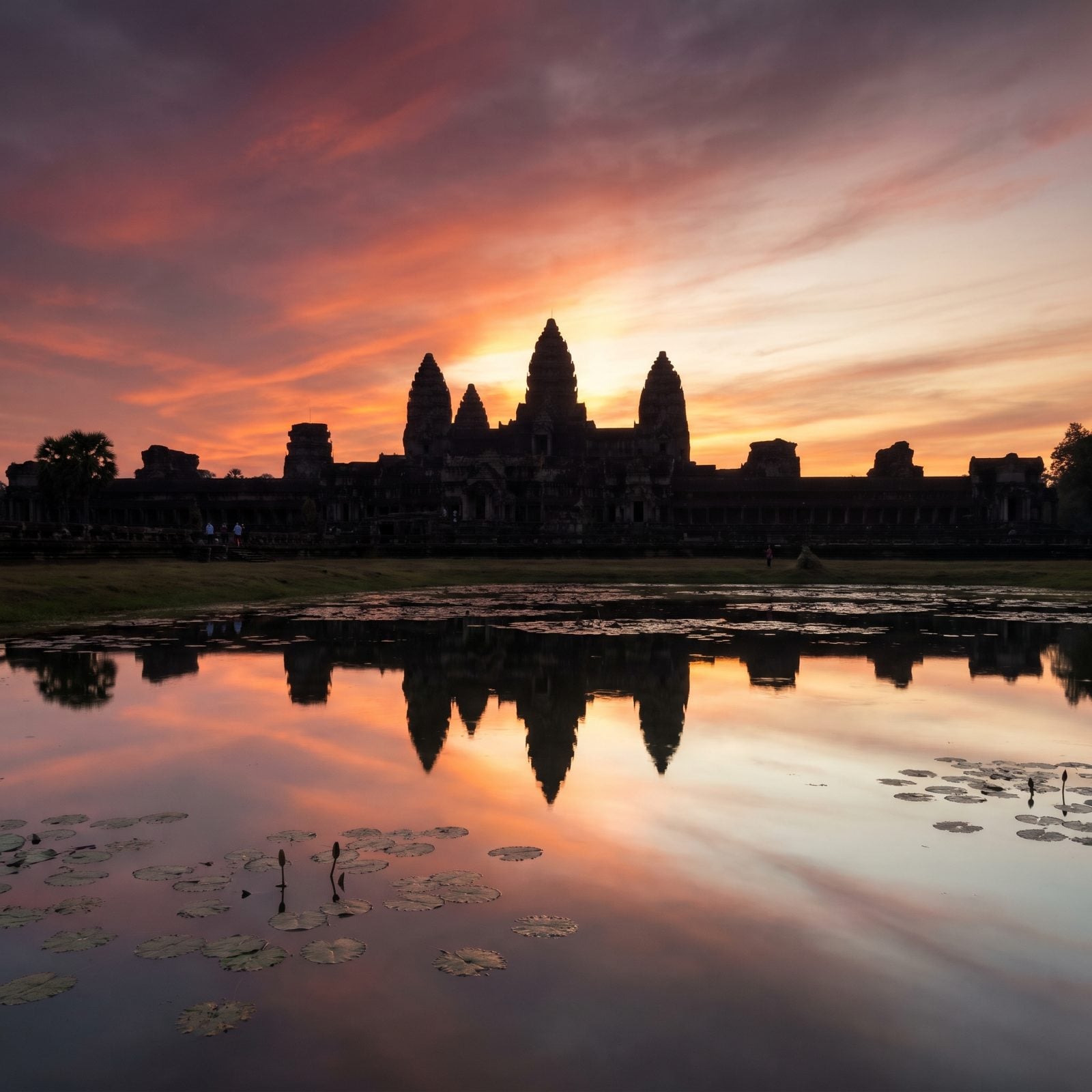
You arrive in the dark with a few hundred other people and a faint sense of absurdity. Why are we all here at 5am?
Then the sky behind those five lotus-bud towers starts to bleed orange, the whole thing doubles in the reflecting pool, and the absurdity evaporates. Angkor Wat is the largest religious monument on earth, built in the 12th century by the Khmer empire and oriented to the west, toward the setting sun — which makes the sunrise over it a happy geometric accident of where you happen to stand.
Give yourself more than the sunrise. The jungle-swallowed temples nearby, with tree roots pouring over doorways like candle wax, are what you’ll dream about later.
24. The Taj Mahal, India: Marble That Changes Color with the Hour
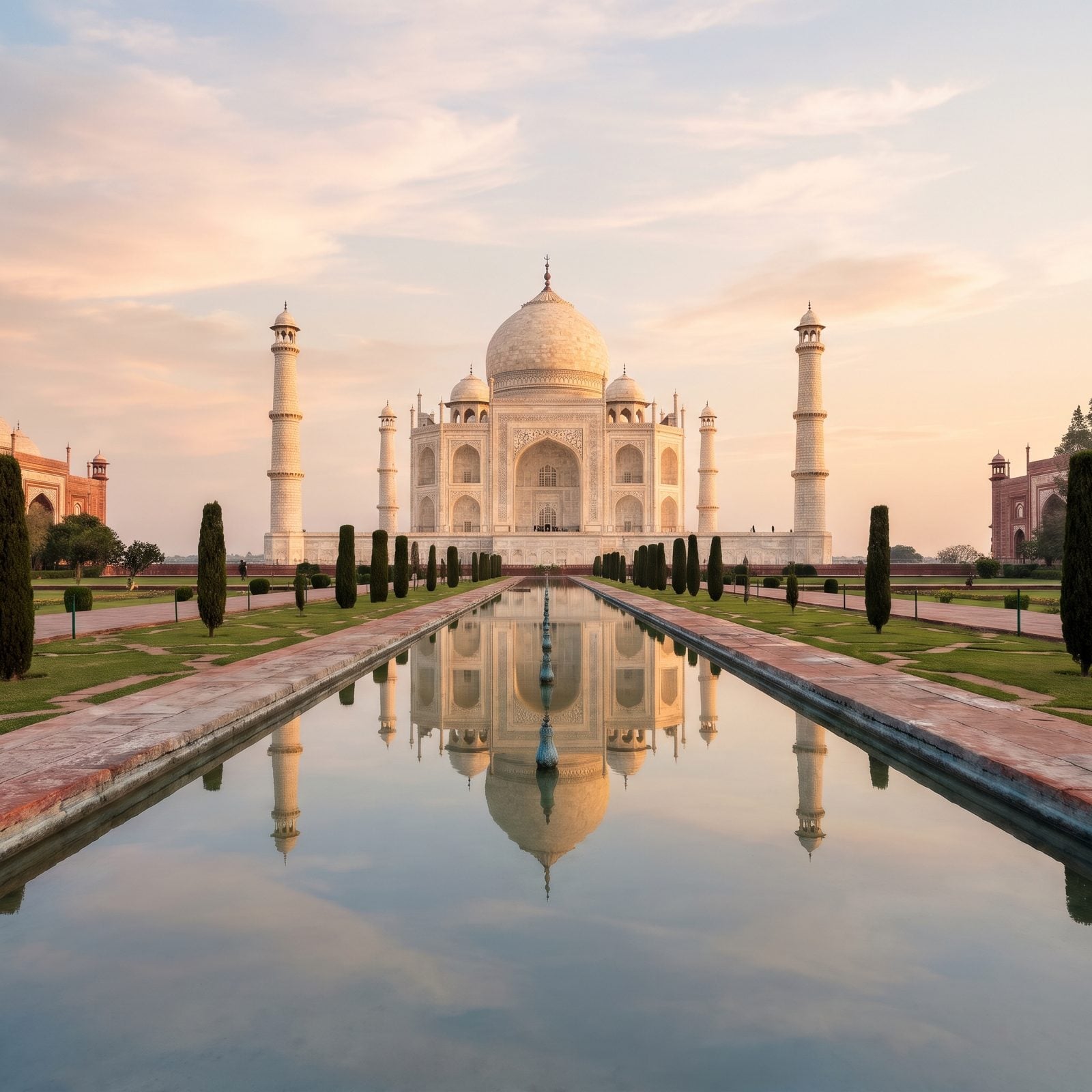
The marble is the trick. Everyone knows the shape — it’s on a thousand postcards, you think you’ve seen it. You haven’t, because no photo can do what the stone does with light.
At dawn it’s pink. At noon it’s blinding white. At dusk it goes gold, and some swear the full moon turns it silver-blue. Shah Jahan built it for his wife Mumtaz Mahal, who died in 1631, and it took more than two decades and thousands of workers to finish the grief.
23. Patagonia’s Torres del Paine, Chile: Granite Towers at the End of the World
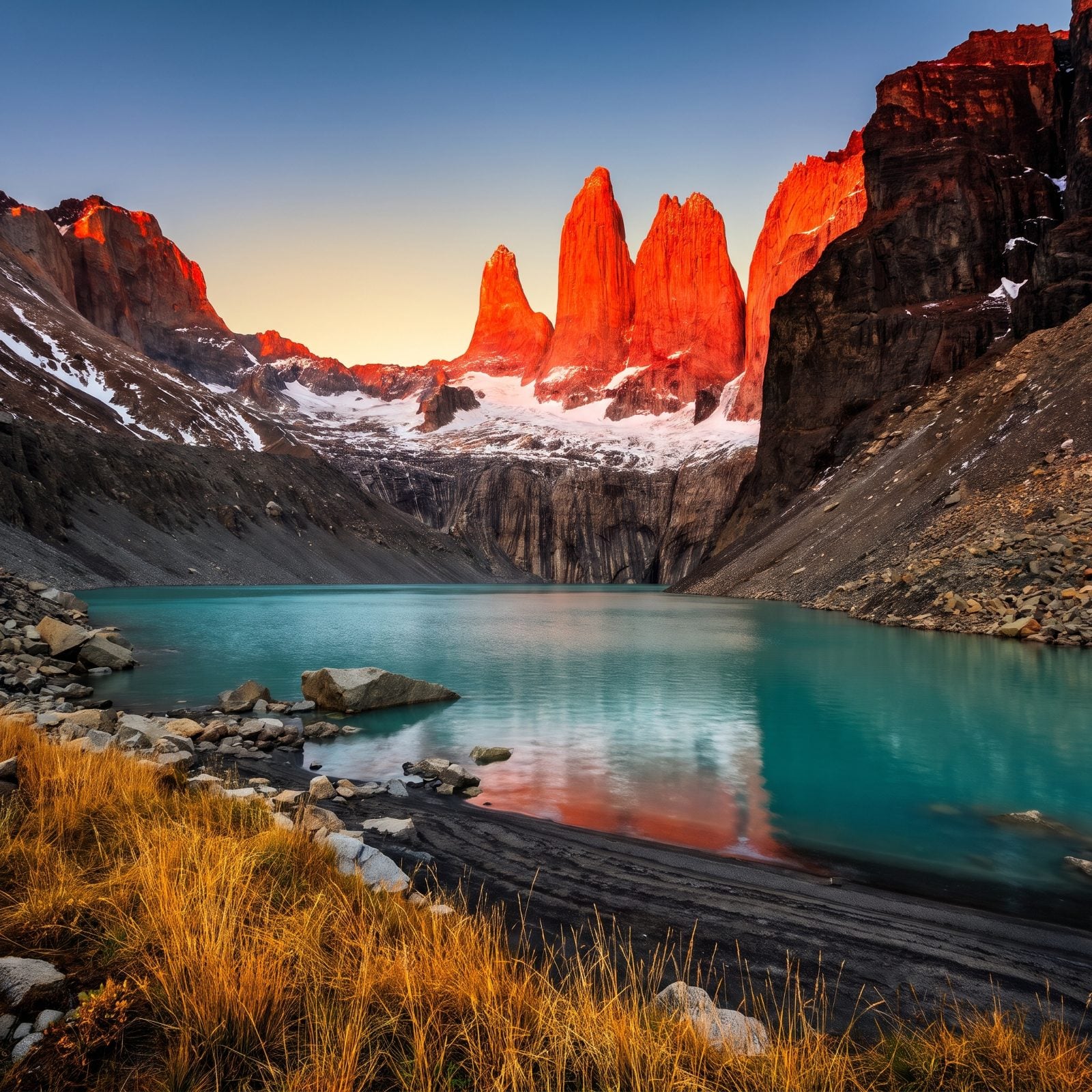
The wind is a character here. It’ll knock you sideways and steal your hat and roar through the valleys like something alive. Then it goes still at dawn, the three granite towers catch the first light and turn the color of hot coals, and you understand why people hike for hours uphill in the dark just to watch it happen.
This is the raw end of the Americas. Turquoise lakes fed by glaciers, guanacos grazing the grass, weather that cycles through four seasons before lunch.
22. The Grand Canyon at First Light, Arizona
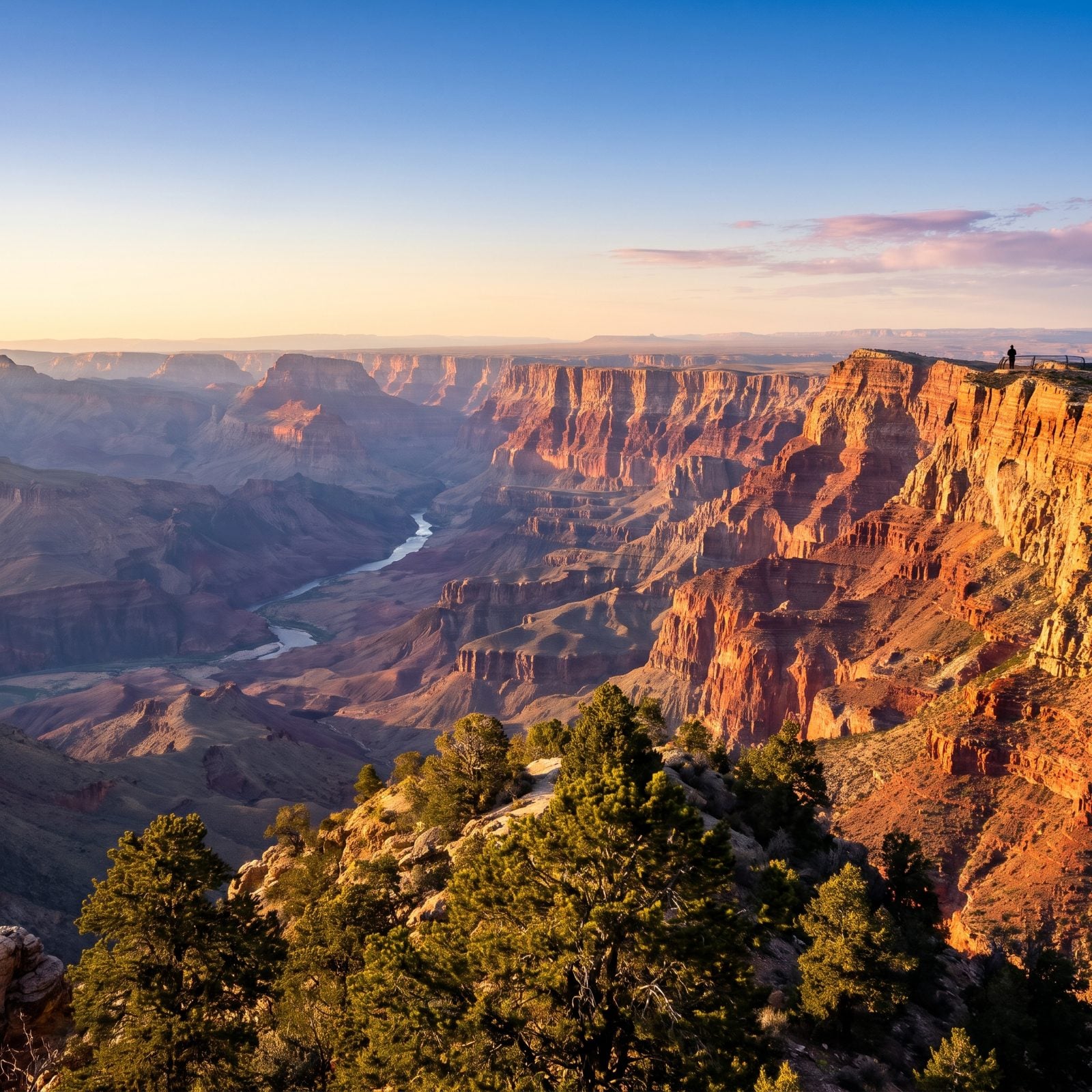
The photos lie to you. Every single one. You’ve seen a thousand pictures of the Grand Canyon and nothing prepares you for walking up to the rim and watching the ground just stop. Your brain can’t process the scale, so it keeps trying to read the whole thing as a painting because the depth feels fake.
Go at sunrise. Not for the light, though the light alone would do it. Go because before the tour buses arrive you get thirty minutes where a mile-deep hole in the earth sits almost silent.
21. Iguazú Falls, Where the Jungle Roars, Argentina and Brazil
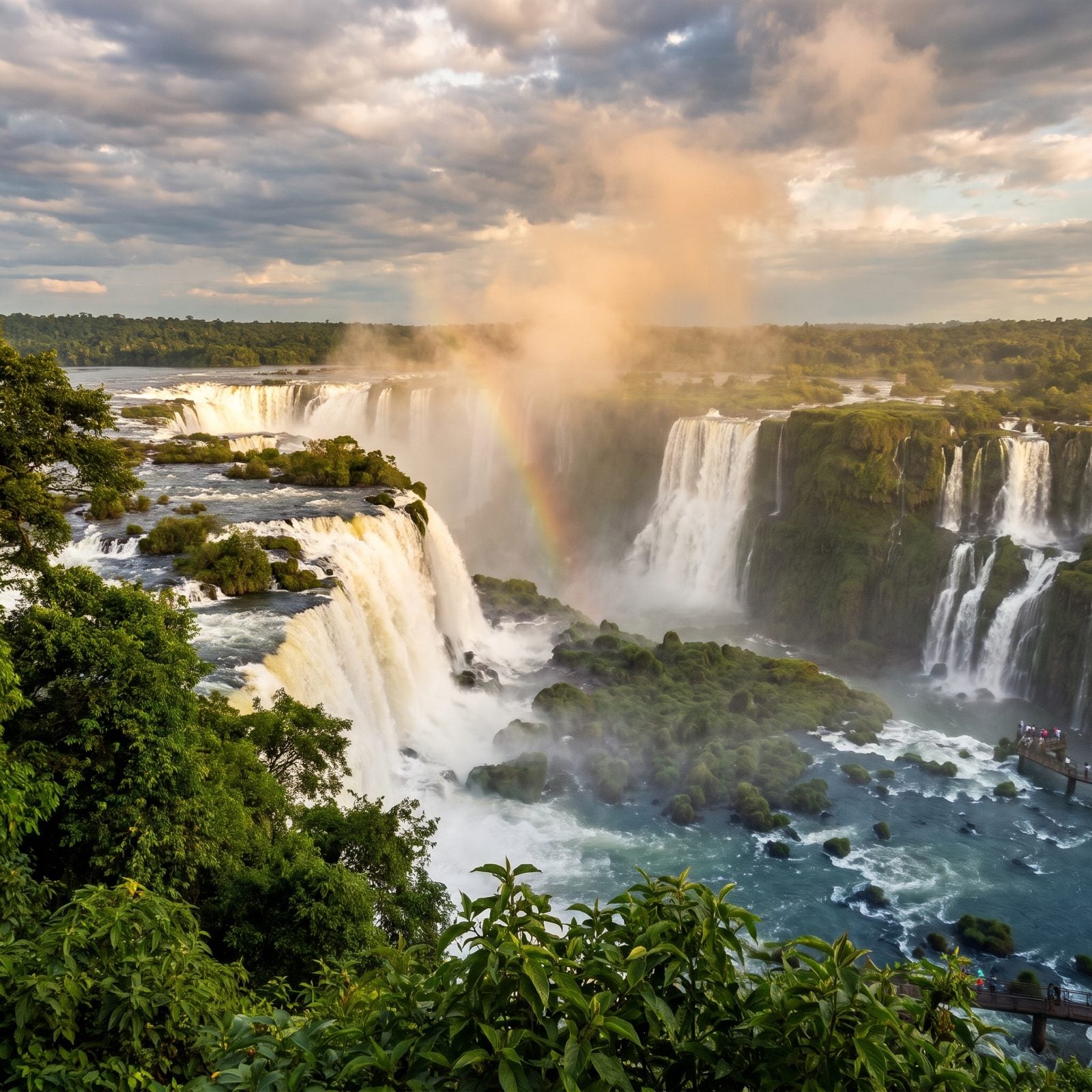
Niagara is a water feature. Iguazú is a force of nature having a nervous breakdown. Hundreds of separate cascades spread across a couple of miles, and the one they call the Devil’s Throat is the one that follows you home.
Here’s the part nobody mentions: it’s loud. Not pleasant-background-noise loud. Standing-on-the-walkway-and-you-cannot-hear-the-person-beside-you loud. The spray climbs up and soaks you from below, which feels wrong and wonderful at once. Brazil hands you the panorama; Argentina drops you right into it. Do both. Fight me on the itinerary, but do both.
20. The Great Barrier Reef, Australia’s Underwater Cathedral
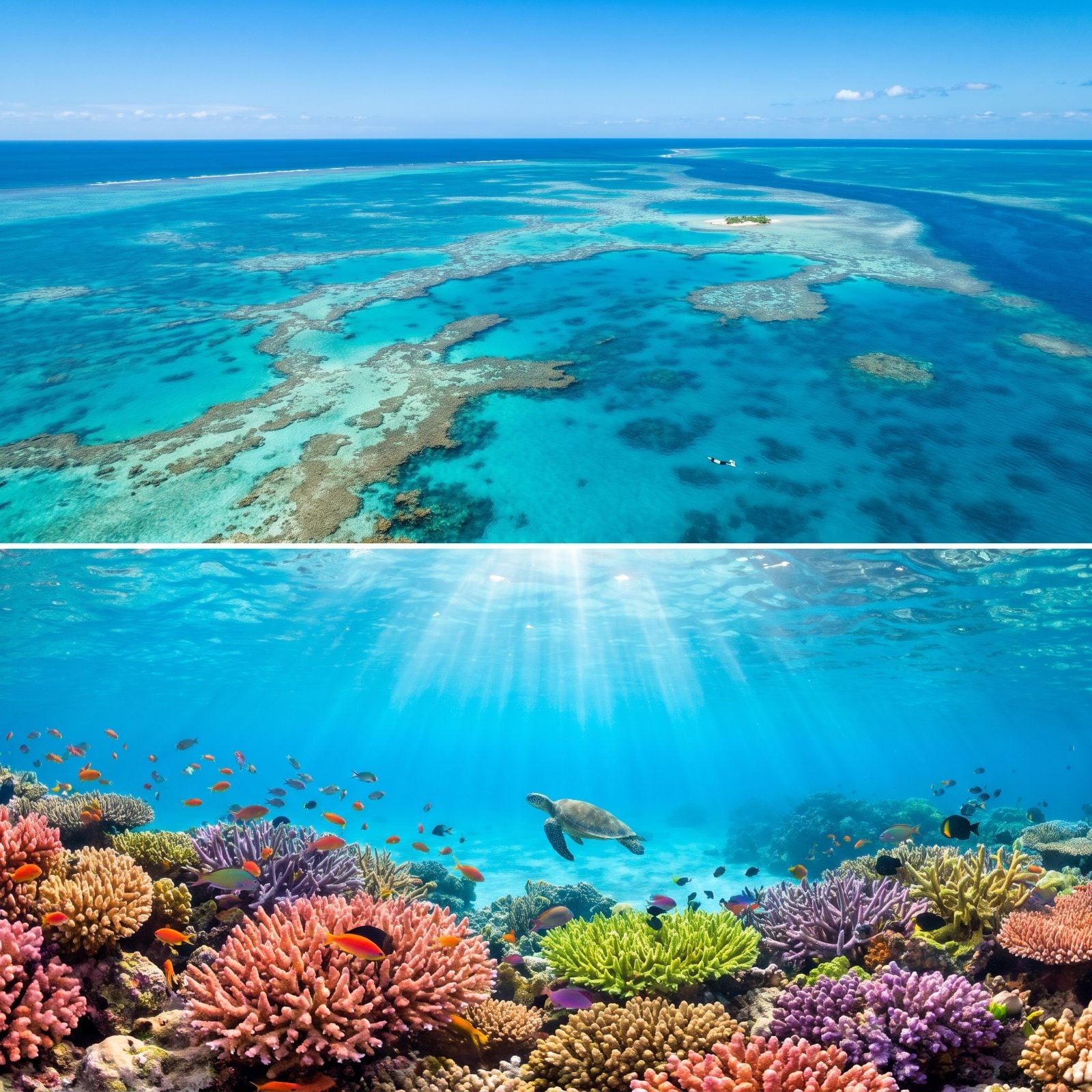
It’s the only living thing on Earth you can see from space. Sit with that for a second.
The reef sprawls for well over a thousand miles, built by billions of tiny animals piling onto the bones of the ones before them. You float face-down above it and a whole city carries on underneath. Parrotfish crunching coral, a turtle paddling past like it owns the place, color in shades your brain didn’t know it had slots for.
And honestly — the moment a turtle looks at you and just keeps going, completely unbothered, is one you’ll describe to people more times than they ever wanted to hear.
19. Bora Bora and That Impossible Lagoon, French Polynesia
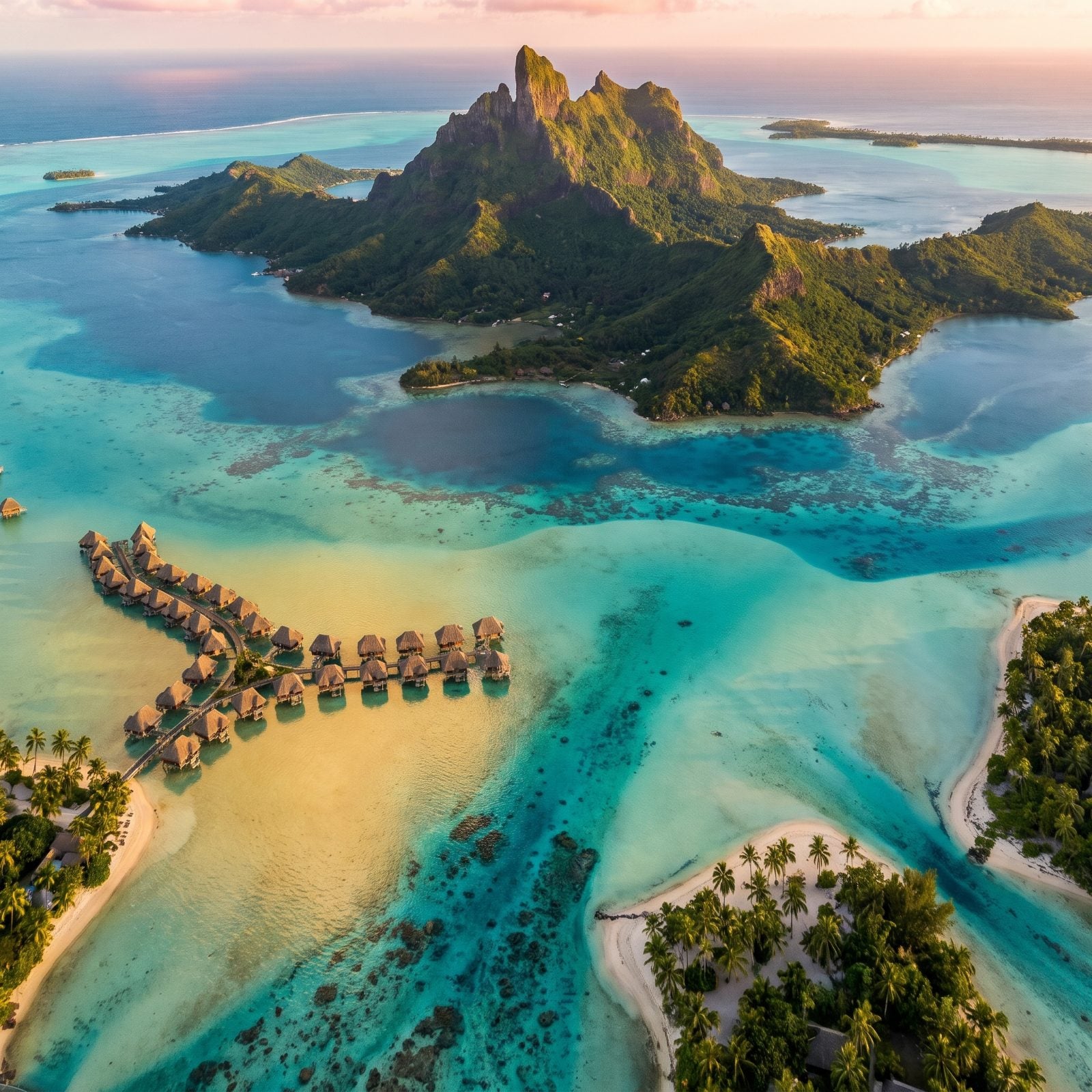
The water does something that doesn’t look real. It glows from the inside, a color so saturated it reads as a filter even when you’re standing in it up to your knees.
Mount Otemanu sits dead center in the lagoon, a jagged volcanic spine draped in green, and everything else orbits it. People save for years to come here — an anniversary, a milestone birthday, a “we finally did it” moment. Then they spend the rest of their lives trying to describe the exact shade of that water to people who weren’t there. You’ll fail at this. Everyone fails at this.
18. The Maldives, Where Your Room Floats on the Ocean
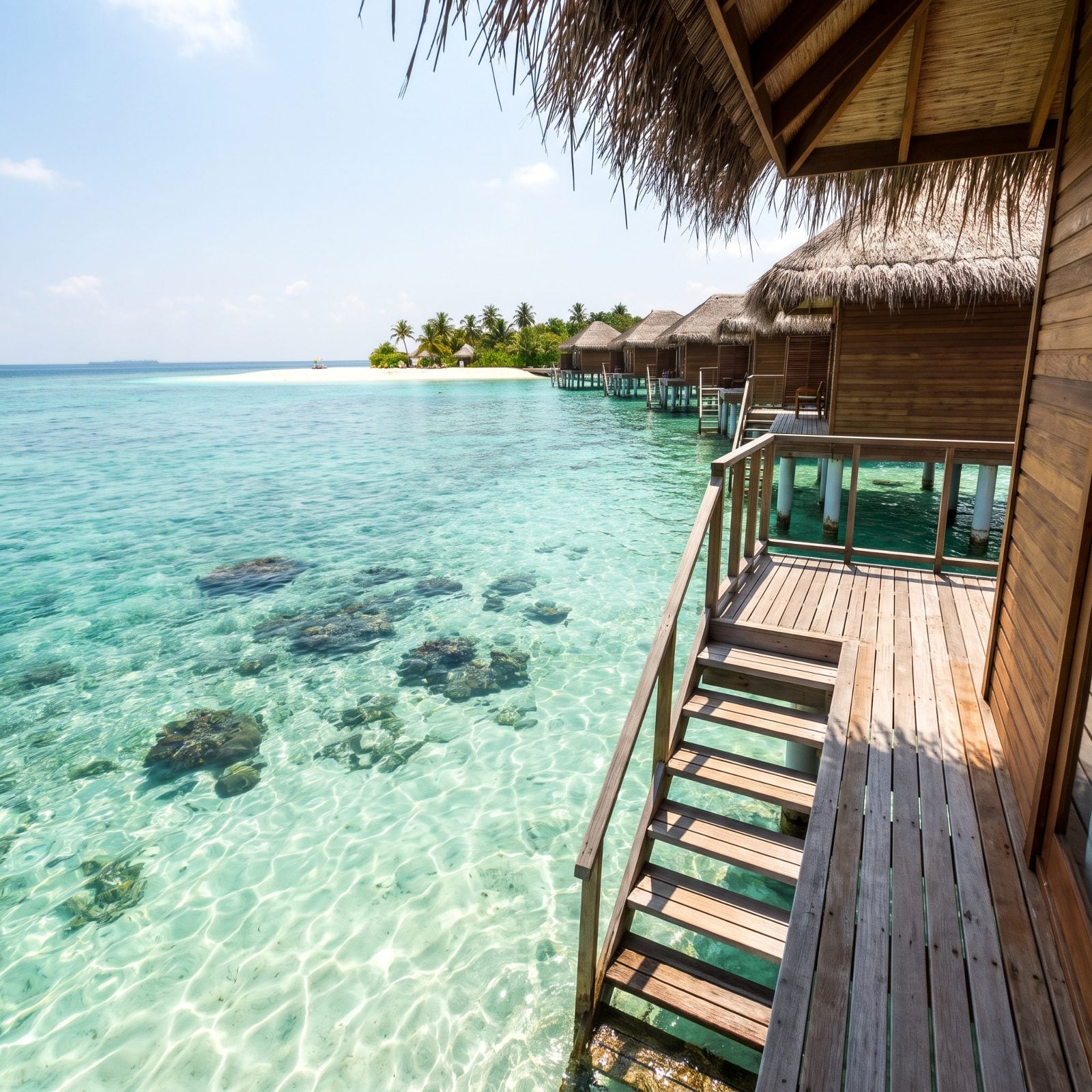
You step off your deck straight into the Indian Ocean. No beach walk, no sandy feet, no decision to make — a ladder off the back of your bedroom drops into water you can see thirty feet down through.
The glass floor panels are the detail that gets everyone. You’re lying in bed and a stingray glides under the room. The whole country barely clears sea level, a scatter of around a thousand coral islands, and that gives the place a gorgeous, fragile, here-for-now feeling that sharpens everything.
17. Kyoto Under the Cherry Blossoms, Japan
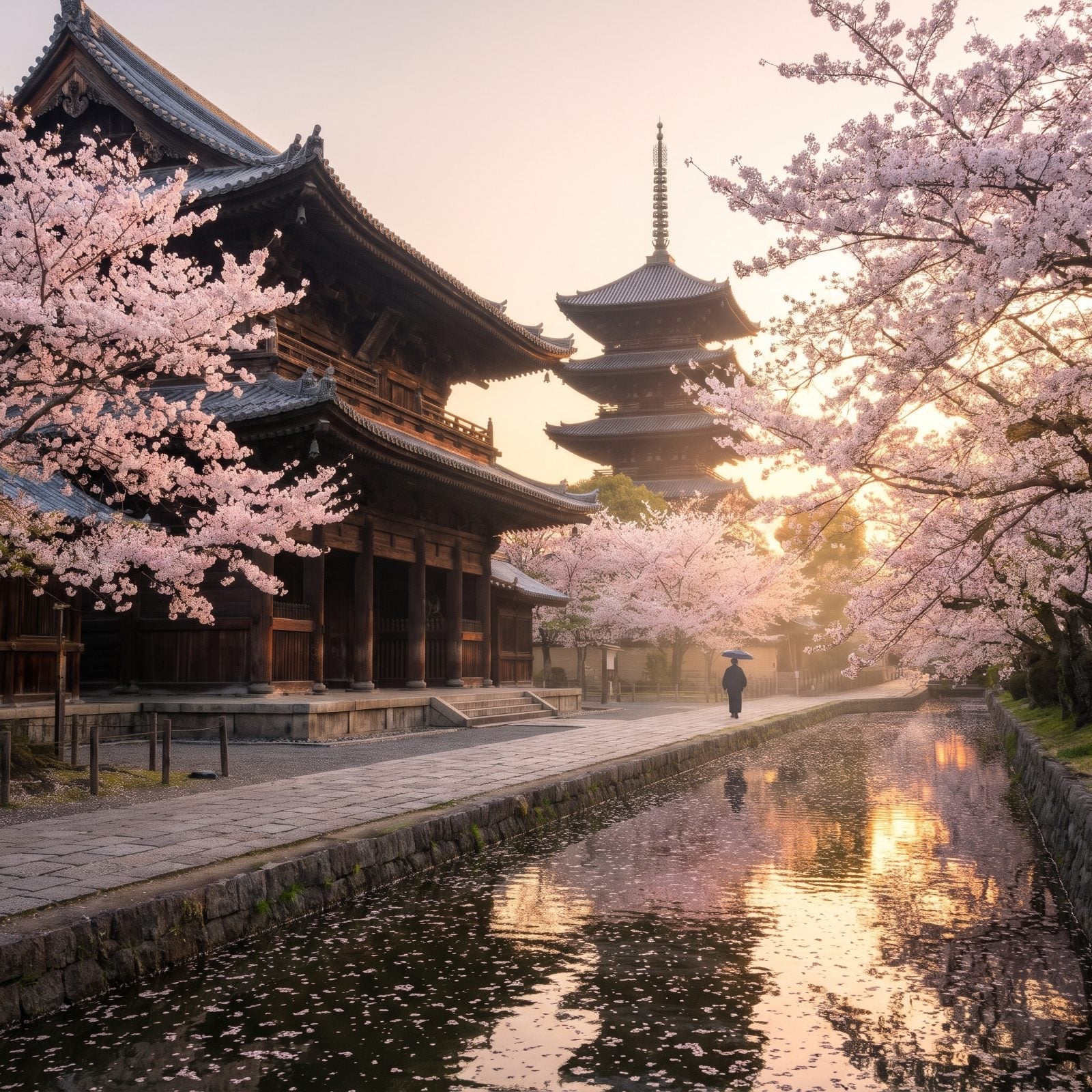
For about two weeks a year, usually early April, the whole city holds its breath. The cherry blossoms open, Kyoto turns the color of the inside of a shell, and then the wind takes them. That’s the part that undoes people. The petals fall. The Japanese have a word for the ache of it — beauty that matters because it’s leaving.
Walk the Philosopher’s Path along the canal. See temples that have kept their patience for over a thousand years. Watch petals land on black water.
16. The Amalfi Coast, Italy’s Vertical Postcard
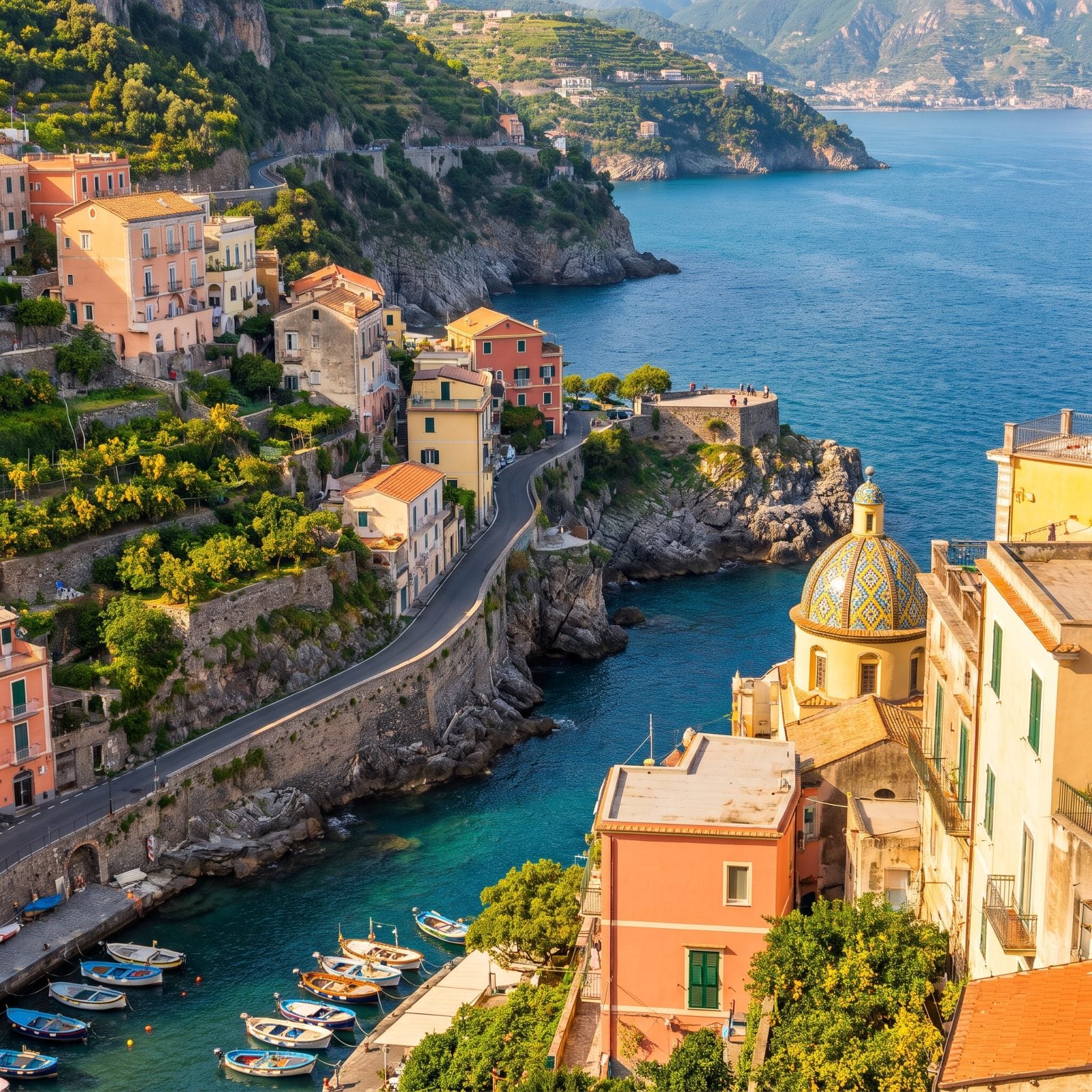
Someone built a town on a cliff that had no business holding one, painted it the colors of a fruit bowl, and stepped back to admire the chaos. That’s the Amalfi Coast. Positano stacks itself up a near-vertical slope in peach and cream and terracotta, lemon trees terraced wherever gravity allows, the whole thing tumbling toward a sea so blue it looks turned up to eleven.
The coast road is a white-knuckle marvel — switchbacks, sea views, buses passing each other with inches to spare. You’ll grip the armrest. You’ll also never forget a single mile of it.
15. Venice, a City That Shouldn’t Exist, Italy
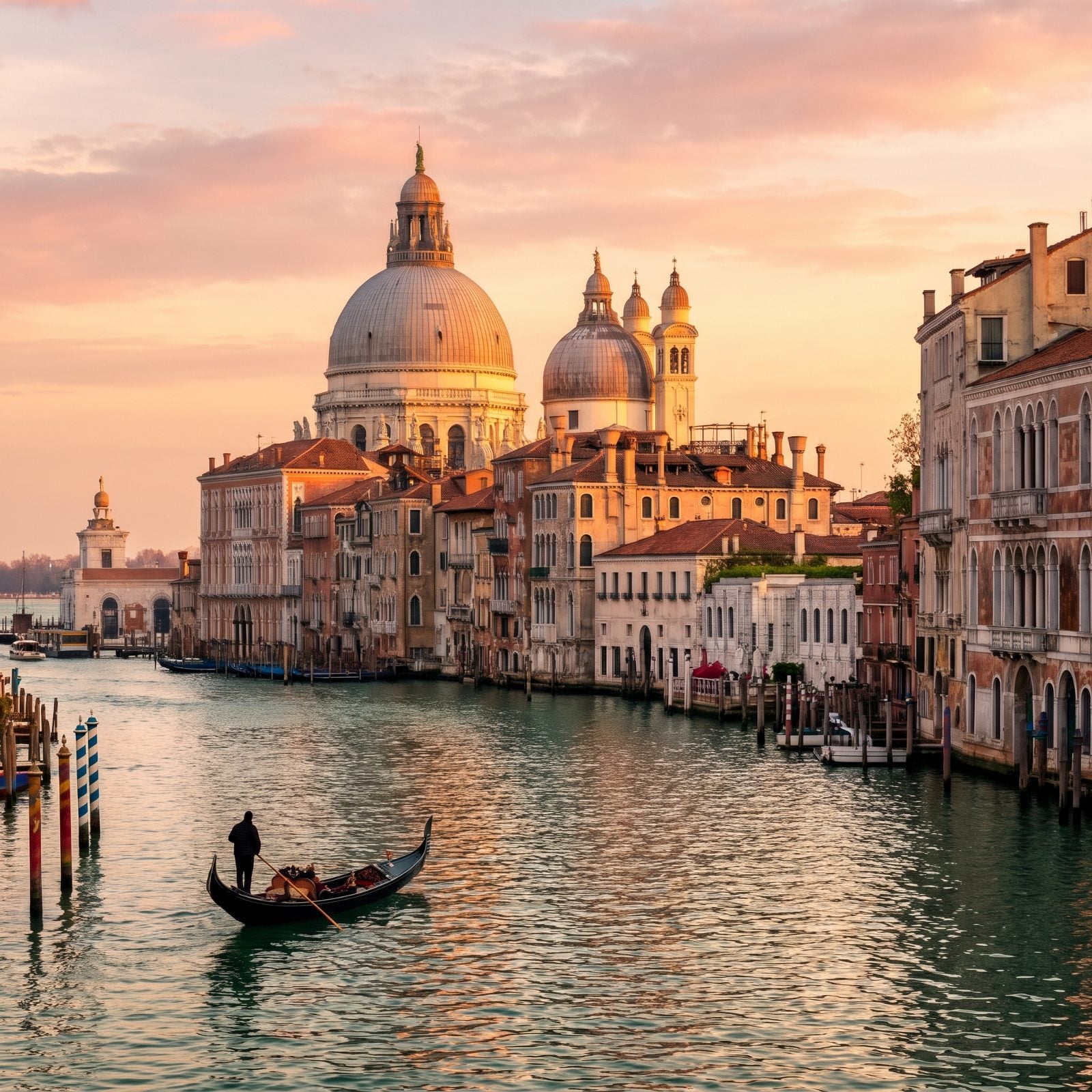
A thousand years ago people decided to build a city on wooden posts driven into a mud lagoon. It should have failed. It didn’t. No cars, no roads — water where the streets should be, and the whole thing is sinking, slowly, which somehow only makes everyone love it harder.
Get up early and walk it before the day-trippers flood in. Venice at 7am belongs to the people who actually live there: the fish market, the bells, a gondolier bailing out his boat. Then get deliberately lost in the back alleys. The city is small enough that lost is never really lost, and the best corners aren’t on any map you’d buy.
14. Lake Como and Its Cliffside Villas, Italy
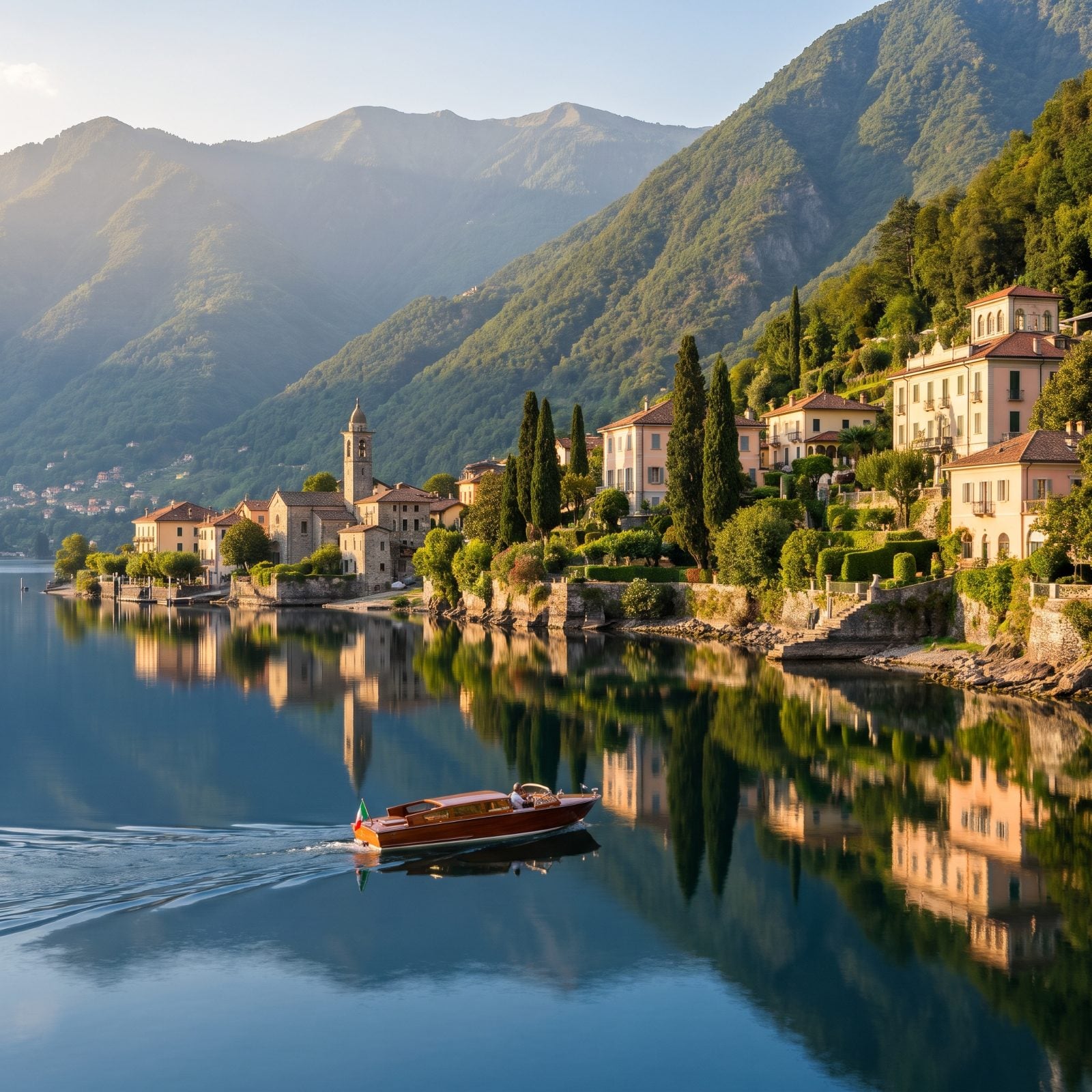
The lake is shaped like an upside-down Y, gouged deep by glaciers, with mountains dropping straight into water so still at dawn it works as a mirror. Then the villas — centuries old, draped in gardens, the kind of places built when someone had money, taste, and nothing but time.
Take the slow ferry. Skip the fast one. Let the villages drift past, Bellagio stacked on its little promontory, Varenna with its painted waterfront, and watch the light shift across the mountains.
13. Cinque Terre, Five Towns Clinging to the Cliffs, Italy
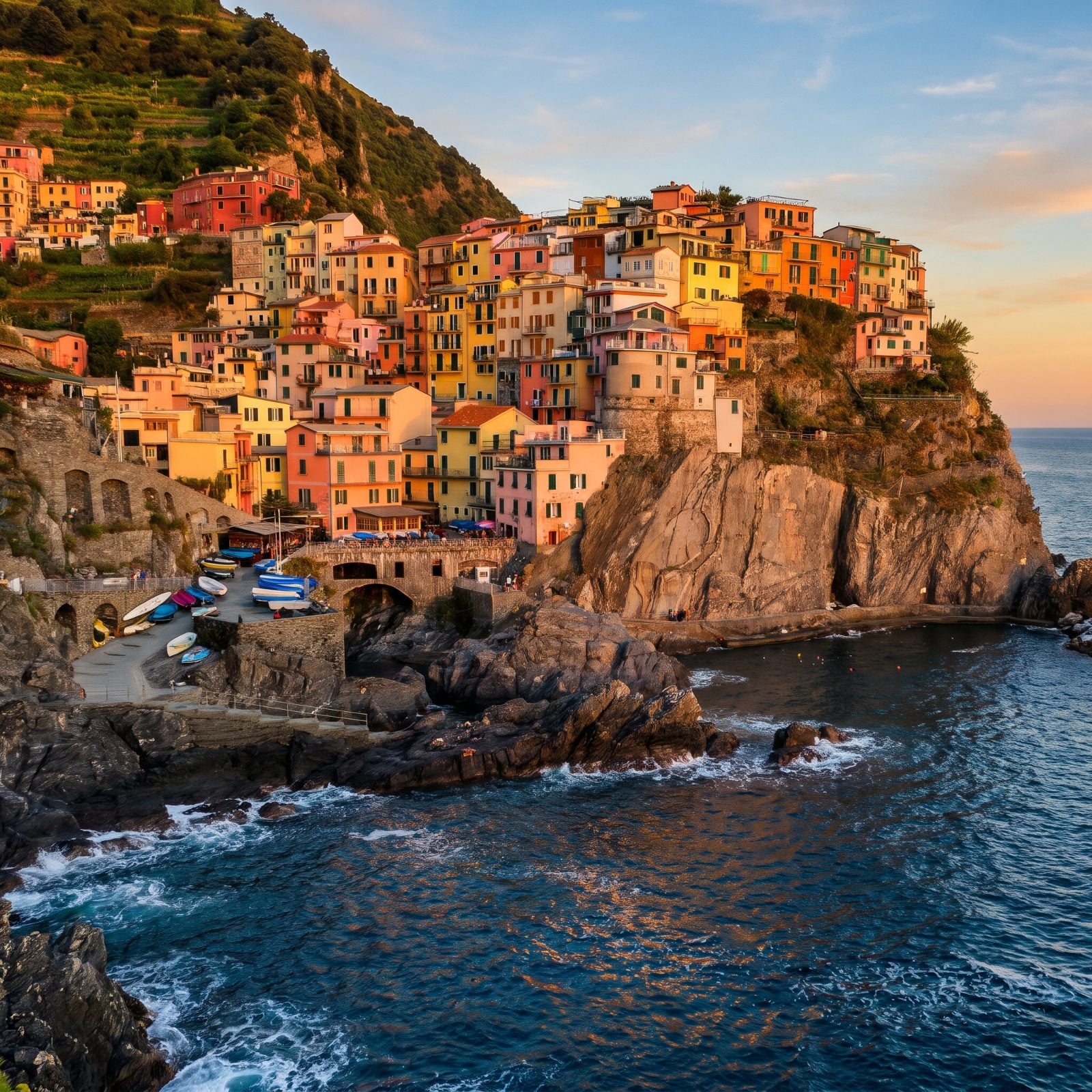
Five villages, no major roads linking them for centuries. People built straight up the cliffs in bright, jammed-together houses because there was nowhere else to go, carved vineyard terraces into slopes that should’ve been impossible, and just got on with living there.
You hike between them on trails cut into the coast, or ride the little train that ducks through the headlands. Manarola at sunset, houses glowing coral and gold over the water — that view resets your idea of what a town can be. Simple. Hard-won. It sticks with you not because it’s grand, but because it’s real, and somebody made it beautiful without ever trying to.
12. Lauterbrunnen Valley and the Swiss Alps That Ruin You for Flat Land
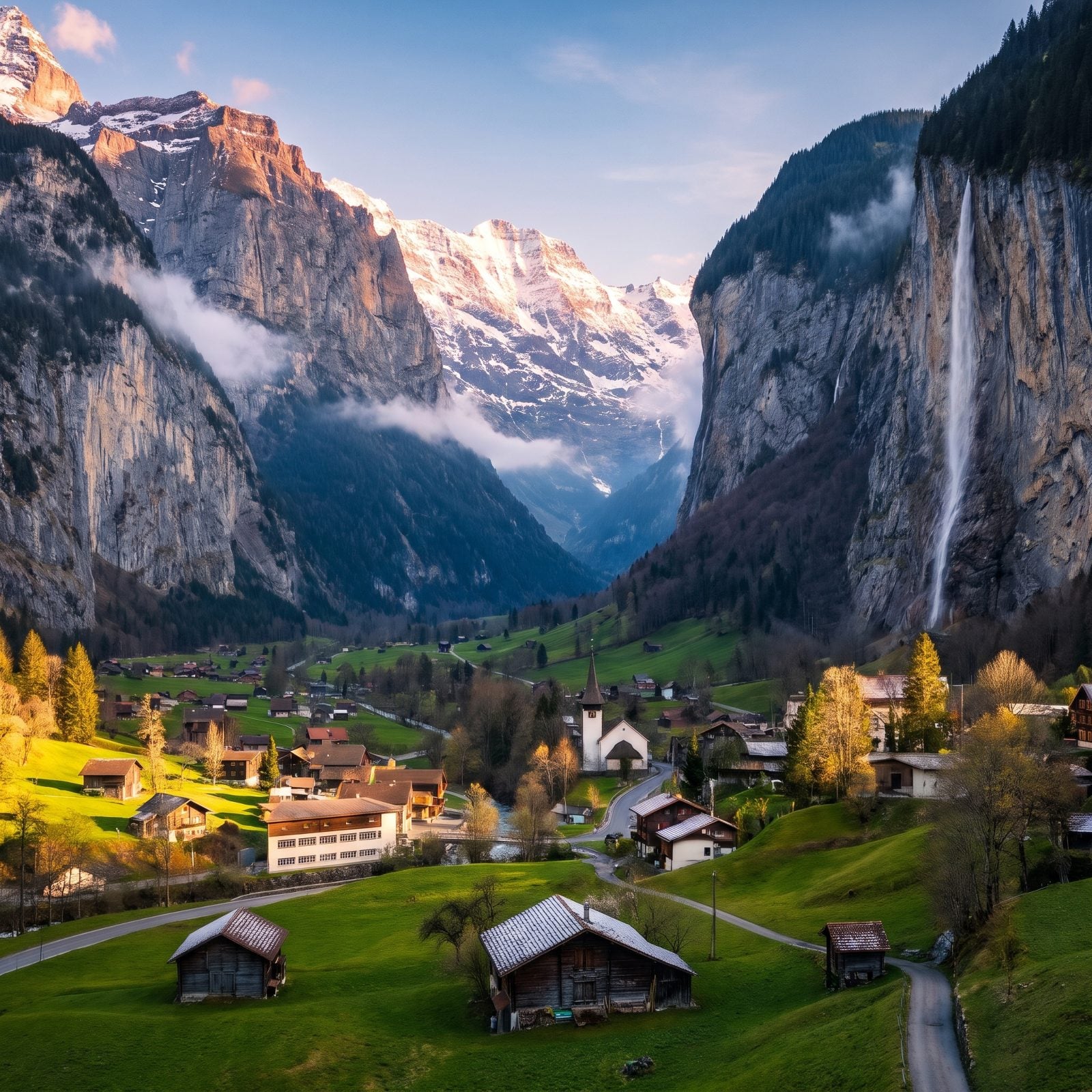
You stand on the valley floor and the cliffs go straight up on either side, dozens of waterfalls pouring off the rim like the mountain sprung a leak. Staubbach drops hundreds of feet, and half of it turns to mist before it ever lands. Here’s the thing nobody warns you about: the air is wet with waterfall before you even reach one.
Tolkien walked here and built Rivendell out of it. Once you see the place, you understand why he didn’t have to invent much.
11. Hallstatt, Austria, the Lakeside Village Everyone Tries to Photograph
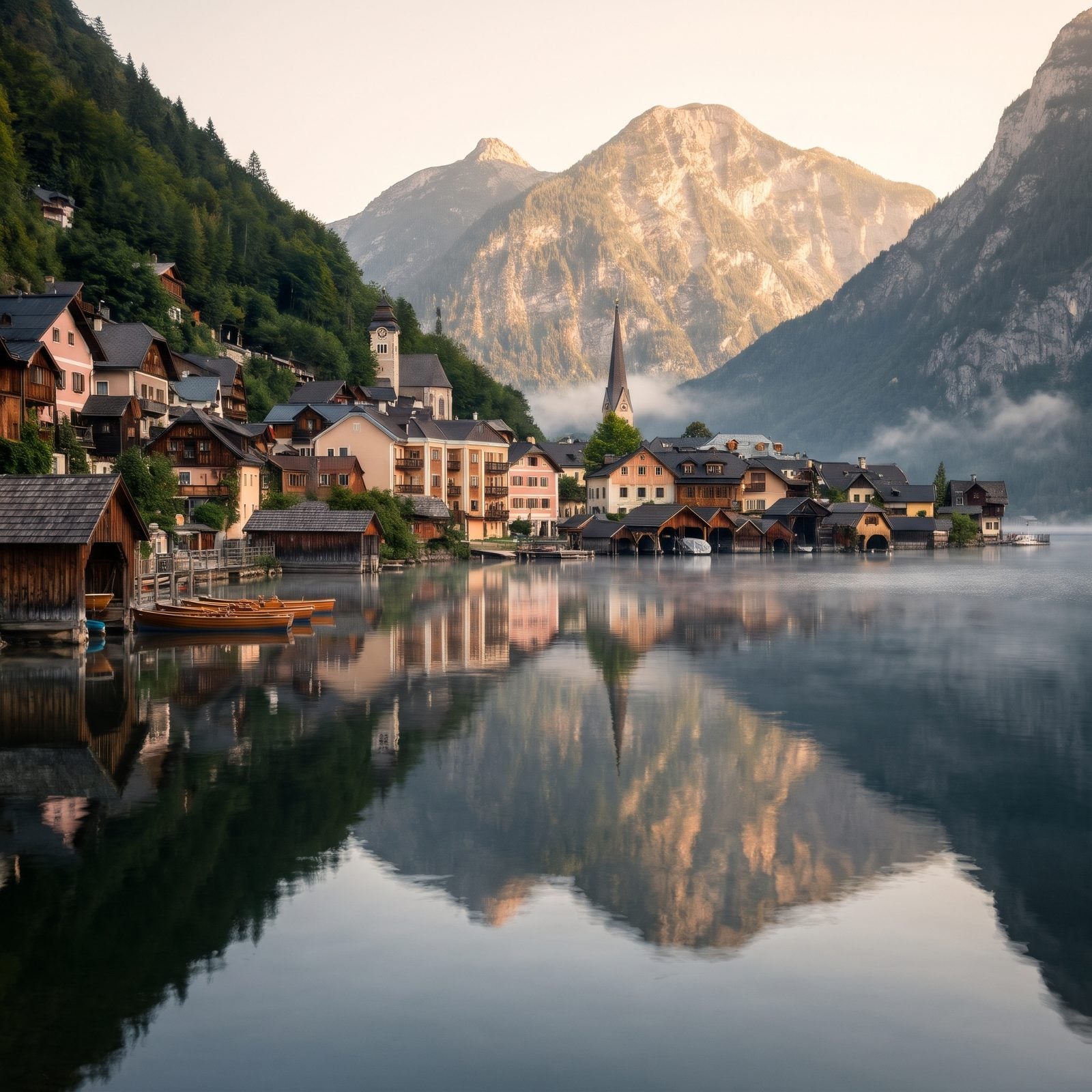
This is the most photographed village in Austria, and the salt buried under it is the reason it exists at all. People have been pulling salt out of the mountain above Hallstatt for thousands of years. The postcard houses came later. The money came from the mine.
Here’s what the photos leave out. The whole village clings to a narrow shelf of land, pinned between the lake and a vertical cliff, and there’s so little room the dead don’t stay buried long. The bone house by the church holds painted skulls, stacked and labeled, because the cemetery simply runs out of space. Think about that the next time you grumble about a crowded parking lot.
Go early. By ten the tour boats roll in and the magic thins out fast.
10. Dubrovnik, Croatia, Where the Walls Hold Back the Adriatic
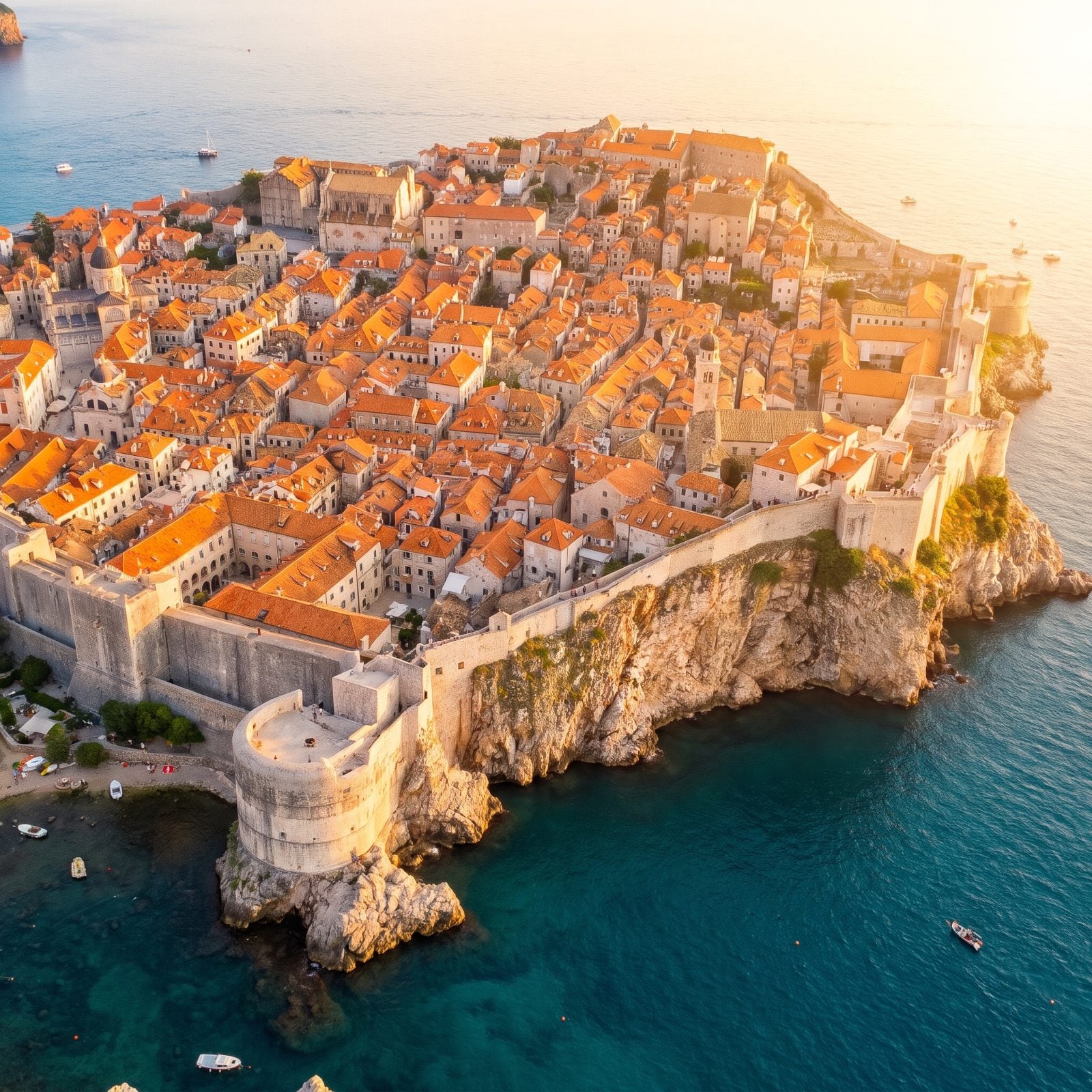
Walk the city walls and you’ll understand the whole place in a single lap. More than a mile of stone, thick enough in places to run a cart along, built to keep out everyone who ever wanted what Dubrovnik had. Sea on one side, red roofs below, you up on top of it all.
Look closely at those rooftops and you’ll spot the newer tiles mixed in with the old. The city was shelled during the 1991 siege, and they rebuilt it one tile at a time. The brighter orange ones are the wounds.
9. Banff National Park, Canada, and the Water That Shouldn’t Be That Color
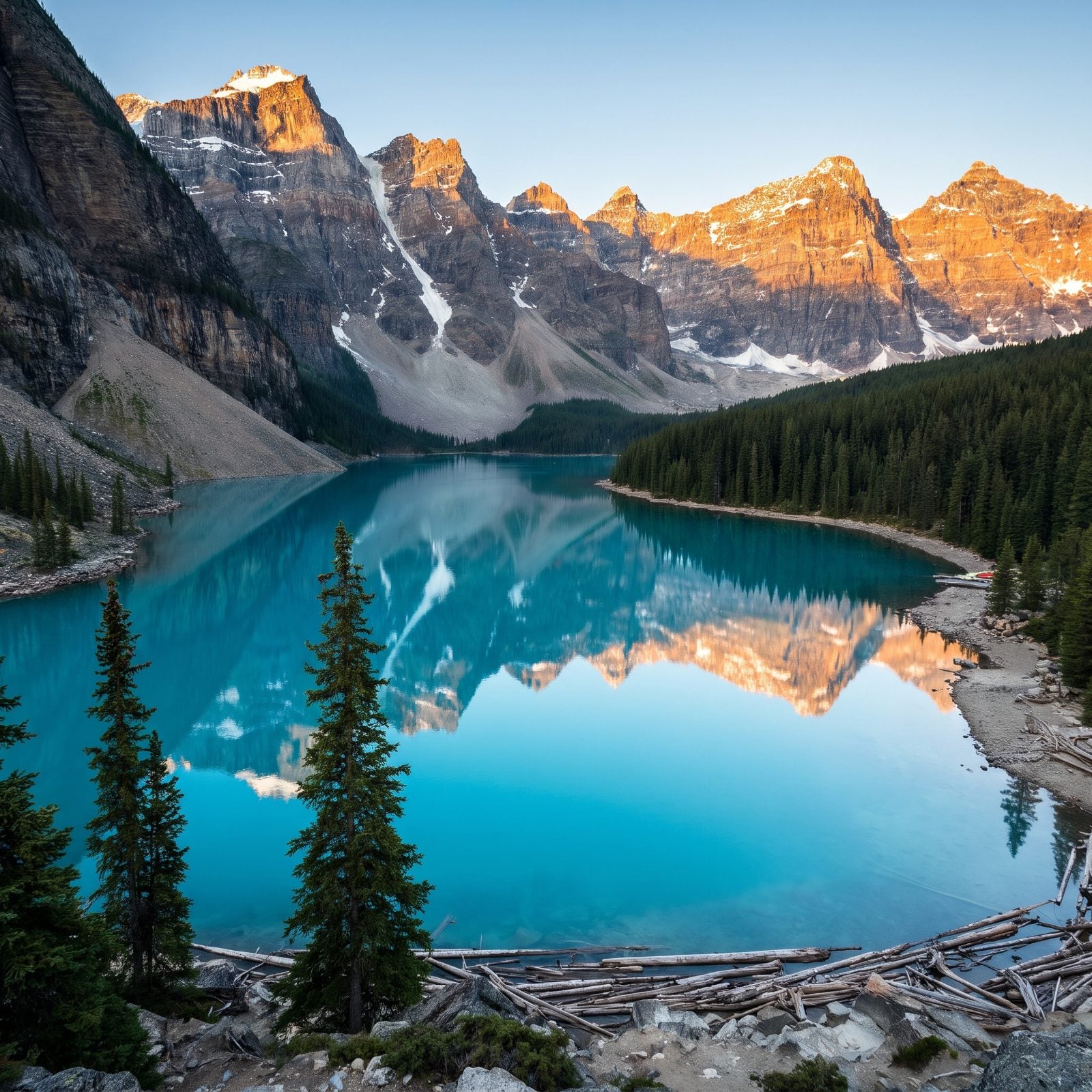
The color stops you dead. Moraine Lake and Lake Louise glow a turquoise that looks cranked up on a screen, except it’s real. Glaciers grind rock into powder so fine it goes by the name rock flour, and those particles hang suspended in the water, scattering the light into a blue nobody believes until they’re standing right in front of it.
The water is cold enough to steal your breath. Dip a hand in and you won’t do it twice.
8. Queenstown, New Zealand, the Adventure Town Framed by the Remarkables
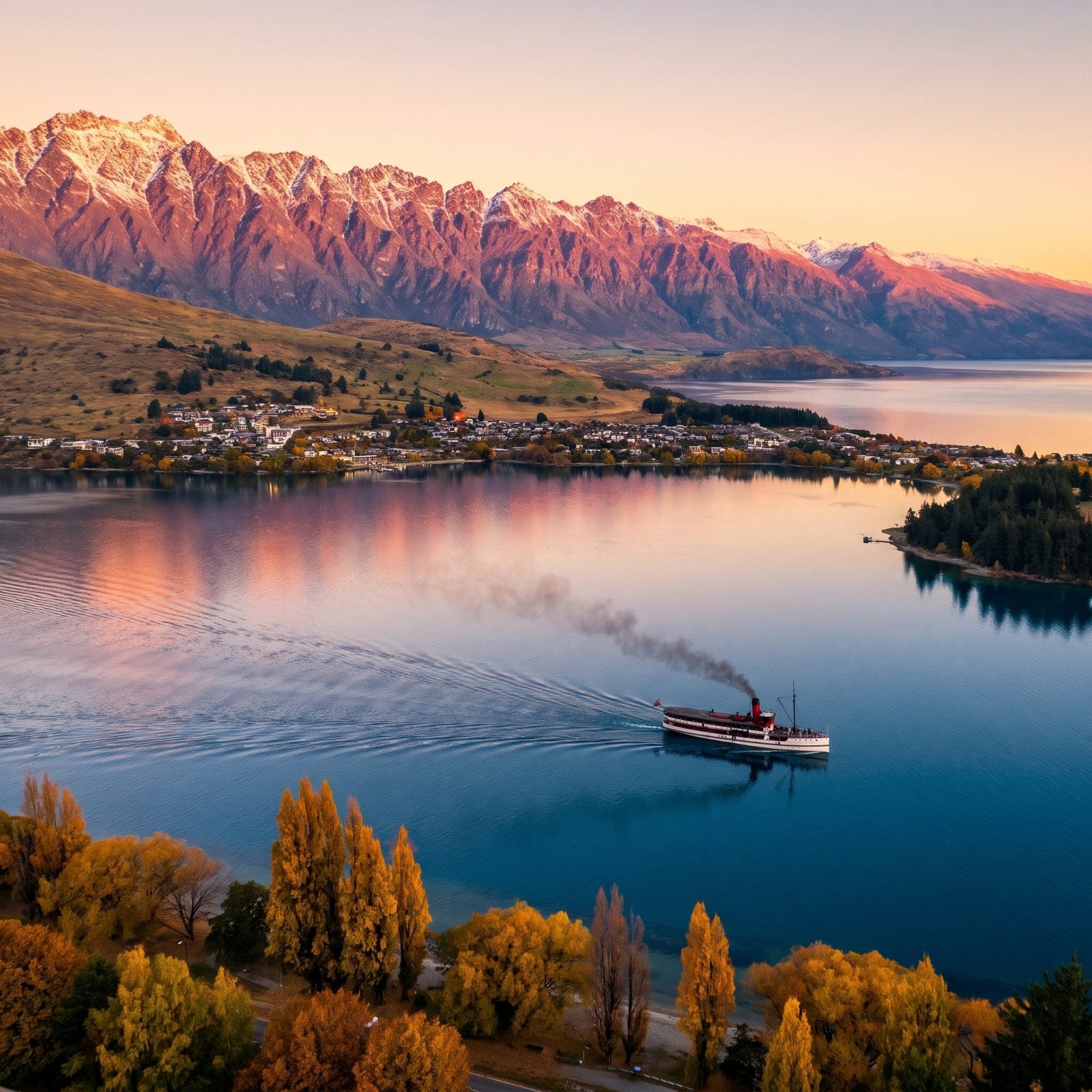
The mountains behind town are actually called the Remarkables, which sounds like a tourism board phoned it in until you clap eyes on them. The range runs almost dead north to south, one of only two in the world that pulls that off.
Queenstown invented commercial bungee jumping. Kawarau Bridge, 1988. People still queue up to fling themselves off it into the river gorge.
You don’t have to leap off anything, though. Take the old steamship TSS Earnslaw across Lake Wakatipu instead — coal-fired, launched in 1912, and somehow still chugging along. The lake runs so clean and so deep it stays cold enough to be dangerous year round, and locals will swear to you it rises and falls on its own, like the whole thing is breathing.
7. The Scottish Highlands, Where the Weather Is the Main Character
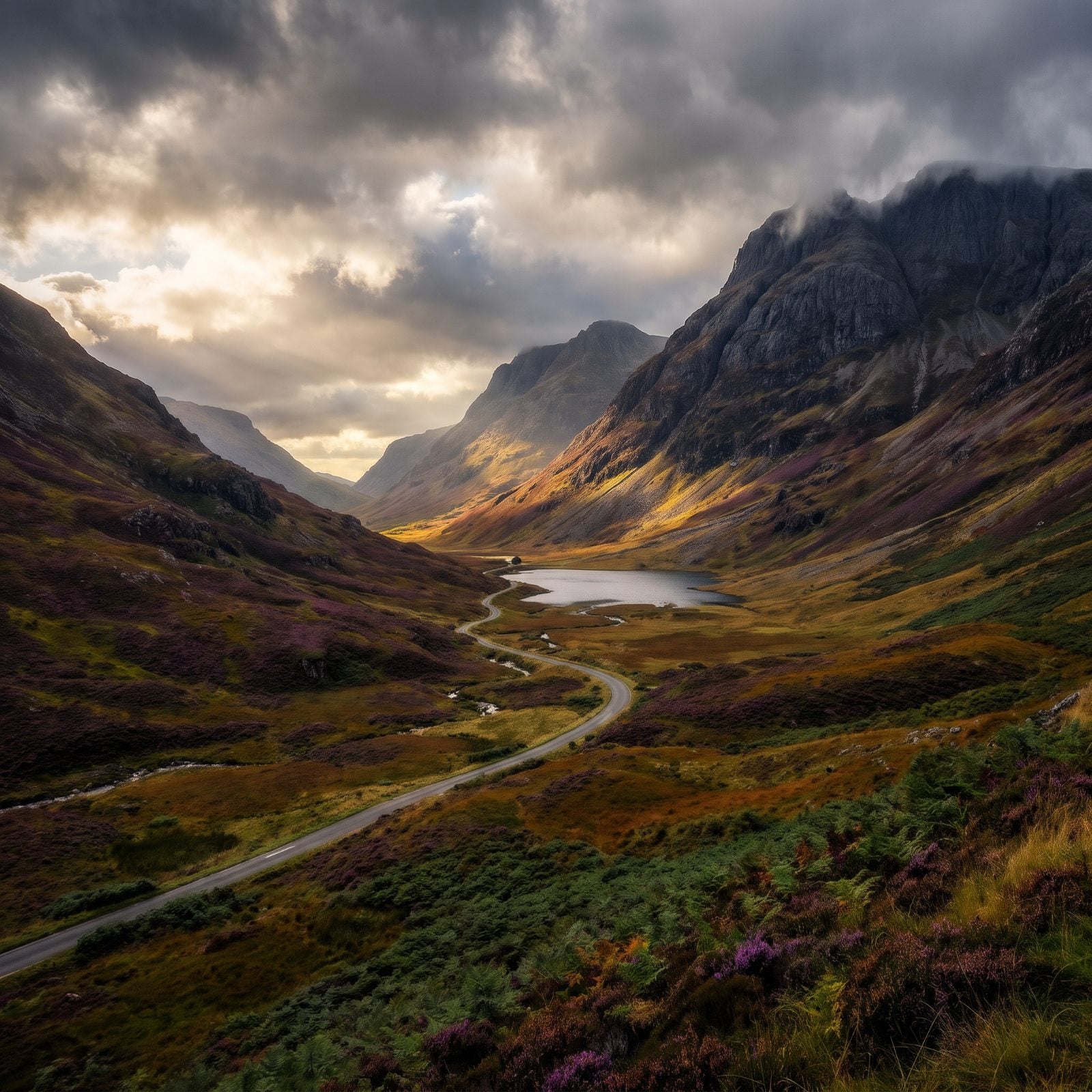
You come for the castles and you stay for the sky. The Highlands hand you four seasons in an afternoon, and the light does things here it does nowhere else. Sun punches through cloud and spotlights one hillside while the next stays pitch dark. Then it swaps them.
Glencoe is the one that burrows into people. Gorgeous glen, grim history. A massacre in 1692, soldiers turning on the family who had taken them in. The locals still remember, and the mountains look like they remember too.
Bring a waterproof. Bring it even when the forecast swears you won’t need it. Especially then.
6. The Faroe Islands, the Green Cliffs That Rise Out of the North Atlantic
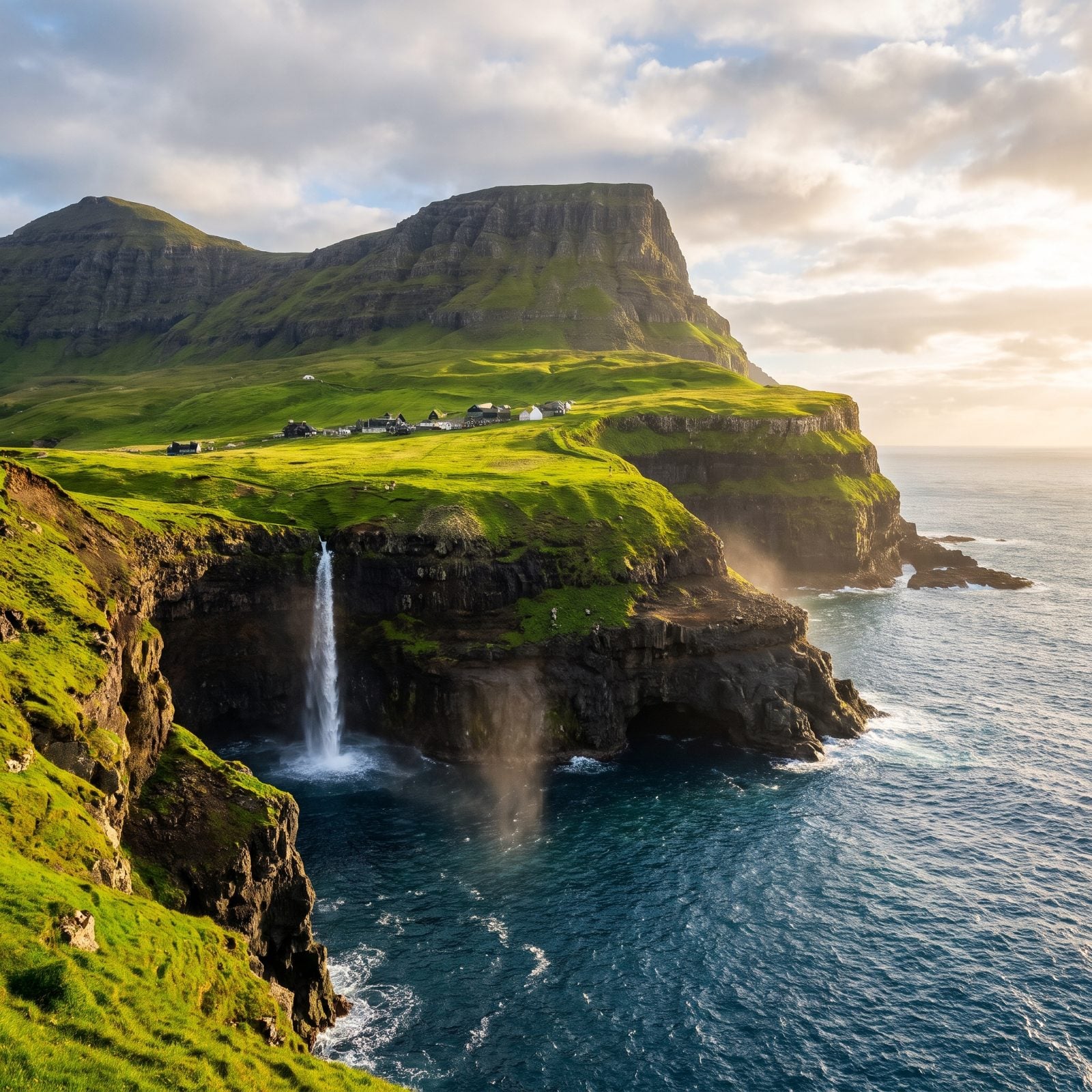
Eighteen islands adrift in the middle of the North Atlantic, halfway between Scotland and Iceland, and most travelers couldn’t find them on a map if you paid them. Which is exactly why they feel the way they do.
The waterfall at Mulafossur drops straight off a cliff into the open sea. Behind it sits the village of Gasadalur, which had no road at all until 2004. Before that? Mail came over the mountain on foot, or by helicopter when the weather turned ugly.
Grass grows on the roofs here — not for charm, but for insulation against a wind that never really quits.
5. Marrakech, Morocco, and the Square That Changes Face at Dusk
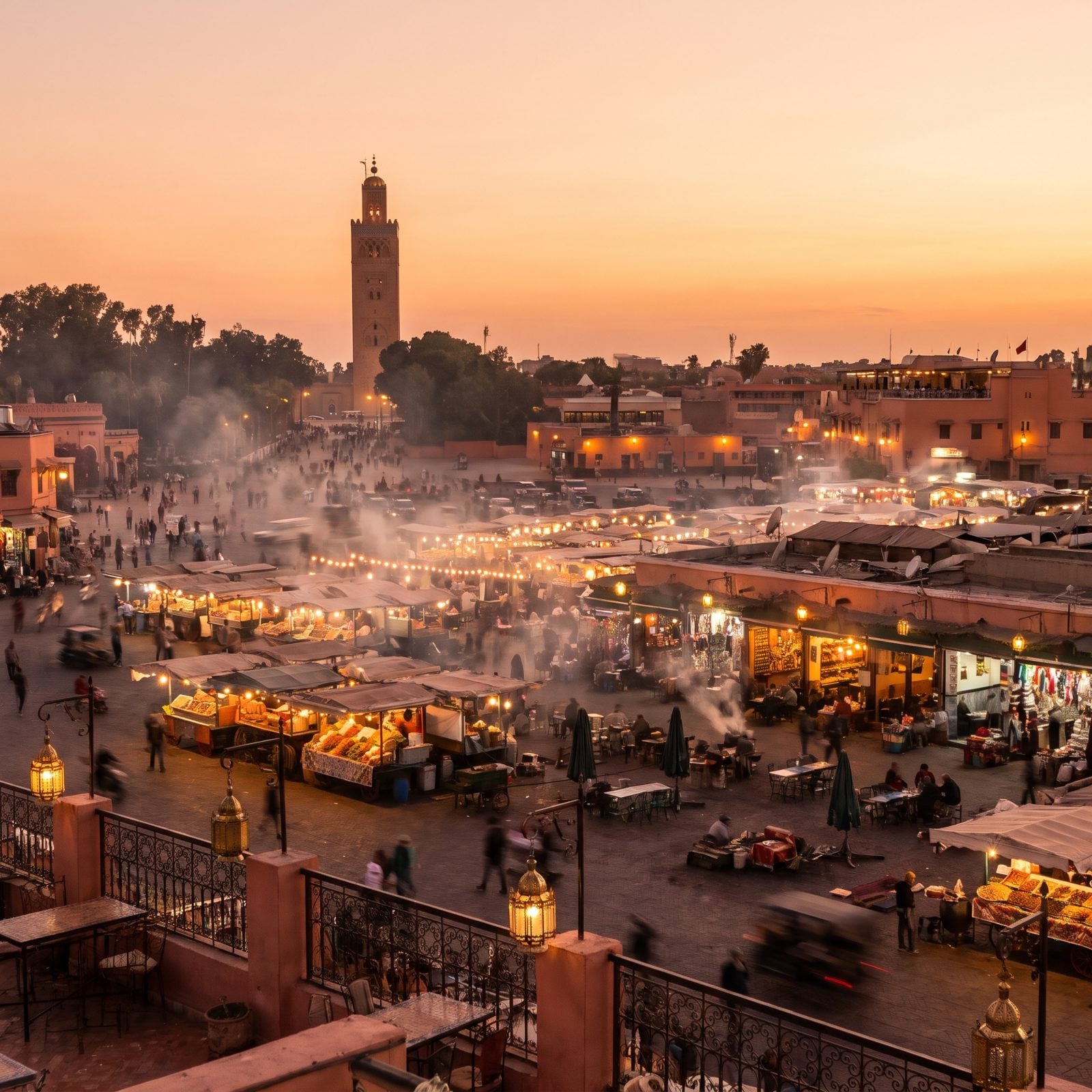
By day, the Jemaa el-Fnaa is basically a parking lot. Come back at sunset and it turns into something else entirely. Smoke pours off a hundred food stalls, lanterns flicker on, the call to prayer rolls out from the Koutoubia minaret, and the whole square cranks up its volume all at once.
Everything in Marrakech is a negotiation, and that’s no flaw in the system — it is the system. The first price is theater. So is your walking away. Both sides know the script.
4. Havana, Cuba, Frozen in the Year the Clocks Stopped
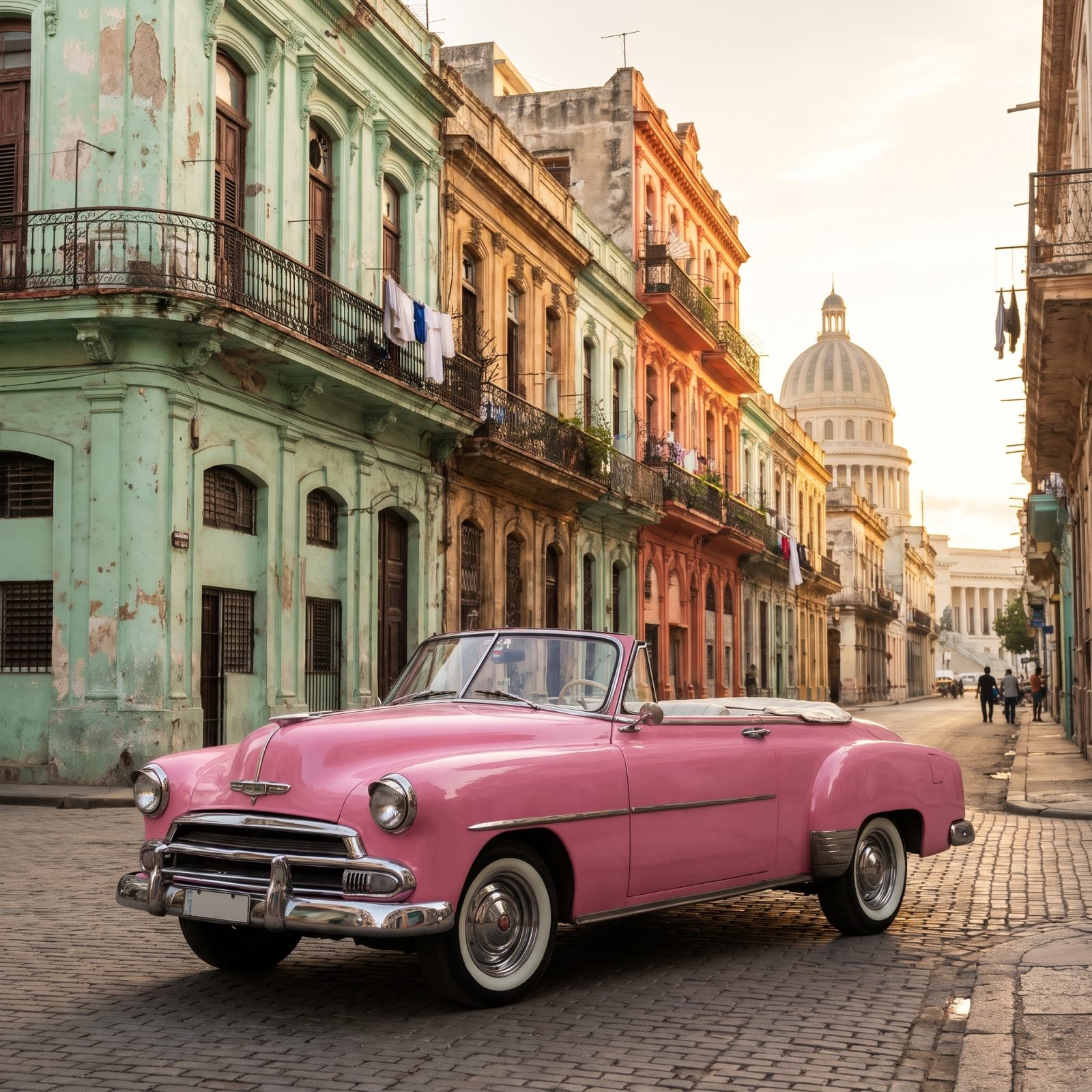
The cars grab you first. Candy-colored Chevys and Buicks from the 1950s, kept running by hand for more than sixty years because there was simply no other option. Pop the hood and half of them are Soviet engines wearing American skin — which is Havana in miniature, really. Making do, beautifully.
The buildings tell the same story. Grand colonial facades in mint and coral, paint flaking off like old wallpaper, laundry strung between balconies that once belonged to society families. It should look sad. It looks alive instead.
3. Bagan, Myanmar, a Plain of Two Thousand Temples at Dawn
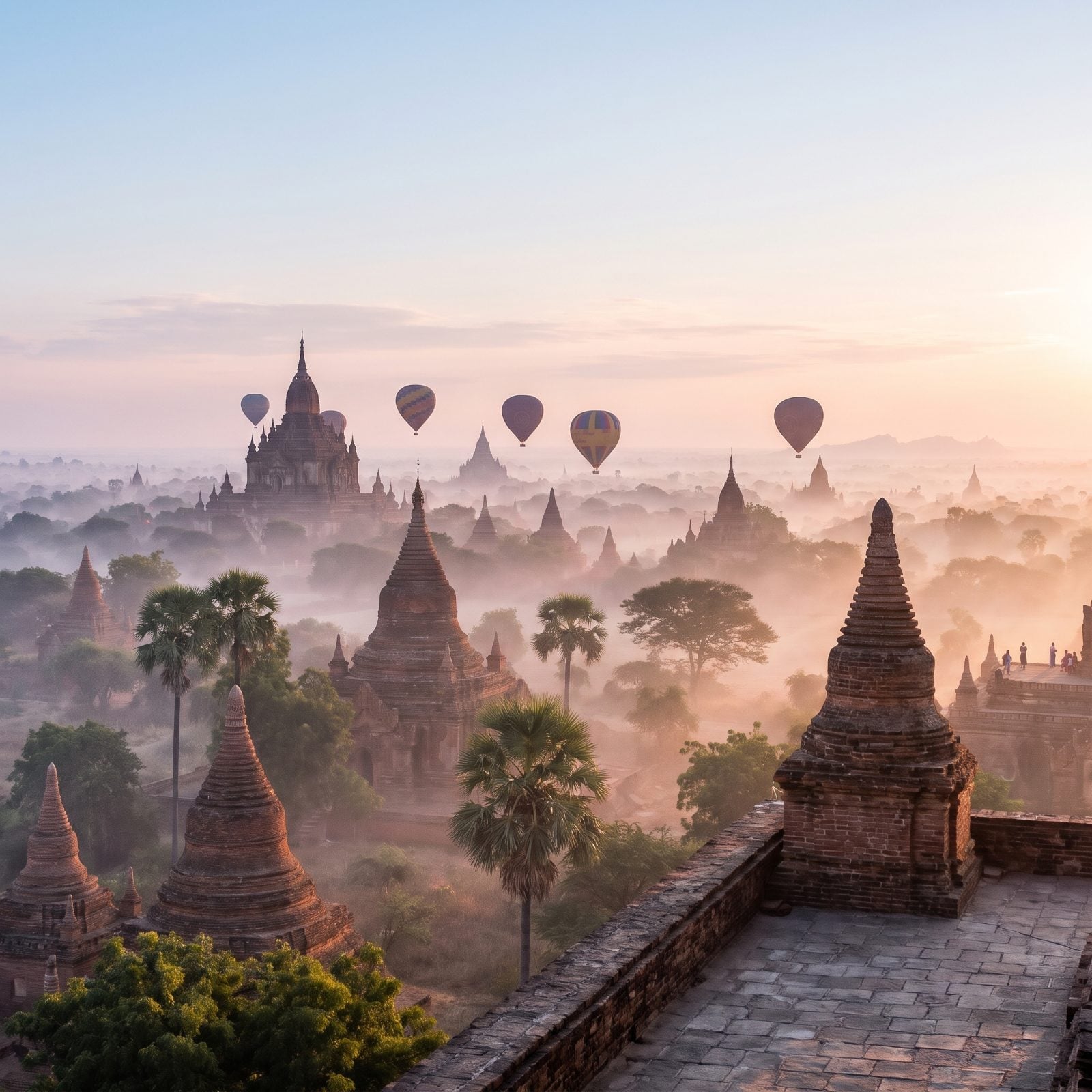
Before dawn you climb to a high perch and wait in the dark. Then the mist peels off the plain, and the temples surface out of it one by one, brick spires glowing red in the first light while balloons drift between them. Over two thousand temples and pagodas are scattered across these plains, raised across a few centuries starting roughly a thousand years ago.
Now, a word on reality. The 2016 earthquake damaged plenty of the temples, and the access rules have tightened since. You can’t climb the ones people used to. Check current conditions before you plan a thing. The view is still there; the ways to see it have changed.
2. Zhangjiajie, China: The Sandstone Pillars That Vanish Into Clouds
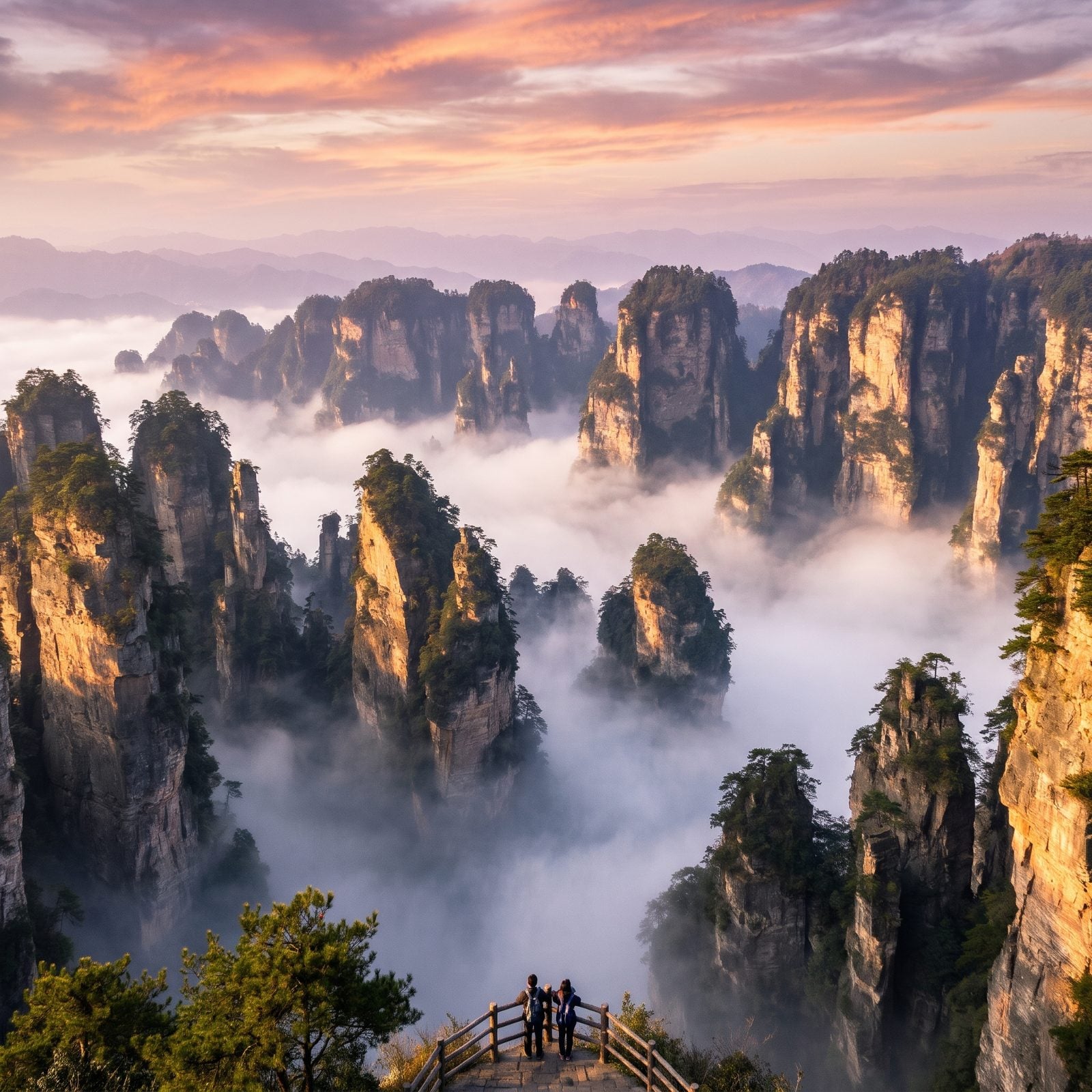
You’ve seen these peaks without knowing it. The floating mountains in Avatar were drawn from here, and once the movie landed, the crowds followed and never let up. The park renamed one column the Hallelujah Mountain and leaned all the way into it.
The pillars are quartz sandstone, carved by water and frost over tens of millions of years into thousands of freestanding columns. Go at dawn in autumn when the mist sits low and the tops break through like a scattered archipelago. That’s the view that lodges in your head and refuses to leave.
Here’s what nobody warns you about: the scale is brutal on the body. There’s a glass elevator bolted to a cliff and cable cars that save your knees, and you should use every one of them. Pride is heavy at that altitude.
1. The Namib Desert, Namibia: Where Rust-Red Dunes Meet a Dead White Pan
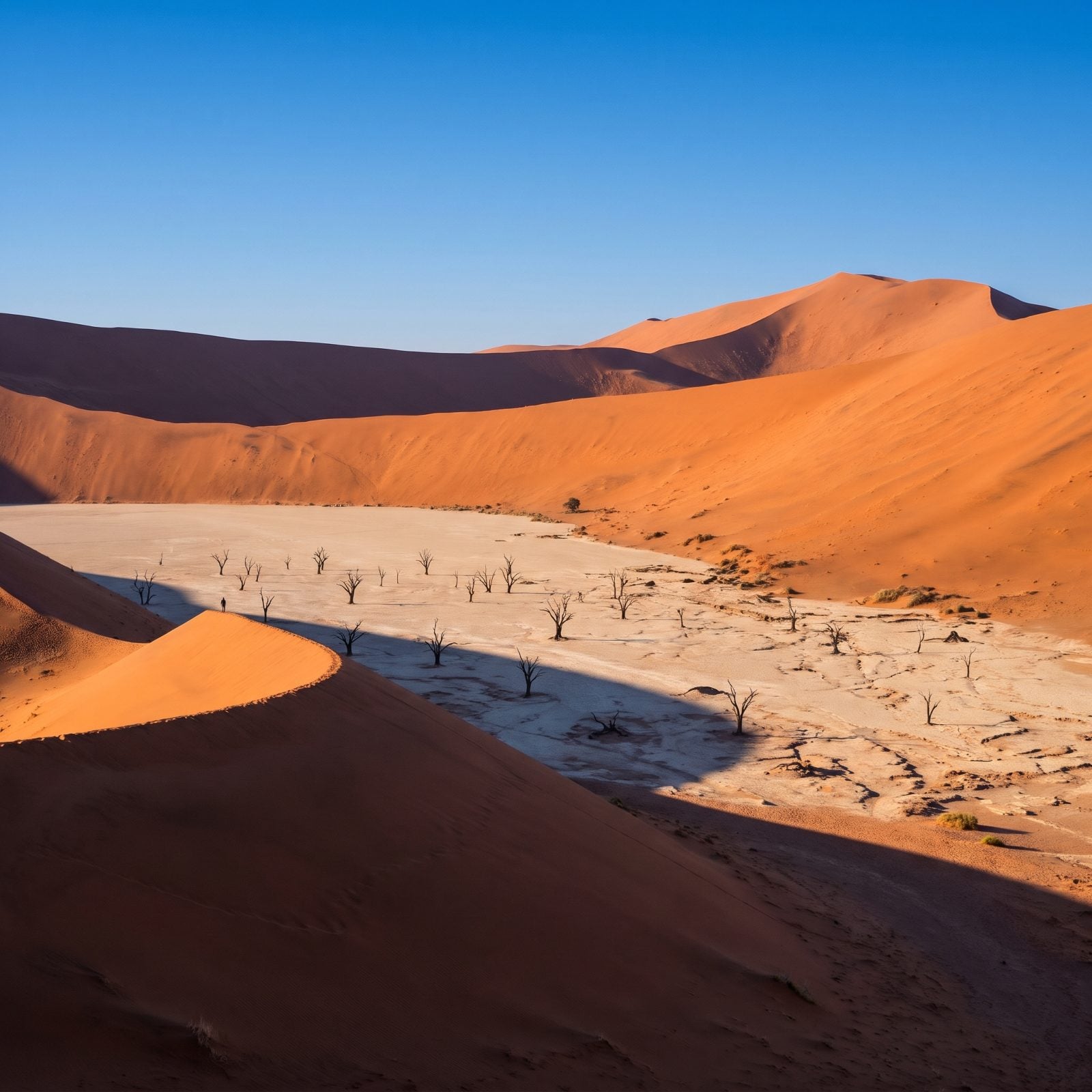
The oldest desert on earth doesn’t look old. It looks like somebody painted it this morning and the paint’s still wet.
At Deadvlei the camelthorn trees have been dead for something like nine centuries. They didn’t rot — the air’s too dry for that, so they just stand there, scorched black, planted in a cracked white pan with the tallest dunes on the planet rising rust-red behind them. Climb Big Daddy if your legs can take it, then run straight down the face into the pan. That part’s free, and it’s the most fun you’ll have in sand.
Photograph it at dawn or don’t bother. Once the sun clears the dune tops, the contrast flattens and the whole scene goes to haze.
Getting here is the real price. You fly into Windhoek, then drive hours over gravel to Sesriem, which rattles your fillings loose. Book a gate-area lodge so you can slip inside the park before sunrise, because the light you came all this way for lasts about forty minutes. Blink and it’s gone.
Please note that some of the imagery in this article were created with the aid of AI image generators.