
🔥 Would you like to save this?
The passport sits in a drawer. The brochure gets filed under “someday,” and someday has a way of never arriving. The biggest regret in travel is almost never the trip you took — it’s the one you postponed one more year, then one more, until the knees or the calendar quietly close the door. The good news? These places are still right there, waiting, and the fixes are easier than you’d guess. The reward outlasts the airfare by decades. Here’s where to point yourself first.
39. Take an Expedition Cruise to Antarctica
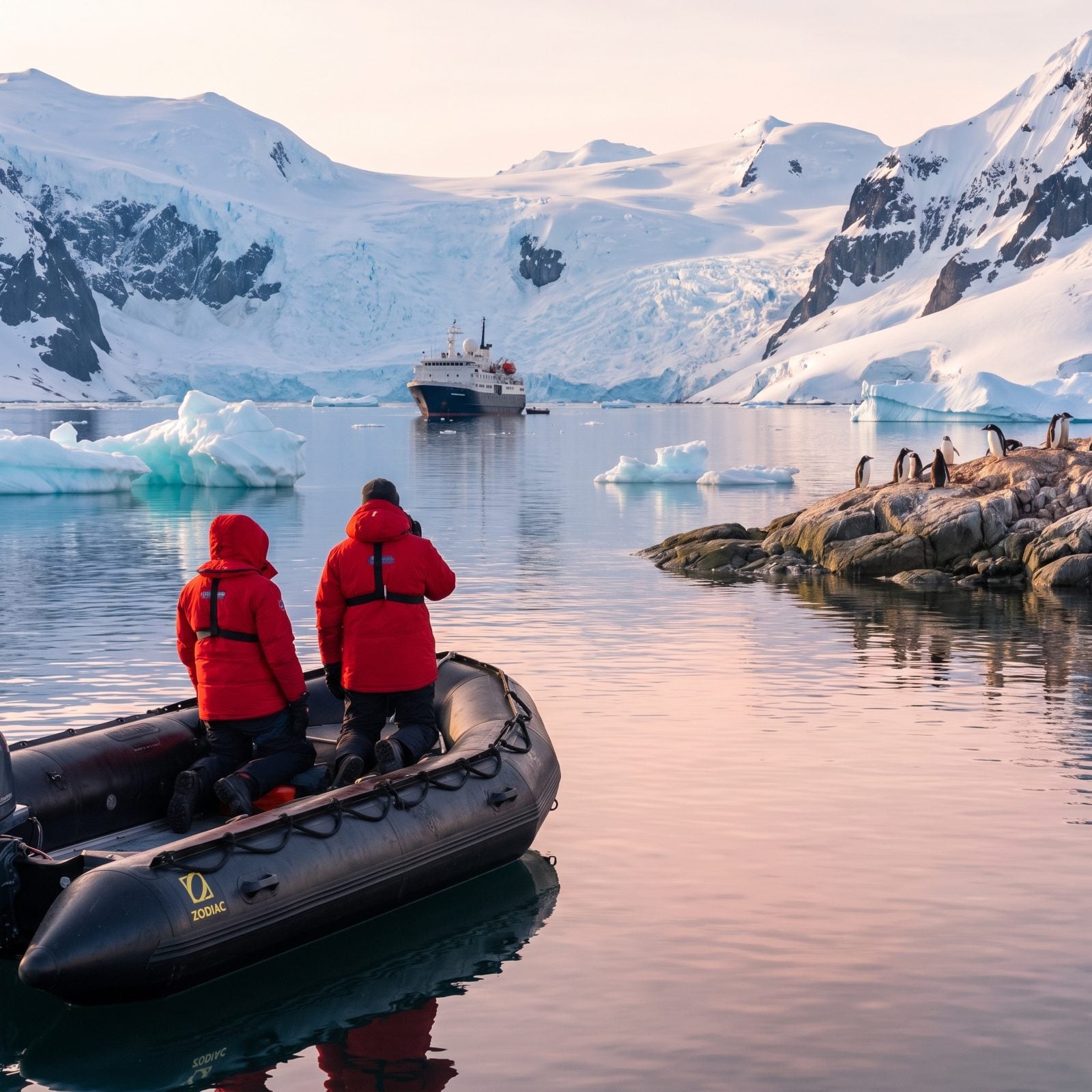
Antarctica is not as hard to reach as the word “Antarctica” makes it sound. People picture a polar ordeal, talk themselves out of it, and then watch the years shave off their sea legs. Treating it as a trip for the next decade is the real blunder. The continent runs colder and quieter than any photograph suggests, and the ships that go there now are built for comfort rather than endurance.
If the open ocean worries you, fly across the Drake Passage instead of sailing it. Several operators run a two-hour flight from Punta Arenas straight to the peninsula — you’re standing on a beach ringed by penguins by lunchtime. The Zodiac steps are gentle. Crews help at every rail.
38. Take an African Safari in Tanzania’s Serengeti
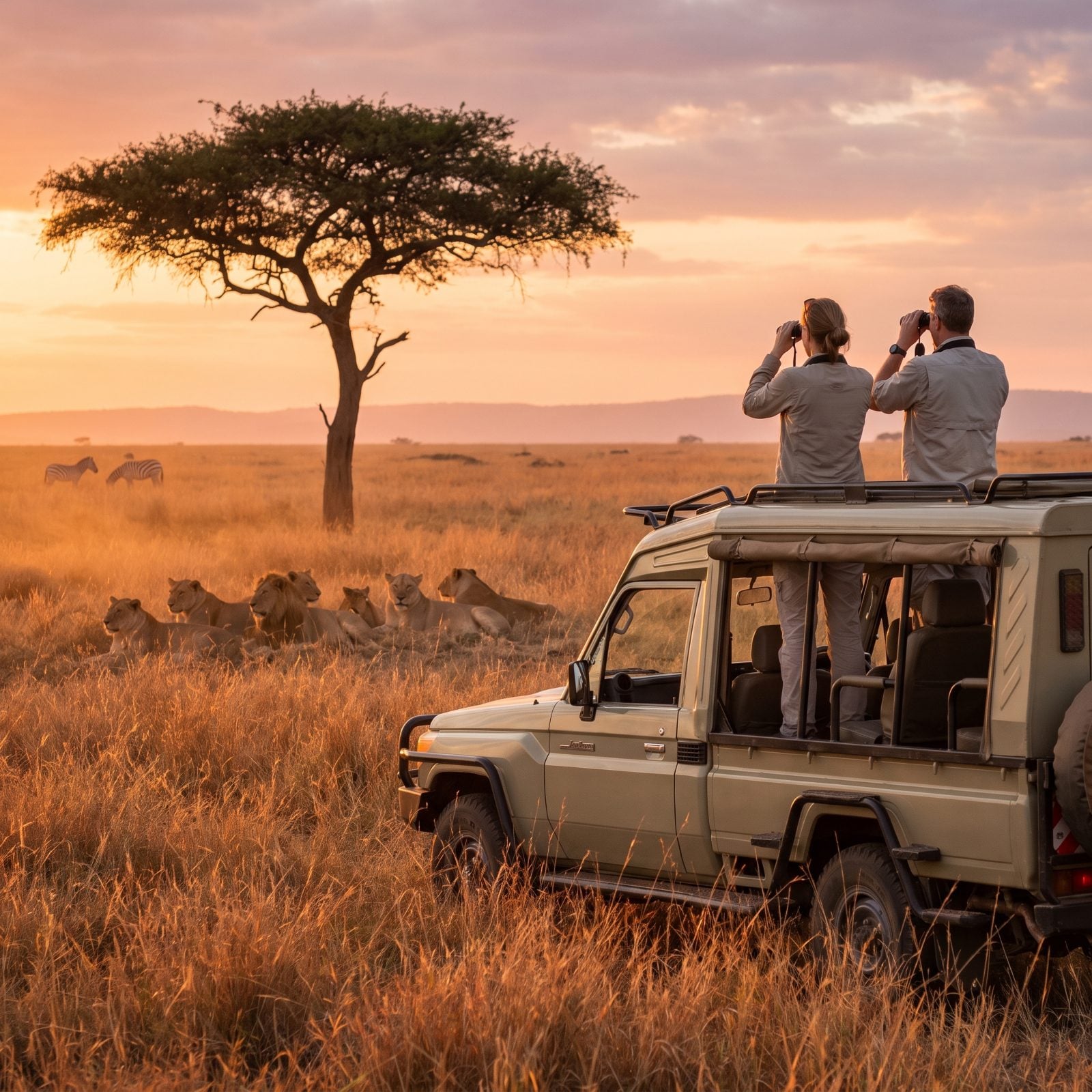
You’ve seen the documentaries — the lion yawns and the whole savanna seems to hold its breath. The regret people carry is assuming a safari means roughing it, so they wait for a fitness level they think they need and never reach.
You don’t walk the Serengeti. You ride. A good game drive puts you in a padded seat with a cold drink in the cup holder and a guide who’s spent twenty years learning where the cheetahs rest at noon. The lodges have proper beds, hot showers, and sundowners on a deck overlooking the plains.
Go during the Great Migration between June and October if you want the river crossings. Book a tented camp with en-suite bathrooms. “Tented” now means canvas walls and a real mattress, not a sleeping bag on the ground.
37. Discover the Galápagos Islands With a Naturalist Guide
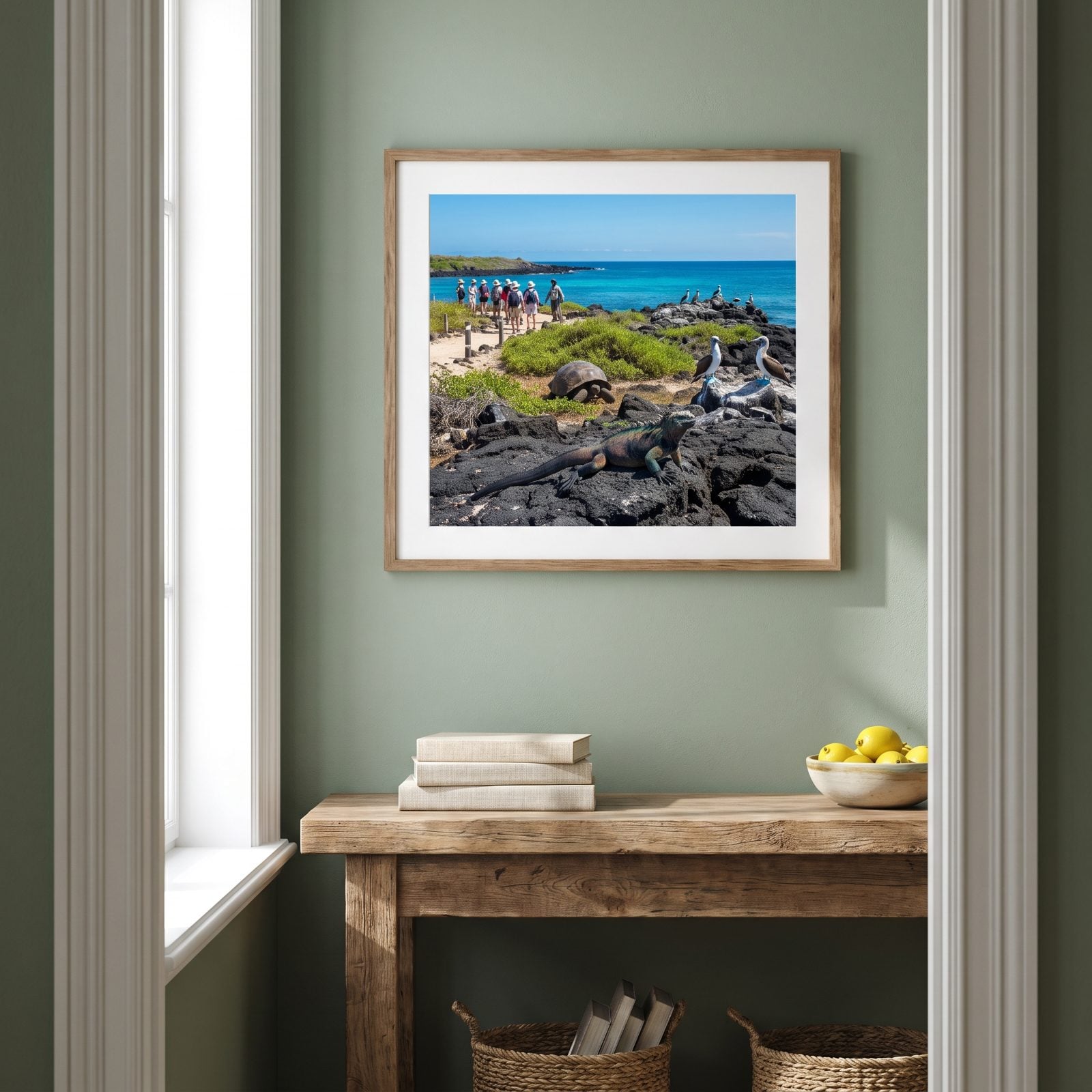
Darwin got off the boat here and the rest is textbook. The animals never learned to fear people. A sea lion will flop past your feet, and a tortoise the size of a coffee table will regard you with ancient indifference.
The mistake? Booking a huge cruise ship that parks offshore and ferries you in on crowded tenders, so you see the islands through a scrum of strangers. Choose a small live-aboard vessel of sixteen to twenty passengers instead, with a licensed naturalist who’s required by law to guide every landing.
When you book, ask about the “wet landing” versus “dry landing” ratio. Dry landings step onto a dock. Wet landings mean wading ashore from the panga. If balance is a concern, the right boat matches you to easier terrain without a fuss.
36. Explore Japan During Cherry Blossom Season
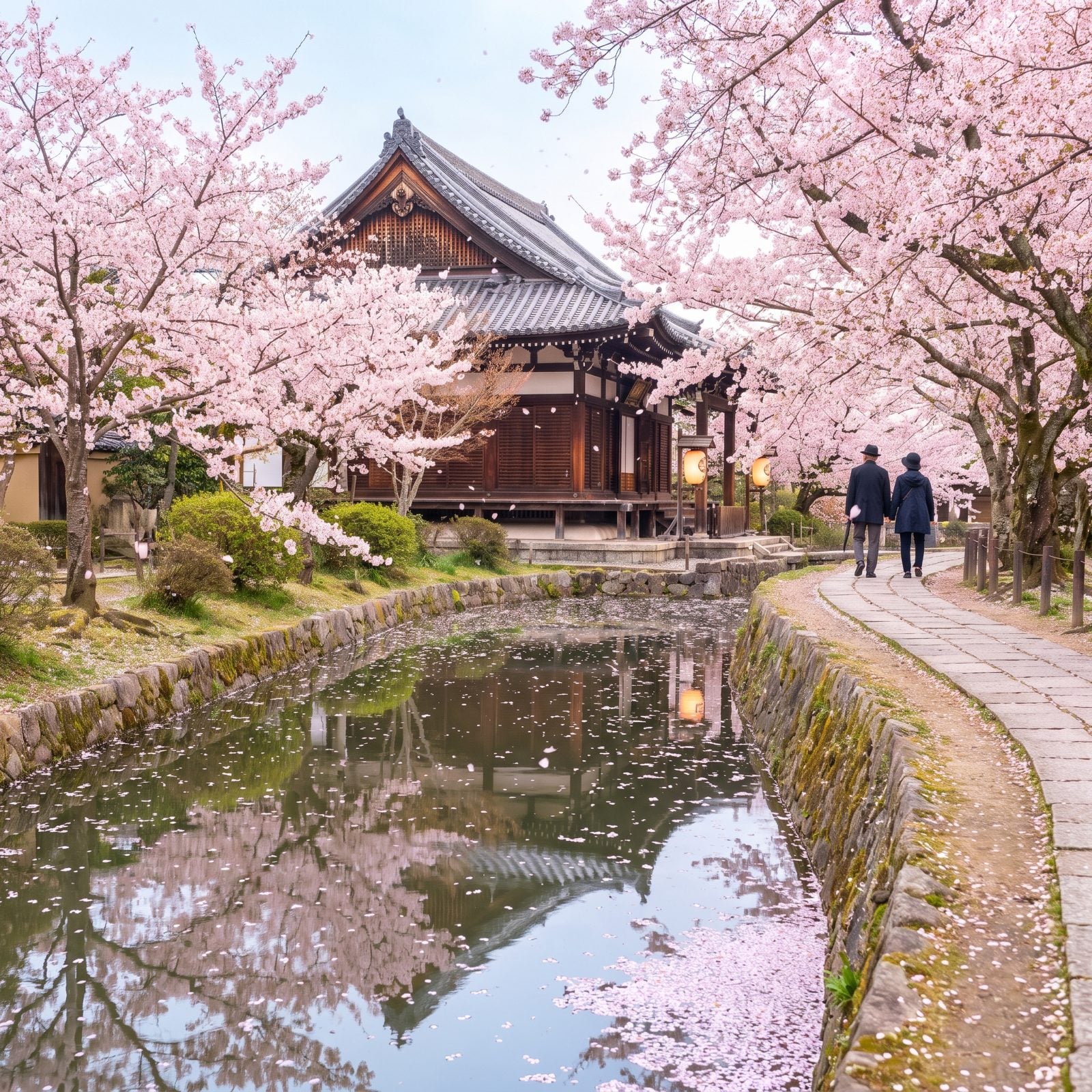
The blossoms last about a week. That’s the whole trick, and it’s why so many people miss them for years. They wait for a flexible retirement, then discover the one thing retirement can’t flex is a tree’s internal clock.
Peak bloom in Kyoto usually lands late March to early April, but it shifts by a week or more each year. Don’t book a rigid tour locked to fixed dates. Build in a window, follow the Japan Meteorological forecasts in early March, and give yourself a few days of slack on either side.
The trains are immaculate, the stations have elevators, and reserved seats mean you never stand. This is not a strenuous country to see.
35. See Alaska’s Glaciers From a Small Cruise Ship
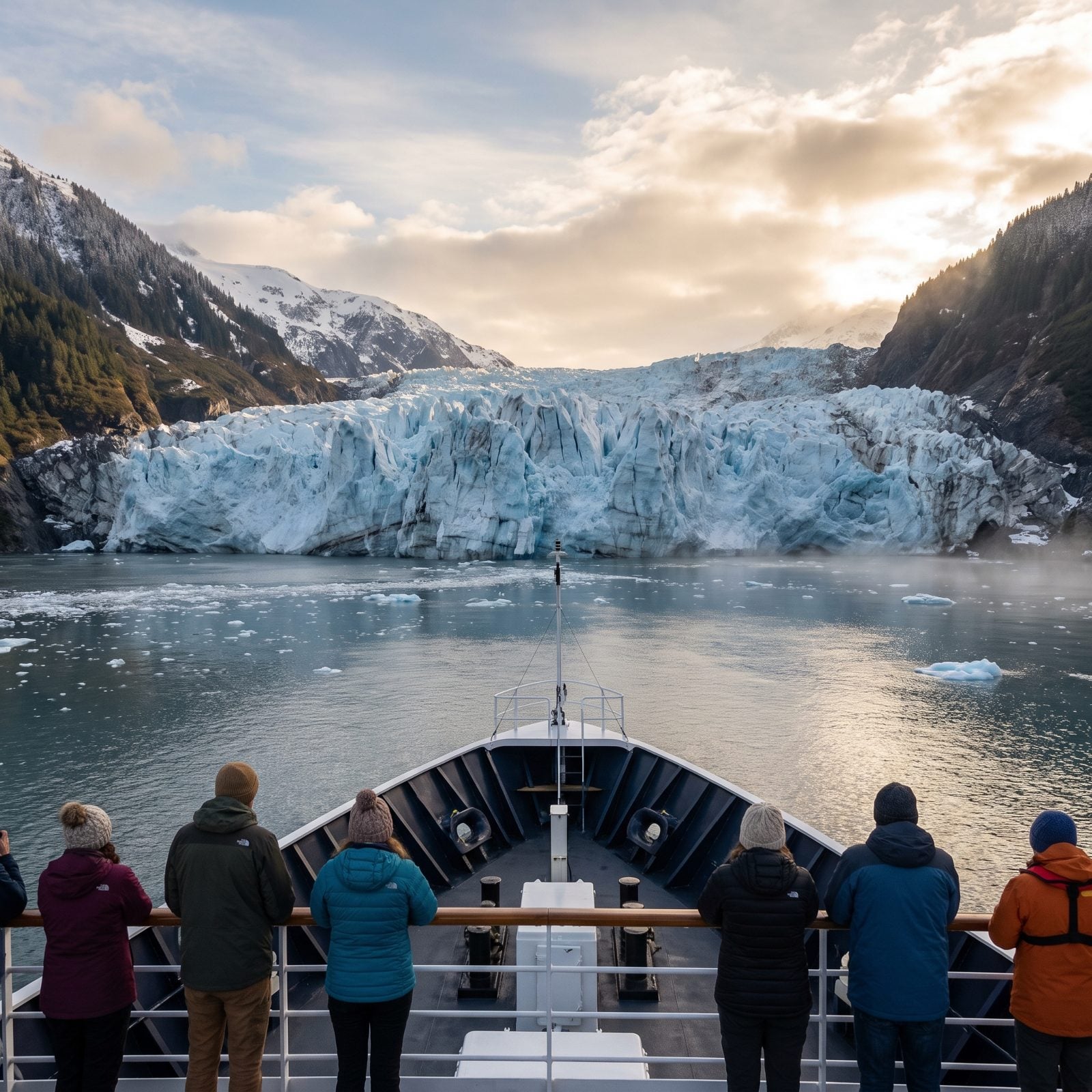
The sound comes before the sight. A crack like a rifle, then the slow-motion collapse of a wall of ice into the sea. They call it calving, and you feel it in your chest.
Here’s where most folks go wrong. They book the mega-ship with four thousand passengers and a casino, then wonder why they saw the glacier from half a mile back behind a forest of raised phones. The big ships simply can’t enter the narrow fjords where the real ice lives.
So choose a small ship — under a hundred passengers. It noses into narrow spots like Tracy Arm, where the giants can’t follow. You hear the ice. You smell the spruce. And you’re not queuing forty minutes for the buffet.
34. Ride the Rocky Mountaineer Through Western Canada
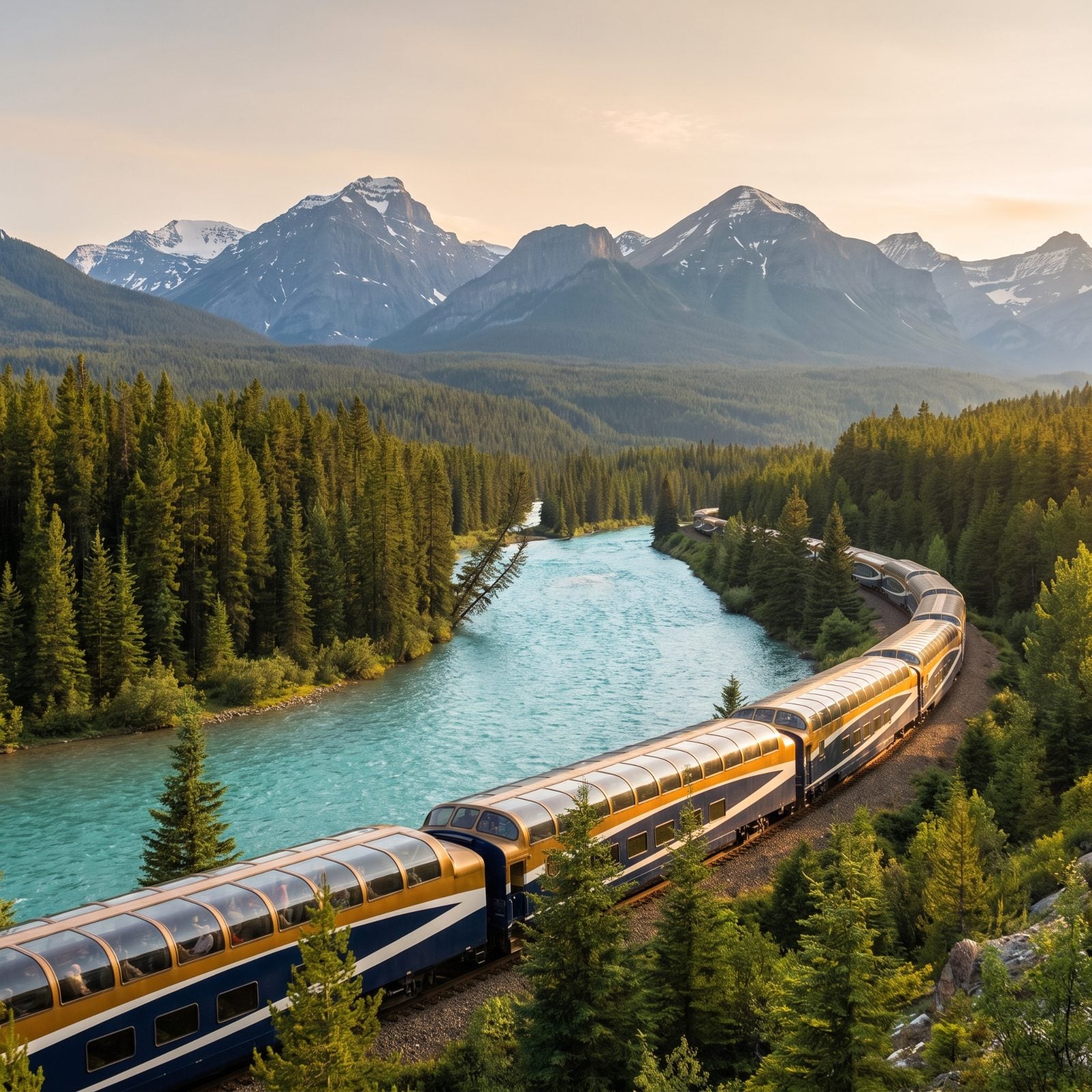
This is the one people are relieved they didn’t wait on. It asks almost nothing of your body and gives back a great deal.
The Rocky Mountaineer runs by daylight only, so you never sleep through the scenery. Glass-domed coaches, a reclining seat, meals brought to you while the Rockies slide past the window. Plenty of folks assume a train trip means lugging your own bags between stations — it doesn’t. Your luggage is handled, you overnight in hotels, and you reboard rested.
33. Cruise Norway’s Dramatic Coastal Fjords
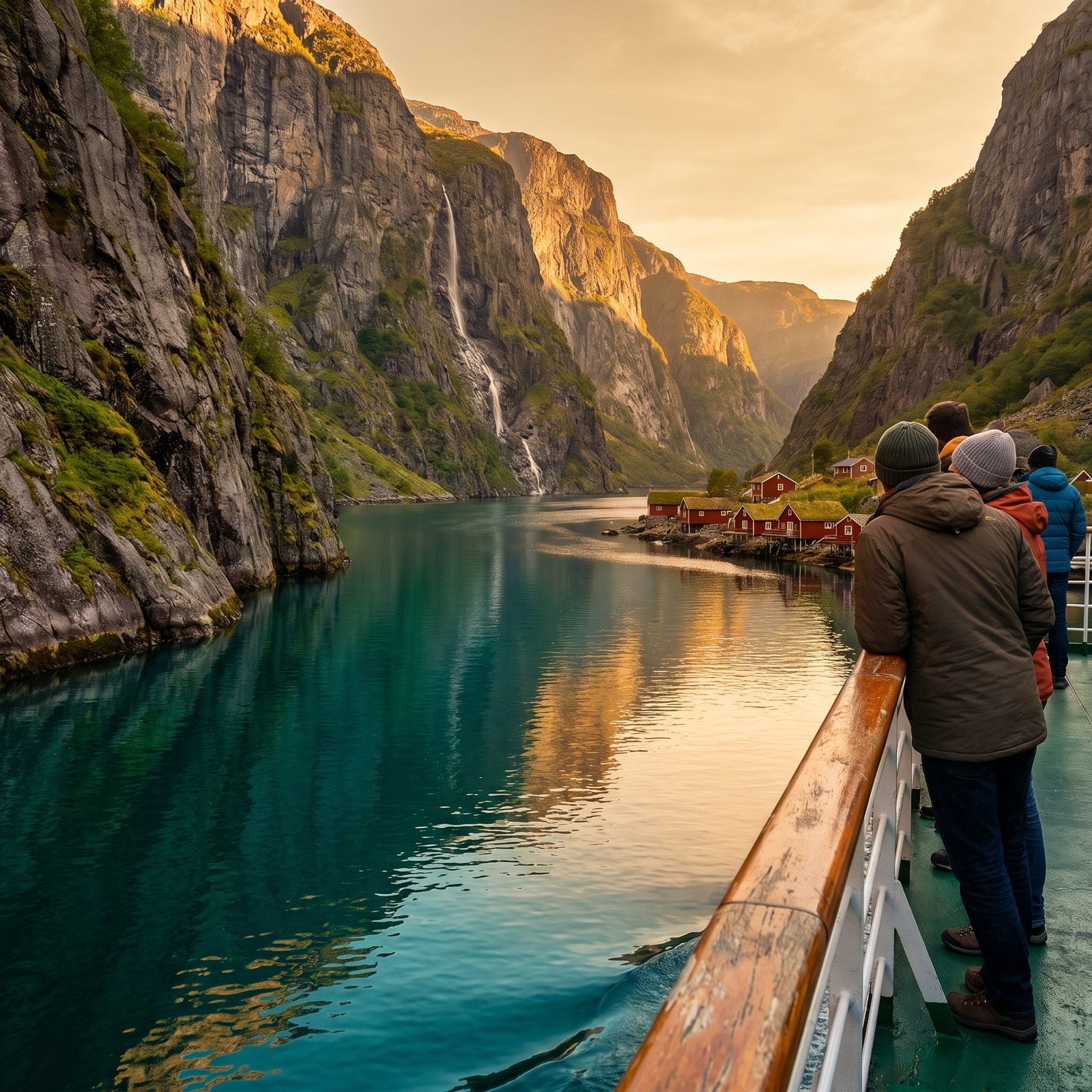
The cliffs go straight up out of water so still it looks solid. Waterfalls drop from heights that make your neck ache looking up. This is the Geirangerfjord, where the summer light never quite surrenders to dark.
People postpone Norway thinking it’s forbiddingly cold and gloomy. It isn’t, not in the right season. Go between late May and August when the days stretch to eighteen hours and the weather softens.
Consider the Hurtigruten coastal route rather than a standard cruise. It’s a working ferry that threads the fjords and stops at villages a big liner can’t reach, delivering mail and groceries right alongside the passengers. You travel the way Norwegians actually travel.
32. See Machu Picchu Without Hiking the Inca Trail
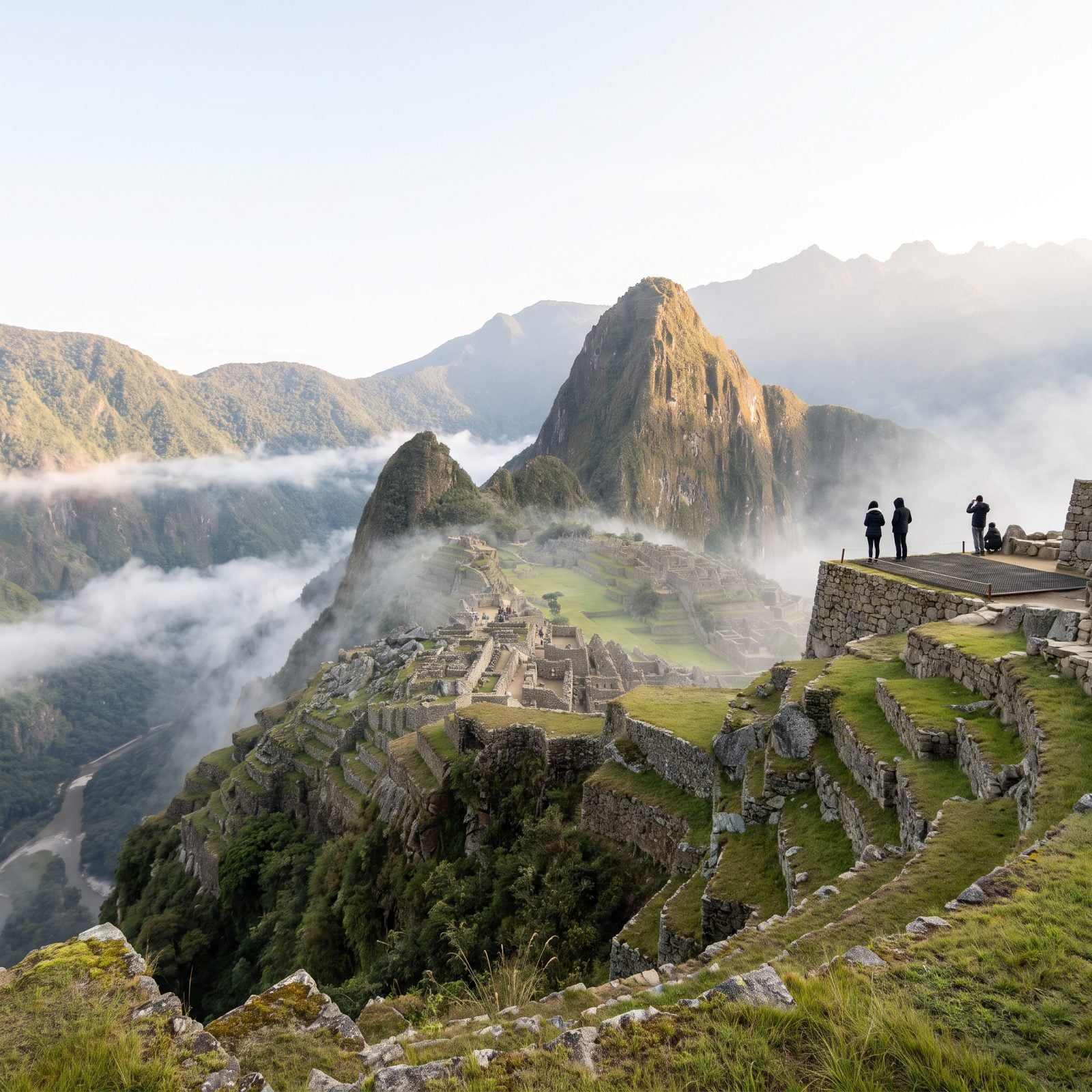
You do not have to walk four days at altitude to stand at Machu Picchu. This is the single most common thing people get wrong, and it keeps them home for no reason at all.
The Inca Trail is one way in. It’s not the only way, or even the main way. The train from Ollantaytambo to Aguas Calientes runs along the river through the Sacred Valley, and it’s one of the loveliest rides in South America. From there a short bus switchbacks up to the gate.
Spend two or three nights in Cusco or the Sacred Valley first to adjust to the altitude. Drink the coca tea, take it slow, and your body sorts itself out. Hire a guide at the site. The stones mean far more when someone explains what you’re looking at.
31. See Egypt’s Ancient Temples on a Nile Cruise
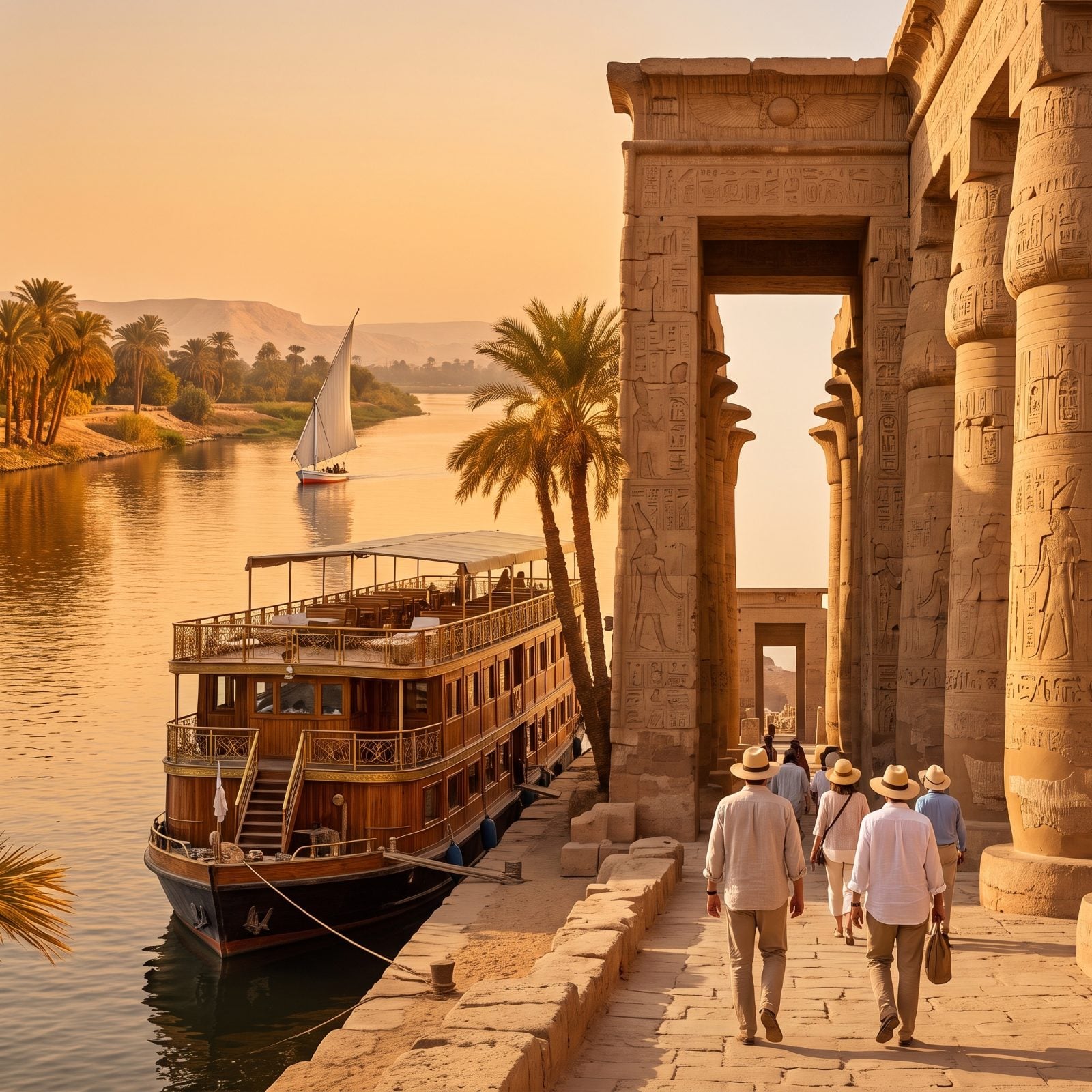
The columns at Karnak are so large that it takes several people with arms linked to circle the base of one. Photographs can’t carry that scale. You have to stand under it.
Here’s the fix most people wish they’d known sooner. The great temples strung along the Nile between Luxor and Aswan are best seen from the river, and a Nile cruise moves your hotel room between them while you sleep. You wake up at the next temple. No hauling luggage, no long bus rides in the heat.
Go between October and April. Summer on the Nile is punishing, and there’s no reason to test yourself against it.
30. See Patagonia’s Glaciers and Mountain Lakes
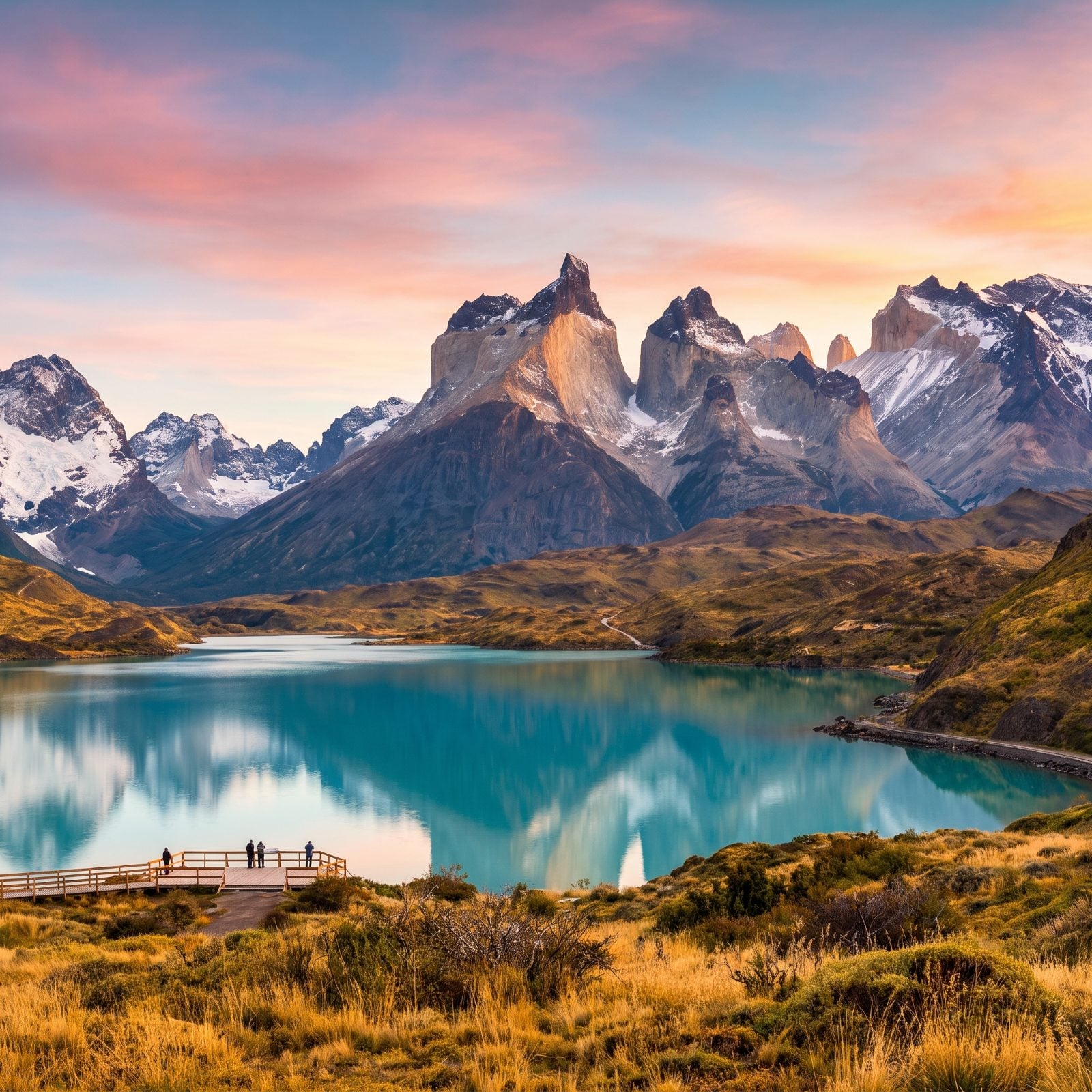
The wind in Patagonia has a reputation, and it earns it. But the payoff is a horizon of granite towers and glacier-fed lakes the color of antifreeze, at the far bottom of the world where the land simply runs out.
The mistake is believing Patagonia belongs only to backpackers with trekking poles. Not anymore. Comfortable lodges inside Torres del Paine run guided day outings graded by difficulty, from gentle lakeshore strolls all the way to the serious hikes. You choose your pace each morning over breakfast.
You can also see the Perito Moreno glacier in Argentina from a boardwalk and a short boat, no climbing required. Plan for the southern summer, November through March. And pack a windproof layer — that part the reputation got exactly right.
29. Explore New Zealand’s South Island by Campervan
🔥 Would you like to save this?
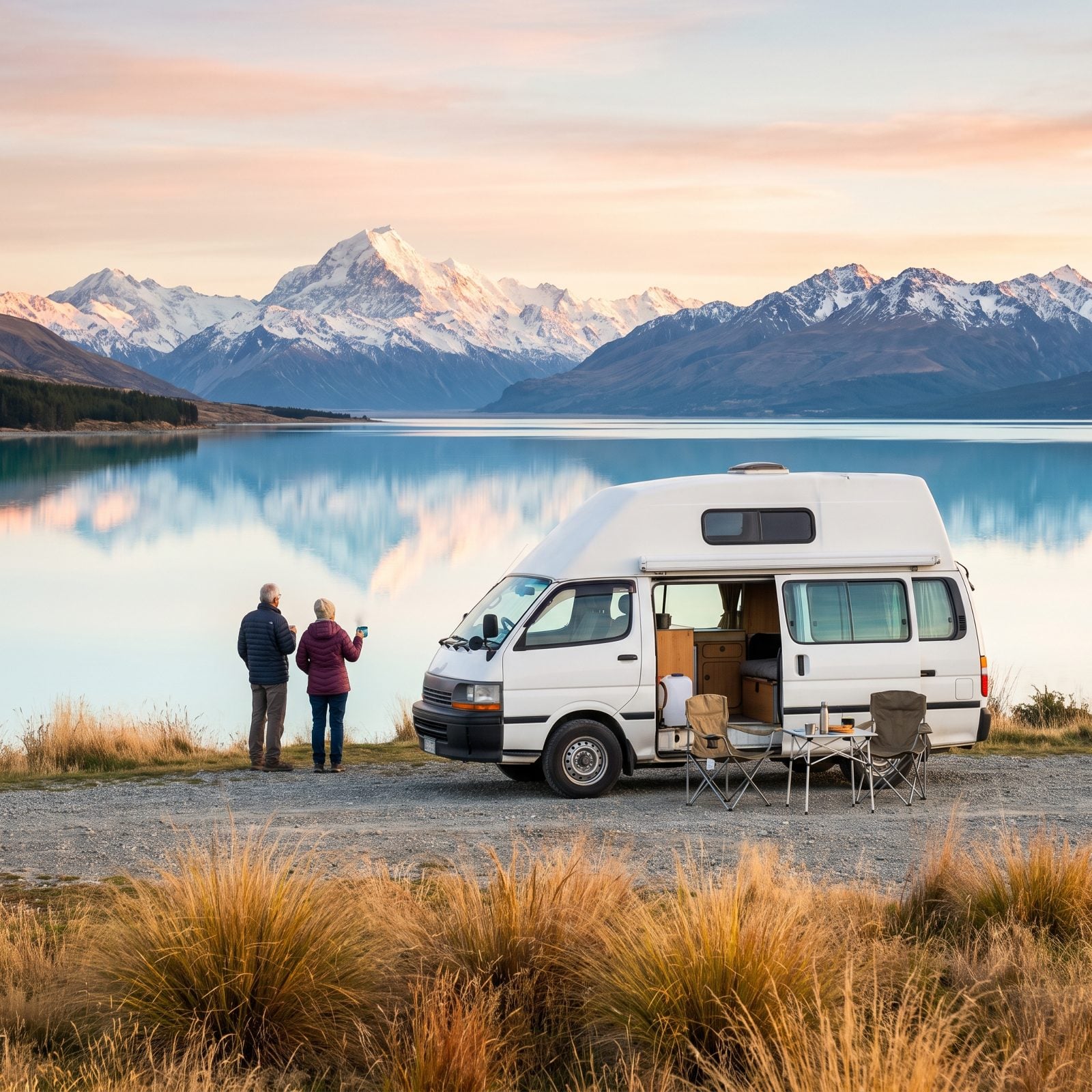
People picture a campervan trip as something for twenty-five-year-olds with dreadlocks and a guitar. Then they drive the road from Wanaka to Milford Sound and realize the whole thing was built for people who finally have the time to go slow.
The mistake isn’t the campervan. It’s assuming you need to be rugged. You don’t. Modern South Island vans come with proper beds, heating, and a kitchen you can stand up in. But the real reward is the pace. You stop when a waterfall appears, cook dinner looking at a glacier, and answer to no hotel clock or bus schedule.
Go in the shoulder season, February or March, when the crowds thin and the light turns gold by four in the afternoon. And book the van six months out, because the good ones vanish.
28. See the Taj Mahal at Sunrise
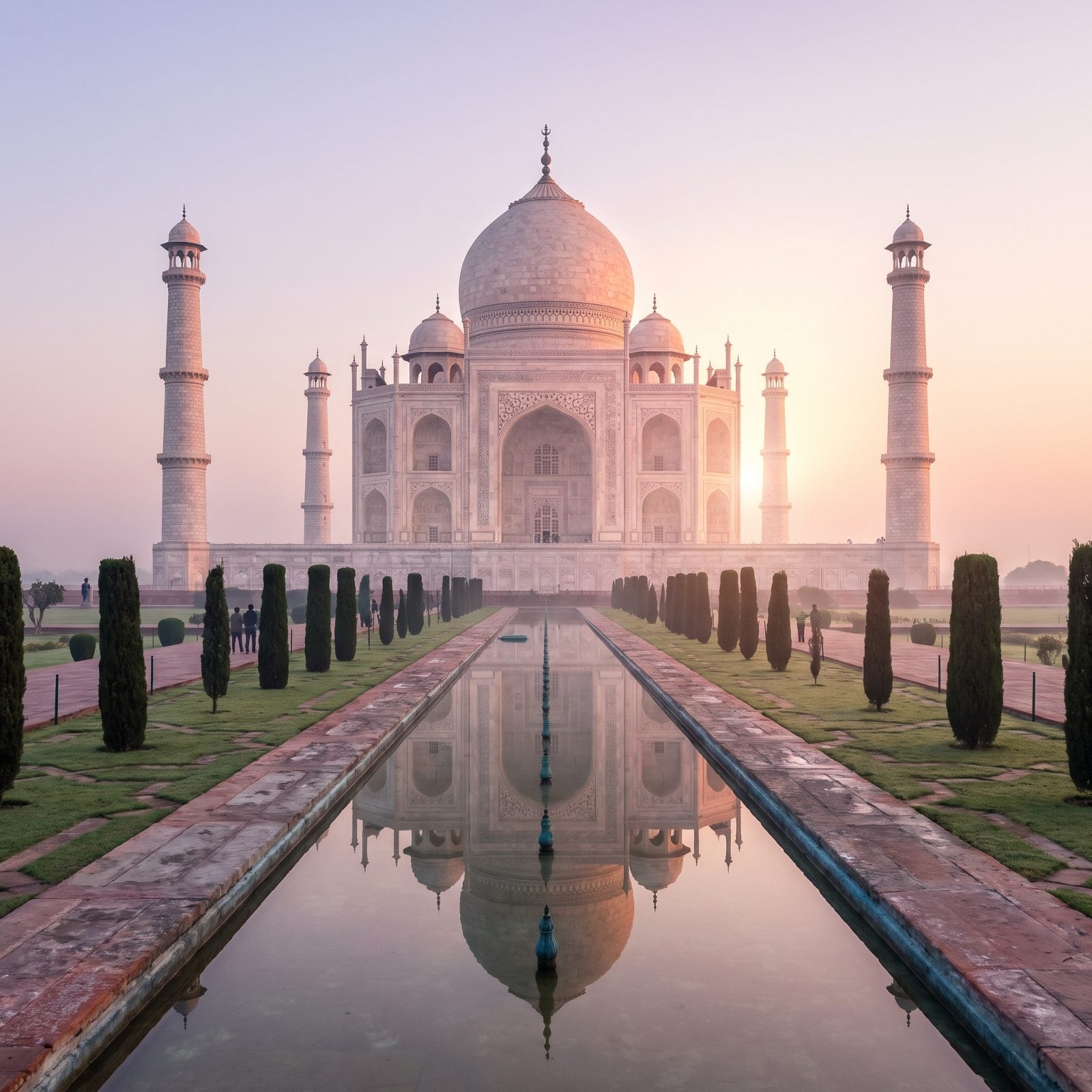
Most people see the Taj Mahal at eleven in the morning, shoulder to shoulder with a thousand other visitors, in flat white light that flattens the marble into a postcard. Then they wonder why it didn’t move them.
Here’s the secret. The Taj was built to be seen at dawn. The marble is translucent, and when the low sun catches it, the whole dome shifts from grey to pink to warm ivory over about twenty minutes. Miss that and you’ve seen a building. Catch it and you suddenly understand why a man spent most of his life on a tomb.
Be at the gate before it opens. Buy your ticket the day before, and hire a guide who knows where to stand before the tour groups flood in — usually the far end of the garden, down by the water.
27. Sail Through the Greek Islands
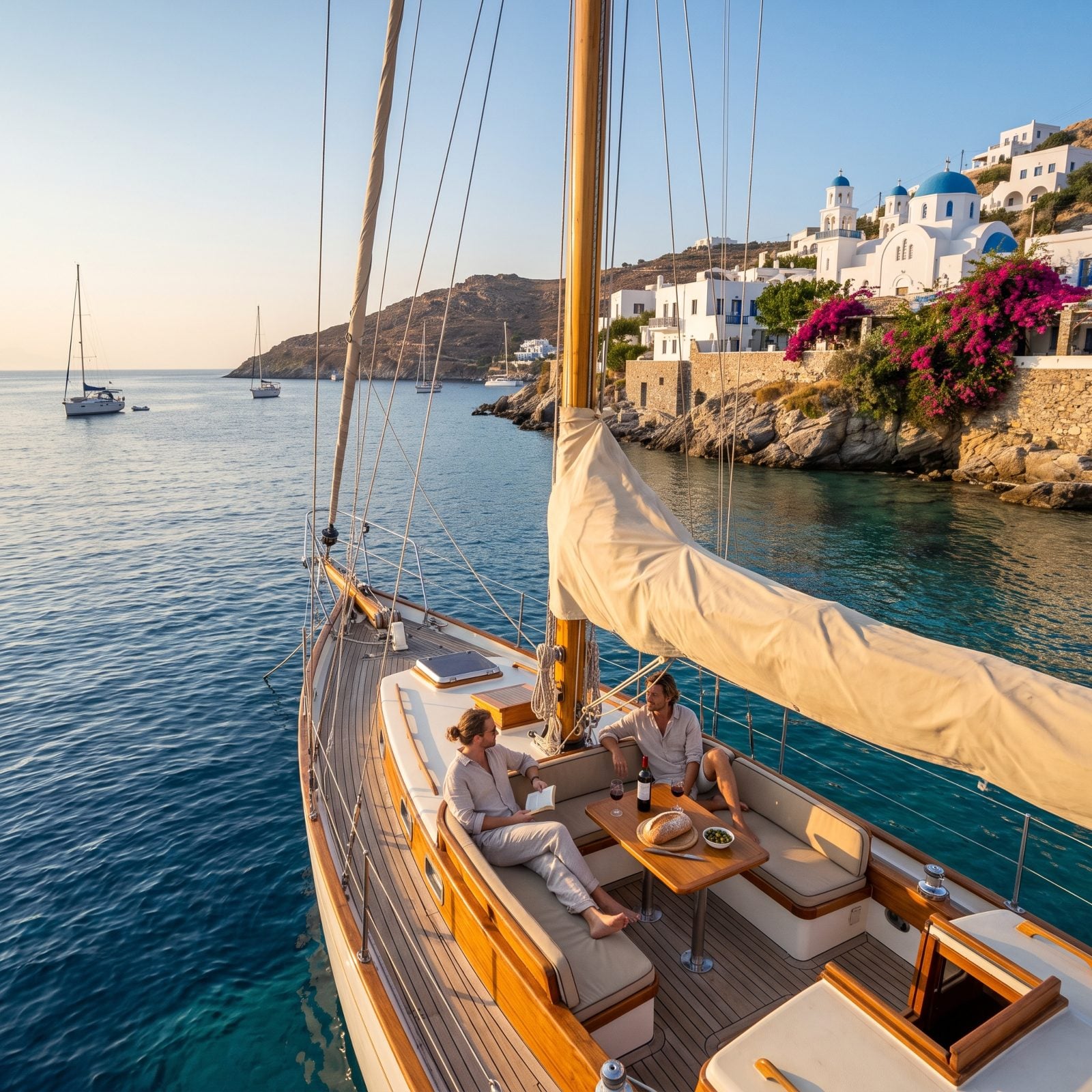
The big cruise ships dump four thousand people onto Santorini at noon, everyone fights for the same donkey path, and by three o’clock you’re back on the boat feeling like you saw the island through a crowd. That’s not sailing the Greek islands. That’s queuing in them.
Charter a small boat instead, with a skipper if you don’t sail yourself. Six or eight people, a route you help choose, anchorages the big ships can’t reach. You swim off the back before breakfast. You eat in a taverna where the owner knows the skipper by name. And you watch the sunset from the water rather than from a railing crammed with strangers.
June and September are the sweet spots. July and August? Hot, packed, expensive. Book the boat and crew together, early.
The islands aren’t the destination. The water between them is.
26. Tour Italy’s Hill Towns and Tuscan Vineyards
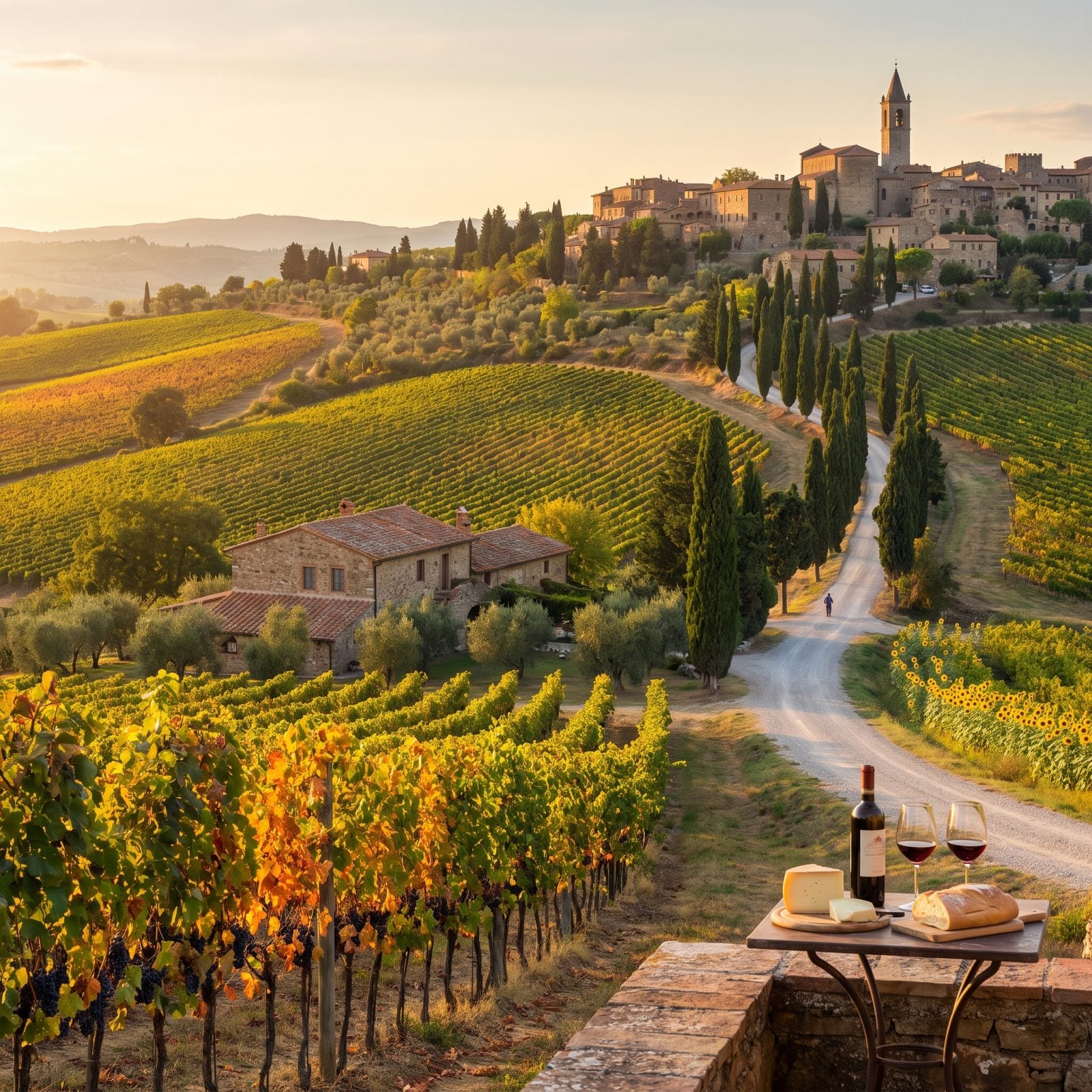
Everybody books Florence, Rome, Venice. Three cities, nine days, endless lines, and a vague sense you spent the whole trip stuck in a crowd. The Tuscany people actually fall in love with isn’t in the cities at all. It’s twenty minutes up a gravel road.
Rent a car. Base yourself in a farmhouse near Montepulciano or San Gimignano for a week instead of hopping hotels. Drive to a different hill town each morning, have a long lunch, visit a vineyard in the afternoon, and be home before sunset. These towns are small enough to walk in an hour and old enough to make you feel like a kid again.
We’ll say this flat out: the agriturismo stay is the whole game. Skip it and you’re just a tourist. Book one with a working vineyard and you’re a guest.
25. See the Grand Canyon From Both Rims
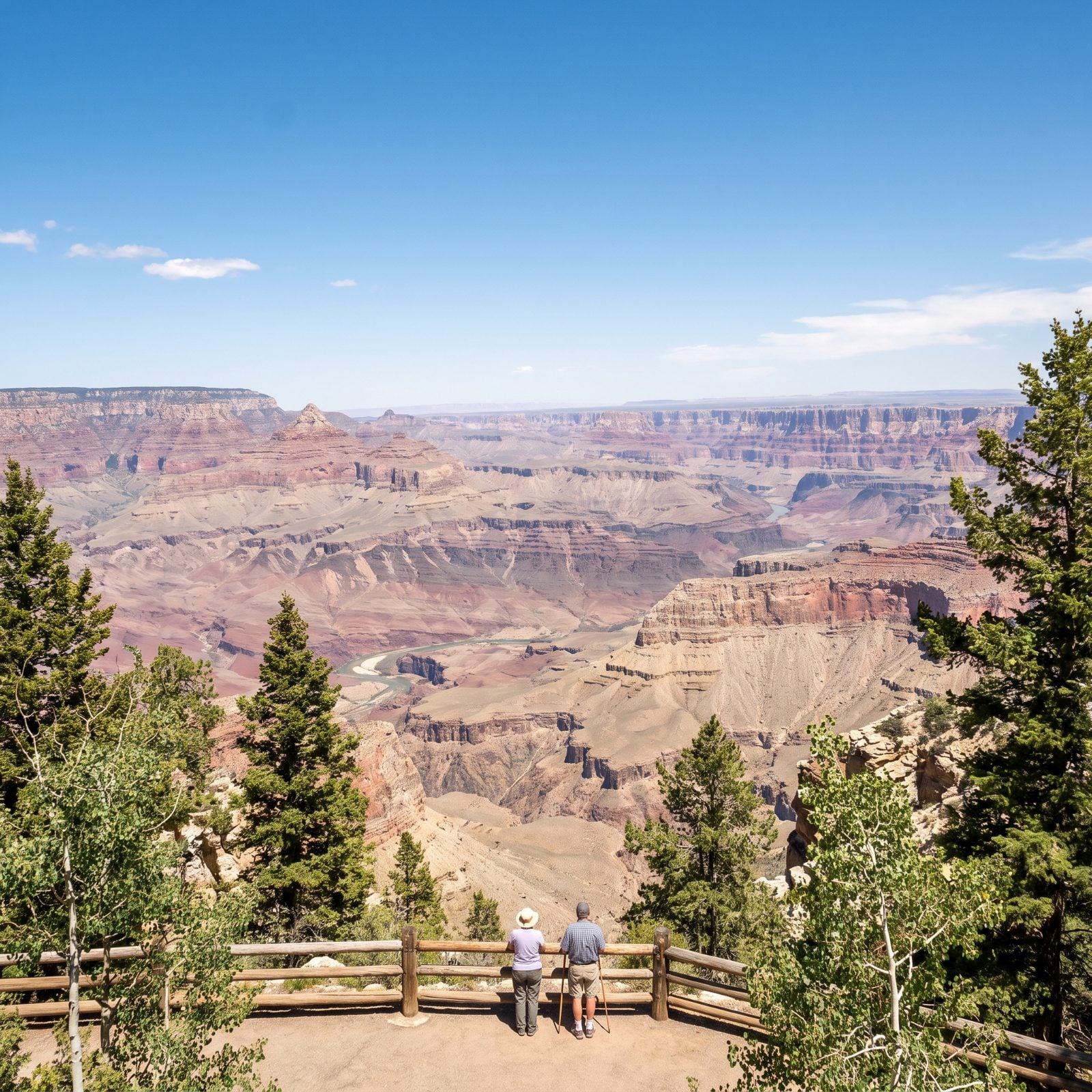
Nearly everyone drives to the South Rim, parks, looks at the big hole for forty-five minutes, buys a magnet, and leaves. They’ve seen the famous view. They’ve missed the better one.
The North Rim sits a thousand feet higher, gets a fraction of the visitors, and stares at the canyon from a completely different angle. Fewer people, cooler air, meadows full of wildflowers in summer, and a historic lodge with a terrace where you can nurse a drink and watch the light change. Seeing both rims turns a photo stop into an actual trip.
Now the catch. The North Rim is only open roughly mid-May through mid-October, and the two rims sit a five-hour drive apart. Plan two or three nights at each. Book the North Rim lodge a year ahead, no exaggeration.
24. Ride Switzerland’s Glacier Express
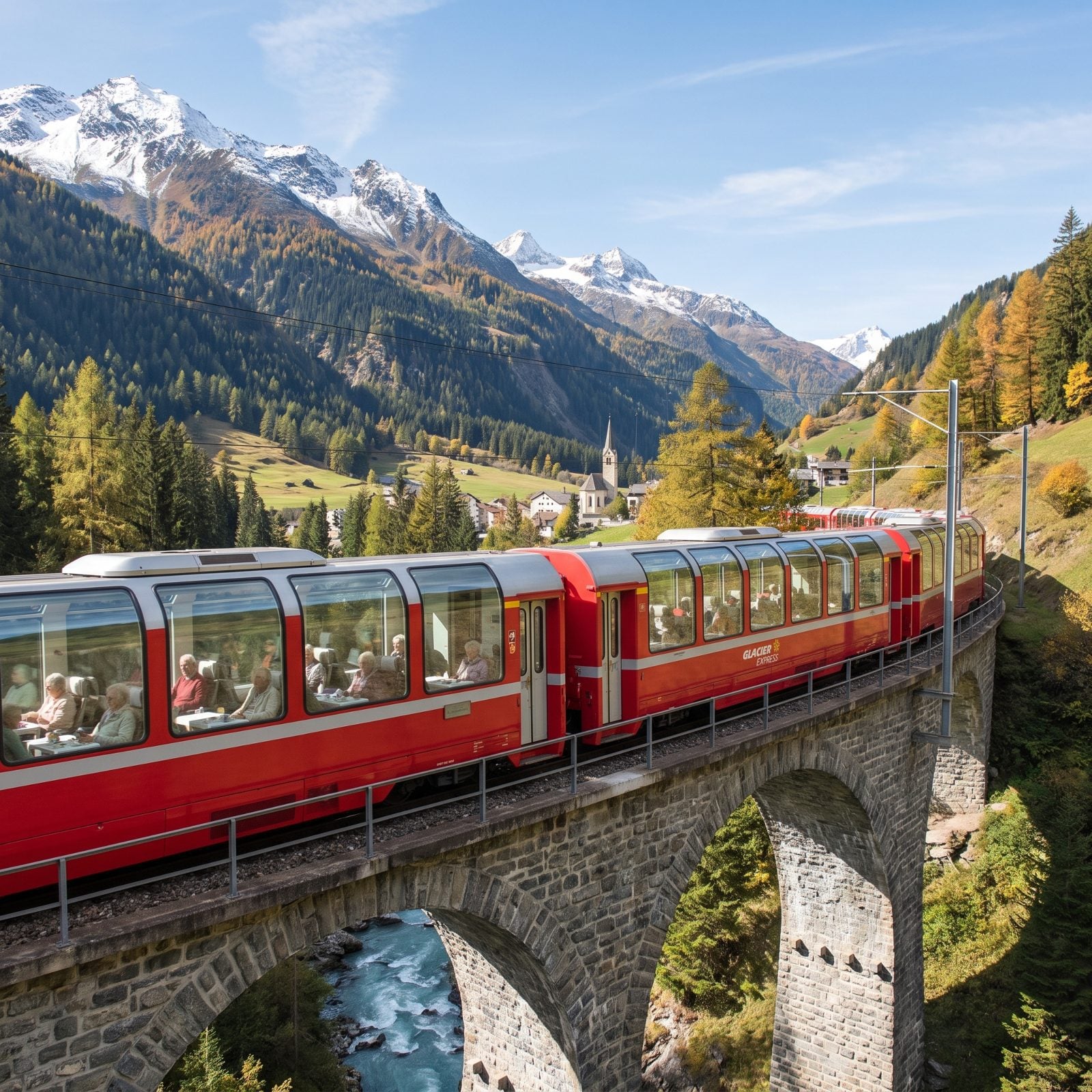
Some people think a train is just how you get from one place to another. The Glacier Express flips that on its head. The train is the trip, and if you treat it like transport you’ve missed everything.
It runs between Zermatt and St. Moritz, roughly eight hours, across hundreds of bridges and through dozens of tunnels, and it crawls on purpose. The panoramic cars have curved glass roofs so the peaks hang right over your head. You eat a proper lunch at your seat while the Alps slide past the glass.
Spring for first class and reserve a window seat facing the direction of travel. September for the gold larches, February for the snow. Book weeks ahead; the good seats sell out.
23. Take a River Cruise Through the Danube Capitals
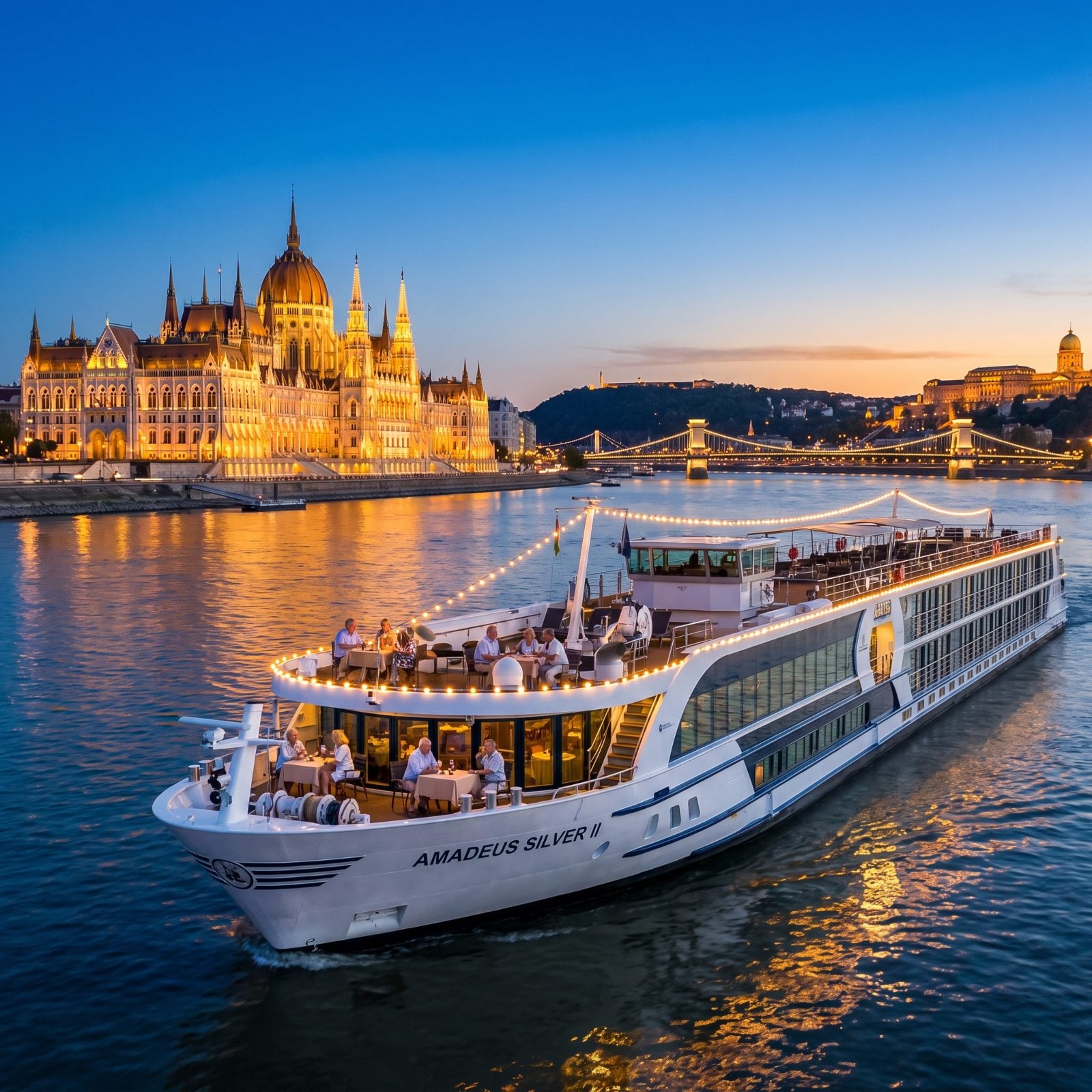
You’ve heard the river cruise pitch and probably rolled your eyes. Floating buffet, early-bird crowd, not for me. Then you do the Danube and understand why people rebook before they’ve even stepped off the gangway.
Vienna, Budapest, Bratislava, the Wachau Valley — all strung along one river, and you unpack exactly once. The ship docks in the center of each city, usually a short walk from the old town. No airports, no transfers, no dragging a suitcase up hotel stairs. You wake up in a new capital every morning with your coffee already poured.
That single unpacking is worth more than any shore excursion. Go in May or late September to dodge the summer heat and the holiday-market crush. Pick a smaller ship, under 150 passengers, so the ports don’t feel mobbed.
22. Drive Iceland’s Ring Road
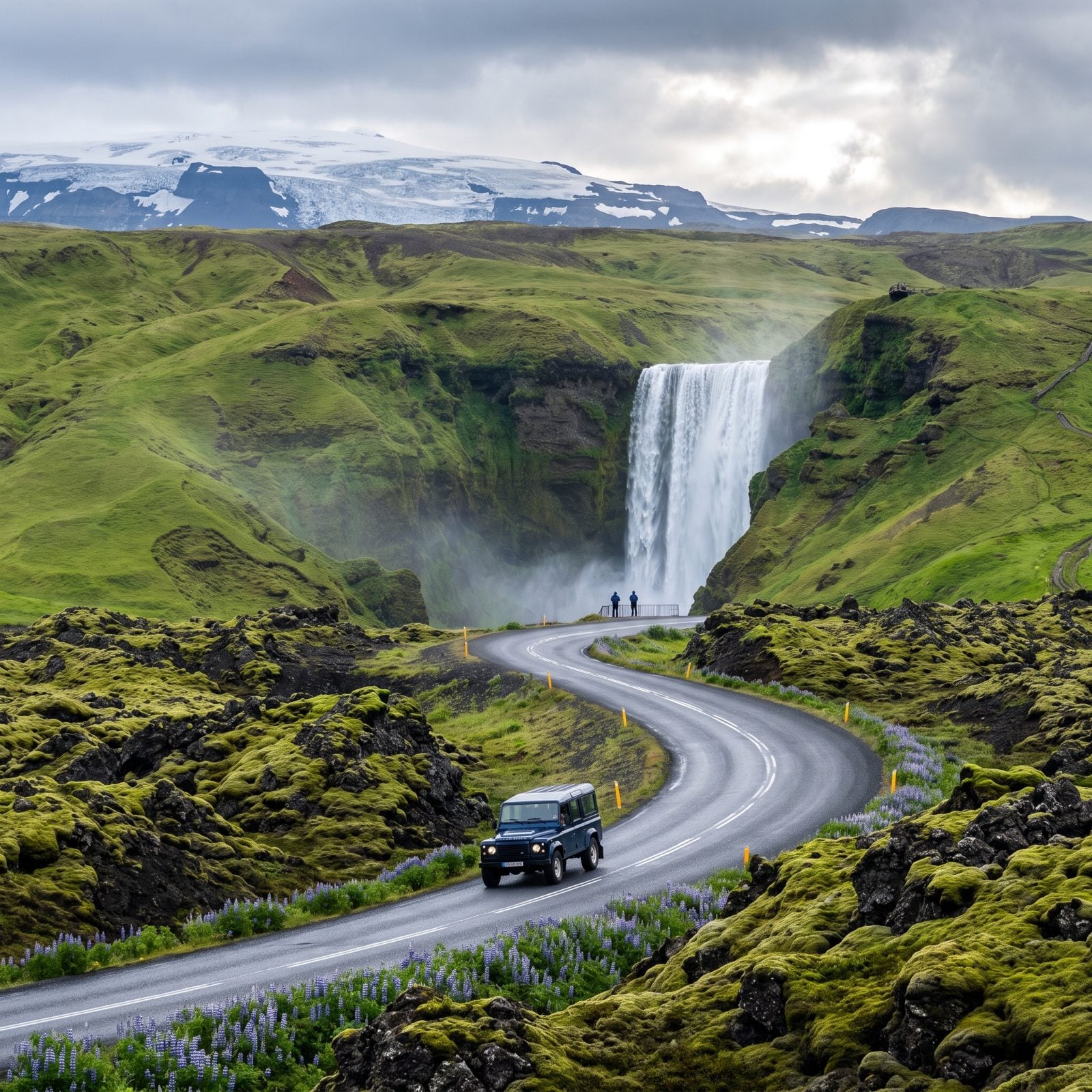
People fly to Reykjavik, do the day-trip Golden Circle with everyone else, glimpse three sights from a bus, and fly home convinced they’ve done Iceland. They’ve seen the parking lots.
The whole island is one loop, Route 1, and the good stuff is scattered all the way around it. Waterfalls you can walk behind. Black sand beaches. Glacier lagoons choked with floating ice, puffins, hot springs in the middle of nowhere. Give it seven to ten days with a rental car and you’ll have the country mostly to yourself between the famous stops.
Drive it counterclockwise to hit the busy south coast early, before the tour buses catch up. Summer hands you nearly endless daylight, which means no rushing anywhere. One warning from hard experience: the weather turns on a dime, so pack real rain gear, not some windbreaker you grabbed at the airport.
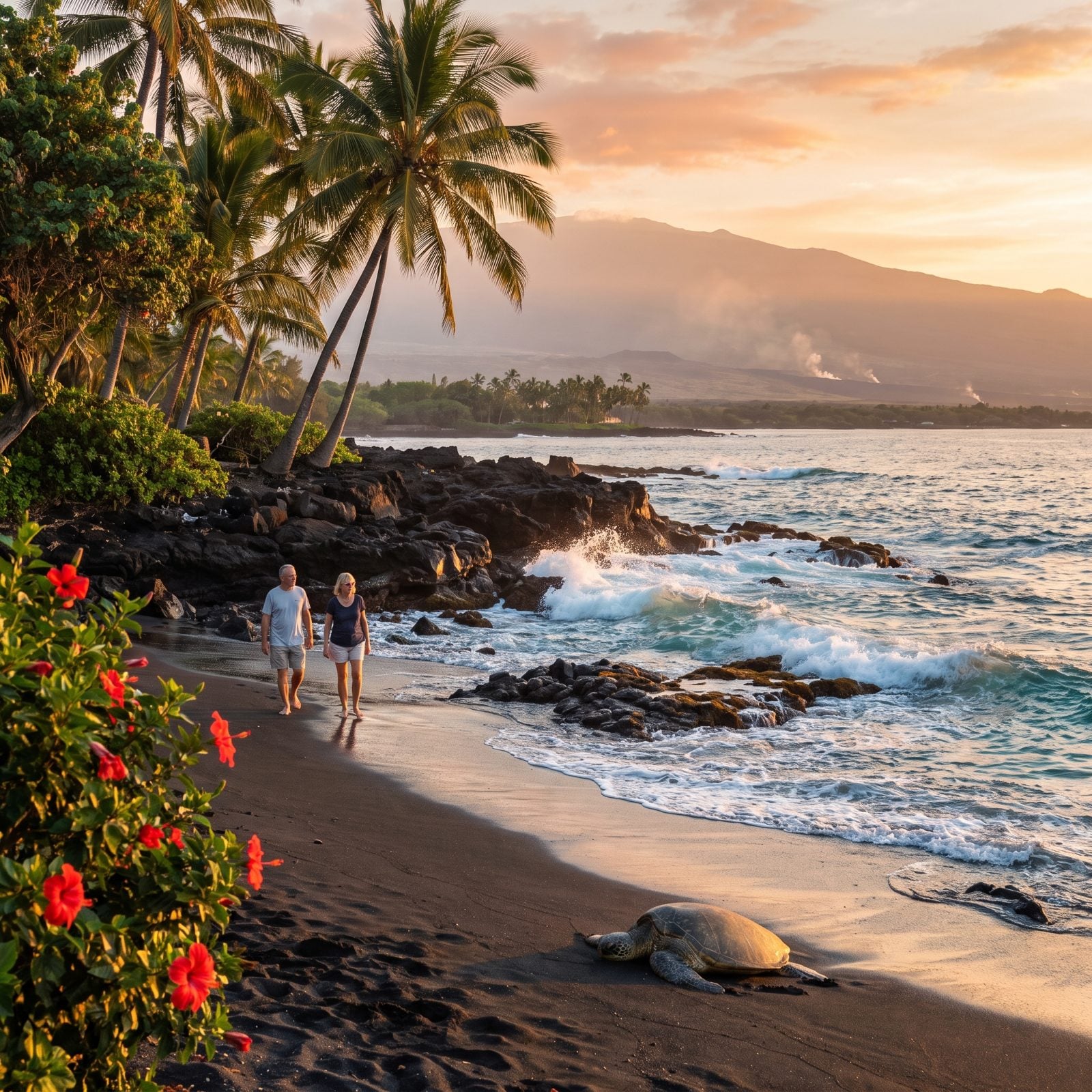
21. Spend a Week Among Hawaii’s Volcanoes and Beaches
🔥 Would you like to save this?
Hawaii gets filed under beach-and-cocktail, so people book a resort on Maui, park by a pool for a week, and never lay eyes on the thing that makes these islands unlike anywhere else on earth. They fly all that way to lie down.
Split your week. Spend part of it on the Big Island, where you can stand at the edge of an active volcano at Hawaii Volcanoes National Park, cross hardened lava fields on foot, and watch a crater glow red after dark. Then do the beach, with that experience in your pocket. The contrast is the payoff: raw, steaming earth one day, soft sand the next.
Rent a car for the Big Island portion, non-negotiable, and give yourself at least two nights near Volcano Village so you can catch the crater after sunset.
20. Visit the National Parks of Southern Utah
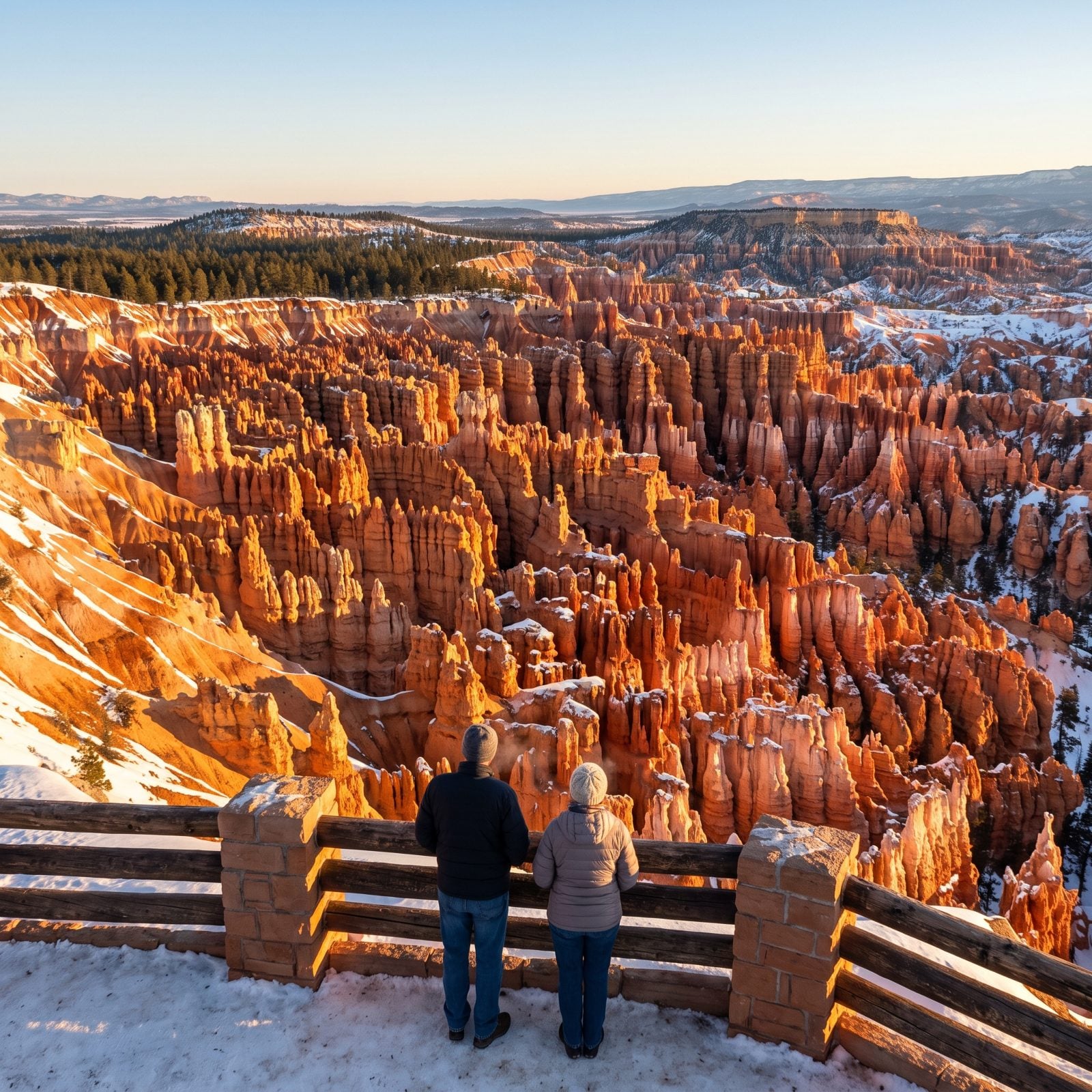
The Mighty Five. Zion, Bryce, Arches, Canyonlands, Capitol Reef, all within a few hours of each other in southern Utah — and most people see exactly one on a day trip out of Las Vegas. That’s like going to the Louvre and leaving after the gift shop.
String them together over a week or ten days on a loop drive. Each one looks like a different planet: Zion’s sheer red walls, Bryce’s spires catching fire at dawn, the impossible stone bridges of Arches, the vast quiet emptiness of Canyonlands. And you don’t have to hike hard. Every park has scenic drives and short paved overlooks for when the knees aren’t what they used to be.
Go in April, May, or October to skip the brutal summer heat. The light at sunrise and sunset is the real reason you came, so build your days around it.
19. Stay in an Overwater Bungalow in French Polynesia
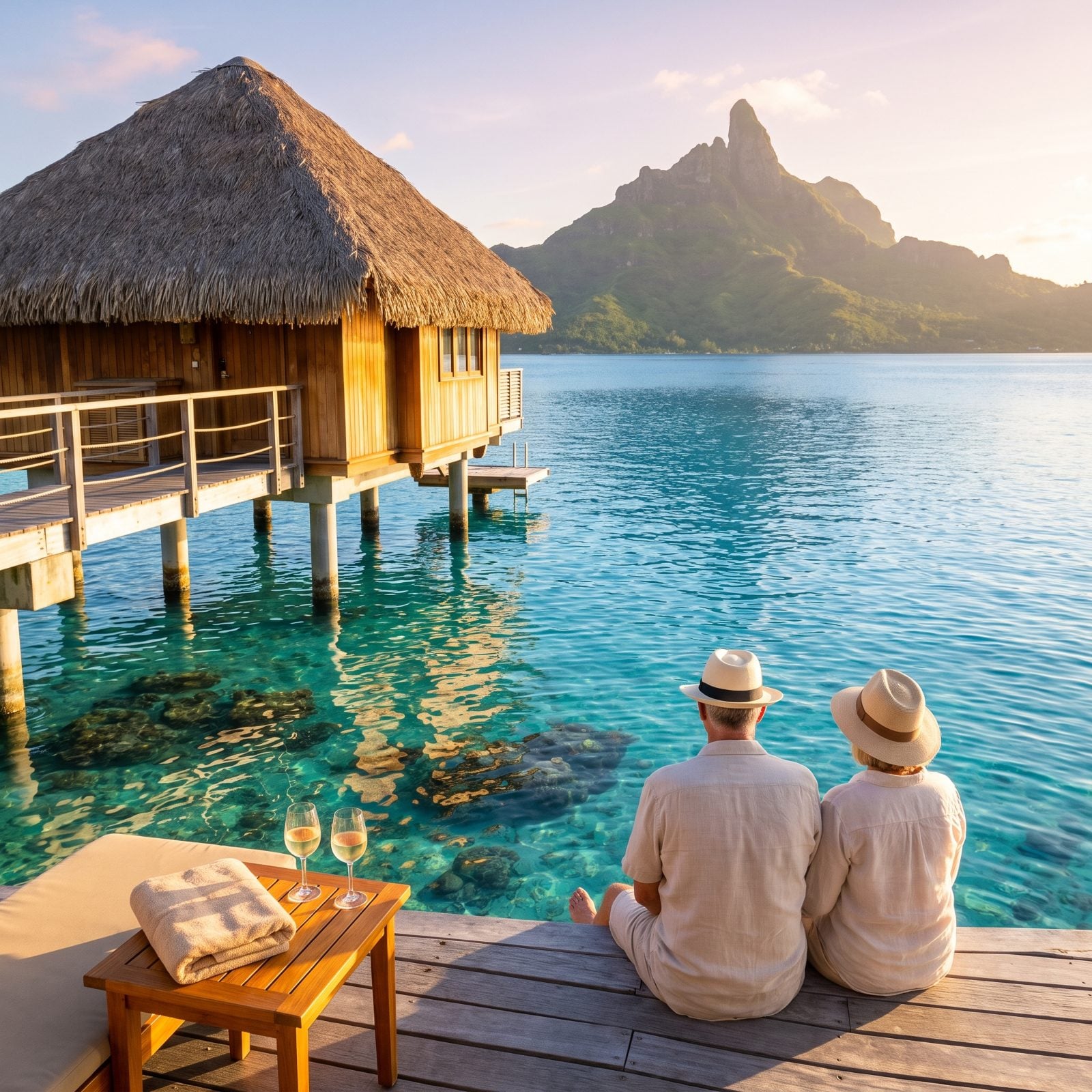
You keep telling yourself the overwater bungalow is for a milestone anniversary that hasn’t arrived yet. The milestone is now. The deck ladder drops straight into water warm as a bath, and the fish don’t care how old you are.
People get this wrong all the time. They wait until they’re too stiff to enjoy the ladder, book a beach room instead, and spend the week staring at the bungalows they didn’t book. Go while you can still climb down and float on your back watching the sky.
Choose a resort on a motu with a calm interior lagoon, not an open channel. Bora Bora’s lagoon and the quieter stretches off Taha’a give you the glass-bottom floor and the snorkeling without a current dragging at your legs.
18. Travel Morocco’s Imperial Cities and Sahara Desert
Fez at dawn, before the tanneries wake and the medina fills. Nine thousand lanes, mule traffic, the smell of cedar and mint and something frying. You could spend a lifetime not finding your way out, and honestly, that’s the appeal.
Most people cram the whole country into five days and see none of it. Morocco punishes the hurry. The drive from Marrakech over the Atlas to the dunes is long, and a rushed version leaves you sunburned and resentful.
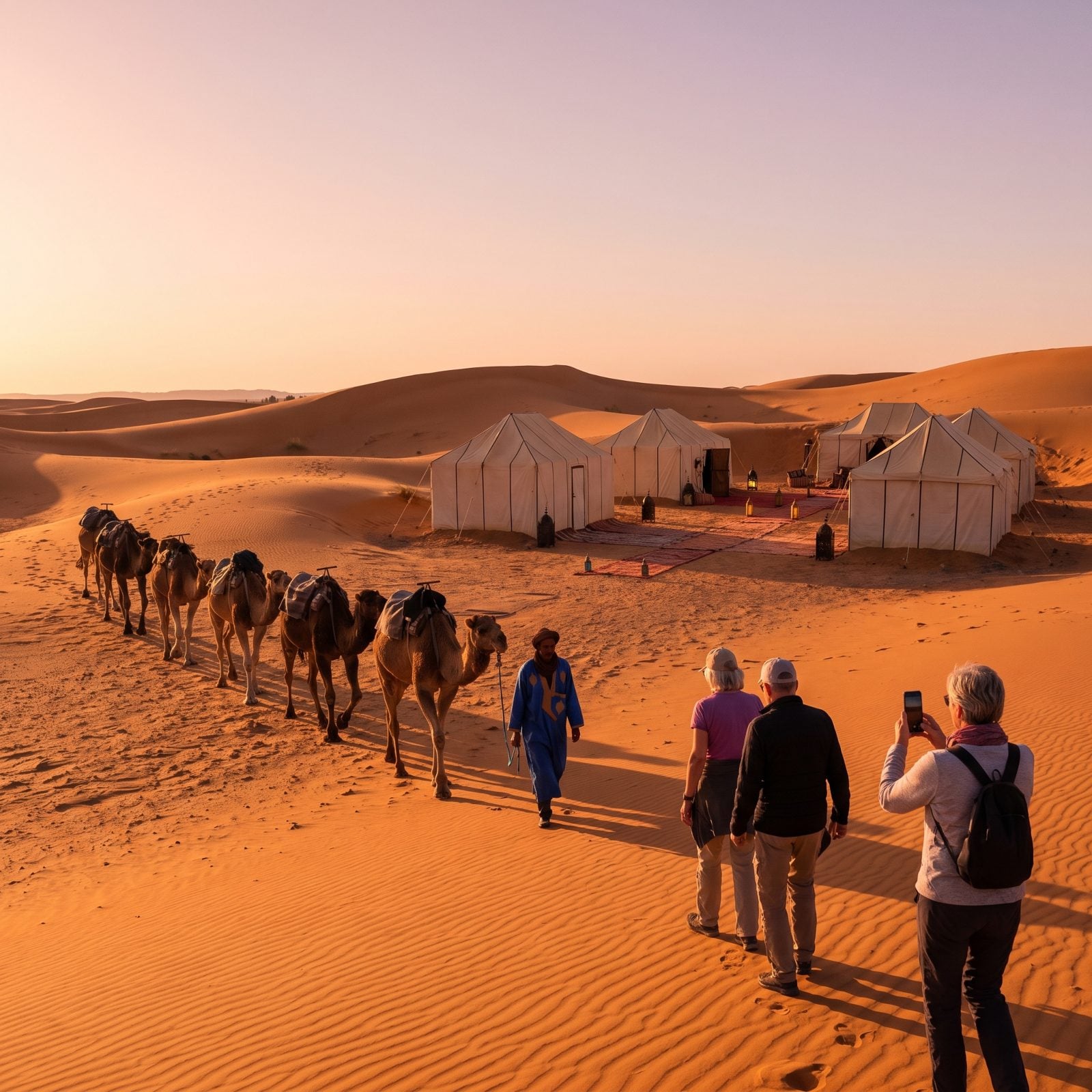
Give it ten days. Fez, Meknes, a night in the Sahara at a proper camp with beds and plumbing, then Marrakech to land soft at the end. Hire a licensed guide for the medinas. You aren’t meant to navigate them alone, and the guides know which rooftop has the view and which rug seller won’t fleece you.
17. Tour Jordan From Petra to Wadi Rum
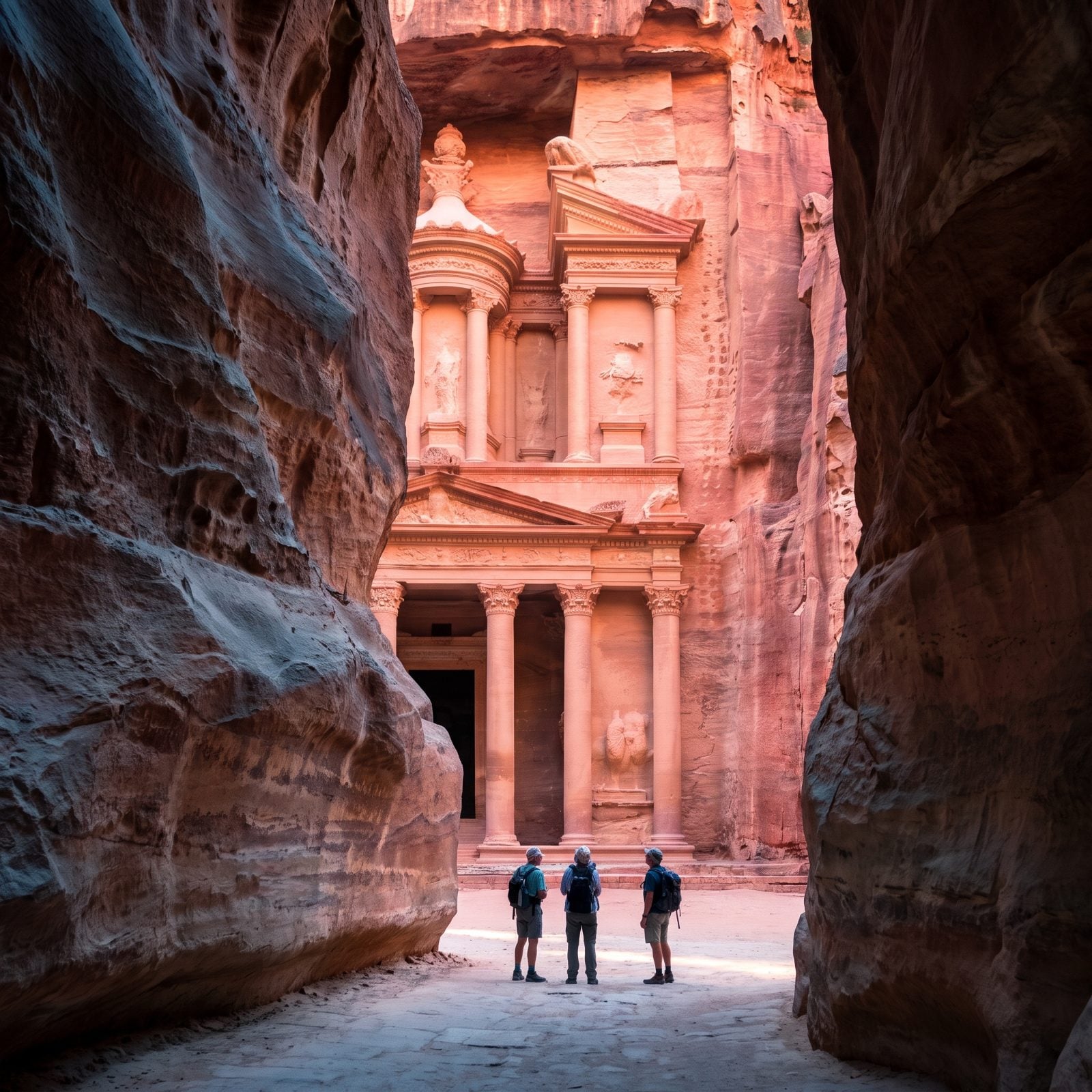
You walk the Siq for twenty minutes in cool shadow, the canyon walls closing overhead, and then the Treasury appears through a sliver of rock, lit pink. People who’ve seen a hundred photos still stop dead. The photos lie about the scale.
Here’s the common blunder: treating Jordan as a one-day Petra side trip from somewhere else. You need two days just for Petra. The high trail to the Monastery is 800-odd steps, but there’s a donkey path and a quieter route for anyone who’d rather not.
Pair it with a night in a Wadi Rum desert camp. Red sand, Martian cliffs, a sky with no light pollution. The 4×4 tours do the walking for you, so mobility is not the barrier people assume.
The photos lie about the scale. You walk out of a crack in the rock and a city carved into a cliff is just standing there, waiting.
16. Explore Costa Rica’s Rainforests and Wildlife Reserves
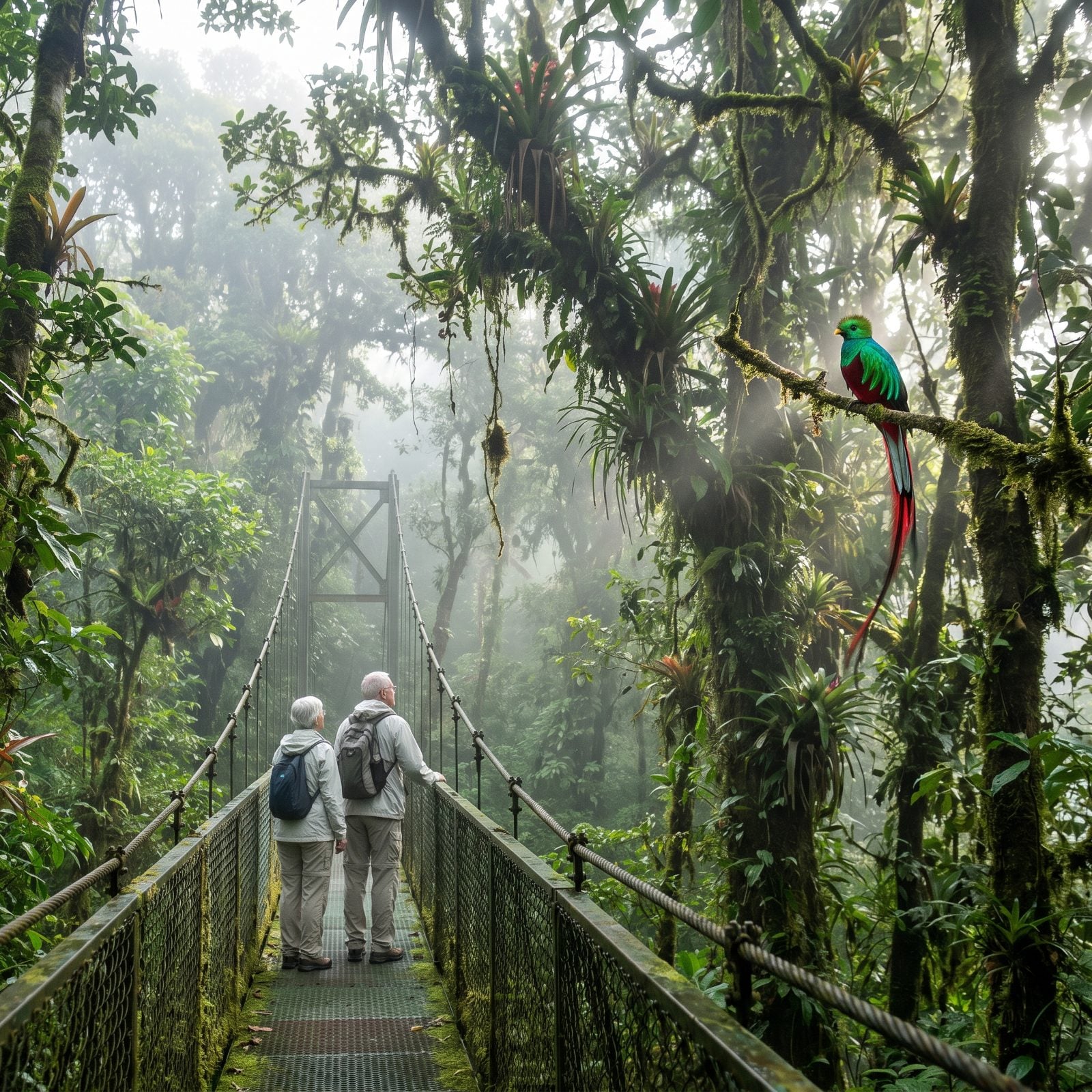
Monteverde at 6am, the cloud forest still dripping, a howler monkey somewhere making a sound like the end of the world. Costa Rica packs more wildlife per acre than almost anywhere, and you don’t have to rough it to reach it.
People skip it because they picture grueling jungle treks. Wrong country for that worry. The hanging bridges are gentle, the lodges are comfortable, and a good guide finds the sloth you’d have walked right past. That’s what you’re paying for. Your eye hasn’t been trained to spot a sloth. Theirs has.
Base in Monteverde for the cloud forest and Arenal for the volcano and hot springs. Two reserves, two climates, no long flights between.
15. Visit the Great Barrier Reef From Queensland
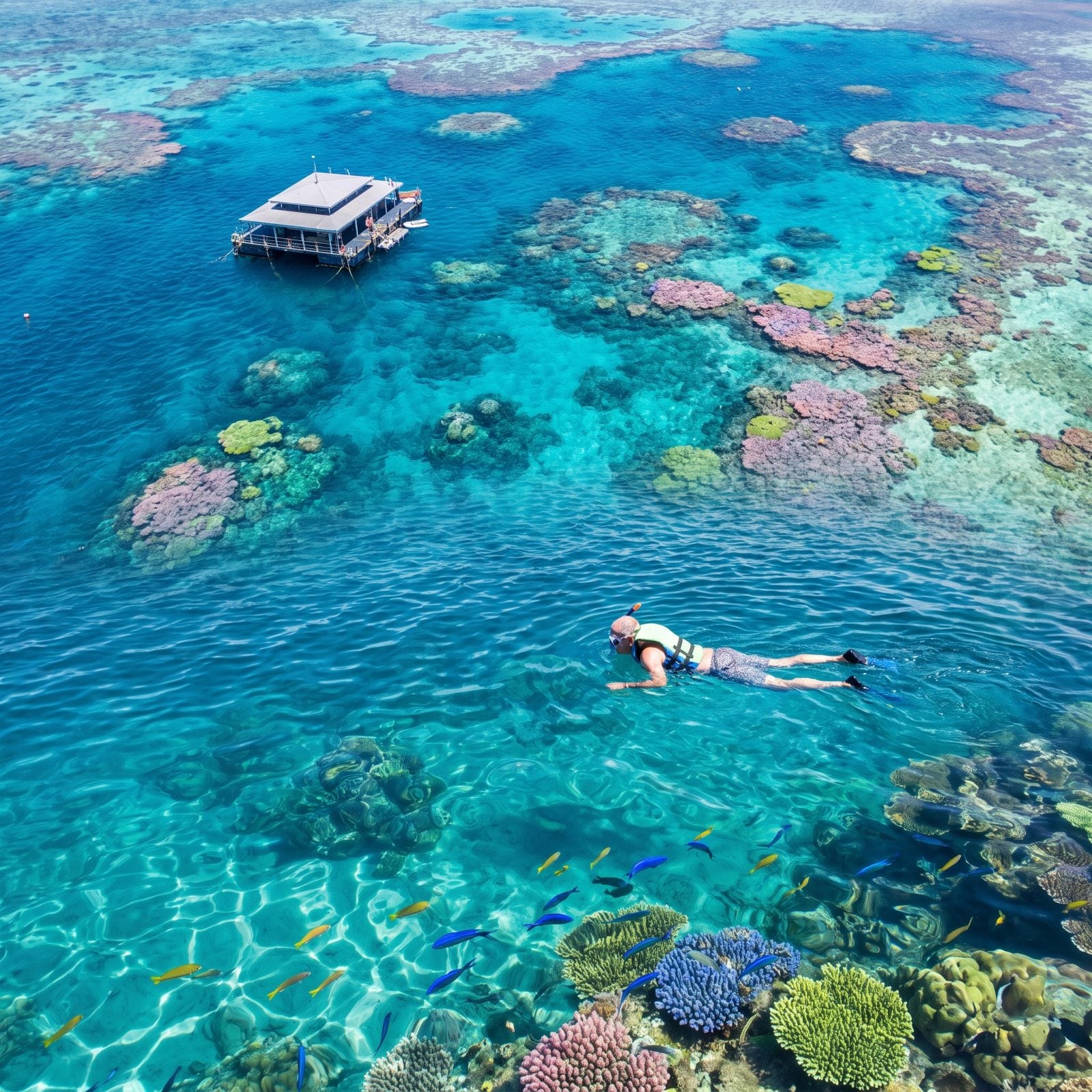
The reef is not waiting for you. Rising temperatures have already bleached stretches of it, and nobody serious promises what it’ll look like in twenty years. If it’s on the list, it belongs near the top.
And here’s where people hesitate: they think you have to be a certified diver. You don’t. From Cairns or Port Douglas, the pontoon boats take you to the outer reef with flotation vests, glass-bottom boats, and underwater viewing platforms. You can see the whole thing without putting your head under once.
Pick an operator that runs to the outer reef, not the inshore fringe. The color and the clarity are worth the longer boat ride.
14. Visit South Africa’s Cape Town and Winelands
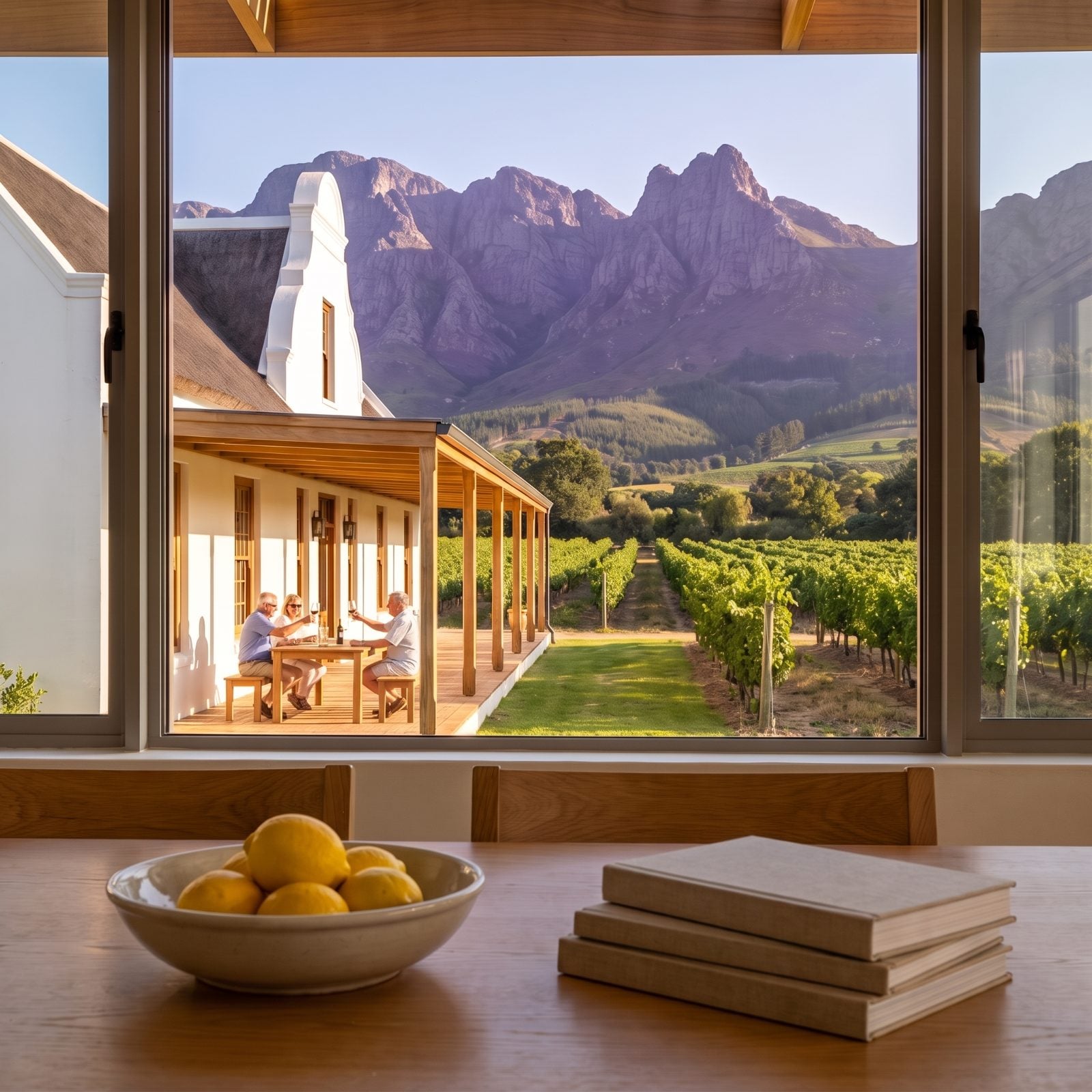
Table Mountain flat against the sky, the cable car lifting you over the city to the top in five minutes, and then the whole Cape spread out below with two oceans meeting at the tip. Cape Town does the dramatic view effortlessly.
Travelers who see it as one thing miss the second half entirely. It’s really two places: the city, and then, an hour inland, the winelands around Stellenbosch and Franschhoek.
Give yourself a week. City days for the mountain, the waterfront, the penguins at Boulders Beach. Then move out to a wine estate and slow all the way down. The exchange rate means a cellar lunch that would cost a fortune at home runs gentle here. Drink the Pinotage. It’s theirs and they do it well.
13. See the Waterfalls and Wildlife of Iguazú
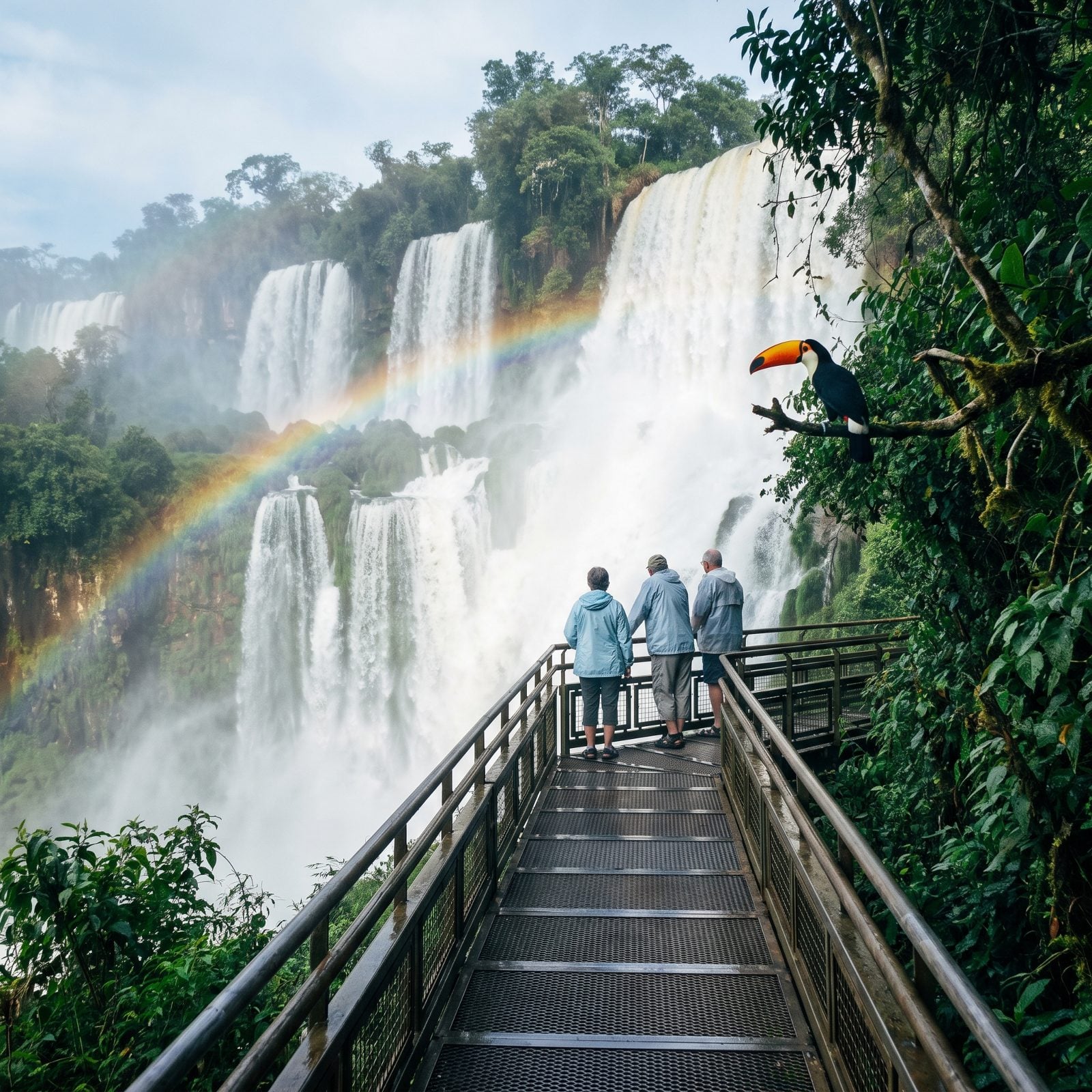
Niagara is a garden hose next to this. Iguazú is 275 falls spread across nearly two miles of jungle, and the walkway at the Devil’s Throat puts you close enough to feel the spray on your face and the ground shake under your feet.
People lump the two sides together and shortchange one. Don’t. The Argentine side has the walkways and the up-close drama. The Brazilian side gives you the panorama. See both, a day each.
The walkways are flat and well-maintained, with a little train carrying you to the Devil’s Throat trail. No scrambling required. Bring a poncho and expect to get happily soaked.
12. Cruise the Mekong Through Vietnam and Cambodia
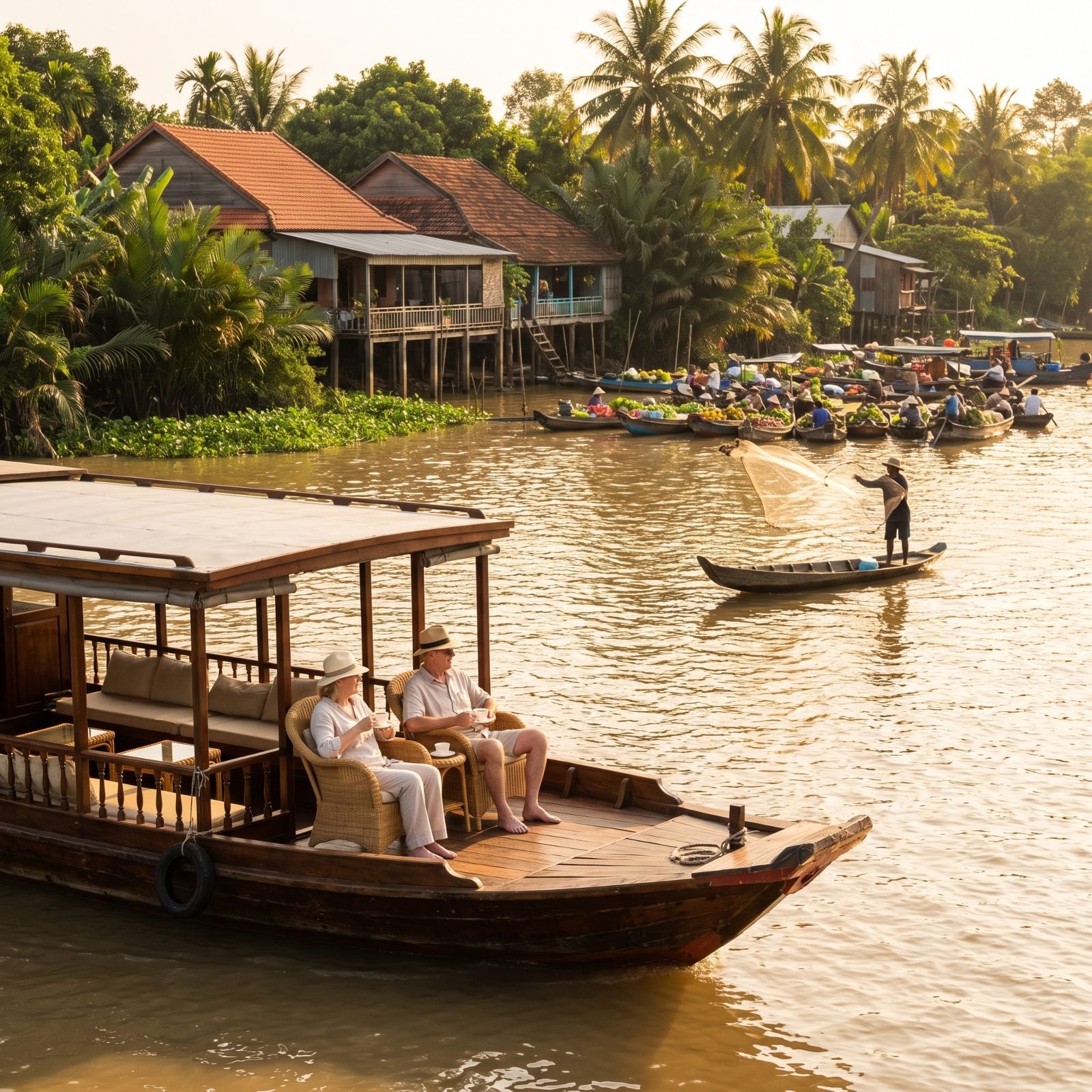
The Mekong does your sightseeing for you. You sit on deck with a cup of tea and the floating markets, the rice paddies, the saffron-robed monks on the riverbank all drift past at the pace of the current. No packing and repacking. The hotel moves with you.
This is the trip people file under “someday,” and then someday gets away from them. River cruising is the gentlest way to see Southeast Asia. Small ships, few stairs, excursions pitched to a range of energy levels.
Run it from Ho Chi Minh City up to Siem Reap, ending at Angkor Wat. Dawn at those temples, the sun coming up behind the towers, is a thing you’ll carry the rest of your life.
11. Experience the Panama Canal on a Full Transit Cruise
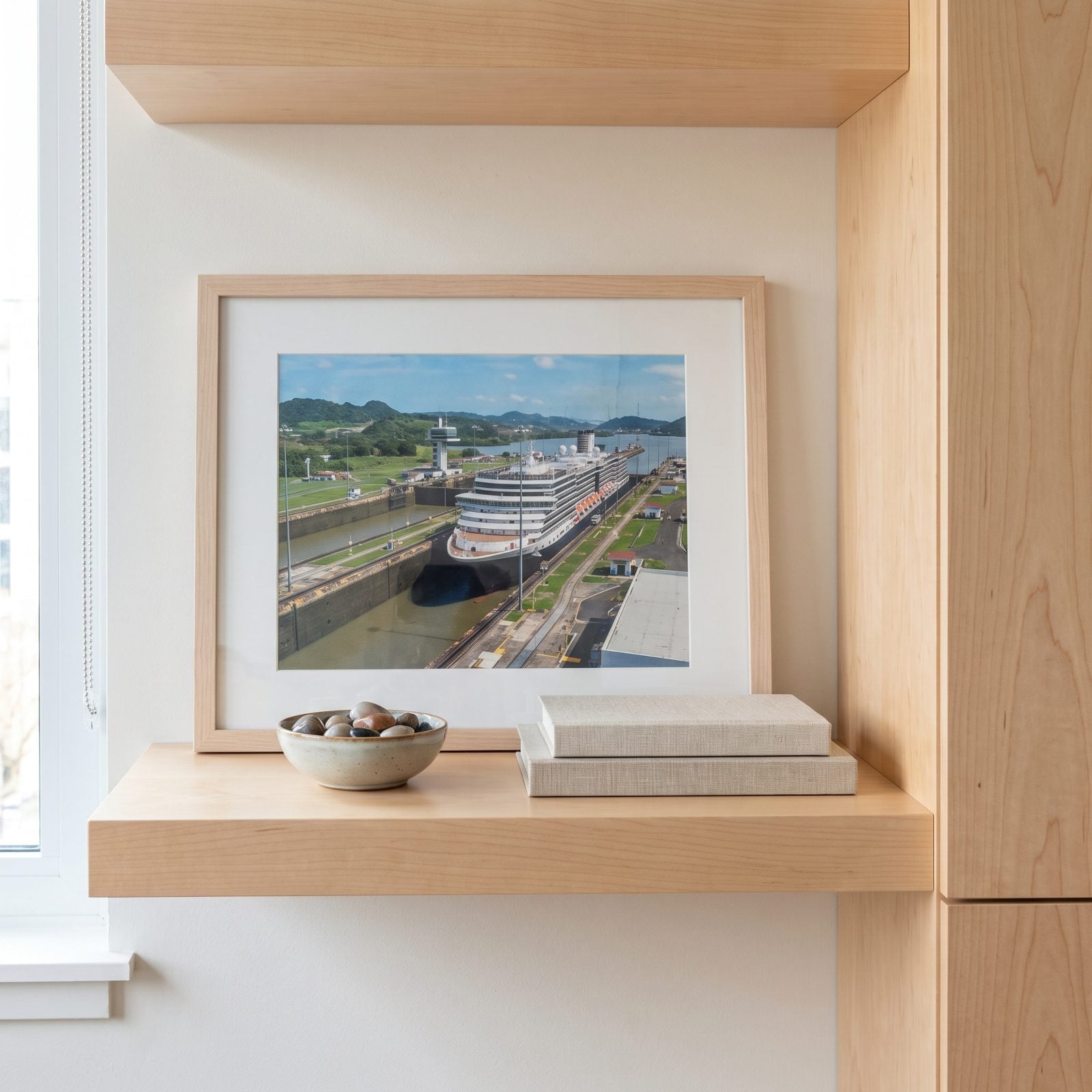
There are partial transits that take you in one lock and back out, and there is the full ocean-to-ocean crossing. Book the partial by accident and you’ll spend the rest of the cruise realizing what you missed.
A full transit is a whole day on deck watching a century-old feat of engineering lift your entire ship 85 feet and set it down in a different ocean. The lock gates. The mules. The water rushing in. People who think a canal sounds dull end up hanging over the rail all day, cameras out.
Read the itinerary carefully and confirm it says “full transit” before you pay.
10. Explore the Palaces and Waterways of Rajasthan
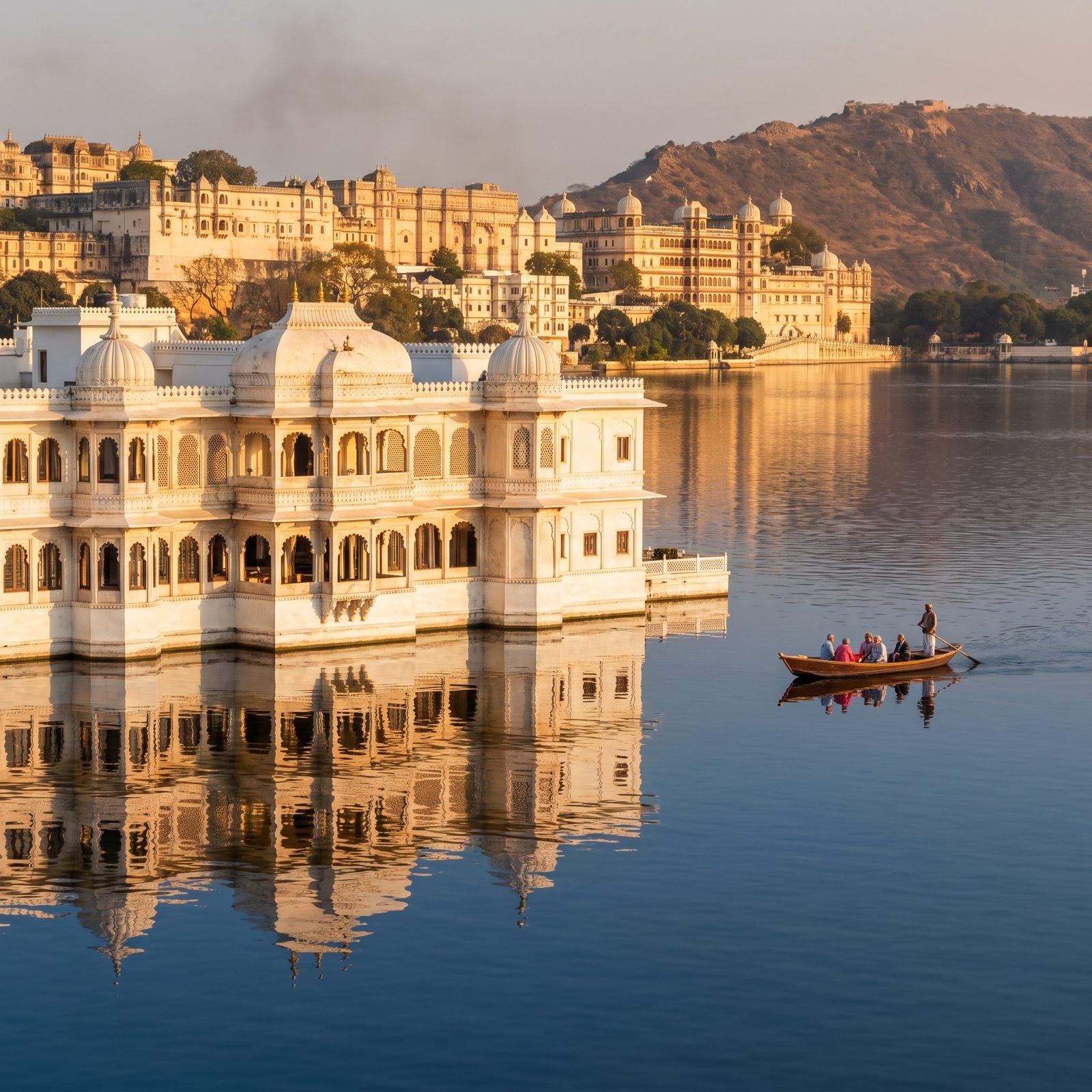
Udaipur at dusk, a marble palace sitting on a lake like it floated there, the whole thing doubled in the still water, lights coming on one by one. Rajasthan is the India of the picture books, and it delivers like few places do.
The mistake is the whirlwind. Four cities in six days, a different hotel every night, so much driving you watch the country slide past a windshield. Rajasthan rewards the opposite.
Pick three. Udaipur for the lake, Jaipur for the pink city and the Amber Fort, Jodhpur for the blue walls under the fort. Stay in a heritage haveli or a converted palace in each and let yourself be a guest, not a tourist on a schedule. Drink the masala chai from a street stall. It beats anything your hotel will pour.
9. Explore Portugal From Lisbon to the Douro Valley
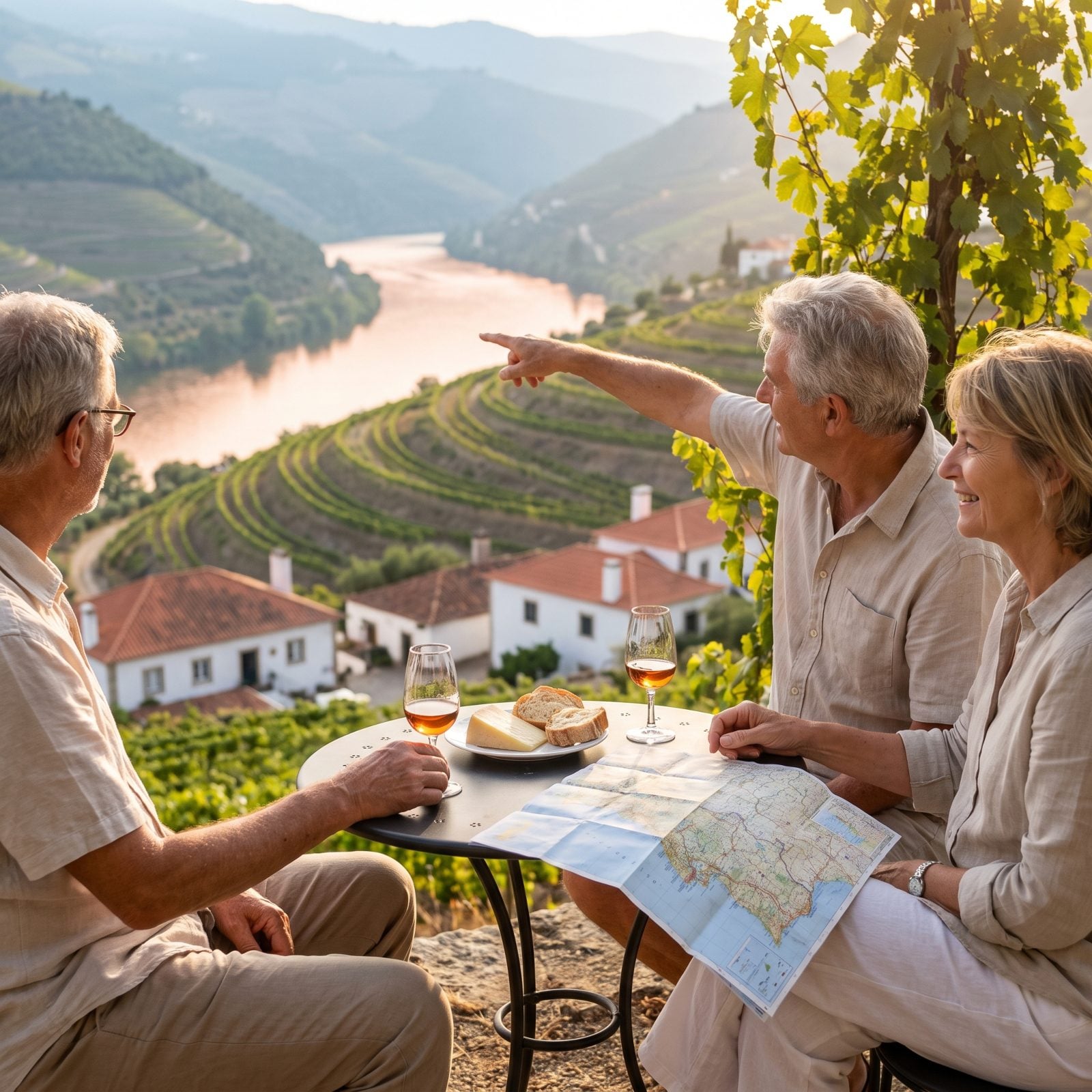
You keep telling yourself Portugal will still be there next year. It will. The trouble is that those cobblestone hills in Lisbon are a good deal kinder to a 62-year-old knee than a 72-year-old one, and this is a country you walk through rather than past.
Start in Lisbon with the yellow trams and a pastel de nata still warm from the oven, then slow down and take the train up the Douro, the river valley that invented port wine, where the vines stagger down slopes no flat vineyard could ever match. A river cruise does the walking for you if the terraces feel steep. Book the quinta tastings ahead, eat late like the locals, and give yourself a full week. Rushing Portugal is the real mistake.
8. See Orangutans in Borneo’s Rainforest
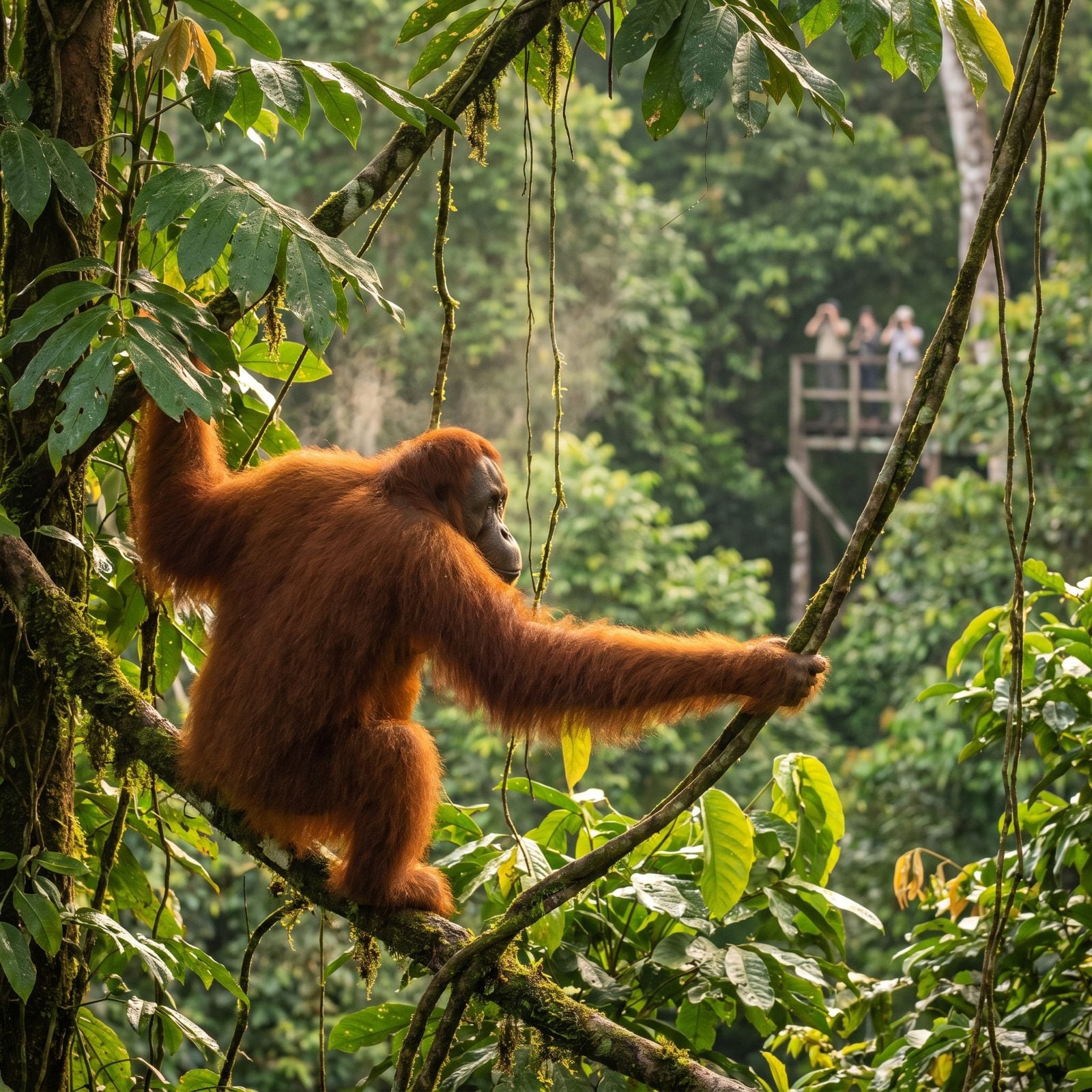
Orangutans are vanishing from the wild, and that number only goes one direction. Sabah, in Malaysian Borneo, is where you still have a decent chance of meeting one eye to eye across a river.
People assume this means roughing it. It doesn’t. The riverboats along the Kinabatangan are shaded and flat, the lodges have proper beds and fans, and the best sightings happen from a boat gliding at walking pace while someone else spots the shapes in the trees. Dawn and dusk cruises do the hard work. You just sit, watch, and feel very small in the best possible way.
Go now, while the going is gentle and the forest still holds them.
7. See Polar Bears in Churchill, Manitoba
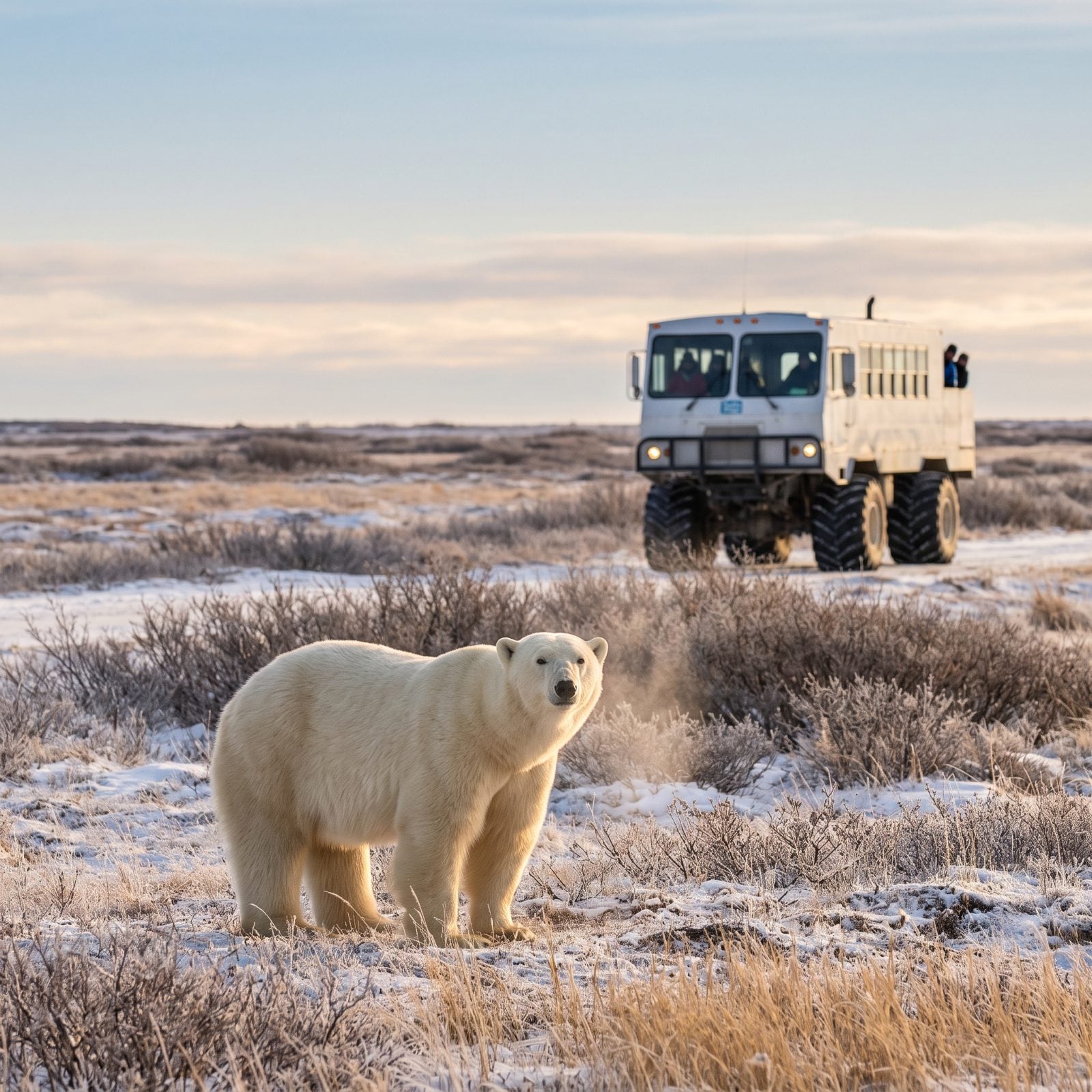
Churchill calls itself the polar bear capital of the world, and for about six weeks every autumn it earns the title.
The bears gather along Hudson Bay through October and November, waiting for the ice to form, and you watch them from a Tundra Buggy, a heated raised vehicle with big viewing decks, which means no trekking and no cold feet. People put this off because it sounds extreme. The extreme part is the bears. Your part involves a warm coach, a thermos, and a camera.
6. Travel Across the Australian Outback by Luxury Train
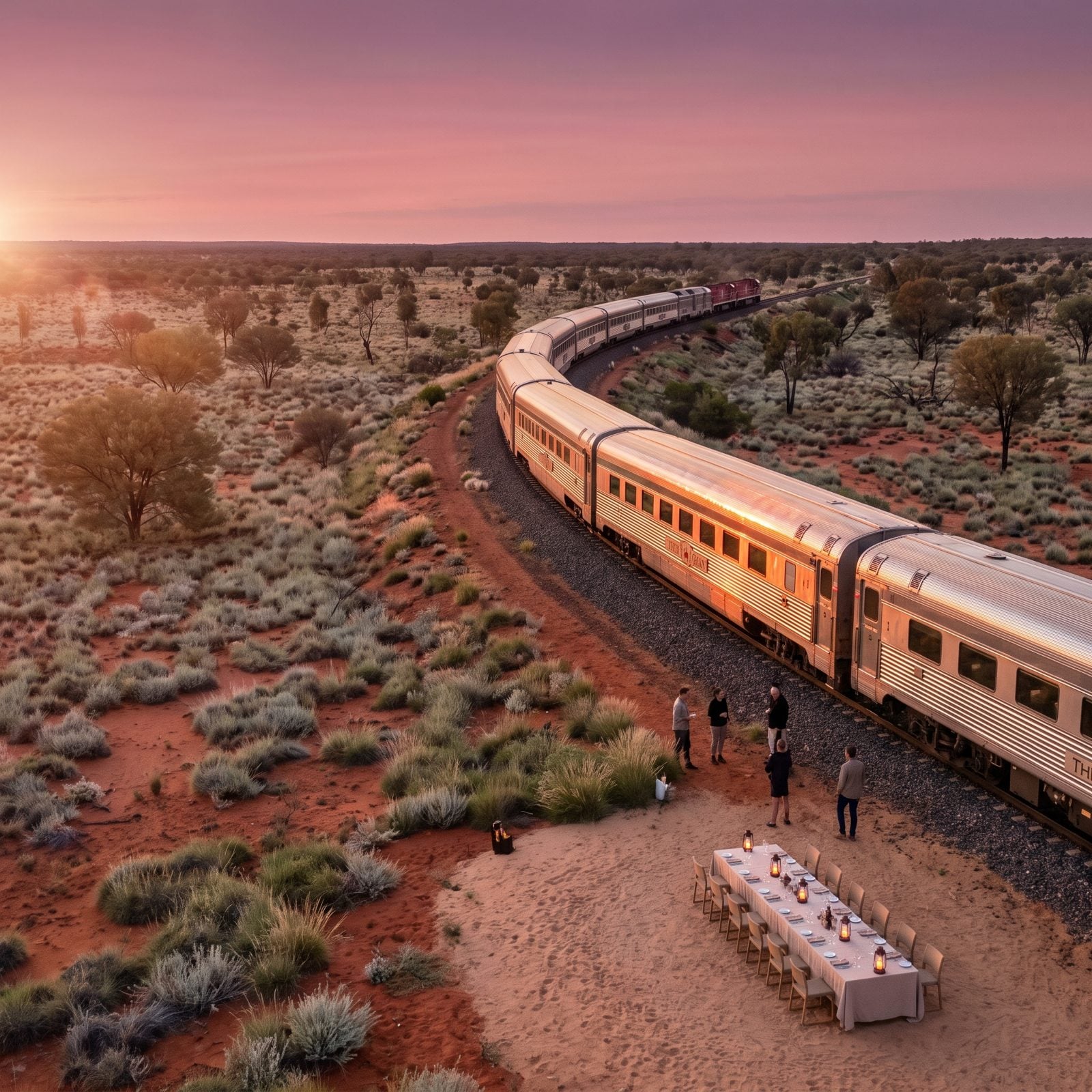
The Ghan runs the full spine of Australia, Adelaide to Darwin, roughly 1,900 miles of red nothing turning gold at sundown. Three nights, a cabin, white tablecloths, and the kind of silence most of us forgot existed.
What people get wrong is treating the Outback as a someday, a bucket-list bullet point saved for a later that never arrives. But this is the easiest hard-to-reach place on earth. You sleep in a proper bed, a chef handles dinner, and the landscape comes to you through the window with a glass of Barossa red in your hand. Off-train excursions let you walk as much or as little as you like.
No four-wheel-drive, no swag, no dust in your teeth. Just the middle of a continent, brought to your table.
5. Explore the Lakes and Peaks of the Italian Dolomites
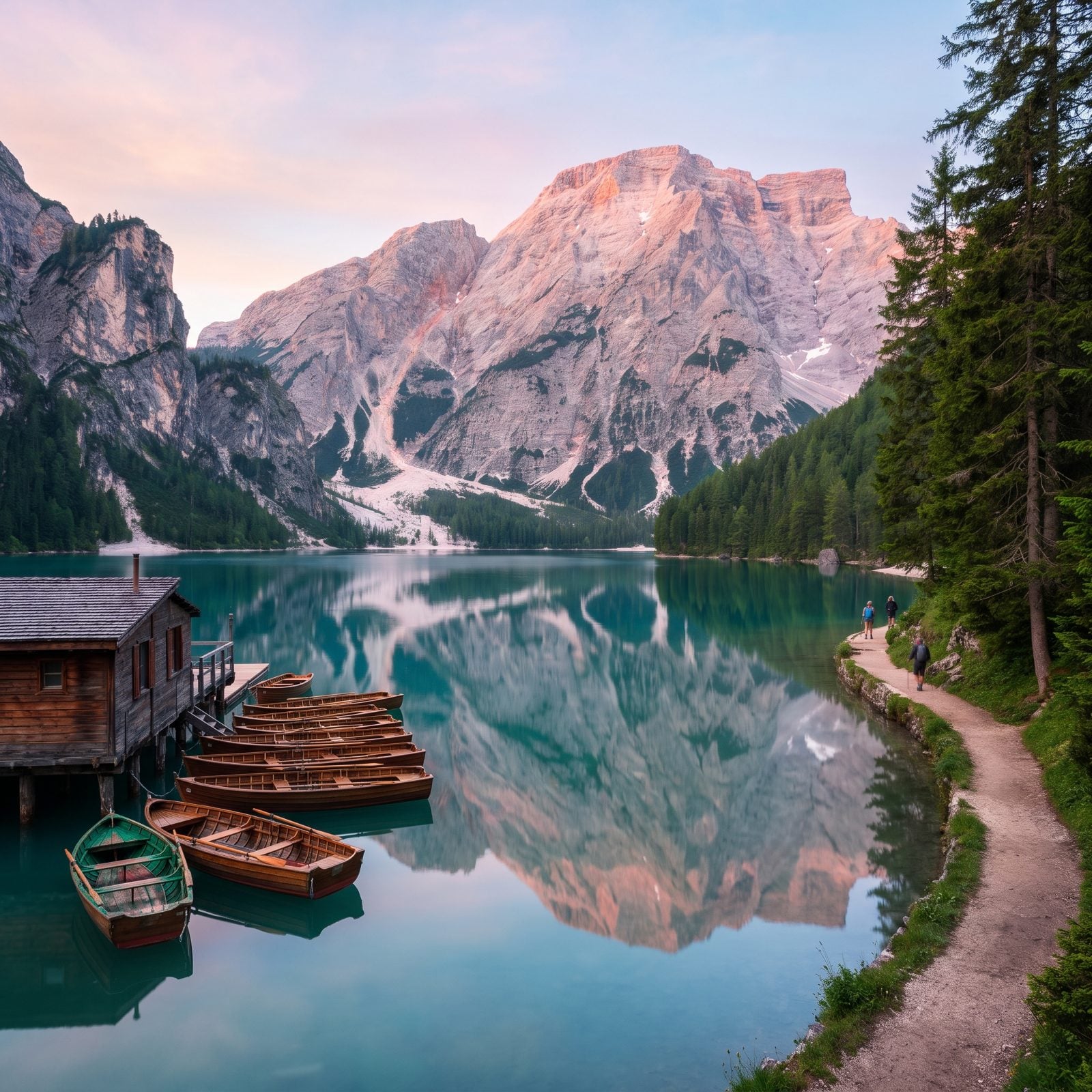
You don’t need to be a mountaineer for the Dolomites. That’s the misunderstanding that keeps people away.
These are the gentlest dramatic mountains in Europe. Cable cars and chairlifts carry you up to the high meadows, so the view that looks like it cost a hard day of climbing actually cost you a ten-minute ride and a flat stroll at the top. Base yourself in Ortisei or near Lago di Braies, where the water glows an unreal turquoise and the path around it stays level and shaded.
4. Experience France’s Lavender Season in Provence
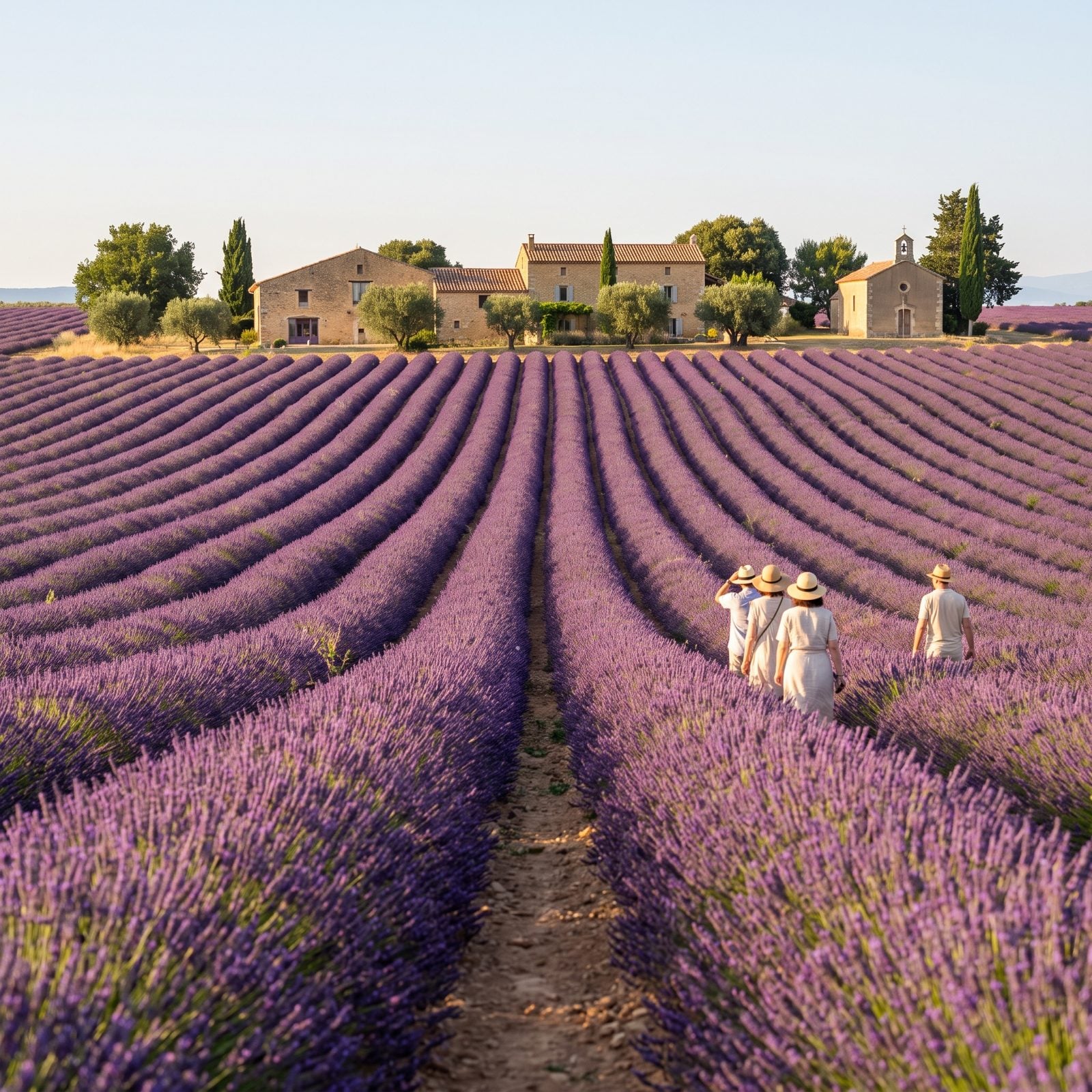
Lavender keeps a schedule, and it does not care about yours. The fields of the Valensole plateau peak for about three weeks, late June into July, and then the harvesters move in and the purple’s gone for a year.
That narrow window is exactly why people miss it. They mean to go, they aim for “sometime in summer,” and they land in August to find brown stubble. Book for early July. Stay in a village like Sault or Moustiers, drive out at dawn ahead of the tour buses and the heat, and walk a row or two with the scent coming up off the ground in waves.
3. Follow Ireland’s Wild Atlantic Way
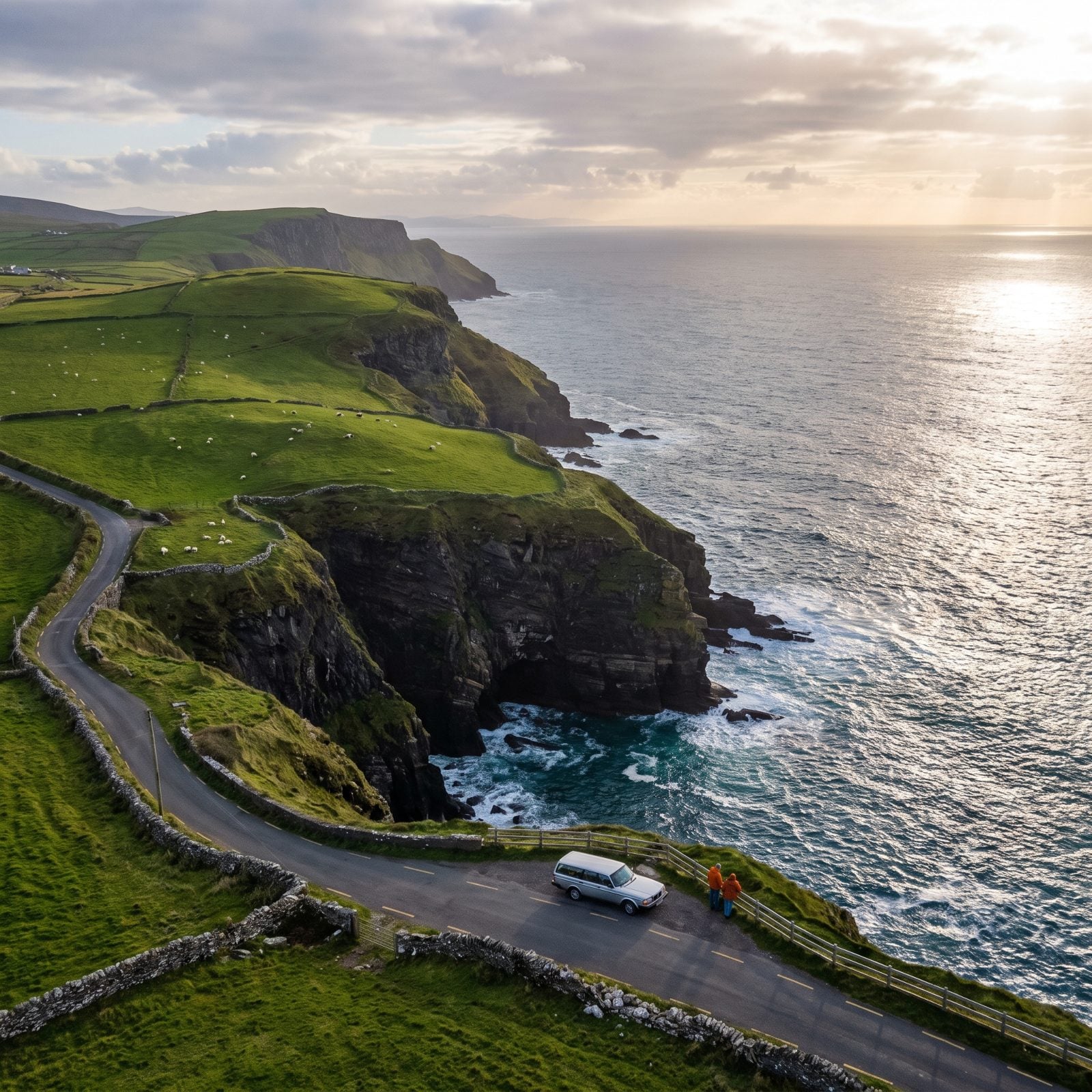
The Wild Atlantic Way is 1,600 miles of coast road from Donegal down to Cork, and nobody drives all of it. You don’t have to.
Pick a stretch. The cliffs of County Clare, the beaches of Connemara, the Ring of Kerry if you want the postcard version. The mistake is treating it like a deadline, cramming too many towns into too few days and watching Ireland slide by through a windscreen. Give each village its evening. Sit in the one pub with the turf fire and the man in the corner who can actually play. Let the weather do what it does, because the light after the rain is the whole reason the island looks the way it does.
Drive slow. Everyone here does.
2. Visit Yellowstone When the Wildlife Is Most Active
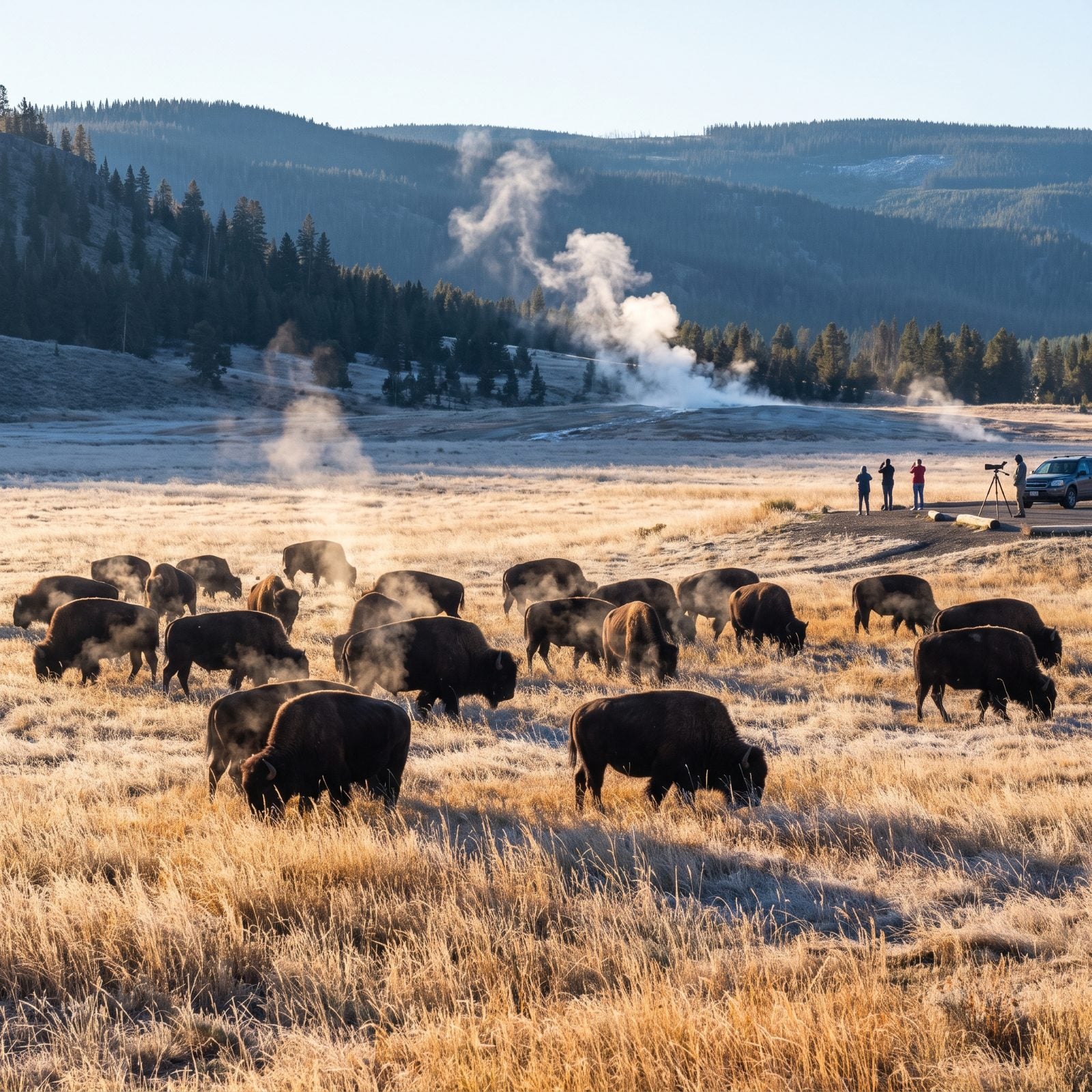
Most people hit Yellowstone in July, bumper to bumper, and wonder where all the animals went. The animals are smarter than that. They move at dawn and dusk, and they move in the shoulder seasons.
Come in late May or September, when the crowds thin, the wolves and bears are active, and the Lamar Valley at first light turns into the closest thing America has to the Serengeti. You watch from pull-outs along the road, often without leaving your seat. Rent a spotting scope, bring layers, and let a dawn in the Lamar show you what the midsummer mob never sees.
1. Watch the Northern Lights From a Glass Cabin in Finnish Lapland
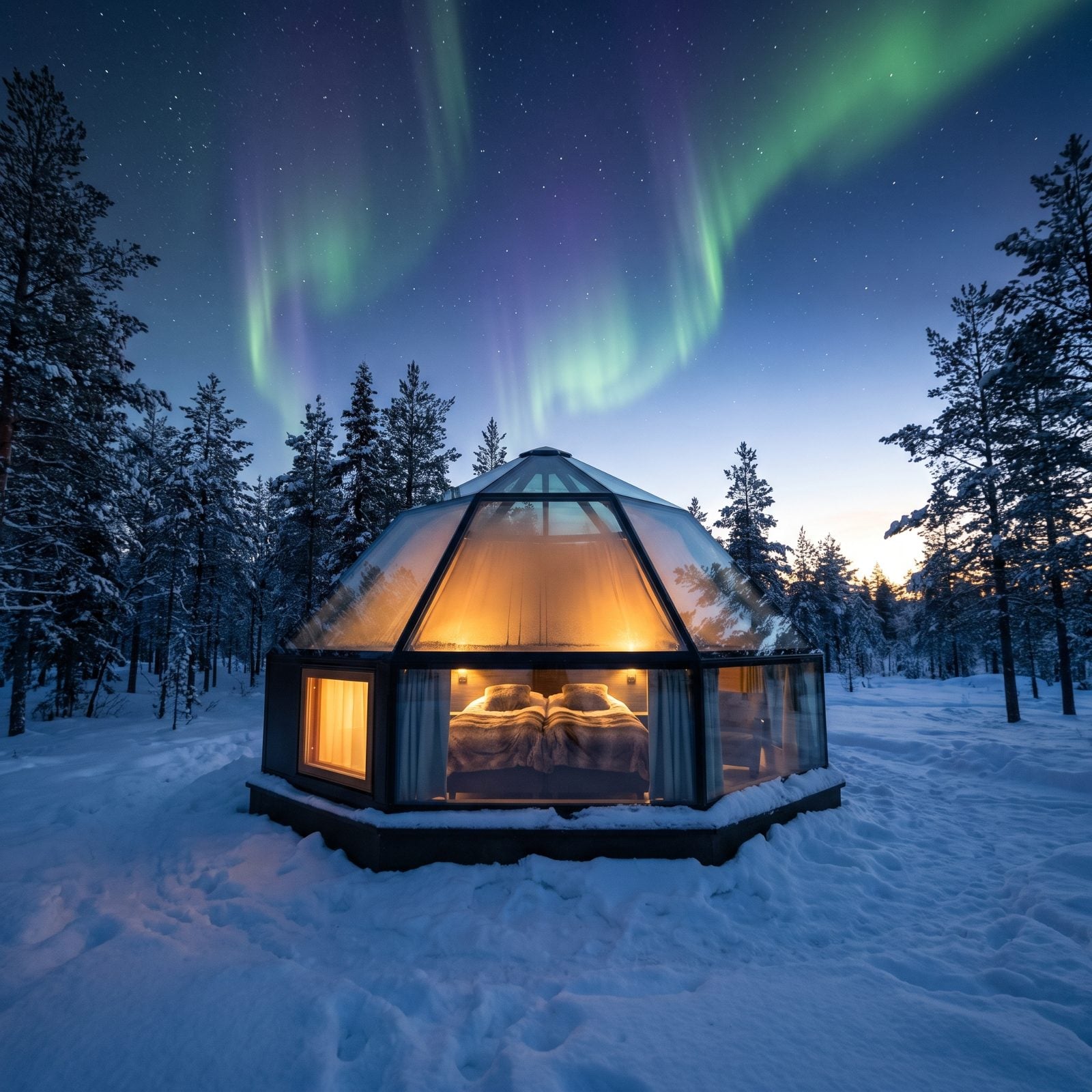
The dream version has you shivering on a frozen hillside at 2am, waiting. The real version has you under a duvet, warm, watching the sky move through a glass roof over your bed.
That’s the genius of the glass igloos around Saariselkä and Rovaniemi. The aurora is unpredictable, so comfortable waiting matters every bit as much as the lights themselves. You don’t have to be anywhere. If the sky goes green at 3am, you open your eyes and there it is.
Go between late August and early April, stay at least three nights to beat the odds of a cloudy stretch, and book the heated glass cabin instead of chasing the lights by snowmobile. Some things are worth doing the easy way.
The best view of the northern lights is the one you can fall asleep under.
🔥 Would you like to save this?
Please note that some of the imagery in this article were created with the aid of AI image generators.