
🔥 Would you like to save this?
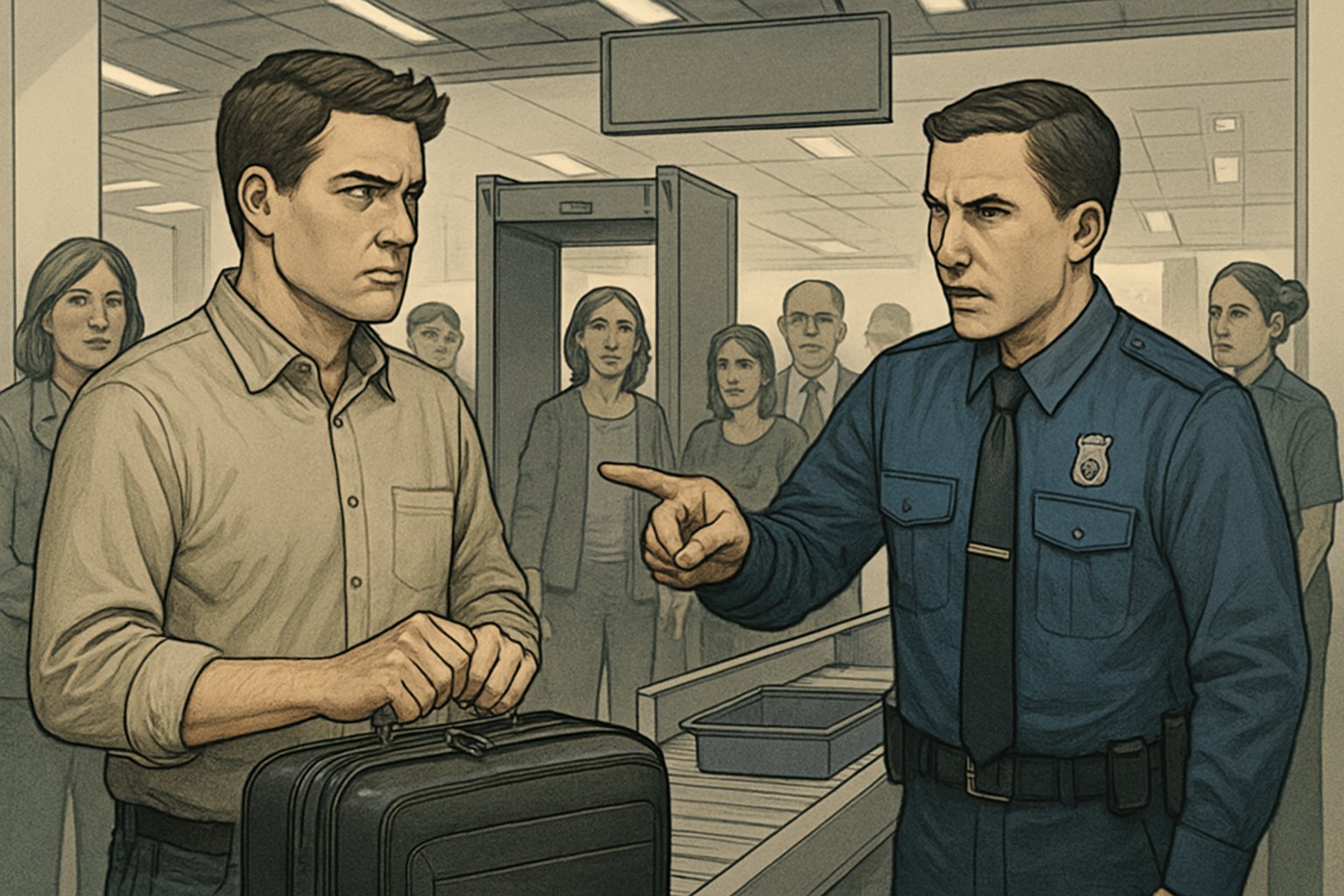
You’ve probably been there: standing at the gate, clutching your carry-on, while the agent insists it’s too big. You’re convinced it’ll fit, but they’re not having it. The tension ramps up when they tell you to check your bag—and you start to wonder, what if I just say no?
Refusing to check your bag can absolutely get you banned from flying, either temporarily or for good, depending on how things go down. Airlines have a lot of leeway when it comes to enforcing compliance, and a simple bag standoff can quickly turn into accusations of disruptive behavior. The fallout might be way bigger than just missing a flight.
Knowing your rights and how airline policies work might help, but sometimes you’ve got to pick your battles. Real incidents have shown that baggage disputes can haunt your travel history, mess with future bookings, and even land you on watch lists that stick around for years.
Airline Baggage Policies Explained
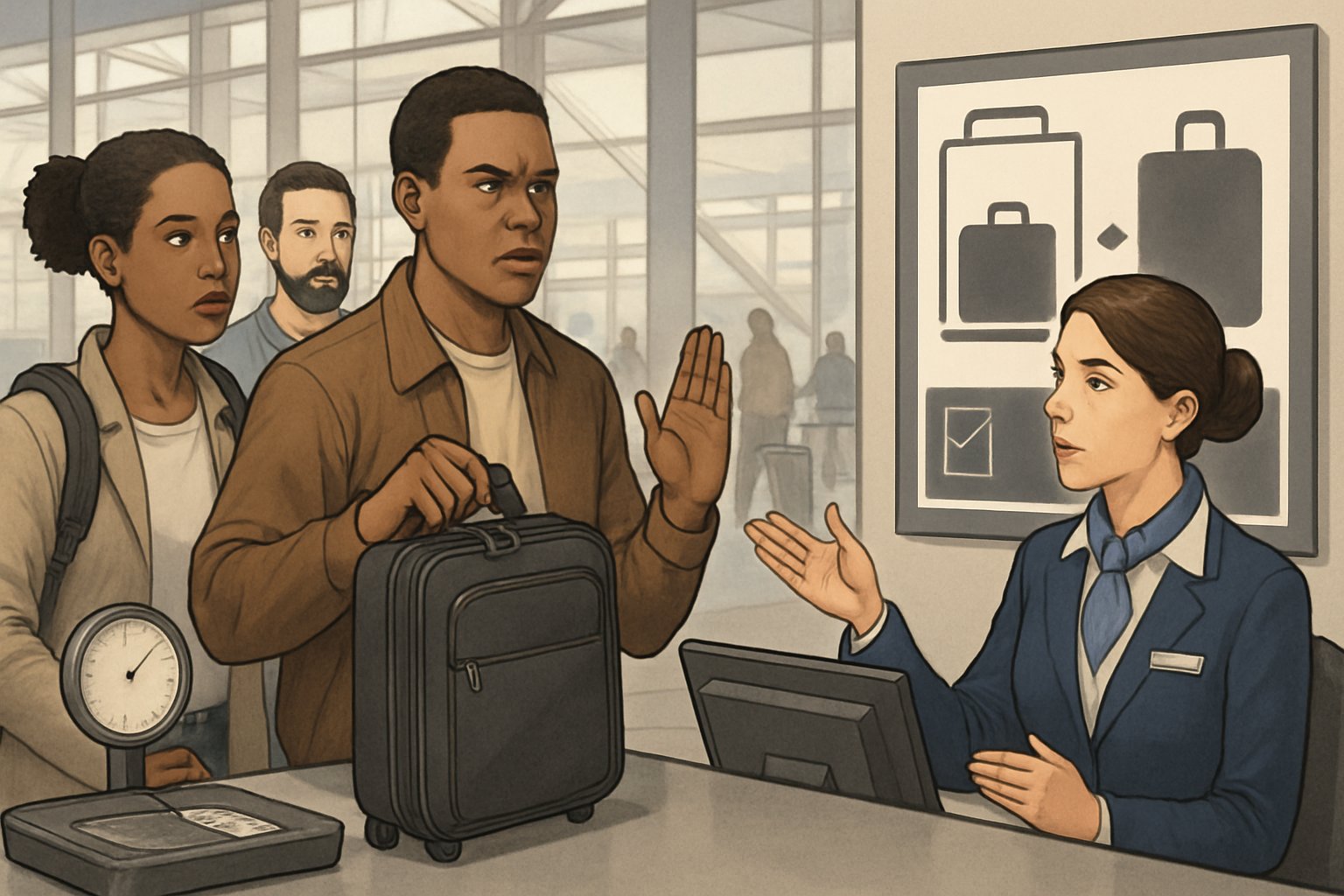
Airlines lay out strict rules about when you’ve got to check a bag versus carrying it on. If you ignore those rules, things can go south fast—sometimes from a simple gate delay to a full-on travel ban.
Why Airlines Require Checked Bags
Airlines want you to check bags for a bunch of reasons that keep flights on schedule. There’s only so much space in the overhead bins, and every airline sets its own guidelines for what stays with you and what goes below.
Weight and balance matter, too. Sometimes your bag tips the scales, and the crew has to make quick calls.
Why you might have to check your bag:
- Bins are packed
- Your bag is too big (size restrictions)
- Smaller planes with tiny bins
- Crew needs to balance weight
- Safety stuff needs space
Gate agents don’t just make this up. They’re following rules set by both the airline and the feds.
Carry-On vs. Checked Bag Rules
Carry-on rules change from airline to airline, but most stick close to the classic 22 x 14 x 9 inches. Budget airlines? They’re usually stricter.
Your “personal item” has to fit under the seat—think purse, laptop bag, or a small backpack.
Carry-on no-gos:
- Liquids over 3.4 ounces
- Knives, scissors, sharp things
- Sports gear
- Some electronics
- Anything flammable
Checked bags are a different story. Most airlines let you go up to 50 pounds before extra fees kick in, and the size limit is usually 62 linear inches.
Some airlines toss in a free checked bag or two (Southwest does), but others charge for everything.
What Happens If You Refuse to Check Your Bag
Say you flat-out refuse to check your bag when told. That can kill your travel plans on the spot. Gate agents can deny you boarding if you won’t play ball.
Airlines see that as disruptive. Not following crew instructions? That’s a federal violation.
You could face:
- Denied boarding
- Losing your ticket money
- Getting put on an internal watchlist
- Cops getting called
- Trouble booking future flights
If you start arguing or getting loud, things get worse fast. Gate agents and flight attendants are trained for this, and their reports go into your record.
Airlines keep tabs on passenger behavior. If you make a habit of it or get aggressive, you might get banned for good—even if you eventually give in and check the bag.
Consequences of Refusing to Check Your Bag
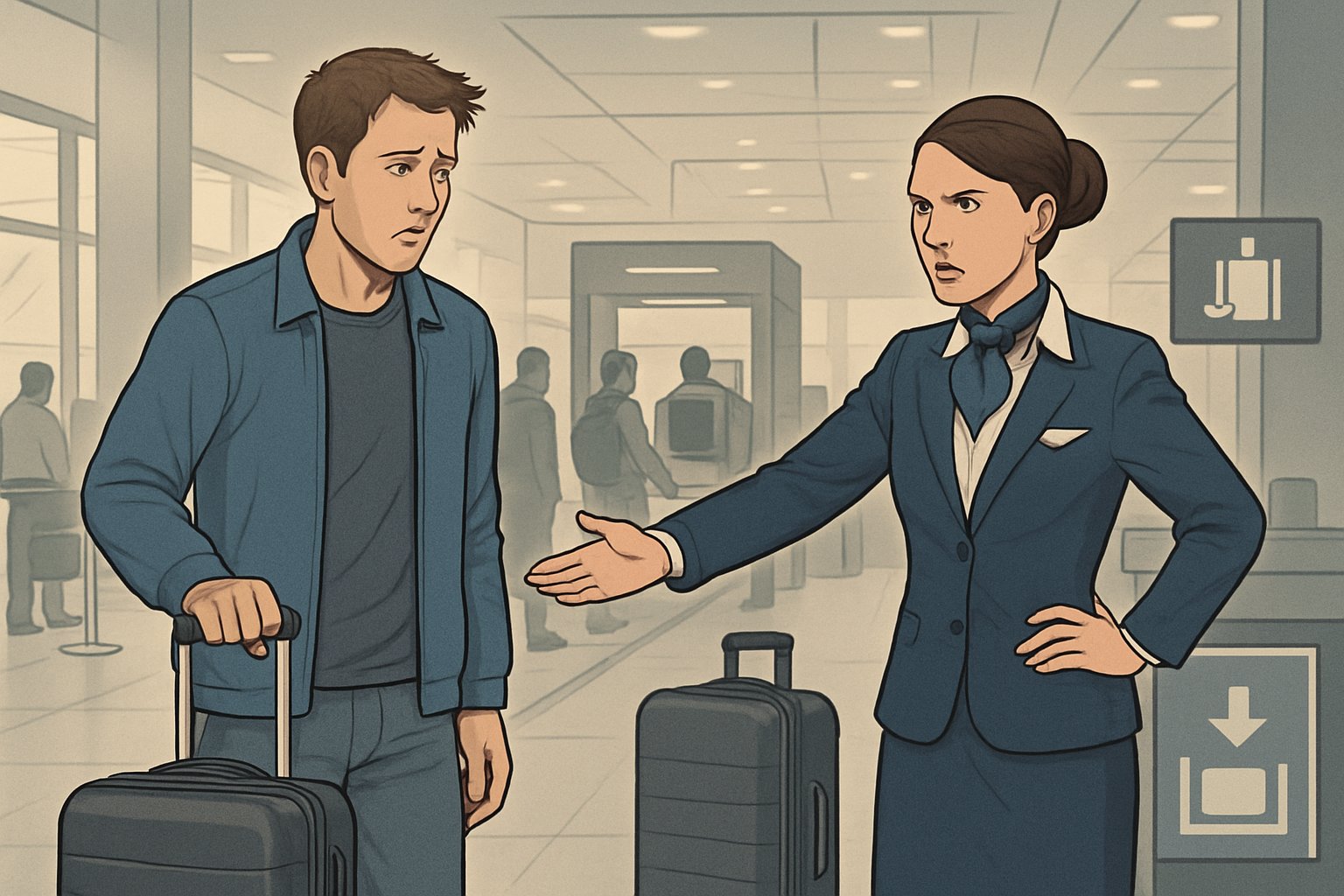
Airlines don’t mess around with bag compliance. Refusing to check your bag can mean anything from getting kicked off your flight to being banned from the airline. It all depends on the airline, the situation, and how you handle yourself.
Denial of Boarding
If you refuse to check your bag, the first and most likely result is denial of boarding. Airlines can legally stop you from getting on the plane if you don’t follow their baggage rules.
Usually, gate agents will ask you nicely to gate-check your bag if bins are full. If you still say no, they just won’t scan your boarding pass. That’s it—you’re not getting on.
Don’t expect any compensation. This isn’t like getting bumped from an oversold flight; this is on you.
Your choices at that point:
- Check the bag and board
- Wait for a later flight (if there’s space)
- Go home
Airlines might try to put you on the next flight, but during busy travel times, you could be out of luck.
Immediate Flight Ban Scenarios
Some situations trigger immediate flight bans—sometimes for days, sometimes months.
Disruptive behavior is a big one. Start yelling, swearing, or holding up the flight? You could be removed right then and there and slapped with a temporary ban.
Security refusals are another. If you won’t check a bag at a security checkpoint, you might not fly and could face more trouble.
Do it more than once? Airlines keep records, and repeat offenders get banned faster.
Gate agents can update your passenger record on the spot, blocking you from booking until the ban’s up.
Temporary vs. Permanent Bans
Temporary bans usually last anywhere from 30 days to two years. If it’s a minor issue, you’ll probably get the shorter end.
Most bans for bag refusal are temporary. Airlines would rather let people back after some time.
Permanent bans aren’t common, but they do happen—especially if there’s a threat, repeated drama, or safety risks.
| Ban Type | Duration | What Triggers It |
|---|---|---|
| Temporary | 30 days–2 years | Refusal, minor disruption |
| Permanent | Indefinite | Threats, repeat problems, safety |
Ban enforcement isn’t the same everywhere. Some airlines share info; others keep it in-house. Usually, a ban from one airline doesn’t affect others, but major incidents can get around.
Frequent flyer status? Doesn’t matter. Elite or not, you’re still on the hook if you don’t comply.
Real-World Incidents and Airline Responses
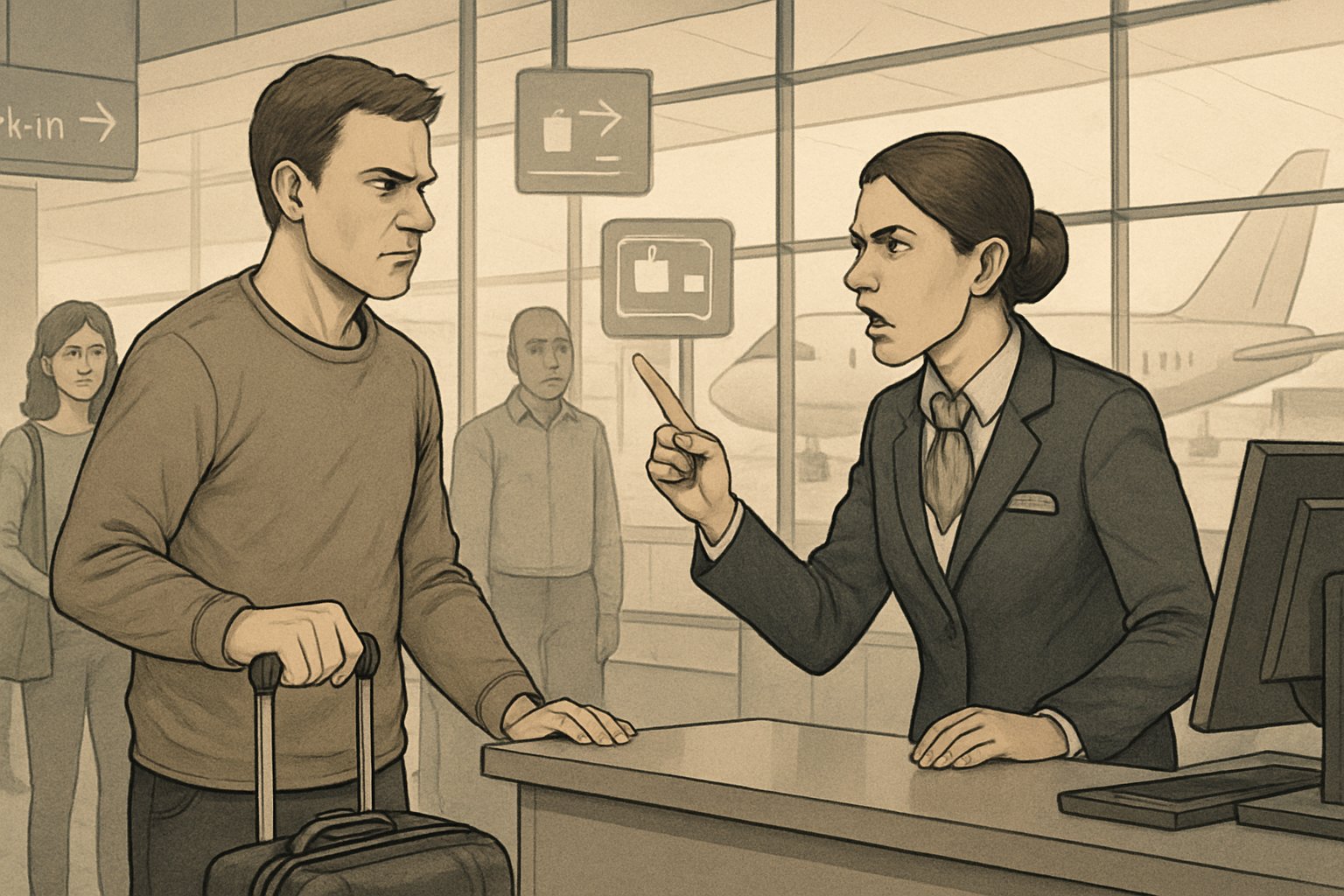
Bag check arguments have led to flight bans and even legal trouble for folks who refuse to follow the rules. Airlines now work together and share info about banned passengers to keep things running smoothly.
Notable Passenger Cases
You’ve seen the viral videos—passengers losing it over bag rules. It never ends well for them.
Physical fights over bag placement have earned some people permanent bans. If you get aggressive with crew over a bag, safety comes first.
Flight attendants say 85% have dealt with unruly passengers, and 17% have faced physical incidents. A lot of that starts with baggage arguments.
One guy got famous for threatening a “starvation strike” over airline policies. That one was about food, but people have tried similar protests over bag fees—and it’s gotten them banned.
Verbal abuse toward crew during bag disputes? That’ll get you removed on the spot. Frustrated or not, yelling at employees doesn’t change the rules.
Variations Among Major Airlines
How tough the airline is depends on who you’re flying with.
Budget airlines like Spirit and Frontier stick to their policies hard—fees are their bread and butter. Gate agents don’t have much wiggle room.
Legacy carriers (American, Delta, United) might cut elite members a little slack, but outright refusal still gets you booted.
Southwest gives you two free checked bags, so there’s less drama, but they’ll still enforce carry-on limits, especially when it’s busy.
Some airlines now share info on banned passengers, so you can’t just hop to another carrier if you get in trouble.
International carriers flying in the US follow FAA rules, but their approach to conflict can be different.
Legal Ramifications
Refusing to check your bag can land you in legal hot water, not just off the flight. Federal aviation rules give airlines a lot of power to deny boarding for safety.
FAA fines for bad behavior can hit $37,000 a pop. If you threaten or fight over a bag, you could be on the hook.
The federal no-fly list is a different beast, but criminal charges can still mess up your ability to travel. Assaulting crew over a bag? That sticks with you.
Every ticket comes with a contract of carriage—that legalese you agree to when you buy. It gives airlines the right to remove you for not following baggage rules. Courts almost always side with the airline.
If you threaten crew or try to sneak banned stuff onto the plane, you could face criminal prosecution. The DOJ has promised to go after disruptive passengers.
Other passengers can sue you for delays you cause, adding to your troubles.
How Refusal Impacts Your Passenger Rights
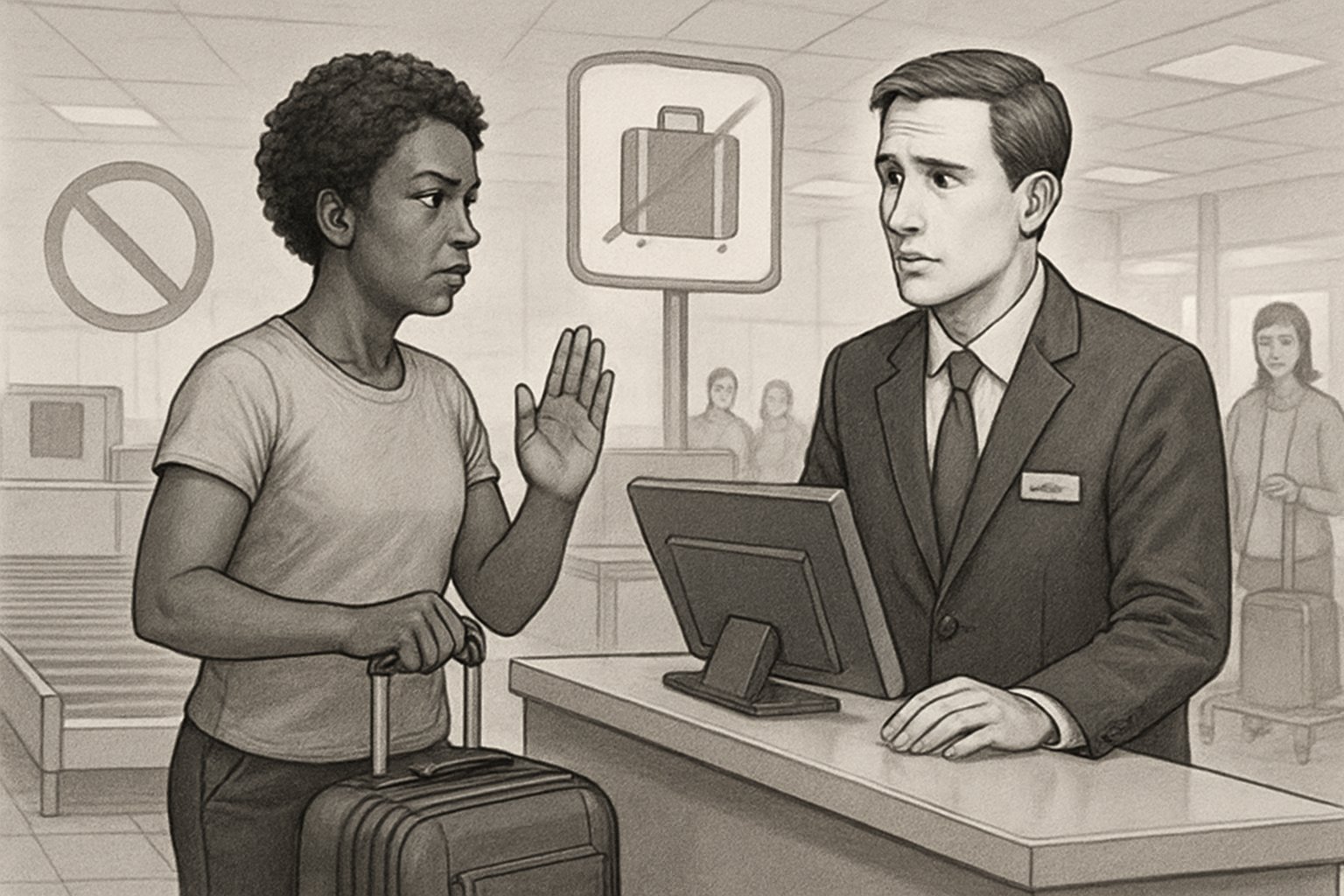
Refusing to check your bag basically challenges the airline’s authority under their contract of carriage. Airlines can refuse boarding for safety, but you’re not totally without options—you can appeal or even take them to court if you really want.
Contract of Carriage Explained
Every ticket comes with a contract of carriage—the fine print hardly anyone reads. This contract gives airlines broad authority to refuse service for stuff like safety.
What’s usually in there:
- Safety/security requirements
- You have to follow crew instructions
- Baggage rules
- Reasons for denied boarding
The language is vague on purpose. Airlines can say you’re “uncooperative” or not following safety rules and kick you off. Refusing to check your bag often falls under that.
But the rules have to be fair. They can’t single you out if they let others break the same rule.
Your rights are limited, but not zero. You can usually get a refund if denied boarding, but don’t count on extra compensation.
Taking Your Case to Court
Suing an airline over a bag dispute is tough and rarely worth it. Most cases don’t make it to court.
Small claims court is your best bet if you want to try—maybe for missed connections or out-of-pocket costs. But airlines usually win if they show you broke the rules.
You might win if:
- The airline broke its own rules
- They enforced rules inconsistently
- You’ve got real financial losses
- There’s proof of discrimination
Federal court is for big stuff—civil rights or serious money. The Montreal Convention covers international flights, but bag fights usually don’t count.
Class actions sometimes pop up if airlines mess up on a big scale, but your bag drama probably won’t make the cut.
Appealing Airline Decisions
Most airlines have internal appeals processes, and honestly, that’s usually your best shot at getting things fixed. Customer relations departments can override gate agent decisions and hand out compensation when it’s warranted.
Start by contacting the airline’s customer service within 24 hours of the incident. Keep a record of everything—flight numbers, employee names, times, and any witnesses. Email is your friend here; it leaves a trail that phone calls just can’t match.
If your first appeal goes nowhere, try escalating to the executive customer relations team. They deal with the big complaints and have more leeway to bend policies or offer compensation.
The Department of Transportation takes airline service complaints, but they mostly track patterns rather than resolve individual disputes. Still, filing a DOT complaint adds some pressure and helps with oversight.
Appeal timeline generally looks like:
- Initial customer service contact (24-48 hours)
- Supervisor escalation (3-5 days)
- Executive review (1-2 weeks)
- DOT complaint if things still aren’t resolved
Credit card chargebacks can be a backup plan if the airline just won’t budge. Some premium cards even have travel protection that covers expenses when airline policies go sideways.
Strategies for Handling Baggage Disputes
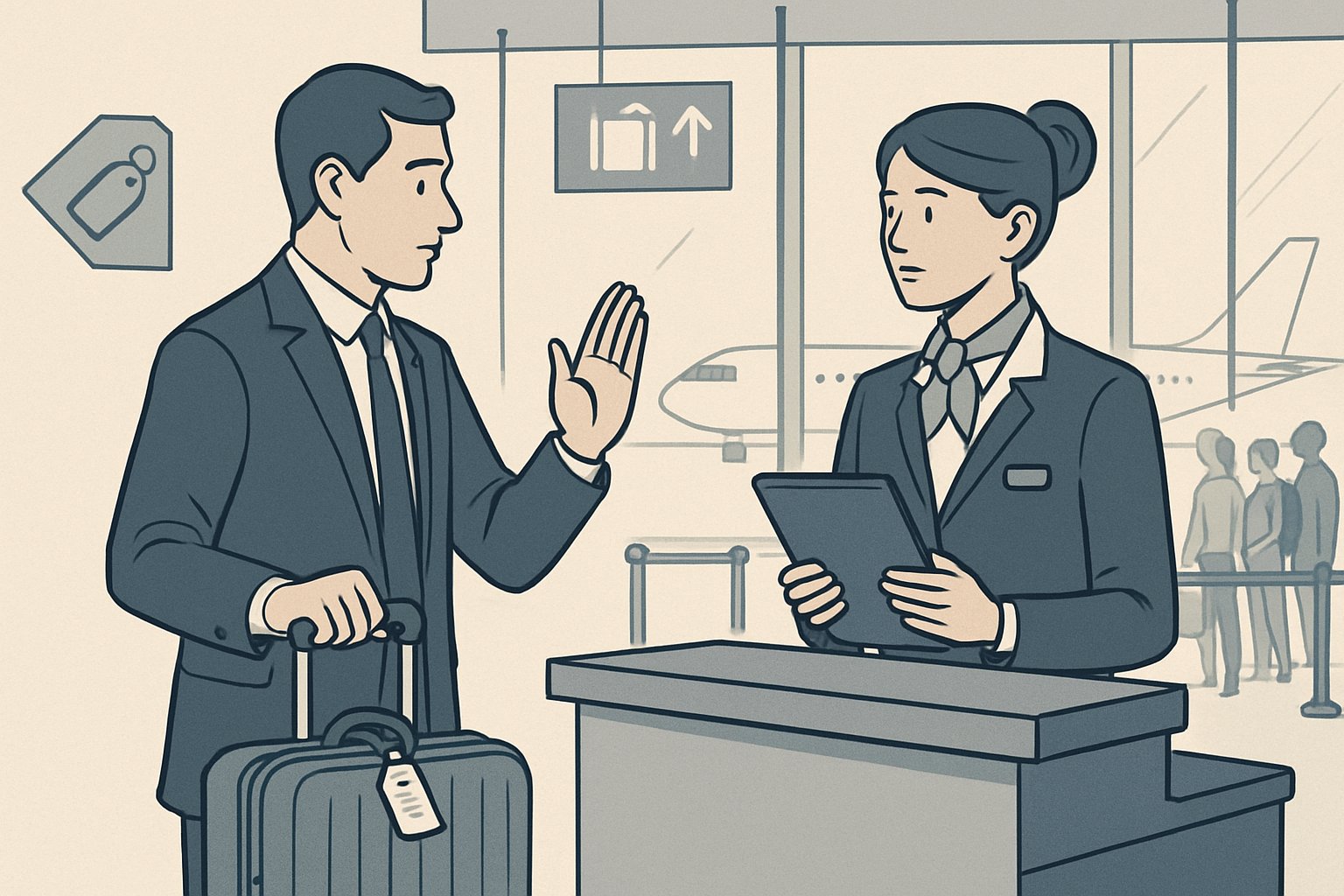
When airlines try to force you to check your carry-on, or push for a gate check, your approach really matters. If you can stay calm and know your rights, you’ve got a much better shot at keeping your bag with you.
Negotiation Tactics at the Gate
Know your bag’s dimensions and the airline’s limits before you reach the gate. Pull up the baggage policy on your phone and screenshot the key parts.
If a gate agent challenges your bag, ask them (nicely) to measure it in the official sizer. Visual estimates usually benefit the airline.
Make your case clearly:
- Mention your frequent flyer status if you have it
- Point to the precise policy dimensions
- Offer to rearrange your bag if it looks overstuffed
If the agent won’t budge, ask for a supervisor. Gate agents can’t always make exceptions, but supervisors sometimes do.
Request documentation if they say your bag doesn’t comply. This forces them to provide specifics, not just opinions.
How to Avoid Escalation
Keep your voice steady and skip the blame game, even if you’re annoyed. Saying, “I understand your position, but…” works way better than, “You’re wrong about this.”
Don’t argue with everyone at once. Talk to one staffer at a time and ask others to hang back.
Take photos of your bag in the sizer, screenshot conversations, and note names of staff involved. This stuff can help you if you need to file baggage claims down the line.
Time your approach. Show up early if you can, when staff aren’t overwhelmed, or wait until the boarding chaos dies down if you’re already at the gate.
Don’t do these:
- Record staff without asking
- Block boarding
- Use profanity or insults
- Refuse to move when told
Seeking Help from Airline Personnel
Start with the gate agent, but if that’s not working, ask for a supervisor. Sometimes the folks at the check-in counter have more flexibility than those at the gate.
Reach out to customer relations through the airline’s app or even social media. You’d be surprised how fast some airlines respond to public tweets.
Flight attendants can’t override baggage rules, but if you ask nicely after boarding, they might stash a small bag in a crew closet.
Know when it’s time to escalate. For damaged or delayed baggage, the DOT sets liability limits that can help you.
If you’ve got elite status, try calling the special customer service line for faster help. Those reps can sometimes do more than regular agents.
Write down every conversation—names, times, and employee IDs if you spot them. This stuff matters if you end up filing a formal complaint.
Alternatives to Checking Your Bag
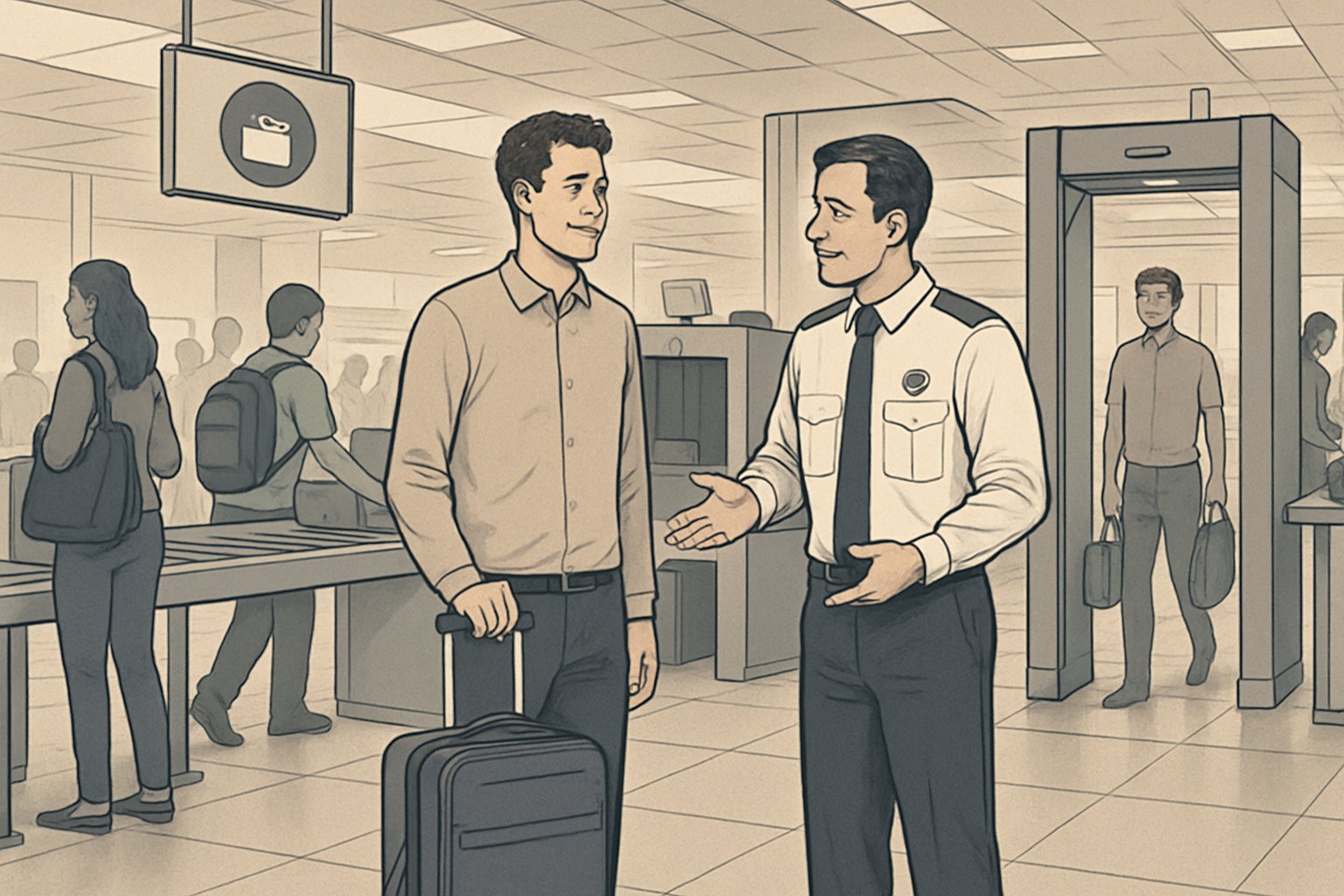
Savvy travelers know that avoiding gate-checking takes some planning and a bit of luck. It’s all about making the most of your carry-on allowance and knowing when gate-checking might actually make sense.
Maximizing Carry-On Allowances
Board early if you can. Frequent flyers, premium cabins, and certain credit cards get you on the plane sooner, which means more overhead bin space. Picking the right card can really help.
Pack smart—choose a bag that fits under the seat. That way, you’re not at the mercy of crowded bins.
Watch your fare type. Some fares limit your boarding group and bag allowance.
Some folks say waiting until the very end to board works, too. Standing your ground and refusing to gate check sometimes pays off, as space magically appears at the last minute.
Utilizing Gate-Check Options
Gate-checking isn’t always a bad deal. Usually, it’s free and you get your bag back at the plane door.
Know the drill. When you gate check, they’ll tag your bag and you’ll either hand it off at the counter or drop it at the jet bridge.
Try alternative shipping. Shipping your luggage can sometimes cost less than airline fees and saves you the hassle of fighting for space.
Don’t forget the risks. If you refuse to gate check, airlines might bump you to another flight or make you sign a damage waiver for oversized bags.
Long-Term Impacts on Your Travel Record
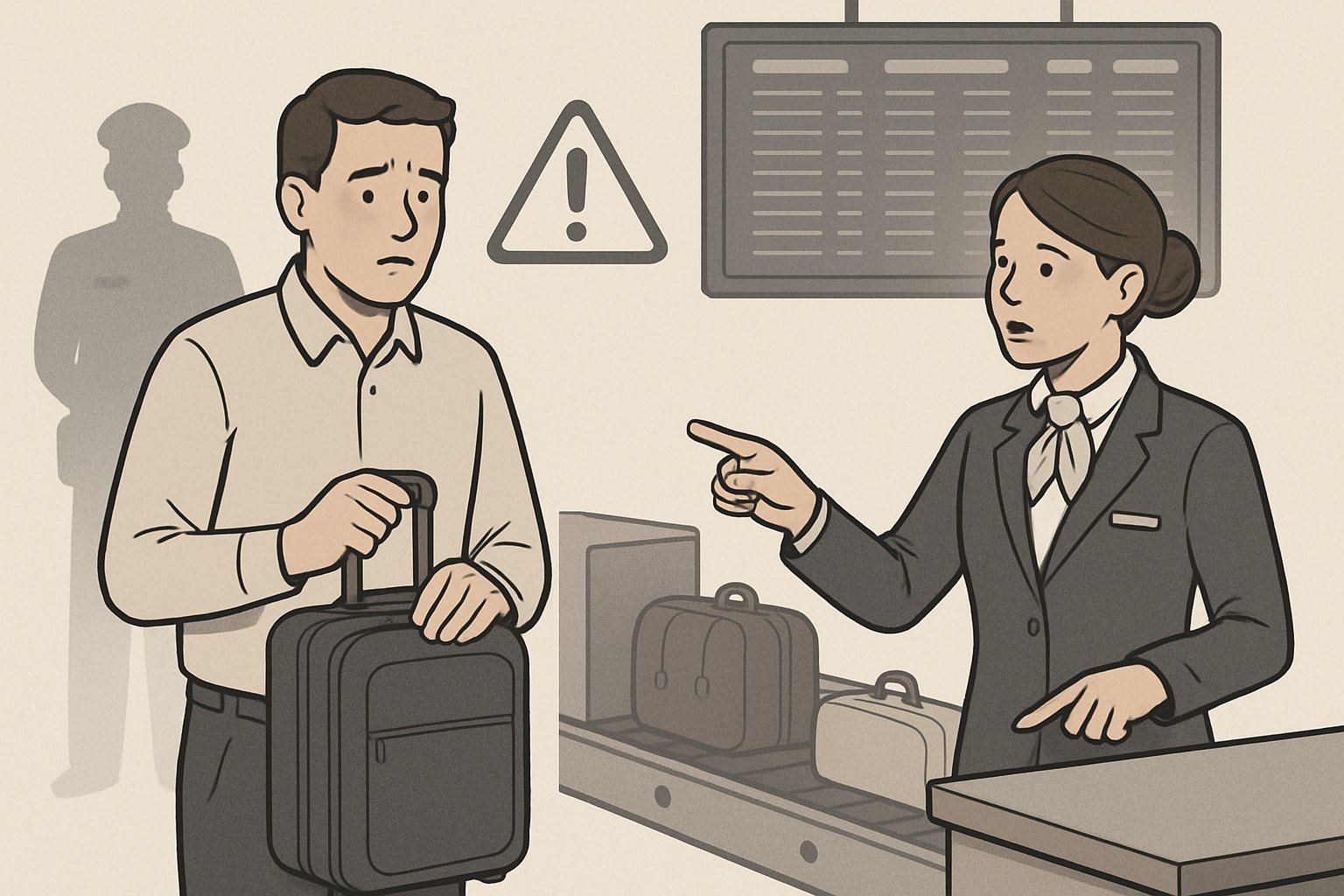
Refusing to check your bag might seem like a small thing in the moment, but it can have long-term effects. Airlines keep detailed records of passenger incidents, and that stuff can haunt you for years.
Being Blacklisted by Airlines
When you don’t follow baggage policies, airlines note it in their system. That flag sticks to your frequent flyer account and booking profile.
Most big airlines keep internal “no-fly” or restricted lists. These lists cover passengers who break the rules, cause disruptions, or ignore crew instructions.
If you get blacklisted, you might:
- Lose the ability to book flights with that airline
- Have existing reservations canceled
- Forfeit frequent flyer miles and elite status
- Get banned from lounges and premium perks
Airlines almost never take people off these lists. Unlike customs violations that linger forever, airline blacklists don’t have an expiration date.
Some airlines do have appeal processes, but honestly, they’re tough to win. You’d need to show real regret and convince them you won’t repeat the problem.
Inter-Airline Information Sharing
Airlines don’t keep these things to themselves. They share info through industry databases and security networks, and that can affect your travel with other carriers.
The International Air Transport Association (IATA) runs systems that let airlines share incident reports. If one airline flags you for a baggage spat, others might see it when you book or check in.
They usually share:
- Incident and safety reports
- Disruptive behavior notes
- Policy violation details
- Security flags
This sharing goes beyond airlines—to airport authorities and security agencies. Refusing to check a bag might mean extra screening or delays on future flights, even with a different airline.
And with code-share partnerships, it gets even wider. If United flags you, you could run into issues with Lufthansa or other Star Alliance partners.
Protecting Yourself as a Passenger
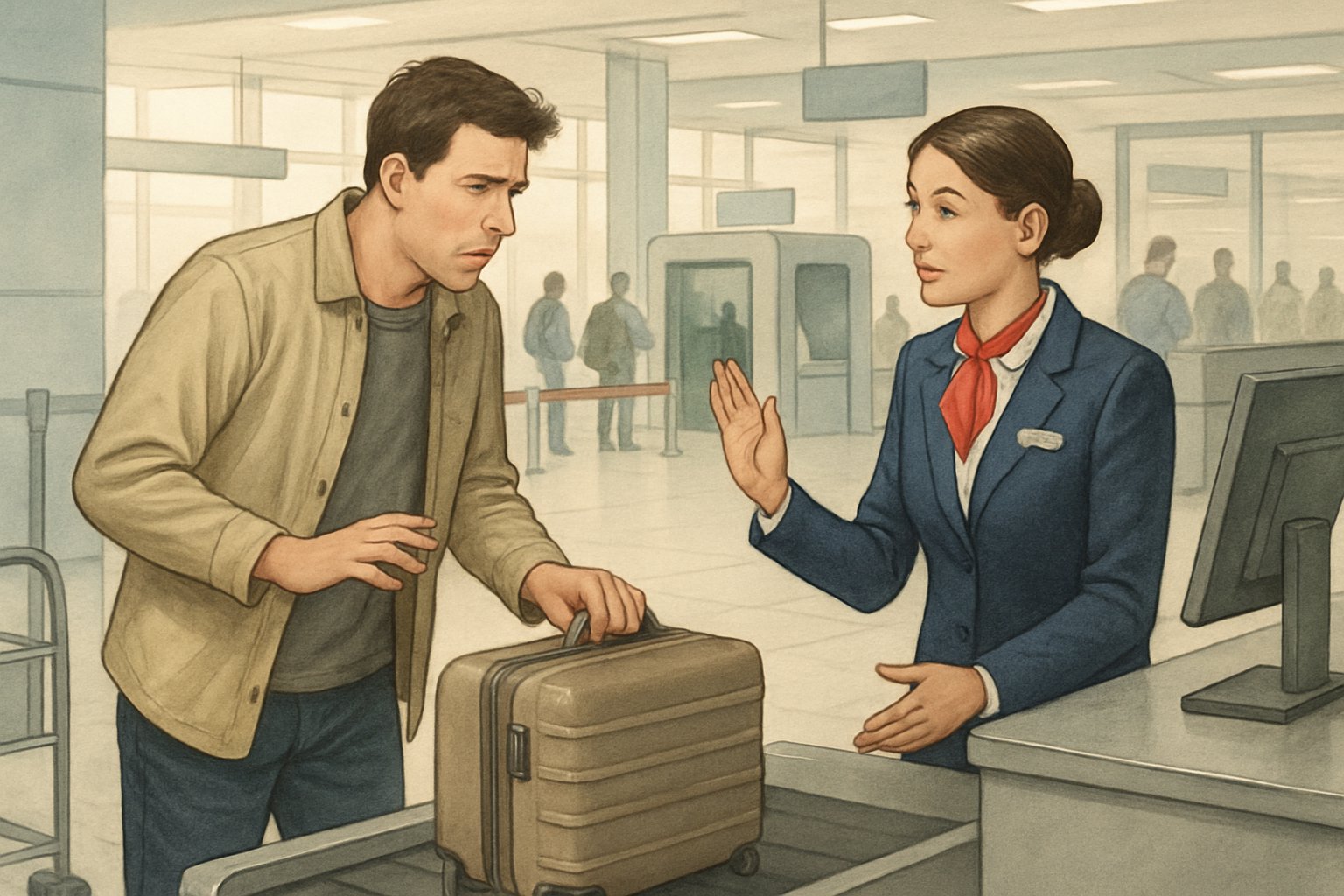
Knowing your legal rights and packing smart can help you avoid drama that leads to travel bans. A little preparation and compliance go a long way.
Knowing Your Rights in Advance
You’ve got specific rights during TSA screening, and it’s worth knowing them before you hit the checkpoint. Passengers have rights during airport security screening—like being treated with respect and dignity.
Key Rights:
- Ask for a private screening
- Have a companion present
- Keep your medical info private
- File a complaint if you’re mistreated
TSA isn’t allowed to conduct inappropriate searches or profile you. If you feel security goes too far, ask for a supervisor right away.
You can refuse some types of screening, but be aware: Refusing a baggage search might stop you from flying and could mean extra security measures.
Knowing these boundaries lets you handle things professionally and protects your rights.
Best Practices for Packing and Compliance
Packing right helps you avoid most security headaches. Even experienced travelers sometimes forget prohibited items, but a little prep helps.
Packing Tips:
- Double-check the TSA prohibited items list
- Use 3-1-1 compliant containers for liquids
- Keep electronics easy to reach
- Take out sharp objects before you go
If security finds something you shouldn’t have, stay calm and cooperative. Getting defensive just makes things worse.
If you fly often, consider TSA PreCheck. PreCheck passengers usually wait less than 10 minutes and deal with fewer hassles.
How you act matters as much as what you pack. Treating security staff with respect usually means a smoother experience and less chance of extra scrutiny.
Final Thoughts on Airline Policies and Bans
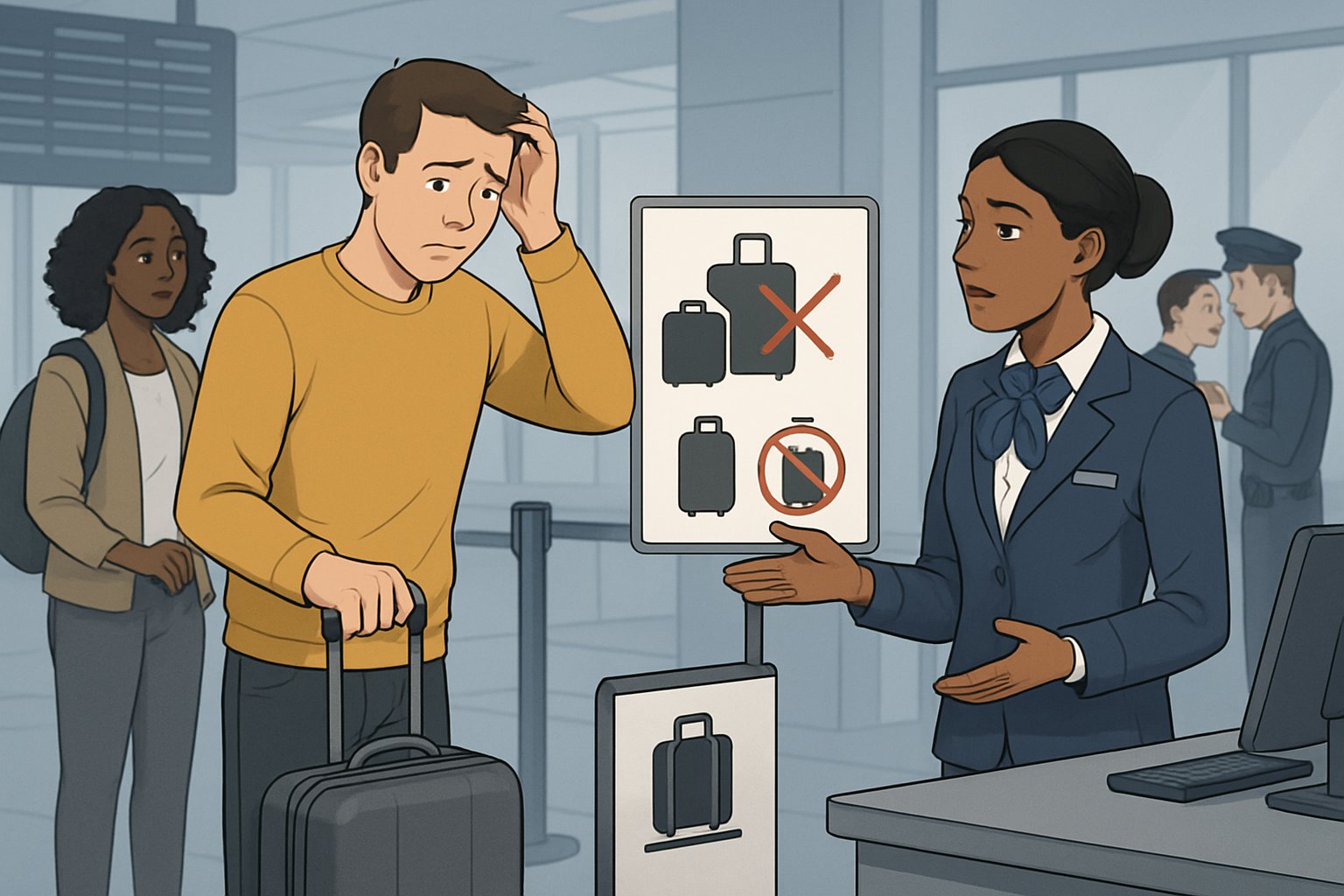
Airlines hold a surprising amount of power when it comes to passenger behavior and enforcing their own rules. What rights do airlines have to ban you goes way beyond company handbooks—federal aviation regulations play a big part, too.
If you refuse to check an oversized bag, you probably won’t end up blacklisted on the spot. But things can spiral if you get loud or start causing a scene.
A few things airlines actually look at:
- Severity of non-compliance – Are you just refusing, or making a fuss?
- Impact on operations – Holding up a flight? Annoying everyone else?
- Safety concerns – Oversized bags can block exits (not ideal).
- Previous incidents – If you’ve done this before, expect less patience.
Airlines have gotten noticeably stricter about baggage policies as overhead bin space shrinks. Airlines are cracking down on passengers who try to bring multiple personal items onboard, so it’s not the time to push your luck.
They don’t usually ban people over a single bag dispute, but your attitude during those tense moments? That can tip the scale. Sometimes it feels like being polite matters more than the actual rule you broke.
Want to avoid drama? Try this:
- Double-check size limits before you go
- Keep your cool if you get called out
- Listen to the crew, even if you disagree
- Save complaints for after the flight, through official channels
Honestly, airline staff deal with bag arguments all the time. If you just go along with it, you make their day easier—and you get to keep flying. Seems like a fair trade, right?
🔥 Would you like to save this?
Please note that some of the imagery in this article were created with the aid of AI image generators.