

🔥 Would you like to save this?
A man in the Frankfurt security line, sometime around 2019, dragged a carry-on stuffed so full the zipper had developed a small hernia. He had followed the rule: never check a bag. Then the gate agent checked it anyway because the overhead bins filled before his boarding group was called. He waited at baggage claim in Lisbon like everyone else, after spending the flight with a suitcase jammed beneath his knees for nothing.
Most travel rules came from somewhere—an airline’s fine print, a guidebook that stopped being updated, or one bad experience repeated until it hardened into gospel. Some were useful once. Some were never universally true.
Here are 30 travel rules experienced travelers have learned to question, along with the conditions that determine whether each one still deserves to survive.
30. “Never Check a Bag”

Here is the rule as it is usually delivered: serious travelers carry on. Checking a bag marks you as an amateur, wastes time at the carousel, and creates one more thing the airline can lose.
Carry-on-only travel can be brilliant for a short trip with frequent hotel changes. It is less brilliant when the bag is too heavy to lift safely, the liquids exceed carry-on limits, or the airline gate-checks it after the overhead bins fill. A forced gate check gives you the inconvenience of carrying the suitcase through the airport and the wait at baggage claim.
The better rule is to choose the bag for the trip. Carry on when mobility matters. Check a bag when the trip is long, the itinerary is simple, or the weight would make every staircase and overhead bin a negotiation. Keep medication, documents, valuables, and one change of clothes with you either way.
29. “Always Arrive Three Hours Early”

Three hours is a planning margin, not a law of nature. The time you need depends on the airport, airline, destination, departure period, whether you are checking luggage, and whether document checks are required.
A familiar airport on a quiet domestic morning with mobile check-in and no checked bag is different from an international departure during a holiday rush. Security may be quick while parking, bag-drop lines, terminal transfers, or passport checks are not.
Use the airline’s cutoff times as the hard boundary, then add a realistic cushion for the airport and day. Check current airport guidance and live conditions before leaving. The goal is not to arrive at the last possible second. It is to stop treating every flight as though it leaves from the most chaotic terminal on the busiest day of the year.
28. “Book Flights as Early as Possible”

Buying the moment a schedule opens can feel responsible, but the first price displayed is not automatically the lowest one. Airlines adjust fares repeatedly as demand, inventory, and competitor pricing change.
The useful booking window is a range, not a magic date. Ordinary trips often reward patience and fare alerts. Christmas, spring break, major festivals, scarce nonstop routes, and limited award seats may justify booking much earlier.
Set a fare alert for the route first. Decide what price would make you comfortable. Book when the fare and schedule meet your needs rather than waiting for a mythical perfect Tuesday. The true mistake is not buying too early or too late in the abstract. It is losing the flight you actually need while chasing a rule that cannot see your dates.
27. “Always Book Directly With the Airline”
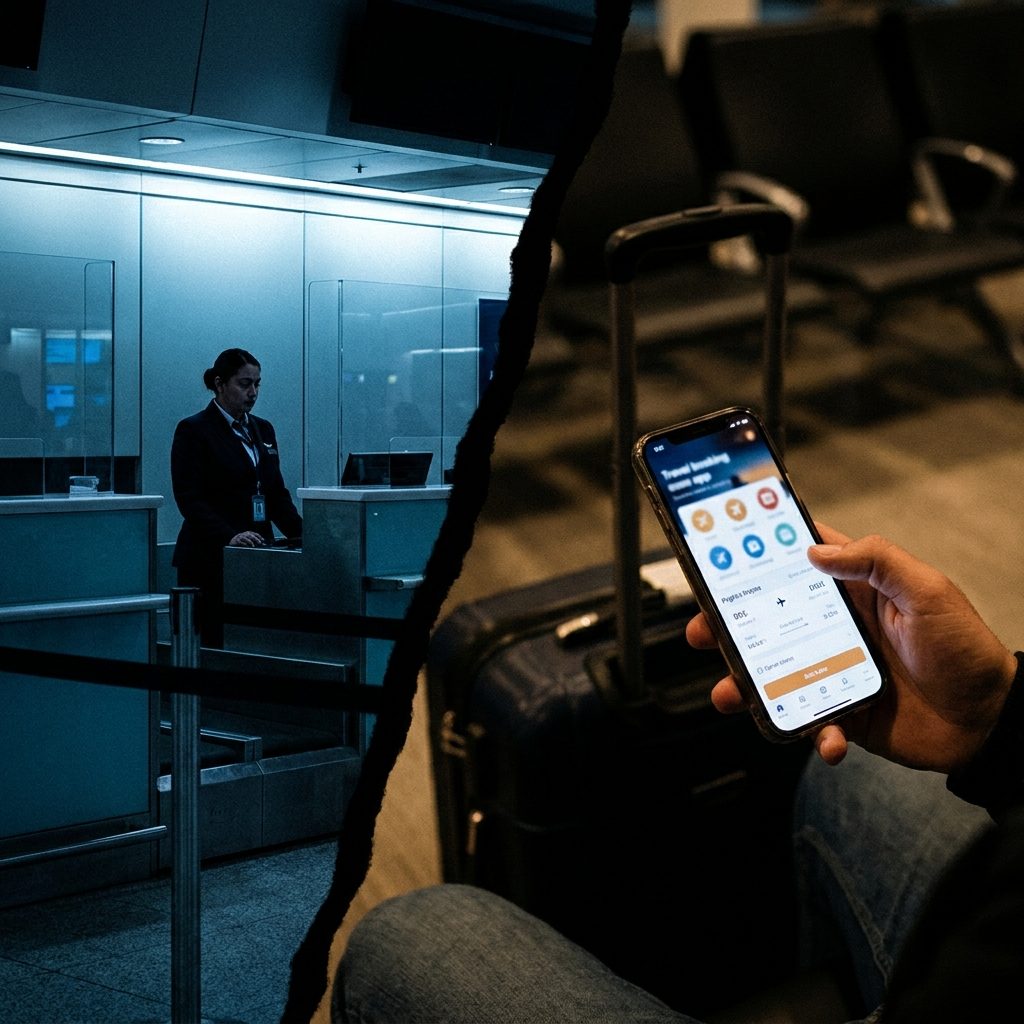
Booking directly usually gives you the cleanest chain of responsibility. When a schedule changes, a connection breaks, or a refund is due, the airline can deal with its own ticket without sending you back to an agency.
That does not make every reputable third-party booking a mistake. An agency may offer a package price, useful support, or a fare unavailable elsewhere. The tradeoff is that changes and cancellations may have to pass through the seller, and the seller’s terms can differ from the airline’s.
For qualifying U.S. bookings made directly with an airline at least seven days before departure, federal rules require the airline to offer either a 24-hour hold without payment or a 24-hour cancellation option. That protection does not automatically extend to tickets sold by third-party agencies.
Book direct when flexibility and uncomplicated help matter most. Use a reputable third party when the savings or package benefit is substantial, and read its cancellation rules before paying.
26. “Always Choose the Cheapest Flight”
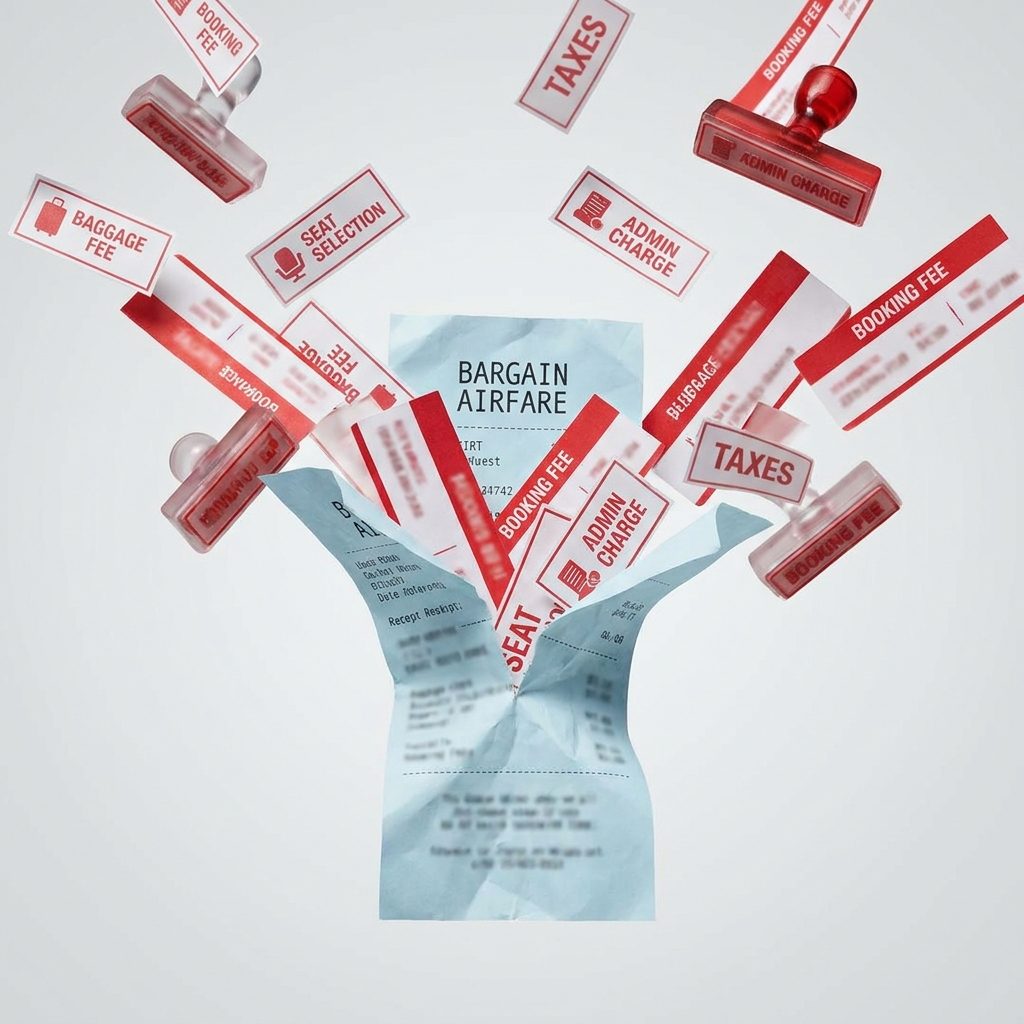
The smallest number on the search screen is not necessarily the cheapest trip. It may exclude the carry-on, checked bag, seat assignment, airport transfer, or connection time you would never willingly choose.
A low-cost flight to a distant airport can be a bargain when the train is fast and the schedule works. The same fare can become expensive when it lands after public transit stops and requires a long taxi ride. An overnight connection may add a hotel, meals, and a lost day.
Compare the complete trip: fare, luggage, seat, transportation to both airports, connection risk, and arrival time. The goal is not to avoid budget airlines. It is to make them compete on the amount you will actually spend.
25. “The Window Seat Is Always Best”
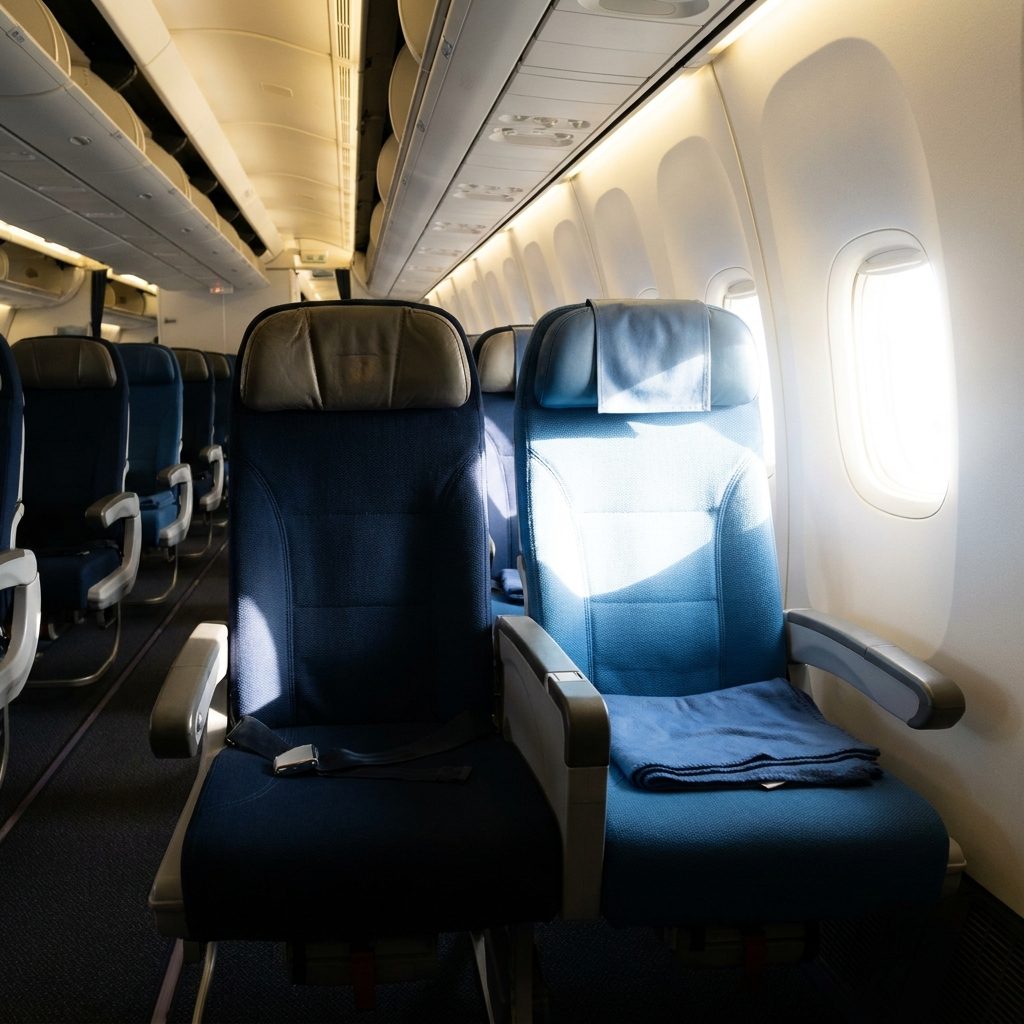
The window has the view and the wall to lean against. The aisle has access.
On a short flight, choose whichever makes you happiest. On a long flight, the aisle can make it easier to stand, walk, stretch, and reach the restroom without negotiating past sleeping strangers. Movement matters most for travelers with clotting risks or other medical concerns, but nobody benefits from remaining rigid for eight hours.
The window itself is not dangerous. The problem is the behavior it can encourage: staying seated because getting out feels inconvenient. Choose the window and move anyway, or choose the aisle because you know you will use the freedom.
The best seat is the one that fits the flight, your body, and what you are likely to do once the door closes.
24. “Always Pack Light”
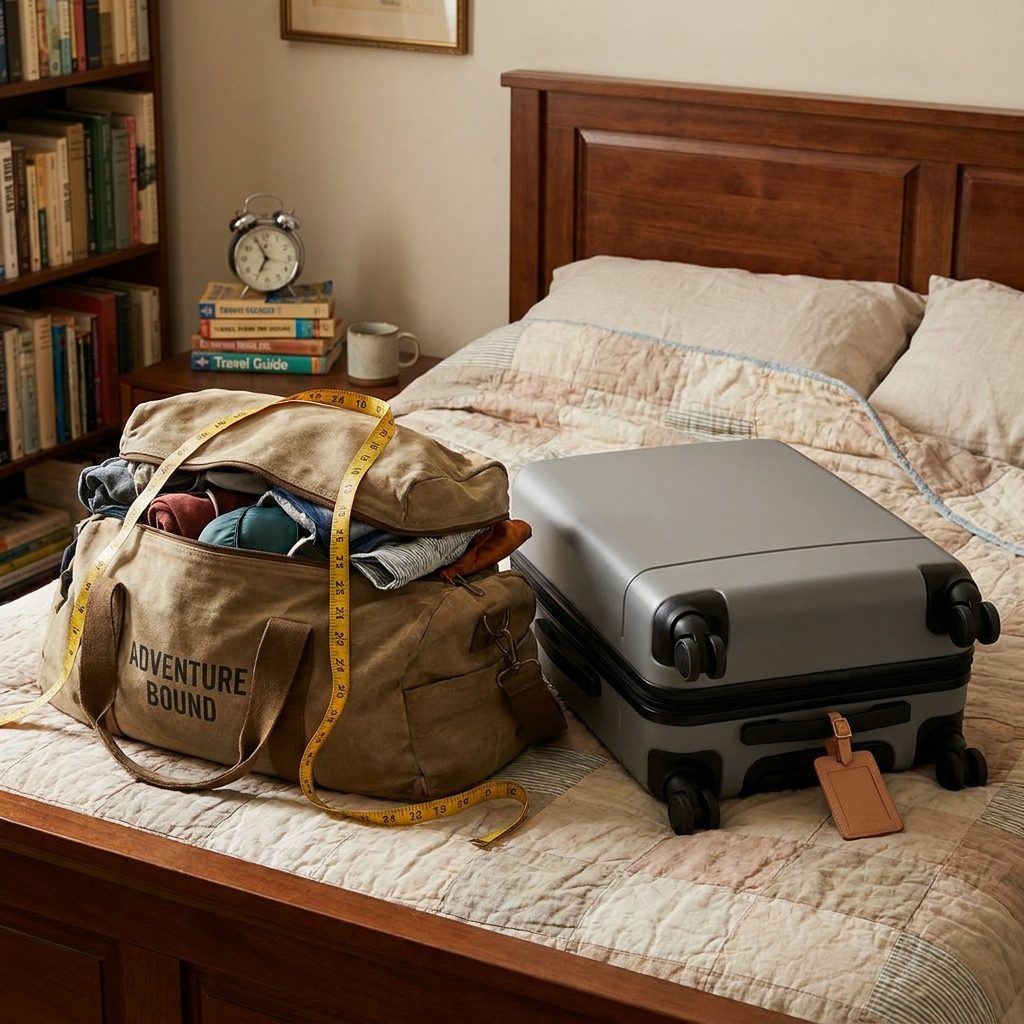
Packing light is useful until the pursuit of one perfect bag makes the trip harder. A compact load helps on stairs, trains, cobblestones, and frequent hotel changes. It does not require carrying more than you can comfortably lift.
A traveler staying in one hotel for ten days has different needs from someone changing towns every other night. Medication, supportive shoes, weather layers, and accessibility equipment are not packing failures. Neither is checking a suitcase to protect a sore back or shoulder.
On longer trips, packing roughly a week’s wardrobe and planning laundry often works better than packing for every day. Test the bag before leaving home. You should be able to lift it safely, move it without strain, and manage it during the most difficult transfer on the itinerary.
23. “Never Eat at the Airport”

Airport food used to mean a sealed sandwich, a roller-grill hot dog, and whatever could survive beneath fluorescent light. Many terminals now operate more like compact food halls, with local restaurants, regional specialties, and kitchens that serve more than emergency calories.
That does not mean every airport meal is good or reasonably priced. It means the old blanket rule no longer helps. Check the terminal map before leaving home. A long connection may contain a meal worth planning for, while a late-night arrival may leave only vending machines.
Eating before a flight can also be practical. It removes the gamble of delayed cabin service, a tight connection, or landing after restaurants close. The useful rule is not “never eat at the airport.” It is “know what will be open before hunger makes the decision for you.”
22. “Avoid All Airport Currency Exchange Counters”

Airport currency counters deserve their reputation for weak exchange rates, especially when a “zero commission” sign distracts from an expensive spread.
The mistake is turning that warning into fear of every financial service inside the terminal. A bank-owned ATM can be a reasonable way to obtain a modest amount of local cash, depending on the machine’s fee and your own bank’s charges. A card with no foreign transaction fee may be better for most purchases.
The important decision appears on the screen: when an ATM or card terminal offers to convert the charge into your home currency, decline and pay in the local currency. That offer—dynamic currency conversion—usually lets the machine or merchant set a less favorable rate.
Use the counter only for a small arrival exchange when no better option is available. The location is not the problem. The rate and fees are.
21. “Save Your Miles for the Perfect Redemption”

“Save the miles for something spectacular” sounds disciplined. It can also leave you holding a large balance after the airline raises award prices.
Airline miles are not savings. The program controls how many are issued, what a seat costs, and when those prices change. Award availability can vanish, and a redemption that once required one balance may later require far more.
That does not mean spending miles badly just to empty the account. Compare the cash price, the mileage price, taxes, cancellation terms, and what other trips the points could cover. Then use them when the redemption is genuinely useful instead of waiting for a perfect trip that may never open.
Miles are most valuable when they become travel, not when they sit in an app looking impressive.
20. “Only Stay in the City Center”

🔥 Would you like to save this?
A central hotel can save hours when the trip is short, transit is limited, or the sights you care about are concentrated in one district. It can also charge a large premium for an address you leave after breakfast.
Staying outside the center works best when the hotel sits near frequent, direct transit. Twenty minutes on one train is different from twenty minutes on a map followed by a bus, a transfer, and a long walk. Neighborhood restaurants and grocery stores may also lower daily costs.
Do not book “outside the center” as an ideology. Price the room, transit, late-night return, and time. The right location is the one that supports the way you will actually spend the trip.
19. “Never Travel During Peak Season”

Shoulder season can still deliver milder crowds and lower prices, but the label has become too popular to guarantee either. A famous destination in September may now be busier than a less fashionable place in July.
Peak season can also be the reason to go. Festivals occur on fixed dates. Mountain roads open in summer. Wildlife, weather, daylight, and local traditions do not rearrange themselves around a guidebook’s cheapest month.
Compare the exact destination and week rather than treating “peak” and “off-season” as universal price categories. A school-holiday week may be costly in one place and ordinary in another.
The point is not to seek crowds. It is to stop avoiding the best version of a destination merely because the calendar has labeled it popular.
18. “Always Wake Up Early to Sightsee”

Arriving when the doors open can be wonderful. So can arriving late enough that the morning groups have left.
The real strategy is not waking before dawn. It is visiting when the dominant crowd is elsewhere. Some attractions are quiet at first entry. Others thin out during the last admission period, lunchtime, rain, or an evening opening.
Check both the closing time and the last-entry time. A museum advertised as open until 9:45 p.m. may stop admitting visitors well before that, and individual galleries can close earlier.
Save sunrise for the place that genuinely rewards it. For everything else, consider the other edge of the day. You may see the same ceiling after a second coffee and enjoy it more.
17. “You Need a Packed Itinerary”
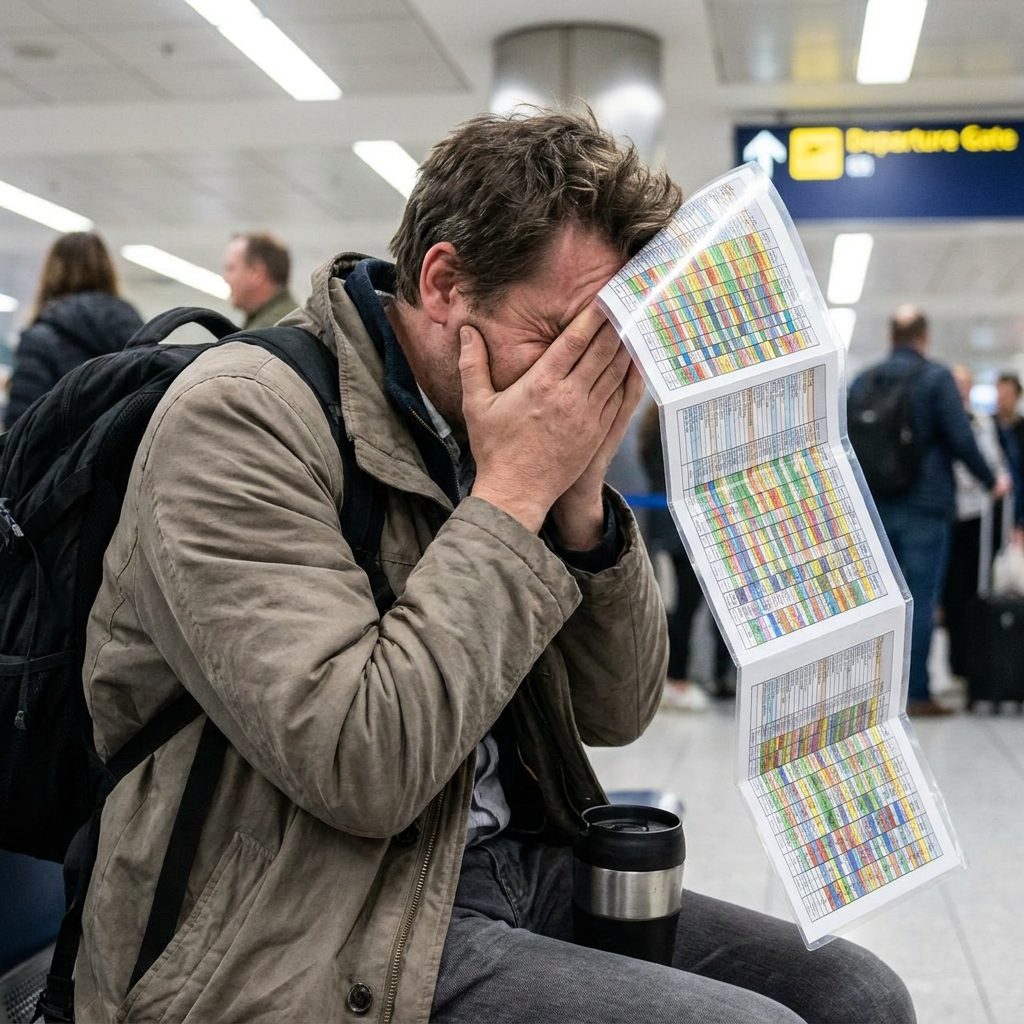
A packed itinerary can make an expensive trip feel protected. Every hour is assigned, every major sight is accounted for, and no day appears “wasted.”
Then one delayed lunch knocks over the afternoon. You hurry through the museum because a nonrefundable tour starts across town. By evening, the schedule has become the most memorable thing about the day.
Plan one or two anchors, especially reservations that genuinely sell out. Leave room around them for transit delays, weather, a longer meal, or the neighborhood you did not know you would like. Flexibility is not the absence of planning. It is space built into the plan.
16. “Never Be a Tourist”

Trying not to look like a tourist can become its own costume: no camera, no famous sights, no restaurant anyone has reviewed, and tremendous concern about ordering coffee correctly.
You are visiting. That makes you a tourist. The word does not require bad manners, incuriosity, or matching luggage.
See the landmark you care about. Skip the one you do not. Take the photograph, then put the phone down. Learn a few local phrases without pretending to be local. Spend money beyond the most crowded streets, but do not ignore a great museum merely because other visitors found it too.
The distinction that matters is not traveler versus tourist. It is attentive versus careless. A respectful tourist is better company than someone performing authenticity for an audience of one.
15. “Always Read Every Review Before Booking”

Reviews are useful until reading them becomes an attempt to remove every possibility of disappointment. No hotel can survive that standard.
Start with recent reviews because management, renovations, staffing, and neighborhoods change. Read the middle ratings for detail: comfortable bed, noisy street, good breakfast, small bathroom. Look for repeated complaints rather than one dramatic story.
Platform fraud and incentivized reviews exist, but the more common problem is interpretation. A one-star review about rain says little about the hotel. Ten recent comments mentioning mold or construction say plenty.
Read for patterns that matter to you, check the room type and date, then stop. Reviews should reduce uncertainty, not extend the booking process until every hotel appears contaminated by human experience.
14. “Never Rent a Car Abroad”

A rental car abroad can open villages, coast roads, trailheads, and rural hotels that public transit does not reach. It can also introduce restricted traffic zones, unfamiliar signs, parking rules, toll systems, and roads that make the train look inspired.
Requirements vary. Some destinations or rental companies require an International Driving Permit in addition to your license; others do not. Check the destination’s official guidance and the rental company’s terms before paying. Reserve an automatic early when availability is limited.
Choose the car for the itinerary, not for a fantasy of freedom. A vehicle is often a burden in dense historic cities and an advantage in the countryside. One practical pattern is to take the train into the city, rent a car for the rural portion, and return it before the final urban stay.
13. “Always Buy Travel Insurance”

Travel insurance is not one product. Trip cancellation, interruption, baggage delay, emergency medical treatment, and medical evacuation are separate protections with separate limits and exclusions.
A premium credit card may already cover parts of the trip when the required expenses are charged to it. That can prevent paying twice for certain cancellation, delay, rental-car, or baggage benefits. It does not automatically replace travel medical insurance, and card coverage varies widely.
Read the card’s guide to benefits, then identify the remaining risk. A refundable domestic weekend may need little additional protection. An expensive cruise, a remote itinerary, or international travel without adequate medical coverage may justify a comprehensive policy.
The correct rule is not always buy or never buy. It is know what you already have, what could realistically cost you, and which policy would actually pay in that situation.
12. “Avoid Street Food”
🔥 Would you like to save this?
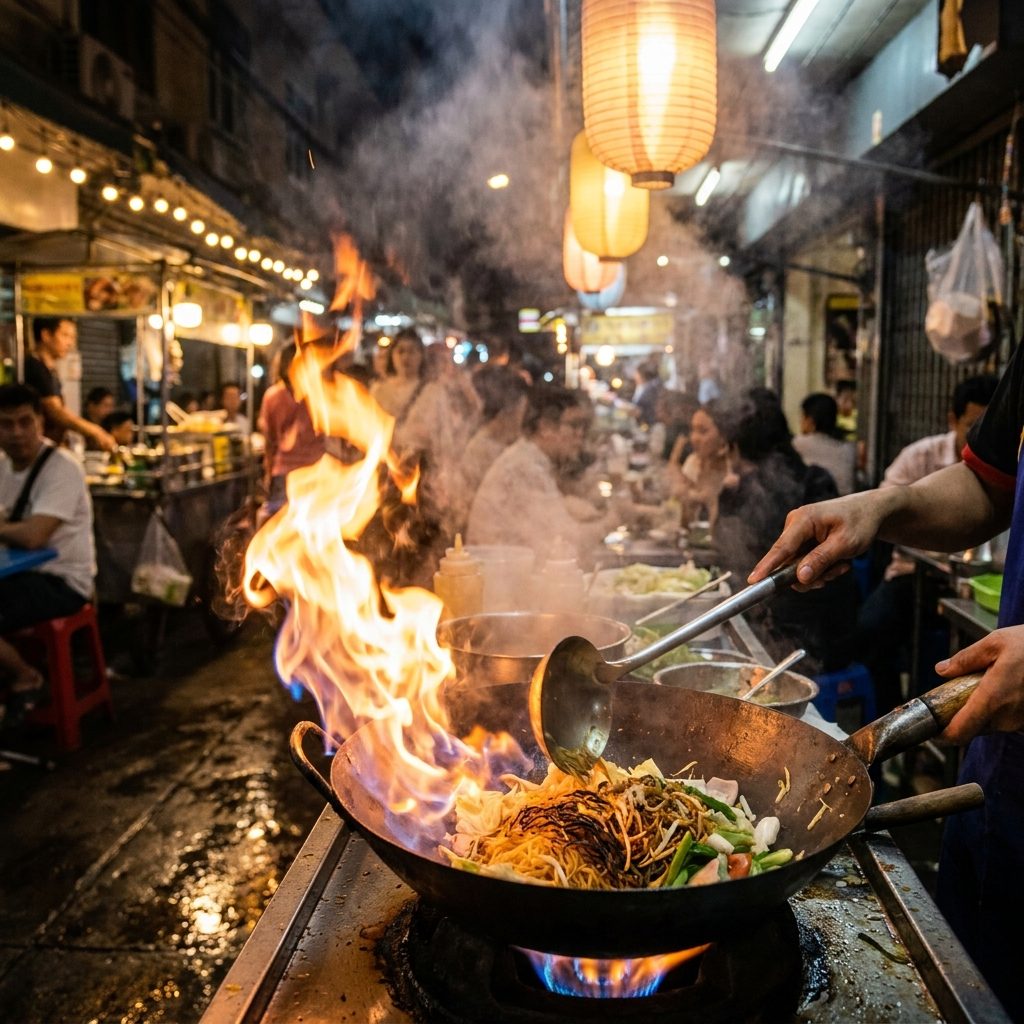
Street food is not one global safety category. A licensed food truck under municipal inspection and an informal stall with uncertain water and refrigeration are not interchangeable.
Still, tablecloths are not proof of safety. Busy vendors often have rapid turnover, visible cooking, and one specialty prepared repeatedly. Those are useful clues. They are not guarantees.
Watch whether food is cooked thoroughly and served hot, raw ingredients are handled separately, utensils and surfaces appear clean, and water or ice is safe for the destination. Be more cautious with food sitting at room temperature, raw shellfish, unpeeled produce, and sauces exposed for hours.
Follow the local crowd because turnover matters, then use your own eyes. The goal is not to avoid street food. It is to choose it with the same judgment you would use anywhere else.
11. “Always Carry Lots of Cash”

Traveler’s checks once solved a real problem: they could be replaced after loss and reduced the need to carry all of a trip’s cash. The product faded, but the instinct remained.
Today, a thick stack of currency creates its own risk. It can be lost, stolen, or exchanged at a poor rate before you know how much cash the destination actually requires.
Carry a modest reserve for tips, small businesses, transit, or the moment a card system fails. Keep the rest of your spending available through more than one card, stored separately, and use bank-owned ATMs when you need additional cash.
The rule is not cashless travel. It is avoiding a single point of failure. A little cash, two payment methods, and a backup stored apart are safer than putting the entire budget in one wallet.
10. “Always Exchange Money Before You Leave Home”

Buying a small amount of foreign currency before departure can be worth the premium when it reduces stress, especially if you arrive late or need cash immediately.
It is not automatically the best rate. Home banks, airport counters, and destination ATMs all apply different spreads and fees. The cheapest choice depends on your bank, card, destination, and withdrawal amount.
Compare the full cost rather than the comforting logo above the counter. At an ATM, use a bank-owned machine, review the fee before accepting, and decline conversion into your home currency.
The question is not how much cash to carry. It is whether paying a small convenience premium before departure will make arrival easier. Sometimes it will. Treat the extra cost as convenience, not financial wisdom.
A small arrival fund can buy peace of mind. Exchanging the entire trip budget before leaving usually buys far more currency risk than peace.
9. “You Must Visit Every Famous Landmark”

A landmark is famous because generations found something compelling there. Fame is a reason to investigate, not an obligation to stand in its longest line.
The Mona Lisa may be essential to one traveler and an exhausting crowd scene to another. The same museum contains rooms where the art is easier to see and the experience lasts longer than the photograph.
Choose the famous places that connect to your interests. Reserve ahead when necessary. Visit at a quieter time when possible. Then give yourself permission to walk past the attraction that appears on every list but means nothing to you.
The landmark is not the problem. The checklist is. A trip becomes yours when fame stops making every decision.
8. “Always Upgrade to Priority Boarding”
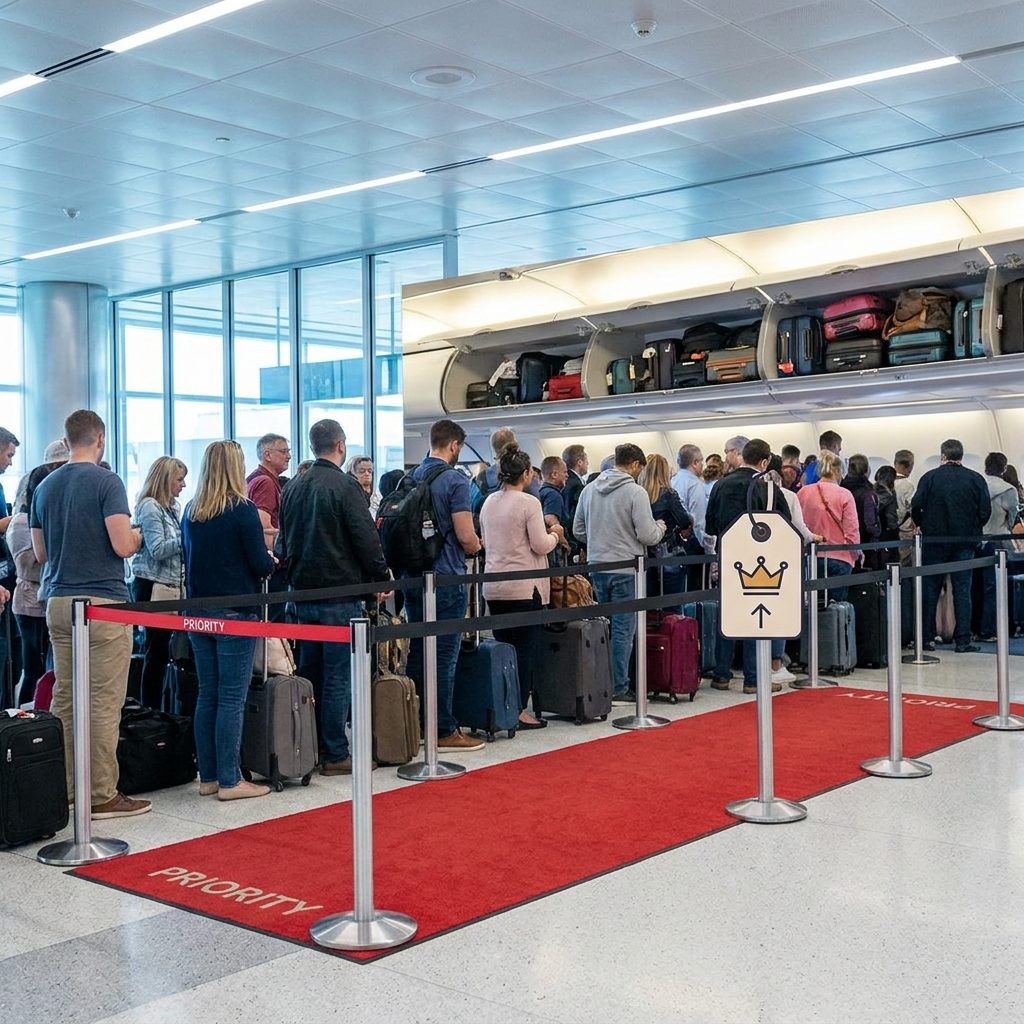
Priority boarding solves one specific problem well: it improves the odds that a full-size carry-on will find overhead space on a crowded flight.
It does not make the airplane leave earlier, improve the seat, or shorten the time spent onboard. On many airlines, paid priority still follows preboarding, premium cabins, elite members, and other groups. What the fee buys depends entirely on the boarding system.
Pay when overhead space is crucial, the flight is likely to be full, and a gate check would create a real inconvenience. Skip it when checking a bag, carrying only a personal item, or preferring to spend another twenty minutes in the terminal.
7. “Never Take a Taxi From the Airport”
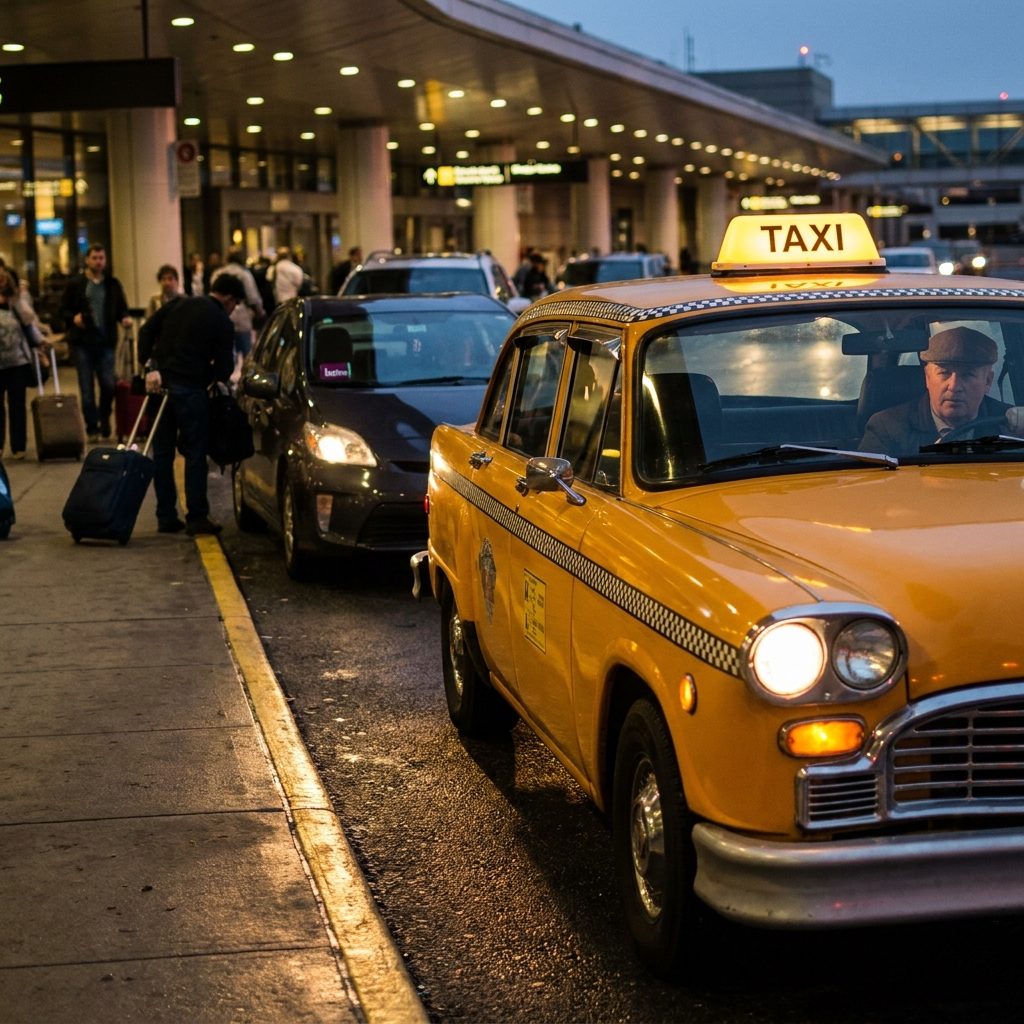
The old taxi-versus-rideshare argument assumes one side is always cheaper. Airport ground transportation changes by city, hour, weather, queue, and local regulation.
Rideshare can win during ordinary periods. Surge pricing can reverse the comparison after a late arrival, storm, concert, or major convention. Some airports also send rideshare passengers to remote pickup lots while taxis remain at the terminal curb.
Taxis do not all operate under one universal system. Flat fares, meters, night tariffs, airport surcharges, tolls, and congestion fees vary. Check the official airport transportation page, then compare the posted taxi price with the live app quote before committing.
The smart move is not loyalty. It is thirty seconds of arithmetic while both options are still available.
6. “Always Book the Cheapest Hotel”

The cheapest hotel can be the best hotel for the trip. It can also hide its real price in transportation, resort fees, breakfast, parking, and time.
A room outside the center works when frequent direct transit is nearby. A room that requires two rideshares a day can erase the nightly saving before the second morning. The same logic applies to airport hotels, suburban properties, and resorts that isolate guests from affordable food.
Compare the realistic stay: room, mandatory fees, taxes, transportation, parking, meals, and the hours spent getting where you want to go. Then decide whether the convenience premium is worth paying.
Staying outside the center works when the location remains connected. Isolation is a different bargain entirely. One train stop out can be excellent. Forty minutes from everything with no evening transit is a different purchase.
5. “Never Sleep on the Plane”
“Stay awake so you land on local time” is incomplete advice. The useful question is whether sleep on the flight supports the schedule at the destination.
On an overnight eastbound flight that lands in the morning, sleeping in the air may help you function through the first day. On a daytime flight arriving in the evening, a long nap can make local bedtime harder. Eastward travel is often more difficult because the body must advance its clock.
Alcohol may make you drowsy but can fragment sleep and worsen dehydration. Late caffeine can work against the rest you were trying to protect.
Match sleep, light, meals, and caffeine to the destination schedule as early as practical. The rule is not never sleep. It is sleep at the time that helps your body understand where morning is.
4. “Always Keep Your Passport on You”

A passport is both identification and the document that gets you across borders. Carrying it constantly increases exposure to loss and theft, but leaving it behind is not always lawful or practical.
Requirements vary by country. Some destinations expect visitors to carry original identification, while others allow a copy for routine outings. Check official destination guidance rather than relying on one universal hotel-safe rule.
When the original is not needed, secure it in a reliable hotel safe or another protected location and carry a copy. Keep a digital copy accessible separately. When the original must be carried, use a secure internal pocket or concealed pouch and avoid storing the entire group’s passports in one bag.
The safest place is determined by local law, the day’s activity, and the quality of the storage—not by a slogan.
3. “You Should Always Travel With a Companion”

Traveling with someone can split room costs, provide practical help, and make shared memories possible. It can also turn a long-awaited trip into a negotiation over every meal, morning, and museum.
Solo travelers often face single supplements because rooms and cabins are priced for double occupancy. More tour and cruise operators now offer single rooms, reduced supplements, or departures with no supplement, but the terms vary.
Search specifically for solo inventory and compare the total, not the headline fare. A roommate match may save money but introduces a stranger into the most private part of the trip. Decide whether that compromise is worth it.
Companionship should be chosen because it improves the journey, not because the booking engine assumes two people. You do not need a travel partner. You need an itinerary, lodging, and safety plan designed for one person.
2. “Always Chase Travel Reward Points”

Reward programs are useful when they reduce the cost of travel you would have taken anyway. They become expensive when earning points persuades you to choose a worse schedule, higher fare, or inconvenient airline.
Airline programs can change award prices, partner rates, expiration rules, and availability. A large balance in one program is therefore less flexible than cash or transferable points that can move among several partners.
Separate earning from loyalty. Compare the cash fare first. Consider the points you will earn only after the schedule and price make sense. Never buy miles speculatively without a near-term redemption whose value you have checked.
Spending an existing balance and changing future travel merely to earn more are separate decisions. The first can be sensible. The second often is not.
1. “Never Change Your Plans”

An itinerary is a plan made with incomplete information. Weather changes. Attractions close. A neighborhood turns out to deserve another day. Exhaustion arrives earlier than expected.
Flexibility begins before departure. Favor hotel rates with sensible cancellation deadlines when the price difference is small. Know which tours are refundable, which tickets can be changed, and which deposits are truly lost. Airline tickets, hotels, and tours all have different change windows, so record those deadlines when you book.
After the free windows close, changing plans can cost money. So can protecting a bad plan because it has already cost money. Compare the change fee or lost deposit with the value of the remaining trip.
Plans are not promises to your past self. They are tools for the traveler who actually arrives. Keep the parts that still work. Change the ones that do not.
🔥 Would you like to save this?
Please note that some of the imagery in this article were created with the aid of AI image generators.