
🔥 Would you like to save this?
A bottle of cold medicine tucked in a toiletry bag has gotten more than one American detained at a Tokyo airport. Not drugs. Not contraband in any sense back home — just the same decongestant sitting in half the medicine cabinets in Ohio. The gap between what feels normal and what counts as legal somewhere else is enormous, and it almost never announces itself at the border. What follows is the fine print nobody reads until it costs a flight, a fine, or a very long conversation with someone in a uniform.
38. Japan Restricts Common American Stimulant and Decongestant Medications
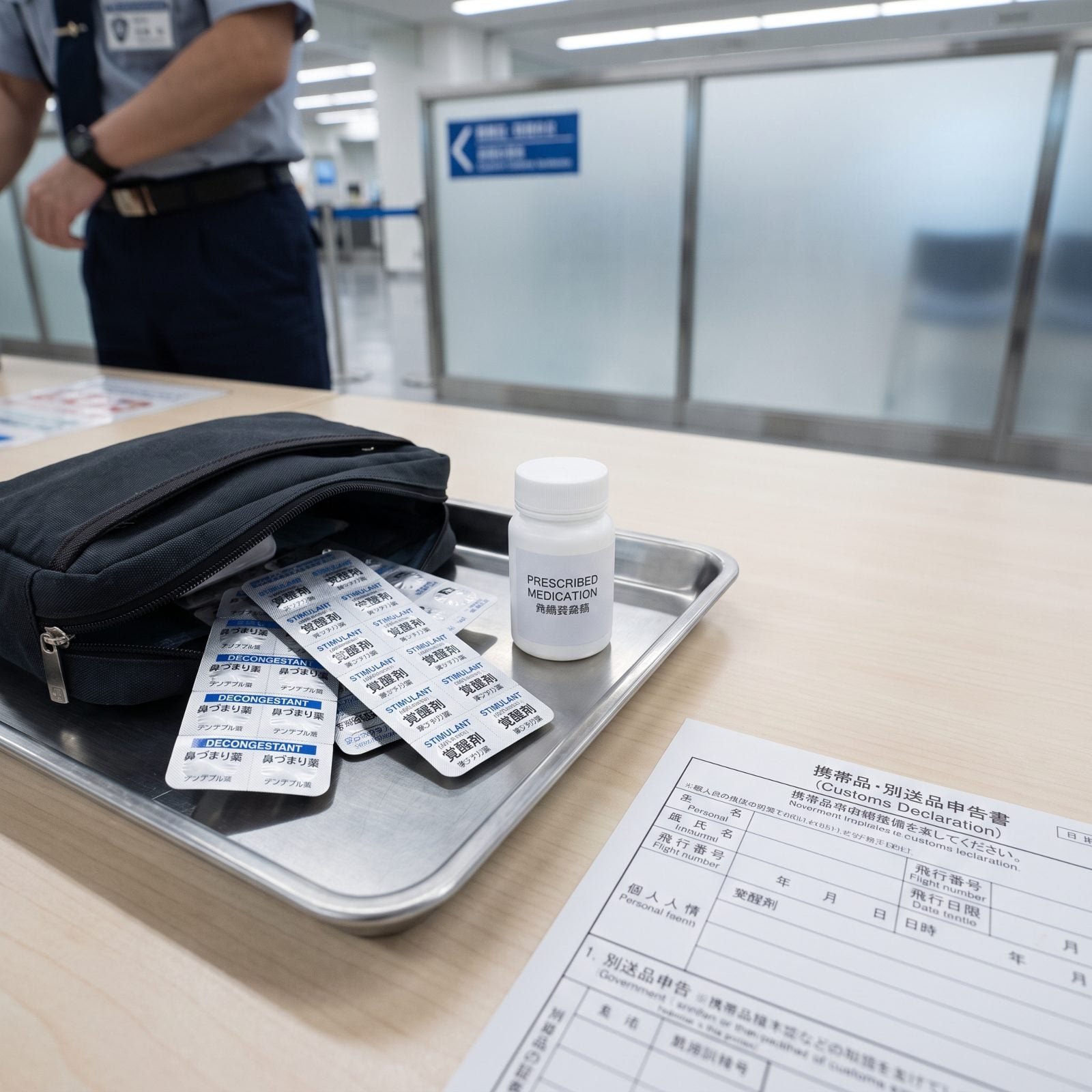
Pseudoephedrine, the active ingredient in plenty of American cold and allergy medicine, is heavily controlled in Japan. So are certain prescription stimulants used for ADHD. Bring them in without the right paperwork — or sometimes at all — and you’re looking at confiscation at best and a very bad day at worst.
The frustrating part is how ordinary these drugs feel. You grab them off a shelf back home without a thought, and Japan draws its line somewhere most travelers have never had to think about.
37. A Past DUI Can Make an American Inadmissible to Canada
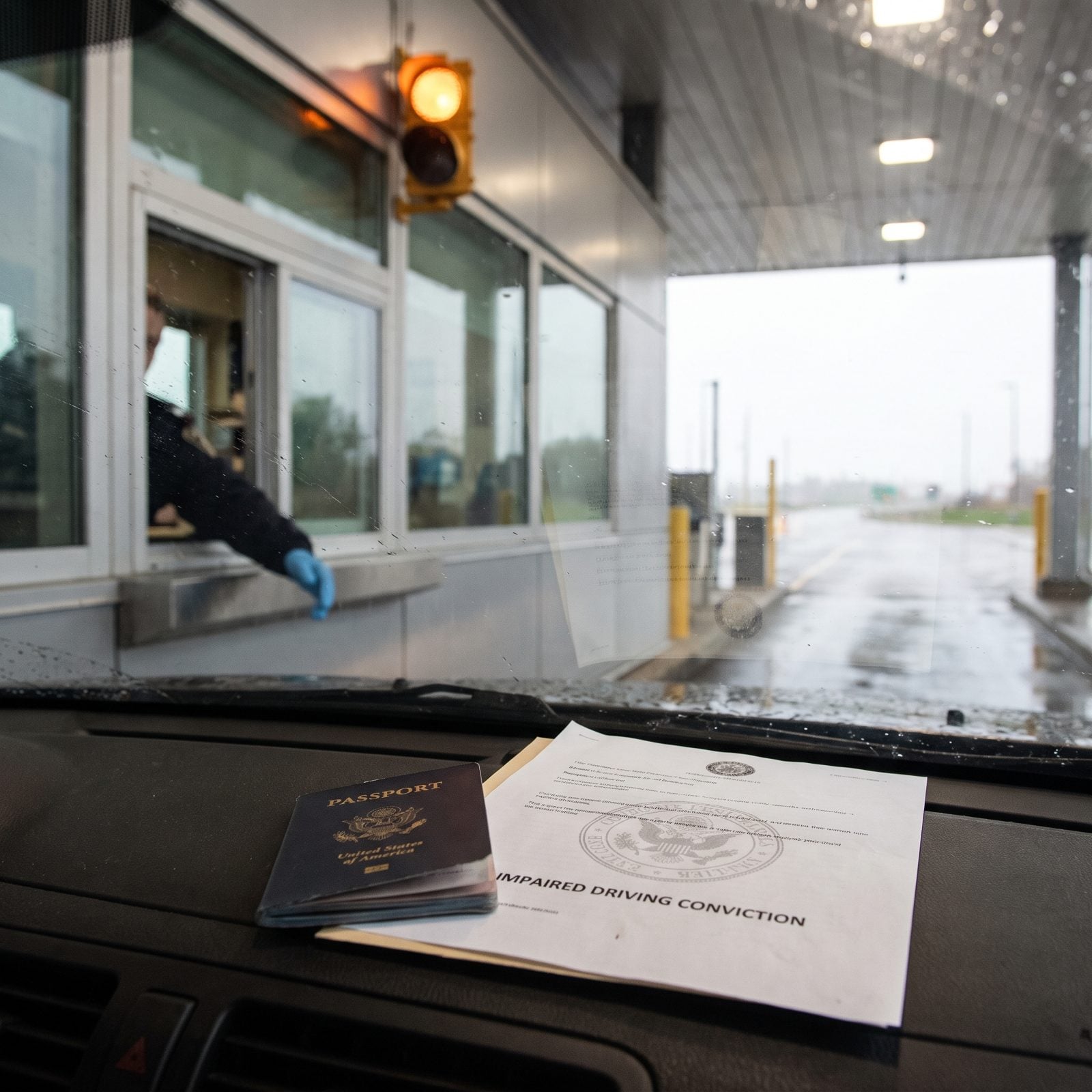
Canada treats impaired driving as a serious criminal offense, and a DUI on an American record can get you turned away at the border years after the fact. The conviction doesn’t have to be recent. It doesn’t have to have involved an accident. It just has to be there.
There are ways around it — deemed rehabilitation once enough time has passed, or a temporary resident permit arranged in advance. But showing up and hoping the officer waves you through? That’s not a plan.
36. Germany Can Fine Travelers for Insulting Gestures
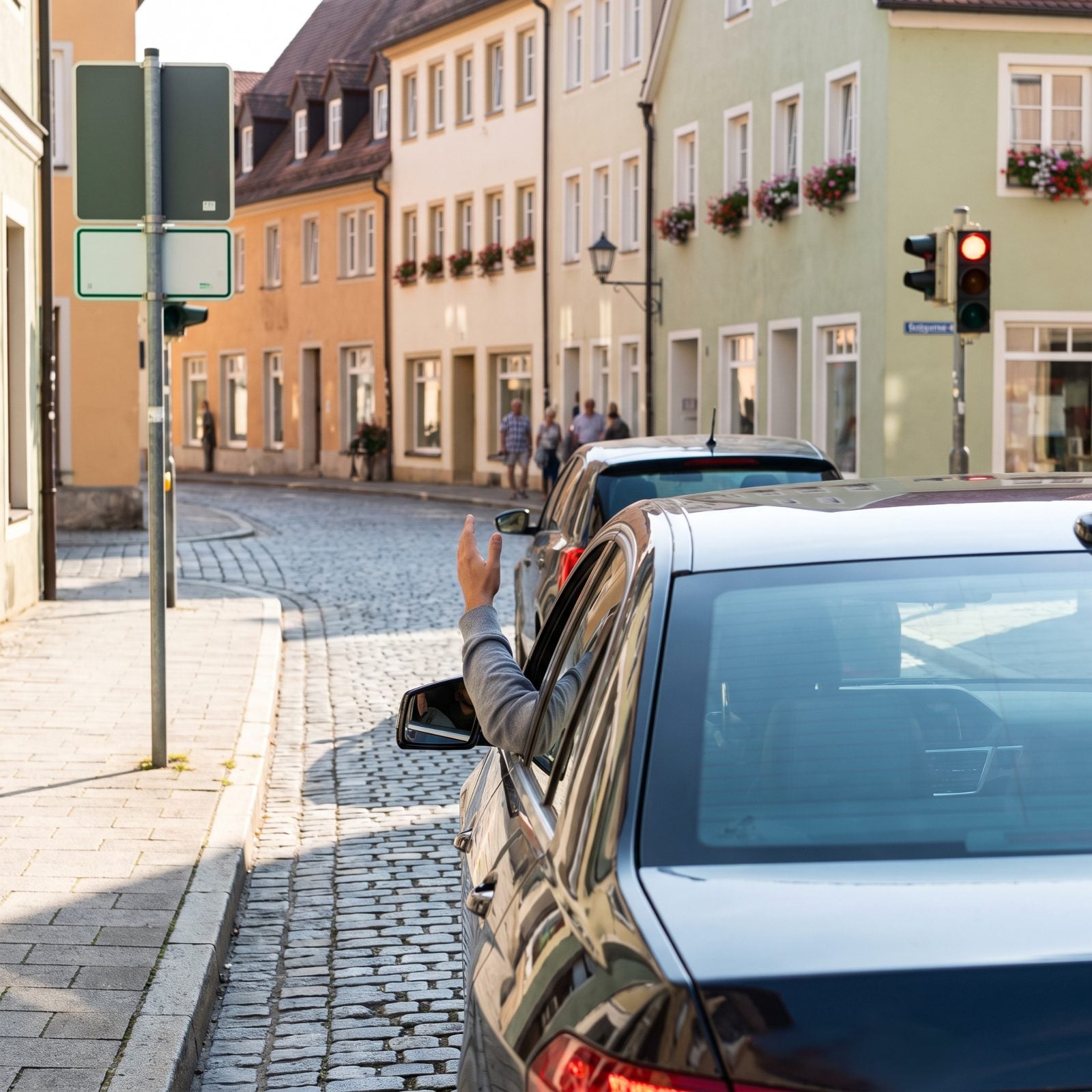
Flipping someone off in Germany can carry a real fine, and so can certain insulting words and gestures aimed at police. The country treats personal insult, Beleidigung, as a punishable offense, and traffic disputes are one of the most common places it surfaces.
Who thinks of road rage as a legal category? But a frustrated gesture at another driver — the kind that barely registers back home — can end with a ticket if the wrong person catches it. Keep your hands on the wheel and your opinions to yourself.
35. The UAE Treats Unapproved Photos of People as a Privacy Violation
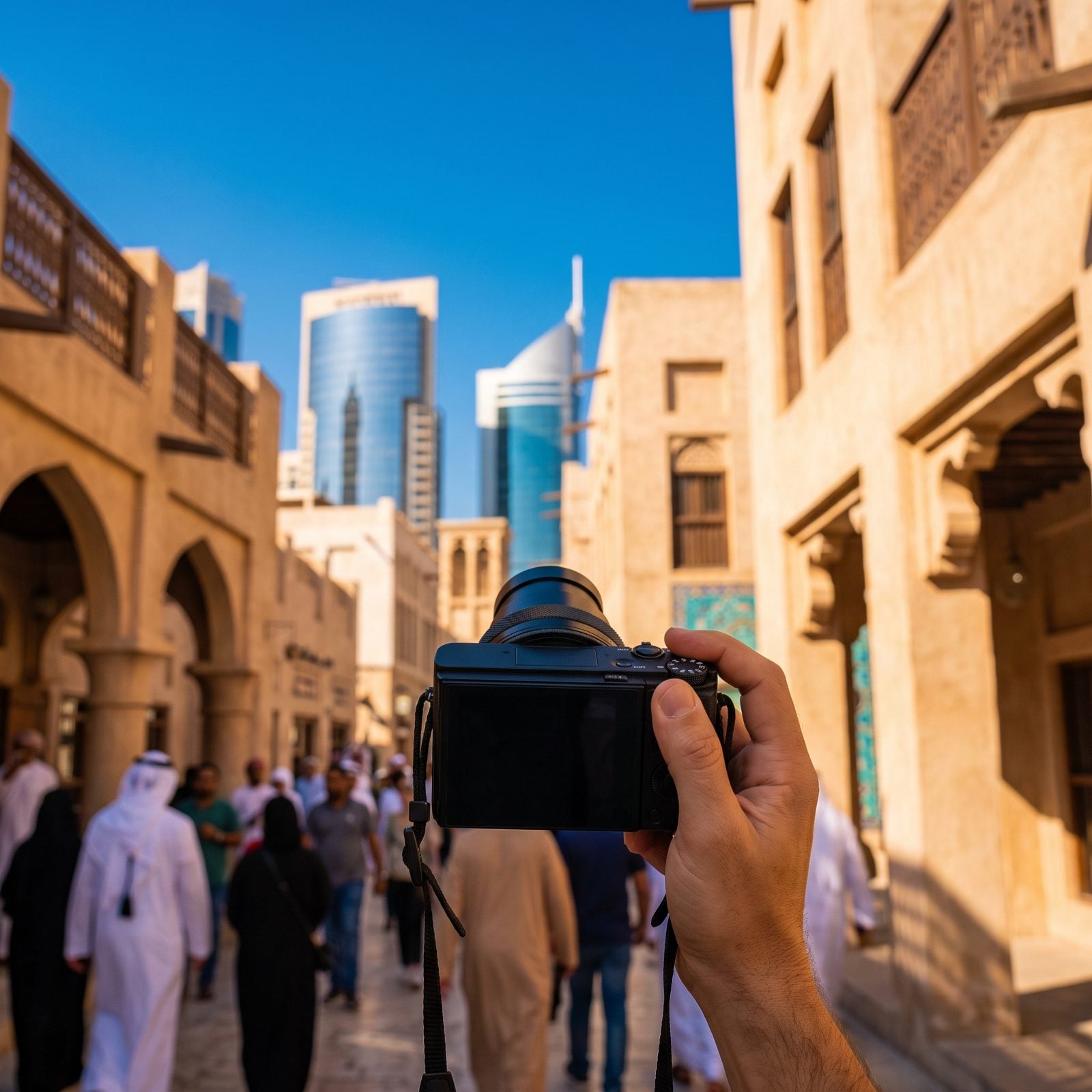
Snapping a candid photo of a stranger is pure instinct for most travelers. In the UAE, photographing people without their consent can land you in genuine legal trouble under privacy and cybercrime laws, especially once the image hits social media.
Government buildings, military sites, and even some infrastructure are off limits to your lens too. And the penalties aren’t theoretical — people have faced fines and worse over a photo they assumed was harmless.
34. Finland Can Tie Certain Speeding Fines to the Driver’s Income
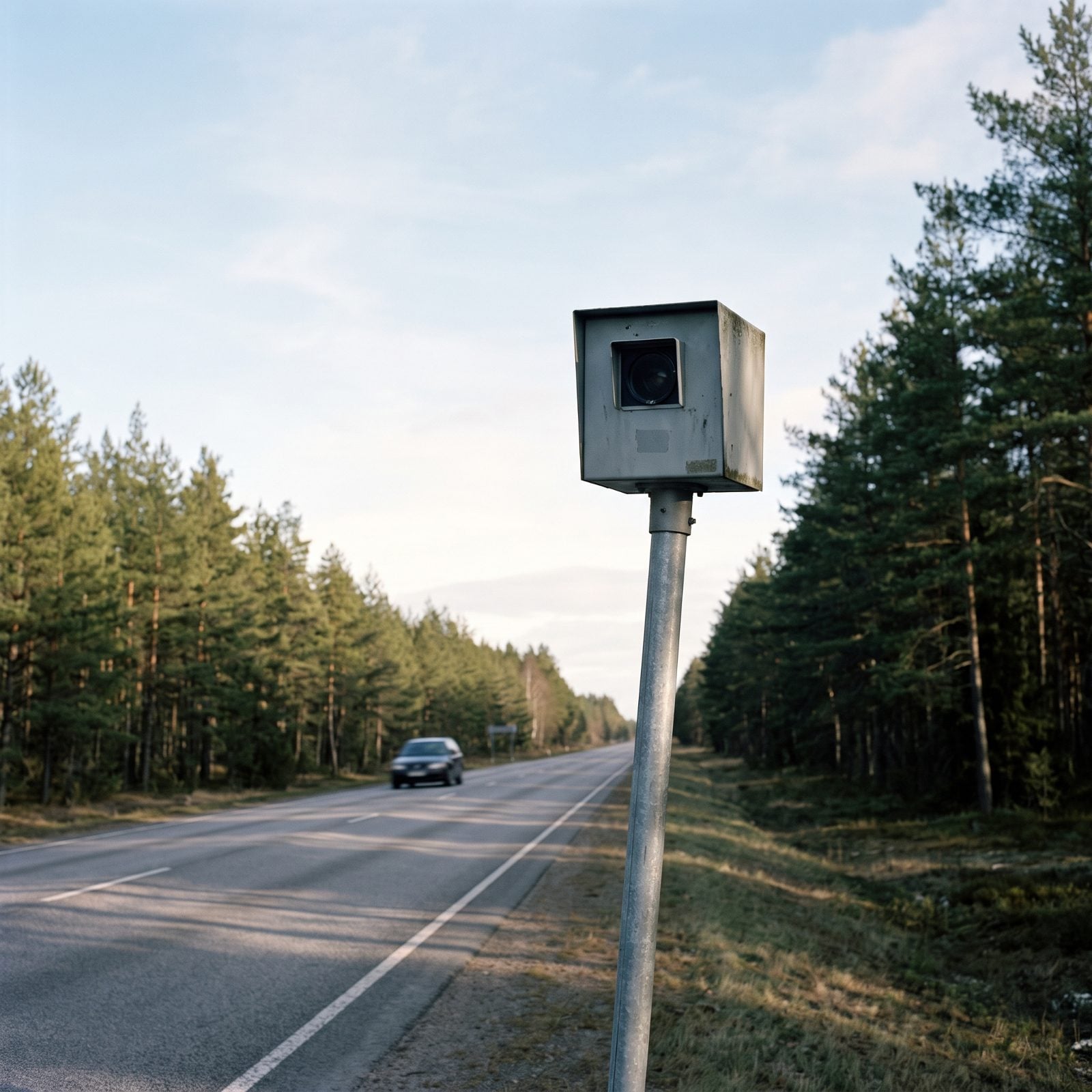
Finland scales some traffic fines to how much the offender earns. They call it a day fine, and the logic is plain enough: a flat penalty barely dents a wealthy driver while it crushes a poor one, so the amount moves with the income instead.
This has produced some truly eye-watering tickets for high earners caught speeding. Most tourists will never come close to those numbers, but the principle is a good reminder — the sticker price of breaking a rule is not the same everywhere you go.
33. Germany Can Penalize Drivers Who Run Out of Fuel on the Autobahn
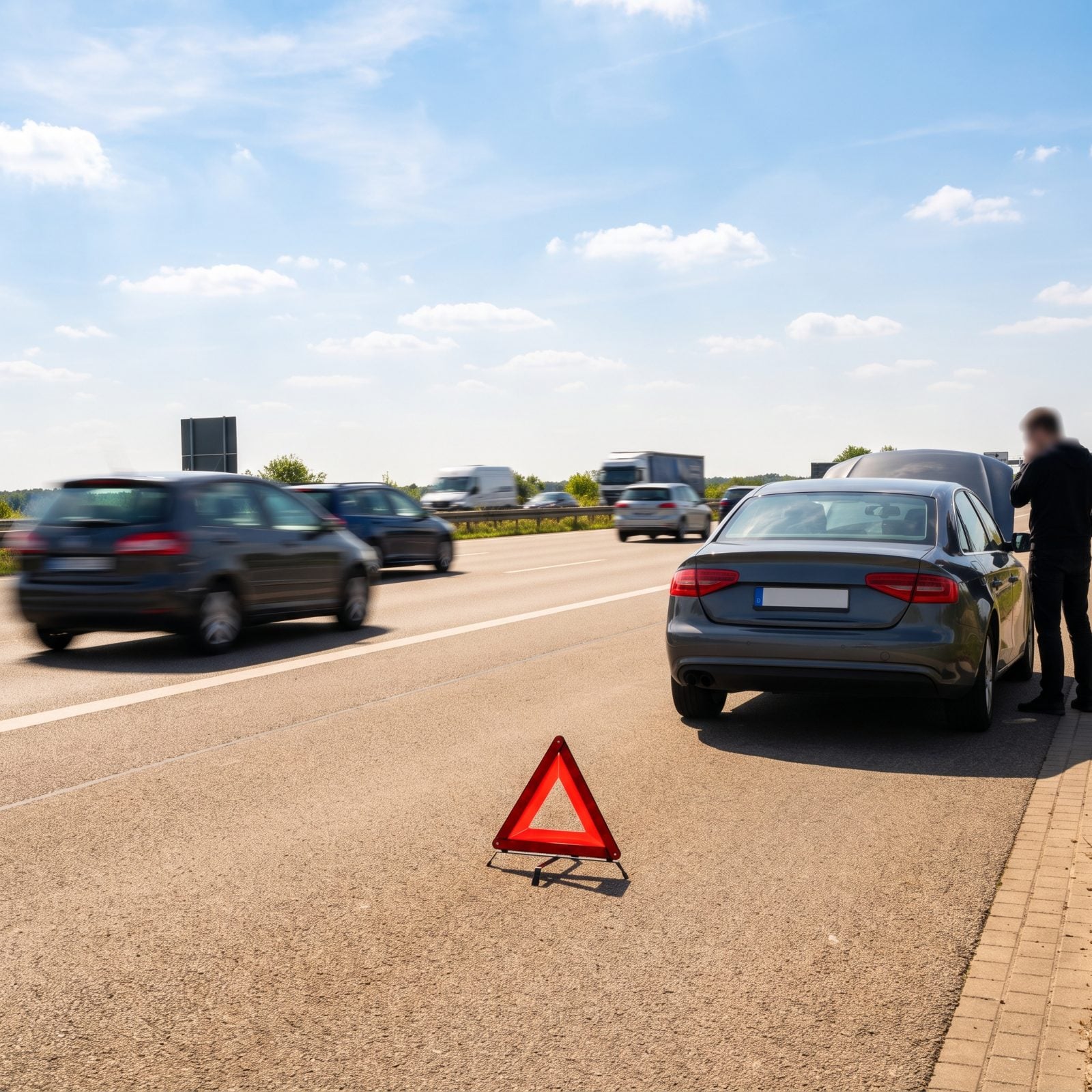
Stopping on the autobahn for anything short of a genuine emergency is treated as illegal, and running out of fuel counts as avoidable. The reasoning: an empty tank is the driver’s own negligence, and a stalled car on a road with no speed limit is a serious hazard to everyone behind it.
The penalties themselves are modest. The deeper lesson is the one that sticks. On a road where traffic can come up behind you at 240 kilometers an hour, the law assumes you planned ahead, and Americans used to pulling over whenever the mood strikes tend to badly underestimate that.
32. Greece Bans High Heels at Some Ancient Monuments
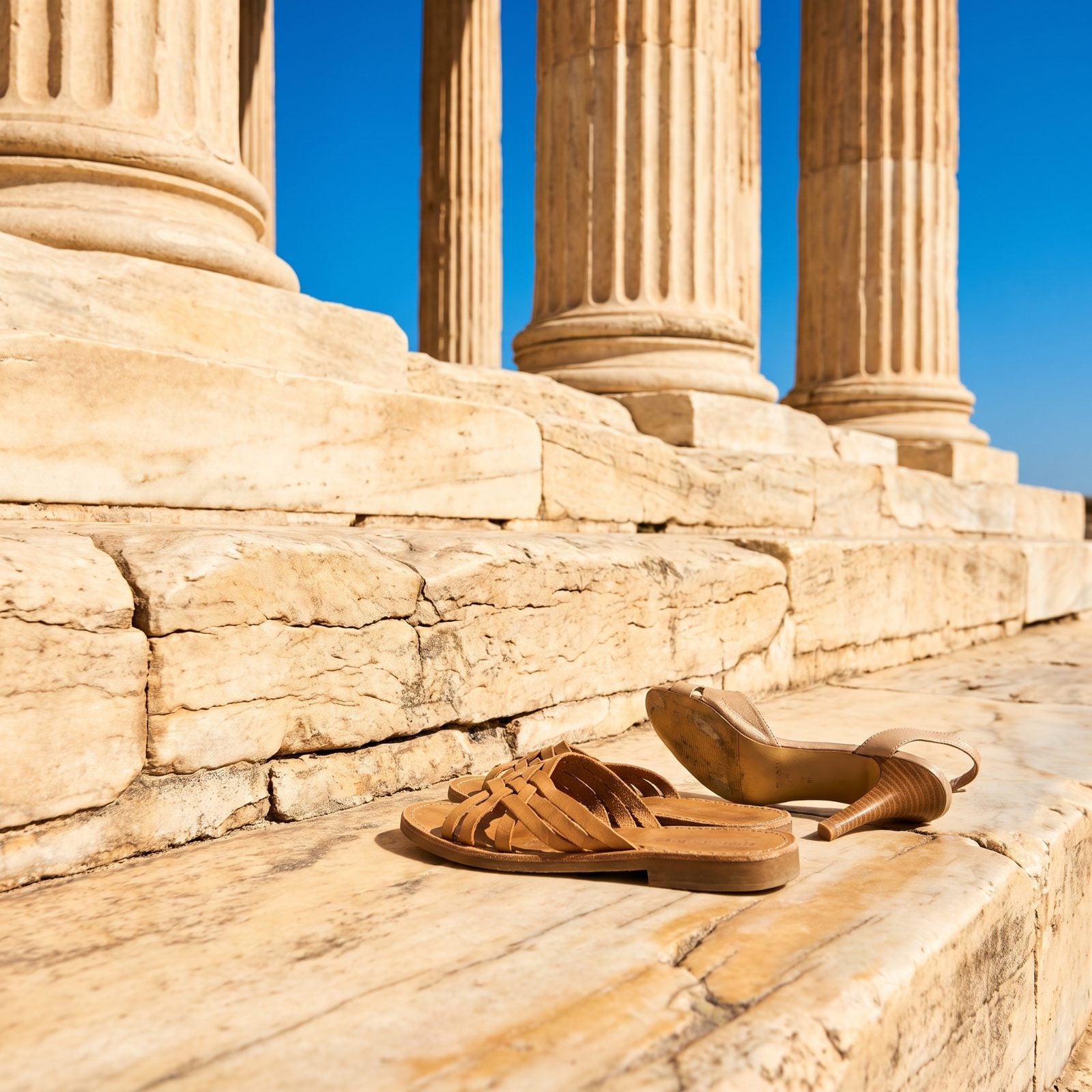
Stiletto heels have been barred at the Acropolis and other Greek archaeological sites since 2009. The reason is physical. Sharp heels punch into ancient stone and marble, and across thousands of visitors that tiny damage adds up to permanent, irreversible harm.
It catches people out because these are exactly the places you want a good photo. Flat shoes here aren’t a style suggestion — they’re the condition of admission, and the guards absolutely do enforce it.
31. France’s Public Pools Often Require Form-Fitting Swimwear
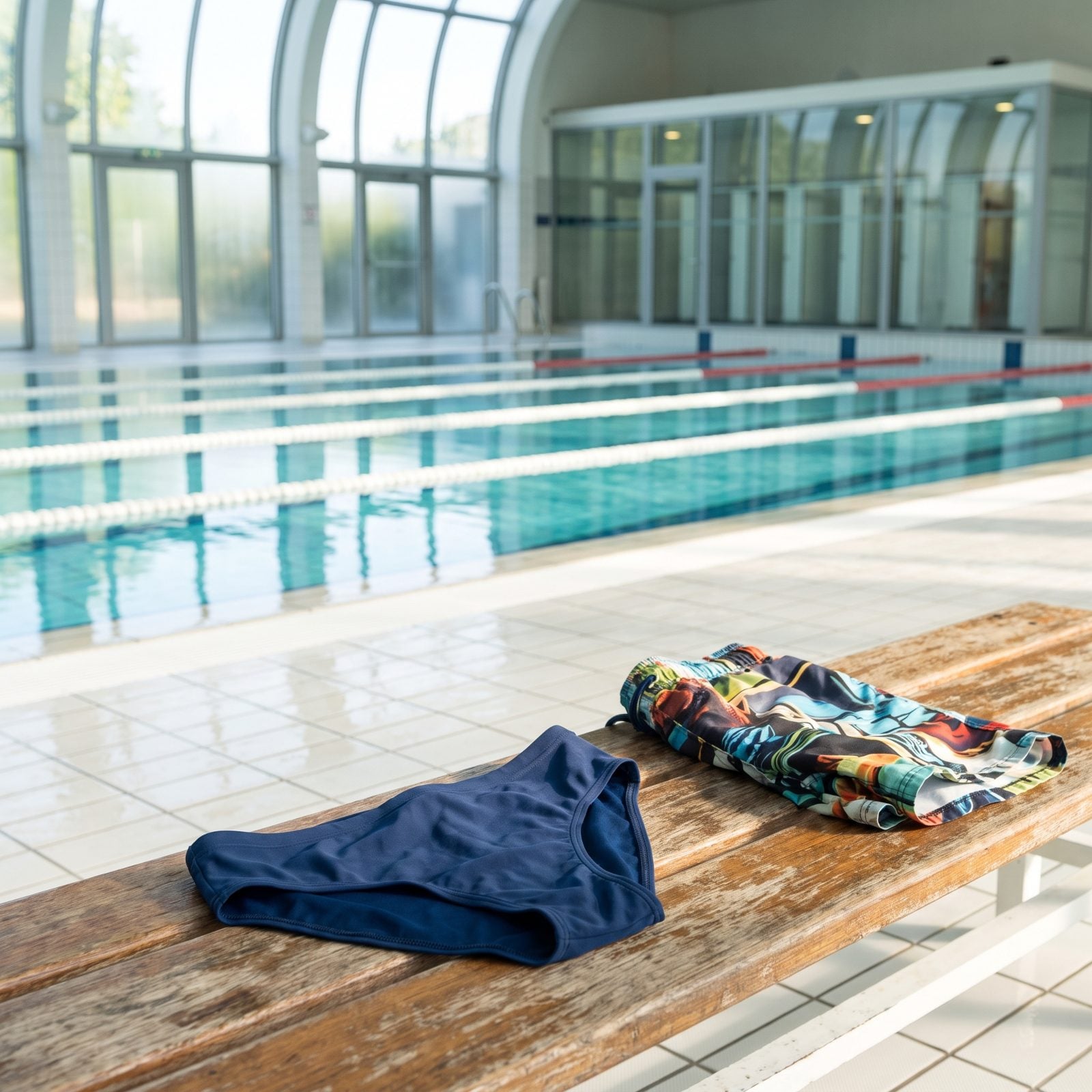
Many public pools in France ban loose swim trunks and board shorts for men, demanding snug briefs or fitted trunks instead. The stated reason is hygiene — the theory being that baggy shorts double as everyday wear and carry more dirt into the water.
American men who turn up in standard board shorts get stopped at the entrance, usually to their complete bafflement. Some pools sell or rent the approved style right there on site, which spares you the trip back to the hotel but definitely not the surprise.
30. Italy’s ZTL Cameras Automatically Catch Unauthorized Drivers
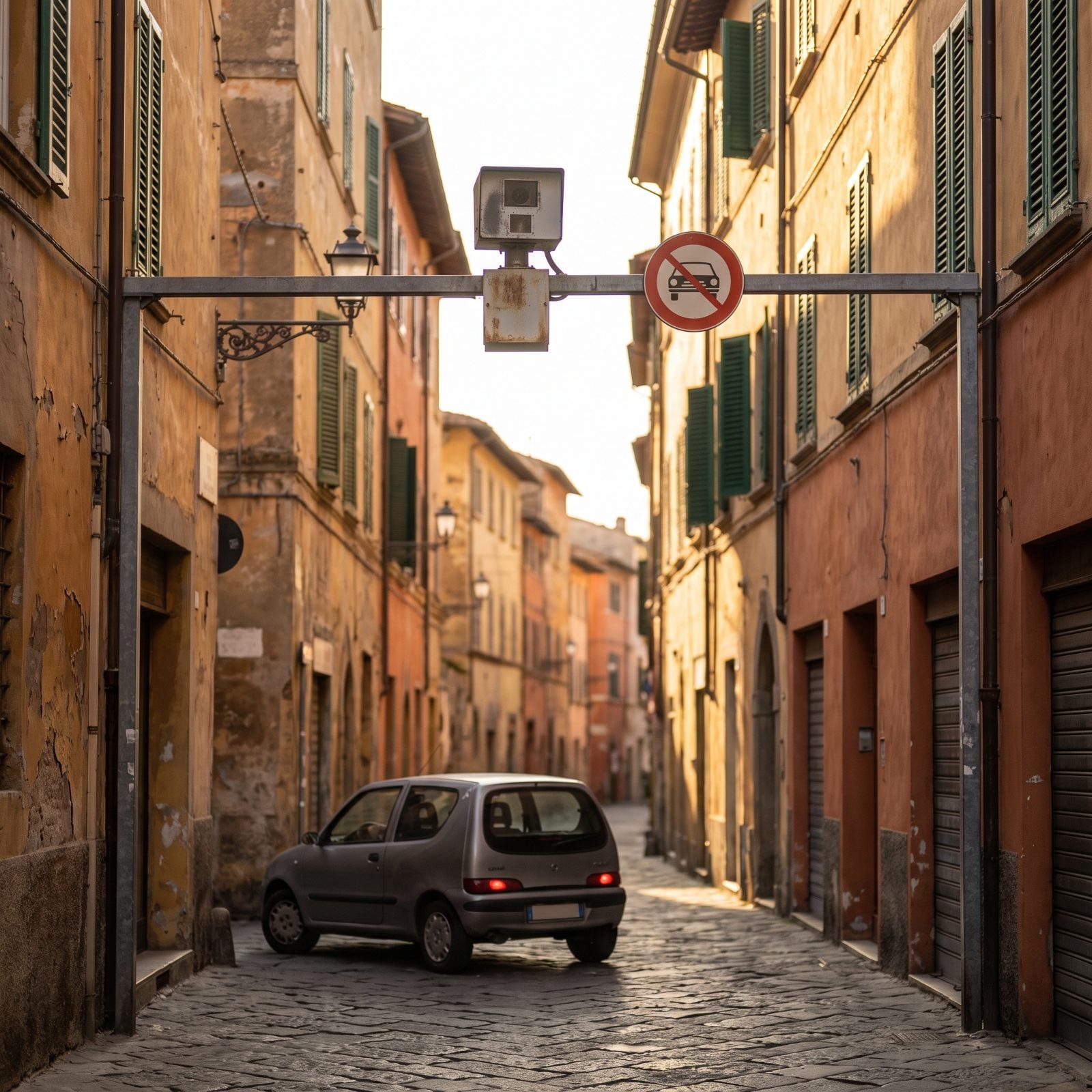
Most historic Italian city centers are ringed by limited traffic zones called ZTL, each marked by cameras that photograph every license plate crossing in without a permit. No officer, no gate, no warning you can argue with. The ticket just arrives at your home weeks or months later, often forwarded by the rental company with its own fee stapled on top.
Tourists rack these up constantly, sometimes several in a single afternoon, because the signs are tiny and the zones overlap. A GPS that doesn’t flag ZTLs will drive you straight into one. Then another. Then a third.
The camera does not care that you were lost. It just reads the plate and sends the bill.
29. Italian Regional Train Tickets May Require Validation or Digital Check-In
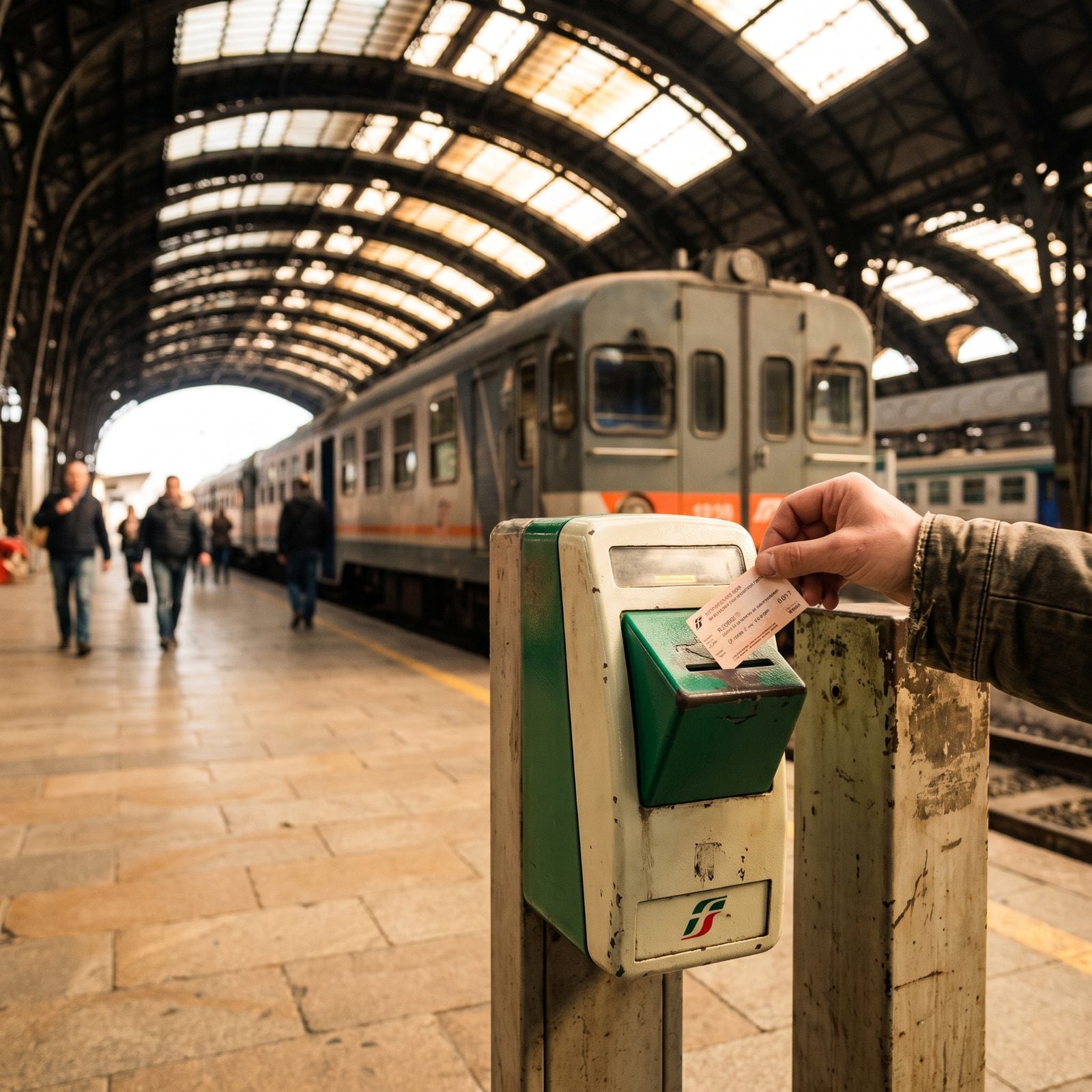
Buying a regional train ticket in Italy is only half the job. Many paper tickets have to be stamped in a small platform machine before boarding, and skipping that step gets treated as riding without a valid ticket — fine and all. Inspectors on the regional lines check for the stamp, not the purchase.
Newer e-tickets and high-speed fares often skip this requirement entirely, which is exactly what trips people up. They validate nothing, assume every train plays by the same rules, and get caught on the one line that still runs the old way.
28. Portugal’s Electronic-Only Toll Roads That Bill You After You’ve Left the Country
🔥 Would you like to save this?
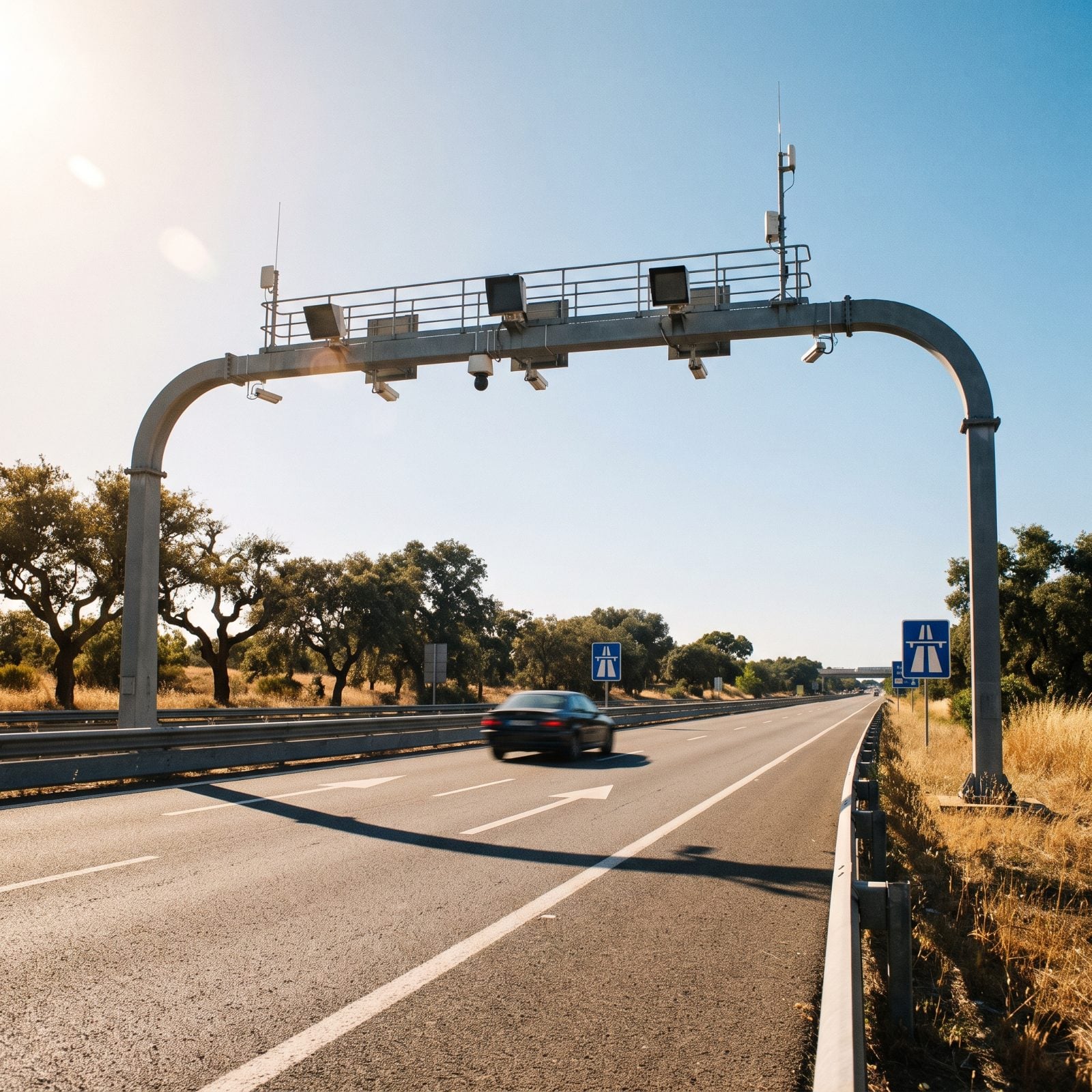
The scariest tolls are the ones you never see. On certain Portuguese highways — mostly the former SCUT roads up north and down in the Algarve — there’s no booth, no barrier, nobody waving you through. A camera reads your plate and the bill shows up later, which on a rental means your card gets charged weeks after you’ve flown home, usually with a service fee stacked on top.
So arrange payment ahead of time with the rental counter, a prepaid toll device, or an electronic tag. Skip that step and you’re not dodging anything. The system finds you anyway.
27. Switzerland’s Annual Motorway Sticker You Can’t Opt Out Of for a Weekend
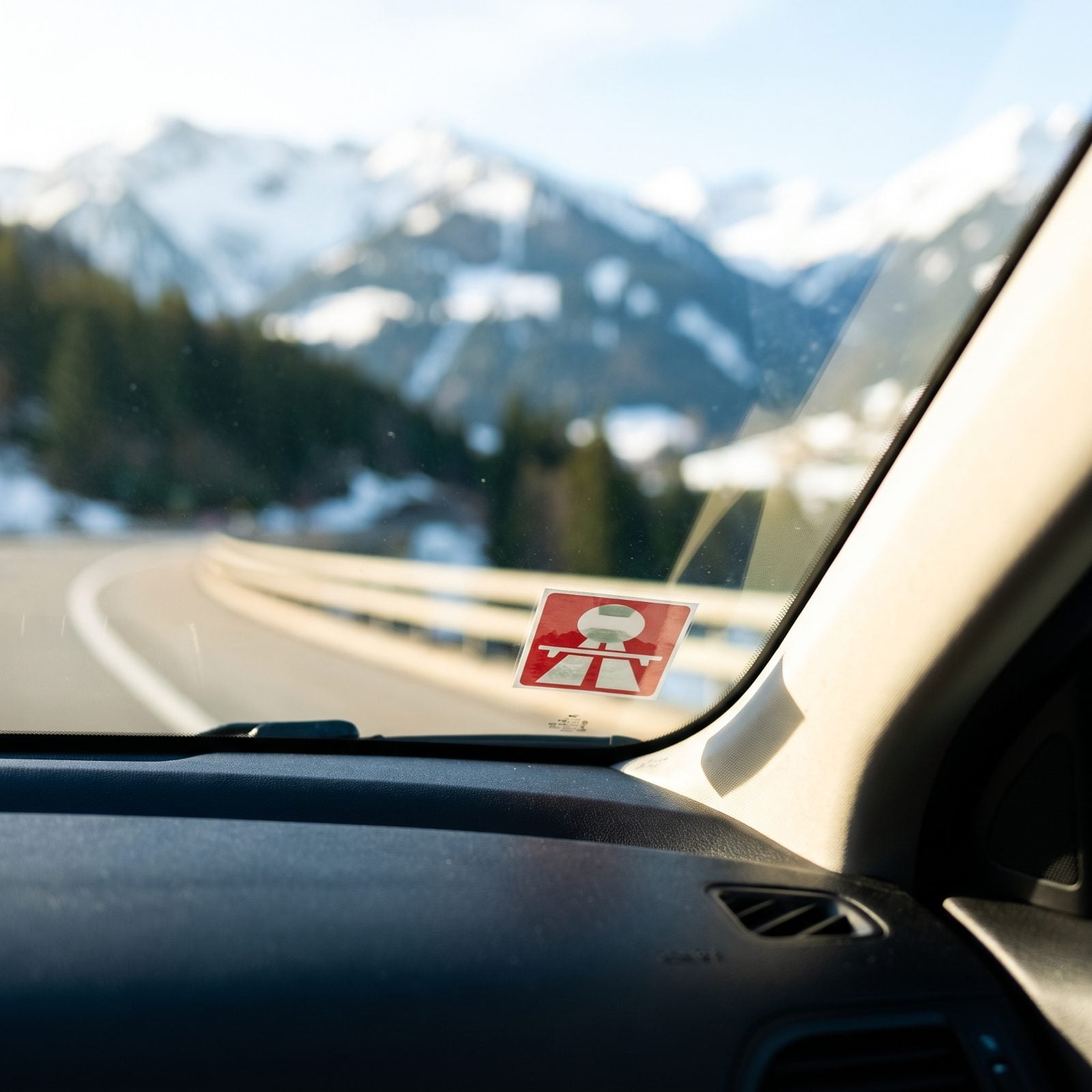
There’s no such thing as a one-day pass. Switzerland charges a flat annual fee for its motorways, and the vignette sticker counts the same whether you drive the autobahn for a year or an afternoon. Cross the border heading to the Alps and you need one stuck to the windscreen before you hit the main highways.
Drive without it and you’re looking at a hefty fine plus the cost of the vignette itself. Rental cars from Swiss agencies usually come with one already. But cars rented elsewhere and driven in? That’s on you — buy it at the border, a gas station, or the post office.
26. Singapore’s Vape Ban That Confiscates the Pen in Your Carry-On
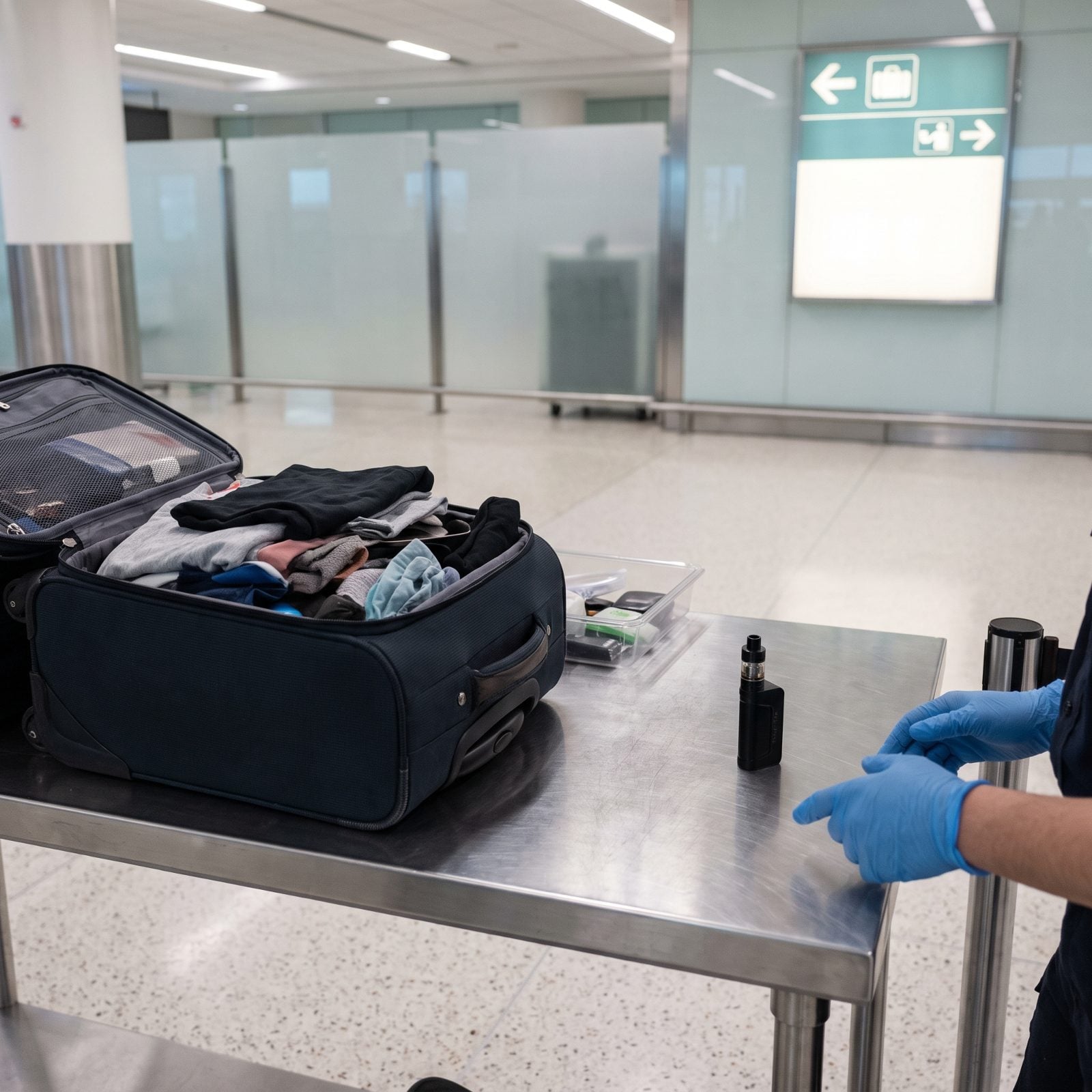
Leave the vape at home. Genuinely. Singapore bans the import, sale, and possession of e-cigarettes and vaping products, and it enforces that at the airport. Officers do check bags. A device tucked in your carry-on isn’t a gray area — it’s a confiscation, and possibly a fine on top.
This surprises people because vaping is legal and ordinary across most of the United States, so the assumption travels with you. Singapore doesn’t share it. If you vape, this is a trip where you either quit for the duration or risk an unpleasant arrival conversation.
25. India’s Rules on Satellite Phones That Can Turn Gear Into a Legal Problem
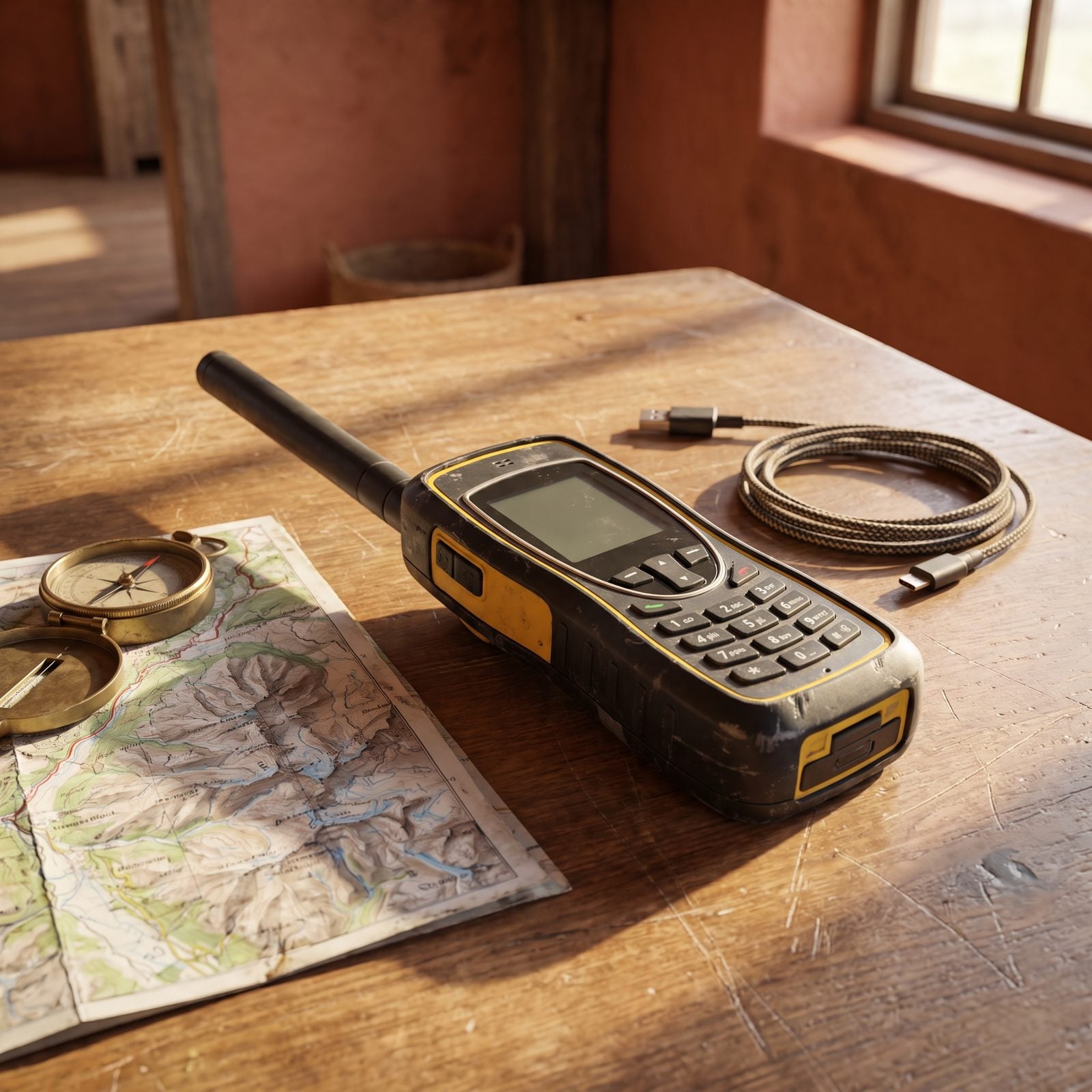
Trekkers pack satellite phones for the Himalayas without thinking twice. In India, that can go sideways fast. Sat phones generally require government permission to use, and bringing one in without the proper clearance has landed foreign visitors in serious trouble — at airports, in remote regions, the lot.
The device that feels like a safety essential in Nepal becomes a liability the moment you cross certain borders. Planning an itinerary that drags a sat phone anywhere near India? Check the current authorization requirements well before you fly. “I didn’t know” carries no weight here.
24. Morocco’s Drone Import Rules That Flag Your Luggage at Arrival
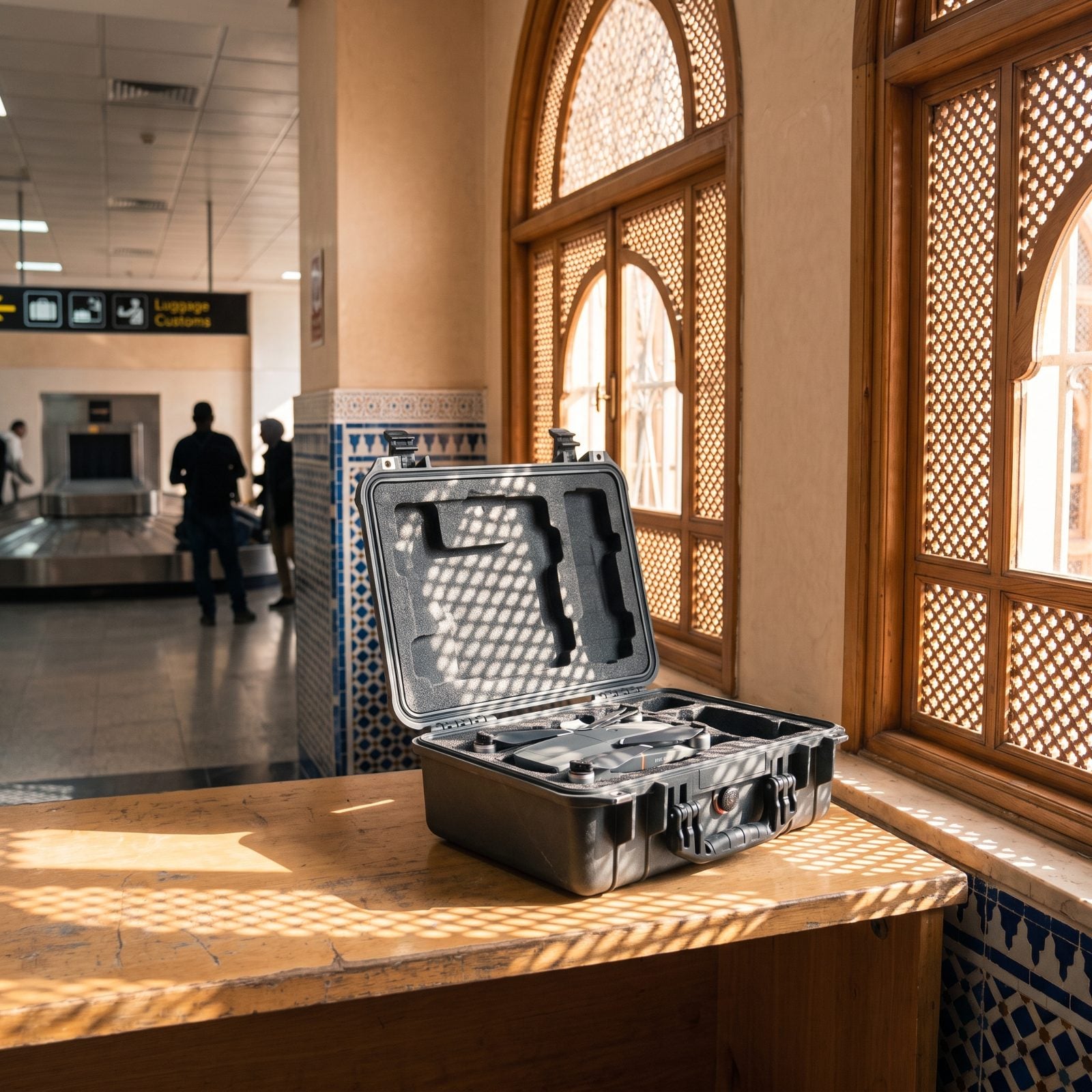
Morocco is a photographer’s dream and a drone owner’s headache. Bringing a drone into the country usually requires advance authorization, and travelers regularly watch their devices get held or confiscated at customs because they figured a hobby drone would sail right through.
The medina rooftops, the dunes, the coastline — all of it looks irresistible from the air, and none of it is worth losing your gear over. If aerial footage is part of your plan, sort the paperwork before departure. Otherwise, accept that the drone may not make it past the arrivals hall.
23. Egypt’s Drone Permissions That Apply to Nearly Every Flight
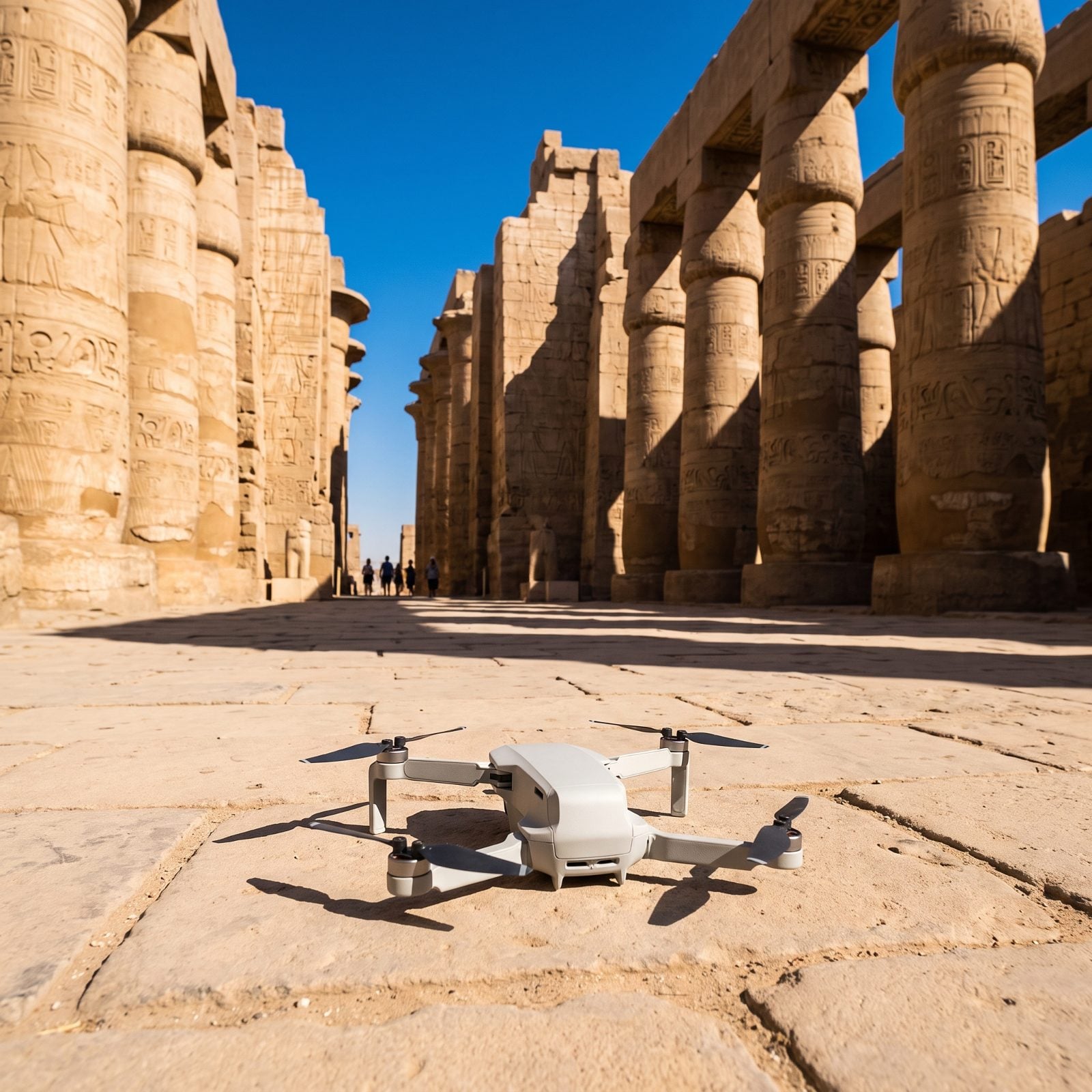
Egypt takes drones even more seriously than most places. Permission is required for the great majority of drone use, and flying near archaeological sites — which is of course exactly where everyone wants to fly — is heavily restricted. Visitors have had their drones seized on arrival and faced questioning for operating without clearance.
The pyramids from above sound like the shot of a lifetime. In practice, it’s the fastest way to meet security. Treat the rules as near-total restriction unless you’ve secured specific authorization, and keep your photography on the ground.
22. The UAE’s Approval Process for Prescription Medicines You Take Every Day

Some medications that are routine prescriptions back home sit on controlled lists in the UAE. Certain painkillers, sleep aids, anxiety medications, even some over-the-counter products can require prior approval to bring in. Historically, arriving without that approval has meant severe consequences — not a slap on the wrist.
So carry a doctor’s letter, keep medication in its original labeled packaging, and check the current controlled-substance list before you pack. This is the one item where the stakes jump from inconvenient to genuinely serious. Worth the hour of homework.
21. Japan’s Rule That You Carry Your Actual Passport, Not a Photocopy
Americans are used to leaving the passport in the hotel safe and carrying a photocopy. In Japan, foreign visitors are expected to carry the actual document. Police can ask to see it, and the copy in your pocket won’t cut it.
It feels backwards. You’ve spent years being told not to carry it around, and here the rule flips — most tourists never hear about it until a stop makes it relevant. Keep it on you, keep it somewhere secure, and drop the photocopy habit that serves you everywhere else.
20. China’s Lodging Registration That Happens Automatically at a Hotel and Not Elsewhere

🔥 Would you like to save this?
Foreign visitors in China are required to register their place of stay with local police, typically within a day of arrival. Check into a hotel and this happens automatically, folded into the check-in process without you noticing a thing.
The trap is staying somewhere that isn’t a hotel — a friend’s apartment, an informal rental, a homestay. Now the registration falls on you, and skipping it can mean fines or questioning. Most travelers never realize the step exists, precisely because hotels handle it so smoothly that the whole obligation stays invisible until it isn’t.
19. Japan’s Hot Springs That Turn Away Guests With Visible Tattoos

You stripped down, rinsed off, followed every rule of onsen etiquette — and still got turned away. The reason is the ink on your shoulder. Plenty of Japanese hot springs refuse guests with visible tattoos, a holdover from the old association between tattoos and organized crime.
It catches Americans completely off guard, since back home a tattoo signals almost nothing. Some bathhouses now allow small tattoos if you cover them with a patch, and a growing number are outright tattoo-friendly. But plenty still enforce the ban. Check ahead, or pack cover-up patches, if soaking in a mountain onsen is on your list.
18. The Maldives Serves Tourist Alcohol Only Inside Licensed Resort Islands

The Maldives is a Muslim country, and alcohol is illegal on the inhabited local islands. Here’s the catch that trips people up. The resorts, built on their own private islands, are licensed, so your cocktail by the lagoon is fine. But pack a duty-free bottle in your suitcase and it gets confiscated at Malé airport, held in bond until you fly home.
The budget-conscious guesthouse crowd on local islands feels this hardest. No bar, no wine, no exceptions. A few floating bars and liquor boats bridge the gap near certain local islands, and they exist precisely because the land itself is dry.
17. Norway Locks Up the Strong Stuff at the Supermarket Checkout

Grab a six-pack in a Norwegian grocery store and you’ve got until 8pm on weekdays, 6pm on Saturdays, and nothing at all on Sundays. Beer under a certain strength is the only alcohol supermarkets can sell, and even that follows strict hours. Anything stronger lives exclusively inside the state-run Vinmonopolet shops, which keep shorter hours and close entirely on Sundays and holidays.
Show up at 8:15 for wine to go with dinner and you’re out of luck. The whole system runs on a simple bet: make alcohol slightly inconvenient and people drink less of it. Honestly, it works better than you’d expect.
16. The UK Treats a Lot of Everyday Knives as Illegal to Carry

That multi-tool you keep in your day bag out of habit can land you in real trouble in the UK. Carrying a knife in public without good reason is an offense, and the threshold is low. Lock knives, fixed blades, and folding blades over three inches are generally not allowed on your person, full stop.
A small folding pocketknife with a blade under three inches is usually fine. What gets murky is intent and context, which police take seriously. “I always have it on me” is not a good reason. “I’m camping and it’s in my pack” might be. Simplest move? Leave it in your hotel.
15. Rwanda Confiscates Plastic Bags Before You Even Reach Baggage Claim
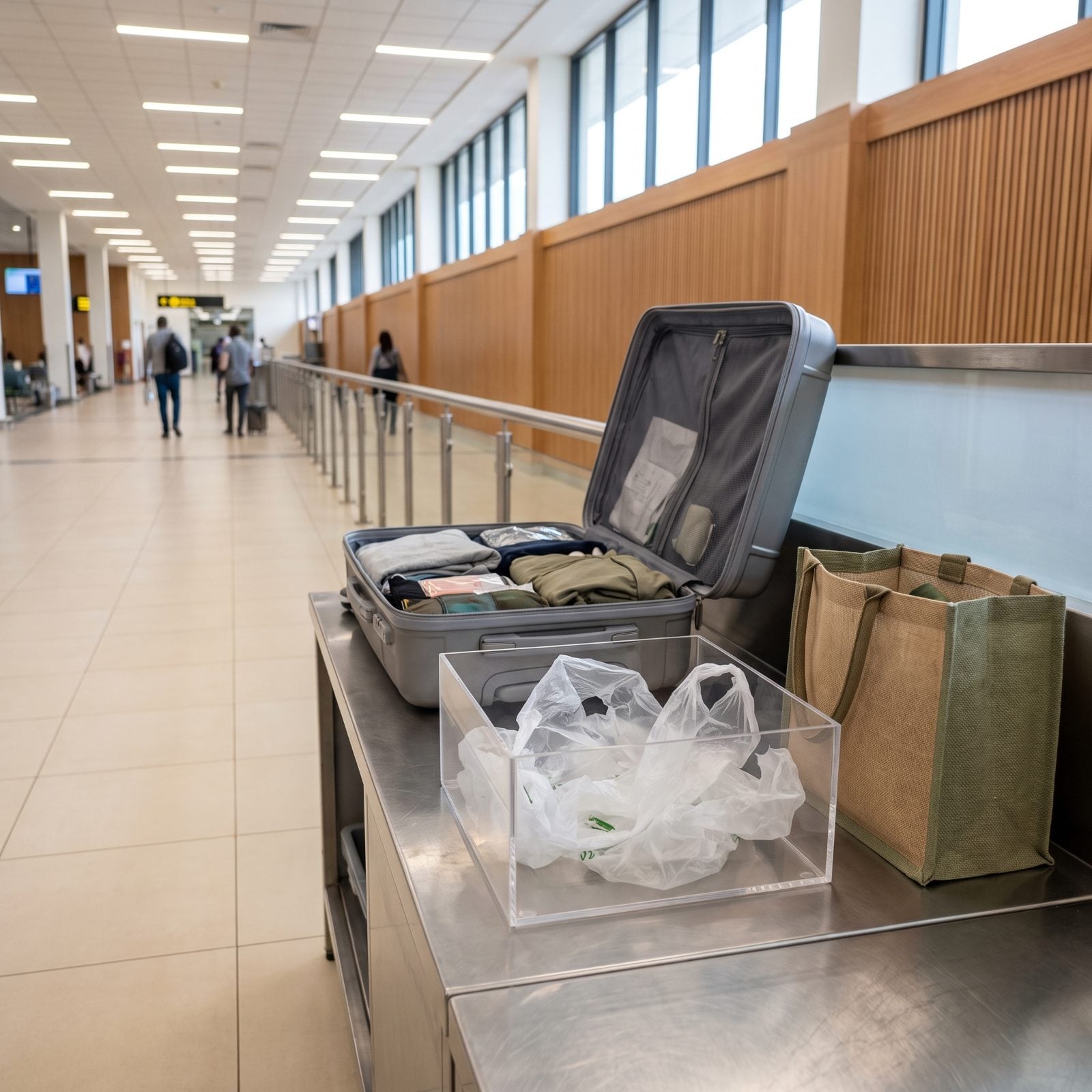
Rwanda banned single-use plastic bags back in 2008 and enforces it right at the border. Officers at Kigali airport open bags and remove plastic packaging, including the clear plastic you wrapped your shoes in or the bags from a duty-free run.
The country is genuinely one of the cleanest in Africa, and this ban is a big reason why. Bring reusable or paper bags for your toiletries and dirty laundry. Forget, and you’ll hand over your plastic and move on, though it’s a jarring first impression if nobody warned you.
14. Australia Wants to Know About Every Apple, Twig and Wooden Souvenir
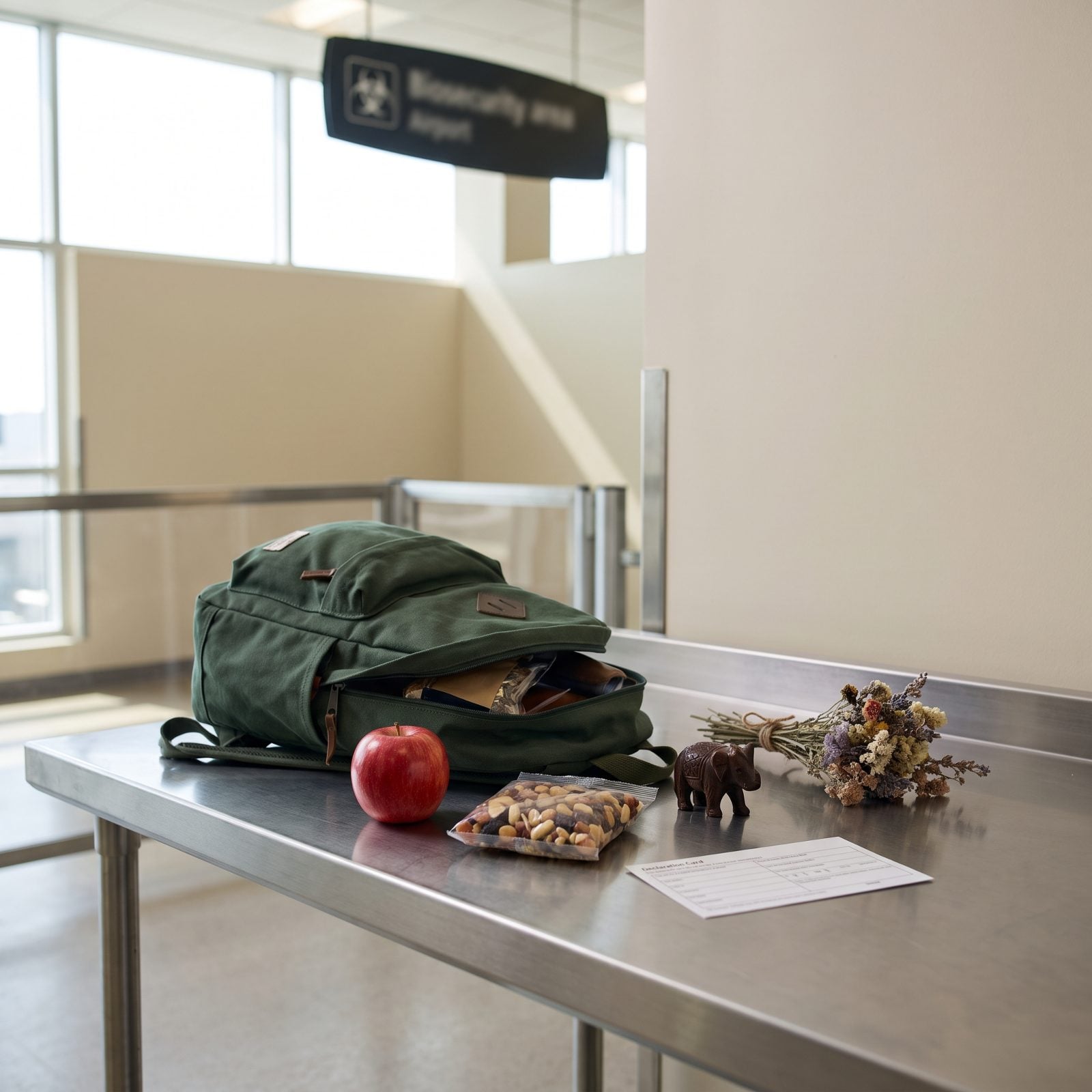
Australia runs one of the strictest biosecurity regimes on earth, and it’s not theater. The continent has kept out pests and diseases that wrecked agriculture elsewhere, and they intend to keep it that way.
You must declare food, wooden items, plant material, seeds, and anything that’s touched a farm. That means the granola bar in your bag, the wooden carving you bought in Bali, even the fresh fruit from the plane. Declaring something that turns out to be fine costs you nothing. Failing to declare something you should have can mean a serious fine on the spot.
13. New Zealand Inspects Your Hiking Boots for Mud at the Airport
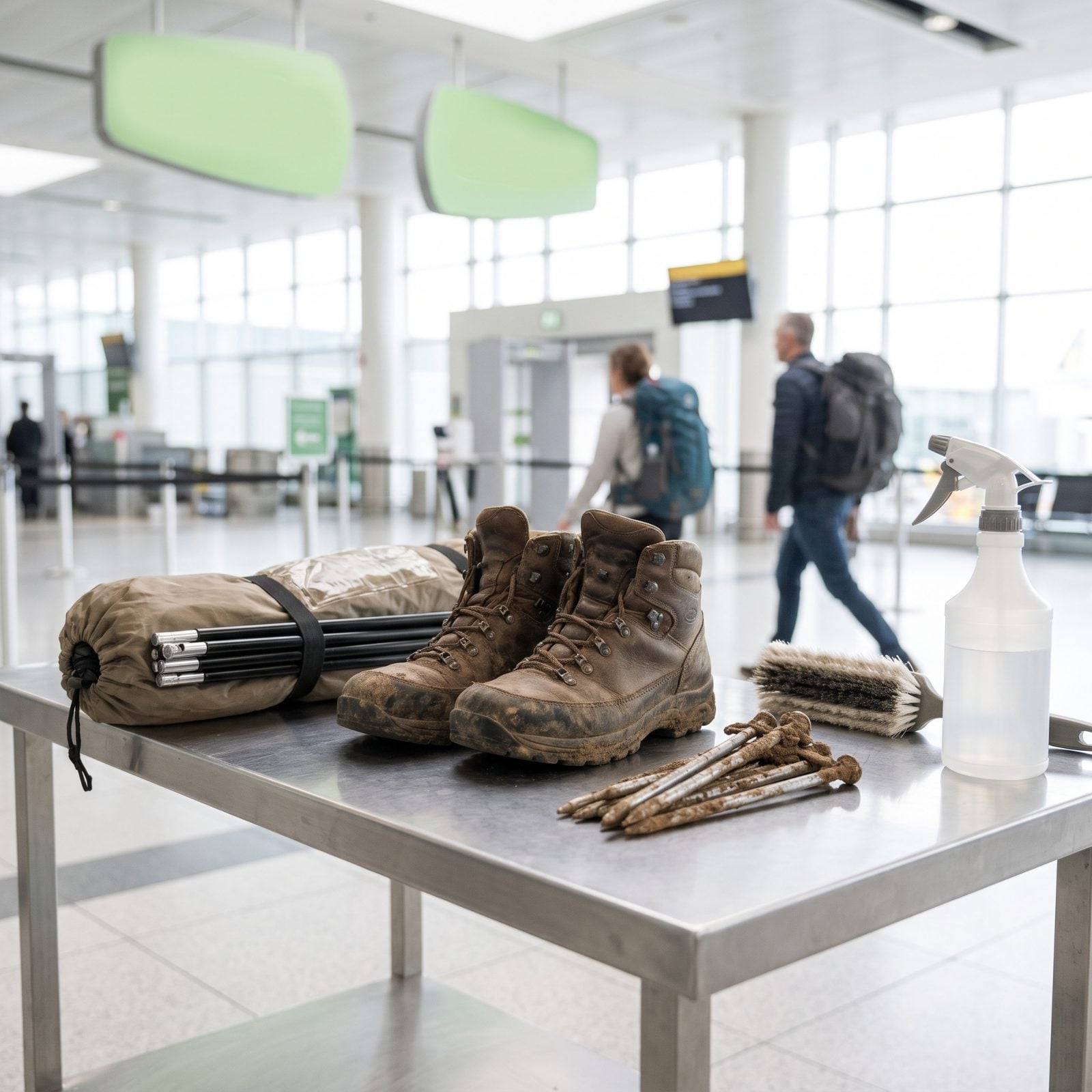
New Zealand takes mud personally. Biosecurity officers will pull out your hiking boots, tent pegs, and camping gear and inspect them for dried soil, seeds, or plant debris that could carry invasive organisms into the country’s fragile ecosystems.
If your boots show dirt from a trail back home, expect them cleaned, treated, or in rare cases held. The fix is easy and free: scrub every speck of soil off your outdoor gear before you fly. Clean boots and you breeze through, muddy ones and you’ll be standing at a sink with a brush while your ride waits.
12. Iceland Treats a Single Tire Track Off the Road as Lasting Damage
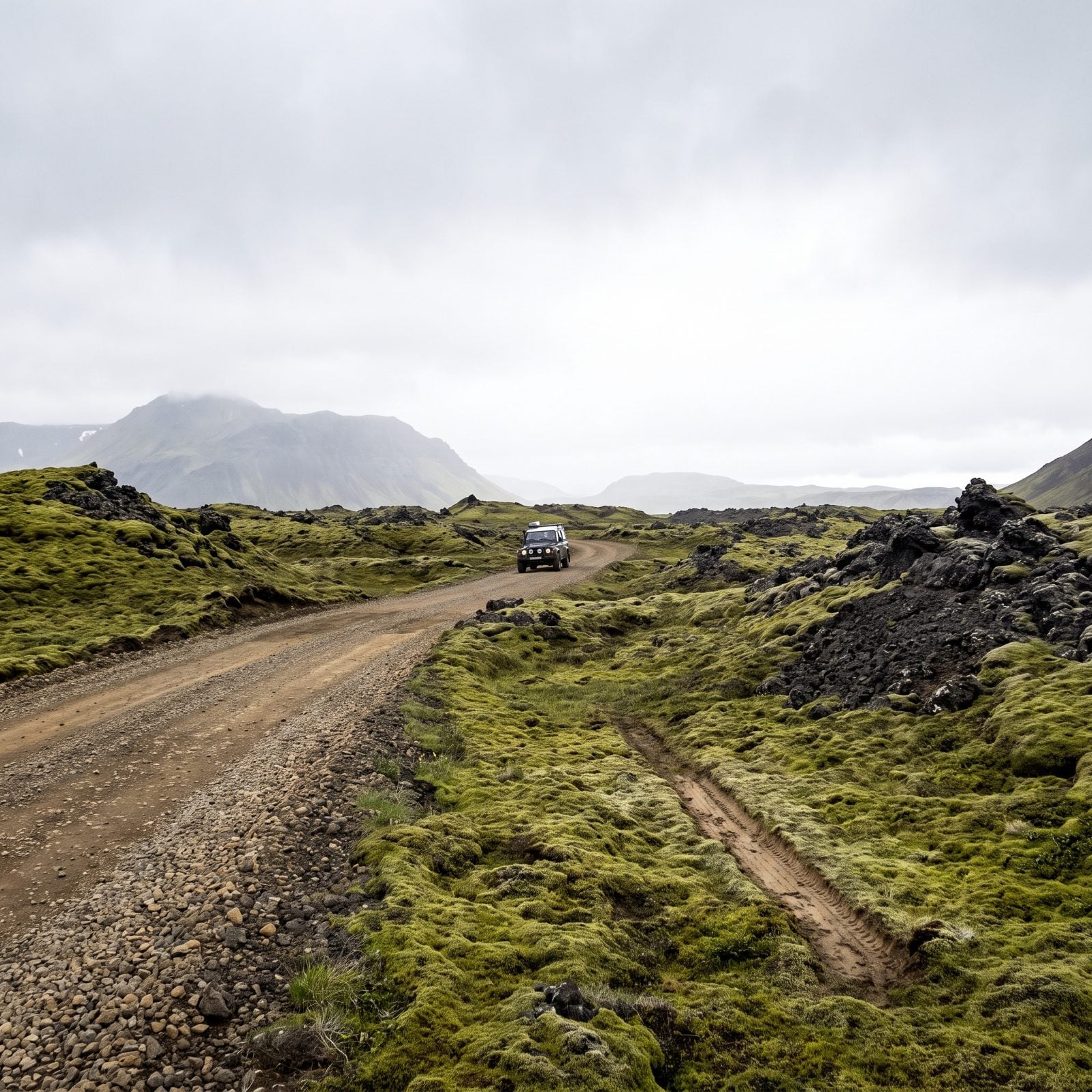
Off-road driving is illegal everywhere in Iceland, and the reason is written into the ground itself. The highland moss and volcanic soil grow so slowly that a single tire track can stay visible for decades. Decades.
Tourists who think they’re having a harmless adventure by cutting across a lava field leave scars that outlast their entire trip and then some. Fines are steep, and rental companies will come after you. Stick to marked roads and designated tracks, no exceptions, even for that one incredible photo you’re itching to grab. The moss doesn’t forgive.
11. Venice Will Fine You for Feeding the Pigeons in St. Mark’s Square
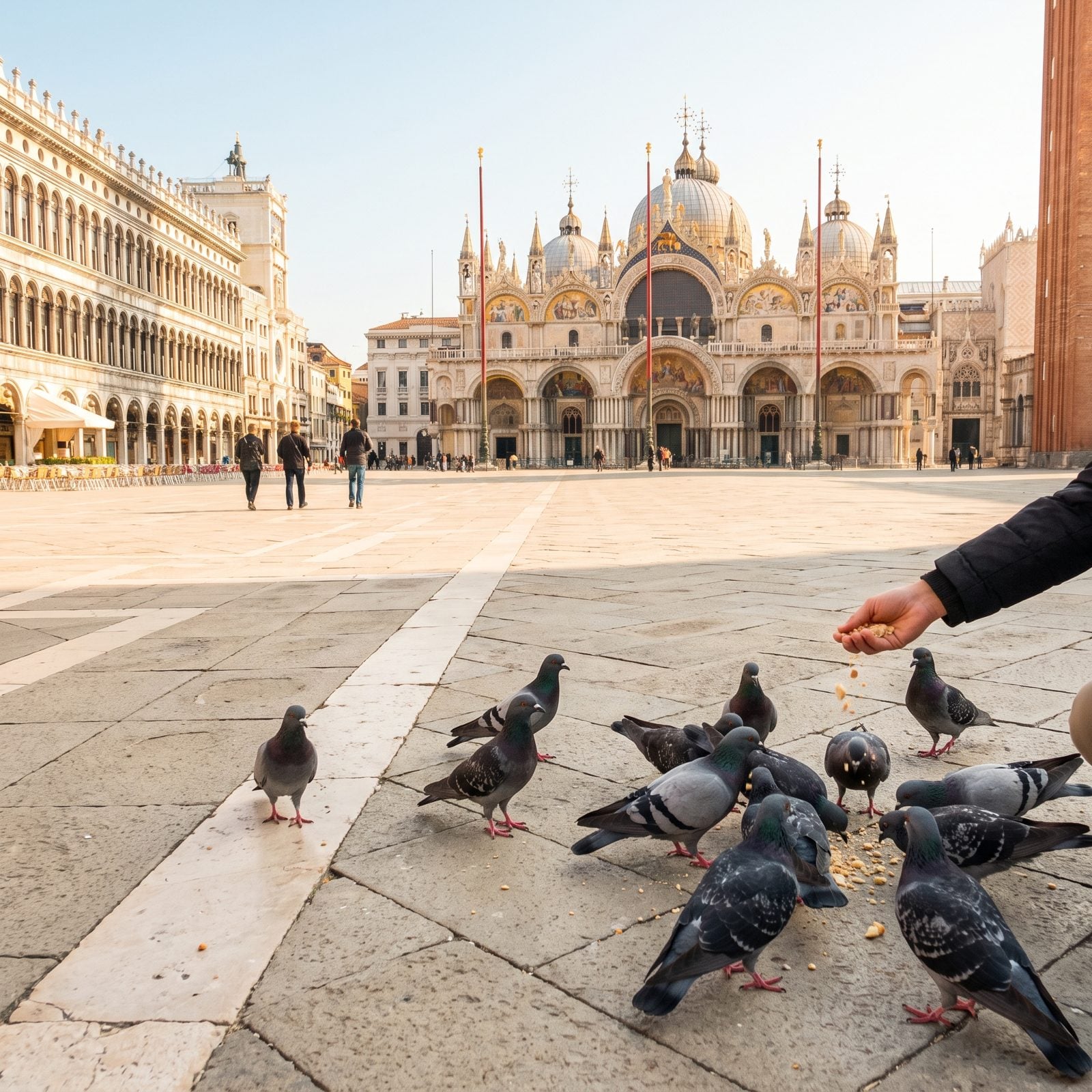
Feeding pigeons in Piazza San Marco has been banned since 2008, and the fine is real. That old postcard image of a tourist covered in birds with a palmful of corn is now an offense, not a souvenir.
The city decided the birds were wrecking the historic marble with their droppings and sheer numbers, and the grain sellers who once worked the square are long gone. Officers patrol. Toss a crumb and you risk a penalty that can run into the hundreds of euros. The pigeons will still swarm hopefully. Just don’t be the person who pays for the photo.
10. Rome Guards Its Fountains Against Waders, Picnics and Splashers
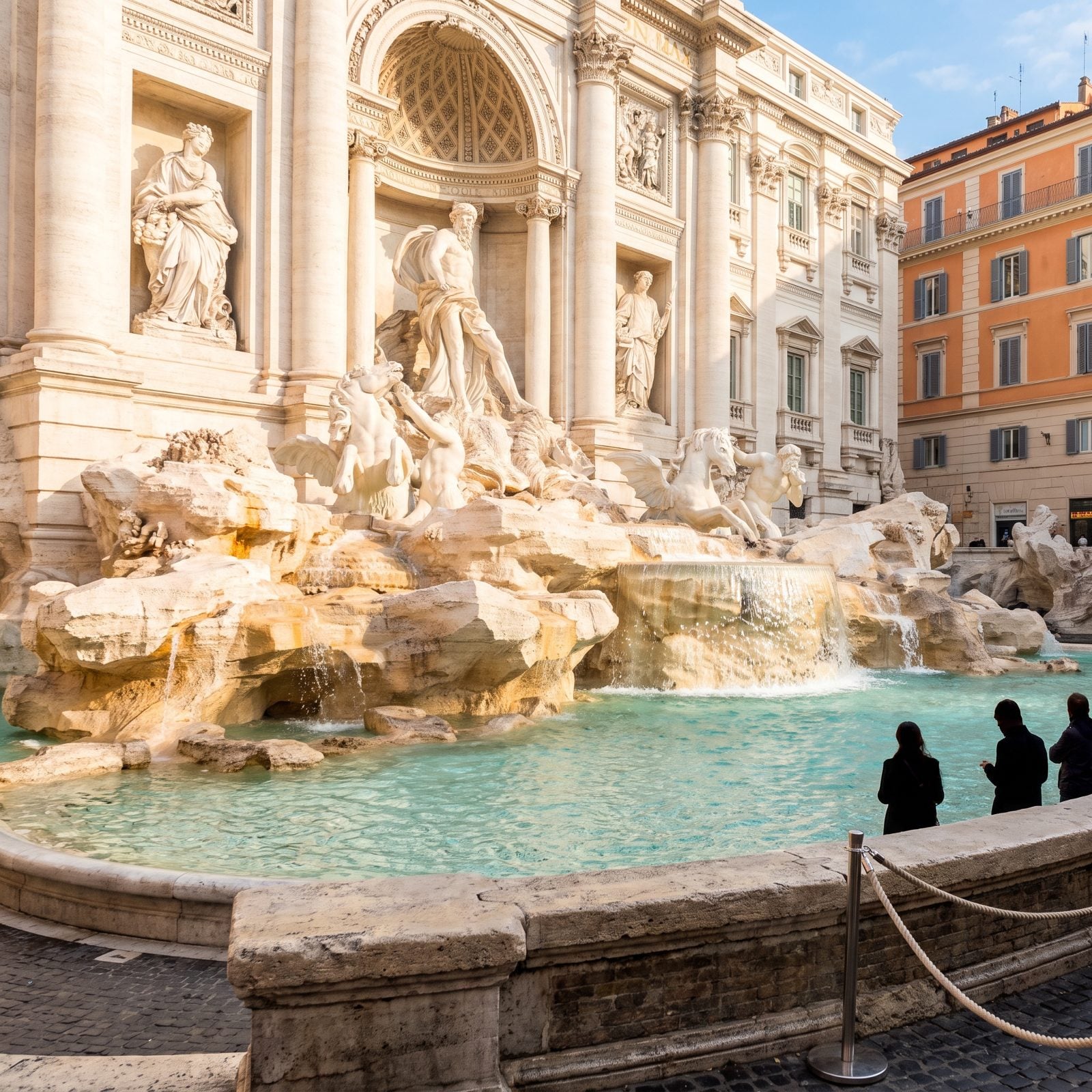
Climbing into the Trevi or dangling your feet in a historic Roman fountain to cool off on a scorching day is a fast way to get fined and escorted away. Rome prohibits wading, bathing, sitting on the edges, and eating beside many of its monumental fountains.
These are centuries-old works of art, not public pools, and the summer crowds pushed the city to crack down with real patrols. Toss your coin over your shoulder at the Trevi, take your photo, and keep moving. Your gelato has to be eaten somewhere else.
9. Angkor Turns Away Visitors Who Show Too Much Shoulder or Knee

Angkor is an active sacred site, not just a ruin for photos, and the dress code is enforced at the gates. Shoulders and knees must be covered to enter many of the temples, especially the upper level of Angkor Wat. Show up in a tank top and short shorts and you’ll be turned away at the entrance after paying for your ticket.
The fix is simple. Carry a lightweight scarf or sarong you can throw over your shoulders, and wear trousers or a skirt that falls past the knee. The heat is brutal, so pack breathable cotton or linen rather than anything heavy.
8. Cuba Won’t Let You In Without Travel Medical Insurance

Cuba treats travel medical insurance as a condition of entry, not a suggestion. Americans landing in Havana have been asked at immigration to show proof of coverage, and flashing a policy summary on your phone doesn’t always cut it.
Here’s the snag for US travelers. Thanks to the embargo, many American insurers can’t legally service claims on the island, which means your usual policy may be dead weight the moment you touch down. Most people end up buying Cuban state insurance right at the airport. It runs a few dollars a day and saves an argument.
7. Bali Now Charges a Tourist Levy Before You Hit the Beach

Since 2024, foreign visitors to Bali (Indonesian passport holders are exempt) pay a tourist levy that’s separate from any visa, somewhere around ten US dollars. It funds cultural preservation and the island’s badly stretched infrastructure.
Pay it online before you arrive or at a kiosk once you land. Do it in advance. You don’t want a second queue after a long flight, and officials can ask for your payment proof at attractions and ports.
6. Bhutan Asks Most Visitors to Pay a Daily Fee Just to Be There
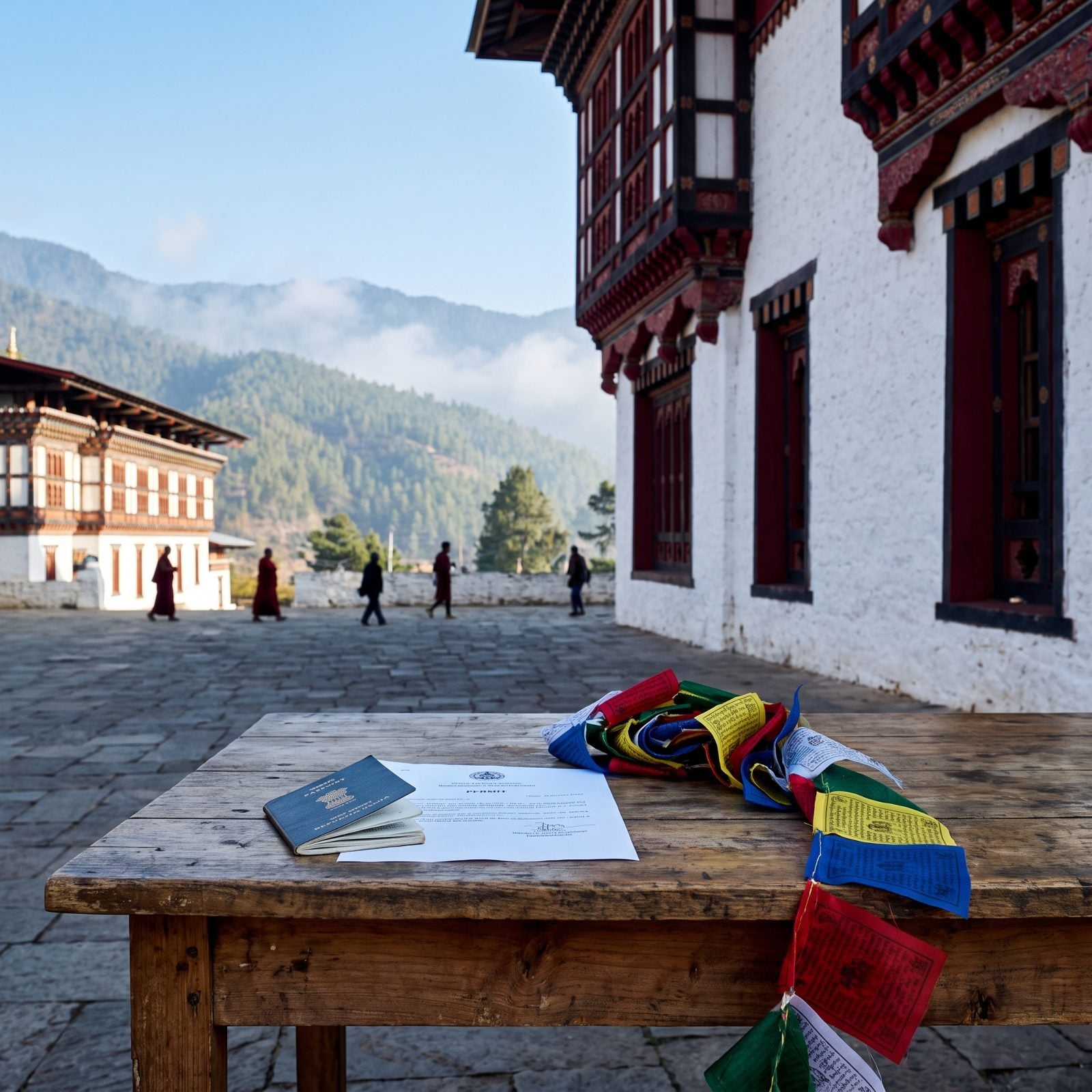
Bhutan runs on a philosophy it calls High Value, Low Volume, and it backs that up with a Sustainable Development Fee. Most international visitors pay roughly 100 US dollars per person, per night, on top of accommodation and flights.
Sounds steep. Then you see what it buys: a country that measures Gross National Happiness and would frankly rather have a handful of invested travelers than cheap crowds trampling the place. The money goes to healthcare, education, and keeping the forests that blanket most of the kingdom intact.
The daily fee isn’t a tax on tourism. It’s a filter, and Bhutan is unapologetic about who it lets through.
5. New Zealand Will Fine You for Parking Your Camper in the Wrong Spot

New Zealand’s open roads and jaw-dropping pull-offs lull Americans into assuming you can sleep wherever the view is best. You can’t. Freedom camping is tightly controlled, and it’s often limited to vehicles officially certified as self-contained, meaning they carry a sealed toilet and greywater system.
Park an ordinary rental van overnight in a prohibited zone and the fine can land on the spot, hundreds of dollars in some districts. Councils set their own rules, so a perfectly legal spot in one region is off-limits an hour down the road.
4. Spain Logs Your Passport, Payment Card and Travel Details at Check-In

Spanish accommodation providers, hotels and short-term rental hosts alike, now have to collect a long list of guest details and pass them to authorities. That includes passport data, nationality, home address, and sometimes payment card information.
It catches Americans off guard when a rental host wants far more than a smile and a key code. This isn’t a scam or a nosy landlord. It’s a legal registration requirement that tightened in 2024.
3. The Schengen Area Counts Your Days, and It Counts Them Backwards

The 90-in-180 rule trips up more American travelers than any visa form. You get up to 90 days inside the Schengen Area within any rolling 180-day window. Not per country. Across the whole bloc, tallied together.
The word people stumble on is rolling. This isn’t a tidy six-month reset you can schedule around a calendar. Every single day, the clock looks back 180 days and counts how many you’ve already spent.
Overstay, even by a day or two, and you’re looking at fines, a deportation stamp, maybe a ban that trails you on future trips. Run your dates through an online Schengen calculator before you book a long European wander. The math is unforgiving, and the guards don’t do favors.
2. Your Passport Can Be Valid and Still Get You Turned Away in Europe

Now the cruel one. Your passport can have months left before it expires and you can still be refused boarding to Europe. Schengen countries generally want your passport valid for at least three months past your planned departure, and issued within the last ten years.
That second rule bites the people holding older renewals that once tacked on extra months. Those bonus months may not count toward the ten-year limit.
1. The UK Now Wants an ETA From You Before You Even Board
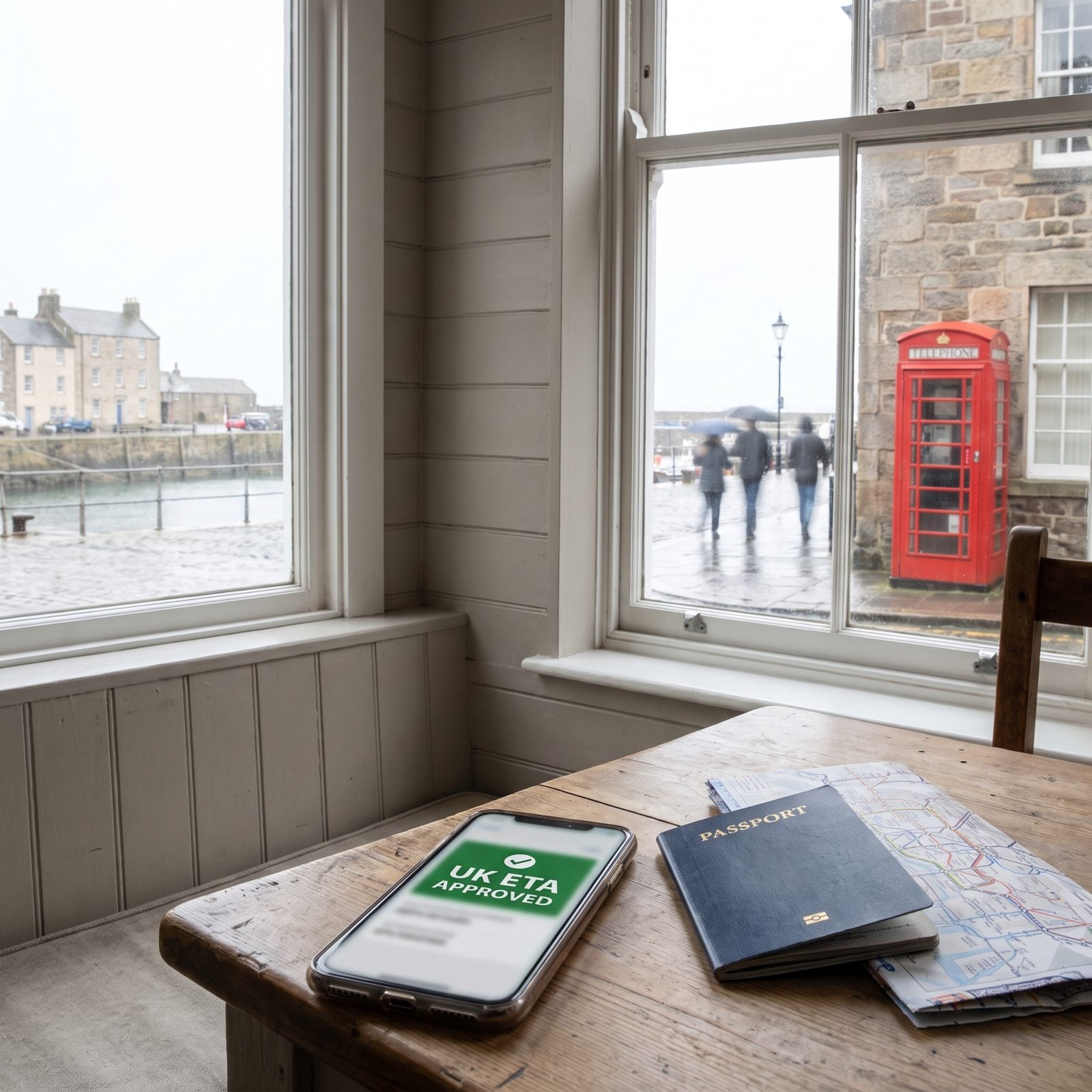
The old assumption that Americans can just hop a flight to London and breeze through is gone. The UK’s Electronic Travel Authorisation applies to most US visitors, and you have to apply and be approved before you travel.
It’s cheap, done online or through an app, and usually approved fast. But usually isn’t always, and if you leave it to the night before, a delayed approval can cost you the whole trip.
Apply days ahead, not hours. The authorization links to your passport electronically, so there’s nothing to print, though a screenshot never hurt anyone standing in a border queue with dying wifi.
🔥 Would you like to save this?
Please note that some of the imagery in this article were created with the aid of AI image generators.