
🔥 Would you like to save this?
Four thousand dollars buys a week in Italy. What kind of week? That it won’t tell you. We took that number and split it two ways across the same late-spring stretch — same sunshine, same crowds, the same lemon trees on the same hillsides. One version chases the postcard shot and pays retail for it. The other spends slower, closer to the ground, and comes home with fuller pockets and better stories. Neither is wrong. But the gap between them is enormous, and once you see where the money actually goes, you can’t un-see it.
24. Private Amalfi Boat Charter vs the Public Ferry
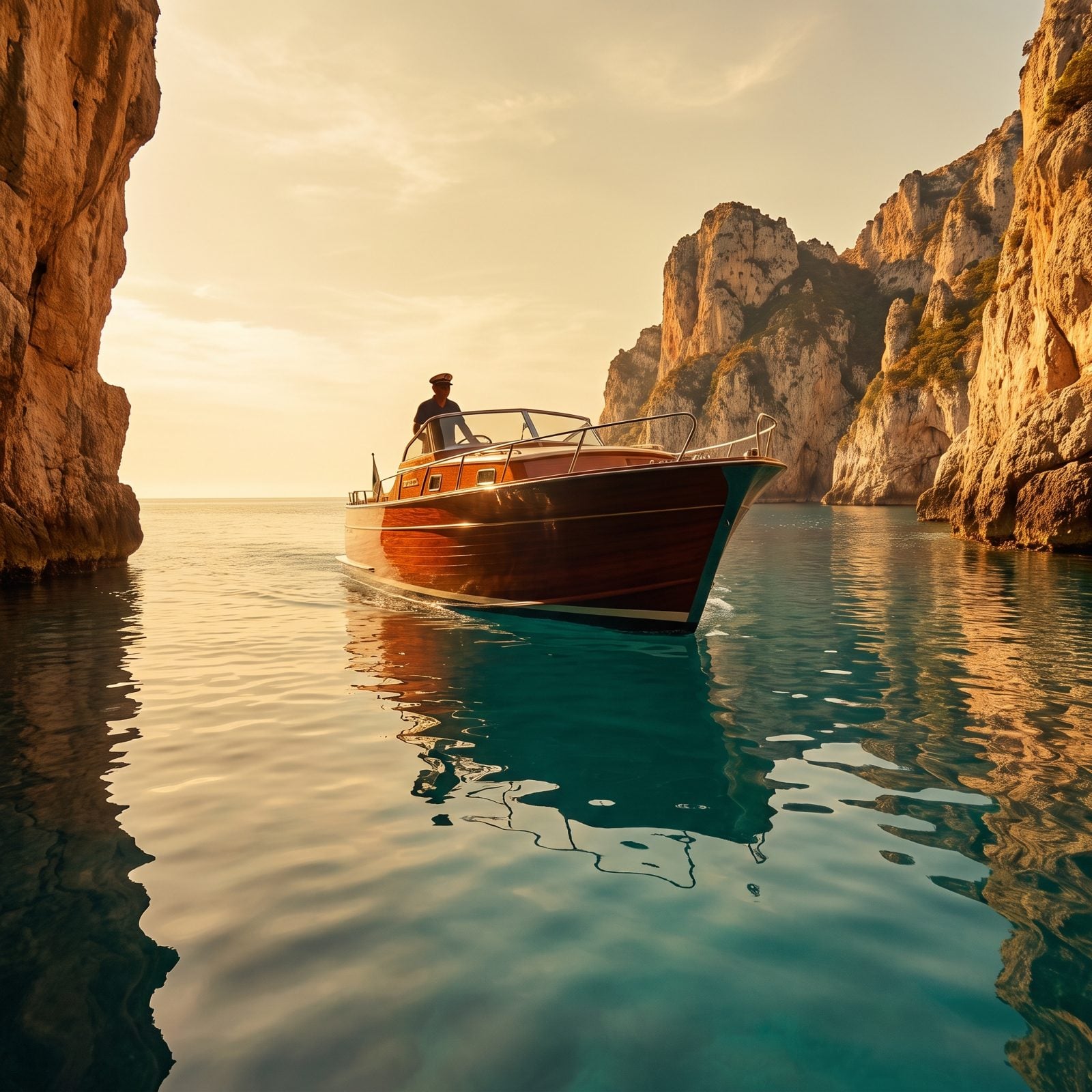
Six hundred euros gets you a half-day private charter with a skipper who cuts the engine wherever the water turns that impossible green. You swim off the back, and nobody rushes you. It’s the trip everyone posts and nobody can afford twice.
Fifteen euros gets you the public ferry along the same coastline — same cliffs, same lemon groves stacked to the sky, same salt spray on your face. You just share the view with two hundred other people and a stroller.
The honest truth is that the coast looks identical from both boats. What you’re paying the extra 585 euros for is the silence and the swim stop.
23. Historic-Center Hotel Room vs a Countryside Agriturismo Suite
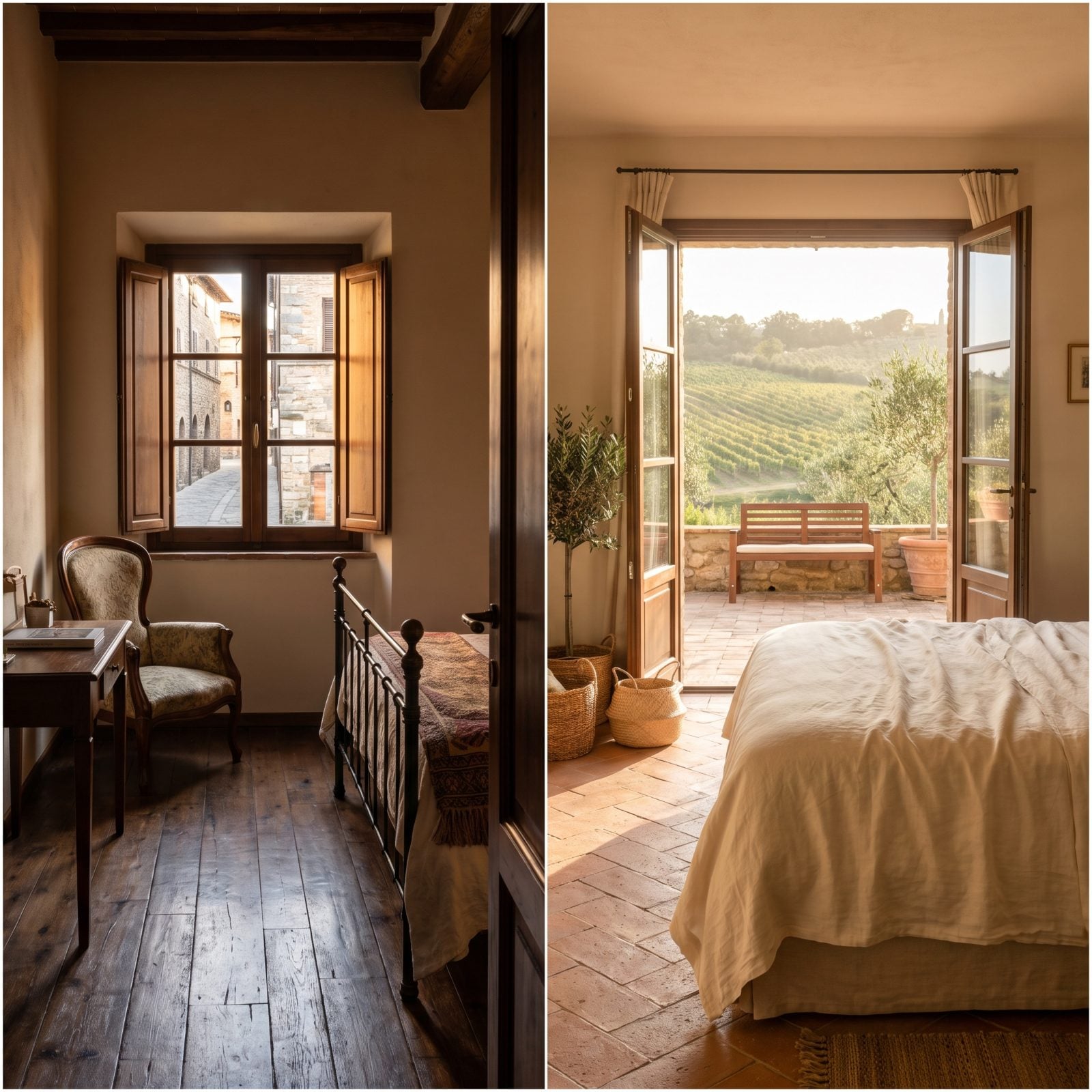
The historic-center room in Florence runs 220 euros a night and measures maybe twelve square meters. Walk out the door and you’re standing on cobblestones the Medici walked. That location is the entire product.
The agriturismo suite forty minutes out costs 130 euros, and it’s triple the size, with an iron bed frame, wood-beam ceilings, and vineyard views that cost extra everywhere else. Breakfast is eggs from the property and jam somebody’s grandmother made.
The catch is real, though. You need the rental car, and you’re twenty minutes from a decent restaurant. City energy for city prices, or space and quiet for less — that’s the trade, laid bare.
22. The Nonstop Economy Flight vs the Cheaper One-Stop
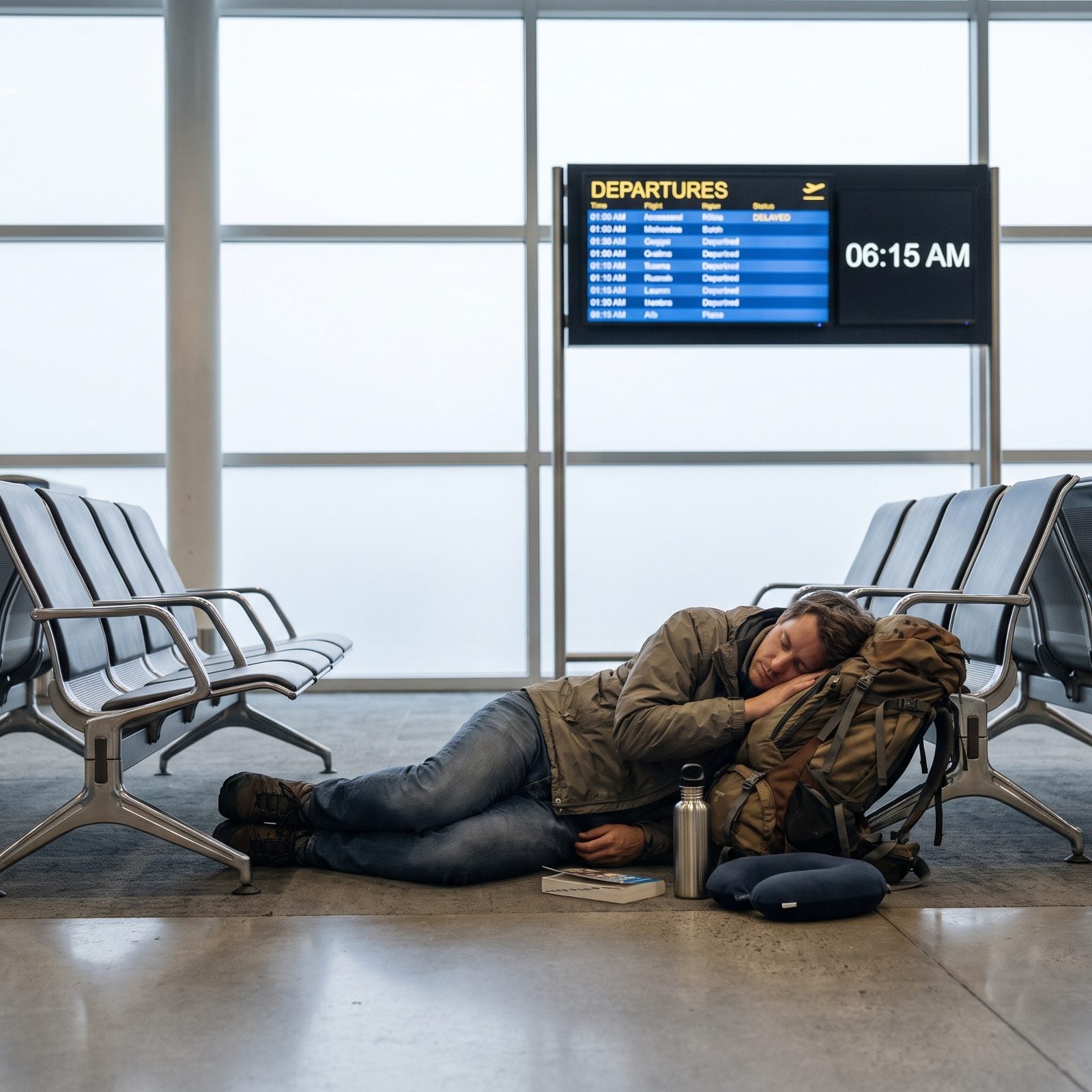
The one-stop saved 240 dollars. Then it landed you in Rome at 1am after a four-hour layover in Munich, jet-lagged and dragging a bag past shuttered shops.
The nonstop cost more and delivered you at a civilized hour, on your feet, with a full first day intact. People forget to price that in. A saved day is worth something, especially on a seven-day trip where you just torched an eighth of it in transit.
21. Sleeping on Venice’s Islands vs the Mainland
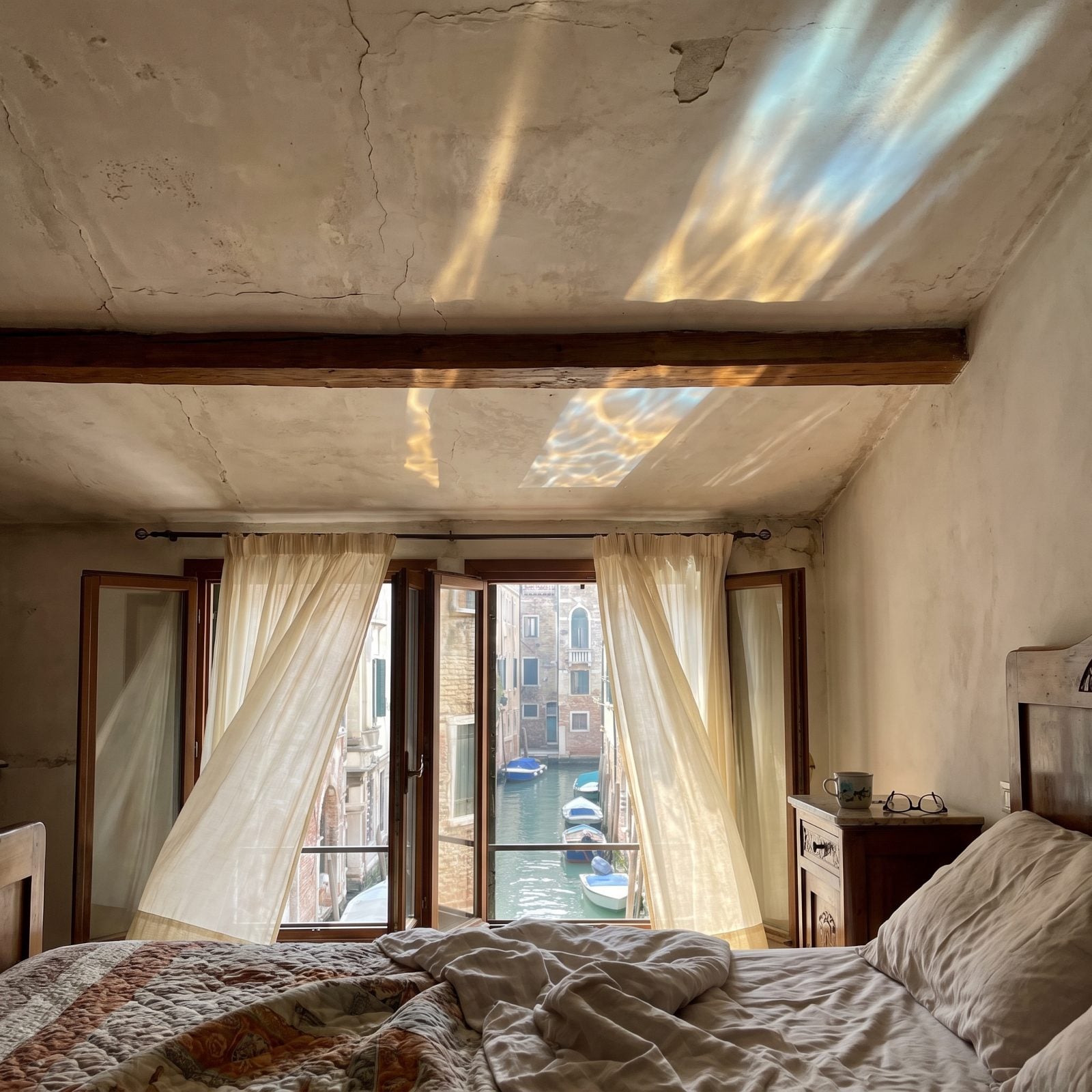
Staying on the islands means waking to bells and water light on the ceiling, with the whole floating city on your doorstep before the day-trippers arrive. That’s 280 euros a night in spring, easy.
The mainland stay in Mestre runs 90 euros, bigger and blander, ten minutes from Venice by train. Save nearly 200 euros a night and you trade the morning magic for a bus stop and a chain hotel lobby.
Here’s what nobody mentions. Venice empties out at night. See it only as a day-tripper and you never get the quiet version — which is really the reason to come at all.
20. The Tiny Room With the Duomo View vs the Big Room Facing a Wall
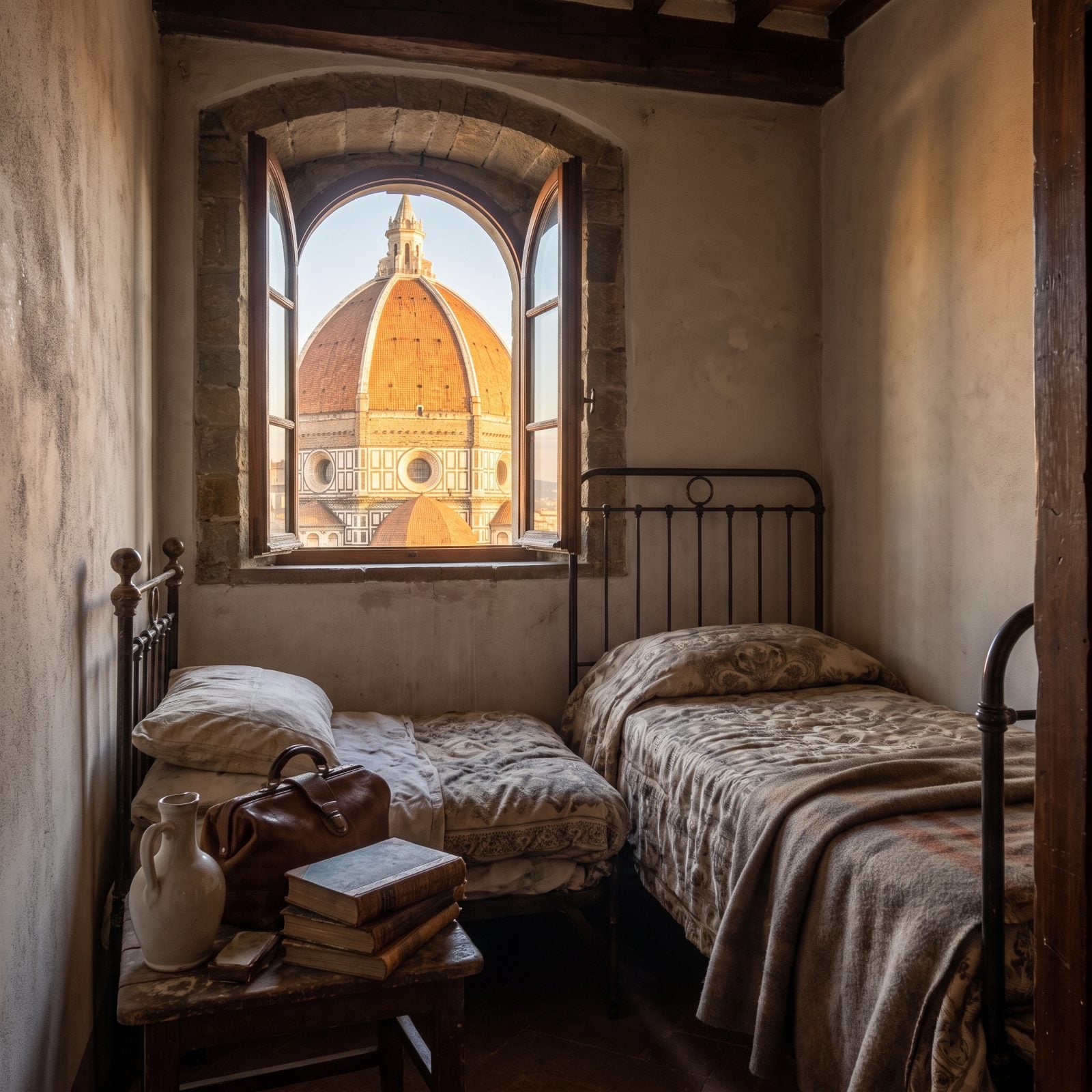
The dome fills the whole window. You could reach out and touch the terracotta. The room’s so small you turn sideways to pass the bed, and it costs 60 euros a night more than its twin down the hall.
That twin is spacious, has an armchair, room to unpack. It faces a courtyard wall.
But consider what you actually do with a view room. You sleep with your eyes closed and spend most daylight hours out sightseeing. The dome you paid a premium to see through glass is the same dome you’re standing under, for free, all afternoon.
19. The Hotel Breakfast Buffet vs a Cappuccino Standing at the Bar
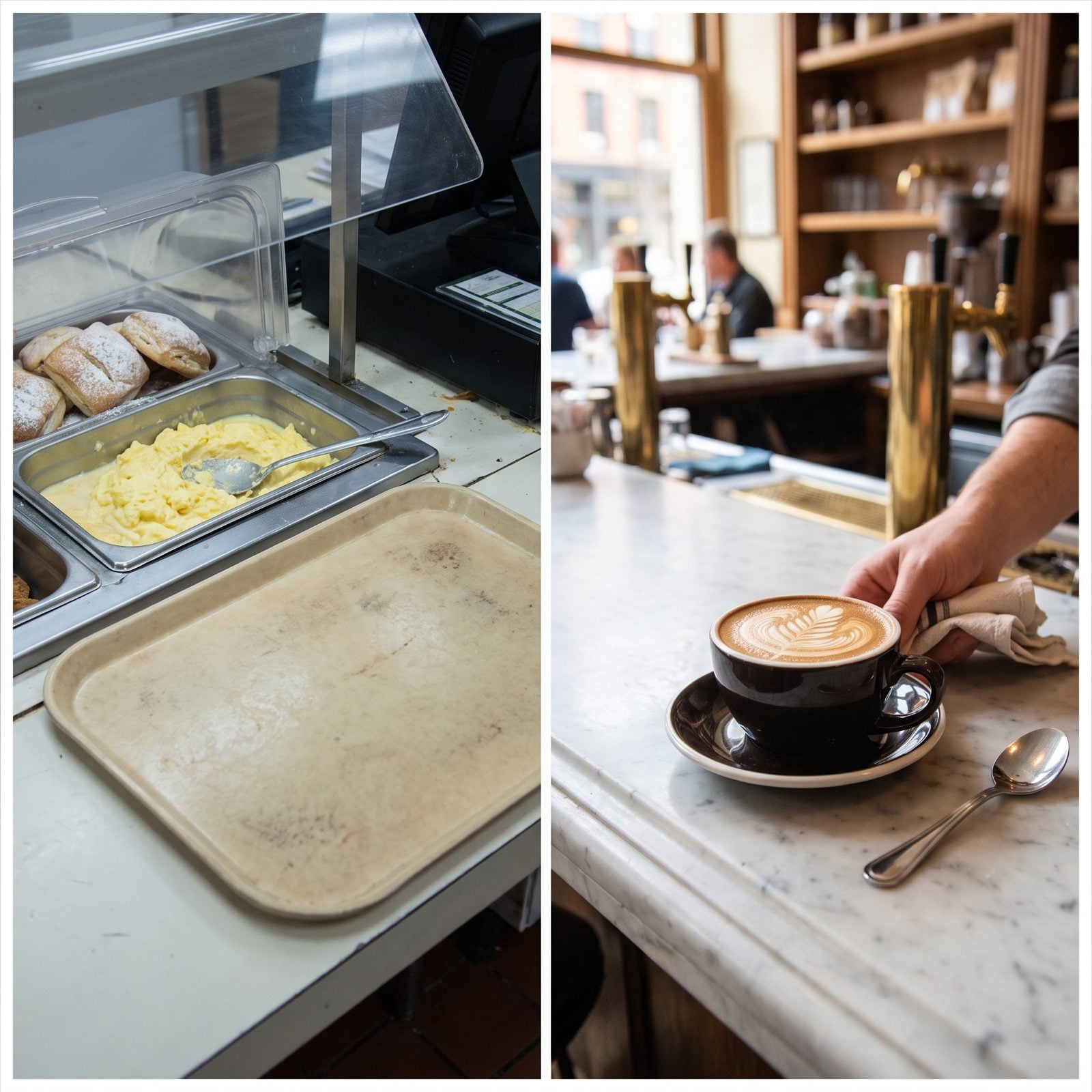
The hotel buffet adds 25 euros a head. You get scrambled eggs, cold cuts, the same croissants as everywhere, and the vague sense you should eat more to get your money’s worth.
The cappuccino and cornetto, taken standing at a neighborhood bar, costs about 3 euros. It’s how actual Italians start the day — better coffee, a warmer pastry, and thirty seconds of overhearing the whole street wake up.
I’ll die on this hill: the buffet is a tourist tax dressed as convenience. Skip it every single morning.
18. A Market-Picnic Lunch vs the White-Tablecloth Sit-Down
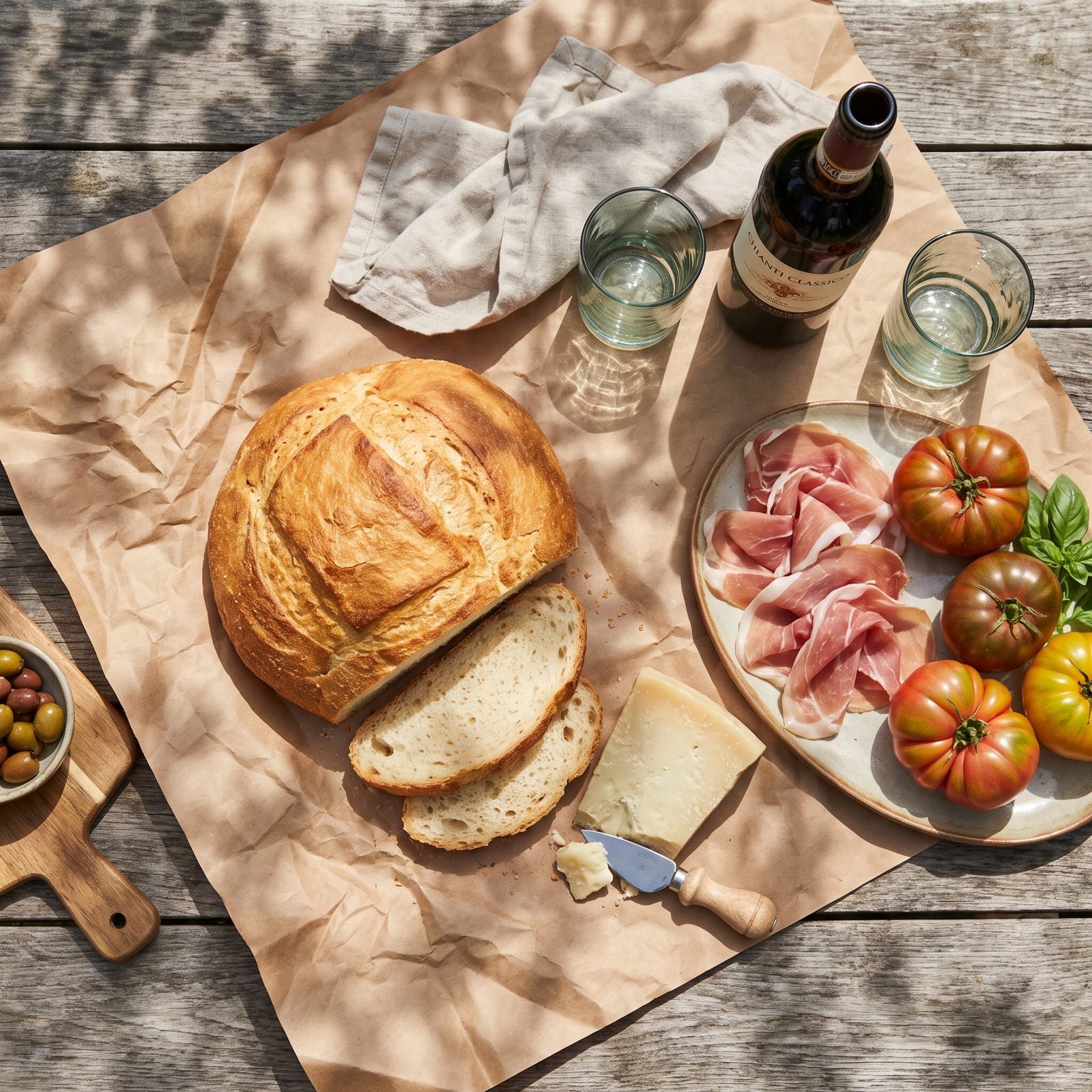
Twelve euros at the market: bread still warm, pecorino, prosciutto sliced to order, a fistful of cherry tomatoes, a bottle of something local. You eat it on a wall in the sun and it might be the best meal of the trip.
The white-tablecloth lunch runs 55 euros and gives you handmade pasta, a proper glass of wine, and an hour off your feet in the shade. Both are worth having.
The move most travelers miss is doing one of each. Picnic when the day is packed and the weather’s good, sit down when you need the rest.
17. The Neighborhood Trattoria vs the Michelin-Star Tasting Menu
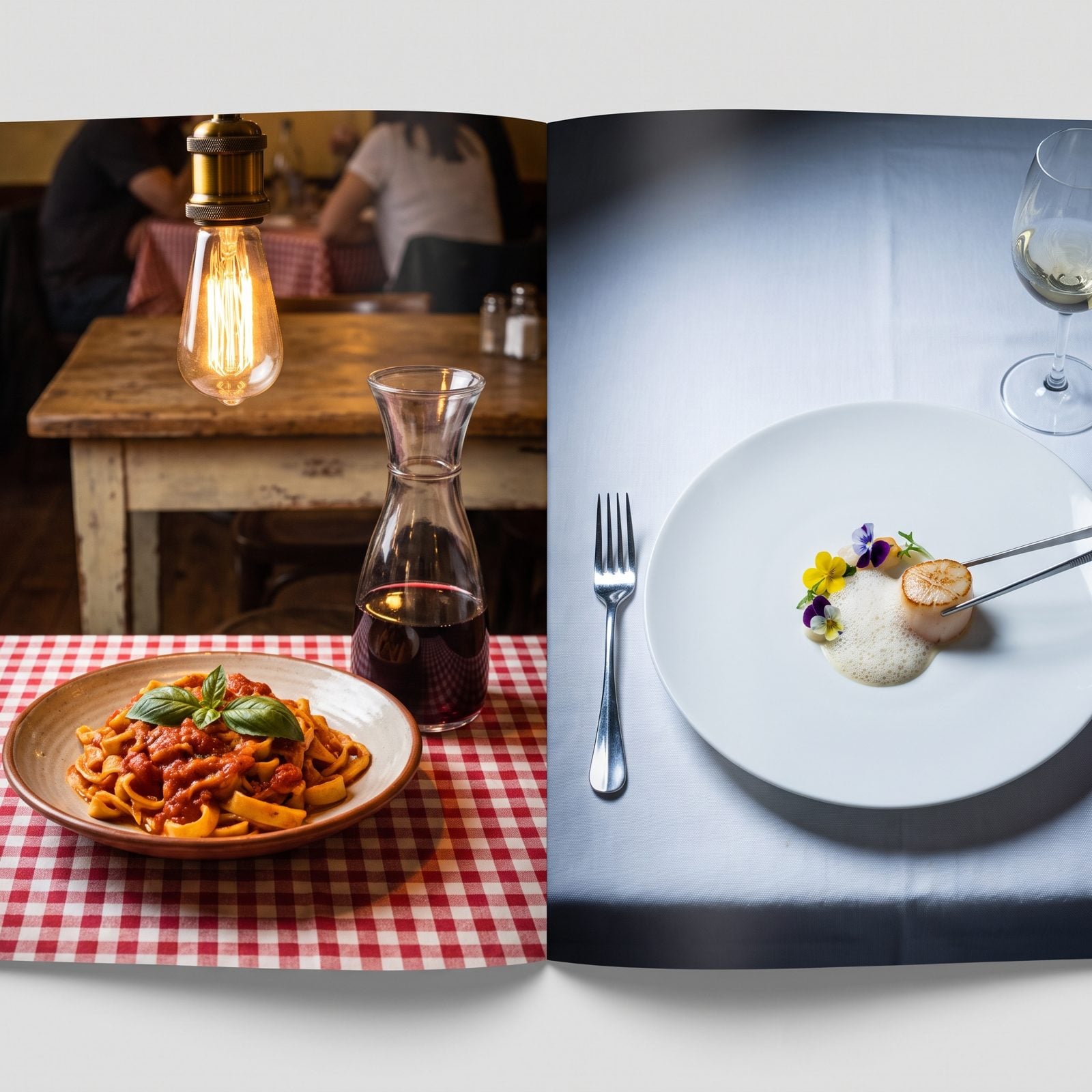
Thirty-five euros feeds you completely at the trattoria: two courses, a carafe of red, bread you keep tearing at, and a room full of locals arguing about football. It tastes like somebody’s actual family recipe because it is.
The Michelin tasting menu is 220 euros before wine, and it’s genuinely beautiful work. Nine tiny courses, tweezers involved, a story behind each plate.
One dinner is a memory you’ll dine out on for years. The other is Tuesday, and Tuesday is why you came to Italy.
Do the splurge once if it thrills you. But don’t let it convince you the trattoria is the lesser meal. Some nights it’s the better one.
16. House Wine by the Carafe vs the Celebrated Cellar Bottle
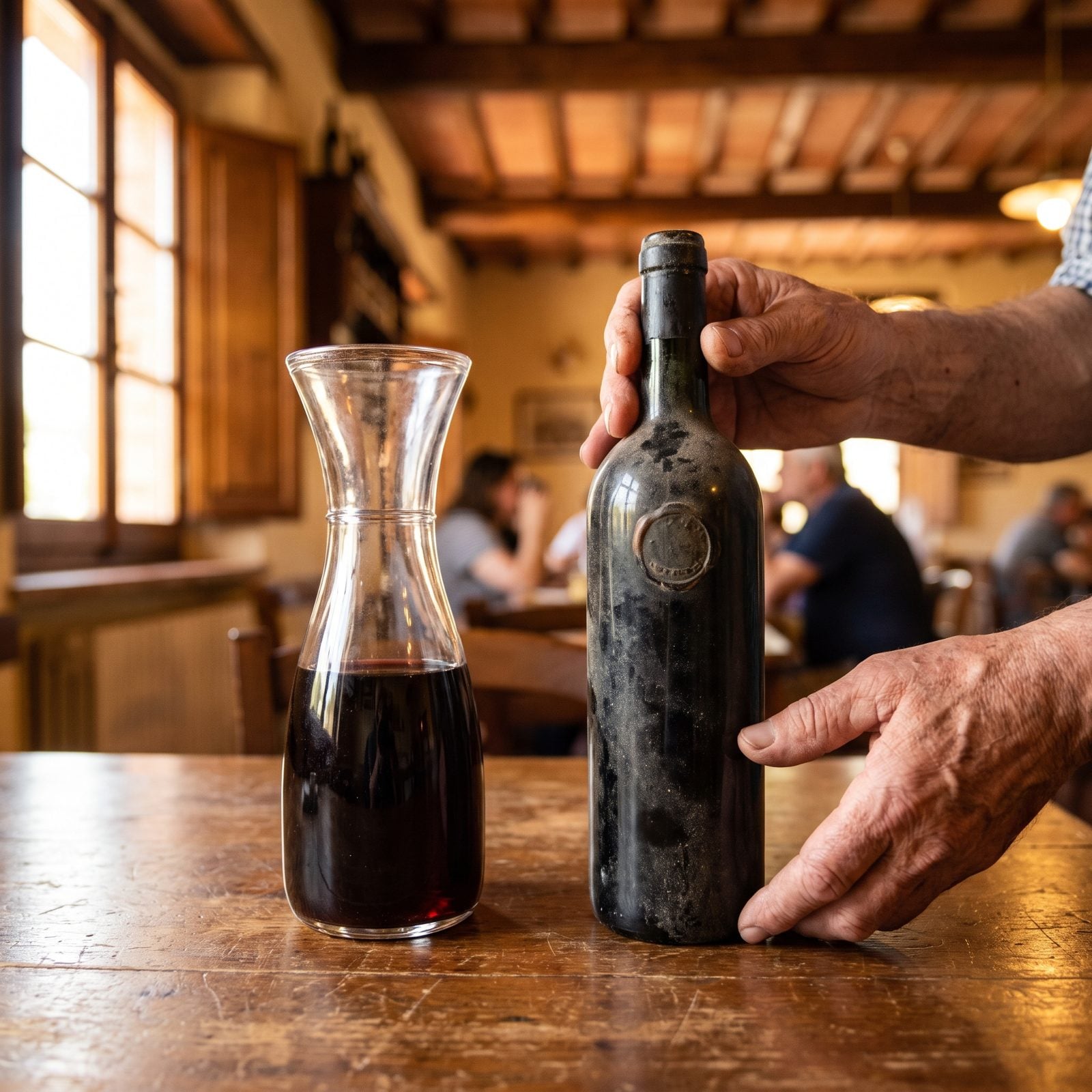
The house carafe is 8 euros for half a liter, poured without ceremony, and in most Italian regions it’s honestly good. It’s the local grape, made nearby, meant to go with the food and nothing else.
The celebrated bottle from the cellar list runs 90 euros and up. A real experience, sure, if you know what you’re drinking and you slow down for it.
Here’s my flat opinion: unless you’re a serious wine person, the carafe wins on almost every table in Italy. The gap in pleasure is tiny. The gap in price is not.
15. A Rental Car for the Week vs High-Speed Rail
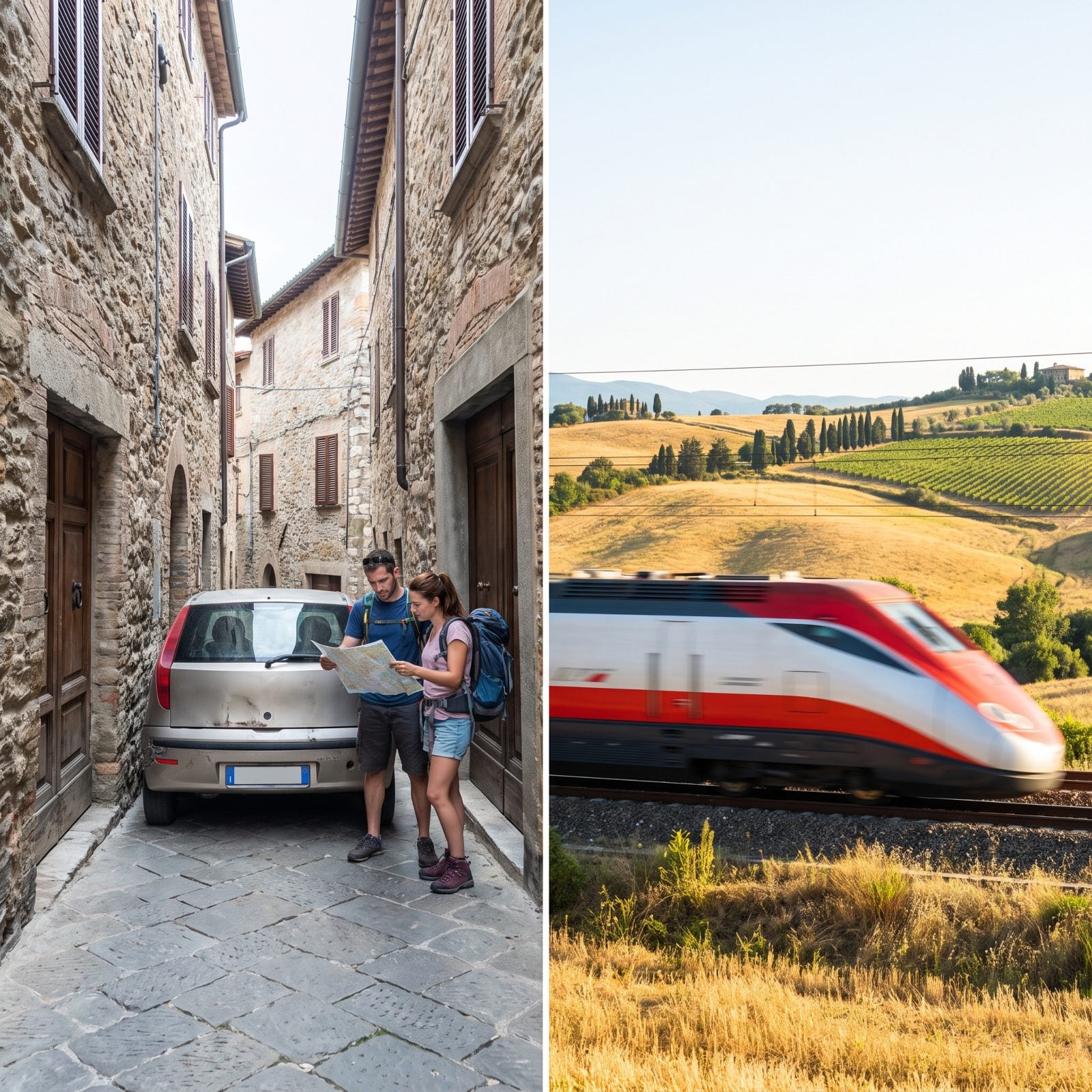
The rental costs around 350 euros for the week before you add fuel, tolls, and the parking-garage math that quietly eats another 25 euros a night in every city. But it opens the whole countryside — the hill towns no train touches, the roadside stand with the best peaches you’ll ever eat.
High-speed rail runs city center to city center in a couple of hours, no parking, no ZTL fines mailed to your house six months later. Florence to Rome in ninety minutes, feet up, wine in hand.
The clean answer: rail between cities, and rent a car only for the days you’re roaming the countryside. Doing both isn’t indulgent. It’s just smarter than committing to one for the whole week.
14. Guided Colosseum Tour vs Going It Alone Through the Ruins
🔥 Would you like to save this?
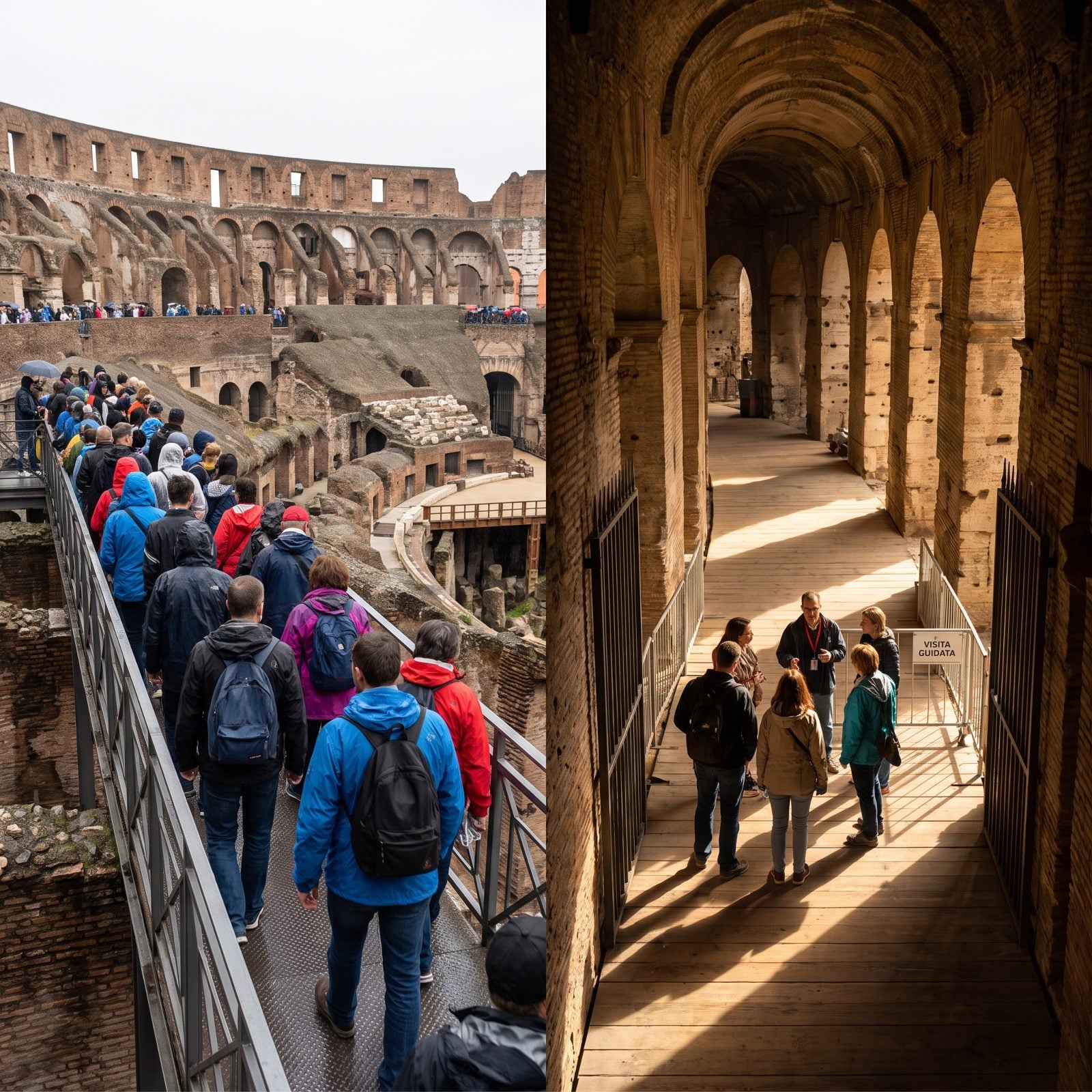
The independent ticket runs cheap. A basic admission gets you inside, and you shuffle the upper ring with a thousand other people reading the same three placards. You’ll see it. You won’t understand it.
The guided tour with underground and arena-floor access costs several times more. What you’re actually buying is the part fenced off from everyone else: the hypogeum where the cages sat, the sand-level view a gladiator saw, and a person who can tell you which emperor died where.
13. After-Hours Vatican Access vs Standing in the Standard Line
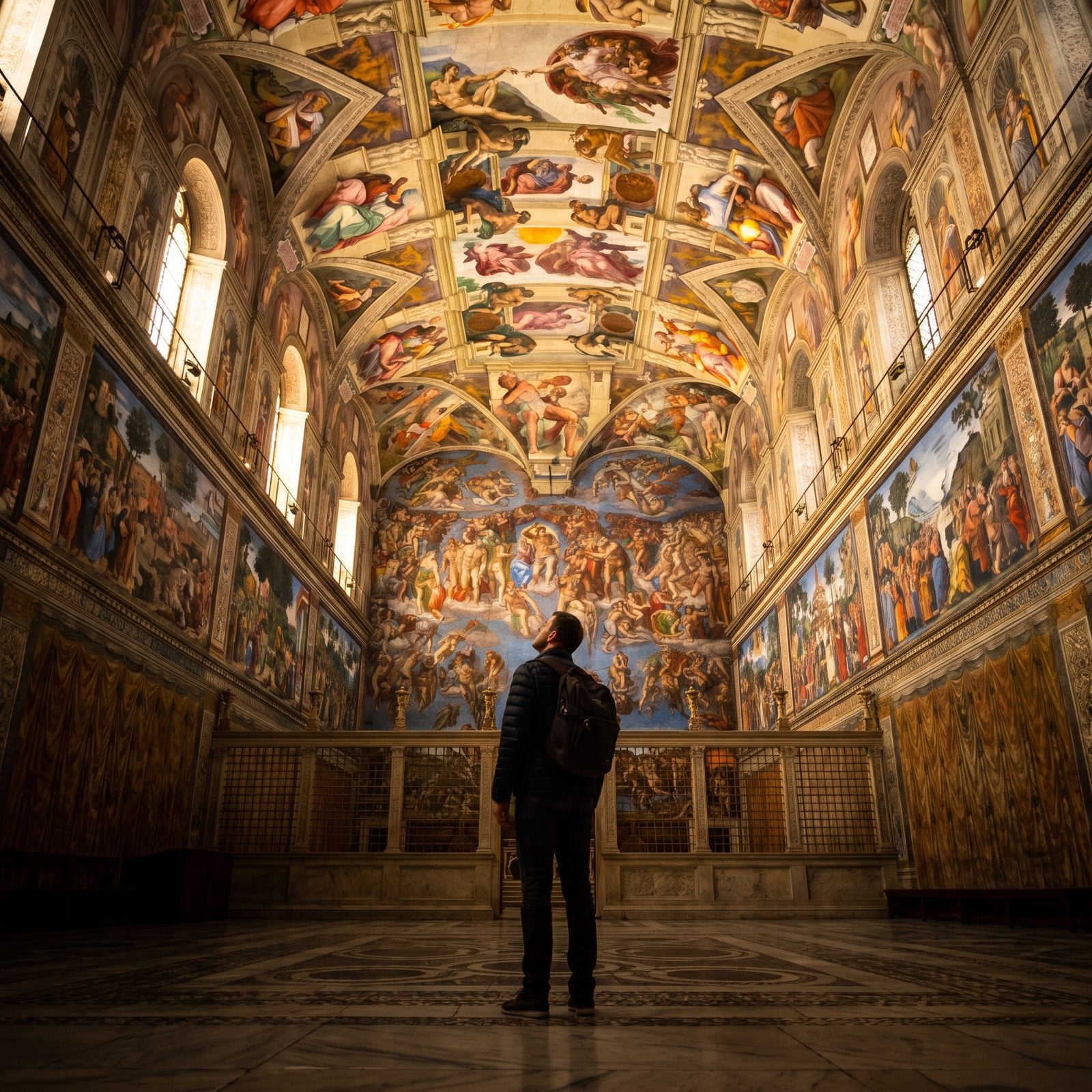
Standard admission is cheap and the crowd comes free of charge. You’ll enter the Sistine Chapel packed in with hundreds of people, a guard hissing silenzio into a wall of noise, and you’ll crane your neck at Michelangelo over a forest of raised phones.
After-hours or early-entry access costs a good deal more. The math looks bad until you’re standing in that same room with almost nobody in it, the ceiling actually visible, the quiet doing what the artist intended. You paid to remove the crowd. In the Vatican, the crowd is the whole problem.
12. A Private Gondola Glide vs the Public Vaporetto Grind
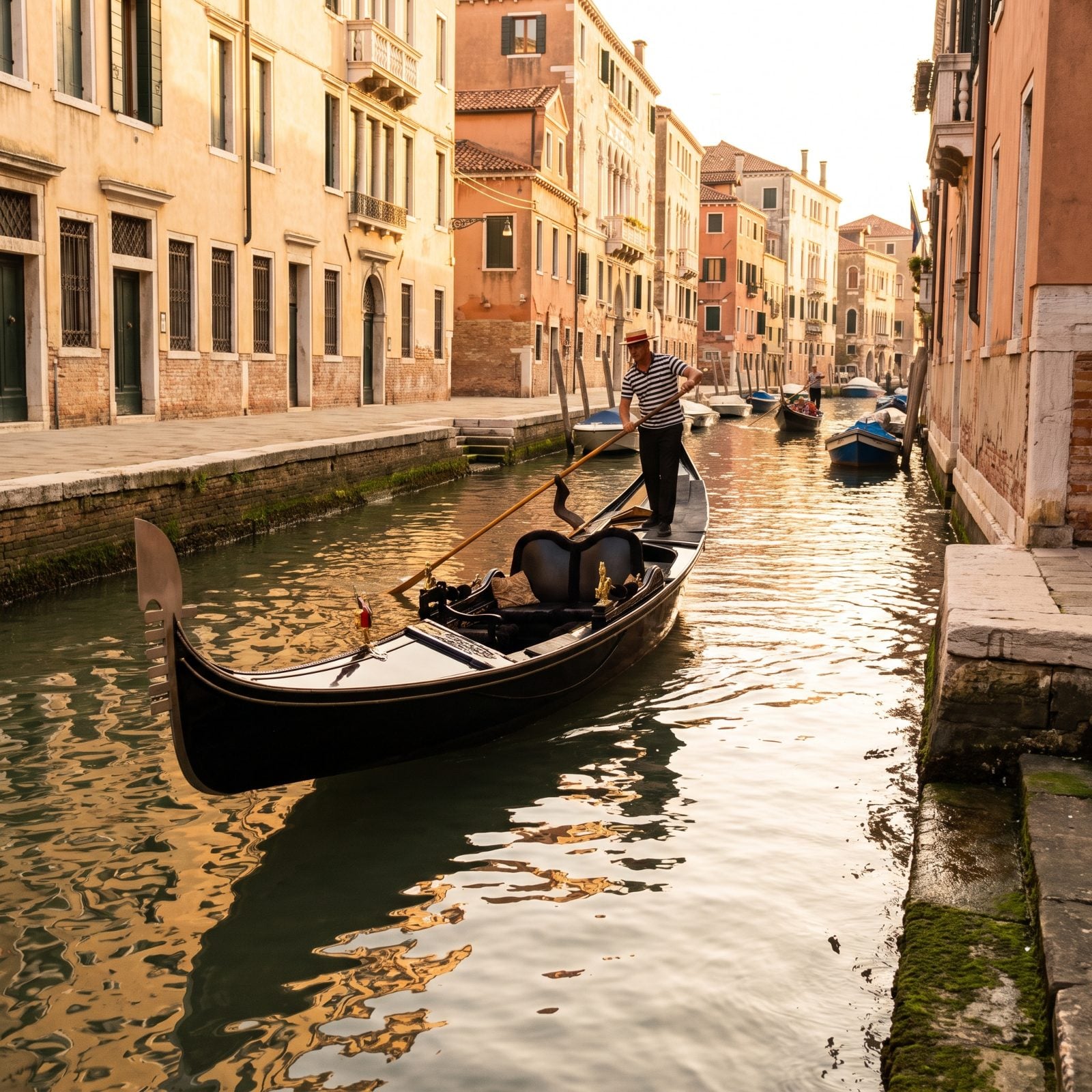
The vaporetto costs a few euros a ride, and honestly, I love it. You stand at the rail, wind in your face, locals doing their grocery run around you while the Grand Canal opens up like a movie set you didn’t pay for. It’s Venice as transportation.
The private gondola runs roughly ten times that for half an hour, more after sunset. What you get is the silence of the small canals — the ones no bus can reach, where the water slaps stone and the buildings lean in. One is a commute. The other you’ll bring up at dinner parties for years.
11. Small-Group Tuscan Wine Tour vs Renting a Car and Winging It

Someone has to be the designated driver, and in wine country that’s a cruel job. The self-drive vineyard day looks free-spirited: rent a car, buy your own tastings, roam the Chianti back roads on your own clock. Then reality arrives. One of you is spitting out every glass, and getting into a cellar without a reservation is a coin flip.
The small-group tour costs more, but it folds in a driver who knows the gravel, three estates that already expect you, and lunch that isn’t a gas-station panino. Everyone drinks. Nobody navigates.
10. Private Capri Beach Club vs the Free Cove Where Locals Actually Swim
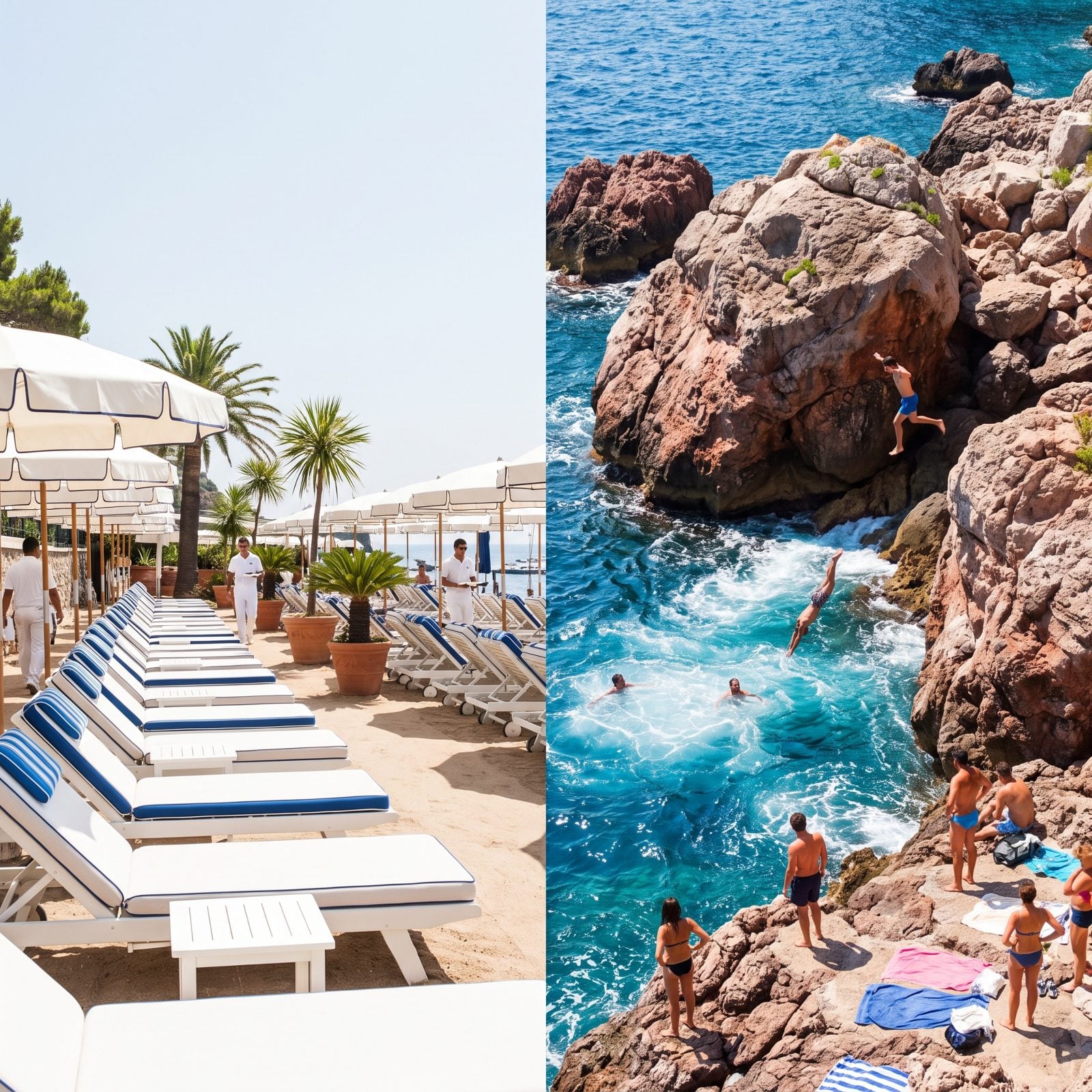
The rocky public cove costs nothing and asks everything. You clamber over sun-baked boulders, spread your towel on stone, and dive into the same impossible blue the beach clubs charge for. Bring water shoes or your feet will pay a toll.
The private beach club on Capri charges real money just for a lounger and umbrella, more once you add lunch and a drink. You’re buying a flat surface, shade, a bathroom, and a waiter who brings the Aperol to you. On a hot day, some travelers would sell a kidney for that shade. Others would rather be salt-crusted and free.
9. Rolling Up Your Sleeves at a Pasta Class vs Sitting Down at the Chef’s Table
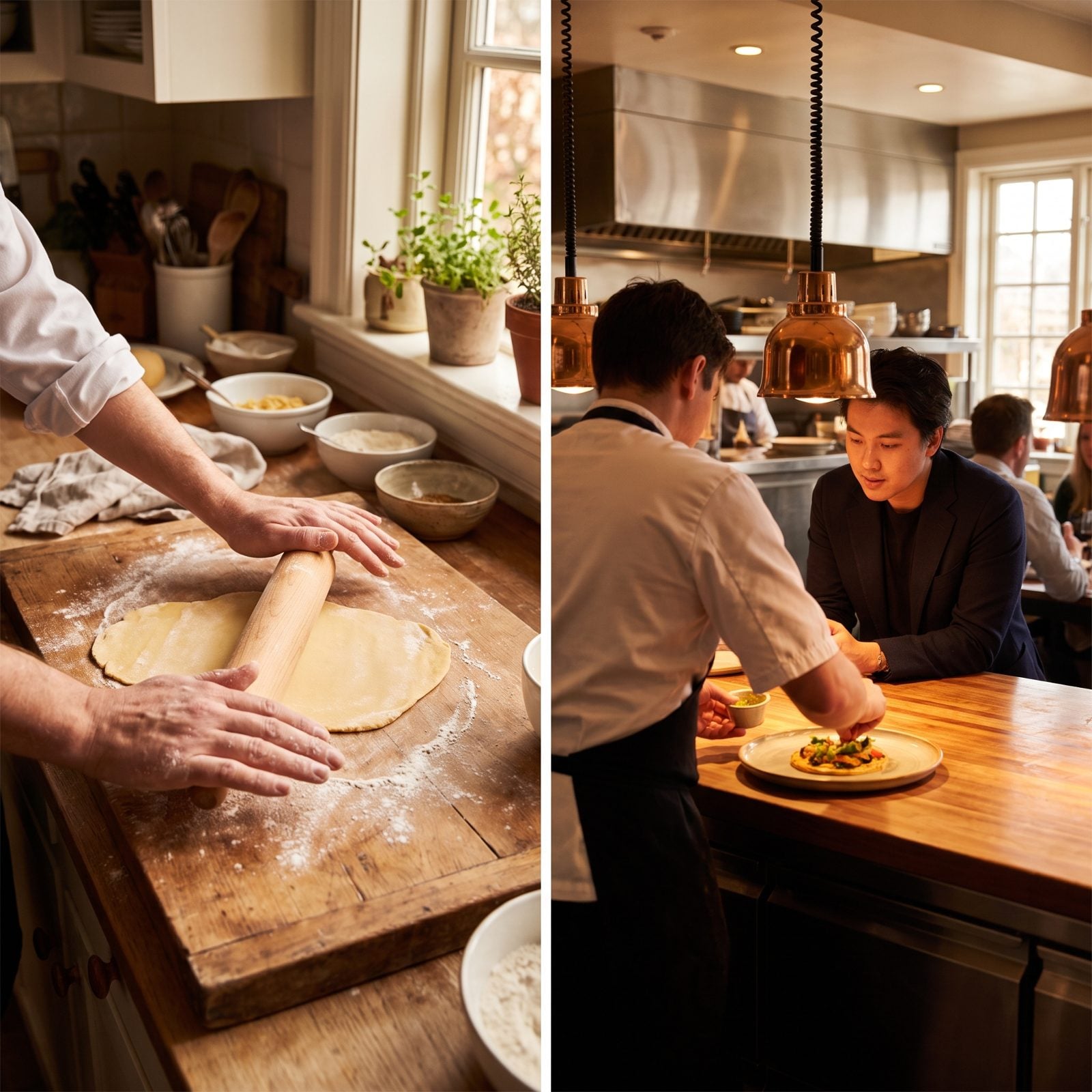
The chef’s-table dinner is the passive luxury. You sit, you watch a professional work, plates arrive, and by the end you’ve eaten some of the best pasta of your life. You’ll remember the flavor. You won’t be able to recreate a single bite.
The hands-on class costs less and hands you flour up to your wrists. You’ll make ugly, misshapen tortellini and eat them anyway, prouder than you should be. Here’s the trade nobody names: one gives you a perfect meal, the other gives you a skill you carry home. I’ve always thought the messy one wins.
8. Buzzing Through Rome on a Vespa vs Pedaling All Day on a Rental Bike
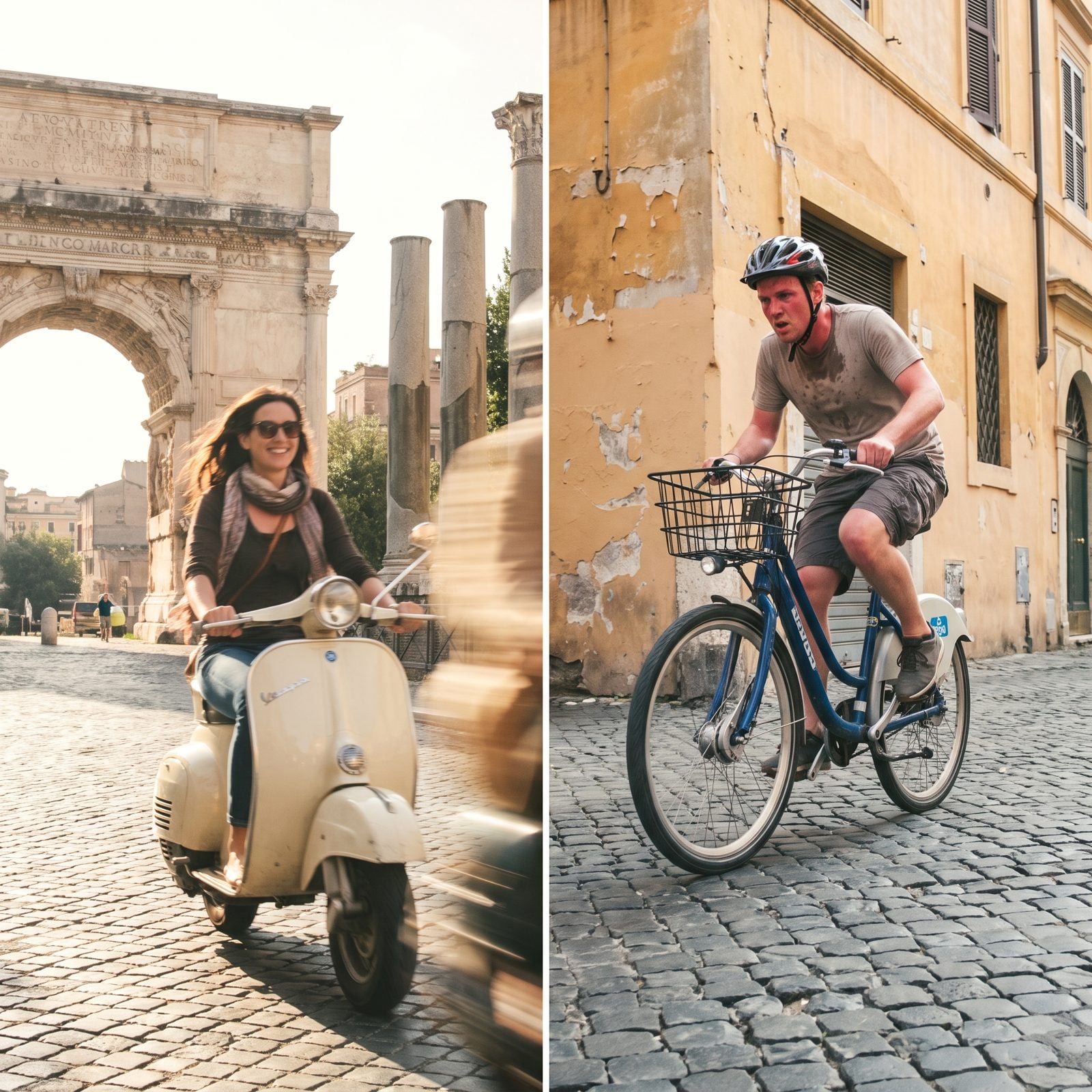
An all-day bike rental in Rome is cheap, and it’s a workout you didn’t sign up for. Roman cobbles rattle your teeth, the hills are unforgiving, and traffic treats bikes like rumors. But you go where you want, stop when you want, and answer to nobody.
The guided Vespa tour costs plenty more, and somebody else drives. You cover triple the ground, lean into corners past monuments, and hear a local’s version of the city over the engine. The bike is freedom with sore legs. The Vespa is cinema, and you’re in it.
7. A Box Seat at La Scala vs an Outdoor Concert in the Neighborhood
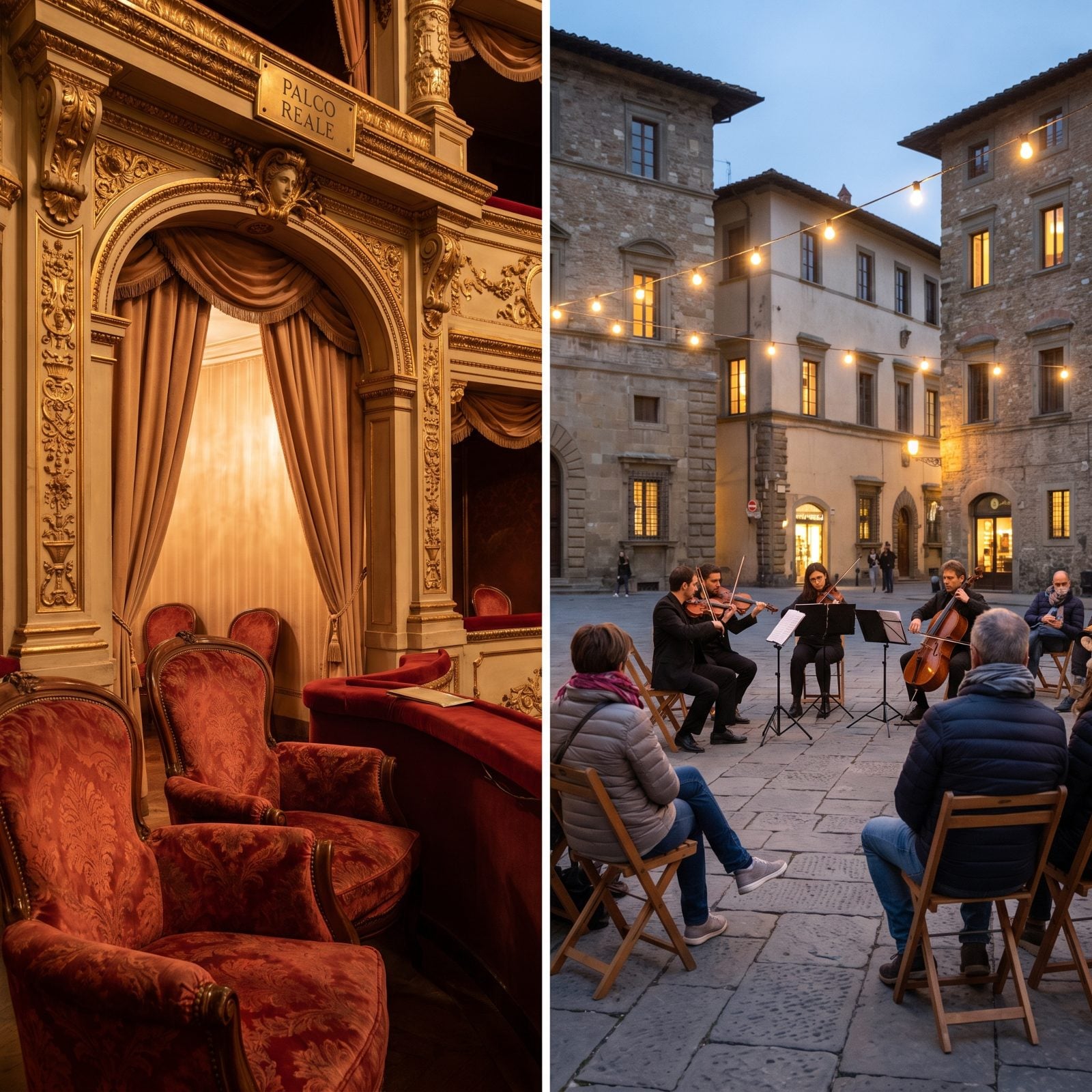
The free neighborhood concert asks only that you show up. A string quartet in a piazza, folding chairs, string lights, someone’s grandmother tapping her foot. It’s genuine, it’s local, and it costs a coffee if you feel guilty.
La Scala is another universe. Good seats climb fast, and you’re sitting inside a room that has hosted premieres since 1778. The gilt, the acoustics, the collective held breath before the overture. One is charming. The other is a bucket-list night you booked months ahead and will never regret.
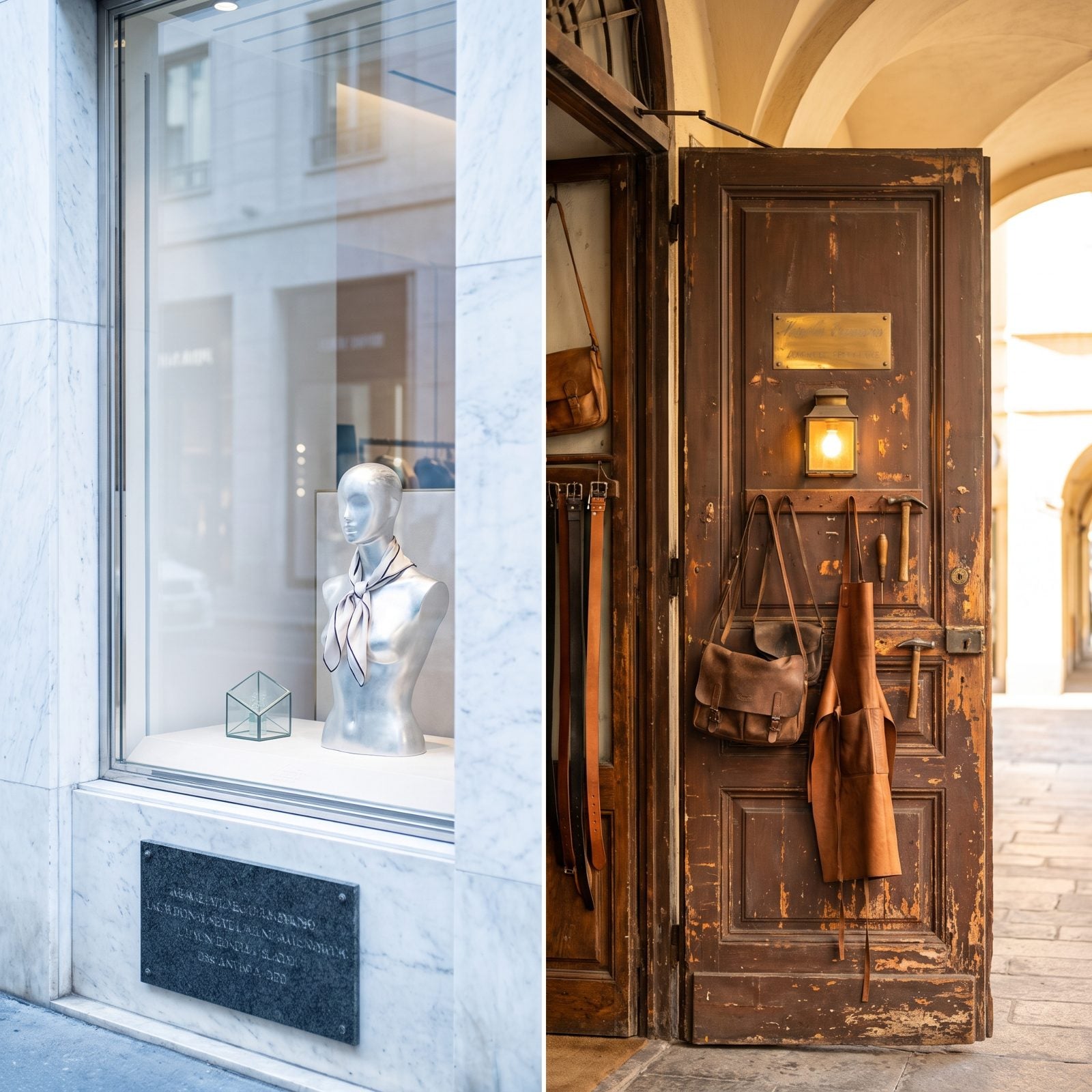
6. Designer Windows in Milan vs the Workshop Doors of Florence
🔥 Would you like to save this?
Milan is the temple of the label. You walk the Quadrilatero della Moda, marble underfoot, and every window is a small argument for blowing your whole budget on one bag. The pieces are impeccable. So is the markup.
Florence sells you the maker instead of the logo. Duck into a leather workshop near Santa Croce and you’ll find hand-cut bags, custom stamping, and a price that reflects hours instead of billboards. Same money: one buys a name everyone recognizes, the other buys something no one else will have. I know which story I’d rather tell.
5. Rooftop Aperitivo Above the City vs a Spritz in the Local Piazza
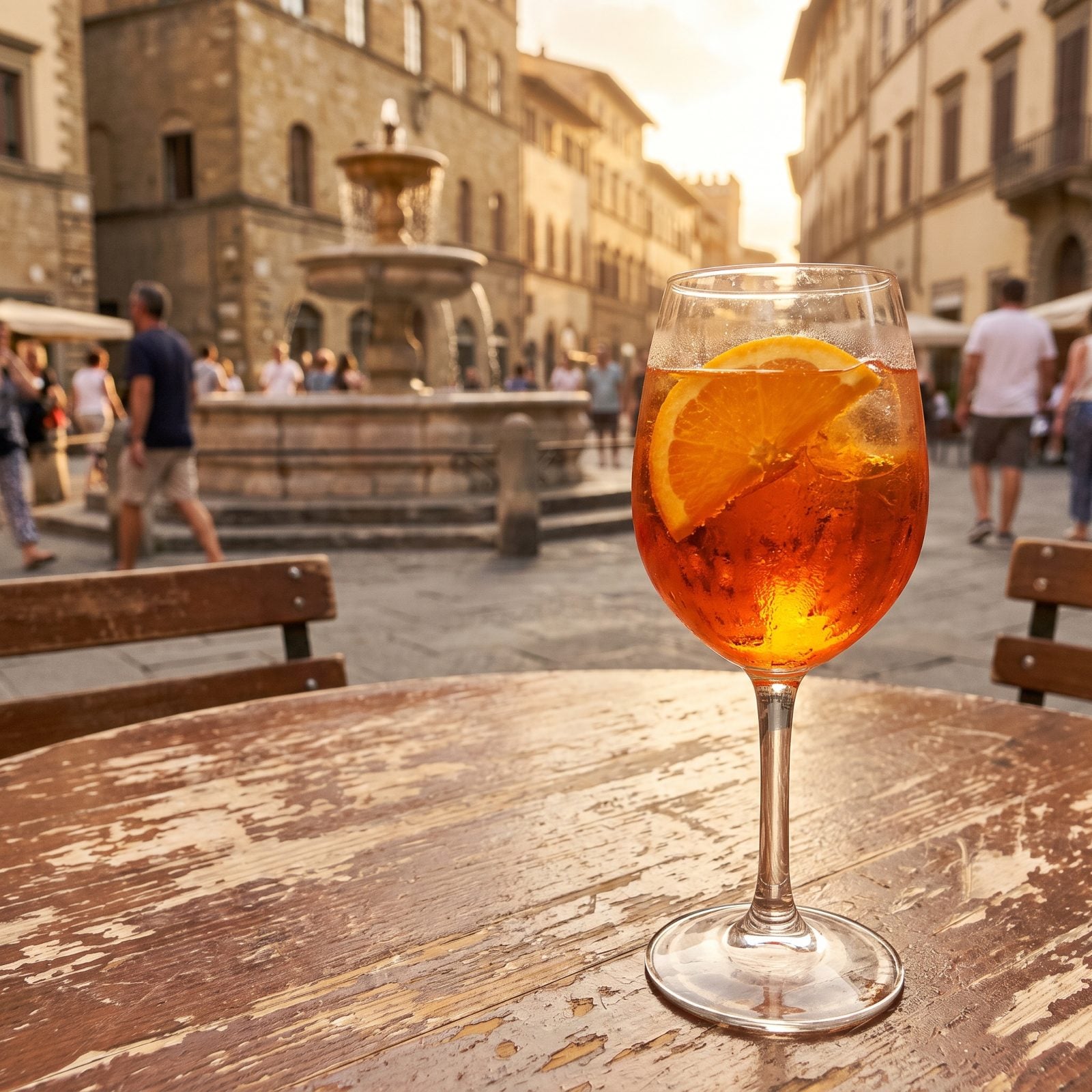
The piazza spritz is the everyday miracle. A few euros gets you a bright orange Aperol, a bowl of chips and olives, and a front-row seat to the whole neighborhood’s evening passeggiata. Nobody’s rushing you. This is Italy running on its own clock.
The rooftop version costs several times more for the same drink, and what you’re really paying for is the view: domes going pink, the city laid out below, the sense of an occasion. Both taste identical going down. Only one comes with the skyline, and on your last night in Italy, that skyline might be worth every extra euro. Go up once. Drink in the piazza the rest of the week.
4. Lake Como Day Trip vs Quiet Lake Orta Escape
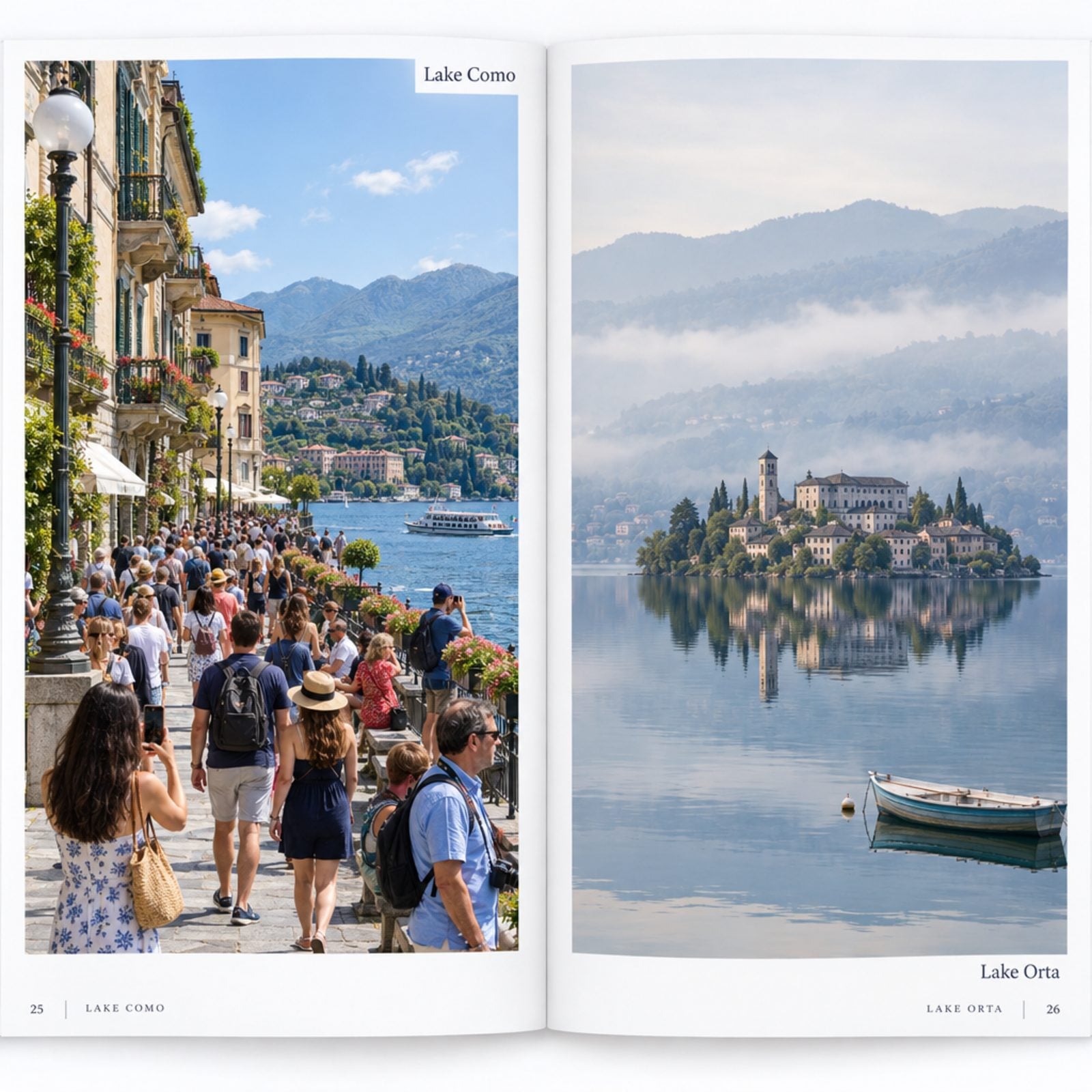
Como sells the postcard, and you’ll pay for it in ferry queues, a lakeside espresso that runs six euros, and a promenade where half of Europe is filming the same view over your shoulder. Beautiful, yes. Restful, no.
Orta San Giulio sits ninety minutes west, costs a fraction, and gives you room to actually hear the water. A midrange lakefront room runs well below Como’s rates, and the trattoria on the square remembers you by the second night. Same lake-and-mountain magic, a tenth of the people.
3. Thermal-Spa Admission vs Wild Hot-Spring Soak
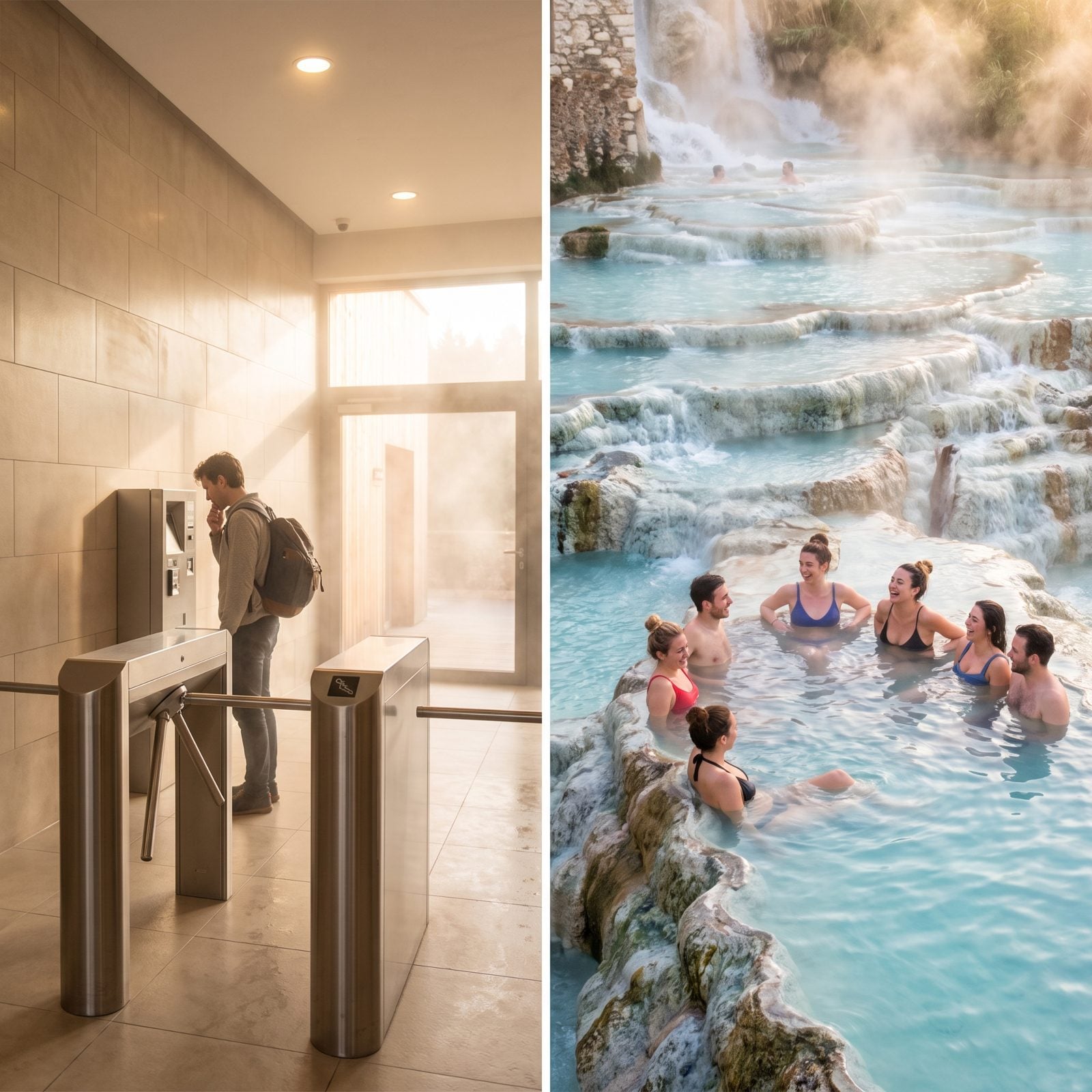
Same water. Same minerals. One has a turnstile.
The polished thermal resort near Saturnia charges a daily admission, and for that you get loungers, a locker, and a bar that knows exactly how thirsty warm water makes you. Comfortable, predictable, a little sterile.
Two minutes down the road, the Cascate del Mulino falls over the very same travertine terraces for free. Bring your own towel and your own patience with the parking. The water is the identical warmth the resort bottles and sells. I’ve done both and only remember one of them, and it wasn’t the one with the wristband.
2. Cinque Terre Express Pass vs One-Village Hiking Day
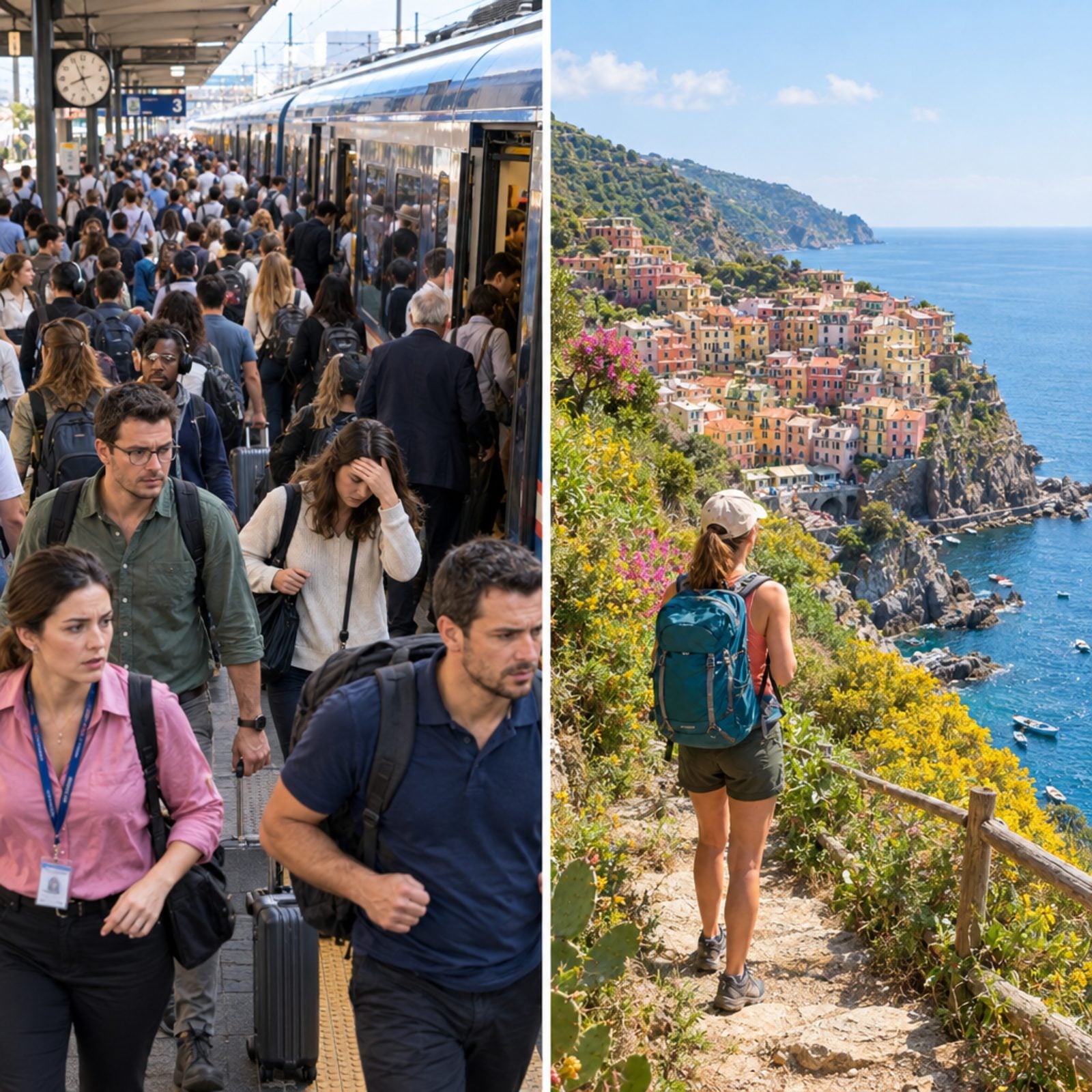
The express pass promises all five villages in a day. What it delivers is five train platforms, five nearly identical harbor photos, and a lunch eaten standing up because the good tables filled at eleven.
Buy the single-village hiking day instead. Base yourself in Vernazza, walk the coastal trail toward Corniglia in the morning light, then come back for a long, slow plate of anchovies and a glass of Sciacchetrà. You’ll see less of the map and more of Italy.
1. Three Famous Cities vs One Slow-Travel Region
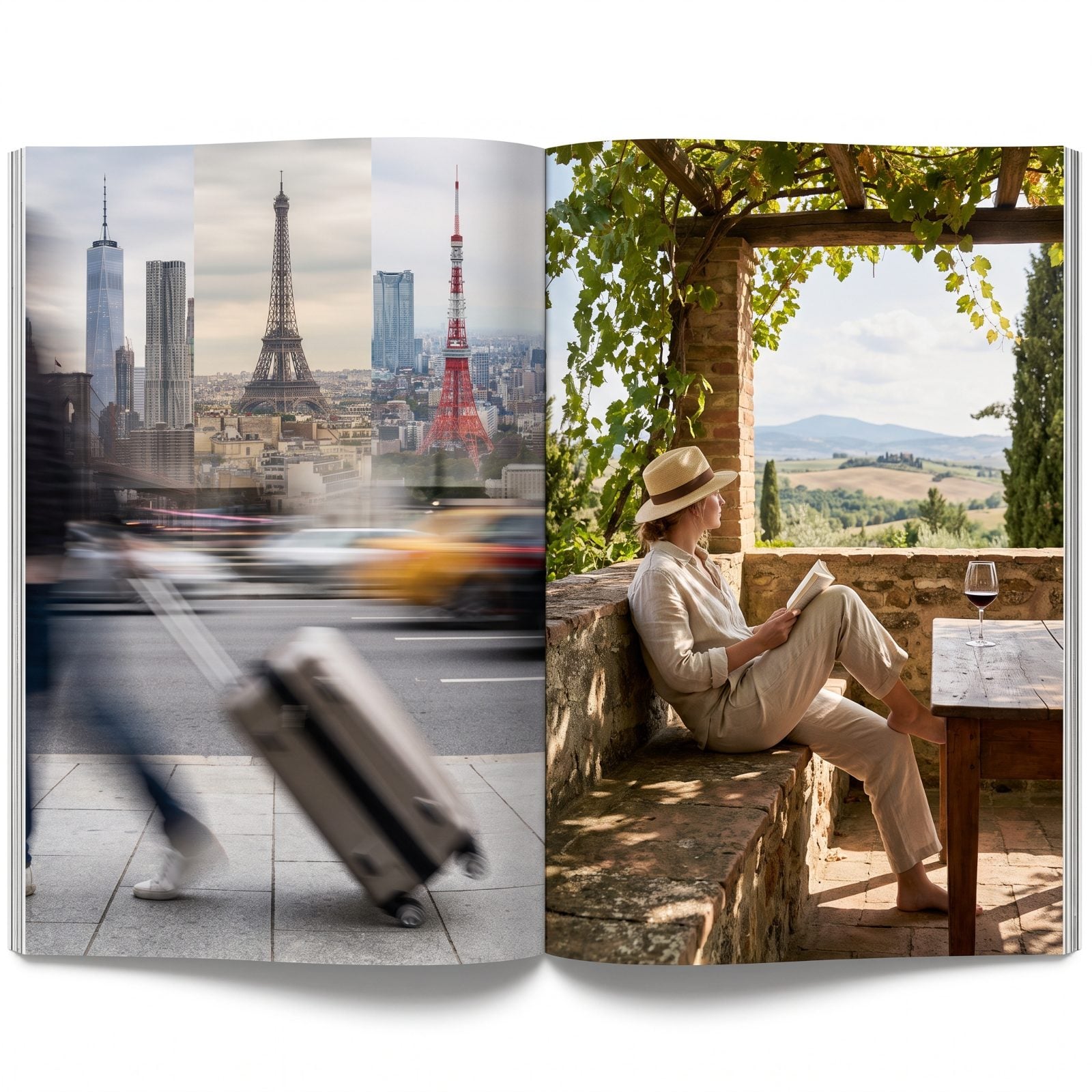
Say you split the week across Rome, Florence, and Venice. A full day and a chunk of that $4,000 just goes to moving: three check-ins, three sets of train tickets, two mornings lost to packing. You’ll see the greatest hits and remember almost none of it clearly.
Now imagine one base in Umbria. Same budget, one unpacking, a rented stone house, a market you learn by Wednesday, a trattoria owner who starts pouring before you order.
The famous cities give you a highlight reel. A single region gives you a home you get to leave.
Slow travel isn’t laziness. It’s the gap between visiting Italy and briefly living in it. We got this wrong for years, sprinting between capitals and calling it seeing the country. It wasn’t. It was seeing the trains.
🔥 Would you like to save this?
Please note that some of the imagery in this article were created with the aid of AI image generators.