
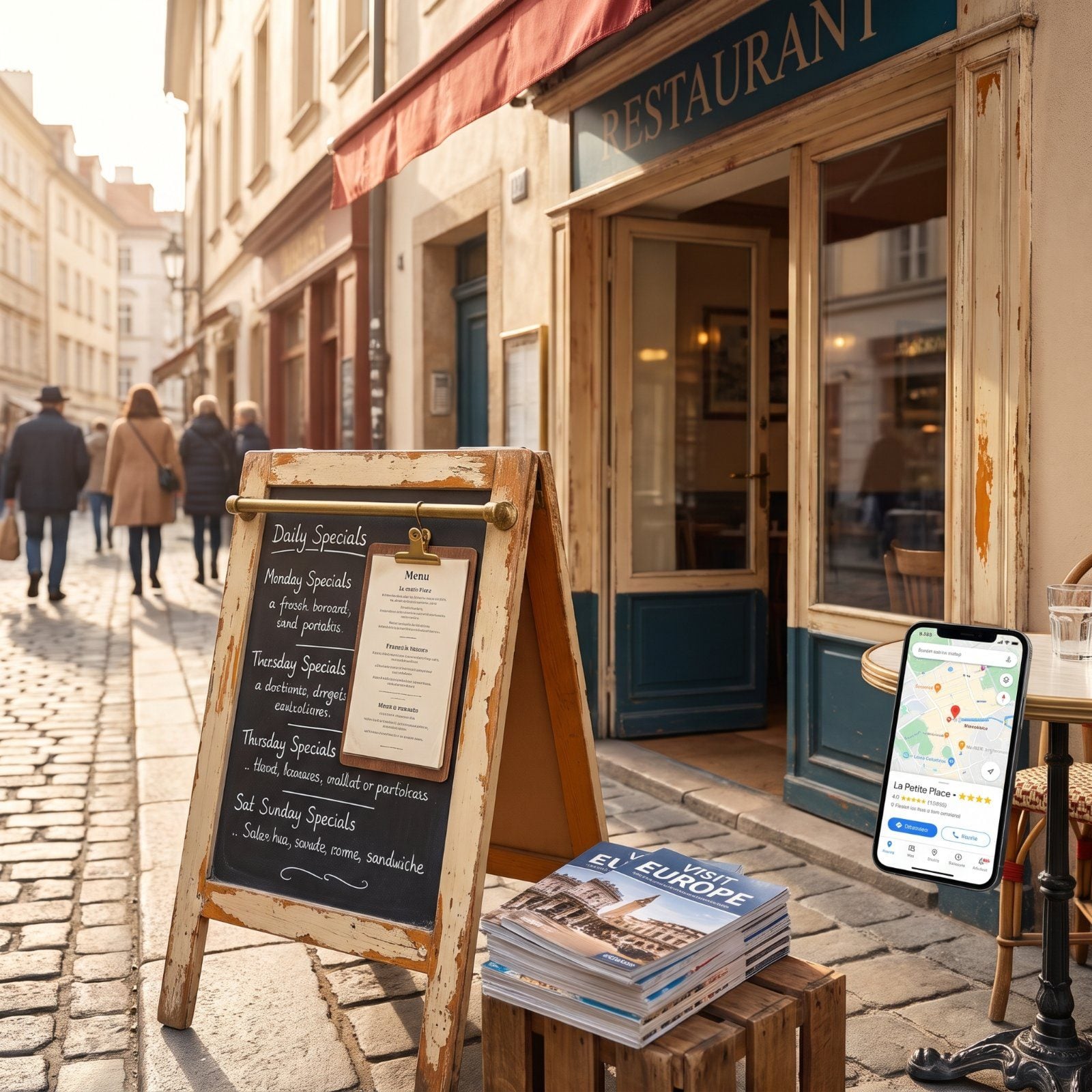
The pasta cost twenty-eight euros and arrived in nine minutes, which means it was sitting in a pan long before you walked in. Every traveler has eaten one of these meals. The forgettable plate near the famous fountain, the overpriced paella two steps from the castle gate. Here’s the part people miss: the restaurant usually tells you exactly what it is before you ever pull out a chair. You just have to read the entrance, the menu taped to the window, and the listing on your phone. These are the signs that give it away every single time.
36. A Sidewalk Barker Waves a Menu at Every Passerby
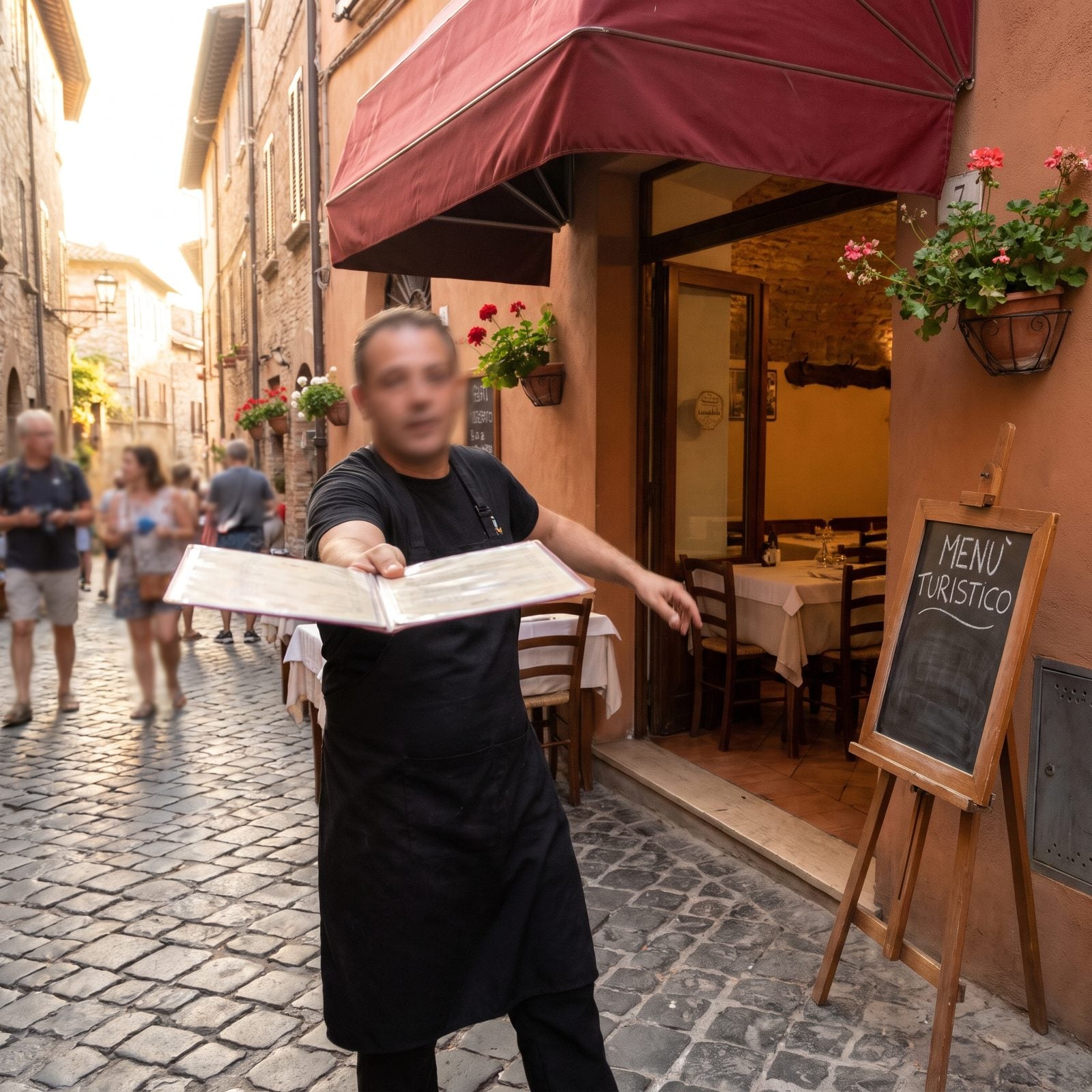
Good food does not need a man on the sidewalk begging you to try it. The barker is the tell. A kitchen with a line out the door never pays someone to lunge at strangers with a laminated menu.
Think about who actually needs this tactic. A place with regulars and a reputation fills itself, while a place that survives on one-time visitors who will never return has to grab you right now, because tomorrow you’re in another city. That urgency is the whole business model.
35. The Host Claims There Is Only One Table Left in an Empty Restaurant
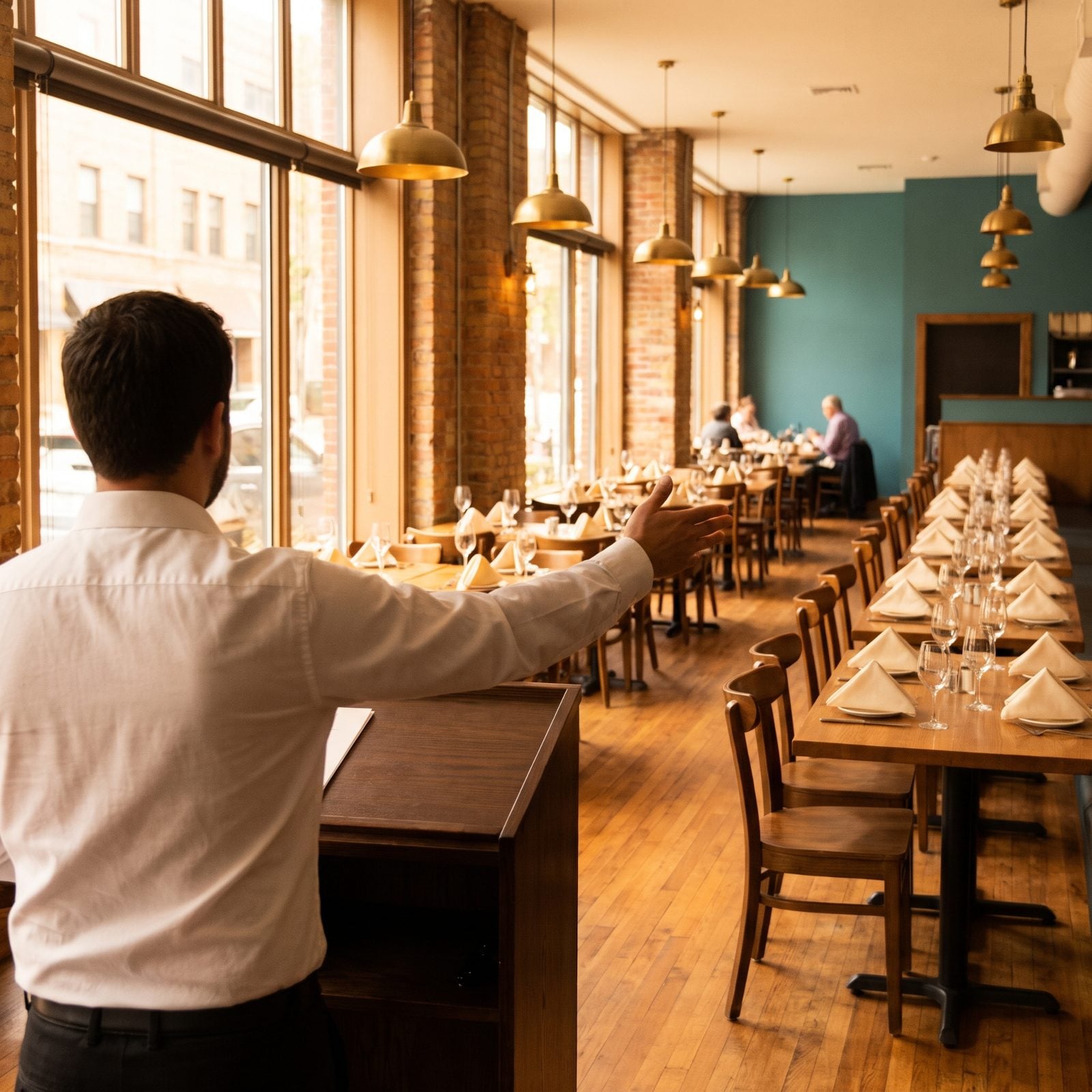
You arrive at an empty room and the host tells you he can “just squeeze you in.” Squeeze you in where? The place is a graveyard of folded napkins.
Manufactured scarcity is a sales trick lifted straight from a car lot, where the brain hears “last table” and stops asking whether the table was worth wanting in the first place. A busy restaurant seats you plainly or tells you the wait. It never performs reluctance over an obviously open floor.
34. A Tour Guide Personally Hands the Group to the Host
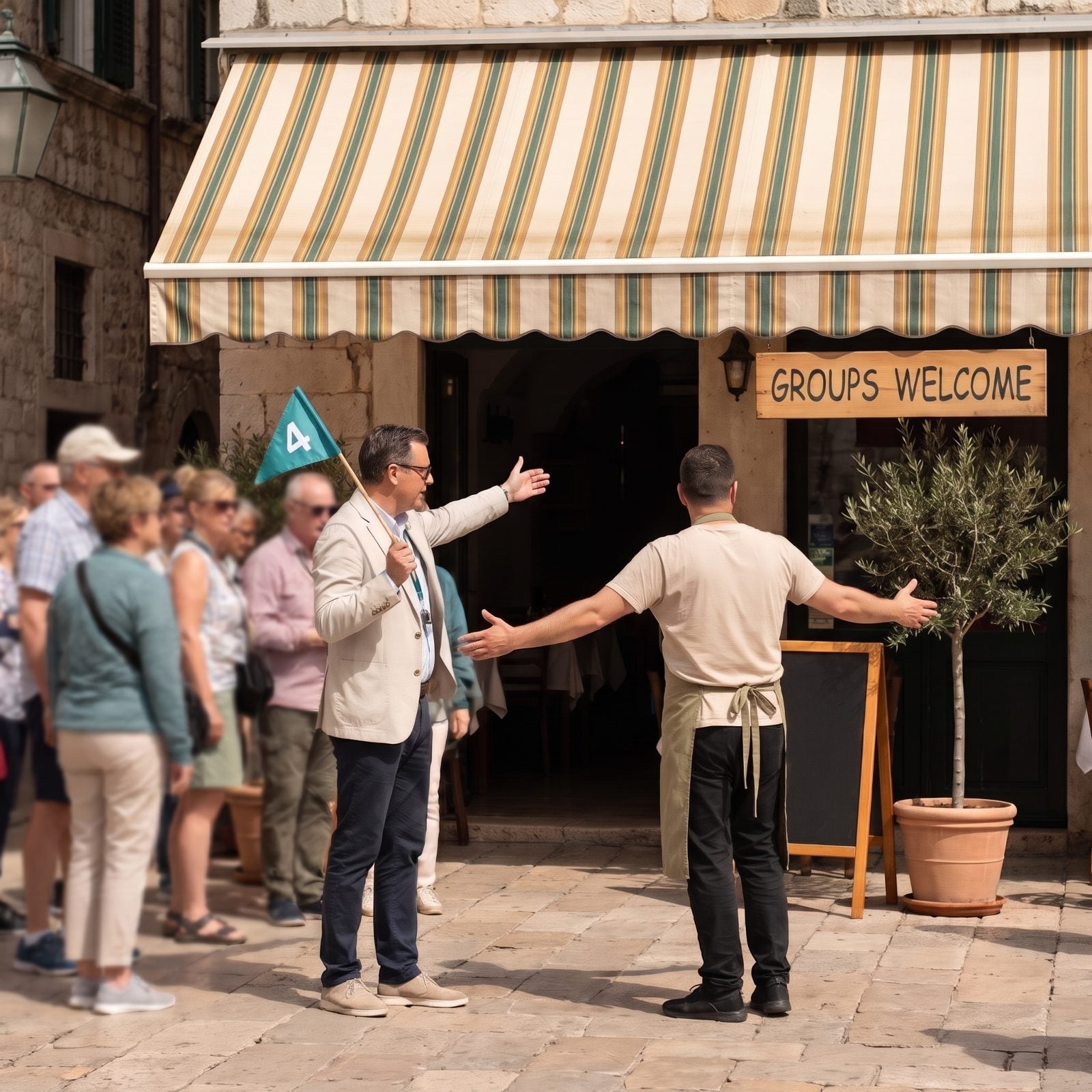
The guide’s sweeping gesture toward the door, met by the host’s wide-open arms, is not friendship. It is a commission.
Guides who steer groups to a specific restaurant usually earn a cut of the bill, sometimes a free meal, sometimes cash per head, and your interests are nowhere in that arrangement. You were the product being delivered. A guide who genuinely loves a place names it and lets you decide, rather than marching you through the door personally.
33. Tour Buses Unload Directly Outside the Entrance
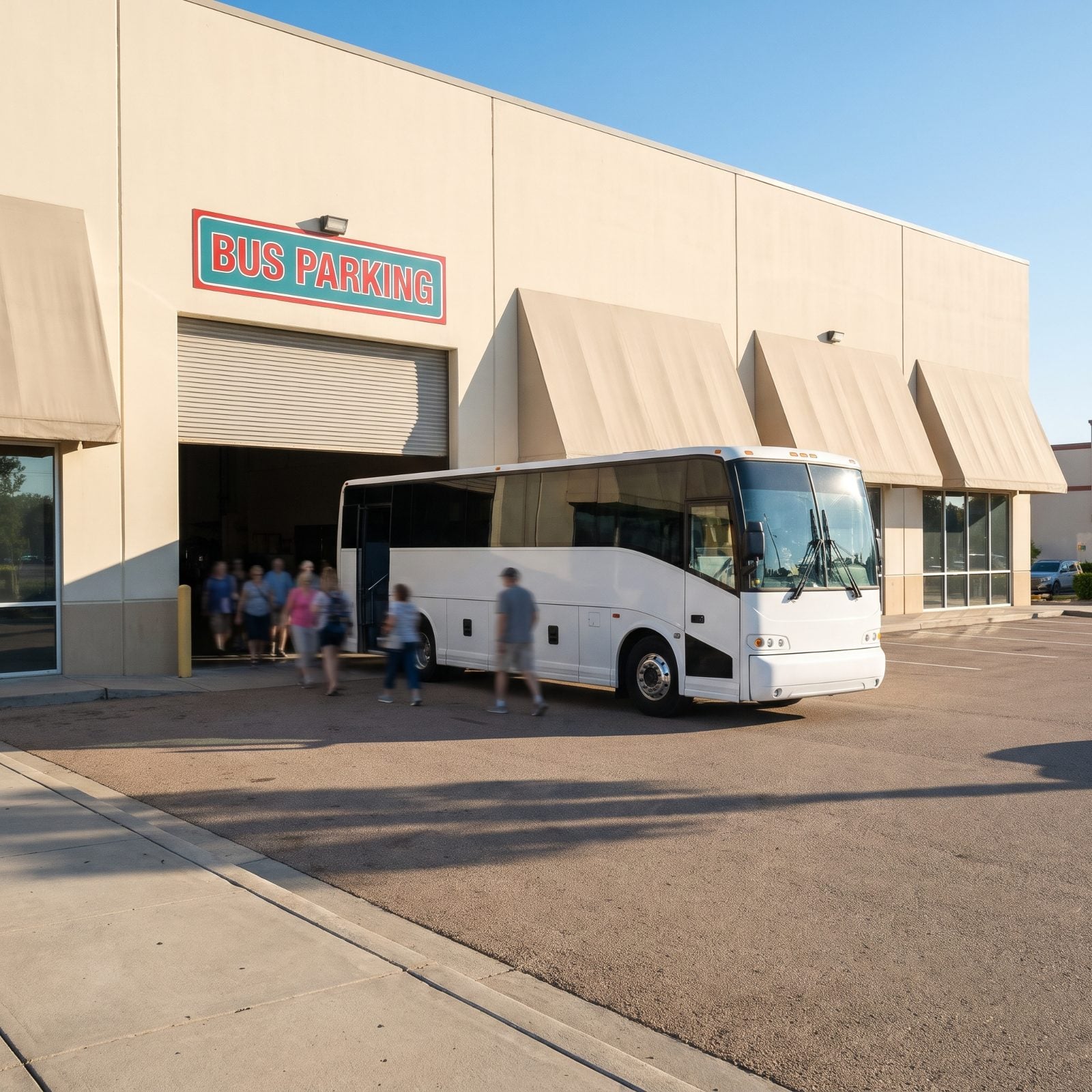
A restaurant with its own bus bay is a factory. Full stop.
Feeding fifty people off a coach in forty minutes means pre-cooked everything, portioned and reheated, timed to the itinerary rather than the kitchen. The location was chosen for parking, not produce. These places sit on ring roads and highway exits where no local would ever eat, precisely because no local is the point.
If the entrance is built wider than the dining room needs, it was built for groups, and you are about to eat group food.
32. The Restaurant Sits Inside an Attraction’s Exit Corridor
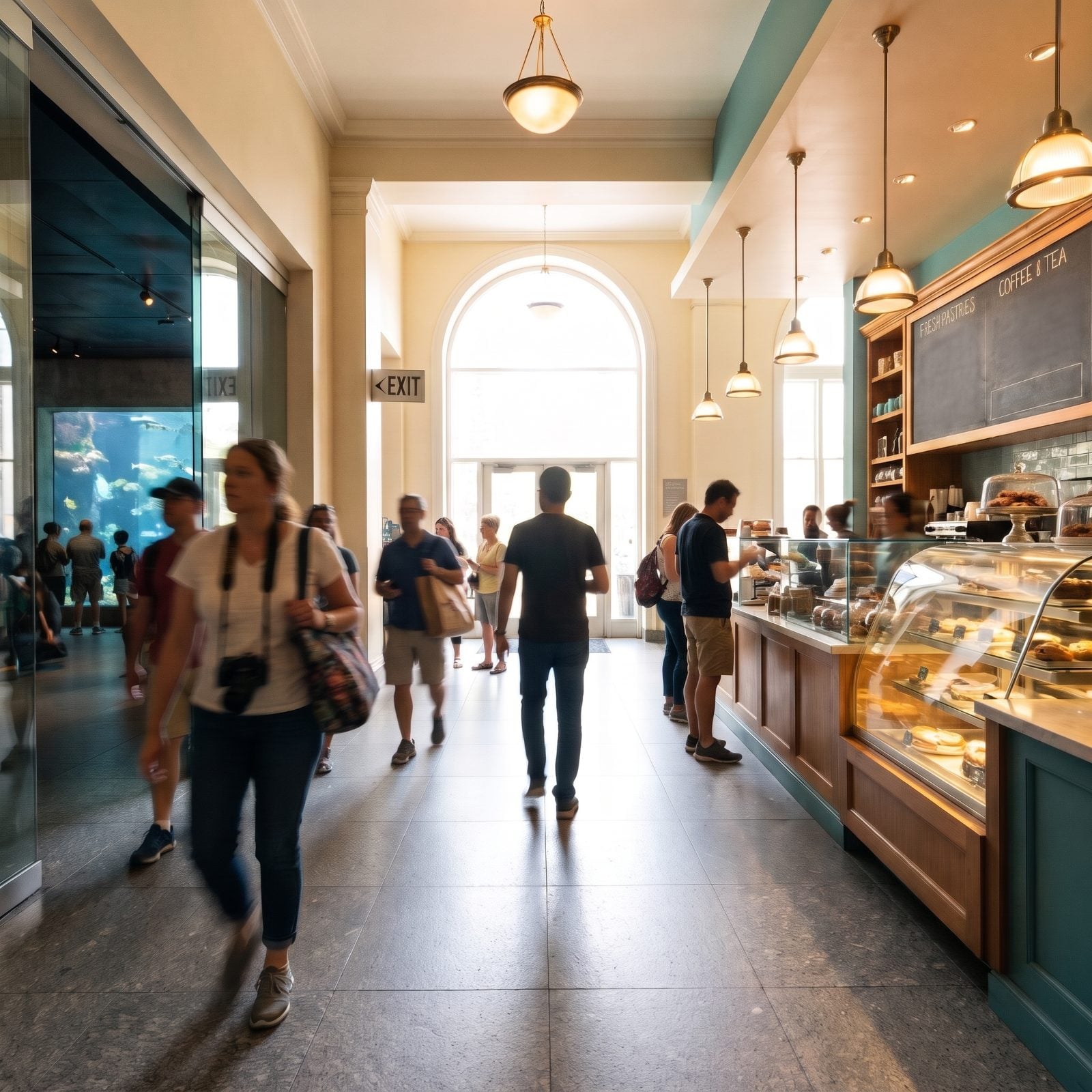
Every castle, cathedral, and museum funnels you out through a corridor, and someone built a café in it. Captive audience, zero competition, guaranteed foot traffic. That’s a monopoly, and monopolies do not try hard.
You’re tired, hungry, and standing where the only option is the option, and the pricing reflects exactly that. A five-minute walk past the gift shop usually drops the bill by half and doubles the quality, because out there the restaurant actually has to compete for you.
31. The Sign Says Only “Restaurant” Without a Real Name
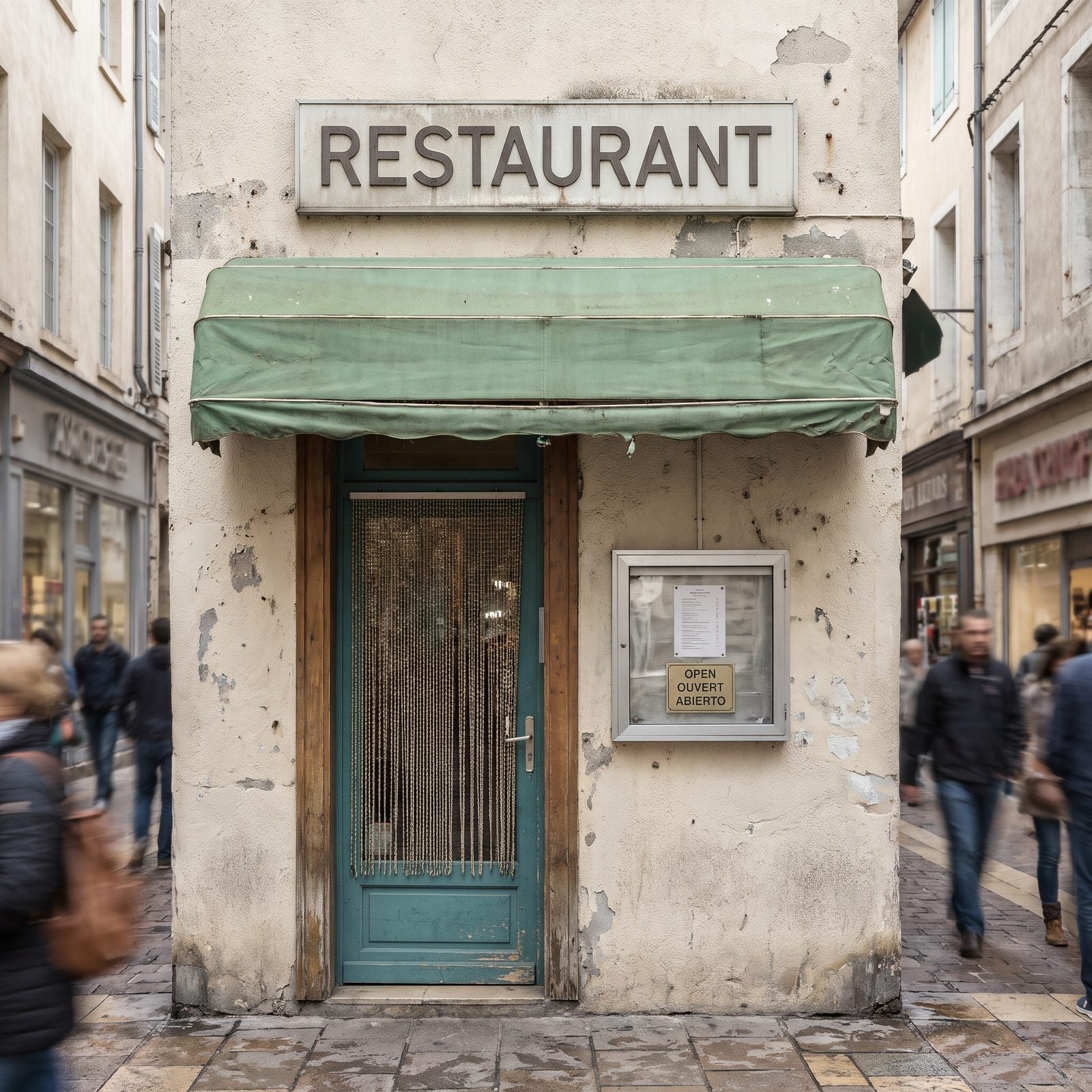
A place that will not tell you its own name has nothing to protect.
Real restaurants carry the owner’s pride on the sign: a family name, a word that means something, a reputation someone built over years. “Restaurant” in block capitals is deliberately anonymous. It cannot be searched, cannot be remembered, cannot be blamed. Reviews slide off it like water. That blankness is a feature when your customers never come back and you’d rather they couldn’t find you again if they tried.
30. The Windows Proclaim “Best Food in Town”
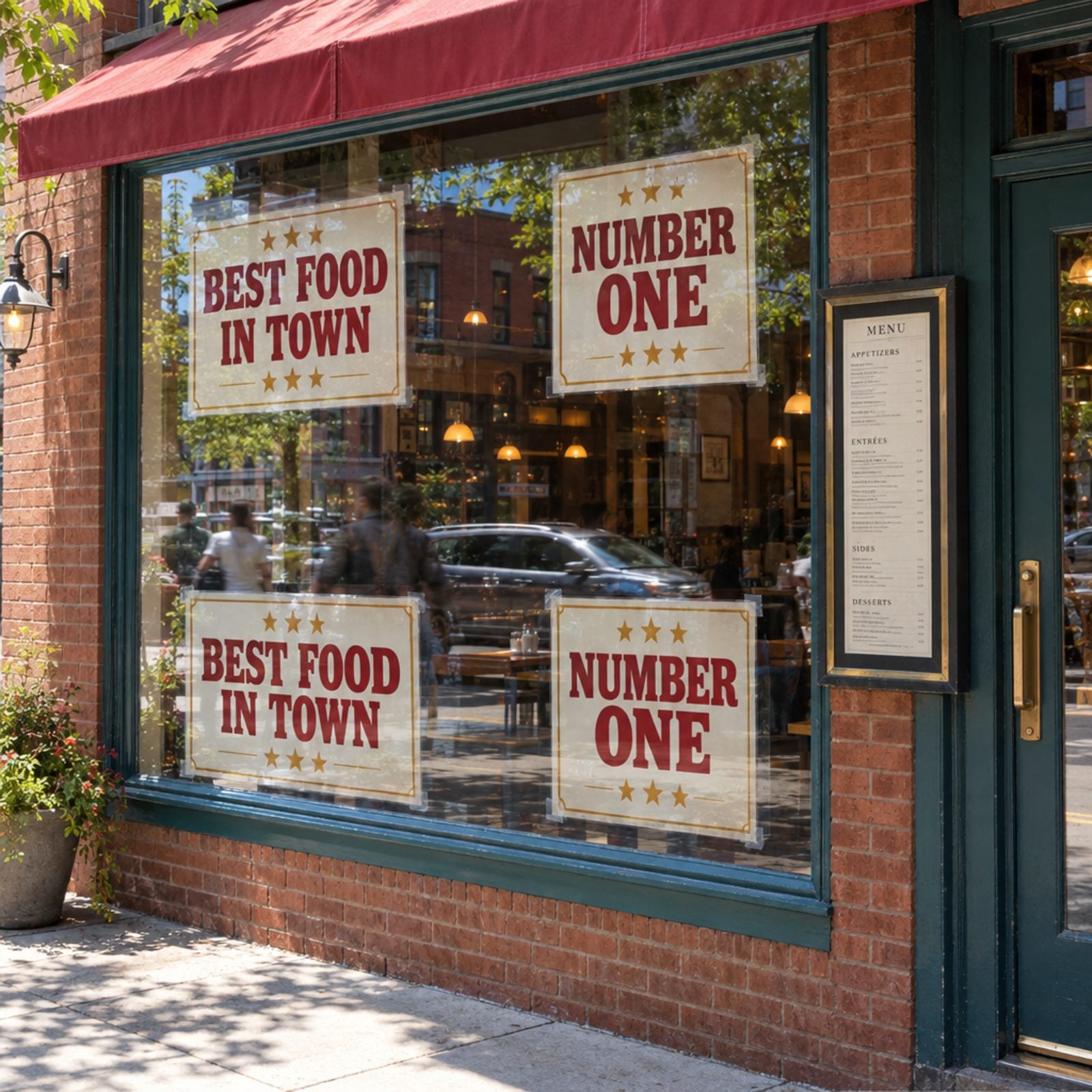
Confidence is quiet. Desperation prints a banner.
Nobody with the actual best food in town announces it in laminated sheets taped to the window. That claim is unprovable, so it costs nothing to make, which is exactly why the weak places make it. The kitchens worth finding let a packed dining room and word of mouth say it for them.
A restaurant that has to tell you it is the best is telling you it is not.
29. The Entrance Repeats “Authentic,” “Traditional,” and “Original”
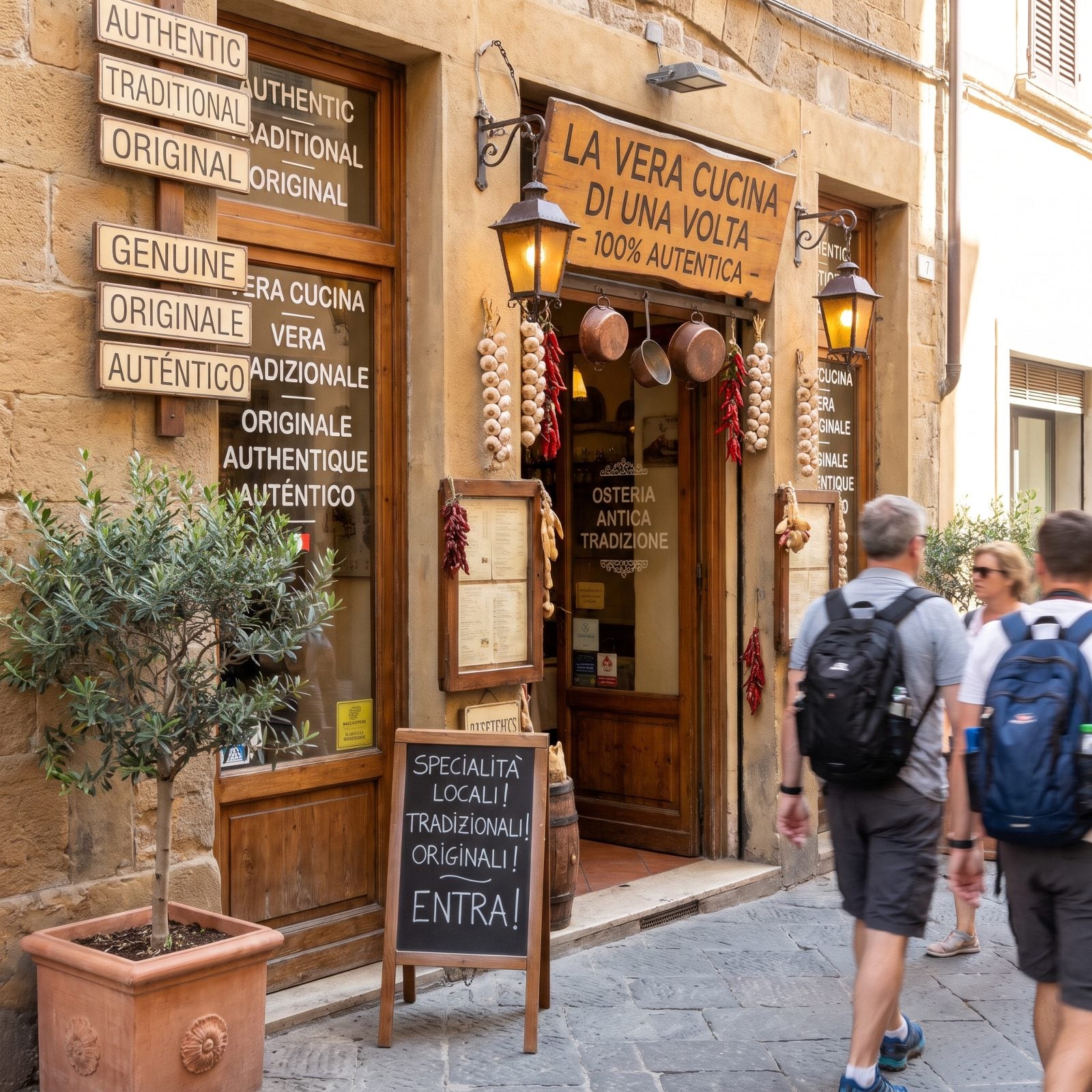
The more a place insists it is authentic, the less anyone there believes it.
These words are aimed squarely at foreigners who cannot judge for themselves, and that’s the whole giveaway. A genuine neighborhood spot never calls itself traditional. It just cooks the way it always has and assumes you already know. When “original” and “authentic” show up in four languages across the door, the signage was written for people who will never return and need reassurance in the moment.
28. Every Dish Appears as a Laminated Photo
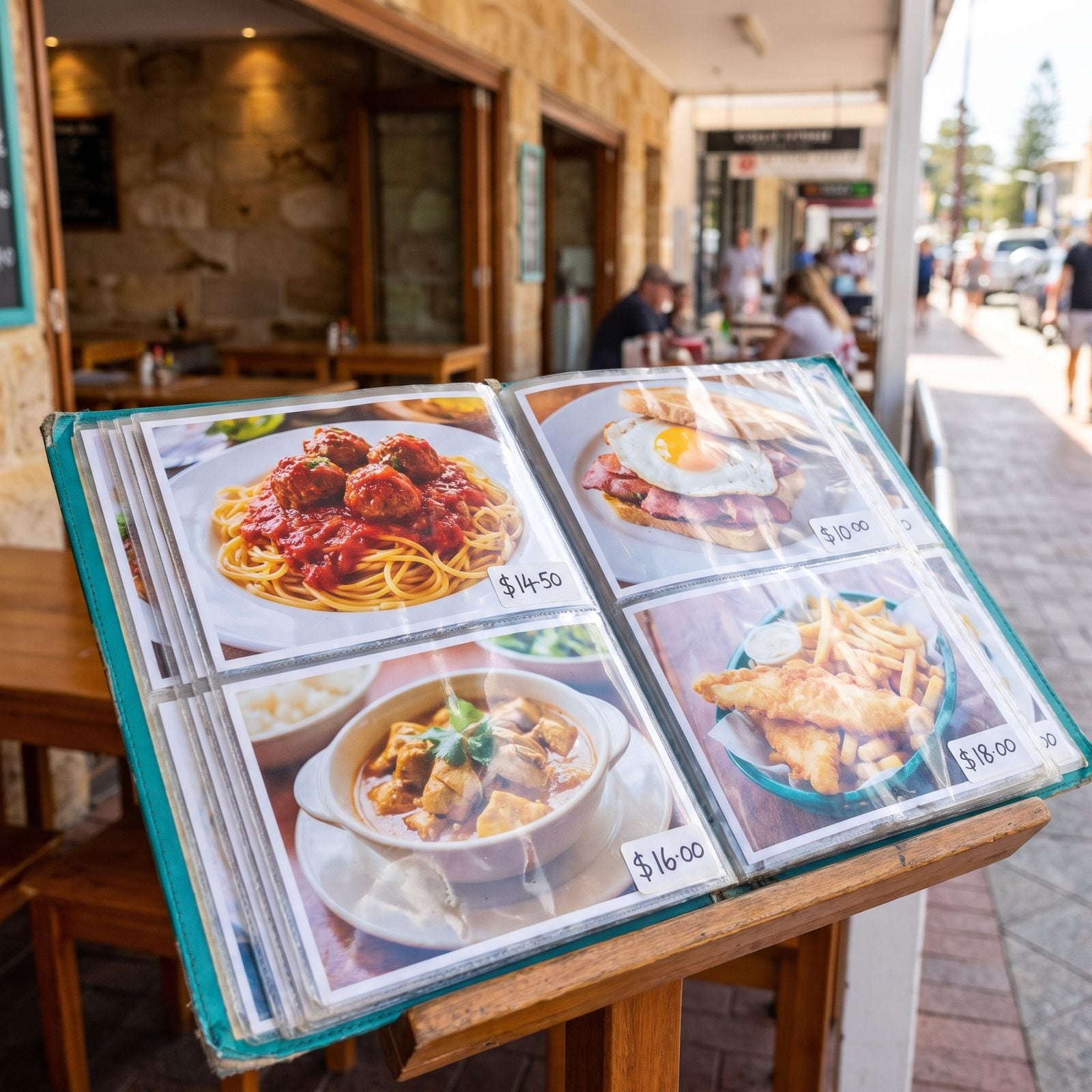
Photos on a menu exist for one reason: the kitchen does not trust you to understand the words, which means the words were never meant for locals.
A picture of every plate, glossy and a little too yellow, is the universal language of the tourist trap. It skips the need for a description, for a server who knows the dishes, for a menu that changes with the season. The food is a fixed catalog, reheated to match the photo, because the photo is the product and the plate is an afterthought.
27. The Menu Jumps Between Several Unrelated World Cuisines
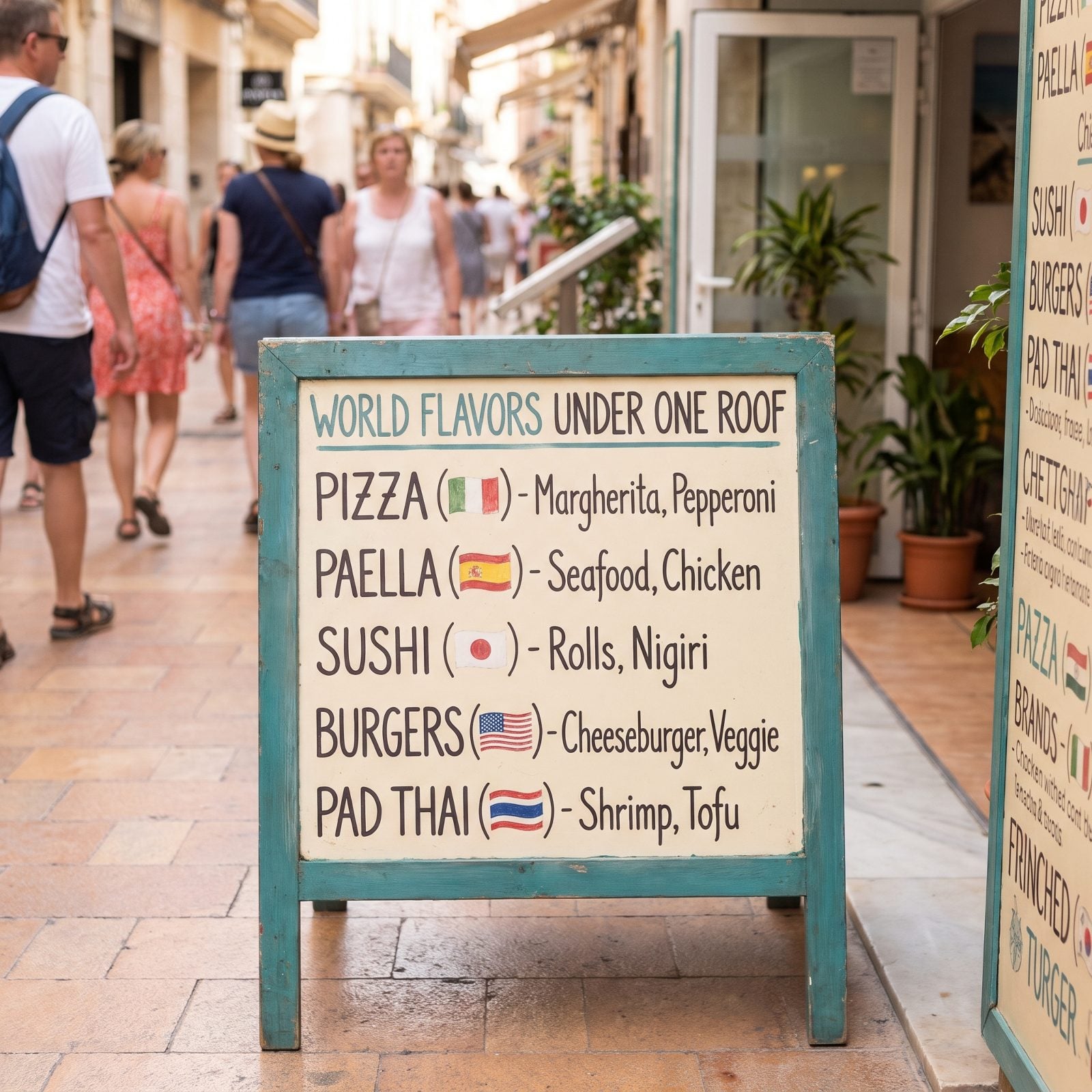
A kitchen cannot be great at pizza, paella, sushi, and burgers at the same time. Nobody can. Mastery is narrow.
When a single menu offers six nations’ food, none of it is made fresh and all of it comes from the freezer, thawed to order. The breadth is a net cast for every nationality walking past, so no one leaves hungry and no one leaves impressed. The best meals of your trip will come from a place that does one thing and flatly refuses to do anything else.
26. The Posted Menu Reads Like a United Nations Pamphlet
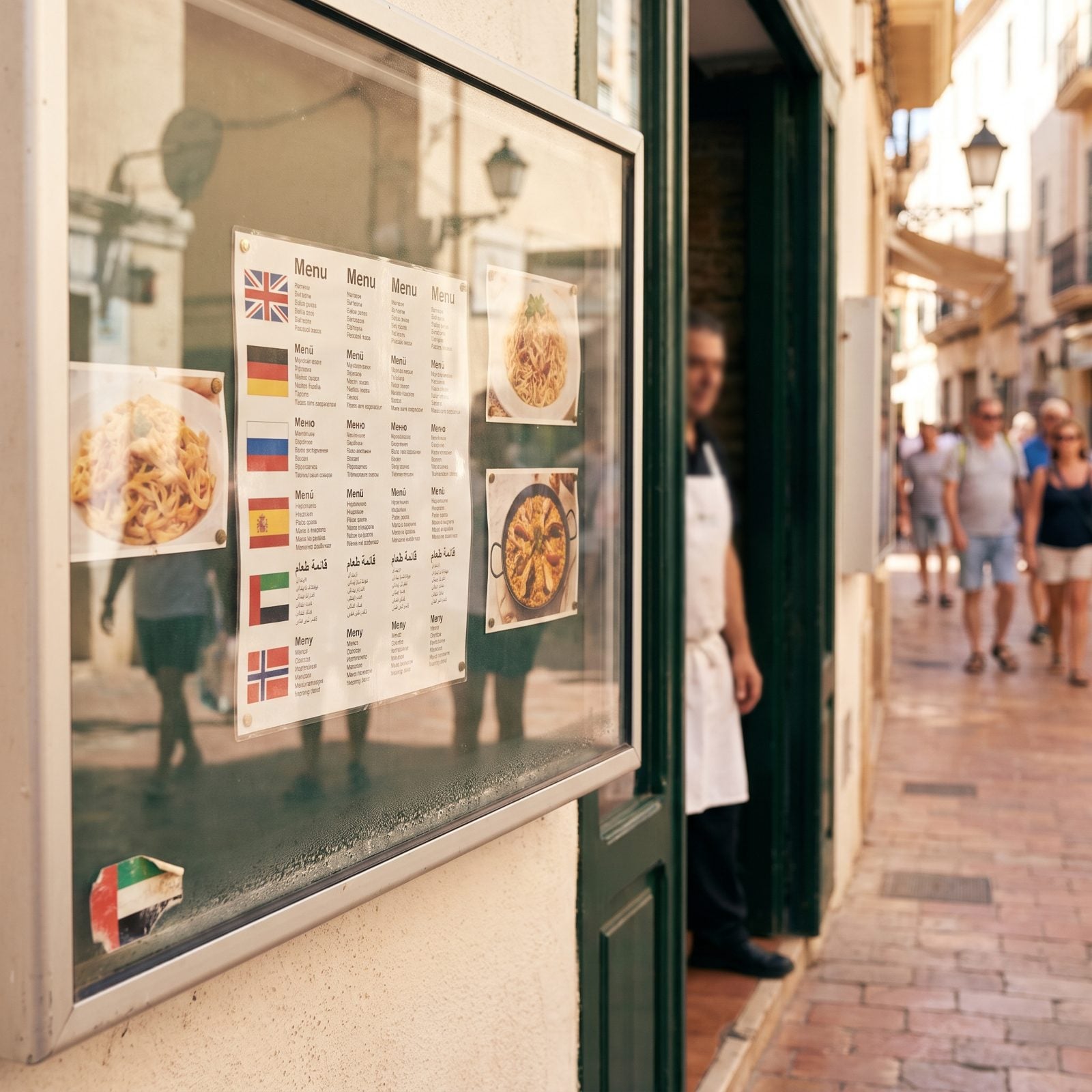
One or two translations means the neighborhood gets visitors. Six, with little flag icons marching down the side, means the neighborhood has given up on cooking for anyone who actually lives there. A kitchen that must speak to everyone usually feeds no one well.
The giveaway isn’t the English. It’s the sheer volume. When German, Russian, Japanese, and Mandarin all get equal billing on a laminated sheet thick enough to stop a door, you’re looking at a place built around turnover, not flavor. Good food needs no subtitles, and the best spots know it.
25. Prices Quoted in Dollars When You’re Standing in Rome
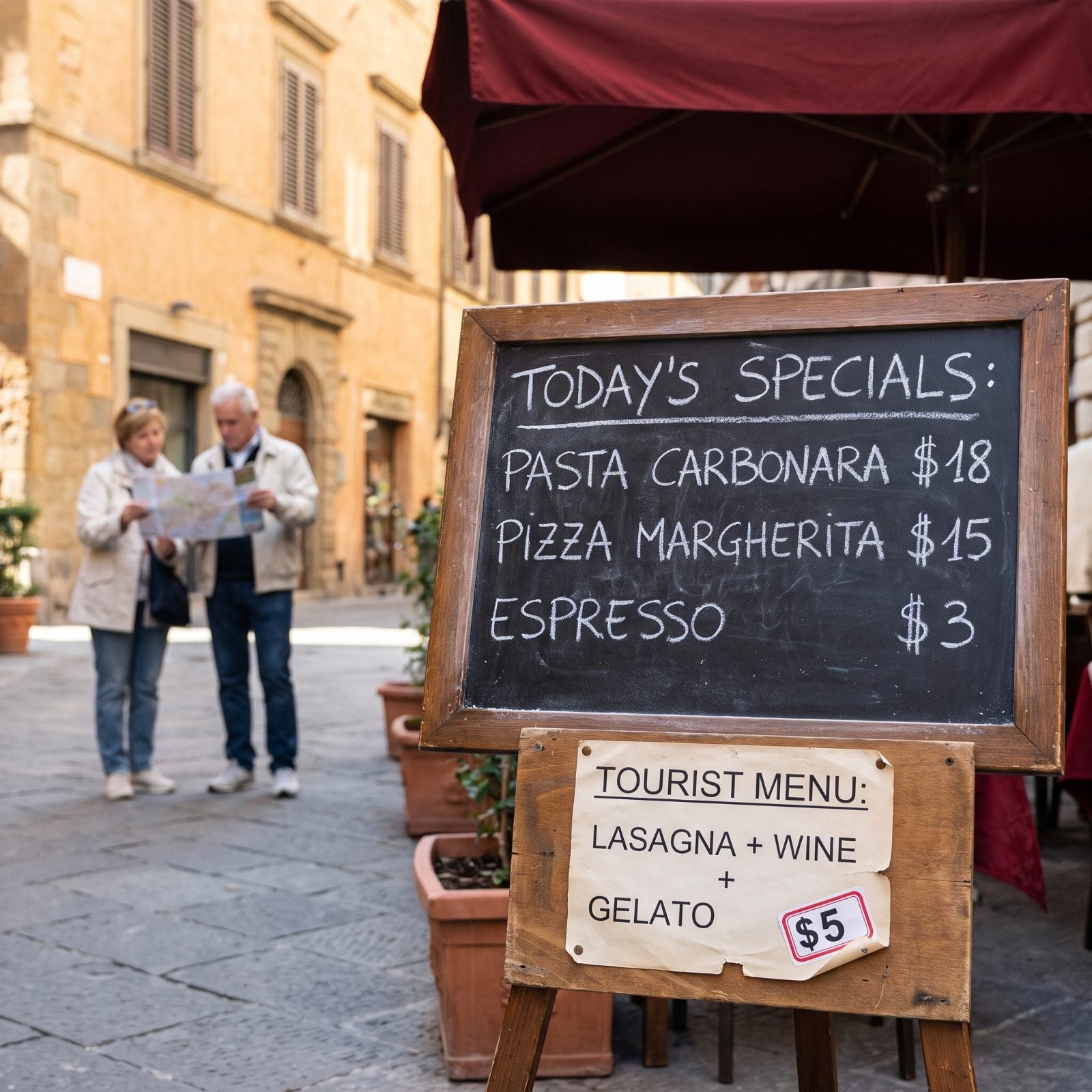
You’re in Rome. The menu quotes dollars. That single decision tells you everything about who this restaurant expects to walk in, and it isn’t a Roman.
Local currency is the honest default. The moment a place converts prices to your money for you, it has stopped being a restaurant and started being a service aimed at travelers who can’t be bothered to do the math. Convenience that specific always has a markup baked in. Walk until the prices go back to euros, pesos, or baht, and watch them drop by a third.
24. A Menu Out Front With Every Price Missing
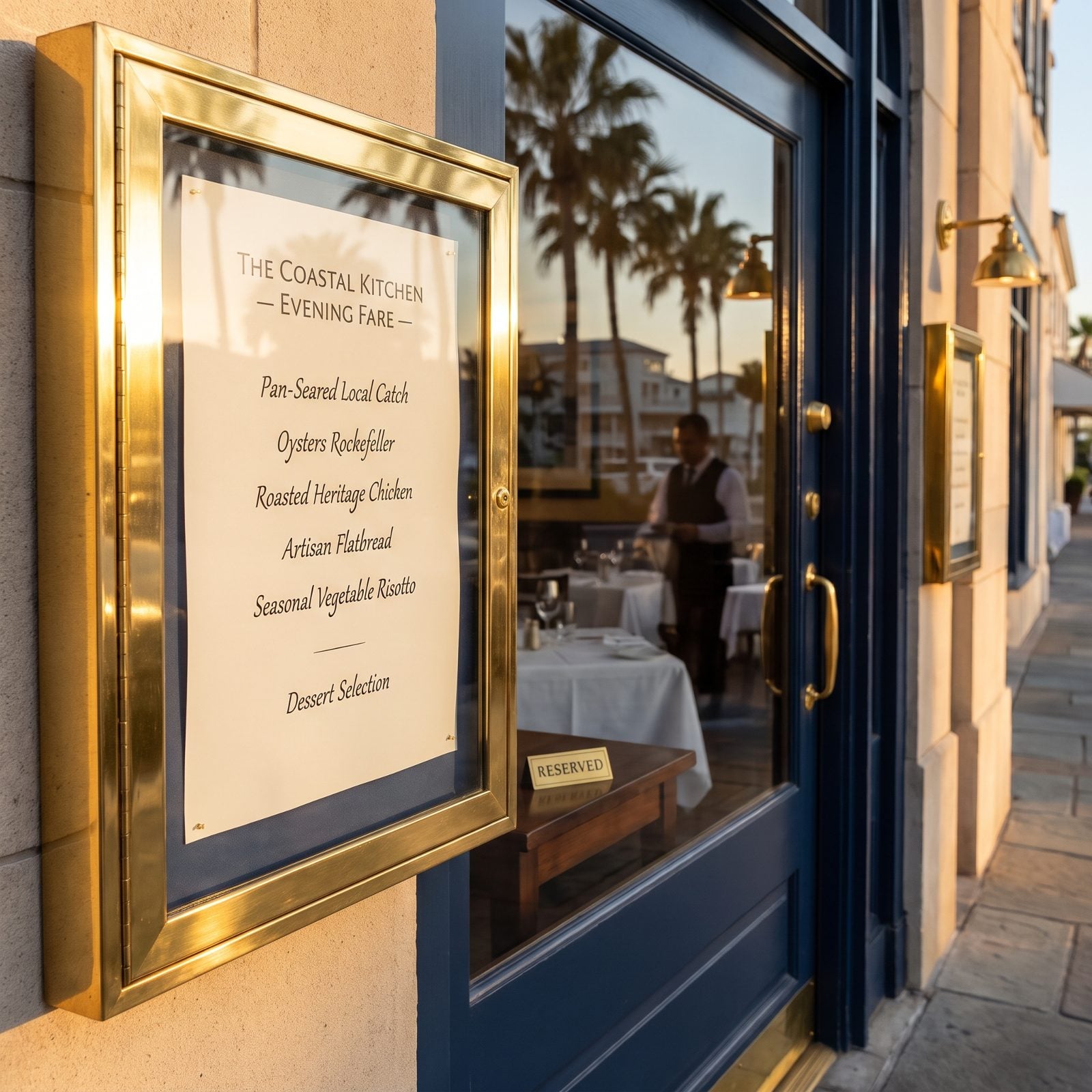
No prices is a price. A menu that lists the pan-seared local catch and the oysters Rockefeller but hides what they cost is betting on your embarrassment. By the time the bill lands, you’ve eaten, you’ve had the wine, and nobody walks out over a receipt.
Genuine high-end places print their numbers with confidence. Those vanished prices out front work as a sorting mechanism, filtering for the people who won’t ask. So ask anyway. If the host suddenly can’t remember what anything costs, well, you’ve learned what you needed to.
23. Fish and Steak Priced By Weight in Microscopic Print
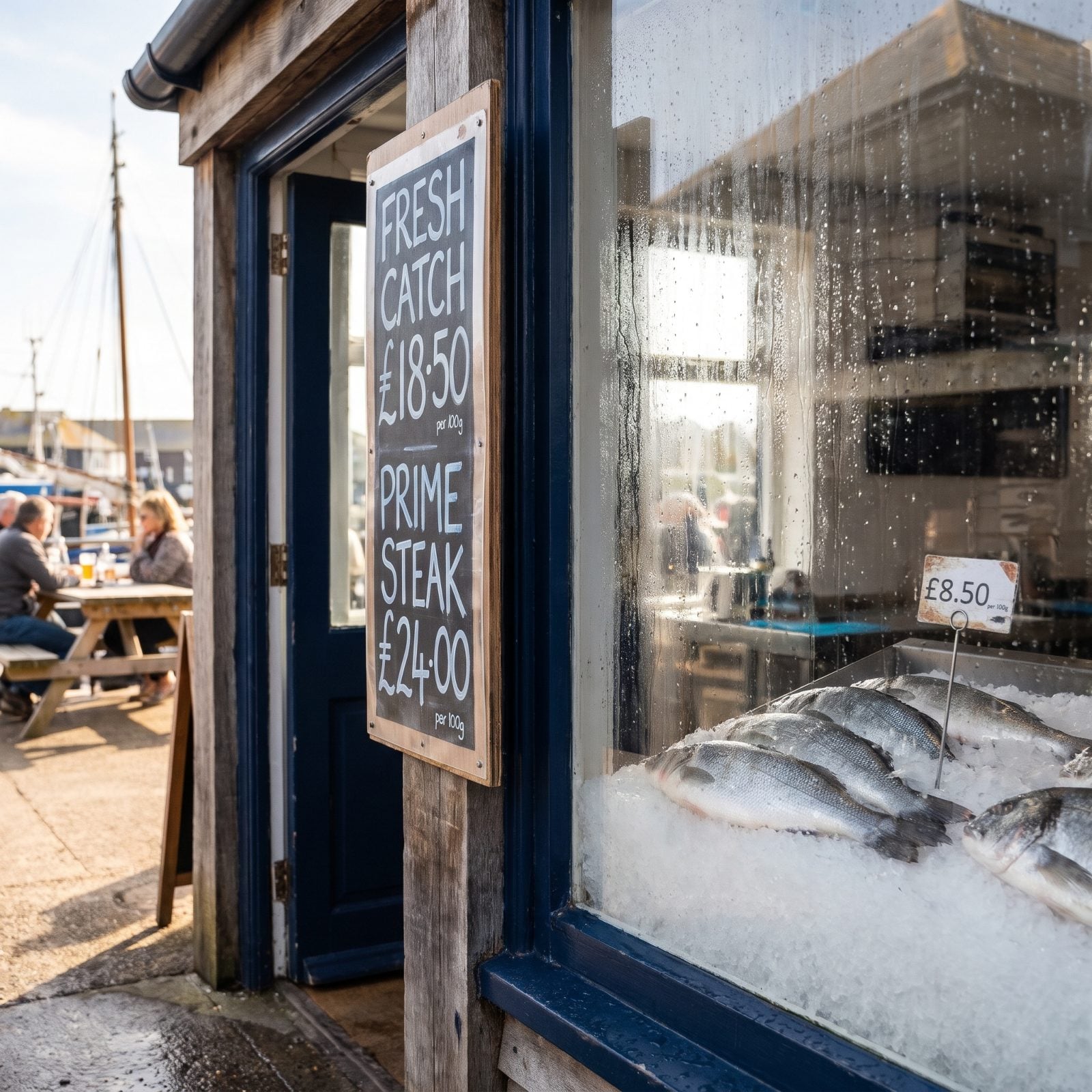
The grilled fish looks like a steal at the number printed big. The number printed small, down by the asterisk, says per 100 grams. Your whole fish weighs 600. Do that multiplication at the table and the color drains right out of the meal.
Weight pricing isn’t a scam on its own, and honest fishmongers use it every day. The scam is the typography: that per-100-gram rate buried where tired, hungry eyes won’t catch it. Can’t read the unit without leaning in? Assume the final figure is designed to surprise you, and always ask for the full price of the exact fish before it hits the grill.
22. Taxes and Service Charges Lurking in the Footnote
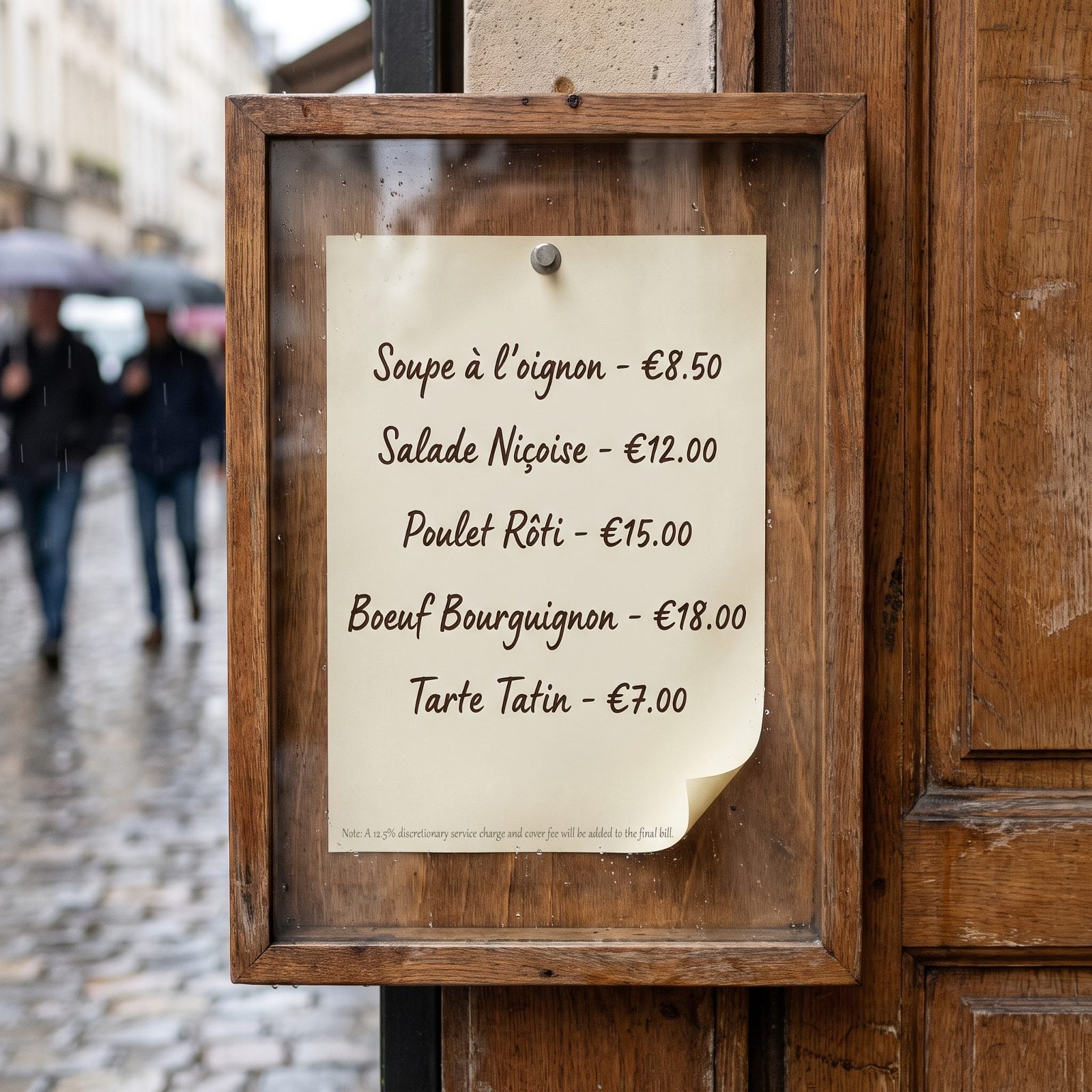
The prices seem reasonable. Then at the very bottom, in small plain print, sits the cover fee, the service charge, the discretionary 12.5 percent. The menu wasn’t lying, exactly. It just saved the truth for a place it hoped you wouldn’t read.
A cover charge is normal in parts of Europe. But a cover charge plus a service charge added to your bill before you’ve decided to tip is a stack, and the stack is the tell. Read the bottom of every menu before you sit down, because the footnote is where restaurants keep the numbers they’d rather not say to your face.
21. The Table With a View Comes at a Premium
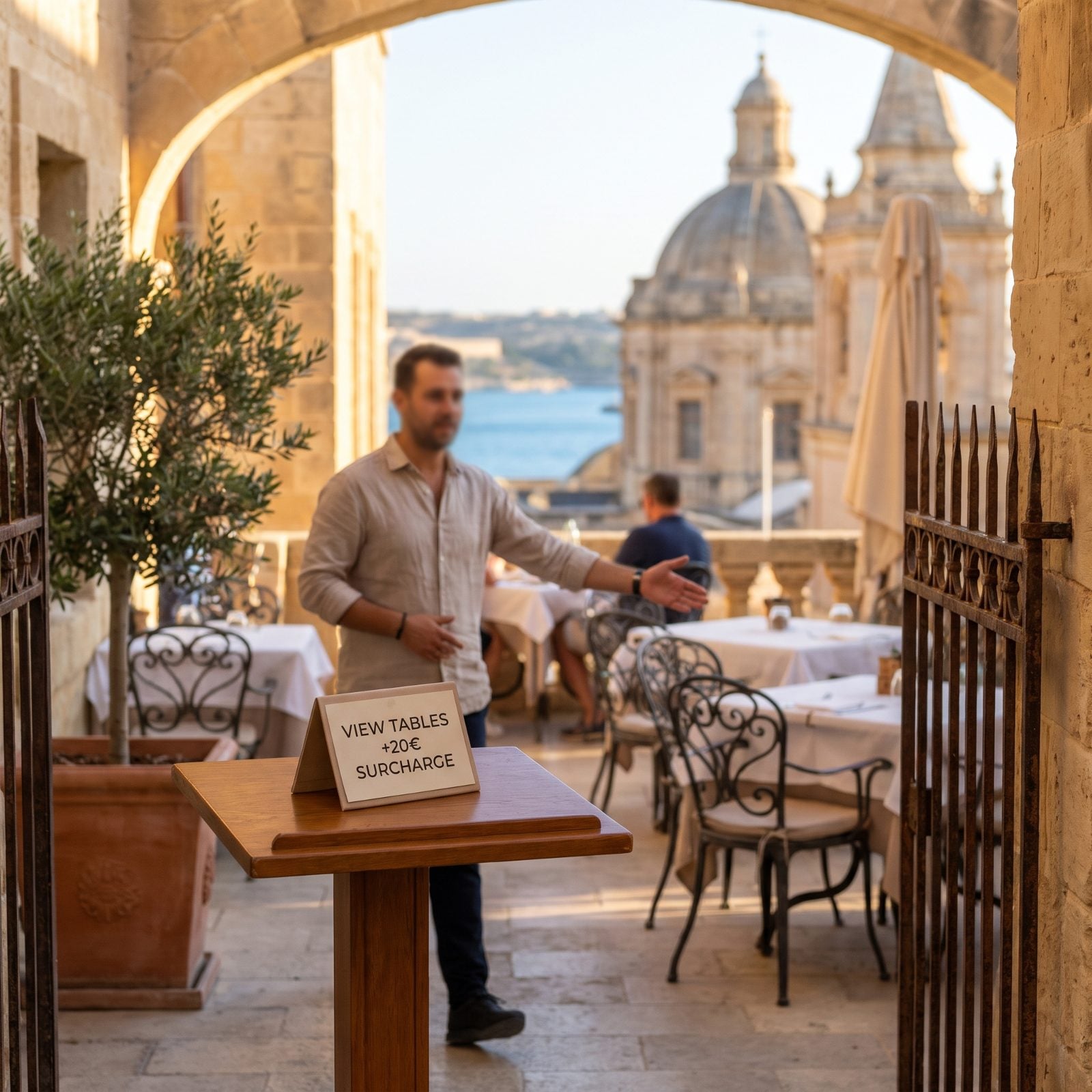
The view is free to look at from the sidewalk. Sit down facing it and suddenly it costs you five euros a head, or a pricier “terrace menu,” or a two-drink minimum nobody mentioned until your chair was already pulled out.
Charging for scenery is the purest tourist-trap move there is, because the scenery belongs to everyone. The restaurants worth your money let the food earn the table. The ones metering the horizon are quietly telling you the kitchen can’t compete, so they rent you the window instead.
20. Cash Only, With a Conveniently Placed ATM Inside
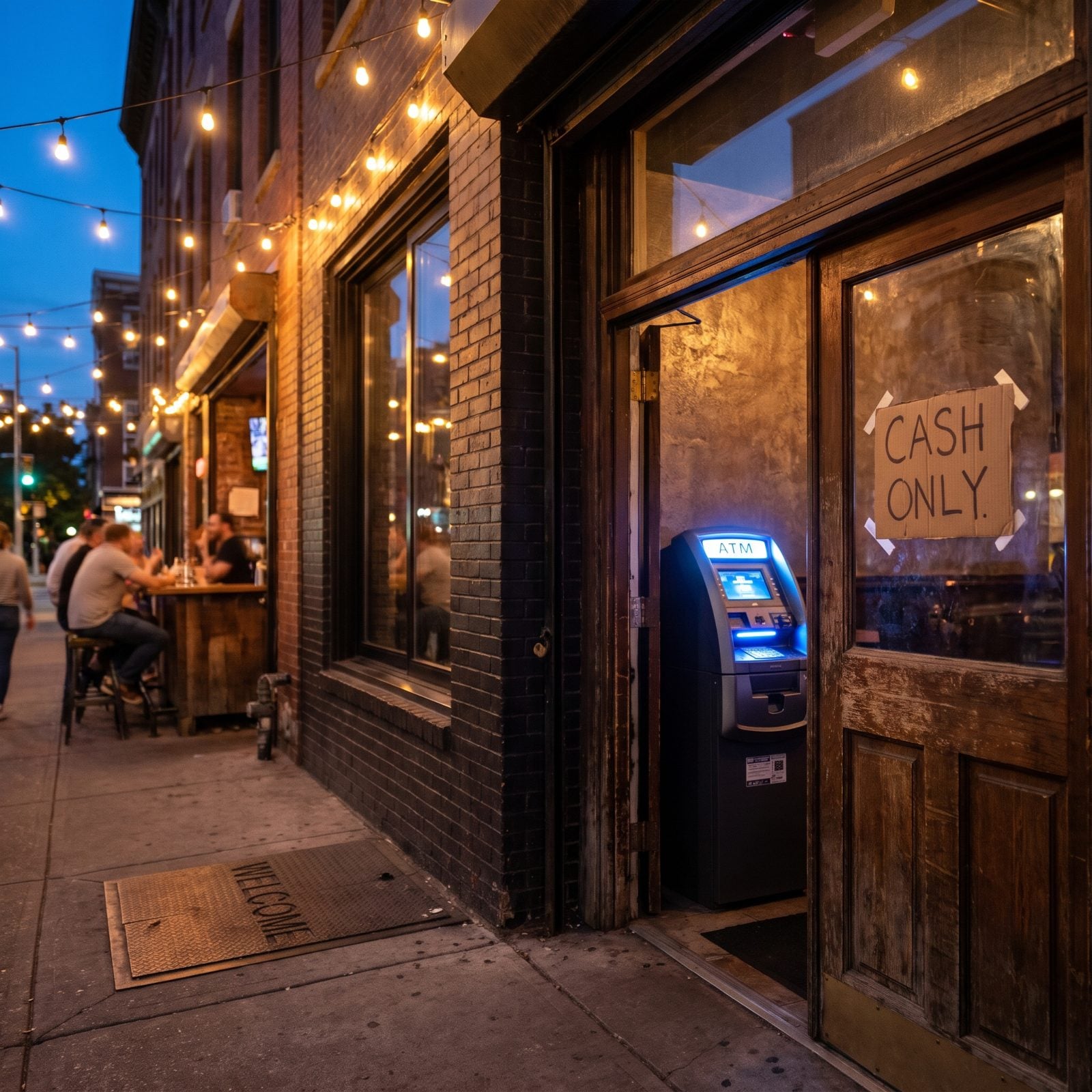
Cash only is sometimes just a small business dodging card fees. Cash only with the restaurant’s own ATM glowing in the corner is a system. One hand refuses your card. The other charges you a fat withdrawal fee to get the money the first hand demanded.
That machine isn’t a convenience dressed as a service. It’s a revenue stream, plain and simple. Legitimate cash-only spots point you to the bank down the block and shrug. But when the ATM lives inside the dining room, the restaurant has turned your empty wallet into part of the menu.
19. A Currency-Exchange Board Glowing at the Host Stand
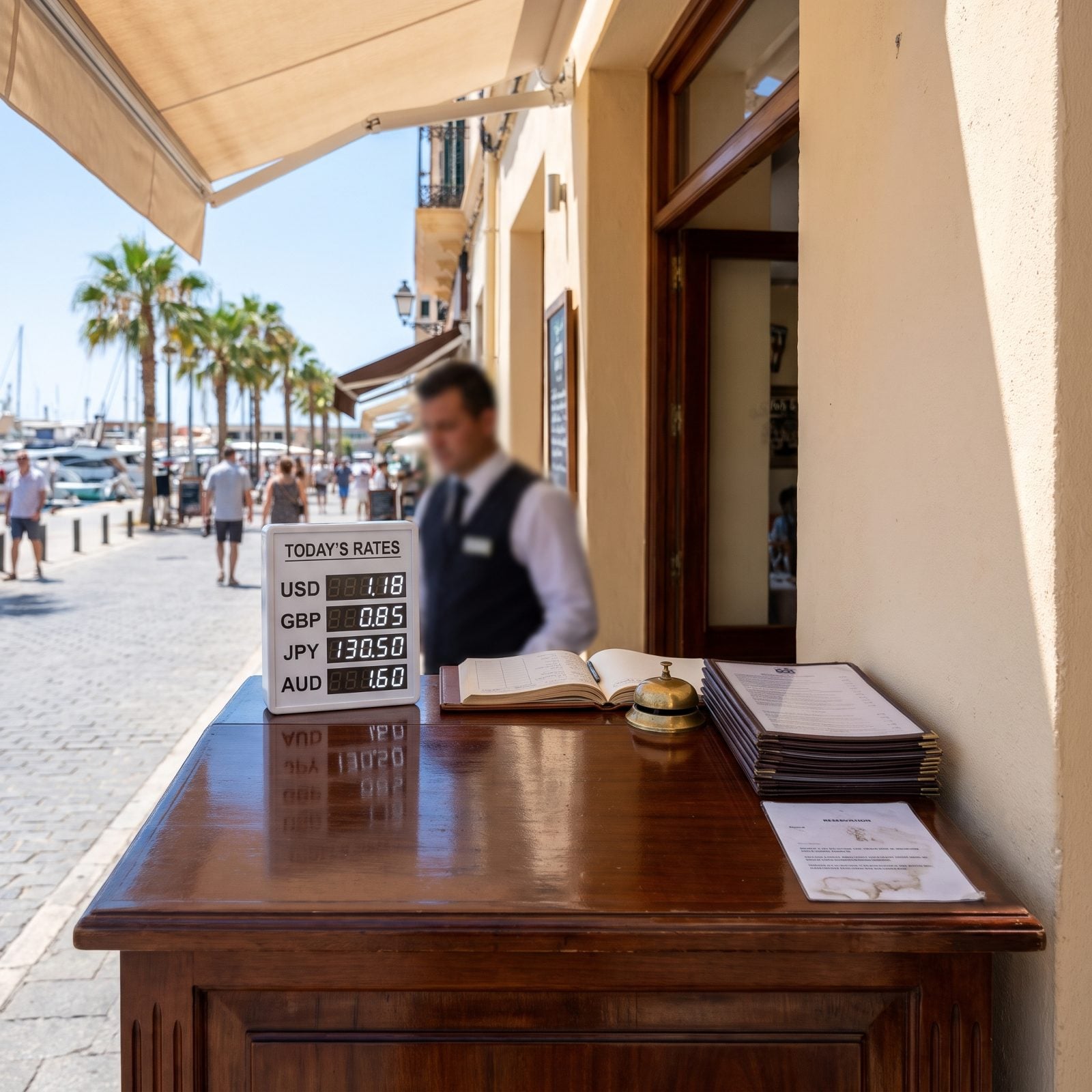
A restaurant is not a bank. So why is there a currency-exchange board propped on the host stand next to the reservation book?
Because they plan to let you pay in your home currency, at a rate they set, which never once favors you. It’s the same trick card terminals offer as “dynamic currency conversion,” except here it’s dressed up as hospitality. A place that wants to profit on the exchange before you’ve even tasted the soup has already decided what you are to them. Pay in the local currency, and stay suspicious of anyone this eager to spare you the trouble.
18. The Door Plastered in Coupon Logos and Tourist-Map Stickers
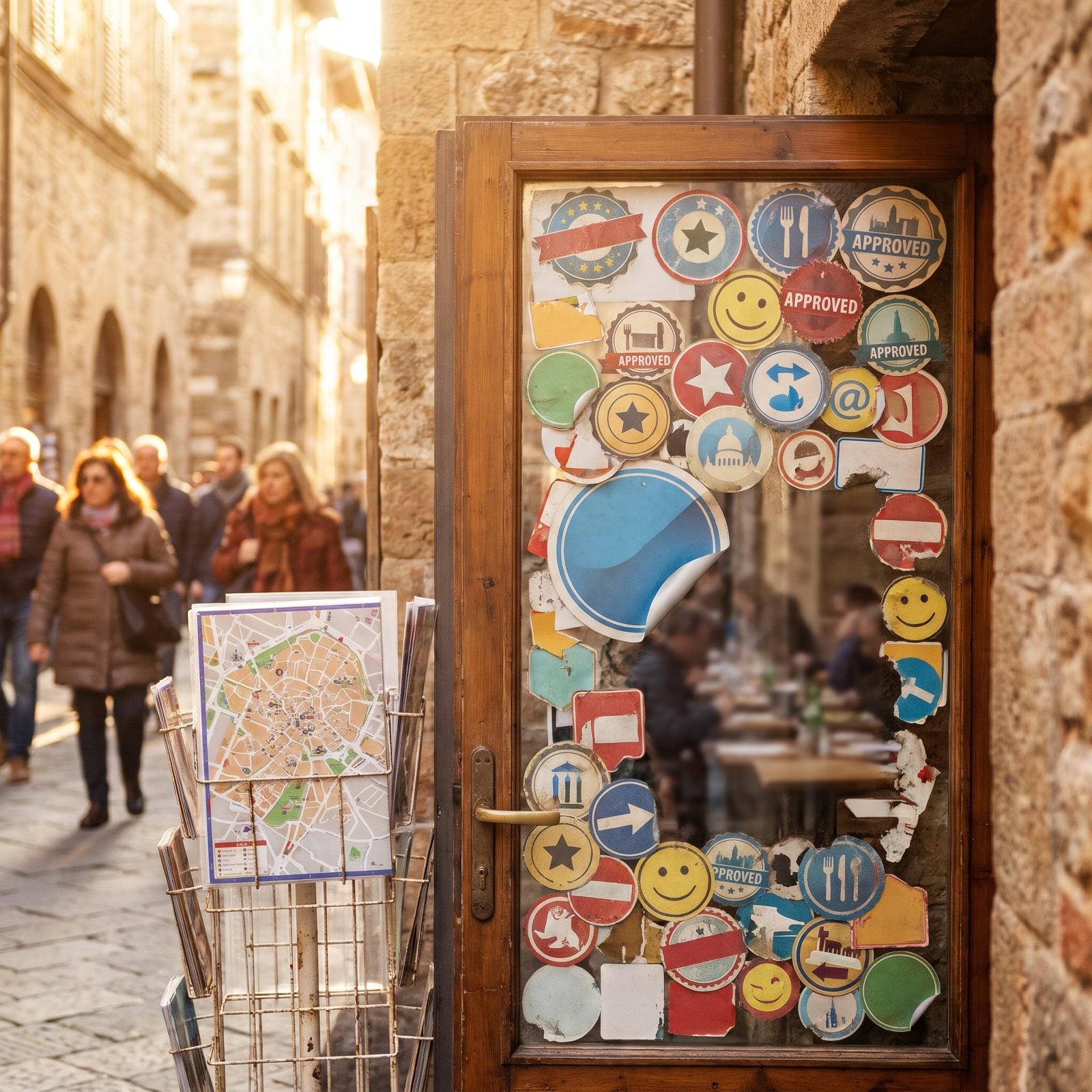
A door armored in discount stickers and “as recommended by” badges looks like proof the whole world approves. It’s the opposite. Those logos are paid placements and coupon-book deals, and a restaurant filling tables with coupons is a restaurant that can’t fill them on reputation alone.
That tourist-map display on the sidewalk sings the same song in a different costume. The maps carry businesses that pay to appear, never the ones locals swear by. Real word-of-mouth doesn’t come laminated. The quiet door with nothing on it but a handwritten specials card is almost always the better bet.
17. A Free Drink Dangled for a Five-Star Review
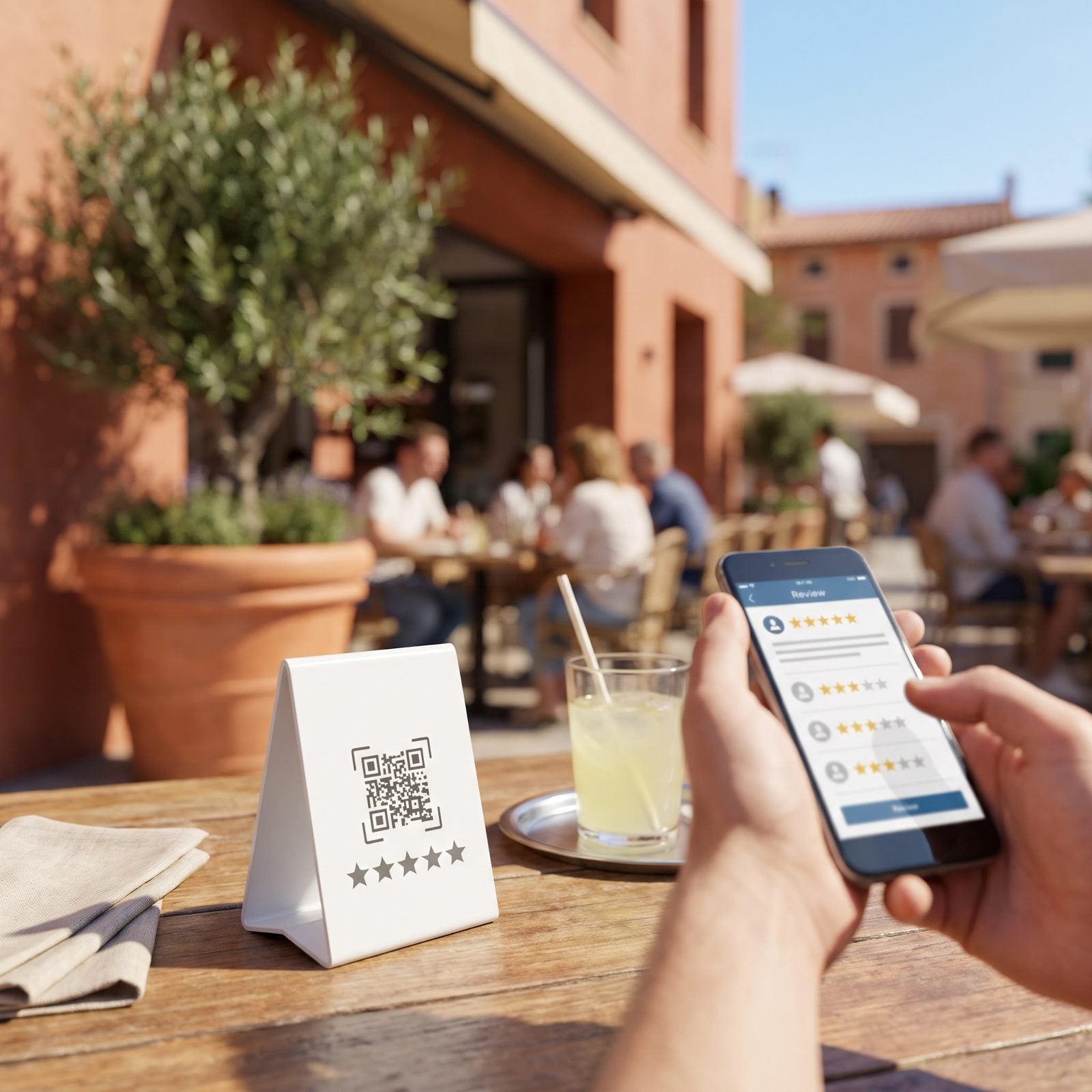
Free drink for five stars. Sounds generous. It’s actually a confession, written on a little table-tent card, that the honest reviews weren’t getting the job done.
Every glowing rating a place buys with a complimentary limoncello is a rating that tells you exactly one thing: the limoncello was free. When a restaurant has to bribe its reputation into existence, the food isn’t the thing carrying it. The spots worth finding are often the ones with a modest rating and a hundred reviews that read like real people arguing about the carbonara. Trust the arguing. Distrust the bribe.
16. The Menu Advertises Dishes as “Viral” or “TikTok Famous”
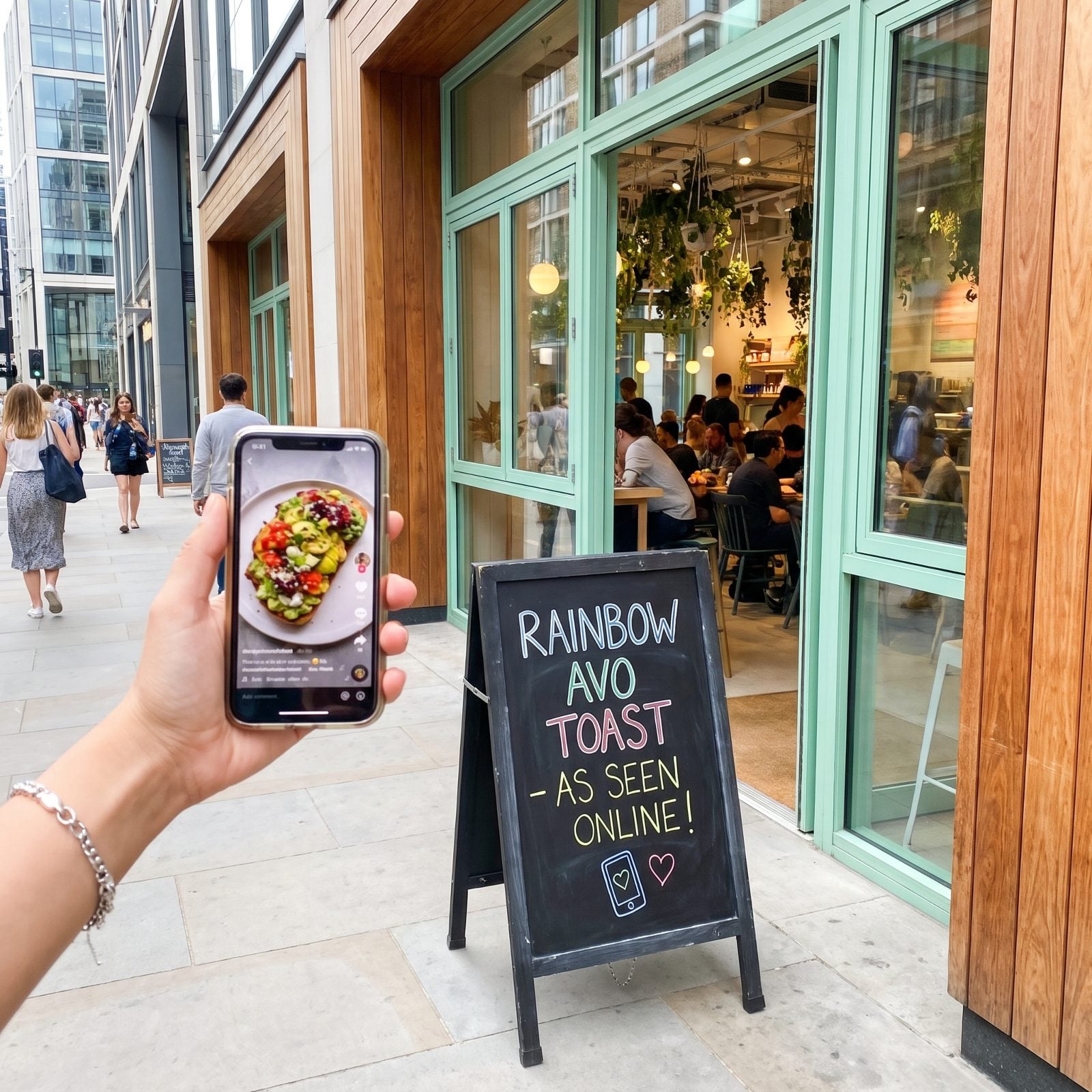
A dish that was genuinely great never needed a hashtag to prove it. When the menu leans on going viral, the kitchen is selling you the clip, not the plate — and you’re paying a premium for the privilege of filming your lunch.
The math is brutal. A place that fills tables on hype has no reason to cook well, because tomorrow’s crowd is already scrolling toward the door. The regulars? Gone years ago.
15. A Selfie Wall Is More Prominent Than the Dining Room
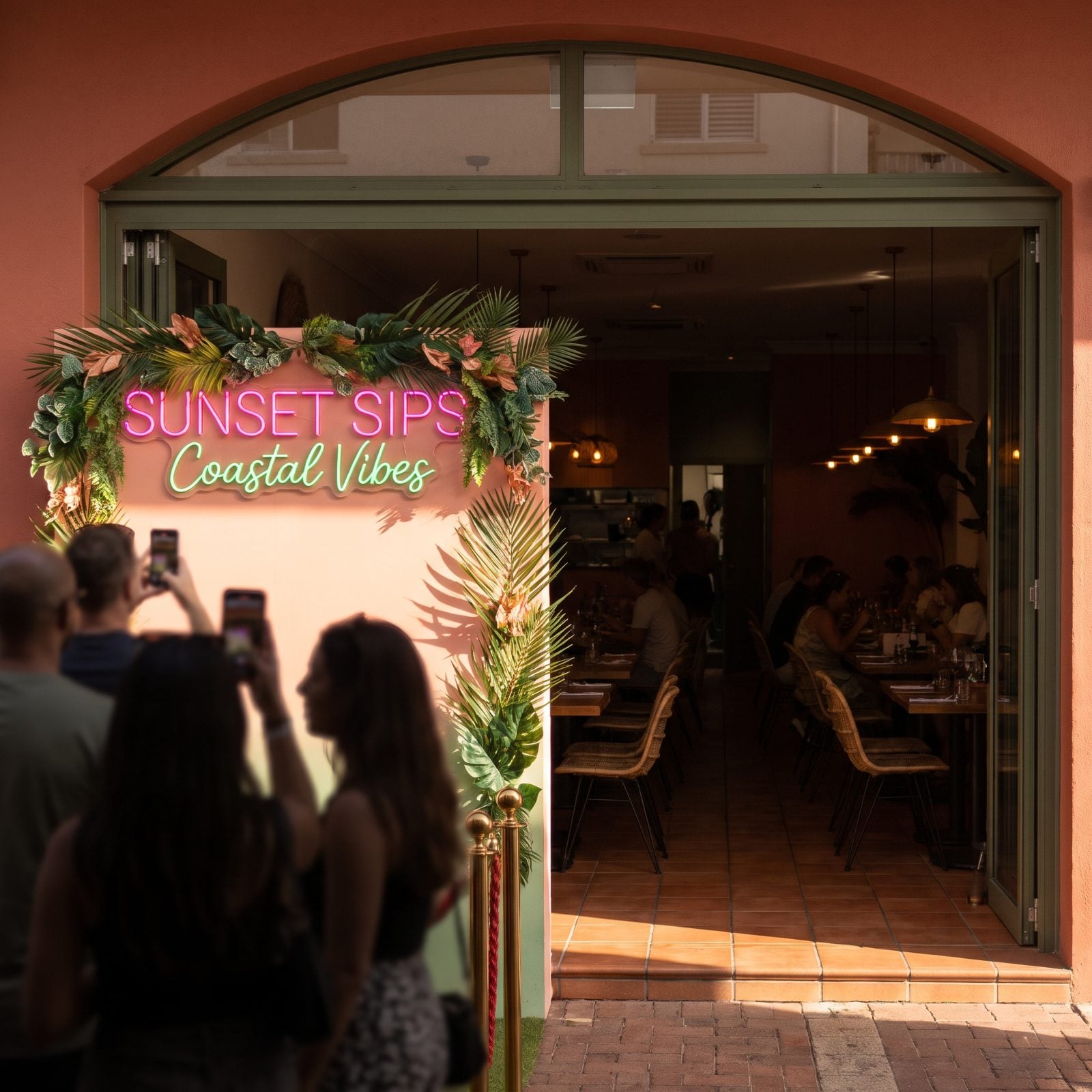
Walk in and the first thing fighting for your attention is a wall built for a camera — flowers, neon, a swing, the city name spelled out in cursive. The tables? An afterthought shoved somewhere behind it.
A kitchen confident in its cooking spends that square footage on seats. One that isn’t spends it on backdrops. You came to eat. The room was designed for people who came to post.
14. Guests Must Pass Through a Souvenir Shop to Reach the Tables
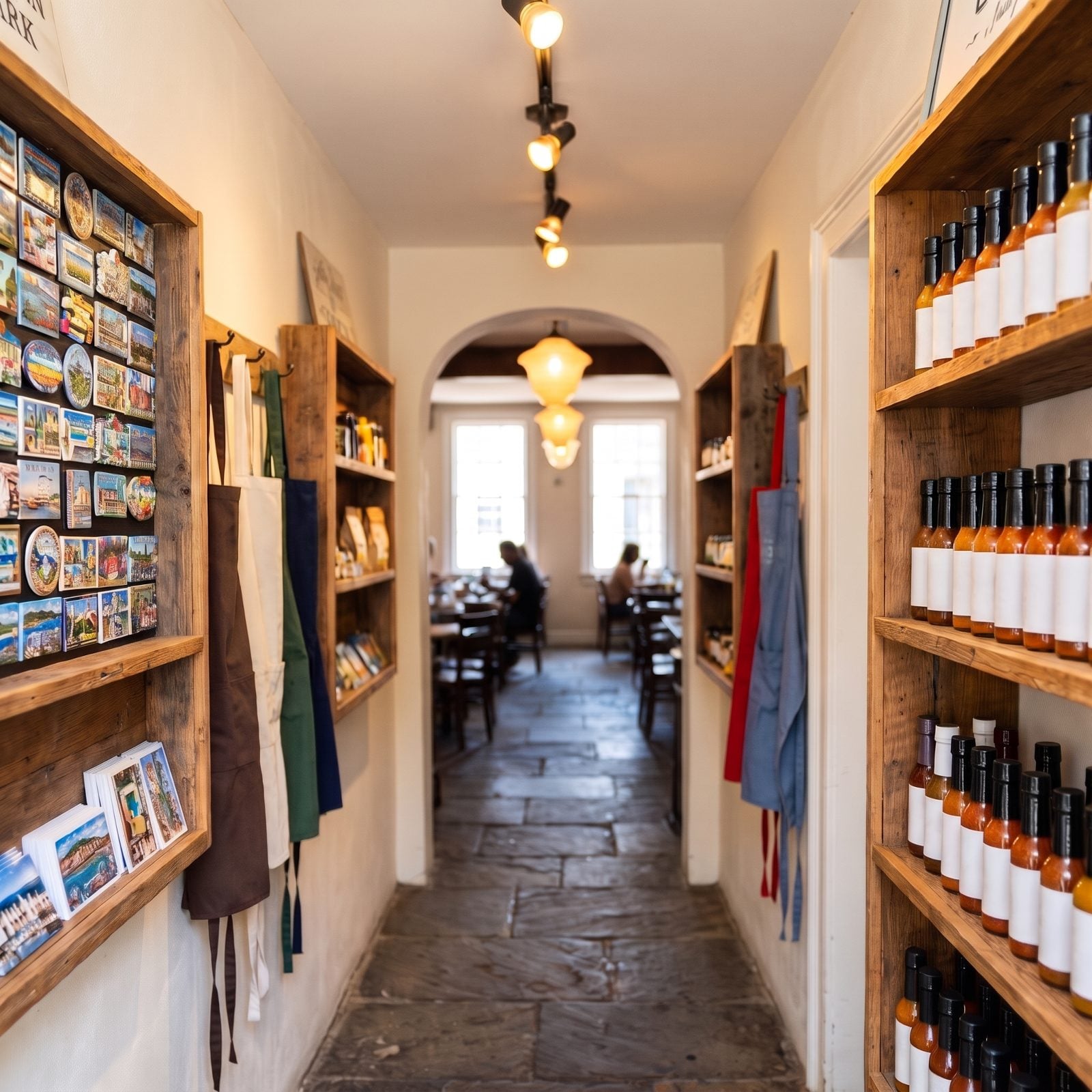
You don’t reach the food. You run a gauntlet of magnets first. Any restaurant that routes you past a wall of keychains before a single table has told you exactly how it makes its money. The meal is the bait and the shop is the hook.
None of this is accidental. You arrive hungry, you leave with a tote bag you didn’t want, and somewhere in between you overpaid for the risotto. That gift shop isn’t a bonus — it’s the whole business, wearing a restaurant costume.
13. Costumed Staff Pose for Photos at the Door
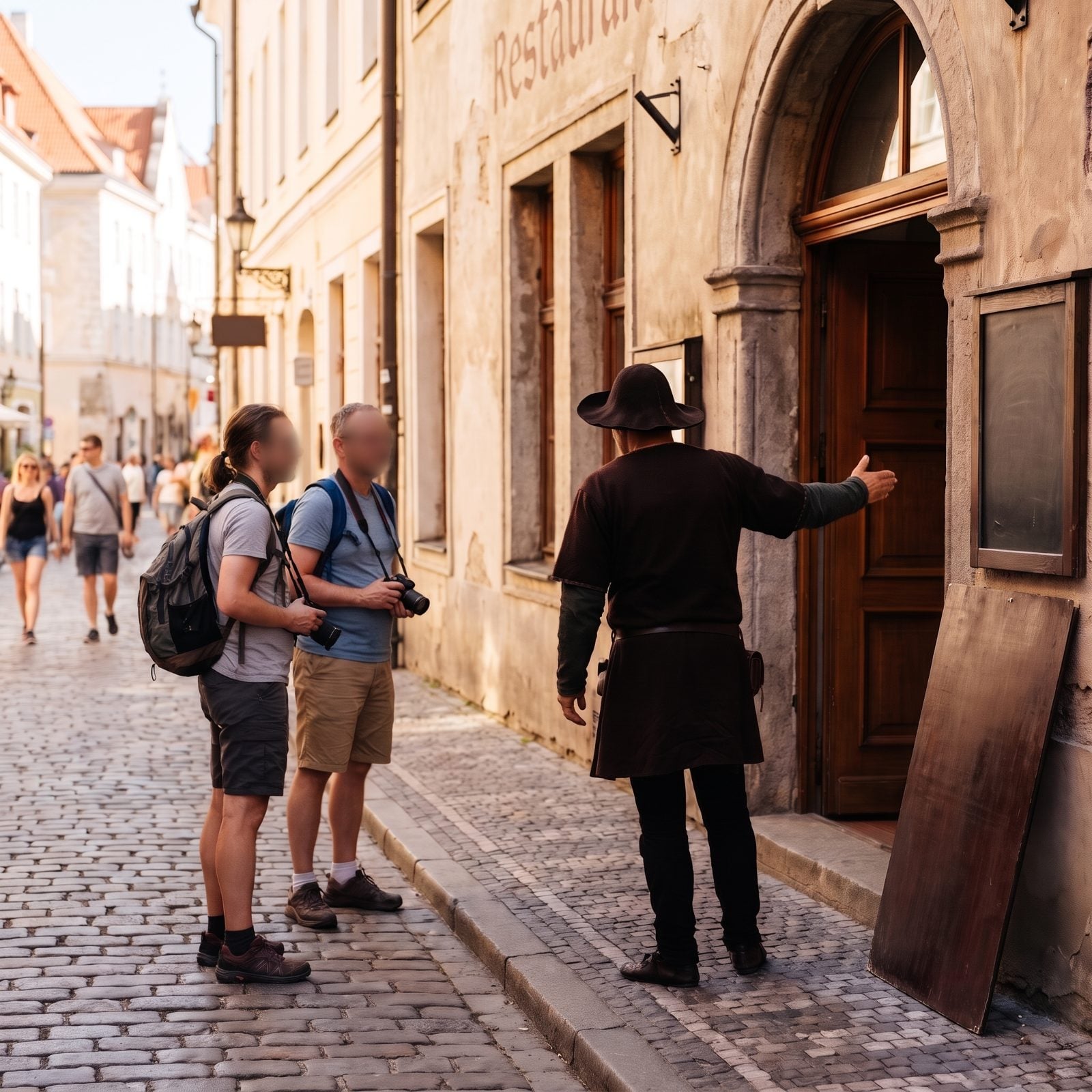
Someone in a costume waving you toward a doorway is working on commission, not hospitality. The whole performance points outward — at the sidewalk, at the camera, at the stream of strangers who’ll never come back.
Honest kitchens don’t need a mascot. They need a cook and a reason for people to tell their friends. When the entertainment starts before you’ve tasted anything, assume the taste is the part they’re hoping you’ll overlook.
12. Several Neighboring Restaurants Display Nearly Identical Menus
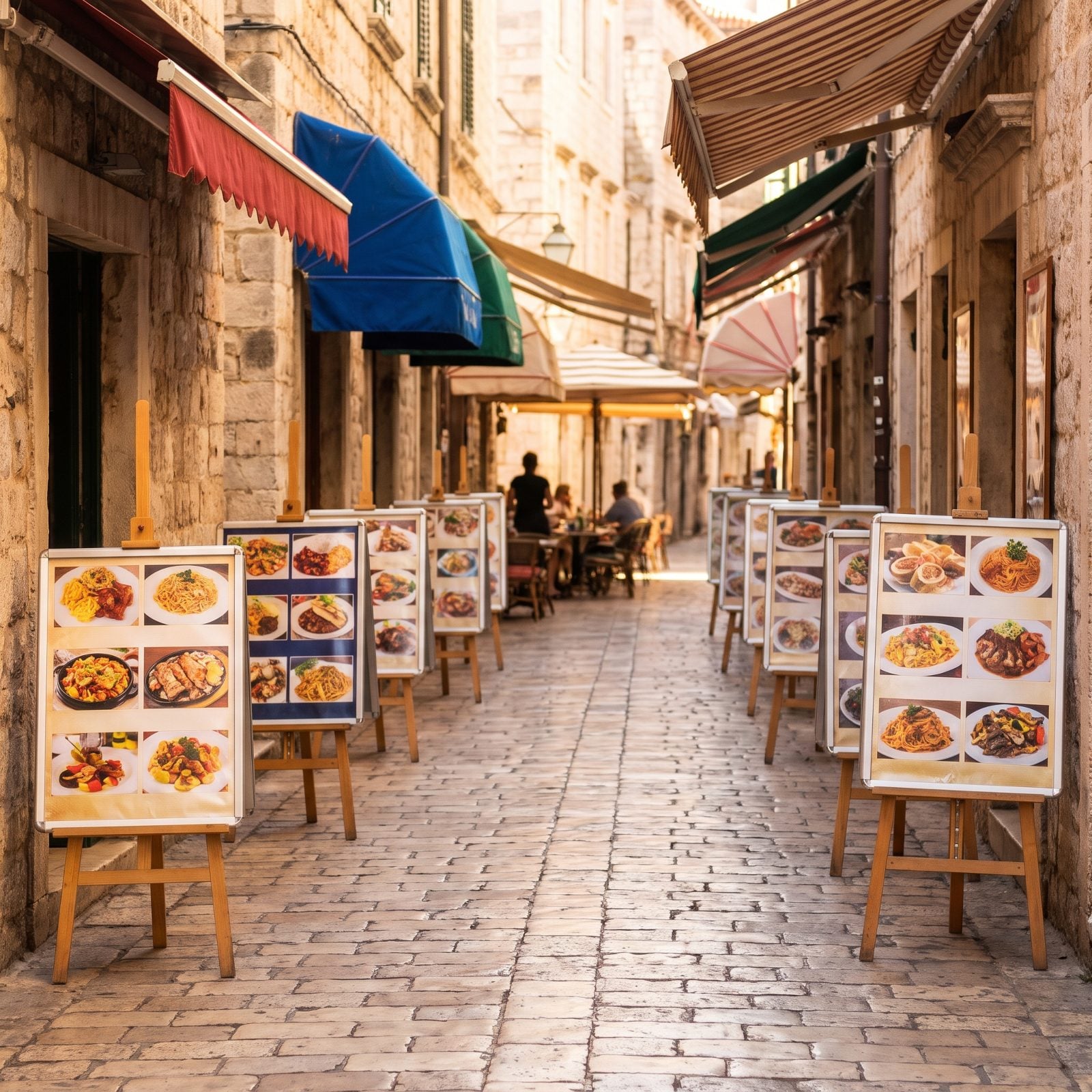
Stand on the corner and look at three doors in a row. Same photos, same font, same twelve dishes. No coincidence there — a central supplier is feeding a whole block built for people passing through exactly once.
Real neighborhoods have range. The pizza place argues with the seafood place argues with the grandmother making one thing well. When every menu matches, you’ve wandered into a district meant to be eaten in, not lived in.
11. The Dining Room Contains Tour Groups but No Independent Diners
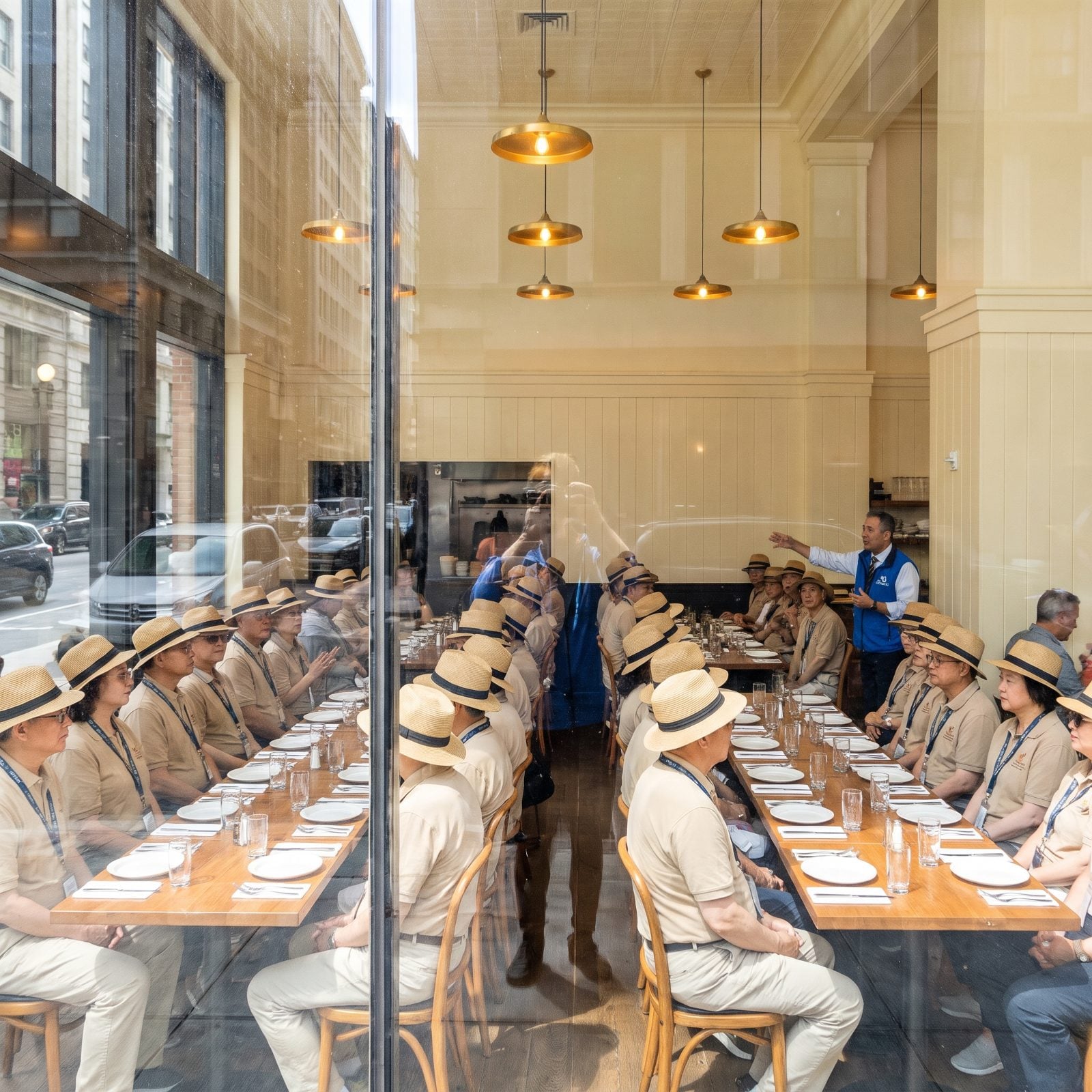
Peer through the window before you commit. If the room is nothing but matched groups led by a guide with a raised umbrella, and not one couple eating alone, that tells you who chose this place. Nobody did. A tour operator did, for a cut.
Locals and savvy travelers vote with their feet, and when they’ve all voted elsewhere, the empty seats among independent diners are the loudest review in the house.
10. Long Rows of Tables Are Set Up for Rapid Group Seating
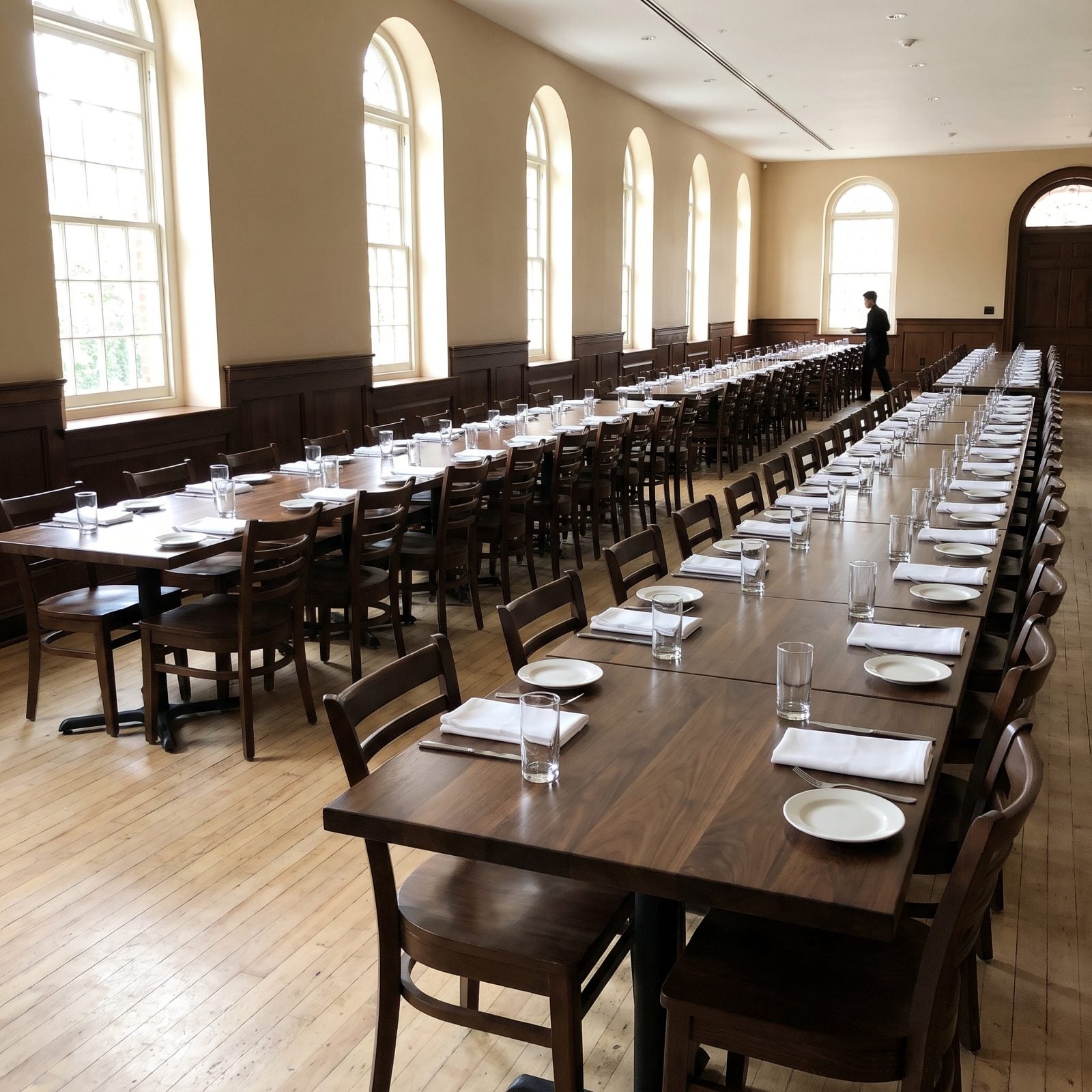
Banquet rows set before noon mean one thing: volume. This kitchen is built to seat forty, feed them fast, and flip the room before the bus leaves. You’re not a guest here — you’re a slot in a schedule.
Cooking at that speed kills nuance. Everything comes out par-cooked and finished in a hurry, so the pasta is softer, the fish is older, and the price is somehow higher. Turnover and quality rarely ride in the same car.
9. Bottled Water Is Already Opened on Every Empty Table
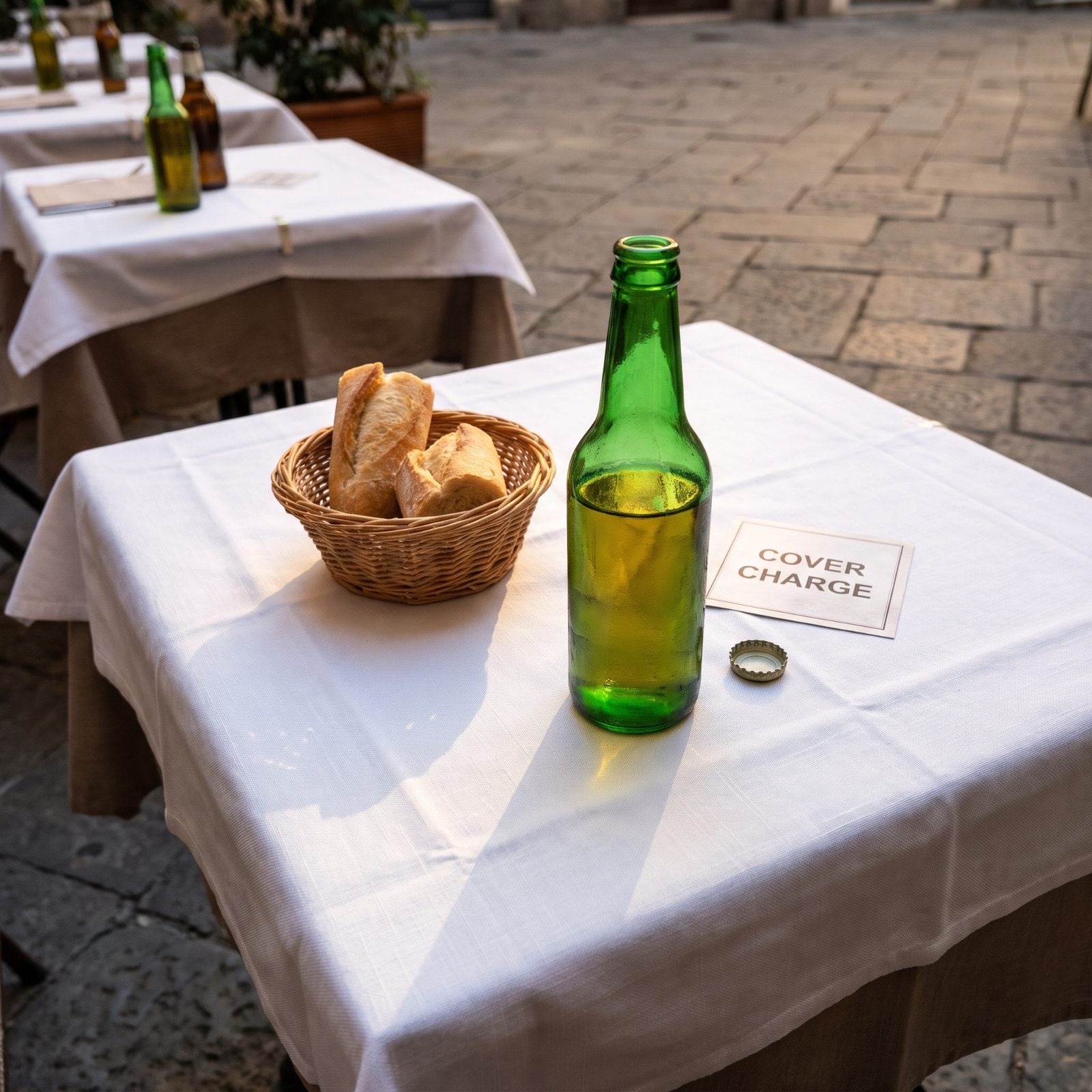
An opened bottle on an empty table isn’t service. It’s a trap with the cap already off. Once it’s uncorked you can’t send it back, and it lands on your bill at a markup you never agreed to.
Same goes for the bread basket and that little cover-charge card nobody mentioned. Honest places ask. Traps assume. If the extras are decided before you sit, read every line before you order a thing.
8. The Greeter Pushes a Set Menu Before Letting You Read It
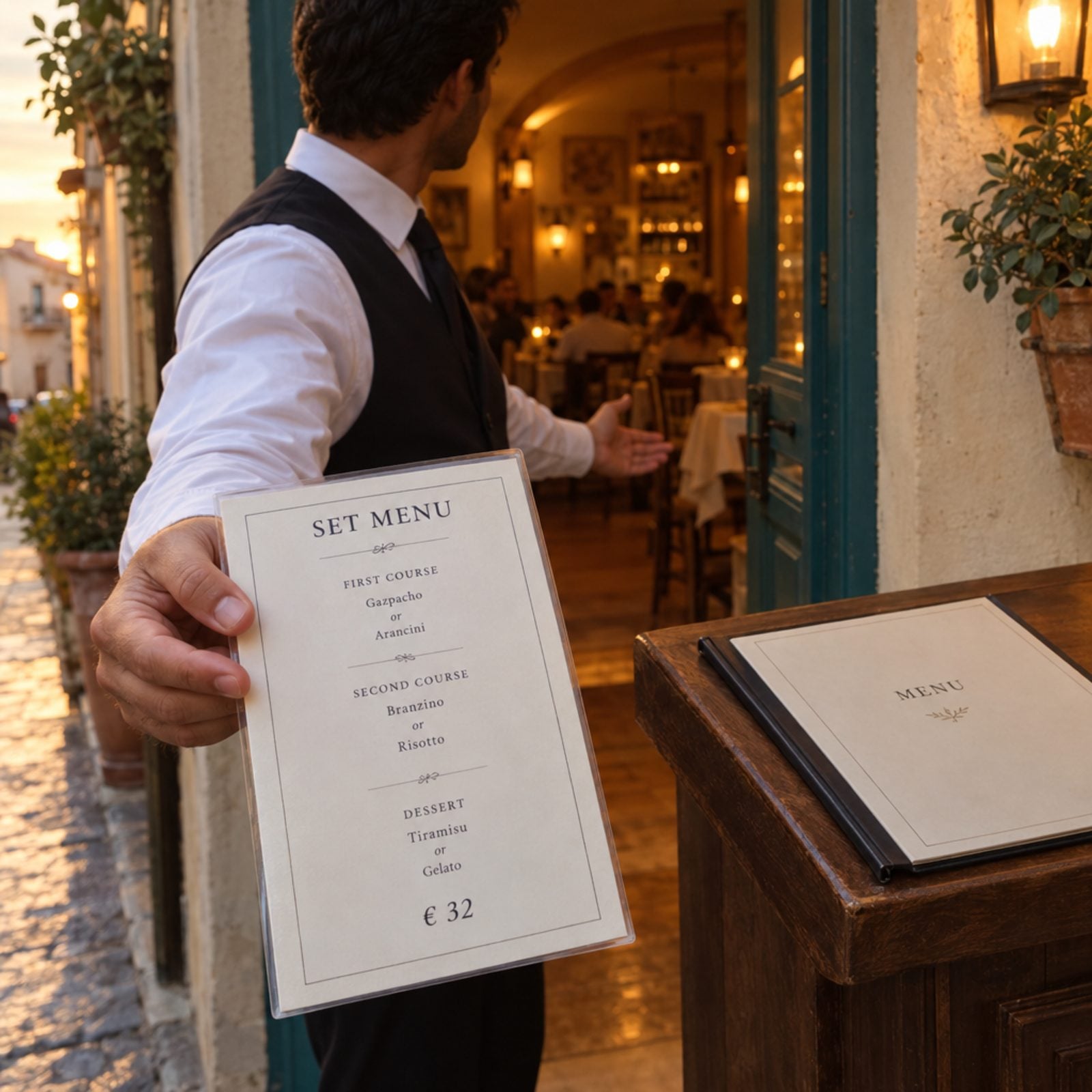
Watch the hand. A greeter who shoves a fixed menu at you before you’ve glanced at the real one is steering you toward the dish with the fattest margin and the cheapest ingredients. The hard sell exists because the choice wouldn’t survive you reading everything.
A good restaurant hands you the menu and steps back, letting the food do the arguing. When the pressure arrives before the plate does, trust the pressure as a warning, not an offer.
7. The Host Asks Which Hotel or Cruise Ship You Came From
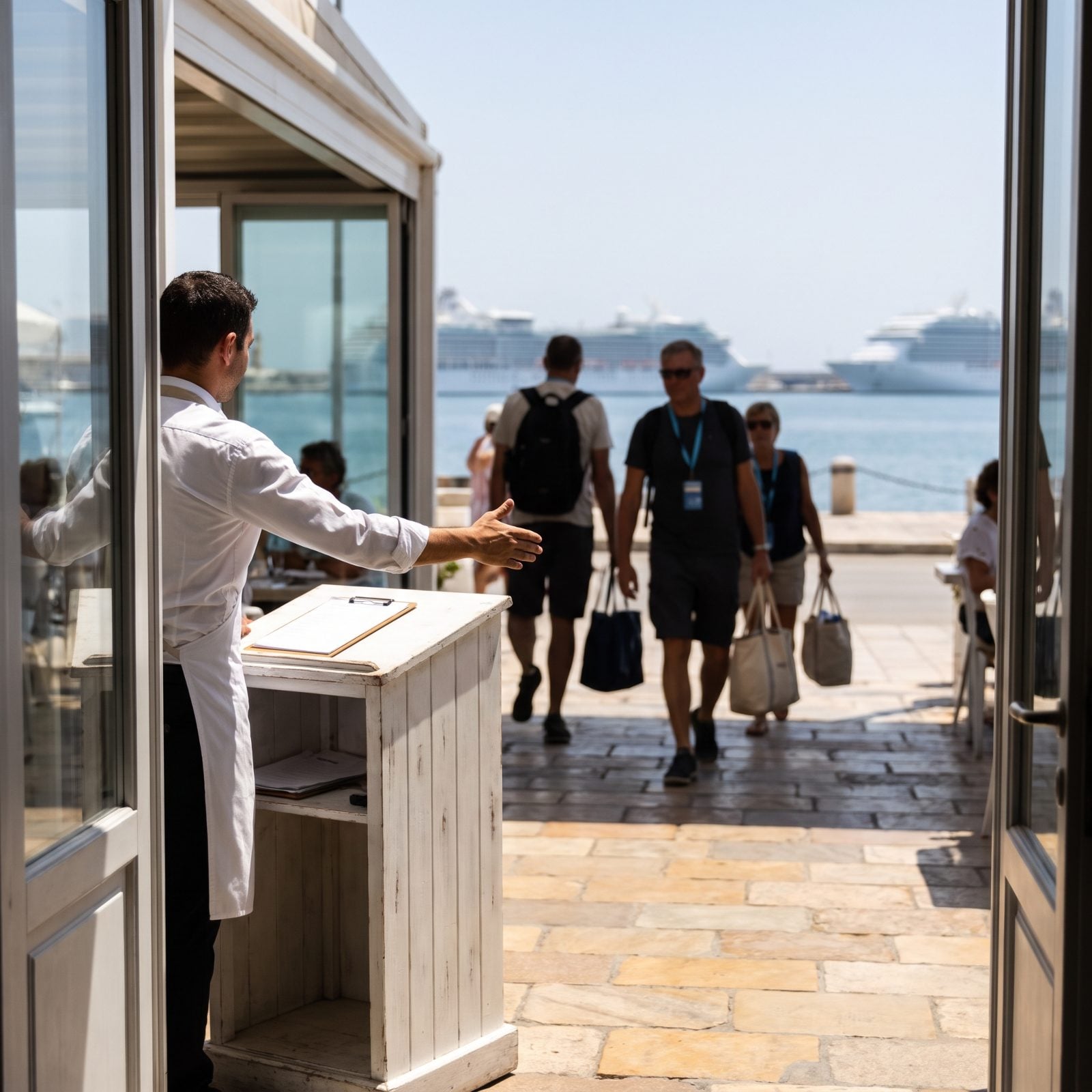
The question sounds like small talk. It isn’t. A host asking which ship or hotel sent you is sorting you into a tier — a captive diner with a departure time and no clue what things cost locally. That knowledge adjusts the bill.
Travelers who arrived on their own feet, know the neighborhood, and might come back get treated one way. One-time arrivals off a gangway get treated another. The moment they clock you as temporary, the price stops being for residents.
6. When “Free Wi-Fi,” “A/C,” and “Clean Toilets” Headline the Window Before the Food Does
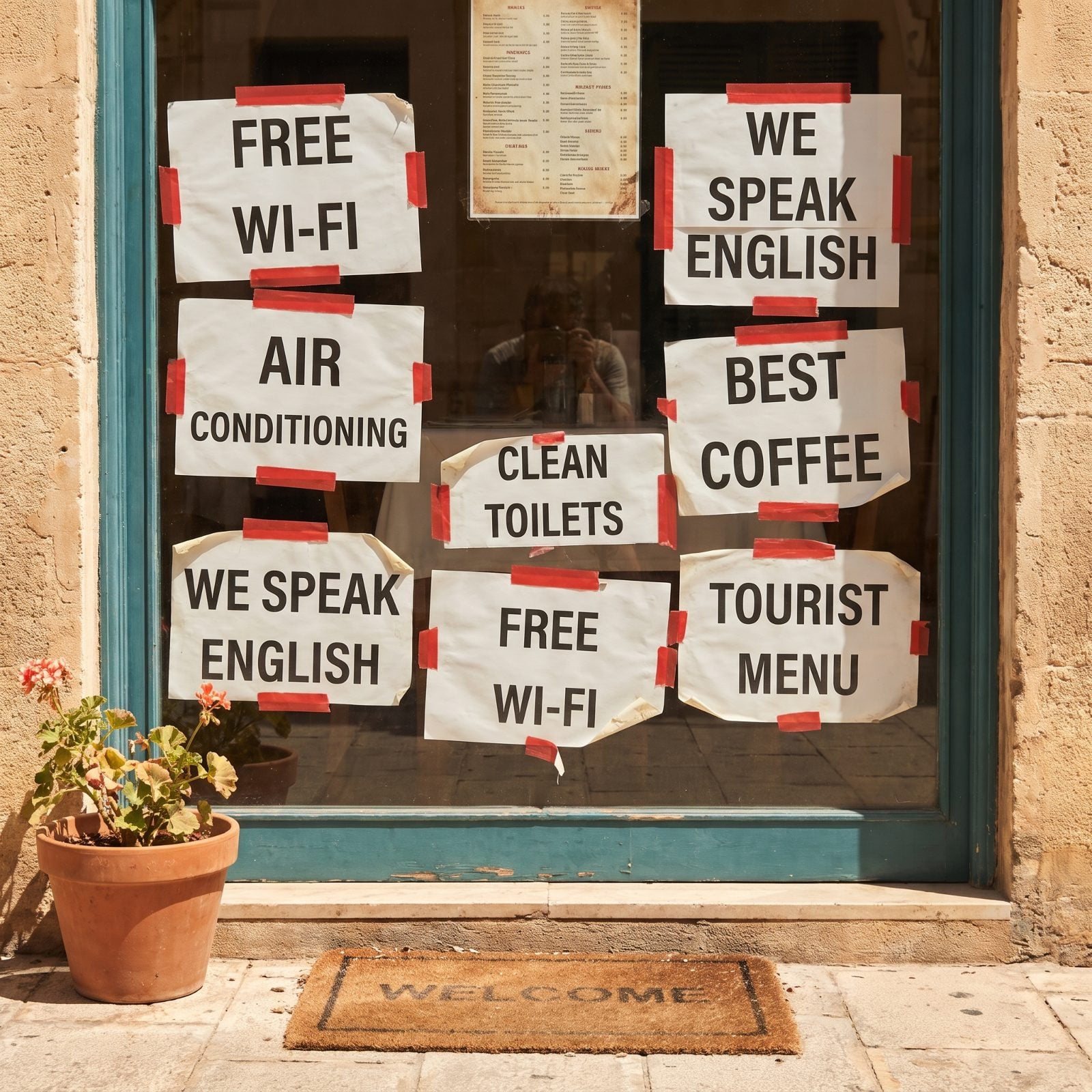
A restaurant proud of its food leads with its food. When the window shouts about bathrooms and air conditioning first, it’s telling you exactly who it wants — someone hot, tired, and desperate for a toilet, not someone hungry. Those are amenities for a captive audience. The eating comes second.
And the signage gives it away. You’re being sold relief, then charged restaurant prices for it.
5. A Digital Board That’s Been Running the Same “Limited-Time” Deal Since 2019
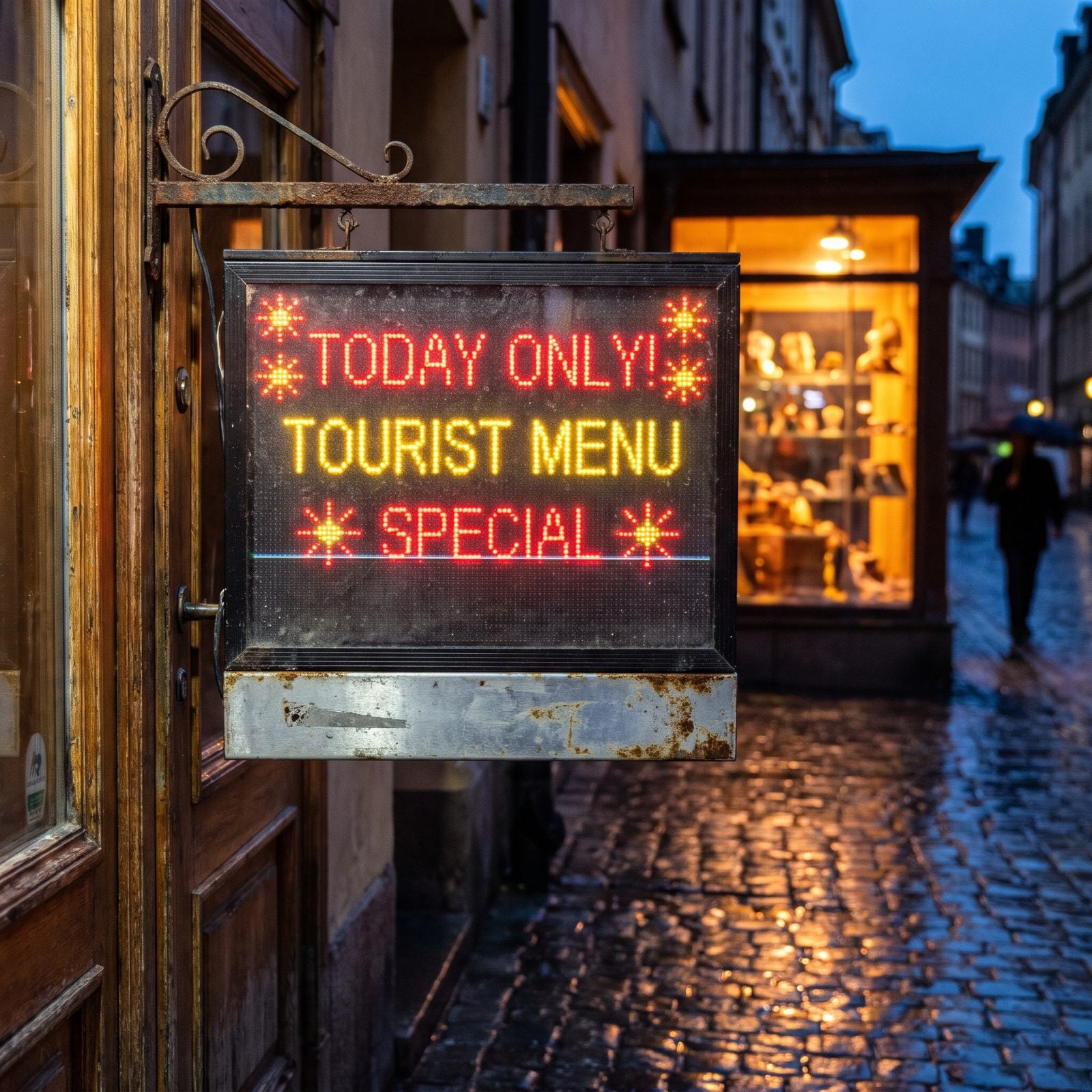
Urgency sells, and these places know it cold. A genuinely limited deal disappears. A deal that’s been ‘ending soon’ every single day for years isn’t a deal at all — it’s the regular price wearing a costume.
Check the listing online. If the same ‘special’ shows up in reviews from two summers back, that countdown clock is pure theater. Real scarcity doesn’t need a permanent neon reminder.
4. New Price Stickers Pasted Right Over the Original Menu Numbers
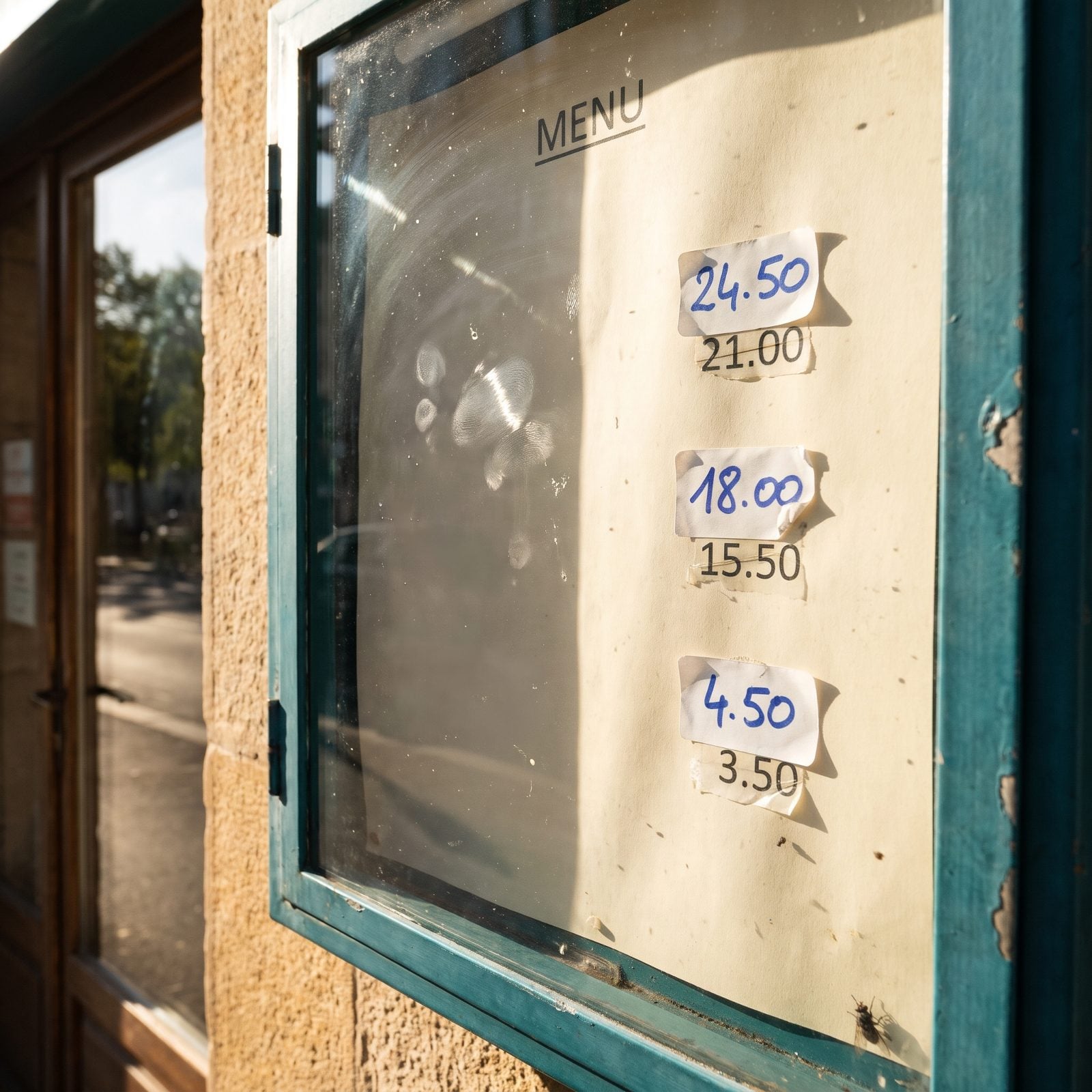
Nothing says ‘we adjust prices by season, mood, and your accent’ like a sticker over a sticker. Fresh adhesive numbers on a printed menu mean the real price is whatever they decide today — and they decided it for you the moment you slowed down.
Serious kitchens reprint their menus. They don’t quietly bump the carbonara two euros with a label gun. Peel back a corner with your eyes and you’ll often spot a lower number hiding underneath, which tells you what the locals were paying last month.
3. The “Local Specialty” They’re Pushing Hard Is Months Out of Season
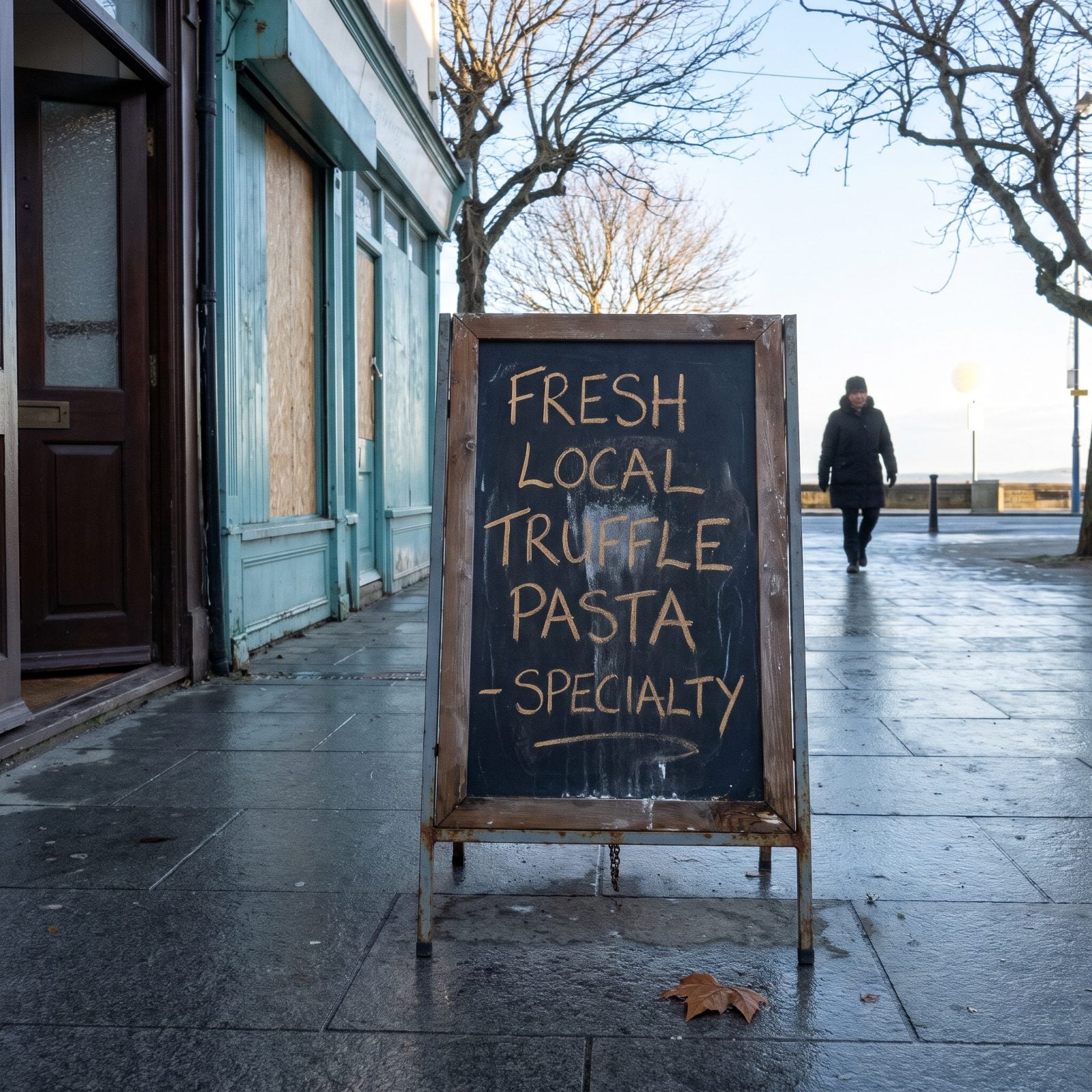
Real regional cooking follows the calendar. If a place is trumpeting a dish built around an ingredient that physically isn’t available this month, that ingredient is frozen, imported, or imaginary — and you’re paying ‘authentic local’ prices for it anyway.
A quick phone check of when the thing is actually in season takes ten seconds. Tourists don’t know when the sea urchins run or the porcini appear. Locals do. That’s precisely why locals aren’t the ones getting the pitch.
2. Velvet Rope Queue Barriers Standing Empty to Fake Constant Demand
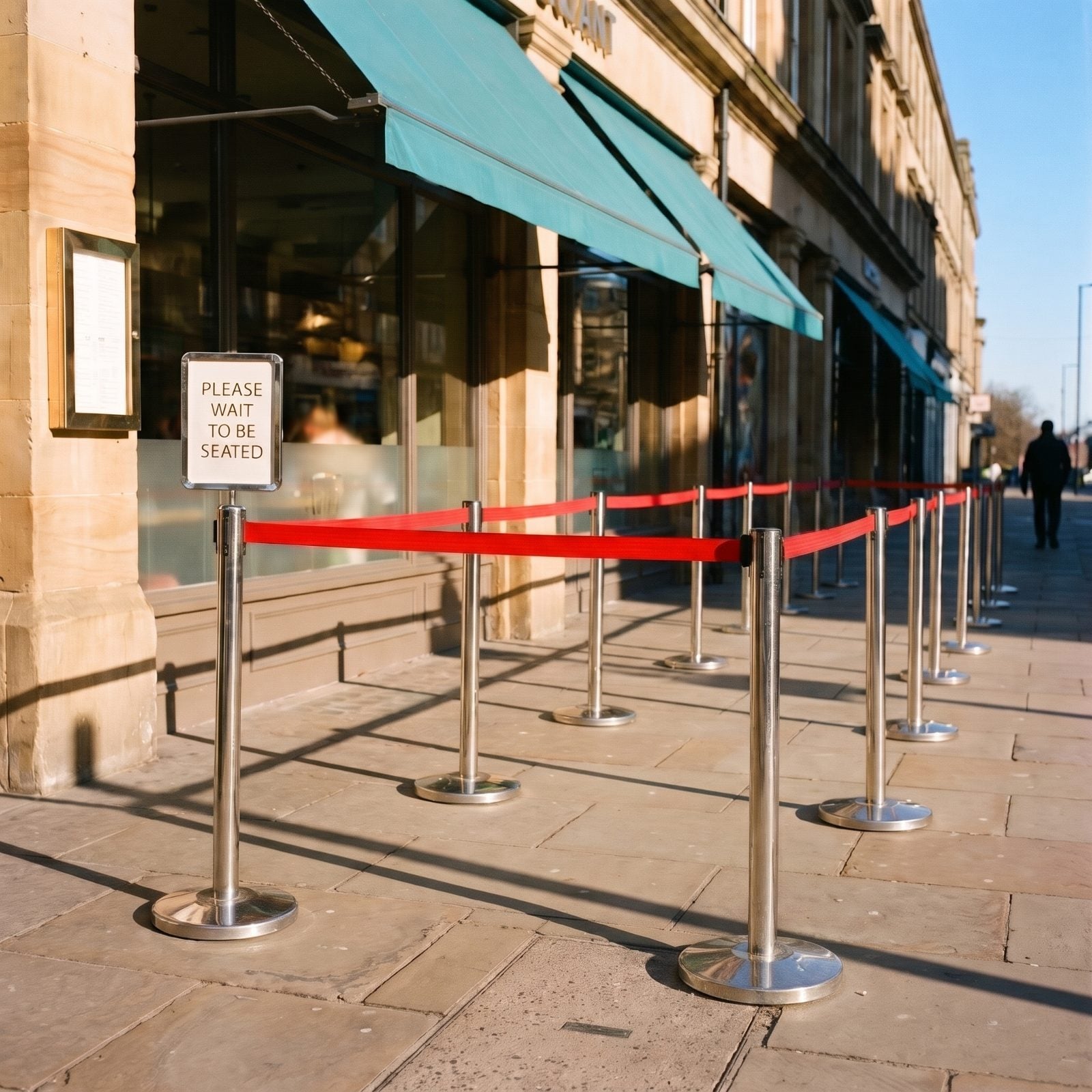
Stanchions and a snaking rope line say ‘we’re so busy we need crowd control.’ An empty version of that same setup, mid-afternoon, with nobody in it, says something very different. It’s a stage set for a popularity the place simply doesn’t have.
Real demand makes a real line. Props make the idea of one. The barriers exist so you’ll assume you’re lucky to get in and quit questioning the price.
1. The Empty Dining Room Next Door to the Packed Local One
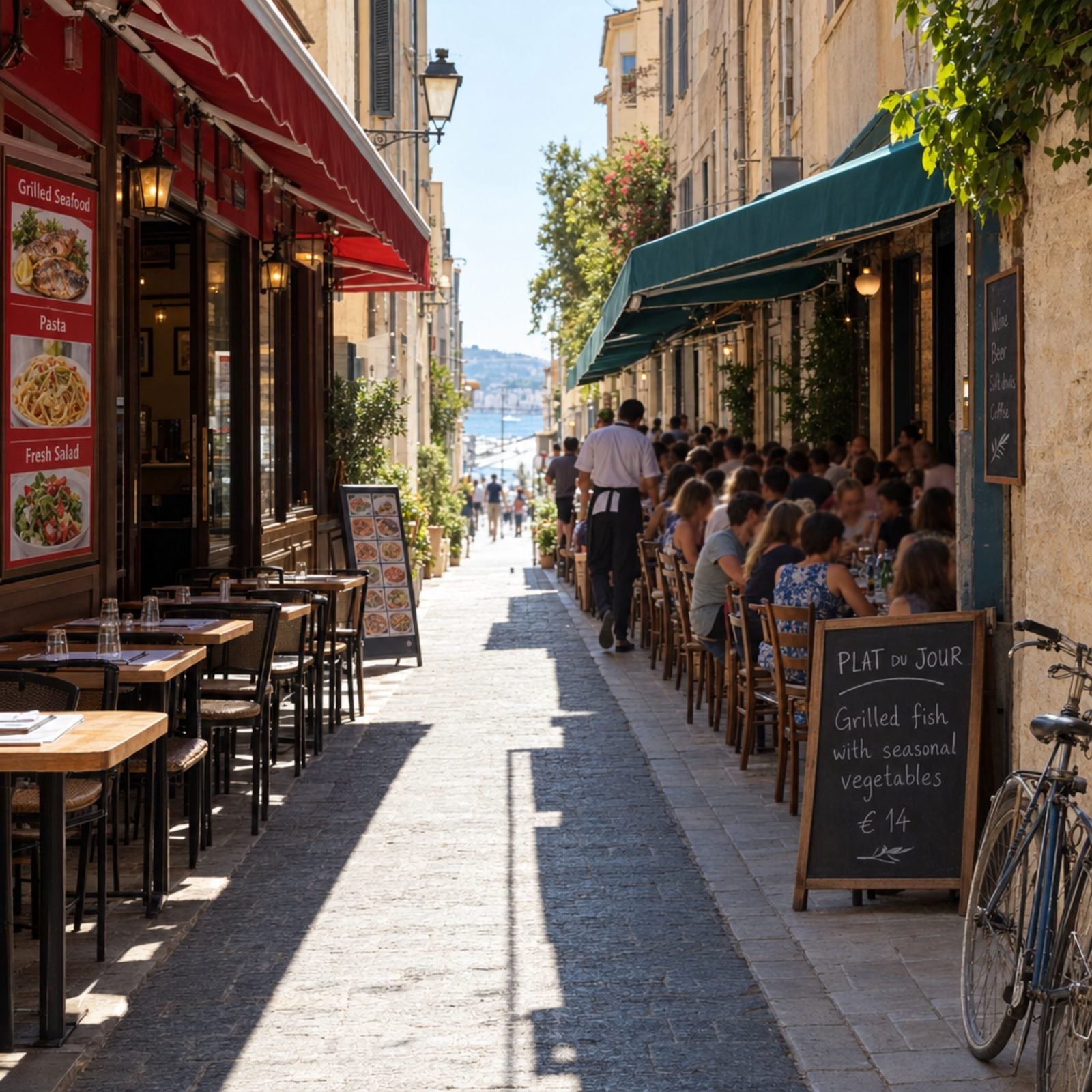
Trust the crowd that has nothing to prove. A flashy spot with photo menus sits dead quiet at prime lunch while the plain place across the lane is jammed with people eating fast and talking loud. The vote’s already been counted.
Locals won’t put up with bad value on their own street. They’ll walk the extra thirty seconds, so follow them. The restaurant chasing you down with a menu is the one the neighborhood already passed on — and the neighborhood eats on this block every single day.
Please note that some of the imagery in this article were created with the aid of AI image generators.