
🔥 Would you like to save this?
The best rental we ever booked had four grainy photos and a host who answered in one line. We almost skipped it. Turns out the place was double the size the listing suggested, with a terrace nobody bothered to photograph. That’s the thing about understated listings: the worst rentals shout, while the best ones mumble and leave you to read between the lines. Here are the clues, hidden in reviews, maps, amenities, and the way a host writes back, that a property is quietly holding out on you. Learn to spot them and you’ll book the sleeper hit every time.
36. When Reviews Keep Saying the Photos Don’t Do It Justice
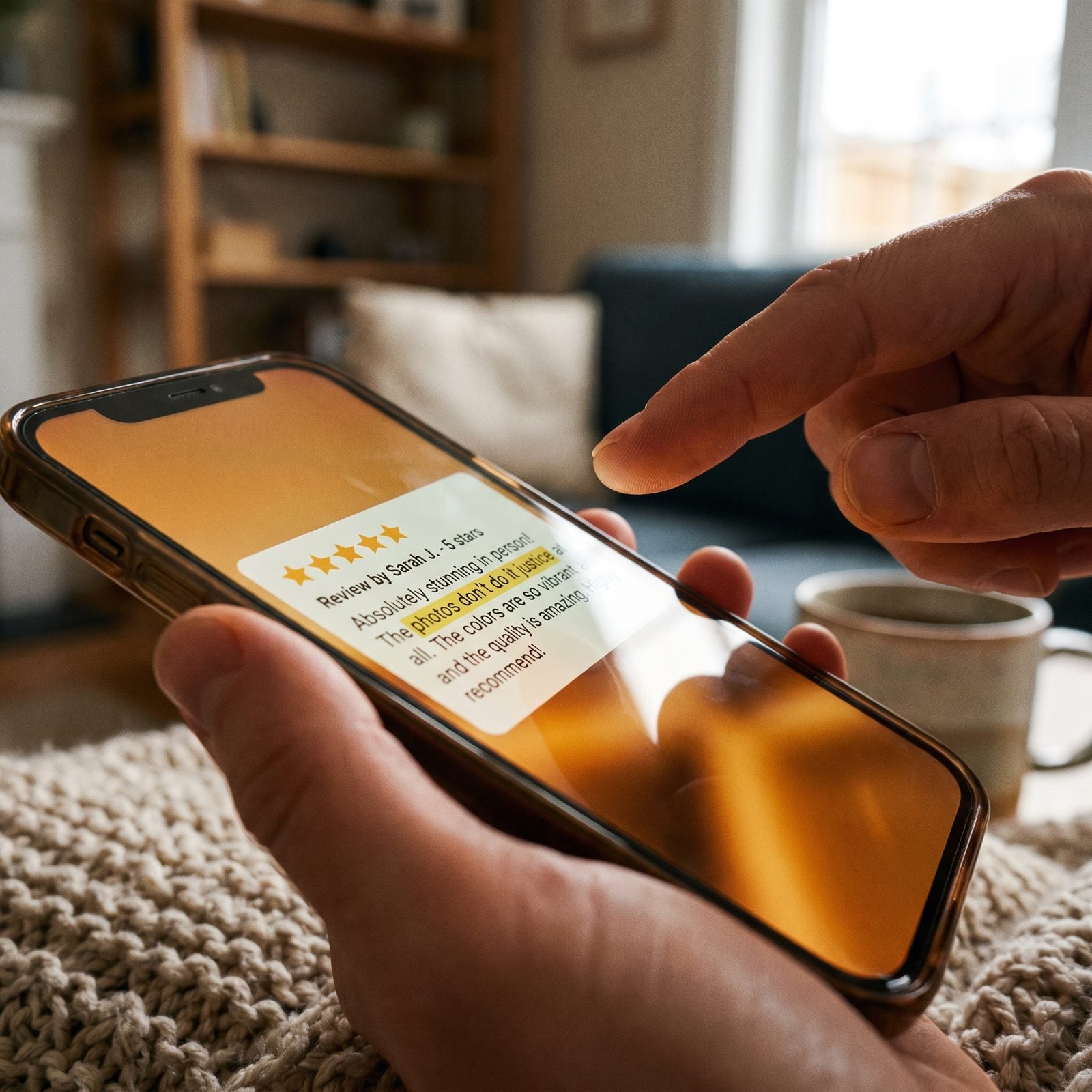
This is the single most reliable tell in the whole book. When three or four separate guests independently write some version of “it’s even better in person,” believe them. Nobody coordinates that. It means the host is a bad photographer, not a bad host, which is the best mistake a listing can make.
Bad photographers undersell. Overpriced flops do the opposite: gorgeous shots, then a wall of reviews about the smell in the bathroom. Trust the crowd over the camera every time.
35. When Guest Snapshots Beat the Pro Shots
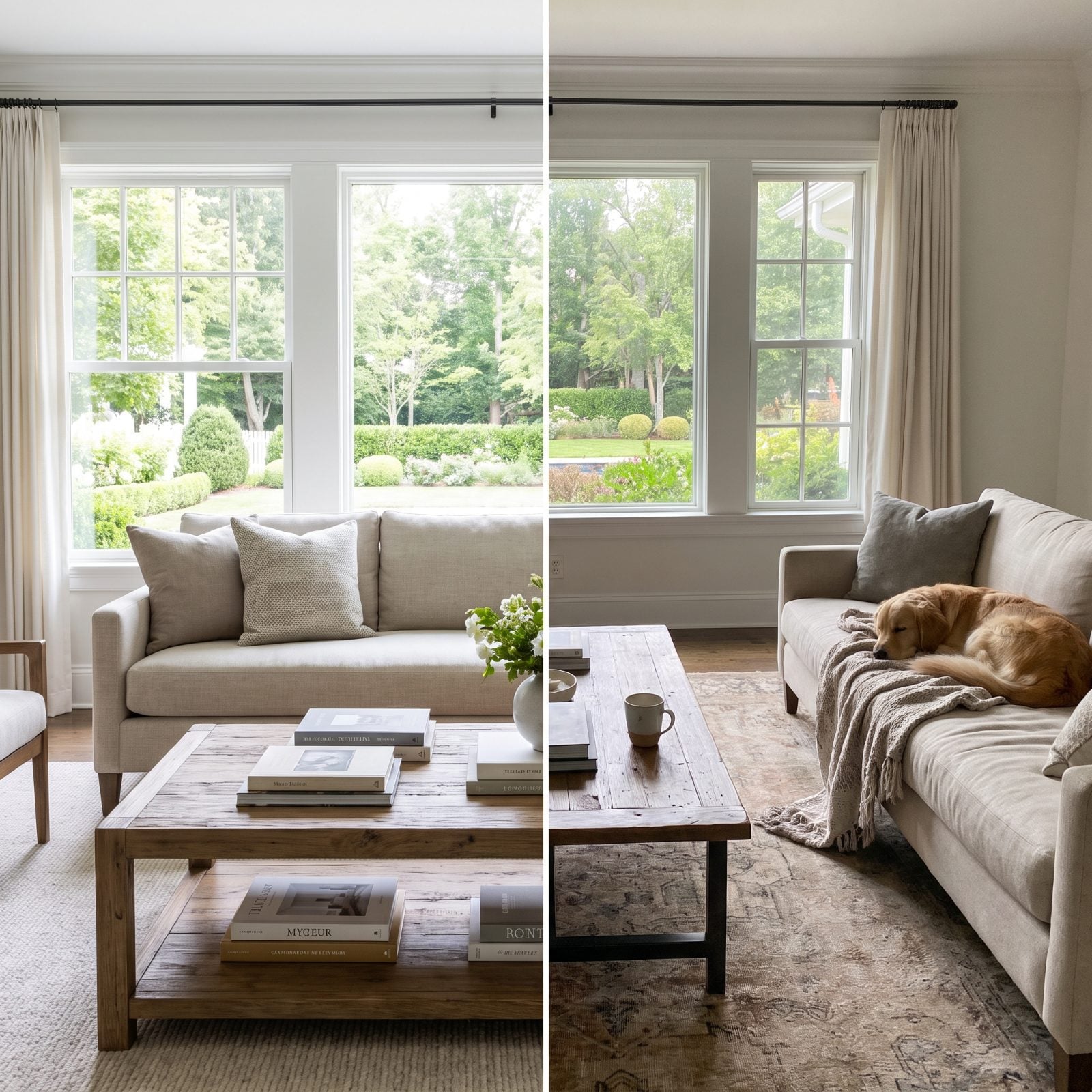
Scroll past the host’s polished gallery and hunt for the guest-uploaded photos. When a phone snapshot taken by a tired traveler at 7pm looks more appealing than the staged listing images, the place has good bones the pro shoot failed to catch.
Guest photos don’t lie about light. They catch how the morning actually falls across the kitchen, whether the “garden view” is a courtyard or a parking lot. We’ve cancelled bookings over a single guest photo, and we’ve booked others because of one. That amateur shot is your only unfiltered look inside.
34. When Reviewers Say It’s Bigger Than It Looks
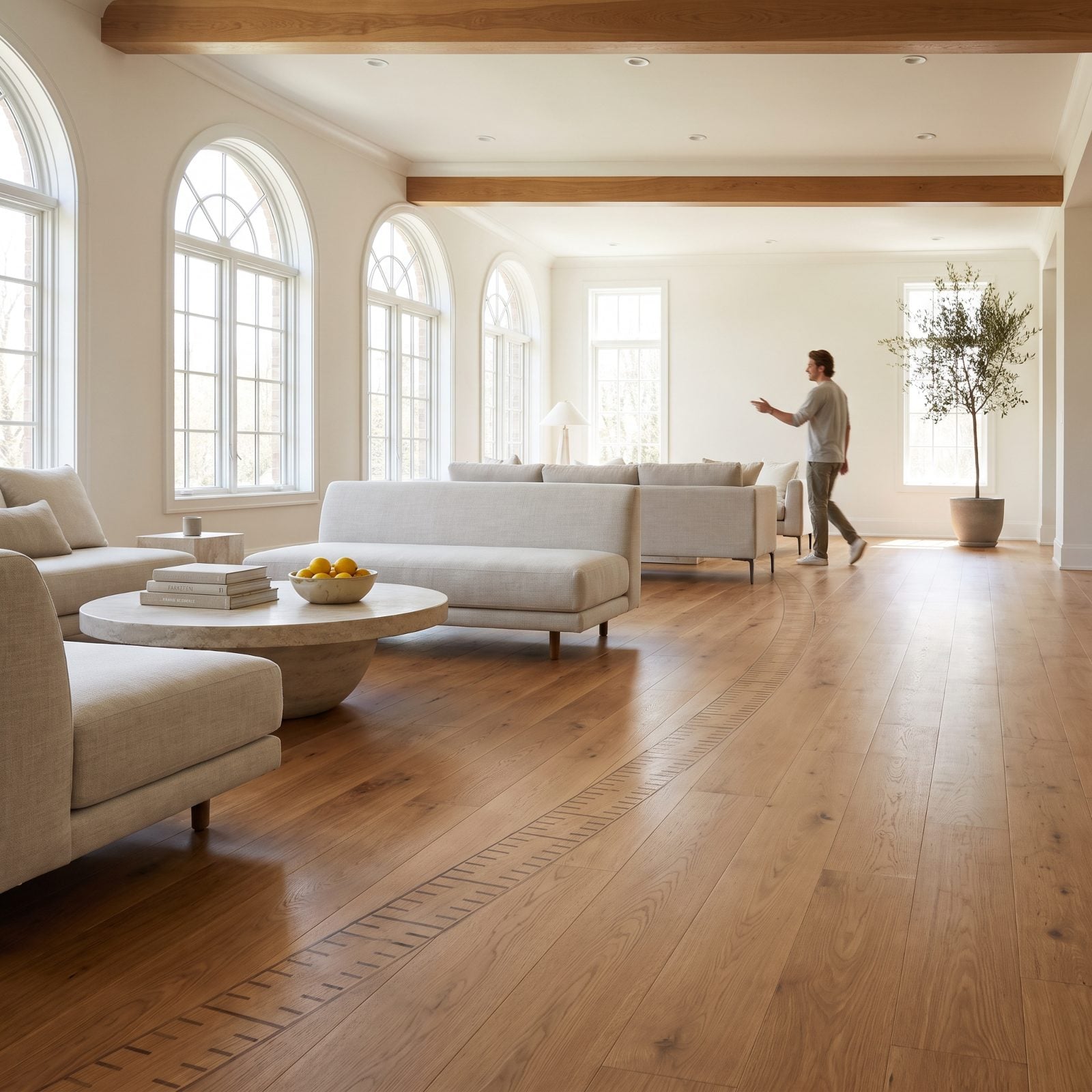
Photographers shoot for beauty, not scale. A wide-angle lens can make a shoebox look grand, sure. But the reverse happens too. Some hosts shoot tight, flattering vignettes and never once show you the full layout, so the place reads smaller than it actually lives.
When guests repeatedly mention “way more room than we expected” or “the second bedroom was a surprise,” the listing undersold its footprint. Cross-check with the map’s building type and any floor plan you can find. A converted townhouse or a corner unit tends to sprawl in ways the photos never bother to prove.
33. When Guests Rave About a View the Listing Barely Shows
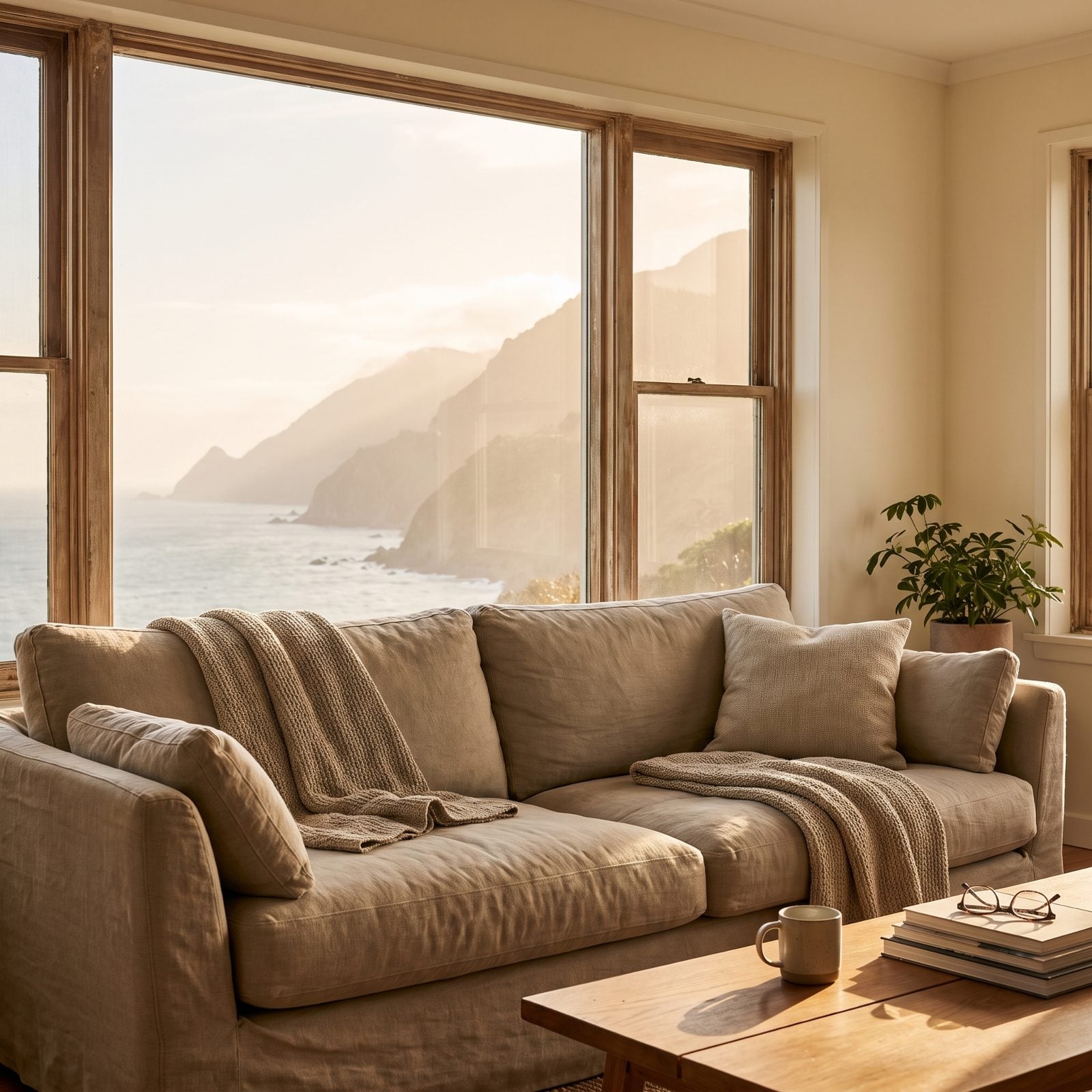
Some hosts genuinely don’t realize what they have. They fill the gallery with the sofa and the tiled backsplash and give the view one blurry corner shot, or skip it entirely.
Then the reviews arrive: “woke up to the most incredible sunrise,” “couldn’t stop staring out the window.” When guest after guest fixates on a view the listing treats as an afterthought, that’s a property sitting on an asset it doesn’t know how to sell. Which, selfishly, is good news for your wallet.
32. When Guests Keep Mentioning How Spotless It Is
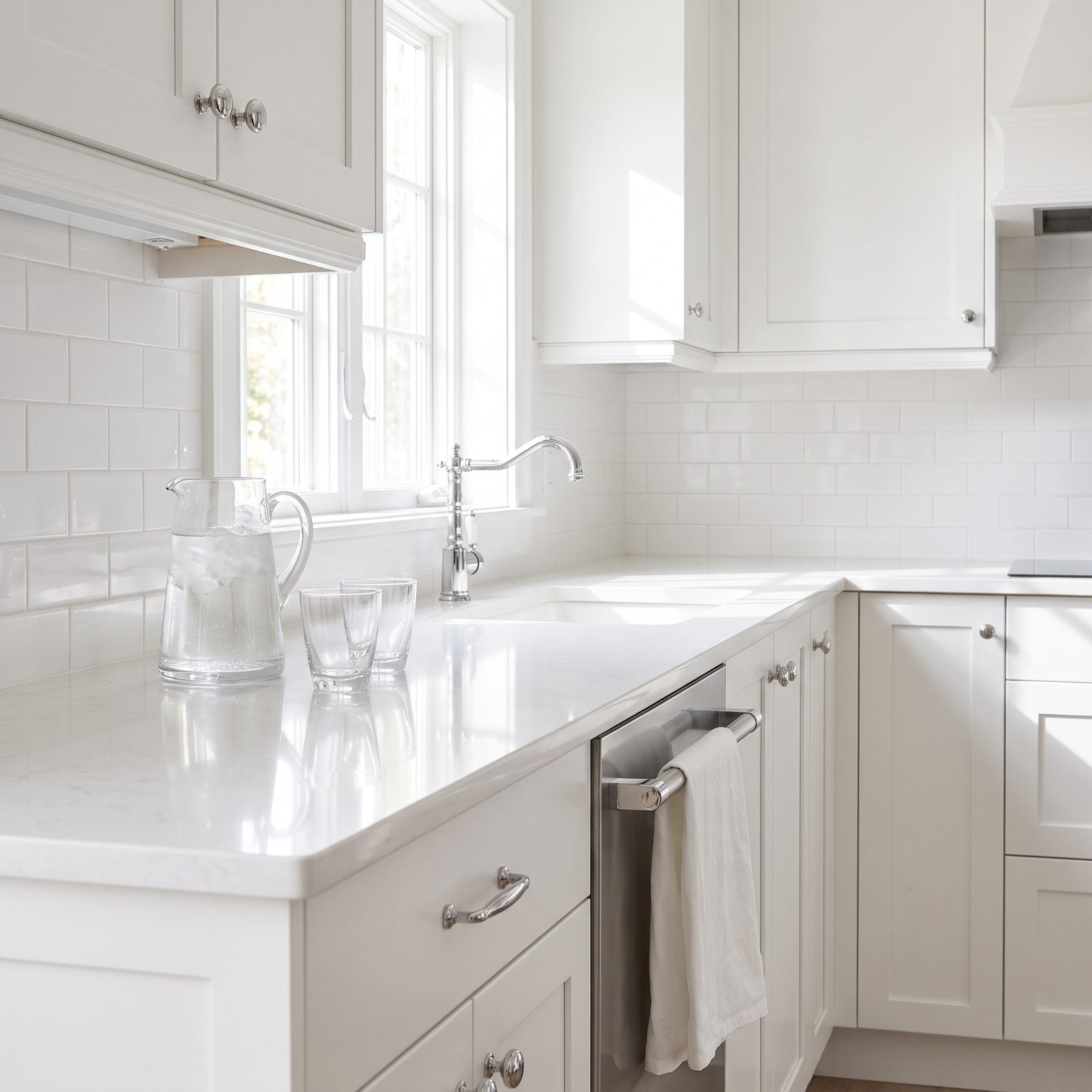
Cleanliness is the one review theme worth trusting completely, because guests notice dirt far more than they notice charm. Nobody writes a paragraph praising spotless grout unless they walked in braced for the opposite and got happily surprised.
Look for specifics: “floors you could eat off,” “fresh linens that smelled like they’d been line-dried,” “not a speck of dust.” Repeated, detailed cleanliness praise usually points to a hands-on owner rather than an absentee management company churning turnovers. That single distinction predicts your whole stay.
31. When Reviews Confirm the Beds Are Actually Comfortable
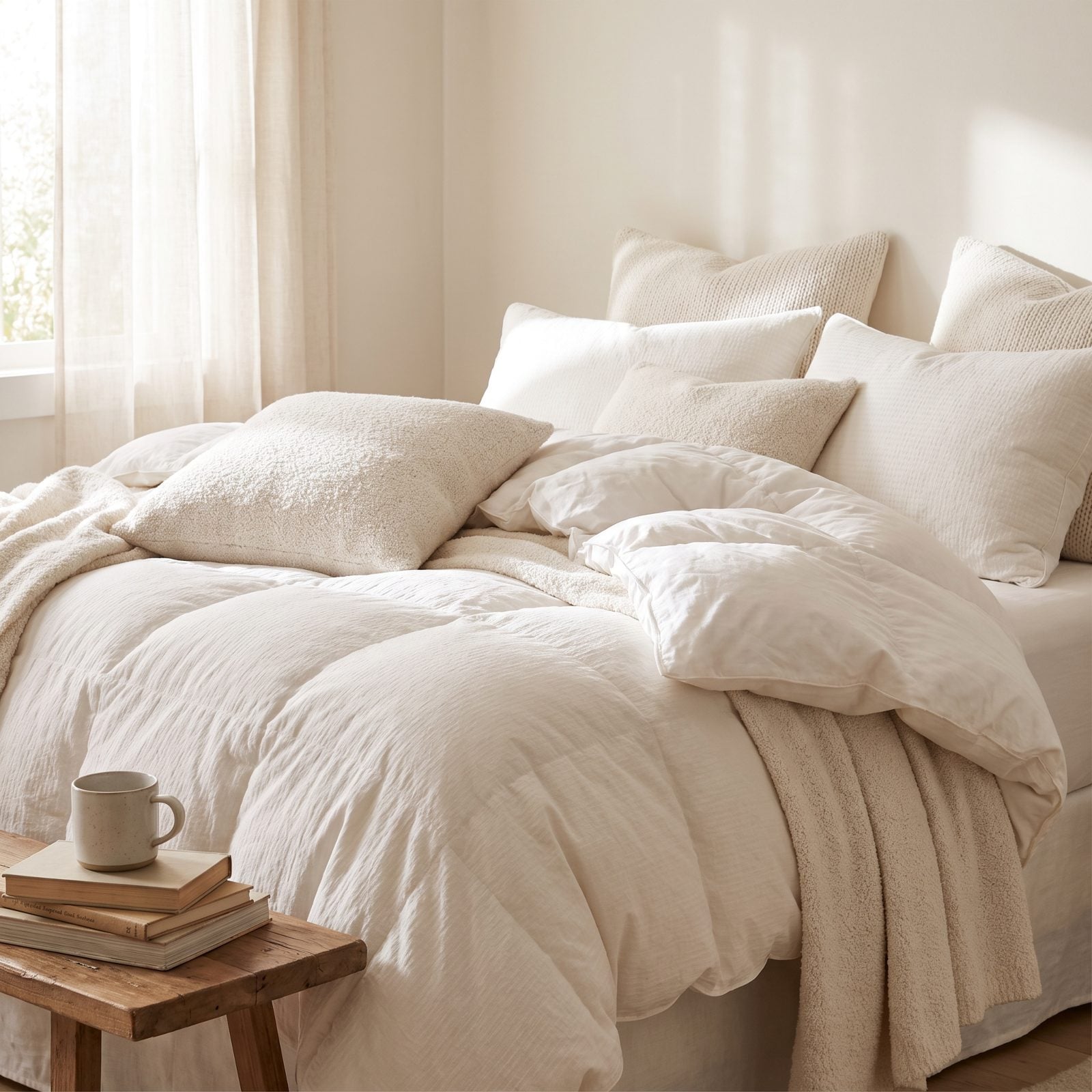
You cannot photograph a good mattress. A bed looks identical whether it’s a cloud or a slab of plywood, which is why bed comfort stays invisible in every listing and turns painfully real by night two.
When guests volunteer that they “slept better than at home” or single out the mattress by name, that’s gold. Quality mattresses cost a host real money, and one who bothered to buy them probably sweats the rest of the details too. A bad bed can wreck an otherwise lovely trip. We’ll take a plain room with a great bed over the reverse any day of the week.
30. When Guests Praise a Kitchen Better Stocked Than Expected
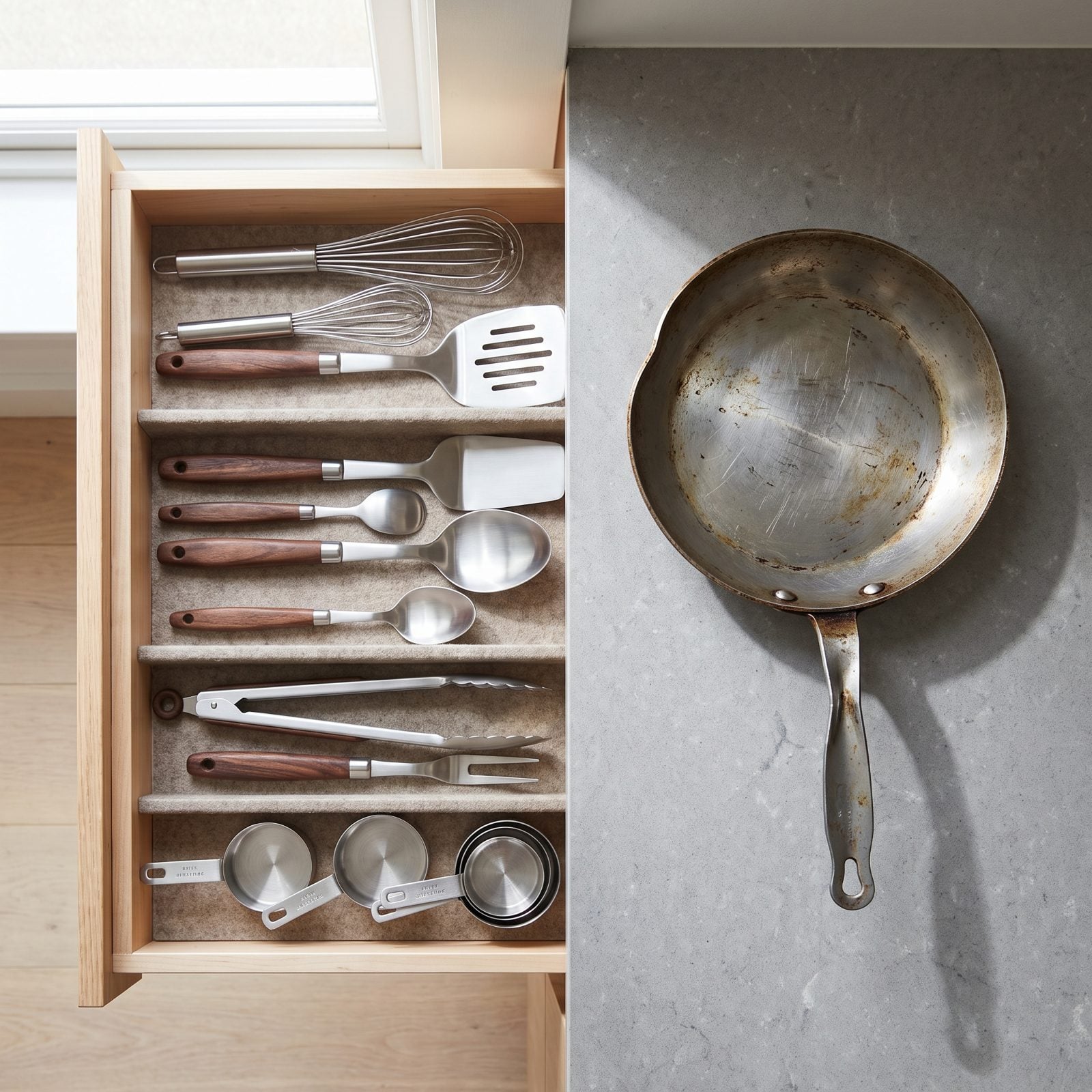
Most rental kitchens are a cruel joke: one warped pan, three mismatched mugs, a corkscrew that doesn’t work. So when guests go out of their way to call out the kitchen, pay close attention.
Watch for lines like “had everything I needed to actually cook,” “sharp knives, real olive oil, spices already there.” A host who stocks a working kitchen is telling you they picture guests living there, not just sleeping and checking out. That mindset bleeds into every corner of the place.
29. When Travelers Mention Unexpectedly Quiet Nights
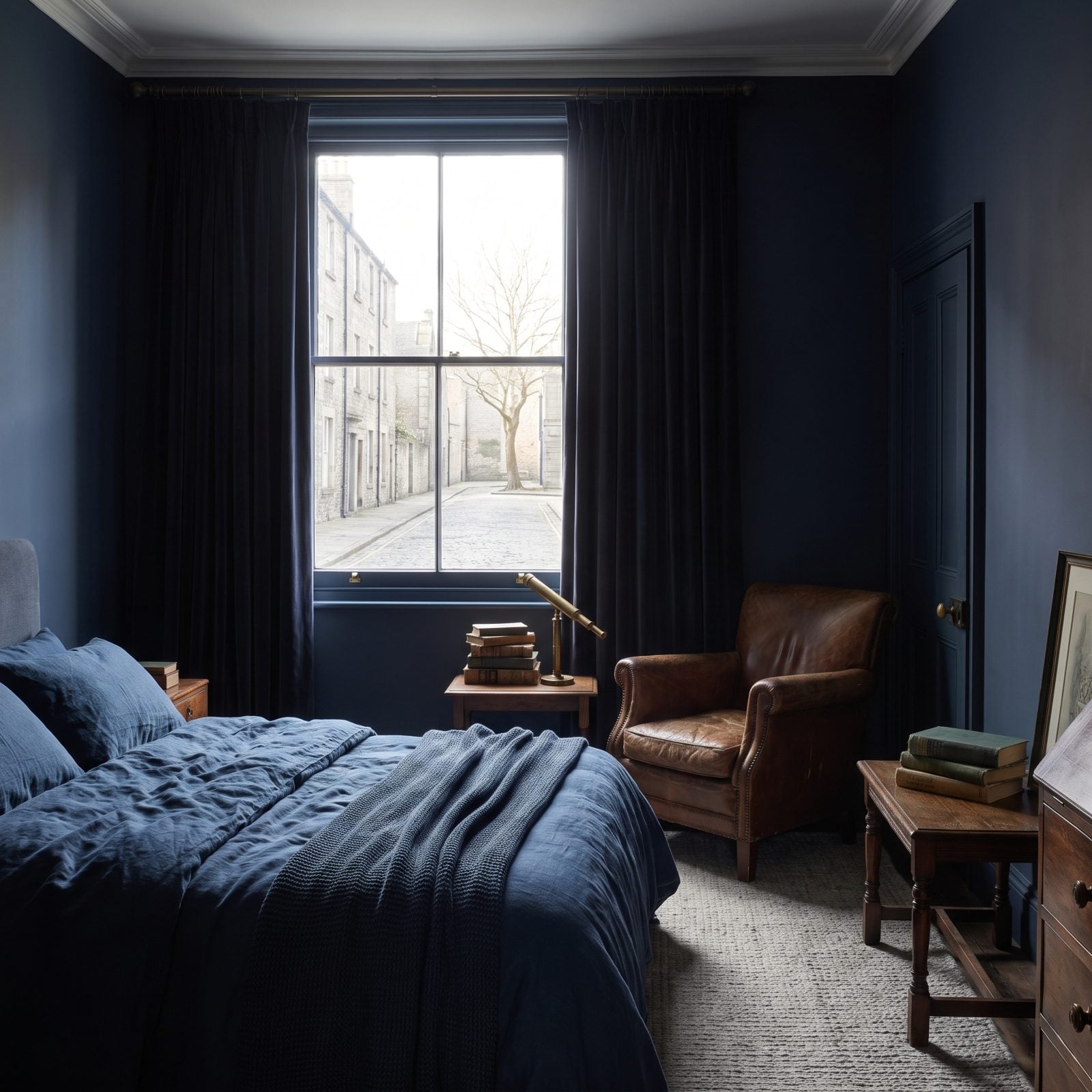
Noise is the silent trip-killer no listing will ever admit to. “Central location” often means directly above a bar. “Vibrant neighborhood” means you’ll hear every bit of it until 3am.
So when reviews keep saying “so quiet we slept with the windows open” or “couldn’t believe how peaceful it was for the city center,” that’s a rare find. Rear-facing units, courtyard apartments, upper floors, streets without ground-floor bars, all of them deliver a hush the map alone won’t reveal. Let the guests confirm it for you.
28. When Reviewers Say It’s More Walkable Than the Map Suggests
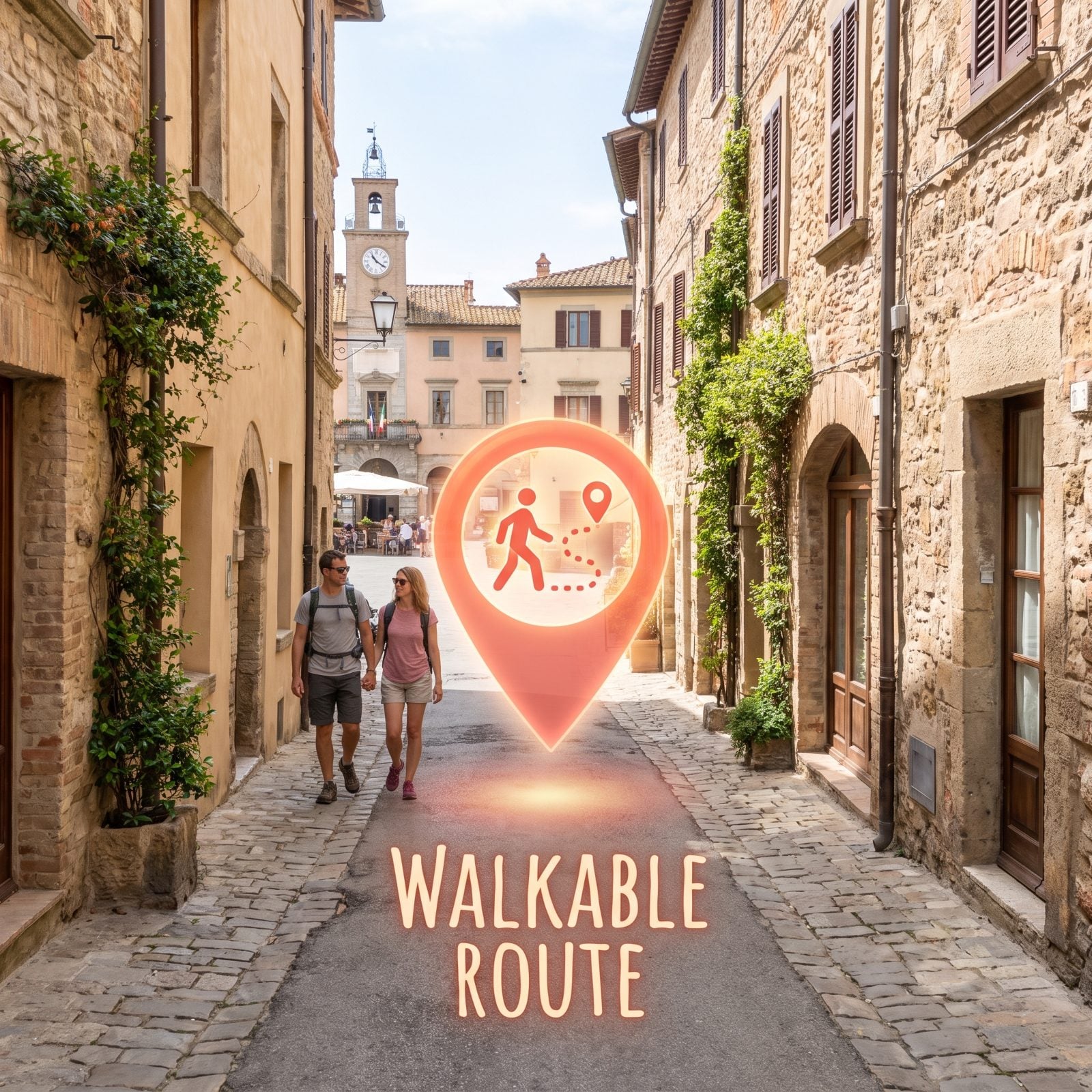
Maps lie by omission. A pin can sit two streets off a main square and read as “far” when it’s really a four-minute stroll. Or it flips: an address that looks central but hides a brutal hill climb the map flattens into nothing.
Guests untangle this for you. “Walked everywhere,” “grabbed coffee and croissants downstairs,” “never needed a taxi.” When the people who actually stayed there keep describing a fifteen-minute-walk life, the neighborhood works on foot no matter how the pin reads.
27. When Guests Report Easy Parking in a Dense Neighborhood
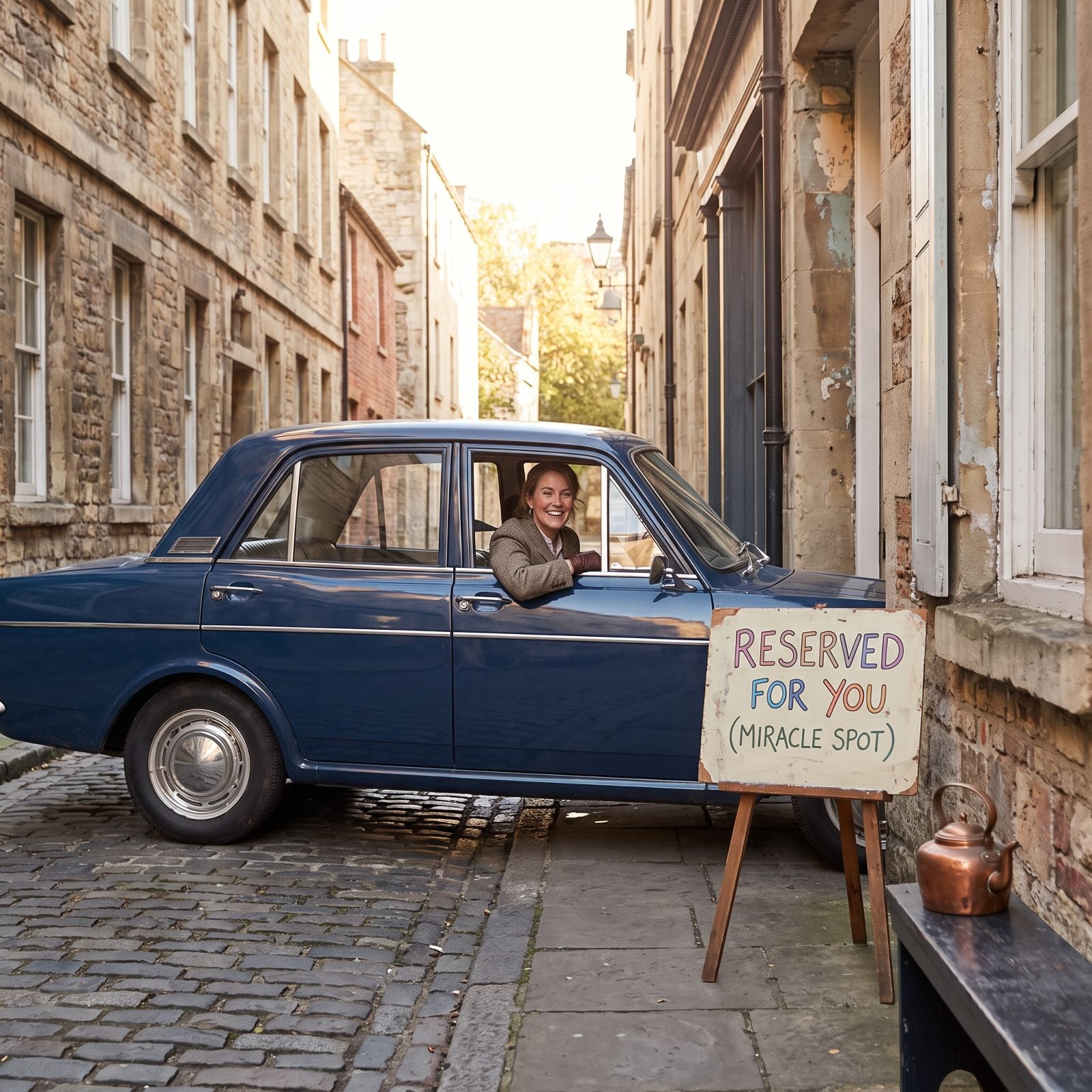
Parking in a historic center is usually a knife fight. So here’s a quiet miracle: guests reporting that they “parked right out front” or “the private garage saved us” in a neighborhood where that should be flat-out impossible.
These places have a hidden edge. A courtyard slot, a deal with a nearby lot, a resident permit the host passes along. It rarely photographs well and often never makes the amenities list at all. But if you’re driving, one review confirming stress-free parking beats a dozen praising the throw pillows. Ask the host to spell out exactly how it works before you book, and get that answer in writing.
26. The Host Earns Specific Praise for Fast, Thoughtful Help
🔥 Would you like to save this?
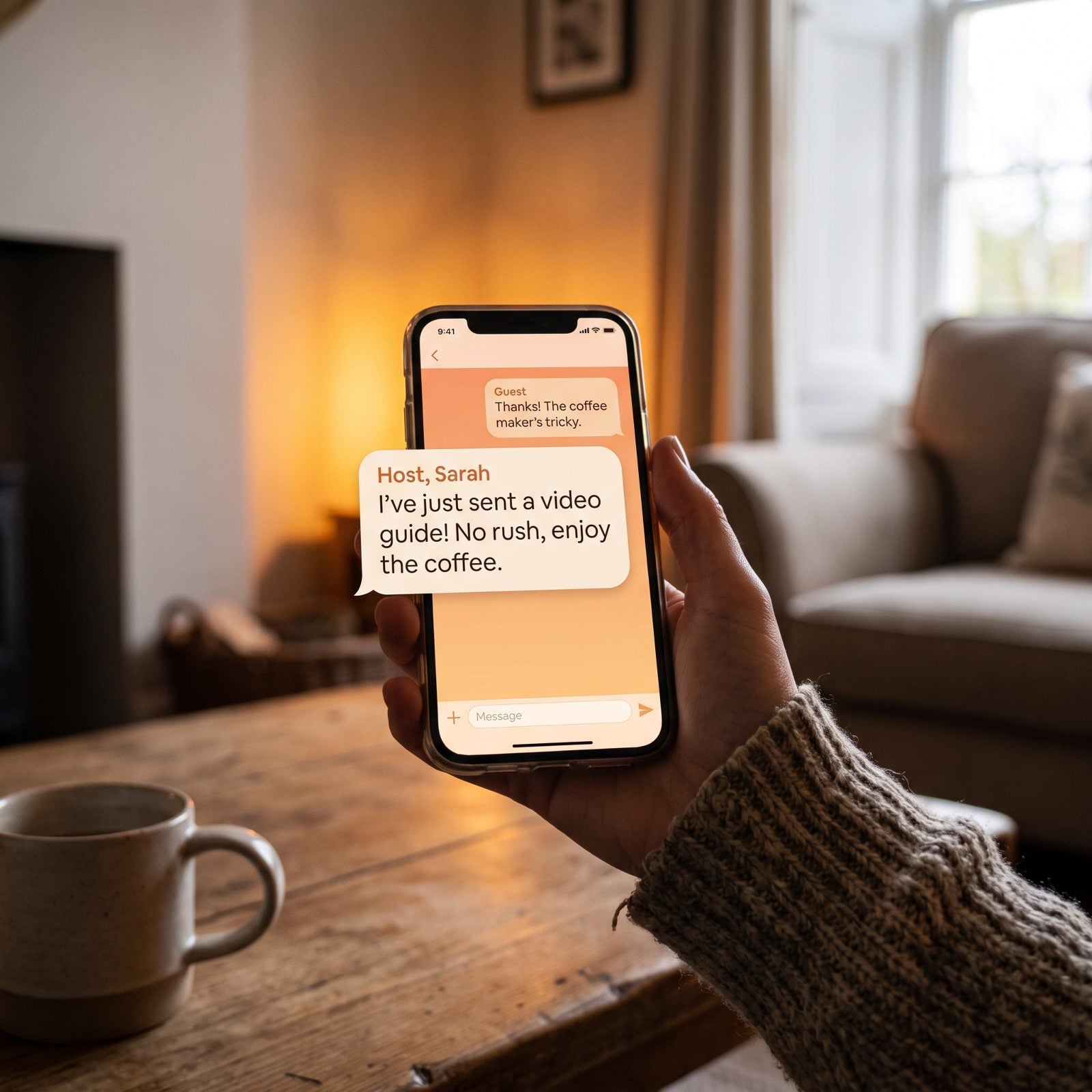
Ignore the reviews that say the host was “great” or “very responsive.” That’s noise. Look instead for the review that says the host texted directions to a pharmacy at 11pm, or left a fan out because the guest mentioned they run hot, or fixed the outdoor shower before the second night. Specifics are the tell. Generic praise is what people write when they want to be kind; detailed praise is what people write when something actually happened and it stuck with them.
A host who anticipates needs runs a property that’s been thought through in ways the photos will never show.
25. Remote Workers Confirm the Wi-Fi Handles Video Calls

A listing can claim “fast Wi-Fi” and mean a router from a decade ago that dies the moment someone streams. The number that matters isn’t in the amenities. It’s in a review from someone who worked remotely and said their calls didn’t drop, which is a real-world stress test worth more than any advertised speed.
Extra credit if a review mentions a dedicated desk, a second monitor, or good cell signal as backup. Those details mean the host has hosted working guests and heard the complaints firsthand.
24. Families Mention Thoughtful Supplies for Children
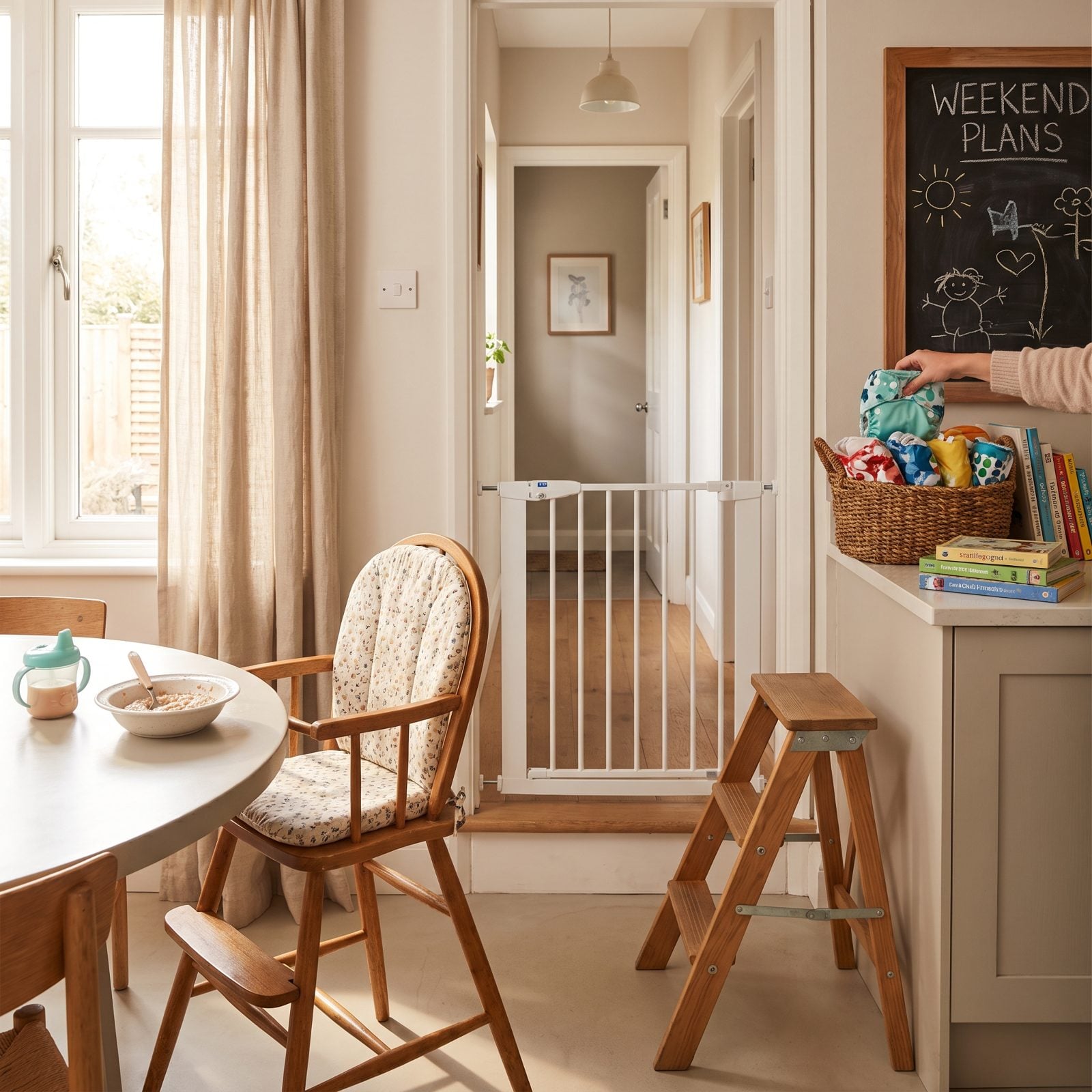
A crib in the amenities list is a checkbox. A review saying the host had a high chair, a stair gate already installed, and a drawer of kid plates and cups is a different animal entirely, because it means a family walked in and didn’t have to unpack their whole house.
Places that get this right also tend to be genuinely safe for small kids: corners padded, cleaning supplies out of reach, the pool gated. Nobody photographs a cabinet latch. Parents who found one always mention it.
23. The Listing Includes a Detailed, Legible Floor Plan
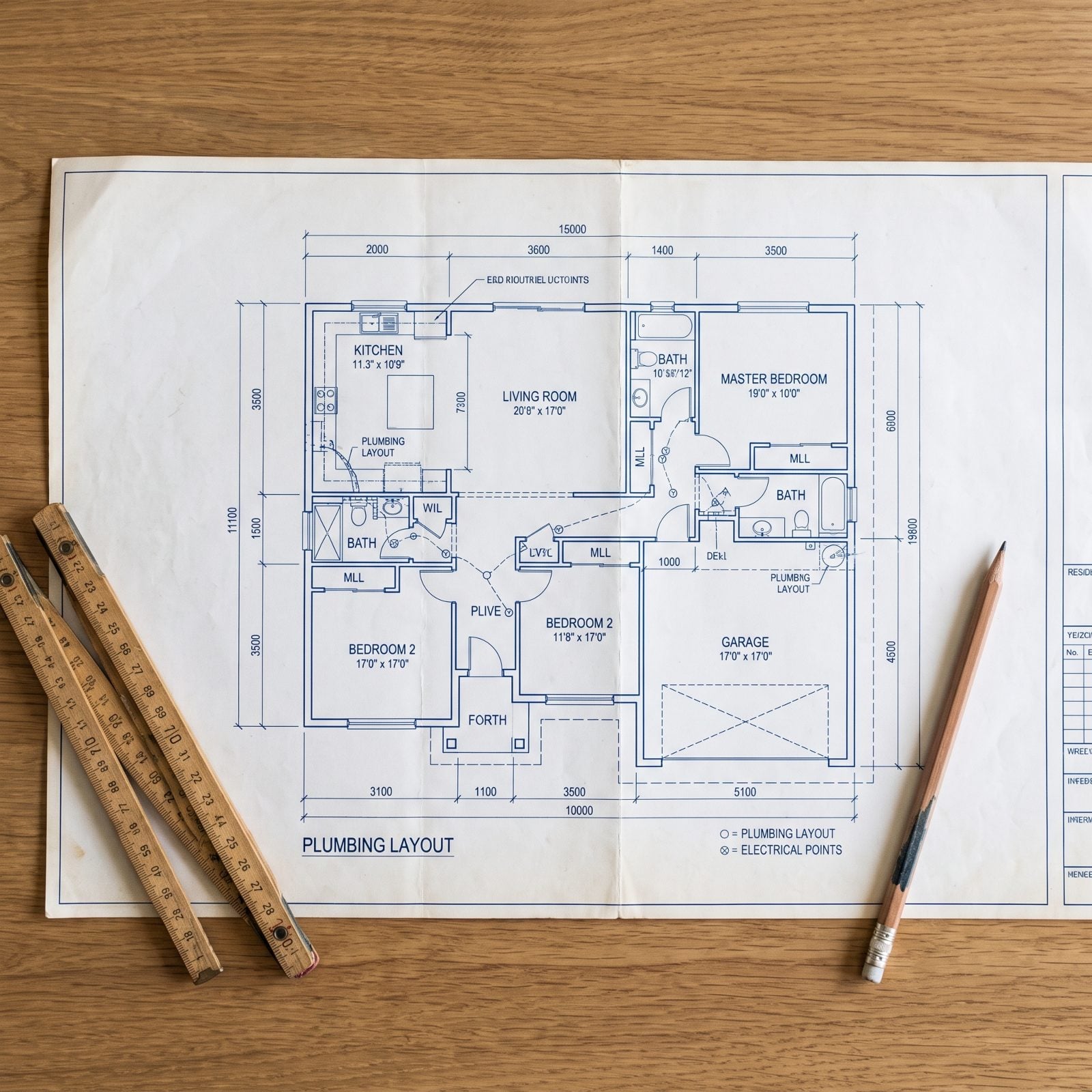
Most hosts don’t bother with a floor plan. The ones who do are telling you something: they have nothing to hide about the layout. No wide-angle trick making a galley kitchen look like a ballroom. No mystery about whether the second bedroom is actually a closet with a futon in it.
A floor plan lets you see if the bedrooms are separated for privacy, whether the bathroom sits a hallway away from the bunk room, how the flow works when four people are up at different hours. That never survives a photo carousel. And a host who provides it respects your time.
22. Satellite View Reveals More Privacy Than the Listing Shows
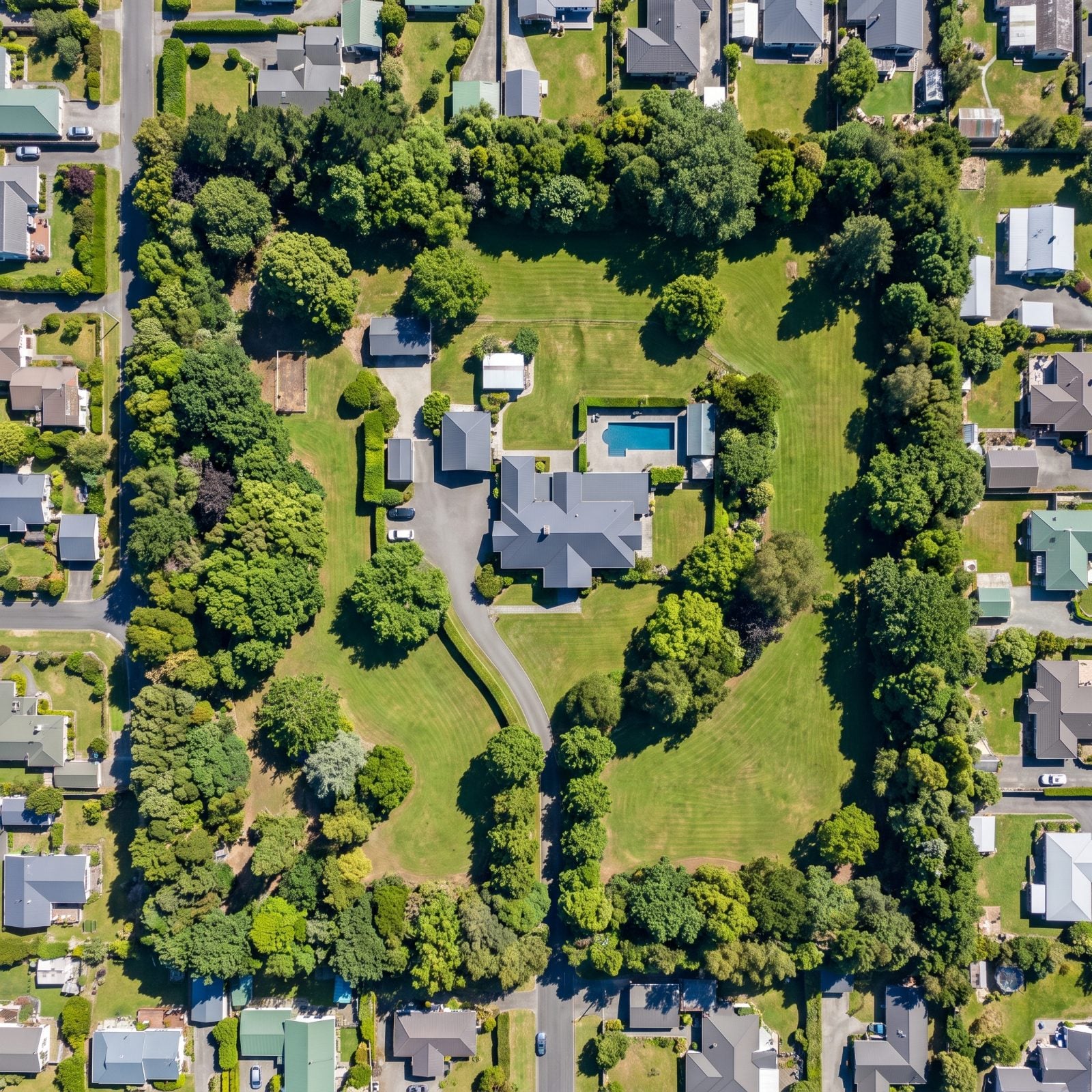
Photos crop out the neighbor’s fence for a reason. Satellite view crops nothing. Drop the address, or the pin the host shares, into a map and look straight down. Trees, distance, a real yard, space between roofs, that’s what you’re hunting for.
Some of the best rentals photograph as modest because the interior is unremarkable, but the plot around them is enormous and green. That property will feel bigger than its pictures the second you walk out the back door.
21. Street View Shows a Quiet, Well-Kept Block
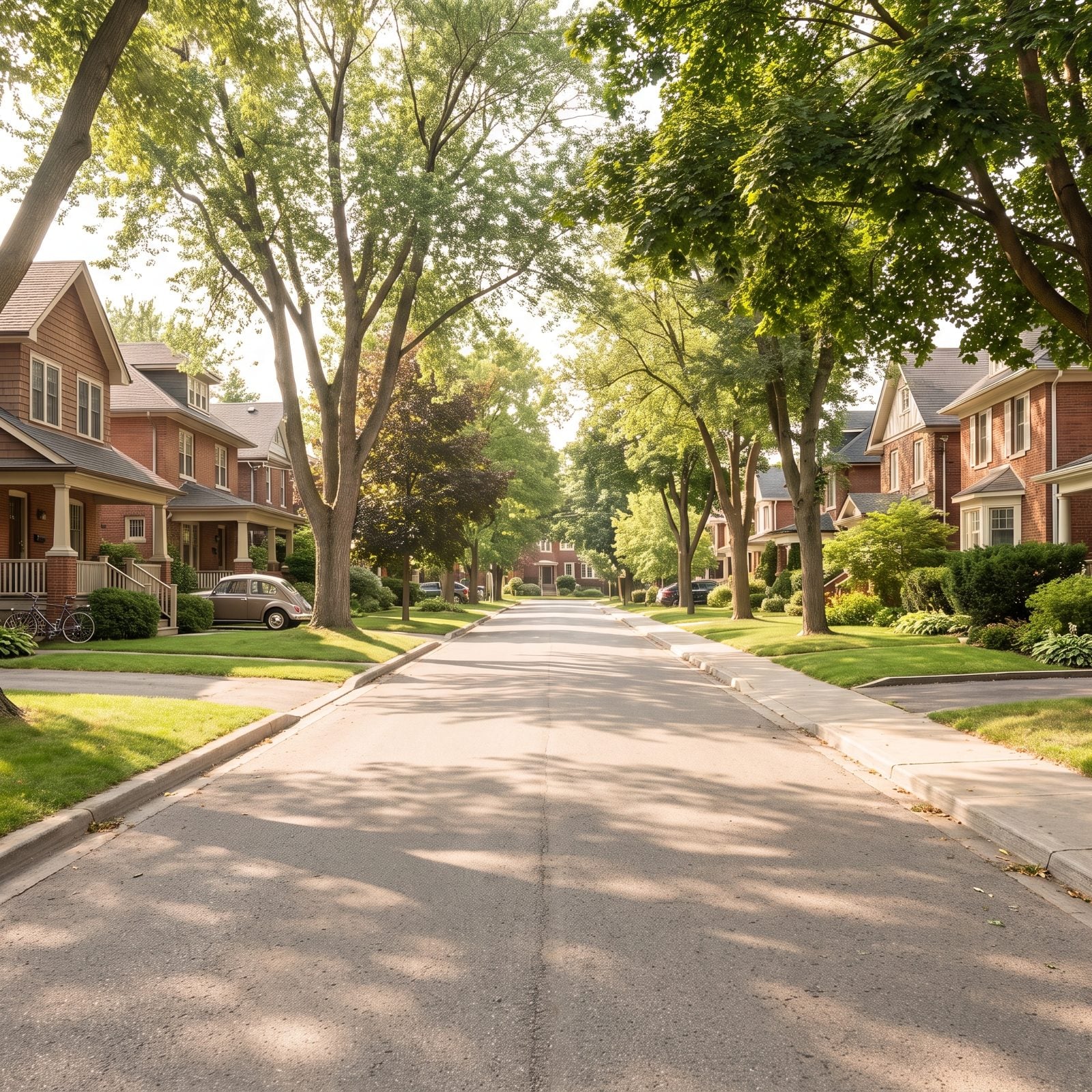
Drag the little figure onto the street and study the block the way you’d size up a neighborhood you were thinking of moving into. Are the yards kept up? Are the cars newer or up on blocks? Is there a corner store, a park, sidewalks?
A tidy, cared-for street usually means the house sits among owners who take pride, which correlates with quiet nights and no nasty surprises. It’s the cheapest bit of research you’ll do all trip, and it catches the rentals that look charming right up until you realize they back onto a highway.
20. The Map Reveals a Shortcut to the Beach, Trail, or Town Center

Listings love the phrase “minutes from the beach.” Minutes by what, though, driving in July traffic? The map settles it. Switch to walking directions and the truth shows up: whether there’s a footpath cutting behind the house straight to the sand, a stair access two doors down, or a trailhead you can reach without a car.
A quiet pedestrian shortcut is one of those things a host rarely bothers to photograph because they’ve stopped noticing it. Find it on the map and you’ve found the detail that makes a whole stay feel effortless. No parking hunt, no hauling coolers across a hot lot.
19. The Rental Borders Protected Land or Open Space
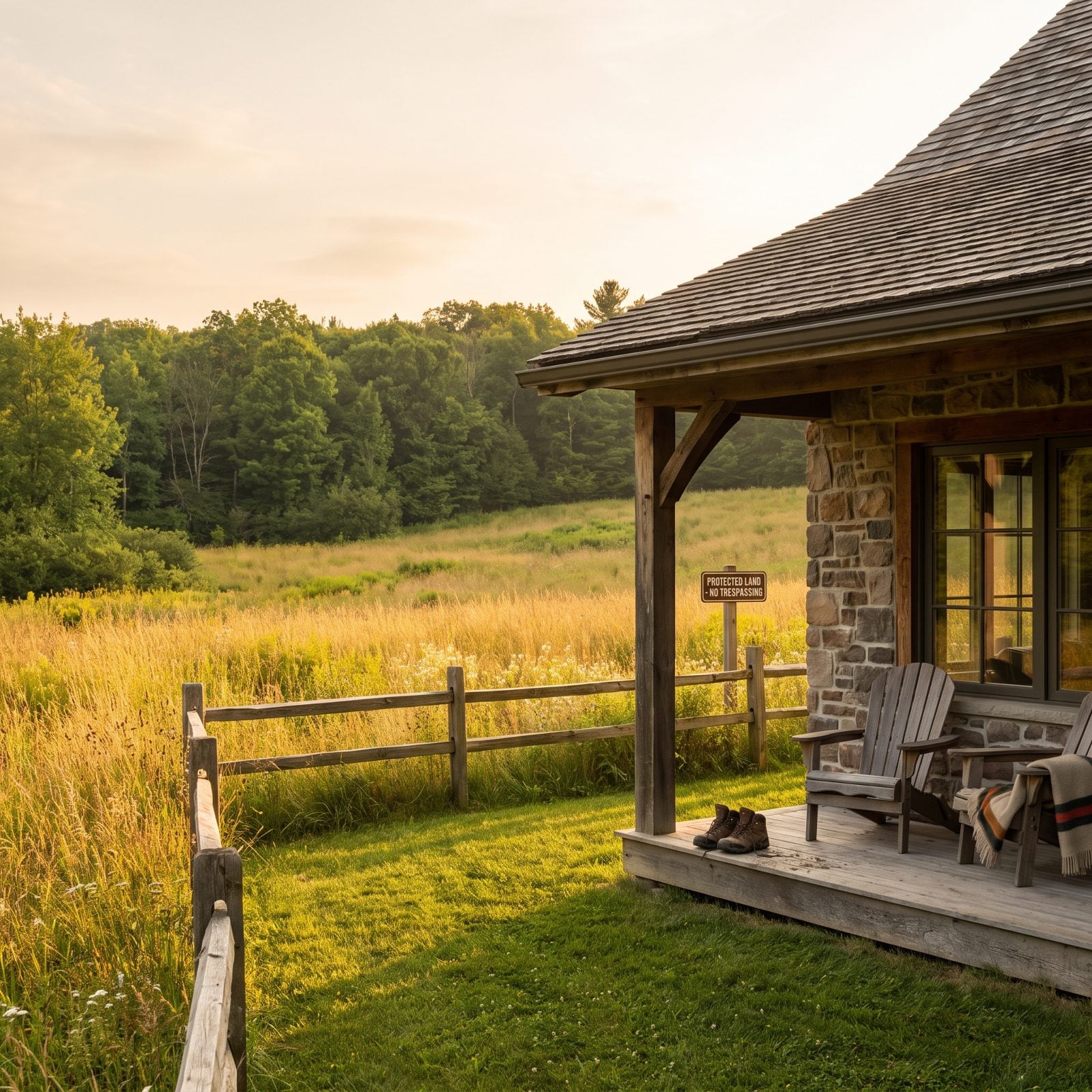
Zoom out and check what sits next to the property. A green shaded block marked as a nature preserve, state park, watershed, or conservation land is quiet gold. It means the view out one side is guaranteed to stay empty, because no developer is putting a five-story condo on protected wetland.
That permanence never shows up in a listing. But it’s the difference between a temporary view and one that can’t be taken from you. You’re borrowing the wilderness next door for a week, and nobody can build over it before you arrive.
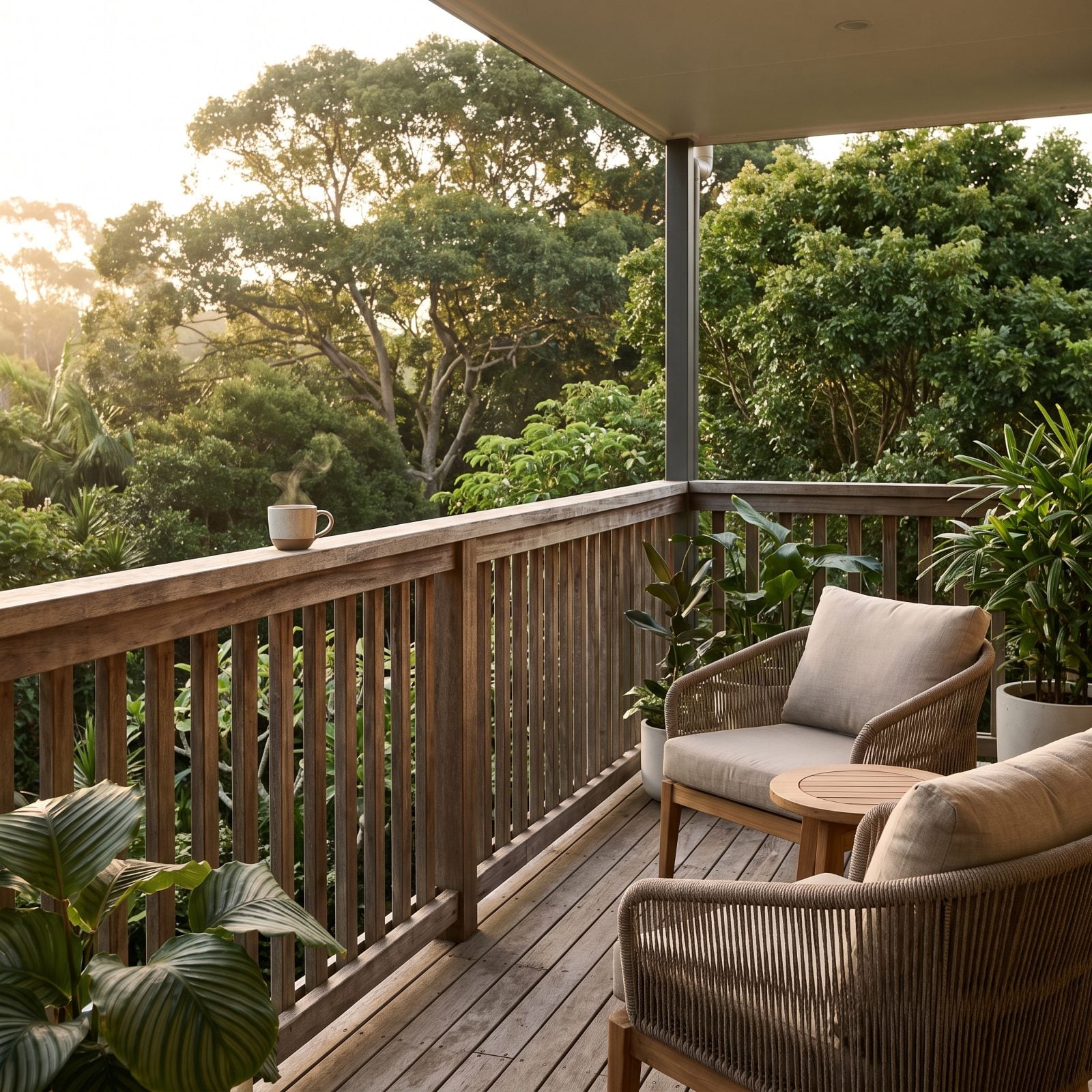
18. The Balcony or Patio Faces Away From Neighboring Buildings
🔥 Would you like to save this?
Two rentals can have identical balconies. One looks at a tree line, the other looks straight into a stranger’s kitchen. The listing photo is always shot to flatter, aimed at the good angle, so you have to work out the orientation yourself using satellite view and the sun’s path.
An outdoor space that opens onto open ground, water, or trees is where you’ll actually spend your mornings. One that faces the neighbor’s parking pad is a place you’ll close the curtains on by day two.
17. The Listing Shows Real Closets and Practical Storage
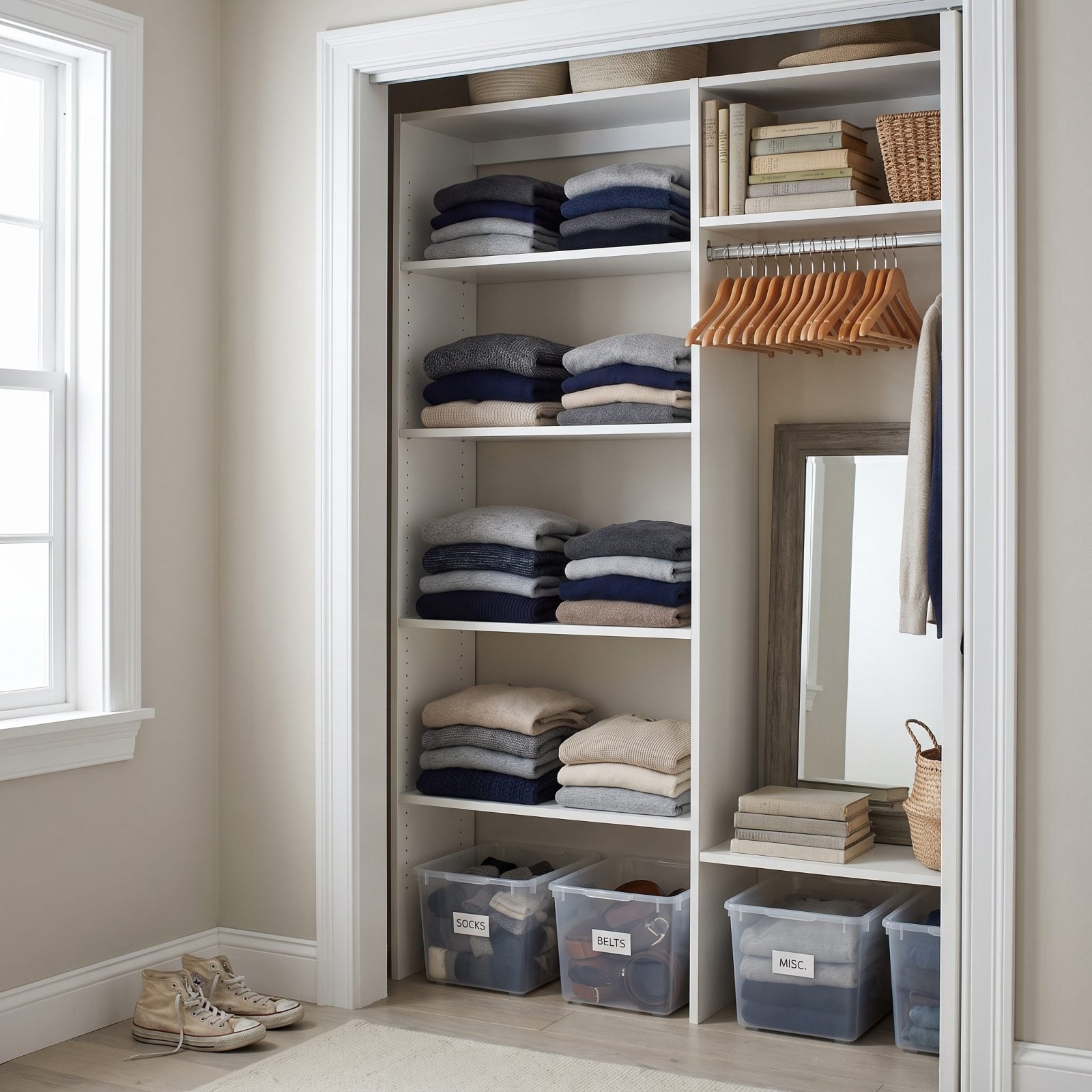
Nobody scrolls a rental listing hoping to see a closet. Yet a photo of an actual empty one, hangers waiting and shelf space open, is quietly one of the best signs there is. It means the host cleared their stuff out and expects you to unpack and settle in.
The opposite? That place where every cabinet is crammed with the owner’s things and you live out of a suitcase on the floor for a week. Storage tells you whether the host treats this as a home for guests or a spare room they let strangers borrow. Hangers, drawers, a luggage rack. Small things. They add up to a stay that feels like yours.
16. Every Sleeping Space Has an Actual Door
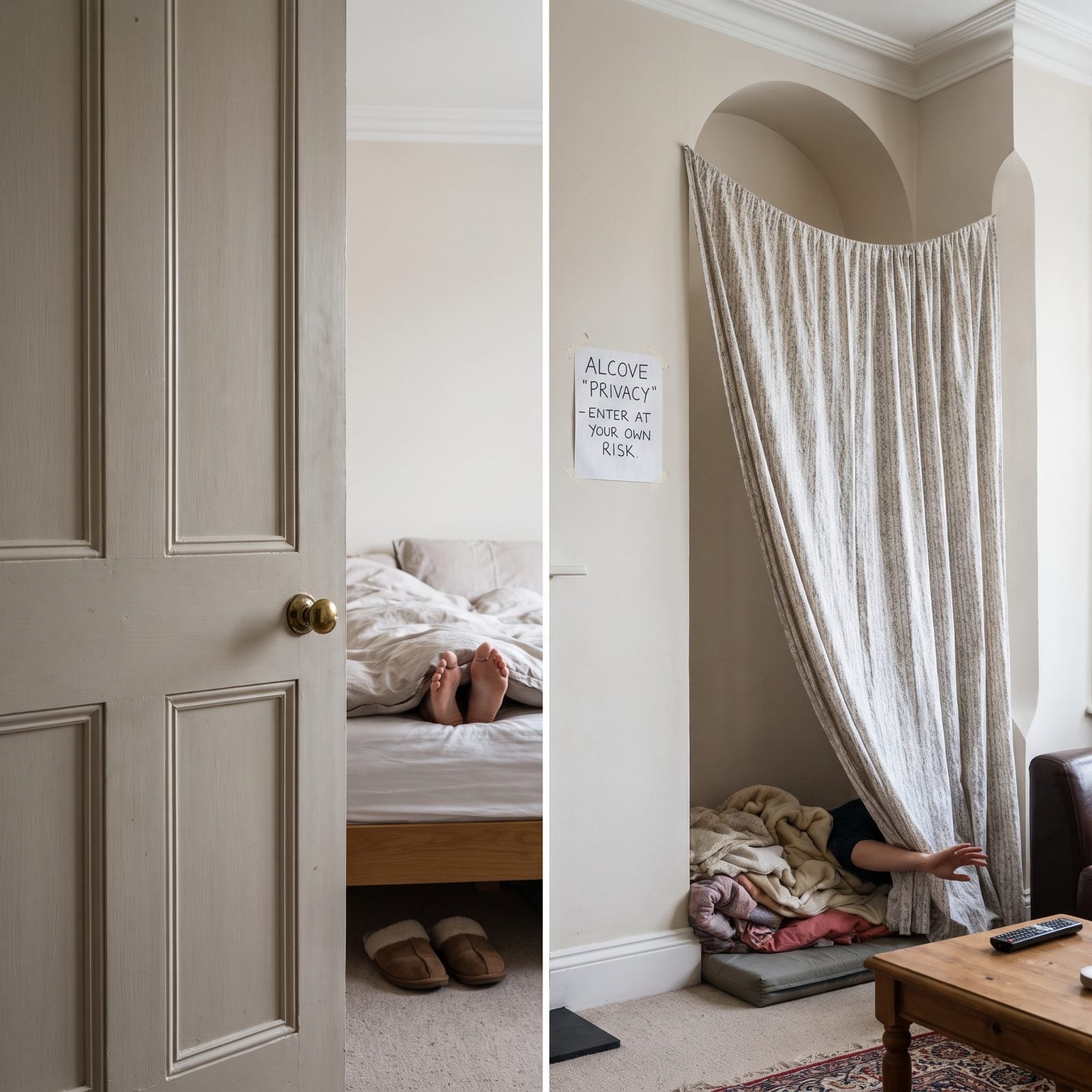
A listing that calls something a bedroom when it’s really an alcove behind a curtain is telling on itself. Scan the photos for door frames. Real doors mean real walls, and real walls mean the people sleeping there get to close out the noise, the light, and each other.
The dead giveaway hides in reviews. Search the word “privacy.” Three guests mentioning how quiet the rooms were? You found a house that was built as a house, not a studio chopped into bunks with fabric partitions. A place proud of its doors will photograph the hallway. A place hiding its lack of them never will.
15. The Beds Are Properly Spaced Rather Than Crammed Together
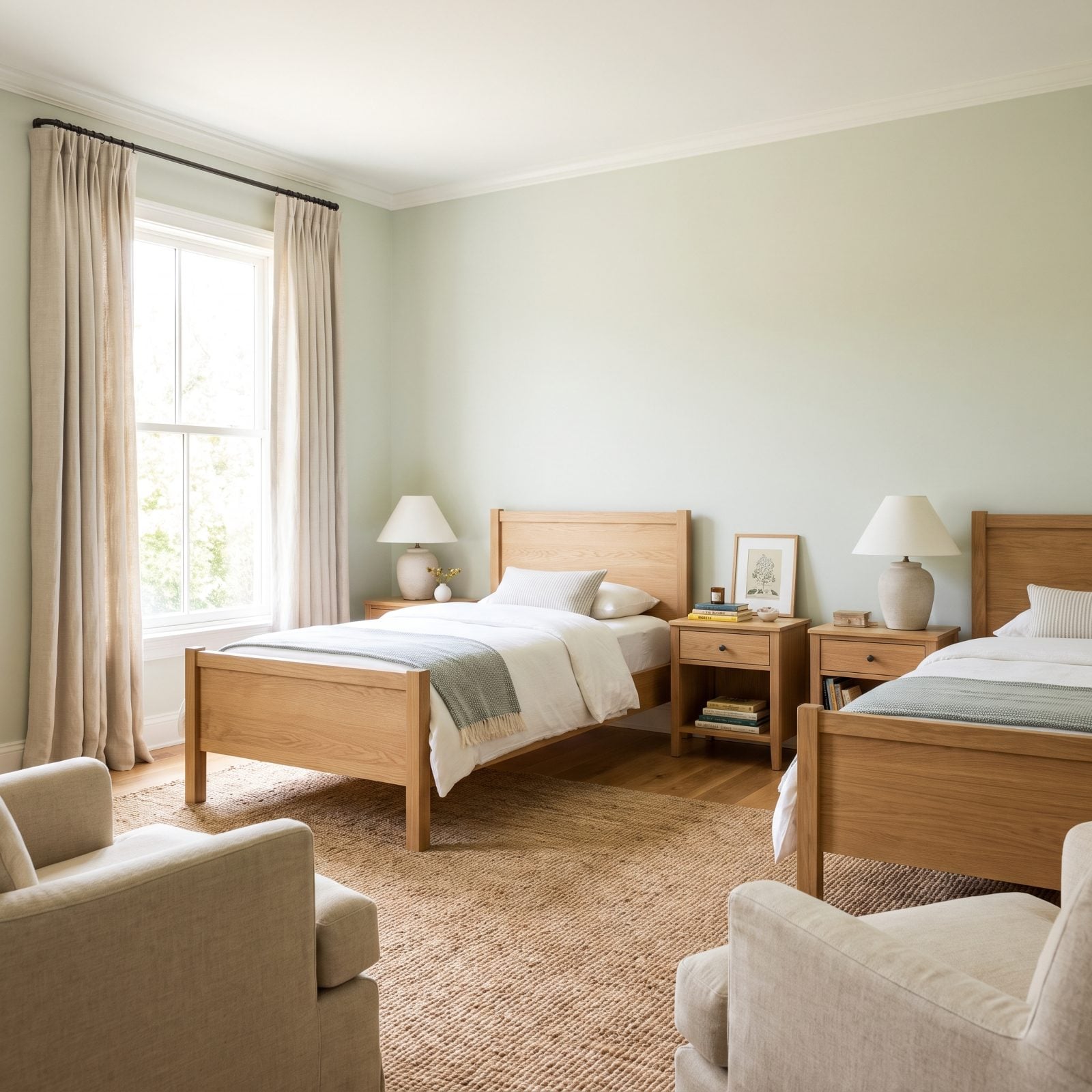
Look at how the beds sit in the frame. A shared room where the mattresses touch, sharing one nightstand between them, was arranged to hit a headcount, not to sleep four adults comfortably. You’ll be climbing over luggage and each other by day two.
Space between beds is a small mercy that only shows up in wide shots. Hosts who care about it leave room for a suitcase to open flat on the floor. When you can picture setting a bag down and actually unpacking, you’re looking at a place that thought about the stay instead of just the listing.
14. The Kitchen Has Full-Size Appliances
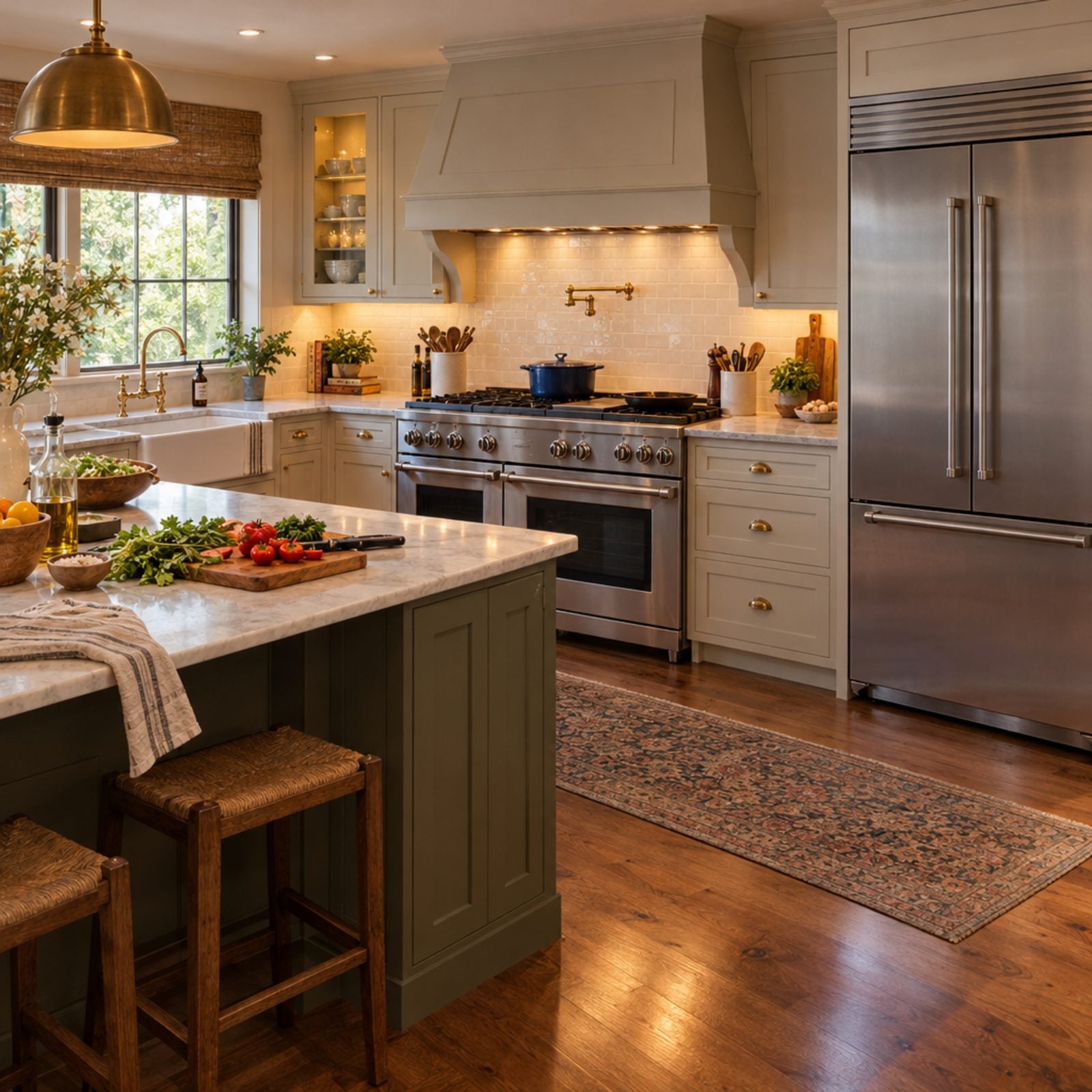
Say you’re cooking one real dinner for six. A dorm fridge and a two-burner cooktop turn that into a logistics problem you never signed up for on vacation. The mini-fridge is the single most under-mentioned deal-breaker in short-term rentals, and it hides beautifully in a tightly cropped photo.
Zoom in on the appliances. A full-height refrigerator, a proper oven, an actual dishwasher — these tell you the place was built for people to live in, not just crash overnight. And when a host photographs the inside of a stocked pantry or a spice rack? That’s someone who cooks there themselves.
13. The Dining Table Truly Seats the Listed Guest Count
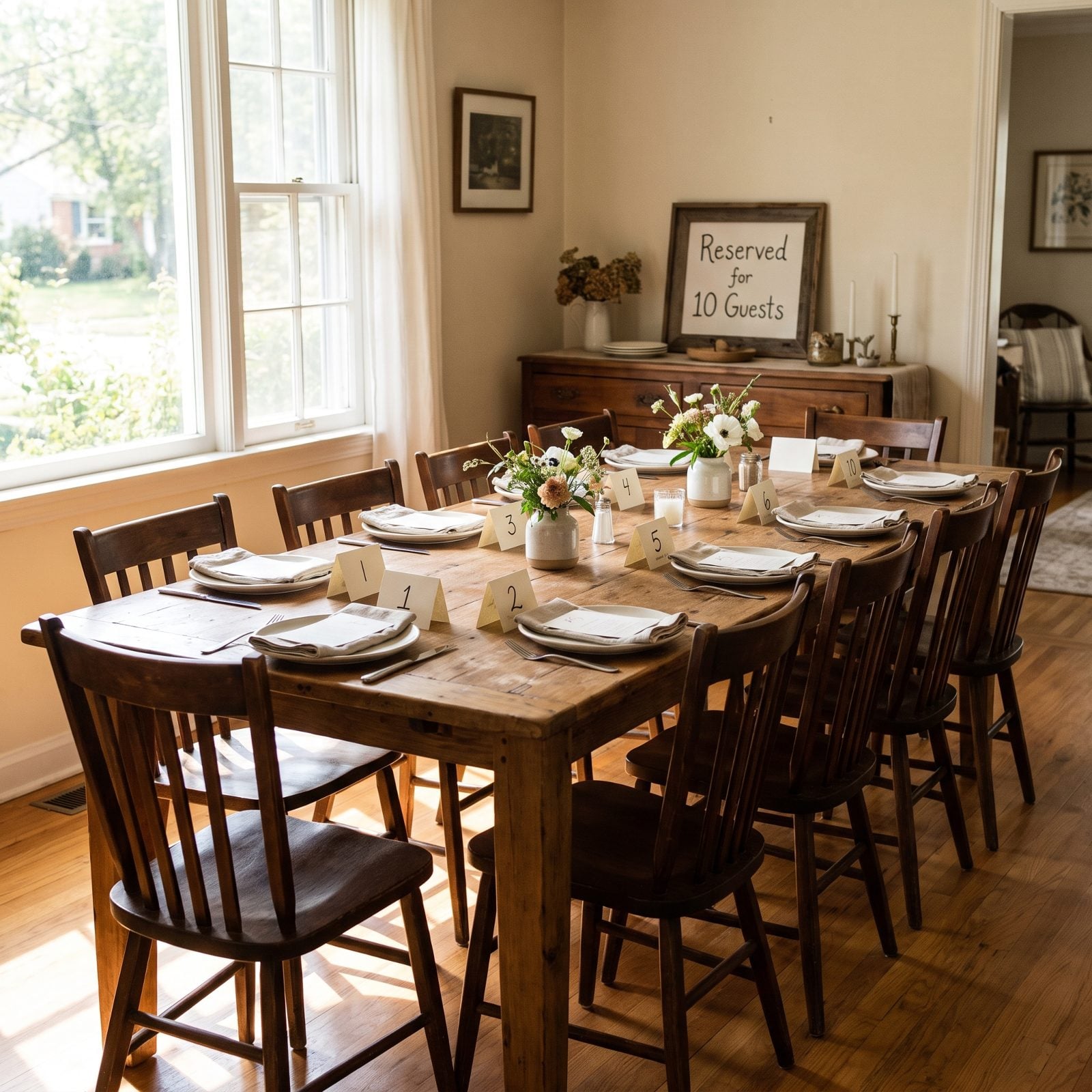
Count the chairs. Count them again in the widest photo you can find. A rental that sleeps eight but shows a bistro table with four stools is quietly admitting that half your group eats standing at the counter.
The table is where a group actually becomes a group — card games, slow breakfasts, the long dinner where nobody’s in a hurry. A host who shows a table set for the full house gets what people came for. One who crops the dining area out entirely is hoping you won’t ask.
12. There Is Comfortable Indoor Seating for Everyone
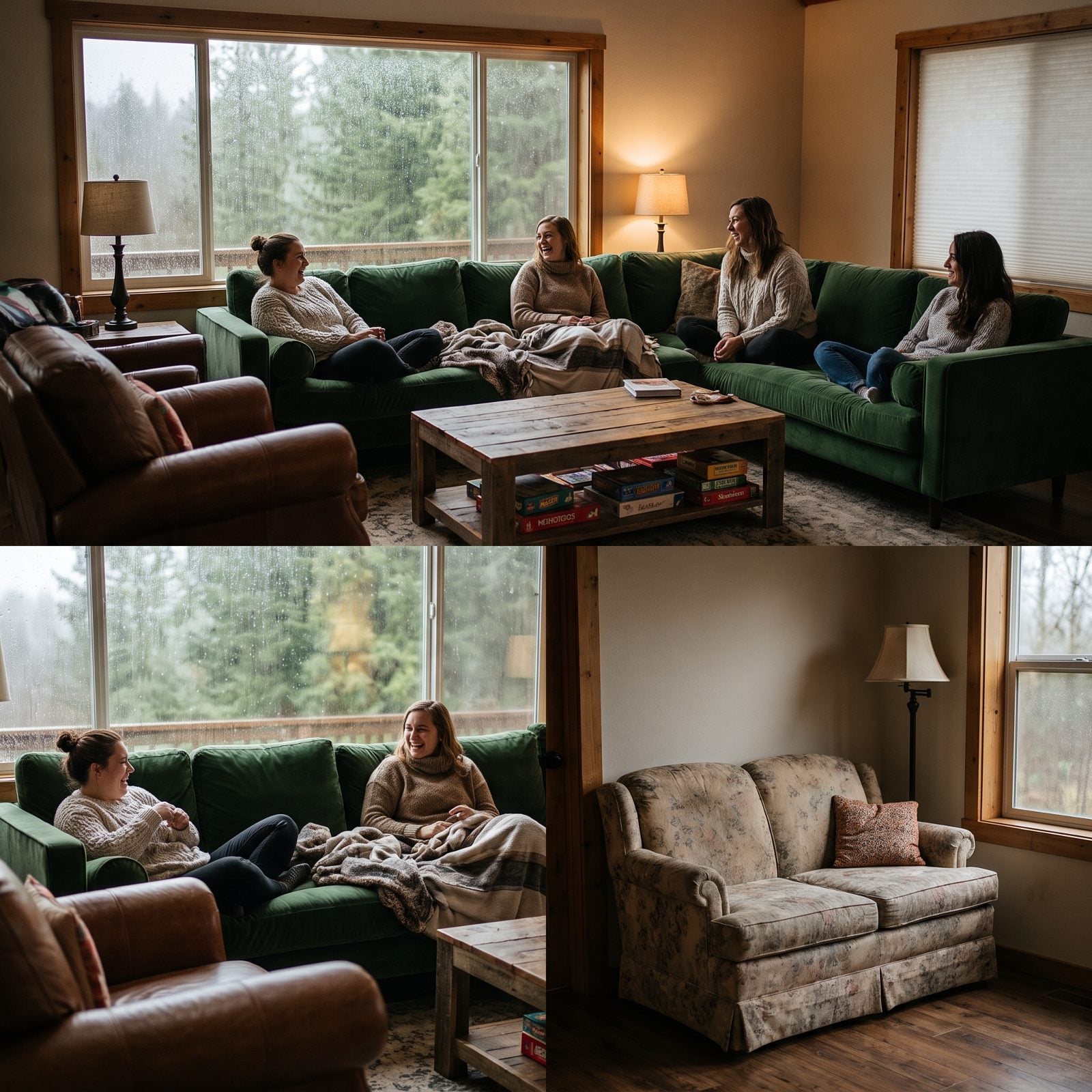
Now here’s the failure nobody photographs: a house that sleeps ten with a loveseat for two in the living room. On a rainy afternoon, six people end up perched on kitchen stools or retreating to bedrooms while the party dissolves.
Living space is the room hosts most often skimp on, because beds are what the listing algorithm rewards. A sofa, two armchairs, and an ottoman all in one shot? The message is clear — everyone can sit down at the same time. That’s a house that keeps its group together instead of scattering it.
11. The Laundry Setup Includes Both a Washer and Dryer
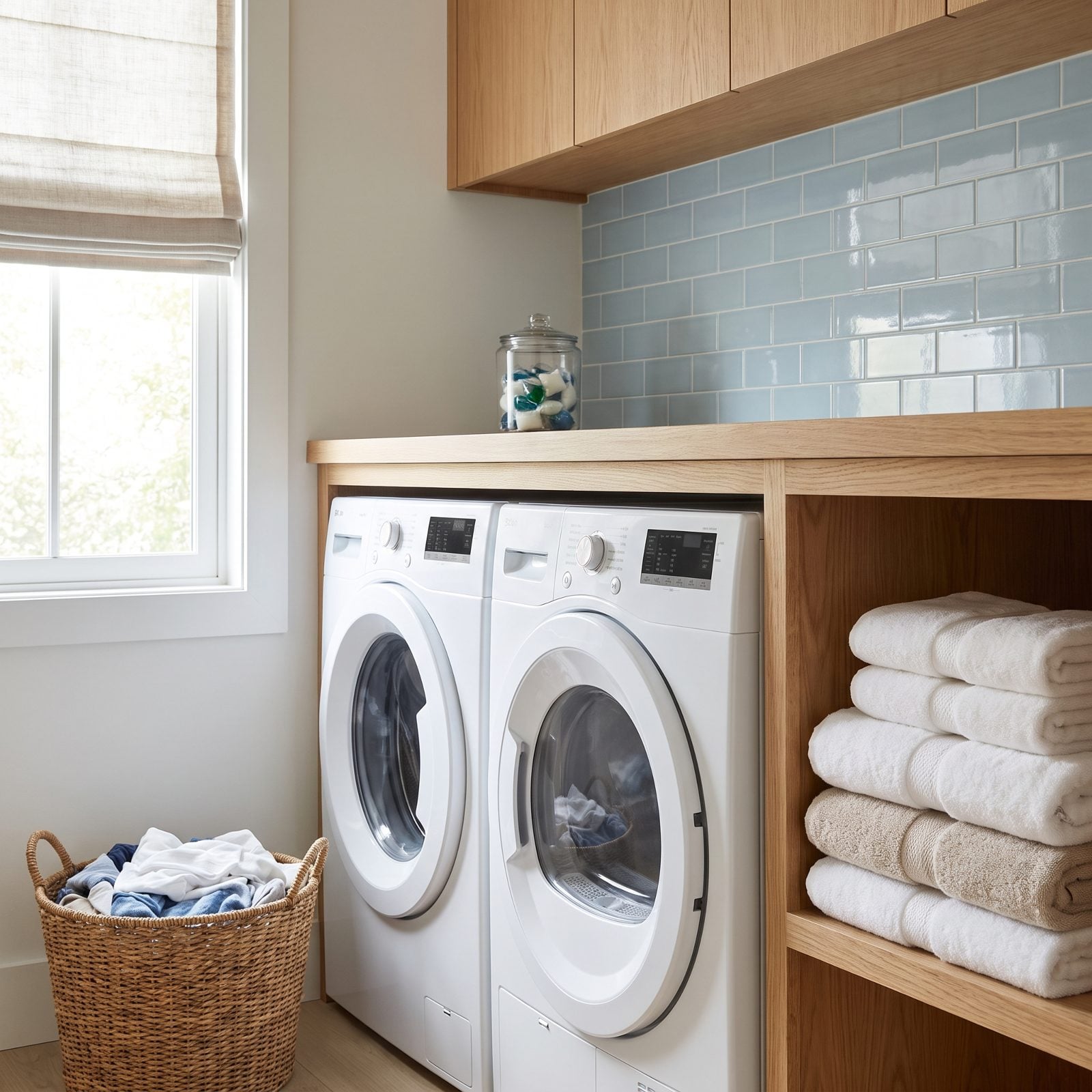
A washer alone is half a promise. You’ll wash a load, then drape wet clothes over every chair in the house because there’s nowhere to dry them. Listings love to say “laundry available” and let you assume the rest.
Read the amenities line by line. Both machines, in-unit, means you pack lighter and stay longer without living out of a suitcase of damp swimsuits. For a week-long stay with kids, this single detail beats a hot tub.
10. Entry Photos Show Level Access or Only a Few Steps
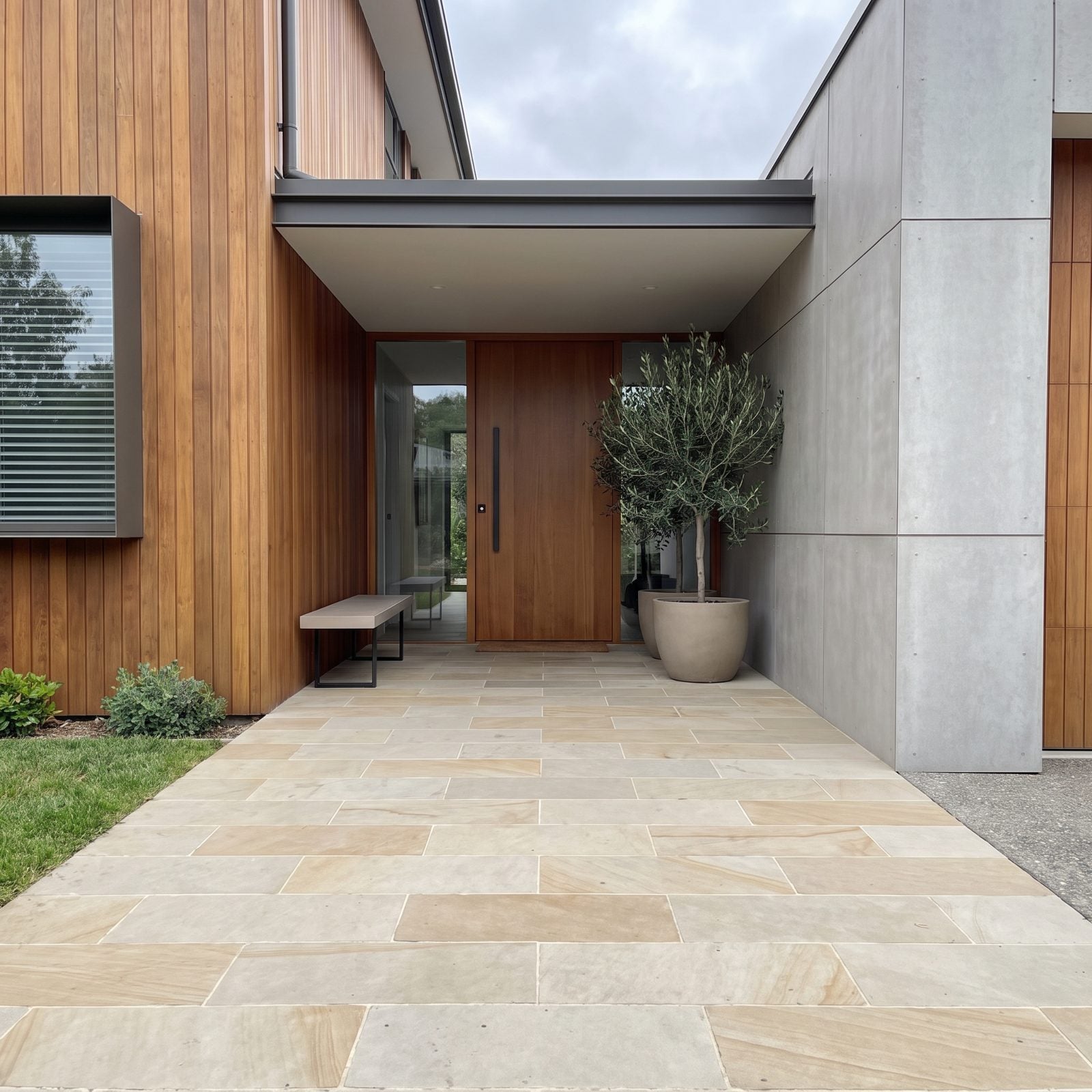
A listing that never shows how you get in the front door is hiding something. Usually stairs. Sometimes a lot of them.
A property that photographs a level walkway or a two-step porch is doing you a favor, especially if anyone in your group has a bad knee, a stroller, or a suitcase they’d rather not haul up a hillside at midnight. Check the map’s satellite view too — a pin on a steep slope tells you what the entry photo won’t. And cross-reference reviews for the word “stairs.” If nobody complains, that’s the quietest kind of good news.
9. The Property Has a Mudroom, Foyer, or Dedicated Gear Area
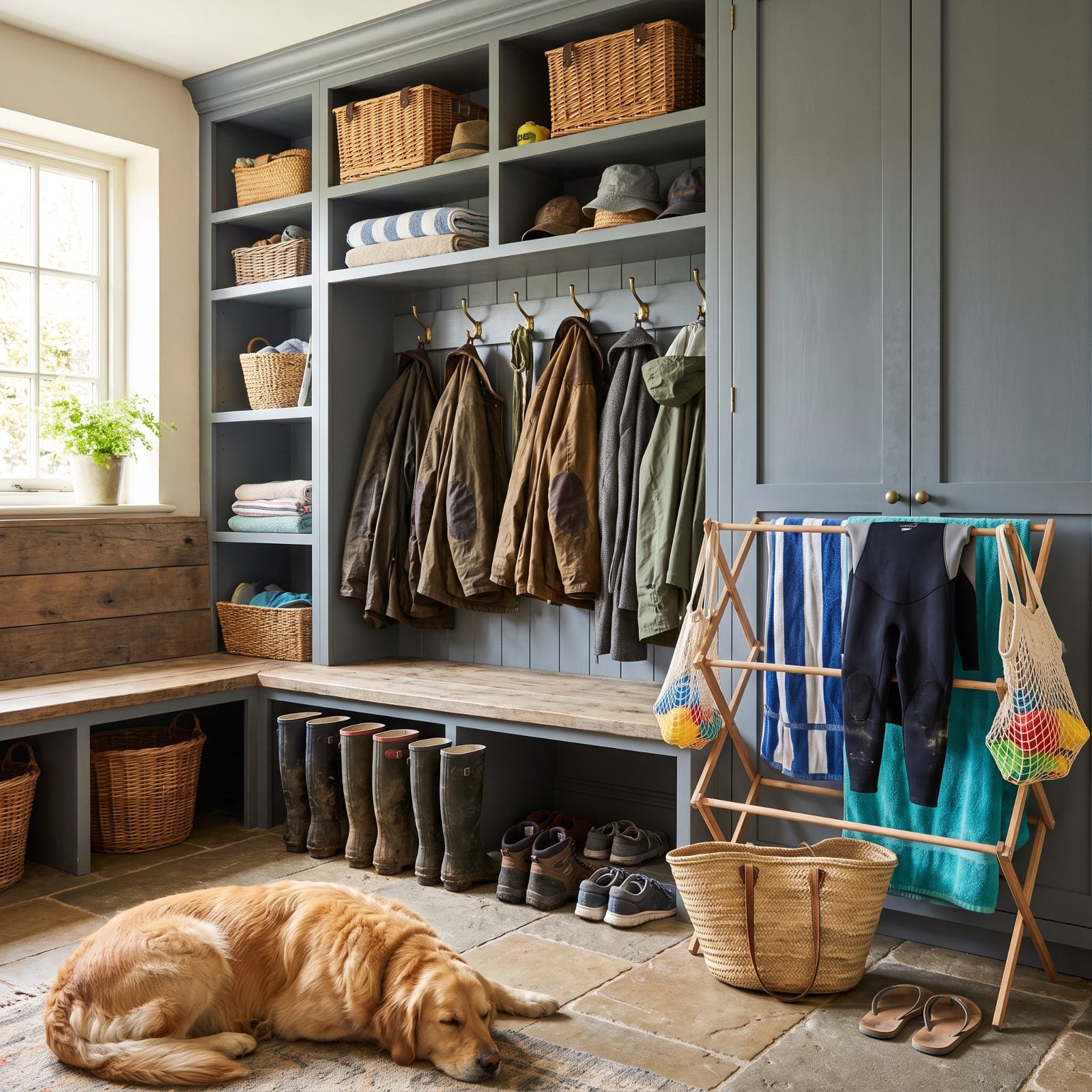
A dedicated spot to dump boots, wet gear, and beach sand is a luxury disguised as practicality. Houses built with a mudroom or a real foyer were designed by people who understood that guests arrive with stuff and track the outdoors inside.
You’ll spot it in the entry photos or a wide floor plan — hooks, a bench, cubbies, a tile landing before the carpet begins. It signals a place meant for actual seasonal use, skiers and swimmers and hikers, not just a pretty box for a photoshoot. Nobody lists “mudroom” as a headline feature. It shows up in the corner of a photo, and it changes the whole rhythm of a stay.
8. The Amenities Include Blackout Curtains
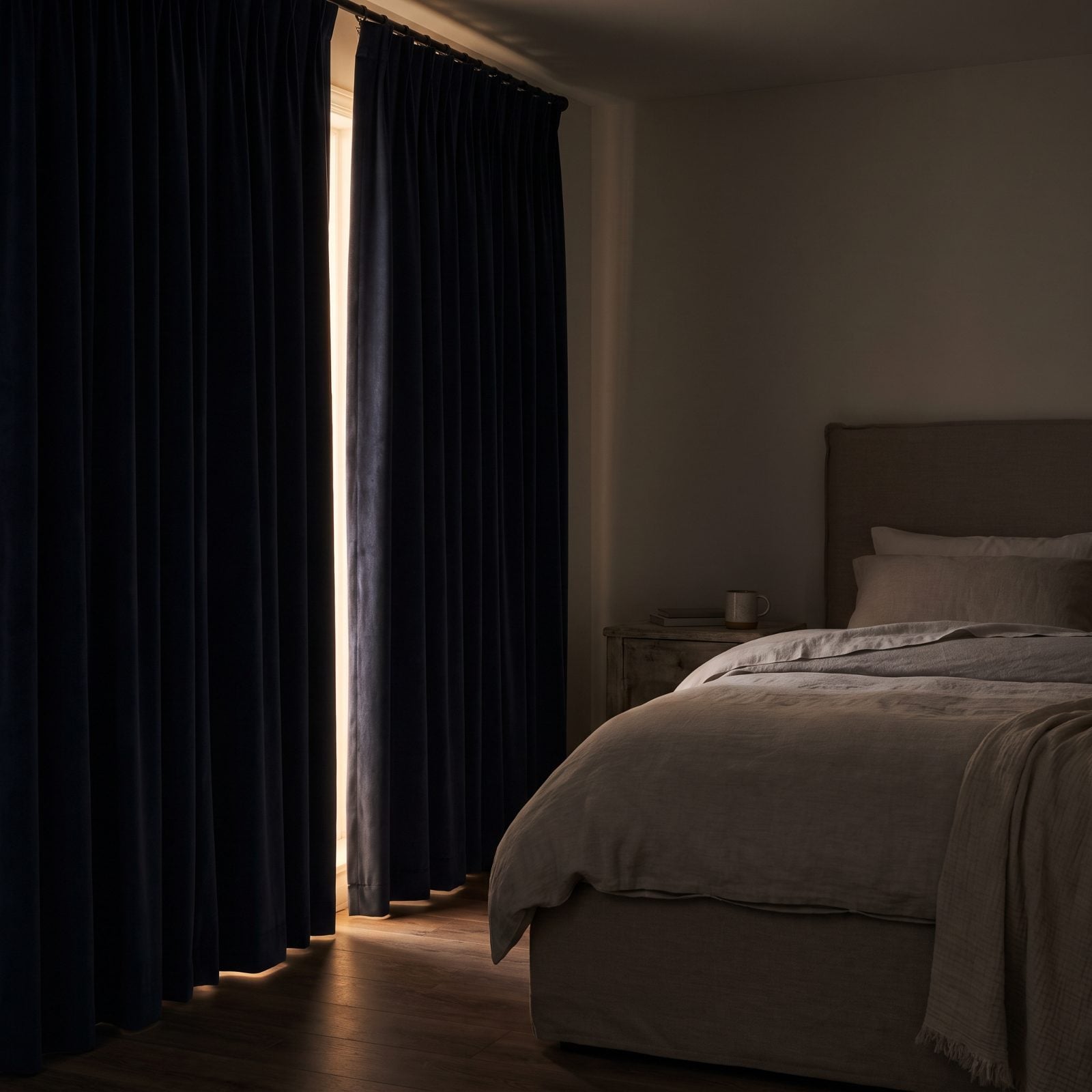
Here’s the amenity nobody thinks to want until 5:40 a.m., when the sun comes up over a place that only has sheer linen panels and your vacation sleep-in evaporates.
Blackout curtains almost never make a listing’s photo highlights, but they turn up in the amenities checkbox and, more tellingly, in reviews. Search “slept great” or “dark room.” A host who installed real blackout drapes was thinking about your morning — and a host thinking about your morning is thinking about everything else too.
7. The Bedrooms Have Reading Lamps and Bedside Outlets
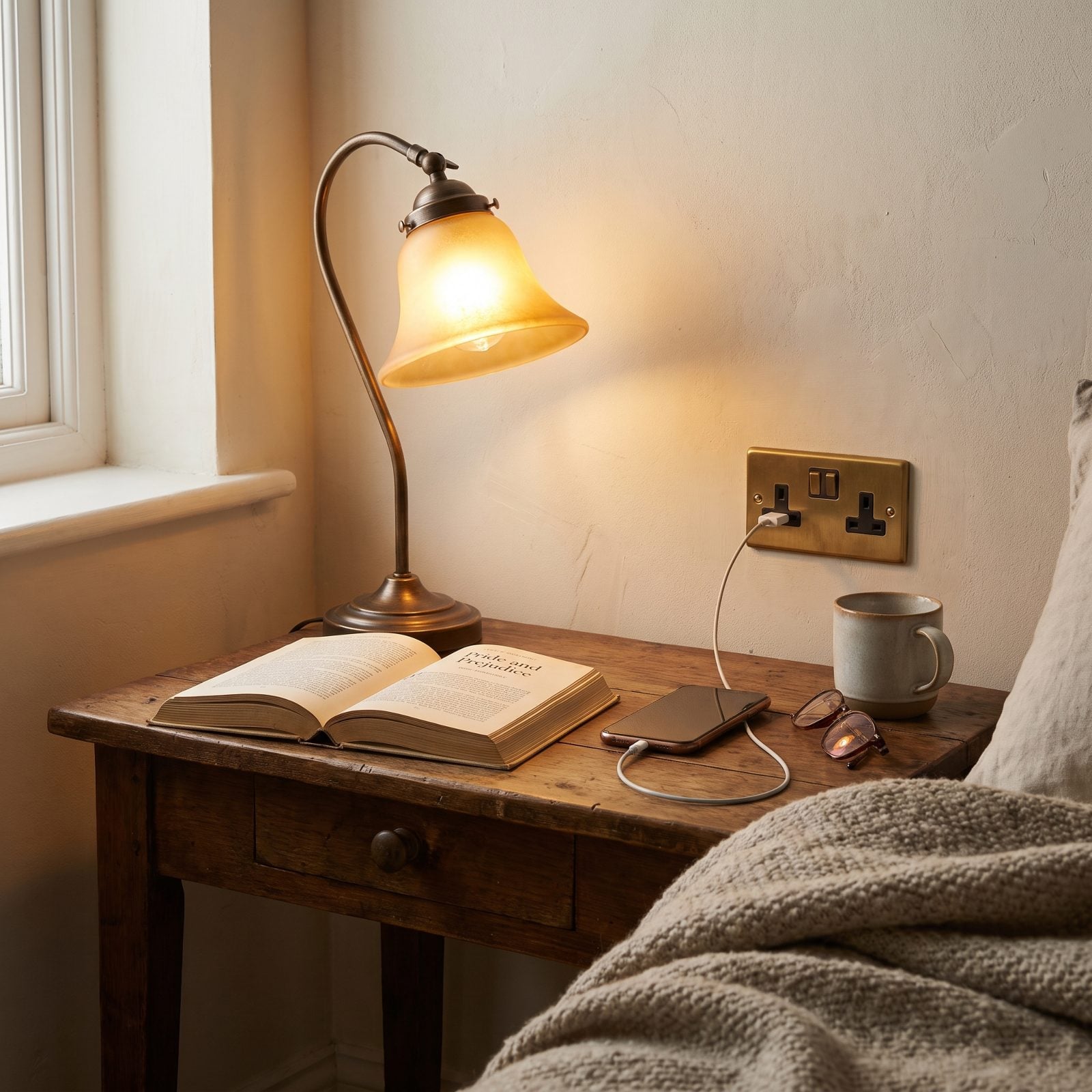
The smallest tell is often the truest. A nightstand with a lamp and an outlet within arm’s reach means the person who furnished this house actually slept in it and thought, I want to read here, and I want to charge my phone without crawling under the bed.
That’s a homeowner, not a portfolio investor. Portfolio rentals get one overhead light and an outlet behind the headboard you’ll never reach. A real host photographs the bedside lamp because they’re a little proud of it. Find the lamp, and you’ve found someone who cares. A host who sweats the nightstand rarely drops the ball on anything bigger.
6. The Rental Stocks Beach Gear, Bikes, and Outdoor Equipment
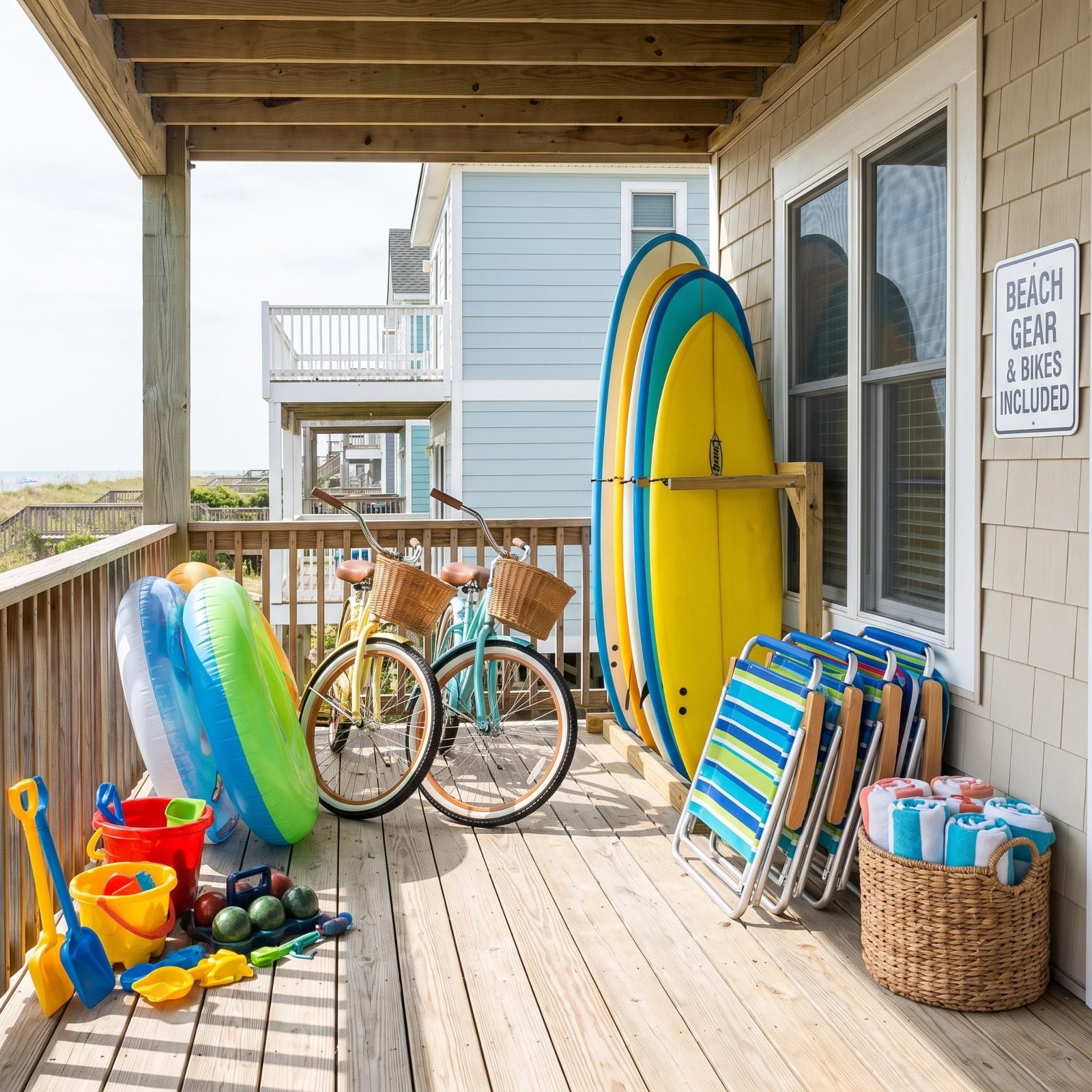
Free gear is a tell, and it points straight at the owner’s head. Someone who buys two beach cruisers, a kid-sized paddleboard, and a garage of boogie boards isn’t padding a listing — they’re a person who actually goes to this place and does these things. That instinct shows up in the parts you can’t photograph: which drawer holds the sharp knife, where the good tide charts live, why the north-facing porch beats the deck by four in the afternoon.
The worn cooler and the mismatched snorkels beat a matching set every time. Wear means the stuff gets used, which means the place gets loved.
5. The Host Answers Your Specific Question With a Specific Answer
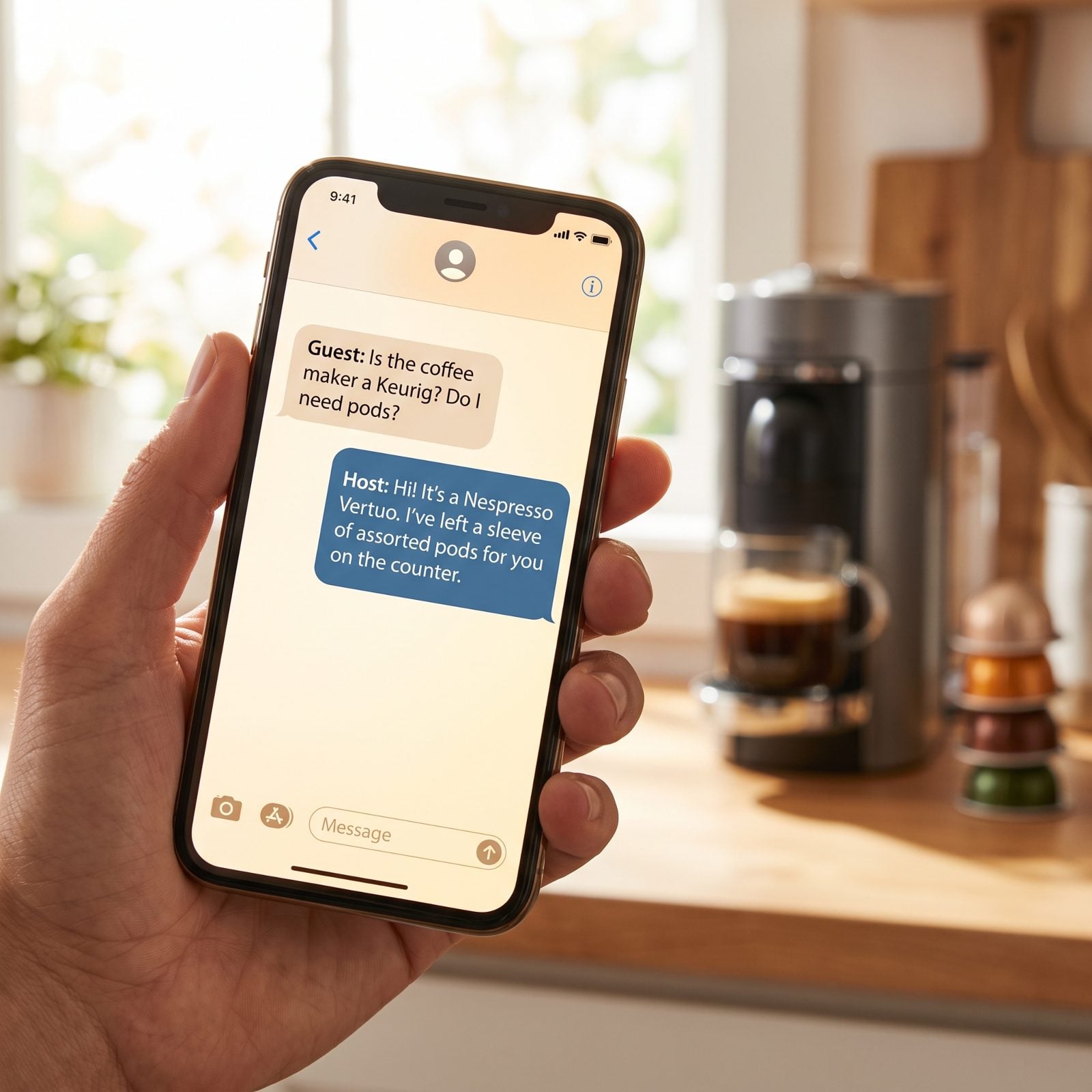
Ask something narrow before you book. Is the second bedroom actually dark at night, or does the streetlight bleed in? A weak host answers, “You’ll love it!” A strong host writes back three sentences about the blackout curtain they added last spring and the exact angle of the light.
Specificity is the whole test. It proves the host knows the property the way you know your own kitchen, and it proves they’d rather set your expectations right than close the sale. That’s the person who leaves you a note about the tricky shower knob instead of letting you fight it at midnight.
4. The Host Has a Long, Even Record of Consistent Reviews
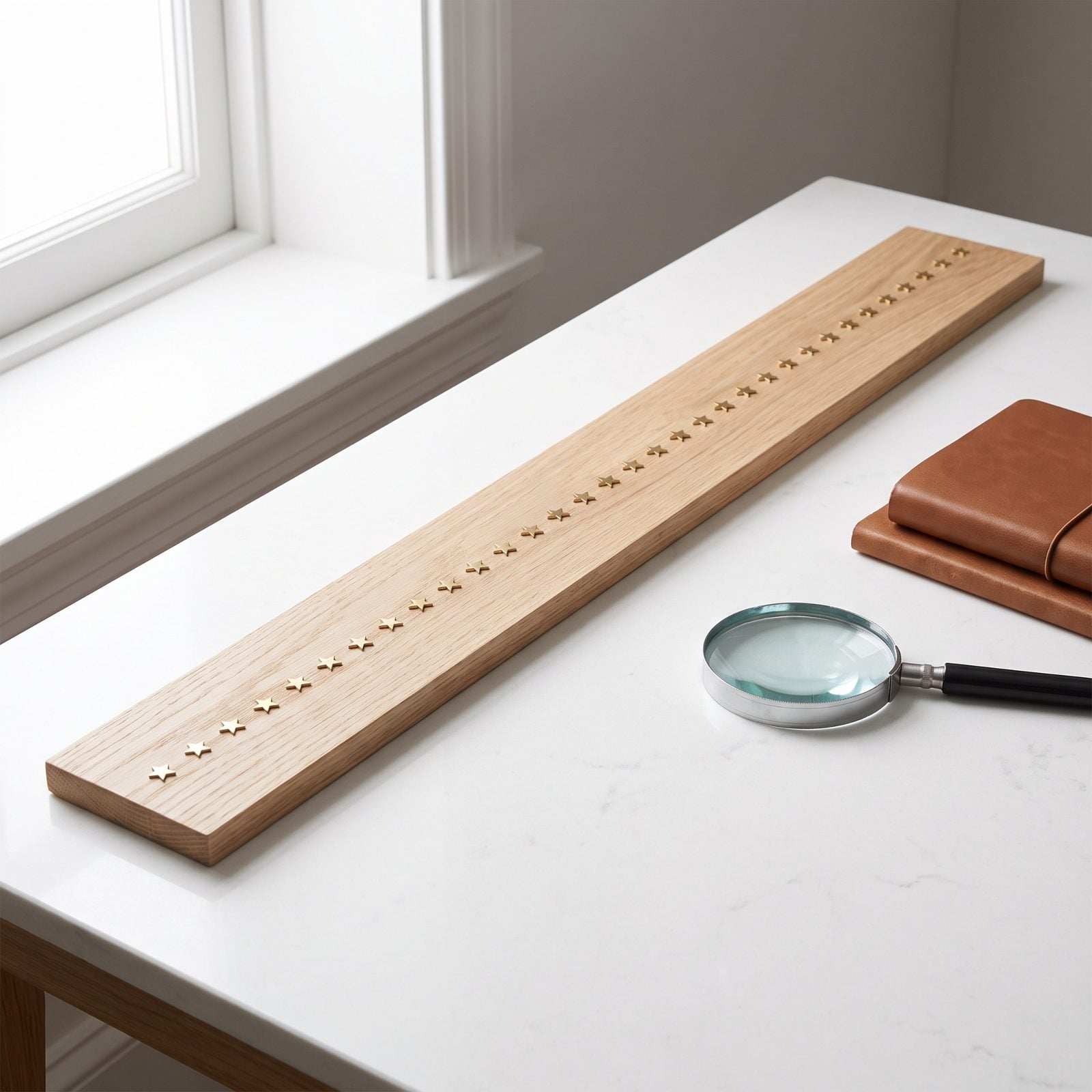
A wall of glowing reviews from the last two months tells you nothing. A steady drip of good ones across four or five years tells you almost everything.
Consistency is harder to fake than volume. Anyone can catch lightning for a summer. But staying good through a leaky season, a busted AC unit, a difficult guest, and a whole change in cleaning crews takes actual competence. Read the oldest reviews and the newest ones side by side. If the tone hasn’t slipped, the standard hasn’t either.
3. The Description Owns Its Small Flaws Out Loud
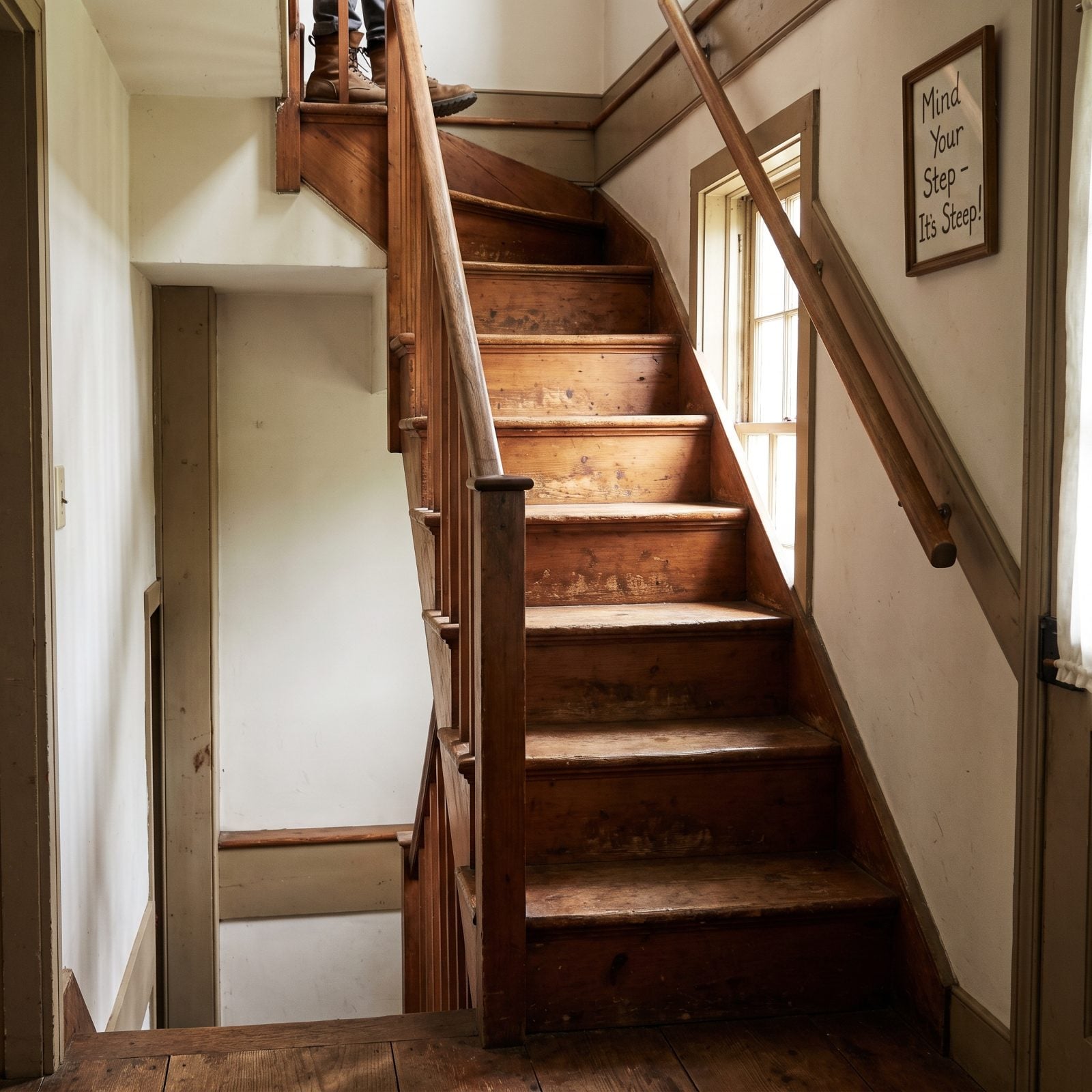
The host who writes “the stairs are steep and there’s no way around them” is the host you want — not because steep stairs are charming, but because that person has already decided honesty is cheaper than a bad review.
A candid flaw disarms you. Once someone admits the one real drawback, you trust everything else they’ve claimed. The silent listing, all soft focus and no caveats, is hiding something you’ll discover at check-in. We’d rather know about the loud garbage truck on Tuesdays now than at 6 a.m. later.
2. Old Complaints Show Up Fixed in the Newer Reviews
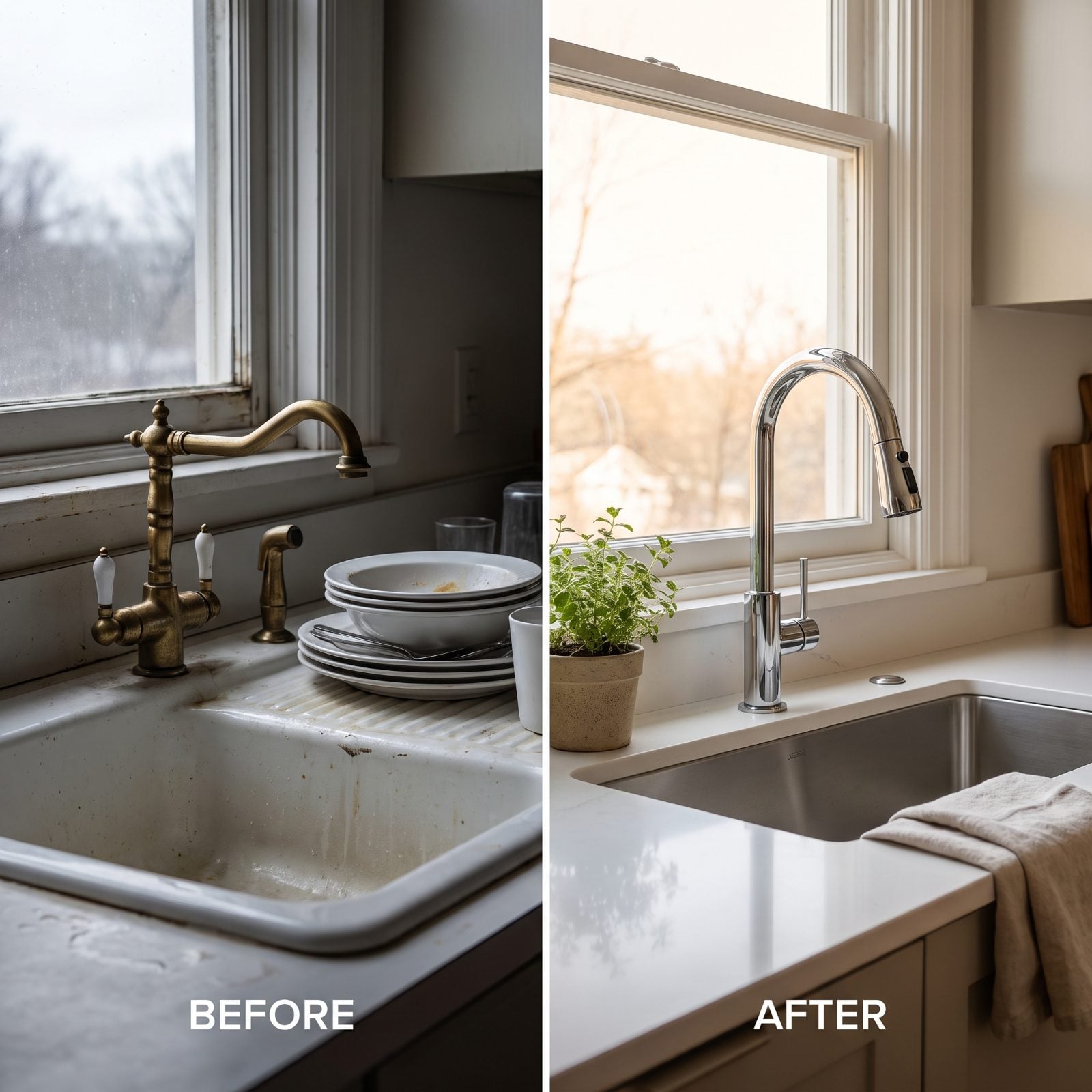
Read the one-star review from two years ago. Then read what happened next. If someone griped about a hard mattress and the following twelve reviews rave about the new bed, you’ve just watched a host listen and spend real money on it.
That single pattern predicts your stay better than any hero shot. Problems are inevitable. What separates a good rental from a gamble is whether the owner fixes things or argues about them.
A complaint that vanishes from later reviews isn’t a red flag. It’s proof the host is paying attention.
1. Repeat Guests Say They Book the Same Place Every Year
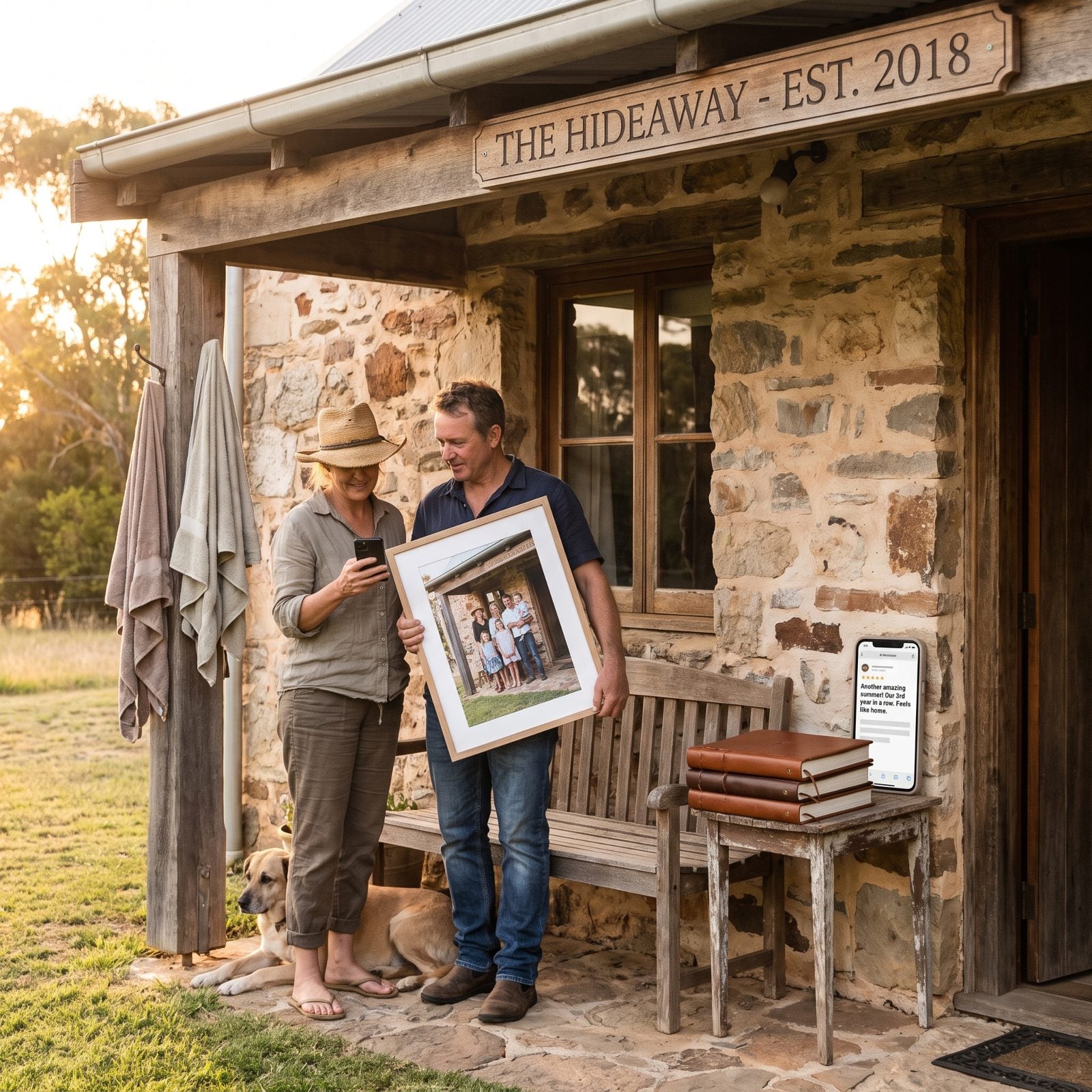
The strongest endorsement in any listing isn’t a five-star rating. It’s a stranger writing, “This is our third summer here and we’ve already booked next year.”
Nobody rebooks a place that merely matched the description. They rebook a feeling — the way the afternoon light hits the porch, the neighbor who waves, that specific bakery two blocks over that ruined all other bakeries for them. Scan the reviews for anyone announcing a return. One repeat guest is worth ten first-timers, because first-timers are grading the photos and repeat guests are grading the life.
🔥 Would you like to save this?
Please note that some of the imagery in this article were created with the aid of AI image generators.