
🔥 Would you like to save this?
The worst travel mistakes rarely feel like mistakes in the moment. You walk out of the hotel with everything you came in with, except the phone still sitting on the nightstand charger. You find the rental car eventually, after forty minutes of pressing the fob in a parking garage the size of a small country. The experienced travelers you envy aren’t luckier than you. They’ve just built small, strange habits that catch these problems before they happen. None cost money. A few look slightly ridiculous. All of them work better than they have any right to.
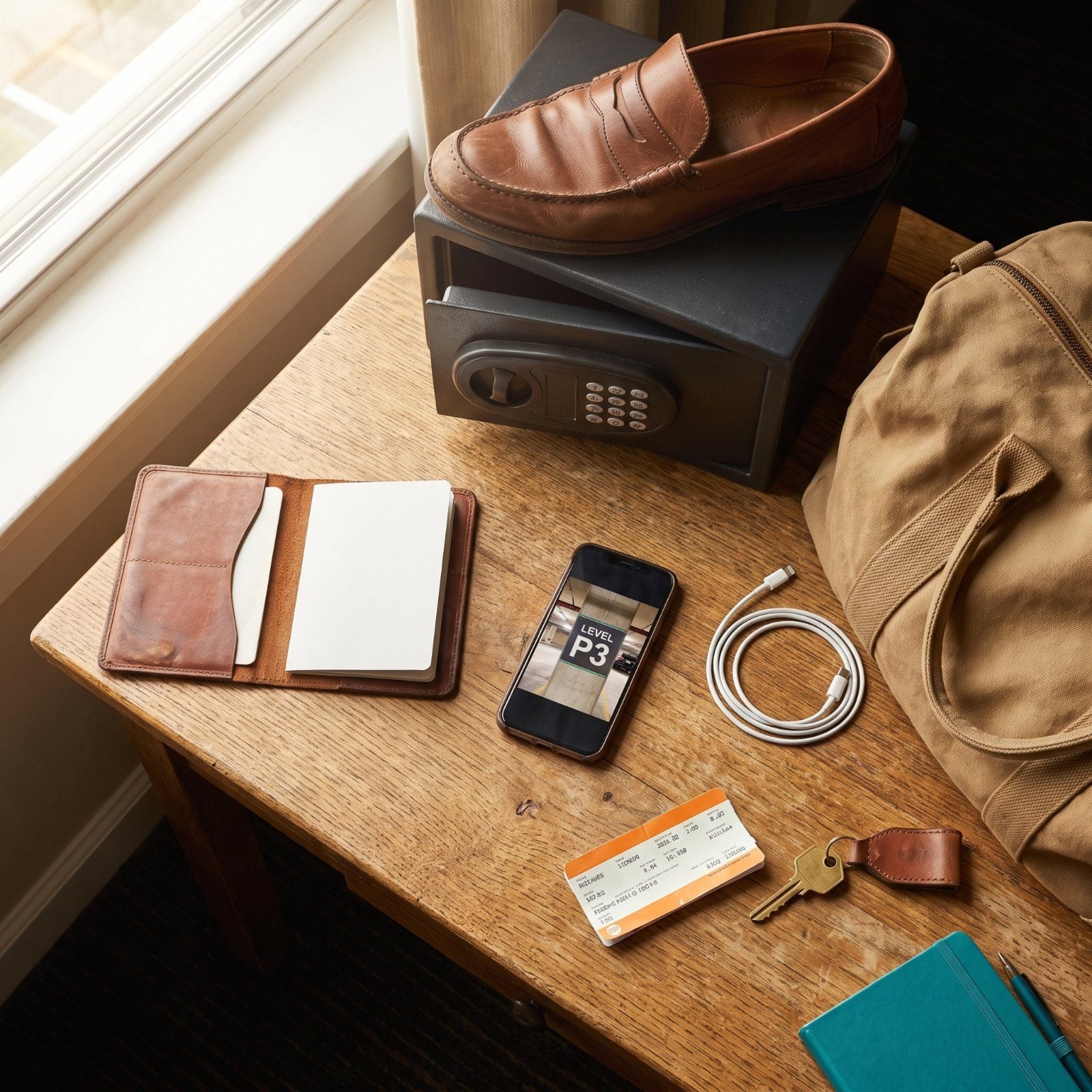
46. Leaving One Shoe in the Hotel Safe

Hotel safes have one fatal flaw. They’re designed to be forgotten. You put your passport in, go about your trip, and on checkout morning your brain is already standing at the airport while your passport sits locked in the wardrobe. Nothing in the room pipes up to remind you it’s there.
So you leave one shoe in there. Not a spare — a shoe you actually plan to wear home. Now the safe is holding a hostage, and you physically cannot stroll out of that room without opening it, unless you fancy limping to the taxi in one shoe.
45. Looking Back After Every Turn on an Unfamiliar Route
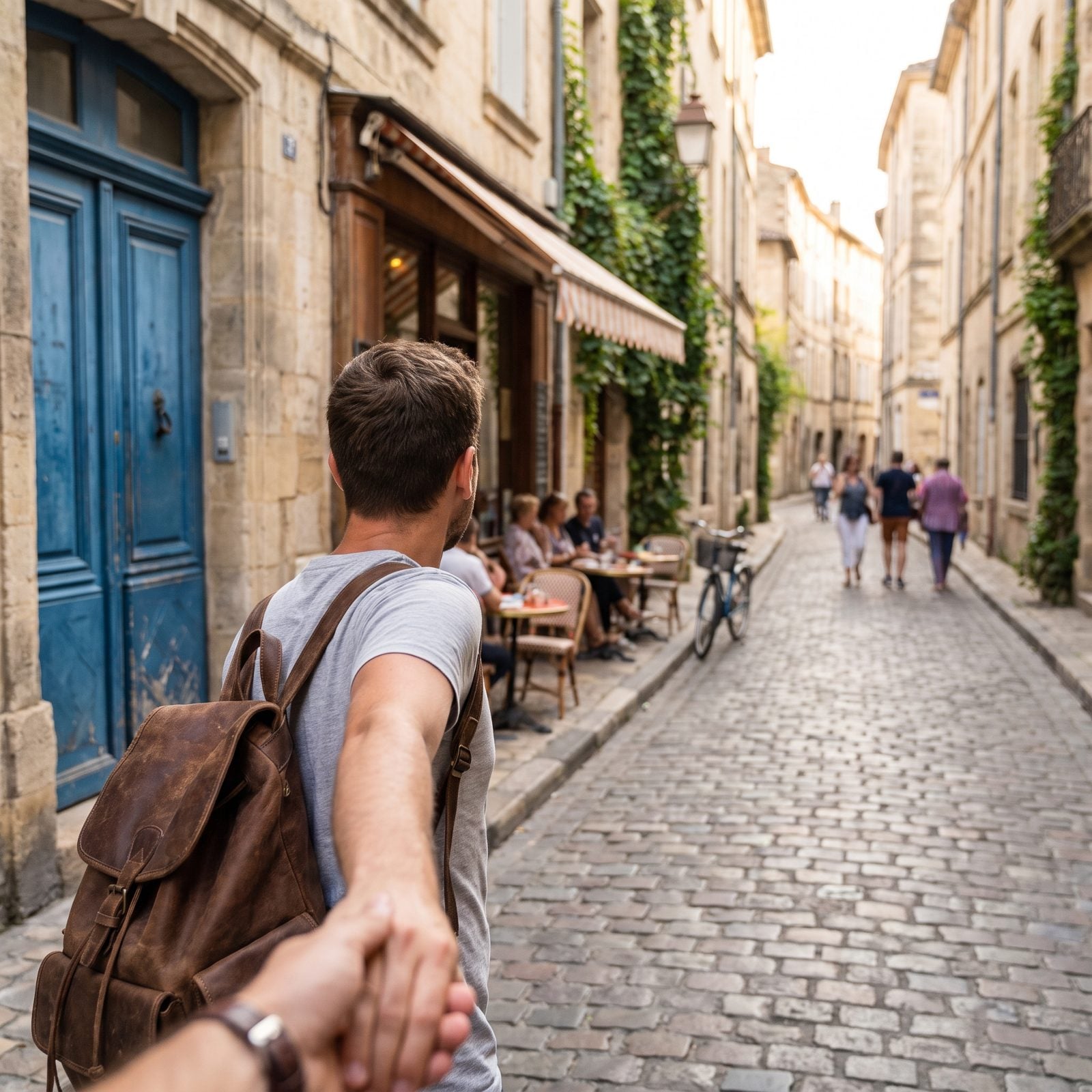
A street you’ve never walked looks completely different going the other way. The cafe on the corner, the blue door, the alley strung with laundry lines — none of it registers the same when you’re facing backward. That’s precisely why people get hopelessly lost on the return trip even when the walk out felt obvious.
The fix is almost absurdly simple. Make a turn, stop, look back at where you came from. You’re photographing the route in reverse and storing the view you’ll actually need when the sun’s gone down. Three seconds. It spares you that sinking lurch of a city that suddenly refuses to look familiar after dark.
44. Keeping Luggage in the Bathroom Until the Bed Is Inspected
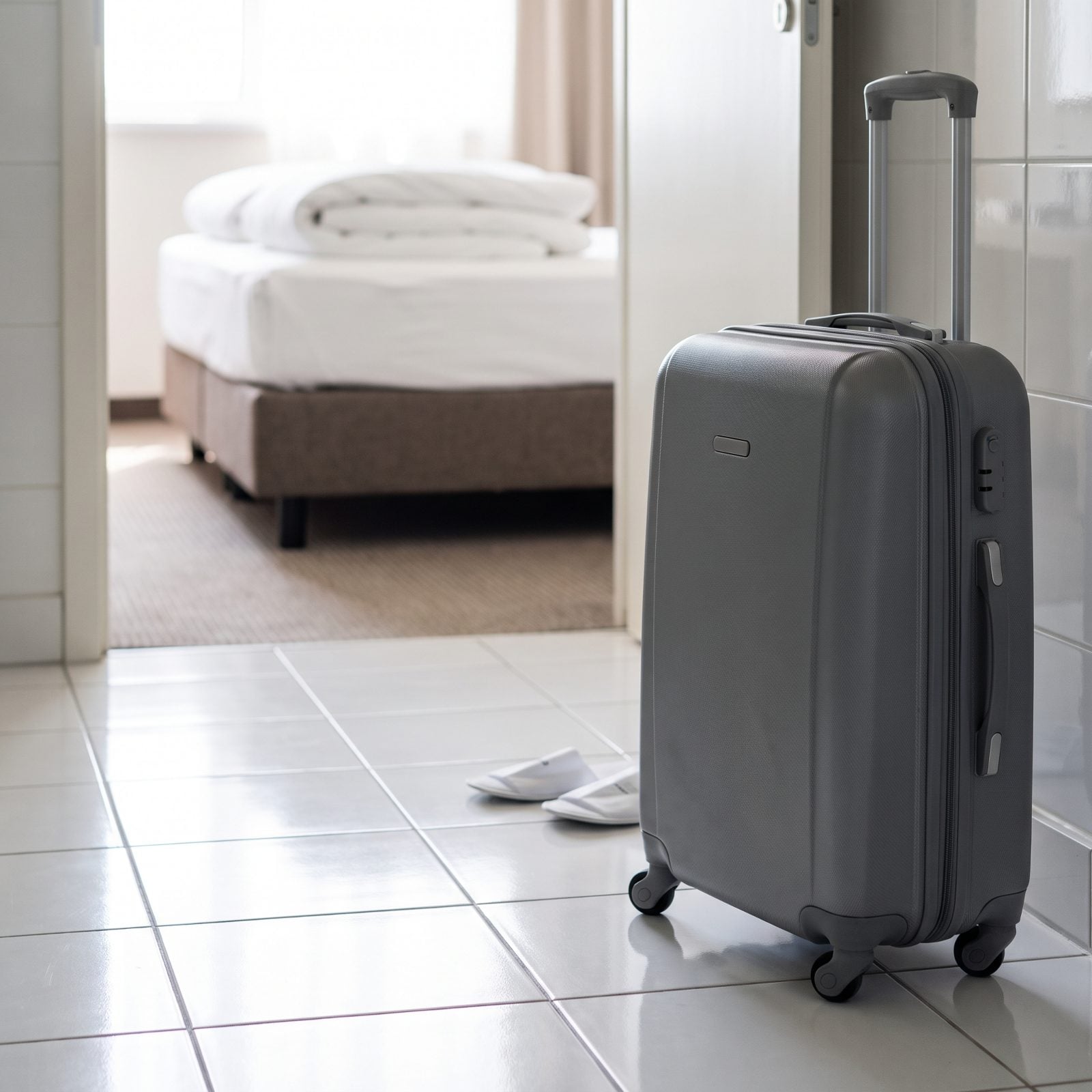
The bathroom is the one room in a hotel where bed bugs almost never travel. Hard tile, no fabric, no mattress seams to burrow into. Seasoned travelers park their bags there first, then peel back the sheets and inspect the mattress corners and headboard before anything soft touches the bed.
It feels paranoid, right up until the one time it isn’t. Bed bugs are notorious hitchhikers, and the ones that ride home in your suitcase cost a small fortune and months of grief to be rid of. Call it what it is: five minutes with a phone flashlight and your bag on tile, bought cheap against a disaster.
43. Sitting Where Station Names Remain Visible

Missing your stop is almost always a seating problem. You plop down facing away from the platform, or deep in the middle where the signs whip past too fast to read, and by the time it clicks the train’s already pulling out.
Choose the seat where station names stay in your line of sight — facing forward, by a window, on the side the platforms tend to show up. Announcements fail constantly. In a language you don’t speak, or on a line where the speaker crackled out years ago, they’re worse than useless. A sign you can read with your own eyes is the only one that never lets you down.
42. Keeping One Pocket Permanently Empty During Transit
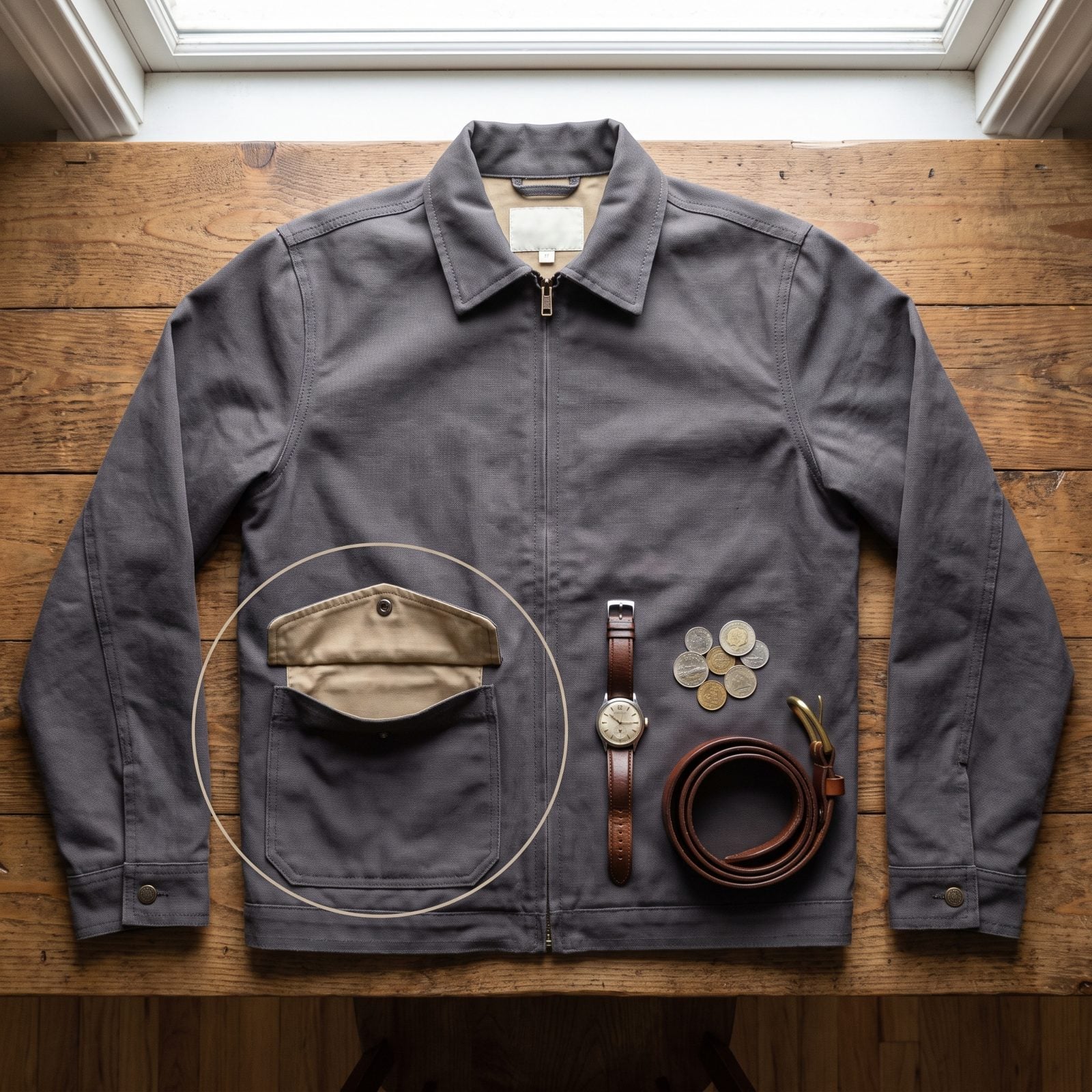
Picture the chaos of a security line. You’re yanking out phone, boarding pass, passport, keys, coins, headphones, then cramming them all back in a panic while the person behind you breathes down your neck. That scramble is exactly how a passport ends up abandoned in a plastic tray.
Designate one pocket as the empty one. It only ever holds whatever you’re actively handling right then — the boarding pass at the gate, the passport at the desk, the phone through the scanner. Everything has a home to come back to. Because that pocket starts empty every time, you feel it the instant something didn’t make it back.
41. Leaving Checked Cabinet Doors Open Until Checkout

Every closed door in a hotel room is a hiding place for something you own. The phone charger in the nightstand drawer. The jacket on the closet rail. The adapter you shoved into a cabinet on day one and never thought about again.
Here’s the habit: once you’ve checked a space and cleared it, leave the door or drawer hanging open. Checkout morning, your eyes do a single sweep, and every shut door becomes a little red flag — that one still has something in it. An open, empty cabinet is proof you’ve already dealt with it.
40. Looping Charging Cables Through a Bag Handle
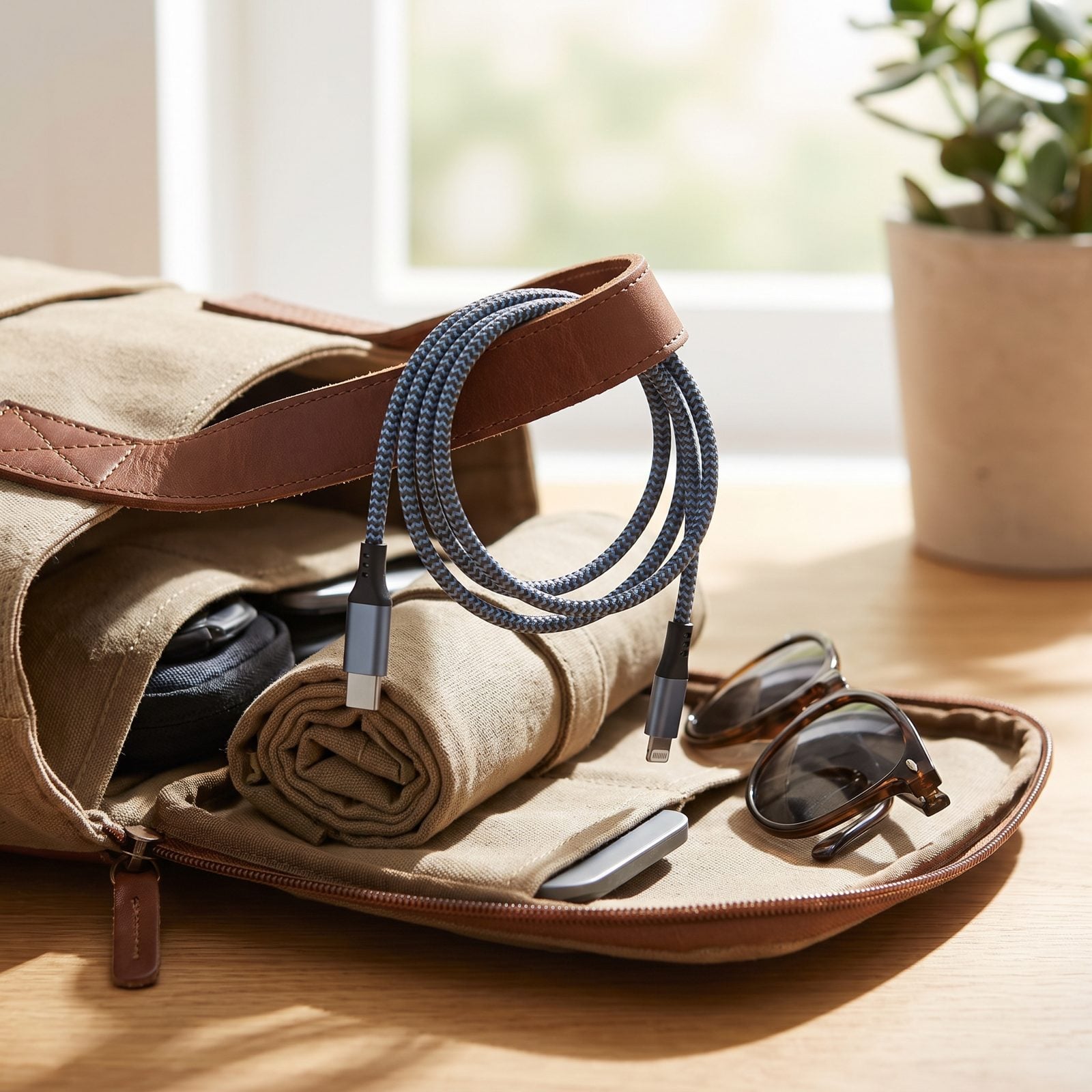
Chargers are the most abandoned item in travel, and it isn’t close. They sit low, near the floor, half-hidden behind furniture, plugged into outlets you’ve already forgotten exist. You walk off and they stay behind, faithful to the wall.
Loop the cable through your bag handle before you plug it in. Now it’s tethered to the one thing you’ll definitely grab on your way out. Pick up the bag and the cable comes along, or it tugs taut and reminds you it’s still in the socket. Dead simple. It has rescued more cables than willpower ever could.
39. Counting Essential Belongings in the Same Order

Passport, phone, wallet, keys. Or whatever your four non-negotiables happen to be. The trick isn’t the list — it’s the order. Always the same, every single time, a tiny ritual you run before you stand up from a seat, climb out of a taxi, leave a table.
Fix the order and a missing item announces itself. You reach the third thing, your hand lands on nothing, and you know exactly what’s gone before you’ve even stood up. A random pat-down lets things slip. A fixed sequence turns your own hands into a search alarm.
A random check misses things. A fixed-sequence check turns your own hands into a search alarm.
38. Making the Parking Marker the Final Photo on the Phone
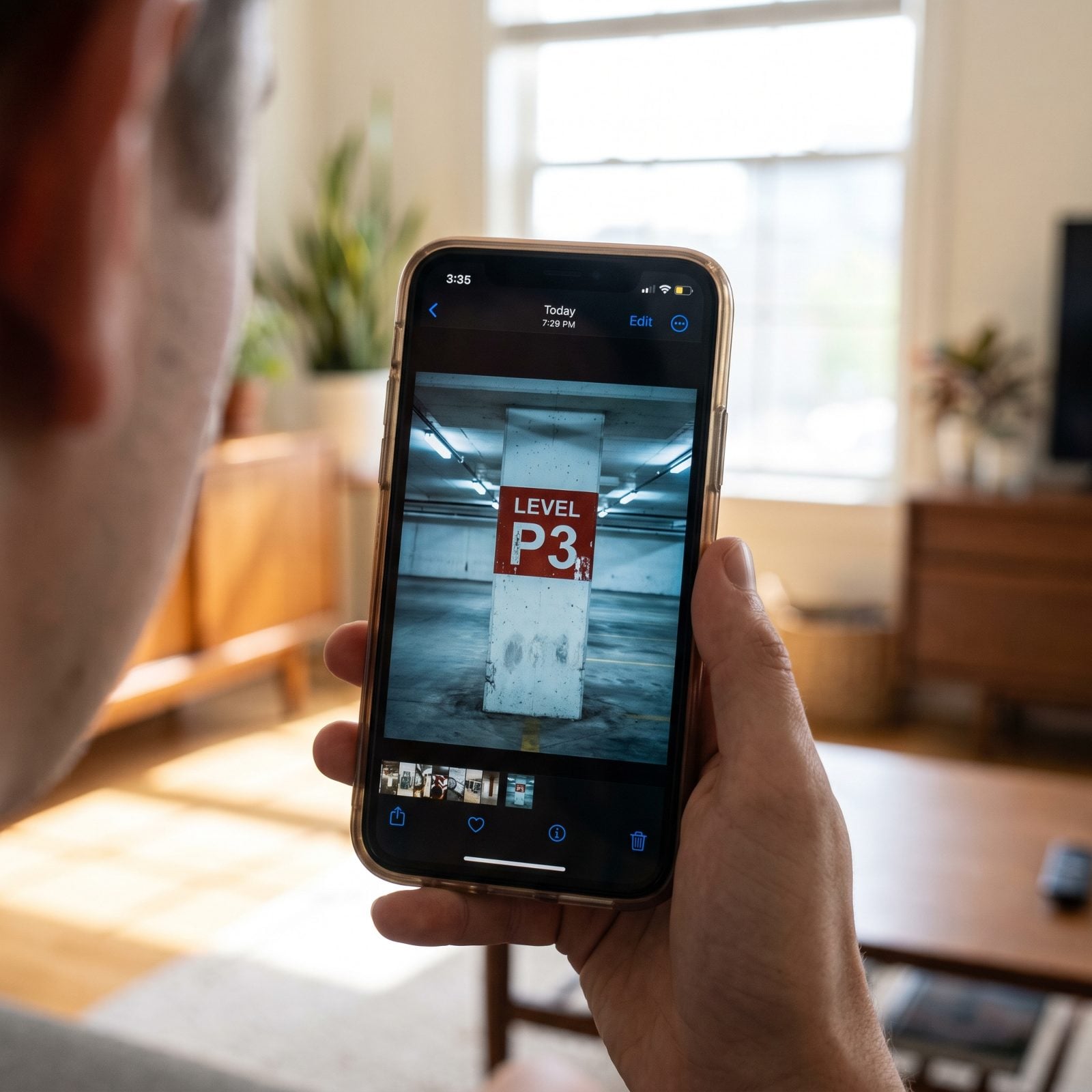
A rental car in an unfamiliar garage is its own special misery. Every row looks identical, the fob beeps into the void, and you’ve already trudged three levels you definitely did not park on. The dropped-pin app? Usually dead underground, no signal to be had.
Snap a photo of the nearest pillar marker — level and section — and make sure it’s the last picture you shot. When you come back, open the camera roll and the newest image is your answer. No app, no signal required. Whatever you photographed last is where the car is sitting.
37. Setting an Alarm for the Day’s Last Transit Service
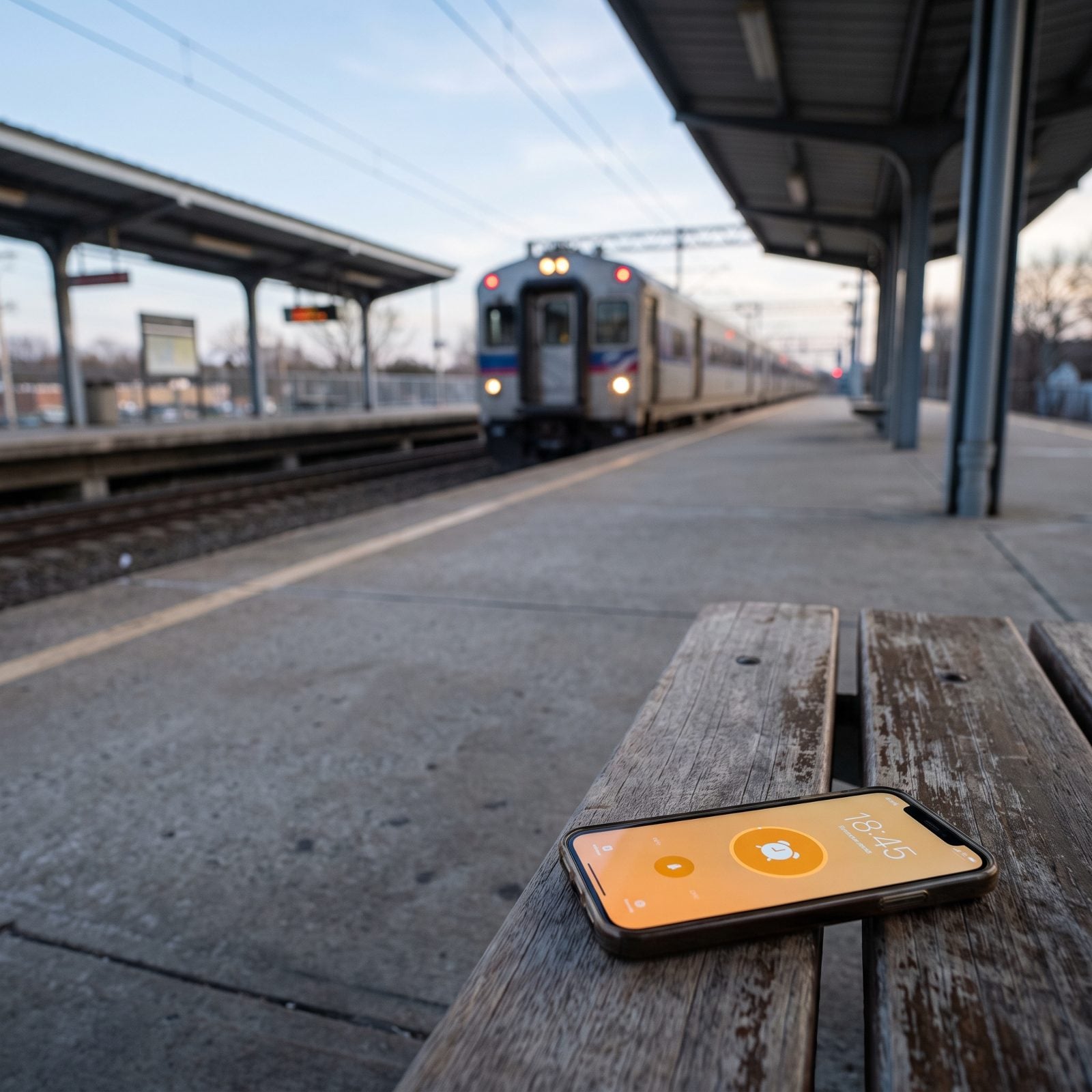
The last train, the last ferry, the last bus back to where you’re sleeping. Nothing ruins a good evening faster than watching it pull away without you — and now you’re haggling over a taxi fare you never budgeted for, in a language you half-speak, at midnight.
So when you arrive somewhere new, look up the final service straight away, then set an alarm for forty minutes before it leaves. Not the departure time. The time you need to start walking toward it. That buffer swallows the slow check, the one more drink, the wrong exit you take in the dark. Dinner stays relaxing, because the question of when to leave is already answered.
36. Saving the Hotel Address in the Local Script
🔥 Would you like to save this?
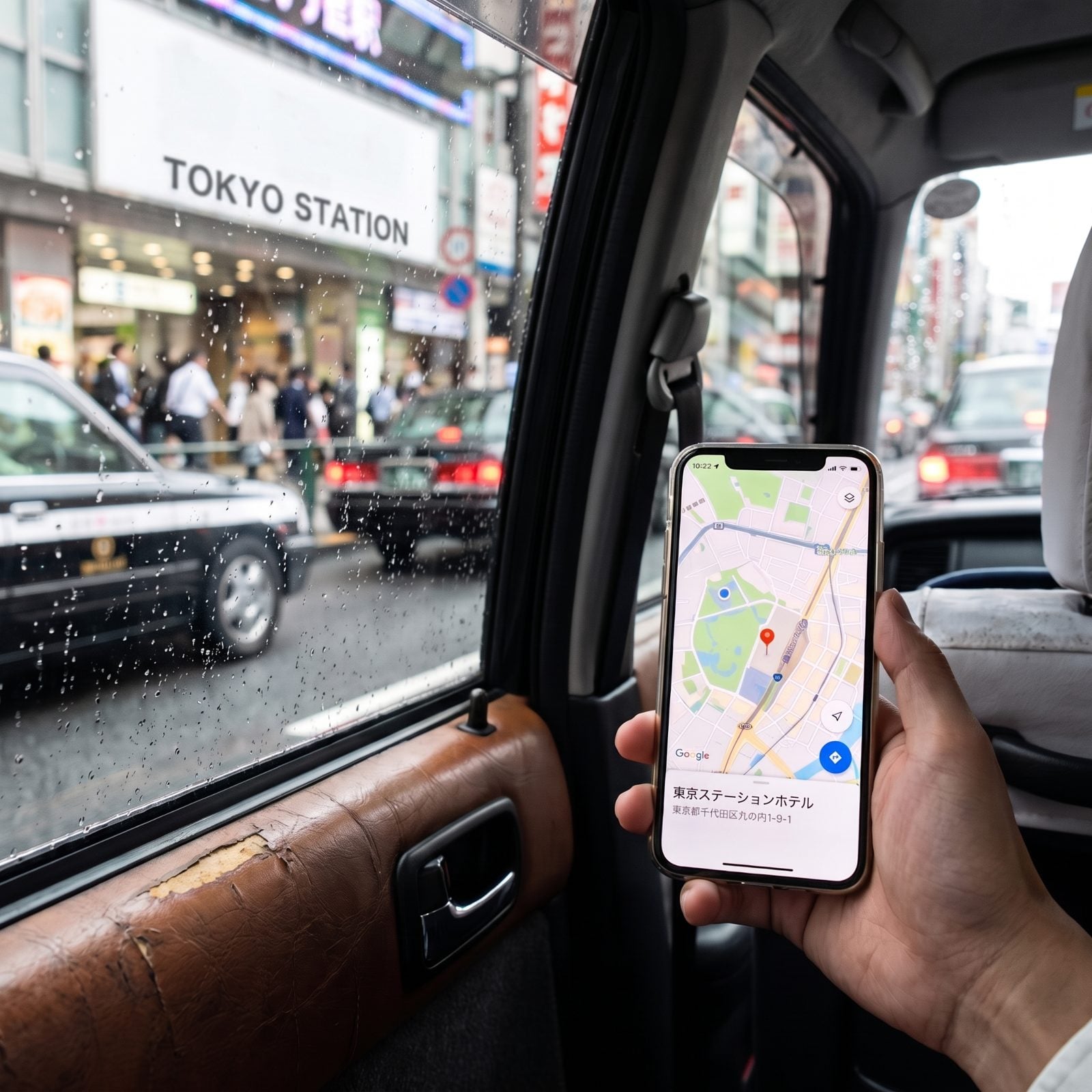
The driver does not read your alphabet. You learn this the hard way, idling at a curb while a cabbie squints at Latin letters that mean nothing to him.
So save the hotel name and address in the local script. Screenshot it from the booking page, or copy the characters straight out of a confirmation email, and then you point at a phone instead of butchering a street name in a language you can’t pronounce. Works for restaurants and train stations and pharmacies too. One tap, one point, no charades.
35. Walking Tomorrow’s Station Route the Evening Before

Morning trains do not wait while you find the entrance. You leave the hotel at six, half-awake, dragging a bag, and discover the station you mapped has four entrances — and the right one, naturally, is around the back.
The night before, when nothing is chasing you, walk the route. Just to the door. Clock how long it takes, note which entrance faces the platforms, scout the coffee place that opens early.
Then morning-you already knows the way. That version of you makes the train. The one guessing at dawn does not.
34. Pinning the Correct Station Exit Before Going Underground
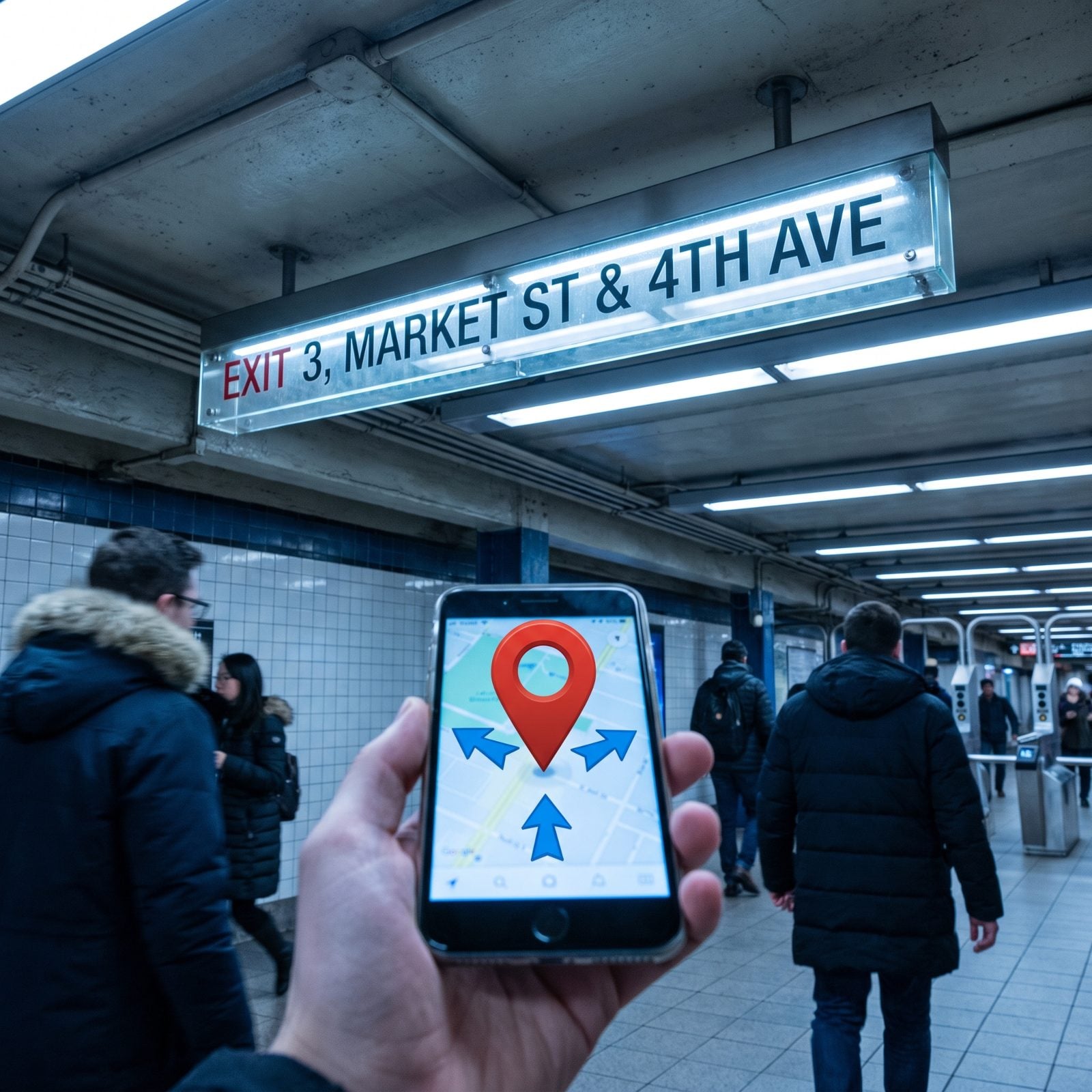
A big station can swallow you whole. You ride three stops underground, climb the stairs, and surface a quarter mile from where you meant to be — now walking back with a map that keeps spinning in your hand.
Before you descend, check which numbered exit lands closest to your destination. Tokyo, Seoul, and Shanghai stations can have a dozen of them. Surfacing at the right one spares you a confused loop above ground with no bearings and a dead signal.
33. Choosing a Landmark Before Wandering Without a Route

Getting lost on purpose is the good kind of travel. Getting lost by accident, with no idea which way home is, is not.
Before you set off to wander, pick one tall, visible landmark near your hotel — a church spire, a tower, a hill with a sign on it. That’s your true north from then on. When the streets stop making sense, you look up, find it, and walk toward it. Simple as that.
Old towns were built around exactly these markers. Use them the way the people who built the place did.
32. Keeping Loose Belongings Out of Airplane Seat Pockets
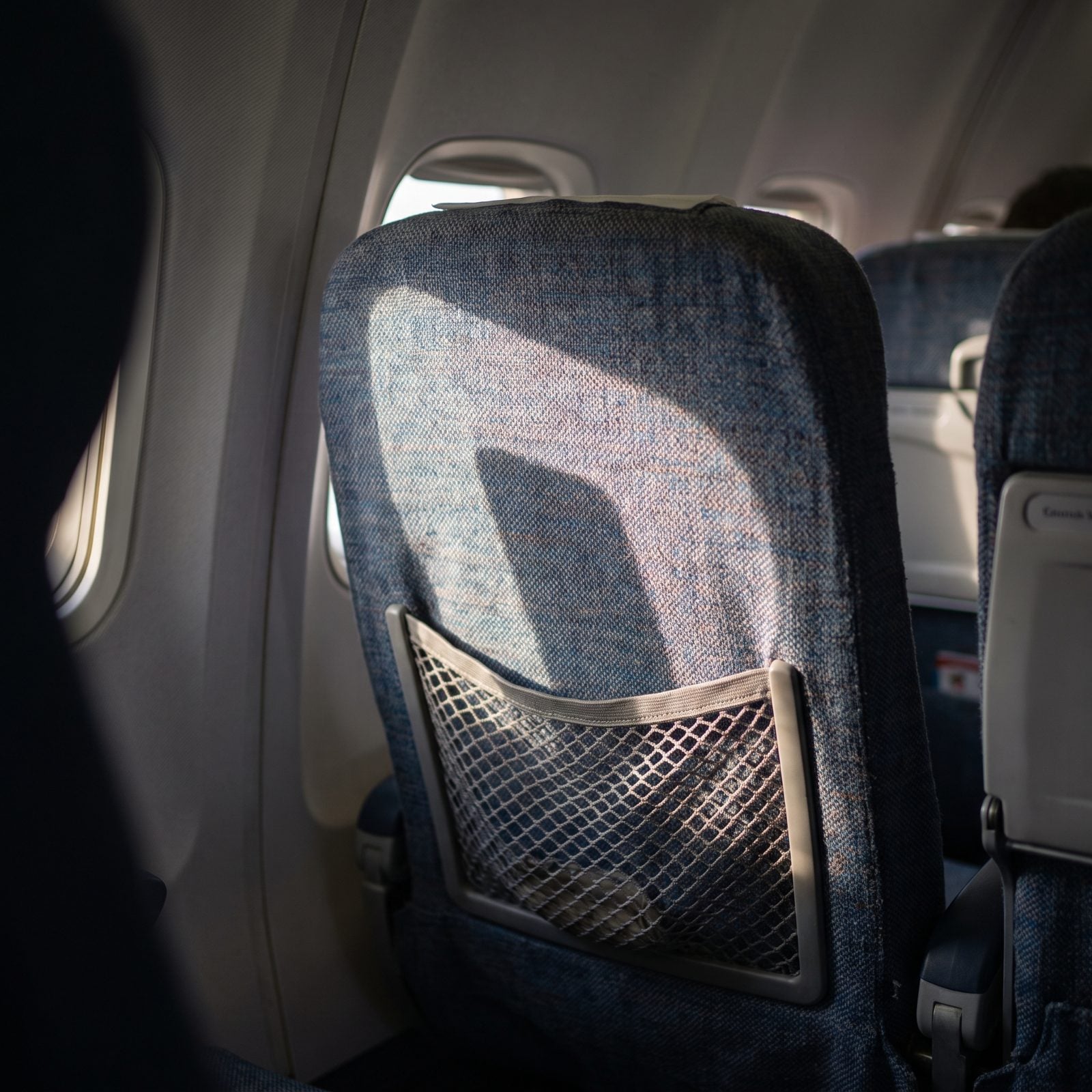
The seat pocket is where phones go to vanish. You slide it in mid-flight, forget all about it, and by landing it’s a ghost, leaving the pocket holding nothing but a crumpled card and a scatter of crumbs.
Nothing loose goes in that pocket. Passport, phone, earbuds, reading glasses — all of it lives in one zip pouch that goes right back in your bag the second you’re done with it. Cabin crew turn up countless abandoned phones, and the pocket is the number-one hiding spot. Let the pocket keep the sick bag and the magazine. That’s its whole job.
31. Checking Under the Seat Before Standing Up
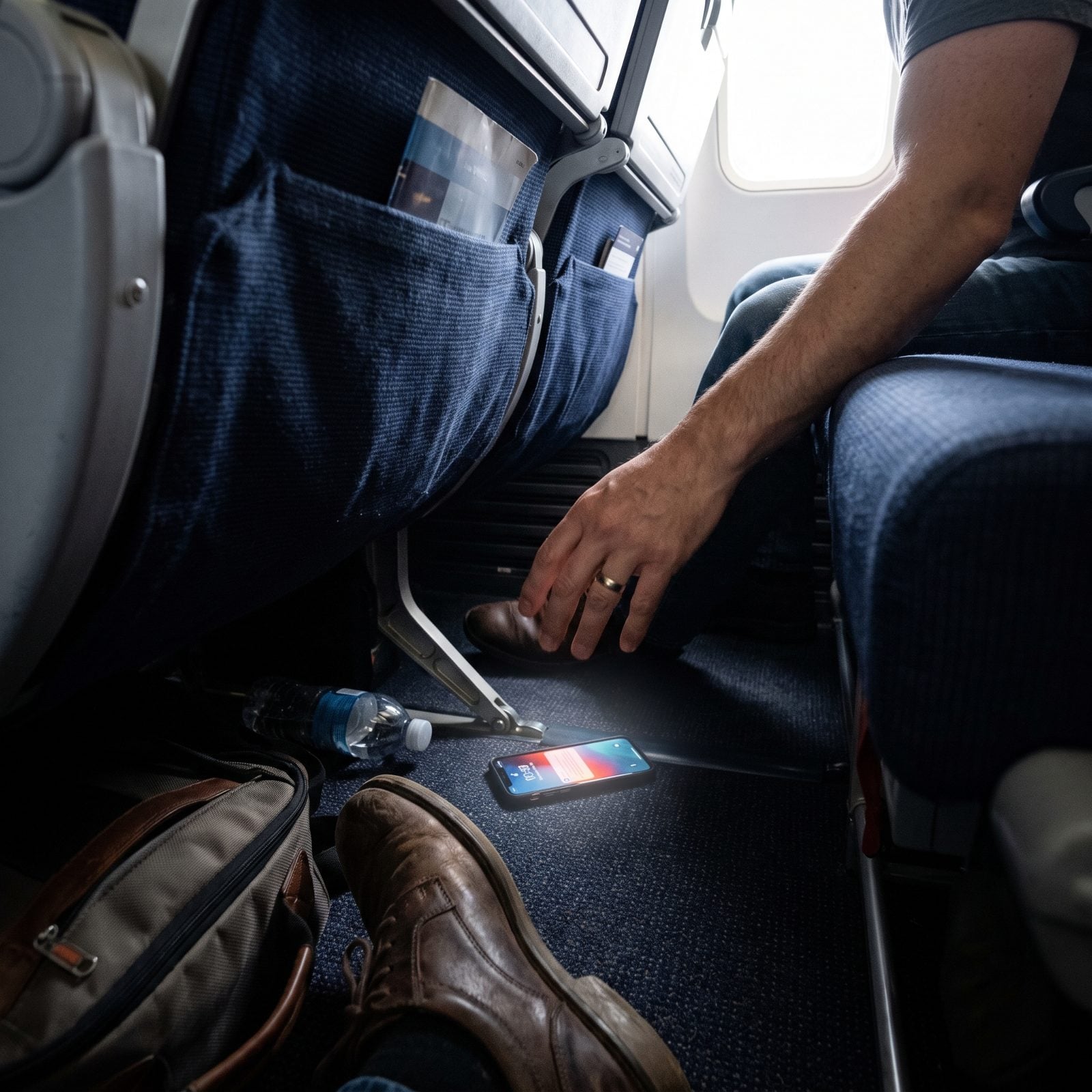
Small things roll. A phone, a pen, a charger slides off your lap somewhere mid-trip and settles into the dark footwell, out of mind entirely.
Before you stand, look down. Sweep your eyes across the floor, under the seat in front of you, into the gap by the window. Takes three seconds. Saves you that sinking feeling two gates later, when you reach for something that’s now riding the same train in the opposite direction.
30. Gathering Departure Essentials on One Dedicated Shelf

The night before you leave, pick one surface — a desk, a chair, the bathroom shelf, doesn’t matter. Everything that must go with you in the morning lands there and nowhere else.
Passport, keys, sunglasses, the printout, the charger you just unplugged. All of it in one spot. Morning-you doesn’t ransack the room while a cab meter ticks away outside. You sweep one shelf into a bag and go. Scatter your essentials across four rooms and leaving turns into a treasure hunt. Pile them in one place and it becomes a glance.
29. Packing Worn Clothes Inside Out
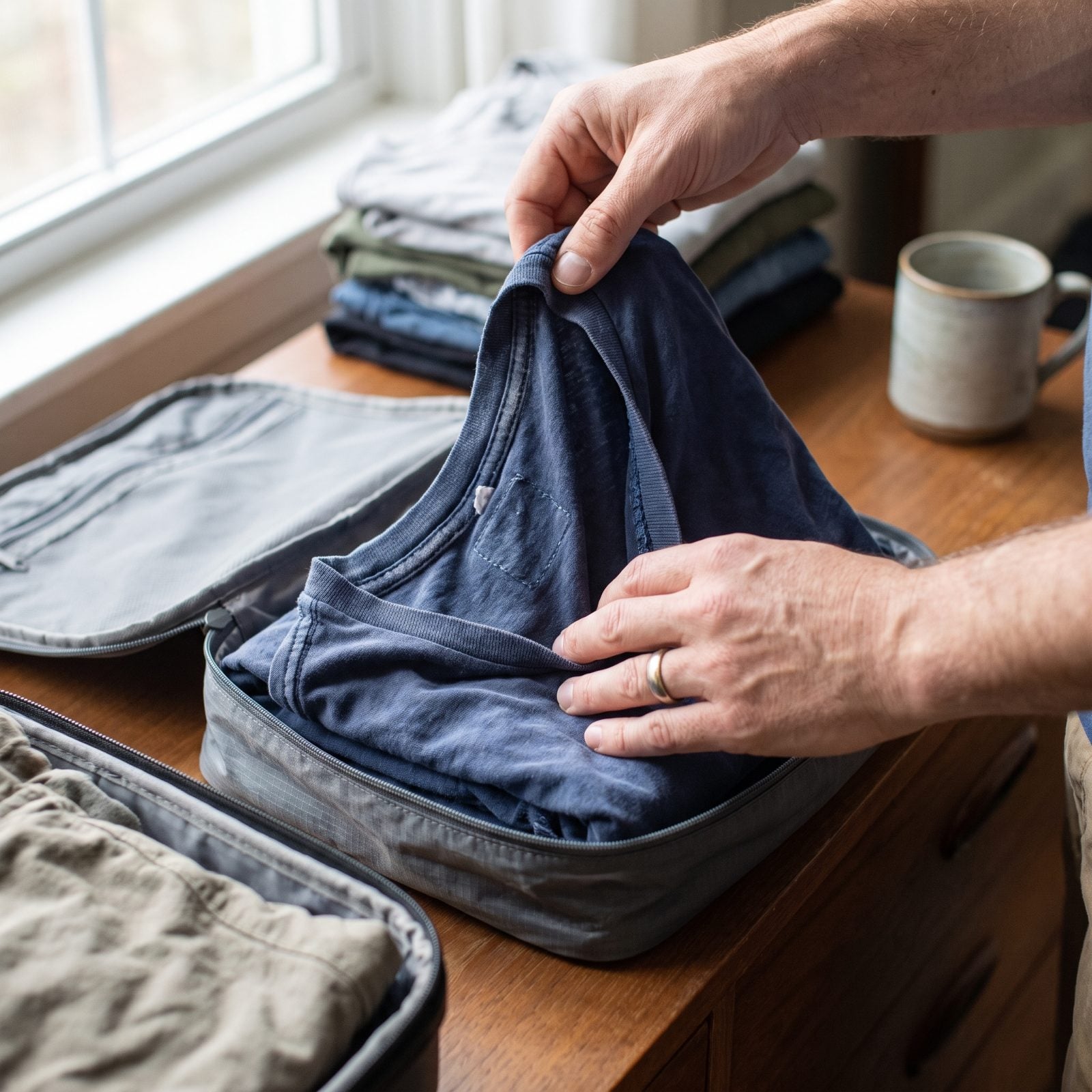
Worn clothes carry the whole day with them — sweat, sunscreen, the smell of a long train platform. Fold them back in with your clean shirts and the entire bag ends up faintly ruined.
Turn worn garments inside out as you pack them. The dirty side faces in, away from the fabric it would otherwise rub against, and your clean clothes stay clean. Bonus: you can tell at a glance which shirts are used, no sniff test required. A plastic bag does the same job, sure. But inside-out costs nothing and weighs nothing.
28. Visiting a Local Grocery Store on the First Day

🔥 Would you like to save this?
Skip the welcome dinner. Walk to the nearest grocery store the hour you arrive.
You learn more in fifteen minutes there than in a day of guidebooks — what people actually eat, what things cost, whether tipping is a kindness or an insult. Grab bottled water, some local fruit, a few snacks for the room, and the place quietly stops being a backdrop. It starts being somewhere you live, even for three nights.
It saves you money too, and spares you that 11pm panic when the minibar is the only thing open and it charges what a real meal should.
27. Asking Hotel Staff Where They Buy Breakfast
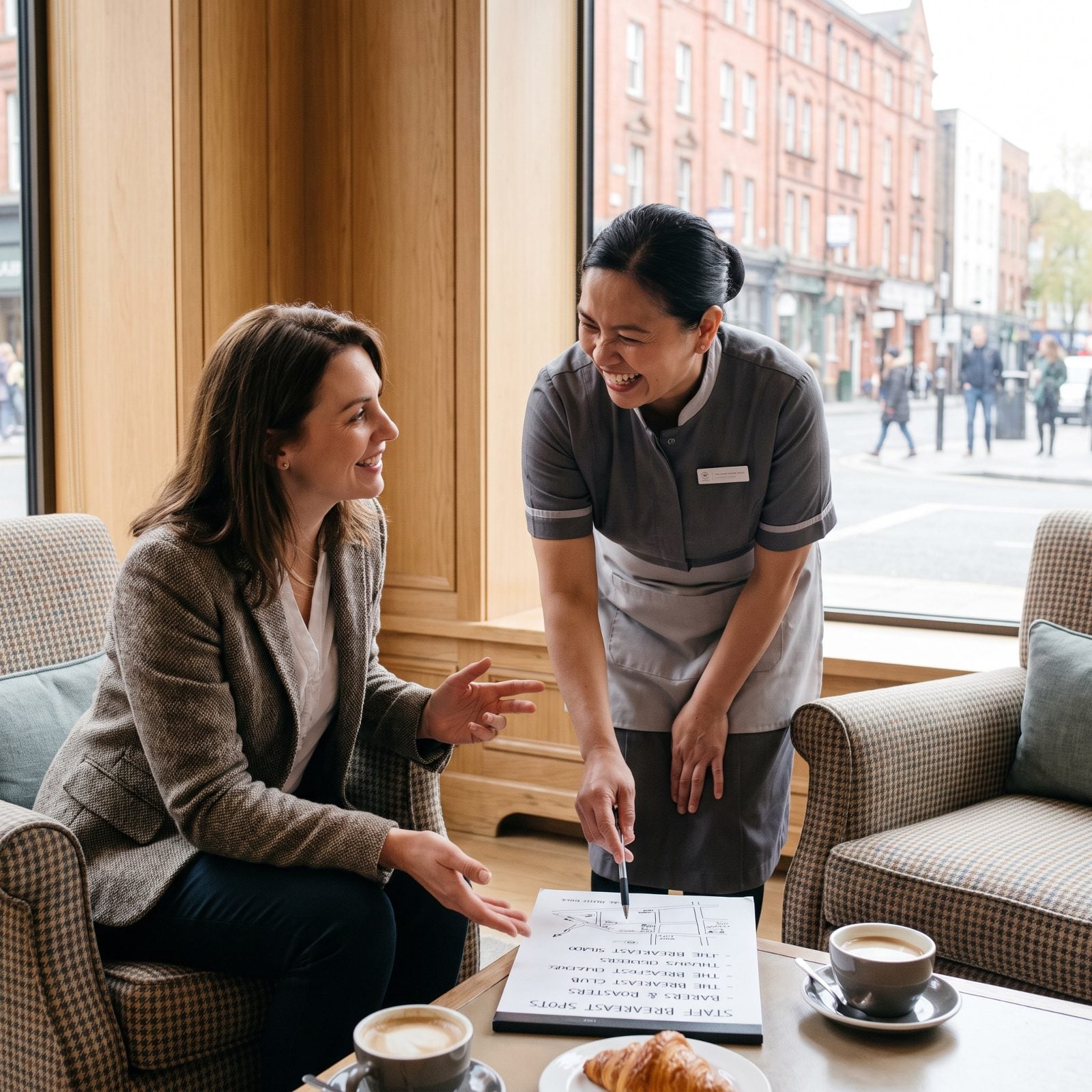
The concierge recommendation and the staff’s actual breakfast spot are rarely the same place.
Ask the person at the front desk — or better, the housekeeper, or the night clerk — where they grab coffee before a shift. Not where guests go. Where locals eat on a normal Tuesday. You’ll get sent somewhere with no English menu, half the price, and the real version of whatever the region is famous for.
And people love being asked. You’re treating them as a human instead of a service desk, and they’ll hand over the good stuff.
26. Alternating Demanding Sights With Easy Stops

You’ve seen the museum-wrecked couple. Shuffling past masterpieces, eyes glazed, legs gone, hating art and each other by 3pm.
That’s what stacking four cathedrals in a row does to a person. The brain fills up, and after the third big thing you stop seeing any of it.
So alternate. One demanding sight, then one easy stop. The ruins, then a bench and an ice cream. The gallery, then a slow lunch doing absolutely nothing. You’ll remember more, your feet will forgive you, and the big things stay big instead of smearing into one long marble headache.
25. Writing the Day’s Best Moment on a Postcard

Not a diary. A postcard. One per day, and on the back you write the single best thing that happened — nothing else.
The limit is the whole trick. You can’t record everything, so your brain has to choose, and choosing makes you notice. By dinner you’re already scanning the day for the one moment worth the postage, which means you’ve been paying closer attention to all of it.
Mail them to yourself. They arrive home days after you do, a little slow, a little bent at the corners, each one carrying a day you’d otherwise have lost to the general blur.
24. Recording a Ten-Second Sound Clip at Each Destination
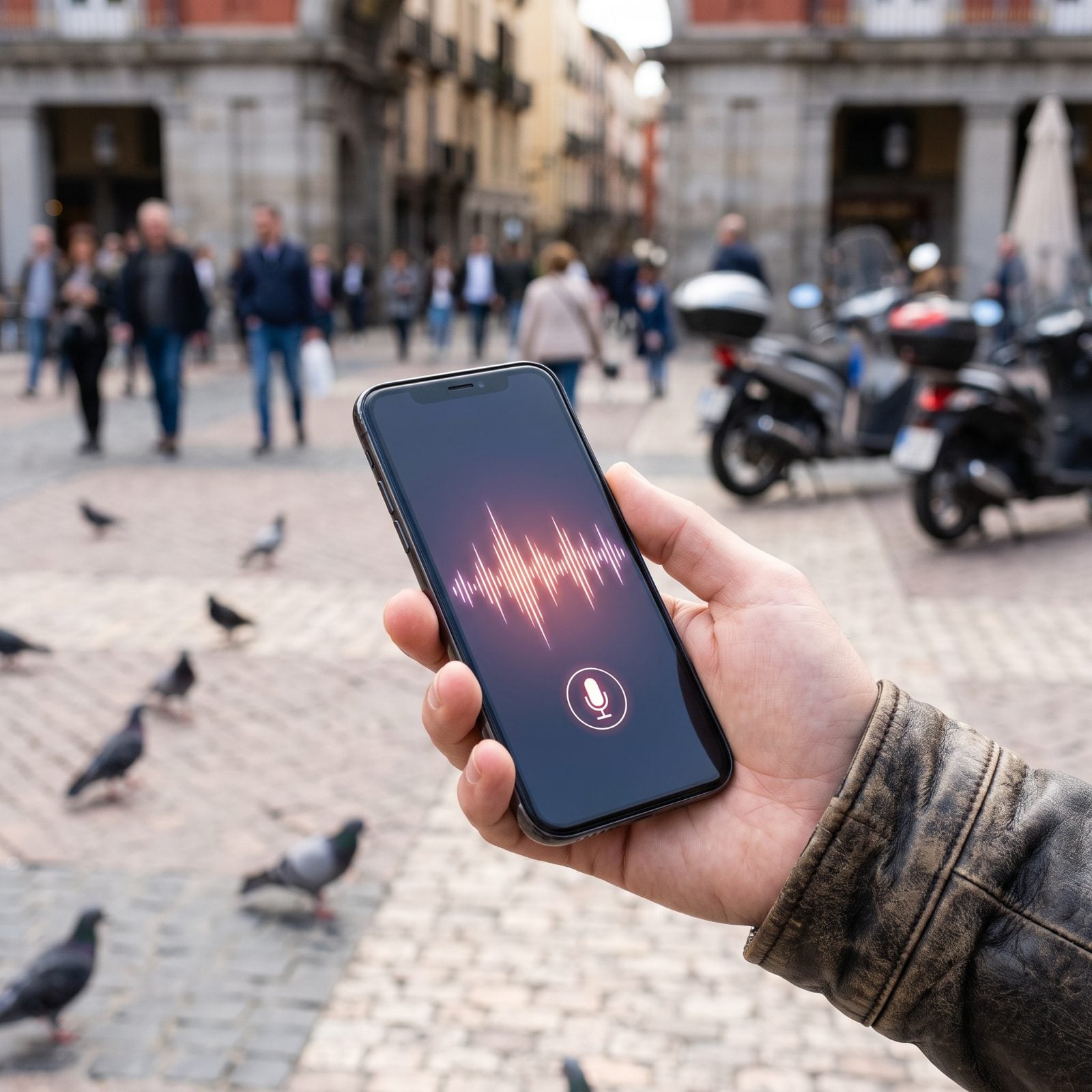
Photos lie about sound. You remember a square as pretty, and you forget the pigeons, the church bell, the scooter, the man arguing with a vegetable vendor.
Ten seconds of audio drags all of it back at once. Years later you play the clip and you’re standing there again — more vividly than any photo manages, because the ear remembers differently than the eye.
Hold the phone still, shut up for ten seconds, let the place talk. Label it with the city name. Done.
23. Sitting in a New Place Before Taking Photographs
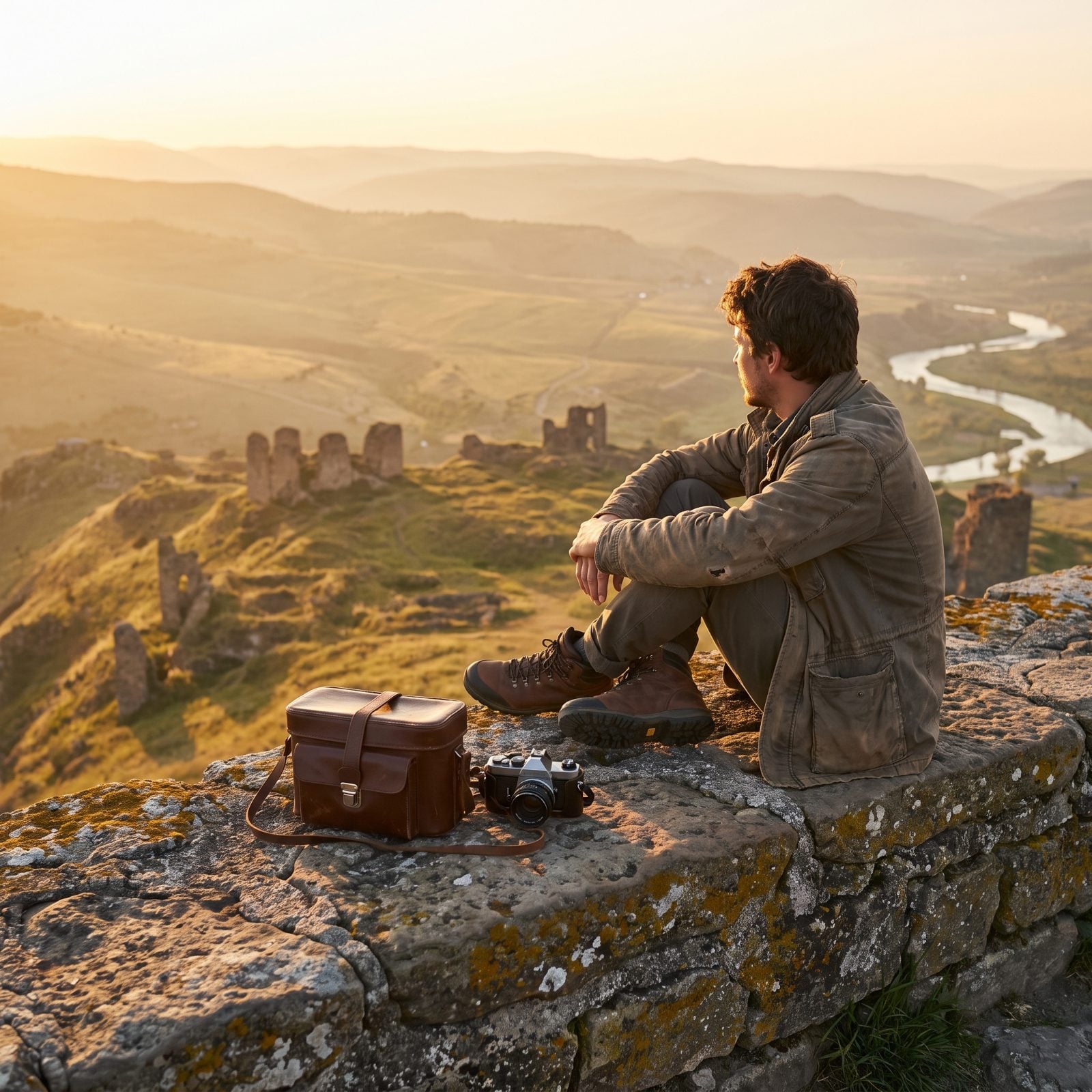
The reflex is to photograph first and look later. Reverse it.
When you reach a view that stops you cold, sit down and put the phone away. Give it five minutes of plain watching before a single shot. The light shifts. You spot the better angle, the thing happening at the edge of the frame, the quieter corner the crowd walked right past.
And here’s the odd part — the photos come out better too. You’ve already seen the place with your own eyes, so the camera turns into a choice instead of a panic. Most travel photos are bad because they were taken by someone who hadn’t actually arrived yet.
22. Walking One Block Beyond the Main Square Before Choosing a Restaurant
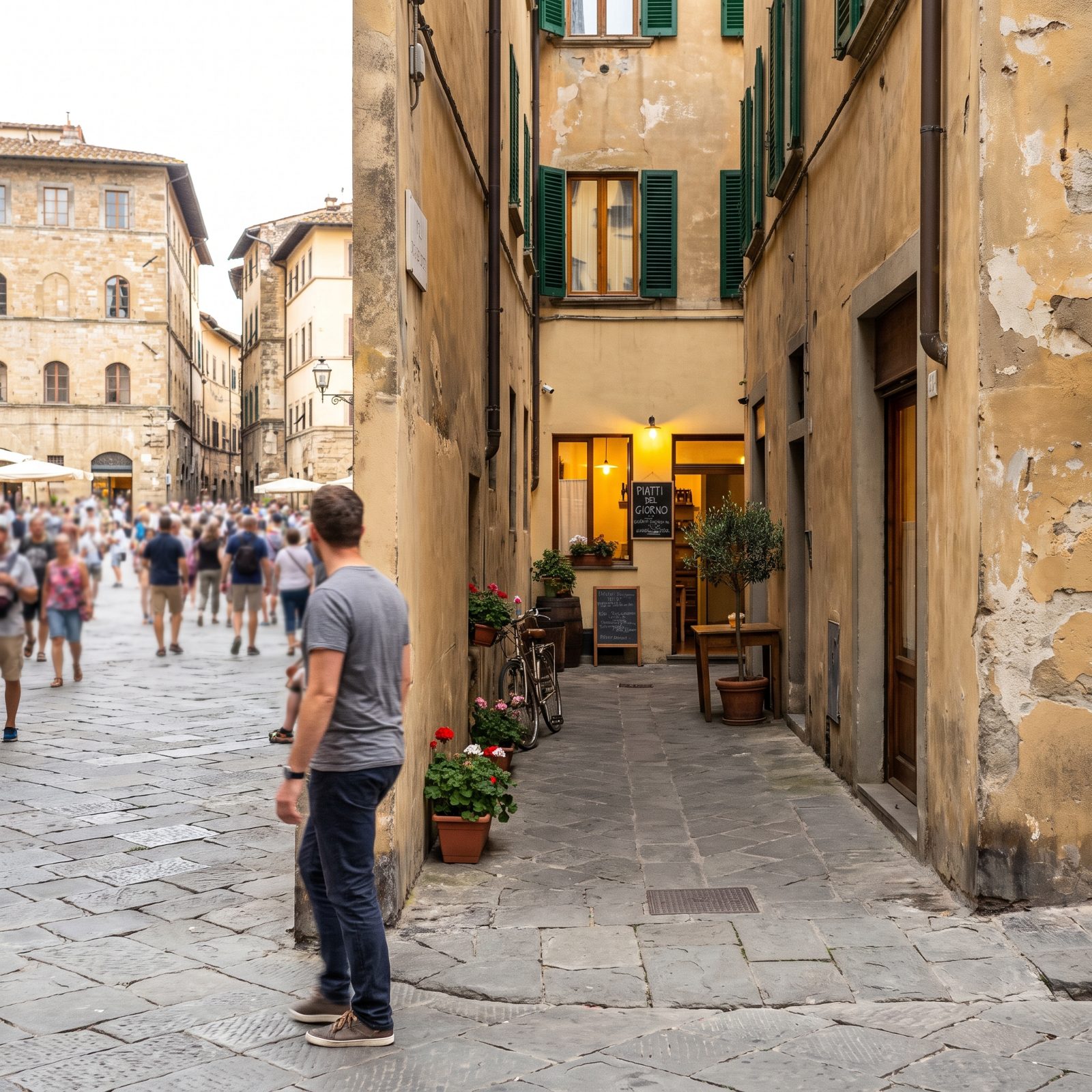
The square costs you twice. Once in money, once in the meal.
Every restaurant with a view of the famous fountain is paying rent on that view, and guess who covers it. Menus in six languages, glossy photos of the food, a guy outside waving you in — all tells. Walk one block past. Just one.
That’s where the place with no English menu hides, the one feeding people who actually live there, charging half as much for twice the plate. The rule is almost embarrassingly reliable. The good meal is always slightly annoying to find, which is precisely why the crowd never finds it.
21. Getting Outdoor Morning Light After an Overnight Journey
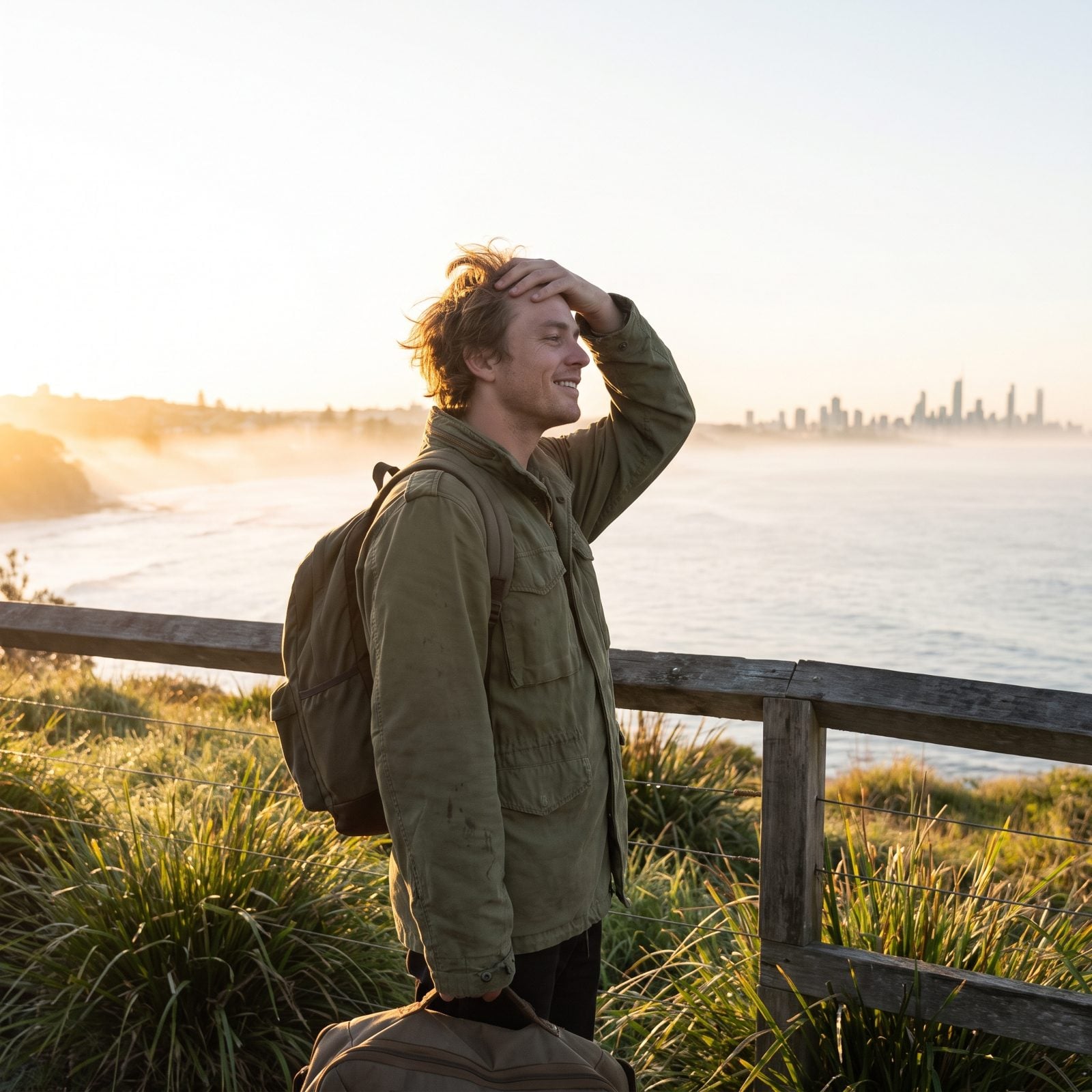
Jet lag is a lighting problem before it’s a sleep problem.
Your body clock resets on sunlight, not willpower. Step outside into real morning light within an hour of landing off a red-eye, and you hand your system the one signal it actually obeys. Fifteen minutes does it — a walk, a coffee on a bench, anything outdoors with the sun on your face.
Hide in a dark hotel room instead and you’ll be wide awake at 3am wondering what went wrong. The brightest indoor lamp is a candle next to a cloudy morning outside. Chase the light. Sleep follows.
20. Setting a Twenty-Minute Limit on Arrival-Day Naps

The arrival-day nap is a trap that eats whole trips.
You lie down for “just a bit,” and three hours later you surface at dusk — groggy, disoriented, your clock shoved even further off, the entire first evening gone.
Cap it at twenty minutes. Set a real alarm, shoes still on, curtains open. Twenty minutes takes the edge off the exhaustion without dropping you into deep sleep, so you wake up foggy for a moment and then functional. Go longer and you’ll be paying for it until Thursday. The short nap is a tool; the long one is quicksand.
19. Walking the Terminal Before a Long Flight
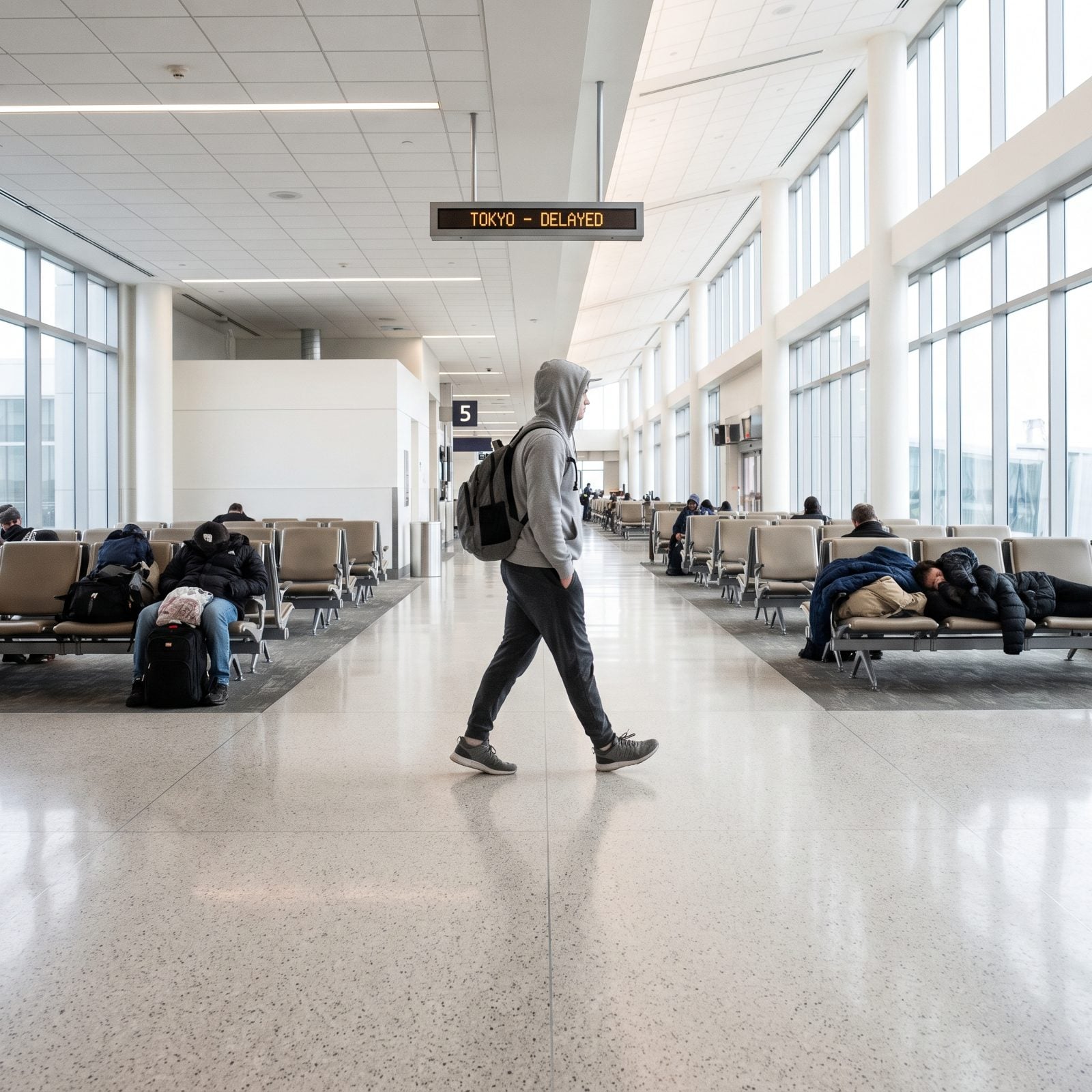
Everyone sits at the gate for ninety minutes, then boards and sits for nine more hours — and then wonders why their legs feel like cement somewhere over the Atlantic.
Walk the terminal instead. Lap the concourse a few times before boarding, fill the water bottle, move the blood, get the legs tired on purpose. You’ll settle into the seat easier, sleep better, and land less swollen and stiff.
It’s the least glamorous habit on this list and probably the one your body thanks you for most. Nobody ever regretted walking before a long flight. Plenty regret the opposite at hour seven.
18. Doing Calf Raises While Waiting at the Gate
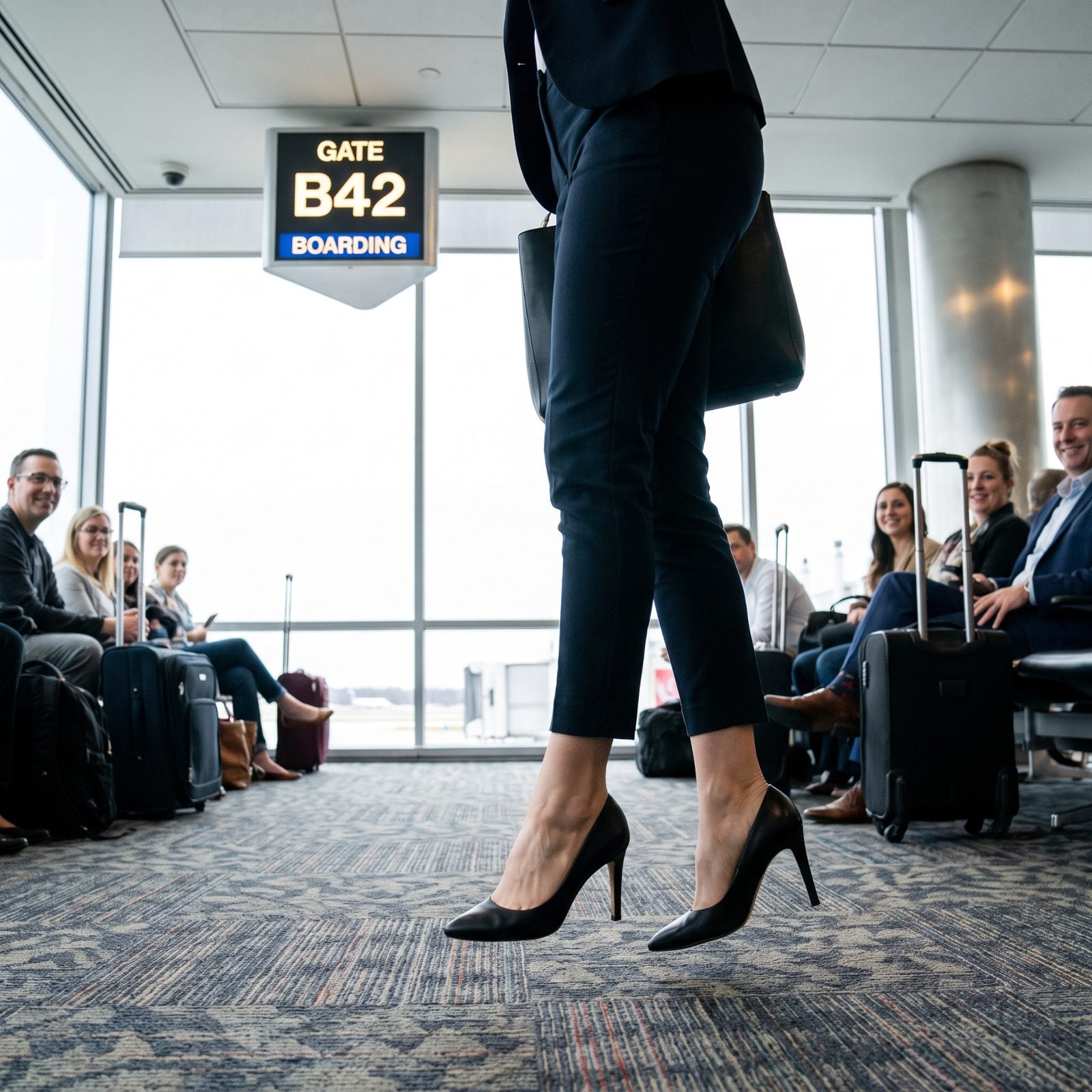
Blood pools in your lower legs when you sit still, and a long flight is just sitting still at altitude. That’s the mechanism behind travel swelling and, rarely but seriously, clots. A slow set of calf raises at the gate, up on the toes and back down, pumps that blood back where it belongs before you’ve even boarded.
People might notice, especially if you’re getting airborne in heels. Let them look. Do twenty before boarding and a few more during the flight when you’re up for the lavatory anyway. Your ankles at the baggage carousel will thank you.
17. Washing Hands After Handling Security Bins
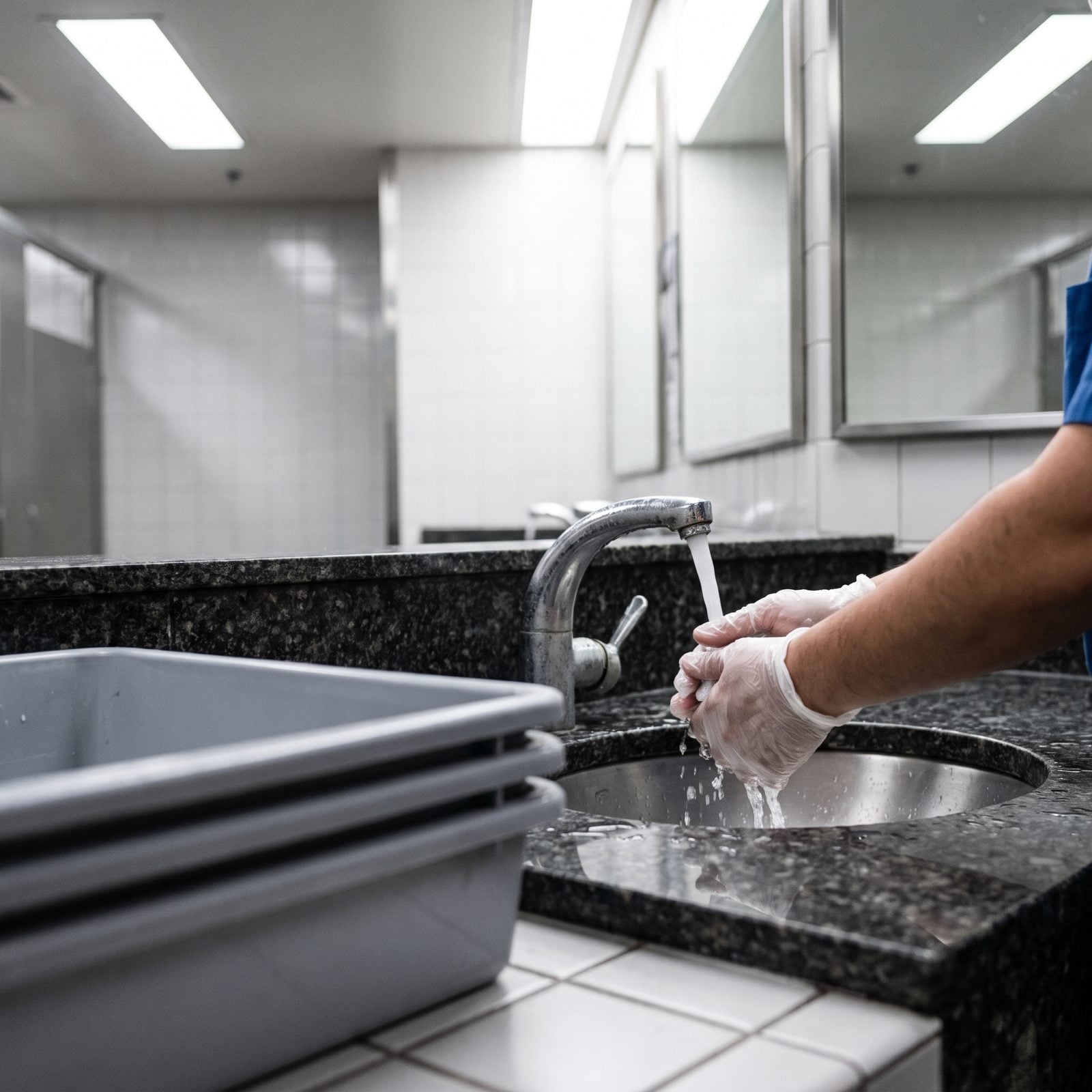
Studies of airport surfaces keep fingering the same culprit, and it isn’t the handrails or the toilet seats. It’s the security bins. Thousands of hands, shoes, and phones pass through them every day and they rarely get wiped down between passengers.
You touch that bin, grab your boarding pass, rub your eye, then eat a pretzel. The fix costs thirty seconds. Hit a restroom right after the checkpoint, before your hands get anywhere near your face or your food. Sanitizer works in a pinch. If you wore disposable gloves through screening, rinse them under running water before peeling them off, then wash your hands.
16. Saving Travel Snacks for Delays Rather Than Planned Meals
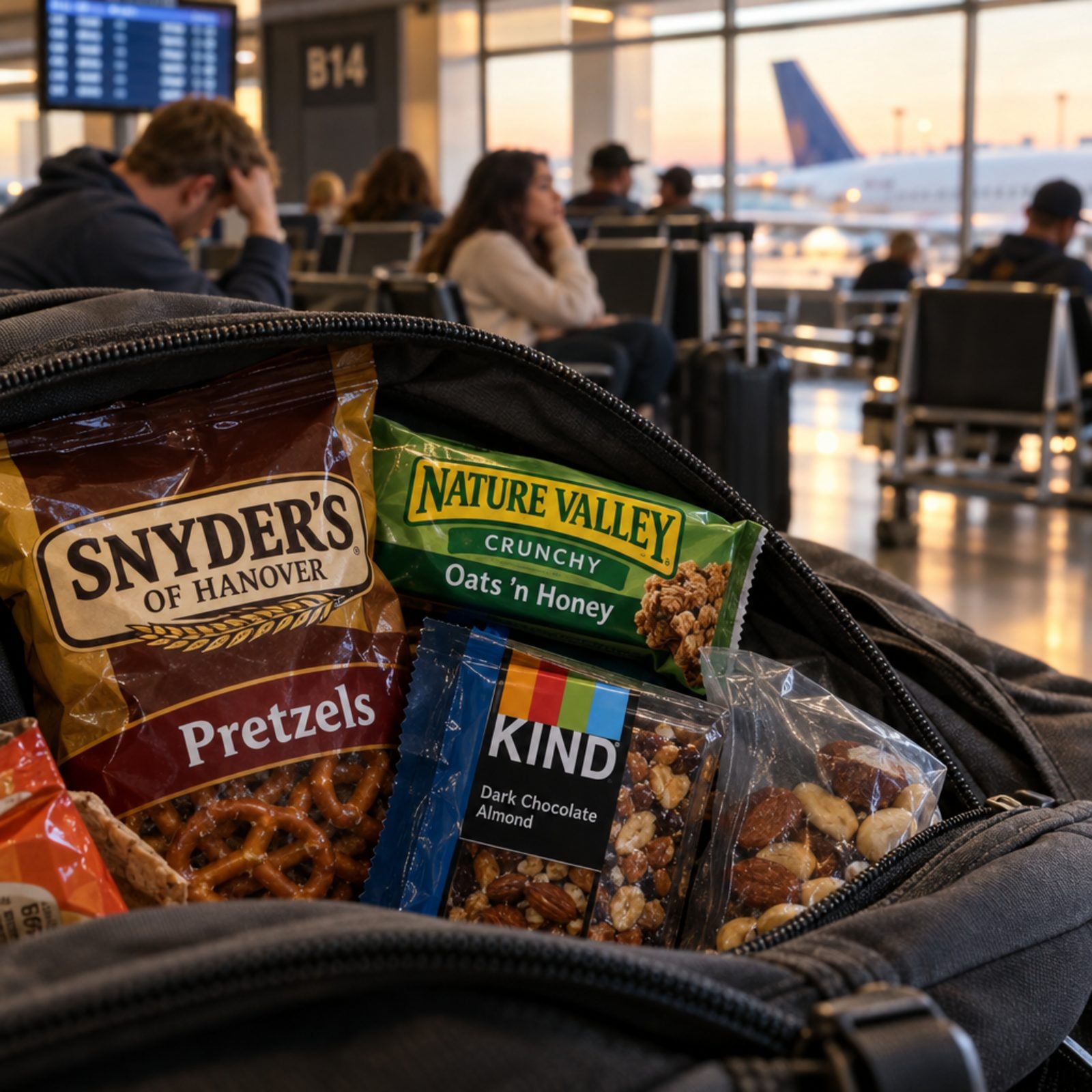
Here’s the mistake people make. They pack snacks, then nibble them at the gate out of sheer boredom. Then the flight gets delayed four hours, every restaurant past security is slammed, and they’re stuck hungry and cranky with nothing left in the bag.
Treat snacks as insurance, not entertainment. The granola bar and the handful of almonds exist for the moment the departure board flips to a two-hour delay, or the connection you miss that strands you overnight. A fed traveler makes better decisions than a starving one. So eat the terminal sandwich now. Hoard the almonds.
15. Taking an Empty Water Bottle Through Security
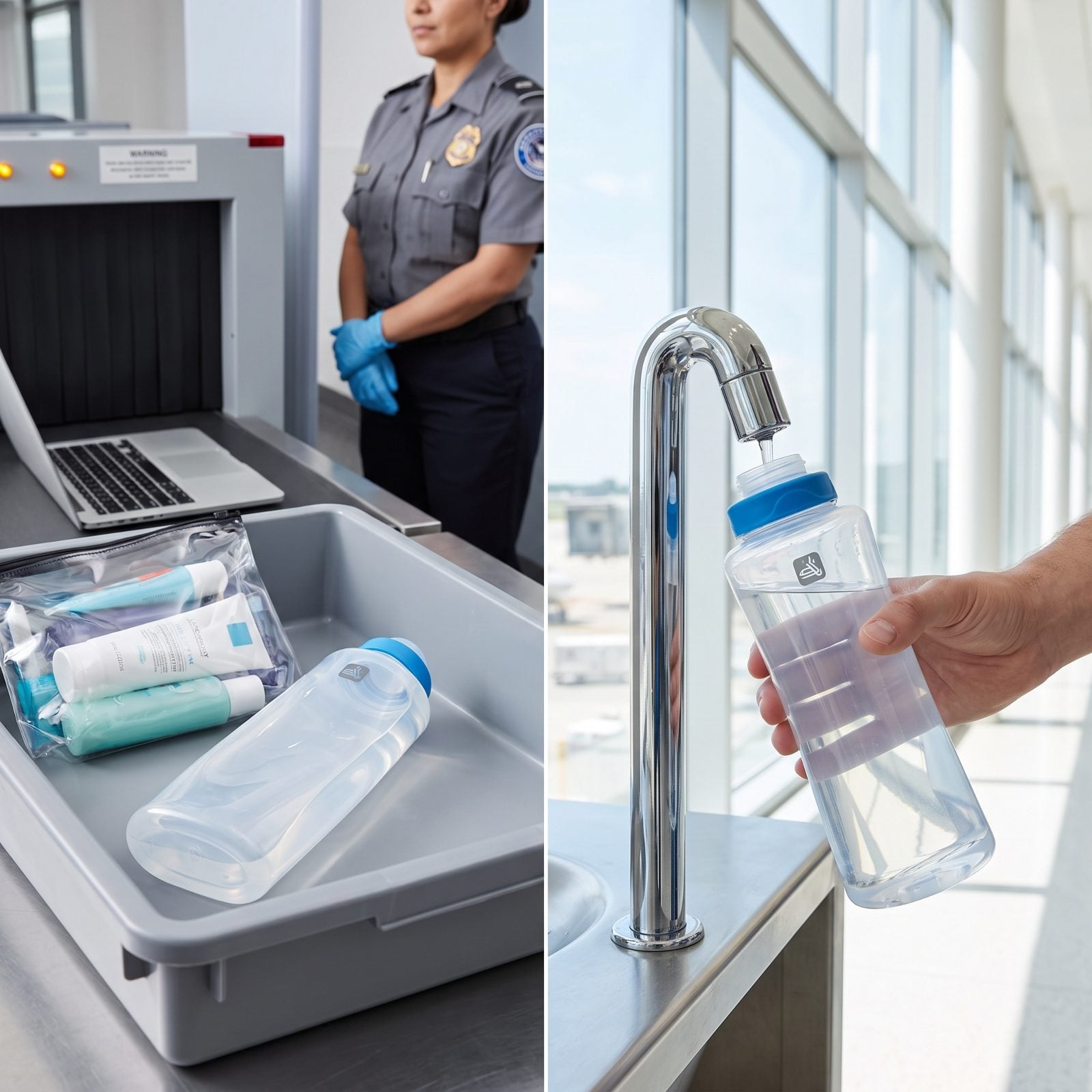
Airport water costs more than it has any right to. Four bucks for the privilege of staying hydrated past a line nobody enjoys.
An empty bottle sails through security because there’s nothing in it to screen. On the other side, most terminals now have refill stations with the little counter ticking up how many plastic bottles you’ve spared the landfill. You board already full, which matters because cabin air is drier than most deserts, and dehydration is half of what people blame on jet lag.
14. Keeping One Complete Outfit in the Personal Item
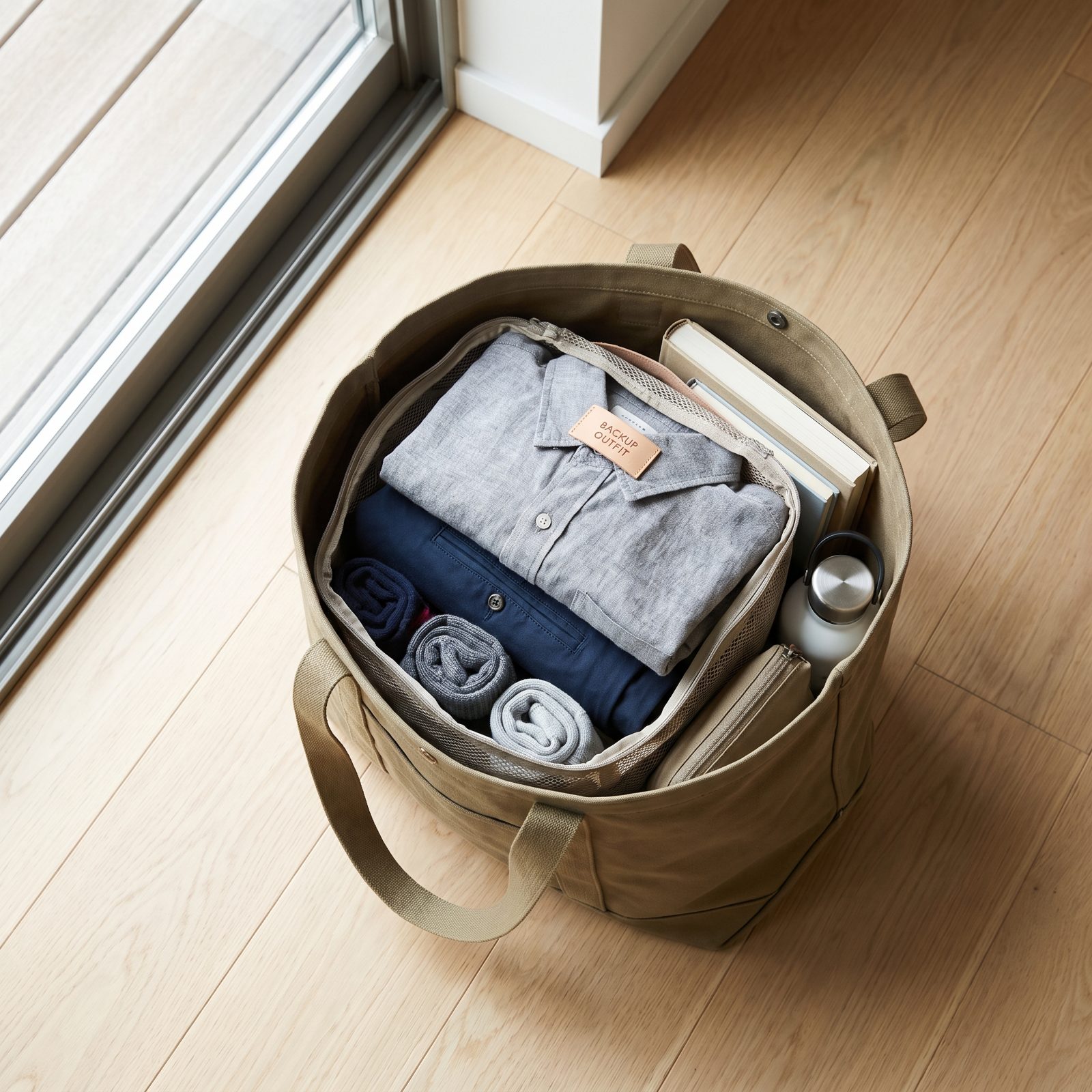
Checked bags go missing. It’s not common, but it’s common enough that you shouldn’t gamble your first day on it.
One full change of clothes in the bag that never leaves your side turns a lost-luggage disaster into a mild inconvenience. A shirt, underwear, socks, something to sleep in. If the bag shows up a day late, you’ve showered and changed instead of wearing the same travel clothes to dinner. If it shows up on time, you’ve lost nothing but a sliver of space.
13. Photographing Checked Luggage Before Handoff
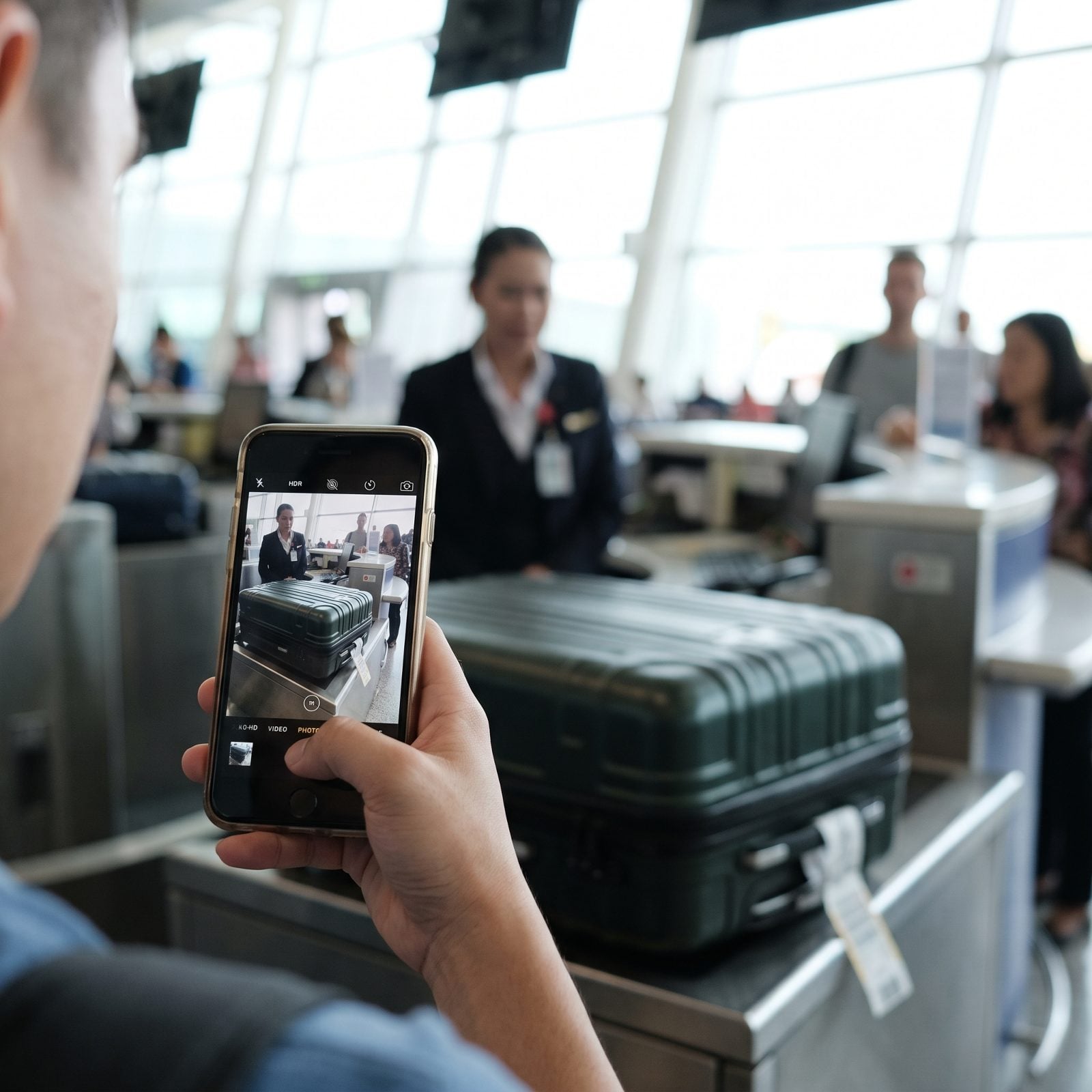
When a bag goes missing, the airline hands you a form with a grid of generic suitcase silhouettes and asks you to describe yours. Good luck. Under stress, everyone’s bag is suddenly “black, medium, four wheels.”
A photo on your phone before you hand it over does two things. It shows the exact color, brand, and any scuffs that make your bag yours, and it timestamps the contents if you shot it packed. The claims process moves faster when you can show rather than tell.
12. Removing Old Routing Stickers and Baggage Tags
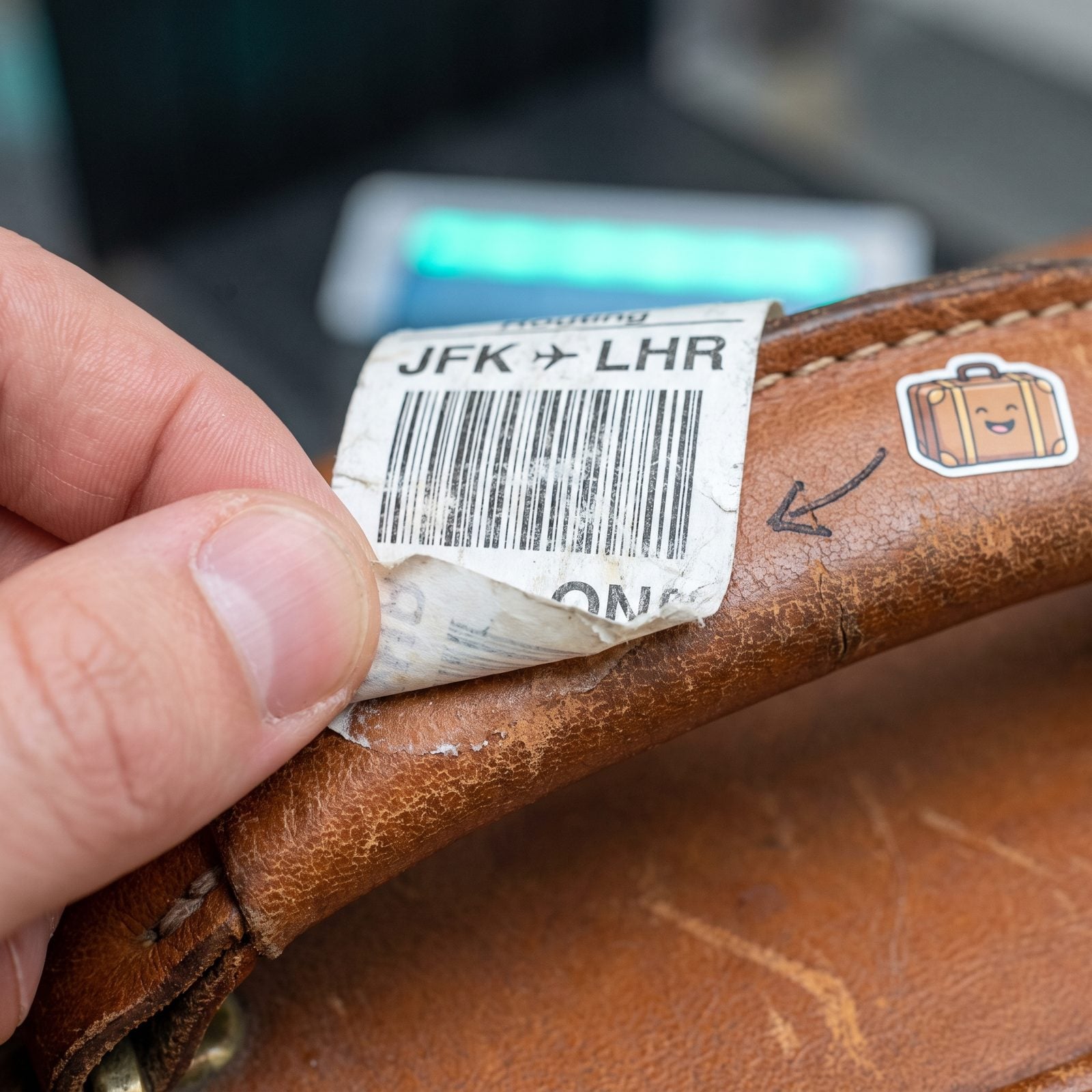
That old barcode sticker from your last trip is still clinging to the handle, and the automated sorting scanner has no idea it’s expired. All it can do is read a barcode and send your bag wherever the barcode says.
Guess where that goes. Peel off every old tag before you check in. It takes a minute, and it closes one of the few ways your luggage can get routed somewhere you’ve never been while you wait at a carousel wondering what on earth you did wrong.
11. Downloading Maps for Connections as Well as Destinations

Everyone downloads the offline map for where they’re going. Almost nobody downloads it for the place they’re changing trains or scrambling between terminals, which is exactly where the confusion lives.
Picture it: you land in a connection city with no local data, no signal in the tunnel, and twenty minutes to find the right platform. That’s when an offline map earns its keep, not the hotel you’ll reach eventually anyway. Download the layover city too. The small awkward middle of a trip is where people get the most lost.
10. Saving Boarding Passes Outside the Airline App
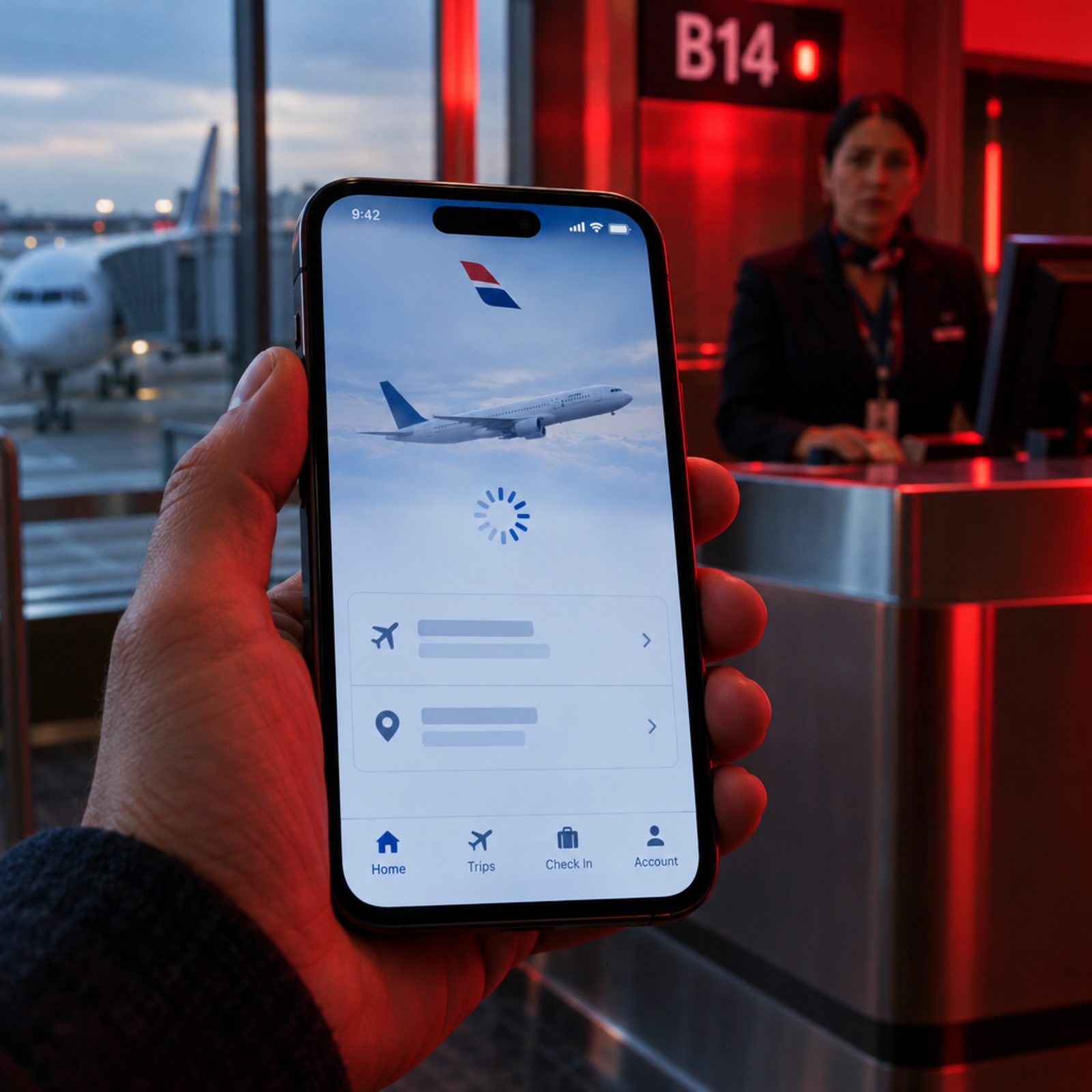
The airline app decides to update, or log you out, or lose signal, at precisely the gate where the agent needs your boarding pass. You’ve seen it happen. The whole line stalls while someone stares down a spinning wheel.
A screenshot in your photo gallery never needs a connection, never times out, never asks you to log in again, and the barcode scans the same. Email the pass to yourself as a second backup, or print the paper one if you’re old-school about it. Belt and suspenders beats a loading screen every single time.
9. Splitting Payment Cards Between Two Secure Places
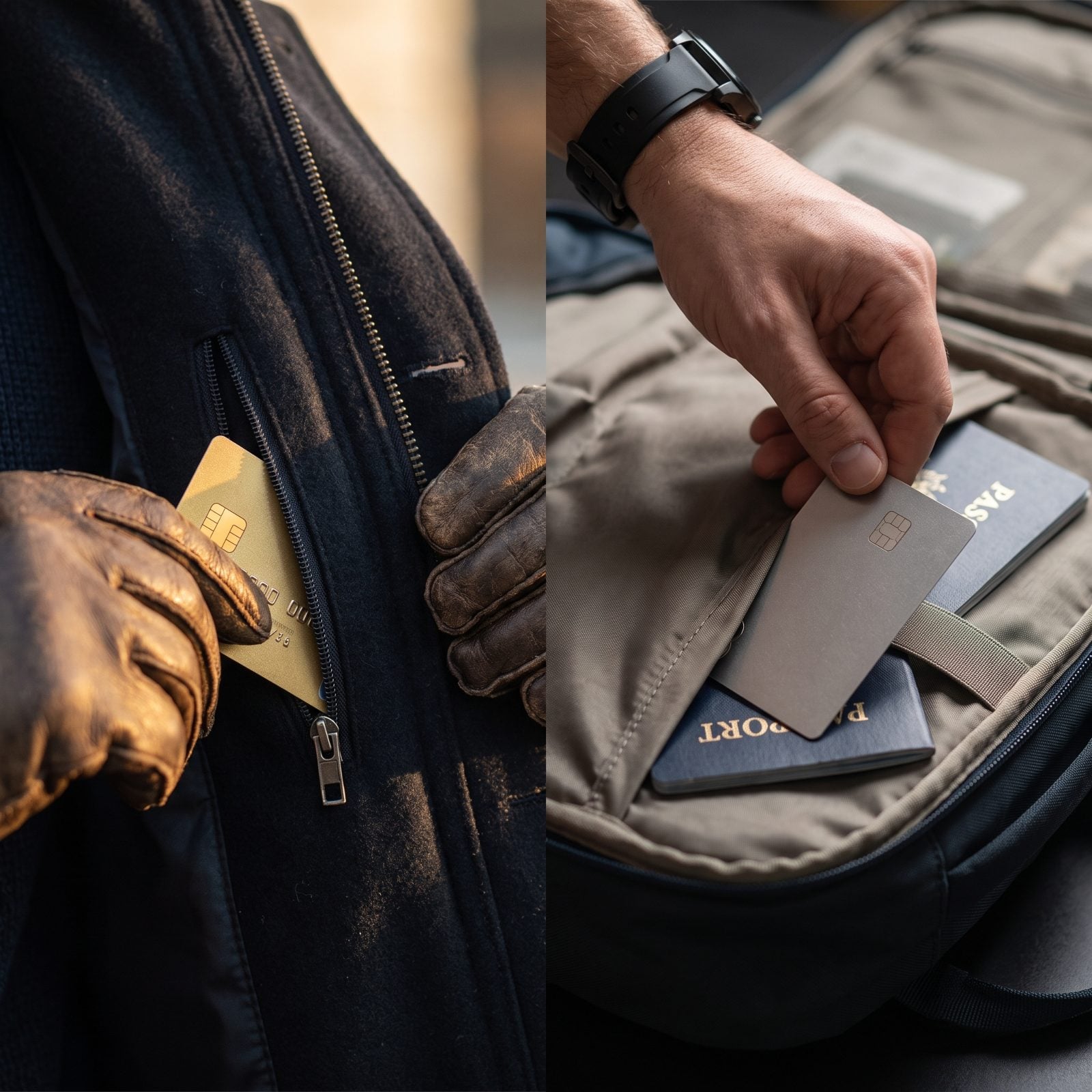
A stolen wallet abroad shouldn’t end a trip, but it does when everything you need to pay for the rest of it was riding in that one wallet.
Keep one card and a little cash on you. Keep a second card and backup cash somewhere entirely separate, the hotel safe, a zipped inner pocket of your luggage, anywhere a pickpocket won’t reach in one grab. Lose the wallet and you’re inconvenienced instead of stranded. This isn’t about paranoia. It’s about refusing to let one bad moment cascade into a ruined week.
8. Studying the Lodging Entrance on Street View Before You Arrive
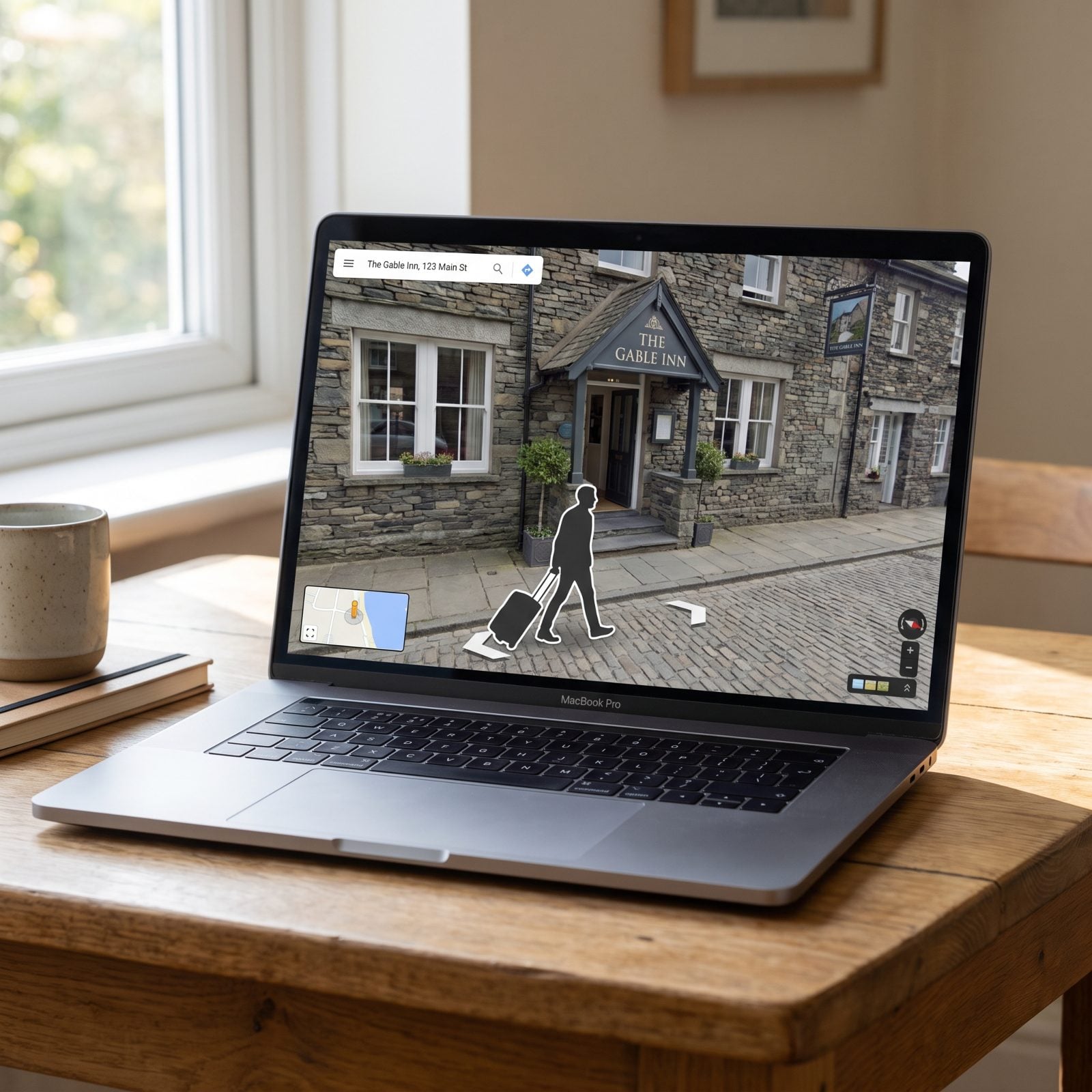
The front door of a listing is rarely where the real door is. You’ve circled a block twice at midnight, suitcase wheels screaming on cobblestone, hunting for an entrance that turned out to be down some alley nobody bothered to photograph.
Street View fixes this, and it’s free. Spin the little figure around the address and look for the actual way in — the gated courtyard, the buzzer panel, the shop you pass through to reach the stairs. Note which corner the taxi should stop on, and whether there are steps and how many.
7. Filming a Rental-Car Walkaround in One Continuous Take
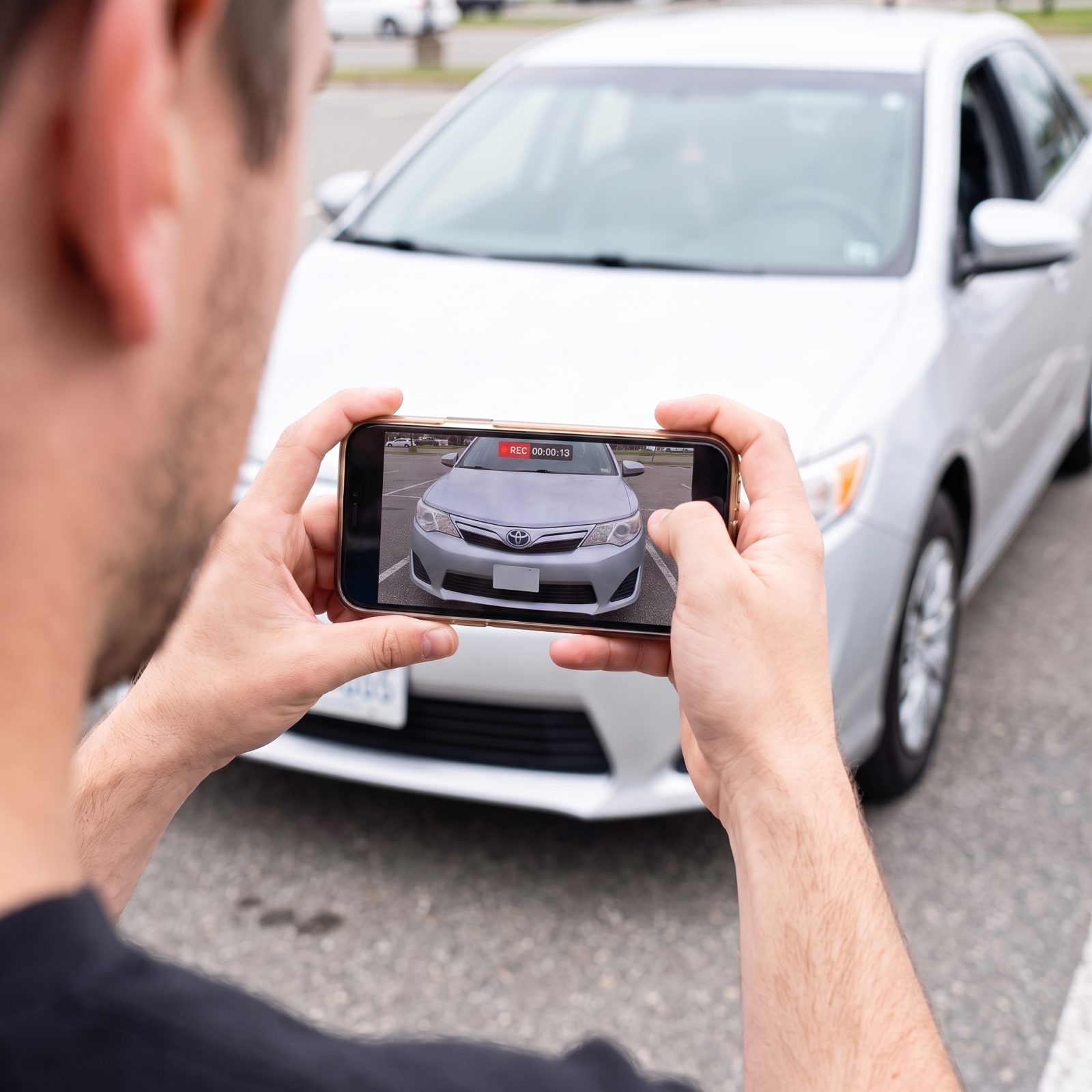
A photo proves one scratch. A single unbroken video proves the whole car — the mileage, the fuel gauge, the date stamp, and the fact that none of it got staged after the fact.
Walk the entire vehicle without stopping the recording. Narrate the obvious stuff out loud, film the odometer and fuel gauge up close, then the tires. Do it again at return, same path, same angle.
The disputed ding on day nine has a way of vanishing when there’s footage showing it was already there on day one.
6. Deleting Your Paired Phone Before Handing Back the Keys
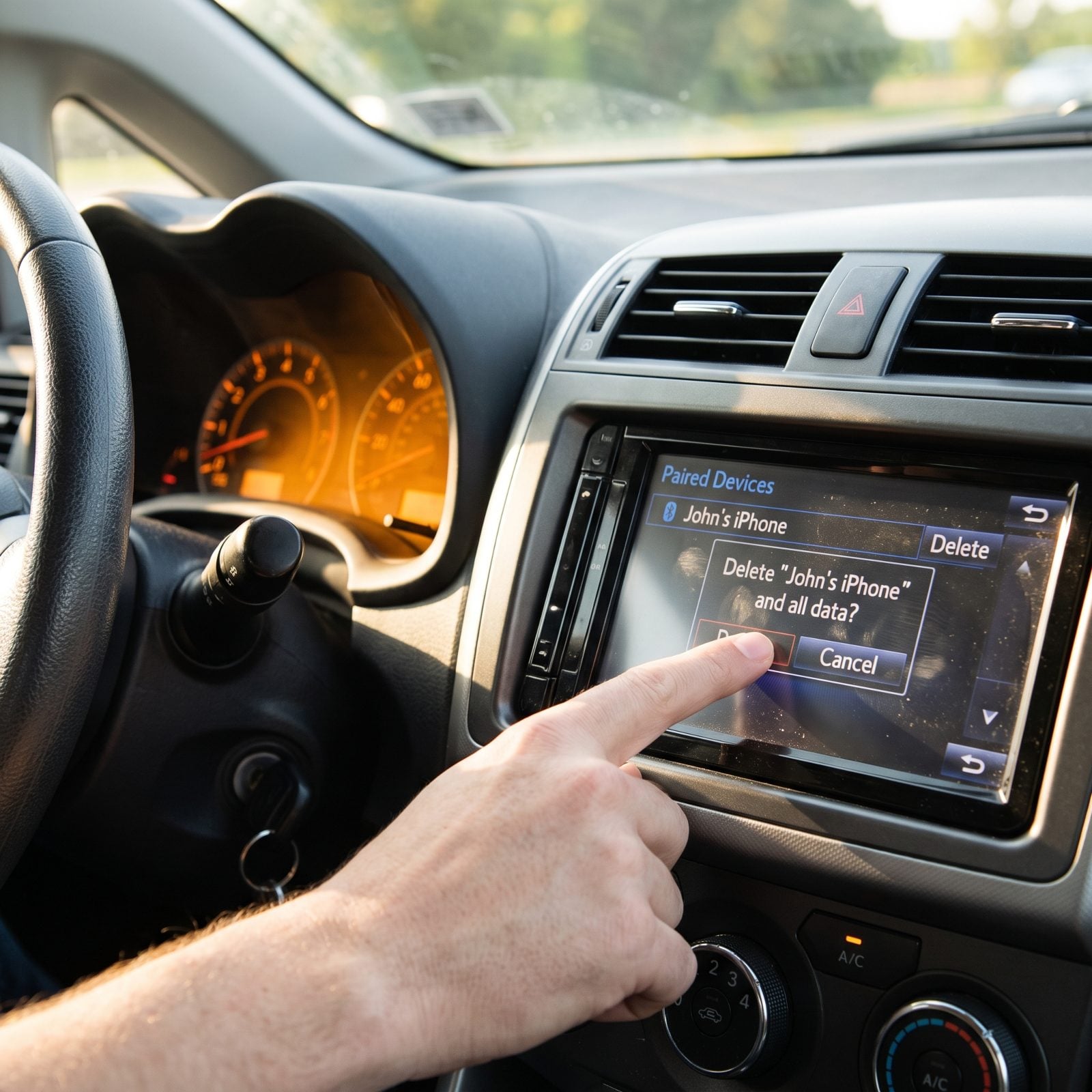
Your contacts, your call history, your home address, your recent destinations — all of it can sit in a rental car’s memory long after you’ve flown home, waiting for the next stranger who pairs a phone.
Most people never think about it. The car asks to connect, it connects, the trip ends, done. But that infotainment system kept everything.
Dig into the Bluetooth settings and forget the device before you drop the keys. Thirty seconds. Worth it.
5. Parking Nose-Out the Night Before a Pre-Dawn Departure
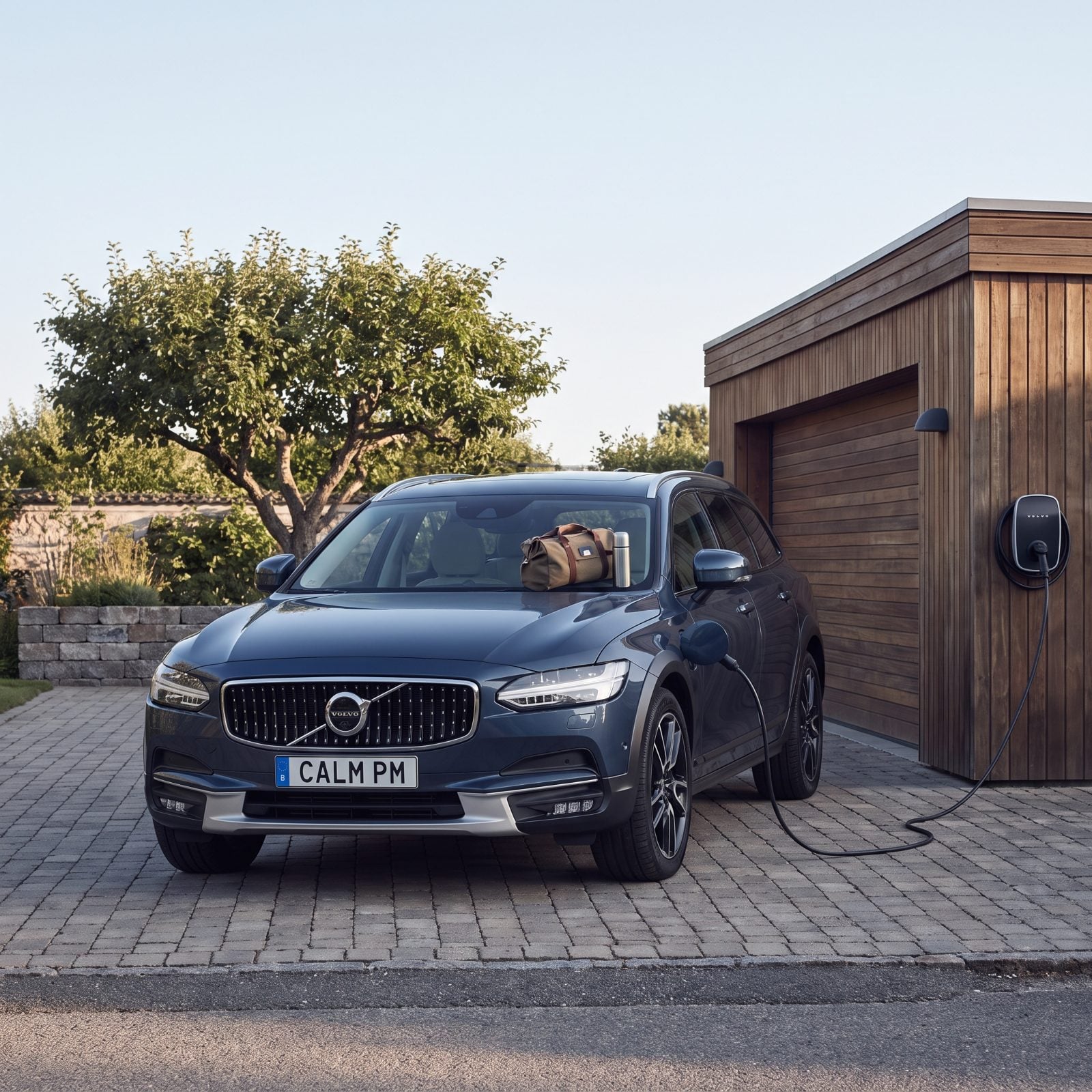
Back in the night before. Not when you’re late, not when you’re uncaffeinated and bleary, but the evening before, when reversing into a space is a calm maneuver instead of a panicked one.
A four-in-the-morning departure is the worst possible time to attempt anything backward — cold engine, foggy head, dark lot, maybe luggage already loaded and blocking your view. Nose-out means you climb in, roll forward, and go.
Fleet drivers and anyone who’s ever caught a red-eye swears by it. Small habit. It removes the one moment of the morning most likely to go sideways.
4. Choosing Flights by Arrival Time, Not Departure Time
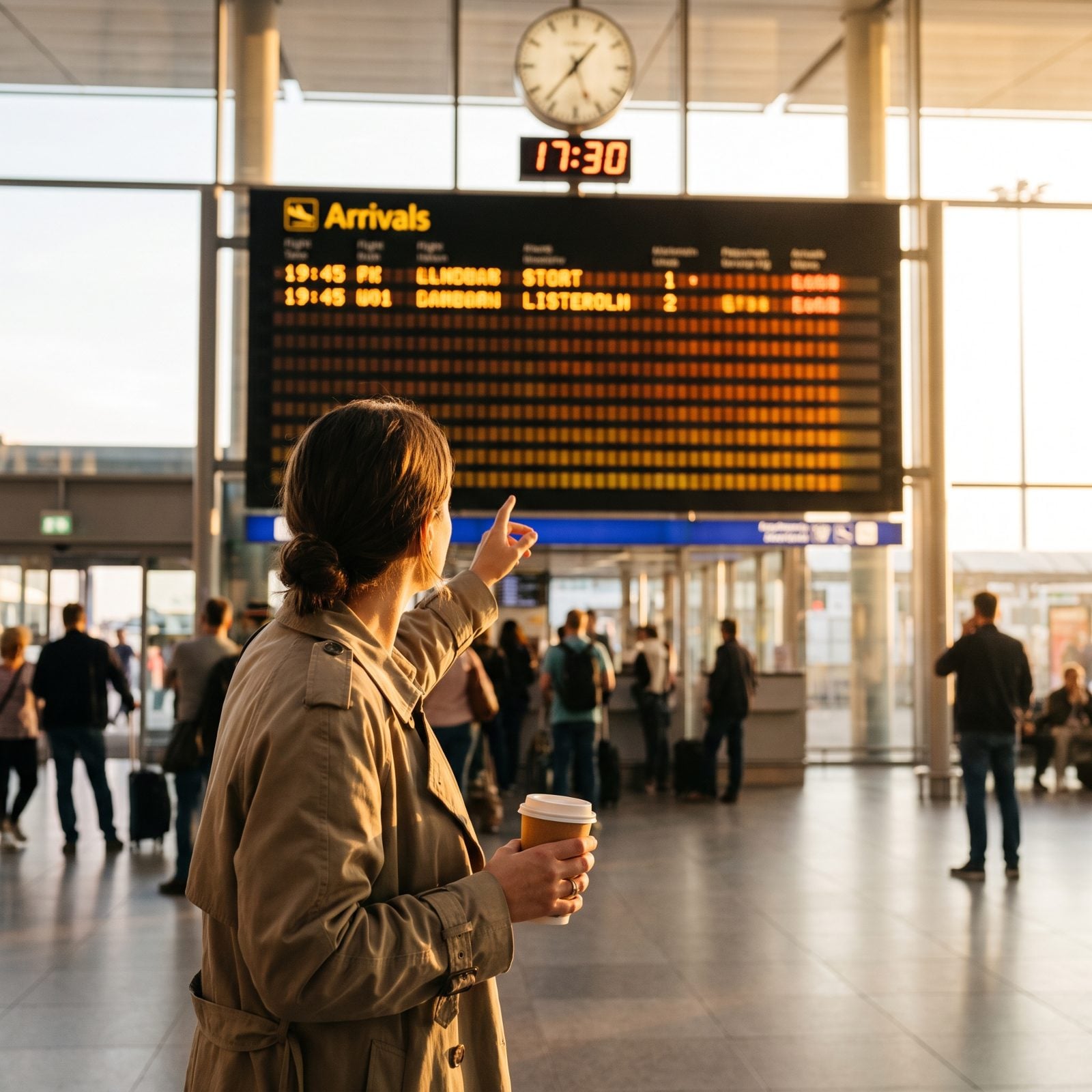
The departure time is a promise to the airport. The arrival time is a promise to your actual life.
Land at eleven at night and you inherit a closed transit system, surge-priced cabs, a front desk running on a skeleton crew, and a first morning spent recovering instead of exploring. Land at two in the afternoon and the city is open, the light is good, and you’ve got hours to find your footing before dark.
3. Rejecting the Shortest Legal Connection on Purpose
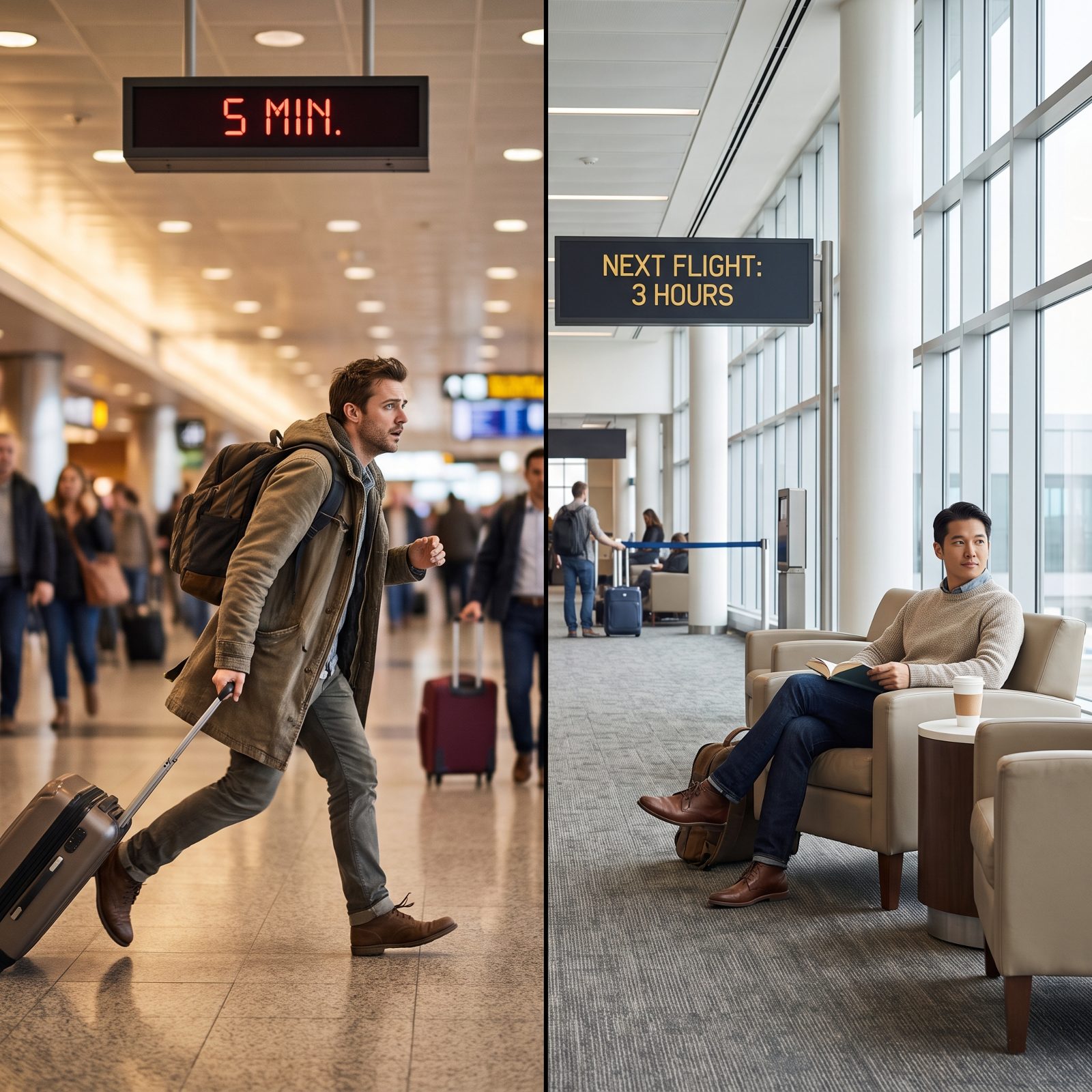
Airlines will happily sell you a forty-minute connection. It’s legal. It’s also a gamble where the house takes your luggage.
That window assumes an on-time arrival, a near gate, no immigration line, no gate change, and a terminal you already know — and reality rarely delivers all five. Miss it, and you’re not saving an hour; you’re spending the night on a vinyl bench while your bag flies on without you.
Build in the buffer. Ninety minutes domestic, more for international with a terminal change. A boring layover beats a missed one every single time.
2. Waiting Downstream From the Baggage Carousel Crowd
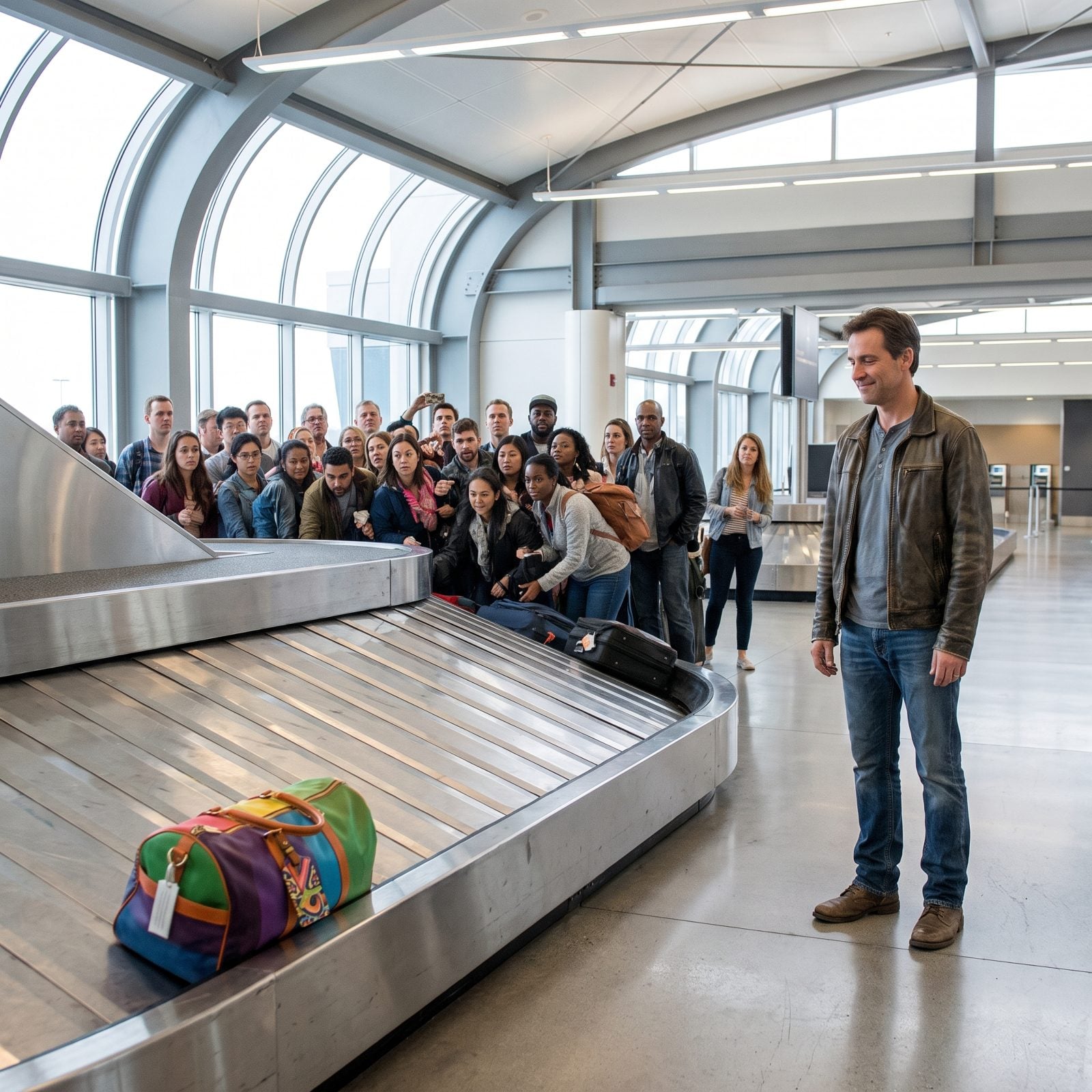
Everyone jams the spot where bags first tumble onto the belt, shoulder to shoulder, blocking each other, lunging for suitcases that aren’t theirs.
You’ve stood in that scrum. It’s miserable, and it’s slower too, because you can’t actually see the bags coming and you can’t reach them cleanly when they arrive.
Walk to the far curve instead. Bags travel the whole loop before anyone grabs them, so yours comes to you with room to lift it properly and no elbows in your ribs.
1. Saying Five Local Phrases Out Loud Before You Land

Not twenty phrases. Five. Hello, please, thank you, sorry, and where is the bathroom — said aloud, not just read, because your mouth needs the rehearsal more than your eyes do.
The words themselves barely matter. What matters is the signal you’re sending: that you tried, that you’re a guest and not an entitled tourist. Doors open wider for people who make that small effort.
The traveler who attempts “thank you” badly gets treated better than the one who shouts it in English and waits.
Practice on the flight. By landing, the sounds feel like yours.
🔥 Would you like to save this?
Please note that some of the imagery in this article were created with the aid of AI image generators.