
🔥 Would you like to save this?
A night train promises you’ll wake up somewhere new with the miles behind you. Then the berth turns out to be a seat that reclines three degrees, the ladder punishes your knees, and the toilet sits one thin wall from your pillow. Most of these headaches get decided weeks before you board, back when you clicked the wrong fare or trusted that every railway speaks the same language. The fixes are small. Every one of them is available to you right now.
43. Booking a Reclining Seat When What You Need Is a Flat Berth
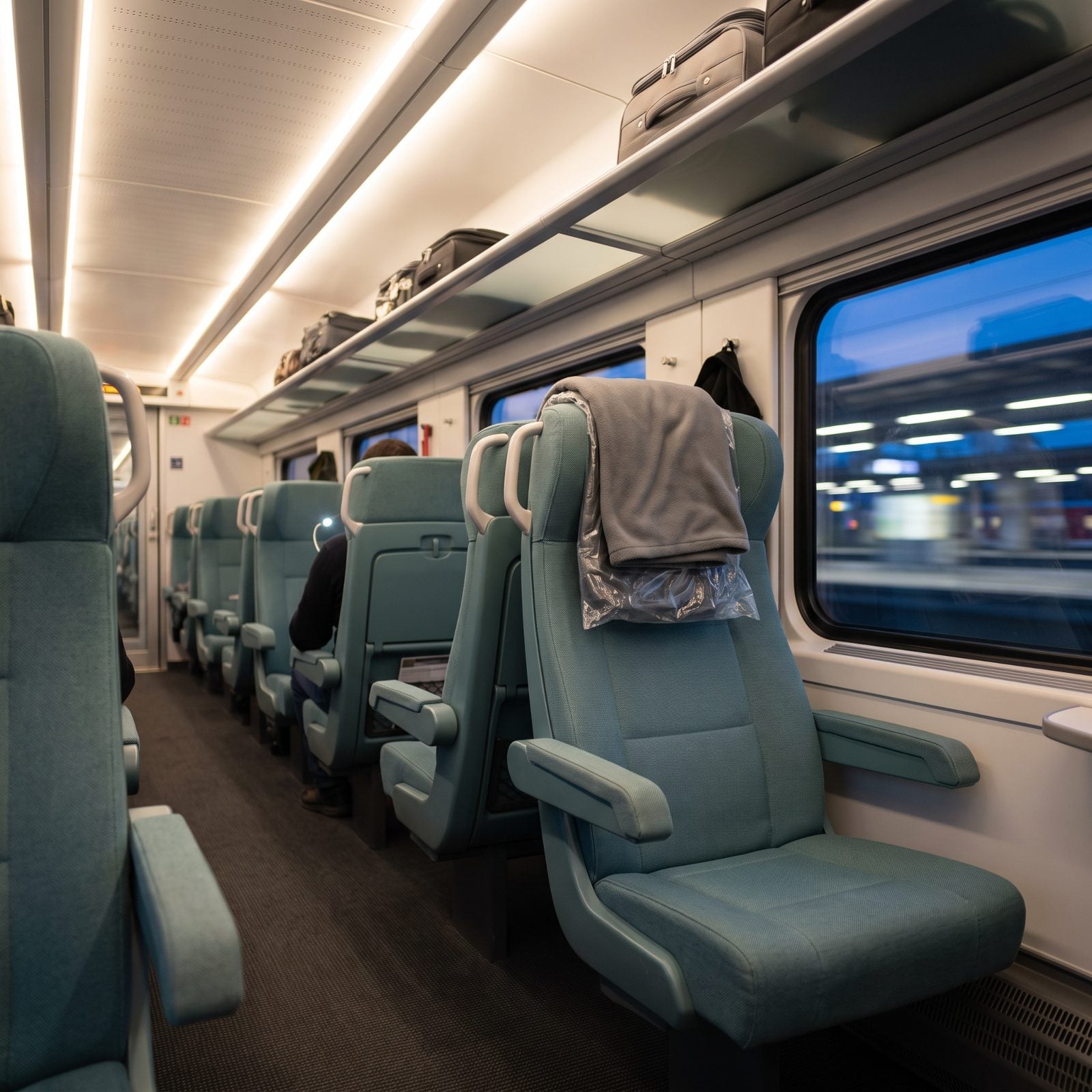
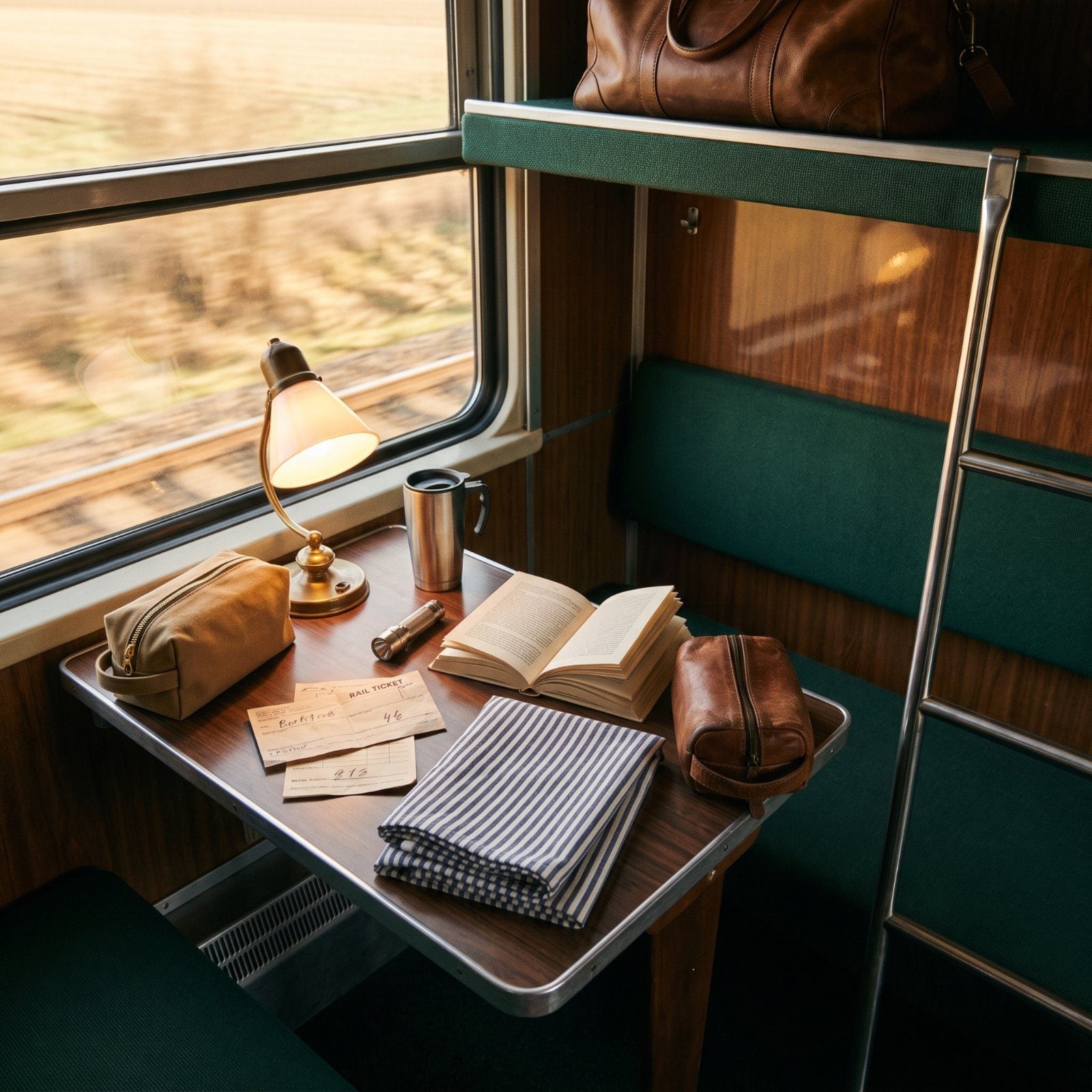
The cheapest fare on a sleeper route is almost never a bed. It’s a seat that reclines about as far as an airplane seat and then stops cold, promising a full night of travel while quietly guaranteeing a miserable one. You save maybe forty dollars and wake up with your neck at an angle it’ll hold against you for two days.
If you genuinely need to lie down, book a berth by its specific name: couchette, roomette, sleeper. “Seat” or “reclining” means exactly that and nothing more. Sort the booking page by accommodation type before price, then read what the fare actually includes before you let a low number make the call.
42. Assuming Every Railway Uses the Same Words for the Same Bed
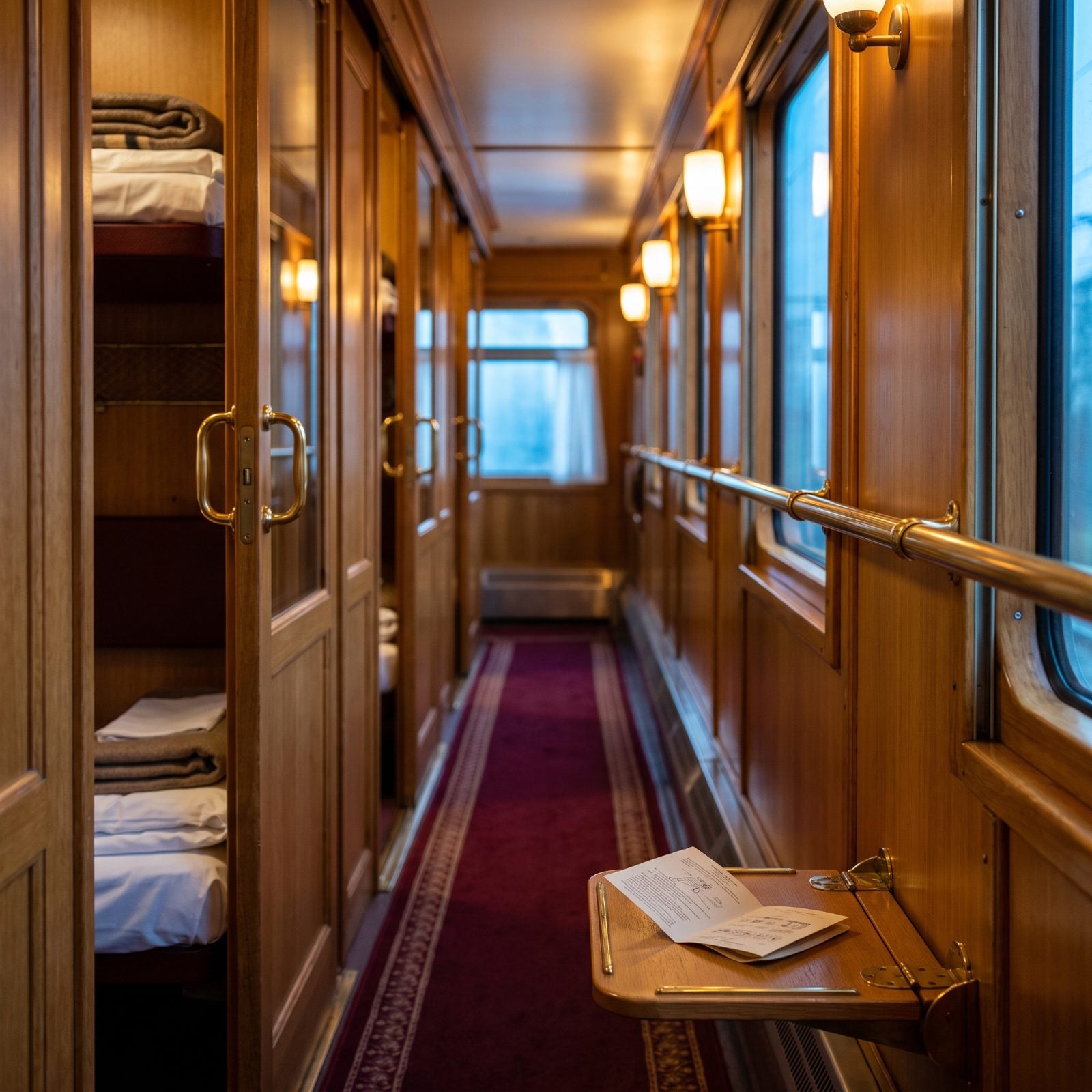
A “bedroom” on Amtrak, a “couchette” on a French night train, and a “soft sleeper” in China are three different animals, and treating them as one is how people wind up sharing a bunk with four strangers when they pictured a private room. Rail terminology doesn’t translate. Each system invented its own vocabulary and never bothered comparing notes with anyone else.
So look up the exact accommodation chart for that specific operator before you book. A couchette is a shared compartment with simple bunks. A sleeper usually means a private or semi-private cabin with made beds. Match the word to a photo and a floor plan, not to whatever that word happens to mean back home.
41. Picking the Berth Right Beside the Toilet or Straight Over the Wheels
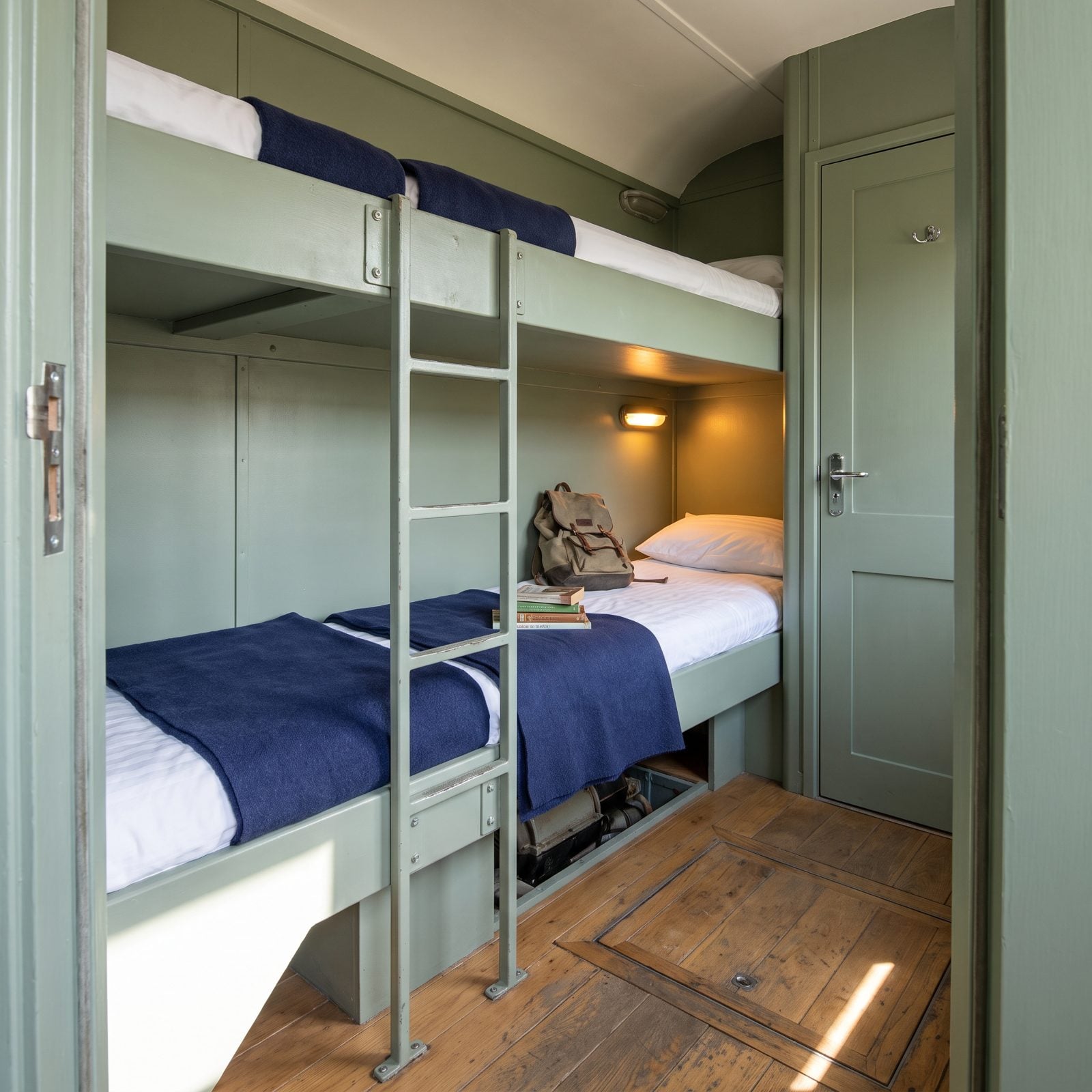
Not all berths in the same car cost the same amount of sleep. The one beside the washroom catches every door slam and every shuffling footstep all night long, while the one directly over the wheel bogie gets the clatter, the sway, and the screech on every curve. Same price. Everything else, different.
When the booking system shows a seat map, aim for the middle of the car and away from the washroom end. Many systems let you pick your exact berth number. Can’t? Call the operator and ask which positions sit over the trucks. A seasoned agent will tell you straight.
40. Not Knowing Whether You Booked a Roomette or a Full Bedroom
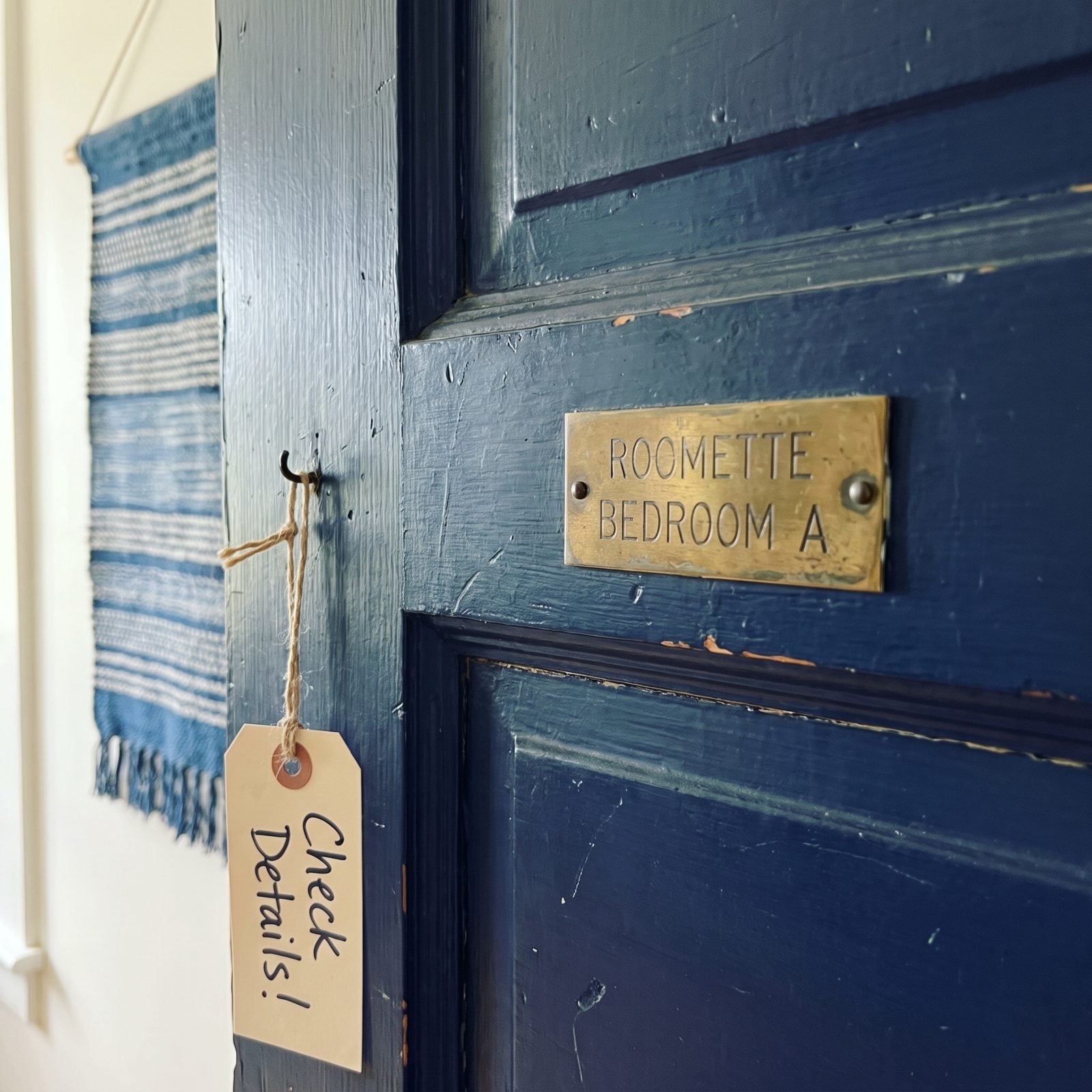
A roomette and a bedroom both sound private, and both are. The gap between them is roughly the gap between a phone booth and a small cabin. A roomette fits two people face to face, converts to narrow bunks, and sends you down the hall for the toilet. A bedroom runs wider, often with its own sink and toilet, and the price climbs to match.
I’ve watched people board thrilled with their “private room” and deflate the moment they realized two adults couldn’t both stand at once. Look at the square footage and the floor plan. The romantic name tells you nothing. Decide whether you’re paying for sleep or for room to move around.
A roomette is privacy. A bedroom is room. Know which one you’re actually buying.
39. Taking the Upper Berth When the Ladder Is the Real Obstacle
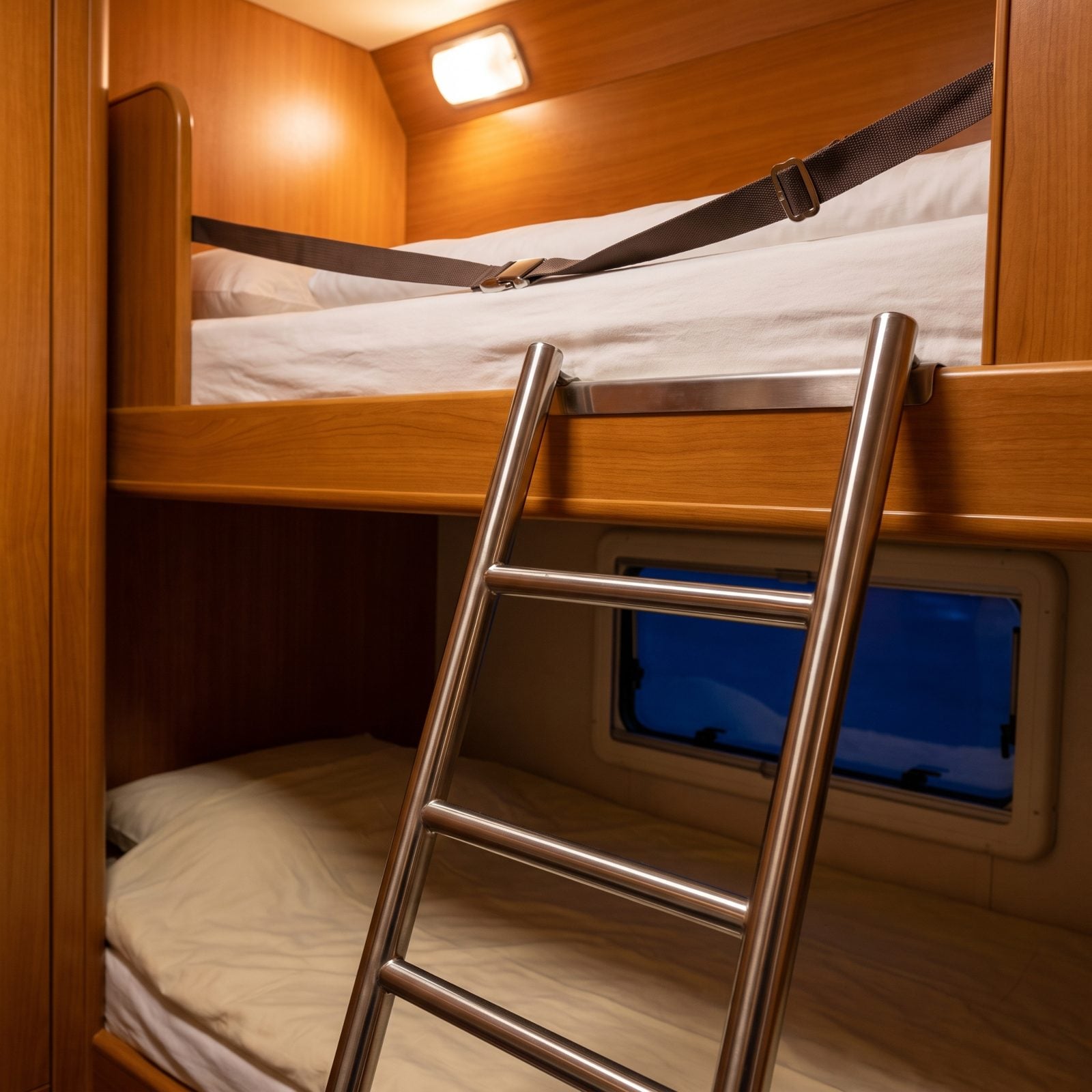
Upper berths run cheaper for a reason, and the reason is the ladder. Picture it: dark, half asleep, a moving train, and a narrow metal ladder standing between you and the toilet. That’s how a good trip becomes a bad fall. If knees, hips, or balance are even a slight question, the upper berth is a gamble with a hard floor waiting at the bottom.
Book the lower berth. Say so plainly when you reserve. On most systems lower berths cost a little more and earn back every cent. Traveling with someone steadier? Let them take the climb.
38. Boarding Without Checking Whether Bedding Comes With the Fare
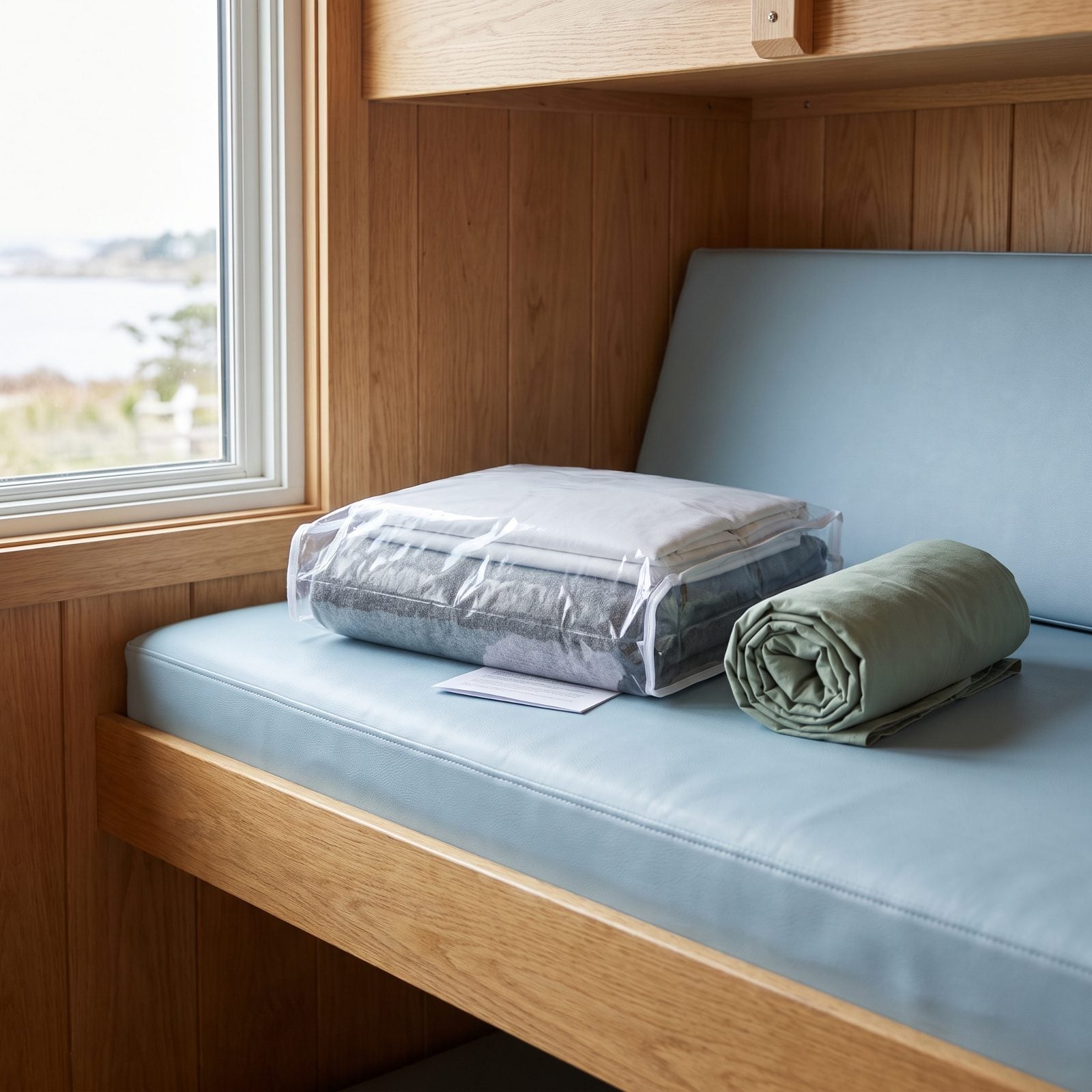
Some sleeper fares include made beds, a steward who turns them down, and fresh towels. Others hand you a sealed plastic bag with a sheet and a blanket and wish you luck. Then there are the bare-bones couchettes that include nothing at all, which leaves you sleeping on a vinyl bench in the clothes you boarded in.
Check the fare details before you count on crisp linen. If bedding isn’t confirmed, pack a lightweight travel sheet and a packable pillow. They weigh almost nothing and turn a bare bench into something you can actually rest on.
37. Expecting a Private Shower in Every Sleeper Cabin
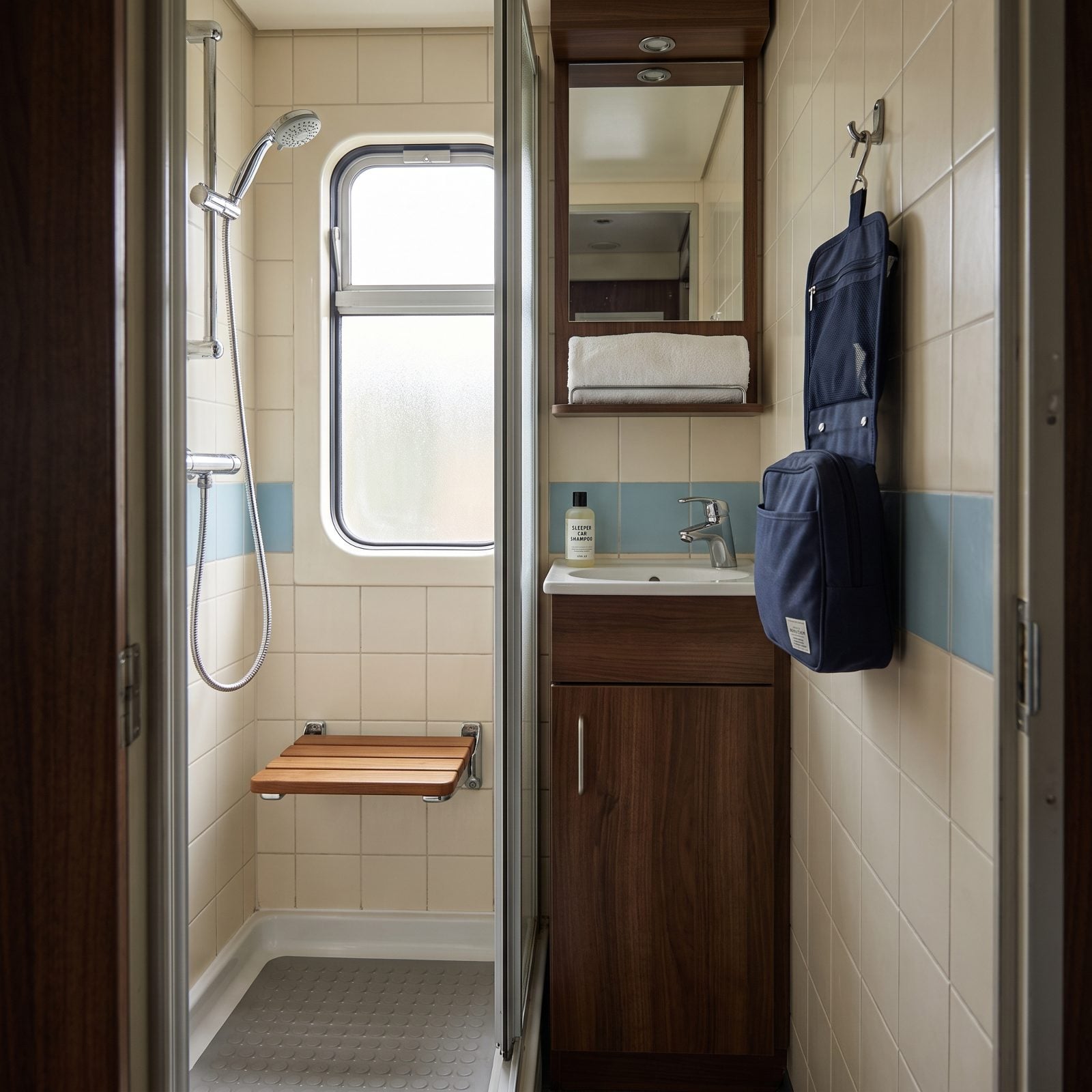
That brochure photo of a sleek en-suite shower? It belongs to the top sleeper class on a handful of premium routes. Most sleepers share a shower at the far end of the car, if there’s one at all. Plenty of overnight services offer nothing but a tiny washroom with a sink, and you arrive fresh-ish rather than fresh.
Find out what’s actually on your car before you pin your morning to a hot shower. If it’s a shared stall, go early, before the queue forms. Pack flip-flops, a quick-dry towel, and travel wash. No shower at all? Plan to clean up once you’ve arrived.
36. Assuming a Solo Ticket Buys You a Compartment to Yourself
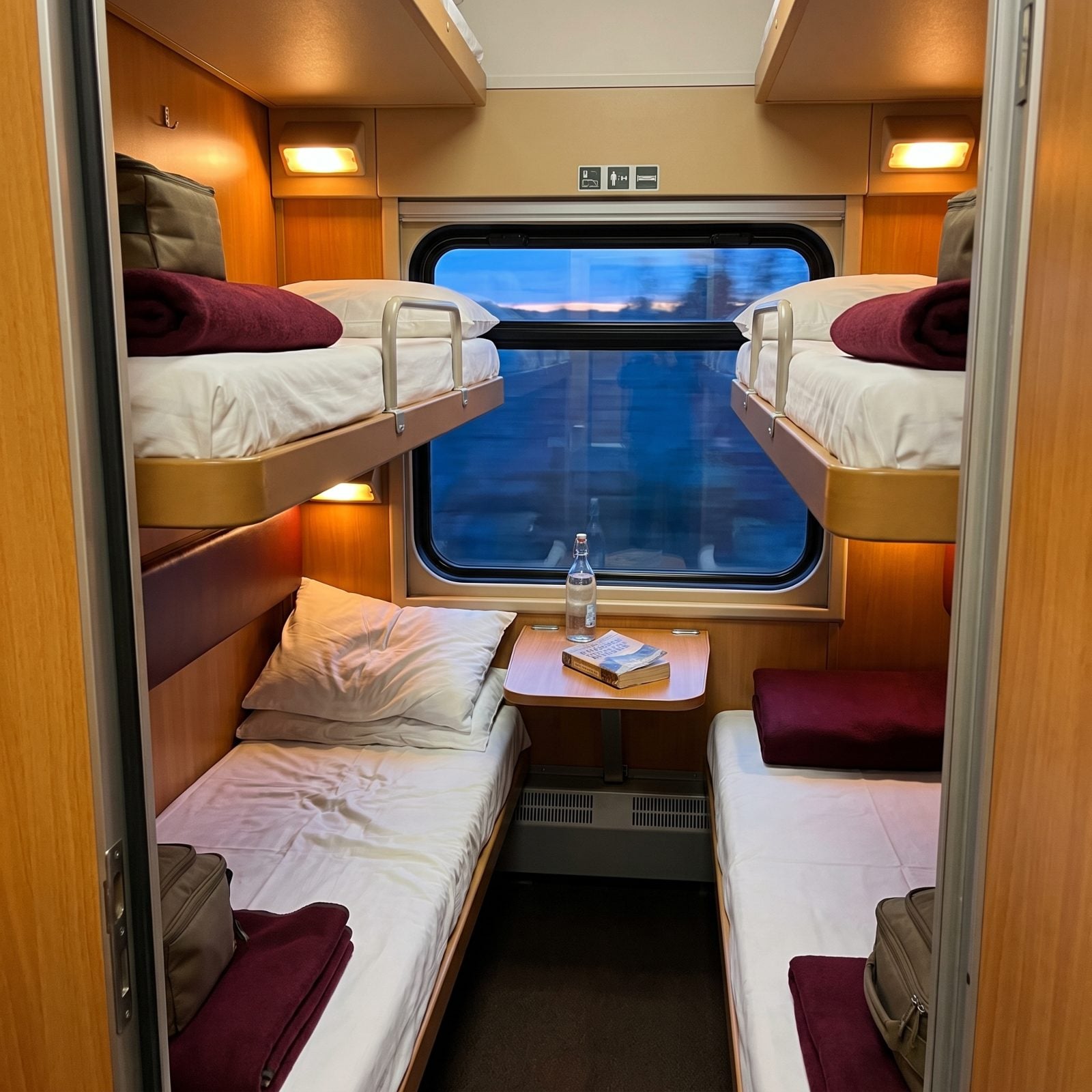
A single ticket on many routes buys a single bed, not a single room. Book one couchette berth and you’ll likely share the compartment with three to five travelers you’ve never met, thrown together by whoever else happened to book. That’s not a flaw. It’s how couchettes have always worked. But it blindsides people who pictured a door that closed on just them.
Want the compartment to yourself? Book it as sole-occupancy or a private cabin and pay for the whole space. The booking language usually spells this out, and when it doesn’t, ask. “Will I be sharing?” is a fair question, and the answer changes everything about your night.
35. Climbing Into Bed Without Testing the Door Latch First
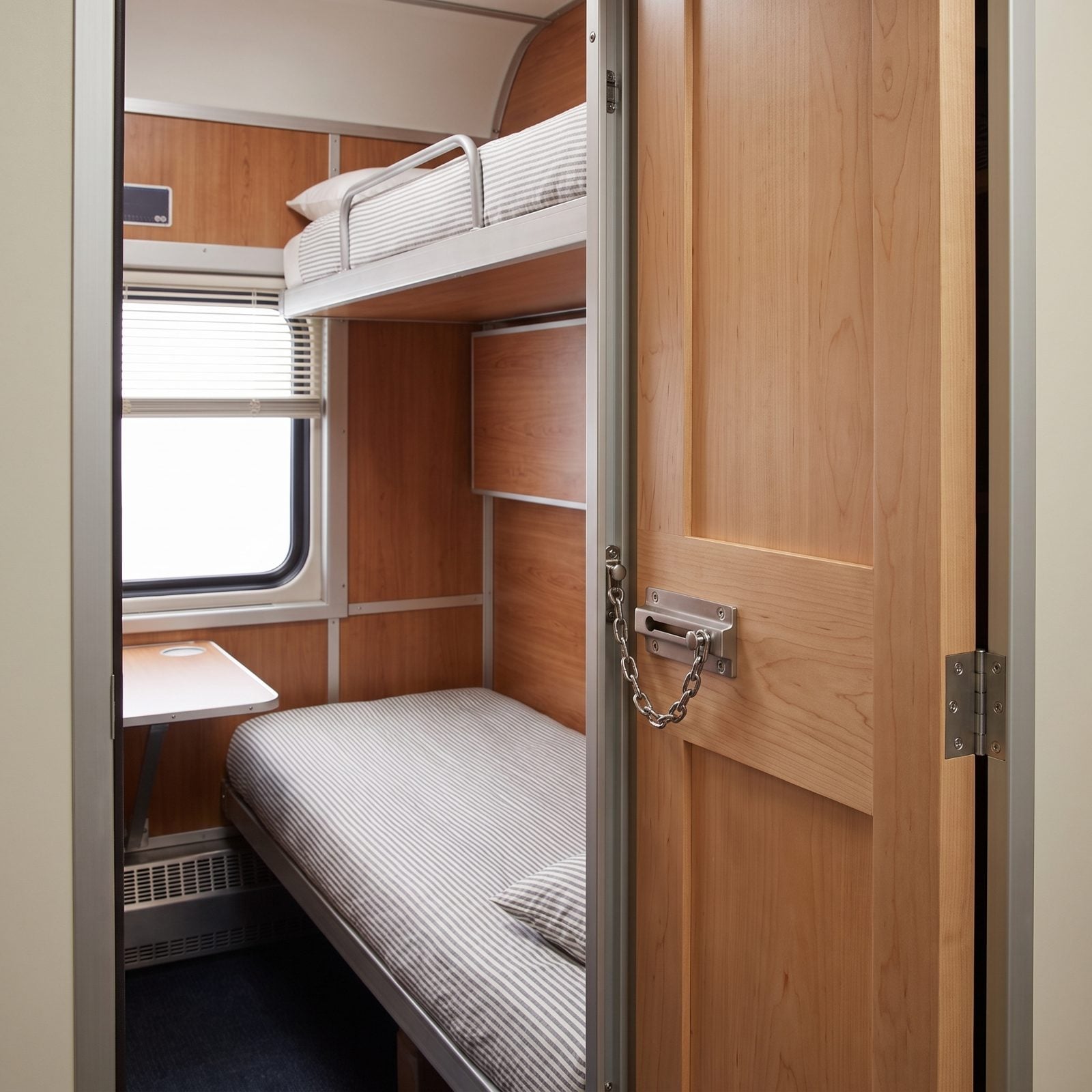
Every cabin latch is different, and you don’t want to be learning yours at two in the morning while someone jiggles the handle. Some use a simple slide bolt. Some have a chain. Some hide a deadbolt that only works from the inside once you figure out which way it turns. A door you think is locked but isn’t is worse than knowing it’s open.
Before you lie down, lock it, test it, then try to open it from the engaged position. Do all this in the light while you’re still awake. Keep your valuables within arm’s reach of the pillow, not stuffed in the overhead rack by the door. Then you can actually sleep.
34. Overlooking Women-Only Sleeper Compartments Where They’re Offered
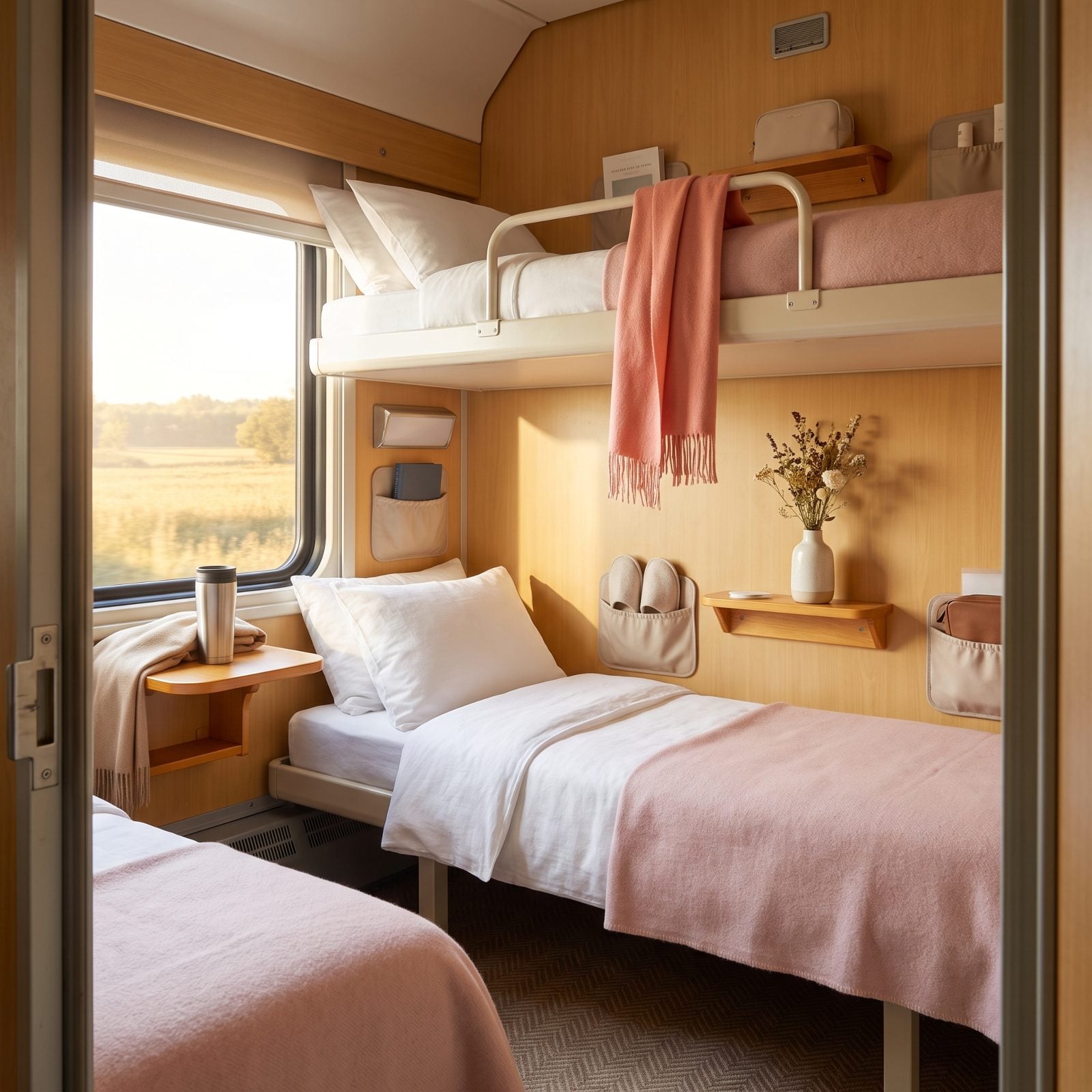
Many railways across Europe, India, and parts of Asia offer women-only sleeper compartments, and plenty of travelers never think to ask. If you’re a woman traveling solo and the idea of sharing a berth with unknown men keeps you awake, this option exists for exactly that reason, often at no extra cost.
Look for it at the booking stage, where it sometimes hides as a small checkbox or a specific coach code, and ask the agent directly if you can’t find it. Book early. These compartments fill fast on busy routes. It’s not about fear. It’s about choosing a better night’s sleep when the choice is sitting right there for the taking.
33. Waiting Too Long to Reserve a Popular Overnight Route
🔥 Would you like to save this?
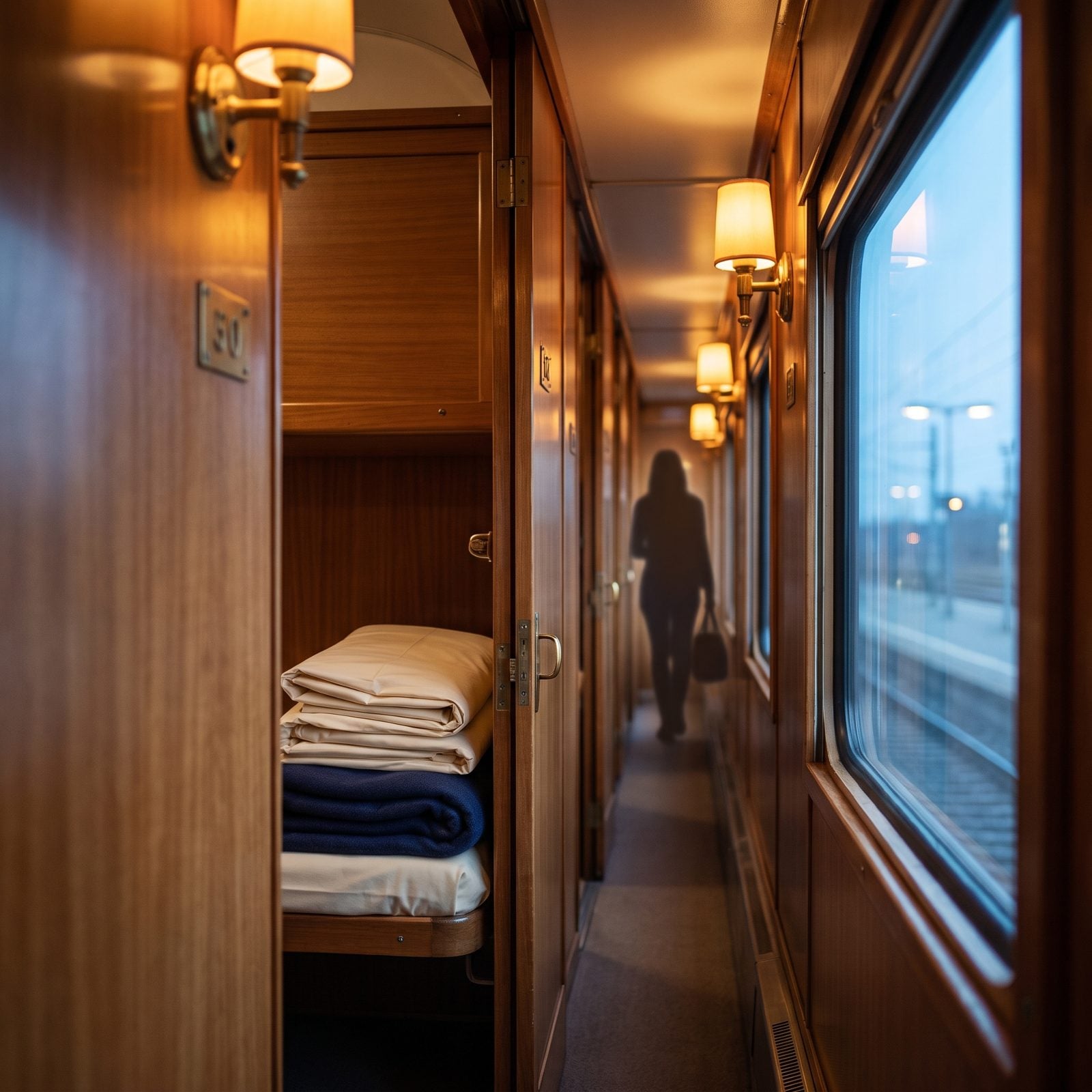
The good overnight routes sell their sleeping berths first and their seats last. Take the night train from Vienna to Venice in high summer, or the Caledonian Sleeper up to Fort William — the private cabins vanish weeks ahead while the empty reclining seats stare back at you, mocking.
Here’s the consequence nobody mentions. You don’t get bumped to a later train; you get stuck sitting upright all night, or you don’t travel at all. Sleeper inventory is tiny and it does not grow.
Book the berth the moment the route opens its reservation window, usually a couple of months out. Set a calendar reminder and treat the booking date, not the travel date, as the thing you actually plan around.
32. Ignoring Rail-Pass Supplements and Reservation Fees
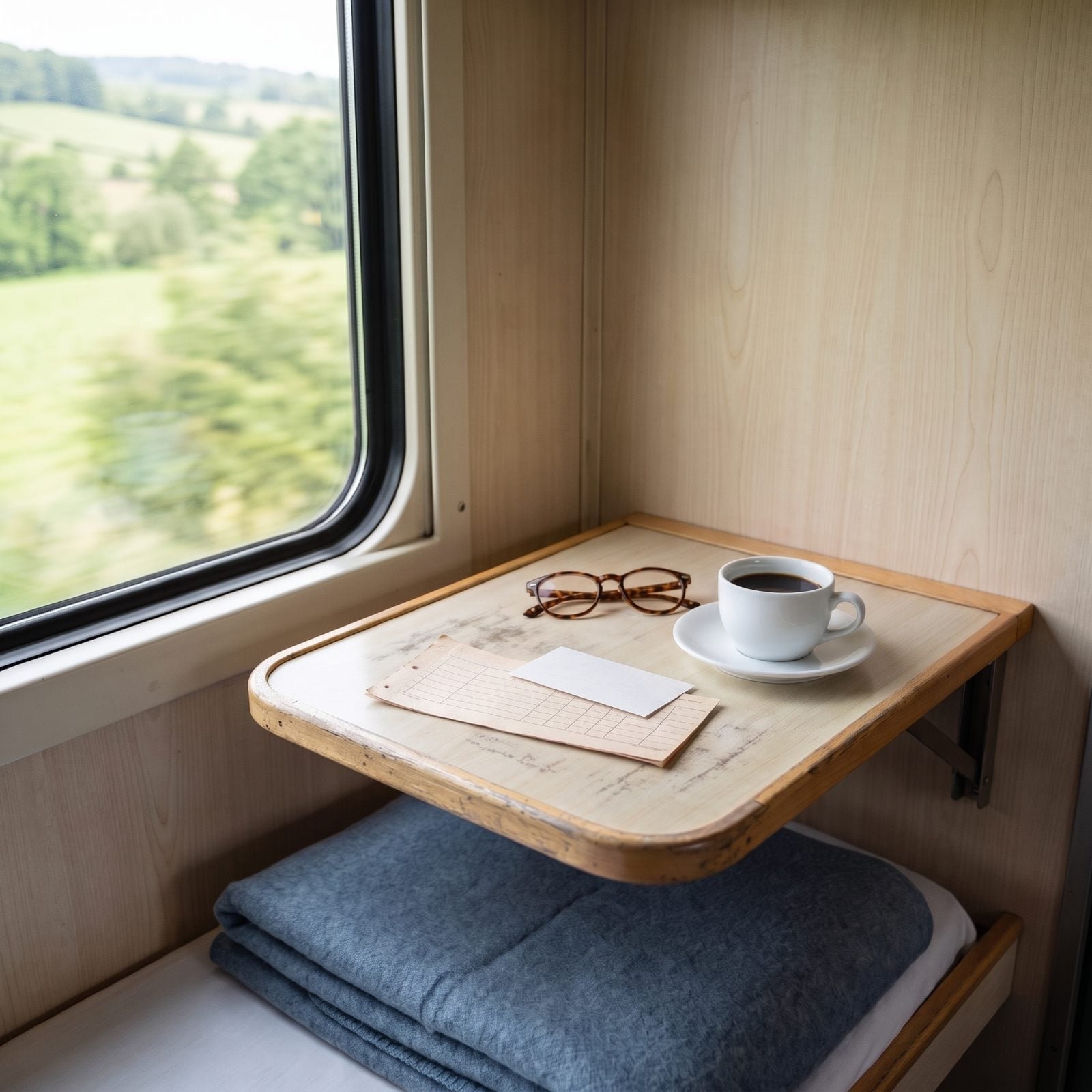
A rail pass is a ticket to ride, not a ticket to lie down. People wave their Eurail or Interrail pass at the conductor expecting a free bed and get a polite lecture instead.
Night trains almost always charge a supplement on top of the pass. The pass covers the journey. The berth is extra, and reserving it is mandatory — no way around it.
Before you build a trip around a pass, price the night-train supplements for every leg you actually want, then add them to the pass cost. Sometimes a standalone advance ticket beats the whole arrangement.
31. Failing to Confirm Whether Meals Come With the Fare
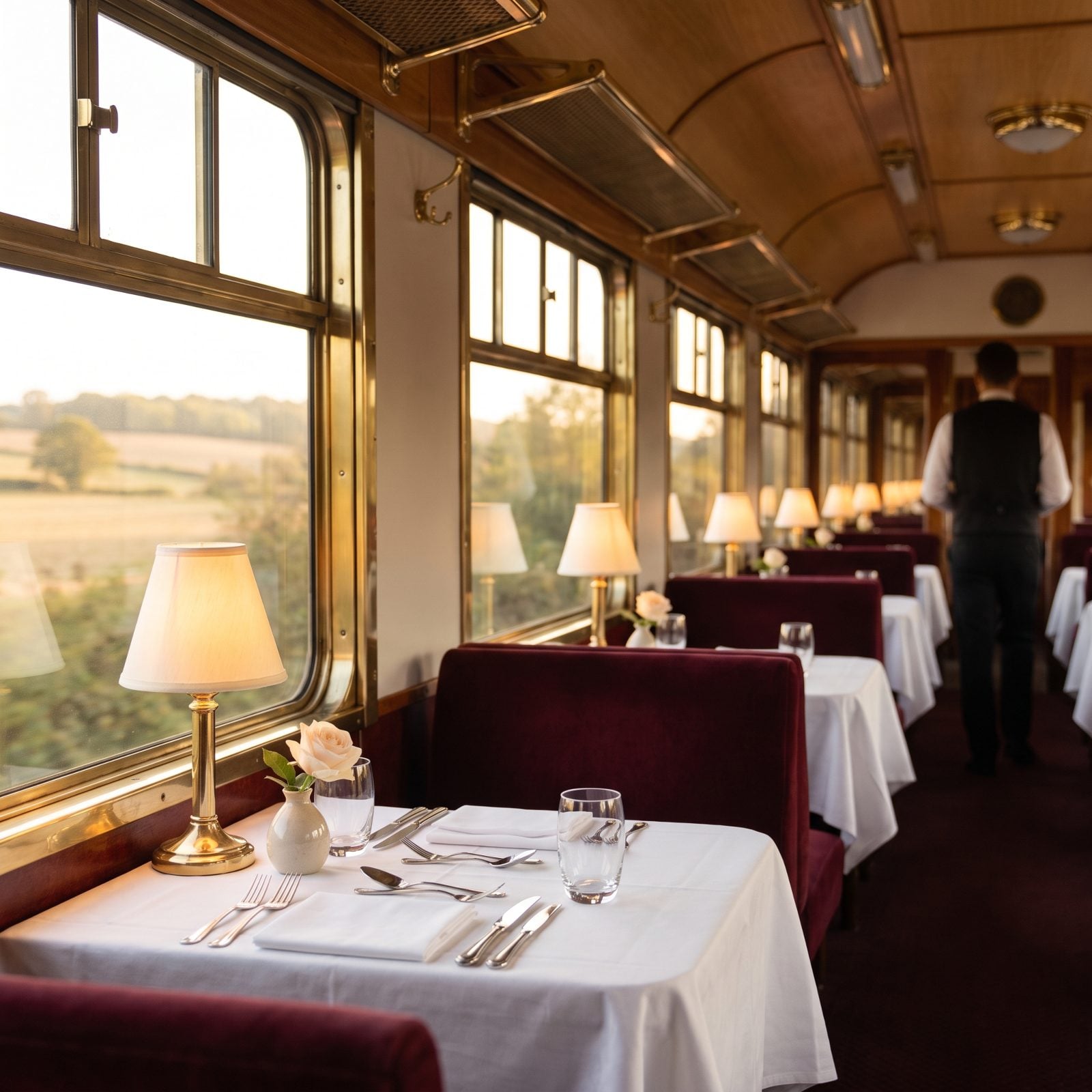
Some fares include a proper dinner and breakfast served at your table. Some include a stale croissant. And some include nothing at all, not even a bottle of water.
Assume nothing or you end up hungry at midnight with nothing but a vending machine for company. Not quite the romantic journey the brochure promised.
Read the fare’s fine print before you book. If meals aren’t included, buy something substantial from a shop at the station before you board — bread, cheese, fruit, a bottle of water. A real supper, not vending-machine penance.
30. Arriving Without Knowing the Train’s Final Destination
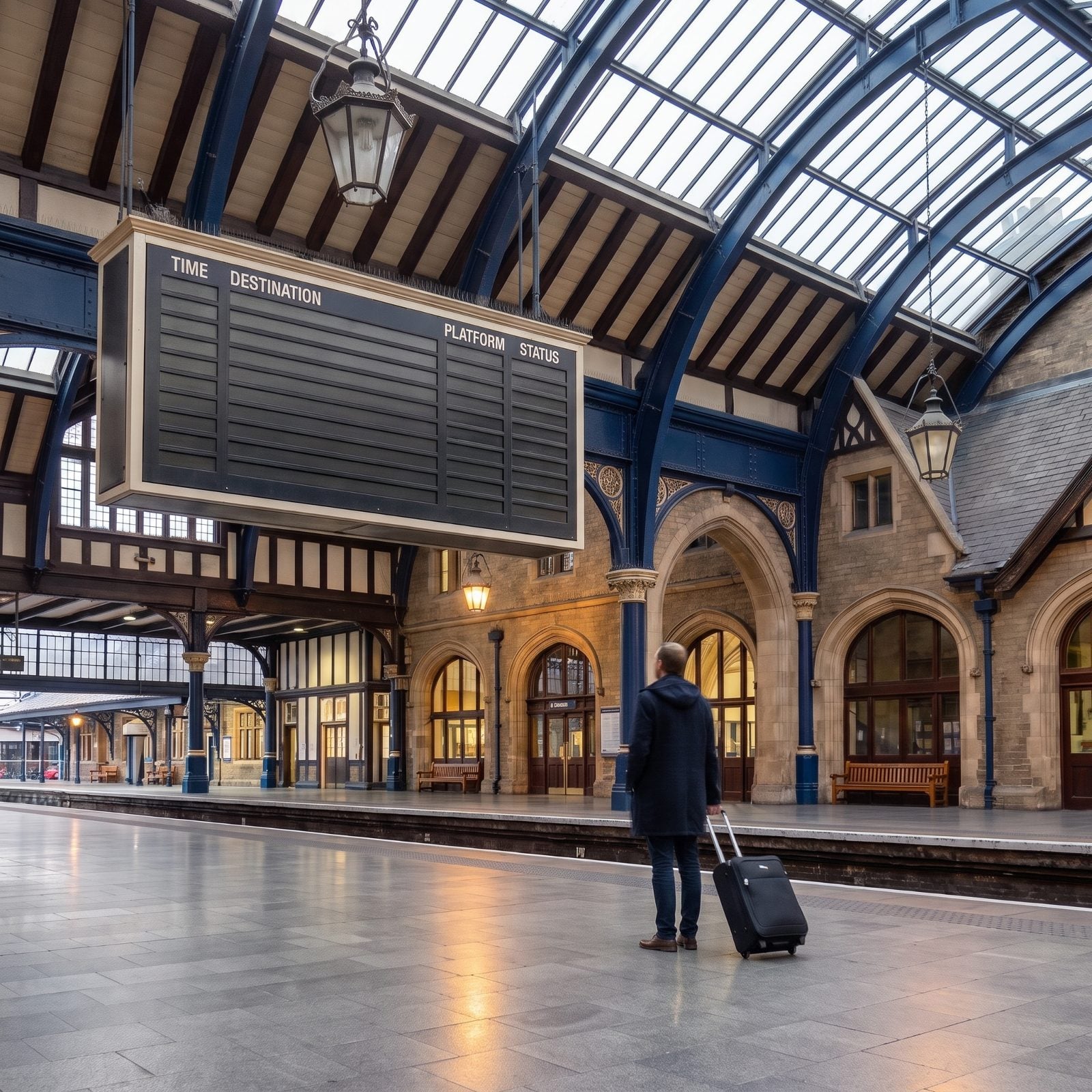
Night trains rarely announce your stop. They announce where they terminate. You’re going to Munich, but the signs only say Rome, or Zagreb, or wherever the thing finally dies at dawn.
Miss that detail and you’ll stand frozen in front of a departure board that doesn’t list your city anywhere, your train isn’t running. Meanwhile it may already be boarding somewhere in the station.
Look up the full route the day before. Learn the train number and its final destination. Those two facts are how the whole European network actually labels your train, and they’ll never let you down.
29. Waiting on the Platform Without Finding the Coach Position
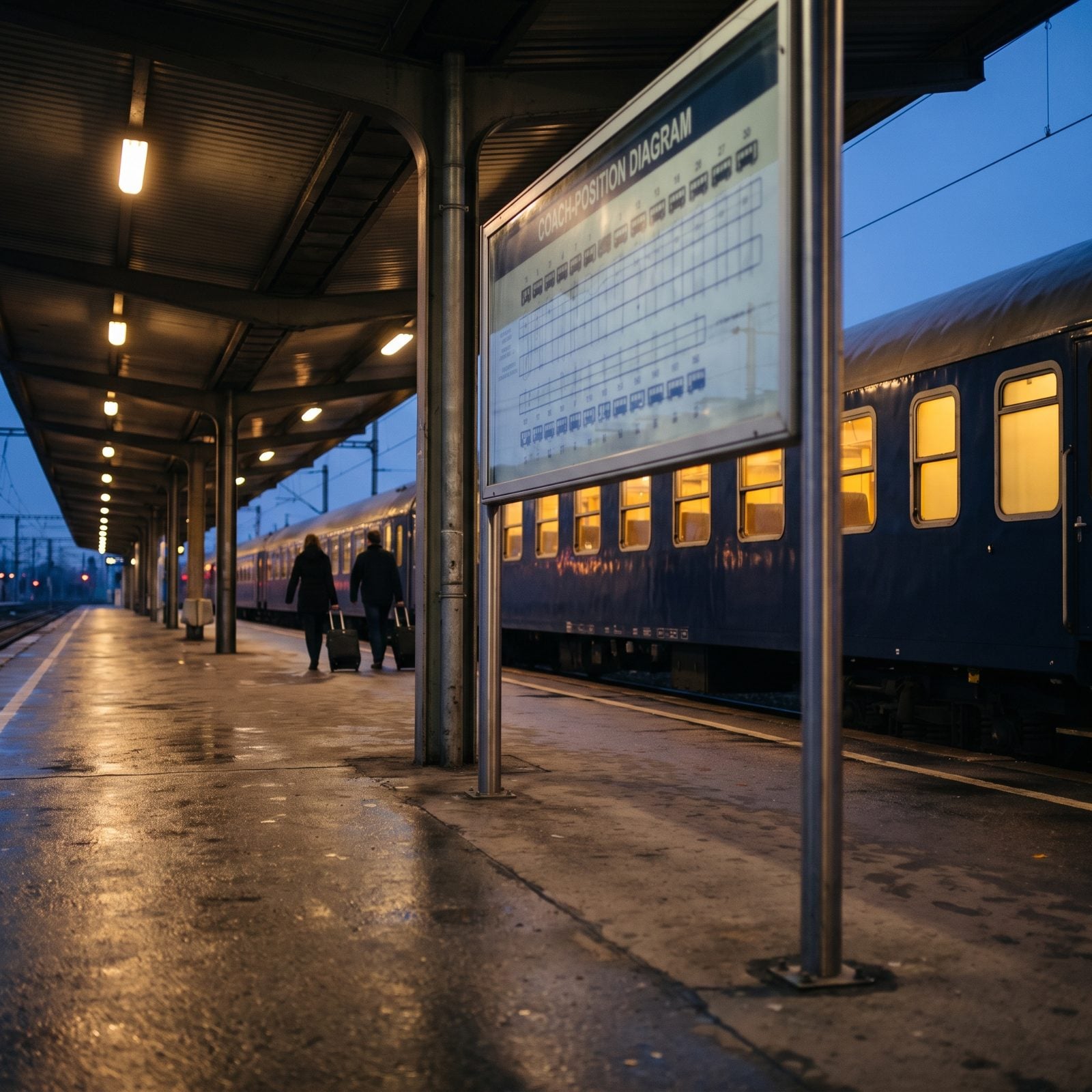
Sleeper trains are long. Fourteen carriages, sometimes more, and they stop for four short minutes before gliding off into the dark. If your coach is at the far end and you’re standing at the near end, you are about to sprint.
Most platforms have a position board or lettered zones telling you roughly where each carriage will stop. Find it before the train arrives, then walk to your zone while you still have time and dignity.
28. Boarding Without Confirming the Carriage Number
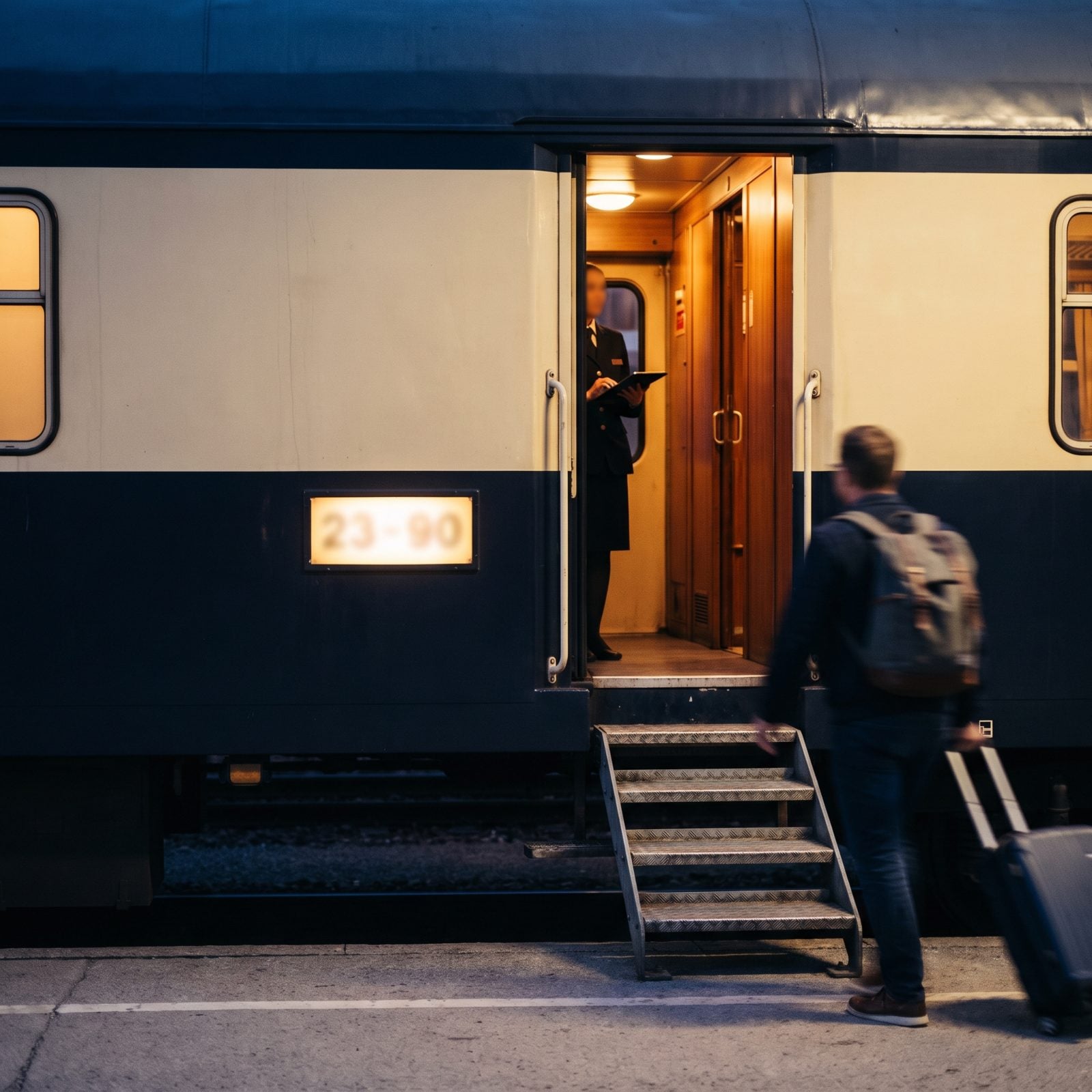
You found your zone, the train rolled in, and now there’s a door right in front of you. It’s easy to climb aboard the wrong carriage in the rush, especially when the step looks identical to the one you want.
Here’s the trap: the internal passage between some sleeper coaches is sealed. Board the wrong one and you can be physically trapped on the wrong half of the train, unable to reach your bed until the next long stop.
Check the carriage number against your ticket before your foot leaves the platform. The conductor at the door usually confirms it — let them. Thirty seconds now saves a miserable walk through a locked vestibule later.
27. Bringing a Suitcase Too Large for the Cabin
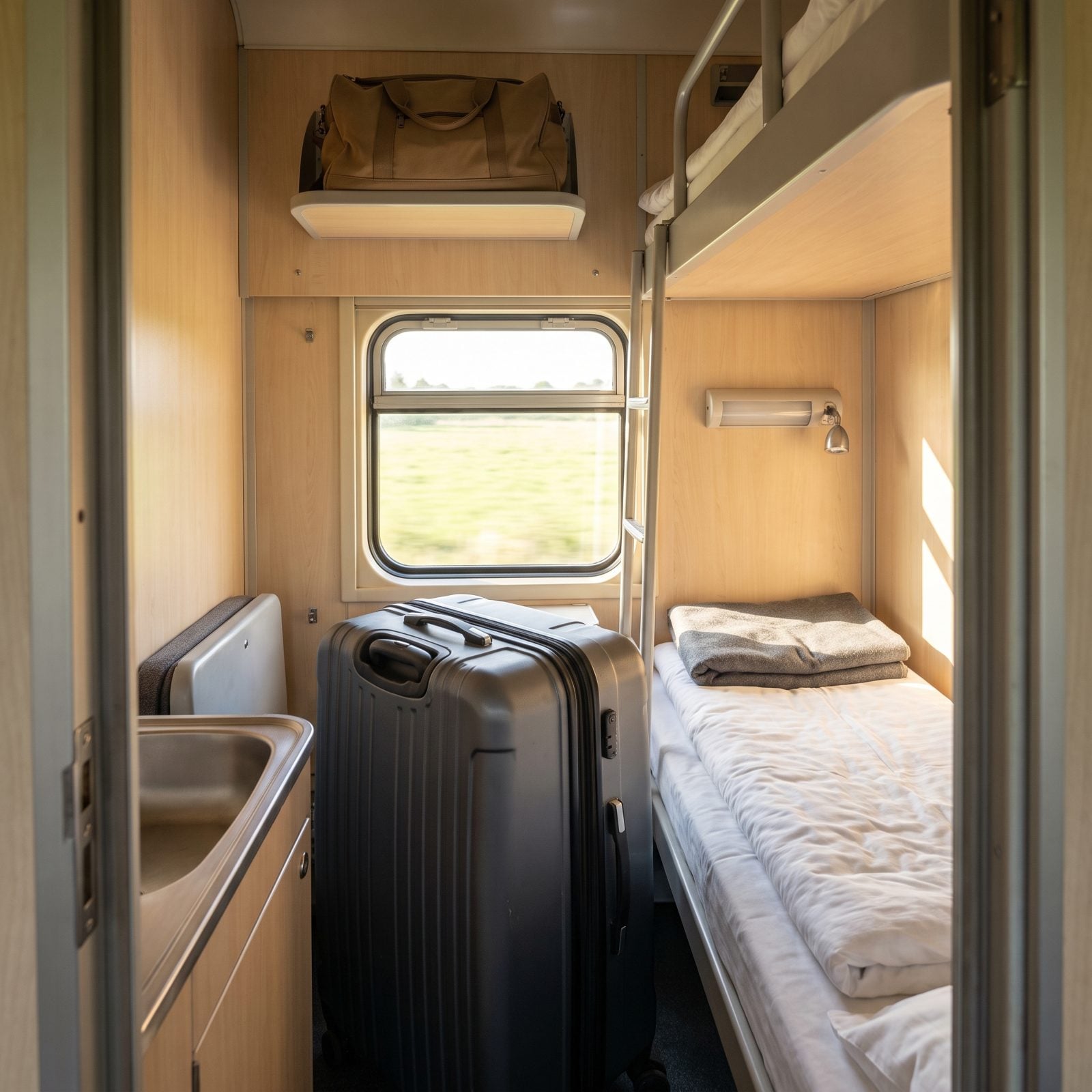
I learned this one the hard way, wrestling a hard-shell roller into a couchette that had maybe eighteen inches of floor to spare. There’s nowhere to put a big case — no cavernous overhead bin, no closet, just a thin shelf and the space under the bottom bunk.
A suitcase that won’t fit becomes an obstacle you trip over all night and a wall between you and the door in an emergency. Not comfortable, not safe.
Travel with a soft-sided bag or a medium tan canvas duffel that squashes onto a shelf or slides under the berth. If you must bring a roller, keep it carry-on sized. Your spine will thank you at the 3 a.m. bathroom run.
26. Packing Sleep Essentials at the Bottom of Your Luggage
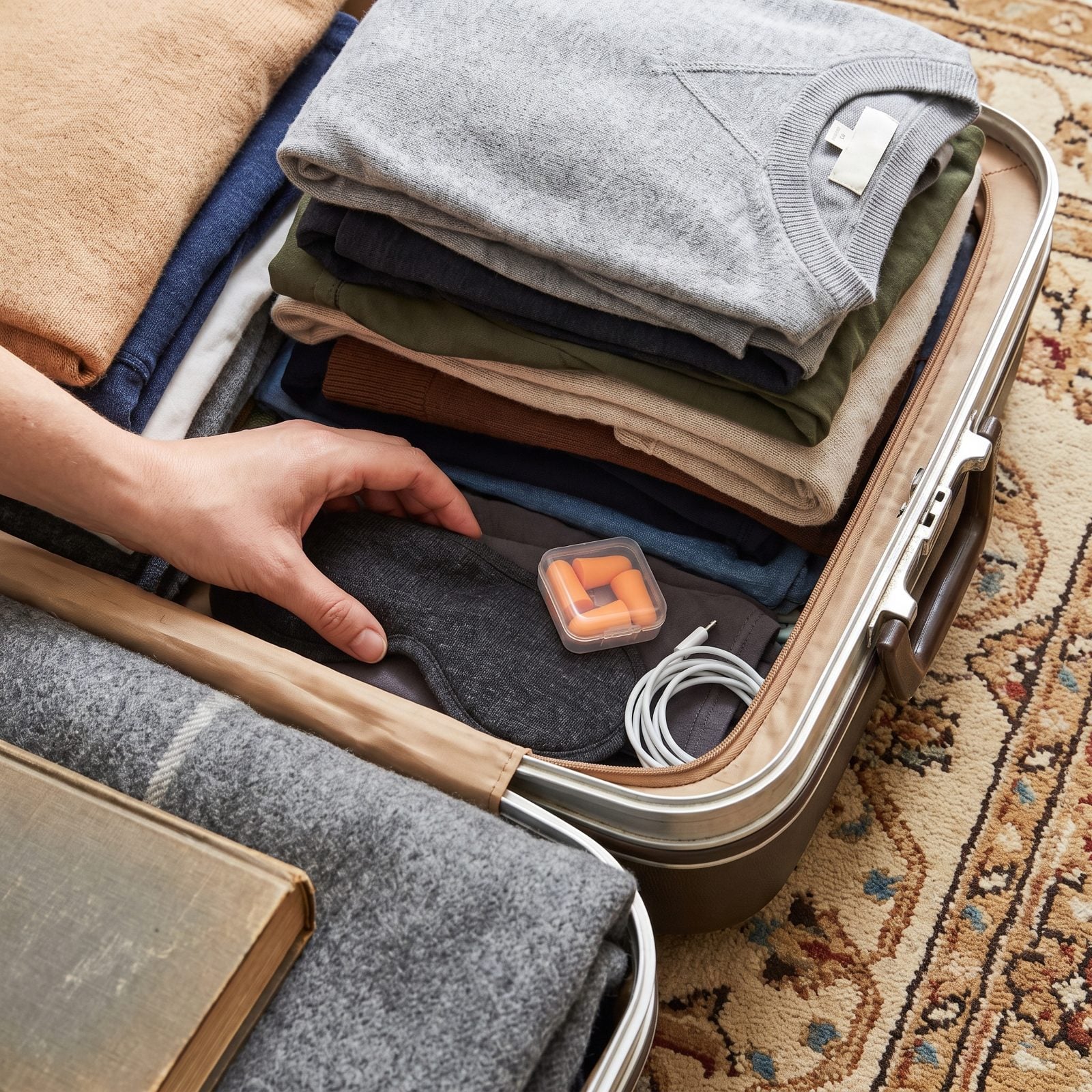
Picture the scene. The train’s moving, the cabin light is harsh, the corridor door keeps clacking, and the person above you snores like a two-stroke engine. Your eye mask and earplugs? Buried under three days of clothing at the very bottom of your bag.
So now you’re digging through everything you own by the glow of your phone, waking yourself up completely in the process.
Pack a small kit you can reach without standing: earplugs, a charcoal knit eye mask, warm socks, toothbrush, charger, a little water. Keep it in the outer pocket or a pouch you set on the berth the moment you board. Everything you need for the night, nothing you don’t.
25. Displaying Cash and Passports in a Shared Compartment

🔥 Would you like to save this?
A shared compartment means you’re sleeping beside strangers who seem perfectly lovely, and probably are. But leaving a grey pouch on the fold-down table, with your passport and banknotes poking out of the zip, tells everyone who walks down the corridor exactly where your valuables live.
Opportunity makes thieves. Most theft on night trains isn’t dramatic — it’s quiet, it happens while you’re asleep, and it starts with someone noticing what you left on display.
Keep passports and cash out of sight. Zip your essentials fully into the pouch and keep it under your pillow, in a locked case or on your body, never on an open shelf. Keep a little spending money separately in a pocket, so your real stash never has to come out where others can see it.
24. Keeping Every Valuable in One Wallet
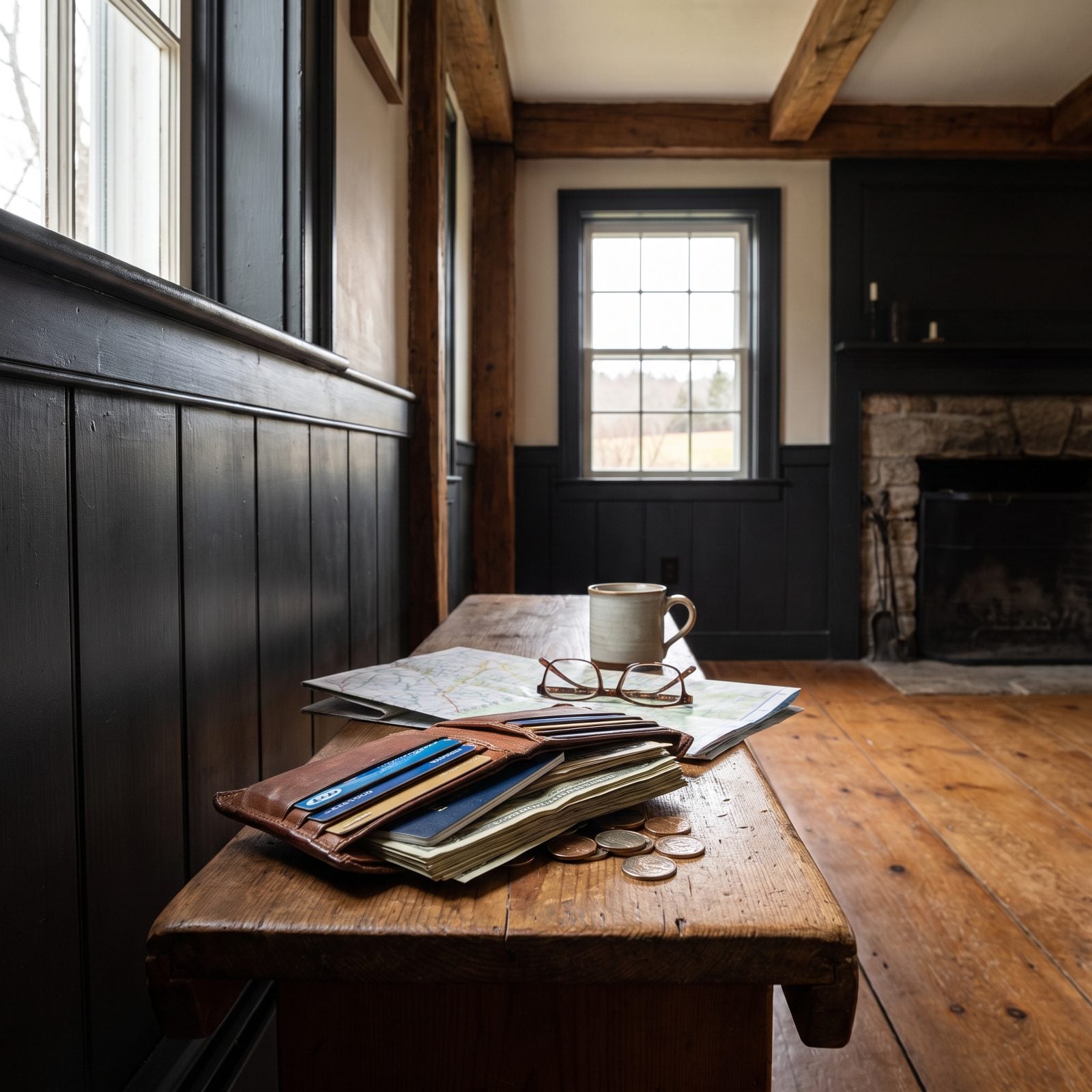
One wallet is one point of failure. Lose it, or have it lifted at a crowded platform change, and you’ve lost your card, your cash, and your ID in a single clean stroke. In a foreign country, overnight, that’s a very bad morning.
Split your valuables across at least two places. Primary card and some cash in your everyday slim leather cardholder; a backup card and emergency cash somewhere completely separate — a hidden pocket, a money belt, the bottom of your toiletry bag.
And store a photo of your passport in your phone and the cloud too. If the worst happens, you’re inconvenienced, not stranded. One disaster instead of two.
23. Burying Your Passport Before a Midnight Border Inspection
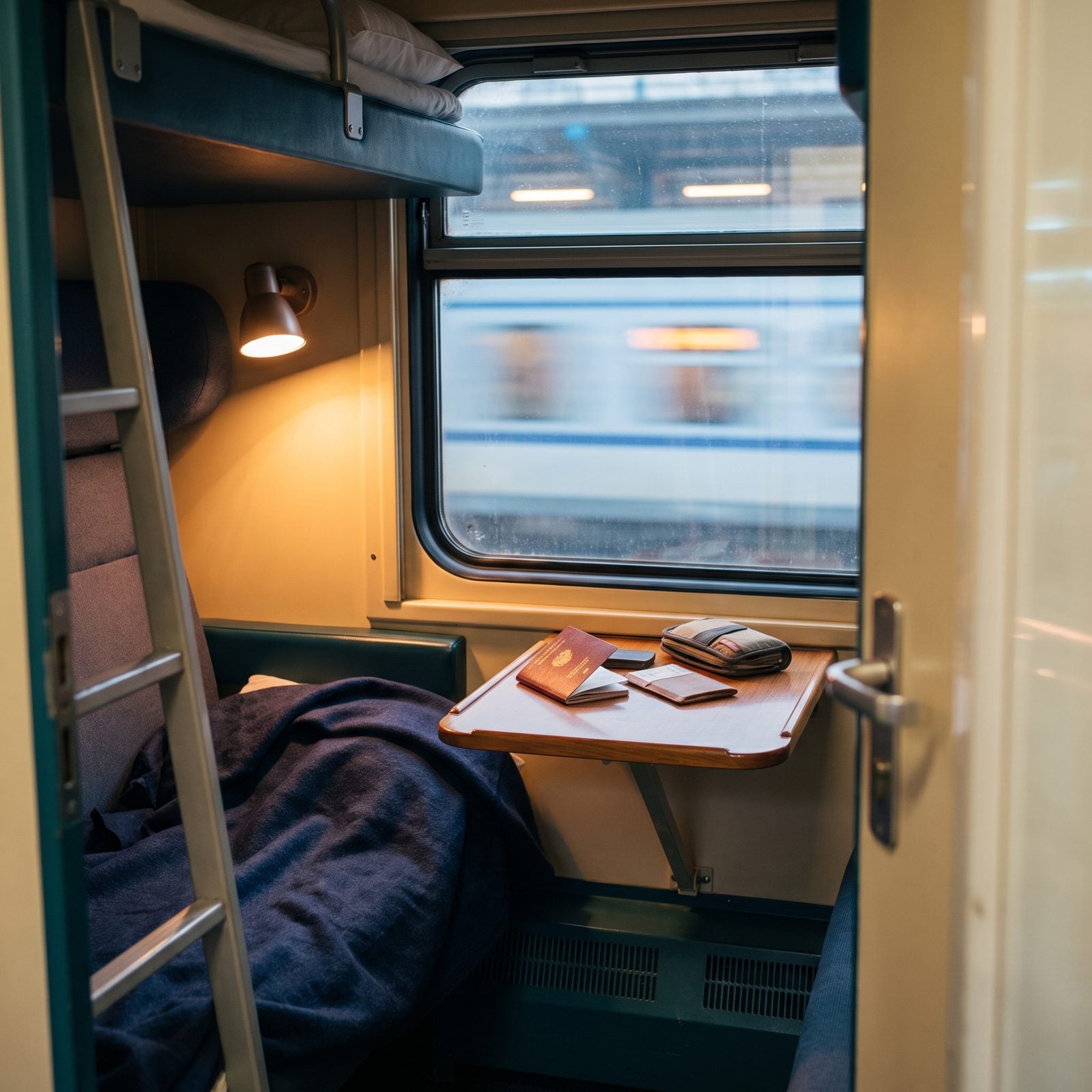
You pack the passport deep in your bag, safely tucked under everything, where you’re sure it can’t go missing. Then the train crosses into Hungary at 2am and an officer is standing in your doorway with a flashlight while you dig through your bag half-asleep in your socks.
Border crews on international sleepers work fast, and they want the document in hand, not a search party. Keep it in a thin pouch by your pillow or in the shelf nook beside the berth, right next to your ticket. Routes like the Nightjet through Austria or the old Trans-Siberian crossings schedule their inspections for exactly the hours you’d rather be unconscious. Make the handoff take four seconds, not four minutes.
22. Forgetting That Conductors Often Keep Your Ticket Overnight
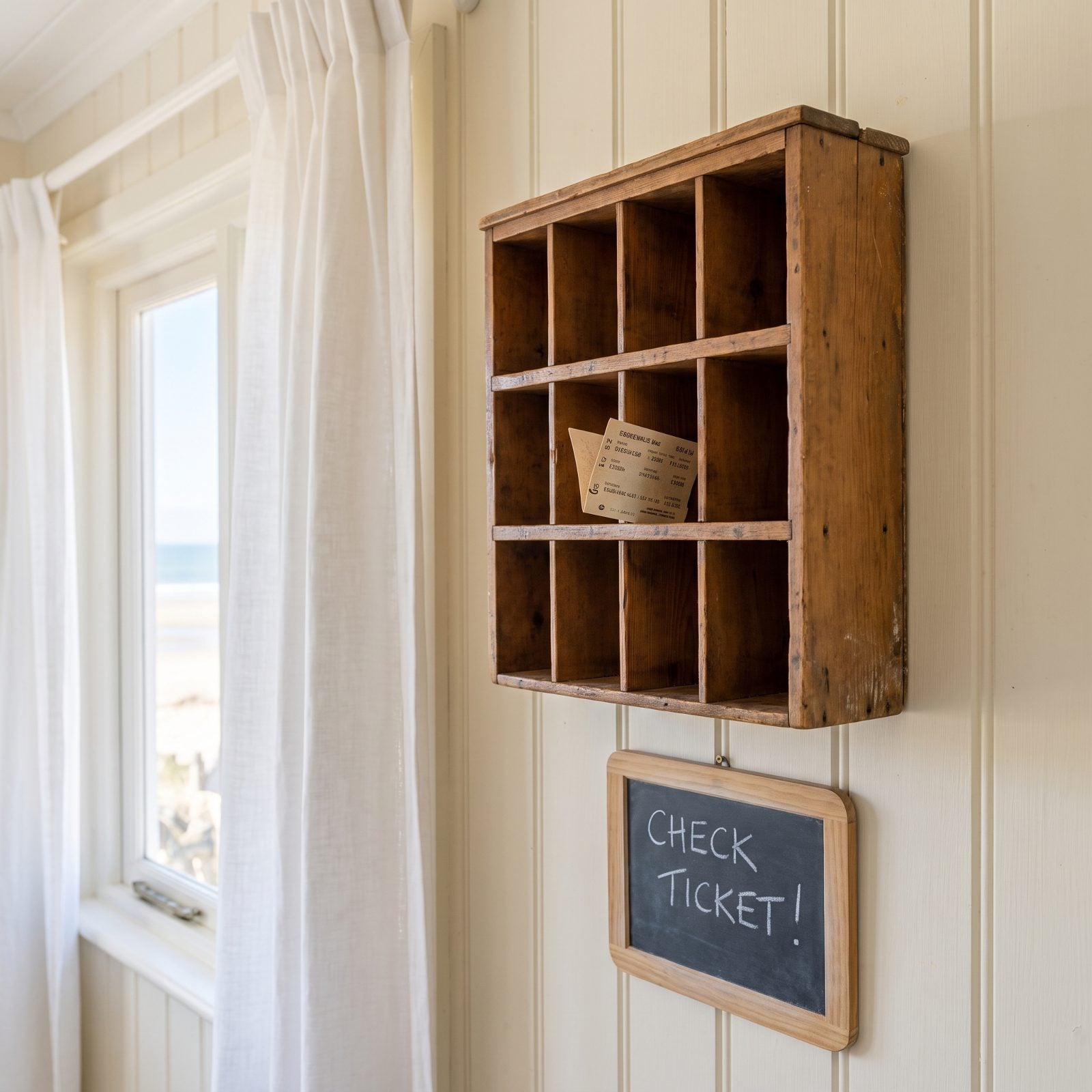
The conductor collects your ticket at boarding and doesn’t give it back. First-timers panic. Where did my proof go, how do I get off, did I just hand my only document to a stranger in a cap?
Relax. On most sleepers the attendant holds tickets through the night so they can wake the right people for the right stops without rapping on every door at 3am. You get it back near your station — this is the system working. Want peace of mind? Snap a photo of the ticket and the booking reference before you hand it over, then let the man do his job and go to sleep.
21. Mistaking a Routine Midnight Carriage Check for an Emergency
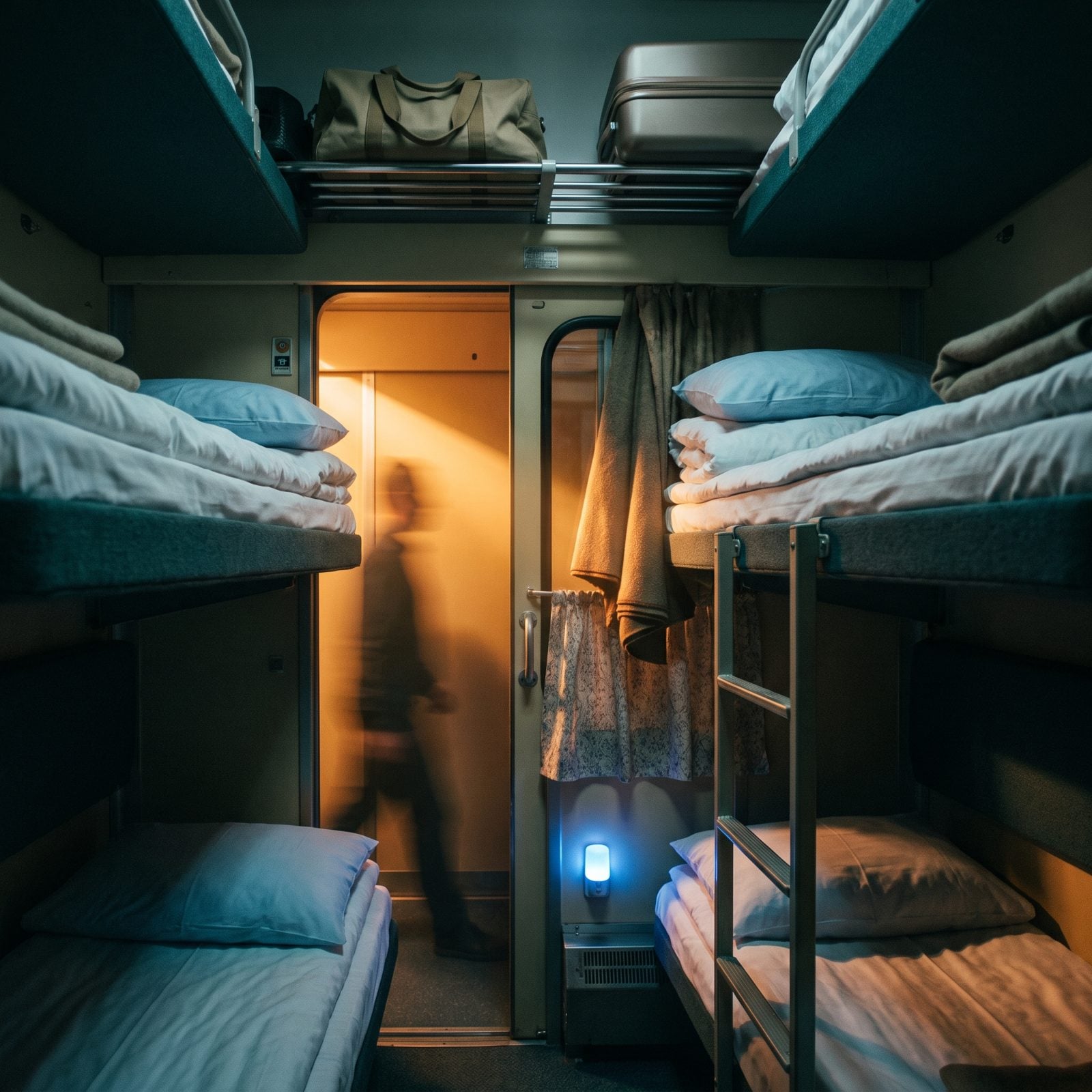
Somewhere past midnight the door slides, a flashlight sweeps the cabin, boots move in the corridor. Heart rate up. Is this a robbery, a fire, a derailment?
Almost always it’s a staff check or a crew change at a junction. On couchettes especially, attendants pass through to confirm head counts, lock exterior doors at stations, or rotate shifts. What reads as menace at 1am is the quiet machinery of your own safety. Learn the rhythm of these checks and you’ll roll back over instead of lying there with your pulse hammering. Lock your door from the inside if the latch allows it, keep valuables against your body, and let the routine be routine.
20. Failing to Set an Alarm Before an Early-Morning Arrival
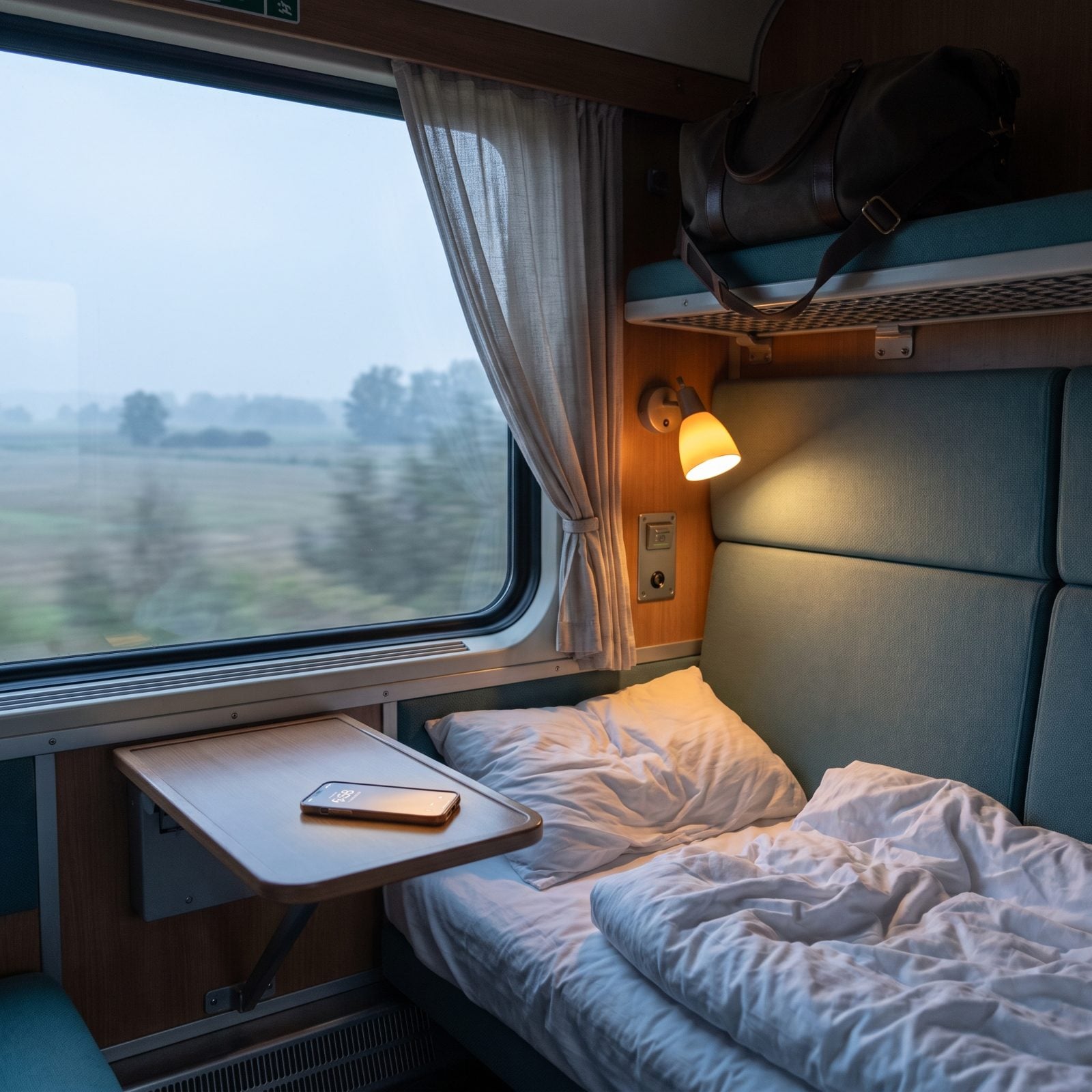
Your stop is 5:14am. You figure the conductor will wake you, or you’ll just sense it coming. Then you blink awake to the platform sign already sliding backward, doors hissing shut, your berth now carrying you two hours past where you meant to be.
Not every service runs a wake-up call, and the ones that do work off the ticket, not a promise. Set your own alarm fifteen minutes before the scheduled stop, then a backup five minutes later. Trains run late, so check the real-time arrival before you trust the timetable. On a route with a short platform window — say the Caledonian Sleeper into a Highland halt — that cushion is everything.
19. Assuming the Dining Car Stays Open All Night
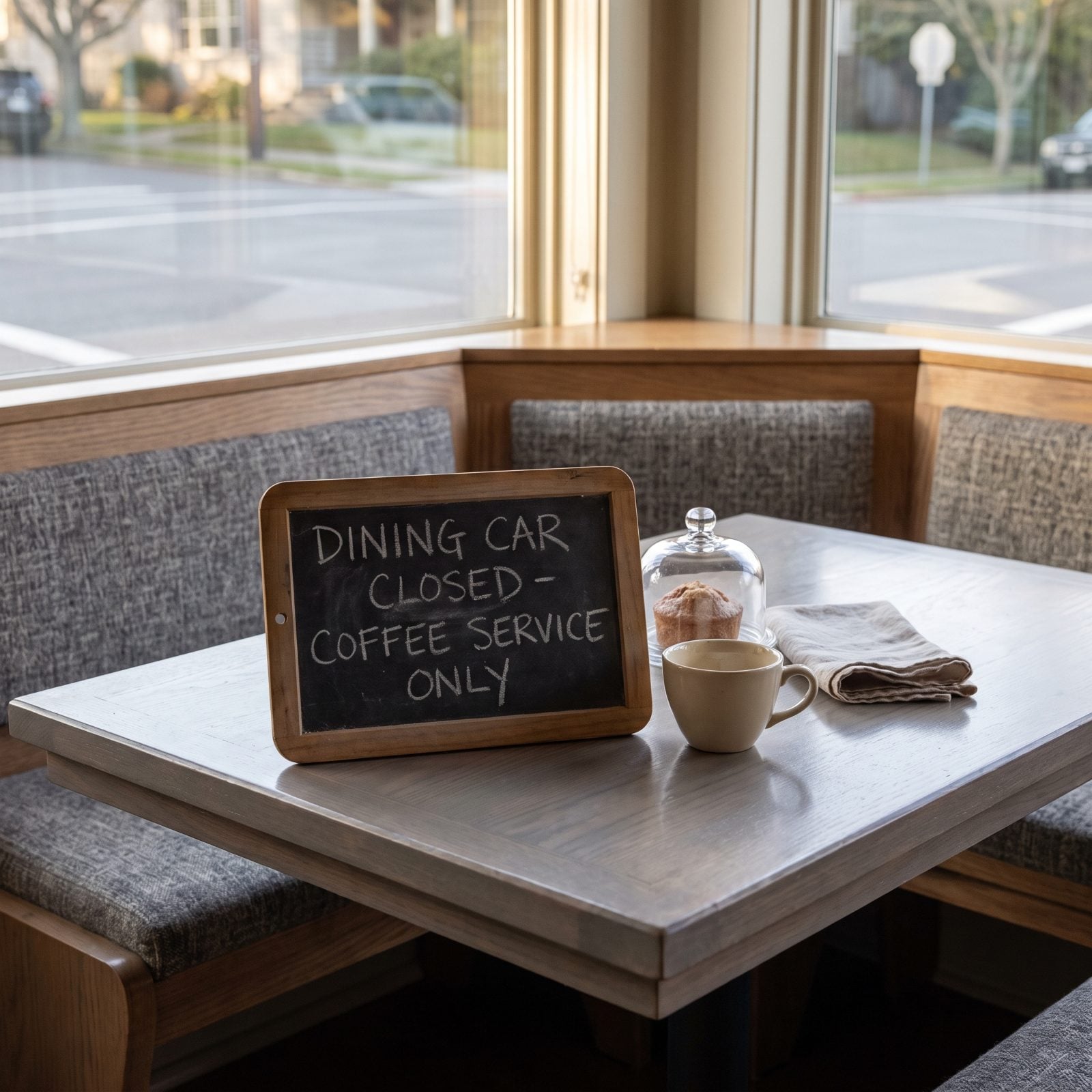
The dining car is not a 24-hour diner.
You board at nine at night, settle in, decide you’ll grab dinner once you’ve unpacked. By the time you wander down, the kitchen’s closed, the windows have gone dark, and a chalkboard on the table reads “Dining car closed — coffee service only,” next to a lone muffin under a glass dome. Plenty of services stop hot food shortly after departure, and some shutter the car entirely once the last seating ends.
Eat on their schedule, not yours. Check the service hours when you board, book a table if the route takes reservations, and if you’re hungry and the car’s still warm, go now. The romance of the dining car is real — but it keeps banker’s hours.
18. Boarding Without Water or a Backup Snack
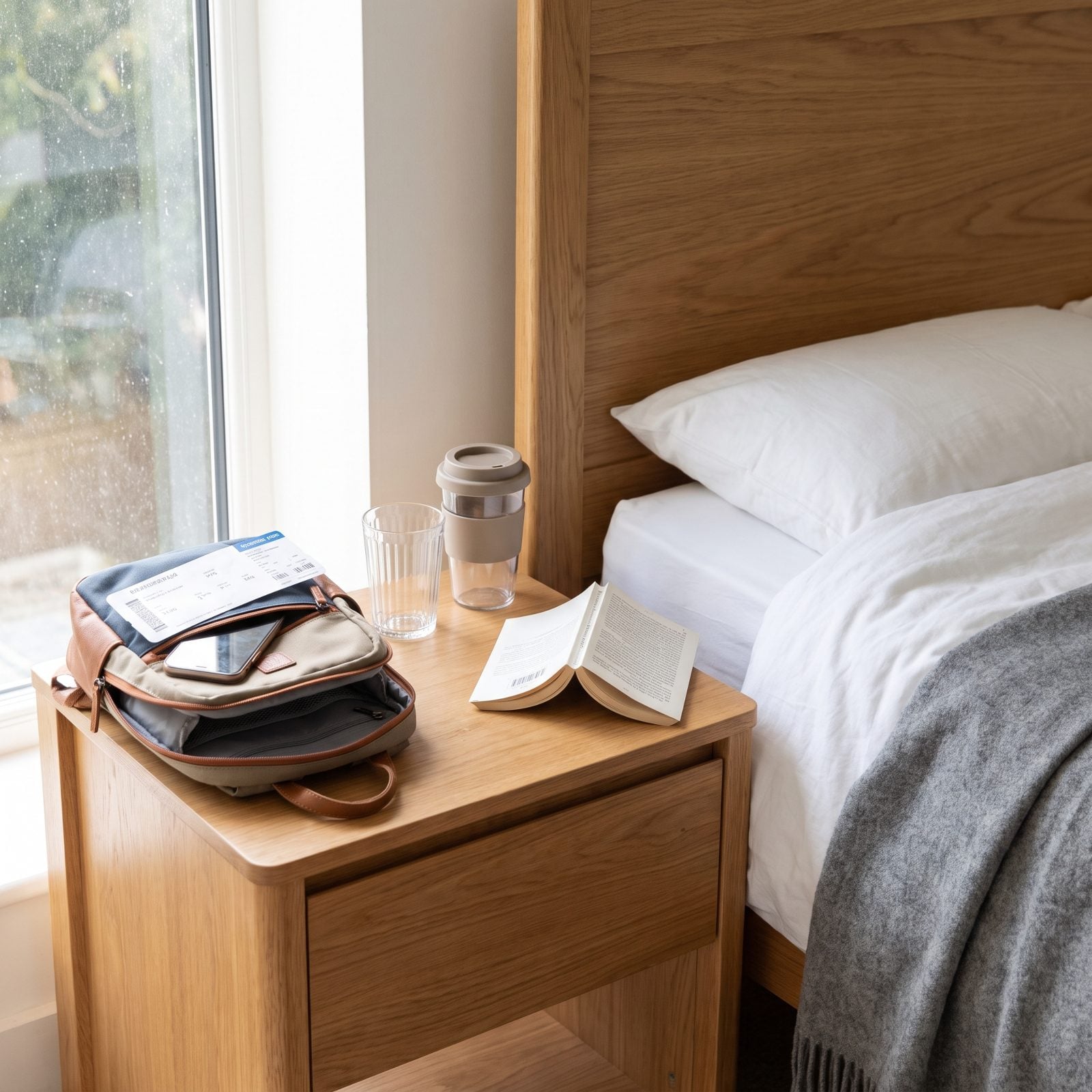
Trains get delayed. Dining cars close. A connection gets missed and suddenly you’re stuck on a siding near midnight with nothing but a vending machine two carriages down that only takes exact change.
So board every night train as if the catering doesn’t exist. A full stainless steel water bottle and a couple of shelf-stable snacks weigh almost nothing and solve the one problem you can’t fix mid-route. Nuts, a hard cereal bar, maybe some dried fruit. Not a feast. Insurance. The night your train sits motionless on a siding for two hours, you’ll be the smug one who isn’t ravenous.
17. Bringing Strong-Smelling Food Into a Shared Cabin
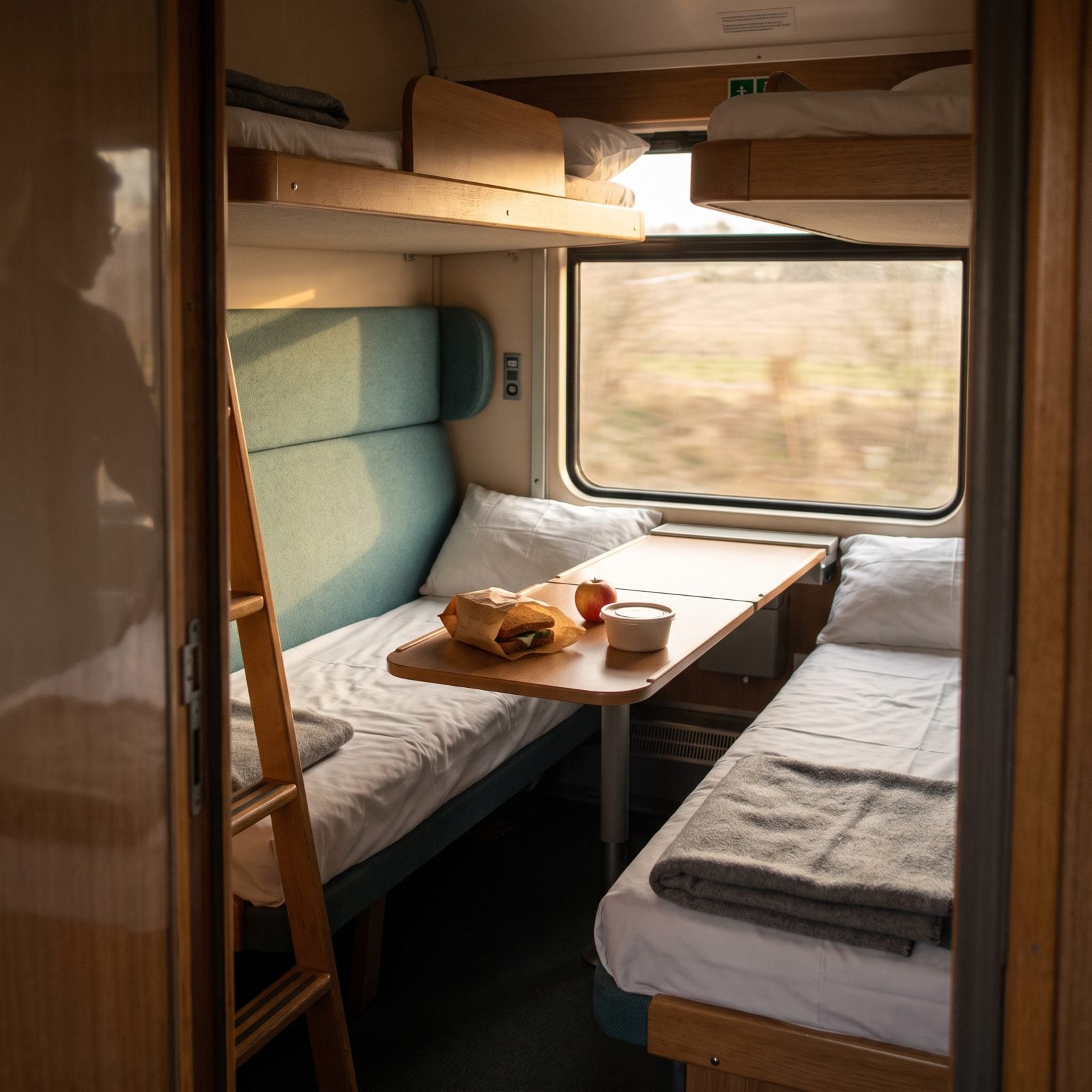
A boiled egg in a sealed berth. Reheated curry from a station stall. That one tuna sandwich. Out in open air, all harmless — but in a four-person couchette with the windows locked for the night, that smell becomes a presence that outlasts the meal by hours.
It soaks into the soft furnishings, and your cabin-mates can’t crack a window to escape it. Save the fragrant stuff for the platform or the dining car. Inside the compartment, stick to neutral food: bread, fruit, crackers, something that leaves no ghost behind. Courtesy on a shared sleeper is mostly about what you don’t do.
16. Packing Drinks That Spill the Moment the Train Sways
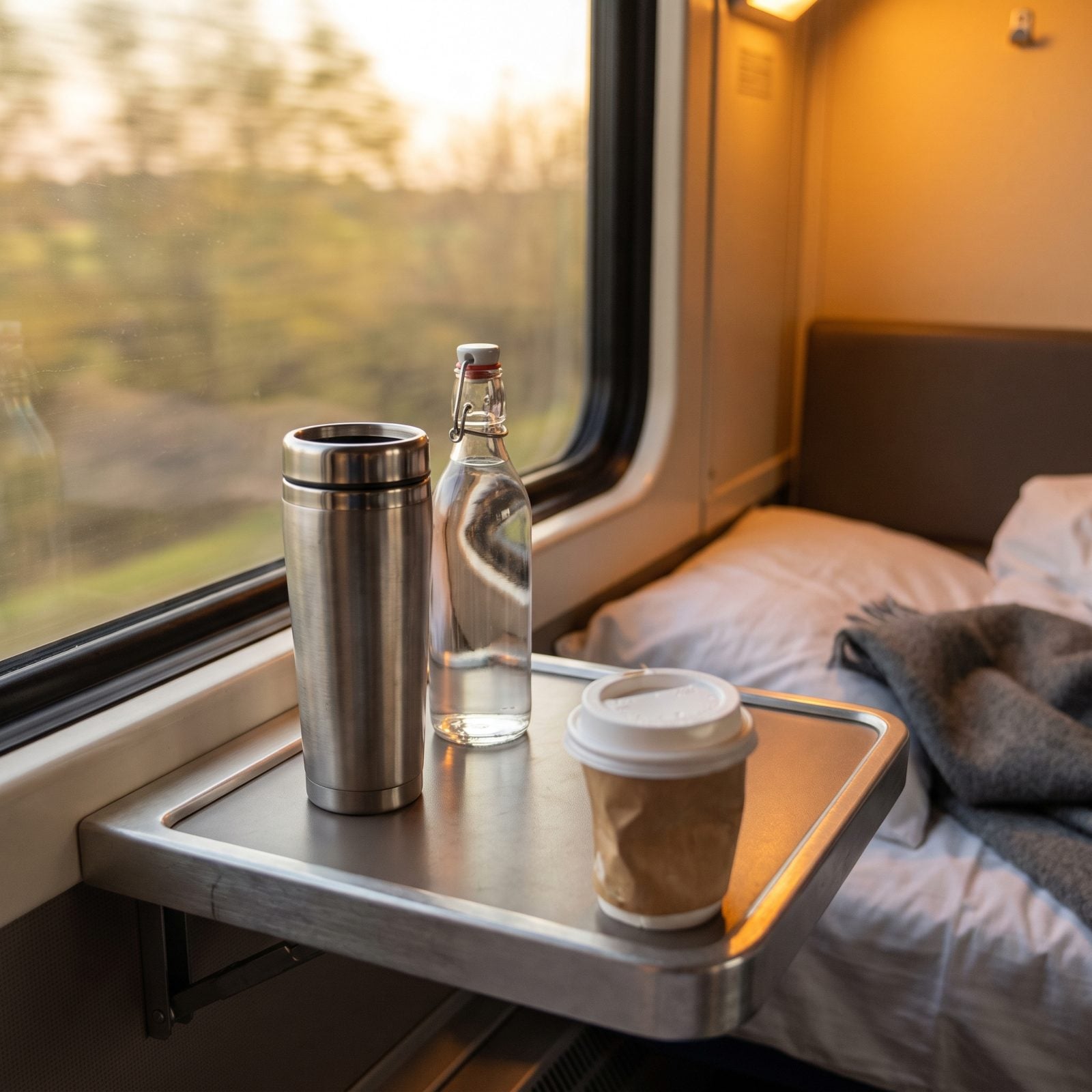
An open coffee cup on a train tray is a bet you’ll lose. The carriage rocks at a crossover, the cup walks itself to the edge, and now there’s a brown map of regret across your linens and your lap.
Trains move in ways a kitchen table never does — side-to-side sway, sudden braking, the lurch over points. Pack drinks in screw-top or clamp-lid containers, never anything with a loose lid or an open top. A sealed insulated travel mug keeps coffee hot and keeps it off your blanket. Anything liquid goes in the shelf nook with the raised lip, not on a flat surface.
15. Expecting Reliable Wi-Fi Without Downloading Entertainment First
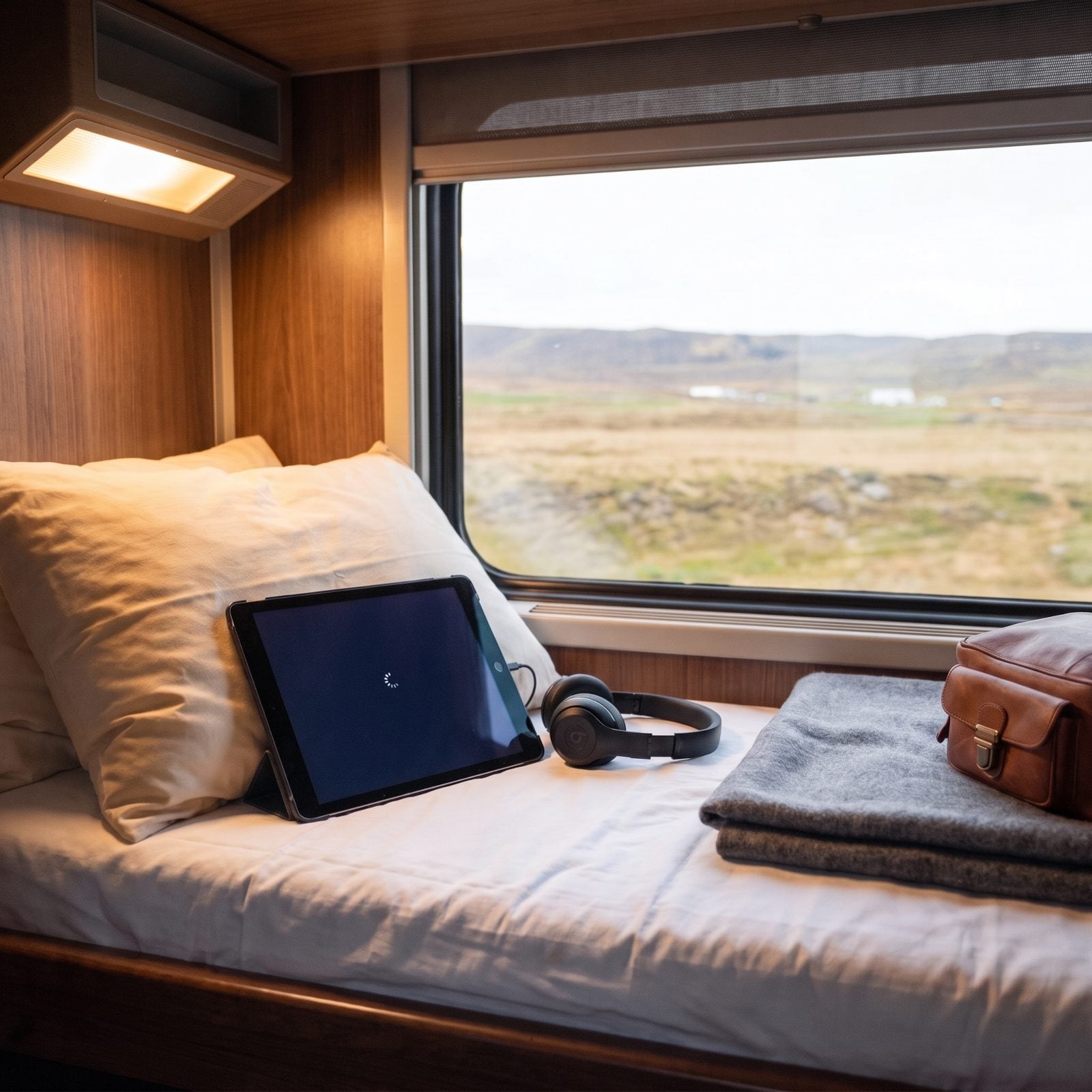
Onboard Wi-Fi on a night train is a rumor, not a service. Where it exists at all, it drops the second you hit a tunnel, a mountain, or a stretch of track that sees three villages a day. The cell signal is worse.
Download before you board. Movies, podcasts, a few long articles, that audiobook you keep meaning to start. Pull offline maps of your arrival city too, because you won’t have bars to find the hotel at 6am. The passenger whose tablet is stuck on a buffering wheel made one small mistake back at the station. Don’t be that passenger.
14. Depending on a Single Outlet Without a Backup Battery
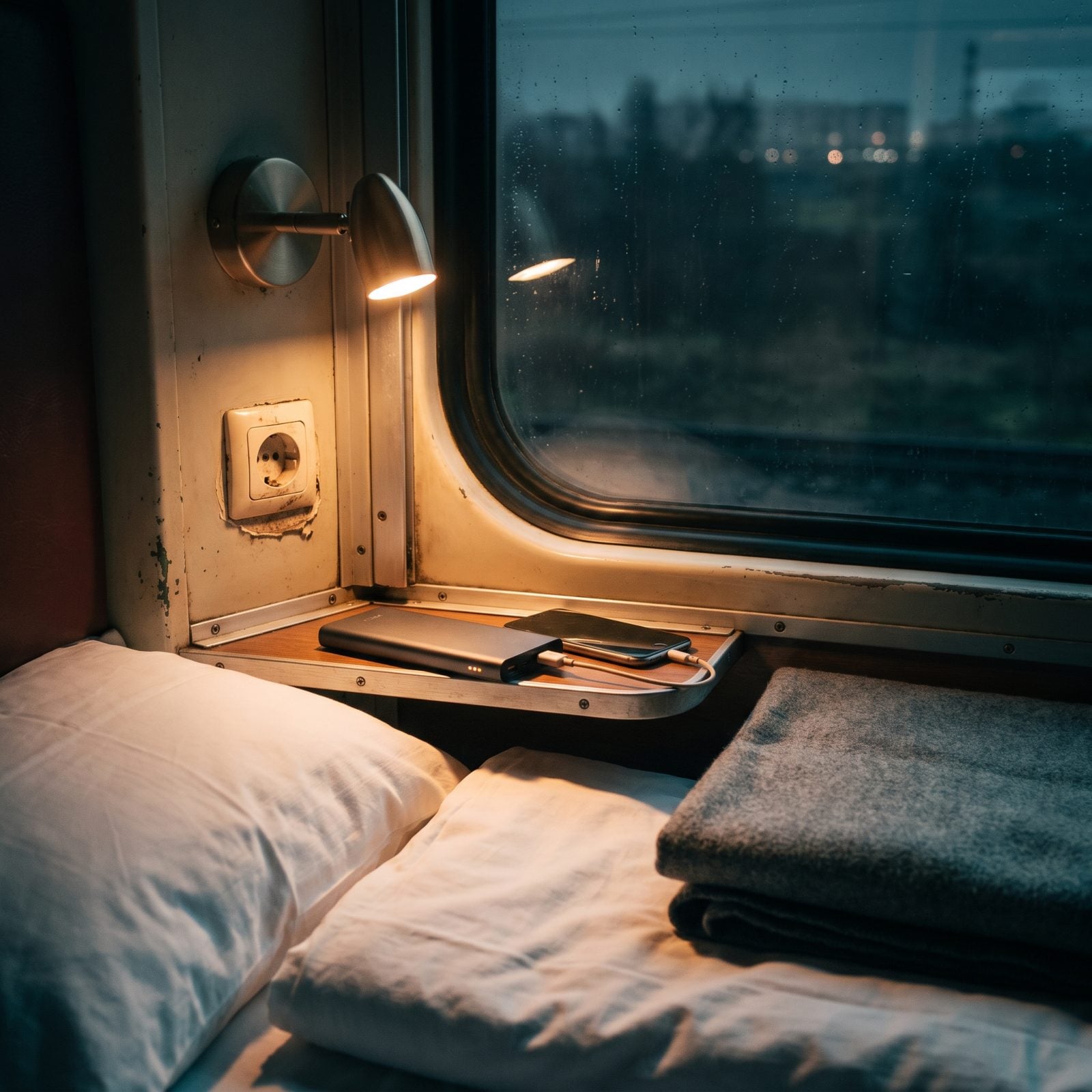
One outlet. Maybe.
Older carriages give you a single socket per compartment — sometimes shared between berths, sometimes dead, sometimes the wrong voltage for your plug. You climb in planning to charge the phone that holds your ticket, your map, your alarm, and your entertainment, and discover the outlet works only when it feels like it.
Carry a charged power bank and treat the train socket as a bonus. A 10,000mAh portable power bank refills a phone a few times over and asks nothing of the carriage wiring. Pack a universal adapter too if you’re crossing borders. Your phone does six jobs overnight. Give it a safety net that doesn’t depend on a socket wired in 1987.
13. Taking Phone Calls After Lights-Out
12. Packing No Earplugs for Track Noise and Snoring
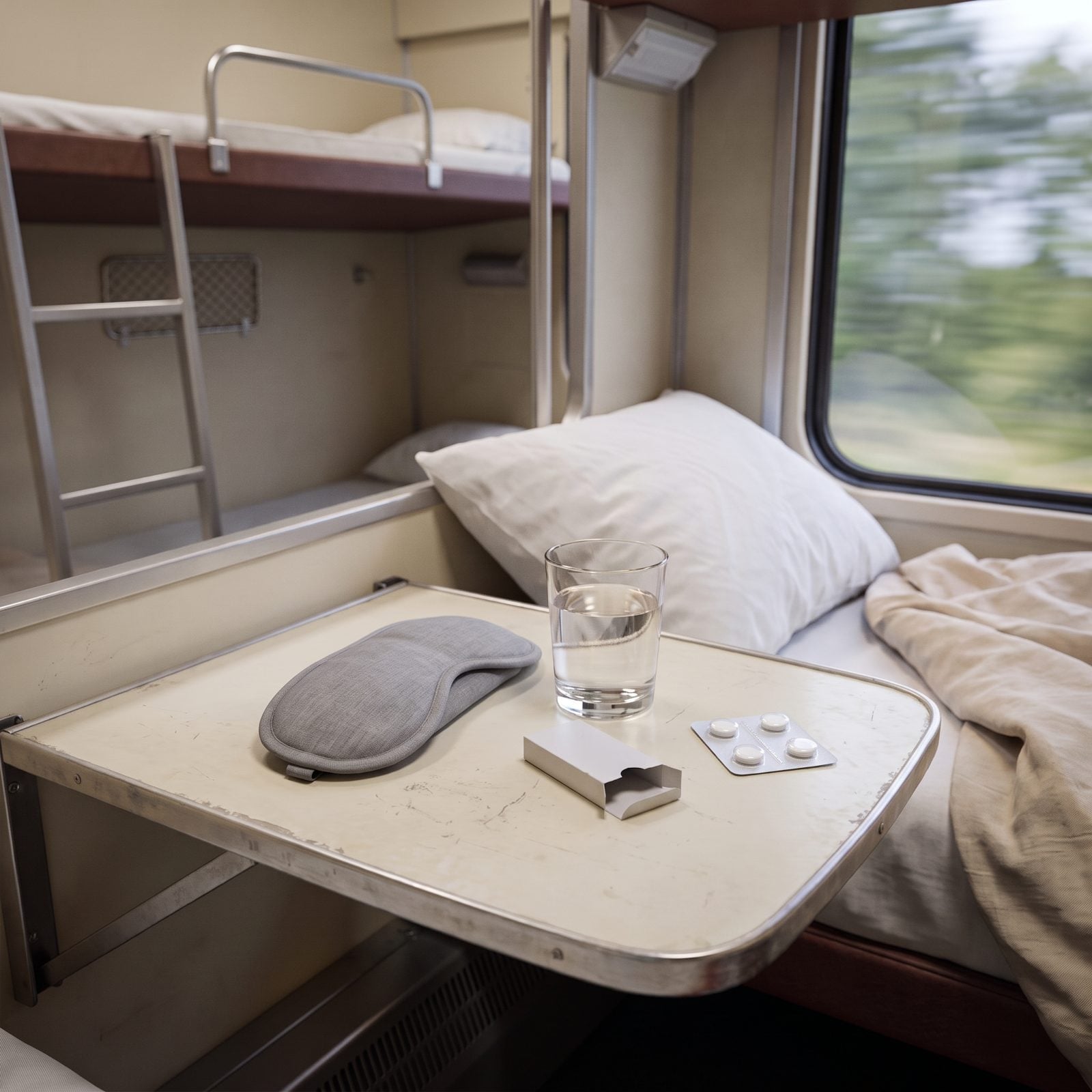
A train never really goes quiet at night. It settles into a rhythm instead — steel wheels clacking over rail joints every few seconds, the carriage groaning as it leans into a curve. And then the bunk above you starts snoring like a chainsaw learning the trombone.
So you lie there doing math on the hours left. The whole night’s gone, and you’ll stagger off at a platform you were supposed to be thrilled to reach.
Pack foam earplugs. Cheap ones, two pairs, stashed in a side pocket you can find in the dark. Roll them, slot them in, let them swell. The track noise drops to a hum you can actually sleep through, and your neighbor’s breathing stops being your problem.
11. Skipping an Eye Mask in a Cabin With Corridor Lighting
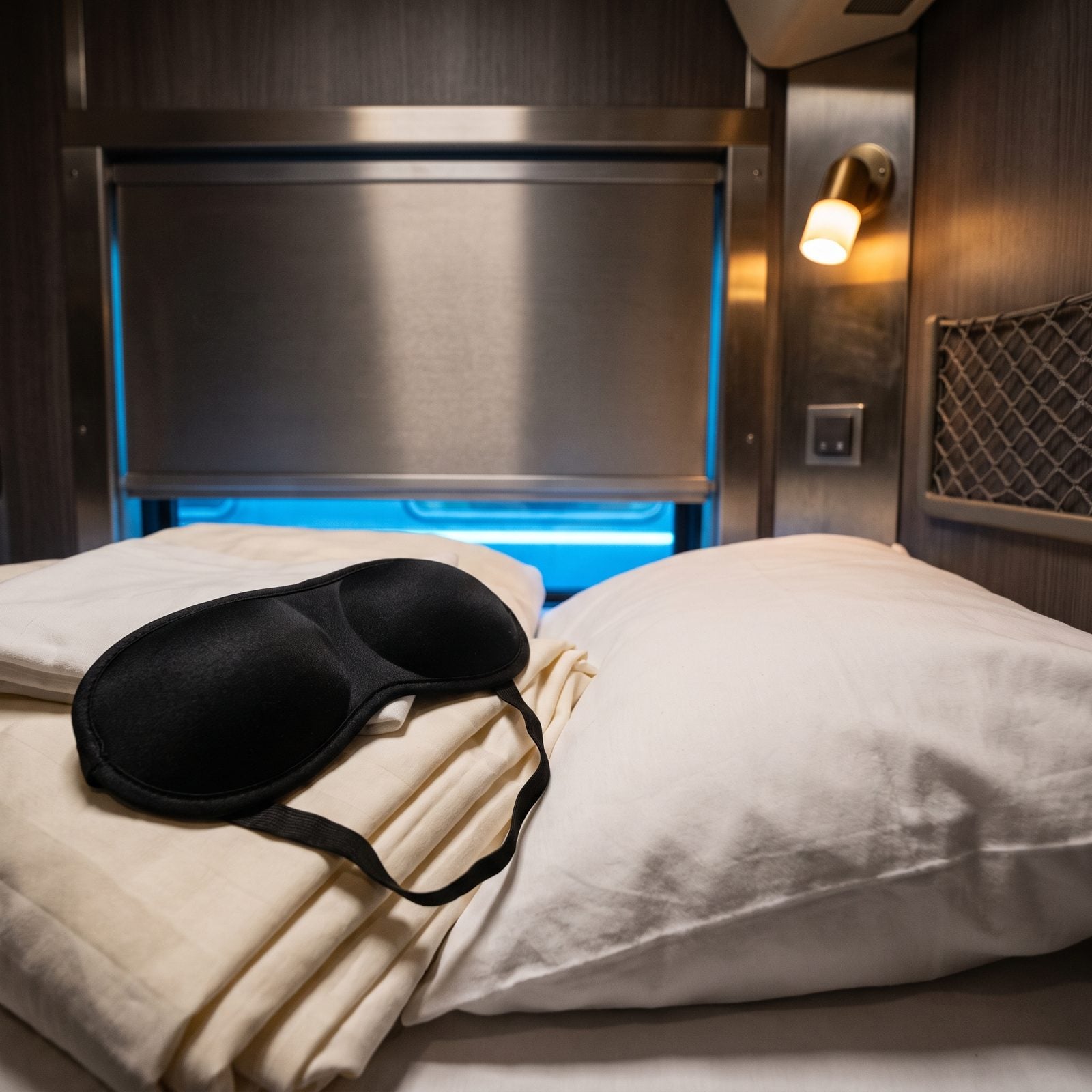
Sleeper corridors stay lit all night, for safety, and it’s a good reason. Trouble is, that light finds every gap around your door and lays a stripe across the ceiling right where your eyes land. Then you get a station stop at 3am, the platform floods the whole cabin, and you’re wide awake for no reason at all.
A soft contoured eye mask settles it. Go for the molded kind with little eye cups — you can blink freely and it doesn’t press on your lashes. Slip it on and the cabin goes black whether the corridor cooperates or not.
10. Walking to the Bathroom Barefoot Instead of Packing Slip-On Shoes
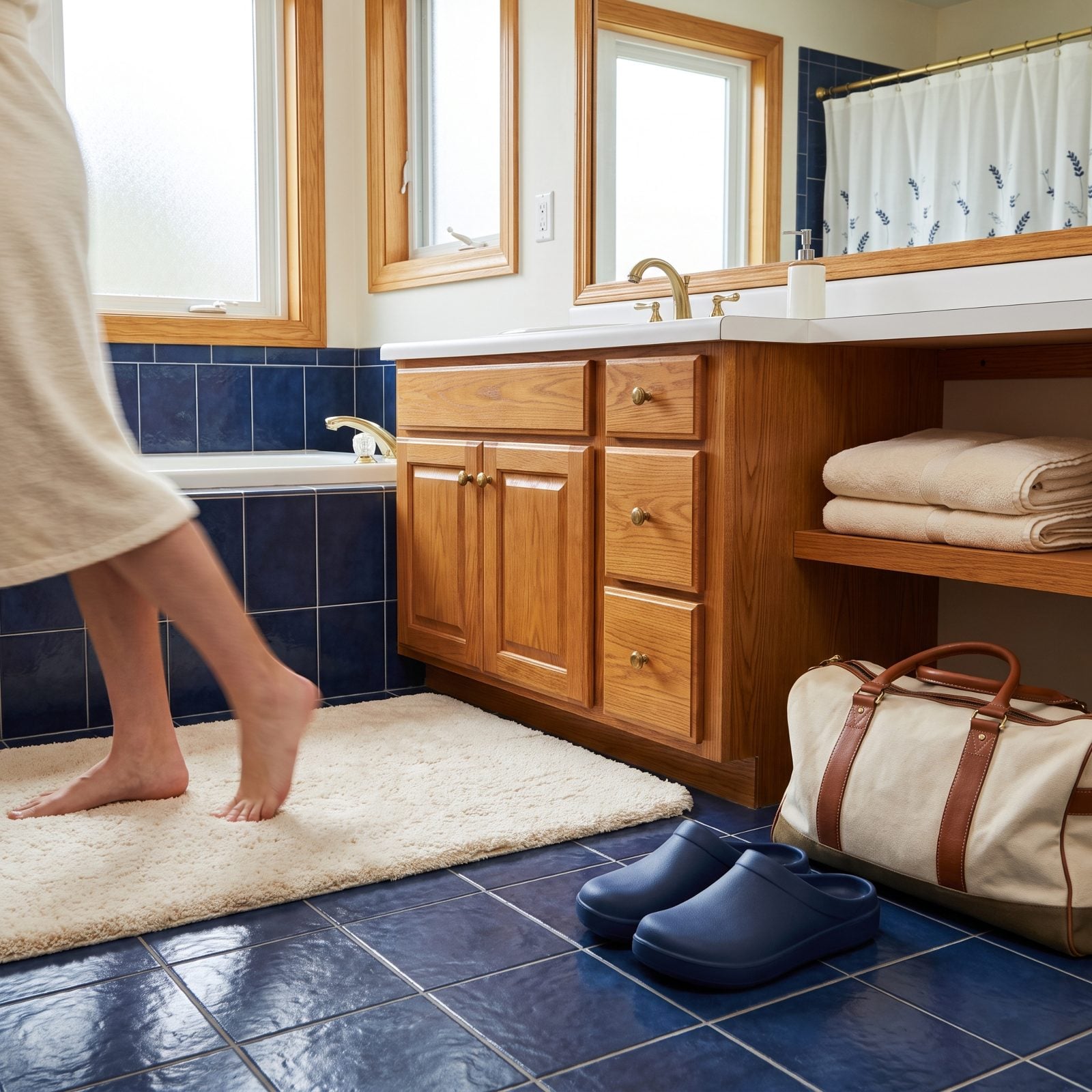
Three in the morning, you need the bathroom, and the only thing between your bare feet and the bathroom floor is willpower. That floor has met every drip from the sink and every boot tracked in from the platform — splashed water, stray hair, the general damp of a room nobody mops at night.
You don’t want your socks on it either.
Keep a pair of slip-ons by your bedroom door. Foam clogs, fold-flat travel slippers, even rubber slides. Something you can jam your feet into half-asleep without untying a single lace. Your future self, groping around in the dark, will thank you.
9. Packing No Warm Layer for Aggressive Air-Conditioning
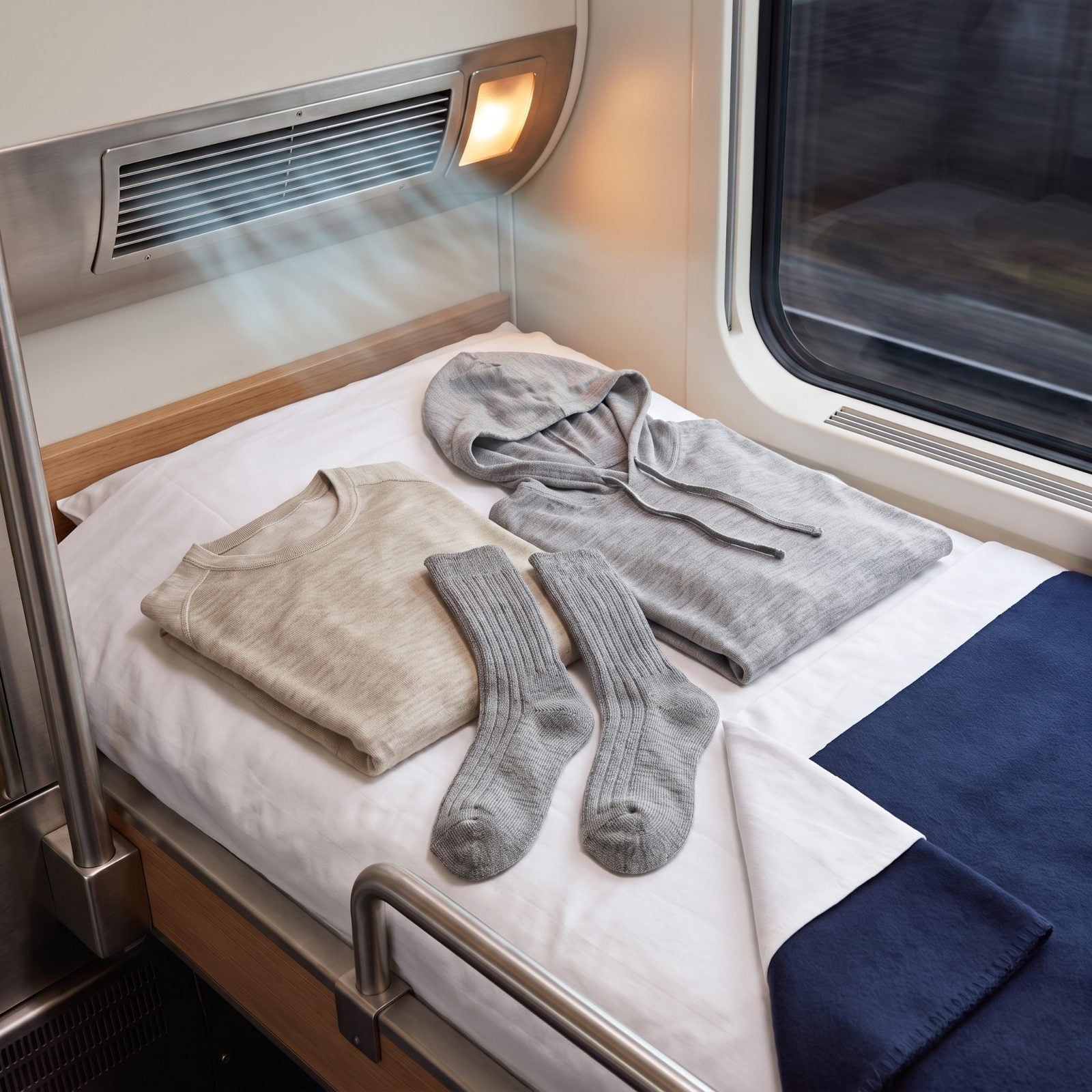
Sleeper cars run cold. Not a little cold — genuinely cold, especially the modern ones where the air conditioning seems set by someone who sleeps in a meat locker. You board sweating from the platform, strip down, and by midnight you’re curled under a blanket doing absolutely nothing for you.
Pack one warm layer you can sleep in: a merino base layer, fleece leggings, a lightweight hoodie, thick socks. Merino is the quiet hero. It holds heat, breathes if you swing warm again, and doesn’t stink after a night of wear.
8. Failing to Test the Cabin Temperature Controls Early
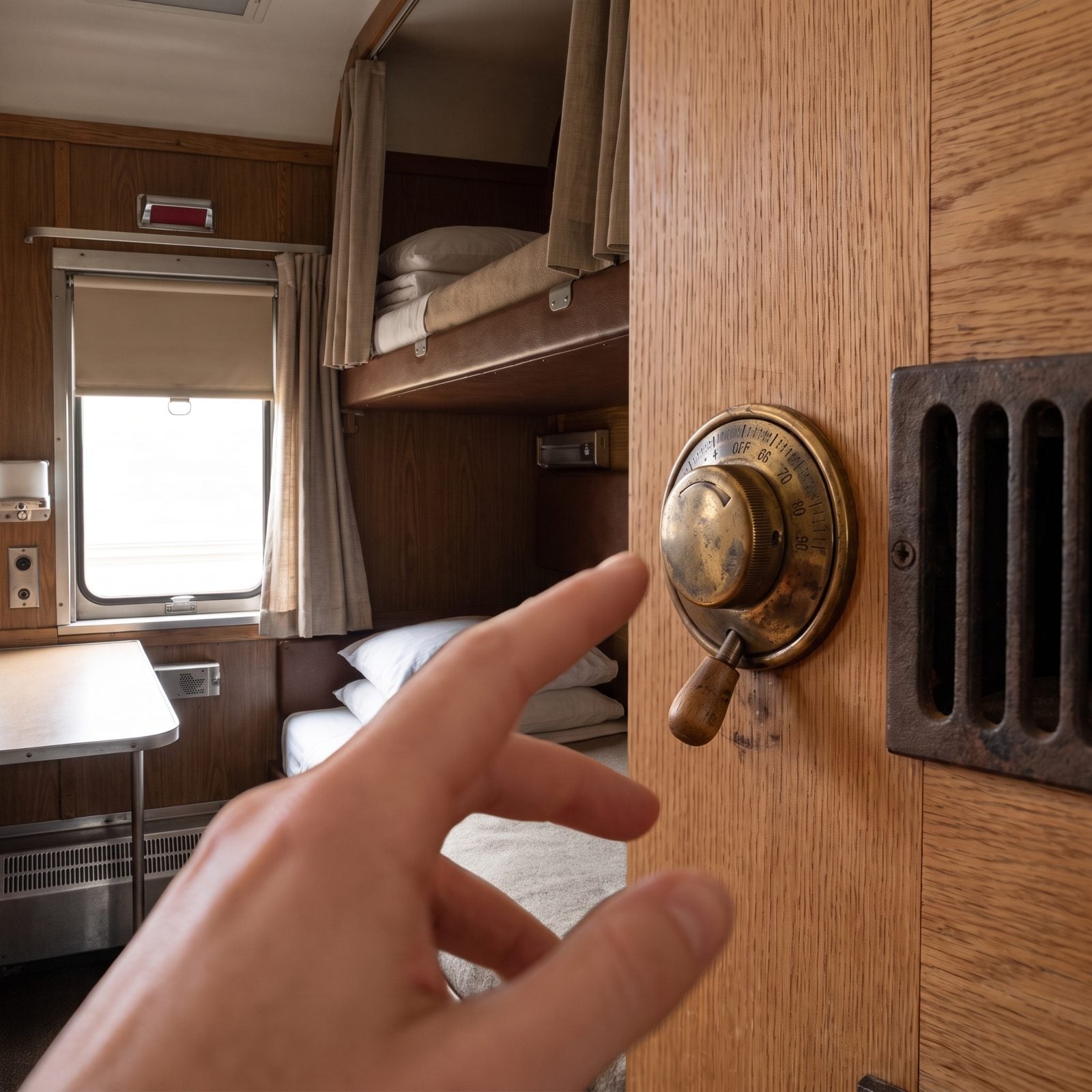
Every sleeper cabin comes with controls — a dial, a vent lever, sometimes a little panel of buttons that may or may not do anything. Most people ignore all of it until they’re already too hot or too cold to sleep, then fumble around at midnight mashing things that don’t respond.
Here’s the catch. Some systems take twenty minutes to react. Some get overridden by the whole car. A few are purely decorative.
Test everything the moment you board. Turn the dial, feel the vent, watch what actually changes. If nothing works, you’ll know early enough to flag the conductor or just adjust your layers — instead of lying awake bargaining with a knob that was never wired to anything.
7. Leaving Loose Objects or a Drink on the Fold-Down Table
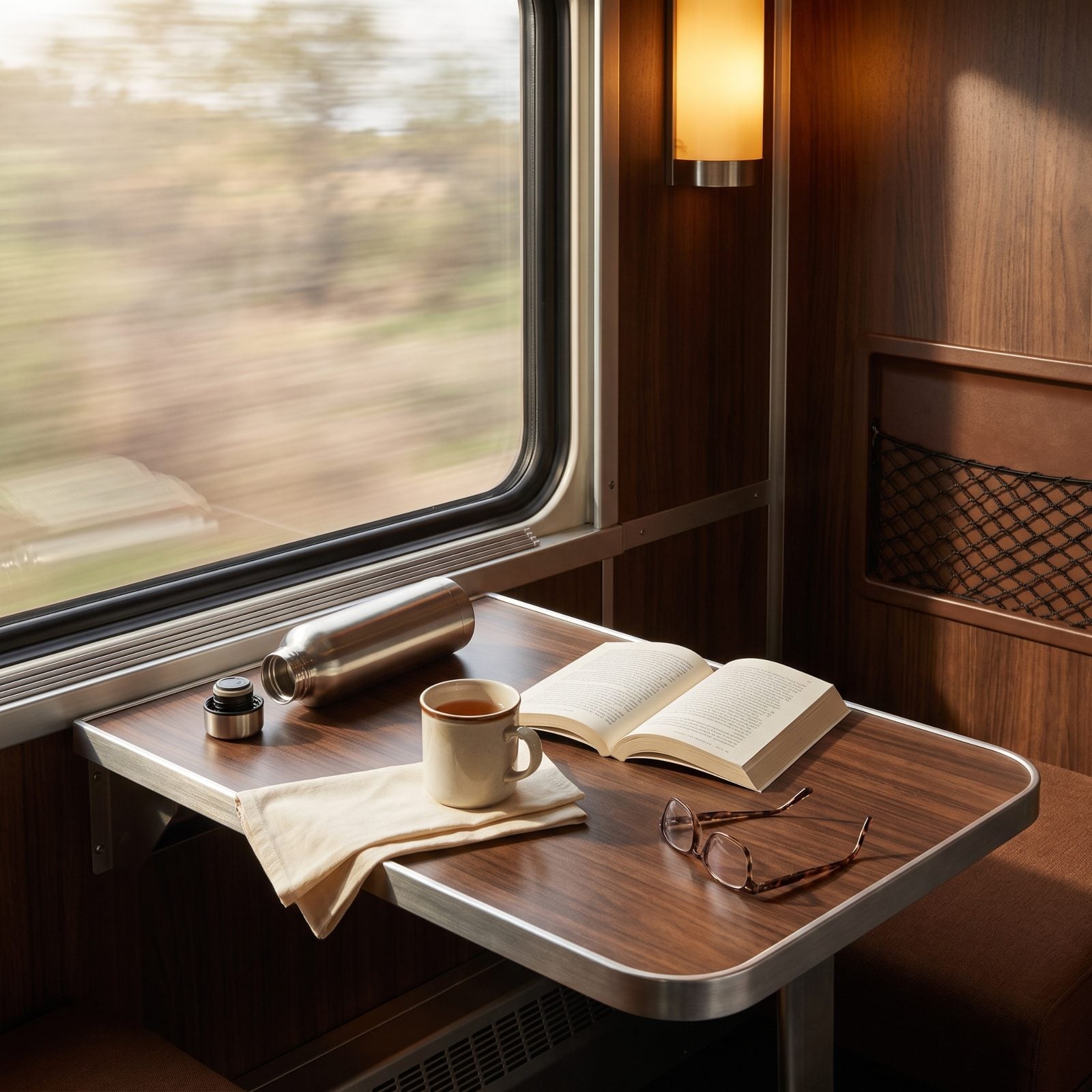
That little fold-down table feels solid right up until the train hits a sharp curve or couples to another car with a jolt. Then your phone slides off, your reading glasses go flying, and the glass of red wine you set down lands squarely on the white linens you’re about to sleep in.
Nothing stays put on a moving train that you haven’t deliberately pinned down.
So before lights-out, clear the table. Phone and glasses into the net pocket or a shoe. Water in a bottle with a lid, never an open glass. Want a window-ledge drink? A bottle laid on its side beats an open cup every single time.
6. Ignoring the Safety Rail on an Upper Berth
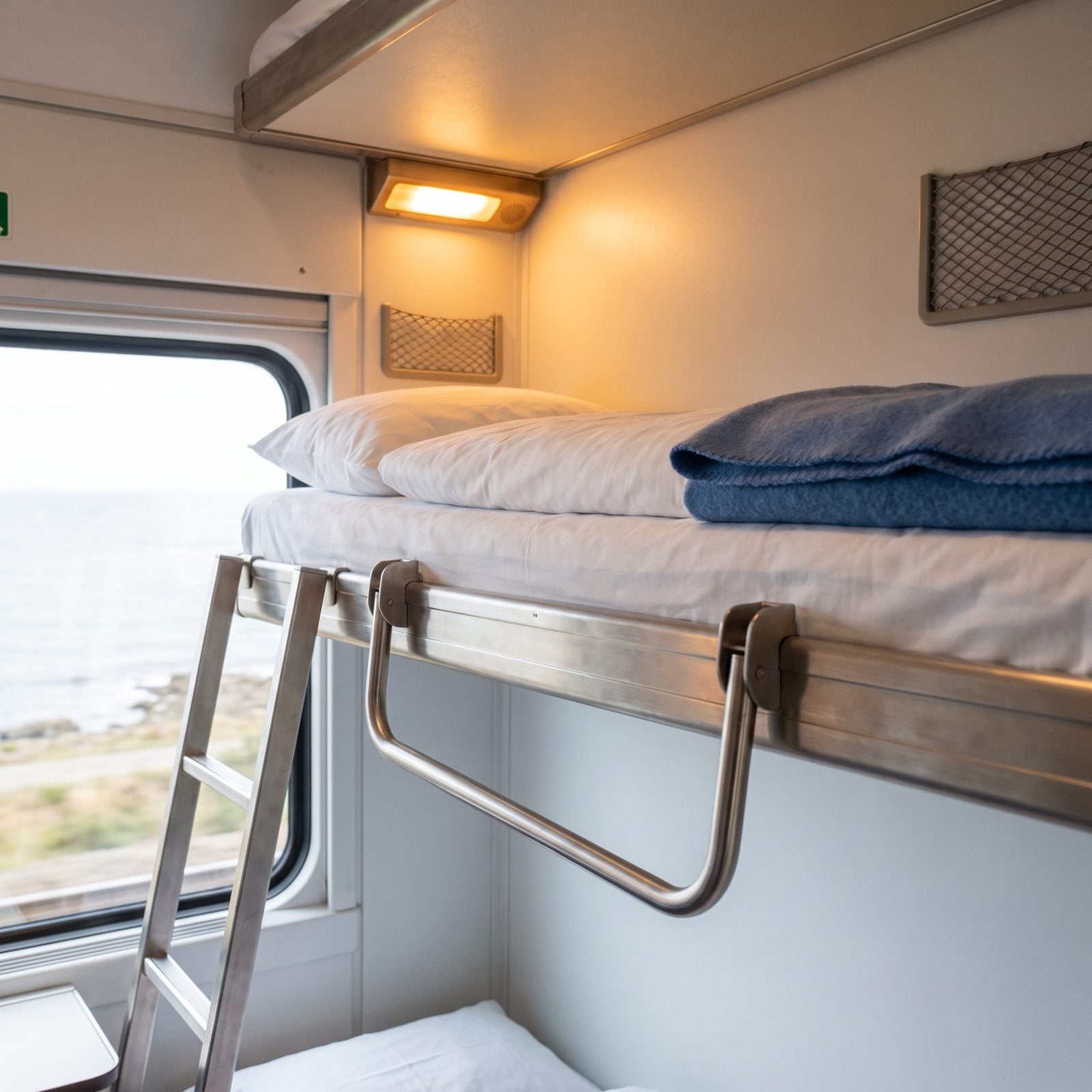
The upper berth buys you a little privacy — right up until the train brakes hard and you remember you’re a meter and a half off the floor with nothing holding you in. That folding rail, or the strap net clipped to the wall, isn’t decoration. It’s the only thing between you and a very unpleasant wake-up on the corridor floor.
Clip it in before you lie down. Every time, even for a short nap. Half-asleep bodies drift toward the open edge, and a moving train gives them the shove. Thirty seconds of setup beats a bruised hip and a fright at 4am.
5. Closing Every Vent and Waking Up in a Stuffy Cabin
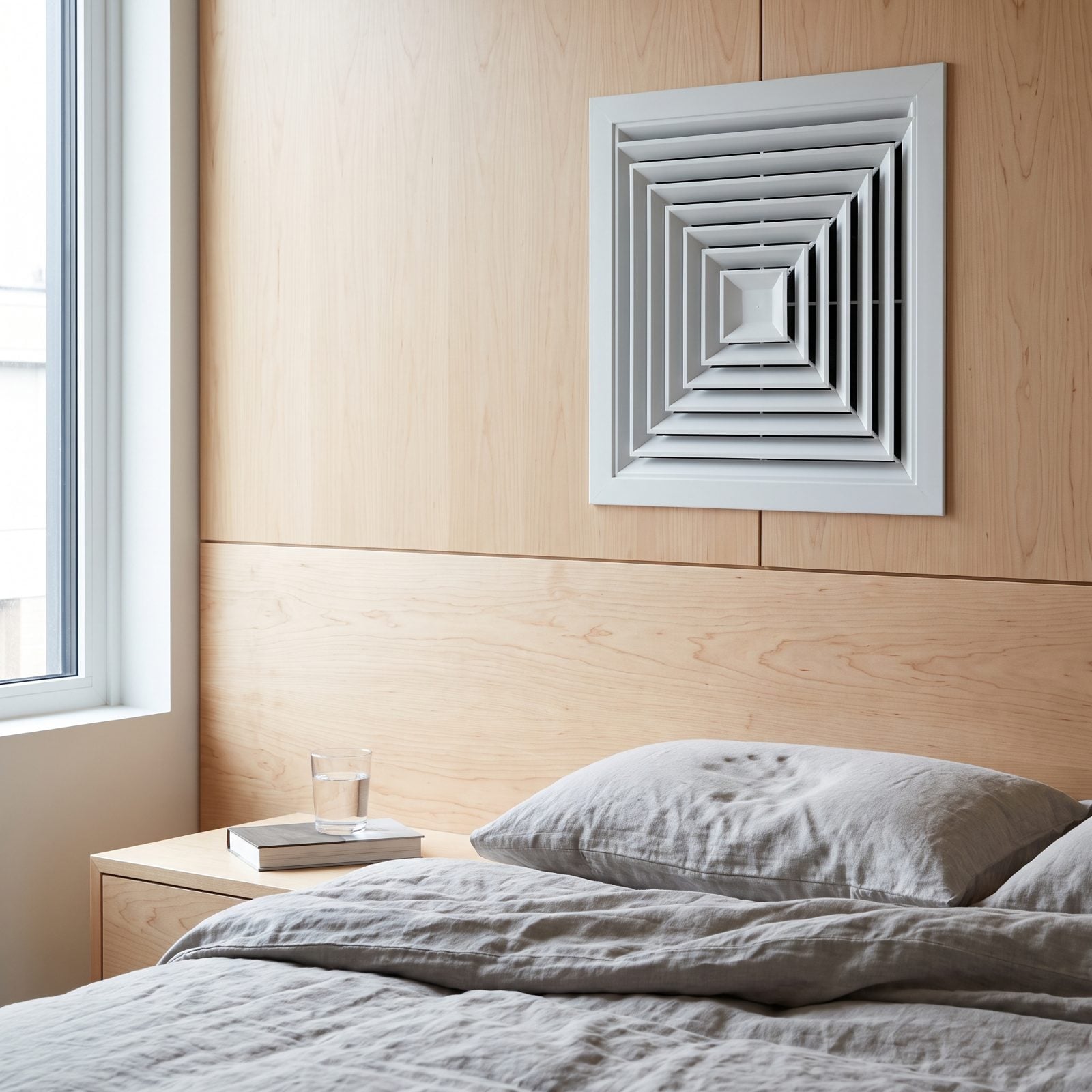
You felt the draft, so you shut the vent. All of them. Door sealed, no airflow, and now it’s two bodies breathing in a sealed wood-paneled bedroom with the window shut tight. By morning the air is thick and warm and faintly swampy, and you wake with a headache wondering why you slept so badly.
Cabins need circulation more than they need heat. So leave one vent cracked, even a sliver. Handle the draft with a layer instead of cutting off the air entirely. Face a touch cool, body warm — that’s how most people sleep best anyway.
4. Expecting Hotel-Size Bathrooms and Unlimited Hot Water
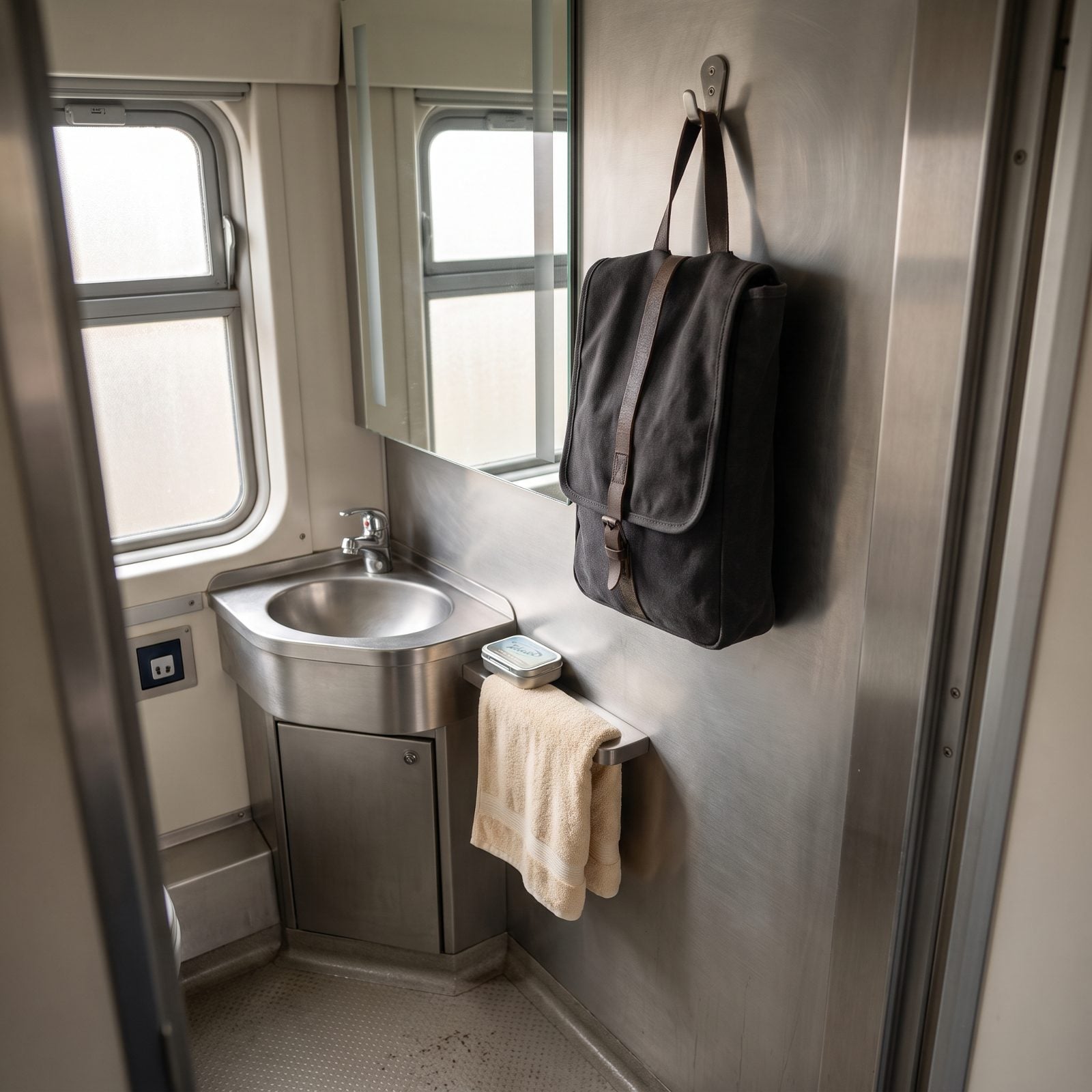
Sleeper washrooms are small. Not quaint-small — genuinely tight, the kind where your elbows brush both walls and the sink doubles as everything. The morning rush means a queue, and the hot water gets shared across the whole car, so whoever showers at 7am has a wildly different time than whoever shows up at 7:40.
Plan around it instead of fighting it.
- Pack a small toiletry roll you can hang, so nothing lands on a wet surface.
- Carry baby wipes or a wet flannel for a quick freshen-up when the shower line runs long.
- Shower early, if a shower exists at all, before the car drains the tank.
Above all, keep your expectations honest. You’re washing up on a moving train, not checking into a spa. Do it with a sense of humor and you’ll be fine.
3. Forgetting a Quick-Dry Towel and Shower Sandals
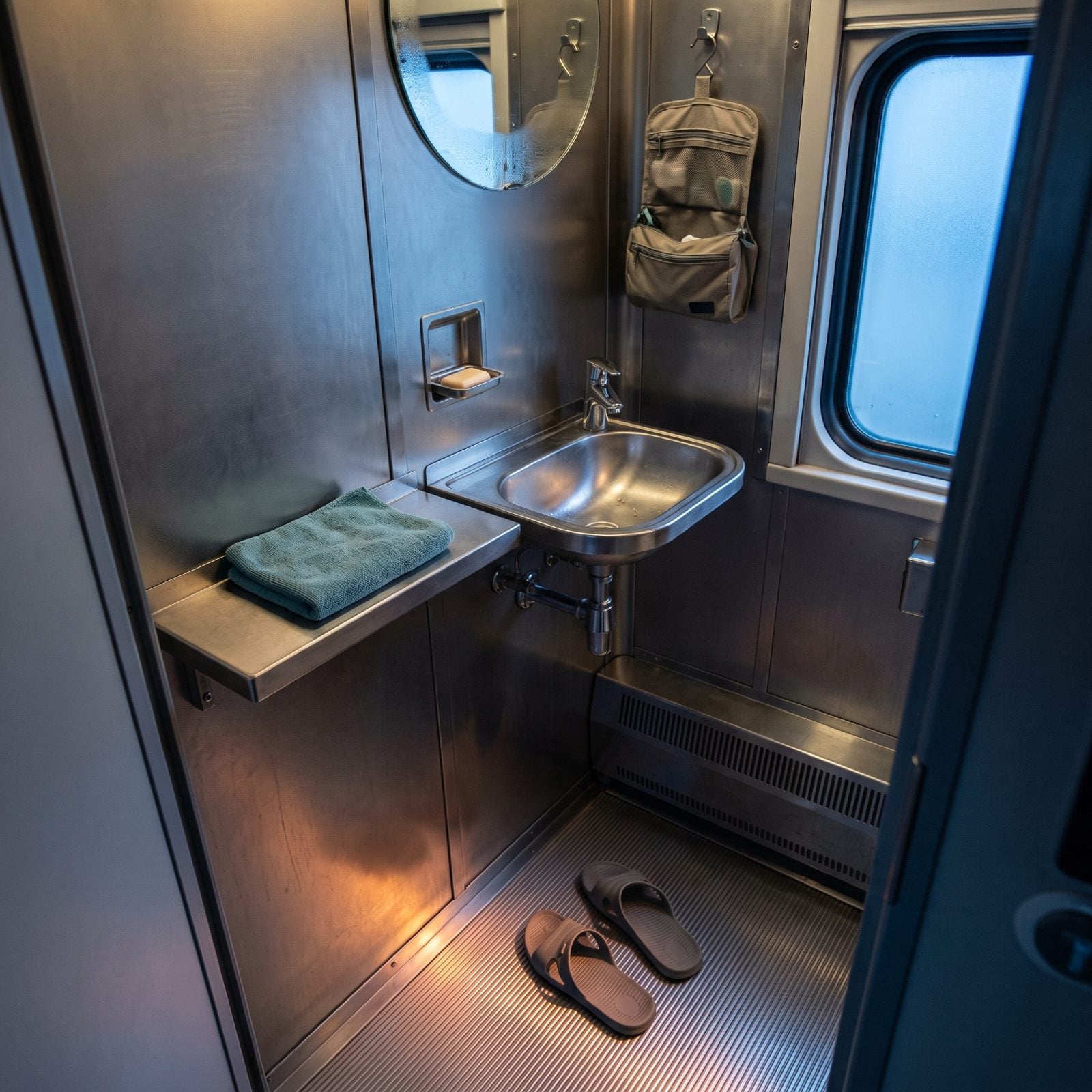
Your bathroom at home, with its warm terracotta hex tiles and freestanding tub, is a palace next to the shared shower at the end of a sleeper corridor. That’s a cramped cubicle the last three passengers already used, drained into the same tray, and left faintly damp. Stand barefoot in that and you’ll spend the rest of your trip nursing a foot you’d rather not think about.
And the towels? When a train bothers to provide them, they run thin as a dish rag and dry about as fast as wet newspaper. So you end up dragging clothes over damp skin in a rocking corridor, which is nobody’s idea of a good morning.
Leave the thick, plush terry towels and leather slip-on slippers at home. Pack a microfiber quick-dry towel that folds down to the size of a paperback, plus a flat pair of rubber shower sandals. Both weigh nothing, and both spare you the two most predictable discomforts of overnight travel.
2. Flushing the Toilet While the Train Is Stopped Where Prohibited
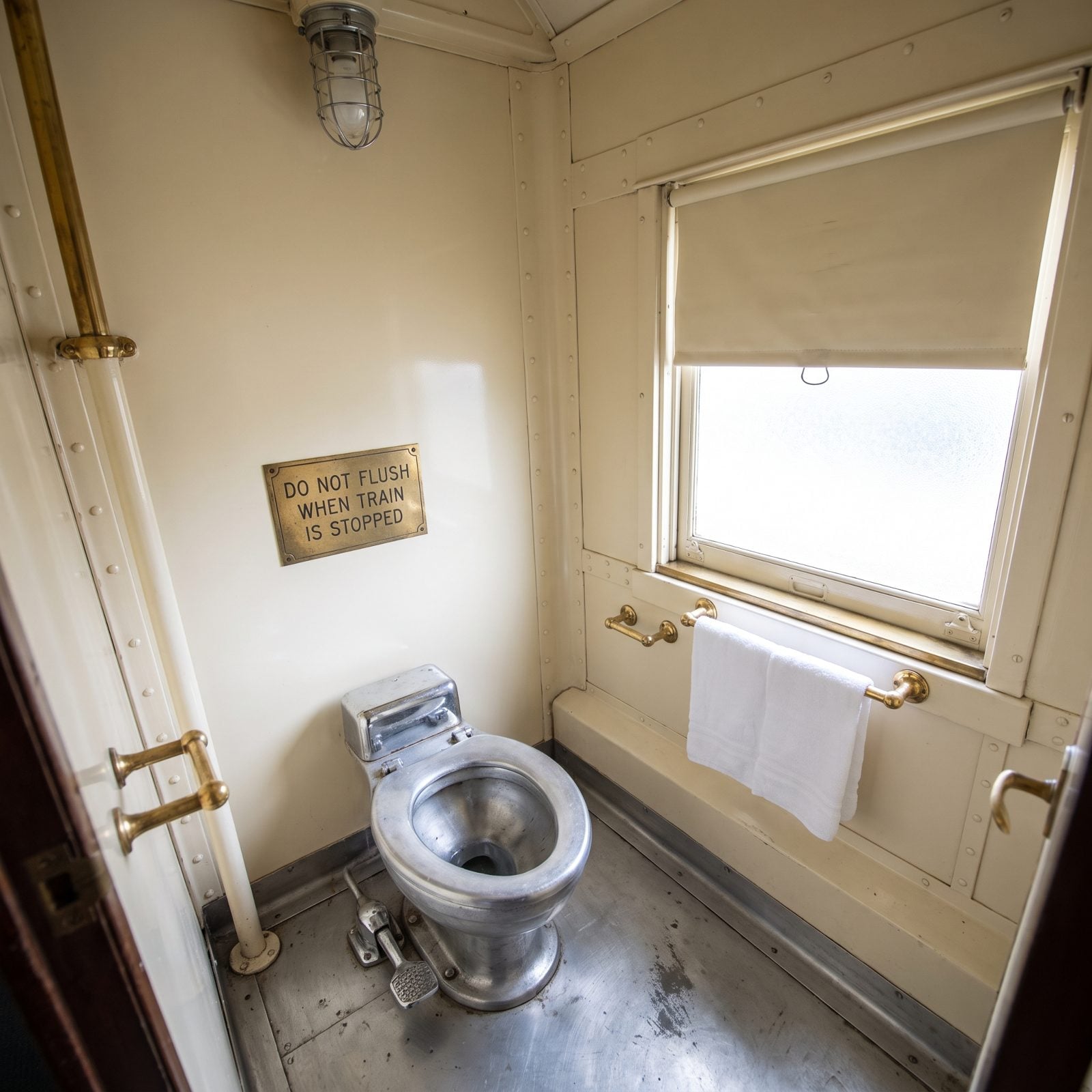
On older sleepers, the toilet is a hole to the tracks. Flush it and everything drops straight to the gravel below, which is exactly why that little sign warns you off while the train sits in a station.
Ignore it and you’ve left a mess on a platform where people stand, or at a depot where crews work. Folks notice. And your fellow passengers would really rather you didn’t.
The fix costs nothing. Check whether your car has a retention tank — most modern night trains do, so you can flush freely — or the old drop-chute type. If it’s the old kind, wait until the wheels are turning again. Thirty seconds of patience and you’re fine.
1. Forgetting That the Train May Split During the Night
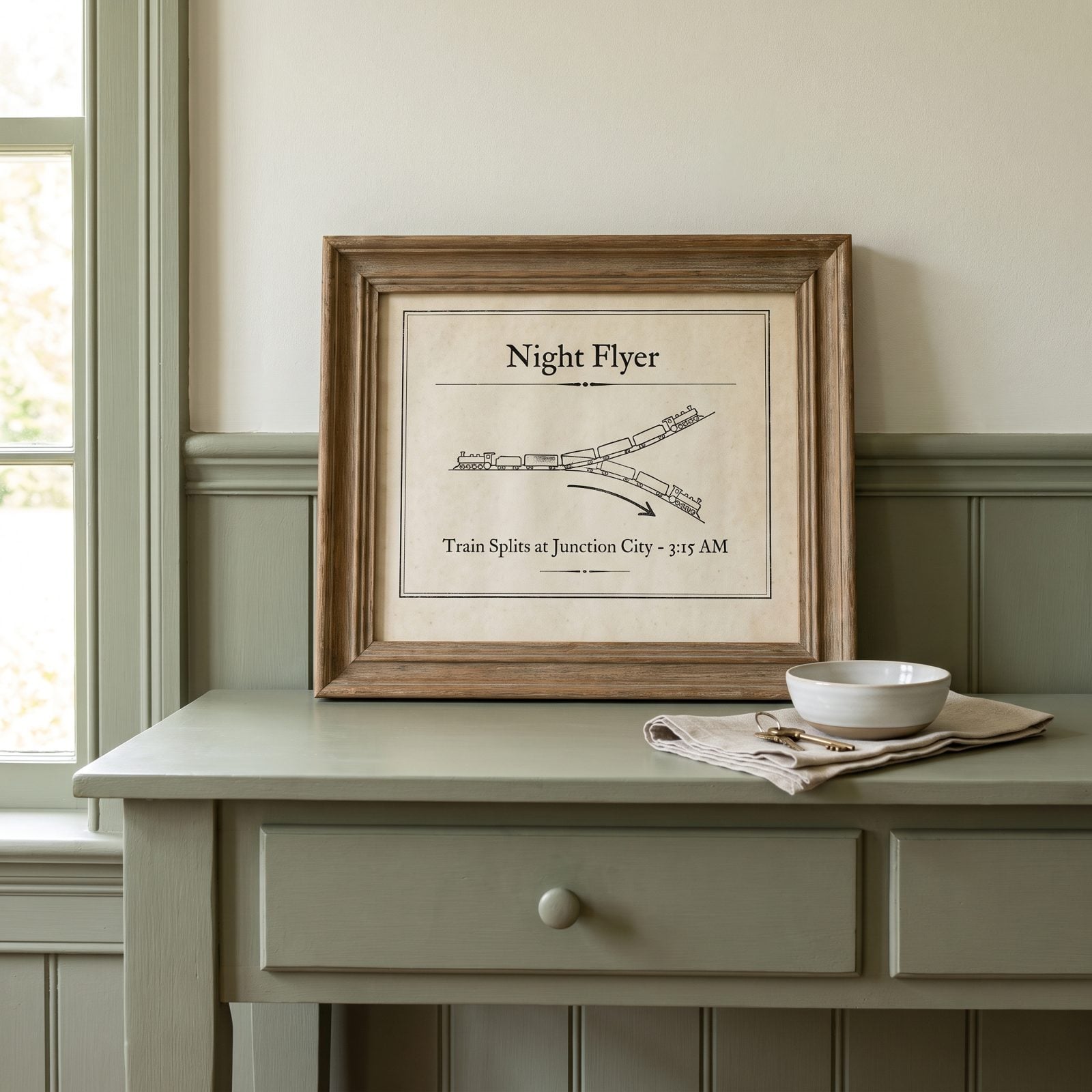
You board one train, fall asleep, and figure you’ll wake where the whole thing is headed. Not always. Plenty of overnight services roll into a junction around 2am and physically split in two — half the carriages carry on to one city while the other half peel off somewhere else entirely.
Guess which car you climbed into. Get it wrong and you wake up a few hundred miles from where you meant to be, with no graceful way to fix it. First-timers get caught by this on routes all over Europe and Asia.
Before you sleep, ask the attendant or check your ticket for the exact carriage number — not just the train. The car you’re sitting in decides your destination, and that split was written into the schedule long before you ever noticed it.
I’ll be honest — I had no idea trains did this until I read the fine print on a ticket and did a genuine double take. One of those rules nobody mentions until it nearly costs you a morning.
🔥 Would you like to save this?
Please note that some of the imagery in this article were created with the aid of AI image generators.