

🔥 Would you like to save this?
The gates open at nine. By 9:15, someone in your group has already made a decision that will cost you two hours before lunch. Theme parks are genuinely fun, and genuinely unforgiving to anyone who shows up without a plan. The mistakes below aren’t obvious ones. They’re the small, reasonable-sounding choices that quietly eat the day. Fix the ones below and you’ll ride more, wait less, and actually remember the trip for the right reasons.
27. Arriving at Park Opening Without a Ride Strategy Already Locked In
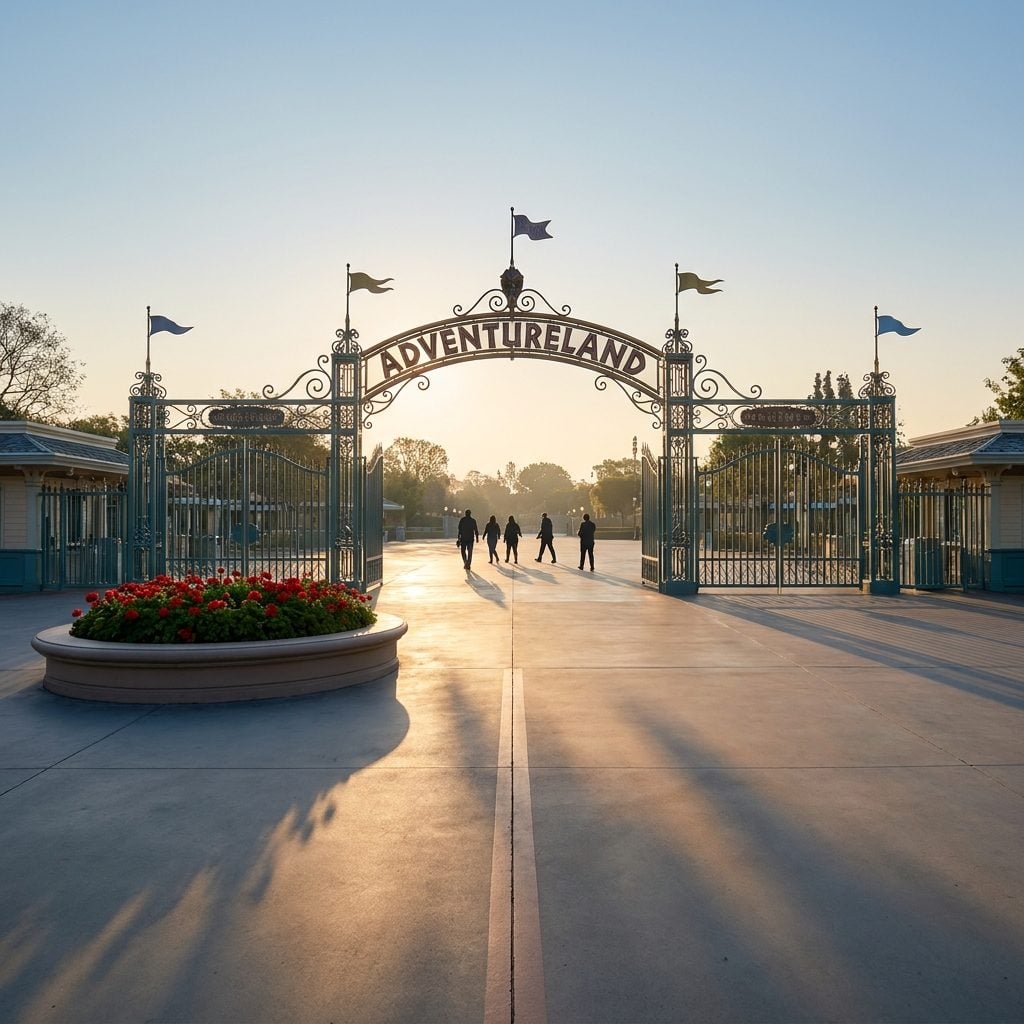
You walk through the gate right as it opens, feeling ahead of the game. Then you spend twelve minutes deciding which ride to hit first while the people who planned this on Tuesday night are already halfway through the queue at the most popular attraction in the park. By the time you agree on a direction, the wait time has jumped from fifteen minutes to sixty-five.
Park maps and ride wait apps are free. Spend twenty minutes the night before marking your must-dos in order of location and popularity. Hit the headliner first, move counterclockwise (most crowds go clockwise by instinct), and you’ll knock out three major rides before noon.
26. Skipping the Park App Because You Don’t Want to Stare at Your Phone
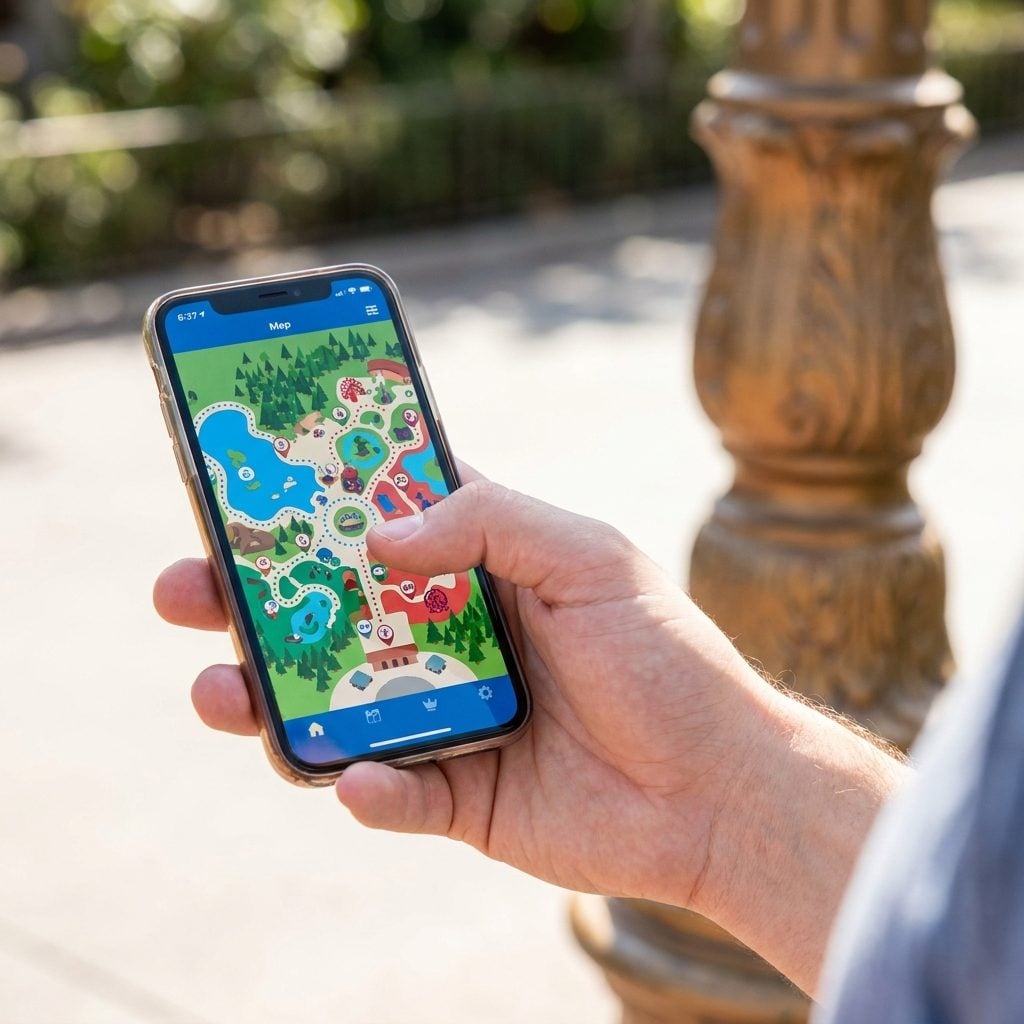
The refusal is understandable. Nobody goes to a theme park to look at their phone. But the app isn’t about screens, it’s about information that saves you from standing in a ninety-minute line you could have avoided entirely.
Every major park’s app updates ride wait times in real time. Some let you grab a virtual queue spot or a Lightning Lane reservation before you even leave your hotel room. Check it three times: once the night before to plan, once at rope drop to adjust, once after lunch when crowds shift. That’s it. Three checks. The rest of the day, pocket the phone.
25. Eating Lunch at Noon Like Everyone Else in the Park
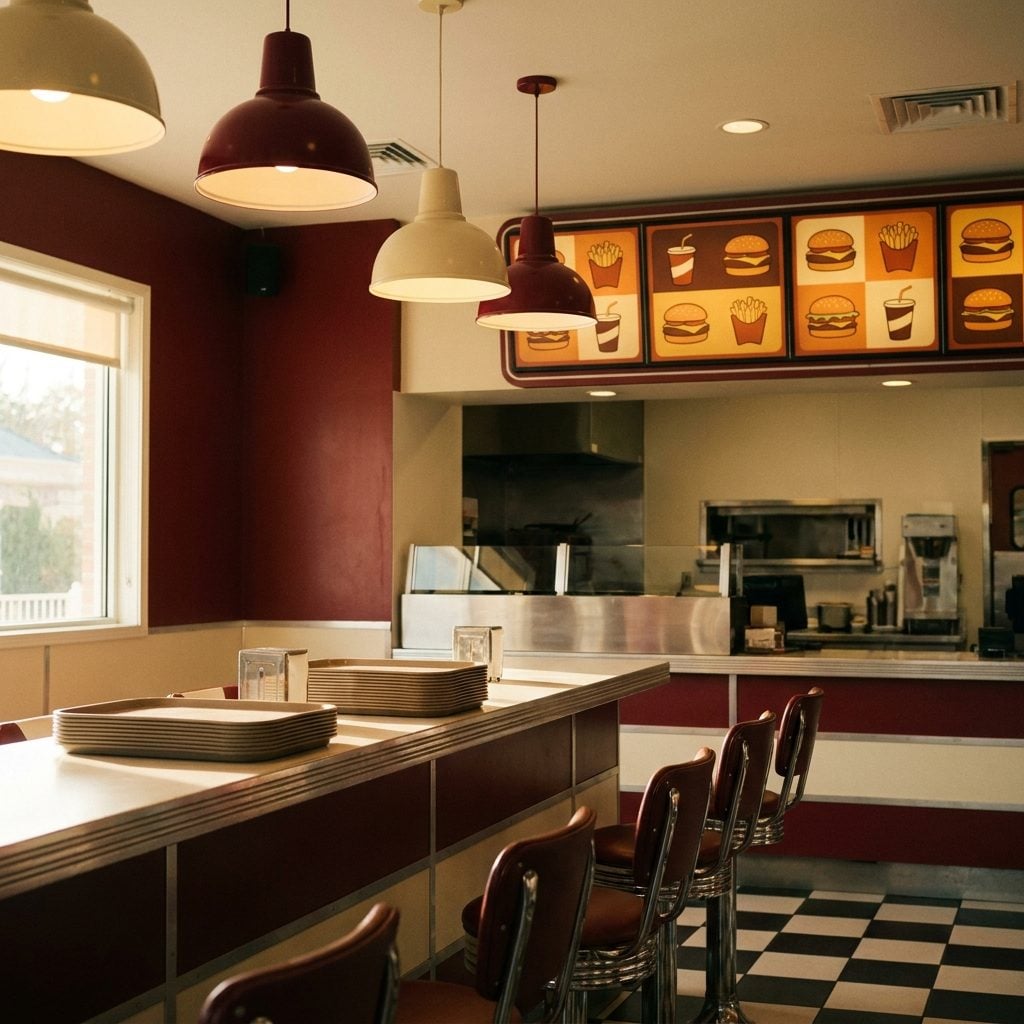
Noon is the worst possible time to eat at a theme park. Every restaurant in the park figures this out the hard way every single day, and yet the lines still stretch past the door at 12:15 because human beings are creatures of stubborn habit.
Eat at 11:00 or at 1:30. Either slot hits after or before the wave. You’ll get a table, your food faster, and your group fed in under thirty minutes instead of over an hour. Use that saved hour on the ride the 12:15 crowd is now ignoring because they’re holding a tray of nachos and looking for a bench.
24. Assuming All Rides in the Same Area Have the Same Wait
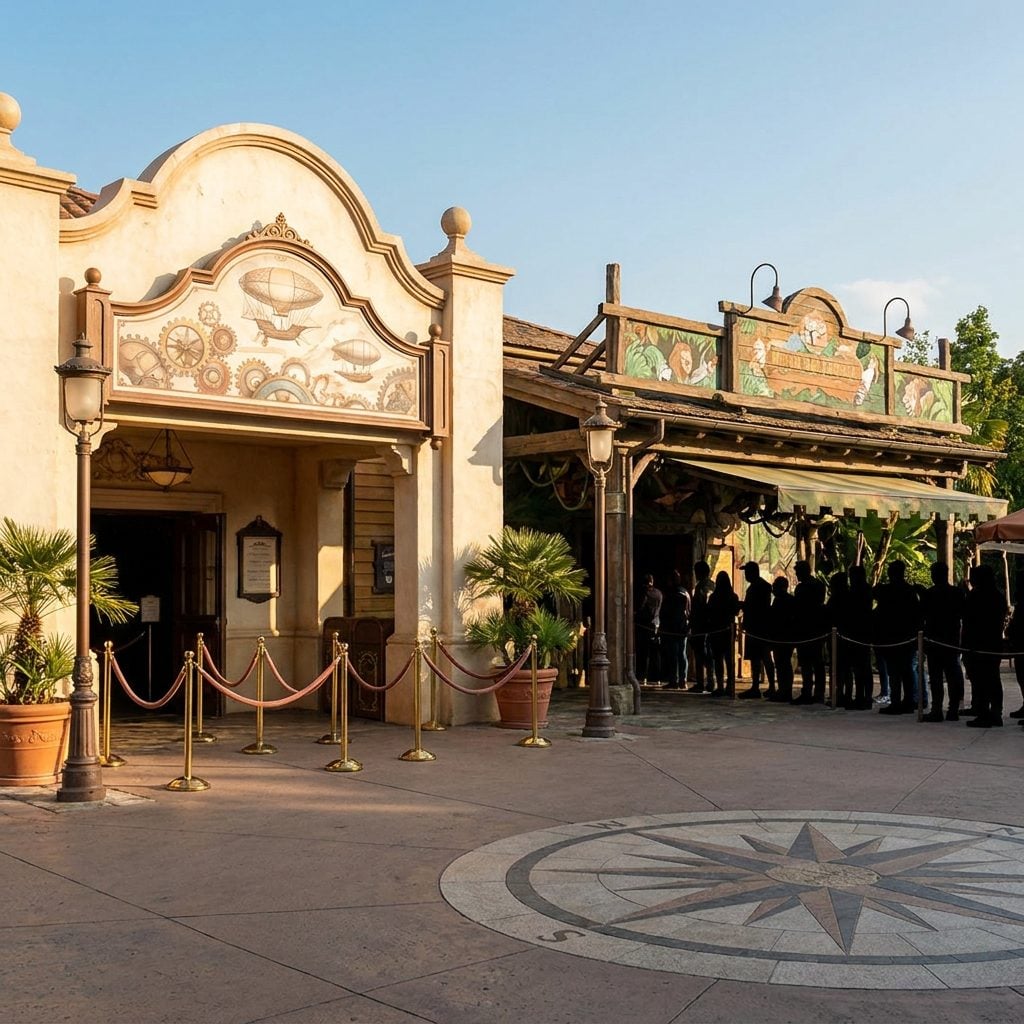
People cluster at the famous ride in a land and completely walk past its neighbor, which is often just as good, half the wait, and twenty feet away.
Park designers know this happens and sometimes use it deliberately, placing a newer or less-marketed attraction right next to the marquee name. While four hundred people queue for the headliner, the ride two doors down might be a walk-on. Check wait times for every ride in a zone before committing to the longest line in it. The difference is sometimes fifty minutes.
23. Packing the Stroller With Everything You Own
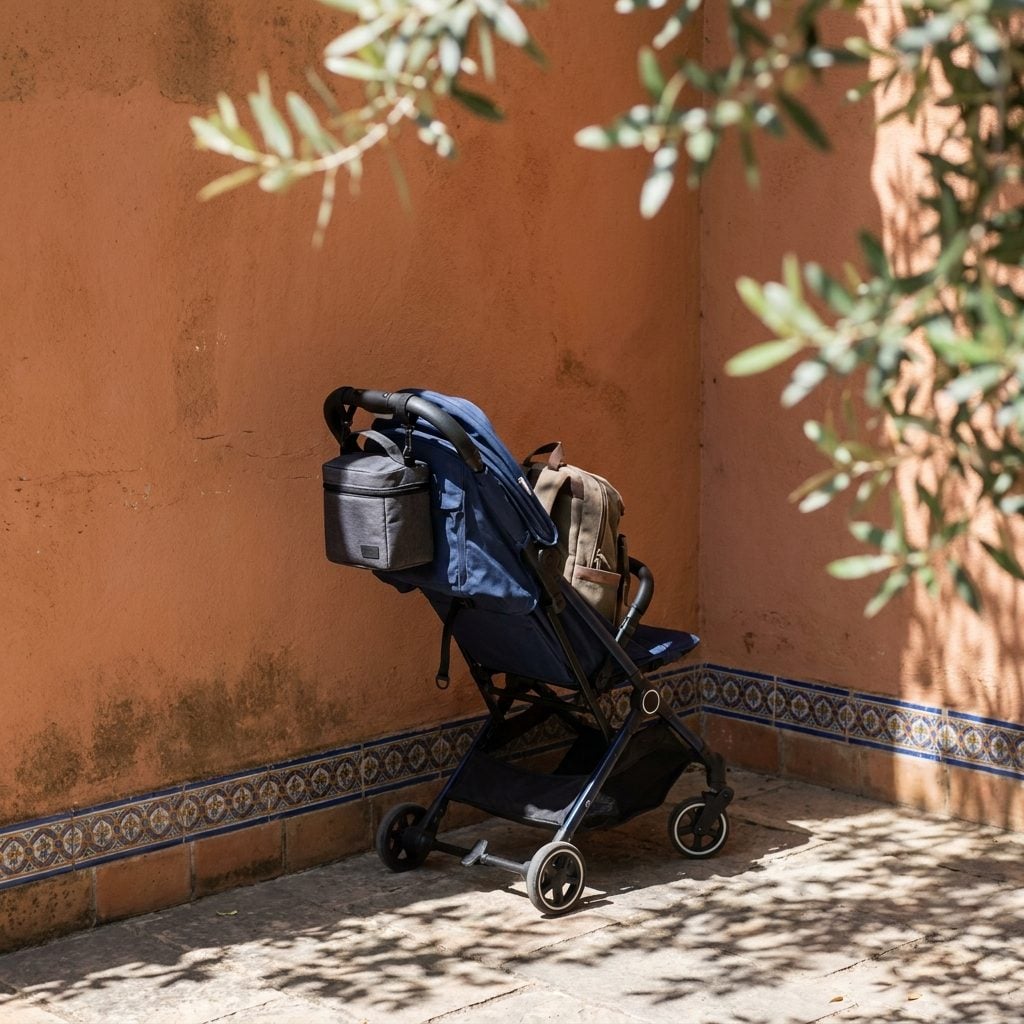
The overpacked stroller is its own kind of punishment. You haul the thing through a crowd, block a narrow queue lane, can’t park it near the ride entrance, and spend ten minutes every hour retrieving items from the bottom of a bag that has apparently absorbed everything you own.
Bring a lightweight crossbody bag for the essentials that travel with you on rides: sunscreen, snacks, a reusable water bottle, cards, and one layer. Everything else stays in the car or the hotel. The stroller should fold in under ten seconds. If it doesn’t, it’s the wrong stroller for a park day.
22. Treating the Parade Route Like a Free Place to Stand
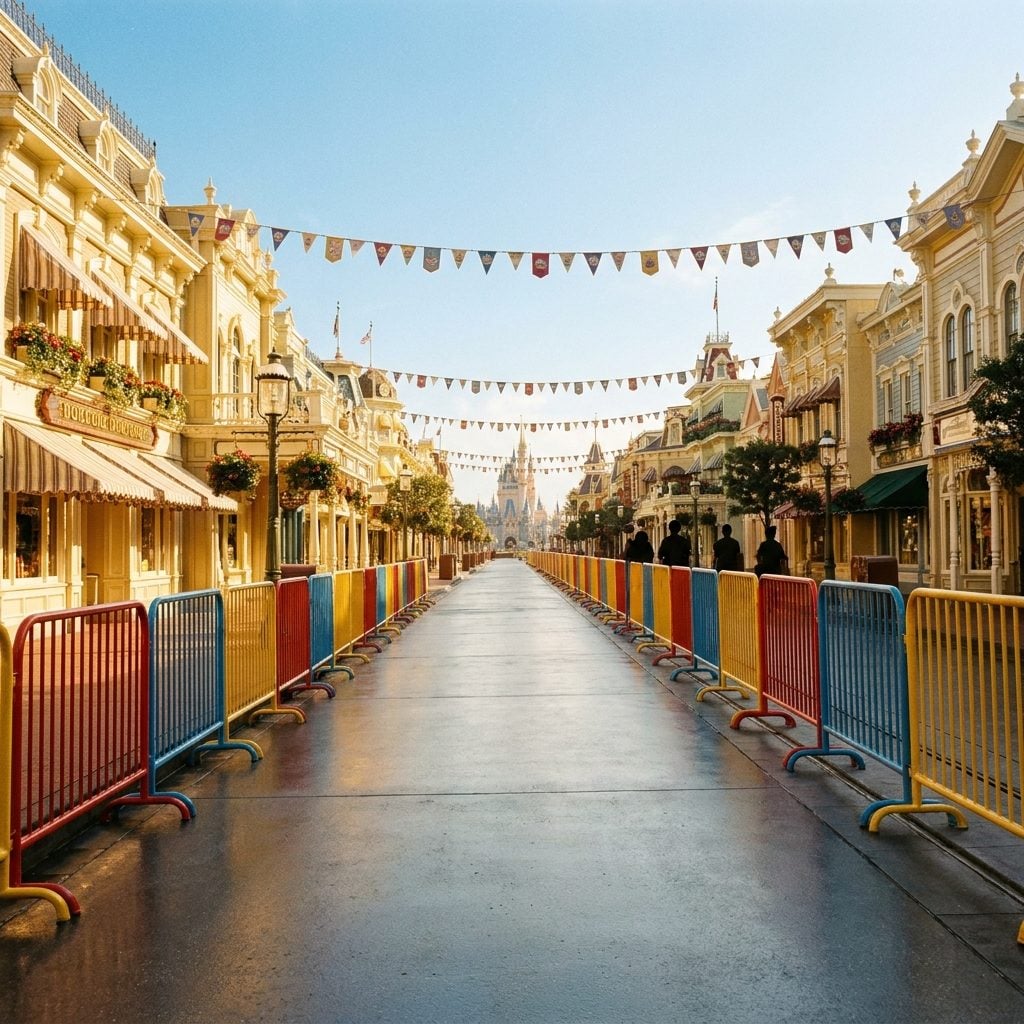
The parade is scheduled. The route is marked. And about forty-five minutes before showtime, every walkway along that route gets locked behind a crowd four people deep, which also means it becomes impassable. If a ride you want is on the other side of the parade route when the barriers go up, you’re not getting there until the floats clear.
Check the parade schedule when you arrive and plan your afternoon around it, not over it. Cross to the far side of the route at least an hour before start time, or use it as your lunch window while everyone else is claiming curb space.
21. Waiting Until the Last Hour of the Day for Your Big Splurge Ride
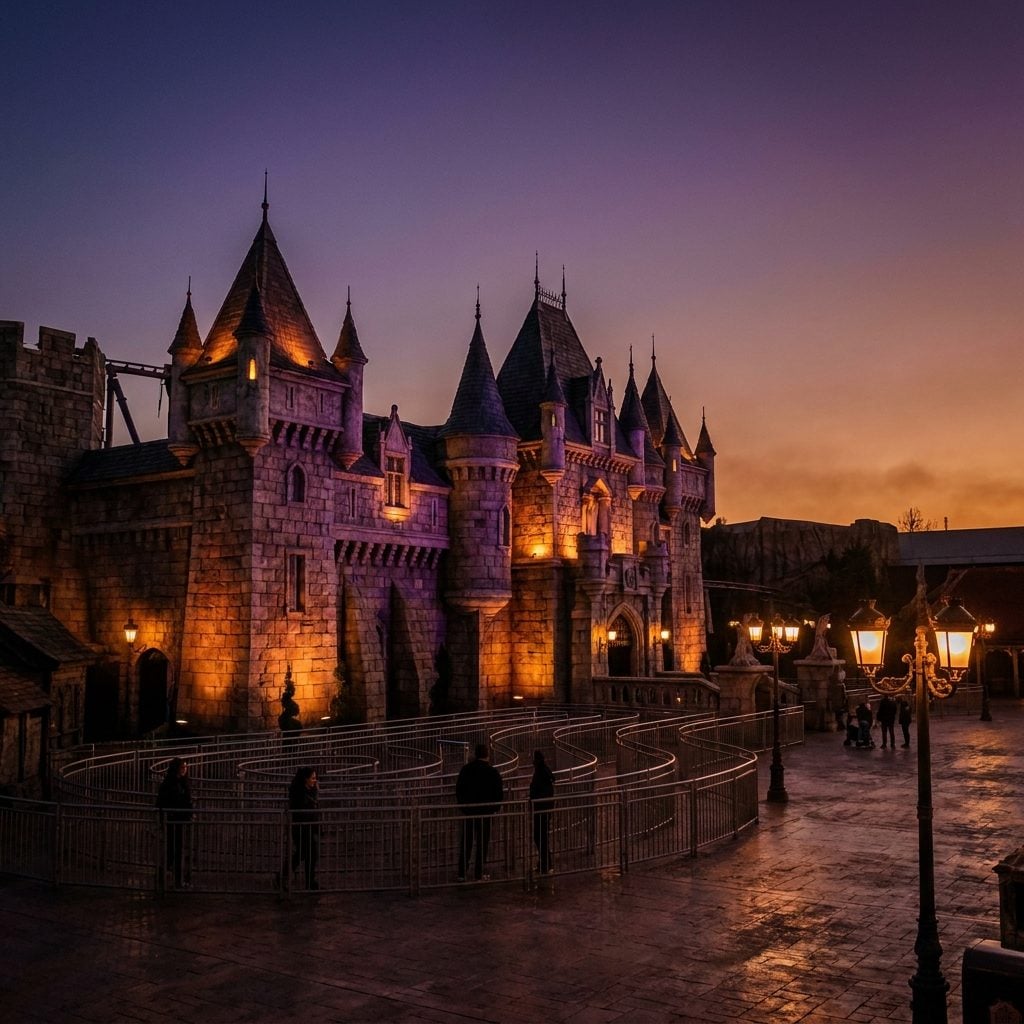
Saving the big ride for last feels rewarding in theory. In practice, it means you’re in line at 8:45 PM on tired legs, the park closes at 9:30, and you spend the final forty-five minutes of your day standing in a queue instead of watching the fireworks from a good spot.
Do the marquee ride in the first ninety minutes. If you love it, the evening slot becomes a bonus, not a gamble.
20. Letting the Group Vote on Every Single Decision in Real Time
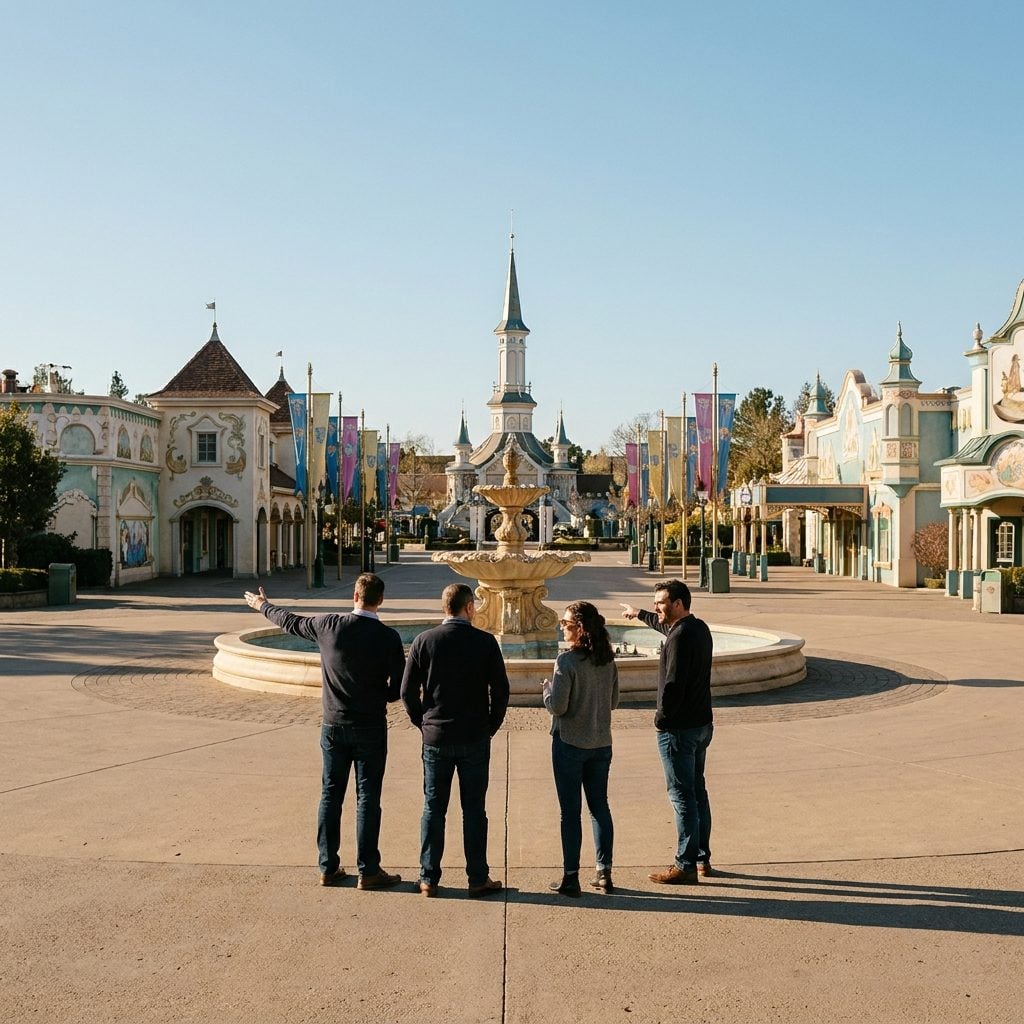
Six adults trying to achieve consensus in a theme park is a sociological experiment with a predictable outcome: nobody gets what they actually want, and the group spends twenty minutes in front of a park map doing something that could have been settled at breakfast.
Assign one person as the day’s navigator before you walk through the gate. That person holds the app, makes the calls, and pivots the plan without committee approval. Rotate the role at lunch if you want. What you can’t do is run every decision through a group vote, the line fills while you’re still debating.
19. Skipping the Park Map the Second You Walk Through the Gate
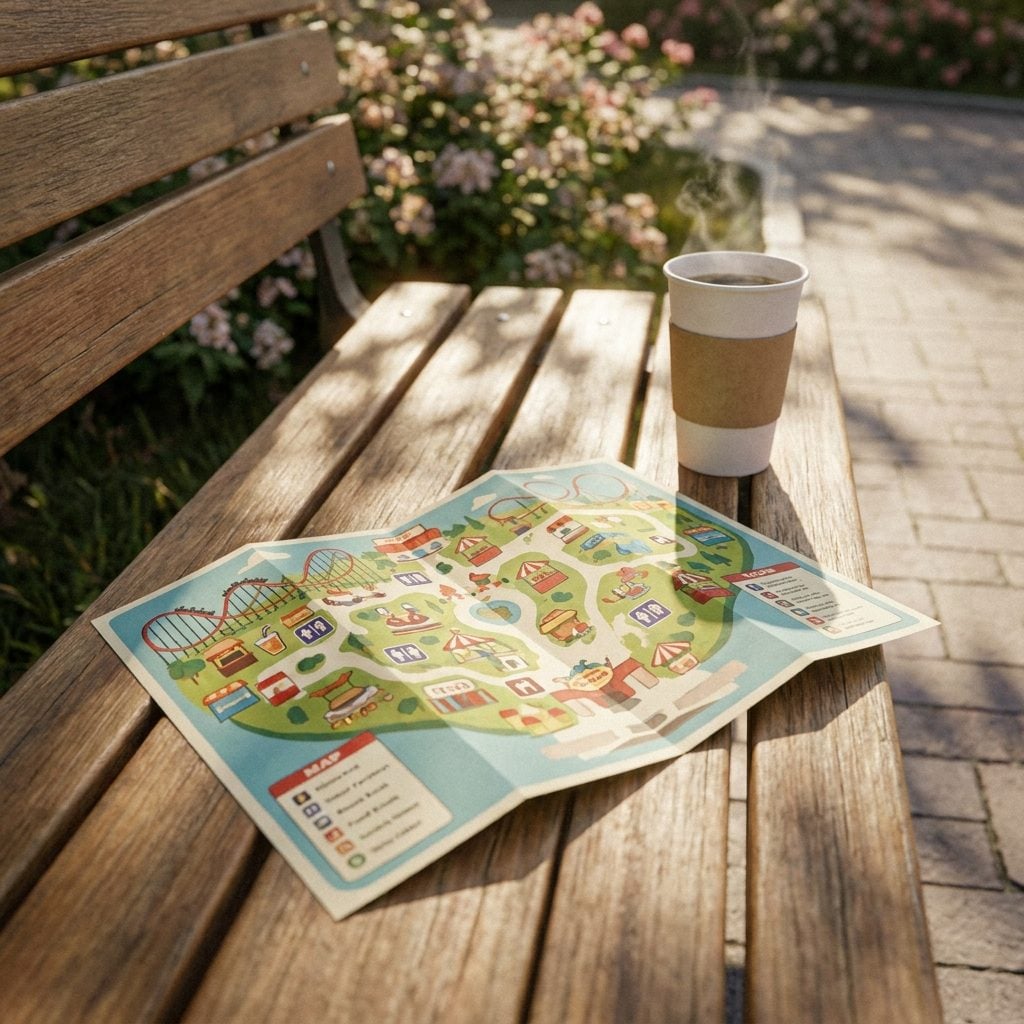
You walk in and immediately follow the crowd toward whatever ride you can see from the entrance. It feels efficient. It isn’t. That first hour, when the park is still thin and the lines are genuinely short, gets eaten up wandering in the wrong direction toward something you didn’t even want that badly.
Grab the map before you go through the gate, most parks post them online. Mark your top three priorities in order. The difference between a plan and no plan is usually two or three rides by noon.
18. Eating Lunch at Noon Like You’re on a School Schedule
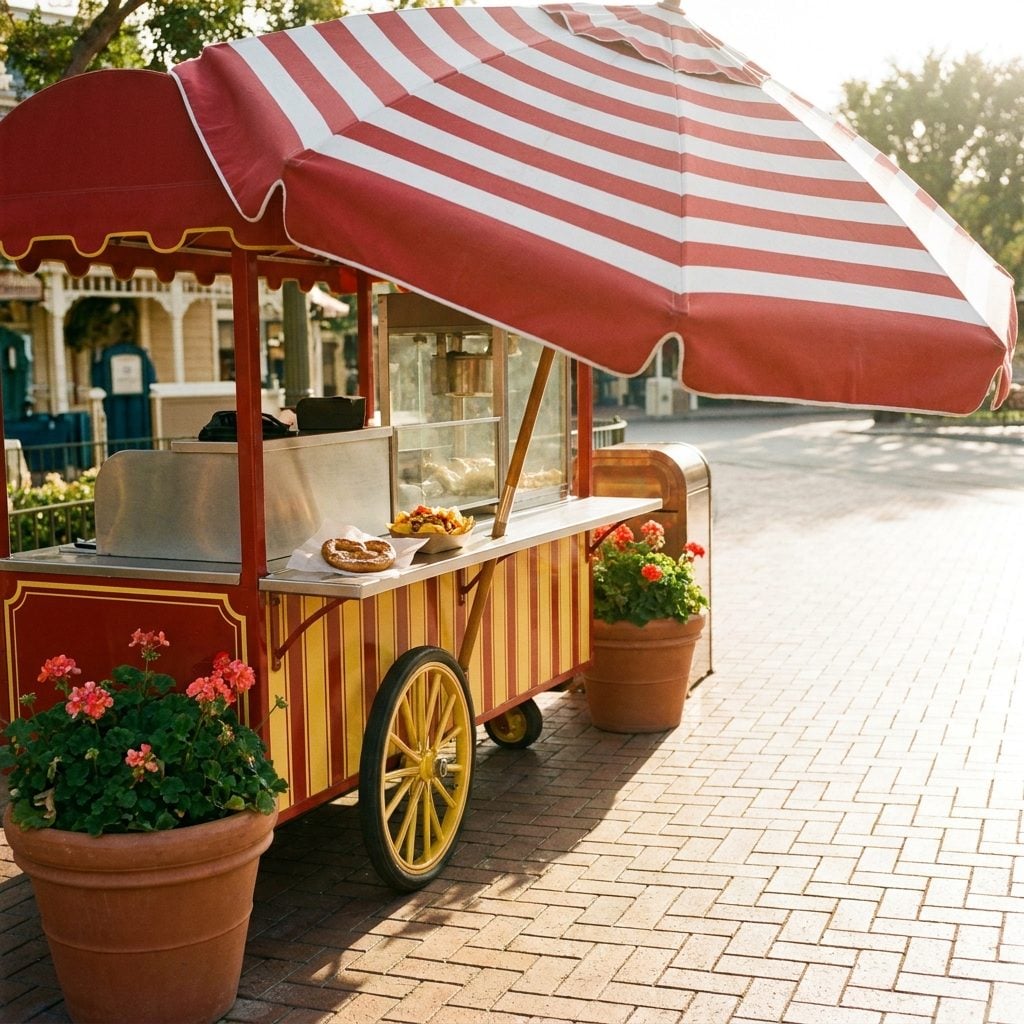
Every person in that park had breakfast around the same time. Which means every person in that park gets hungry around the same time. Walk into any restaurant or food stand at noon and you have just voluntarily joined the longest line of the day for something that isn’t even a ride.
Eat at 10:30 or wait until 2:00. The food is identical. The wait time is not. Some parks let you mobile-order through their app, which bypasses the counter line entirely, worth checking before you get hungry enough to make bad decisions.
17. Treating the Lightning Lane or Express Pass as Optional
🔥 Would you like to save this?
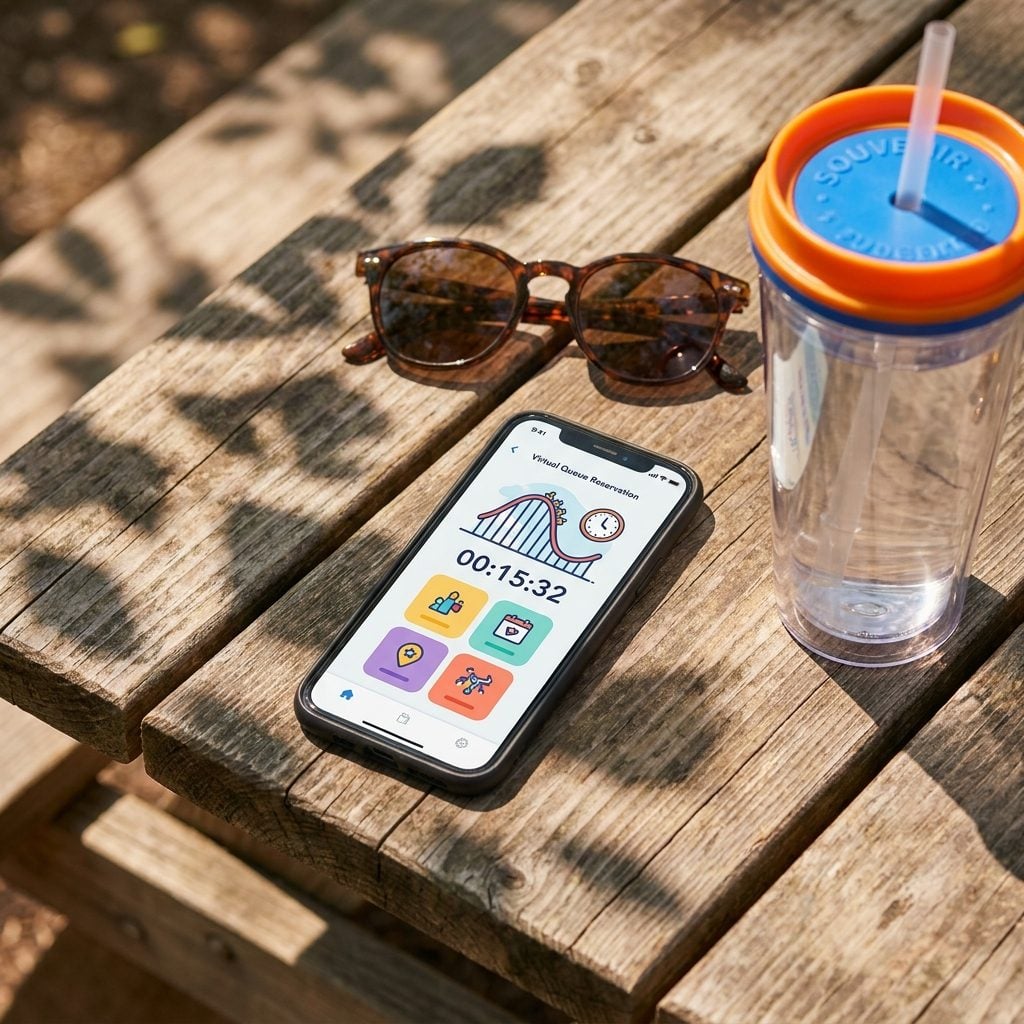
The math is uncomfortable but real: a paid skip-the-line pass on a busy Saturday often costs less per hour than a theme park ticket does. You are already in for the expensive day. Refusing the express option to save forty dollars and then spending three hours in standby queues is a trade that doesn’t hold up at the end of the day when you’ve ridden four things instead of nine.
Price it out before you decide it’s not worth it. For families with younger kids, or anyone visiting during spring break or a summer weekend, the calculus usually comes out in favor of the upgrade.
16. Heading Straight for the Biggest Ride When the Park Opens
Everyone thinks they’re being clever. Race to the flagship ride first thing, beat the crowd. The problem: everyone read the same advice. The headline attraction at rope drop is already running a forty-minute wait by 9:15 because a thousand other people had the same strategy.
Counter-program it. Hit the second and third tier rides in the first hour while everyone else fights for the big one. Come back to the headliner at 30 minutes before park close, when the crowds have thinned and the line has dropped by half.
15. Ignoring the Single Rider Line Like It Doesn’t Exist
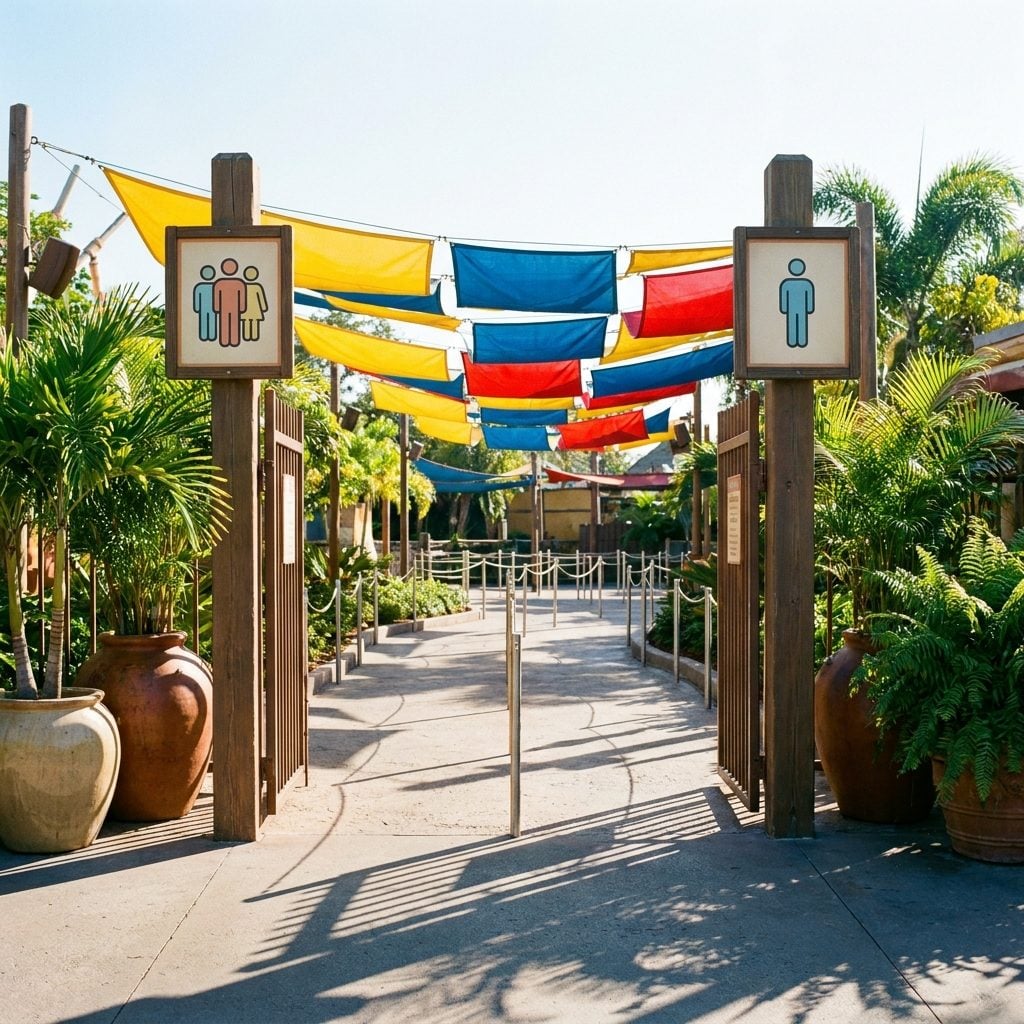
Single rider lines exist because rides are designed to fill every seat, and groups of three rarely make a four-seat row work perfectly. That leftover seat is yours. The single rider queue at many major parks runs at a fraction of the standby wait, sometimes ten minutes versus seventy.
If you’re traveling with a group that genuinely doesn’t mind splitting up for the duration of a three-minute ride, this is the closest thing to a free pass the park will ever give you. You’ll end up at the same exit thirty seconds apart.
14. Letting the Kids Vote on What to Do Next

Democratic theme park planning sounds fair and ends in an hour-long negotiation outside a pretzel cart while the morning’s best window closes around you. Kids don’t know the difference between a fifteen-minute wait and a ninety-minute wait until they’re standing in it, and by then the decision’s already been made.
The fix isn’t to ignore them, it’s to give them a choice between two options you’ve already vetted. “The spinning ride or the log flume?” Both work. Everyone wins. You keep moving.
13. Assuming the App Wait Times Are Accurate
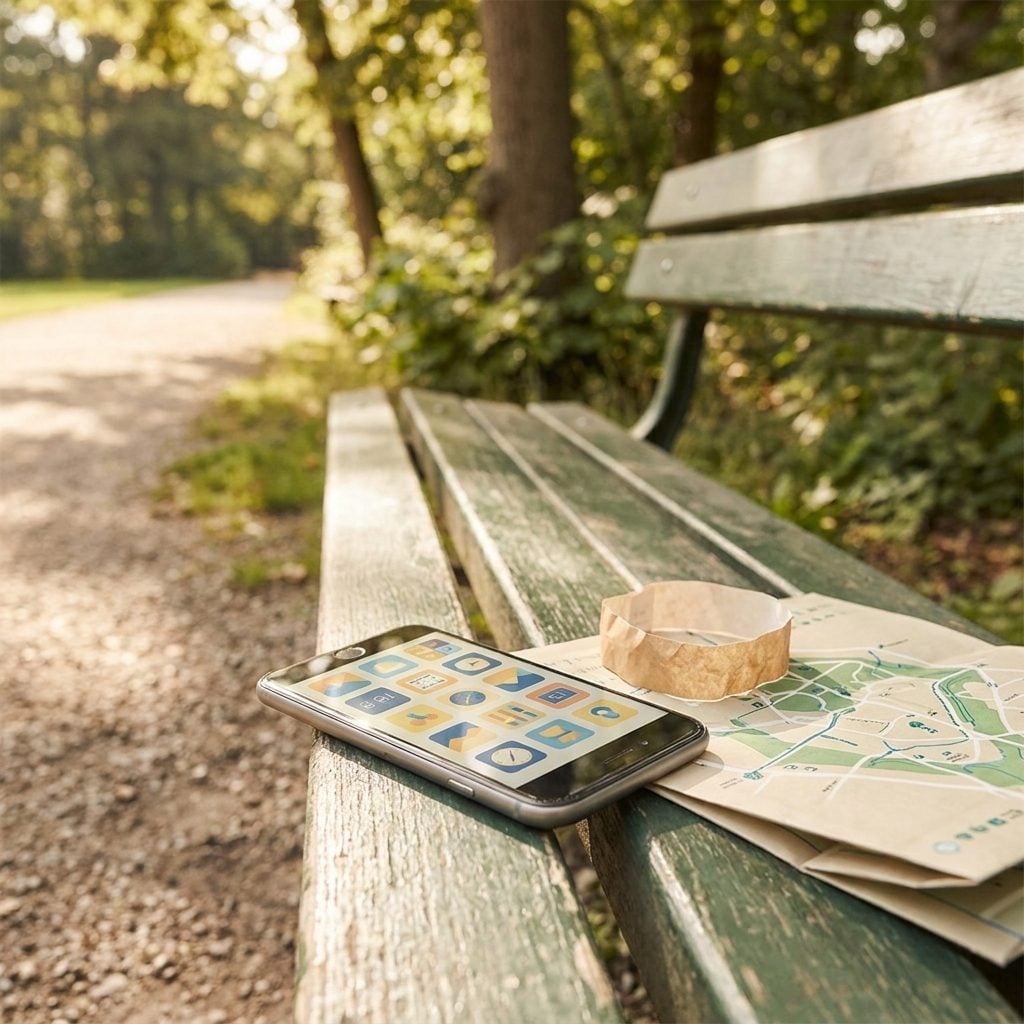
The posted wait time on the app is reported by ride operations and updated on a lag. It also reflects the wait from the queue entrance, not from wherever the line has spilled out onto the midway. Walk up to a ride showing twenty minutes when the physical line wraps past two switchbacks, and you’re looking at forty-five.
Use the app as a directional signal, not a schedule. When in doubt, walk to the entrance and look at where the line actually ends before committing.
The posted wait time is a best guess from fifteen minutes ago. Your eyes are more current.
12. Leaving and Coming Back Mid-Day Thinking You’ll Beat the Afternoon Rush
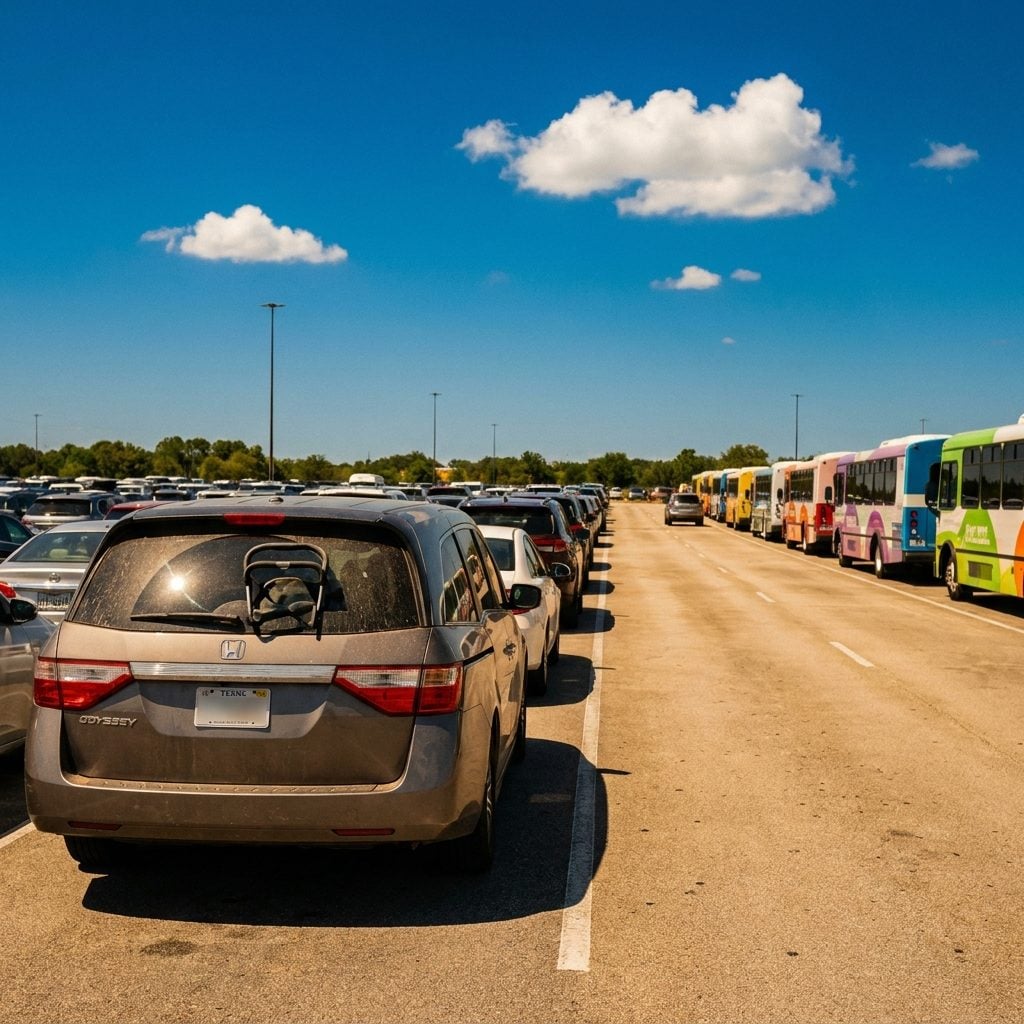
The theory sounds solid: leave for a two-hour hotel break, nap, reload, return refreshed. What actually happens is that leaving costs forty-five minutes in the lot and tram, the break runs long, re-entry eats another thirty minutes, and you’ve surrendered the exact window, roughly 2 to 4 p.m., when crowds actually thin inside the park as families with young children head for the exits.
Stay in the park. Find a shaded bench or an air-conditioned shop. Eat a real sit-down lunch somewhere quiet. The afternoon recovery window is more valuable than a mattress two miles away.
11. Skipping the Park Map and Trusting Your Gut Instead
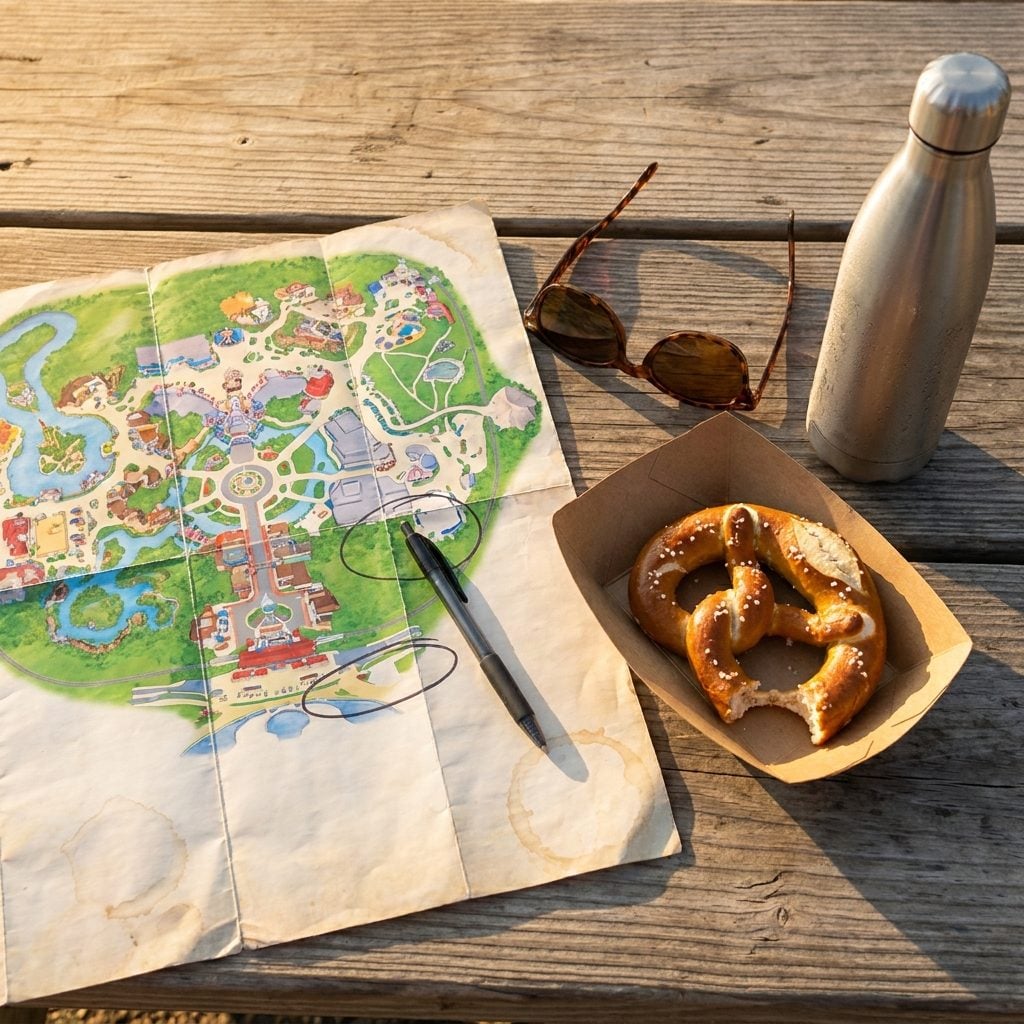
You walk in, pocket the map, figure you’ll learn the layout as you go. By 11am you’ve crossed the park three times, doubled back past the same churro cart twice, and missed the opening window on the ride everyone came to see. Wandering feels like exploring. It isn’t. It’s just expensive.
Spend ten minutes the night before with a downloaded park map. Mark your three non-negotiables. Plan a rough loop that hits them in geographic order, not enthusiasm order. The park is designed to move crowds in circles, your route should cut against that, not follow it.
10. Eating Lunch at Noon Like Everyone Else in the Park
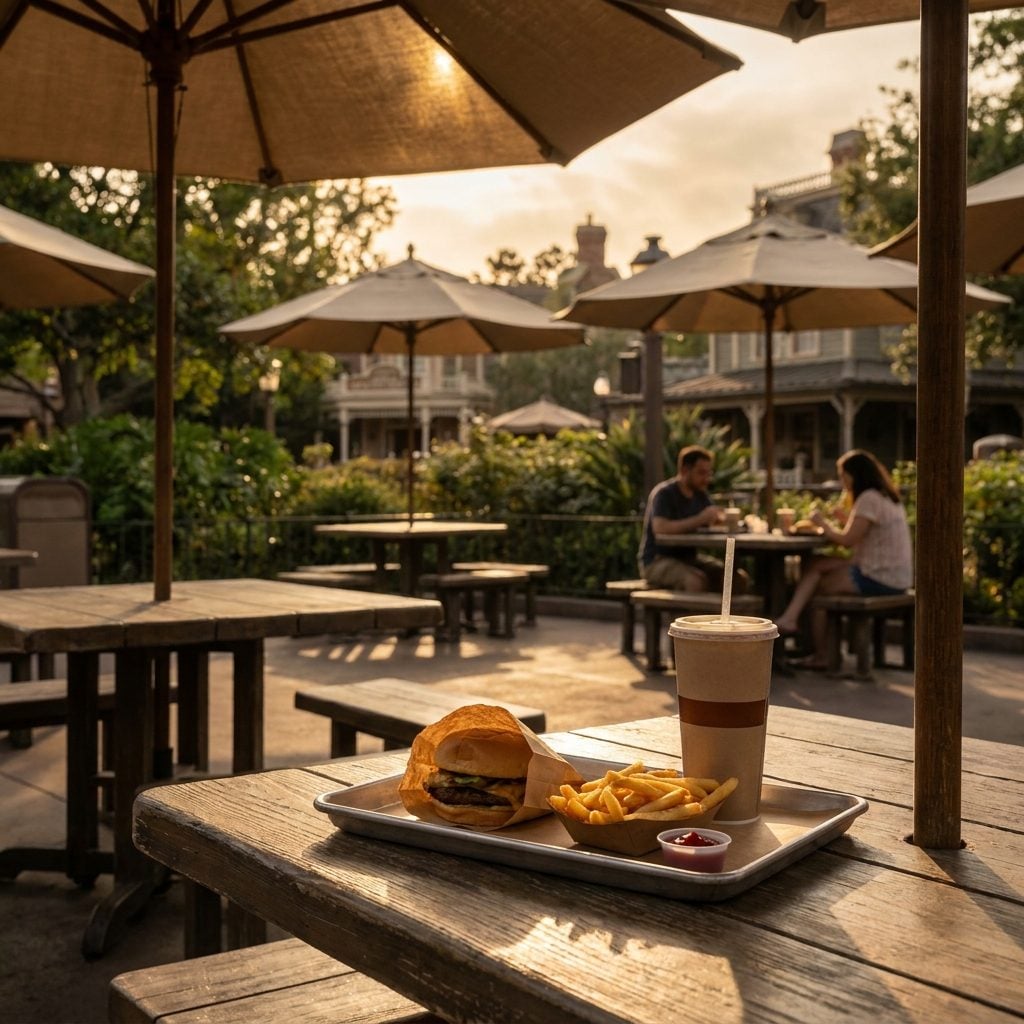
The average theme park restaurant at 12:15 looks like a boarding gate for a delayed transatlantic flight. Every family in the park had the same idea at the same time, and now you’re thirty minutes deep in a line for a nine-dollar hot dog while your window for the low-wait ride closes behind you.
Eat at 11:00 or at 2:00. Both windows are dramatically calmer. Restaurants that were standing-room-only at noon will have open tables and no line twenty minutes later. Use the noon rush to ride, that’s when the attractions thin out while everyone else is eating.
9. Burning Your Fastest Hours on the Slowest Rides First
🔥 Would you like to save this?
The first ninety minutes after a theme park opens are the most valuable time you will have all day. Wait times that hit seventy-five minutes by 10:30 are often under fifteen minutes at park open. Most visitors spend that window eating breakfast, taking photos at the entrance arch, or wandering toward whatever looks interesting.
Know your one or two highest-demand rides before you arrive. Walk straight to them the moment the gates open. No detours, no snacks, no photos yet. Bank those rides early and the rest of the day is genuinely flexible. Squander the opening window on carousel photos and you’ll pay for it in line all afternoon.
8. Charging Your Phone to 100% in the Morning and Assuming It’ll Last
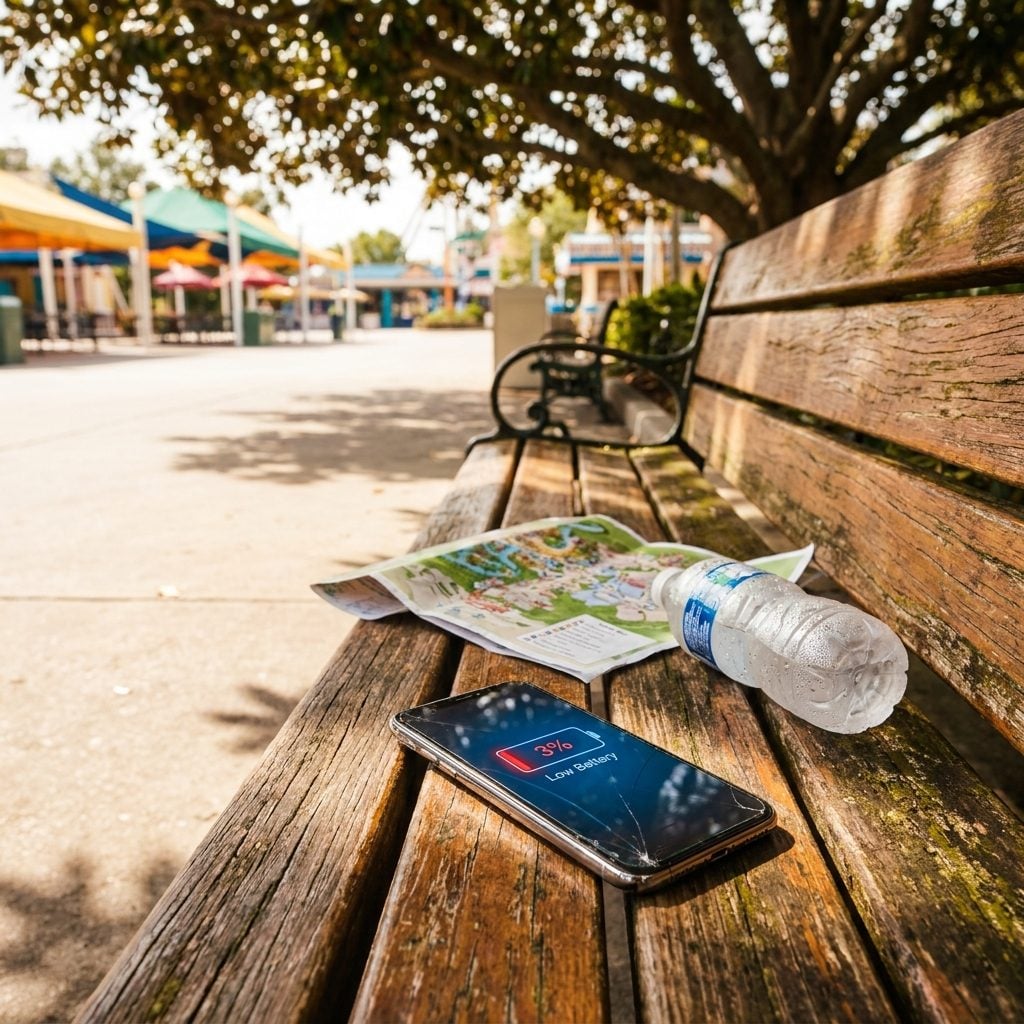
Your phone is grinding through GPS, the park app, mobile tickets, a nonstop group text, and every photo you take — so a full charge at 8 a.m. becomes a black screen by early afternoon. At a modern park, that’s genuinely scary. Tickets, Lightning Lane reservations, real-time wait data, even finding your own family — all of it lives on that screen. No phone, no plan.
Bring a portable charger. Not a tiny one. A 10,000mAh or larger power bank that can refill your phone twice over, stashed in a zippered pocket with a short cable already attached. Parks sell them at kiosks when you’re desperate, and they’ll charge you accordingly — grab one at home for a fraction of that and skip the whole ordeal.
7. Standing in a 60-Minute Line When a Virtual Queue Opened at 7 a.m.
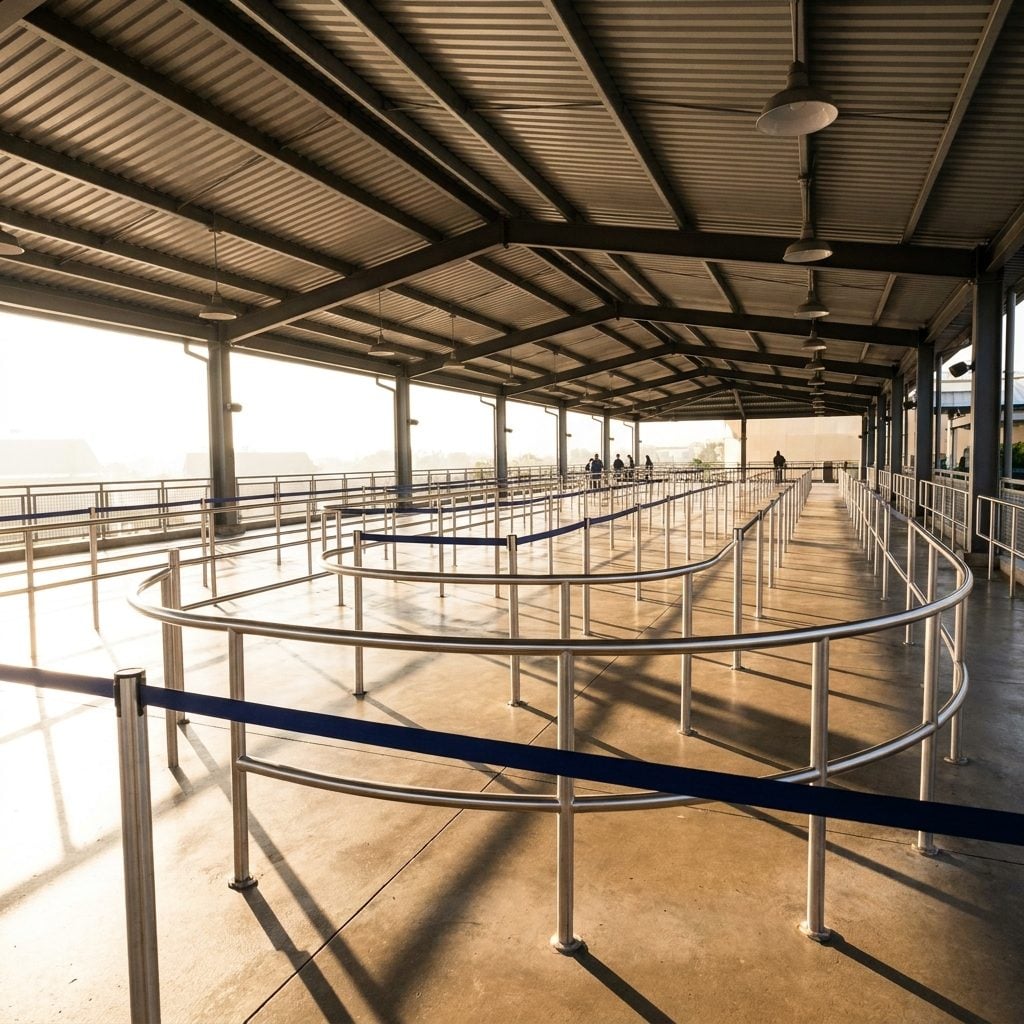
Some of the biggest rides at Disney and Universal have ditched the traditional standby line entirely. You open the app at a set time — often 7 a.m., before the park gates even open — join digitally, and receive a return window. Miss it? You’re baking in a physical queue that never needed to exist for you, watching people stroll past with their return passes.
The slots evaporate in seconds. Not a figure of speech. Seconds. So the night before, check which rides use virtual queues and when they open. Set an alarm. Have the app loaded, logged in, and ready. Then hover over that button like your morning depends on it, because it does. A two-minute tap on your phone versus an hour-plus of standby misery in the sun — the math is brutal if you’re on the wrong side of it.
6. Refusing to Split Up for Even Twenty Minutes
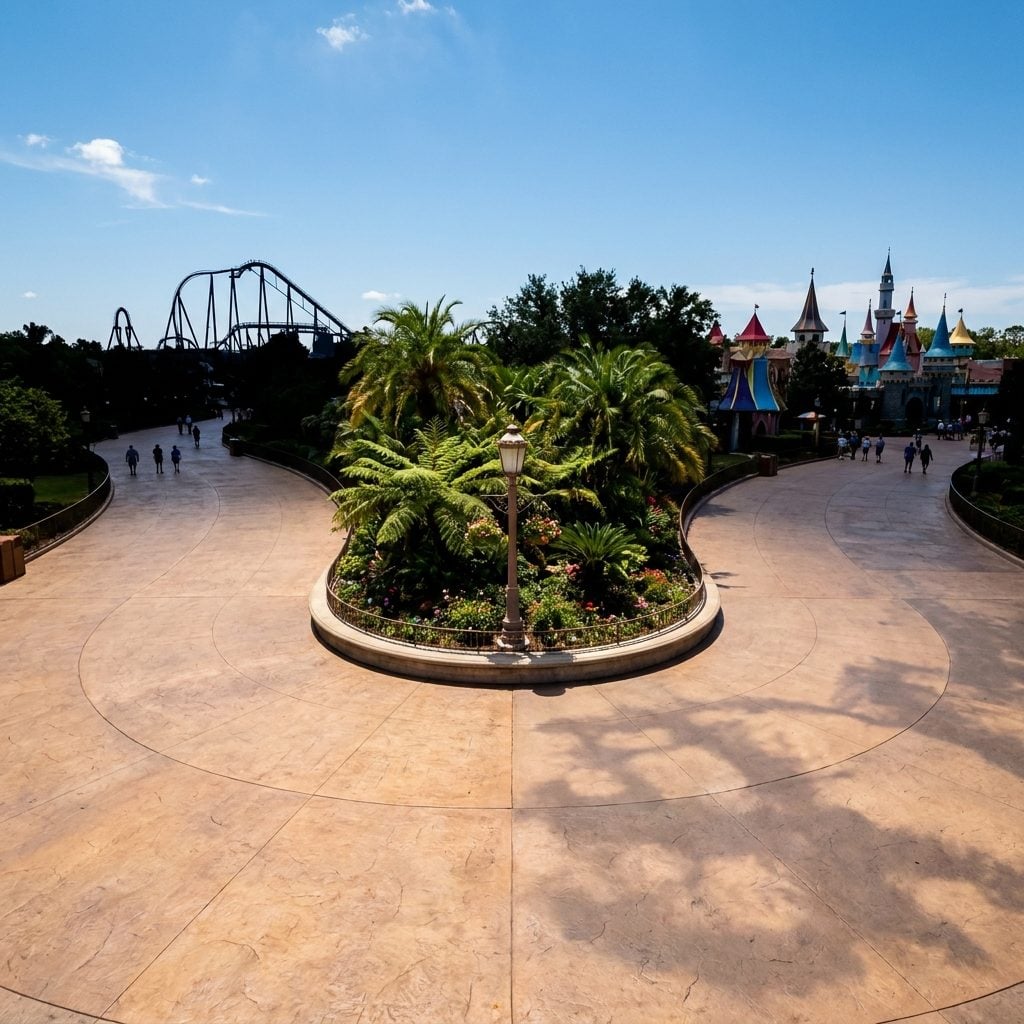
The family stays together. Always. That unspoken rule costs you hours.
Here’s what it actually looks like: Dad wants the coaster, Mom wants the dark ride, the teenager is fixated on the new attraction across the park, and the eight-year-old would happily ride the spinning teacups until dinner. Everyone compromises. Nobody gets their first choice. You all shuffle through the same queue together out of togetherness, not strategy. So — split up for 30 minutes. Pick a meeting spot and a time. Let the coaster people ride the coaster. Let the teacup devotee have her moment. Everyone regroups happy, and you just compressed 90 minutes of grudging compromise into half an hour of everybody winning. Your phones have location sharing. Use it.
5. Wearing Brand-New Shoes You Haven’t Broken In
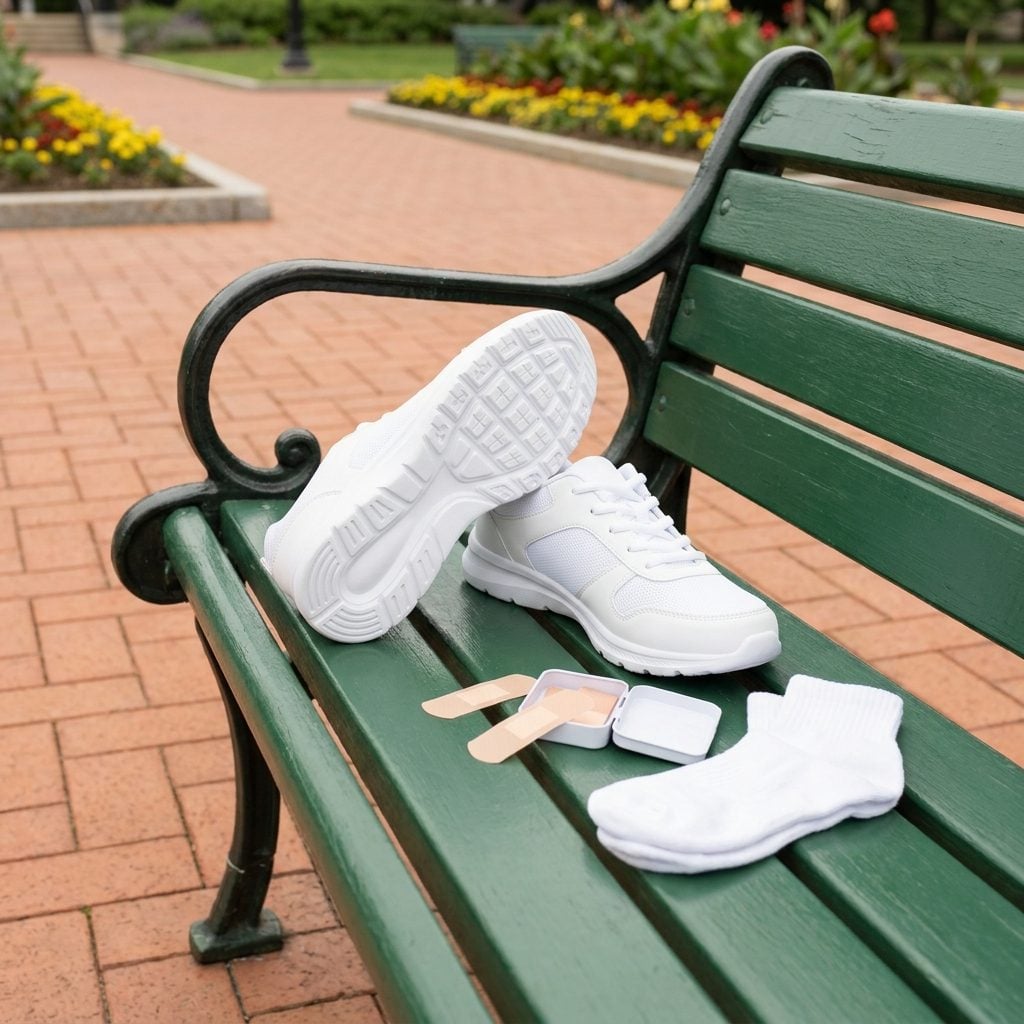
You will walk miles. Many, many miles, all on concrete, in heat, with almost no chance to sit for longer than a few minutes. Brand-new shoes start punishing you by hour three — blisters forming, seams digging in, every step becoming a negotiation with your own feet. By afternoon you’re limping toward the parking lot, furious at yourself.
Wear shoes you’ve already logged real distance in. Broken-in running shoes, well-worn walking shoes, whatever has already proven it won’t betray you. Skip sandals. Skip fashion sneakers. Skip anything with a seam that hits the back of your heel. And toss moleskin or blister bandages in your bag — not because you’re paranoid, but because concrete has no mercy and neither does Florida in July.
4. Buying Bottled Water Every Time Someone Gets Thirsty

A single bottle of water inside a theme park runs several dollars. Multiply that across a family of four buying multiple rounds throughout a long, sweaty day and you’ve spent the equivalent of a nice dinner. On water.
Both Disney and Universal let you bring empty reusable bottles through the gates and fill them inside the park. Quick-service restaurants hand out cups of ice water for free if you ask — most people never ask. Some parks even have refill stations marked on the app map. Bring one insulated reusable water bottle per person. Freeze them halfway the night before if your hotel has a freezer, and you’ve got cold water at 2 p.m. in Florida heat — which stops being a convenience and starts being the thing keeping everyone functional.
3. Booking a Character Meal Without Realizing It Replaces Two Hours of Ride Time
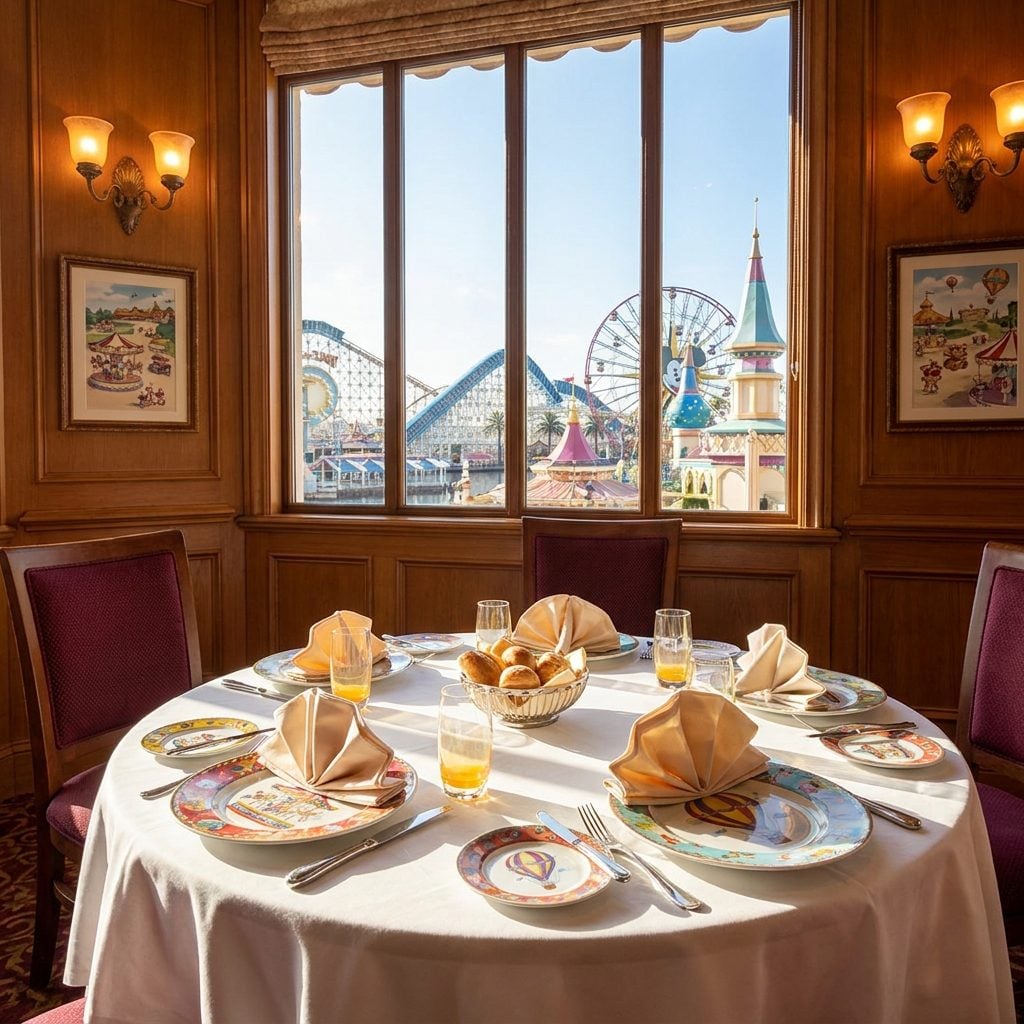
Character dining experiences are wonderful — they’re also long. Figure on 60 to 90 minutes at the table, plus showing up early, during peak morning or midday hours when the ride lines are at their most manageable. If you didn’t plan around that, you just handed over the fastest chunk of your day for pancakes and autograph books.
Don’t skip them. Schedule them with intention.
When to Book
A late breakfast around 10:30 a.m. or an early dinner at 4:00 keeps you in the parks during those golden first and last hours when queues are shortest. A noon character lunch? That’s the most expensive use of your time imaginable — you’re paying full price for the meal AND surrendering the window everyone else uses to knock out rides during peak crowd flow. Before you lock in a reservation, check it against the ride schedule. If your must-do attraction has its shortest wait during that same slot, move the meal. The characters aren’t going anywhere.
2. Skipping Rider Switch Because You Think It Means Someone Misses Out
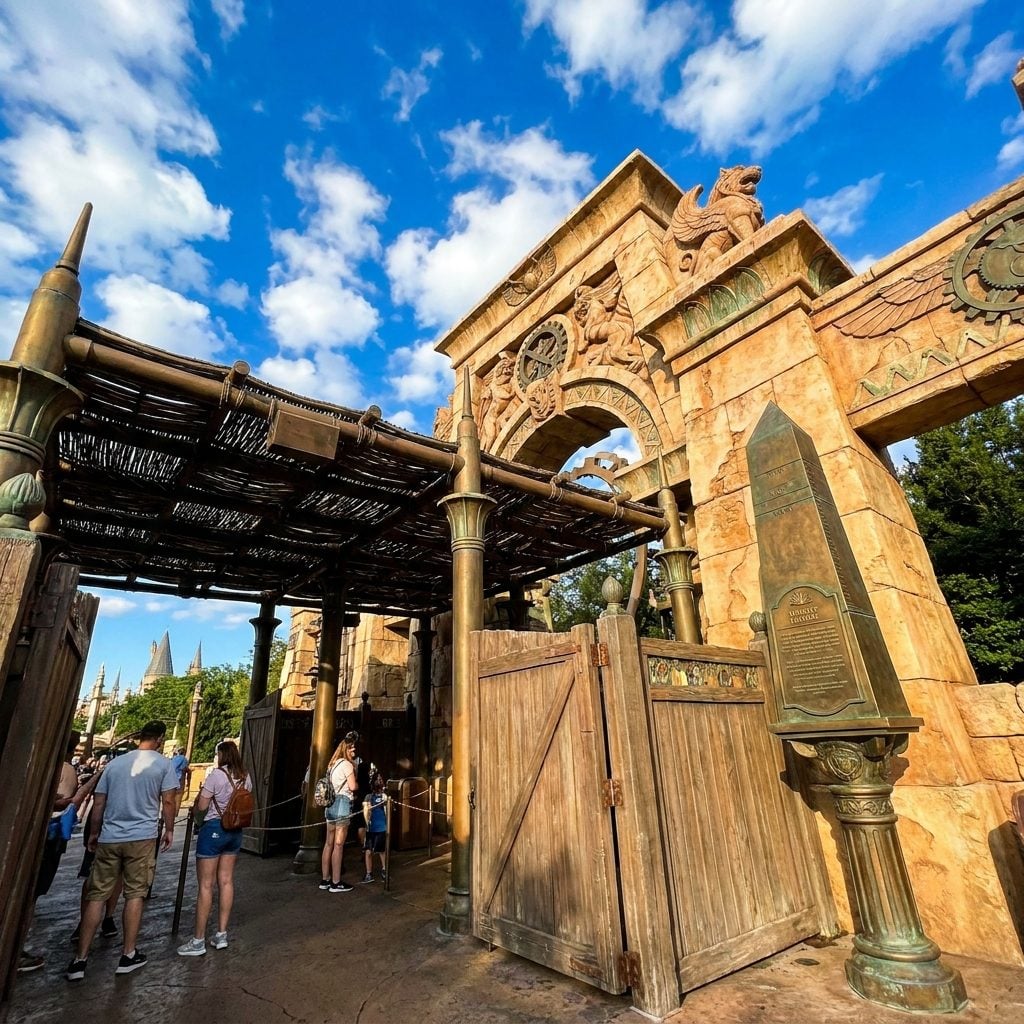
Your toddler can’t ride the big coaster, so neither parent does. That’s the default family decision, and it means two adults skip an attraction they traveled hundreds of miles and spent real money to experience.
Rider Switch — sometimes called Child Swap — exists precisely for this. One adult rides while the other stays with the child. Then the waiting adult walks right on, no second queue, usually through the exit or a dedicated return entrance. Both parents ride. Nobody waits twice. The child is never left alone. It’s free, it’s baked into the system, and a cast member will explain the whole thing in under a minute.
Just ask at the ride entrance before you get in line. No pre-registration. No app required. One question, one brief conversation, and suddenly both of you get to ride the thing you came for.
1. Treating the Gift Shop Exit as a Quick In-and-Out
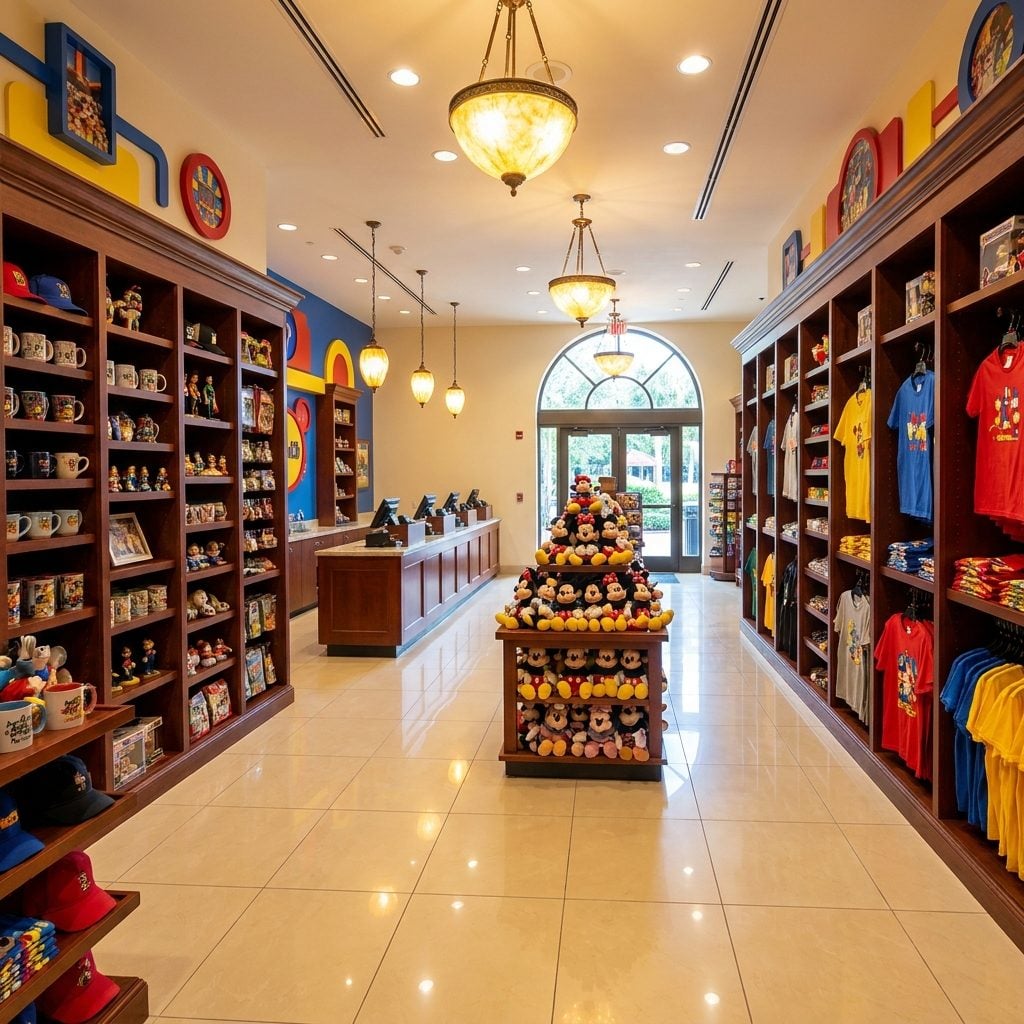
Every major ride dumps you into a gift shop. You know this. What you might not appreciate is how deliberately those rooms are built to keep you there — the winding path, the most expensive stuff at eye level, the exit planted as far from the entrance as the floor plan allows. A “quick look” stretches to 15 minutes per person, per shop, and across six or seven rides in a day those little detours quietly devour an hour or two you never accounted for.
Walk through. Eyes forward, find the door to sunlight, keep moving. If someone genuinely wants something, note the shop name and circle back during the last hour when the big rides have long waits and your feet are finished anyway. The merchandise isn’t going to sell out. But those 15-minute nibbles out of your schedule absolutely add up to a ride — maybe two — that you’ll wish you hadn’t skipped.
🔥 Would you like to save this?
Please note that some of the imagery in this article were created with the aid of AI image generators.