
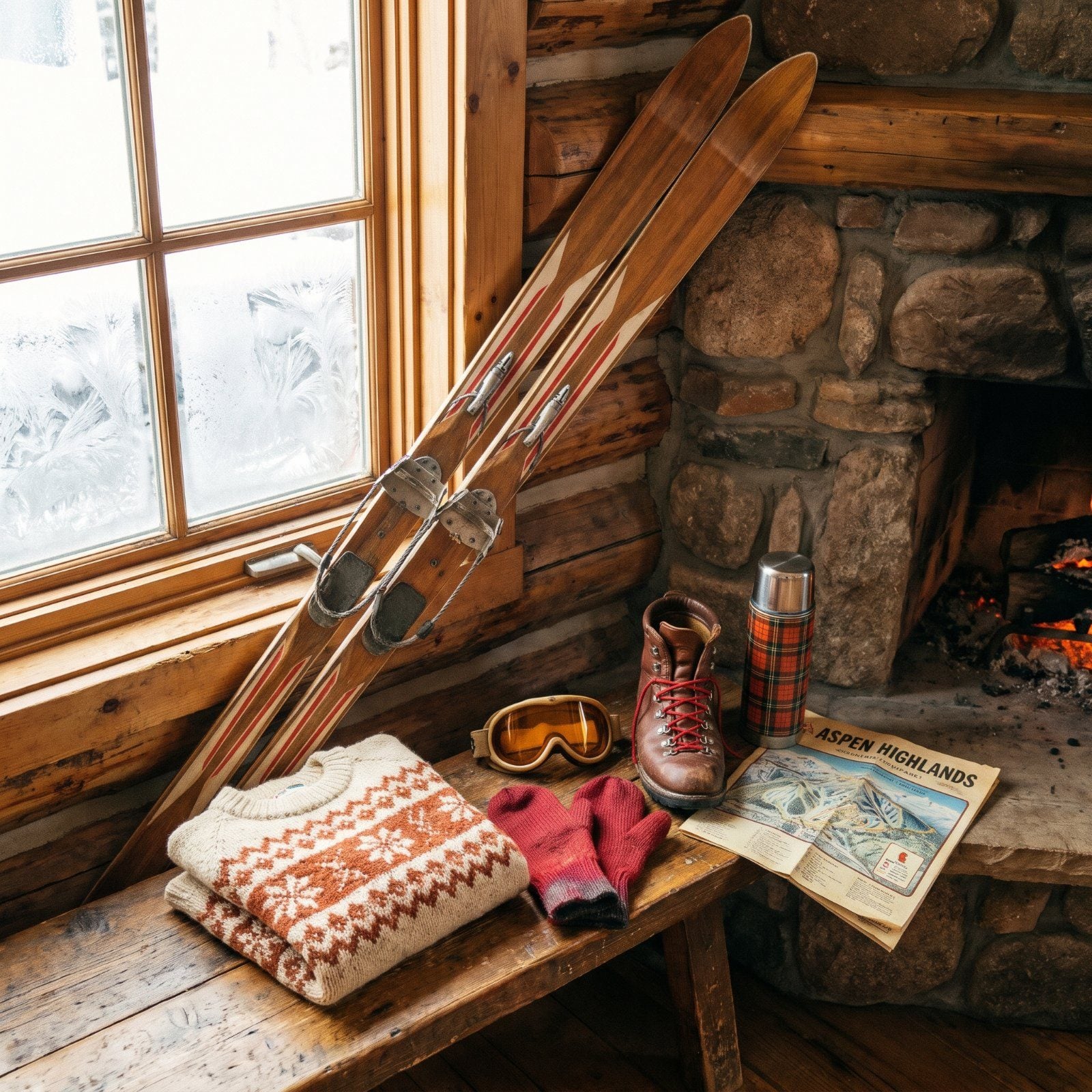
The smell hit you first. Wet wool steaming on a radiator, bootwax, hot chocolate from a machine that dispensed it in a wax-coated paper cup. Out on the hill nobody wore a helmet, and the skis came up past your eyebrows when you stood them on end. Somewhere a kid of nine was riding a chairlift with no safety bar, swinging his legs over forty feet of frozen air while his parents sat inside by the fire.
Ski trips back then ran on trust, wool, and equipment that did not forgive much. Here is what defined them.
43. Bindings That Did Not Always Let Go When You Fell
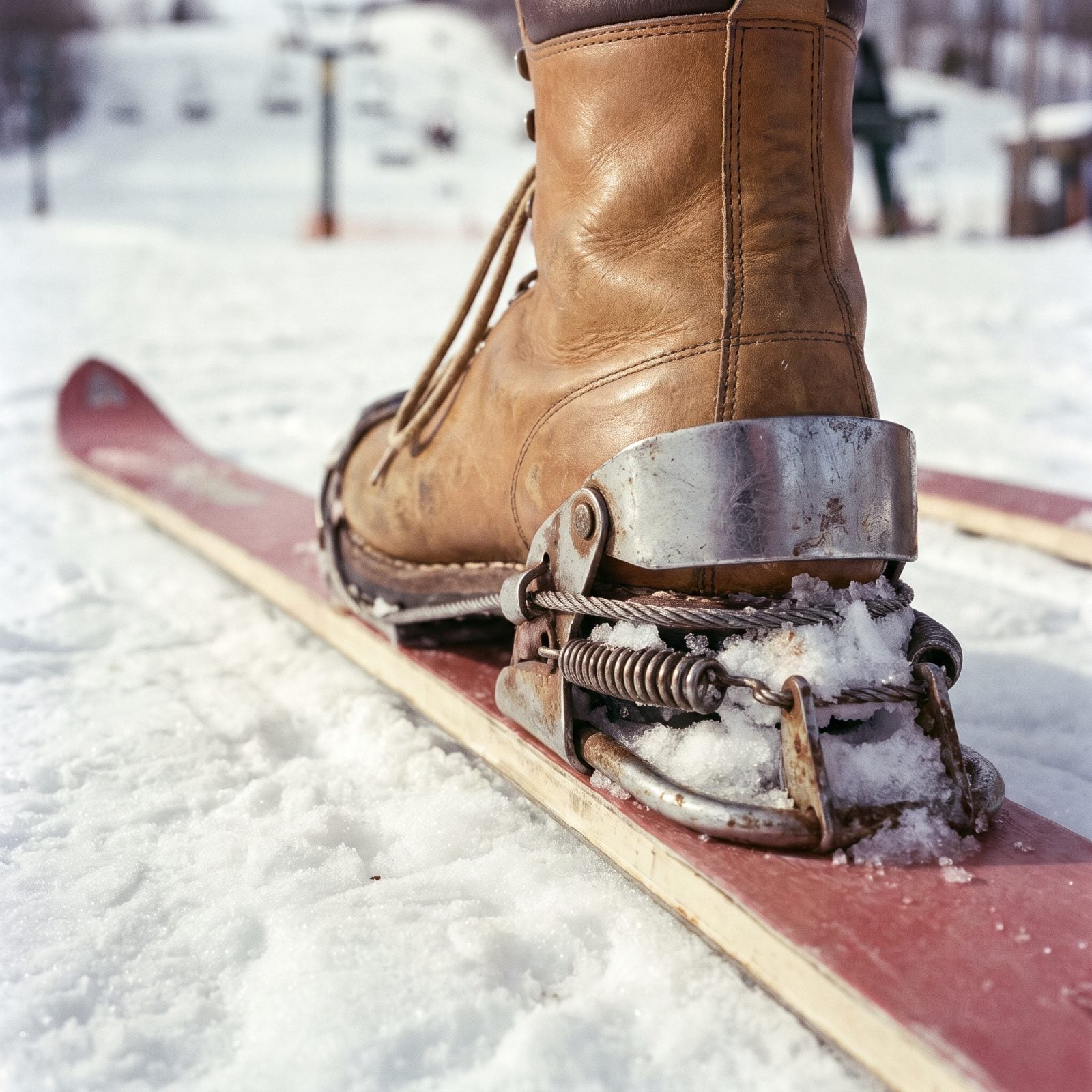
The release binding existed in the 1970s. It just did not always agree to do its one job. Spring tensions drifted, cable heels iced up, and plenty of us learned the hard way that the ski would stay firmly attached while the leg below the knee went a direction legs are not built to go.
The spiral fracture was so common it had a nickname: the boot-top break. You cranked the binding tight enough to hold on the hard stuff, then crossed your fingers that a tumble would pop you out before something gave.
42. Skiers Bombing the Mountain With Nothing on Their Heads
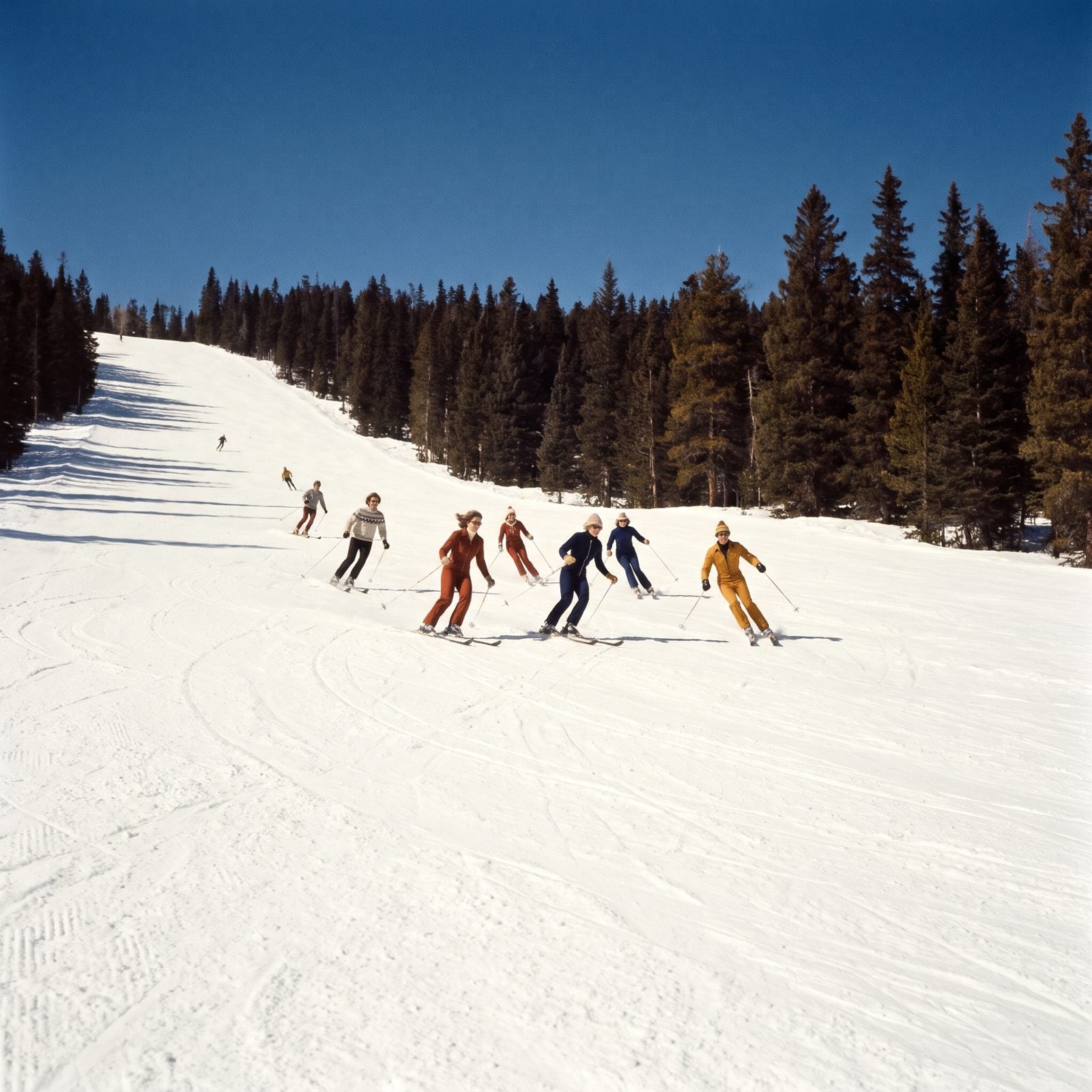
A knit hat was the whole safety plan. Maybe a headband if the sun was out. Strap a shell to your skull before pointing yourself down an icy intermediate run? That would have earned you a strange look in the lift line.
Hair mattered more than protection — feathered, blown back, a little damp at the temples from the climb. You can see it in every vacation photo from the era: rows of grinning skiers, not a helmet among them, squinting into the sun like nothing on that mountain could touch them.
41. Chairlifts You Rode With Nothing Across Your Lap
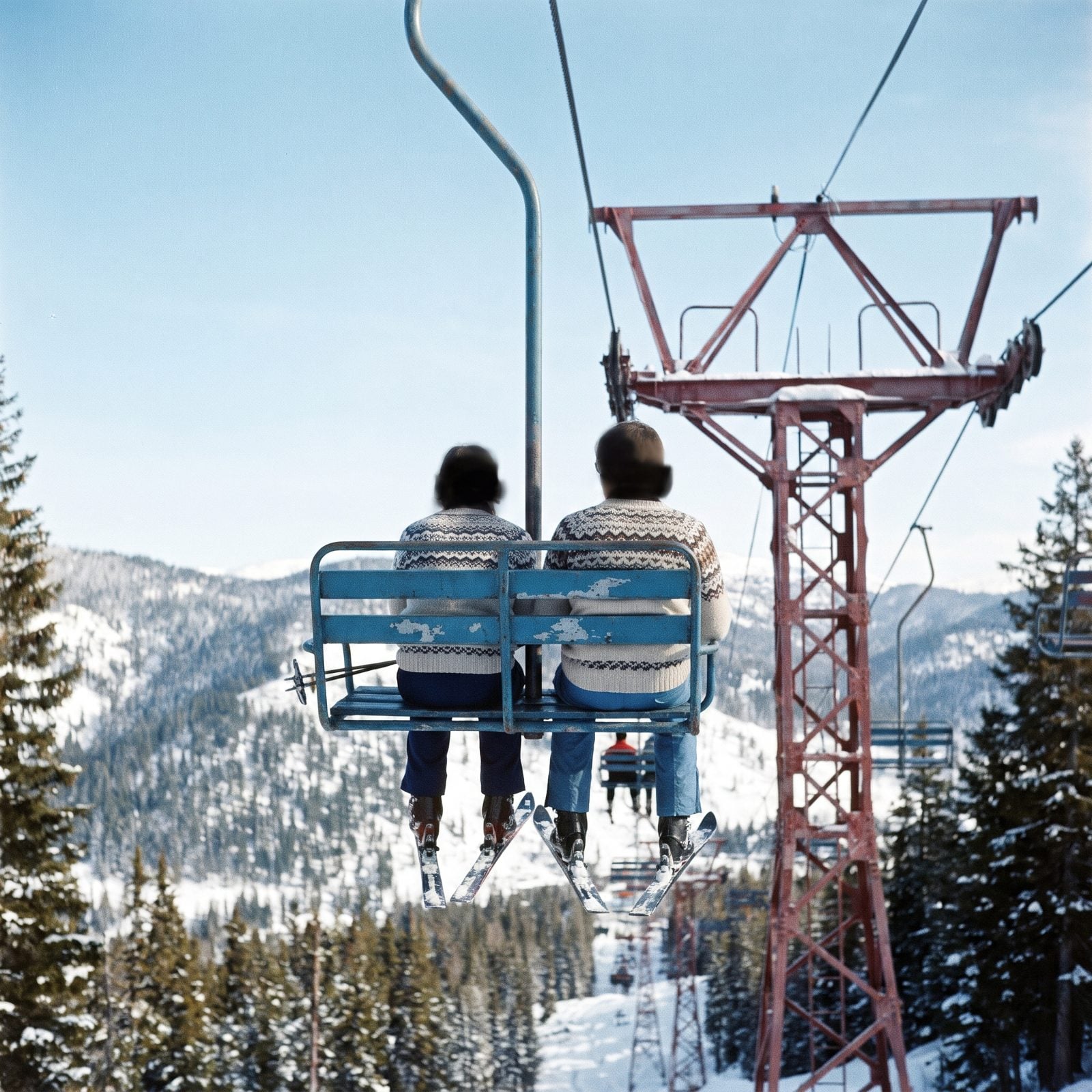
You loaded onto a swinging metal bench, the cable gave a lurch, and then there was nothing between you and the ground but air and good intentions. Safety bars were not standard, and plenty of chairs did not have one at all.
So you sat still, held your poles across your lap, and did not horse around, because the consequences of horsing around were visible directly below your dangling boots. The ride up was quiet in a way modern lifts never are — just the hum of the cable and the cold working into your cotton socks.
40. The Safety Strap That Turned Your Ski Into a Flail
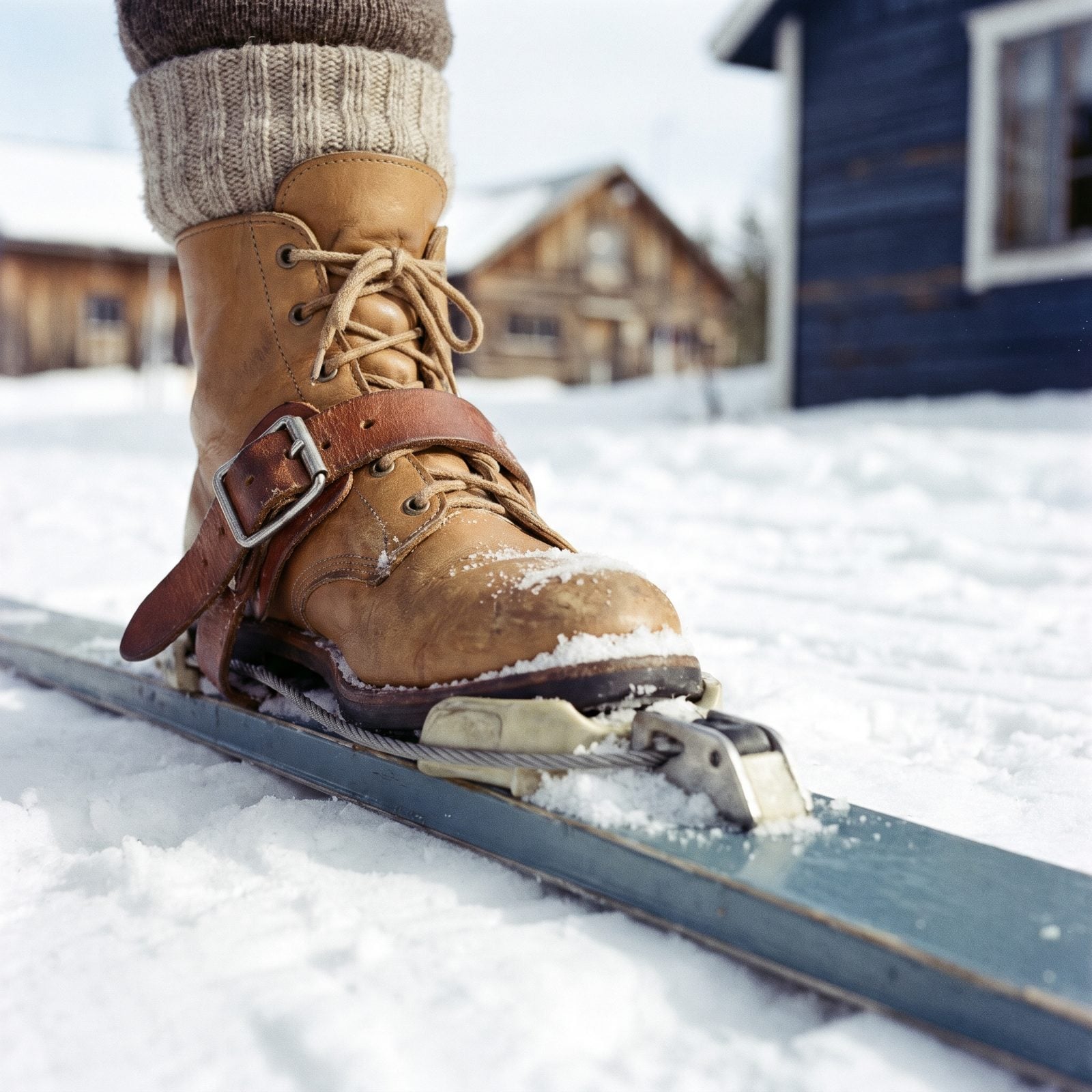
Skis had no brakes yet, so leather straps buckled across the instep of your boot, with a loose end running down to the ski. The logic was sound: a released ski would not go rocketing down the hill into somebody below. The trouble was what happened to the other end.
When you fell, the ski came off but stayed strapped to your boot, swinging around with a sharp metal edge and occasionally catching the skier it was supposed to protect. Spinning skis gashed more than a few shins before the brake quietly replaced the strap, and nobody missed it.
39. Kids Turned Loose on the Mountain All Day Alone
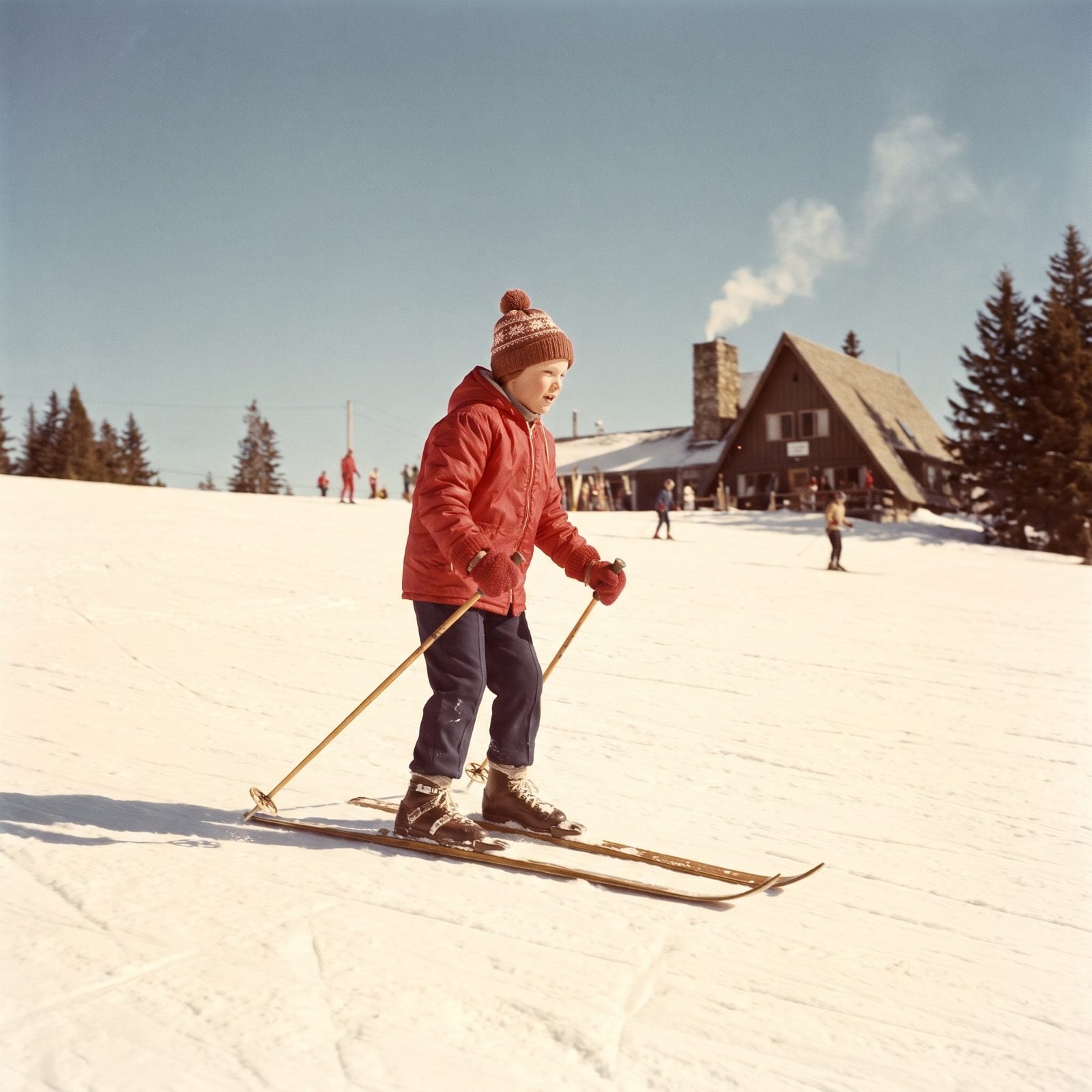
The arrangement was simple. Parents parked the kids at the base in the morning with a five-dollar bill and a meeting time, then went off to ski the real runs or sit by the fire. See you at lunch. See you at three.
Children roamed the whole mountain in packs — memorizing the lift lines, pooling money for fries, learning the terrain by getting lost on it. There were no phones to carry. The mountain raised you for a few hours, and you came back soaked, exhausted, and entirely in one piece.
38. Skis So Long and Straight They Barely Turned
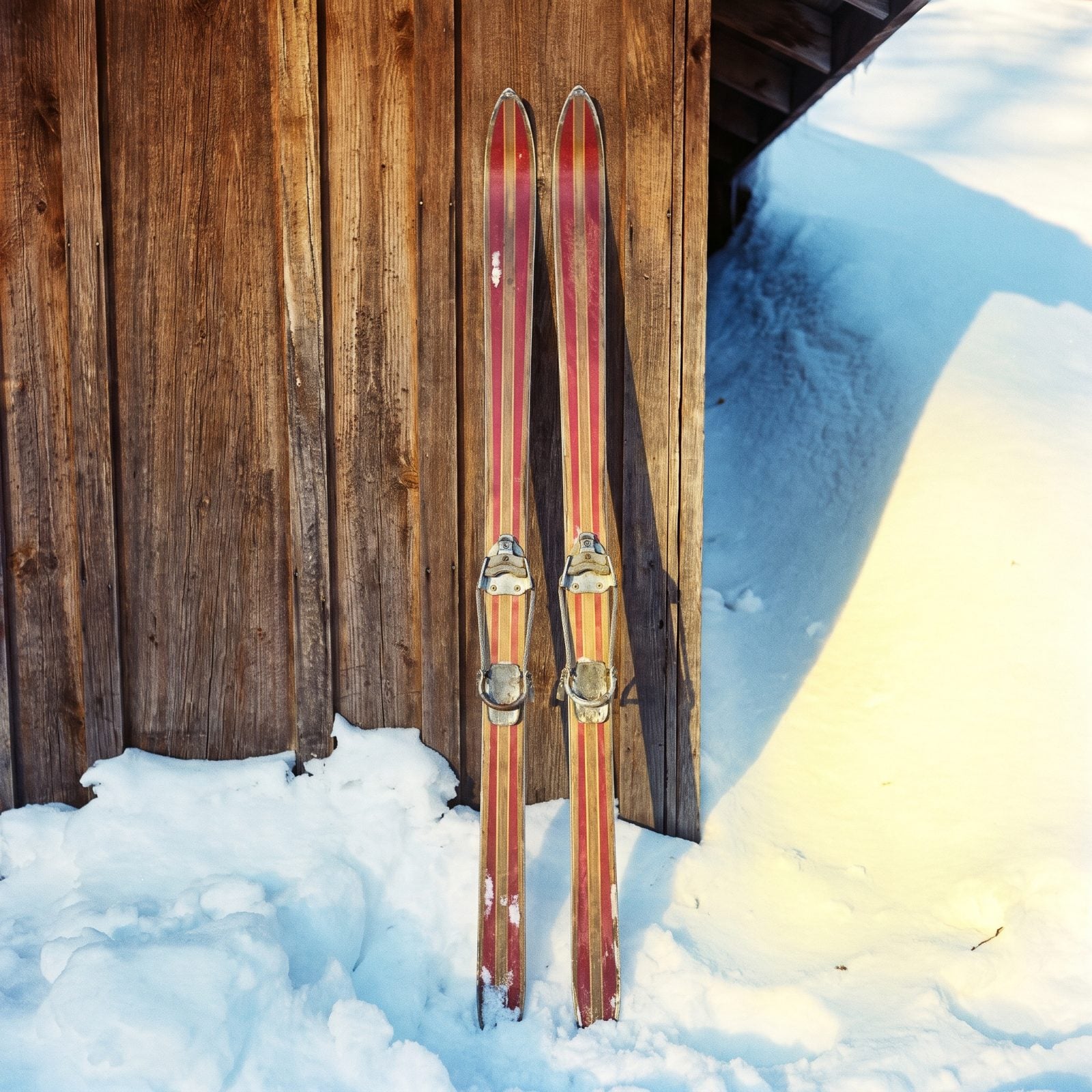
The sizing rule was blunt: stand the ski on its tail and the tip should reach your wrist with your arm raised overhead. For a grown skier that meant two-oh-fives, two-tens, stretching toward seven feet of nearly straight edge.
With almost no sidecut, those planks fought every turn. You muscled them around with your whole body, hopping and pivoting, clawing for each arc. It built strong legs and a particular technique nobody bothers learning now. The short, curvy shaped skis that made turning easy were still fifteen years away.
37. Goggles With a Single Flat Pane That Fogged on Sight
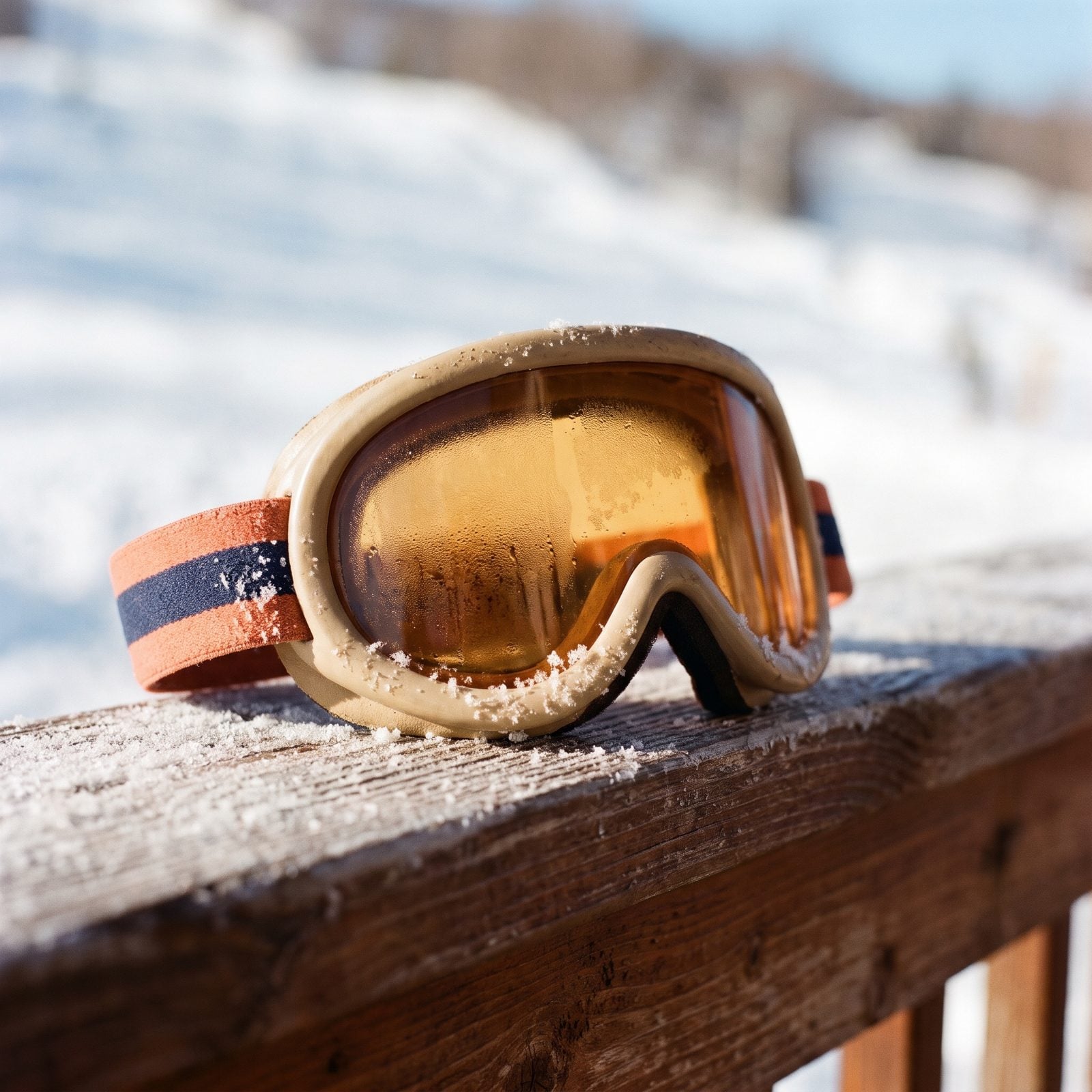
One sheet of tinted plastic between you and the glare. That was the technology. Amber or yellow usually, with a strip of foam and an elastic band that lost its stretch by the second season.
Single-pane lenses fogged the instant you stopped moving, so you learned the ritual: push them up onto your hat at the top of the lift, let them clear, drop them back down before you pushed off. Snow got behind them. Sweat got in. You wiped the inside with a damp glove and only made it worse. Double-pane goggles, the ones that actually stayed clear, changed the whole sport later on.
36. The Nordic Wool Sweater That Was Your Whole Jacket
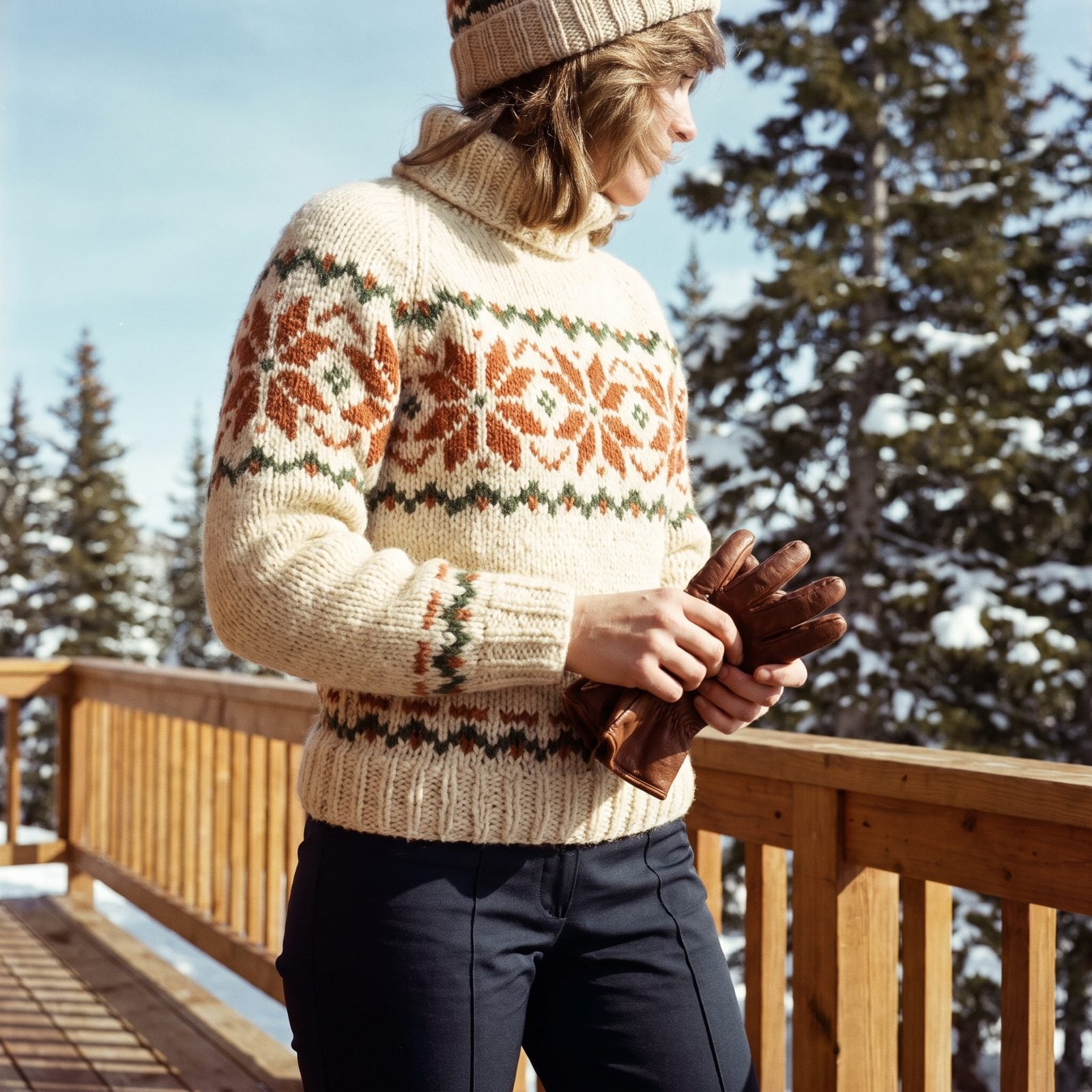
The sweater did the job a technical shell does now, and it did it with a snowflake pattern knit across the chest. Thick Norwegian wool, cream with bands of rust and deep green, a tall collar you could pull up against the wind.
It held warmth beautifully right up until it got wet, at which point it held water instead and weighed about as much as a small child. Dry, on a bluebird day, though, a good wool sweater was the center of the whole outfit. People wore the same one for a decade and treated it like family. Honestly? Some of those sweaters still look better than anything sold today.
35. Cotton Long Johns Soaking Up Every Bit of Sweat
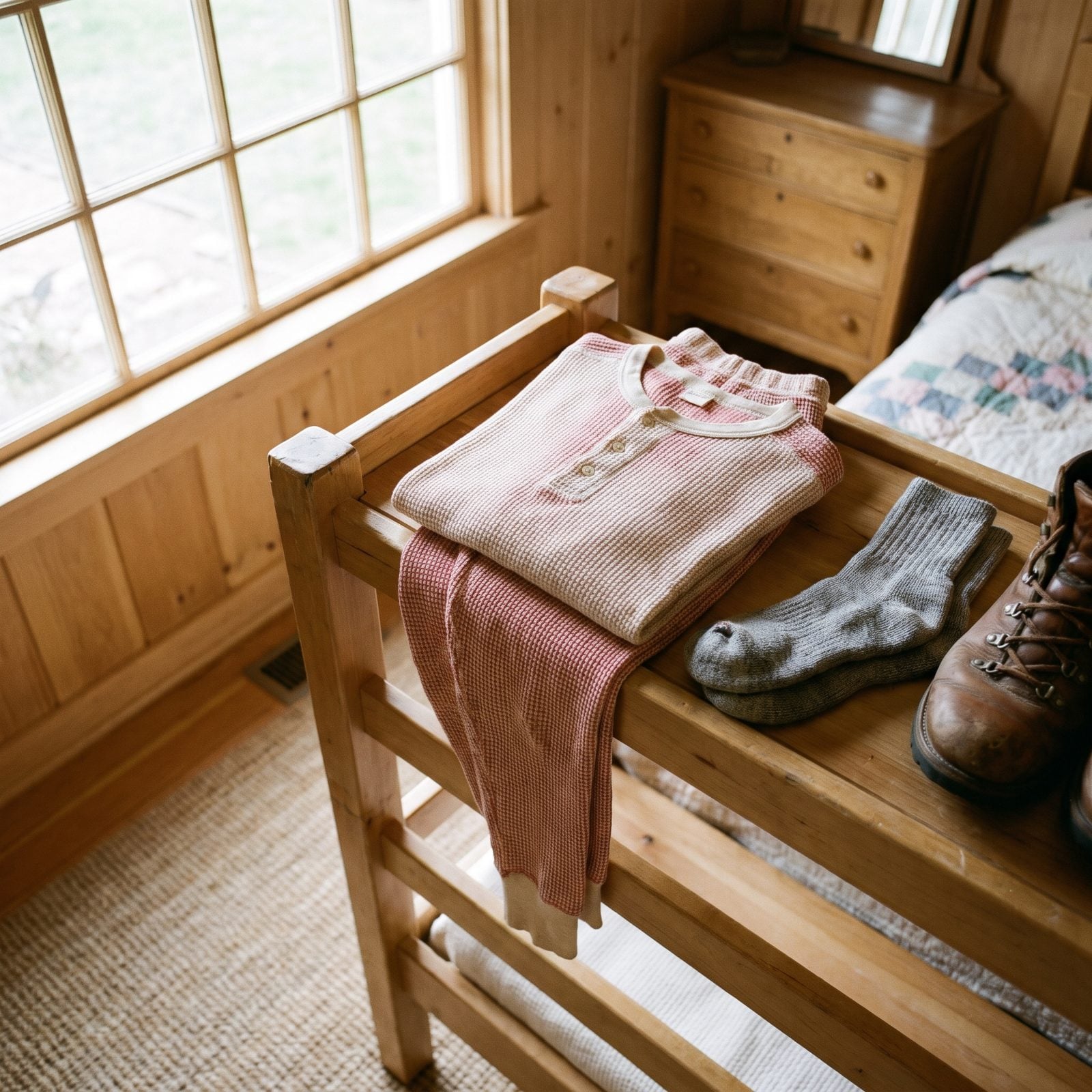
Under everything went the waffle-knit cotton long johns, usually cream or faded red, the kind that came in a plastic three-pack from the department store. Warm in the parking lot. A disaster by the second run.
Cotton soaks up sweat and then quits insulating entirely, so by lunch you were clammy and chilled from the inside out. Nobody had the word for it yet. “Cotton kills” and the whole idea of wicking synthetic base layers belonged to a future nobody on that hill saw coming.
34. Hand-Knitted Mittens That Soaked Through by the Second Run
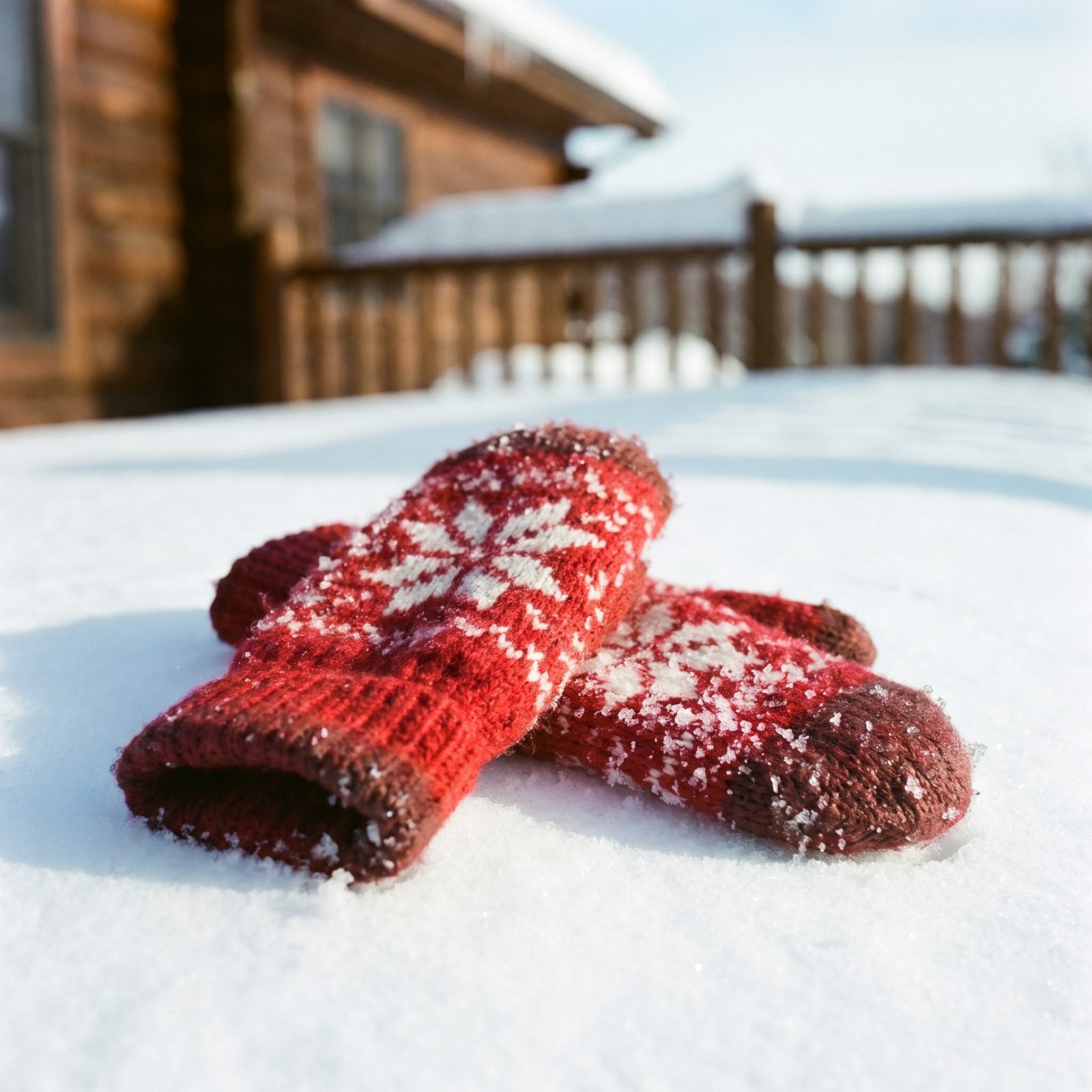
Somebody’s grandmother made them. Red wool, white snowflake across the back, a thumb that never quite fit right. They were the warmest thing on earth for exactly twenty minutes.
Then the snow worked into the wool, the wool drank it up, and your fingers spent the rest of the day going numb inside two soggy mittens you dried on the lodge radiator at lunch. You put them back on still a little damp, and you wore them anyway, because somebody who loved you sat and knit them one stitch at a time. That counted for more than dry hands ever could.
33. Stretch Pants With Stirrup Straps That Held Everything in Place
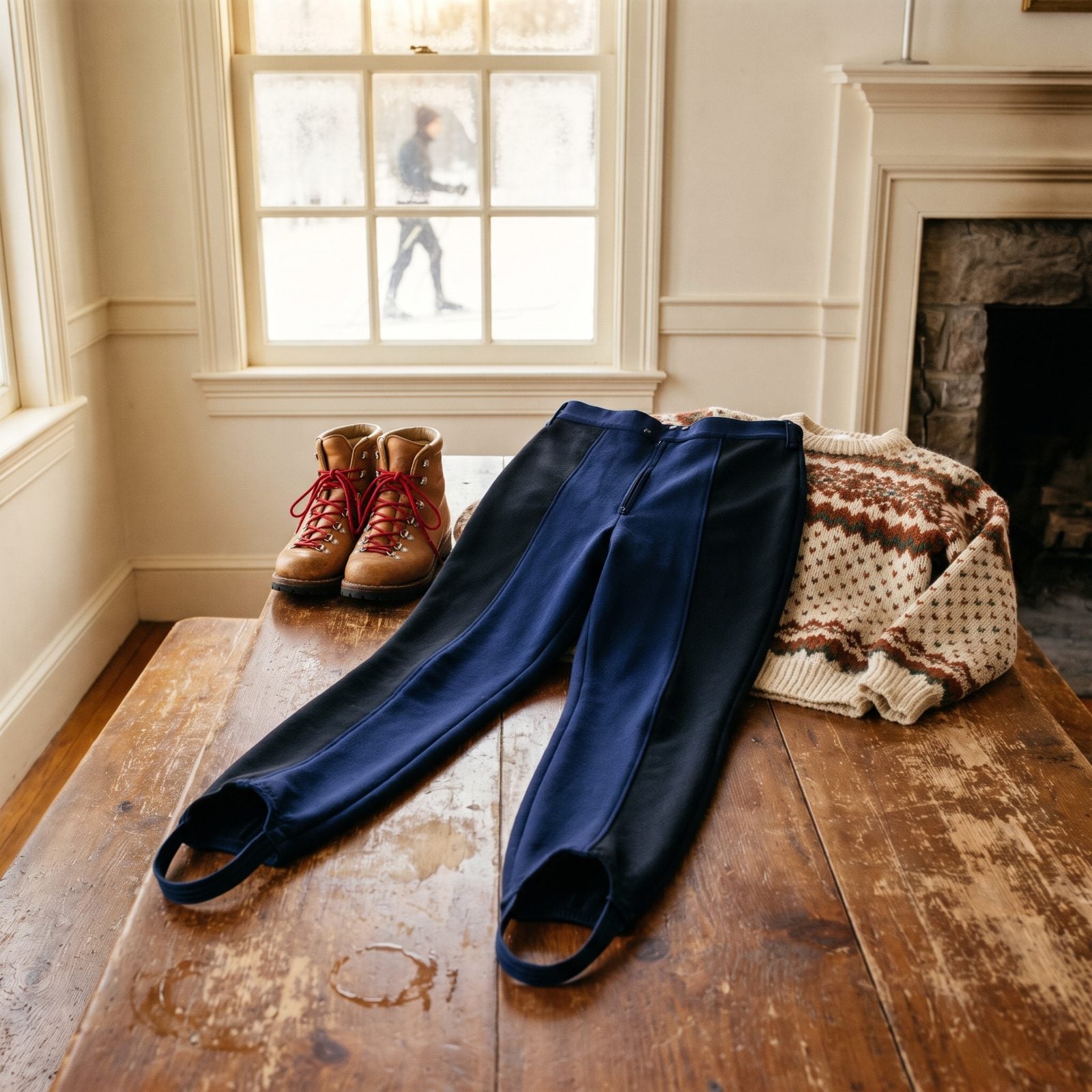
You pulled them on and they fit like a second skin, the stirrup hooked under your arch so the hem never rode up when you bent your knees. Black, usually. Shiny enough to catch the lodge lights. Everybody wore them, and everybody looked more athletic in them than they actually skied.
The stirrup did all the work, keeping the line clean from waist to boot with no bunching and no snow sneaking up your ankle. You wore them again at dinner because peeling them off felt like a chore.
32. Lift Tickets Twisted Onto Your Zipper With a Wire Fastener
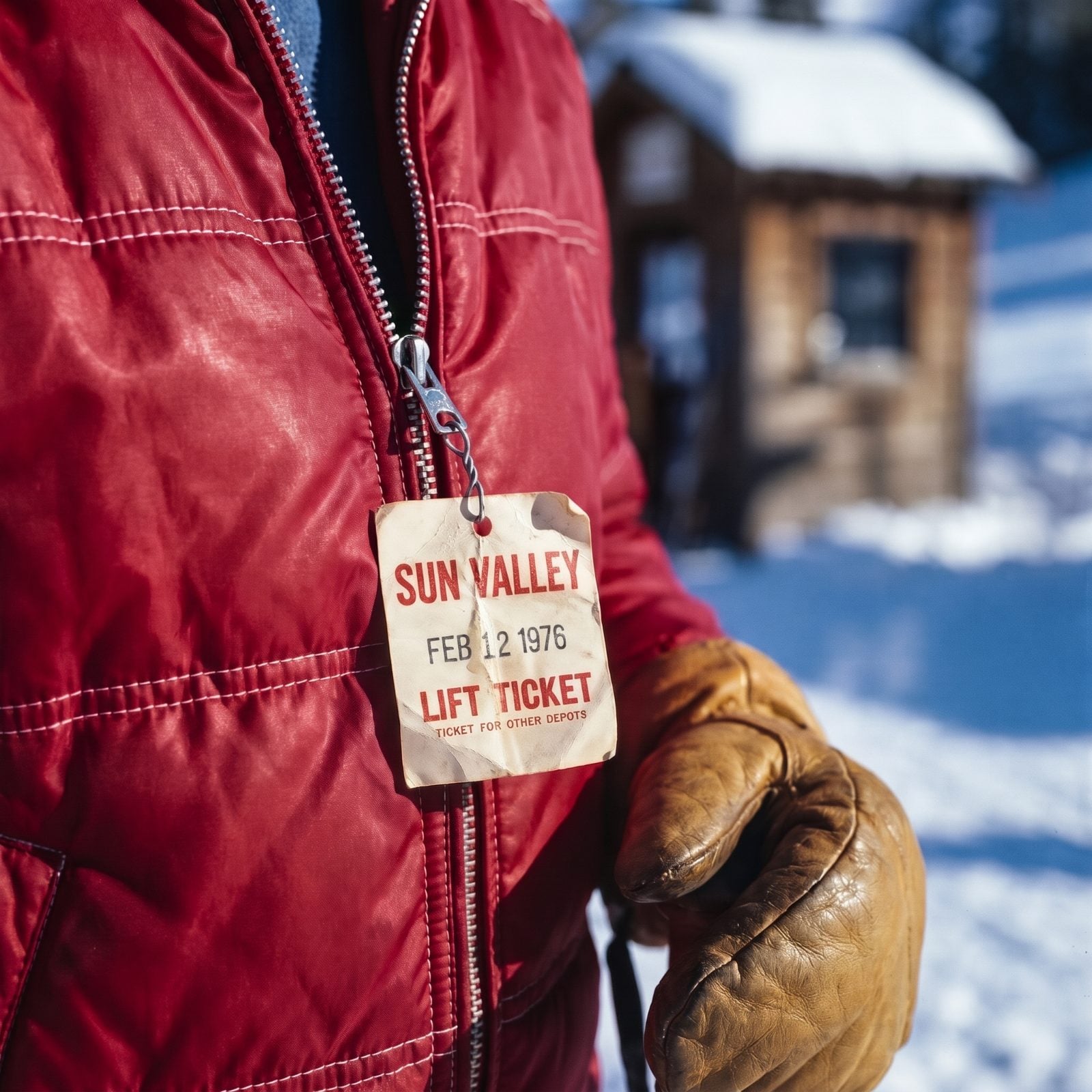
The lift operator handed you the ticket and a short length of flexible wire, and you threaded it through the zipper pull and twisted until it held. That ticket could stay on your jacket all season if you let it. By March you had a whole fan of them, each a different color, clanking against your zipper like dog tags.
The wire always poked you eventually. Never enough to take it off, though.
31. A Full Day of Skiing for Less Than a Tank of Gas
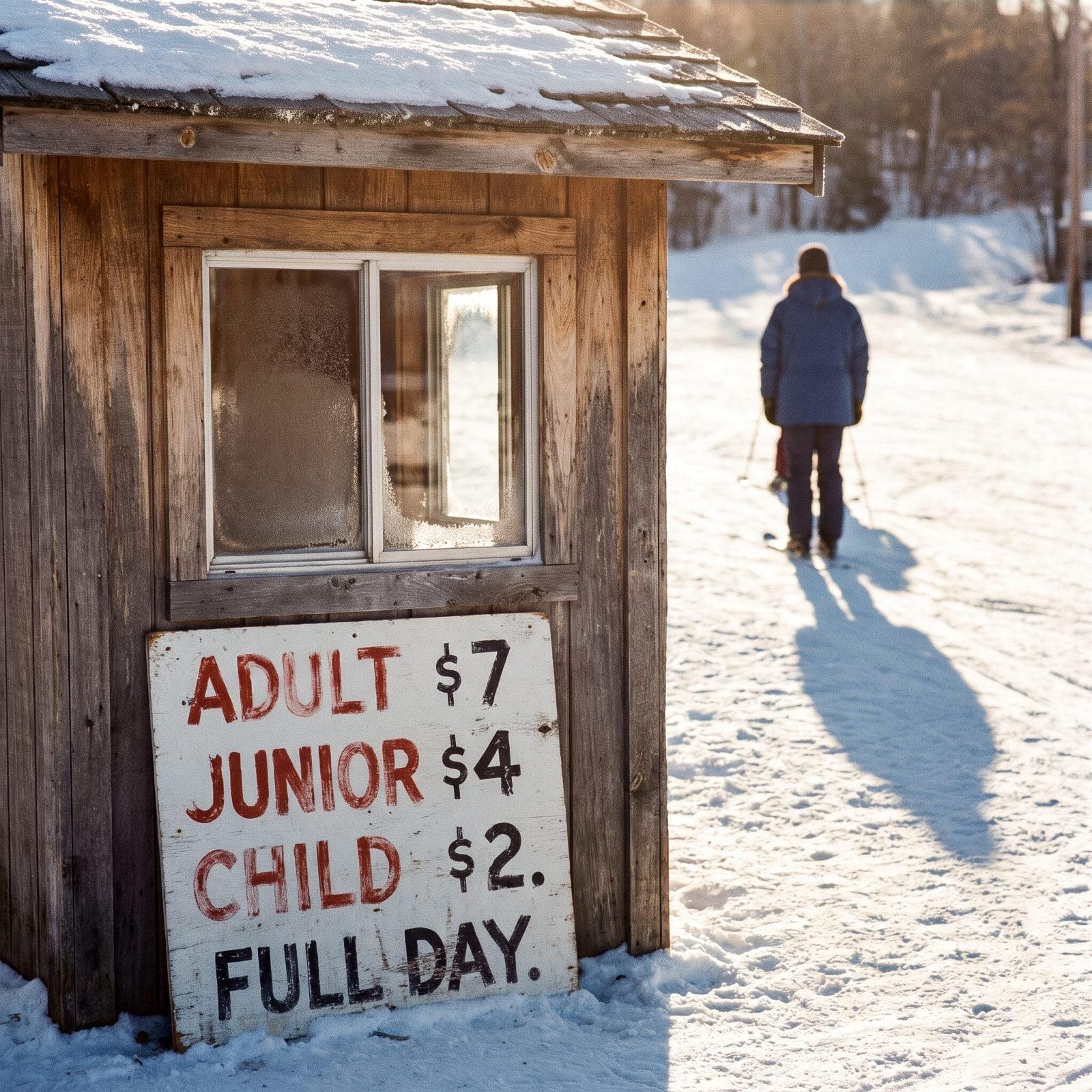
Under ten dollars. For the whole day. You’d hand over a few bills at the window and ski until your legs quit, and the cost of the lift was never the thing that stopped you.
Gas, lunch in the lodge, the thermos of hot chocolate afterward — all of it fit inside a weekend budget a family could actually swing. We know what a lift ticket runs now. We’re not going to say it. It’ll ruin the rest of this list.
30. Paper Trail Maps That Turned to Mush by Noon
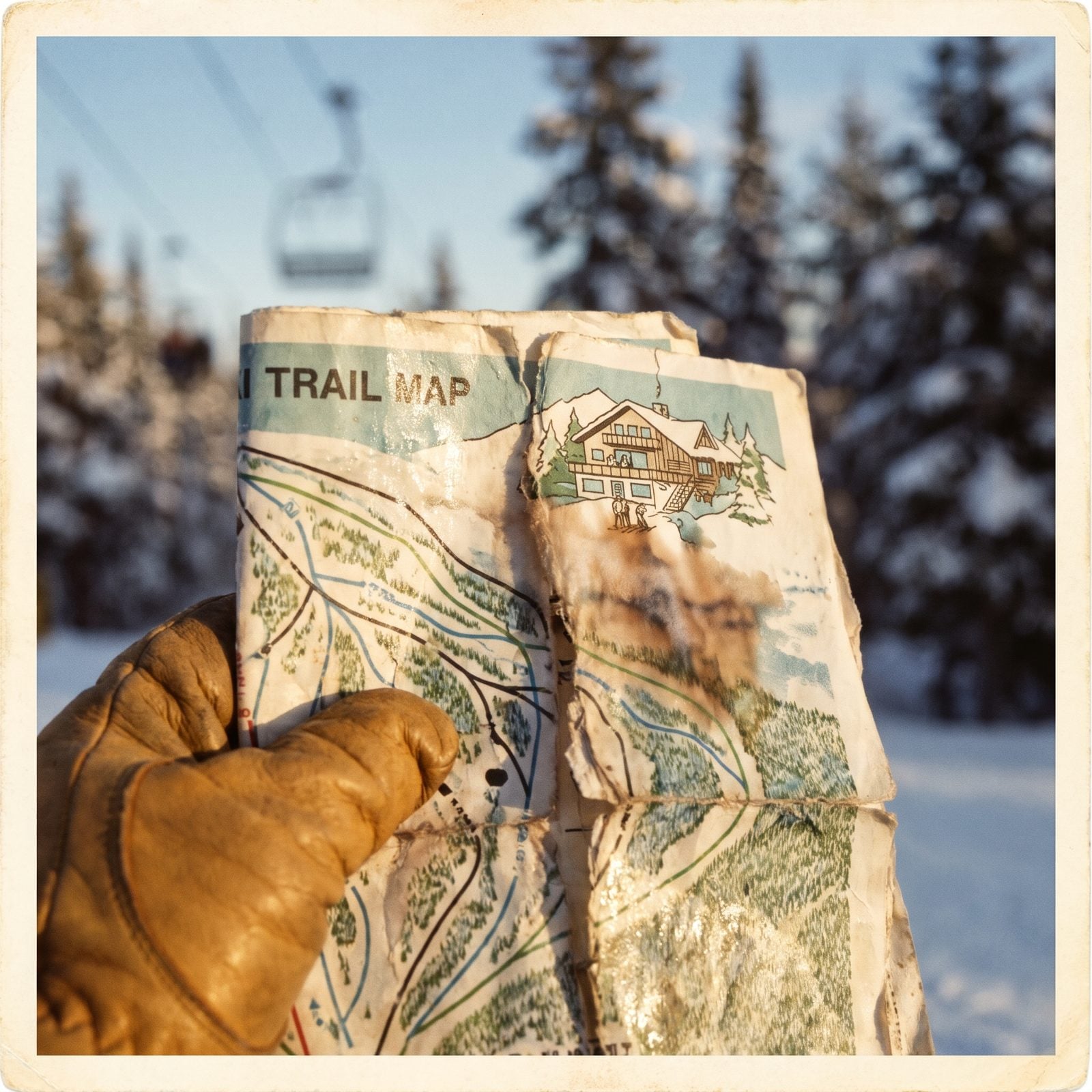
You folded it into your pocket at the base, then pulled it out three runs later as a gray pulp with the trail names smeared past reading. The paper never stood a chance against a sweaty glove and a face full of snow.
So you did what everyone did. You memorized the map at the lodge, picked a few trail names that sounded right, and guessed. Half the fun was ending up somewhere you didn’t plan.
29. Trail Conditions Chalked on a Board by the Lift Line
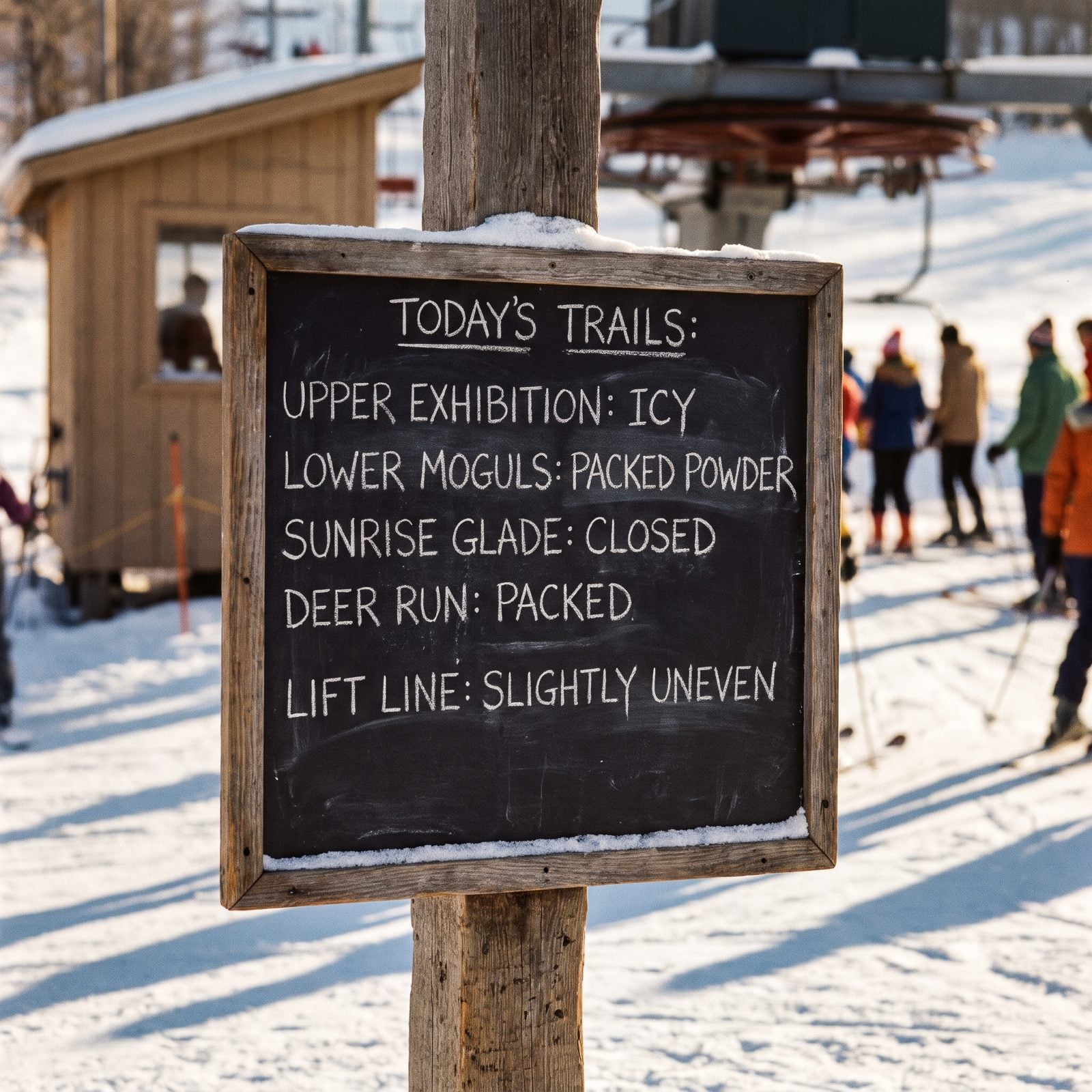
Somebody walked out with a rag and a stick of chalk every morning and wrote the day’s news in block letters — icy up top, packed powder on the lower moguls, one trail closed. You read it on your way to the lift, and that was your forecast, your grooming report, and your warning sign rolled into one.
No app pushed it to your phone. One board, one person’s handwriting, the whole mountain’s status in chalk you could wipe away with a mitten.
28. Checking the AM Radio for the Mountain Report
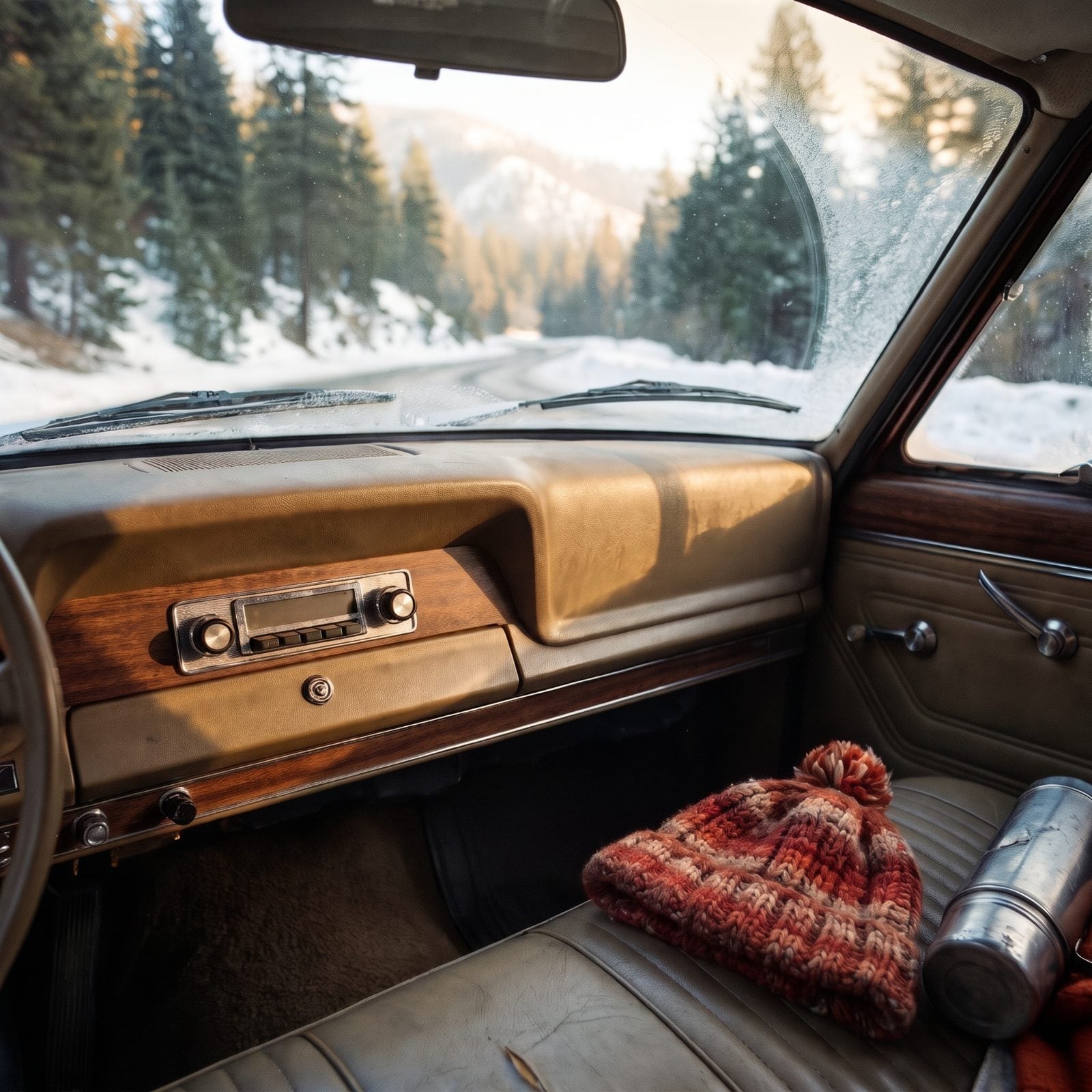
Early Saturday, sun already streaming through the frosty windshield, a knit hat and a thermos tossed onto the bench seat, and you leaned over to turn up the AM dial on the dash and catch the ski report between the farm news and the weather. The announcer rattled off base depths and new snow for a dozen mountains, fast, and you had to catch yours on the first pass or wait for the loop to come back around.
Eight inches of new and the car got loud. Rain above the base lodge and the mood on the bench seat collapsed. That voice decided your whole day before breakfast.
27. Meeting Back at the Base Lodge at a Set Time
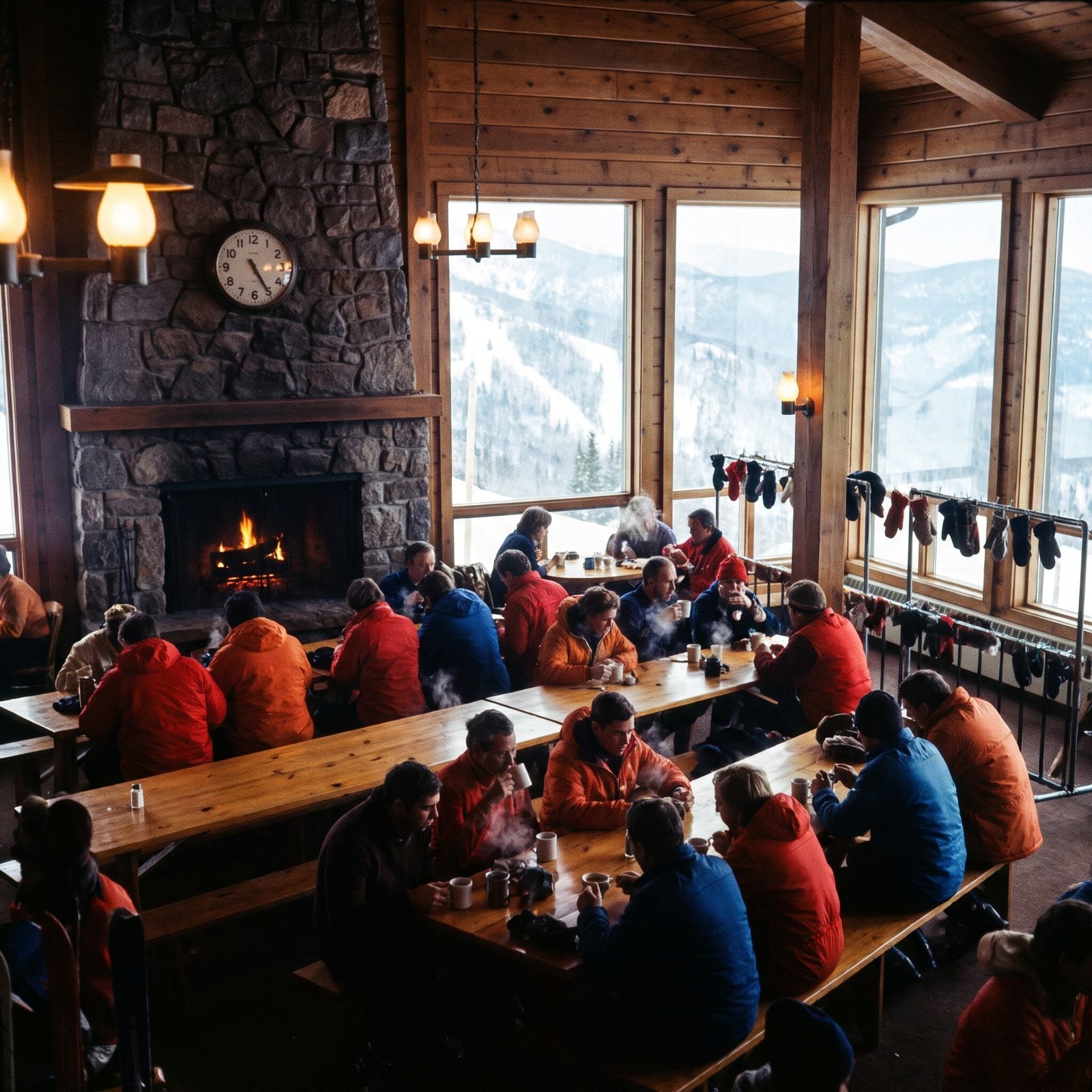
No phones to text where are you. You picked a spot and a time at the start of the day — the big table by the fireplace at noon — and if you weren’t there, people waited, and then people worried, and then somebody went looking.
It built a strange kind of discipline. You carried the plan in your head all morning because losing it meant actually getting lost. The lodge clock ran the whole family, and somehow everybody always turned up, cheeks red, dragging snow across the floor, right on time.
26. Rope Tows That Chewed Through a Pair of Gloves a Season
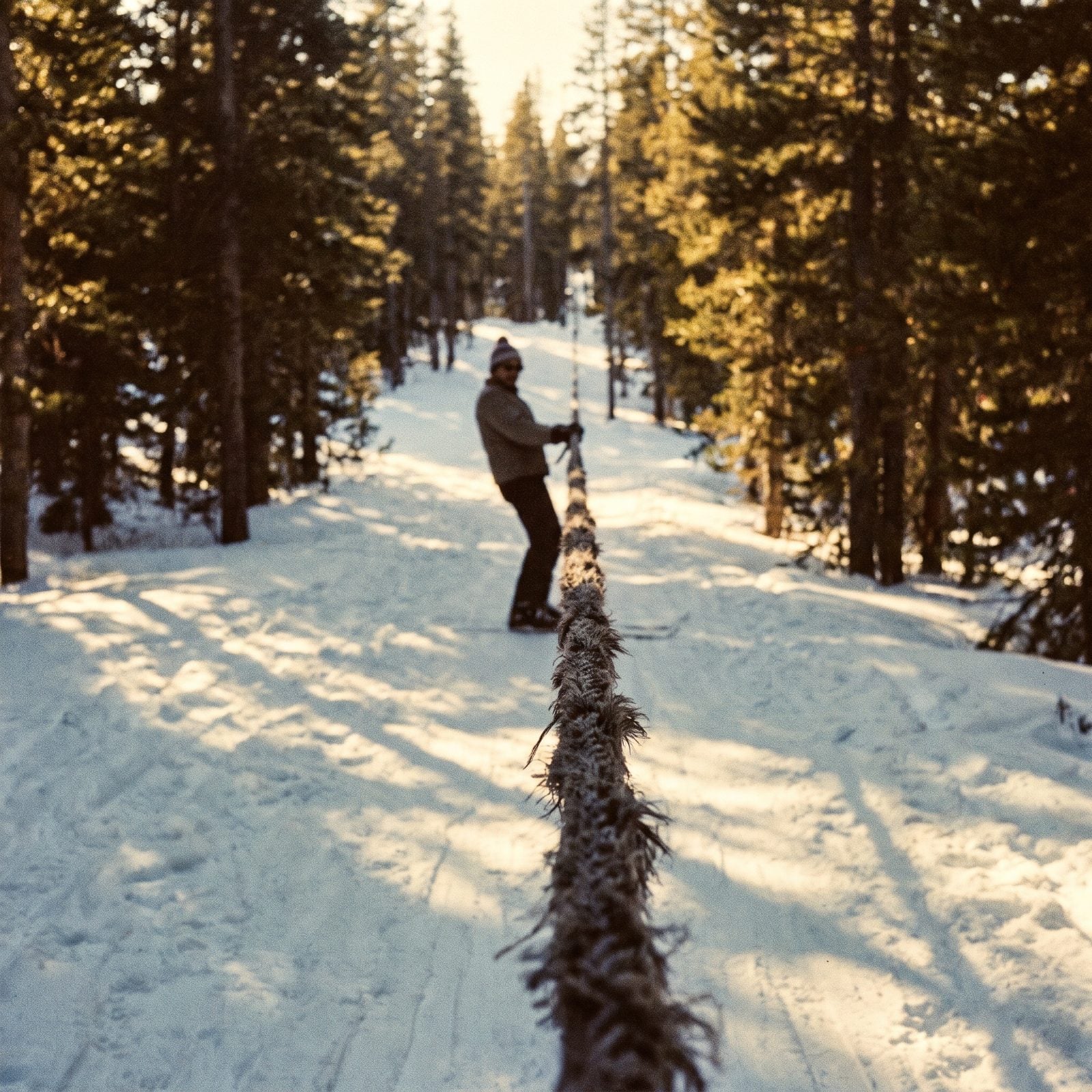
You grabbed the moving rope and it dragged you up the hill — and it dragged the leather right off your palms by February. A full day on the tow and your gloves had a shiny worn stripe across the grip, sometimes a hole clean through.
Nobody complained much. A ruined glove was the price of a free-ish ride, and the smell of hot rope burn on wet leather was just part of a day on the little hill.
25. Poma Lifts That Flung Beginners Face-First Up the Hill
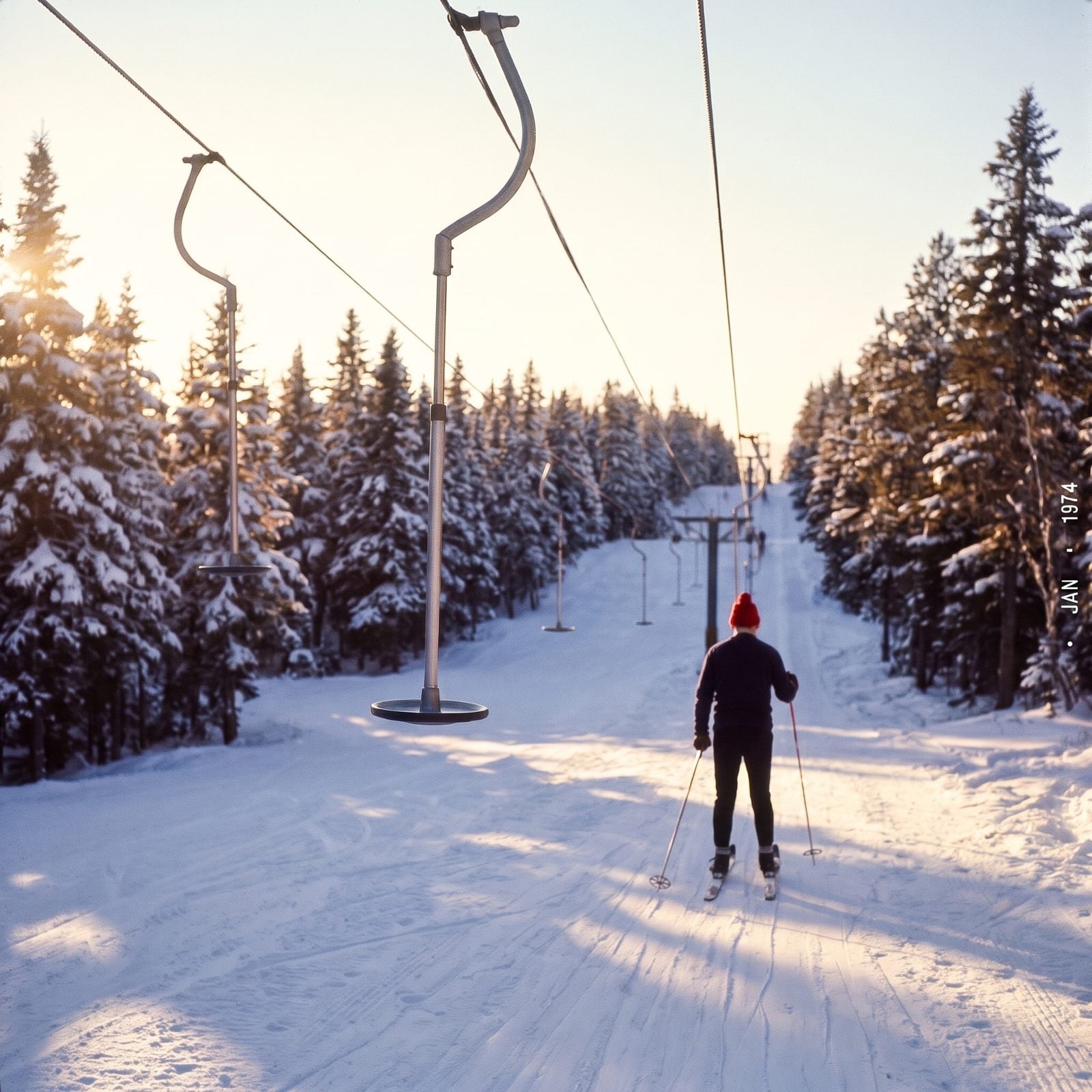
The platter swung back, you tucked the disc between your legs, and if the attendant mistimed the slack the thing yanked you forward so hard your skis crossed and your dignity left the building. First-timers went down in a heap at the loading point with depressing regularity.
Once you found the rhythm, the Poma was a quiet glide up the hill. No fuss, no waiting for a chair. Getting to that rhythm, though, cost you a few spectacular launches first.
24. Mogul Fields Left to Grow Wild for Days on End
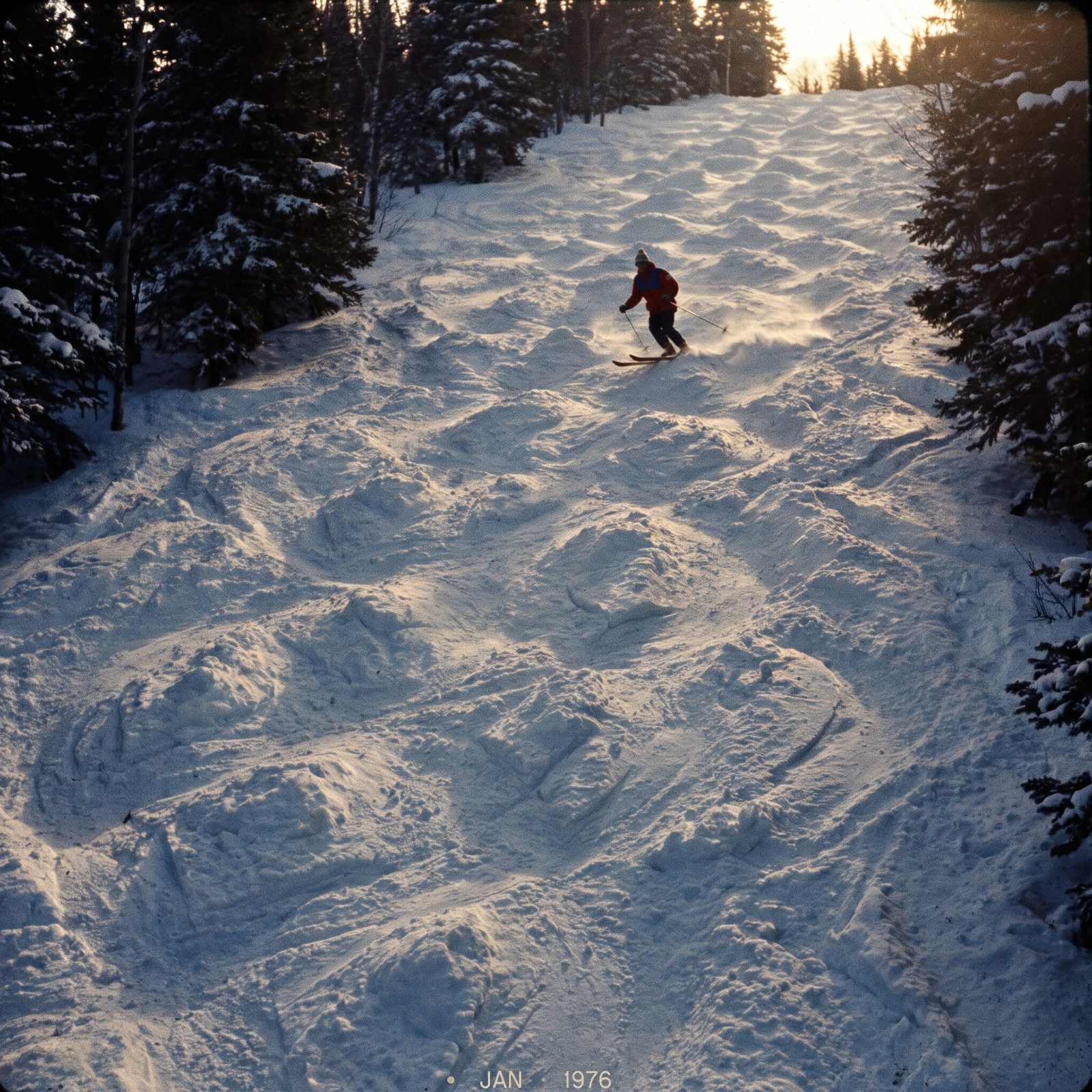
Without a fleet of grooming machines running every night, the slopes bumped up on their own and stayed that way. The moguls grew bigger day after day, carved deeper by every skier who came down, until a run you knew flat on Monday was a washboard by Thursday.
You learned to ski the bumps because there was no other choice. Legs like pistons, knees soaking up each hit, hunting for a line through the troughs. Harder, rougher, and more honest than anything a groomer leaves behind. The snow told you exactly what kind of skier you were.
23. Snowmaking That Covered Only a Few Key Runs
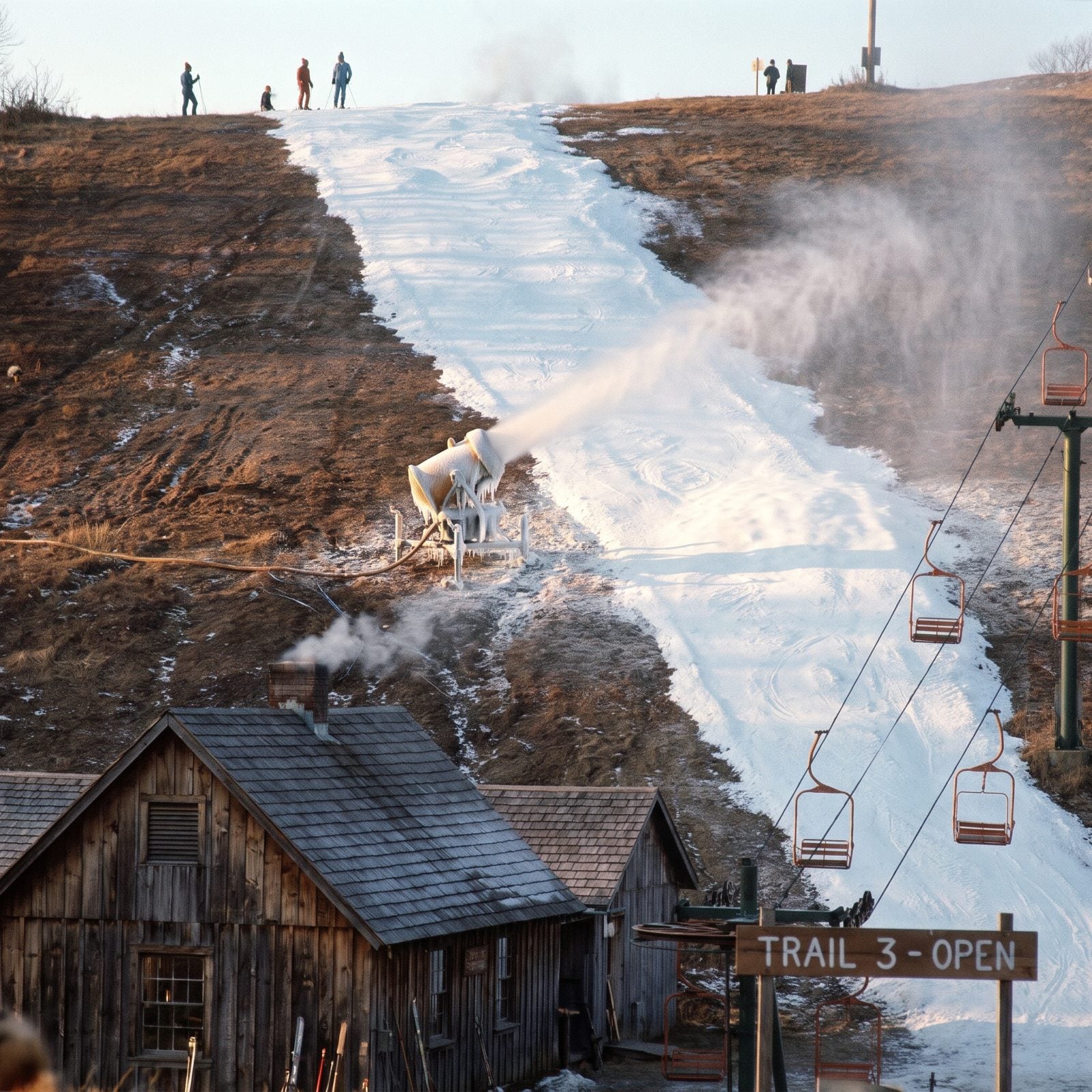
You skied the one white strip and tried not to look at the rest. Early snowmaking was loud, thirsty, and rationed to whatever runs moved ticket sales. Everything else waited on the sky.
The machine-made stuff had a texture all its own, firm and a little grainy, the kind of surface that squeaked under your edges. By late afternoon grass poked through the margins. So you learned to ski the covered line and quit before the bare patches ate your bases.
22. Avalanche Control Before Modern Forecasting Tools
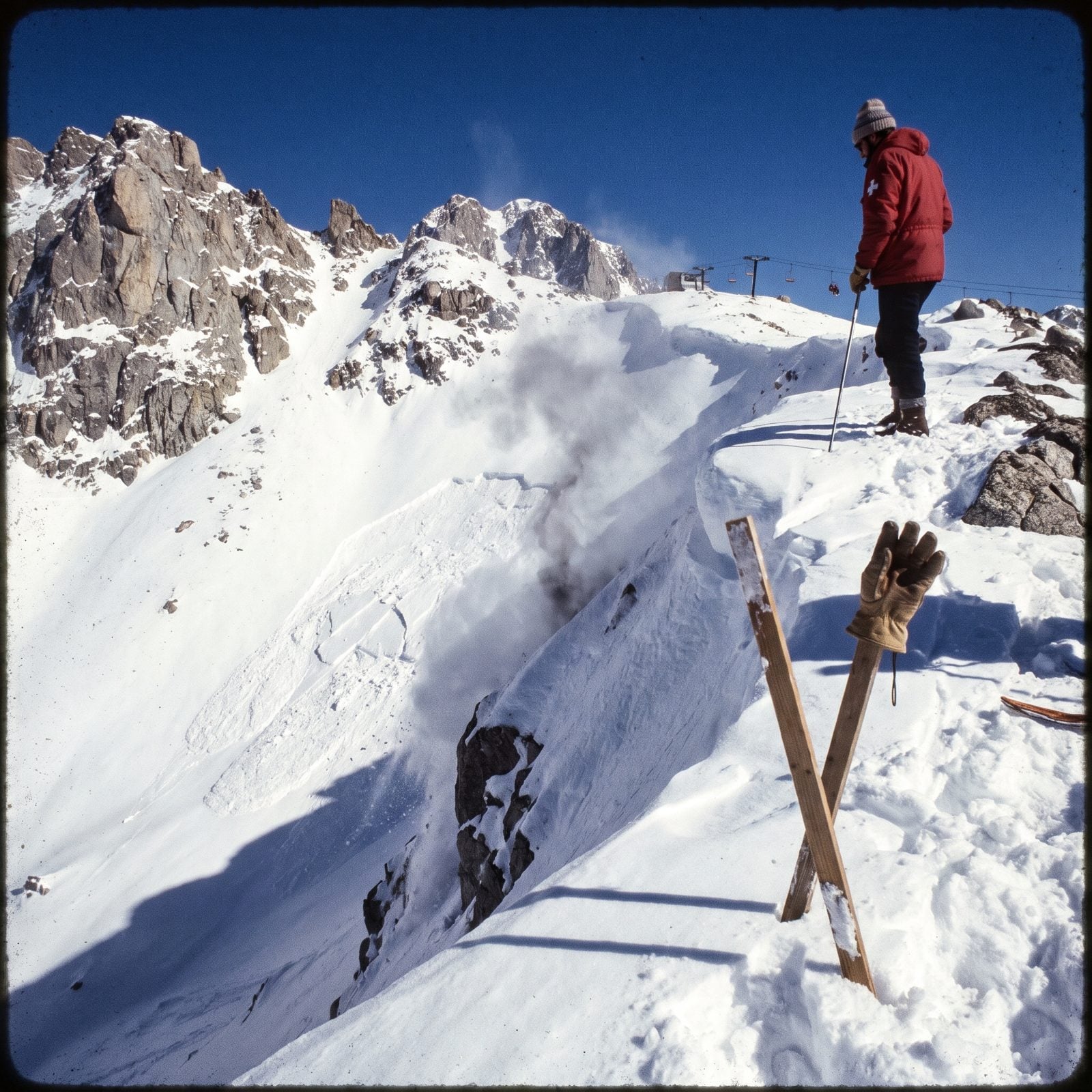
Avalanche work ran on experience, a shovel pit, and a patroller’s gut. No digital forecasting, no probabilistic models, nothing pinging a danger rating to anyone’s pocket. Someone climbed up at dawn, read the snow by hand, and made the call.
Control came from throwing hand charges onto loaded slopes and watching what slid. Skilled, dangerous, deeply personal work. The patrollers who were good at it knew their mountain the way you know the creaky step on your own staircase.
We trusted them completely, mostly because we had no idea how much was riding on that read.
21. Parking Lots Filled With Rear-Wheel-Drive Cars
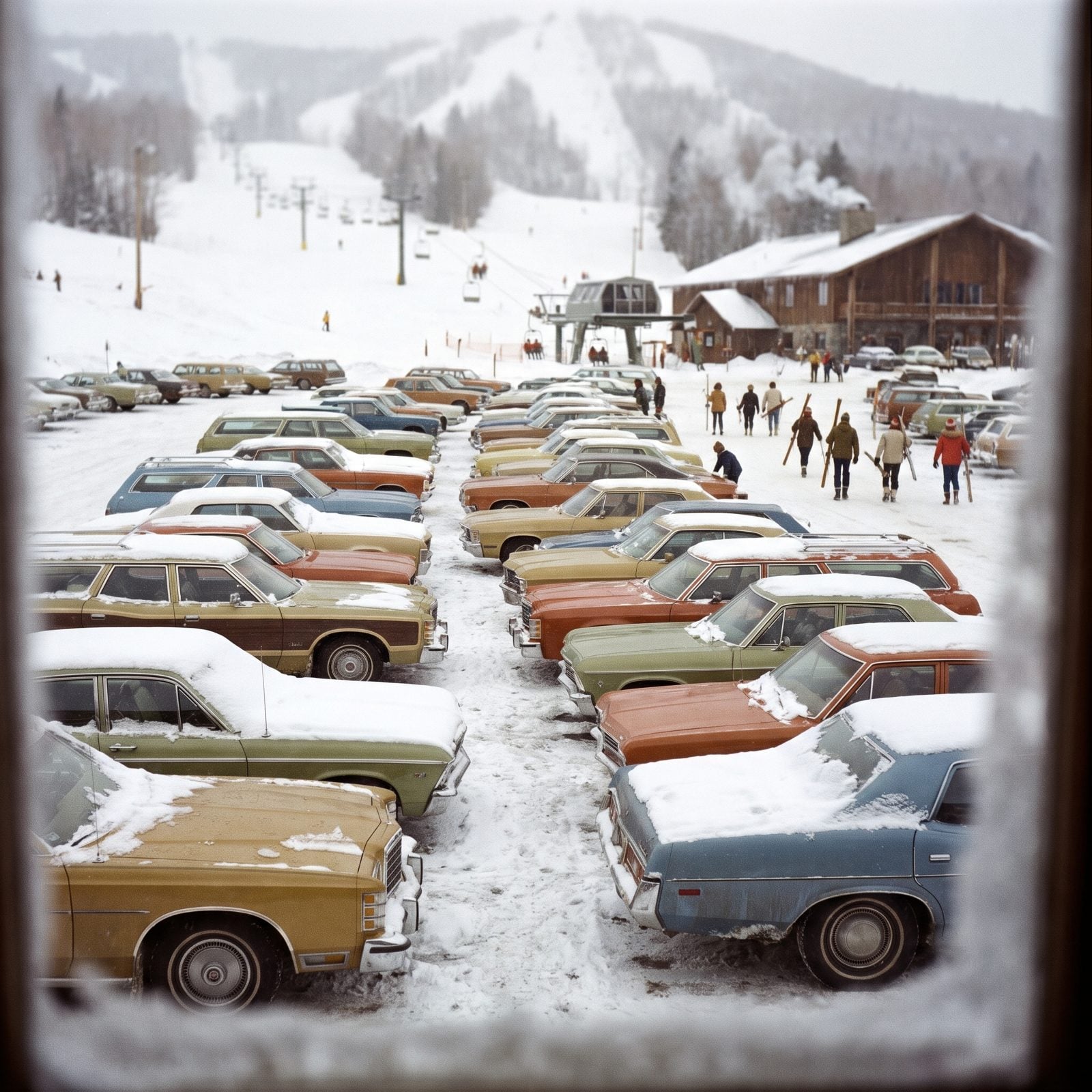
Half the lot was rear-wheel-drive Detroit iron, and half of those drivers had a story about getting stuck. Four-wheel drive existed, sure, but it hadn’t reached every driveway yet. The family Impala or the big wagon muscled up the mountain road on summer tires and prayer.
The veterans were easy to spot. They’d packed bags of sand or a couple of cinder blocks in the trunk over the rear axle for traction. And getting out of the lot at the end of the day was its own event, with somebody always pushing.
20. Tire Chains Installed Beside Snowy Highways
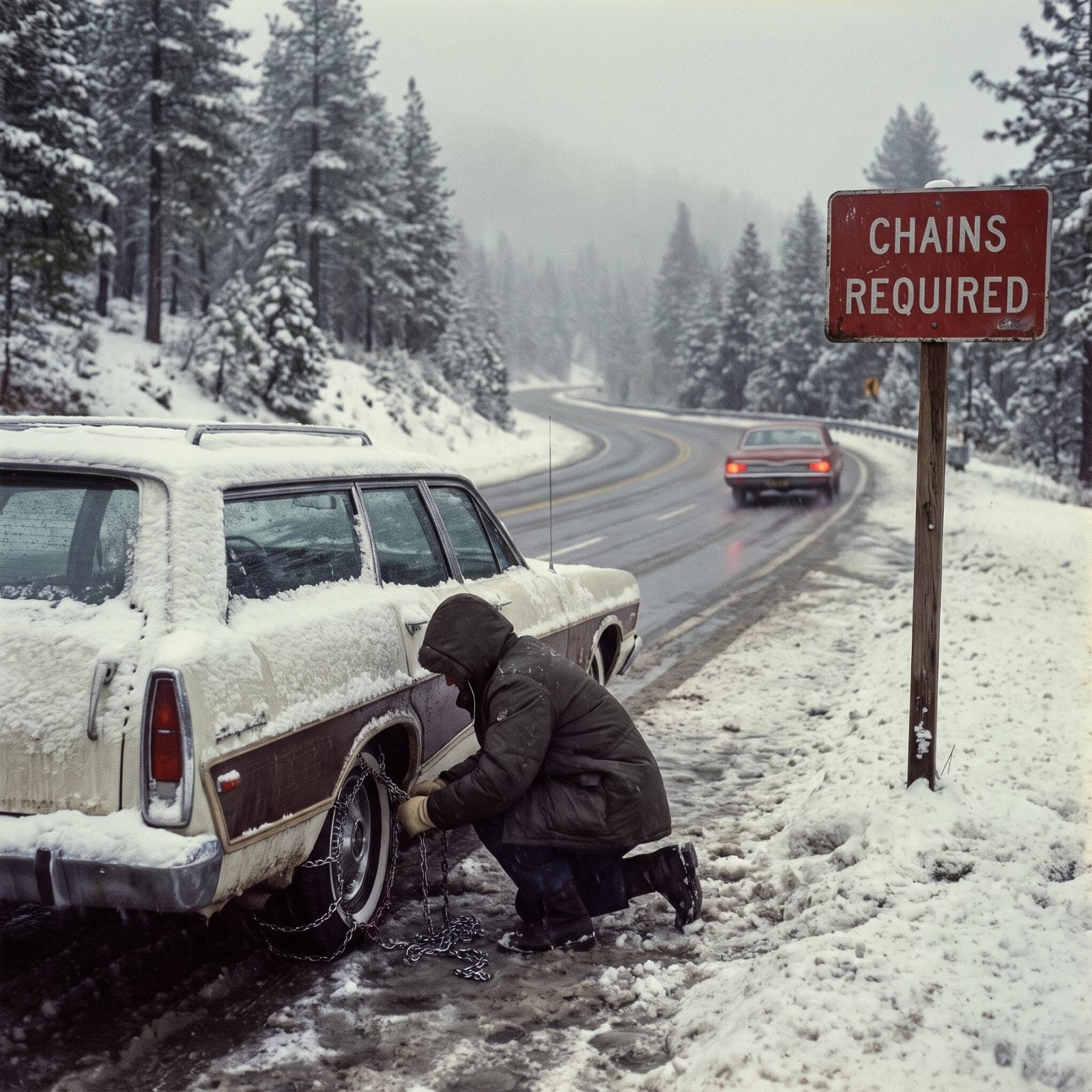
Chaining up was a rite of passage, usually a miserable one.
Somewhere on the climb a sign or a flagger told you to pull over and put chains on. So you knelt in the slush at the edge of a mountain highway, cold water soaking through your good pants, fighting steel links that never seemed to lay right the first time. Your fingers went numb. Cars hissed past a few feet away.
Once they were on, you drove at a crawl with that rhythmic clank underneath you, a sound that meant you were almost there.
19. Station Wagons Packed With Loose Ski Gear
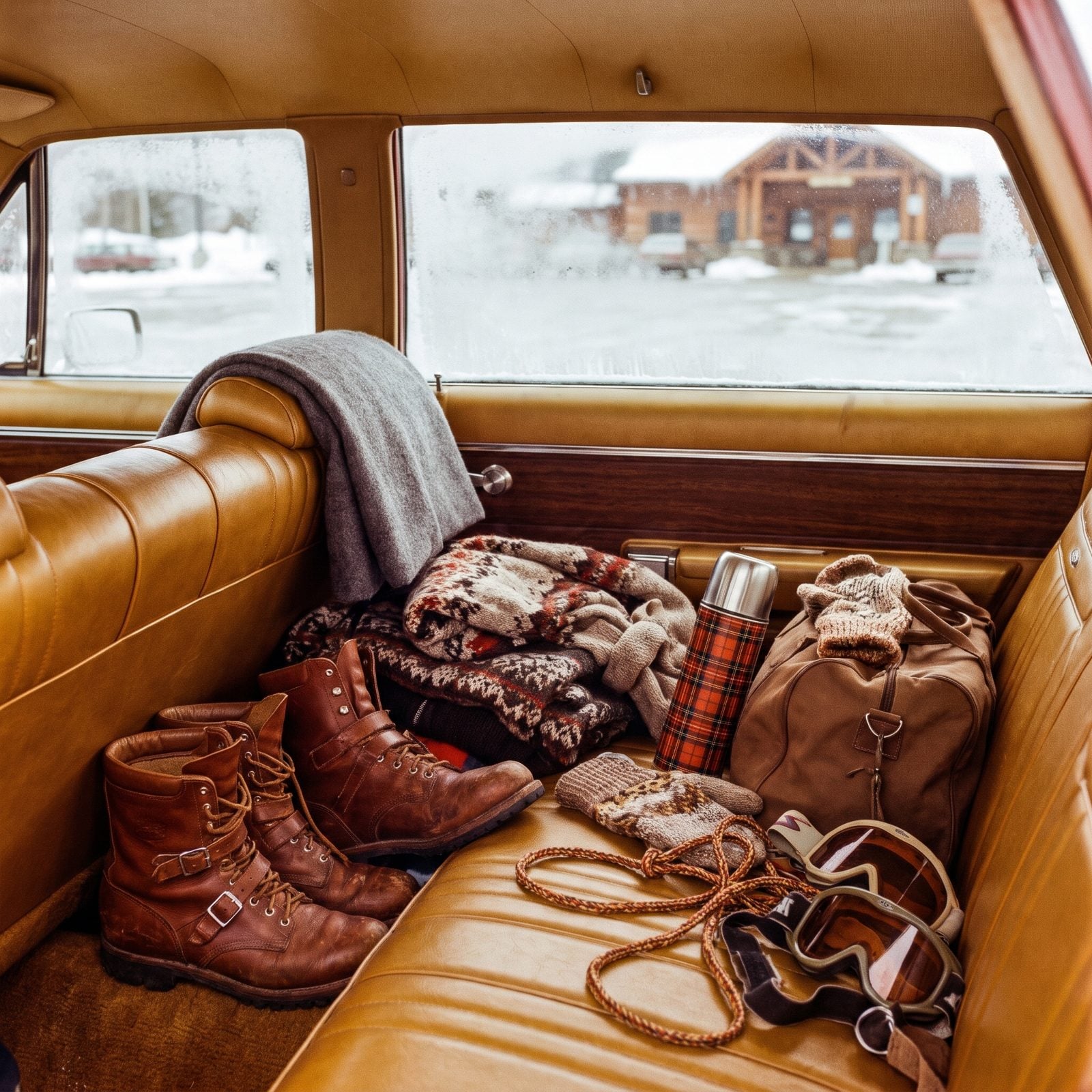
One old duffel, no organizers, no color-coded bins. Most everything just went loose on the back seat and rode there for the whole drive. Boots rolled around, mittens vanished under seats, and somebody’s goggles always ended up tangled with a rope on the back seat.
You unpacked at the lodge by digging through the pile and holding things up to figure out whose was whose. By Sunday the whole car smelled like wet wool and leather. We didn’t know to want it tidier. The clutter was part of the trip.
18. Skis Strapped Directly to Metal Roof Racks
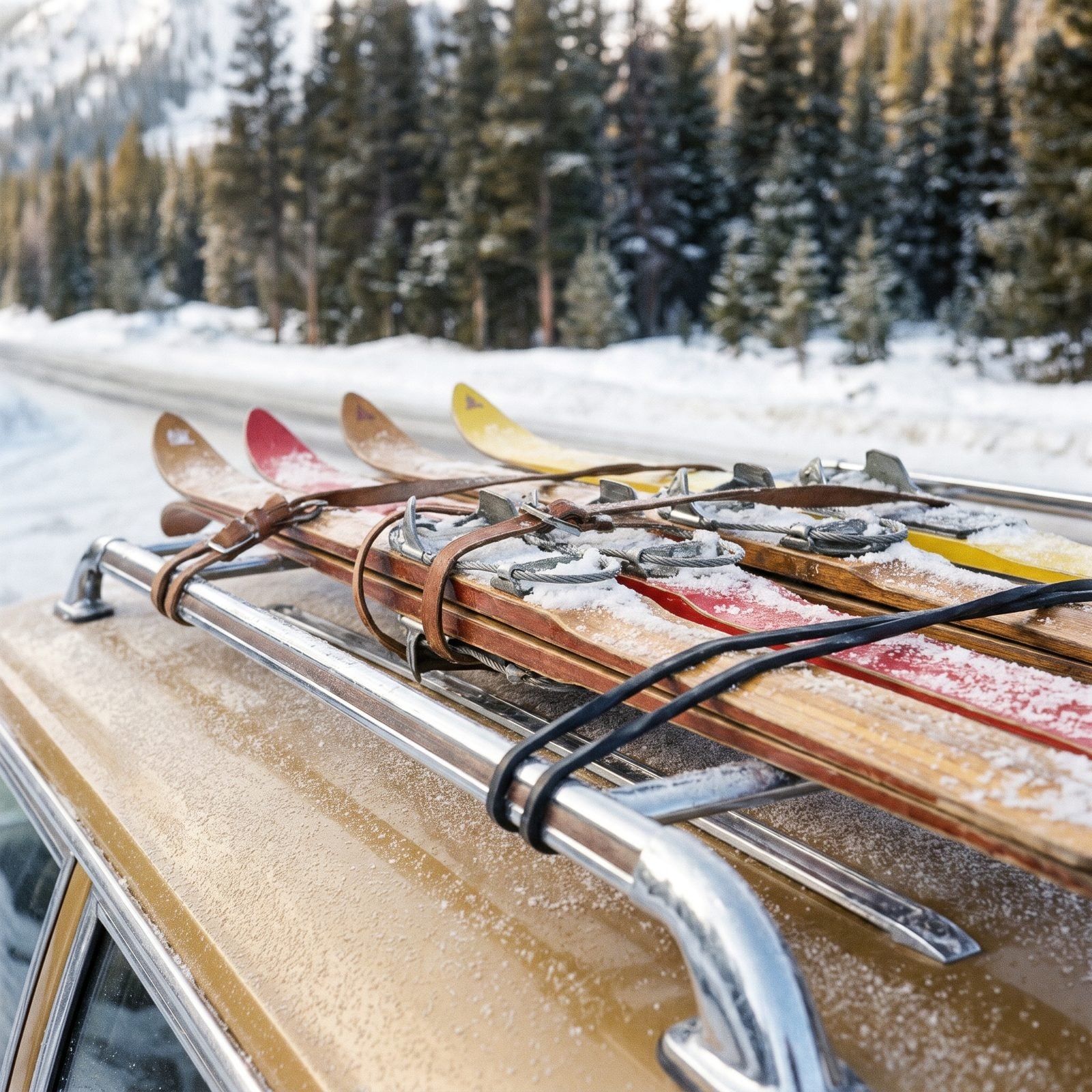
The skis rode up top, lashed straight to a naked metal rack with leather straps or rubber tie-downs. No locking clamps, no aerodynamic pod, no foam padding. Just wood and fiberglass clanking against chrome at seventy miles an hour.
You cinched those straps tight and checked them at every gas stop, half-expecting to watch a pair sail off into the median. By the time you arrived the bindings were packed with road grime and the tips wore a crust of frozen slush. Enclosed carriers would come later. For now the skis traveled naked and exposed, same as you’d feel on the first run.
17. Printed Road Atlases Guiding the Entire Trip
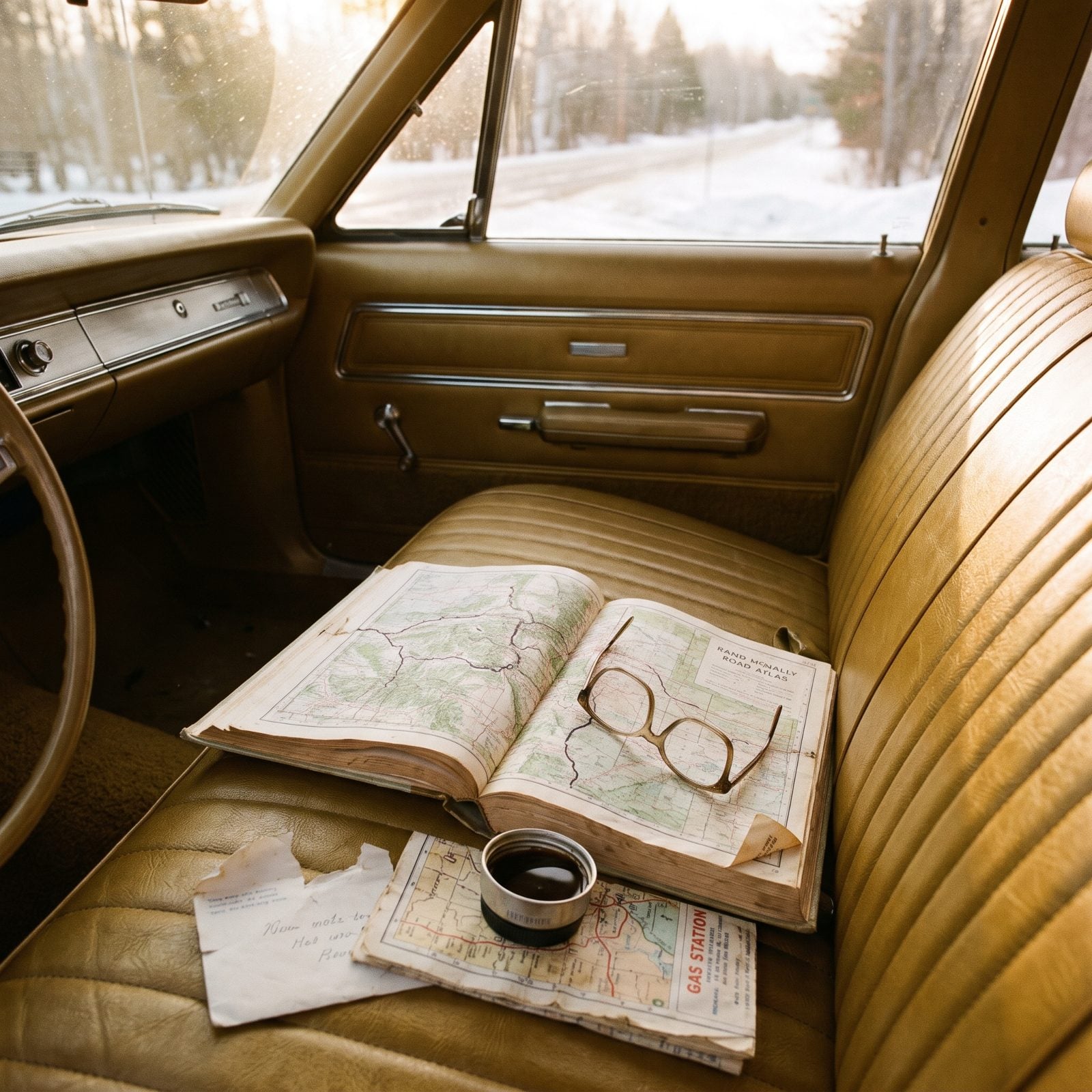
The entire trip lived on paper, and someone in the passenger seat was in charge of it.
You planned the route the night before with a ballpoint pen, tracing the highways and circling the exit for the resort. The navigator read it aloud at junctions while the driver squinted at road signs in the dark. Fold it wrong and you’d fight that stiff crease all weekend.
Getting a little lost was built into the day. You pulled over, flipped the atlas, and figured it out together. No voice told you to recalculate. You were the recalculation.
16. Calling the Resort From a Pay Phone
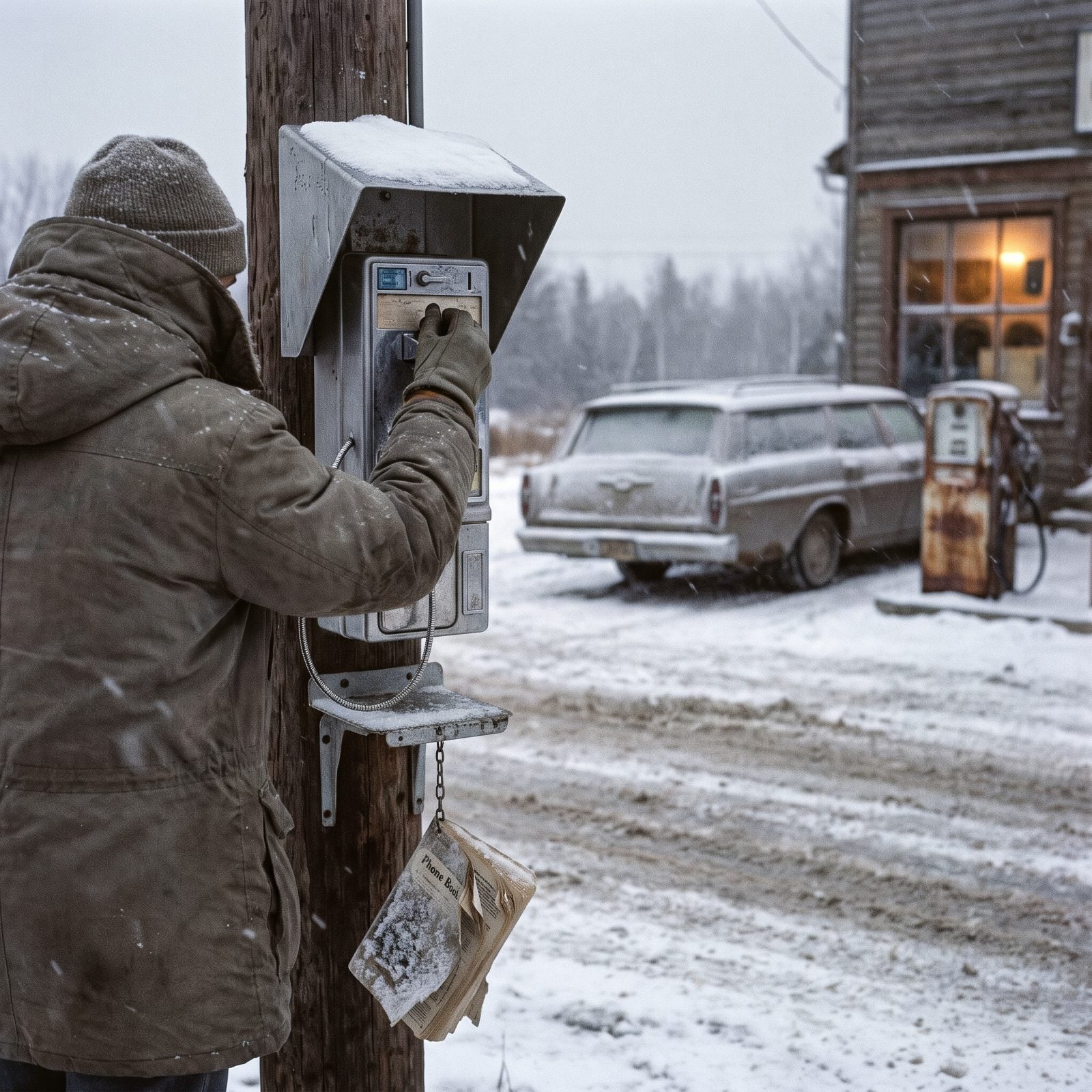
You pulled over at a gas station, fed a handful of quarters into a cold metal pay phone, and asked the front desk for a snow report or directions the last few miles. The line crackled. Some kid or clerk read you the conditions off a clipboard.
If the lines were full you waited your turn behind somebody feeding dimes into the slot, breath fogging in the booth. No way to check ahead from the car. You committed to the drive and confirmed it along the way, one coin at a time.
15. Booking a Ski Lodge by Mailed Brochure
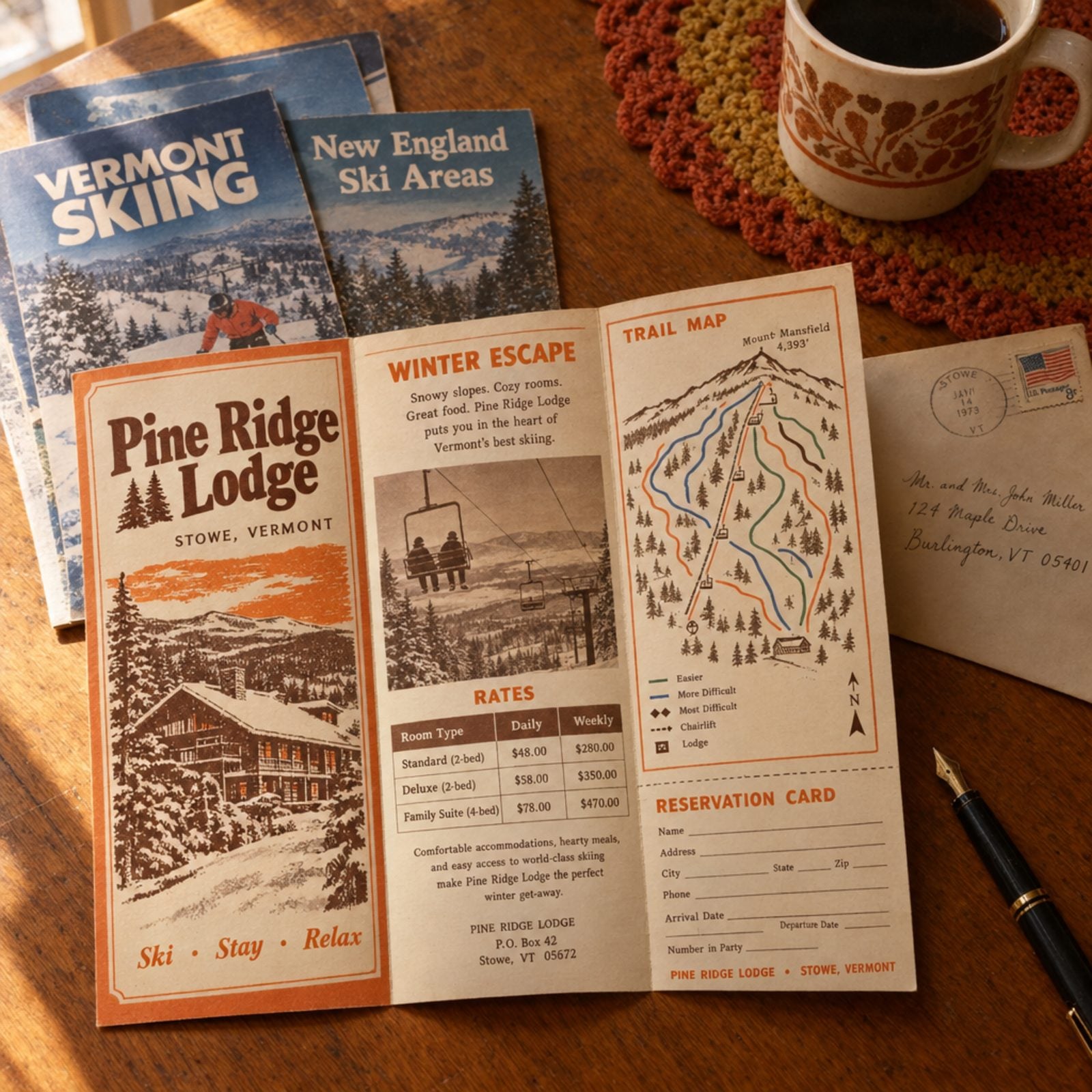
The trip started with a brochure that arrived in the mail weeks earlier, requested by a postcard or grabbed off a rack at the travel agency. Tri-fold, printed in orange and brown, a woodcut lodge on the cover and a tear-off reservation card at the bottom.
You studied the rate chart, picked your dates, filled out the card in pen, and mailed it off with a check for the deposit. Then you waited for a written confirmation to come back. No instant booking, no reviews, no photos of the lodge or rooms beyond the artist’s flattering illustration.
You found out what the room actually looked like when you walked into it. Half the adventure was not knowing.
14. Paying for Rooms With Cash or Traveler’s Checks
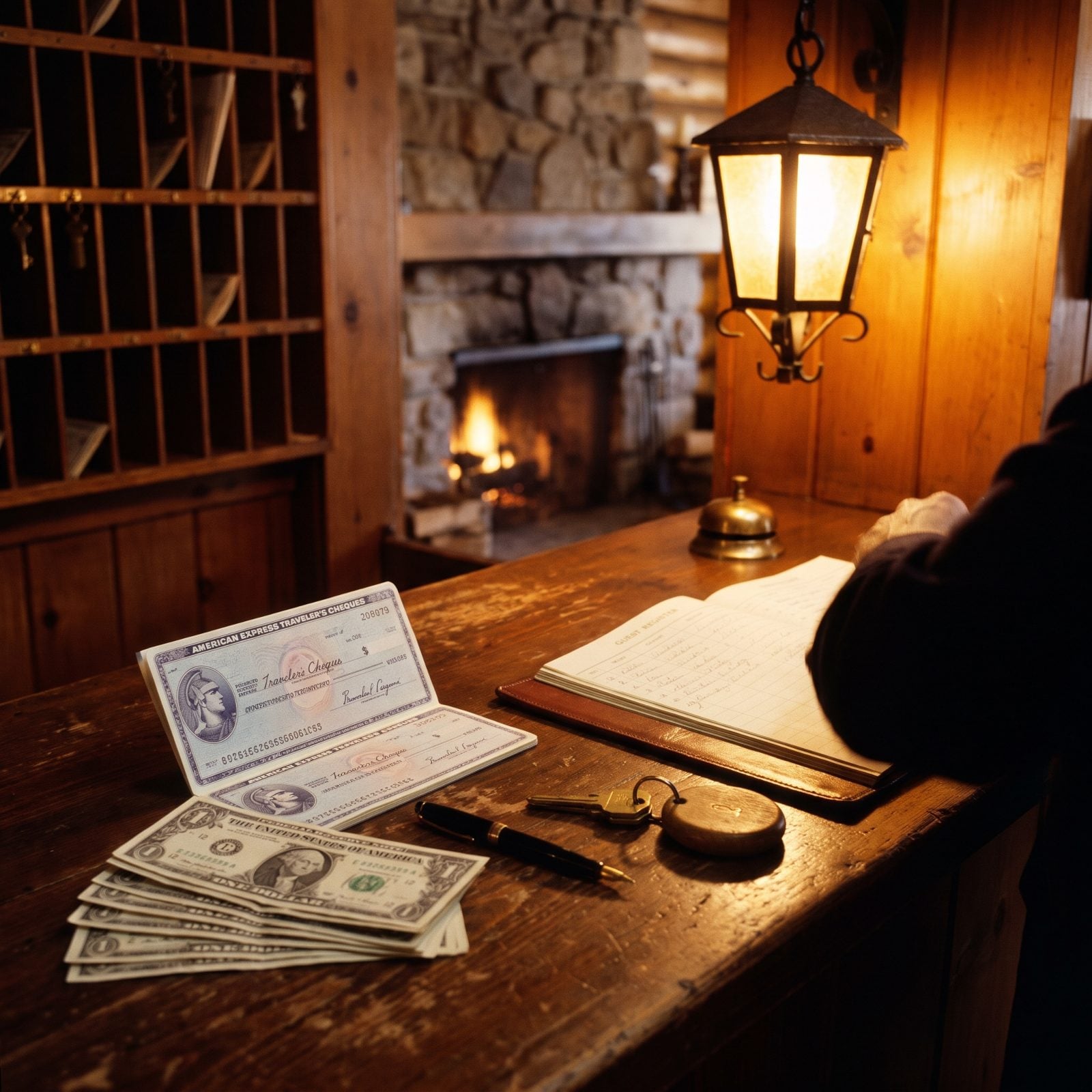
You paid with cash counted out on the counter, or with traveler’s checks you signed under the clerk’s watchful eye. Credit cards existed but weren’t the default, and plenty of small lodges didn’t take them at all.
Before the trip you went to the bank and bought a book of American Express checks, signing each one once at purchase and again at payment. Lose them and they could be replaced, which felt like real security back then. You traveled with a thick envelope of cash and kept a careful eye on your wallet. The lodge took your money, handed you a brass key on a wooden fob, and pointed you toward the fire.
13. The Whole Family Packed Into One Small Lodge Room
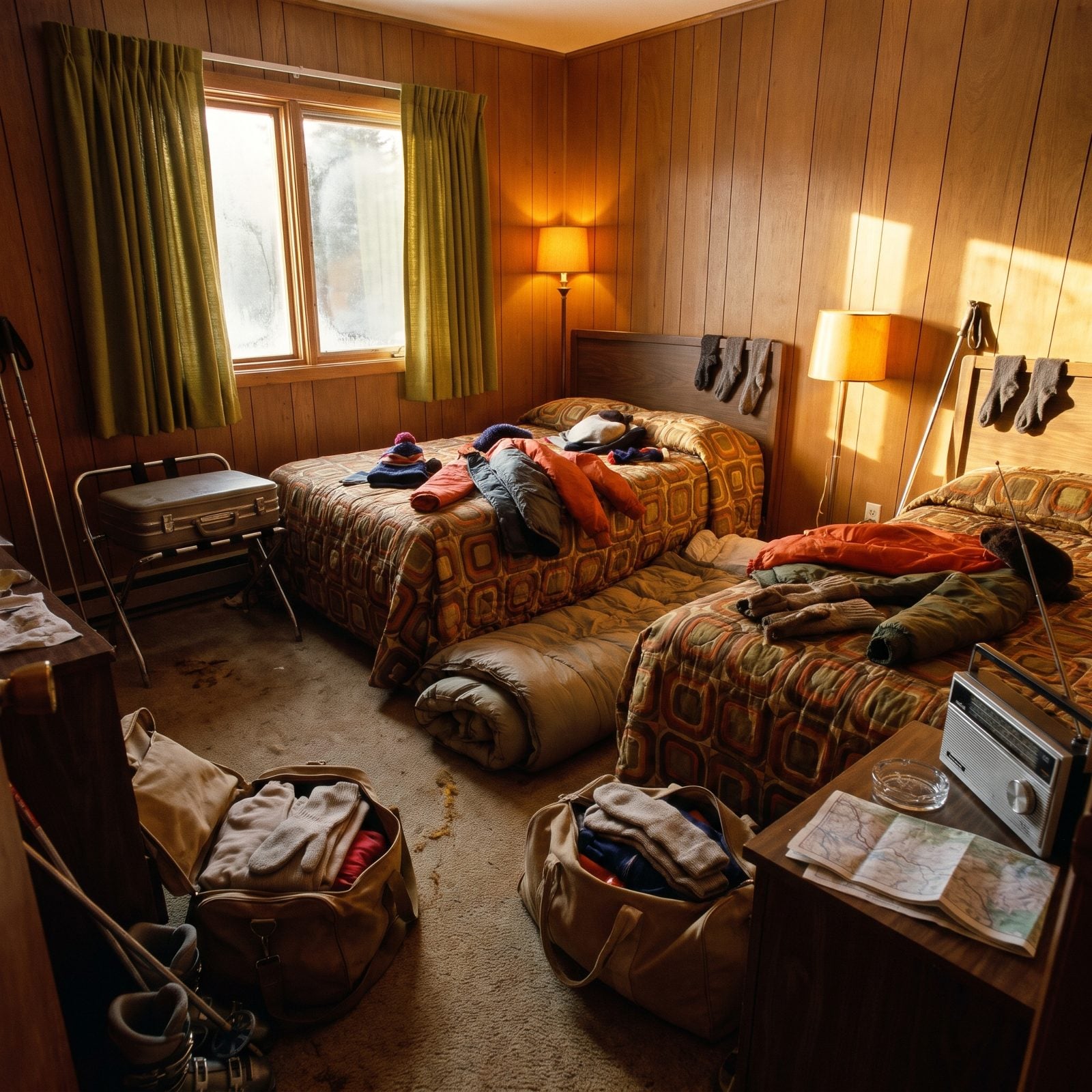
Four people, two beds, and a sleeping bag thrown on the floor for whoever lost the argument. That was a ski room in the 1970s, and nobody thought it was roughing it.
You booked one room because one room was what the budget allowed. Wet socks dried on the heater, long johns hung off the headboard, and the youngest got the cot or the floor. Everyone was asleep by nine because the mountain had wrung you out.
12. The Coin-Operated TV Bolted to the Motel Dresser
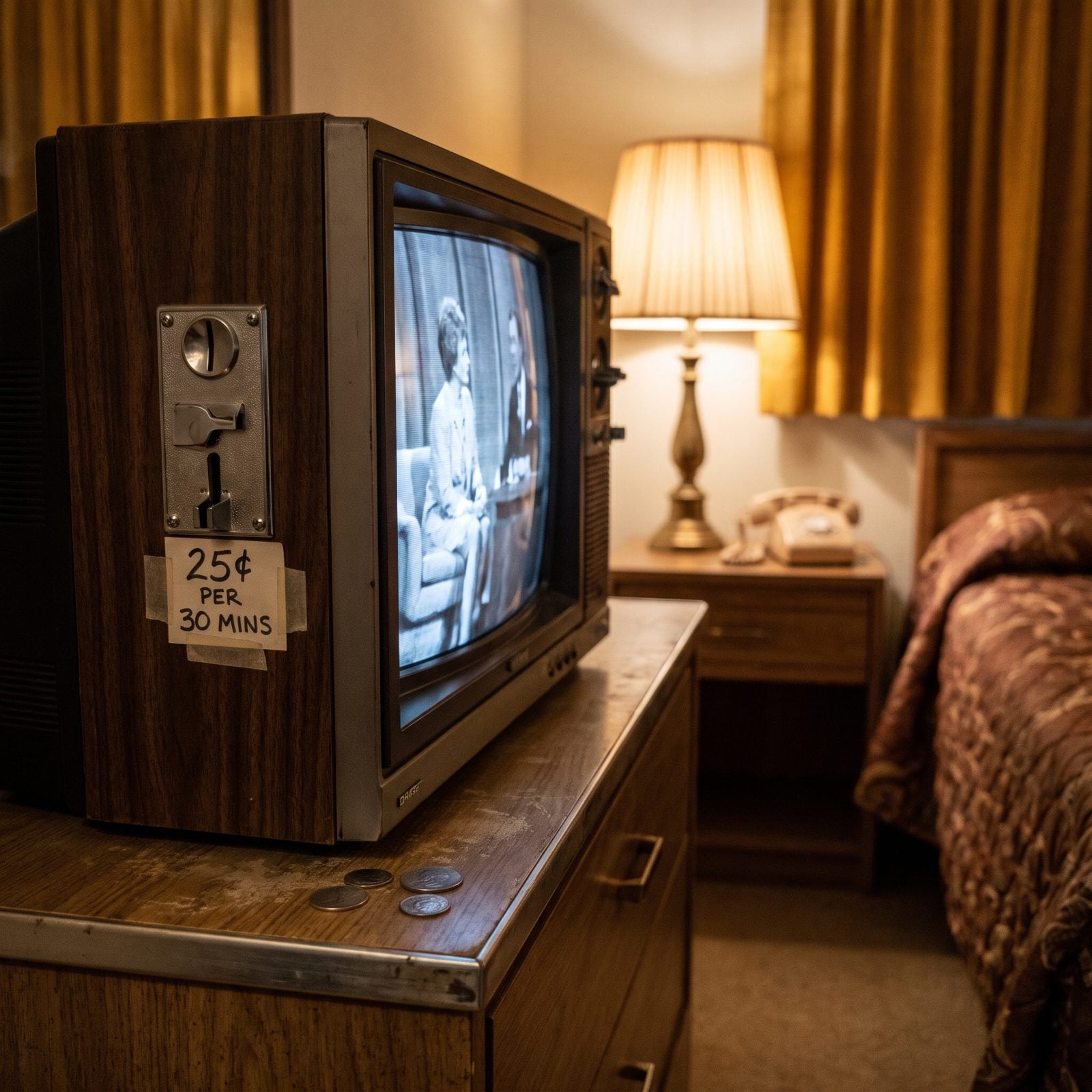
You fed it quarters to watch the end of a show. The set ran on coins, bolted to the dresser so nobody could walk off with it, and when your time ran out the picture just died mid-sentence.
Parents rationed those quarters like gas money. One episode, then lights out. Kids learned to time the coin drop so the last quarter carried them through the good part — a small, odd negotiation that happened in budget motels all over ski country.
11. The Rotary Phone That Weighed as Much as a Boot
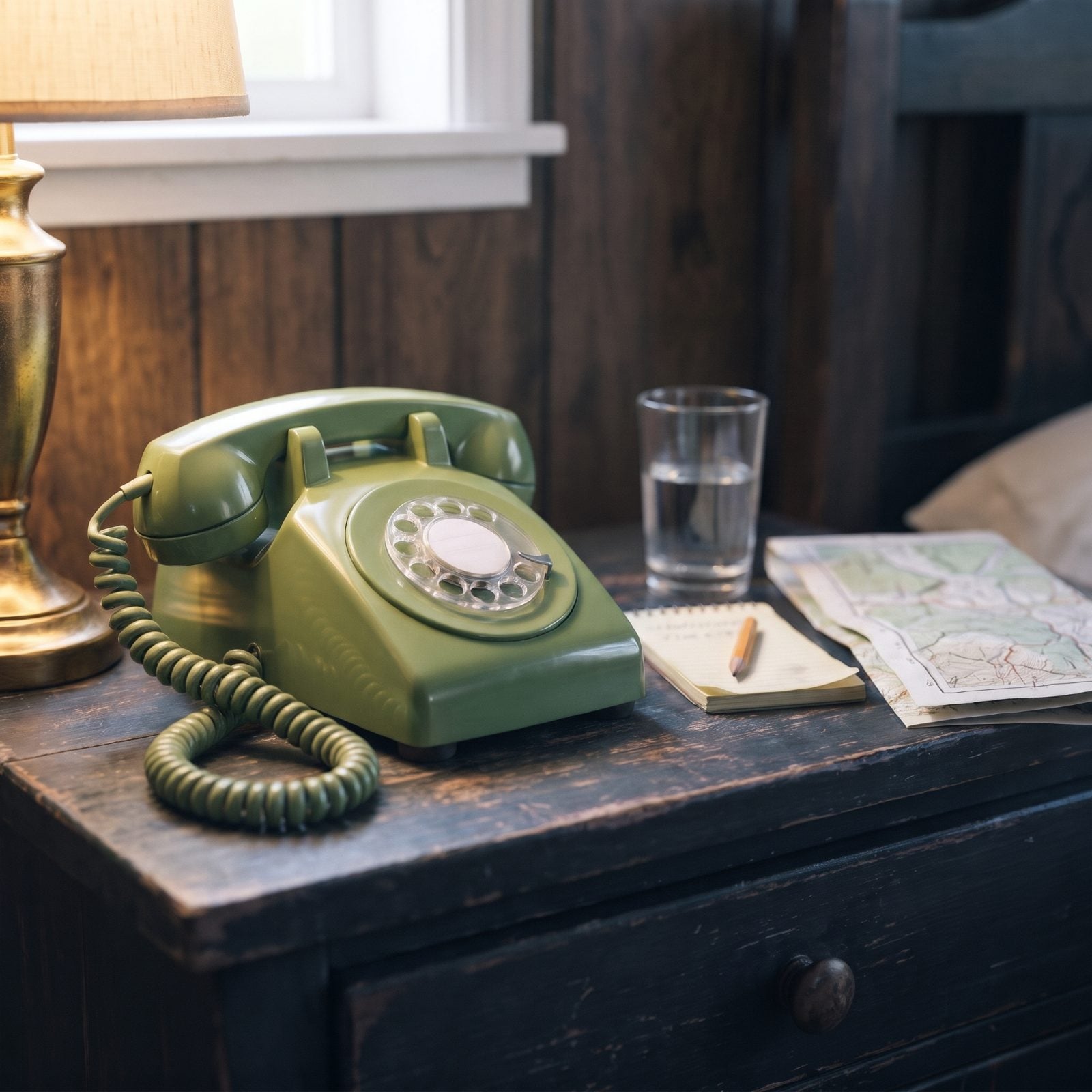
That slow return of the dial after each number, the mechanical whir and click as it rolled back to start. Calling home from a ski lodge took patience, and a pocketful of change if you went through the front desk.
Long distance cost real money, so calls stayed short. Made it up fine, snowing hard, see you Sunday. Then you hung up the heavy handset and it settled into the cradle with a weight nothing on a modern phone comes close to.
10. The Communal Waxing Bench Down in the Lodge Basement
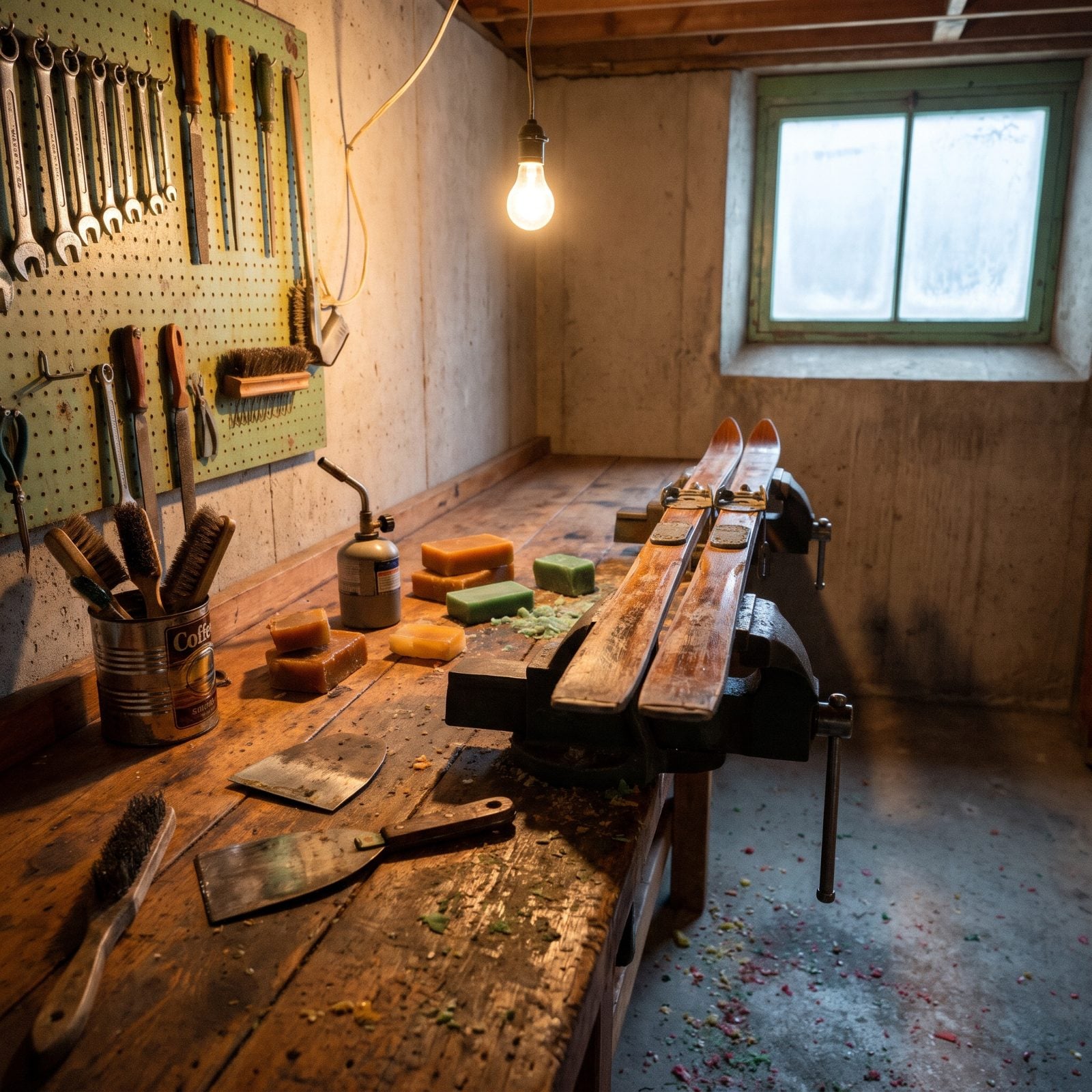
The smell hit you on the basement stairs: hot wax, propane, and old pine.
Down there sat a shared bench and a vise, and whoever got there first claimed a spot. You melted wax with a torch, scraped it flat, corked it in by hand. No shop did it for you — you did it, or your dad did it while you held the light.
Everyone’s skis went in the same vise at some point over a weekend. Strangers nodded at each other over the scraper. It was the only place in the lodge where people talked about edges and base grinds like it mattered, because it did.
9. Leather Ski Boots Steaming Beside the Radiator
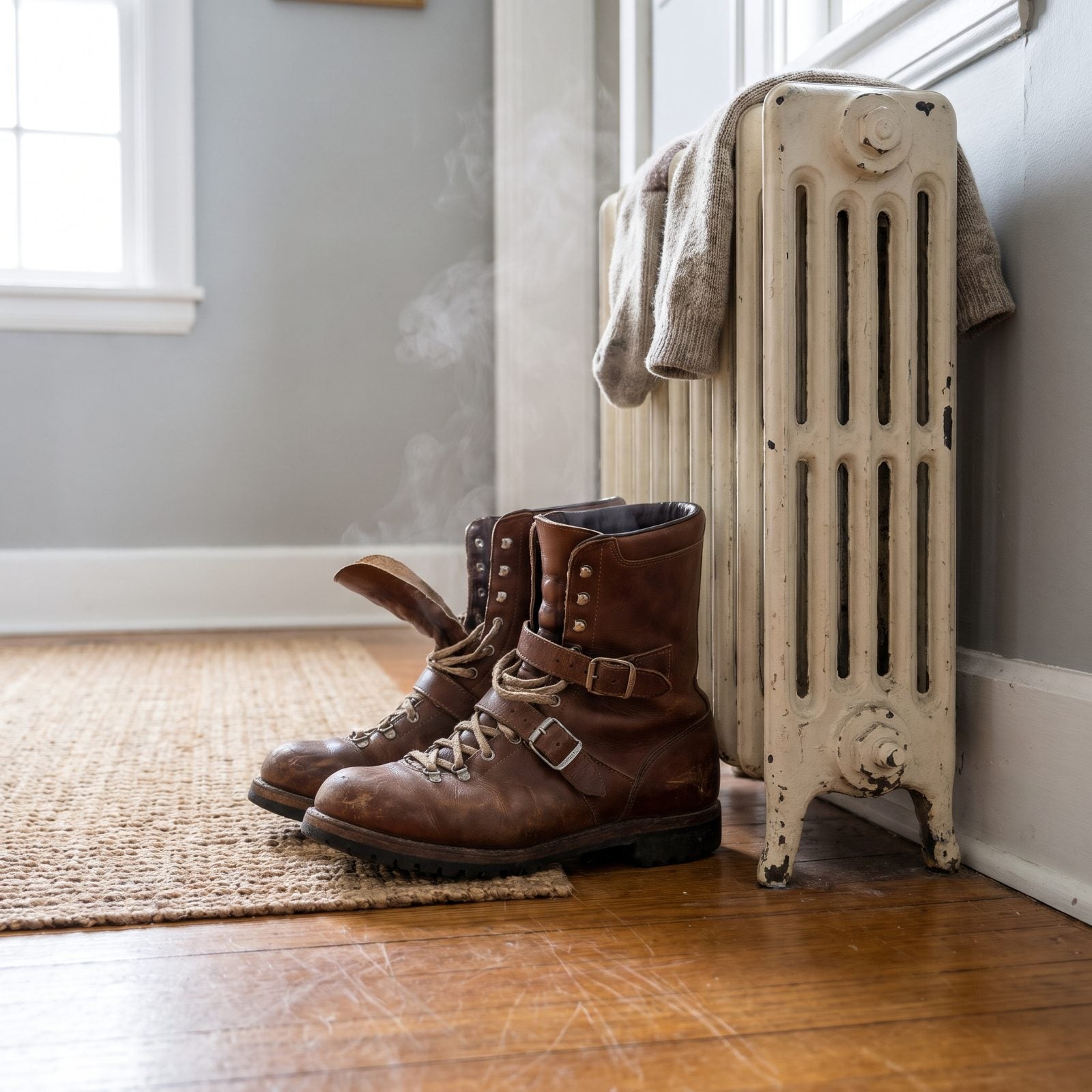
Leather boots soaked through by noon and took all night to dry. So they went next to the radiator, laces loose, socks draped over the top bar, steam curling up off the hot radiator beside them while you ate dinner.
You could smell them from the hallway. Wet wool and warm leather — the official scent of a ski weekend. By morning they were stiff and barely dry, and you jammed your feet in anyway and went back out. Plastic boots fixed all of this, and good riddance to frozen toes, but there was something honest about leather that earned its keep the hard way.
8. The Brown-Bag Lunch Eaten at a Base Lodge Table
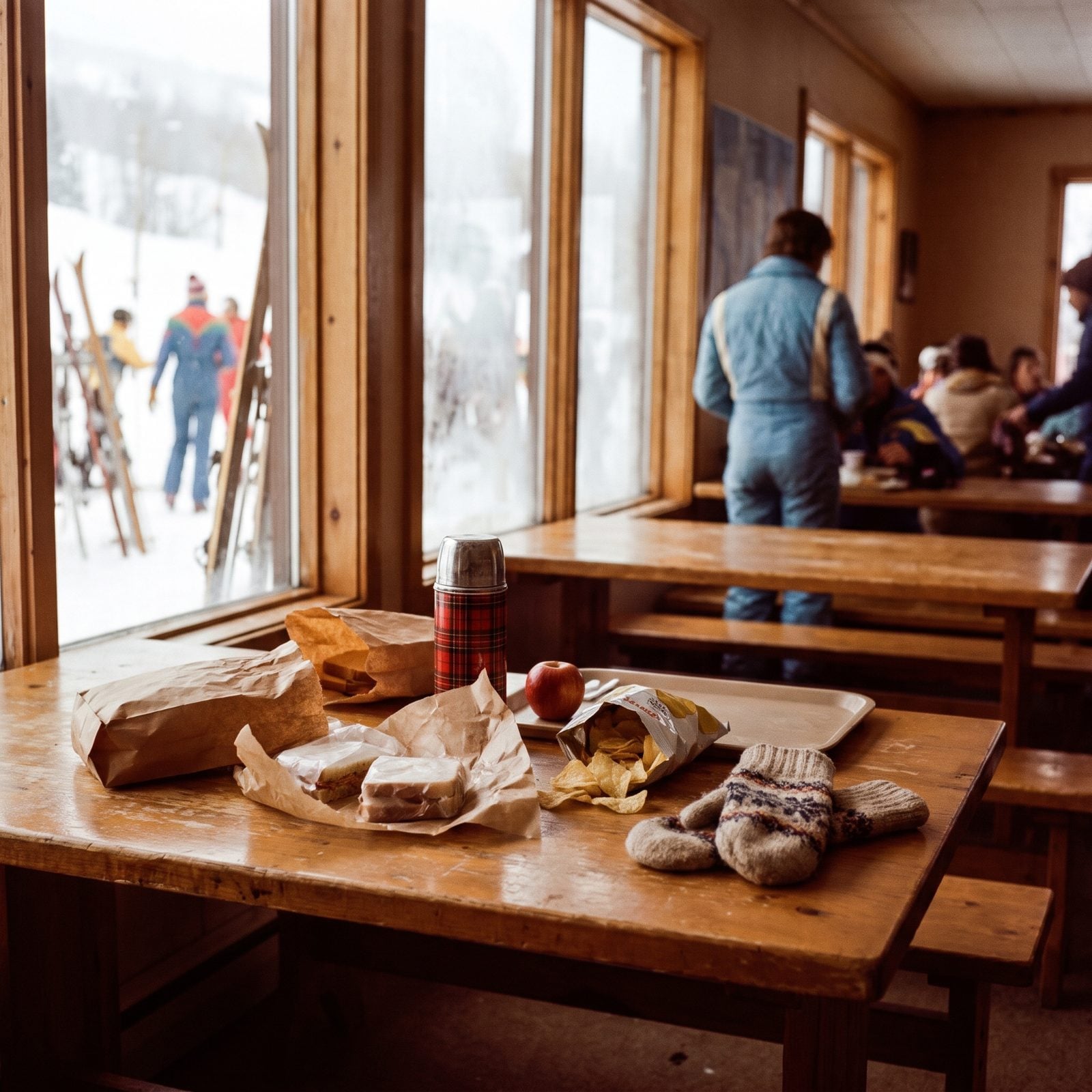
You didn’t buy lunch. You brought it. Sandwiches wrapped in wax paper, a bag of chips going soft in a mittened hand, maybe a cold apple that had ridden up in the car all morning.
Families claimed a table in the base lodge and ate fast, boots still on, before heading back out. The cafeteria sold hot cocoa and fries, sure, but the brown bag was how you skied a full day without the mountain emptying your wallet. Nobody felt cheap doing it. Everybody did it.
7. The Plaid Thermos Full of Hot Chocolate
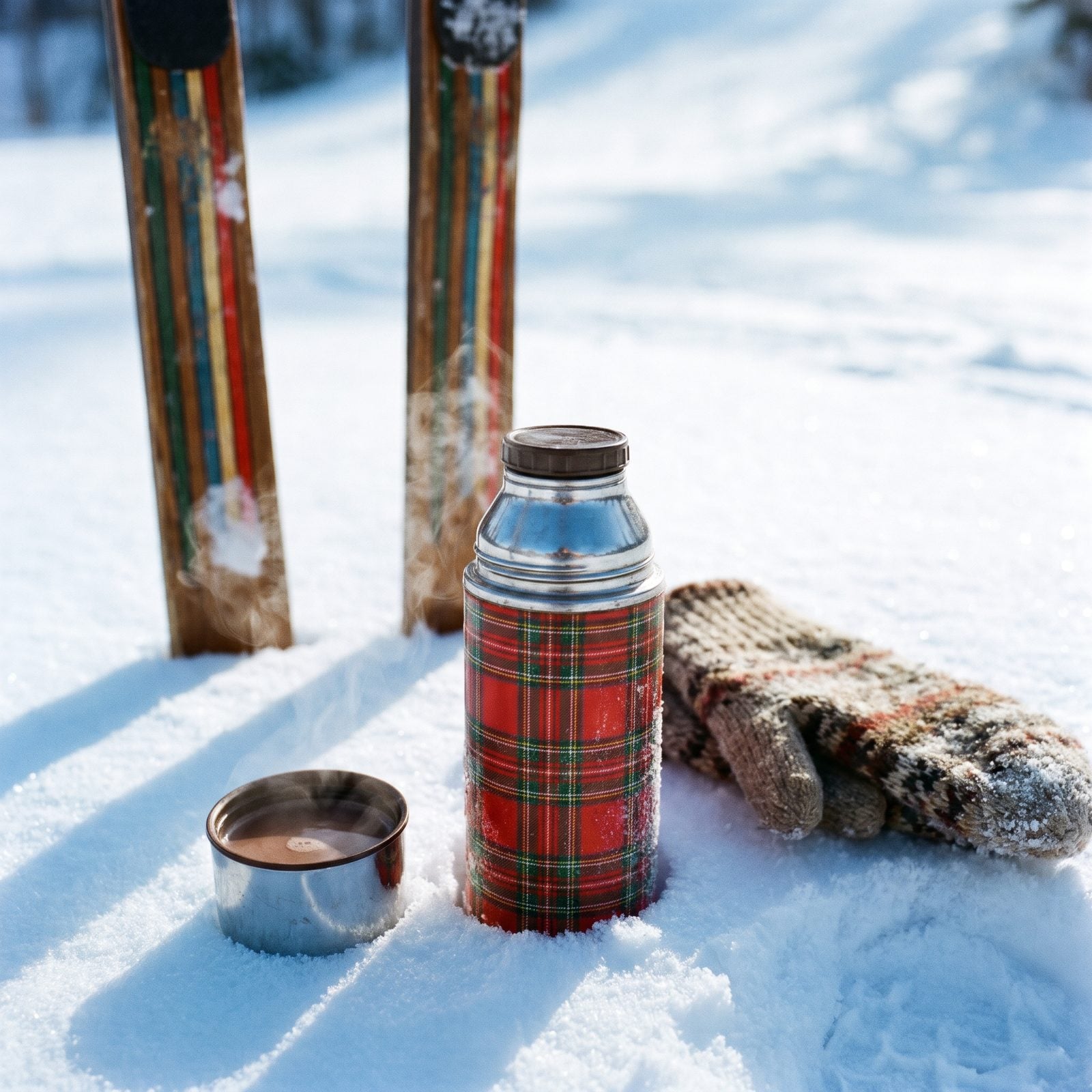
The plaid thermos. Steel body, chrome cup that doubled as a lid, and inside, hot chocolate that somehow stayed warm from the parking lot to the chairlift.
You unscrewed the cup with cold-stiff fingers and poured a careful half, steam rising straight up in the January air. One cup, shared around, standing in a lift line. It was never quite hot enough by the second pour, and it always tasted faintly of the inside of the thermos. Didn’t matter. Best cocoa of your life, every time.
6. The Fondue Pot Bubbling After a Day on the Slopes
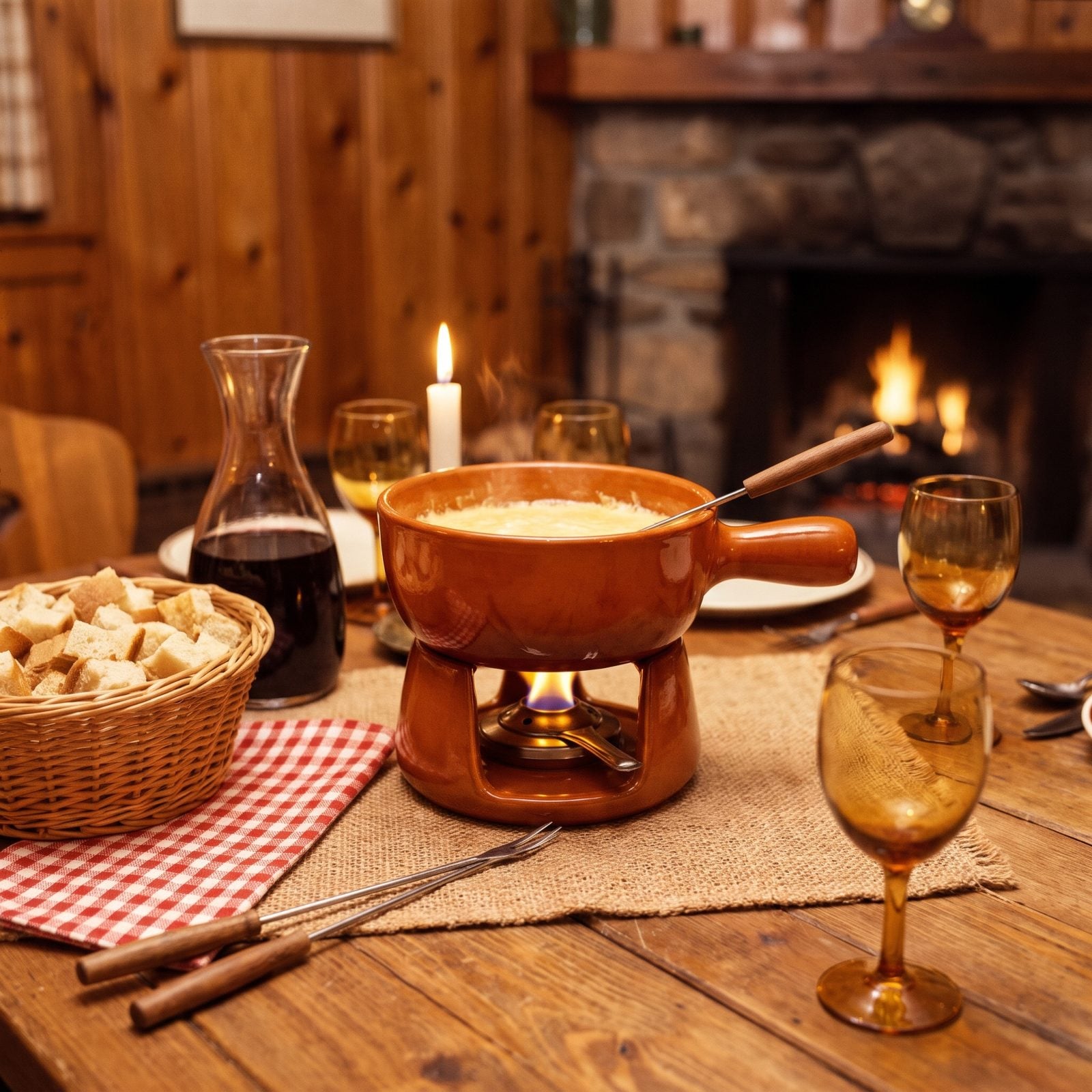
Fondue was dinner, and it was an occasion. A ceramic pot over a little flame, melted cheese pulling into long strings, those two-pronged forks that everyone fumbled.
After a day on the mountain you’d peel out of damp layers, pour a glass of something red, and gather around the pot. Lose your bread cube in the cheese and you paid the forfeit, whatever your group had decided the forfeit was. Slow food on purpose. A meal that made you sit and stay and thaw out together. The pot still lives in a lot of basements, orange glaze and all.
5. The Après-Ski Bar With a Folk-Rock Band in the Corner
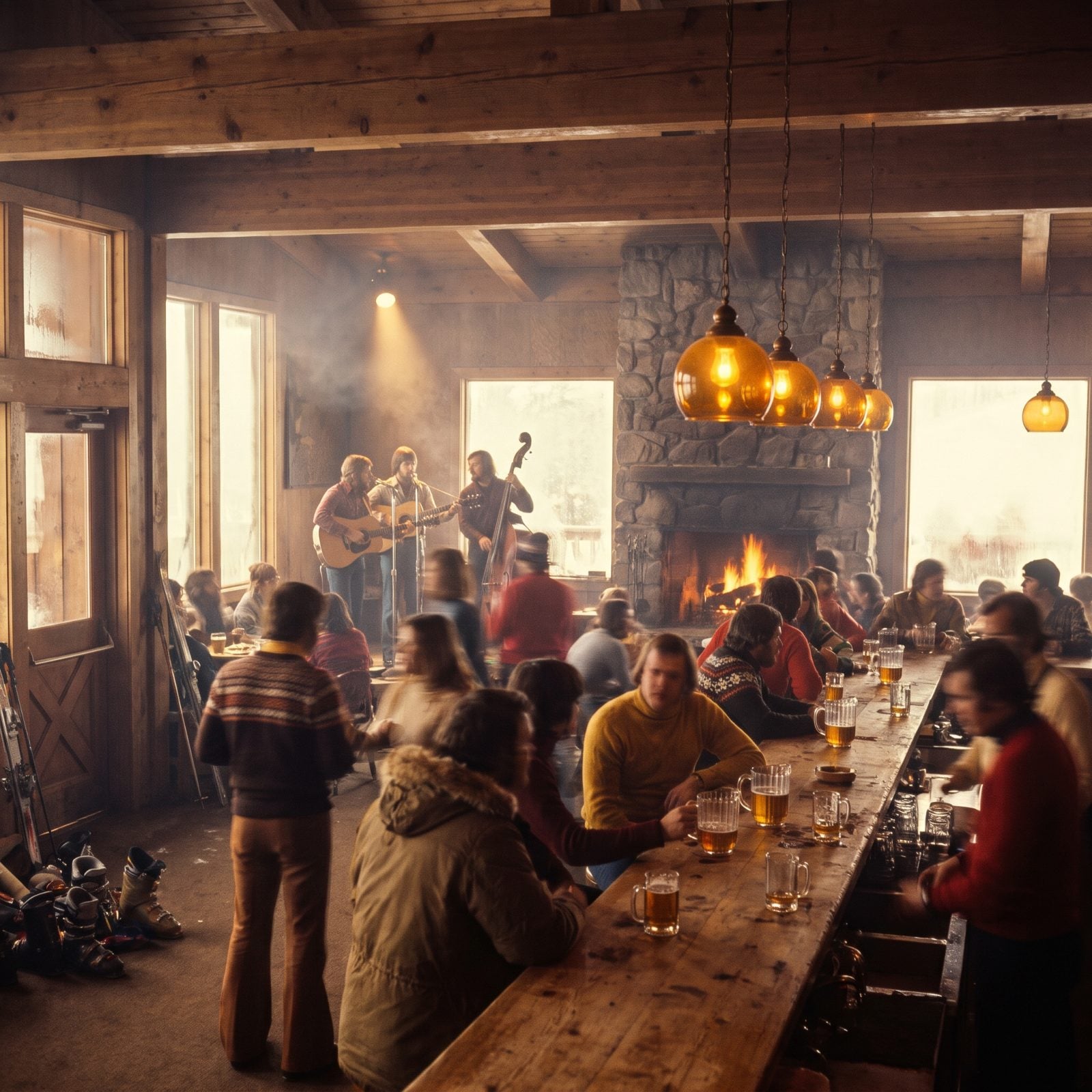
The band was always a little too loud for the room, and that was the point.
A couple of guys with acoustic guitars and a bassist set up in the corner, running through folk-rock covers while the room thawed out over pitchers of beer. Ski boots clomped on the wood floor. Everybody still smelled like the mountain.
Nobody was dressed up. Sweaters, wet hair, cheeks still red from the cold. You’d end up talking to strangers you’d shared a lift line with that afternoon. Après-ski wasn’t a marketing word yet — just the hour between skiing and sleep, and a band in the corner made it worth staying for.
4. Skiers Lighting Up Right There in the Lift Line
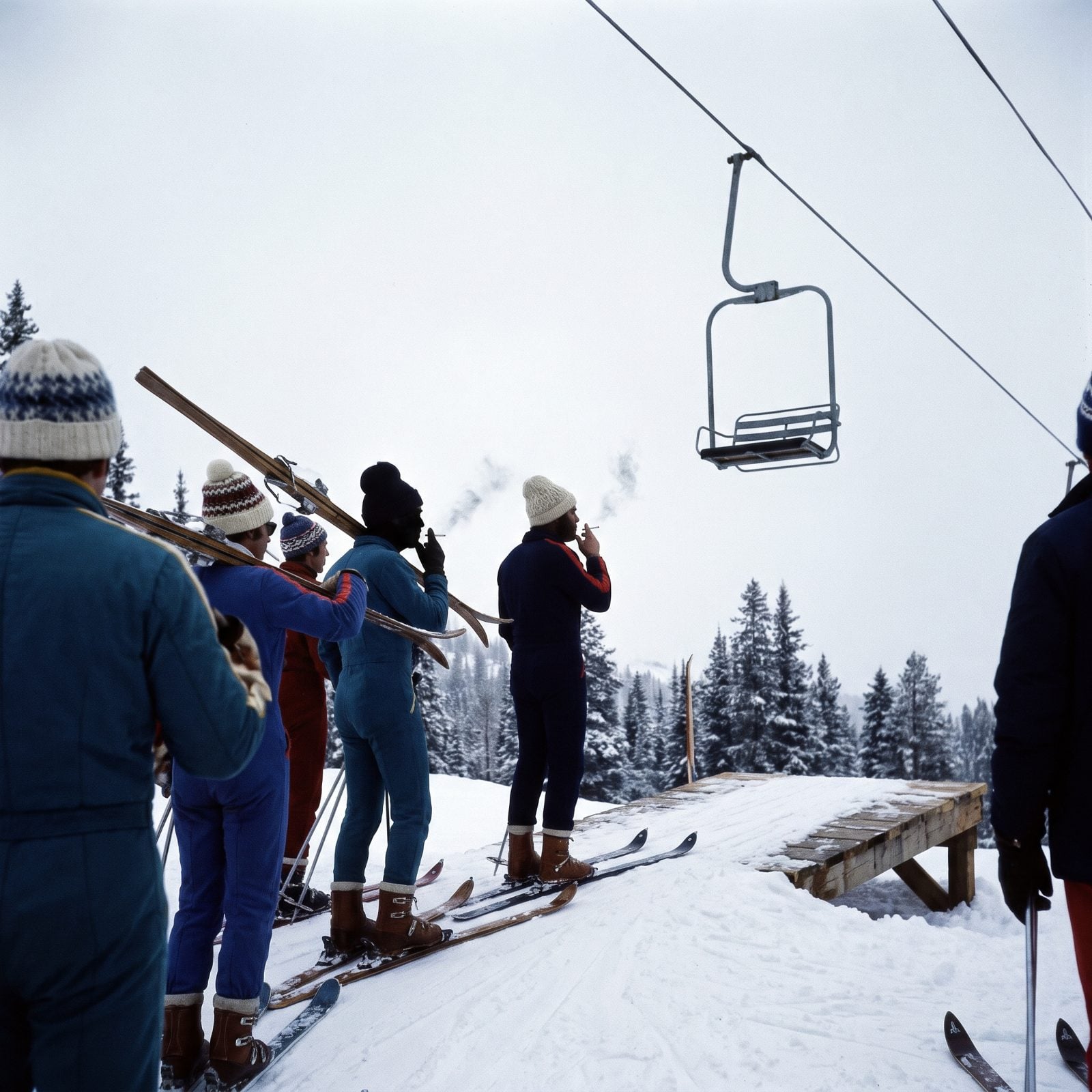
Smoke drifting over the lift line was just part of the scenery. People lit up while they waited, poles tucked under an arm, cigarette cupped against the wind, and nobody blinked.
You’d ride a chair with no safety bar, cigarette in one glove, the whole mountain spread out below. That’s the detail that stops you cold looking back — how casual all of it was. A different idea of a day outdoors, where the cold air carried woodsmoke and tobacco in equal measure. It didn’t survive the decade by much, and it’s the one thing on this list nobody misses. But it was there, and it was everywhere.
3. The Flask That Made the Chairlift Ride Shorter
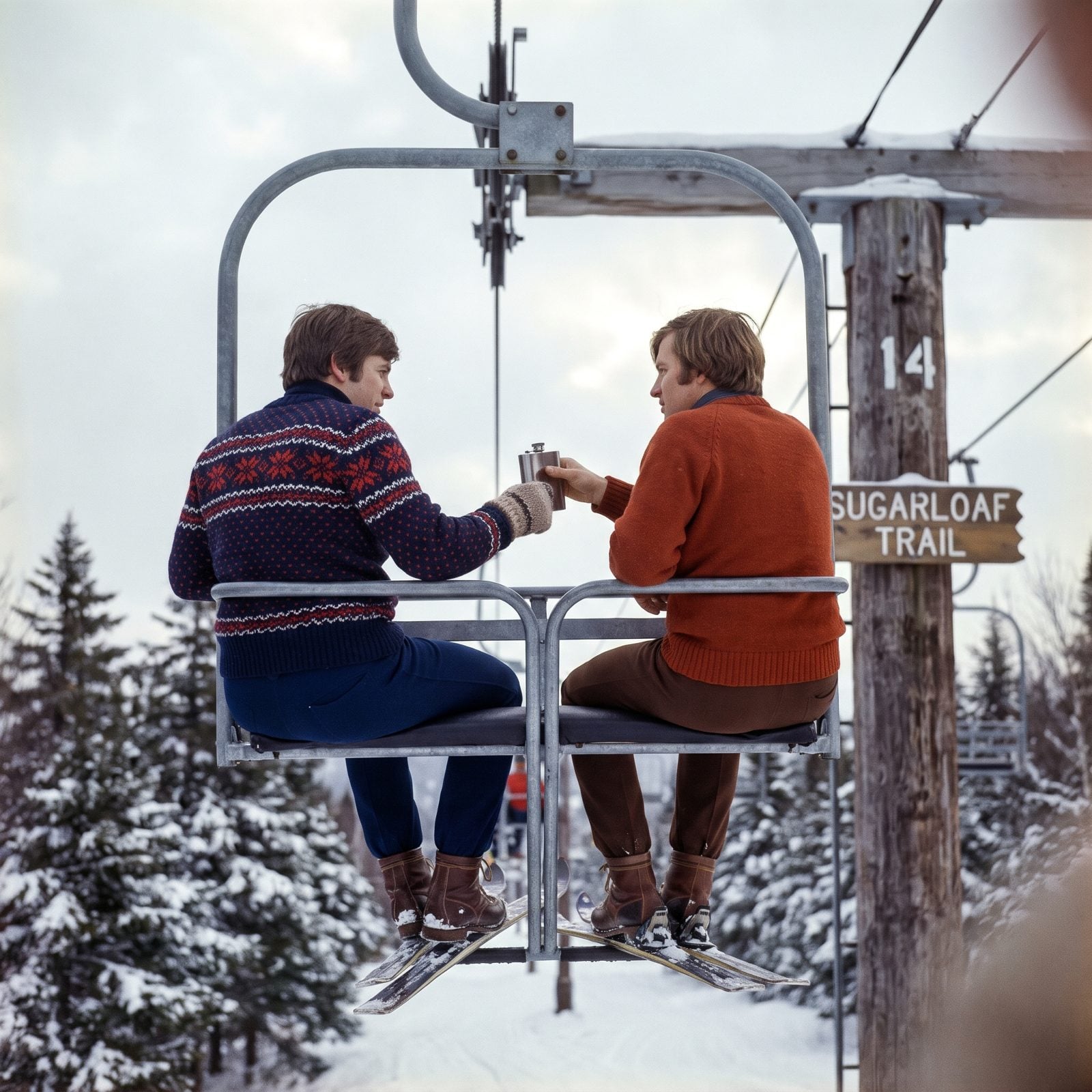
You could tell the regulars by the bulge in their parka pocket. A leather-wrapped flask, filled that morning with peppermint schnapps or blackberry brandy, rode up the mountain with you because the lift was slow and the wind had teeth. Fixed-grip doubles crawled, which left you eight or nine minutes to kill with a stranger’s leather boot toes bumping yours — and the flask was how the conversation started.
Nobody thought twice about it. The cap came off, went around, came back, and by the top you knew where the guy next to you was from and whether the back bowl had opened. Warmed the ride down more than it warmed you, if we’re honest.
2. Dad Hunched Over a Super 8 Camera at the Bottom of Every Run
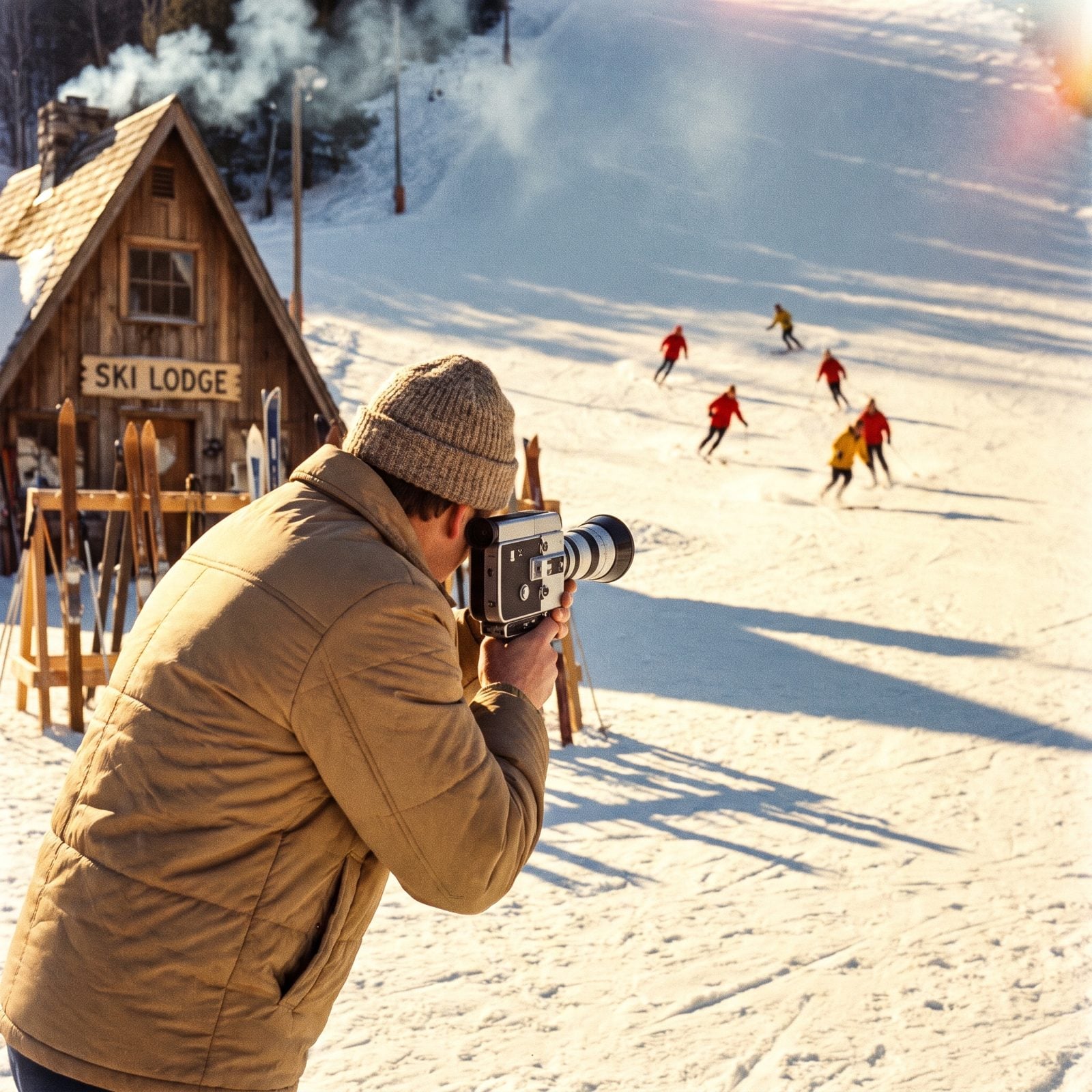
The whir of a Super 8 was the sound of a vacation being remembered. Somebody — usually the one who didn’t ski well — stood planted at the bottom of the bunny hill with that chrome box pressed to his face, thumb mashing the trigger, panning slowly while the rest of the family snowplowed down with arms out like scarecrows.
Fifty feet of film gave you about three and a half minutes. No sound, no second takes. You got the wipeout or you didn’t, and the camera ate batteries, hated the cold, and jammed if you breathed on it wrong.
And every single run, someone yelled “wave at the camera!” So the footage is just four people waving mittens at a lens, over and over, forever.
1. Mailing the Film Off and Waiting Three Weeks to See If Any of It Came Out
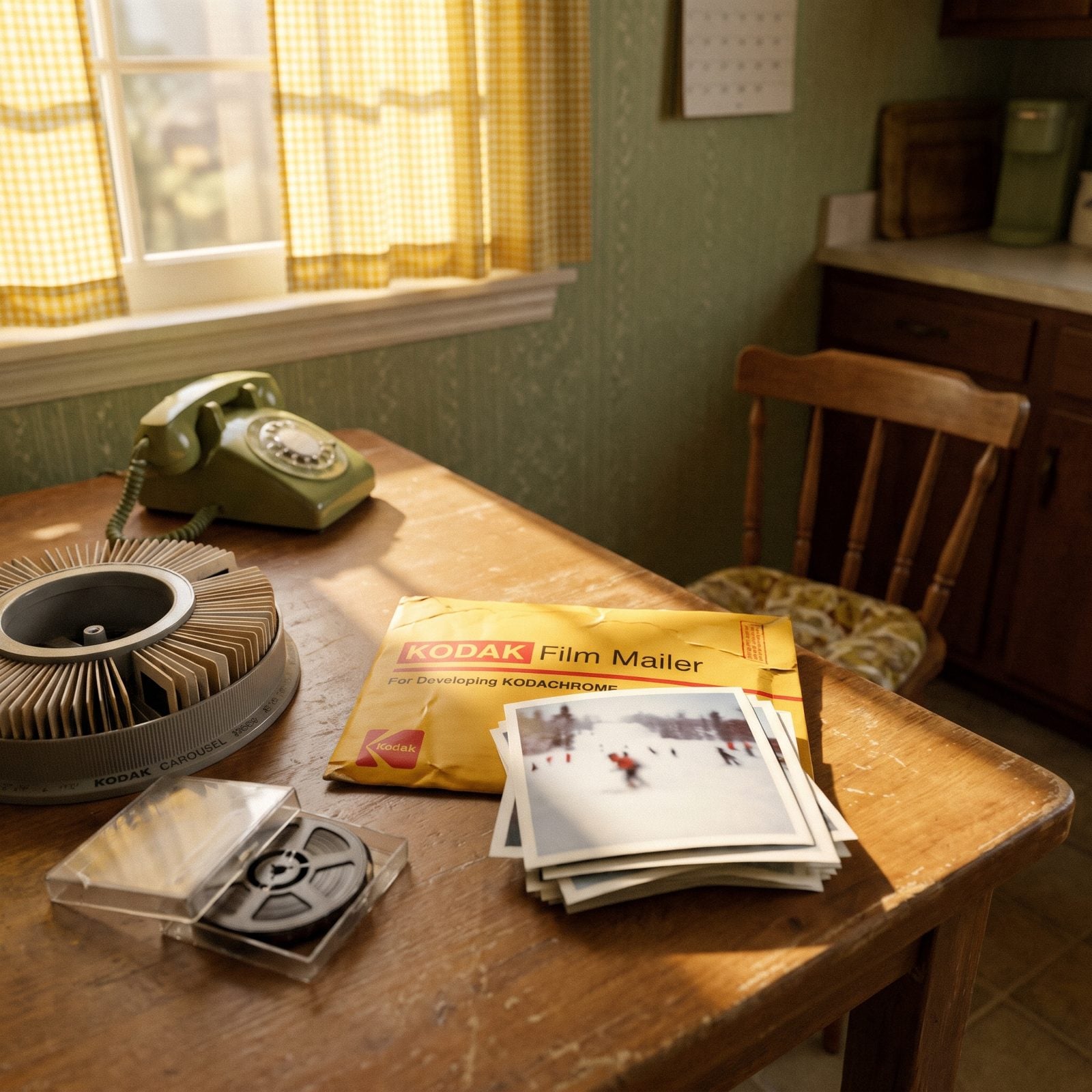
You skied all week, pointed the camera at the mountains, the lodge, the kids falling off the rope tow, and then had absolutely no idea what you’d captured. The roll went into a yellow Kodak mailer, dropped at the drugstore or the post office. Then you waited.
Weeks. The trip was a memory by the time the envelope came back. You’d tear it open at the kitchen table and find out that half the shots were thumbs, the sunset was underexposed to black, and the one great photo of the whole family at the summit had a stranger’s elbow in it.
The bad shots got tossed in a shoebox anyway. That shoebox is probably still in somebody’s closet.
Please note that some of the imagery in this article were created with the aid of AI image generators.