
🔥 Would you like to save this?
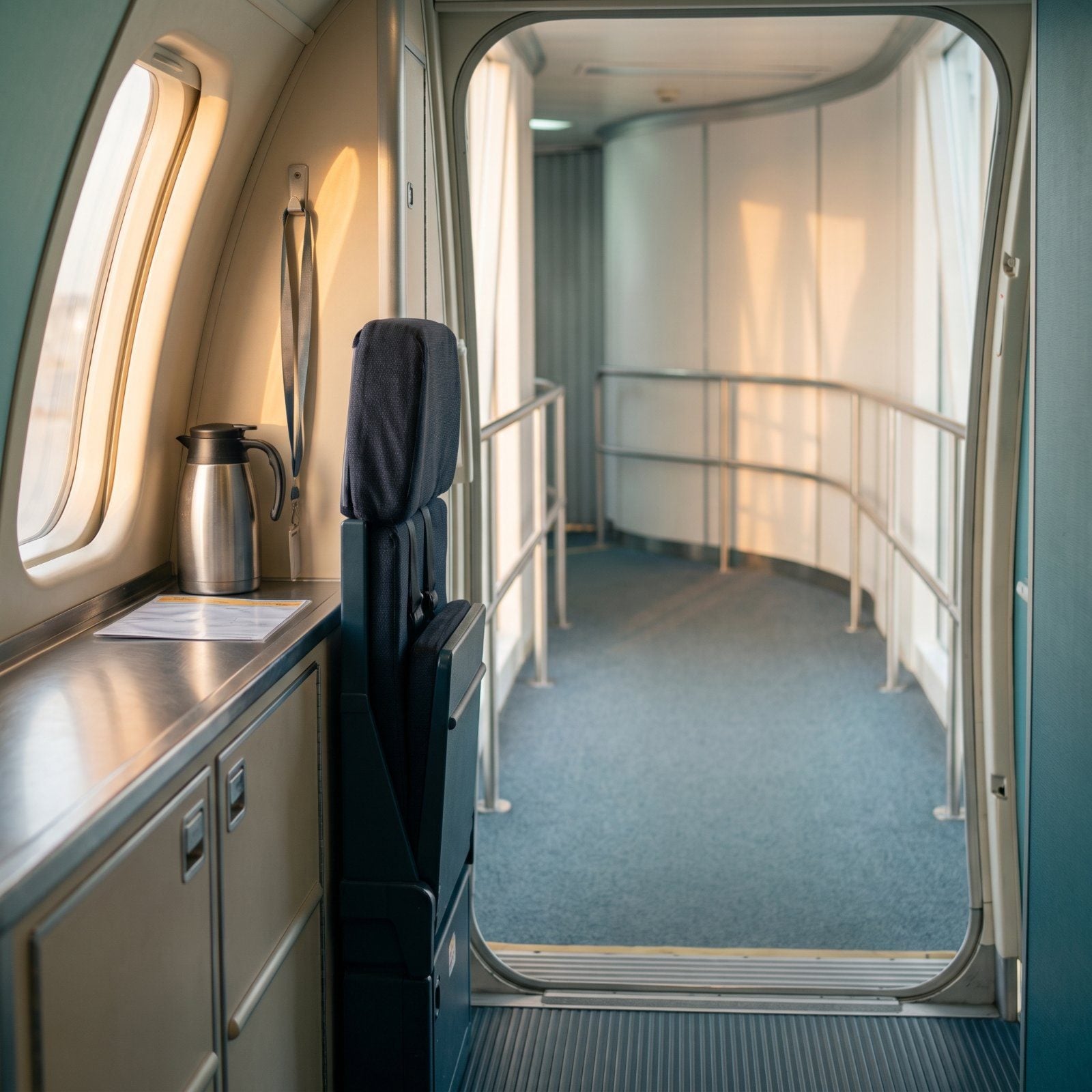
The welcome smile at the aircraft door is real, and it’s also doing a job. In the ninety seconds it takes you to walk from the jet bridge to row 23, the crew member standing there is running a quiet checklist. Not judging your outfit. They’re reading for safety, for service, and for the small chance you’ll become the reason the flight turns around over Kansas. Most of it you’ll never notice. But every dodged eye contact, every slur in your speech, every bag you can’t lift tells them something. Here’s what boarding really looks like from the galley side of the door.
29. Whether You Appear Unsteady or Intoxicated
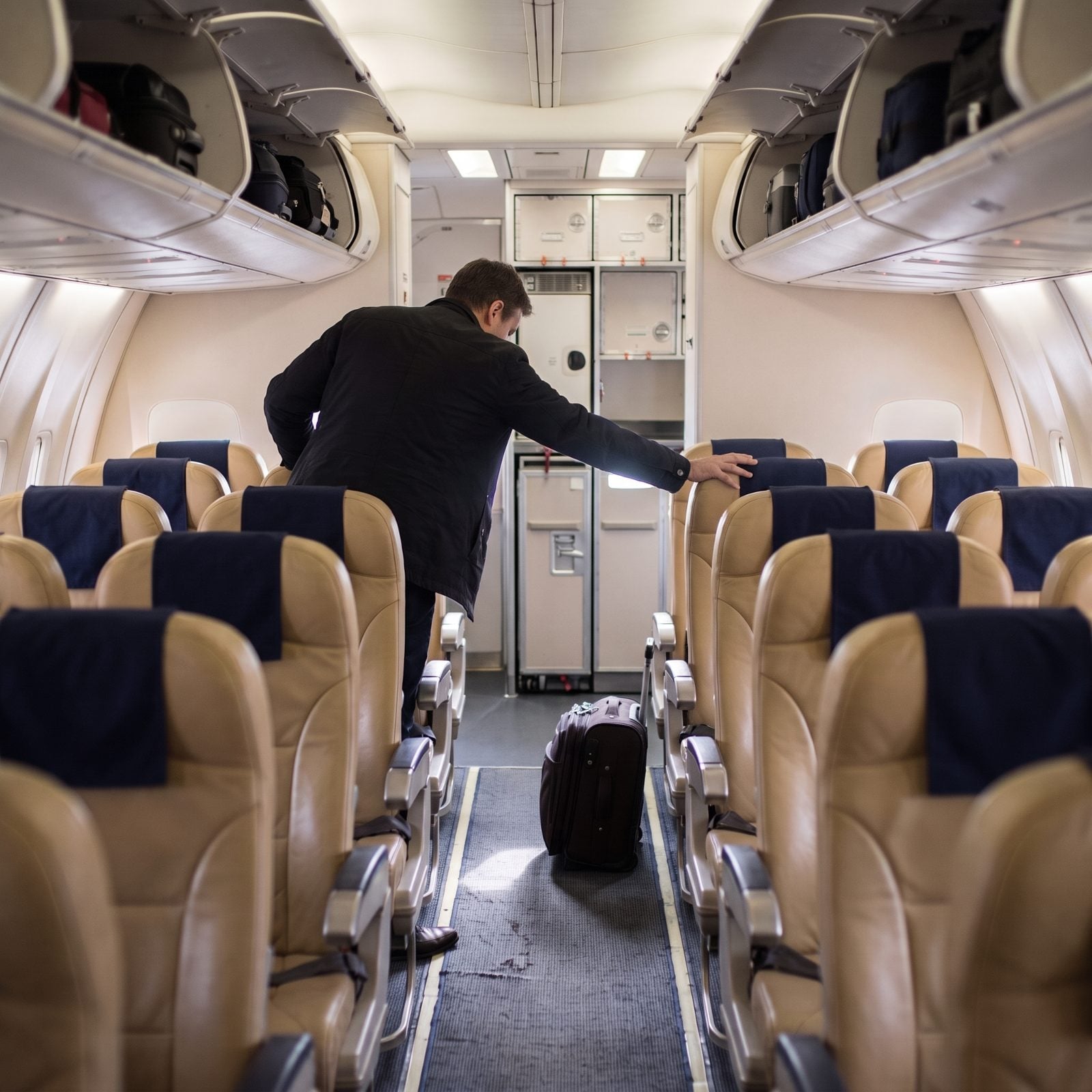
The door greeting is also a sobriety check. Nobody wants it to be. But the federal rule is blunt: a visibly intoxicated passenger can be denied boarding, and that call often gets made in the three seconds you’re standing in the doorway.
Crew look for the obvious and the subtle — glassy eyes, a hand gripping every seatback on the walk to your row, the smell that arrives before you do, a stumble over nothing, slurred words during a simple hello.
Here’s the part people miss. One slow walk down a jet bridge isn’t the issue. Consistency is. Steady at the door and fine at your seat, and you’re invisible. The flag goes up when the picture doesn’t add up.
28. Whether You Return the Boarding Greeting
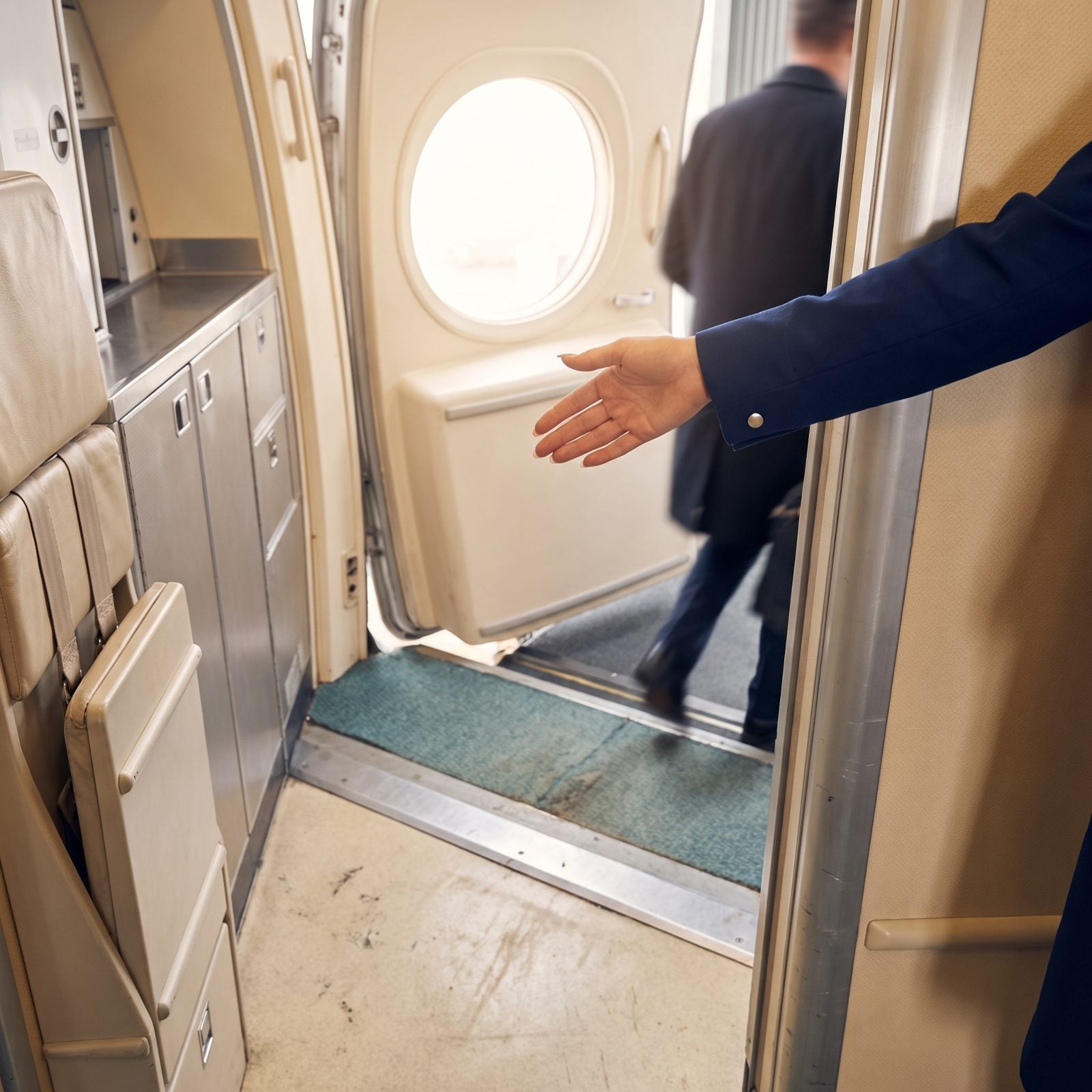
That cheerful “good morning” isn’t just manners. It’s a probe.
Greet back and you’ve told the crew that your hearing works, that the cabin language registers, and that you’re calm enough to answer a stranger — all useful data for a person who may need you to understand an evacuation command later. A warm nod clears three concerns in a second.
No response isn’t a crime, and plenty of nervous or tired flyers just look down and keep moving. Crews know that. But someone who ignores a direct, friendly hello while looking agitated earns a second glance. The greeting is free. What it reveals is why they bother.
27. If You Seem Ill or Feverish
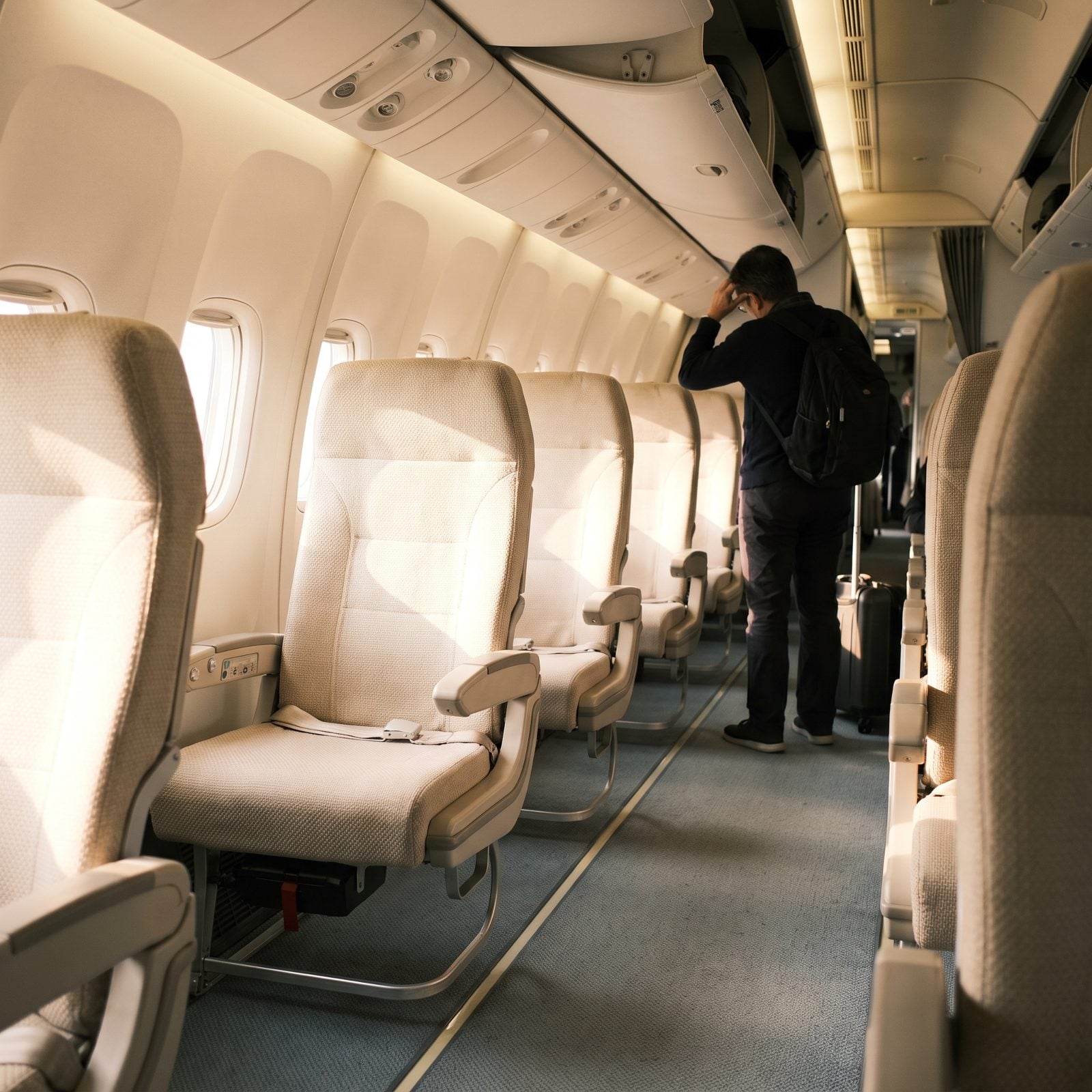
A flushed face and a steadying hand on the bulkhead tells a story before you say a word. Crews watch for the person who looks genuinely unwell at boarding, because a sick passenger at 35,000 feet is a problem with no exit.
Pale or sweating skin. Visible chills, a hand pressed to the stomach, labored breathing on a flat jet bridge, a cough that sounds wet rather than dry. None of it means you’ll be pulled off the plane. It means you’ve been noted, and the crew will keep a loose eye on your row.
The honest truth is they’d rather sort it on the ground than divert. A quick, discreet check-in at your seat is them doing the job, not accusing you of anything.
26. How Easily You Follow Simple Directions
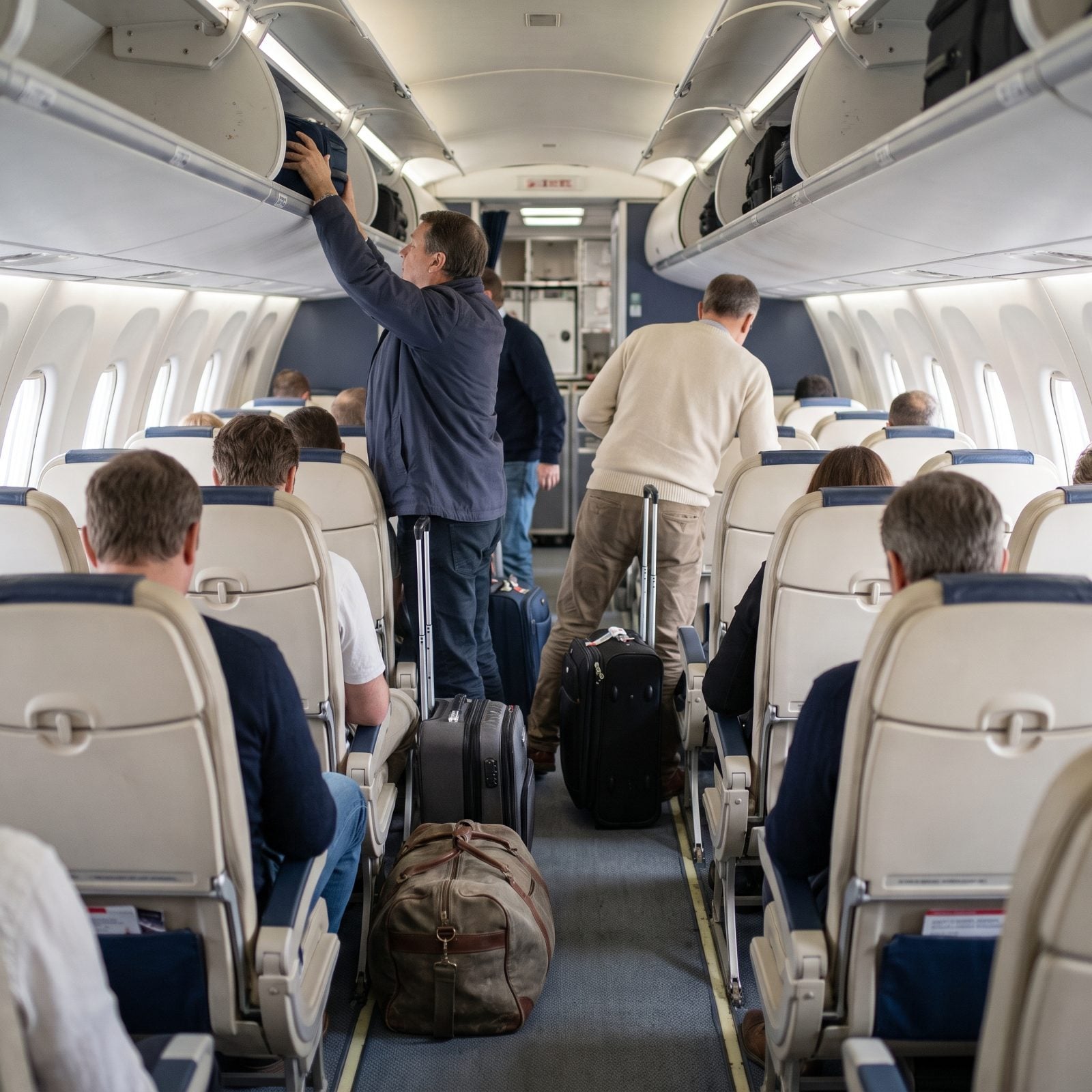
“Take any open seat toward the back, please.” Watch who hears it and who doesn’t.
Simple boarding instructions double as a readiness test. Step aside when asked, find your row without drama, process “bags in the bin, please” — and the crew won’t give you a second thought during the briefing. The one who freezes, argues, or needs the same thing explained four times gets flagged. Not as a troublemaker, but as someone who may struggle when the instruction actually counts.
25. Whether You Understand the Crew’s Language
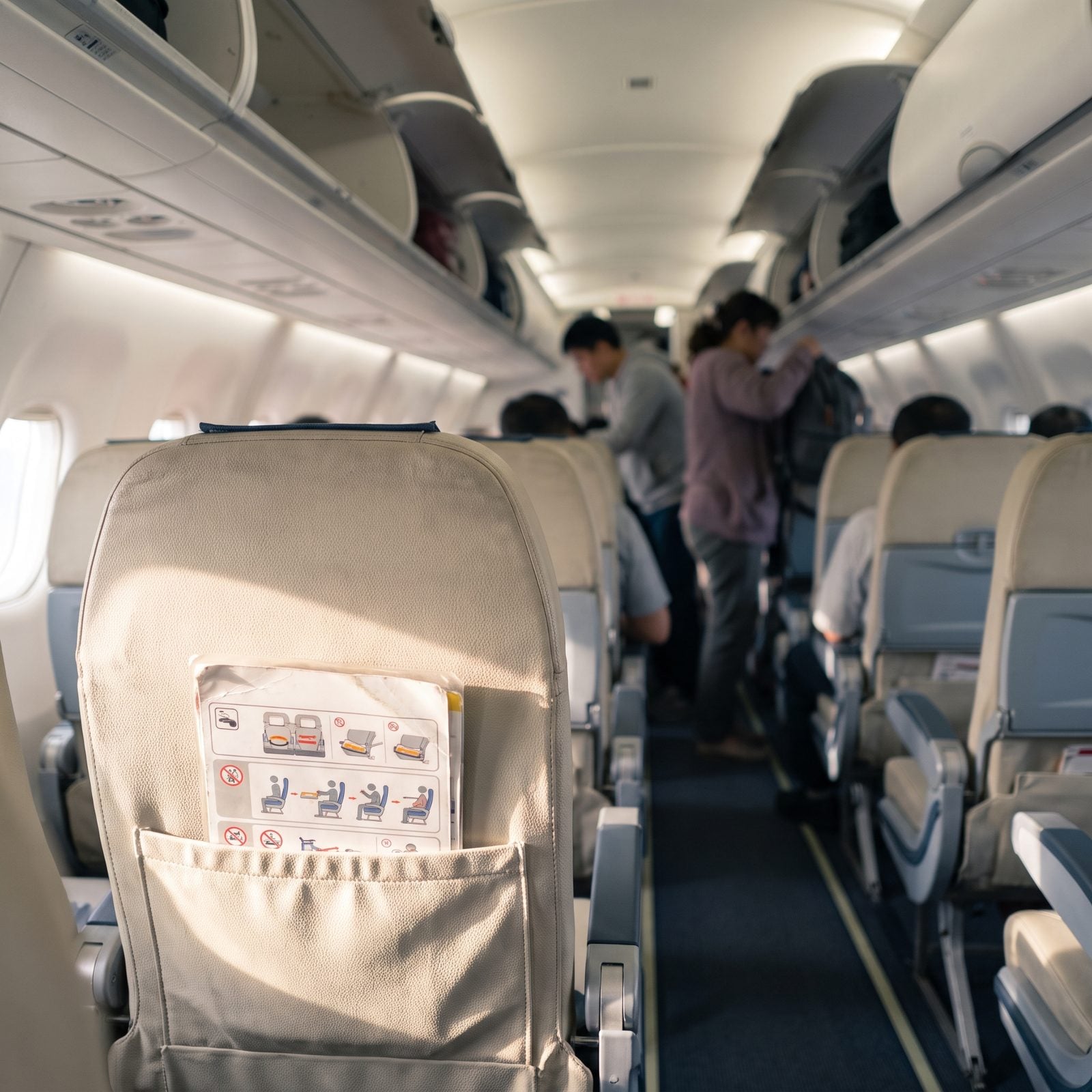
A language gap isn’t a red flag. It’s a logistics note.
During boarding, crews register whether a greeting lands, whether “window or aisle?” gets a confident answer, whether the safety briefing will reach you. If it won’t, they adjust. Many airlines have crew who speak several languages, and someone will often be quietly assigned to check on you, point to the right diagram, or walk you through the card.
The concern is never where you’re from. It’s one practical question — in an emergency, can this person understand the instruction that saves their life? If the answer needs a workaround, the crew sorts it before pushback. Call it service wearing the uniform of safety, which is most of what they do.
24. If You Look Anxious About Flying
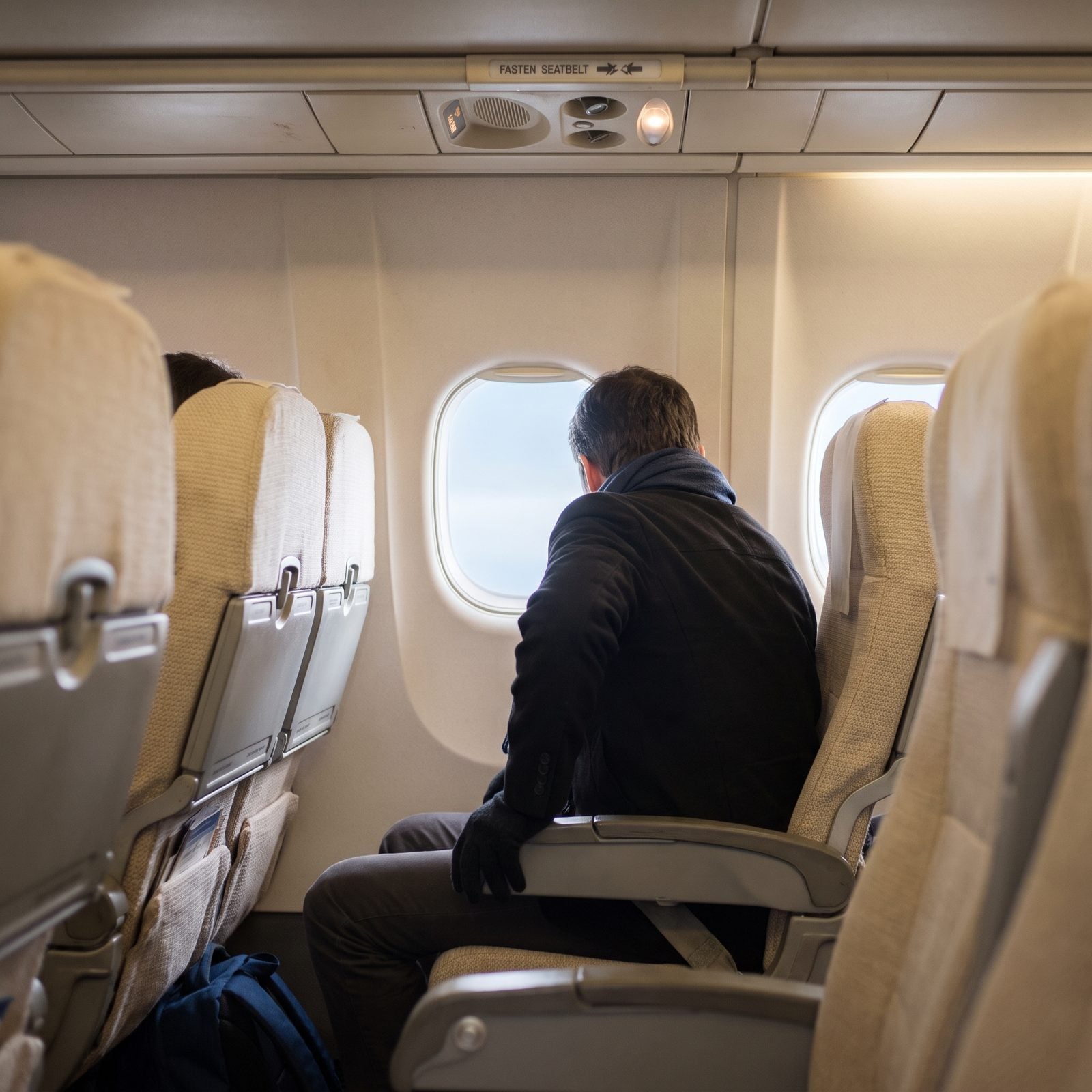
White knuckles on the armrest before the engines even start. Crews see it constantly, and it rarely worries them — it softens them.
A nervous flyer is one of the easiest passengers to help. The tells are gentle: rigid posture, shallow breathing, a death grip on the boarding pass, eyes darting to the window, the quiet question about whether it’ll be bumpy today.
Here’s what people get wrong. They think hiding the fear is better. It isn’t. A crew that knows you’re anxious will check on you, explain the noises, maybe move you near a jump seat where they can offer a word during takeoff. Anxiety handled quietly is a non-event. Anxiety that curdles into a panic attack mid-flight is the thing nobody wants. So say something at the door.
23. If You Seem Angry Before Reaching Your Seat
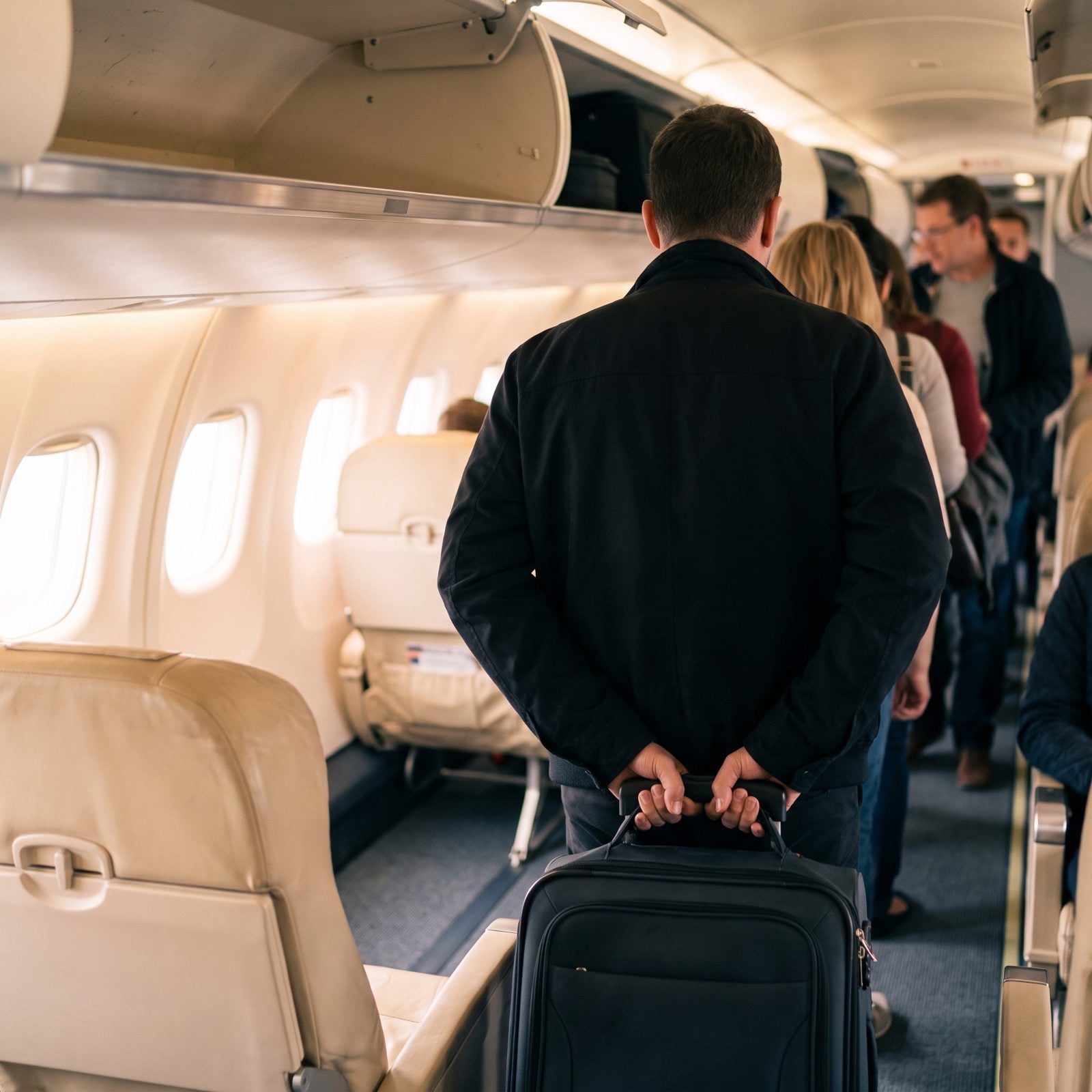
You’ve seen the passenger who boards already at a boil. Jaw set, bag yanked hard off the belt, muttering about the gate change. Crews clock that energy the instant it crosses the threshold.
Anger at boarding is the single clearest predictor of trouble in the air — not because the crew assumes the worst, but because frustration that’s already hot tends to find more fuel. A full bin. A reclined seat. A slow drink cart. The math isn’t complicated.
A passenger who’s visibly furious before sitting down gets the most valuable thing a crew can offer: early, calm, de-escalating attention. The irony? Most angry boarders have no clue they’ve already been marked as the one to watch.
22. How You Treat Gate and Ground Staff
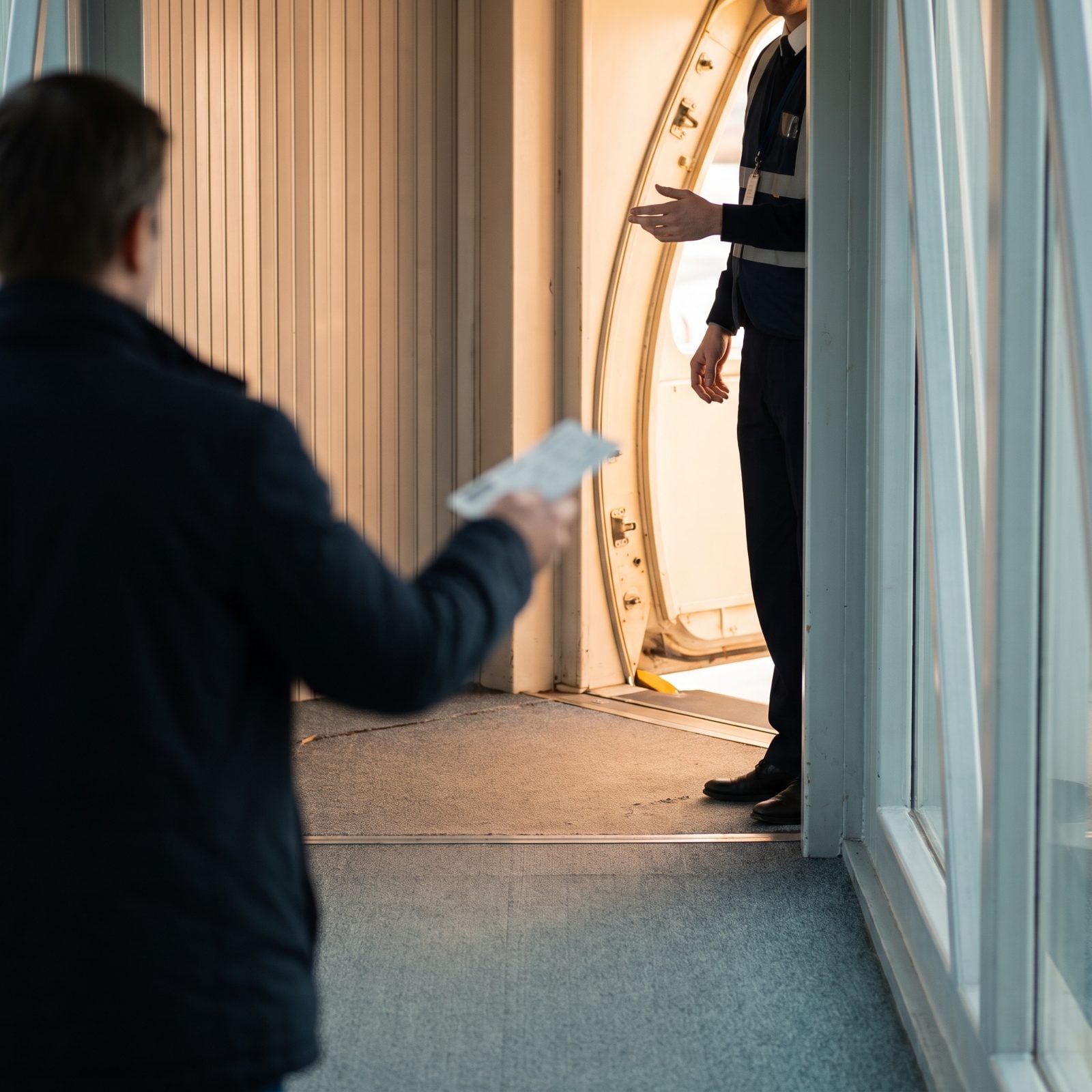
The exchange with the gate agent happens six feet before the cabin crew can even see you. And they hear about it anyway.
Gate staff and cabin crew talk. Snap at the agent over a seat assignment, or make a scene about a carry-on fee, and a quiet heads-up often travels up the jet bridge before you reach the door. By the time you’re smiling at the welcome, the smile may already know your name.
How you treat ground staff is the tell nobody thinks they’re giving. It reads as a preview of how you’ll treat the crew once the seatbelt sign dings and you want something. Grace at the gate buys goodwill you’ll never see cashed. Rudeness there is a debt that follows you down the aisle.
21. If You Board While Talking Loudly on Speakerphone
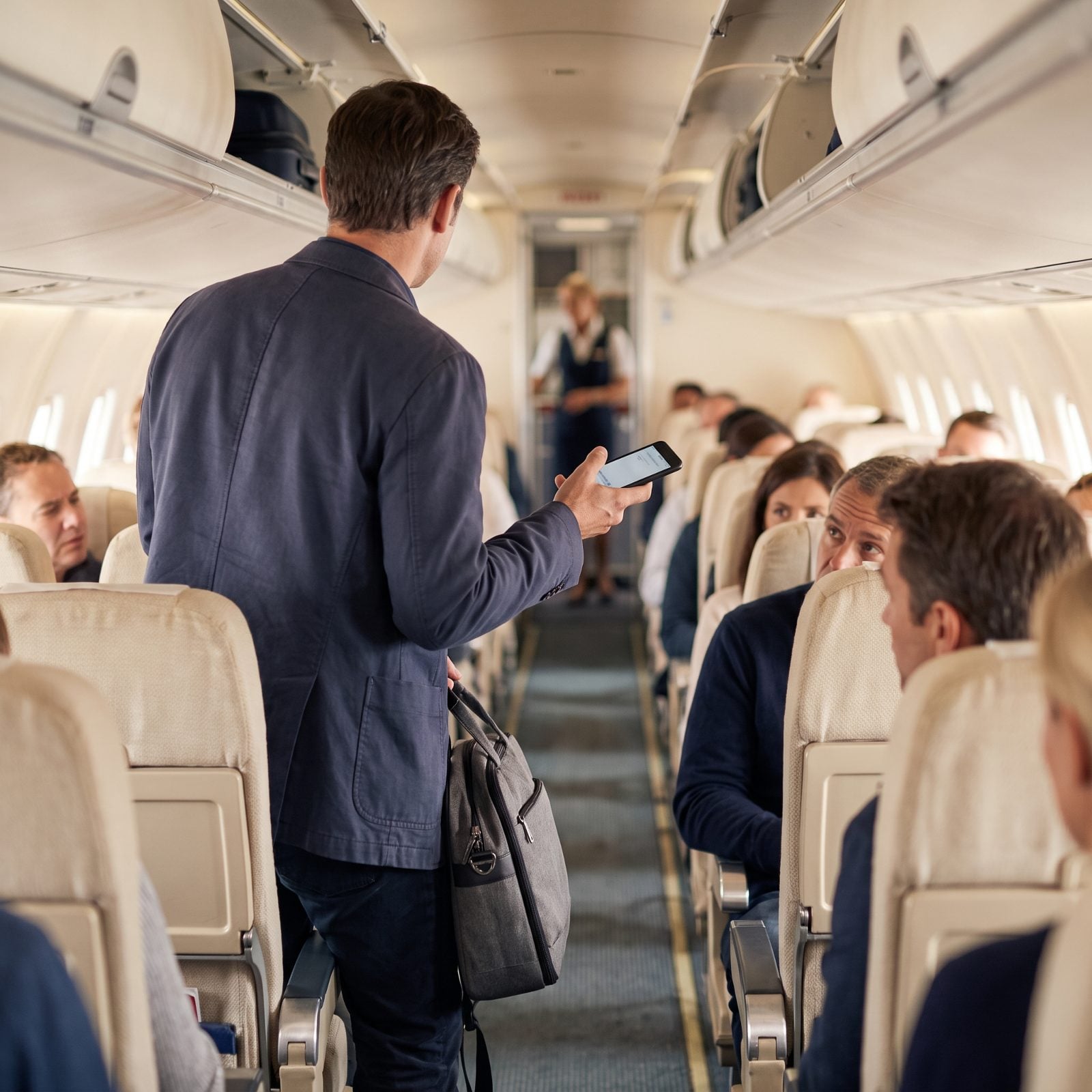
The speakerphone boarder announces two things at once: the dinner plans, and a possible attitude toward rules.
It’s rarely about the noise. It’s what the behavior suggests. Someone loudly broadcasting a call down a packed aisle, oblivious to the forty people behind them, is showing the crew exactly how they handle a shared space. And a person who won’t lower their voice for a cabin full of strangers may also be the one who won’t stow the phone when asked.
Does every speakerphone talker become a problem? No. But crews file it away — a small test of whether you register other people as real. The ones who flunk it tend to flunk other small requests later.
20. Whether You Keep Headphones On During Instructions
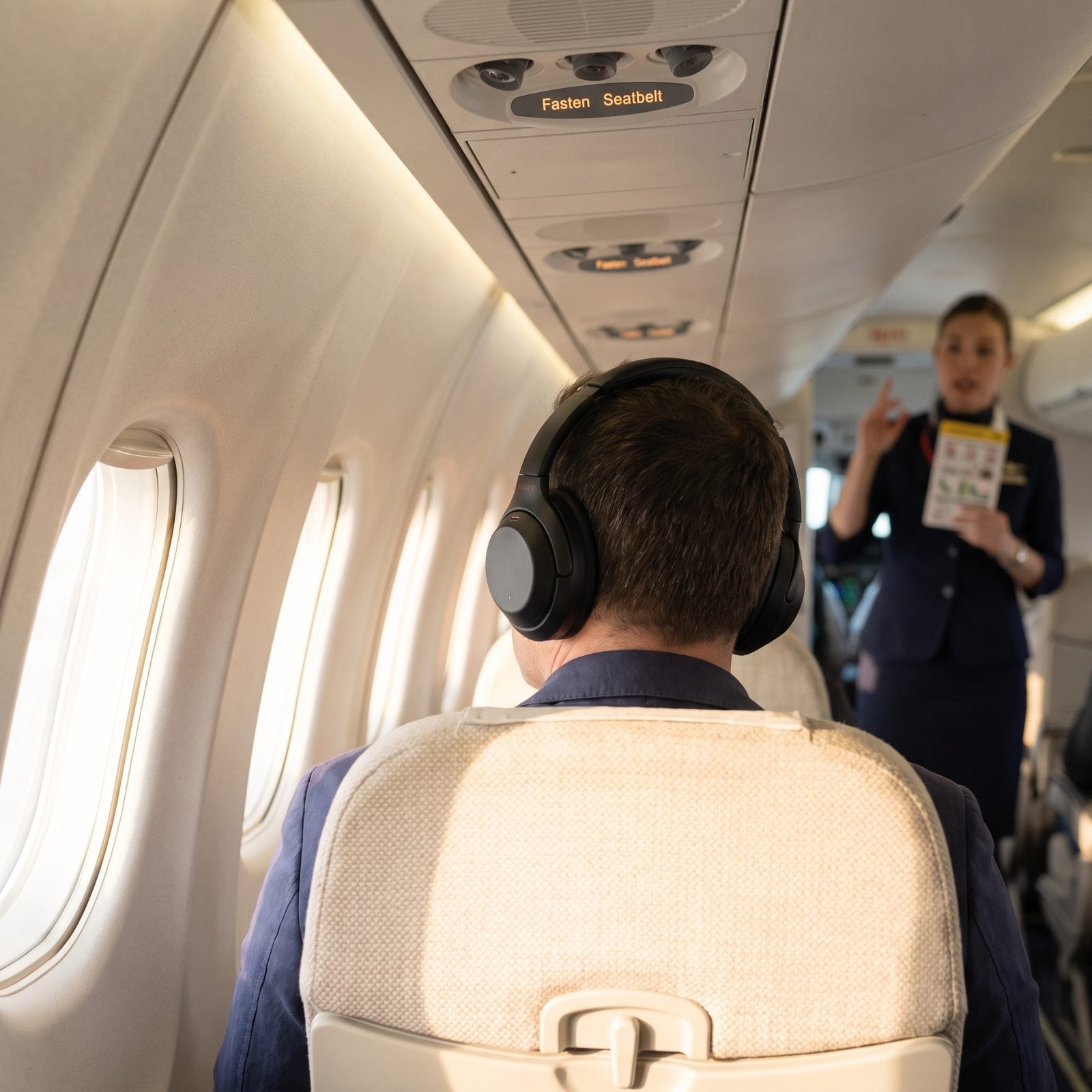
Noise-cancelling headphones clamped on while the crew runs the safety briefing — the most common small defiance in the cabin. It almost never means you’re dangerous. It usually means someone has to come find you specifically.
They’re already noting, during boarding, who’s sealed off from the world. The flyer who doesn’t hear “please stow your bag,” who misses the first three announcements, who needs a tap on the shoulder. That’s extra work, and in a tight boarding window, extra work is the enemy.
Pull one ear free when you see the crew start the demo. That’s the whole ask. You can dive back into your podcast once the demo is done.
19. Whether You Block the Aisle to Reorganize Your Bags
🔥 Would you like to save this?
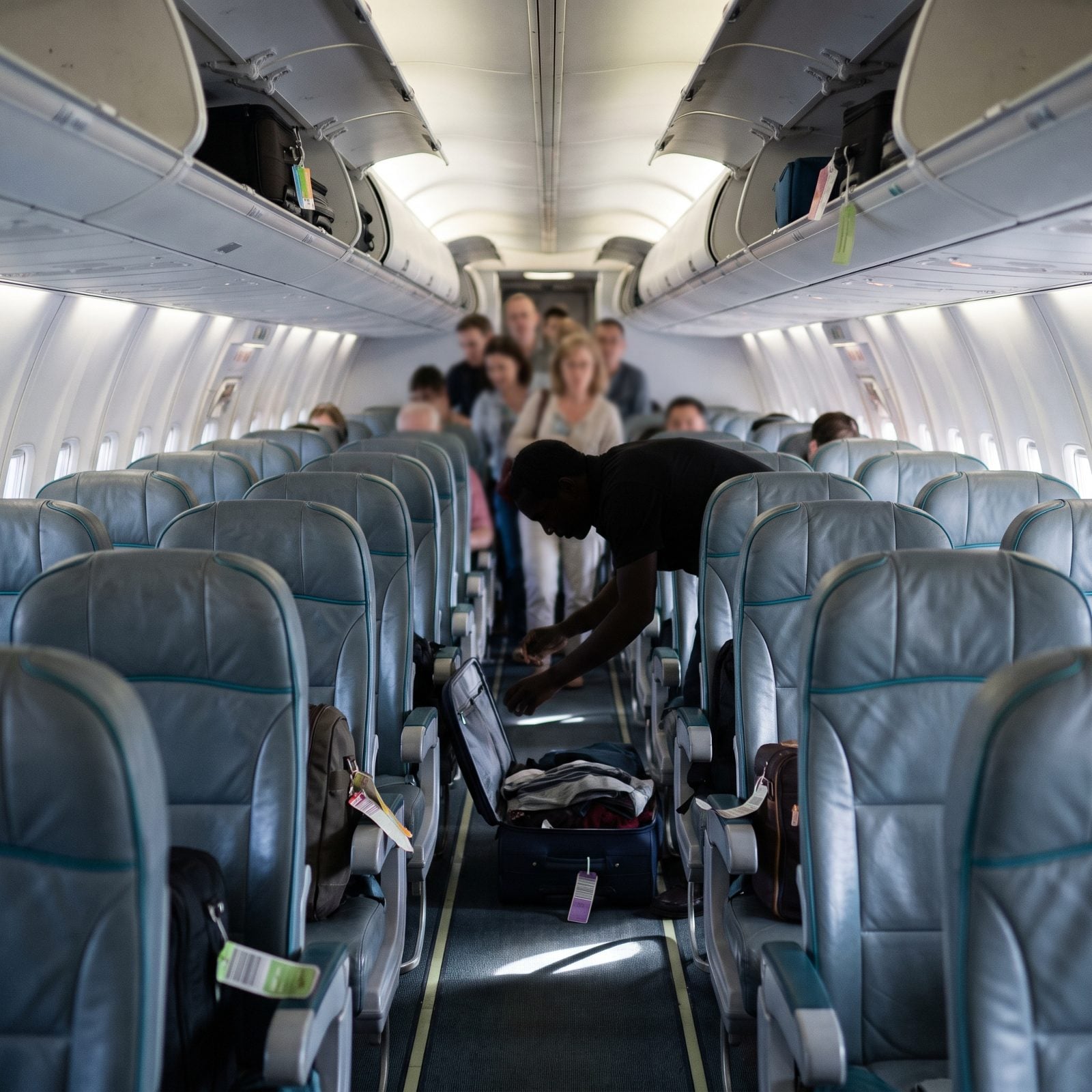
The aisle is the most expensive strip of real estate during boarding, and the crew clocks the exact moment you decide to treat it like your closet floor. Stand still to unzip, repack, and dig for your headphones, and forty people behind you stop cold. We’re watching the clock on an on-time departure, and a stalled aisle is the first thing that pushes it late.
The fix is boring. Grab what you need, shove the bag up, step into your row, sort yourself out once you’re seated. We notice the passengers who do this without being asked — it tells us the rest of the flight will probably be just as easy.
18. The Size and Number of Carry-Ons You Drag Down the Jet Bridge
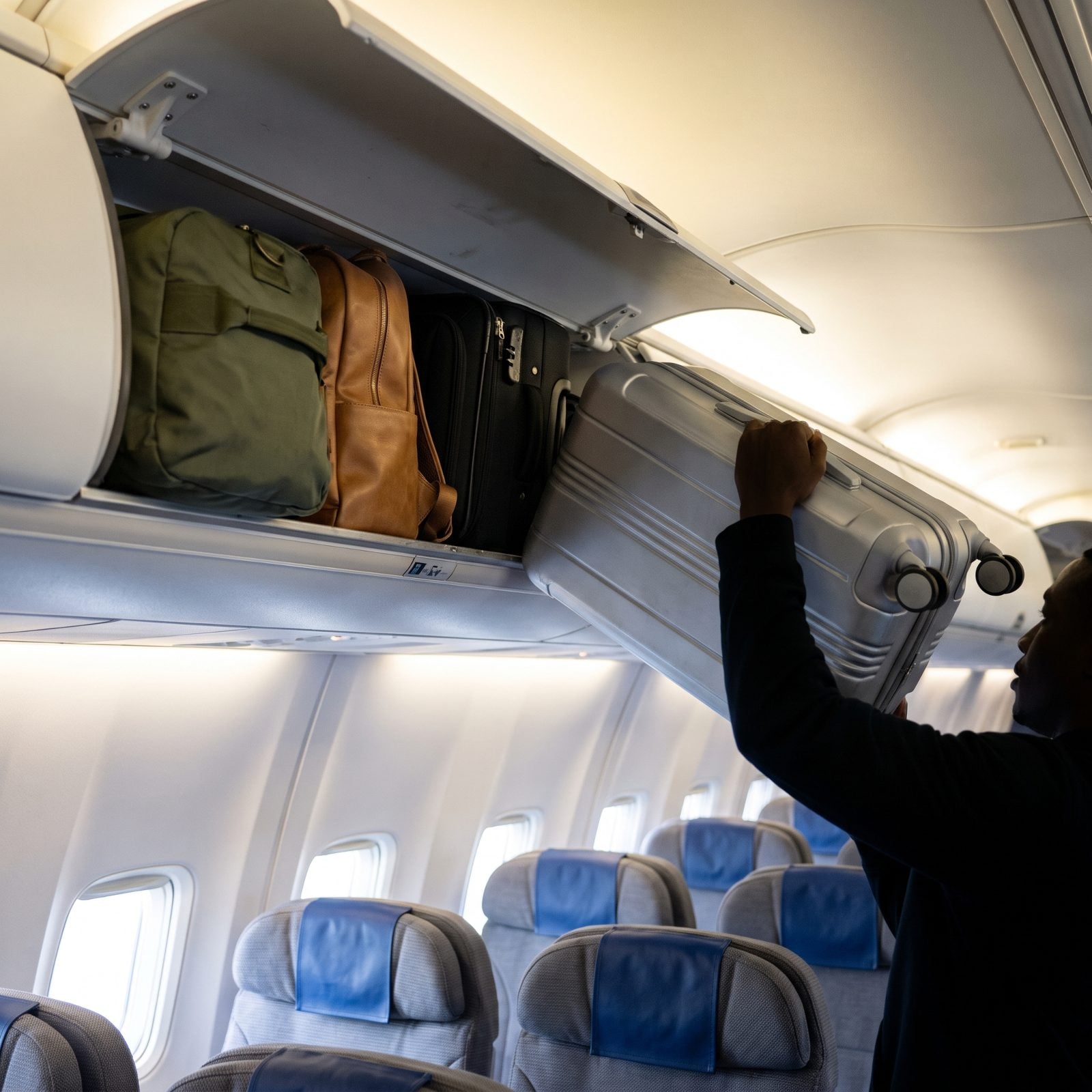
Two bags that say carry-on but measure like a weekend wardrobe — we can tell from the jet bridge. A roller that barely squeaks past the sizer plus a tote the size of a laundry hamper means a bin fight three rows back, which means a gate-check scramble that drags everyone down with it.
Bin space runs out faster than people expect, usually around the time group three shuffles aboard. When your second bag won’t fit, the next person’s won’t either, and the whole thing cascades. We’re not judging your packing taste. We’re doing the math on whether the cabin can physically hold what’s walking on.
17. Whether Your Bag Looks Too Heavy for You to Lift Safely
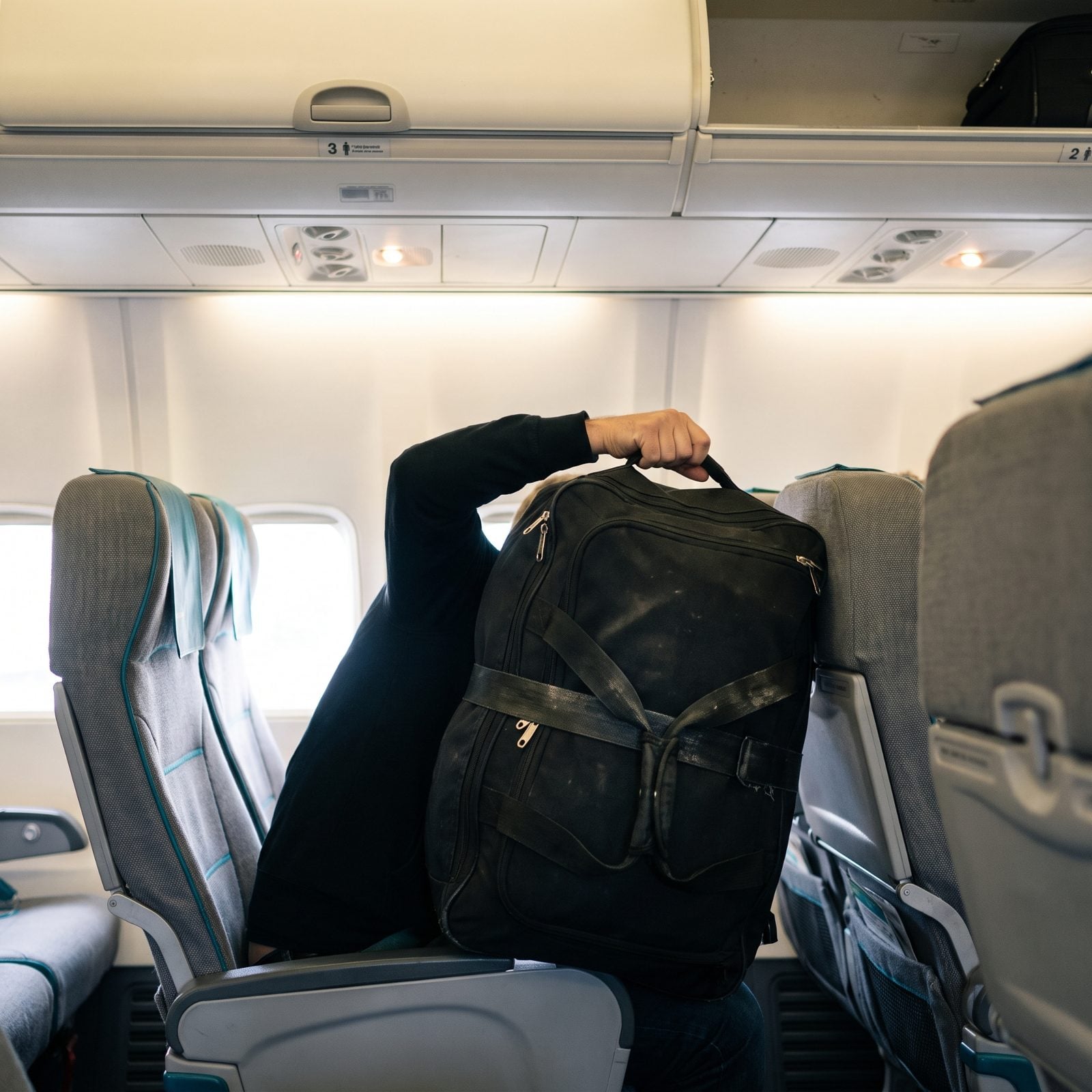
A bag that sinks when it lands on the seat cushion tells us everything. The worry isn’t the floor — it’s the lift. A heavy case hoisted overhead by someone who can’t quite manage it either drops on the person below or wrenches a shoulder, and now boarding has a medical situation instead of a schedule.
We’re trained to offer help, not to do the lift for you. Watch the bags going into the bin and you’ll catch us hovering near the ones that wobble on the way up. Simple rule: if you can’t raise it clean over your own head at home, it has no business above anyone’s head at altitude.
16. Whether You Actually Know Your Seat Number

The passenger who boards and then freezes, squinting at every placard — small red flag, and we notice it fast. Not because finding 14C is hard. Because it signals someone distracted, overwhelmed, or wandered aboard at the wrong time, and distracted passengers are the ones who tune out the safety briefing and fumble the seatbelt demo.
Glance at your boarding pass before you step aboard. Forward or aft, window or aisle — that one move keeps you moving and keeps the crew’s running who-to-watch list a little shorter.
15. If You Are Traveling With Young Children
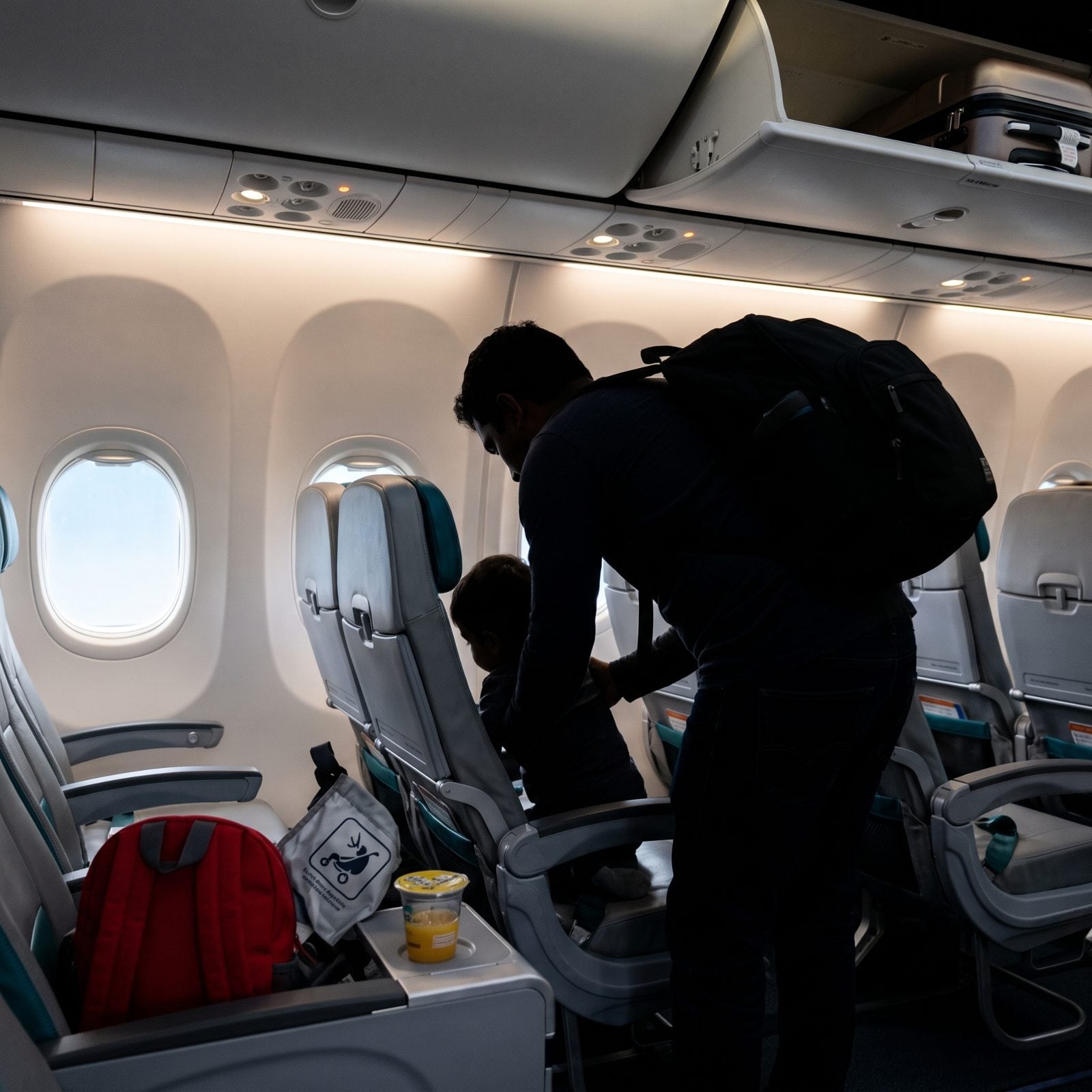
Families with little ones get flagged the second they appear, and it’s a good flag. We’re mapping logistics: how many laps, how many car seats, where the oxygen math shifts, who’ll need the extra mask that drops for an infant.
And we’re quietly reading the grown-ups too. Calm and organized, or already frayed before pushback? A frayed start usually means a long flight, so we lean in early — a bottle of water, a quick where-to-stow-the-stroller answer, whatever takes the edge off before it sharpens.
14. Whether Your Family Got Seated Apart
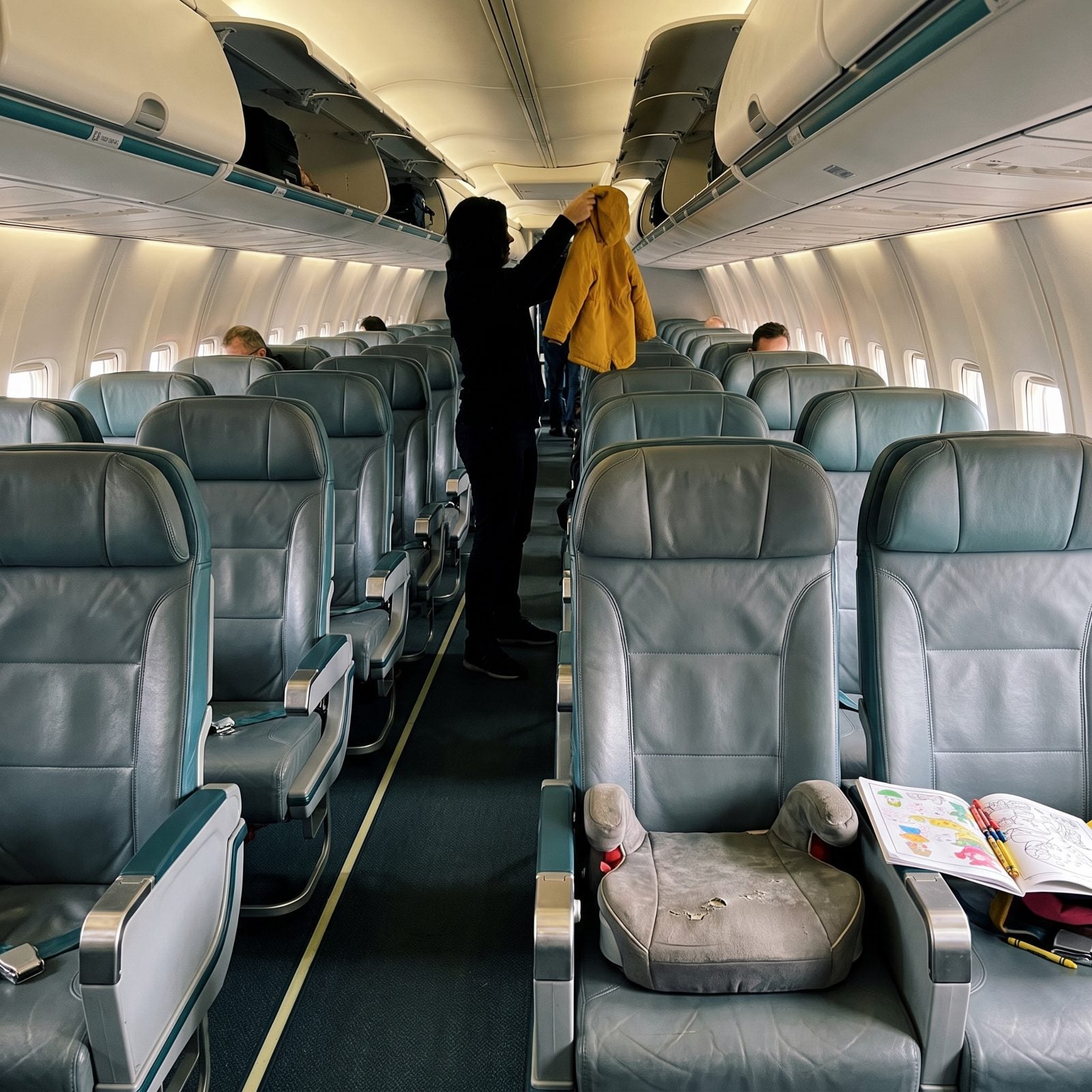
A parent in 11A and a six-year-old back in 23F isn’t just a service headache — it’s a safety one. In an evacuation nobody is leaving a child behind, so a split family turns into a predictable bottleneck right when seconds matter most.
We try to fix it during boarding, before the cabin locks in. We’ll ask seated passengers to shuffle, and most do once they hear why. Here’s the quiet truth, though: the earlier you flag it, the more leverage we’ve got. Wait until the doors are closing and the easy swaps are already taken.
13. Whether You Have Limited Mobility or May Need Help in an Evacuation
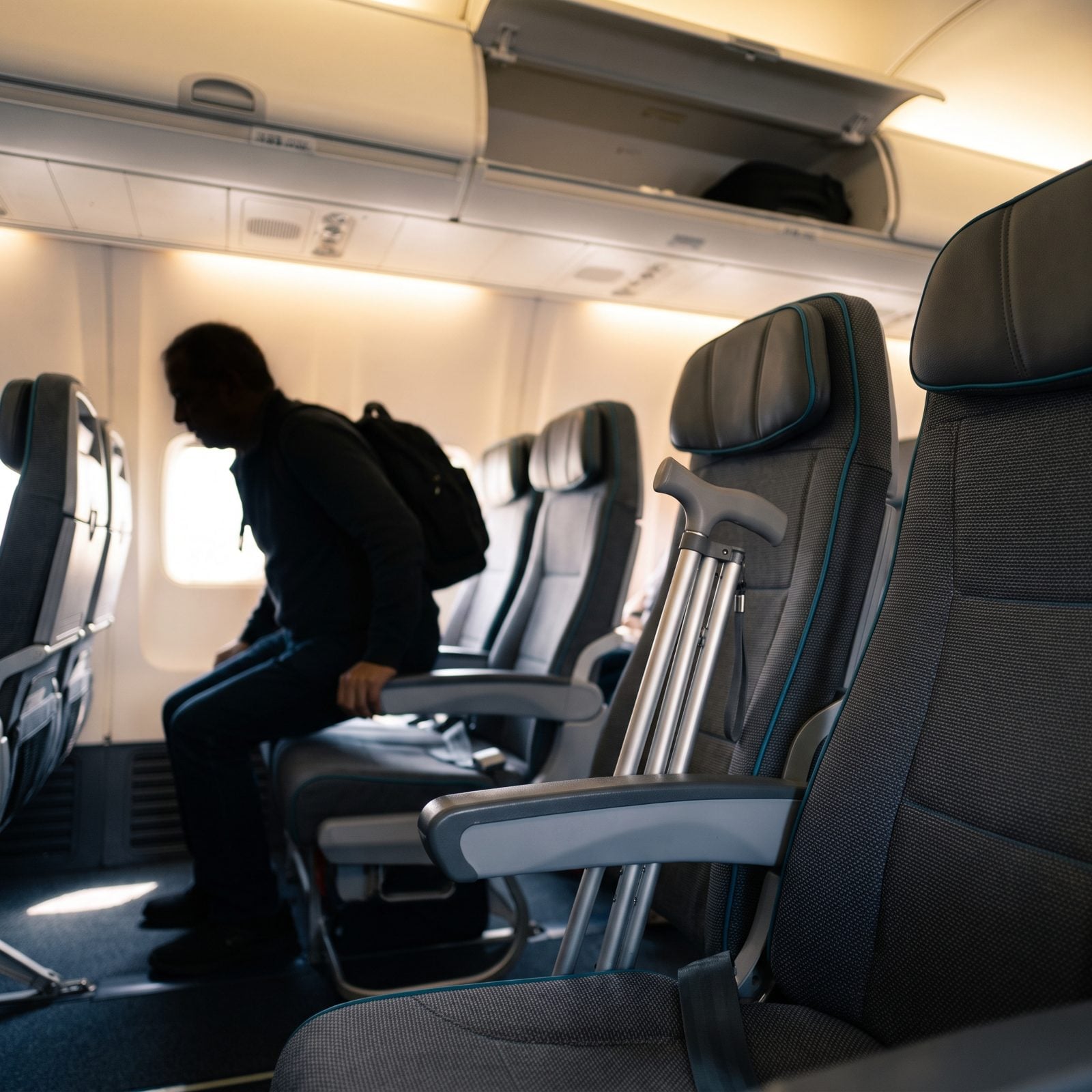
This is the assessment that matters most, and it’s done with the least drama of any of them. We note anyone who might need help reaching an exit — a cane, a slow transfer into the seat, a hearing aid, a pre-boarding request. Not to single you out. To build a mental head-count of who gets helped first if the cabin goes dark.
You’re never a problem here. You’re information. The crew who seem to barely glance your way have already logged your row, your nearest exit, and the plan. That’s the job working exactly as it should.
12. If You Are Able-Bodied and Seated in an Exit Row
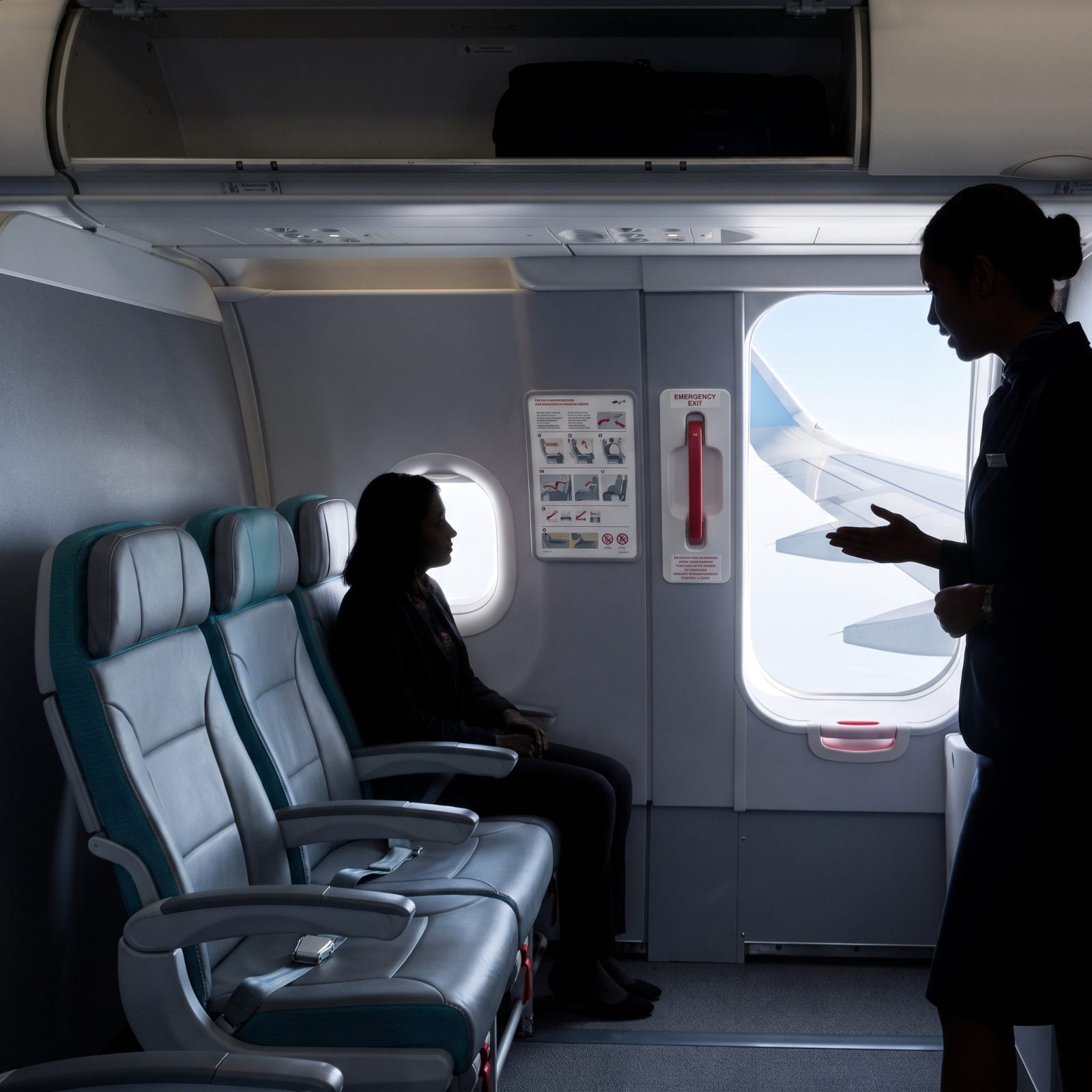
Sit in the exit row and you’ve just taken a job, whether you meant to or not. We have to confirm you’re willing and able to work that door — lift it clear, help others out. That’s why we ask for a spoken yes, not a nod. Mumble or shrug and we’ll move you.
We’re reading more than the words. Can you follow the instructions? Are you physically up to a forty-pound door under pressure? Headphones still in, eyes down, kid on your lap? Then that seat isn’t yours. The extra legroom is a trade, and the price is being ready when it counts.
11. Whether Your Shoes Could Survive an Evacuation
🔥 Would you like to save this?
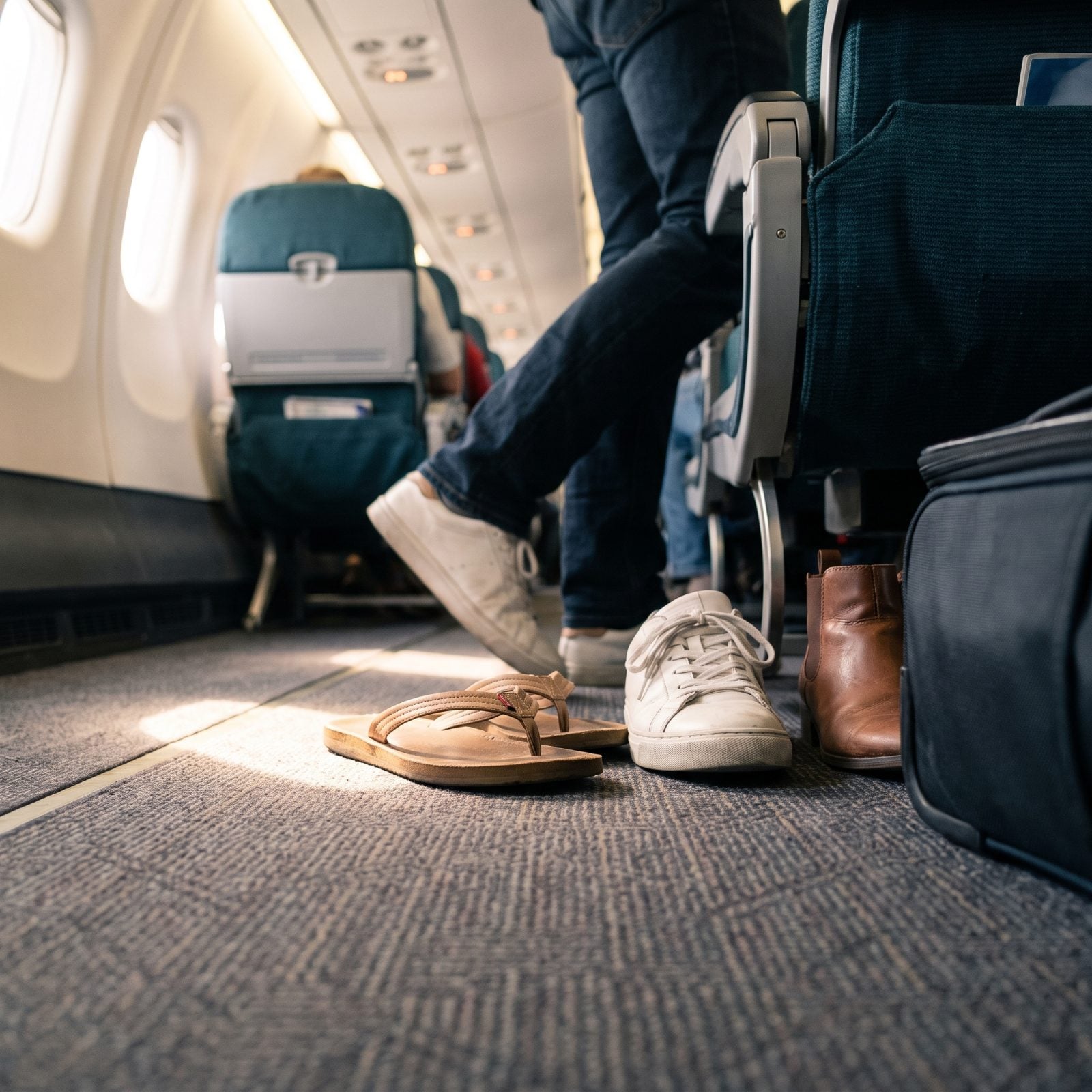
Flip-flops at the boarding door earn a quiet mental note. Picture an evacuation: a hot wing, a debris field, a slide that scorches bare soles — and loose sandals come off at the first jolt. We can’t police your footwear, but trust us, we see it.
Nobody’s asking for hiking boots. A closed shoe that stays on your foot when you move fast is the entire bar. The best flight is the one you never have to think about, and oddly enough that starts with feet you could actually run on.
10. Whether You Are Carrying Hot Coffee or Food Down the Aisle
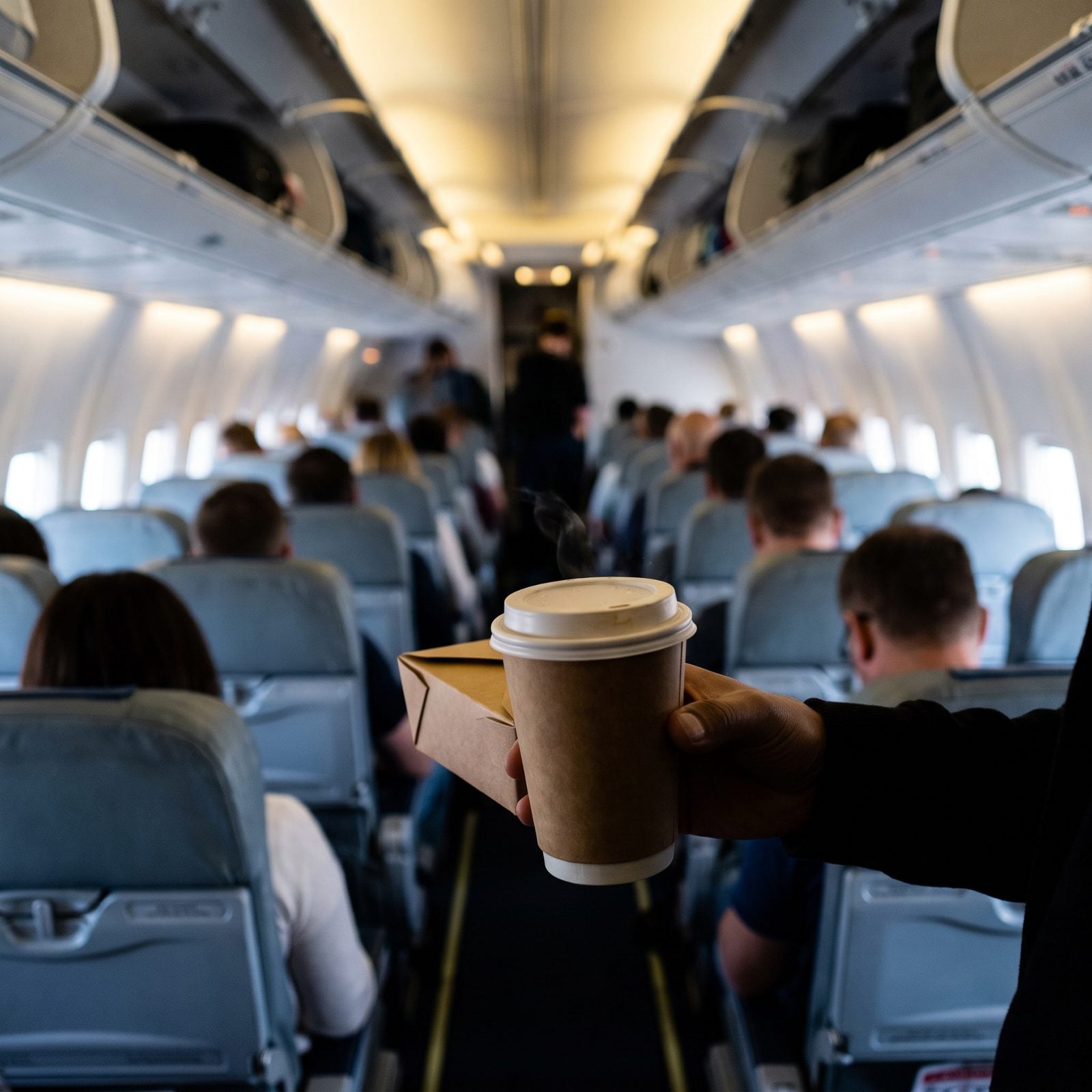
A full cup of hot coffee threading a packed aisle is a scald waiting to happen. One bump from somebody’s stowing bag and it’s in a lap or across a flight attendant’s forearm. We watch those lidded cups the way a lifeguard watches a kid drifting toward the deep end.
Hot food is the same story, just with a worse smell. Steam, spills, no tray table yet. Grabbed something at the gate? Keep the lid snug and get to your seat before you so much as sip. The aisle is not a kitchen, and boarding is the worst possible moment to learn that the hard way.
9. Whether Your Pet Carrier Meets the Rules
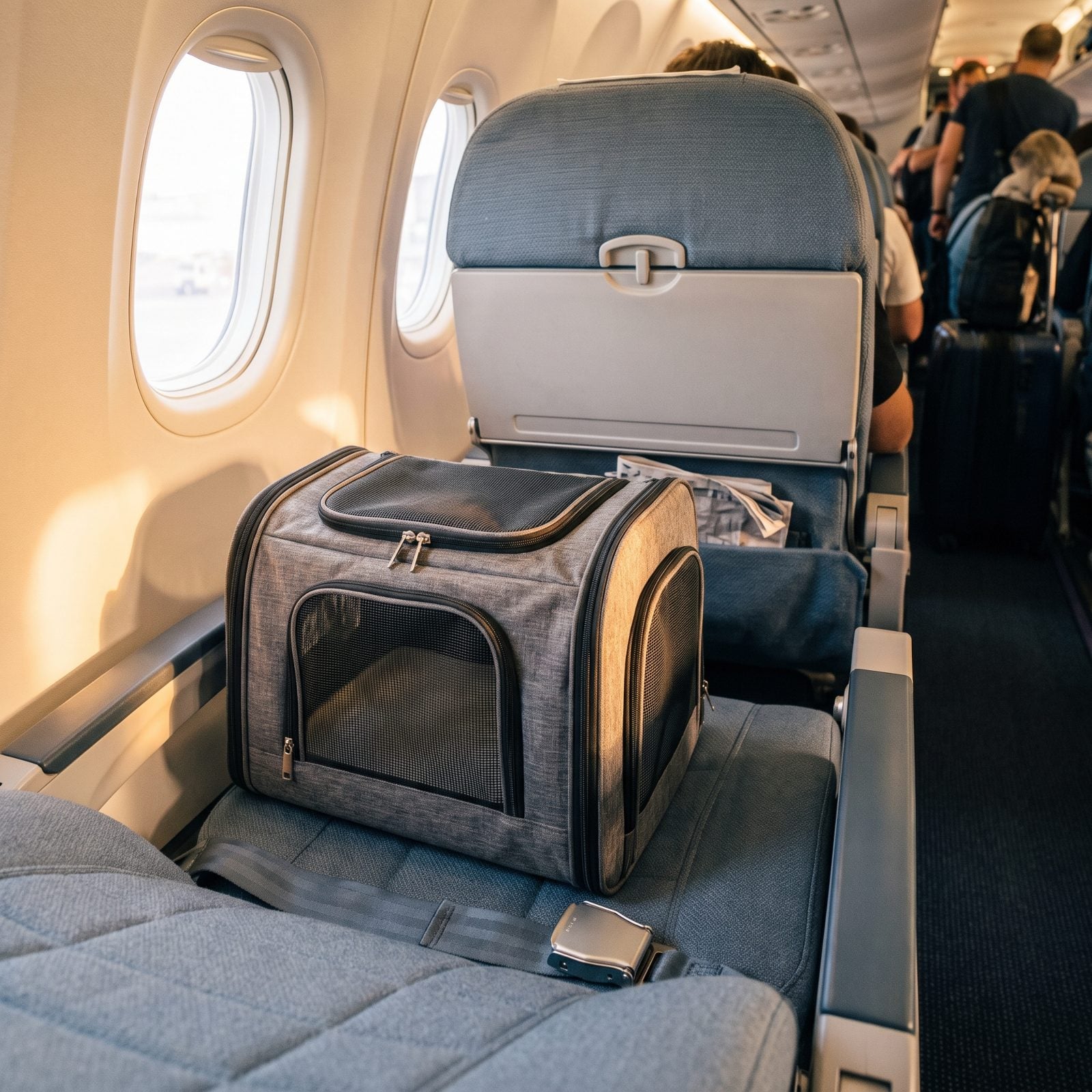
The carrier gets measured by eye the second you step through the door, because crew know the under-seat space better than you know your own closet. A hard-sided case that clearly won’t slide beneath the seat ahead reads as a problem before you’ve even found your row.
What actually matters is simple. The animal stays inside for the whole flight, and the carrier fits the footprint. Oversized, overstuffed, a lid that won’t close all the way — those get flagged. Nobody’s trying to ruin your day. The aisle just has to clear in ninety seconds if it ever comes to that.
8. How Calm Your Service Animal Appears
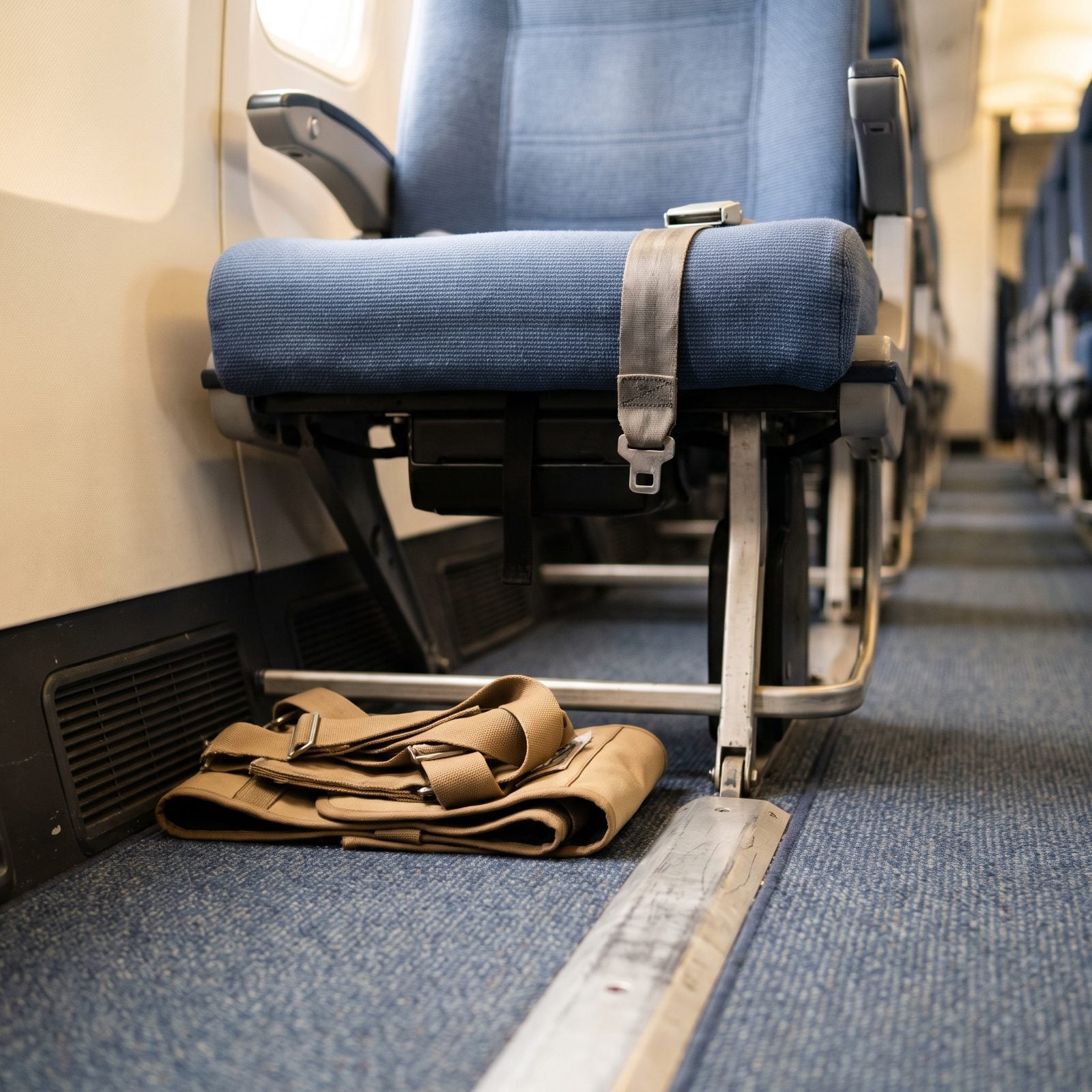
A trained service animal does something telling during boarding: nothing. It folds itself into the floor space, settles, and more or less vanishes. That calm is what crew are reading — not the vest.
What catches attention is a dog that lunges, barks at the drink cart, or can’t settle in a tight space. None of it proves anything by itself. But it starts a quiet conversation, usually at the galley, usually gentle, about whether the animal and the passenger will both be okay for three hours inside a very small tube.
7. If You Are Carrying Medical Equipment
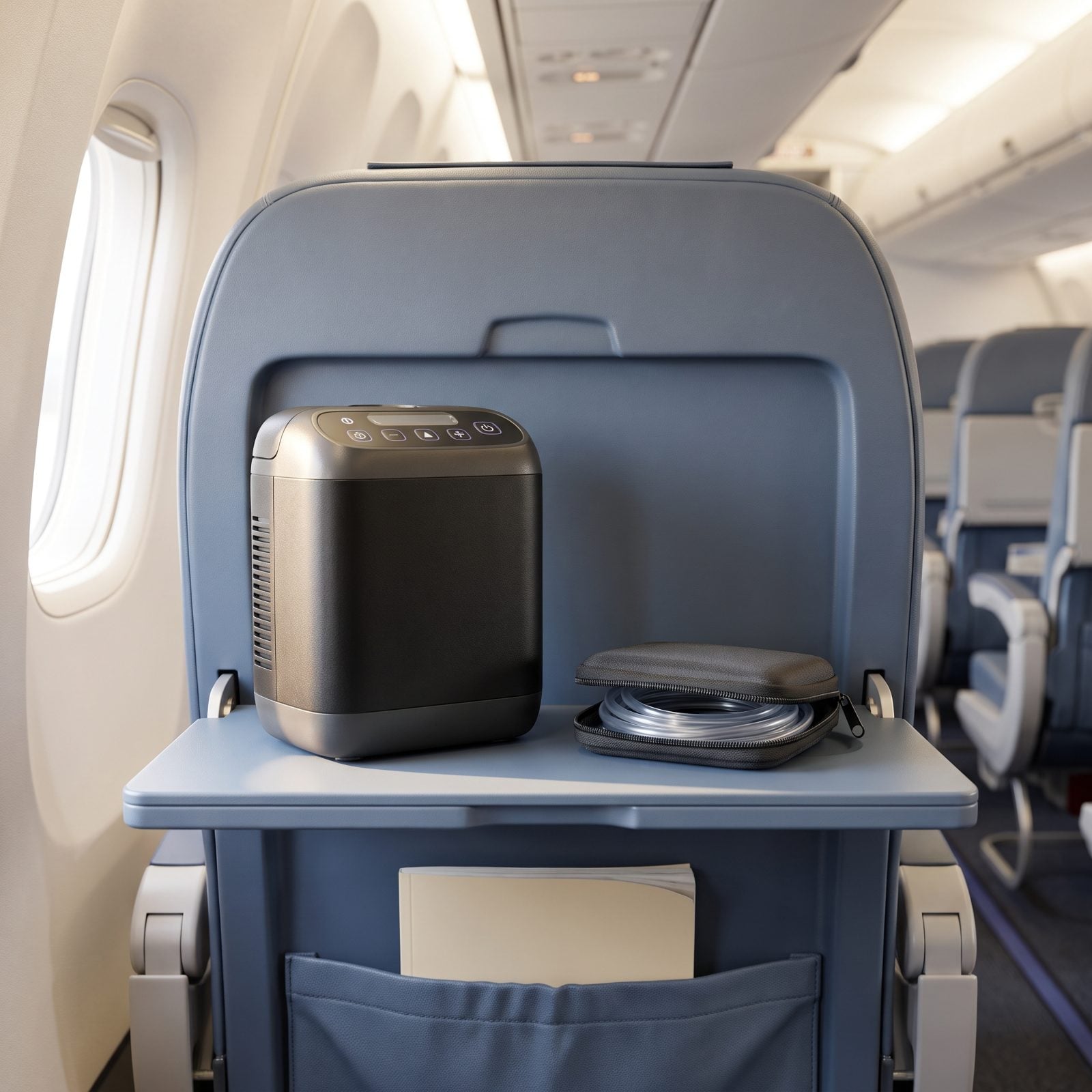
Medical gear changes how crew track you, almost always for the better. A portable oxygen concentrator, a CPAP, an insulin cooler — these get noted so someone knows where you are and what you might need if the flight turns bumpy.
People assume the device needs to be hidden or apologized for. Wrong. Crew want to know whether it runs on battery, whether it stays off during taxi and takeoff when required, and where you’re sitting. Tell them at the door and you save everyone a search later.
6. If You Are Traveling Alone as a Minor
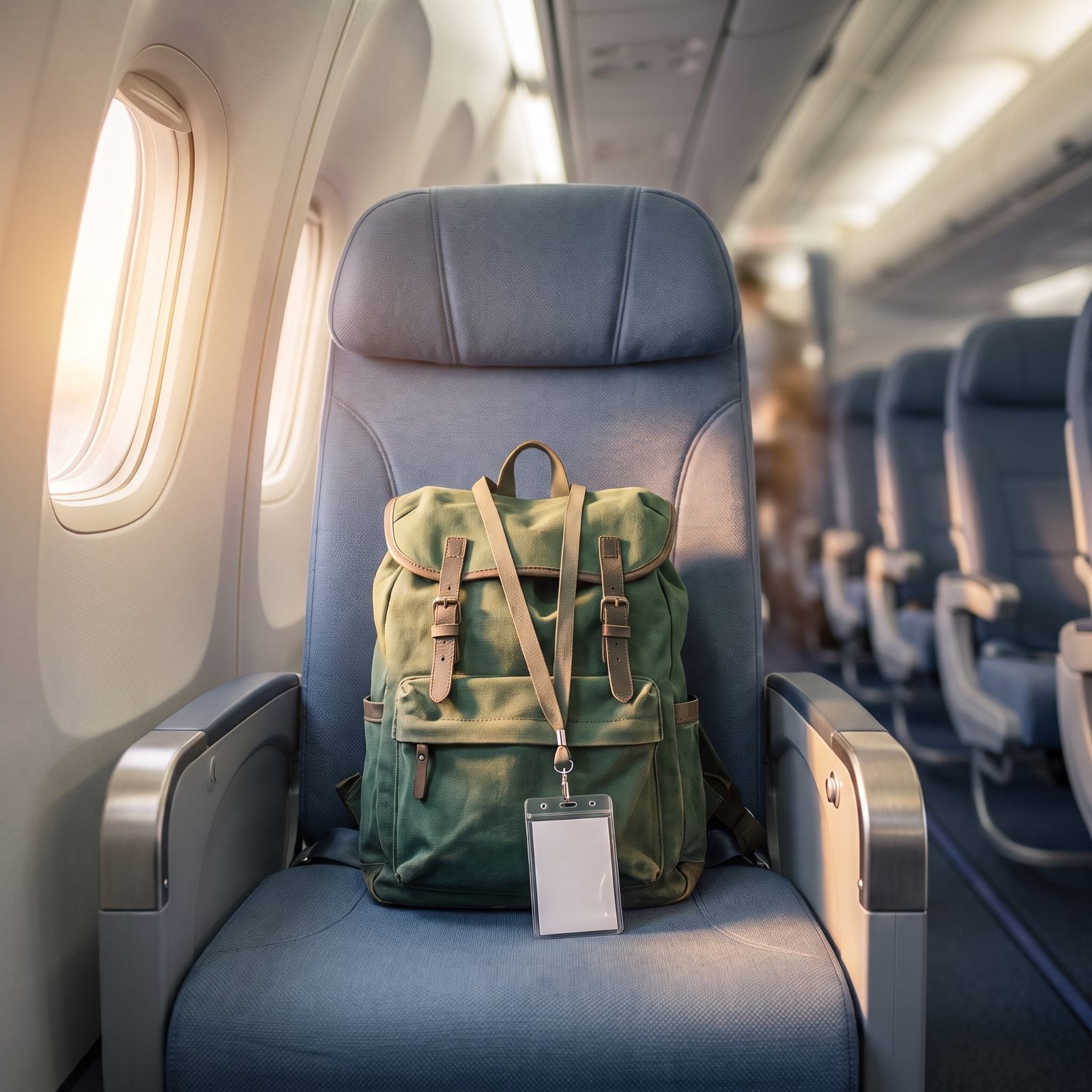
An unaccompanied minor is a name on a list before anyone boards, and crew keep that name close. The seat gets picked on purpose — near the front, easy to check on, easy to reach.
What gets watched isn’t the kid so much as the handoff. Who dropped them off? Does the paperwork match? Do they seem okay once the adult who walked them to the gate is gone? A quiet twelve-year-old scrolling a tablet is fine. One who looks lost or upset gets a check-in, because at that age nobody should have to spend two hours deciding whether it’s okay to ask for help.
5. Whether You Stop in the Aisle to Remove Layers
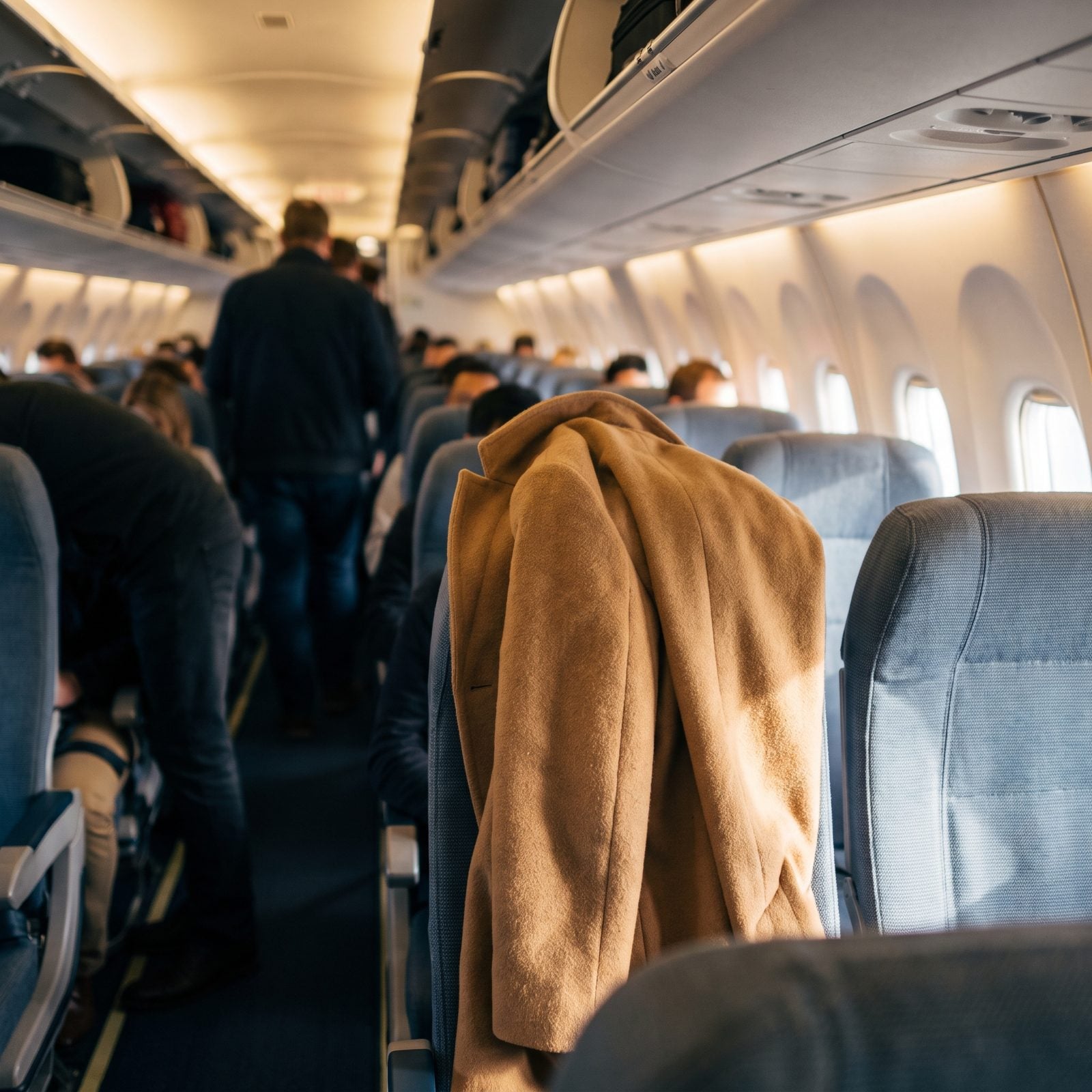
You’ve stood behind this person. One row from their seat, they stop dead to peel off a coat, fold it, reconsider, and refold it, while forty people and a drink cart wait behind them.
Crew clock the aisle-stopper fast, because a blocked aisle during boarding is the single most common reason a flight runs late at the door. Nothing sinister about it. Just friction. And the fix costs nothing: get to your row, step out of the flow, then sort your layers once you’re sitting. The aisle is for moving. The seat is for everything else.
4. If Your Backpack Hits Seated Passengers
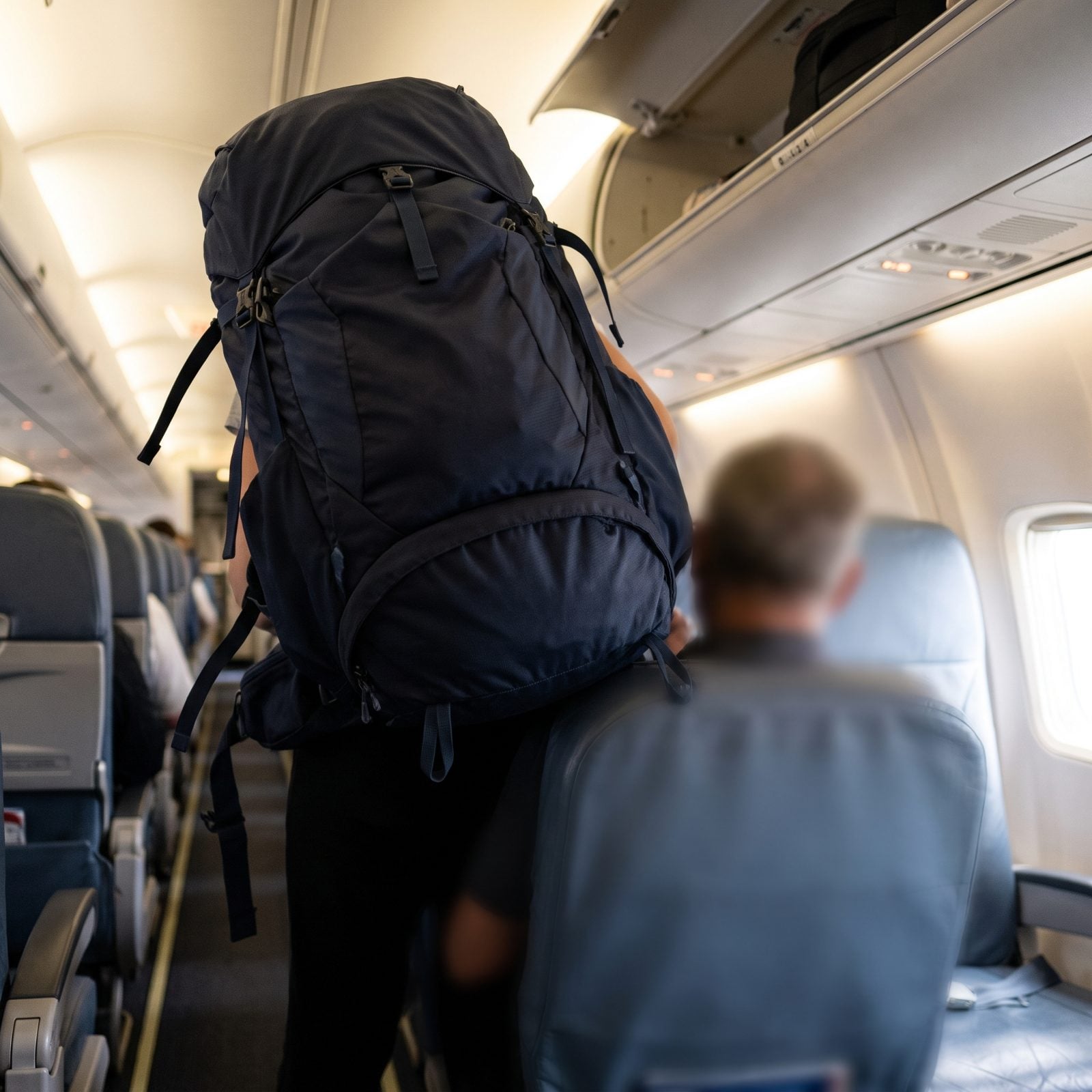
The backpack is a weapon the wearer can’t feel. You turn to find your row and the pack swings a full arc into the head of someone already seated, who takes it without a word — because what are they going to do?
Crew watch for it, and so should you. Carry the pack in your hand or hug it in front of you down the aisle. Small courtesy, and it marks you, correctly, as someone paying attention. The ones who plow through with a loaded pack get a mental note. Not the good kind.
3. Whether You Place Small Items in the Overhead Bin
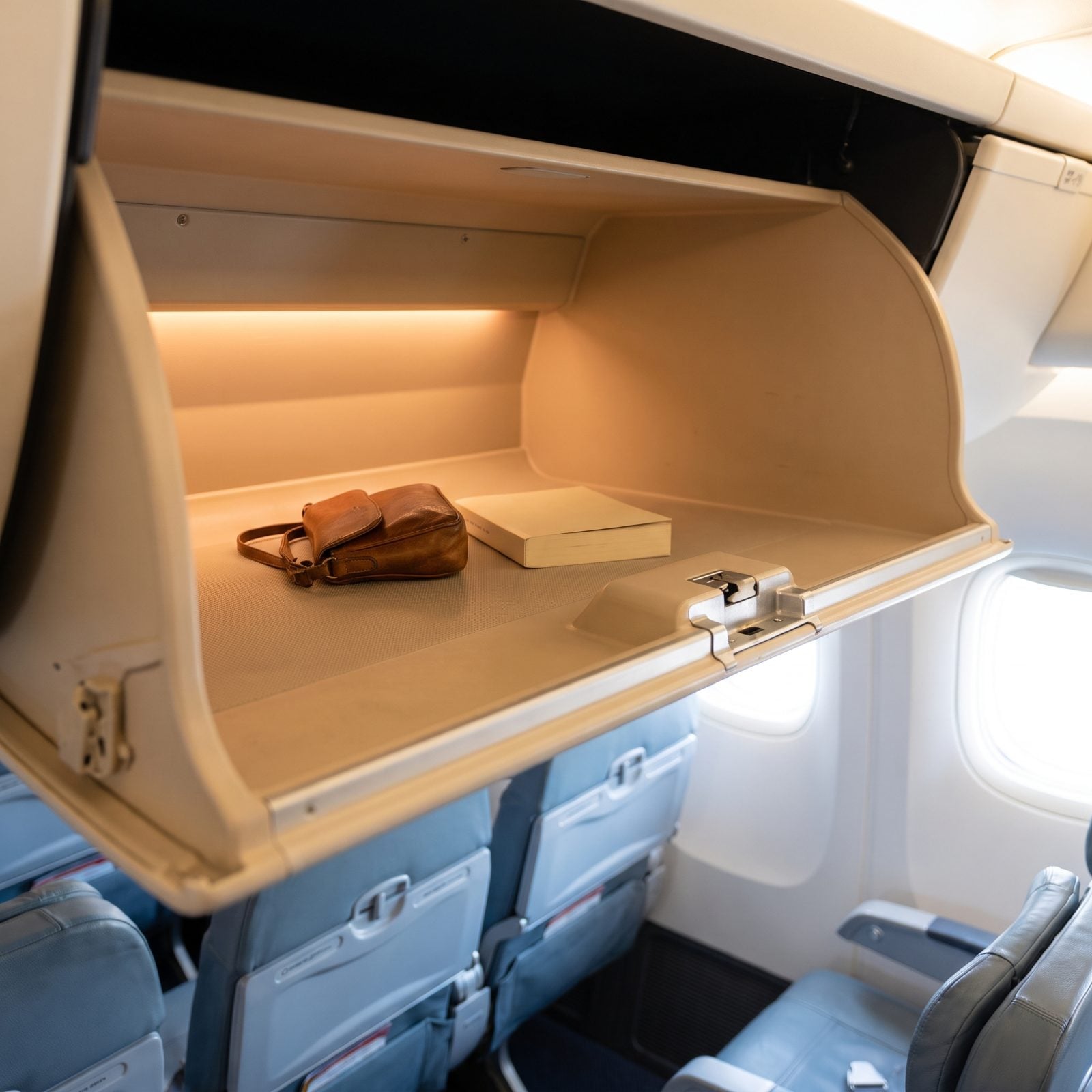
A small shoulder bag and a paperback hogging a full overhead bin is the quiet way to make an enemy of the whole cabin. Bin space is the one thing a full flight can actually run out of, and crew spend the back half of boarding rearranging other people’s bad decisions.
Small stuff goes under the seat in front of you. The bin is for the roller bag that won’t fit anywhere else. Get this right and you’ve helped twenty strangers you’ll never meet. Get it wrong and someone ends up checking a bag they wanted to keep.
2. If You Photograph Crew Members Without Asking
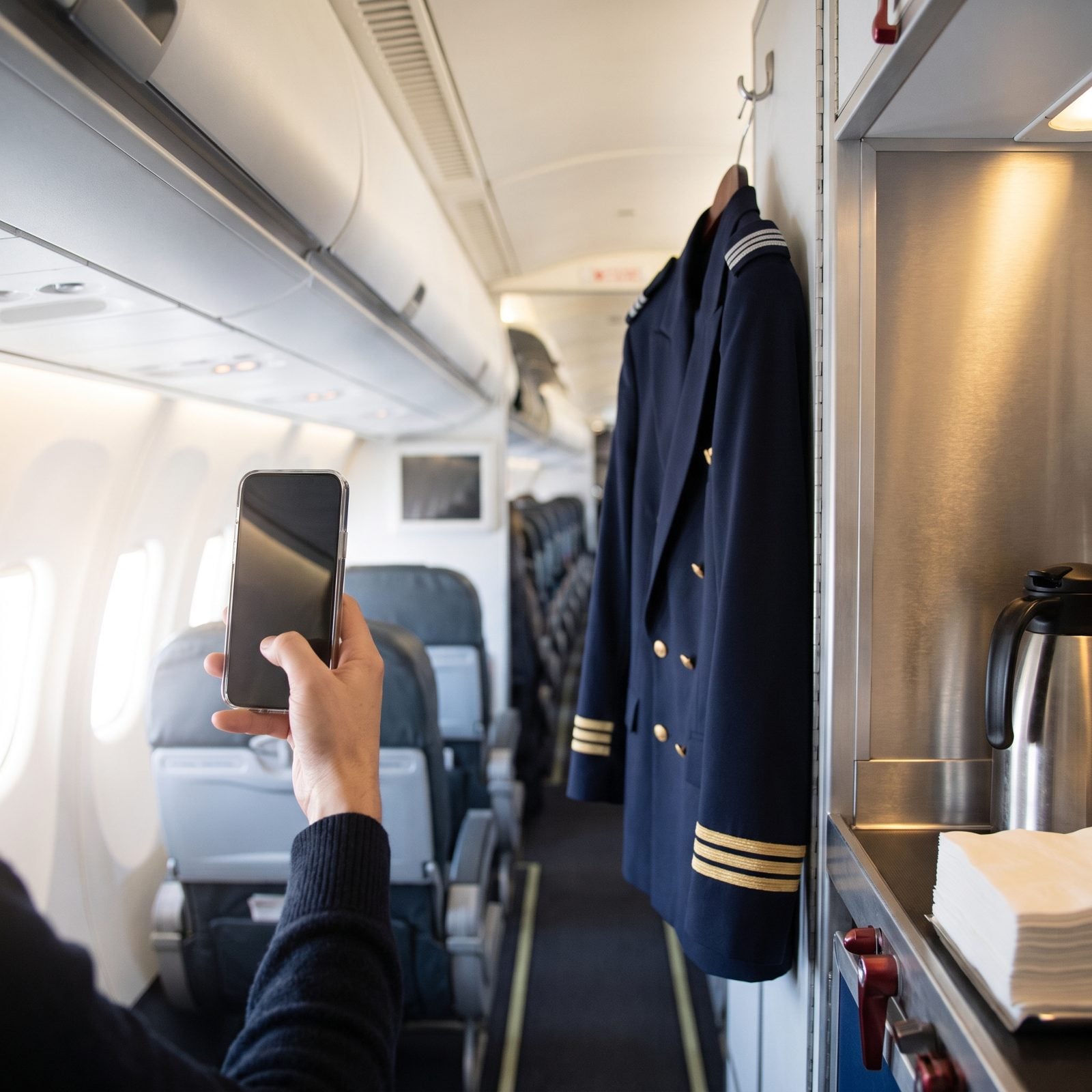
The raised phone pointed at the galley registers immediately, and not as a compliment. A crew member running a safety demo or stowing a cart is at work, in uniform, and a stranger filming them up close without a word is a flag that something’s off.
It rarely ends in confrontation. It ends in attention. The passenger gets watched a little more carefully for the rest of the flight, because the behavior reads as either hostile or oddly fixated — and crew have learned not to guess which.
1. Whether You Joke About Security or Dangerous Items
There is no safe version of this joke. Not a clever one, not a nervous one, not a “you know I’m kidding” one. The word everyone reaches for at the door is the exact word that can’t be unsaid.
Crew have zero discretion here, and they’ll tell you so plainly if you make them. A comment about a device in your bag, a threat played for laughs, a reference to something on a watch list — any of it can stop boarding cold and pull you off the aircraft. The policy isn’t crew being humorless. They legally cannot treat a threat as a bit.
🔥 Would you like to save this?
Please note that some of the imagery in this article were created with the aid of AI image generators.