
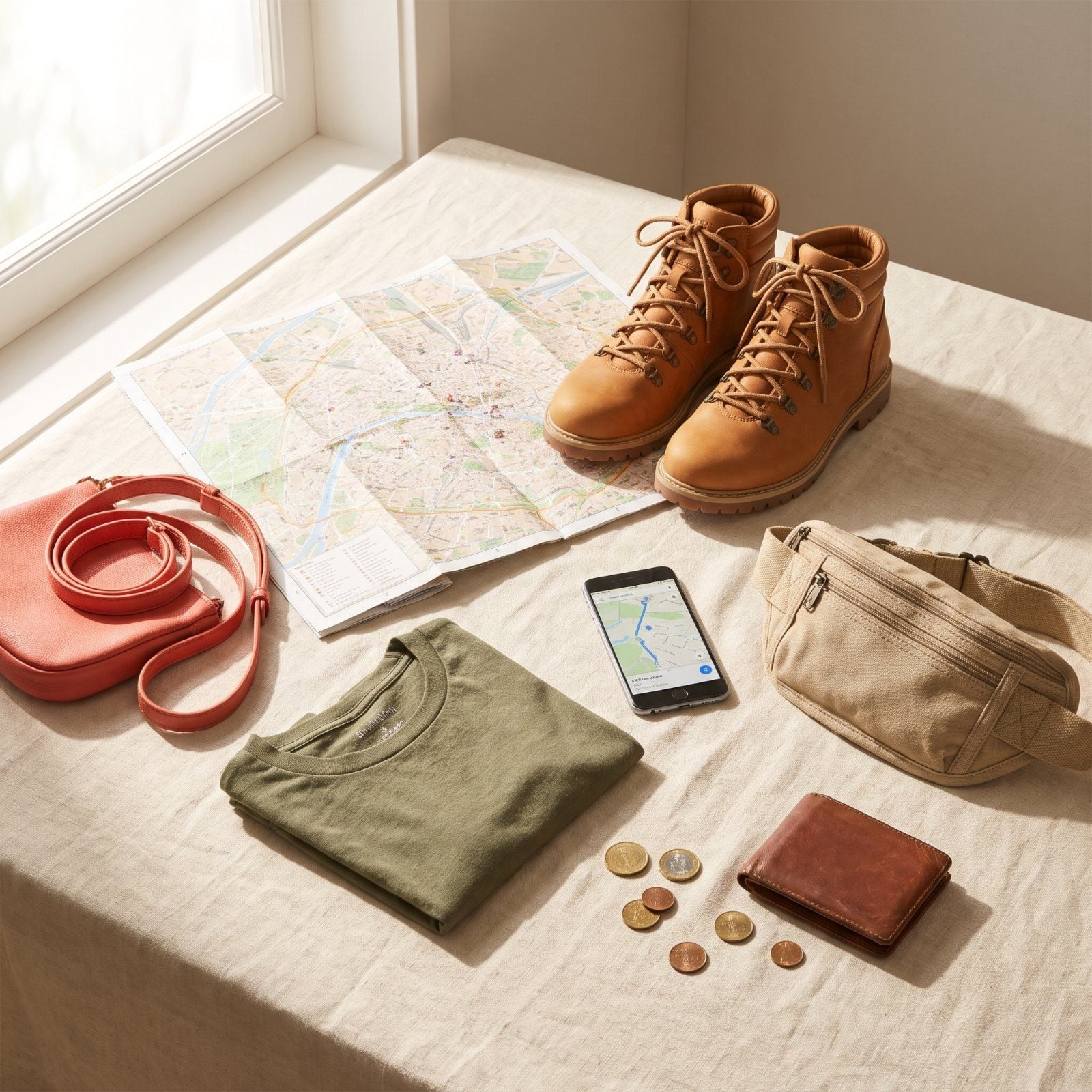
A local can clock you from across a plaza before you’ve opened your mouth. Not the camera. Not even the accent. It’s the way you stop walking in the wrong spot, or hold your bag like it owes you money. Travel long enough and you learn to read these same signals on other people, which is a humbling little discovery, because it means they’ve been reading you the whole time you thought you were invisible. None of this is about shame. It’s about blending in enough to get the honest price, the real directions, and the table by the window instead of the one wedged beside the swinging kitchen door.
32. Wrestling a Giant Paper Map on a Crowded Corner
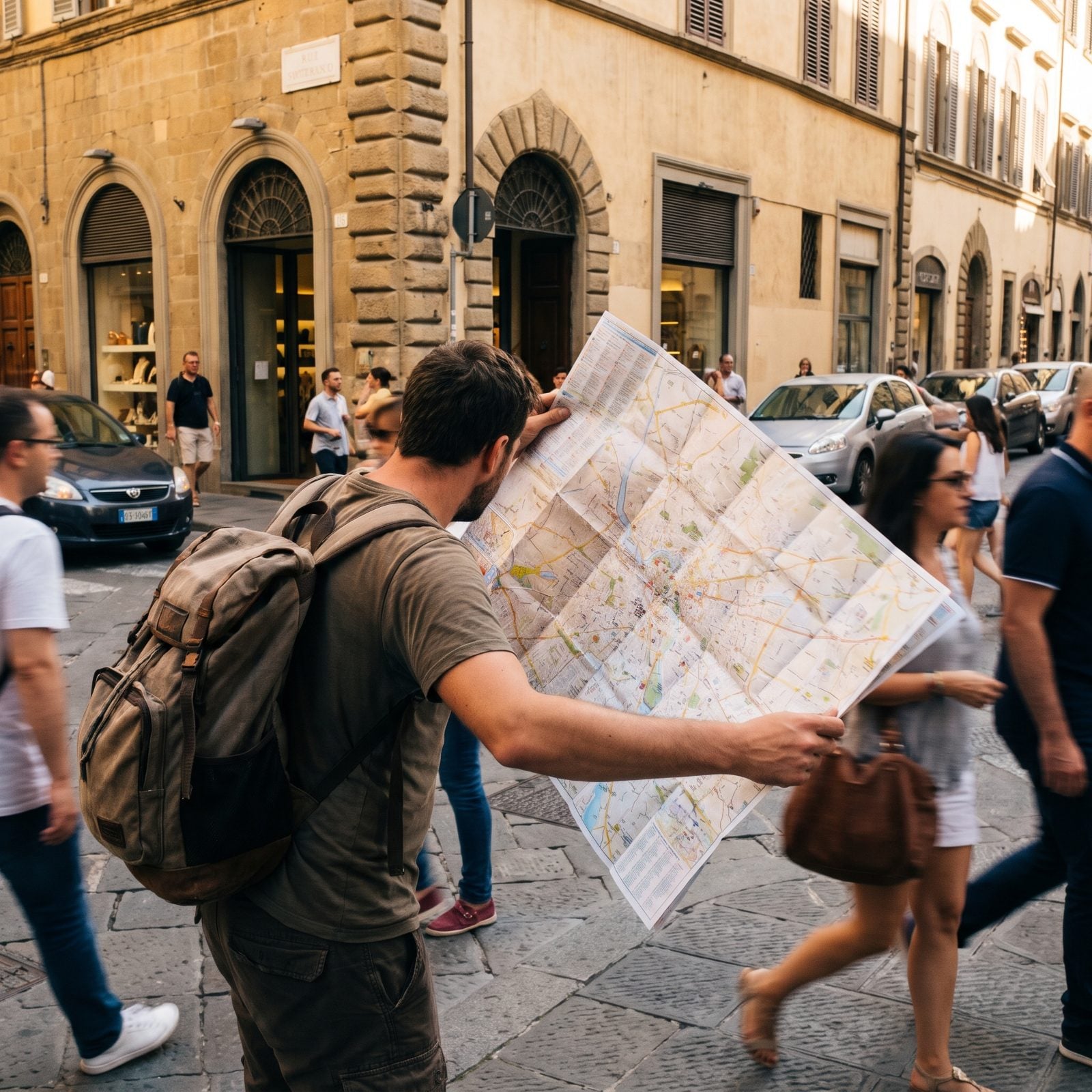
Nothing announces you faster than a map the size of a bedsheet opened against the wind. Locals don’t carry them, and they never did, even back before phones. The real tell isn’t the paper itself. It’s the full stop in a stream of foot traffic, the slow spin to find north, the furrowed squint at street names your mouth can’t wrap around.
Duck into a doorway or a café first and figure out where you’re going before you’re actually going there. The person who walks out already knowing which way to turn looks like they belong, even when they’re hopelessly lost.
31. Parking Yourself on the Walking Side of the Escalator
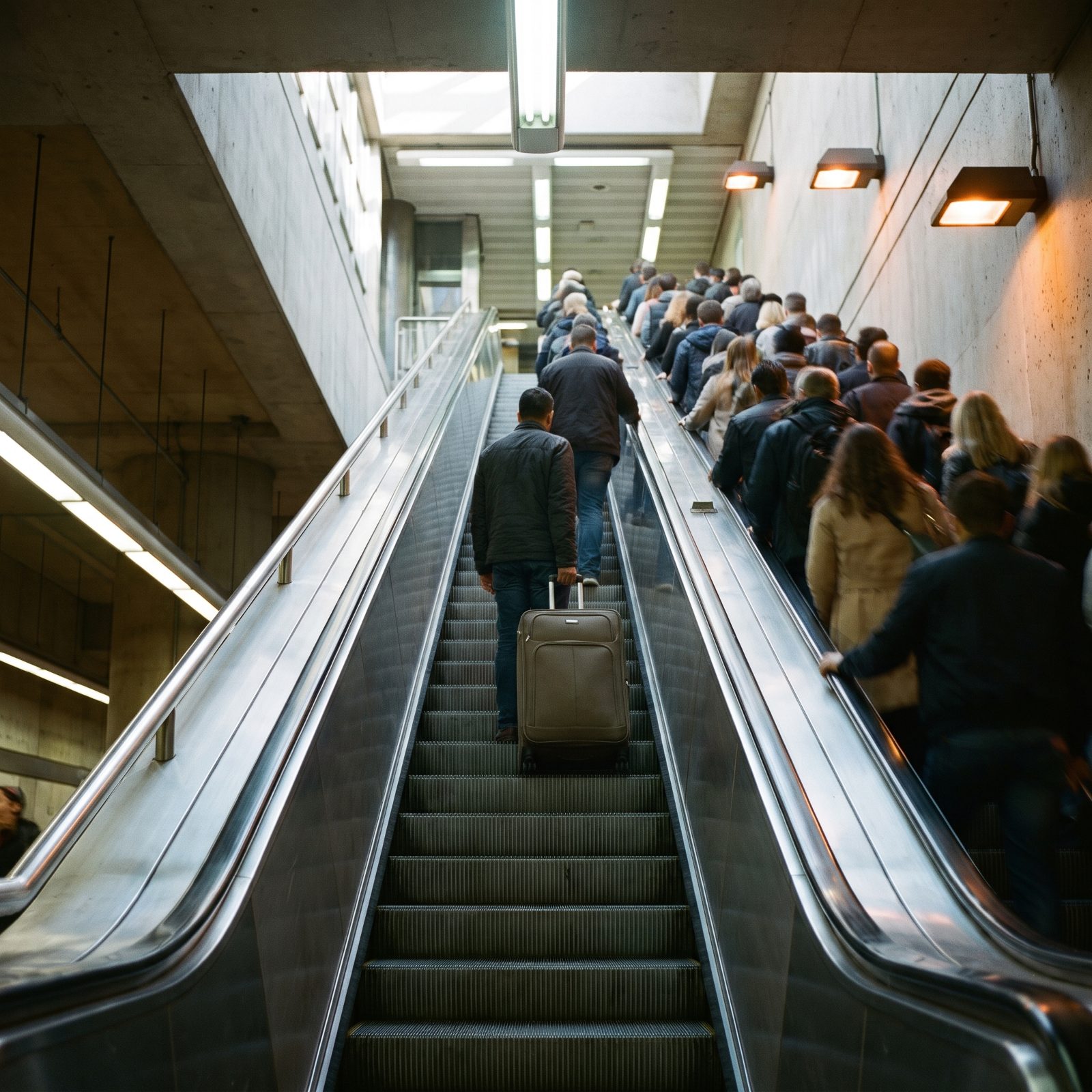
In London it’s stand right, walk left. Most of the world runs an unspoken version of the same rule, and if you block the moving lane you’ll feel the heat on the back of your neck before anyone says a word.
This one’s pure rhythm. Commuters move through transit like water finding a drain, and stand wrong, you become the rock everyone has to go around. Pick a side, pull your bag in tight, and let the locals set the pace.
30. Boots So New They Still Squeak on the Pavement
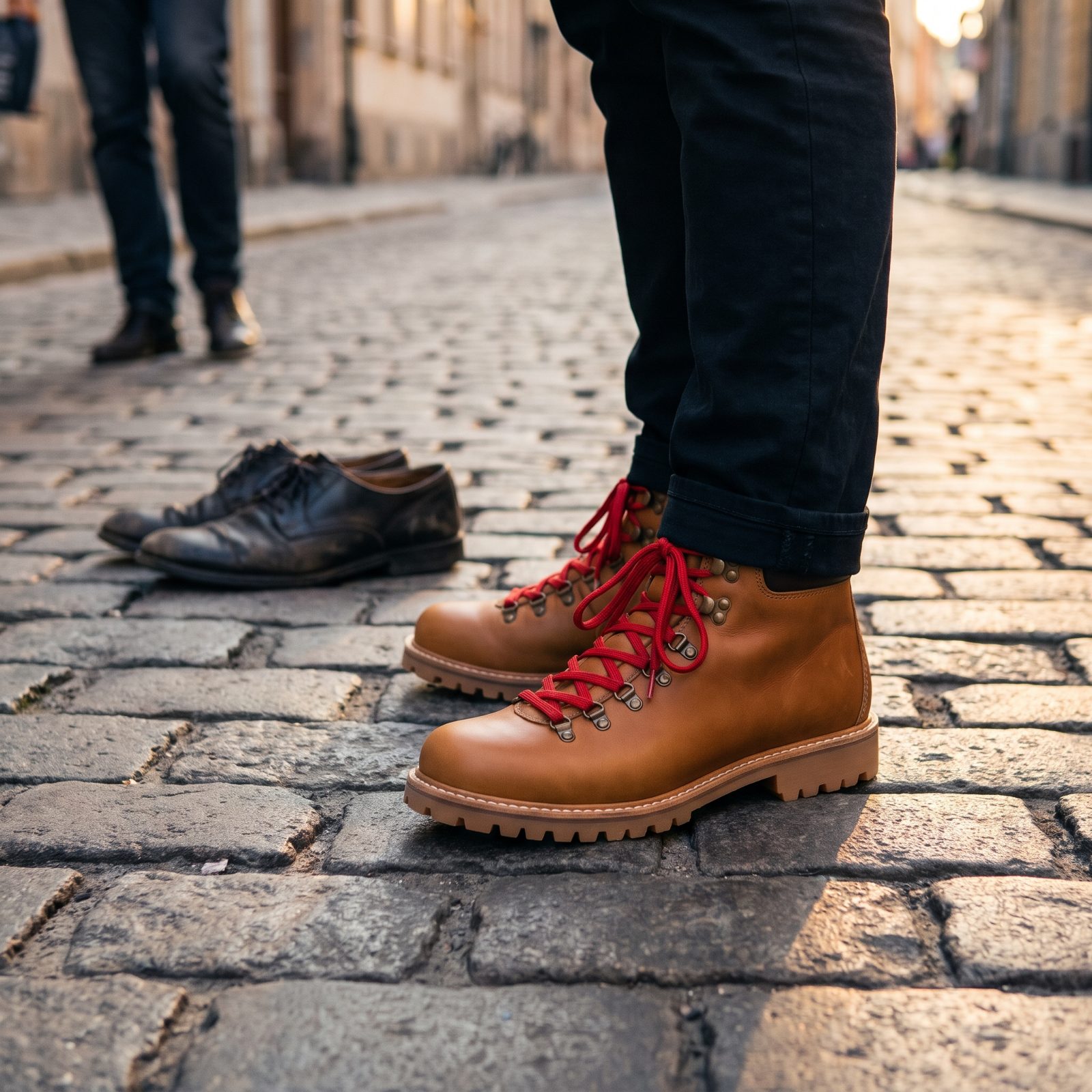
Trail boots in a city are a confession. The leather is stiff, the soles have never touched dirt, the laces are still factory-crisp. You’re clomping over cobblestones in gear built for scree fields, which means you packed for a fantasy version of this trip that was never going to happen.
And new boots punish you. By day two of pounding pavement you’ll have blisters no amount of scenery makes up for. Pack shoes you’ve already broken in and actually walk in at home — comfortable, lived-in, a little beat up. Nobody local is wearing anything they bought last Tuesday.
29. Wearing the City’s Name on a Fresh-From-the-Gift-Shop Tee
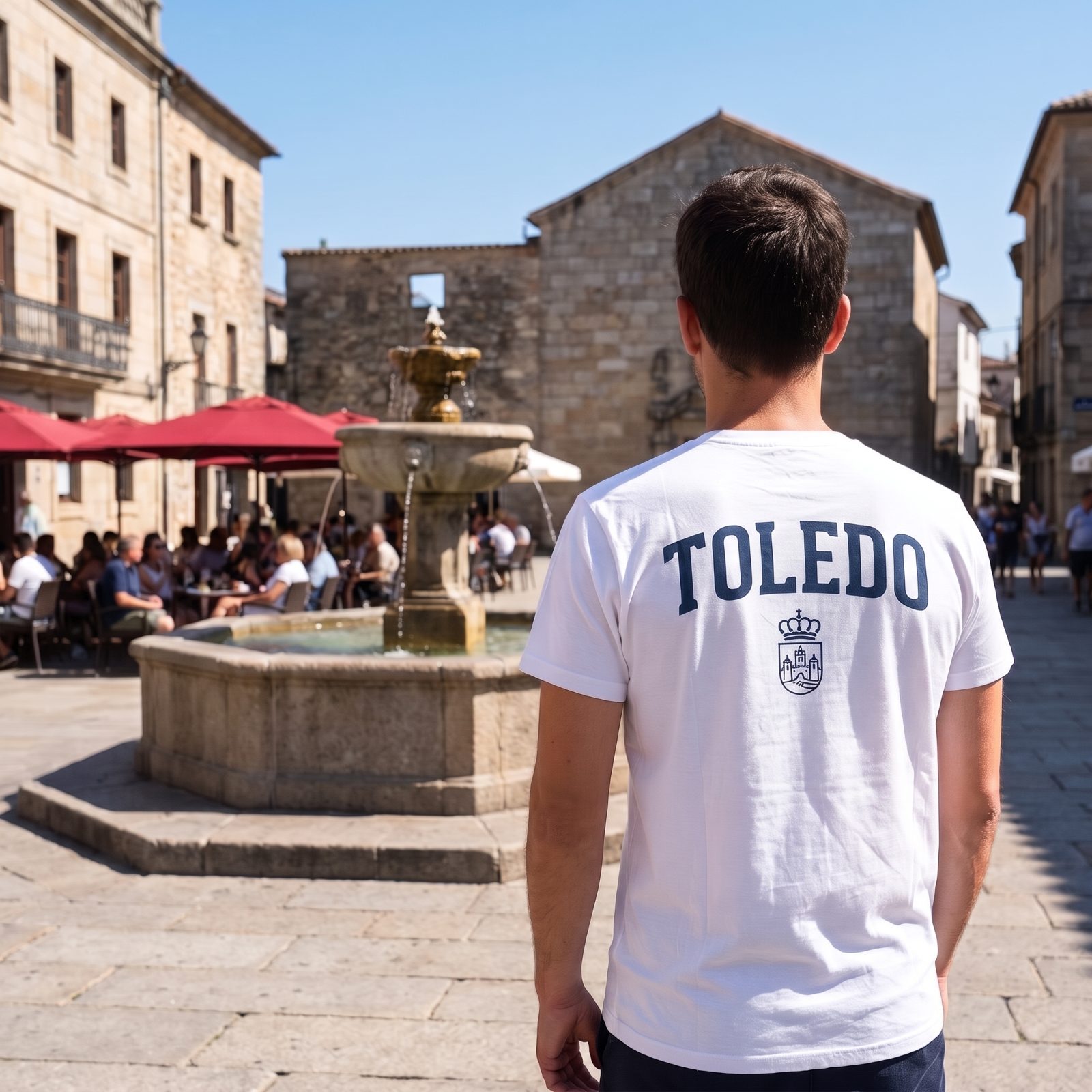
Nobody from Paris owns a shirt that says Paris. The souvenir tee with the city name across the back is basically a sign reading: I arrived yesterday and bought this at the terminal.
No crime in it. But it marks you as fresh money to anyone selling anything, from taxi drivers to the guy fanning out bracelets on a blanket. Want the shirt? Buy it, pack it, wear it when you’re home. In town, wear something quiet.
28. Clutching a Neon Crossbody Bag to Your Chest Like It’s a Life Raft
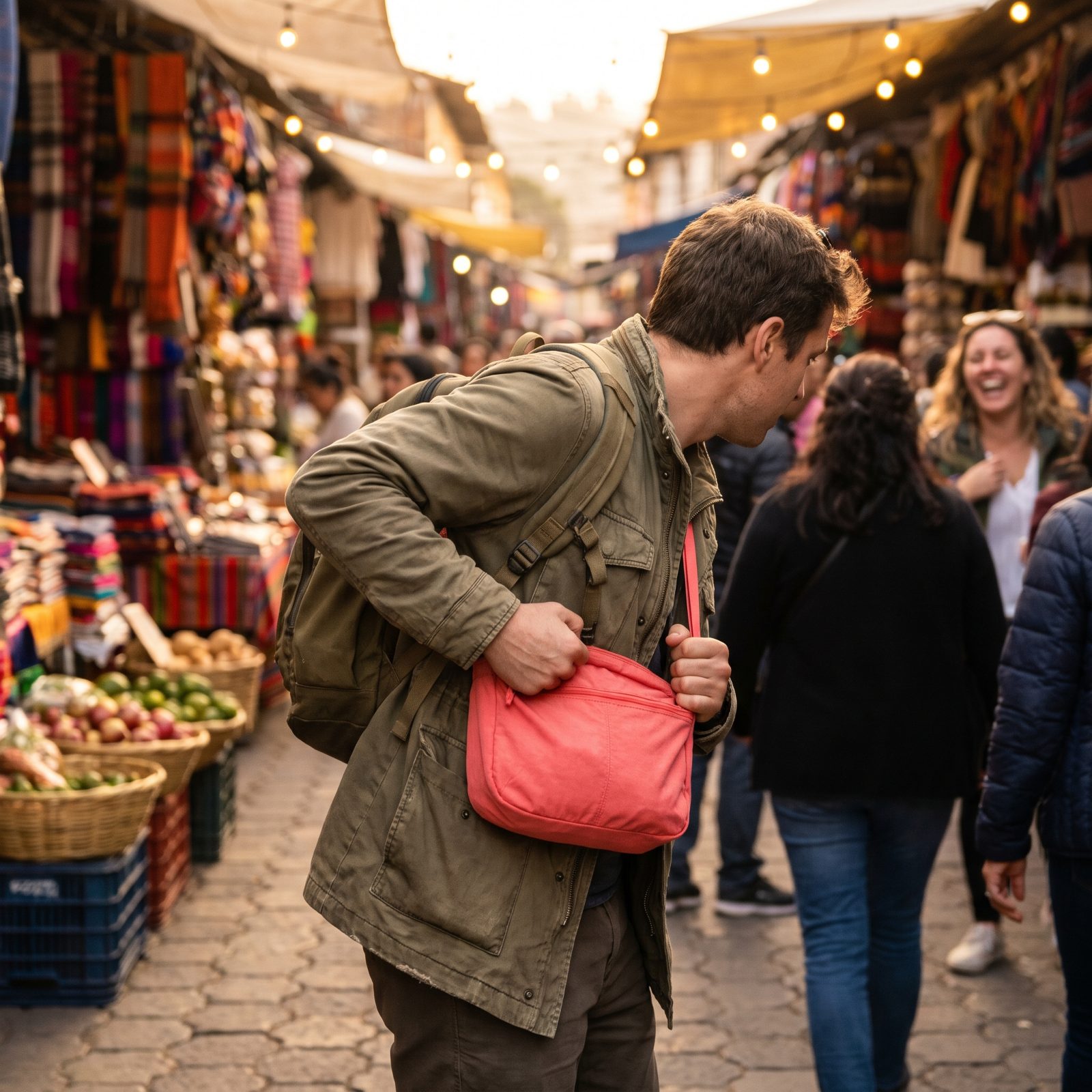
A bright bag clamped to the chest with both hands is a beacon. It says two things at once: this bag holds something worth stealing, and I am terrified of losing it.
Pickpockets read body language better than you read a menu. A death grip tells them exactly where the valuables are, while a relaxed cross-body carry with your hand resting loosely on the strap says there’s nothing here worth the risk. Go muted on the color, too. A good travel bag is one nobody notices.
27. Photographing the Supermarket Like It’s the Sistine Chapel
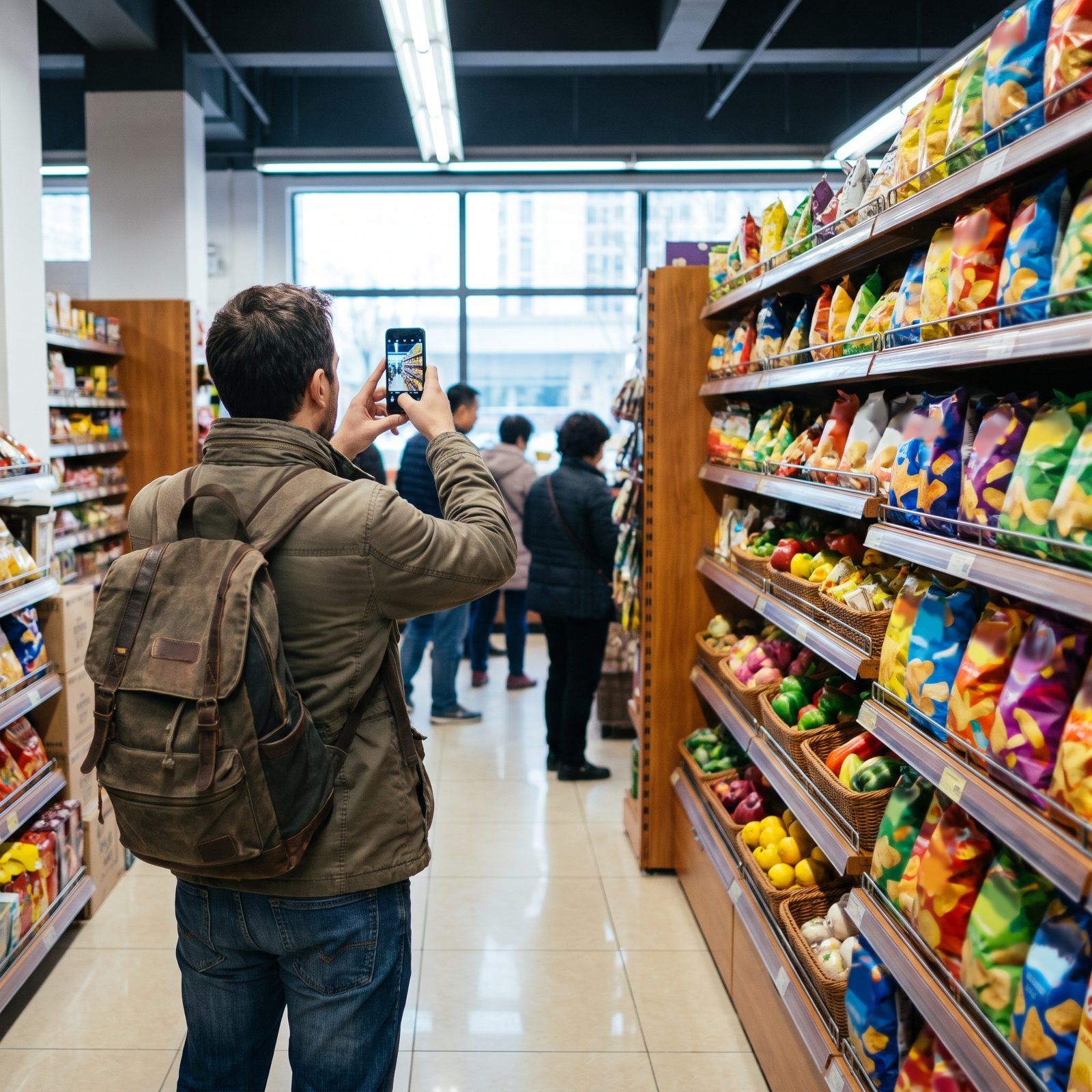
This is the one tourist tell worth defending to the last breath. The eggs that aren’t refrigerated, the wall of unfamiliar chips, the milk sold in a bag. Snapping all of it flags you instantly, and that’s fine.
Everyday stuff is where a place actually lives — the vending machines, the gas station snacks, the weird regional soda nobody back home has heard of. Harmless, and honestly the most human thing you can do abroad. Just maybe don’t do it while blocking the register line as someone waits to buy their lunch. Curiosity is forgivable. Clogging the checkout is not.
26. Freezing Dead Center on the Sidewalk to Read a Text
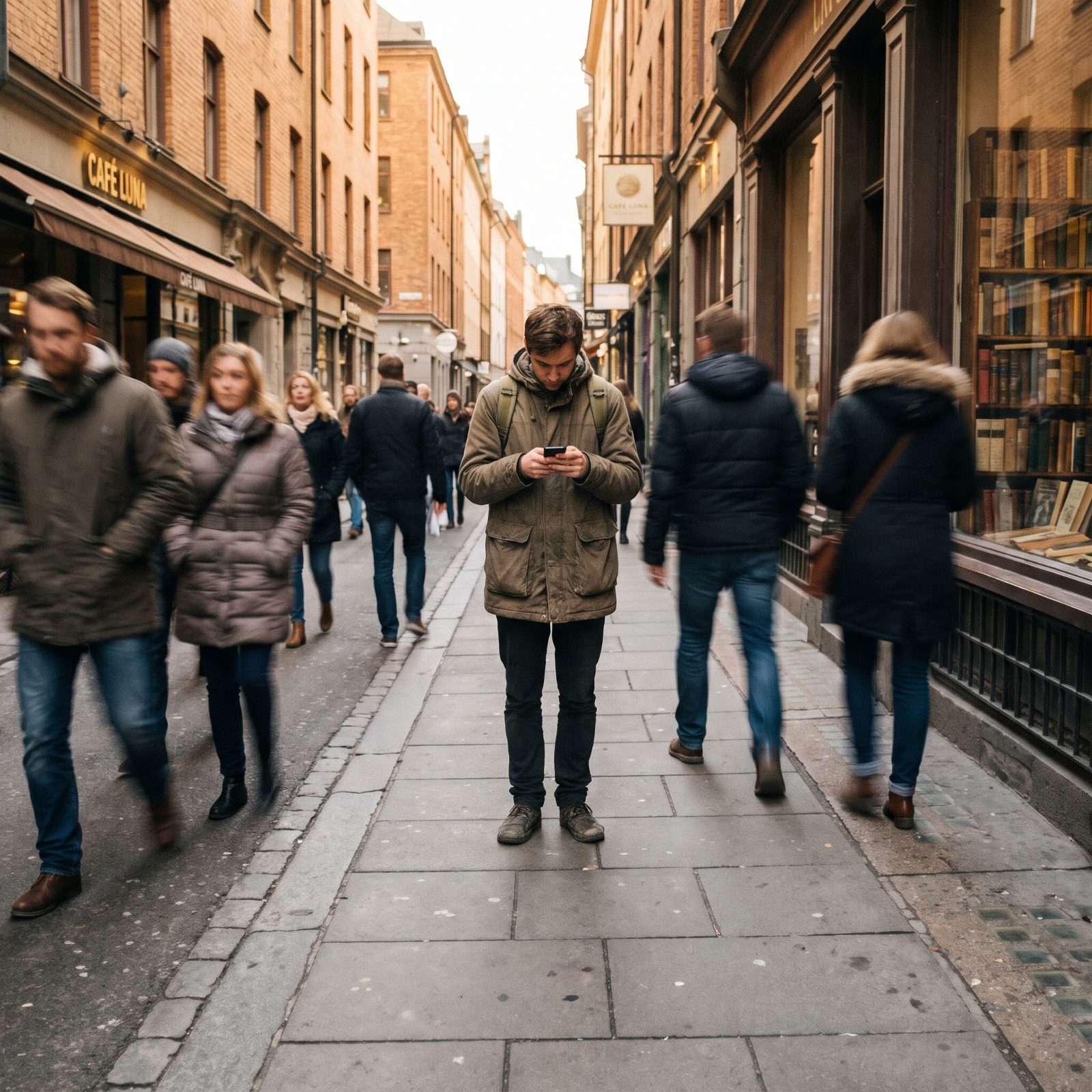
A sidewalk is a road. You wouldn’t stop your car dead in a lane to answer a text, but people do exactly that on foot, and the whole street has to part around them like a river hitting a boulder.
Step to the side. Against a wall, into a doorway, out of the current. One second, and it’s the whole difference between someone who understands how a city moves and someone treating it like their own living room. Locals never freeze in the stream. They pull over.
25. Tipping Like You’re Trying to Fund the Whole Restaurant
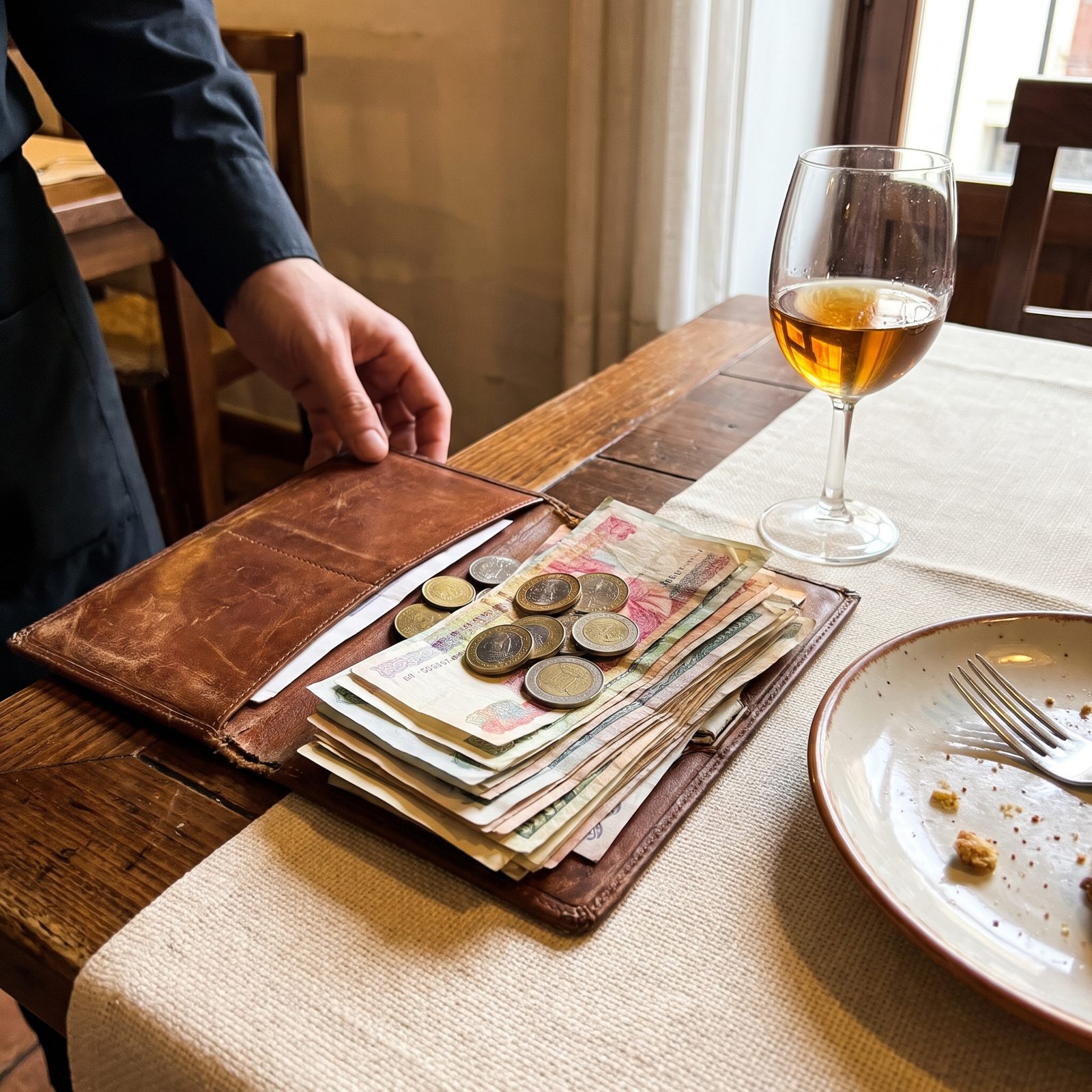
Tipping is a minefield that resets at every border. Twenty percent in New York is simply normal. In Tokyo it can insult the server. Across much of Europe you round up and leave it there.
Over-tip and you’re not being generous — you’re being confused, and everyone can tell. Here’s a rough map:
- United States: eighteen to twenty percent, expected, since servers’ base wages assume it.
- Most of Europe: round up or leave small change; service is often included already.
- Japan and parts of East Asia: no tipping at all, usually.
Check before you go. A thirty-second search spares you the awkward scene where the waiter chases you down the block to return money you never meant to leave.
24. Repeating English Louder When They Don’t Understand You
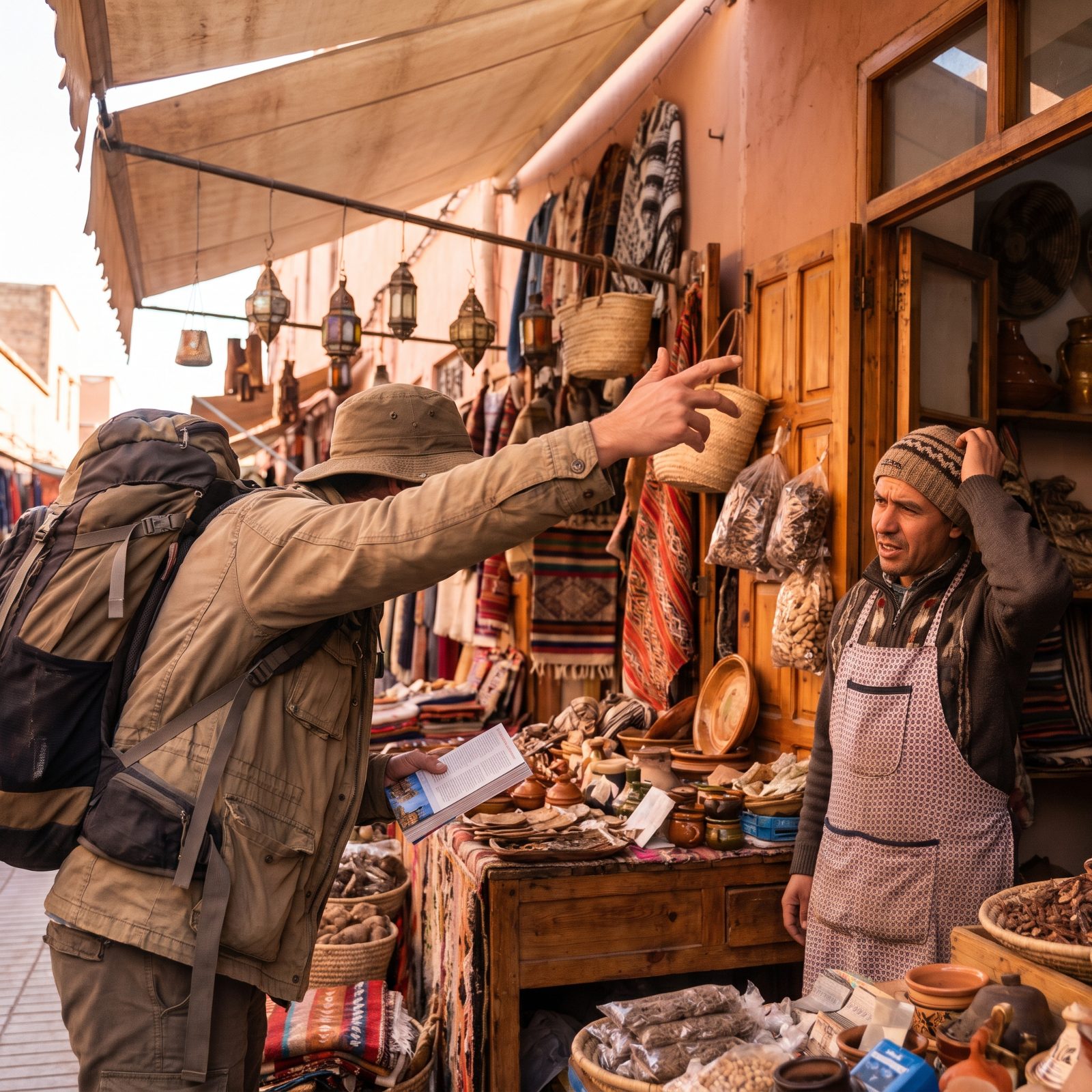
Volume is not a translation tool. Saying WHERE. IS. THE. STATION. slow and loud doesn’t make English any easier to parse — it just crowns you the loudest confused person on the block.
Learn a handful of words before you land. Hello, please, thank you, excuse me, how much. Five phrases, that’s it. People soften the instant you try, even badly, even with a mangled accent. And when words fail, point at a map or your phone. Gestures cross borders. Shouting only crosses a line.
23. The Money Belt Bulging Visibly Under Your Shirt
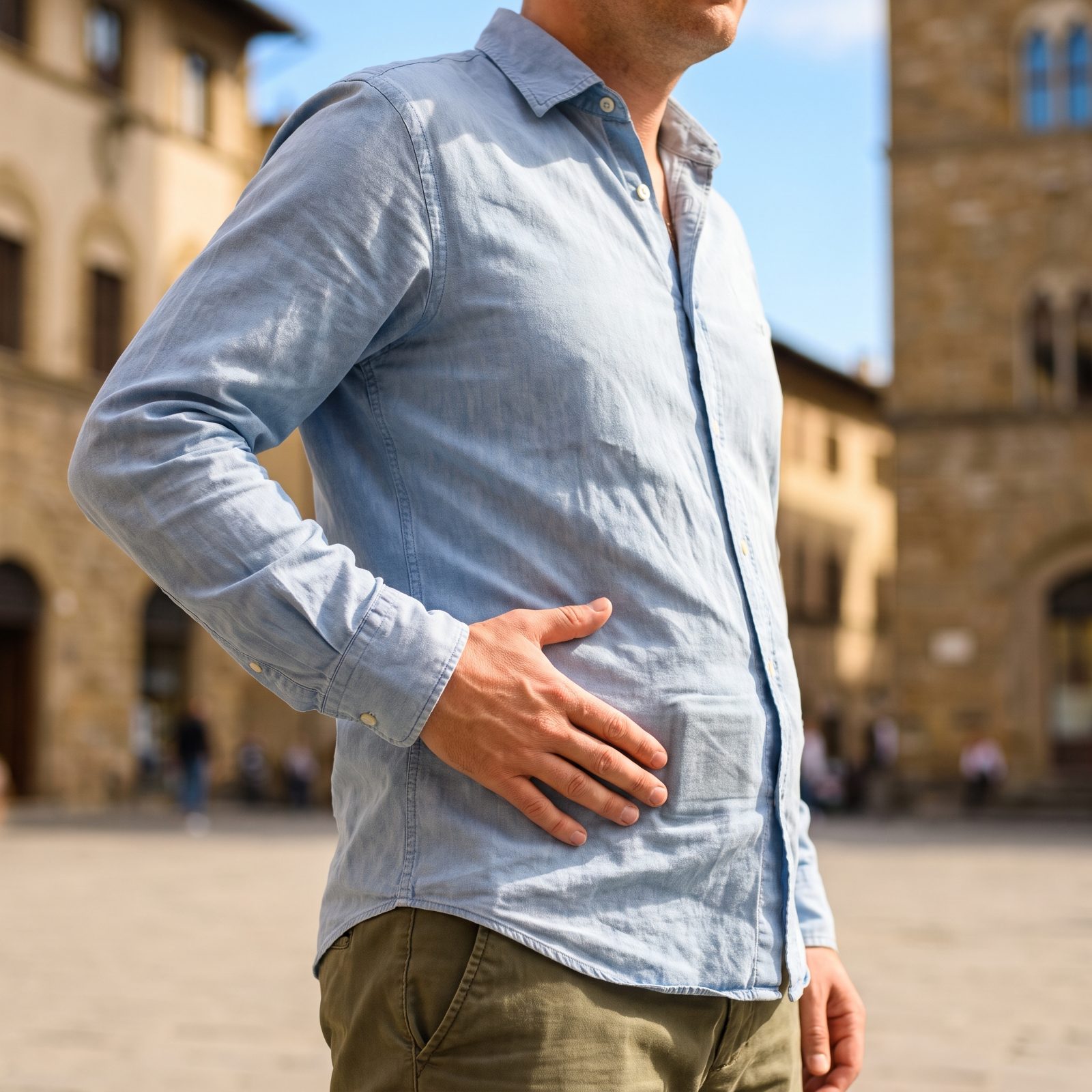
The money belt is a perfect little paradox. It exists to hide your valuables, yet the rectangular lump under your shirt advertises precisely where they sit. Worse is the person patting it every few minutes to make sure it’s still there. That tap is a map.
Use one if you must, but keep it genuinely flat, genuinely hidden, and never reach into it in public. Honestly? In most places a plain inside jacket pocket plus a little street sense works better. You want to look like a person carrying nothing worth taking. A suspicious waistline does the opposite.
22. The Passport Clutched Like a Boarding Pass That Never Lands
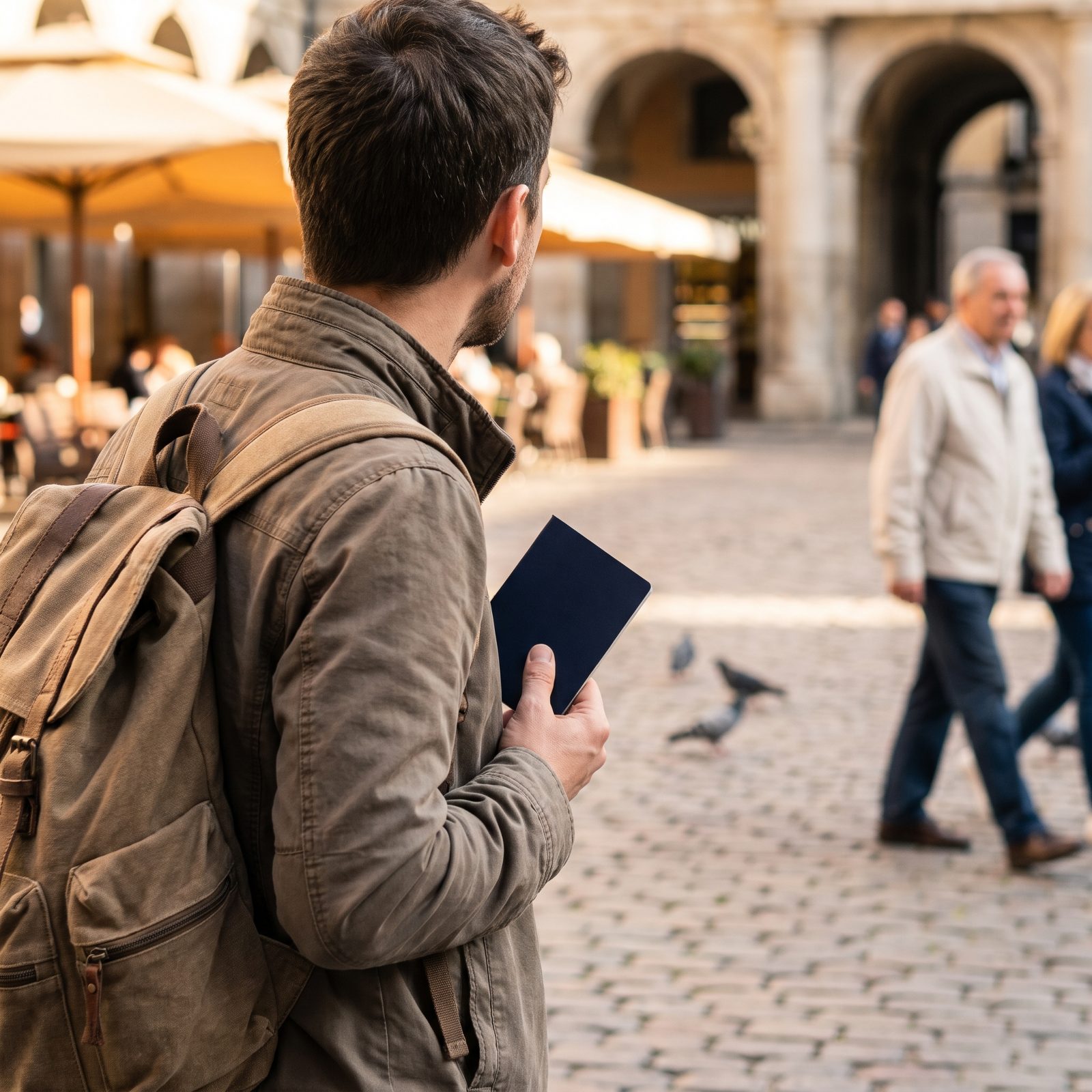
Nobody checks for your passport between the airport and the hotel. Nobody. Yet there it is, held loosely at chest level in one hand, even out in the middle of a cobblestone plaza, like a man who can’t let go of his lottery ticket.
Locals never carry theirs. They know a passport belongs tucked away — an inner pocket, a flat pouch under the shirt, boring and invisible. The ones who clutch it in plain sight, backpack on, peering across the square, are the ones pickpockets clock first. Might as well fire a flare straight up.
21. Socks and Flip-Flops at a Table That Expected Better
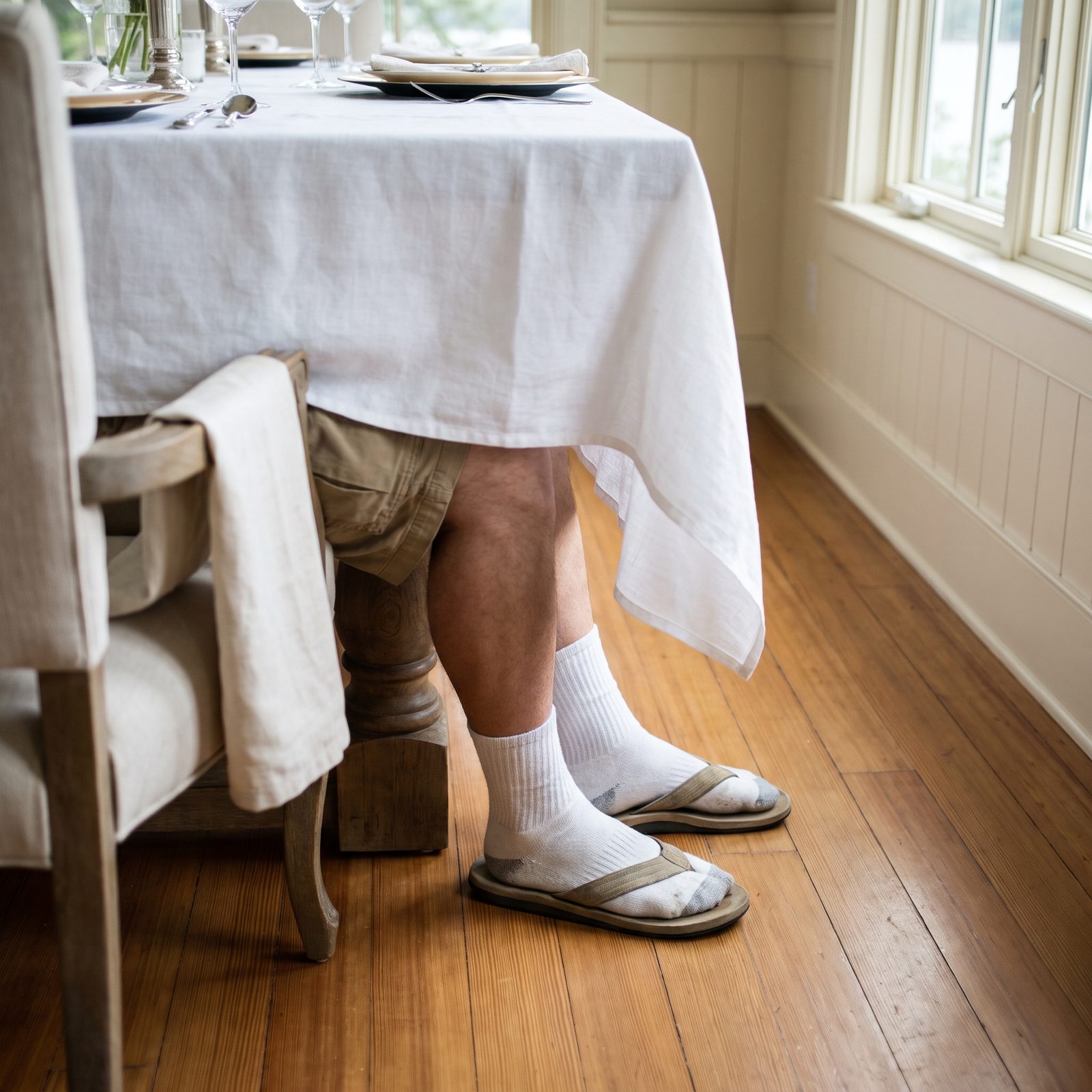
The sock-and-sandal combo is the oldest tell in the book, and still the loudest. Drop it into a restaurant with cloth napkins and you’ve written your origin story across the floor.
Comfort isn’t the problem. It’s the mismatch of registers — the beach uniform worn into a room that dressed up for the evening. Across much of southern Europe, people wear real shoes to dinner even when it’s ninety out. Not because some rule says so. Because showing up put-together is part of the meal.
20. The Selfie Stick Swinging Like a Fishing Rod Across the Square
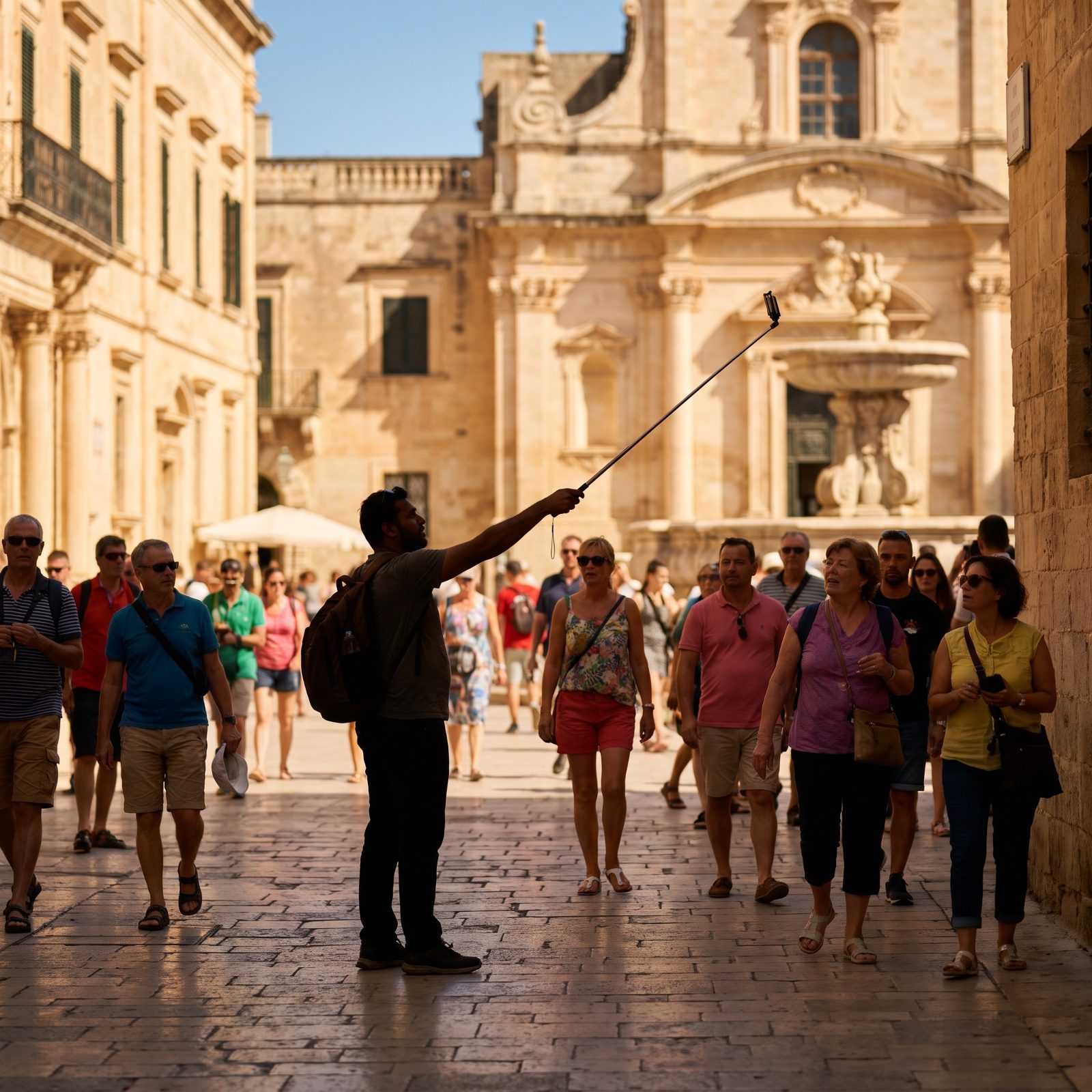
Nothing says just-arrived like a telescoping pole swung into a crowd.
You’ve watched someone back up three steps to frame a shot and nearly clip a passing cyclist. The selfie stick isn’t just a gadget — it’s a posture, a willingness to make the whole plaza revolve around your photo. Plenty of cities and most museums have banned them outright, which should tell you something. Travelers who blend in hand the phone to a stranger, or just stand still and take the picture. A pole held overhead gives you away from fifty feet.
19. Ordering the Fanciest Bottled Water in Every Café

Ask for the expensive imported bottle in a country where the tap runs clean, and you’ve announced that you don’t trust the place you came to see.
In Rome the public fountains pour cold and clean. In Munich, Vienna, most of the Alps, the tap beats anything with a label on it. Reflexively ordering branded still water everywhere reads as nervous, and it quietly insults the local supply. Seasoned travelers ask one question: is the tap safe here? Often it is — and the locals are drinking it freely while you fork over four euros for the privilege of a bottle.
18. Hotel Key Card Lanyards Still Hanging at the Dinner Table

The lanyard made sense at the conference. It makes no sense at the wine bar.
A plastic room card swinging against your sternum while you read the menu is a dead giveaway — half corporate retreat, half lost at summer camp. Locals pocket their keys, same as their phone. The card around the neck says you’re treating the whole trip like an organized tour where losing the thing means panic. Slide it into your wallet. Nobody needs to see which hotel you picked.
17. Wrestling a Giant Rolling Suitcase Down a Narrow Stone Staircase
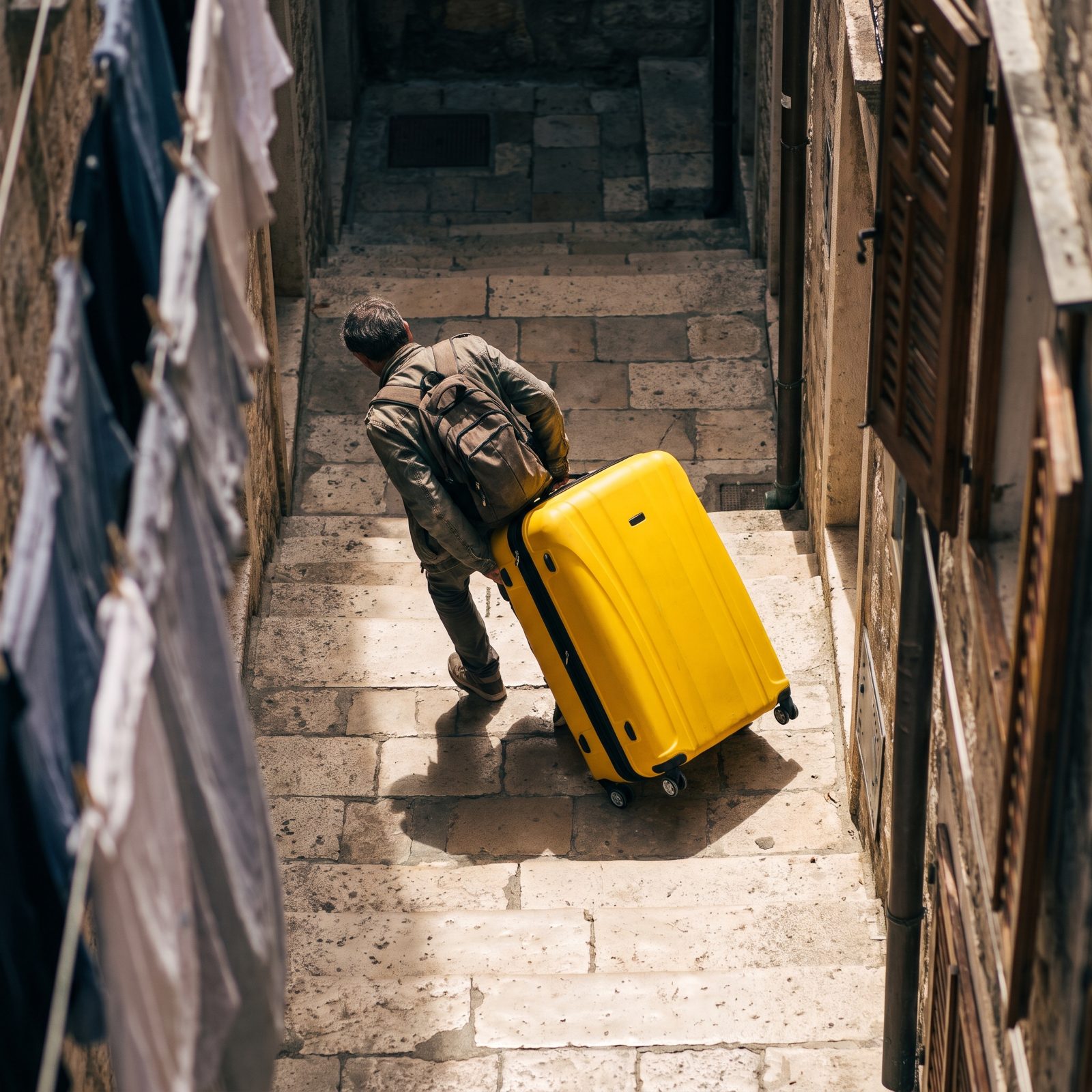
You hear it before you see it. The thunk-thunk-thunk of a hard-shell four-wheeler taking a medieval staircase one punishing step at a time, echoing down a quiet alley at eight in the morning.
Old cities were never built for wheels. Cobblestones chew suitcase casters to bits, and half the charming stairways have no ramp and no lift. The giveaway isn’t the luggage — it’s the size of it. People who pack light slip through these streets like water, while the oversized bag turns every corner into a wrestling match and tells the whole neighborhood you’re coming.
16. Asking Twice for Ice in a Country That Doesn’t Do Ice
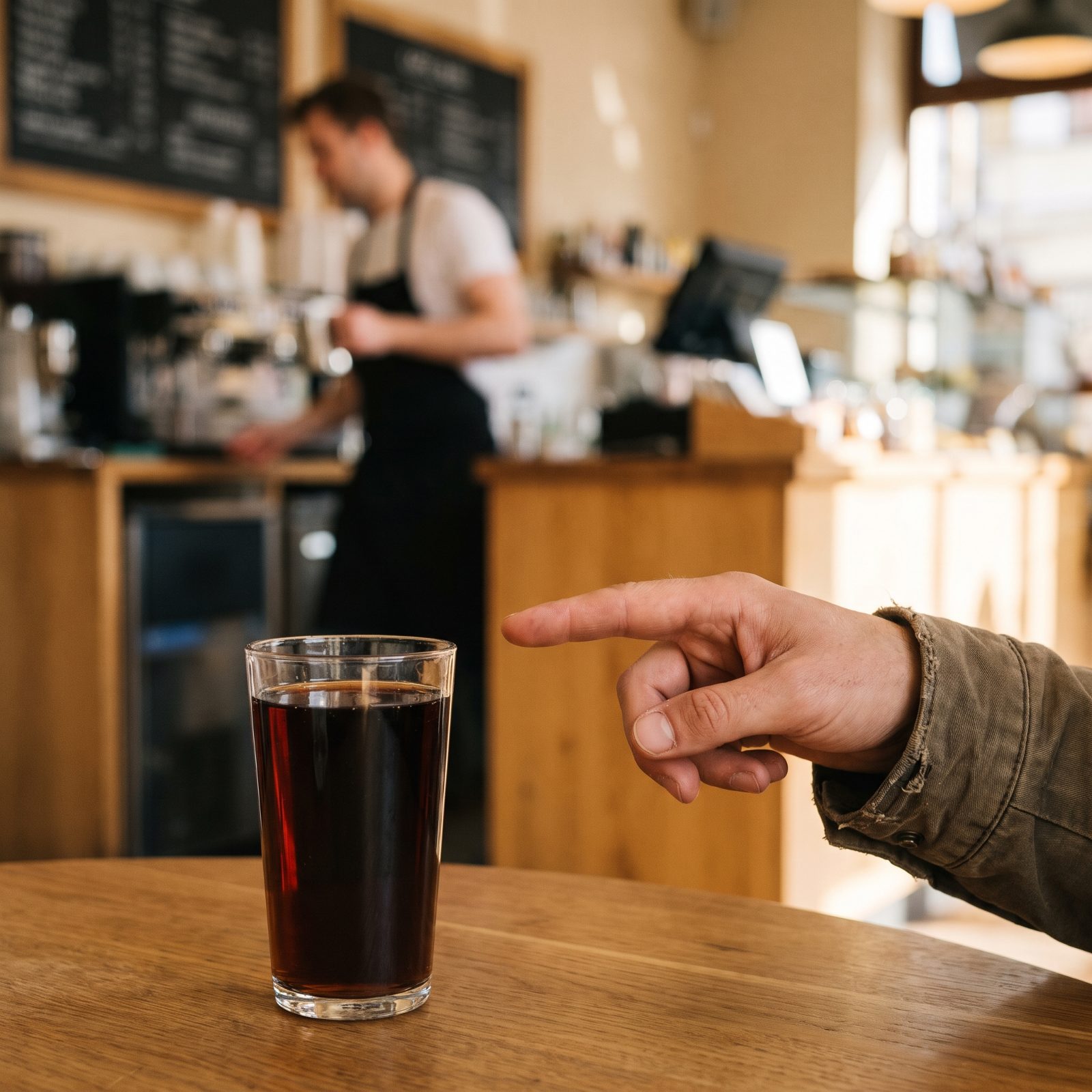
Americans want ice. Lots of it, up to the rim, in everything. Much of the world finds this baffling.
In Paris, Rome, across most of Europe, a soft drink arrives cool but not frozen — maybe a cube or two if you’re lucky. Ask a second time, slower and louder, with the little rubbing-fingers gesture, and you’ve flagged yourself instantly. It’s a harmless preference, but the insistence is the tell. Order it the way it comes, or ask once, politely, and let it go if the answer’s a shrug. The waiter has fielded the ice request a thousand times this summer. He knows exactly where you’re from.
15. Butchering the Menu With Total, Beaming Confidence
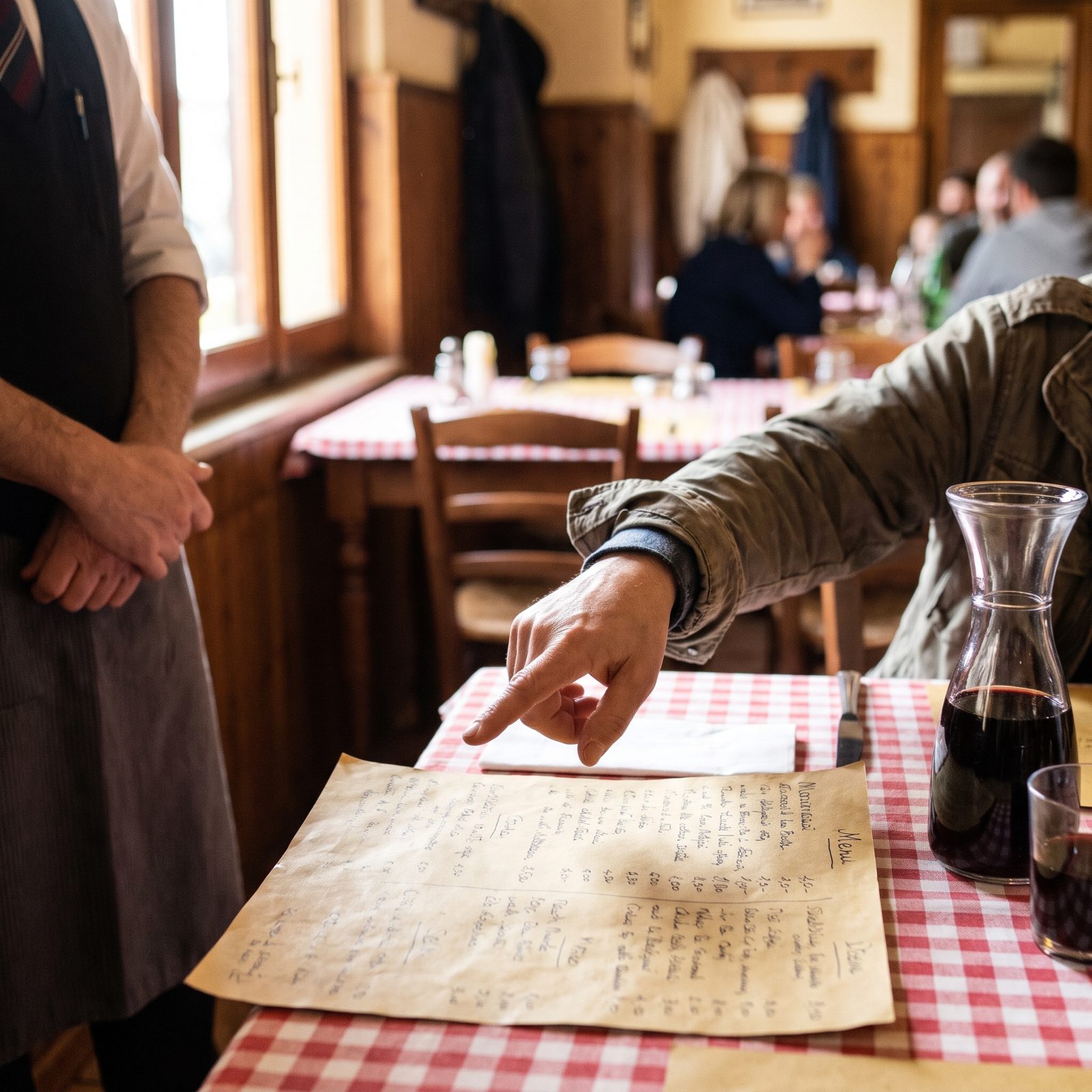
The wince is tiny. A flicker across the waiter’s face when you squint at the scrawled, barely legible handwritten menu and order the “brooshetta” with a flourish.
It’s bruschetta, with a hard K — and honestly, nobody in Italy actually minds how you say it. The mispronunciation isn’t the tell. It’s the bravado, the way some travelers roll out a fake accent and oversell the whole thing like they’re auditioning for a part. People who travel well point, smile, and say “this one, please,” without pretending to a fluency they don’t have. Confidence is fine. Performance gives you away.
14. Walking Into a Cathedral in Beach Shorts and Bare Shoulders
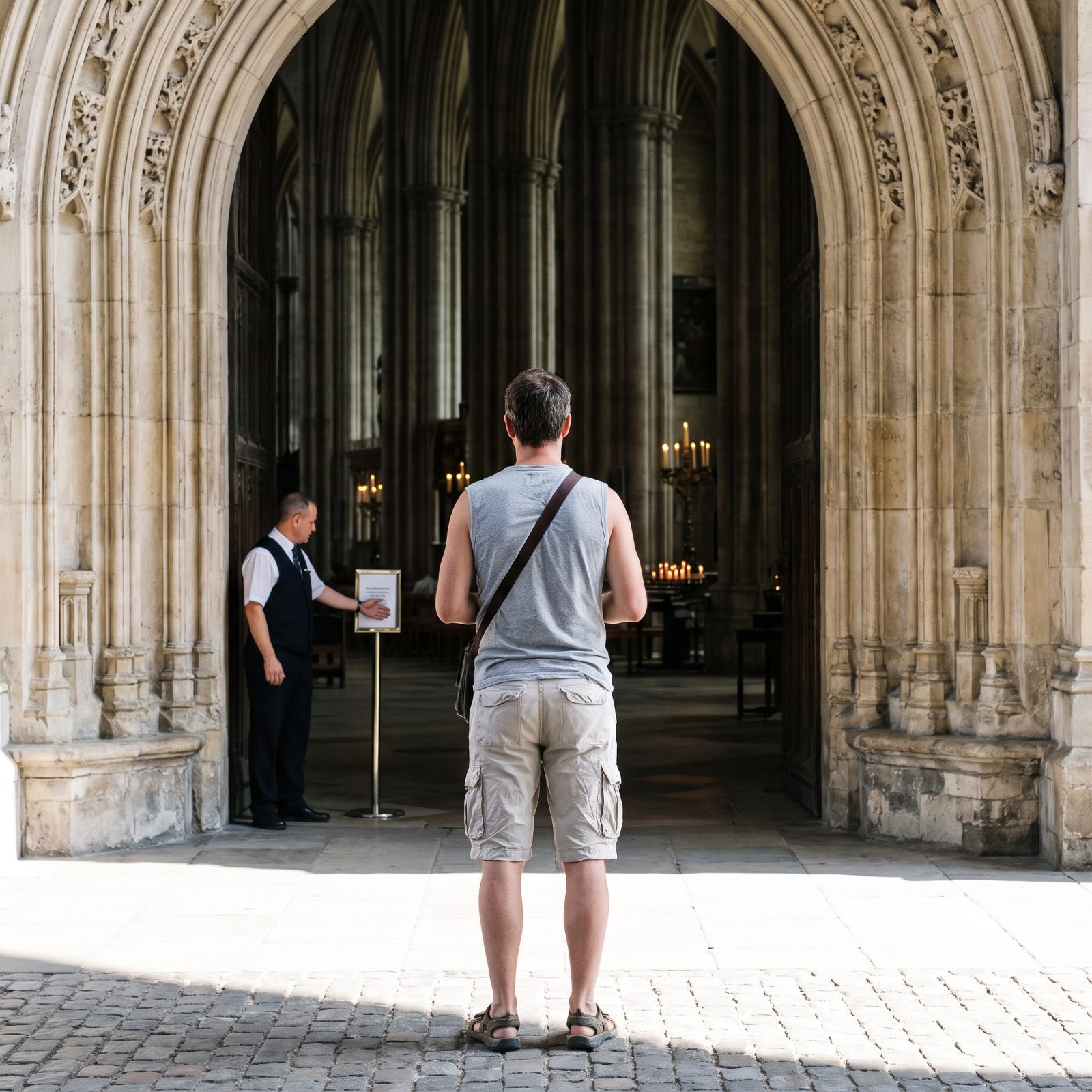
You reach the door of the Duomo, or St. Peter’s, or any working church in a Catholic country, and the guard lifts a hand. Shoulders covered. Knees covered. No exceptions, and the line behind you groans.
These are places of worship, not photo backdrops, and the shorts-and-tank uniform says you forgot that. Experienced travelers keep a light scarf or a packable layer in the day bag for exactly these doorways — two seconds to drape, and it saves you the walk of shame back to the hotel. The real tell? Getting turned away and acting surprised.
13. A Sunburn in the Exact Silhouette of Yesterday’s Tank Top
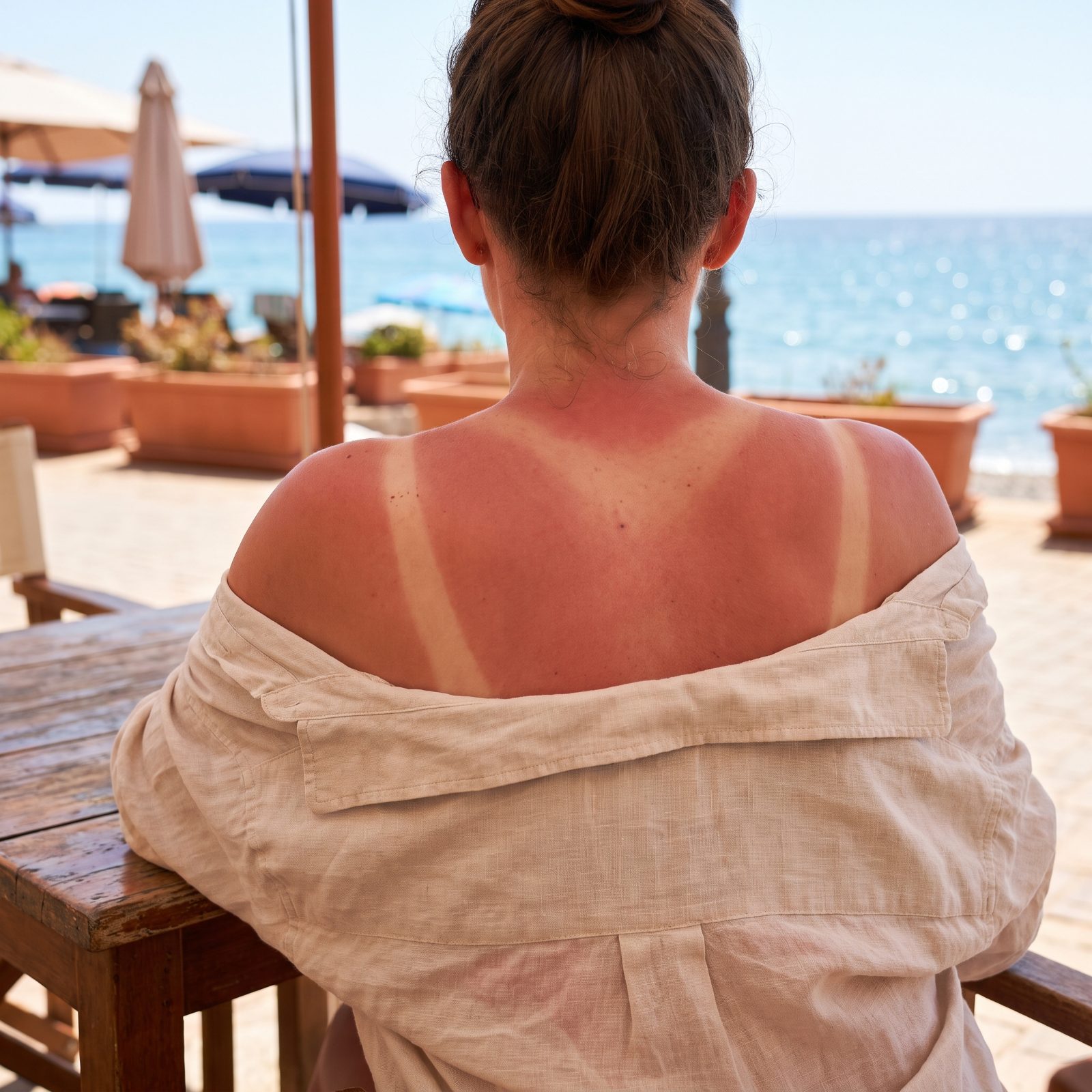
The burn is a map of yesterday. Red arms, red neck, and two pale stripes where the straps sat, printed across the skin like a stencil.
Nothing marks a first-week visitor like the fresh, angry tan line of someone who underestimated a Mediterranean afternoon. Locals aren’t tanning on day one — they live there. Lobster shoulders say you came from somewhere grey and cold and got greedy with the sun the minute you landed. Sunscreen on the first morning, not the third. Your skin keeps the receipt long after the trip ends, and so does everyone who sees it.
12. The Fanny Pack Riding Front-and-Center in a Hushed Gallery
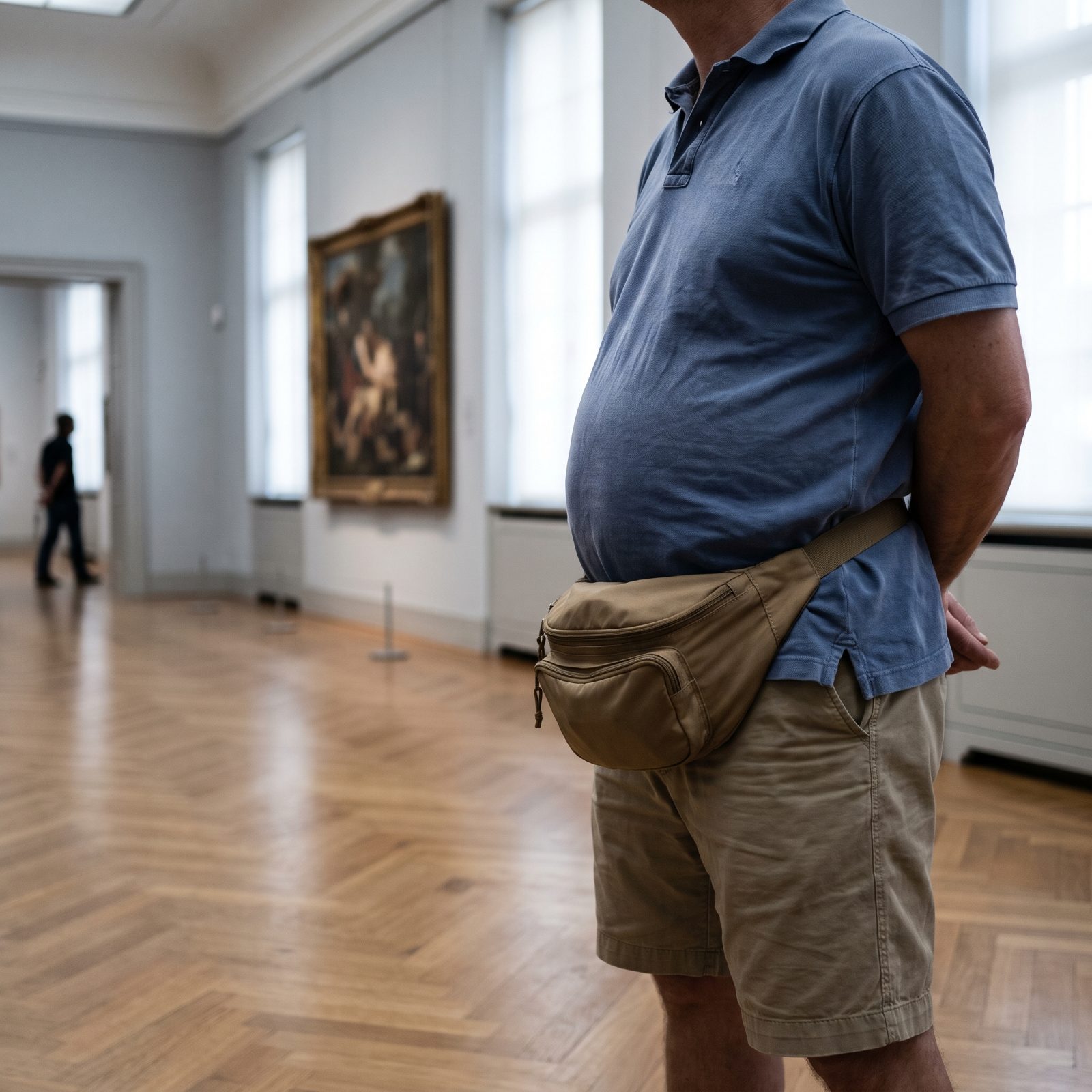
The fanny pack itself is innocent. The placement is the tell. Locals who wear one let it ride on the hip or around the back, out of sight and out of mind, while the giveaway is the pack worn dead center over the stomach, parked out front like a shield even while the hands rest casually behind the back, as if the Rembrandt on the wall might lunge for a wallet.
It signals one thing to anyone watching: this person has been told, repeatedly, to watch for pickpockets, and they have strapped their valuables where everyone can see them. The positioning is louder than the bag.
11. Photographing the Departures Board Like It Belongs in a Museum
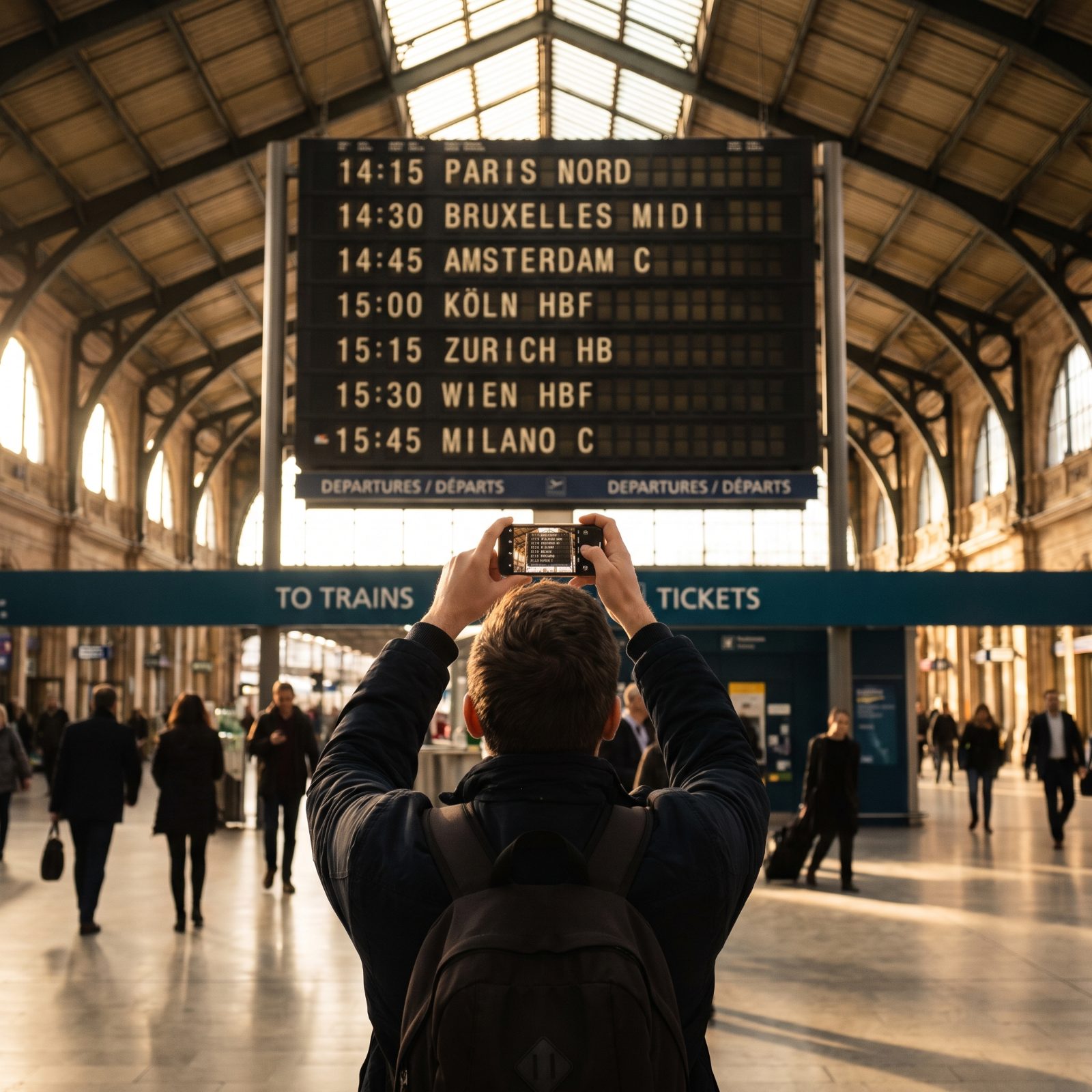
Commuters glance at the board for half a second and keep walking, reading it the way you read a clock. The tourist stops dead, lifts the phone, and takes a photo of the whole thing like it’s a stained-glass window.
There’s a logic to it, honestly. You’re worried you’ll forget the platform, worried you’ll miss the gate, worried the information will vanish before you can act on it. But that frozen pose in the middle of a moving crowd is the most reliable tourist tell in any station on earth. Locals have the schedule in their heads and their feet already moving.
10. Asking the Barista for a ‘Regular Coffee’ in a Country That Has No Such Thing
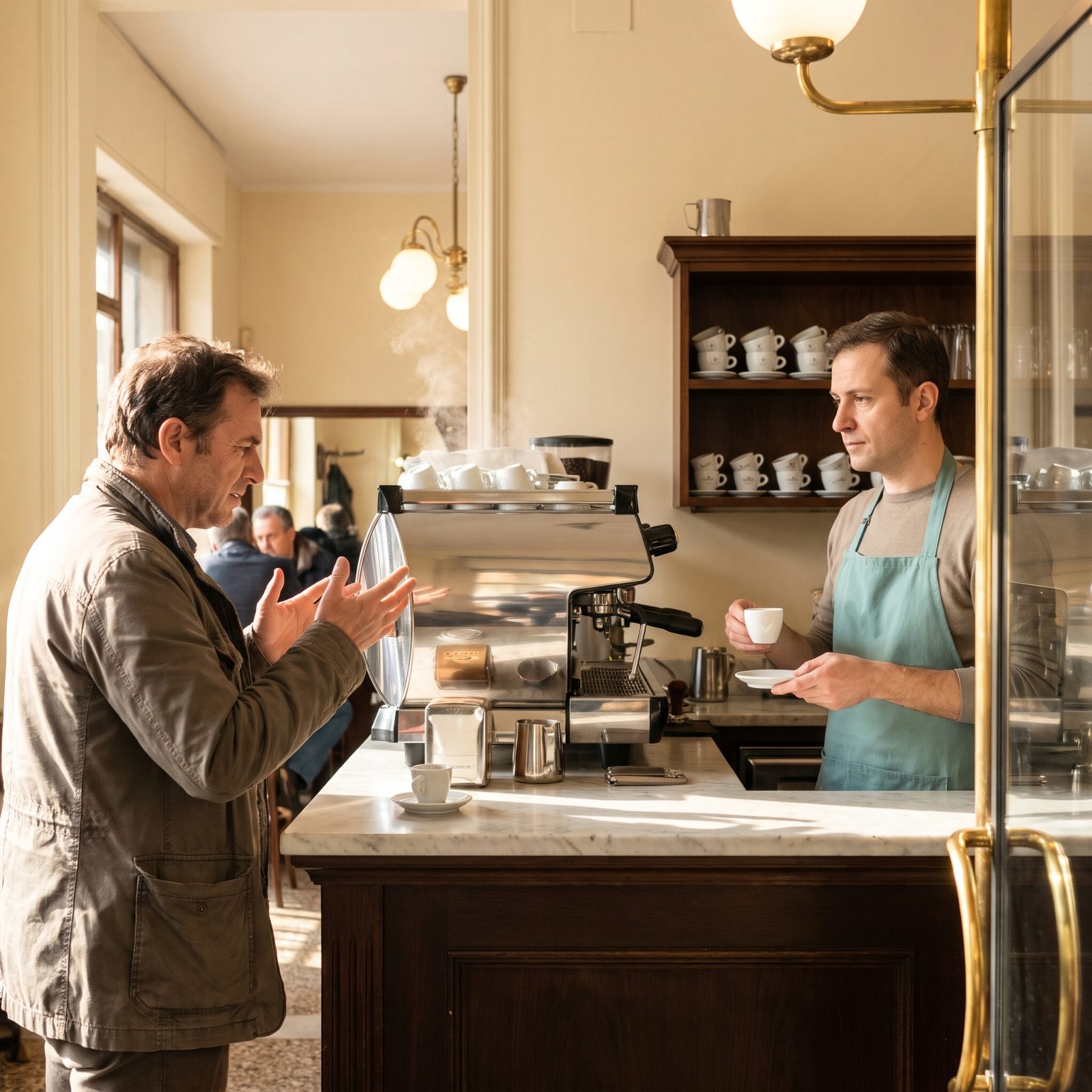
“Just a regular coffee.” Four words that mean nothing in Rome, Vienna, or Istanbul. Regular compared to what? The barista is now running a silent translation: espresso, long black, macchiato, something drowned in milk?
The phrase assumes a default that only exists back home. Every country has its own normal, and asking for yours in theirs marks you on the spot. The fix is almost insultingly simple — learn the one local word for the thing you actually want. A single correct noun erases the tell.
9. Standing in the Wrong Line at the Station With Total Confidence
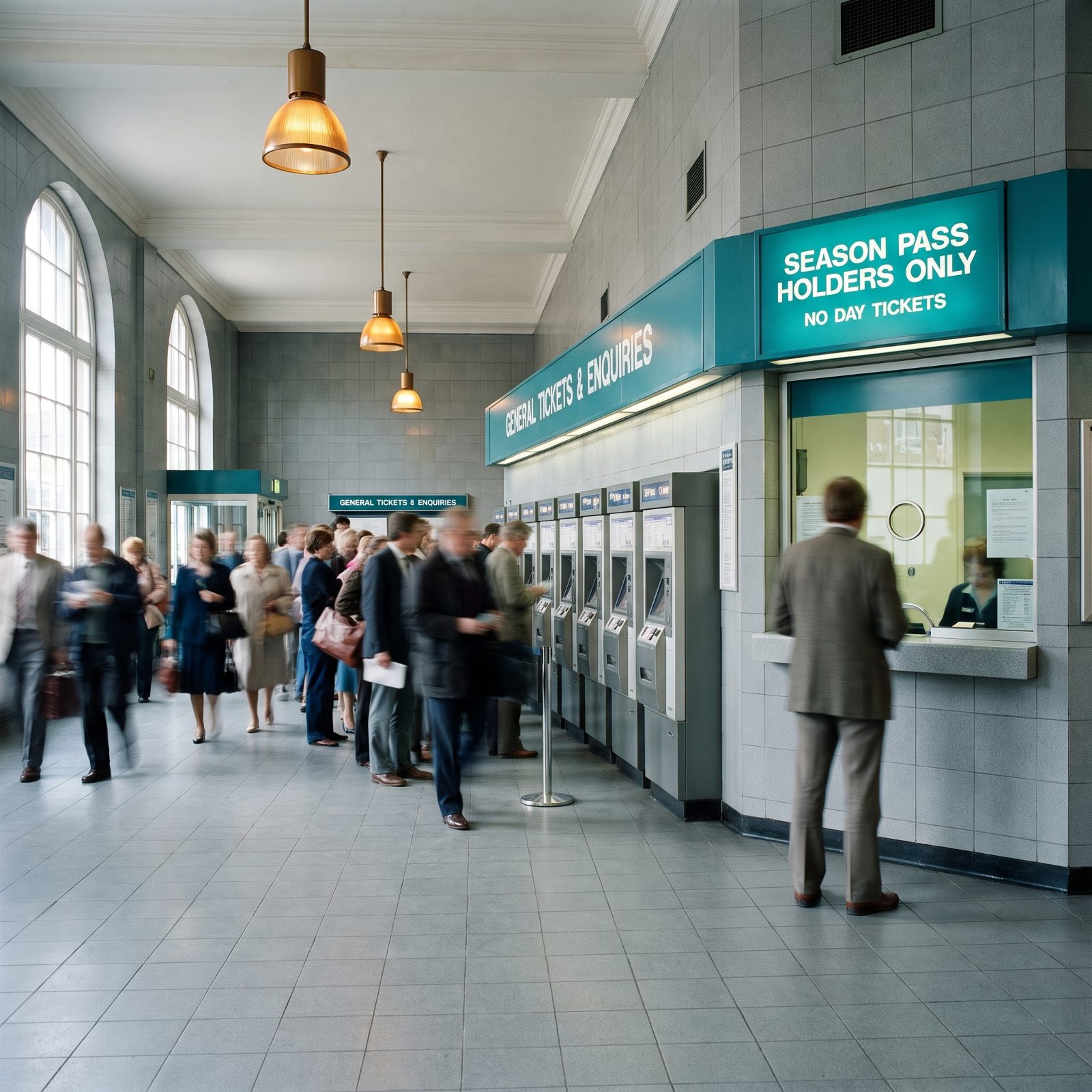
You’ve watched it happen. Someone waits ten patient minutes in a line, reaches the front, and gets waved toward a completely different window while the clerk, who has seen it a thousand times, barely reacts.
The tell isn’t the mistake. It’s the confidence leading up to it. Locals scan the signage fast because they already know what the categories mean. Tourists pick a line by length and hope, because the words on the sign are a foreign-language puzzle they’d rather not solve while a queue breathes down their neck. A quiet, costly gamble.
8. Checking a Chunky Watch and Quietly Spiraling Over the Train Time
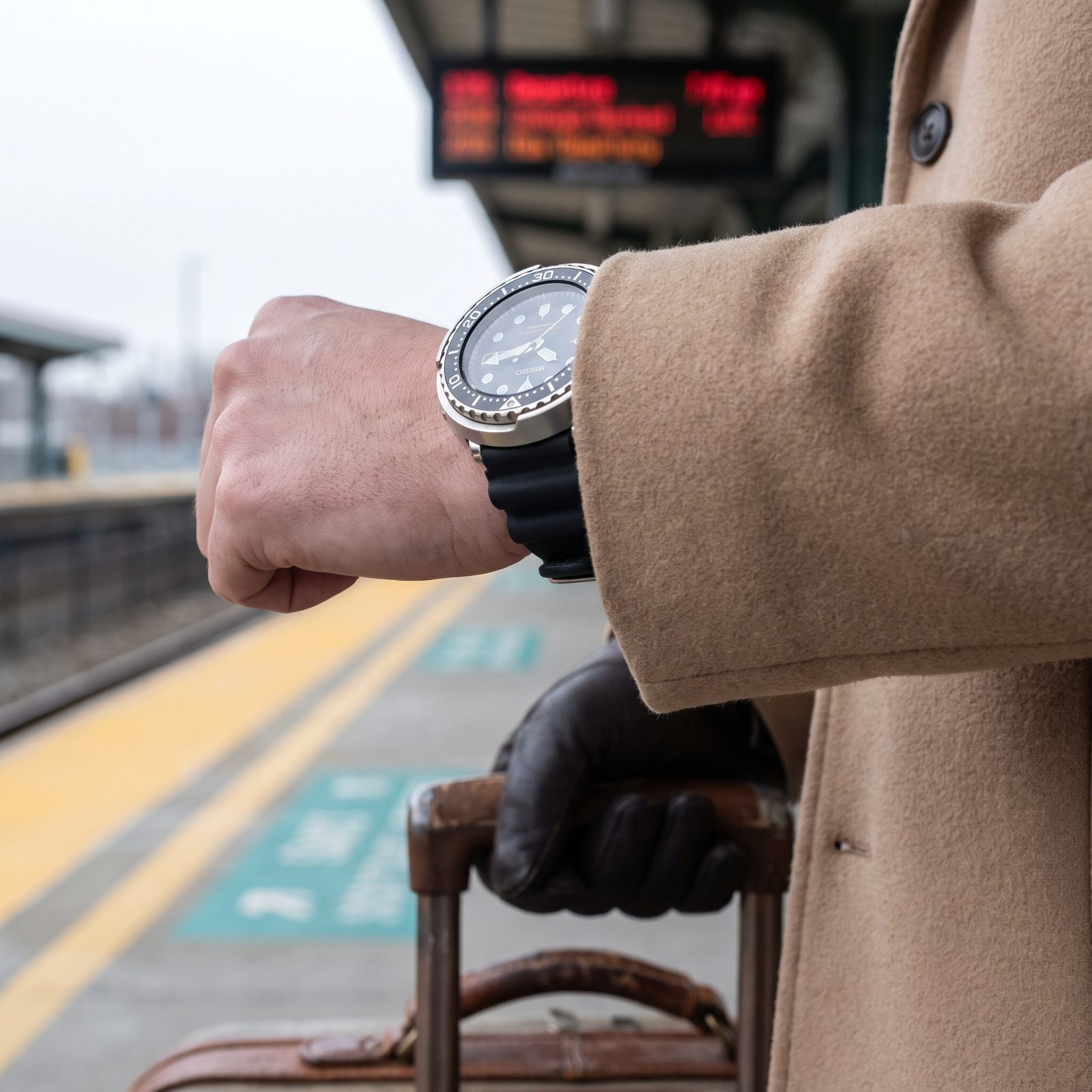
The oversized watch gets checked again. And again. Each glance tightens the shoulders a little more.
Locals know the train runs on a rhythm they’ve internalized, so they wait loose until the moment it matters. The visitor doesn’t have that rhythm yet, so the watch becomes a worry stone. And here’s what nobody mentions: the panic usually has nothing to do with being actually late. It’s the fear of a system you don’t fully understand, projected onto a dial. Locals aren’t calmer because they have more time — they’re calmer because they trust the clock.
7. The Daypack Loaded Like a Summit Attempt for a Two-Hour Stroll
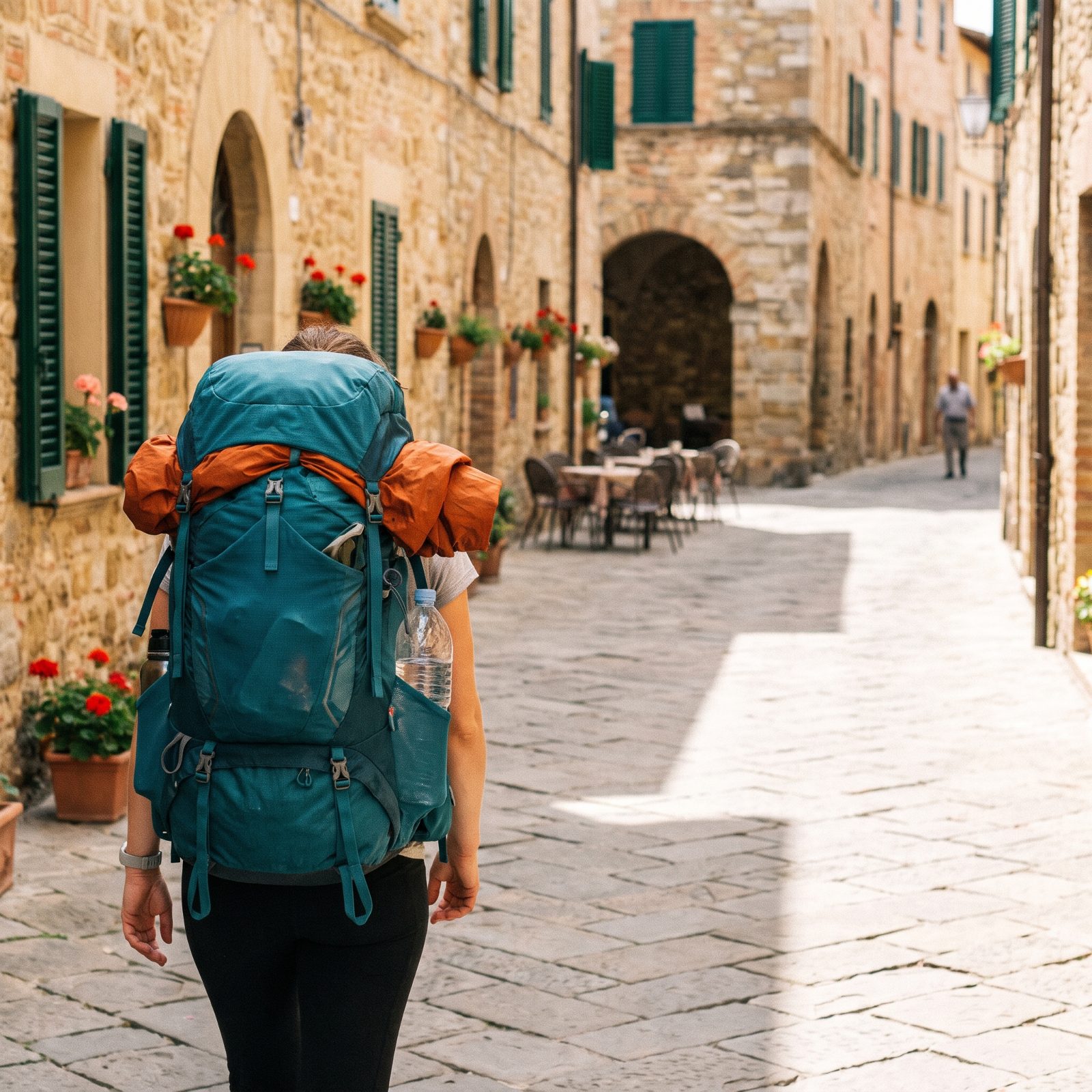
Water for a crossing of the Gobi. A rain shell for weather that was never forecast. Snacks, a power bank, a first aid kit, a spare layer — all for a gentle amble through the old town and back.
The over-packed daypack is the physical form of not knowing how close everything is. When you don’t yet have a feel for the neighborhood, every errand feels like an expedition, so you prepare for one. Locals carry a phone and maybe a tote. The gap between the two loads tells the whole story.
6. Visible Shock at a Portion Size the Locals Consider Completely Normal
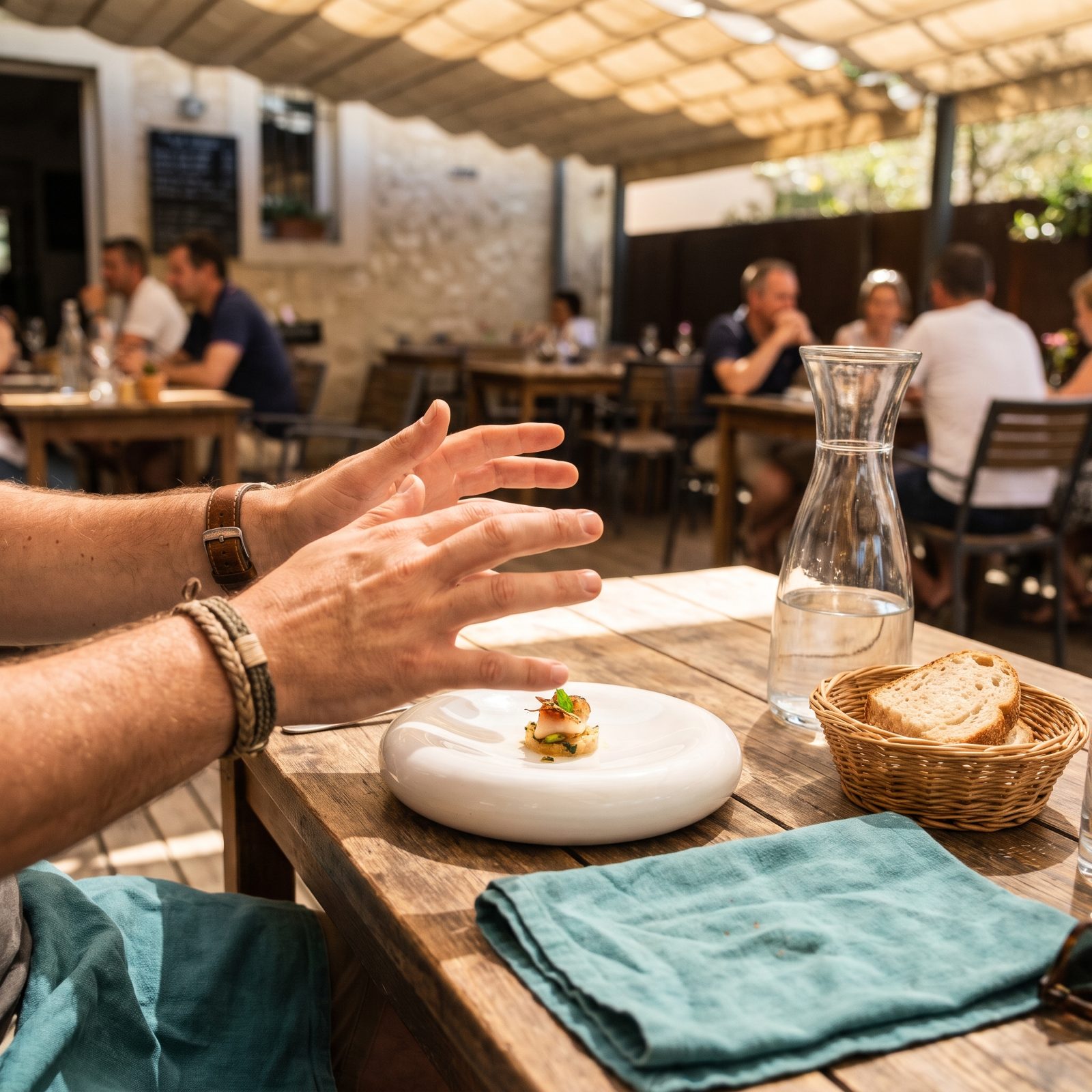
The plate lands and the eyebrows shoot up. Either it’s a mountain of food that could feed three, or it’s a precise little portion that wouldn’t fill a child back home. Either way, the surprise flashes across the whole body before a single bite.
That reaction is a calibration error. You’re measuring the meal against the norm you grew up with instead of the one you’re sitting in. A smaller plate abroad isn’t stingy, and a bigger one isn’t generous — it’s the local baseline, and the visible shock reveals that your internal scale hasn’t adjusted yet.
5. Clutching a Guidebook Open to a Softened, Dog-Eared Page
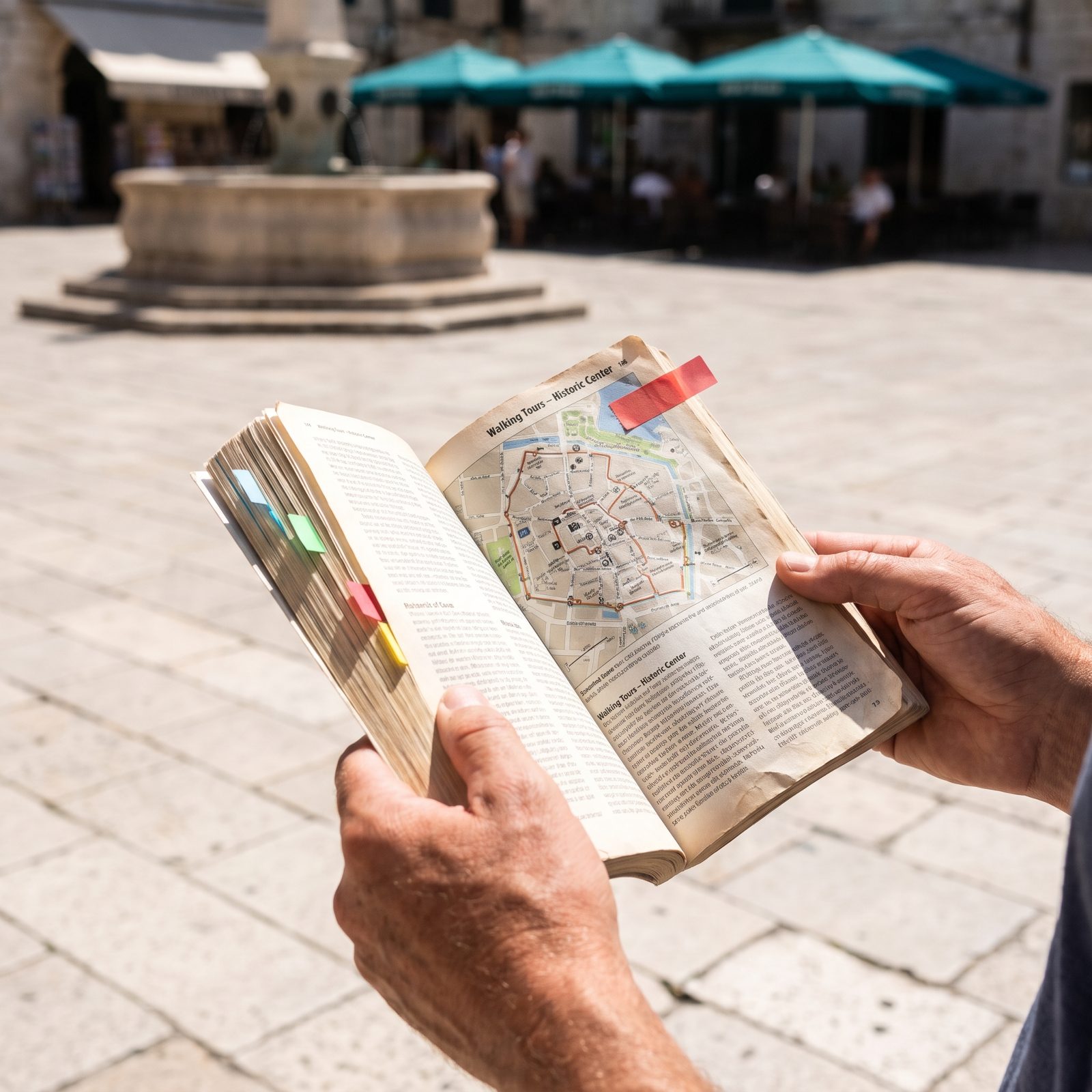
The paper guidebook is almost sweet now, a holdover from before everyone had a map in their pocket. It gives you away the instant you open it in public. The dog-eared page, the colored tabs, the soft crease where you’ve returned a hundred times — all of it says planned this trip for months and I am following the plan.
Nothing wrong with any of that. But a local never consults a book to find the square they’re standing in. Held at reading height in the middle of a plaza, the open guidebook is a flag you can see from across the street.
4. Reaching for Cash at a Counter That Hasn’t Touched a Coin in Years
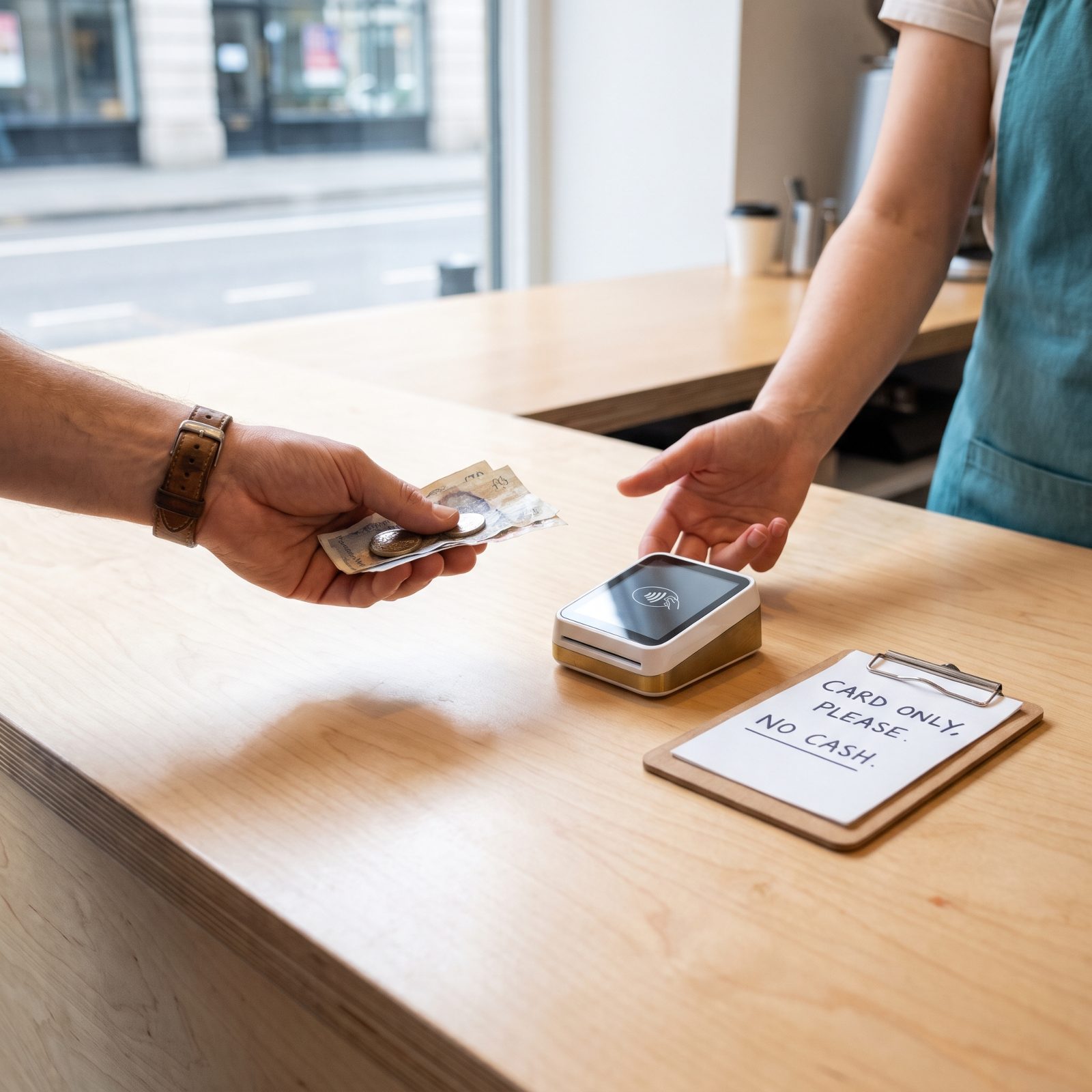
Out comes the fold of banknotes, confidently counted. The staff member points at the card reader with the gentle apology of someone who does this all day long.
Cash habits reveal where you’re from faster than an accent. In Stockholm or Amsterdam, physical money has quietly become a novelty, while in parts of Germany or Japan a card can still earn you a frown. Get it backward in either direction and you’ve marked yourself. The payment stumble is small, but it lands in front of a counter full of witnesses, which is exactly why it stings.
3. Asking for the ‘Nearest Starbucks’ in a Village of Four Hundred People
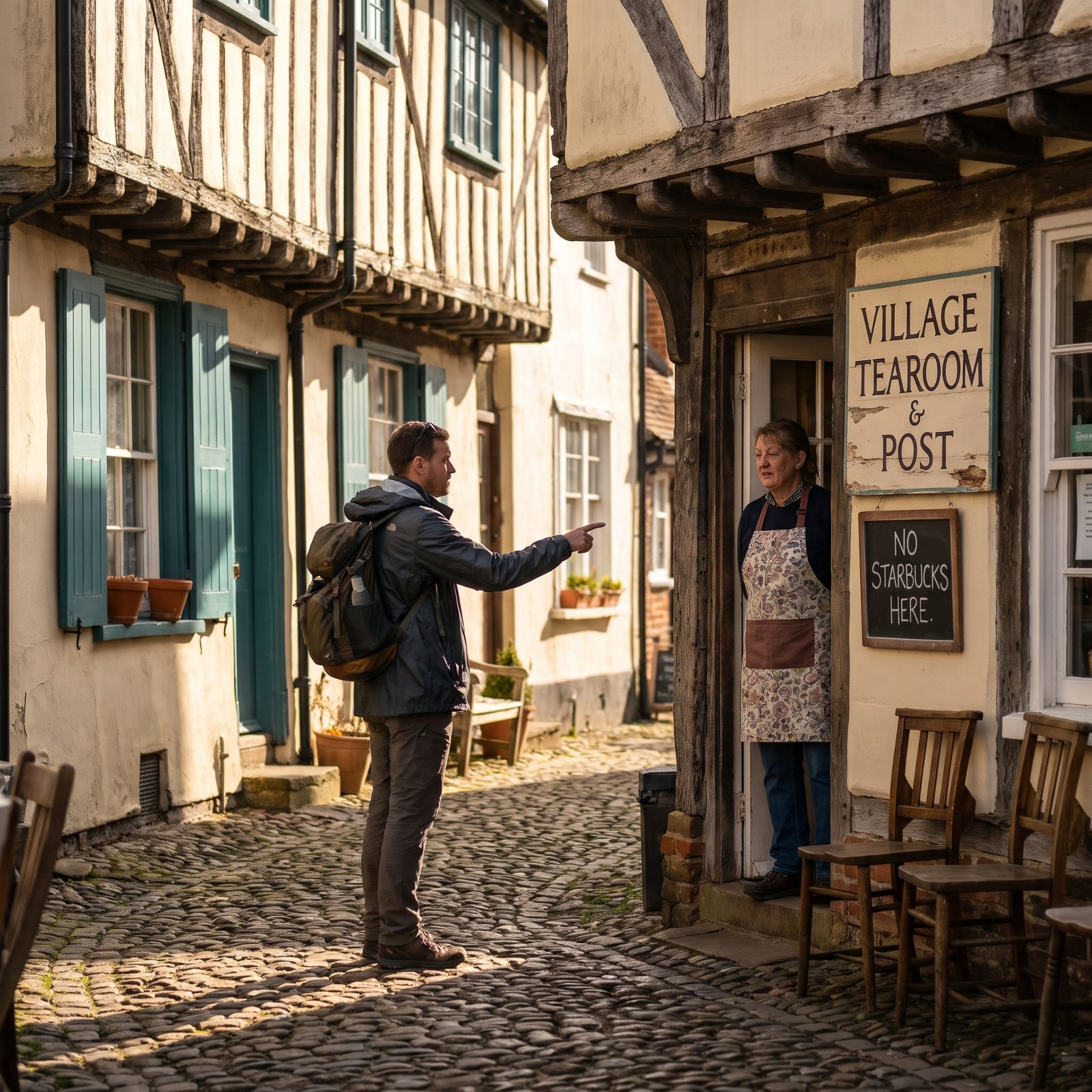
This is the one that makes seasoned travelers wince on your behalf. You’re standing in a village that’s had the same bakery for three generations, and you ask where to find the familiar green logo.
It’s a comfort reflex, really. Away from home, the brain reaches for anything recognizable to steady itself. But asking for the chain in front of the independent cafe that would gladly pour you something better is the loudest tell of all. It says I came all this way and I’d still rather have the thing I could get down the street from my house.
2. Wearing Full Athleisure to a Sit-Down Restaurant
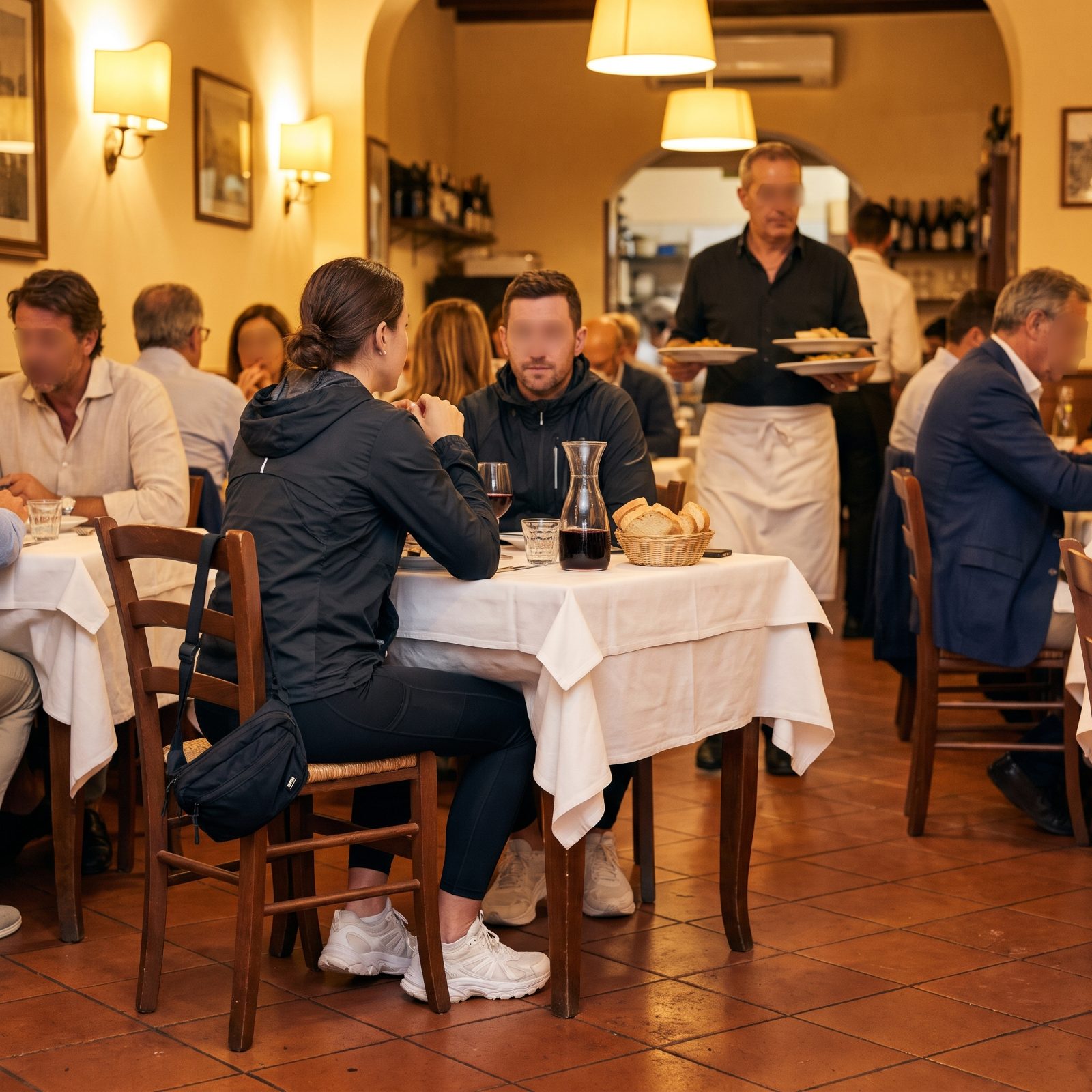
Nothing announces the out-of-towner faster than a running jacket at a candlelit table. In most of Europe, dinner is still an occasion, and people dress a half-step up for it — a linen shirt, a clean sweater, something that says the meal was planned rather than squeezed between two attractions.
Comfortable shoes are fine. But full gym kit, zipped and wicking, reads like you wandered in off a 10K, and locals clock it in a second.
1. Freezing at the Crosswalk, Unsure Which Way the Cars Come From
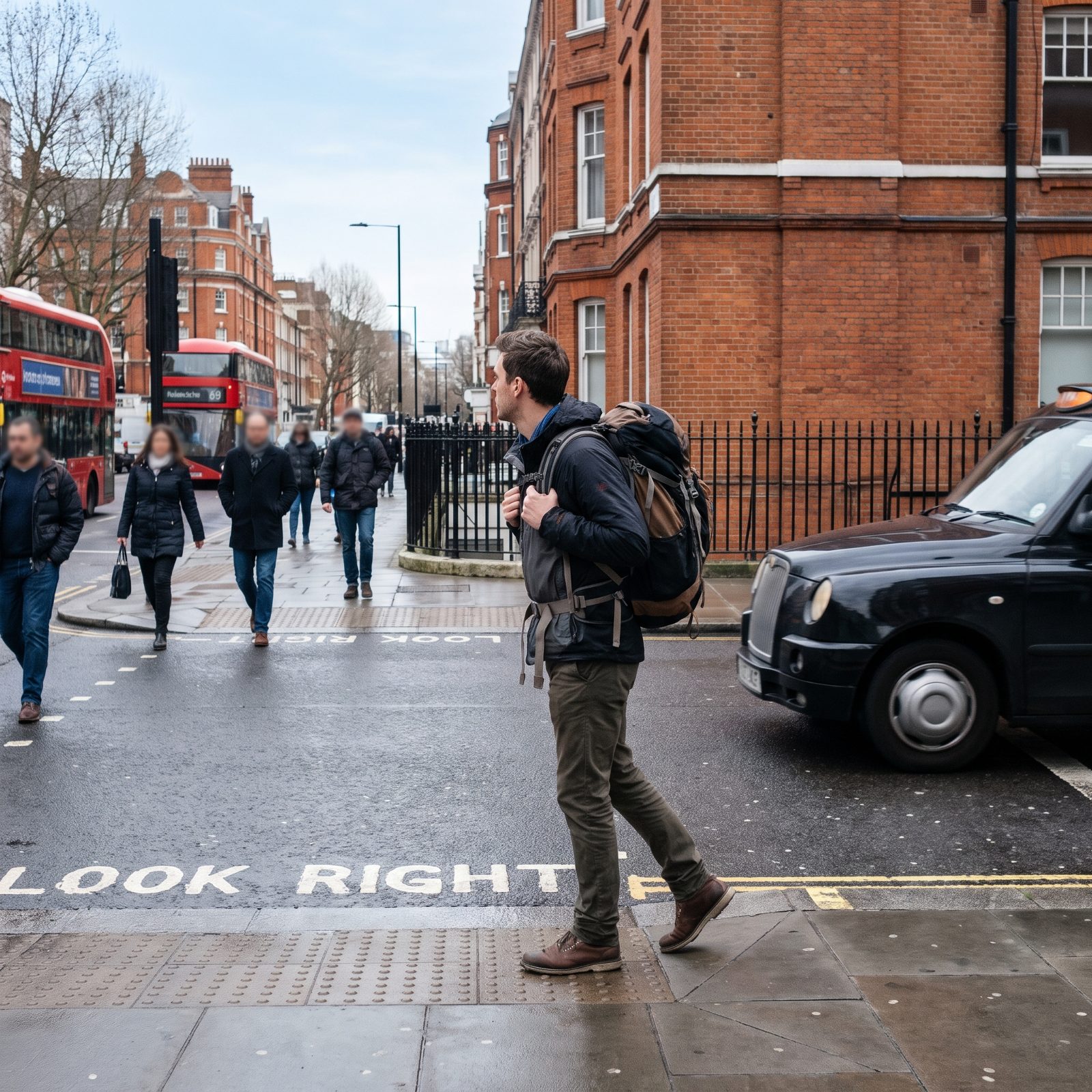
You step off the curb and look left, because that’s thirty years of habit talking. The taxi comes from the right. You yank your foot back, and in that half-second of freeze, everyone around you knows exactly where you’re from.
Drive-on-the-left countries scramble the instinct every traveler carries from home — so thoroughly that London paints LOOK RIGHT on the pavement because so many visitors got it backward.
The fix is dull but reliable. Watch the locals at every crossing, not the traffic. They’ve had the reflex since they could walk, so step when they step.
Please note that some of the imagery in this article were created with the aid of AI image generators.