

The knee goes first, then the hip, then the patience for 14-hour flights and bunk-bed hostels at altitude. Some trips you can push to next year forever and they’ll still be waiting. These are not those trips. A few are physical, and your body has a shelf life whether you admit it or not. Others are environmental — the thing you want to see is quietly disappearing while you answer email. The rest just cost more every single year. The list below rewards the person who quits saying someday and books the thing.
27. Climbing to Machu Picchu While Your Knees Still Forgive You
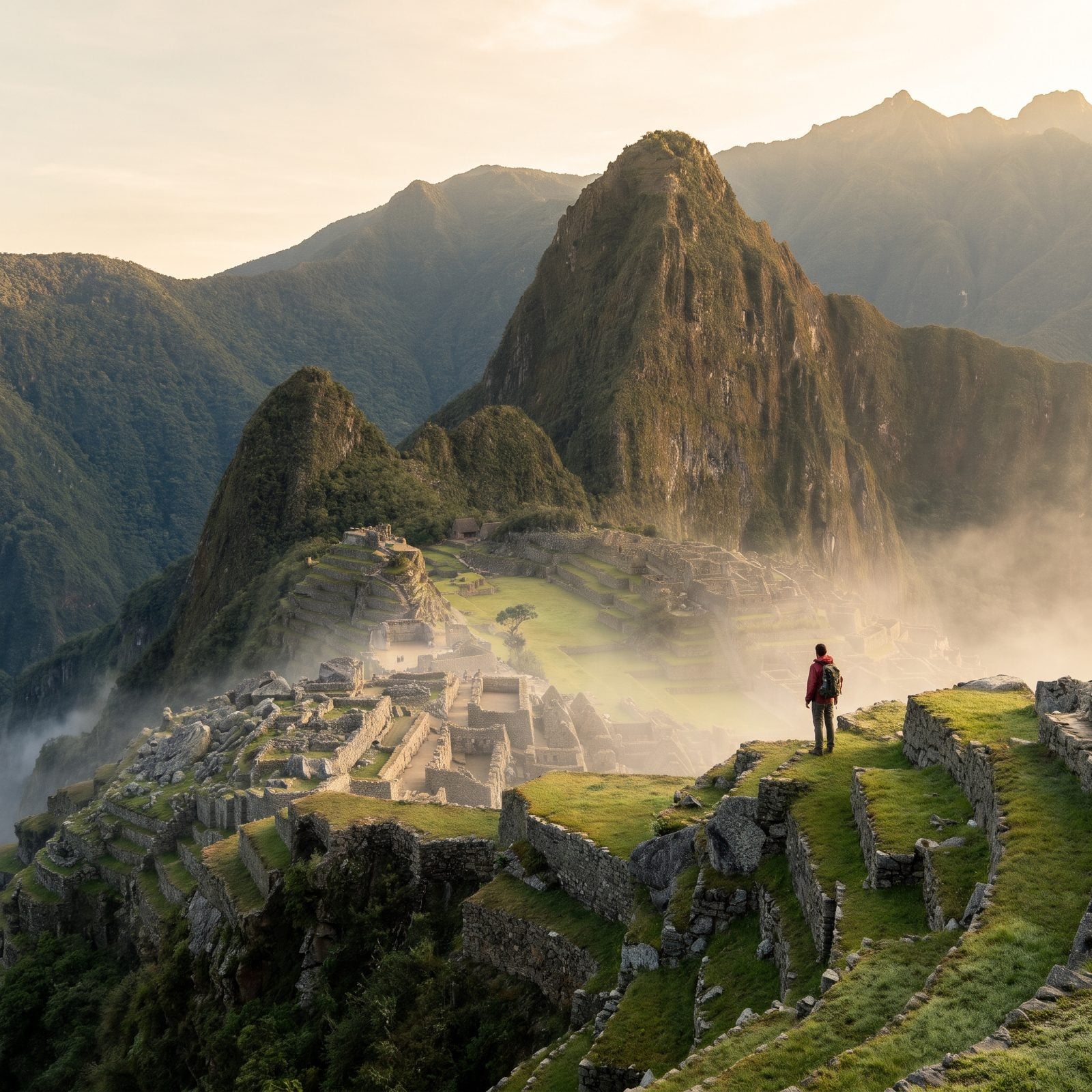
The classic Inca Trail is four days and 26 miles, with one pass at nearly 14,000 feet called Dead Woman’s Pass. The name is a warning, not a joke. The stone steps the Inca built run steep and uneven, and they’re unforgiving to a knee that already clicks going down your own staircase.
You can take the train instead, and plenty of people do with no shame. But the ones who walked it never stop talking about the moment they came through the Sun Gate at dawn — a moment no train seat will sell you.
Permits sell out months ahead. Book the trail version while your legs still vote yes.
26. Catching the Northern Lights Before the Quiet Years Steal Your Window
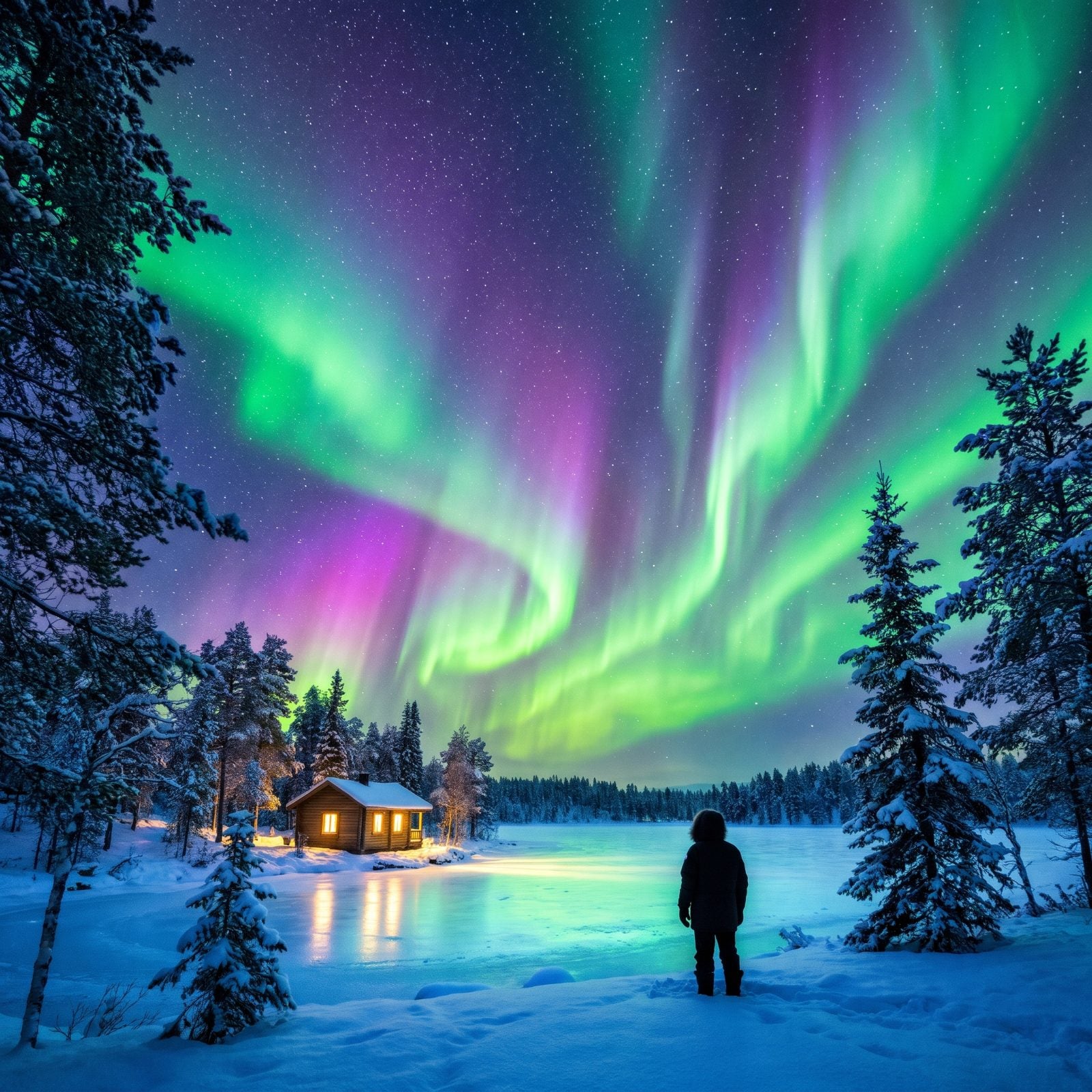
Nobody can promise you the lights. That’s the catch. Even in peak season in Tromsø or Fairbanks, you might get five straight nights of nothing but cloud cover and gift-shop disappointment.
Which is exactly why waiting is the gamble people lose. The aurora rides a solar cycle that peaks roughly once a decade, and the strong years come and go. The window where your money, your mobility, and a solar maximum all line up is narrower than you’d like to believe.
Give yourself a week, not a weekend. One night is a coin flip. Five nights is a real shot.
25. Trekking to Everest Base Camp Before the Altitude Wins
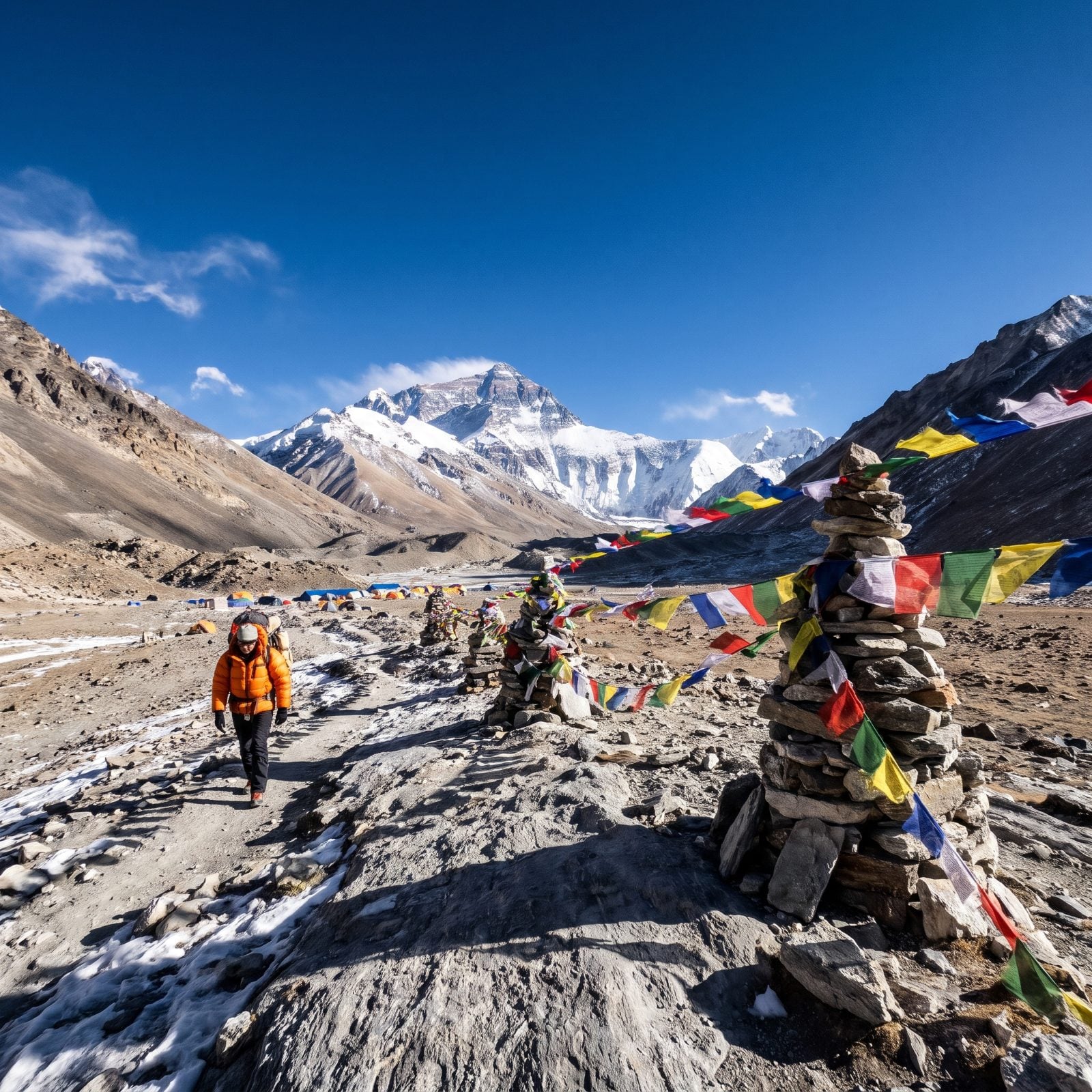
This is a two-week trek that tops out around 17,000 feet, where the air holds roughly half the oxygen you breathe at sea level. Base Camp is the prize, but the real work is the slow climb up the Khumbu valley, past Sherpa villages and high Himalayan peaks, while your body rebuilds itself to survive the thin air.
Age is not the dealbreaker here. People in their 60s and 70s do it every season. What the years erode is recovery speed and the lung capacity you need to climb all day, then sleep at altitude.
Walking there is the easy part. Staying well at that height is not. That’s the point and the difficulty in one sentence.
24. Diving the Great Barrier Reef Before More of the Color Drains Out
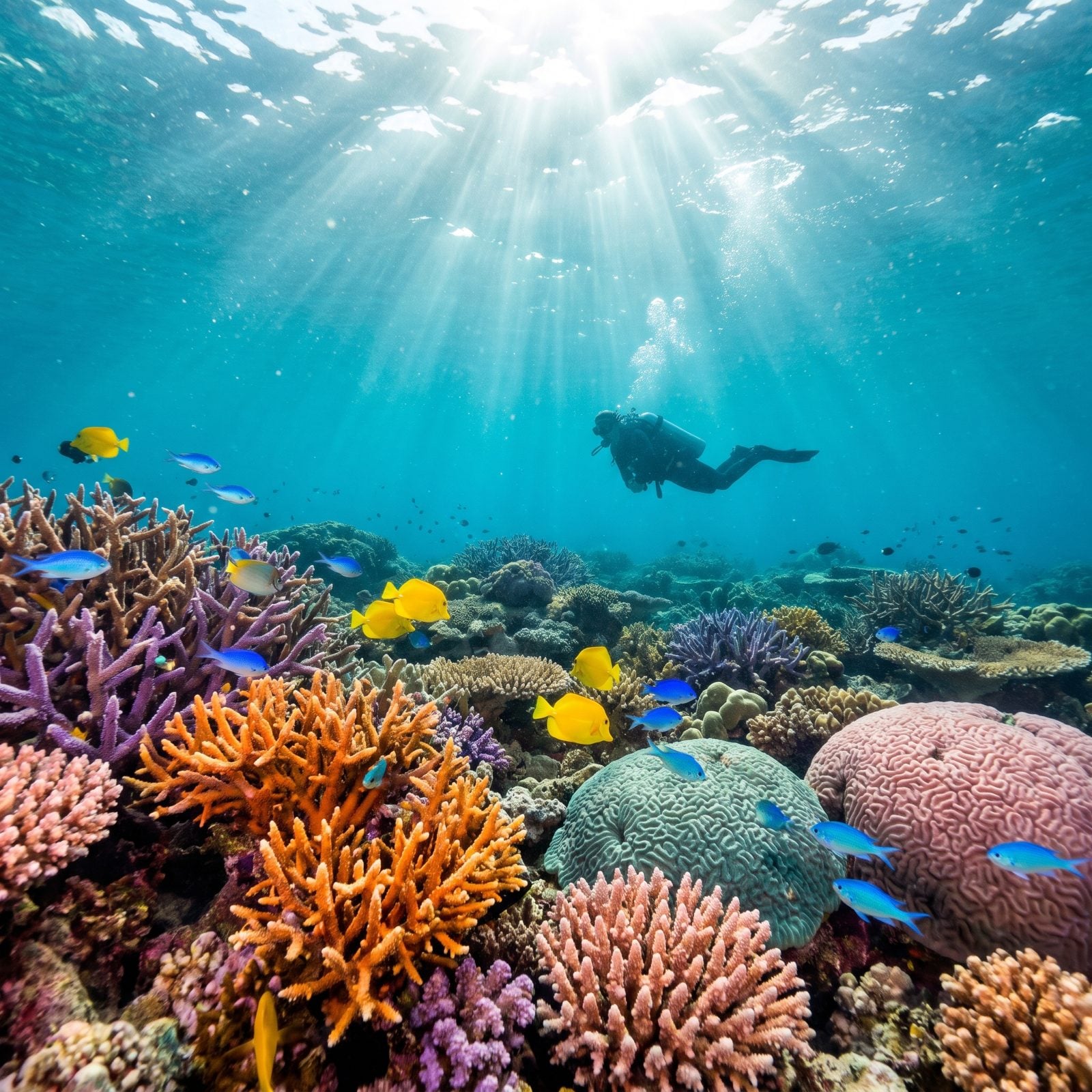
The reef runs 1,400 miles long and still blazes with color in the right spots. But it has suffered repeated mass bleaching since 2016, and the healthy stretches aren’t as easy to reach as they once were.
Nobody serious thinks the whole thing is dead. That’s lazy talk. The honest version is harder: it’s thinner, patchier, more dependent on which reef your boat picks. The experience you imagine still exists. Finding it just takes more homework than it did a decade ago.
23. Swimming With Wild Dolphins in Open Water, No Tank, No Dock
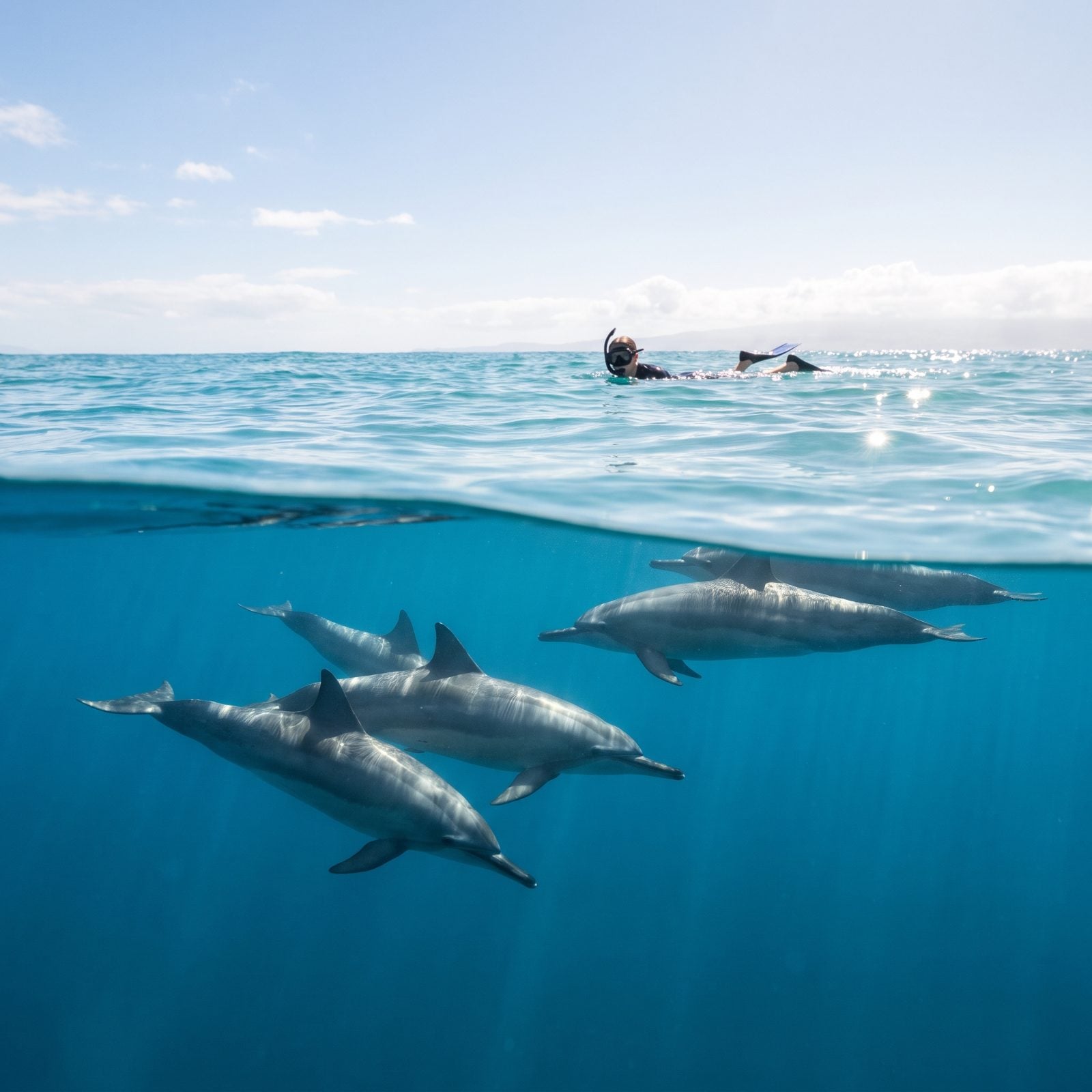
Forget the swim-with-dolphins pools where the animals do tricks for fish. This is the real thing — open ocean, wild pods, in places like the Azores, Hawaii’s Big Island, or New Zealand’s Bay of Islands, where you snorkel on their terms and they leave when they’re bored of you.
Some days you float for an hour and see nothing. That uncertainty is the whole deal. These are not performers on a schedule.
And the rules are tightening everywhere, rightly so. Hawaii has already restricted swimming near spinner dolphins. The window to legally do this in some spots is closing, not opening.
22. A Multi-Day Safari Across the Serengeti, Dust and All
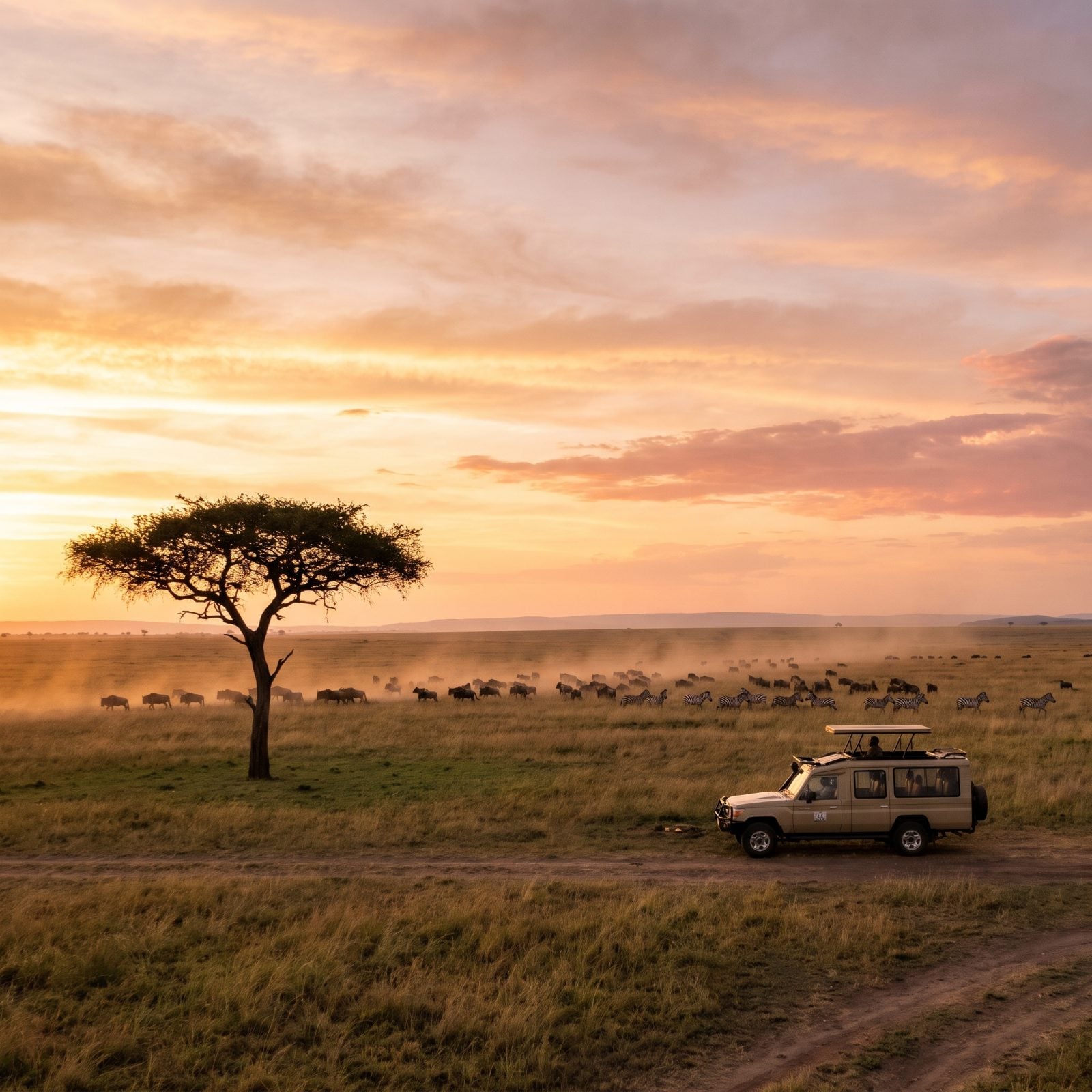
A proper safari starts early. Dawn game drives mean 5:30 wake-ups in the cold, hours bouncing on rough tracks, long stretches of nothing punctuated by a lion forty feet from your open window. Worth every jarring mile — though your back has opinions about that truck seat, and those opinions get louder with every passing year.
The Great Migration runs on a seasonal rhythm: river crossings, calving season, the predators that trail behind. Timing it right means planning a year out. Last-minute this is not, and the good camps book up fast.
21. Walking the Full Camino de Santiago on Your Own Two Feet
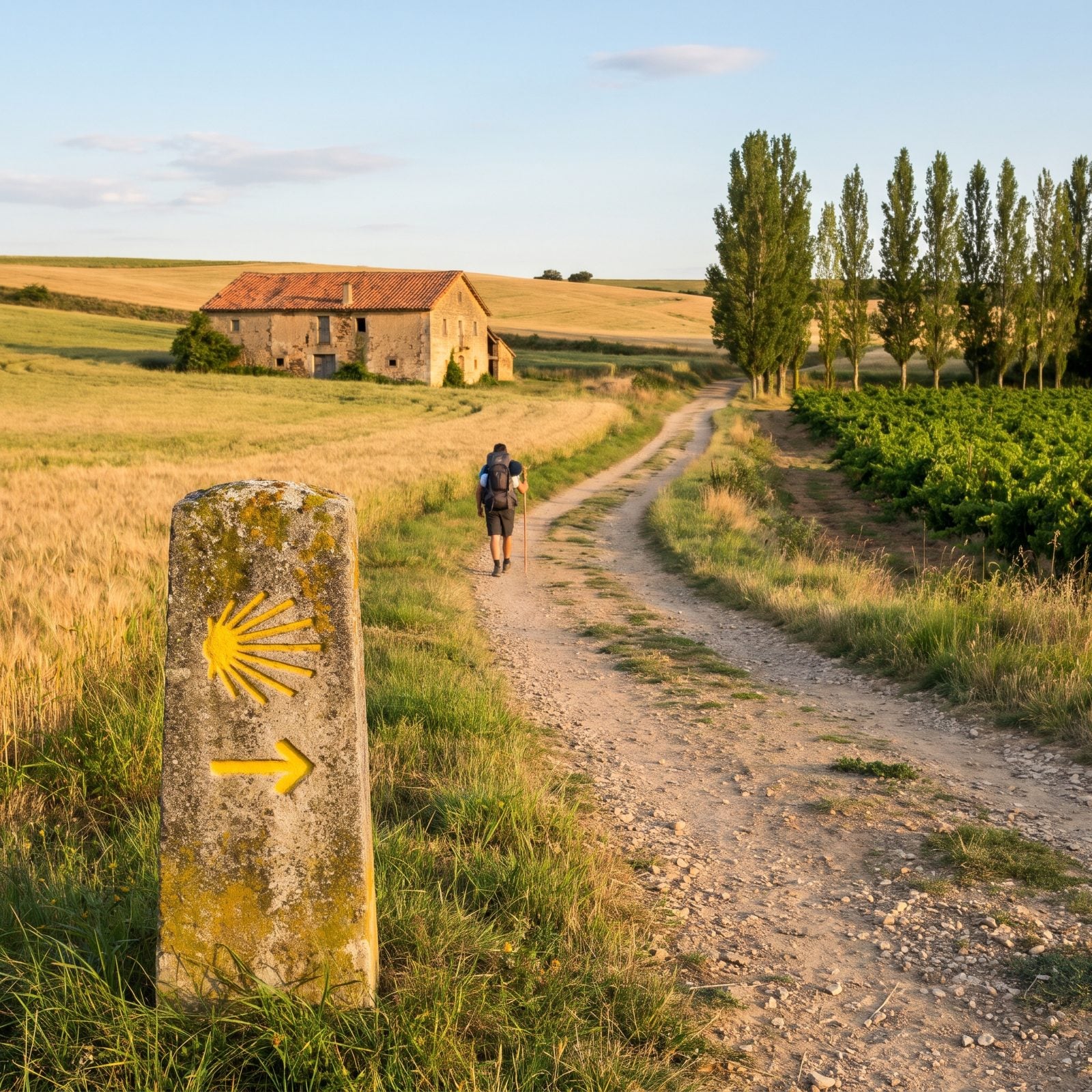
The Camino Francés runs about 500 miles from the French Pyrenees to Santiago de Compostela. Most people give it four to five weeks. That’s not a vacation length. That’s a chunk of your life you have to clear, and clearing it only gets harder as careers peak and families expand.
Here’s the honest part. You can walk the final 100 kilometers and still earn your certificate at the cathedral. Many do, and it counts. But end to end is a different animal — a slow erosion of your old self across the north of Spain.
The feet blister either way. The time is what you have to protect.
20. Gorilla Trekking Through the Mountain Mist of Rwanda or Uganda
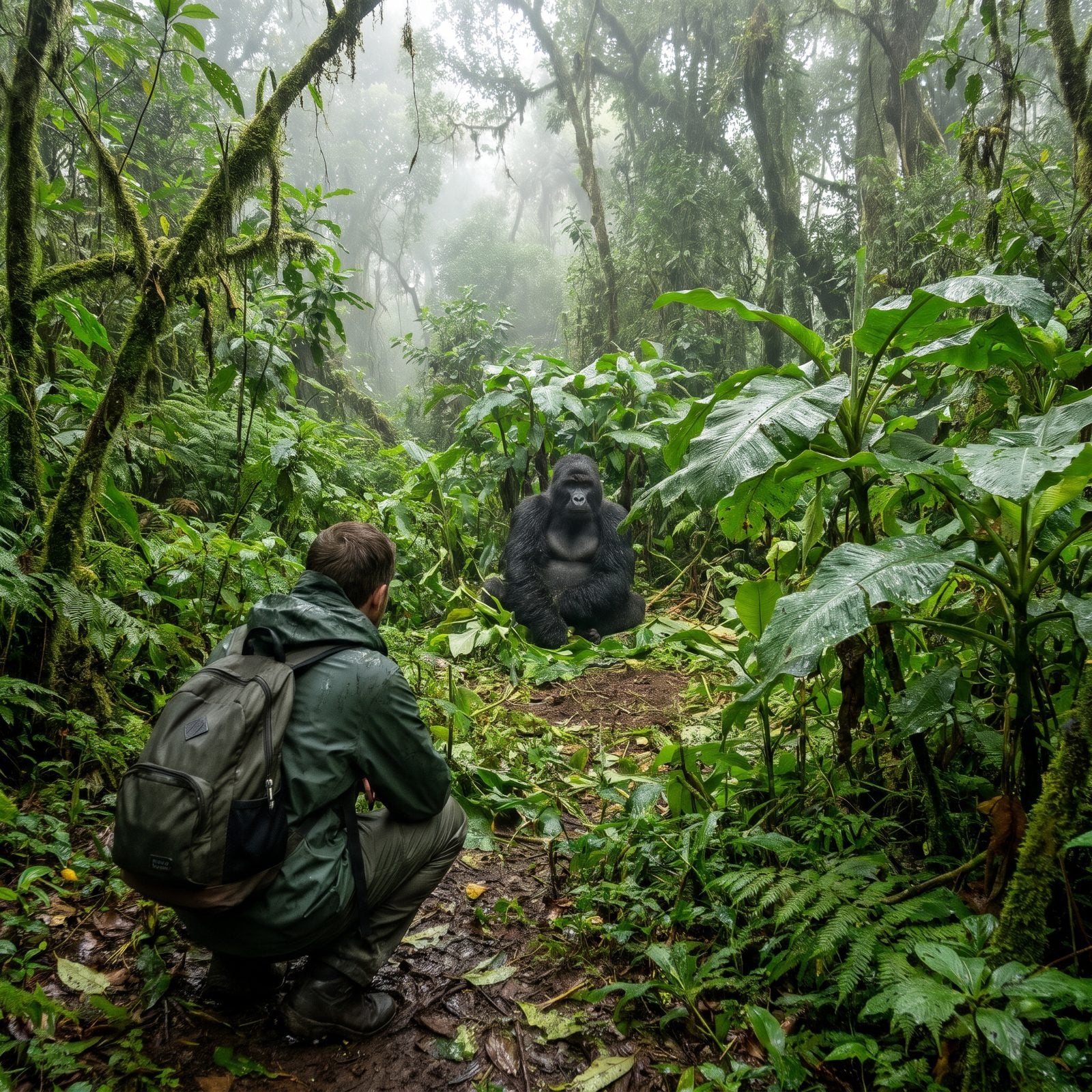
A gorilla permit runs $1,500 in Rwanda and $800 in Uganda. That buys you one hour with a habituated family, after a steep, muddy, humid hike that can run anywhere from one to six hours through dense forest.
And the price only climbs. Both countries use permits to fund conservation and cap daily numbers, which is great for the gorillas and brutal on your budget. Fewer than 1,100 mountain gorillas remain on Earth. You’re paying for genuine scarcity, not a markup.
That one hour is the closest most people will ever stand to a wild animal that shares almost all your DNA.
19. Sailing to Antarctica to Stand Among the Penguins
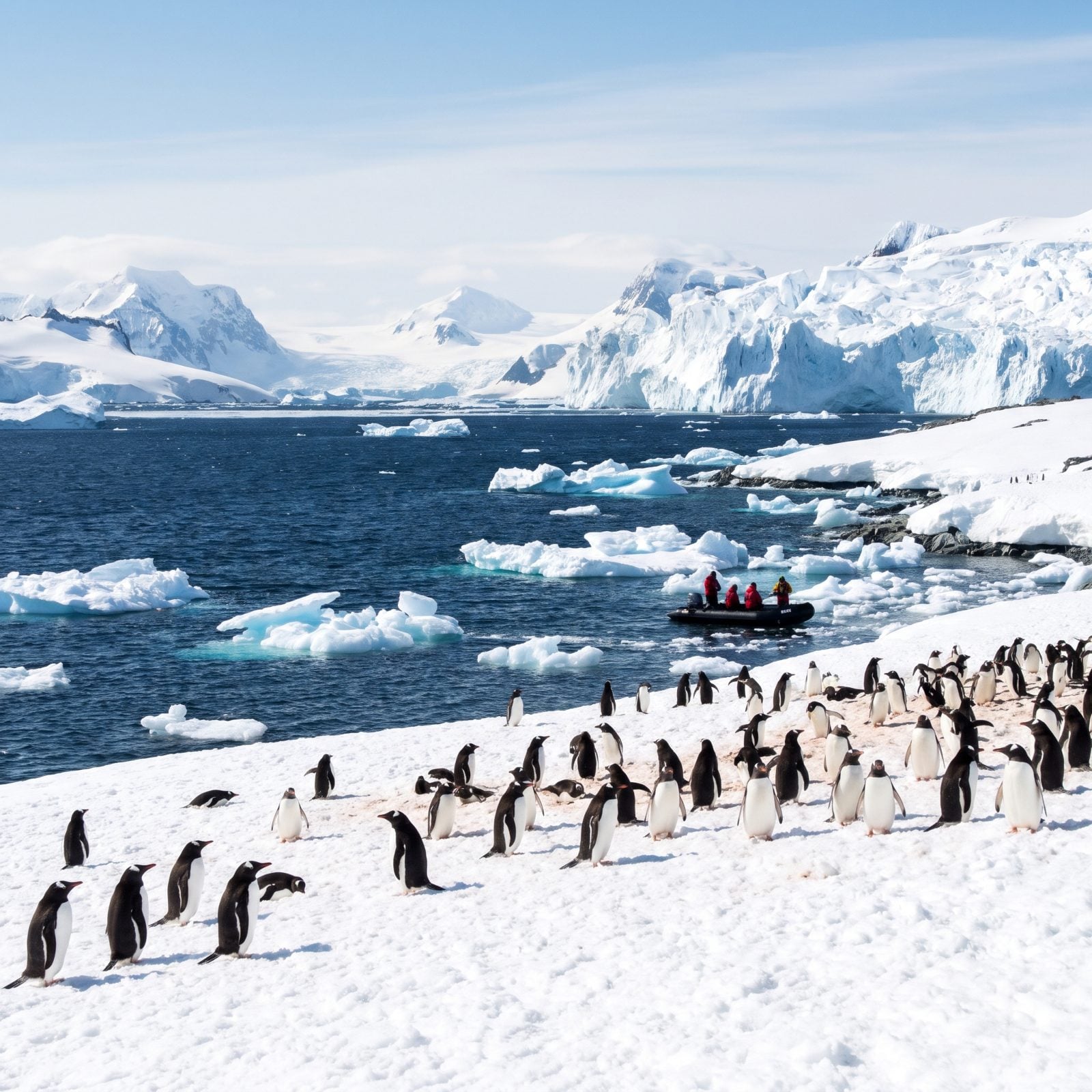
You earn Antarctica by surviving the Drake Passage first. Two days across the roughest water on the planet, where the ship pitches enough to send plates flying and seasickness patches become a kind of religion. Then the wind drops, the icebergs appear, and you walk ashore into a penguin colony that has never learned to fear you.
The continent has no permanent residents, no infrastructure, no do-over flight if you miss the season.
Expedition cruises run only in the austral summer, November through March. The ships stay small by regulation, berths are limited, and prices start high and keep climbing. People put this one off longest and regret the waiting most.
18. Island-Hopping the Galápagos Before the Permits Shrink Further
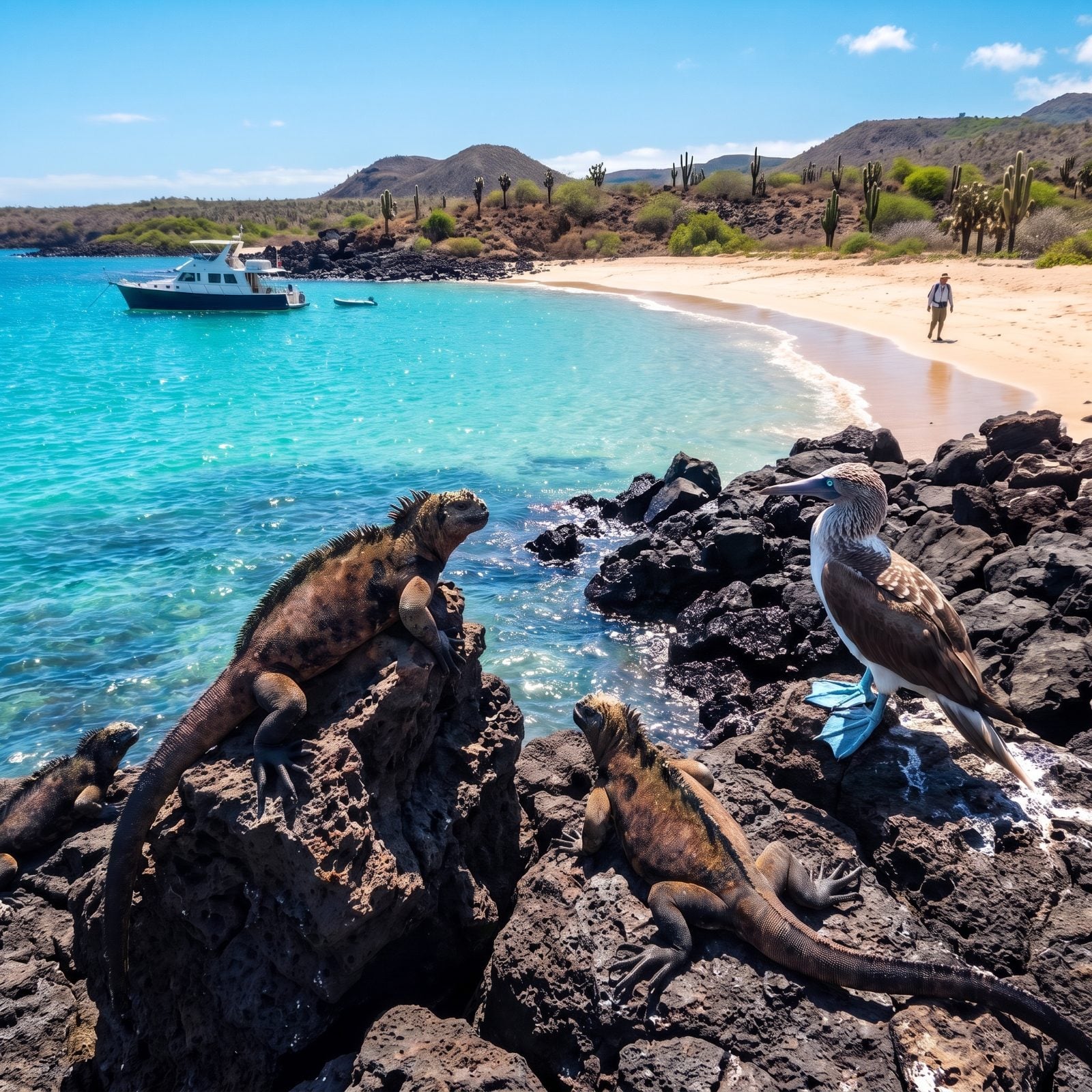
The animals here don’t run from you. Sea lions nap on benches, iguanas ignore your feet, blue-footed boobies dance three steps away. Nowhere else on Earth lets you get this close to wildlife this indifferent to humans.
Ecuador keeps tightening the rules, and good for them. Visitor numbers are capped, more sites now require a licensed guide, and the national park entry fee jumped to $200 in 2024 — double what it had been.
Everything points one direction: more restrictions, fewer permits, higher costs. The freedom to roam these islands is quietly narrowing, and it won’t widen again.
17. Reaching the Summit of Mount Kilimanjaro
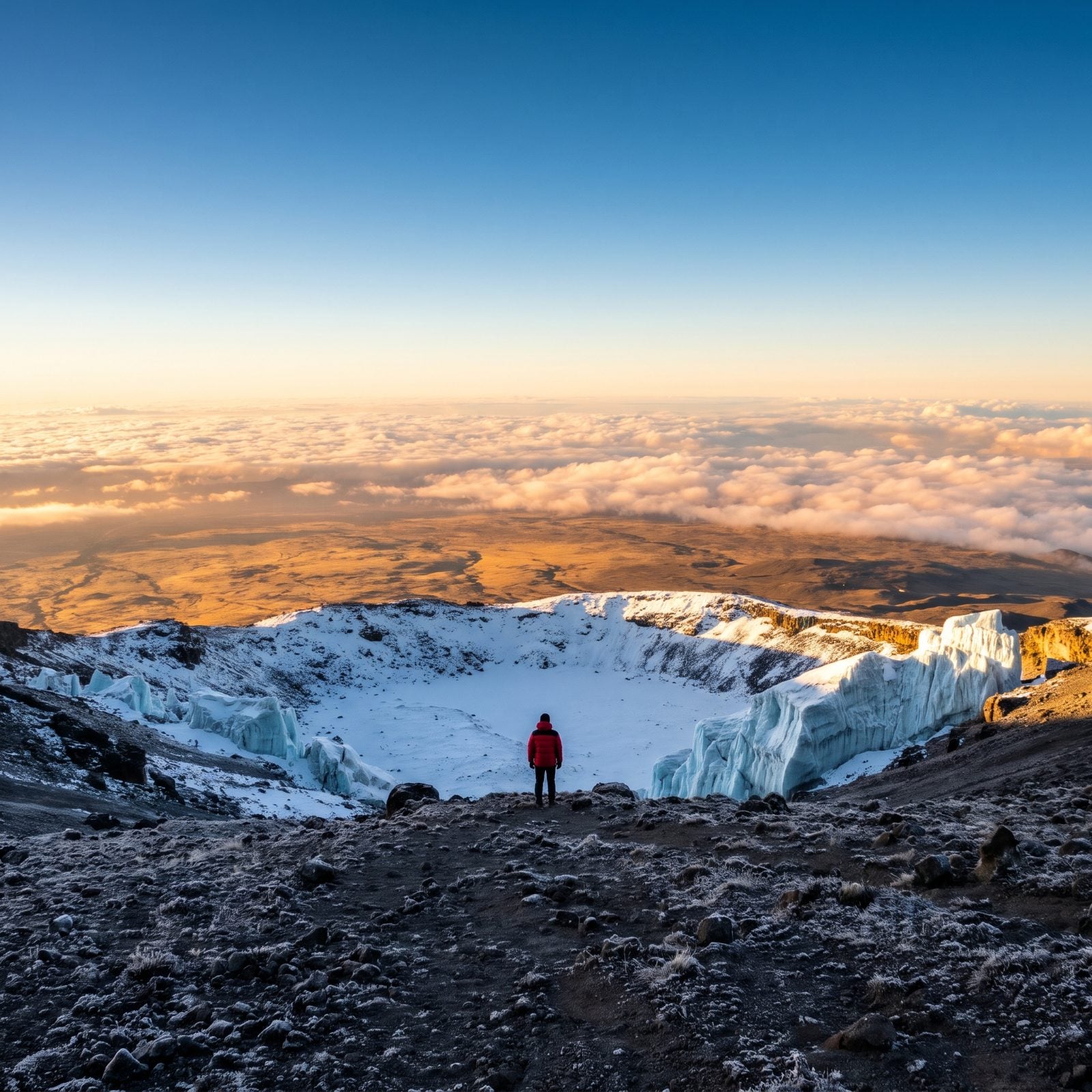
Kilimanjaro is a walk, not a climb. No ropes, no technical skill — which is exactly what fools people into waiting. The thing that stops you isn’t the terrain. It’s the altitude, and altitude punishes aging lungs harder every year.
The final push to Uhuru Peak starts around midnight and gains thousands of feet before dawn, so your heart is working at sea-level panic while your body sits at 19,000 feet. Fit sixty-year-olds turn back. Unfit thirty-year-olds make it. What separates them is how well the body adapts to thin air, and that ability quietly drops with each passing decade.
16. A Cross-Country Road Trip With Nowhere to Be
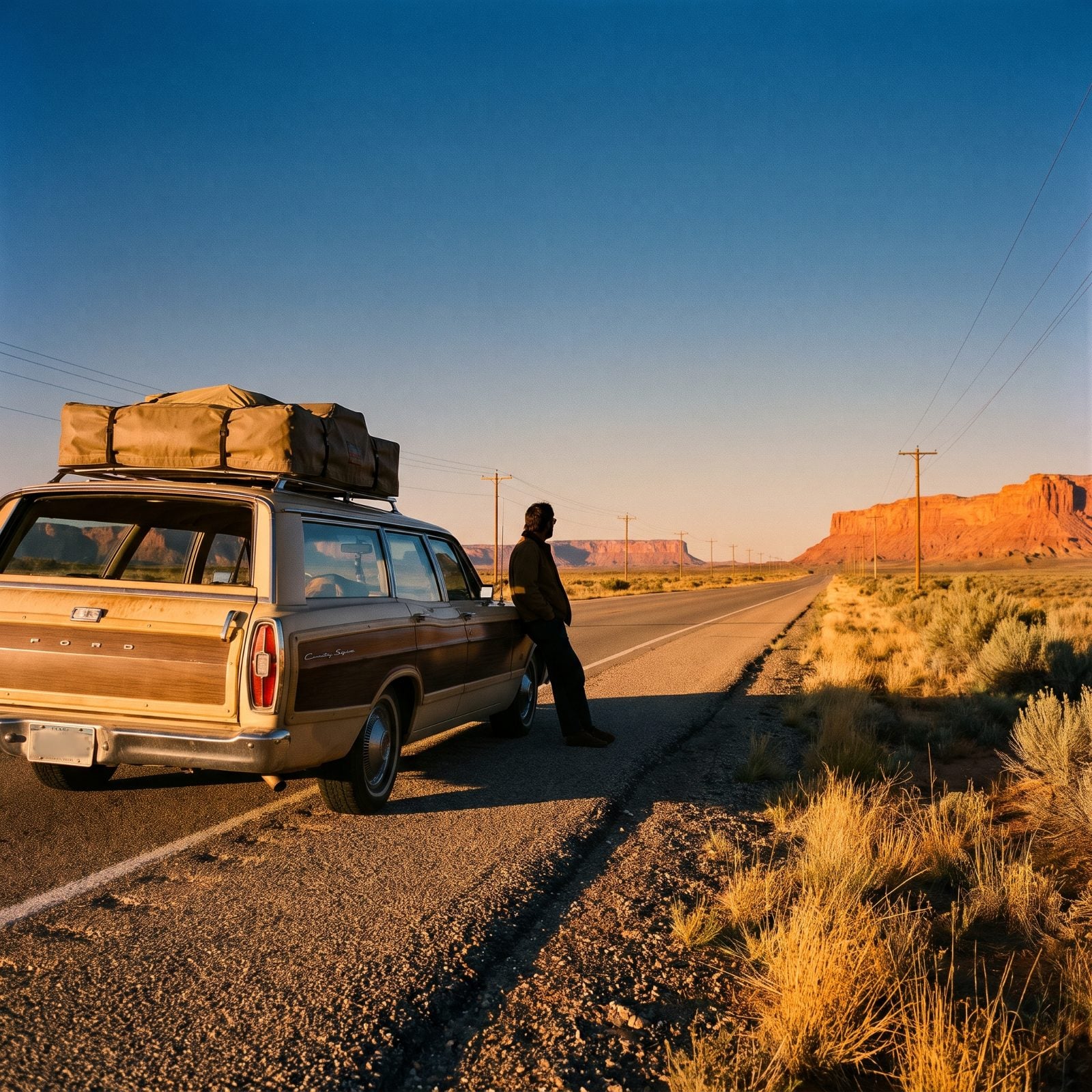
The open-ended road trip quietly becomes impossible, and almost nobody sees it coming.
Health doesn’t kill it. Money doesn’t either. Calendars do. A job with real vacation limits, aging parents who need checking on, a dog that can’t board for three weeks. The version where you wake up in Amarillo and decide, over bad diner coffee, to swing north toward the Badlands instead of east — no reservation, no plan — that version needs weeks of genuine nothing waiting for you back home.
You had that window in your twenties and probably spent it on something forgettable. You might get it back after retirement. The two decades in between tend to swallow it whole.
15. Floating Over Cappadocia in a Dawn Balloon
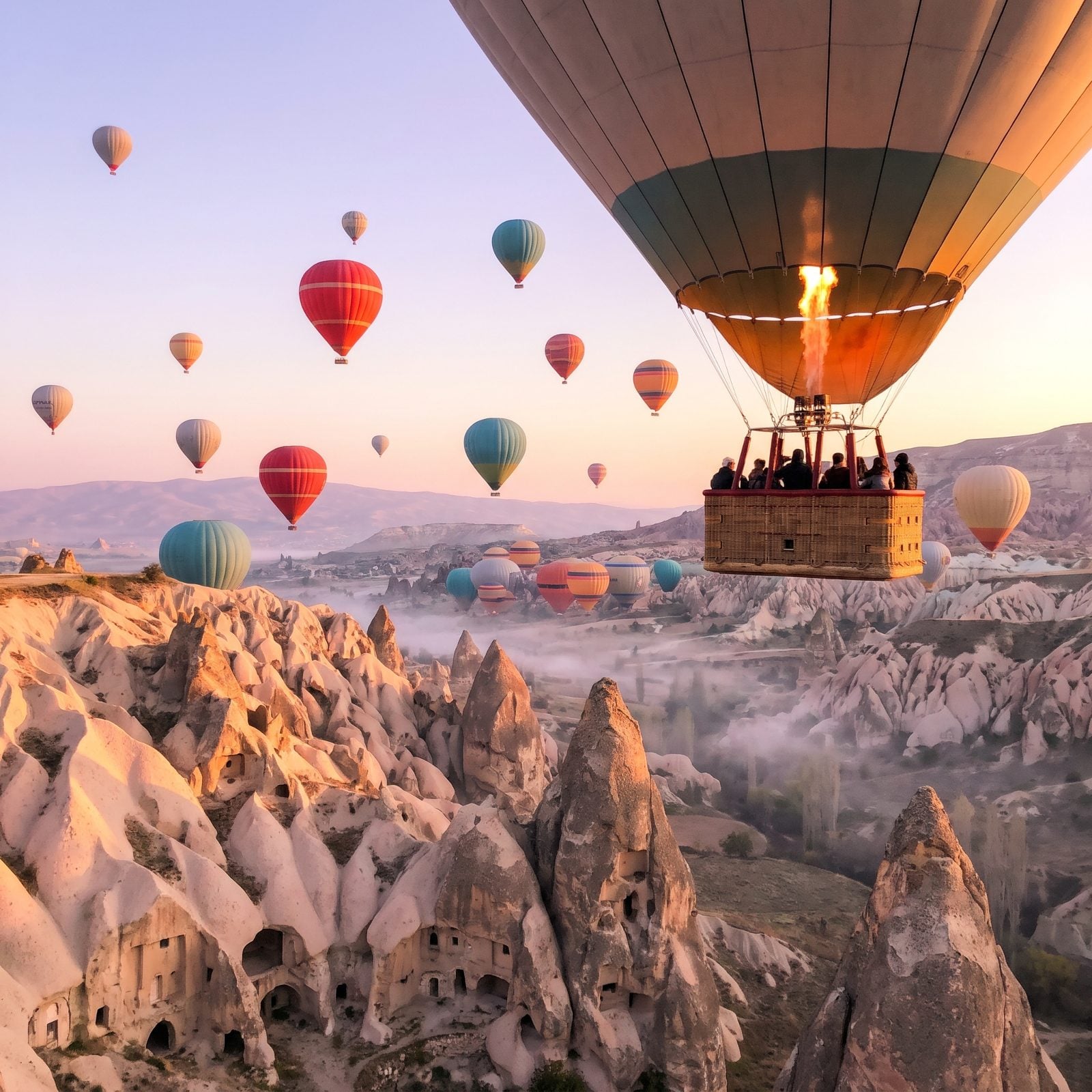
Cappadocia’s balloons are weather-dependent in a way the brochures bury. Flights get grounded for wind constantly, sometimes days in a row. Plan a two-night trip and you can miss the whole thing.
Launch is around sunrise, and that’s where all the magic lives: a hundred balloons lifting together over the fairy chimneys while the valley is still cold and pink. Word has gotten out. Prices have climbed, and the dawn slot everyone wants is the first to sell out.
Go while you can still handle a 4am wake-up and a bumpy landing without it wrecking the entire next day.
14. Diving the Cenotes of the Yucatán
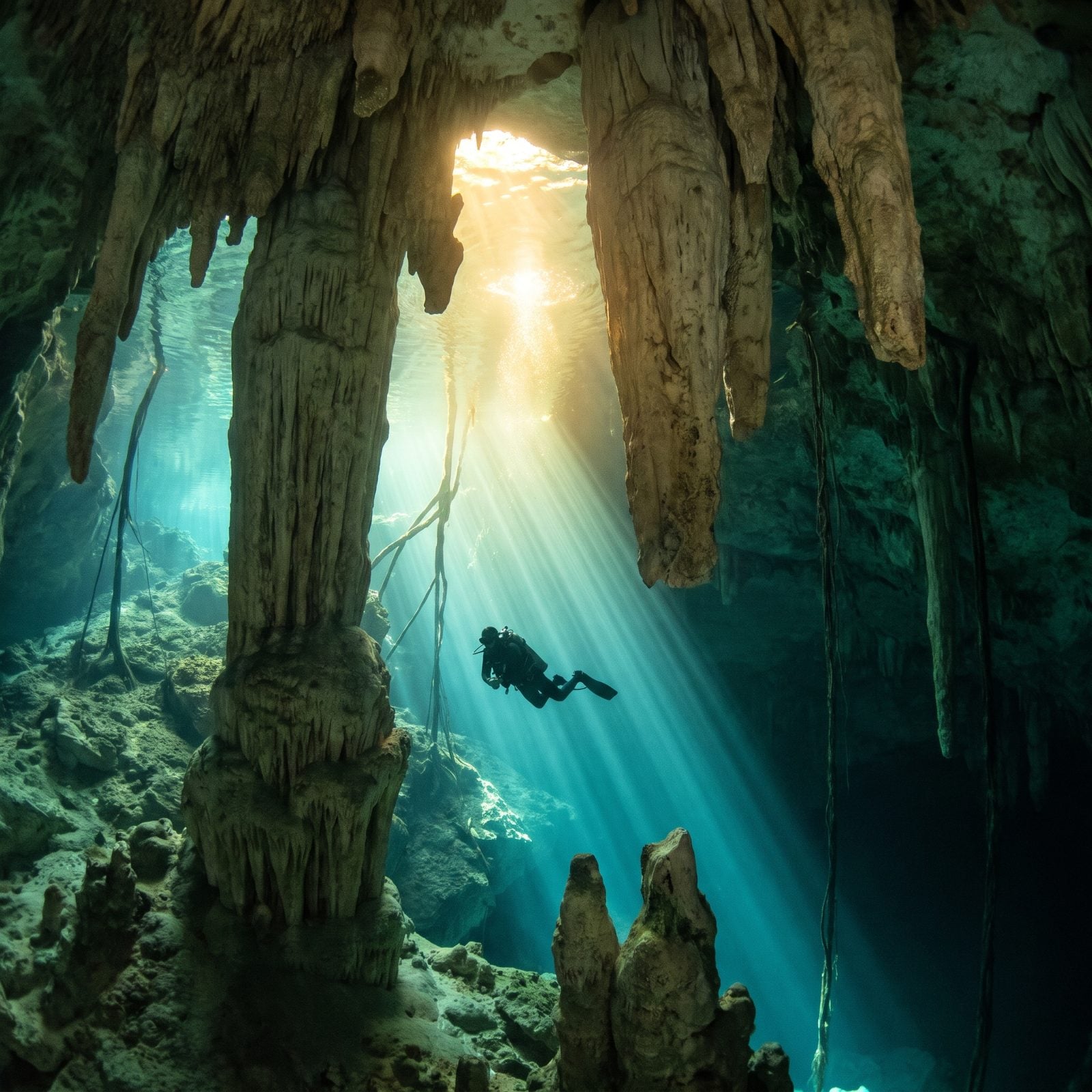
Cenotes aren’t open water. The best ones are cavern and cave dives, which means an overhead environment, which means specific certification and a clear head under real pressure.
Sunlight stabs down through the limestone into water so clear you feel like you’re flying. Then you swim into the dark stretches where your light is the only light. Beautiful, and unforgiving. Not the dive to attempt rusty, out of shape, or anxious.
Diving fitness is use-it-or-lose-it. Let your certification lapse, gain some weight, let a decade slide by, and the cenotes drop from “bucket list” to “watched a video of it once.”
13. Backpacking Southeast Asia on Almost No Money
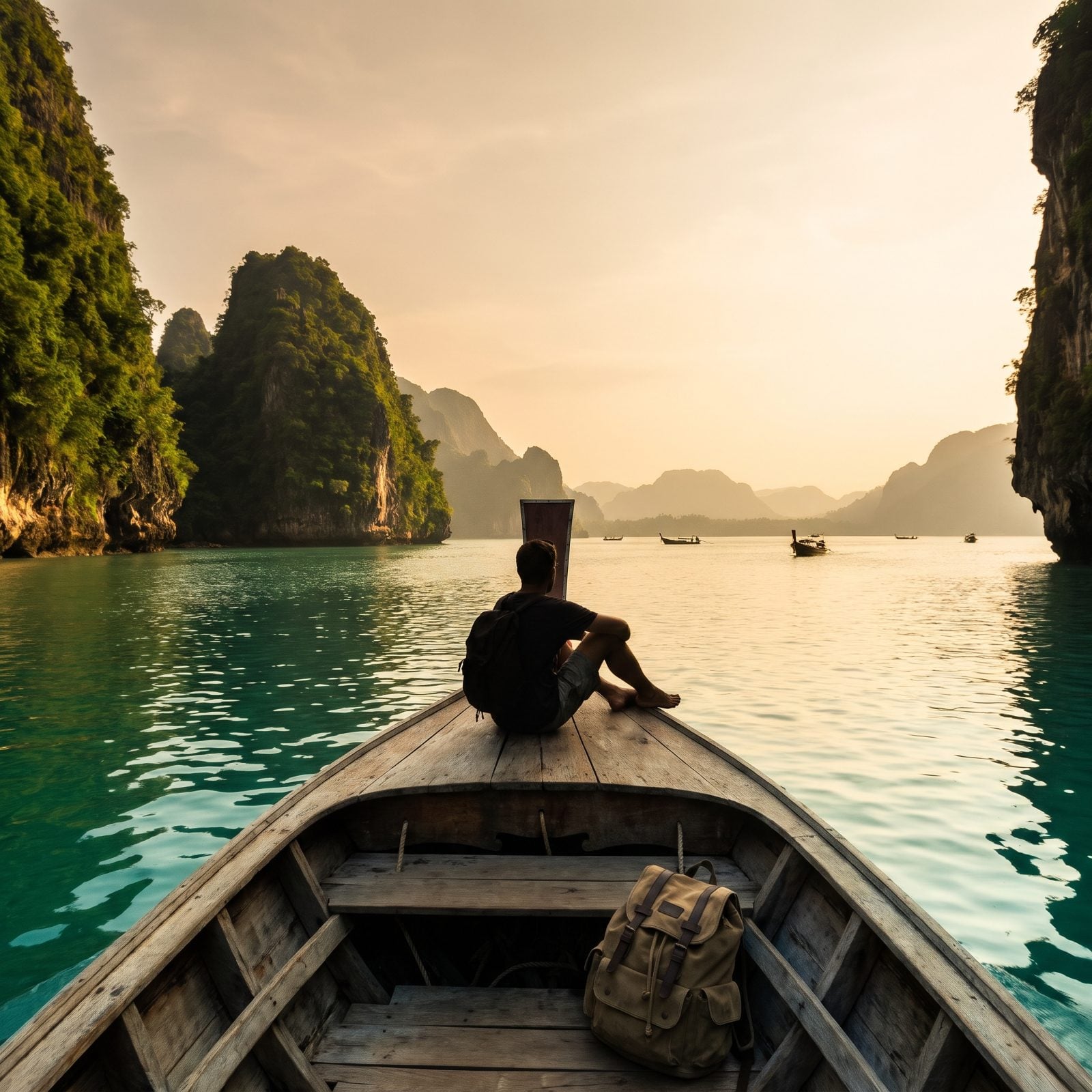
Shoestring backpacking isn’t really about money. It’s about tolerance.
The overnight bus with no suspension. The 11pm hostel arrival, top bunk, four strangers snoring. The cold bucket shower, the street-food gamble you take because it costs a dollar and smells incredible. At 24 that’s an adventure you’ll brag about for years; at 54 it’s a bad night’s sleep and a questionable stomach.
Your body stops forgiving the cheap version. You start wanting the private room, the real mattress, the airport transfer — all perfectly reasonable. But then the trip becomes a nice vacation, and the shoestring thing, the one where you had nothing but time and a forty-liter pack, is gone for good. That one has a hard expiration date, and nobody tells you when it hits.
12. The Pyramids of Giza at First Light
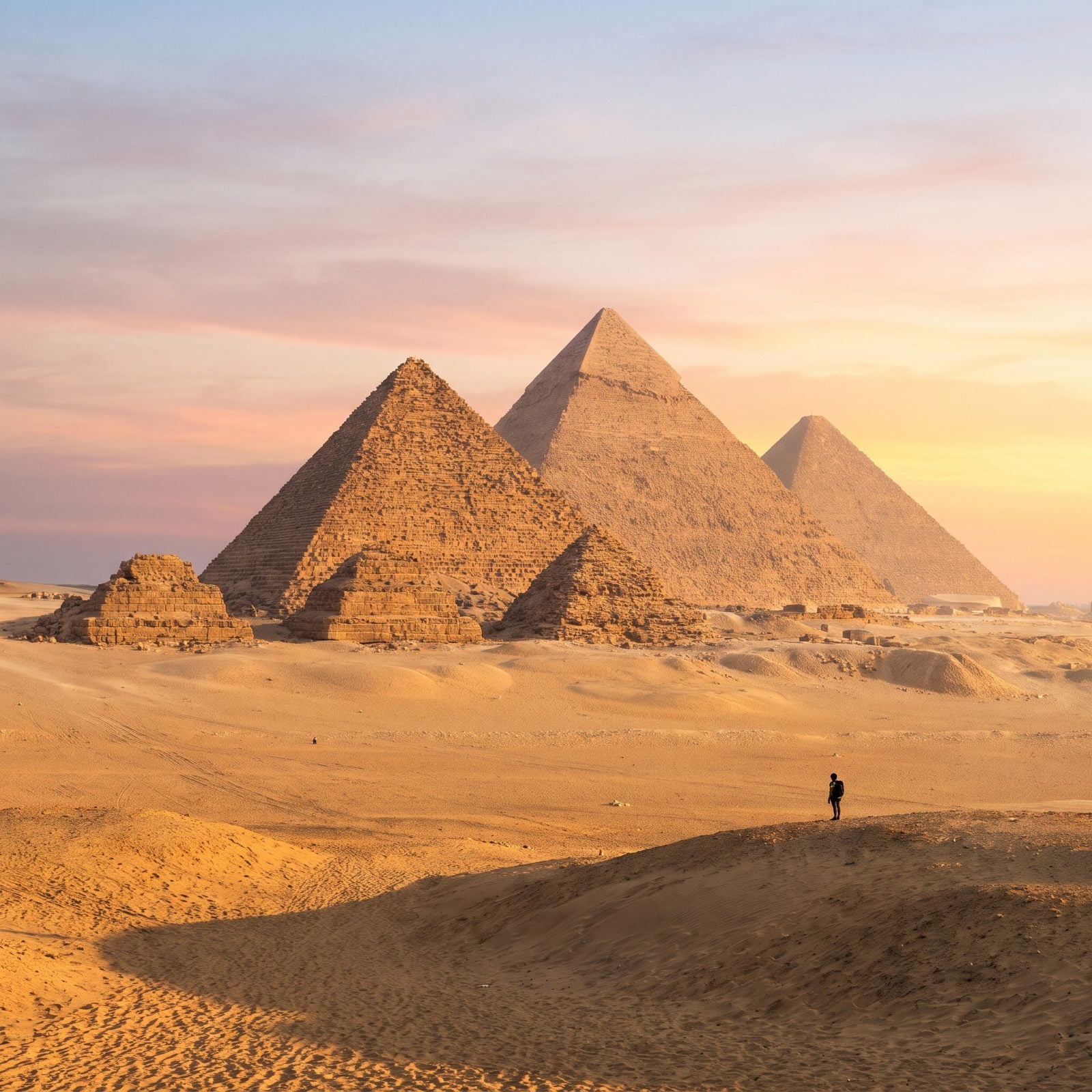
The pyramids themselves aren’t going anywhere. The experience of standing before them in relative peace is.
Giza sits on the edge of a sprawling, growing city, and the crowds thicken yearly while the hawkers stay relentless. That quiet dawn window — when the light is honey-gold and the tour buses haven’t arrived yet — keeps getting narrower.
Then there’s the heat. Standing on open sand under a desert sun for hours is one proposition at 40 and a very different one at 70. The monuments will outlast all of us. What won’t last is your ability to stand in front of them early, comfortably, before the heat and the crush roll in.
11. Walking the Siq Into Petra’s Treasury
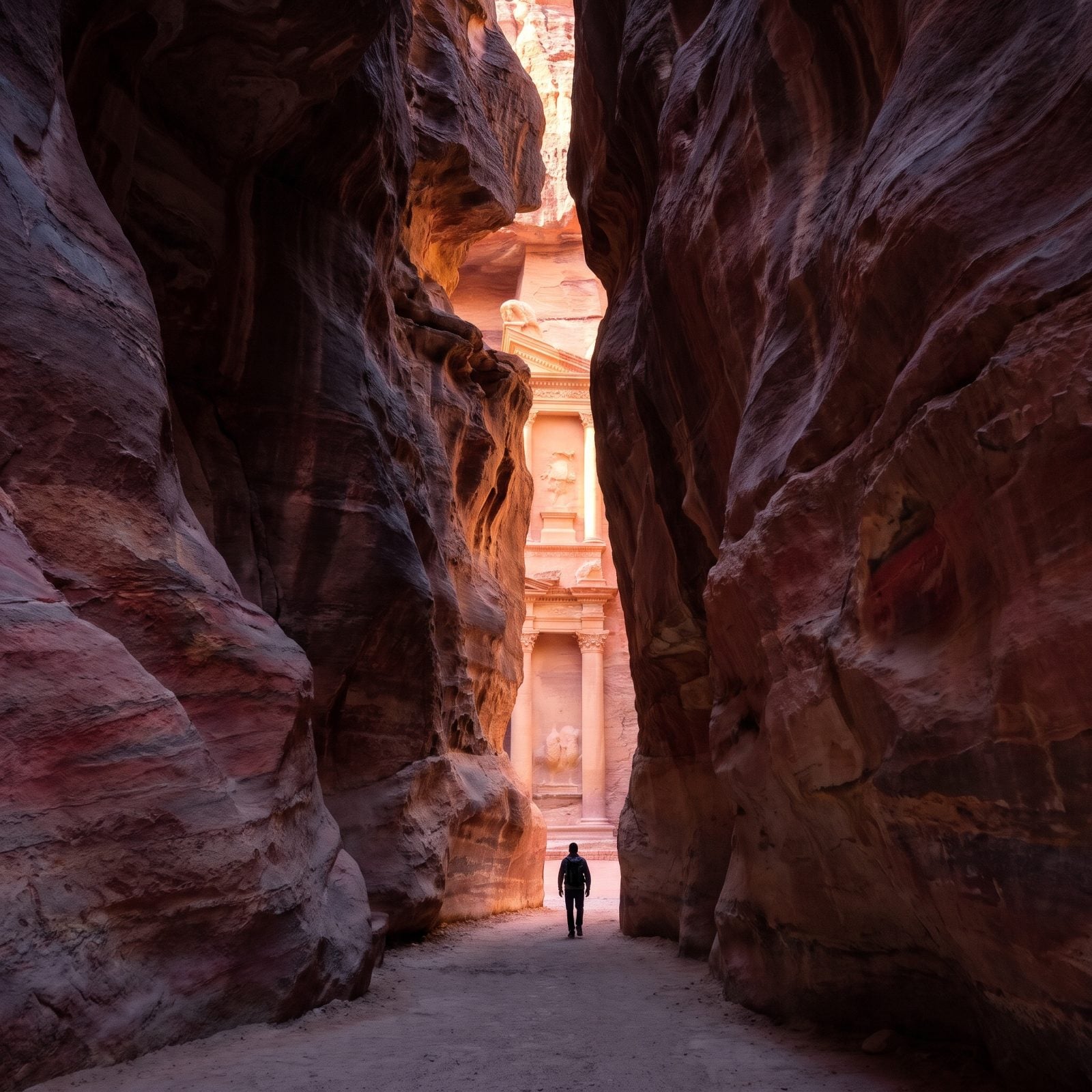
Petra is a walking site, and a big one. People wildly underestimate just how big.
The Siq alone runs over a kilometer of uneven canyon floor before the Treasury even shows itself. Then the real site stretches for miles past it, with hundreds of steps up to the Monastery if you want the best of it. Full days, serious distance, desert heat, loose stone underfoot — none of it gentle.
The Treasury reveal through the canyon gap is one of the great moments in travel. Earning it takes working legs.
You can hire a horse or a cart for parts of it. But the Petra that rewards you is the one you walk, and your knees and heat tolerance decide how much of it you actually see.
10. A Gondola Through the Canals of Venice
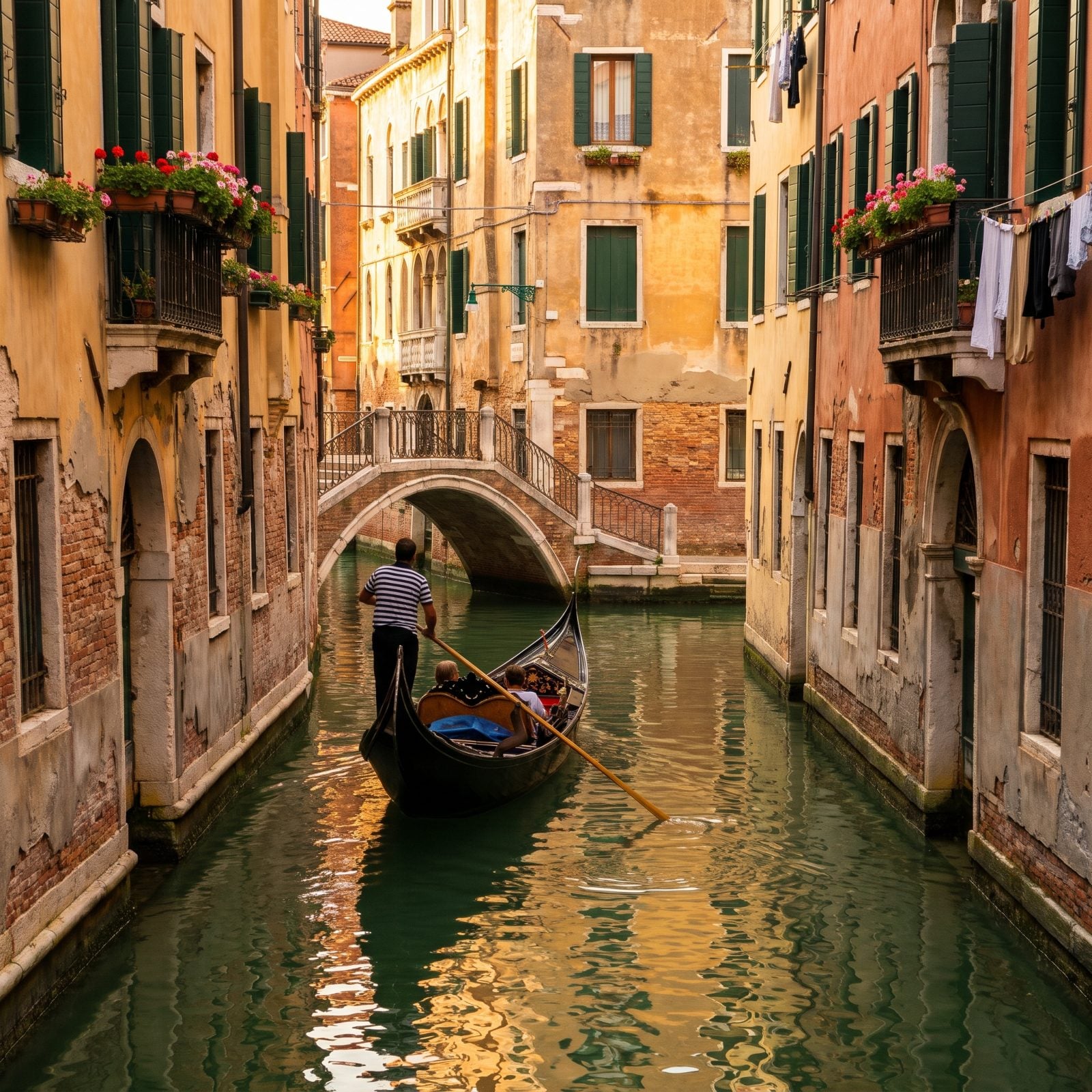
The gondola ride isn’t going extinct. Venice itself might be.
The city floods more often and more severely every year, sinking slowly while the sea rises to meet it. Mass tourism has hollowed out whole neighborhoods and shoved prices up. None of it happens overnight, but the Venice of quiet back canals and actual working residents thins with each decade.
Ride the gondola through the small canals, not the Grand Canal circus. Late afternoon is best, when the light goes gold on the peeling plaster and the water turns the color of old bottle glass. Yes, it’s a tourist cliché. It also happens to be worth every euro. Do it while the city is still a city and not just a backdrop for everyone else’s photos.
9. Sunset Over the Santorini Caldera
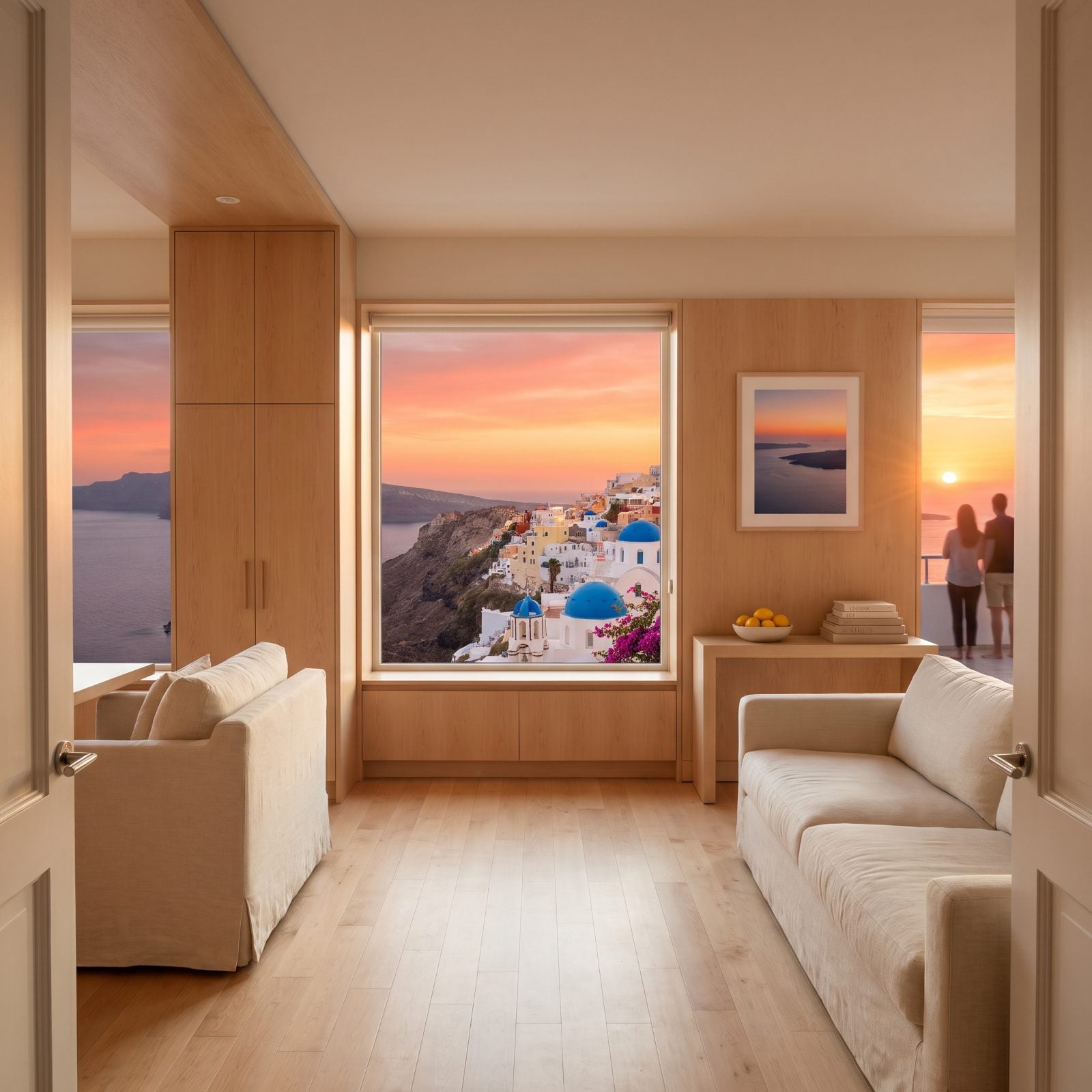
Santorini’s sunset is the most crowded sunset on Earth, and it gets worse every season.
Oia packs in shoulder to shoulder hours before the sun drops. Cruise ships unload thousands of day-trippers, prices have gone vertical, and the island is loved to the point of near-strangulation. The gap between the dream and the reality widens yearly.
There’s still real beauty in those white cubes flushing coral against the caldera. But the version where you had a quiet terrace and a glass of local wine mostly to yourself? That’s slipping away fast. Go in the shoulder season, book a room facing west, and skip the Oia scrum entirely.
8. Riding the Rails Across the Canadian Rockies
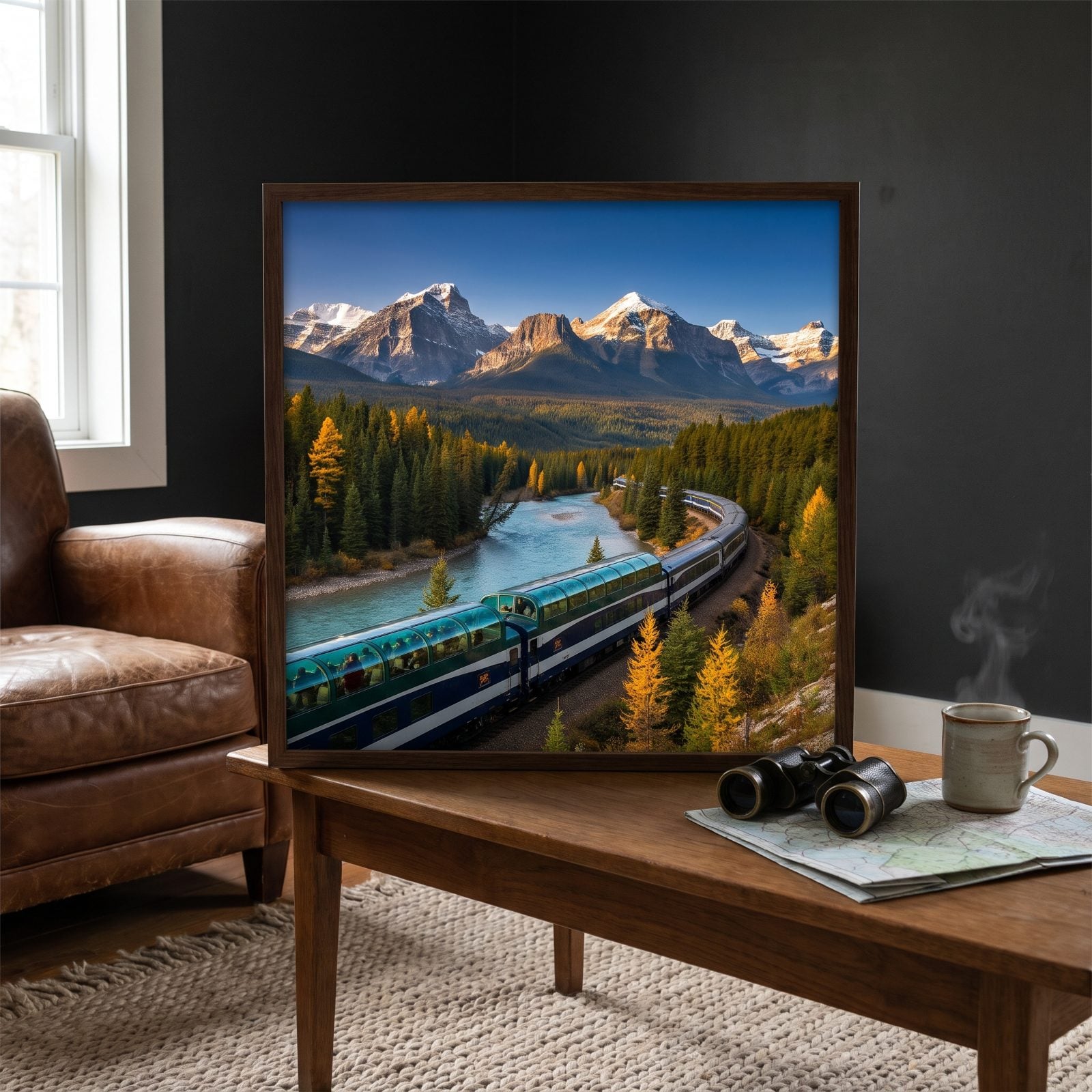
The Rocky Mountaineer and the long rail routes are the gentle option on this whole list — which is precisely why you want to do them before you actually need them to be gentle.
Picture it from an armchair by a cabin window: a navy-blue train with a white stripe and teal-tinted glass dome cars curving along a turquoise river beneath snowy peaks. Now picture yourself on board, watching it all slide past. No hiking. No altitude to fight. This is the bucket-list trip you could technically pull off at any age.
But the good routes aren’t cheap and they sell out seasons ahead, and the best scenery runs during a short window when the larches turn gold. Here’s the catch, though. This is the trip people save for “later,” park indefinitely, and finally take inside a fog of health worries that drains all the joy out of it. Do it while you can still hop off at every stop and walk the platform. Right now beats later. It always did.
7. Snorkeling the Glowing Bioluminescent Bays of Puerto Rico
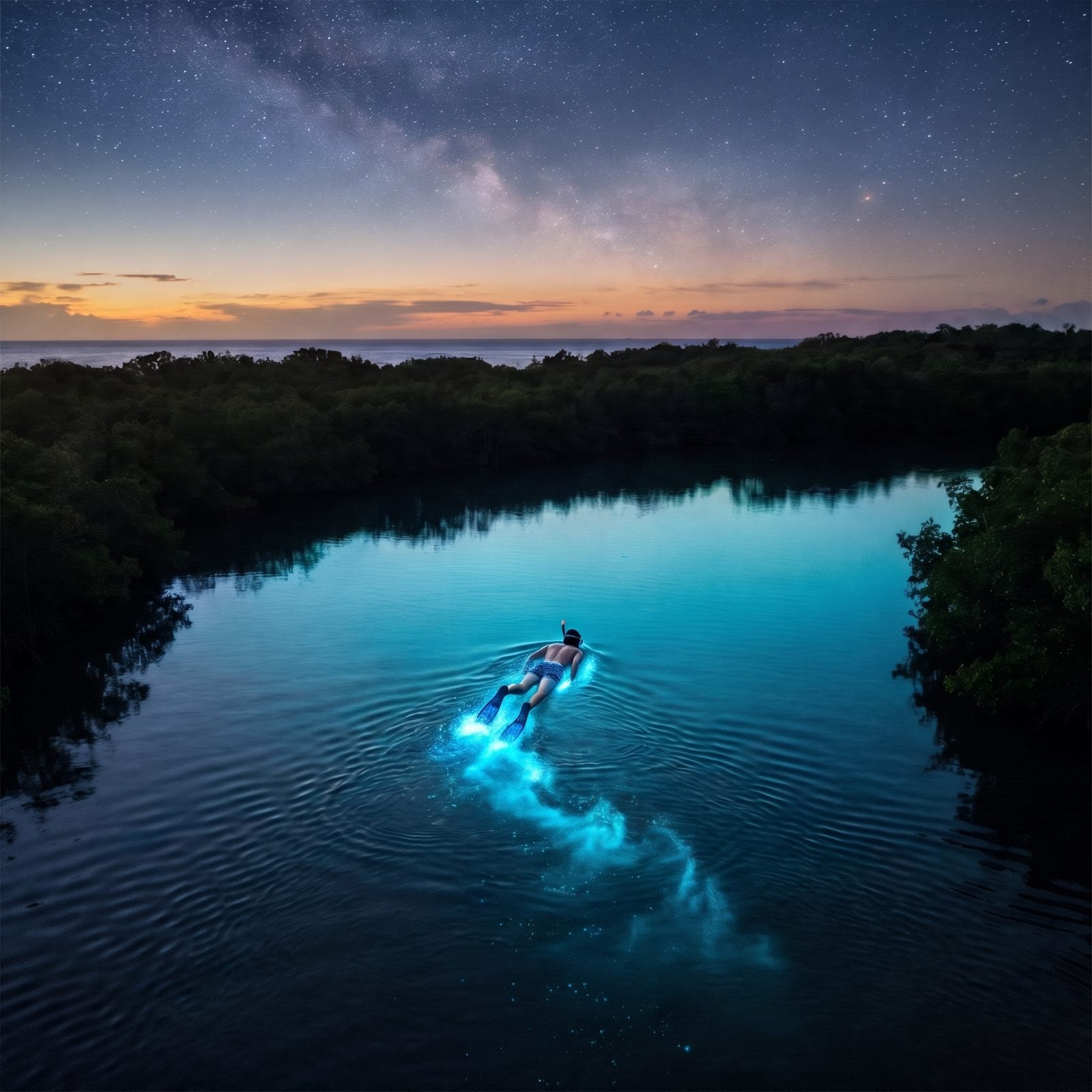
The glow is fragile. Light pollution, boat fuel, hurricanes, and sunscreen runoff have already dimmed bays across the Caribbean that once blazed. Mosquito Bay on Vieques is among the brightest left on Earth, and that word left is doing a lot of heavy lifting.
You want a clear evening, with the last orange band of twilight on the horizon as the Milky Way comes out, and clean water, and you want to go before the next development project puts a resort light within view of the shore. Swimming in it is increasingly restricted, and good — the dinoflagellates that make the water spark are living things, and they respond to how we treat them.
6. Camping Under the Dark Skies of the Sahara
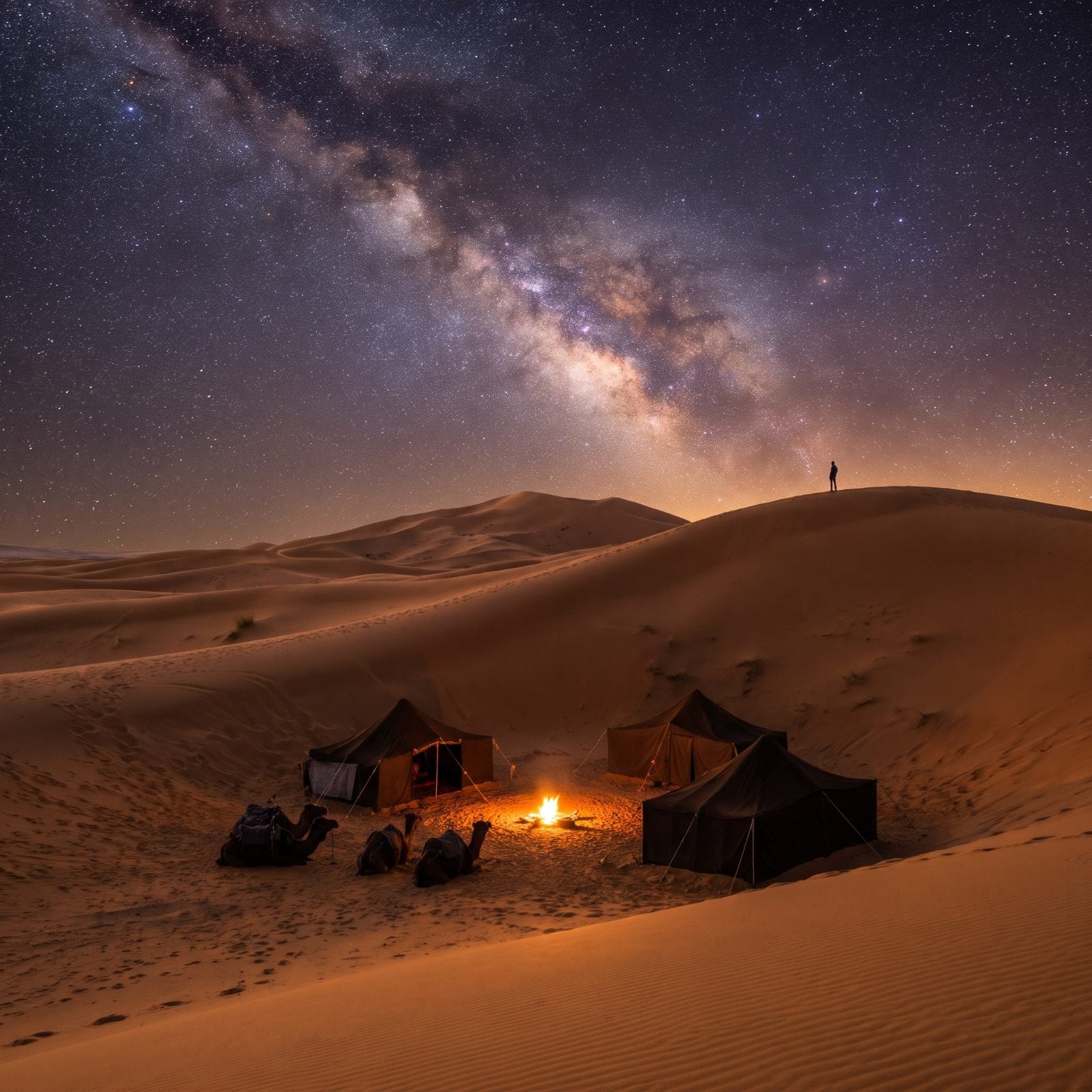
The desert does not get easier to reach as you age. The transfers run long, the days bake, and the final leg is often a camel or a 4×4 across terrain that rattles your spine loose. None of that improves with another decade on the clock.
Here’s what you get in return: a sky so dark the stars feel crowded, silence so complete you hear your own pulse, and cold that arrives the second the sun drops. You’ve seen night skies before. Not like this. The Sahara shows you exactly how much the modern world has quietly stolen from the dark.
5. Kayaking Among Alaska’s Glaciers Before They Pull Back
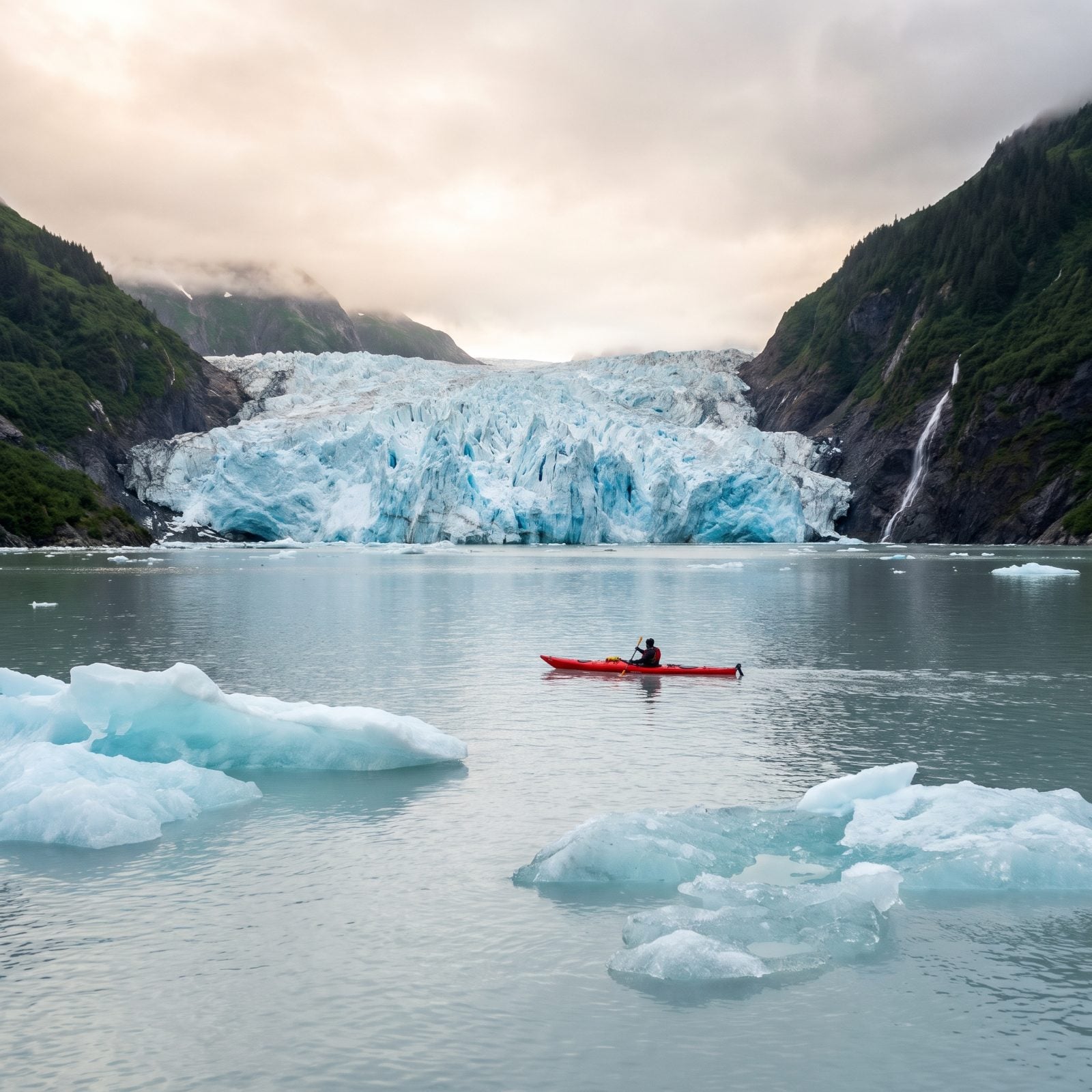
This one has a literal clock on it. Alaska’s tidewater glaciers are retreating fast enough that guides point to open water and tell you where the ice stood five years back. The gap widens every summer.
You are not just visiting a place. You are visiting a moment that will not exist in the same form for your grandchildren.
Paddle close enough and you hear it — the crack and boom of calving ice, like distant thunder out of a clear sky. Go while the glacier still reaches the sea. That stretch of coast is shortening on its own schedule, not yours.
4. Visiting a Grandparent’s Homeland While the Elders Can Still Guide You
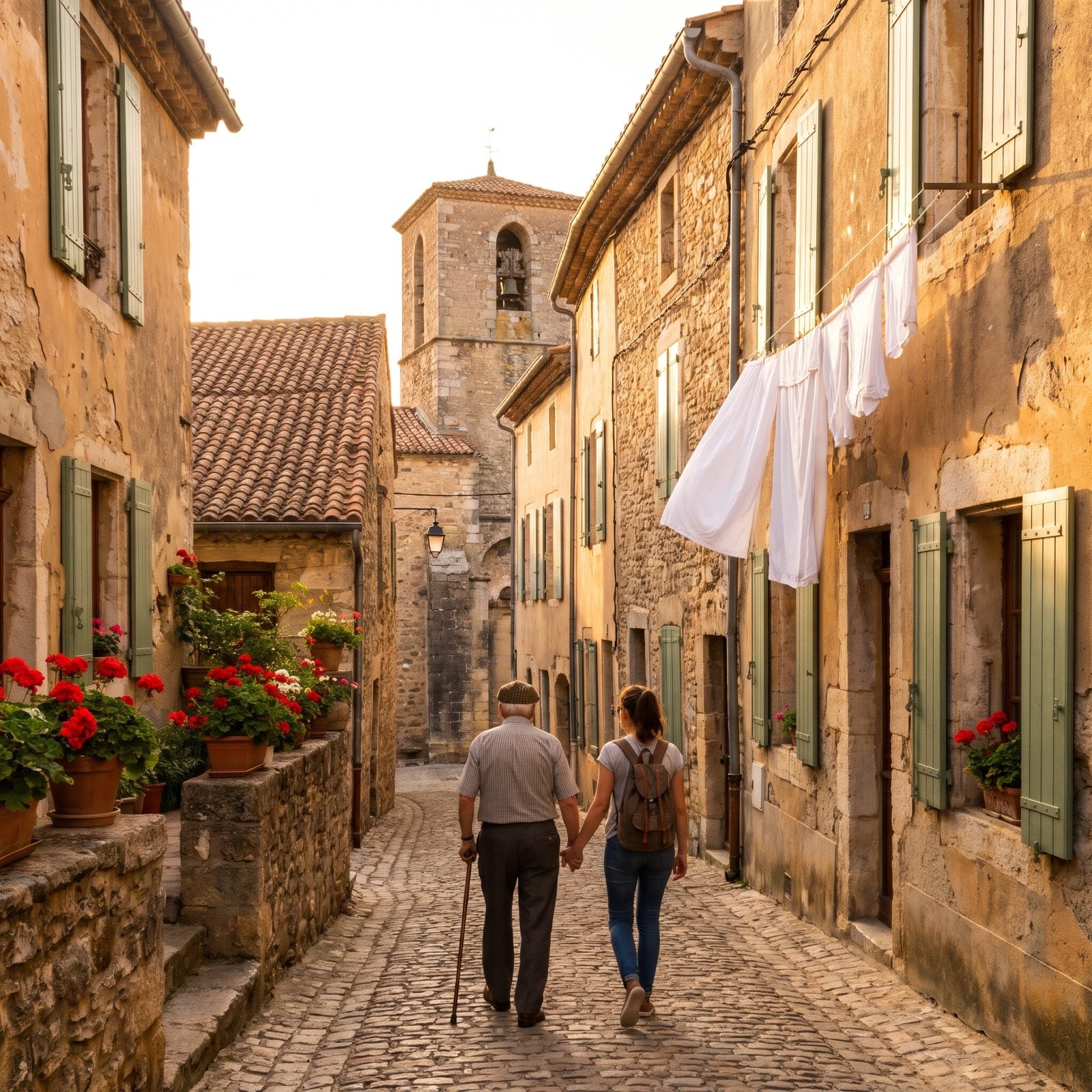
This is the only trip here you cannot buy back at any price. The village still stands and the flights still run. What disappears is the person who can stand in the doorway and tell you which house was your great-grandmother’s, who married whom, and why the family left.
Every year the people who remember the old country get fewer, and the stories go with them. No amount of DNA testing replaces an uncle pointing at a field and saying that’s where your grandfather hid during the war.
3. Riding the Trans-Siberian Railway Across a Continent
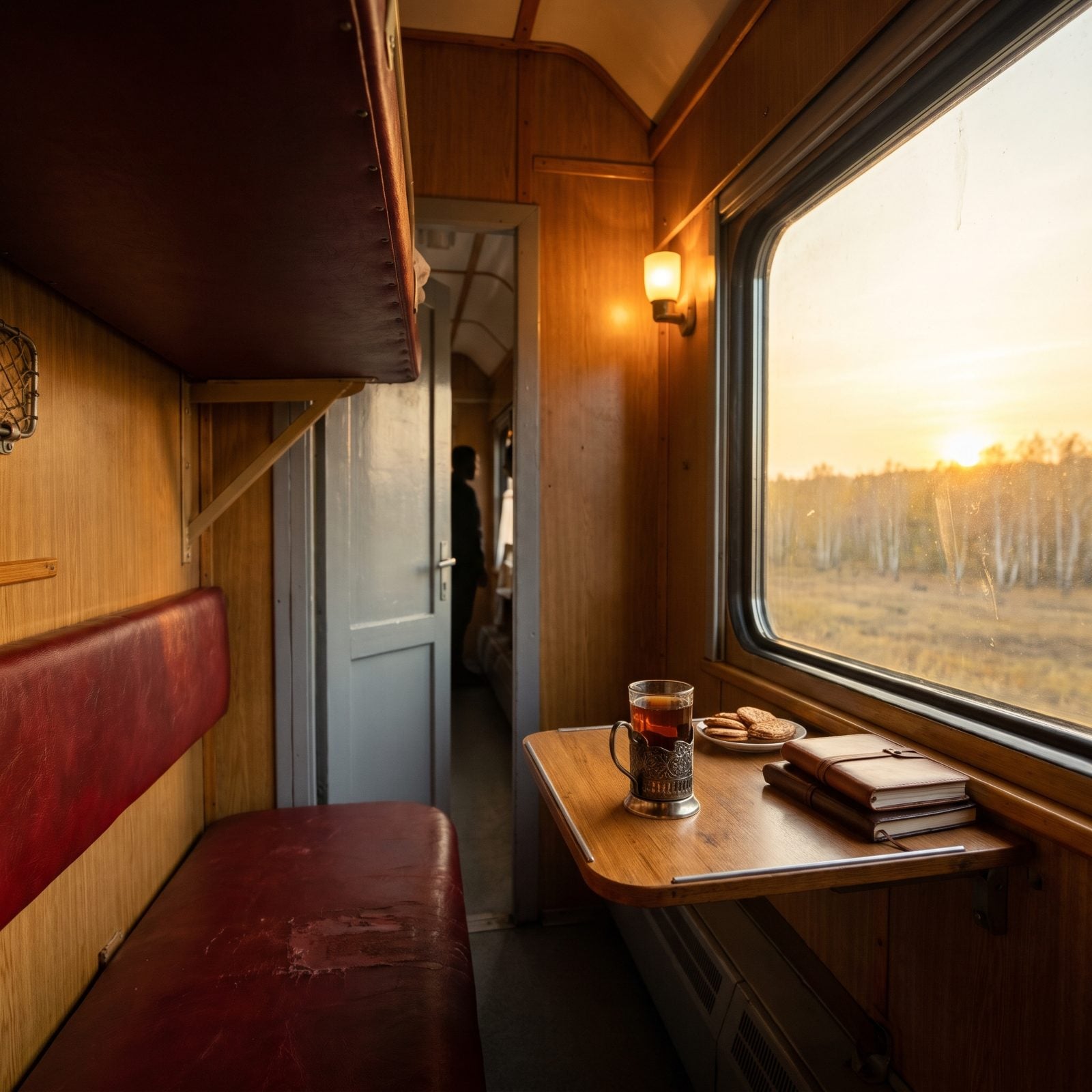
Thousands of miles. Seven time zones. A full week of your life surrendered to the window, the tea glass in its metal holder, and the slow churn of birch forest that simply never ends.
The appeal is exactly what makes it hard to do later in life. The trip demands stamina for cramped bunks, long stretches without a proper shower, and the particular patience of watching a continent crawl past at the pace of a river. And geopolitics can shut the route overnight — it already has. The window for the classic Moscow-to-Vladivostok run is not guaranteed to stay open.
2. Walking the Great Wall’s Wild, Crumbling Stretches
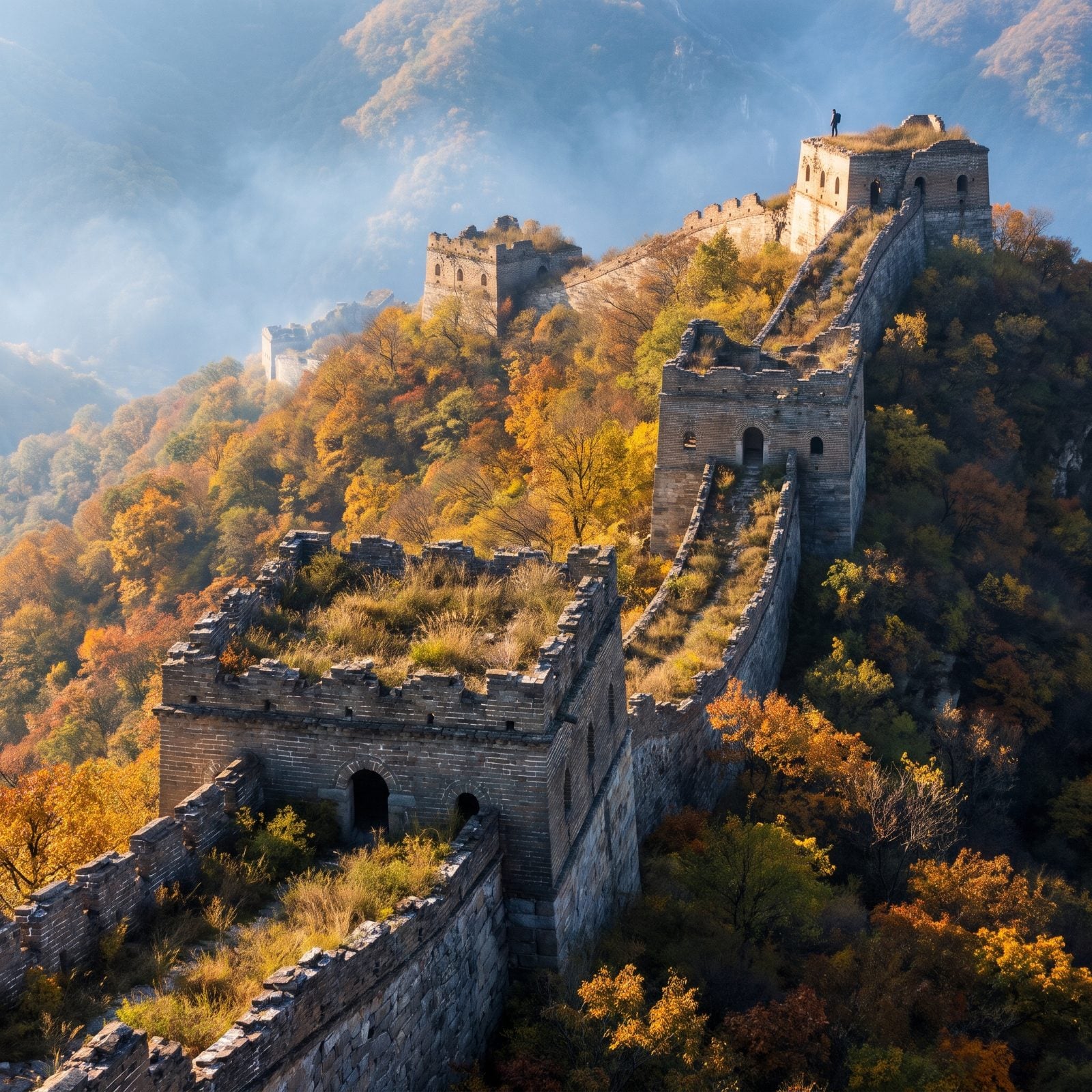
Forget the Badaling section, with its cable car and souvenir stalls. The Wall that actually rewards you is the broken, overgrown kind — Jiankou, the remote stretches of Jinshanling, sections where the steps have half collapsed and grass shoulders up through the stone.
Nobody puts this on the brochure: those wild stretches are steep, uneven, and physically brutal, and some pitches are closer to climbing than walking. The knees you have right now are the best knees you will ever have for this. Preservation rules keep closing the rough sections too, fencing off whatever erosion hasn’t already claimed. Go while you can still haul yourself up the hard parts.
1. The Solo Trip You Take Purely for Yourself

No ticket. No crowds. No closing glacier. The obstacle sits entirely in your head, which makes this the hardest trip to schedule and the easiest to postpone forever.
Say you keep waiting for the right moment — the kids get older, work settles down, a companion finally frees up. The right moment is a horizon that keeps backing away as you walk toward it. A trip taken alone, on your own schedule, answering to nobody’s hunger or boredom but your own, teaches you something about your own company that a group trip never will.
Please note that some of the imagery in this article were created with the aid of AI image generators.