
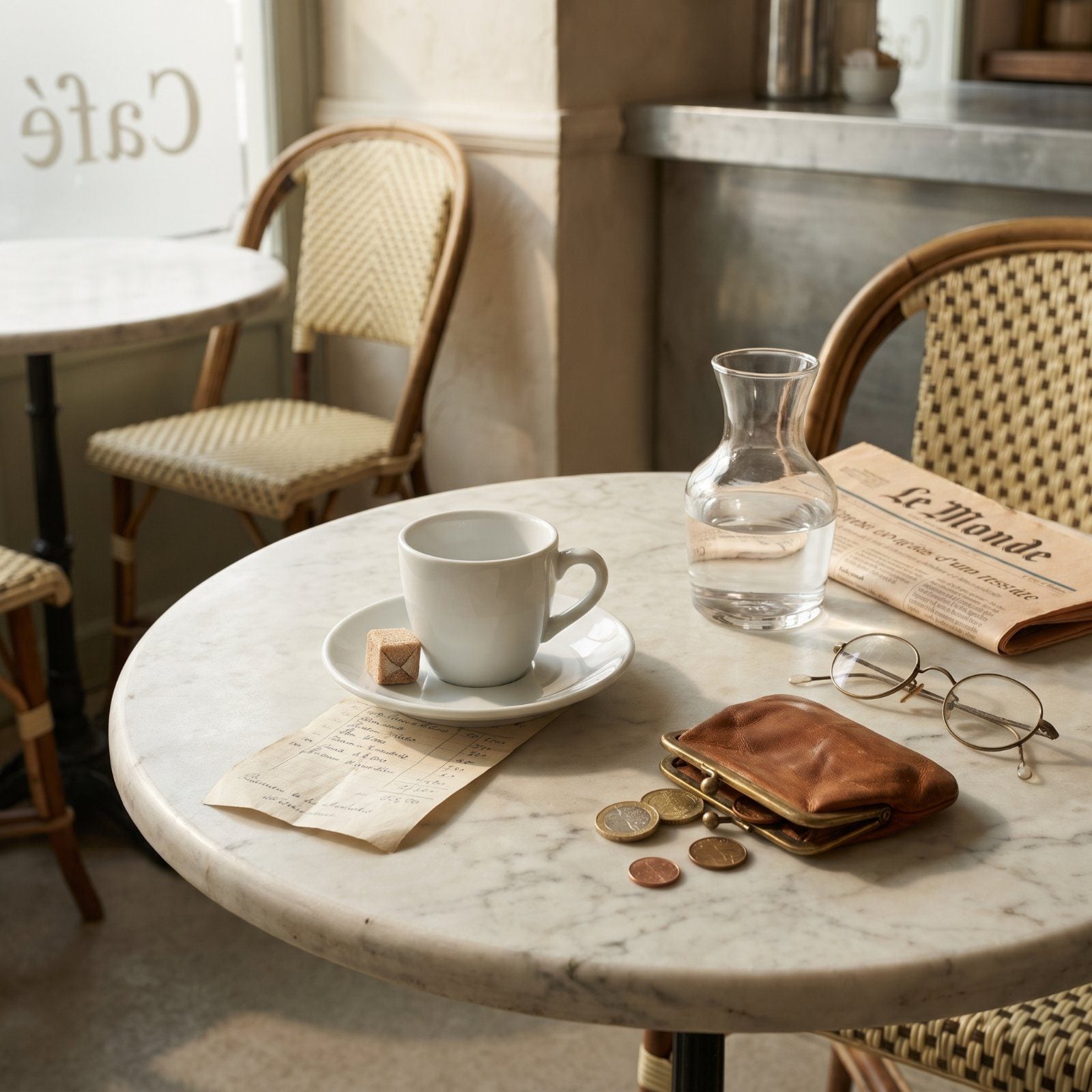
A server once let an American sit for twenty minutes before taking an order, and the American walked away convinced the service was terrible. It wasn’t. Here, the order in which you do things carries more weight than whatever you actually say. Paris runs on small courtesies nobody writes down and everybody notices when they go missing. Skip the greeting, grab the wrong chair, wave money too fast, and the whole interaction stiffens. Learn the rhythm and the city opens. The gap between a cold shoulder and a warm one is usually three syllables and knowing when to shut up.
47. Say Bonjour First, Before You Ask for Anything
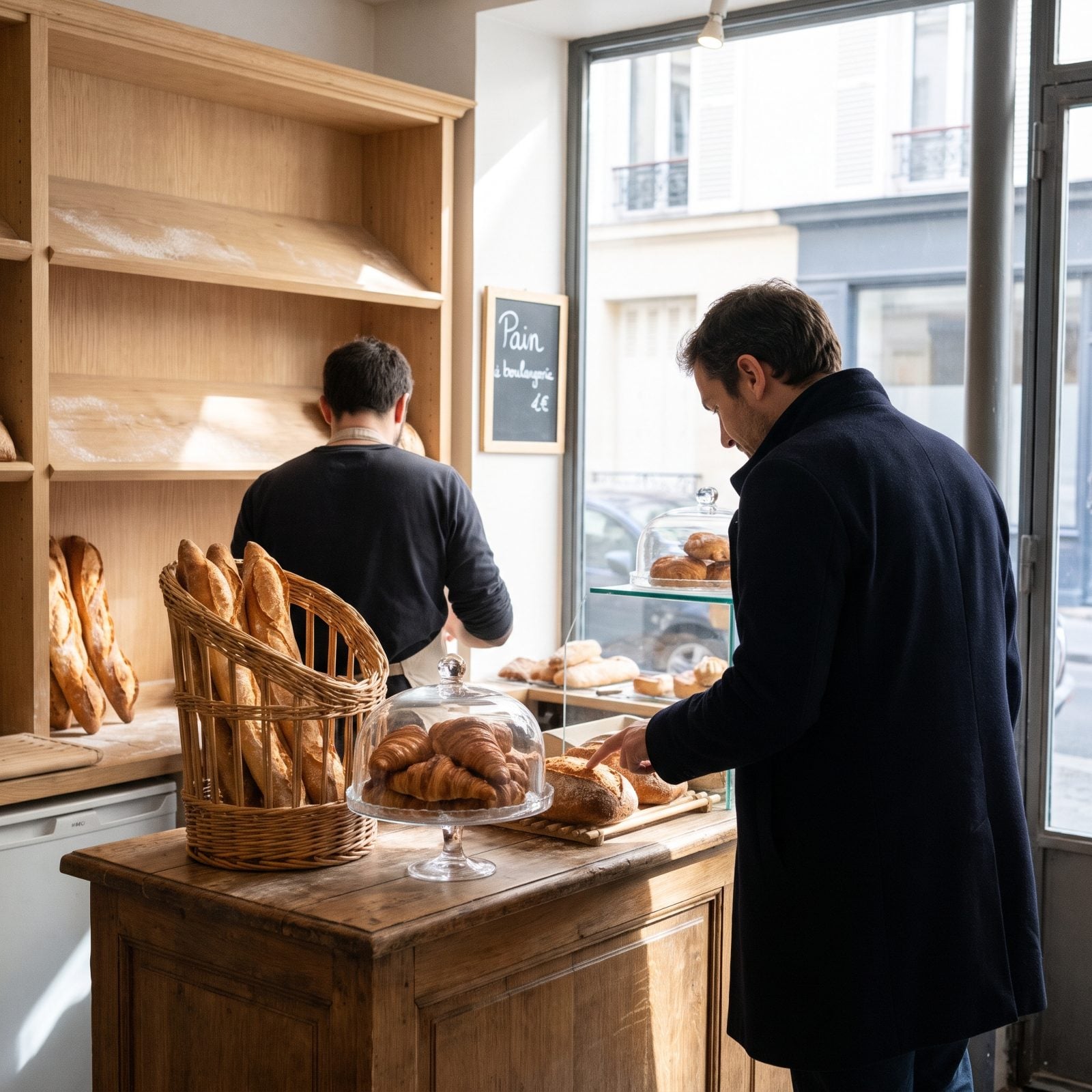
The single most important word in your Paris vocabulary isn’t on any menu. Bonjour comes first. Always. Walk into a shop and reach for what you want before greeting the person behind the counter, and you’ve already lost them. To a Parisian, skipping the hello says you see them as a vending machine instead of a human being.
This isn’t formality for its own sake. It’s an acknowledgment, one word, and the whole tone softens.
46. Open in French Before You Ask to Switch to English
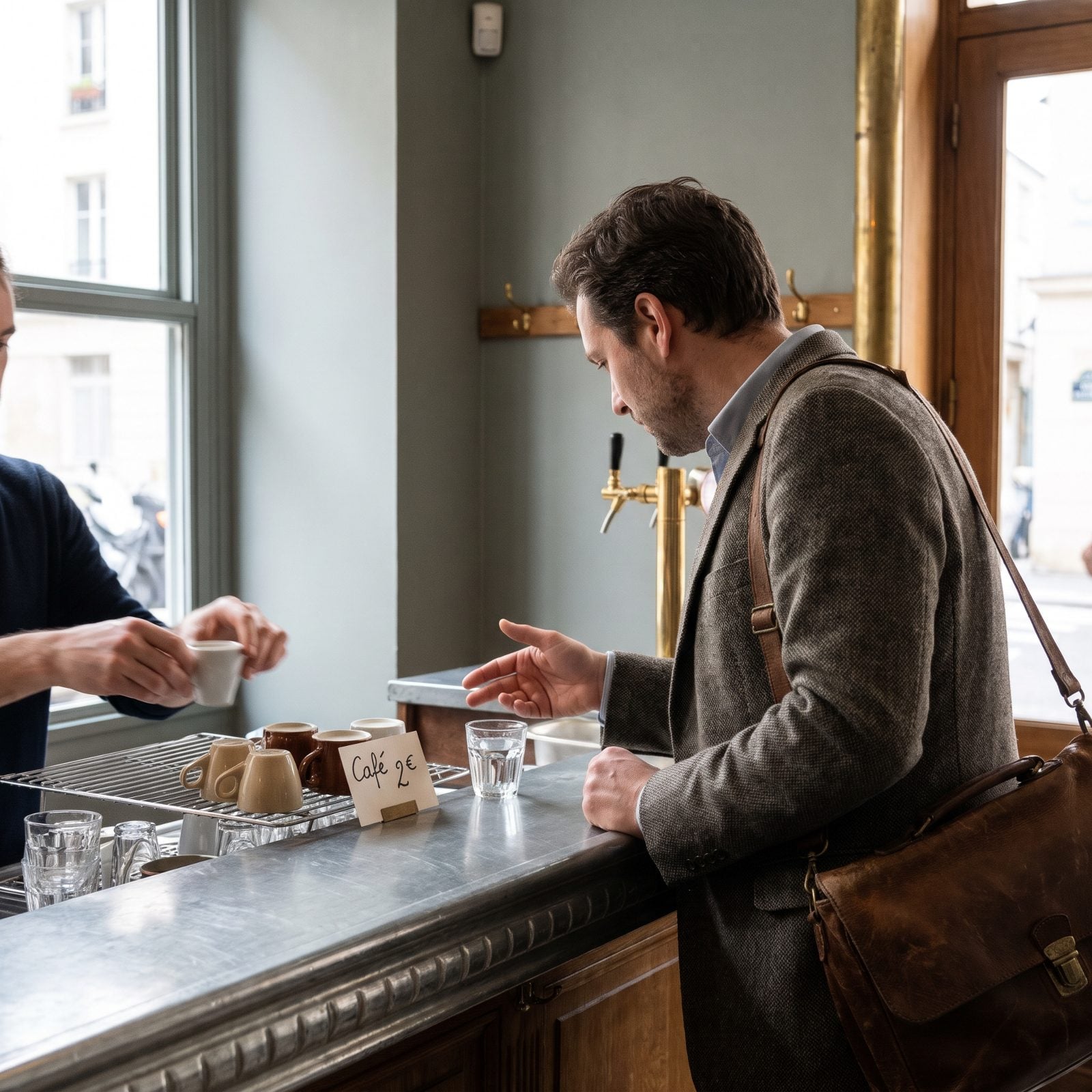
You don’t need to be fluent. You need to try for one sentence. “Bonjour, parlez-vous anglais?” does more work than any phrasebook paragraph, because it hands control of the language back to the other person. Most Parisians will happily switch to English once you’ve shown you’re not assuming they owe it to you.
Lead with English and the door closes a crack. Lead with a clumsy French attempt and watch people lean in to help. The effort matters more than the accent. Nobody expects you to sound native. They expect you to knock before you walk in.
45. Default to Vous Until Someone Invites You to Tu
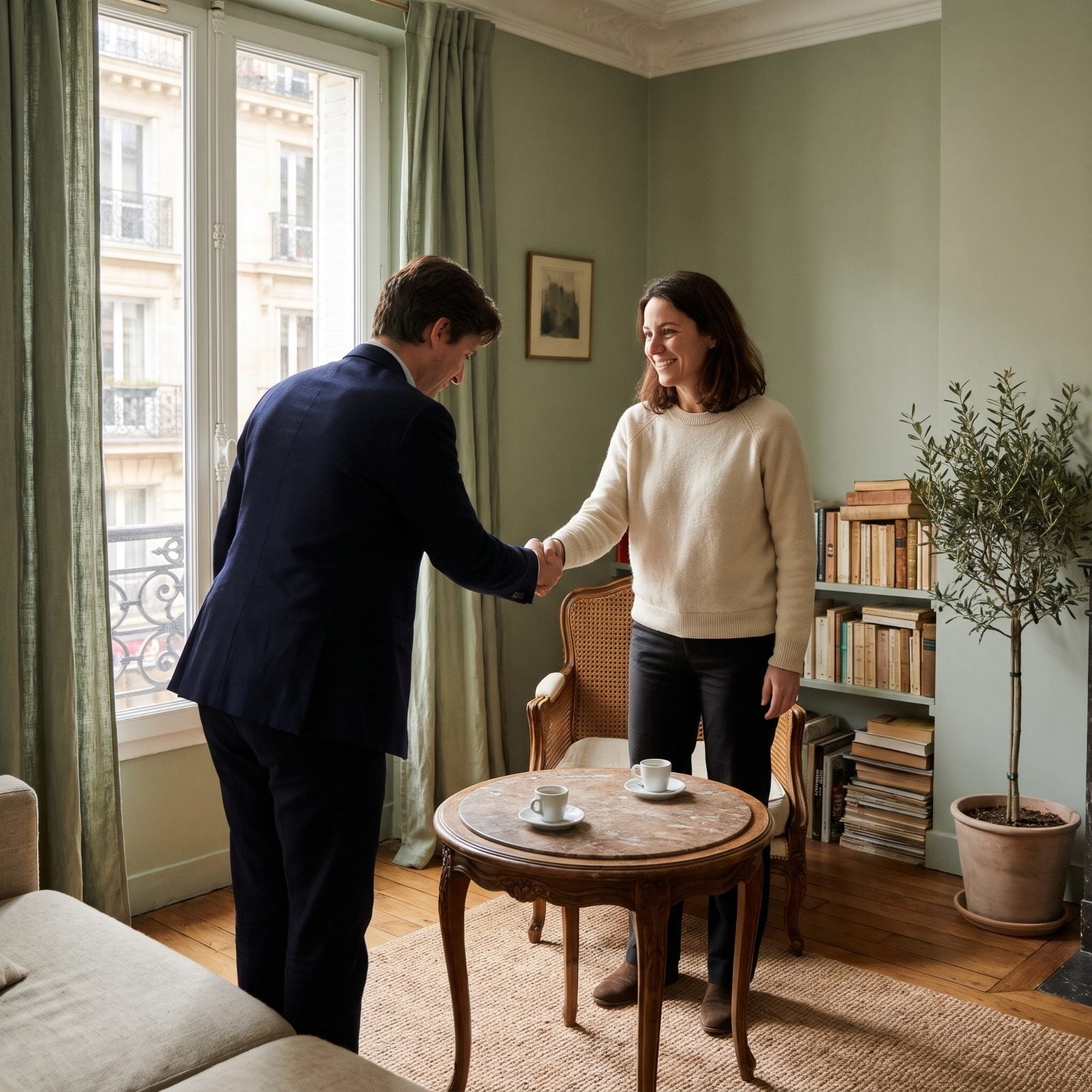
French has two words for “you,” and choosing wrong reads as either rude or weirdly intimate. Vous is your safe harbor. Use it with servers, shopkeepers, hotel staff, anyone you don’t know. Tu is for friends, children, and people who’ve explicitly invited it.
Now, the part most guides skip: as a visitor fumbling in basic French, you’ll be forgiven almost anything. But vous signals respect without you having to think about it. When someone says “on peut se tutoyer,” that’s your cue to relax. Until then, stay formal. Overshooting on politeness never cost anyone a thing.
44. Wait to Be Seated, Even When the Café Looks Empty
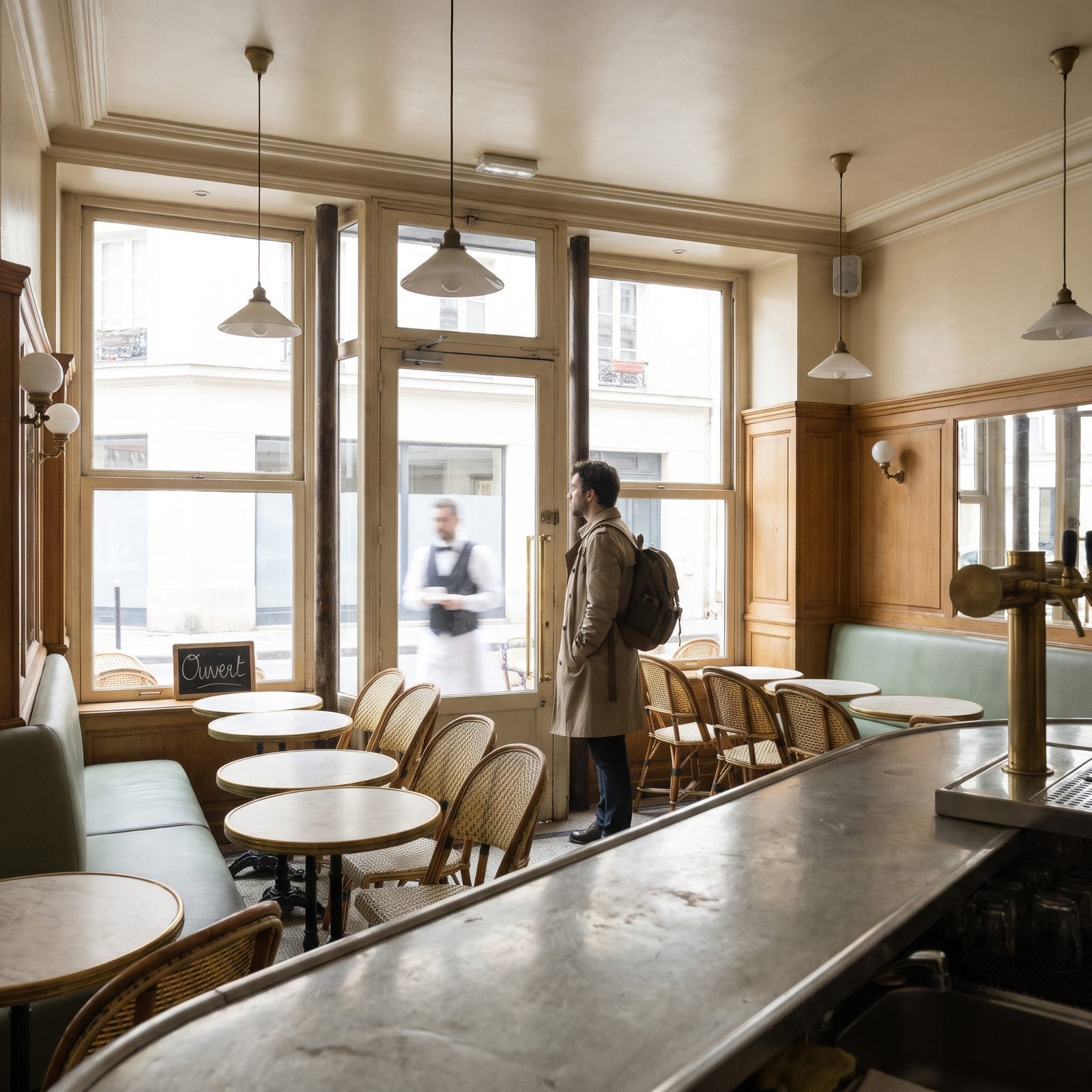
Spot an open table, march straight for it, and you may catch a raised eyebrow from across the room. Most Paris cafés expect you to hover at the door or catch a server’s eye first. They decide the seating. It feels backwards to Americans raised on sit-anywhere diners, but there’s logic under it: tables get rotated, reserved, and balanced across the floor all day long.
A terrace in full sun is often first-come. Inside, pause. Let the waiter place you. Thirty seconds of patience saves you the awkward shuffle of being moved.
43. Don’t Claim a Full Dining Table for a Single Espresso
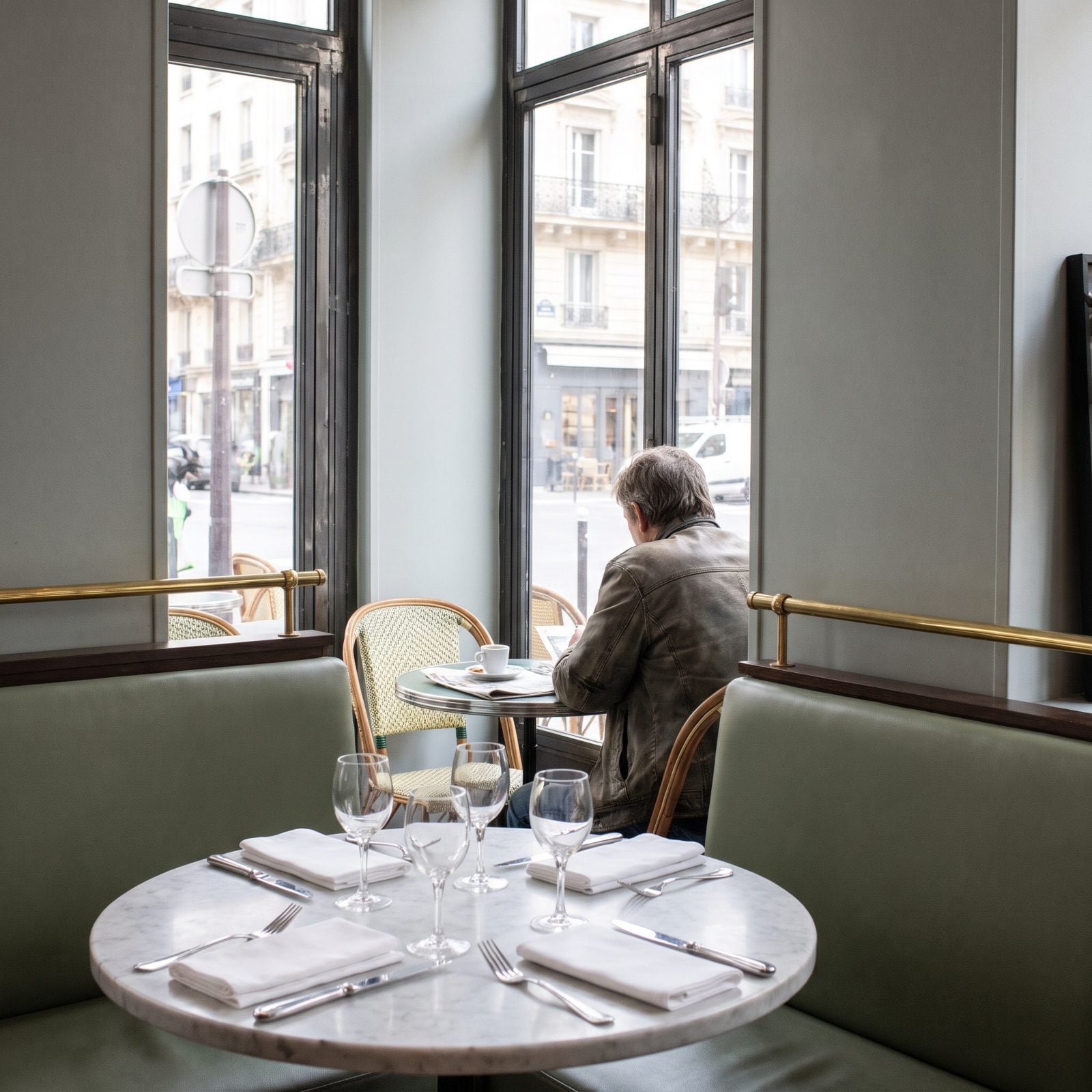
During lunch and dinner service, a table laid with linen and cutlery is reserved for people eating a meal. Sit down at one and order only a coffee, and you’re taking a seat the kitchen needs to turn. Better to grab a spot at the bar, the terrace, or a smaller unset table when all you want is a drink.
Nobody will throw you out. But you’ll feel the quiet tension, and it’s avoidable. Match your table to your order.
42. Leave the Sidewalk Chairs Facing the Street
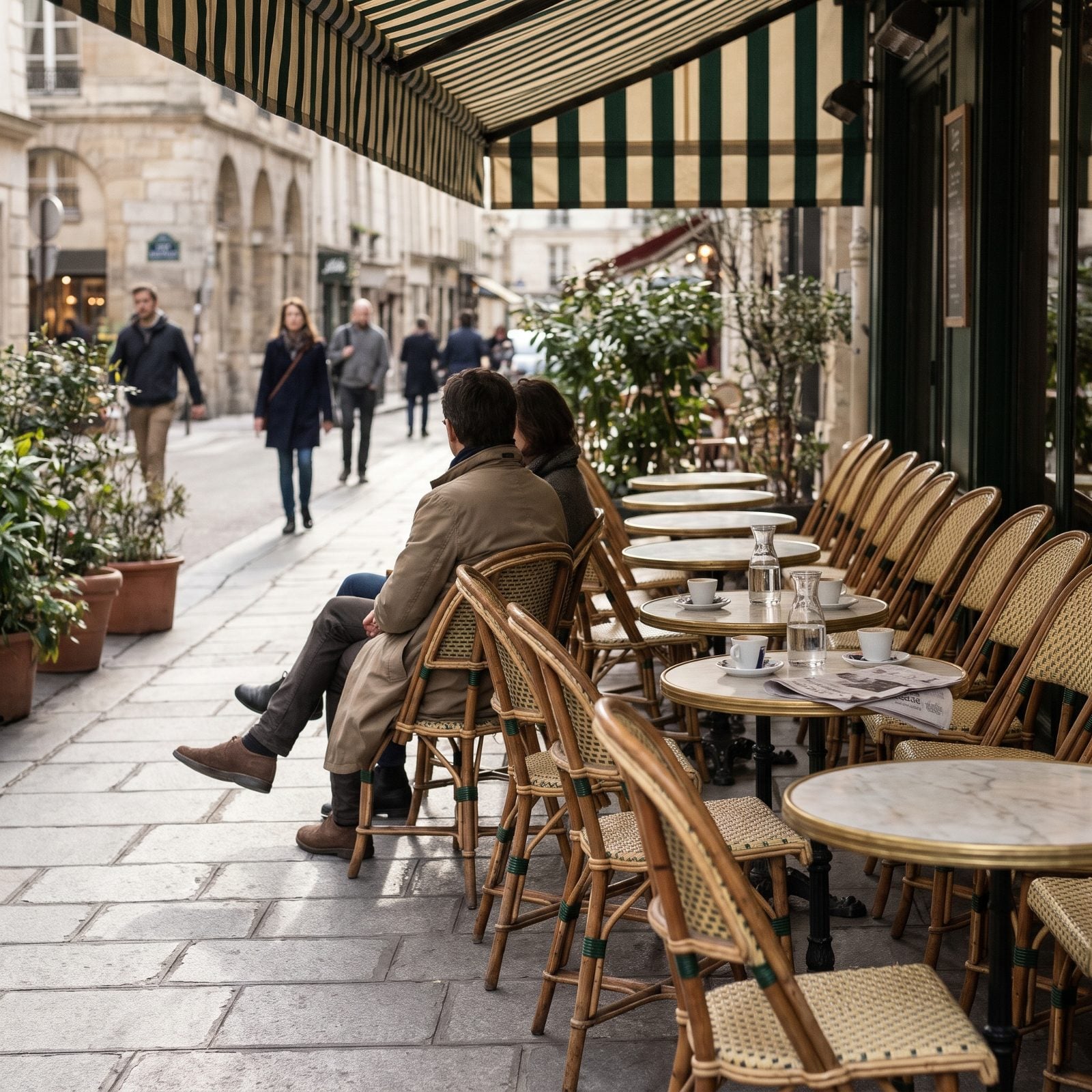
You’ve seen the photos: rows of café chairs all pointed at the street like theater seating. That’s no accident, and it’s not yours to rearrange. Terrace chairs face outward on purpose, because people-watching is the whole ritual.
Drag two chairs around to face each other across a tiny table and you’ve broken the row and crowded the walkway. Sit side by side, look out, let the street be the show. It feels strange the first time. Then it clicks.
41. Everyone at the Table Orders Something
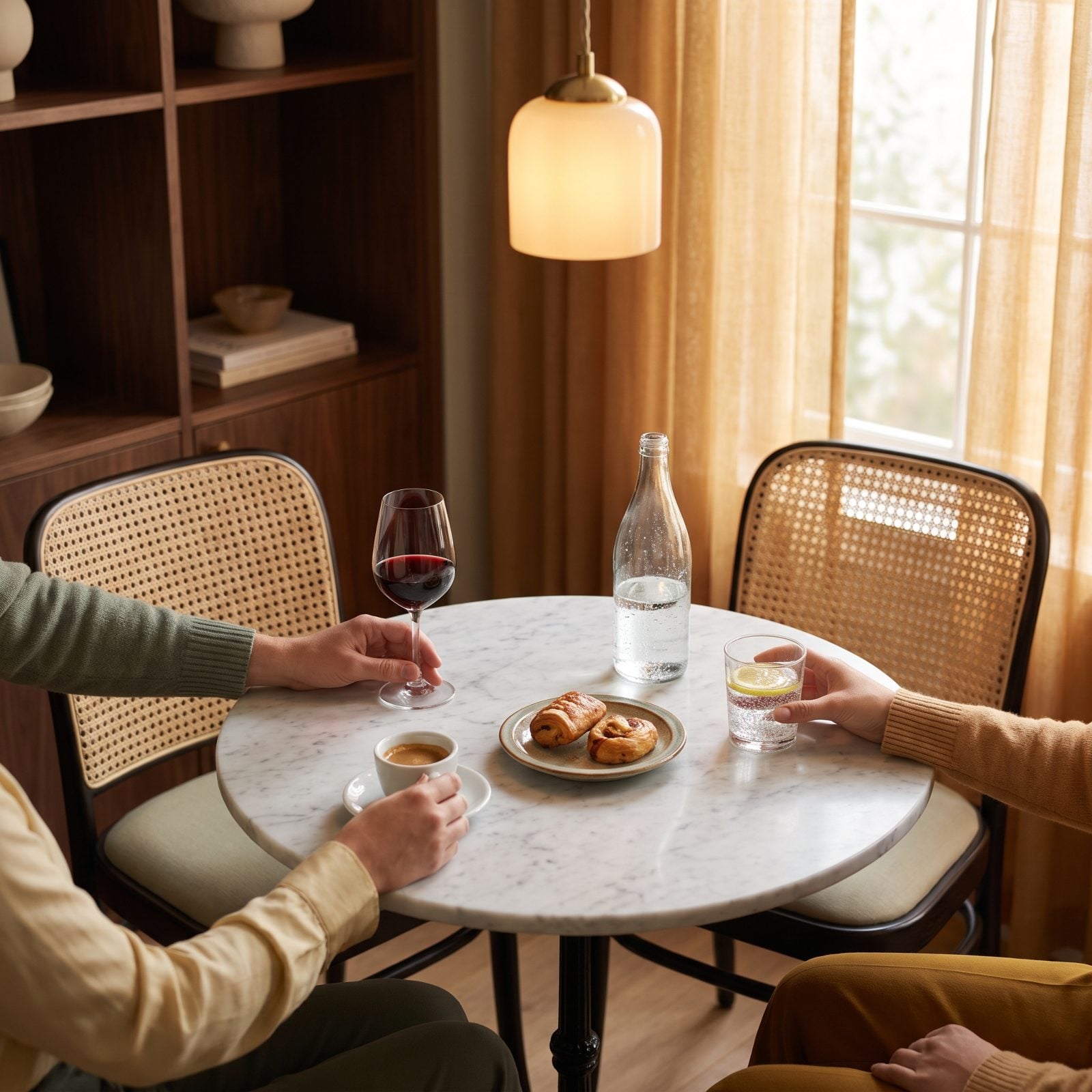
Four people sit down, three order coffees, one orders nothing and plans to share. That last part doesn’t fly here. Occupying a seat in a Paris café means buying something, even if it’s the smallest espresso on the list.
This isn’t about the money. The table is the server’s livelihood, and an empty place setting that stays empty reads as taking without giving. So get yourself a drink. A single café runs a couple of euros and buys you the seat for as long as you like.
40. Skip the Laptop Marathon When the Café Is Packed
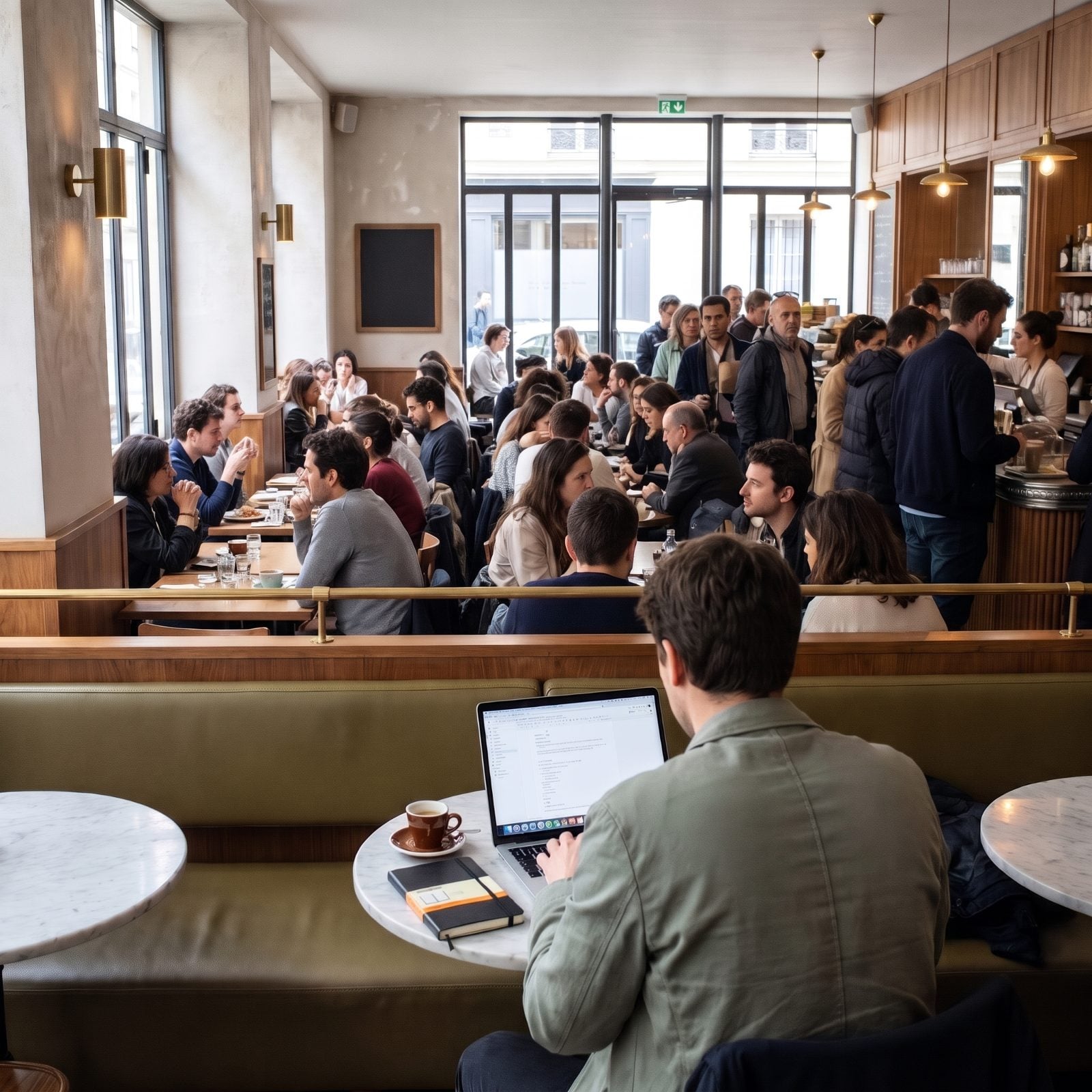
Nursing one coffee over a laptop for three hours while the lunch rush builds and people circle for seats? That’s where goodwill runs dry. Plenty of Paris cafés welcome a morning of work when it’s slow. During the busy stretches, it reads as hogging.
Read the room. If tables are filling and you’ve been camped an hour, buy another drink or free the seat. The café isn’t your office, and the server has a shift to run.
39. Catch the Server’s Eye Instead of Calling Out or Waving
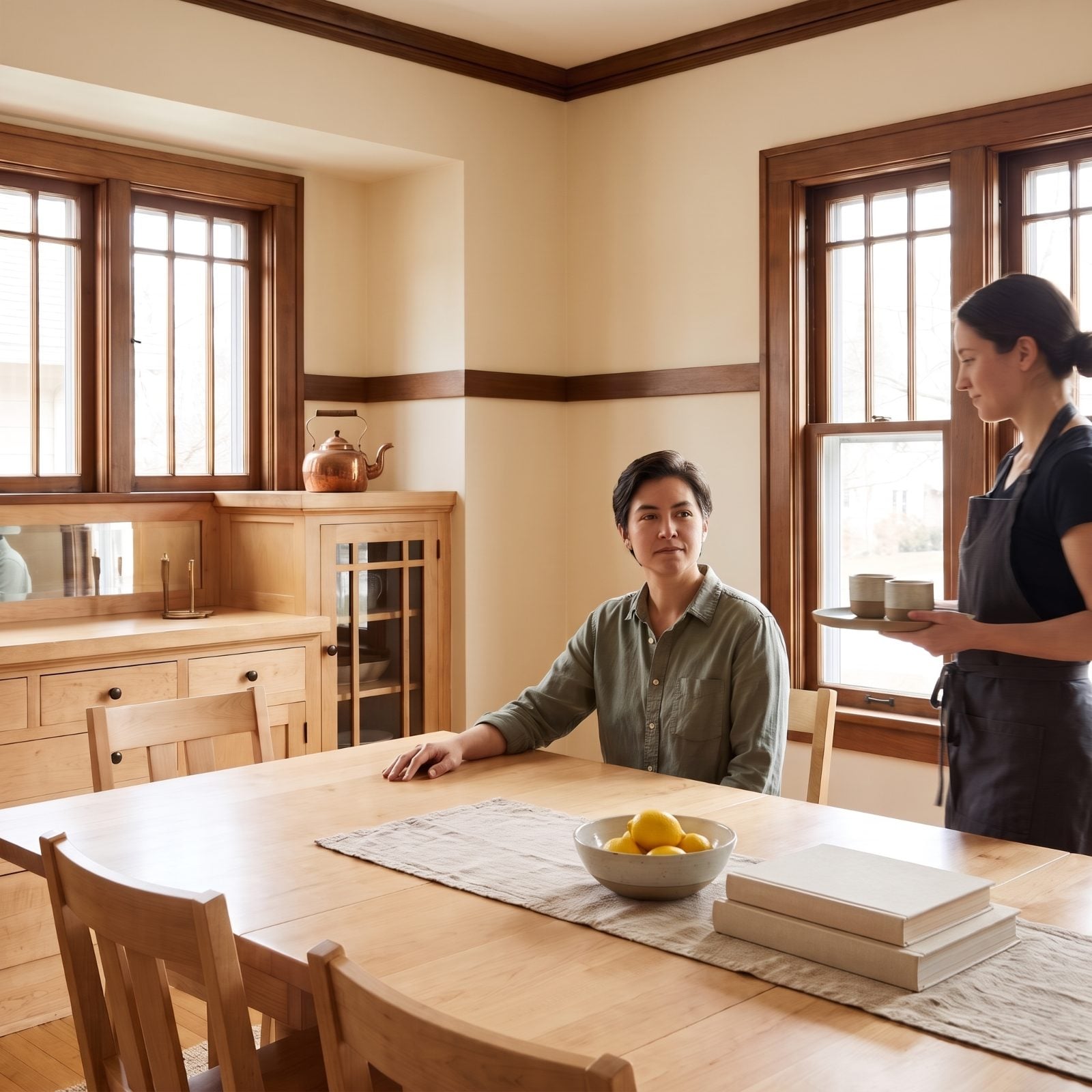
A loud “Excuse me!” and the big arm-wave will get you noticed, just not the way you’d hope. Good service runs on subtle signals: a steady look, a hand resting calmly on the table, a patient smile when your server glances over.
Whoever is bringing the cups, a server or a host in an apron, is doing real work, and they deserve to be treated that way. So return the favor. The quiet approach works, I promise. Make eye contact, hold it a beat, and they’ll come.
38. Do Not Expect a Separate Check for Every Diner
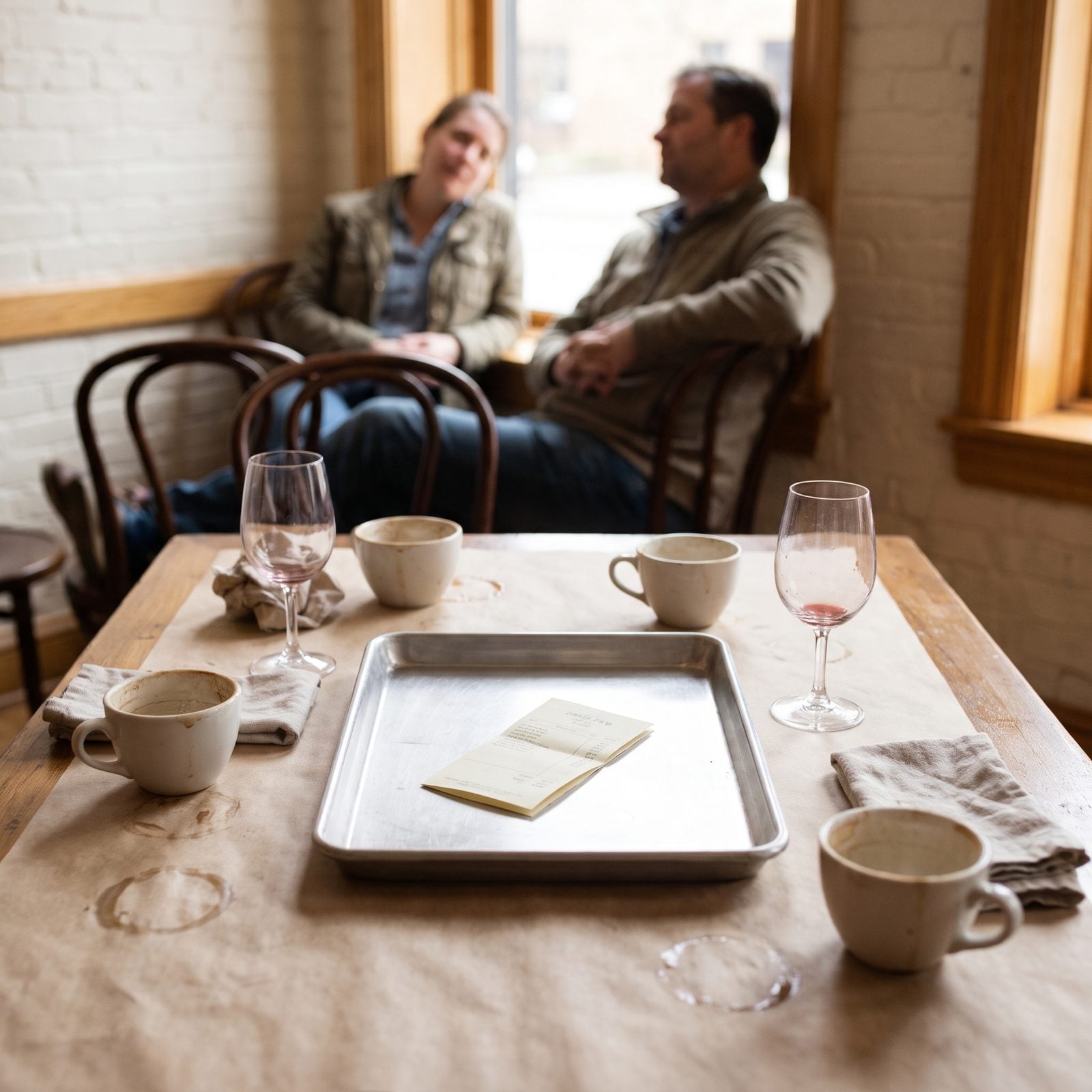
You finish lunch with three friends and ask the waiter to split it four ways. He pauses — not because he can’t, but because in most Parisian spots the bill arrives as one piece of paper, and sorting out who had the extra glass of Sancerre is your table’s problem.
Bring cash, or have one person pay and settle up later. Running four cards through a small bistro’s single terminal marks you instantly. Asking isn’t rude. It just slows everything down, and the place behind you is watching.
37. Request Une Carafe d’Eau for Free Tap Water
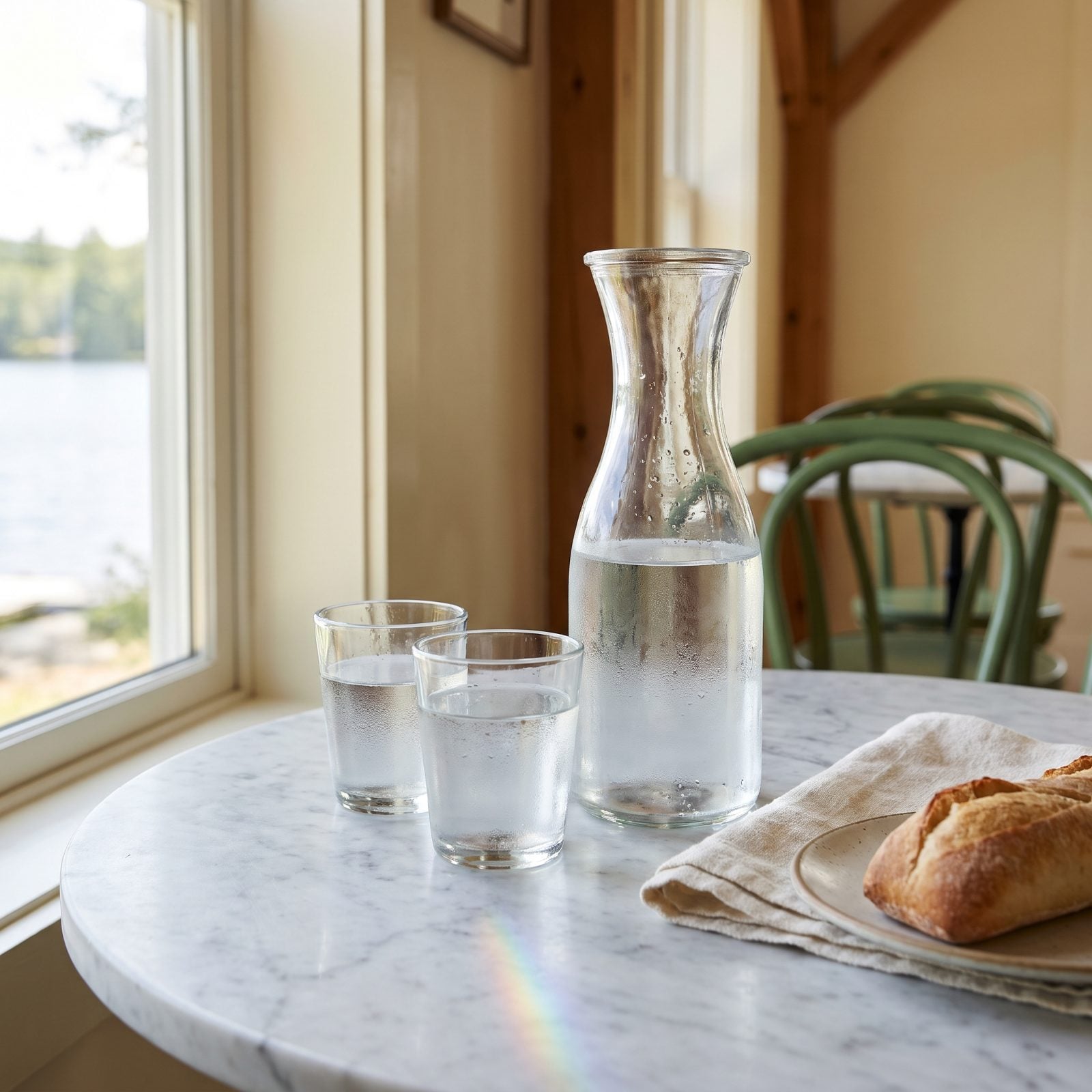
The water menu is a trap for your wallet. Order “water” and you’ll likely get a bottle of Evian or sparkling, billed accordingly. The move is three words: une carafe d’eau. Free tap water, perfectly good, and legally yours to ask for.
Nobody will judge you for it. Parisians do it constantly. The only people paying for bottled water at every meal are the ones who didn’t know the phrase.
36. Remember That Un Café Means an Espresso
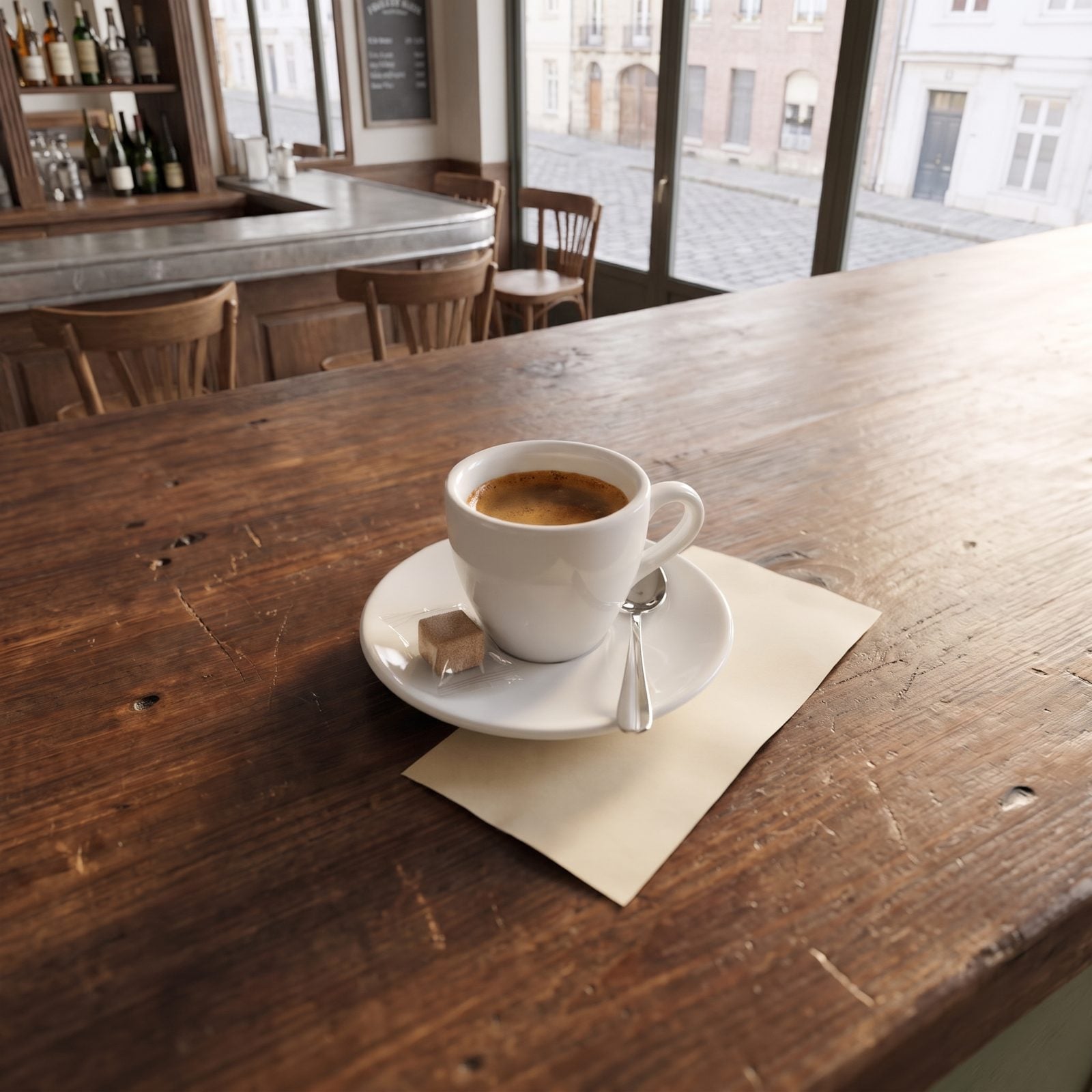
Ask for un café expecting a tall drip coffee and you’ll get a thimble of espresso that disappears in two sips. That’s correct. That’s the drink. No mistake has been made.
Want something closer to American coffee? You’re after un café allongé, an espresso stretched with hot water. A café crème is your morning milky one, and ordering it after noon quietly announces you’re a visitor — locals drink their crème at breakfast and switch to the short black after lunch. Nobody will stop you. But now you know.
35. Do Not Expect Ice-Filled Drinks or Free Refills
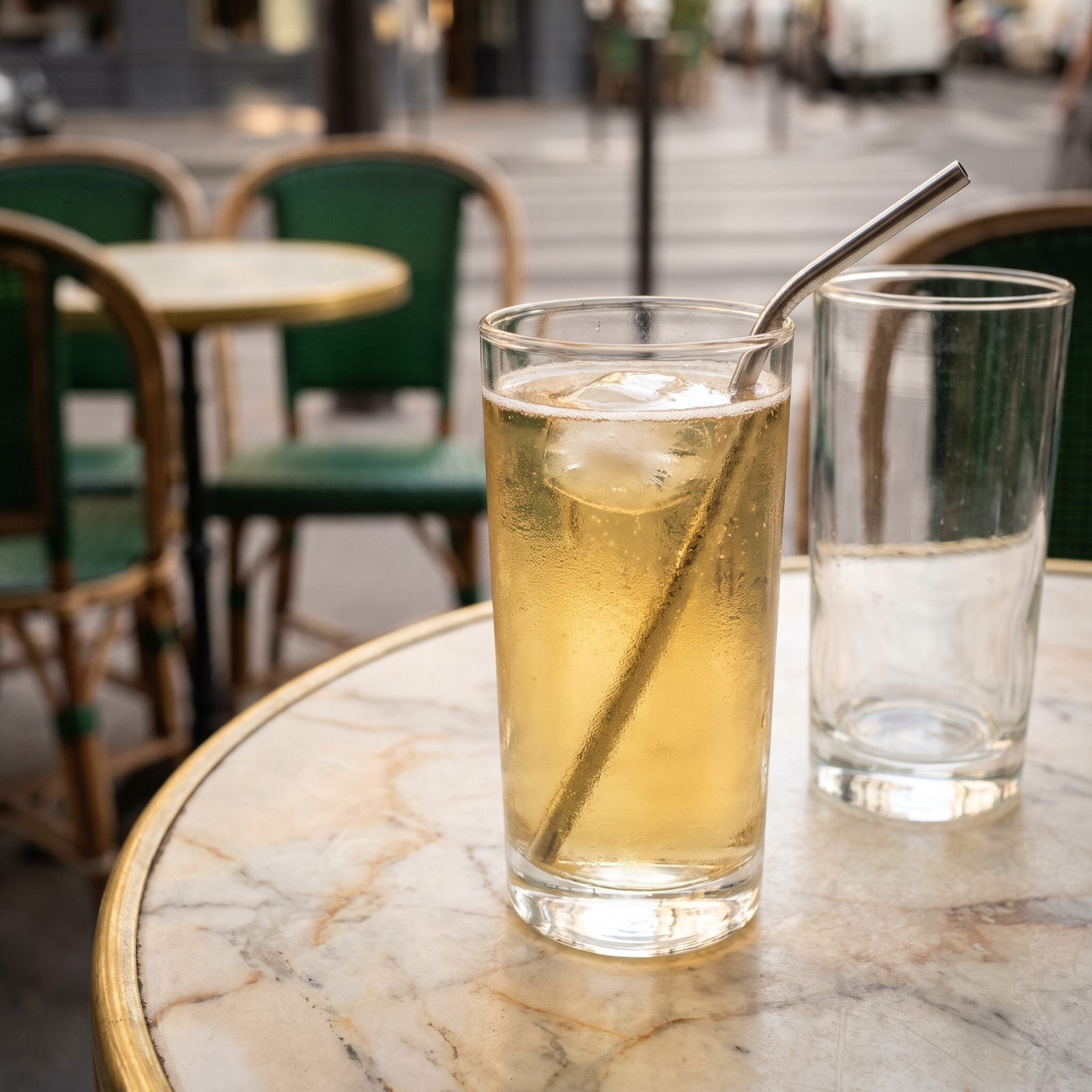
The glass arrives with one sad ice cube, maybe two, and when it’s empty it stays empty. Nobody circles the table with a pitcher. Nobody tops off your Coke for free.
Drinks come poured once, at the size they come. Want ice? Ask for des glaçons and you’ll get a small handful at best. The bottomless soda is a purely American invention, and the first time you reach for a refill that isn’t coming, you’ll feel the culture gap in real time.
34. Place Bread Beside the Plate, Not on It
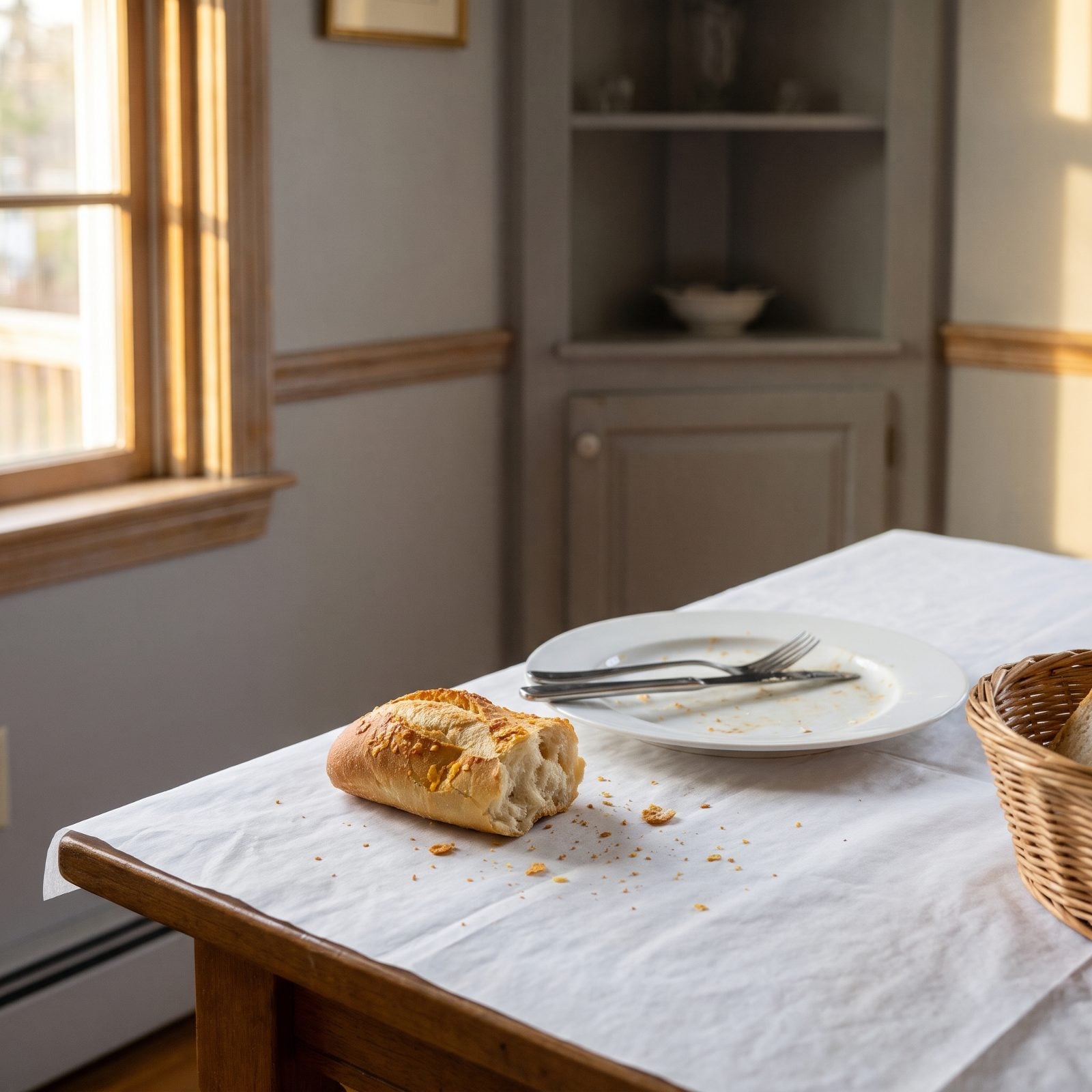
There’s no bread plate coming, so stop looking for one. Your bread goes directly on the tablecloth next to your plate, and this is not a lapse in hygiene. It’s how it’s done, in homes and restaurants alike.
Bread works as a utensil here as much as a food. You use it to push, to mop sauce at the end, to clear the plate. Tearing it with your hands rather than biting into the whole piece is the small polite thing that signals you’ve eaten at a French table before.
33. Keep Both Hands Visible While Dining
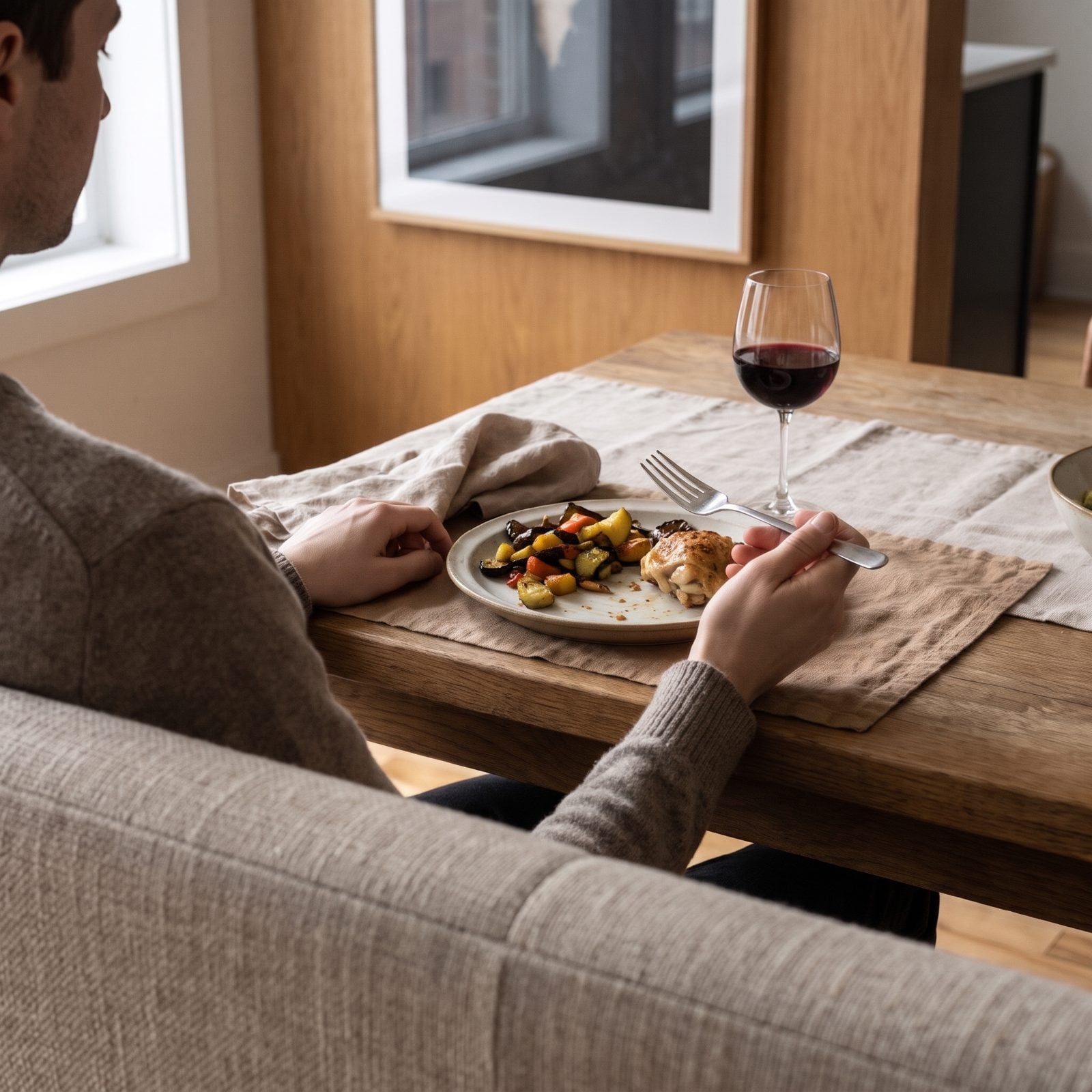
Americans learn to keep the idle hand in the lap. The French learn the opposite: both hands stay above the table, wrists resting on the edge, throughout the meal.
It reads as open and present rather than hiding something. A hand under the table during dinner is faintly suspect — an old notion that stuck. You won’t get corrected for it. But once you see it, you’ll notice everyone around you keeps their hands where the table can see them, and the gesture does make the meal feel more shared.
32. Avoid Requesting Extensive Menu Substitutions
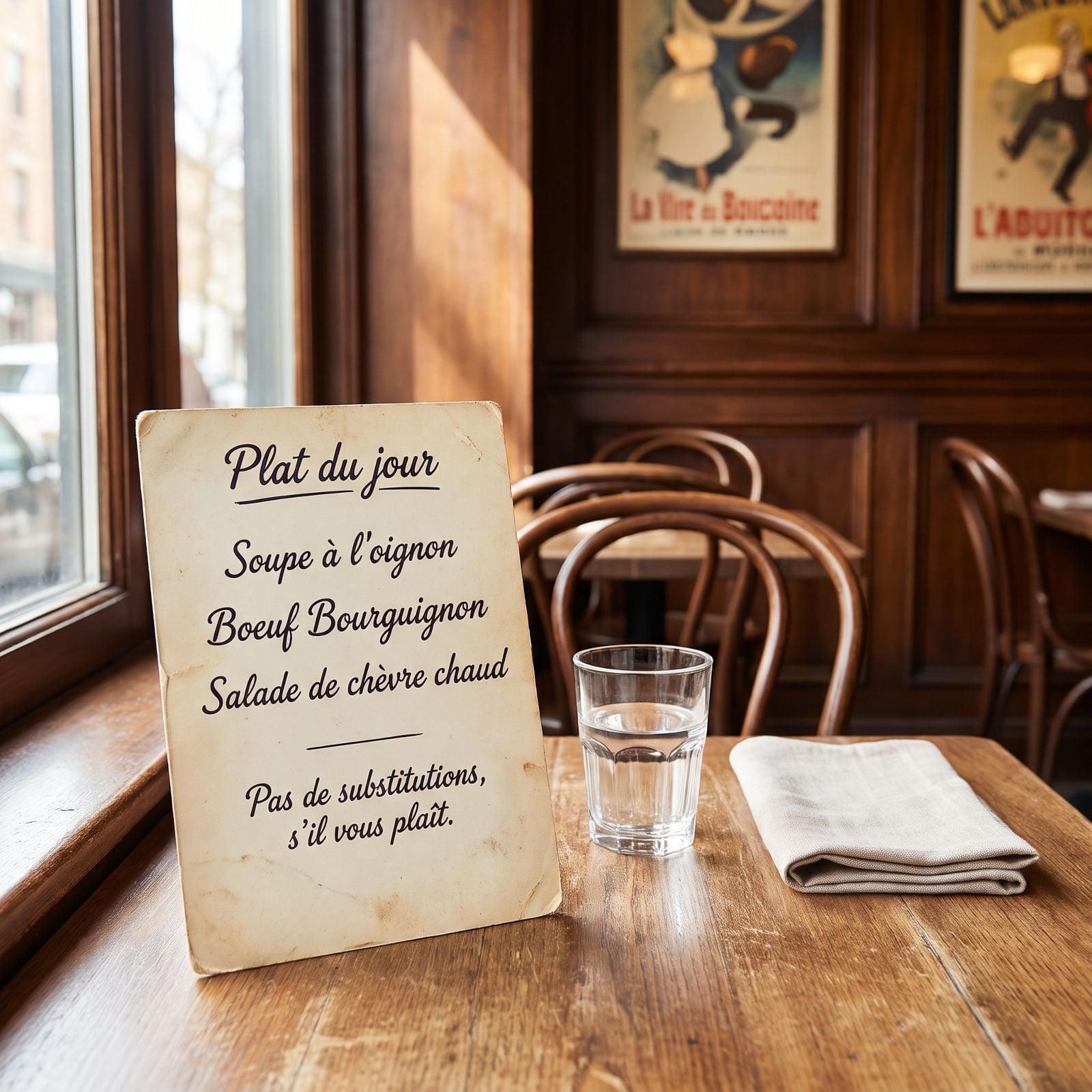
The dish comes as the kitchen makes it. Asking for the sauce on the side, the cheese left off, the protein swapped — this lands as a small insult to the chef, not a reasonable customization.
French cooking treats a plate as a complete idea, composed on purpose, and pulling it apart suggests you know better. Genuine allergies and dietary needs get respected without fuss, so say the real thing (je suis allergique) rather than listing preferences. The line between a medical need and a picky order is one Parisian kitchens draw sharply.
31. Let a Multi-Course Meal Unfold Without Rushing It
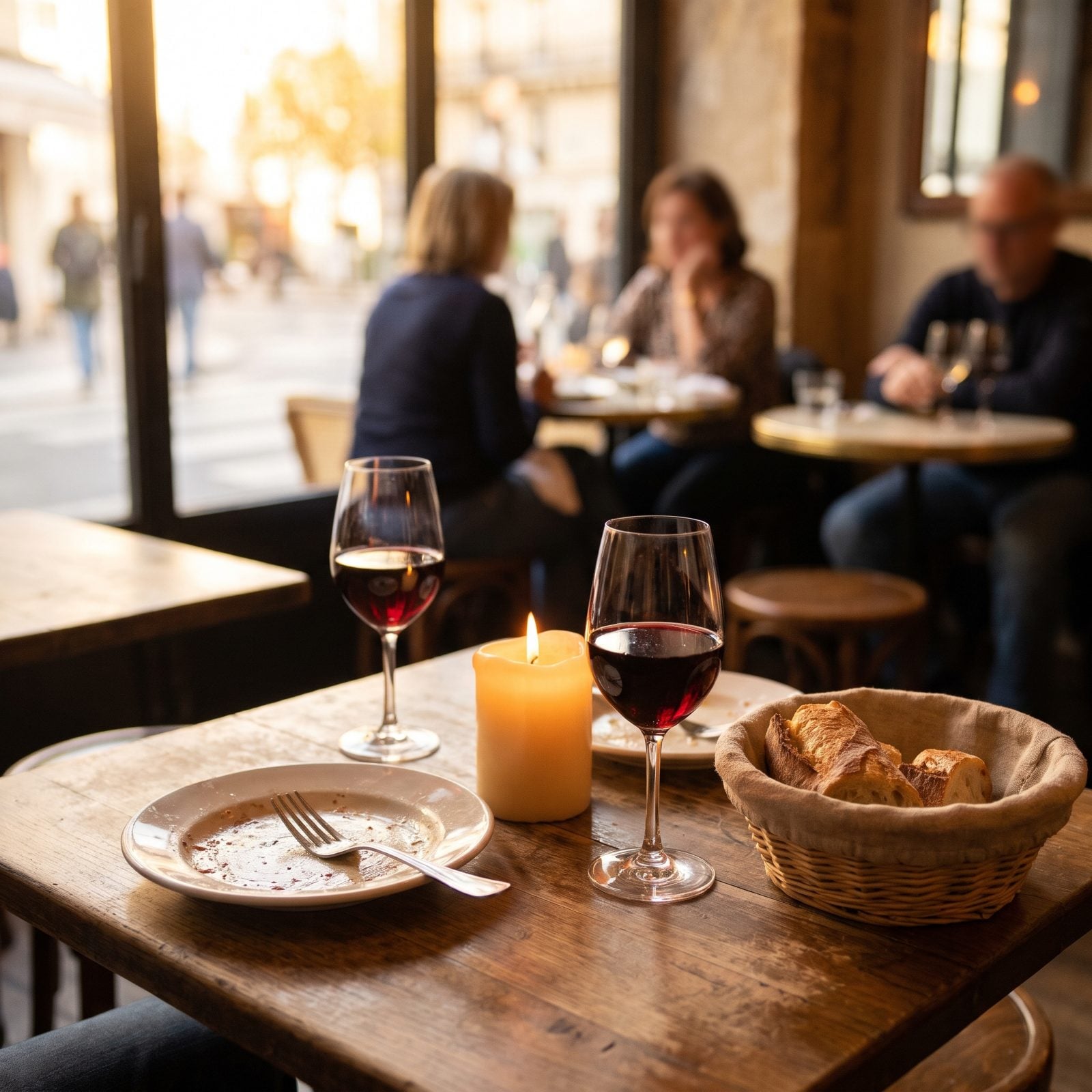
A proper Parisian dinner is no efficient transaction. It unfolds across hours — apéritif, starter, main, cheese or dessert, coffee — each course arriving when the last is cleared and the conversation has room to breathe.
The waiter won’t bring your check until you ask. Lingering is the point. He’s not forgetting you; he’s leaving you alone, because hovering to turn the table faster is the American habit, not the French one.
In Paris, a two-hour dinner isn’t slow service. It’s the whole evening, delivered on purpose.
When you’re ready, catch his eye and ask: l’addition, s’il vous plaît. Until then, the table is yours.
30. Tip Modestly Instead of Applying American Percentages
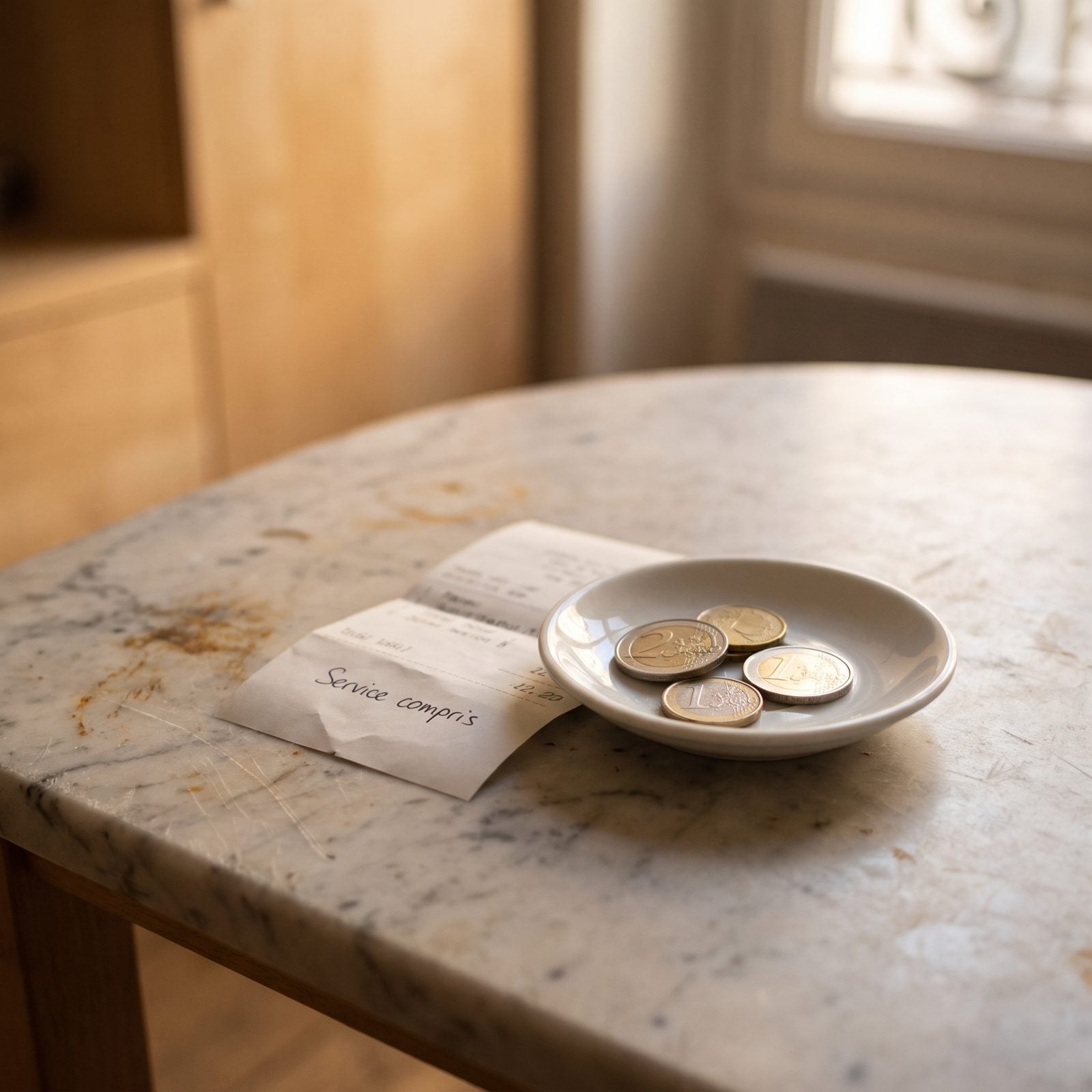
Service is already included. The French call it service compris, baked into the price by law, which means the big tipping reflex you carry from home doesn’t apply.
Leaving a few extra coins for good service is kind and appreciated. Round up the bill, or drop a euro or two at a café, a five on a nice dinner — that’s generous by local standards. Pile on an American percentage and you’re not being polite. You’re broadcasting that you don’t understand how the system works.
29. Respect Parisian Lunch and Dinner Hours
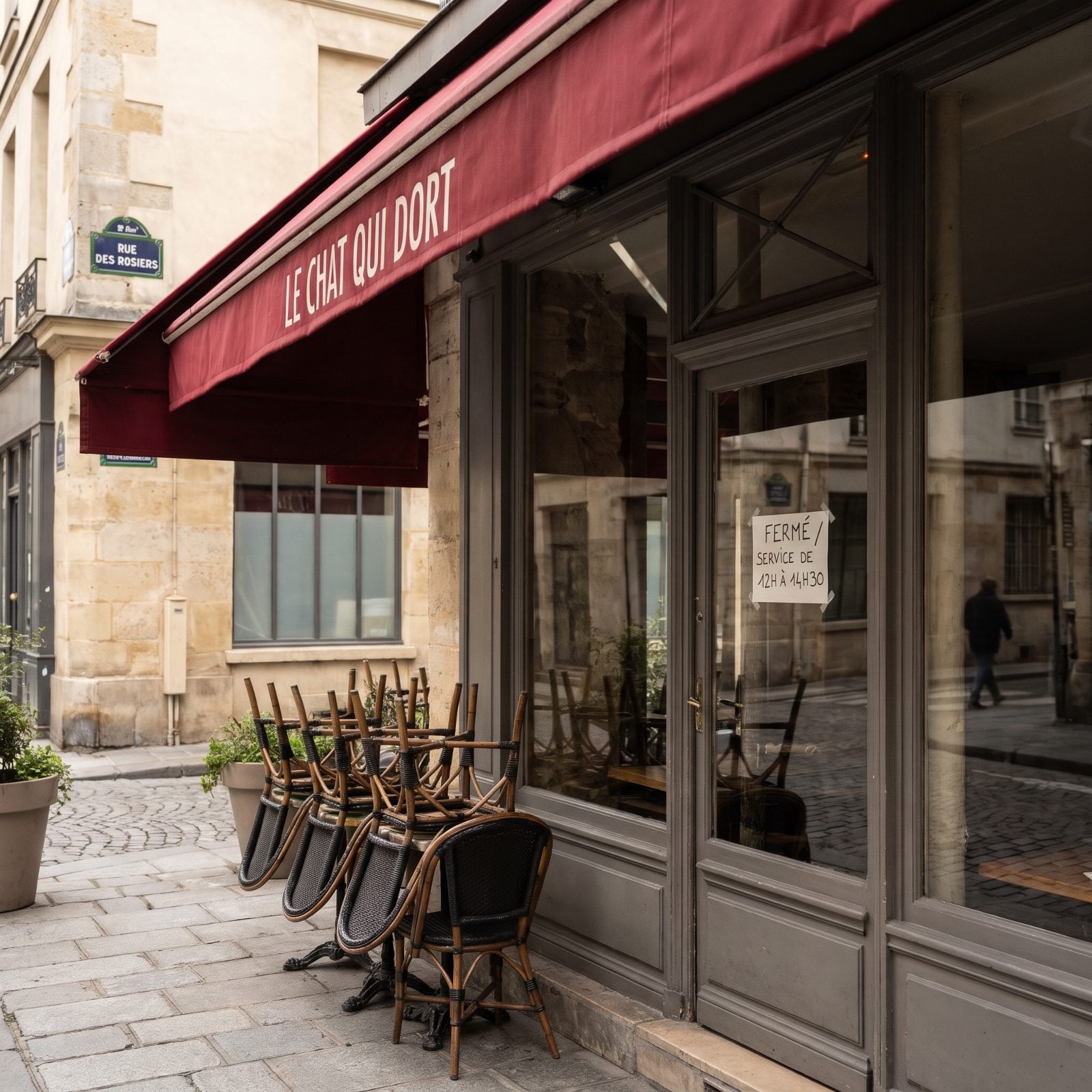
Walk in mid-afternoon hungry for a full meal and you’ll find the kitchen closed. Lunch runs roughly noon to half past two, dinner starts around seven-thirty and picks up later. The hours between are for coffee, a drink, maybe a pastry — not a hot plate.
Showing up early evening expecting dinner is pure American timing, and the kitchen won’t have fired up yet. Plan around the rhythm instead of fighting it. A café will always feed you a croque-monsieur in the off-hours, but the real meals keep to the clock, and the city runs on that clock whether you’ve adjusted or not.
28. Show Up When You Said You Would for Dinner
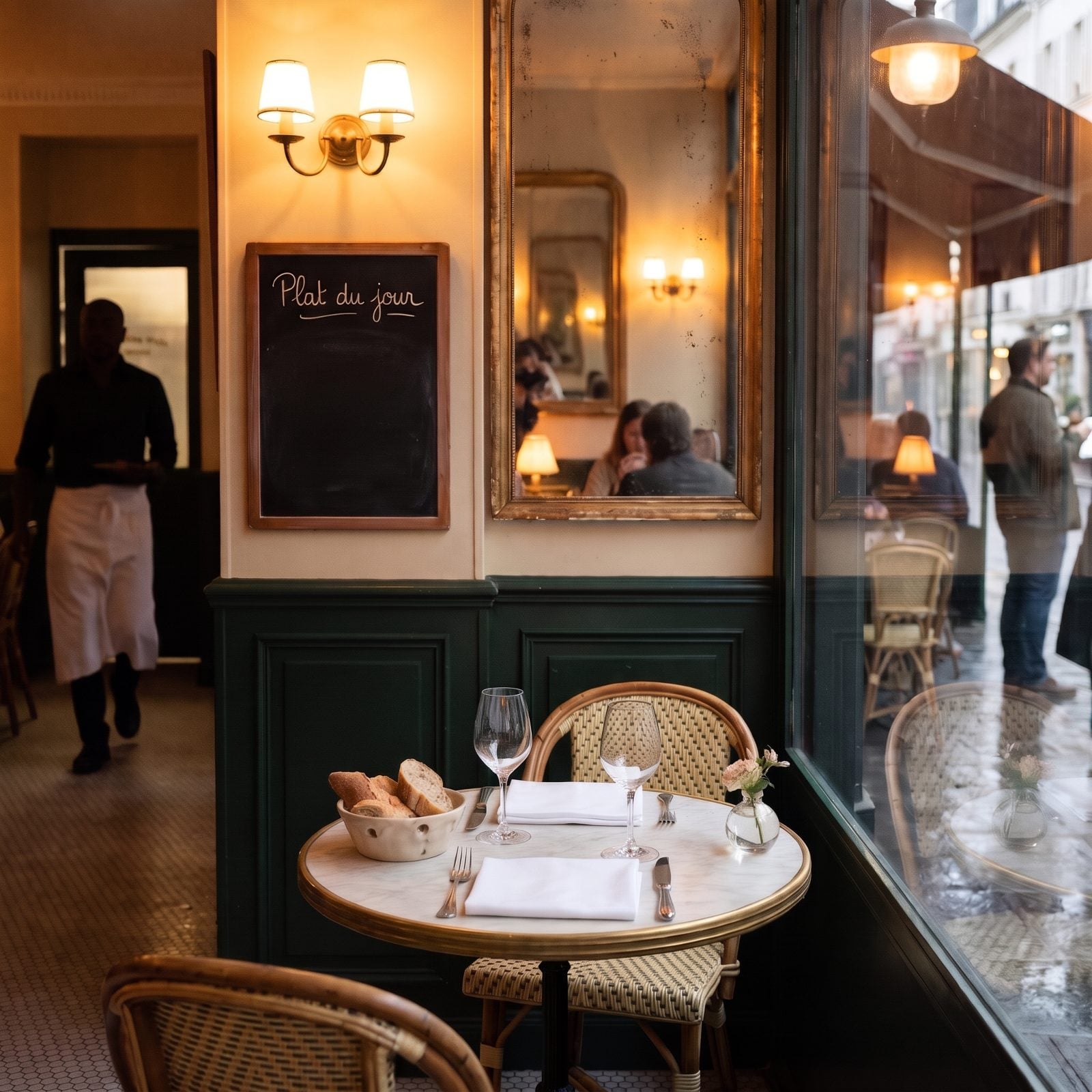
A Paris dinner reservation is a handshake, not a suggestion. Book for 8pm, roll in at 8:25, and the kitchen has already started wondering about you. Smaller bistros run two seatings a night, so your lateness pushes the whole evening sideways.
This surprises Americans used to a fifteen-minute grace window and a hostess who shrugs. Here, five minutes late is normal. Twenty is a message. Call if you’re stuck, even in rough French — the effort registers more than the grammar ever will.
27. Let the Restaurant Know When Your Plans Change
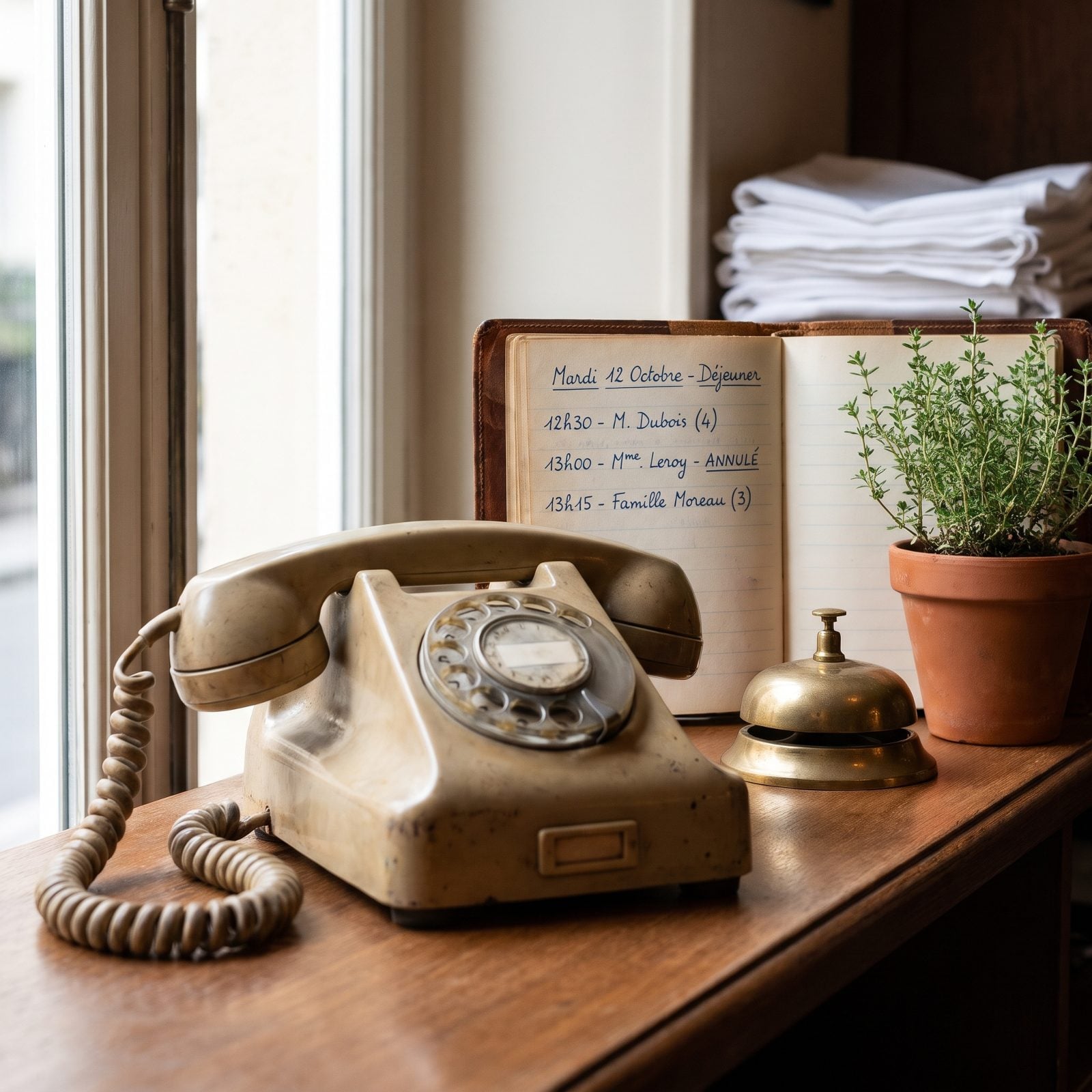
Ghosting a Paris restaurant is worse than being an hour late. A no-show holds a table the owner could have filled, in a city where a thirty-seat room runs on tight margins and goodwill.
A quick cancellation, even same-day, costs you nothing and buys you a warm welcome next time. Plenty of places now take a card at booking and charge you for vanishing. That policy exists because enough visitors treated a free reservation as disposable.
26. Don’t Treat the Café Toilet as a Public Restroom
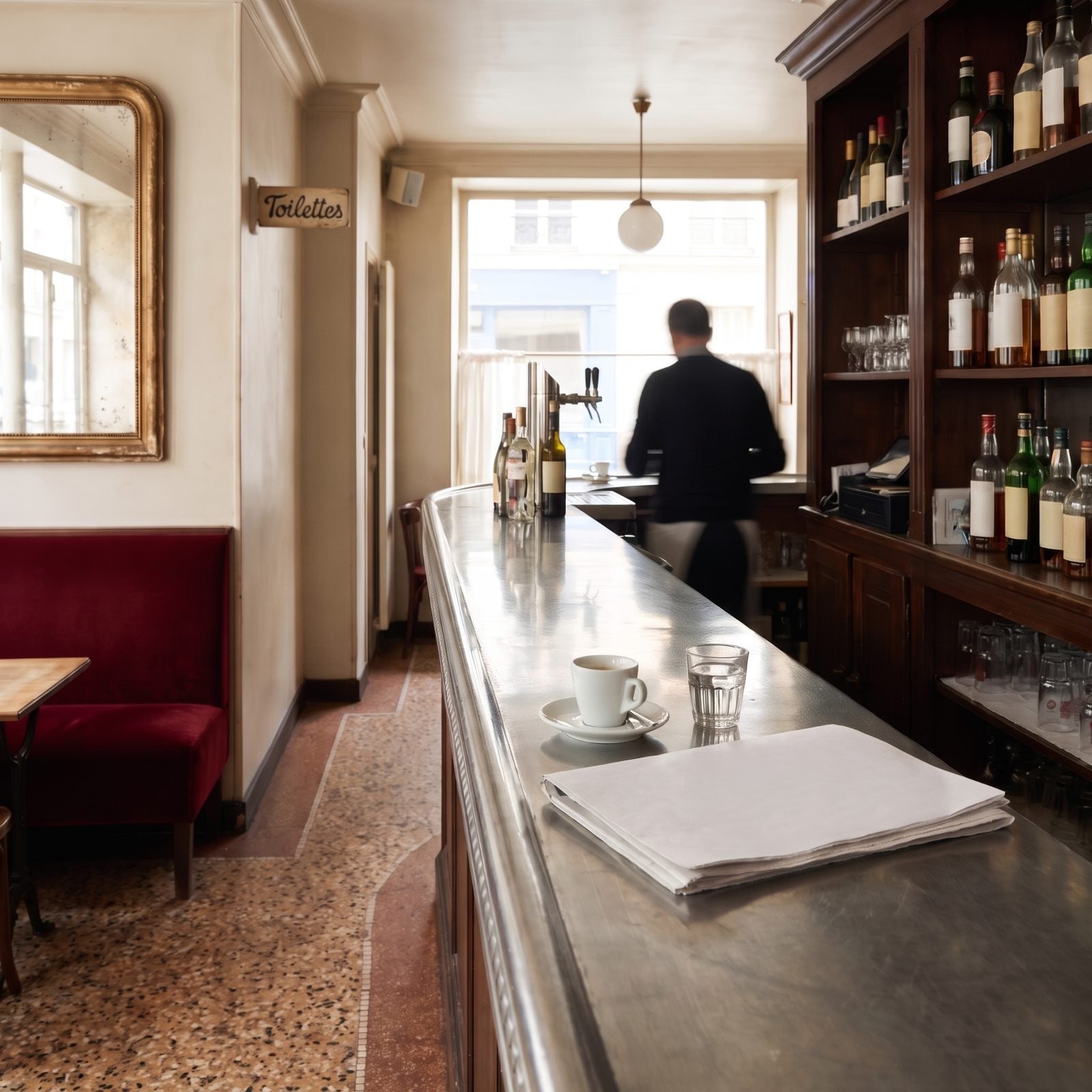
That café toilet is for customers. Duck in to use it and walk straight back out, and the owner clocks it instantly. Rude move.
The fix costs about the price of an espresso. Order a coffee at the bar, stand, drink it, then use the restroom — now you’re a customer, not an intruder, and the standing price often undercuts sitting anyway.
25. Save the Baguette for a Bench, Not the Boulevard
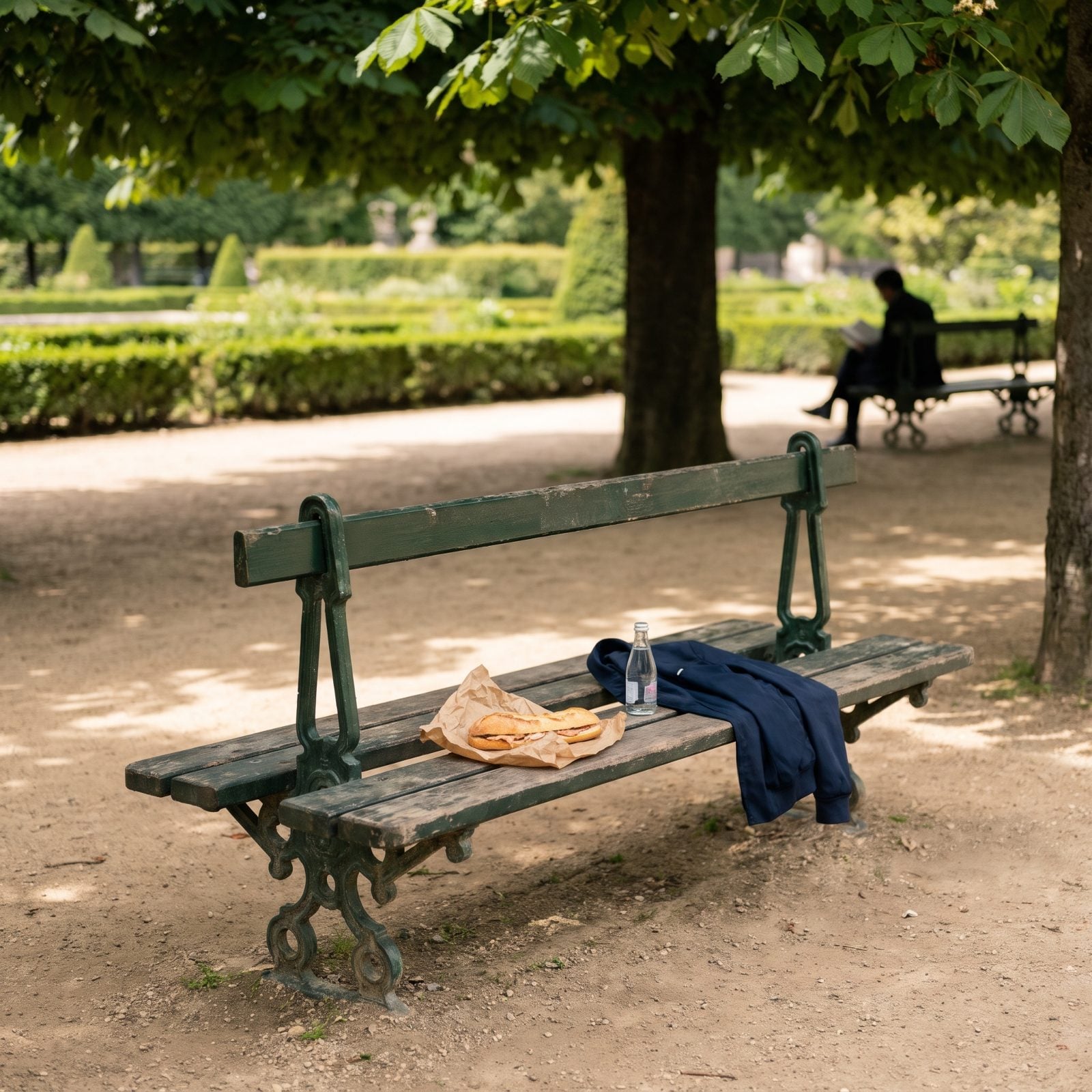
Parisians eat sitting down. Not out of fussiness, but because a meal is a thing you stop for, not something you shovel between errands while striding down Rue de Rivoli.
A pastry on the go is fine — nobody blinks at a croissant eaten half a block from the boulangerie. But a full sandwich or a messy crepe consumed at a brisk walk marks you instantly. Find a bench, a quai along the Seine, a garden. The food tastes better anyway when you’re not dodging foot traffic.
24. Wait for the Car to Empty Before You Pile In
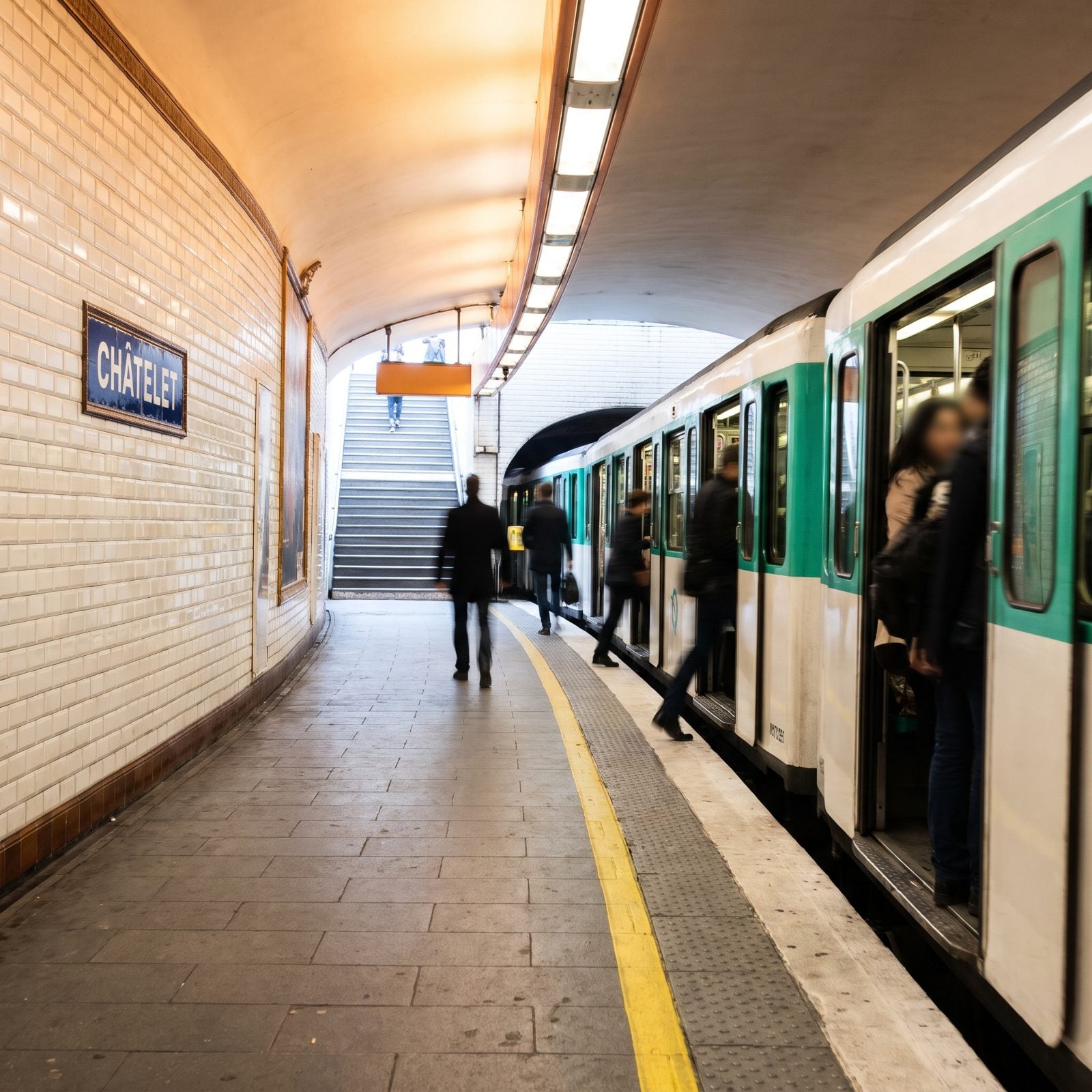
The doors open and the rush to board before anyone gets off is the loudest tourist tell on the whole system. It clogs the doorway, slows everyone, and earns you a wall of hard Parisian stares.
Step aside. Let the car empty. Then board. Four extra seconds, and it’s the whole difference between moving like a local and announcing you just landed.
23. Keep to the Right So the Rushers Can Pass
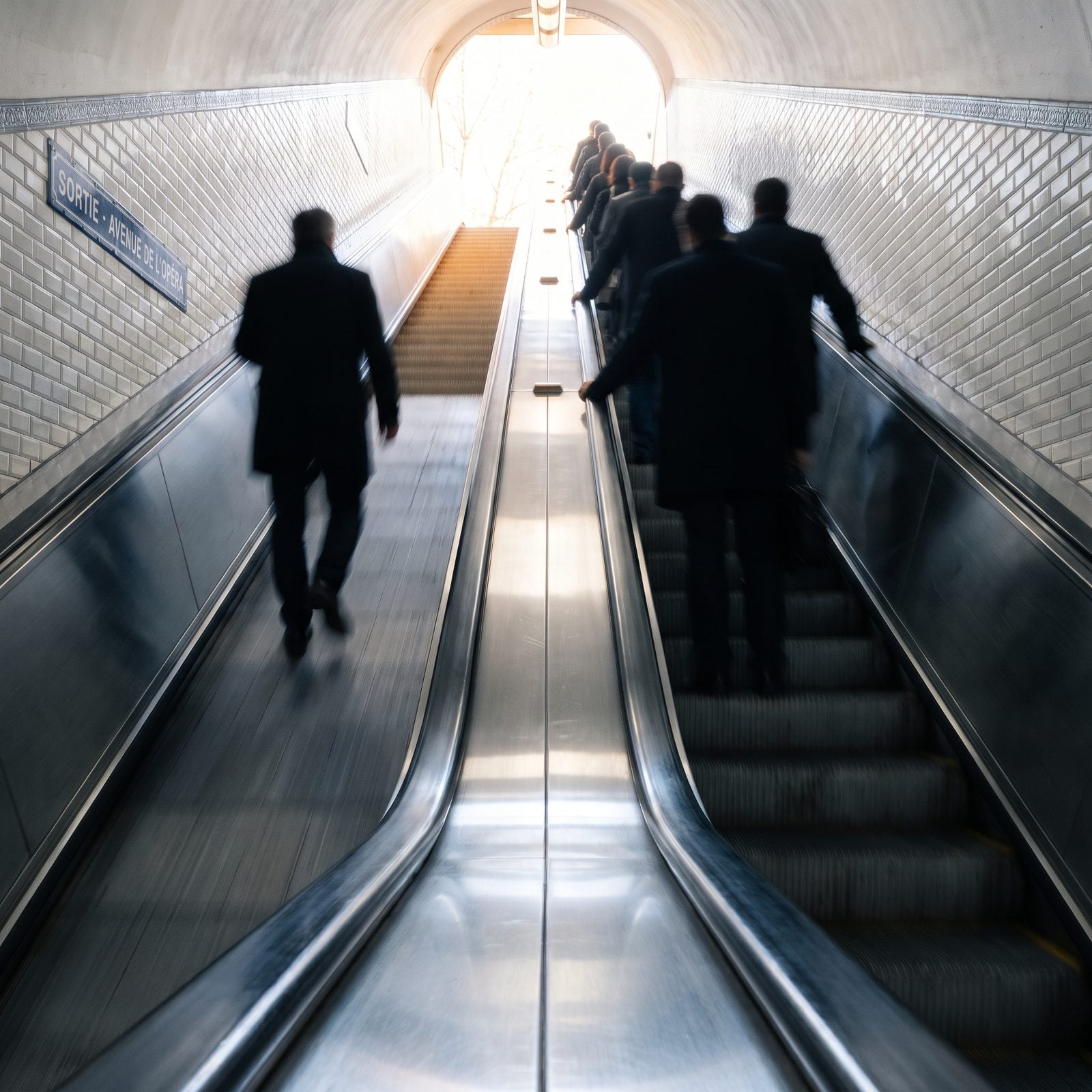
Stand right, walk left. The rule is unspoken but ironclad, and parking yourself dead center with your roller bag turns a moving escalator into a traffic jam.
Someone behind you is late for the 8:12. They will not say a word. They’ll just radiate quiet fury until you drift right. Save everyone the tension and pick a side the moment you step on.
22. Flip Up the Fold-Down Seat When the Car Fills
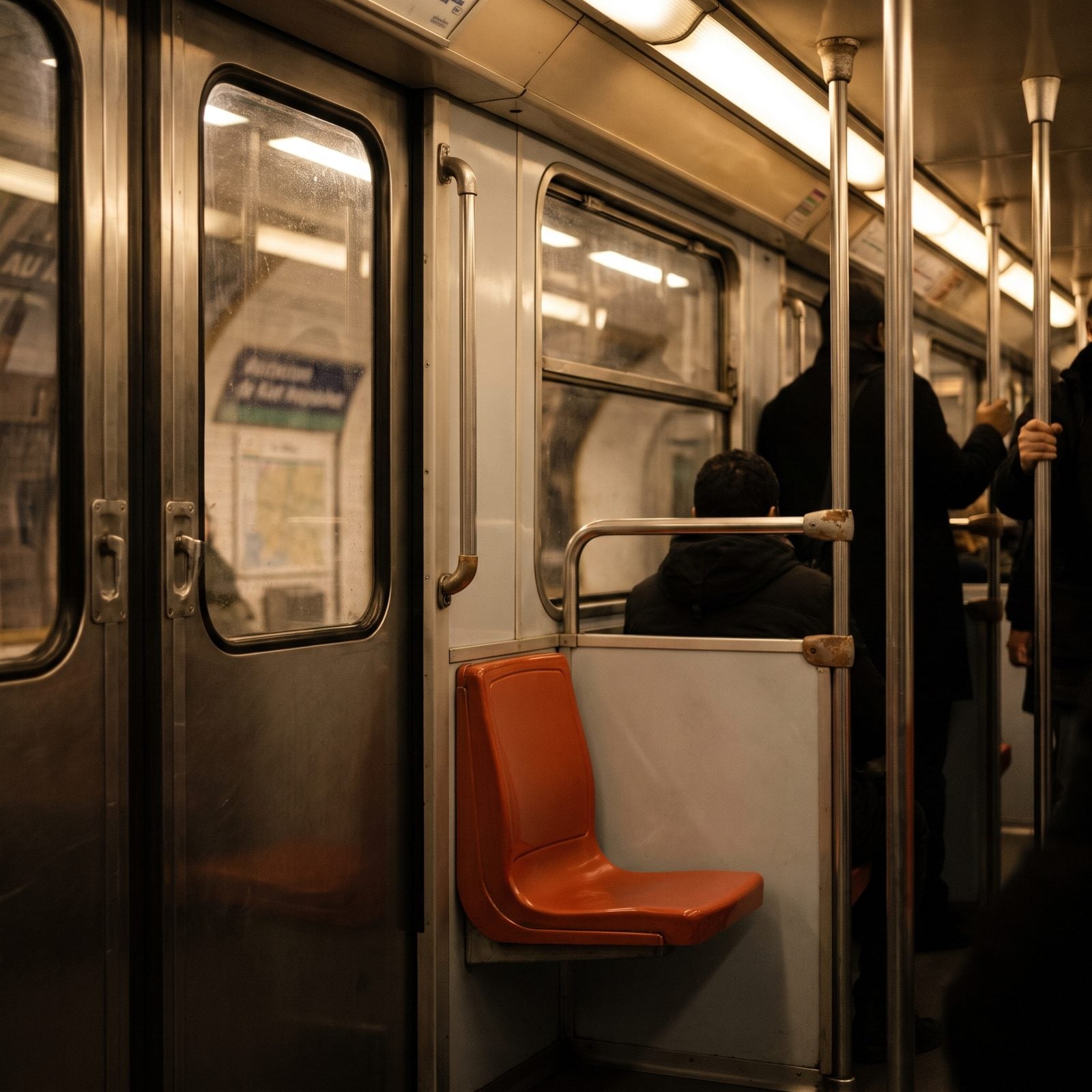
Those little fold-down seats near the Metro doors, the strapontins, come with a catch. When the car gets crowded, you stand and fold them up.
Nobody announces it. You just notice, as the car packs in at rush hour, that the locals around you have risen and clicked their seats closed to make floor space. Stay planted and you’re the person blocking four people’s standing room. Watch the crowd, follow the cue.
21. Carry Your Backpack in Front, Not on Your Shoulders
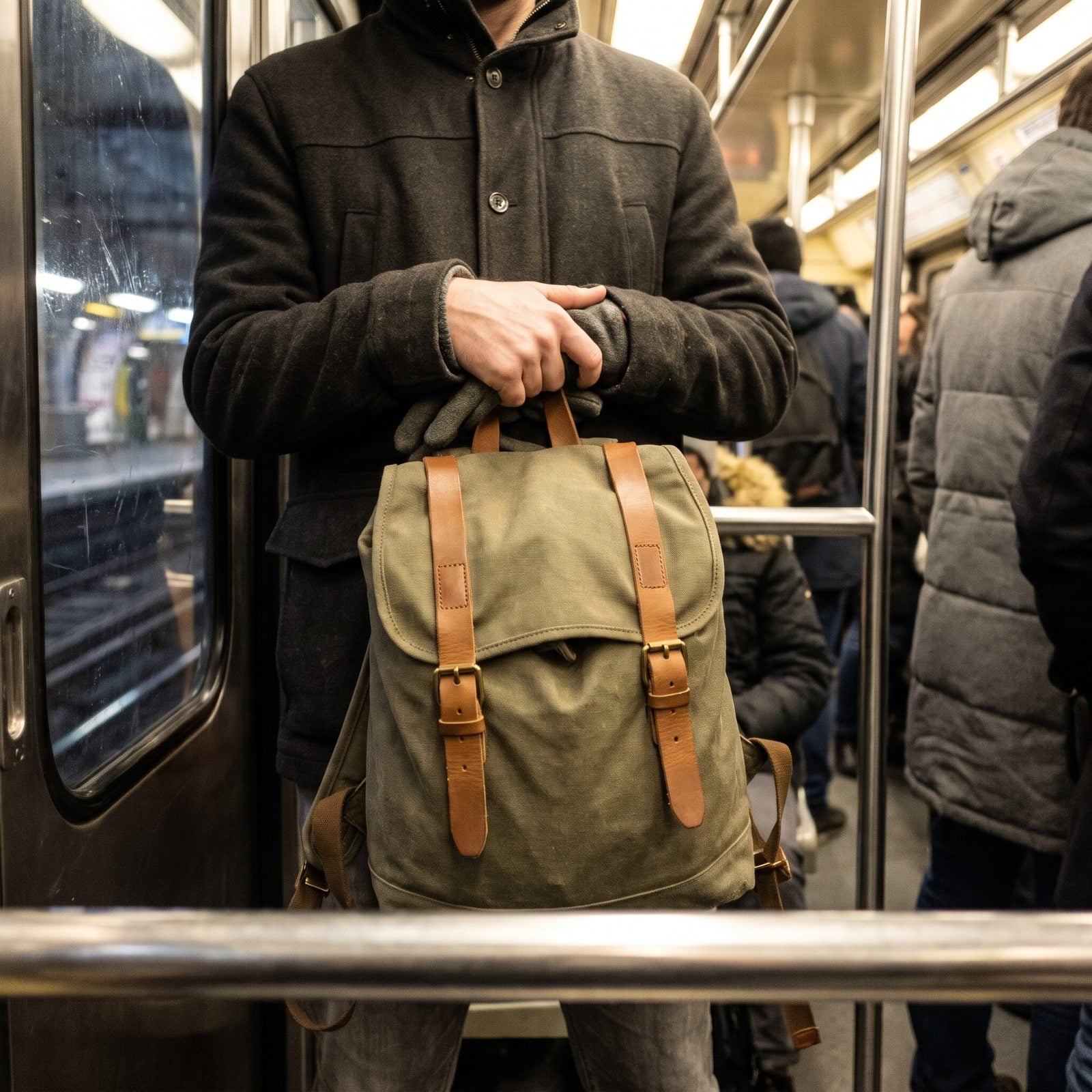
A backpack worn on your back in a packed train becomes a weapon you can’t see swinging. Every turn, it clips someone. Every stop, it shoves into the person wedged behind you.
Swing it around to your front, or set it between your feet. Easiest courtesy on this whole list — and it keeps your valuables in sight on lines where pickpockets work the crowds, so you win twice.
20. Lower Your Voice and Kill the Phone Speaker
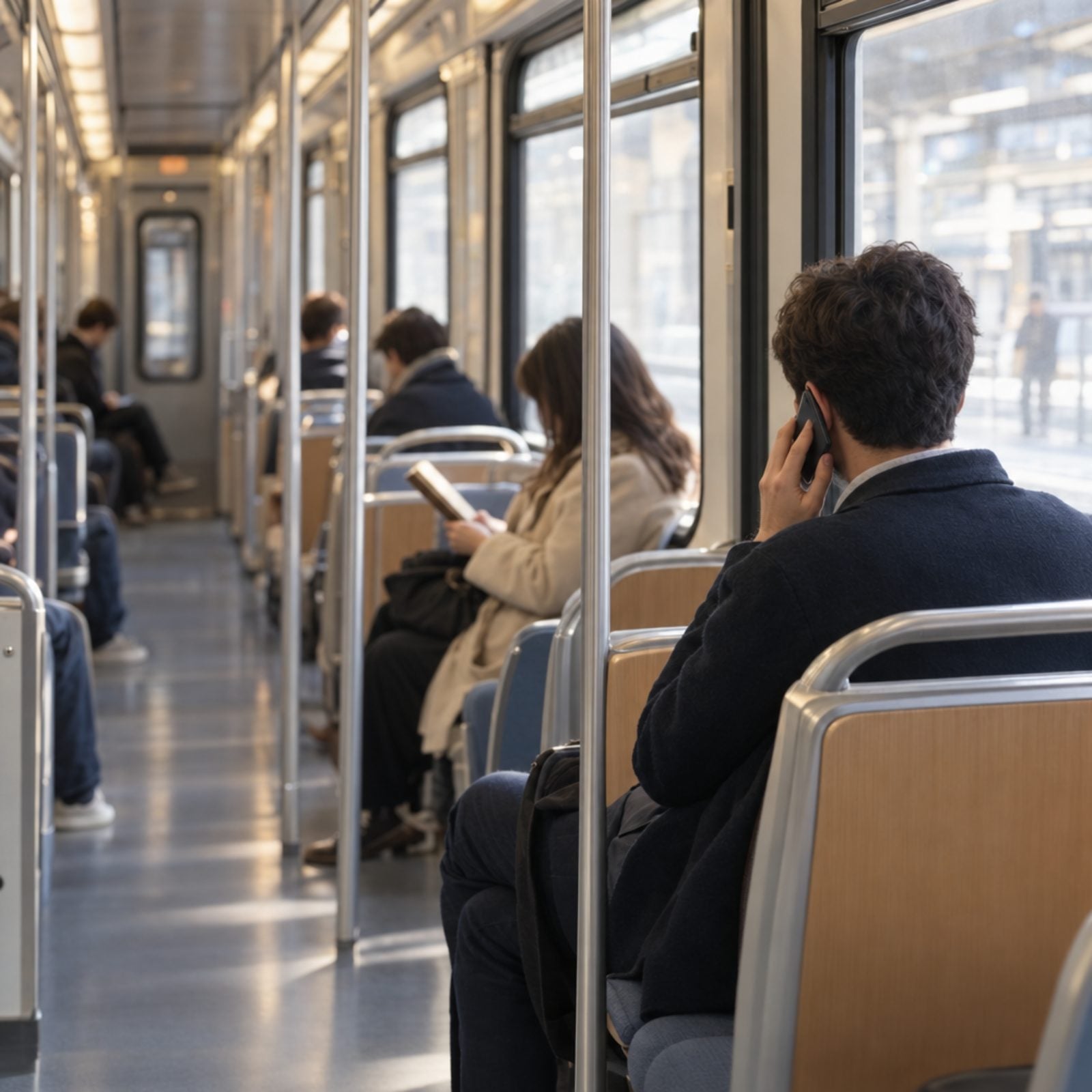
The Metro is quieter than Americans expect. People read, stare out the window, keep to themselves. A loud phone call or a video blaring on speaker cuts through that hush like a car alarm at dawn.
Nobody will shush you. Parisians handle noise with a glance that could curdle milk. Use headphones, keep conversation low, and let the car stay the pocket of calm it’s trying to be.
19. Hang On to That Little Paper Ticket Until You’re Out
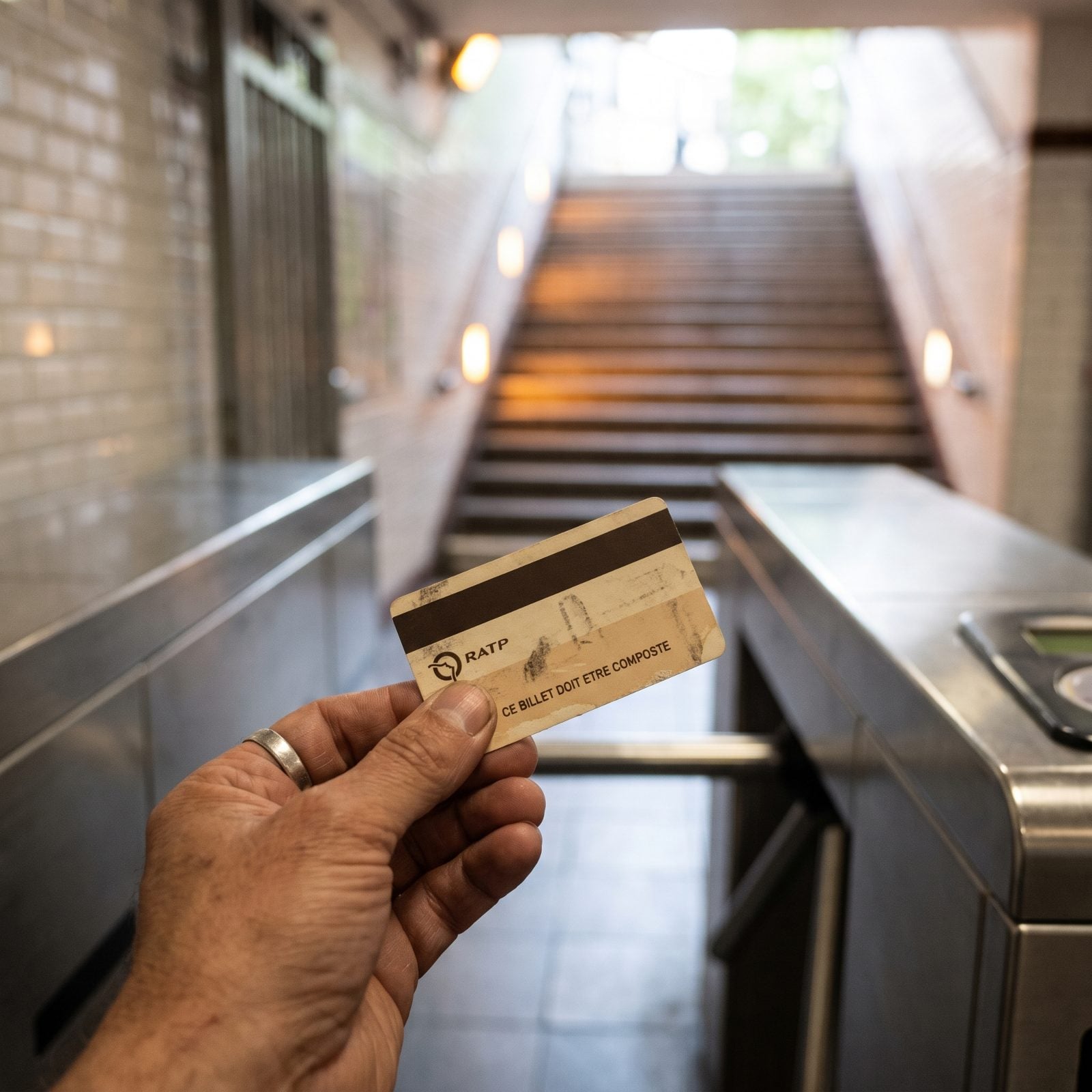
Don’t toss your ticket the second you pass the turnstile. Some stations, and nearly every RER exit, need you to scan it again on the way out. And here’s the real catch — ticket inspectors board trains unannounced.
Get caught without proof of a valid fare and the fine is real money, payable on the spot, no tourist sympathy included. A used ticket weighs nothing. Keep it in a pocket until you’ve climbed the last stair into daylight.
18. Keep the Sandwich Wrapped Until You’re Off the Metro Car
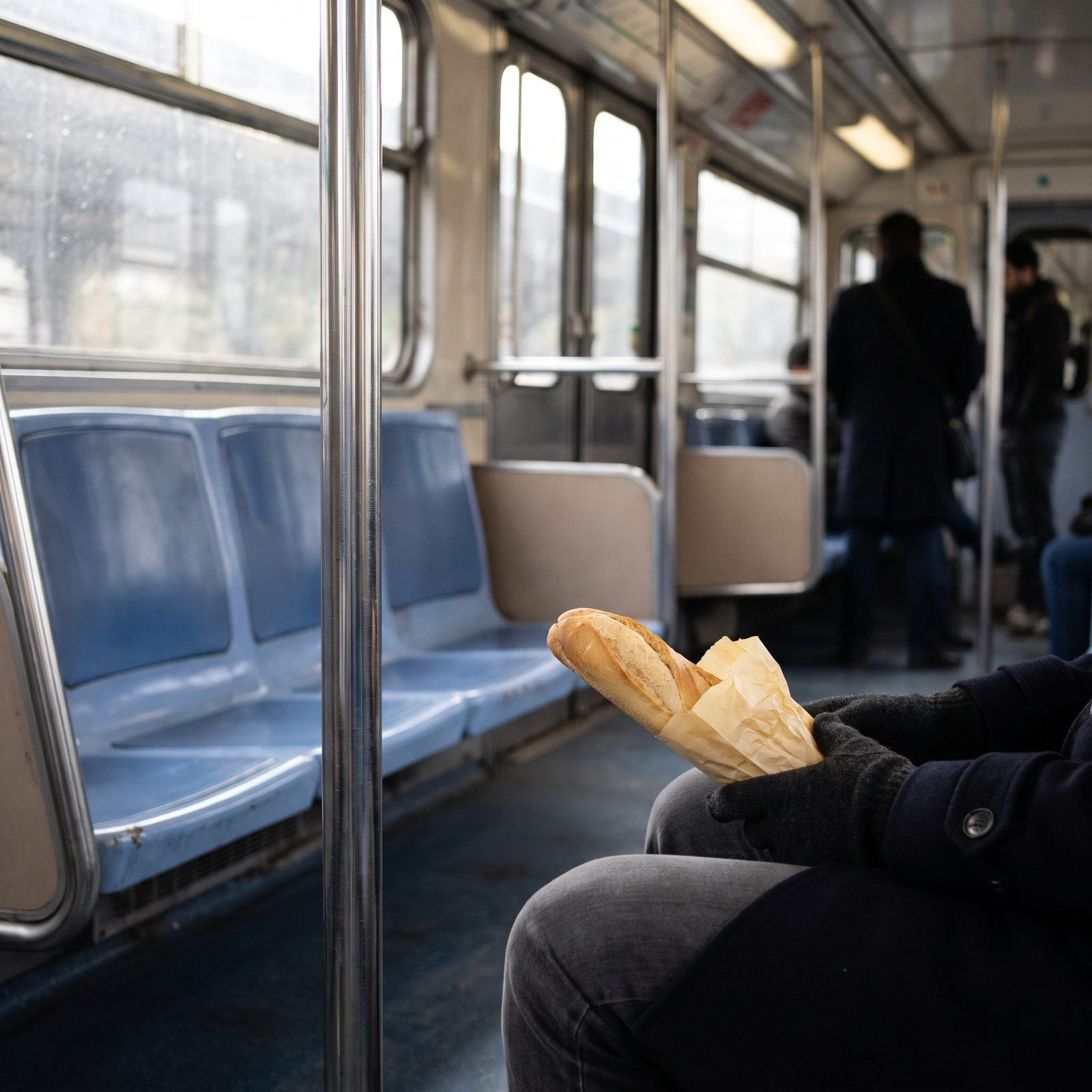
You’re hungry, the train is right there, and the sandwich is already in your hand. Don’t. Eating a full meal on a Metro car reads as deeply inconsiderate to Parisians, who treat the car as a shared quiet space rather than a dining room. A quick bite on the go outside is fine, but spreading out a jambon-beurre, a bag of chips, and a drink across your lap on a packed line marks you instantly.
Then there’s the smell, which travels — the real issue nobody says out loud. Keep it wrapped until you surface, and eat on a bench or standing at a counter like everyone around you does.
17. Validate Your Ticket on Buses and Trams, Every Single Time
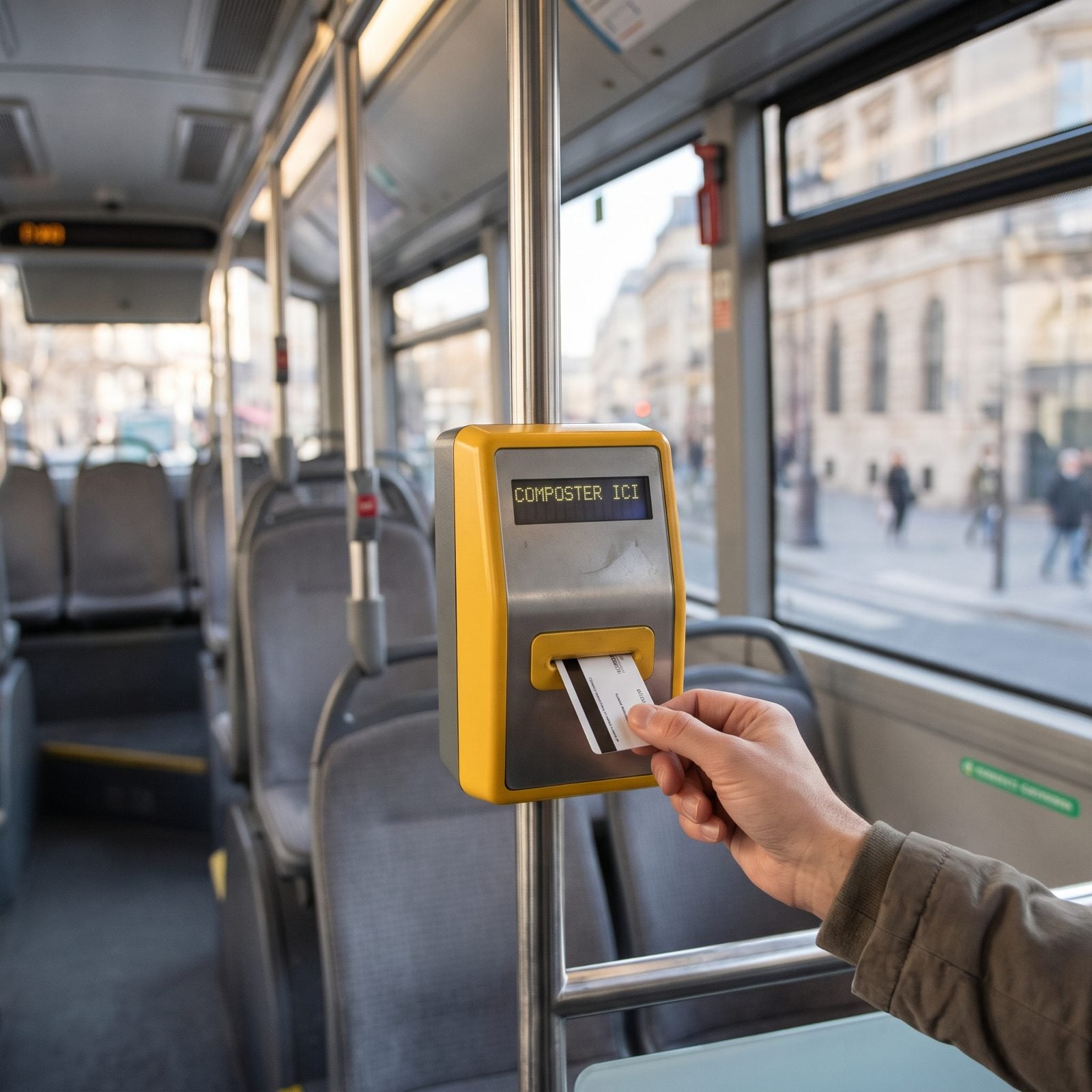
On the Metro, the turnstile forces you to validate. On buses and trams, nobody makes you — and that’s the trap. You still have to stamp or tap your ticket in the little machine the moment you board, even if the driver waved you through and nobody’s watching.
Inspectors do board. When they do, an unvalidated ticket counts the same as no ticket, and the fine runs far past what the fare ever cost. I’ve watched travelers argue they paid, holding the physical proof, and lose anyway. The paper means nothing until it’s stamped.
16. Board Buses at the Front, Exit at the Rear
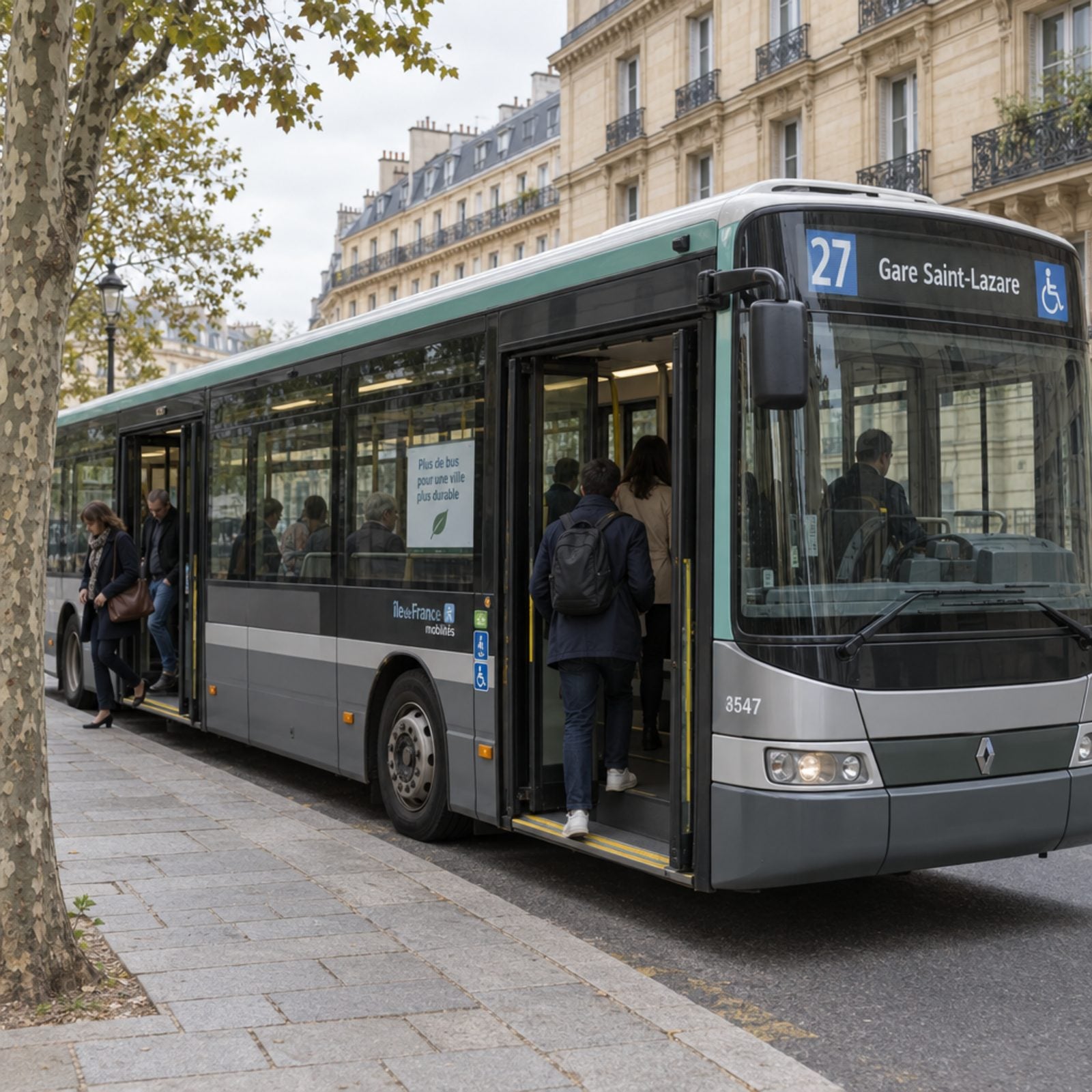
Buses in Paris have a traffic pattern, and it’s one-way. On standard buses you get on at the front, near the driver, where you validate, and you get off at the rear. On long articulated buses, riders often board through the rear doors as well and validate at the machines inside. Try to squeeze out the front door against people boarding and you’ll jam the whole flow and earn yourself a look.
It feels like a small thing. It isn’t — not during rush hour, when a dozen people are trying to move in a choreography everyone else already knows. Follow the current.
15. Check the Bike Lane Before You Step Off the Curb
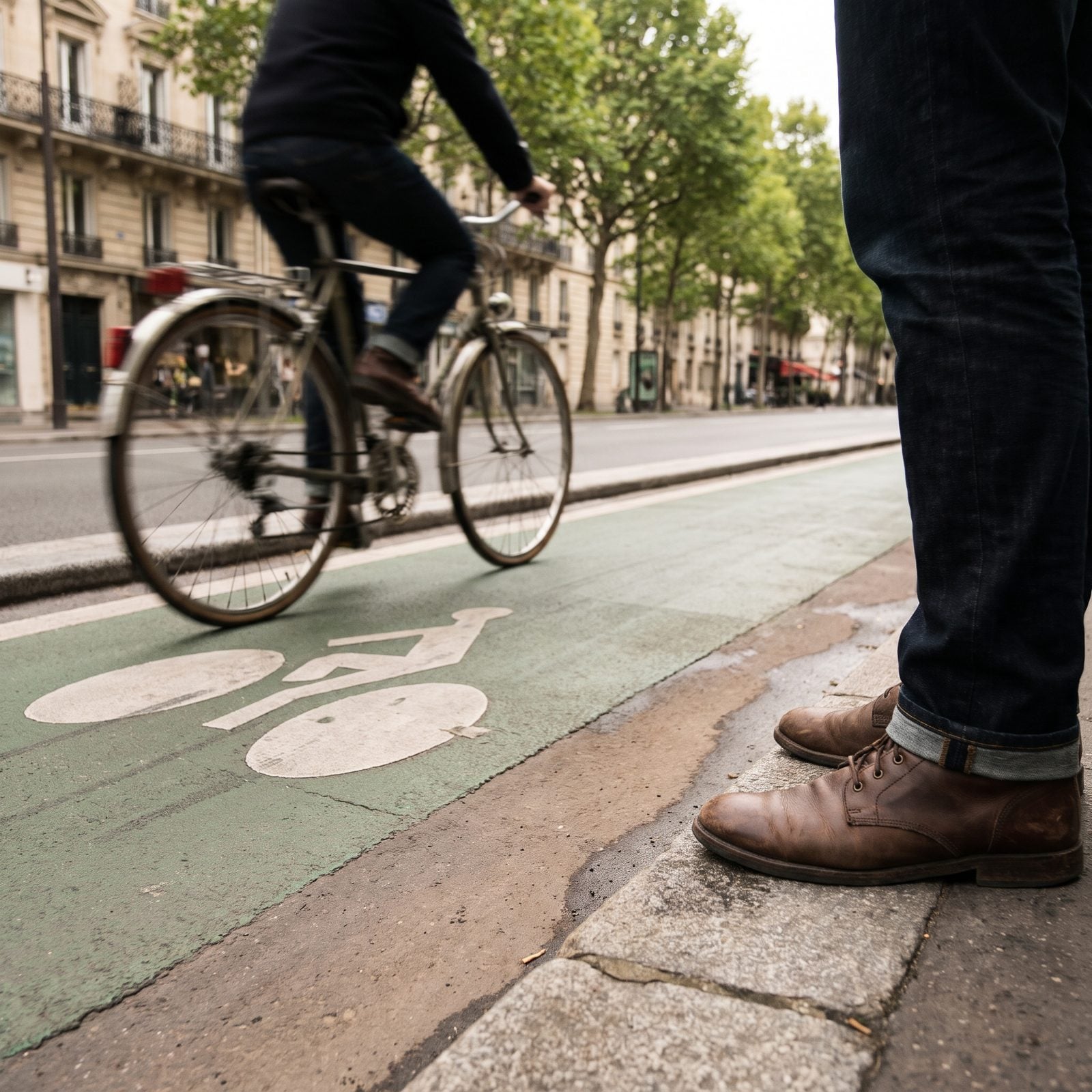
Parisian cyclists are quiet, fast, and everywhere. The bike lanes often sit right between the sidewalk and the car lane, so stepping off the curb without looking puts you directly in the path of someone moving at speed with no engine to warn you.
The city added miles of these lanes in recent years, and plenty of visitors still read a curb as the edge of all danger. It isn’t anymore. Glance both ways for bikes first, then the road. The near miss you avoid is probably a silent e-bike you never heard coming.
14. Step Out of the Flow Before You Check Your Map or Phone
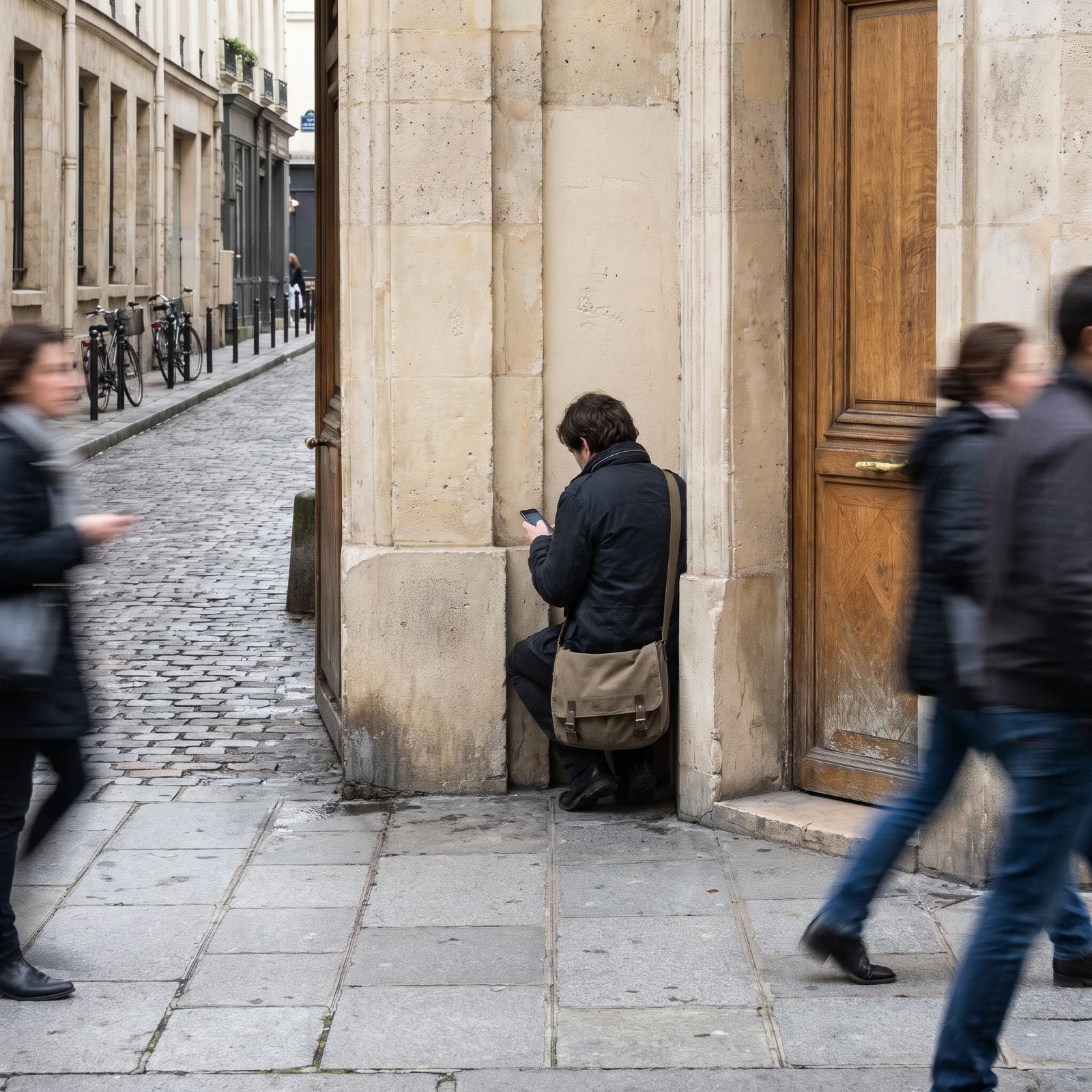
The sidewalk is for walking. Stop dead in the middle of it to orient yourself and you’ve turned a shared lane into an obstacle course for everyone behind you.
Parisians move with purpose and they notice the person who doesn’t. Pull into a doorway, a shop entrance, the gap beside a lamppost. Figure out where you’re going there, then rejoin the stream. It’s the difference between being a tourist who’s lost and being a tourist who’s in the way.
13. Clear the Top of the Stairs and Escalators Immediately
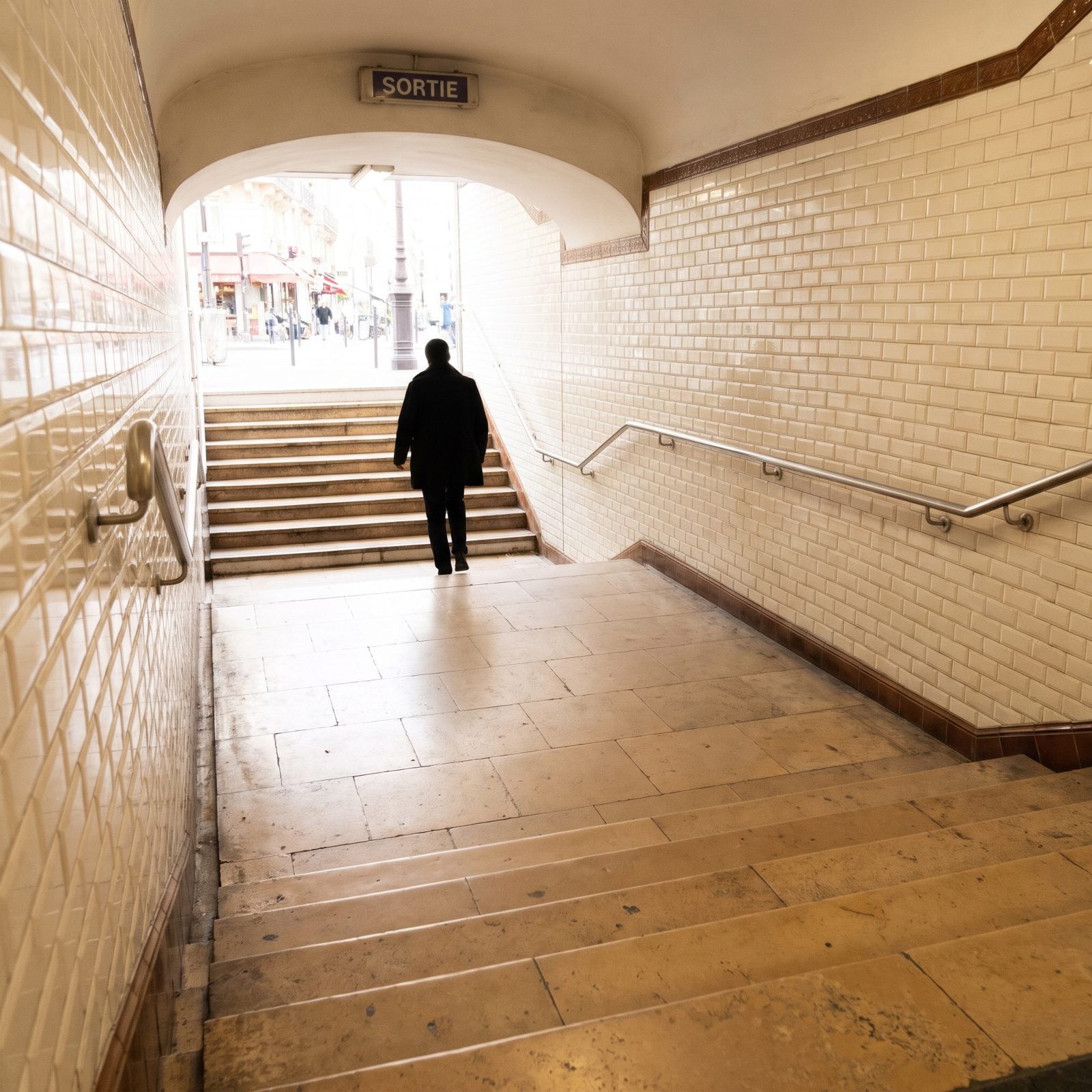
If I could hang one rule on a sign beside every staircase, it’d be this one. The top of a staircase or escalator is a pressure point. People are coming up behind you with nowhere to go, and when you stop there to zip a jacket or get your bearings, you create a human pileup.
Keep moving through the exit, take three more steps into open space, then stop. That’s it.
12. Don’t Assume a Local Crossing Against the Light Means It’s Safe
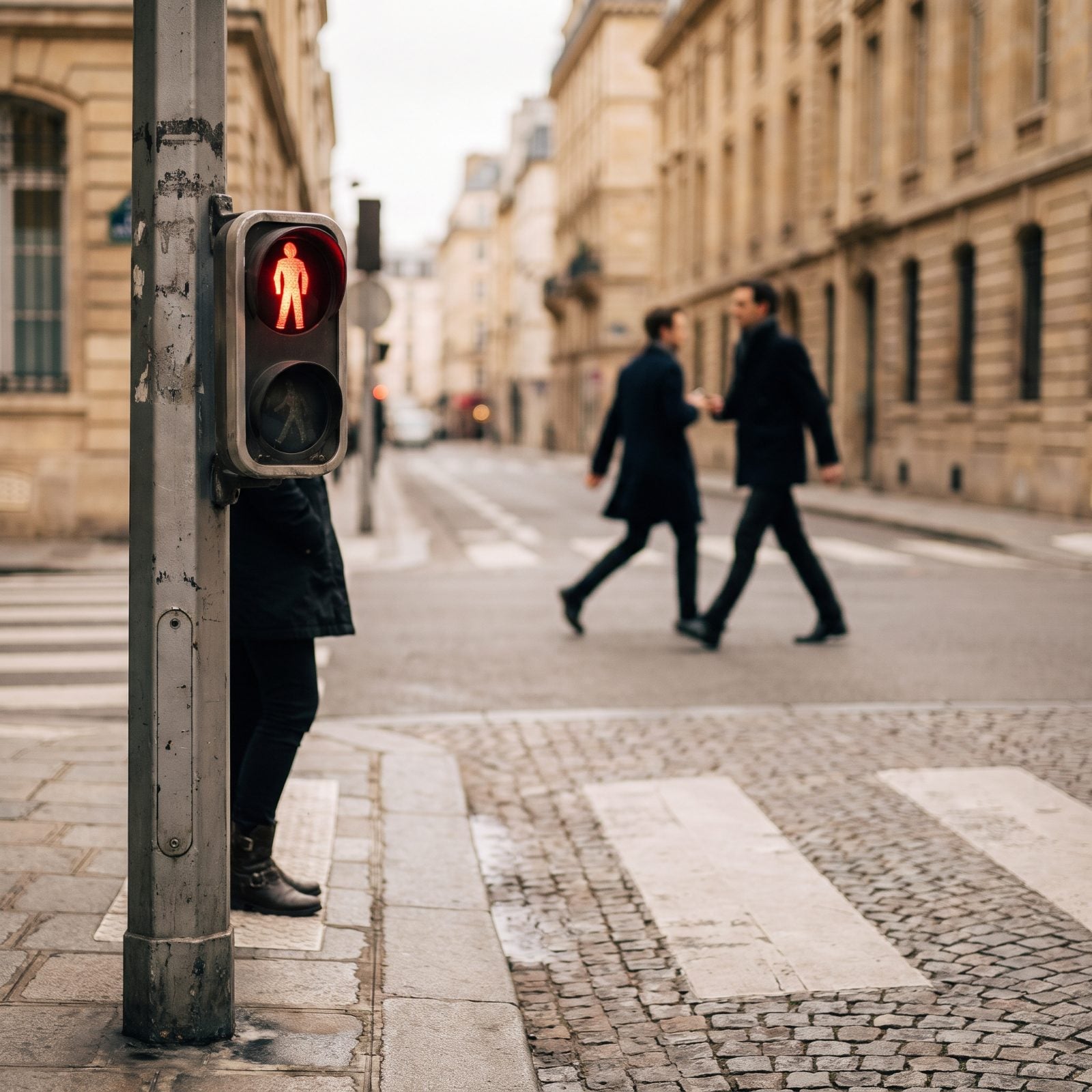
Parisians jaywalk with total confidence. They read the traffic, time the gap, and cross on red without blinking. The temptation is to follow the pack and assume they know something you don’t.
They do, actually. They know this intersection, how fast the turning cars come, where the scooters cut through. You don’t. Following a local into traffic you can’t read is how tourists end up in the path of a bus they never saw. Wait for your green. Nobody’s judging the person who waits.
11. Honor the ‘Pelouse Interdite’ Signs in the Formal Gardens
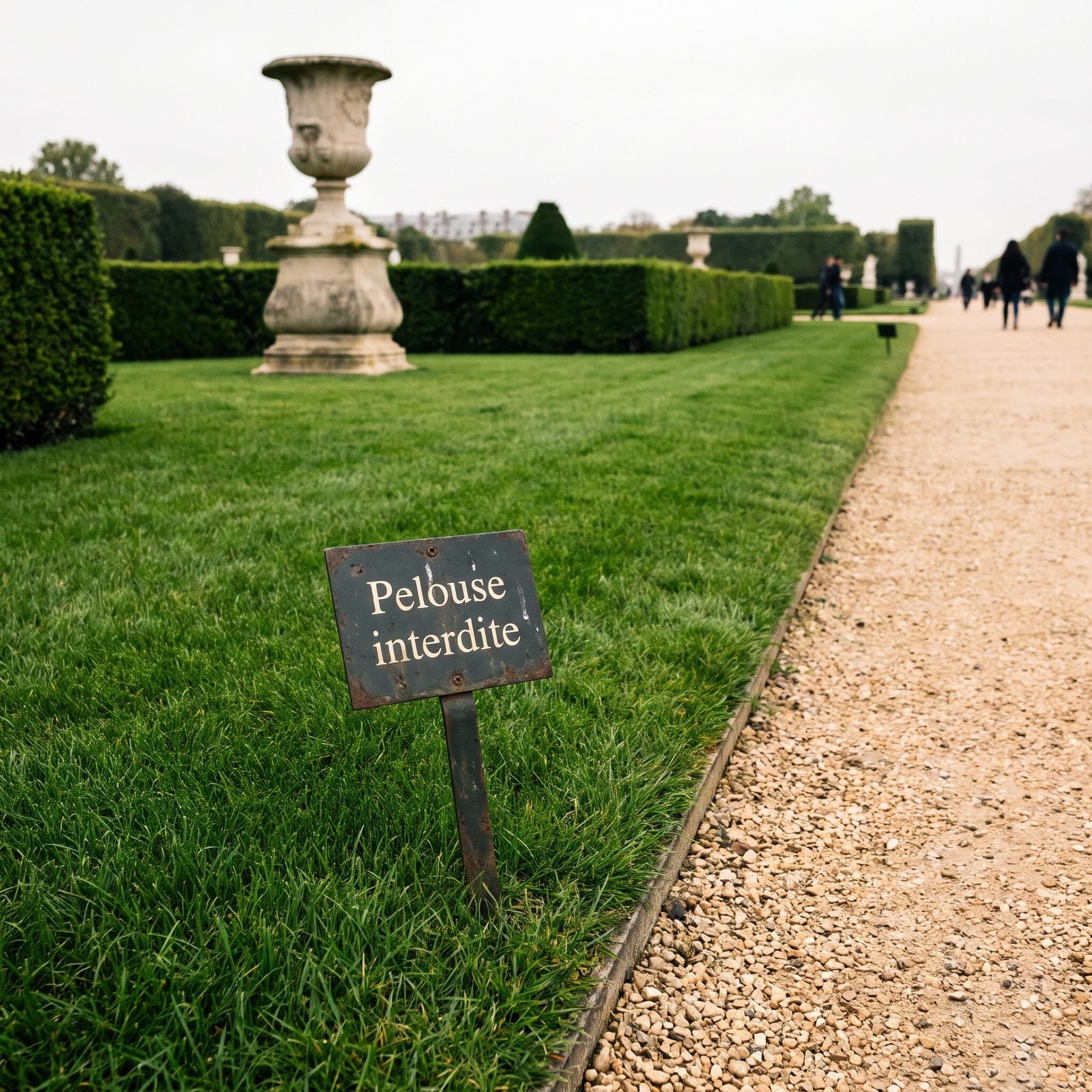
Not every patch of green in Paris is yours to sit on. The grand formal gardens like the Tuileries and parts of the Luxembourg keep certain lawns closed, marked with small signs reading pelouse interdite — grass forbidden. These lawns are decoration, kept flawless on purpose. Not picnic spots.
Other lawns are open and clearly so, often marked pelouse autorisée. The sign tells you everything. Americans used to sprawling anywhere on park grass get this wrong constantly and get politely shooed off.
10. Those Green Park Chairs Are Meant to Be Moved
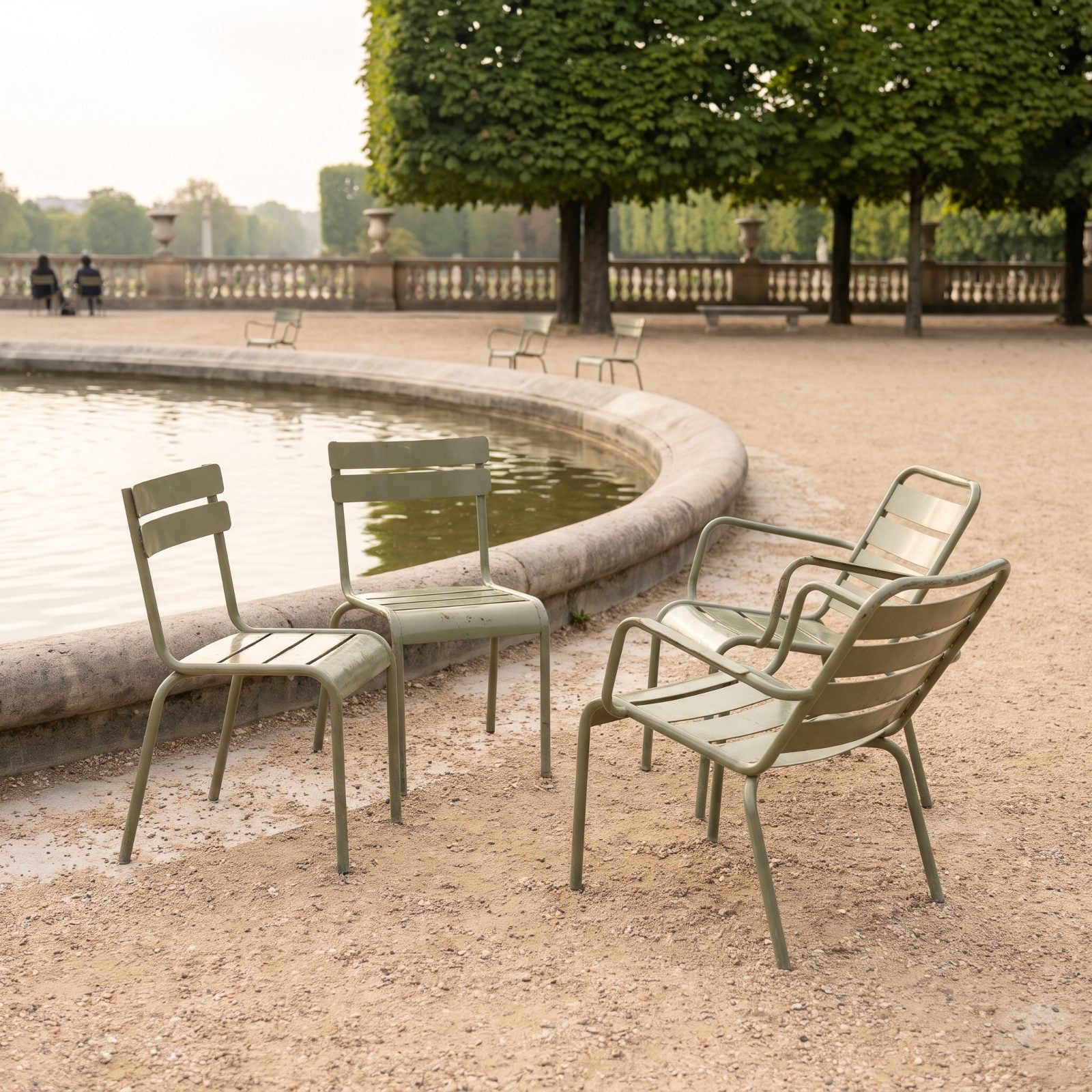
The green metal chairs scattered through the Luxembourg and Tuileries gardens look like they belong in fixed rows. They don’t. They’re free, public, and built to be dragged wherever you want them.
Pull one to the edge of the fountain. Angle two toward the afternoon sun. Point one at the pond and sit. Parisians rearrange them constantly, and the whole system runs on nobody owning a chair and everybody sharing them. Americans often hover, unsure if they’re allowed, while a local just grabs three and builds a lounge. Be the local.
9. Ask Before You Photograph a Recognizable Stranger
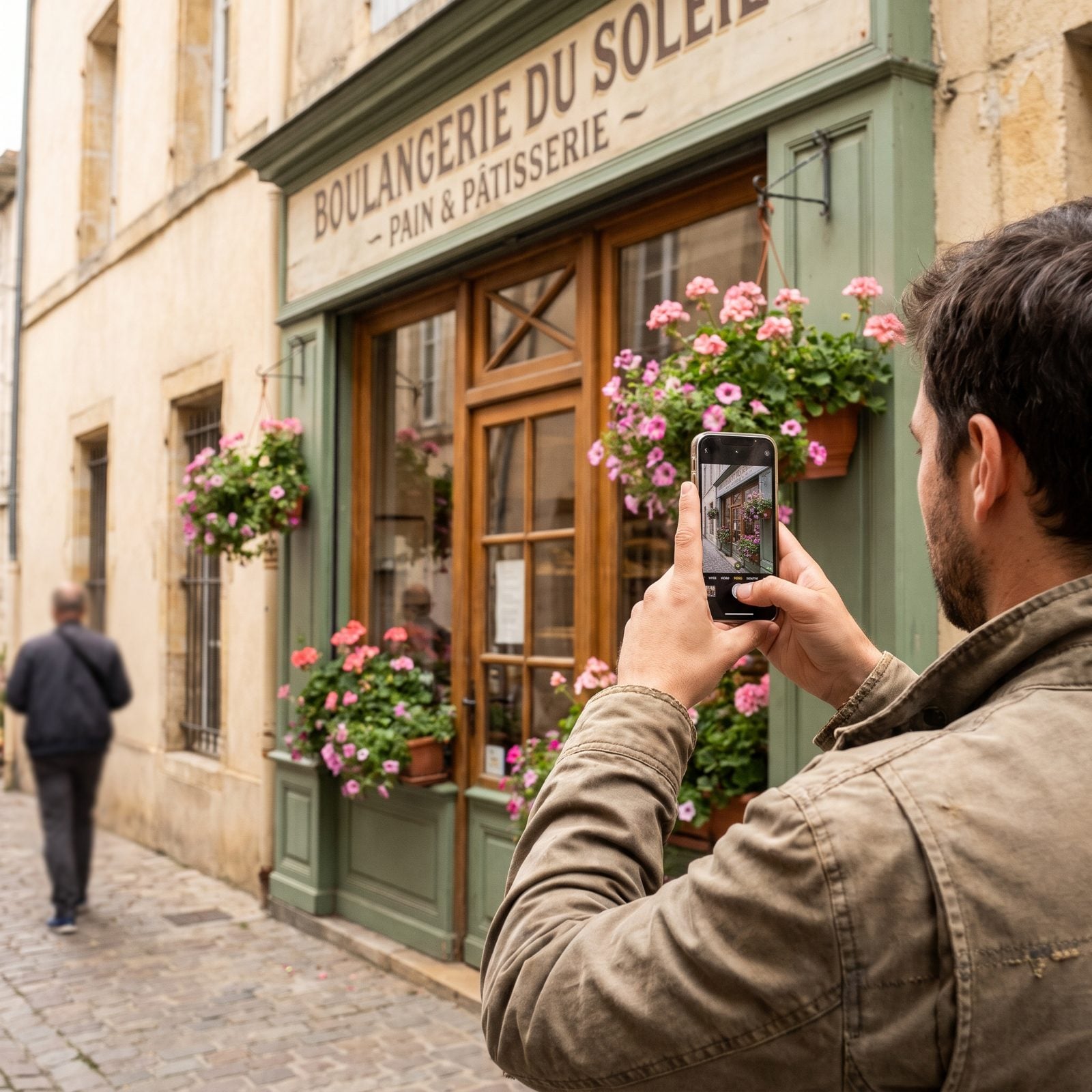
France takes personal image rights seriously — more seriously than the US does. Point your camera at an identifiable stranger, a café worker, a vendor, someone sitting at the next table, and fire away without asking, and it’s considered rude at best. It can technically run into legal territory too.
Street scenes, architecture, a flower-draped boulangerie front like the one pictured here, where the only passer-by is a blurred figure seen from behind and nobody’s the subject? All fine. A tight portrait of someone who didn’t agree to it? Ask first, or don’t take it. A quick gesture and a c’est possible? goes a long way, and most people say yes when you bother to ask.
8. Turn Off the Flash Around Art and Historic Interiors
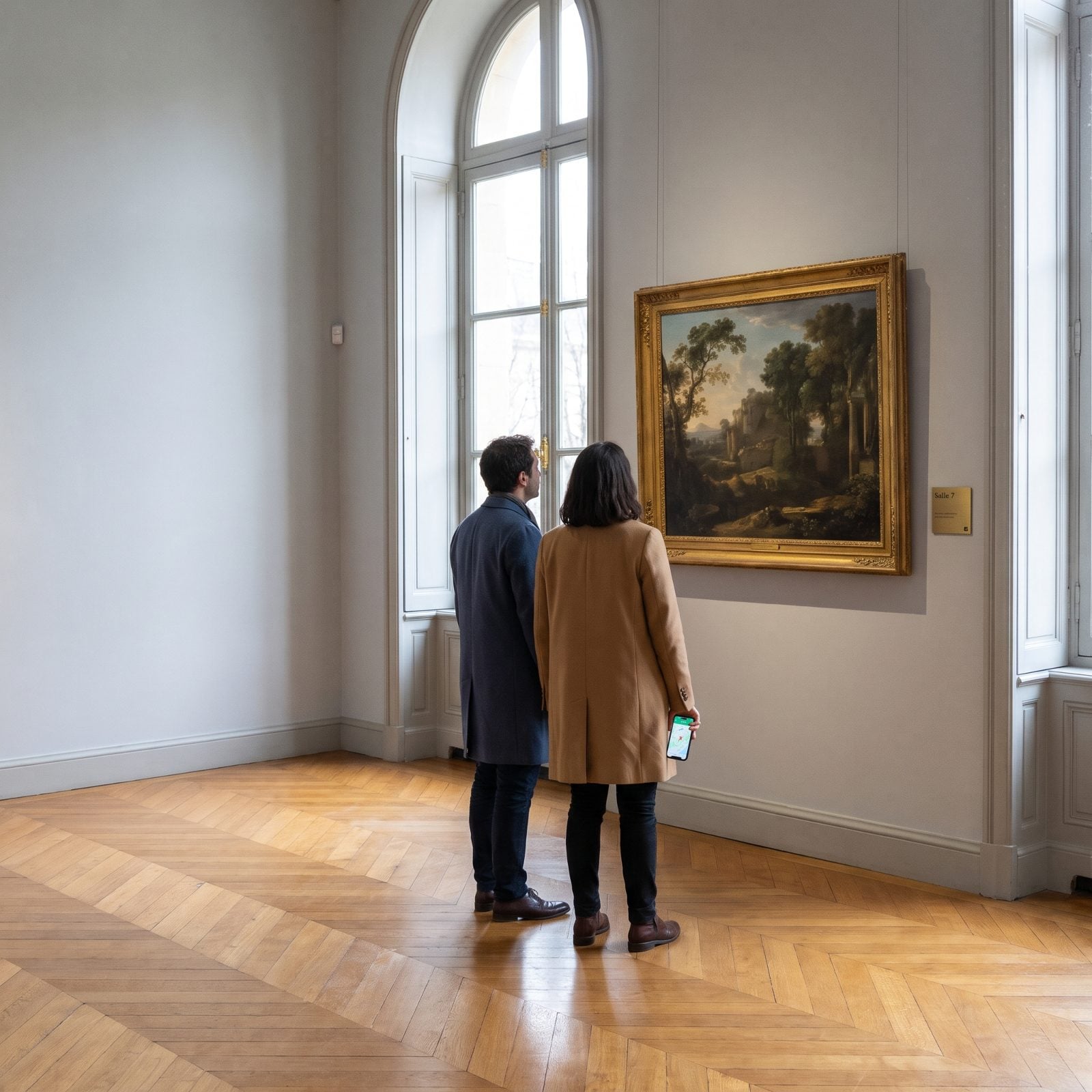
The flash does nothing for you. Museum lighting is already calibrated to make the paint look right, so your pop of white just flattens a four-century-old surface into a snapshot. Worse, many Paris collections ban flash outright to protect the pigment, and a guard will materialize beside you faster than you’d think.
Check the little symbol on the wall before you lift the phone. A camera with a line through it means no photos at all, while a camera with a crossed-out lightning bolt means shoot away, just kill the flash. Learn the difference once and you’ll never get the stern French throat-clear.
7. Let Worship Take Priority Over Sightseeing in Churches
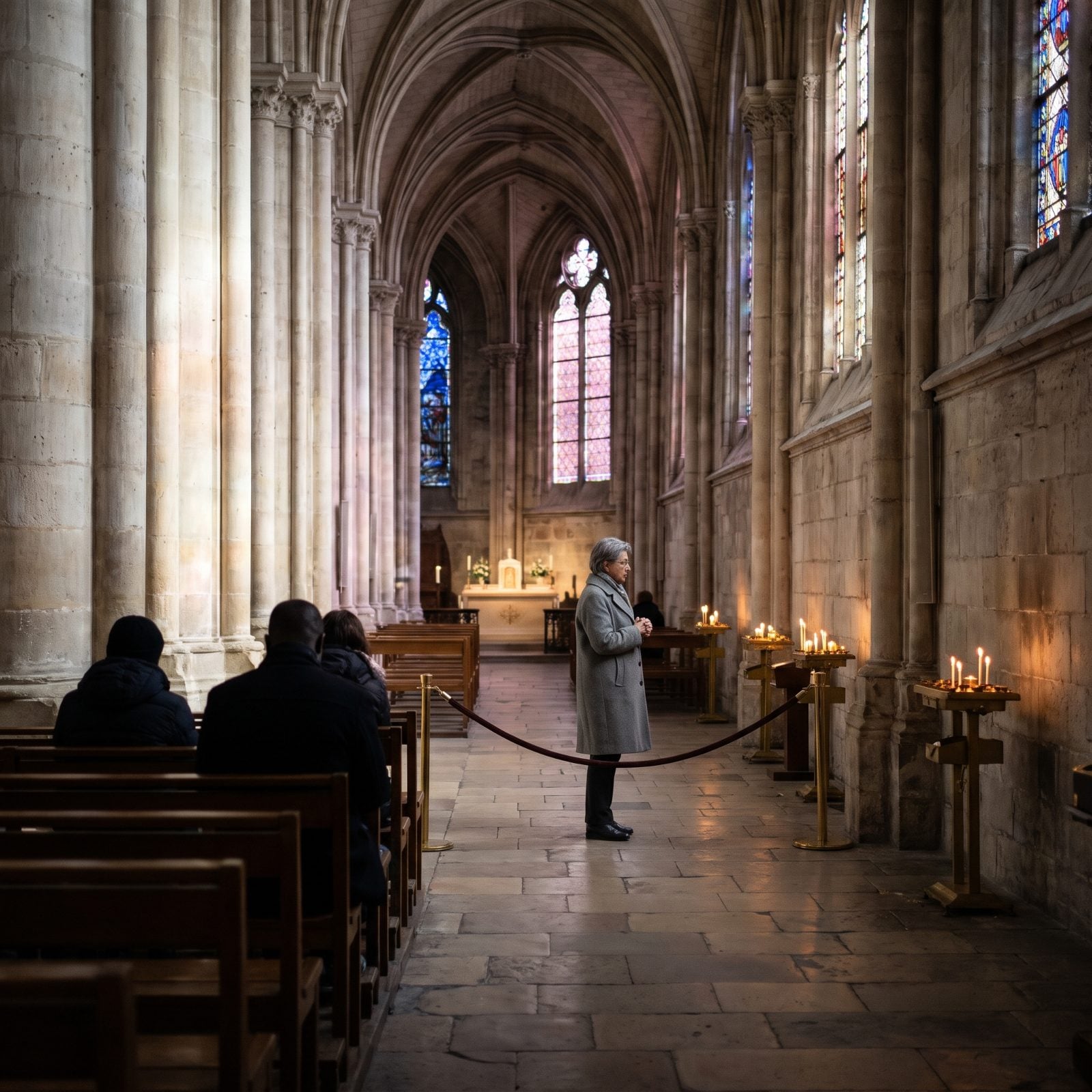
A cathedral in Paris is not a stage set. Mass still happens here, confession still happens, and people still come to sit in the dark and work something out with themselves. You wandering through with a selfie stick during the eleven o’clock service reads exactly as rude as it is.
A roped-off section marked for prayer isn’t a photo op you’re being denied. It’s a room in use. Keep your voice down, move along the perimeter, and if a service starts while you’re inside, either sit quietly or slip out. The building will still be gorgeous in an hour.
6. Wear Respectful Clothing Inside Active Churches
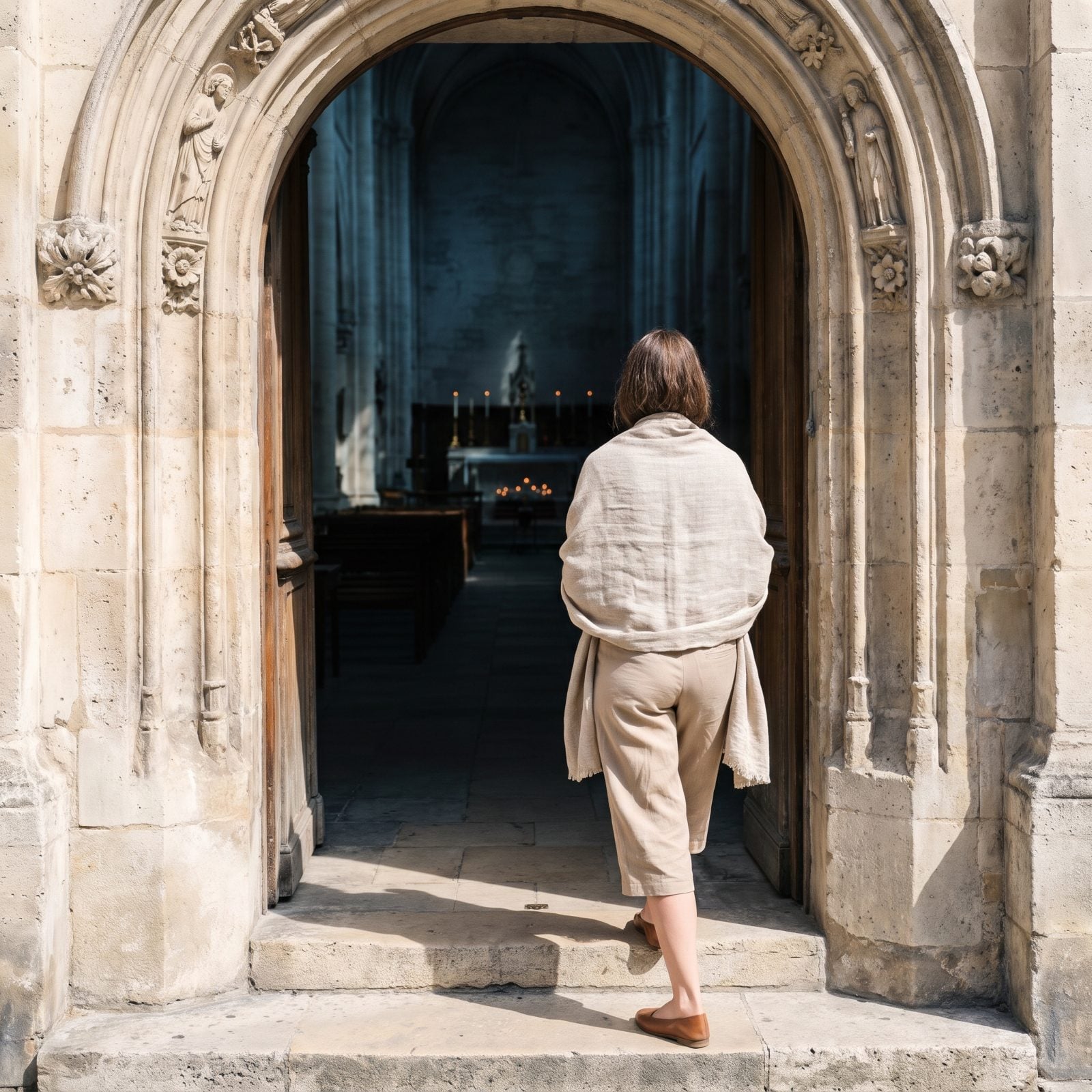
Bare shoulders and short shorts will get you turned away at the door of some churches, and nobody’s going to debate it with you. These are working houses of worship with their own dress sense, and summer in a tank top isn’t an exemption.
The fix weighs almost nothing. A thin oatmeal linen scarf folded in your bag covers shoulders in two seconds and doubles as sun protection on the walk over. Knees covered, shoulders covered, and you’re in.
5. Let Market Vendors Select the Produce Unless Invited
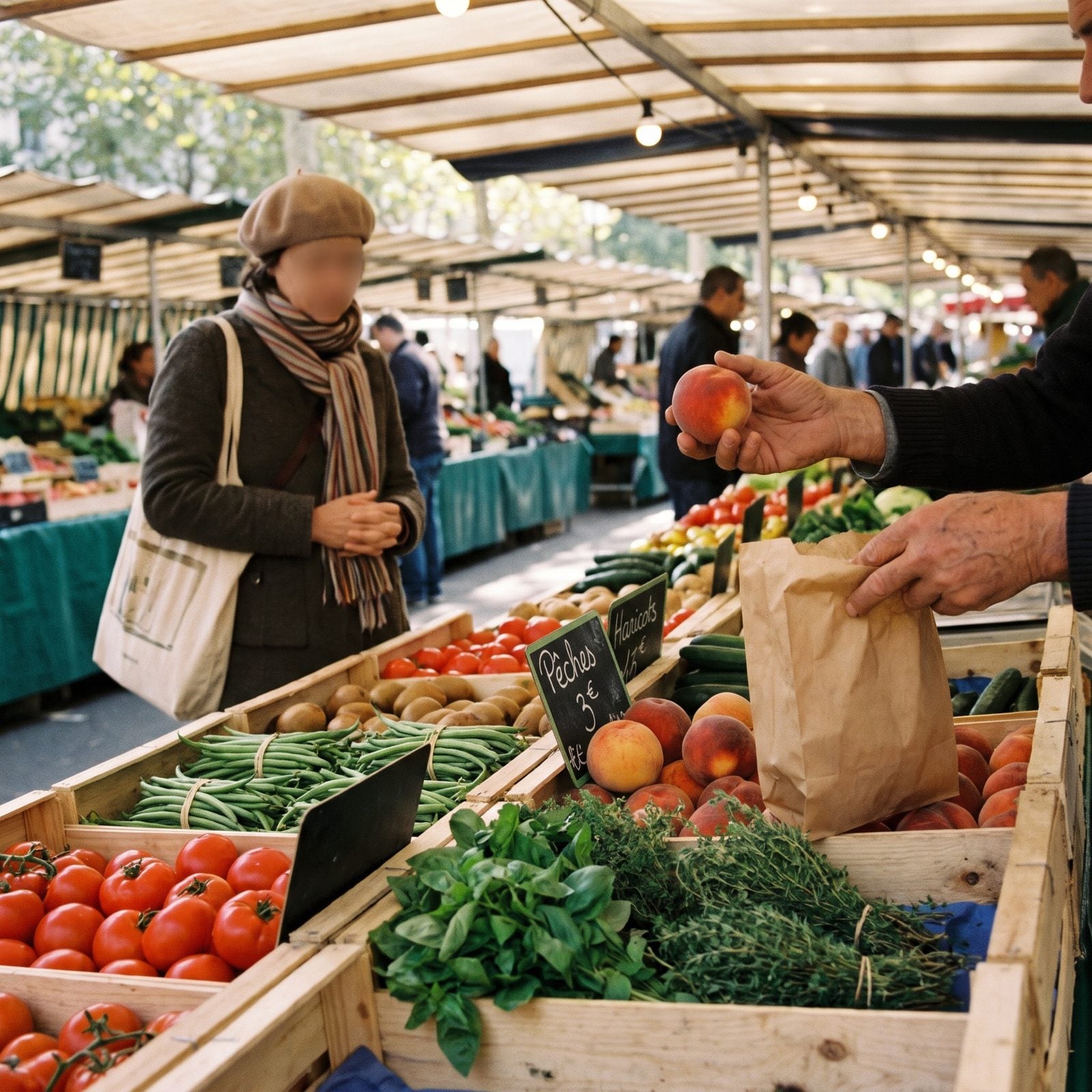
You reach for a tomato and the vendor’s whole face changes. That’s the one habit Americans break without knowing it. At a traditional Paris market, the produce is the vendor’s to touch, not yours, and they know which peach is ready for tonight and which one is for Thursday. Poking through the pile reads as a small insult to that knowledge.
Tell them what you want and roughly when you’ll eat it. They’ll pick better than you would anyway.
4. Do Not Haggle Over Posted Retail or Market Prices
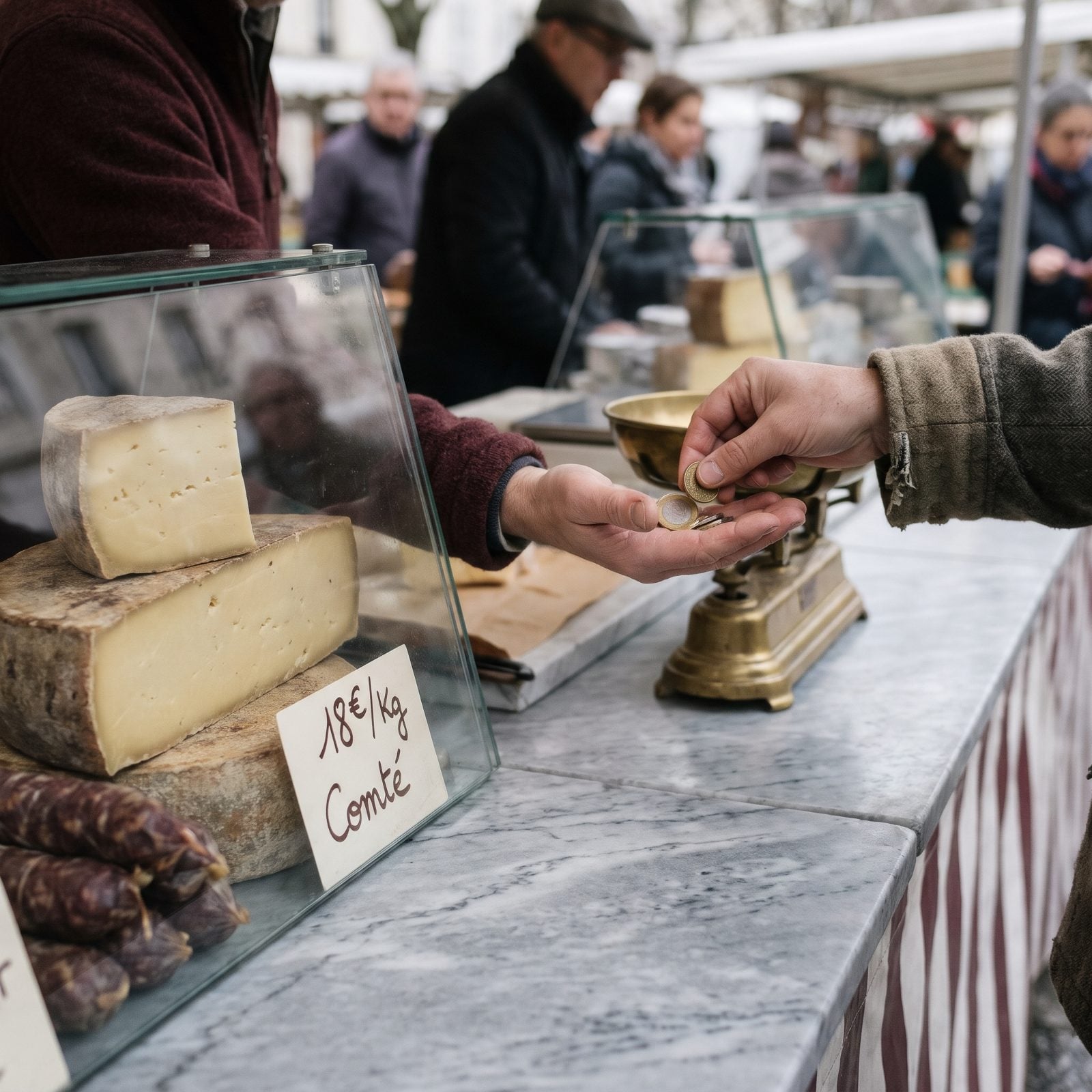
Paris is not a bazaar. The price on the card is the price, at the market, at the boutique, at the flea stall with the fixed tags. Trying to talk a cheesemonger down from his posted kilo price doesn’t make you savvy. It makes you the tourist who misread the room.
One narrow exception exists: the genuine brocante or antiques flea market, where a polite “c’est votre meilleur prix?” is fair game on an unmarked piece. Everything with a printed tag? Pay it and move on.
3. Ask Before Handling Delicate or Display-Only Merchandise
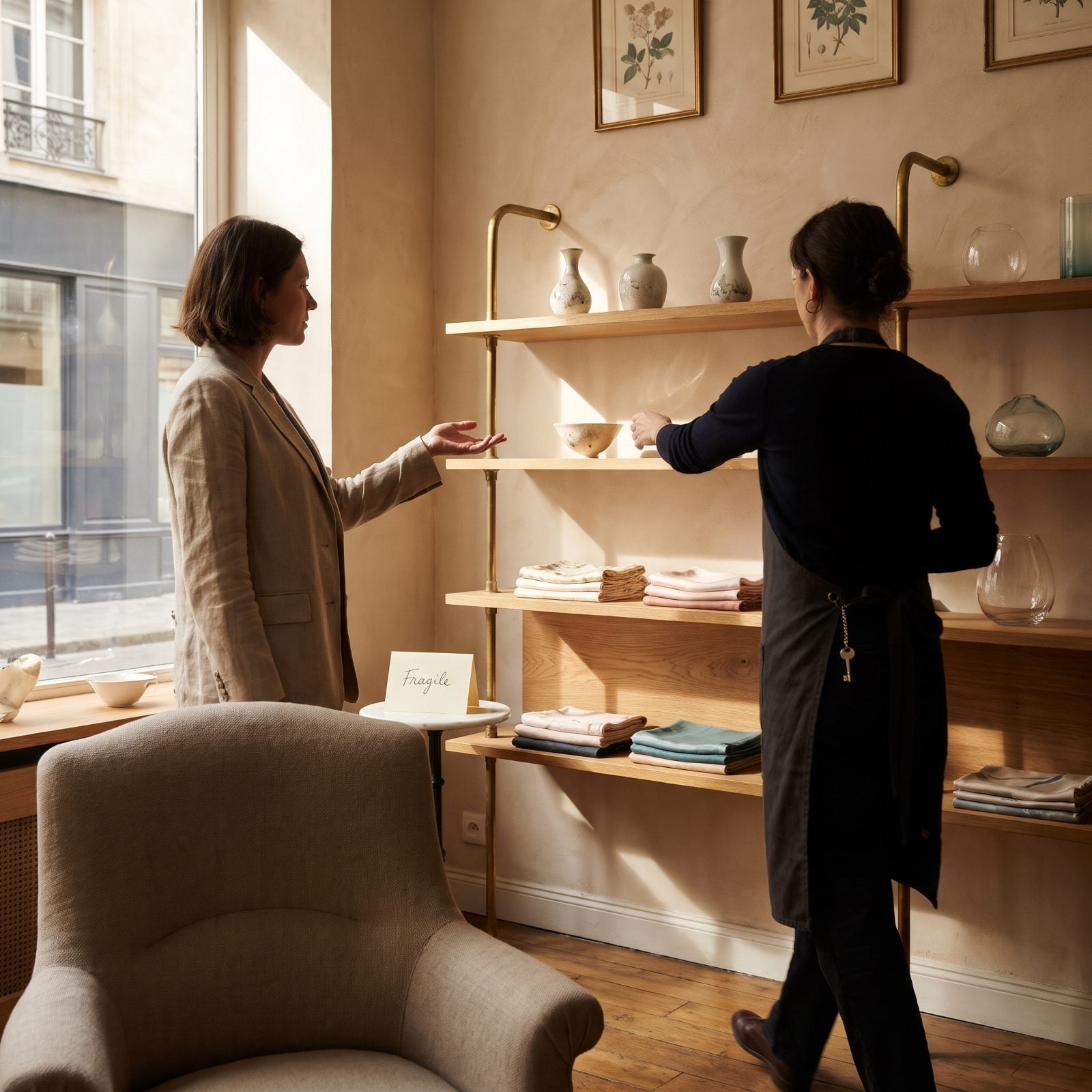
In a small Paris shop, the merchandise isn’t a sample table. Those stacked linens, the hand-blown glass, the carefully folded scarves got arranged with intent, and the shopkeeper watching you unfold everything is already doing the math on who refolds it. Catch their eye, point, ask. They’ll pull it down for you happily, because now you’re a customer and not a hazard.
Honestly, this is less about rules and more about the relationship. Enter, greet them with a clear “bonjour,” and the whole exchange softens. Skip the greeting and reach for the fragile thing, and you’ve started on the wrong foot.
2. Know Your Order Before Reaching the Bakery Counter
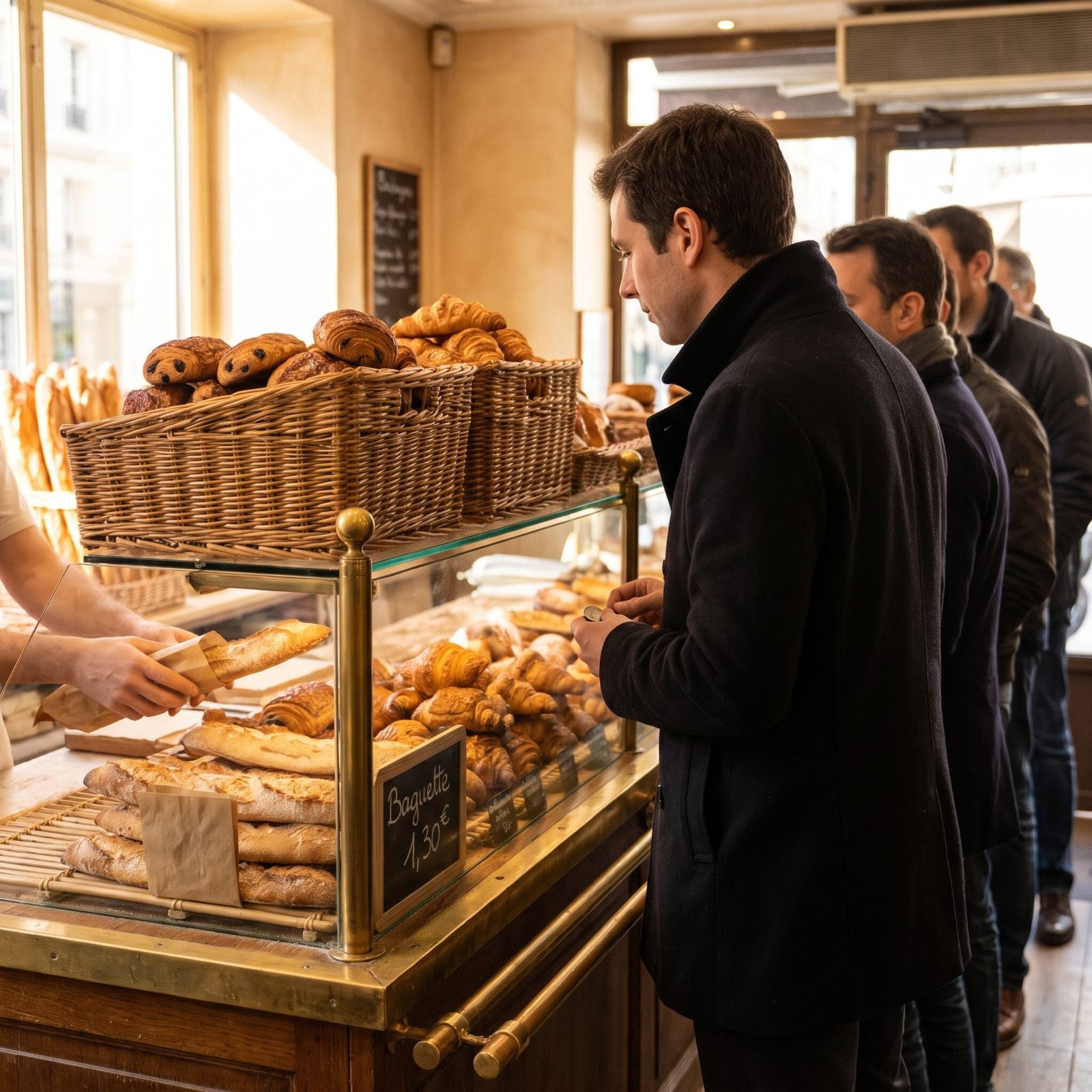
The morning line at a good boulangerie moves fast, and it moves on the assumption that you already know what you want. Step up, say bonjour, name it, pay, done. The one thing that makes a Parisian baker sigh? Someone squinting at the croissant case while a queue stacks up behind them.
Decide while you’re waiting. One baguette, two pains au chocolat, whatever it is. Have it ready, have small coins ready, and keep the line breathing.
1. Never Add a Padlock to a Paris Bridge
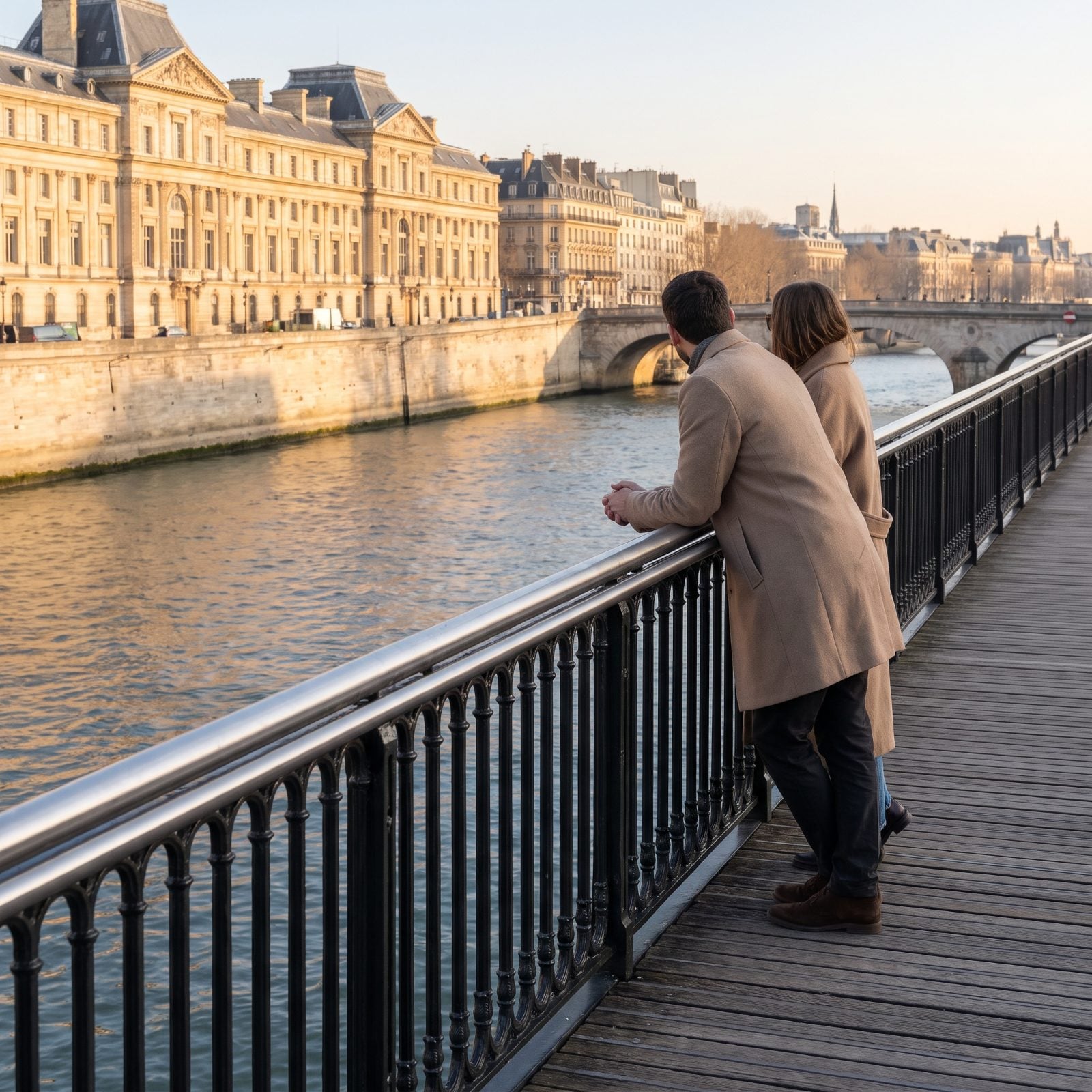
The love-lock thing is over, and Paris paid for it. The weight of thousands of padlocks literally collapsed a section of railing on the Pont des Arts back in 2014, and the city has been cutting the panels off and banning new ones ever since. Clamping a lock to a bridge now isn’t romantic. It’s adding to a problem the city spent real money fixing.
Want a ritual? Buy a lock and keep it. Toss the key in the river, hold onto the lock, skip the structural damage. The Seine looks better without the rust stains anyway.
Please note that some of the imagery in this article were created with the aid of AI image generators.