
🔥 Would you like to save this?
Yosemite logged over four million visitors last year. Some of the parks below barely crack ten thousand. Same federal designation, same protected grandeur, and a fraction of the crowd. We went looking for the places where you can stand at an overlook and hear nothing but wind, where the trail is yours alone, where the night sky still does what it did before anyone thought to pave a parking lot. These are the parks the tour buses skip, and they’re worth the extra effort.
25. Gates of the Arctic National Park, Alaska: Roadless Wilderness in the Brooks Range
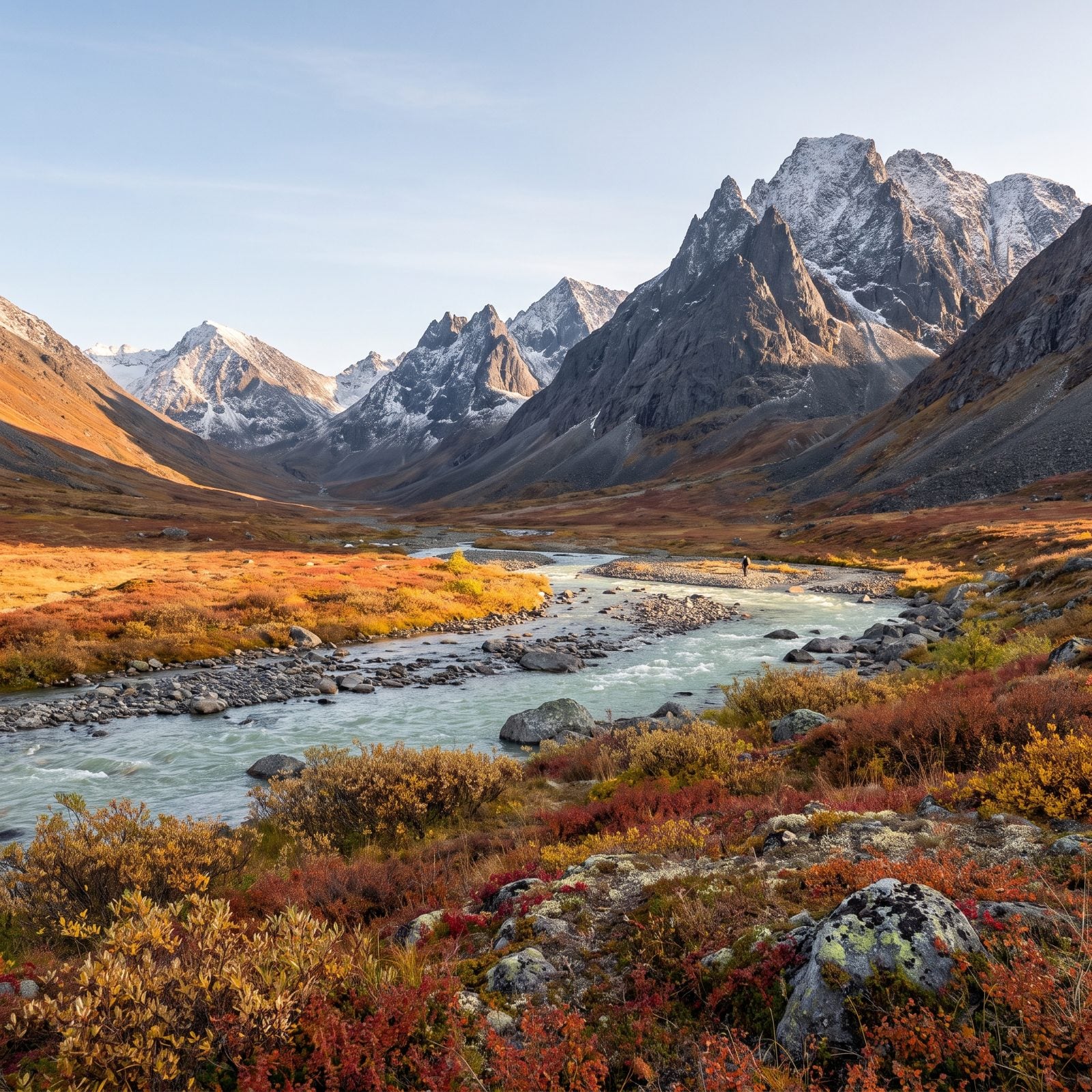
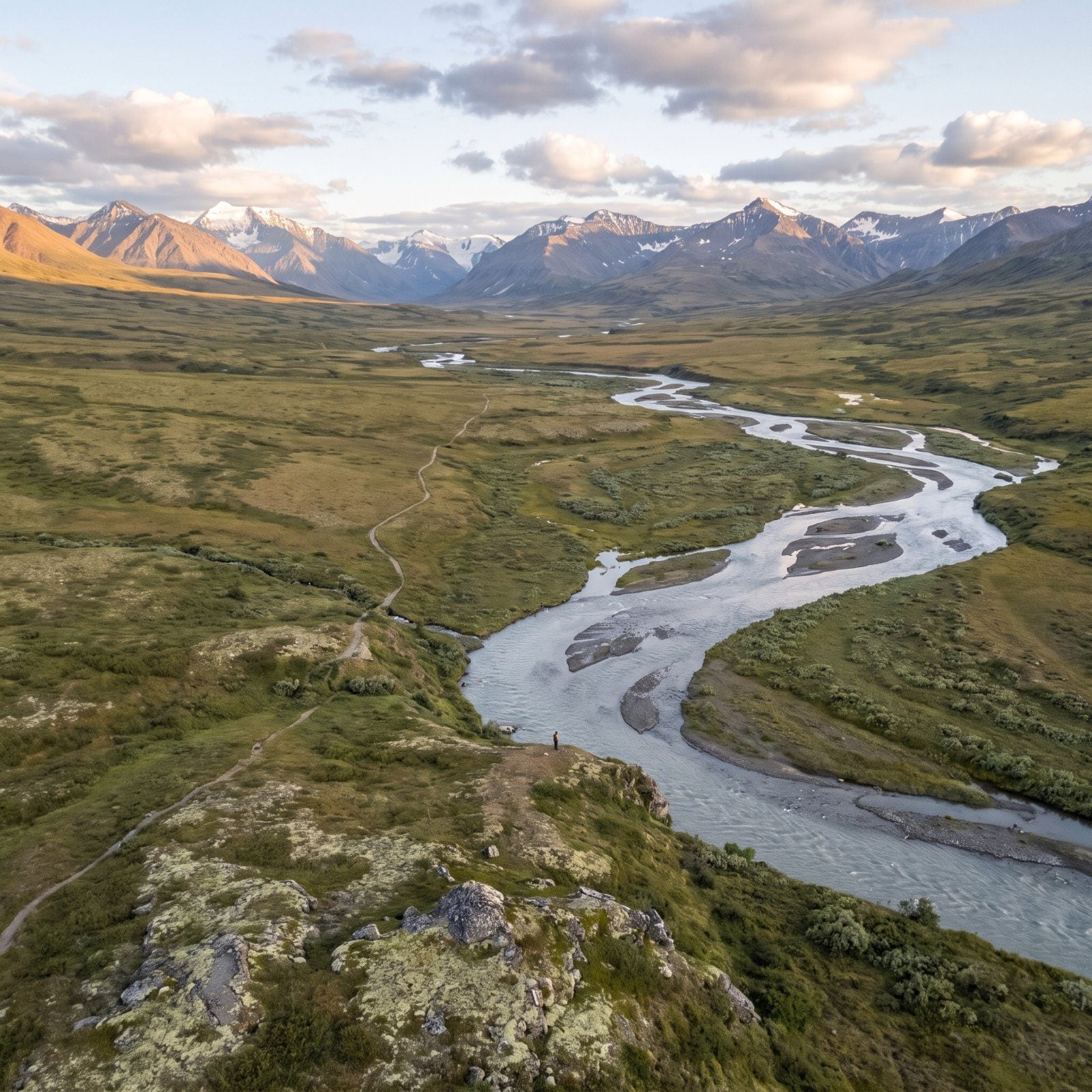
No roads. None. There isn’t a single marked trail in the whole park, which is larger than Belgium. You get here by bush plane and then you walk, usually along a riverbed, because that’s where the walking is easiest.
That scares most people off, and it should. This is wilderness that does not care whether you make it back. But if you’ve ever wanted to stand somewhere and know that the view in front of you looks exactly as it did ten thousand years ago, this is the place. Fewer people visit in a year than walk through Times Square in an hour.
24. Katmai National Park, Alaska: Brown Bears Fishing Beneath a Remote Waterfall
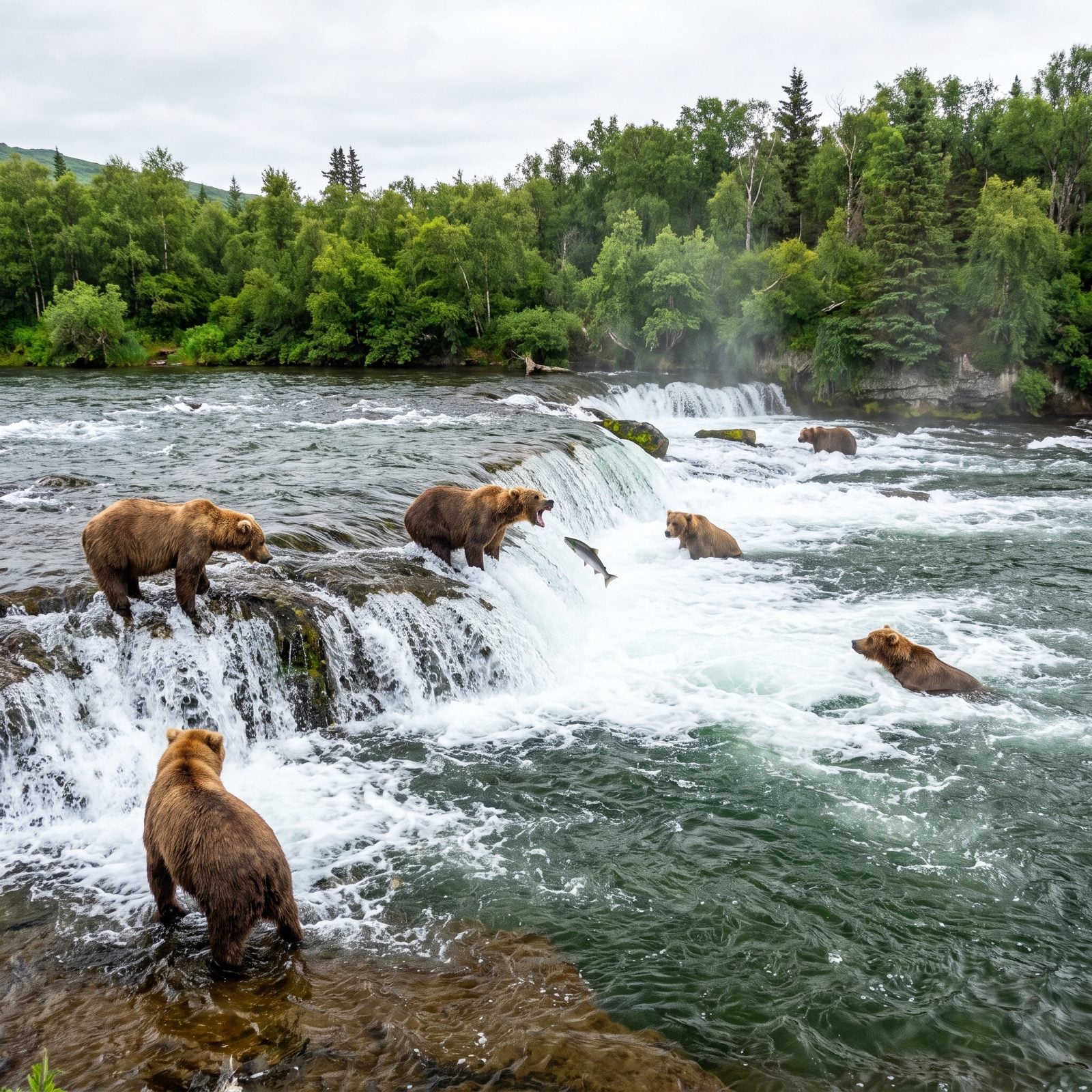
You’ve seen the photo even if you don’t know the name. A brown bear standing at the lip of a waterfall, mouth open, a salmon frozen mid-leap heading straight into it. That’s Brooks Falls, and it happens every July when the sockeye run.
What the photo doesn’t tell you is that there’s room. The viewing platforms stay calm, nothing like the circus you’d brace for, and the park caps how many people stand there at once. You fly in by floatplane from King Salmon, walk a short trail, and then watch the oldest fishing contest on earth play out a few dozen yards away.
23. Dry Tortugas National Park, Florida: An Island Fortress in Brilliant Turquoise Water
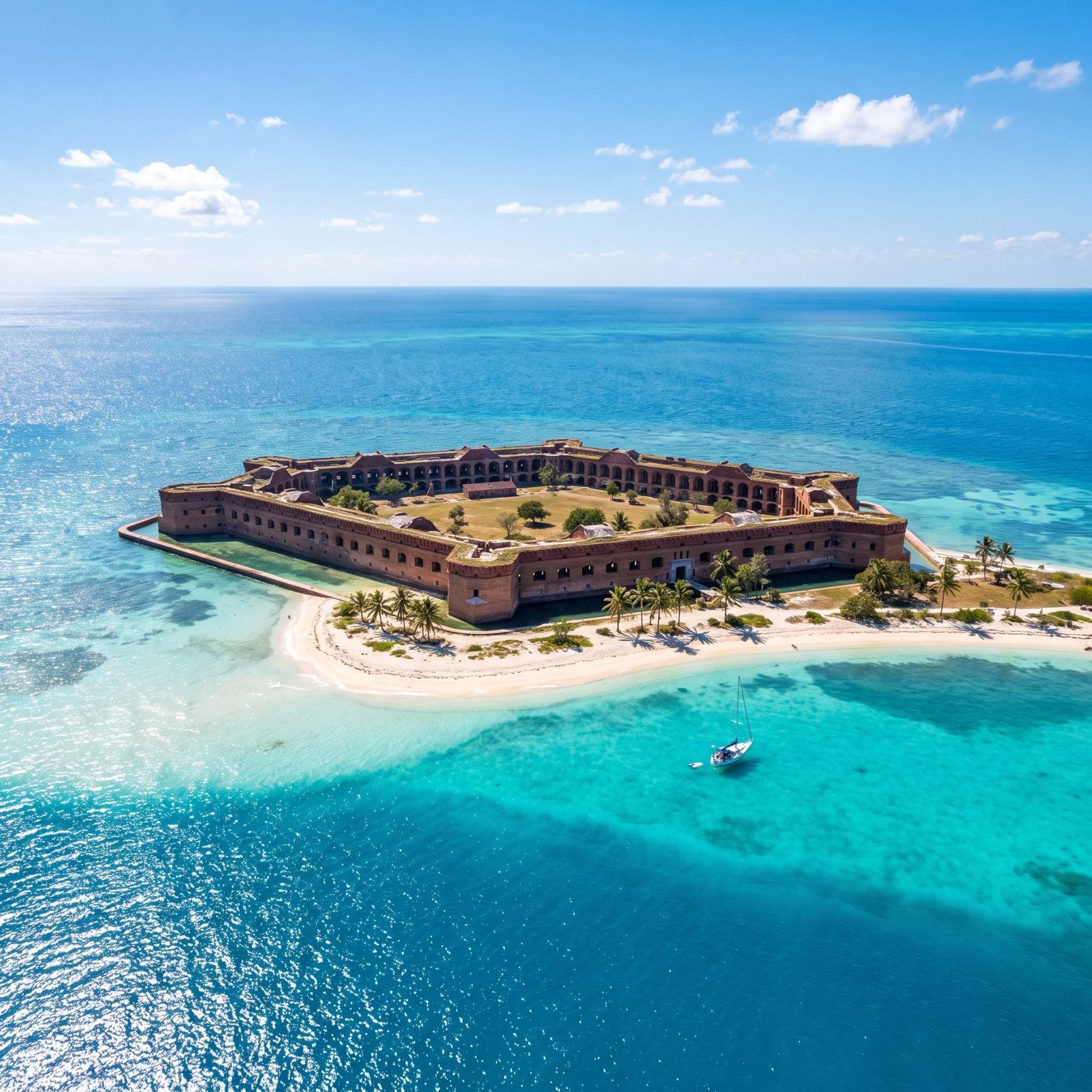
Seventy miles west of Key West, past where the road ends, there’s a brick fortress bigger than most downtowns sitting on a speck of sand in the middle of the Gulf. Fort Jefferson. Sixteen million bricks, never finished, surrounded by water so clear you can count fish from the wall.
Getting here takes real effort, and that’s exactly why it stays worth it. A ferry or a seaplane, no other way in. Snorkel the moat wall, walk the empty ramparts, and by late afternoon when the day-trippers leave, the island goes quiet in a way almost no coastline in America does anymore.
22. Kobuk Valley National Park, Alaska: Arctic Sand Dunes Along a Caribou Migration Route
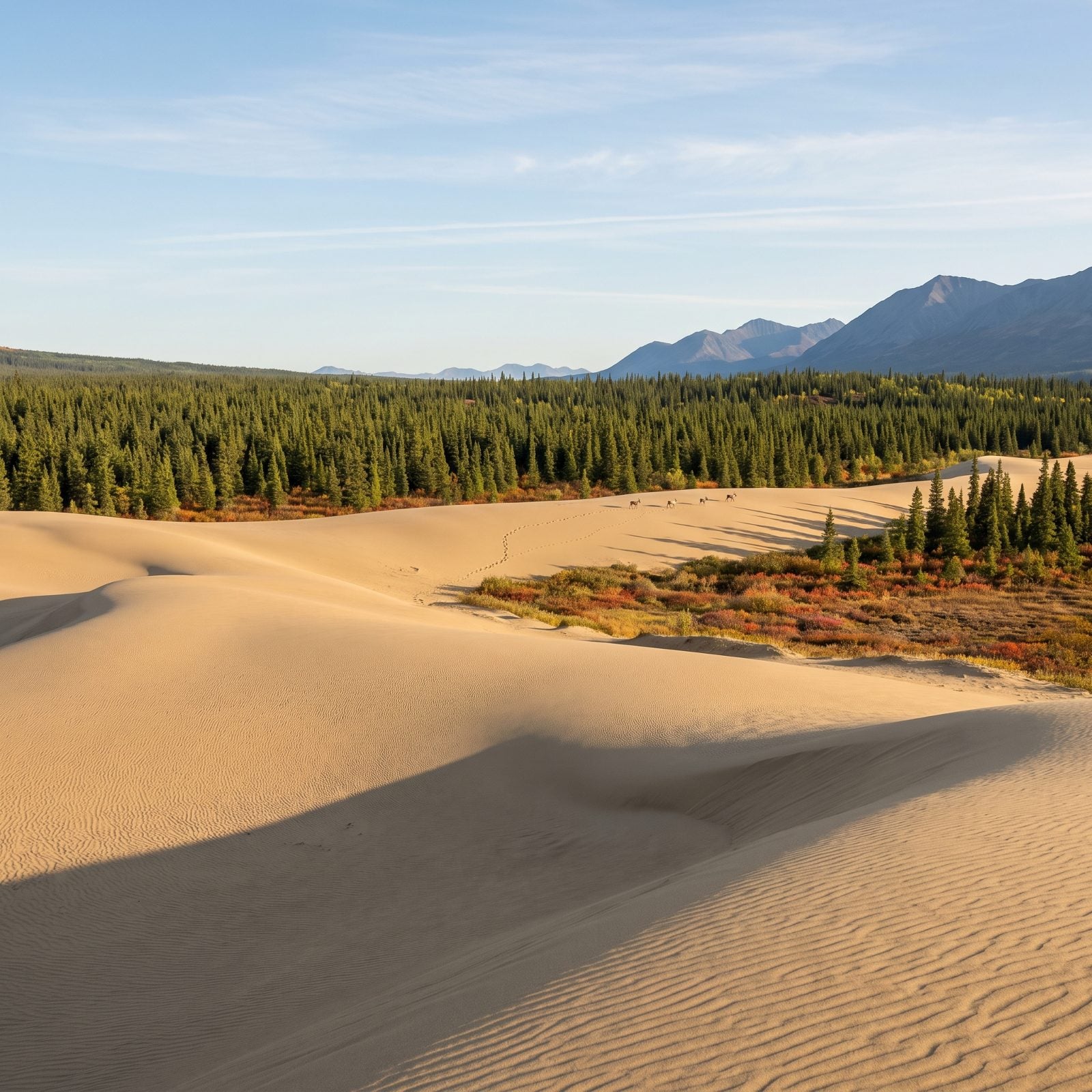
Twenty-five square miles of sand dunes. Above the Arctic Circle. It makes no sense until you see it, and almost nobody does. Kobuk Valley is routinely the least-visited national park in the entire system, some years logging barely over a thousand people.
No trails, no roads, no facilities. You charter a plane out of Kotzebue or Bettles and you land on a gravel bar. What you get for the trouble is Saharan-looking dunes rising out of boreal forest, and in the shoulder seasons, the great caribou herds crossing the Kobuk River on a route they’ve used longer than there have been people to watch them.
21. Isle Royale National Park, Michigan: Solitary Trails Across a Lake Superior Archipelago
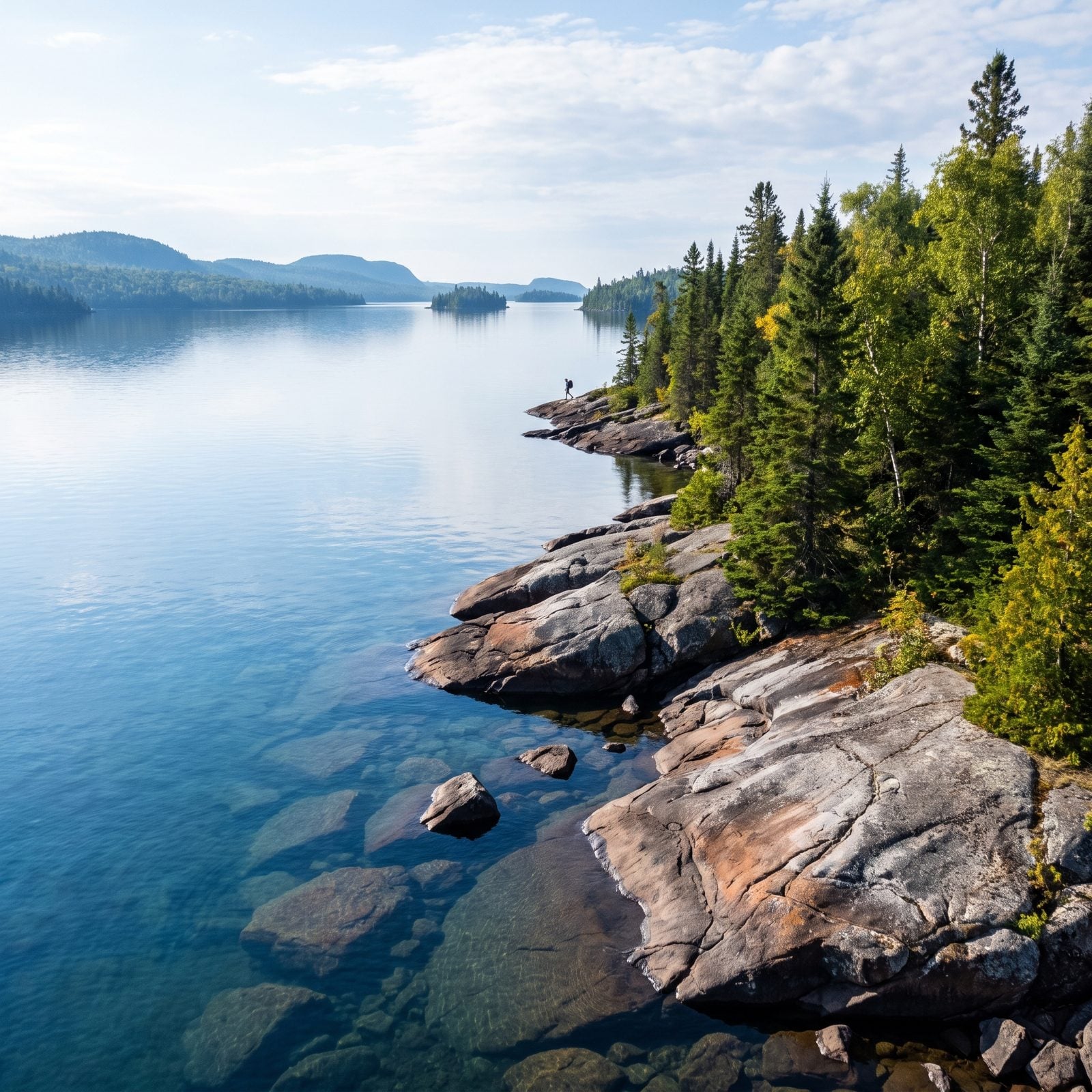
An island in the middle of Lake Superior, closer to Canada than to most of Michigan, open only from spring through early fall. It closes entirely in winter, which no other national park does. The only way in is a ferry or a seaplane, and once you’re there, you walk.
Here’s a number that stops people: Isle Royale sees fewer visitors in a year than Yellowstone sees on a busy afternoon. But those who come stay longer than at any other park, because there’s nowhere to dash off to. Wolves, moose, cold clear water, 165 miles of quiet trail. We think it’s the most underrated backpacking in the country, and we’ll stand by that.
The only national park that closes for the whole winter. When it shuts, it truly shuts.
20. Lake Clark National Park, Alaska: Turquoise Lakes Beneath Volcanoes
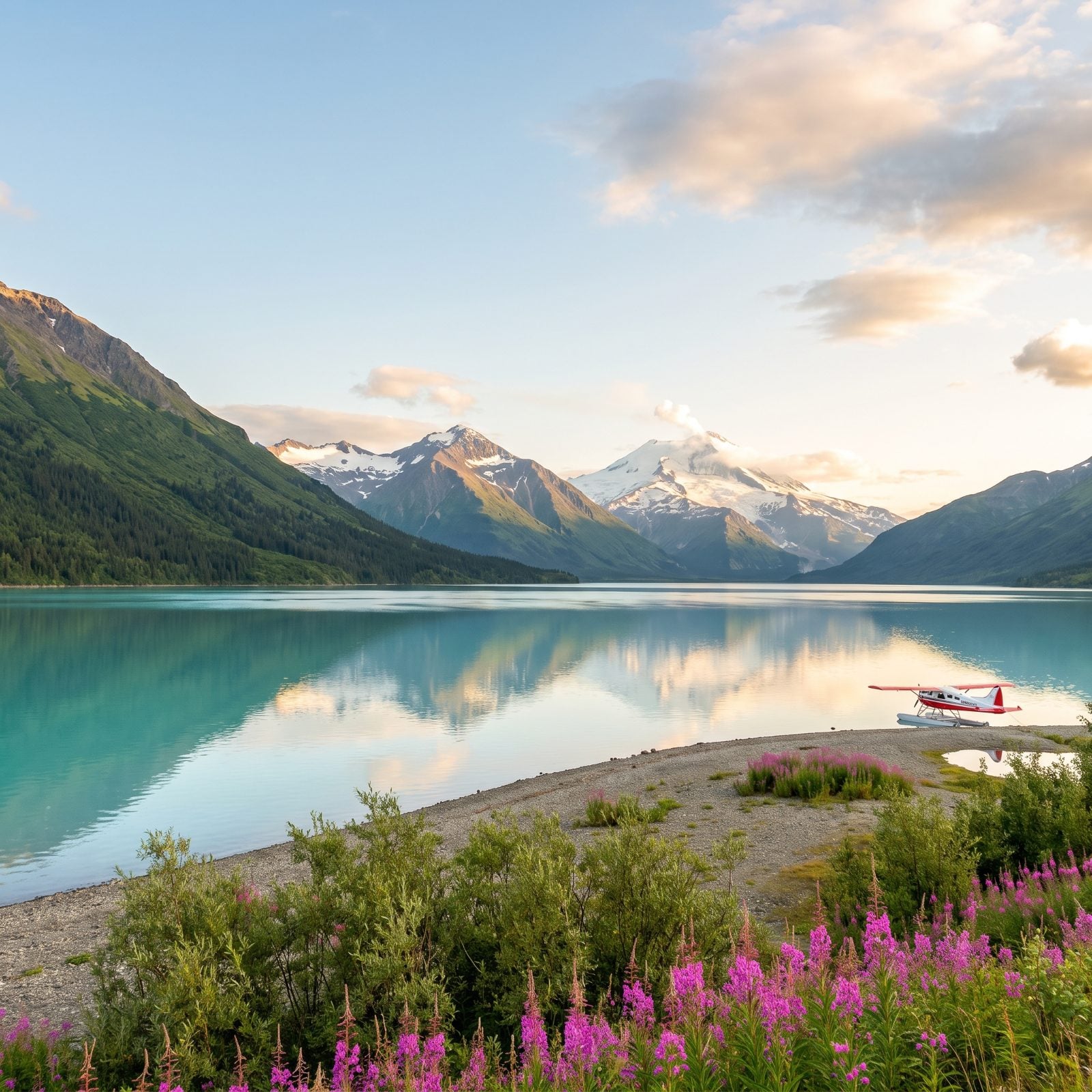
This is where Dick Proenneke built his cabin by hand and filmed himself living alone for decades. If you’ve ever caught Alone in the Wilderness on public television some slow Sunday, you’ve seen Lake Clark. The cabin is still standing, and the park service keeps it exactly as he left it.
The lakes here run a milky turquoise from glacial silt, set beneath active volcanoes, and the coast at Silver Salmon Creek offers some of the best bear viewing in Alaska. No roads connect it to the outside world. You fly in from Anchorage, and most of the planet never does.
19. Great Basin National Park, Nevada: Ancient Bristlecone Pines Beneath Exceptionally Dark Skies
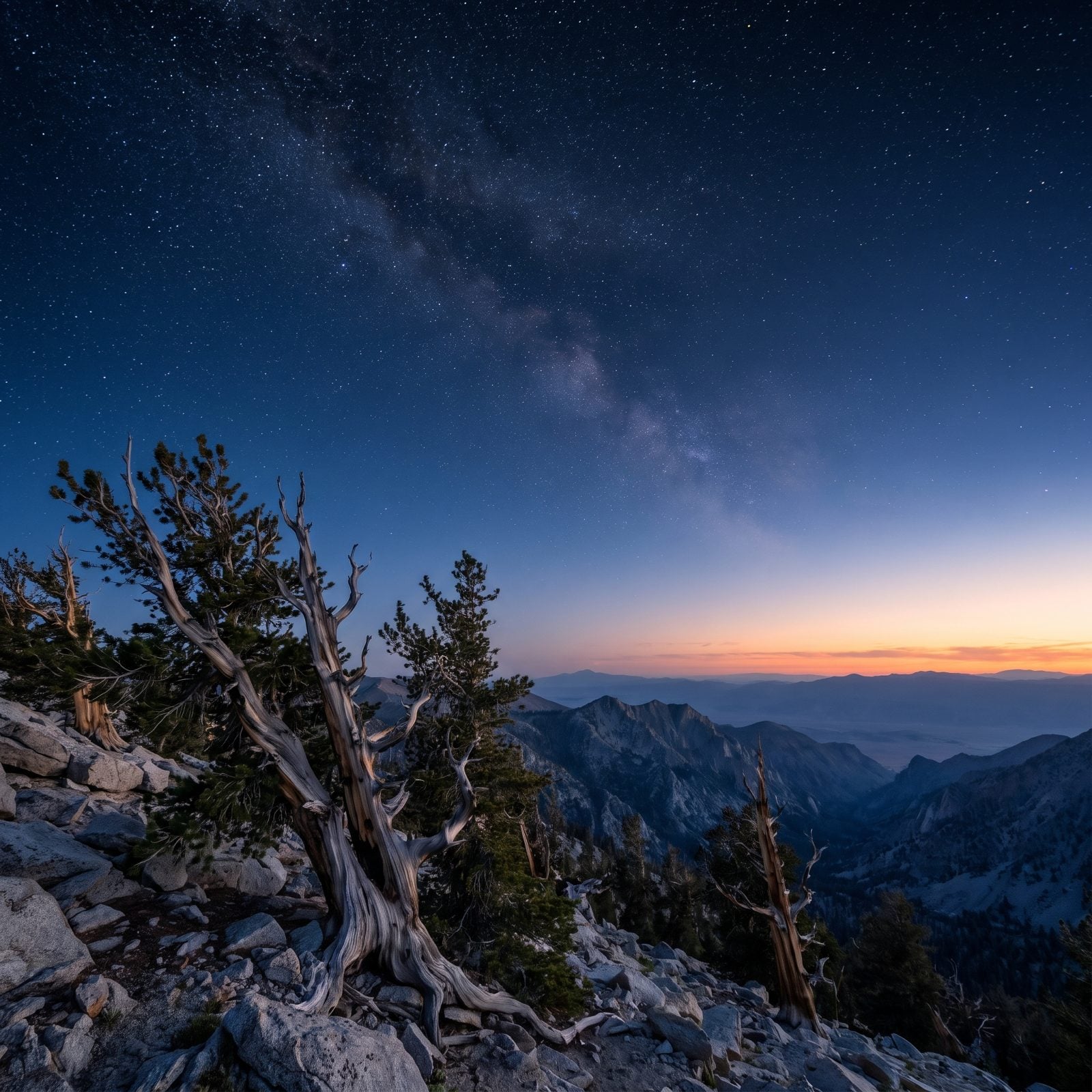
Some of the bristlecone pines up here were alive when the pyramids were going up. Not exaggeration. These are the oldest non-clonal living things on earth, five thousand years and counting, twisted into shapes that look carved by someone who was furious.
And at night, the park holds some of the darkest skies left in the lower forty-eight. No cities for a hundred miles in any direction. On a moonless night you can see your own shadow cast by the Milky Way. Most people blow past on Highway 50, the loneliest road in America, without ever turning off. Their loss.
18. Channel Islands National Park, California: Sea Caves and Endemic Wildlife Off the Coast
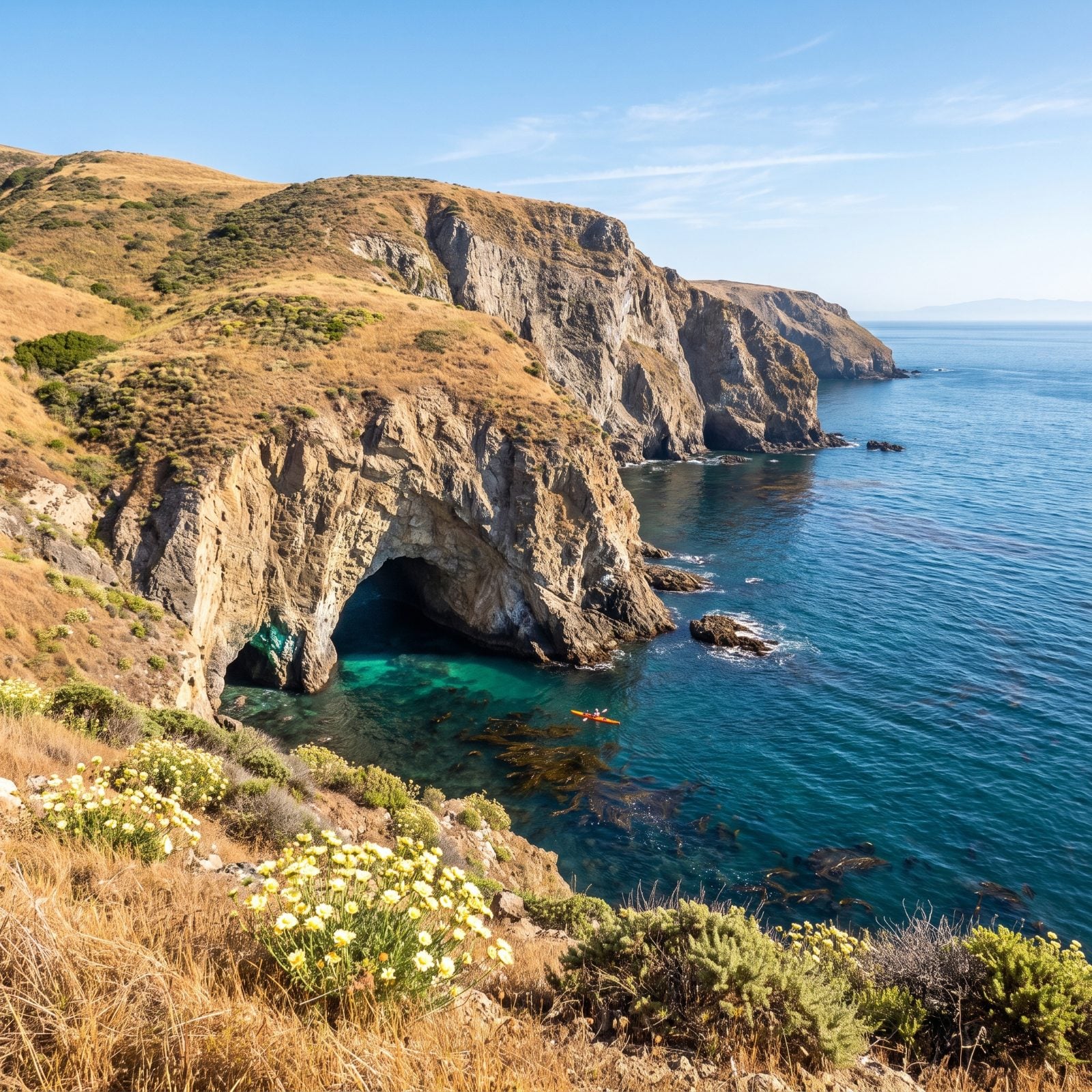
You can see them from the mainland on a clear day, a blue shape on the horizon past Ventura, and almost nobody goes. An hour by boat, and you’re in a place people call the Galapagos of North America, with island foxes the size of house cats found nowhere else on earth.
The real draw is below the waterline and inside the rock. Painted Cave on Santa Cruz is one of the largest sea caves in the world, and you can paddle a kayak straight into it. Giant kelp forests, blue whales offshore in summer, cliffs full of nesting seabirds. Thirty miles from millions of people, and still mostly empty.
17. Wrangell, St. Elias National Park, Alaska: Glaciers, Giant Peaks, and an Abandoned Mining Town
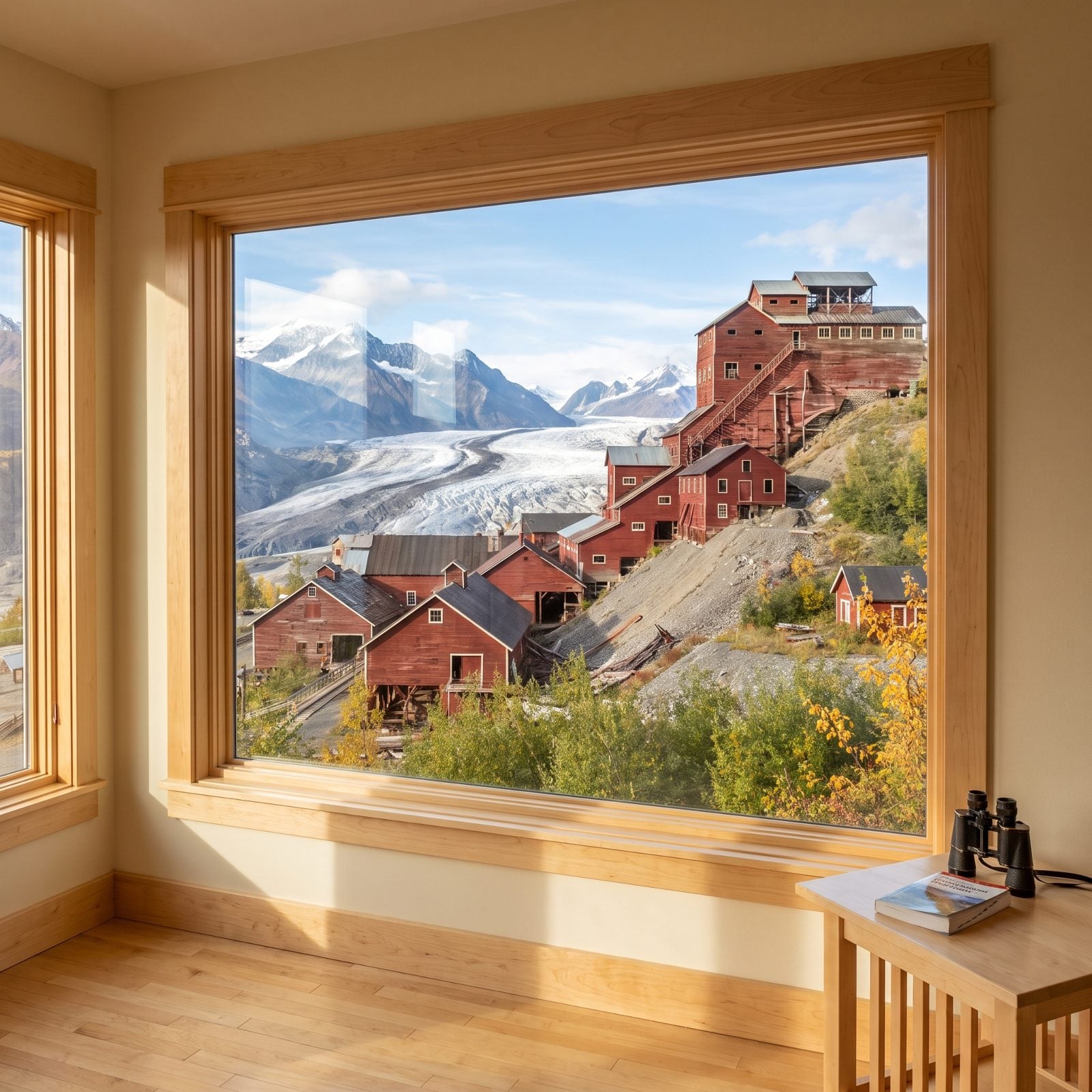
The biggest national park in America. Bigger than Yellowstone, Yosemite, and Switzerland combined. And you reach its heart by driving sixty miles of gravel road that will test your tires and your patience.
At the end of it sits Kennecott, a ghost town of towering red mill buildings abandoned in 1938 when the copper ran out. The place emptied almost overnight and has stood frozen ever since. Walk the stepped buildings, then hike out onto the Root Glacier with crampons strapped to your boots. Four of the continent’s tallest peaks are in this one park, and you’ll have whole valleys to yourself.
16. Congaree National Park, South Carolina: Boardwalks Through an Old-Growth Floodplain Forest
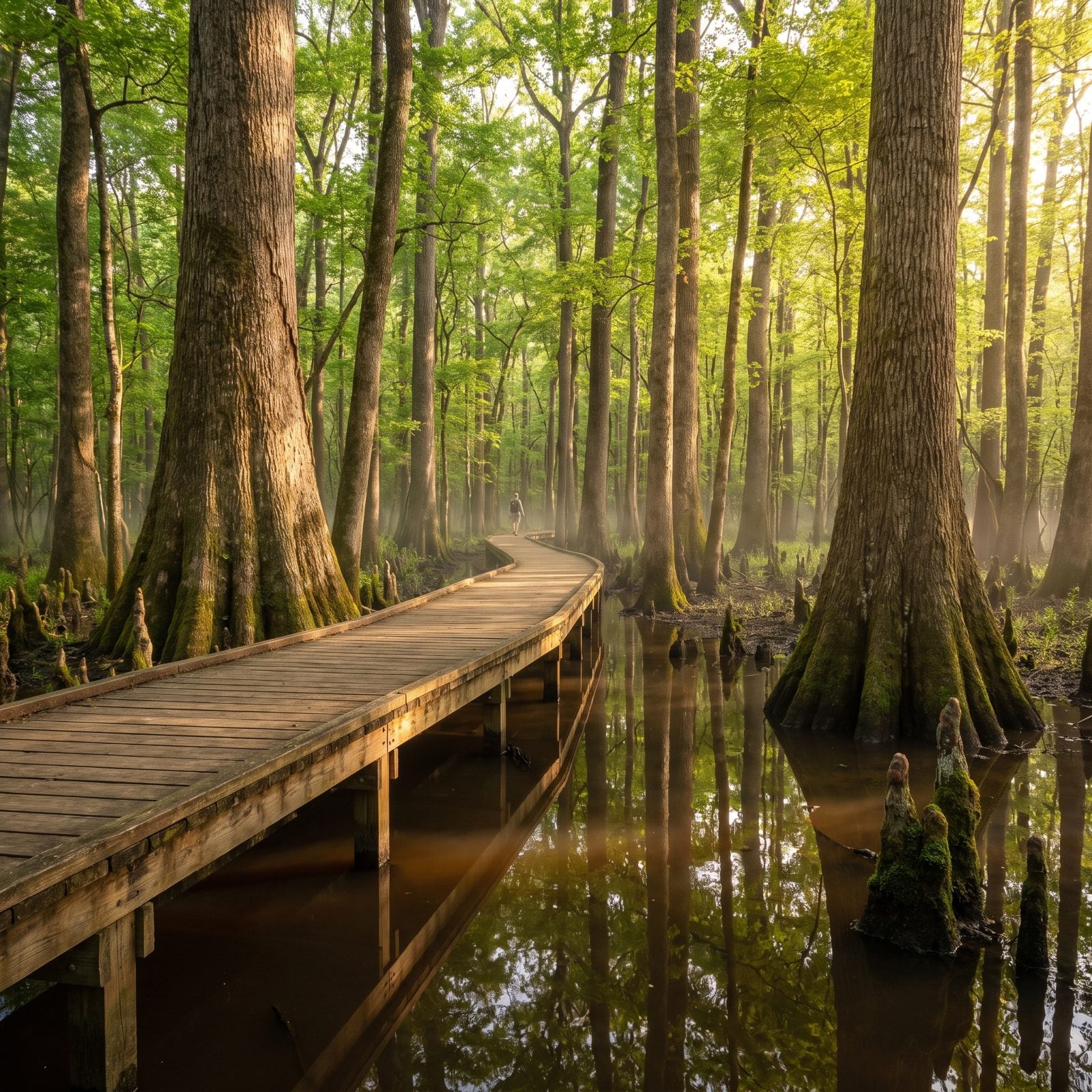
The tallest trees in eastern North America are here, in a floodplain forest that somehow dodged the loggers who cleared almost everything else in the Southeast. Champion bald cypress and loblolly pines, some topping 160 feet, in one of the last stands of old-growth bottomland hardwood left on the continent.
A boardwalk loop keeps your feet dry while you walk through it, which matters, because this place floods on purpose. Go on a warm evening in late spring and you might catch the synchronous fireflies, one of only a handful of places in the country where they flash in unison. No admission fee, no crowds, and most people in South Carolina have never set foot in it.
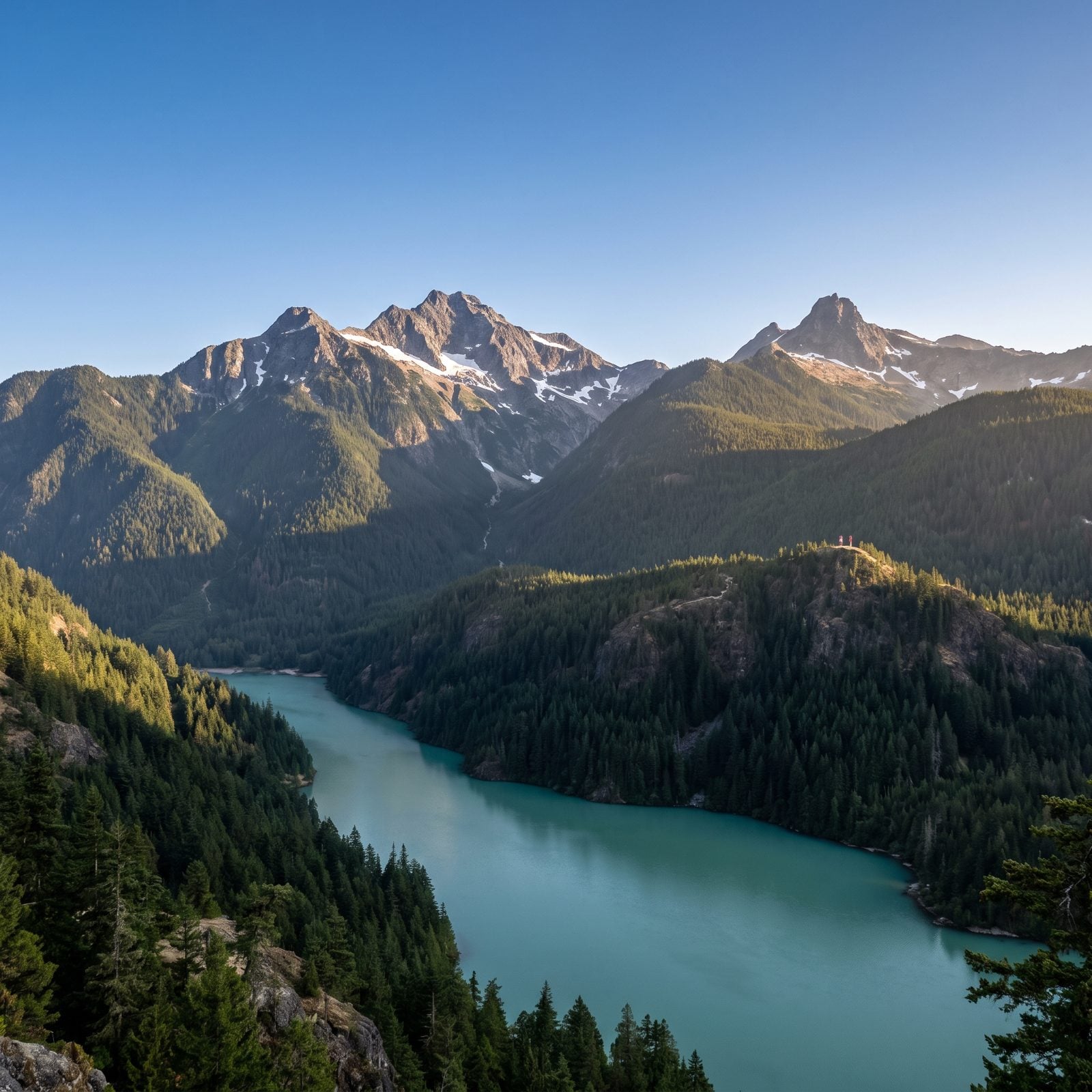
15. North Cascades National Park, Jagged Peaks and Brilliant Alpine Lakes
🔥 Would you like to save this?
People barrel right past it on their way to Rainier, which is a small miracle for anyone who likes a trail to themselves. North Cascades holds more glaciers than any park in the lower 48 yet logs a fraction of the foot traffic.
Diablo Lake gives the whole thing away. That milky turquoise isn’t a filter — it’s glacial silt suspended in meltwater, catching light like crushed gemstone. Spend a morning on the Thunder Knob trail and you’ll get why the locals stay tight-lipped about this place.
14. Biscayne National Park, Coral Reefs and Shipwrecks Hiding Beyond Miami
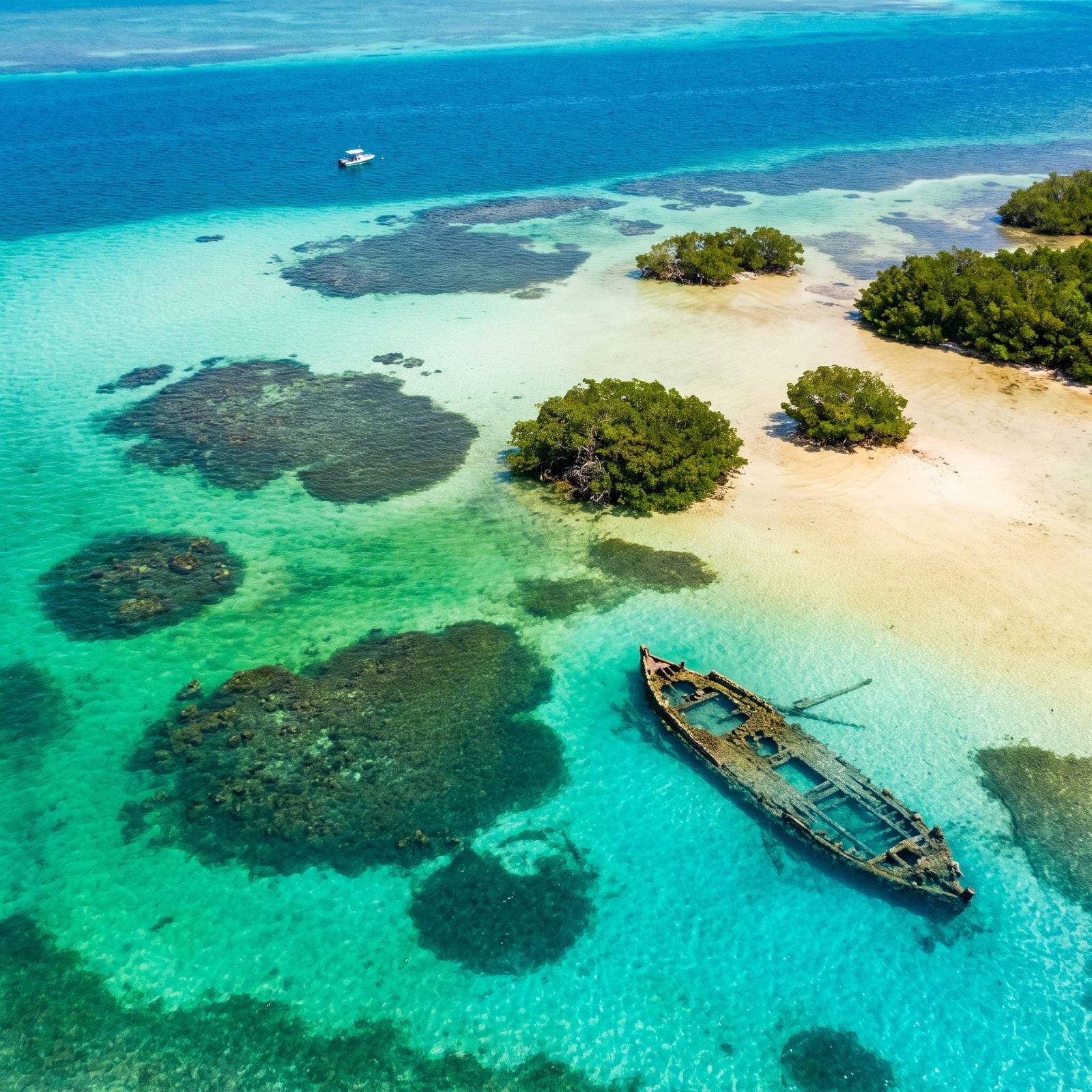
Almost all of this park is underwater, which is probably why most visitors never give it a second look from the mainland. Their loss.
Just south of downtown Miami sits a stretch of living coral reef, mangrove shoreline, and a Maritime Heritage Trail of shipwrecks you can snorkel over. Warm water, crystal clarity, and shockingly empty compared to the beaches you fought traffic to reach. Rent a boat or book a reef trip from Dante Fascell Visitor Center and whole coral gardens are practically yours.
13. Theodore Roosevelt National Park, Painted Badlands Roamed by Wild Bison
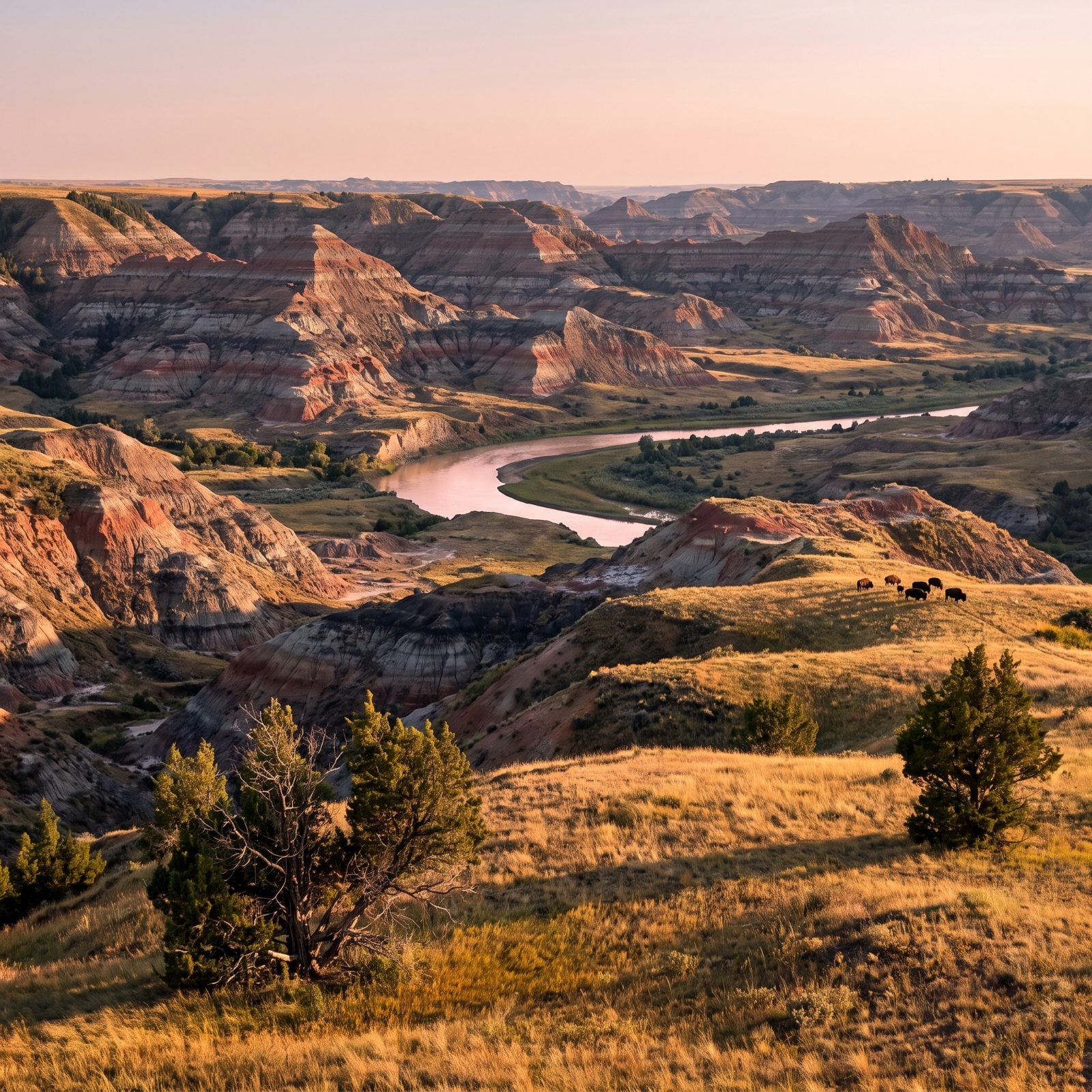
This is the only national park named after a person, and the man himself credited it with saving his life. After losing his wife and mother on the same day, Roosevelt came here to ranch cattle and found his footing in the badlands. The place remade him, and he spent the rest of his career protecting land like it.
The scenery earns the attention. Striped buttes glow like fired clay at sunset, wild horses move along the ridgelines, and bison wander the road at their own unhurried pace. Drive the scenic loop at dawn, before the day heats up, and you’ll likely share it with almost no one.
12. Voyageurs National Park, A Wilderness You Explore by Water
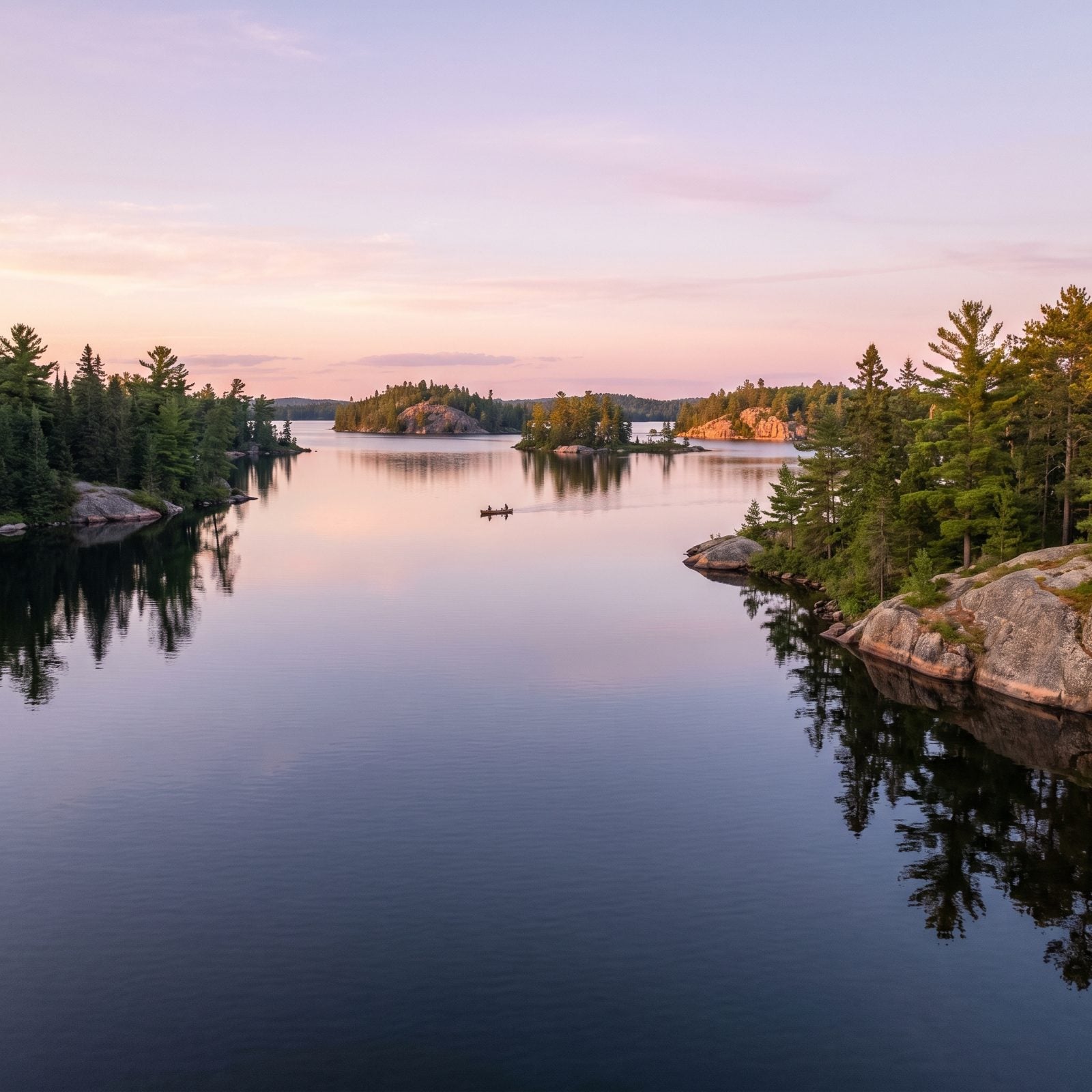
There are roads to the edge of this park and almost none inside it. To reach the heart of Voyageurs, you need a boat — and that single fact filters out the vast majority of casual visitors.
Named for the French-Canadian fur traders who once paddled these waters, it unspools into a maze of interconnected lakes and pine islands along the Canadian border. Rent a houseboat. Drop a fishing line. Watch for the northern lights after dark, because on a clear autumn night the aurora puts on a show nobody else is jockeying to see.
11. Black Canyon of the Gunnison, Sheer Cliffs Above a Shadowed Gorge
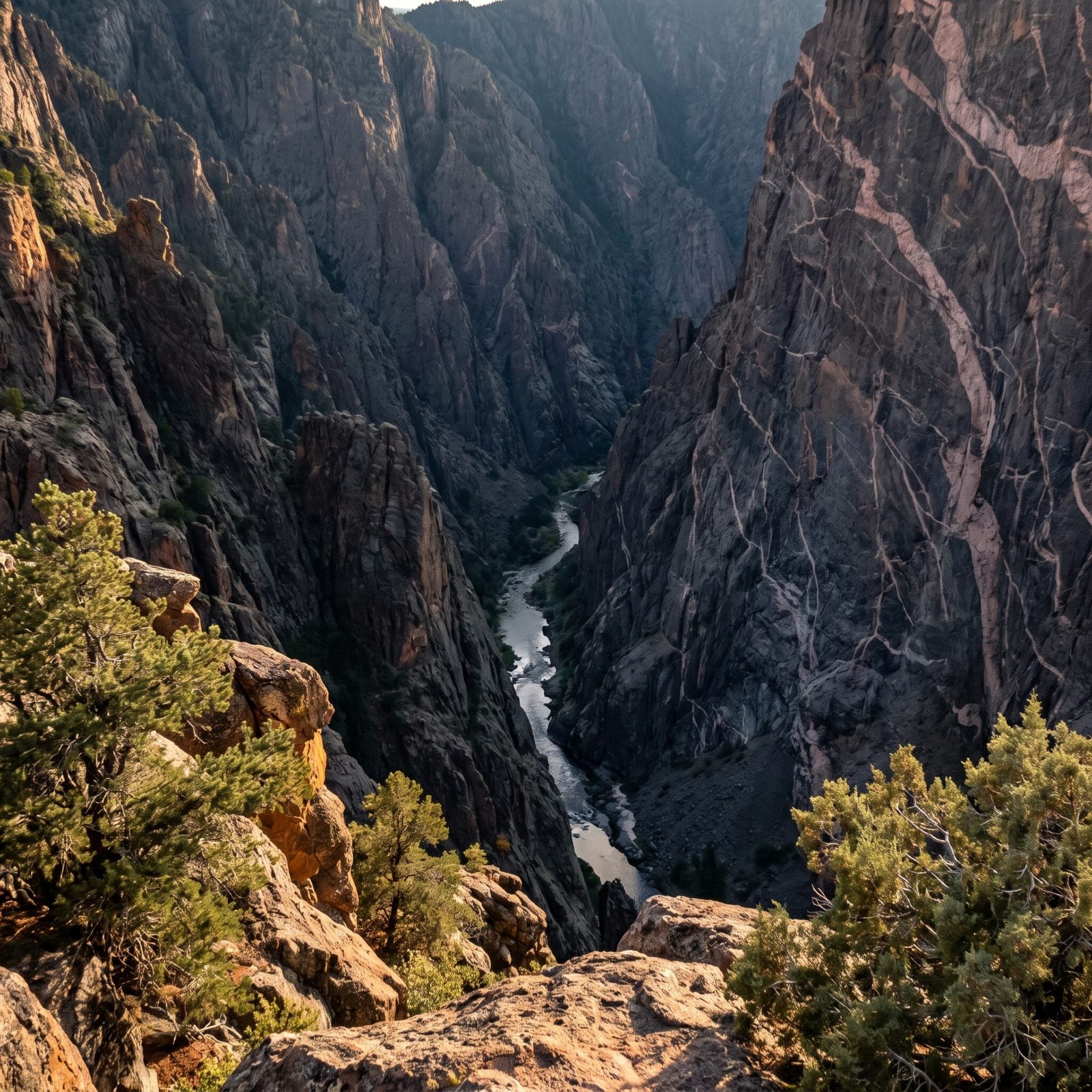
The name is a warning and a promise. Parts of this gorge get barely half an hour of direct sunlight a day, which is how the walls earned their color.
The Gunnison River carved this canyon an inch at a time over two million years, and the payoff is some of the steepest, most vertical rock on the continent. Stand at the rim and you look down more than 2,000 feet to a river reduced to a silver thread. It rattles you a little. It should.
Some canyons are wide and forgiving. This one is narrow, deep, and completely unimpressed with your sense of scale.
10. Kenai Fjords National Park, Glaciers Spilling Into Wildlife-Rich Seas
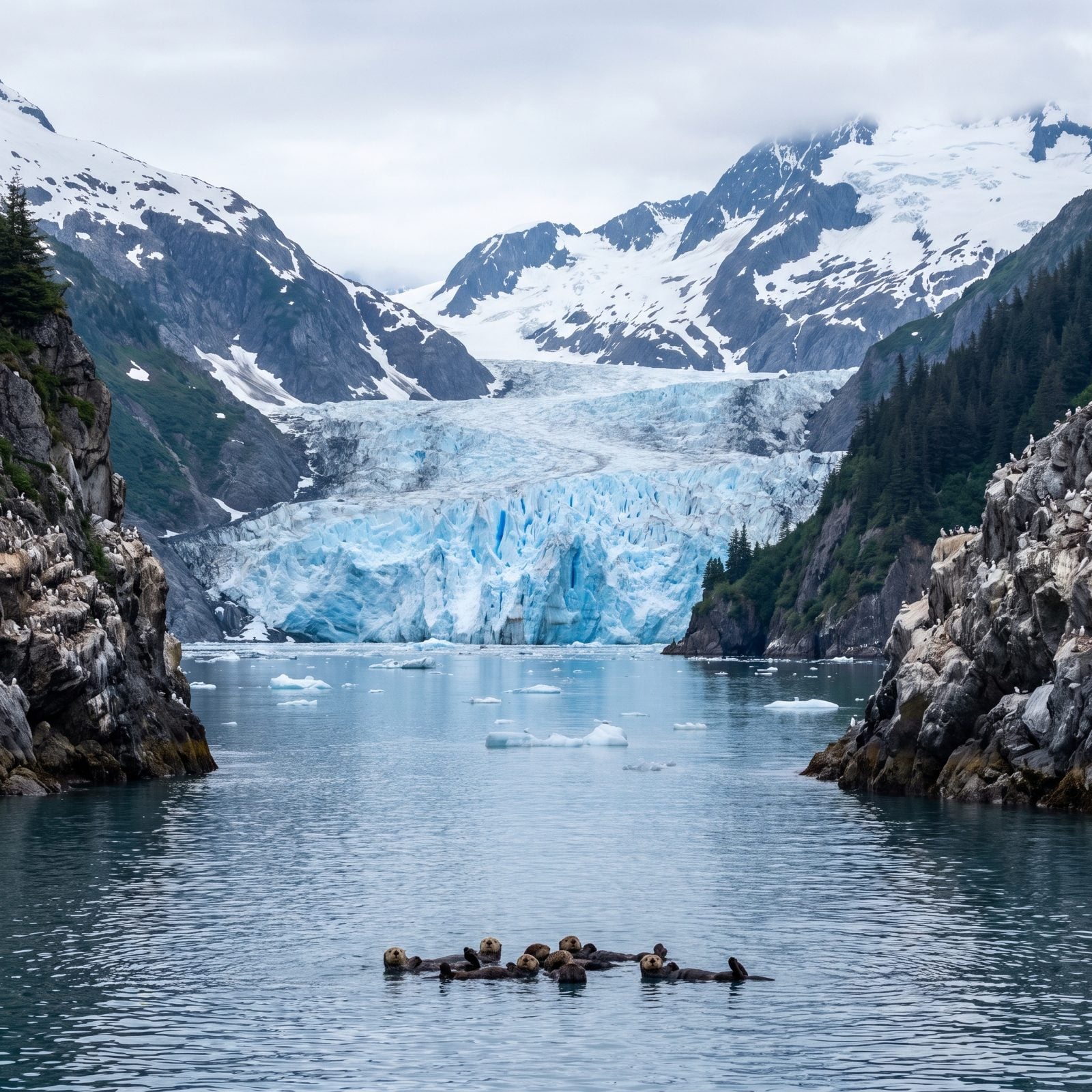
Most Alaska cruise crowds drift toward the big marquee names. Kenai Fjords, a short drive from Seward, stays comparatively quiet — and that’s the gift.
Nearly half the park sits buried under the Harding Icefield, which feeds glaciers that tumble straight into the sea. Book a day cruise and you’ll watch ice calve off a glacier face with a crack like thunder while sea otters, humpbacks, and puffins go about their business, unbothered. Hike the Harding Icefield Trail if your legs are willing. The view at the top stops conversation cold.
9. Guadalupe Mountains National Park, A Quiet Climb to the Roof of Texas
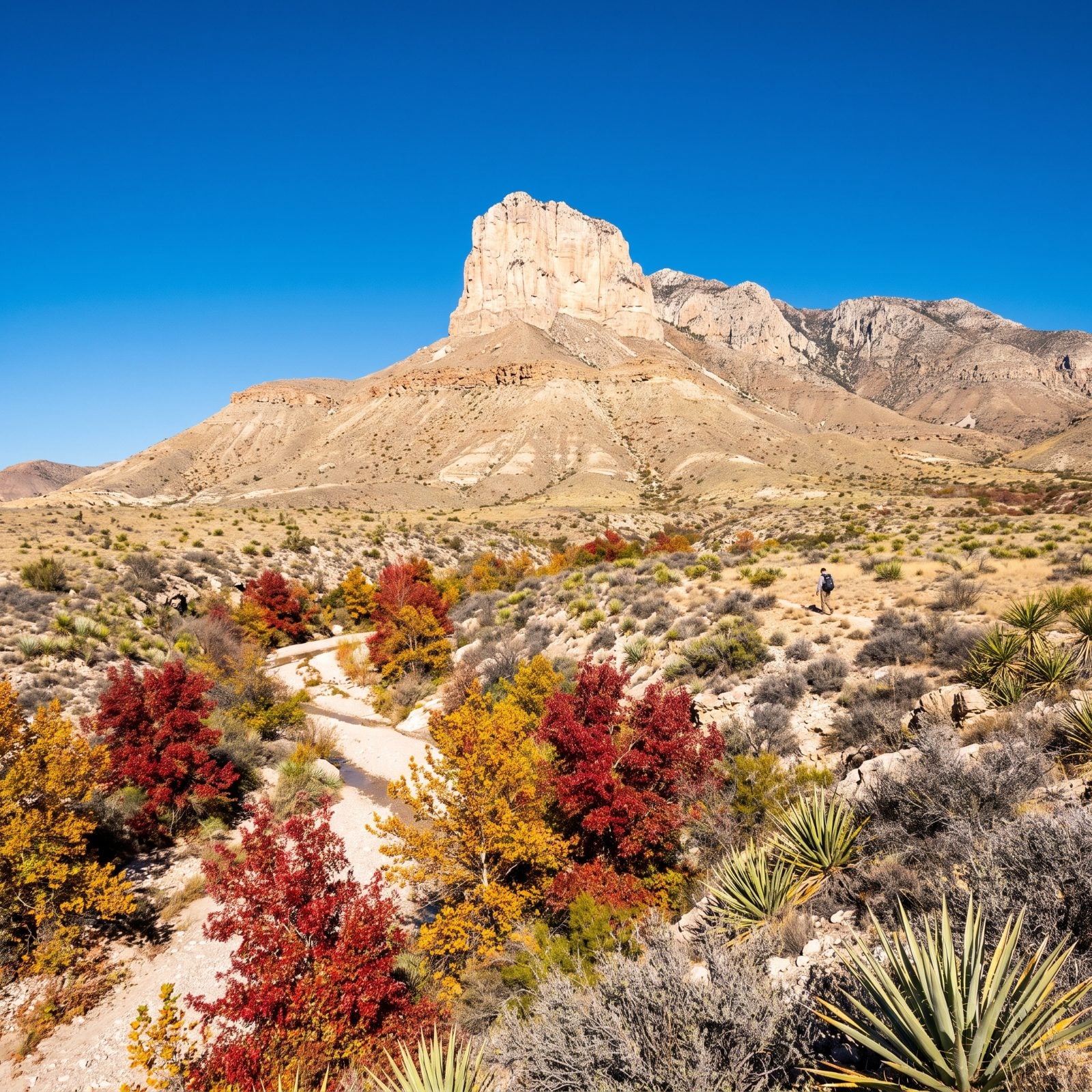
Guadalupe Peak is the highest point in Texas, and you can often summit it passing only a handful of other hikers. For a state that does everything big, this park stays strangely under the radar.
The secret weapon is McKittrick Canyon in late October, when bigtooth maples flare scarlet and gold smack in the middle of the desert. It feels like a glitch in the landscape. Pack more water than you think you need, start early, and let the silence do its work. This is country that rewards patience over photo timing.
8. Capitol Reef National Park, Red-Rock Domes Beyond Utah’s Famous Five
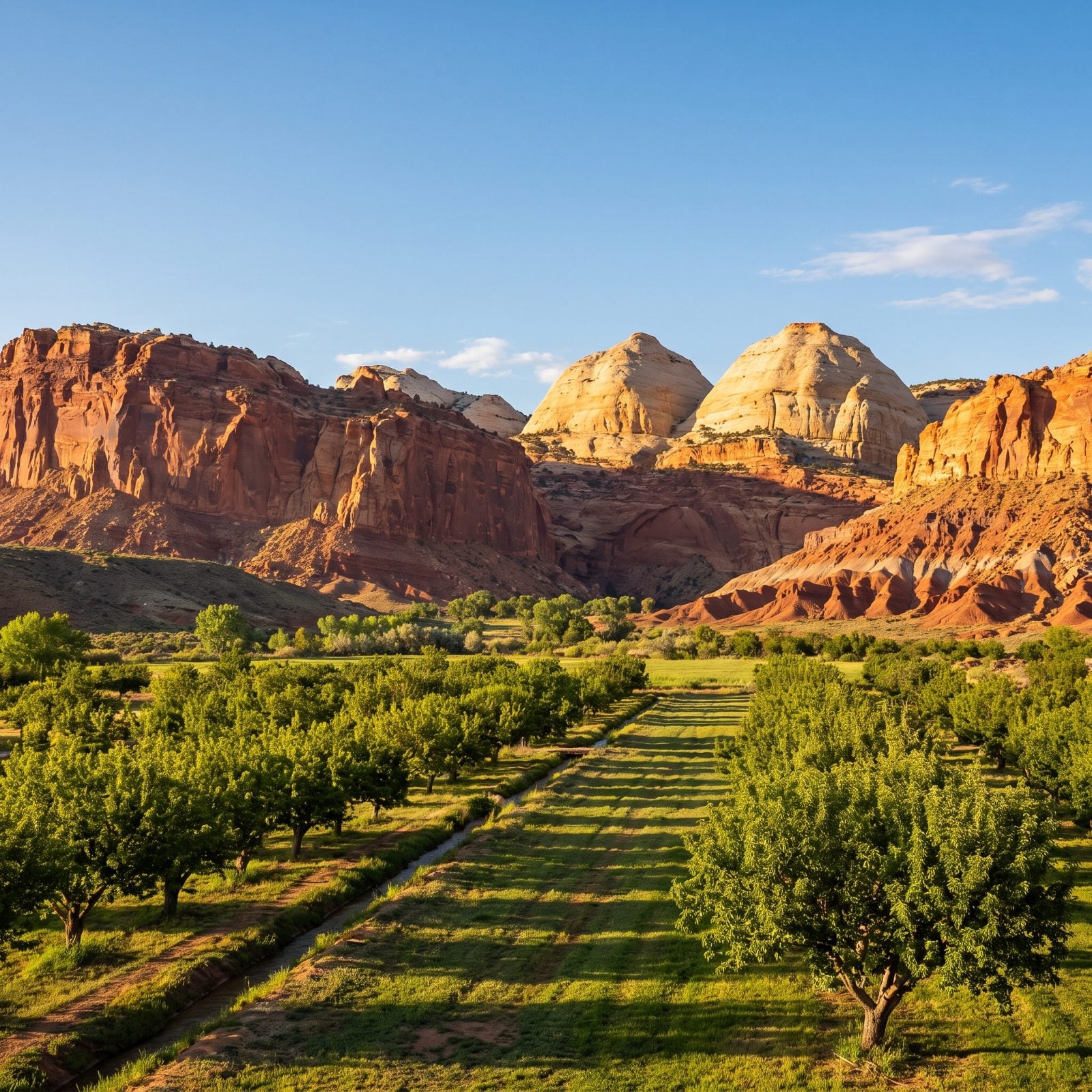
Utah’s Mighty Five get all the attention, and most of it piles onto Zion and Arches. Capitol Reef, sitting right in the middle of them, usually gets skipped. Smart travelers plan around exactly that.
The park wraps around a long wrinkle in the earth called the Waterpocket Fold — red domes, slot canyons, petroglyph panels. The real surprise is Fruita, a historic Mormon settlement with orchards you can pick from in season. Grab a slice of homemade pie at the Gifford House, then drive the scenic road at dusk when the rock turns the color of embers.
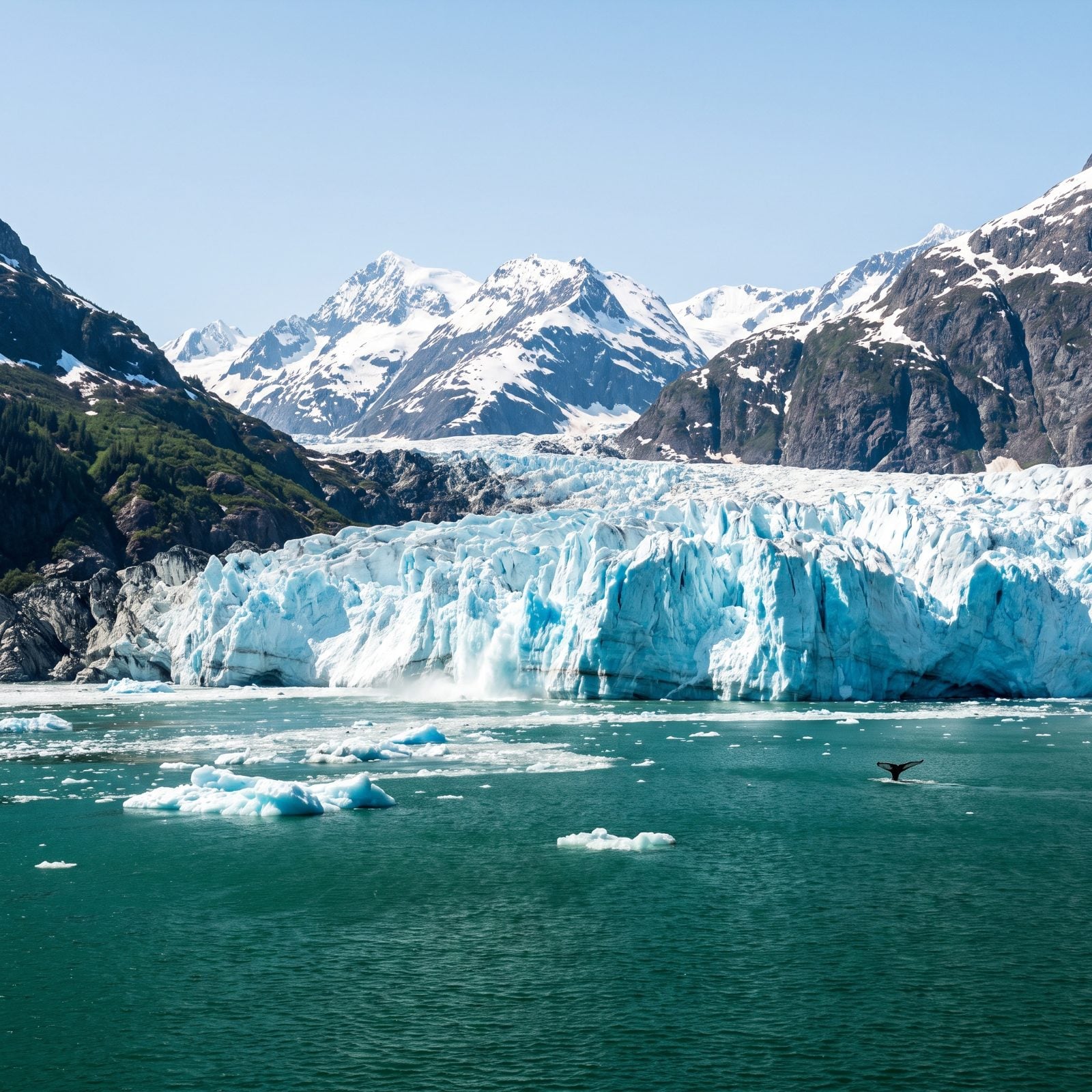
7. Glacier Bay National Park, Tidewater Glaciers in a Roadless Coastal Wild
🔥 Would you like to save this?
There’s no road in. You arrive by boat or small plane, and that barrier is exactly what keeps this place feeling like the edge of the known world.
A couple of centuries back, this entire bay lay buried under ice. The glaciers have since retreated dozens of miles, exposing new land and water now thick with humpbacks, sea lions, and the occasional brown bear ambling the shoreline. A day boat from Bartlett Cove carries you to the active glacier faces, where ice the size of buildings drops into the sea. It’s the kind of scale that resets what you thought big meant.
6. Lassen Volcanic National Park, Steaming Basins Beneath an Alpine Volcano
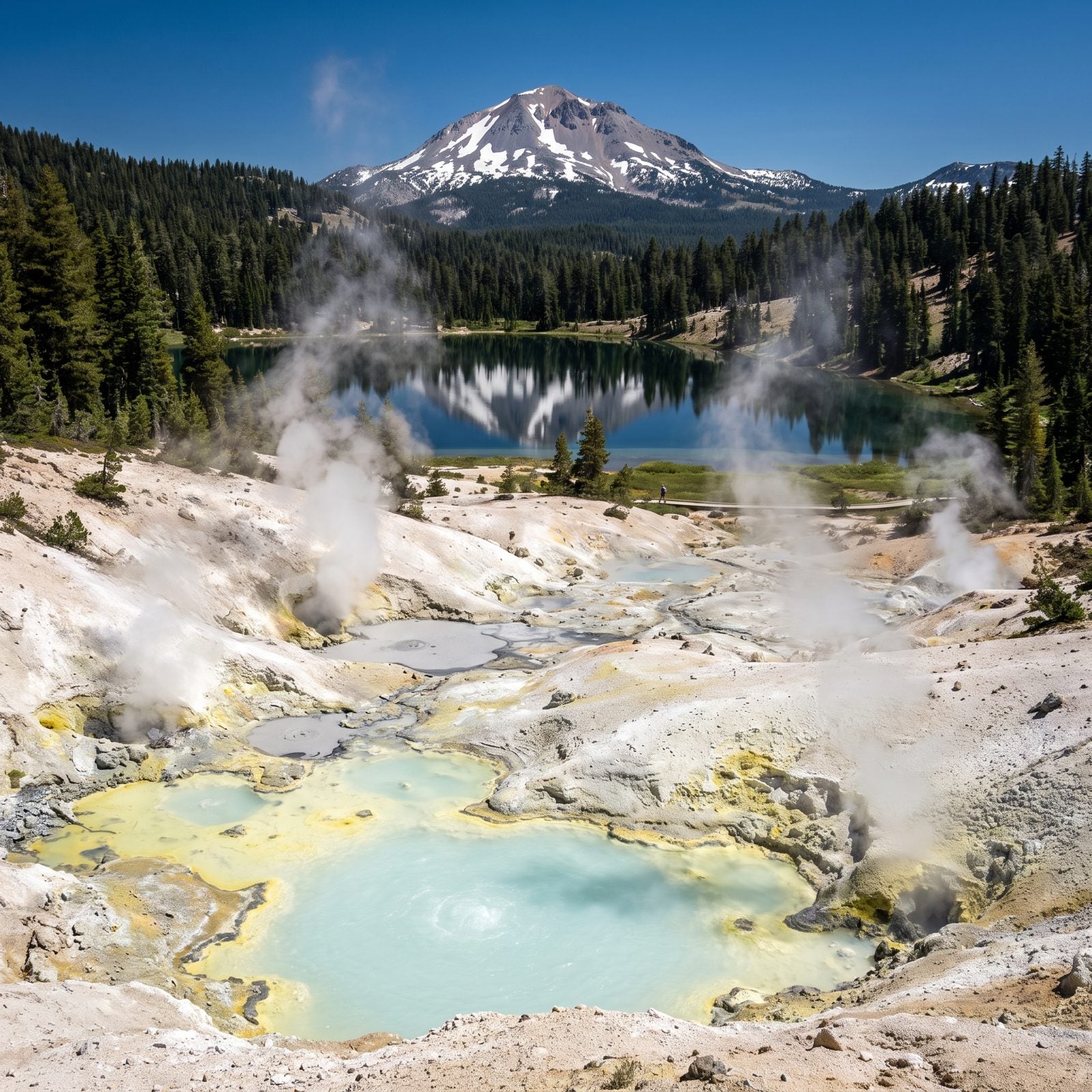
Every type of volcano on the planet exists inside this one park, and almost nobody brings it up. Lassen sits a few hours north of the Bay Area, quietly doing its thing while everyone fights over a parking spot at Yosemite.
The headliner is Bumpass Hell — a boardwalk trail through boiling mud pots and sulfur-rimmed hot springs that steam like the earth left a kettle on. Lassen Peak last erupted a little over a century ago, recent in geologic terms, and that’s part of why the ground here feels so restless underfoot. Go in July, once the snow finally clears the high trails.
5. Wind Cave National Park, South Dakota: Rare Boxwork Caverns Beneath a Bison Prairie
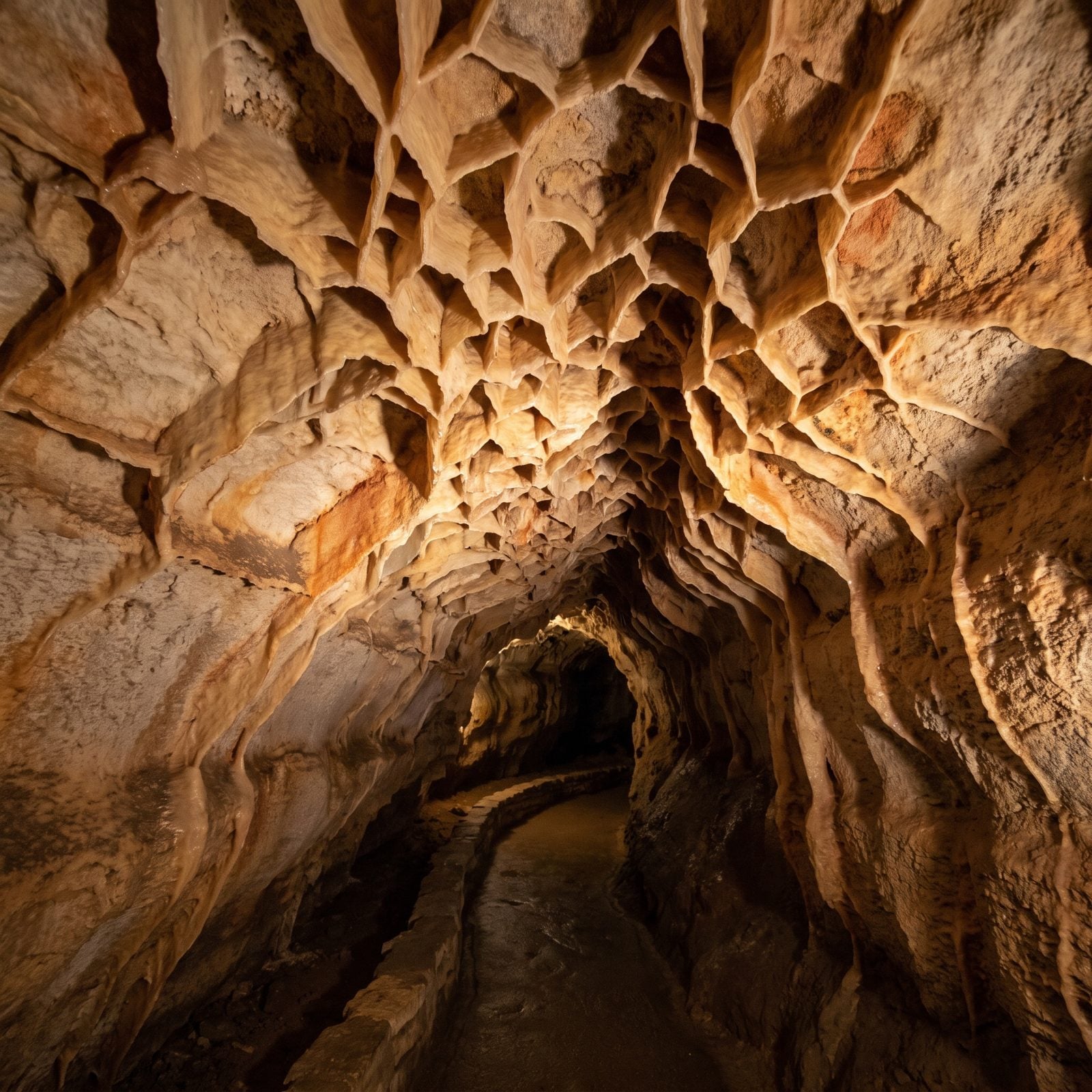
Everybody blows past this one on the drive to Mount Rushmore, and that’s their loss. Wind Cave hides one of the strangest things underground in North America: boxwork, thin calcite fins that spread across the ceiling like a honeycomb somebody built sideways. Almost all of the world’s known boxwork sits right here. You won’t find it in the famous caves out west.
Skip it and you miss a two-for-one park. Up top, bison graze a mixed-grass prairie that rolls clean to the horizon, while below your feet one of the longest cave systems on earth coils in total silence.
Book a ranger-led tour at the visitor center. The Natural Entrance and Fairgrounds walks both drop you straight into the boxwork rooms, and they rarely sell out the way the crowd-magnet caves do.
4. Petrified Forest National Park, Arizona: Rainbow Badlands Scattered With Fossilized Logs
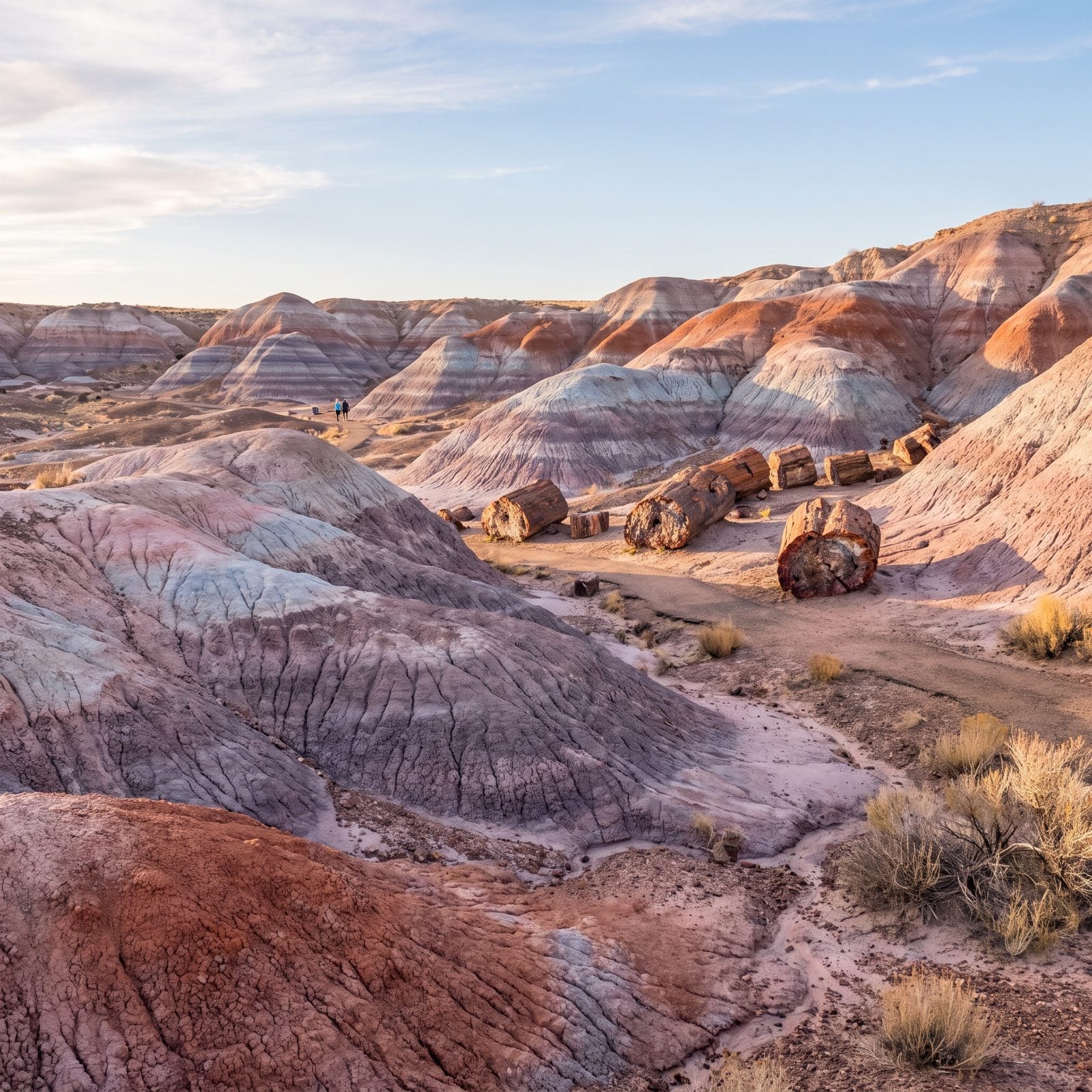
The name undersells it. There’s no forest standing here, which confuses people enough that they keep on driving. What you actually get is a desert painted in stripes of lavender, rust, and pale blue, with ancient trees lying across it, turned entirely to stone and glittering with quartz.
Pick up a log cross-section with your eyes and you’re staring into the Triassic. The wood grain is perfect. Those colors come from iron and manganese that seeped in while the tree was fossilizing.
Walk the Blue Mesa trail, a one-mile loop down into the banded badlands. Go late in the day. The low sun turns the clay hills from gray to violet while you watch, and honestly, that alone is worth the detour.
Two hundred million years old and it fits in your hand. That is the kind of math this park runs on.
3. Kings Canyon National Park, California: Granite Walls and Giant Sequoias Beyond Yosemite
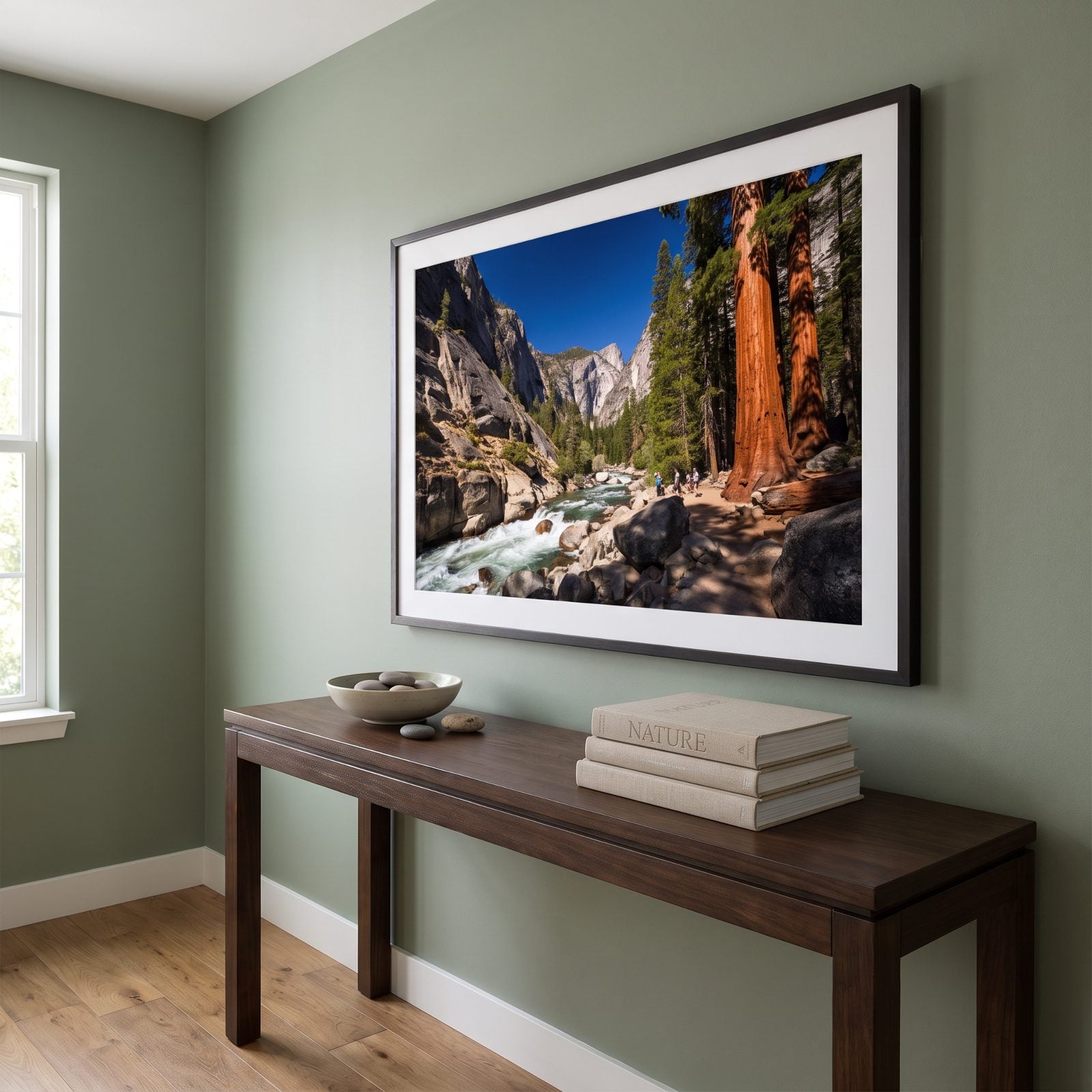
Yosemite gets the traffic jams. Its quieter neighbor to the south gets the same granite, the same towering sequoias, and a fraction of the crowd. You can stand under the General Grant tree, one of the largest living things on the planet, without waiting for a soul to shuffle out of your shot.
Drive on by and you skip one of the deepest canyons in the country. The Kings River has carved a gorge that beats the Grand Canyon for depth in places, walled in gray granite that glows at the end of the day.
Take Highway 180 down to Cedar Grove along the canyon floor, then stroll the Zumwalt Meadow loop by the river. Flat, easy, not even a mile and a half, with the walls shooting straight up on either side of you.
2. Virgin Islands National Park, St. John: Forest Trails Leading to Secluded Caribbean Coves
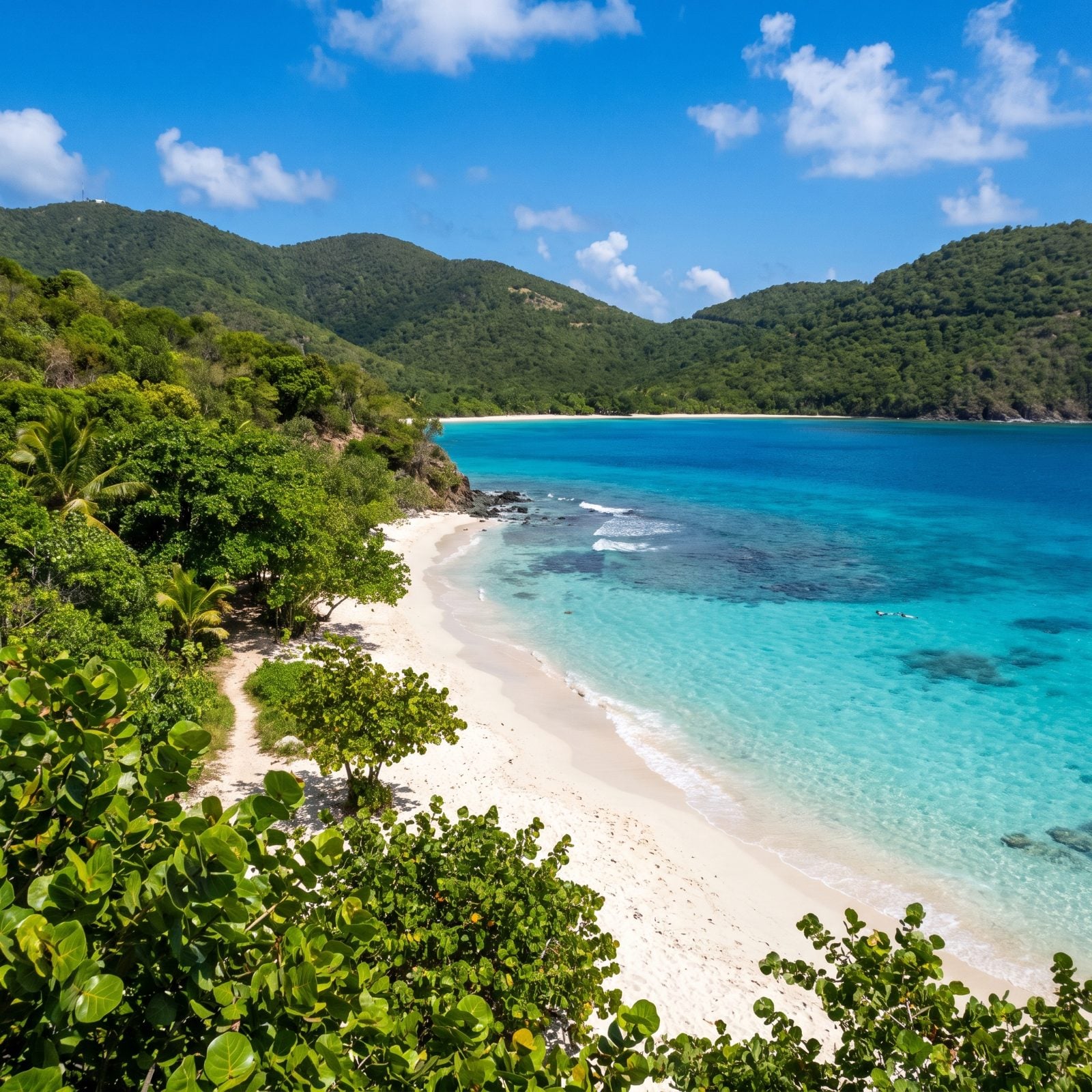
Most of St. John is a national park, and that’s the whole reason the island stayed this empty. No high-rises crowd the beaches, no chain hotels line the bays. Just forest trails dropping through old sugar plantation ruins to coves where the water goes clear turquoise over white sand.
Hike the Reef Bay trail down through the jungle, past petroglyphs carved by the Taino people who lived here first, to a beach you’ll probably have mostly to yourself. Over at Trunk Bay, an underwater snorkel route tags the coral with little signs set right on the reef floor.
1. National Park of American Samoa: Tropical Rainforests and Empty South Pacific Beaches
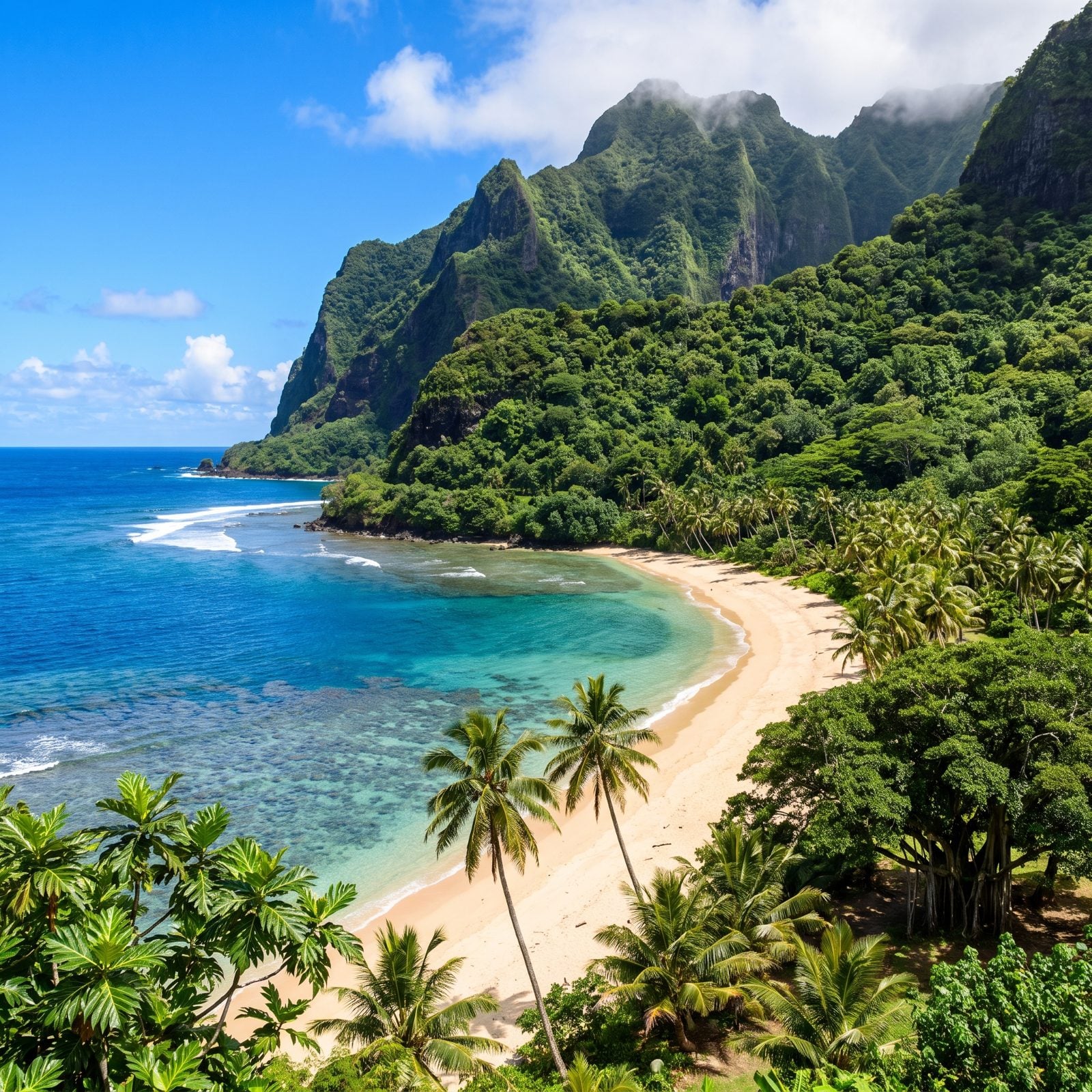
This is one of the least-visited national parks in the whole system, and the reason is pure geography. It sits way out in the South Pacific, thousands of miles southwest of Hawaii, spread across three volcanic islands. Hardly anybody makes it in a given year.
Make the trip and you get rainforest that spills right down to the reef, flying foxes the size of small hawks drifting over the canopy, and beaches holding nobody’s footprints but your own. The park works hand in hand with Samoan villages, so visiting means stepping into a living culture rather than some roped-off exhibit.
Fly into Pago Pago on Tutuila. Hike the Mount Alava trail for the ridgeline view, or arrange a homestay on Ofu, where the beach and the reef sit a few steps apart and the water runs warm as a bath.
🔥 Would you like to save this?
Please note that some of the imagery in this article were created with the aid of AI image generators.