
There you are at 11pm, three browser tabs deep, comparing a boutique inn against a chain you’ve stayed at twice, when it hits you: you’ve now spent longer picking a place to sleep than some people spend picking a life partner. Same brain, both jobs. The same fears, the same shortcuts, the same little lies we tell ourselves about what we can tolerate for three nights or thirty years.
Hotel-hunting is courtship in miniature. You scan for red flags, forgive the right ones, get seduced by a lobby, then panic over a cancellation policy. We’ve all done it. Below are the booking behaviors that give the whole game away, plus the reasons your gut pulls the same tricks whether the stakes are a weekend getaway or the rest of your life.
14. You Swipe Past a Hotel for One Bad Profile Photo
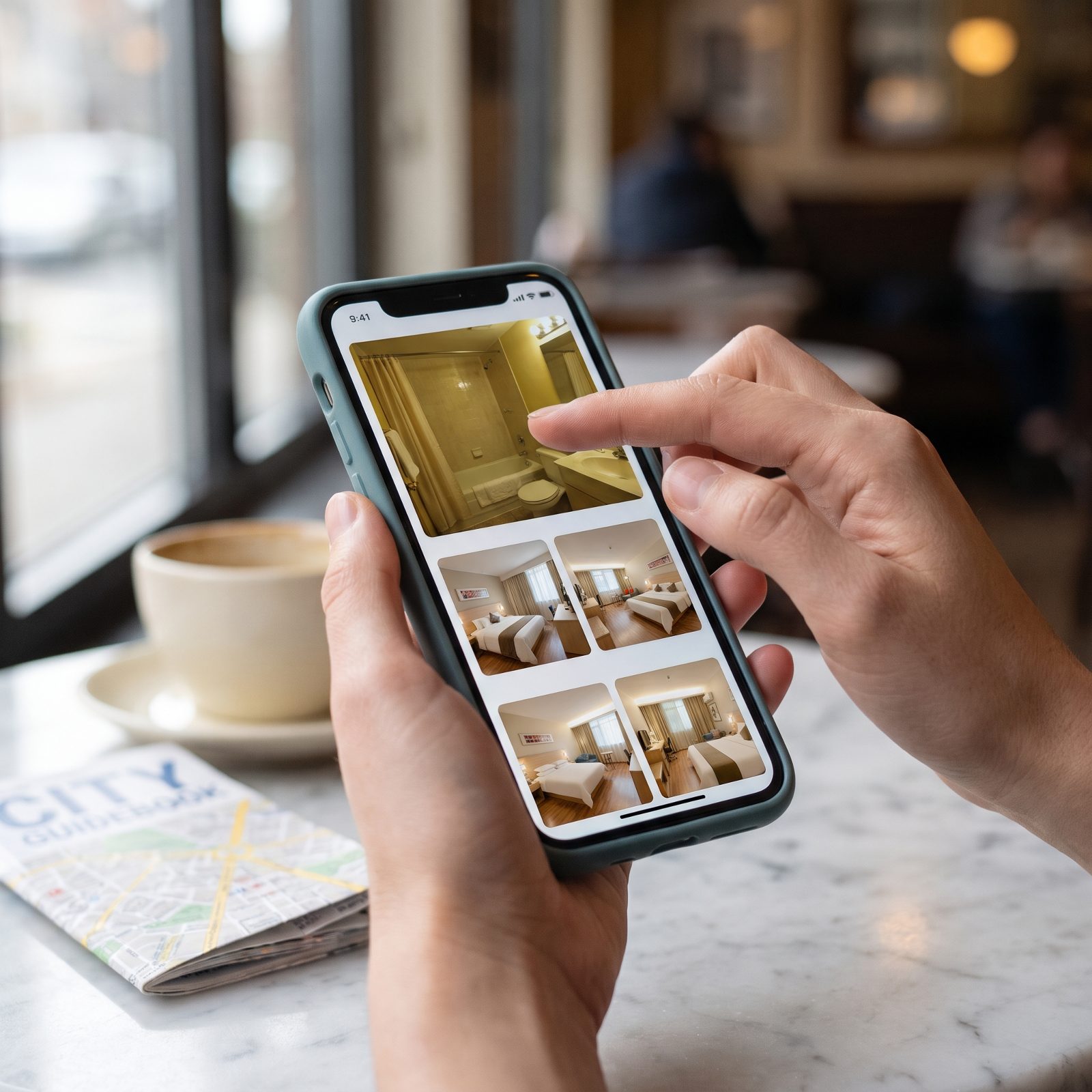
The listing had everything — good location, solid price, a pool. And then there was that one photo: a bathroom lit like an interrogation room, shower curtain clinging damply to the tub. You closed the tab. Gone. Nine great pictures and one bad one, and the bad one won.
That’s the halo effect running backward — some call it the horn effect. One flaw bleeds its ugliness onto everything around it, and suddenly you’re convinced the whole place smells faintly of mildew. We pull the same move scanning a dating profile, where a single off photo can sink nine good ones before we’ve read a word.
What makes it maddening is that the bad photo tells you almost nothing. Maybe a tired employee shot it on a flip phone a decade ago. But our brains weight the negative heavier, because for most of human history, missing one danger cost more than missing one opportunity.
13. One Bedbug Review Erases Two Thousand Glowing Ones

Thousands of reviews. A glowing average. People praising the staff, the breakfast, the view. Then you find it, buried a few pages deep: one person claiming they woke up with bites. Your whole opinion collapses like a cheap folding chair.
Breakfast doesn’t matter anymore. You’re already picturing yourself itching at 3am in a strange city. That lone review has more pull over you than every happy one put together, and it isn’t close.
We trust the complaint and distrust the compliment, because the complaint sounds like someone who has nothing to sell us.
Loss aversion does the heavy lifting here. The fear of a ruined night outweighs the promise of a lovely one, and researchers have measured that lopsided math over and over. It’s the same reason one betrayal haunts a relationship longer than a hundred kindnesses soothe it. The good stuff is expected. The bad stuff is a warning, and warnings stick.
12. The Grand Lobby Distracts You From the Shoebox Rooms

You walk in and the lobby takes your breath away. Marble floors, a chandelier the size of a small car, a staircase that belongs in a movie. Sold. You’re already congratulating yourself on a great choice.
Then you reach the room, which turns out to be a glorified closet with a window facing a brick wall. The grand entrance wrote a check the fourth floor can’t cash.
A strong first impression does this to us everywhere. A dazzling opening scene buys forgiveness for a mediocre middle. In courtship it’s the charming first date — the one so good it earns months of patience with everything that follows. We judge the whole by the dramatic part, not the part we’ll actually live in.
11. You Demand a Hotel Gym You Will Never Actually Visit

Come on, admit it about the hotel gym. You filter for it. You check that it’s open around the clock. You feel a small glow of virtue knowing it’s there. And then you don’t go. Not once. You stroll past that glass door on your way to the breakfast waffles every single morning.
What you booked wasn’t a gym. It was the version of yourself who uses one. Same reason people fall for a partner who swears they’ll be adventurous, ambitious, up at dawn for a hike. We commit to the aspirational self, not the one who actually shows up.
Psychologists call this the empathy gap. Cold, planning-ahead you genuinely believes hot, tired, vacation you will want to lift weights at 6am. Hot you knows better. Hot you wants the pancakes.
The gym is a story we tell ourselves about who we intend to become — and it rarely gets used, in hotels or in marriages.
10. You Inspect the Neighborhood Before Committing to the Hotel
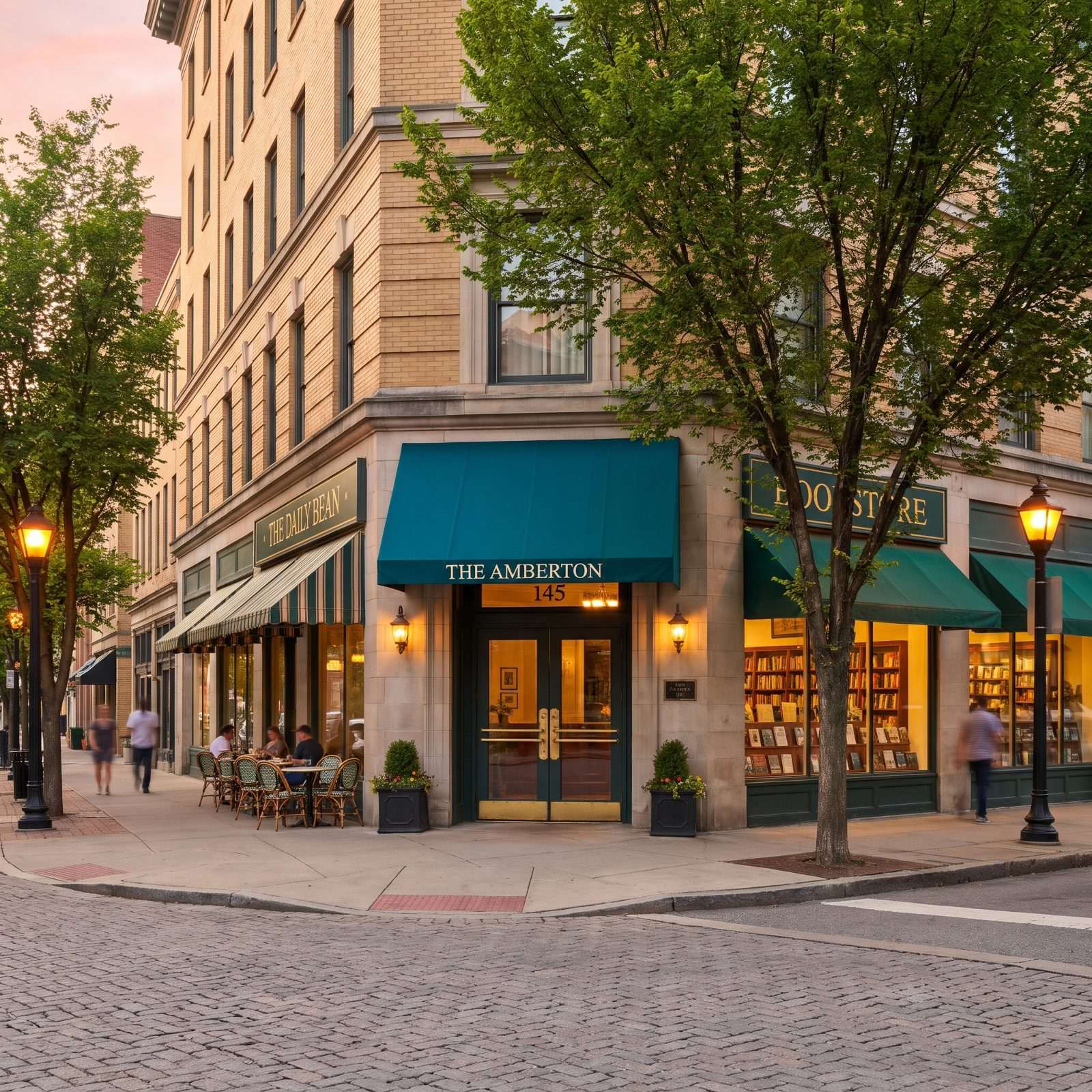
Before booking, you drop the little map pin and start wandering the streets around it. Is there a coffee shop nearby? A grocery store? Does the block look lived-in, or like somewhere you’d cross to avoid? The hotel might be lovely. But you want to know what it’s surrounded by.
This is the oldest wisdom there is, dressed up in satellite view. You’re not just choosing the thing — you’re choosing everything attached to it. When our grandparents sized up a match, they looked at the family, the friends, the way the house was kept. Nobody arrives alone.
A perfect room on a rough block is still a rough block the moment you step outside. We instinctively understand that context seeps in. The neighborhood becomes part of the stay, whether you invited it or not.
9. The Hotel’s Pet Policy Becomes a Values Test

You don’t even have a dog with you. But you notice the pet policy anyway, and somehow it tells you who this place really is. A hotel that welcomes animals with a little bed and a water bowl feels warm, generous, the kind of place that bends a rule for the people in it. A hotel that bans them with a fat fee and three exclamation points feels rigid. From one line of fine print, you’ve started forming an opinion about its entire character.
We read small policies as moral statements. One clause stands in for the whole personality. It’s exactly how we size up a date from how they treat a waiter, or whether they tip, or how they talk about their mother.
A single data point becomes a window into values. Fair? Not really. But the pet policy, like the tip, feels like it reveals something the brochure was hiding.
8. You Test the Front Desk With One Small Request
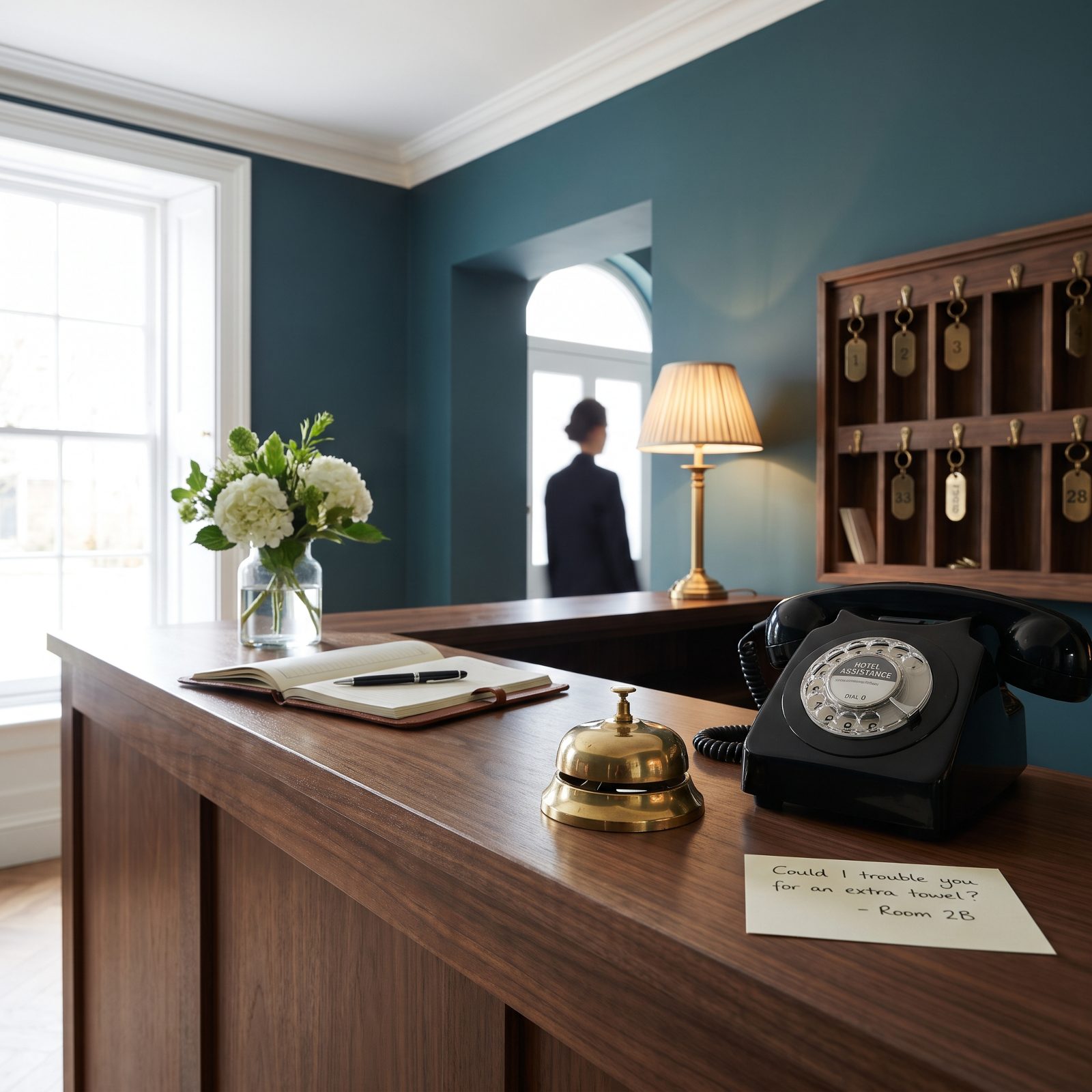
Before you fully commit, you fire off a small message. Can you store my bags before check-in? Any chance of a late checkout? You don’t desperately need either. You’re running a test — how fast do they answer, how warmly, do they treat a tiny ask like a chore or a pleasure?
A quick, kind reply and you relax. A cold or slow one and your stomach tightens. You’ve learned more from that one little request than from the entire glossy website.
It’s a probe, and we run it constantly in courtship. The small favor early on reveals how someone handles the inconvenient parts of caring for another person. How they respond when it costs them a little effort says more than a hundred grand promises.
7. The “Only One Room Left” Warning Makes You Rush

You weren’t going to decide tonight. You wanted to sleep on it, maybe compare one more option. Then the little red words appear: Only 1 room left at this price! And suddenly your heart rate ticks up and your finger drifts toward the button before your brain has caught up.
Scarcity hijacks the whole process. The thing we might have walked away from becomes the thing we can’t bear to lose. We’ve all watched someone stop dragging their feet about a relationship the second a rival showed up, or the second it looked like the other person might leave. Nothing clarifies desire like the threat of losing the option.
Here’s the uncomfortable part. That urgency is often manufactured. The “last room” banner is a tactic, and you know it, and it works on you anyway. We don’t want the thing more. We just can’t stand the idea of someone else getting it, or of the door swinging shut while we hesitated.
6. Free Cancellation Feels Safer Than Finding the Right Hotel
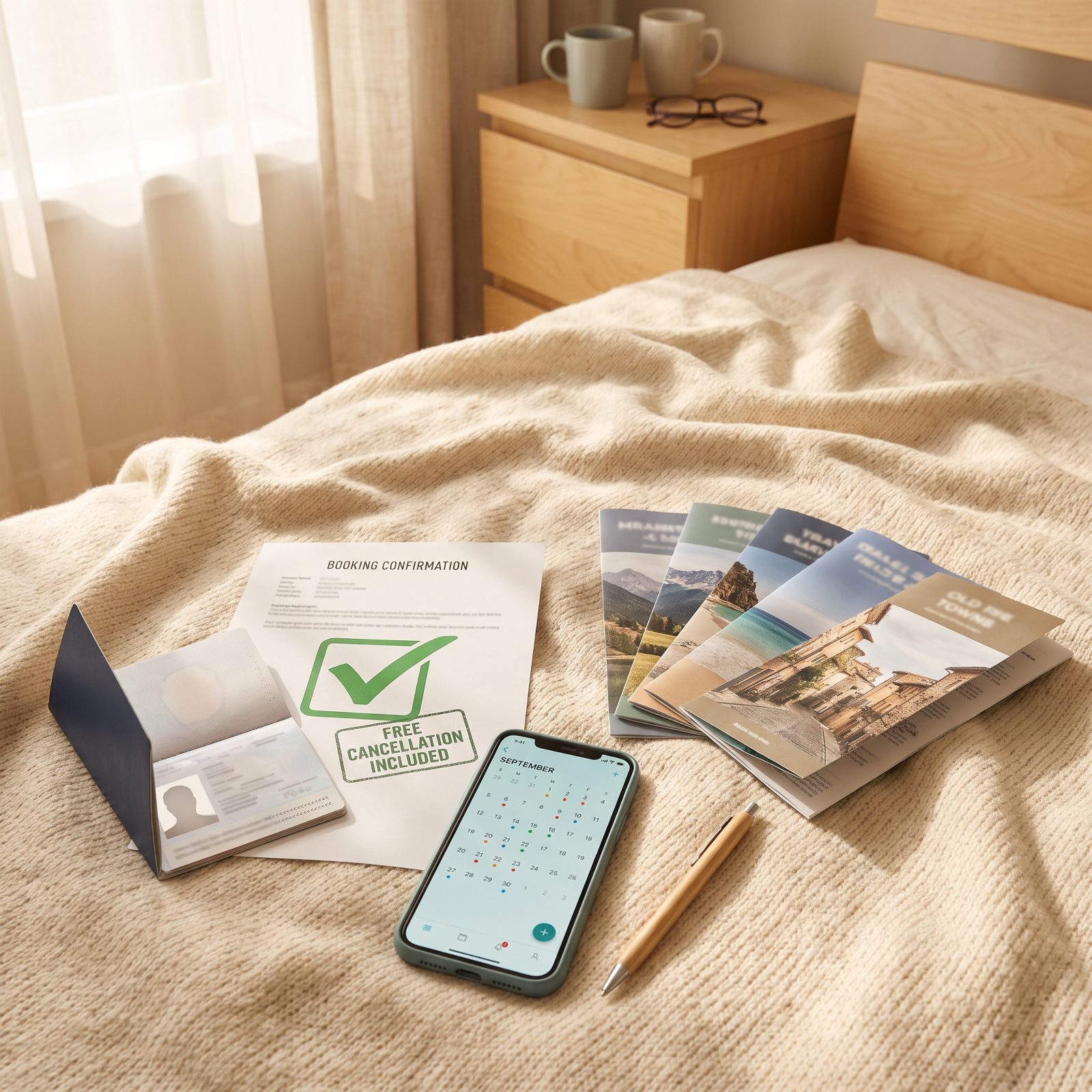
Two hotels, roughly equal. One’s a little nicer but non-refundable. The other’s slightly worse but cancelable free up to the day before. You pick the one you can back out of. Every time.
You’re not really booking a hotel. You’re buying an exit. The ability to change your mind feels so good you’ll trade real quality for it, telling yourself you’ll keep looking, you’ll find something better, you’ll upgrade later. You almost never do.
This is commitment fear wearing a sensible coat. Keeping the escape hatch open feels responsible, mature, safe. Yet research on how we make choices suggests people who lock in a decision usually end up happier than those who leave it reversible, because the open door keeps you shopping instead of settling in.
5. Hidden Resort Fees Make the Whole Hotel Feel Like a Liar

The rate looked great. You booked, you packed, you arrived. And then at checkout: a resort fee you never agreed to, a parking charge, a “destination fee” for amenities you never touched. The number you trusted was never the real number.
It’s not even the money. Thirty bucks won’t ruin you. It’s that you feel deceived, and now you don’t trust a word they told you. The nice towels, the friendly staff — all of it starts to look like set dressing over a place willing to mislead you from the first click.
Hidden costs break something that’s hard to rebuild. Once you catch someone concealing the true price, you start wondering what else they weren’t straight about. Same reason a discovered lie damages a relationship far beyond the thing lied about. The deception matters more than the detail. You didn’t just pay a fee. You learned they’d hide one from you, and that’s the information that sticks.
4. You Want Boutique Charm Until the Plumbing Gets Temperamental

The listing photos sold you in four seconds. Restored 1890s townhouse, ten rooms, a tub you could get lost in, a host who forages the breakfast jam — and you booked it over the chain across the street without a second thought. Then at six in the morning the water came out of the tap in exactly two settings: scalding and arctic, nothing in between.
We do this with people too. The interesting ones, the ones with texture and a story and a crooked grin, are the same ones whose quirks wake you up at dawn. Charm and reliability rarely share a body. Nobody wants the hotel with the forgettable, perfectly functional plumbing — not until they’re standing in it shivering.
3. You Compare Every Hotel With Your Best Stay Ever

There was that one hotel. Maybe fifteen years ago, maybe on a trip you’d saved up for. The light hit the water a certain way, the staff remembered your coffee order, and everything just lined up. Every room you’ve booked since has been quietly auditioning against it, and every room has come up a little short.
The trouble with a peak experience is that it moves into your head rent-free and starts grading everyone who shows up afterward. A perfectly good hotel feels mediocre because it had the bad luck of coming second. People do this with a first love, a first apartment, a first everything — the memory gets polished with each retelling until nothing real can touch it.
Here’s the uncomfortable part: that legendary stay probably had thin towels and a loud ice machine too. You just don’t remember those anymore.
The best stay you ever had is partly a hotel and partly a story you’ve told yourself so many times it stopped being accurate.
2. You Stay Loyal Because Your Hotel Points Are Invested
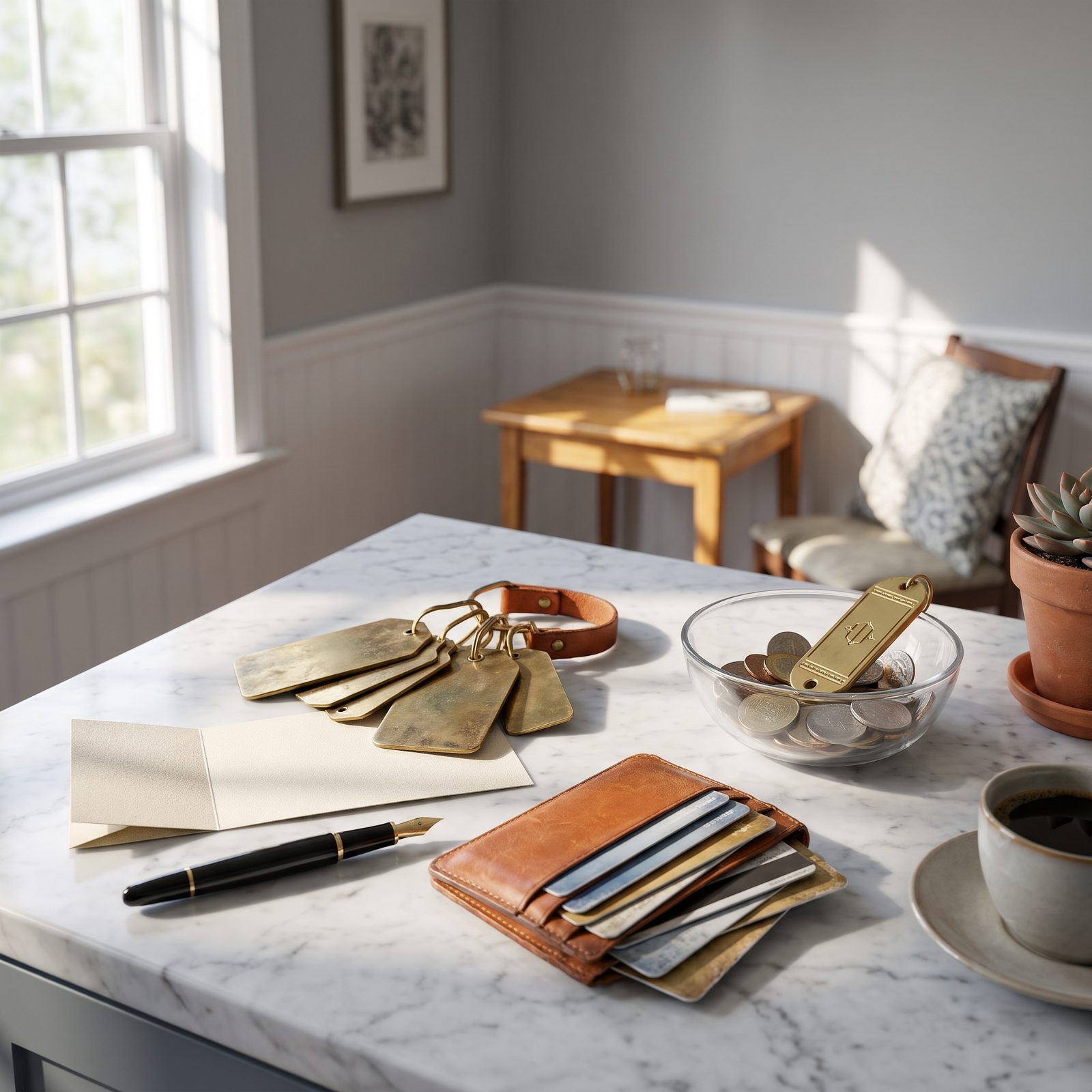
You could stay somewhere better for the same money this weekend. You know it. But you’ve got a balance built up with your chain, you’re two nights from the next tier, and starting over somewhere else feels like throwing something away — so you book the familiar one again.
Loyalty programs are engineered to make leaving feel like a loss, and it’s the same math that keeps people in situations long past their expiration date. The time already spent, the shared history, the “we’ve come this far” of it all. None of that makes the next night any better. It just makes the exit feel expensive.
1. You Return to the Hotel Whose Flaws You Know
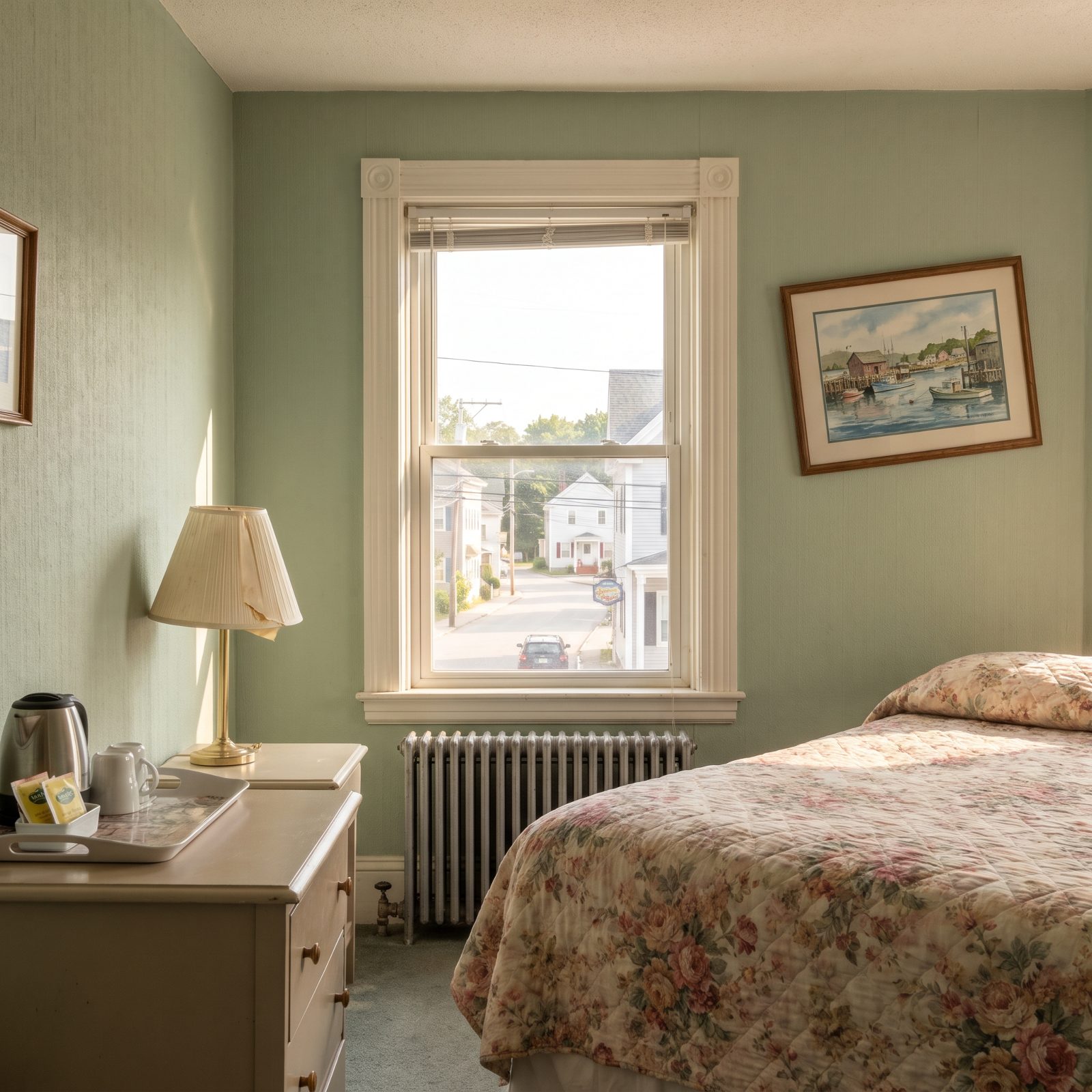
You already know the radiator clanks at 3am, the lobby coffee is weak, and the elevator takes forever. And you book it again anyway, because at least these are flaws you can predict.
Given a choice between a known set of annoyances and the risk of a fresh, surprising set, most of us pick the devil we’ve already met. The clanking radiator you can plan around. The mystery flaw of a new place might be worse — and worse is unbearable in a way that familiar-bad simply isn’t.
So people re-book the mediocre, re-watch the same comfort movie, order the dish they always order. Not because any of it is the best. Because it won’t blindside them.
Please note that some of the imagery in this article were created with the aid of AI image generators.