

🔥 Would you like to save this?
The booking cart has been open for eleven days. You know the exchange rate, the shoulder-season weather, the name of a café a stranger liked back in 2019. More homework than most people do before a mortgage, and still you can’t commit. Sound like anyone you’ve ever dated? The way we chase, size up, second-guess, and romanticize some far-off place runs on the same wiring that governs the heart. Butterflies, cold feet, and that lousy habit of comparing everything new to the one that got away. What follows are the moments you’ll recognize instantly, plus the quiet psychology behind why choosing where to go feels so much like choosing who to love.
16. You Judge the Whole Country by Three Hero Photos

Three photos and you’re sold. The blue domes, the cliff, that sunset that looks painted on. You’ve decided the whole country is this, forever, based on a corner of one island photographers have been circling for decades.
Same trick a great profile picture plays. One flattering angle, perfect light, and suddenly a whole person exists in your head who may or may not match the one in the room. That’s the halo effect: one standout trait fools us into assuming everything else is just as good. A gorgeous caldera shot becomes gorgeous food, gorgeous people, a gorgeous week.
The photo isn’t lying. It’s just not the whole story, because nobody frames the crowded donkey path or the bus that reeks of diesel. We fall for the hero shot and quietly assume the rest comes bundled in. It usually doesn’t.
15. You Picture Dawn Hikes Despite Never Waking Before Nine

In the planning chair, you are a different animal. You’ll rise at five for the summit, do the cooking class, hit the night market, paddle at sunrise for two hours. The version of you who books the trip is ambitious, disciplined, and apparently a morning person.
The version who arrives hits snooze and orders room service.
We fall in love with the best possible future self, the way early romance makes us promise to try new restaurants, learn guitar, finally become spontaneous. Psychologists call this the planning fallacy, and it works on character as much as schedules. We imagine the trip the ideal version of us would take, not the one the real us actually wants. Then comes the guilt over the alarm we never set.
Go easy. The nine-o’clock you deserves a good vacation too.
14. You Want Tokyo Until the Flight Time Gets Real

Fourteen hours. You say it out loud and something deflates. The ramen, the neon, the temples at dawn — still gorgeous, all of it. The flight, suddenly, is a wall.
Desire and logistics live in separate rooms of the brain, and the second room never gets invited to the daydream. It’s the difference between wanting someone and wanting the life required to be with them. The attraction is real. The commitment is where it gets complicated.
What’s happening is a tug-of-war between immediate cost and future reward, and we’re built to overweight the thing that hurts now. A long haul is a real, countable pain sitting between you and a payoff that’s still abstract. So the closer the booking gets, the louder that flight time screams.
13. Humidity Becomes a Dealbreaker No Waterfall Can Fix

Everything about the place is right. The waterfall, the price, the little bungalow on stilts. Then one review mentions the humidity, and that’s it. You can’t un-feel swamp-air you haven’t even stood in yet. One flaw and the whole thing collapses.
You’ve watched a friend do exactly this with a person: ten reasons to say yes, and then “he chews loud,” and the romance is over. We let a single disqualifying trait override a mountain of good ones, especially when the commitment itself has us spooked.
Blame negativity bias. A bad detail outweighs a good one of equal size, because for most of human history missing a threat cost more than missing a treat. A sticky forest never killed anyone. But your gut treats the dealbreaker like a tiger in the grass, and no waterfall gets to argue back.
12. Your Friends’ Croatia Stories Suddenly Make Croatia Irresistible
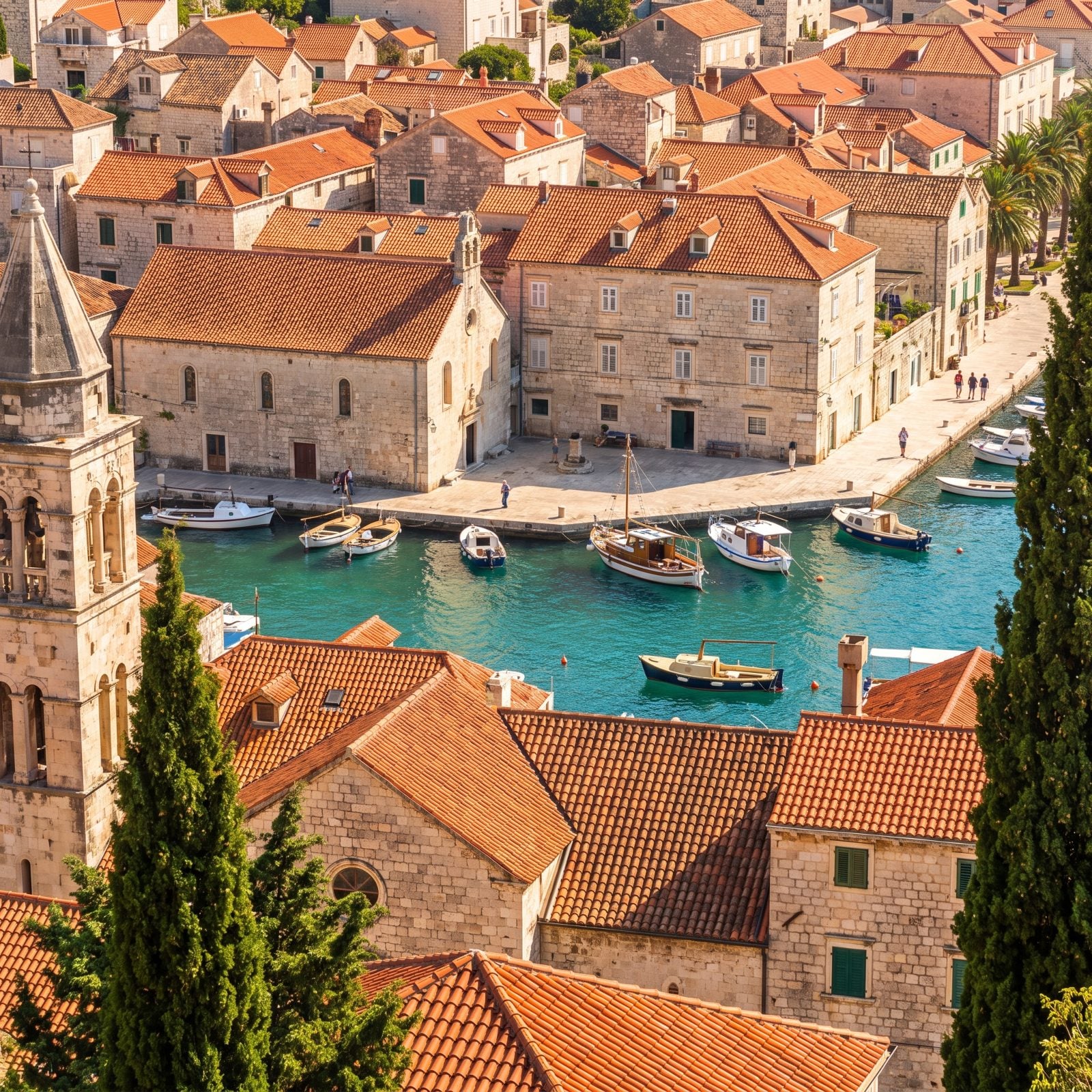
Croatia wasn’t on your list. Then two different friends came back glowing about it over dinner, and now you can’t stop thinking about Dubrovnik’s walls and that island hop they won’t shut up about. A place you’d barely considered is suddenly the only one that matters.
Nothing about Croatia changed. Your evidence did. When people we trust vouch for something, our brains quietly upgrade it from option to obligation. This is social proof, the same force that makes a packed restaurant feel better than the empty one next door serving identical food.
And it’s exactly how someone becomes attractive the moment you learn other people find them attractive. Desire is contagious. We don’t just want things — we want things other people want, and we’re usually the last to notice we’ve been nudged.
11. A Familiar Beach Beats the Place You Swore You’d Try

You said this year was different. This year you’d try Portugal, or Vietnam, somewhere new. The tab was open. And then you booked the same beach town you’ve gone to for a decade, the one where you know the coffee place and the parking and exactly which chair.
The familiar place won again. It always does, and you half-knew it would.
This is the comfort of the known beating the thrill of the unknown, the same pull that keeps people circling back to an old flame instead of meeting someone new. We overvalue what we already have a relationship with. Risk feels loud. Comfort feels like home. Trying somewhere new means the small terror of not knowing if it’ll love you back.
Nothing wrong with the old beach. Just notice you keep choosing it, and ask whether that’s loyalty or fear wearing loyalty’s coat.
10. You Keep Comparing Every Island With Your First Favorite

Every island since has been measured against the first one. That water. That trip when everything was new and you were younger and the whole place felt like a secret. Nowhere has quite matched it, and you keep running that scoreboard without meaning to.
Here’s the trap. It’s not really the island you’re comparing against — it’s the feeling. The newness, the version of you who hadn’t seen it all yet.
Psychologists call it the anchoring effect. The first strong impression sets a reference point, and everything afterward gets graded against it, usually unfairly. It’s the first-love problem in a nutshell, the one that quietly ruins perfectly good relationships because they aren’t the original. The next island isn’t worse. It’s just second, and second never gets to feel like the first time.
9. You Read Two Hundred Reviews to Avoid One Bad Week

You’re two hundred reviews deep. You’ve read the one-stars twice and the three-stars three times, hunting for the hidden flaw that’s going to wreck everything. The hotel has a 4.6 average and you’re treating it like a suspect.
Somewhere in there you stopped gathering information and started gathering reassurance.
This is loss aversion dressed up as diligence. The sting of a ruined week looms far larger than the joy of a good one, so we over-research to defend against a disappointment that probably won’t come. Same impulse that makes someone dig through a new partner’s entire history looking for the catch, because surely there’s a catch.
Past a point, more data stops helping and starts feeding the fear. No pile of reviews will promise you a flawless trip, because no such trip exists. Book the 4.6 and let the strangers go.
8. Fifteen Open Destination Tabs Make Everywhere Look Worse

Fifteen tabs. Lisbon, Oaxaca, two in Thailand, one you can no longer remember opening. Each one looked incredible on its own. Open together, they’ve become a wall of noise, and now none of them feels quite right.
More options were supposed to make you happier. They did the opposite.
This is choice overload, one of the sturdiest findings in decision research. Past a handful of good options, every new one adds doubt instead of clarity. You start imagining the trip you’d be missing no matter what you pick, so every choice arrives pre-haunted by the others.
It’s why endless dating apps leave people lonelier, not luckier. The abundance isn’t freedom. It’s a slow leak of satisfaction.
7. You Hold Three Refundable Trips While Choosing None

You’ve booked all three. Refundable, of course. Greece, Mexico, and that train thing in Italy, all held, all cancelable, none actually chosen. Feels responsible. Feels like keeping your options open. It is, in fact, you refusing to decide.
Every held booking is a door you haven’t closed, and we’re strangely addicted to keeping doors open even when they cost us. We’ll pay real money and real peace of mind just to dodge the small grief of ruling something out.
Commitment is the whole thing we’re avoiding here, in travel and everywhere else. Choosing one means losing the fantasy of the other two, and that fantasy is intoxicating precisely because it’s still possible. The moment you commit, the daydream becomes a real trip with real tradeoffs.
But a held option isn’t a vacation. It’s a maybe with a deposit. Eventually you have to pick a place, cancel the ghosts, and actually go somewhere. The people who have the best trips aren’t the ones with the most options. They’re the ones who chose.
6. Being Told Venice Is Mandatory Makes You Want Naples
🔥 Would you like to save this?
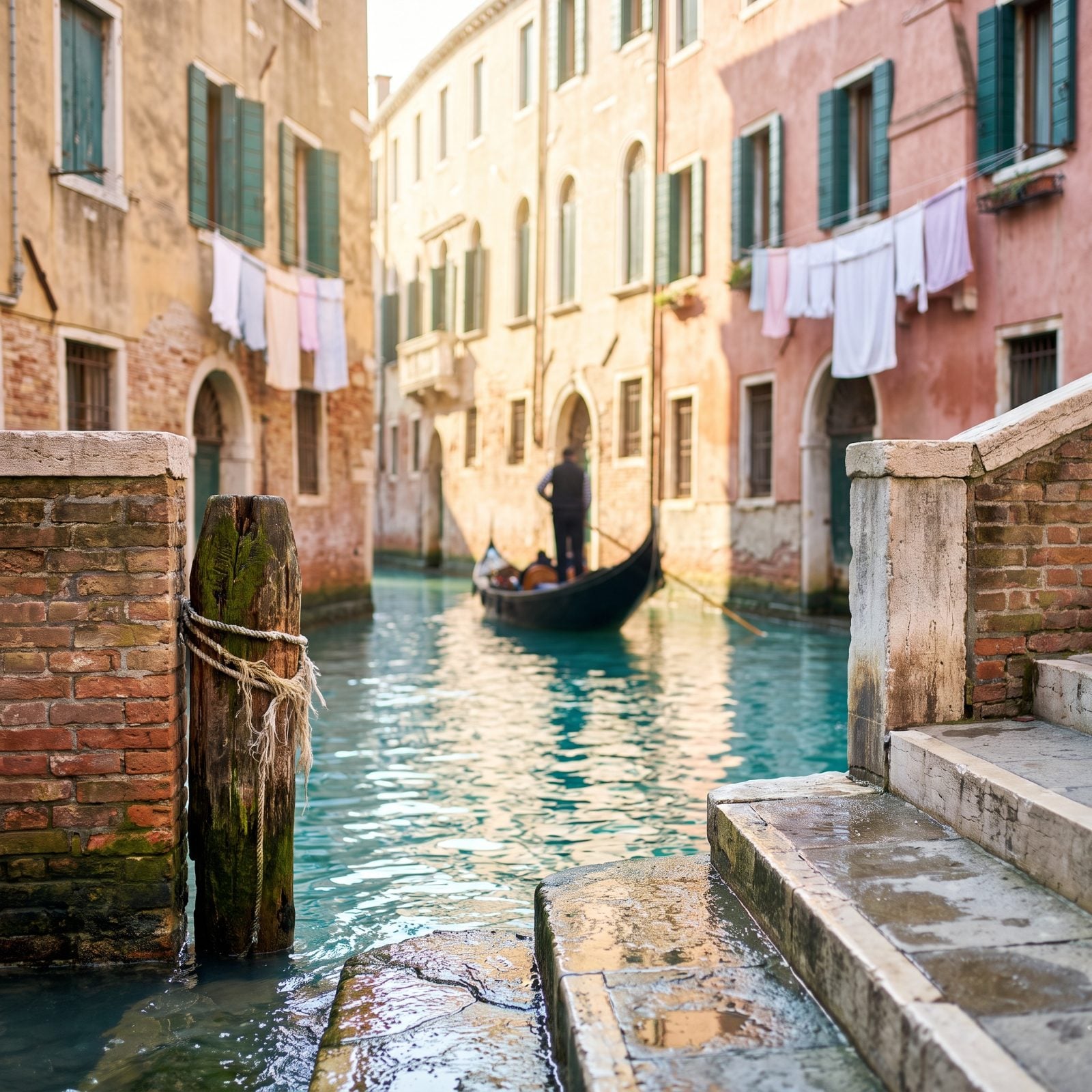
Somebody tells you Venice is non-negotiable, the one place you absolutely have to see before you die, and something in you digs in its heels and starts pricing flights to Naples instead.
You’ve felt this before, in a different room. The friend everyone insists is perfect for you. The setup your sister swears can’t miss. The harder they push, the more your gut wants the opposite. Psychologists call it reactance — the plain human reflex to guard your own freedom the second someone tries to decide for you. What was offered as a gift suddenly feels like a leash.
Here’s the twist nobody warns you about. Venice really is extraordinary. Naples really is wild and alive. And your reactance couldn’t care less which one wins the argument — it just wants the choosing to be yours.
So you book Naples, eat the best pizza of your life, and tell nobody they were right about the water city.
5. A Fare Countdown Makes Cancún Feel Like Fate

The booking page says three seats left at this price. A little clock ticks down in red. And suddenly Cancún, a place you were lukewarm about forty seconds ago, feels like the universe pointing a finger straight at you.
Scarcity does this to all of us. Whatever you could grab any old time barely registers, while the thing that might vanish before you finish your coffee becomes urgent, precious, meant to be. Dating runs on the same engine. The person who’s always available feels like furniture; the one with the packed calendar keeps you refreshing your phone at midnight.
We don’t fall for the trip. We fall for the fear of losing it.
That countdown isn’t selling you a beach. It’s selling you the dread of missing out, and dread closes deals no photo of white sand ever could. The sand was always there. The timer is what made your pulse jump.
Book it if you love it. Just know the fate you’re feeling has a server somewhere, cycling those seat numbers on a loop.
4. The First Cheap Flight Resets What Bali Should Cost

You spot one flash sale to Bali at a number that seems too good to be true. You don’t book it. Life gets busy, the sale ends. And from that day on every other Bali fare looks like highway robbery, because your brain quietly filed that cheap figure away as the real price.
That’s anchoring. The first number you see becomes the yardstick for everything after it, realistic or not. Same reason a first date at a steakhouse makes the next person’s coffee-shop meetup feel like they didn’t bother trying. One early data point rewrites the whole scale before you know it happened.
Cruel part? The cheap fare was probably a fluke — a loss-leader, maybe a mistake fare yanked within the hour. Doesn’t matter. It’s your new normal now, and every honest price feels like a small betrayal.
3. That Nonrefundable Deposit Makes You Defend a Bad Choice

You put down a nonrefundable deposit on a resort. Then the reviews trickle in — the noise, the construction, the beach that’s more rock than sand, a friend who winces when you mention the name. And instead of cutting your losses, you catch yourself arguing for the place like a lawyer handed a guilty client.
Welcome to the sunk-cost fallacy. The money’s already gone, which should mean nothing for what you do next. But the mind can’t stand to call a payment wasted, so it builds a case. You defend the trip to protect the deposit, even though the deposit died the moment you paid it, no matter what you decide.
People do this in relationships for years. Five anniversaries deep, too invested to leave, still paying into something that stopped giving returns a long time ago. A deposit on a resort and a deposit of a decade run on the same wiring.
One question cuts through all of it. If this were free to walk away from right now, would you still want it? If the answer is no, the deposit was never the real reason you stayed.
2. After Booking Lisbon, You Only Read the Five-Star Takes
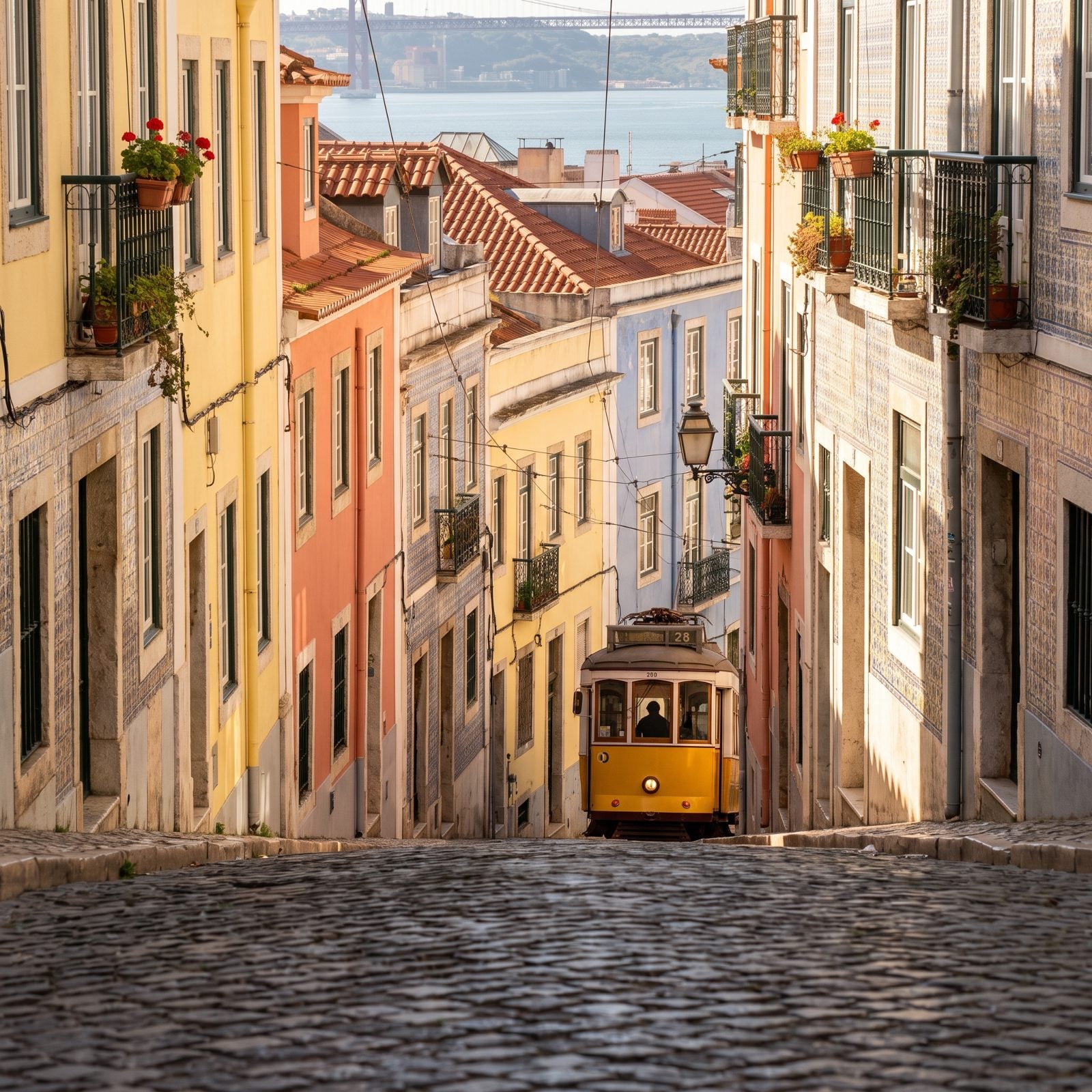
The second your Lisbon flight is paid for, something shifts in how you read. The glowing reviews feel insightful and trustworthy. Meanwhile the one-star rants about pickpockets and knee-wrecking hills? You skim right past, muttering that some people just love to complain.
Confirmation bias has arrived, right on schedule. Once you’ve committed, the brain stops investigating and starts cheerleading. You hunt down evidence that you chose well and wave off anything inconvenient as noise. It’s the warm haze of a new relationship, where the green flags get spotlights and the red ones get excuses.
None of this makes Lisbon a mistake. Gorgeous city, honestly. But watch for the moment your reading turns from curious to defensive, because that’s exactly when you stopped gathering information and started guarding a decision.
1. One Perfect Santorini Sunset Erases the Airport Meltdown

The flight ran four hours late, your bag flew to a different country, and you ate a nine-euro airport sandwich that tasted like regret. Then you’re standing on a cliff in Oia, the sky goes coral and gold over the caldera, and the whole miserable day dissolves like it never happened.
By the time you’re home, the story is only the sunset.
That’s the peak-end rule doing its quiet work. We don’t remember an experience as the average of every minute inside it. We remember the most intense point and how it wrapped up, then let those two snapshots speak for the whole thing. A gorgeous finish papers over hours of hassle — the same reason one unforgettable night can keep a rocky relationship glowing long past its expiration date.
Memory isn’t a ledger. It’s a highlight reel, and the ending gets the final cut.
So the trips with the worst travel days sometimes become our favorite stories, and we keep chasing that one perfect evening on a cliff, trusting it to rewrite everything that came before. Usually it does.
🔥 Would you like to save this?
Please note that some of the imagery in this article were created with the aid of AI image generators.