
You book the trip to relax. Then you walk into the lobby and your stomach does that same flip it did walking into the gym under the crepe-paper banners in 1987. Who’s here, what did they bring, did they do better than you. A good vacation and a class reunion run on the same ancient machinery: we show up wanting to be seen as our best selves, then spend half the time scanning the room to see how we rank. The scenery changes but the wiring doesn’t. Below, the small, funny, painfully human ways a five-star holiday pulls the exact same strings a reunion does — and the psychology behind why we can’t help it.
17. You Pack Labels You Never Wear Back Home

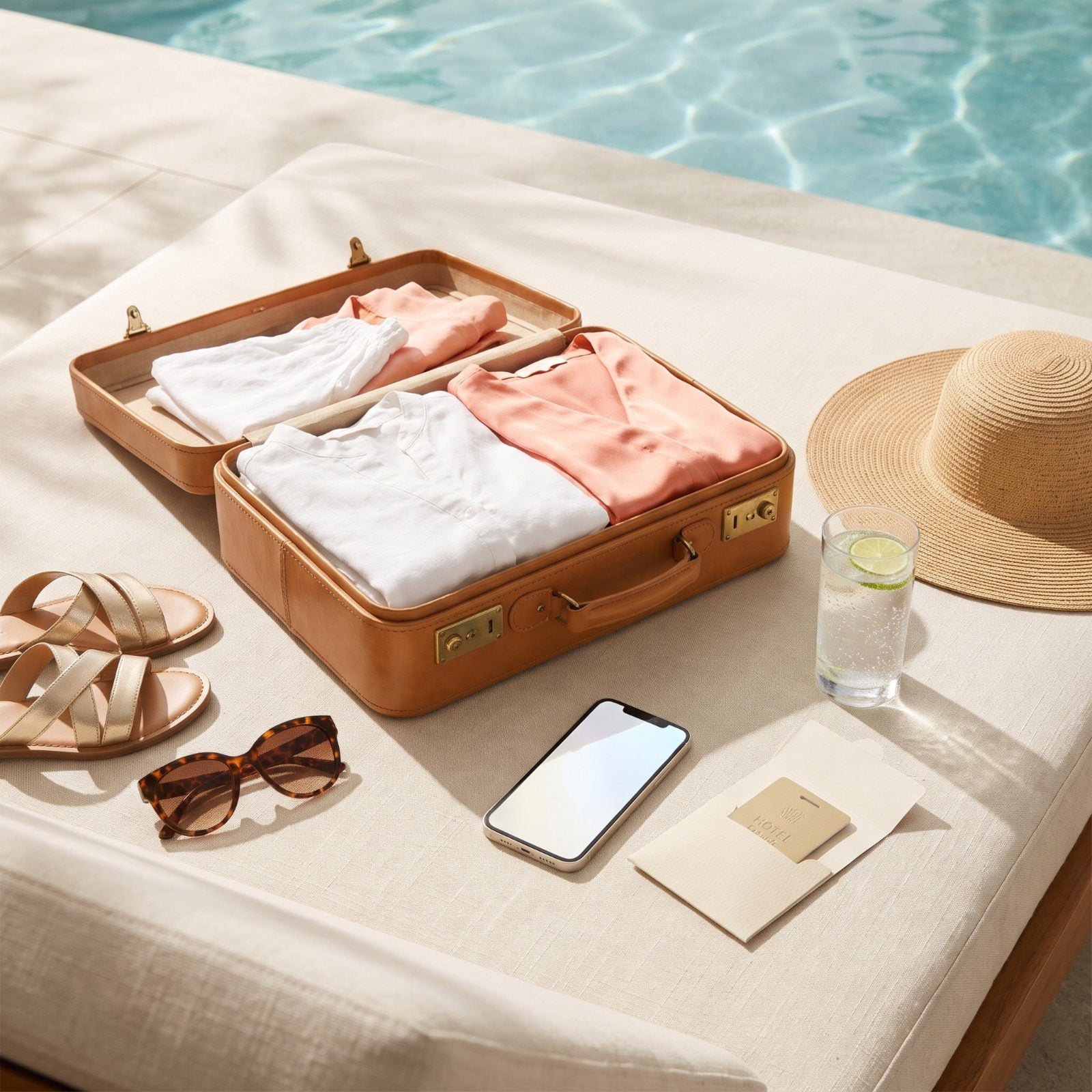
The dress goes in the case with the tags still on. Back home it has lived in the closet for eight months — too much for the office, too much for the grocery run. But the resort gets the good stuff. Suddenly you own linen you forgot you bought and jewelry you haven’t touched since somebody’s wedding.
It’s the reunion closet panic in miniature. Nobody digs out the going-out outfit for a regular Tuesday; they dig it out for the room that’s going to judge them. We dress for the audience we expect, and a luxury trip arrives pre-loaded with an imagined panel of strangers we’ve decided we absolutely must impress.
The mechanism is identity signaling. We don’t pack for the weather so much as for the person we want to be read as. The clothes are a costume for a role, and the role is “someone who belongs here.”
16. The Airport Outfit Becomes a Full-Blown Identity Statement

Nobody used to think this hard about pants worn on a plane. Now the airport fit is a whole dossier. The camel wool coat you’ll roast in. The white leather sneakers you’ll baby through security. The tan leather weekender chosen to say “a person who travels,” not “a person who is anxious about travel.”
Same instinct sends you to the reunion in the car you detailed for the parking lot. You’re being watched at the moment of arrival, and arrival is where first impressions calcify.
The halo effect does the quiet work here. One polished detail at the door and people extend the goodwill to everything else about you. We’ve learned the gate is a stage, so we dress for the entrance applause even when there’s no applause.
15. You Mention the Upgrade Like It Barely Matters

“Oh, they just put us in the corner suite, no big deal.” You say it with a shrug, you say it fast, you say it like you’re almost embarrassed. You are not embarrassed. You rehearsed it on the elevator.
This is the reunion move where someone mentions the promotion while “just grabbing a drink.” The whole game is to deliver the brag inside a wrapper of indifference, so you collect the status without the cost of looking like you wanted it.
Psychologists call it humblebragging, and the reason it misfires is well documented: people trust a plain brag more than a disguised one. The false modesty reads as calculation — which it is.
The upgrade isn’t the thrill. The telling someone about it is the thrill.
We want the win acknowledged. We also want to be seen as the kind of person too classy to need it acknowledged. You can’t actually have both, but we keep trying anyway.
14. The Marble Lobby Makes You Wonder If You Belong
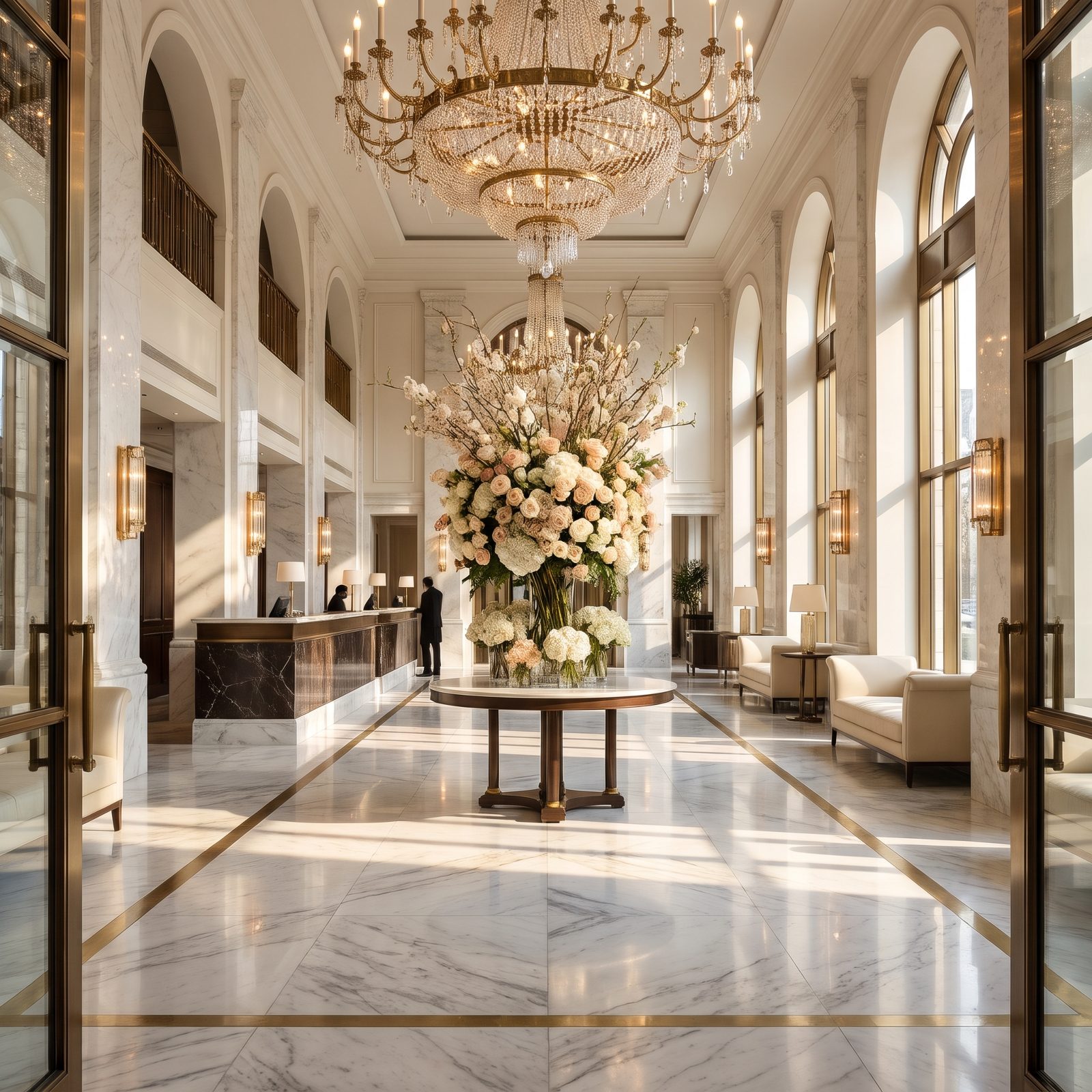
You step onto the marble and some small animal part of your brain whispers: do I pass? The ceilings are too high, the flowers are too fresh, the staff are too composed. You straighten up, lower your voice, try to walk like someone who checks into places like this all the time.
Same feeling as the reunion threshold — scanning for a face you recognize, terrified the room will sort you in two seconds flat and get it wrong. Or worse, right.
This is impostor syndrome meeting a space engineered to produce exactly that. Grand lobbies aren’t just pretty. The scale is a tool, built to make you feel slightly smaller and therefore grateful to be let in.
13. You Avoid Asking Prices to Look Like a Regular
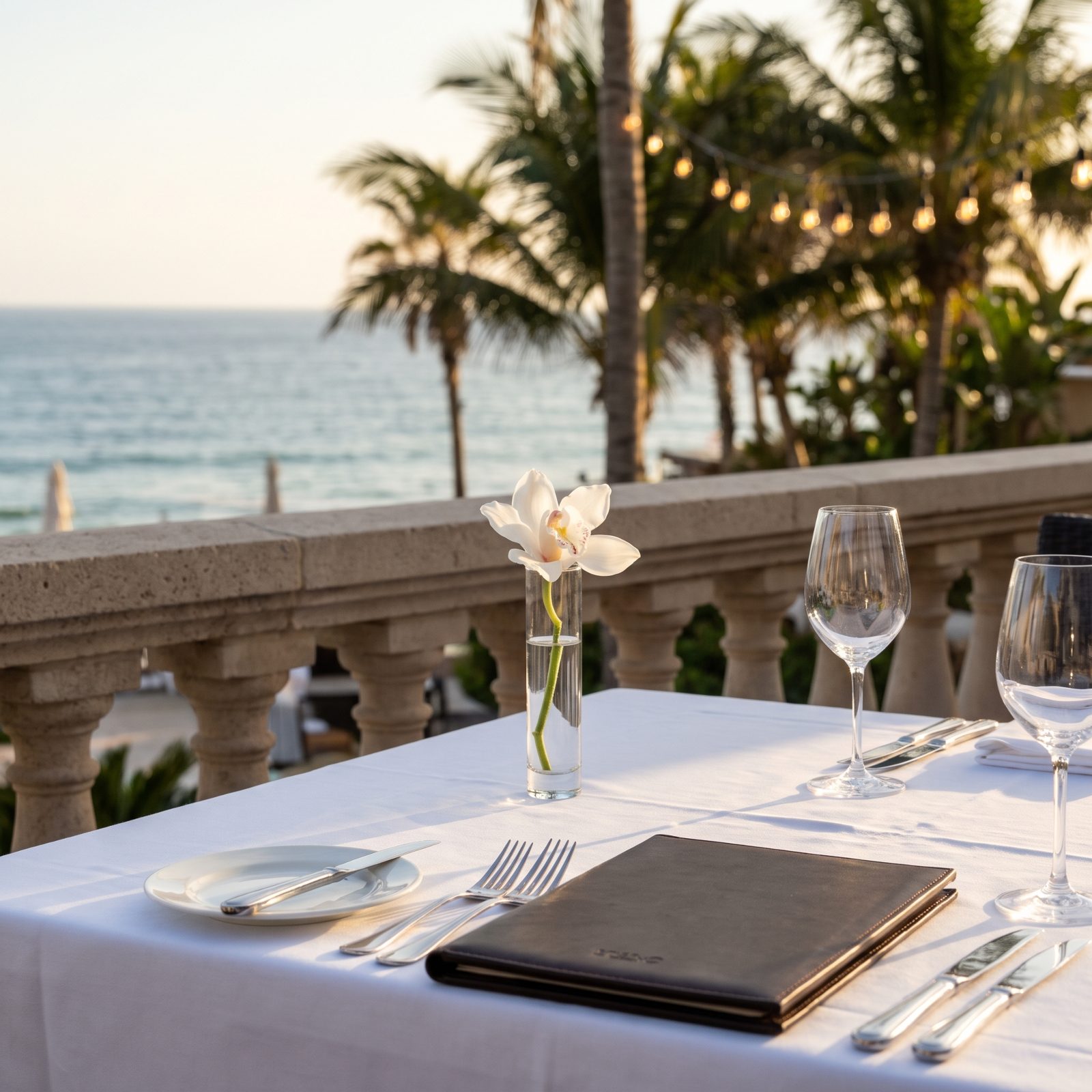
The menu has no prices — or the prices are right there and you decide to pretend you didn’t look. You order the thing without asking what it costs, because asking would announce the one thing you’re trying to hide: that the number matters to you.
It’s the reunion rule where you don’t mention money and you definitely don’t mention worrying about money. Regulars don’t flinch. Regulars don’t ask. So you perform regular.
This is costly signaling turned inside out. The signal isn’t the spending, it’s the ease. Looking unbothered by the bill is itself the flex, which is why the wince gets swallowed and the card gets handed over with a smile.
And the funny part? Nearly everyone at the next table is doing the exact same silent math. A room full of people pretending the prices are invisible, performing for a room full of people doing the same.
12. A Different Resort Wristband Suddenly Feels Like Social Rank

A strip of woven fabric around your wrist, and somehow it comes with a rank. The gold band gets the adults-only pool. The silver band stays by the family slide. You clock the difference within an hour and start reading wrists like name tags.
It’s the reunion name badge all over again — a small object that sorts the room, and your eyes find it before you’ve even said hello.
We are wired for in-group and out-group signals, and we’ll invent hierarchy out of almost nothing when the real markers get stripped away. Hand a crowd of strangers two colors of plastic and within a day you’ve built a caste system by the swim-up bar.
11. You Check Everyone Else’s Suite Before Enjoying Your Own

The room is lovely. Big bed, soft robe, a balcony. But before you’ve even dropped your bag you’re on your phone looking up the suite tiers, wondering what the ocean-front rooms look like, whether the people two floors up got the better view. Your lovely room cools by about ten percent in real time.
Picture the reunion version. You’re having a perfectly good life until someone mentions the lake house, and now your perfectly good life needs a minute to recover.
This is social comparison theory in its purest form. We don’t measure what we have against what we need — we measure it against what the next person has. The room never changed. Your frame of reference did.
And the cruel twist is that the comparison never resolves upward. There’s always a bigger suite, a higher floor, a better view. The person in the penthouse is googling the villa.
10. You Post the Balcony View Before Unpacking Your Bags
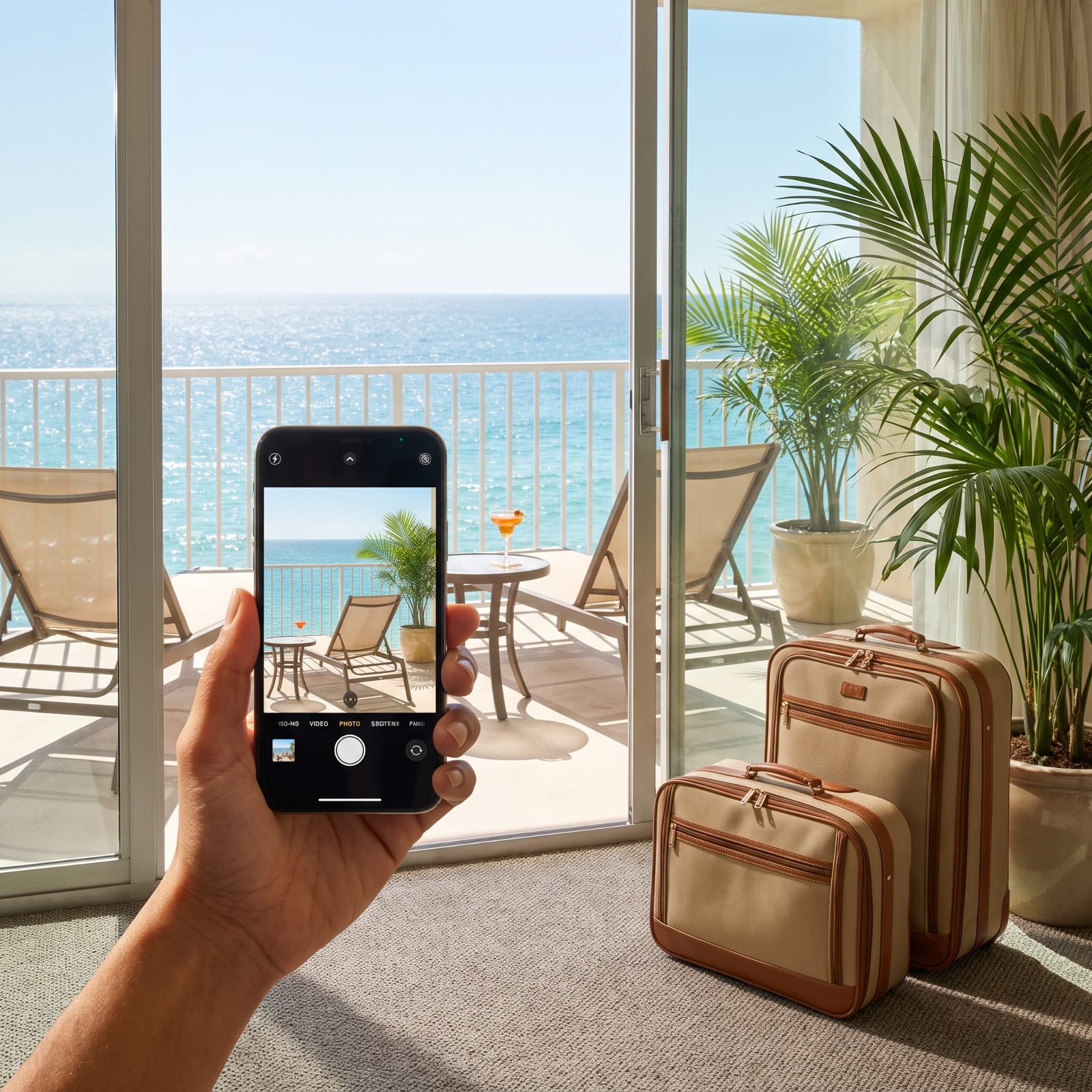
The bags are still zipped on the floor. But the balcony view is already uploaded, cropped, and captioned, because the view isn’t fully real until someone back home has seen it. You arrived four minutes ago and you’ve already filed the report.
Reunion logic, exactly. The night isn’t about the night. It’s about the account of the night you’ll give later — the photo that proves you were there and looked well doing it.
Call it the broadcast instinct. We’ve started experiencing moments partly through how they’ll land as evidence. The sunset is nice. The sunset posted is the point.
9. The Infinity Pool Turns Swimwear Into a Public Referendum

The walk from the lounger to the pool is roughly eleven steps. It feels like a runway. You clock the exits, the angles, the moment you’ll have to stand up fully and cross the deck in the swimsuit you bought with high hopes in a dim fitting room back in March.
It’s the reunion dance floor all over again. The second everyone can see you move, a spotlight you invented clicks on and follows you across the room.
This is the spotlight effect, one of the most reliable findings in social psychology. We wildly overestimate how much other people are watching us. The deck is full of people far too busy worrying about their own eleven steps to spare a thought for yours.
Everyone’s starring in a movie nobody else is watching.
8. You Order the Pricier Wine So Nobody Wonders
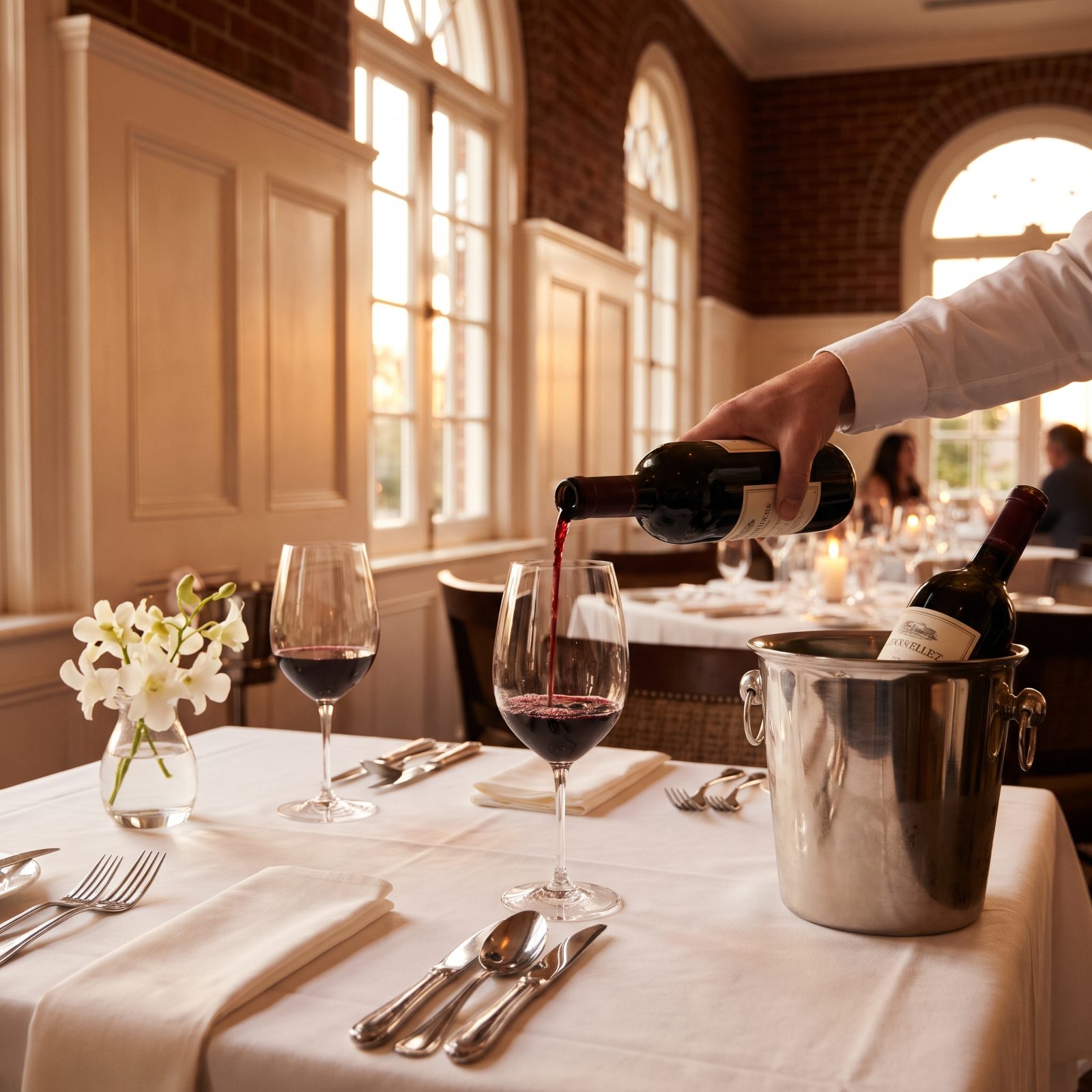
The wine list arrives and your eyes run a calculation that has nothing to do with taste. There’s the bottle you’d actually enjoy, and there’s the one two lines up that says something about you. You order up — not for the tannins, for the table.
It’s the same reflex that sent you to the reunion in the newer car. Nobody at that long poolside table will remember what you drank by Thursday, yet in the moment the price is a flag you’re planting, a way of saying I’m fine, better than fine, don’t worry about me.
Psychologists call this costly signaling. The signal matters precisely because it costs you something — a signal anyone could fake would prove nothing. The expensive bottle works because it hurts a little. You’re spending money to buy a feeling, and the feeling is that you measured up.
7. One Coveted Dinner Reservation Becomes Proof You Made It
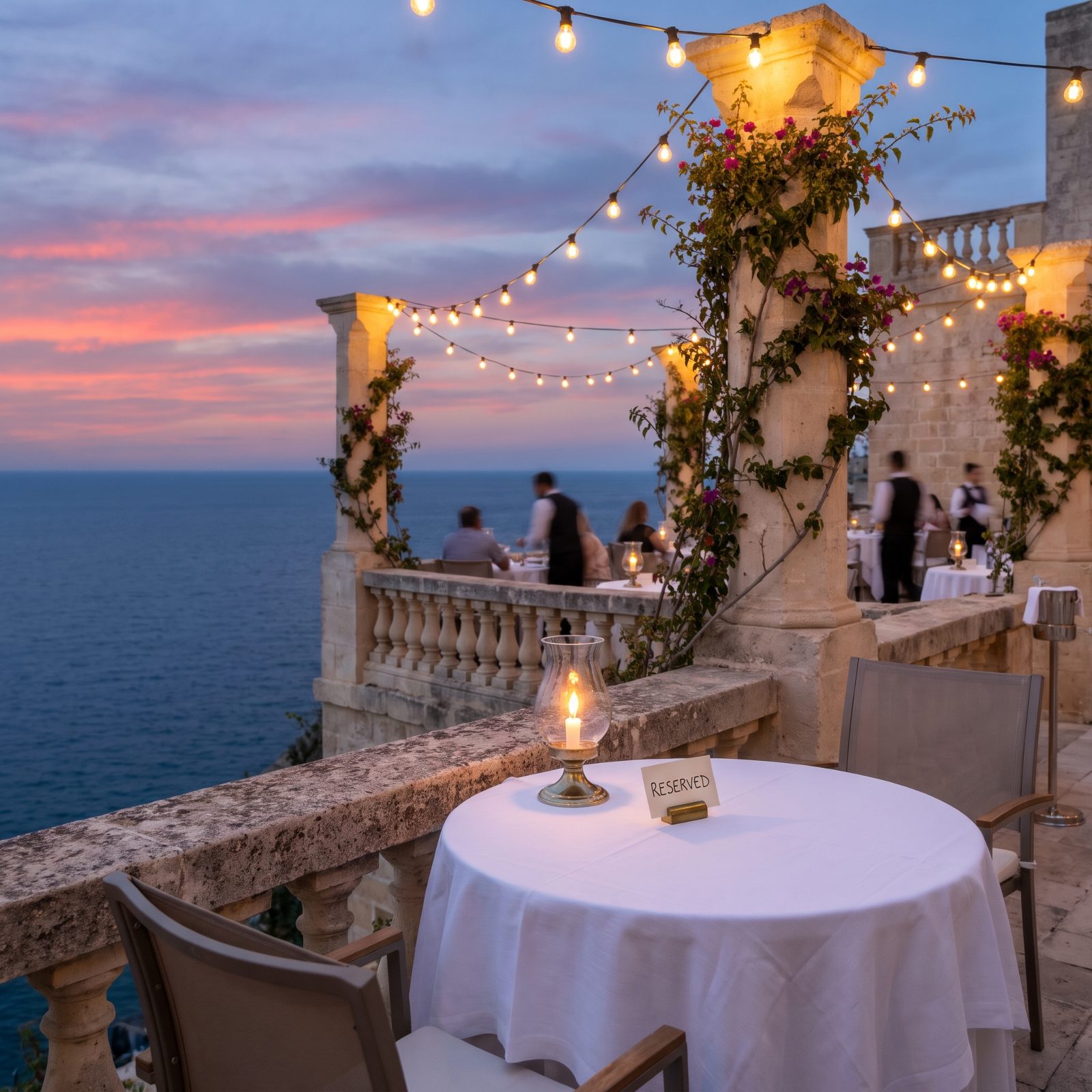
Some reservations take three months of refreshing a booking page and a favor from someone who knows someone. By the time you’re finally seated at that impossible table, the meal almost doesn’t matter. The getting-in was the trophy.
You’ve seen this exact energy at a reunion, when someone mentions the title on their business card before anyone asked. The achievement needs an audience or it barely counts. A hard-to-get table is the travel version of a credential you can wear.
What’s happening is scarcity bias. We assign value in proportion to how hard something is to obtain, not how good it actually is. A table anyone could book feels ordinary, while a table that turned away a hundred people feels like membership. The exclusivity is what you came for, and the kitchen is just backup.
6. The Group Trip Splits Into Cabana-Level Cliques

Day one everybody’s together, laughing, splitting the first round. By day three there’s a clear upstairs and downstairs. The cabana people drift toward the cabana people, the lounge-chair contingent clusters near the shallow end, and somehow nobody decided this out loud. It just settled, like sediment.
Watch a reunion long enough and you’ll catch the same drift. The room sorts itself into the people who stayed and the people who left, the ones doing great and the ones being vague about it. Shared history doesn’t stop us from ranking.
Call it social stratification. It happens fast because our brains read status cues in seconds. We seek out people we perceive as roughly our equals, because being around them feels safe and being around someone clearly ahead feels like exposure. The cabana isn’t really about shade. It’s about who gets to sit in it with you.
5. The Concierge’s Raised Eyebrow Feels Like a Personal Ranking

You ask for a hard-to-get reservation and the concierge pauses. Just a beat. A small tilt of the head before the polite smile returns, and suddenly you’re nine years old again, waiting to hear if you made the team.
That flicker you read as judgment is almost certainly nothing — a tired exhale, a mental calendar check, a man who skipped lunch. But you filled the silence with a verdict about your own worth, because that’s what the anxious mind does with a blank.
It’s a cousin of reunion dread, the certainty that everyone is quietly scoring you. The mechanism is projection. We take our own fear of not measuring up and hang it on the nearest neutral face. The concierge is thinking about the boiler on the fourth floor. You’re thinking he can tell you don’t belong here.
4. The Perfect Couple Photo Becomes a Relationship Report Card

The light is right, the view is behind you, and you take eleven versions before one feels postable. Not because the moment needed documenting, but because the photo has a job. It has to look like proof that things are good.
We all know what that photo is answering. It’s the reunion question nobody asks out loud — how did it all turn out — delivered in a filtered square. A happy couple at a railing in the gold hour is a report card you get to write yourself.
And here’s the trap. Research on social comparison keeps finding that the more we curate the outside, the worse we often feel inside, because we end up measuring our behind-the-scenes against everyone else’s highlight reel, including our own. You post the eleventh photo and the memory becomes the eleventh photo. The ten real minutes you spent getting the shot right quietly disappear.
The camera came out to capture the moment and ended up replacing it.
3. You Pack the Itinerary to Prove You’re Thriving

Your itinerary has no gaps. Sunrise hike, then the market, then the tasting, then the boat, then the thing everyone swore you can’t miss. There’s a word for a trip with no downtime, and it isn’t relaxation. It’s a resume.
You’ve met the person at the reunion who answers how are you with a list — the gym, the promotion, the kids’ travel teams, the kitchen renovation. A packed life, delivered as evidence. A packed itinerary pulls the same stunt on vacation. Look how much I’m doing. Look how alive I am.
The quiet driver here is status anxiety plus a touch of the busyness trap, where we treat full as a synonym for worthy. Rest starts to feel like falling behind. So you book another excursion you’re too tired to enjoy, and come home needing a vacation from the vacation.
2. You Replay Every Poolside Conversation Back in the Room

The day was lovely. The pool was warm, the drinks were cold, the talk came easy. So why are you lying in the dark at eleven, replaying that one comment somebody made about your plans for next year, turning it over, deciding what they really meant?
This is the same tape that runs after a reunion. You drive home fine, then at a red light you remember the slightly odd thing someone said, and now it’s a whole case file. The good hours evaporate. The one ambiguous moment gets a director’s commentary.
Blame the negativity bias, the brain’s old habit of handing threatening information far more weight than pleasant information. For our ancestors, missing a friendly signal cost nothing, but missing a hostile one could cost your life. So you remember the one raised eyebrow and forget the nine hours of warmth. You’re not insecure. Your wiring is doing exactly what it was built to do, just pointed at a cabana conversation instead of a predator.
1. The Flight Home Becomes an Audit of Whether You Won

Somewhere over the clouds, between the second drink and the descent, you start keeping score. Was it worth it. Did you relax enough. Did the trip deliver on the promise. You’re not remembering the vacation so much as grading it.
The reunion has its own version — the long quiet drive home where you tally the night. Who’s doing better. Where you landed in the invisible standings. We turn experiences into verdicts because an open question feels unbearable and a verdict, even a harsh one, feels like closure.
What’s running here is a mix of the peak-end rule, where we judge an entire experience by its most intense moment and its final one rather than the sum of it, and plain old loss aversion, the fear that we spent all this money and might have gotten it wrong. The whole week gets flattened into a pass or fail.
So here’s the kind thing to remember as the seatbelt sign dings. A vacation isn’t a test, and neither is a life. Nobody’s holding the answer key. You went somewhere, you felt some things, and that was allowed to be enough the entire time.
Please note that some of the imagery in this article were created with the aid of AI image generators.