

Somewhere around the second day, the story you built in your head meets the trip you actually paid for. The weather turns, the reservation falls through, and the person you came with wants to nap while you want to walk. You feel something old tighten in your chest, the same thing you’ve felt across a kitchen table at home. We wreck vacations the way we strain marriages, because the same wiring runs both: the expectations, the sulking, the hoarding of things we should have dropped weeks ago. What follows are the patterns you’ve lived, the ones you’ve watched a friend live, and the quiet psychology behind why your beach week and your love life keep tripping over the exact same stone.
16. You Plan Every Hour, Then Resent Reality for Freelancing
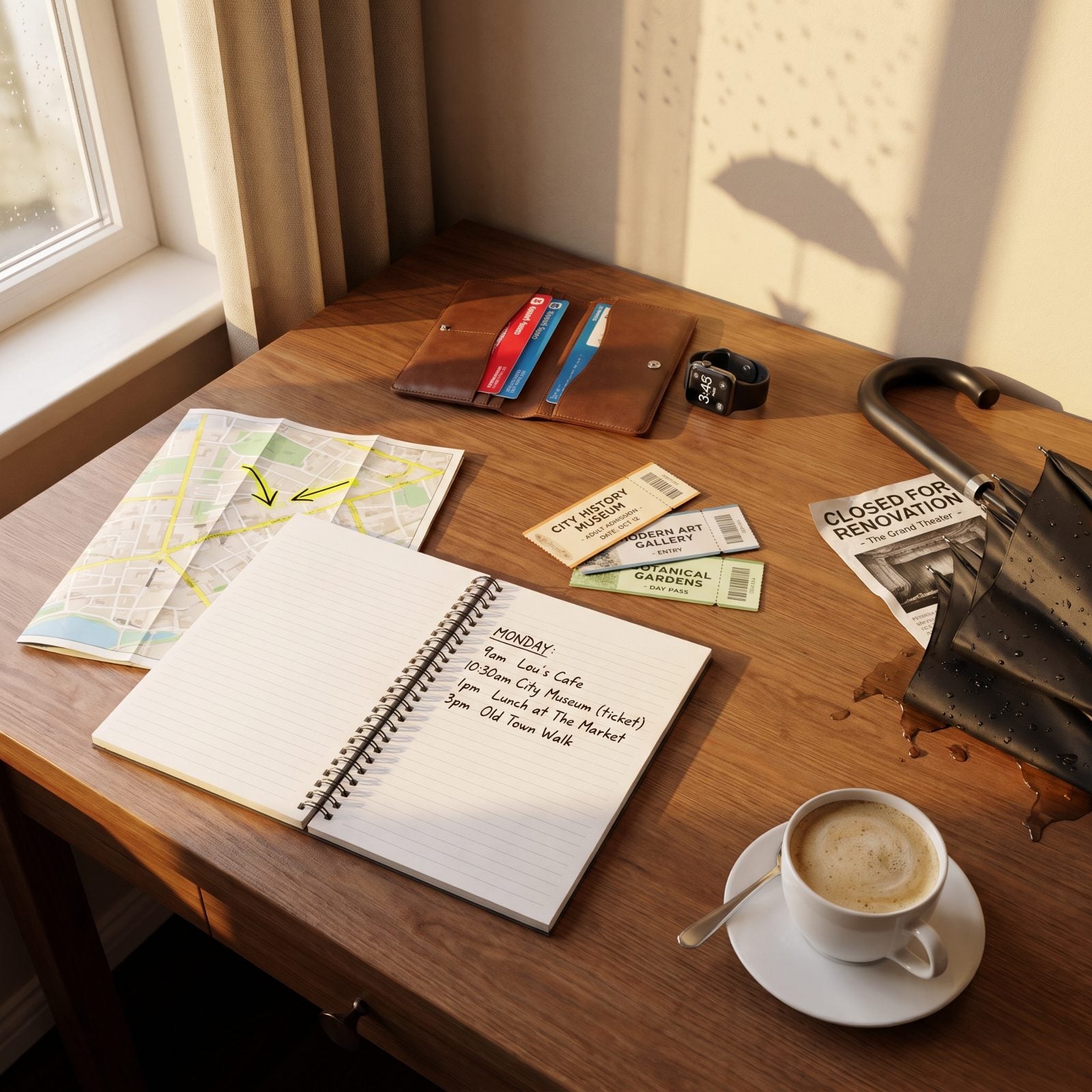
You booked the 9am walking tour, the 11:30 lunch, the 2pm gallery, and the sunset some blog swore by. Then the gallery’s closed on Tuesdays, it starts to rain, and the whole beautiful spreadsheet buckles. Instead of pivoting, you spend the afternoon mourning a trip that only ever existed on paper.
Same move that quietly strains a marriage. You write the script, cast your partner in it, and feel personally betrayed when they improvise. The resentment isn’t really aimed at the rain or the person. It’s aimed at reality for refusing to honor a contract it never signed.
Psychologists call it the planning fallacy. The more detailed the plan, the more certain we feel, and the harder the fall when life does what life does. A plan is just a wish with timestamps.
15. You Expect the Resort to Fix What Home Couldn’t

You arrive exhausted and a little empty, and you set the bags down in a room that costs more per night than your car payment. Part of you waits for the view to do its job. Fix the tiredness. Fix the distance. Fix the feeling you carried onto the plane.
It’s the same hope that convinces people a new partner or a fresh start will rewrite what they never actually dealt with. The beauty is real. The expectation is where it goes wrong, because you can’t outrun yourself to a place with nicer towels.
Researchers call it hedonic adaptation. We snap back to our baseline mood with startling speed, no matter how spectacular the setting. Within days the ocean is just the view out the window, and the old restlessness comes knocking right on schedule. The resort was never the cure. It was a louder waiting room.
14. You Say “Anywhere’s Fine,” Then Sulk at the Restaurant
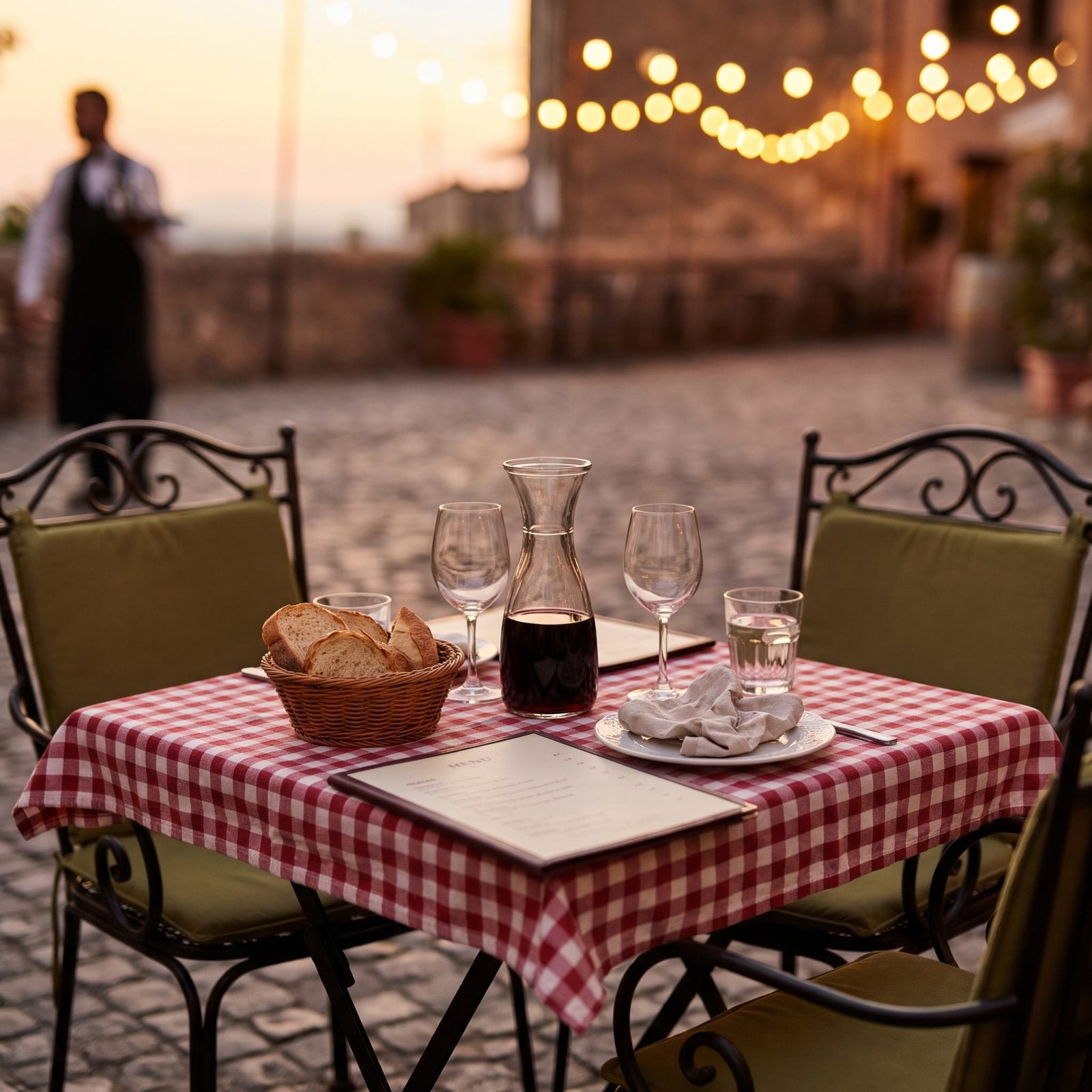
The dreaded question lands at seven, hungry and tired: where do you want to eat? You say the magic words. Anywhere’s fine. So your travel partner picks a place, and the second the menu’s in your hands, your face says otherwise. Too loud, too pricey, not what you had in mind — which is funny, because you swore you had nothing in mind.
You’ve watched this scene a thousand times on the couch at home. One person hands off the choice, then grades the other on how well they read a mind that refused to speak. Feels generous in the moment. Lands as a trap.
The mechanism is passive expectation. We dodge the risk of choosing wrong, then cling to a secret preference the other person can’t possibly see. They’re not failing you. You gave them a test and hid the answer key. “Anywhere’s fine” is the most expensive sentence in travel.
13. You Compare Your Beach Day to Everyone Else’s Reels

Sand in your sandwich, umbrella that won’t stay up, water colder than the brochure promised. A perfectly fine day. Then you open your phone and there’s somebody’s turquoise lagoon, somebody’s empty white sand, somebody’s flawless-looking week — and your perfectly fine day curdles into a disappointment it had no business becoming.
You know this one from relationships too. The marriage next door looks effortless from the sidewalk, so yours starts feeling like a downgrade. You only ever see their highlight reel while you live inside your own blooper footage.
That’s the trap. You’re pitting your unedited reality against their curated fantasy, a rigged contest you’ll lose every time. The lagoon in that photo had a line of tourists cropped out just past the frame. Everyone’s beach has seaweed. They just don’t post it.
12. You Keep a Bad Booking Because It’s Nonrefundable

The room is sad. The photos lied. There’s a better place three blocks over for a little more money, and you know it. But you booked this one, it’s nonrefundable, so you grit your teeth and stay, telling yourself leaving would be throwing cash away. Then you spend four nights punishing yourself to honor a sunk few bucks.
We do this with far bigger things. People stay in situations long past their expiration because leaving feels like admitting the whole investment was a loss. The money’s already gone either way. The only real question is how much more of the trip — or the years — you’re willing to feed it.
The culprit is the sunk-cost fallacy, our brain refusing to walk away from something we’ve already paid into, even when staying costs more. That booking fee is spent no matter what. Your week is not. Choosing misery just so a receipt feels justified is the worst deal on the table.
11. You Turn One Delayed Flight Into a Ruined Week

The flight’s delayed three hours. Annoying, sure. But then it doesn’t just cost you three hours. It colors the rental car line, the first dinner, the next morning, all of it filtered through the grievance you picked up at the gate. One sour start becomes the lens for the whole week.
Same pattern that lets a single Tuesday argument poison a whole month at home. The original offense is small. The story you build on top of it is enormous, and the story does the real damage.
The delay is over the moment the plane lands. The ruined week is a choice you keep re-making. You can’t un-delay the flight. You can flatly refuse to let it move in and unpack.
10. You Spend the Whole Trip Answering Work Emails

There’s an ocean right there. Boats on it. And your face is six inches from a laptop, clearing an inbox that’ll refill the instant you shut the lid. You flew across the country to stare at a backlit rectangle you could’ve stared at from your kitchen.
At home the same reflex keeps you half-present at dinner — phone face-up, one ear on the person across the table and one eye on the notification that just buzzed. You’re there without being there. Everybody can feel it.
What’s running the show is loss aversion, that low hum of dread about what you’ll miss by stepping away. An unanswered email feels like a threat, a door left open. But presence is the one thing a vacation actually offers, and you can’t be in two places at once no matter how fast you type.
9. You Refuse One Solo Afternoon Like It’s a Breakup

Your travel partner wants to wander a museum you find dull. You want the cafe and your book. The obvious answer is split for three hours, meet for dinner, everyone wins. But something in you treats the suggestion like the first crack in a foundation. If we’re not doing everything together, what are we even doing?
It’s the same anxious grip that makes togetherness feel mandatory at home, where any wish for space reads as rejection instead of oxygen. A little time apart isn’t a verdict on the relationship. It’s what keeps you both interesting.
This is enmeshment — the quiet fear that separateness equals distance equals danger. But the couples and travel companions who actually thrive aren’t welded at the hip. They’re the ones who can go have their own afternoon and come back with something to talk about. Space isn’t the opposite of closeness. More often than not, it’s the thing protecting it.
8. You Let One Person Carry Every Reservation and Reminder

One person booked the flights, found the hotel, made the dinner reservations, and built the itinerary. Now they spend the whole trip as the unpaid tour director, tracking every time and address while everyone else just shows up and enjoys it. By day three that person is fried and faintly resentful, and nobody around them has the faintest idea why.
Drop this into any long relationship and you’ve got the invisible load — the planning, remembering, and managing that quietly lands on one set of shoulders. The rest of the household rarely sees it until the person carrying it finally snaps. Even then it reads as sudden and unfair.
The mechanism is diffusion of responsibility. When no one’s explicitly assigned a task, everyone assumes someone else has it, and that someone is always the one who can’t stand to let it drop. The fix isn’t doing more. It’s handing off a real piece before the carrier burns out halfway through. Nobody should book the entire vacation and then have to survive it.
7. You Skip Sleep and Lunch, Then Blame the Hotel

Day two, and you’re snapping at a desk clerk because the elevator is slow. But the elevator isn’t the problem. You’ve been up since four for the flight, you powered through lunch to squeeze in one more museum, and now your blood sugar is somewhere down around your shoes.
Relationships run on that same gauge. The fight that erupts over whose turn it was to call the plumber is almost never about the plumber. It’s about the person who hasn’t eaten, hasn’t slept, and has nothing left in the tank to be generous with.
There’s a word that gets tossed around for the particular crankiness that rides in on an empty stomach. Call it what you like. Your brain, short on glucose and rest, drops patience first, and then the slow elevator and the dirty dishes turn into stand-ins for a body running on fumes.
6. You Avoid the Budget Talk Until the Card Declines

Nobody wanted to be the killjoy who brought up money on day one. So the drinks kept coming, the upgrade sounded reasonable, the gift shop happened. Then the card gets declined at a seafood joint two towns over, and suddenly it’s a whole scene on the sidewalk.
Couples pull this with the whole household. The hard talk about spending feels like a mood-killer, so it gets postponed, and postponed, until an overdraft notice drags it out at the worst possible moment in the worst possible tone.
Plain avoidance, nothing fancier. The talk feels unpleasant now, so the brain files it under later. Trouble is, later shows up with interest and an audience. Money dodged in private comes due in public.
The conversation you skip at the start is the argument you have at the register.
Set the number before you leave. A rough daily spend, agreed out loud, kills most of the sidewalk fights before they start. Not romantic. Then again, neither is a declined card.
5. You Pack Old Arguments Alongside the Phone Chargers
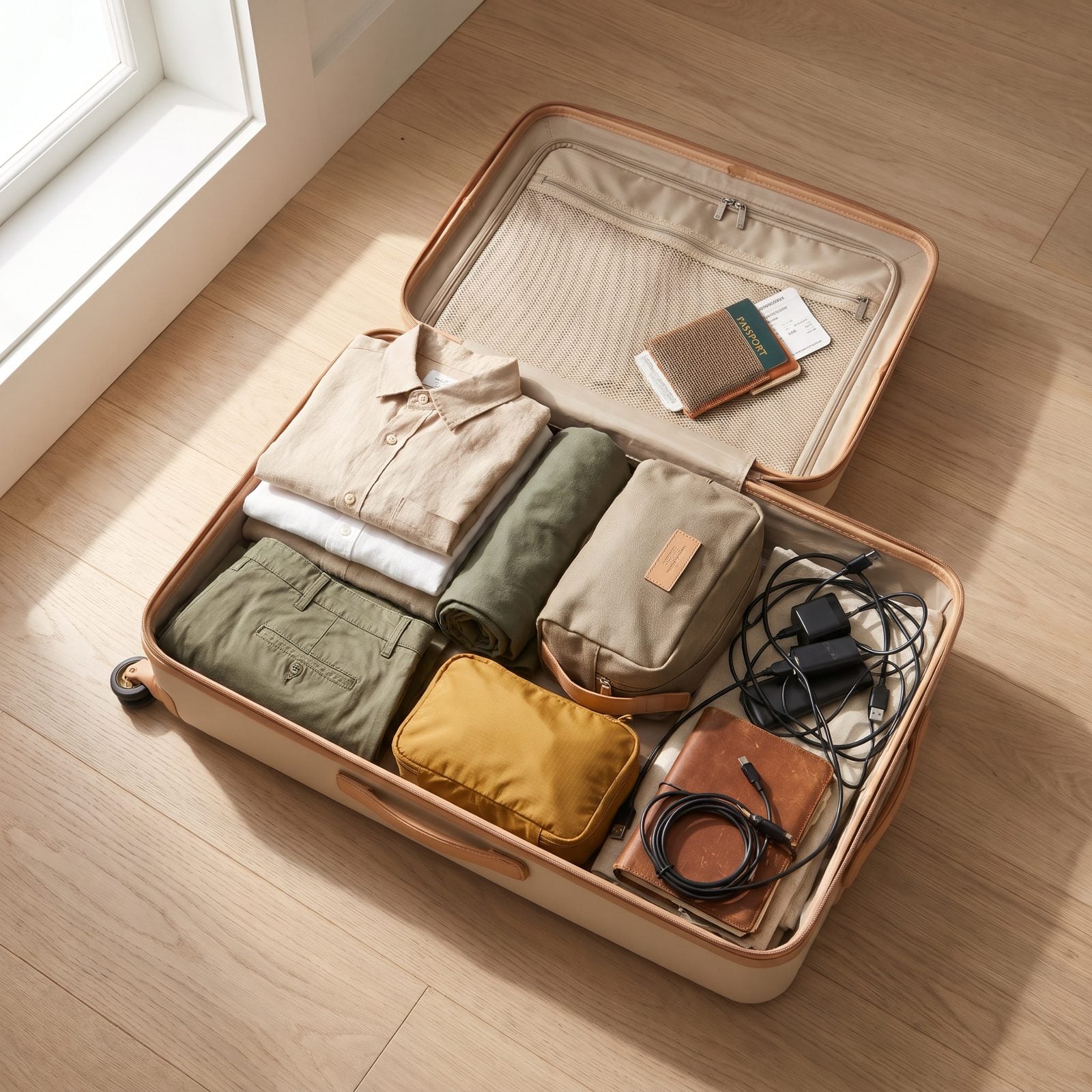
You bring everything on a trip, including the stuff you swore you were leaving at home. Three hundred miles out, the same old disagreement surfaces, the one about who always makes the plans or who never does. The scenery changed. The script didn’t.
We all haul around unfinished business the way we haul a charger we already own two of. You figure a new place will reset the dynamic. It won’t. A different time zone can’t fix what you refused to fix at the kitchen table.
And there’s a reason it clings. Unresolved conflict doesn’t fade, it waits. Psychologists have long noticed that an interrupted task lodges in the mind more stubbornly than a finished one, and an old argument is nothing but an interrupted task. It rides shotgun until you actually close it out.
4. You Chase Perfect Photos Instead of Having a Vacation

You hiked an hour for the view. Now you’re spending twenty minutes trying to nail the shot that proves you saw it, and you haven’t actually looked at the thing with your own eyes yet.
People do this to each other too. The anniversary dinner becomes a performance of a happy couple, staged for folks who aren’t even in the room. You get so busy curating the appearance of a good relationship that you forget to have the evening sitting right in front of you.
Same wiring, both times. The documented self starts mattering more than the living one. One real finding worth knowing: people who photograph experiences heavily tend to remember them worse, not better, because the camera does the noticing for them.
The view doesn’t care whether you photographed it. The dinner doesn’t either. Take one picture. Then set the phone face down and be where your feet are.
3. You Pick a Trip Neither Person Actually Wanted

This is how you end up at a resort nobody is excited about. One person wanted mountains. The other wanted a city. Rather than fight it out or actually decide, you split the difference and booked a lukewarm third option that pleases neither of you, then spend the whole trip faintly disappointed and unable to say why.
Couples make this move constantly, and not just on vacation. Scared of the real conversation, you default to the least-objectionable path and call it keeping the peace. What you actually bought was shared, polite misery.
Conflict avoidance dressed up as compromise is one of the quieter relationship killers. A true compromise means both people get something they wanted. The fake kind means nobody does, and everybody pretends that’s fine.
2. You Treat Different Travel Styles as Character Defects
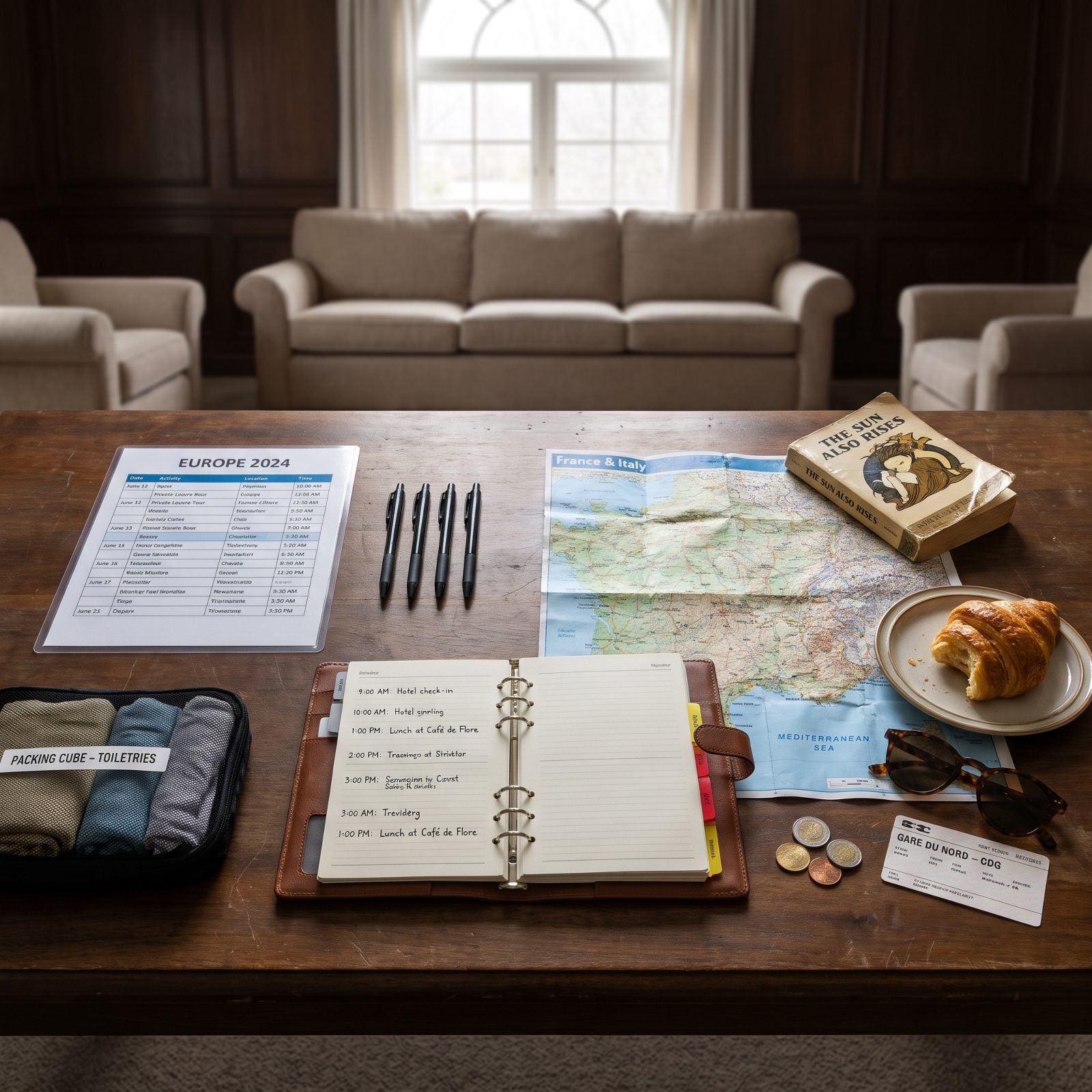
One of you wants every hour mapped, restaurants booked, the itinerary laminated. The other wants to wander and see what turns up. Within a day, the planner has decided the wanderer is irresponsible and the wanderer has decided the planner is a control freak. Same place, two people each certain the other is doing vacation wrong.
Oldest pattern in the book, and it rarely stays on vacation. Back home it’s the saver against the spender, the neat one against the relaxed one. We crown our own preference the correct one and file the partner’s difference as a flaw to be corrected.
There’s a name for the engine behind it: the fundamental attribution error. We explain our own behavior by circumstance (“I just like to be prepared”) and the other person’s by character (“they’re careless”). Same action, two wildly different verdicts, and the harsher one always lands on the other guy.
The spontaneous one isn’t broken. The planner isn’t a tyrant. You just balance the same trip from opposite ends. Build in planned mornings and loose afternoons, and watch the fight dissolve.
1. You Keep Adding Stops Because More Must Mean Better
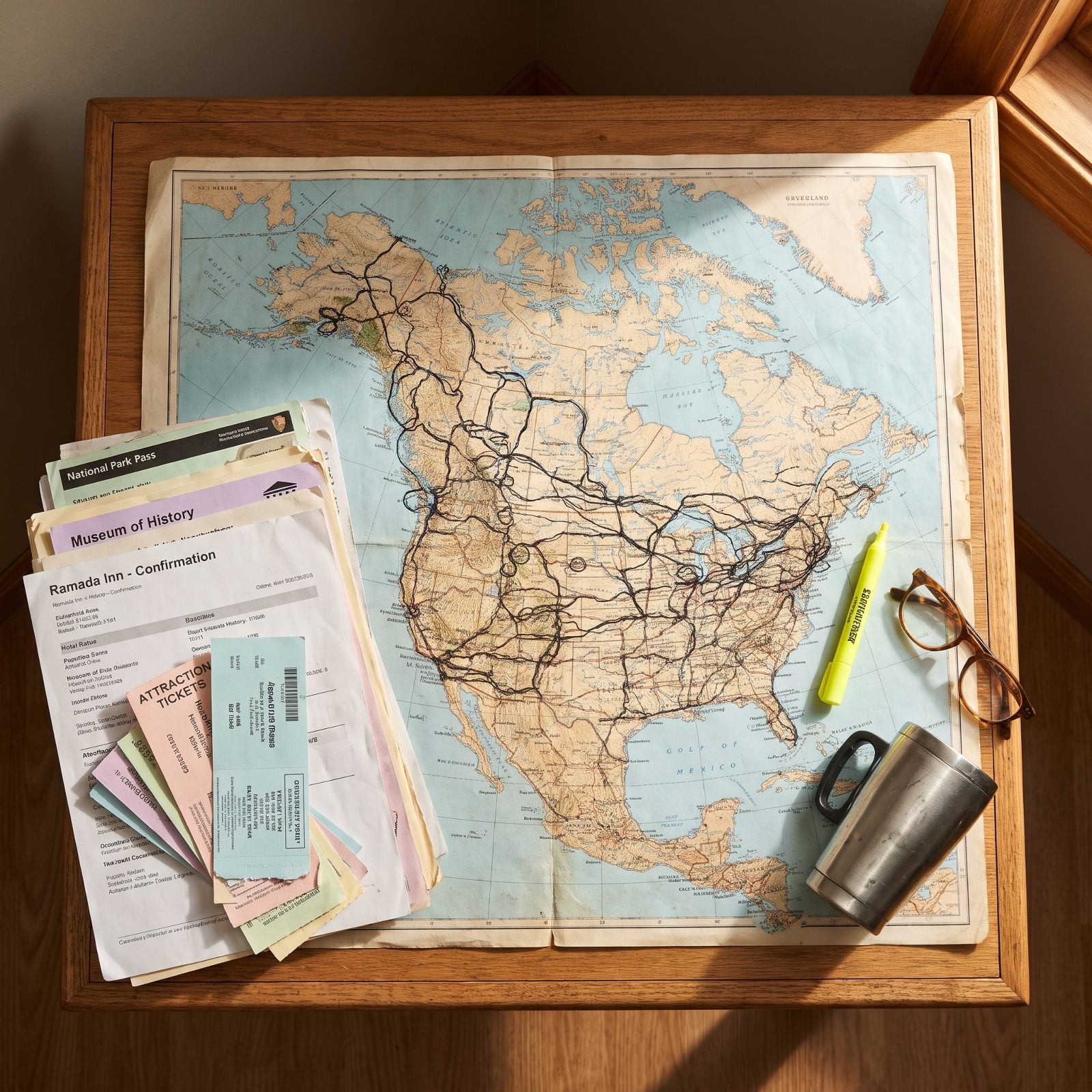
It started as four days in one lovely town. Then you tacked on a side excursion, then a second city because you’d be “so close,” then one more because when would you ever be back. Now you’re spending the whole thing in transit, worn out, seeing everything and enjoying nothing.
We overload relationships the same way. More date nights, more couple’s activities, more shared projects, as if sheer volume of time equals real connection. You cram the calendar so full there’s no room left to actually be together in it.
Call it the more-is-better bias. It runs deep. People confuse quantity with value all the time, and when faced with a choice we tend to add rather than subtract, even when subtracting would make the whole thing better. One day lingering beats three days rushing, in travel and in love.
Please note that some of the imagery in this article were created with the aid of AI image generators.