
There’s a version of you that exists only in the six weeks before a trip. It color-codes. It wakes at 2am to check if the flight dropped forty dollars. It has firm opinions about which security line moves faster, and it will defend them at a holiday dinner until someone changes the subject.
The rest of the year you shrug off a canceled dinner and let other people drive. Then a departure date lands on the calendar and some older part of your brain grabs the wheel. Travel strips away routine, and routine is what keeps most of us calm. Take it away and we reach for the next best thing — control. Below are the habits that do it, and the surprisingly human reasons behind each. You’ll recognize at least three. Probably in the mirror.
18. You Build a Spreadsheet for Every Vacation Hour

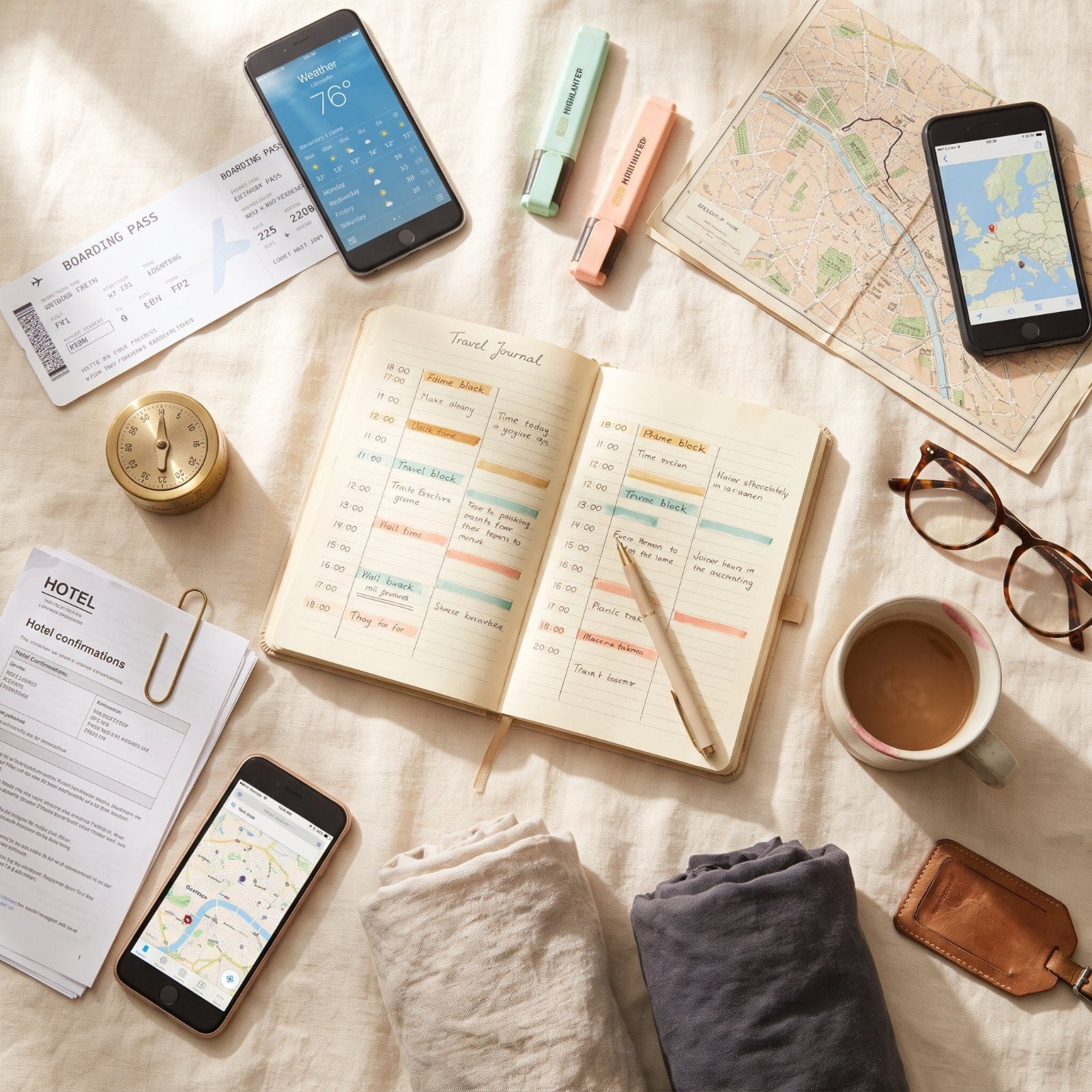
Monday: breakfast 7:45, museum entry 9:15, buffer window 11:00 to 11:20. You don’t schedule your actual life this tightly — at home you eat lunch whenever hunger shows up and nobody dies. But a trip gets a spreadsheet with conditional formatting and a column titled “contingency.”
The vacation feels expensive and rare, so the brain treats every hour like it can be lost forever. Scarcity thinking. When something feels limited, we overvalue control of it. A regular Tuesday has a thousand replacements; a Tuesday in Lisbon has none, so you ration it by the quarter hour.
Here’s the trap. The planning hands you a jolt of certainty now, then writes checks the actual day can’t cash. Trains run late. You linger over a coffee. The column marked 2:00 shrugs and dies.
17. You Refresh Airfares Like the Price Personally Betrayed You

You checked the fare at breakfast. It was $412. You check again at lunch. Still $412. You check before bed, the next morning, and twice during a work call you weren’t really on. The number has done nothing to you, yet you watch it like it owes you money.
Loss aversion is what’s running the show. We feel the pain of paying too much far more sharply than the pleasure of a good deal, so you don’t refresh hoping to save forty bucks — you refresh terrified that the second you look away, the price jumps and the saving becomes yours to have lost. That phantom loss stings more than any actual purchase.
And buying brings no peace. The moment you book, a quieter voice starts whispering that it probably dropped an hour later.
16. Everyone Gets a Packing List They Never Requested
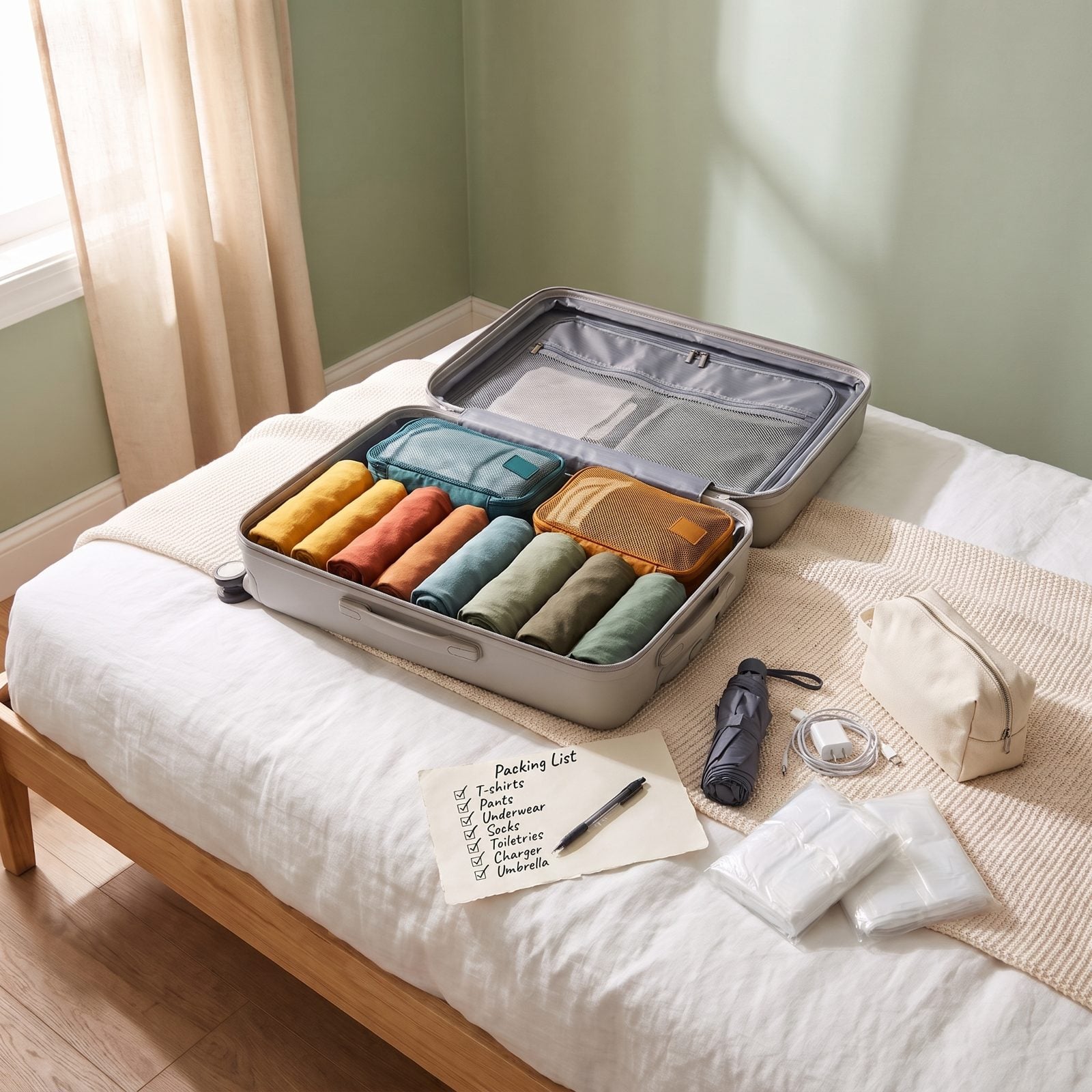
Nobody asked for the list. It arrived anyway — handwritten, checked off line by line, and pressed on grown adults who’ve been dressing themselves successfully for decades. There’s a line for “umbrella.” There’s a note about socks.
Underneath the generosity is a simple move: if I can’t control the trip, I can at least control the inputs. The packing list is a certainty you can actually hold in your hands when so much of travel stays out of reach. It also quietly answers a deeper worry — that if something goes wrong out there, it traces back to you.
The irony? The fully packed, perfectly listed travelers forget things too. Control the inputs all you like. The trip still writes its own ending.
15. You Reserve Restaurants Before Anyone Knows They’ll Be Hungry
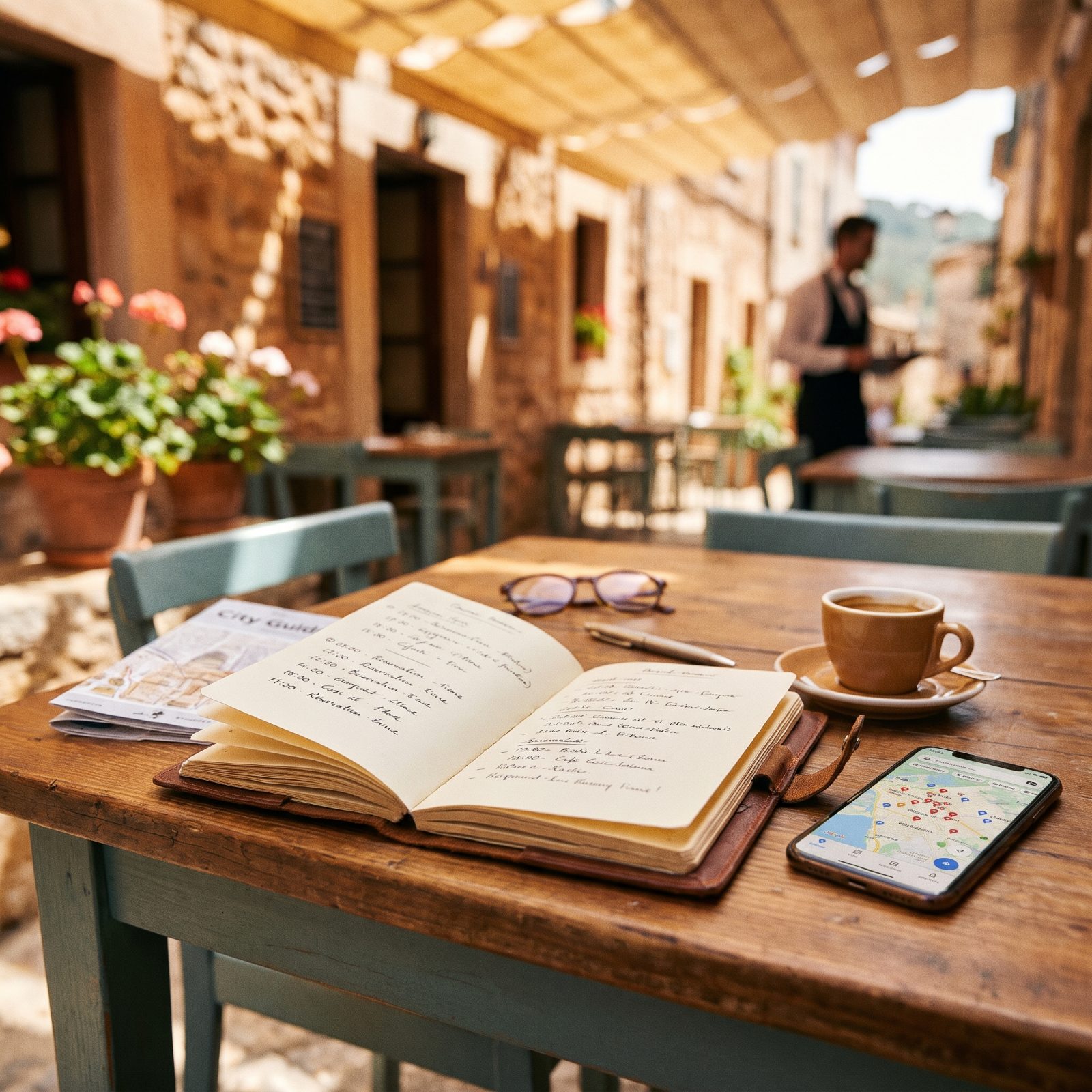
Day four, 7:30pm dinner, confirmed six weeks out. You have no idea what you’ll feel like eating on day four. You might want a sandwich on a bench. Doesn’t matter. The reservation is made, and the reservation feels like safety.
This one runs on commitment and a horror of the empty slot. An unbooked dinner is an open question, and open questions make the anxious planner itchy. A confirmed table closes the loop. You’ve traded flexibility for certainty, and in the moment that trade feels like a steal.
A reservation isn’t really about the food. It’s a small promise that one hour of the future already has an answer.
The bill comes due later, when day four arrives sunny and slow and you’d give anything to skip the fancy dinner you’re now obligated to attend. Past-you booked it. Present-you has to honor it. Call it the quiet tax on planning everything in advance.
14. One Raincloud Sends You Hunting for Three Backup Plans

The forecast shows one small raincloud on a single afternoon, and you’ve already drafted Plan B, Plan C, and a loose sketch of Plan D. Indoor markets. A museum. That aquarium you’d never visit on a clear day. One little rain icon, three fully formed escape routes.
What’s happening is your brain running threat simulations. We’re wired to scan for danger, and an unstructured bad-weather day reads as danger to the part of us that wants a plan for everything. Building backups feels like doing something useful, and it burns off the anxiety even when the backups never get used.
The week usually turns out fine, by the way. The rain lets up for an afternoon. You spend the afternoon somewhere lovely you didn’t plan at all, and the three contingency plans sit in your notes like a fire extinguisher you never had to grab.
13. You Check the Passports While Holding the Passports

They’re in your hand. You can feel them. You look down, confirm they exist, zip the bag — and forty seconds later you unzip it to confirm again. The passports have not moved. They were never going to move. You check anyway.
This is the anxious loop in its purest form. The ritual brings a hit of relief, relief is reinforcing, and the brain wants another hit. Each check teaches you to check again, which is precisely why it never ends. Reassurance behaviors feed the very worry they’re meant to settle.
Travel day cranks the stakes. Forget your umbrella and you buy a new one. Forget your passport and the whole trip evaporates at the gate. High stakes plus uncertainty equals a brain that won’t take your own word for it, even with the proof clutched in your fist.
12. The Group Chat Becomes Your Personal Departure Command Center

At some point the group chat stopped being a chat and became a dispatch center, with you as dispatcher. Confirmations. Countdowns. A pinned message with everyone’s arrival times. A gentle 9pm nudge the night before that reads “just checking everyone’s packed!”
Nobody elected you. You stepped in because the vacuum of shared uncertainty was unbearable. When responsibility feels spread thin across a group, somebody’s anxiety reaches critical mass and they grab the wheel just to make the not-knowing stop. That somebody is you.
And the cost runs deeper than your sanity. Coordinate more and the others let you. Hand everyone certainty and they’ll happily stop generating their own. You become the single point of failure on a trip you organized specifically to feel in control of.
11. You Assign Airport Arrival Times With Military Precision

Three hours for international. Ninety minutes domestic, rounded up to two because of that one time in 2009. You’ve calculated the drive, added traffic, subtracted nothing, and built a buffer on top of your buffer. You arrive so early the gate agents haven’t clocked in.
You’ll never shave those margins, and here’s why: the memory of one near-miss outweighs a hundred smooth arrivals. That’s how fear learns. A single sprint through a terminal with your shoes in your hand burns itself in, and no amount of easy travel since can overwrite it. One bad event beats a dozen good ones, every single time.
So you sit at the gate for two hours, mildly bored, slightly smug, and completely unwilling to risk the alternative. The boredom is the price you gladly pay to never feel that specific panic again.
10. A Spontaneous Detour Feels Like Open Rebellion
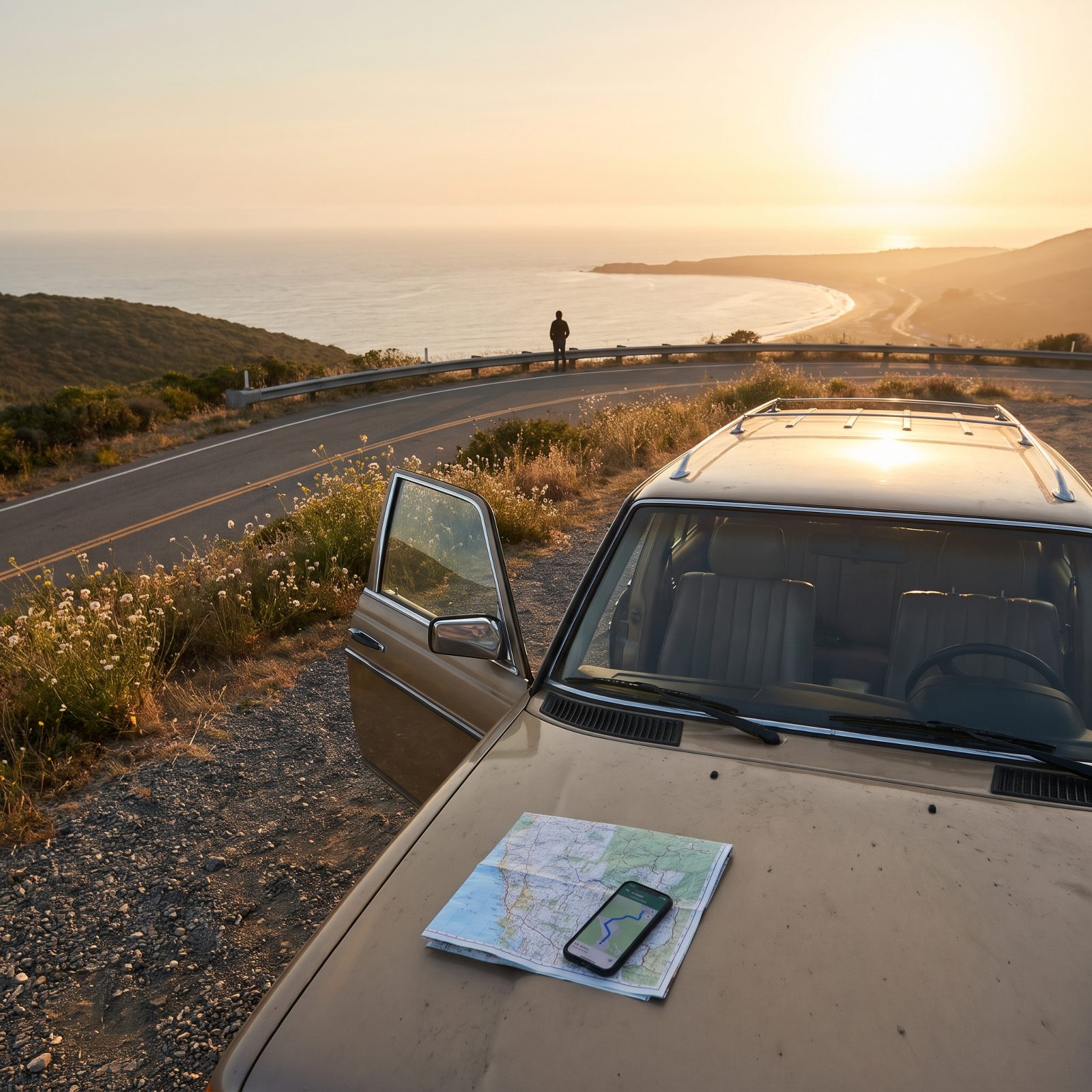
Someone spots a hand-painted sign for a lookout, a waterfall, a pie place, and suggests you just go. Your stomach drops. That stop isn’t on the plan. It’ll eat forty minutes. It’ll push the whole afternoon. A small, reasonable detour, and your body reacts like someone proposed mutiny.
What’s under threat is the plan itself, which by now feels less like a tool and more like a possession. You built it, you’ve poured yourself into it, and the IKEA effect means we overvalue the things we assembled ourselves. So the detour doesn’t just change the route. It cheapens your work.
The best travel memories almost never come from the itinerary. They come from the forty minutes nobody scheduled.
Say yes to the detour and here’s the quiet joke: it’s usually the part you talk about for years. The waterfall. The pie. The thing you almost drove right past to stay on schedule.
9. You Study Street View Before Crossing an Unfamiliar Sidewalk

Before the trip you walk the route. Not with your feet — with your mouse. You drag down the street from the hotel to the restaurant, memorizing the corner with the fountain, the awning you turn at, the exact door. You land in a city you’ve technically never seen and know precisely which way to go.
Call it a dress rehearsal for uncertainty. Unfamiliar places spike a low hum of threat, and pre-walking the route tricks the brain into treating the new as known. Familiarity feels like safety even when it’s borrowed from a screen. You’re buying down anxiety in advance.
But sit with this for a second. The disorientation you’re trying to erase is half of why you travel. Getting mildly lost on a street you’ve never seen, finding the fountain yourself, stumbling onto a bakery nobody scheduled. Pre-load every corner and you arrive already home. Leave a few blocks unknown. That’s where the trip actually lives.
8. Every Coffee Gets Its Own Vacation Budget Category
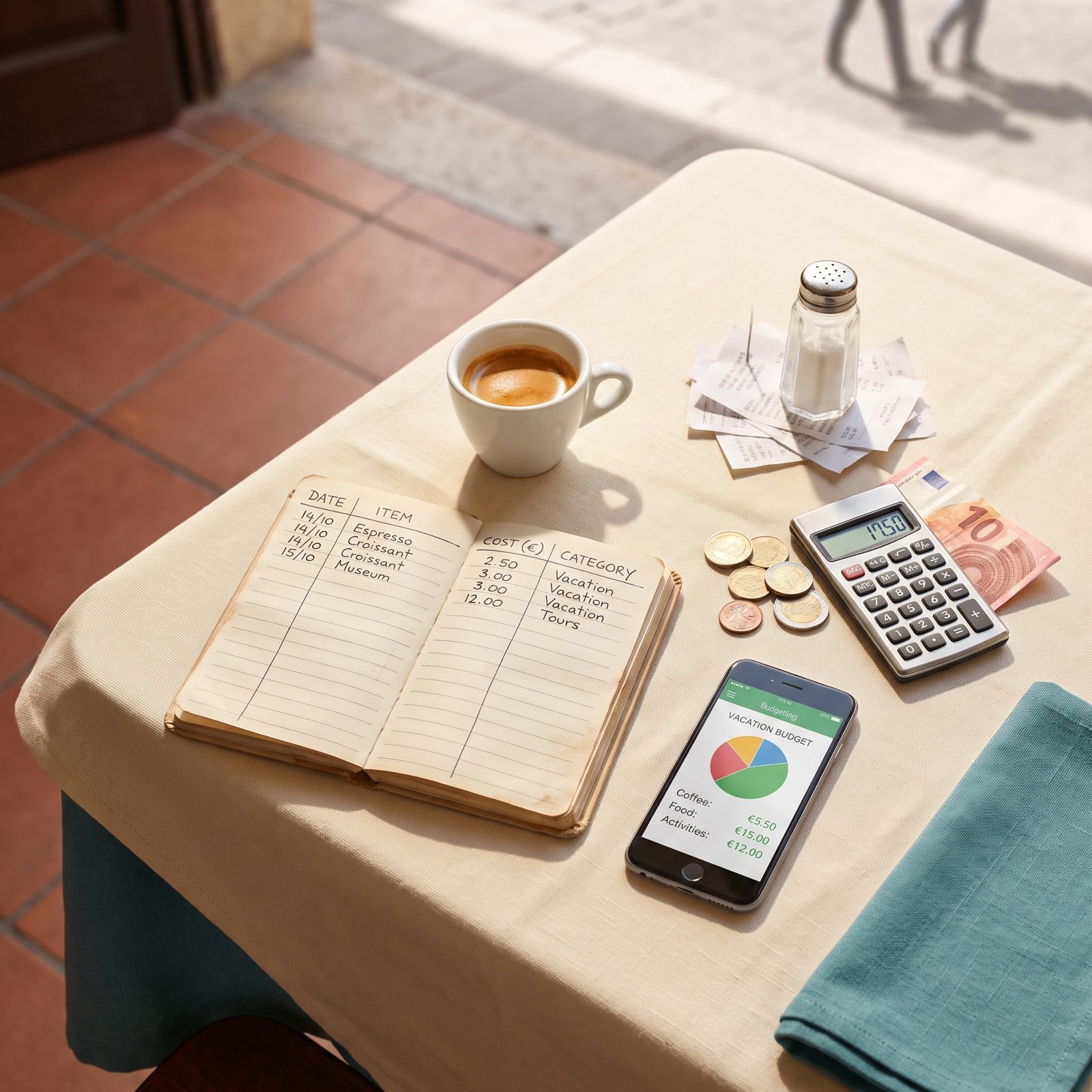
Three euros for a cappuccino becomes a line item, then a running tally, then a quiet internal alarm when the group orders a second round before lunch. The easygoing traveler who never checks a bank statement at home is suddenly tracking caffeine like it’s a mortgage.
It mirrors what we all do when real money feels out of reach. You can’t move the flight price or the hotel rate — those were locked in months ago. But the coffee? The coffee is right here, small and countable, so the mind grabs it.
Call it the illusion of control, the brain fixating on the one variable it can actually move. Big spending already happened, so you can’t feel it anymore. Small spending is live and present, which makes it feel urgent even when it isn’t.
7. You Read Hotel Reviews Until One Ruins the Hotel

You find a hotel. It’s perfect. Then, because you’re thorough, you keep reading — four stars, four stars, four stars, and buried on page nine, one person from two years ago who mentions a smell near the elevator. Now you can’t unsee the smell. The perfect hotel is dead.
We do this with people, apartments, job offers, cars. One sour note and the whole thing sours with it. The brain weights the negative far heavier than the positive, a quirk researchers call negativity bias. Nine hundred happy guests can’t undo one unhappy one, because the threat matters more to us than the reassurance ever did.
Here’s the part worth remembering: the review that scares you is almost always about something you’d never have noticed. That elevator smell was never going to be your problem until a stranger handed it to you. Stop reading at the point you’ve made the decision. The best information often comes right before the information that wrecks you.
6. You Choose Everyone’s Plane Seats Before They Can Object

The seat map opens the moment check-in does. Window for you, aisle for the one who gets up a lot, middle for whoever complains least. By the time the group thinks to weigh in, it’s done. Assigned. Locked. “I already handled it,” you announce, and it lands somewhere between generous and a coup.
Same move as ordering for the table because you know the good dishes, or booking the restaurant before anyone suggests the wrong one. You’re not controlling for fun. You’re controlling because waiting for consensus feels like waiting for a mess.
Psychologists call it preemptive decision-making, and under it sits a simple trade: you take on the work so you don’t have to tolerate the uncertainty. The relief of “done” beats the discomfort of “we’ll figure it out.”
5. The Suitcase Scale Becomes the Household Supreme Court
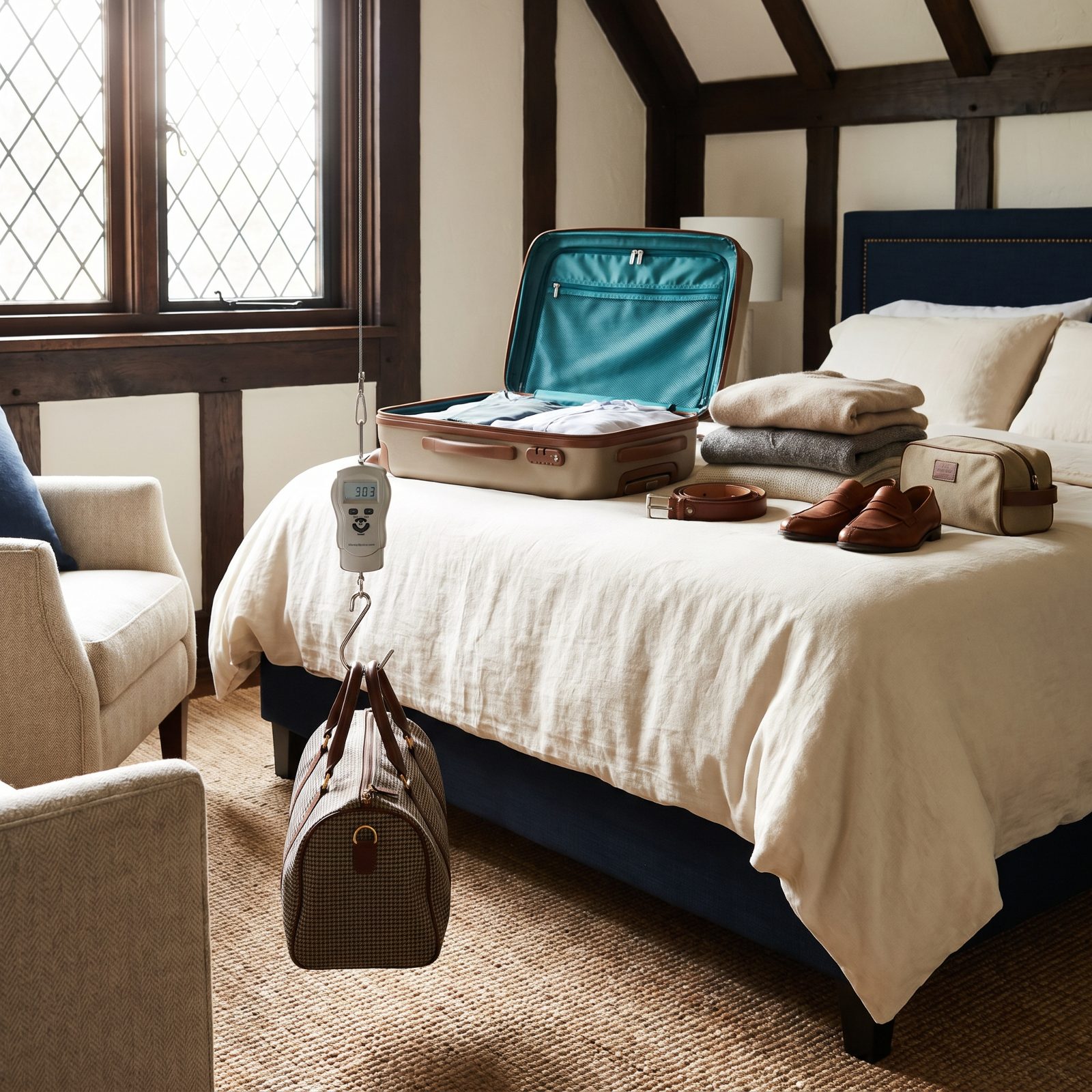
That little hook-and-digital-readout gadget costs almost nothing and somehow becomes the final word in the house. Fifty pounds exactly. The scale has spoken. Out comes the third pair of shoes, the just-in-case sweater, the hardcover book. There is no appeal. There is only the number.
We love a rule that ends the argument — especially a rule we didn’t have to invent. The airline set the limit, so nobody can blame us for enforcing it. Same comfort as a thermostat setting or a bedtime: an outside authority we can point to when we don’t want to be the villain.
Deferral to the objective standard, and it does real emotional work. A packing fight is really a fight about priorities, and those are exhausting. A number isn’t. The scale lets you say no without having to be the one saying it.
4. You Time Bathroom Stops on the Road Trip Itinerary
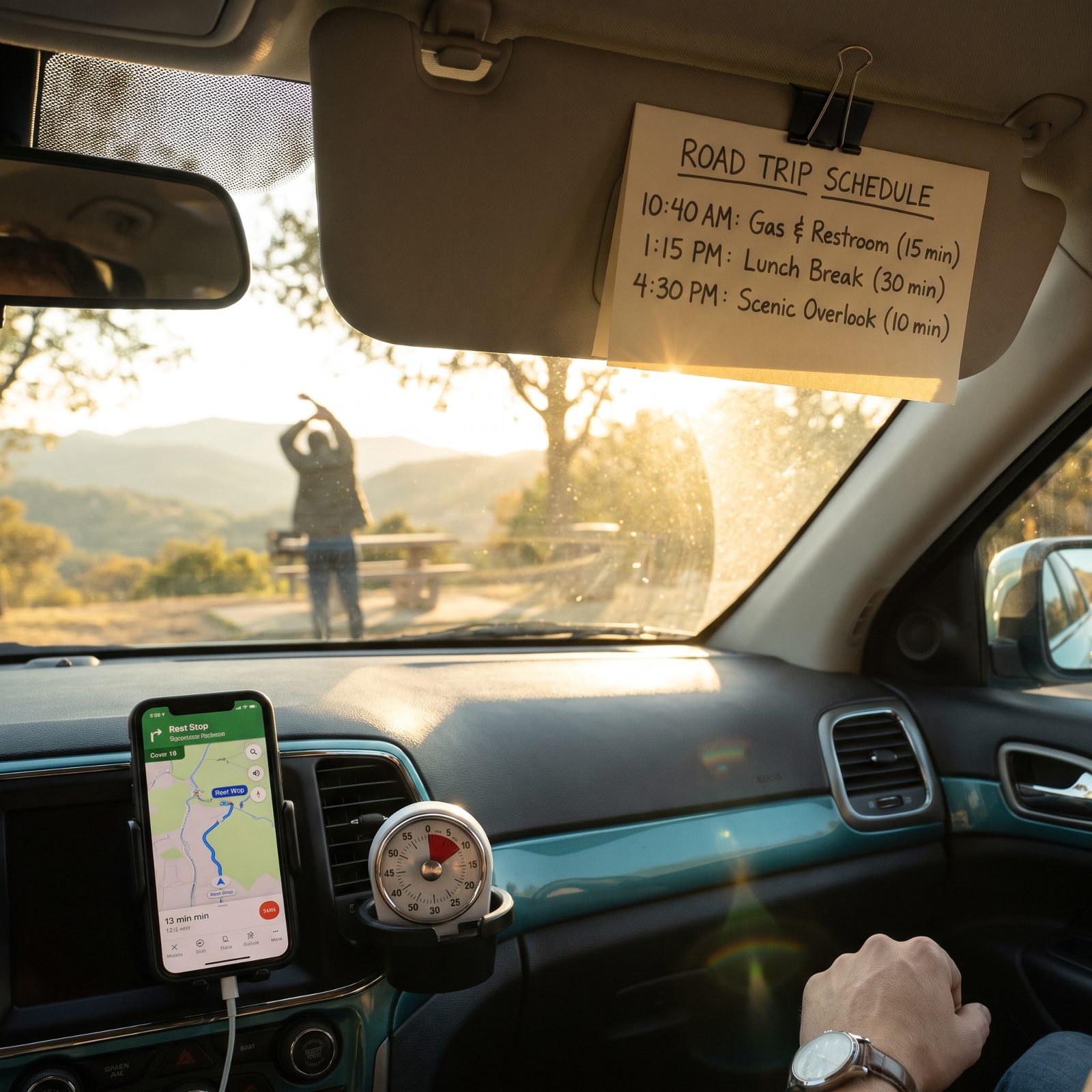
Ten forty is the gas-and-bathroom window. One fifteen is lunch, with a thirty-minute break built in because you are not an amateur. When someone announces at eleven that they need to stop, the whole plan wobbles, and your jaw does a thing.
Bodies don’t read itineraries. That’s the joke, and also the frustration, because you built a beautiful plan and the plan assumed everyone was a machine. We do this at home too — the color-coded Sunday that one spilled juice can collapse.
Underneath is the planning fallacy, our stubborn habit of scheduling the ideal version of a day with none of the human friction built in. We plan for the trip we imagine, not the trip with actual people in the car.
3. You Demand Votes, Then Veto the Winning Excursion

You’re fair. You believe in process. So you call a vote on the day’s excursion, count the hands with real ceremony, and then, when snorkeling wins and the ruins lose, you hear yourself say, “Okay, but hear me out.” The vote was never a vote. It was a formality you hoped would ratify your pick.
Everyone has watched this happen — at work, where the group decision is really the loudest person’s decision; at home, where “where do you want to eat” ends at the same place every single time. The vote provides cover. The veto provides the outcome you wanted all along.
Confirmation bias wearing a democracy costume. You weren’t gathering input. You were hoping the group would agree with the answer you’d already reached, and when they didn’t, the answer stayed and the process got overruled.
The kinder version: skip the vote when you already have a strong preference, and just make the case for the ruins. People forgive a passionate pitch. They don’t forgive a rigged election.
2. You Repack Someone Else’s Bag to Create More Space
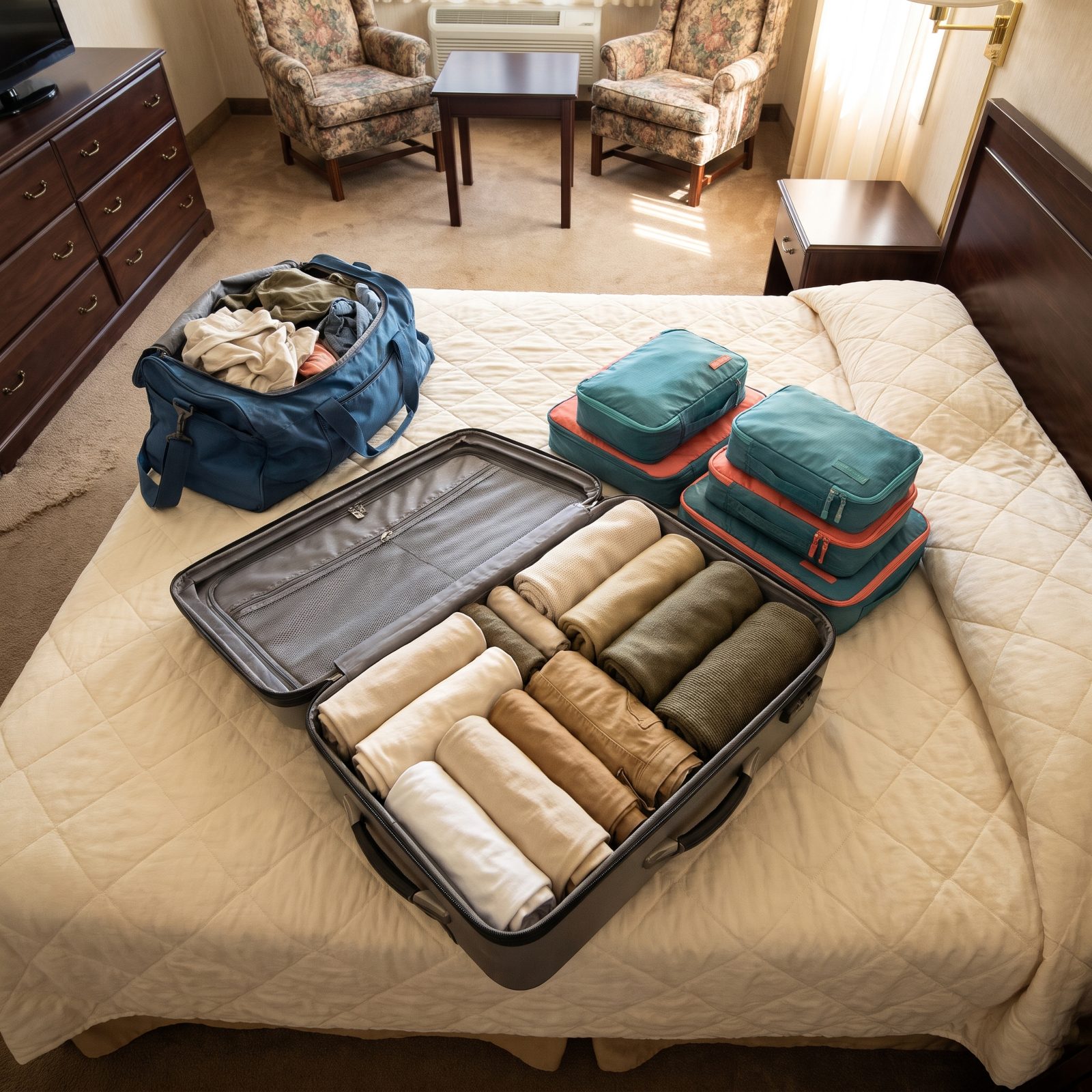
Their bag is fine. It zips. It’s under the weight limit. And yet you find yourself kneeling beside it, unrolling their clothes and re-rolling them your way, because you can see, plainly, how much space they’re wasting. Nobody asked you to do this. You simply cannot not do it.
Same reflex as reloading the dishwasher after someone else loaded it, or straightening a picture in another person’s house. You’ve got a system, and watching inefficiency scrapes against something deep.
Part of it is a cousin of the IKEA effect — the way we overvalue our own method simply because it’s ours. Your rolling technique feels objectively superior because you perfected it. The real tell, though, is that fixing their bag soothes your discomfort, not theirs. They were never uncomfortable. You were.
The space you create in their suitcase is really space you’re creating in your own head.
1. You Schedule Relaxation and Sulk When It Runs Late

Two o’clock is beach time. You’ve looked forward to it for weeks. Then lunch runs long, a shop detour eats twenty minutes, and you don’t reach the lounge chair until three. Now you’re relaxing, technically, but there’s a tightness in your chest, because the relaxation started late and that feels like losing.
We do this with weekends, with the one free evening, with the long-anticipated nap that gets interrupted. The joy was supposed to arrive on schedule, and when it doesn’t, we can’t fully let go into the thing we were craving.
This is where goal-directed thinking turns on us. Relaxation isn’t a task, but we treat it like one — complete with a start time and a sense of failure when the clock slips. The irony writes itself. You’re too busy mourning the lost hour of peace to enjoy the hour of peace you actually have.
Please note that some of the imagery in this article were created with the aid of AI image generators.