
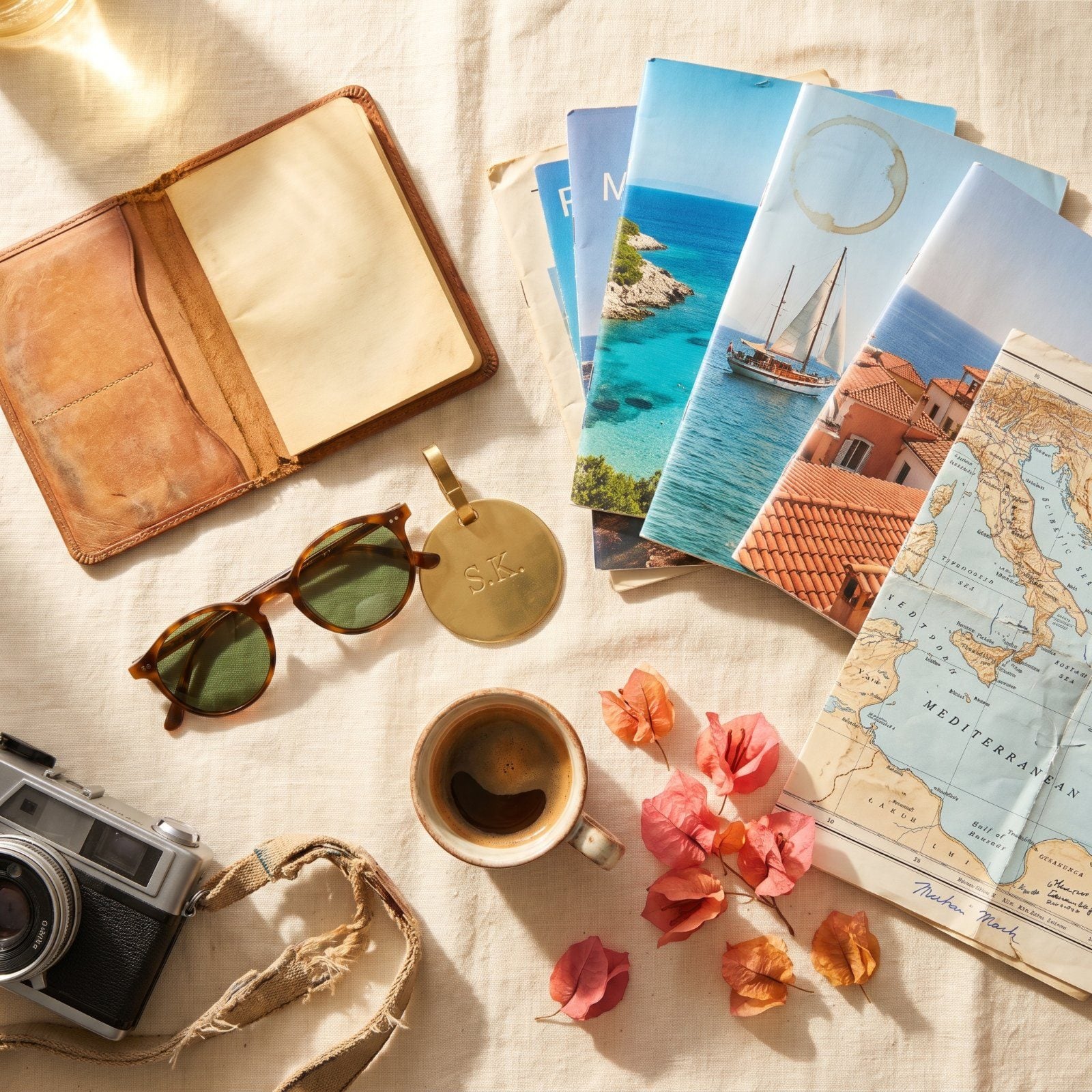
🔥 Would you like to save this?
The pool photo got you. Infinity edge, two lounge chairs, a horizon so blue it looked edited — because it was. You booked before reading a single word about the thin walls or the forty-minute shuttle from the airport. Sound familiar? It should. The way we fall for a destination runs on the same wiring that makes us fall for a person: we idealize the pictures, panic at too many options, call a lucky coincidence destiny, and refuse to cancel because walking away stings worse than staying. Travel is one of the few places where you can watch your own heart misbehave in slow motion and still come home with a decent tan. What follows is a tour of the parallels — and a mirror you did not ask for.
12. You Fall for Resort Photos Before Reading a Single Review

The listing leads with the pool at sunset. It does not lead with the construction crane next door, or the review that mentions a rooster at 5 a.m. You see the glowing water, feel the warmth on your skin before you’ve booked a thing, and your brain quietly decides this is the one.
Same thing happens the moment someone walks across a room and the light hits them right. You build a whole future on a first impression, then spend weeks defending it. Psychologists call it the halo effect: one attractive feature — the photo, the smile — floods everything else with the same golden assumption. If the pool is that beautiful, surely the beds are comfortable and the staff are kind and the walls are thick.
They might be. Or you might be reading six paragraphs of praise through a filter you installed before you had any facts.
11. You Compare Fifty Hotels and End Up Trusting None of Them

Twenty-three tabs open. A spreadsheet nobody asked you to make. You started looking for a place to sleep and now you cannot choose between the one with the better breakfast, the one with the better location, and the one that’s forty dollars cheaper but has a suspicious review from somebody named GaryTravels99.
This is choice overload, and it’s the enemy of actually enjoying anything. More options should mean a better pick. Instead, past a certain point, every new comparison just makes all of them look worse. The famous jam-tasting study found shoppers were far likelier to buy when offered six varieties than twenty-four. Too much choice doesn’t free you — it paralyzes you, then makes you doubt whatever you finally land on.
You’ve watched this happen on the dating apps too. Endless profiles, infinite swiping, and somehow a growing certainty that the right one is always on the next screen. The abundance that was supposed to help is quietly convincing you that nothing is good enough.
10. You Call It Fate When the Airfare Suddenly Drops

You’d almost talked yourself out of the trip. Then the fare drops a hundred and twenty bucks overnight, and suddenly it’s a sign. The universe wants you in Lisbon. It’s practically rude not to go.
It wasn’t fate. It was an algorithm adjusting inventory on a Tuesday. But we are pattern-making creatures, and we love reading meaning into coincidence — especially when the meaning gives us permission to do the thing we already wanted to do. It’s the same voice that whispers “we were meant to meet” after you both happened to reach for the same book. The timing feels cosmic because you want it to be.
The honest version is less romantic and more useful: you wanted to go, and the price gave you cover to stop deliberating. That’s fine. Just know that calling it destiny is a way of outsourcing a decision you’d already made in your gut.
9. You Ignore Three Layovers Because Santorini Looks Incredible
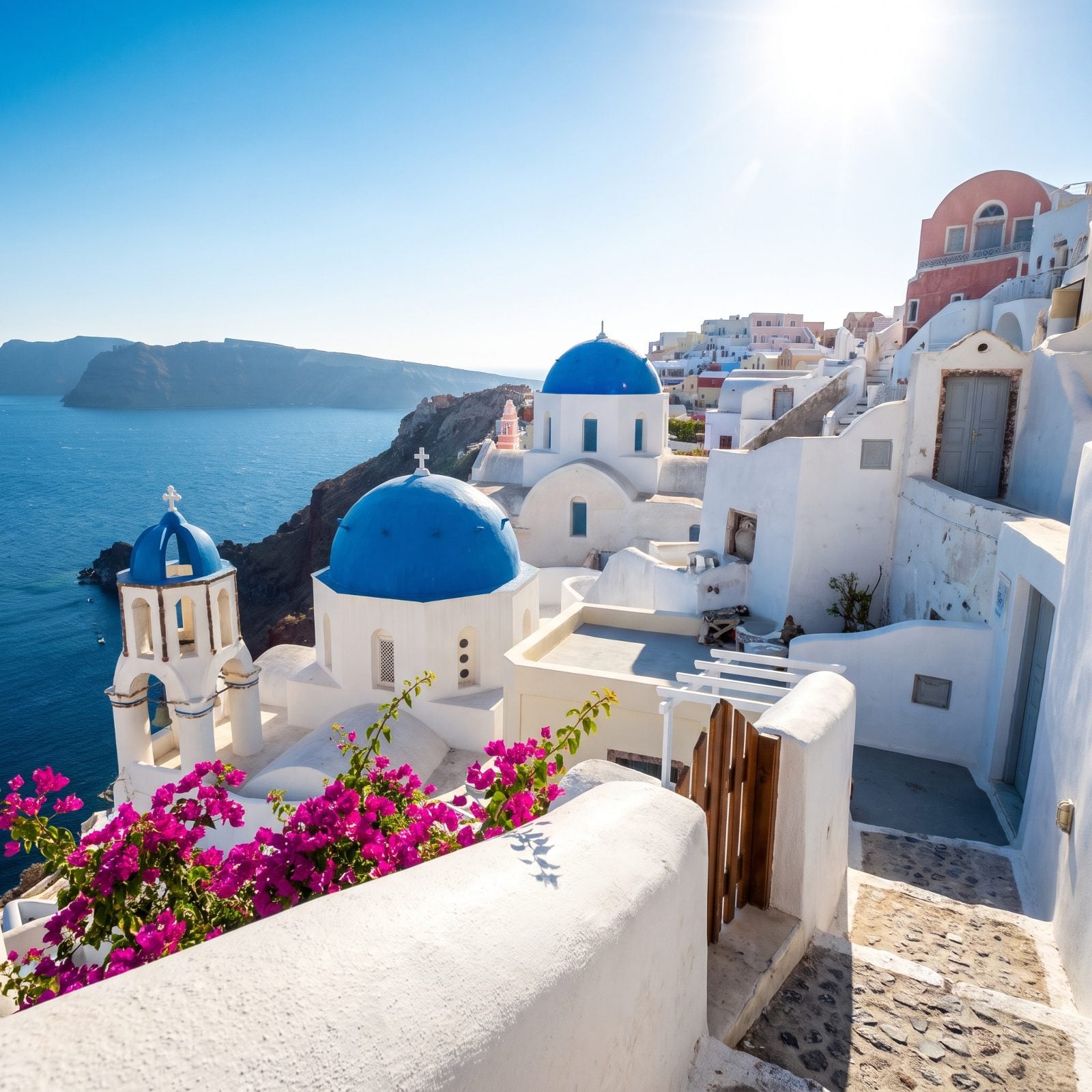
Twenty-one hours of travel. Three connections. A six-hour layover in a terminal with one sad cafe. You look at the Santorini photos one more time — the blue domes, the white cliffs — and you book it anyway, because the destination is worth it.
This is affective forecasting at its most generous. We imagine the payoff in vivid detail and the suffering in vague shorthand. The sunset over the caldera gets rendered in full color, while three layovers compress into a single word — “travel” — that hides how much your lower back is going to hate you.
You’ve done this with people, too, focusing so hard on the highlight reel — the chemistry, the great weekends — that you wave away the exhausting parts as logistics you’ll somehow power through. Sometimes the view really is worth the layovers. But the honest traveler, and the honest romantic, learns to weigh the whole trip, not just the arrival.
8. You Want Adventure, Comfort, Seclusion, and Nightlife All at Once

You want somewhere remote enough to escape the crowds, but also lively enough to have options at night. Rugged enough for a real hike, with a spa afterward. Authentic and off the beaten path, with reliable wifi and a good airport. You want the fishing village that also somehow has rooftop cocktails.
These places exist mostly in the imagination, because the traits cancel each other out. Seclusion and nightlife are opposites. Rugged adventure and plush comfort pull in different directions. You’re building a composite that no single destination can be.
The dream resort and the dream partner share a flaw: they are made of requirements that quietly contradict each other.
It’s the exact list people recite about a partner. Exciting but stable. Independent but always available. Spontaneous but dependable. Each item is reasonable alone. Stacked together, they describe a person — or a place — that cannot exist. The work isn’t finding the thing that has everything. It’s deciding which two or three things you genuinely cannot live without, and letting the rest go.
7. You Keep the Booking Because Canceling Feels Like Failure

The forecast turned. A better deal popped up for a different week. Part of you knows you should rebook. But you’ve already paid the deposit, already told everyone, already pictured yourself there — and canceling now feels like admitting you got it wrong.
That’s the sunk cost fallacy, dressed up in a sun hat. The money and effort you’ve already poured in are gone either way, but your brain treats walking away as throwing them out the window, so you stay committed to a plan you’ve quietly stopped believing in.
Everyone has watched a friend do the relationship version. Two years in, clearly unhappy, and the main argument for staying is some version of “but we’ve already put so much into this.” Time spent is not a reason to keep spending. It’s just time spent. The hardest and healthiest question — for a booking and for a relationship — is the same one: knowing what I know now, would I choose this again today?
6. You Pick the Destination Your Friends Will Secretly Envy
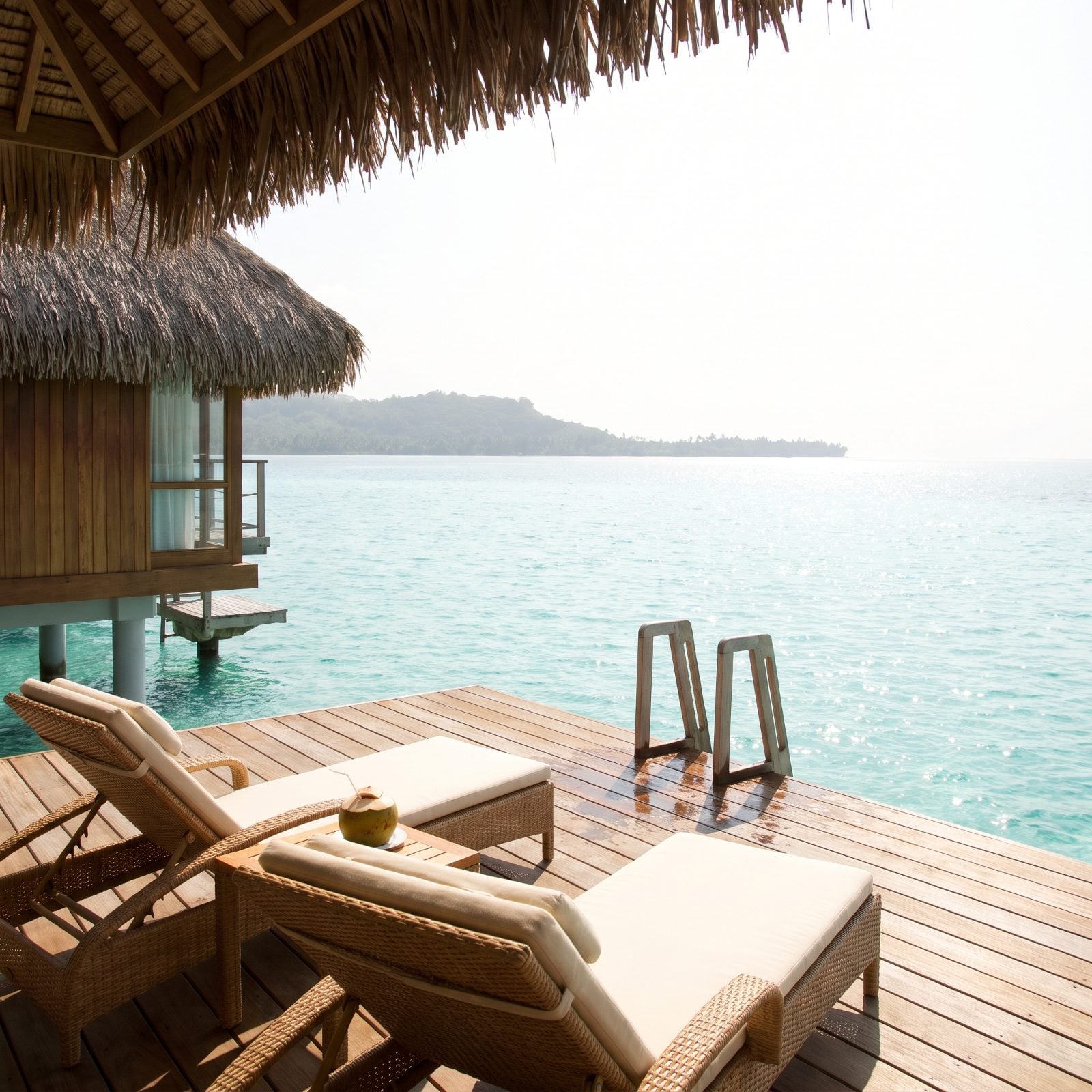
Be honest about the overwater bungalow. Part of the appeal is the stay. The other part is the photo of the stay — the one that lands in the group chat and makes everyone go quiet for a second.
Status signaling is baked into how we choose vacations now. We don’t just pick where we want to be. We pick where we want to be seen to have been. The Bali villa, the Tuscan vineyard, the hard-to-get reservation — these carry social currency, and the currency is part of the purchase whether we admit it or not.
It sneaks into romance the same way. Choosing a partner partly for how impressive they look to other people: the job title that sounds good at dinner parties, the appearance that turns heads. Flattering to be seen with, but a shaky foundation for an actual life. The trips and the relationships that hold up are the ones chosen for how they feel when nobody’s watching, not how they photograph for the ones who are.
5. You Chase the Feeling From Your Best-Ever Beach Trip

There was that one trip. The water was the right temperature, the drinks arrived cold, the company was easy, and for a few days nothing hurt. Ever since, some part of you has been trying to book your way back to that feeling.
Here’s the uncomfortable thing. You can return to the exact same beach, same hotel, same month, and it won’t land the same. That first trip was lightning — a particular mix of newness, mood, and timing that cannot be reordered off a menu. Nostalgia polishes the memory until it glows brighter than the real day ever did.
People do this with a first great love, too, measuring everyone after against a version of the past that longing has quietly edited. The beach was never really the magic. You at that moment — open, unguarded, not yet comparing — was the magic. Chasing the replica guarantees disappointment. Letting the new place be its own thing is the only way to feel something fresh.
4. You Blame the Hotel When Paradise Starts to Feel Ordinary
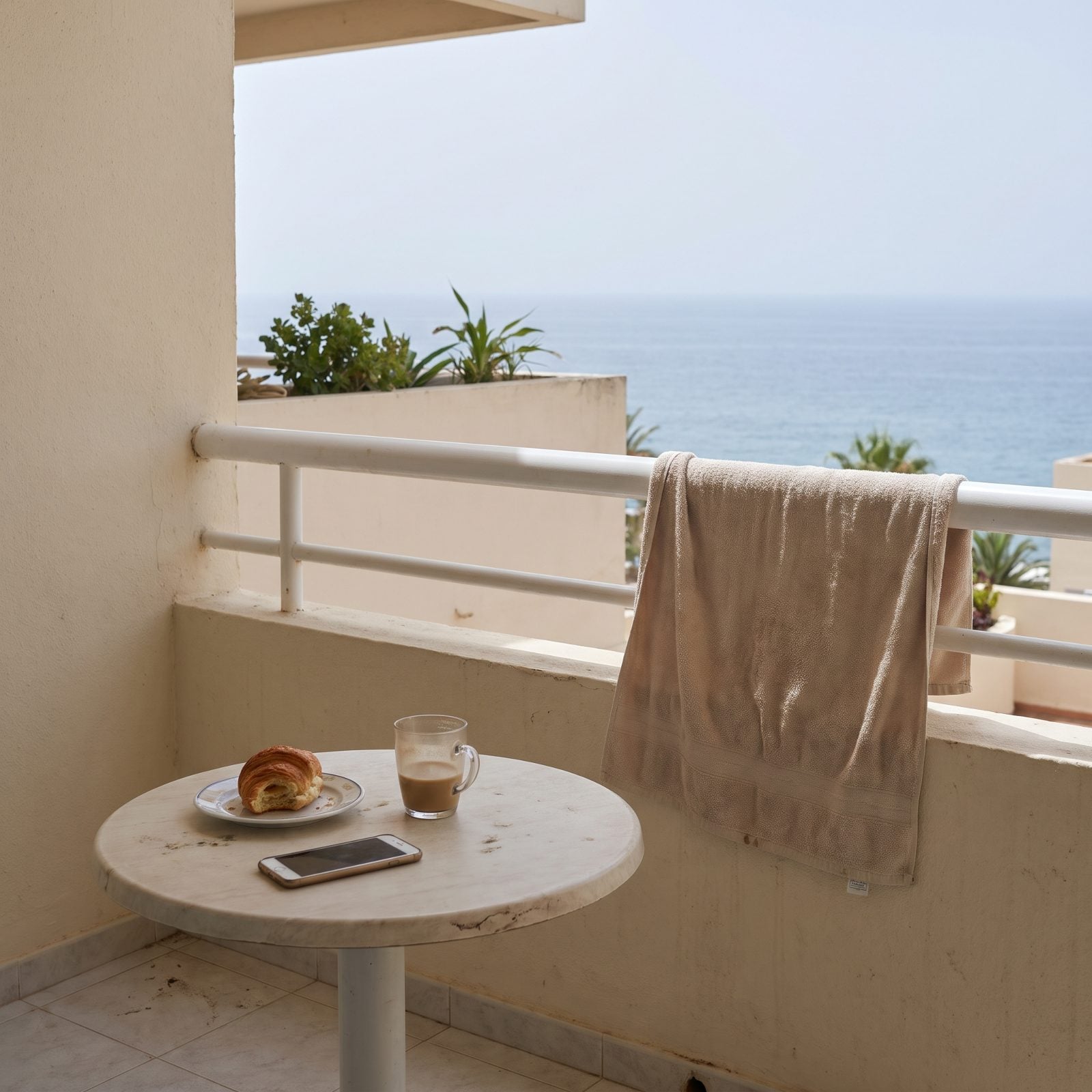
By day four, the view out the window is just the view. The breakfast buffet feels repetitive. And somewhere in your head a voice starts suggesting that the hotel is the problem, that you should have booked the other place, the one with the better reviews.
The hotel is fine. What happened is hedonic adaptation — the thing where any pleasure, no matter how good, fades into background once it becomes your normal. The infinity pool that took your breath away on arrival is now just the pool. Your brain recalibrates with ruthless speed, then goes hunting for something to blame for the dimming.
This is the exact machinery behind the three-month slump, the itch that shows up once the thrill of new settles into the ordinariness of known. The partner didn’t get boring. The vacation didn’t get worse. Your nervous system simply stopped rewarding you for things it’s gotten used to. Knowing that won’t stop it. But it might stop you from blaming the pool.
3. You Reserve Refundable Rooms and Keep Browsing Anyway

You booked the free-cancellation room. Smart move. Except now you’re still browsing, still comparing, still keeping the window open in case something better turns up — because the escape hatch means you never actually had to commit.
The refundable booking feels like freedom. It’s really a way of keeping one foot out the door. And here’s the twist researchers keep finding: reversible decisions leave us less satisfied than final ones. Lock a choice in and the mind sets to work loving what it has. Leave the door open and the mind keeps shopping, never fully landing.
We know this move in relationships by other names. The situationship. The person who won’t define things. The constant low-grade browsing even when something good is sitting right there. Optionality feels safe, but it quietly steals the one thing only commitment delivers — the peace of having chosen. At some point the smartest move is to click the non-refundable rate, close the tabs, and let yourself actually arrive.
2. You Book a Rebound Weekend After a Travel Disaster
🔥 Would you like to save this?
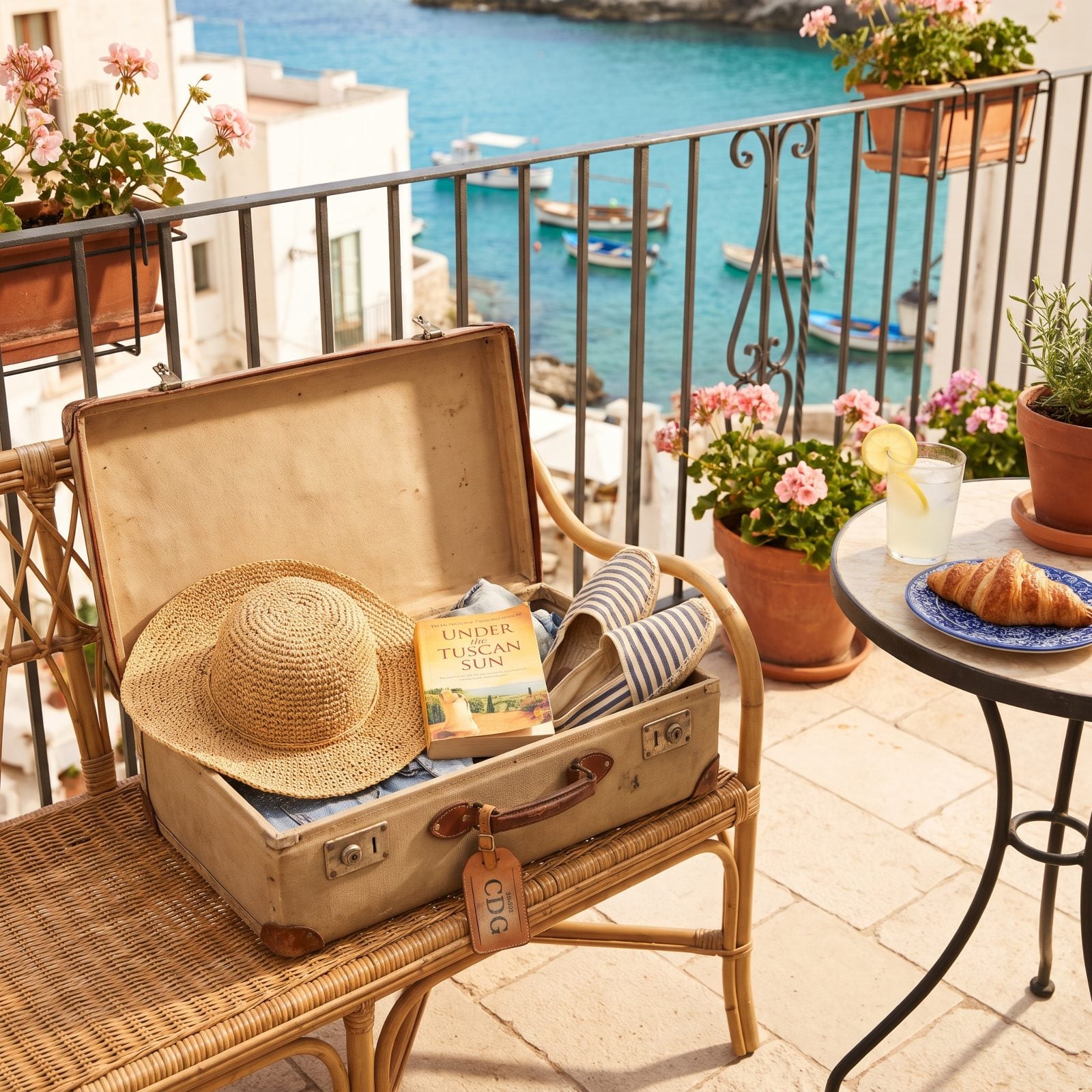
The last trip fell apart. A cancelled flight, a hotel that smelled like a wet basement, three straight days of rain you hadn’t packed for. You got home deflated and swore off travel for a while. Then, about ten days later, there you were on a booking site at eleven at night, thumb hovering over a cheap fare to somewhere sunny. Anywhere sunny, honestly. You hit confirm before checking the cancellation policy.
That’s the rebound weekend. Same wiring as texting someone new the week a relationship ends — you’re not really chasing the new place, you’re trying to erase the taste of the old one.
Psychologists call it affect regulation, which is their roundabout way of saying we book the next thing to feel better about the last thing. Trouble is, you’re choosing while your judgment is still bruised, so you overvalue anything that looks like the opposite of what hurt you. Rained-out beach vacation? A desert resort suddenly looks like heaven.
1. You Judge the Whole Vacation by Its Final Night
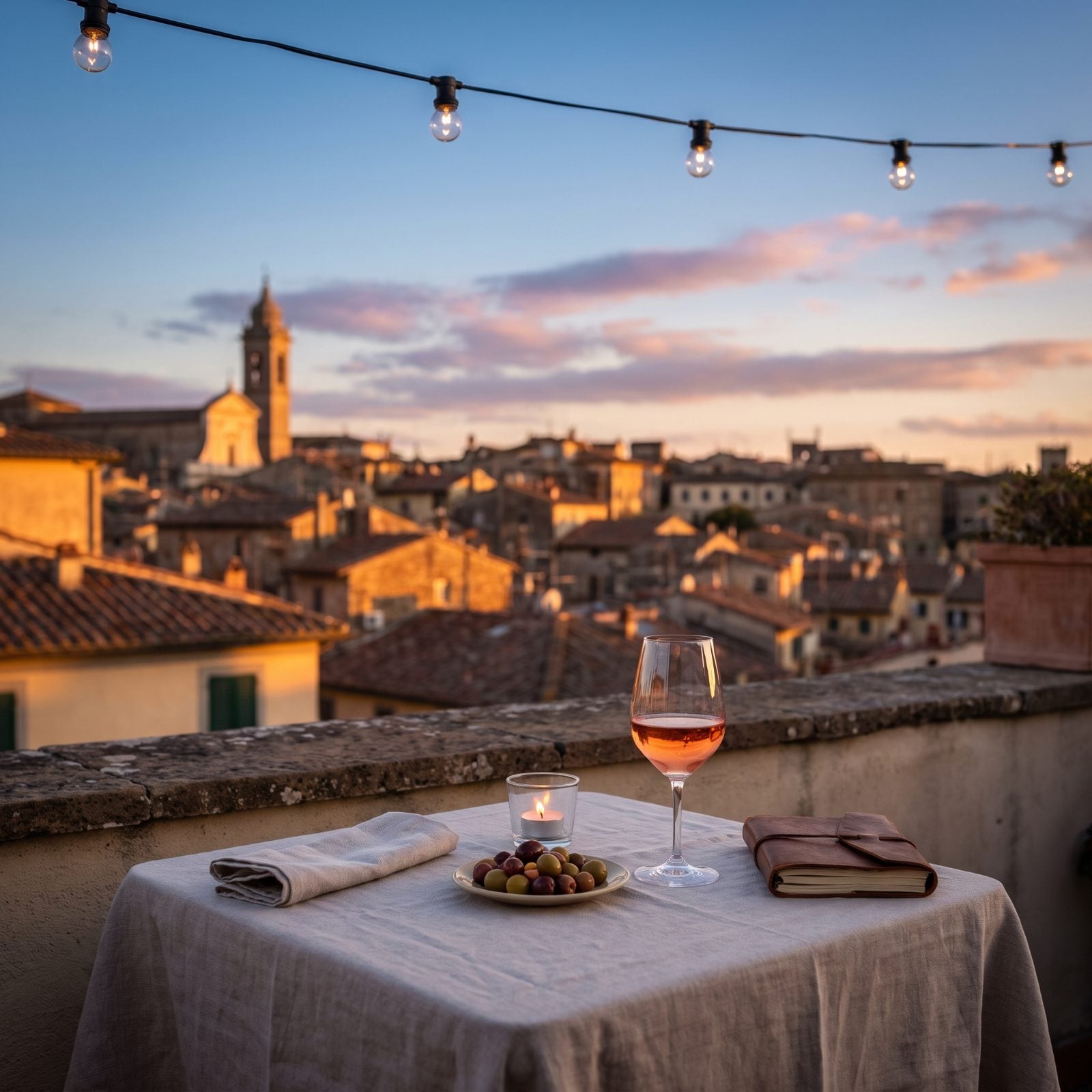
Picture a week that went mostly right — decent weather, good meals, a museum you actually loved. Then came the final night: a restaurant that lost your reservation, a pushy waiter, a cab driver who took the long way around. You flew home grumbling. And when friends asked how it went, the first thing out of your mouth was the bad dinner.
A whole week, filed under the last ninety minutes. We do the exact same thing to relationships, where a marriage of good years gets remembered through the lens of how it ended, all that quiet kindness overwritten by one fight at the door.
There’s a name for it. The peak-end rule, from Daniel Kahneman’s work on memory, says we don’t average an experience out. We remember its most intense moment and its ending, then let those two stand in for everything. The middle — the lazy afternoons, the perfect gelato — gets squeezed down to almost nothing.
We don’t remember our trips. We remember the highlight and the goodbye, and call that the trip.
Handy to know before you plan. Spend a little extra on the last night, not the first. Your memory will thank you later, even if your wallet sulks about it now.
🔥 Would you like to save this?
Please note that some of the imagery in this article were created with the aid of AI image generators.